Ceramics: Modeling and Decoration
A course by Paula Casella BiaseCeramic Artist
A course by Paula Casella Biase, Ceramic Artist

Learn a variety of techniques to create, give shape, and enamel with style
Would you like to give shape to clay and create your own original ceramic pieces? In this course, ceramic artist Paula Casella not only teaches you how to model, she also shows you incredible techniques to decorate your pieces.
Paula teaches Kurinuki modeling and the application of glazes in two phases. The first one on humid clay that is fired once it is dry and the second to give it a final look before going back into the kiln. The novelty of this course is the application of glazes in two phases, as it is usually done in one, once the piece is bisque-fired.
If you are passionate about this craft, we recommend that you take a look at Paula’s two other courses on Domestika: Ceramics at Home for Beginners and Ceramic Glazing for Beginners.
What will you learn in this online course?
25 lessons & 17 downloads
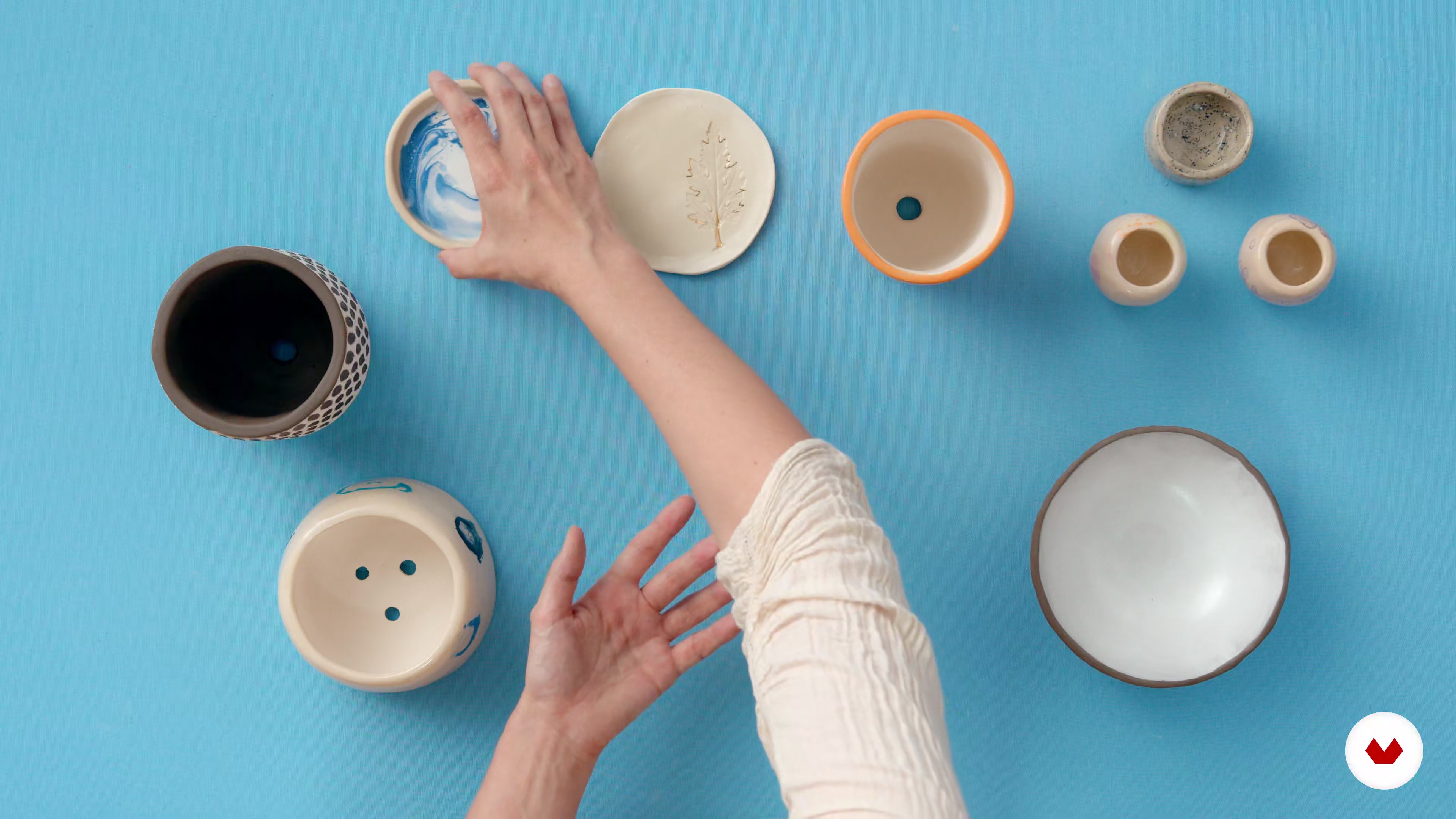
What will we do in the course?
1 minute, 33 seconds
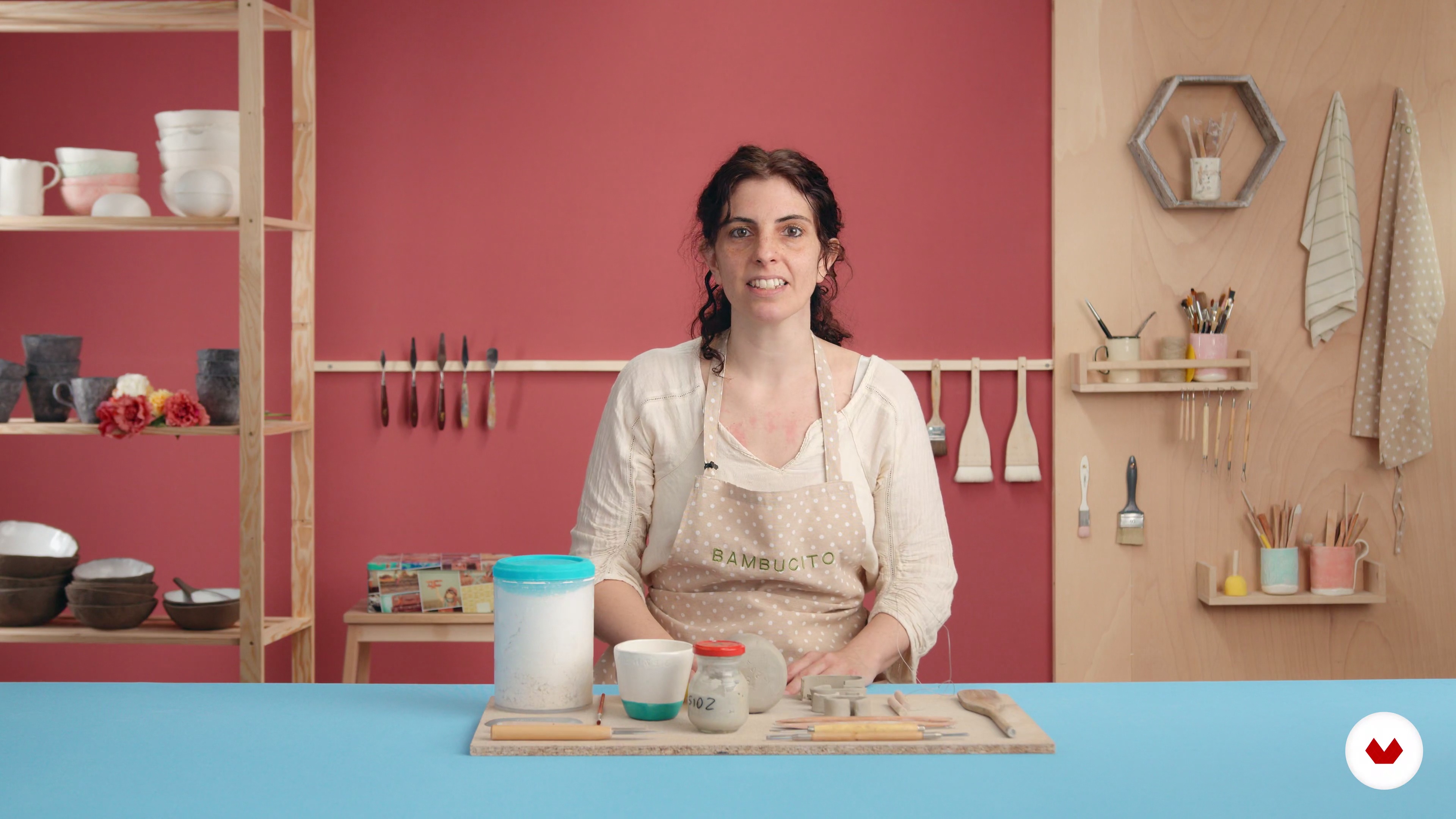
What do we need to model?
4 minutes, 50 seconds
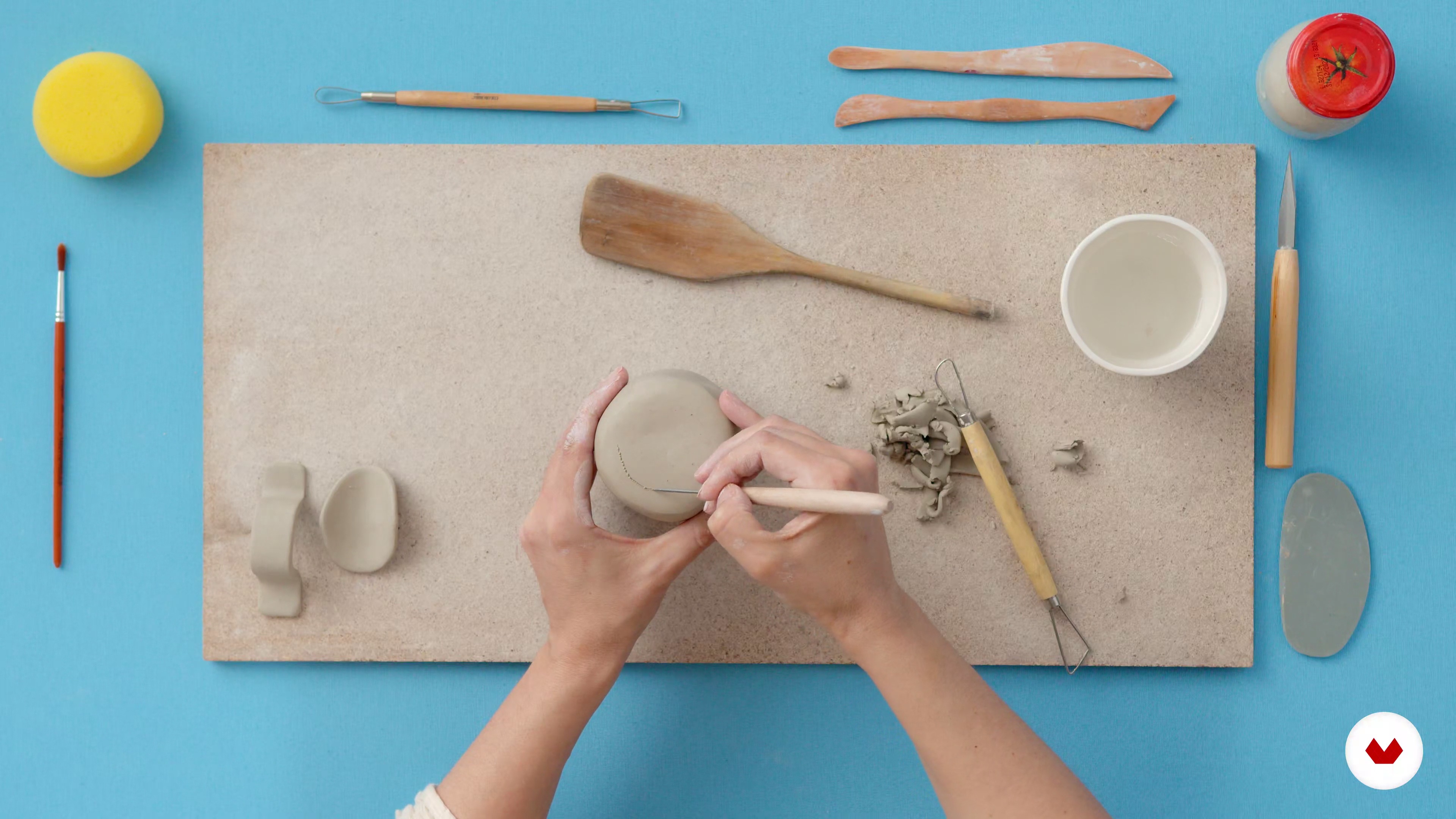
Modeling of cups and jugs 1
19 minutes, 24 seconds
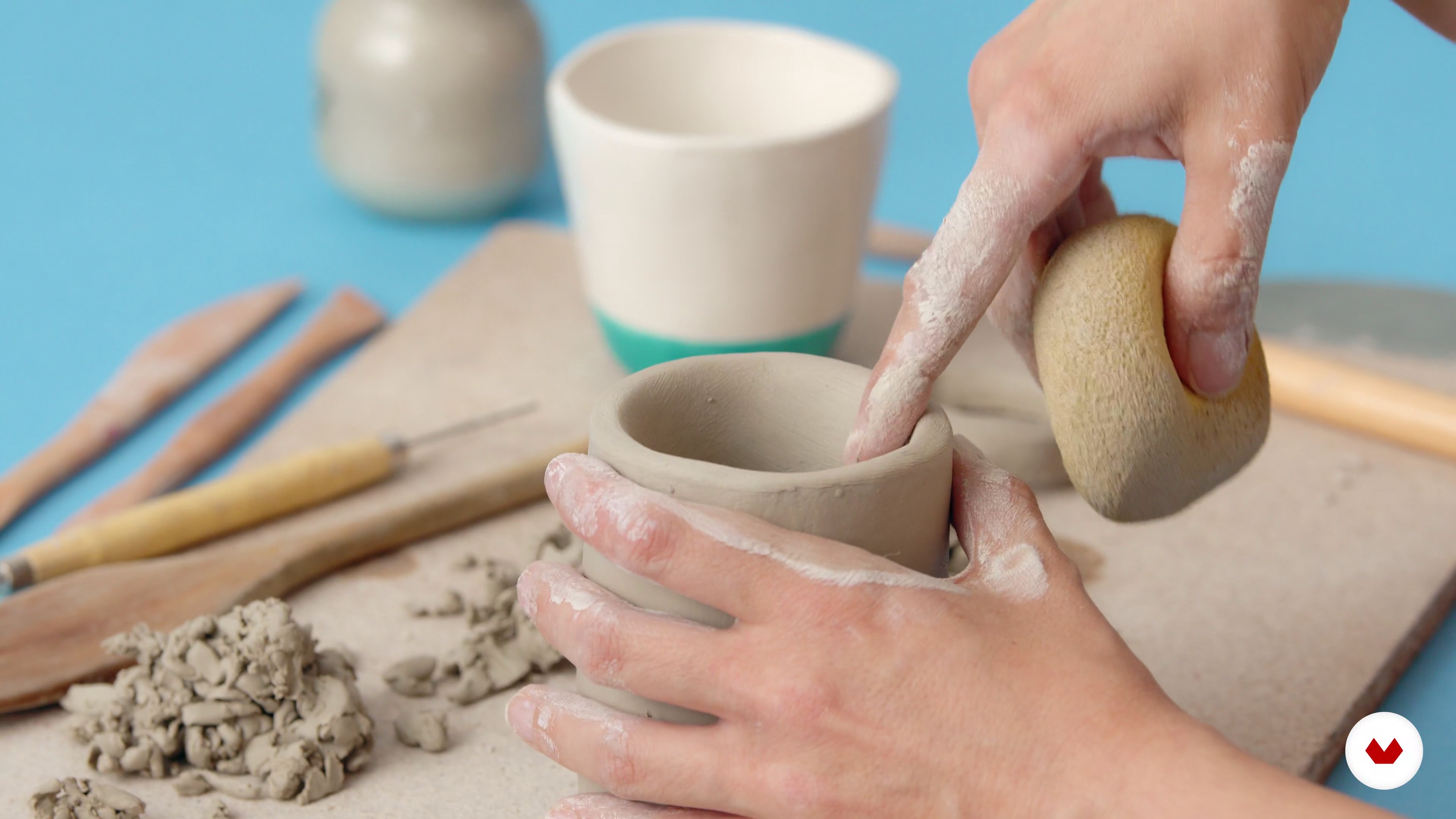
Modeling of cups and jugs 2
19 minutes, 5 seconds
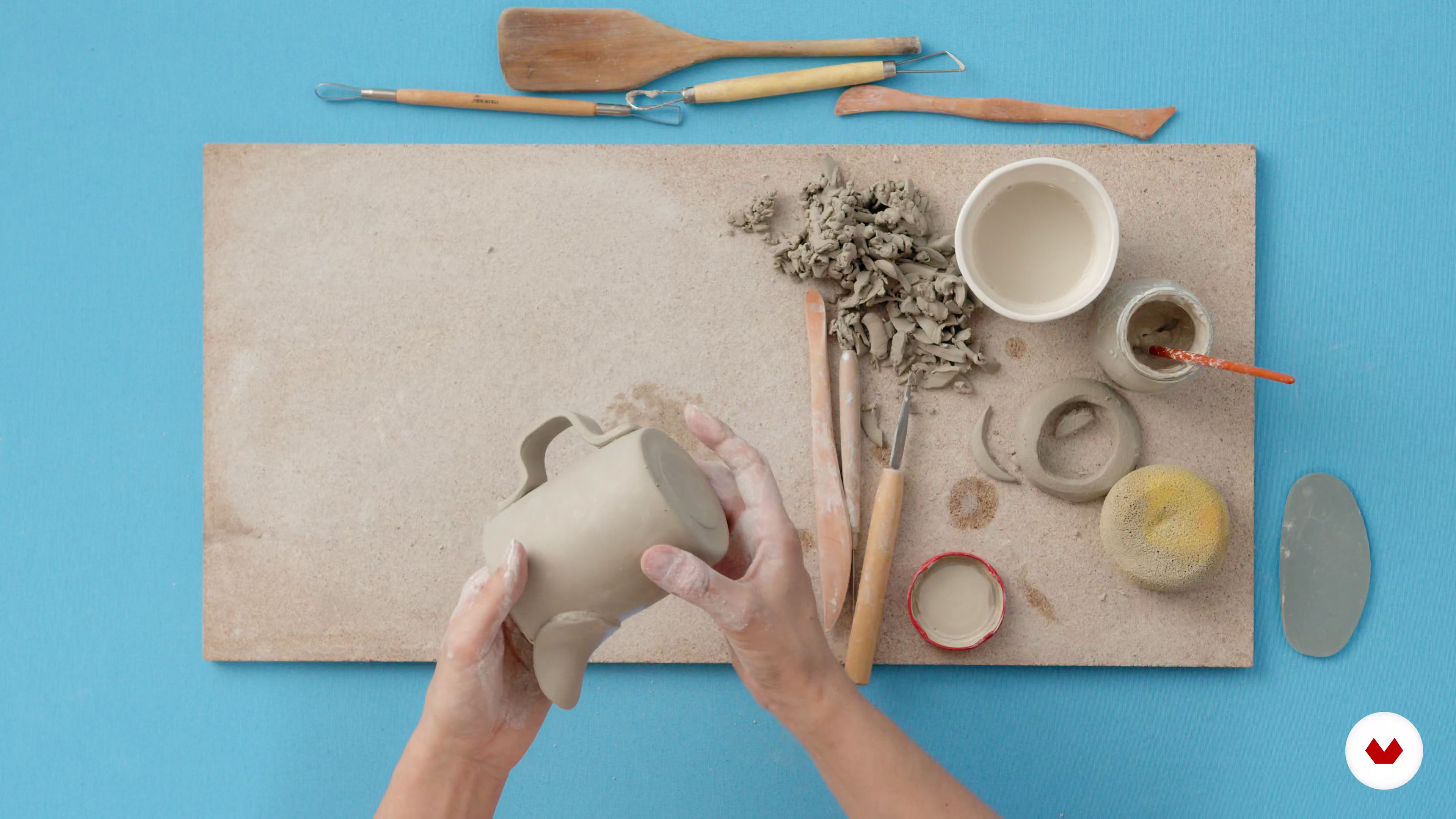
Modeling of cups and jugs 3
14 minutes, 24 seconds
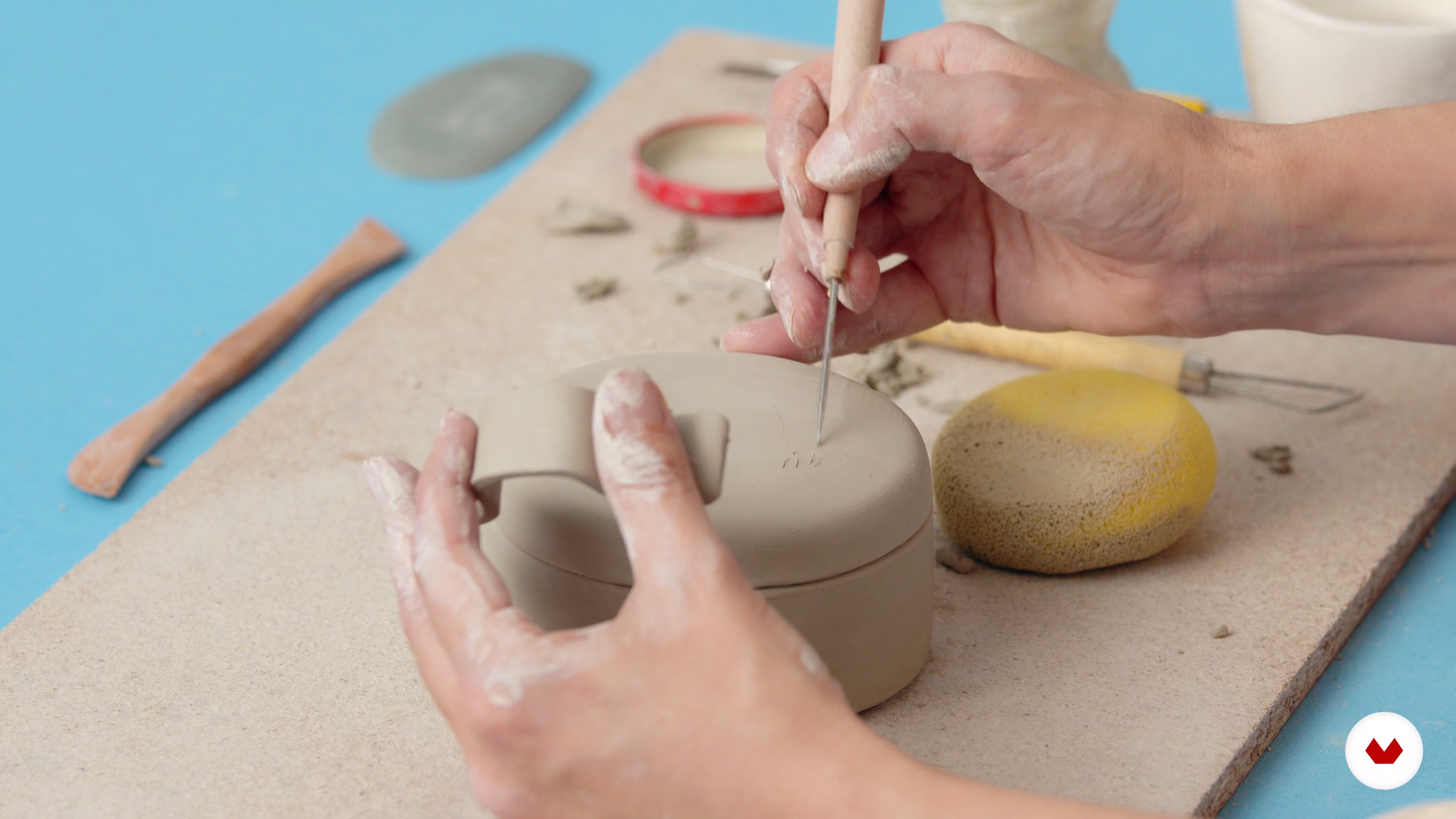
Sugar bowl modeling
16 minutes, 29 seconds
What's included in this course?
Begin the course by getting to know Paula, how she started designing ceramic pieces, and about her references and sources of inspiration in the field.
See the tools and materials needed to model mugs, jugs, sugar bowls, and teapots, using the Kurinuki technique. Explore the different states of clay, to get familiar with those you’ll work with, and the step-by-step process of modeling with Paula.
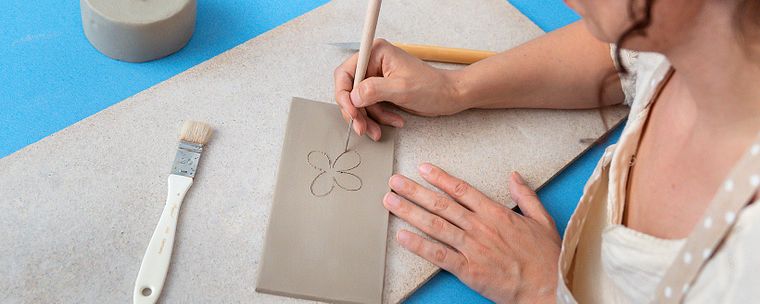
Immerse yourself in the decoration of ceramics, in humid or leather-hard states. First, Paula talks about the materials you need and then teaches you the different techniques to decorate on flat surfaces (using stencils, marble effects, transferring images, and burnishing) using common household tools.
Access a document (that will be continuously updated in the forum) with addresses of workshops from around the world to see where you can fire your creations.
See a variety of decorative techniques for voluminous pieces (creating patterns with stamps, textures with stencils, and the Mishima technique or by using wax).
Learn how to use the tools and materials you need to decorate with an embossed effect on your pieces before they are bisque-fired. Learn how to combine different techniques to create unique, one-off pieces.
Get to work on your final project by creating a piece with the Kurinuki technique and apply various decorative techniques. Paula shows you a completed glazed breakfast set along with other items to inspire you to create your own, filled with your style and personality.
What is this course's project?
Create a ceramic object to model and apply one or multiple decoration techniques (Kurinuki) taught in the course.
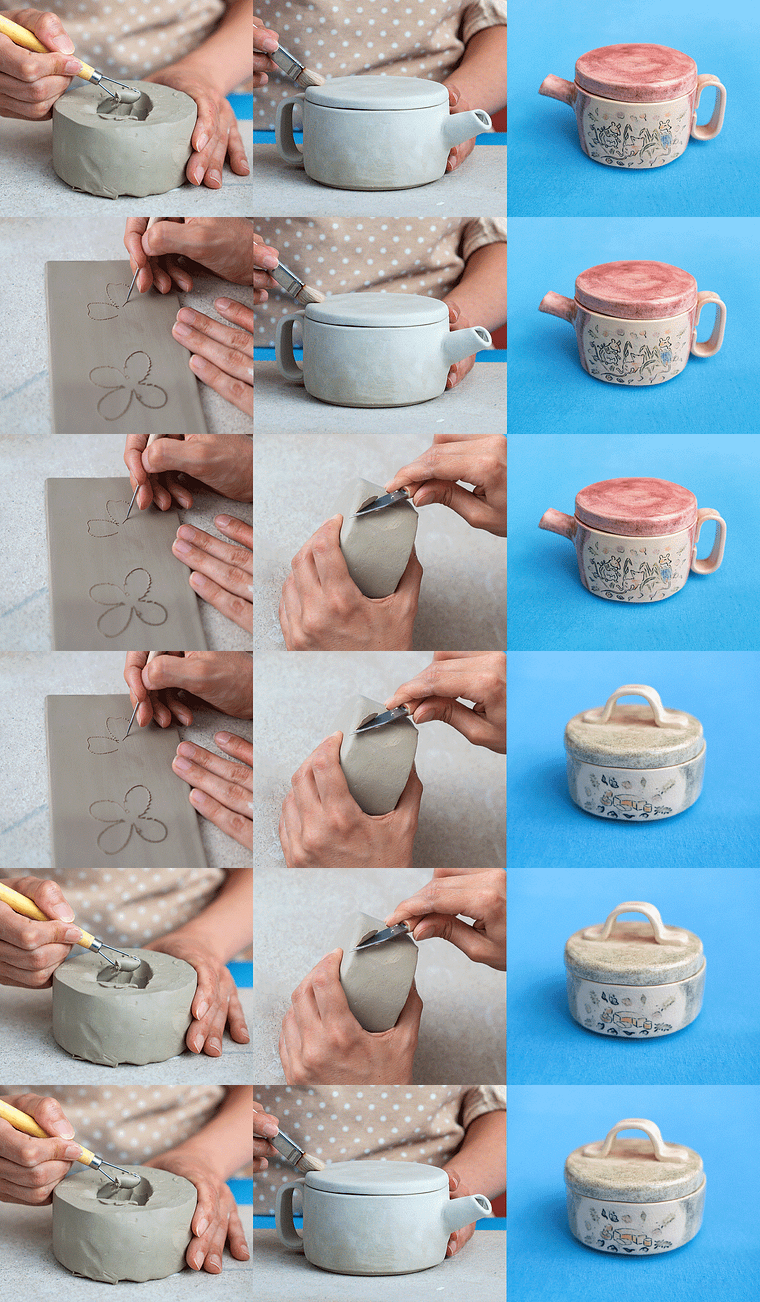
Projects by course students


Who is this online course for?
For anyone who likes to work with their hands and that wants to create their own tableware items.
Requirements and materials
No previous knowledge is necessary, as the techniques taught in this course are for beginners-level.
As for materials, you’ll need a basic ceramic modeling kit (a puncher, a wire knife, a rubber spatula, wood or metal, a sponge, ribbon sculpting tools, different shapes of modeling tools, wooden sculpting tools) a craft knife, a wooden chopping board or a fabric cloth, a wooden roller, a small roller (wooden, rubber, etc), high or low-temperature clay, soft synthetic hair paint brushes (nº2,4, 6 or 8 round and flat brushes for example), soft-haired brushes (goat hair, for example, Paula uses the oriental Hake brand), gloss or matt enamels (of different colors and transparencies), grease-proof paper, a sanding sponge, and a triangular-point ceramic tool.
You will also need access to a professional kiln oven (Paula provides a list of places where you can fire your ceramics that will be continuously updated).
Reviews
- 11 months ago
Recomendado, excente explicación.
- 1 year ago
Ein wunderbarer Kurs zur Dekoration mit großer Leichtigkeit vermittelt!
- 1 year ago
ben spiegato e utile, diversi suggerimenti e spunti per iniziare a sperimentare, consigliato insieme ai suoi altri corsi per avere una panoramica introduttiva al mondo della ceramica
- 1 year ago
Me ha encantado el curso. Realmente, lo recomiendo.
- 1 year ago
Excelente curso, las explicaciones están muy completas al igual que el material adicional, el paso a paso se entiende perfectamente... lo recomiendo totalmente!

She is a lover of nature and cooking, and combines these two passions in her Bambucito ceramics workshop, where you can enjoy a delicious meal on her handmade crockery.
Content
- U1
Introduction
- Presentation
- My influences
- What will we do in the course?
- U2
Kurinuki Technique
- What do we need to model?
- Modeling of cups and jugs 1
- Modeling of cups and jugs 2
- Modeling of cups and jugs 3
- Sugar bowl modeling
- Teapot modeling
- Homemade container to keep the pieces
- U3
Decorative techniques on drawing: use of brushes, sponges and rollers to create decorative techniques
- Materials to decorate on plan
- Using brushes, rollers, and homemade tools
- Stenciled
- Marbled effects
- Image transfer
- Burnish
- U4
Decorative techniques in relief: stamping, carving and reserves
- Materials to decorate in relief
- Stamping
- Textures with templates and organic material
- Sgraffito technique
- Incisions
- Mishima technique transported to the 21st century
- Using wax to create relief
- U5
Final piece and ideas to inspire you
- I show you my final piece
- Pieces to inspire you
- FP
Final project
- Ceramics: modeling and decoration
What to expect from a Domestika course
Learn at your own pace
Enjoy learning from home without a set schedule and with an easy-to-follow method. You set your own pace.
Learn from the best professionals
Learn valuable methods and techniques explained by top experts in the creative sector.
Meet expert teachers
Each expert teaches what they do best, with clear guidelines, true passion, and professional insight in every lesson.
Certificates
PLUSIf you're a Plus member, get a custom certificate signed by your teacher for every course. Share it on your portfolio, social media, or wherever you like.
Get front-row seats
Videos of the highest quality, so you don't miss a single detail. With unlimited access, you can watch them as many times as you need to perfect your technique.
Share knowledge and ideas
Ask questions, request feedback, or offer solutions. Share your learning experience with other students in the community who are as passionate about creativity as you are.
Connect with a global creative community
The community is home to millions of people from around the world who are curious and passionate about exploring and expressing their creativity.
Watch professionally produced courses
Domestika curates its teacher roster and produces every course in-house to ensure a high-quality online learning experience.
FAQs
Aprenderás técnicas de modelado manual, vaciado, unión de piezas, decoración con esgrafiado, Mishima, transferencia de imágenes y esmaltado, además de cómo crear y finalizar piezas utilitarias y artísticas desde cero.
El curso es de nivel intermedio, recomendado para quienes ya tienen conocimientos básicos de cerámica o modelado en barro y buscan perfeccionar técnicas decorativas y de acabado.
Necesitarás barro, herramientas básicas de modelado, esponjas, barbotina, plantillas, esmaltes, pinceles y recipientes. Opcionalmente, placa de yeso y materiales para técnicas específicas como Mishima y esgrafiado.
Kurinuki implica vaciar un bloque de barro para obtener formas únicas. En el curso aprenderás paso a paso cómo aplicar esta técnica japonesa para crear tazas, jarras y otras piezas funcionales.
Sí, el curso incluye la técnica Mishima, mostrando cómo realizar incisiones, rellenar con engobe o esmalte y pulir para obtener diseños decorativos precisos en la superficie cerámica.
El curso enseña cómo controlar la humedad del barro, el secado progresivo y el uso de recipientes herméticos, además de técnicas para unir piezas y rellenar huecos con barbotina, previniendo grietas y deformaciones.
Sí, el curso está diseñado para ser realizado en casa con materiales accesibles y herramientas caseras. Se proponen alternativas para quienes no disponen de horno o equipamiento profesional.