Acrylic Techniques for Creative Illustration
A course by Jon BerkeleyIllustrator and Author
A course by Jon Berkeley, Illustrator and Author

Use your imagination to develop a conceptual illustration from start to finish using acrylic paints
The saying may go “Don’t judge a book by its cover”, but the truth is, audiences do react to an impactful illustration, which results in publishers consistently returning to the same illustrator for other eye-catching work.
Jon Berkeley has been illustrating magazine covers, newspapers, and book covers for almost 30 years. He has worked for L’Express, The New Statesman, Volkskrant, The Economist, and many others. Illustrating the message of a complex story is his expertise, and with this course, you will transform your illustrations into striking, professional work using acrylics.
See how to illustrate with acrylic paint to enhance your work through vivid colors and unearth a captivating image with Jon’s creative and unique methodology.
What will you learn in this online course?
20 lessons & 18 downloads

What Will We Do in the Course?
1 minute, 31 seconds

Materials You Will Need
8 minutes, 36 seconds
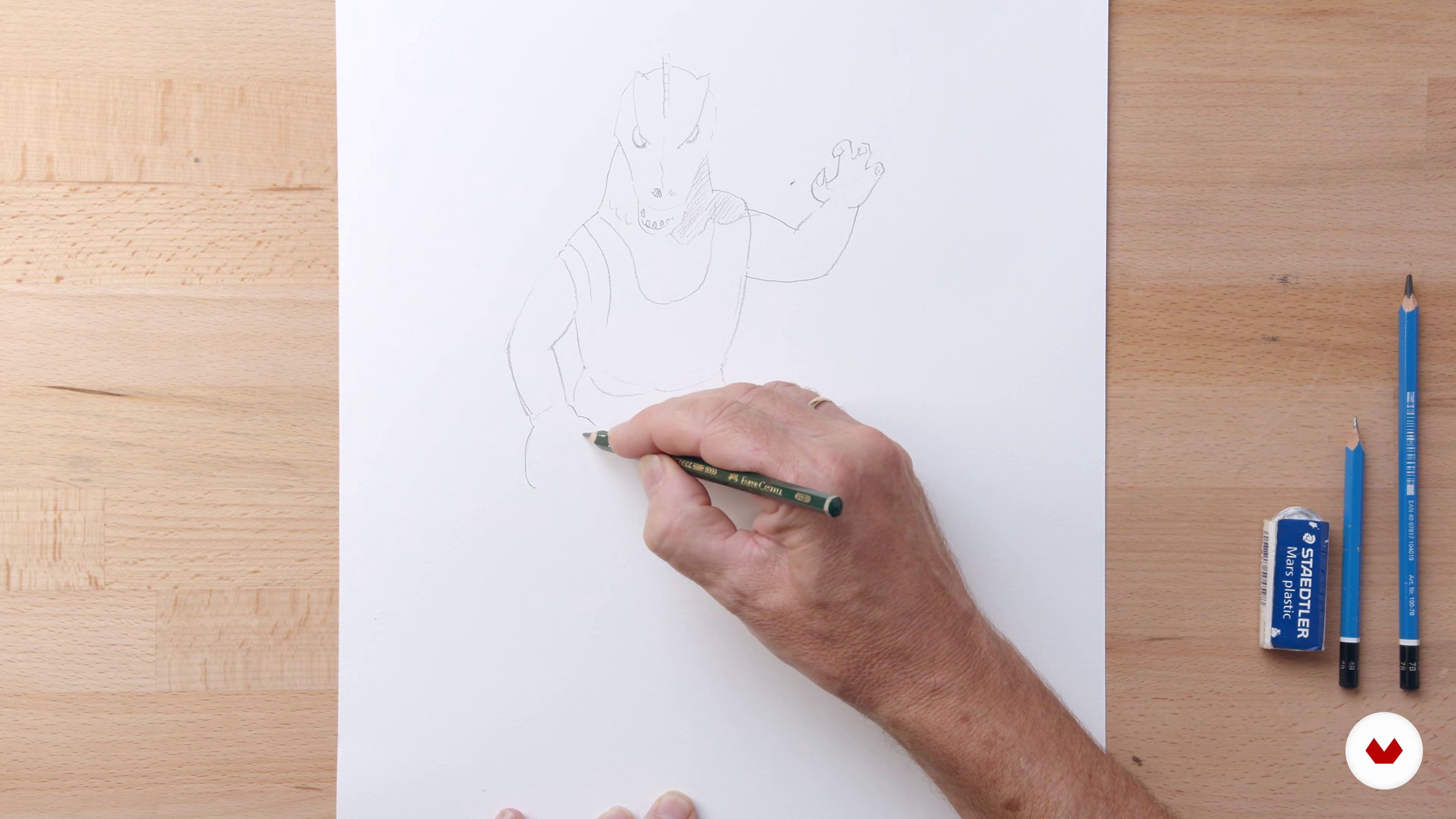
The Sketching Habit
12 minutes, 35 seconds
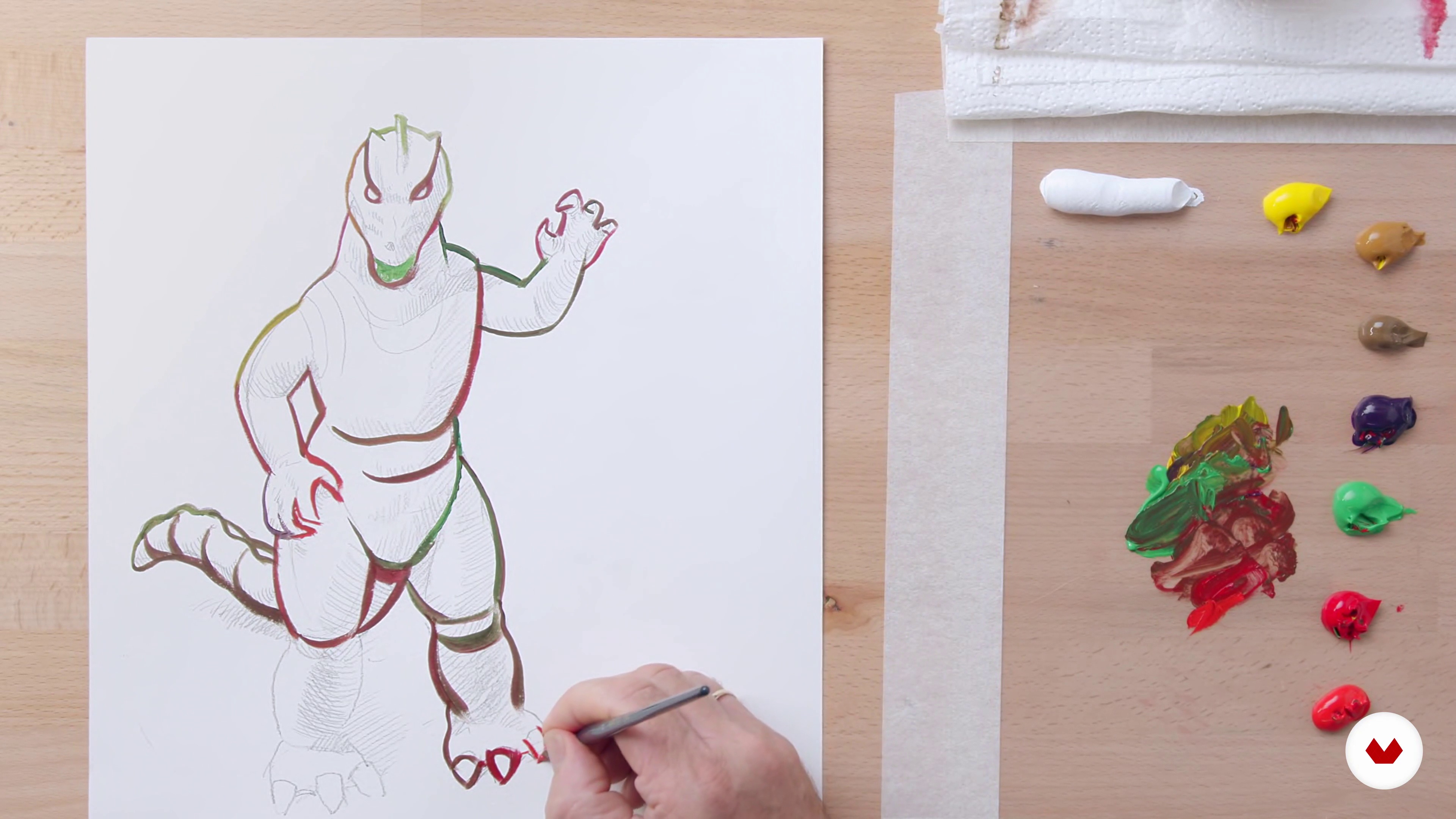
Painting Techniques 1
19 minutes, 49 seconds
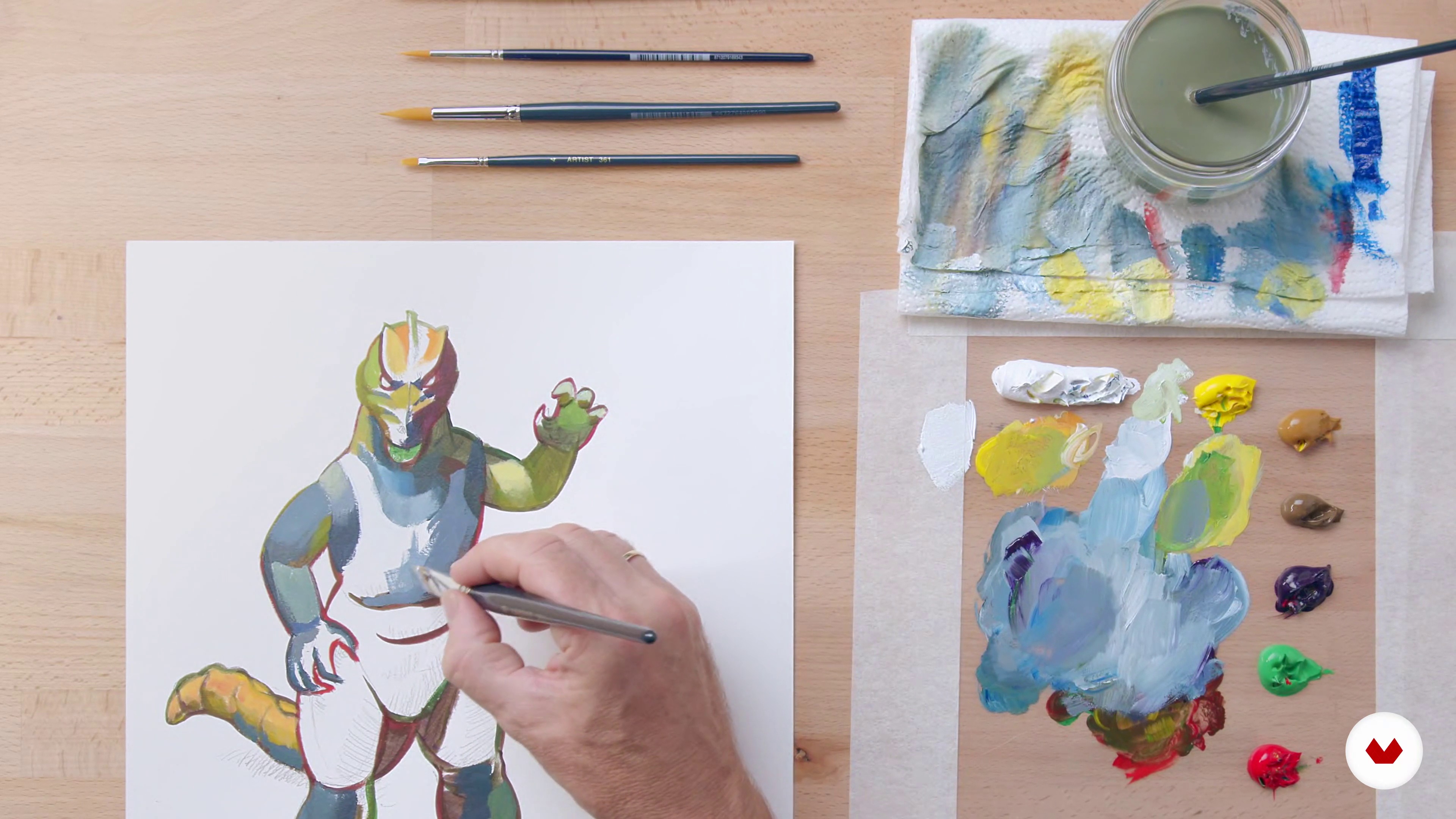
Painting Techniques 2
21 minutes, 21 seconds
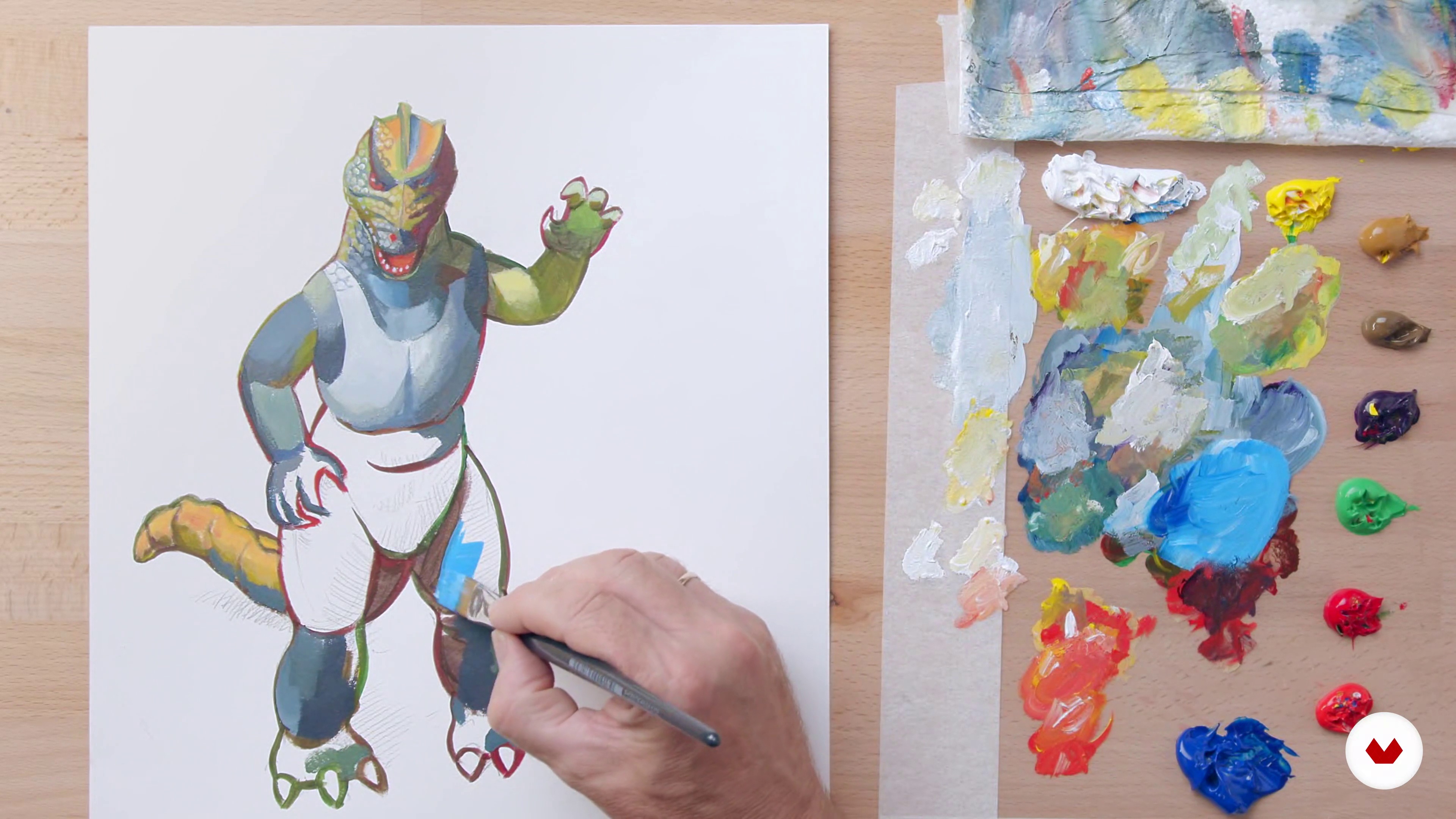
Painting Techniques 3
16 minutes, 20 seconds
What's included in this course?
Jon introduces himself and tells you about his experience in illustration. He gives some insight on materials you’ll use and helps you set up your workspace to work more efficiently.
Then, learn all about acrylic paints, trying a series of painting techniques, and how to use color for mood and emphasis. See lighting and volume as a means to add more drama and mystery to your work and do some practical exercises to help you with the technique.
Learn about the two main stages in preparing for your illustration: concept sketching and the working sketch. Decide on the format and dimensions for your illustration, and look up articles to search for visual and verbal cues.
Look for ways to creatively combine the elements you find in your research to start creating an eye-catching illustration that entices the audience to read the article you’re illustrating.
Pick the strongest concept sketch and work on the composition. Try unusual angles and play with depth and scale, to create an impactful concept.
Once you have the outline of your illustration, begin painting with Jon’s guidance, using his methodology to give strength to your composition.
Jon takes you through his own “spit and polish” method for finishing your painting, adding highlights, sharpening or softening details, and more, to give it the final wow factor.
Finally, scan your illustration, and use Adobe Photoshop to enhance the color and perfect the tone of your illustration.
Recommended software & tools for this course
What is this course's project?
Learn how to paint with acrylics, while developing a strong professional-looking conceptual illustration based on a real brief from a leading news magazine.
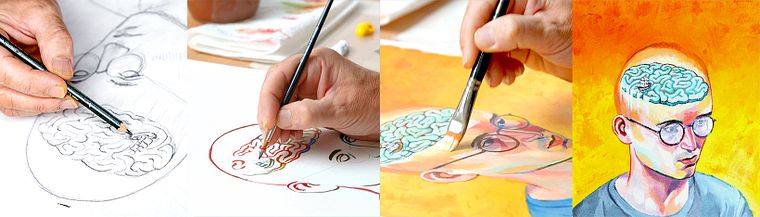
Projects by course students


Who is this online course for?
This course is for anyone interested in learning how to paint with acrylics while developing ideas for strong, punchy illustrations. No previous experience with acrylic is necessary, however, experienced painters can improve their painting and creative concept development skills with this course also.
Requirements and materials
Previous experience is not required to take this course, as Jon shows you how to paint with acrylics right from the basics.
As for materials, you will need soft pencils (2B, 4B), an eraser, layout paper or similar, acrylic paints, and synthetic watercolor or acrylic brushes (flat and round) in various sizes. Acid-free drawing paper (240-300 lb), a prepared canvas, or illustration board, a flat-bed scanner (or access to scanning service), a computer, and Adobe Photoshop. If you don’t want to do the final details of your piece digitally, you can take the course without the last two requirements.
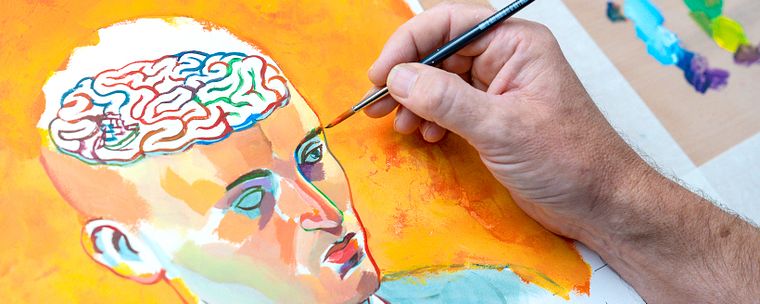
Reviews
- 3 months ago
I'm at Painting techniques 1-2-3 at the beginning, and it would help to be able to see what the instructor is seeing while painting. I'm looking forward to the next units with insights about the concept stages and seeing the painting process.
- 8 months ago
I quite enjoyed this Jon Berkeley course. Of particular note: his explanation of how the Masters used light and shade, his own techniques for shading and his various tools for applying acrylic.
- 11 months ago
Me parece muy interesante
- 2 years ago
I love Jon's work and his way of creating vibrancy through color. The way he shows you his whole process is helpful.
- 2 years ago
Thanks! Super!

Most of his work is for editorial clients in major news and current affairs magazines like L’Express, The New Statesman, Volkskrant, The Economist, and others. He also works on major advertising campaigns and illustrates book jackets, packaging, as well as commissioned portraits for clients like Ted Baker, Vodafone, and Smirnoff.
Content
- U1
Introduction
- Presentation
- Influences
- What Will We Do in the Course?
- U2
Preparation
- Materials You Will Need
- The Sketching Habit
- Painting Techniques 1
- Painting Techniques 2
- Painting Techniques 3
- U3
The Sketch Stage
- Preparing for Our Conceptual Illustration
- Who Let the Ideas Out? Concept Sketching
- Collecting and Shooting References
- Working Sketch
- U4
Creating Your Painting
- Outlining
- Painting the Background
- Blocking In
- The Main Feature 1
- The Main Feature 2
- U5
Spit and Polish
- Spit and Polish 1
- Spit and Polish 2
- Scan and Enhance Your Illustration
- FP
Final project
- Acrylic Techniques for Creative Illustration
What to expect from a Domestika course
Learn at your own pace
Enjoy learning from home without a set schedule and with an easy-to-follow method. You set your own pace.
Learn from the best professionals
Learn valuable methods and techniques explained by top experts in the creative sector.
Meet expert teachers
Each expert teaches what they do best, with clear guidelines, true passion, and professional insight in every lesson.
Certificates
PLUSIf you're a Plus member, get a custom certificate signed by your teacher for every course. Share it on your portfolio, social media, or wherever you like.
Get front-row seats
Videos of the highest quality, so you don't miss a single detail. With unlimited access, you can watch them as many times as you need to perfect your technique.
Share knowledge and ideas
Ask questions, request feedback, or offer solutions. Share your learning experience with other students in the community who are as passionate about creativity as you are.
Connect with a global creative community
The community is home to millions of people from around the world who are curious and passionate about exploring and expressing their creativity.
Watch professionally produced courses
Domestika curates its teacher roster and produces every course in-house to ensure a high-quality online learning experience.
FAQs
Yes, this course is designed for intermediate artists seeking to enhance their acrylic illustration skills, especially in editorial and conceptual work.
You'll need acrylic paints, various brushes, acid-free drawing paper, a sketchbook, pencils, a palette, masking tape, and access to a scanner for digitizing artwork.
You'll learn how to develop conceptual sketches, apply acrylic techniques for expressive illustrations, prepare artwork for print or digital, and combine traditional and digital media.
Some basic familiarity with painting or drawing is recommended, but the course covers essential acrylic techniques and materials for illustrators.
The course teaches scanning, digital alignment, and file formatting techniques to ensure your acrylic illustrations are ready for professional print or online publishing.
Yes, the course focuses on interpreting briefs, generating ideas from text, and visual storytelling for editorial and conceptual illustration with acrylics.
You'll explore blocking, underpainting, layering light and shadow, dry brush, wet into wet, color mixing, and creating texture with acrylics.