Analog Portrait Photography: Creating Unique Atmospheres
A course by Maria Louceiro, Photographer and Art Director

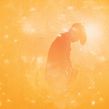
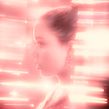

Capture the ephemeral quality of analog photography in your portraits by using original filters and post-production techniques
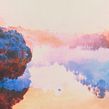

Analog photography offers a myriad of creative opportunities for those who want to experiment with photography techniques. From the unique features of an analog camera to original filters to create unique atmospheres, photographer and art director Maria Louceiro has the methodology to guide you through your analog adventure. Her photography experience includes working with clients like Mercedes-Benz, MTV, VICE, Coachella, and more.
In this course, Maria teaches you how to create imaginative portraits by revealing all the features of an analog camera. Discover how to create delicate atmospheres using creative filters made from everyday objects and learn Maria’s compositional techniques to create a series of portraits filled with originality and expertise.
What will you learn in this online course?
14 lessons & 21 downloads
What's included in this course?
Begin the course by getting to know Maria, how she started her journey as a photographer, and the photographers and art movements that inspire her work. Discover what you’re about to learn in the course before getting started with photography.
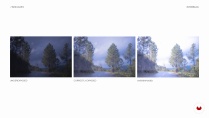
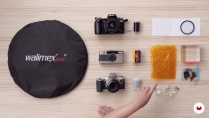
Learn about the different types of analog cameras and film, and dive into the technical aspects of operating an analog camera. Understand how to use aperture, speed, and ISO, and see how to use a photometer. See what equipment Maria employs and discover the filters she uses to bring mood and personality to her portraits.
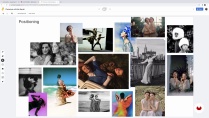
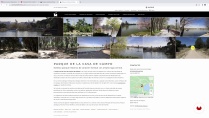
Explore how to do research and create a mood board with Maria’s methods, seeing what elements are important to take into account for your photoshoot. See how to choose a location and set up your space for your shoot.
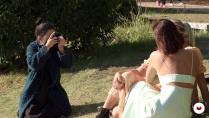
Take your images to the next level by learning about the creative potential of using backgrounds. Prepare your material and set up your camera before getting started with your photoshoot. See how to approach and direct your models for interesting and dynamic compositions. Apply your filters to the shoot to convey a certain mood and atmosphere.
In the final unit, learn how to scan your images and digitize them. See how to select your images, before post-processing them in Lightroom and Photoshop. Discover how to best present your work, get Maria’s expert tips on how to create a great portfolio, and finally, see how to leverage Instagram to promote your work.
- 94% positive reviews (34)
- 820 students
- 14 lessons (1h 55m)
- 21 additional resources (6 files)
- Online and at your own pace
- Available on the app
- Audio: English, German, Spanish, Italian, Portuguese
- English · Spanish · Portuguese · German · French · Italian · Polish · Dutch · Turkish · Romanian · Indonesian
- Level: Beginner
- Unlimited access forever
What is this course's project?
Create a series of five to eight portrait photos using an analog camera and experimental techniques.

Projects by course students


Who is this online course for?
This course is for anyone interested in learning about the unique features of analog cameras, film, and how to make creative filters using household objects.
Requirements and materials
To take this course you need an analog camera, a film scanner, and a computer with Adobe Photoshop Lightroom or Photoshop.

Reviews

Maria Louceiro
A course by Maria Louceiro
Maria Louceiro is a Portuguese photographer and art director based in Berlin, Germany, who creates dream-like images using digital and analog photography techniques. Inspired by photos of concerts from websites and magazines, Maria decided to venture out to concerts and capture her own images of musicians onstage. As her vision and ideas grew, so did her career as a photographer, with international promoters and musicians contracting her for major music events and concerts.
Her clients include Adobe, Pitchfork, Mercedes-Benz, MTV, VICE, Red Bull Music Academy, Coachella, and !K7.
Content
-
U1
Introduction
-
Introduction
-
Influences
-
What Will We Do in This Course?
-
-
U2
From the Basics to the Technical
-
Cameras, Films, and Technique
-
Selecting the Equipment: Analog Cameras and Filters
-
Research and Mood Board
-
Location
-
-
U3
Developing Our Photoshoot
-
Choosing the Background
-
Preparing the Material
-
Starting the Photoshoot
-
Frames and Composition
-
-
U4
Scanning, Editing, and Creating Your Portfolio
-
Developing and Scanning
-
Selection and Edition
-
Building a Portfolio and Useful Tips
-
-
FP
Final project
-
Analog Portrait Photography: Creating Unique Atmospheres
-
What to expect from a Domestika course
-
Learn at your own pace
Enjoy learning from home without a set schedule and with an easy-to-follow method. You set your own pace.
-
Learn from the best professionals
Learn valuable methods and techniques explained by top experts in the creative sector.
-
Meet expert teachers
Each expert teaches what they do best, with clear guidelines, true passion, and professional insight in every lesson.
-
Certificates
PlusIf you're a Plus member, get a custom certificate signed by your teacher for every course. Share it on your portfolio, social media, or wherever you like.
-
Get front-row seats
Videos of the highest quality, so you don't miss a single detail. With unlimited access, you can watch them as many times as you need to perfect your technique.
-
Share knowledge and ideas
Ask questions, request feedback, or offer solutions. Share your learning experience with other students in the community who are as passionate about creativity as you are.
-
Connect with a global creative community
The community is home to millions of people from around the world who are curious and passionate about exploring and expressing their creativity.
-
Watch professionally produced courses
Domestika curates its teacher roster and produces every course in-house to ensure a high-quality online learning experience.
FAQs
Yes, this course is ideal for intermediate photographers who want to expand their skills with creative analog photography techniques, including double exposure, experimental filters, and advanced portrait work.
You’ll need an analog camera, film rolls, basic photography tools (like a photometer or light meter), and access to post-production software such as Photoshop or Lightroom for editing digitized images.
The course covers concert photography, analog camera settings, double exposure, using everyday objects as filters, art direction, location scouting, portfolio development, and integrating inspiration from painting and poetry.
Yes, you will learn techniques for managing stage lighting at concerts and creating double exposure effects both in-camera and during postproduction.
You’ll learn how to curate, format, and present your work for both print and digital platforms, including strategies for updating your portfolio on Instagram and other social media.
Basic familiarity with Photoshop or Lightroom is helpful, as you’ll use these tools for retouching, color correction, and enhancing digitized analog photos.
Yes, the course focuses on analog photography, so a film camera is all you need. You’ll also learn how to digitize and edit your film images.

El curso me ha gustado, pues a pesar de tener bases en fotografía análoga me ha ayudado a complementar el aprendizaje la lección en la creación del moodboard y los consejos de diálogo e información previa sobre el o los modelos a fotografiar.
muito bom
Maravilloso curso! muy creativo y práctico al mismo tiempo. Una visión sobre la fotografía analógica, muy interesante. Como único dato de mejora, algunos de los enlaces de los recursos, no funcionan, pero por lo demás, merece mucho la pena.
me gustó pero quizá podría hablar más de las diferencias entre los distintos tipos de materiales para así entender mejor cómo se usan
Thank you for a very creative and playful course, Maria :) It inspired me to experiment with filters and double exposure for the first time and I can't wait to develop them!