Illustration for Children's Book Covers
A course by Manuela Montoya EscobarIllustrator and art director
A course by Manuela Montoya Escobar, Illustrator and art director

Create a fantasy universe with mixed techniques by developing your own cover, from the initial brief and character design to the final digital edit
Want to develop your imagination by creating new worlds? Children's books are the perfect opportunity to fill your illustrations with fantasy and tell stories through images. This is the belief of Manu Montoya, the illustrator and art director behind some of the main characters of stories published by Penguin Random House, Usborne, Little Brown, and more.
In this course, learn to create animal characters for children's books and bring an illustrated book cover to life using a mix of techniques. Discover the process behind the creation of a book cover experimenting with watercolor textures and washes, gouache, and colored pencils, from the interpretation of a brief and design of the characters to digital editing.
What will you learn in this online course?
16 lessons & 16 downloads
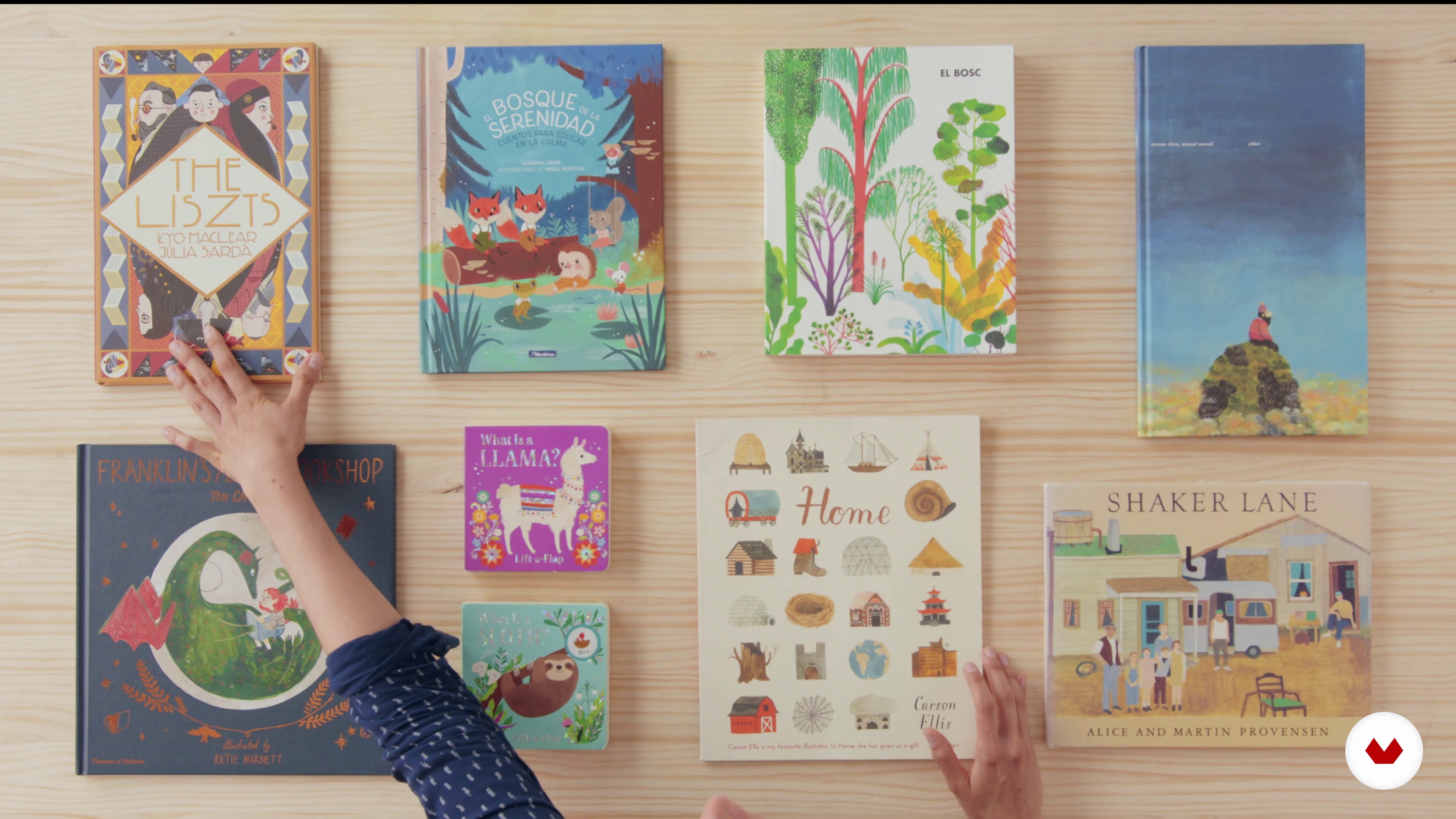
Children's book cover
7 minutes, 50 seconds
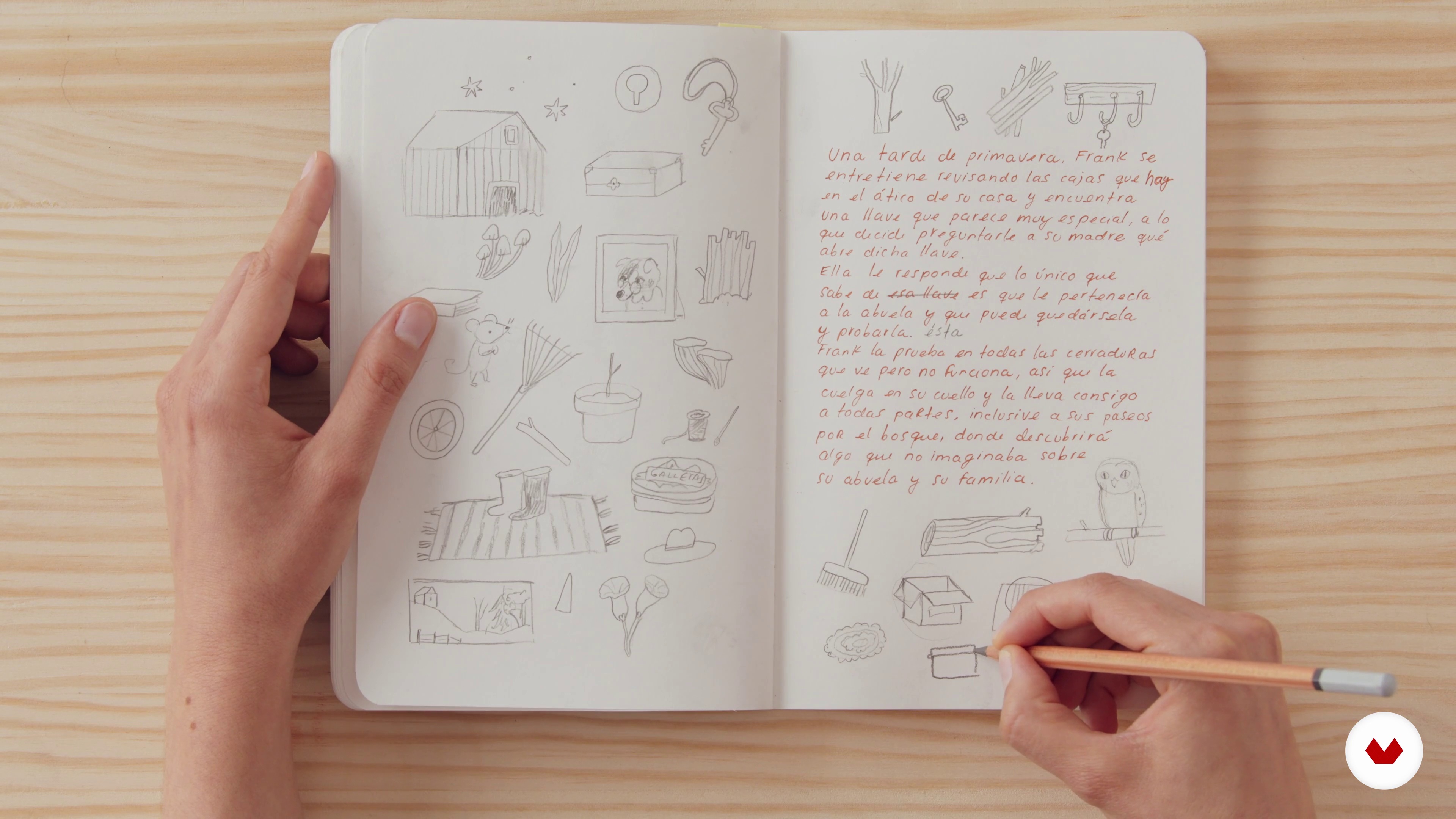
Brief and creativity
11 minutes, 23 seconds
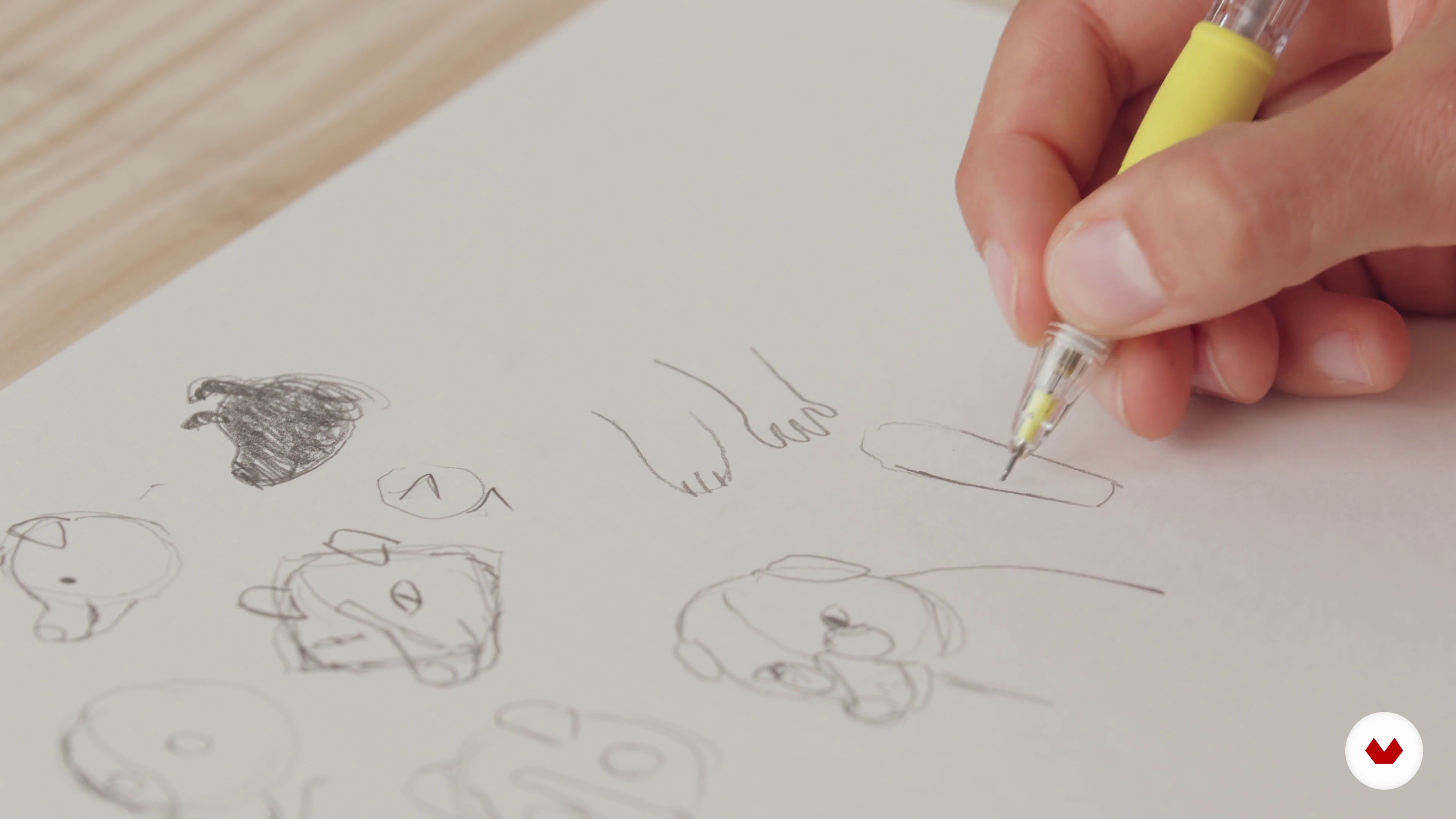
Miniature Character Design 1
8 minutes, 44 seconds
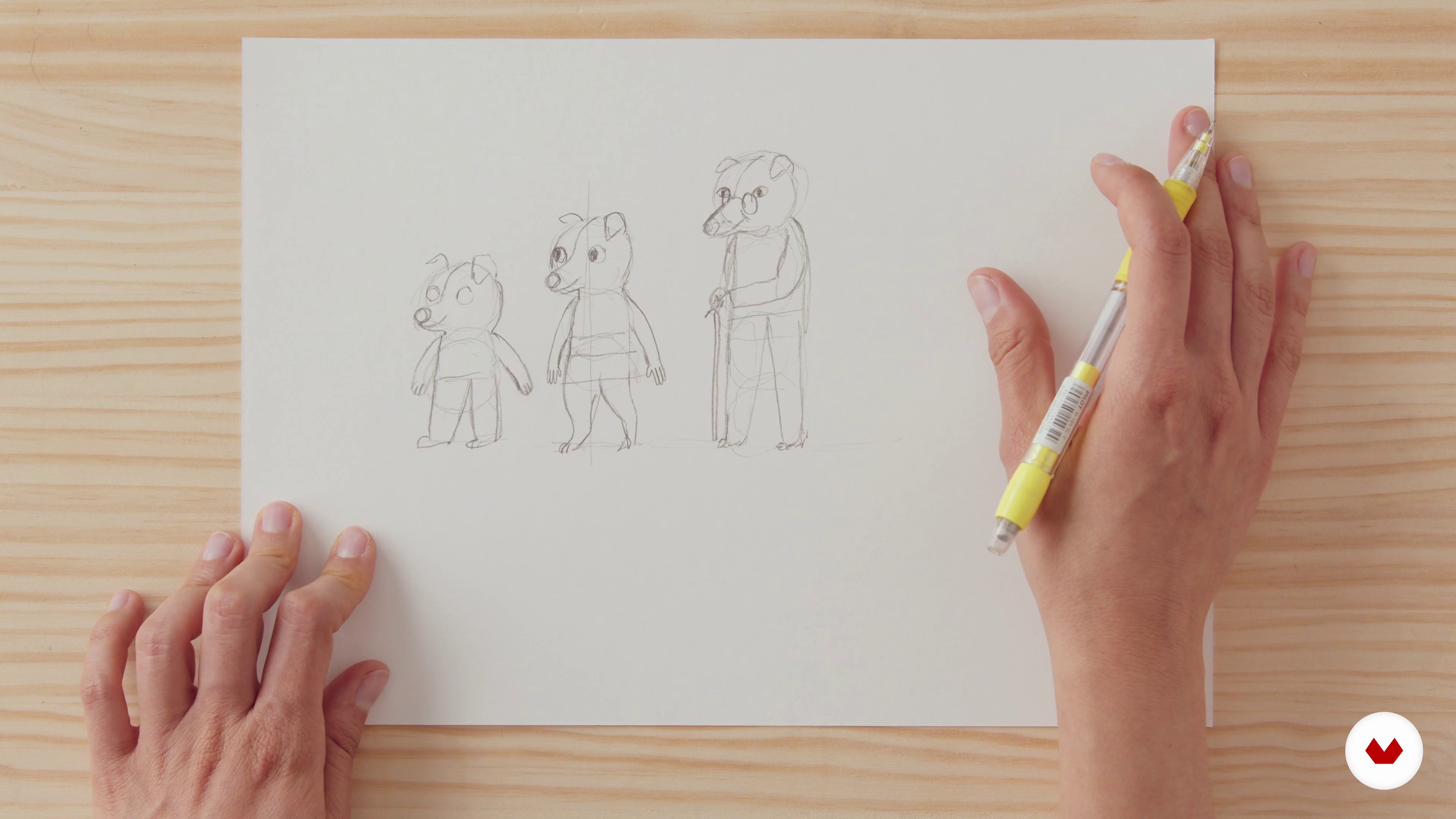
Miniature Character Design 2
13 minutes, 14 seconds
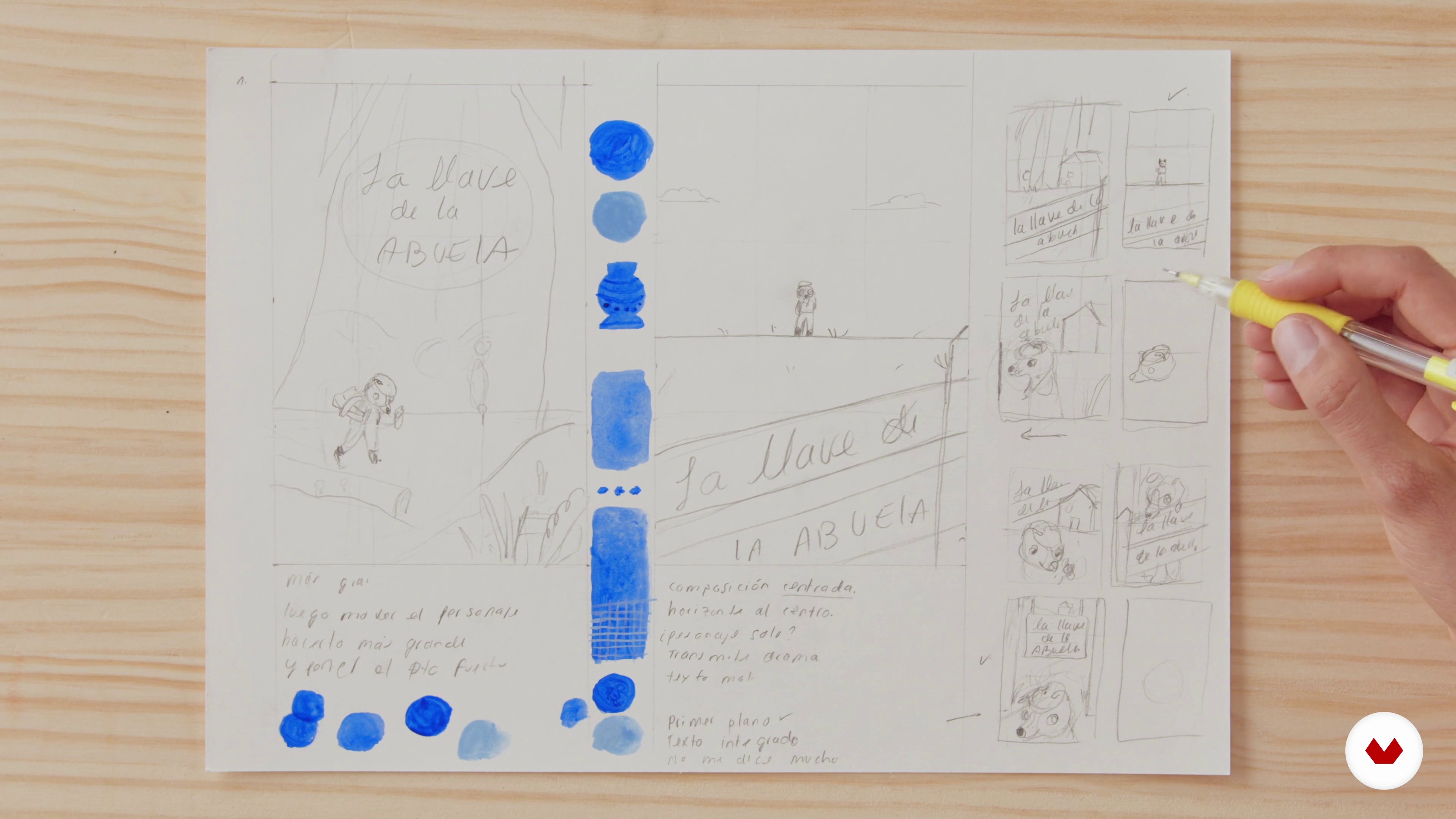
First Cover Sketches
12 minutes, 27 seconds
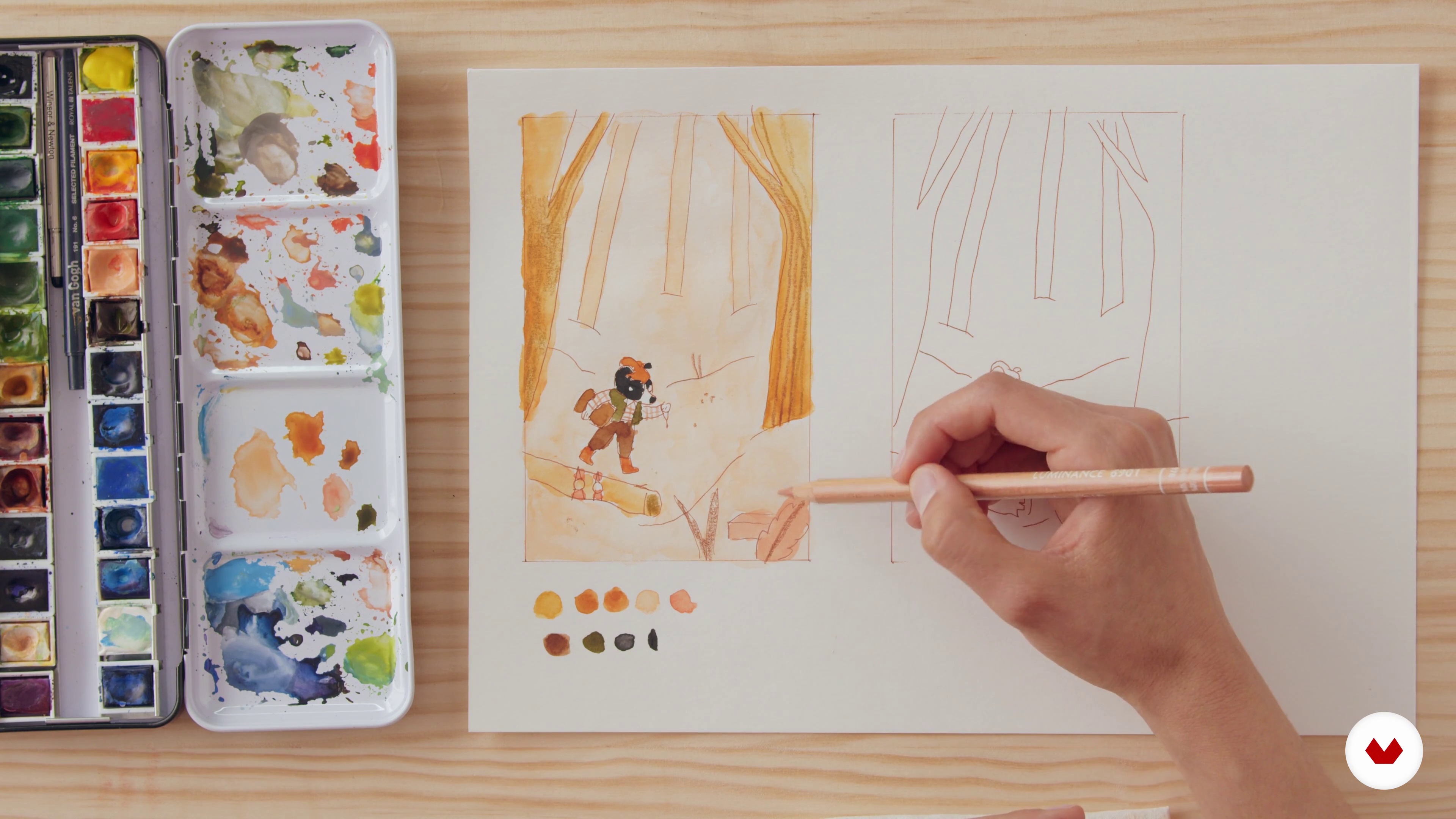
Color tests 1
16 minutes, 34 seconds
What's included in this course?
Manu Montoya tells you a little bit about herself, how she came to work as an illustrator and her most recent projects. She talks about what she's learned and the biggest influences in her personal and professional journeys.
Discover the world of children's book covers and the different approaches to interpreting stories. Manu shows you some of her creative processes when building a story and designing characters, such as editorial briefs or working with individual words.
Now it's time to start working on your cover! Do some initial sketching to explore different composition options before moving on to some color and method testing. Manu also shows you how to make your sketches actual size and transfer them using tracing paper to complete the final stages of the process.
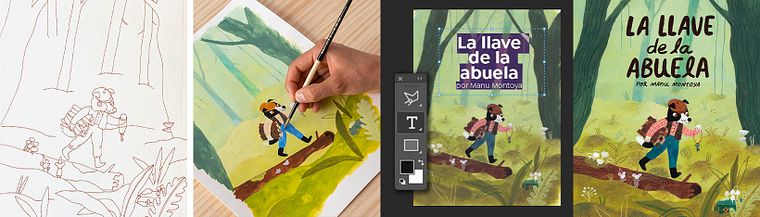
Draw your book cover with a mix of techniques like gouache, colored pencils, and crayons. See how to digitalize your artwork, make a few adjustments in Photoshop, and add a title considering typography concepts. To finish up, hear some final tips on how to take your creation further.
Recommended software & tools for this course
What is this course's project?
Create a children's book cover from the initial brief and character design to the final digital edit.
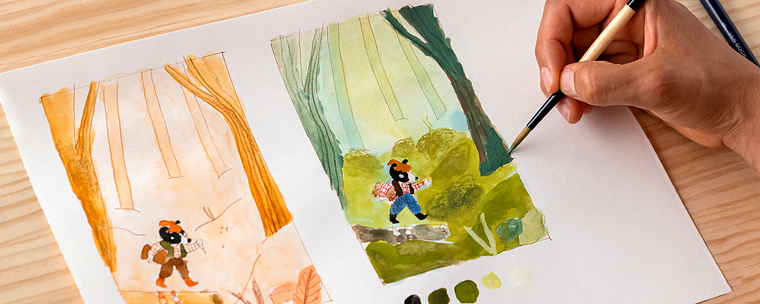
Projects by course students

Who is this online course for?
Illustrators and anyone interested in creating their own animal character.
Requirements and materials
Some basic knowledge of drawing and Photoshop or Procreate are required for this course.
You also need a computer with one of the above editing softwares, a notebook, tracing paper, a pencil, an eraser, gouache, watercolors, paintbrushes, crayons, and colored pencils.
Reviews
- 7 days ago
Me ha gustado mucho y está complementando mis estudios de ilustración.
- 5 months ago
Très bon cours !
- 5 months ago
Muy clara la profesora, creativa. Excelente contenido.
- 7 months ago
El curso es interesante!
- 1 year ago
Fue de gran ayuda :) Te lo agradezco mucho

Throughout her career in the industry, she has worked in advertising agencies such as DDB and McCANN Worldgroup as a designer and illustrator. He has also illustrated books for publishers such as SM, Cruïlla, Penguin Random House, Usborne and Little Brown, among others.
Content
- U1
Introduction
- Presentation
- Influences
- U2
Covers and creativity
- Children's book cover
- Brief and creativity
- Miniature Character Design 1
- Miniature Character Design 2
- U3
Cover creation
- First Cover Sketches
- Color tests 1
- Color tests 2
- Transfer techniques
- U4
Final art
- Color and final cover 1
- Color and final cover 2
- Digitization and corrections
- Title and choice of font 1
- Title and choice of font 2
- Tips for showing your work
- FP
Final project
- Illustration of covers for children's books
What to expect from a Domestika course
Learn at your own pace
Enjoy learning from home without a set schedule and with an easy-to-follow method. You set your own pace.
Learn from the best professionals
Learn valuable methods and techniques explained by top experts in the creative sector.
Meet expert teachers
Each expert teaches what they do best, with clear guidelines, true passion, and professional insight in every lesson.
Certificates
PLUSIf you're a Plus member, get a custom certificate signed by your teacher for every course. Share it on your portfolio, social media, or wherever you like.
Get front-row seats
Videos of the highest quality, so you don't miss a single detail. With unlimited access, you can watch them as many times as you need to perfect your technique.
Share knowledge and ideas
Ask questions, request feedback, or offer solutions. Share your learning experience with other students in the community who are as passionate about creativity as you are.
Connect with a global creative community
The community is home to millions of people from around the world who are curious and passionate about exploring and expressing their creativity.
Watch professionally produced courses
Domestika curates its teacher roster and produces every course in-house to ensure a high-quality online learning experience.
FAQs
You’ll learn how to conceptualize, design, and create children’s book covers by blending traditional techniques like watercolor and gouache with digital touch-ups in Photoshop, plus develop animal characters and work on composition, typography, and visual storytelling.
Yes, this course is designed for those with prior illustration experience who want to refine both traditional and digital techniques applied to children’s book cover design.
Basic Photoshop knowledge is recommended since the course uses digital editing tools for color adjustment, correction, and preparing final files.
You’ll need watercolor paper, brushes, paints (watercolor, gouache, or acrylics), pencils, a computer with Photoshop installed, and a scanner or camera to digitize your illustrations.
Yes, the composition techniques, character design, and experimentation with color and textures can be applied to editorial projects, posters, advertising campaigns, and professional portfolios.
The course covers proportions, shape simplification, personality building, expressiveness, silhouette, emotions, and adapting animals to child-friendly styles for book covers.
First, you create the illustration using traditional techniques (watercolor, gouache, or collage), then digitize the image for color, composition, and typography adjustments in Photoshop.