Keys for Creating a Professional Illustration Portfolio
A course by PENCIL·ILUSTRADORESIllustration Agency
A course by PENCIL·ILUSTRADORES, Illustration Agency

Discover how to turn your work into a visual cover letter
Does your portfolio successfully showcase your work to potential clients? Sandra López and Ángel Domingo can help you prepare the perfect selection of your own pieces to do just that.
Together they founded Pencil, Spain's first agency for illustrators that represents some of the world's most acclaimed artists whose work can be found throughout Europe, America, and Asia. In this online course, they're ready to teach you how to develop a unique, effective portfolio to help advance your creative career.
What will you learn in this online course?
14 lessons & 28 downloads
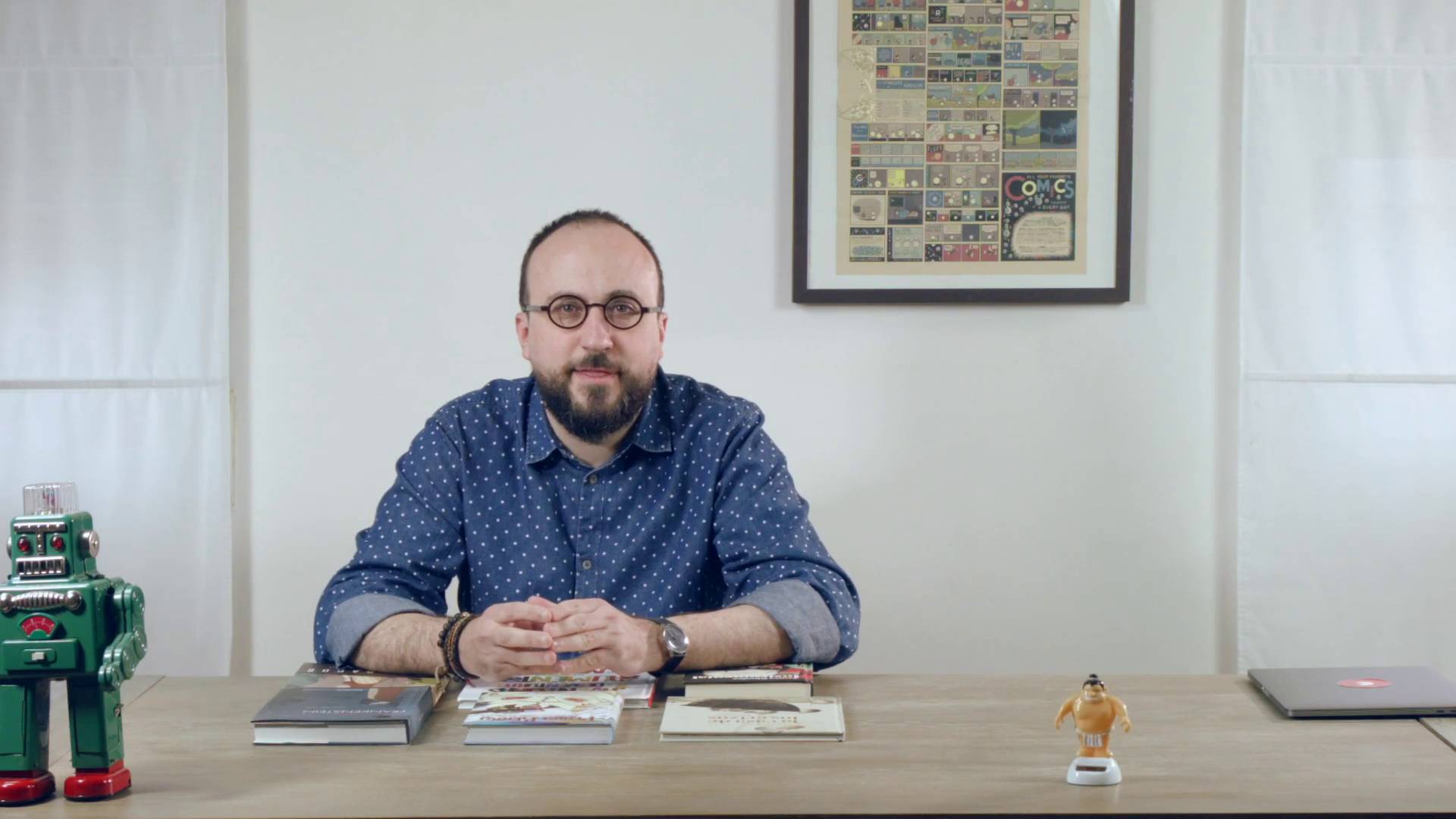
Let's know the market
9 minutes, 34 seconds

Let's think a little
5 minutes, 40 seconds

Inspiration and raw material
4 minutes, 28 seconds
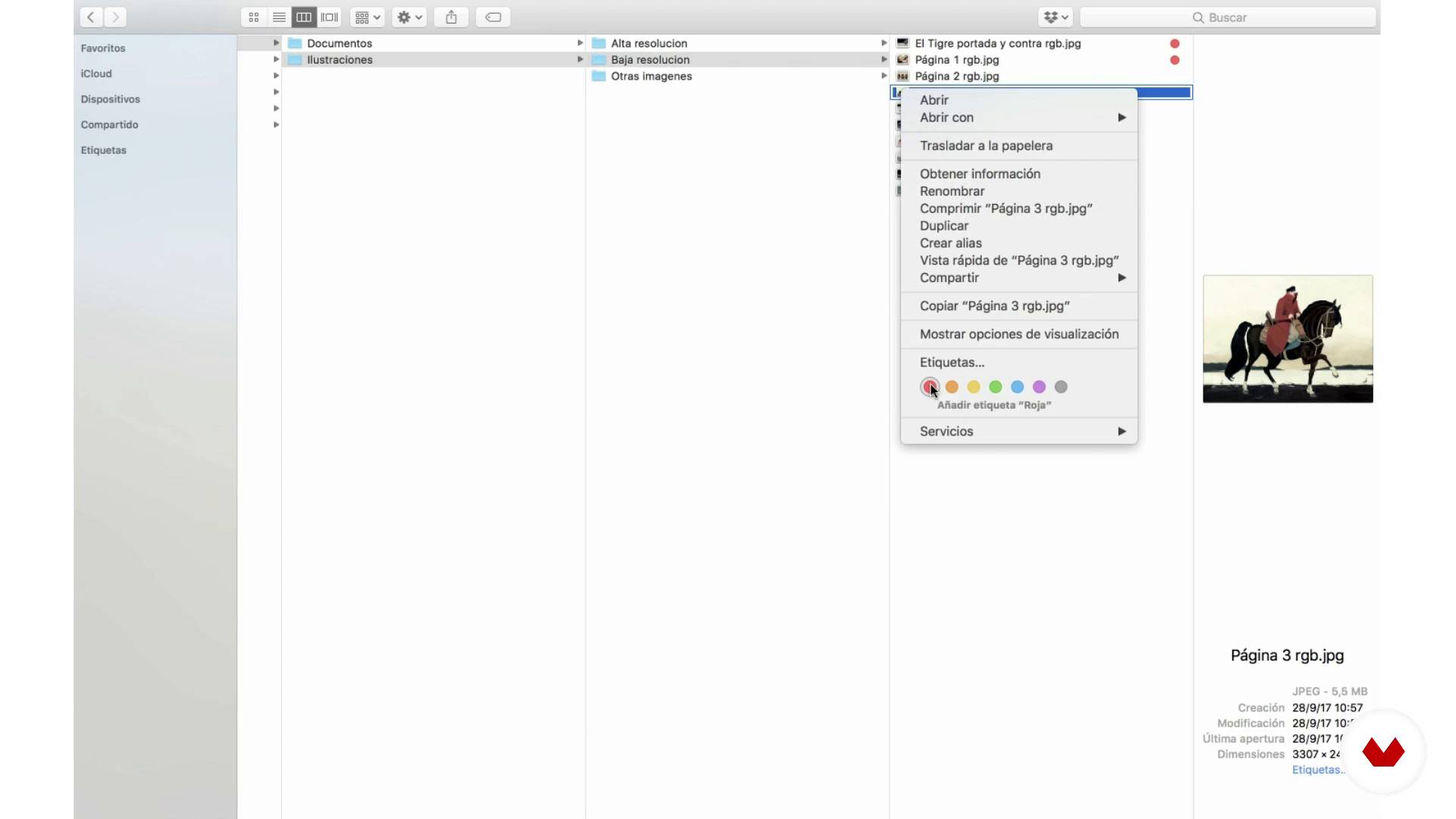
Remanguémonos: organization and cataloging of our works
6 minutes, 13 seconds
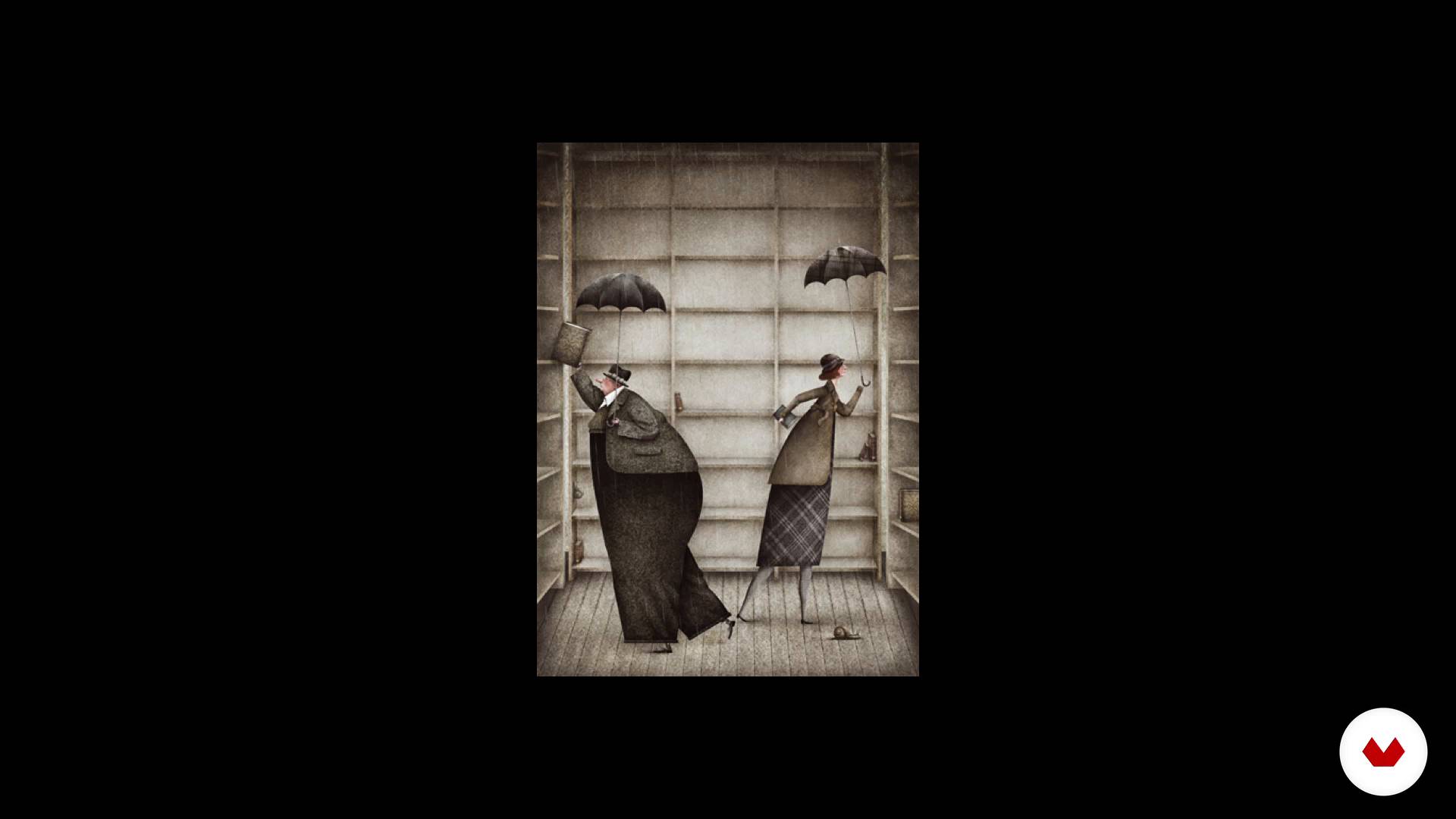
The keys to an effective portfolio
5 minutes, 53 seconds
Doubts and common mistakes
11 minutes, 17 seconds
What's included in this course?
Start by getting to know more about Pencil and the origins of Spain's first illustration agency. Then, Sandra and Ángel explain the dos and don’ts of preparing a memorable portfolio.
Next, it's time to do some research and explore the sectors where illustrators work before discovering how to specialize your portfolio according to your style and skills.
After that, examine your own work and select the projects you want to include in your portfolio. Ángel and Sandra then offer some tips on avoiding common mistakes and discuss different formats for presenting it.
To wrap up the course, hear from several illustrators and art directors about the importance of a good portfolio.
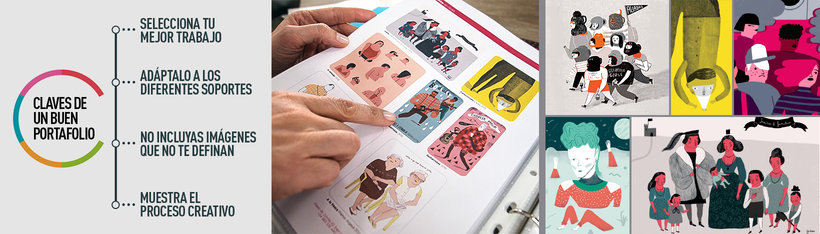
What is this course's project?
Design a professional portfolio to highlight your illustrations.
Projects by course students


Who is this online course for?
Illustrators who are just getting started and professionals who want to update their portfolios and explore new professional sectors.
Requirements and materials
Basic knowledge of image processing and design programs is required. In terms of materials, you need a pencil and paper for sketching, a computer, and, of course, a selection of your work. If you don't have many projects, don't worry. Sandra and Ángel can also offer guidance on discovering what your portfolio lacks and how to complete it.

Reviews
- 2 months ago
Este es uno de los cursos más importantes de Domestika.
- 4 months ago
Hasta el día de hoy sigo repasando este curso ya que me recuerda lo importante de mantener mi portafolio, ya que es nuestra carta de presentación que se debe ir actualizando y editando. Me encanta este curso y muy bien explicado cada lección.
- 5 months ago
Me ha gustado mucho el curso, sencillo y con consejos muy prácticos!
- 6 months ago
Muy buen curso, super completo!
- 6 months ago
Muy buen curso! gracias por los consejos.

They have a history of promoting and organizing international cultural projects, such as the Guadalajara-Mexico FIL International Illustration Forum (FILustra); Ilumina, a reading promotion program; and LuchaLibro Valladolid, a contest of literary improvisation in the boxing ring. They also collaborate with the Programa Acerca, part of the Spanish Agency for International Development Cooperation (AECID), and the International and Ibero-American Foundation for Administration and Public Policies (FIIAPP), leading workshops in cultural centers in Spain and institutions in Chile, Honduras, Mali, Mexico, Nicaragua, and Peru.
Content
- U1
To all this, what is a portfolio?
- Presentation
- What is and is not a portfolio
- U2
3, 2, 1 ... we landed
- Let's know the market
- Let's think a little
- U3
Previous work
- Inspiration and raw material
- Remanguémonos: organization and cataloging of our works
- U4
Let's do it
- The keys to an effective portfolio
- Doubts and common mistakes
- Style and other important issues
- U5
Supports
- The paper portfolio
- Our web. Some issues
- Web Portfolio
- Communities and platforms
- Some final advice and ... ready!
- FP
Final project
- Keys to create a portfolio of professional illustration
What to expect from a Domestika course
Learn at your own pace
Enjoy learning from home without a set schedule and with an easy-to-follow method. You set your own pace.
Learn from the best professionals
Learn valuable methods and techniques explained by top experts in the creative sector.
Meet expert teachers
Each expert teaches what they do best, with clear guidelines, true passion, and professional insight in every lesson.
Certificates
PLUSIf you're a Plus member, get a custom certificate signed by your teacher for every course. Share it on your portfolio, social media, or wherever you like.
Get front-row seats
Videos of the highest quality, so you don't miss a single detail. With unlimited access, you can watch them as many times as you need to perfect your technique.
Share knowledge and ideas
Ask questions, request feedback, or offer solutions. Share your learning experience with other students in the community who are as passionate about creativity as you are.
Connect with a global creative community
The community is home to millions of people from around the world who are curious and passionate about exploring and expressing their creativity.
Watch professionally produced courses
Domestika curates its teacher roster and produces every course in-house to ensure a high-quality online learning experience.
FAQs
To create a professional illustration portfolio, choose your strongest pieces, organize them into relevant categories, maintain visual consistency, and include both finished works and creative processes. Tailor your content to your target industry and use digital platforms to make viewing easy.
An illustrator’s portfolio for publishers or agencies should feature carefully selected illustrations aimed at the target audience, examples of real projects, creative process insights, a variety of styles, and a clear presentation including professional contact details.
You’ll need high-resolution images, a digital platform (like a website, Behance, or PDF), a well-structured layout by project or category, and brief texts that provide context for each piece. Basic skills in design tools and file management are also helpful.
This is an intermediate-level course aimed at illustrators who already have some experience and want to professionalize, update, or optimize their portfolio for different market sectors.
You’ll learn how to structure a professional portfolio, select and organize your work, adapt your portfolio to different clients, boost your digital promotion, and apply self-assessment and SWOT strategies to advance your creative career.
Choose illustrations that showcase your current style, technical skill, and versatility. Focus on pieces most relevant to your target sector and ensure visual harmony. Include both finished works and sketches or processes if they add value.
Recommended platforms include Behance, Pinterest, and personal websites with your own domain. For organization, tools like Evernote, Pocket, and project-based folders work well. Exporting PDF versions also helps with professional sharing.