Geometric Handmade Molds: Design 3D-faceted Objects
A course by Phil Cuttance, Designer and Craftsperson

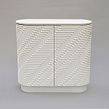

Explore original casting techniques to create functional and sculptural objects using different materials such as concrete, jesmonite, or acrylic resin

The process of making a functional object with your own hands is far more rewarding than buying it at the store. Designer Phil Cuttance, whose work has been featured in the Milan Furniture Fair and Art Basel Miami, has dedicated his career to making unique furniture and accessories completely by hand.
In this course, Phil walks you through the process of making a handmade geometric mold to then cast concrete and create a bespoke object. Ready to create an original accessory with your own two hands?
What will you learn in this online course?
17 lessons & 17 downloads
What's included in this course?
Start by getting to know Phil Cuttance, a designer specialized in sculptural objects. He shares his story, which started with being raised in a big, creative family in New Zealand to starting his own studio in the UK over a decade ago. Hear about the artists and creative work that have shaped his style.
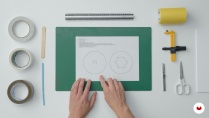
Delve into the basics of casting into molds as Phil reveals his casting technique. He shares why his technique is unique, and how it enables him to make complex objects in a relatively simple way. Then, get an overview of the casting materials needed. Discover Phil’s process for designing and making the shapes of molds, and how to turn a simple 2D plastic sheet into a complex 3D form.
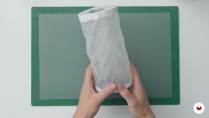
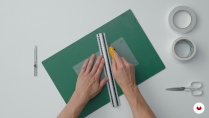
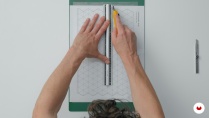
Phil takes you step-by-step through the process of making your own mold and preparing it for casting. Explore tricks and techniques to make extra components for the mold out of easily accessible materials, and how you can make both a vase and light shade out of the same mold. Finish up by attaching the “casting wheels” in preparation for the first casting!
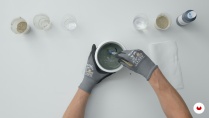
Get a walkthrough of the casting process from start to finish. Learn how to mix and pour cement into your mold. Once the cement has dried, see how to remove the mold and sand the edges. Add the final touches to your work by sealing it or turning it into a pendant light shade. To finish the course, Phil shares extra tips when it comes to common casting challenges or other pattern ideas.
- 100% positive reviews (359)
- 14,006 students
- 17 lessons (3h 7m)
- 17 additional resources (6 files)
- Online and at your own pace
- Available on the app
- Audio: English, Spanish (Latam), French, Italian, Portuguese, Turkish
- English · Spanish · Portuguese · German · French · Italian · Polish · Dutch · Turkish
- Level: Beginner
- Unlimited access forever
What is this course's project?
Create a geometric light shade or vase from scratch using handmade molds and casting cement.

Projects by course students


Who is this online course for?
A entusiastas del DIY que disfruten fabricando objetos con las manos.
Requirements and materials
No previous experience is necessary. Phil walks you through the entire process of creating 3D objects through casting.
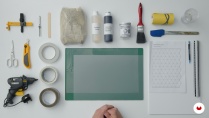
To take this course, you need a cutting mat, a ruler, a knife, a cutter blade, tape, a hot glue gun, sandpaper, a foam board, a spatula, jesmonite, cement, resin, mold release, sealer, wax, and among other materials that Phil discusses in the second unit.

Reviews

Phil Cuttance
A course by Phil Cuttance
Phil Cuttance is a designer and maker from New Zealand. He was raised in a family who was constantly creating and making things by hand. In 2009, after graduating from design school, Phil moved to London, where he founded his studio and currently crafts his pieces. In 2012, Phil made the short film Faceture about his creative process, which received a Staff’s Pick title from Vimeo.
His work has been featured in publications such as Wallpaper*, ELLE Decoration, ICON, Crafts, and Dezeen, among others. One of his designs was nominated for London's annual Designs of the Year Awards at The Design Museum. Phil has been invited to participate in events such Milan Furniture Fair and Art Basel Miami to show his design process. Apart from making commissions from his studio, Phil also teaches workshops on design.
Content
-
U1
Introduction
-
About Me
-
Influences
-
-
U2
The Process and Materials
-
Introduction to Casting into Moulds and My Unique Process
-
Materials and Tools
-
Making Your Own Patterns
-
-
U3
Mould Making
-
Introduction to Making the Moulds
-
Preparing Your Pattern for Scoring and Cutting
-
Folding and Taping the Mould
-
Making the Ends of the Mould 1
-
Making the Ends of the Mould 2
-
Finishing the Mould for Casting
-
-
U4
Casting
-
Introduction to the Casting Technique
-
Mixing and Pouring the Casting Material 1
-
Mixing and Pouring the Casting Material 2
-
Removing the Mould and Sanding the Edges
-
Sealing the Vase
-
Extra Tips and Ideas
-
-
FP
Final project
-
Geometric Handmade Molds: Design 3D-faceted objects
-
What to expect from a Domestika course
-
Learn at your own pace
Enjoy learning from home without a set schedule and with an easy-to-follow method. You set your own pace.
-
Learn from the best professionals
Learn valuable methods and techniques explained by top experts in the creative sector.
-
Meet expert teachers
Each expert teaches what they do best, with clear guidelines, true passion, and professional insight in every lesson.
-
Certificates
PlusIf you're a Plus member, get a custom certificate signed by your teacher for every course. Share it on your portfolio, social media, or wherever you like.
-
Get front-row seats
Videos of the highest quality, so you don't miss a single detail. With unlimited access, you can watch them as many times as you need to perfect your technique.
-
Share knowledge and ideas
Ask questions, request feedback, or offer solutions. Share your learning experience with other students in the community who are as passionate about creativity as you are.
-
Connect with a global creative community
The community is home to millions of people from around the world who are curious and passionate about exploring and expressing their creativity.
-
Watch professionally produced courses
Domestika curates its teacher roster and produces every course in-house to ensure a high-quality online learning experience.
FAQs
Yes, this course is designed for beginners and requires no prior experience in casting or mold-making. All fundamental techniques and safety guidelines are covered step-by-step.
You'll need basic materials like polypropylene sheets, craft knives, double-sided tape, gaffer tape, and casting materials such as concrete or resin. Detailed supply lists and affordable options are provided in the course.
You will learn how to design, construct, and use geometric molds for casting decorative objects. The course covers both hand and machine techniques, material selection, troubleshooting, and finishing methods.
No prior experience is necessary. The course is beginner-friendly and guides you through every step, from basic concepts to advanced techniques.
After finishing the course, you can create unique vases, candle holders, decorative sculptures, and more using reusable geometric molds and a variety of casting materials.
Yes, you'll learn how to design, cut, score, and fold polypropylene sheets to create durable, reusable molds for casting.
Absolutely. The course covers drawing templates by hand and using Adobe Illustrator for precise geometric mold pattern design.

Great course. If you can’t see the English audio, use the app.
Really nice course. Helped me understand the simple processes behind stunning designs
Las técnicas demostradas en este curso deberían ser aprendas antes de explorar cualquier otra forma de creación o fabricación de moldes más tecnológica. Se explica la manera más fundamental y creativa de crear algo funcional y más allá de aprender el contenido del curso, te deja pensando en que otras cosas puedes crear con las herramientas y materiales más básicas a tu alcance...
¡Gracias Phil!
This was an excellent course. Phil explains his process in a clear, informative, and well-paced way. The level of detail makes it easy to follow along, while still leaving plenty of room to take inspiration and adapt the techniques through your own experimentation.
Very interesting and inspiring,thank you,