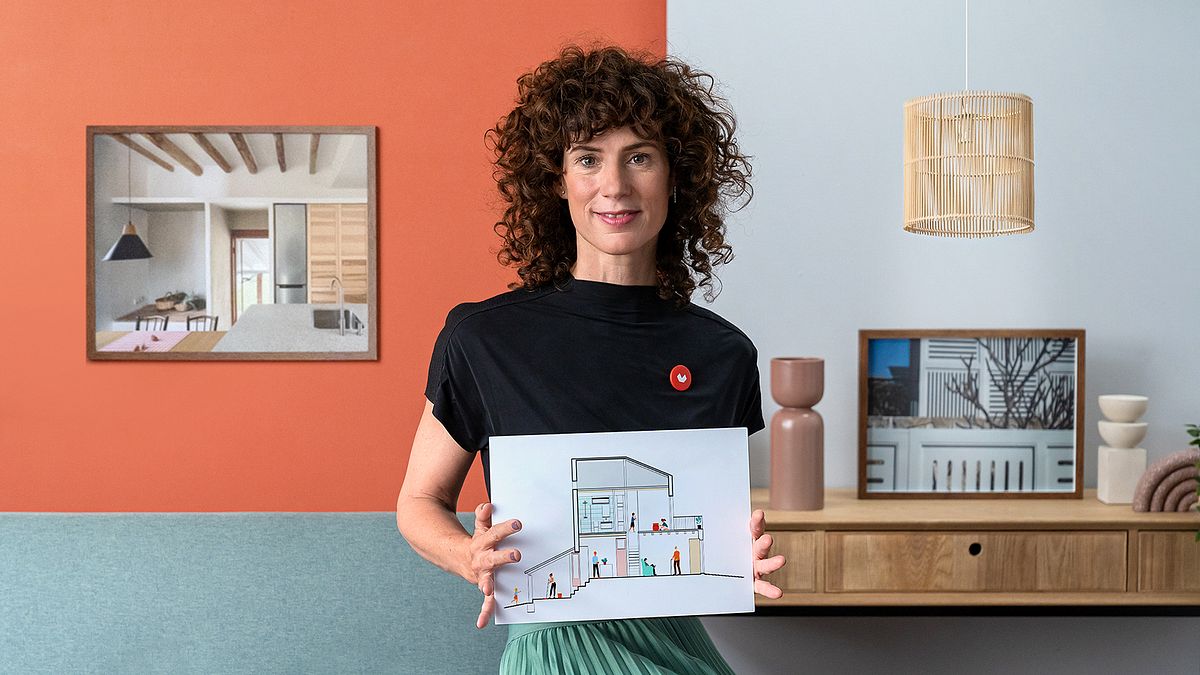
Design of Healthy Spaces: Wellness and Comfort
A course by Ana García LópezArchitect and Interior Designer
A course by Ana García López, Architect and Interior Designer

Learn how to improve the quality of life a new space provides for its inhabitants through simplicity, coherence, and environmental responsibility
Interior design can contribute to our health and comfort on a daily basis, and healthy architecture can even improve our physical and emotional states. Discover all the secrets alongside architect Ana García, founder of NeuronaLab and creator of the Zamness coworking spaces.
In this course, Ana introduces you to the design of healthy spaces and talks about neuroarchitecture. Learn design strategies and how to apply basic principles to your project, from the initial ideas to the finished product. By considering environmental impact as well as the health and comfort of the inhabitants you can achieve interior design solutions with wellness at their very core.
If you'd also like to learn how to carry out a renovation project step by step you can do so with Ana's first course Interior Design from Start to Finish.
What will you learn in this online course?
13 lessons & 40 downloads
Influences
5 minutes, 44 seconds
Architecture and health
10 minutes, 23 seconds
First ideas and project approach
20 minutes, 1 second
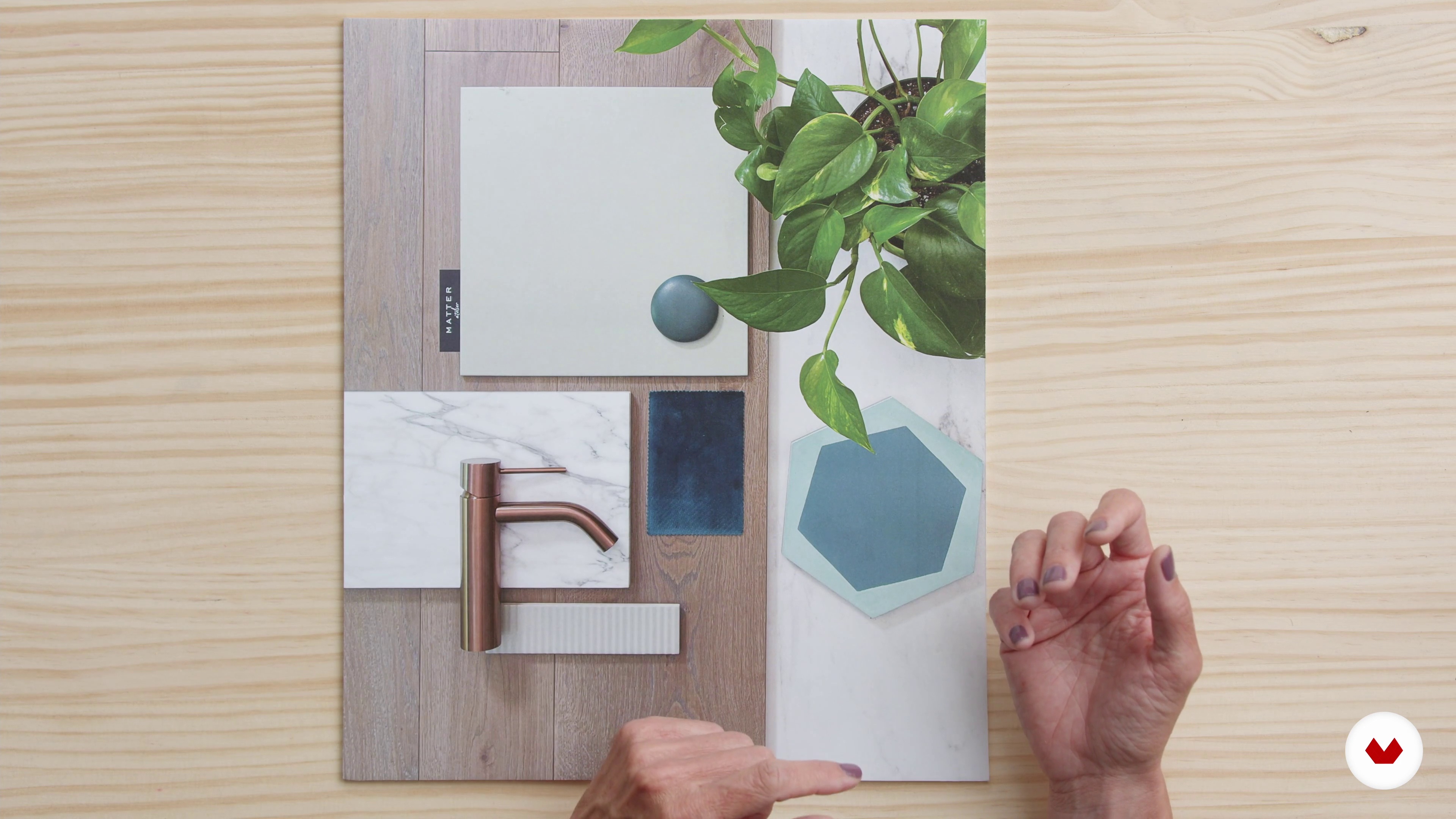
Materiality
7 minutes, 50 seconds
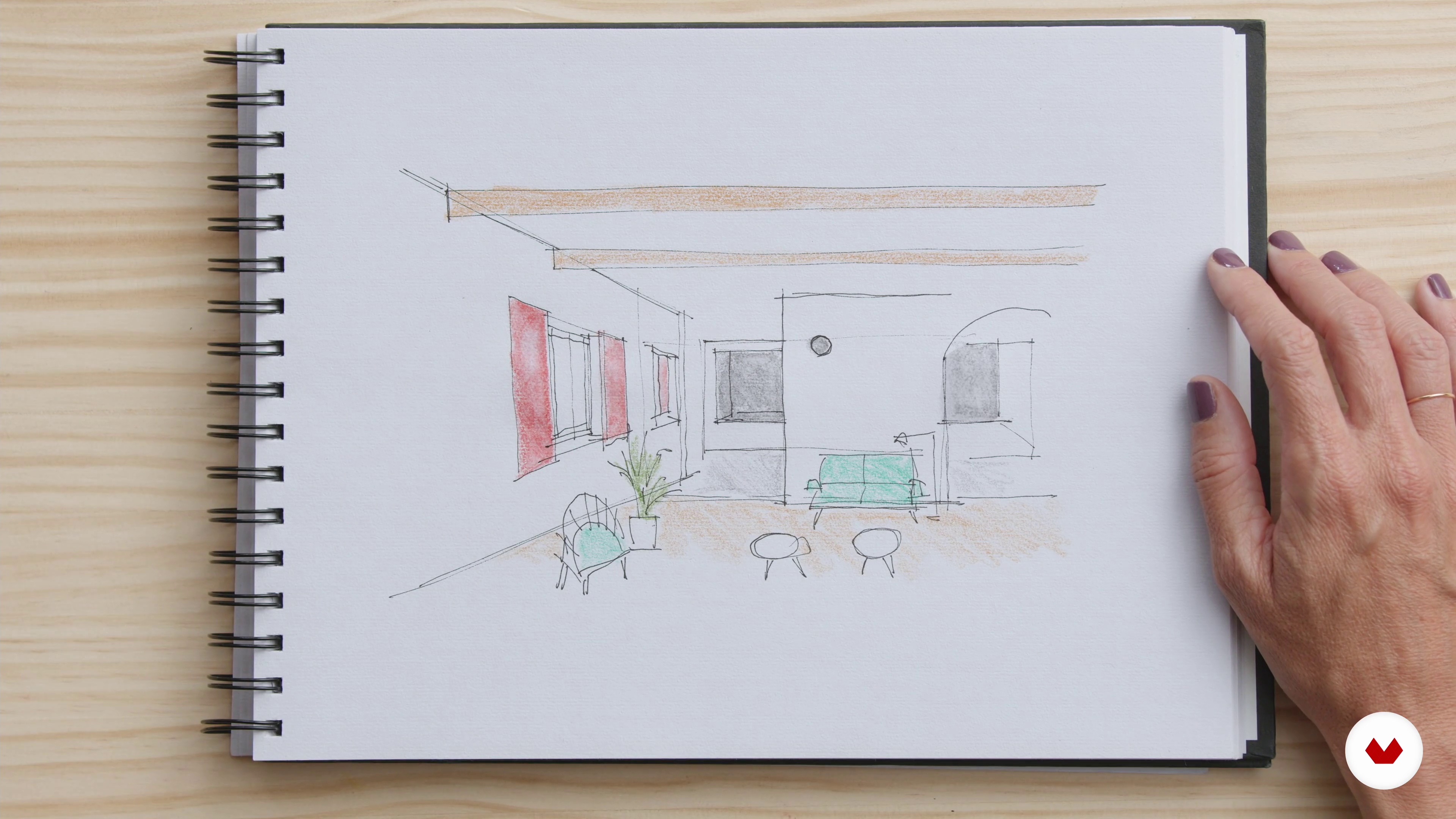
Furniture
16 minutes, 18 seconds
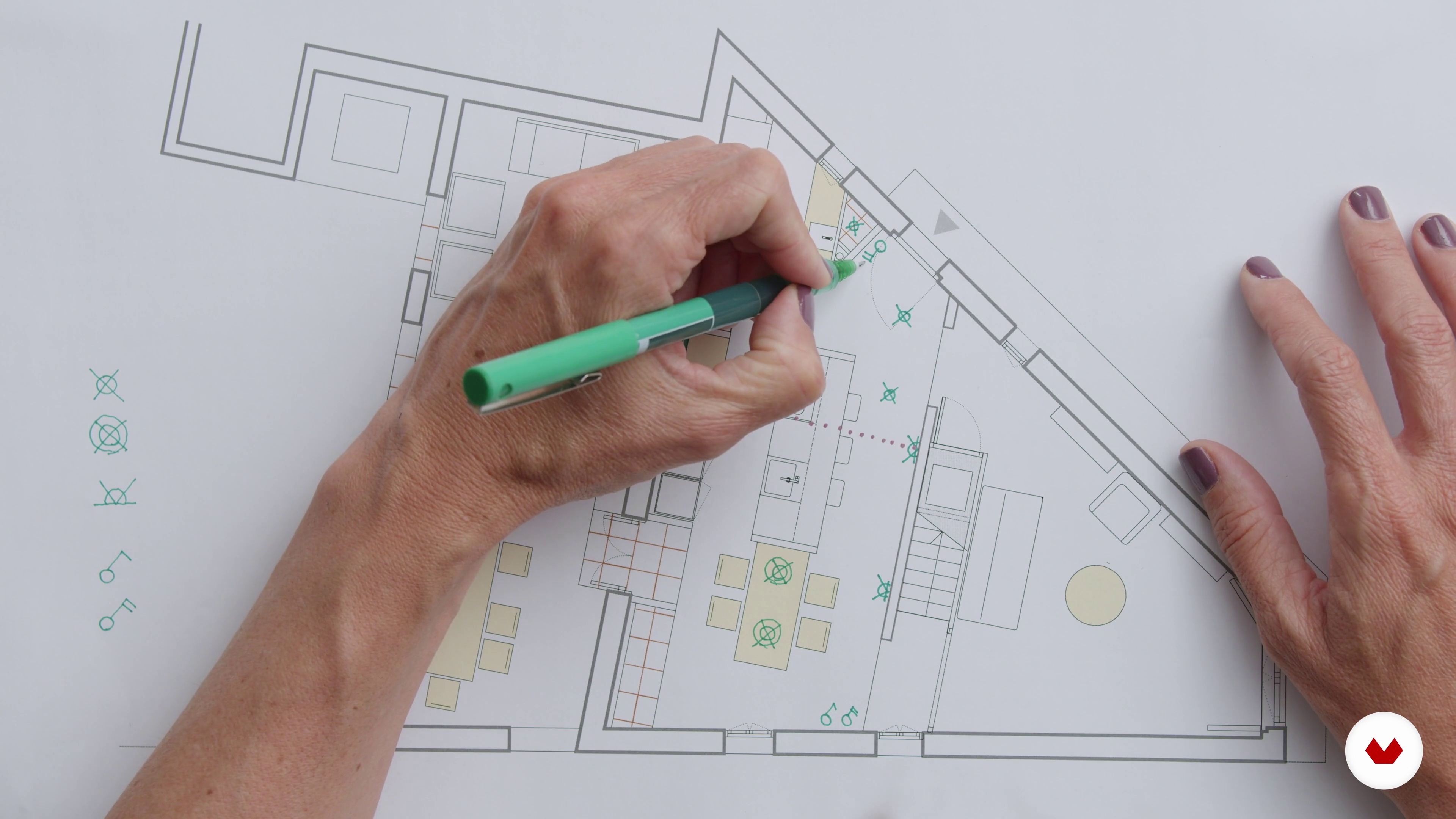
Lighting and energy saving
9 minutes, 46 seconds
What's included in this course?
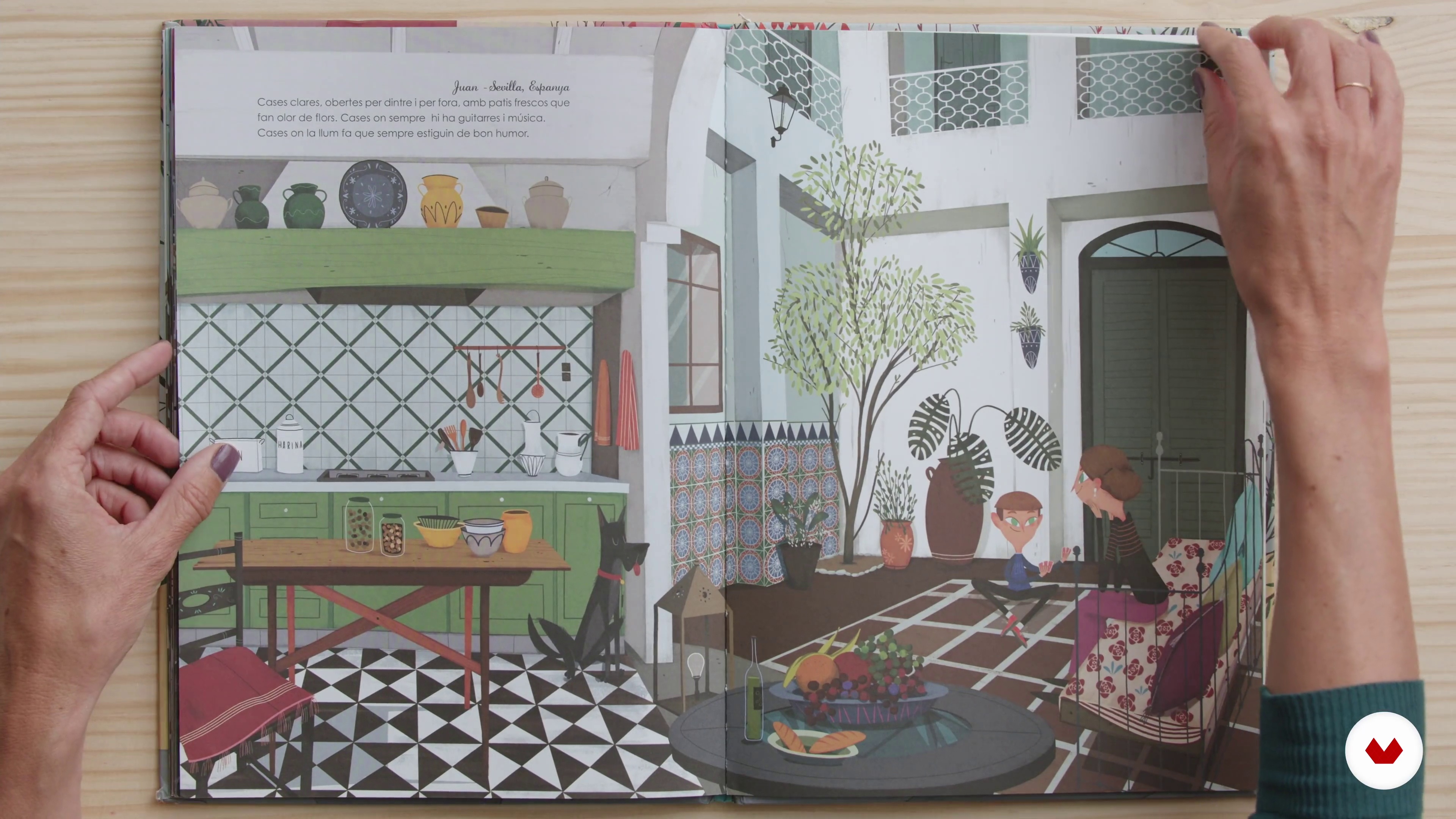
Start by getting to know a little about Ana and her career as an architect and teacher. She also shares more about her current project NeuronaLab and her most recent influences like books, cinema, paintings, music, informative programs, and other projects.
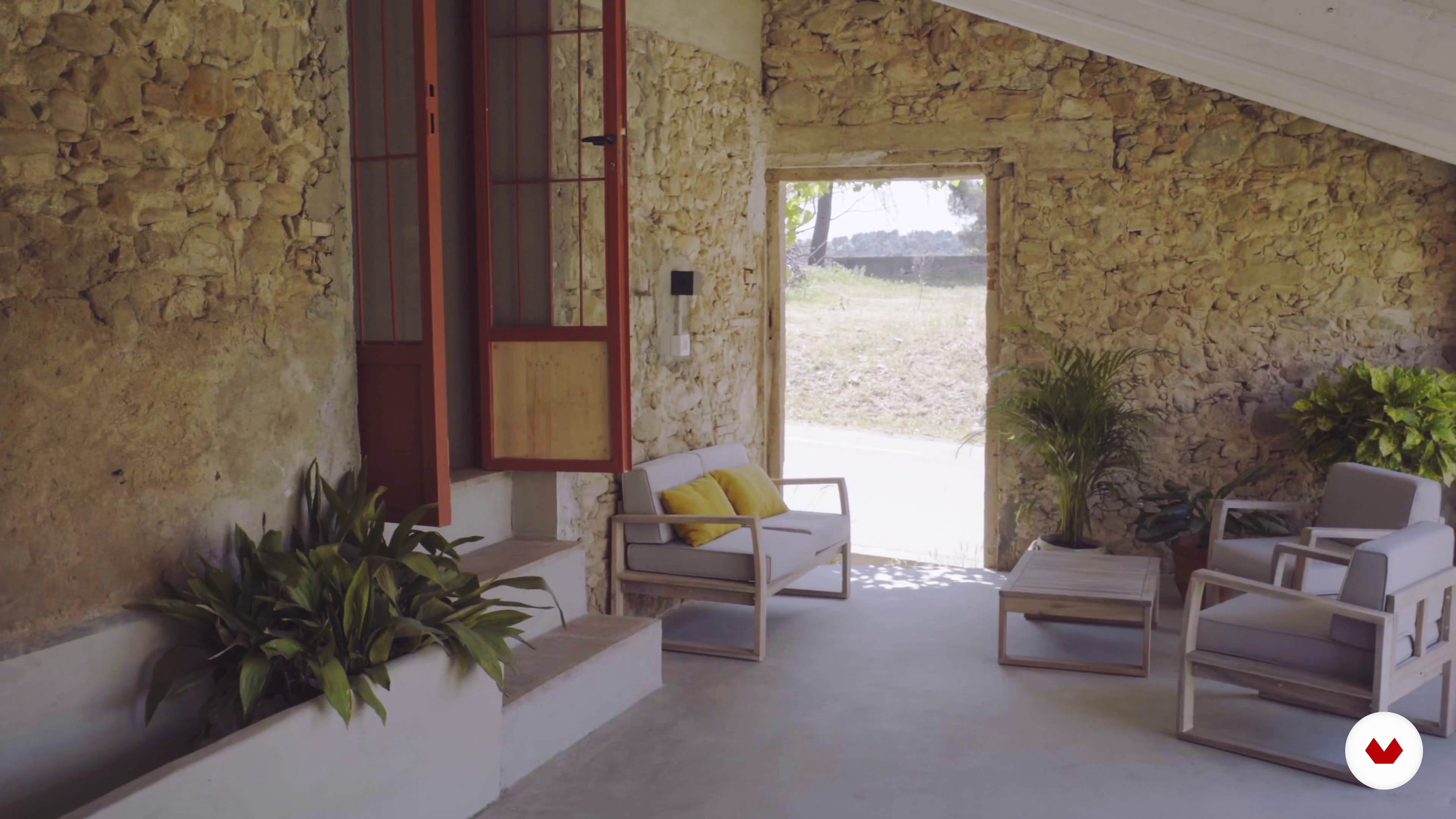
Learn how modern architecture evolved out of the need to correct health issues and hear about Sick Building Syndrome (SBS) in order to analyze and minimize its contributing factors in a space.
Next, Ana introduces the design strategies of acclaimed architects Le Corbusier and Alvar Aalto. Examine how neuroarchitecture came about and its role in breaking down the confines between homes and offices.
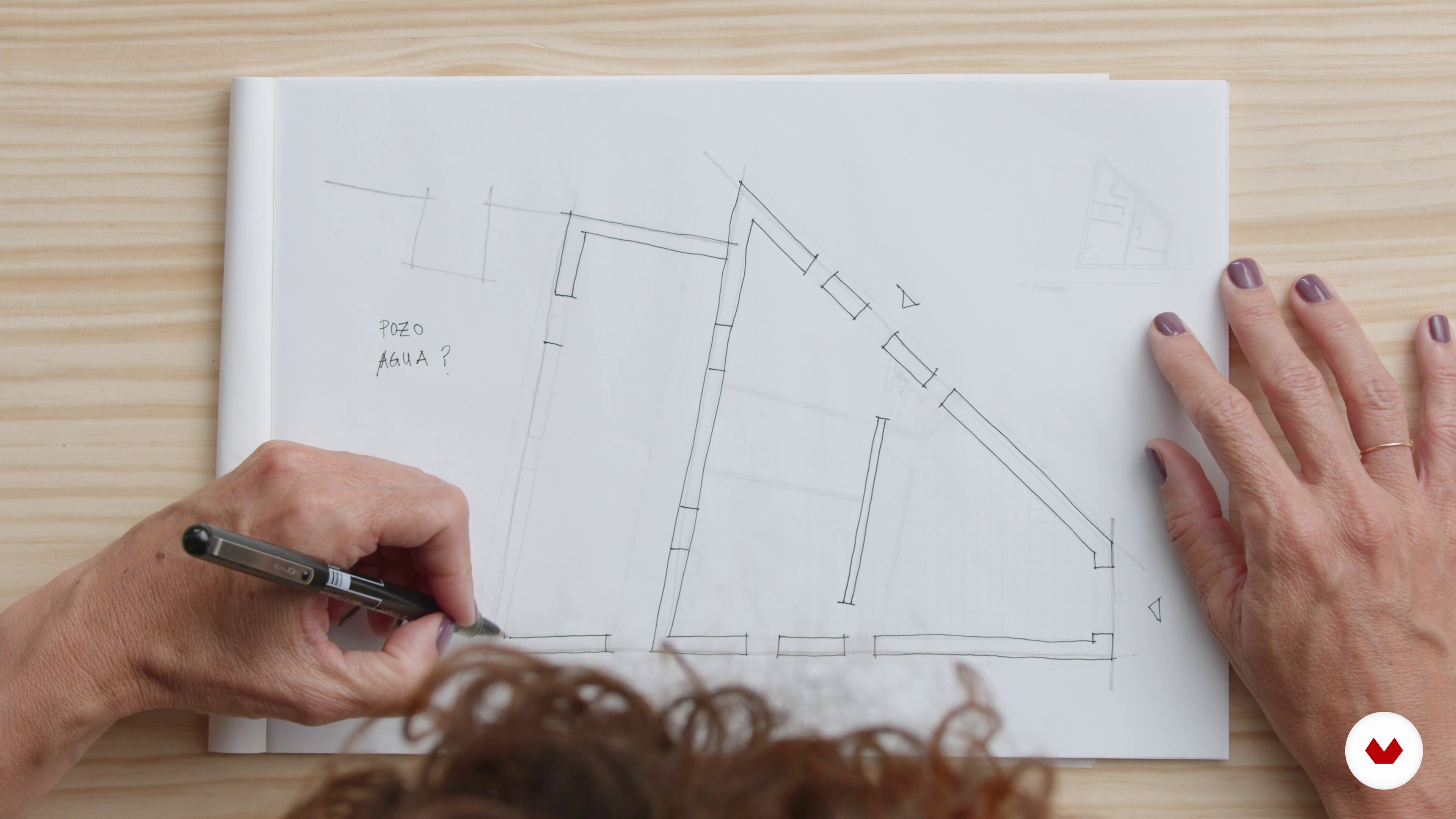
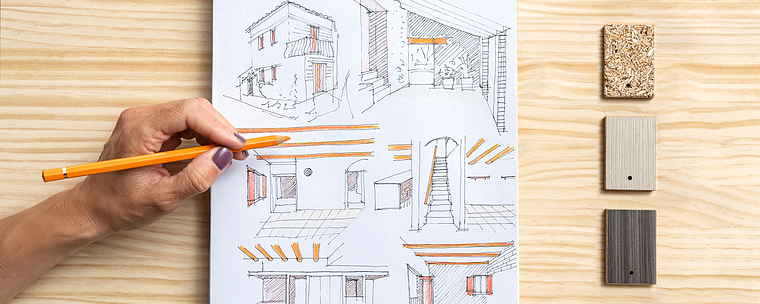
Through a series of practical exercises, familiarize yourself with how to manage a healthy interior design project. Learn to convey your ideas through floor plans and layouts, and how to choose materials, furnishings, and fixtures and fittings such as lighting.
Finish the course exploring how to approach quotes and valuations for your project and the importance of allowing the inhabitants or users to customize their space. Now, after a few final considerations, you have all the tools to create spaces entirely geared towards wellbeing.
What is this course's project?
Develop an interior design project with straightforward strategies focused on the health of the inhabitants as well as reducing environmental impact. To develop your project you need some manual drawing materials or a design software of your choice.
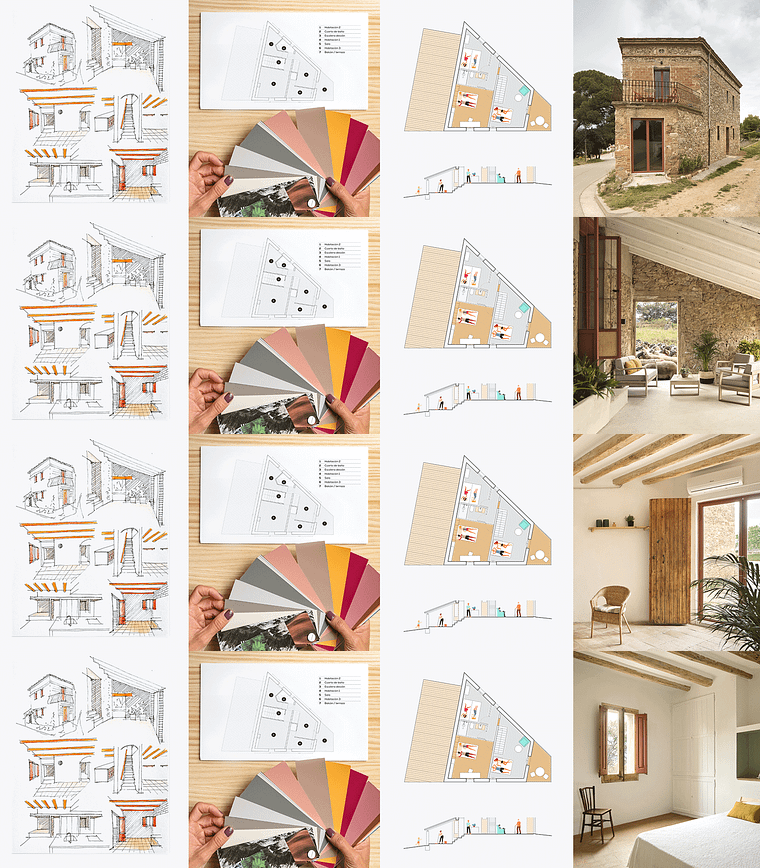
Projects by course students

Who is this online course for?
Anyone interested in their surroundings who wants to learn to adapt their space to optimize wellbeing.
Requirements and materials
No previous architecture knowledge is necessary for this course, but some familiarity with scale drawings is recommended for depicting your project.
In terms of materials, you need colored pencils or felt-tips, a triangular scale ruler, tracing paper, parchment or graph paper, a notebook for sketching, or if you prefer, a tablet or computer.
Reviews
- 4 months ago
Magnífico curso. Armonía de principio a fin en su contenido y la forma de expresarse de la arquitecta y diseñadora de interiores, Ana, es delicada, amable, intuitiva, te transmite y te transporta de forma natural en todos los proyectos mencionados en el curso. No he necesitado tomar un montón de notas sino que he integrado lo que ha compartido de una forma fácil y agradable. Me ha encantado. Muy valioso.
- 5 months ago
me transmitio mucha inspiracion, y pasion por el diseño y el repensar espacios desde lo que hay para resaltar la identidad! excelente!
- 8 months ago
Me encantó!!! Fácil de comprender, te lleva de la mano y te explica lo que otros suponen que conocemos. Algo importante... no tengo conocimiento previos.
- 9 months ago
Excellent course. Well-being, comfort and other human responses to space are underrated topics in current architectural discussion.
- 1 year ago
A really great course with an inspiring perspective on architecture. I’m truly enthusiastic about the idea of renovating old houses and reusing as many of the original materials as possible.

Ana is a Barcelona-born architect who specializes in designing spaces built for both living and working. She adapts each of her projects to the characteristics of the space in question, reassessing their role according to the needs of the inhabitants to achieve healthy spaces centered around well-being and comfort. Her work goes hand in hand with teaching and she currently directs a Master's in interior urban spaces at the LCI Barcelona.
Content
- U1
Introduction
- Presentation
- Influences
- U2
Project strategies
- Architecture and health
- Le Corbusier and Alvar Aalto
- What is Neuroarchitecture?
- Dissolution of boundaries between home and office
- U3
How to approach a project: Practical cases
- First ideas and project approach
- Materiality
- Furniture
- Lighting and energy saving
- Economic valuation
- U4
Projected spaces and inhabited spaces
- Return
- Reinhabit
- FP
Final project
- Design of Healthy Spaces: Wellness and Comfort
What to expect from a Domestika course
Learn at your own pace
Enjoy learning from home without a set schedule and with an easy-to-follow method. You set your own pace.
Learn from the best professionals
Learn valuable methods and techniques explained by top experts in the creative sector.
Meet expert teachers
Each expert teaches what they do best, with clear guidelines, true passion, and professional insight in every lesson.
Certificates
PLUSIf you're a Plus member, get a custom certificate signed by your teacher for every course. Share it on your portfolio, social media, or wherever you like.
Get front-row seats
Videos of the highest quality, so you don't miss a single detail. With unlimited access, you can watch them as many times as you need to perfect your technique.
Share knowledge and ideas
Ask questions, request feedback, or offer solutions. Share your learning experience with other students in the community who are as passionate about creativity as you are.
Connect with a global creative community
The community is home to millions of people from around the world who are curious and passionate about exploring and expressing their creativity.
Watch professionally produced courses
Domestika curates its teacher roster and produces every course in-house to ensure a high-quality online learning experience.
FAQs
Neuroarchitecture studies how the built environment affects well-being and mental health. It’s applied through the use of natural light, healthy materials, and spatial layouts that enhance comfort and productivity for users.
Yes, the course is aimed at students and professionals with some background in architecture or design, focusing on intermediate techniques and concepts to optimize interior spaces and promote well-being.
Basic knowledge of architecture, interior design, or related fields is recommended, along with familiarity with digital tools like SketchUp. You don’t need to be a licensed architect, but you should have an interest in healthy and sustainable design.
You’ll learn how to incorporate natural materials, bioconstruction techniques, and sustainable strategies into architectural projects to improve environmental health and reduce ecological impact in living spaces.
The course teaches you how to make the most of small spaces using solutions like hidden storage, integrated areas, maximizing natural light, and choosing sustainable materials, all tailored to Barcelona’s urban context and regulations.
Yes, the course covers the principles and criteria of LEED and WELL certifications, enabling you to assess and apply international sustainability and health standards in architectural projects.
You’ll need access to digital design programs like SketchUp and basic freehand drawing skills for sketches. It’s also recommended to have note-taking materials and internet access for online resources and classes.