Natural Yarn Dyeing
A course by Lucrezia MoroTextile Artist, Knitter, and Dyer
A course by Lucrezia Moro, Textile Artist, Knitter, and Dyer

Discover how to extract colors from fresh materials from each season and learn to dye yarn naturally from scratch
How can we reconnect with nature and feel more in tune with our surroundings? Textile artist Lucrezia Moro, founder of the clothing brand Bilulu, has discovered a path to doing so through the art of natural dyeing. In this course, she teaches you how to extract pigments from seasonal plants you can find in nature and how to use them to dye yarn.
Experiment alongside Lucrezia and create a sample collection of colored yarn to use as a guide for future dyeing projects or to hang on your wall as a unique decorative piece.
What will you learn in this online course?
16 lessons & 29 downloads
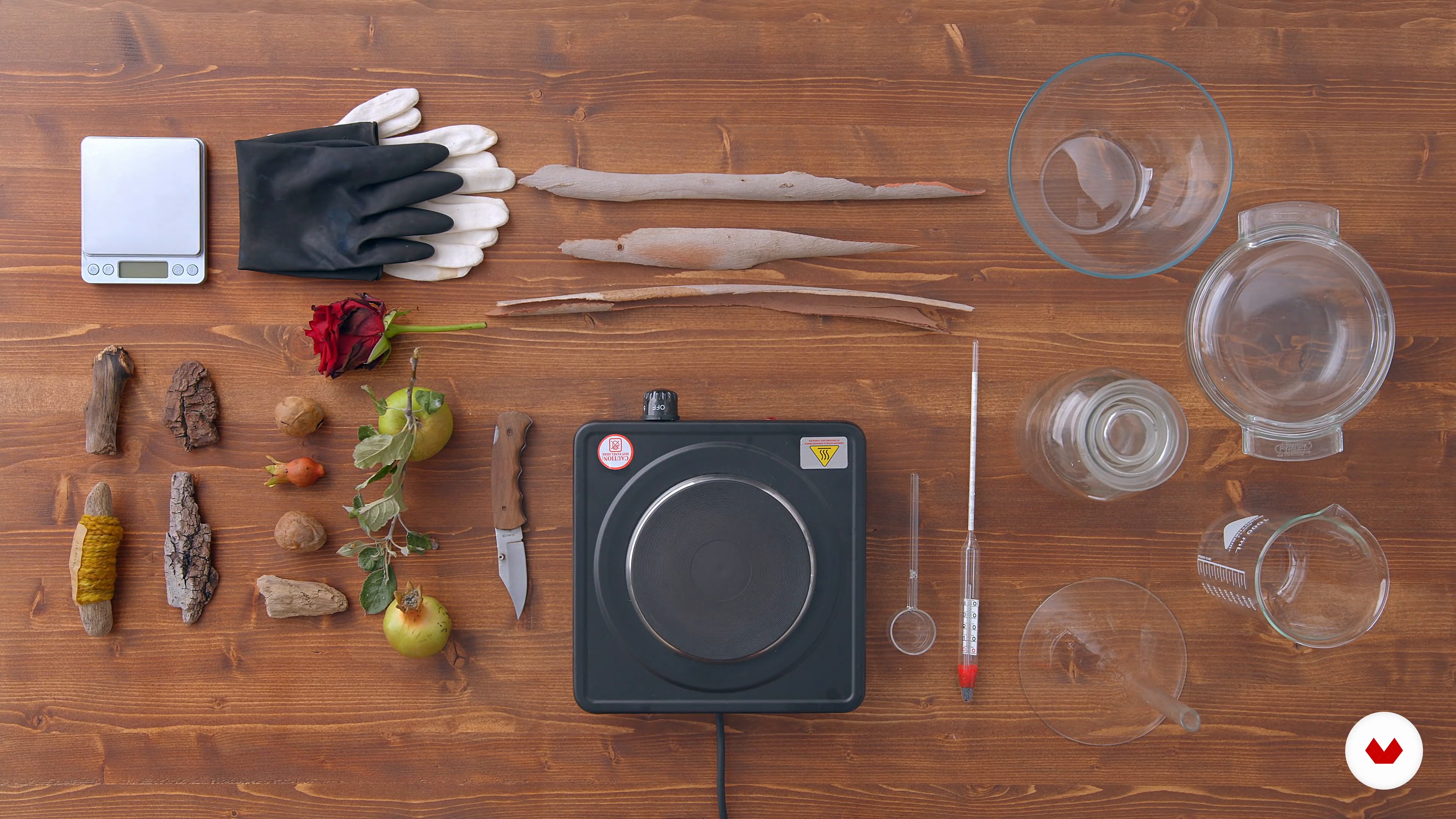
Materials and tools 1
12 minutes, 5 seconds

Materials and tools 2
13 minutes, 46 seconds
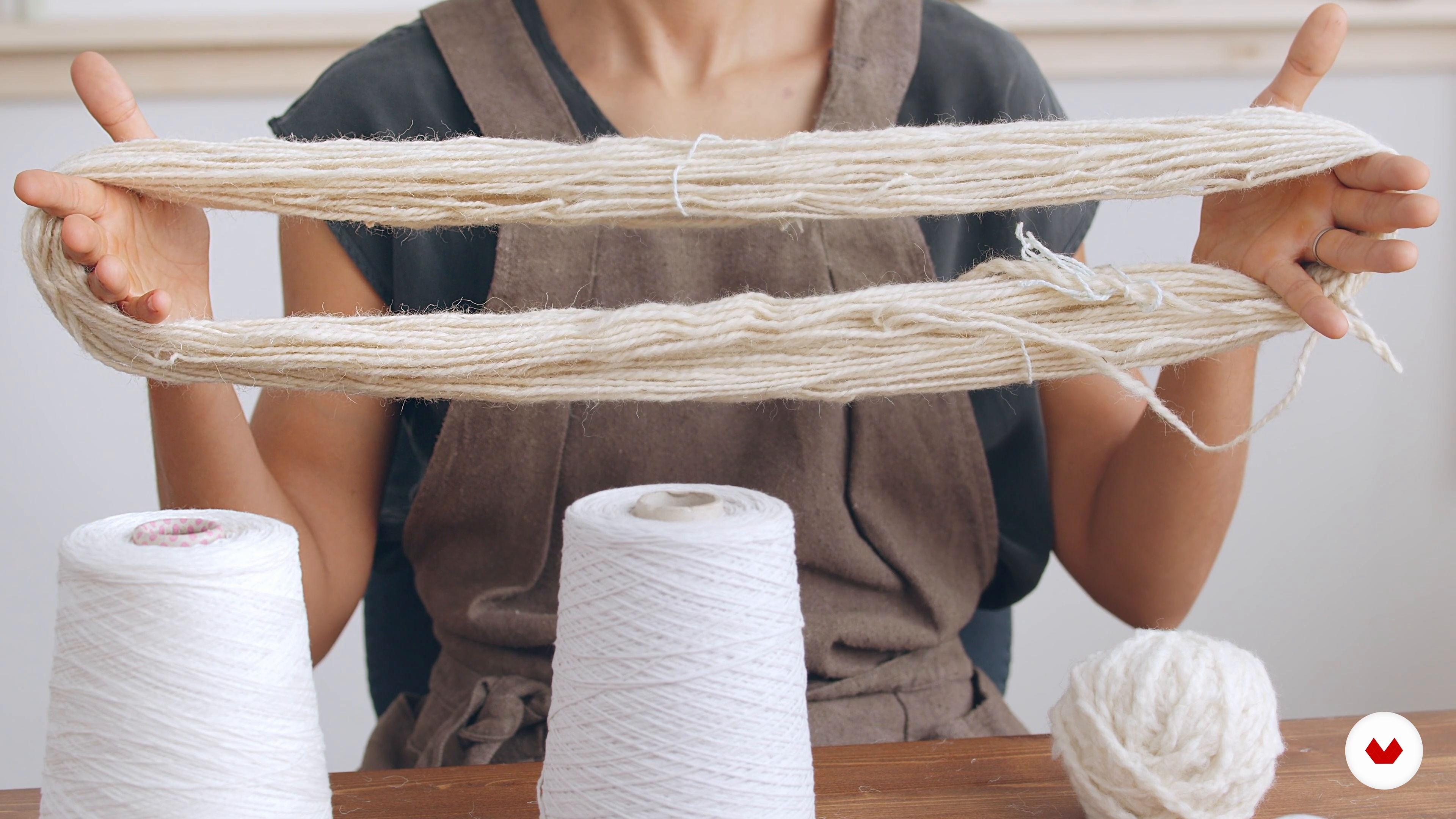
The different types of fibers
17 minutes, 52 seconds
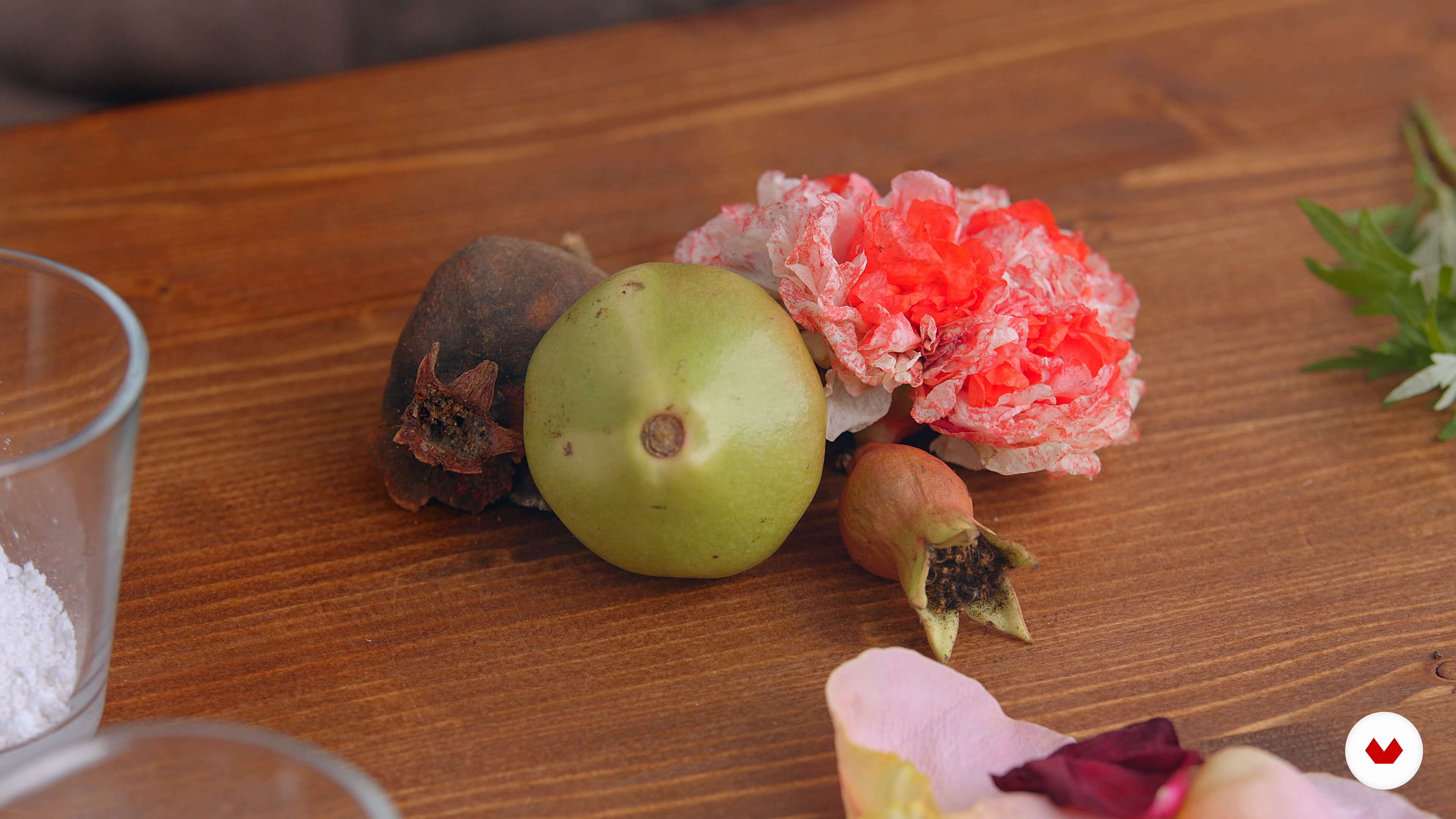
Stains and dyeing materials 1
11 minutes, 54 seconds
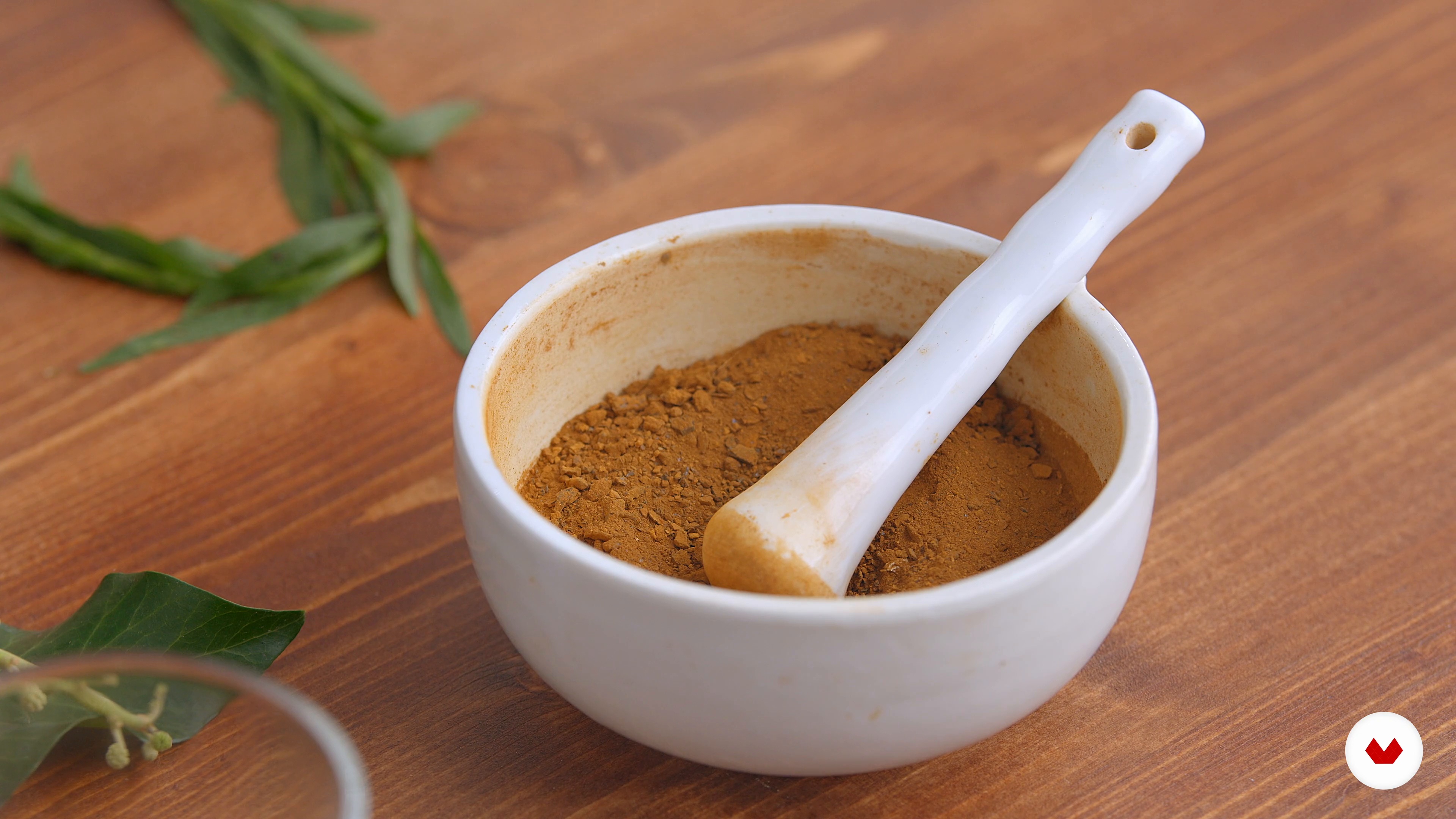
Stains and dyeing materials 2
9 minutes, 53 seconds
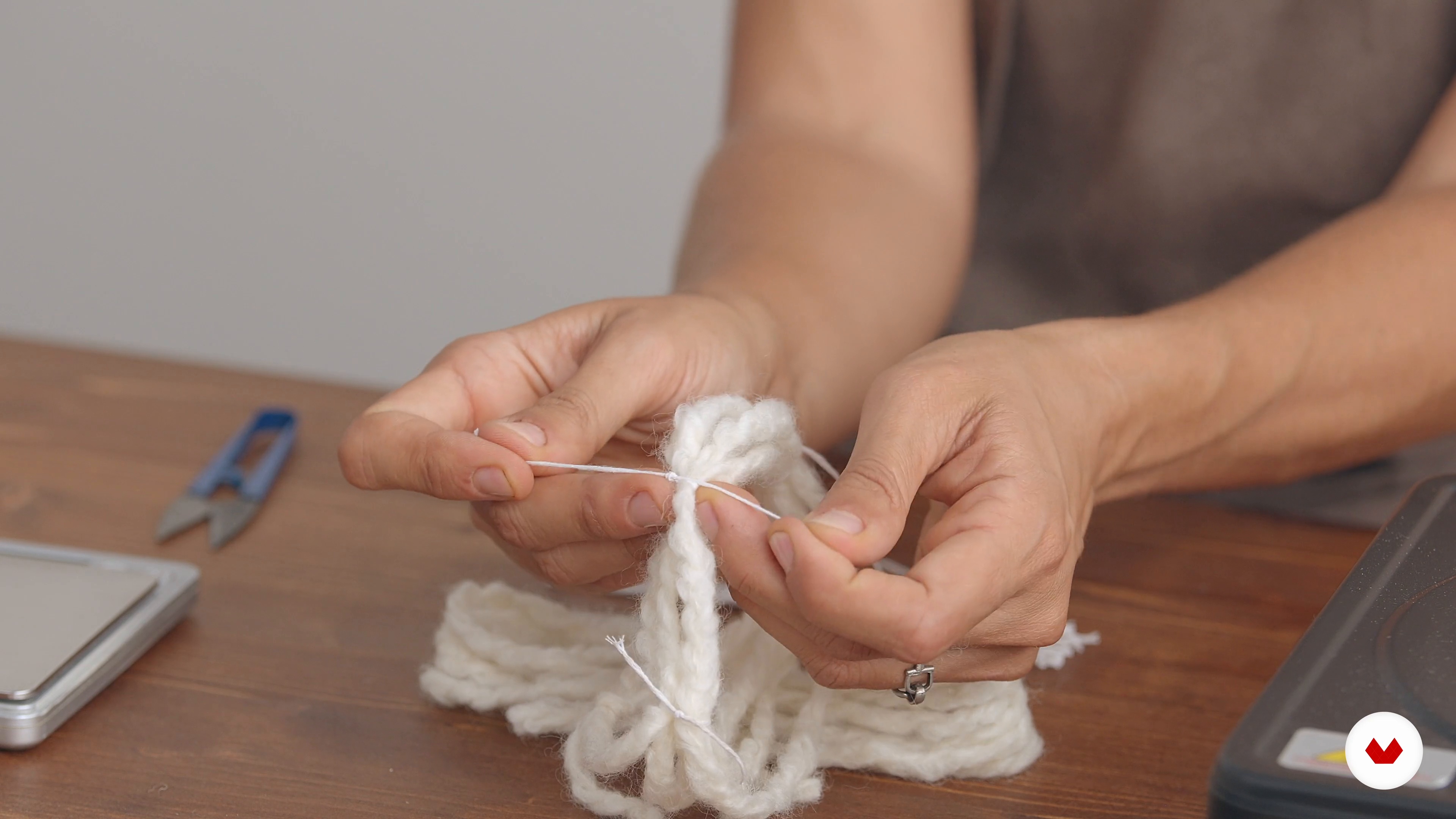
Fiber preparation: binding, washing and soaking 1
11 minutes, 11 seconds
What's included in this course?
Start the course by getting to know your teacher Lucrezia, who tells you about her self-taught journey that led her to start her natural dyeing business. She also talks about some of her biggest influences and how they have inspired her work.
Next, go over the materials and tools needed for the course and where you can get them–most can be found around your home or easily purchased. Lucrezia explains how to set up a home laboratory and shares some guidelines on how to dye safely.
Explore different types of yarn such as wool, silk, and cotton. Then, learn how to choose mordants and where to find dyeing materials, from your kitchen to the nature around you.
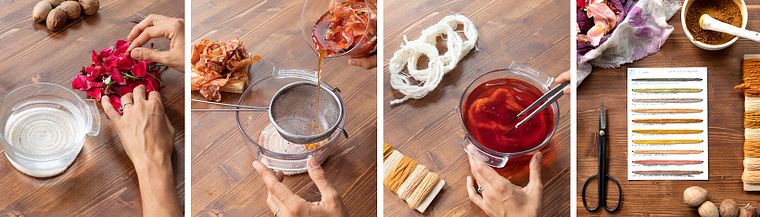
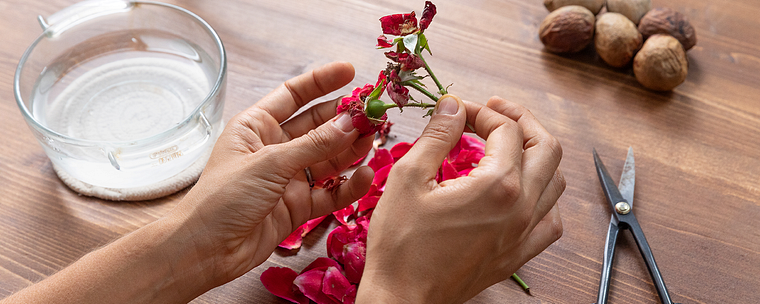
Now it's time to get down to work. Discover how to extract color from local, seasonal plants and flowers before seeing the best way to prepare your yarn to make the dyeing process as effective as possible.
Find out what mordants (or dye fixatives) are as well as how and when to use them. Then learn some techniques for extracting color from different dyeing materials based on their consistency.
Once you have learned how to extract colors from a variety of materials, roll up your sleeves and start dyeing. Lucrezia shows you how to organize and catalog all your dyeing experiments in a clear and visual way.
Finally, your teacher shares some tips to help you avoid common mistakes during the dyeing phase.
What is this course's project?
Create a sample collection of yarn that you dye during the course to use as a guide for future dyeing projects or to hang on your wall as a decorative object.
Projects by course students


Who is this online course for?
All nature lovers and anyone who wants to brighten up their yarn with color, regardless of their dyeing experience.
Requirements and materials
Basic knowledge of cooking will be useful, but not necessary. As for materials, you need wool, silk, cotton, and some items you can easily find at a grocery store or fine art shops that Lucrezia will specify during the course.
Reviews
- 3 months ago
Il corso è stato veramente una scoperta, Lucrezia trasmette tutto il suo amore per il recupero e l'utilizzo di quello che si trova in natura, senza sprechi! Da principiante avrei voluto però qualche consiglio in più sulle piante e i fiori con maggiore resistenza ad acqua e sole ma lei, giustamente, ti invita a provare e fare le tue valutazioni. Consigliatissimo!
- 11 months ago
muy buen curso
- 1 year ago
Muy bonito e inspirador! A pesar de no conocer el Italiano, se percibe la calidez de Lucrezia.
- 1 year ago
Un curso muy profundo y didáctico
- 2 years ago
Class was good, but frustrated that I could not download the resource PDFs in English.

Lucrezia later founded her own brand, Bilulu, which specializes in naturally dyed hand-knit clothing. She also shares her knowledge of knitting, dyeing, embroidery, and mending by teaching classes to others eager to learn. She recently launched her second clothing collection dyed 100% with native, seasonal plants.
Content
- U1
Introduction
- Presentation
- Reference models
- U2
What it takes to dye
- Materials and tools 1
- Materials and tools 2
- The different types of fibers
- Stains and dyeing materials 1
- Stains and dyeing materials 2
- U3
From raw fiber to color
- Fiber preparation: binding, washing and soaking 1
- Fiber preparation: binding, washing and soaking 2
- Etching
- Color extraction from soft, leathery and hard dyeing material 1
- Color extraction from soft, leathery and hard dyeing material 2
- Dyeing and toning techniques
- The catalog: how to keep track of the results
- U4
Advice from the dyer
- Tips to avoid the most common mistakes
- Different ways of using your work
- FP
Final project
- Natural dyes for yarn
What to expect from a Domestika course
Learn at your own pace
Enjoy learning from home without a set schedule and with an easy-to-follow method. You set your own pace.
Learn from the best professionals
Learn valuable methods and techniques explained by top experts in the creative sector.
Meet expert teachers
Each expert teaches what they do best, with clear guidelines, true passion, and professional insight in every lesson.
Certificates
PLUSIf you're a Plus member, get a custom certificate signed by your teacher for every course. Share it on your portfolio, social media, or wherever you like.
Get front-row seats
Videos of the highest quality, so you don't miss a single detail. With unlimited access, you can watch them as many times as you need to perfect your technique.
Share knowledge and ideas
Ask questions, request feedback, or offer solutions. Share your learning experience with other students in the community who are as passionate about creativity as you are.
Connect with a global creative community
The community is home to millions of people from around the world who are curious and passionate about exploring and expressing their creativity.
Watch professionally produced courses
Domestika curates its teacher roster and produces every course in-house to ensure a high-quality online learning experience.
FAQs
Natural dyeing is a technique that uses extracts from plants, flowers, roots, and food scraps to color fabrics sustainably, without synthetic chemicals.
The course is intermediate level: a basic understanding of textile techniques is recommended, but detailed explanations make it accessible for motivated beginners.
To start, you just need natural fiber fabrics, plants or plant scraps, mordants like alum, and common tools such as pots, gloves, a scale, glass containers, and an electric stove.
You’ll learn how to identify dye plants, extract colors from plant and food materials, prepare fibers and mordants, experiment with dyeing techniques, and creatively document your results in an eco-friendly way.
Yes, the course covers dyeing both protein fibers (wool, silk) and cellulose fibers (cotton, linen), explaining the differences in process and color outcomes.
The course teaches how to extract color, filter, and preserve dye baths, maximizing resource use and ensuring stable, lasting colors.
Mordanting is the process of treating fibers with substances that fix the dye, enhancing colorfastness and durability in natural dyeing.