Retro Movement in After Effects
A course by Joseba Elorza, Animator and Illustrator

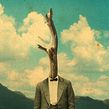
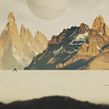
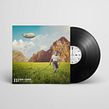

Learn to create an animated trailer with old photos and videos

Say goodbye to lifeless projects! In this online course, illustrator and animator Joseba Elorza, better known as MiraRuido, teaches you how to create an imaginary movie trailer with the video collage technique, sharing his methodology and tricks to take your cutouts to a new dimension.
Draw inspiration from your teacher's anachronistic and surrealist style, and practice the entire creative process of animation, from compiling material to publishing your final video. Learn to use After Effects from scratch to bring vintage photos and videos to life. Discover the huge difference adding retro movement can make!
What will you learn in this online course?
14 lessons & 13 downloads
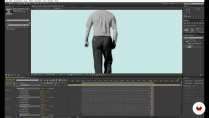
What's included in this course?
Joseba starts the course by telling you about himself and his greatest influences from the genre.
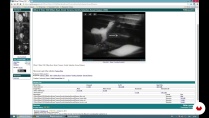
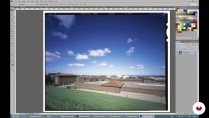
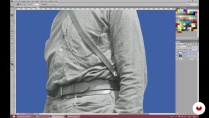
Then, find out where to look for the audiovisual and photographic material to make your animation. Once you've compiled the material, devise your own storyboard and begin to cut out photos and videos with rotoscoping.
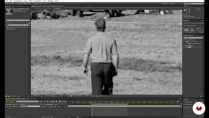
When you have all the material ready, move on to put the animation together in After Effects. Joseba does a review of the program's basics in case you're new to it, and then teaches you to make your animation in layers.
Finish your video collage by applying the texture, some final touches, and rendering.
As a final step, learn how to upload the video and show off your animation online!
- 99% positive reviews (506)
- 9,464 students
- 14 lessons (2h 37m)
- 13 additional resources (7 files)
- Online and at your own pace
- Available on the app
- Audio: Spanish, English, French, Portuguese, Turkish
- Spanish · English · Portuguese · Italian · French · Turkish
- Level: Beginner
- Unlimited access forever
Recommended software & tools for this course
 Adobe After Effects
 Adobe Photoshop
What is this course's project?
Make a teaser or trailer of an imaginary film using the video collage technique.
Projects by course students


Who is this online course for?
Anyone who wants to try animating their photo compositions. It's also great for anyone who's thinking of entering the world of animation, or adding this format to projects or presentations. Similarly, there's a lot to learn for animators who want to experiment with a different, attractive, and original approach such as video collage.
Requirements and materials
To take this course, you only need a computer with Photoshop and basic knowledge of how to use it. You also need After Effects; your teacher provides a brief review of the basics in case you have never used it.

New to Adobe After Effects? In that case, we recommend taking Domestika Basics courses to learn how to use the software: Introduction to After Effects.
Reviews

Joseba Elorza
A course by Joseba Elorza
Joseba Elorza studied to become a sound technician, and after a few lackluster years in art school, MiraRuido was born. His mind-bending project emerged out of a collision between his two passions; he used to spend his mornings surrounded by sound at a radio station and long nights creating collages. Little by little, the visual side tuned out the audio and transformed into a lifestyle.
His illustrations have been featured in magazines like Esquire, New Scientist, and the Wall Street Journal. He has also created animations for clients such as National Geographic and Amazon, and music videos for bands like Green Day, Berri Txarrak, and more.
Content
-
U1
Introduction
-
Who I am and what we are going to do
-
My influences and references
-
-
U2
In search of the right material
-
Looking for old photographs
-
Looking for old videos
-
Storyboard or simple structure of the video
-
-
U3
"Mise en place" we prepare the material
-
Crop and prepare photos
-
Trim videos (rotoscopy) 1
-
Trim videos (rotoscopy) 2
-
Import the material to After Effects
-
-
U4
Cheering up
-
Basics of After Effects
-
Animating the layers 1
-
Animating layers 2
-
Final touches
-
Render, upload it to the internet and share it with your grandmother
-
-
FP
Final project
-
Old-fashioned digital animation
-
What to expect from a Domestika course
-
Learn at your own pace
Enjoy learning from home without a set schedule and with an easy-to-follow method. You set your own pace.
-
Learn from the best professionals
Learn valuable methods and techniques explained by top experts in the creative sector.
-
Meet expert teachers
Each expert teaches what they do best, with clear guidelines, true passion, and professional insight in every lesson.
-
Certificates
PlusIf you're a Plus member, get a custom certificate signed by your teacher for every course. Share it on your portfolio, social media, or wherever you like.
-
Get front-row seats
Videos of the highest quality, so you don't miss a single detail. With unlimited access, you can watch them as many times as you need to perfect your technique.
-
Share knowledge and ideas
Ask questions, request feedback, or offer solutions. Share your learning experience with other students in the community who are as passionate about creativity as you are.
-
Connect with a global creative community
The community is home to millions of people from around the world who are curious and passionate about exploring and expressing their creativity.
-
Watch professionally produced courses
Domestika curates its teacher roster and produces every course in-house to ensure a high-quality online learning experience.
FAQs
Digital collage is about combining images and graphic elements on digital platforms to create visual compositions. In this course, you’ll learn mixed collage techniques, Photoshop editing, After Effects animation, and how to use public domain images and videos for creative projects.
This course is designed for people with intermediate knowledge of Photoshop and After Effects. Basic familiarity with image and video editing is recommended, though the necessary fundamentals are explained to help you follow along.
You’ll need a computer with Photoshop and After Effects installed, internet access, and basic editing skills. Having an interest in contemporary illustration and visual composition is also helpful.
By the end of the course, you’ll be able to create digital collages, animate still images, do rotoscoping on video, design surreal teaser trailers, and produce animated music videos using stock footage and advanced compositing techniques.
You’ll learn how to find and download public domain images and videos from sites like Unsplash or the Library of Congress, as well as how to check Creative Commons licenses to legally use materials in your collage and animation projects.
The course covers techniques like polygonal lasso, pen tool, magic wand, and masking in Photoshop, plus edge blending and integration for professional compositions and animation.
Yes, you’ll learn to animate still images using the Puppet Tool, create loops, pre-compose layers, apply rotoscoping, and stabilize videos to produce smooth, reusable animated sequences.
 Adobe After Effects
 Adobe Photoshop
Este es un curso excelente y útil, porque hace ya un tiempo que lo adquirí y vuelvo sobre él continuamente para hacer un montón de trabajos audiovisules. Excelente para un emprendimiento laboral.
Esse curso abriu muito a minha mente. Quando eu era pequeno nos anos 80, adorava fazer colagem com revistas cortadas na capa dos meus cadernos. E dar movimento a essa lembrança foi bom demais.
O professor é super didático, atencioso, enfim, super acolhedor. E entende pra caceta sobre o que está falando. Recomendo demais!
Very good explanation and useful techniques and the lesson is easy to understand for beginners.
La verdad que ha sido un curso super bueno. Aprendí muchos trucos nuevos para dar vida a mis collages en After. Y lo mejor toda la información y recursos compartidos por el docente. Me llevo un montón de cosas, tanto me gustó que ya estoy haciendo el siguiente curso que incluye el uso de la cámara de After.
Mi è piaciuto molto il corso, esattamente quello che cercavo!