Watercolor on Wood
A course by Katherine Dossman Casallas (k2man*)Painter and Illustrator
A course by Katherine Dossman Casallas (k2man*), Painter and Illustrator

Learn to paint with watercolor and other water-based media using wood as a canvas
Watercolor and paper always seem to go hand in hand, but what would happen if you were to swap out paper for another material like wood? Painter and illustrator Katherine Dossman can answer that question. After over nine years working as an artist, she has developed her distinctive painting technique using watercolor and acrylic on wood, creating original pieces that have been exhibited in galleries all over Argentina, Brazil, and the United States.
In this online course, learn to apply watercolor and other water-based media on wood to take full advantage of the rich colors and textures that these materials offer.
What will you learn in this online course?
14 lessons & 22 downloads
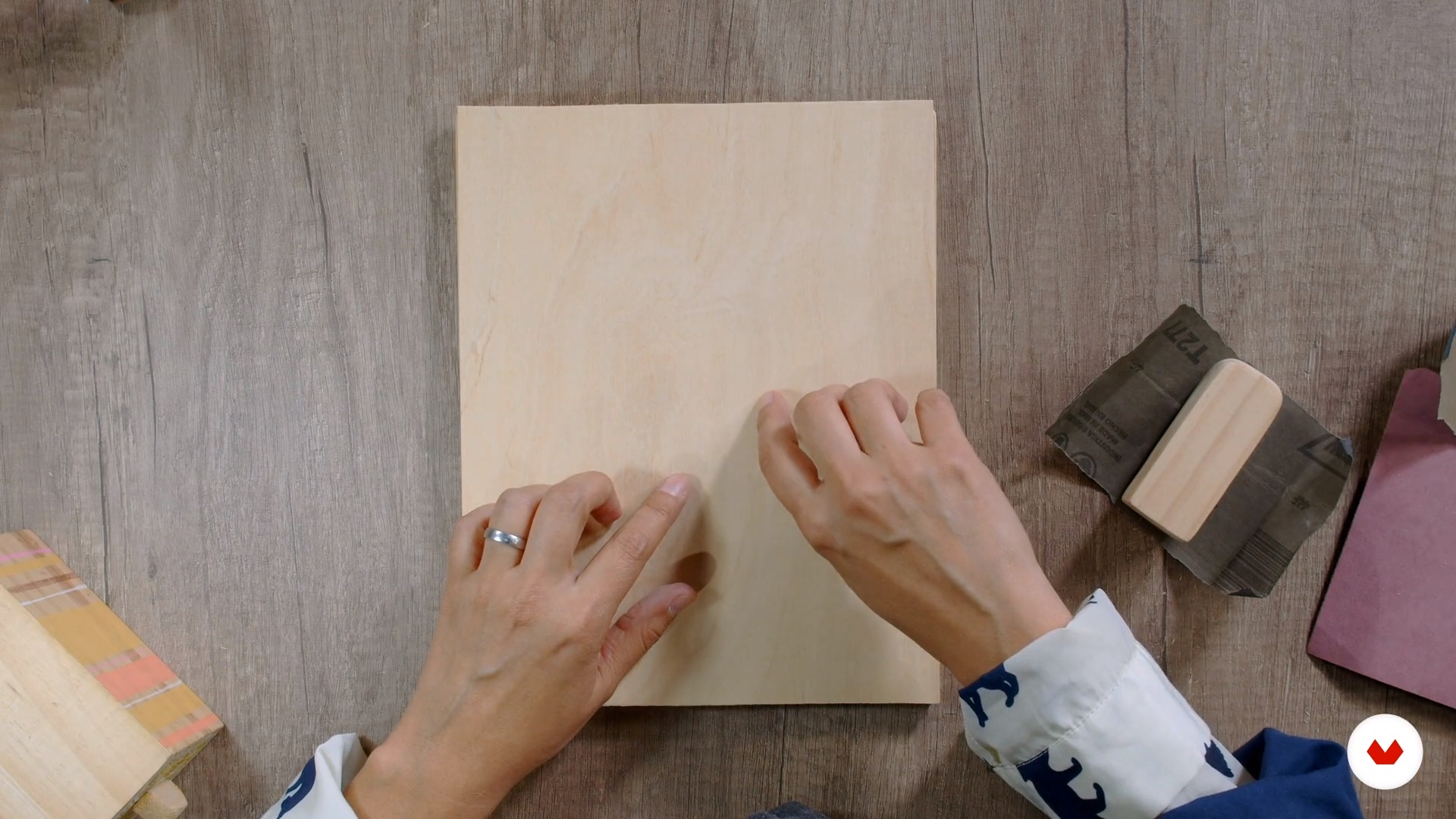
Supports
8 minutes, 58 seconds
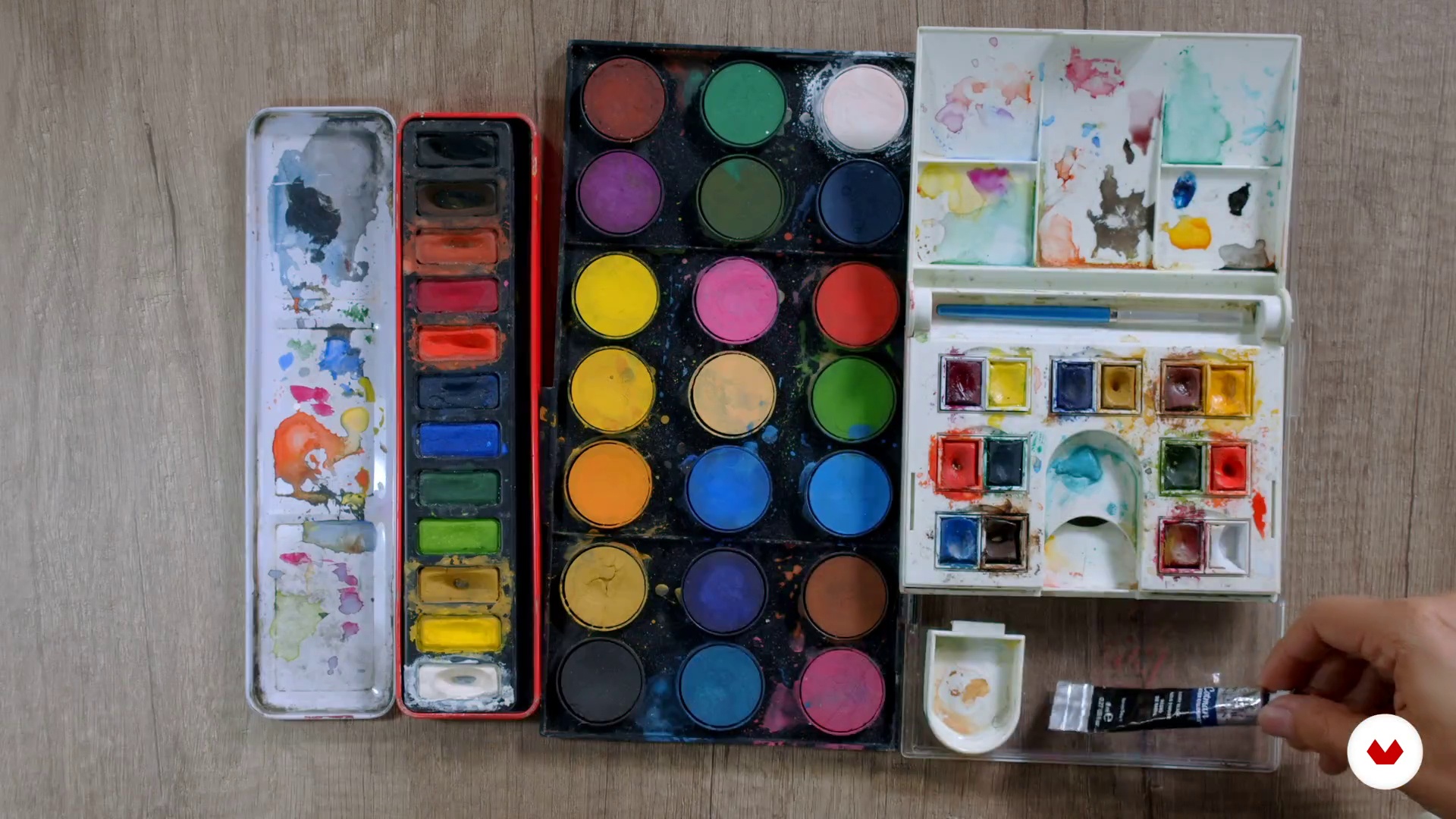
Pigments
6 minutes, 28 seconds
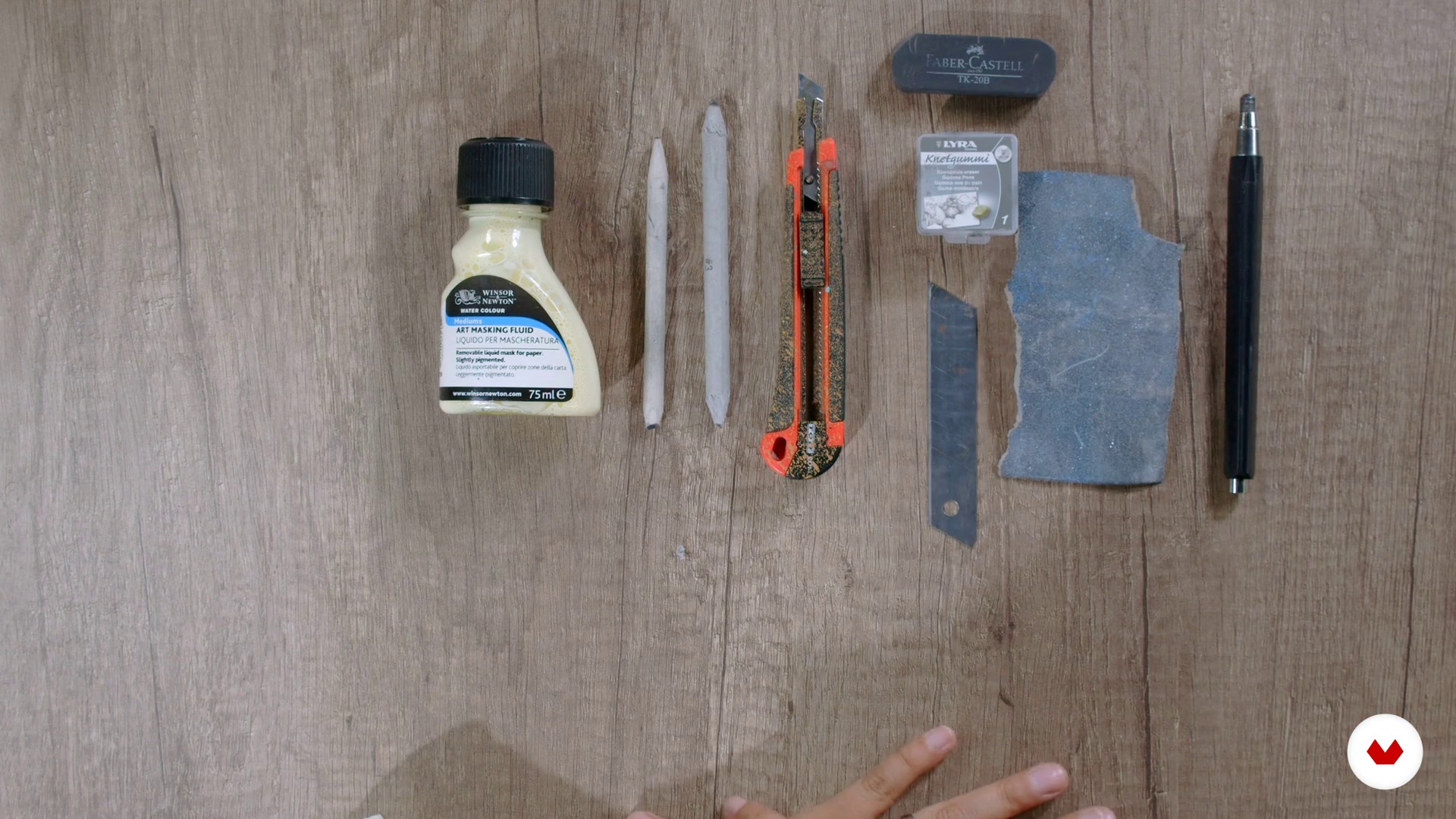
Other materials
4 minutes, 1 second
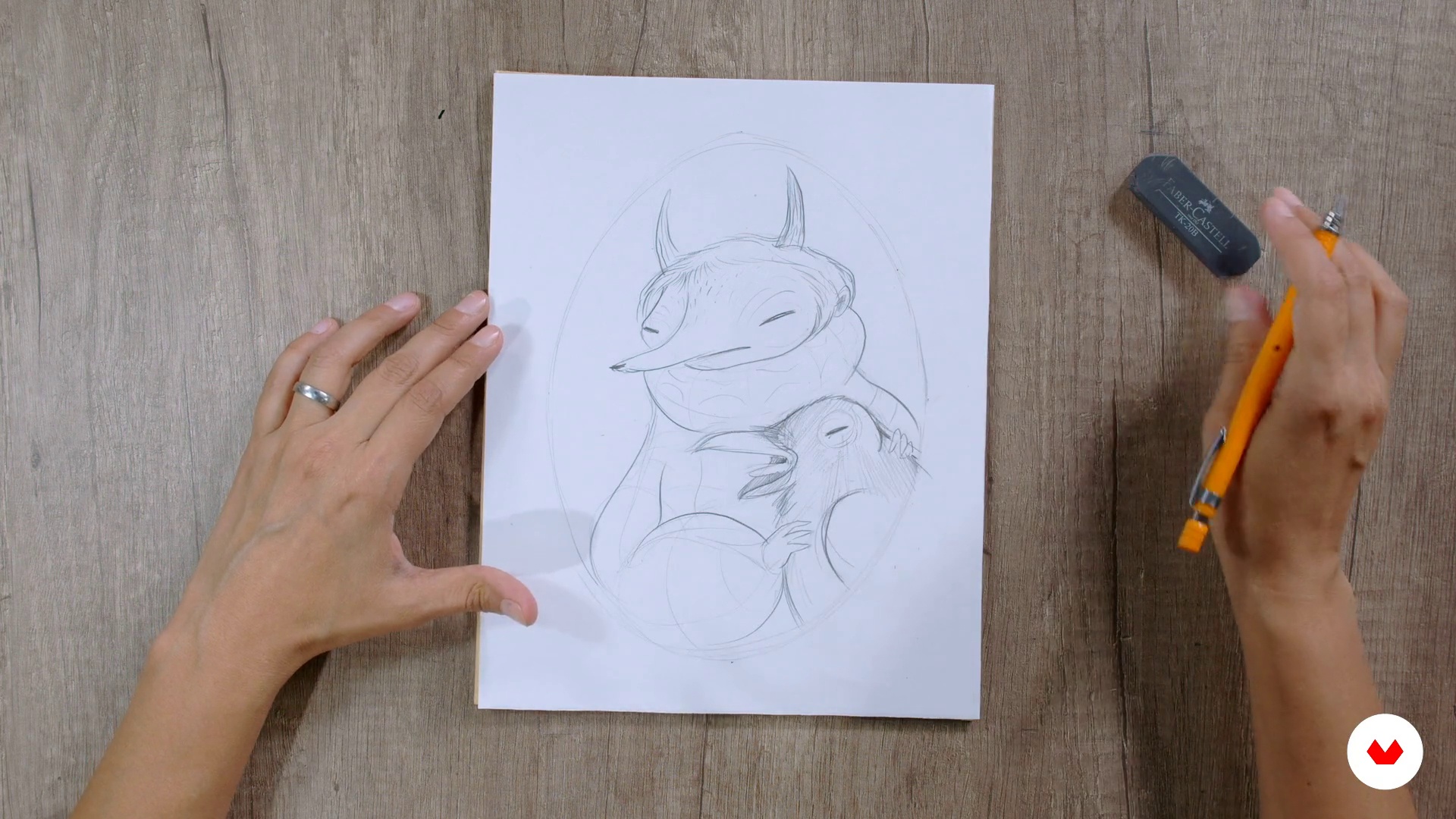
The sketch
4 minutes, 6 seconds
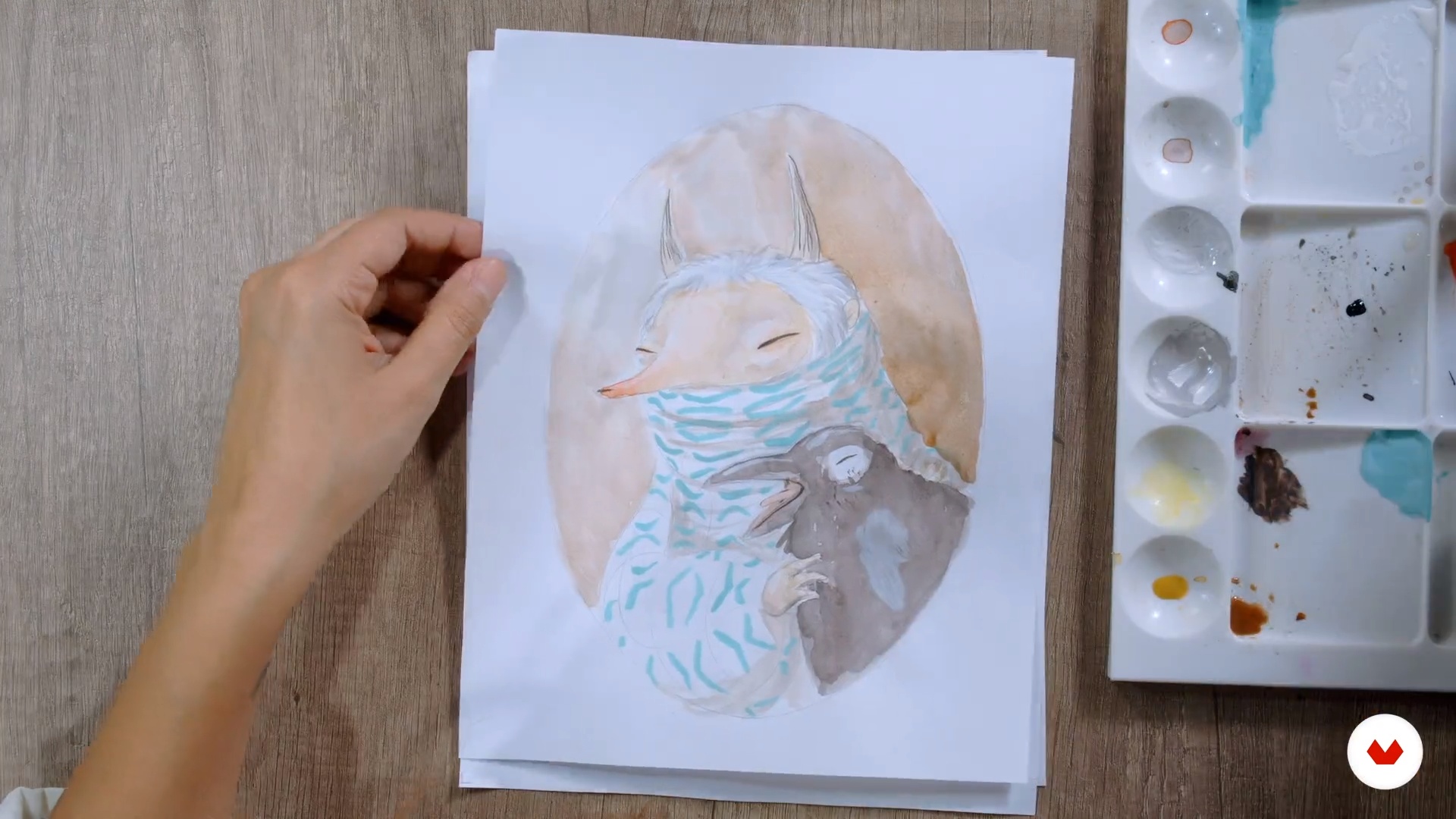
Color Palette
18 minutes, 10 seconds
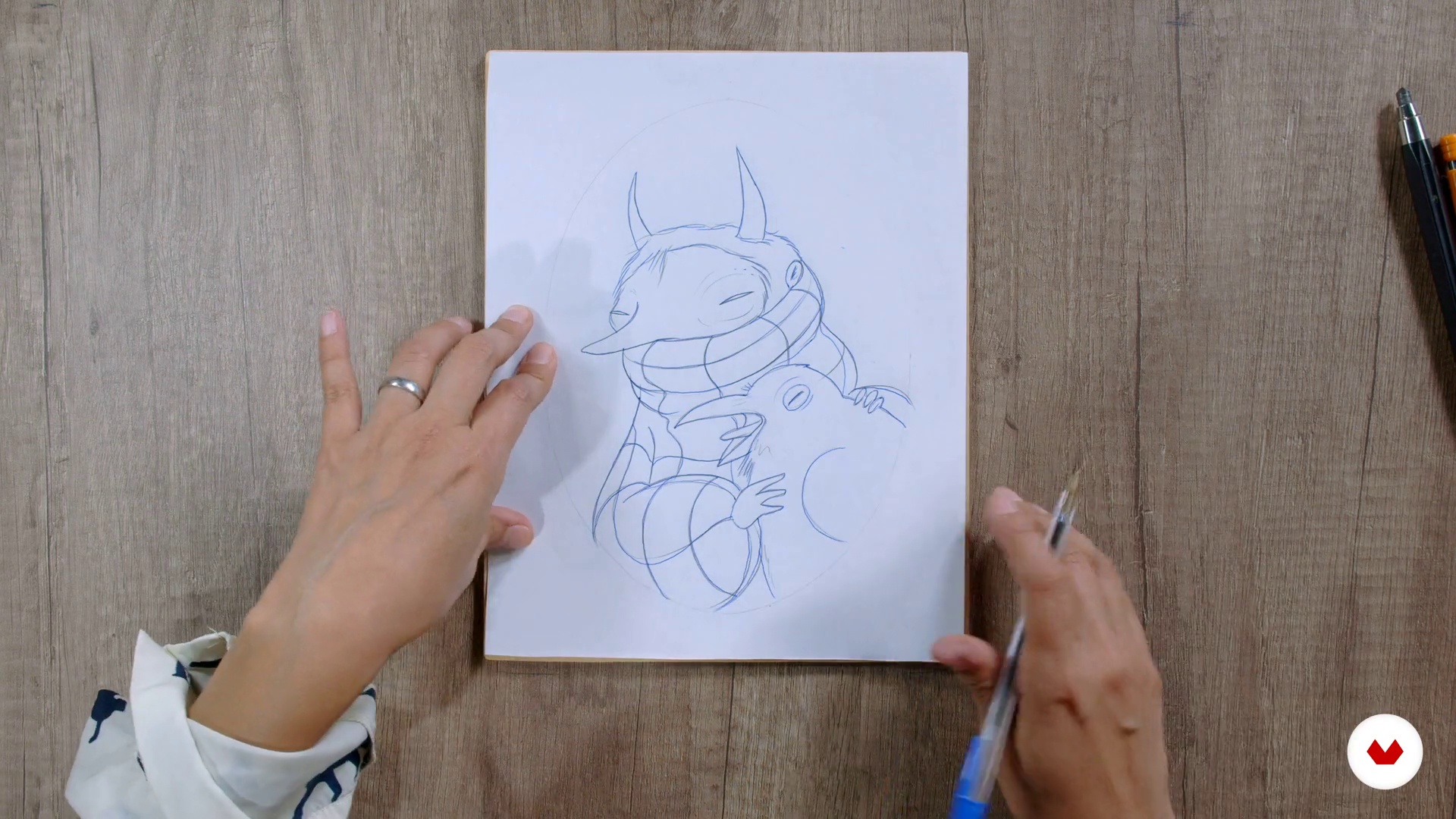
Mark the sketch
6 minutes, 15 seconds
What's included in this course?
Start the course by getting to know Katherine Dossman as she discusses her professional career as an artist, how she became a full-time illustrator, and her main influences.
Familiarize yourself with all the ins and outs of the materials you need for this technique, including the different types of wood, pigments, and some extra optional tools.
Next, plan out your illustration to bring it to life. Begin by looking at the different types of sketches you can make with varying levels of complexity. Put together your color palette, defining the hues, shades, and consistencies of your watercolors, acrylics, and pastels. Then learn to trace your sketch onto the wood flawlessly.
Once everything is ready, find out how to individually paint the areas reserved for watercolor and those to be painted in acrylic. Discover how to sand down the wood and carve in details with a craft knife. Wrap up your piece by shading with chalk pastel to evoke a striking sense of depth. Immortalize your piece with a final coat of protective varnish.
Finally, step back and admire the illustration you've created making full use of the beautiful nuances of your wooden canvas with a combination of watercolor and acrylic.
What is this course's project?
Create an original 30 x 20 cm painting on wood using all the techniques covered.

Projects by course students


Who is this online course for?
All art and illustration lovers, from beginners to professionals.
Requirements and materials
You need basic knowledge of watercolor to take this course. As for materials, you need watercolors, a wooden board (unpressed), soft-bristled brushes, acrylics, chalk pastels, an eraser, an HB graphite pencil, a blending stump, sandpaper, masking fluid, a cotton cloth, tracing paper, a craft knife, a pyrograph (optional), and spray varnish.

Reviews
- 3 months ago
Muy bien explicado y con muchas buenas recomendaciones.
- 7 months ago
Me ha gustado la forma de explicar y recomendaciones que hace, mostrando el paso a paso.
- 9 months ago
Me ha encantado este curso y he aprendido a utilizar otra técnica que desconocía.
- 10 months ago
Me encantó este curso!
- 11 months ago
What a great course!
In 2006, she traveled to Buenos Aires, Argentina to study animation, where she continued to work as an art director until she decided to become a full-time artist in 2010, freelancing for clients in Argentina, Brazil, Colombia, Spain, and the United States. With her passion for painting fantasy-like characters, she has created pieces that can be found in galleries and art stores all over these countries.
Content
- U1
Introduction
- Presentation
- Influences
- U2
Knowing the material
- Supports
- Pigments
- Other materials
- U3
Planning
- The sketch
- Color Palette
- Mark the sketch
- U4
To the wood
- How to apply the technique
- Watercolor and acrylic areas I
- Watercolor and acrylic areas II
- Scraping and sanding
- Shadows and Varnish
- Evaluation of the final piece
- FP
Final project
- Watercolor on wood
What to expect from a Domestika course
Learn at your own pace
Enjoy learning from home without a set schedule and with an easy-to-follow method. You set your own pace.
Learn from the best professionals
Learn valuable methods and techniques explained by top experts in the creative sector.
Meet expert teachers
Each expert teaches what they do best, with clear guidelines, true passion, and professional insight in every lesson.
Certificates
PLUSIf you're a Plus member, get a custom certificate signed by your teacher for every course. Share it on your portfolio, social media, or wherever you like.
Get front-row seats
Videos of the highest quality, so you don't miss a single detail. With unlimited access, you can watch them as many times as you need to perfect your technique.
Share knowledge and ideas
Ask questions, request feedback, or offer solutions. Share your learning experience with other students in the community who are as passionate about creativity as you are.
Connect with a global creative community
The community is home to millions of people from around the world who are curious and passionate about exploring and expressing their creativity.
Watch professionally produced courses
Domestika curates its teacher roster and produces every course in-house to ensure a high-quality online learning experience.
FAQs
You’ll learn how to blend watercolor, acrylic, and pastel chalk to create illustrations on wood, mastering sketching, transferring, texturing, shading, varnishing, and error correction techniques, while exploring styles like realism, pop surrealism, and fantasy character creation.
This course is designed for those with intermediate drawing or painting skills, but all steps are clearly explained, making it easy for anyone with a foundation to expand their technique.
You’ll need wood panels (like MDF or fiberboard), watercolors, acrylics, pastel chalks, brushes, pencil, eraser, varnish, blending tools, sandpaper, masking fluid, spray paint, and tools for transferring sketches and prepping surfaces.
The process involves sketching on paper, then using graphite or tracing to transfer the design onto wood, followed by fixing outlines before applying mixed media like watercolor and acrylic.
Techniques include washes, gradients, reserving areas with masking fluid, and layering, all while using the wood’s natural texture to create unique effects and integrated transparency.
You can gently sand the area, use an eraser for pastel chalk, apply acrylic layers, or touch up with blending tools and correction tools to clean up smudges and details.
Smooth, stable woods like fiberboard or MDF panels are recommended, sanded and prepped to provide an ideal surface for painting and fine detail work.