
Learn to paint expressive oil paintings where human figures interact with light and the movement of the water
For Pedro Covo, human interaction with the sea has become the ideal theme to explore aesthetic concepts and interests in painting. Like the relationship and distortion of the figure in the water and the effect light has on the shapes.
In this online course, you will learn to paint in oil from conscious drawing and composition decisions. You will carry out exercises of tonal value, desaturation and texturing that will help you communicate your initial idea. You will end up having achieved an expressive painting where your interpretation of the figure in the water is the protagonist.
What will you learn in this online course?
14 lessons & 17 downloads
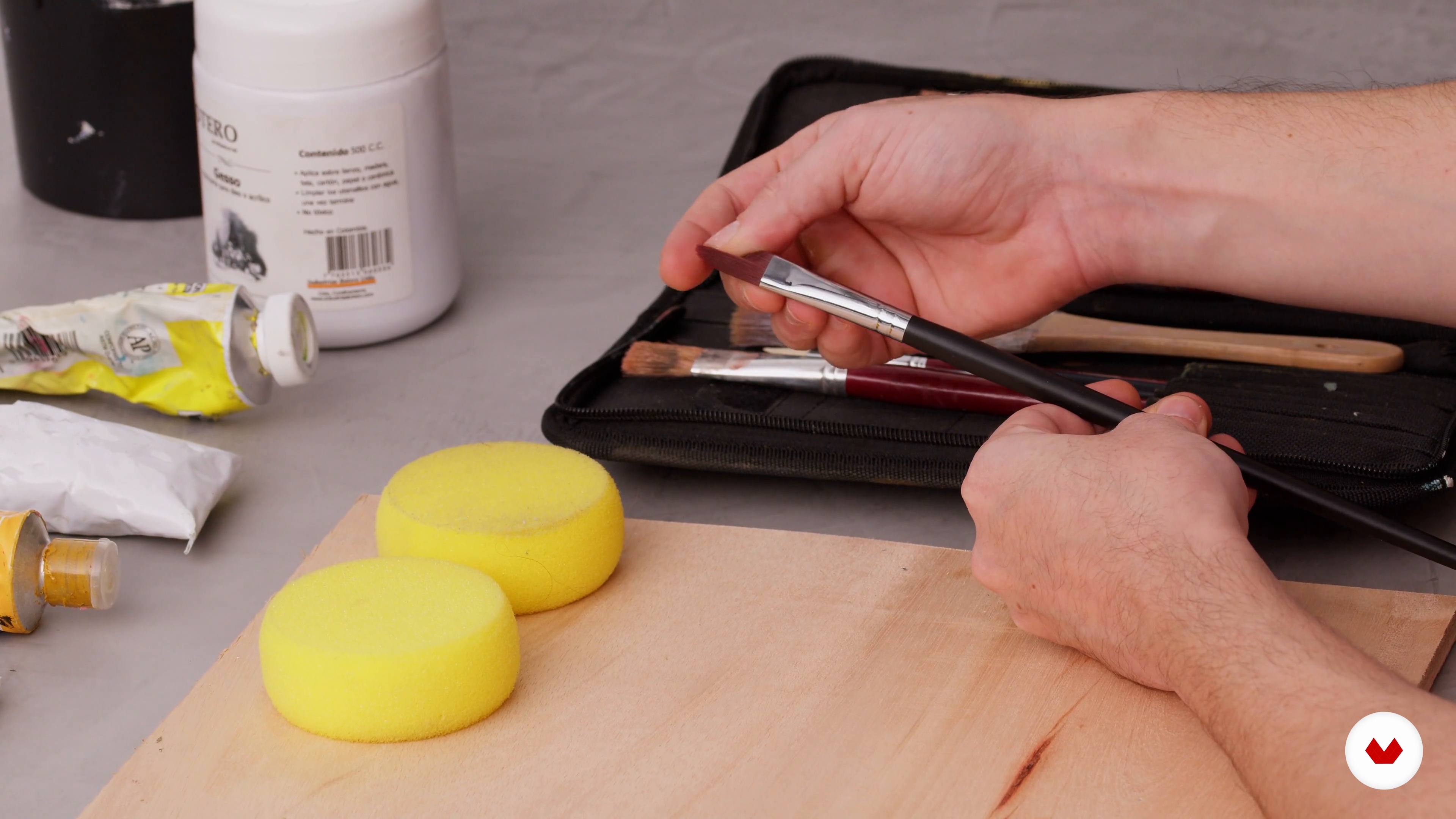
Materials and Tools
7 minutes, 27 seconds
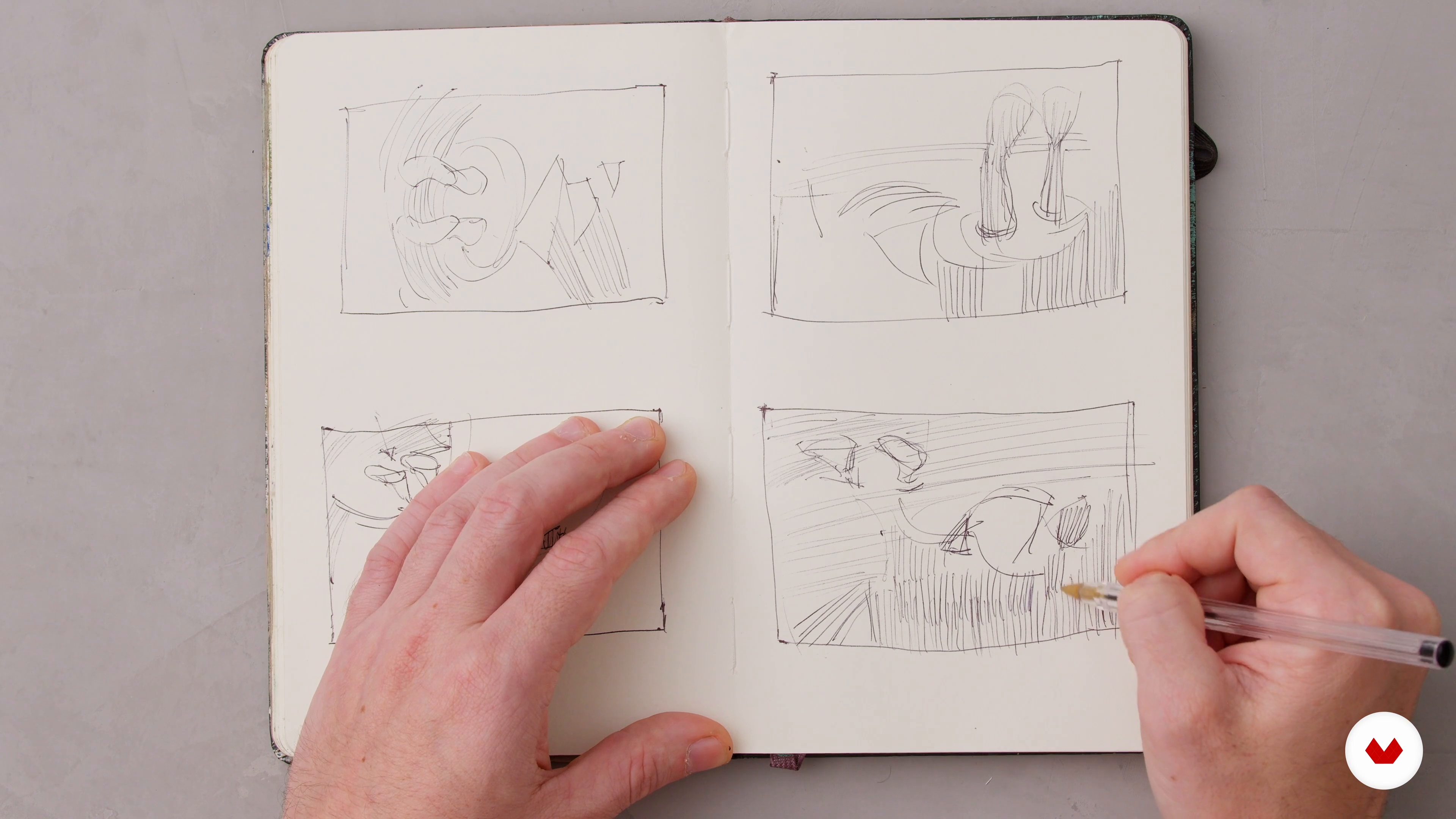
Ideation and Initial Sketches
17 minutes, 51 seconds
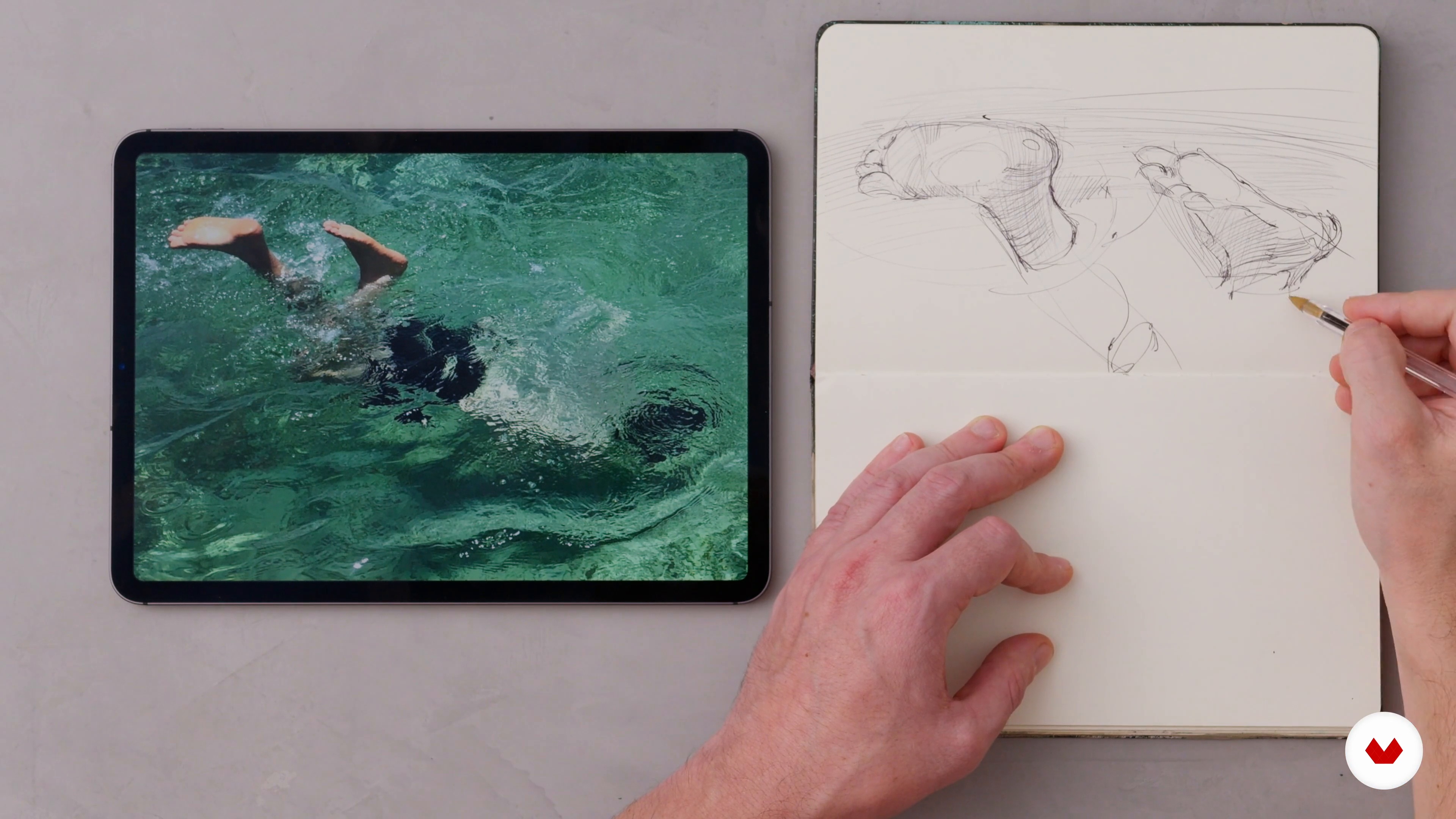
Photographic References Based on the Drawing
14 minutes, 6 seconds
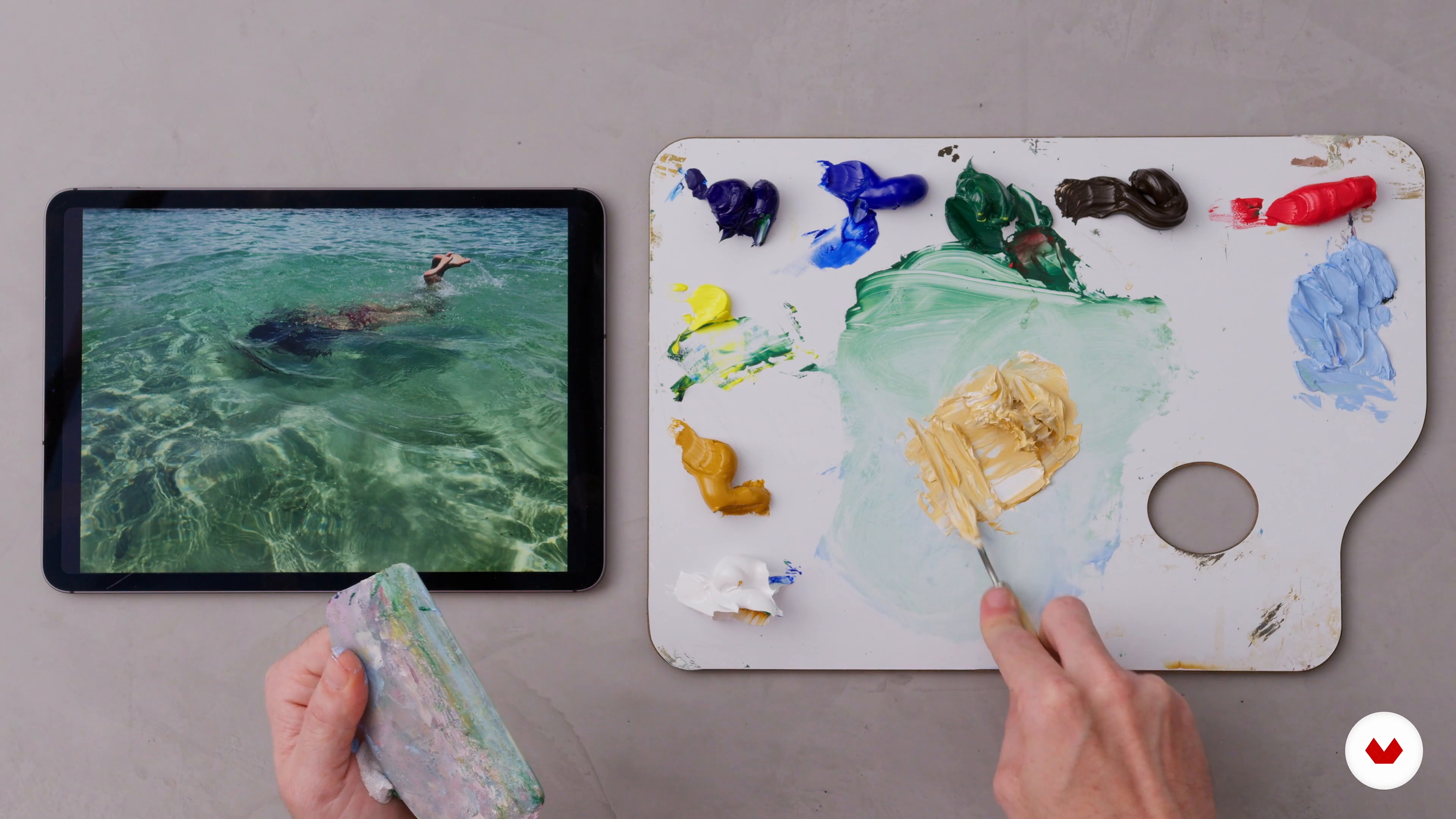
Color Study
12 minutes, 12 seconds
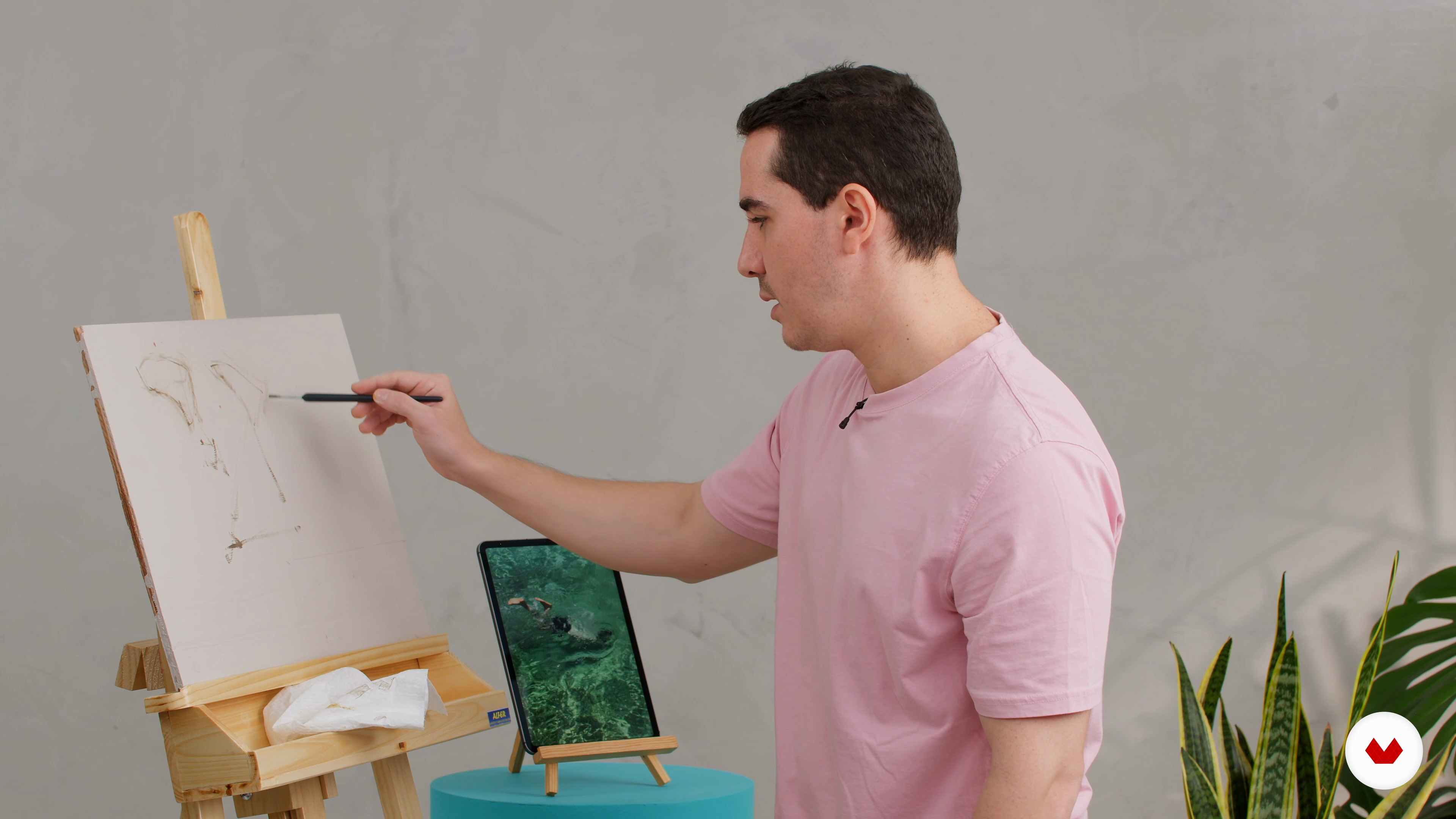
Surface Preparation and Large Blocks of Color 1
18 minutes, 48 seconds
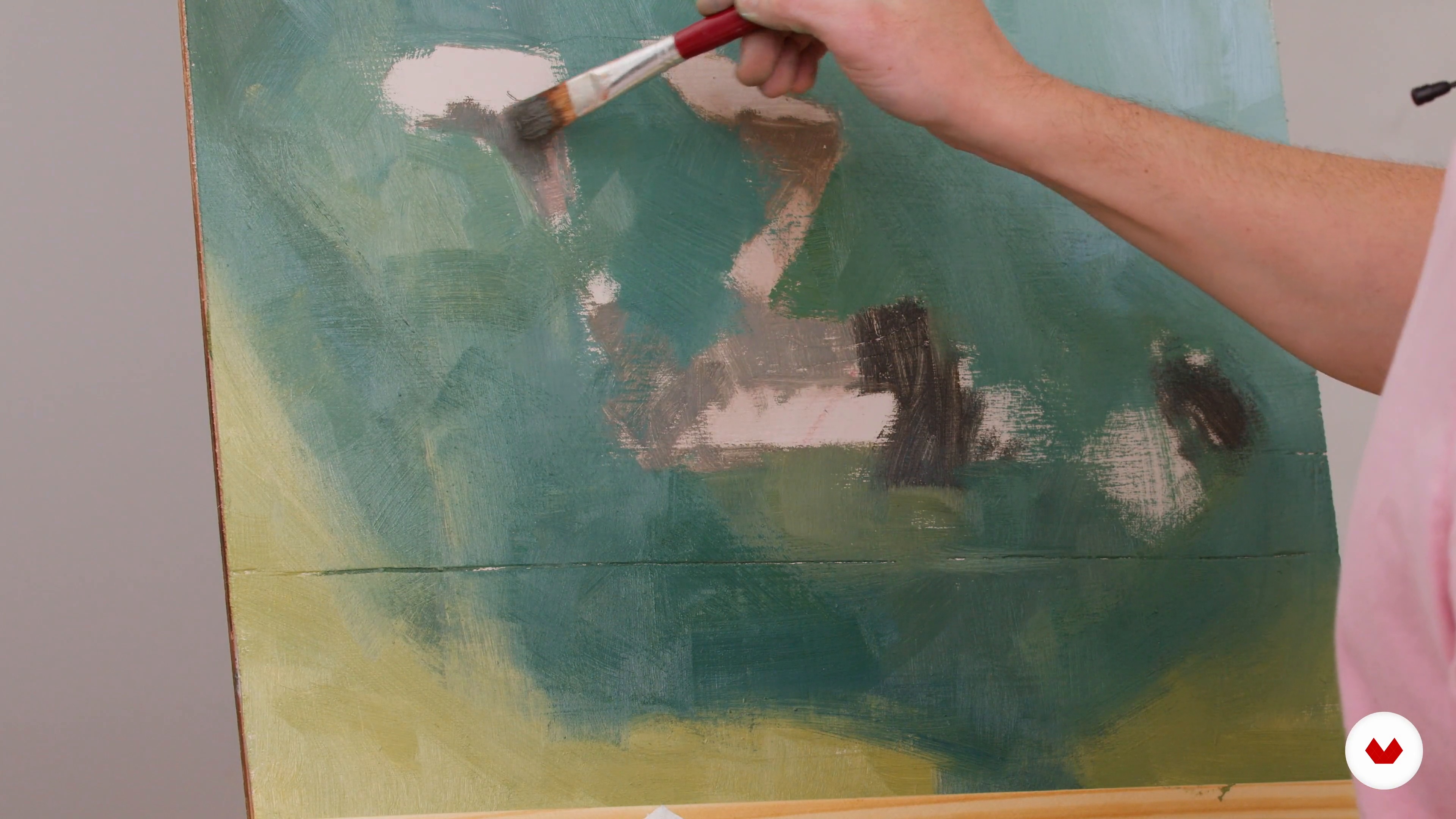
Surface Preparation and Large Blocks of Color 2
18 minutes, 7 seconds
What's included in this course?
You will begin the course with an introduction to the work of Pedro Covo, his pictorial influences, and his career as a painter, illustrator, and educator.
You will know the materials that you will use for the final project and you will delve into three basic concepts: color theory, tonal values and opacity. In addition, you will choose the intention of your work and the reference images to make the initial sketch.
Pedro will guide you step by step in the preparation of your tools, the first coat of paint and the blocking of the surface. Once you start painting you will work out any detail, analyze the final tones and make the necessary adjustments.
Finally, you will see how to sign, varnish and protect your work from humidity, direct light and temperature so that it can be kept in perfect condition for a long time.
What is this course's project?
You will make an oil painting in which, through the possibilities offered by color and shapes, you will represent the interaction of the human figure with water.

Projects by course students


Who is this online course for?
For beginners and artists with basic knowledge of drawing who want to delve into portraiture and oil painting.
Requirements and materials
You will need tools for drawing such as pencils and charcoal, paper, wood or cloth, brushes, plaster, palette knife, oil paints and solvents.

Reviews
- 2 months ago
Admiro su trabajo desde hace tiempo y me ha encantado ver cómo explica su proceso de trabajo.
- 3 months ago
Bueno
- 3 months ago
ı dont like this
- 8 months ago
Molto bravo
- 8 months ago
This course has enriched my painting practice. There are many processes that I can adapt to my own subjects and style of painting. Pedro is very generous with his knowledge and skills. Watching how he layers his work was very beneficial. A course I will refer back to time and again.

Content
- U1
Introduction
- About Me
- Influences
- U2
Materials and Basic Concepts
- Materials and Tools
- Tonal Values
- Color and Opacity
- U3
Intention, Ideas, and Referents
- Ideation and Initial Sketches
- Photographic References Based on the Drawing
- Color Study
- Surface Preparation and Large Blocks of Color 1
- Surface Preparation and Large Blocks of Color 2
- U4
Is It Possible to Finish an Artwork?
- Rediscovering Drawing, Dark and Medium Tones, and Textures 1
- Rediscovering Drawing, Dark and Medium Tones, and Textures 2
- Final Adjustments
- Signature and Varnish
- FP
Final project
- Oil Painting: Water and the Human Figure
What to expect from a Domestika course
Learn at your own pace
Enjoy learning from home without a set schedule and with an easy-to-follow method. You set your own pace.
Learn from the best professionals
Learn valuable methods and techniques explained by top experts in the creative sector.
Meet expert teachers
Each expert teaches what they do best, with clear guidelines, true passion, and professional insight in every lesson.
Certificates
PLUSIf you're a Plus member, get a custom certificate signed by your teacher for every course. Share it on your portfolio, social media, or wherever you like.
Get front-row seats
Videos of the highest quality, so you don't miss a single detail. With unlimited access, you can watch them as many times as you need to perfect your technique.
Share knowledge and ideas
Ask questions, request feedback, or offer solutions. Share your learning experience with other students in the community who are as passionate about creativity as you are.
Connect with a global creative community
The community is home to millions of people from around the world who are curious and passionate about exploring and expressing their creativity.
Watch professionally produced courses
Domestika curates its teacher roster and produces every course in-house to ensure a high-quality online learning experience.
FAQs
The course is designed for intermediate level—perfect for those with basic painting and drawing experience who want to deepen their skills and explore contemporary creative processes.
You’ll need oils, brushes, palette knife, turpentine, supports like wood or canvas, gesso, varnish, a sketchbook, and materials for drawing and reference photography.
You’ll learn oil painting techniques, portrait creation, color and texture handling, personal storytelling, constructive critique, and how to build a portfolio for magazines and publications.
Yes, the course covers surface preparation, applying gesso, sanding, using outdoor paints, and final varnishing techniques to protect and enhance your work.
Yes, it includes digital sketching, photo collage with reference images, and tonal decision-making in digital illustration to enrich your artistic expression.
The course guides you in integrating personal experiences, cultural identity, and visual honesty to create authentic, emotionally resonant artwork.
Yes, you’ll learn how to develop a professional portfolio and strategies for publishing illustrations in editorial media and magazines, especially within the Colombian context.