Design and Construction of a Magazine
A course by Oscar Mariné Graphic designer
A course by Oscar Mariné , Graphic designer

Design a printed magazine from scratch
In this course by Óscar Mariné - National Design Prize 2010, graphic designer, illustrator, typographer and professional artist - you will learn to design a printed magazine with all the graphic elements that participate in it (reticles, interlining, typography, photographs, summary, box) , caption of photo ...) with the aim of giving maximum comfort to the reader and make the flow of information understandable.
For this, Óscar will explain step by step the process of editorial redesign that he made for the magazine El País Semanal, a leading magazine in its sector on news, reports, fashion and opinion articles with more than 30 years of history.
What will you learn in this online course?
13 lessons & 7 downloads
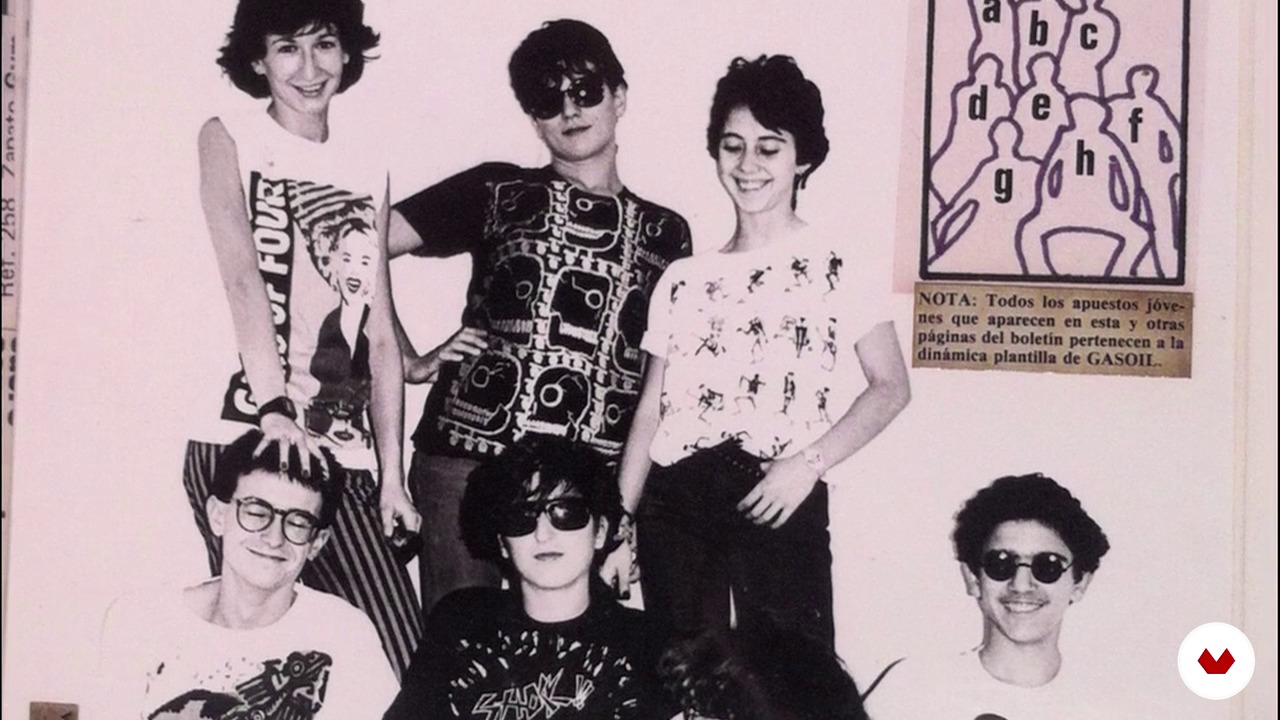
Where we come from
7 minutes, 46 seconds
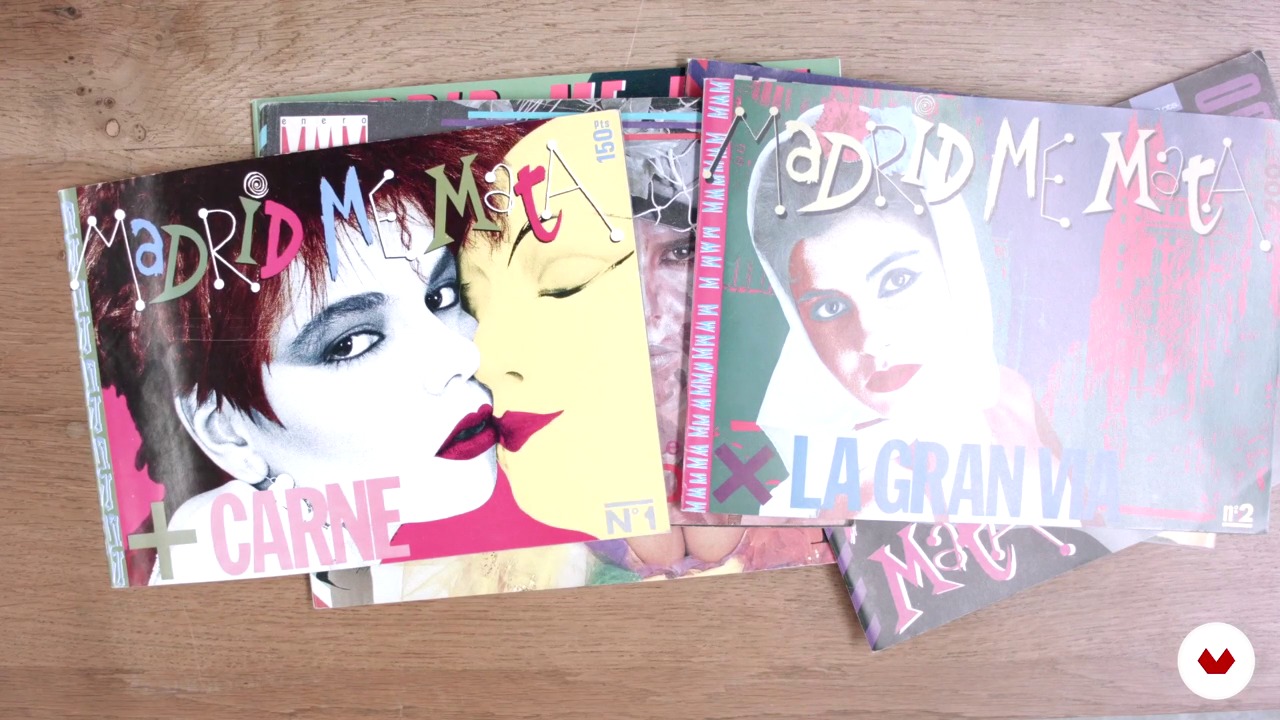
Editorial projects
16 minutes, 14 seconds
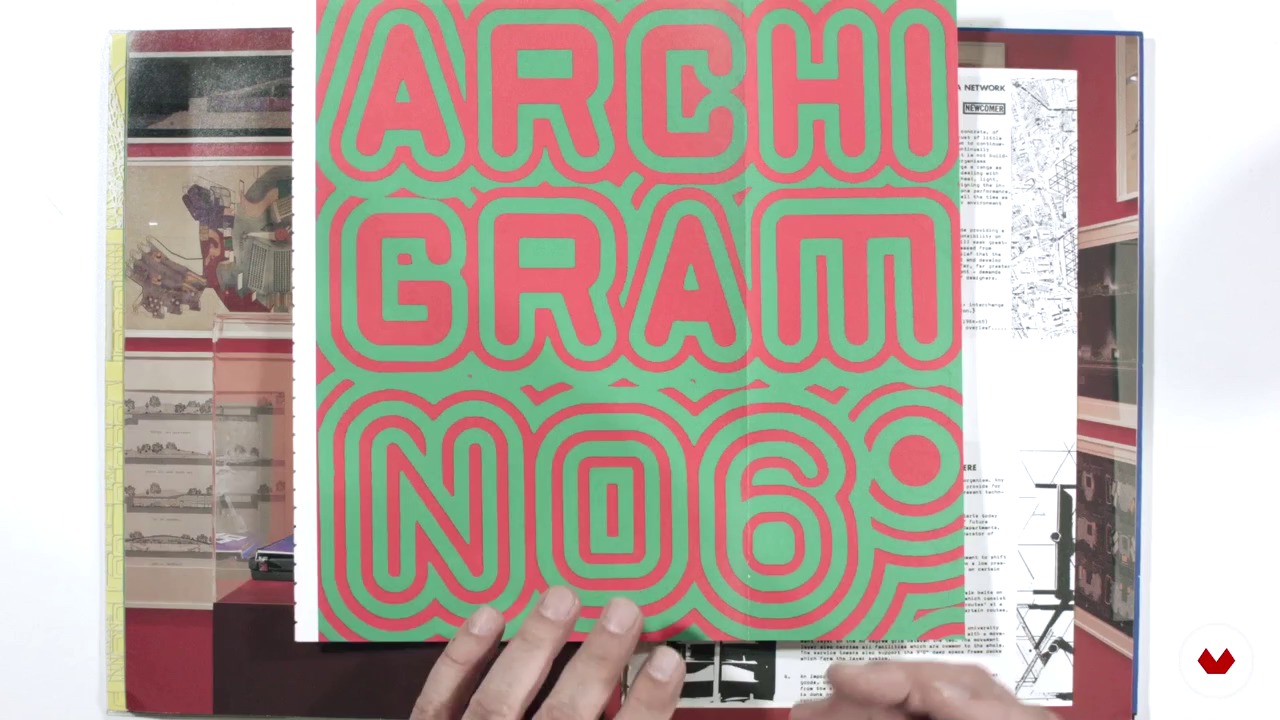
The suitcase I
18 minutes, 51 seconds
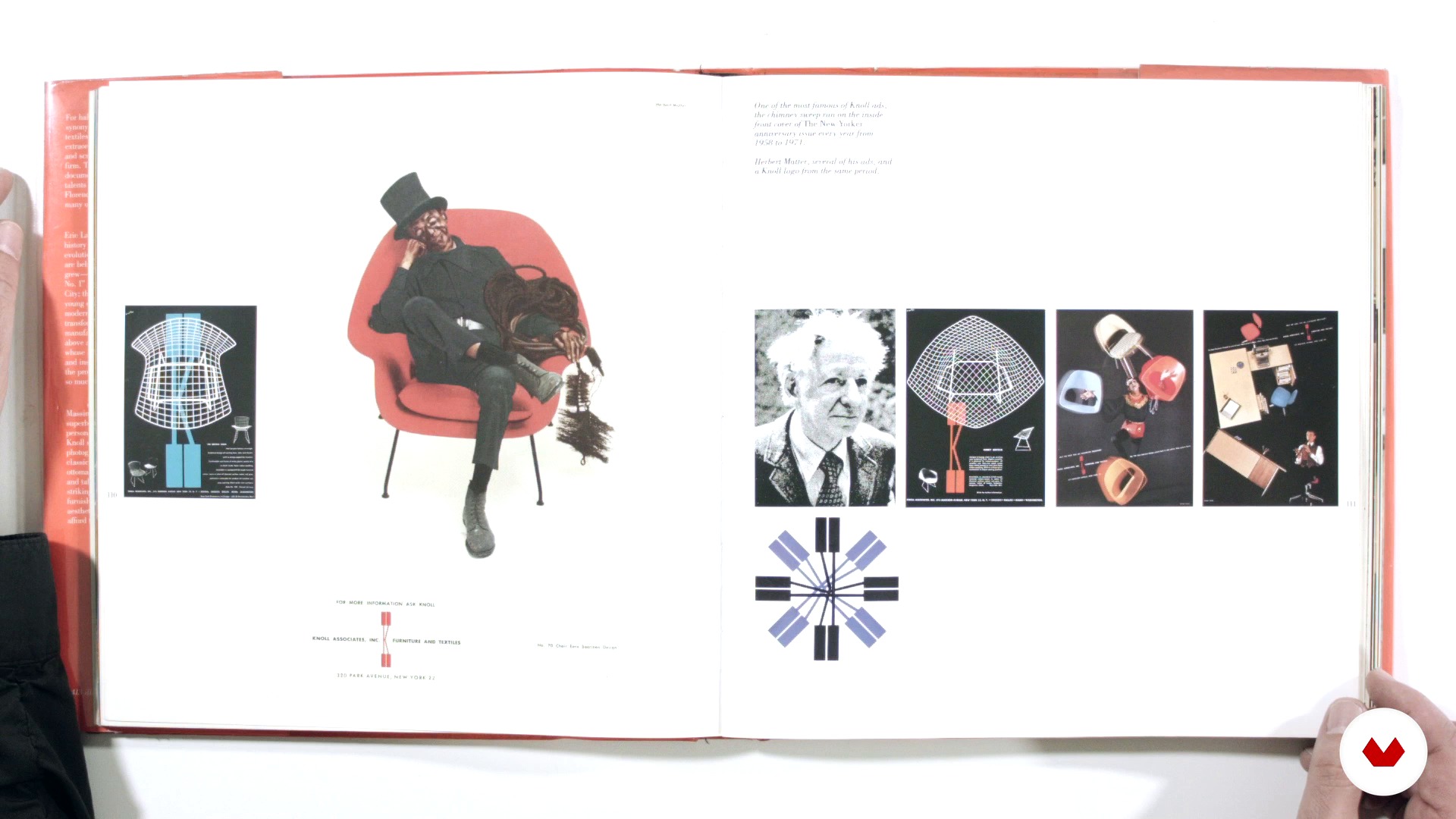
The Suitcase II
18 minutes, 55 seconds
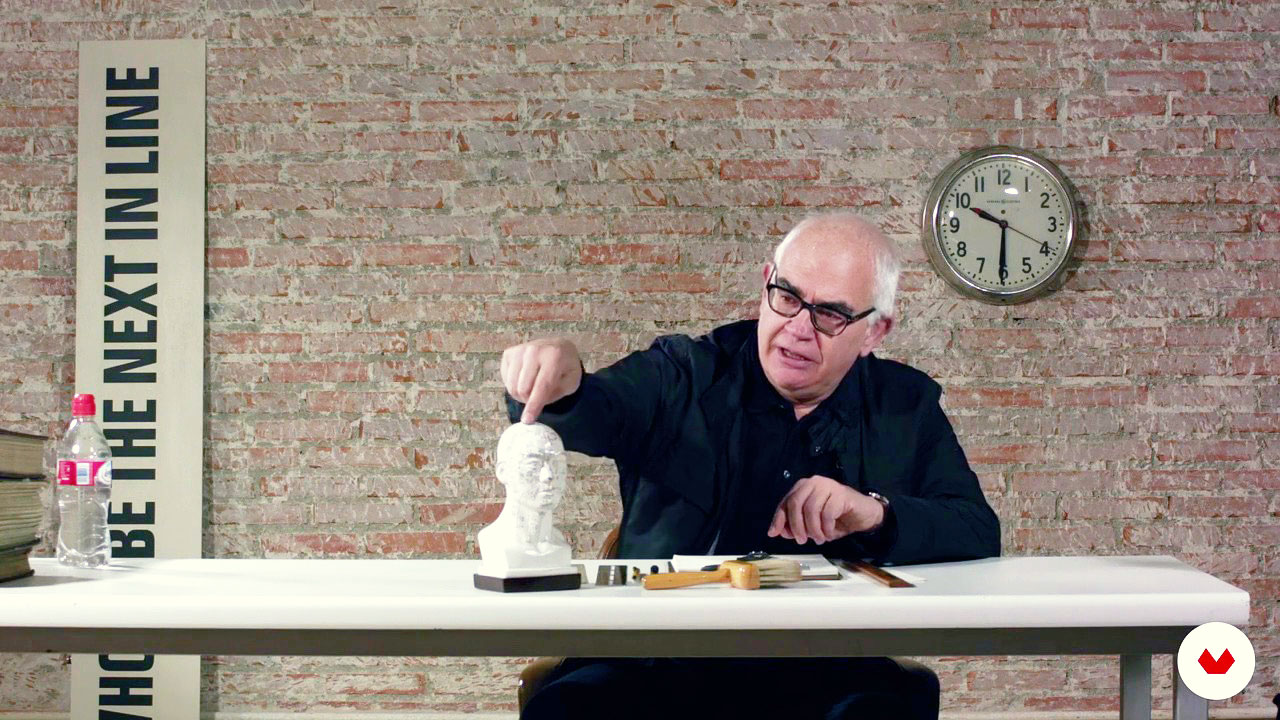
Introduction to the EL PAÍS redesign project
7 minutes, 44 seconds
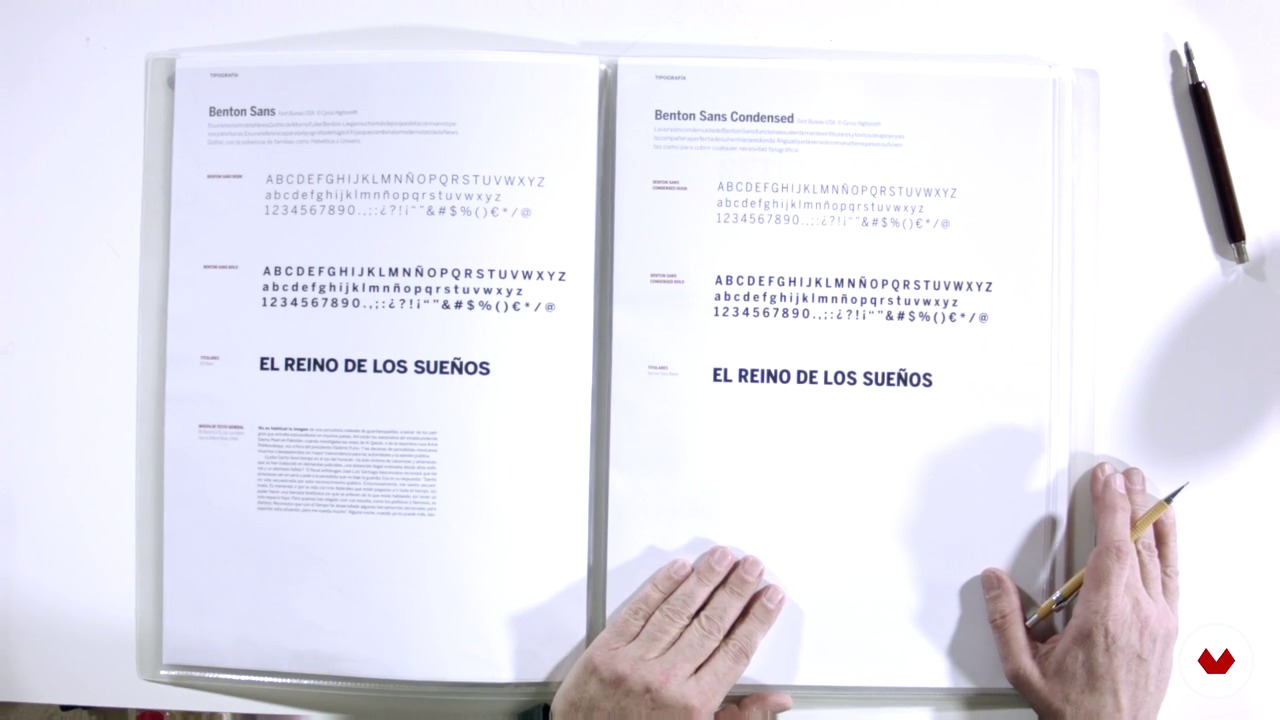
The use of typography
14 minutes, 55 seconds
What's included in this course?
You will begin to learn a little more about the origins and career of Óscar Mariné, an off-road designer who has done editorial design projects, art direction, corporate identity, album covers, film posters and many more.
Óscar will further explain some of his most important editorial works - such as the magazine Madrid Me Mata, Diario 16, Marie Claire, Diseño & interior or the cover of Life magazine - and will talk about the assignment they made to redesign the Sunday supplement El País Semanal.
You will know what is a Manual of graphic standards for a printed publication and how to make it based on its different elements: the cover, the page, the double page, the summary, the opinion columns, the letters to the director, the in-depth interview, the great reports, the different sections (health, recipes, sex, psychology ...), etc.
Starting from the premise that graphic design has to be at the service of communication, you will learn to design favoring an excellent reading and working with the reticle, making a correct use of typography, line spacing, layout and photography. All this to create a magazine with rhythm, character and emotion.

What is this course's project?
Design a printed publication of the theme that you like using the advice of the teacher, making the flow of information as understandable to the reader as possible.
Projects by course students


Who is this online course for?
A journalist with concern to know how to build a magazine, graphic designers, photographers, art directors and all those interested in editorial design.
Requirements and materials
Be curious, have restlessness and have a sharp pencil by hand.

Reviews
- 8 days ago
Me encantó
- 2 years ago
Las explicaciones son amenas y entretenidas. El contenido tiene aplicación inmediata e n mis proyectos.
- 2 years ago
Muy interesante!!
- 2 years ago
Me a gustado, tiene otra perspectiva del diseño editorial que hay actualmente, valoro eso.
- 3 years ago
autorevole

With an extensive portfolio in editorial projects, and in the field of journalism, in 2007 the newspaper El País entrusted the design of its editions to its studio. El País Semanal has regained its original name, Babelia has been totally transformed, Domingo provides in-depth journalism for the weekend.
His latest projects include the brand for the Matadero Madrid, the new cultural center of the city. The identity of Mariné covers all the graphic applications: signage, publications, advertising, stationery, etc ...
Other works include: Exhibition "The Workers" by Sebastião Salgado for the National Library, publications for the Universal Exposition of Seville 1991, campaigns for the Junta de Castilla-La Mancha, exhibition graphics for the Reina Sofia National Art Museum, launches for RTVE, exhibition for the UN, and many other projects for the SGAE, Caja Madrid, Santander Bank, 40 Principales, La Ser, Canal +, El Corte Ingles, Santiago Bernabéu, Hugo Boss, Pepsi, Interior Design, Cambio 16, Marie Claire Spain , International Amnesty...
As an artist, Mariné's pictorial work has been the object of individual exhibitions in Tokyo, New York, Milan, Venice, Bologna, Madrid or Ibiza, and is part of relevant collective exhibitions.
Content
- U1
Introduction
- Presentation
- About us
- Where we come from
- U2
Editorial projects
- Editorial projects
- The suitcase I
- The Suitcase II
- U3
Step by step: El País Weekly
- Introduction to the EL PAÍS redesign project
- The use of typography
- The cover, the index and the design of the first pages
- Long report, fixed sections and long interview
- Long interview 2. Typographic elements, summaries and large reports.
- Small sections
- U4
Reflection
- Reflection and Closure
- FP
Final project
- Design and construction of a magazine
What to expect from a Domestika course
Learn at your own pace
Enjoy learning from home without a set schedule and with an easy-to-follow method. You set your own pace.
Learn from the best professionals
Learn valuable methods and techniques explained by top experts in the creative sector.
Meet expert teachers
Each expert teaches what they do best, with clear guidelines, true passion, and professional insight in every lesson.
Certificates
PLUSIf you're a Plus member, get a custom certificate signed by your teacher for every course. Share it on your portfolio, social media, or wherever you like.
Get front-row seats
Videos of the highest quality, so you don't miss a single detail. With unlimited access, you can watch them as many times as you need to perfect your technique.
Share knowledge and ideas
Ask questions, request feedback, or offer solutions. Share your learning experience with other students in the community who are as passionate about creativity as you are.
Connect with a global creative community
The community is home to millions of people from around the world who are curious and passionate about exploring and expressing their creativity.
Watch professionally produced courses
Domestika curates its teacher roster and produces every course in-house to ensure a high-quality online learning experience.
FAQs
The course is aimed at people with basic to intermediate graphic design skills, but it’s also great for beginners interested in editorial design and publication creation.
You only need basic graphic design knowledge and access to a computer with layout programs like Adobe InDesign, Photoshop, or similar. Having an interest in editing and visual creativity is also recommended.
You’ll learn how to design covers, select photos, organize indexes, layout feature stories, choose fonts, and structure sections, plus composition techniques and art direction for both print and digital publications.
This course covers the entire editorial design process, from conceptualizing covers and summaries to creating features, interviews, and catalogs, including typography, photography, and art direction techniques.
Yes, the course explores creating punk fanzines, self-publishing, and strategies for independently distributing cultural and music publications.
Adobe InDesign and Photoshop are recommended for layout, photo editing, and typographic composition, though alternatives and basic analog tools are also mentioned.
You’ll learn how to pick quality images, edit them to maximize visual impact, and combine them with typographic elements on covers and inside pages.