



Specialization

Children's Fantasy Writing Specialization for Young Authors

Create engaging children's fantasy novels with skills in storytelling, world-building, character development, and plot structuring

Specialization · 6 modules

Embark on a creative journey into the world of children's fantasy writing. This specialization guides aspiring authors through the art of storytelling for young readers, covering everything from crafting vibrant fiction to creating magical universes filled with wonder. Begin by drawing inspiration from personal memories to create authentic stories that resonate with young audiences. Then, master the principles of world-building, character development, and plot structuring to transport readers to imaginative realms. Learn from experts Lisa Thompson, Piers Torday, Ross Montgomery, and Olney Goin as they share their knowledge and passion for storytelling.

Explore the creation of compelling adventure stories with strong narrative arcs that keep young readers engaged. Transform ordinary ideas into extraordinary novels, mastering the complete writing process from initial idea to final page. Delve into the unique techniques of playwriting for children's theater, bringing stories to life on stage. This specialization equips you with the skills to write across multiple formats, ensuring your stories enchant and inspire young minds. Whether aiming for publication or performance, develop the versatility needed to captivate young audiences and ignite their imaginations.

Read more ↓

What will you learn in this specialization?

A total of 6 modules and 70 lessons
A total of 13h 19m of vídeo lessons
Taught by 4 selected expert teachers
image
3
Materials for Writing
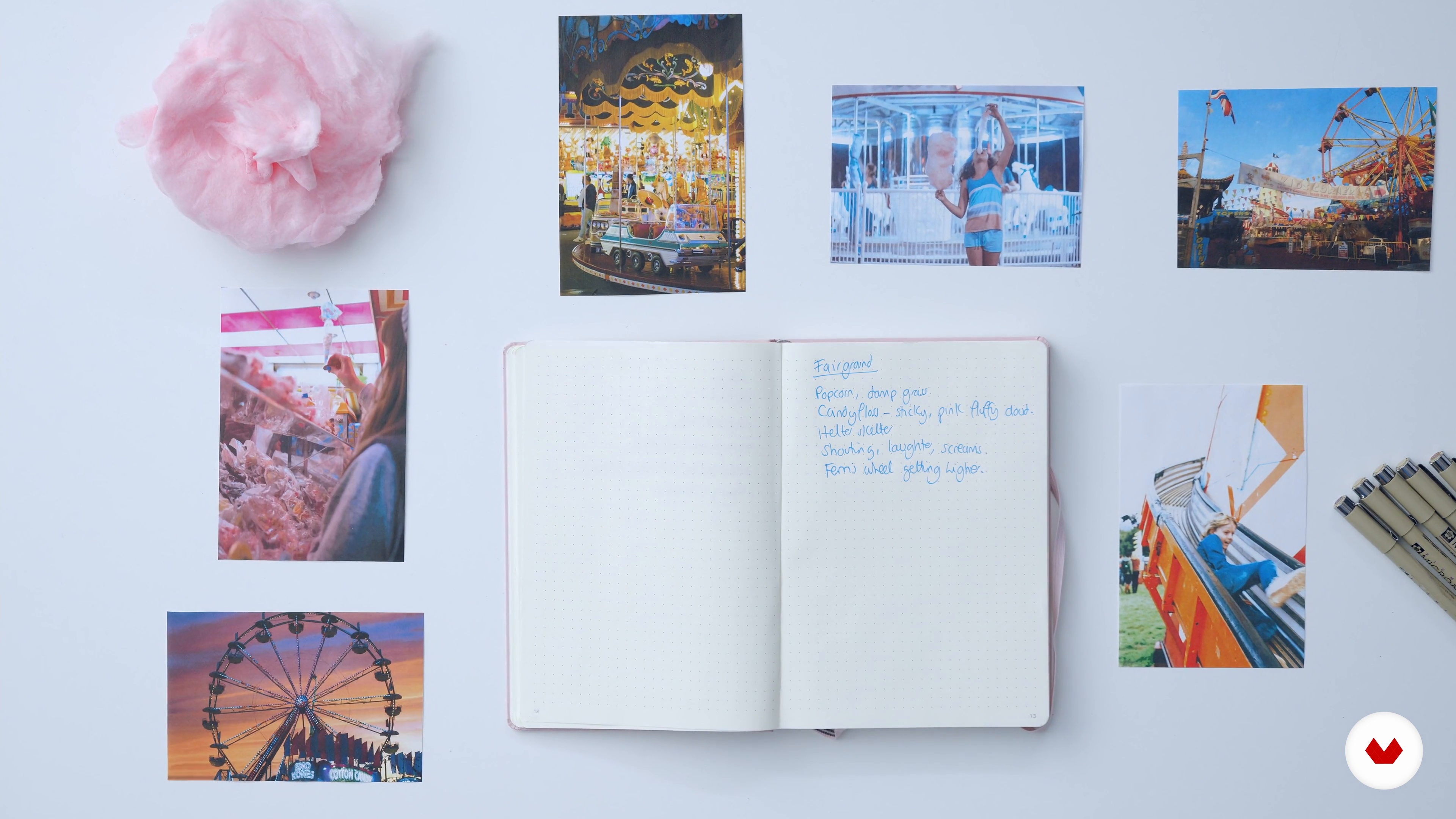
Let me first talk about the materials that I find useful for writing―whether it be journals, mood boards, or apps.
3m
image
4
Ideas
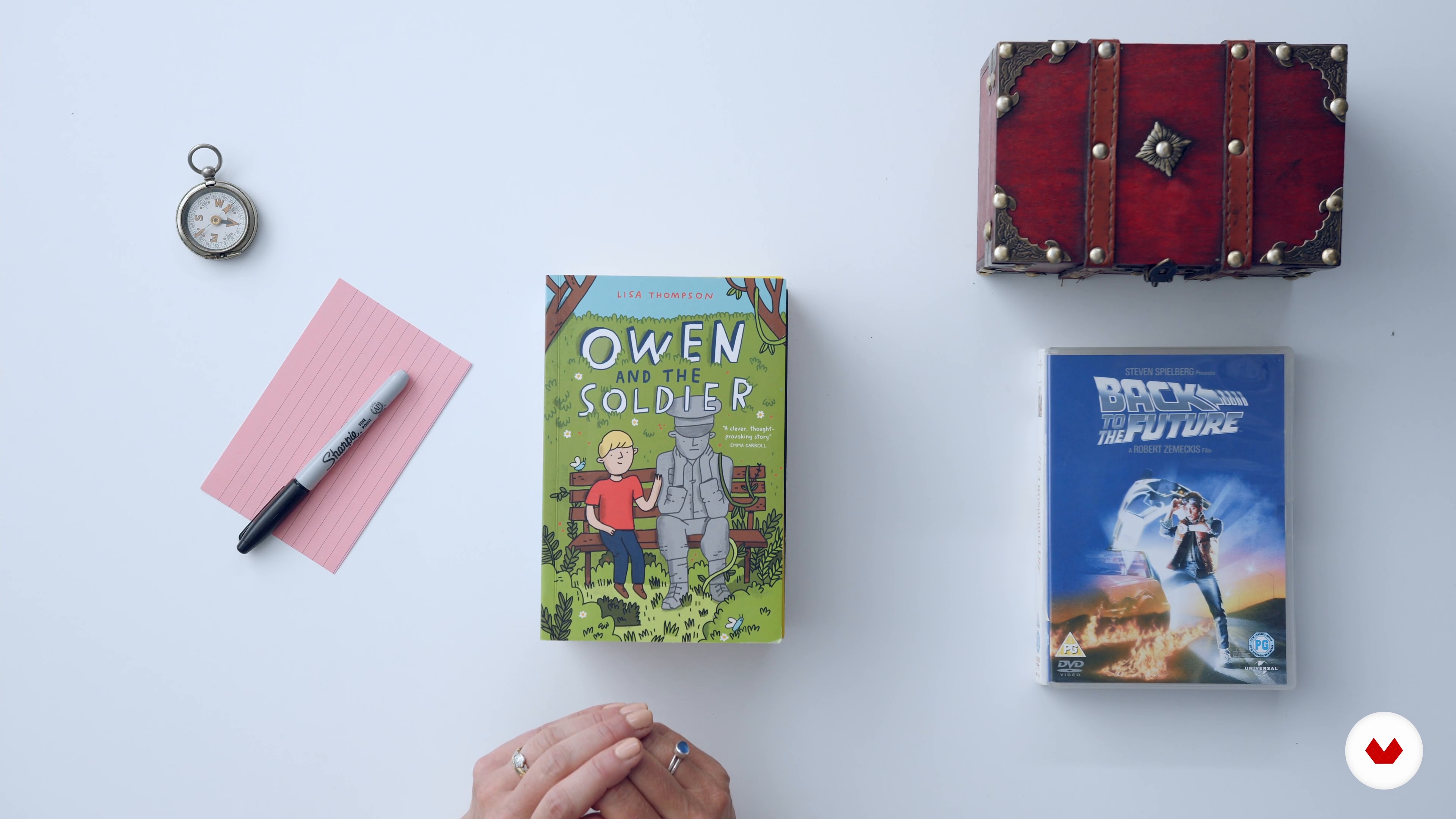
In this lesson, we will take a look at how useful it can be to curate your own 'treasure box' filled with ideas that you can draw from when the time is right.
12m
image
5
Choosing Your Main Characters
Now let us have a look at the question of how to build interesting characters that readers care about and want to stay with.
11m
image
6
Finding Material in Your Past
Let us now talk about the power of your childhood memories, how they can inspire ideas and in which way they can help you to write in a more vibrant way!
5m
image
7
Planning a Story
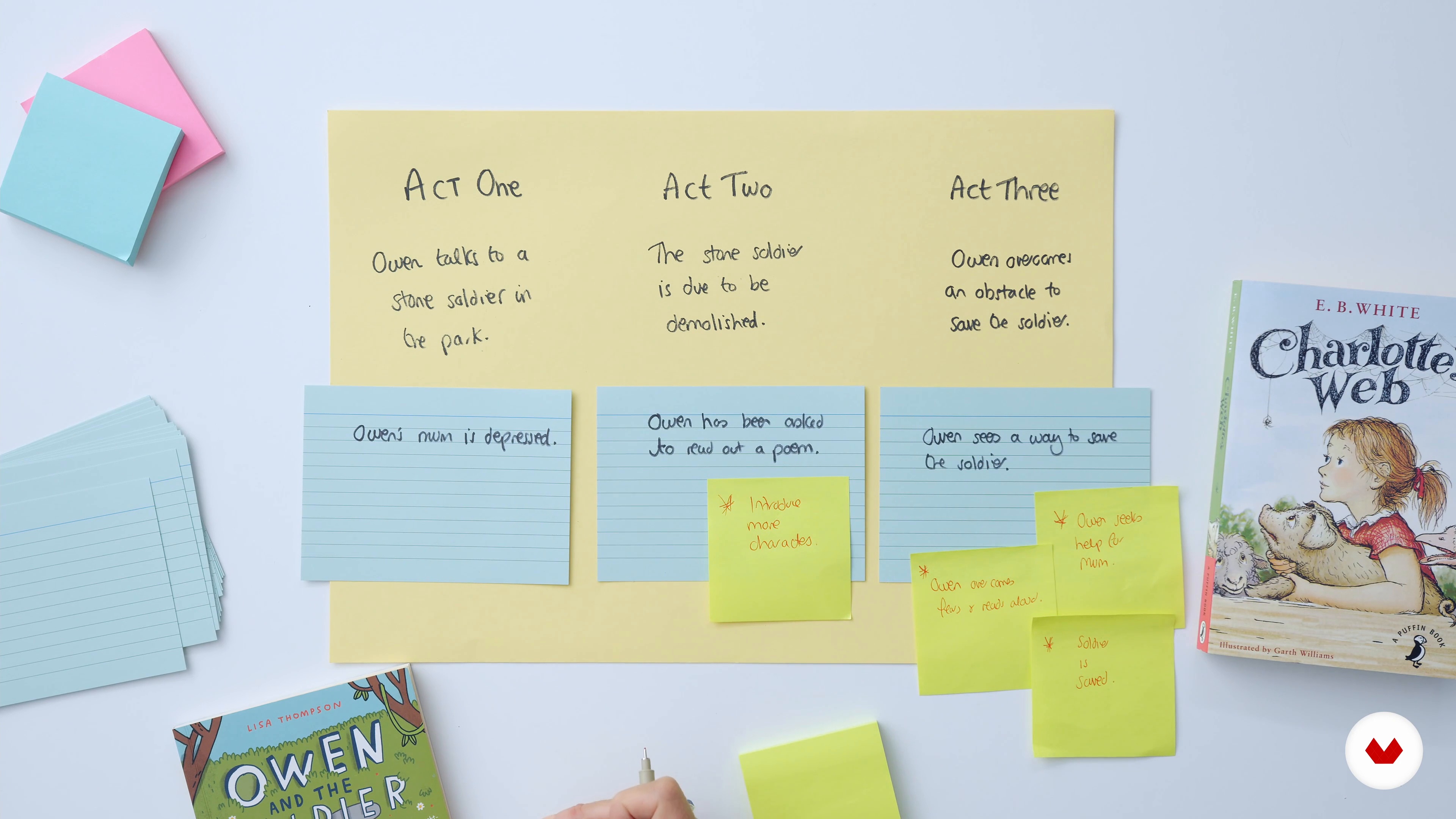
In this lesson, I will share how I am a very reluctant planner when it comes to novel writing, but how I believe that it is necessary to do so. I will show you my methods to help me to stay on track when writing a first draft. I will also talk about how important it is to 'show' your readers what is going on with your character instead of 'telling' them.
9m
image
8
Researching to Connect with Your Audience
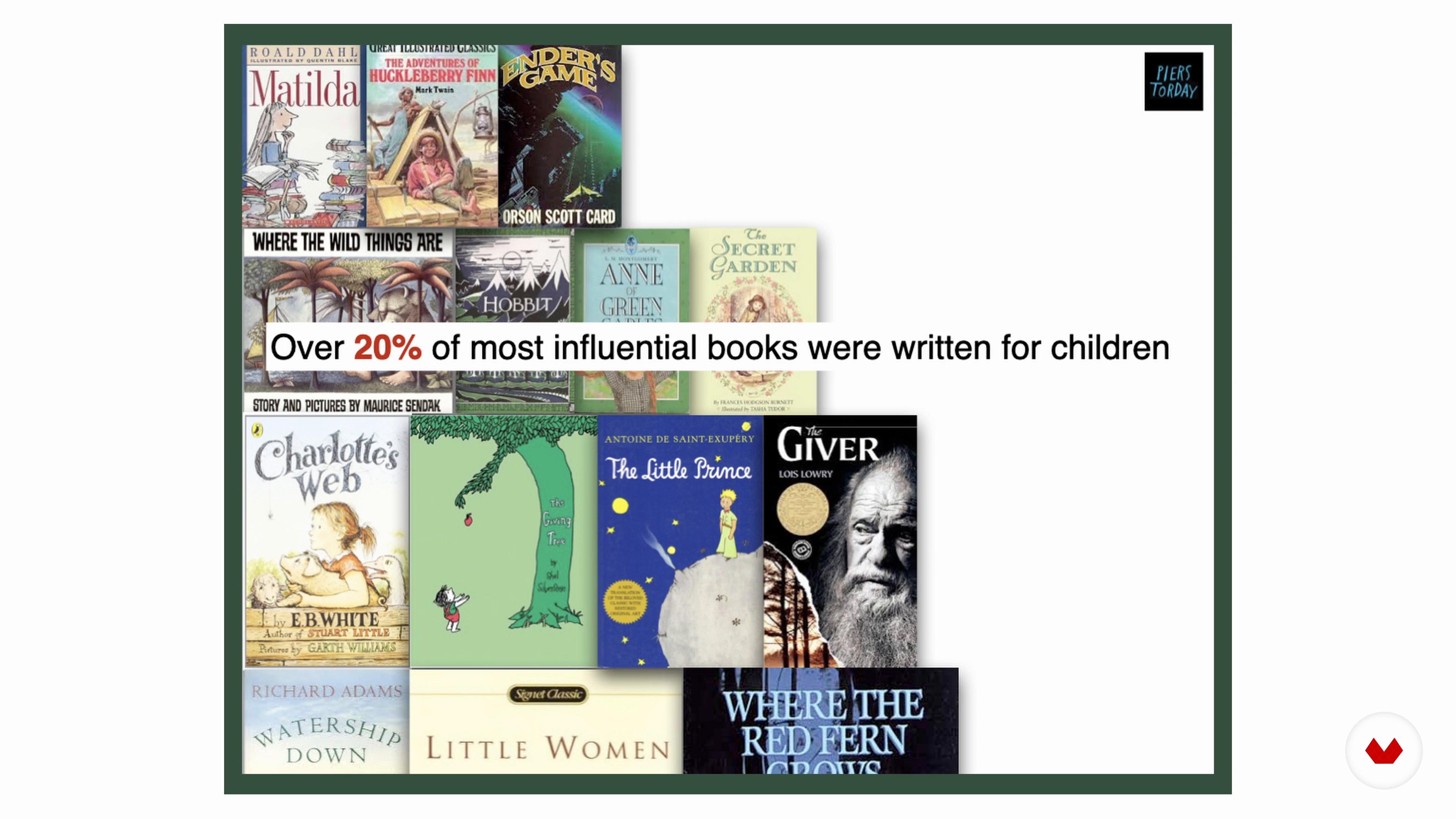
Now we will take a look at connecting with our audience of younger readers. There are many things that you can do to achieve this, but one of the most important things for me is to read what is already out there.
10m
image
9
The Importance of 'Show, Don't Tell'
In this lesson, we will take a look at the important lesson of 'show, don't tell' and how we should trust our readers to fill in the gaps.
7m
image
10
Music and Mood Boards
The hardest thing about writing can be to actually start! That's why I would like to share with you how I like to create the best environment I can before I actually begin to write. This way, I give myself the best possible chance of concentration and inspiration!
3m
image
11
Writing and Finishing Your Draft
In this lesson, I will share some tips on writing your first draft. You have your character, your setting, and your idea. Let's try to put it all together!
7m
image
12
Editing Your Writing
Let me tell you a bit about the editing process and how important it is to walk away from your work for a while.
14m
image
13
Sharing Your Writing
In this lesson, I will talk about finding the right readers for your work to help you with the editing process.
4m
image
3
Why Write?
In this lesson, we’ll explore where the impulse to write comes from, and why stories matter.
16m
image
4
Where Do Ideas Come From?
Now it’s time to learn how childhood experience has inspired some of the world’s greatest children’s stories, and how you can use your own memories to get started.
18m
image
5
How to Have Ideas
One of the questions I am asked most as an author is “Where do you get your ideas from?” I wish I could tell you. I don’t honestly know. But I do know how to make your mind as receptive as possible to new ideas, and that’s what we cover in this lesson.
19m
image
6
To Plan or Not to Plan 1
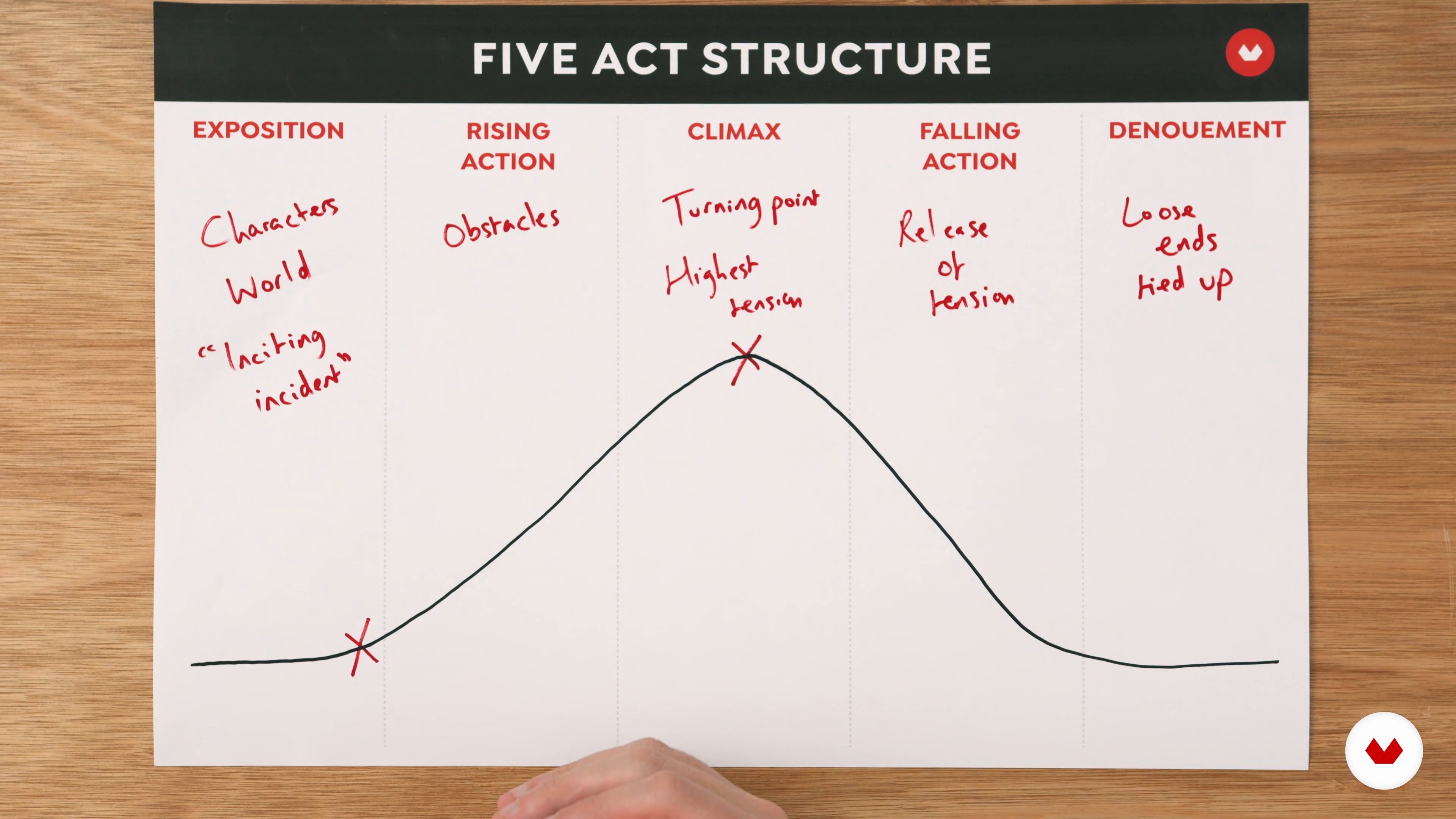
Whether you plan your book in minute detail or outline in broad brush strokes, it is useful to know where your story is headed before you begin writing. In this lesson, we’ll look at different ways to structure a story.
13m
image
7
To Plan or Not to Plan 2
Let's continue this lesson by developing the idea of the heroe's journey.
8m
image
8
Creating a Fictional World
Whether your story is set in a fantasy universe, or a fictional high school, in this lesson we’ll explore how to make your fictional world feel authentic and compelling on the page.
14m
image
9
Characters
Characters are at the heart of any story, but perhaps especially so for younger readers, who can form bonds with fictional beings on the page that feel momentarily as real as the most intense friendship. But what kind of characters work well in children’s fiction and how many do you need?
12m
image
10
The Writer’s Toolbox: Finding Yours
Writing can be one of the most satisfying pleasures there is —creatively, intellectually and emotionally. But it can also be very hard work, both physically and mentally, and as a largely solitary art form, requires deep reserves of self confidence and a strong writing habit. Here’s some tips on that before we commence our final project.
14m
image
11
Finding the Idea
Ideas for stories come in many forms. A character that pops into your head who demands their story be told, a compelling title with an irresistible proposition, a subject you are passionate about..but they can also be elusive! Here’s how to have ideas and shape them into a workable inspiration for a book.
16m
image
12
Creating Your Characters
Characters bring life to a story. Whether human or animal or fantasy being, once a reader cares about your fictional creation, they are invested in their fate, and will keep reading to find out what happens next. In this lesson, find out how to create characters that convince.
18m
image
13
Structuring the Story
The art of storytelling is the art of the right choices at the right time. What your characters choose to do, when and why will either grip your reader or leave them cold. In this lesson, we’re going to look at why storytelling is not telling your reader everything at once.
10m
image
14
Writing Your Synopsis
A synopsis is not just a description of what happens in your story, but a valuable document you can use to present your idea to agents and publishers. In this lesson we’ll look at how to summarise all the elements of your story into a concise pitch.
16m
image
15
Writer’s Block
The more you write, the better you write. You will become more confident in your choices and quicker at solving problems. Your writing style will mature, and you will gain more pleasure from the process. But writing is a solitary activity and it’s common to lose confidence in your work from time to time. Here are some strategies for coping with writer’s block.
14m
image
16
How to Pitch Your Story
Sooner or later, you will need to share your story with the world. Here is some advice on how best to present your book to agents and publishers.
20m
image
17
An Overview of the Children’s Book Market
The children’s book market is one of the biggest, vibrant and increasingly diverse sectors in publishing. There should be room for everyone to tell their story. But how do you find your place? In this lesson, we’ll look at how to balance art and business, and research the best opportunities in publishing for you.
11m
image
3
What Is a Children's Book?
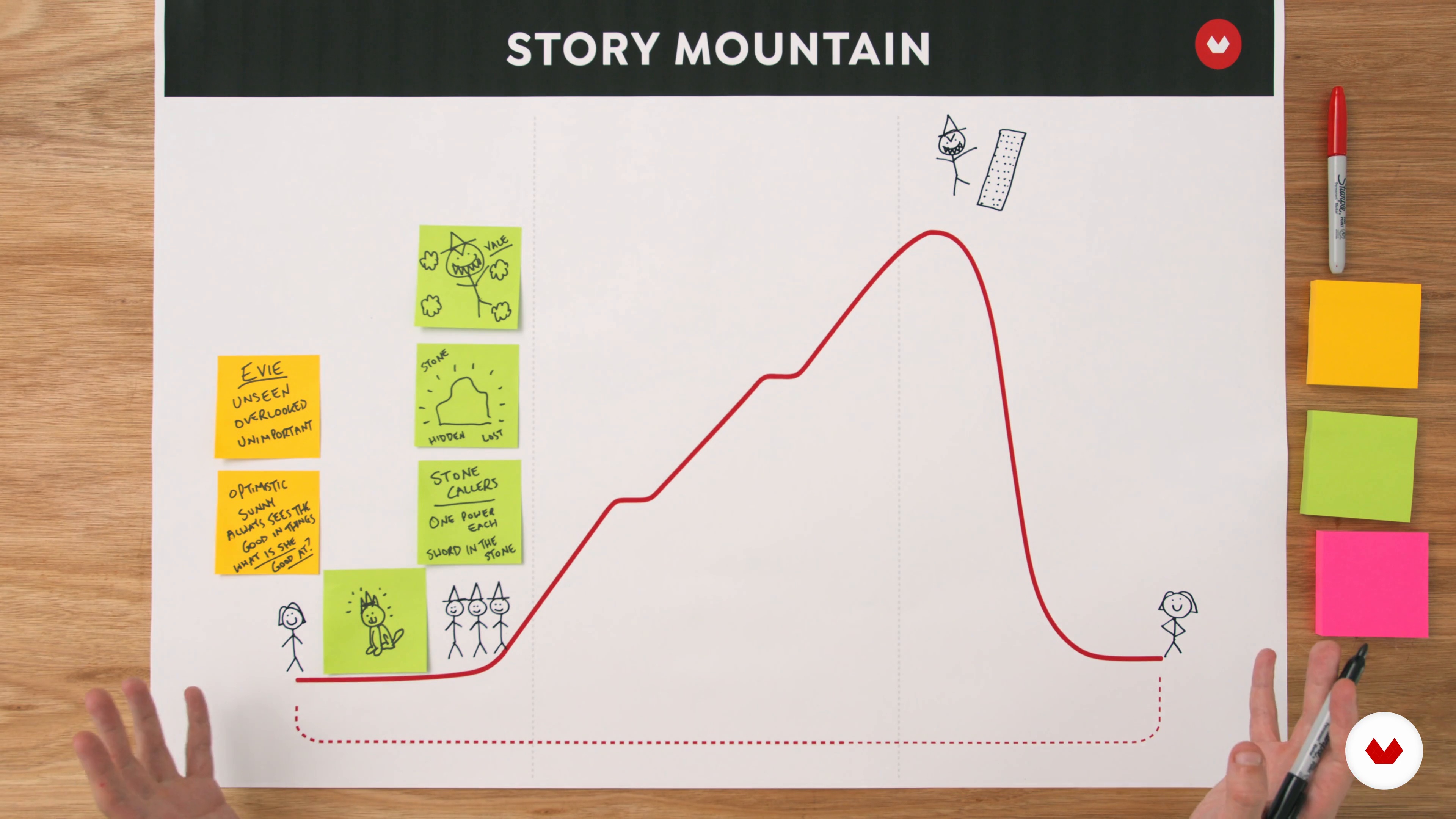
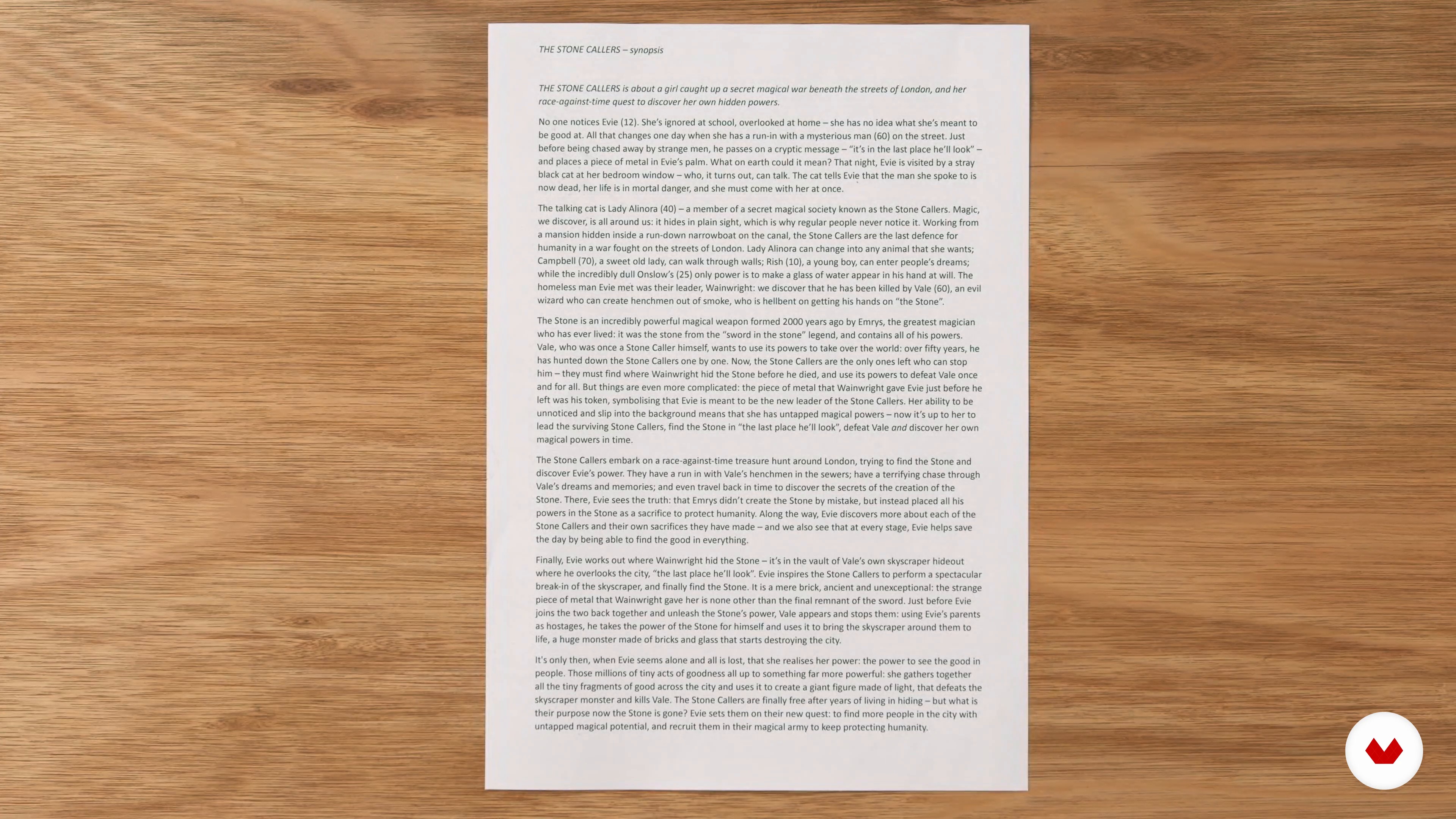
Let me first explain what you need to consider before you start writing by talking about children’s books in general. I'll talk about my final project, currently called The Stone Callers: how the story came into being and the mistakes I made in constructing earlier versions for my publisher.
11m
image
4
Warm-up Exercises to Start Writing
In this lesson, I'll talk about how I gather material, ideas, and inspiration for my stories. I will also suggest some approaches you could use for your own writing.
16m
image
5
Gathering Your Ideas Together
Let me now tell you how I gather ideas for my stories and how I put them together: collating those thoughts together into one place, ready to start writing your synopsis.
20m
image
6
What is a Quest Narrative?
Let me now talk you through the standard structure of an adventure-quest narrative, using my final project The Stone Callers as an example. Your eventual synopsis will follow this structure.
12m
image
7
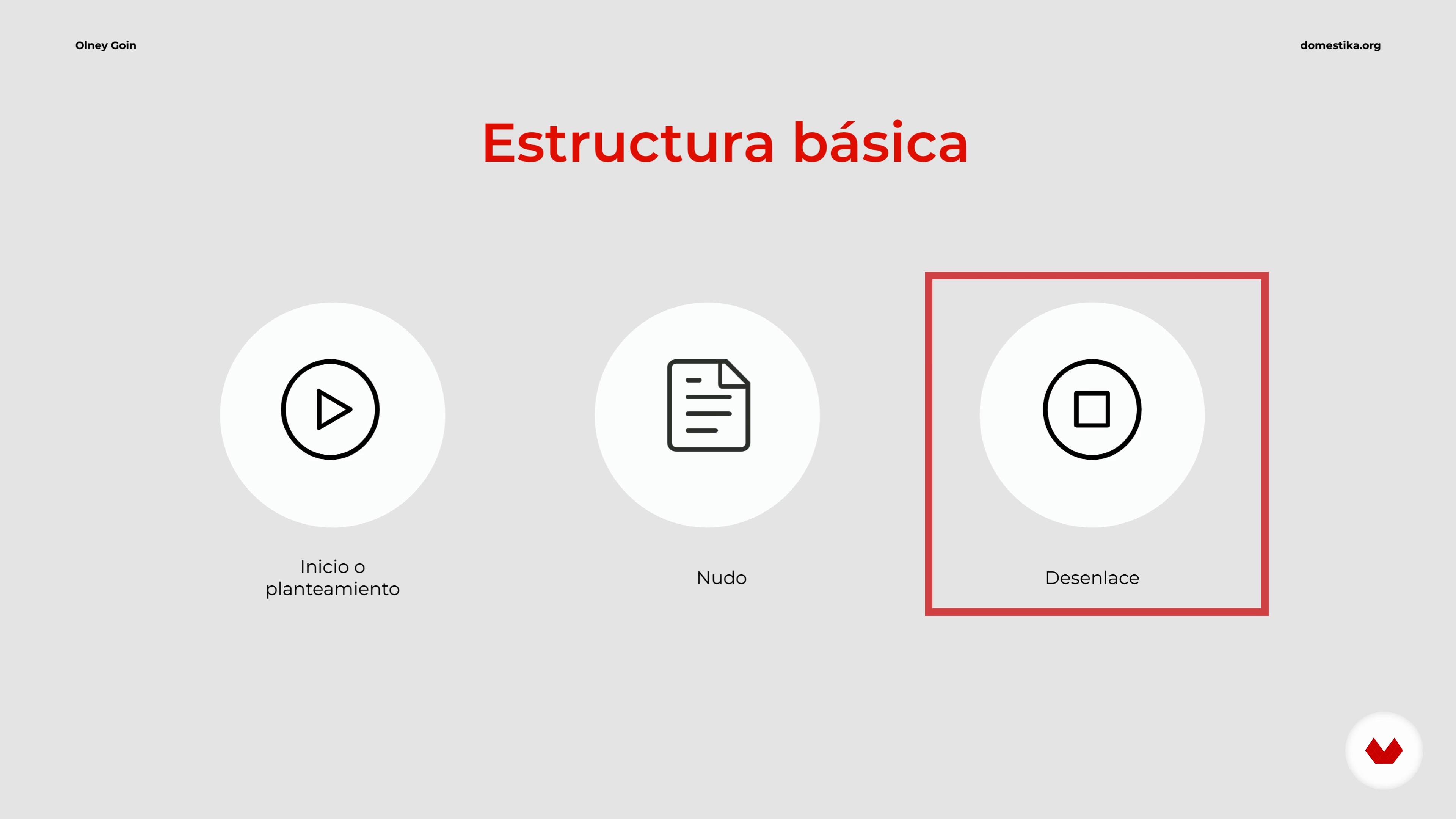
Planning: The Beginning 1
In this lesson, I'll talk in greater detail about how your story will begin and the main things that you should consider when setting out your synopsis.
17m
image
8
Planning: The Beginning 2
Let's continue to work on the details of the beginning of our story before diving into the rest of the plot. These elements are essential, as they allow us to sculpt a middle that is exciting and feels natural.
4m
image
9
Planning: The Middle 1
Let's now talk about how to develop your story as it builds up to its climax―how to keep the reader engaged, how to up the stakes, and how to add depth to your quest.
13m
image
10
Planning: The Middle 2
Let's decide on what remains inconcrete in the middle part of our plot. It's all about getting some key things in the right place and then down onto paper before planning out the climax and resolution of our story.
8m
image
11
Planning: The End
In this lesson, we'll wrap up our plan: We will be taking the story we've set up to think about how to conclude it, thereby linking it to the way our story began.
16m
image
12
Creating Your Synopsis 1
Now we'll take the plan that you've made and condense it down to its most important key points in a single-page synopsis, ready to submit to a literary agent.
19m
image
13
Creating Your Synopsis 2
Now we are going to try to cut down our text into a one-page synopsis. We are going to focus on our key points and leave out everything that isn't essential.
6m
image
14
Research
Let's talk about how to plan your submission: researching the current market, finding a list of agents to submit to, and engaging with the wider writing community.
13m
image
15
Submitting
In this lesson, I'll talk about how to submit your work―from writing a cover letter to sending it out! We'll also be talking about the things to consider and mistakes to avoid before diving into the question of how to deal with rejection.
15m
image
3
Inspiration versus effort
Waiting for inspiration to find you is like sitting in a park waiting for lightning to strike your head. The best thing you can do is create your own storm.
9m
image
4
Reconnecting with the child's imagination
The difference between a child and an adult is that everything is possible for a child and not for an adult. The difference between a child and a writer is that for the child everything is possible and the writer takes advantage of it.
4m
image
5
The World: Your Personal Wizard Hat
There will always be times when the imagination feels a bit lazy. With the techniques that I will present to you in this lesson you will be able to fully awaken her.
13m
image
6
Activating your imagination
Writers require constant practice to improve our style. In this lesson I will give you a practice that will improve your technique and another that will challenge your inventive capacity.
17m
image
7
Building the Foundations: Developing Ideas Around a Character
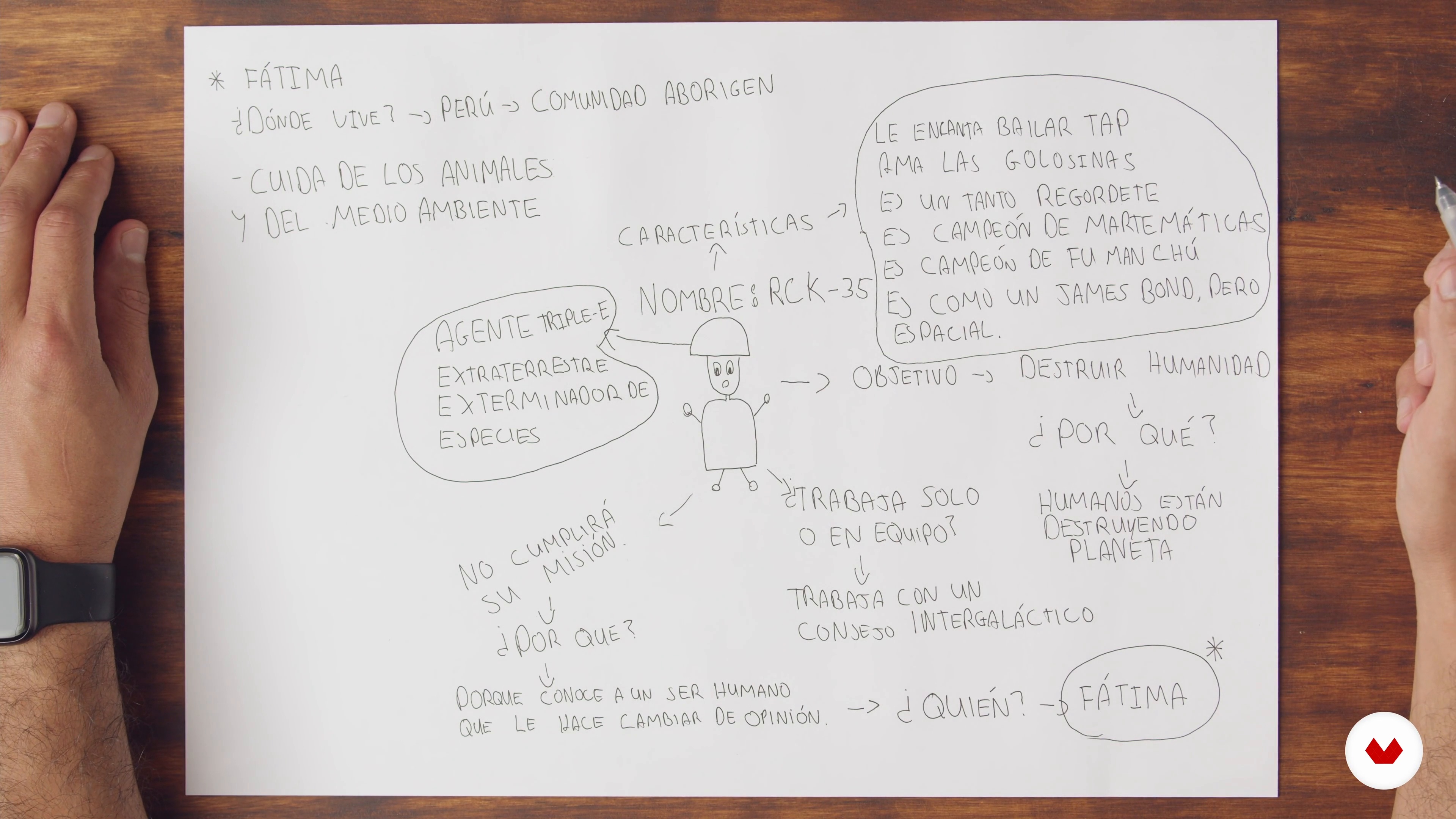
In this lesson I'll show you my favorite way to lay the groundwork for a story: think of a character, and ask yourself all about them.
17m
image
8
Arming the structure from the bases
With the ideas gathered in the previous lesson, we will develop a provisional structure of our book from start to finish.
9m
image
9
Taking off: the importance of starting off on the right foot
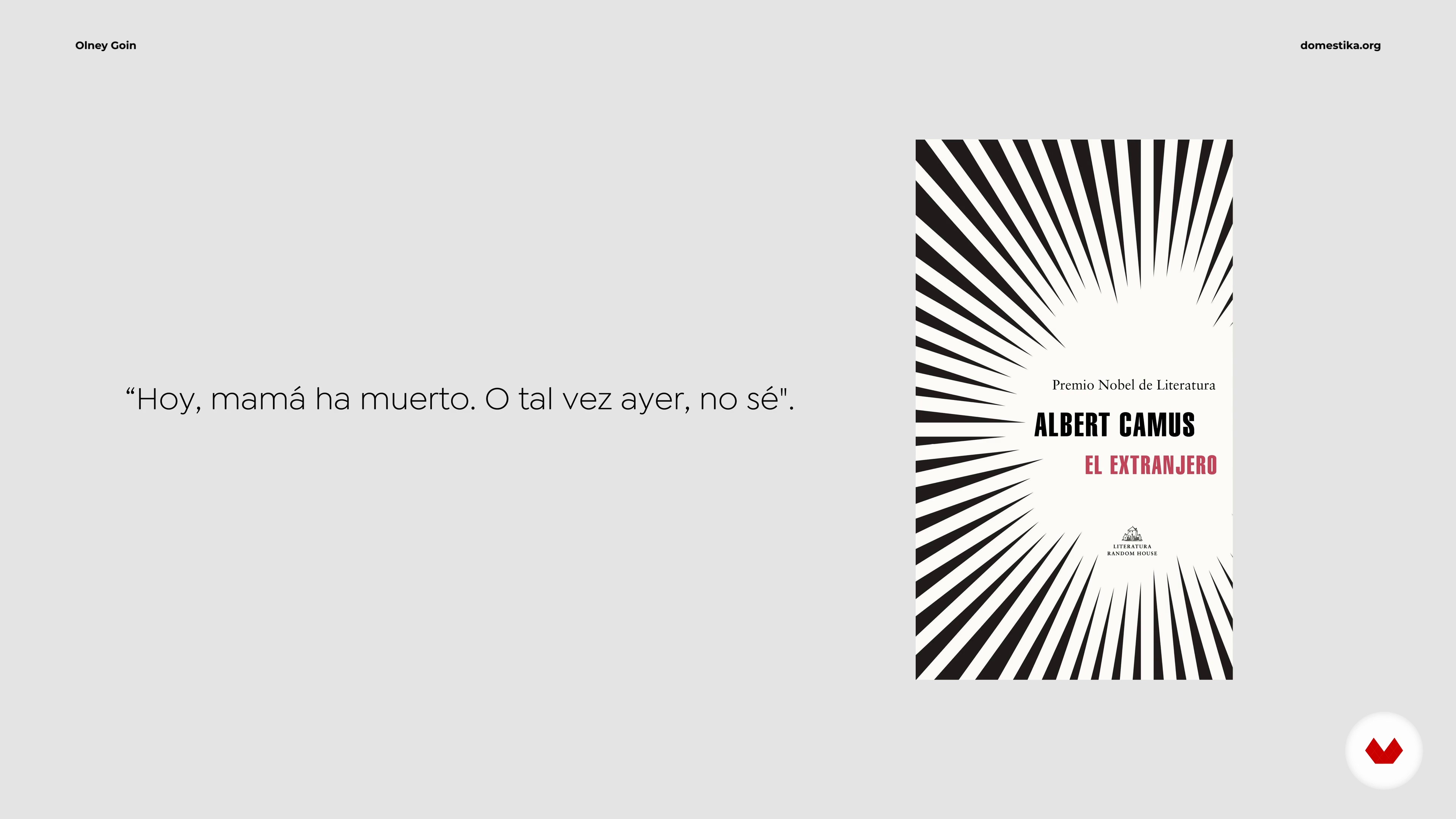
The first impression is what counts. For this reason, we will delve into some tips to start off on the right foot in order to hijack the attention of our readers.
14m
image
10
The Journey: Keeping the Reader Flying
In this lesson I am going to teach you five golden rules that will help you not only keep the reader attentive to your story, but also add dynamism to it.
6m
image
11
The Landing: Finding the Right Closing and Titles
There is nothing more satisfying than a good ending. An ending that surprises us, but that, somehow, we also expected. A good ending is, in short, the logical and natural conclusion of the protagonist's narrative arc and will be reached organically if you accomplish a few things. In this lesson I am going to tell you about them.
7m
image
12
Your book is finished, now what?
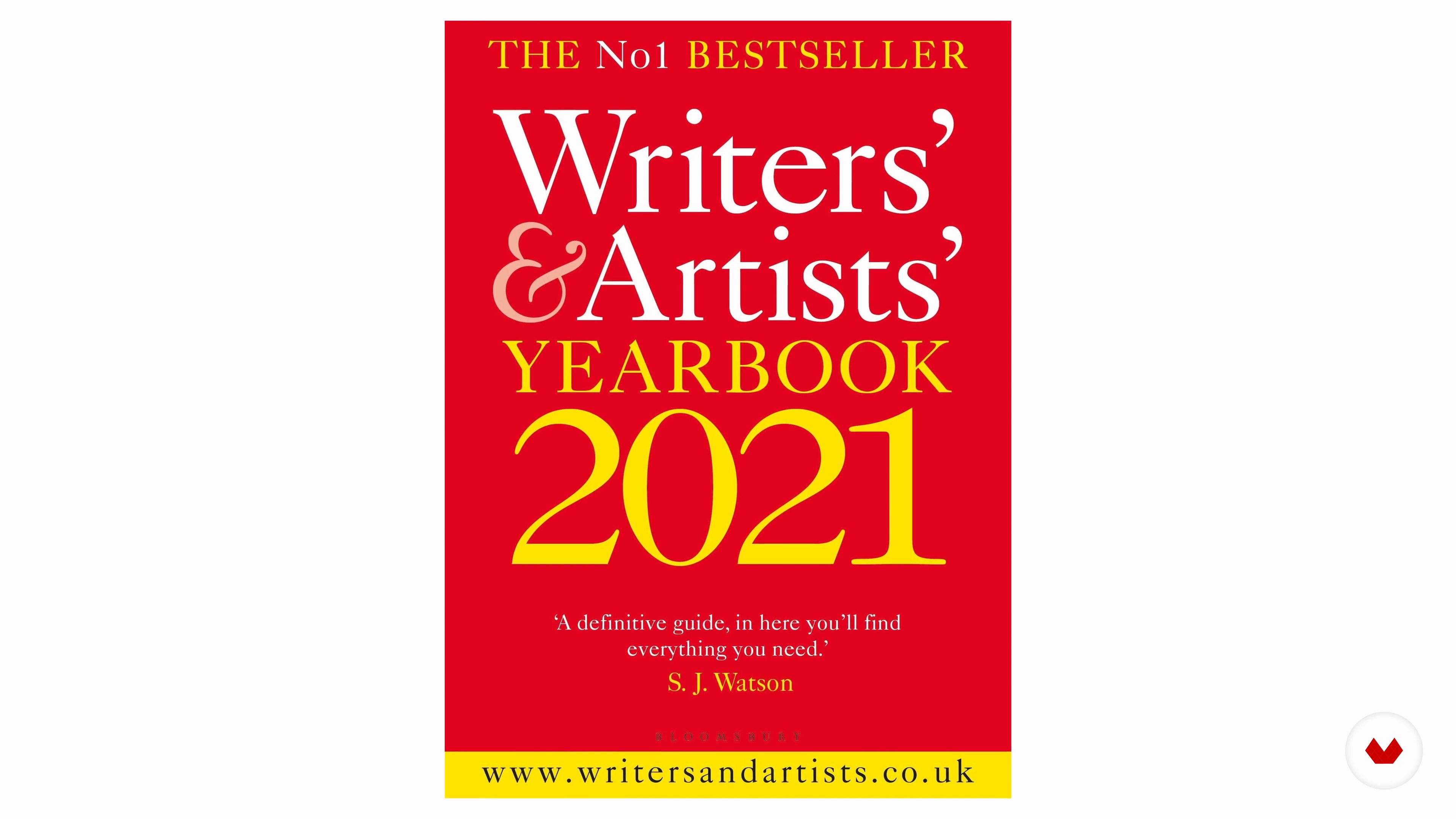
In the next lesson you will find a series of tips that may be useful when connecting with the publishing world.
11m
image
13
How to get around creative blocks
This lesson is for anyone who has ever faced a writer's block or is afraid of facing one. You will find a list of things that you can do and another of things that it will be better to avoid at this time.
7m
image
3
It’s Showtime!
In this lesson, we’ll look at the history of family theatre and why it has never been more popular than today.
10m
image
4
Preparing a Live Performance
What are the creative challenges of presenting live work and what are the rewards? Let's find out.
11m
image
5
Adaptations
The majority of successful family shows are adaptations – of books, films, and even toys or games. In this lesson, we’ll look at the pleasures and perils of bringing someone else’s story to life.
8m
image
6
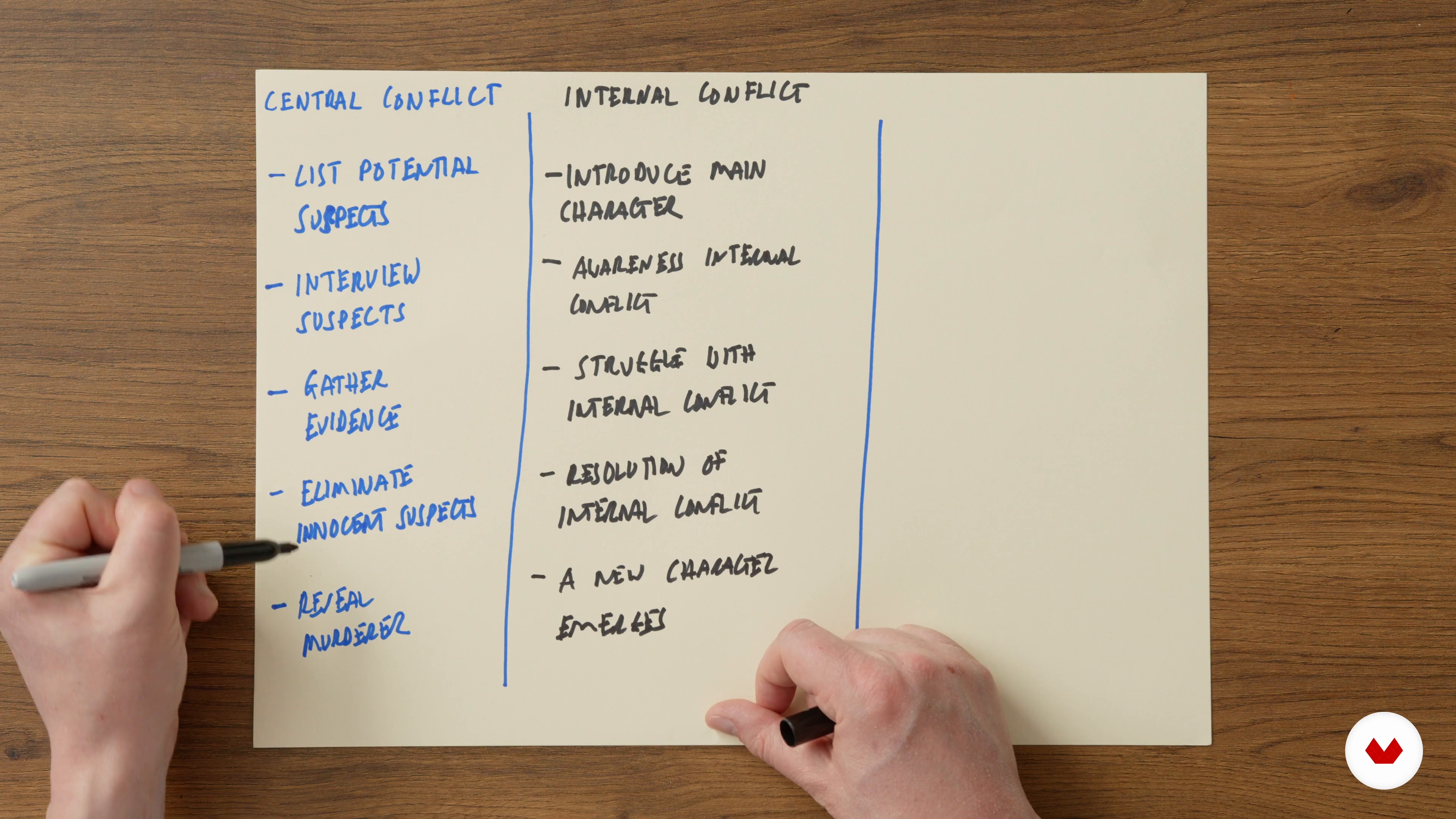
Creating Conflict
Without conflict, there is no drama. The conflict between a character’s dreams and reality, between desire and the thing or person desired, between their own sense of self and how they are perceived by others – just as these oppositions often provide the main tensions in our own lives, so they do on stage.
16m
image
7
Characters: The Art of Change
In theatre, perhaps more than any other storytelling art form, the characters are the plot. In this lesson, I will discuss how to create compelling characters and how to map out their story.
11m
image
8
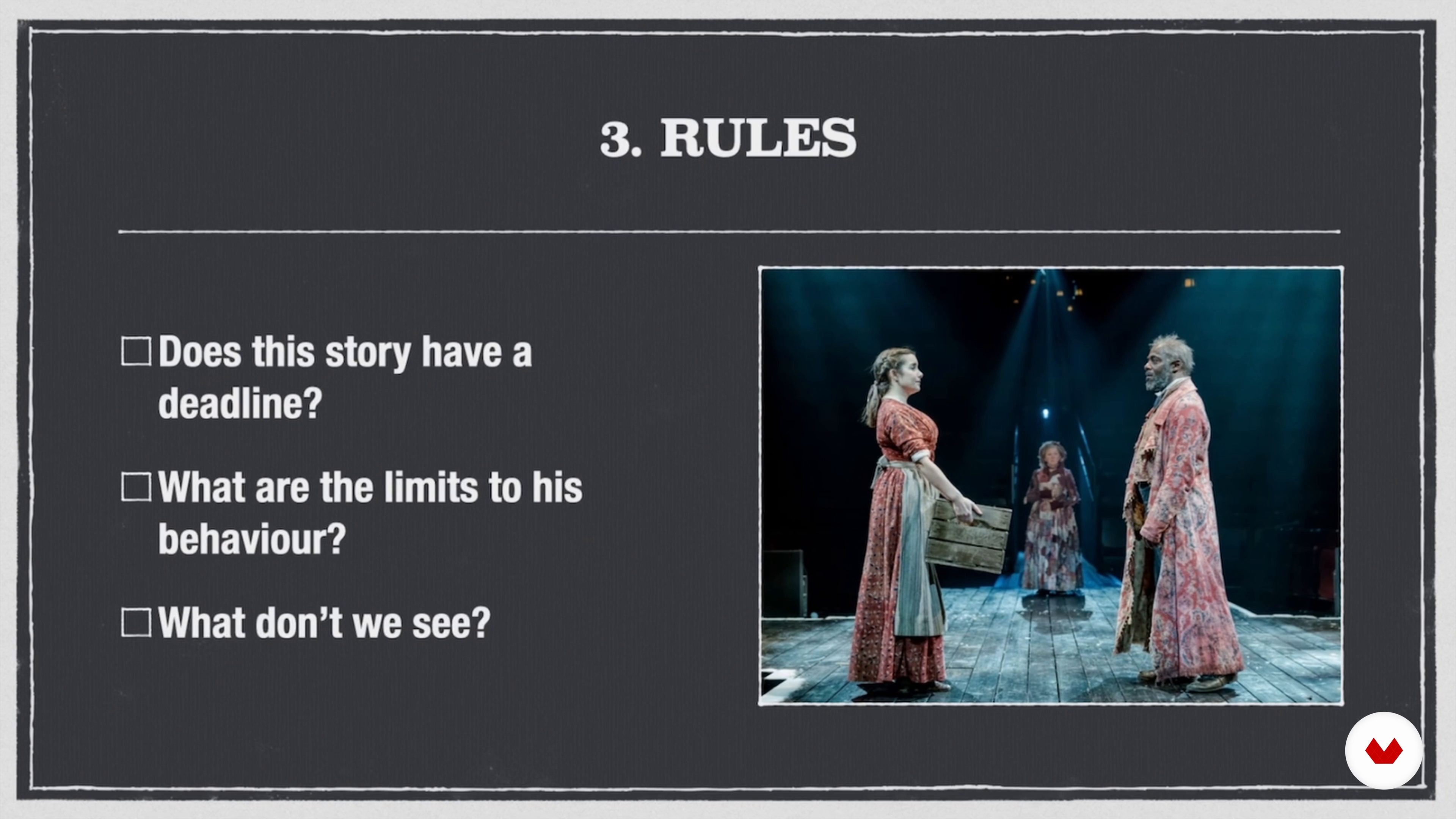
Establishing Some Rules
To enable an audience to suspend their disbelief (if that is your intention) and become part of a fictional world on stage, you should establish clear boundaries of time and space, no matter the style or form of theatre. It's time to set some ground rules!
6m
image
9
Time and Place
When we watch a live narrative, we need to understand whether we are watching something in real-time or in a timeframe invented by you, the writer. And where is it taking place? Getting these conceptual fundamentals right is key to immersing your audience in the story.
10m
image
10
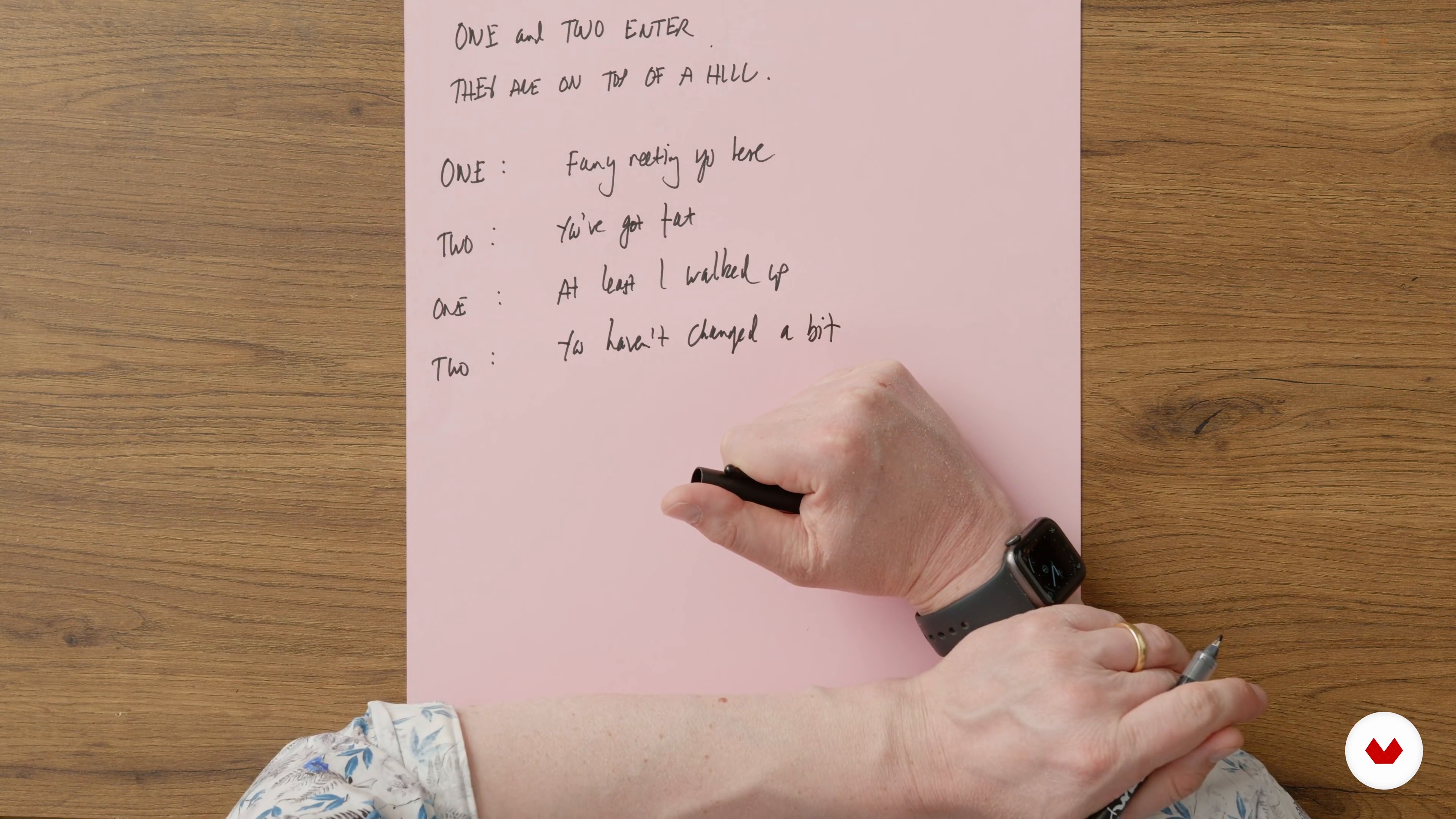
Dramatic Dialogue
Unless you are creating a purely physical piece of theatre, or a sung-through musical, your characters will live through their words and actions. In this lesson, we’ll look at how to write dialogue that creates drama.
10m
image
11
From Draft to Production 1
You’ve done the hard part: getting to the end of the first draft. Now what? In this lesson, we’ll map out the key steps from completion to performance.
13m
image
12
From Draft to Production 2
Plays aren't designed to be read, they're designed to be performed! In the second part of this lesson, we will continue to transform our blueprints into a 3D performance.
14m
image
13
Rehearsals
Rehearsals are perhaps the most intensely creative part of any theatrical production. Over a short time-limited period, your script will be shaped into a three-dimensional living work of art. Tickets are on sale already. Here’s how to make sure your show is audience-ready!
13m
image
14
Previews
Once a production has been reviewed on the opening night, the performance is normally locked and no further changes can be made. At some point, the actors have to know one script only! But in preview performances, vital changes can still be implemented. Here’s how!
6m
image
15
Getting Your Work Commissioned
Peter Brook said that all theatre needed was an empty space, which is true, but first we need to find the right space for us and persuade someone to let us fill it.
7m
image
16
How to Market Live Shows
Your job as a writer does not stop once rehearsals and previews have finished. Learn how to market your show to audiences, critics, and potential future collaborators.
9m
  • 100% positive reviews (2)
  • 162 students
  • 70 lessons (13h 19m)
  • 94 additional resources (28 files)
  • Online and at your own pace
  • Audio: English, German, Spanish, Spanish (Latam), French, Indonesian, Italian, Dutch, Polish, Portuguese, Romanian, Turkish
  • Spanish · English · Portuguese · German · French · Italian · Polish · Dutch · Turkish · Romanian · Indonesian
  • Level: Beginner
  • Unlimited access forever

What is this course's project?

Students will craft a vibrant and contemporary short fiction story for young readers, drawing inspiration from personal experiences and memories. They'll learn to create authentic and engaging narratives that resonate deeply with children, fostering a genuine connection with their audience.

Who is this specialization for?

Aspiring children's authors looking to master storytelling across various formats will find this course ideal. You'll learn to create vibrant fantasy worlds and compelling adventures, complete manuscripts, and adapt stories for theater, building a versatile writing portfolio.

Requirements and materials

No extensive prior knowledge is required. Basic computer skills, creativity, and a passion for storytelling are essential. Access to a computer, internet, and writing software is needed. Bring your imagination, personal experiences, and a willingness to explore new narrative techniques.

Select to get to know your teachers in this specialization course
Read more ↓

Reviews

162 Students
2 Reviews
100% Positive ratings


What to expect from this specialization course

  • Learn at your own pace

    Enjoy learning from home without a set schedule and with an easy-to-follow method. You set your own pace.

  • Learn from the best professionals

    Learn valuable methods and techniques explained by top experts in the creative sector.

  • Meet expert teachers

    Each expert teaches what they do best, with clear guidelines, true passion, and professional insight in every lesson.

  • Certificates
    Plus

    If you're a Plus member, get a custom certificate for every specialization course. Share it on your portfolio, social media, or wherever you like.

  • Get front-row seats

    Videos of the highest quality, so you don't miss a single detail. With unlimited access, you can watch them as many times as you need to perfect your technique.

  • Share knowledge and ideas

    Ask questions, request feedback, or offer solutions. Share your learning experience with other students in the community who are as passionate about creativity as you are.

  • Connect with a global creative community

    The community is home to millions of people from around the world who are curious and passionate about exploring and expressing their creativity.

  • Watch professionally produced courses

    Domestika curates its teacher roster and produces every course in-house to ensure a high-quality online learning experience.


FAQs

Domestika courses are online classes that allow you to learn new skills and create incredible projects. All our courses include the opportunity to share your work with other students and/or teachers, creating an active learning community. We offer different formats:
Original Courses: Complete classes that combine videos, texts, and educational materials to complete a specific project from start to finish.
Basics Courses: Specialized training where you master specific software tools step by step.
Specialization Courses: Learning paths with various expert teachers on the same topic, perfect for becoming a specialist by learning from different approaches.
Guided Courses: Practical experiences ideal for directly acquiring specific skills.
Intensive Courses (Deep Dives): New creative processes based on artificial intelligence tools in an accessible format for in-depth and dynamic understanding.

All specialization courses are 100% online, so once they're published, specialization courses start and finish whenever you want. You set the pace of the class. You can go back to review what interests you most and skip what you already know, ask questions, answer questions, share your projects, and more.

The specialization courses are divided into different modules. Each one includes lessons, informational text, tasks, and practice exercises to help you carry out your project step by step, with additional complementary resources and downloads. You'll also have access to an exclusive forum where you can interact with other students, as well as share your work and your final project, creating a community around the specialization courses.

You can redeem the specialization courses you received by accessing the redeeming page and entering your gift code.

If you're a Plus member, when you complete a course you've purchased, you'll instantly get your personalized certificate. You can see all your certificates in the Certificates section of your profile. You can download your certificates as PDFs and share the link online. Learn more about certificates.
Children's Fantasy Writing Specialization for Young Authors. Writing course by Domestika

Children's Fantasy Writing Specialization for Young Authors

A specialization by multiple teachers
Berkeley, United States.
Joined April 2002
  • 100% positive reviews (2)
  • 162 students