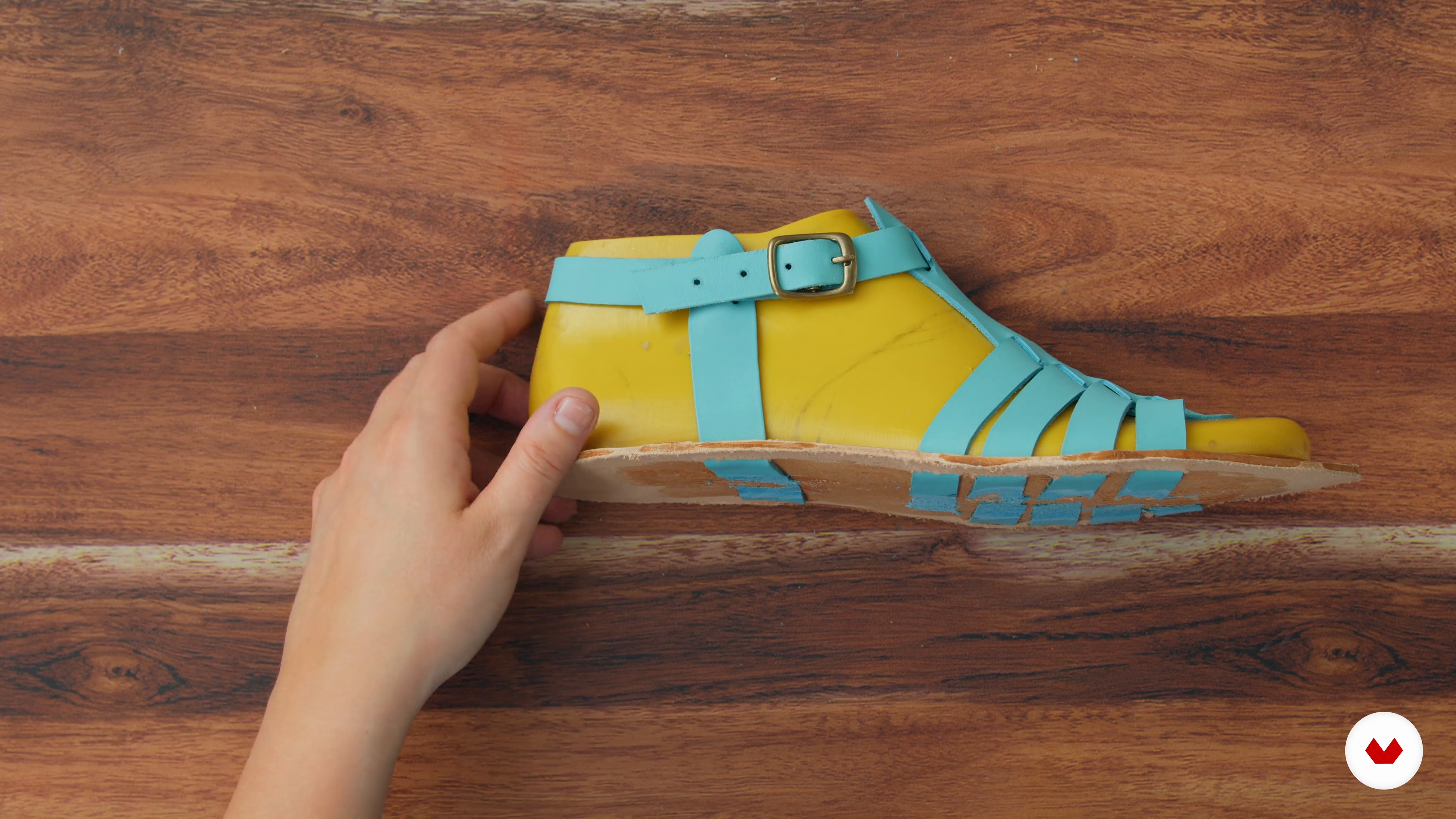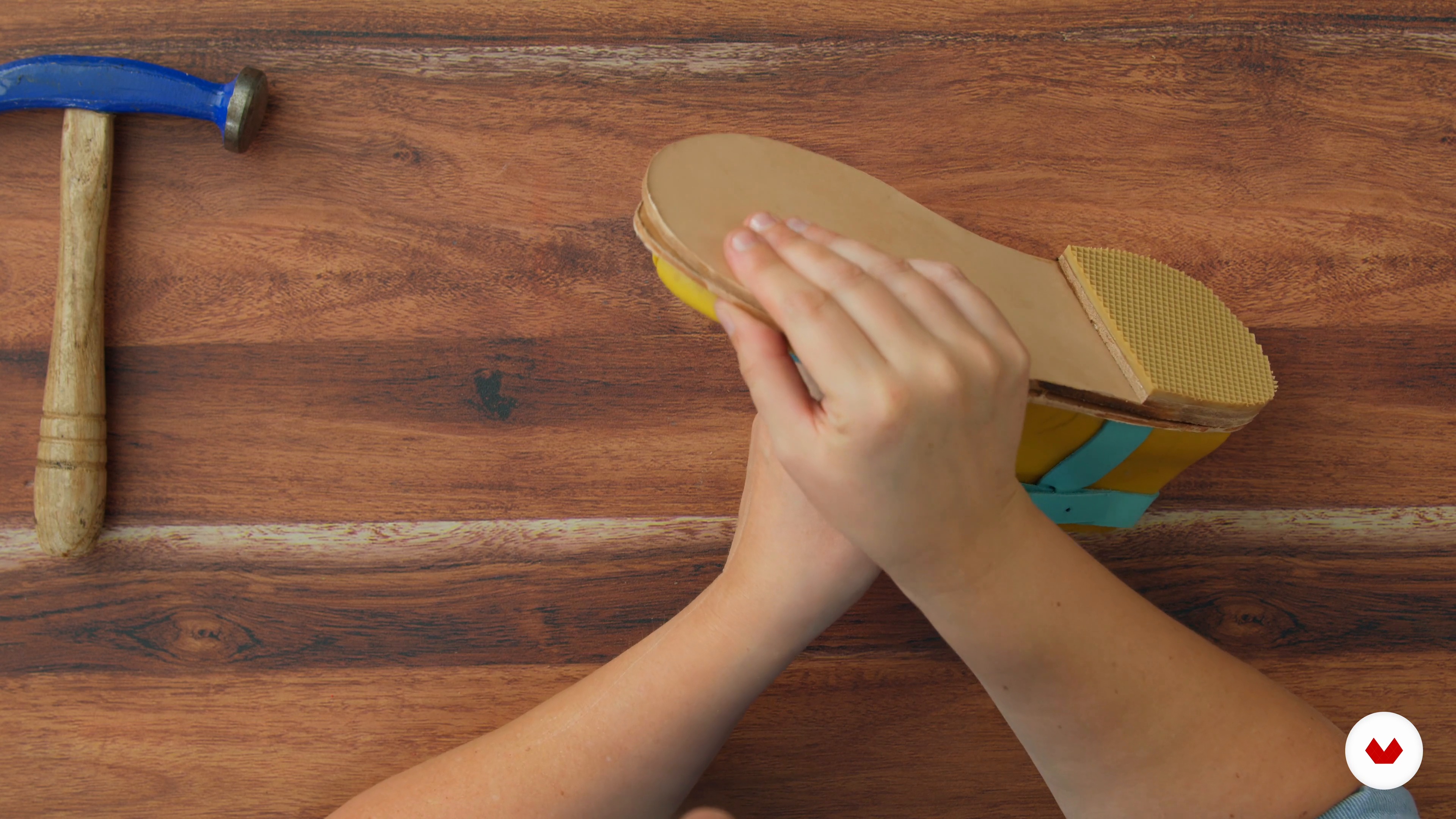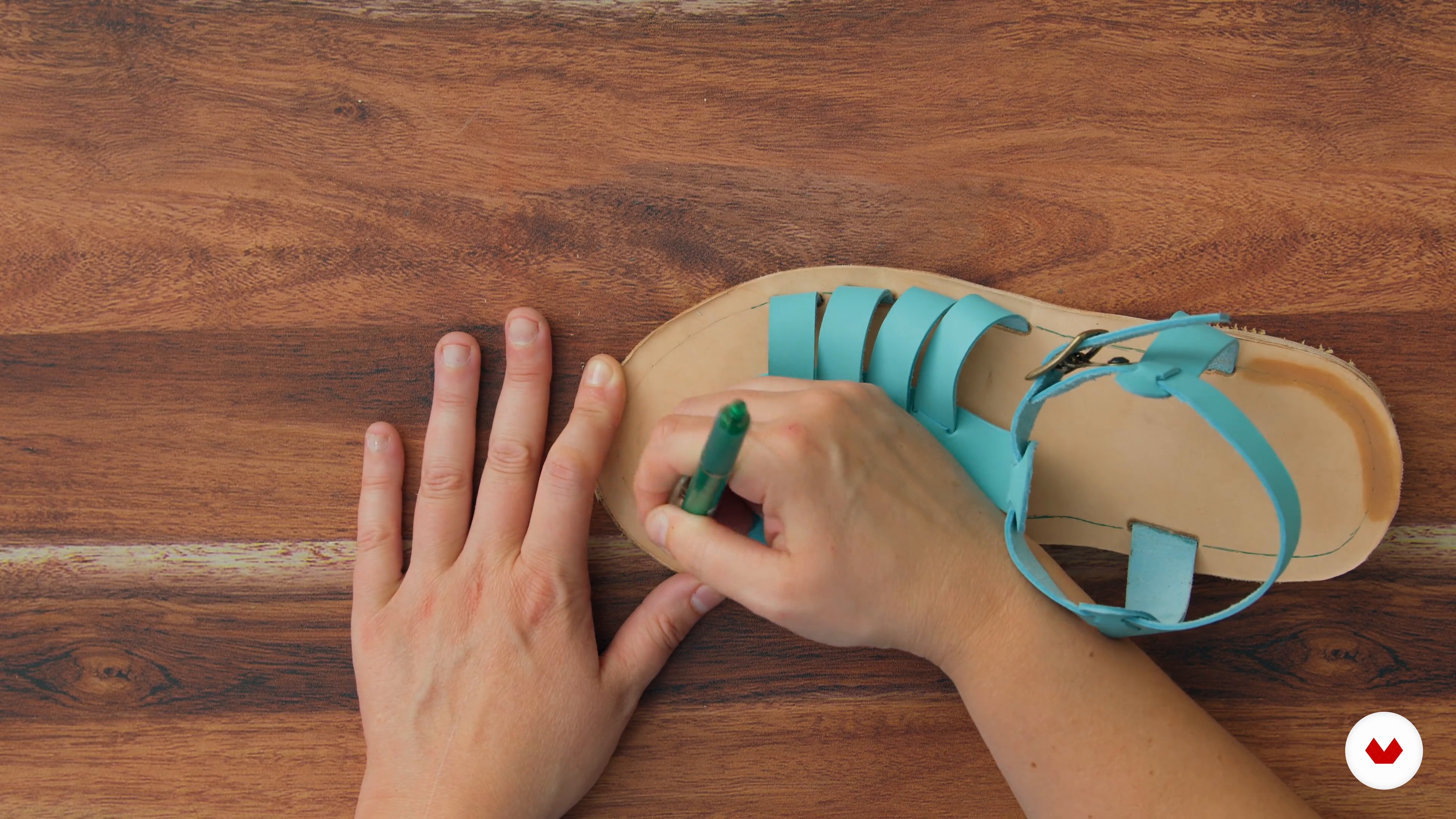

Specialization

Specialization in Handmade Footwear: Design, create and launch your product

Learn to design, create and launch your own collection of handcrafted footwear using traditional techniques and materials.

Specialization · 6 modules

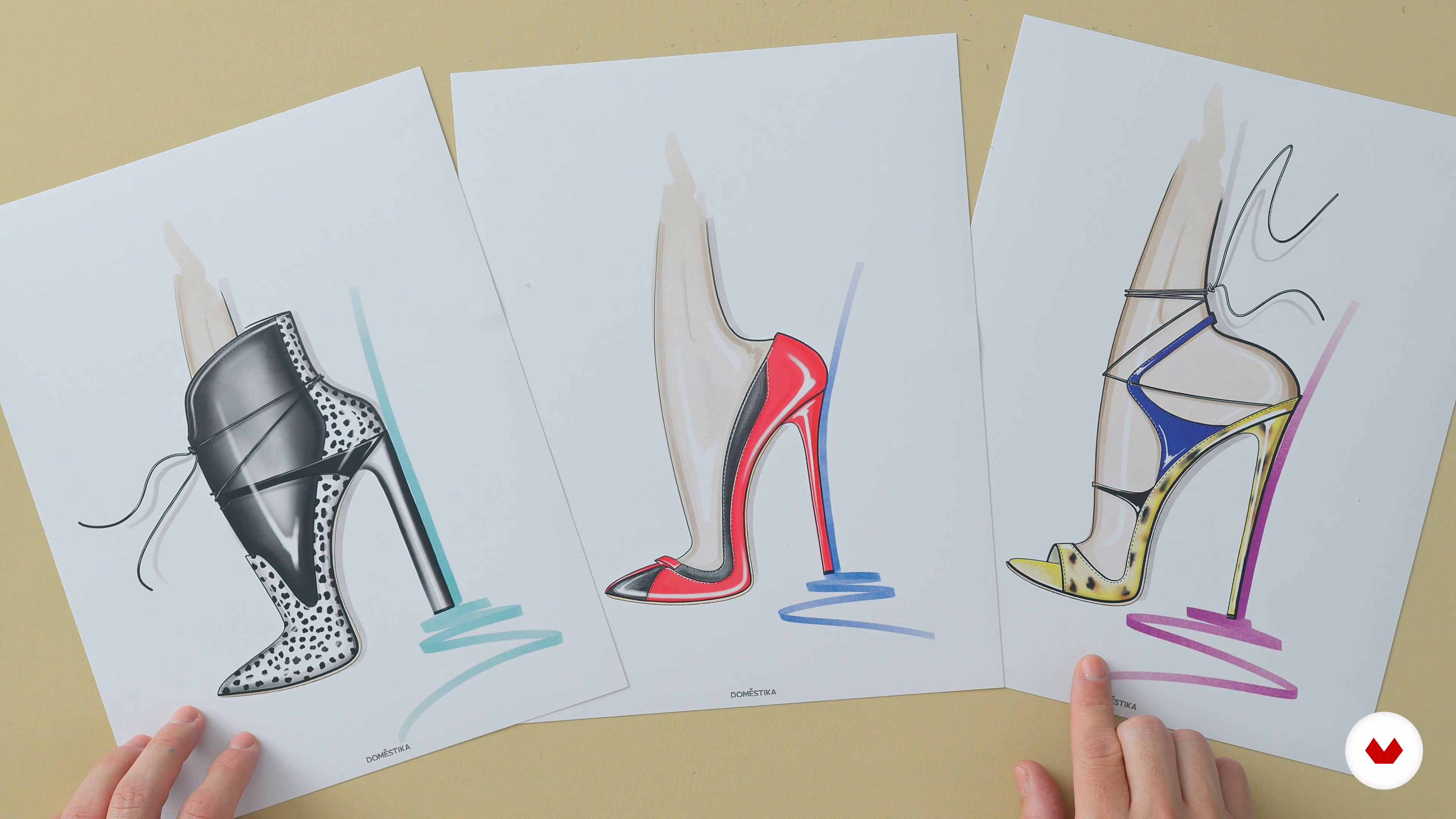
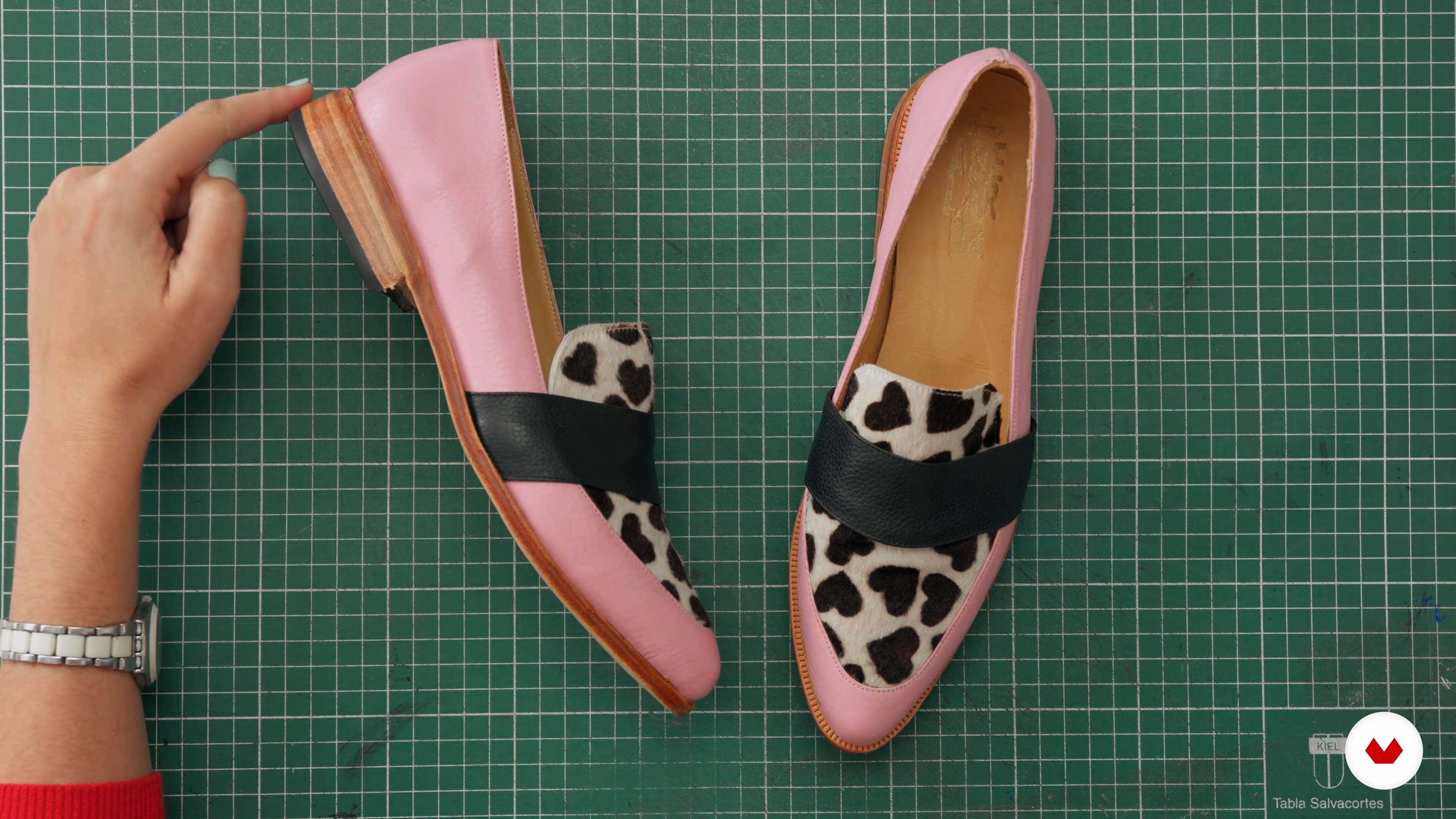
Discover the art of handcrafted shoemaking and turn your passion into a profession. Learn everything from the fundamentals of shoe design to creating your own brand. Immerse yourself in traditional and contemporary techniques to create unique pieces that tell stories with every step. Develop skills in sketching, pattern design, and working with materials like leather, esparto grass, and jute. Experiment with different finishes and personalize your designs to reflect your personal style. With guidance from experts like BATTASSI, Agus Golub, Marta Grau, ANTONIA'S, and Moisés Nieto, you'll have the opportunity to master every aspect of the creative process.

Become a footwear expert as you explore strategies for launching and marketing your line. Learn to conceptualize and develop your brand identity, from creating a logo to designing packaging and marketing materials. Discover how to establish your market niche, set prices, and select the best distribution channels. By the end, you'll have a mini footwear collection ready to be presented to the world, reflecting the quality and authenticity that make each pair of shoes a work of art.

Read more ↓

What will you learn in this specialization?
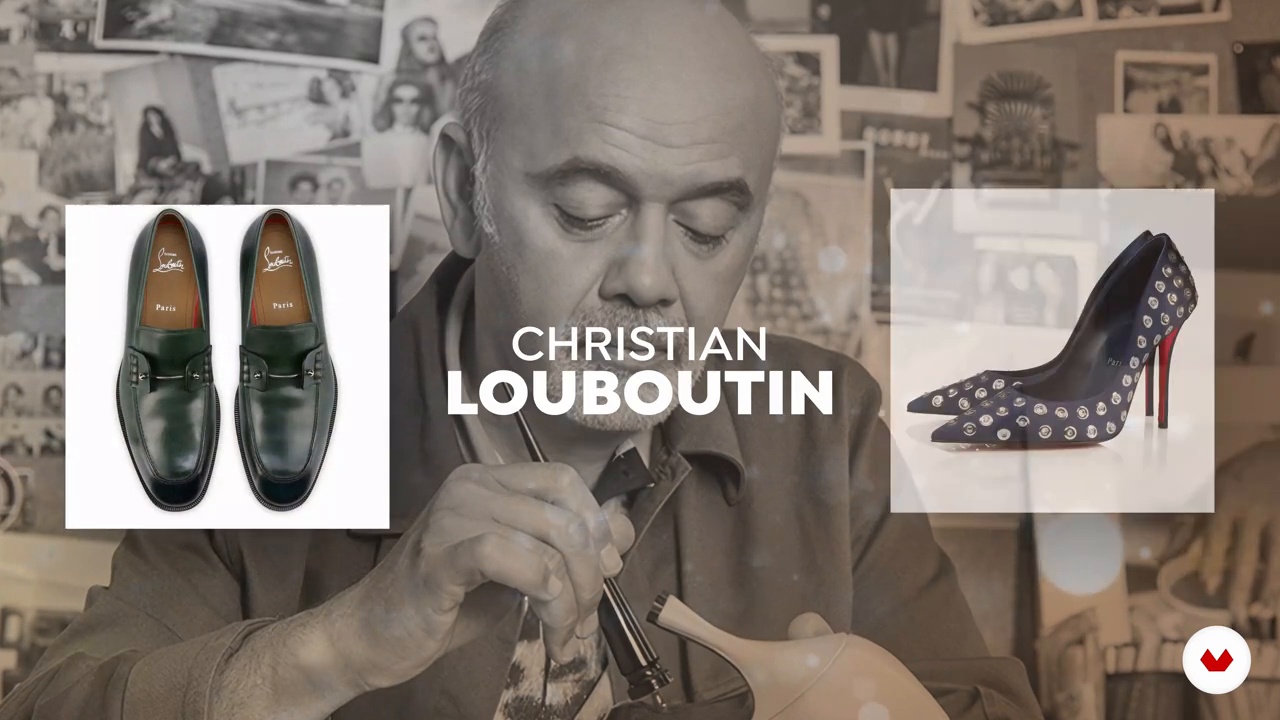
A total of 6 modules and 73 lessons
A total of 9h 22m of vídeo lessons
Taught by 5 selected expert teachers
image
1
Introduction
Handcrafted shoemaking blends time-honored techniques with modern needs, demanding precision, artistry, and manual dexterity. Explore its rich history, from medieval masters to contemporary innovators, and discover how sustainability and personalization are shaping its future. It's an invitation to create with purpose, honoring tradition and leaving your own unique mark.
2m
image
2
Influences | BATTASSI
In this lesson we will show you which brands inspire and move us to continue creating and generating value propositions. We will also tell you about our references that range from luxury hunting to brands with a high commercial impact.
3m
image
3
Influences | Agus Golub (Abelarda Zapatos)
During this lesson, I will share with you who are the artists who inspire me to create my work.
2m
image
4
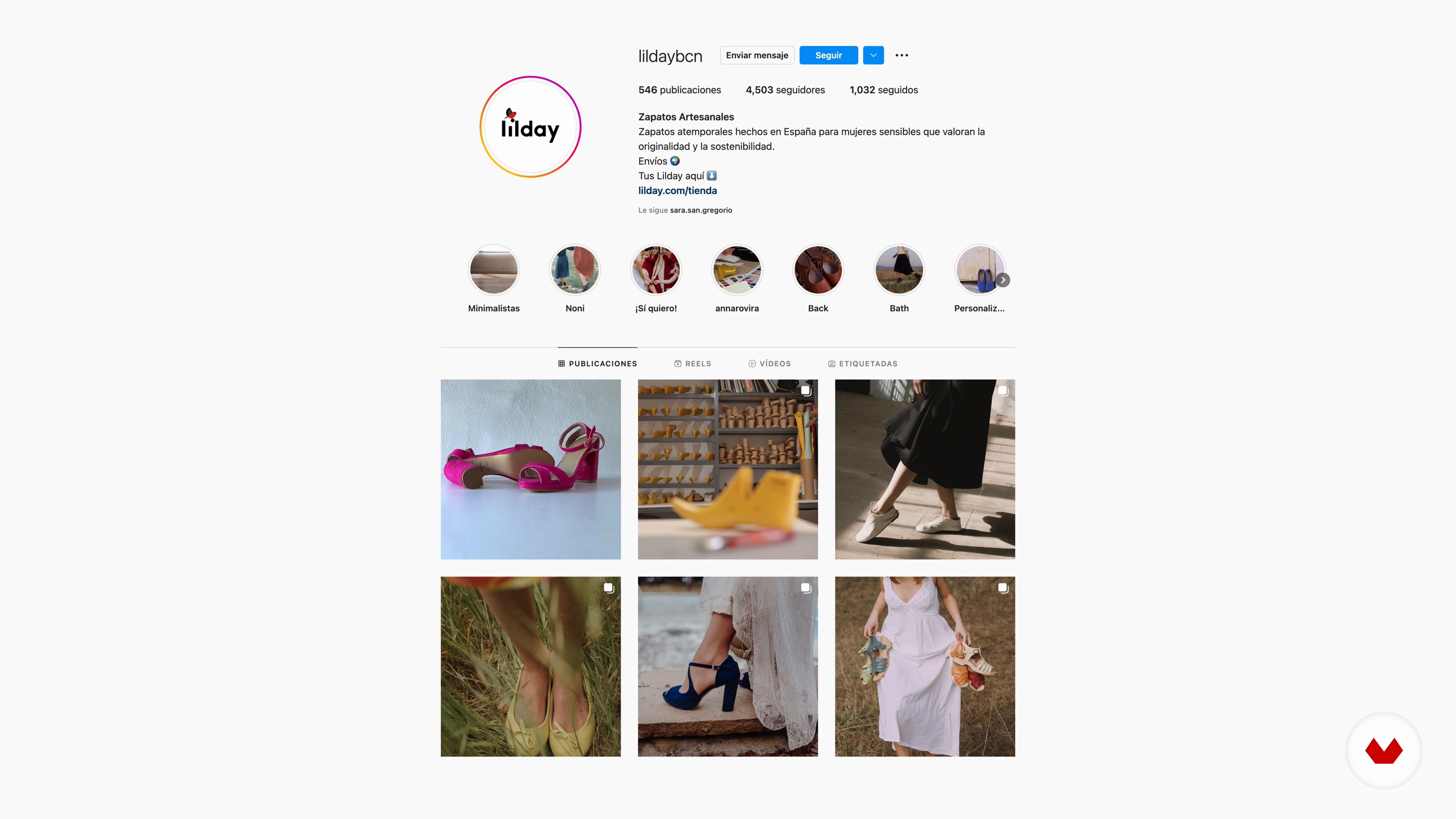
Influences | Marta Grau (Lilday)
The time has come to tell you about some of the things that most inspire my creativity. I am going to show you through some of the collections that I have created in Lilday.
3m
image
5
Influences | ANTONIA'S
In this part I present some of my most relevant influences that are part of a much larger group that has been forging my aesthetics and my work. For me the influences accumulate like layers and end up being reflected in one way or another in your work, giving that personal and unique touch to what you do.
13m
image
6
Influences | Moisés Nieto
Now I'm going to show you which are the references that have accompanied me since my beginnings; the influences that have inspired me throughout my entire career.
3m
image
3
Know the different types of footwear
In this lesson we will show you some of the most popular styles, their structures and some of their fundamental characteristics.
4m
image
4
Shoe Components
There are different types of components that make up footwear. It is important to know and identify them to select the correct material for each part. Let's see it in this lesson!
4m
image
5
Introduction to different materials and their uses
There are different types of materials, so here we will show you which are the most common for footwear, taking into account their characteristics and the specifications that are required according to the style.
6m
image
6
Bases to start designing footwear
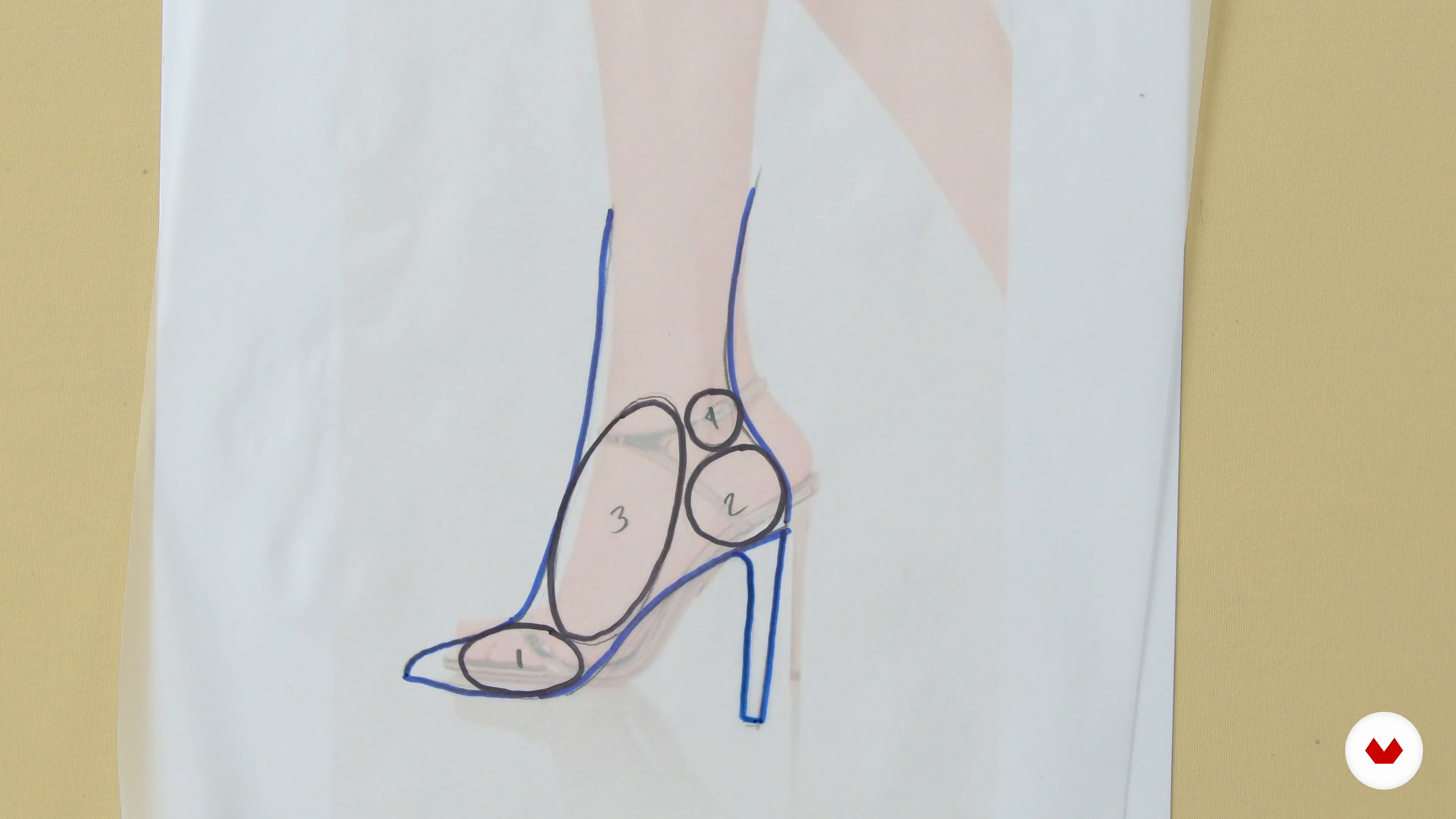
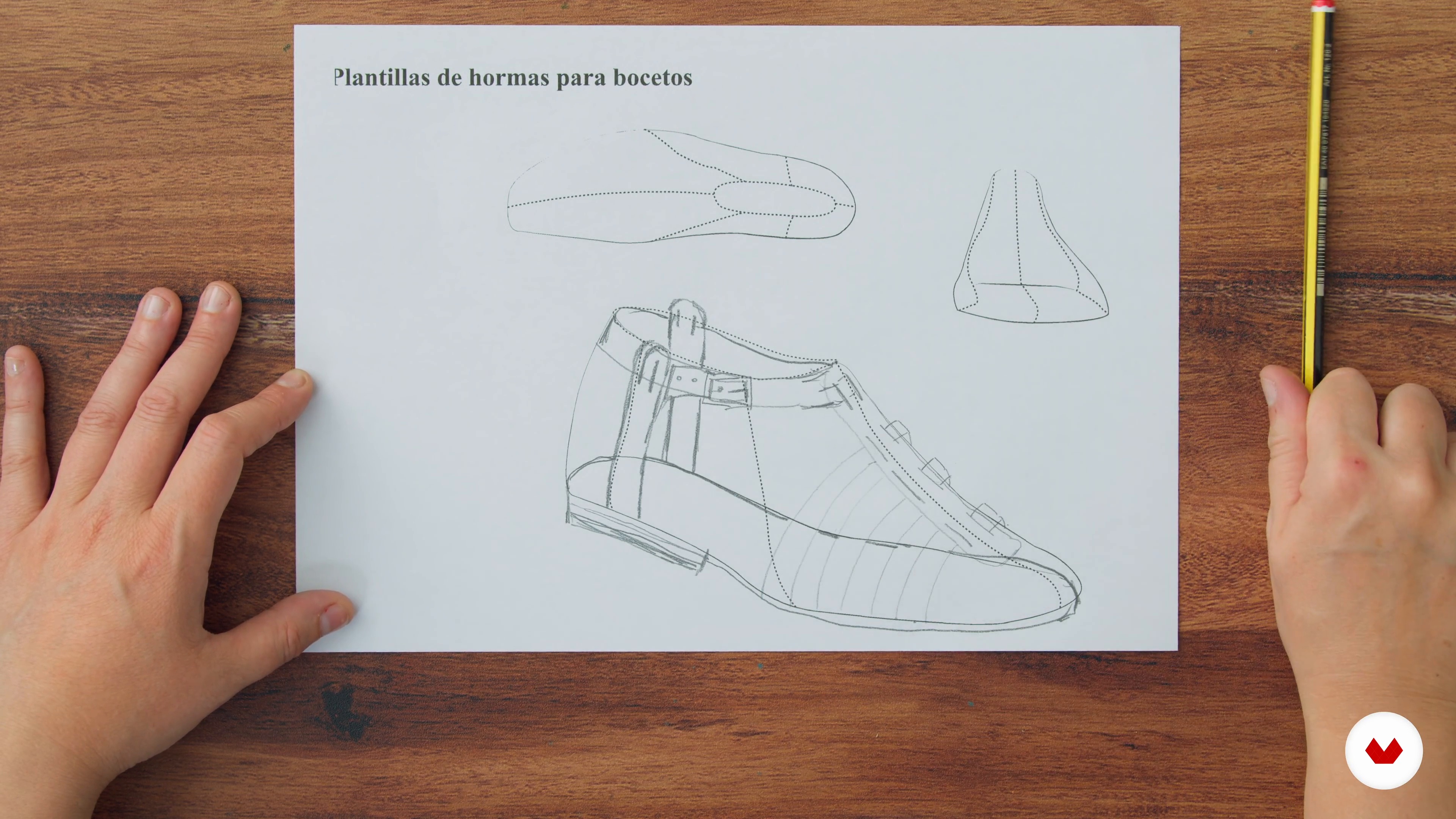
Learning to sketch a foot will help you define the type of footwear you want to design, from a shoe or a sandal to a sneaker, so that you can achieve a correct projection of the design. Here we will teach you what is necessary for you to select the silhouette that you like the most and that projects your essence.
16m
image
7
What is your concept?
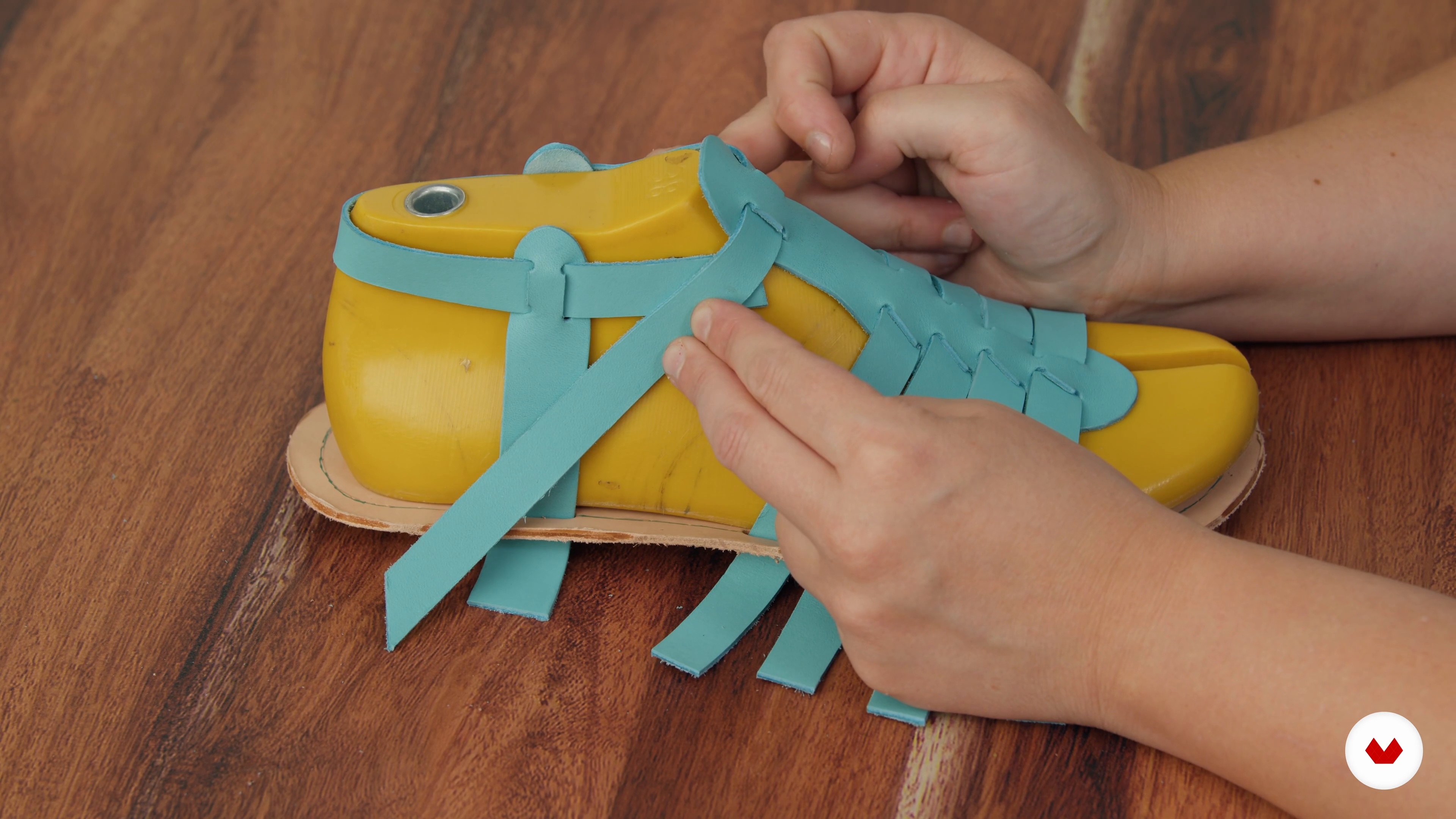
In this lesson, we will help you define the concept with which you will start to search for the images and elements that will make up your mood board.
6m
image
8
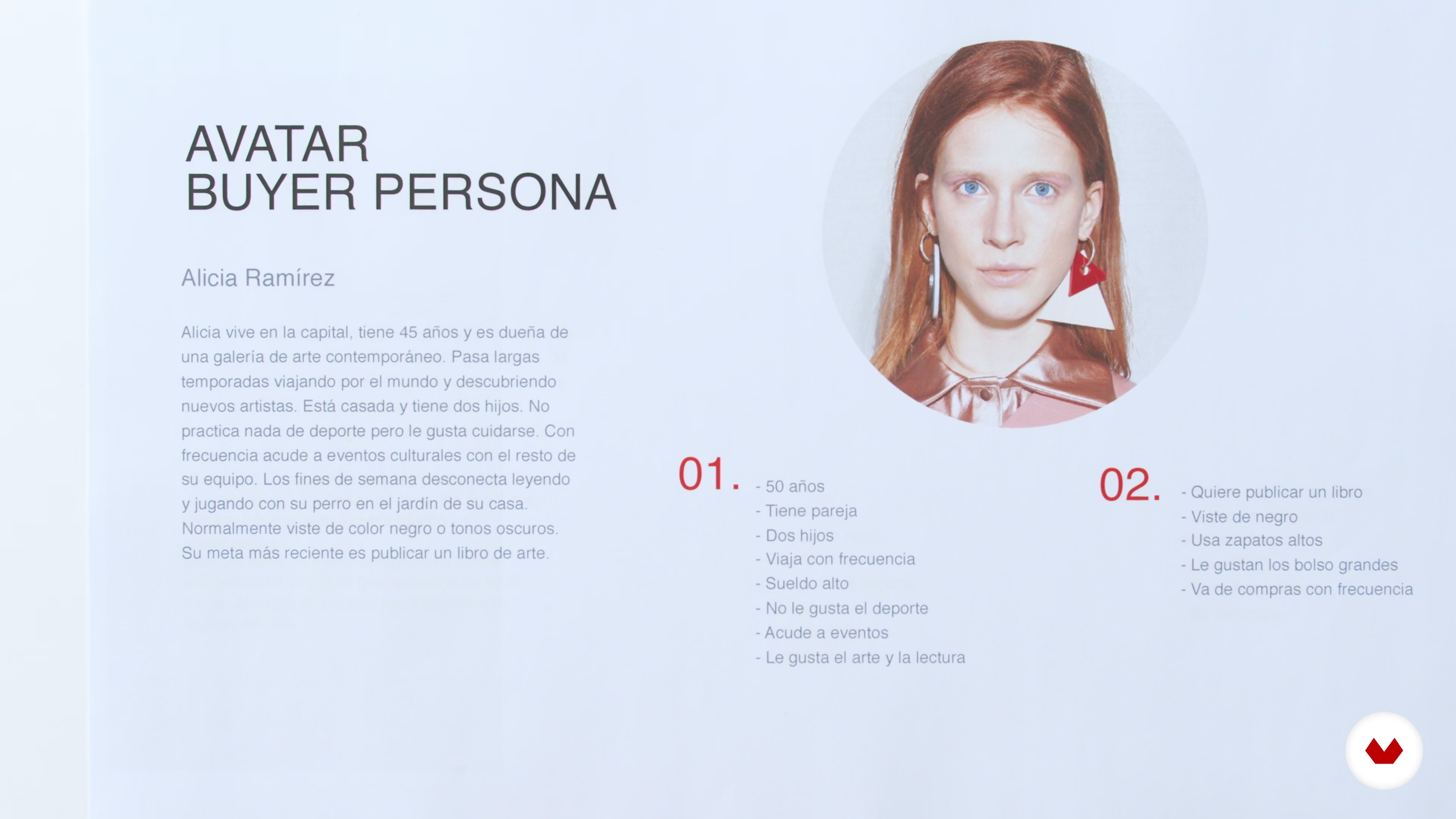
Identify the person who would use your designs
Now we will define your possible user, we will do a search for the person who will carry your design and, even, who can inspire you to create these designs.
5m
image
9
Conceptual mood board and inspiration
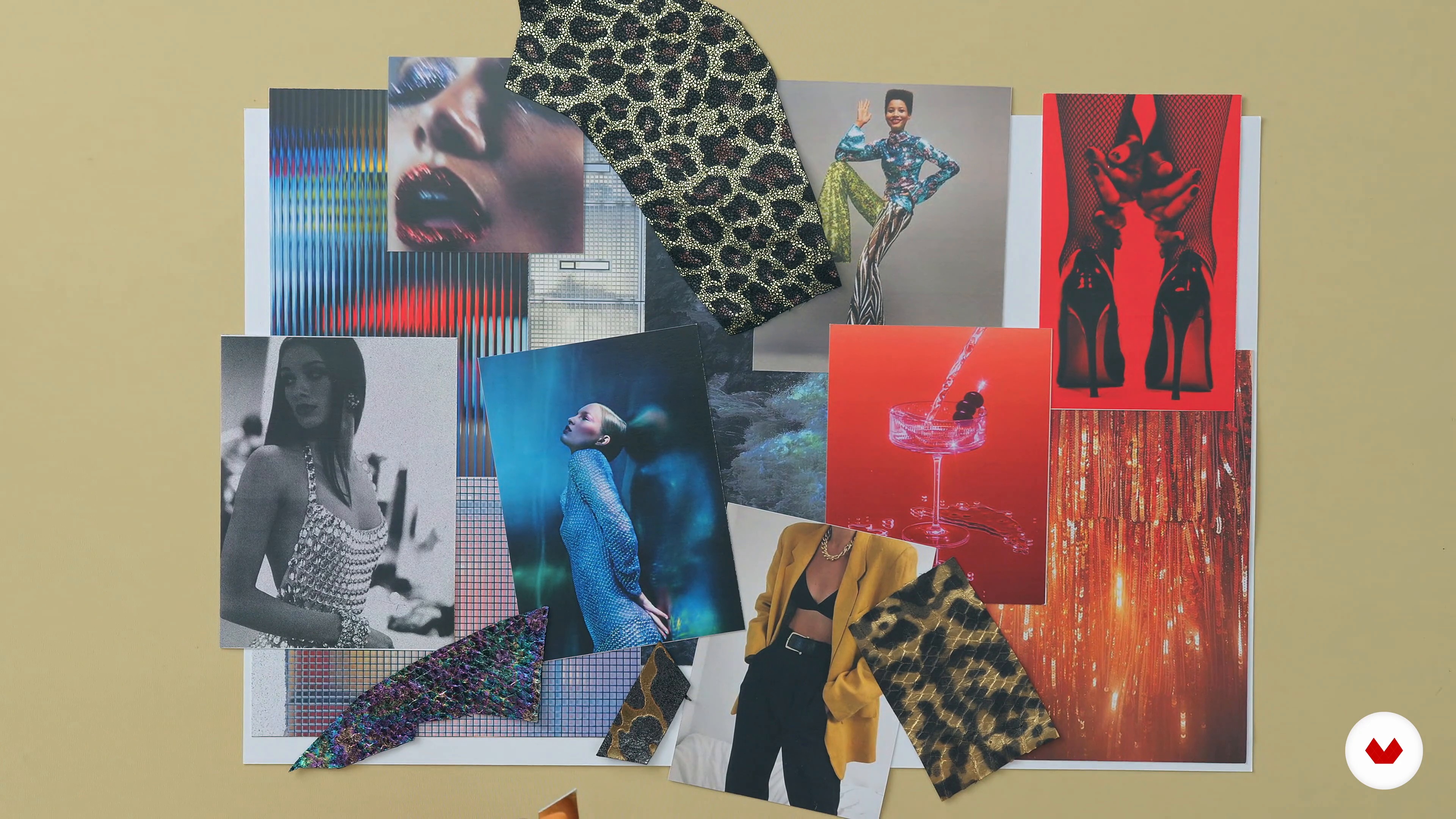
In this lesson we will give visual form to the elements that will help us to carry out our design, that is, the textures and colors, as well as elements that will help us to give it more structure and tell the story of our design.
5m
image
10
Freehand illustration techniques
In this lesson, you will learn the methods necessary to put your ideas on paper. You will carry out a series of exercises that will allow you to identify lights and shadows and how these principles will be key to giving volume and three-dimensionality to your designs.
14m
image
11
Sketching and customization 1
Now you will learn how to start translating your designs. We will share with you some aspects that we have to take into account when designing, such as proportions and technical details that are important for your design —in addition to having aesthetically correct elements— to be feasible at the time of its realization.
17m
image
12
Sketching and customization 2
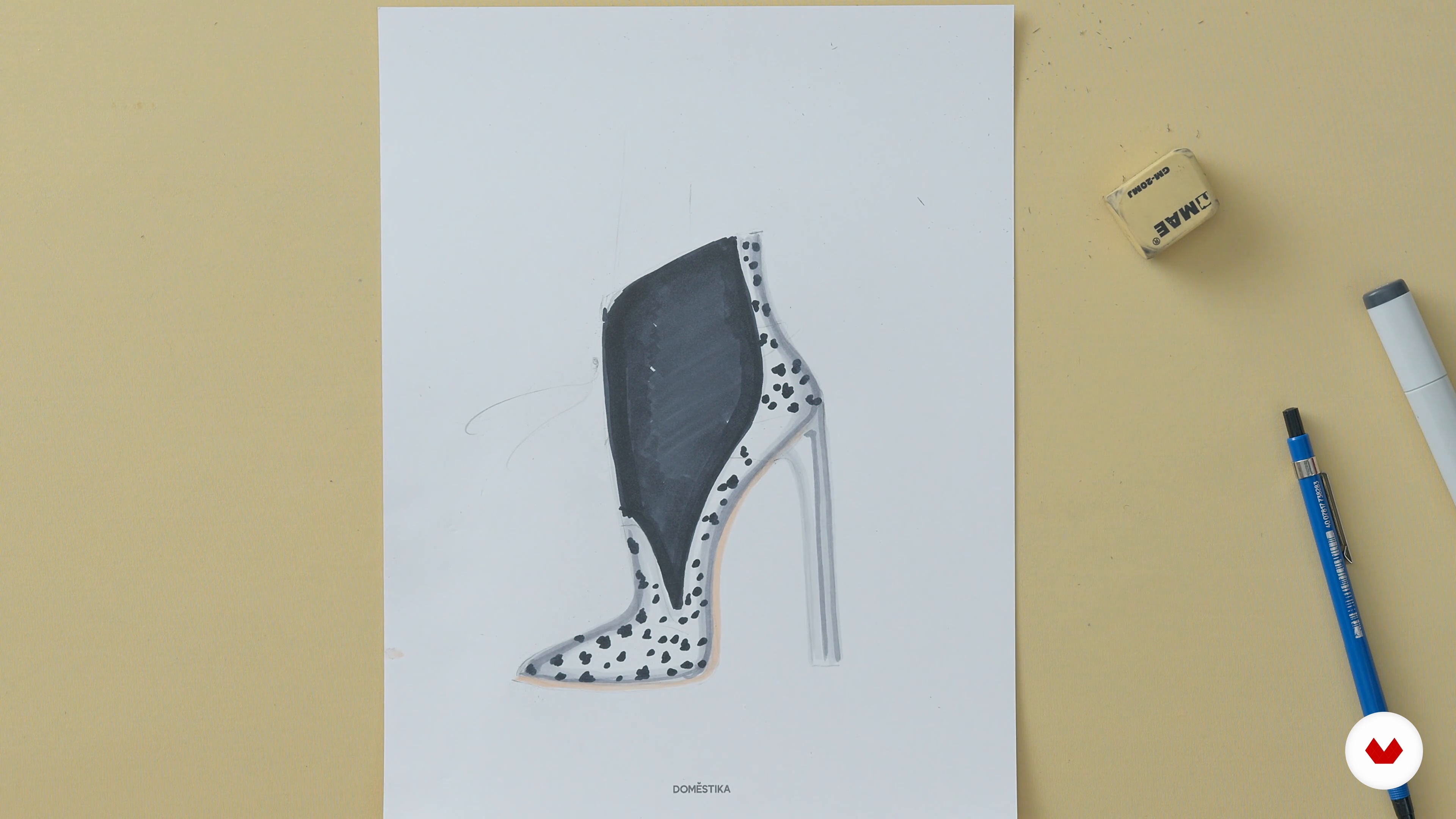
Once you've made designs, it's time to customize them and define the elements that will make them look unique. We will start by defining points of light in the center to direct the shadows to the ends of the design, giving volume to the drawing. Then, we will continue working on the shadows where the shoe makes contact with the foot.
6m
image
13
Selection of materials and components
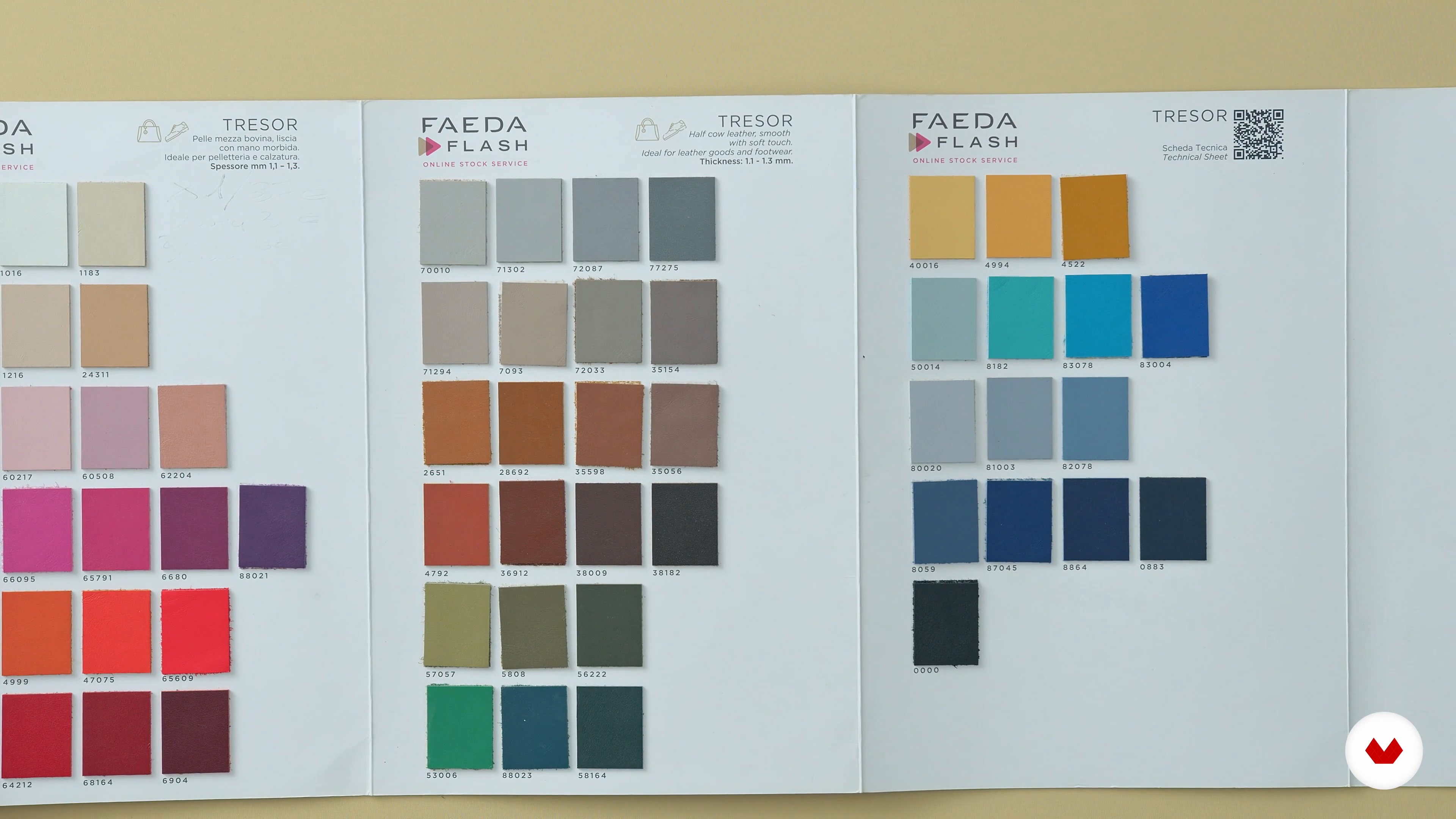
Here we will review the different materials that can be used, considering colors and characteristics that will help us define those that will be most suitable for the design that we will elaborate. We will also take into account the styles of footwear that are going to be made to define the textures of the materials and the colors according to our inspiration, as well as the elements that will be part of the design.
8m
image
14
Creation of technical sheets
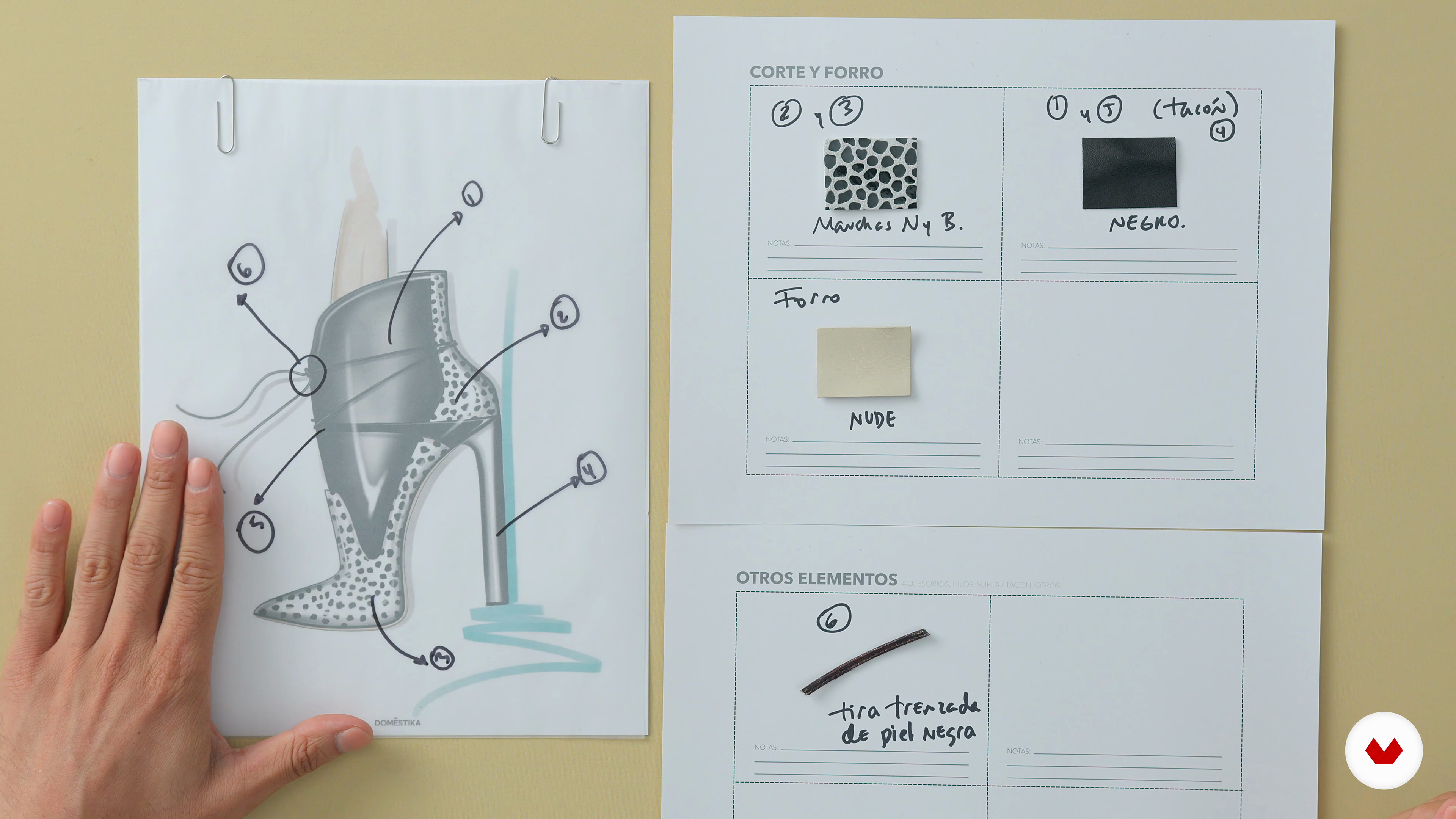
There is very little left in our process! In this lesson, we will teach you how to structure a technical file, which will collect the materials that we select for the design that we have made. We will define and specify the parts that make up our design and we will indicate the type of material that we will use.
11m
image
3
Knowing the Model
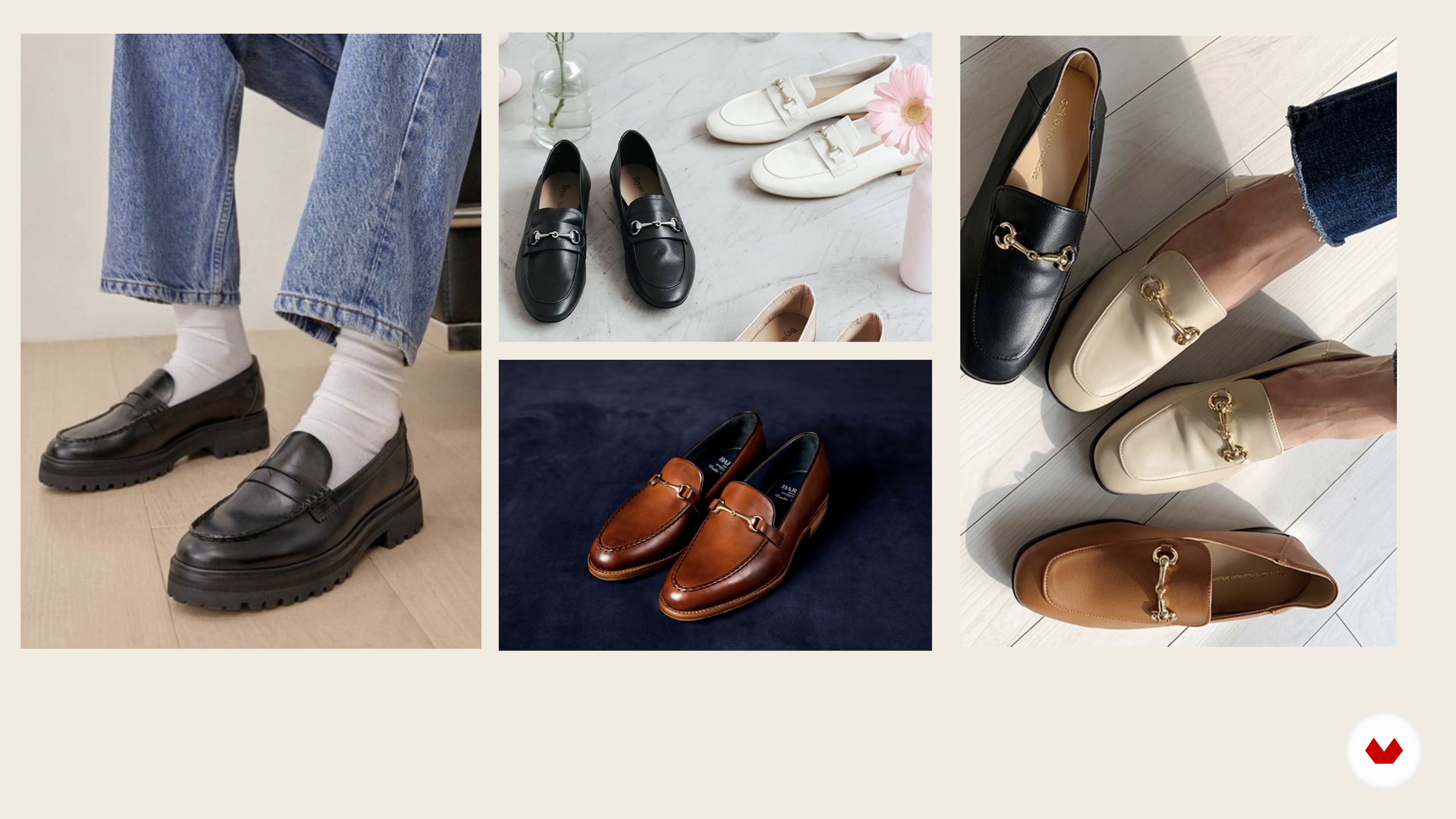
To begin, we will talk about the history of the moccasin. To do this, I will show you some variations and models that exist.
3m
image
4
The Materials
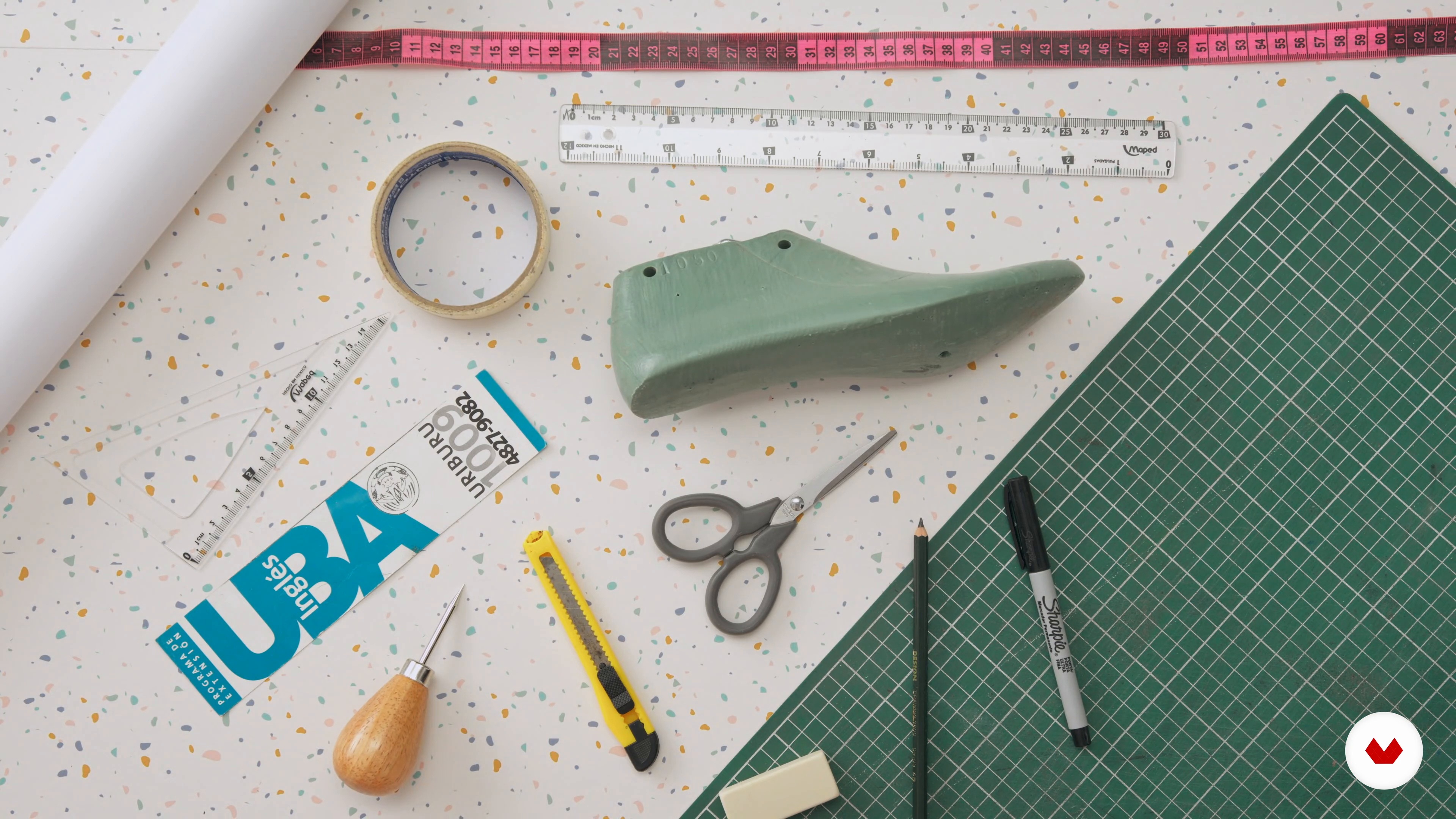
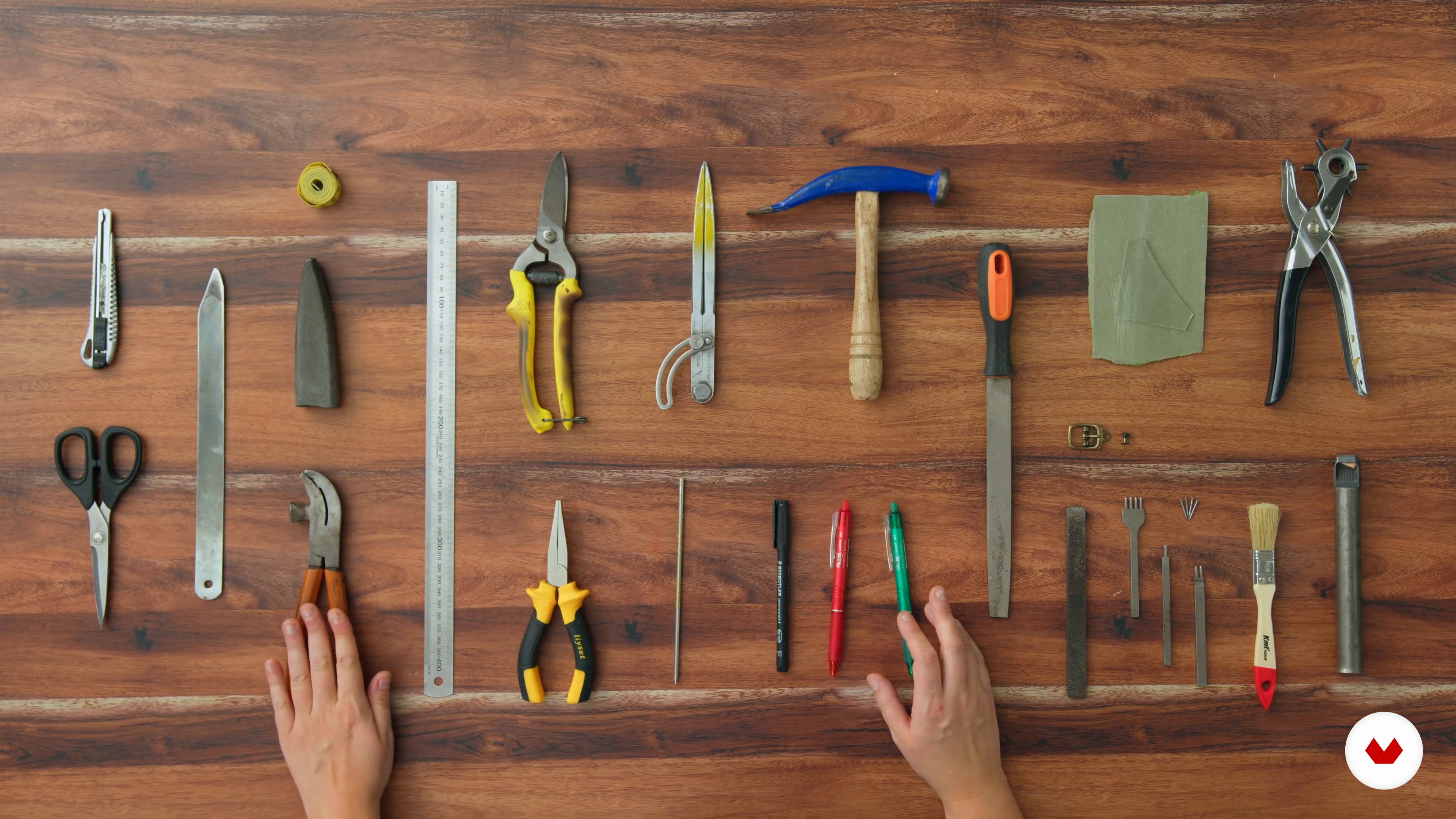
In this lesson, I will show you the materials that you will need to be able to develop the molding.
3m
image
5
The Taping
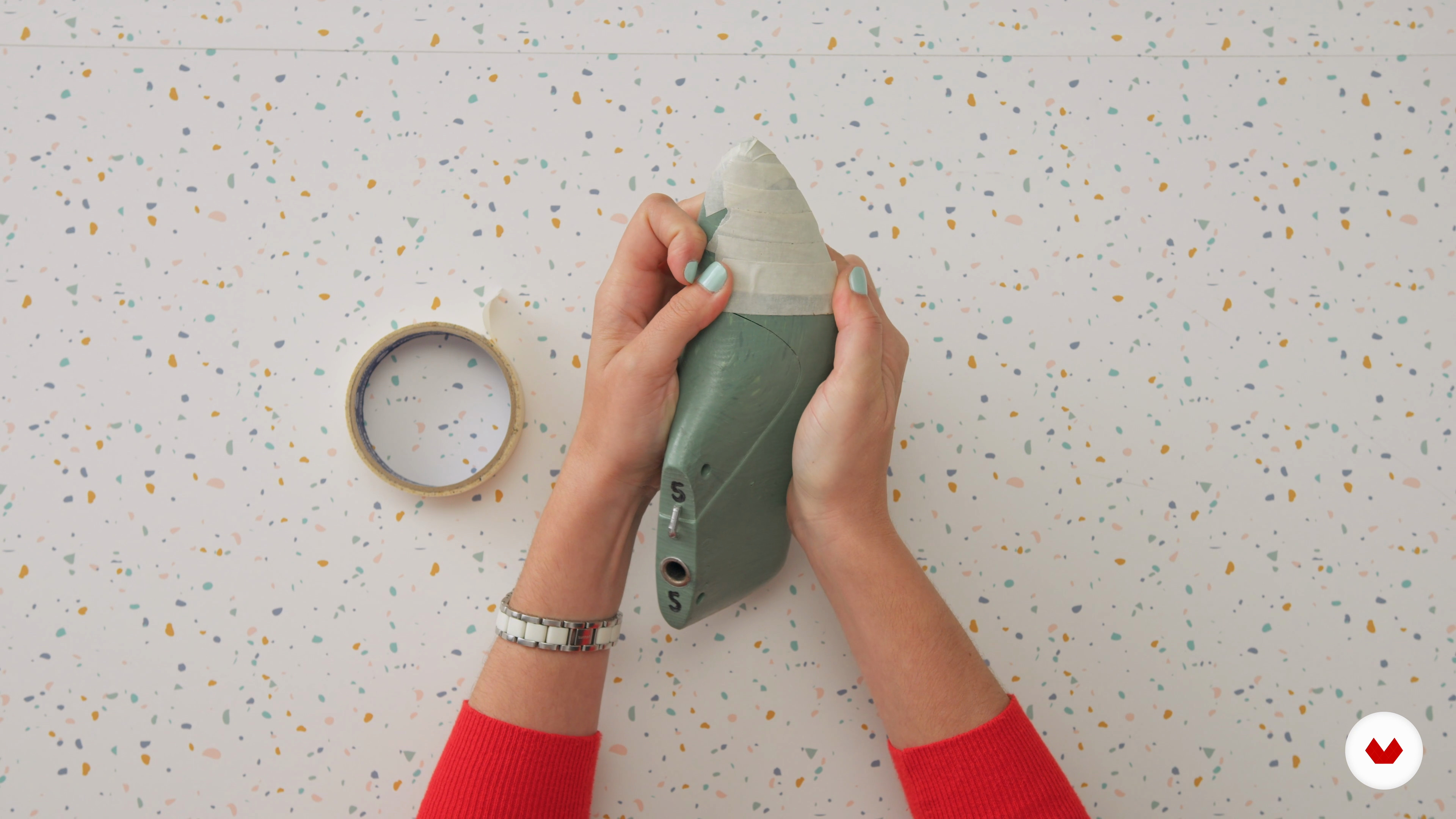
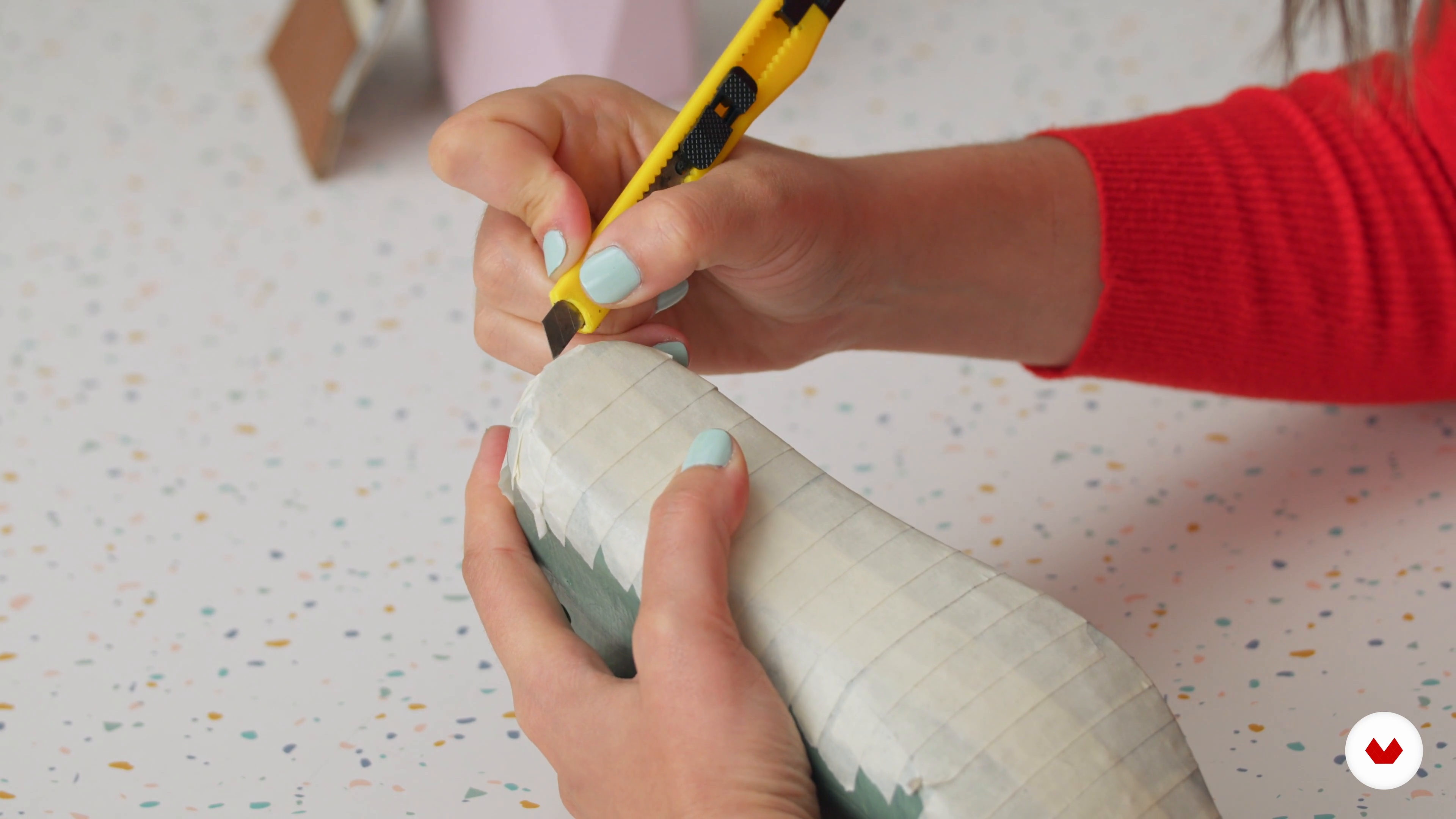
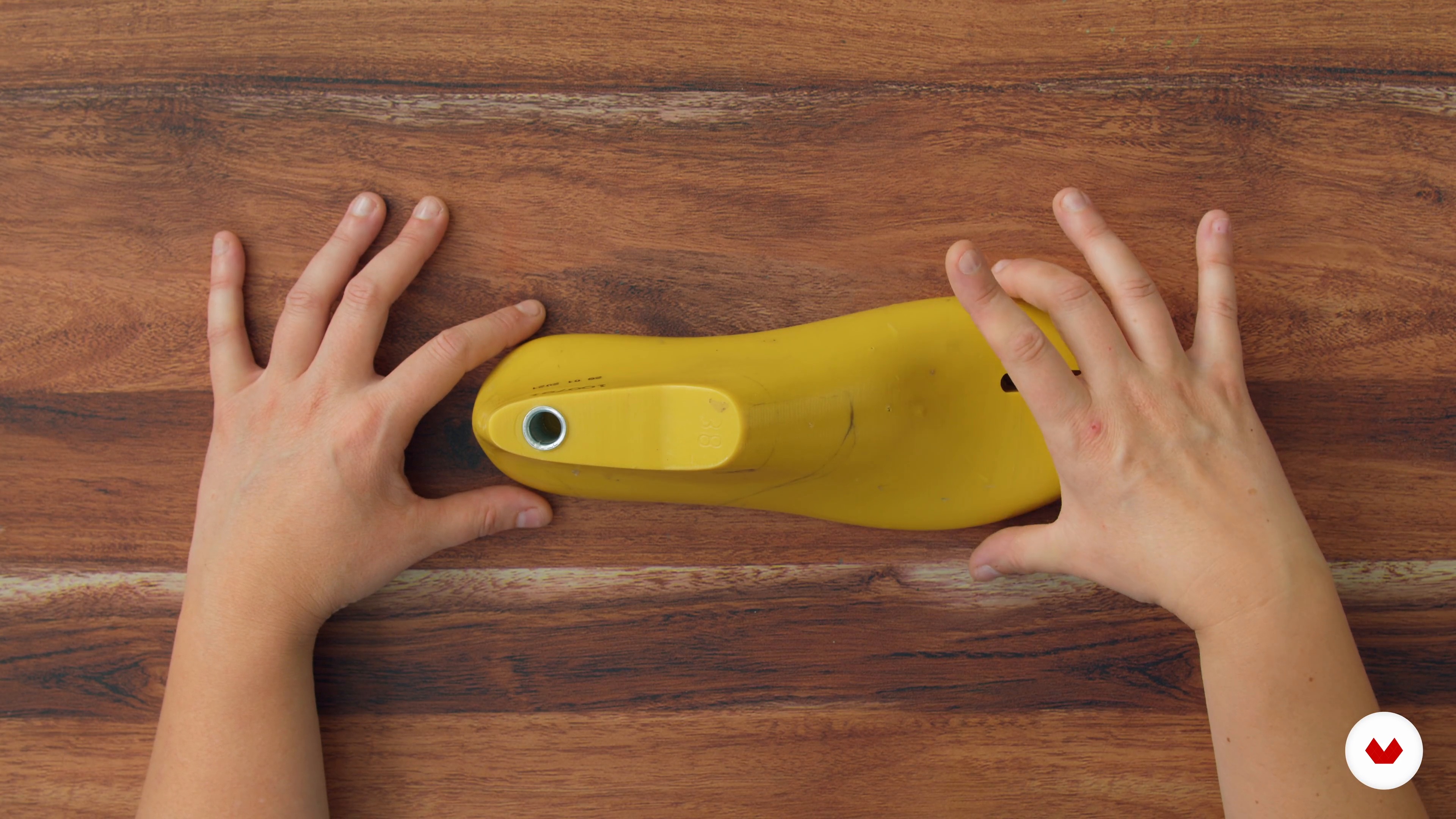
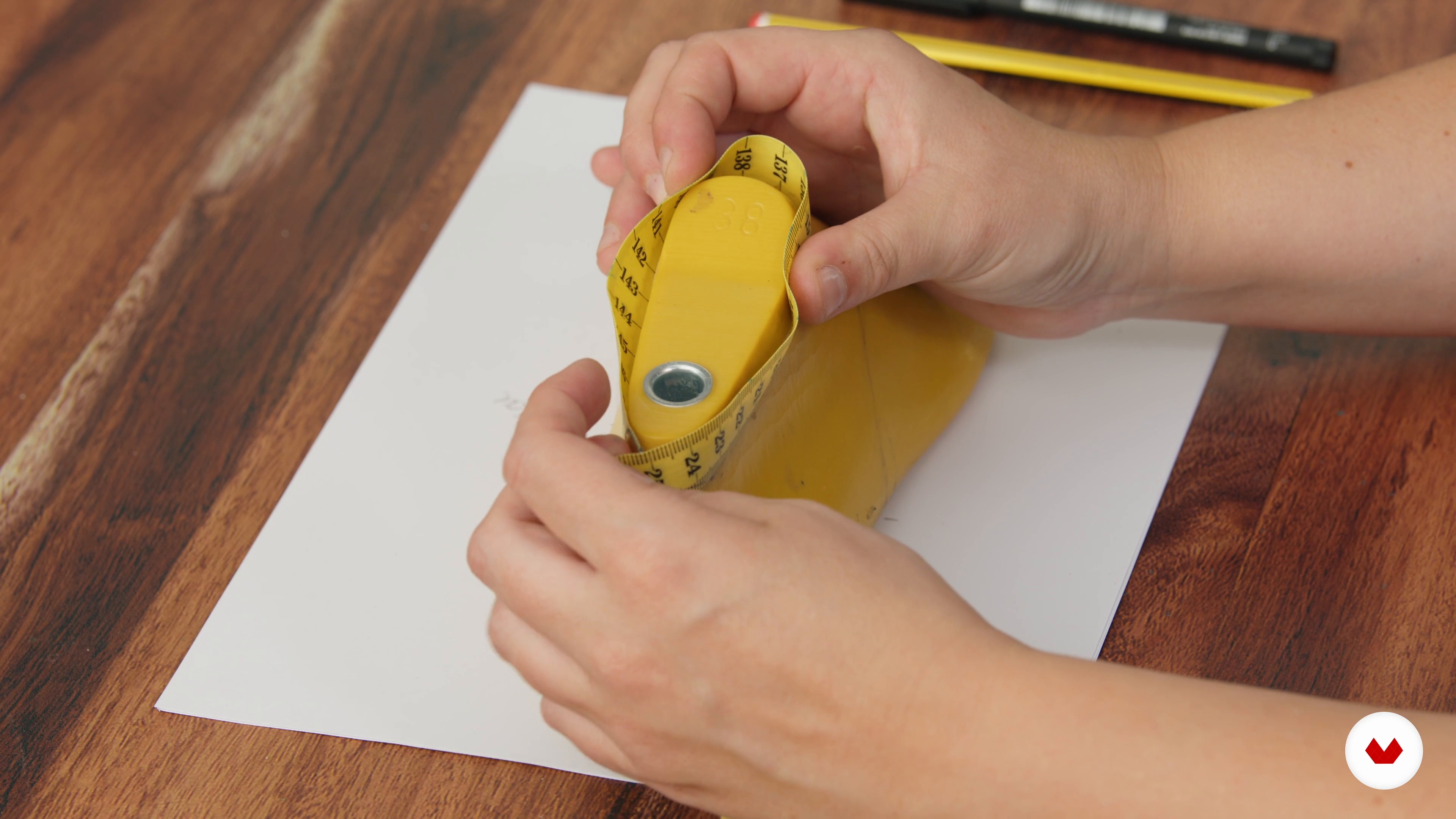
I'll start by explaining the standard process for any type of shoe: the encimiento. You will see how to tape the last and I will share some tips so you can do it the right way.
5m
image
6
Measures
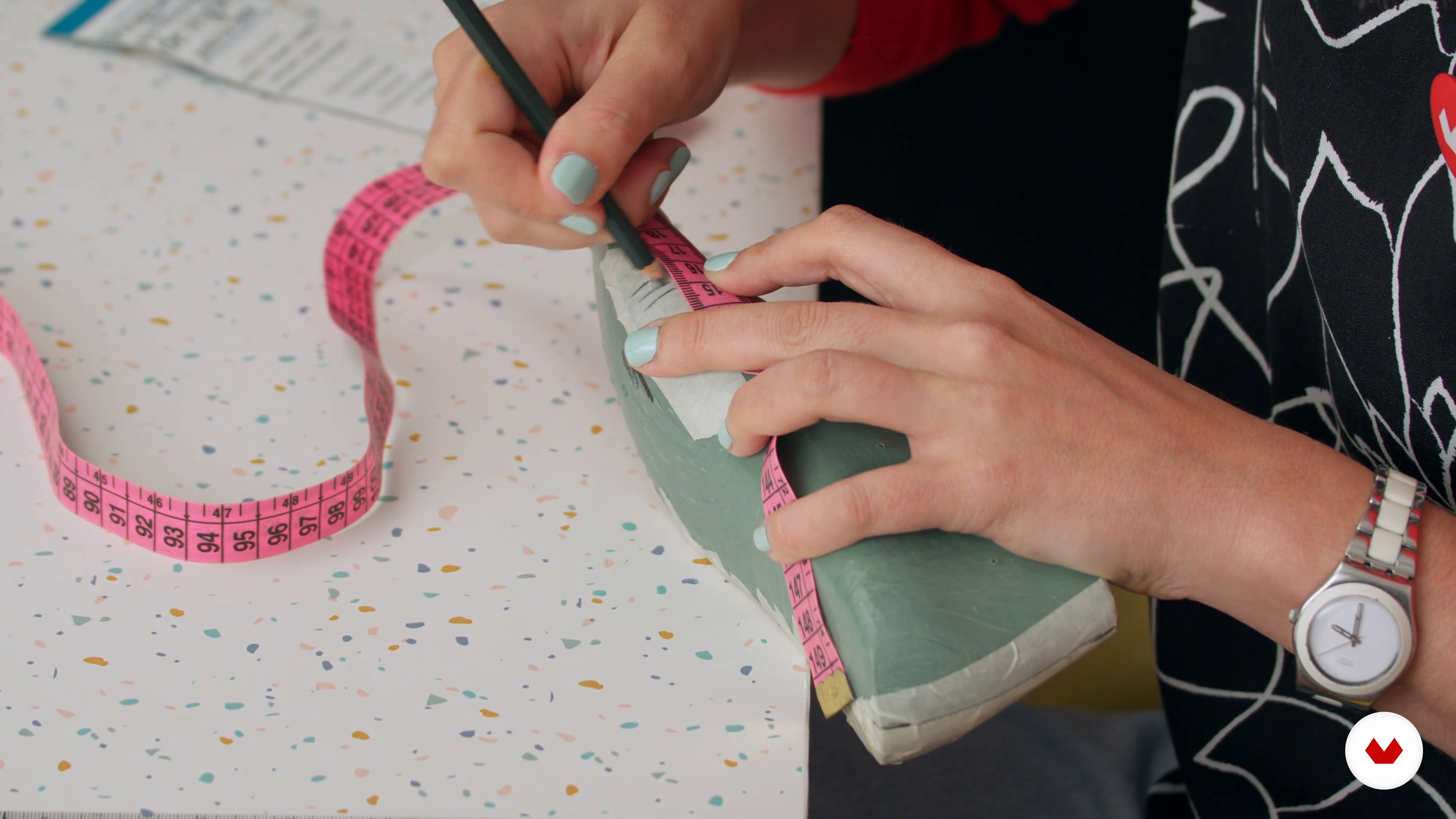
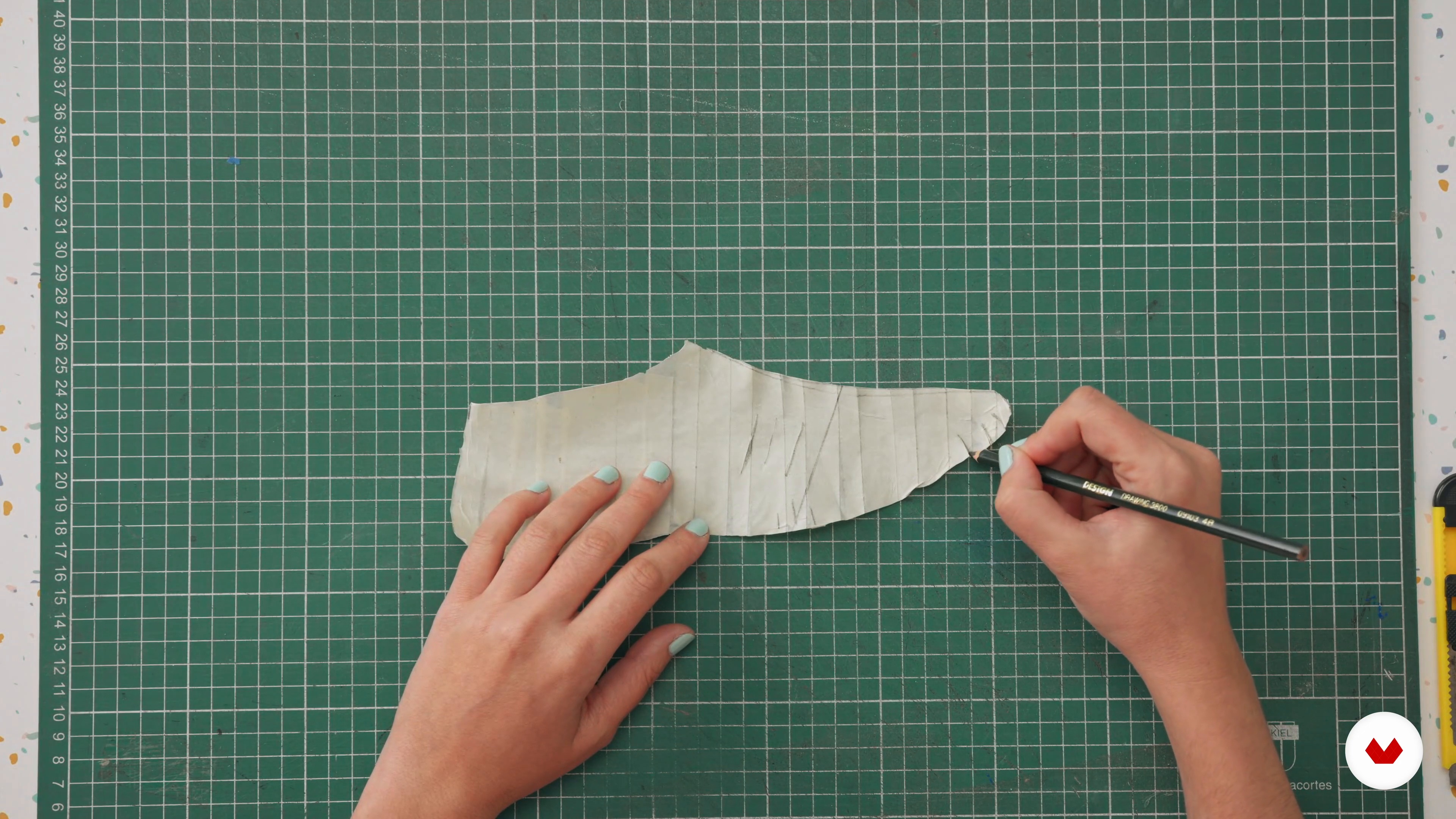
In this lesson I will teach you how to take the measurements you need to extract the mold in half to be able to make it flat.
8m
image
7
Cleaning and Gluing
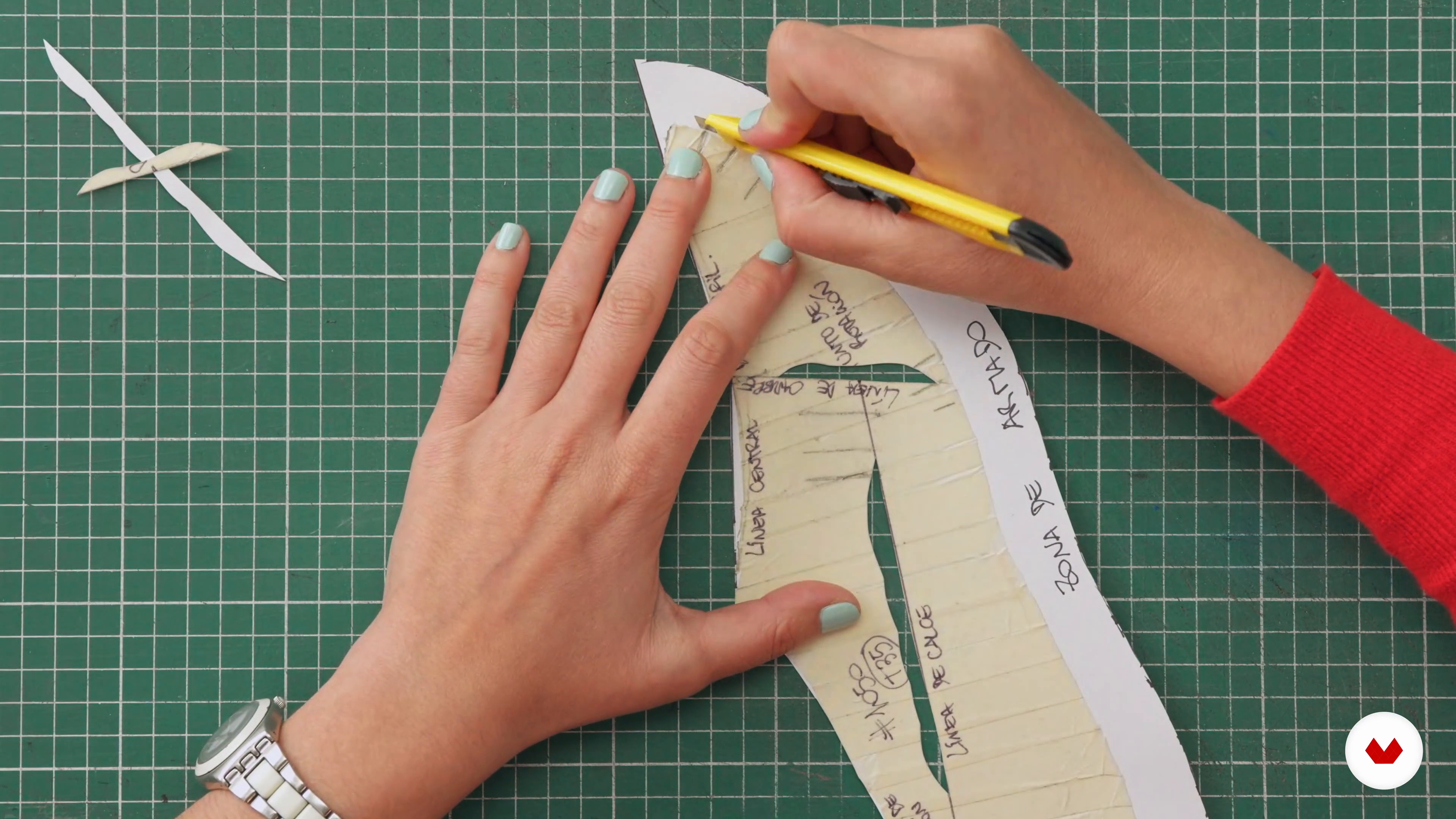
You will learn how to clean your last, in addition, I will explain how to gently peel off the tape to later stick it on the cardboard to continue the process.
8m
image
8
The Template Mold
It is time to take the next step. So I'm going to show you how to get the cast out of the view template.
6m
image
9
The Profile
I will explain how to draw some basic lines that will serve as a guide to design the moccasin. This mold that is extracted from now on we will call it 'profile'.
7m
image
10
Closed Shoe
To end the unit, you will learn how to prepare the profile for a closed shoe. In addition, I will tell you what are the important aspects that you must consider so that the closed shoe fits better.
6m
image
11
Design, Openwork, and Lining
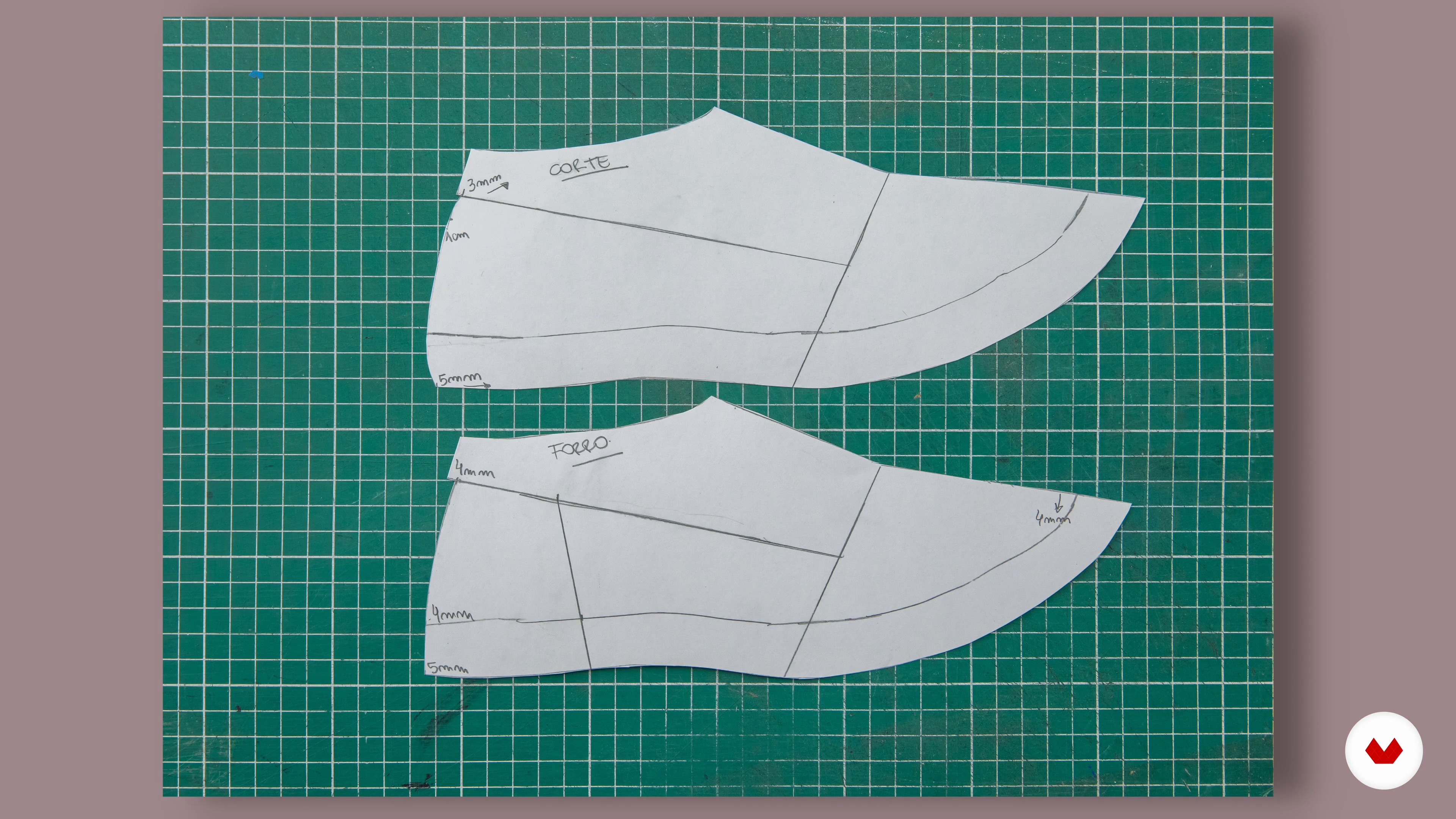
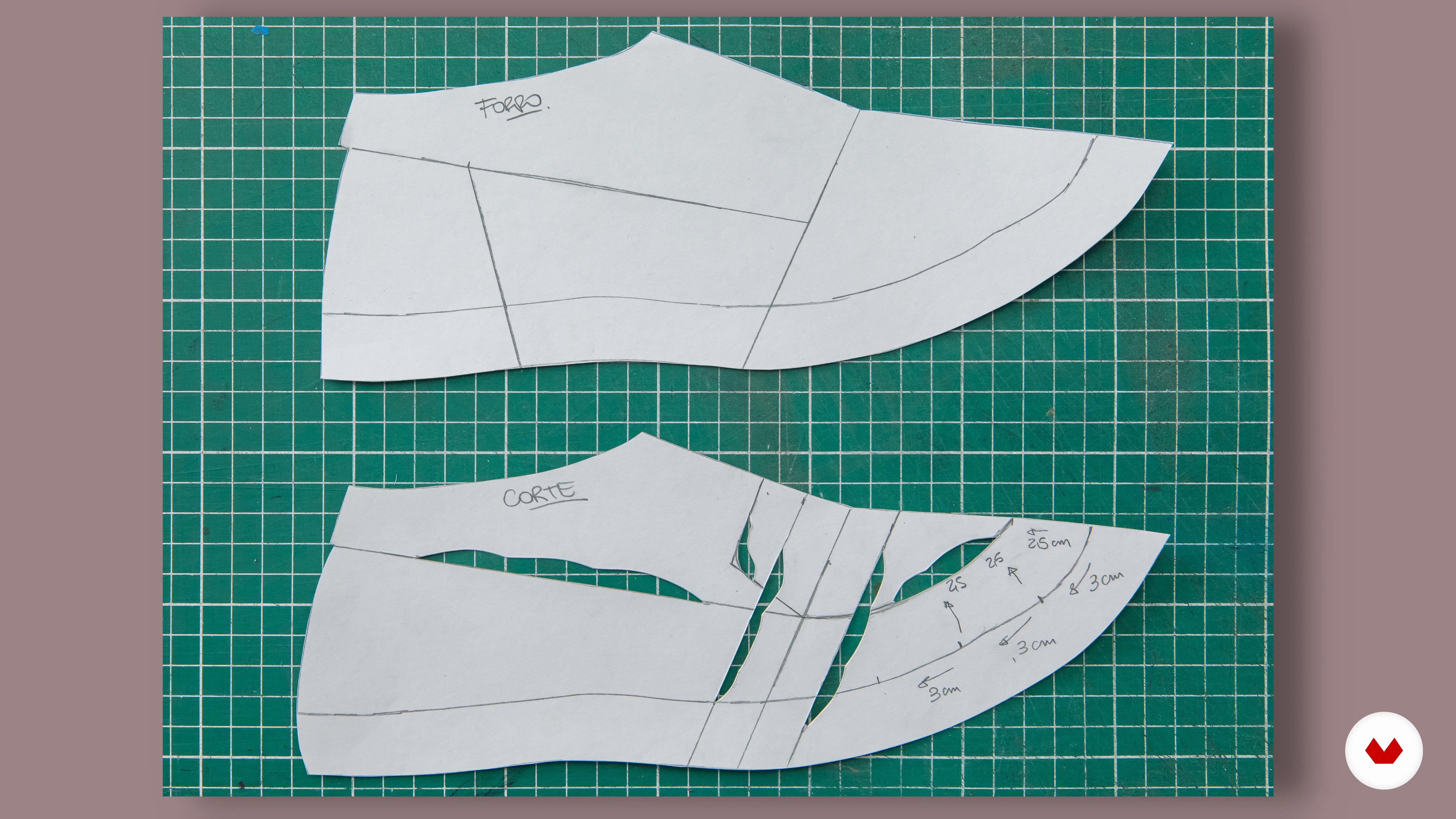
I'll start by showing you how to move the cutter over the different lines we drew earlier. You are going to see how to superimpose the cutting profile on the lining profile. In addition, you will see how to draw the moccasin on the lining profile.
8m
image
12
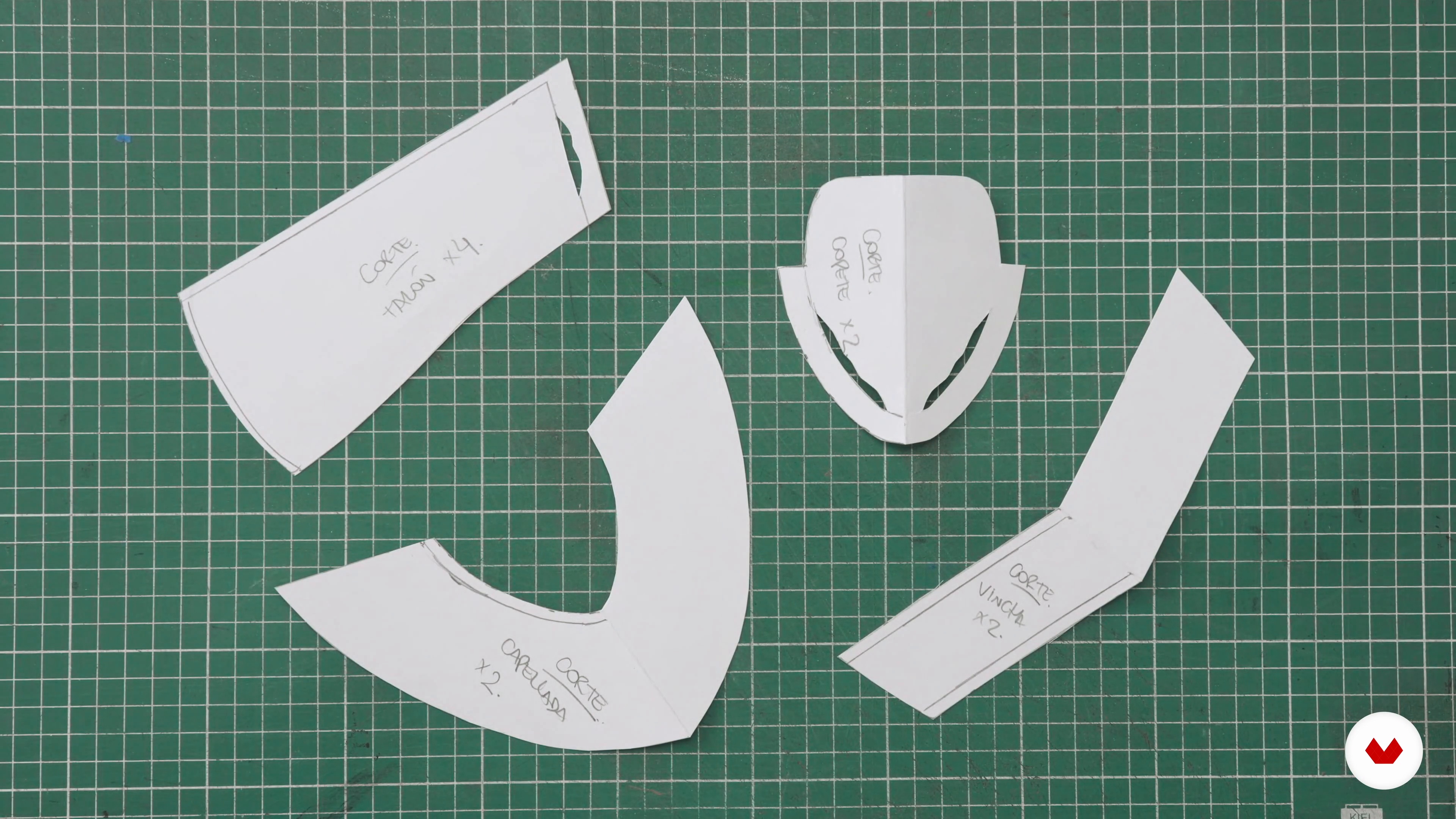
Breakdown and Cutting Margins
In this lesson you will learn how to break down the cut pieces and then give them the corresponding seam allowances.
12m
image
13
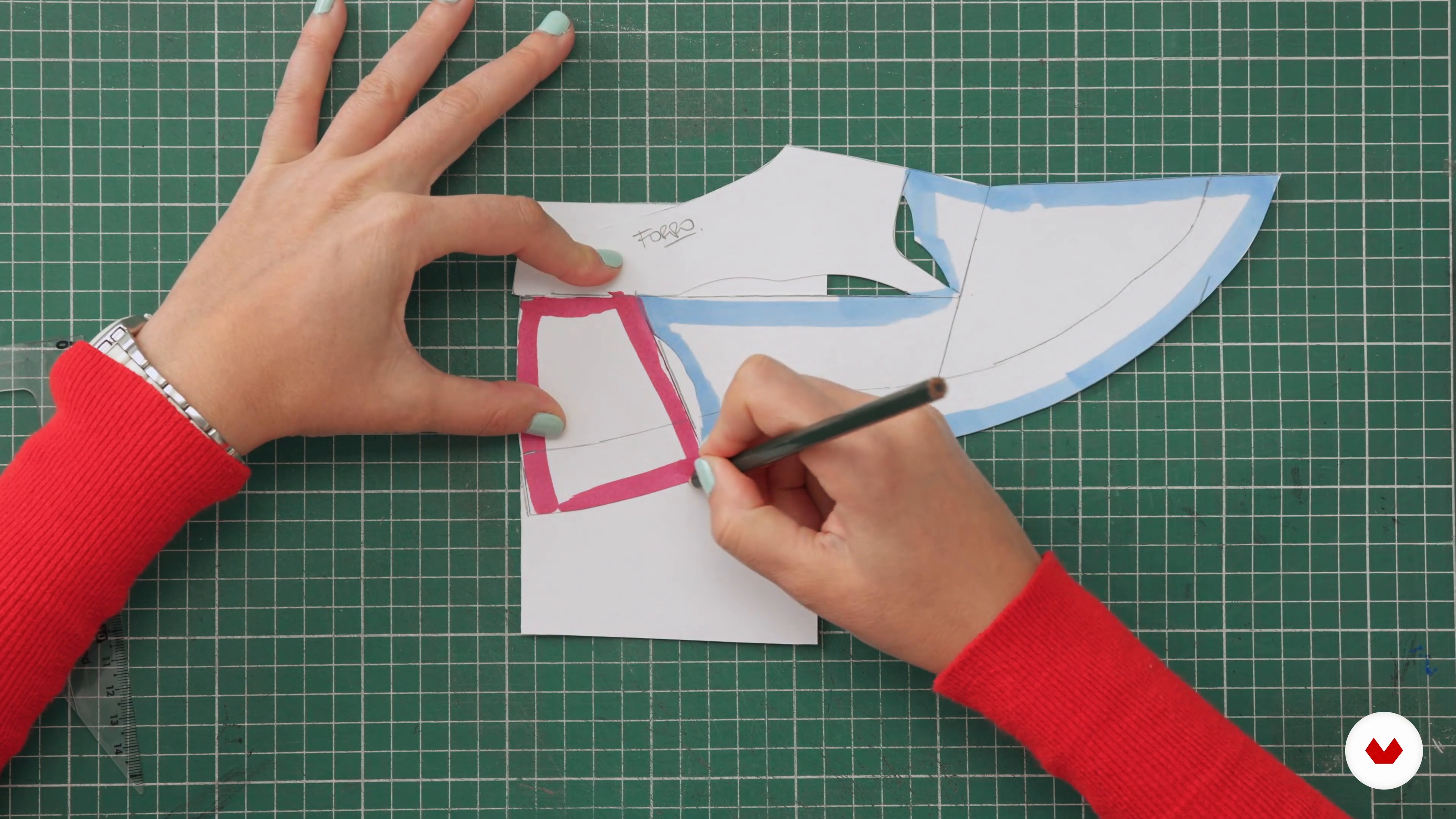
Breakdown and Lining Margins
To conclude this unit, I'll show you how to give lining pieces seam allowance. By the end of this lesson, you will have the mold ready to cut the leather.
6m
image
14
Data Sheet
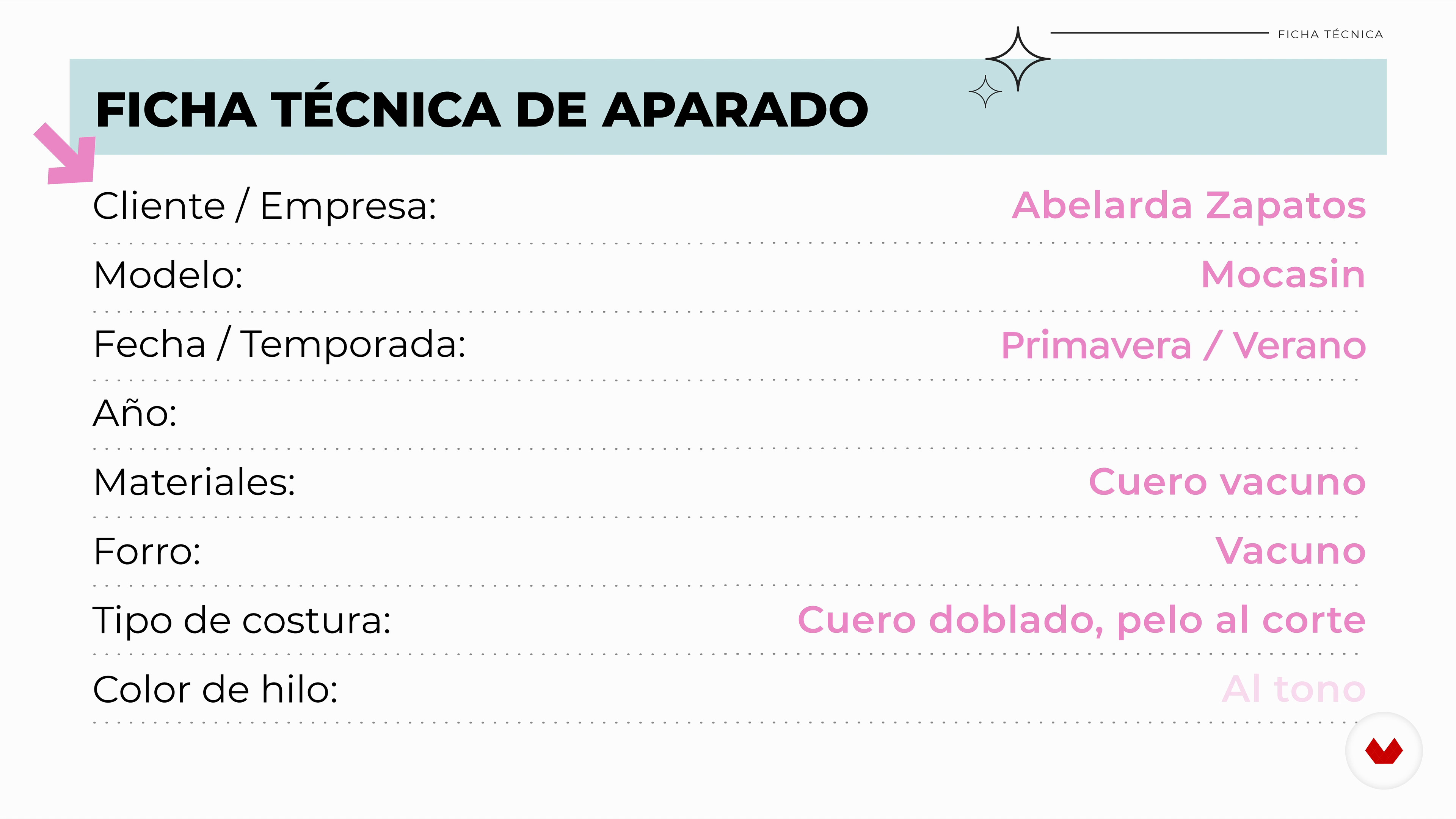
I will start by showing you how to complete a technical sheet, in case you want to make your moccasin.
3m
image
15
Fabrication Process
Finally, in this lesson, you will learn the processes your mold will go through once you send it to the manufacturer.
5m
image
3
Materials and tools
In this lesson I will tell you about the different materials and the tools that we will use to make the sandals during the course.
6m
image
4
Foot anatomy
It is time to get to know our foot, the key points to make a good sandal and the most common mistakes that we can find in them. Go for it!
2m
image
5
The last
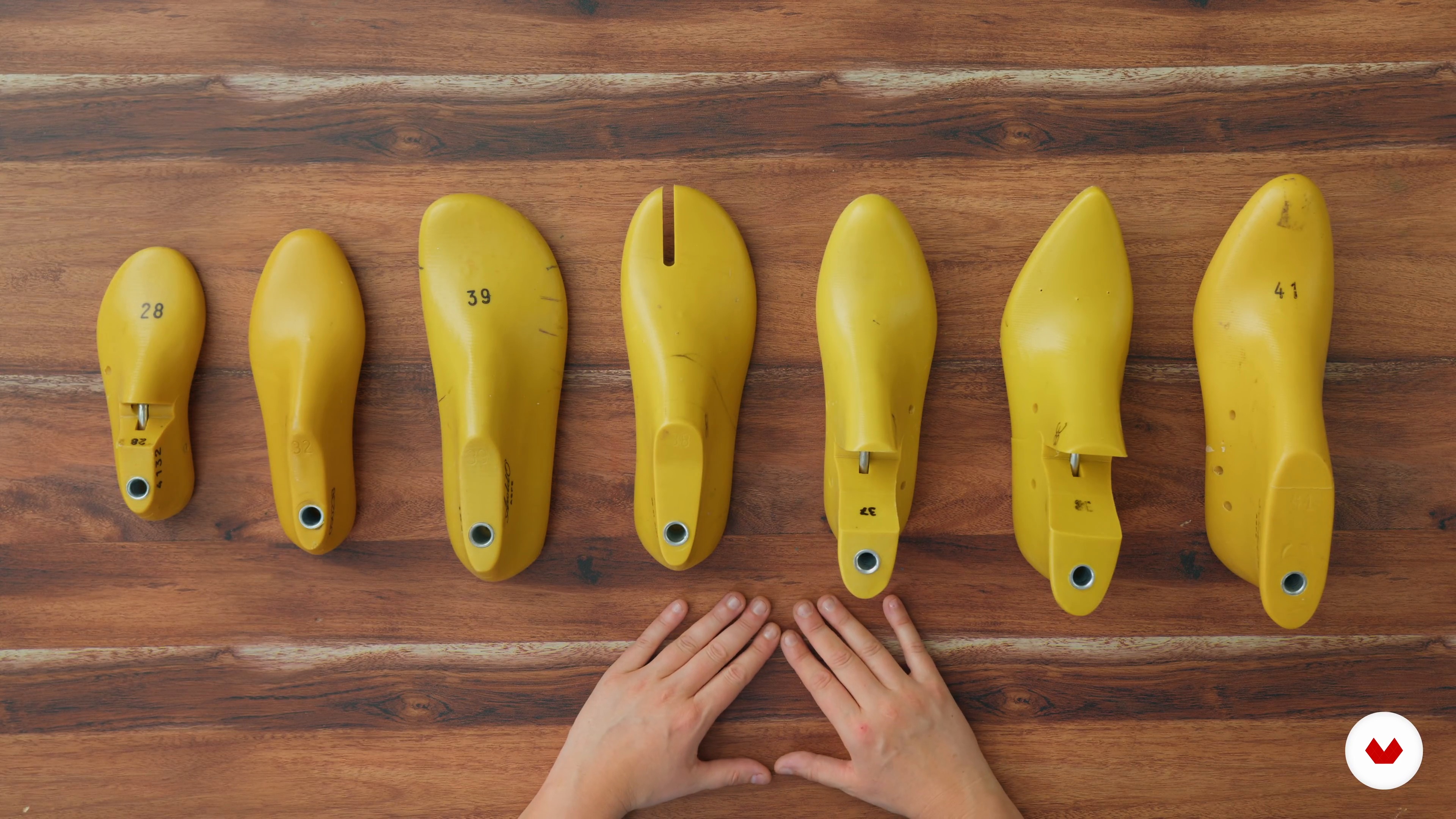
Now I am going to explain the different lasts that are on the market. We will see what they are for and what materials we can find them.
3m
image
6
How to get the measurements of our foot
In this lesson I am going to teach you how to take the measurements of the foot to be able to make the sandals and have them with the measurements that we want.
3m
image
7
The sketch
In this lesson I am going to give you tips to draw a sketch of the type of sandal you want to make as a course project.
7m
image
8
Model of the design and pattern
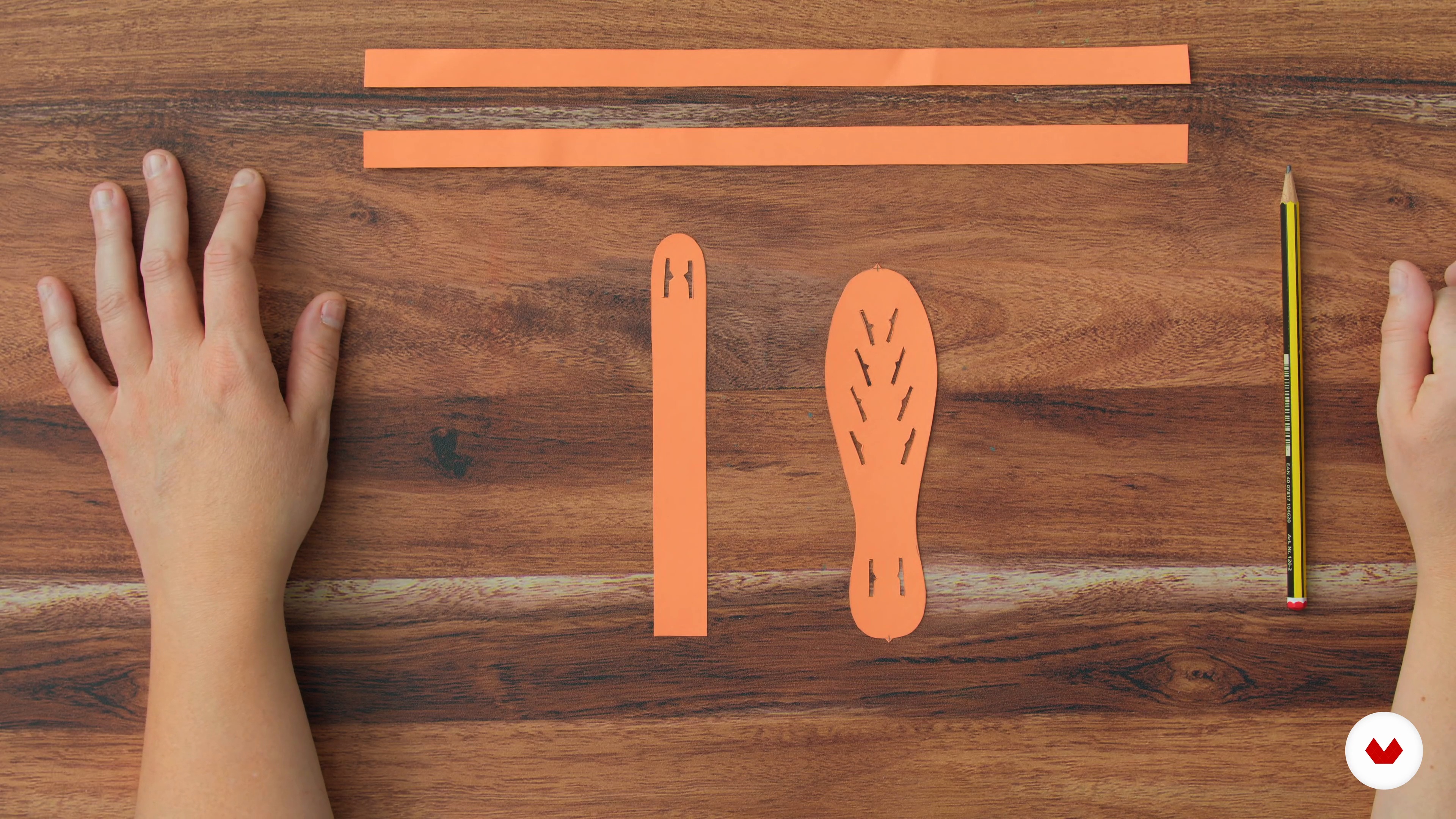
Now it's time to create a model of the sandal that you have previously drawn in the sketches. So you can get the patterns.
8m
image
9
Getting started: the template
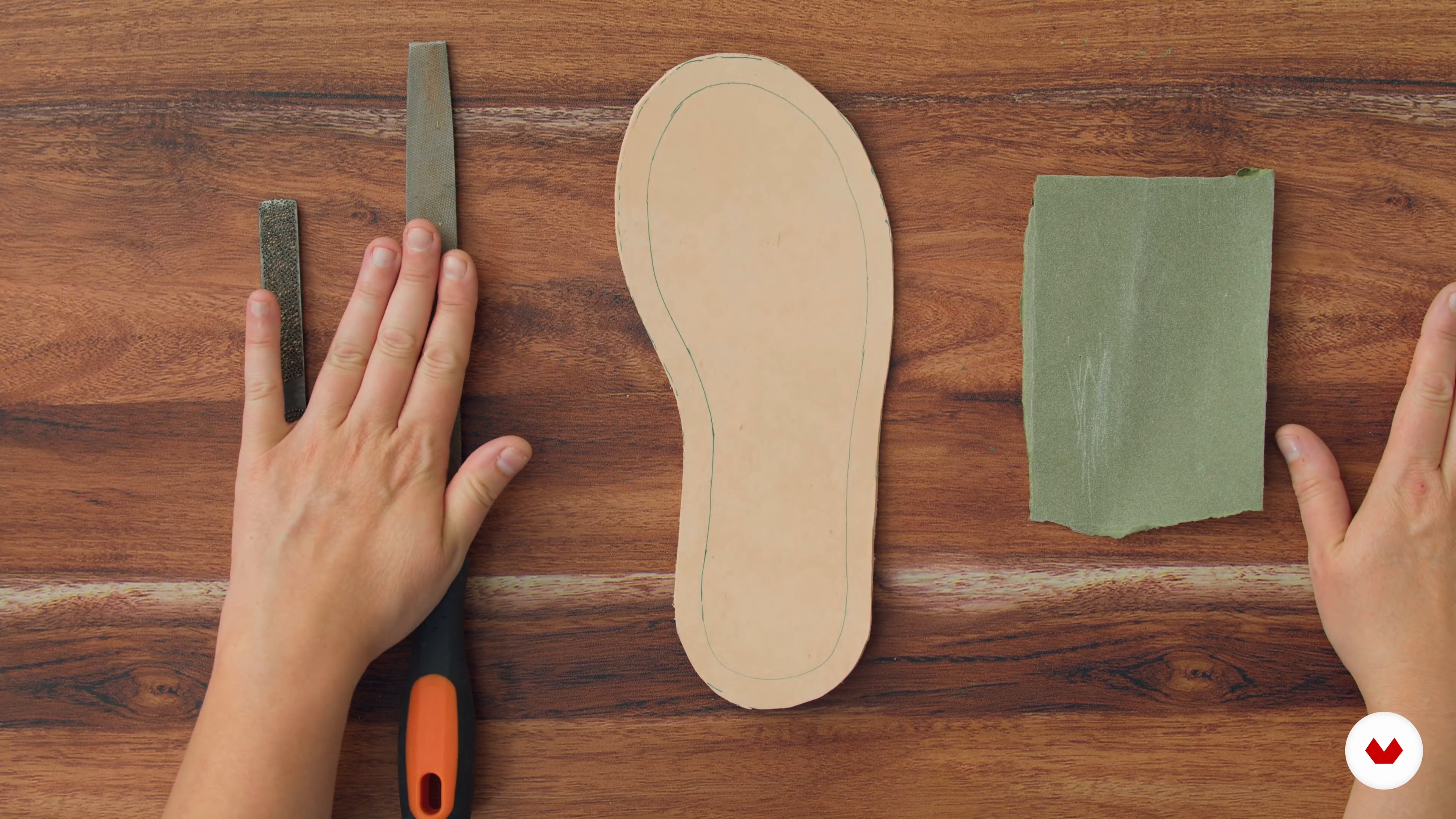
In this lesson we will start to cut the pattern of our template with the corresponding size that we need. Then we will trace it on top of the skin.
4m
image
10
The straps and the heel
Now we are going to mark and cut the straps and the heel to have the pieces that will form the sandal and assemble it.
9m
image
11
Glued strips and heel
It is time to glue the different pieces that we have cut in leather in the previous lesson in their corresponding position in the template.
6m
image
12
The sole
The next parts of the sandal that we are going to work on will be the sole and the heel. In this lesson I will explain step by step how to achieve it.
7m
image
13
Possible decorations
Finally, we are going to apply some final touches to the sole to finish the sandal. Later I will talk about different possibilities to decorate it, from tacks to handmade drawings.
5m
image
14
Care tips
We have done a very nice job and we want it to last over time. In this lesson I will give you some tips on how to take care of your sandals and that the leather is always in good condition.
3m
image
15
How to publicize our product
Finally, I am going to explain step by step how I go about presenting the product to the customer by creating attractive packaging.
2m
image
3
History
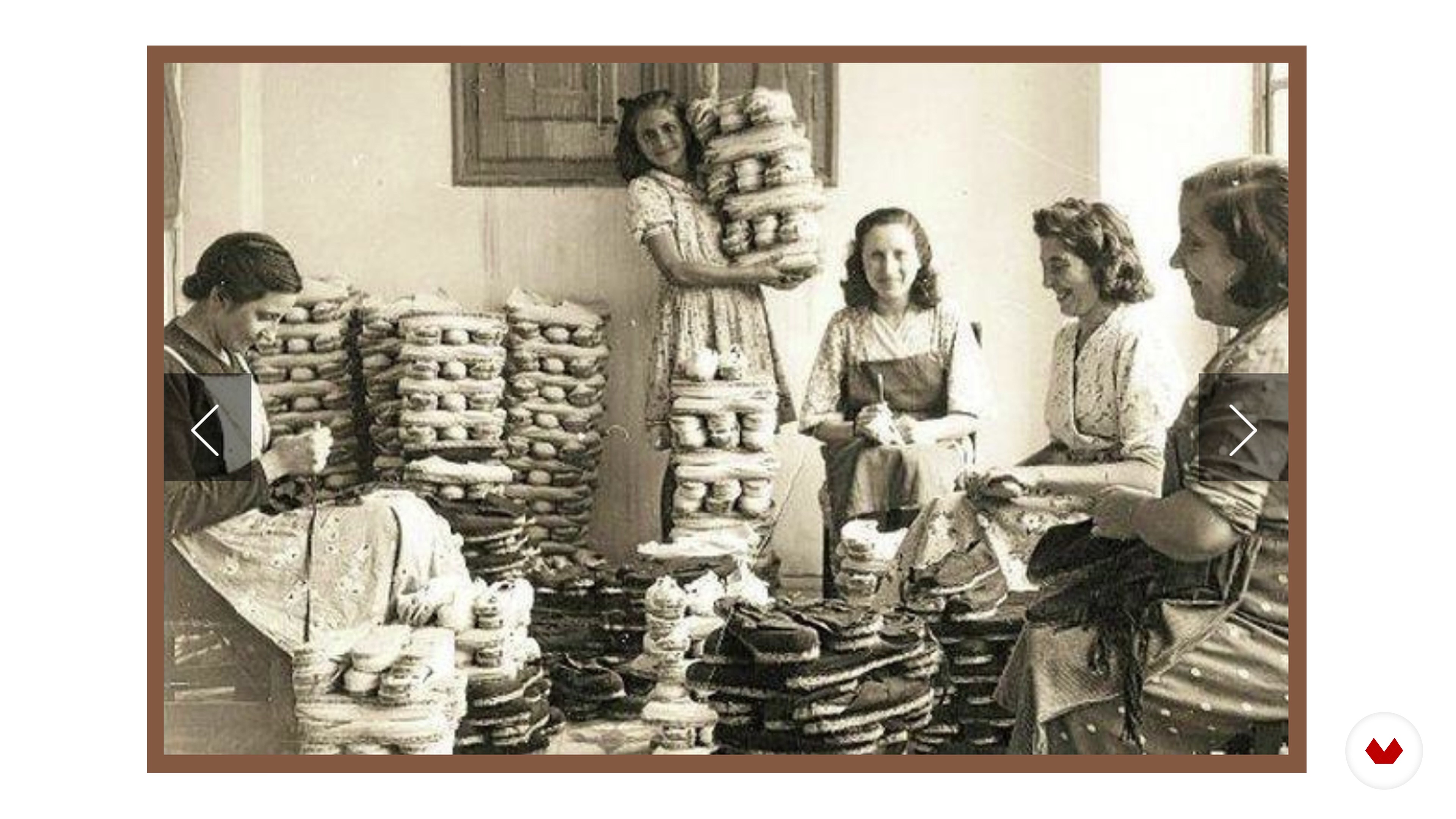
We will start the course knowing the origins of espadrilles. Where they come from and how it has evolved to this day.
4m
image
4
Elements, characteristics and materials
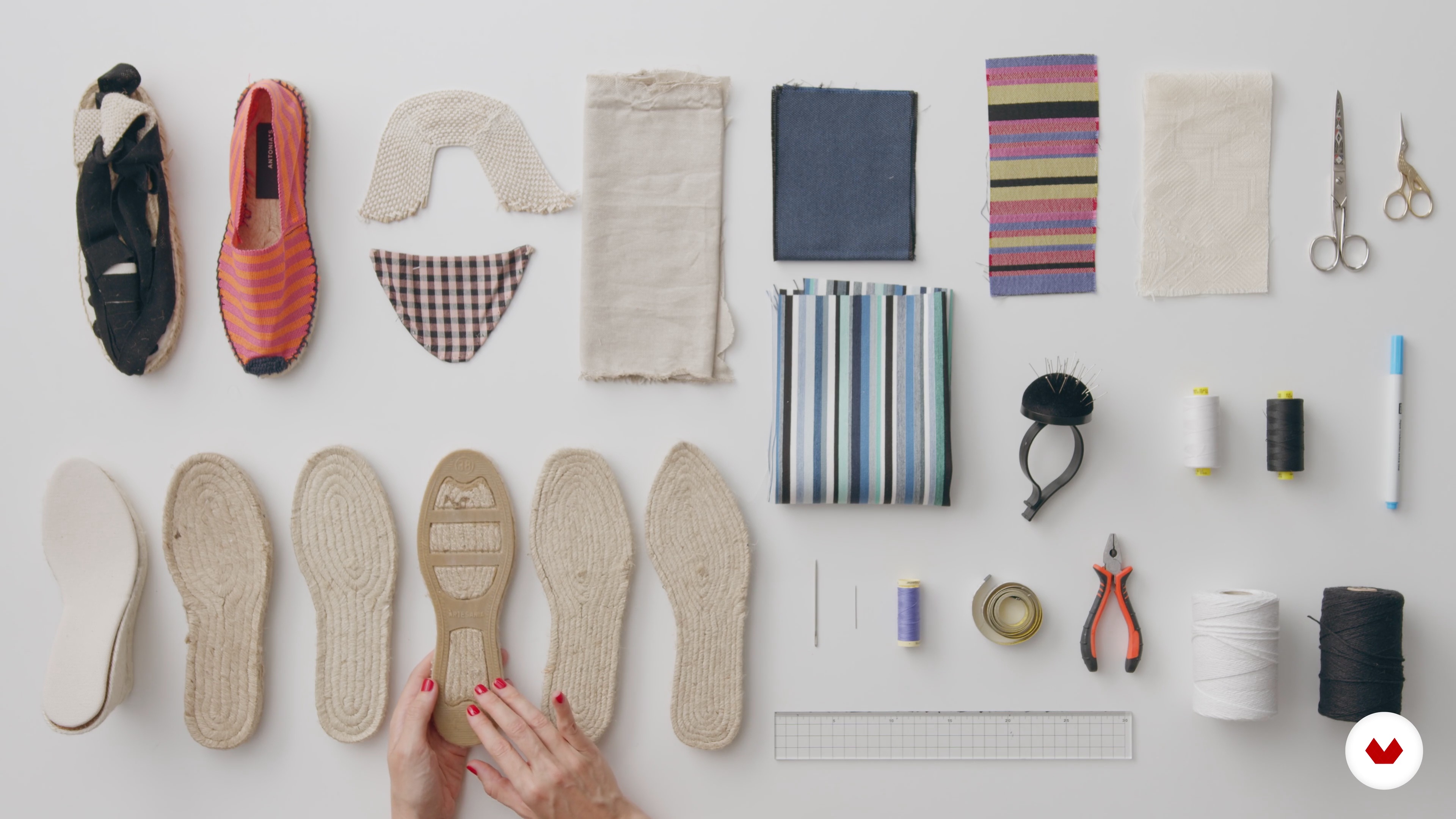
In this lesson you will know the technical characteristics and the pieces that make up a traditional espadrille. We will talk about recommended fabrics and different types of soles and patterns traditionally used in their manufacture.
12m
image
5
Modifications
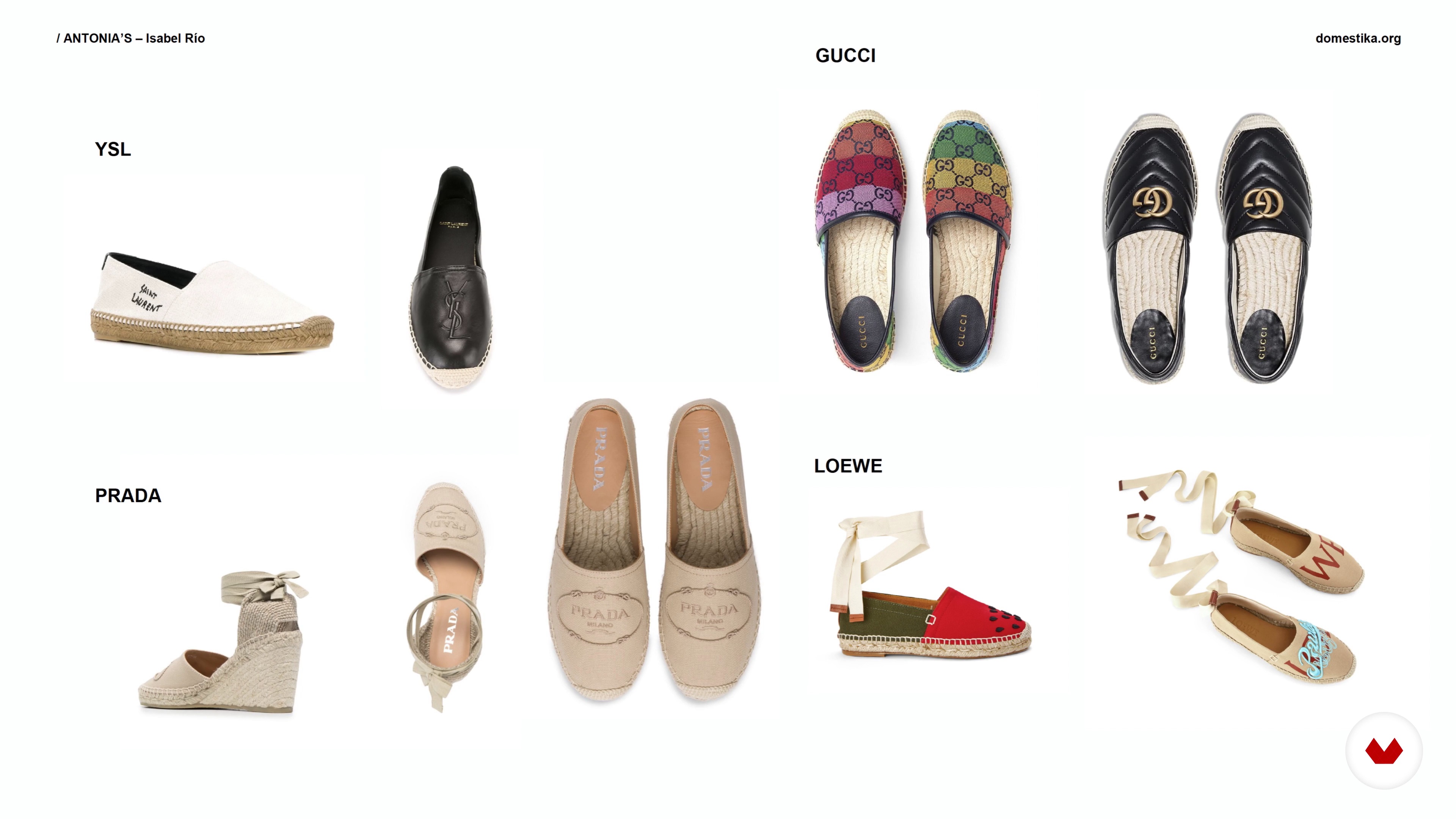
In the previous lesson we learned about the basic elements that make up an espadrille. In this lesson you will see the modifications that designers and brands have made throughout the history of fashion. In addition, I will tell you about the world of possibilities that exist to create a unique espadrille.
6m
image
6
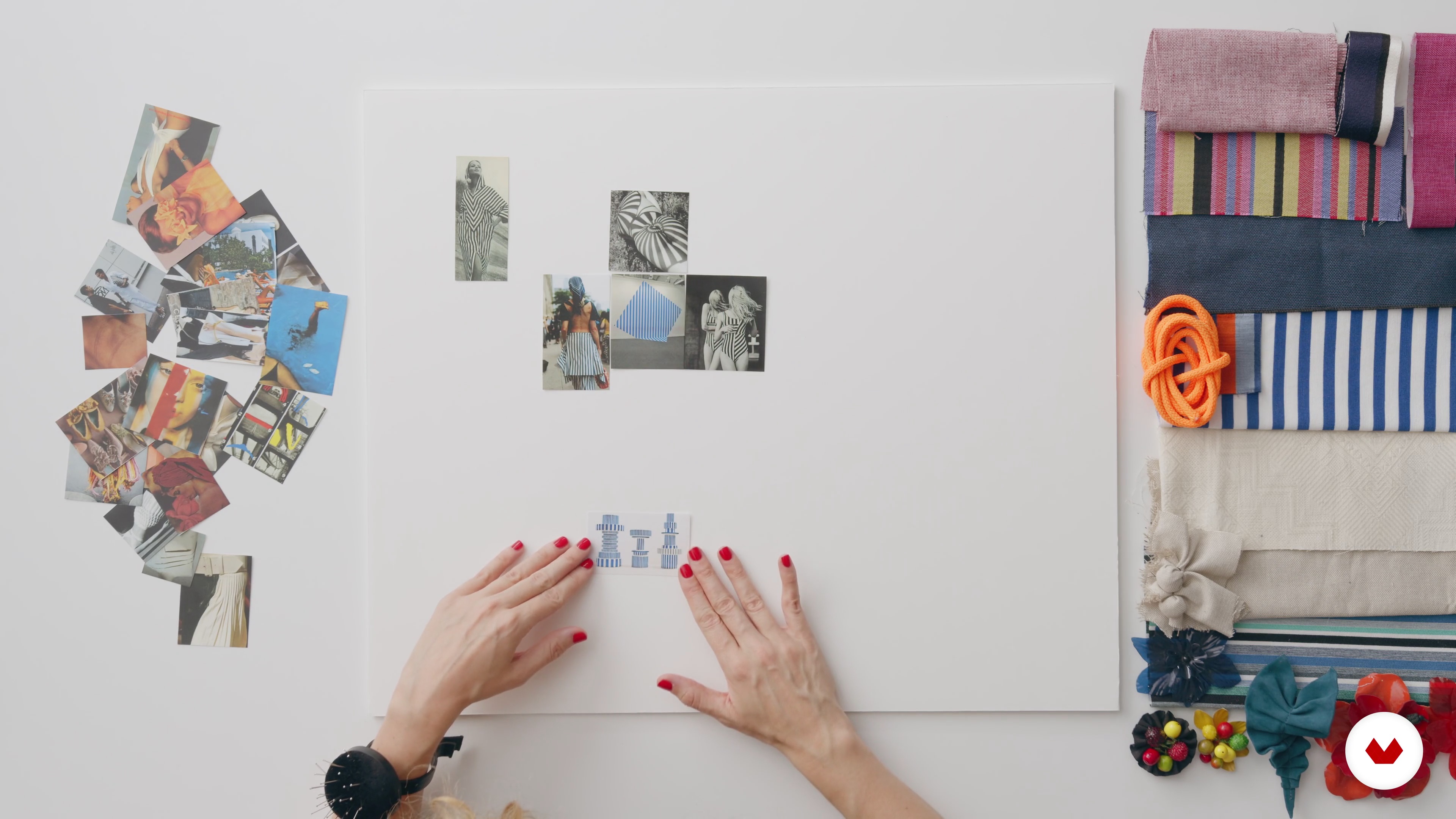
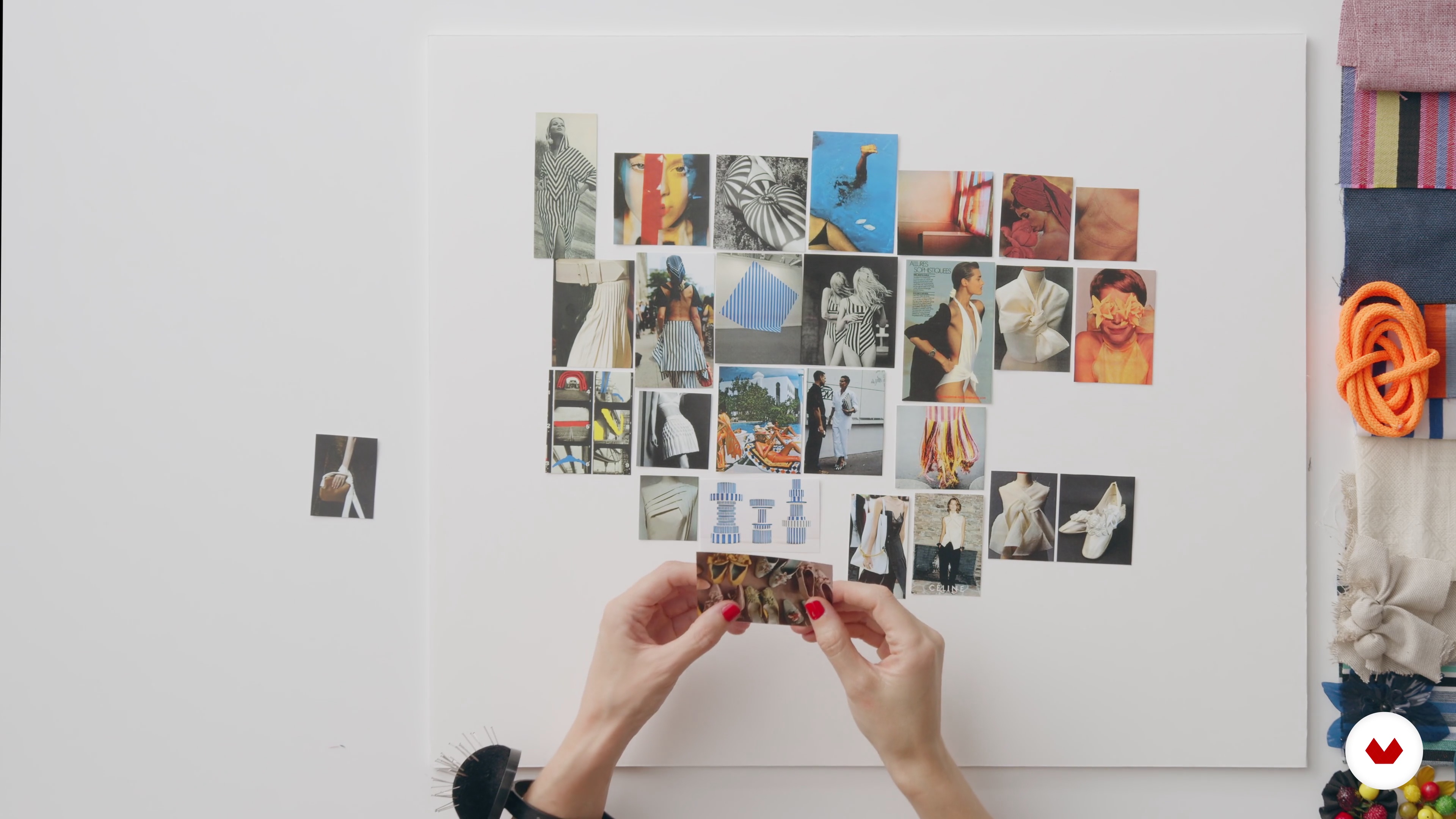
Mood board 1
In this lesson I will talk about influences and personal inspirations that define our DNA as creative. Our goal is to build a mood board that will serve as a reference to continue with our project.
15m
image
7
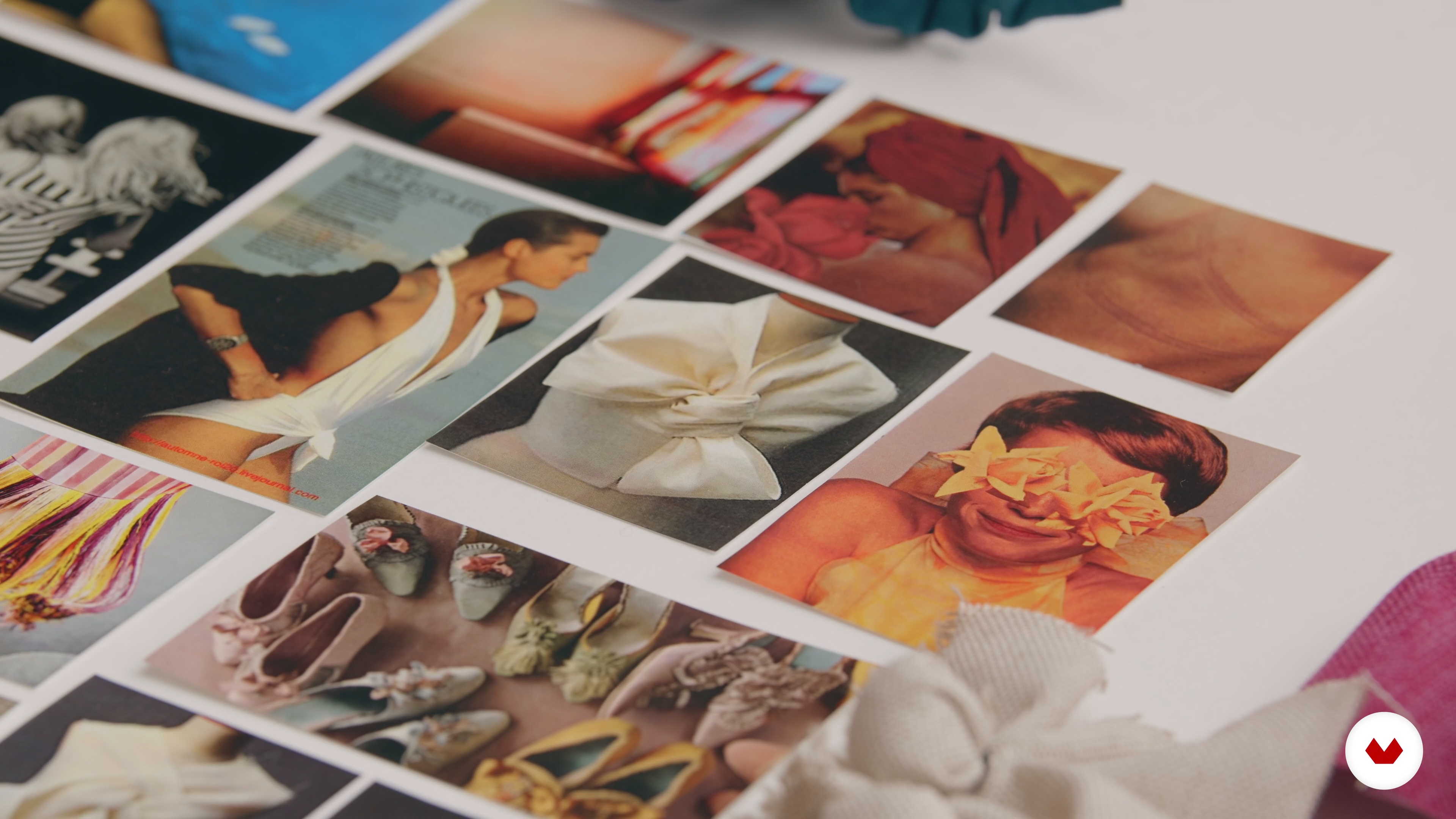
Mood board 2
At this stage we will continue with the creation of the mood board. I am going to add textile elements and others that I found. Everything will serve as a reference and inspiration to continue with our project.
11m
image
8
Textile experimentation: knots
Now that we have our mood board, we will begin the textile experimentation. This part is the most important part of the creative process for me. Experiment through play, without fear of making mistakes and with maximum creative freedom. You will learn to let yourself go and create in a free way. We will create samples that will serve us for the next step in our project.
18m
image
9
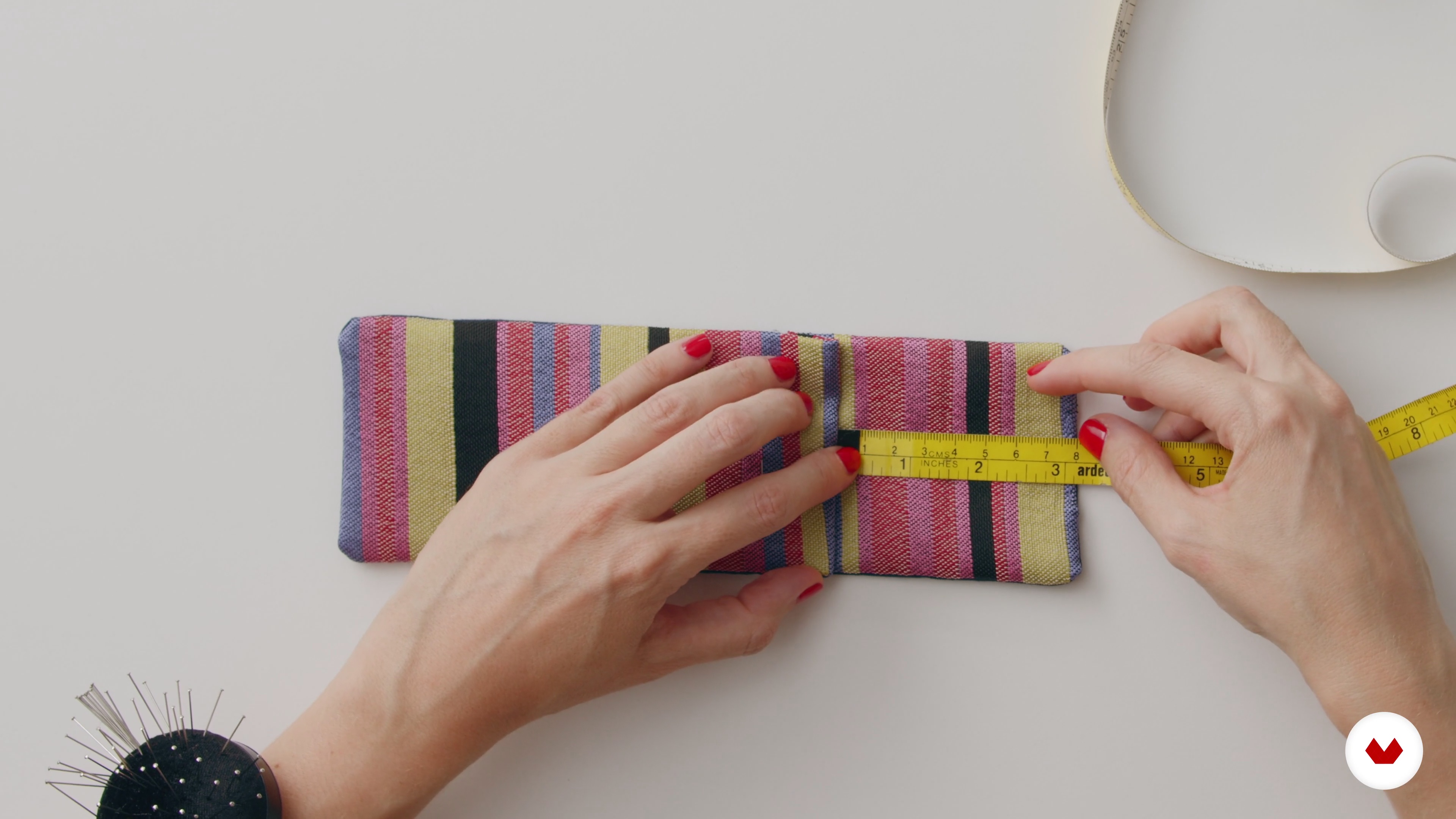
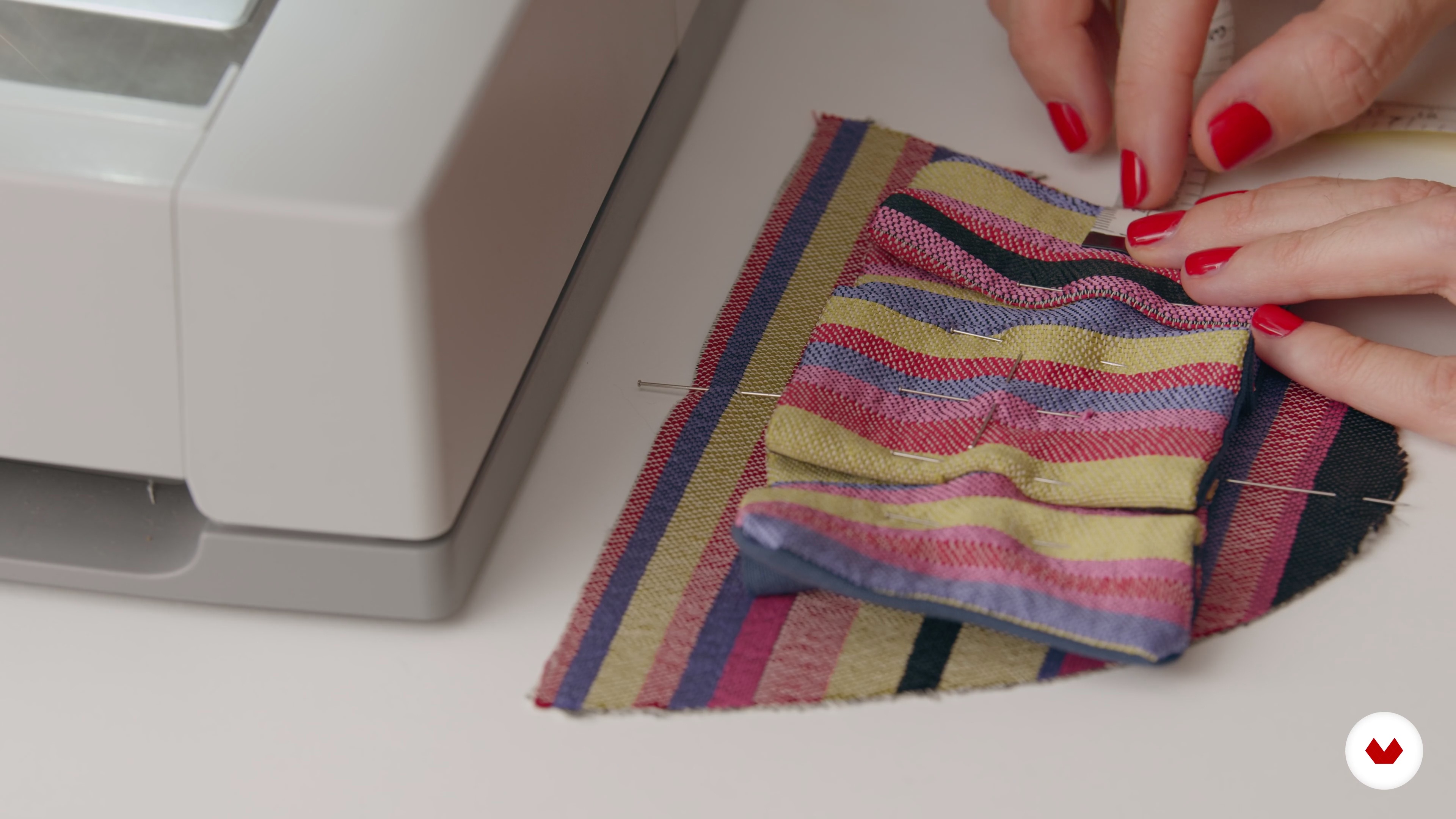
Textile experimentation: pleats and pleating
We continue our textile experimentation with manipulation through irregular pleats and paneling. We will continue playing to have the greatest number of tests from which to choose our project.
20m
image
10
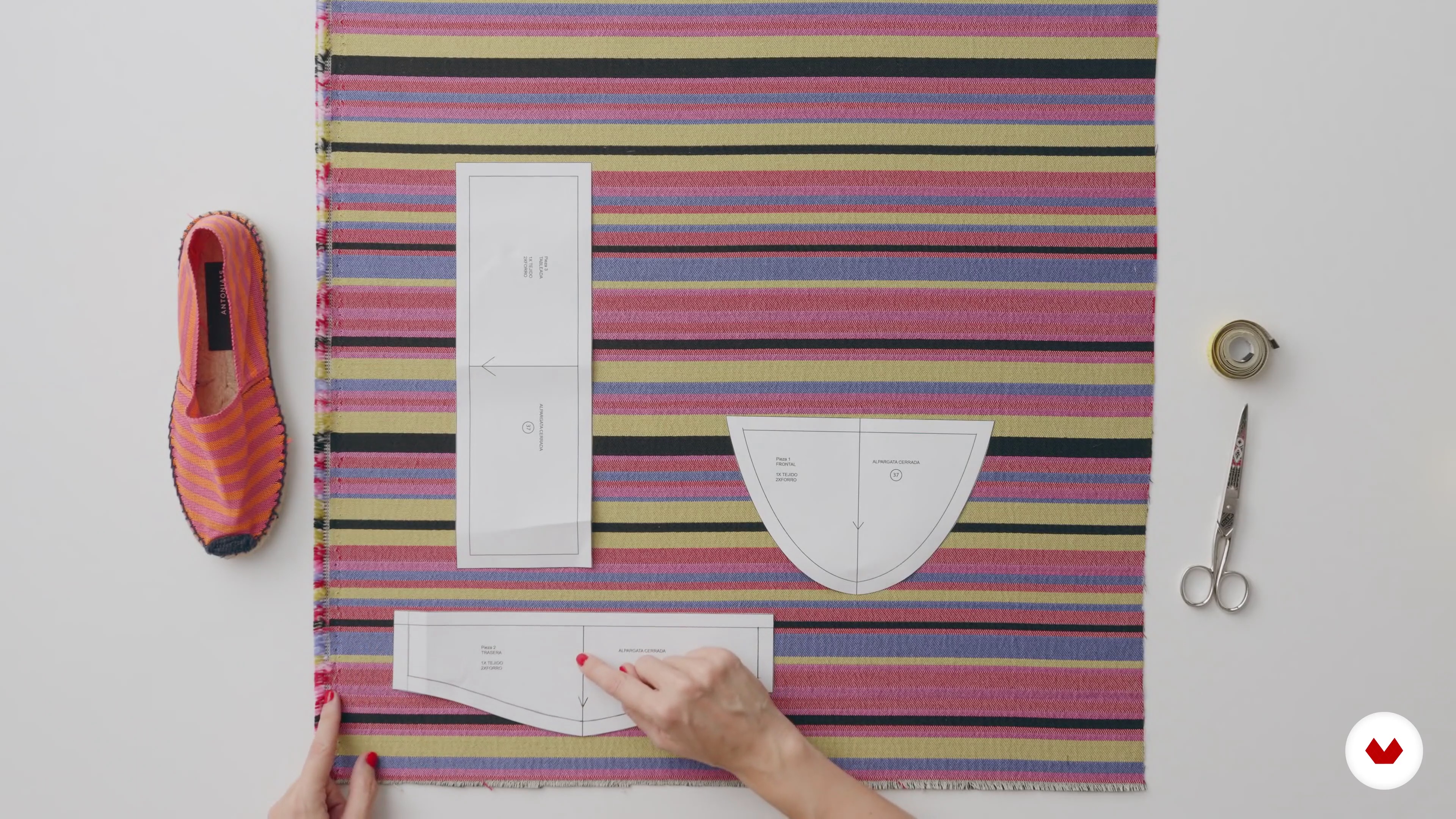
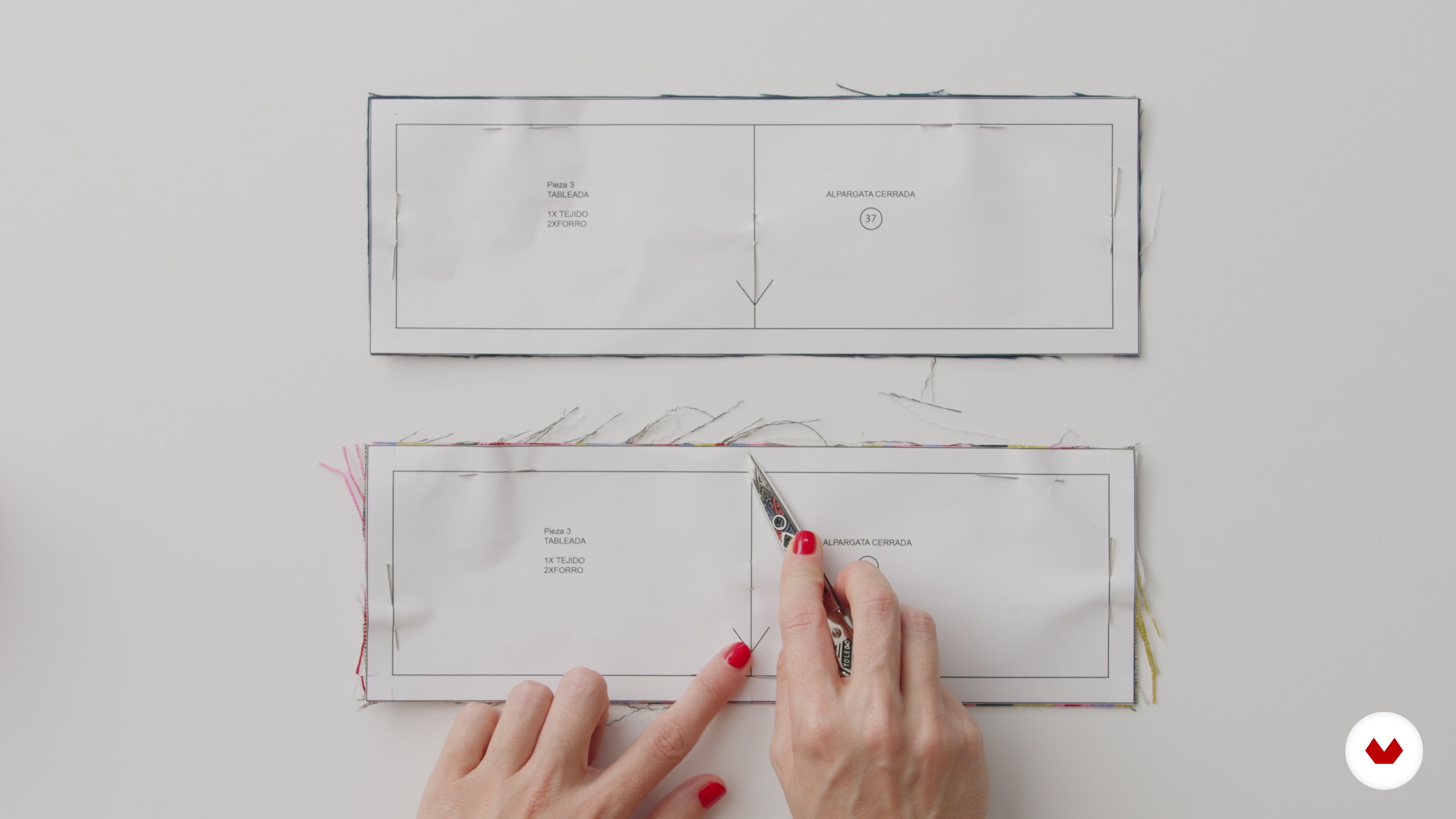
Pattern
I will start by cutting the pattern on the fabric and show you different aspects and ways to do it correctly.
20m
image
11
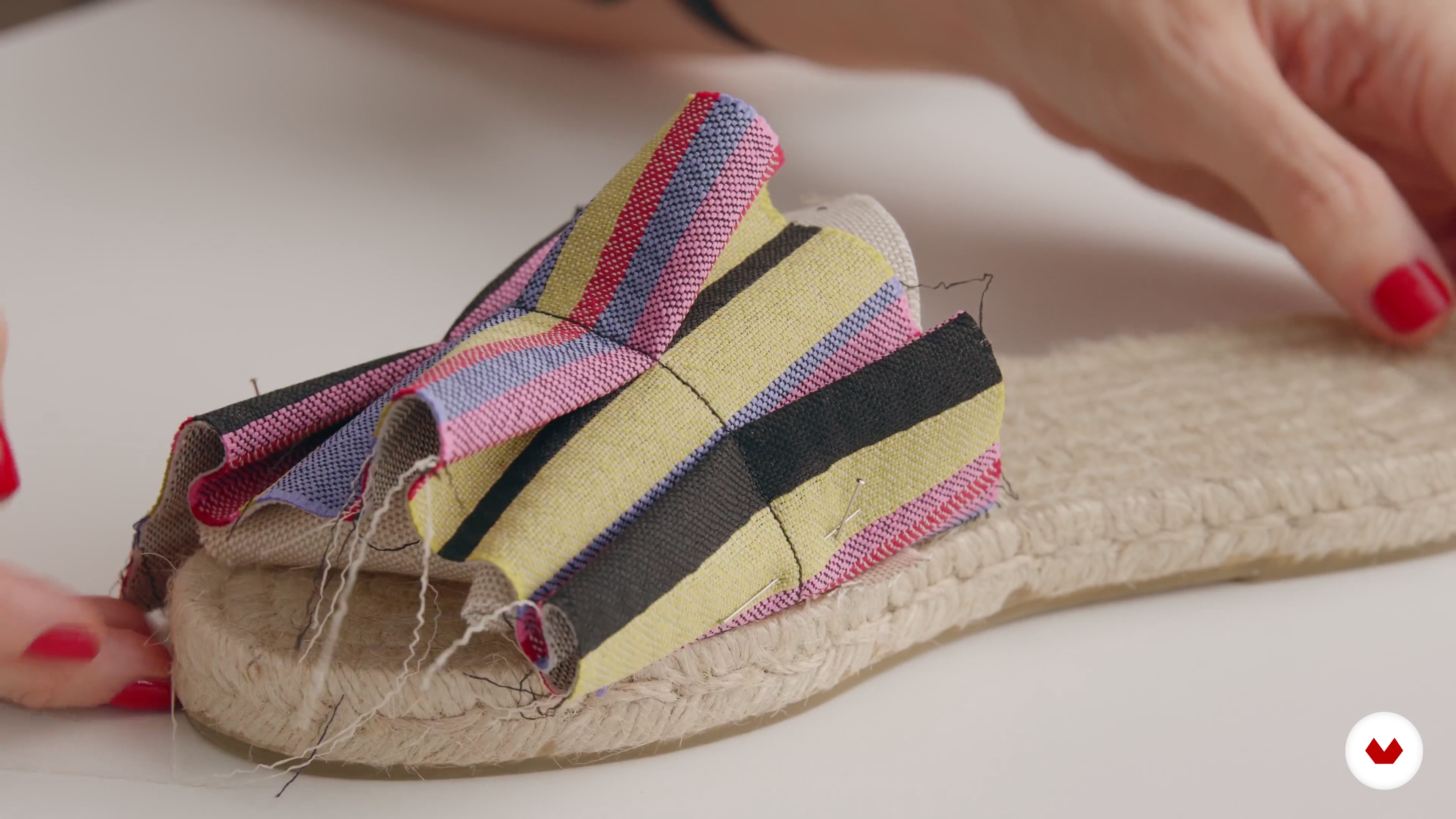
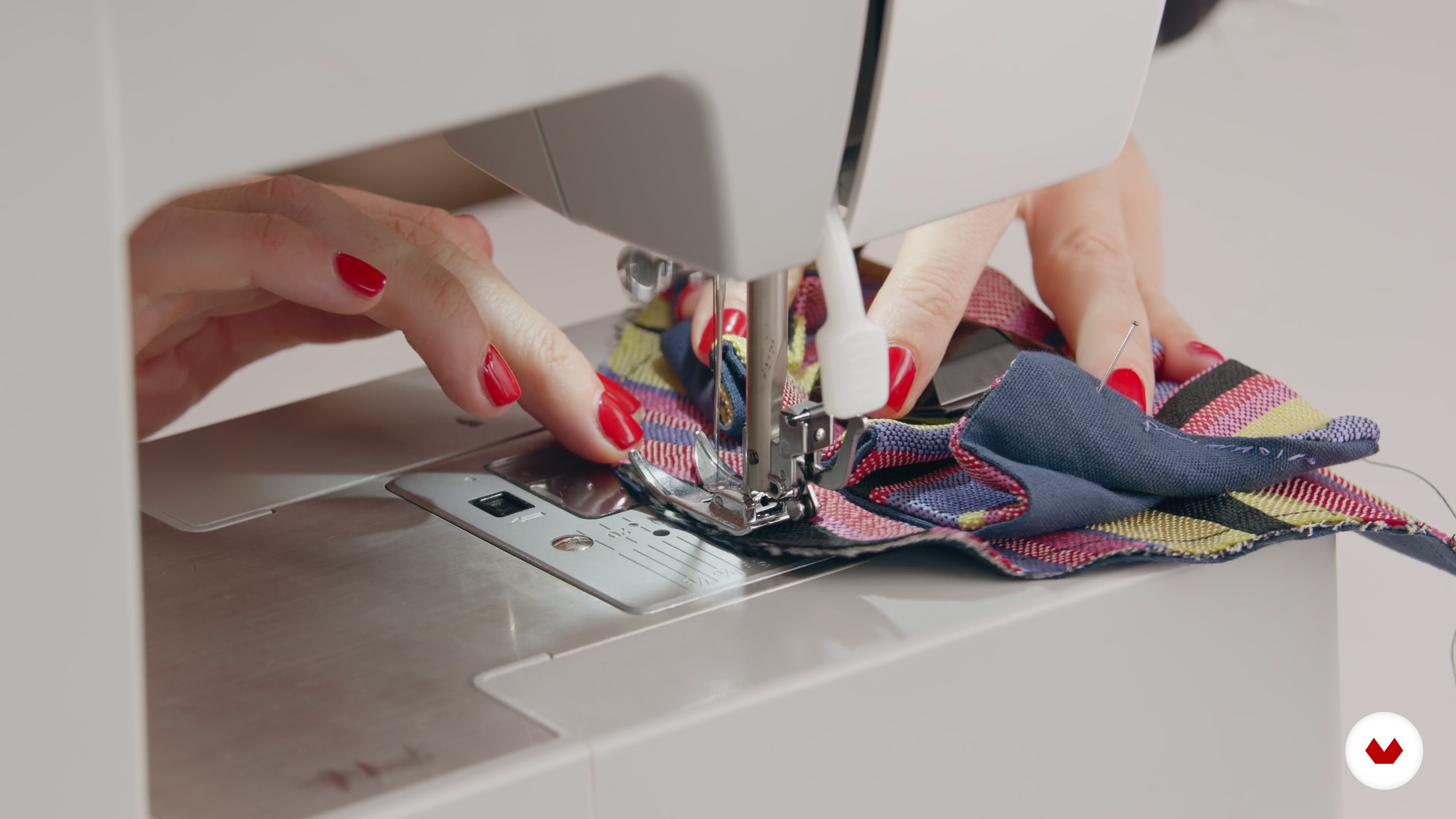
Sewing of accent piece 1
In this lesson we are going to start the tailoring with the decorative piece that we have selected after working on our textile experimentation. Starting from our sample, we will sew the piece with its lining and adjust it to the size of the upper.
11m
image
12
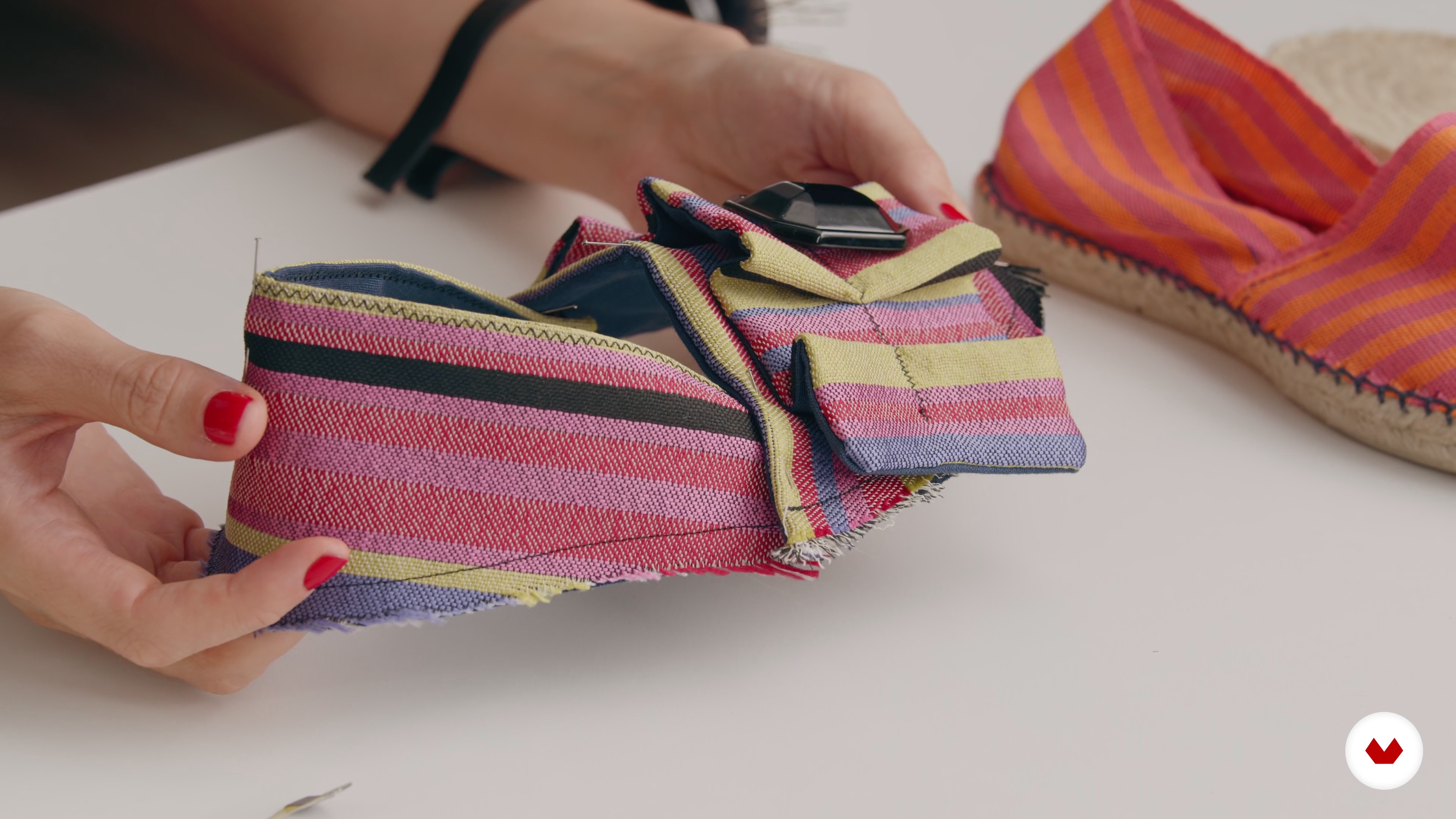
Sewing of accent piece 2
Now that we have the piece sewn, we are going to move forward and start shaping it.
15m
image
13
Upper seam 1
Once the decorative piece is finished, we will continue with the stitching to the front and back pieces of our pattern adding the lining.
15m
image
14
Upper seam 2
At the end of this second part of the lesson, we will have already finished all the textile part of our espadrille.
13m
image
15
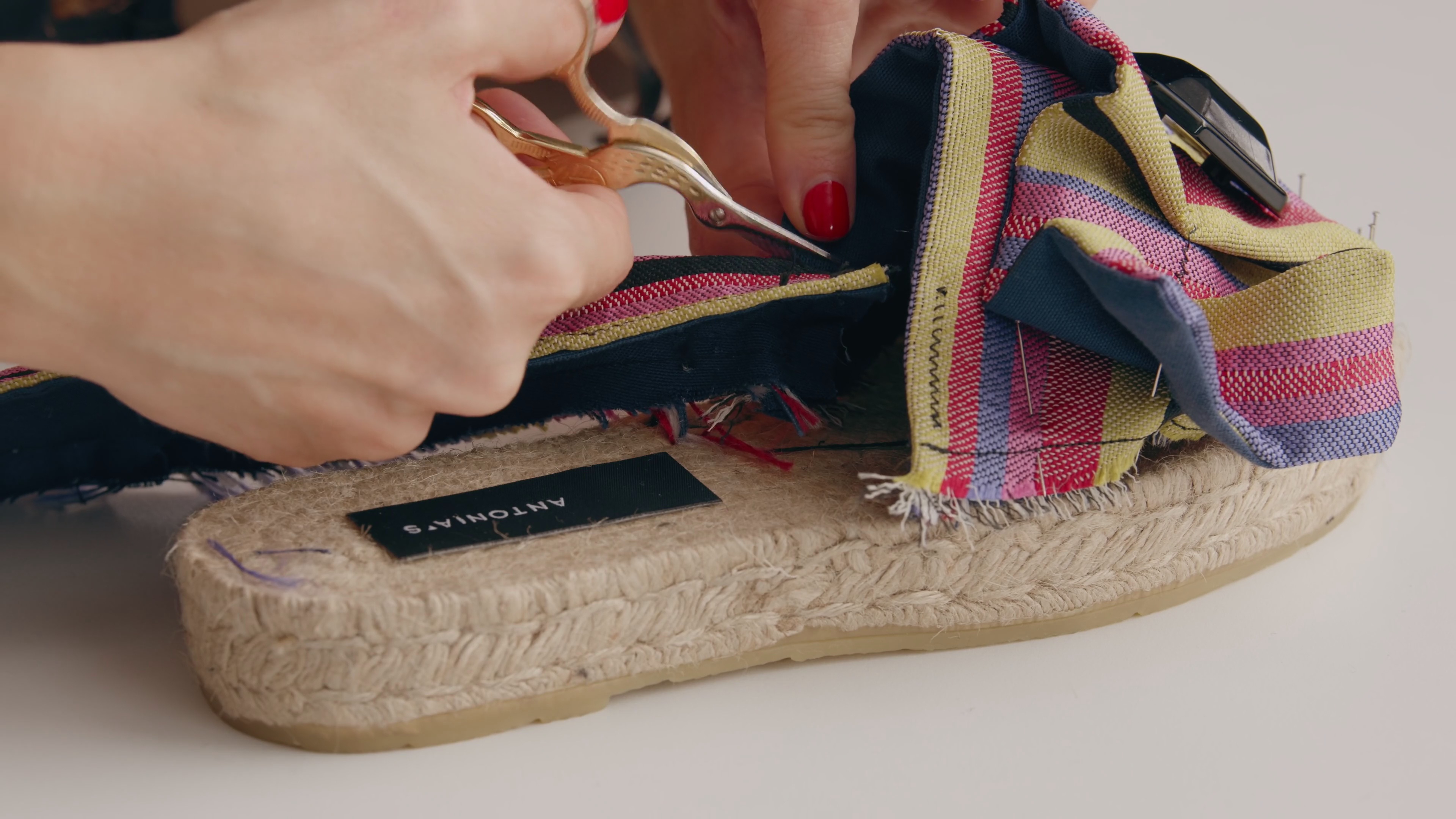
Mounting
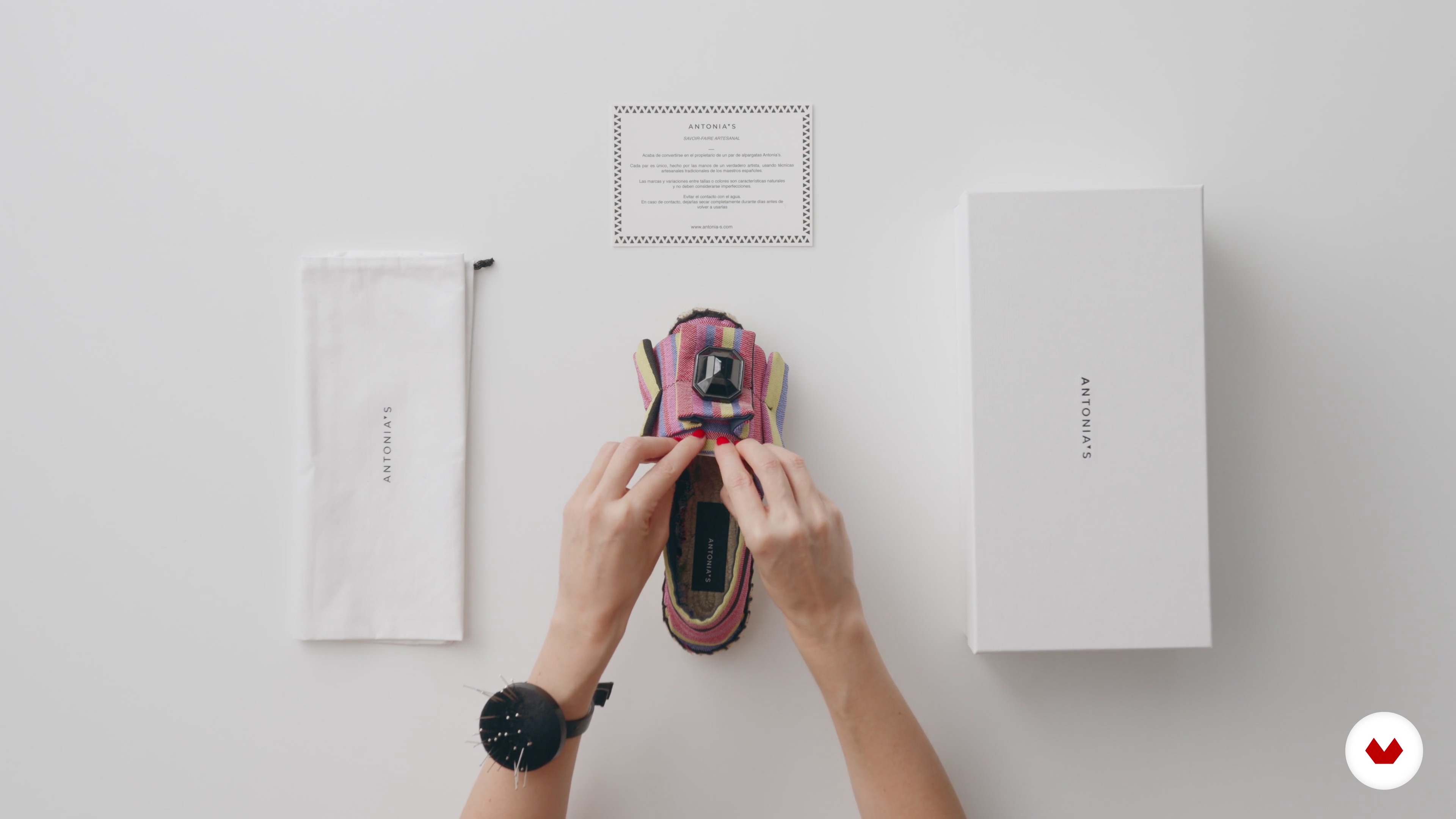
In this unit you will learn how to assemble the espadrille to be able to sew it by hand. We will finish the shovel and place all the elements. We will adjust them to the sole with pins to facilitate the next step: sewing.
19m
image
16
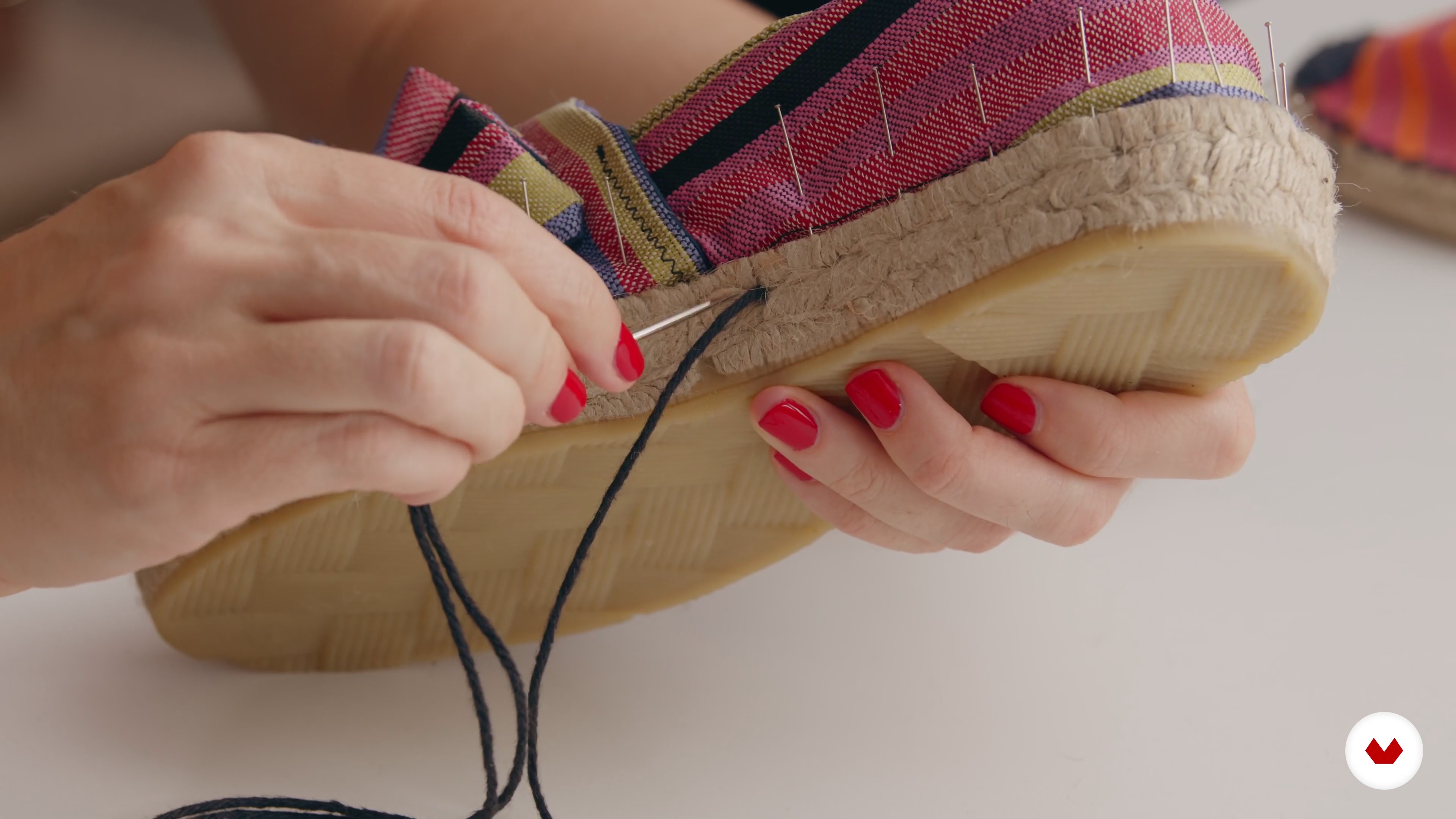
Scallop stitching
Once the temporary assembly of the espadrille is finished, you will see how to finish the project by hand sewing the elements to the sole, using the satin stitch. You will learn how to sew with the satin stitch and how to adjust the textile pieces to the sole, as you go along.
19m
image
17
Open espadrilles with ribbons
Starting from our pattern and the project we have made, I present you two easy variations for your final project: an open espadrille or "mule" and another with a heel and ribbons.
16m
image
18
Packaging, care and washing
Espadrilles require special care and completely avoid contact with water. In this lesson I will explain some tricks of packaging and care.
2m
image
4
Why start our own clothing brand?
We begin this second unit by reviewing the motivations and requirements to create a fashion brand. I will tell you about my personal experience and give you several tips on what to do and what not to do when creating our brand.
3m
image
5
Analyzing our product
Now we are going to see how to analyze our product. It is very important that we ask ourselves a series of questions to know ourselves, and thus be able to identify where we come from and clearly establish the values of our brand.
3m
image
6
Analyzing the market
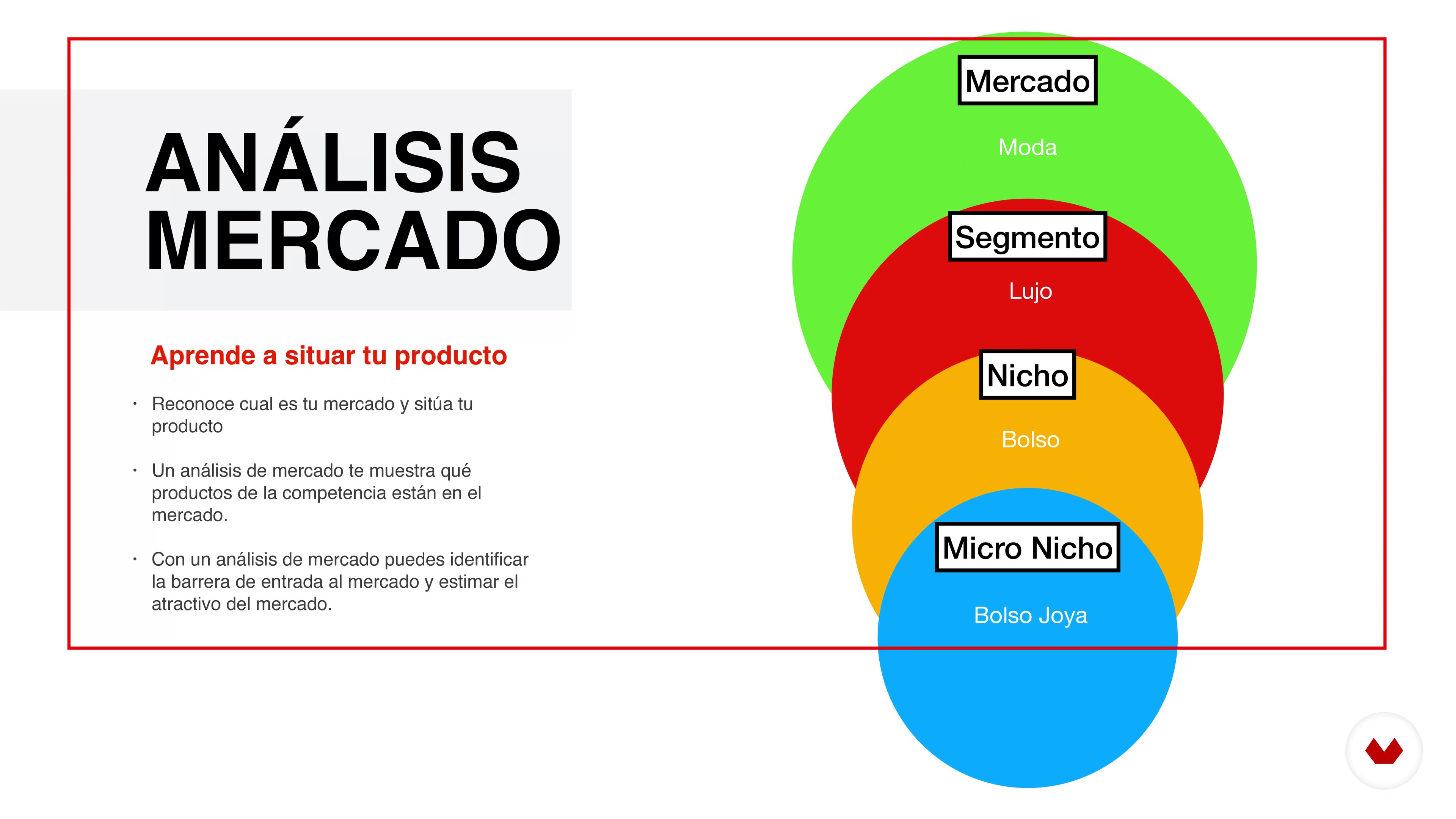
In this lesson we will see how to analyze and identify the market that best suits our product. A market analysis is an evaluation that allows you to determine the size of a particular market in your industry. It will also allow you to identify factors such as market value, customer segmentation, identify their buying habits, know the competition, the economic environment, current trends, legal and cultural regulations, and many more factors.
3m
image
7
Analyzing our audience
Finally, I am going to teach you how to analyze what your target audience is through a few simple exercises. This will help you to target a specific group of people and get the product you've created right.
4m
image
8
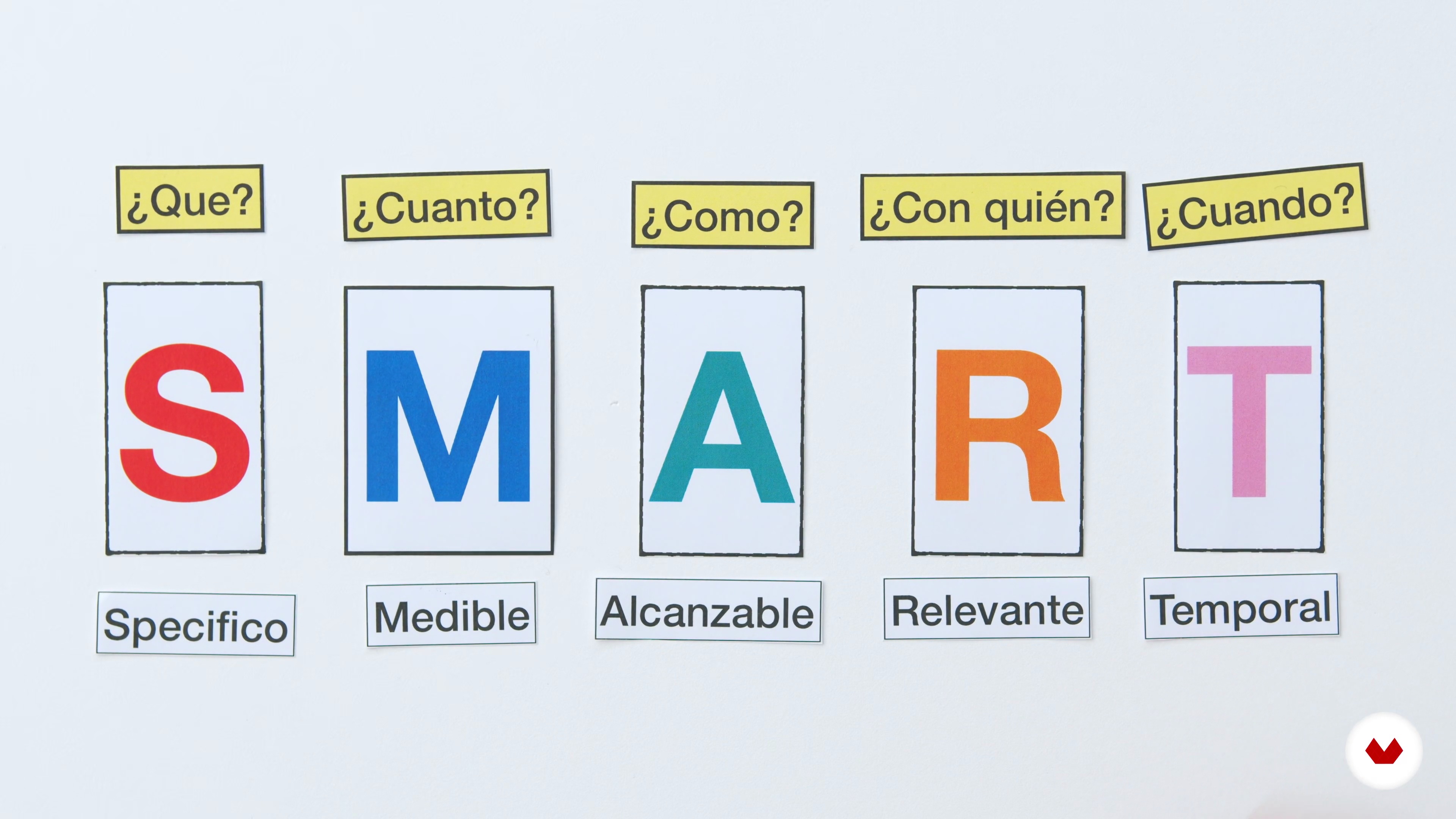
Define your goals
We begin the lessons in this unit by knowing our limitations and defining an achievable goal thanks to an exercise known as "smart goal."
4m
image
9
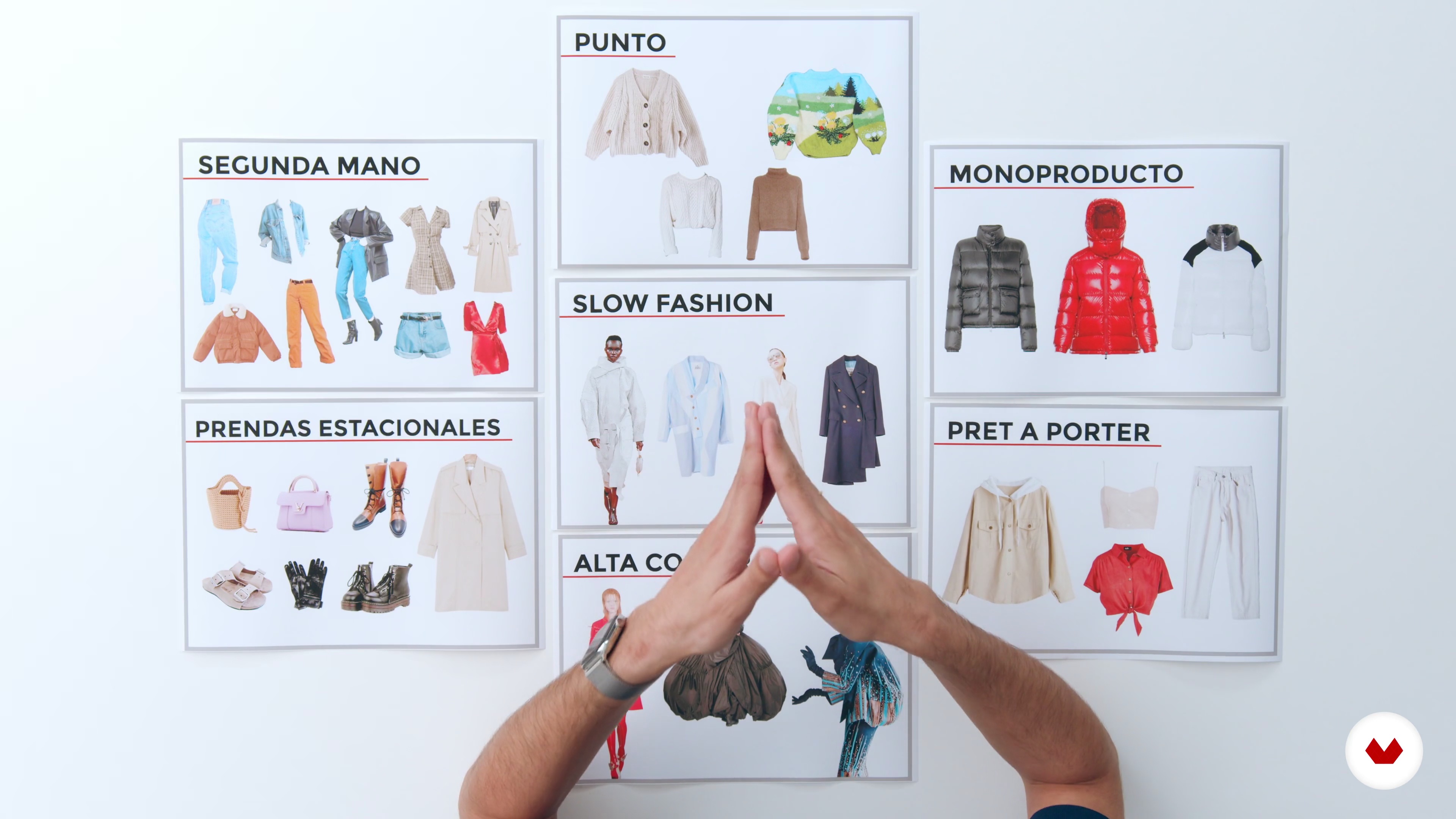
The business model
In this lesson, I will explain the different business models that exist in the world of fashion. Each business model is different, that is why each brand or designer chooses the model that best suits their product, objectives and audience.
3m
image
10
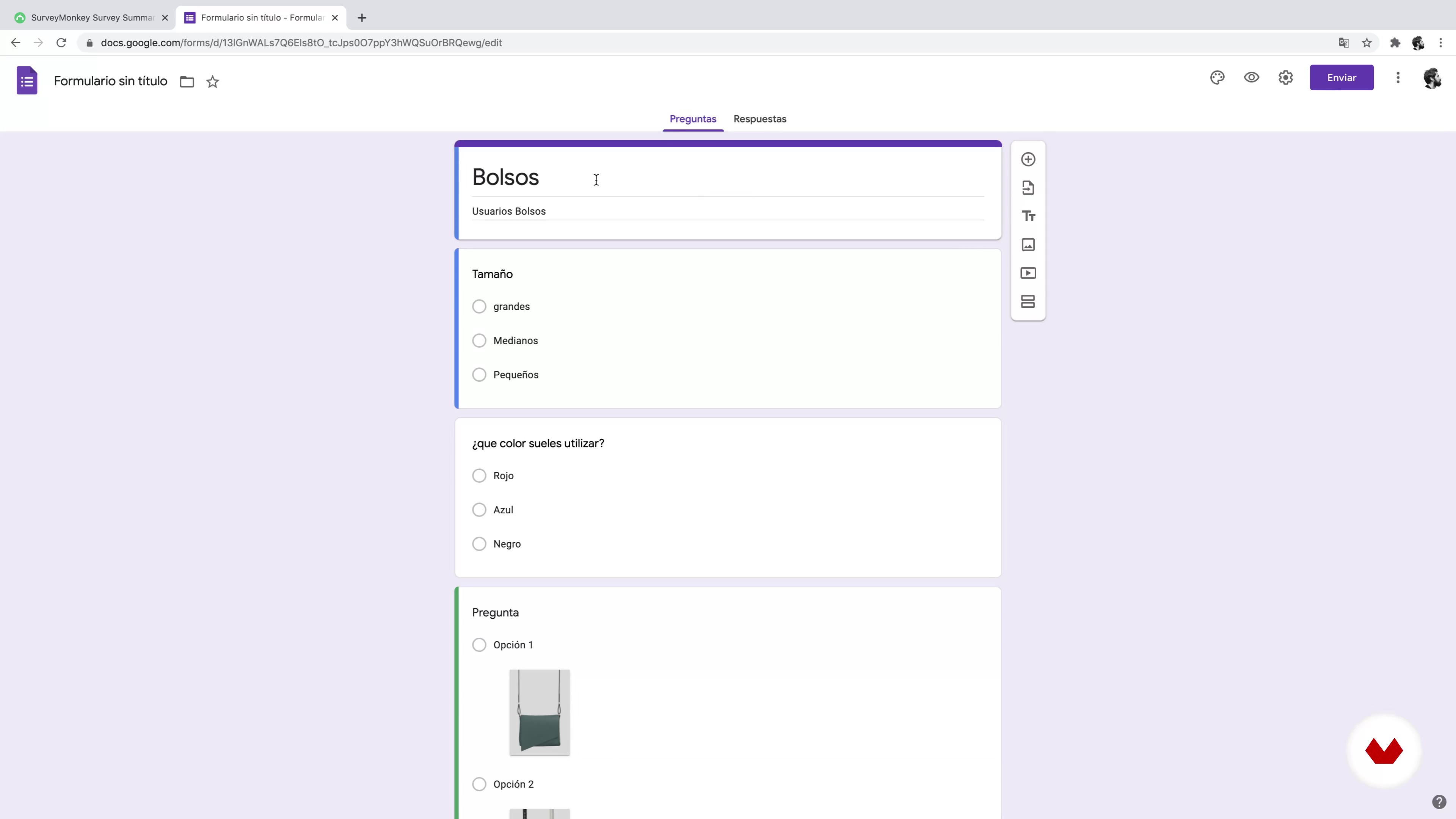
The survey
We are going to discover the importance of asking the people around us for an opinion. In this lesson I will show you the options there are to do a poll among friends or something more professional through the app or newsletter.
2m
image
11
The market price and that of your clothes
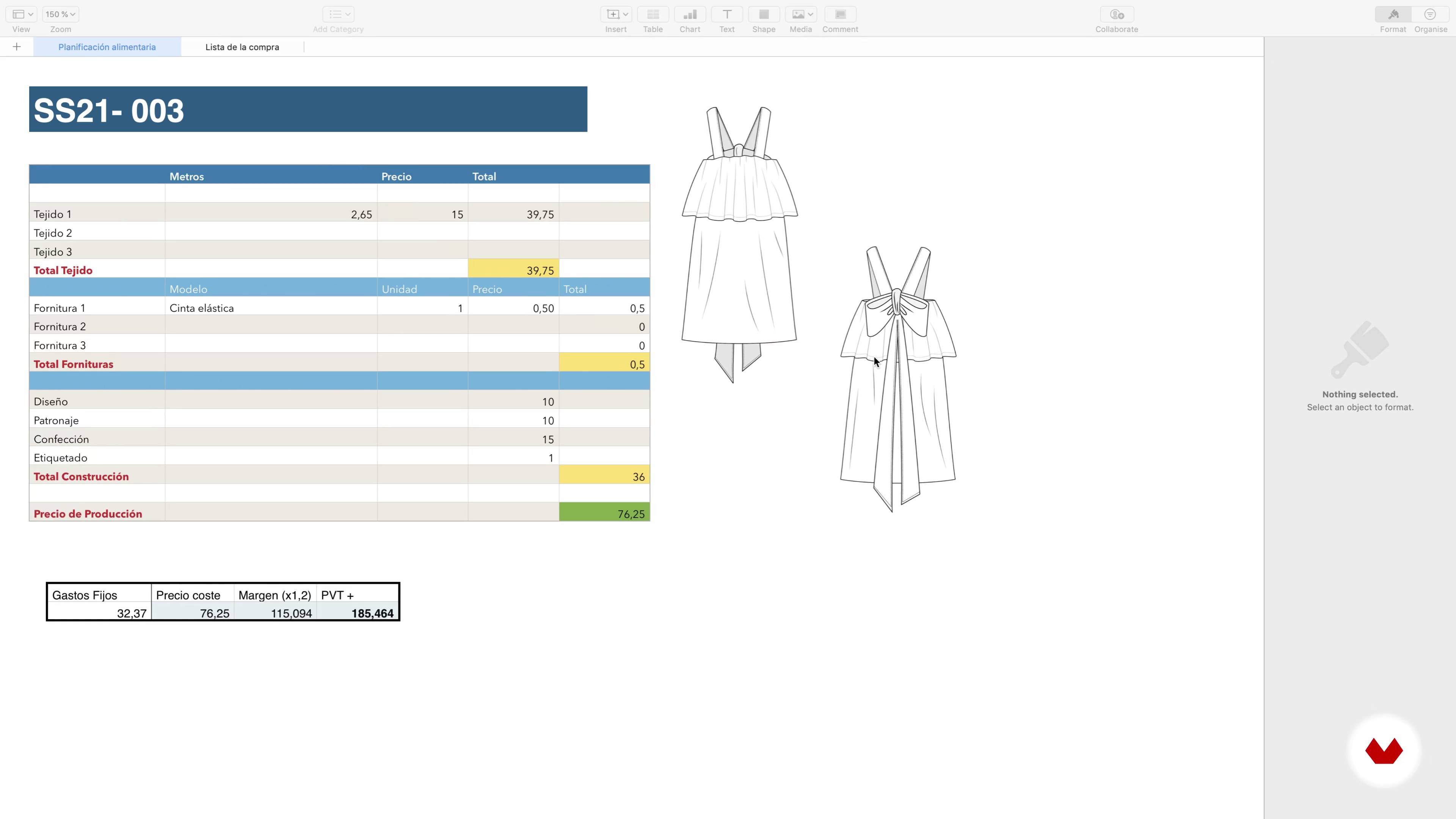
Now I am going to tell you how to price a product. To do this, first of all, we have to calculate the fixed expenses that the company may have and the variable expenses that must be faced during a whole year.
4m
image
12
The importance of a good brand
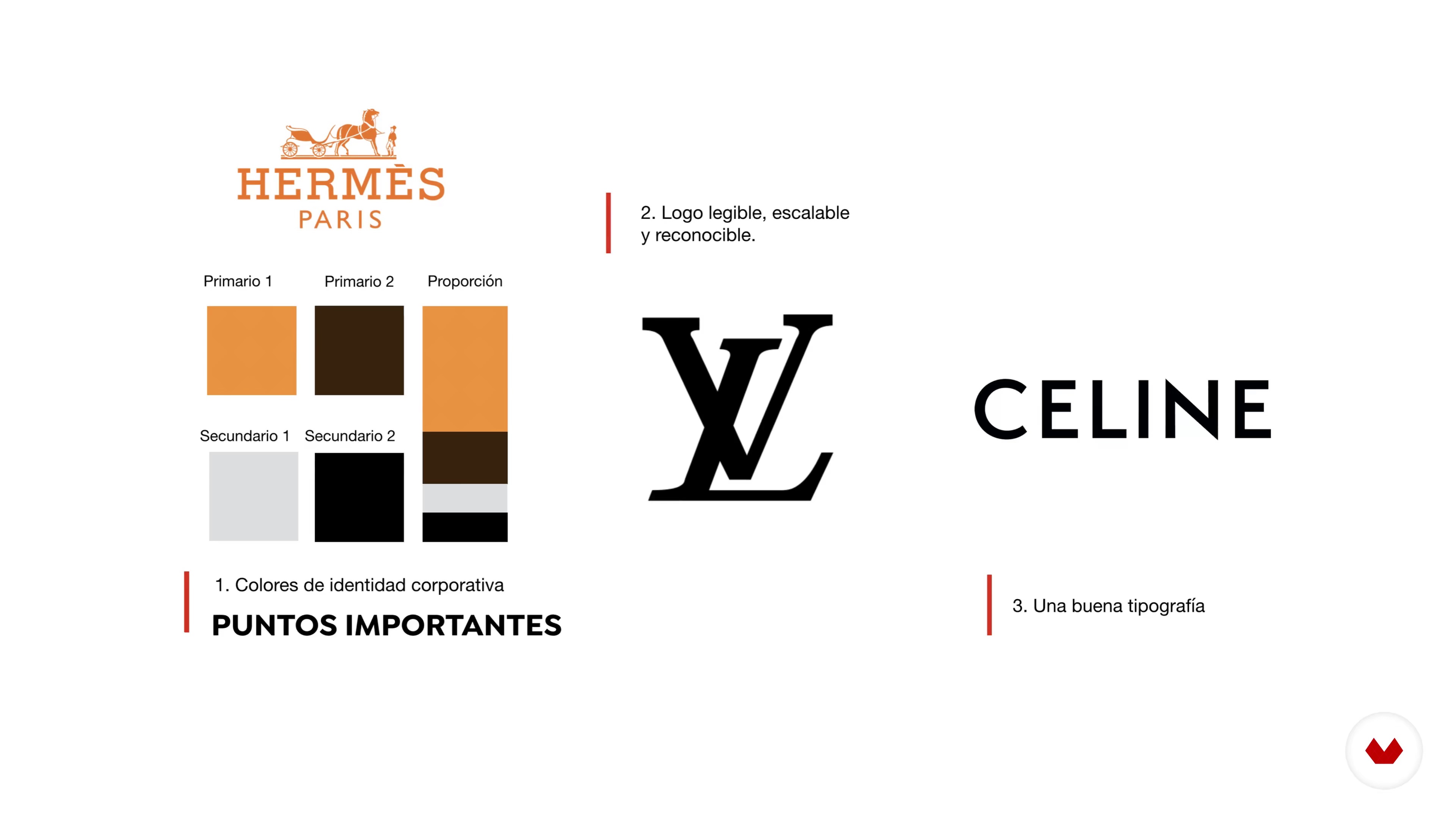
In this lesson I am going to tell you the key to having an attractive image. I am going to briefly explain how to find the brand name and how to create a logo that identifies you and is visually attractive.
1m
image
13
Sales channels
Within the fashion market there are different channels or sales channels. We are going to go over the different types and help you identify which one can best suit your needs.
2m
image
14
Fashion systems
Now we are going to see how the fashion system works and review the international collection presentation calendars.
3m
image
15
Viability
When creating a brand we must analyze whether it can be sustainable over time. From there, when we do, we can set a long-term goal.
2m
image
16
Association with other brands
We finish this unit by reviewing the benefits of partnering with other brands. By creating synergies with other brands you will access a greater network of contacts, you will learn a lot from your team and you will be able to have a greater diffusion in the world of fashion.
3m
  • 100% positive reviews (1)
  • 101 students
  • 73 lessons (9h 22m)
  • 70 additional resources (28 files)
  • Online and at your own pace
  • Audio: Spanish, German, English, Spanish (Latam), French, Indonesian, Italian, Dutch, Polish, Portuguese, Romanian, Turkish
  • Spanish · English · Portuguese · German · French · Italian · Polish · Dutch · Turkish · Romanian · Indonesian
  • Level: Beginner
  • Unlimited access forever

What is this course's project?

During the course, the student will develop a mini-collection of handcrafted footwear, creating 3 to 5 designs with technical sketches, mood boards, and complete patterns. They will also produce 2 to 3 pairs of shoes and establish a strong brand identity.

Who is this specialization for?

Creative entrepreneurs and artisans passionate about shoe design will find here a complete guide from conceptualization to launching their own brand, exploring traditional shoemaking techniques, pattern design, and strategies for establishing themselves in the market.

Requirements and materials

Extensive prior knowledge is not required, but an interest in design and craftsmanship is essential. Basic shoemaking tools, sketch paper, and access to materials such as leather or fabric for practice and experimentation are recommended.

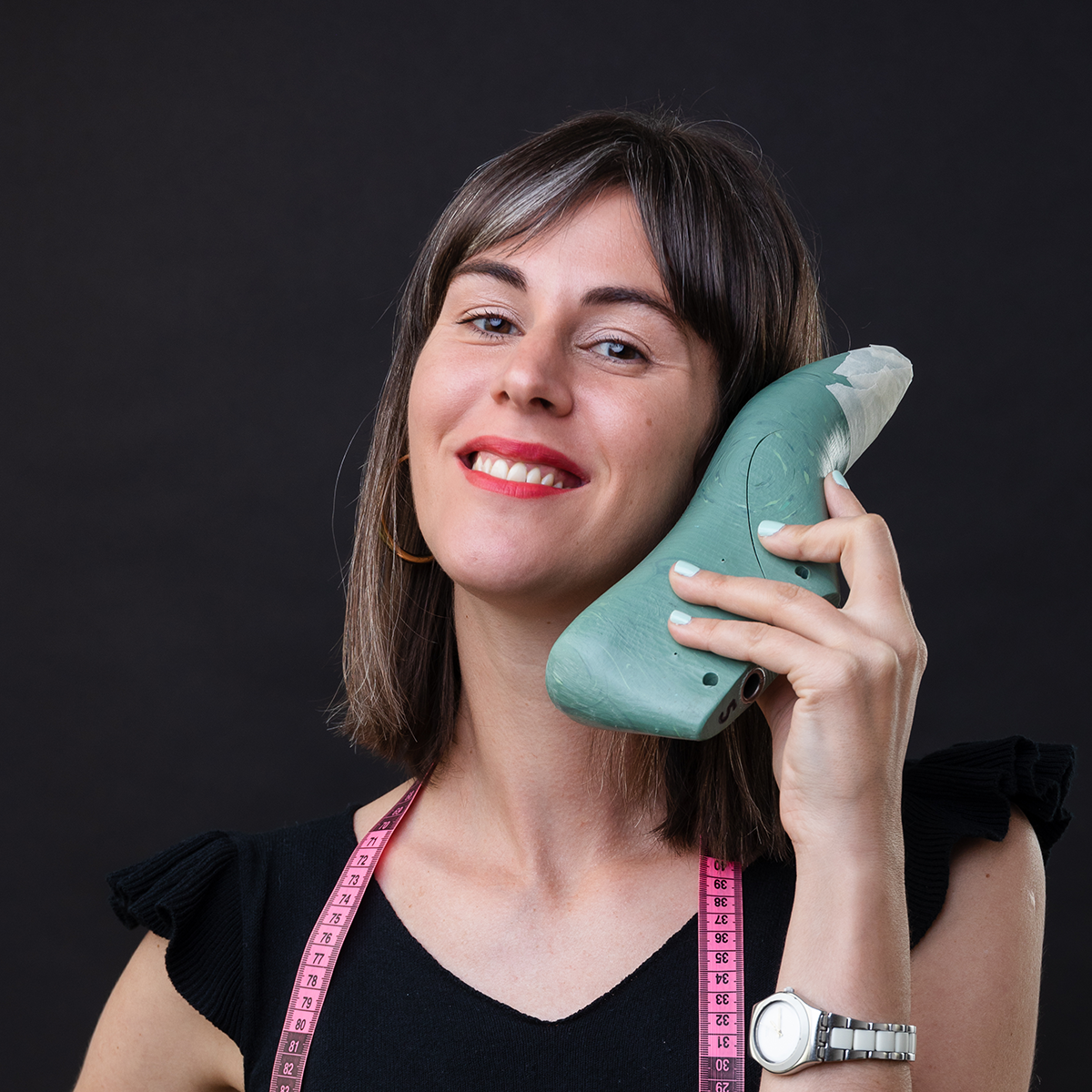
Select to get to know your teachers in this specialization course
Read more ↓

Reviews

101 Students
1 Reviews


What to expect from this specialization course

  • Learn at your own pace

    Enjoy learning from home without a set schedule and with an easy-to-follow method. You set your own pace.

  • Learn from the best professionals

    Learn valuable methods and techniques explained by top experts in the creative sector.

  • Meet expert teachers

    Each expert teaches what they do best, with clear guidelines, true passion, and professional insight in every lesson.

  • Certificates
    Plus

    If you're a Plus member, get a custom certificate for every specialization course. Share it on your portfolio, social media, or wherever you like.

  • Get front-row seats

    Videos of the highest quality, so you don't miss a single detail. With unlimited access, you can watch them as many times as you need to perfect your technique.

  • Share knowledge and ideas

    Ask questions, request feedback, or offer solutions. Share your learning experience with other students in the community who are as passionate about creativity as you are.

  • Connect with a global creative community

    The community is home to millions of people from around the world who are curious and passionate about exploring and expressing their creativity.

  • Watch professionally produced courses

    Domestika curates its teacher roster and produces every course in-house to ensure a high-quality online learning experience.


FAQs

Domestika courses are online classes that allow you to learn new skills and create incredible projects. All our courses include the opportunity to share your work with other students and/or teachers, creating an active learning community. We offer different formats:
Original Courses: Complete classes that combine videos, texts, and educational materials to complete a specific project from start to finish.
Basics Courses: Specialized training where you master specific software tools step by step.
Specialization Courses: Learning paths with various expert teachers on the same topic, perfect for becoming a specialist by learning from different approaches.
Guided Courses: Practical experiences ideal for directly acquiring specific skills.
Intensive Courses (Deep Dives): New creative processes based on artificial intelligence tools in an accessible format for in-depth and dynamic understanding.

All specialization courses are 100% online, so once they're published, specialization courses start and finish whenever you want. You set the pace of the class. You can go back to review what interests you most and skip what you already know, ask questions, answer questions, share your projects, and more.

The specialization courses are divided into different modules. Each one includes lessons, informational text, tasks, and practice exercises to help you carry out your project step by step, with additional complementary resources and downloads. You'll also have access to an exclusive forum where you can interact with other students, as well as share your work and your final project, creating a community around the specialization courses.

You can redeem the specialization courses you received by accessing the redeeming page and entering your gift code.

If you're a Plus member, when you complete a course you've purchased, you'll instantly get your personalized certificate. You can see all your certificates in the Certificates section of your profile. You can download your certificates as PDFs and share the link online. Learn more about certificates.
Specialization in Handmade Footwear: Design, create and launch your product. Craft, and Fashion course by Domestika

Specialization in Handmade Footwear: Design, create and launch your product

A specialization by multiple teachers
Berkeley, United States.
Joined April 2002
  • 100% positive reviews (1)
  • 101 students