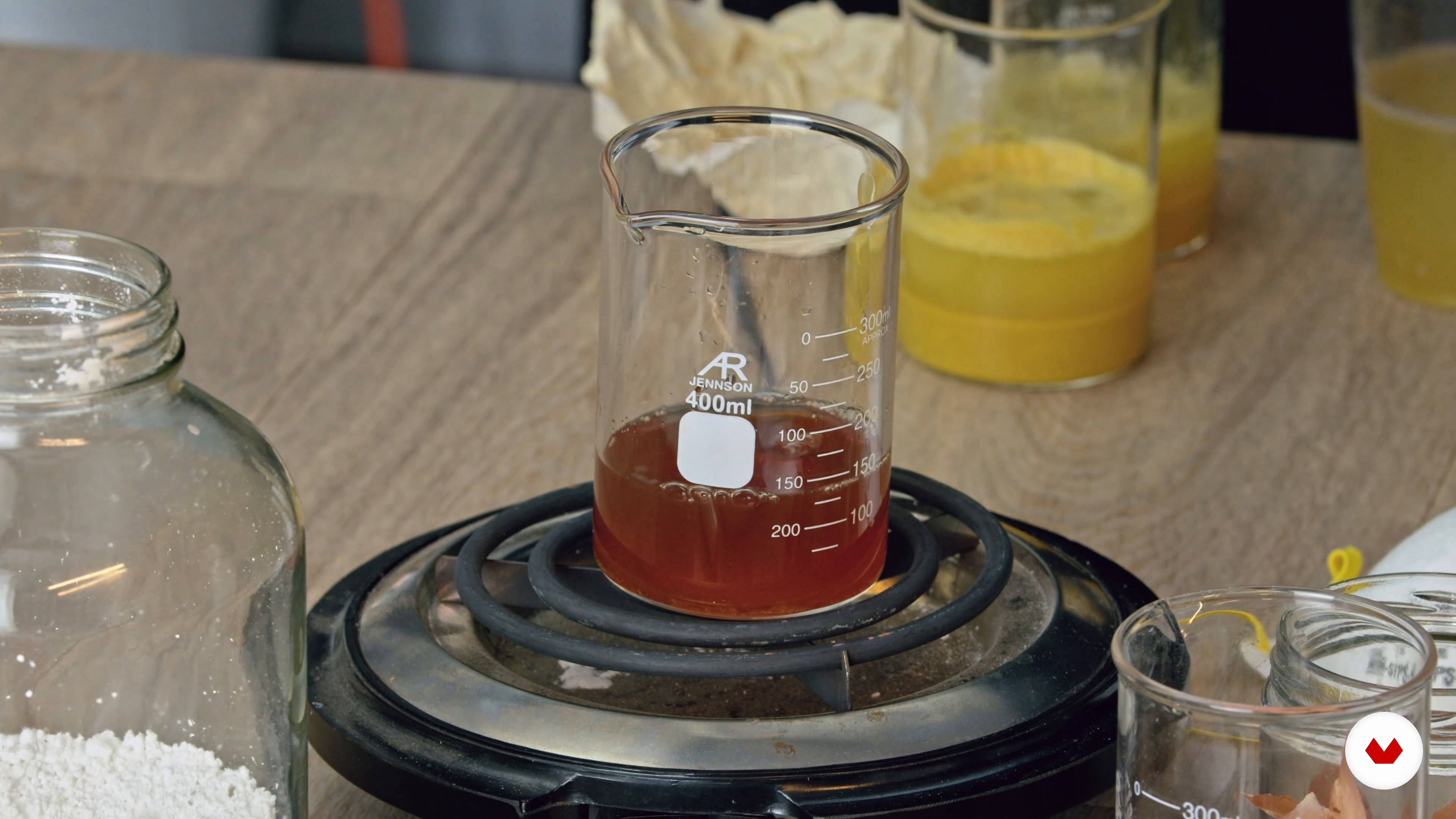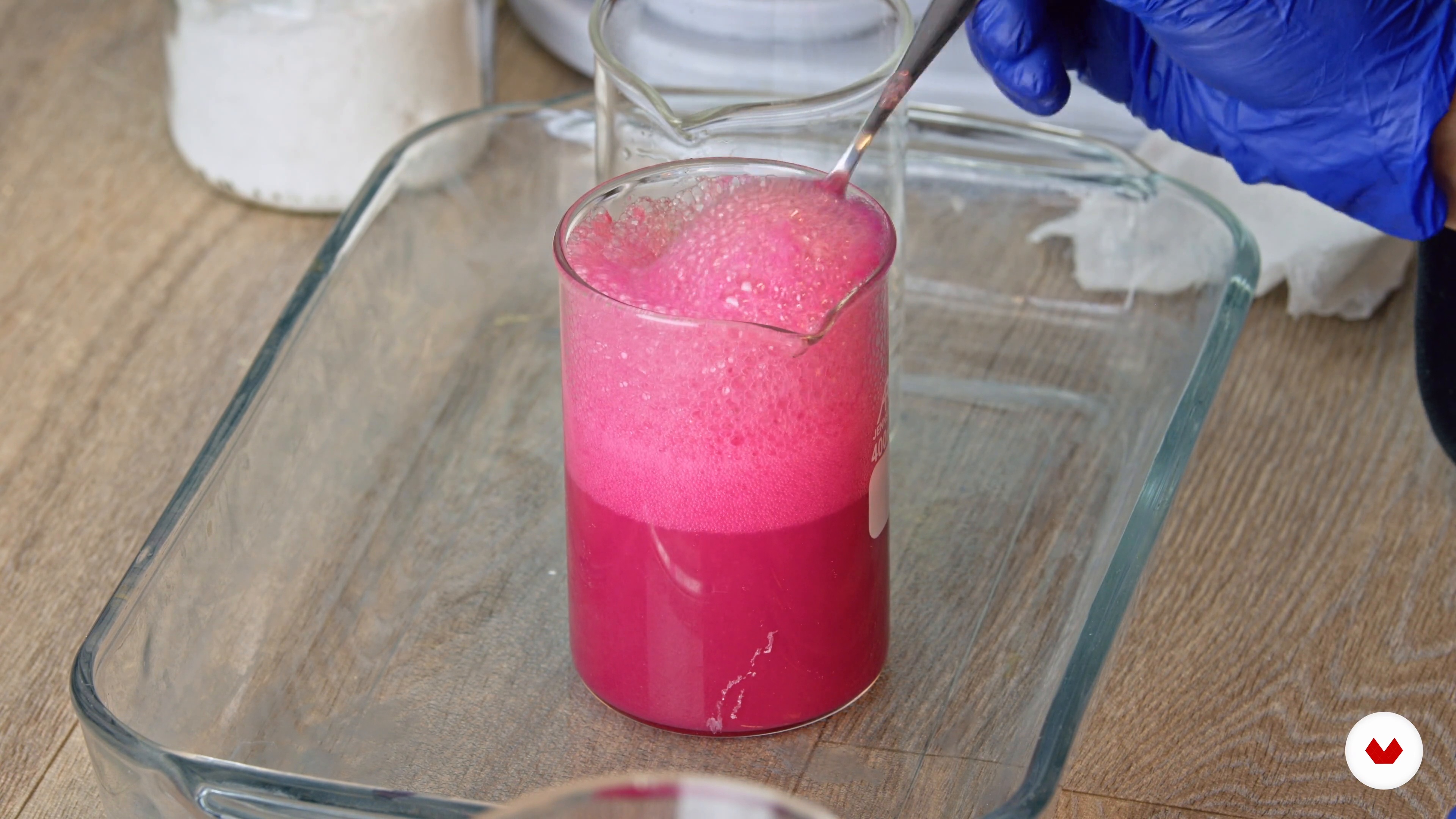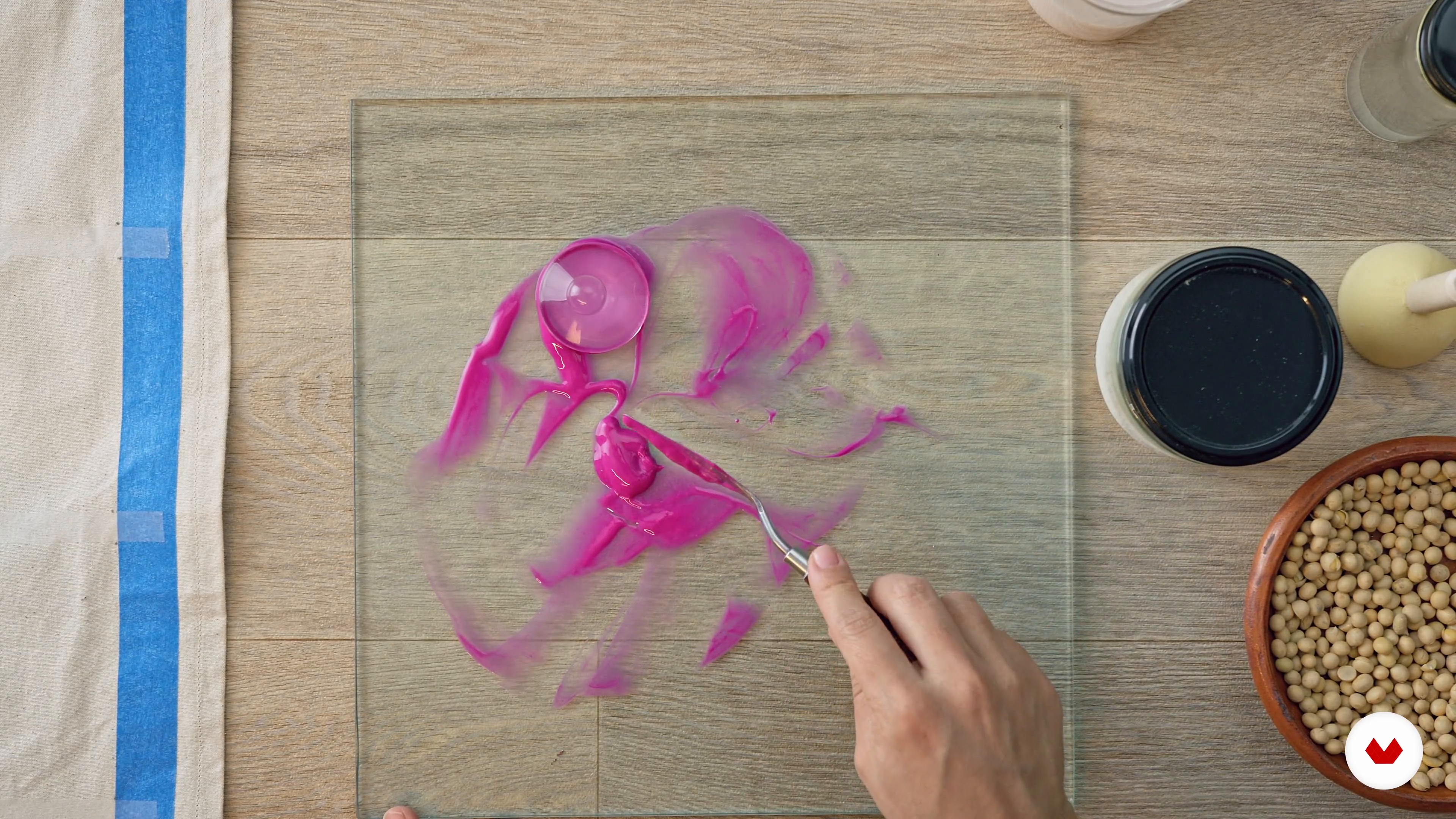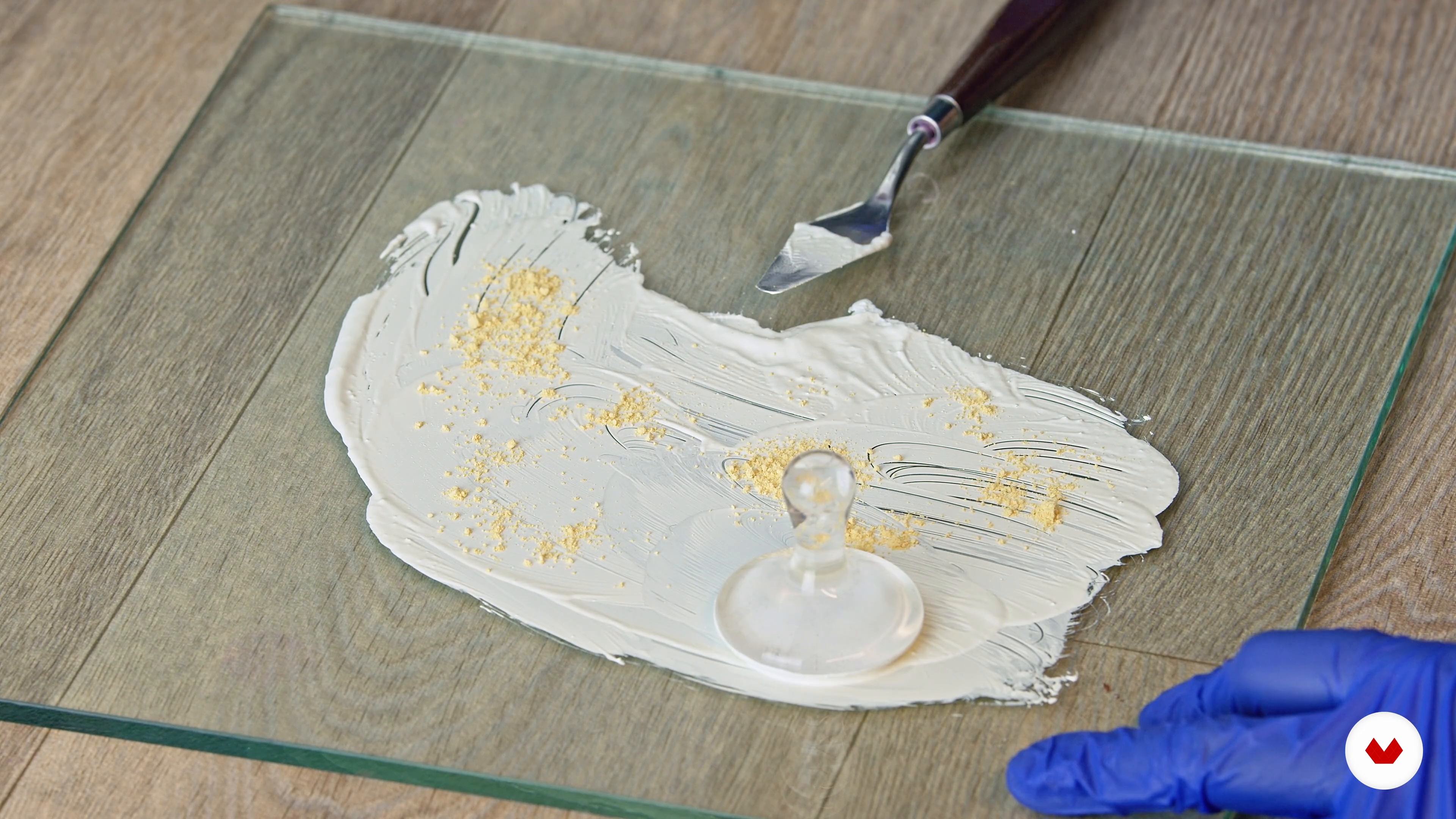

Specialization

Natural Dyeing Specialization: Master Eco-Friendly Textile Techniques

Master sustainable textile art with natural dyeing techniques using botanical pigments for eco-friendly creations

Specialization · 6 modules

Immerse yourself in the vibrant world of natural dyeing, a craft that marries tradition with sustainability. This specialization is perfect for eco-conscious creators, textile artists, and fashion designers eager to explore the art of botanical alchemy. Guided by experts Lucrezia Moro, Anabel Torres, Amanda de Beaufort, and Tatiana Polo, you will embark on a transformative journey. From extracting plant-based dyes and mastering pigment creation to exploring three-dimensional shibori techniques, this program offers a comprehensive exploration of natural dyeing processes.

Each course builds upon the previous, ensuring a deep understanding of sustainable textile practices. Discover how to harness local botanicals for eco-printing, develop a library of lasting pigments, and create stunning textile paintings. This learning path emphasizes ecological responsibility, focusing on zero-waste techniques, local sourcing, and water conservation. By the end, you'll have the skills to produce radiant, eco-friendly textiles that honor both traditional methods and contemporary environmental consciousness. Embrace the beauty of nature's palette and let it inspire your creative vision.

Read more ↓

What will you learn in this specialization?
A total of 6 modules and 67 lessons
A total of 10h 10m of vídeo lessons
Taught by 4 selected expert teachers
image
3
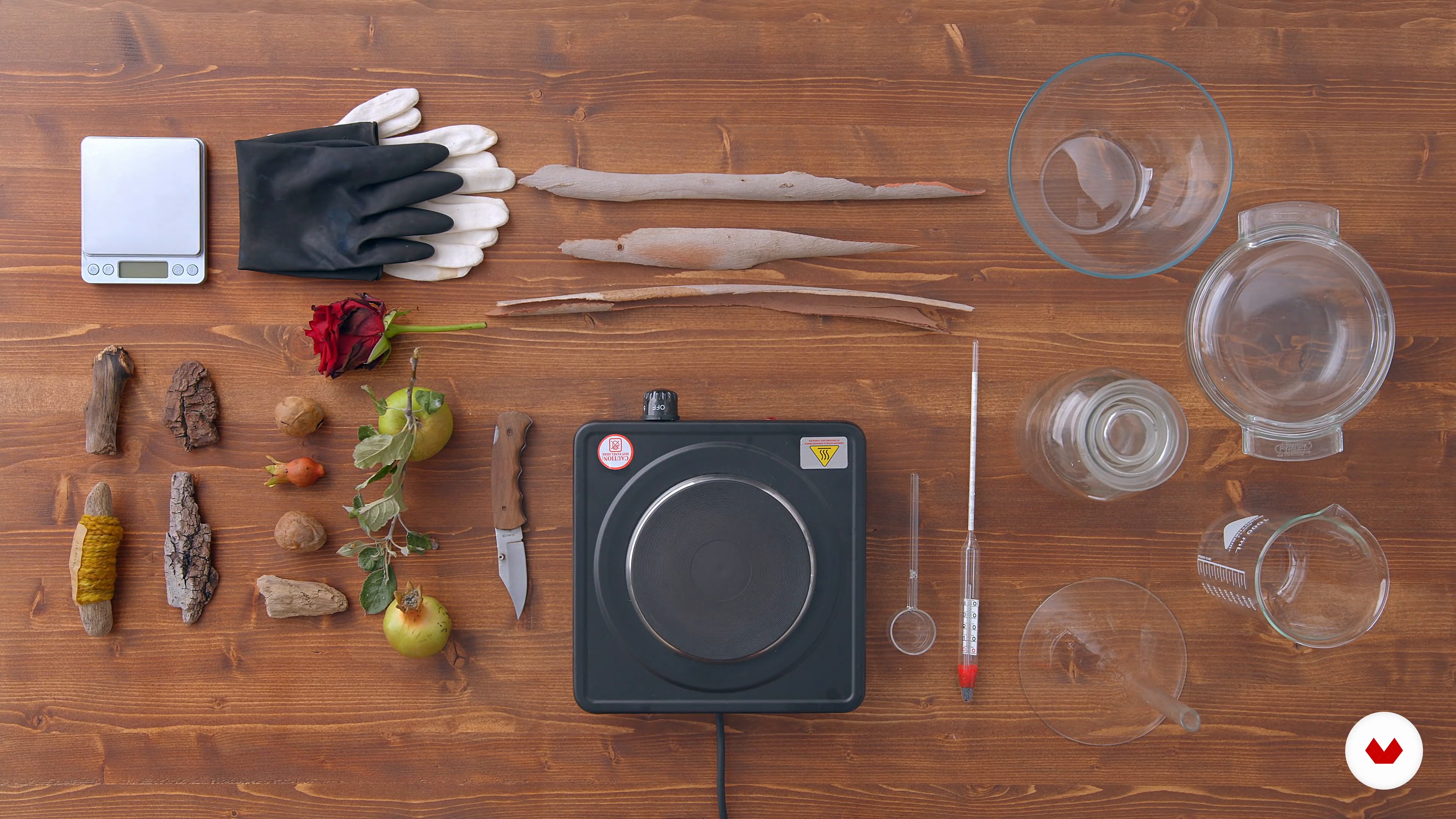
Materials and tools 1
Let's see together how to set up our small home laboratory.
12m
image
4
Materials and tools 2
We continue our journey into the world of materials and dyeing tools.
13m
image
5
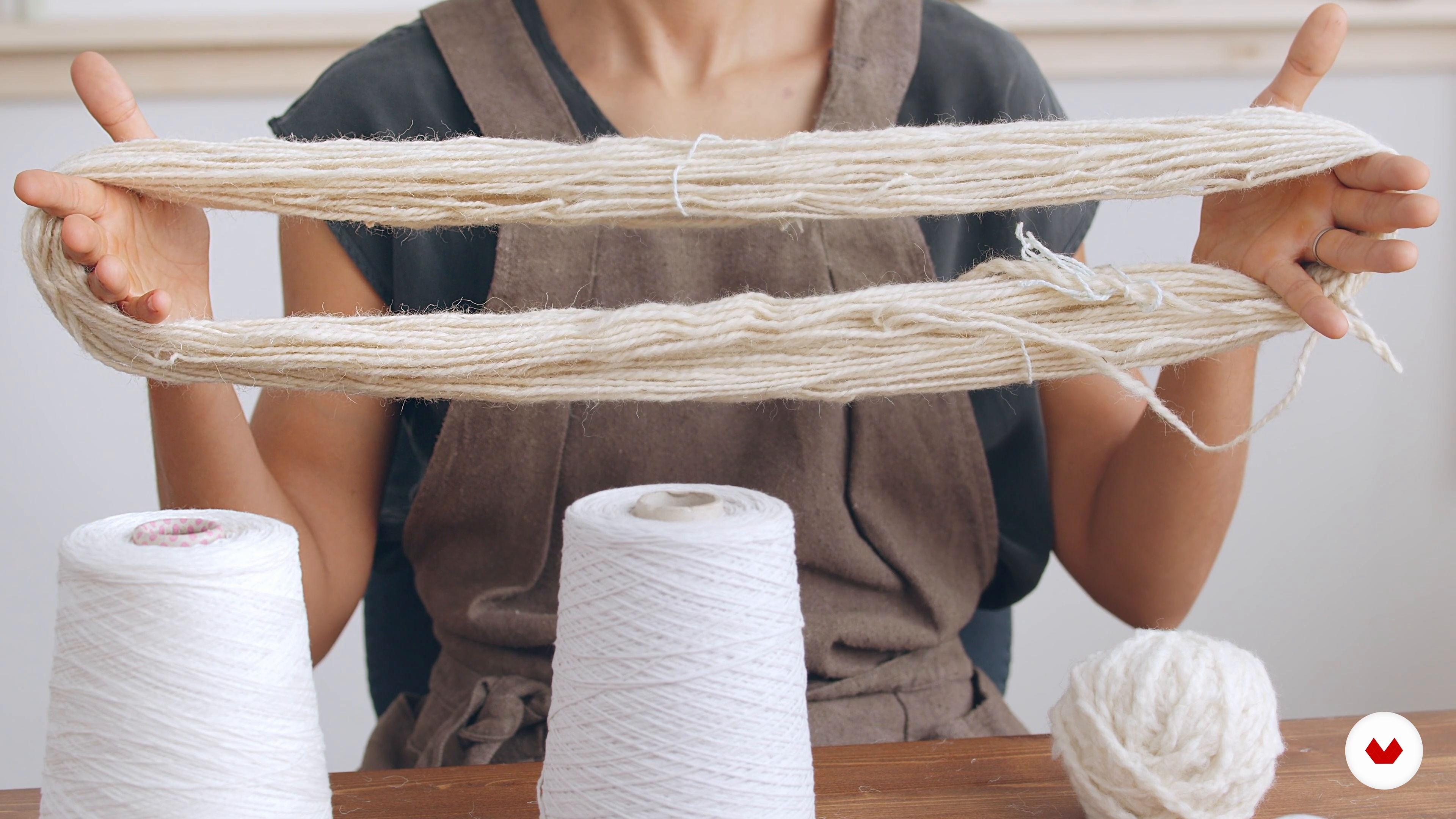
The different types of fibers
Together we know the structural differences of the fibers and their different response to etching and dyeing.
17m
image
6
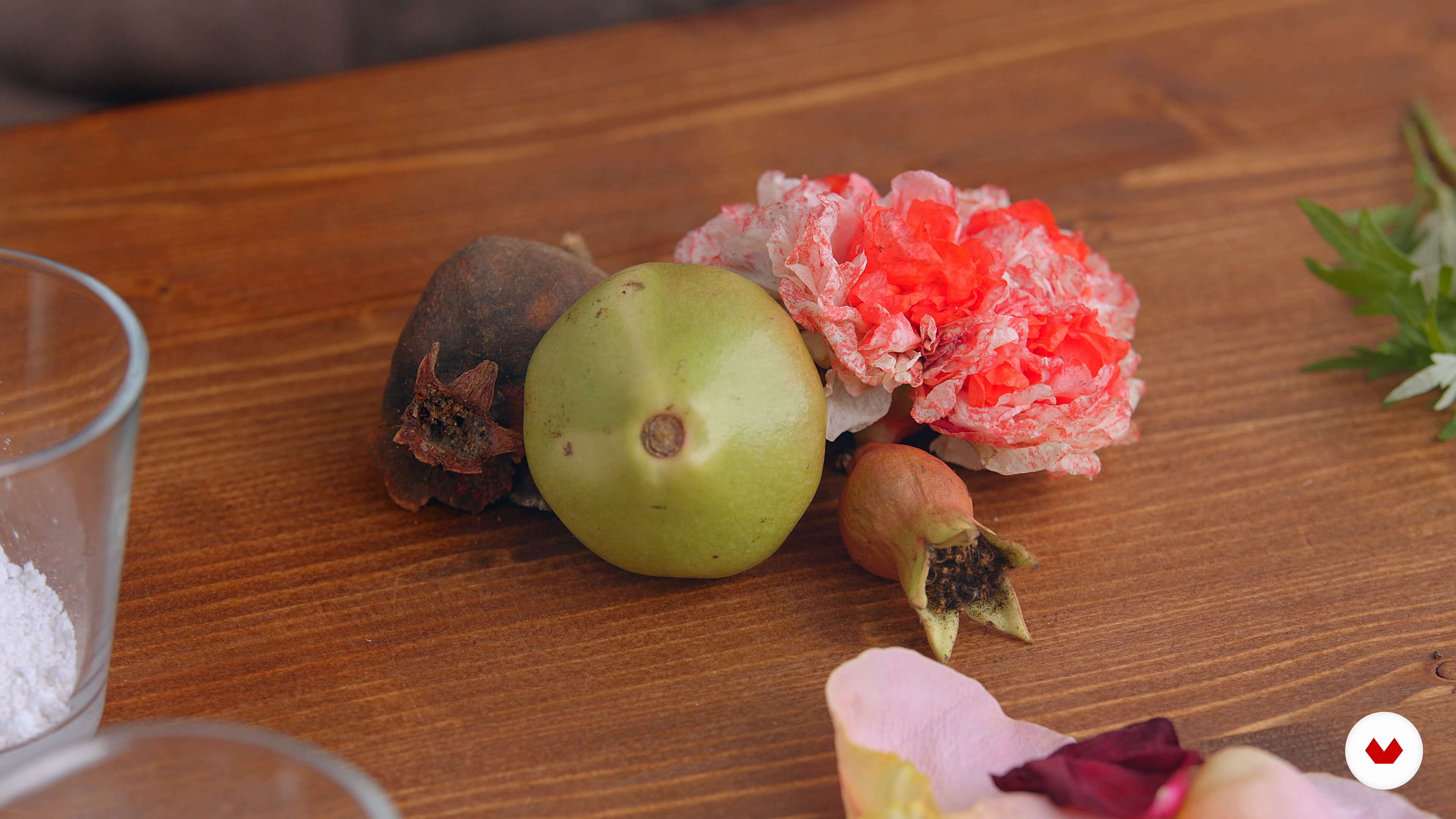
Stains and dyeing materials 1
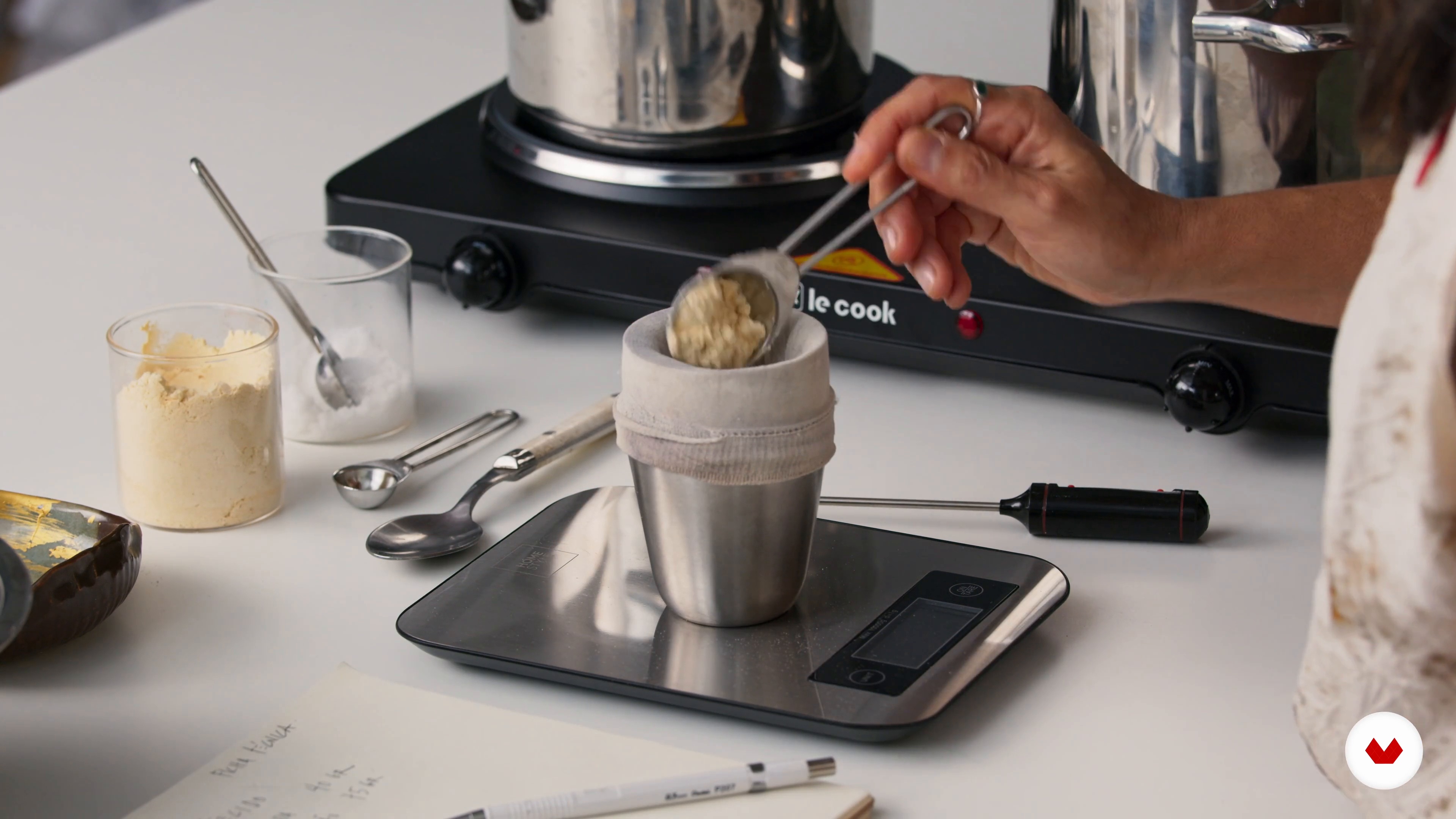
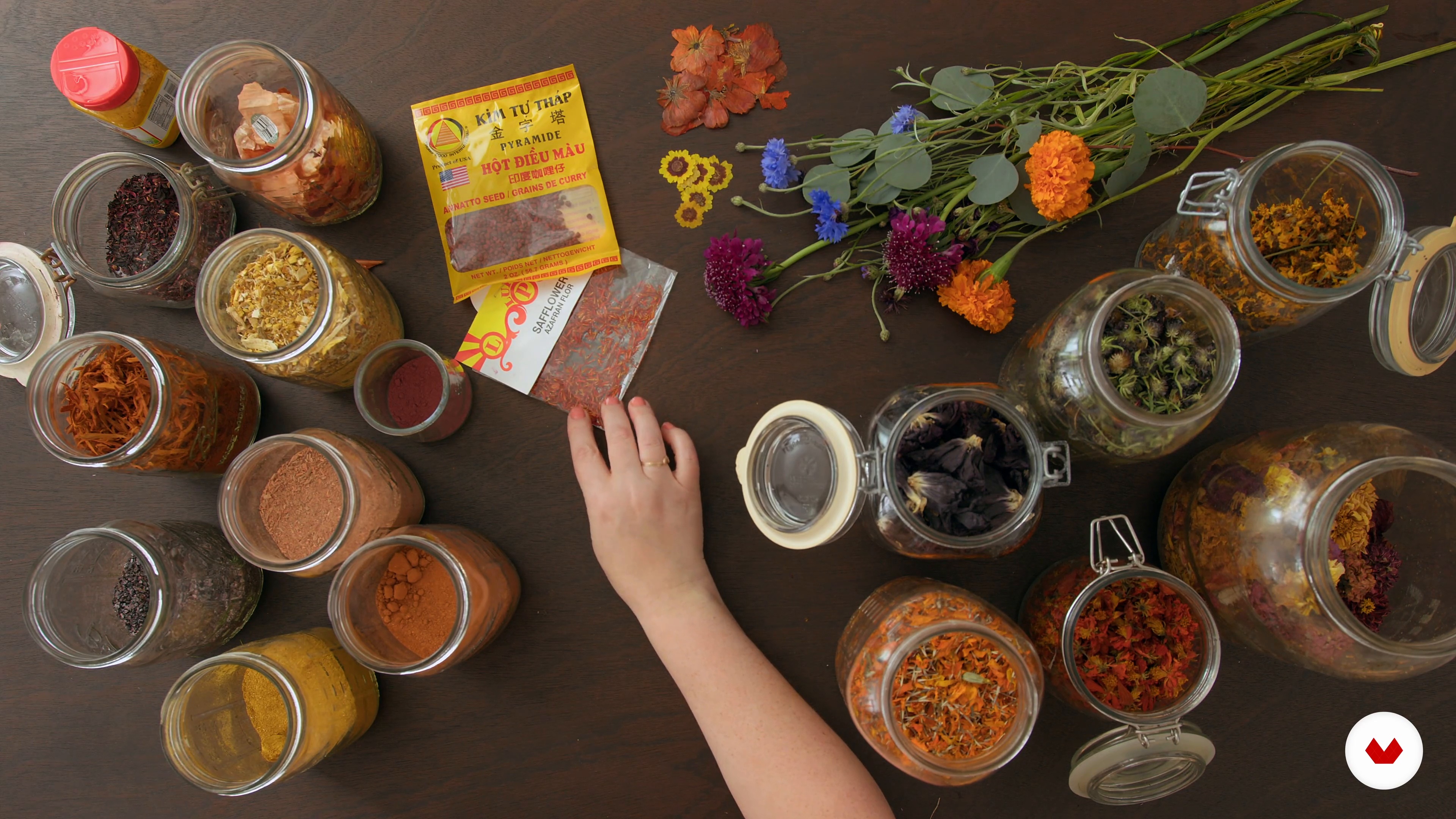
Let's find out how to choose stains and where to find the dyeing material: from our kitchen to the lawns around the house.
11m
image
7
Stains and dyeing materials 2
In this second part, I will tell you about some extracts and plants that may be useful to you. Also, I'll tell you something about upcycling and foraging .
9m
image
8
Fiber preparation: binding, washing and soaking 1
Let's learn about the different fibers to best use the most suitable etching.
11m
image
9
Fiber preparation: binding, washing and soaking 2
We continue to better prepare our yarns so that the dyeing can be as effective as possible.
11m
image
10
Etching
Let's see how to navigate the complex world of the interaction between mordants and vegetable and animal fibers.
10m
image
11
Color extraction from soft, leathery and hard dyeing material 1
I present to you my method for adjusting the extraction of color from different materials based on their consistency.
15m
image
12
Color extraction from soft, leathery and hard dyeing material 2
We conclude the approach to color extraction by seeing how to work with leathery and hard dyeing material.
10m
image
13
Dyeing and toning techniques
After extracting the color bath, we proceed with the dyeing according to the respective characteristics of each dyeing material we have used.
16m
image
14
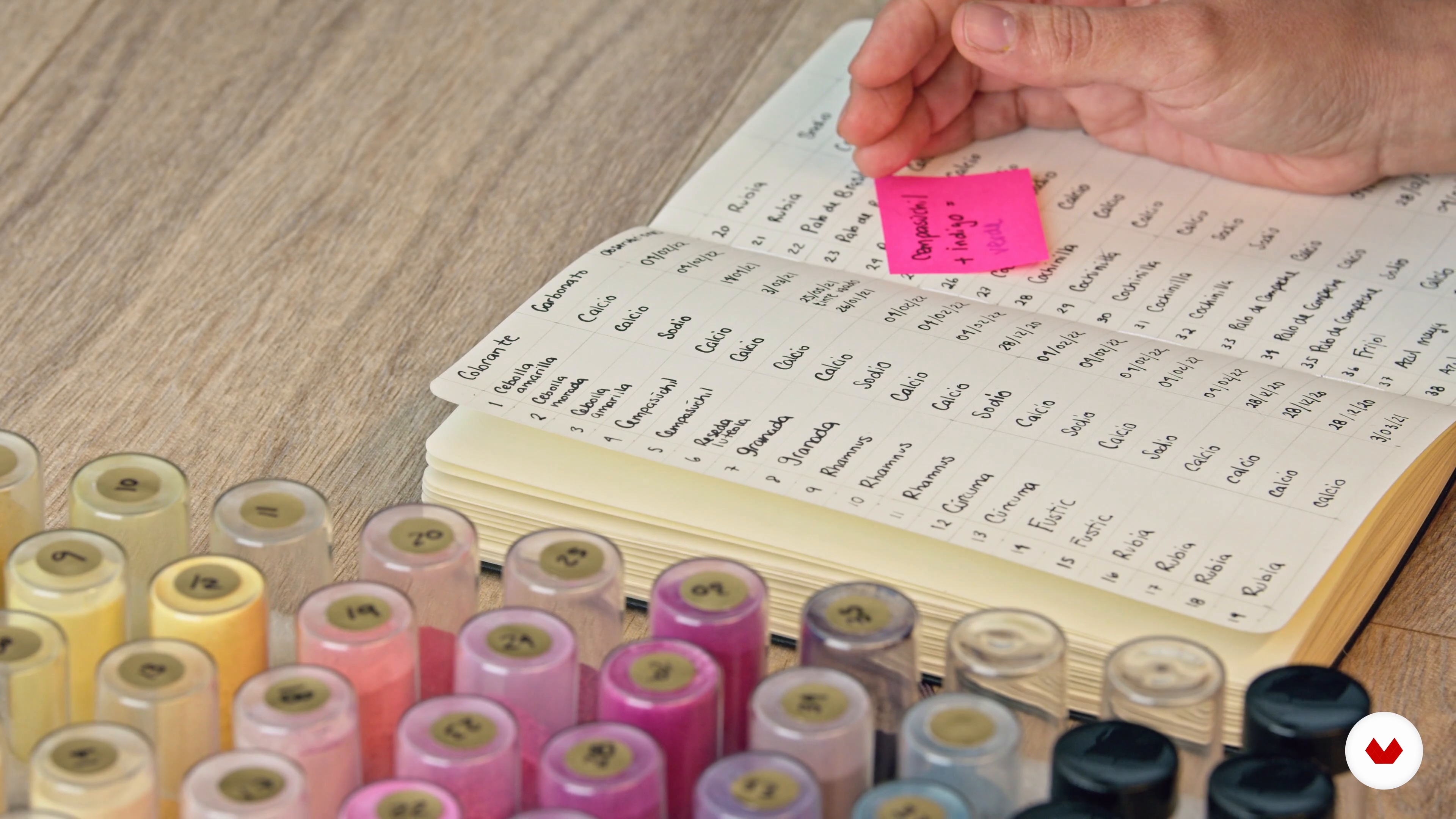
The catalog: how to keep track of the results
In this lesson, I will explain to you as a catalog all my dyeing experiments (satisfactory or not). If the results are not noted, all our efforts are useless!
18m
image
15
Tips to avoid the most common mistakes
Now we will talk about that series of unexpected events that can occur during the various stages of the process and that often become perceptible only when we take our textile out of the dyeing pot.
11m
image
16
Different ways of using your work
To conclude our journey into this wonderful world, I want to show you the different possibilities you have to use your work.
10m
image
3
Dyeing Log
The dyeing log will be your main means of documentation and consultation in this course, in this lesson I will show you different logbooks, their purpose, the indispensable sections and their possible variants.
4m
image
4
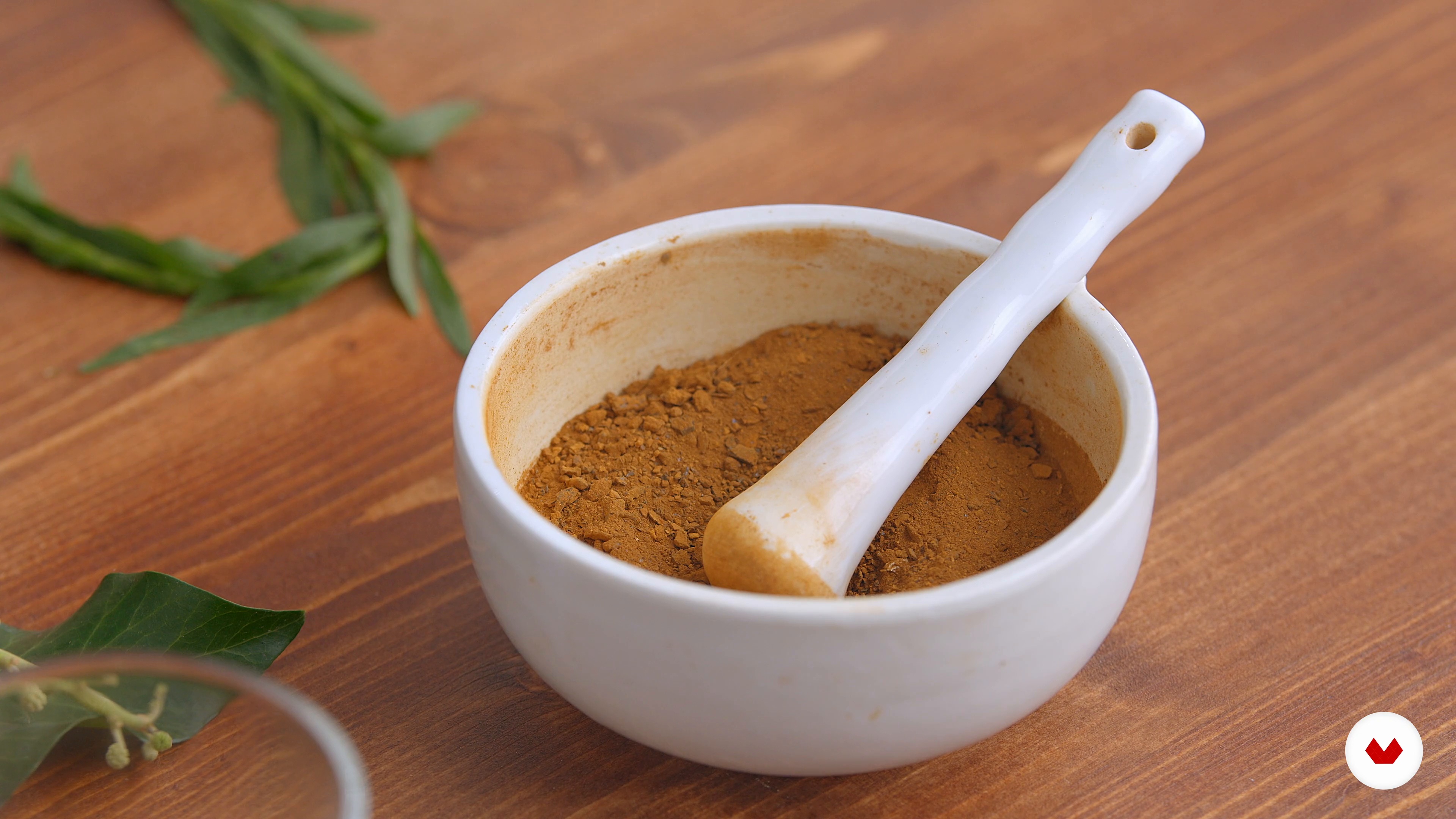
Pigments
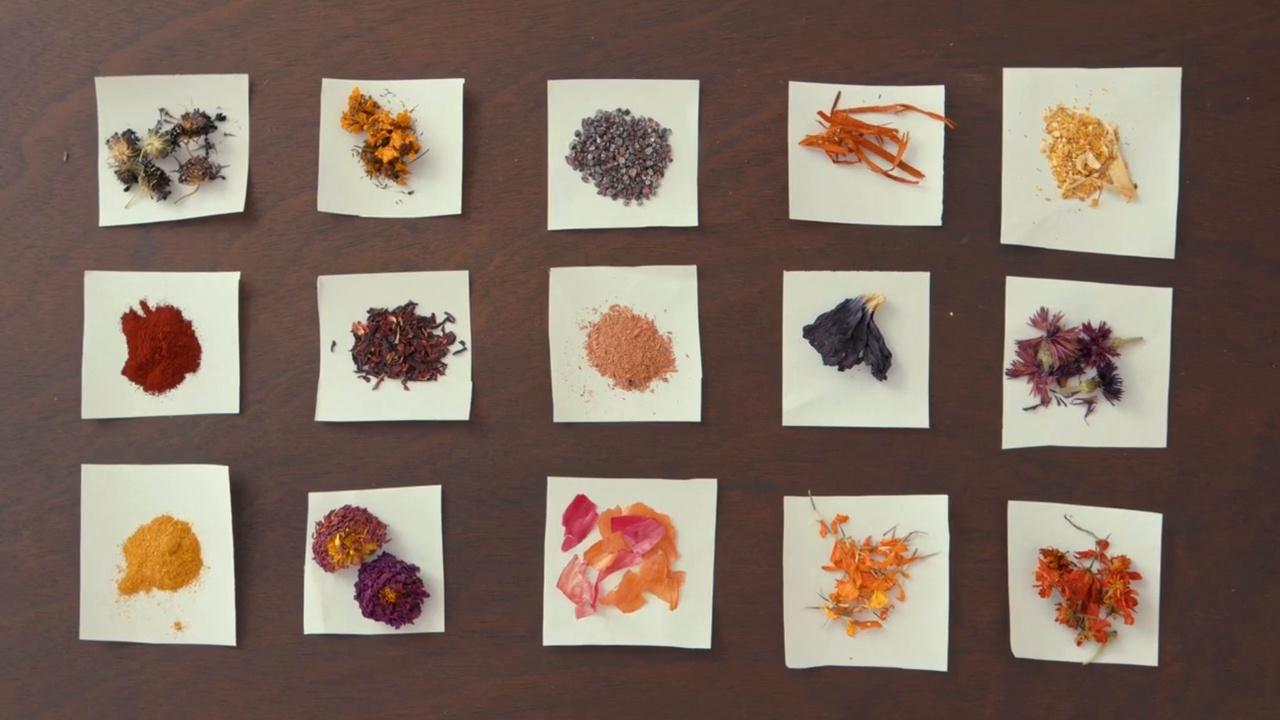
Now, I will show you different examples of pigments, their collection, tricks and classification.
6m
image
5
Fibers, textiles and tools
Differentiating natural fibers from synthetic ones is very important for the success of dyeing. Here I will show you how to do it. We will see the indispensable tools to pigment and I will give you some considerations, before starting this beautiful process.
5m
image
6
General method to start dyeing
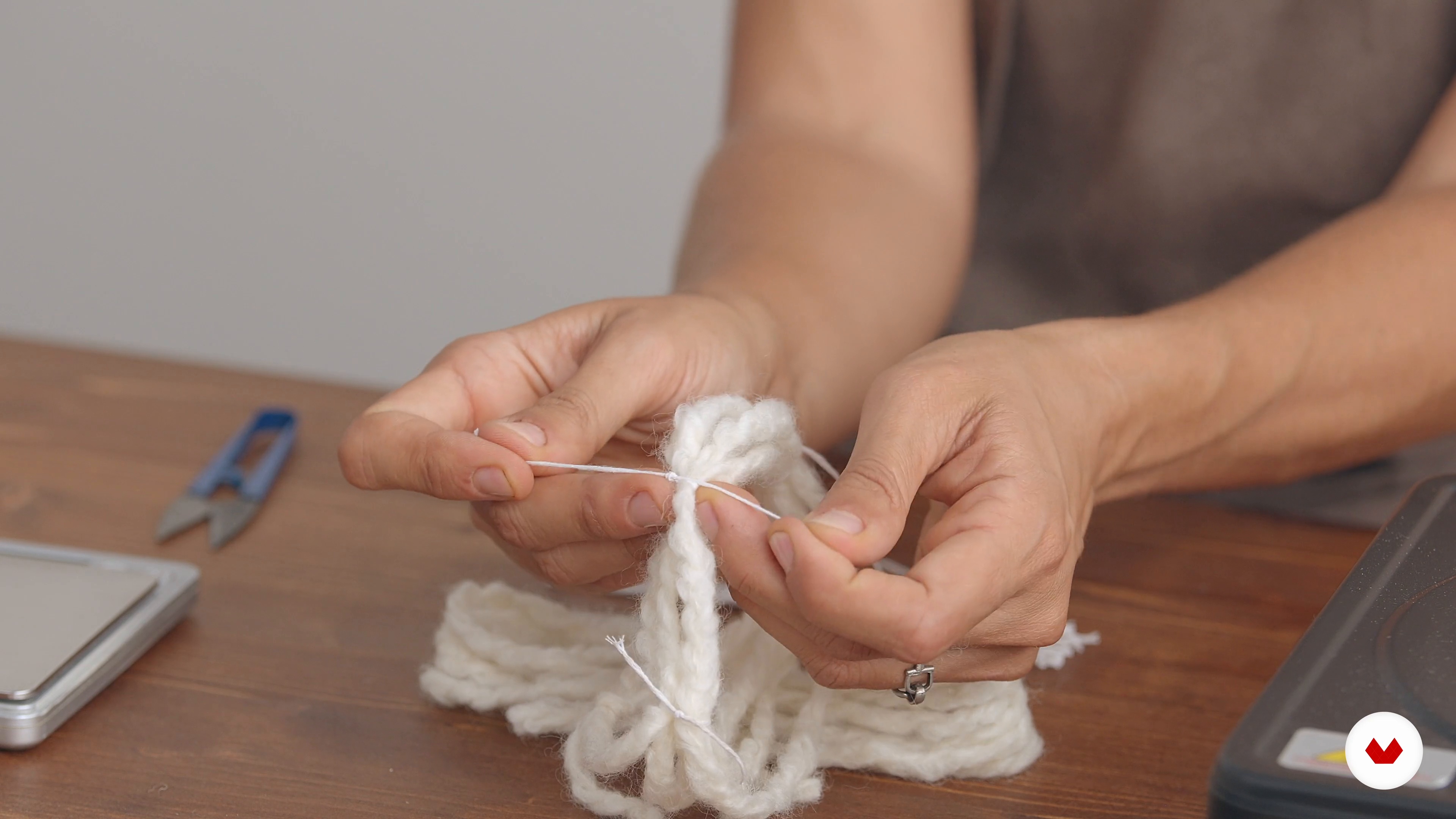
The next step is to accommodate the fibers in skeins, prepare the sets of samples and document weights and measurements in the tables of your logbook. Then I explain all this step by step.
6m
image
7
Washing and biting
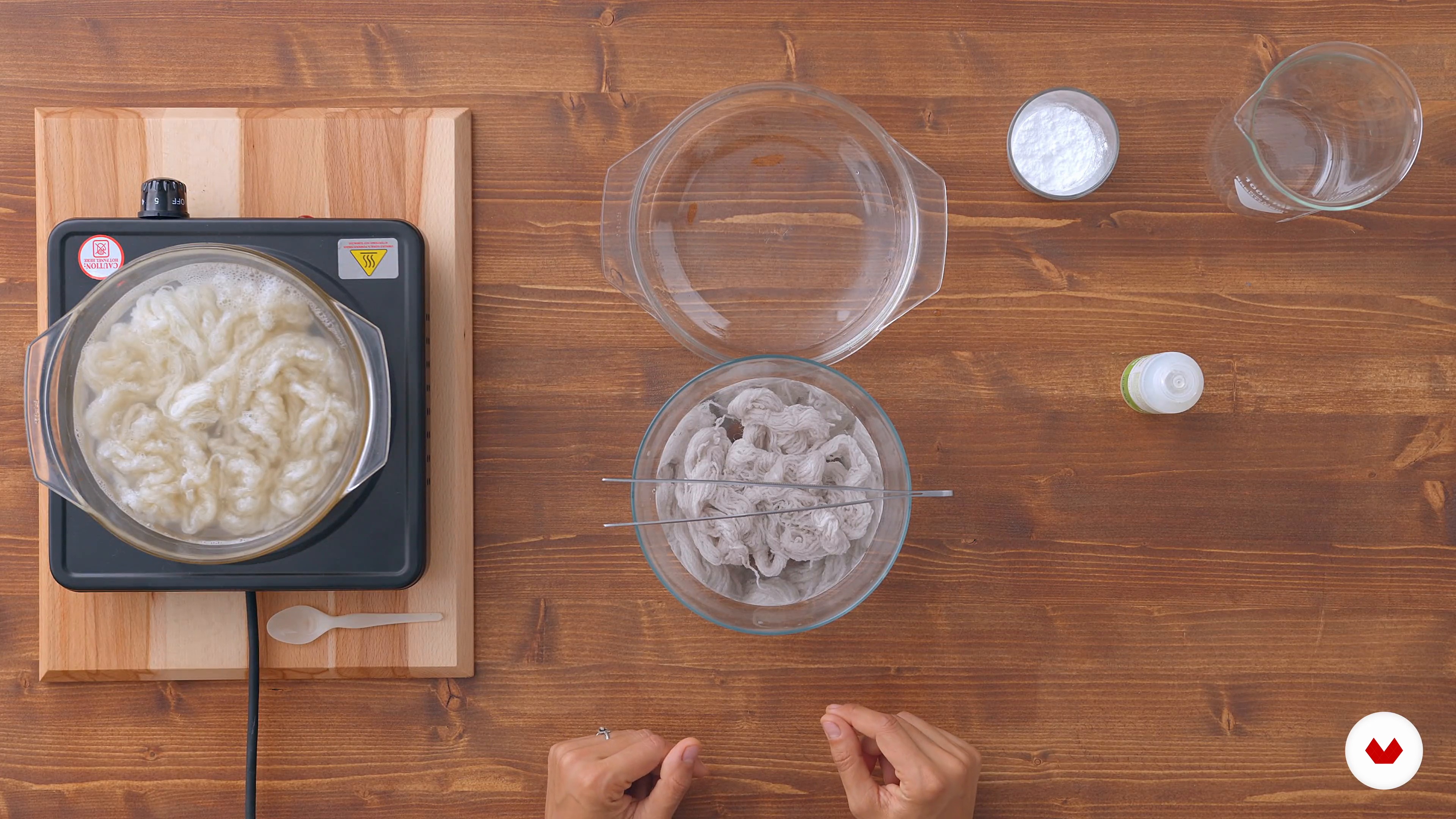
Let's continue with the washing and biting, these are very important processes to permanently fix the color in our fibers and textiles. We will use safe and easy to find mordants.
6m
image
8
Dye with vegetable pigments
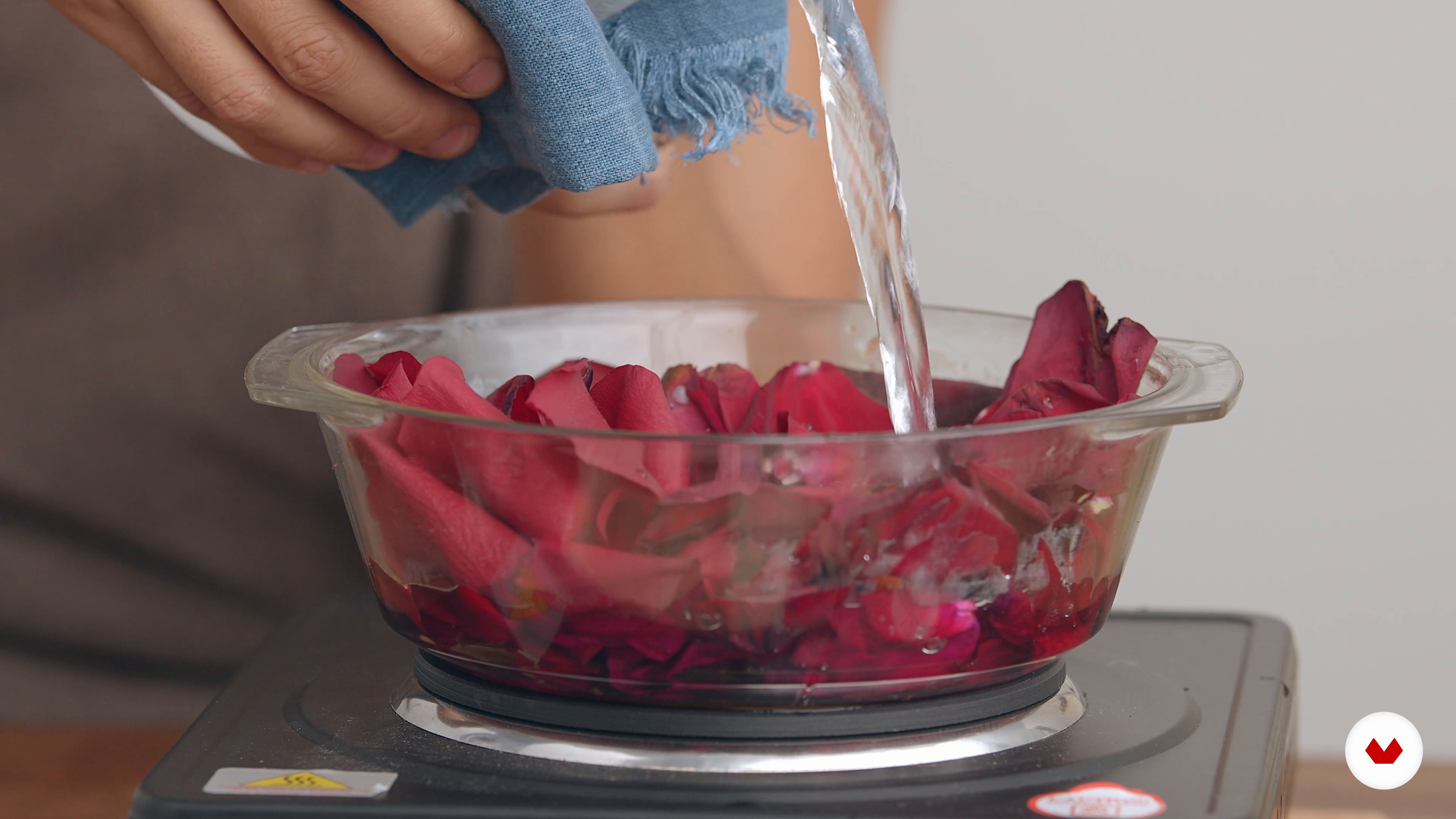
Next, I will teach you to dye with different plant pigments: leaves, flowers, barks, stems, roots, husks and seeds.
10m
image
9
Dye with earth
We will try now with mud and earth, I will teach you a sustainable and simple method.
3m
image
10
Dye with cochineal grana
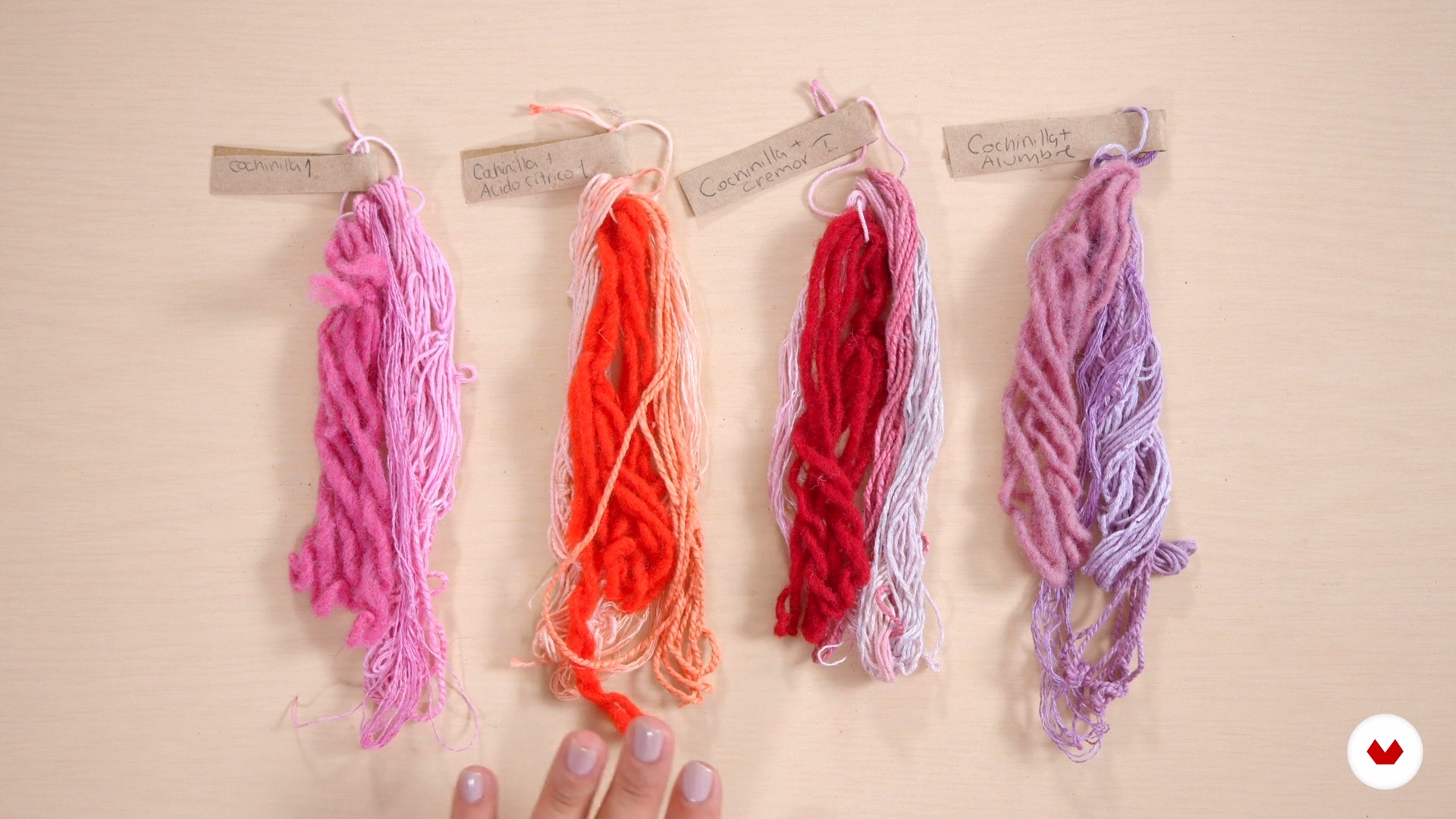
Now I will tell you about the cochineal grana and its historical importance. I will explain how to spray it, how to dye it correctly, and the possibility of changing the color by modifying the pH of the water.
10m
image
11
Dye with indigo
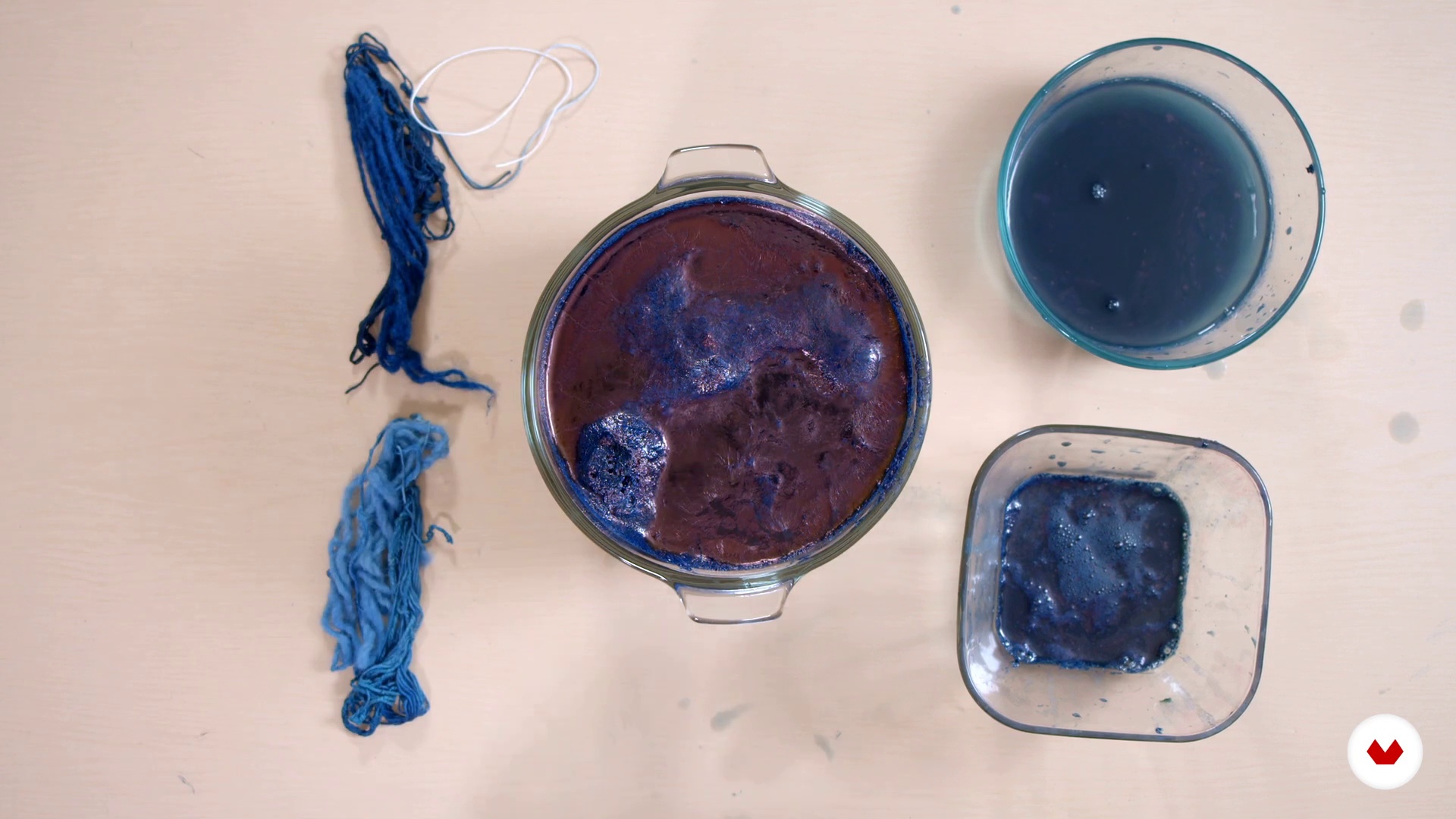
We will discover how to prepare a fructose-based organic indigo bath, how to reveal the valuable blue color in a fiber and how to obtain different intensities of blue with the number of dives and oxidation times.
15m
image
12
Detained
You will learn how to obtain other colors using the dyeing technique. I will give you some tricks to make predictions, imagining the superposition of one color over another and its transparency.
7m
image
13
Tied Tied
Now we are going to create different textures using tied dyeing, I will show you variants with whole, powdered pigments or with a base of another color and their interaction when folded.
7m
image
14
Our blog
Now, I will show you the result of my blog, how I use it and some applications of natural dyeing in different pieces.
2m
image
3
Natural Dyes
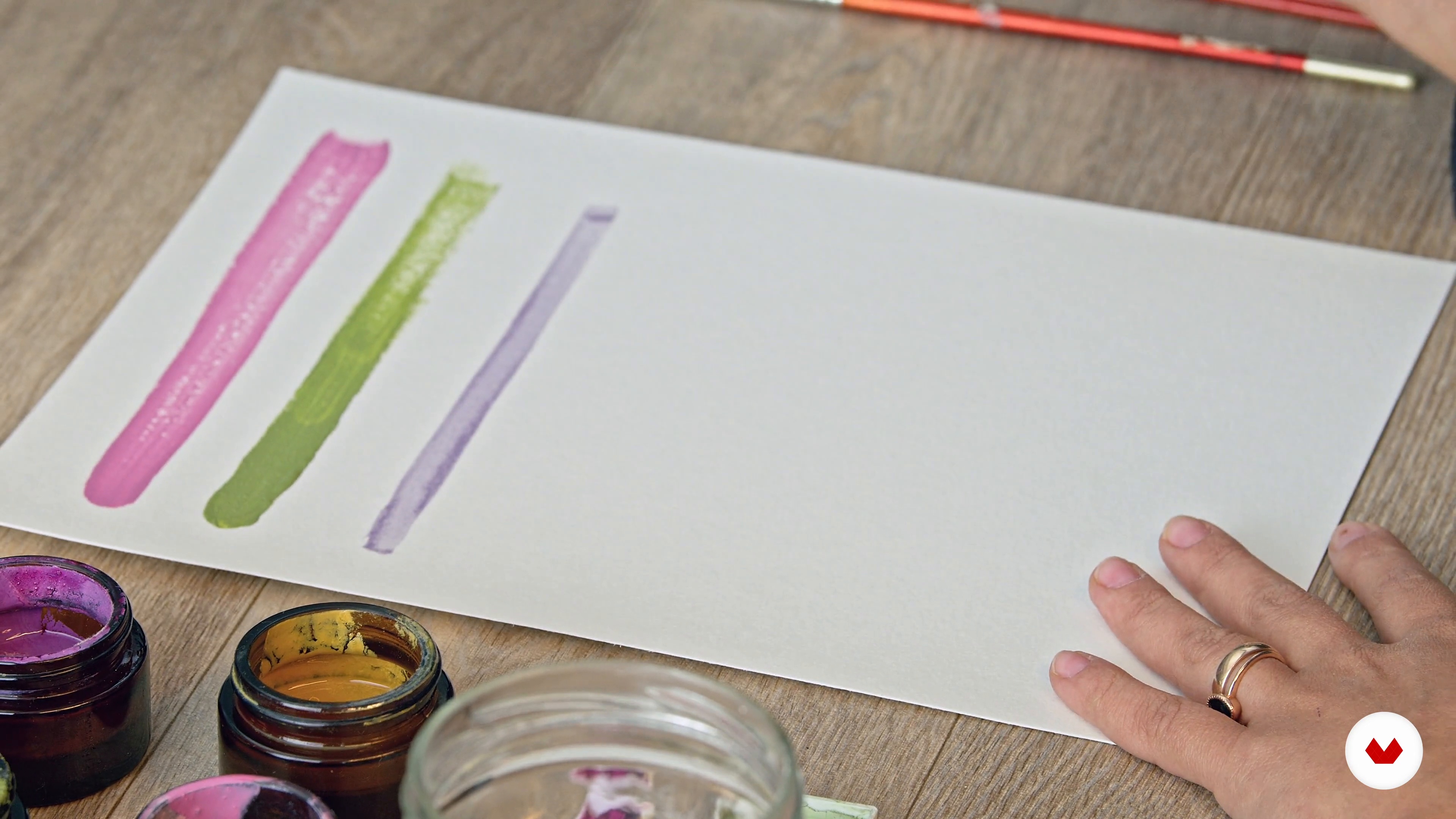
In this lesson, I will talk to you about what dyes can be used to extract the pigment powder. I'll also explain why not just any plant works and give you a traditional stamping recipe. Later, I will explain the differences when stamping when using lacquer pigments.
9m
image
4
Lacquer Pigments
Now I will continue to delve into lacquer pigments, their historical importance, their variants and main characteristics.
2m
image
5
Materials and Tools
It is time to review in detail all the materials and tools that will be necessary for this course.
6m
image
6
Preparation of the Work Area
In this lesson I will tell you about the work area that I recommend and some security measures that you must take into account.
3m
image
7
Lacquer Pigment with Calcium Carbonate
In this lesson I will teach you how to make lacquer pigments using sodium carbonate to obtain an opaque pigment.
15m
image
8
Lacquer Pigment with Sodium Carbonate
Now you will learn how to make lacquer pigments using sodium carbonate to obtain a translucent pigment.
10m
image
9
Tips and Variants
In this lesson, I'll first explain some common problems that come up while I'm working. Then I'll talk about some tricks for specific pigments like blonde and indigo.
10m
image
10
The Natural Binder
In this lesson, I'll show you step by step how to make a traditional soy milk-based binder for textile printing.
12m
image
11
Commercial Binders
Now that I've shown you how to make a natural soy milk binder, in this lesson I'll show you how to use commercial textile binders and how to use them.
15m
image
12
Garment Application
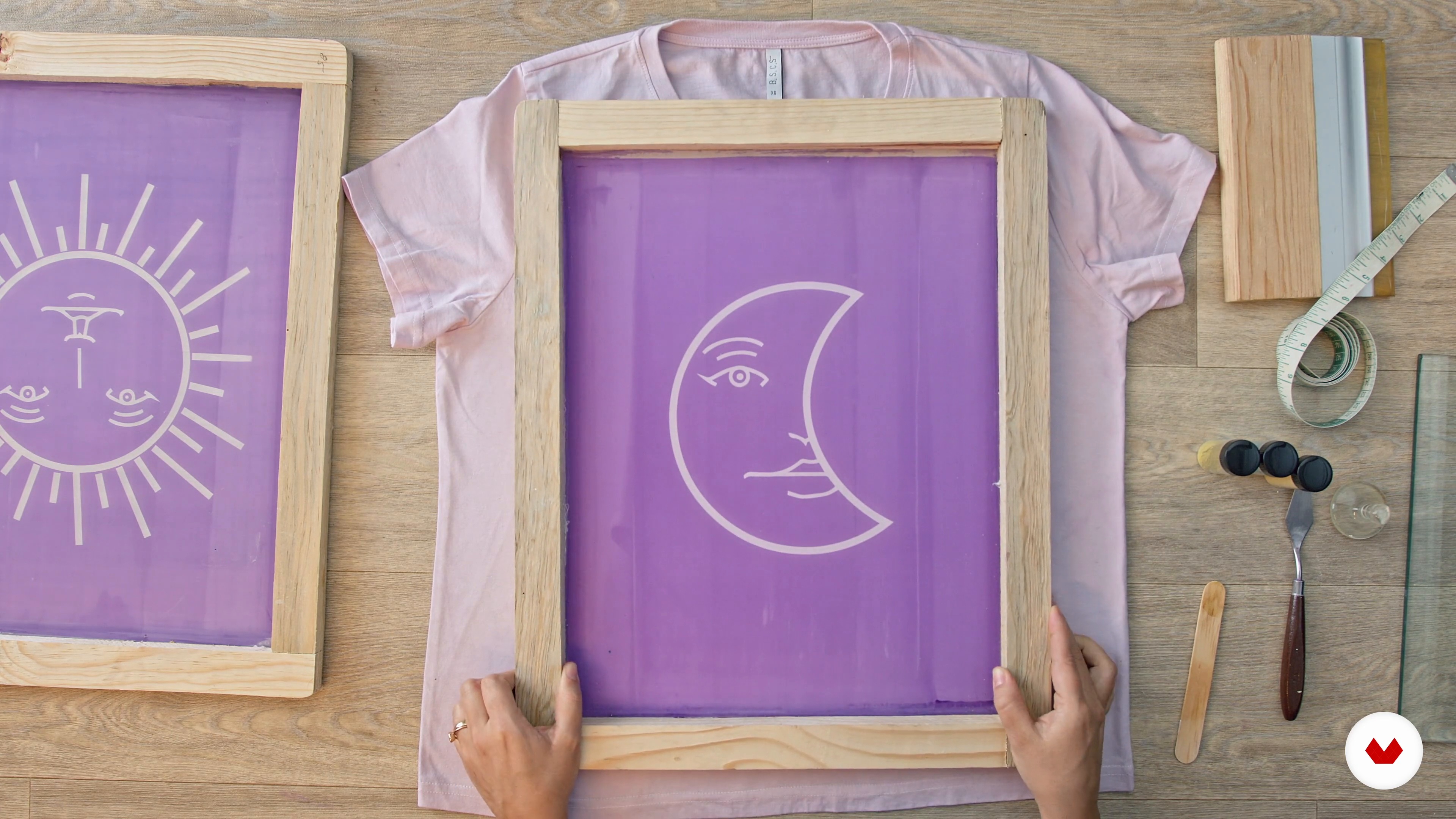
It's time to see how to use the pigments I created on a fabric! In this lesson, I'll teach you how to apply shellac pigment textile paint using a screen and screen printing ink.
11m
image
13
Other Uses
To end this unit, I will show you other possibilities and variants in which you can use the pigments you created.
3m
image
3
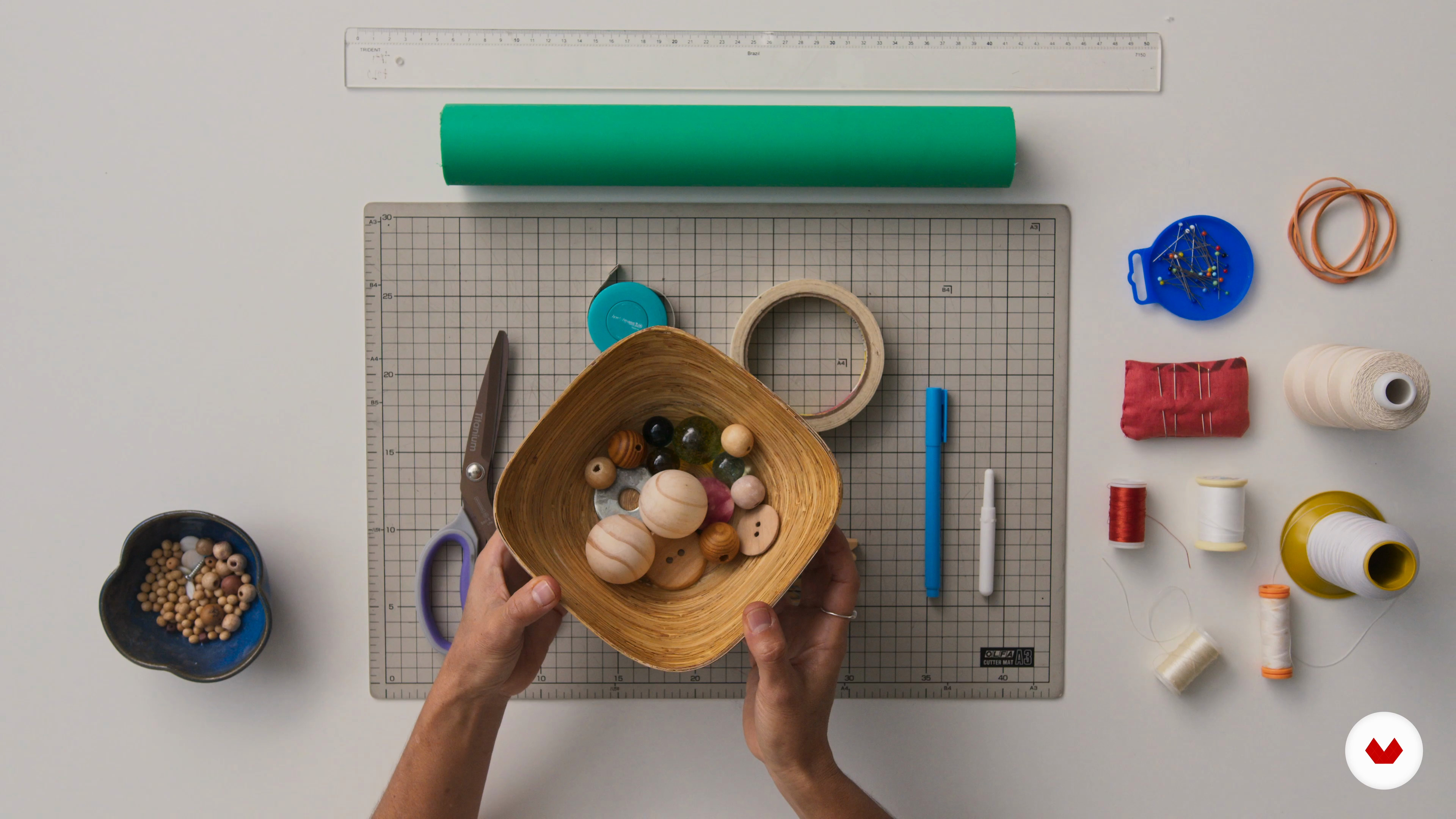
Materials for dyeing and practicing Shibori
In this class, I will show you the materials you will need to have on hand. Both for the dyeing processes and for the practice of shibori. Most of them you probably have at home!
5m
image
4
Finding the ideal fabric
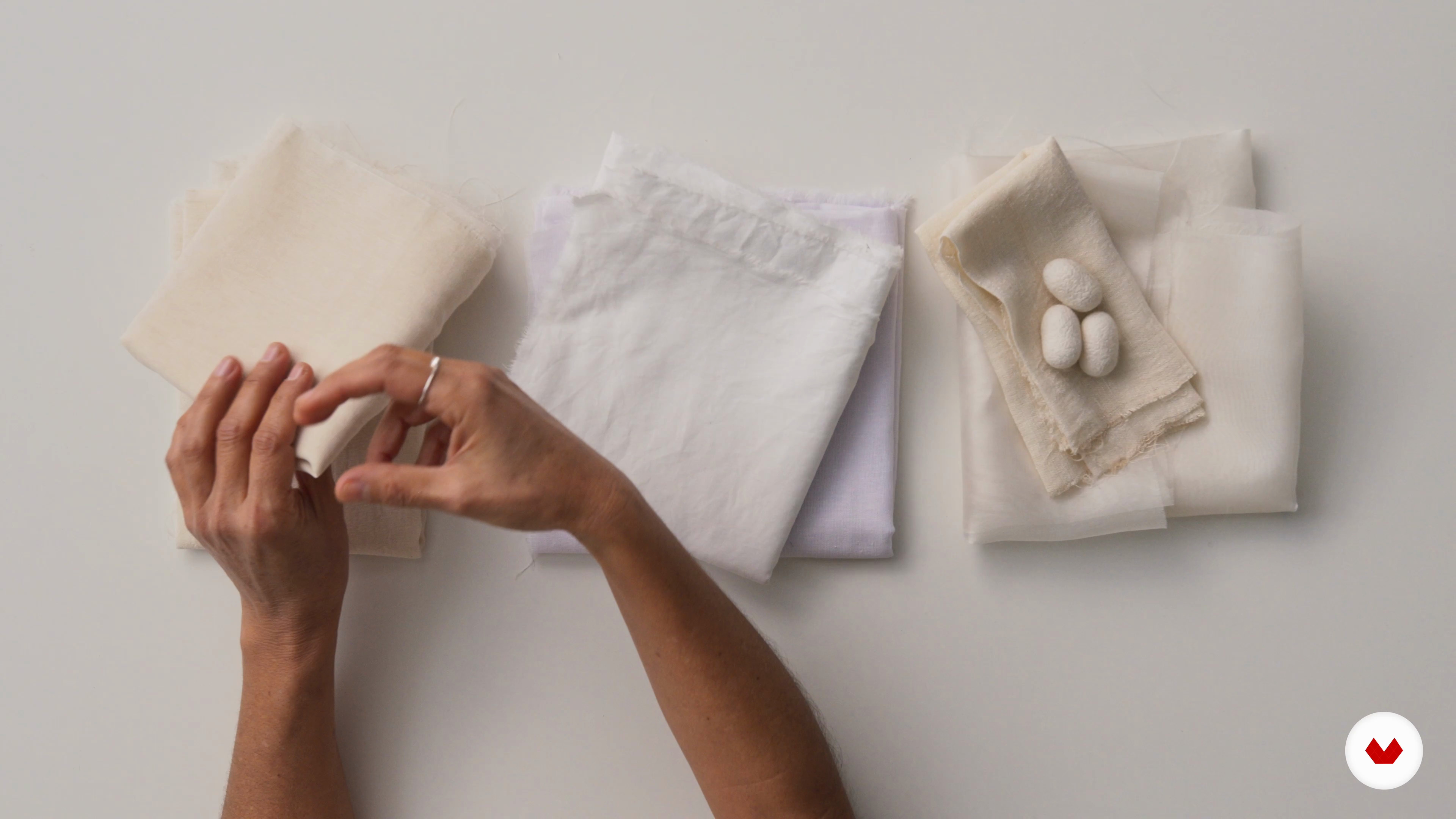
In this class I will show you some types of fabrics to help you choose which type of fabric you prefer (or the most affordable) to use in your process. You will see that each fabric, depending on its origin, requires different needs. Hence the types of cleaning, pre-treatments and treatments necessary to dye them.
7m
image
5
Fabric and mordant treatment
In this class I will teach two forms of treatment, I will show you what materials and utensils you need to have on hand. After the treatments, the fabrics will be ready to receive interventions and will be ready to be dyed.
6m
image
6
Color and dye extraction
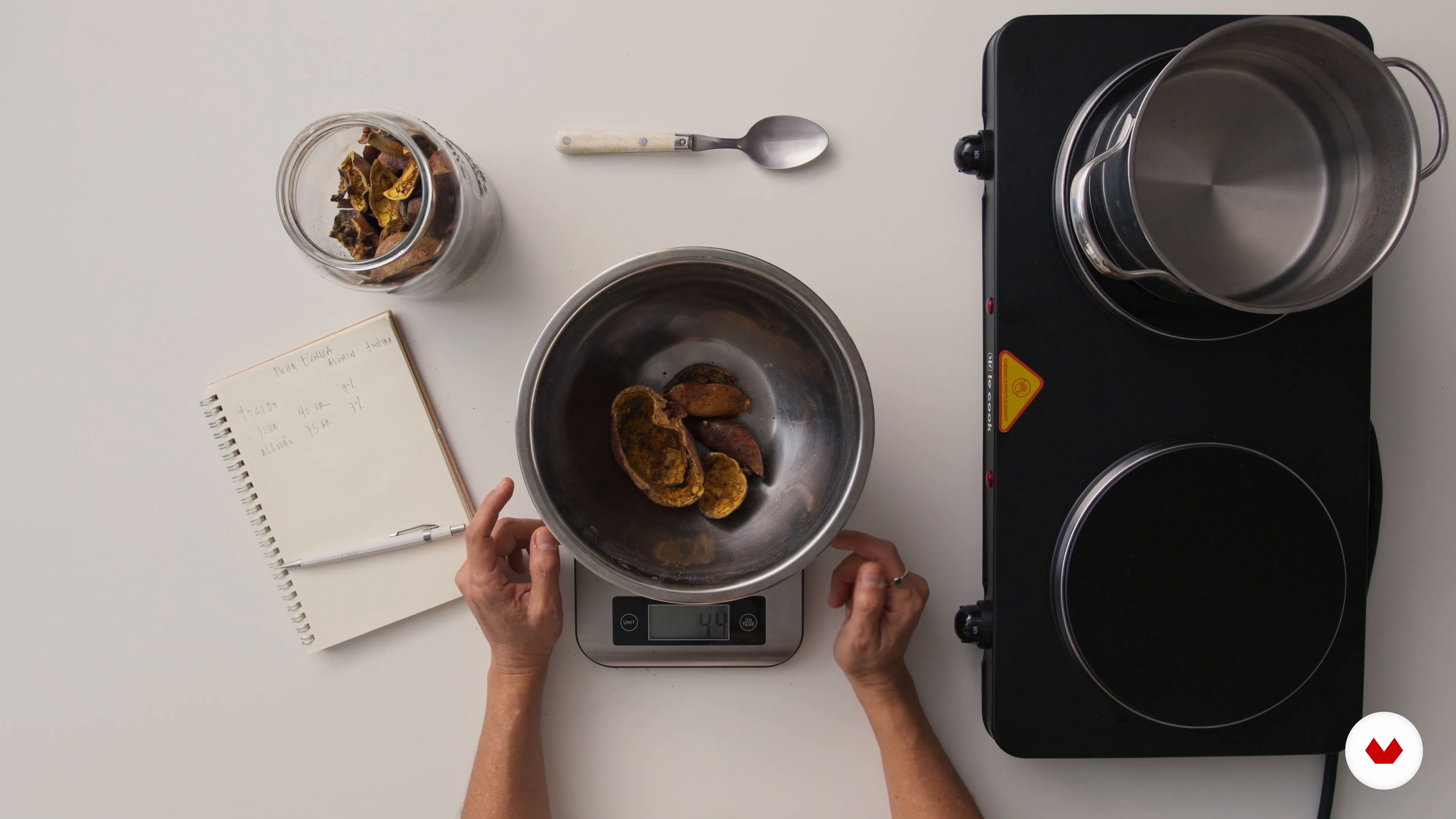
In this class I will present the chosen material that will be used to dye the samples.
4m
image
7
Mame shibori and mold
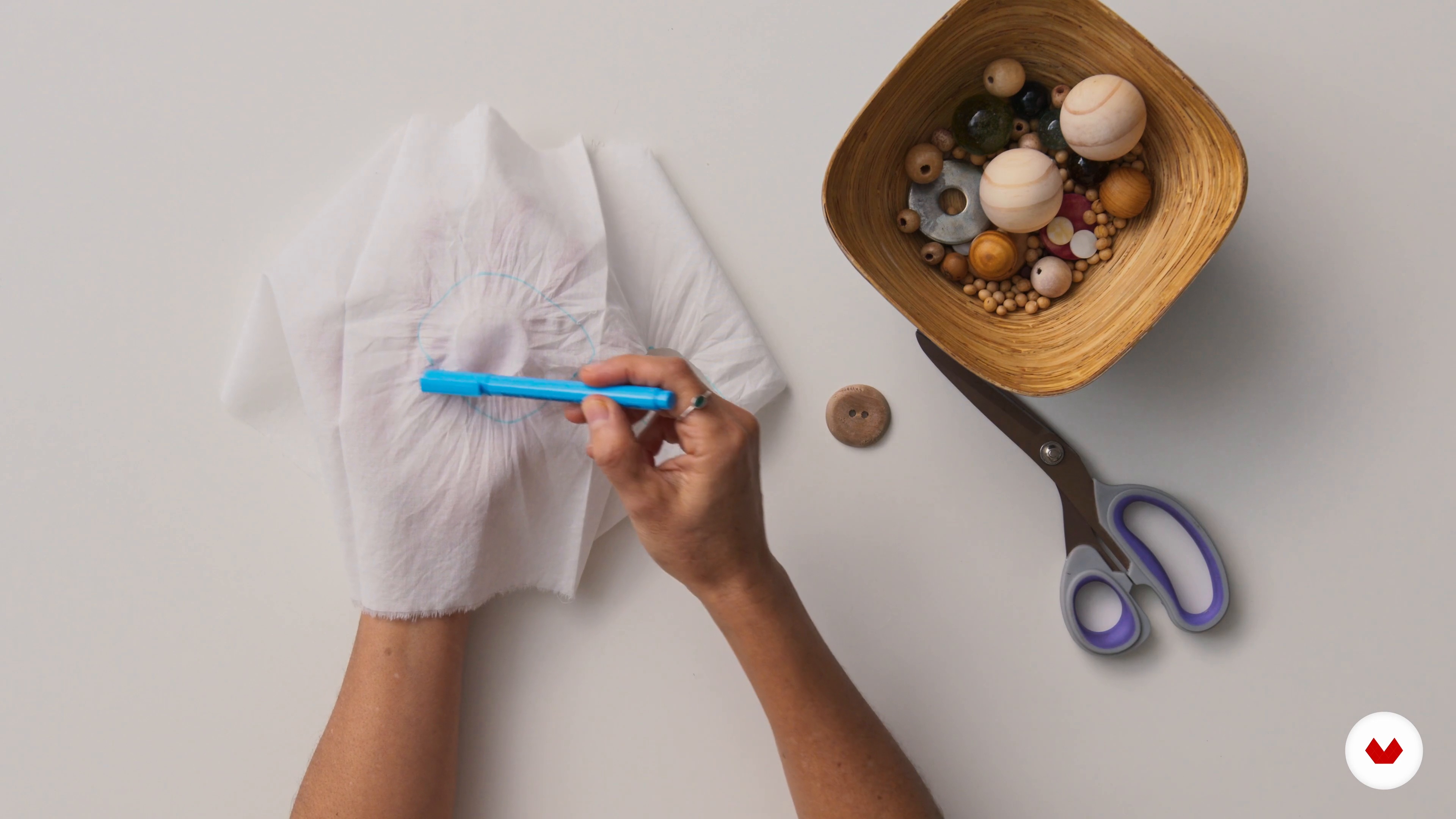
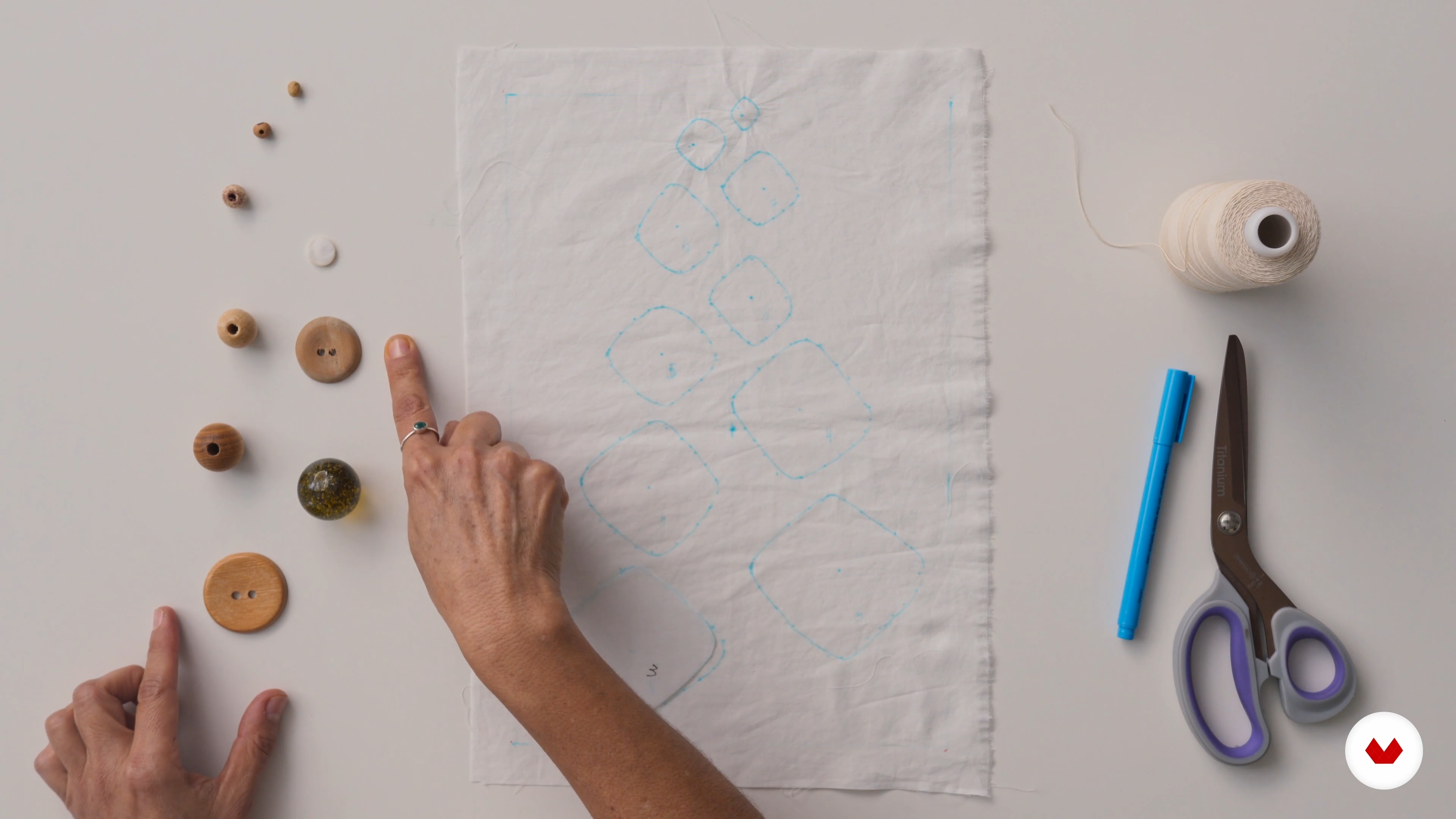
In this class you will see what mame shibori is and you will follow the shape of the guide pattern to help you locate and apply the seeds and beads to the fabric.
6m
image
8
Practicing mother shibori
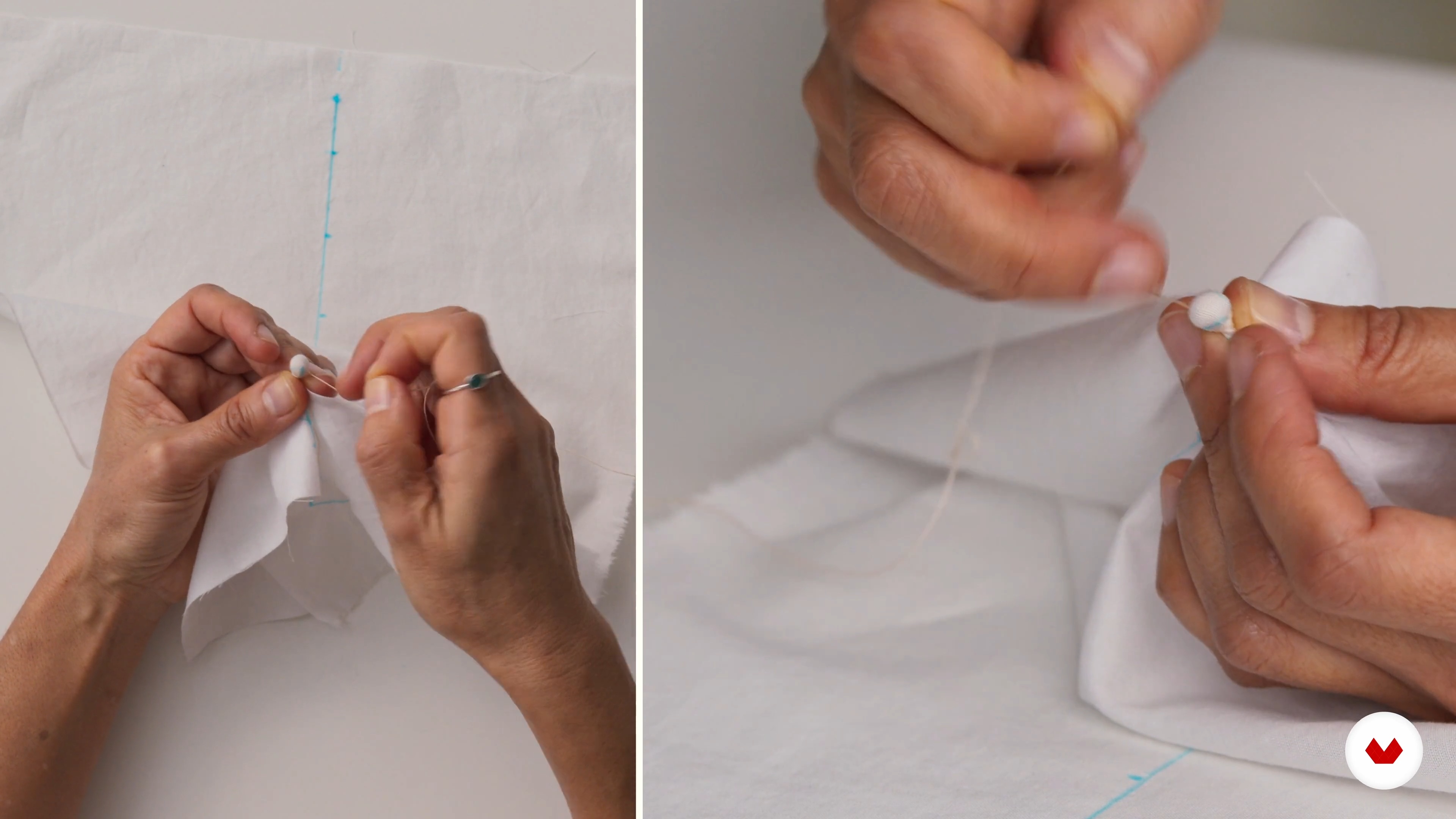
Practical lesson on the loop traditionally used in mame shibori. This type of loop makes it easier to shape and apply grains consecutively to the fabric, without the need to interrupt between the loops of one grain and another.
6m
image
9
Mame shibori: Varied sizes and demarcation
In this class I will do 2 mame shibori practices; in a fabric using varying sizes of seeds, but with free application. On the other piece I will pre-mark the fabric, using soybeans, which will result in an orderly pattern.
13m
image
10
Arashi shibori
In this class, I will demonstrate the practice of arashi shibori using a rigid core (a ppr tube). The tissue will be wrapped over this tube, which acts as a base for applying the technique. I will demonstrate two possibilities for wrapping the fabric over the tube, they are variations of applying the same technique.
15m
image
11
Dyes
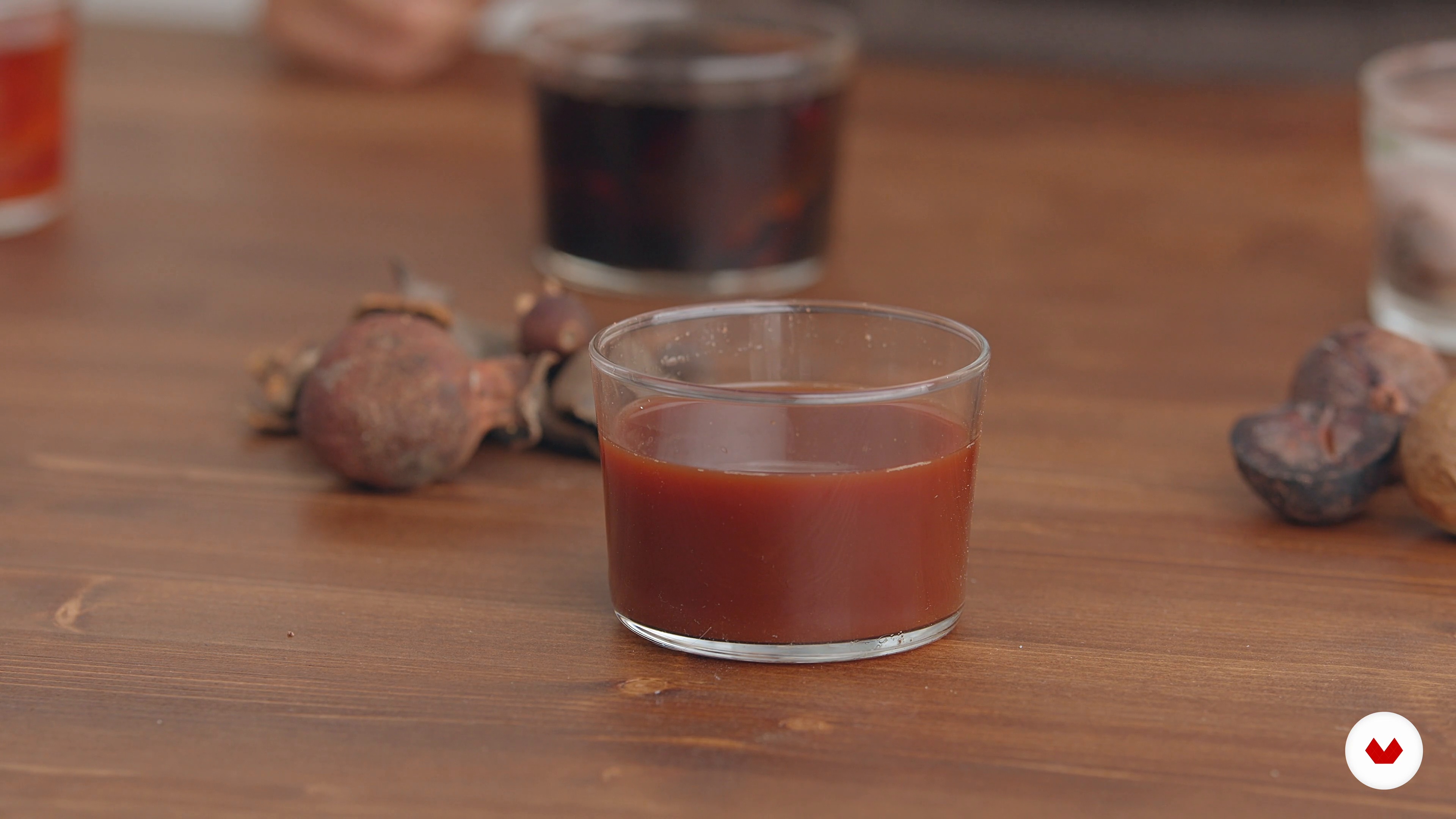
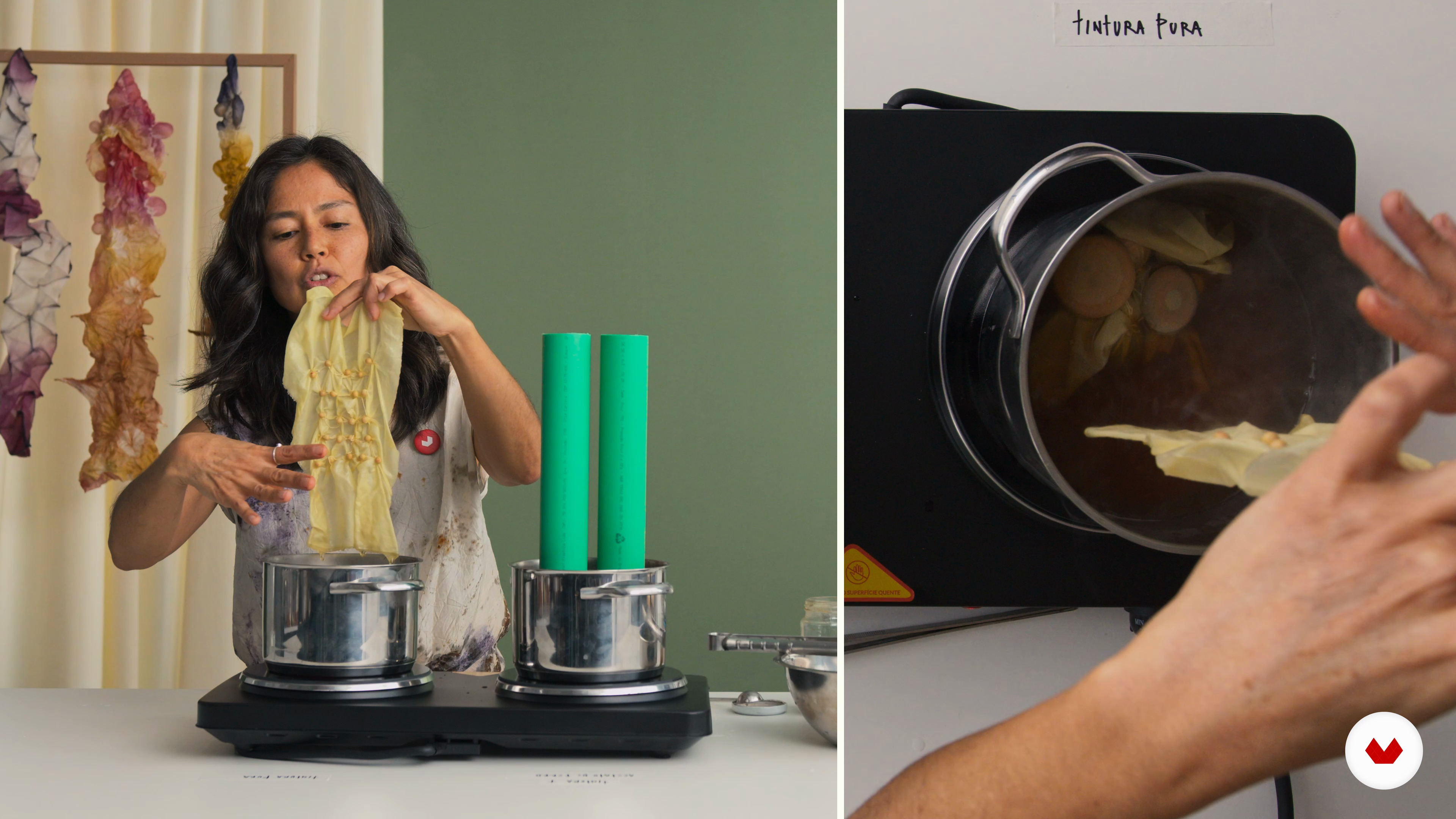
In this class I will dye the shibori samples and demonstrate how to obtain a variation of effect. The dye extracted from the pomegranate peel will also be used in combination with iron water to obtain a second color.
12m
image
12
Observation of results and ironing
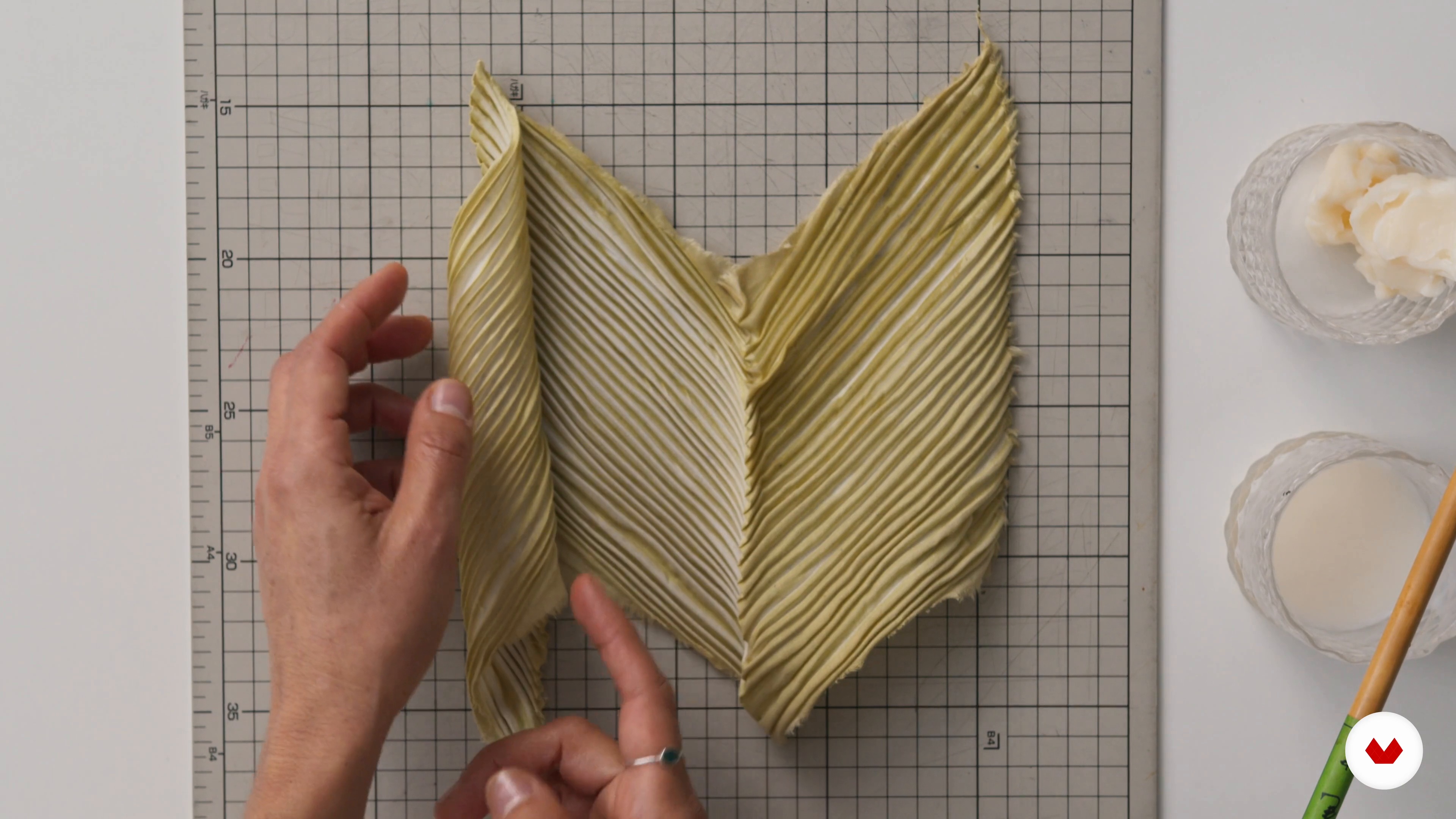
In this class, I will finally open the shibori samples! This is a moment when I am always surprised by the beauty of the resulting effect, no matter how many times I have practiced it, it is special! Fabrics must be completely dry before removing seeds and threads. We will also talk about whether or not fabric ironing is necessary.
13m
image
13
Analyzing samples and preparing the fabric base for an adornment.
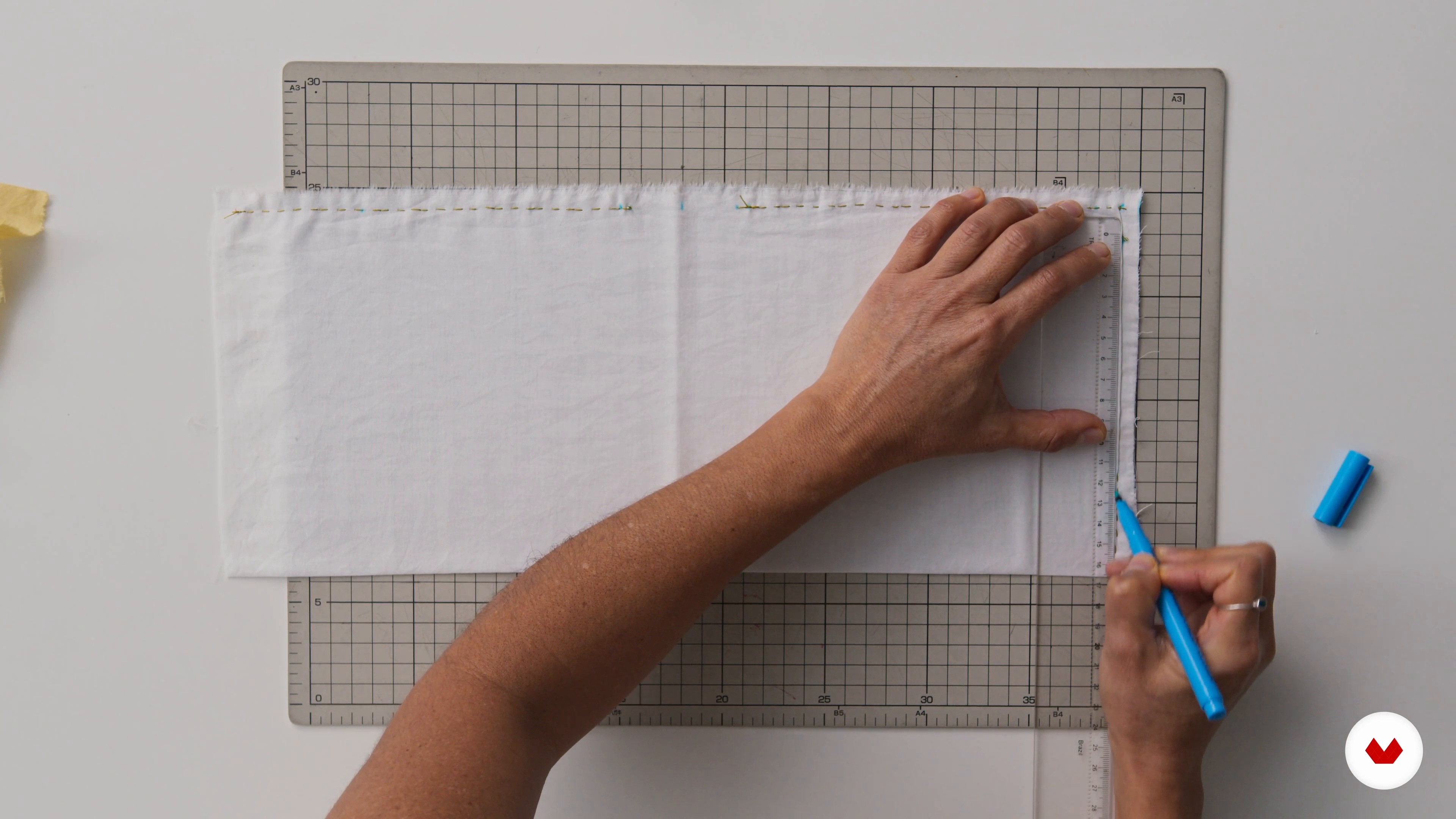
From observing the samples, I will show how I combine two different three-dimensional shapes so that they can be applied to a single piece.
10m
image
14
Application of two types of shibori in a single piece
Now that we have the project defined, let's apply what we learned to the processes.
7m
image
15
Dyes, finishes and piece ready!
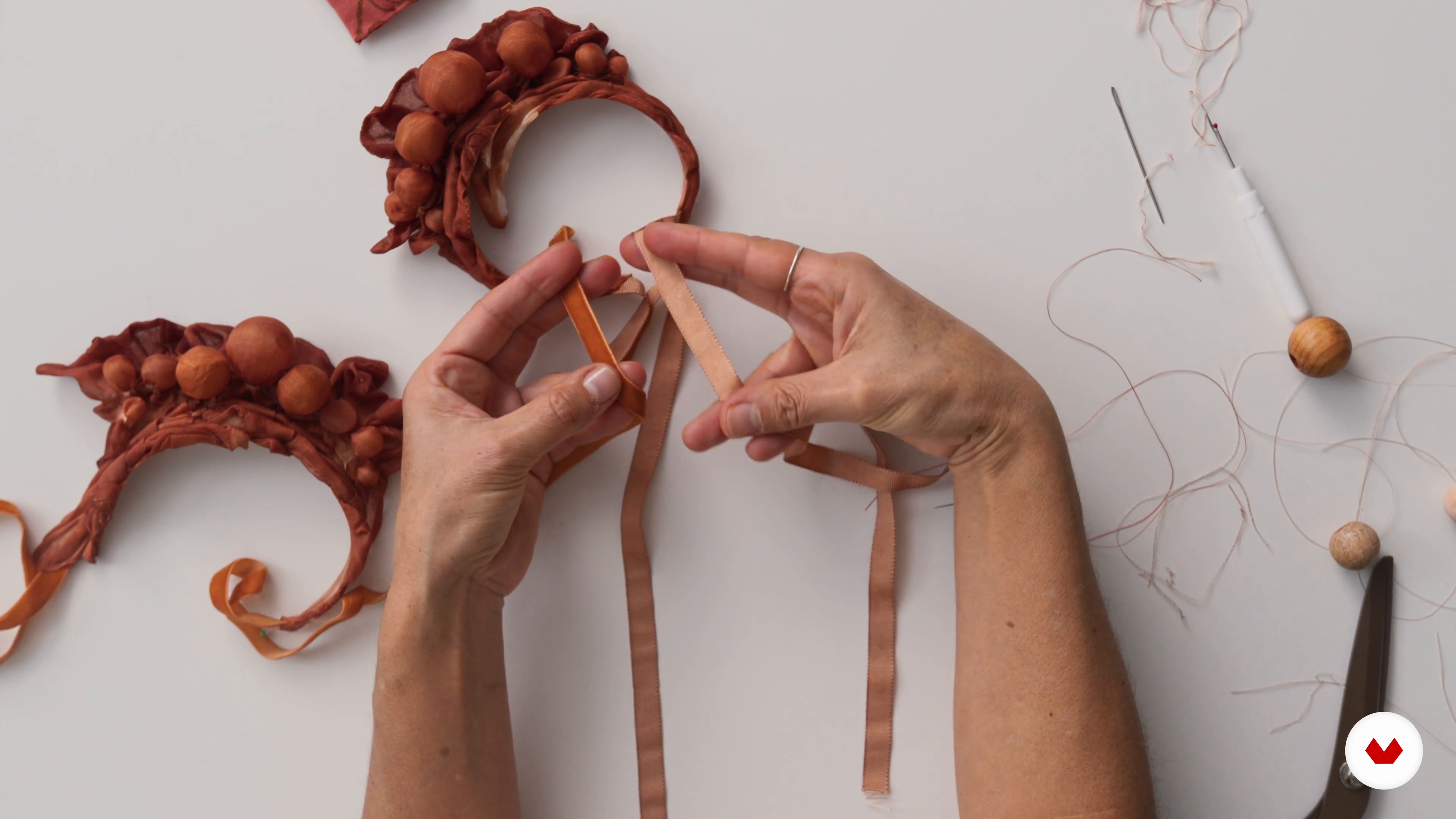
I will dye the piece, using a very special and very Brazilian dye, extracted from the leaves of the crajirú, a very popular plant in the Amazon. After ironing (if it has been done) and with the fabric completely dry, I will remove the seeds and lines. As the purpose of use is body, a necklace, at the end I will apply the ribbons (these were also dyed) Step by step, the materialization of something unusual, unique appears, which I can display and use in different ways! A sculptural jewel with plant color!
7m
image
16
Other applications of the techniques
In this class, I will present images of other applications related to the theme of 3D shibori, obtained within the process with seeds and the tube Of course, don't forget that it is also possible to take advantage of these effects without the three-dimensional aspect, so in the end, there is no need for ironing or drying, just remove the seeds and lines, dry and iron. In fact, with the beautiful effects that are printed, the fabrics can have various applications, in clothing and decoration.
5m
image
3
The Dyer’s Toolbox
To start with, you'll learn what you need to start your home dye studio. These things can be sourced from thrift stores and yard sales. Never use dye pots and utensils for food.
9m
image
4
All about Natural Fiber
Let me show you how to choose the correct fiber for plant dyes. Even though you'll look at cellulose and protein fibers, this course will focus on how to use plant fiber.
5m
image
5
Nature’s Magical Colors: Types of Dyestuff
Now that you know where to find the color, you will learn how that color reacts with fiber and how the color manifests itself
6m
image
6
Pattern and Textures
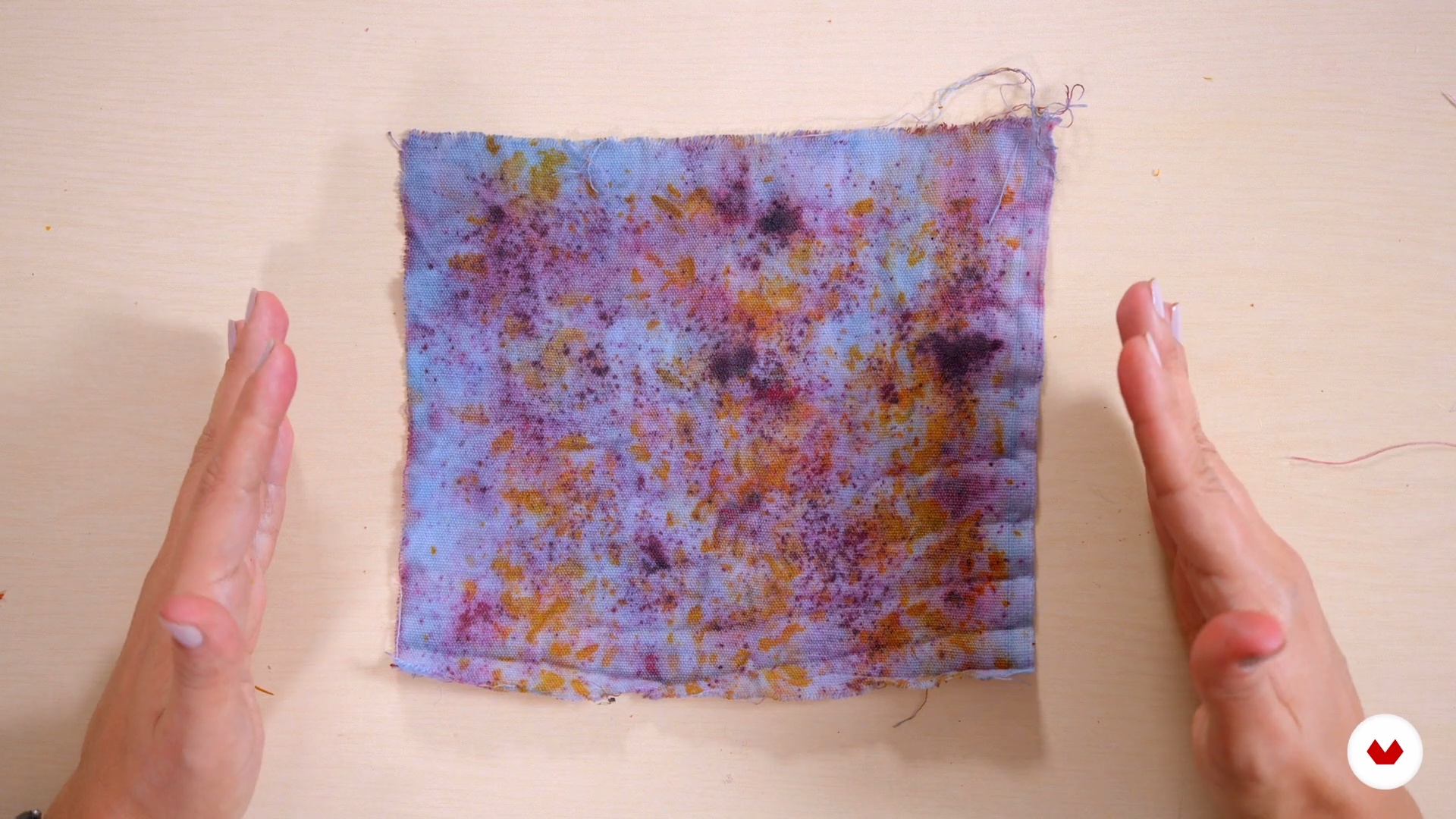
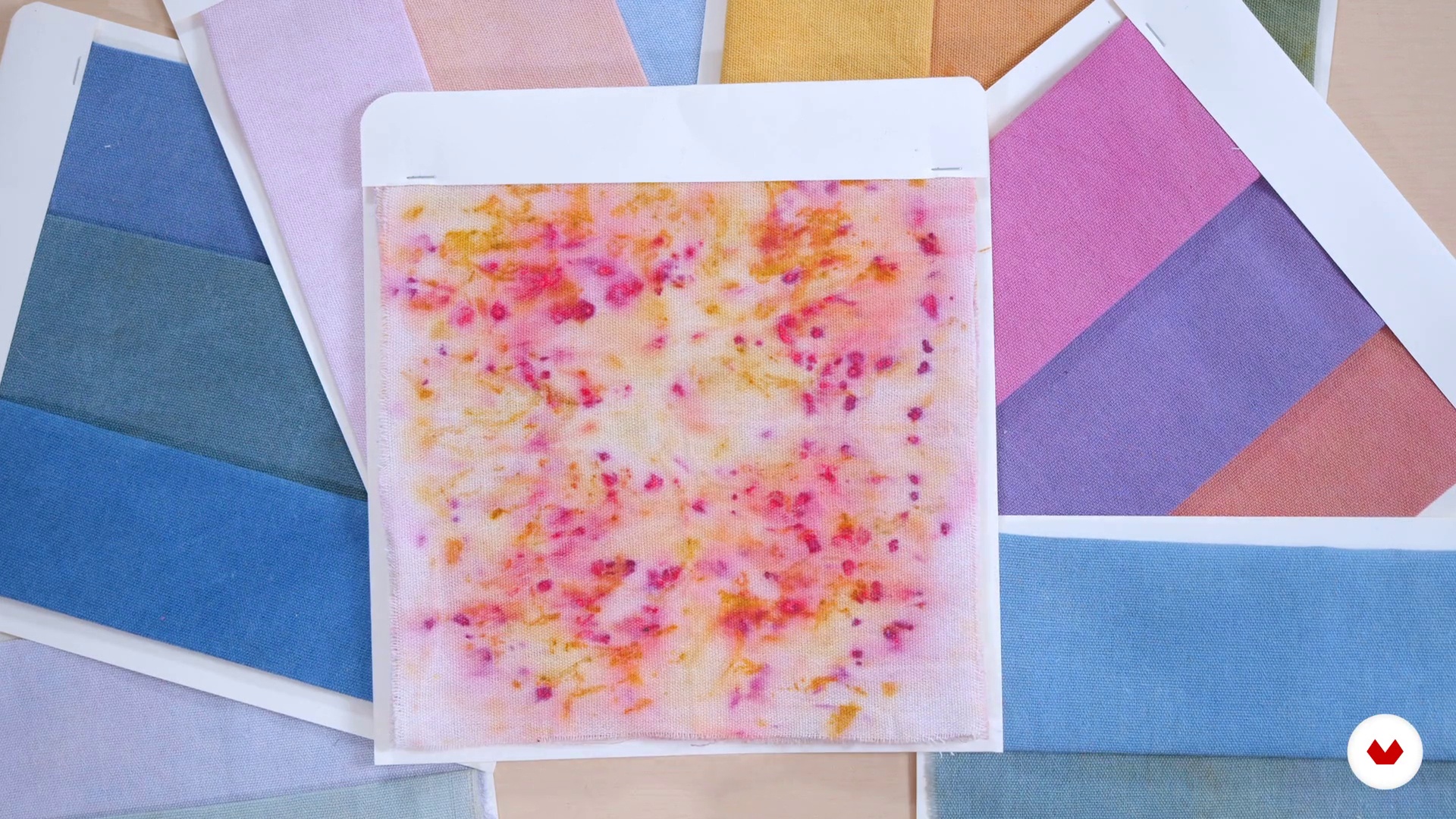
Botanical printing can give your piece a fantastic range of patterns and textures, depending on how you manipulate your dyestuff. Let’s quickly cover the different textures and patterns you can create with your palette of plants.
3m
image
7
Preparing Fiber for Dyeing: Scouring and Mordanting
Learn the building block of creating long-lasting dyes. Scouring and mordanting will prepare your fabric to accept plant color.
10m
image
8
Printing Techniques 1
Here you will learn different bundle dyeing techniques in printing on fiber. I will teach you how to create textile patterns and unique plant compositions with folding and resist techniques.
9m
image
9
Printing Techniques 2
During this second part of the lesson, I will show you different techniques you can mix to create unique pieces. I will also share some tips and tricks to make it easier.
15m
image
10
Extracting Color: Steaming
To finish this unit, you will see how to unlock the color of plants and flowers to transfer it to your fiber.
11m
image
11
Care Tips
Once your item is dyed, it's time to learn how to care for it to prolong its life. I will share my best tips and tricks to do it.
2m
image
12
Pressing and Storing Flowers
I love to keep flowers for the winter so I can use them in my work year-round. Pressing and drying flowers is a great way to stockpile natural colors for the winter. Therefore, I will teach you how to make this on your own.
3m
  • 100% positive reviews (1)
  • 160 students
  • 67 lessons (10h 10m)
  • 91 additional resources (38 files)
  • Online and at your own pace
  • Audio: English, German, Spanish, Spanish (Latam), French, Indonesian, Italian, Dutch, Polish, Portuguese, Romanian, Turkish
  • Spanish · English · Portuguese · German · French · Italian · Polish · Dutch · Turkish · Romanian · Indonesian
  • Level: Beginner
  • Unlimited access forever

What is this course's project?
Students will create a comprehensive sustainable textile collection, showcasing mastery in natural dyeing techniques. They will document their process from botanical sourcing to finished pieces, focusing on technical skills, environmental stewardship, and innovation in sustainable practices.

Who is this specialization for?

Textile artists, sustainable fashion designers, and eco-conscious creators eager to master natural dyeing techniques. Ideal for environmental educators in visual arts, artisans developing sustainable businesses, craft entrepreneurs focused on eco-friendly products, and traditional craft preservationists.

Requirements and materials

No extensive prior knowledge is needed. Gather plant materials, lightweight fabrics, basic sewing tools, and dye supplies. A stove and pots are essential. Curiosity and willingness to explore natural dyeing processes will enhance your experience as you create unique textiles.

Select to get to know your teachers in this specialization course
Read more ↓

Reviews

160 Students
1 Reviews
100% Positive ratings


What to expect from this specialization course

  • Learn at your own pace

    Enjoy learning from home without a set schedule and with an easy-to-follow method. You set your own pace.

  • Learn from the best professionals

    Learn valuable methods and techniques explained by top experts in the creative sector.

  • Meet expert teachers

    Each expert teaches what they do best, with clear guidelines, true passion, and professional insight in every lesson.

  • Certificates
    Plus

    If you're a Plus member, get a custom certificate for every specialization course. Share it on your portfolio, social media, or wherever you like.

  • Get front-row seats

    Videos of the highest quality, so you don't miss a single detail. With unlimited access, you can watch them as many times as you need to perfect your technique.

  • Share knowledge and ideas

    Ask questions, request feedback, or offer solutions. Share your learning experience with other students in the community who are as passionate about creativity as you are.

  • Connect with a global creative community

    The community is home to millions of people from around the world who are curious and passionate about exploring and expressing their creativity.

  • Watch professionally produced courses

    Domestika curates its teacher roster and produces every course in-house to ensure a high-quality online learning experience.


FAQs

Domestika courses are online classes that allow you to learn new skills and create incredible projects. All our courses include the opportunity to share your work with other students and/or teachers, creating an active learning community. We offer different formats:
Original Courses: Complete classes that combine videos, texts, and educational materials to complete a specific project from start to finish.
Basics Courses: Specialized training where you master specific software tools step by step.
Specialization Courses: Learning paths with various expert teachers on the same topic, perfect for becoming a specialist by learning from different approaches.
Guided Courses: Practical experiences ideal for directly acquiring specific skills.
Intensive Courses (Deep Dives): New creative processes based on artificial intelligence tools in an accessible format for in-depth and dynamic understanding.

All specialization courses are 100% online, so once they're published, specialization courses start and finish whenever you want. You set the pace of the class. You can go back to review what interests you most and skip what you already know, ask questions, answer questions, share your projects, and more.

The specialization courses are divided into different modules. Each one includes lessons, informational text, tasks, and practice exercises to help you carry out your project step by step, with additional complementary resources and downloads. You'll also have access to an exclusive forum where you can interact with other students, as well as share your work and your final project, creating a community around the specialization courses.

You can redeem the specialization courses you received by accessing the redeeming page and entering your gift code.

If you're a Plus member, when you complete a course you've purchased, you'll instantly get your personalized certificate. You can see all your certificates in the Certificates section of your profile. You can download your certificates as PDFs and share the link online. Learn more about certificates.
Natural Dyeing Specialization: Master Eco-Friendly Textile Techniques. Craft course by Domestika

Natural Dyeing Specialization: Master Eco-Friendly Textile Techniques

A specialization by multiple teachers
Berkeley, United States.
Joined April 2002
  • 100% positive reviews (1)
  • 160 students