Specialization

Specialization in Leather Craftsmanship: Decorative Techniques and Accessory Creation

Master decorative leather techniques, create unique accessories, and blend traditional craftsmanship with modern innovation

Specialization · 6 modules

Embark on a creative journey through the art of leather craftsmanship, where tradition meets innovation. Dive deep into the world of leather, mastering techniques from marquetry to seamless accessory design. Explore the versatility of this ancient material as you learn to apply decorative techniques that elevate your creations to new heights. From introducing marquetry in leatherwork to experimenting with color and texture, this specialization offers a comprehensive understanding of leather's potential.

Guided by expert artisans Valentine H. Despointes, Mélanie Durand, Susana Dominguez, José Luis Bazan, Pigeoncoq, and Adolfo Navarro, discover the secrets behind crafting unique accessories. Each course in this specialization focuses on honing your skills in different aspects of leatherwork. Develop a discerning eye for design and construction, creating handbags, decorative bindings, and sophisticated accessories. Gain the confidence to express your personal style through leather, crafting pieces that are both functional and artistically refined. Prepare to transform your passion for leather into a collection that showcases your mastery and creativity.

Read more ↓

What will you learn in this specialization?
A total of 6 modules and 76 lessons
A total of 13h 16m of vídeo lessons
Taught by 5 selected expert teachers
image
3
Marquetry know-how
First, we'll focus on marquetry craftsmanship. More often known for wood and straw, our workshop has succeeded in adapting this technique to leather, thus opening a new path to the mastery of craftsmanship and color. This technique gives the illusion that it is a single piece of leather.
6m
image
4
The leather
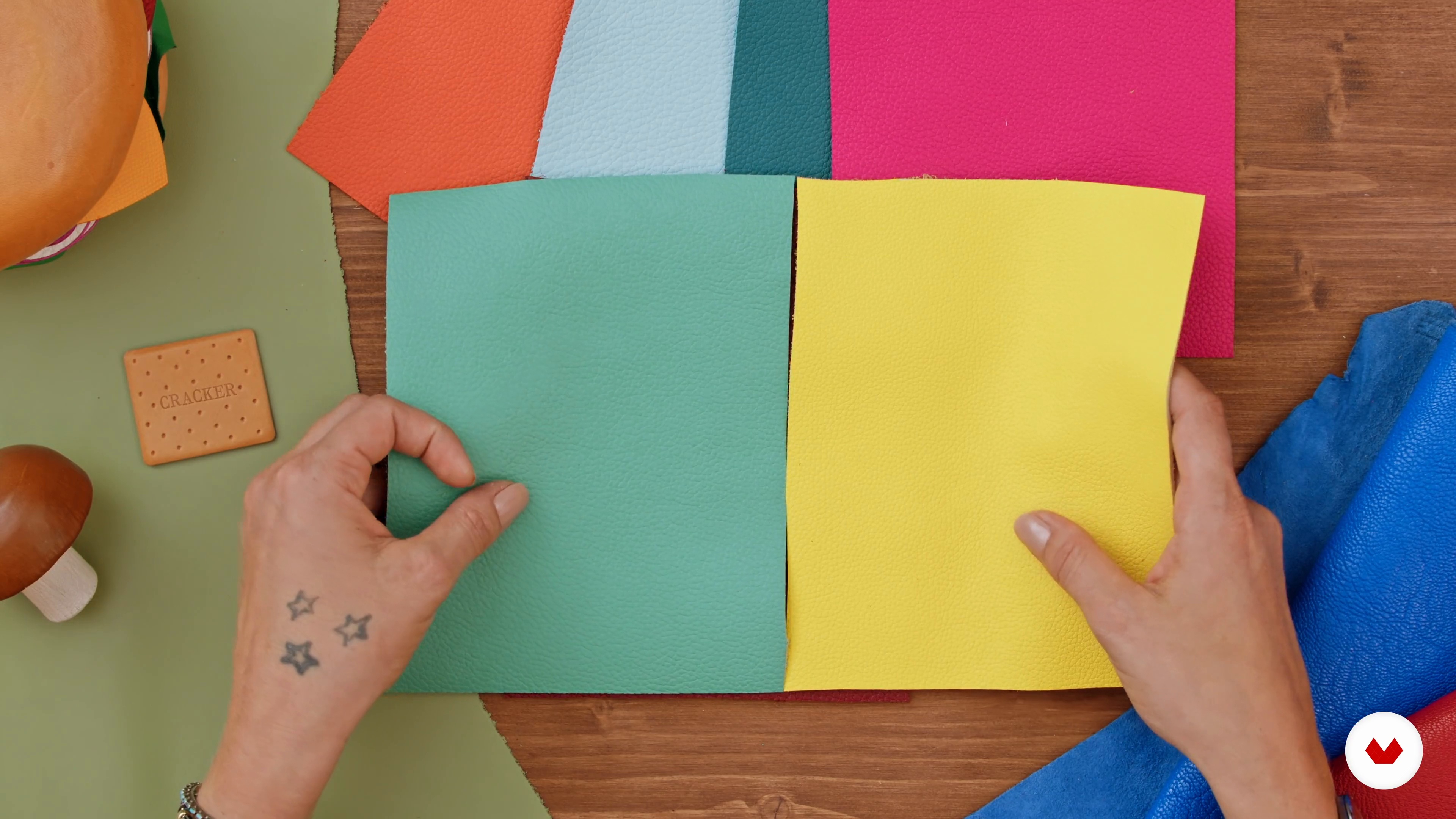
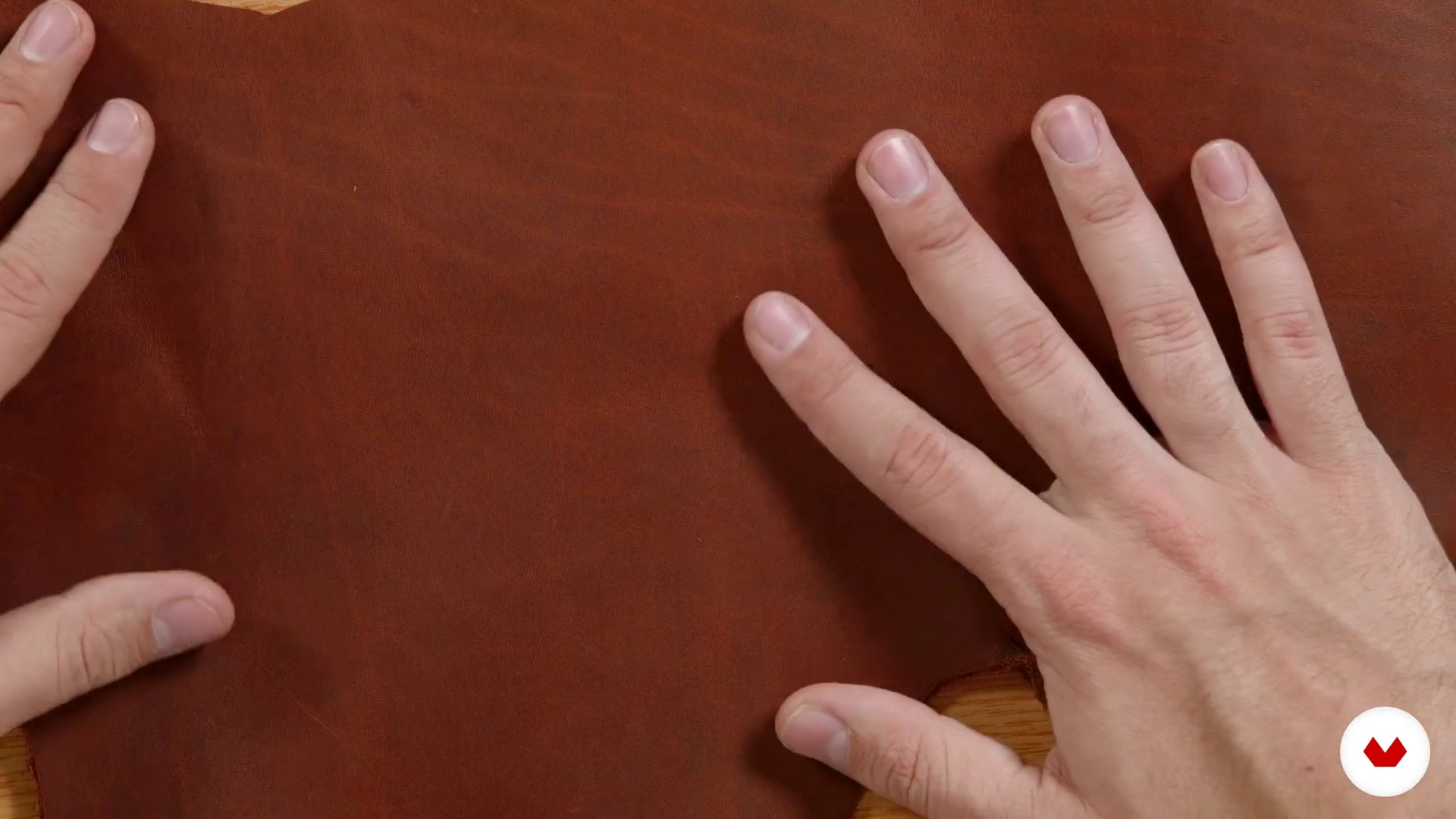
We are going to look at the craft and the subtleties of leather. We will show you the main characteristics of this material and those we prefer for working marquetry.
6m
image
5
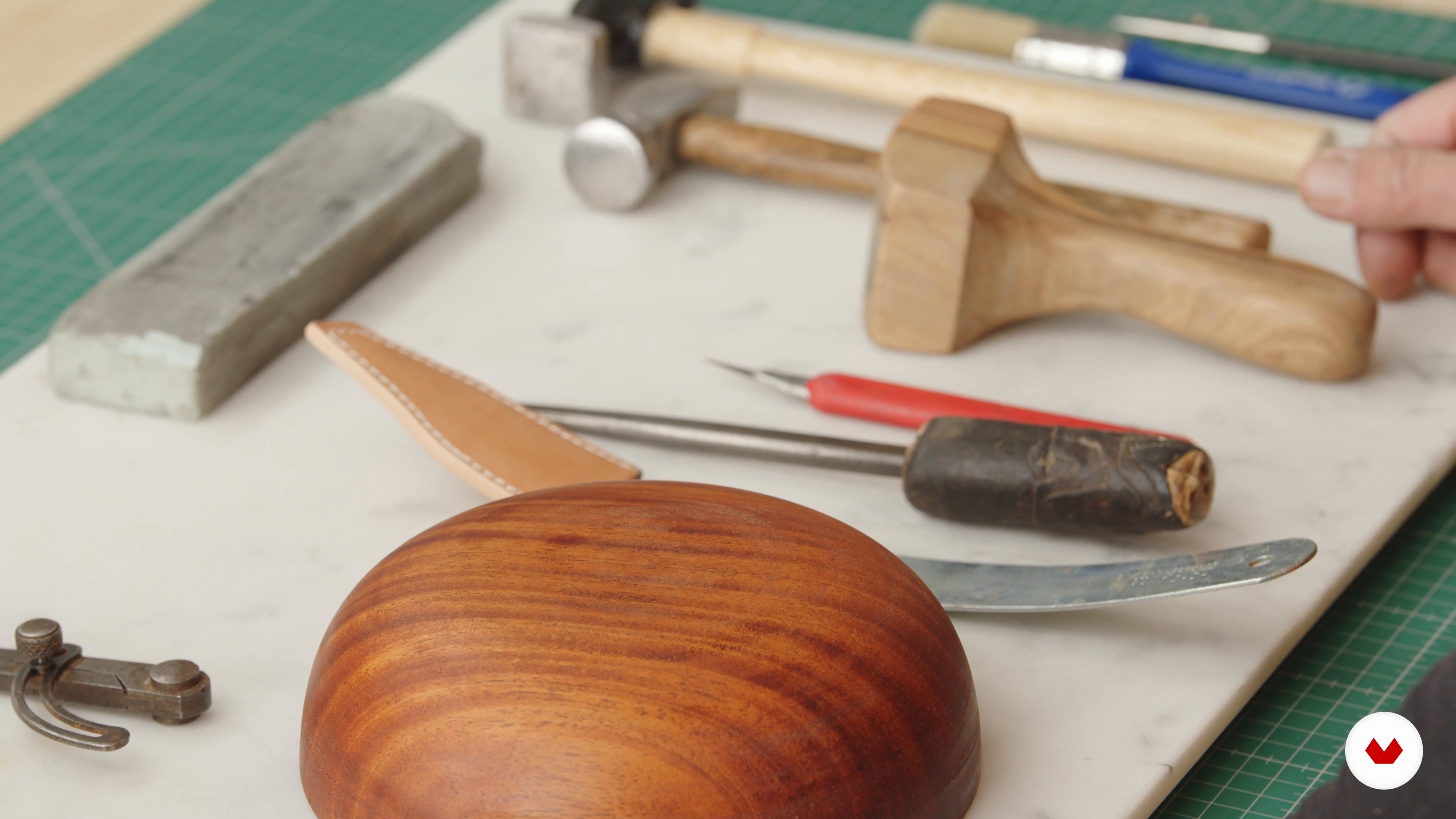
Tools, materials and machinery needed
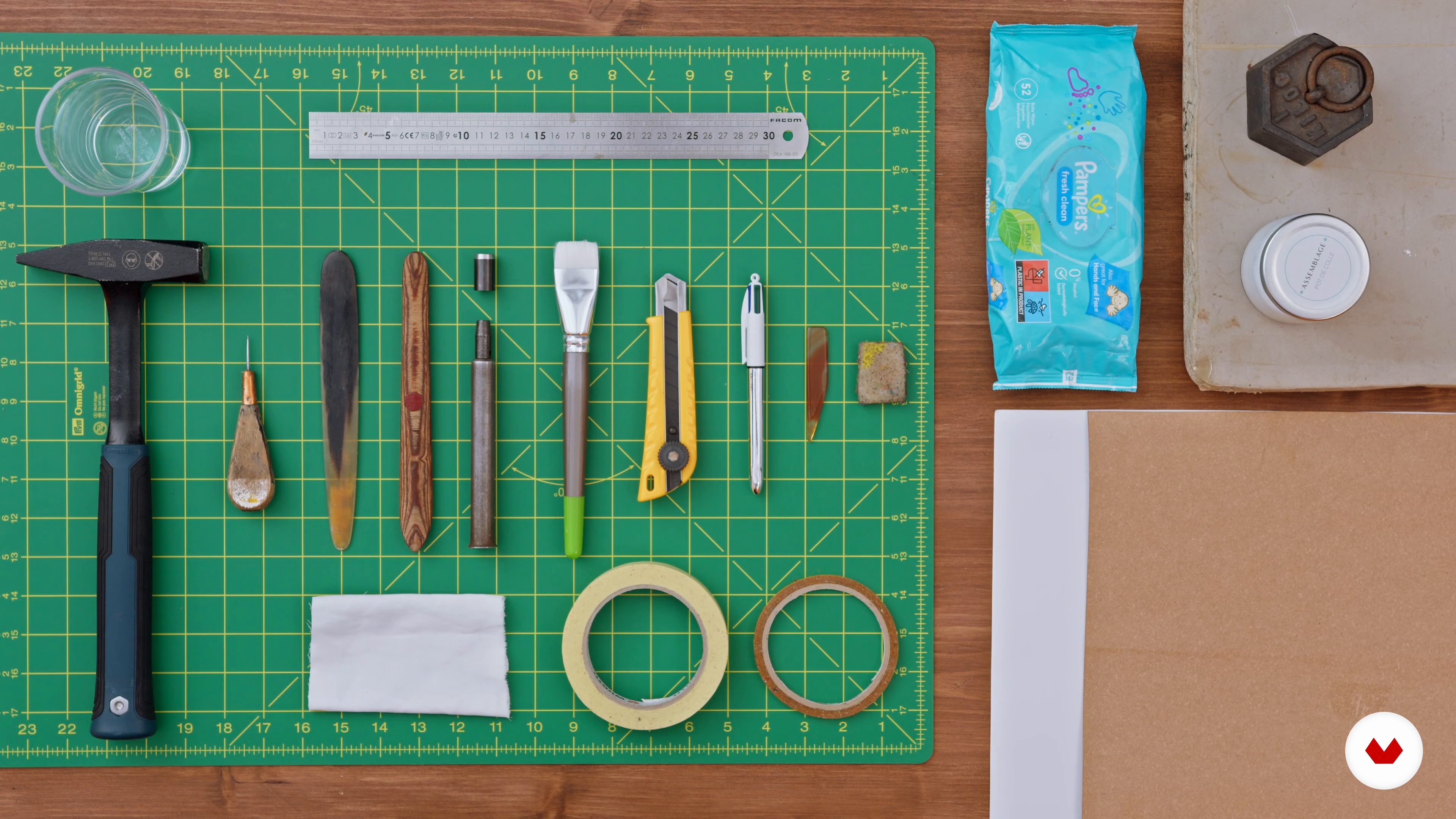
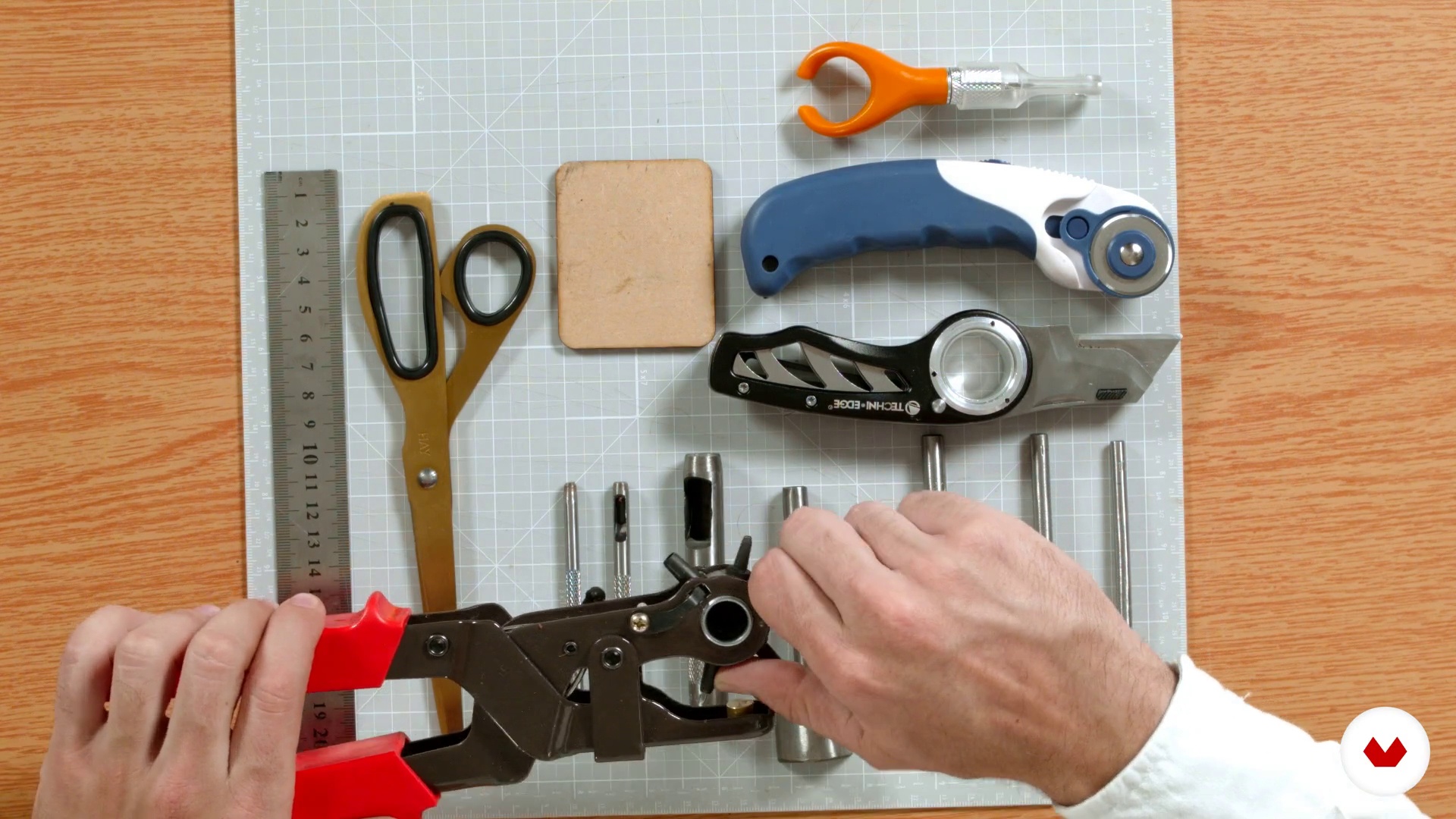
Now we are going to show you all the tools, materials and machines necessary for the realization of your course project.
4m
image
6
Cutting technique
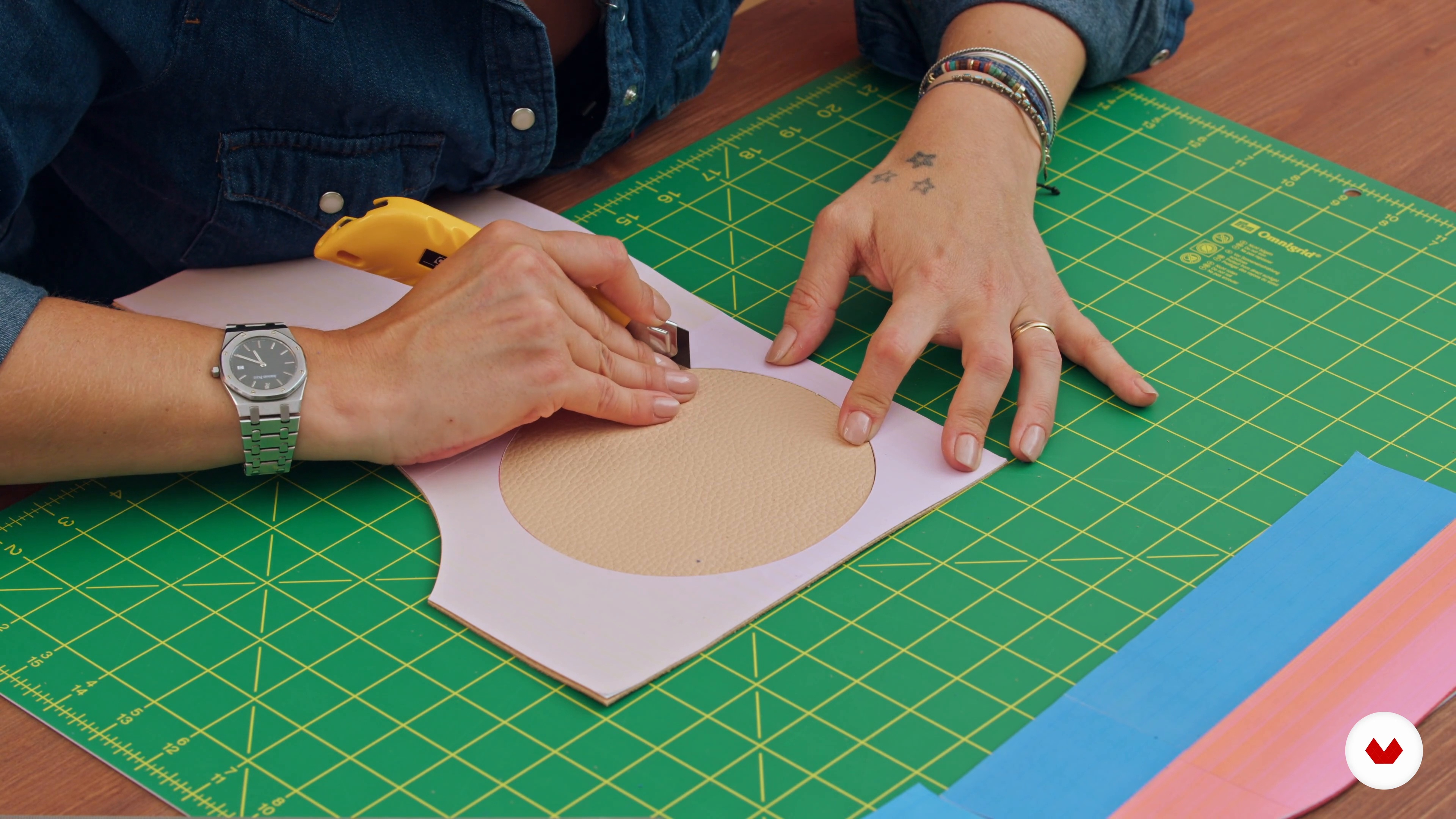
Before starting the course project, it is important to know some basics. For this, we are going to work on a geometric pattern, the search for which we will explain to you in the next unit. The first technique – and the most important – is cutting.
17m
image
7
Bonding technique
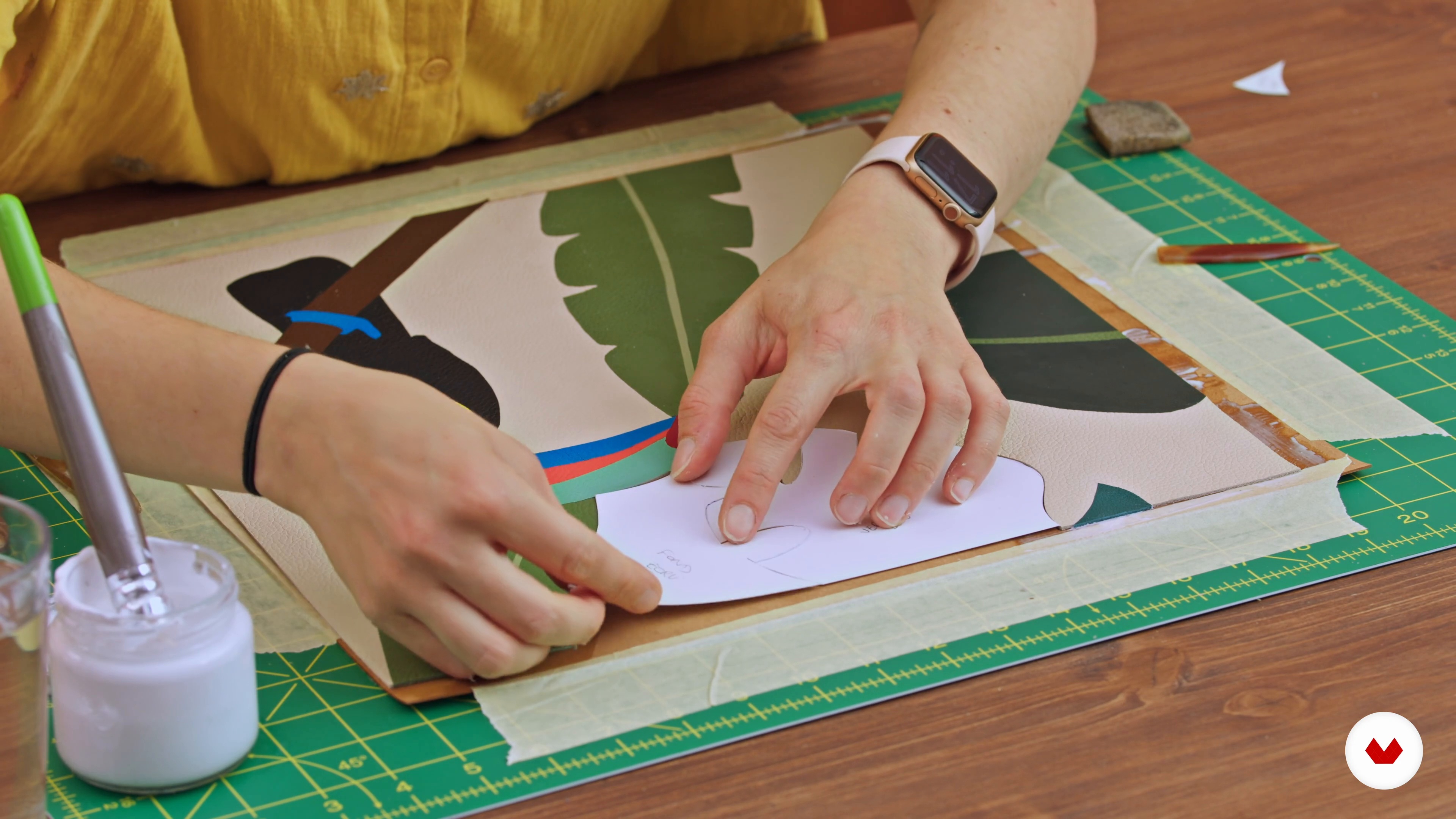
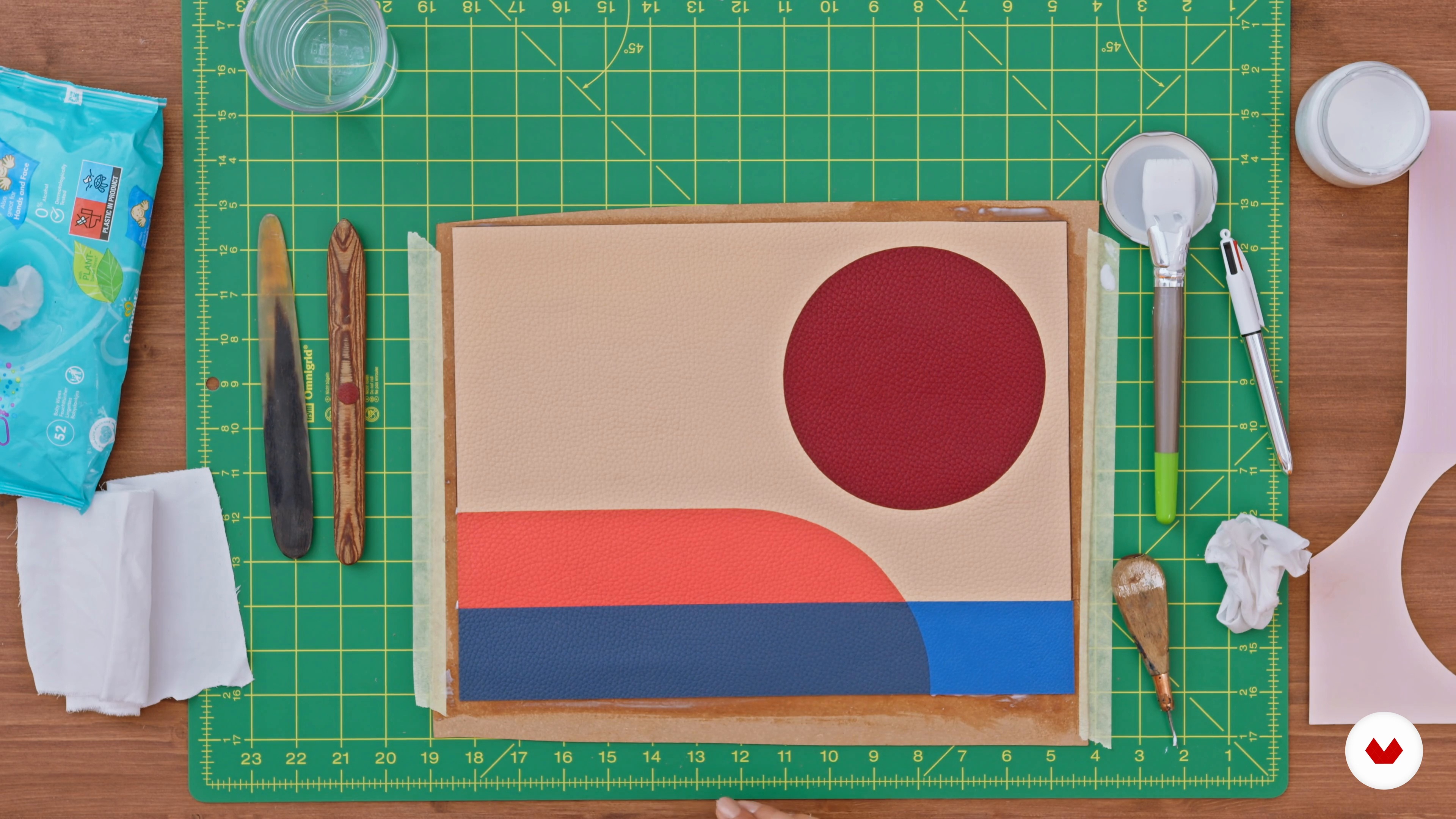
Now we are going to look at a second technique, that of collage. Gluing is essential to the realization of the marquetry itself.
14m
image
8
The mood board: pattern and colors
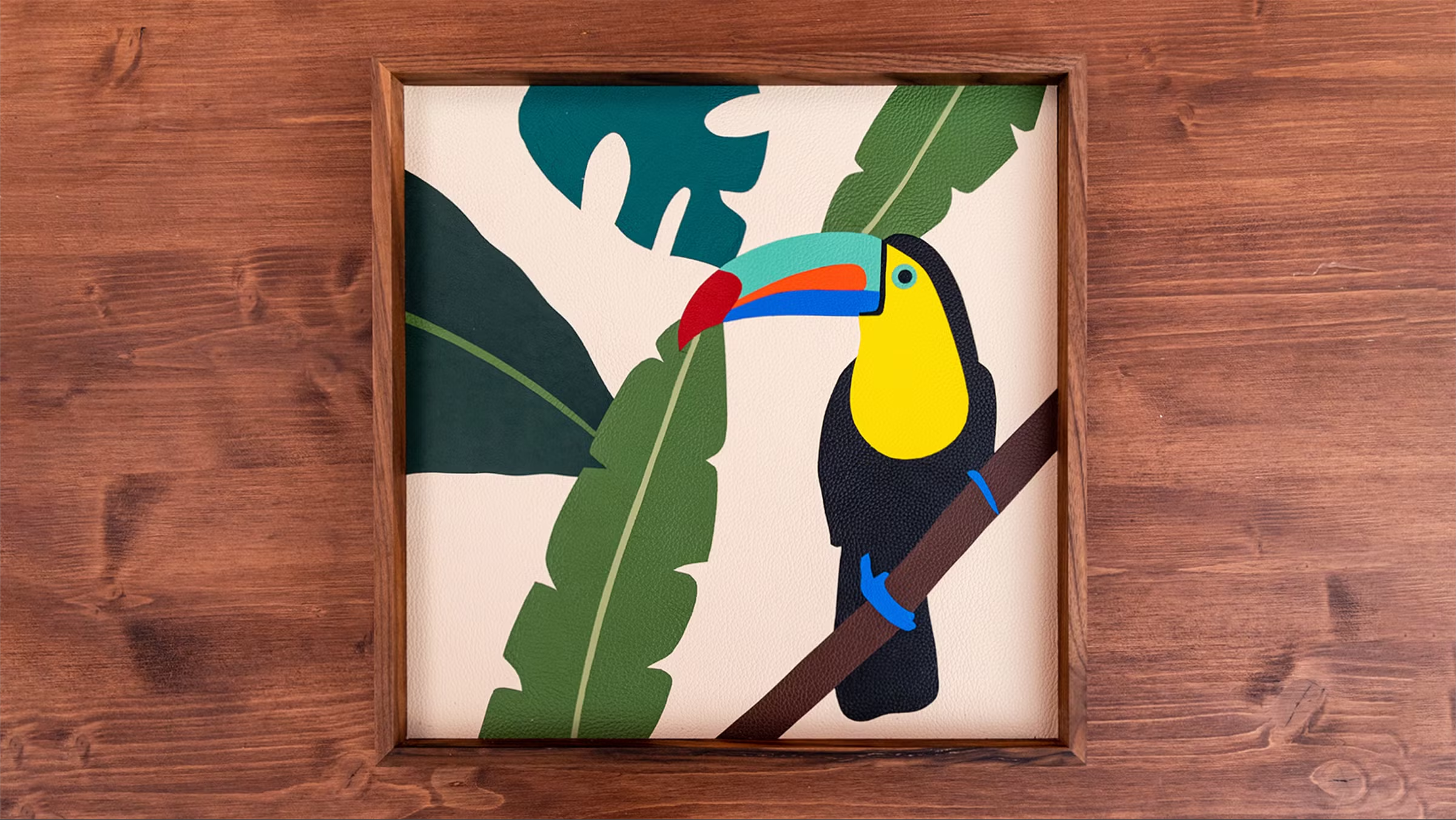
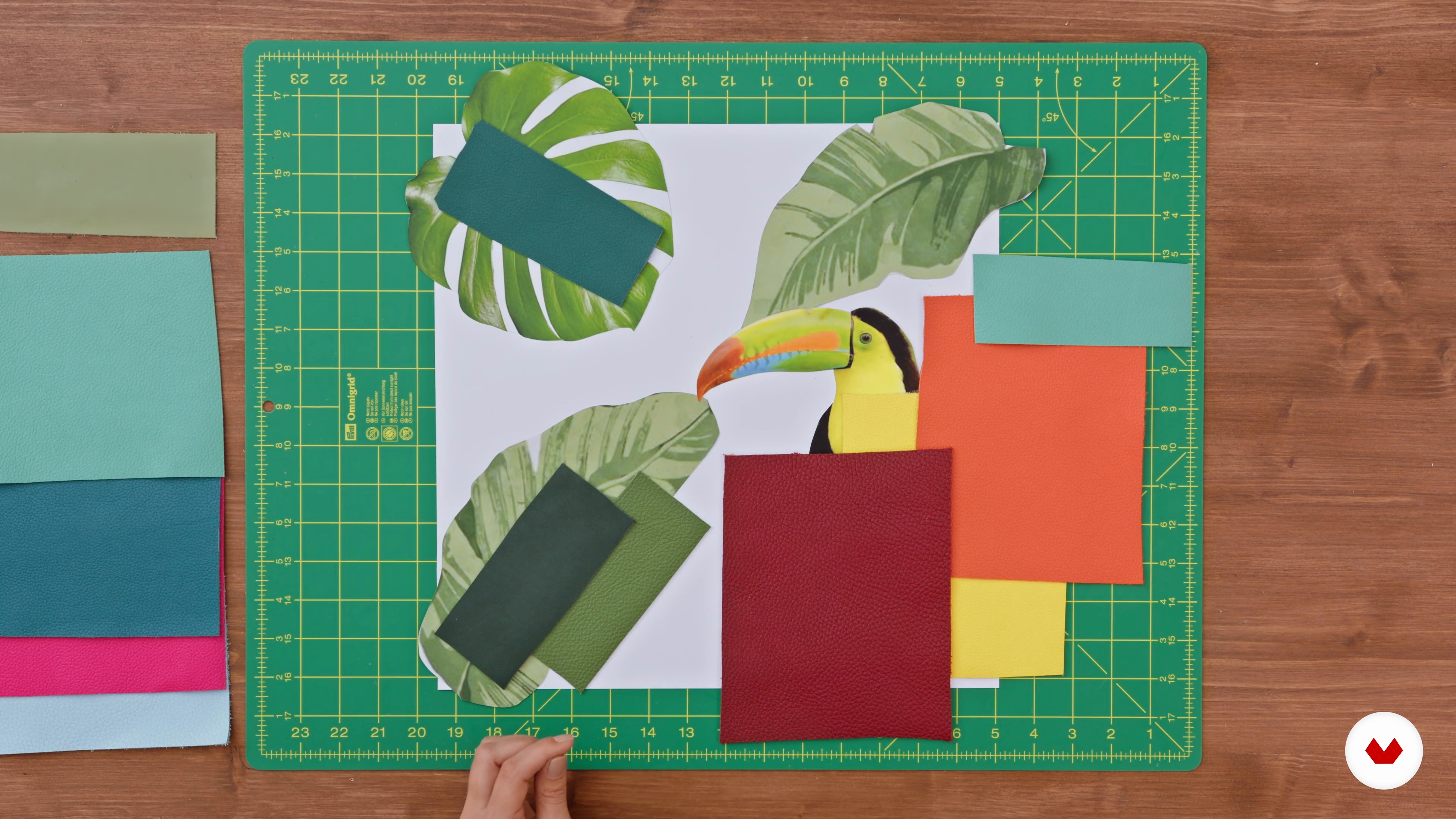
In this lesson, we'll show you how we create our mood boards. We love drawing inspiration directly from nature and naturalist encyclopedias. We are looking for images of birds and plants in order to reproduce them in leather in a marquetry project. Secondly, we will explain the creative process of the course project. This project is inspired by nature. It will allow us to create a decorative tray.
8m
image
9
Creation of the jungle pattern
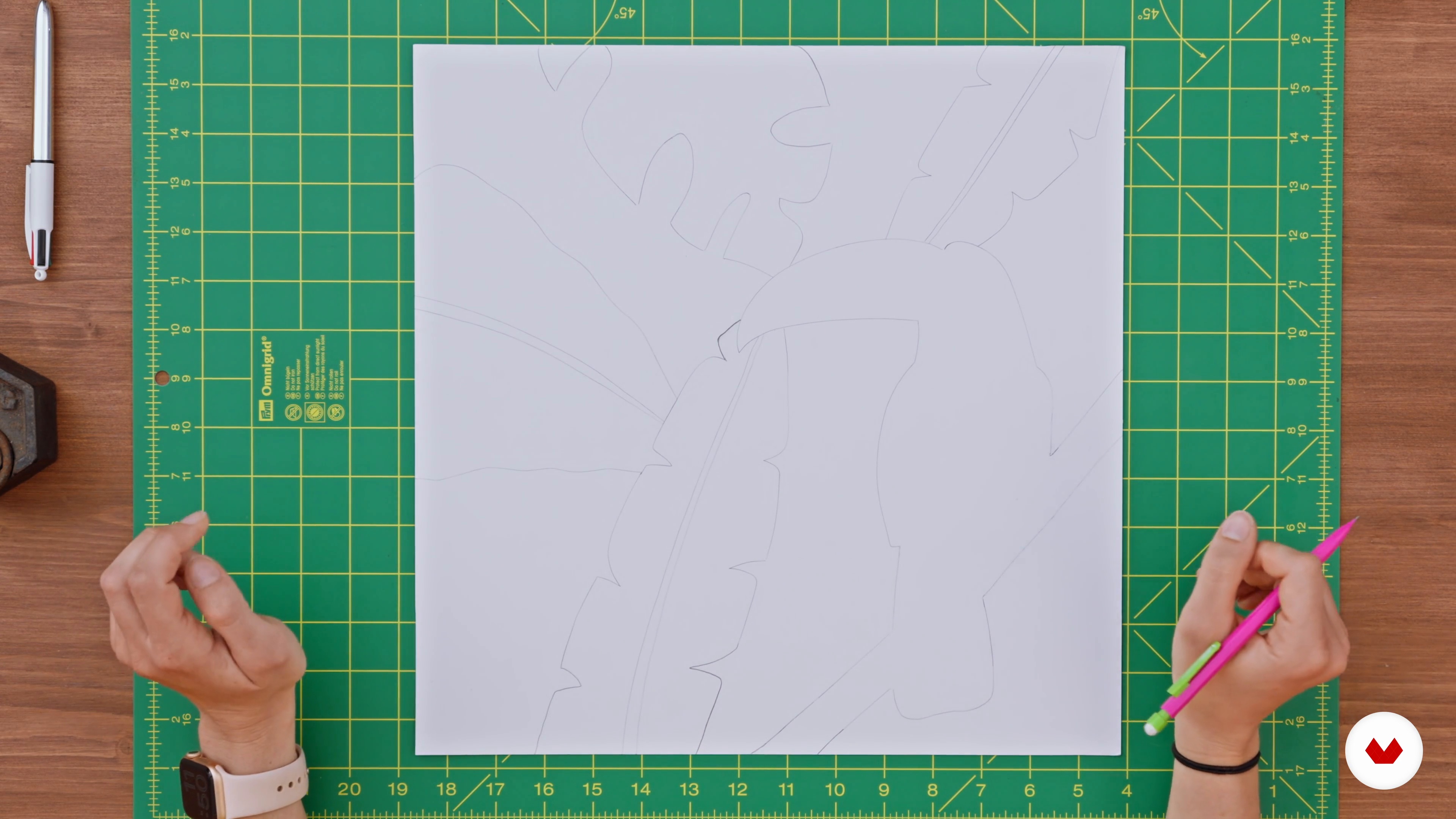
Now we are going to compose a jungle design with an animal and foliage. We'll show you how, from a photo, you can develop a jig for marquetry. This technique allows novices to create a beautiful pattern easily.
15m
image
10
Cutting templates and leather 1
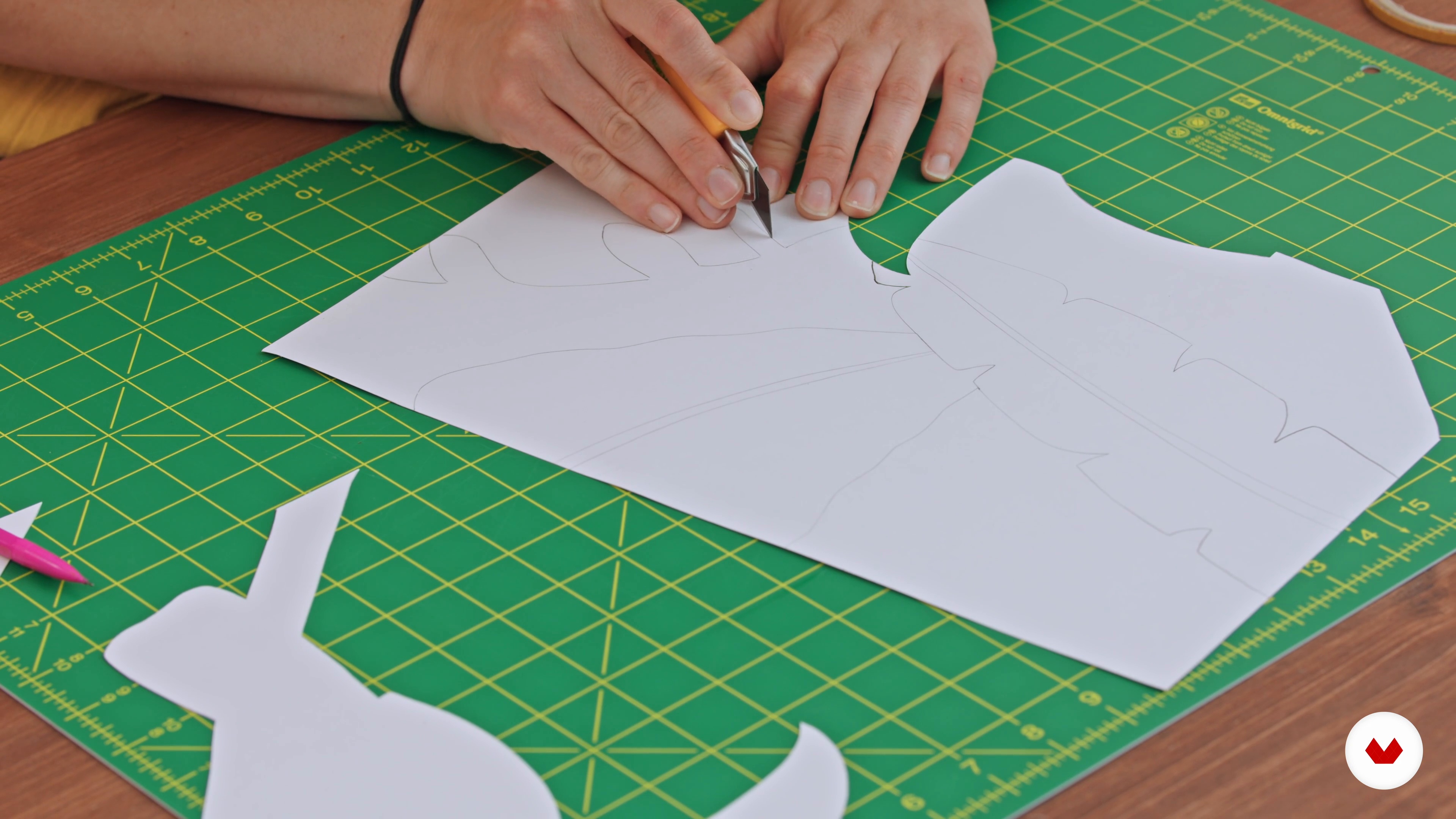
Now we will move on to cutting the jigs and the leather. This step is essential. Each piece is meticulously cut according to the desired pattern.
12m
image
11
Cutting templates and leather 2
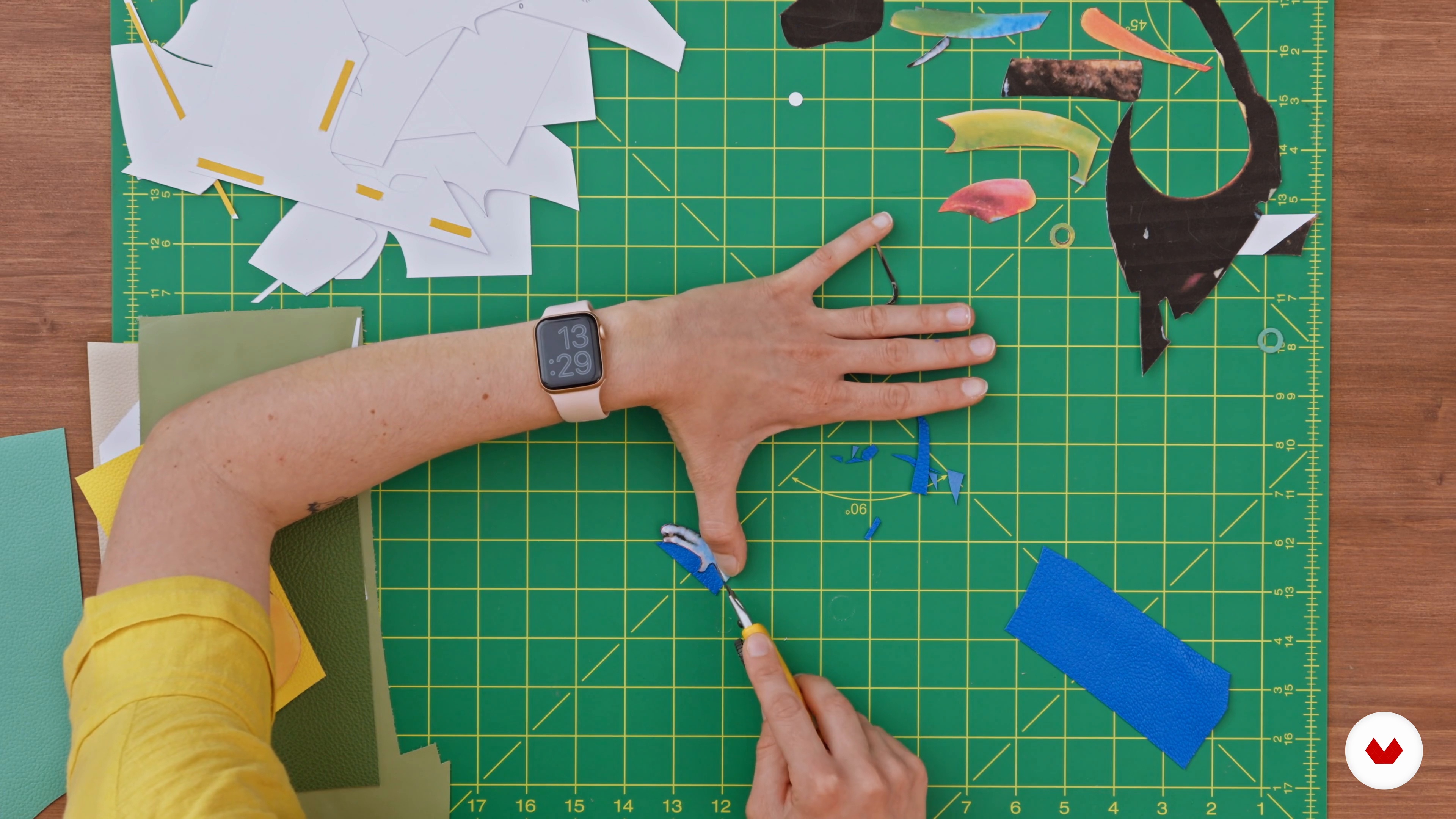
In this second part of the lesson, you will see how to glue pieces of double-sided tape so that the leather does not move during cutting. We'll show you different methods for making small cuts and cutting from the intersection outward.
9m
image
12
Assembly of the toucan
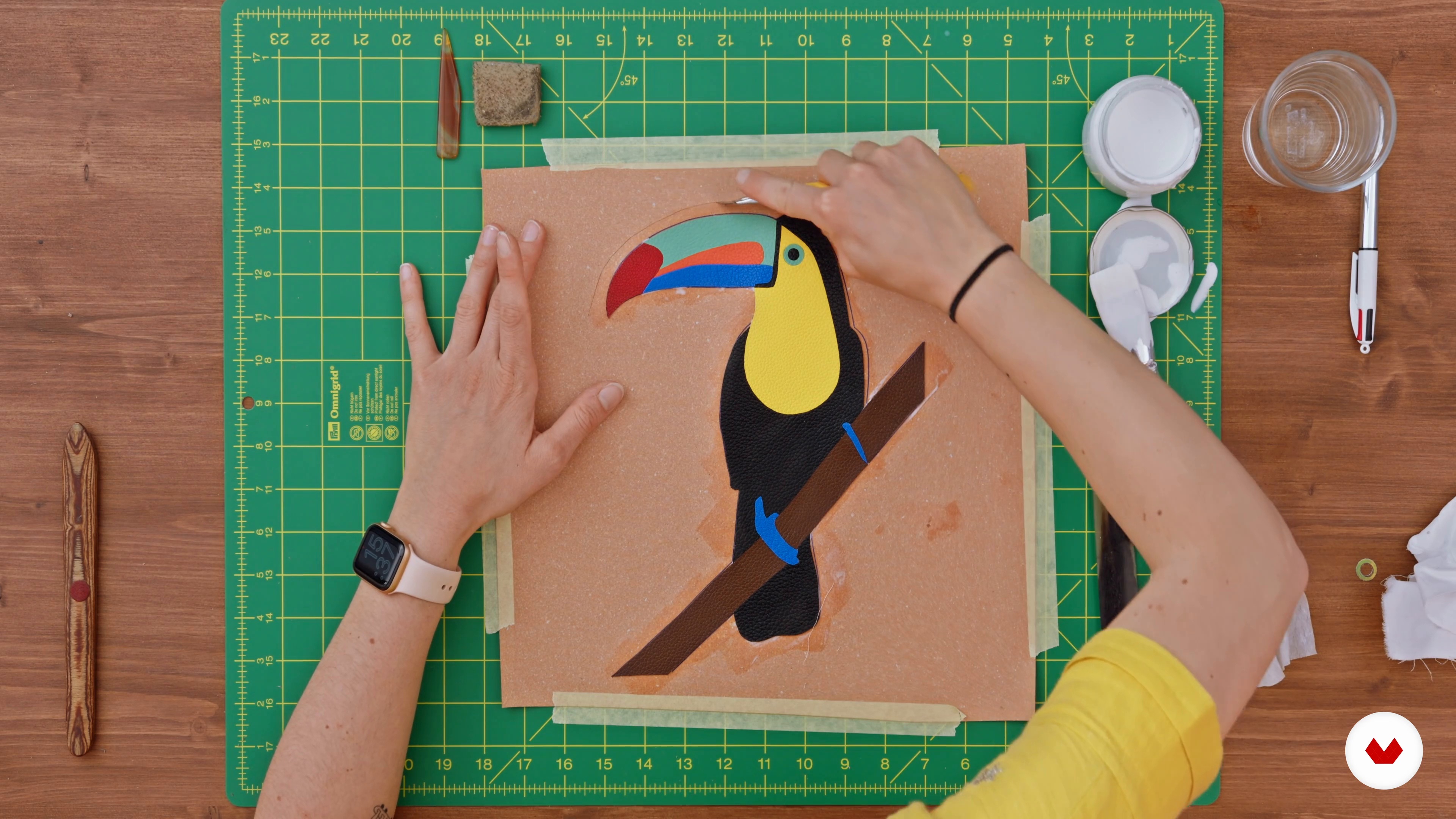
It's time to ride the toucan. For this, it will be necessary to prepare the support of the toucan and to glue it. This preparation is very important. The technique of leather marquetry requires a meticulousness close to the assembly of a watchmaker. Each piece of leather is assembled edge to edge, by hand, to form a trompe-l'oeil.
17m
image
13
Assembly of the final marquetry
We can now mount the final marquetry by preparing the support. The first step will be to glue the marquetry of the toucan, then you will have to build the composition around it.
20m
image
14
Oversize and setting up on the tray
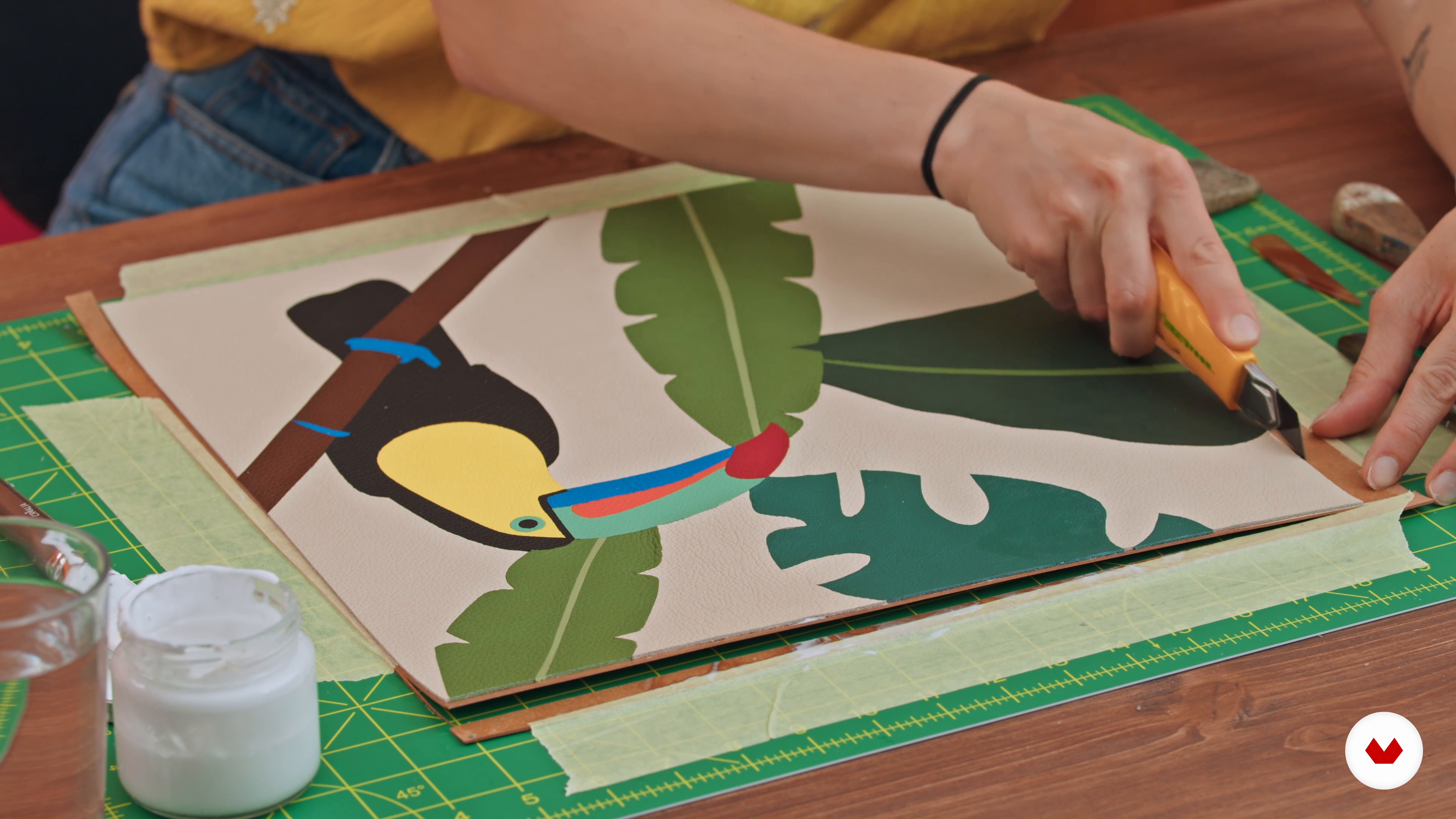
After allowing the marquetry to dry for some time, we will show you here how to overcut it to adapt it to the top.
11m
image
15
Polishing and framing
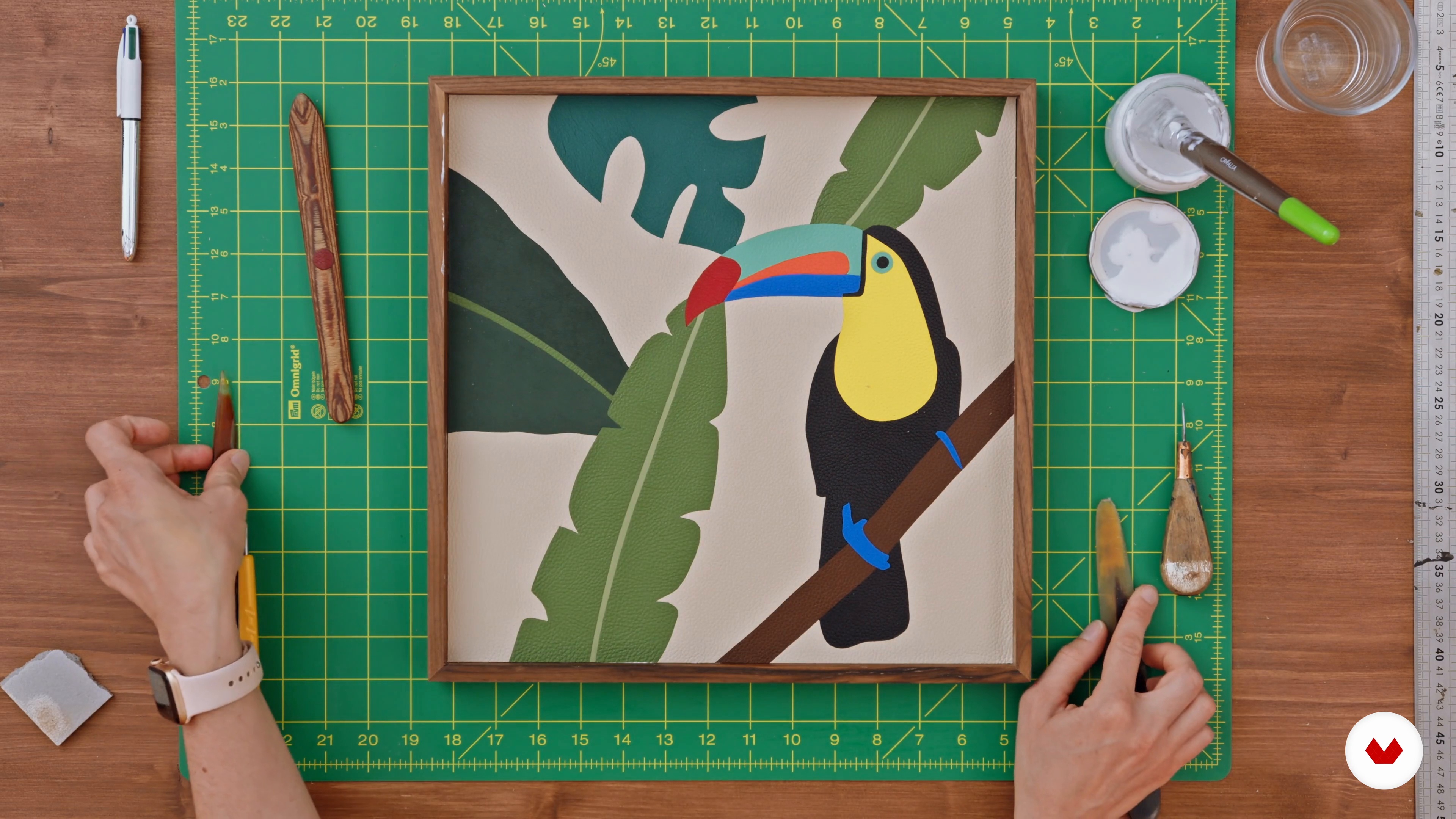
In this lesson, we'll show you how to tint the edges of your marquetry and then frame it.
9m
image
16
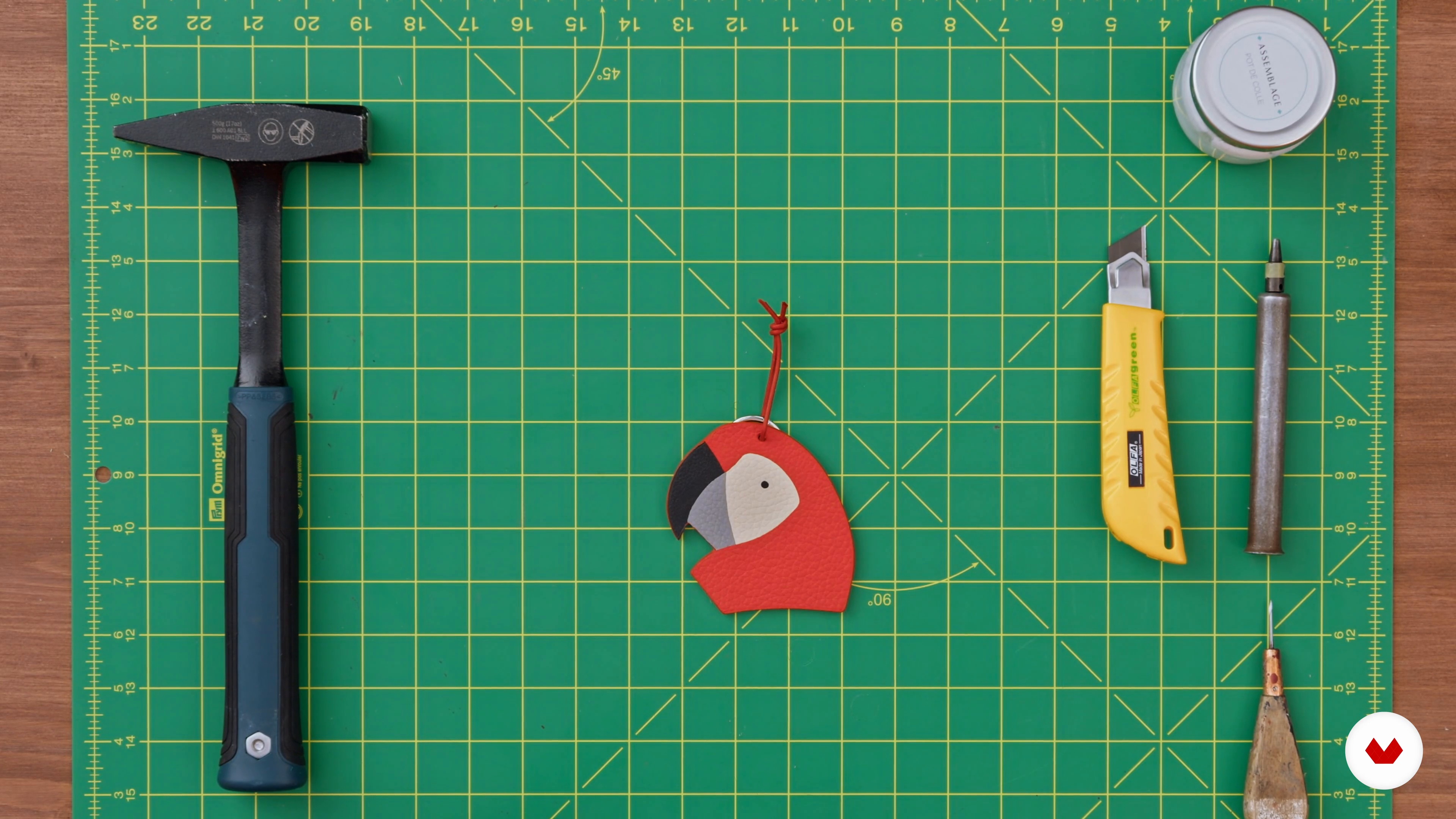
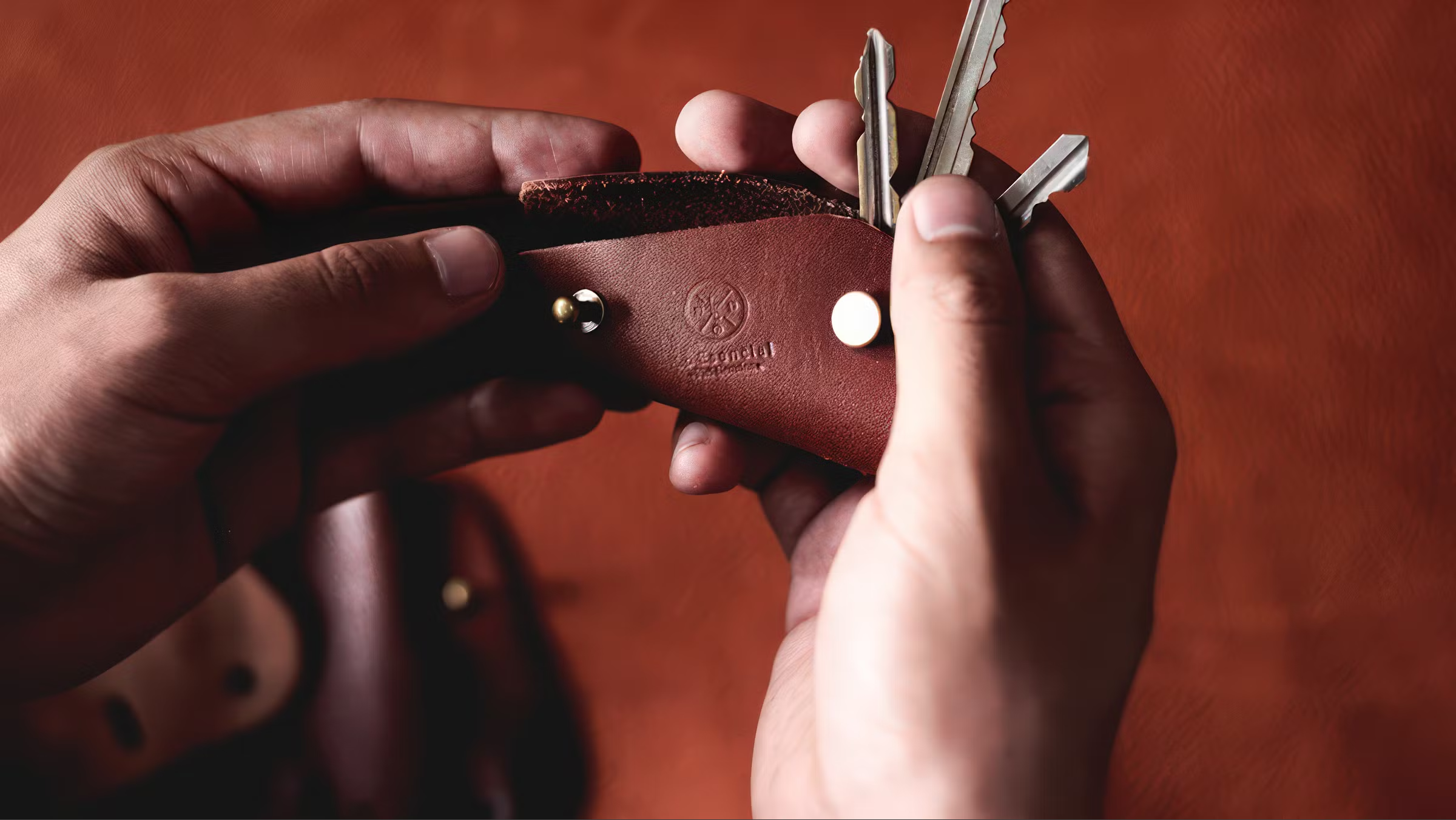
Transform a marquetry into a keychain
Marquetry offers many possibilities! You can work with different shapes and formats. For example, we are going to teach you how to make a keychain.
2m
image
3
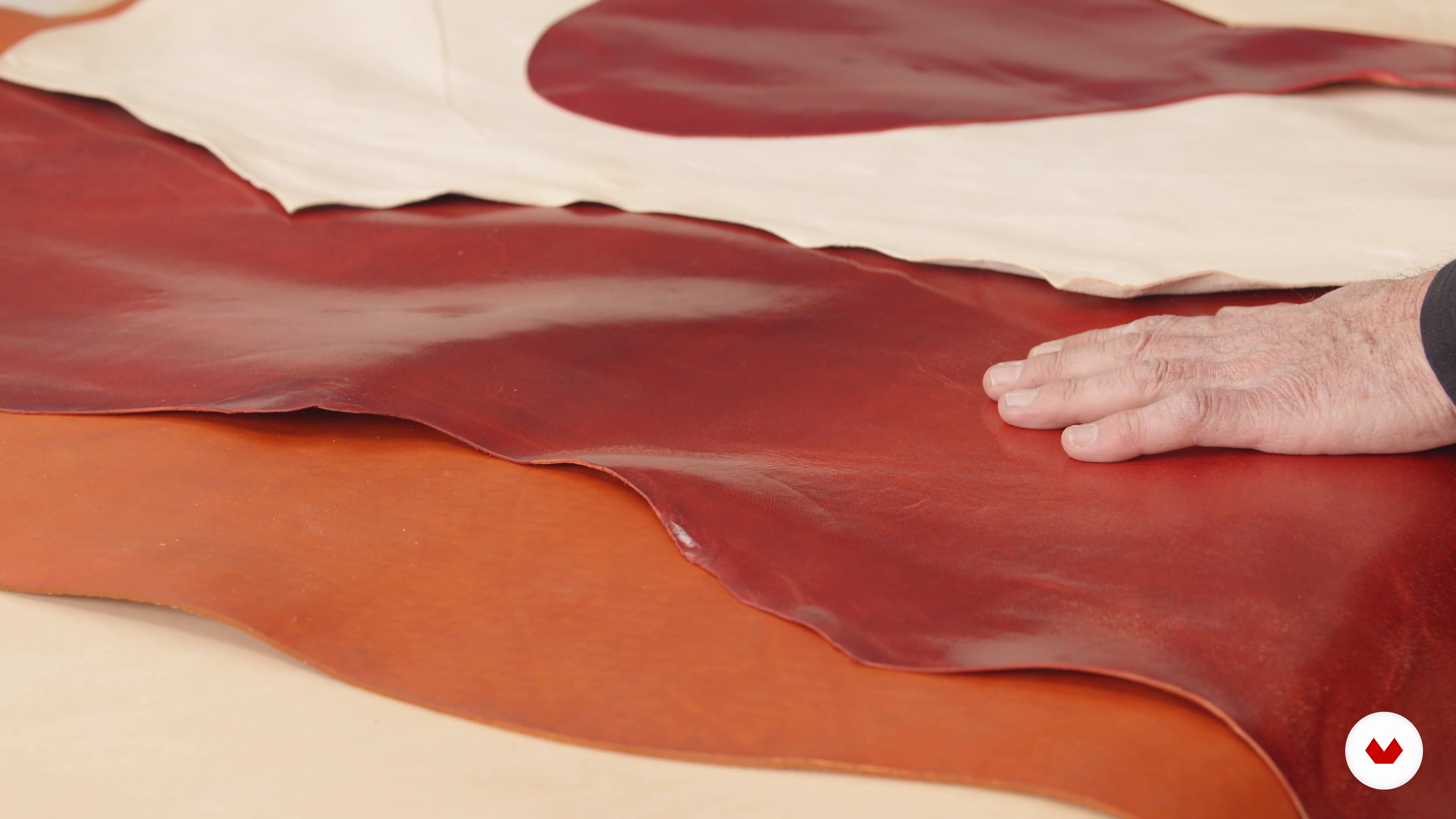
skin and leather
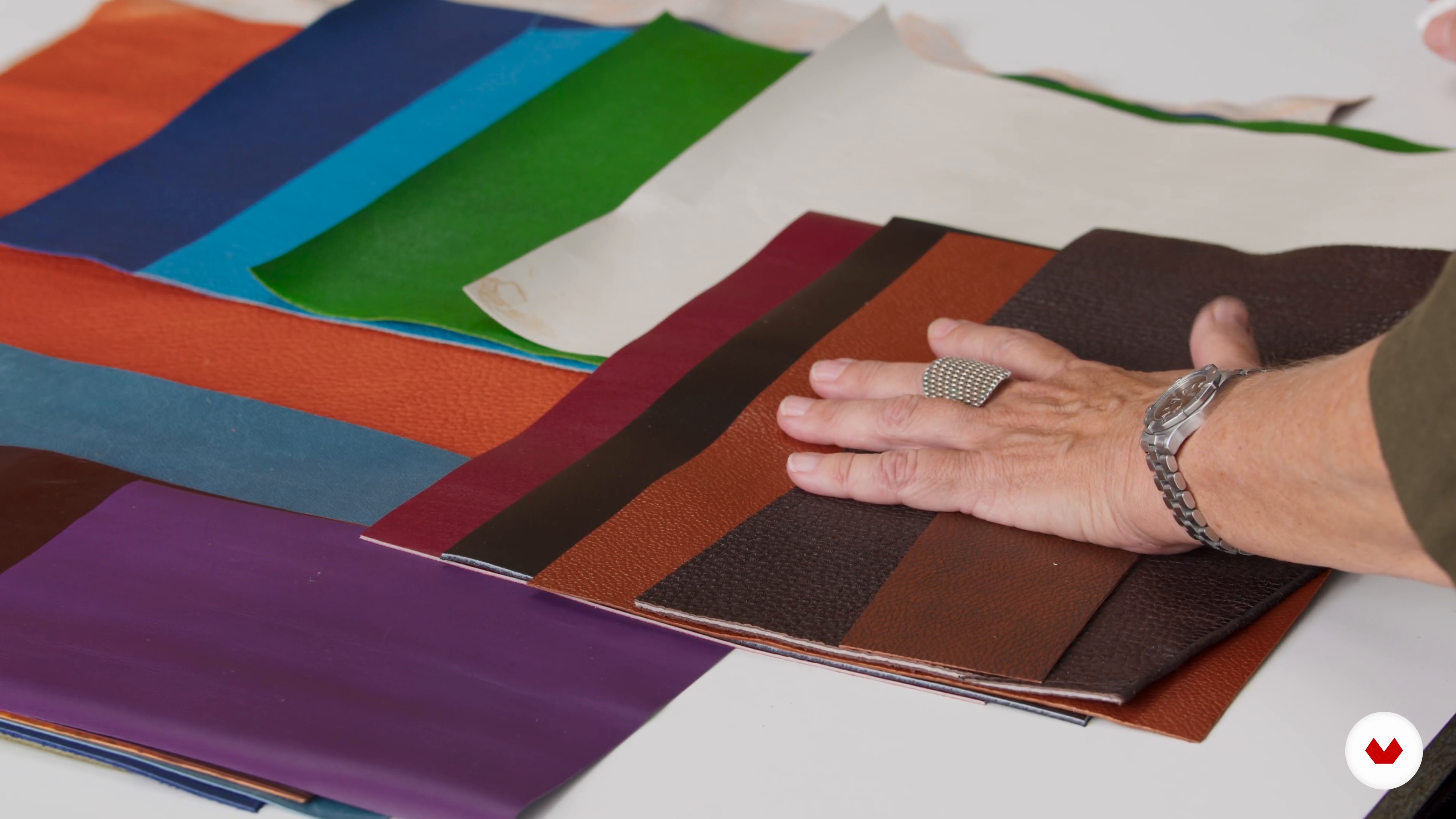
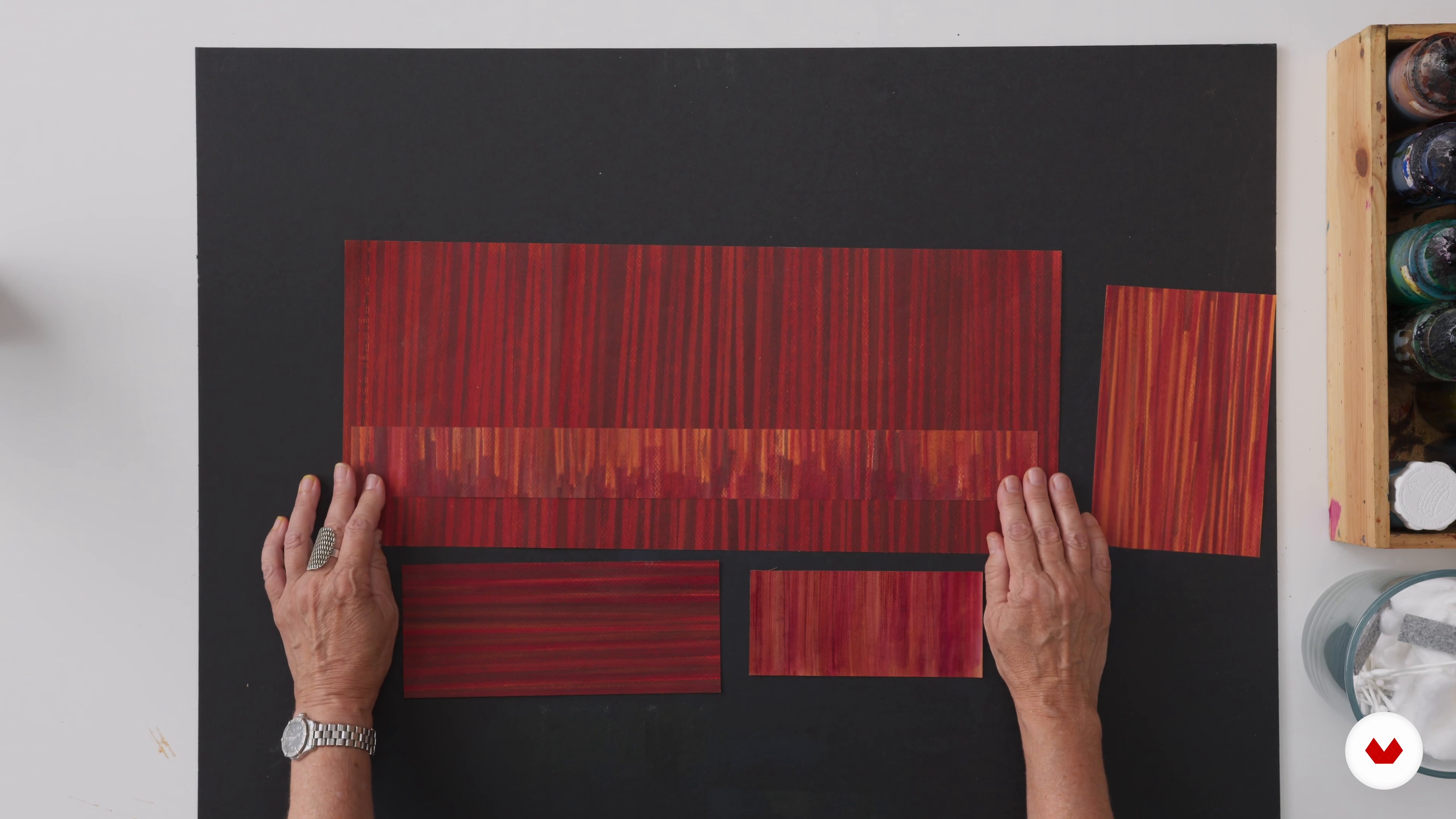
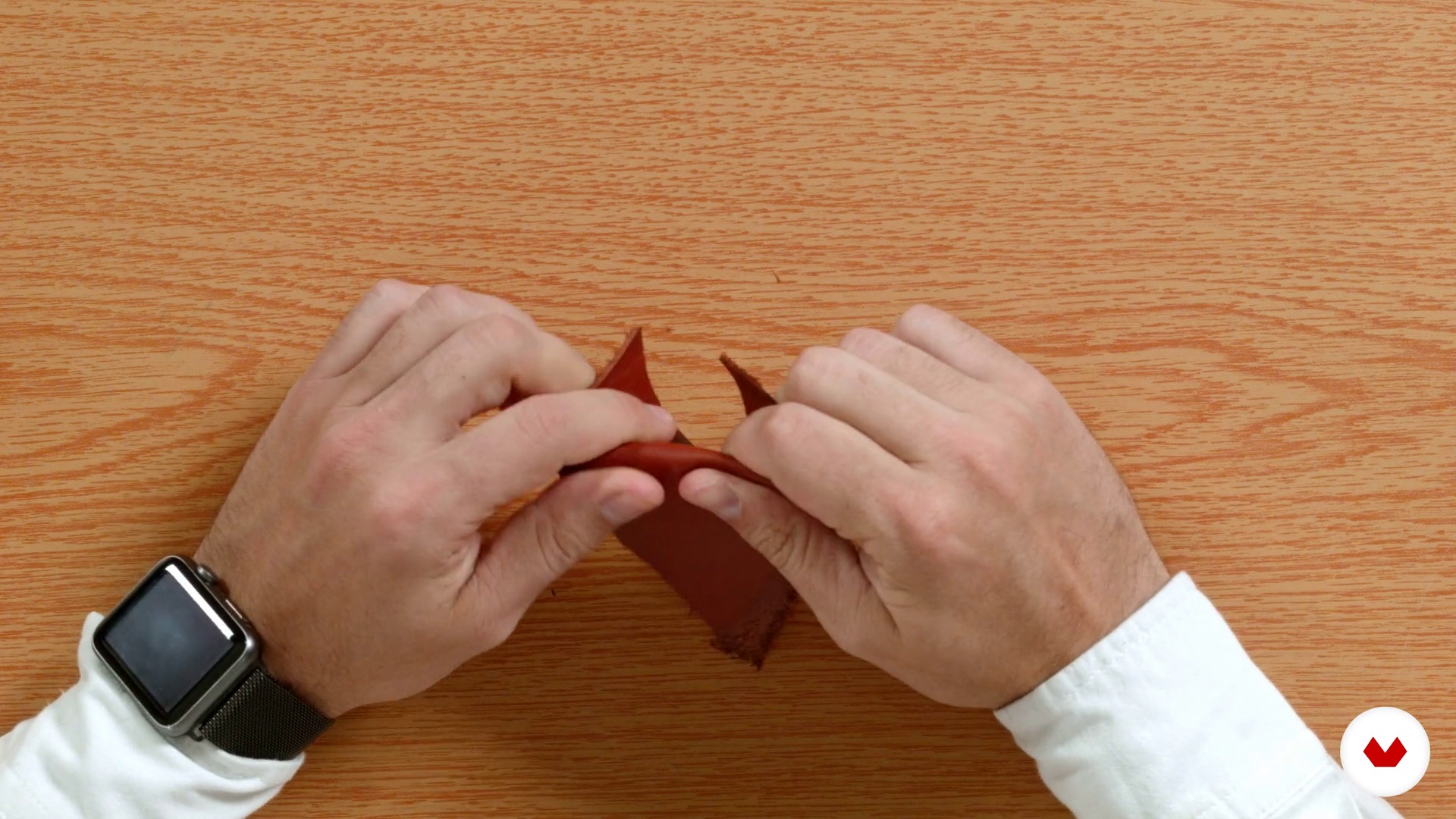
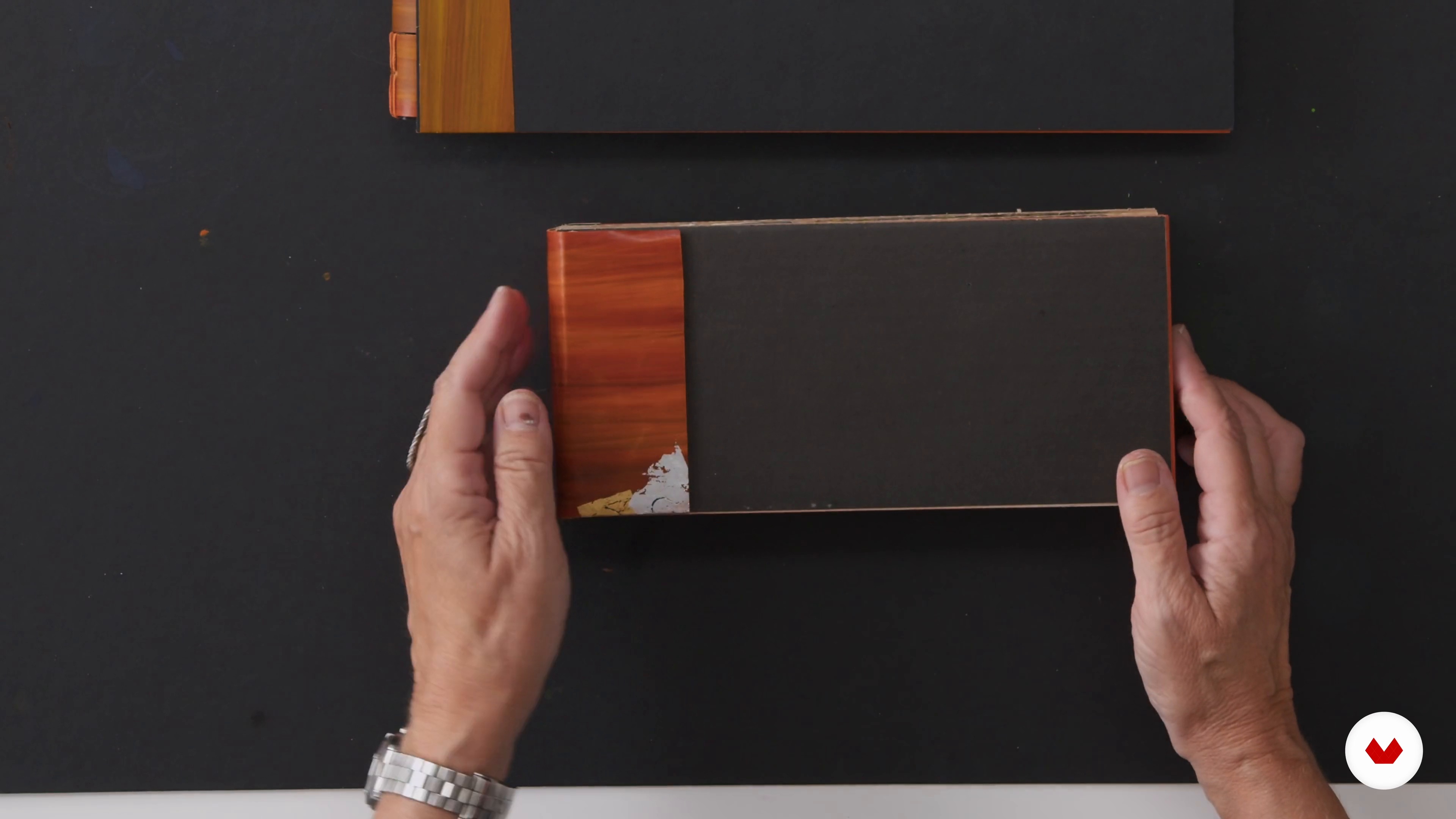
Through a sample book, I am going to tell you about three generic groups of leather depending on the tanning and how they differ.
11m
image
4
vegan skin
Now I am going to give you a brief introduction to what vegan leather or "faux leather paper" is. Did you know this material? Let's discover its features.
4m
image
5
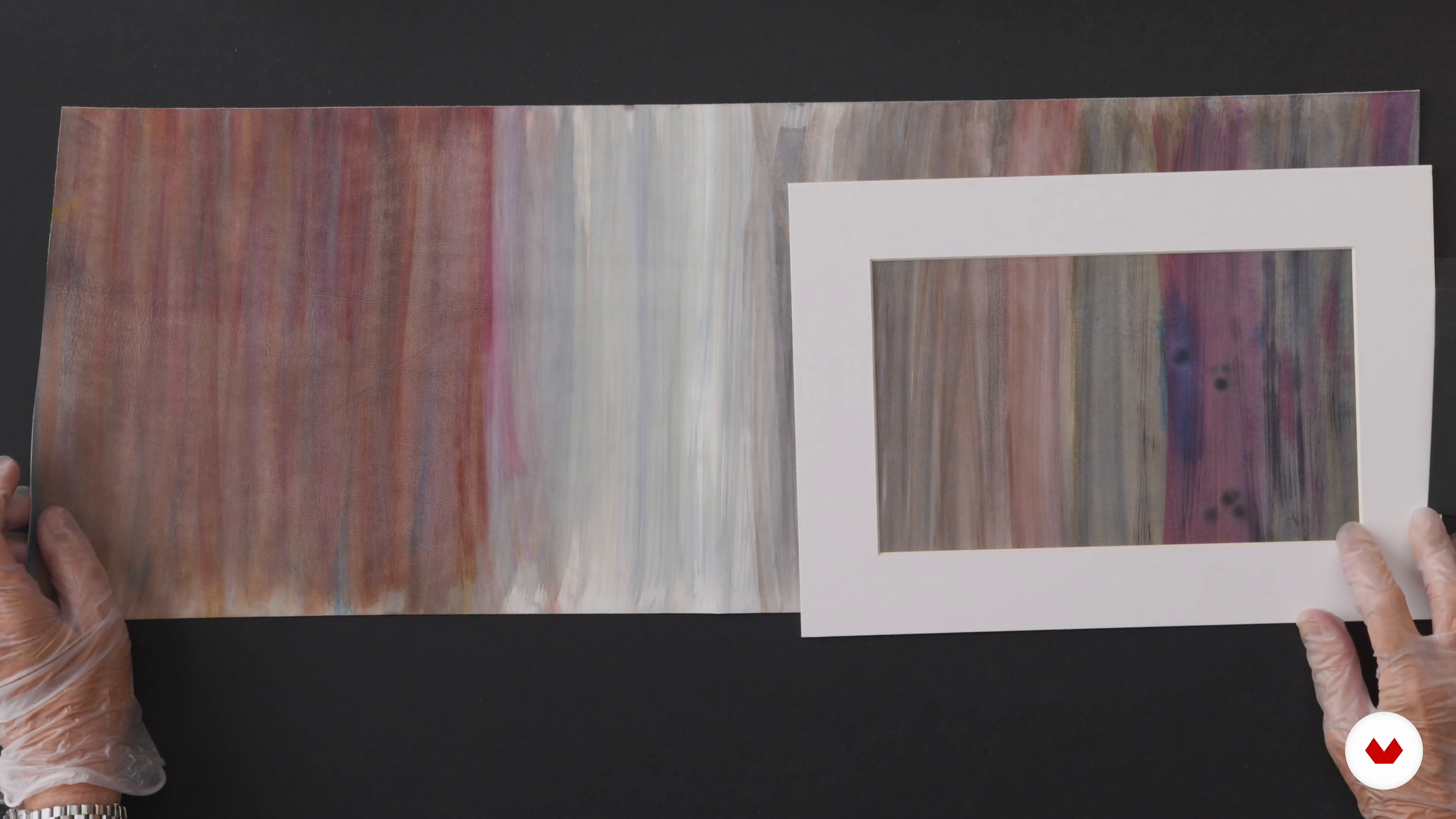
Colour: dyes
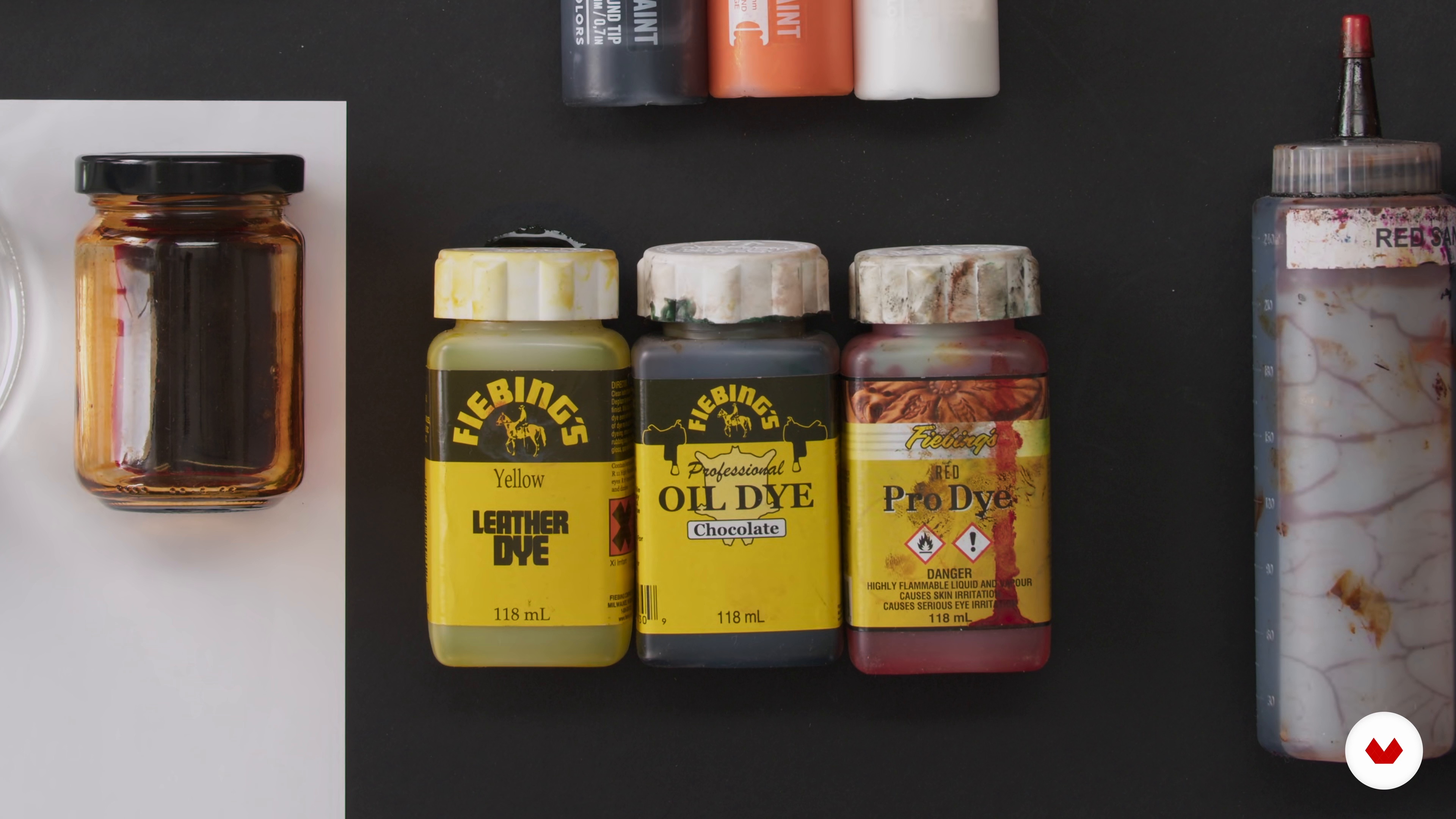
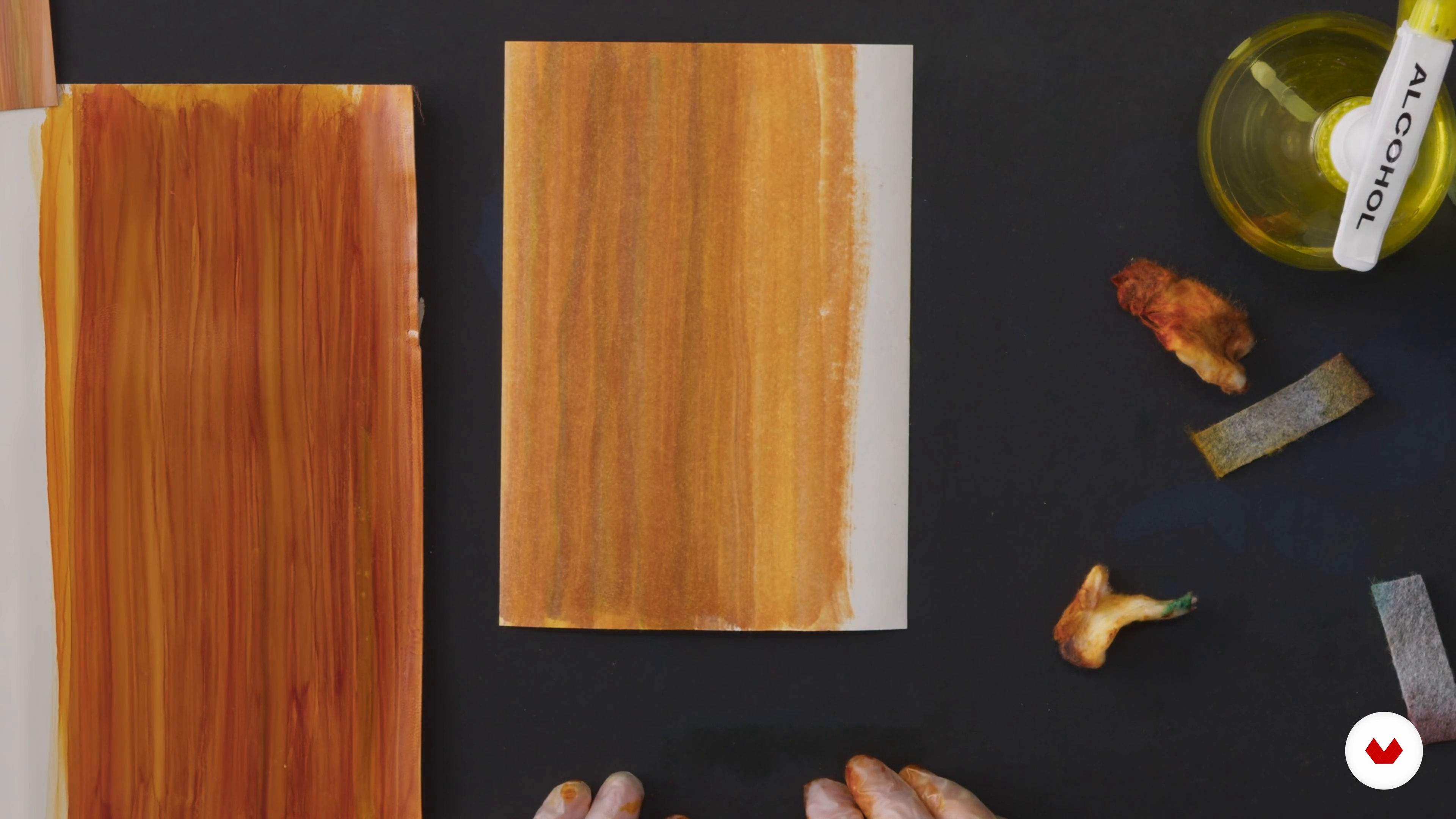
In this lesson I introduce you to water dyes and alcohol dyes. They are the ones I used when I started dyeing leather. Let's go see them.
3m
image
6
Colour: acrylic paint
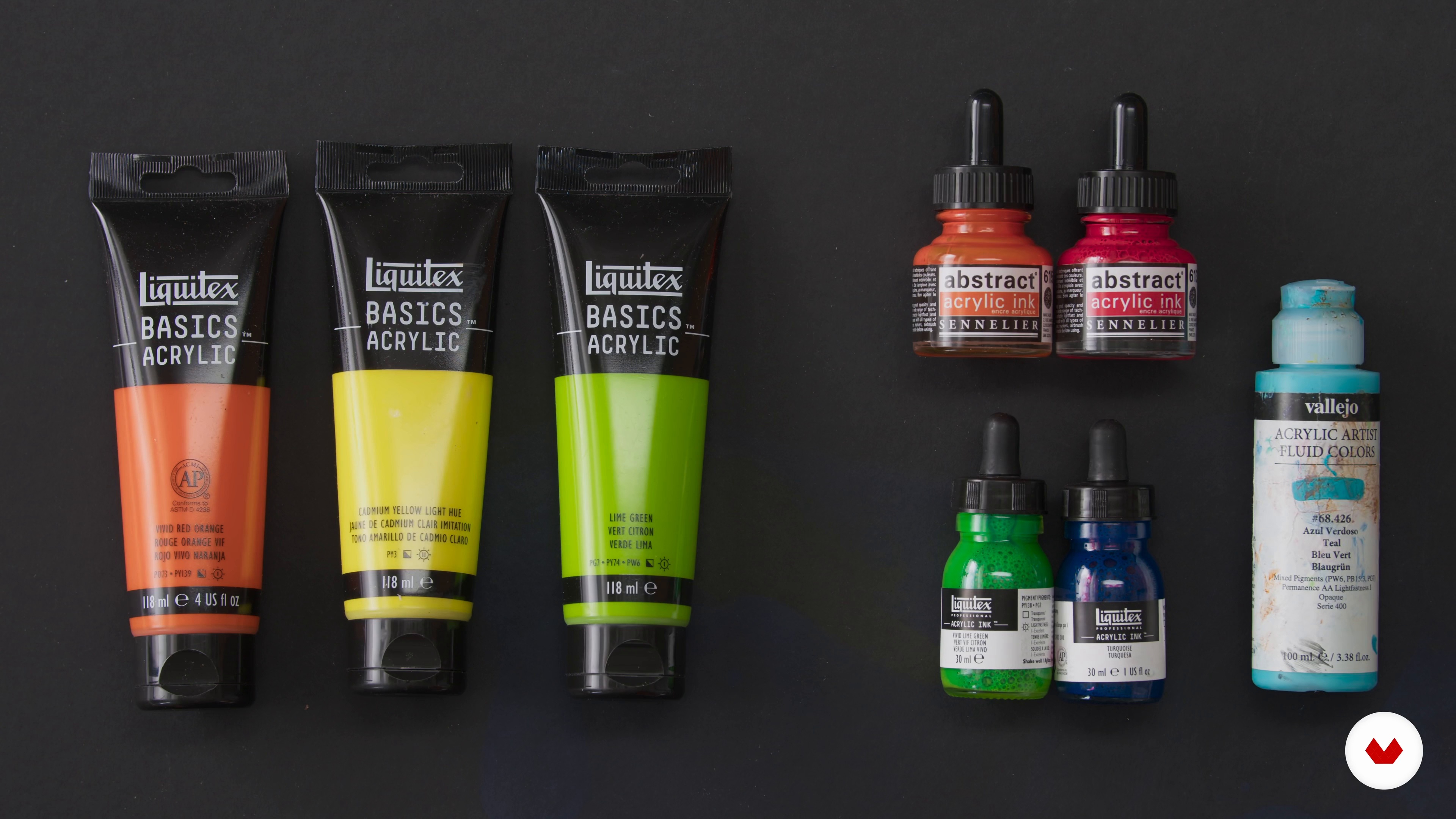
We continue with the color. Now I am going to tell you about the acrylic colors that I am going to work with, both in their usual state and mixed with the paste.
3m
image
7
Movie
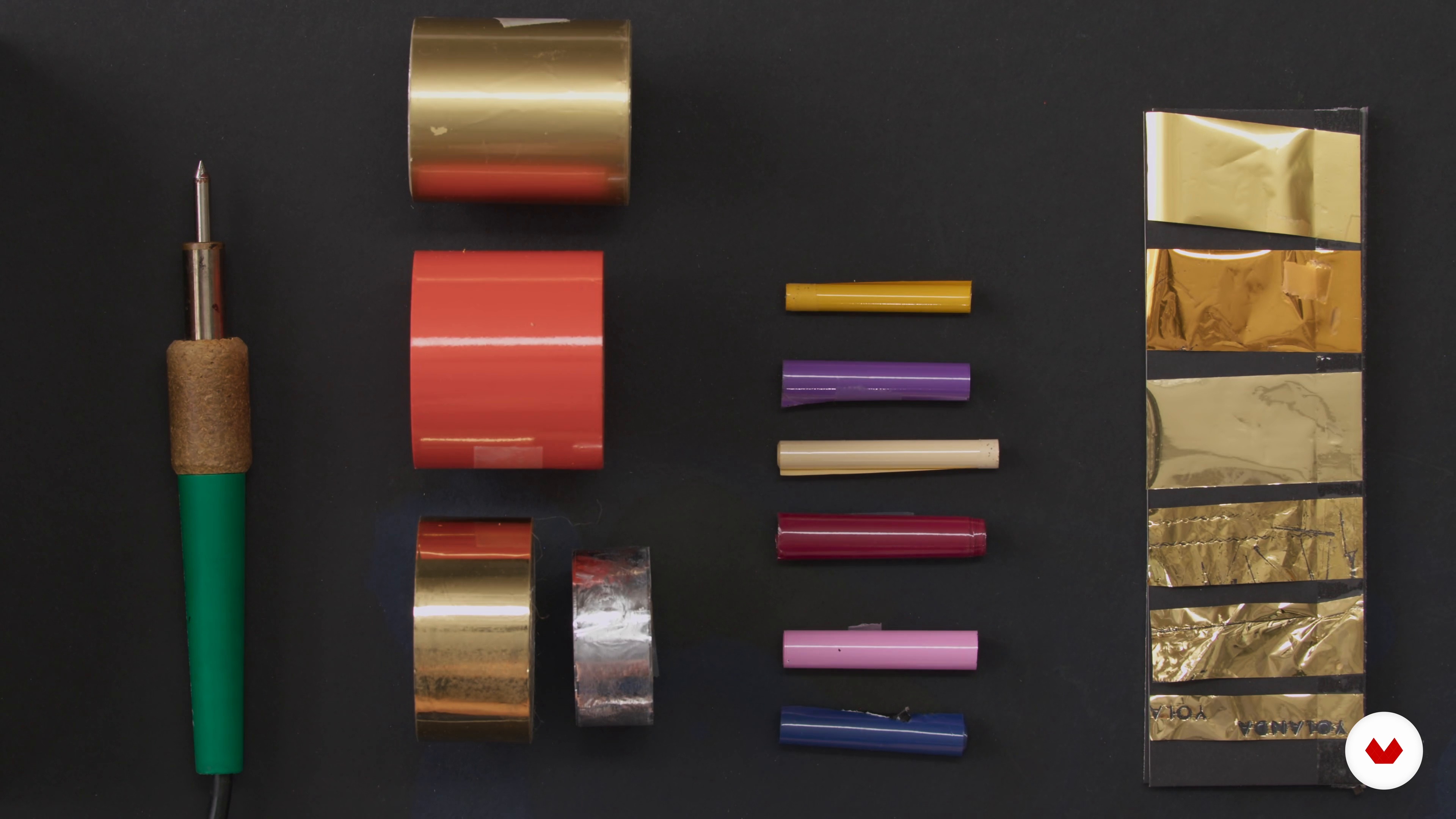
Finally, I want to introduce you to the film I am going to work with and what aspects we should take into account related to it.
5m
image
8
The tools
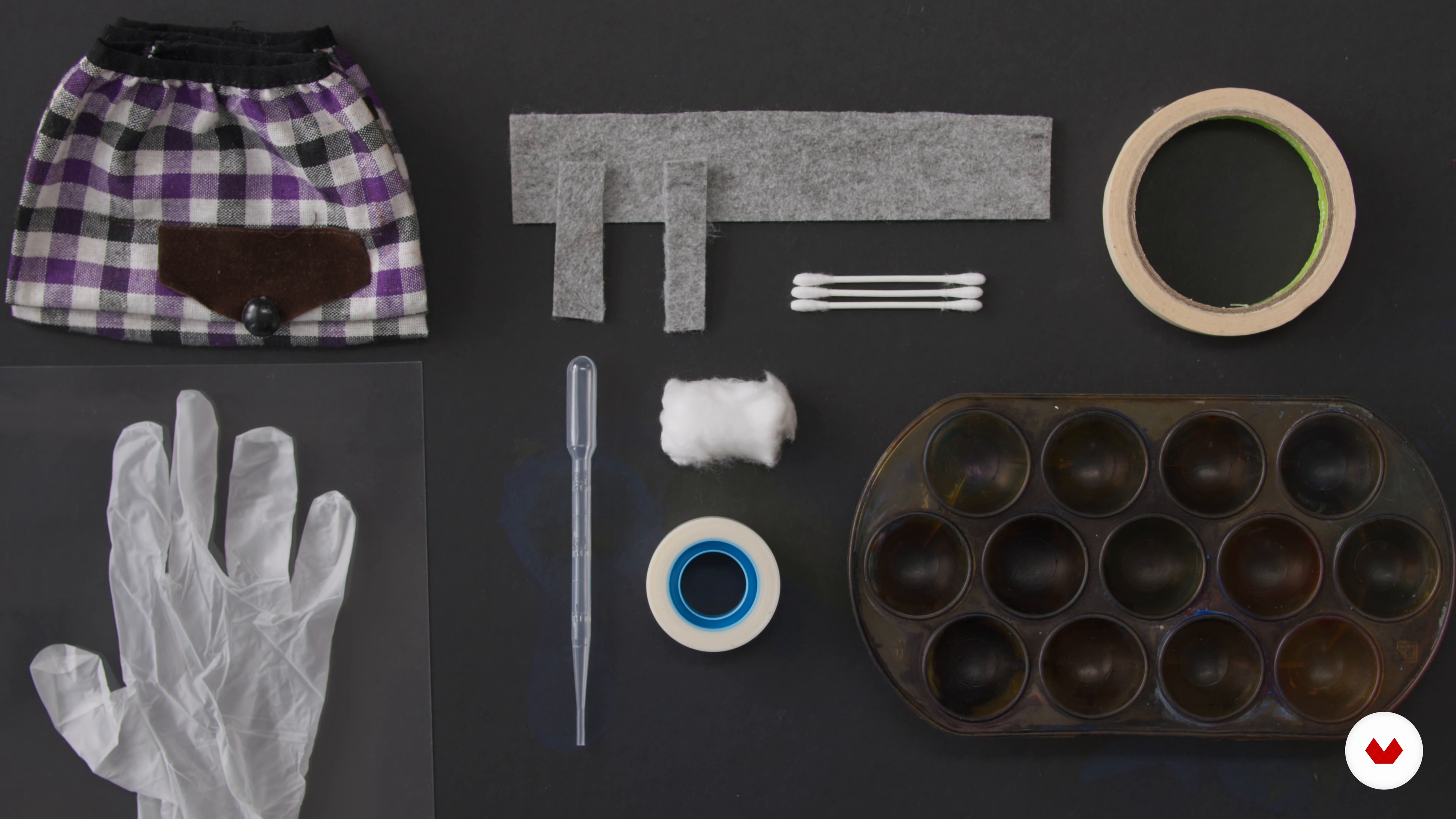
The tools that you are going to need are very basic and easy to obtain or replace. In this lesson I will tell you what they are.
5m
image
9
Useful to work the color
Now we are going to see the tools that we will use to work and experiment with color. I will start with some safety recommendations.
5m
image
10
Color with hand dyes 1
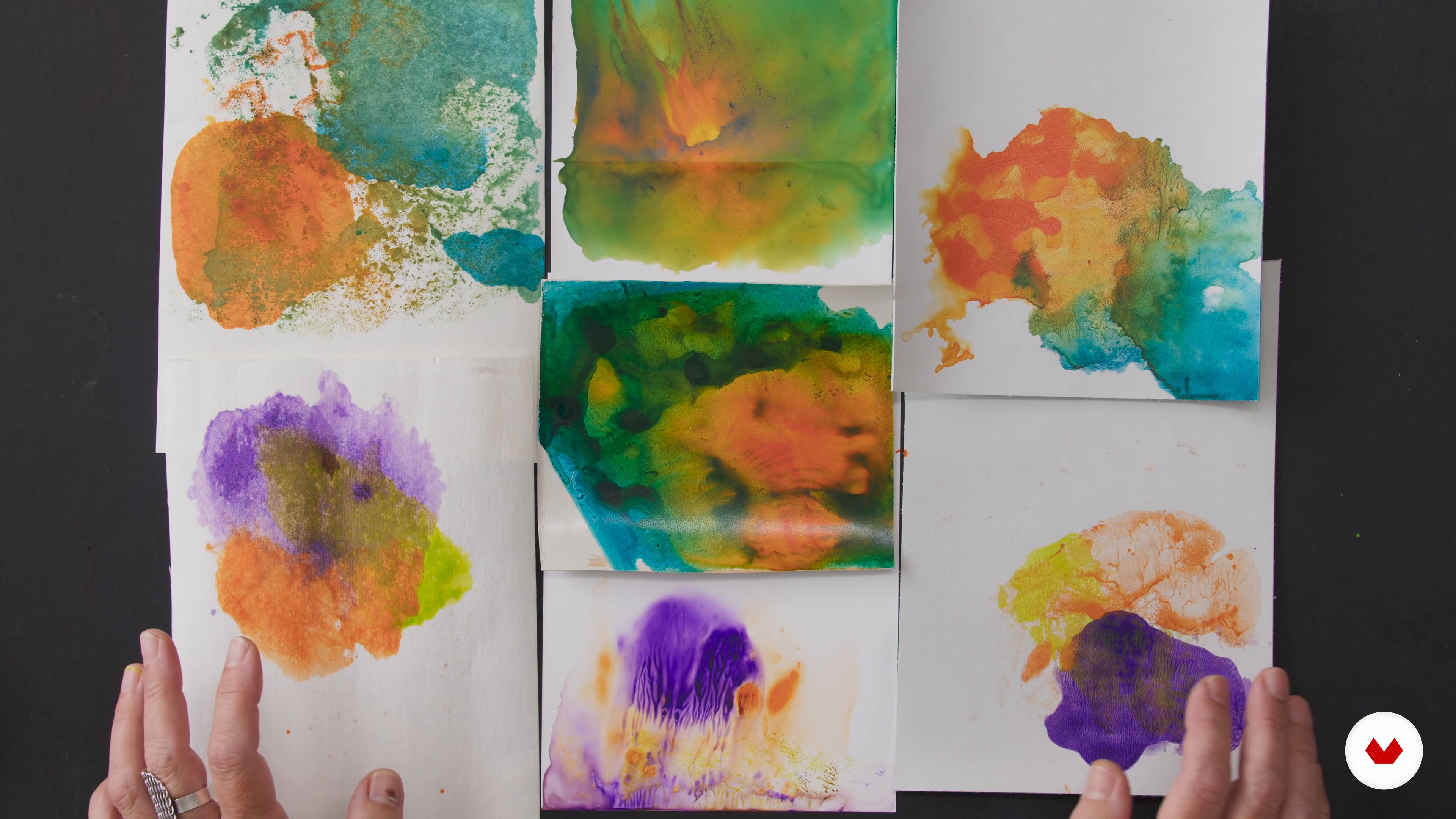
We start with the first technique: tinting with alcohol dyes. I am going to explain several ways to apply the dye, I will start by introducing the freehand technique.
10m
image
11
Color with hand dyes 2
Now I'm going to do some freehand tests so you can see how to apply this technique.
16m
image
12
Color with hand dyes 3
Lastly, I'm going to show you how to use dye sparingly. Do you dare to try this technique? Go for it!
15m
image
13
Color with dropper dyes
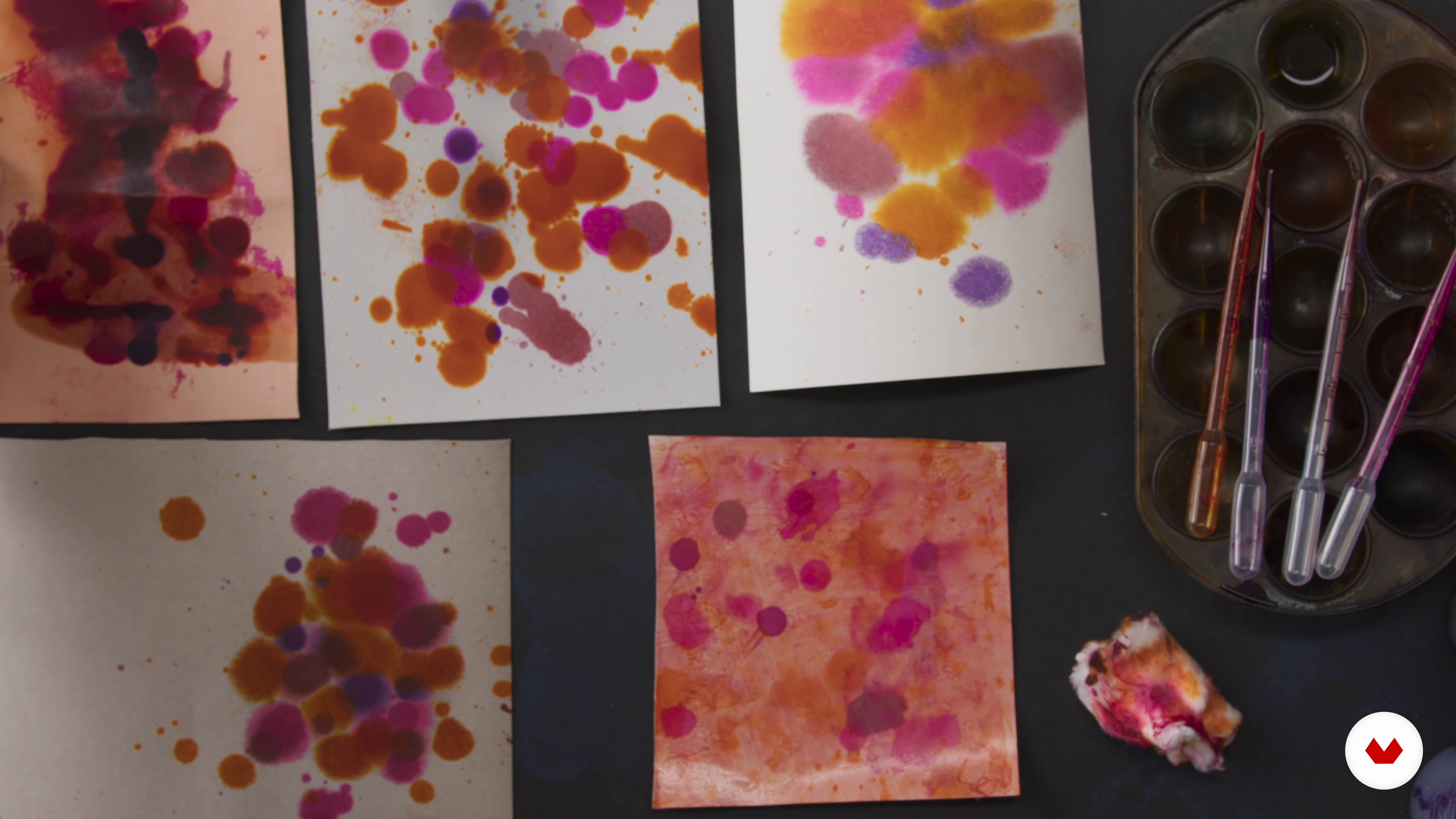
In this lesson I will explain how to apply the dye using an eyedropper or pipette. We will see two techniques: with alcohol dyes and with water dyes.
12m
image
14
Color with acrylic 1
If we have to work with a piece of dark leather, alcohol dyes do not serve us well. I am going to explain how to apply color on skin with acrylic colors.
10m
image
15
Color with acrylic 2
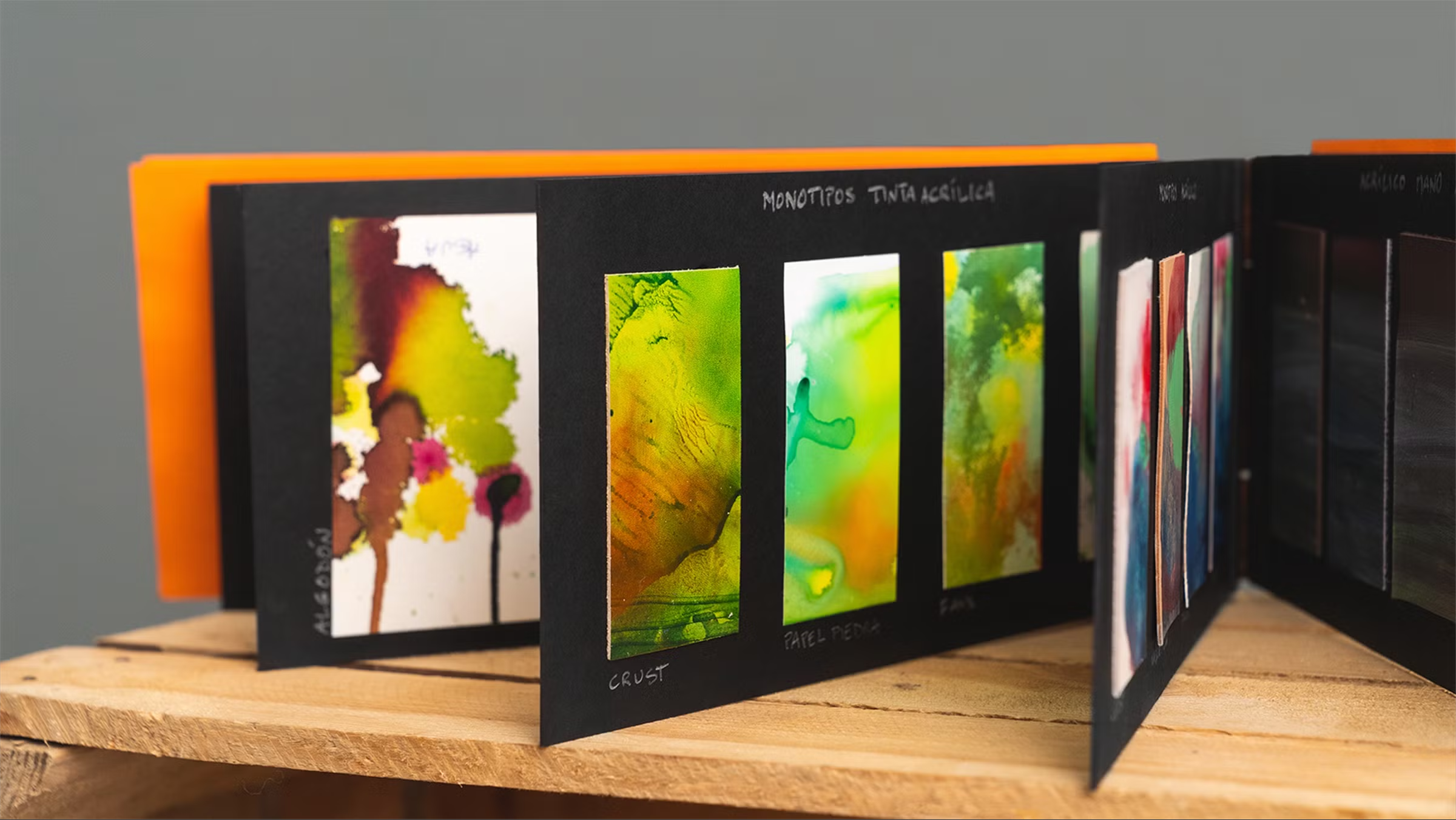
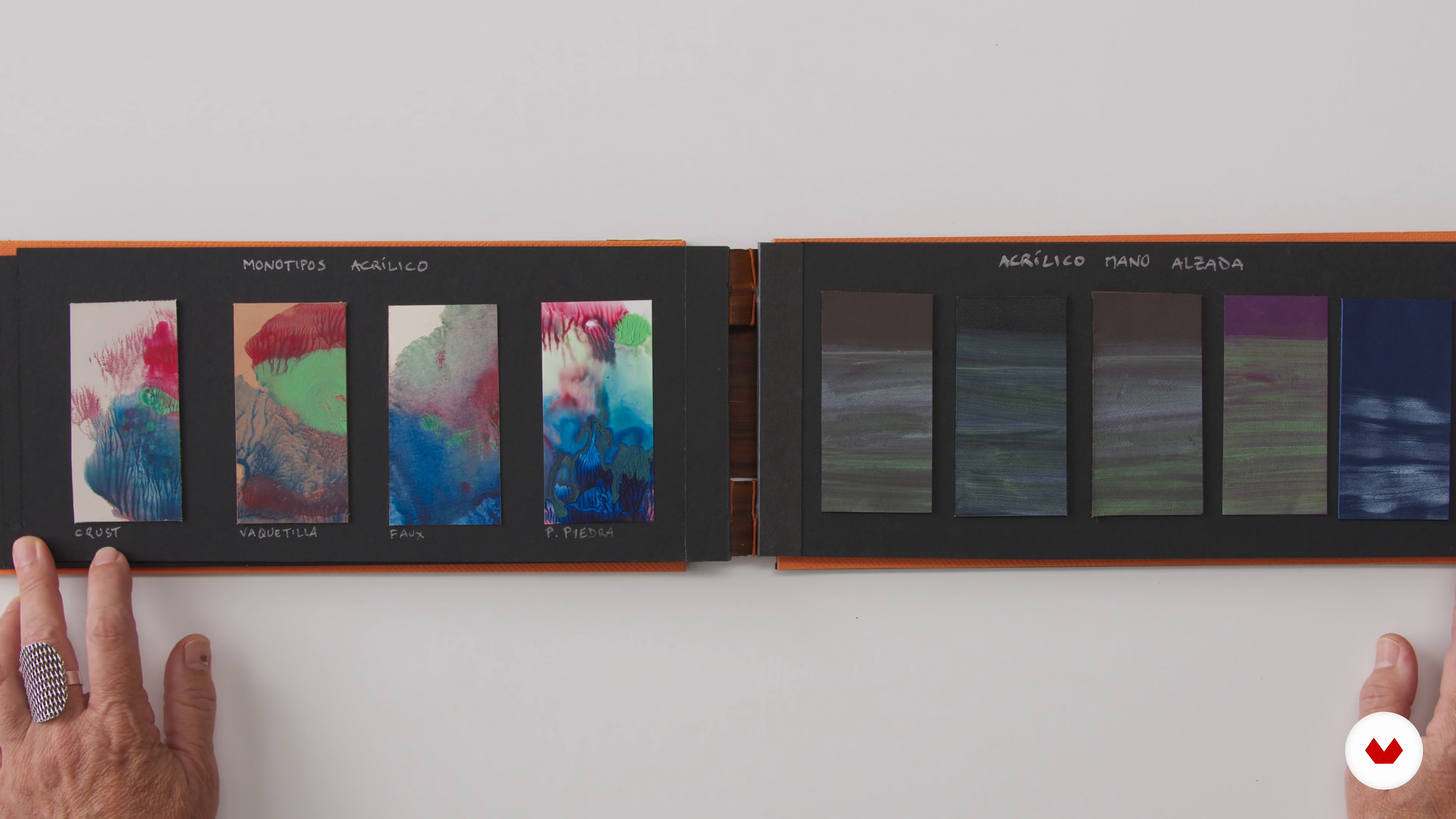
We continue to experiment with acrylic color. Now I am going to tell you how to work a monotype.
13m
image
16
Color with film
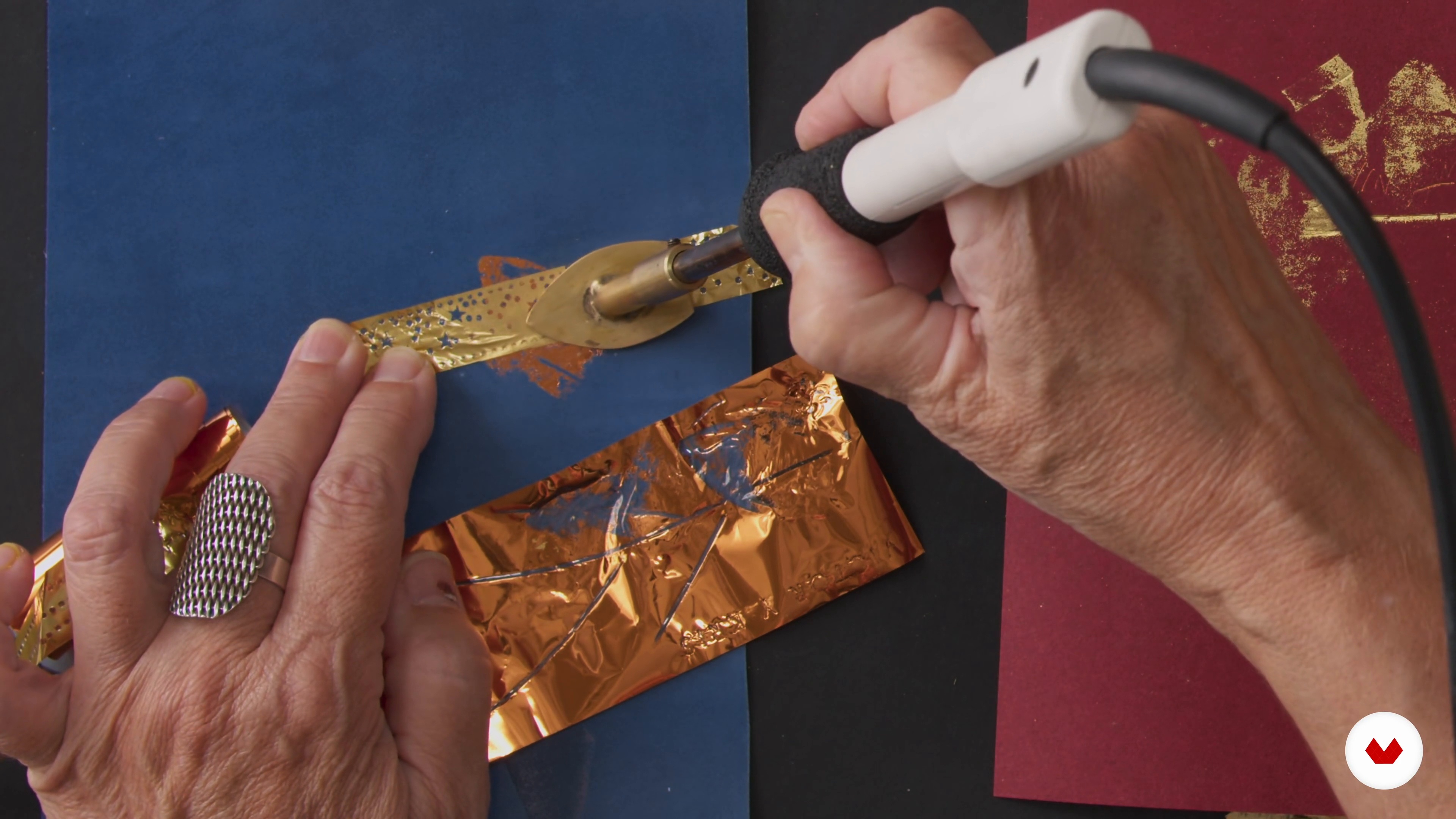
We come to the last technique that we will see in this unit. In this lesson I will teach you how to use the film or "foil" to give color.
11m
image
17
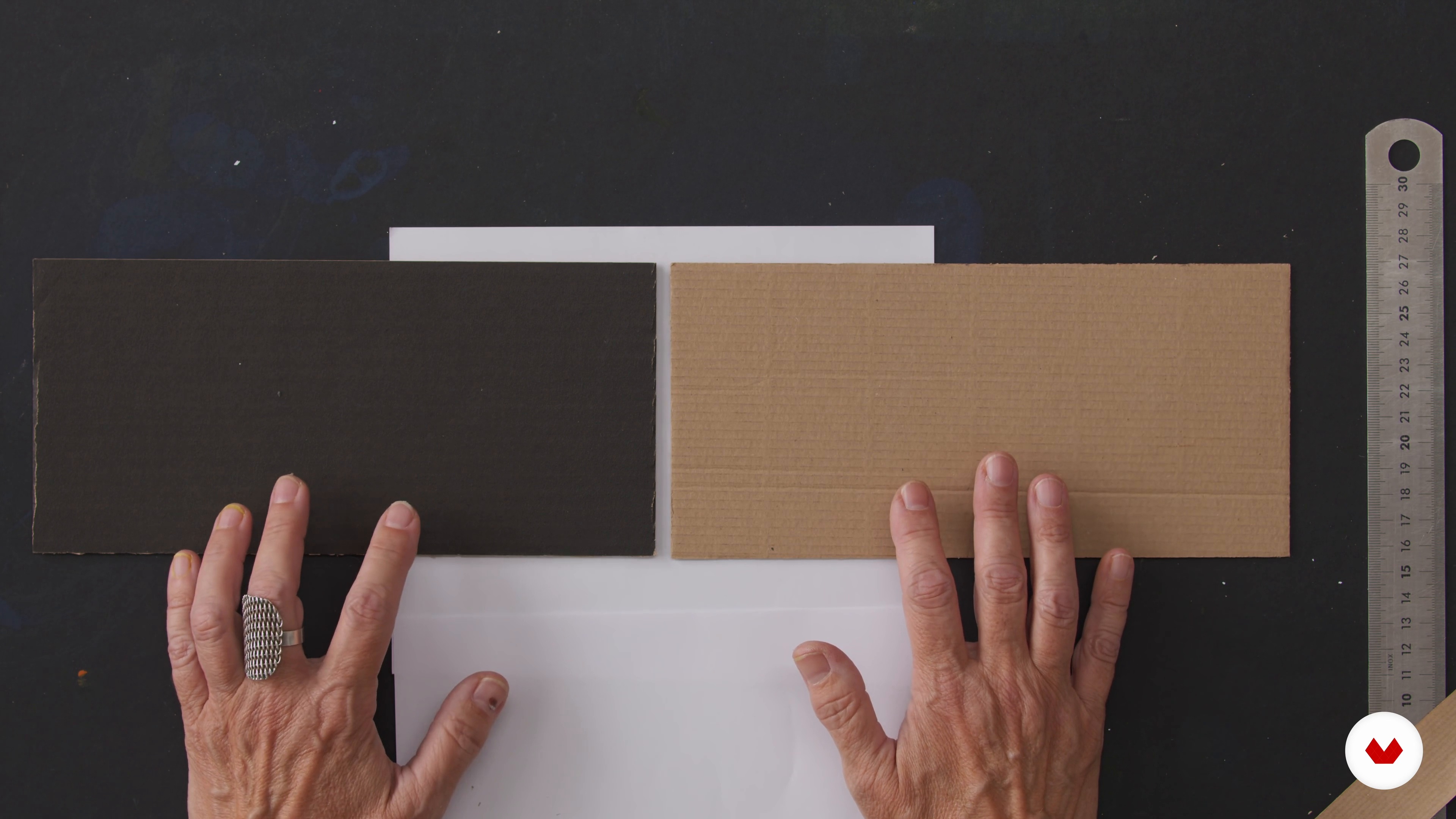
Preparation of the base cardboard
Since you have already obtained your samples in the previous unit, now I am going to explain how to prepare the tiles to create your sample book.
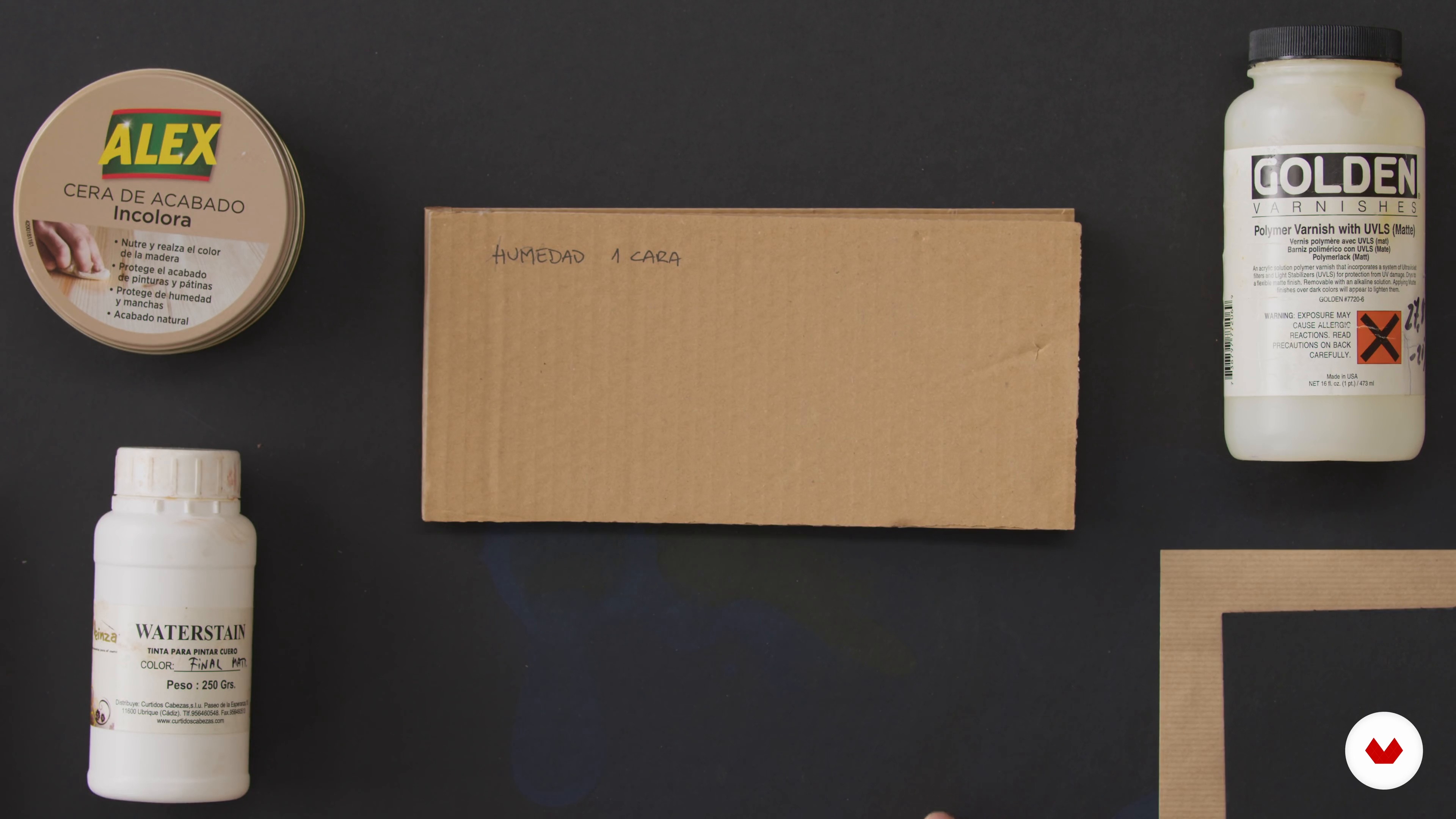
10m
image
18
Sample gluing and sealing
Finally, we'll look at how to choose the samples you've produced during the course and organize pasting them to bring your sampler to life.
17m
image
3
What is leather?
In this lesson I will explain what leather is, the types of tanning, as well as the main characteristics that you have to take into account when working with this material.
7m
image
4
Types of leather
Now that you know what leather is, in this lesson I am going to explain the different types that exist and their different characteristics.
6m
image
5
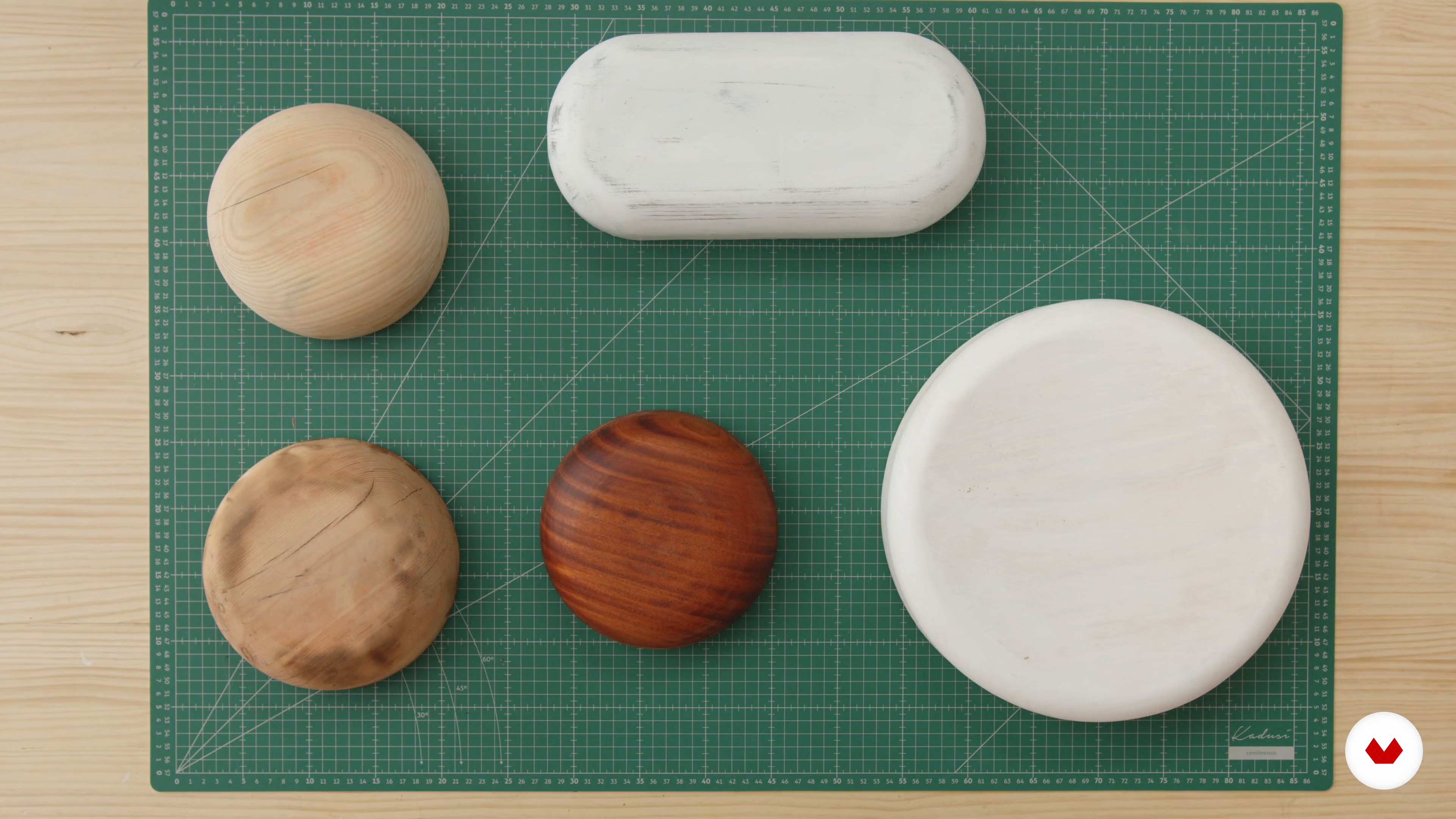
Introduction to molding
Do you know what leather hanging is? In this lesson I will talk about this technique, as well as some types of molds that we can use to work with leather.
10m
image
6
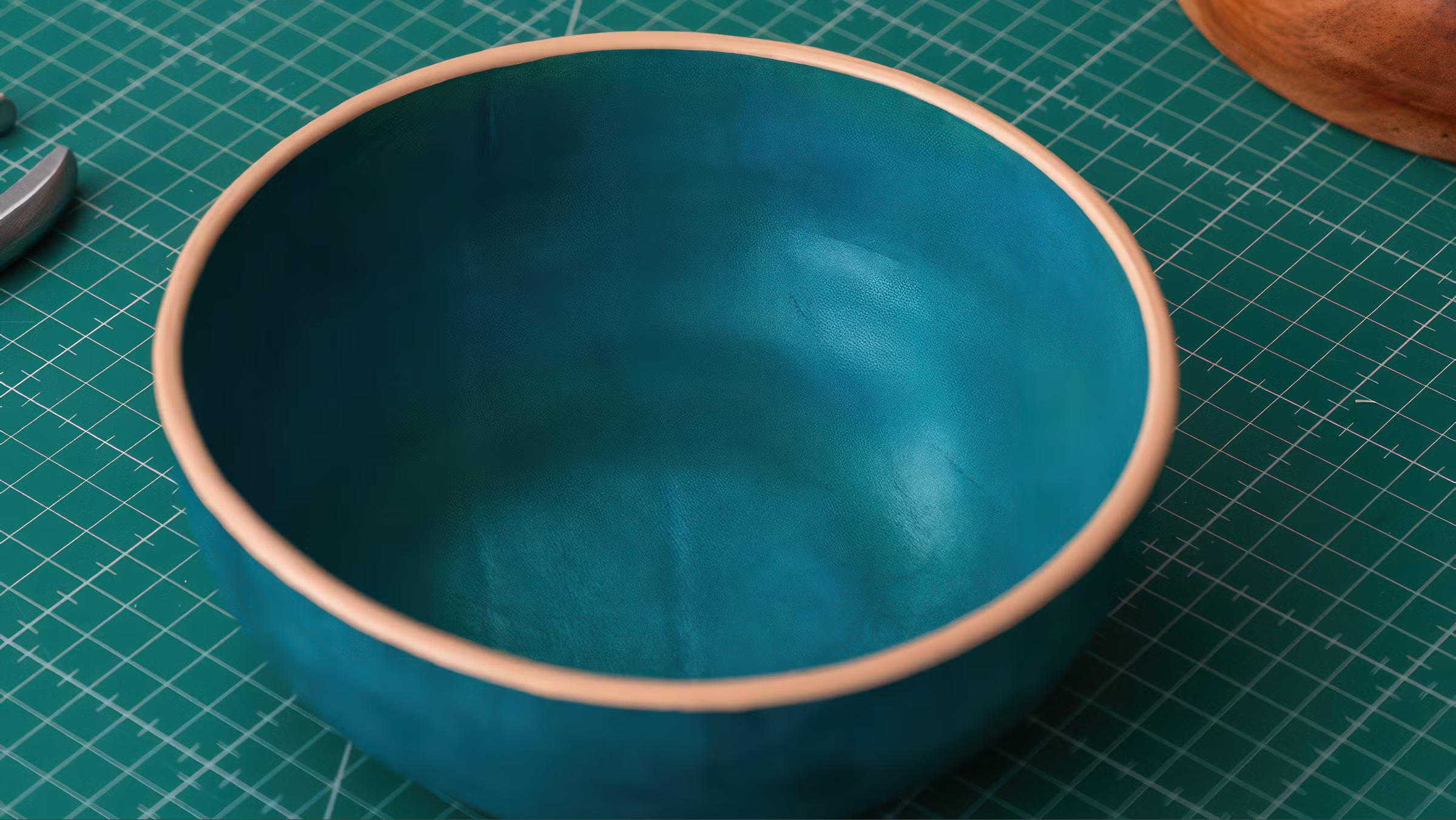
Materials
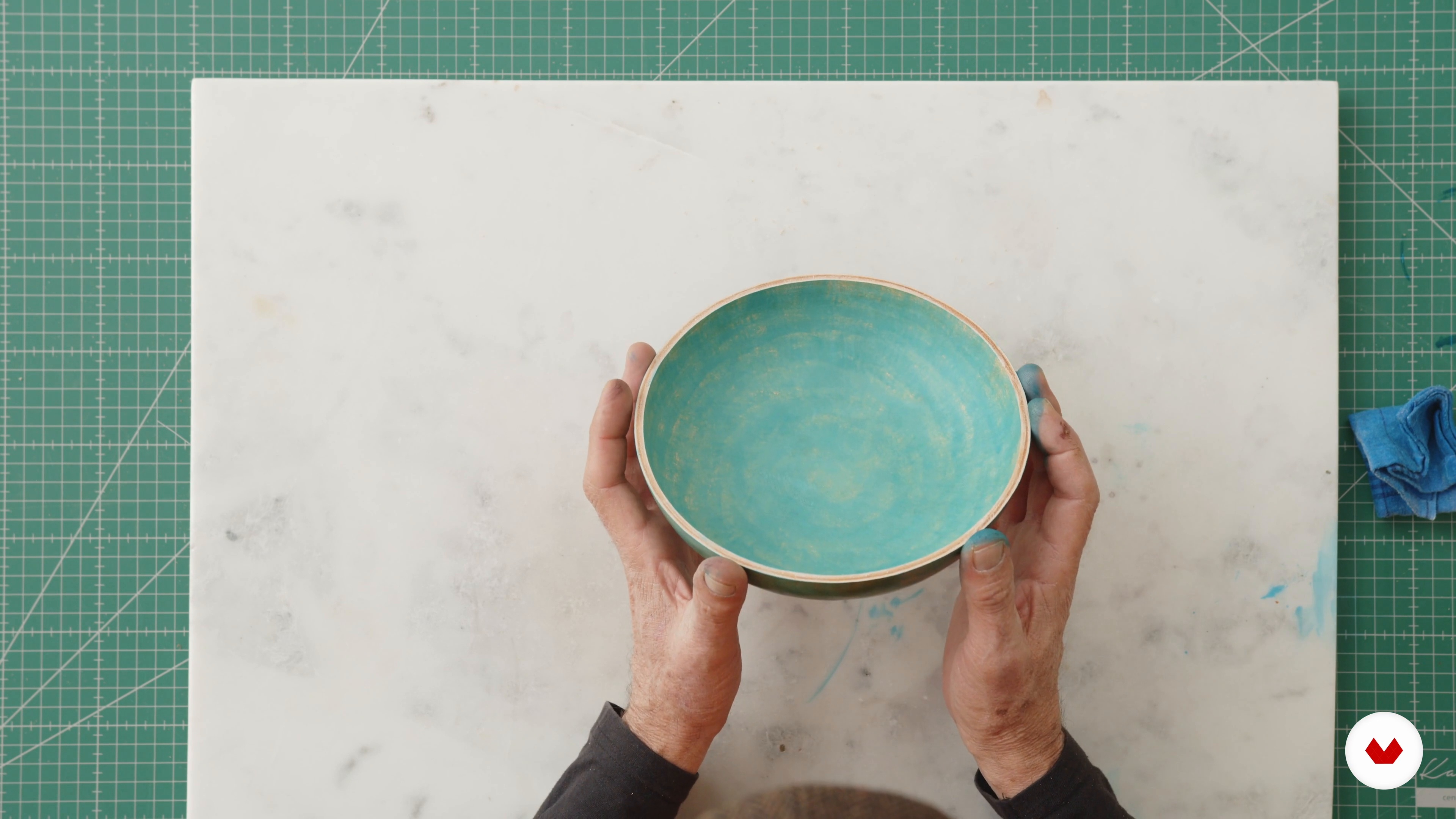
Now I am going to tell you about the necessary materials to carry out the final project: a vegetable leather bowl with base and edge dyeing.
9m
image
7
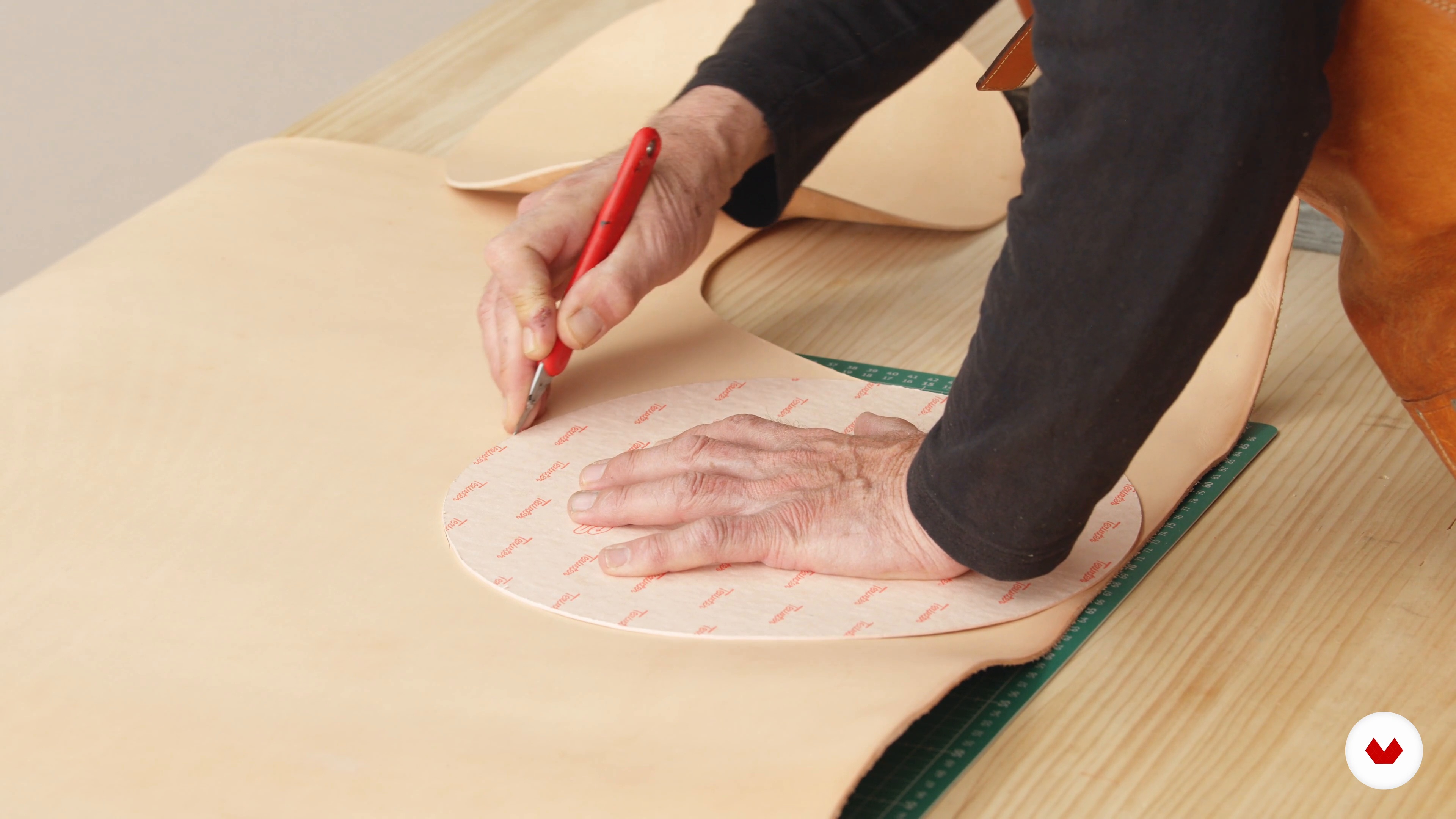
Leather analysis and cutting
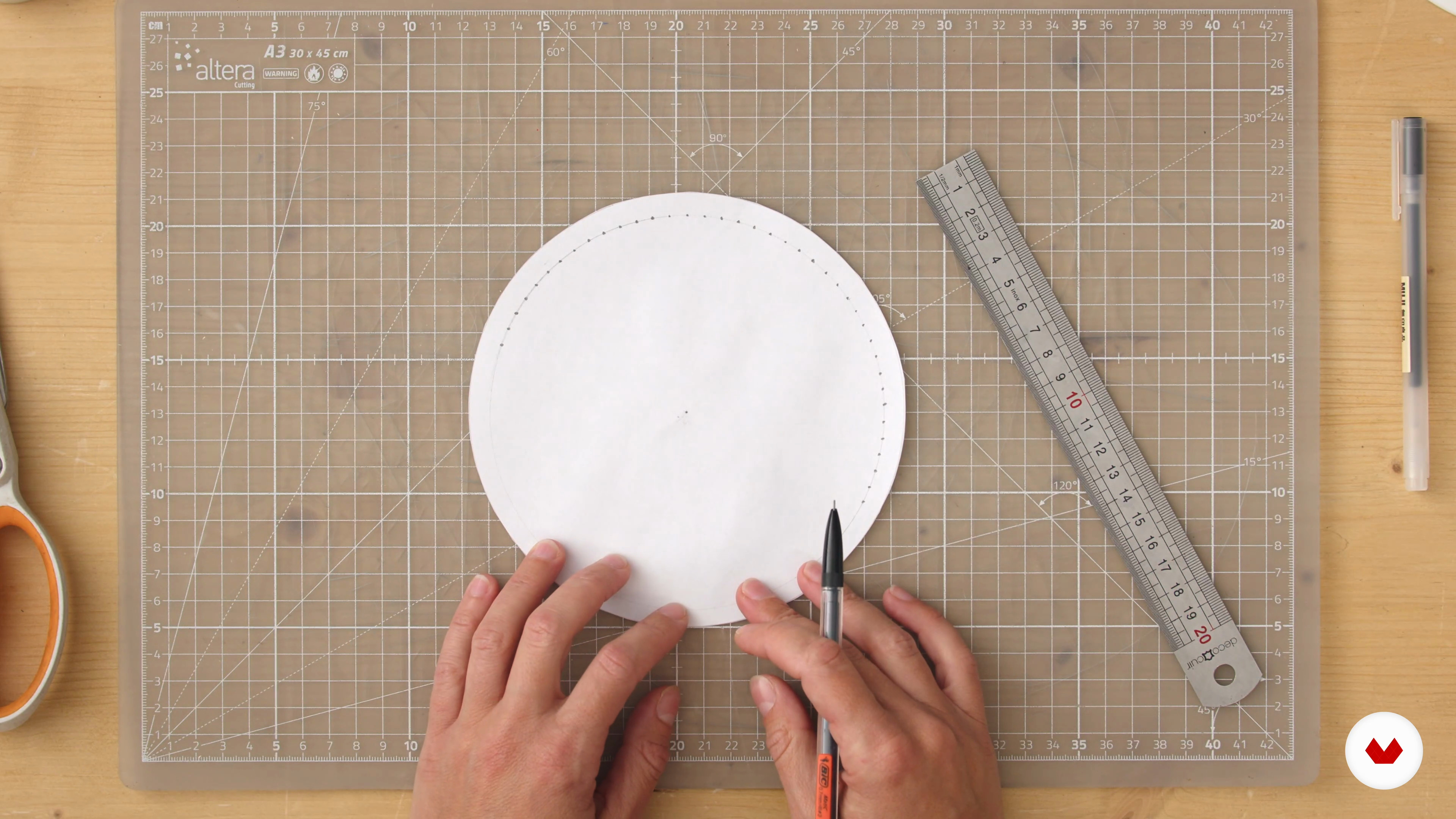
In this lesson I will tell you how to get the pattern we need to cut the two pieces we need for the project in the leather.
8m
image
8
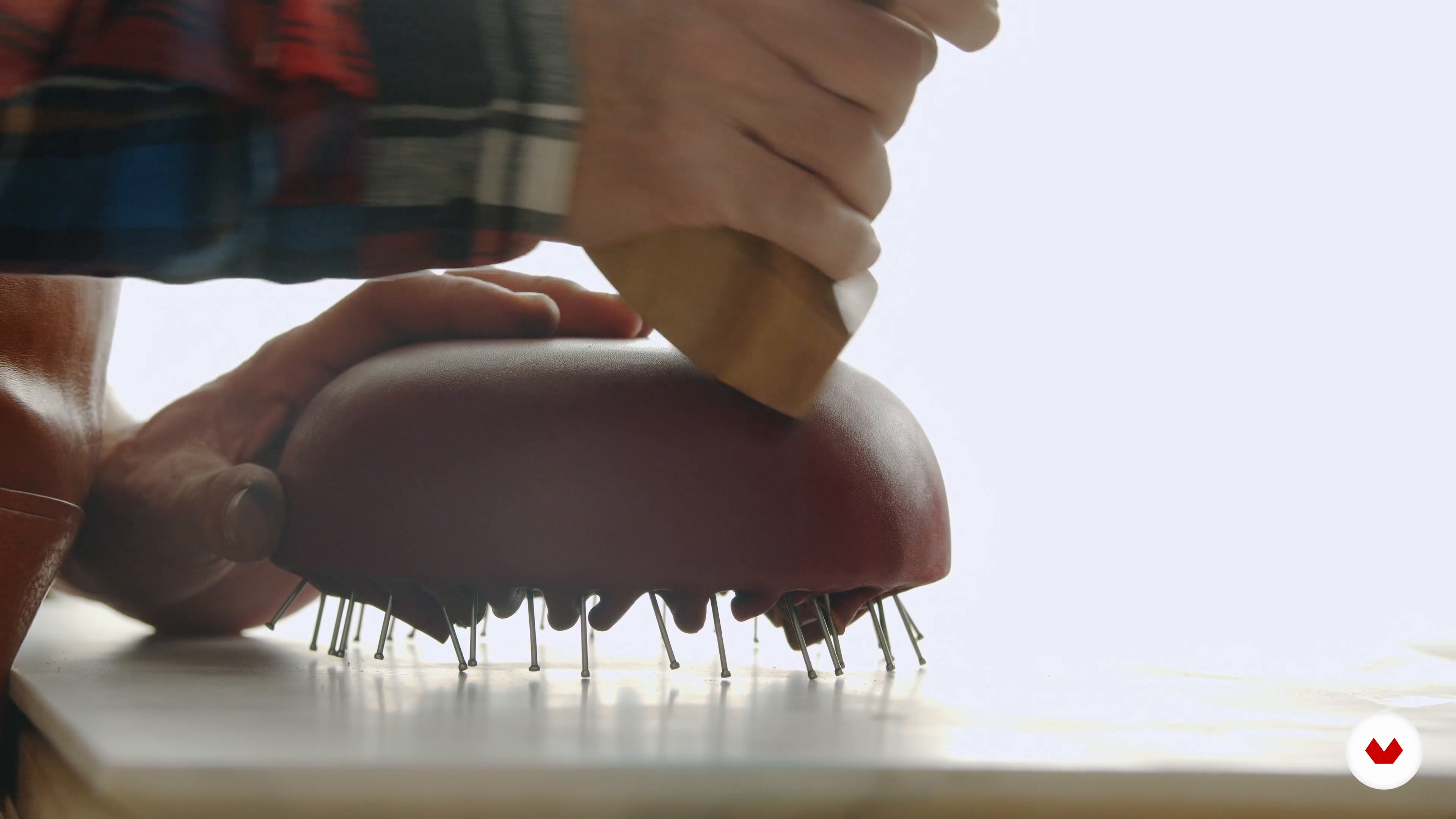
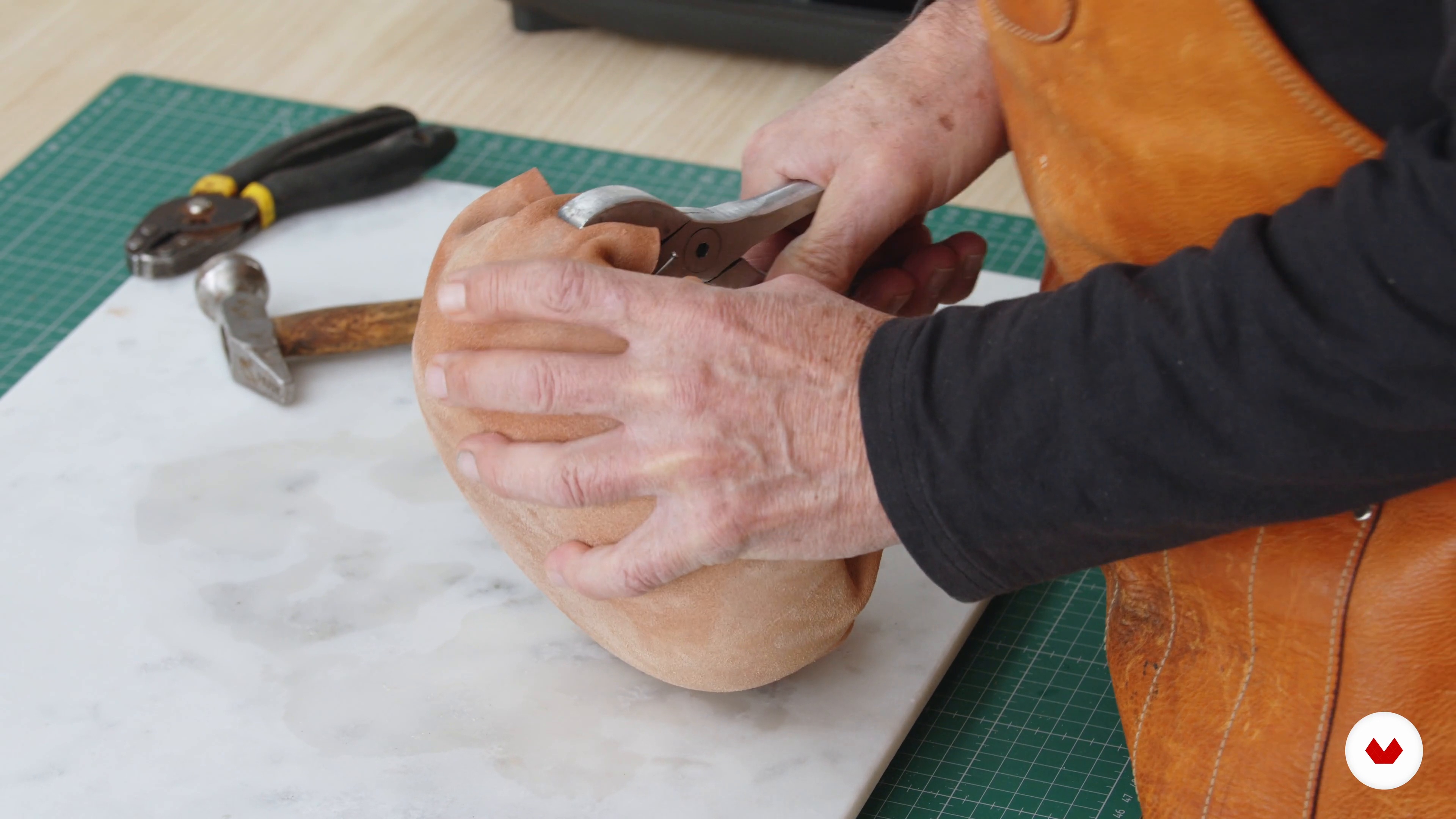
Friezing and lasting of the inner part
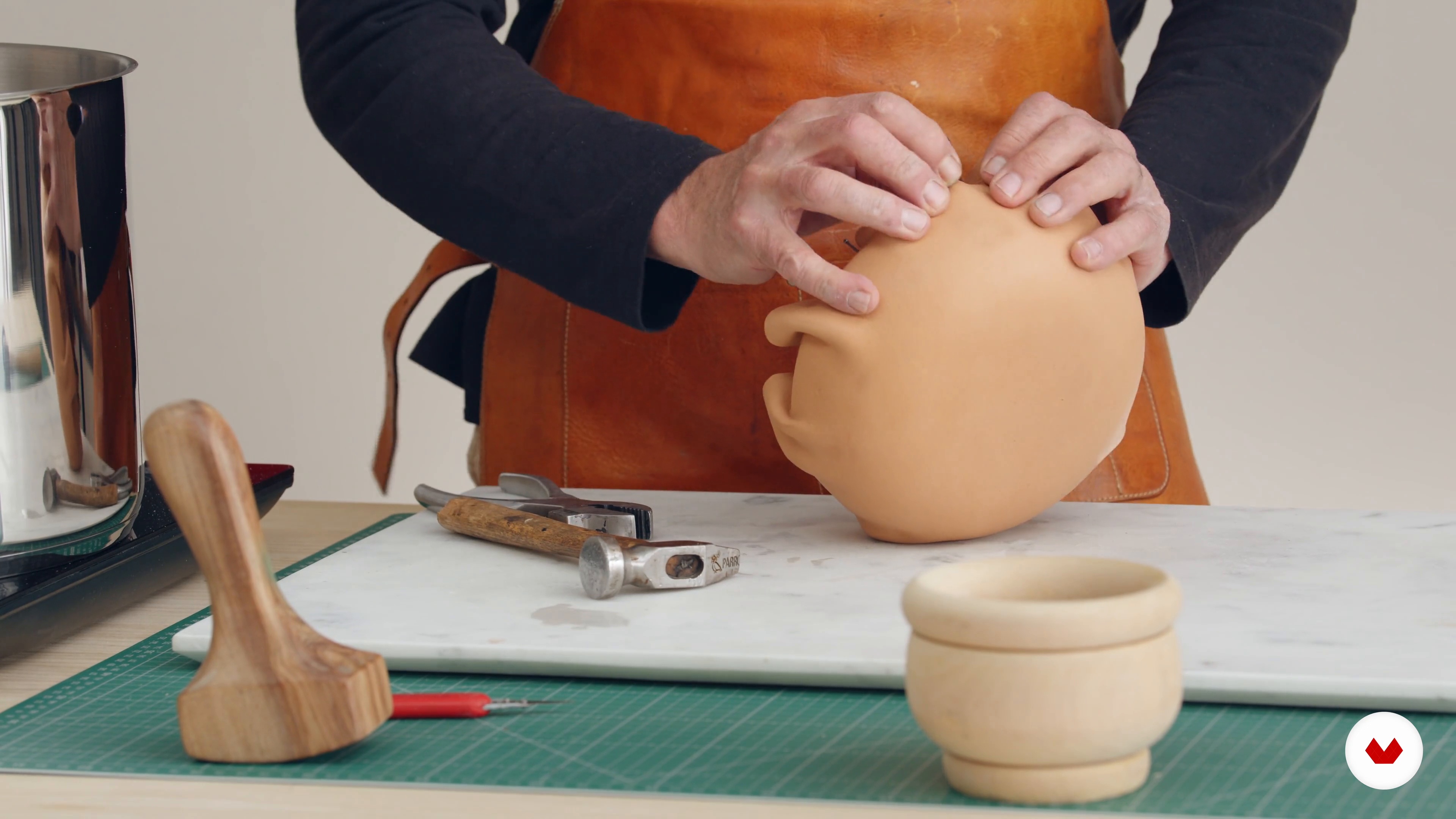
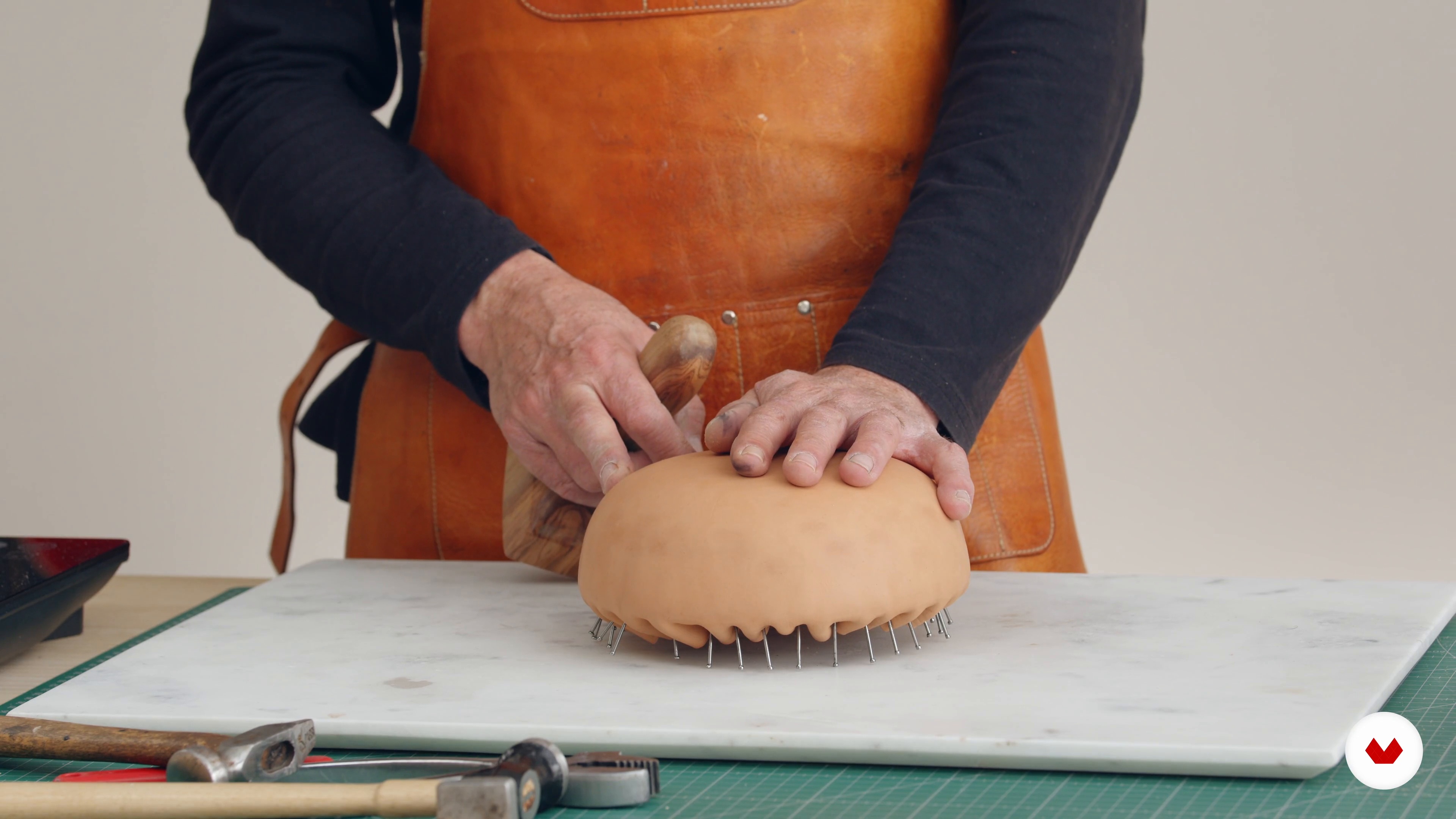
In this lesson I will explain step by step the frising process: how to treat the leather to open its pores and be able to last it. Go for it!
20m
image
9
Friezing and lasting of the outer piece 1
Now it's time to remove the ends, trim the piece and shape the outer piece of the bowl. In this lesson I will teach you how to do it.
11m
image
10
Frisado and lasting of the outer piece 2
We continue to see step by step the process by which we carry out the friezing and lasting of the outer piece.
10m
image
11
Union of the pieces, cutting and extraction
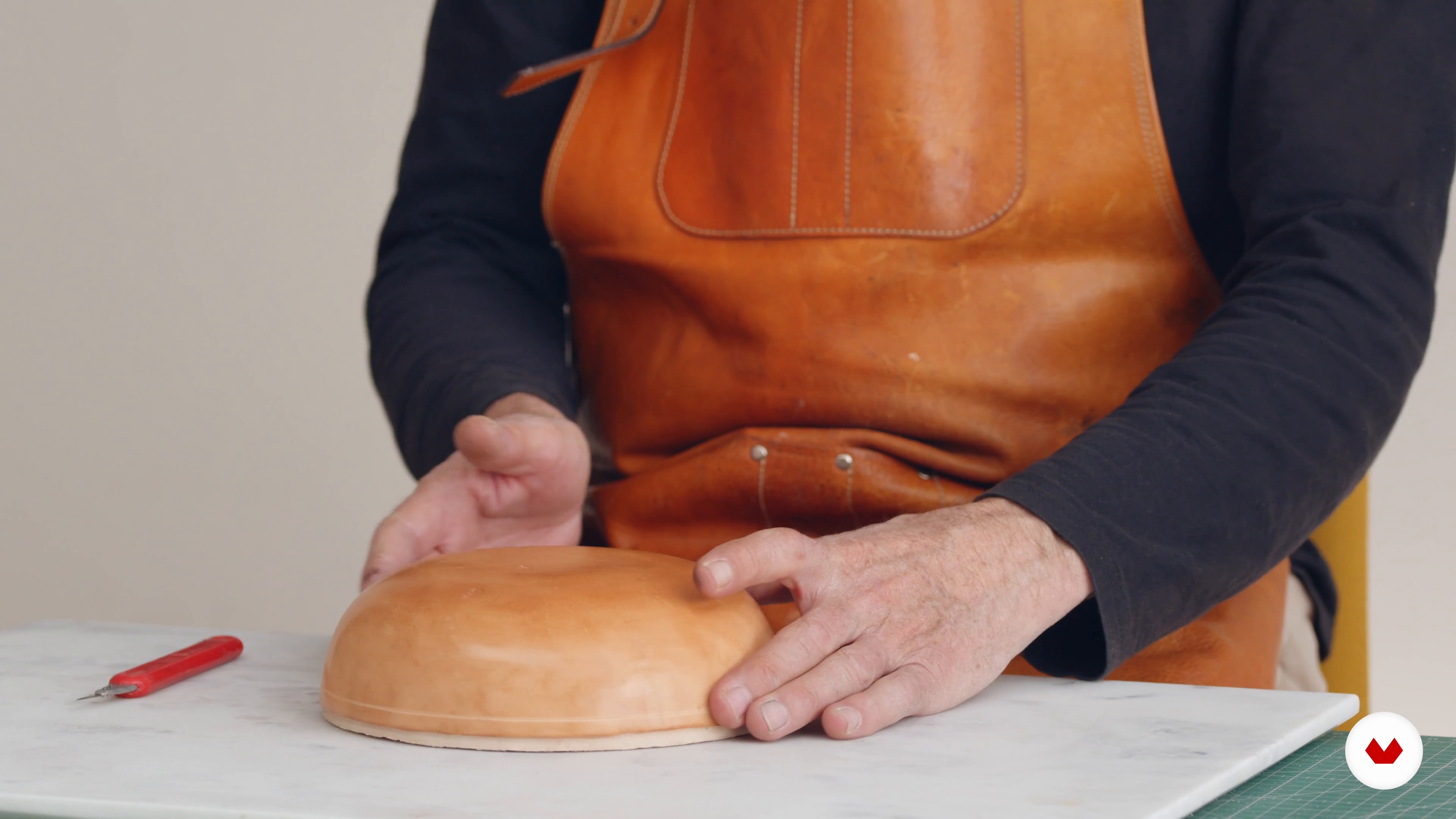
In this lesson we are going to join the two pieces of the bowl using starch. When they are joined, we will cut the edge so that both are at the same height.
13m
image
12
Sanding and painting of the piece
In this lesson, I will explain how to sand the piece and the technique I use to apply the paint.
12m
image
13
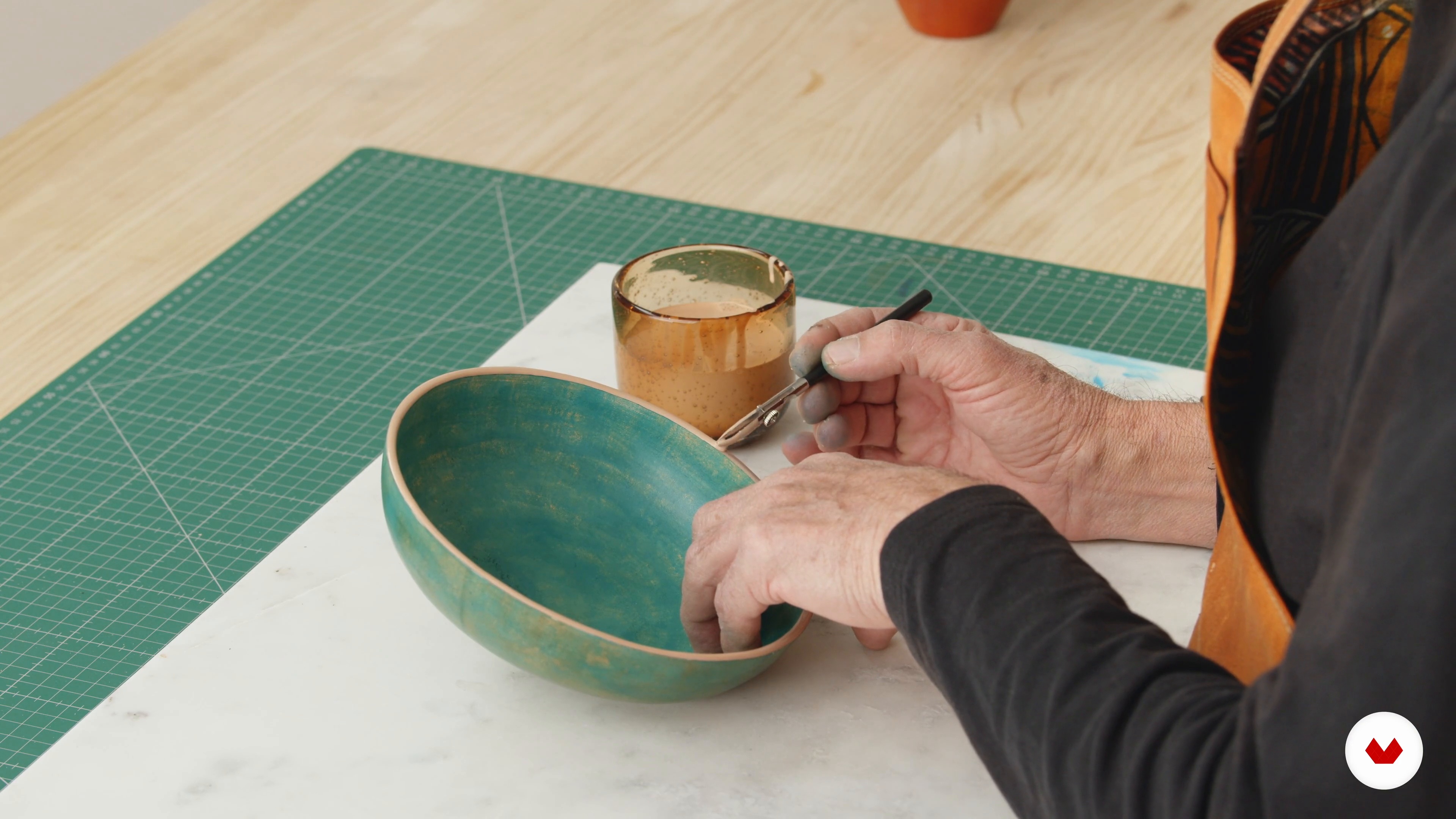
Filler application and edge painting
Next, I am going to tell you how to apply the filler. I'm also going to explain the technique I use to paint the rim of the bowl.
8m
image
14
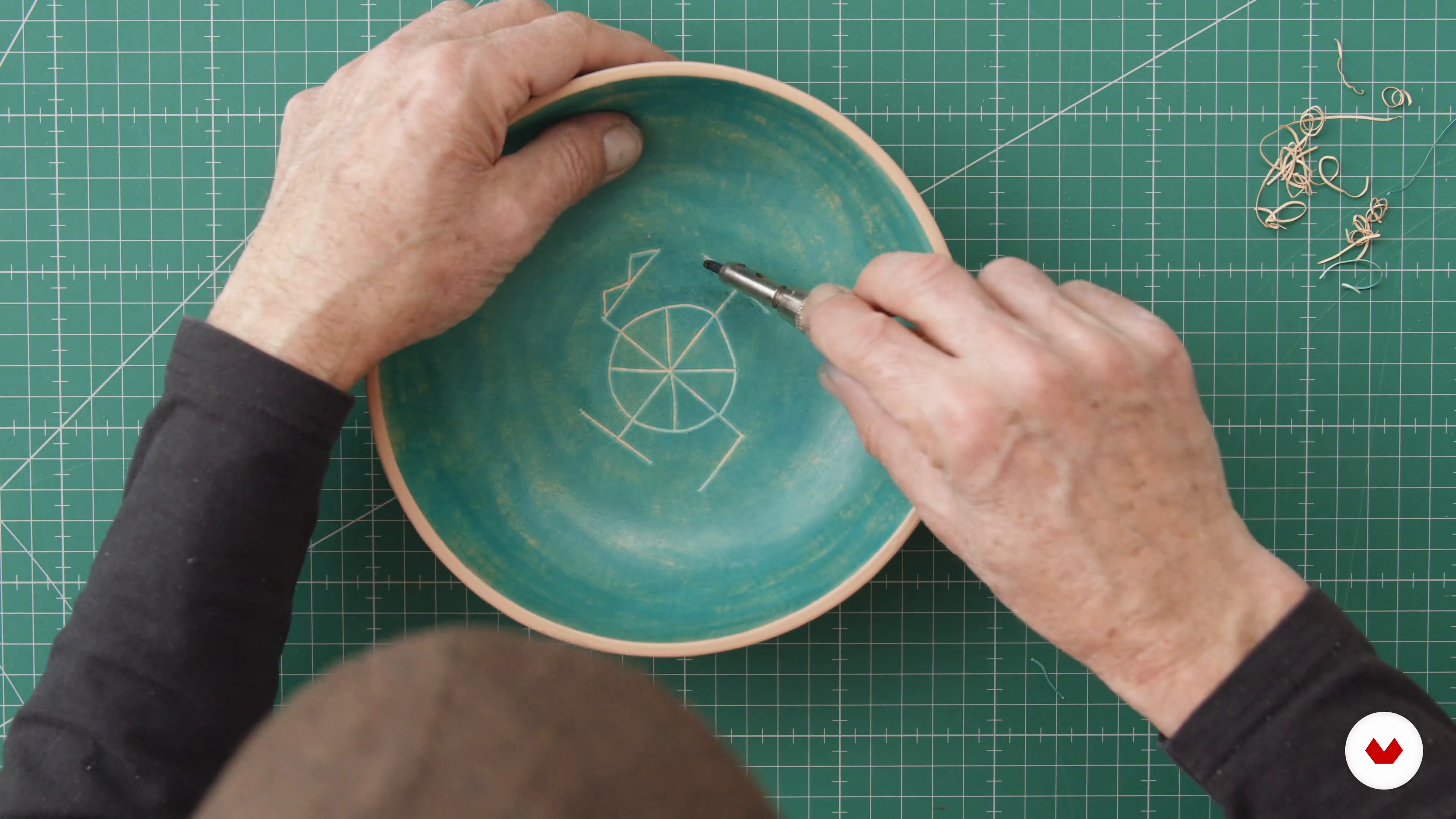
Carving
In this lesson I am going to talk about the carving of the piece. I will show you how I make abstract drawings on the piece to give it a special touch.
19m
image
15
Care of the piece, leather and lasts
In this lesson I will give you a series of tips to take care of the piece, the skins and the lasts, in order to keep them as long as possible.
7m
image
16
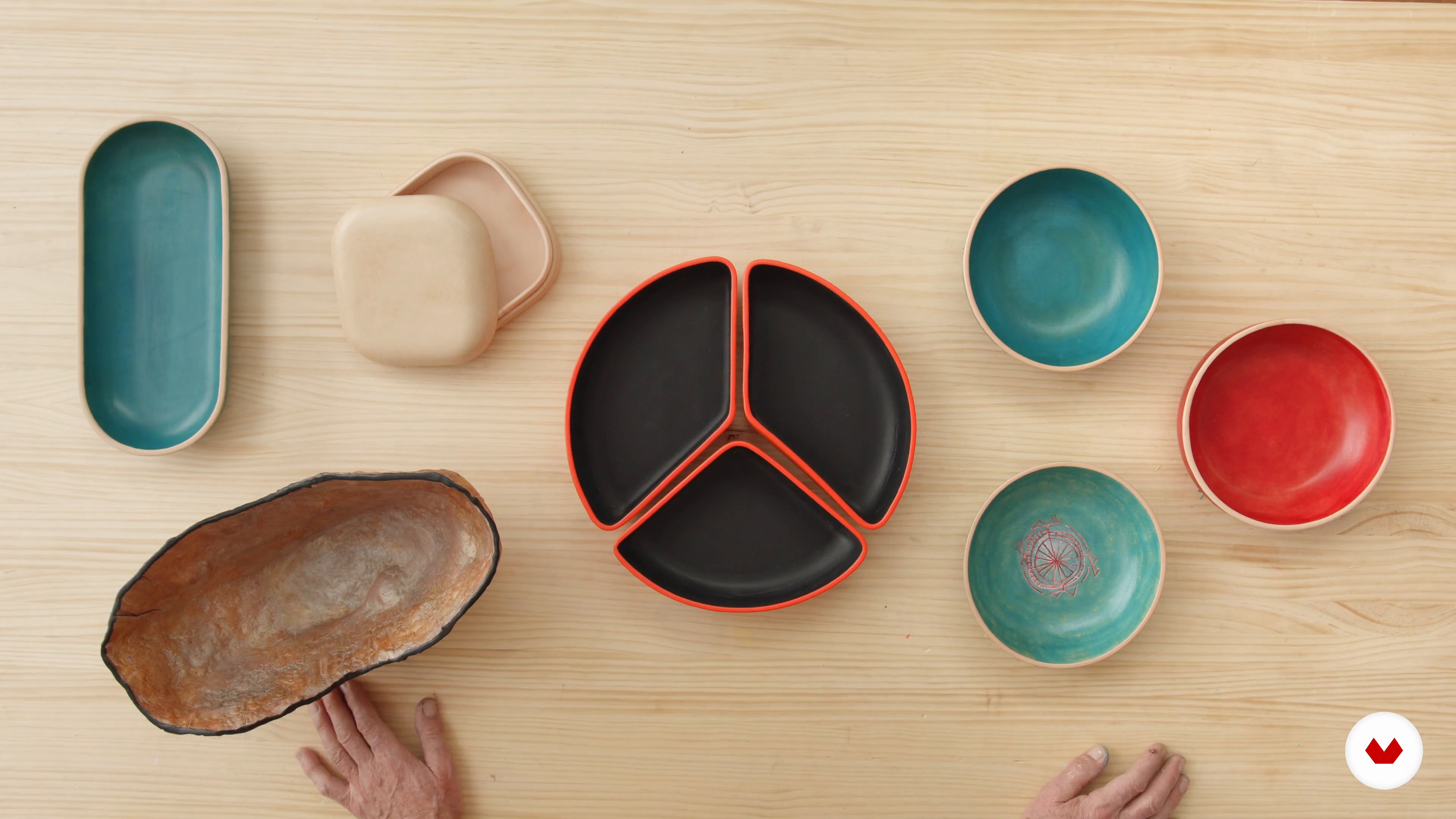
Applications of the technique
Next, I am going to show you different pieces that I have created using different techniques of lasting so that you can see the applications they have.
3m
image
3
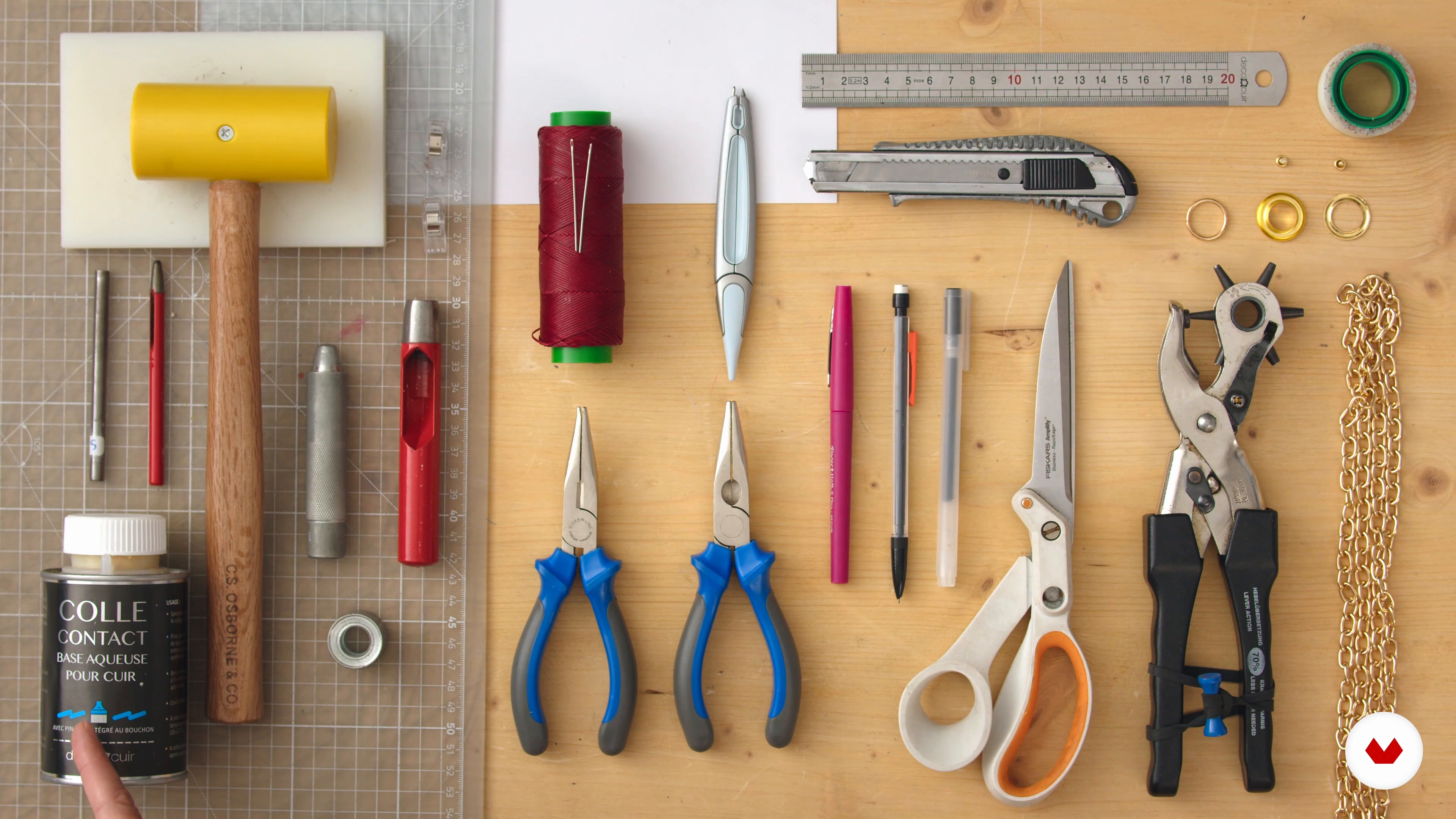
Material for the Course
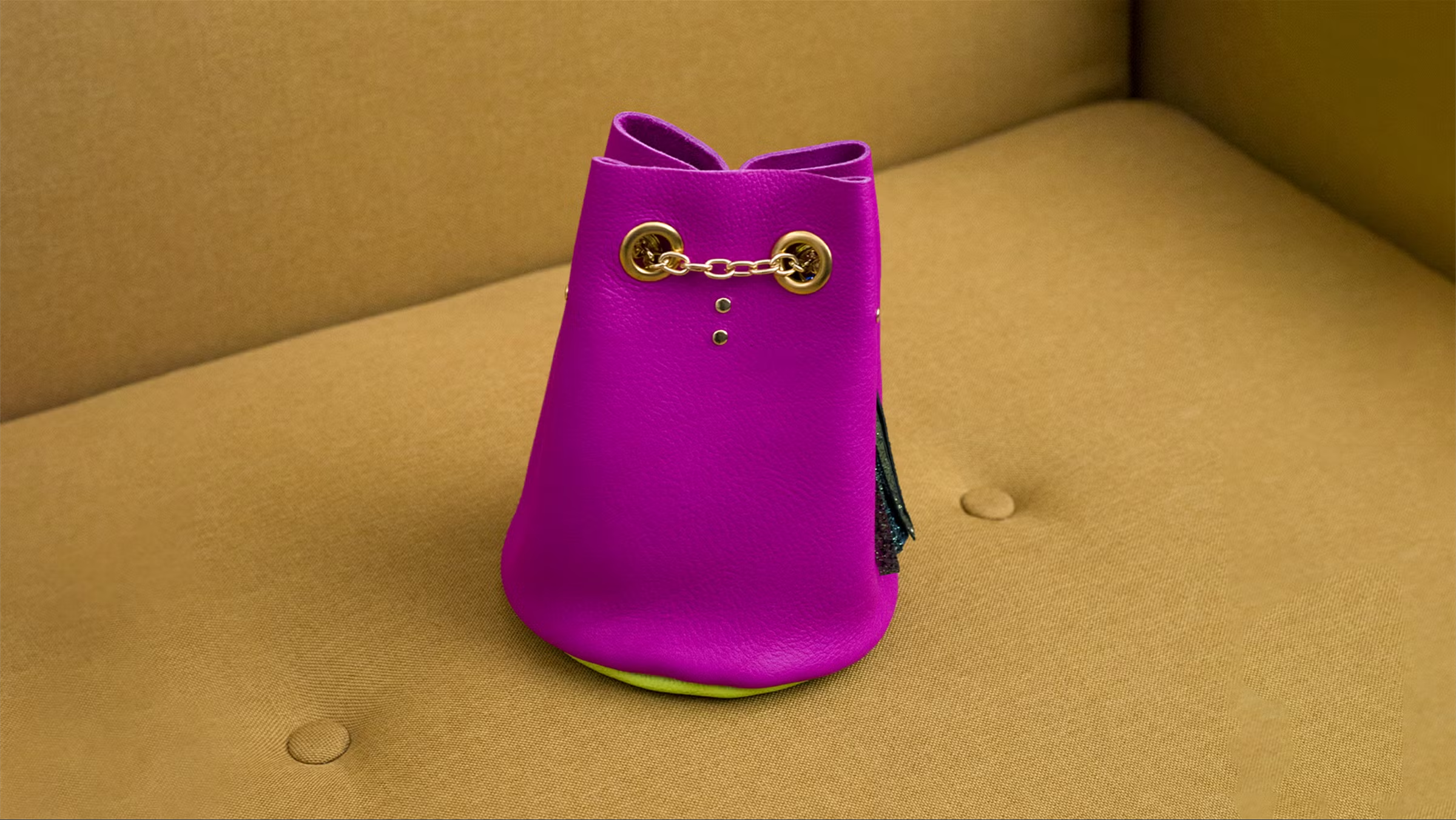
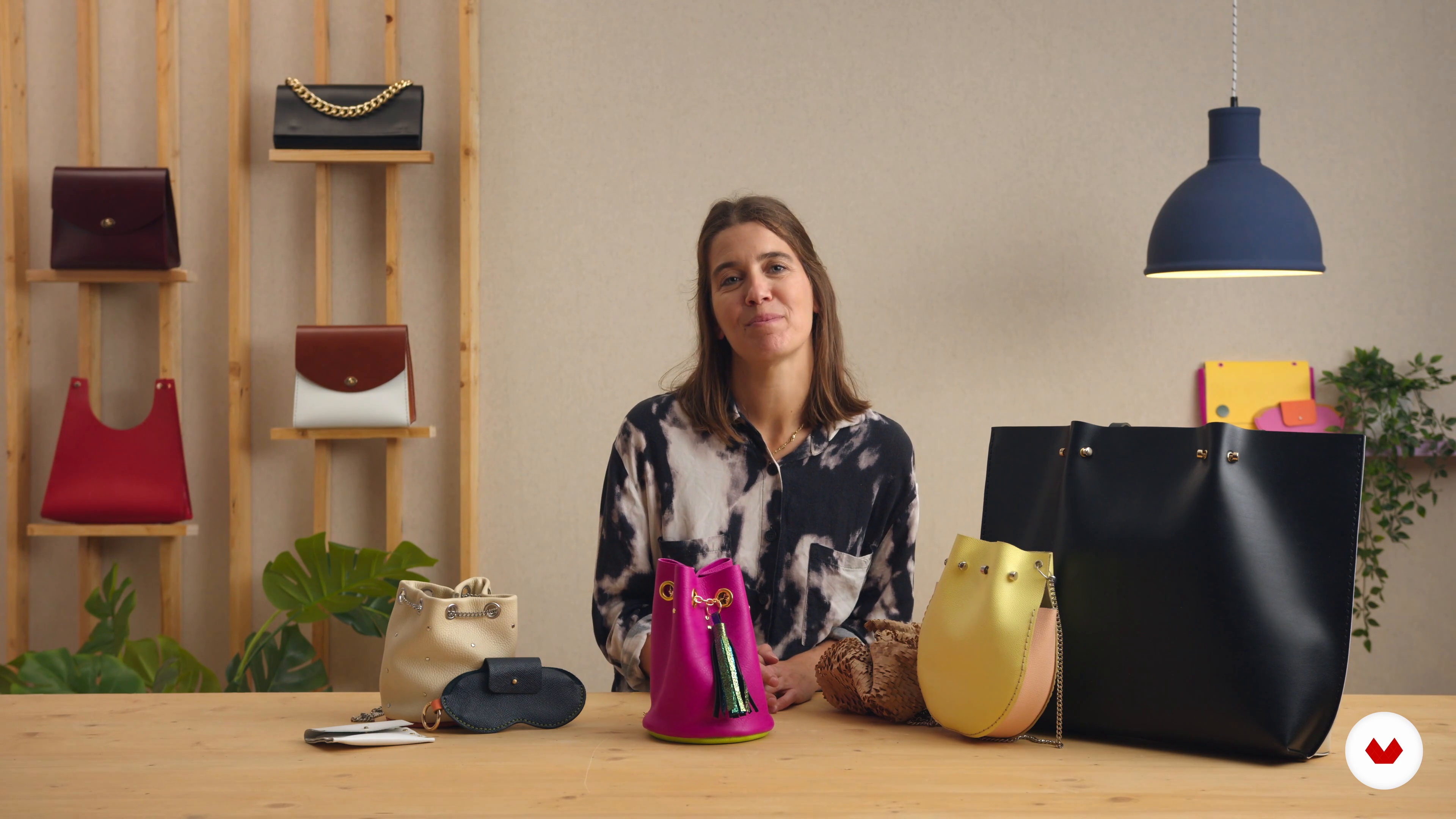
To begin, you will know everything you need to know about the material to use as well as how you can seek inspiration to make the purse bag of your dreams, the one that looks like you.
7m
image
4
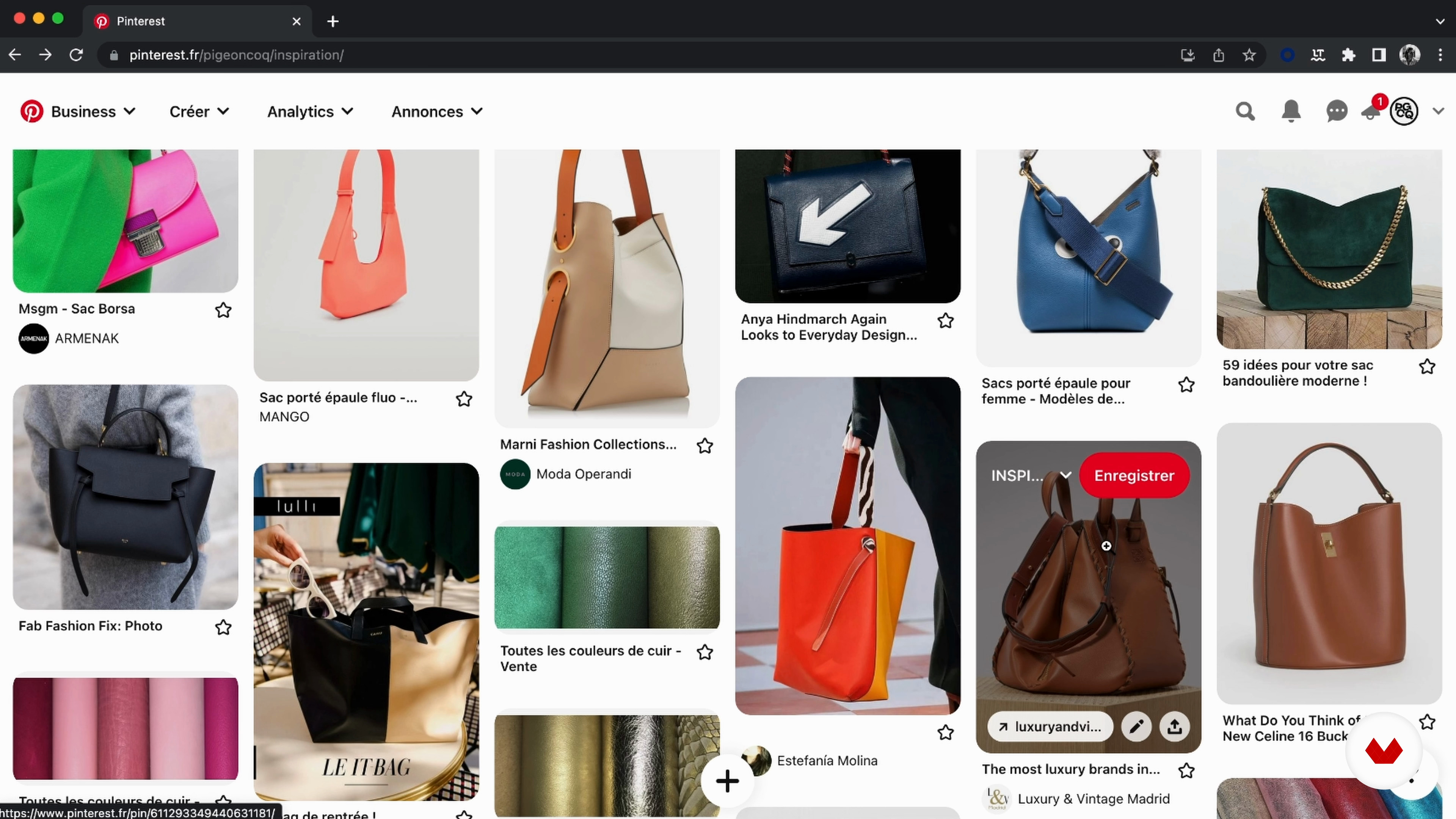
Looking for Inspiration
Now, I'm going to show you how to look everywhere for inspiration to get the bag that looks like you, and organize it in the form of a mood board.
6m
image
5
A Unique Bag!
During this lesson, I will show you how to define the personality of your bag! You will also see how to choose the material that best suits the project and customization elements.
4m
image
6
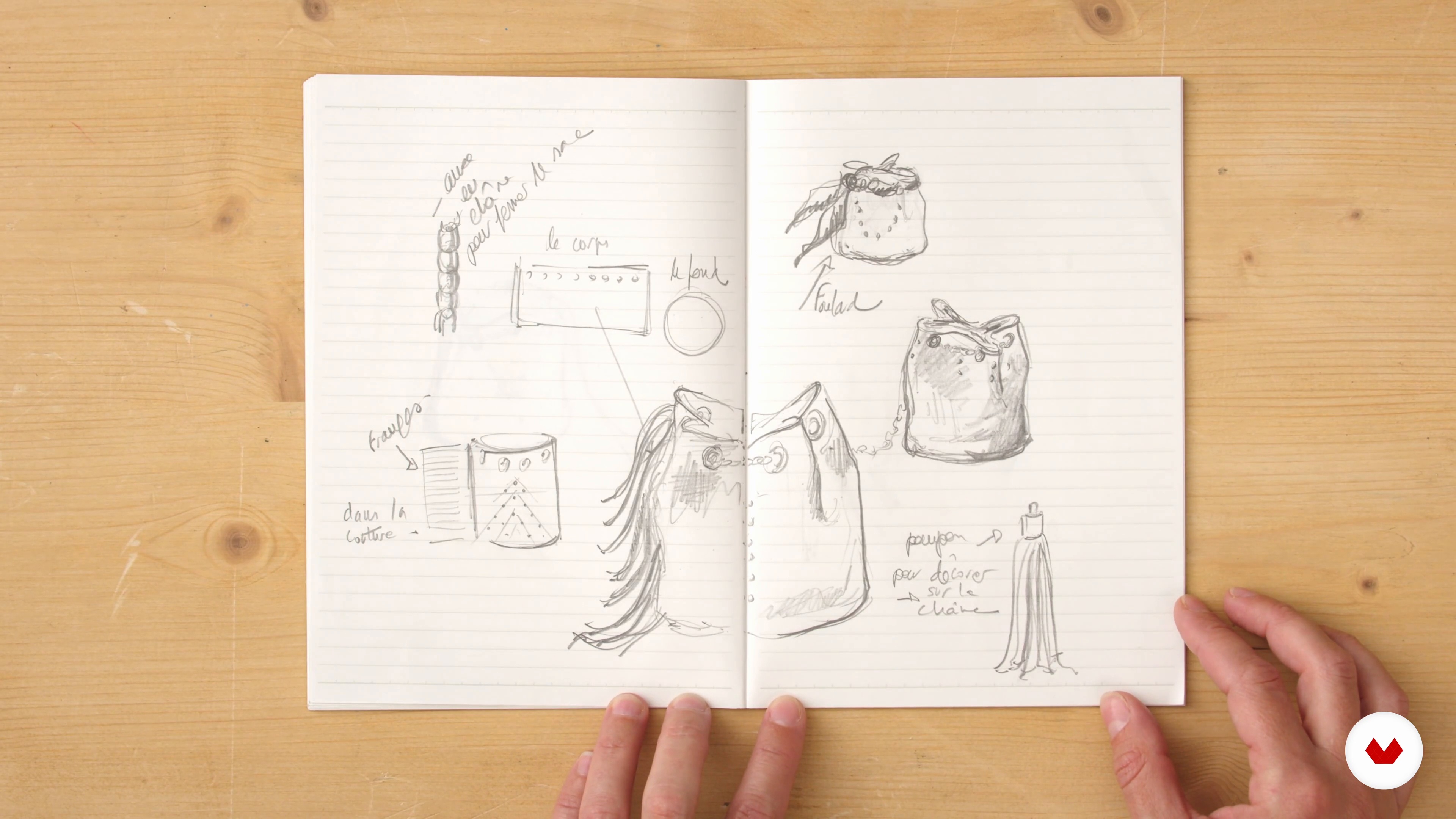
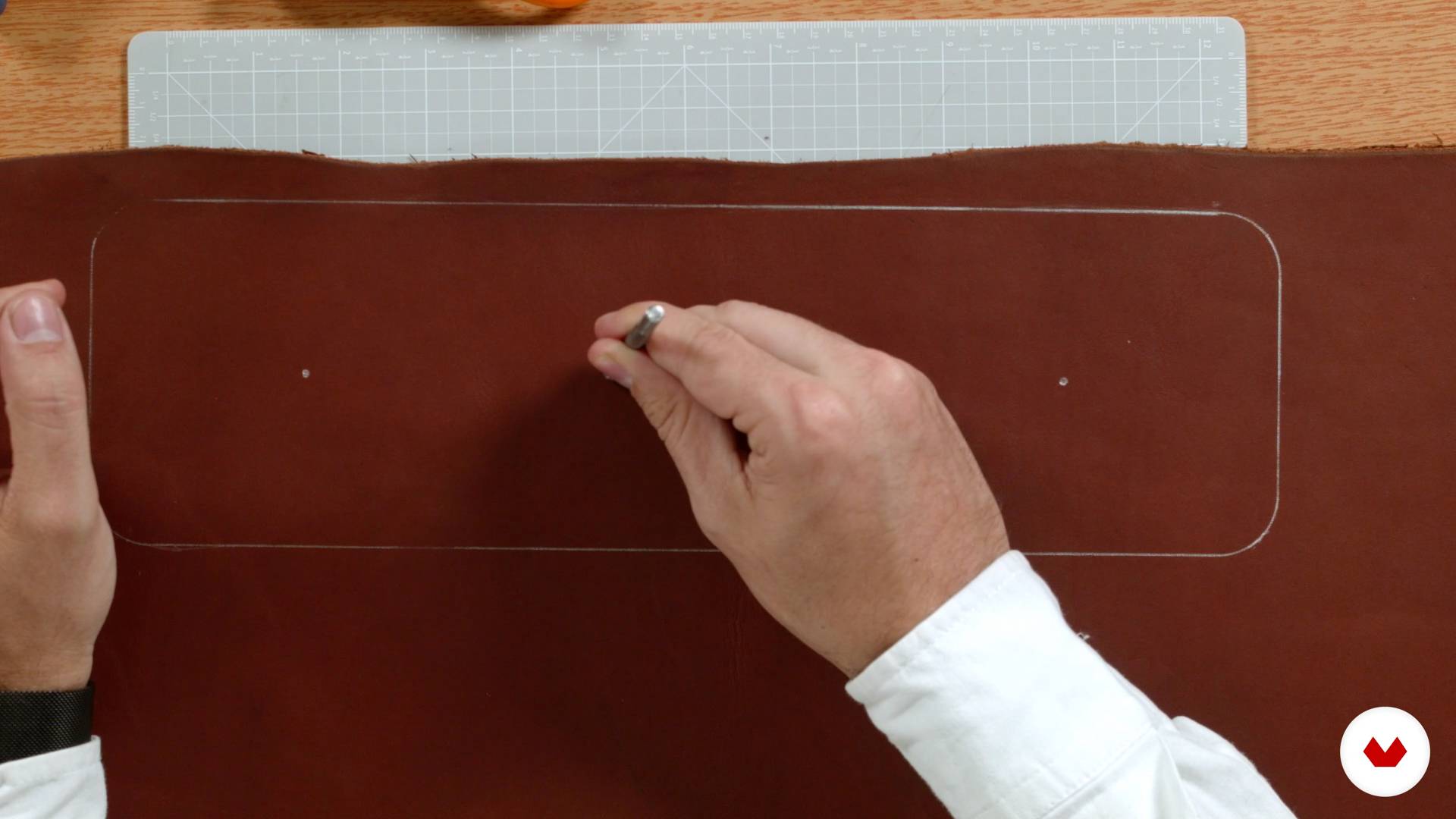
Making the Template 1
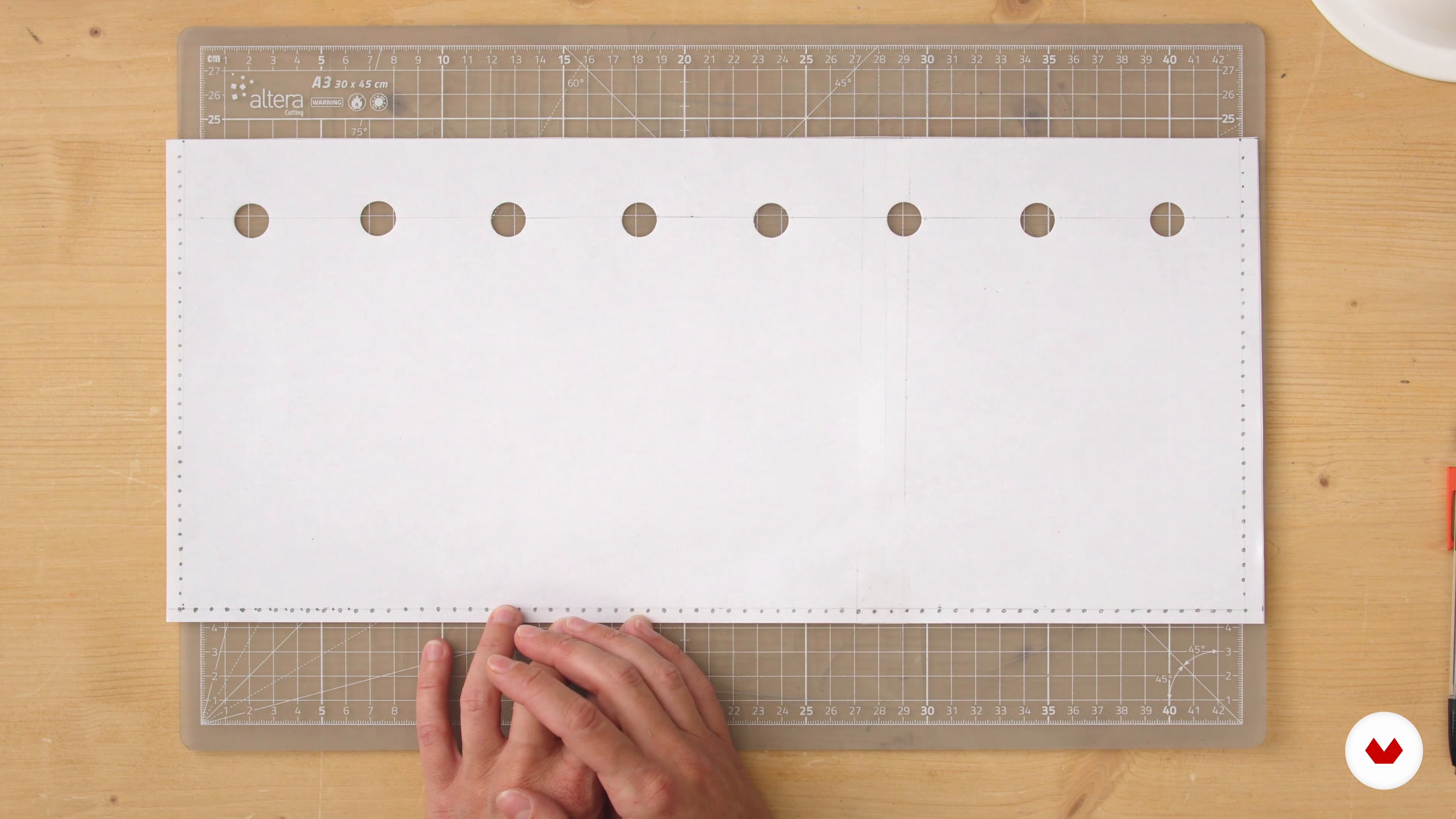
It's time to make a sketch of the project, that is to say, to make the templates. For this, you will learn to work on paper to indicate all the elements necessary for the realization of your bag, such as sewing marks for example. Next, I will teach you how to transfer them to your leather pieces.
16m
image
7
Make the Template 2
Now I will continue to show you how to work with rectangle seam markers.
18m
image
8
Postmarks
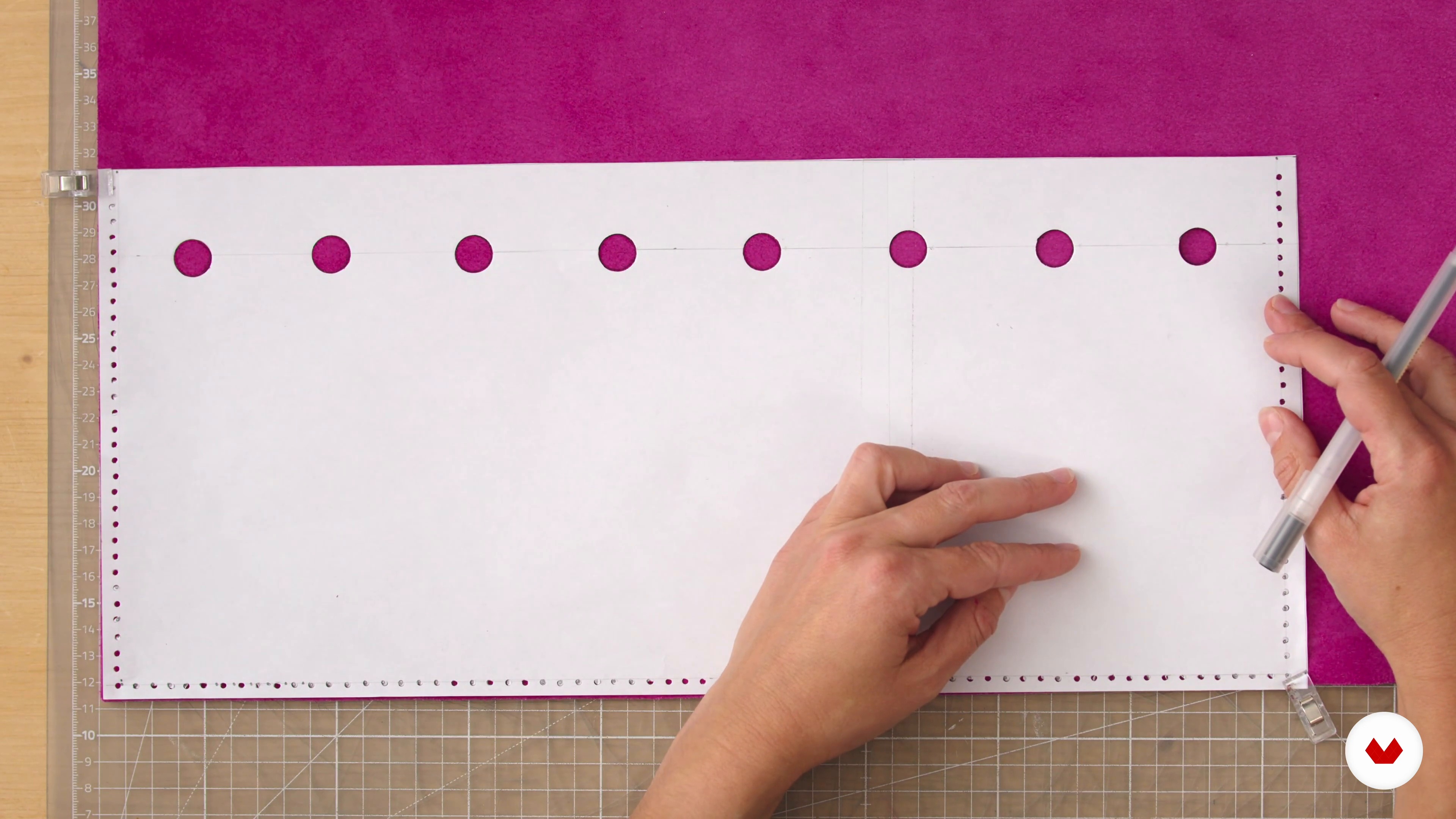
Here are the templates are ready! You are going to learn how to now transfer all the markings to your leathers.
8m
image
9
Cutting the Leather
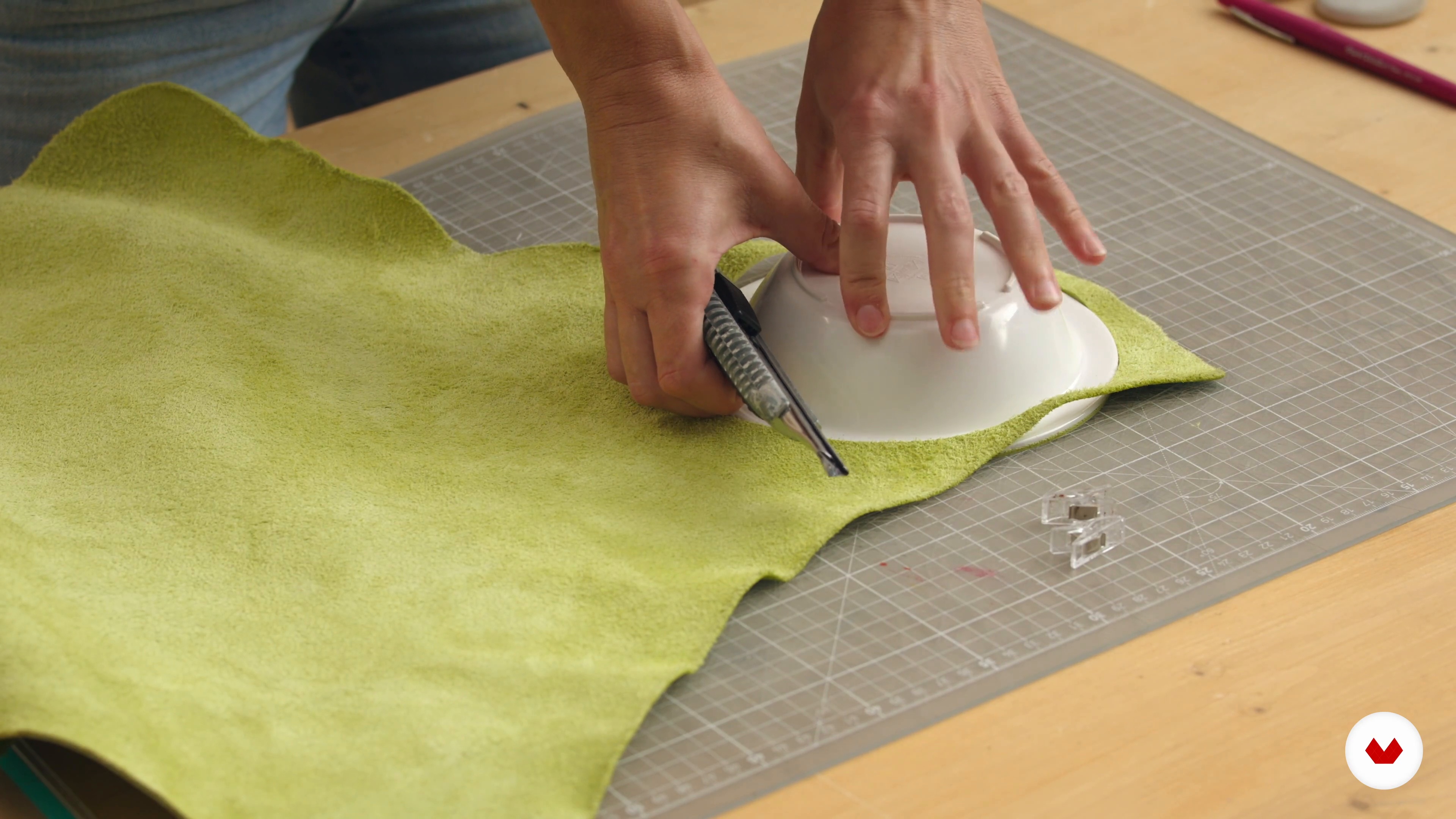
The leather does not cut just anyhow. Now you are going to find out how to do it right!
11m
image
10
Piercing the Leather
It's up to you to make lots of little holes! Here you will learn how to pierce leather. I will share with you some tips to do it well in an easy and fast way.
6m
image
11
Customization 1
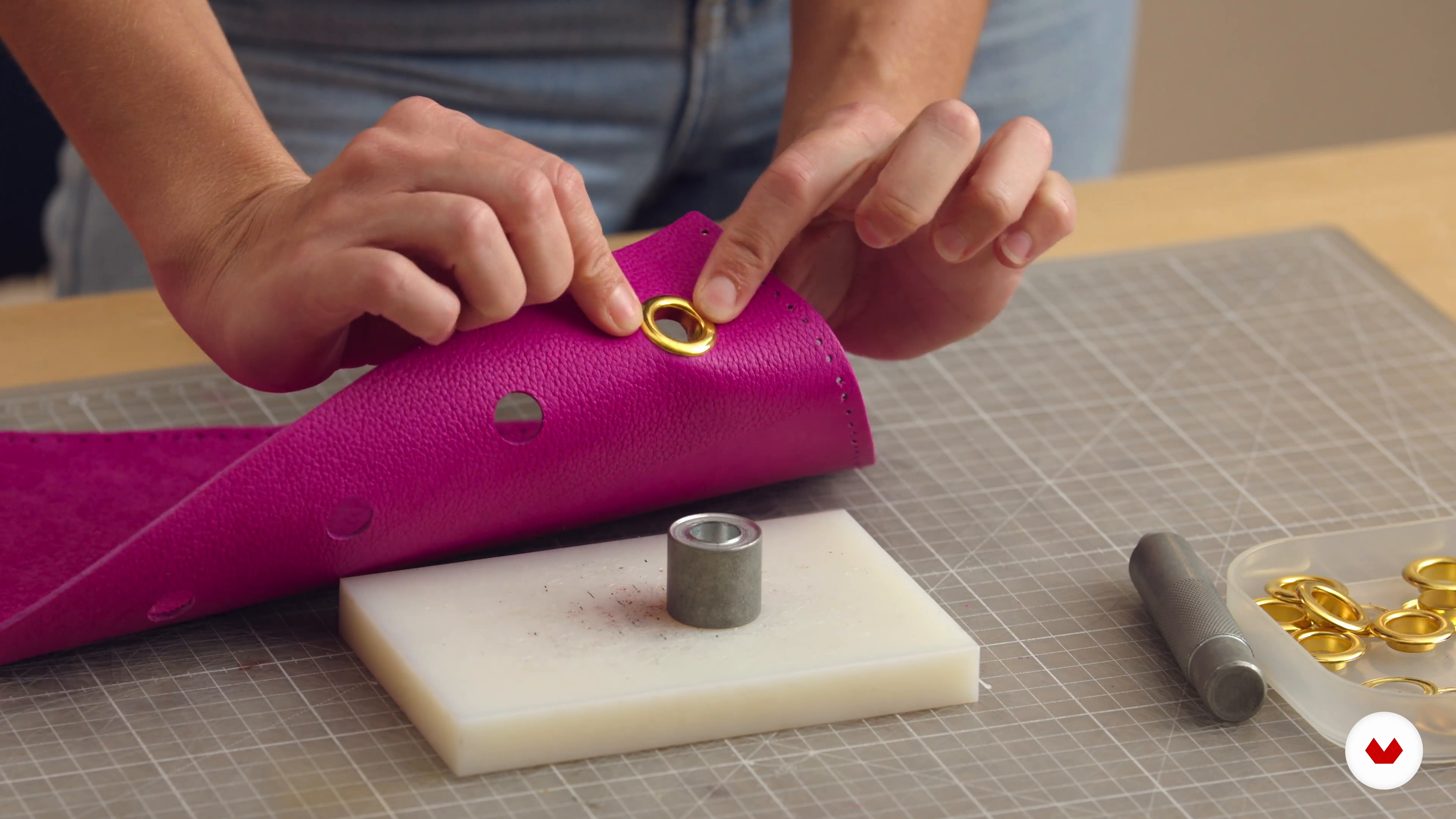
This is where the magic begins! I will show you how to customize a bag according to your tastes to have a unique design.
18m
image
12
Customization 2
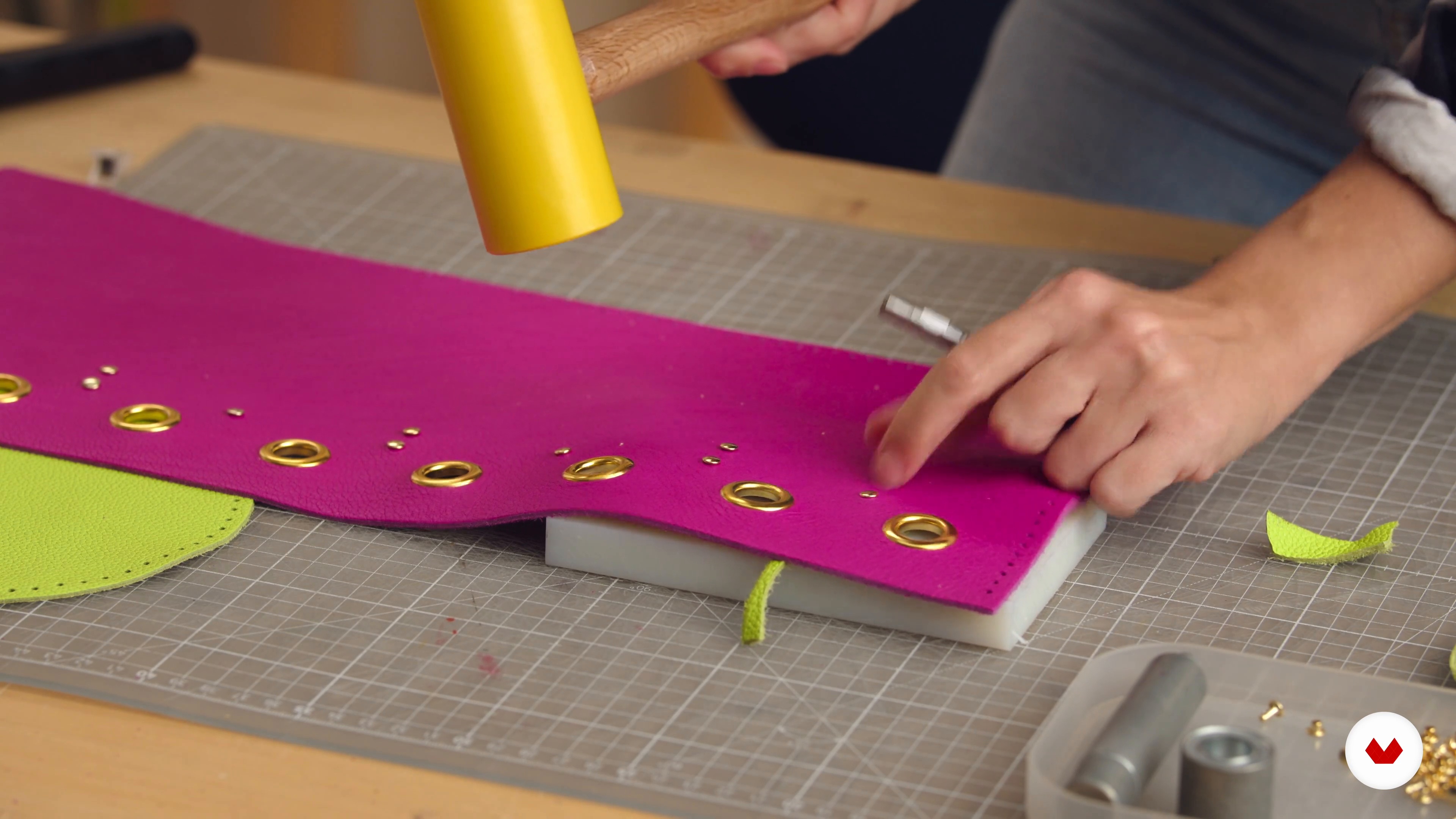
During this second part of the lesson, I will show you what small but important details I will add to my bag to make it unique.
19m
image
13
Sewing 1
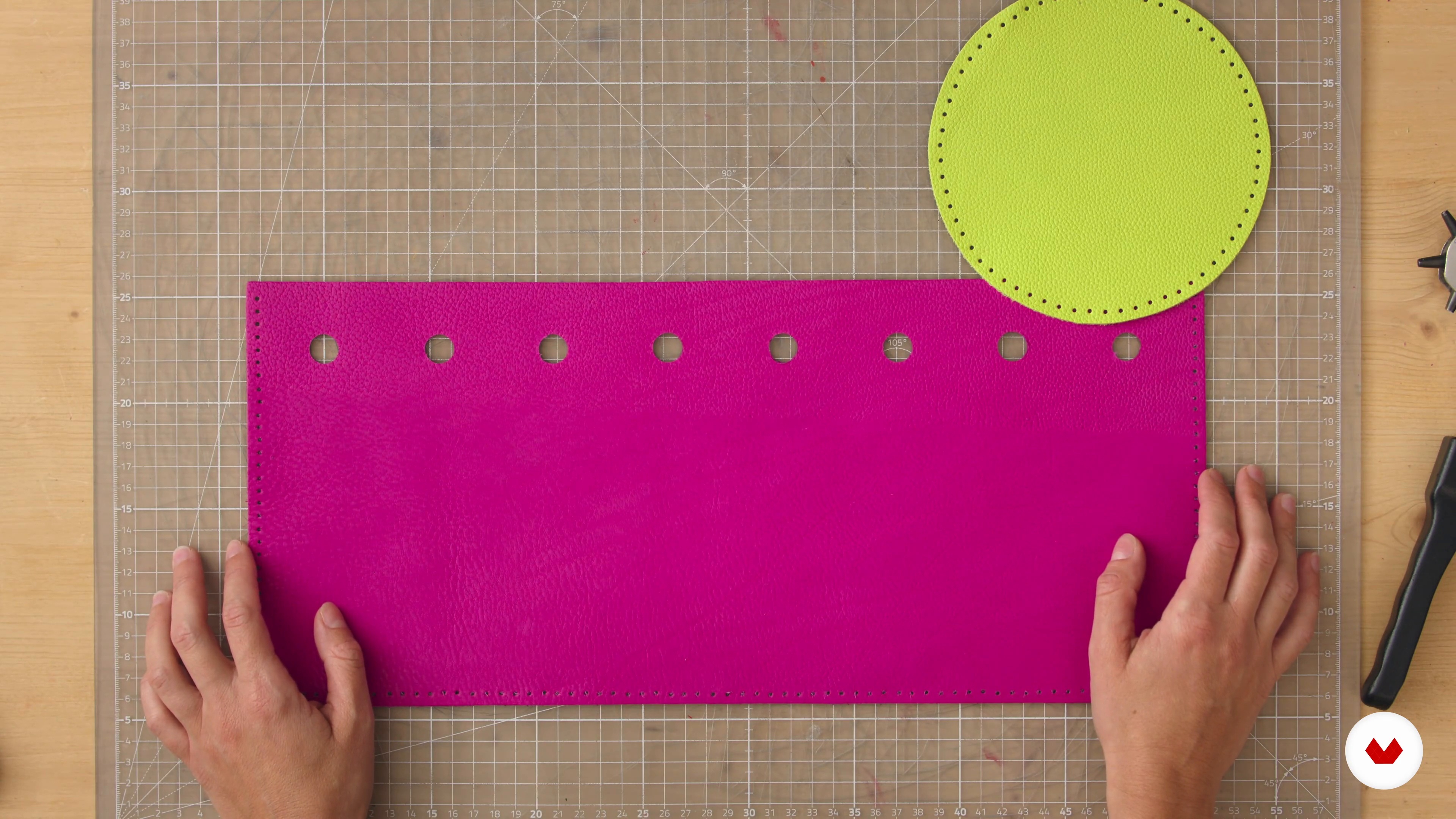
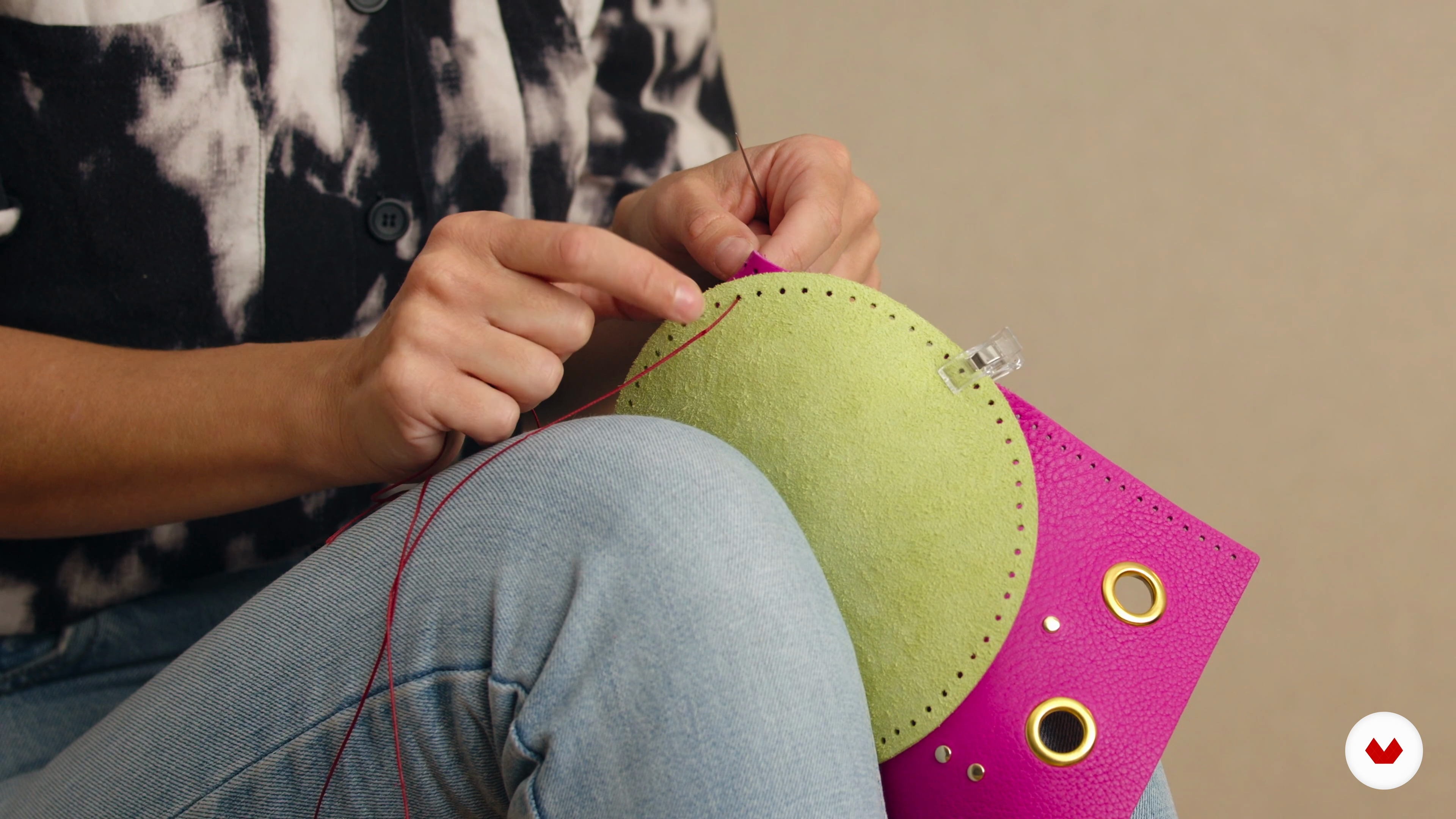
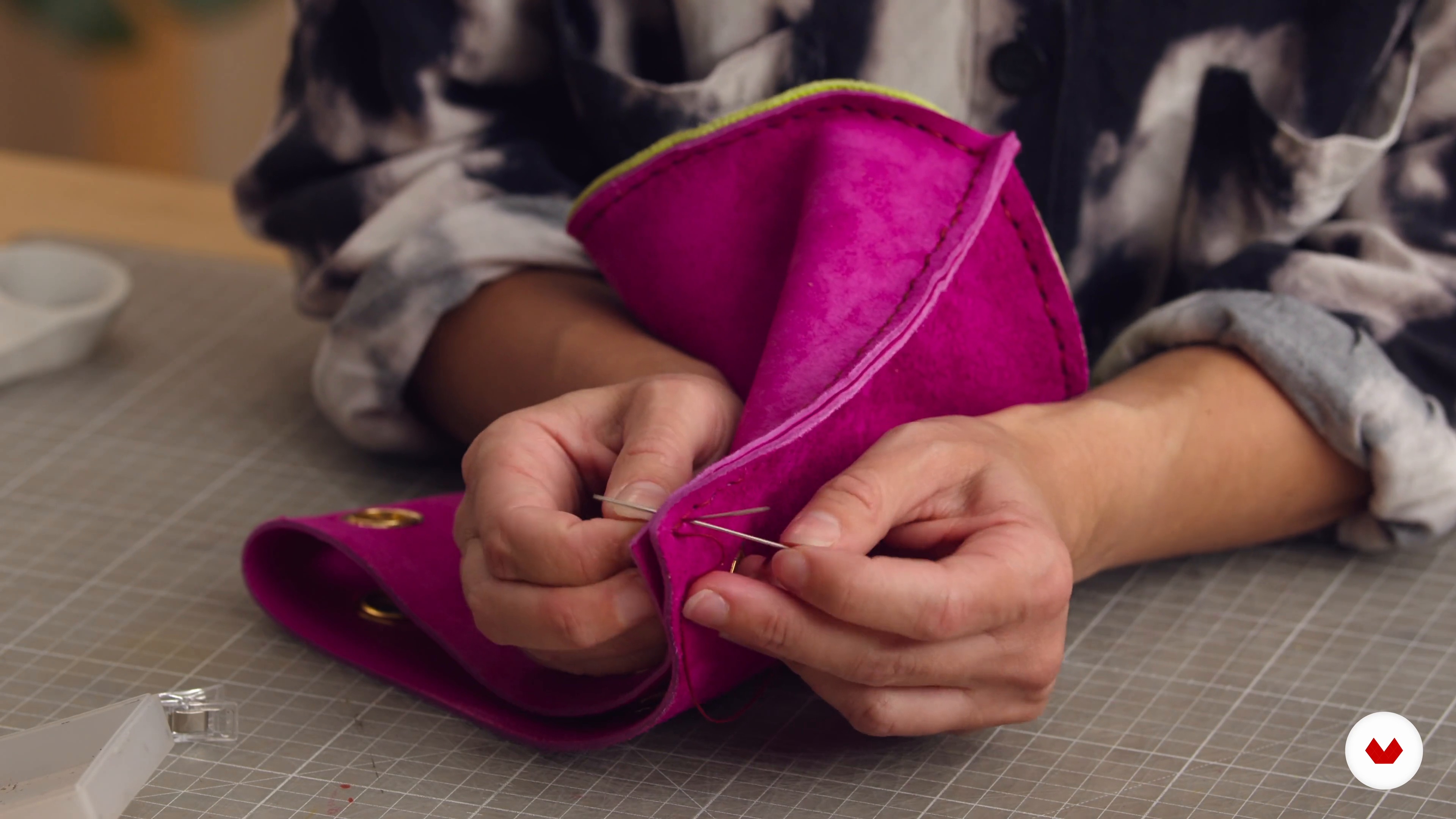
Last big step in the realization of your bag, the sewing by hand. You will learn how to make it easier with our simplified saddle stitch technique.
16m
image
14
Sewing 2
To guide you through this process, I will explain in detail how to finish sewing the bag.
15m
image
15
Finalization 1
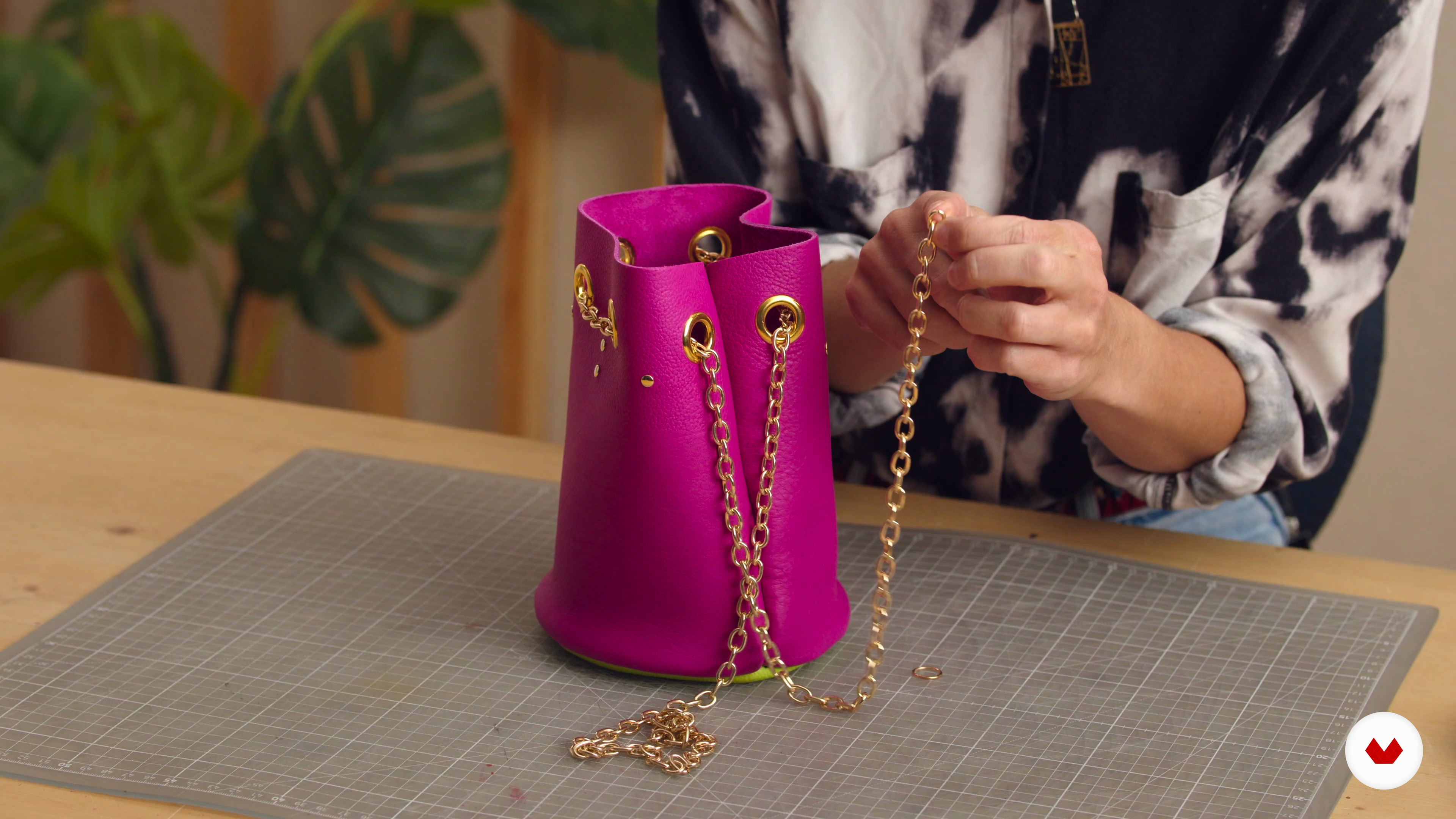
You will see how to give shape to your purse bag. I will teach you how to add the final customization elements.
11m
image
16
Finalization 2
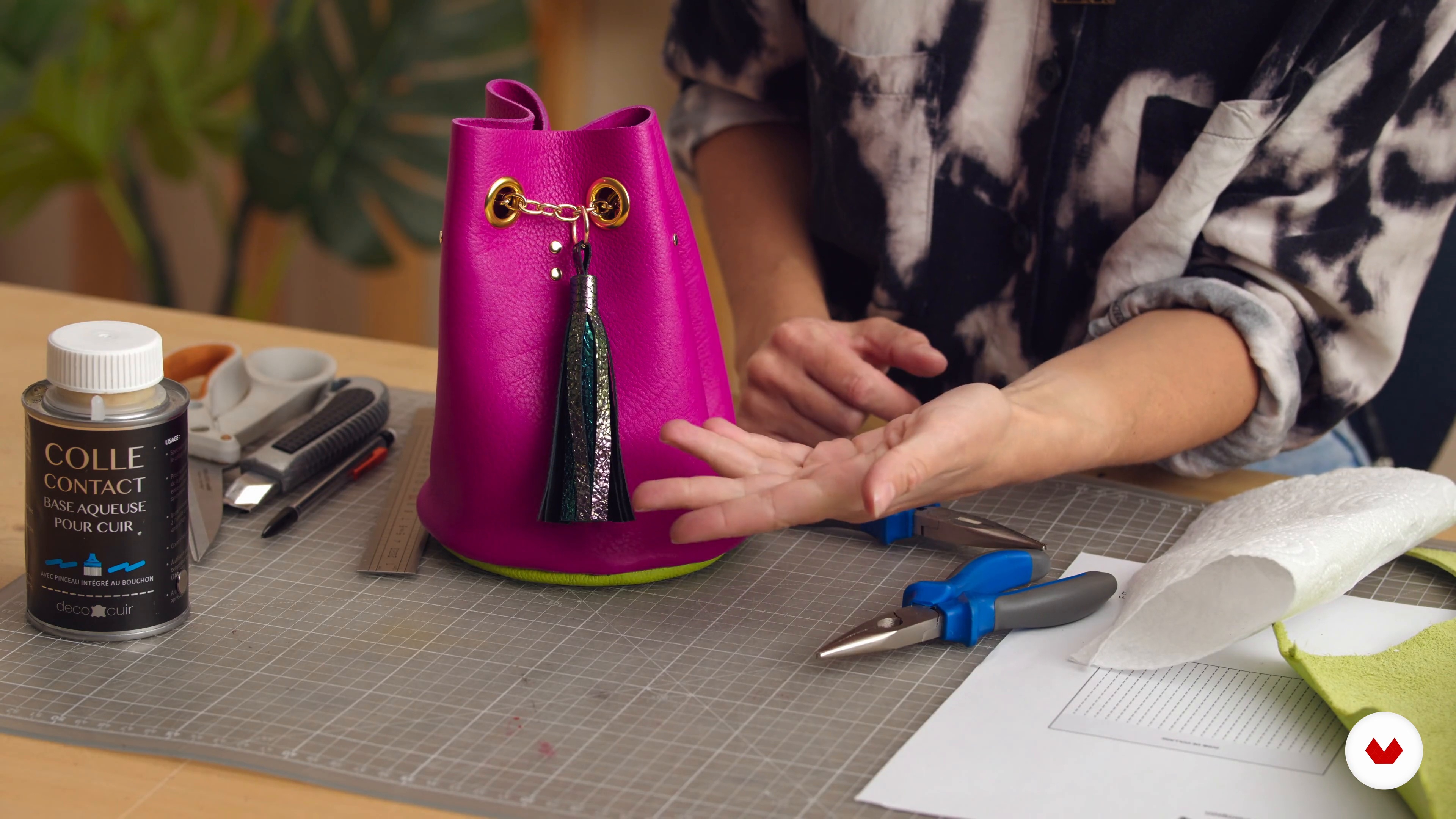
Now that your bag is ready, it's time to add a little detail. For this, I will explain how to make a pompom.
14m
image
17
Other Applications of the Technique
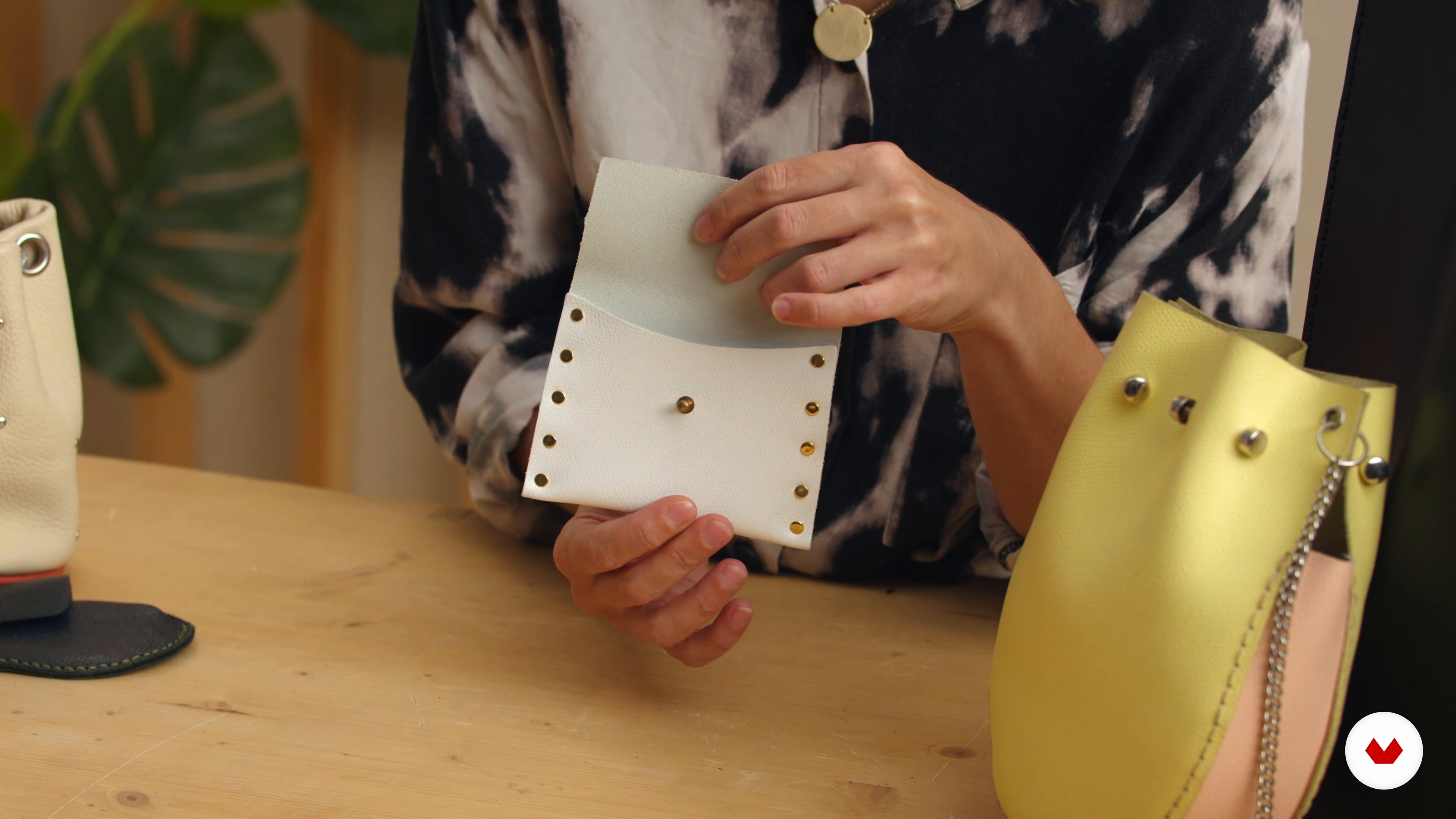
In this lesson, I'll share with you ideas for applying the techniques seen together to other projects, as well as additional suggestions for customization.
6m
image
18
Maintenance Tips
You have made the bag of your dreams, the one that looks like you. Learn now how to properly maintain it and make it last over time.
6m
image
3
Traditional leather goods vs this course
I will talk about how we can generate unique pieces from leather, but from an analytical perspective, simple and sober, respecting the qualities offered by the material and avoiding the use of ornamental resources. We will analyze the techniques of conventional leather goods all over the world, seen and free in multiple supports, we will reflect on their validity and compare them with what we will explore during the course.
10m
image
4
Knowing the material
What is leather? What are the myths and realities of the material? and Why, as a designer, is my favorite material? A fascinating material, full of qualities that make it unique, here we will analyze every detail of the material and the possibilities that this gives us.
9m
image
5
Types of leather
Not all leathers have the same purpose. Here we will make a very rough analysis of different types of leather, which use can be given to each one and which one will work best for what we will tackle in this course.
17m
image
6
Work with leather: Traditional tools, contemporary and applications.
In this lesson we will review the basic techniques and instruments for leather work. We will also talk about what is no longer convenient to use, why and how to remove this ornamental stigma that possesses the material by approaching developments from a more utilitarian perspective.
15m
image
7
Alternative joining techniques
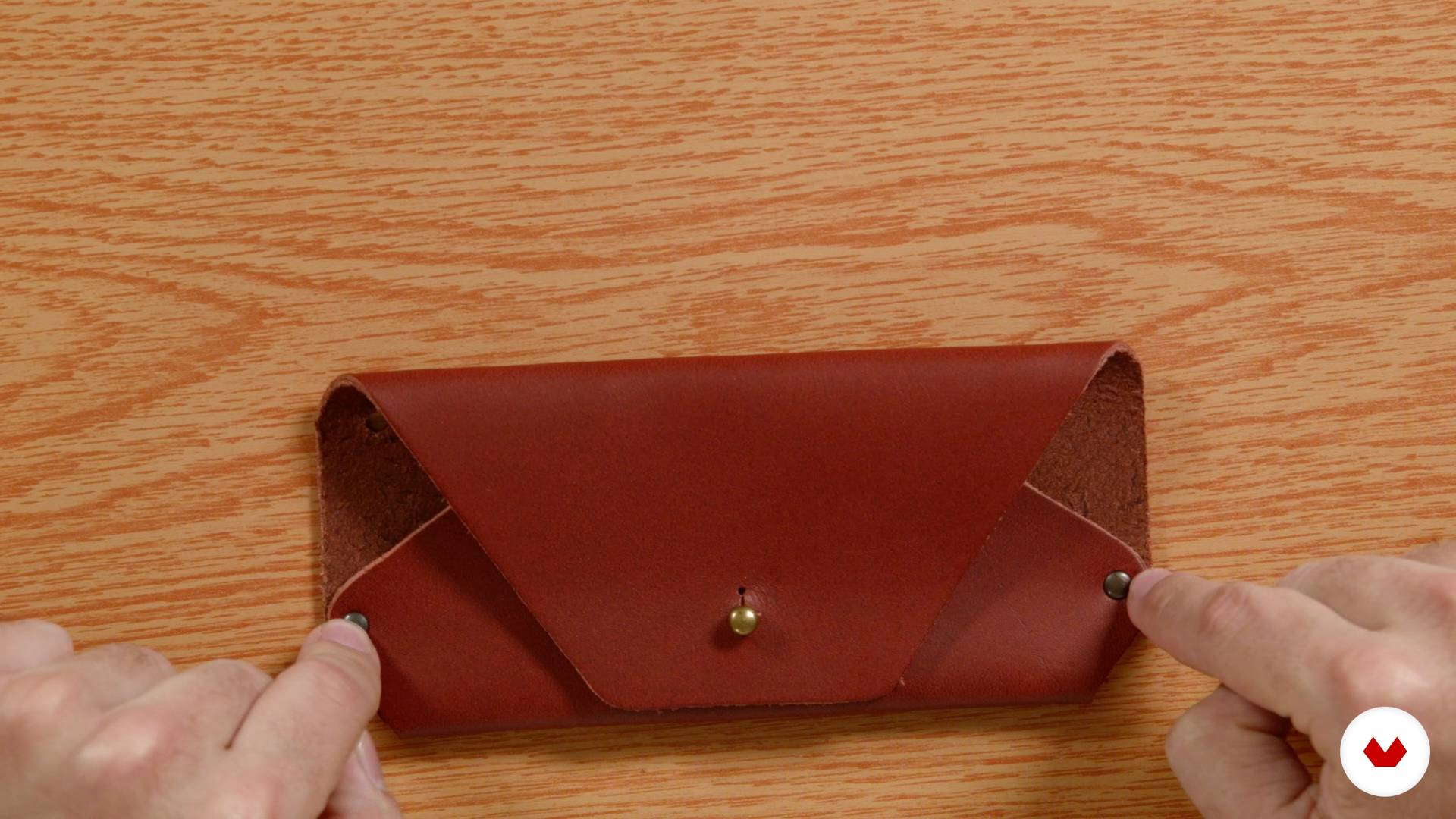
We will review and analyze the different types and methods of union that exist for leather, from traditional ones such as seams, ironworks, brooches, buttons, and the use of the same material as a method of fastening.
8m
image
8
Design from the material
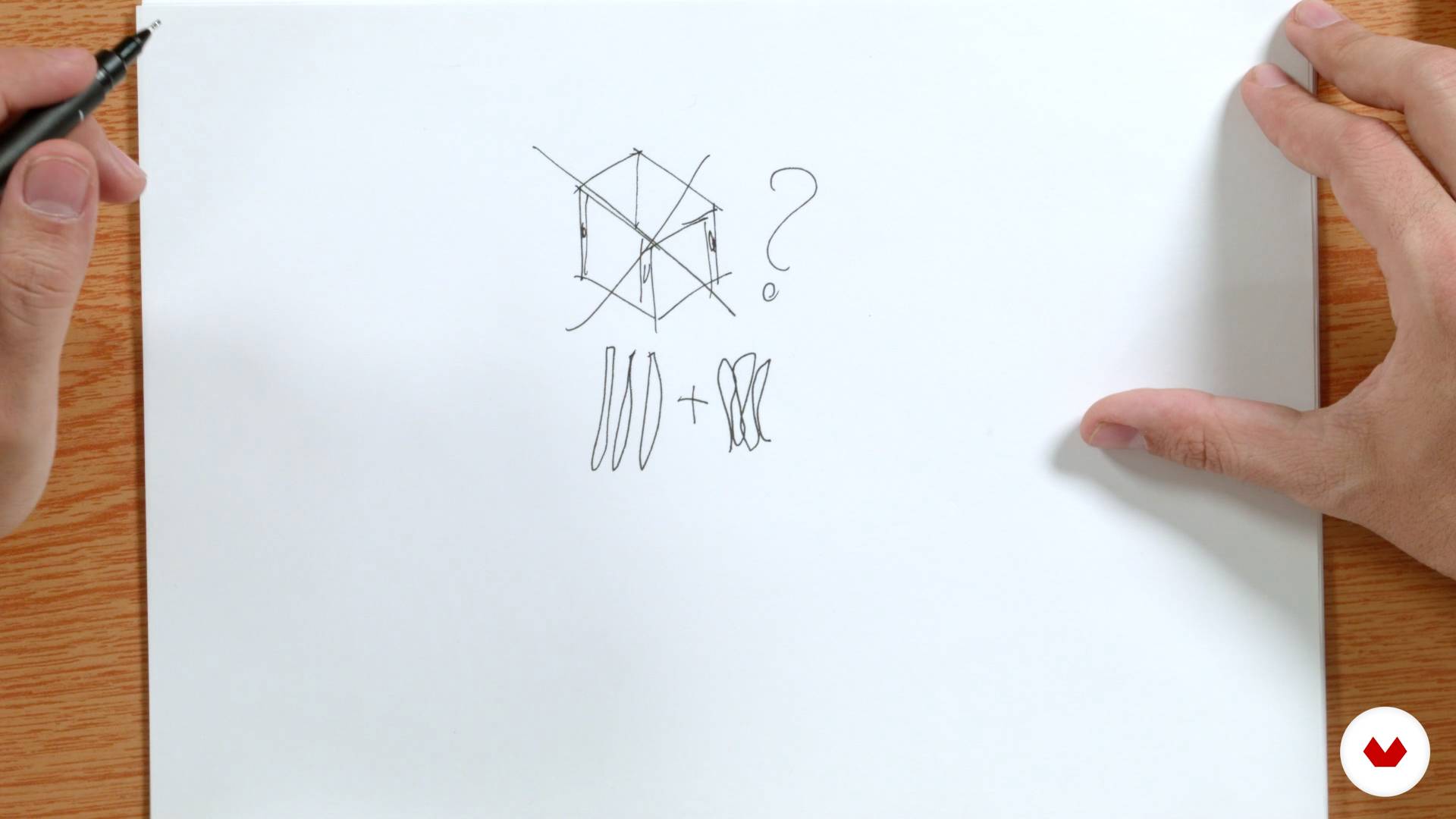
Why design from scratch? How to design in leather? I will approach the different possibilities considering the characteristics of the material, designing in a way congruent with the benefits that the leather offers.
7m
image
9
Think in 2D- Planned elaboration of patterns and templates.
Let's talk about how to project concepts and ideas to land them on functional objects with this material taking into account all considerations. The patterns will be our final point for the design and development of a piece, and our starting point for the manufacture of it and then print or laser cut.
16m
image
10
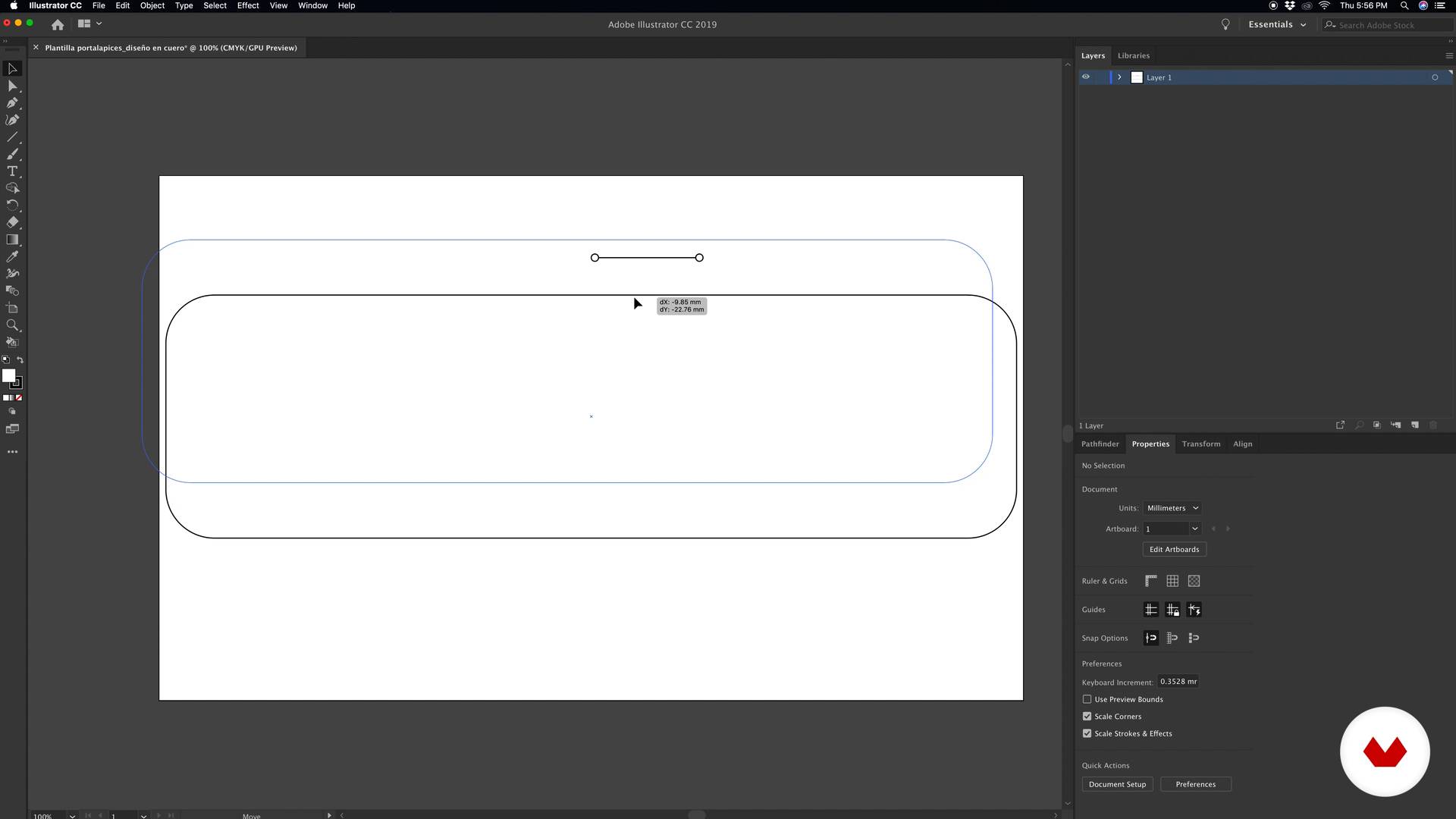
Create your template digitally
Let's learn how to create a digital template to later turn it into a functional object.
12m
image
11
Cutting Techniques
Once we have our design and our template, we will review and analyze the different ways that exist to cut leather, from manual, semi-automated and digital, reviewing which is better in what situation.
11m
image
12
Adjustments and assembly
Let's put all the pieces of our design to work, taking into account every detail to achieve useful and functional objects.
8m
  • 100% positive reviews (1)
  • 118 students
  • 76 lessons (13h 16m)
  • 65 additional resources (11 files)
  • Online and at your own pace
  • Audio: English, German, Spanish, Spanish (Latam), French, Italian, Polish, Portuguese, Turkish
  • Spanish · English · Portuguese · German · French · Italian · Polish · Dutch · Turkish · Romanian · Indonesian
  • Level: Beginner
  • Unlimited access forever

What is this course's project?

Create a cohesive leather goods collection showcasing decorative techniques mastery, from basic marquetry to advanced seamless construction. Deliverables include a decorative marquetry piece, a molded object, a designed handbag, seam-free accessories, and a professional portfolio.

Who is this specialization for?

This course targets artisans and creators eager to master leather decorative techniques for crafting unique accessories. It's ideal for those blending traditional craftsmanship with modern innovation, and seeking to enhance technical skills and aesthetic judgment in leather artistry.

Requirements and materials

No extensive prior knowledge needed, just a passion for creativity. Gather leather, basic crafting tools, dyes, and embellishments. A curious mind and willingness to explore new techniques are essential for mastering decorative leather skills.


Select to get to know your teachers in this specialization course
Read more ↓

Reviews

118 Students
1 Reviews


What to expect from this specialization course

  • Learn at your own pace

    Enjoy learning from home without a set schedule and with an easy-to-follow method. You set your own pace.

  • Learn from the best professionals

    Learn valuable methods and techniques explained by top experts in the creative sector.

  • Meet expert teachers

    Each expert teaches what they do best, with clear guidelines, true passion, and professional insight in every lesson.

  • Certificates
    Plus

    If you're a Plus member, get a custom certificate for every specialization course. Share it on your portfolio, social media, or wherever you like.

  • Get front-row seats

    Videos of the highest quality, so you don't miss a single detail. With unlimited access, you can watch them as many times as you need to perfect your technique.

  • Share knowledge and ideas

    Ask questions, request feedback, or offer solutions. Share your learning experience with other students in the community who are as passionate about creativity as you are.

  • Connect with a global creative community

    The community is home to millions of people from around the world who are curious and passionate about exploring and expressing their creativity.

  • Watch professionally produced courses

    Domestika curates its teacher roster and produces every course in-house to ensure a high-quality online learning experience.


FAQs

Domestika courses are online classes that allow you to learn new skills and create incredible projects. All our courses include the opportunity to share your work with other students and/or teachers, creating an active learning community. We offer different formats:
Original Courses: Complete classes that combine videos, texts, and educational materials to complete a specific project from start to finish.
Basics Courses: Specialized training where you master specific software tools step by step.
Specialization Courses: Learning paths with various expert teachers on the same topic, perfect for becoming a specialist by learning from different approaches.
Guided Courses: Practical experiences ideal for directly acquiring specific skills.
Intensive Courses (Deep Dives): New creative processes based on artificial intelligence tools in an accessible format for in-depth and dynamic understanding.

All specialization courses are 100% online, so once they're published, specialization courses start and finish whenever you want. You set the pace of the class. You can go back to review what interests you most and skip what you already know, ask questions, answer questions, share your projects, and more.

The specialization courses are divided into different modules. Each one includes lessons, informational text, tasks, and practice exercises to help you carry out your project step by step, with additional complementary resources and downloads. You'll also have access to an exclusive forum where you can interact with other students, as well as share your work and your final project, creating a community around the specialization courses.

You can redeem the specialization courses you received by accessing the redeeming page and entering your gift code.

If you're a Plus member, when you complete a course you've purchased, you'll instantly get your personalized certificate. You can see all your certificates in the Certificates section of your profile. You can download your certificates as PDFs and share the link online. Learn more about certificates.
Specialization in Leather Craftsmanship: Decorative Techniques and Accessory Creation. Design, Craft, and Fashion course by Domestika

Specialization in Leather Craftsmanship: Decorative Techniques and Accessory Creation

A specialization by multiple teachers
Berkeley, United States.
Joined April 2002
  • 100% positive reviews (1)
  • 118 students