Specialization

Specialization in Digital Product Design: From Research to Growth

Master digital product design from user research to growth strategies, creating impactful products in today's market

Specialization · 6 modules

Embark on a comprehensive journey through digital product design, where you'll discover how to transform user insights into impactful digital solutions. This specialization guides you from ethnographic research to strategic growth, ensuring that your creations not only meet user needs but also thrive in today's dynamic markets. Delve into qualitative research methods, hone your UX/UI design skills, and embrace holistic design perspectives. Each course is crafted to provide a thorough understanding of the entire product lifecycle.

Learn from a diverse team of experts: Estudio Racimo, Media.Monks, Irene Prieto, María Granadino, Rus Yusupov, and Charly Rubio. Gain the skills to manage and lead multidisciplinary teams, develop strategic product roadmaps, and implement growth strategies. Whether you're a UX/UI designer, product manager, or an entrepreneur in the digital space, this specialization equips you with the tools to innovate and excel. Prepare to elevate your digital products from concept to market success.

Read more ↓

What will you learn in this specialization?
A total of 6 modules and 76 lessons
A total of 12h 11m of vídeo lessons
Taught by 5 selected expert teachers
image
4
What is ethnography?
In this lesson we will show you what ethnography is and its relation to the process of designing a service or product.
13m
image
5
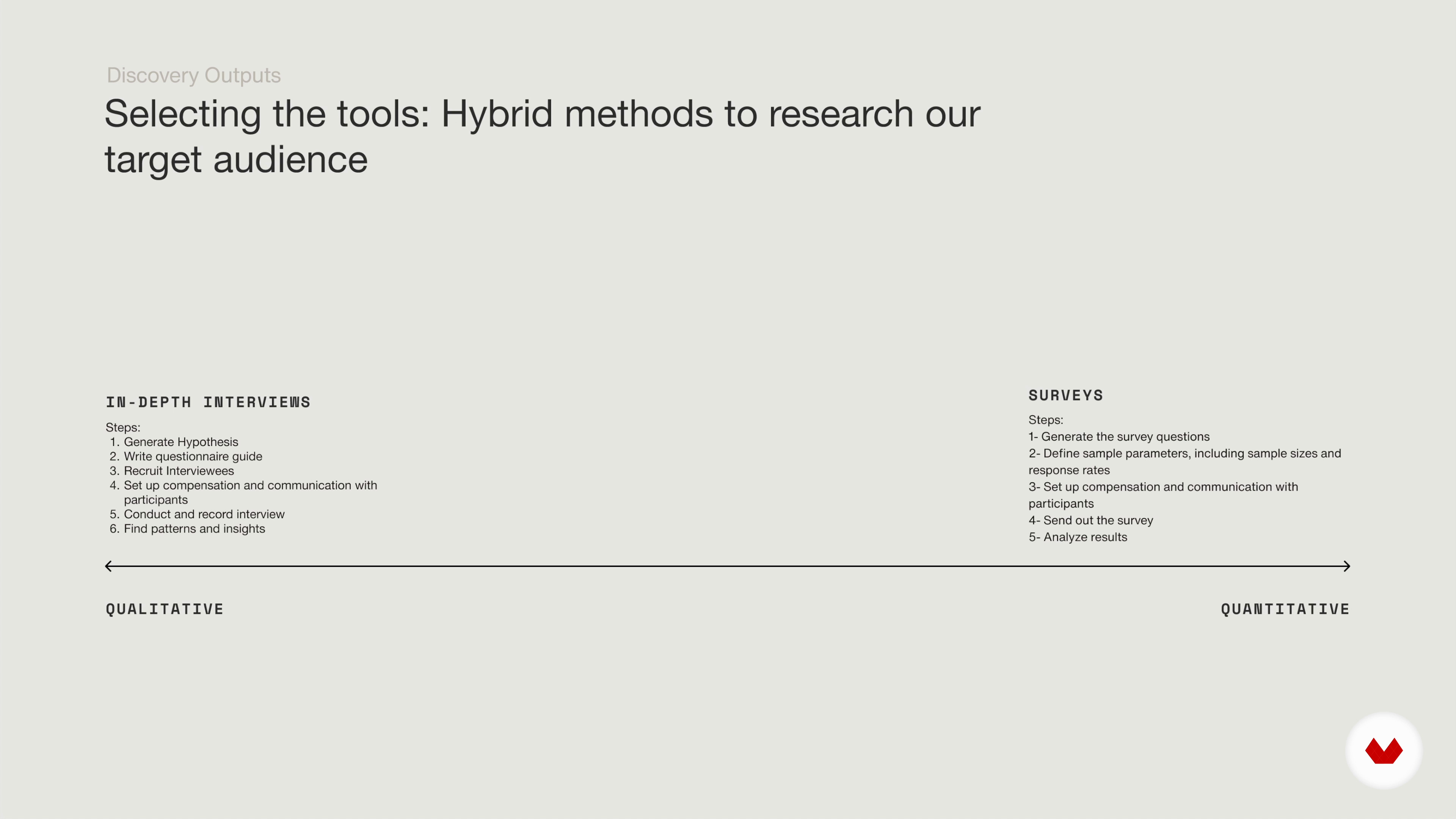
Qualitative v / s quantitative research
In this lesson, we will teach you the difference between qualitative and quantitative research methodology, and we will give you advice so you know when to choose one or the other, depending on the objective of the study.
8m
image
6
How to segment?
In this lesson, we will tell you how to segment the target audience of a service or product, to achieve a successful ethnographic investigation.
8m
image
7
Observation and record types
In this lesson, we will understand the ethnographic search tools necessary to go on the field, and thus obtain relevant information for a given investigation.
10m
image
8
The in-depth interview
In this lesson, we will teach you about one of the search tools; the interview, and we will share with you the main considerations that you should know when doing it.
12m
image
9
Minigroups or Triads
In this lesson, we will analyze the particular dynamics that are generated when three or more people come together to talk about a particular topic, and how their thoughts, desires and habits come to light.
12m
image
10
Safari (part 1)
In this lesson, you will see how useful it is to obtain testimonials from people who are physically in those spaces related to the research carried out.
14m
image
11
Safari (part 2)
In this lesson, you will see how useful it is to obtain testimonials from people who are physically in those spaces related to the research carried out.
8m
image
12
Analysis of the information collected
In this lesson, we will share with you the main considerations you should have to perform the analysis of your research.
14m
image
13
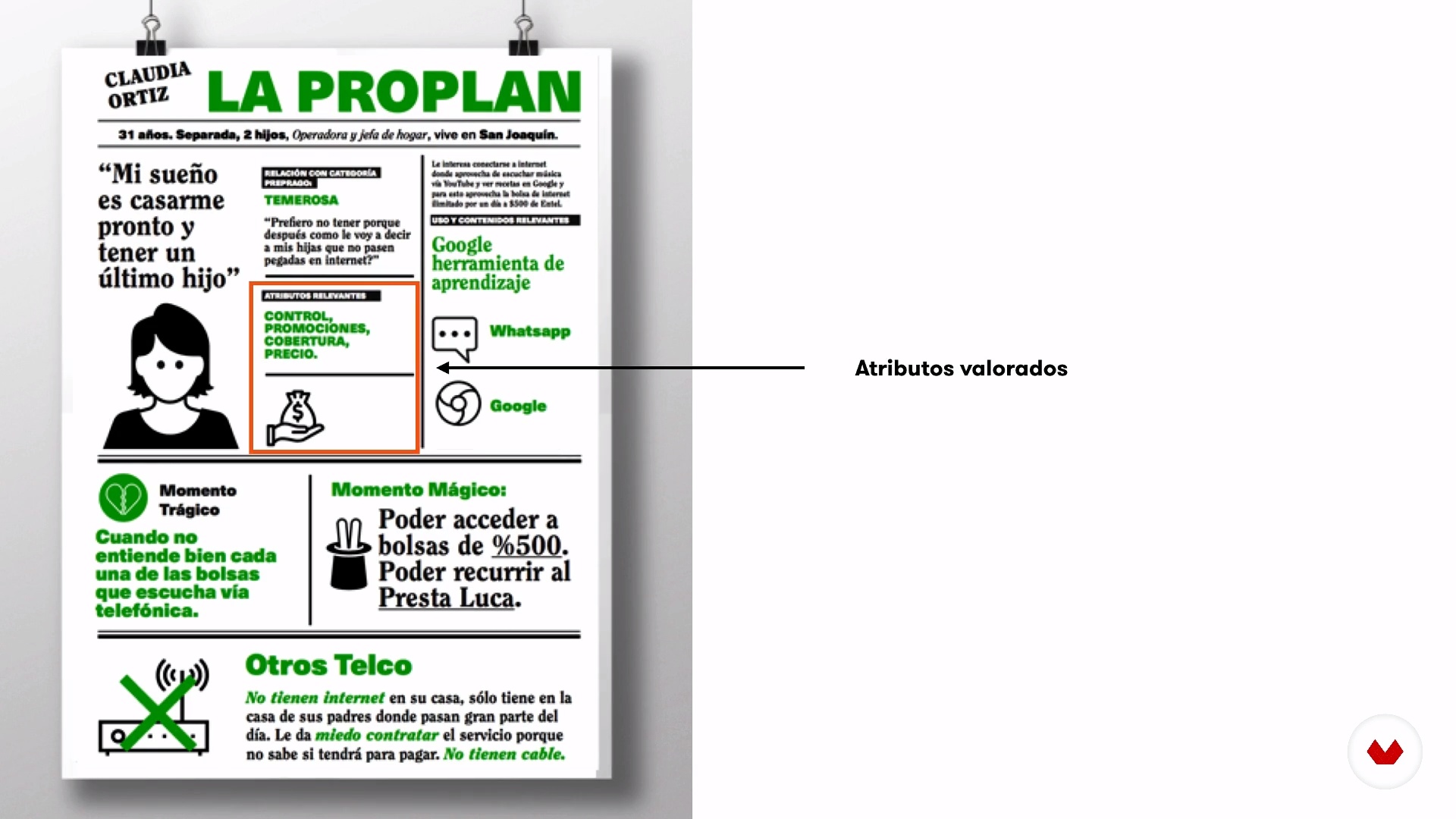
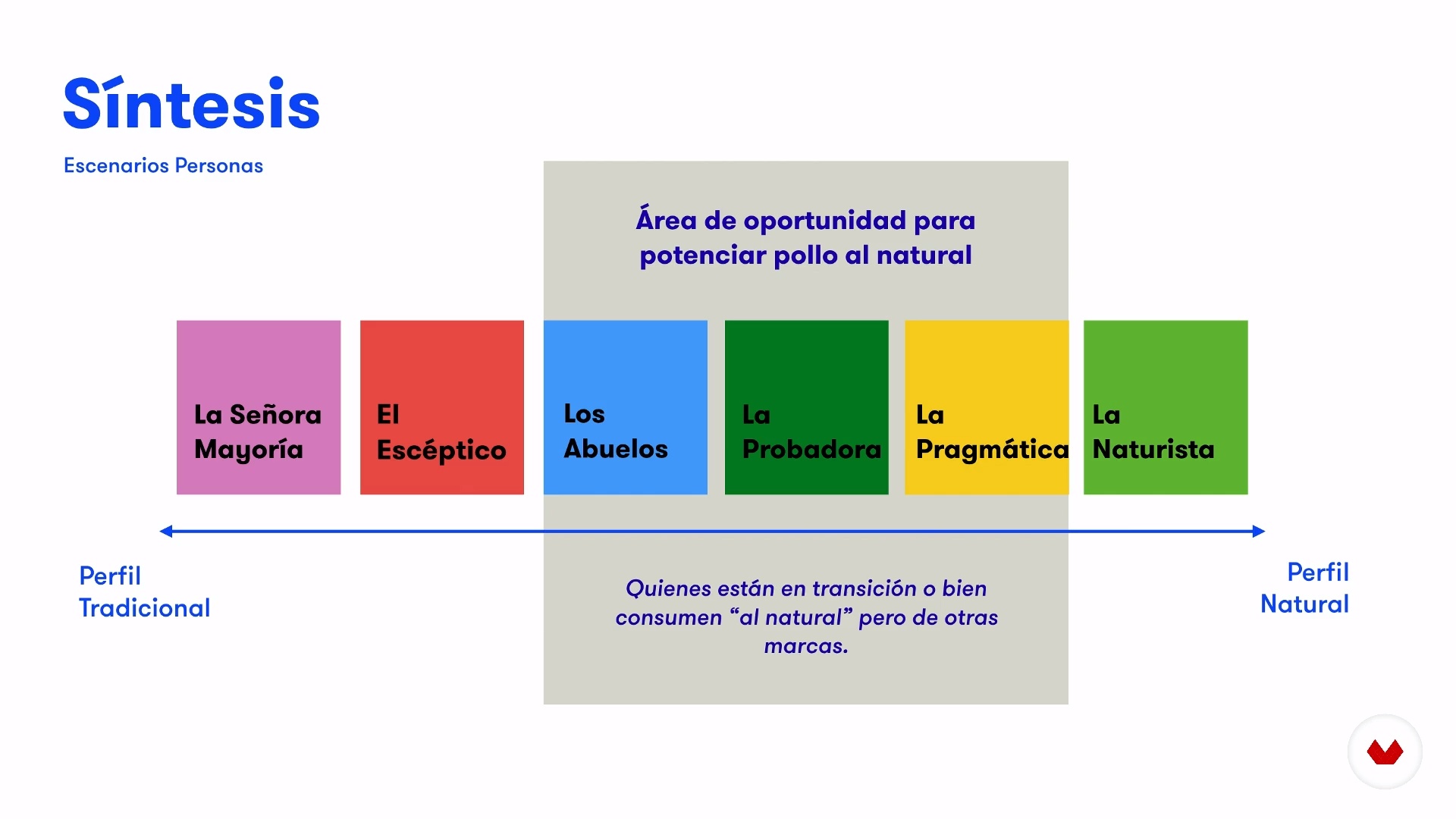
Synthesis tool: Person scenarios and attribute map
In this lesson, we will teach you what the synthesis tool Scenarios Person is, and what you will see, has a fundamental role in the design of a product or service.
12m
image
14
Objective, initial set-up and context
In this lesson, we will begin to work on the project that we will develop in this course; customer characteristics, product and needs.
7m
image
15
Search tools
In this lesson, we will show you how to use the search tools in the final project of the course.
15m
image
16
Person Findings and Scenarios (part 1)
In this lesson, we will define the Person Scenarios synthesis tool, based on the analysis we carry out of the information collected.
12m
image
17
Person Findings and Scenarios (part 2)
In this lesson, we will define the Person Scenarios synthesis tool, based on the analysis we carry out of the information collected.
13m
image
18
Designing from the Person Scenarios
In this lesson, we will show you the conceptual prototypes that we will design from the chosen Person Scenarios.
15m
image
3
Concept Development
Figuring out what your app will and won't do is the hardest part of the creative process. In this lesson, you'll learn how to generate new ideas quickly.
6m
image
4
Network Effects and Audience
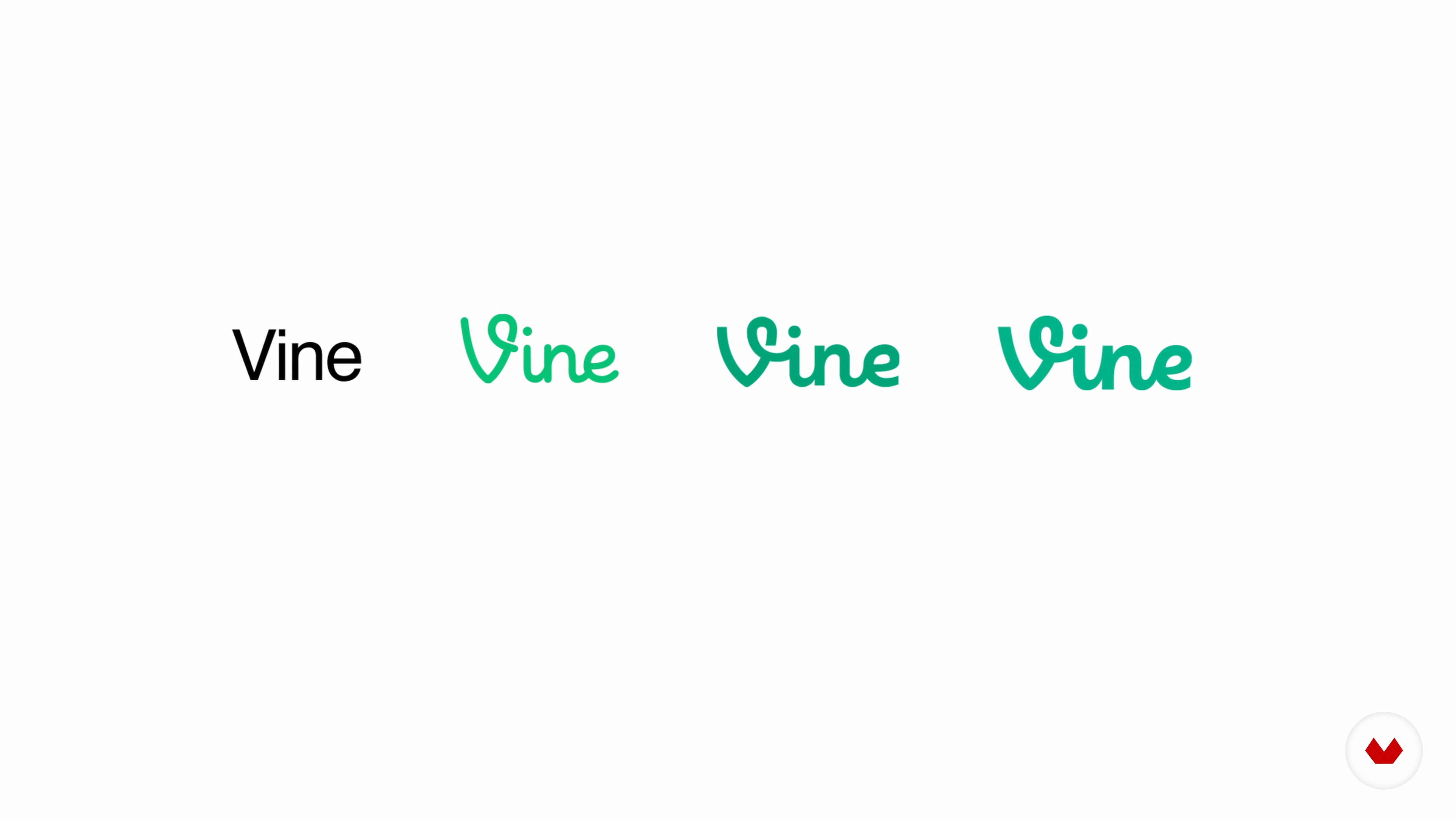
This lesson is about what makes an app go viral! I will discuss how apps, like Vine, get better the more that people use them. This is known as the network effect.
4m
image
5
Killer Product Features
In this lesson, I will pose (and answer) the question: How can you think like an inventor? You will learn the secret to unlocking your app's killer feature.
6m
image
6
Monetizing Your App
Deciding how your app will make money is a great way to plan ahead before you start designing. In this lesson, you'll learn how to approach monetization and develop the business model for your app.
5m
image
7
Design Principles
To begin with, I will lay out a collection of design principles that are fundamental to my practice of product design.
14m
image
8
Psychology
As designers, we have a responsibility to understand and consider how the products we design steer users' psychology. Let's explore this further in this lesson!
7m
image
9
Copywriting
Copywriting is more than just words. It helps users understand how your app works by communicating meaning. In this lesson, I will share a few simple techniques for crafting great copy for your app.
2m
image
10
Prototyping and Constant Iteration
In this lesson, you will learn about the value of prototyping and how being in "perpetual beta" can improve your product over time.
3m
image
11
Choosing a Platform
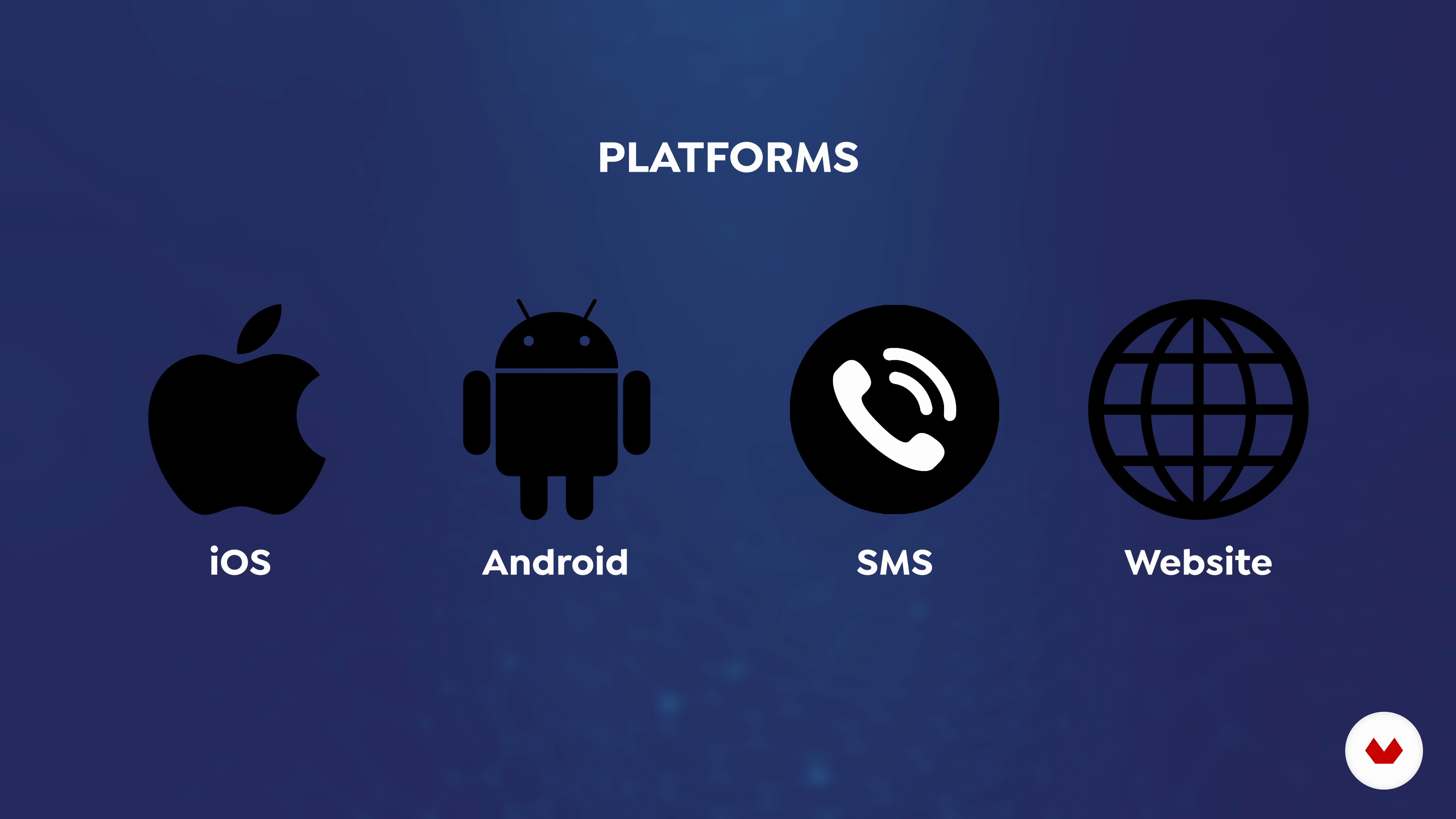
iOS or Android? Website or SMS service? In this lesson, you will learn how choosing what platform your app will be built on impacts the audiences you'll reach.
2m
image
12
Developing a Product Architecture
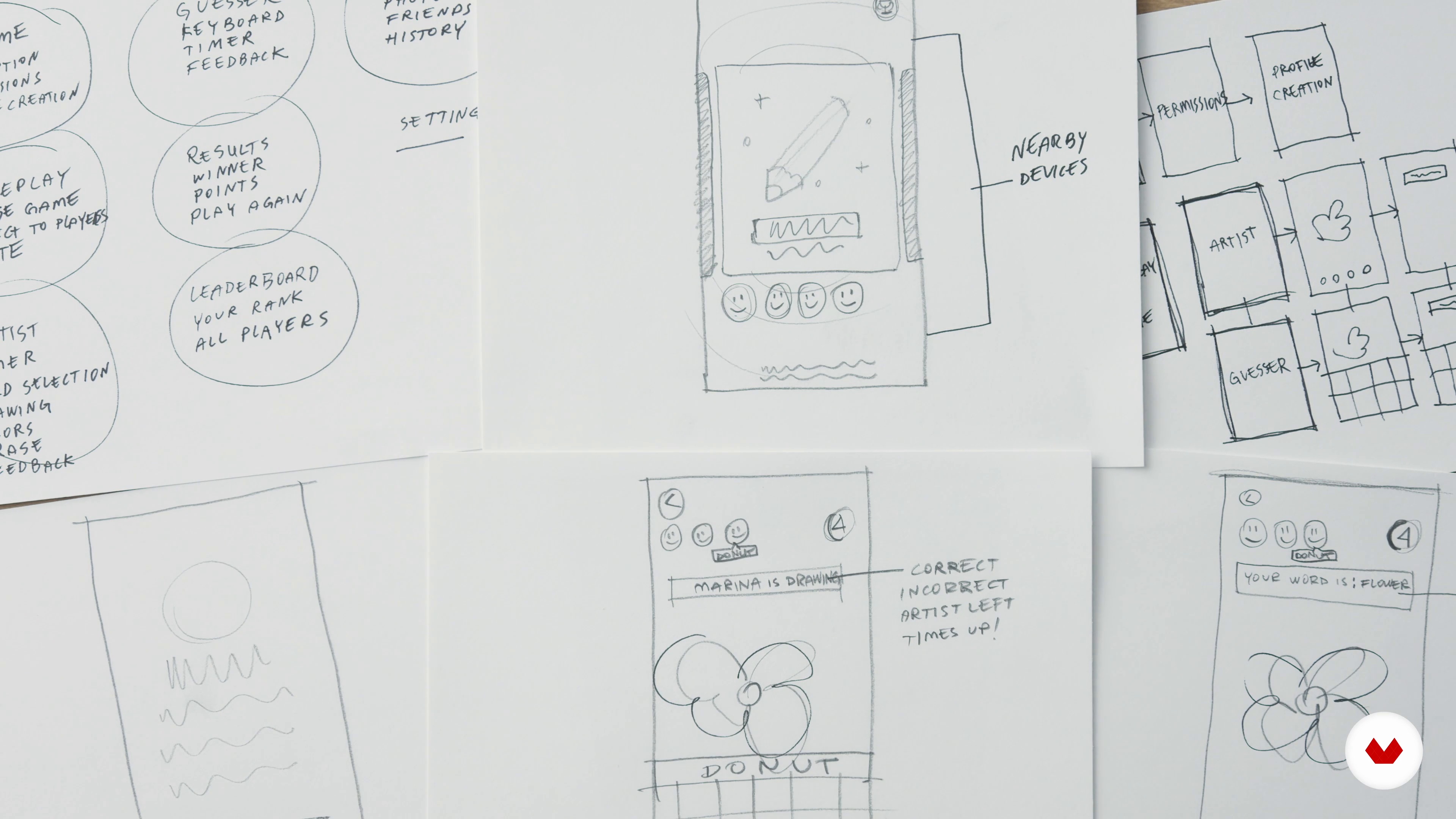
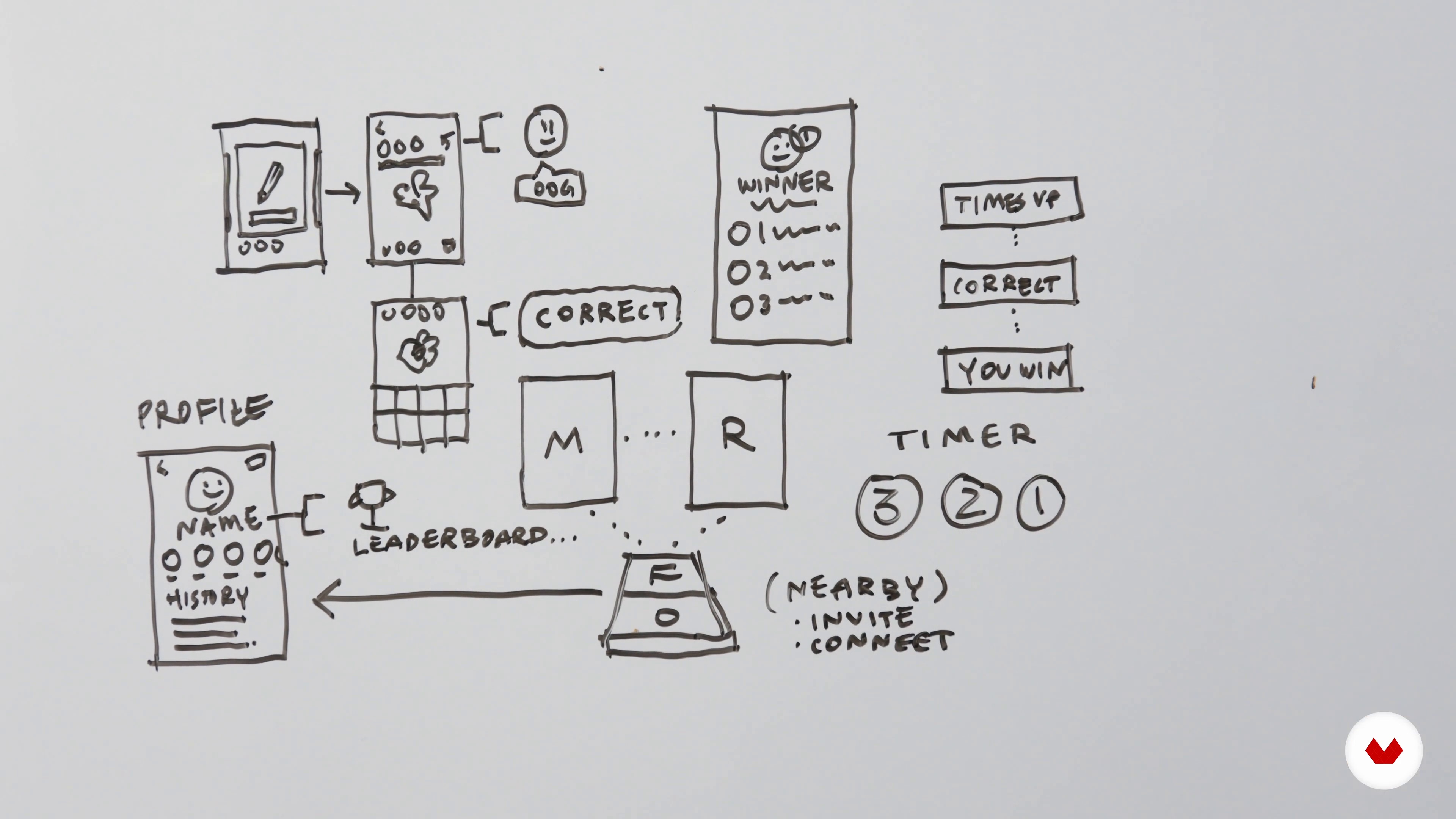
Most great digital products and apps can be illustrated in a few key screens. I will teach you how to distil your concept into a simple product architecture.
19m
image
13
Designing in Figma 1
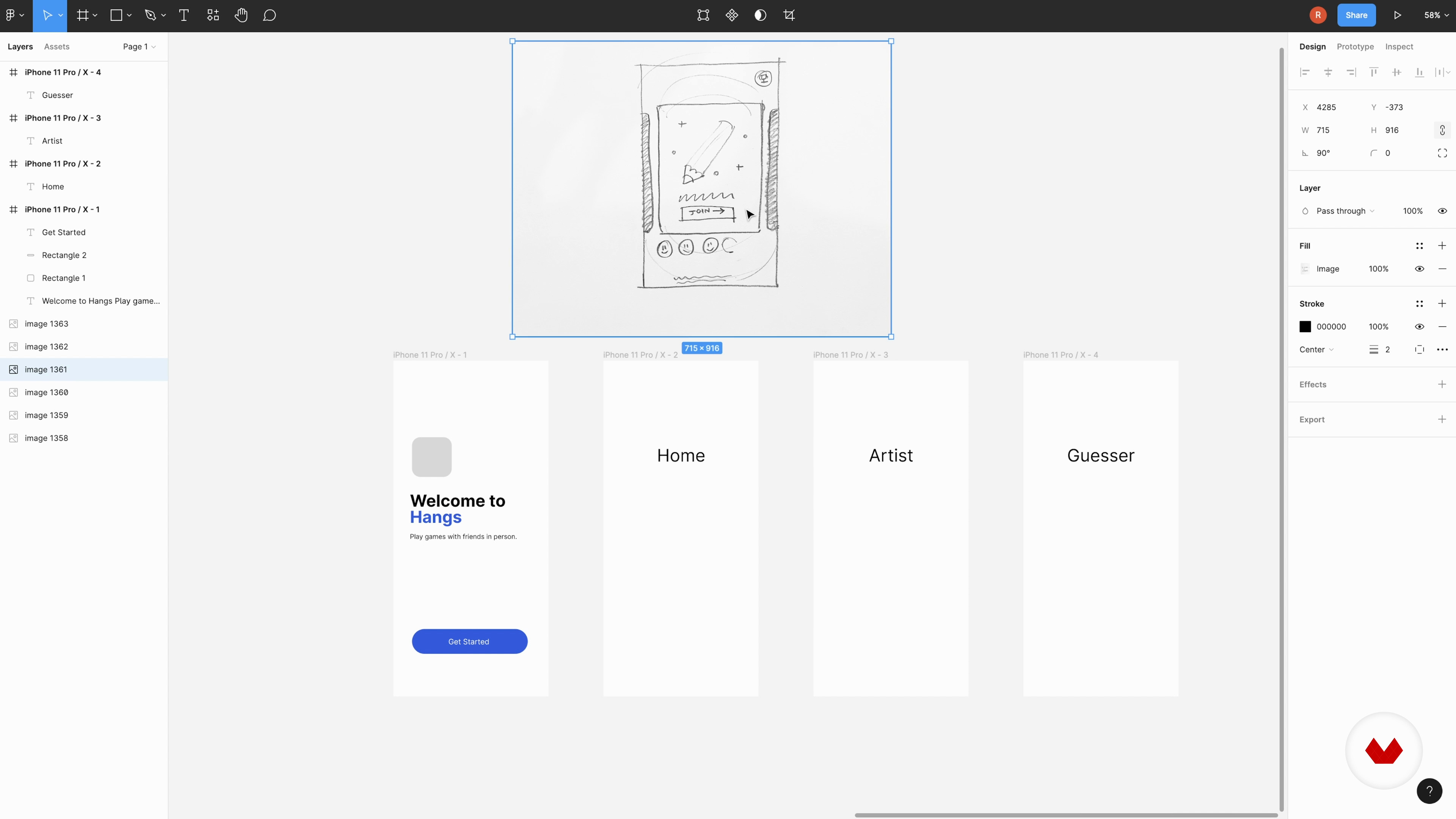
Finally, the fun part! Designing your app prototype can be done in Figma or any other design tool. I will share my approach to mock up the prototype quickly in Figma.
13m
image
14
Designing in Figma 2
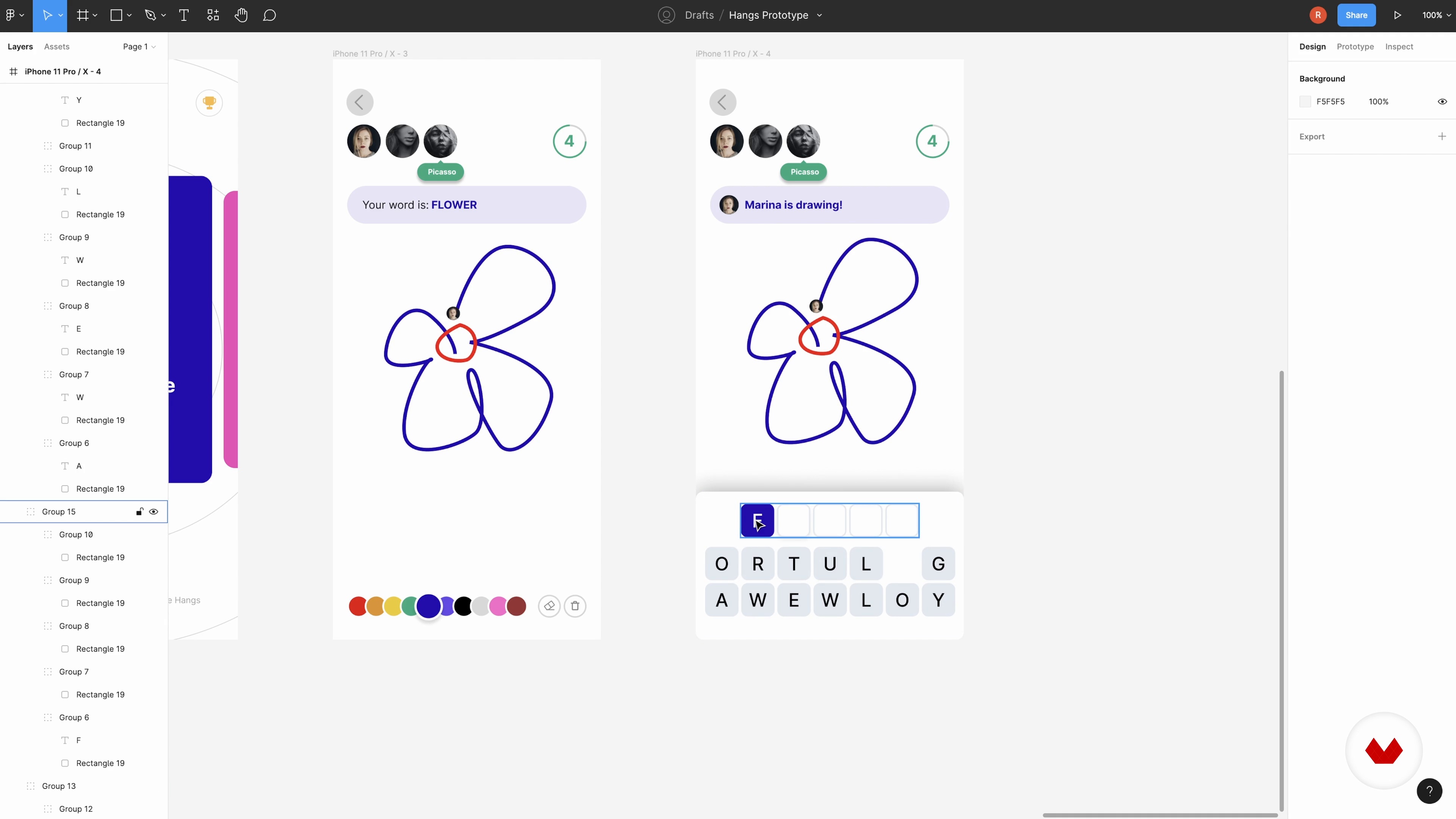
In the second part of this lesson, I will continue to map out the design of my project. How will the artist and guesser experience the app once they're playing the game?
11m
image
15
Logos, App Icons, Branding, and Naming
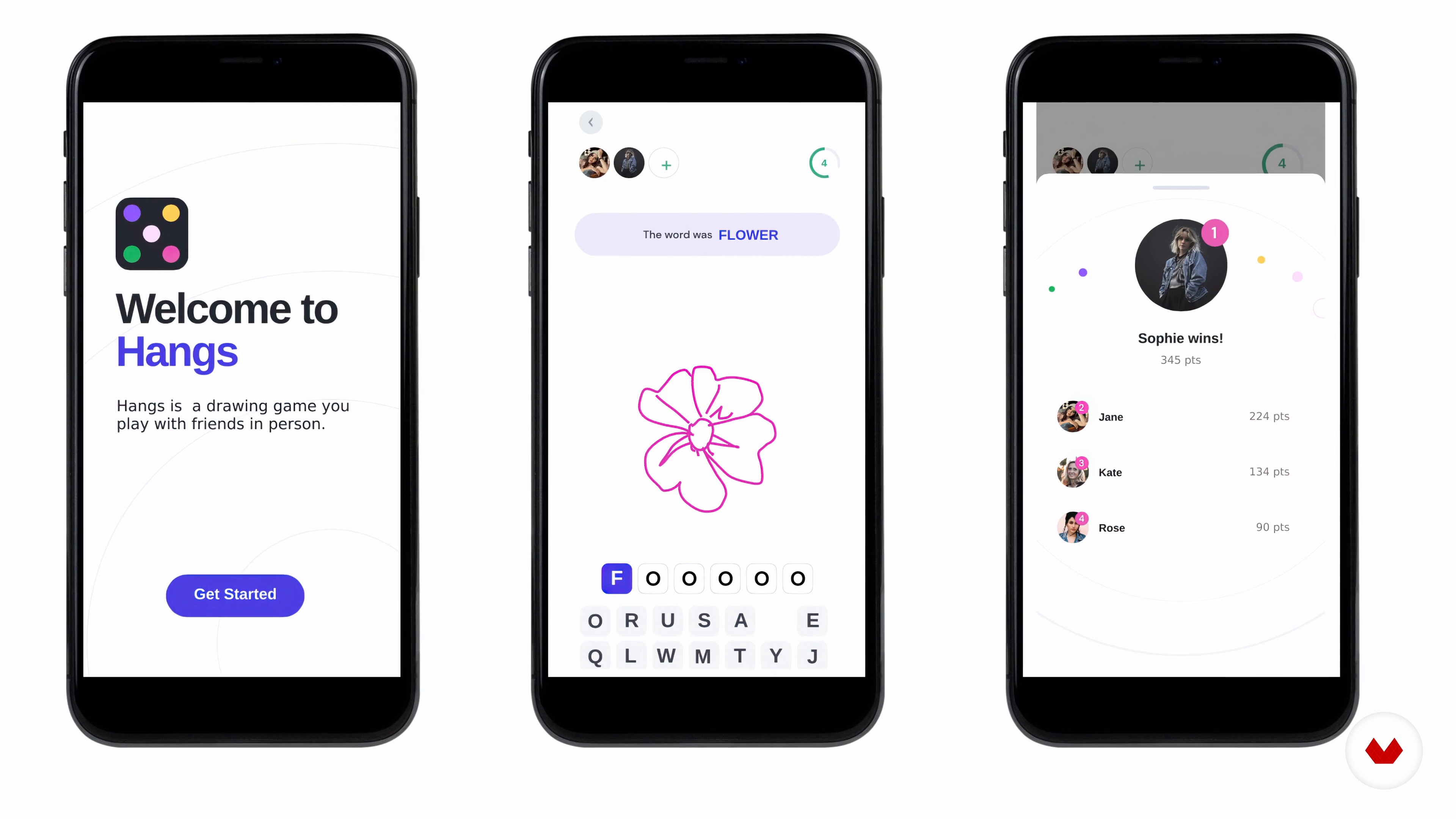
The name and icon make up the face of your app. In this lesson, I will explain what makes for a good logo and app icon and why designers shouldn't focus too much on these things when developing a prototype.
10m
image
16
Pitching Your Design
Pitching your app is an important skill at every stage of the design process. I will show you how to craft your message so it resonates with different audiences and compels them to act.
2m
image
17
Working with Engineers
Engineers make apps real. Some of the best innovations of our time have arisen from collaborations between designers and engineers. Here you'll learn the best practices for collaborating with engineers.
3m
image
3
Introducing the Holistic Design Concept
What is the holistic approach? This is when the design process of digital products and platforms considers the cultural context and the environmental impact when implementing solutions. In this lesson, we will share our core tips and tricks for creating a successful product design proposal that features a holistic mindset.
4m
image
4
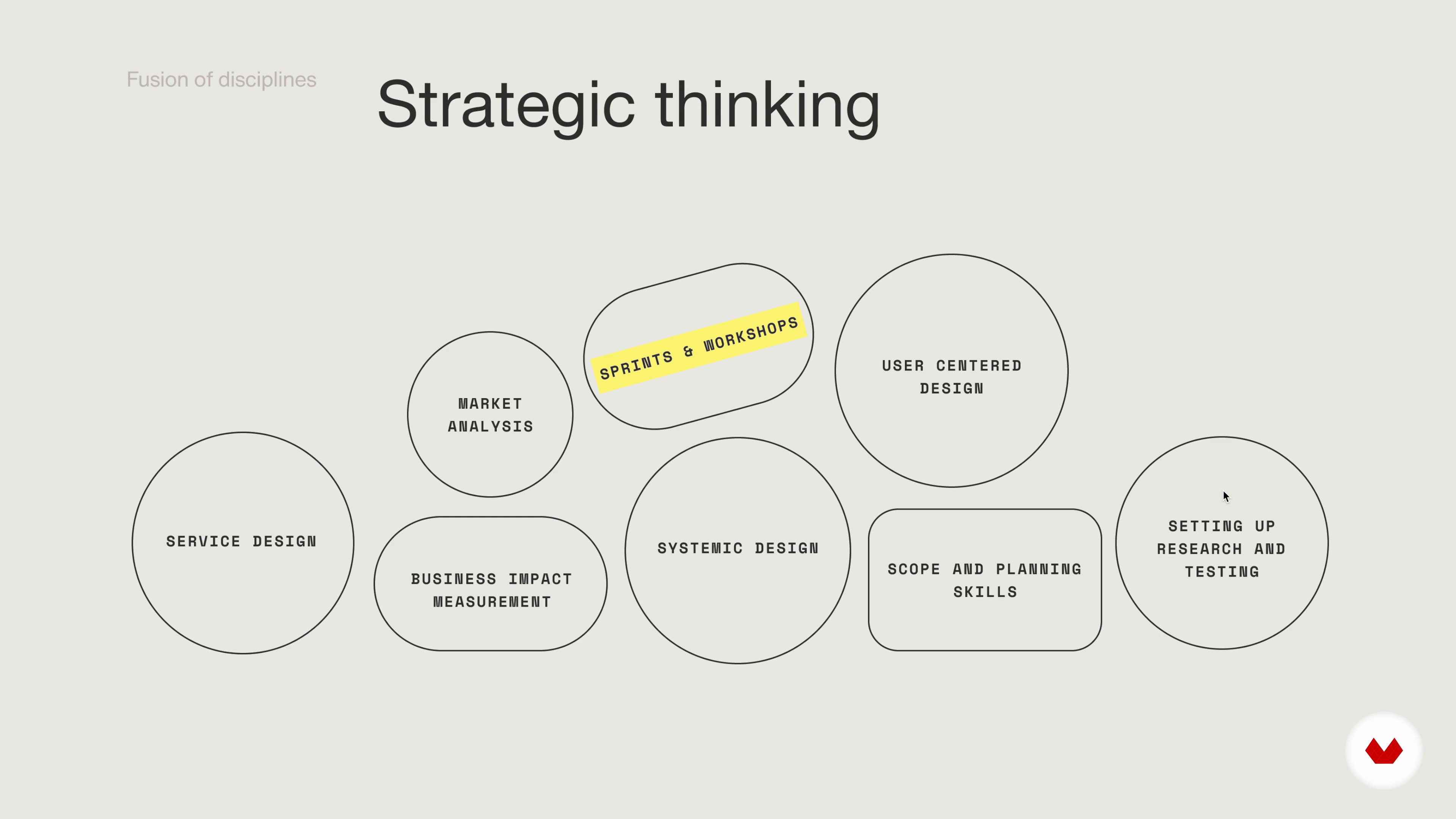
Strategic Thinking
Next, we will introduce the strategic thinking mindset. This will help you to set up solid foundations for the planning of your design proposal.
12m
image
5
Systemic Design 1
In this lesson, we will dive into a particular framework within the strategic plan, tapping into what systemic design is all about.
10m
image
6
Systemic Design 2
We will now walk you through some real-world examples to illustrate the systemic design process, like Airbnb, Ikea, and more.
15m
image
7
Strategic Research and Tools 1
To conclude this unit, let's take look at some of the key research tools you will need for the discovery phase. As part of this process, you will learn how to apply strategic thinking to your project.
20m
image
8
Strategic Research and Tools 2
Now, it's time to talk about audiences and mindsets! In the second part of this lesson, you will find out how research tools truly become user-centered.
12m
image
9
Introduction to the Design Concept
In this lesson, we will discuss what concept design is. What do you need to keep in consideration to design a concept that goes beyond pure functionality, applying a holistic design approach? We will wrap up by documenting the foundations that will help you move into the architecture of the solution.
9m
image
10
The Architecture of the Solution
In this lesson, you will learn what the architecture of a design solution is and how you can build a solid one for the project. Let's dive in!
7m
image
11
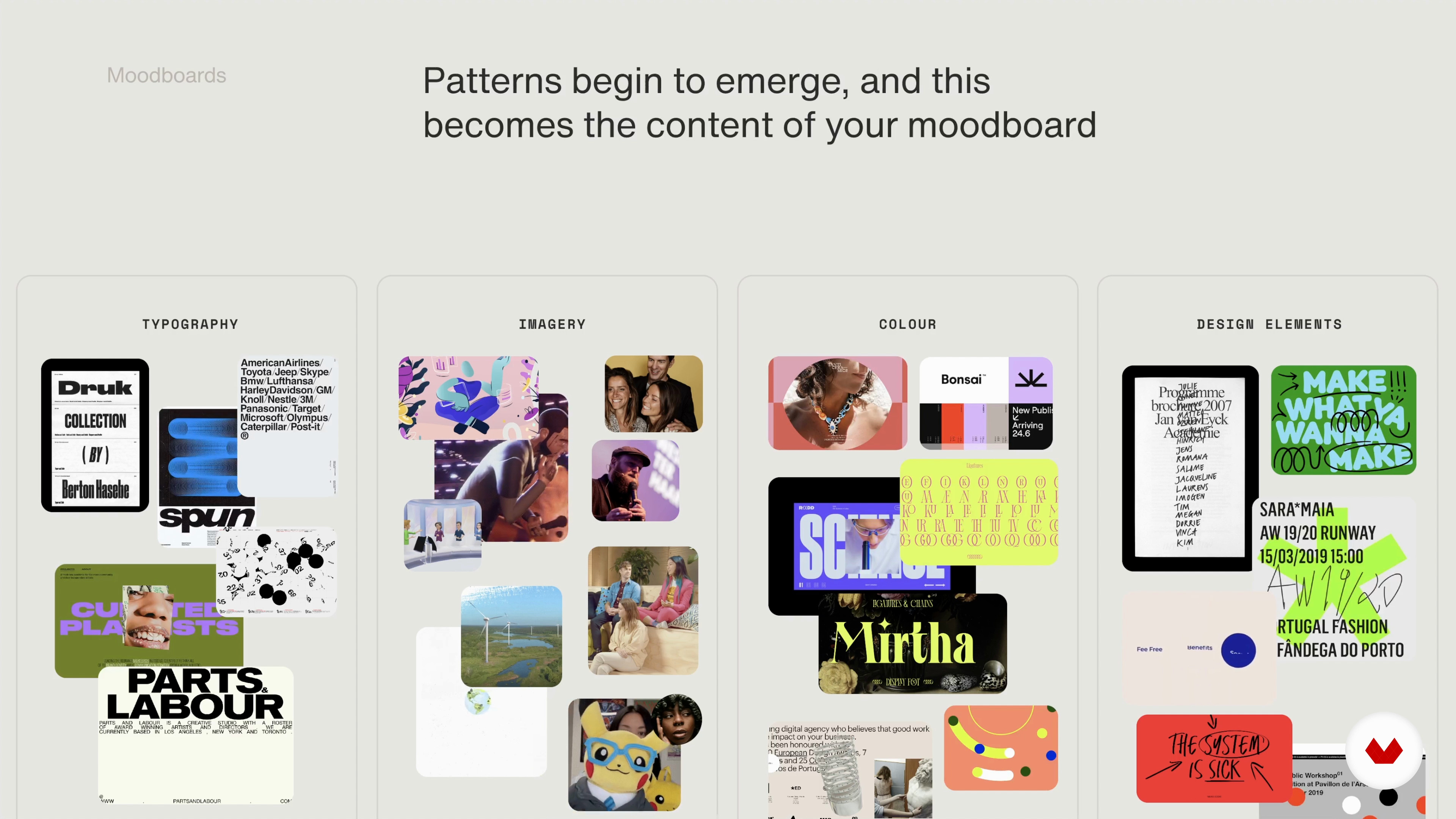
Visual Research, the Mood Board, and Style Tests
We will now discuss how to know what you're designing is right by first conducting visual research. This will help you to create a solution that is beautiful and purpose-driven. We will guide you through the collaboration with your client to sense-check their preferences before designing.
14m
image
12
Style Experimentation
In this lesson, you will learn about style experimentation—where should you begin when defining your visual language? In this phase, we usually conduct rapid style tests and other exercises which will ultimately help to define the tone of the product. We will teach you the different methods that we use to get our clients on board with our vision, before moving further into the visual design process.
10m
image
13
Designing the Experience
It's time to move the design from the concept to the experience. In this lesson, we will discuss why it's important to define the general experience at this point in the process, before going through some artifacts and deliverables that will allow you to document and share your vision for the UX of your project.
7m
image
14
Establishing the Visual Design
In the lesson, we will use our wireframes and style explorations to create the final visual style for the product. Before moving into production, you will learn to showcase motion thinking and lock the design direction.
16m
image
15
Creating a Style Guide
Let's look at the style guide! You will learn what it is and how to create one for your project. We will then dive into typography, the color palette, and spacing. To finish, we will cover some of the basic principles of accessibility for user interface design.
11m
image
16
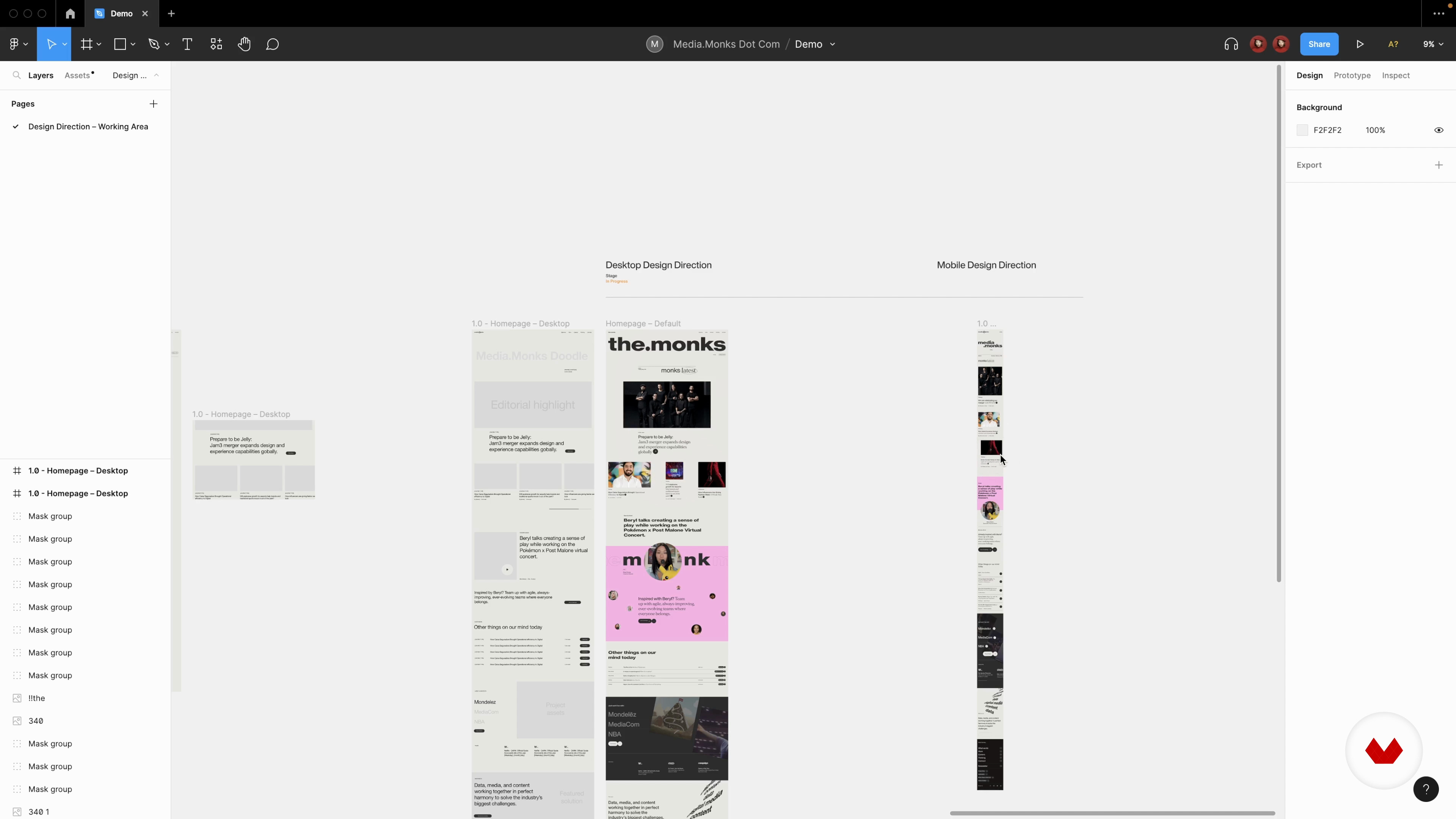
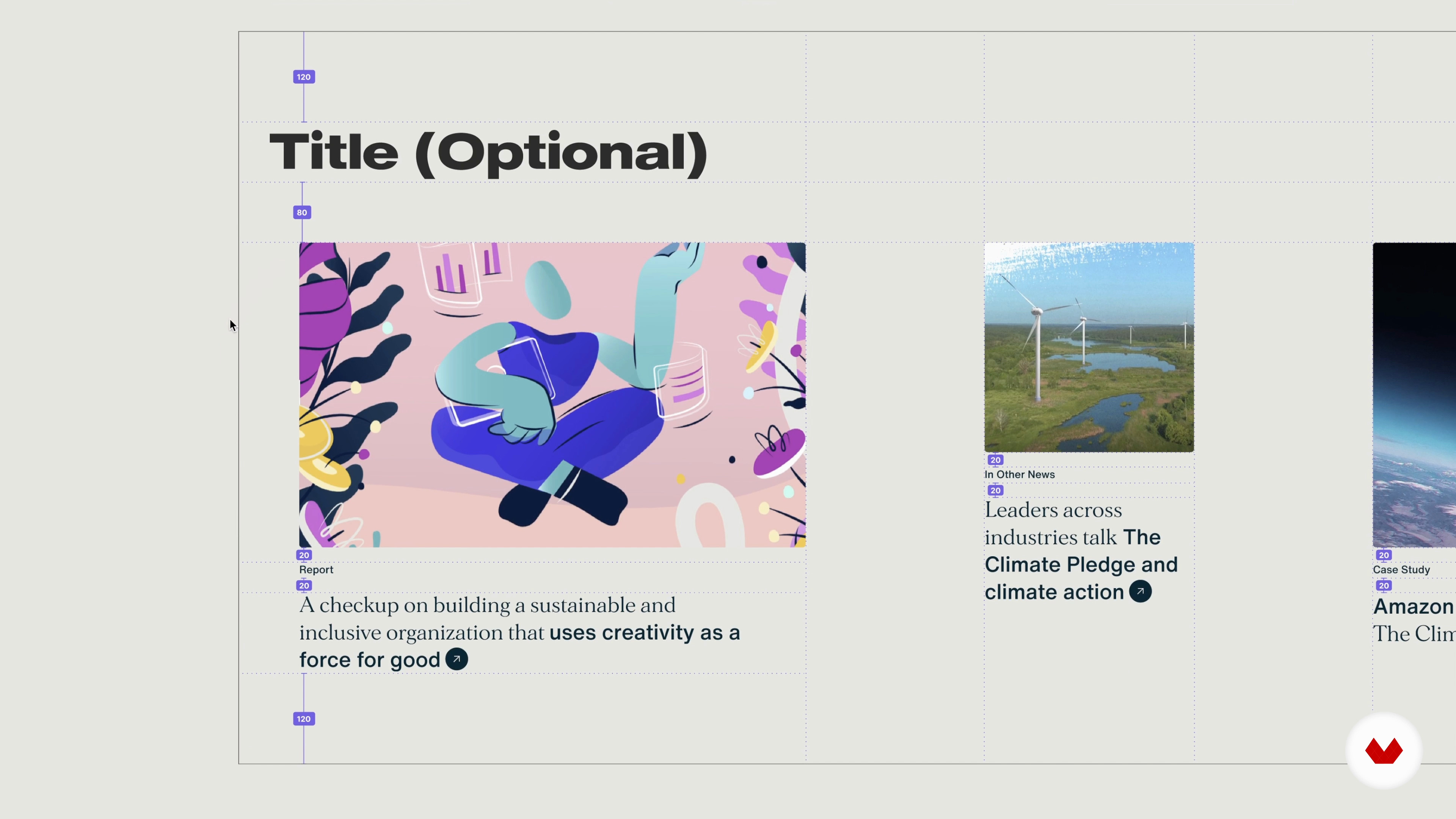
Designing for Scalability
The next theme under review will be atomic design methodology and how this ties into a scalable design system. This will be followed by a deep dive into the Media.Monks website and how to create a homepage template.
10m
image
17
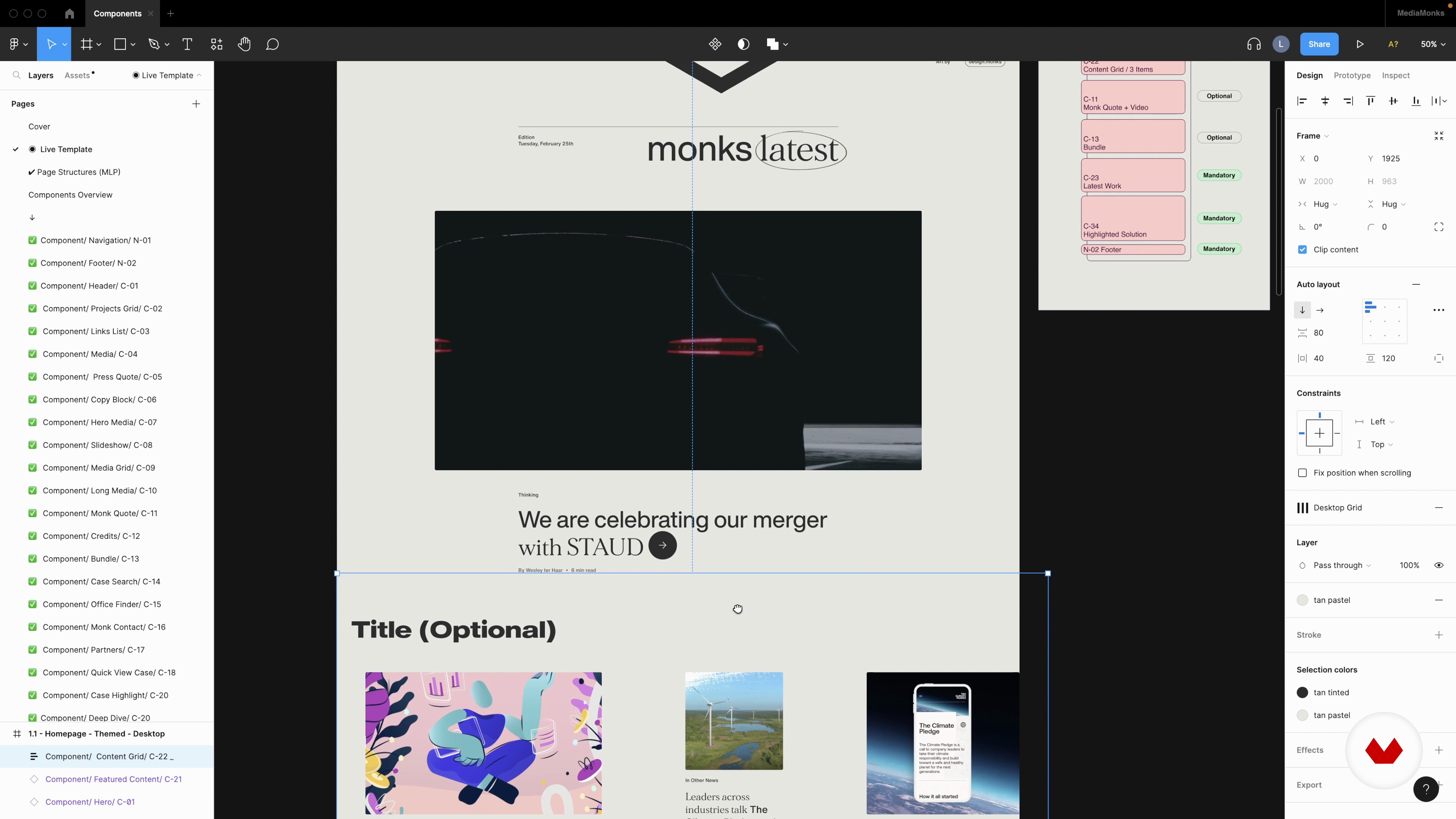
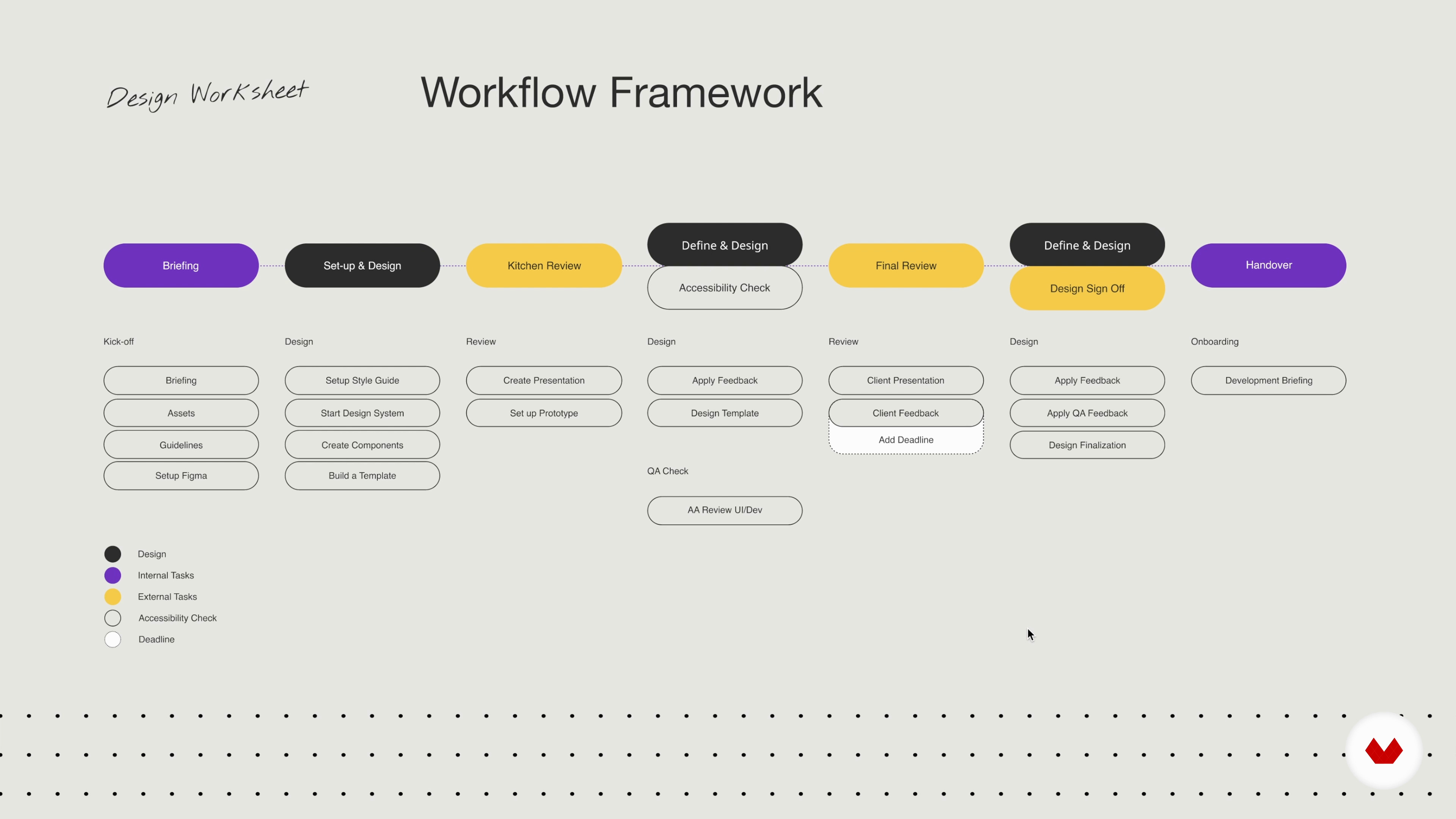
Designing Your Workflow
In this lesson, we will look into how to create your custom workflow to divide your work into clear steps. We will also explore some of the time management tools that can be helpful in this process.
6m
image
18
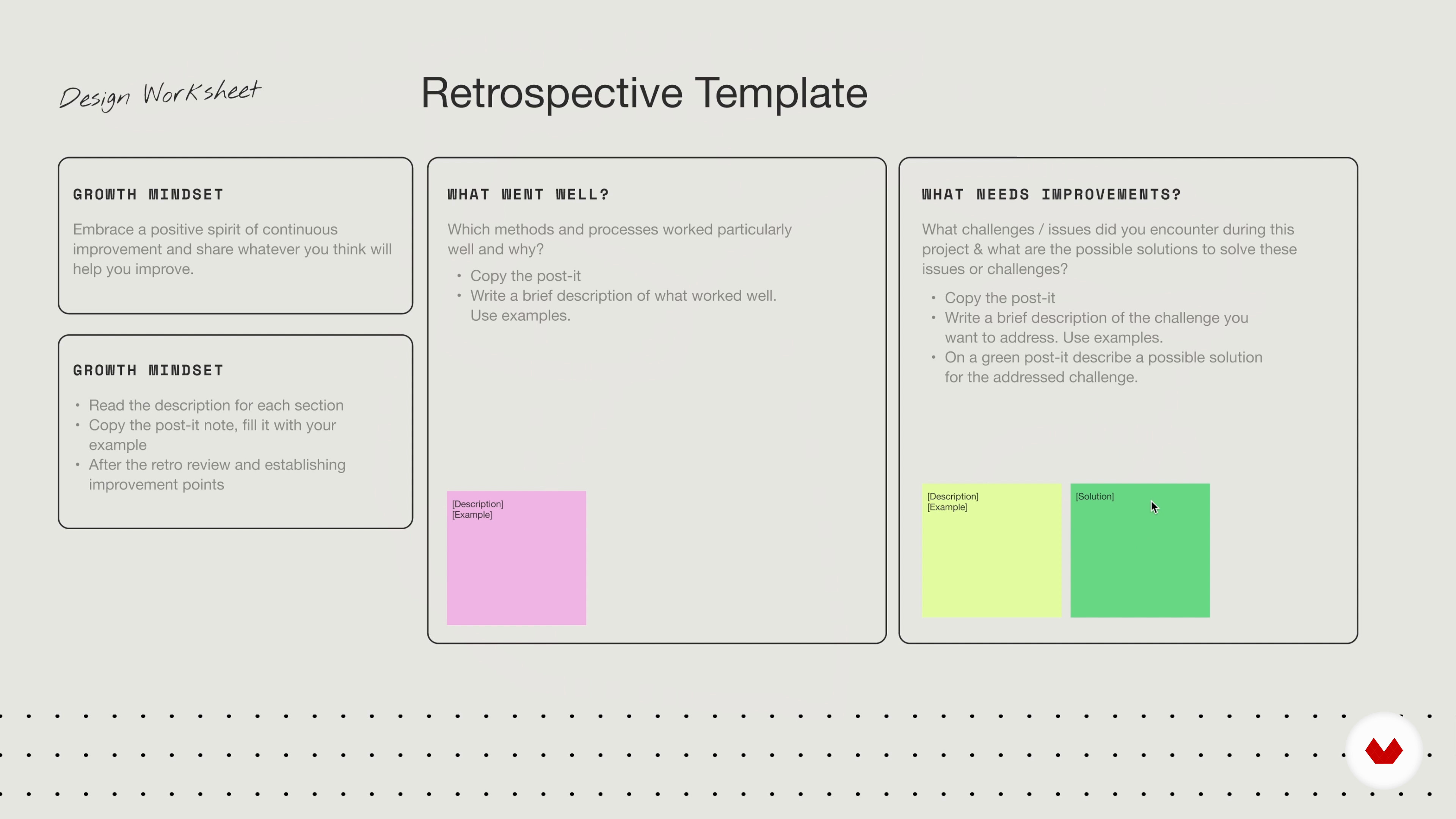
Non-technical Skills
It's time to look beyond the design. We will talk about mindsets, tools, how to reflect on your process, and the importance of soft skills.
4m
image
19
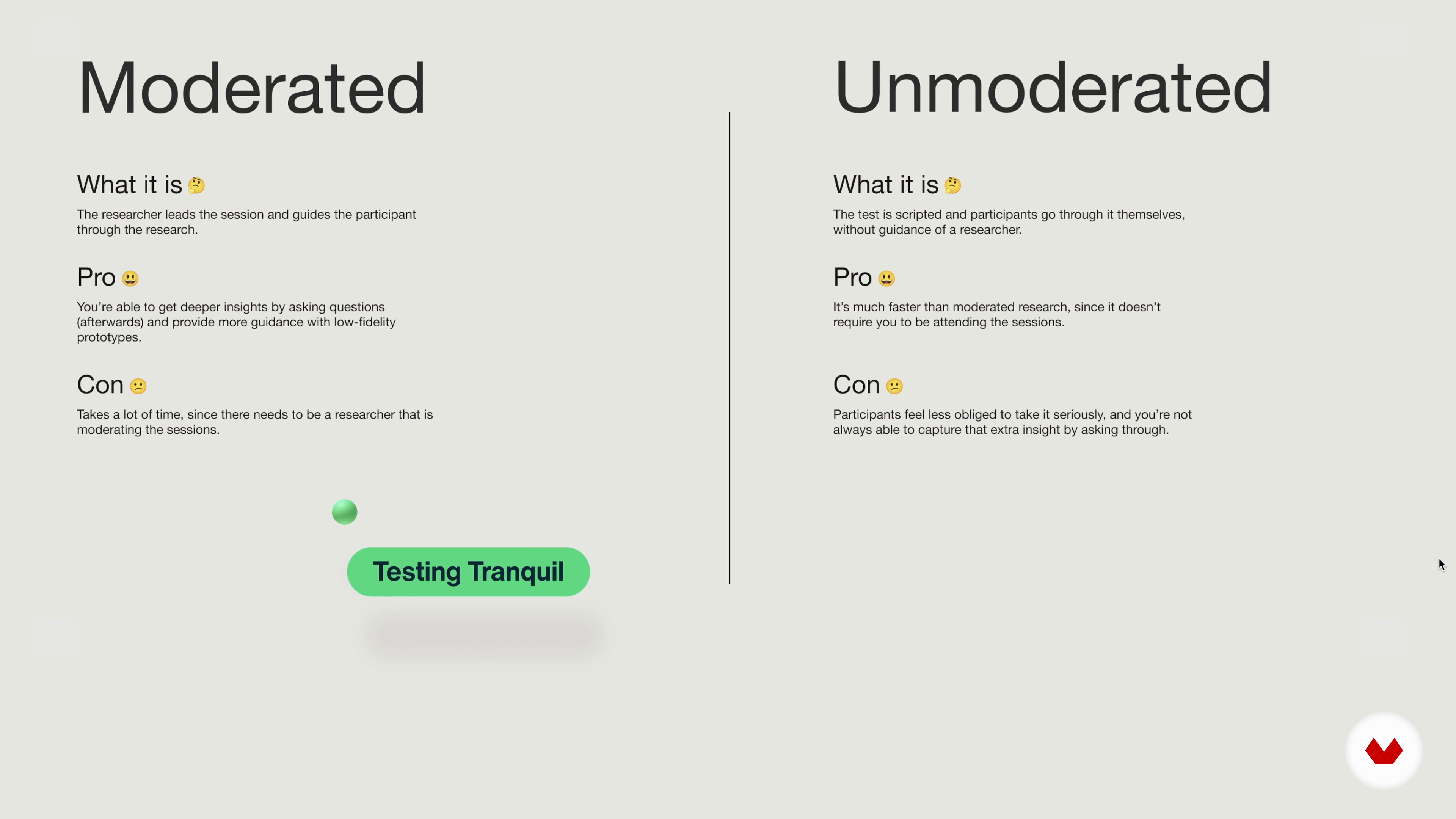
User Testing on Prototypes
In this lesson, we will dive into the basic concepts of user testing in order to complete the next phase, which focuses on obtaining validation to optimize your design prototype.
12m
image
3
Digital Products
You will know what a digital product is, you will see some examples of products, in addition, we will talk about the life cycle of a product.
15m
image
4
Overall product development process
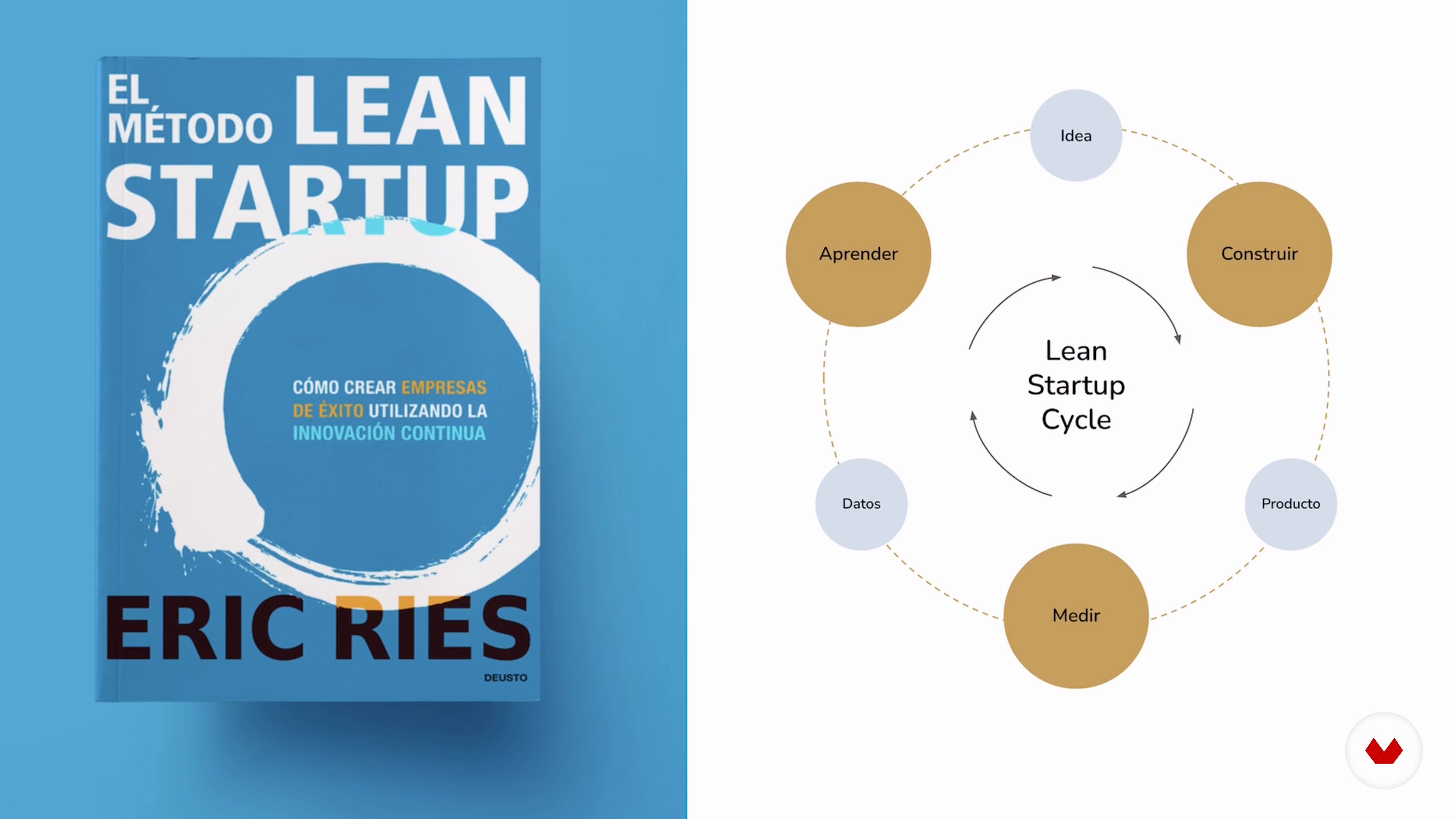
You will see the global process of product development and we will clarify the union of agile with Lean and Design Thinking.
6m
image
5
The role of the Product Manager
We will talk about the role of the Product Manager. We will tell you what a product team is like and what a stakeholder is. Then we will talk about the different types of Product Manager and their functions.
7m
image
6
Mission, vision and strategy
You will see the mission, vision and strategy. The basis for the creation of digital products, since they will help you understand at all times why you do what you do and if you are on the right track. You will know the characteristics to create a good vision, what is the product strategy and how it is related to the vision, you will also see the strategies of the best-known companies. In addition, for the practical part you will learn a template that will make it easier for you to create your vision, and the Product Canvas tool for you to create your own strategy.
14m
image
7
Discovery
You need to know the problems well before creating solutions, and for that we will teach you how to use Product Discovery or Research. You will see different quantitative and qualitative Discovery techniques to collect all possible information and to be able to know first of all the market, business and trends as the benchmark of the competition, and workshops with stakeholders. We will talk about the trend matrix. In addition, to get to know the users, you will learn different Research techniques in which you will work together with the UX team. Finally, we will explain how to organize and map all the information in a War Room to later analyze the information with the Customer Journey Map and Opportunity Decision Tree, so you can get the relevant insights and market opportunity that you will focus on with your product.
17m
image
8
Objectives, roadmap and prioritization 1
You will know what the well-known OKRs are in digital companies such as Google or Spotify. I will explain how to know and create your own roadmap to organize the objectives and work for the next six months.
10m
image
9
Objectives, roadmap and prioritization 2
During this second part of the lesson, we will talk about prioritization and show you how to do it with two techniques. This will help you ground and make the product strategy tangible to give way to day-to-day work with your Product Team.
11m
image
10
Experimentation and validation
In this lesson, you will see the importance of experimentation and why Discovery is not enough when making execution decisions. Then you will learn about different experimentation methods, what is an MVP (Minimum Viable Product) and how to run an experiment.
11m
image
11
Agile methodologies
We will give you an overview of the most used terms when working in agile. We will also tell you about the most famous agile frameworks in the creation of digital products: Scrum and Kanban. In addition, we will show you how we like to work. To finish, we will talk to you and delve into the creation of user stories and you will see an example of a backlog.
15m
image
12
Throwing and Measuring
You will understand the importance of measuring for a Product Manager. You will know the data-driven and data-informed approaches, in addition, we will give you a review of different types of metrics. You will see how to use the framework that is used in Google, to start measuring from scratch. Finally, we will explain how we launch a digital product and You will see how to make a checklist of tasks to perform when you launch your product.
9m
image
13
Skills needed to be a Product Manager
We will tell you what are the main skills that are sought in Product Manager profiles. From hard skills to soft skills, we will also tell you everything you need to reinforce to become a Product Manager. To conclude, we will share some tips so that you can put them into practice and improve them.
6m
image
14
Communication and stakeholder management
As Product Managers we are constantly talking to other teams and people with very different profiles, in addition, we continuously make presentations and facilitate workshops. One of the most important parts of your day to day life will be stakeholder management. Therefore, it is essential to have good communication and expectations management skills. The best way to align teams for a product is by doing a Kick-Off session. This session has many steps to take into account, so you will see them in this lesson and you will be able to practice it in your Miro template.
12m
image
3
Trends in the Digital Industry
The first thing I will explain to you are the main current trends that exist in the digital world and the changes that have occurred in recent years.
3m
image
4
What is Growth Marketing?
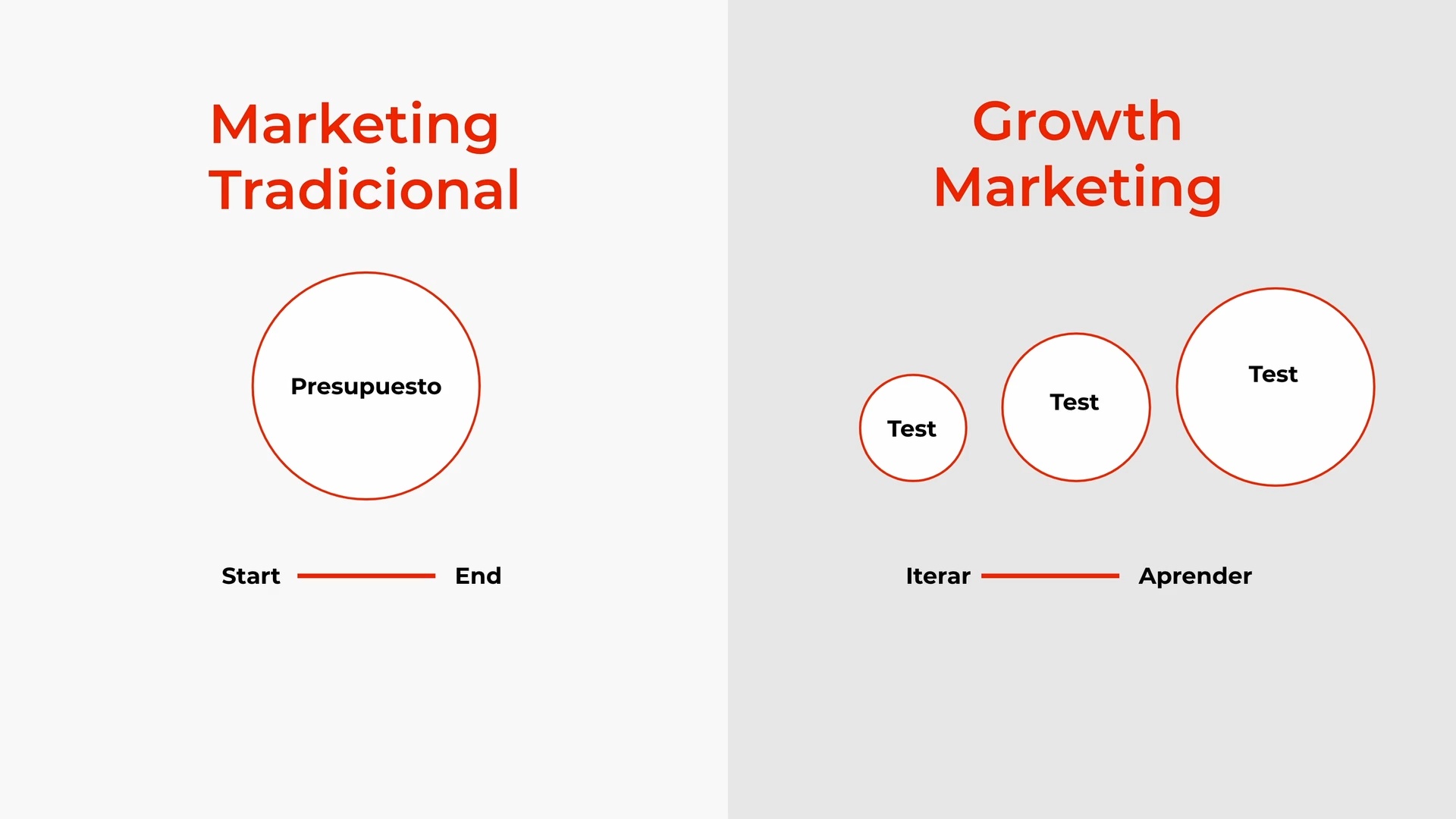
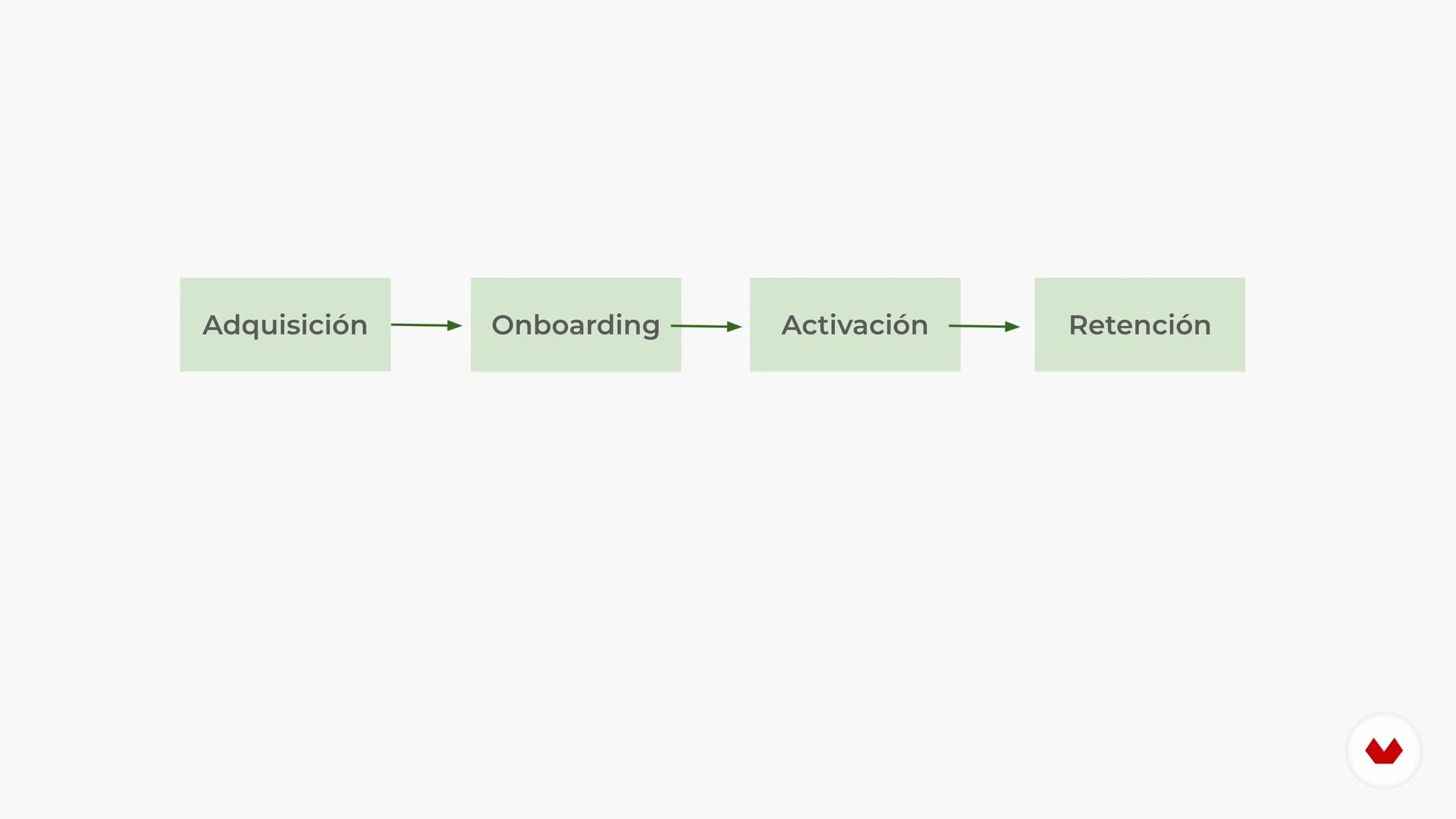
In this lesson, I will teach you what Growth Marketing is, what its main components are and how it differs from other disciplines. I will also analyze the Growth Marketing funnel.
8m
image
5
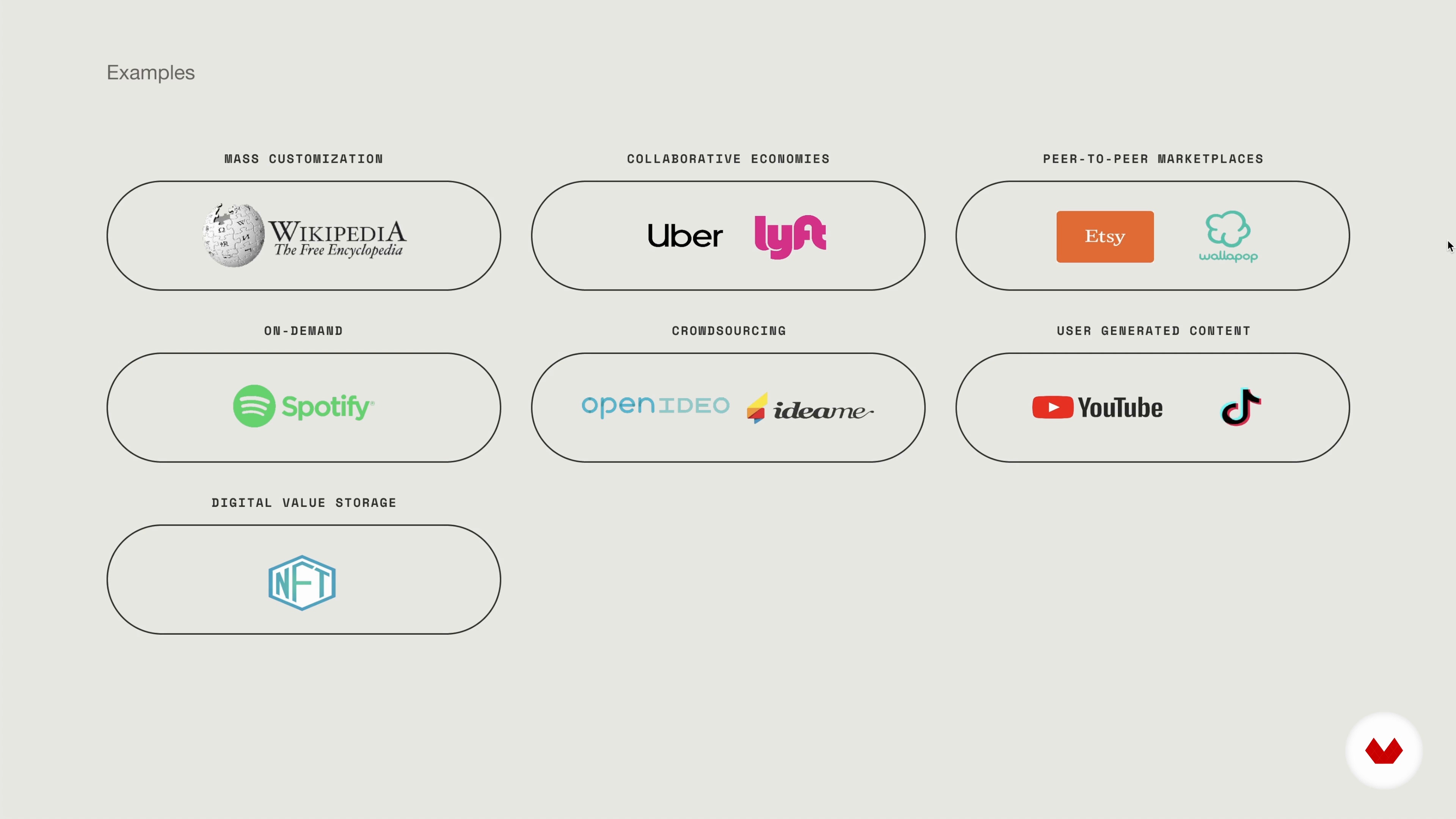
Digital Business Models
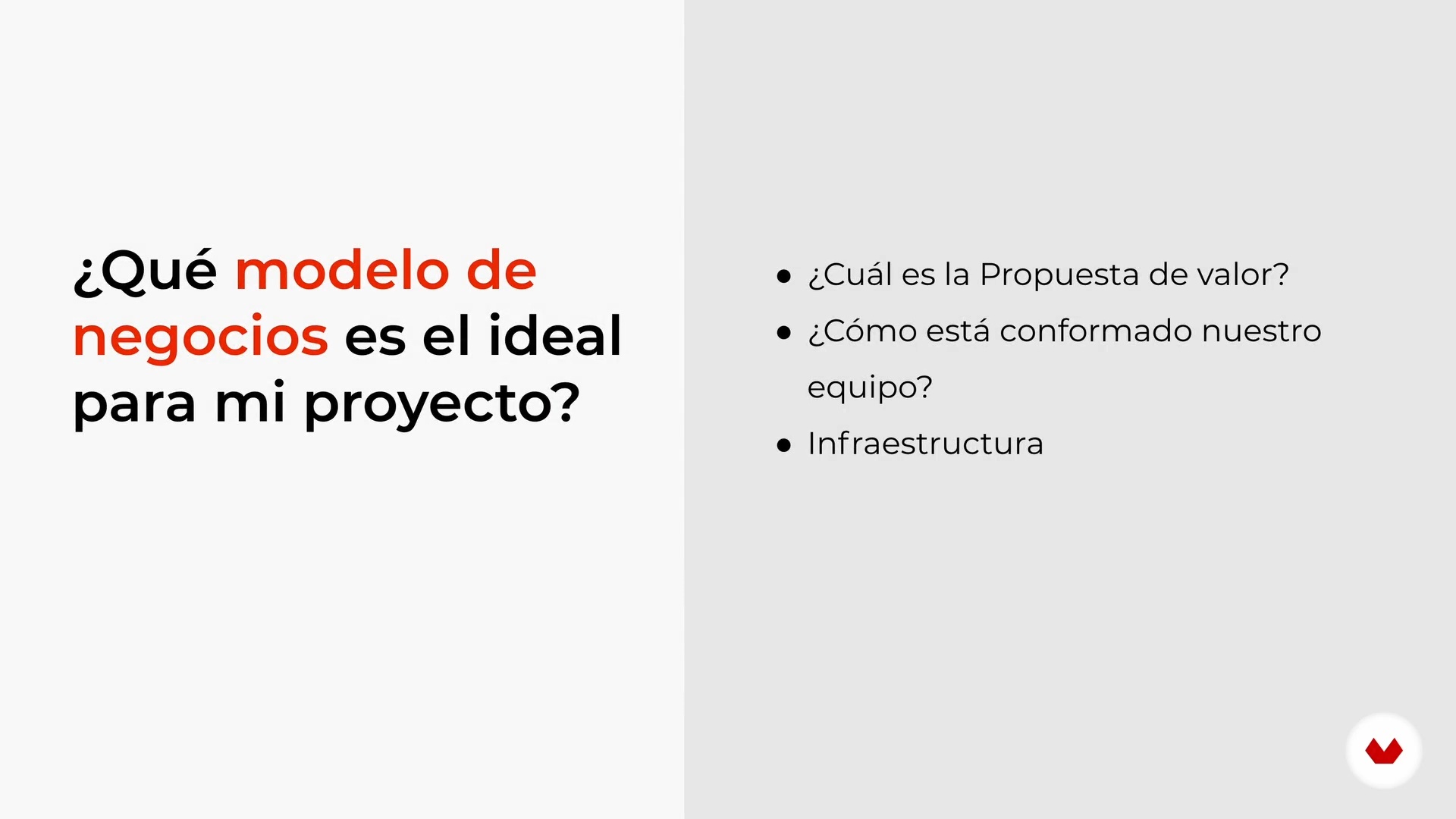
Now I will show you the types of digital business models that exist and which are the most relevant depending on the type of product.
6m
image
6
Value Proposition, FAQ and Buyer Person
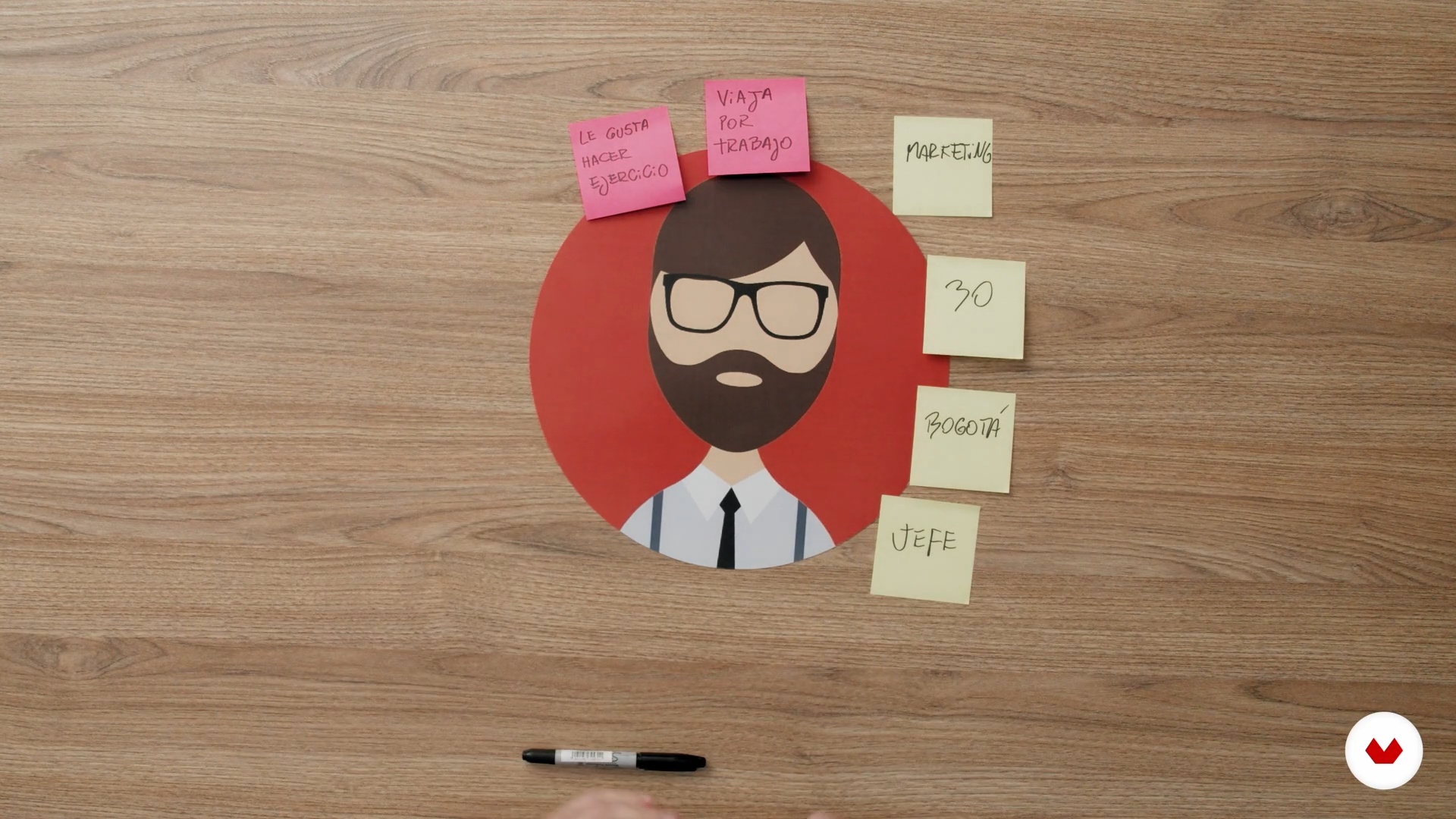
Now I will talk about the value proposition and how to build it. I will also explain the concepts of Product Market Fit and Buyer Persona. You will see why the latter is important for the marketing plan and how to build it.
9m
image
7
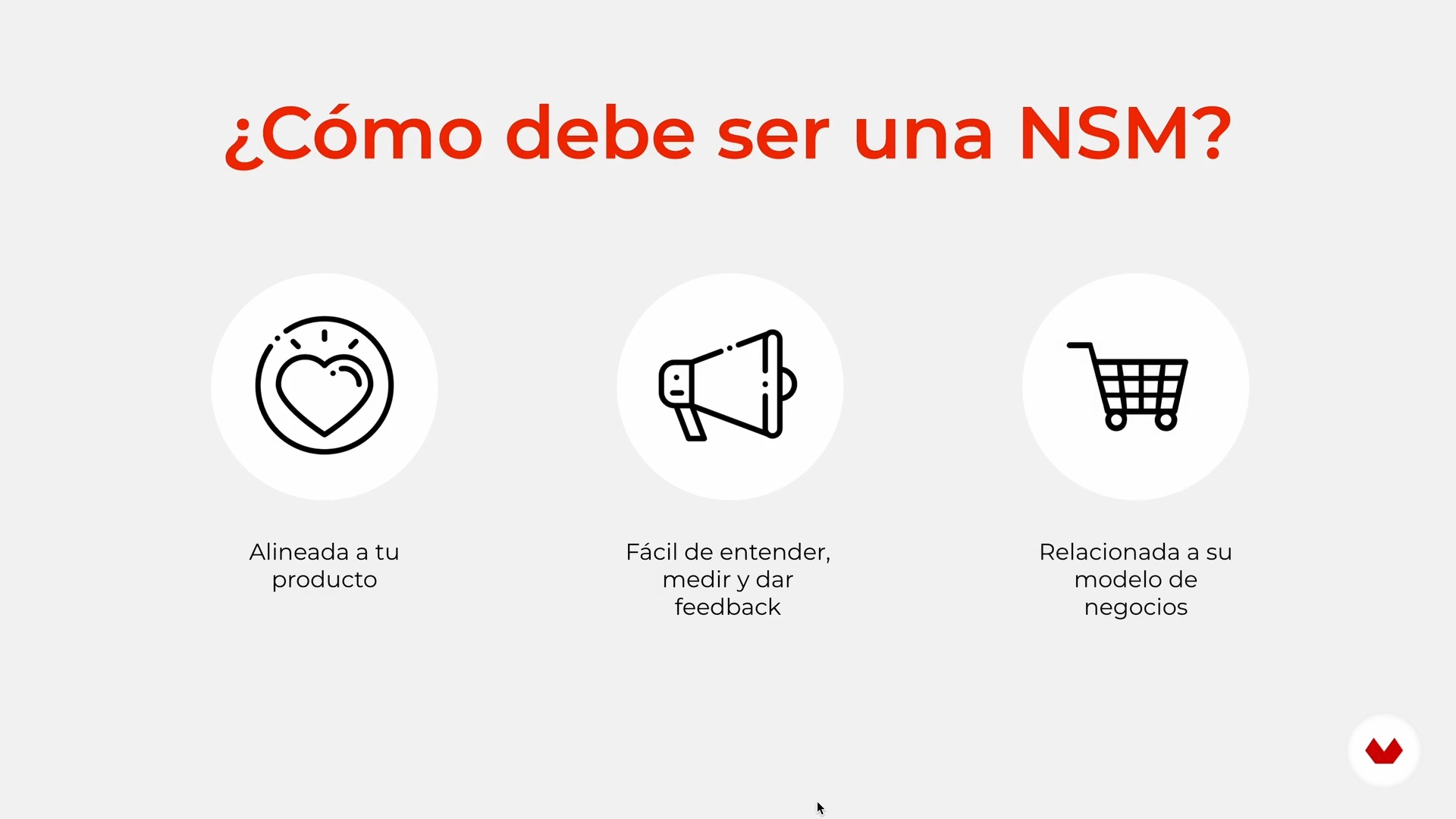
The "North Star Metric"
First of all, I am going to explain what the North Star metric is and what characteristics it should have to apply it to the business you work with.
5m
image
8
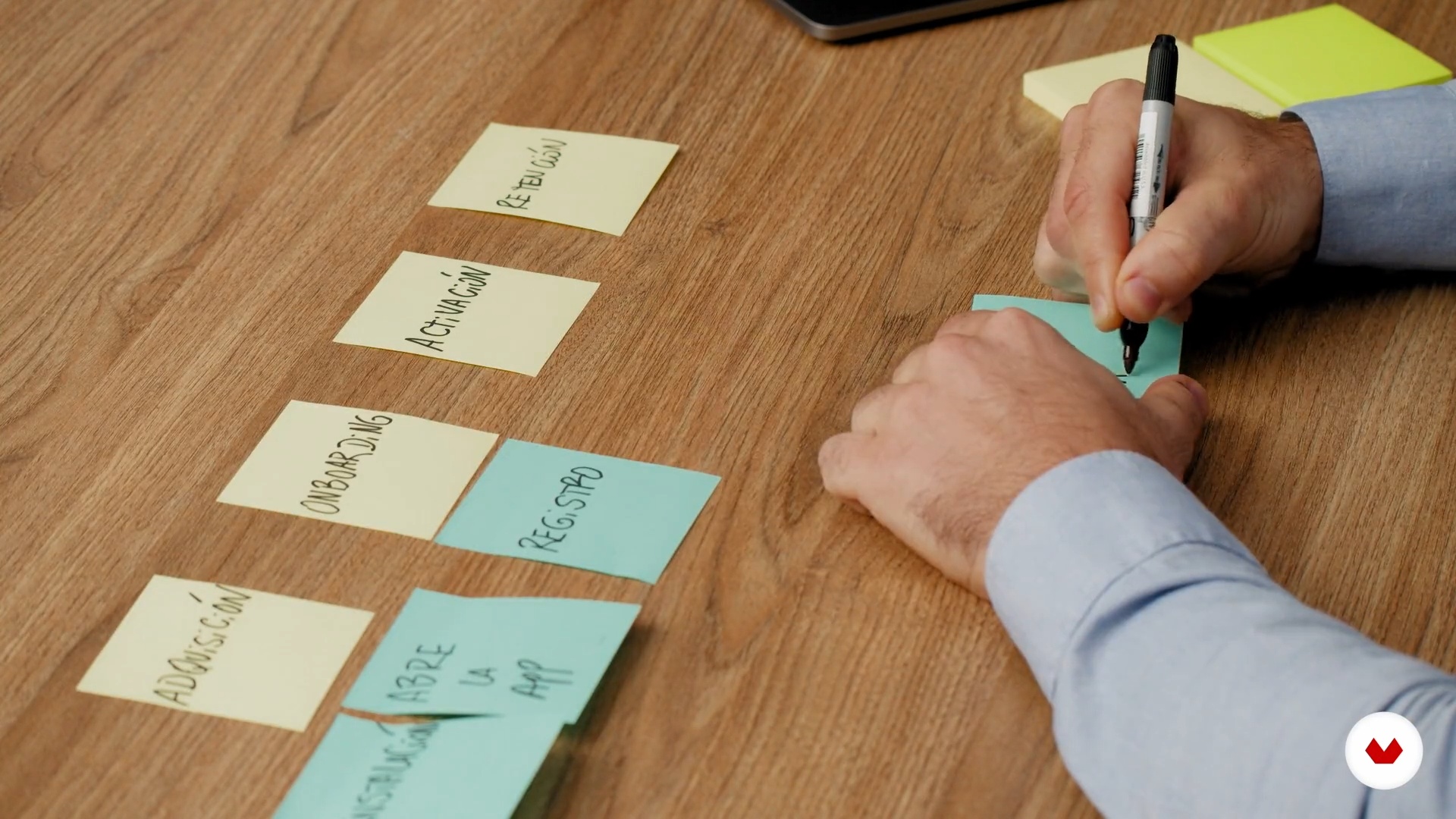
Magic Moments and User Flow
In this lesson, I will teach you what the User Fow is. You will see what it is for and how to define it for your business.
9m
image
9
Inbound and Outbound Marketing
Here I am going to explain the difference between Inbound and Outbound marketing as well as the different tools available to achieve it.
8m
image
10
Viral Loops, Retention and Hook
In this lesson, I will teach you what a growth loop is, how some companies have used it to grow, and how you can apply it to your business.
5m
image
11
Growth Marketing Plan
Now you will see what are the different key metrics to look at in the acquisition strategy and how to associate them with the North Star Metric.
3m
image
12
Introduction to Experimentation
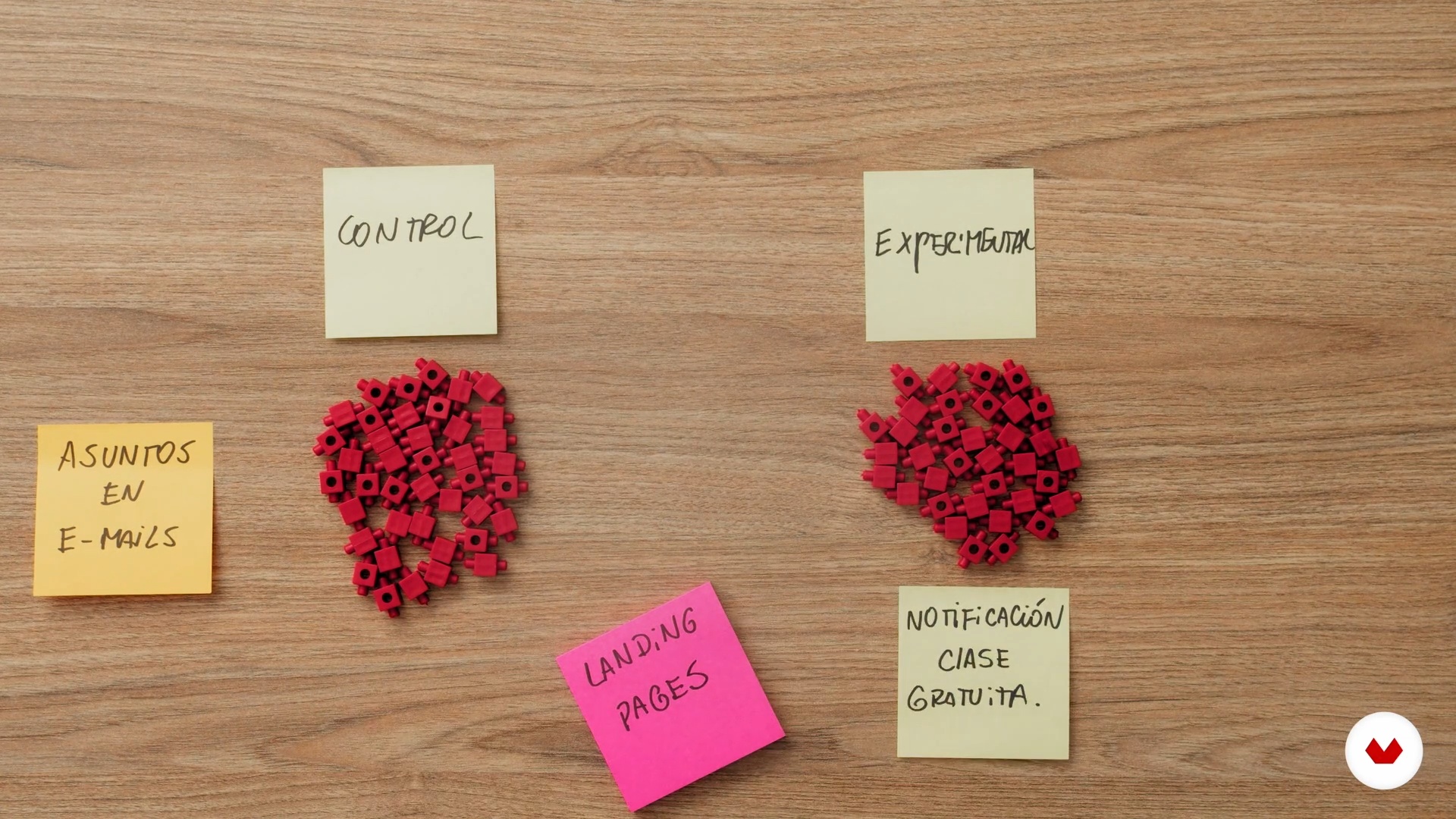
In this lesson, I'll teach you the basic principles of experimentation and how to apply them to digital products.
3m
image
13
Hypotheses and Design of the Experiment
Now I will help you define the objective of an experiment and see which hypotheses to validate.
7m
  • 100% positive reviews (4)
  • 424 students
  • 76 lessons (12h 11m)
  • 139 additional resources (58 files)
  • Online and at your own pace
  • Audio: English, German, Spanish, Spanish (Latam), French, Indonesian, Italian, Dutch, Polish, Portuguese, Romanian, Turkish
  • Romanian · Indonesian · English · Spanish · Portuguese · German · French · Italian · Polish · Dutch · Turkish
  • Level: Beginner
  • Unlimited access forever

What is this course's project?

Students will design a complete digital product, starting from deep ethnographic research, progressing through holistic system design, strategic management, and culminating with an integrated growth plan. This comprehensive project enhances skills in user-centered design, strategy, and marketing.

Who is this specialization for?

Ideal for UX/UI designers seeking strategic insights, product managers enhancing design skills, entrepreneurs crafting digital products, and professionals transitioning to digital roles, this course offers a comprehensive understanding of creating impactful digital products from research to market growth.

Requirements and materials

No extensive prior knowledge is required. Basic necessities include a computer with internet access, a willingness to learn and explore digital product design, and an interest in user-centered methodologies. Familiarity with digital tools is beneficial but not mandatory.
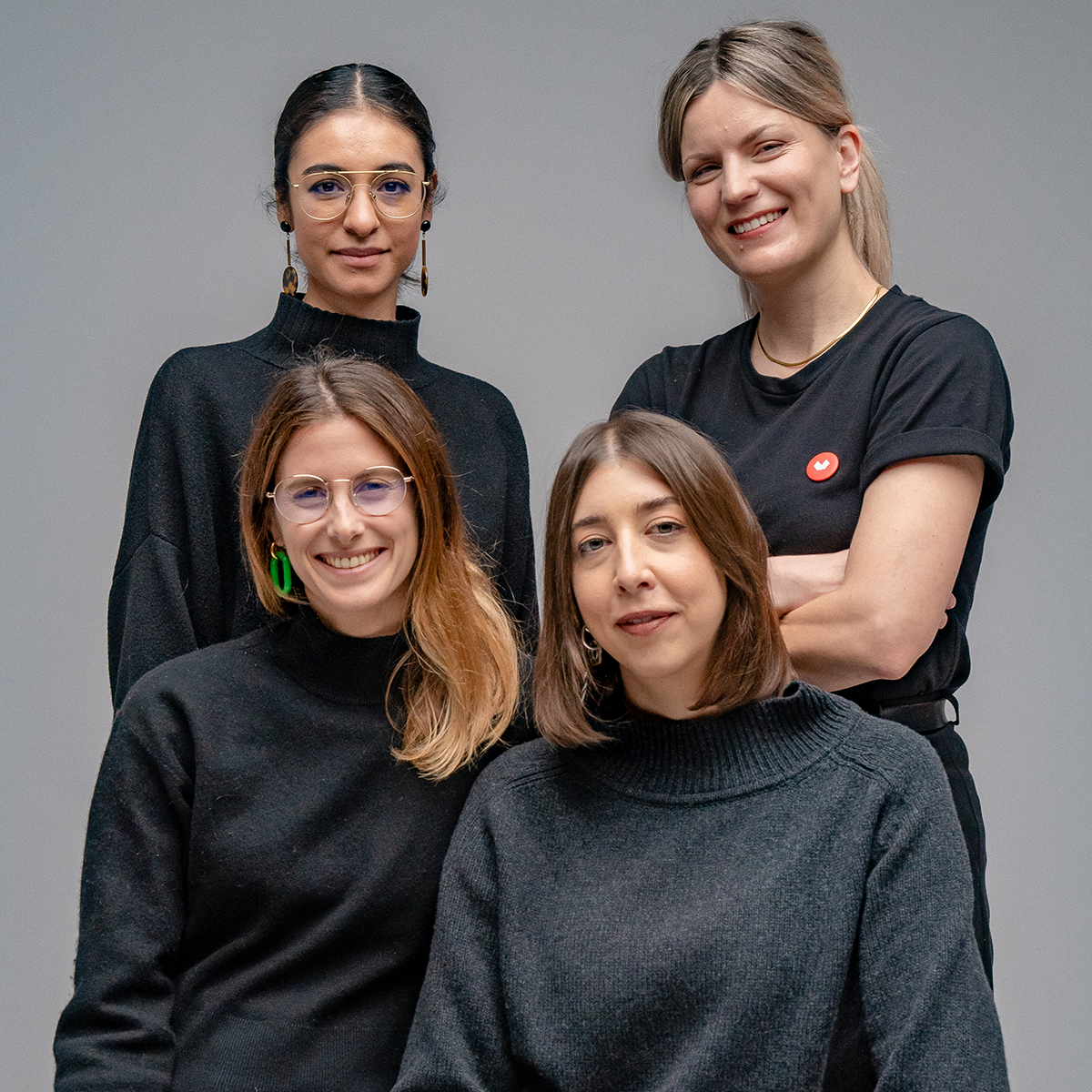
Select to get to know your teachers in this specialization course
Read more ↓

Reviews

424 Students
4 Reviews


What to expect from this specialization course

  • Learn at your own pace

    Enjoy learning from home without a set schedule and with an easy-to-follow method. You set your own pace.

  • Learn from the best professionals

    Learn valuable methods and techniques explained by top experts in the creative sector.

  • Meet expert teachers

    Each expert teaches what they do best, with clear guidelines, true passion, and professional insight in every lesson.

  • Certificates
    Plus

    If you're a Plus member, get a custom certificate for every specialization course. Share it on your portfolio, social media, or wherever you like.

  • Get front-row seats

    Videos of the highest quality, so you don't miss a single detail. With unlimited access, you can watch them as many times as you need to perfect your technique.

  • Share knowledge and ideas

    Ask questions, request feedback, or offer solutions. Share your learning experience with other students in the community who are as passionate about creativity as you are.

  • Connect with a global creative community

    The community is home to millions of people from around the world who are curious and passionate about exploring and expressing their creativity.

  • Watch professionally produced courses

    Domestika curates its teacher roster and produces every course in-house to ensure a high-quality online learning experience.


FAQs

Domestika courses are online classes that allow you to learn new skills and create incredible projects. All our courses include the opportunity to share your work with other students and/or teachers, creating an active learning community. We offer different formats:
Original Courses: Complete classes that combine videos, texts, and educational materials to complete a specific project from start to finish.
Basics Courses: Specialized training where you master specific software tools step by step.
Specialization Courses: Learning paths with various expert teachers on the same topic, perfect for becoming a specialist by learning from different approaches.
Guided Courses: Practical experiences ideal for directly acquiring specific skills.
Intensive Courses (Deep Dives): New creative processes based on artificial intelligence tools in an accessible format for in-depth and dynamic understanding.

All specialization courses are 100% online, so once they're published, specialization courses start and finish whenever you want. You set the pace of the class. You can go back to review what interests you most and skip what you already know, ask questions, answer questions, share your projects, and more.

The specialization courses are divided into different modules. Each one includes lessons, informational text, tasks, and practice exercises to help you carry out your project step by step, with additional complementary resources and downloads. You'll also have access to an exclusive forum where you can interact with other students, as well as share your work and your final project, creating a community around the specialization courses.

You can redeem the specialization courses you received by accessing the redeeming page and entering your gift code.

If you're a Plus member, when you complete a course you've purchased, you'll instantly get your personalized certificate. You can see all your certificates in the Certificates section of your profile. You can download your certificates as PDFs and share the link online. Learn more about certificates.
Specialization in Digital Product Design: From Research to Growth. Design, Web, App Design, Marketing, and Business course by Domestika

Specialization in Digital Product Design: From Research to Growth

A specialization by multiple teachers
Berkeley, United States.
Joined April 2002
  • 100% positive reviews (4)
  • 424 students