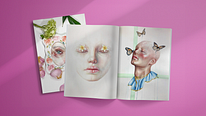
Guided Course: Create an editorial image with acrylic paint
A guided course by Jon Berkeley
, Illustrator and Author


Create editorial illustrations using acrylic paint, from concept sketches to final touches, mastering composition and color techniques
Explore the vibrant world of acrylic painting while crafting a compelling editorial illustration. Begin by organizing your workspace and gathering essential materials. Warm up your creative muscles with quick sketches that activate your imagination. Dive into the conceptual phase by collecting visual references and brainstorming ideas that will serve as the foundation for your illustration. Transform these concepts into a refined working sketch that captures your vision.
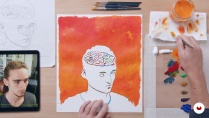
Move on to the painting process, where you'll outline key shapes and apply a dynamic background. Master the art of blocking out main volumes and focus on developing two standout elements using rich layers of color. Conclude your creative journey by adding final touches, refining edges, and enhancing contrast and details. Step by step, build a cohesive acrylic illustration that reflects your artistic style.
What will you learn in this online course?
13 lessons & 12 downloads
What's included in this course?
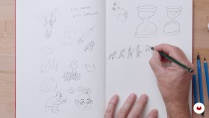
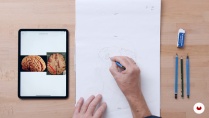
Discover the art of creating editorial illustrations with acrylic paint through a complete and engaging process. Start by organizing your workspace and materials, then warm up with free sketches that activate your creativity. You'll delve into gathering visual references and shaping an initial concept, transforming it into a well-defined working sketch. This foundational stage sets the tone for your artistic journey, allowing ideas to flow freely while building a solid groundwork for your final piece.
Transition into the painting phase where the magic truly unfolds. Outline key shapes and establish the background before blocking in the main volumes. Explore the development of two primary elements using layers of color to bring depth and interest. As your illustration nears completion, focus on refining edges, adjusting contrast, and enhancing details to achieve a polished look. By the end, you'll have crafted a cohesive and vibrant acrylic illustration, stepping confidently through each stage of the creative process.
- 77 students
- 13 lessons (2h 47m)
- 12 additional resources (7 files)
- Online and at your own pace
- Available on the app
- Audio: English, German, Spanish (Latam), French, Indonesian, Italian, Dutch, Polish, Portuguese, Romanian, Turkish
- Turkish · English · Polish · Portuguese · French · Italian · Dutch · German · Romanian · Indonesian
- Level: Beginner
- Unlimited access forever
Recommended software & tools for this course
 Adobe Photoshop
What is this course's project?
Create a complete editorial illustration using acrylics, from initial preparation through final touches. Organize materials, develop concepts, sketch ideas, and bring your vision to life by outlining, painting, and refining details for a polished, cohesive artwork.
Who is this online course for?
Aspiring illustrators and artists eager to explore acrylic painting techniques will find this course ideal. It's perfect for creative minds desiring to transform concepts into editorial images, gain hands-on experience, and develop skills in sketching, color layering, and detail enhancement.
Requirements and materials
No extensive prior knowledge required. Basic necessities include acrylic paints, brushes, a palette, canvas or paper, and a sketchbook. A workspace to organize these materials is helpful. A willingness to explore creative ideas and sketch freely is beneficial.

Jon Berkeley
A guided course by Jon Berkeley
Jon Berkeley is an Irish illustrator and children’s author who has worked in the field for almost three decades and traveled to places like London, Sydney, Hong Kong, and Barcelona for illustration work. His passion for illustration began in his youth during the vinyl era, amazed by the artwork that adorned his favorite album covers, prompting him to further his intrigue and study Fine Art in Dublin, Ireland.
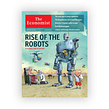
Most of his work is for editorial clients in major news and current affairs magazines like L’Express, The New Statesman, Volkskrant, The Economist, and others. He also works on major advertising campaigns and illustrates book jackets, packaging, as well as commissioned portraits for clients like Ted Baker, Vodafone, and Smirnoff.
Content
-
Guided Course: Create an editorial image with acrylic paint
-
Podcast: Illustration as Provocation
-
Materials You Will Need
-
Preparing for Our Conceptual Illustration
-
Who Let the Ideas Out? Concept Sketching
-
Collecting and Shooting References
-
Working Sketch
-
Outlining
-
Painting the Background
-
Blocking In
-
The Main Feature 1
-
The Main Feature 2
-
Spit and Polish 1
-
Spit and Polish 2
-
Final project
-
What to expect from a Domestika course
-
Learn at your own pace
Enjoy learning from home without a set schedule and with an easy-to-follow method. You set your own pace.
-
Learn from the best professionals
Learn valuable methods and techniques explained by top experts in the creative sector.
-
Meet expert teachers
Each expert teaches what they do best, with clear guidelines, true passion, and professional insight in every lesson.
-
Certificates
PlusIf you're a Plus member, get a custom certificate signed by your teacher for every course. Share it on your portfolio, social media, or wherever you like.
-
Get front-row seats
Videos of the highest quality, so you don't miss a single detail. With unlimited access, you can watch them as many times as you need to perfect your technique.
-
Share knowledge and ideas
Ask questions, request feedback, or offer solutions. Share your learning experience with other students in the community who are as passionate about creativity as you are.
-
Connect with a global creative community
The community is home to millions of people from around the world who are curious and passionate about exploring and expressing their creativity.
-
Watch professionally produced courses
Domestika curates its teacher roster and produces every course in-house to ensure a high-quality online learning experience.
FAQs
Yes, this course is designed for intermediate artists who want to deepen their skills in acrylic painting, conceptual illustration, and preparing artwork for print and digital formats.
You’ll need heavy body acrylic paints, soft pencils, a scalpel for sharpening, metal ruler, acid-free art paper, brushes, a light box, a scanner, and access to Photoshop or similar software for digital editing.
You’ll learn to select materials, develop conceptual sketches, paint with acrylics, prepare artwork for publication, work with references, handle digital editing, and collaborate with art directors.
The course teaches you to choose acid-free, heavyweight art paper and to cut it precisely with a metal ruler for both sketching and finished artwork, ensuring archival quality and proper fit for scanning or print.
Basic familiarity with Photoshop or similar digital editing tools is helpful, since the course covers scanning, editing, and assembling your artwork for presentation and publication.
Yes, you’ll learn how to design illustrations for magazine layouts, covers, and spreads, including working with templates, bleed, gutter, and feedback from art directors.
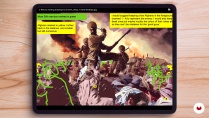
You’ll learn to source, shoot, and light photo references—including historical costumes and figure poses—to support accurate and creative conceptual illustrations.
 Adobe Photoshop