

Specialization

Specialization in the Creation of Literary Characters

Master the creation of memorable literary characters by exploring psychology, dialogue, and narrative techniques to connect with readers

Specialization · 6 modules

Explore the fascinating world of literary character creation through this specialization, designed to unleash your full narrative creativity. Immerse yourself in the art of bringing unforgettable protagonists to life, from the opening lines of a short story to the intricate plots of a novel. Begin with the essential foundations of narrative writing, where you'll learn to construct stories with structure and voice, and then delve into creating fictional narratives inspired by real people, always maintaining authenticity.

Delve into the psychology of your characters, exploring their motivations and emotions to create profound and multidimensional characters. Develop a complete cast for your novels and learn how to characterize characters for a child audience. Alberto Chimal, Penélope Córdova, Cecilia Magaña, Cristina López, and Idalia Sautto will guide you every step of the way, sharing their knowledge and specialized techniques. By the end, you will have acquired the skills necessary to create characters that resonate with your readers, adaptable to any narrative context and literary medium.

Read more ↓

What will you learn in this specialization?
A total of 6 modules and 68 lessons
A total of 12h 25m of vídeo lessons
Taught by 5 selected expert teachers
image
1
Introduction
Behind every story that touches us, there's a character who leaves a lasting impression. Creating those unique voices that move us and stay with us is one of the greatest challenges of writing. This project invites you to explore classic and contemporary approaches to building literary identities full of nuance, strength, and authenticity.
2m
image
2
Influences | Alberto Chimal
In this lesson I will tell you about the most important influences on my work: examples from literature, cinema and comics, and also learning creative writing, both in books and in class. The influences are different for each person, of course, but there are discoveries in them that can be shared.
8m
image
3
Influences | Penelope Córdova
In this lesson, I will tell you about my literary influences, what I like to read about, and why. These authors enrich me as a writer because they reveal other ways of narrating, they know how to create a universe and they make me feel as if I know the people about whom they write.
4m
image
4
Influences | Cecilia Magaña
Now I will share with you some of the references and authors that have marked me. I will tell you how certain readings, films and manuals have influenced my creative process and the way in which I shape a fictional character.
4m
image
5
Influences | Cristina López
I would like to share with you the literary characters that have most influenced me as a person and as a writer. Reading, in addition to being fundamental if we want to write, is a constant source of inspiration. We always drink from other authors and learn from them.
6m
image
6
Influences | Idalia Sautto
The difference between a tradition and an influence has to do with the dialogue we make with our own past. I invite you to know mine in this lesson.
7m
image
4
The consciousness of creation
Since you've seen that you can tell a story, what's next? In this lesson I will explain to you that it is necessary to become aware of everything that involves telling a story: all the options, concepts and resources that you have at your disposal to do so, and whose existence we do not always know. We will start working with some of them.
11m
image
5
The genres of the stories
Now let's talk about the content of the stories. In this lesson I will explain this concept to you, which has a special meaning in storytelling work. I will also talk to you about what it is for and why it is important to distinguish it from the form of a narrative. Finally, I will also tell you about another very important concept in the narrative, gender.
10m
image
6
Approach, development and conclusion
This lesson is very important. In it I will tell you about the three basic stages of all narration, and how they allow us to create and understand the logic and meaning of what we are telling. Even if you haven't studied them, you may have heard about them or have an intuitive idea of what they mean. Here I will call them: approach, development and conclusion. The time that the events of a story cover can always be divided into these three parts.
13m
image
7
The plot
Another word that is used a lot when talking about narrative is plot. Here I will tell you what exactly it means, what it refers to and what we can achieve in our stories once we have understood this concept.
13m
image
8
The structure
Another very important aspect of the form of a narrative is its structure. This term refers to the order in which the different elements of a story are arranged. In this lesson I will explain the essentials about this concept and we will put it into practice based on several examples.
7m
image
9
The emotions
You may be wondering if everything in narrative writing is technical. The answer is no, of course. In this lesson I will talk about emotions, and how we can provoke them by manipulating different elements of a story.
10m
image
10
The narrated world and the sensations
Now let's talk a little more deeply about the content of the stories. Let's start with what is called the "narrated world" . What is this? In this lesson I will explain it to you, and I will also tell you how to create it in your own stories.
14m
image
11
The time of the narrated
Another important element of the content of narratives is time. You know this word, but here I will tell you about the special meaning it has in our work, which is a little more complex (and more interesting) than it seems.
9m
image
12
Characters
Let's talk about characters now. You have undoubtedly used this word, but in this lesson I will tell you not only what they are, but also the different roles they can have in a narrative and what happens when they encounter problems or obstacles in what we call "conflict" .
11m
image
13
The perspective
In this lesson I will talk about another important element of stories: who tells them? The answer might seem obvious, but it is not so obvious. You will discover what I mean by this when I tell you about another crucial concept for our work: that of perspective.
9m
image
14
Inspiration and advice
You have already learned a lot in this course, and you have already put it into practice. Whats Next? How to go beyond the exercises that I have proposed to work on your own, on your own stories? In this lesson I will tell you, and to do so, I will focus on two very important questions: how to find inspiration and how to create your own writing process.
7m
image
15
Feedback
When you have worked on your own for some time on a story, and you feel that you have finished at least a first version, you have the option of saving it, letting it be only for you, or sharing it with others: trying to make it known in some way . In this lesson I will tell you about feedback, a process that allows you to improve your own work.
7m
image
3
The Genre of the Tale
But what is actually a story? We will talk about what is meant by "story", what is its difference from the novel, and what is its indispensable element, the one that will serve to identify it and set the plot in motion.
5m
image
4
Three Types of Stories
In this lesson, I will explain to you which are the three types of stories that can help you create your story: plot stories, idea stories, and character stories. Each one favors a different element, and that will determine the way in which your reader will perceive the story and from where you want to tell it.
7m
image
5
That Could Be a Tale
Everyday life is an inexhaustible source of narrative material that we can collect into notes and notes and later retrieve them and turn them into something else called a "story." The ideal is to organize all that information so that it is available at the time we want. In this lesson, I will share with you my tools for organizing ideas and tell you where I got the character to write my story.
4m
image
6
First Ideas
It is time to choose the character that will be the center of your story. I will show you how to put the character at the center of the story, and we will review two types of characters: those who do things and those who have things happen to them. Then, you will write down the most important elements of this character to begin to build it and give it particularities.
8m
image
7
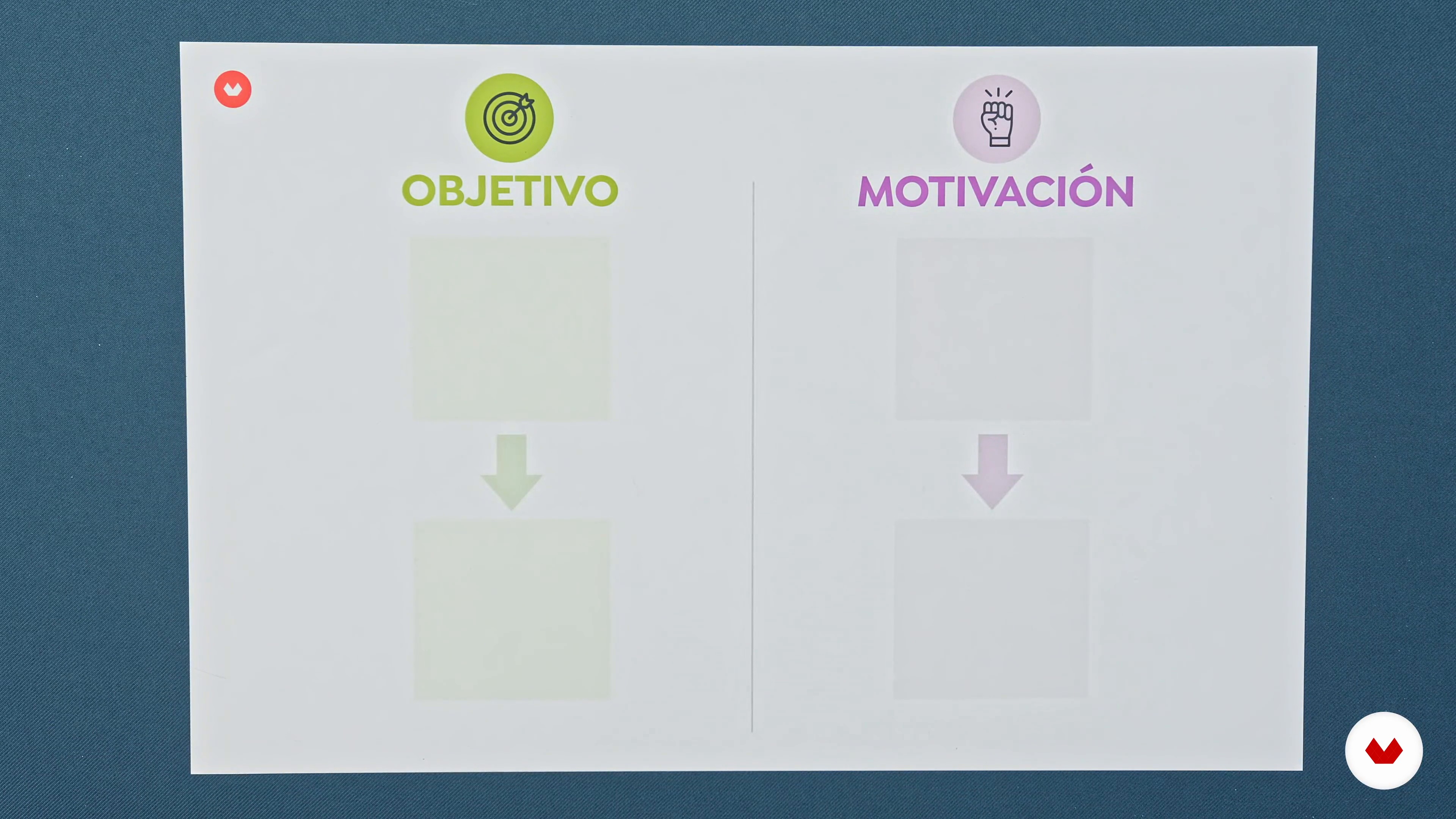
Goal and Motivation
There are two elements that will help you visualize that character and get to know him before putting together a definitive plot: the objective and the motivation, why that character does what he does. To work on these elements, you will have already discarded the real life elements and will continue with a fictional character created by you.
7m
image
8
Conflict and Structure
In this lesson, you will add another very important narrative element: conflict. The character must want something that is difficult to obtain or that is not at their fingertips. You will learn the three types of conflict and when you define yours, you will begin to think about the structure, that is, to detail the order of the events in the story.
10m
image
9
Ways to Start Telling
We will now see some ways to beat the blank sheet with a first paragraph. By now, you know what the story is going to be about and in what order things happen, so you won't have much trouble. You will write the introduction and you will be faced with the inevitable choice of the type of narrator. You will also learn to introduce a character briefly but effectively.
14m
image
10
Until One Day
In this lesson you will “furnish” your story and think about the triggering event. You will learn to build scenarios and customs that speak of the character. I will also teach you what tension is and some ways to generate it. Finally, I will tell you about various uses of dialogues, if any, so that you can distinguish between those that are meaningful or insubstantial.
9m
image
11
Ways of Ending
Finishing a story is the same or more difficult than starting it. In this lesson you will learn the difference between an open and a closed ending. Then I'll tell you about the "twist" so you can add a surprising twist to your story. Finally, you will choose a title for your story.
14m
image
12
Style and Experimentation
You already have your story finished, and now? You have a text that you can experiment with, for example, write another story from the secondary character's point of view or try different endings. In addition, you can start writing different stories from words or random elements that give you a pretext to start your imagination, for example, words in a dictionary.
6m
image
13
Habits and Criticism
Writing is a habit that can be acquired through routines. They can be from simple things such as taking notes of the things you see in the day, the conversations you hear or anecdotes that catch your attention to finding a time and place where you feel comfortable to start writing even if it is average. hour every day. It is also important to accept criticism and use it to your advantage.
7m
image
3
The character's profile
I will tell you about the character profile, which is the final product of the course. I will show you how it can be customized, what is its use and how you are going to put it together from questions, notes and mind maps.
16m
image
4
How character 1 is born
You will know some elements that give life to the characters and how they start from observation, yourself and other characters.
19m
image
5
How character 2 is born
Now you will start working on the character for your final project. I will show you how to work with personal paradoxes to apply them to your character, you will see that this will make it easier for you to develop your character.
8m
image
6
Character, theme and emotions 1
You already have the first brushstrokes of a character with whom you can connect intimately: through him you can talk about a topic that interests you.
19m
image
7
Character, theme and emotions 2
I will continue to show you how to tone your character to evoke certain emotions in your future reader or viewer.
10m
image
8
Autobiographical resources and research
I will explain two basic resources that you will use to give more definition to your character: autobiographical resources and research.
6m
image
9
The outer life of character 1
You will learn how to give more definition to your character from questionnaires and schemes to record their age and evolutionary stage, their context, their appearance, language and behavior.
20m
image
10
The outer life of character 2
I will continue to teach you how to define the outer life of your character. I will show you what are the elements that will be part of my character, so it will be easier for you to do this same exercise, but with yours.
7m
image
11
The inner life of character 1
You will return to the interior of your character to register what moves him, what he wants, how his past defines him, what shows and what he hides, what ideas govern him, what other characters he resembles.
20m
image
12
The inner life of the character 2
Remember that there are no original characters, in one way or another they have qualities of others that already exist. I will show you how to make the mashup of your character, so you will have more clear what elements your character has from other pre-existing ones. In addition, I will explain to you how to make me know all this is represented externally with objects in your inner world.
12m
image
13
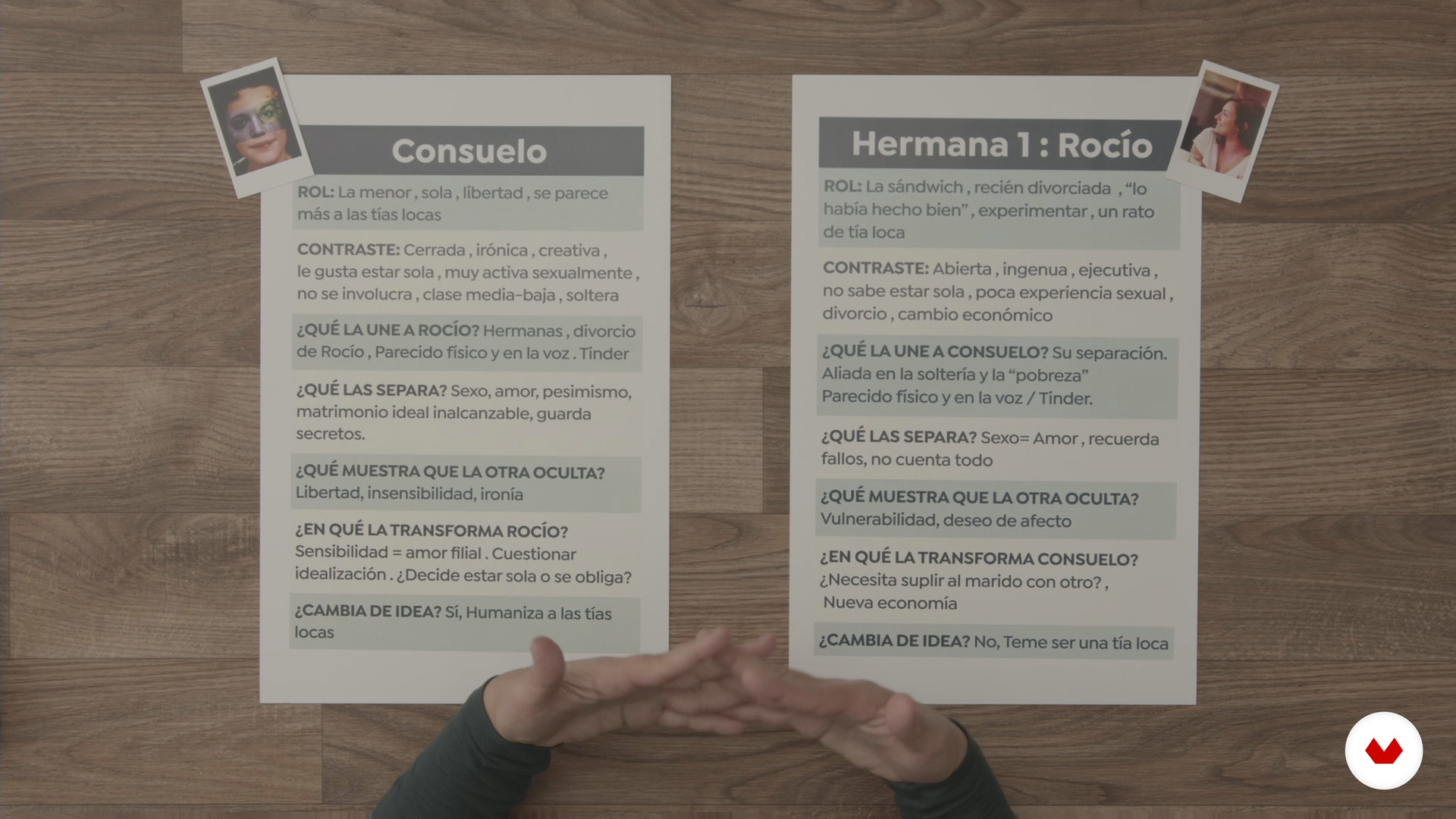
The character and his dynamics with other 1
Characters do not exist alone and the best way for them to shine is by relating them to other characters who, in turn, give them definition and meaning, that is what the following pages of your character's profile will be about.
15m
image
14
The character and his dynamics with 2 others
Finally, you will see how to develop the dynamics of the character with four or five other secondary characters, always thinking about what these characters will contribute to the topic you are talking about.
8m
image
15
The character is the story
I will talk to you about how what you have already written down for your character contains the seed to give it a story and a destination or ending, also taking advantage of resources such as the letimotiv to prepare a brief synopsis that allows you to discover more about him or her along the way, This will be the last page of your character's profile.
12m
image
16
Capture the character and his story
I will explain what you can do now with your character and his story, in addition, you will see how to capture it in a medium. Mine is literature, but there are many other possibilities.
7m
image
17
How to publish your story?
I will show you calls and spaces to publish and share what you do with your already developed character, especially in my area, which is literature and the publishing field.
6m
image
3
What is a character?
In this lesson I will talk about the character as a structural element of every story. Its construction starts from us, from our emotions, until it becomes a being with its own life. To do this, we have to trust him and us as writers, and surrender to the mystery.
11m
image
4
Where can a character come from?
A character can be the spark from which our story starts. It can be inspired by someone we know, a historical figure, or even an invented character. In both cases, we will see what to do so as not to turn it into a simple puppet at our service.
10m
image
5
Character Creation 1
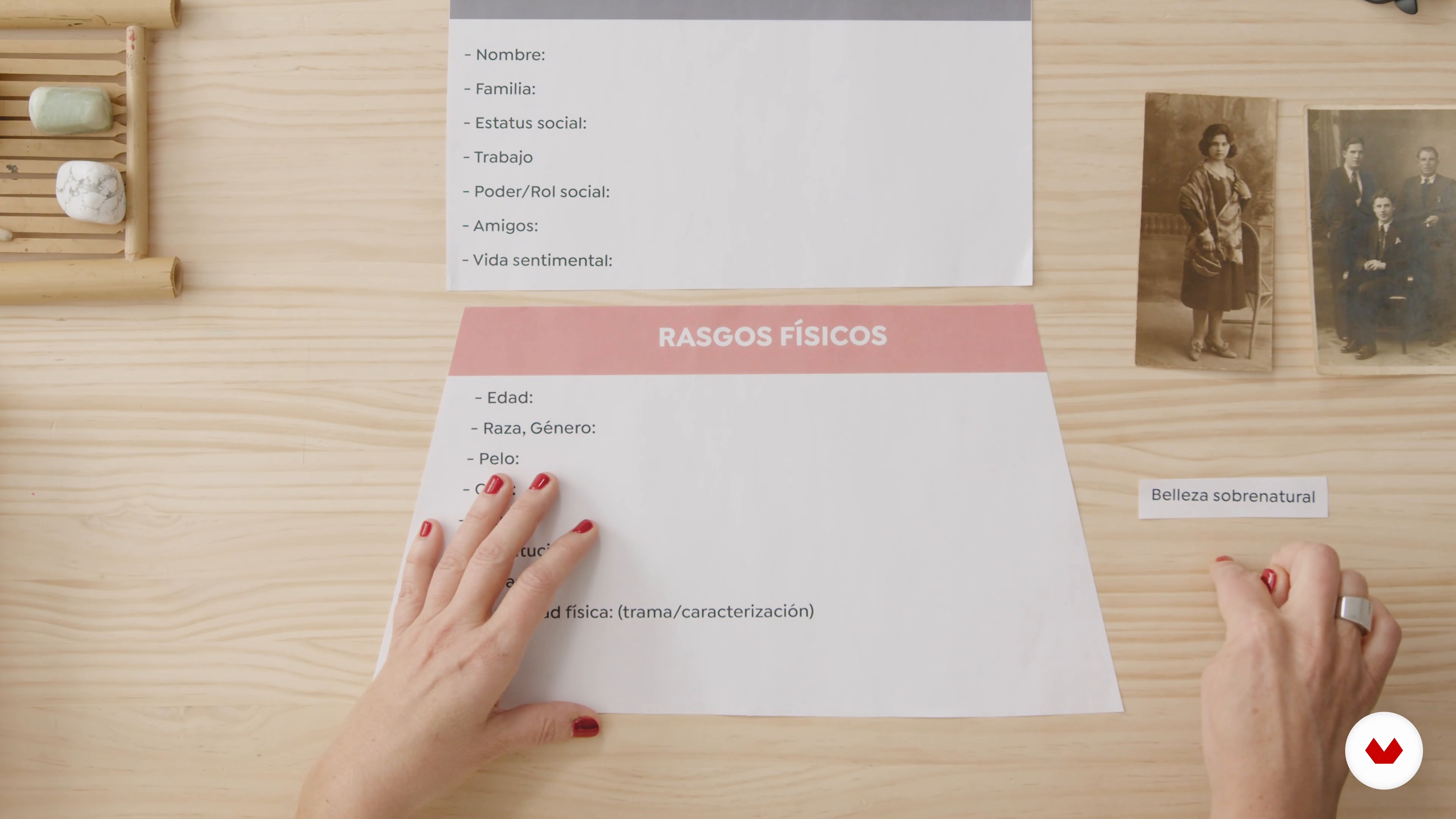
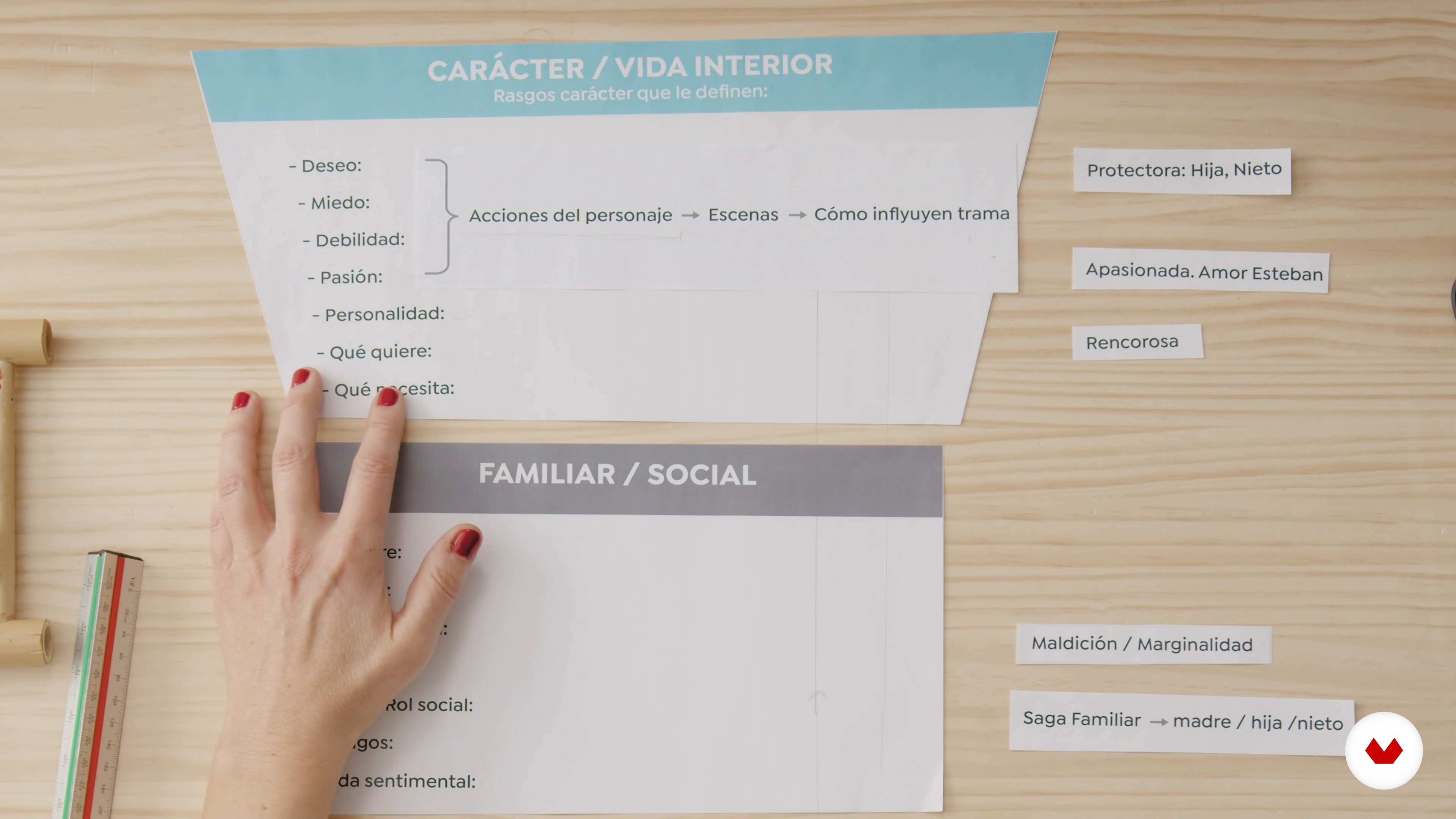
The characterization of a character is the sum of attributes, traits and qualities that make him unique and original. In this lesson I will explain how to define a character based on their physical, social and family characteristics, as well as the difference between character and personality. I will also teach you how to translate your weaknesses, fears or desires into actions that will become scenes within a story.
16m
image
6
Character Creation 2
I continue characterizing my character, in this case defining his family and social context, and his relationship with the rest of the attributes.
15m
image
7
Objective and conflict
In this lesson we are going to investigate what needs our character has, according to the pyramid of the psychologist Abraham Maslow, and how these become his objectives.
8m
image
8
Character introduction
In this lesson I will explain the differences between direct and indirect characterization when introducing the character in the text.
15m
image
9
Dramatic Roles and Archetypes
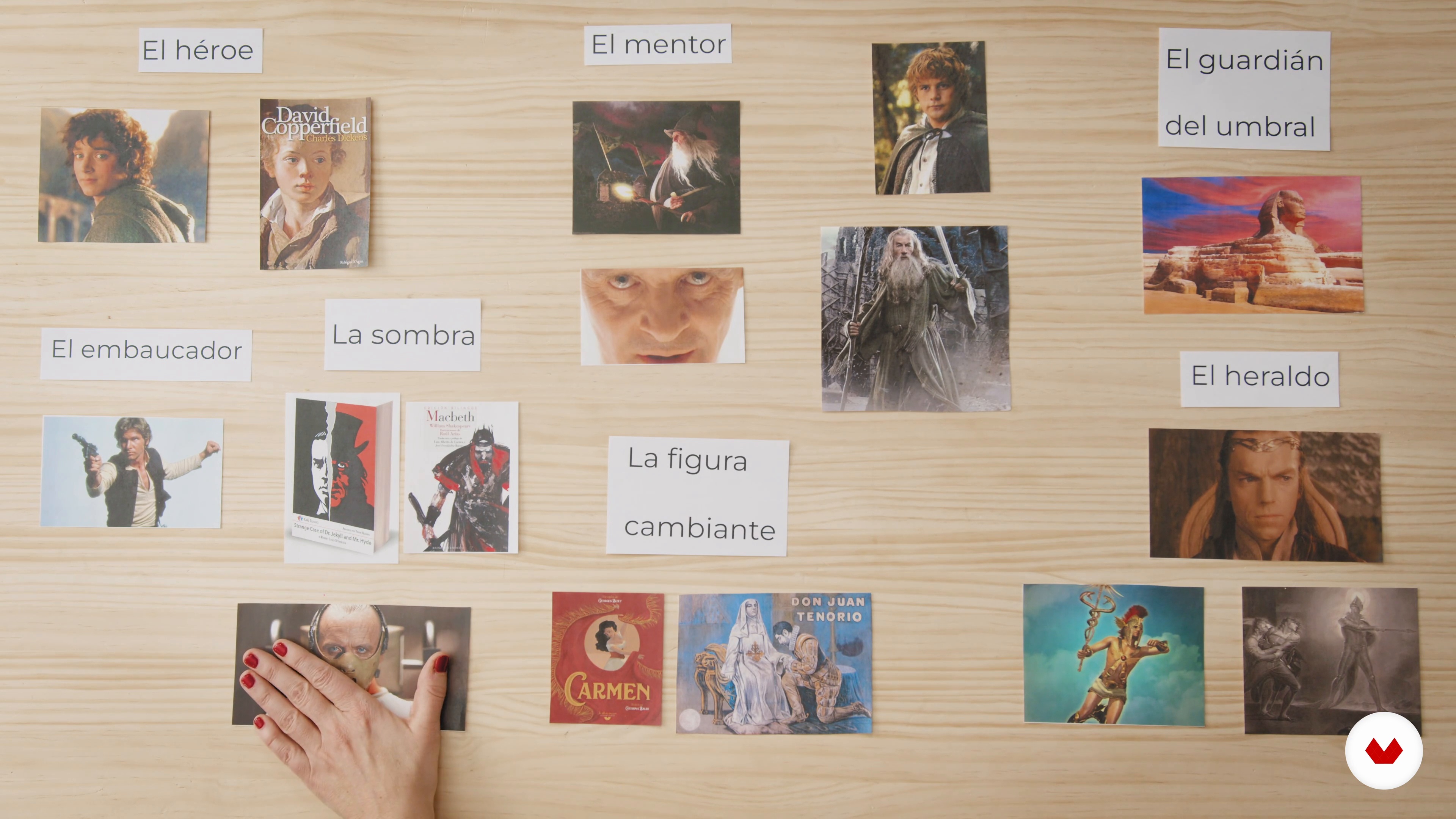
Next, I will tell you what dramatic functions are and why it is important to know which one the character plays in a text. In addition, we will see different archetypes with examples of famous people to inspire you in the creation of yours.
18m
image
10
Characters in action
Now we will see how the characters relate to each other and make sense depending on whether they are complementary or opposite. I will talk to you about the concept of protagonist, antagonist, secondary character and collective character.
14m
image
11
The place and the object 1
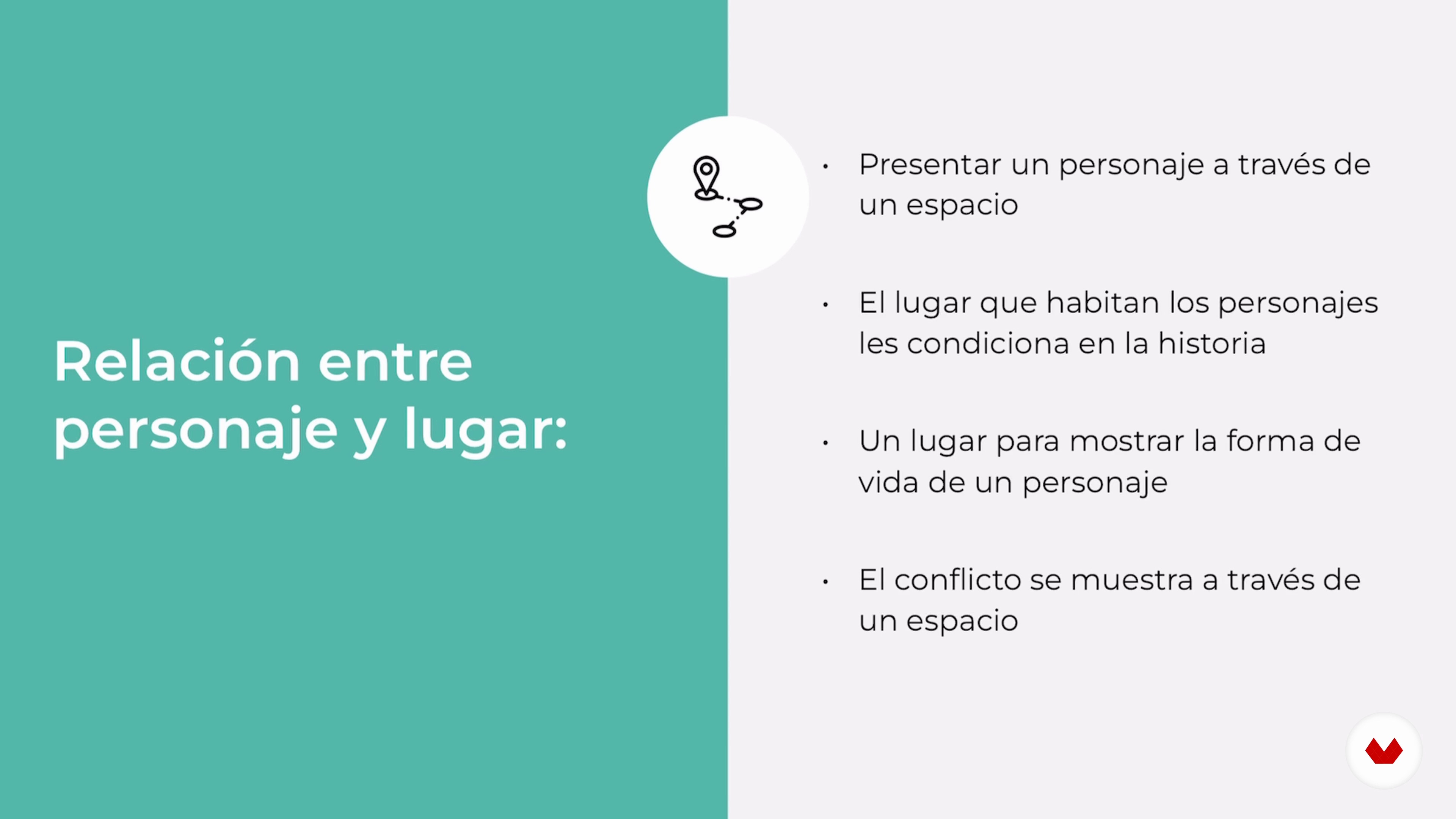
In this lesson we will see how to characterize characters through spaces and objects to enrich our story and give it more depth by connecting various elements of it.
13m
image
12
The place and the object 2
Now I am going to tell you several cases in which I have used an object to define or represent a characteristic of my character.
11m
image
13
The point of view
Now is the time to decide from which point of view you are going to tell your story. In this lesson we will talk about total, half and partial immersion.
5m
image
14
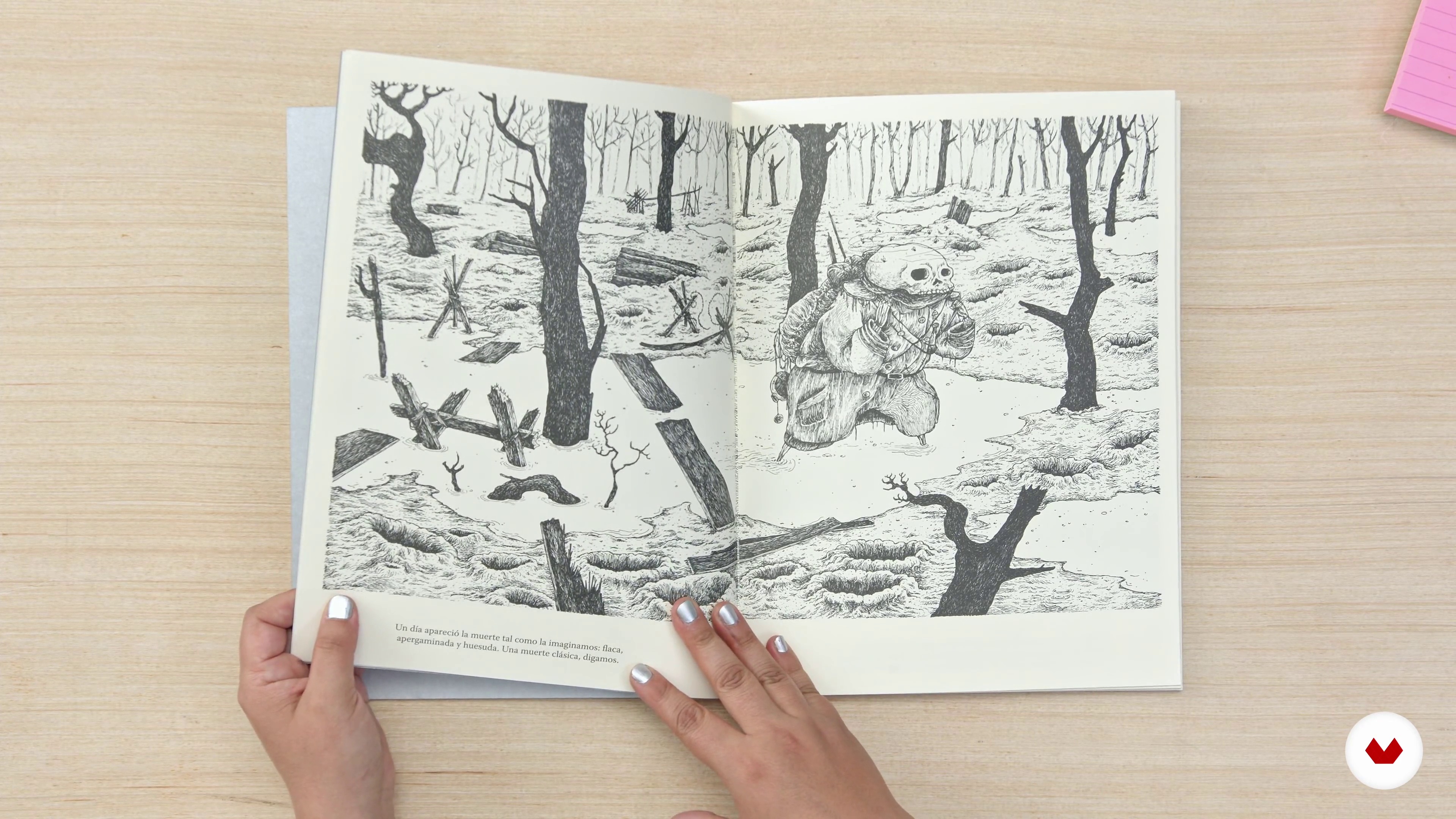
Seriality: second lives of the characters or sequels
Finally, I want to tell you what are the characteristics that a serial character must have, as well as the most common themes that series and sequels deal with, such as family or love.
6m
image
3
The seeds of a story
The story you want to tell is around you, you just have to put that idea to germinate in a suitable place so that it begins to grow. Here you will put those cottons with water so that the seed germinates in the following days. That seed will be the beginning of the story you will tell.
8m
image
4
From memory a tree is born
If you look around you you will see that each object within your reach has a story. How are those stories told? In many ways, but one of them is asking yourself about its origin, what came first the pen or the pencil?
8m
image
5
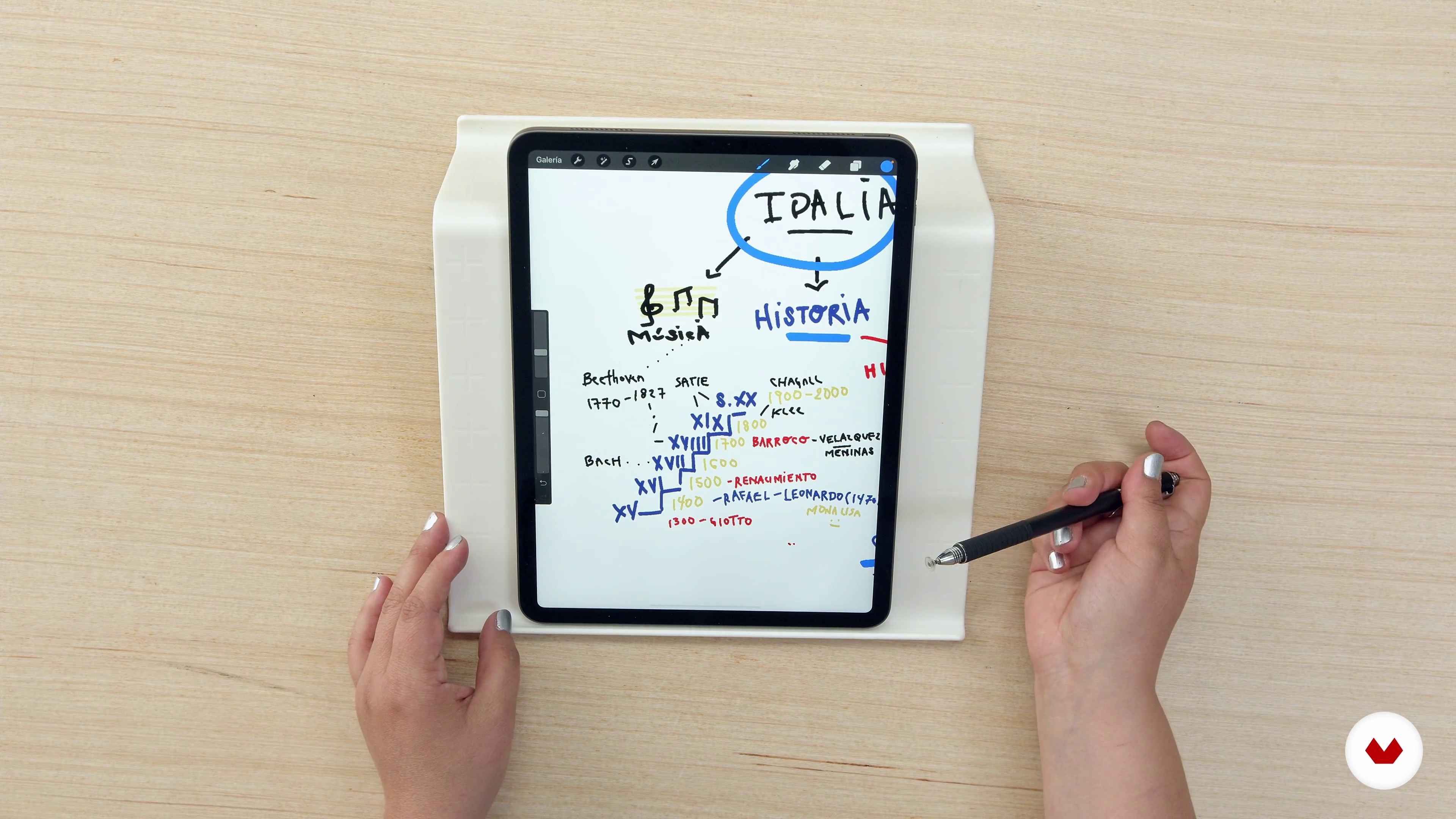
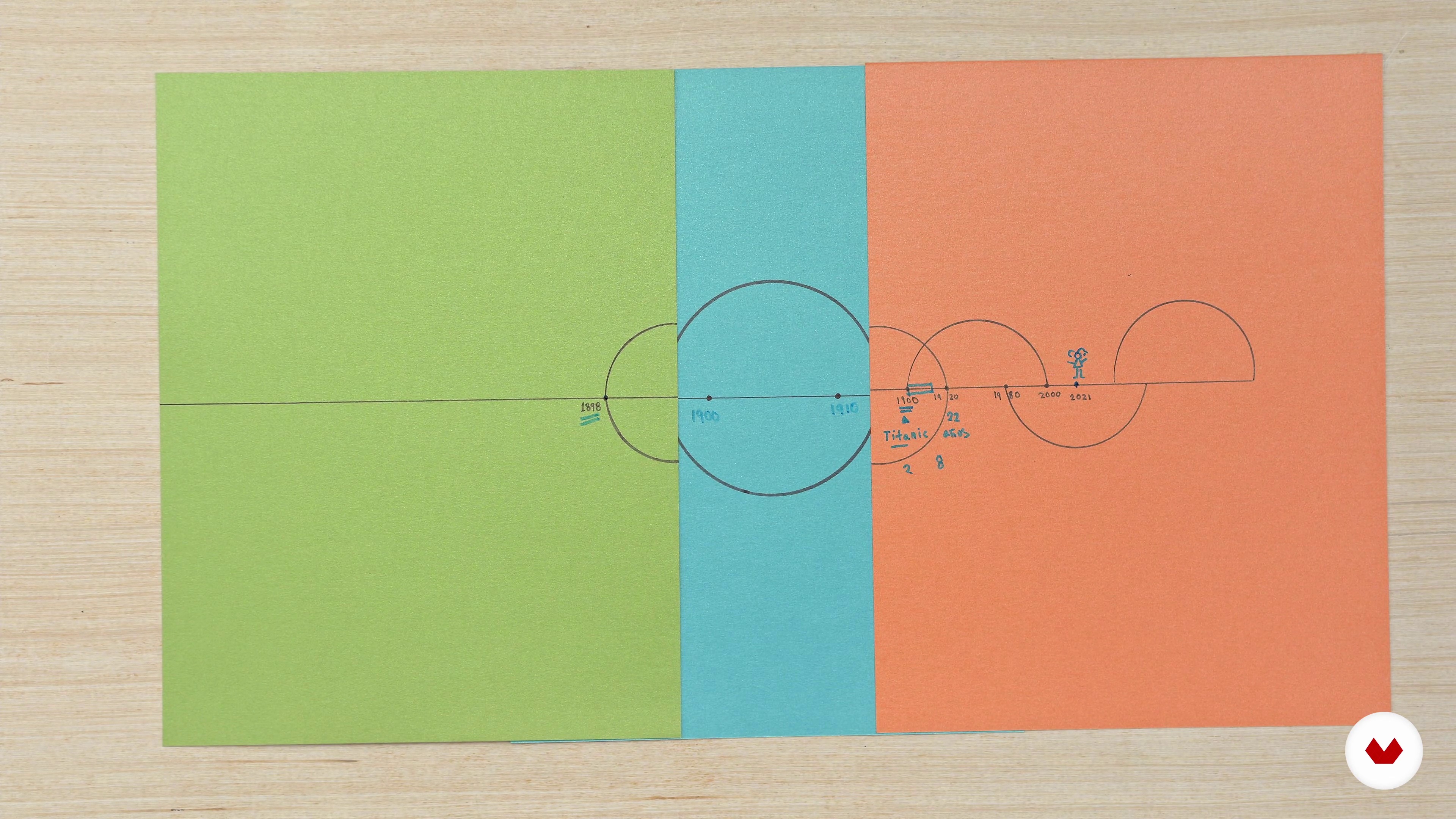
The historical branches
Have you thought about how many timelines there are? Have you placed yourself in one? If you remember ... How many great-grandparents do you remember their full names? Think that doing historiography, “writing a story” is also writing fiction, history is full of gaps, how is the “official” history of any country filled? Imagine that your country is your universe and that you have your own character in there. In this lesson you will learn how to place it on a timeline.
13m
image
6
Sketch the character's writing
How many stories can be told of a single character? As many as there are writers who want to tell that story again. Is a historical character a fictional character? Yes and no. Remember that history is made up of ambivalences, and that these ambiguities will be very useful when writing your own story.
12m
image
7
Narration and its writing
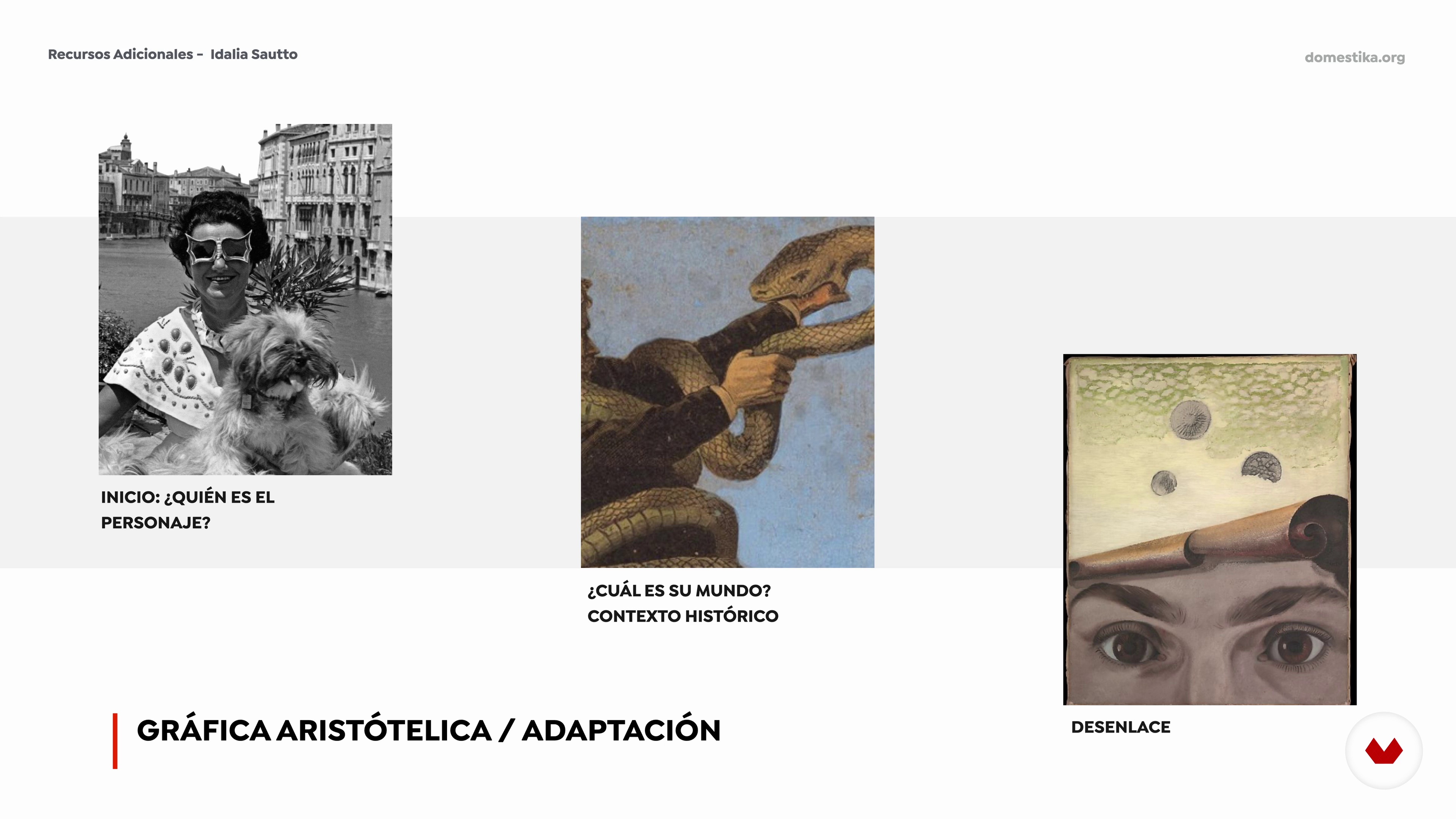
Once you have a written page you can start to give it a structure. I will teach you how to do it with the Aristotelian graph. In addition, you will learn to analyze the most important steps that any story should contain.
16m
image
8
The story is also fiction
How to know which way to go once the horizon is open. First you have to write each of the parts of your story. Even if it is provisional, it is necessary to know who your character is and what you want to tell about him in order to then place him in a context and make him live his own adventure.
13m
image
9
The moment of truth
Now you are going to leave your comfort zone and write the same paragraph from three different narrative voices. You will write each section of your graph in triads and you will see what each of the voices offers you.
11m
image
10
The other truth of things
All stories can grow. How much? As much as you want. If you want to stick to a story that can be told from beginning to end, you have to edit. To achieve this you must write more, broaden the story.
16m
image
11
Editing is also writing
I will show you 3 examples of different structures so that the exercises continue, you will learn how to do them and how to link them.
14m
image
12
Final details of the writing
I will teach you how to do the last details of your final project. What is a style? What parts make it up? There are as many styles as there are people, so finding it is right in front of you, like Poe's purloined letter.
10m
image
13
From text to book
Once you have the full story, how do you arrange it? How is a story presented to the world? I will teach you how to edit the text and arrange it in a fanzine and a self-publication that you can do at home.
7m
image
14
The Final Final Final File
Printing and adjusting two sheets of folded letters, but very well laid out can give you an idea of what a book will look like. In this lesson, I show you how to do it.
16m
  • 192 students
  • 68 lessons (12h 25m)
  • 128 additional resources (45 files)
  • Online and at your own pace
  • Audio: Spanish, German, English, Spanish (Latam), French, Indonesian, Italian, Dutch, Polish, Portuguese, Romanian, Turkish
  • Turkish · French · English · German · Polish · Dutch · Spanish · Portuguese · Italian · Romanian · Indonesian
  • Level: Beginner
  • Unlimited access forever

What is this course's project?

During the course, the student will develop a cast of interconnected characters for a novel, exploring their relationships, conflicts, and dynamics. It will culminate in the creation of a short novel featuring these characters, showcasing their backstories and development.

Who is this specialization for?

This course is designed for writers who want to delve deeper into the creation of literary characters, from beginners interested in narrative to experienced authors looking to refine their characterization techniques. It's ideal for those who want to connect emotionally with their readers through authentic and memorable characters.

Requirements and materials

No extensive prior knowledge is required, just basic writing skills. It's helpful to have paper, a pen, and a notebook to jot down ideas. A computer with internet access is recommended to follow the lessons.


Select to get to know your teachers in this specialization course
Read more ↓

What to expect from this specialization course

  • Learn at your own pace

    Enjoy learning from home without a set schedule and with an easy-to-follow method. You set your own pace.

  • Learn from the best professionals

    Learn valuable methods and techniques explained by top experts in the creative sector.

  • Meet expert teachers

    Each expert teaches what they do best, with clear guidelines, true passion, and professional insight in every lesson.

  • Certificates
    Plus

    If you're a Plus member, get a custom certificate for every specialization course. Share it on your portfolio, social media, or wherever you like.

  • Get front-row seats

    Videos of the highest quality, so you don't miss a single detail. With unlimited access, you can watch them as many times as you need to perfect your technique.

  • Share knowledge and ideas

    Ask questions, request feedback, or offer solutions. Share your learning experience with other students in the community who are as passionate about creativity as you are.

  • Connect with a global creative community

    The community is home to millions of people from around the world who are curious and passionate about exploring and expressing their creativity.

  • Watch professionally produced courses

    Domestika curates its teacher roster and produces every course in-house to ensure a high-quality online learning experience.


FAQs

Domestika courses are online classes that allow you to learn new skills and create incredible projects. All our courses include the opportunity to share your work with other students and/or teachers, creating an active learning community. We offer different formats:
Original Courses: Complete classes that combine videos, texts, and educational materials to complete a specific project from start to finish.
Basics Courses: Specialized training where you master specific software tools step by step.
Specialization Courses: Learning paths with various expert teachers on the same topic, perfect for becoming a specialist by learning from different approaches.
Guided Courses: Practical experiences ideal for directly acquiring specific skills.
Intensive Courses (Deep Dives): New creative processes based on artificial intelligence tools in an accessible format for in-depth and dynamic understanding.

All specialization courses are 100% online, so once they're published, specialization courses start and finish whenever you want. You set the pace of the class. You can go back to review what interests you most and skip what you already know, ask questions, answer questions, share your projects, and more.

The specialization courses are divided into different modules. Each one includes lessons, informational text, tasks, and practice exercises to help you carry out your project step by step, with additional complementary resources and downloads. You'll also have access to an exclusive forum where you can interact with other students, as well as share your work and your final project, creating a community around the specialization courses.

You can redeem the specialization courses you received by accessing the redeeming page and entering your gift code.
If you're a Plus member, when you complete a course you've purchased, you'll instantly get your personalized certificate. You can see all your certificates in the Certificates section of your profile. You can download your certificates as PDFs and share the link online. Learn more about certificates.
Specialization in the Creation of Literary Characters. Writing course by Domestika

Specialization in the Creation of Literary Characters

A specialization by multiple teachers
Berkeley, United States.
Joined April 2002
  • 192 students