


Specialization

Specialization in Interior Design and Renovation

Learn interior design from conceptualization to execution, mastering spatial distribution, materials, and color palettes

Specialization · 6 modules

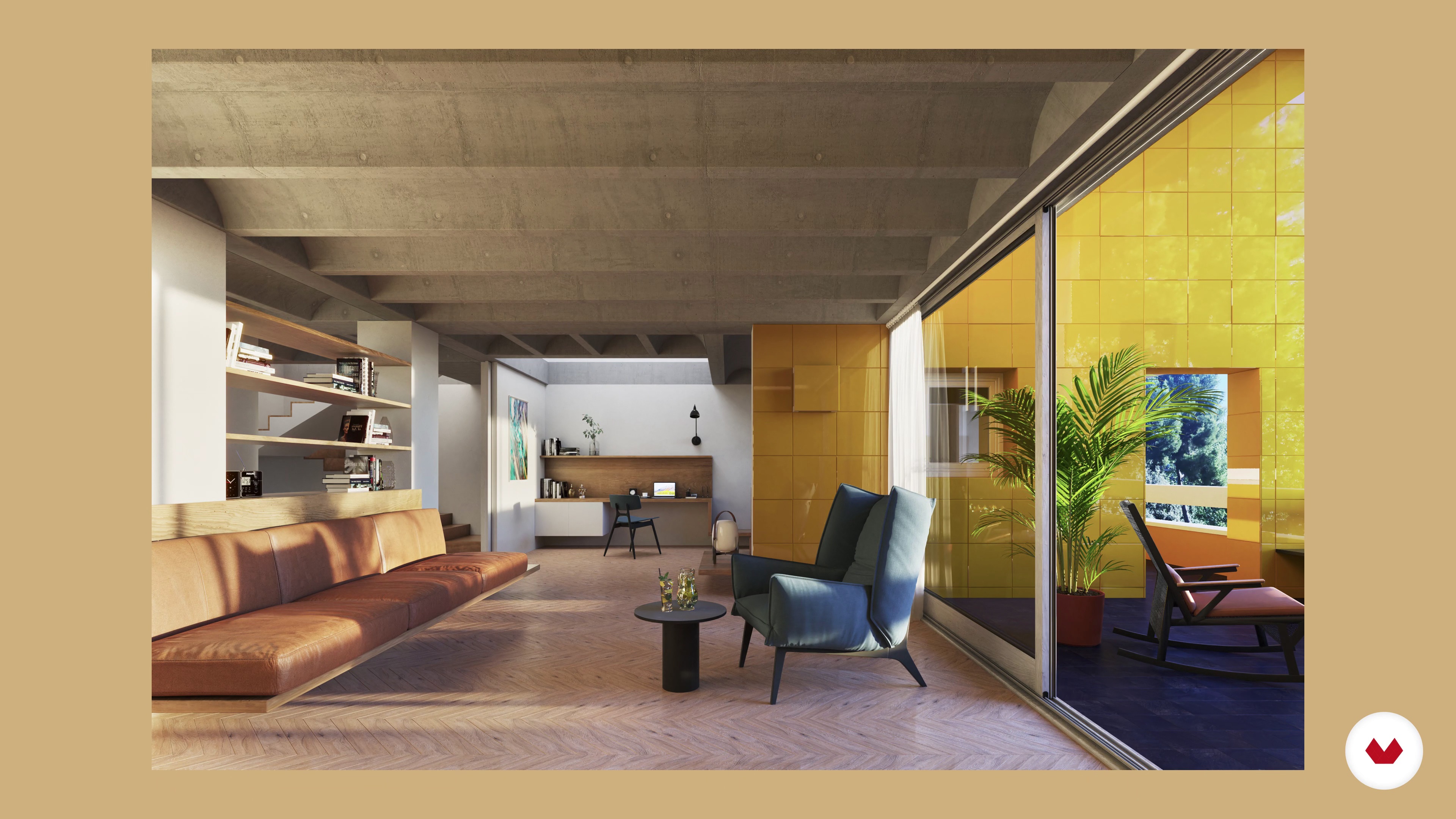
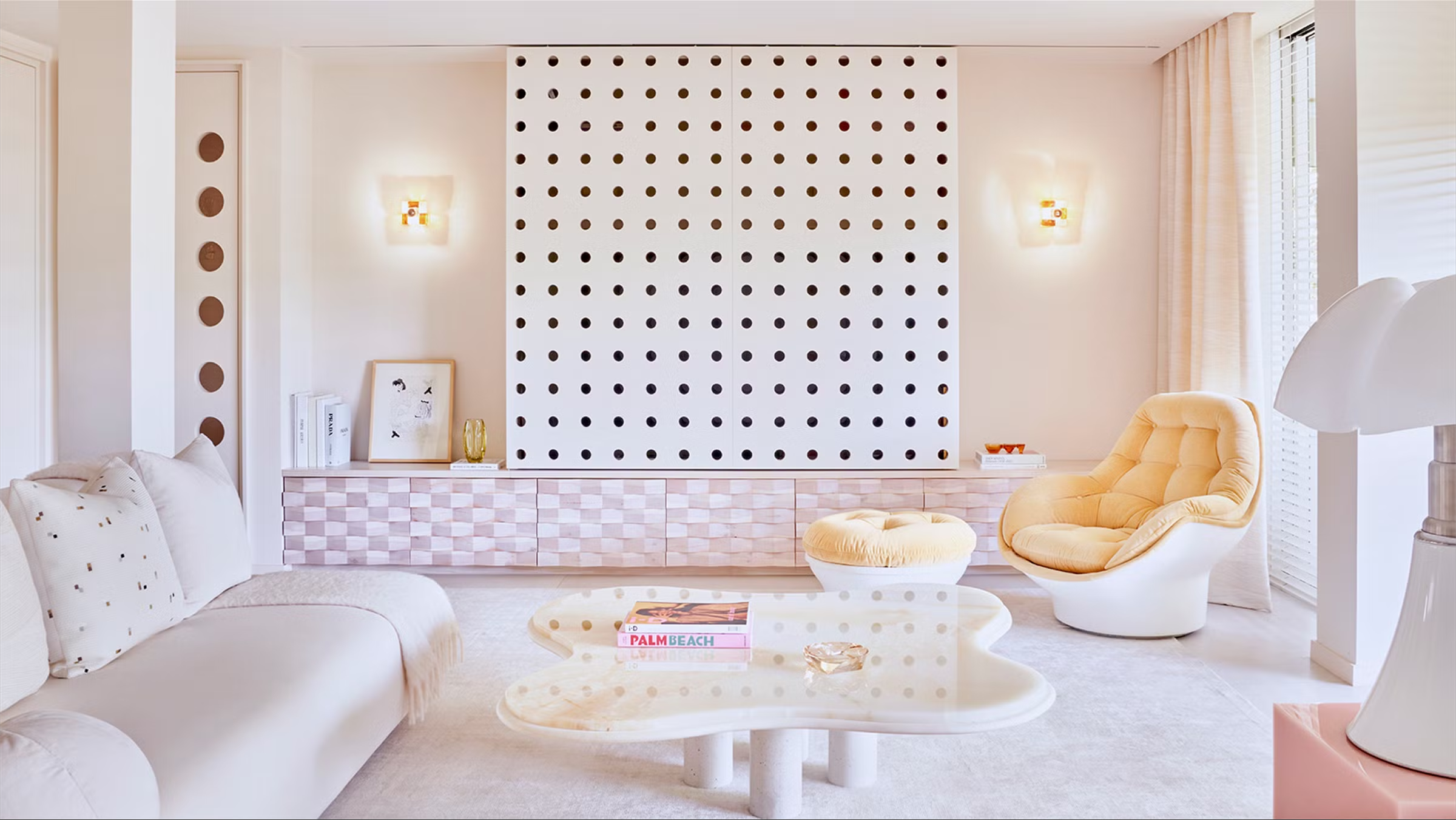
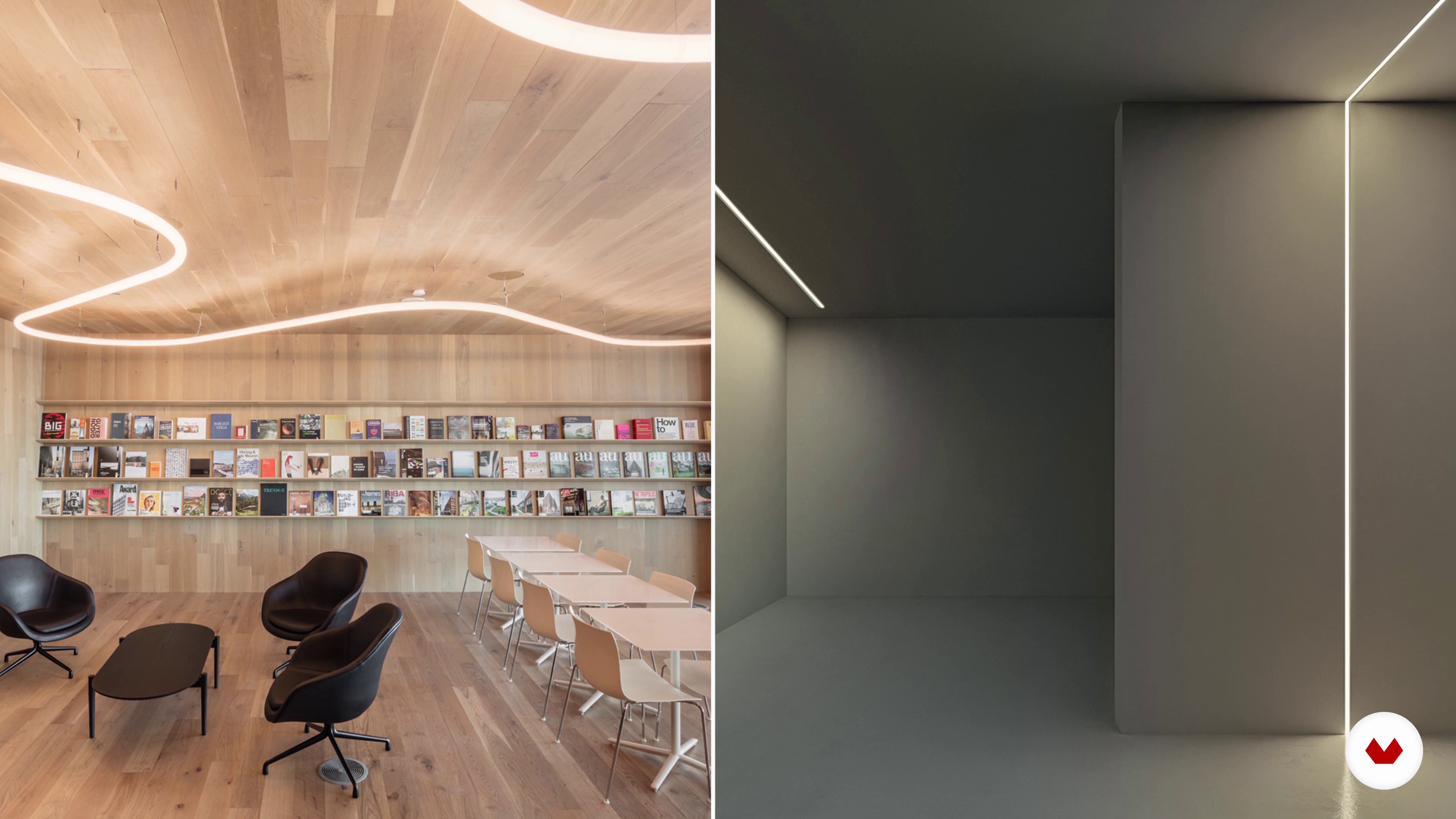
Immerse yourself in the Residential Space Renovation specialization and discover how to transform homes with professional, contemporary design. Learn to master the art of comprehensive residential renovation, from design fundamentals to DIY project execution. With guidance from experts like Ana García López, Miriam Alía, Mónica Vega, Allaround Lab, and Dan Lovatt, you'll explore strategic space planning, architectural lighting techniques, and interior refurbishment. Develop skills to create functional and aesthetically striking environments that meet today's needs.

This specialization offers a comprehensive experience where each module focuses on different aspects of interior design. From initial conceptualization to final execution, you'll master spatial distribution, material selection, and color palettes. Lighting will be key to transforming the atmosphere and functionality of each space, while the DIY approach will allow you to carry out creative renovations with optimized resources. Upon completion, you'll be prepared to lead residential renovation projects, combining tradition, innovation, and a user-centered approach.

Read more ↓

What will you learn in this specialization?
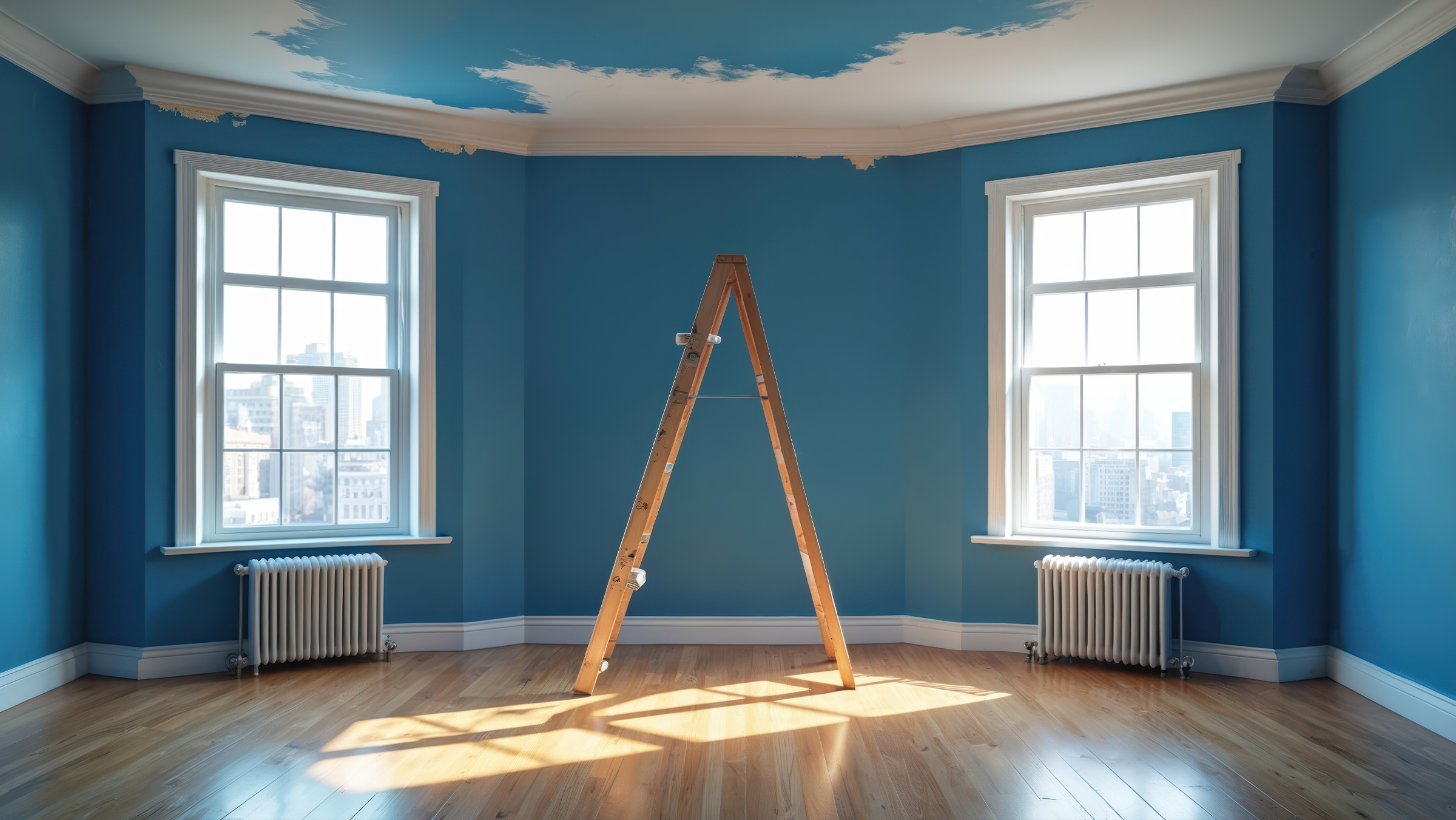
A total of 6 modules and 80 lessons
A total of 11h 50m of vídeo lessons
Taught by 5 selected expert teachers
image
1
Introduction
Exploring interior design is about engaging in a dialogue between past, present, and future. It's about imagining spaces that reflect who you are, integrating functionality, history, and beauty. From the choice of materials to the light that flows through them, every decision can transform a home into a living experience.
1m
image
2
Influences | Ana García López
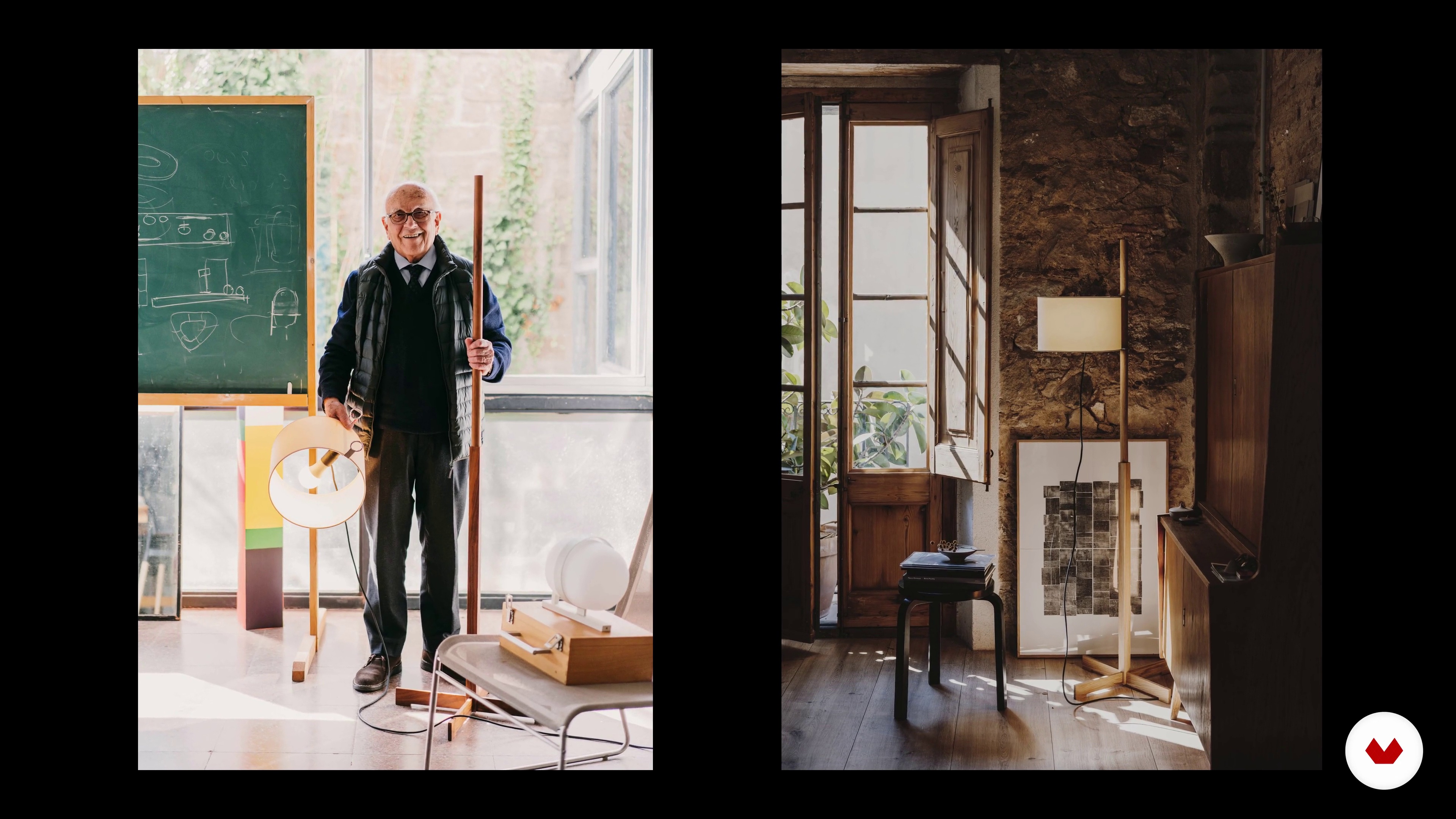
We try to always keep in mind some of the classics that we studied during our training as JA Coderch and Louis Kahn. Our city, Barcelona, is also a great influence on our work. Some of its emblematic places such as Vinçon de Amat have left their mark on us, as have their great talents in product design, such as Miquel Milà. Our spaces also share Jacques Tati's passion and criticism for modern life; his ironic recreations of the use of new technologies in the everyday environment are always an inspiration and are still relevant in Alex Garland's much more recent cinema.
3m
image
3
Influences | Miriam Alía
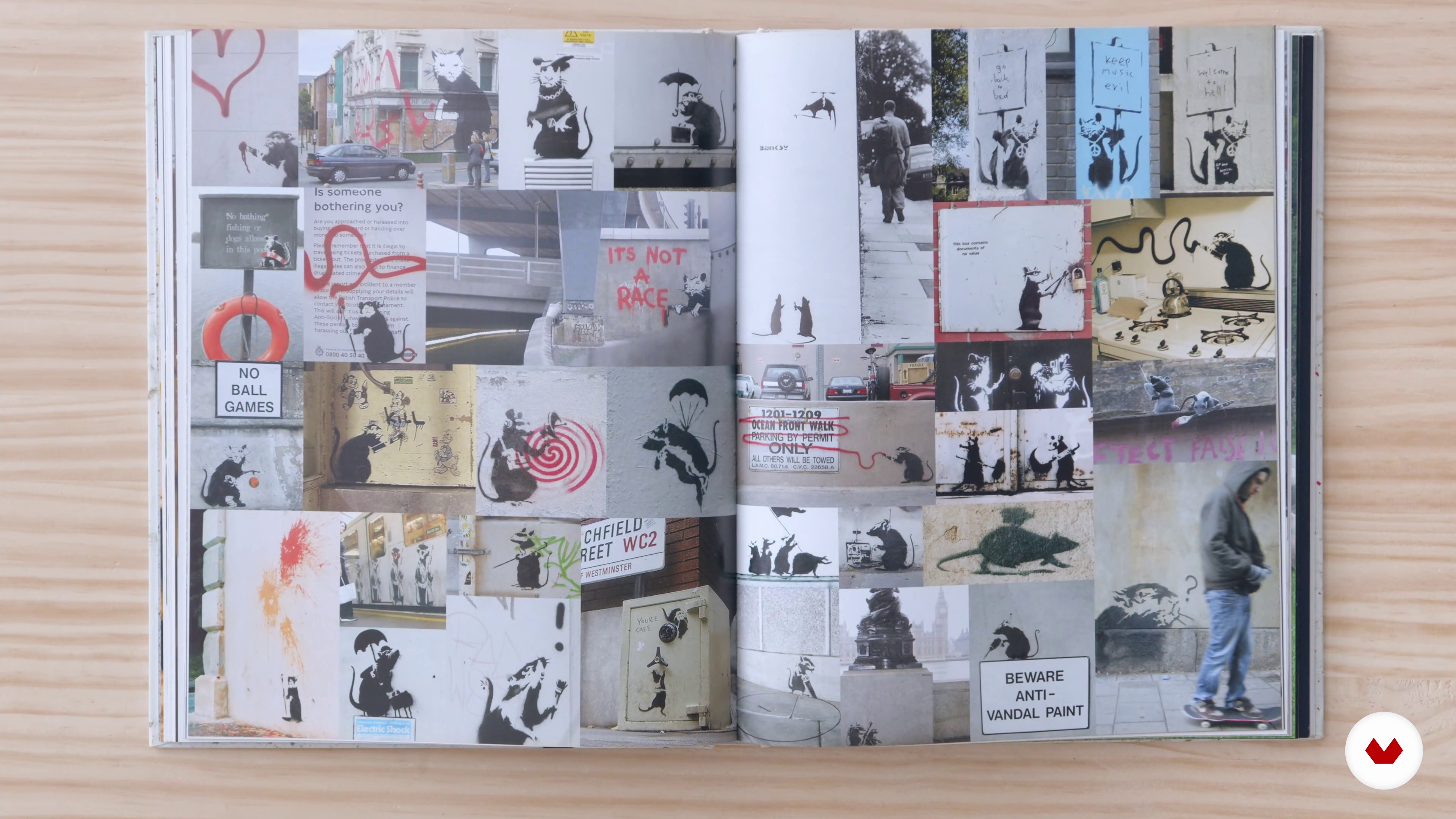
In my beginnings I had some references that made me see things differently and understand that the spaces had their own life because they told a story. I understood that I didn't have to stick to what was stipulated or what was socially correct in decorating. In this lesson I will tell you who those referents are.
12m
image
4
Influences | Mónica Vega
Now you will learn about the artists and designers who have been a great inspiration to me. They all work differently with light. I will tell you about the ideas that impact me, beyond the work.
12m
image
5
Influences | Allaround Lab
Now I am going to talk to you about the main influences that have accompanied us throughout these years, the ones we turn to whenever we doubt how to resolve an assignment.
6m
image
6
Influences | Dan Lovatt
I will discuss all of the artists and designers who have truly influenced me and my aesthetic design.
6m
image
4
An approach to interior design
In this lesson I will explain what interior design is for us, understanding it as an indissoluble discipline of architecture.
3m
image
5
How social changes influence spaces
We are going to analyze how the social, family and technological aspects are transforming the spaces where we live. I will tell you about the change in housing in recent decades and I will encourage you to dilute the limits between work and rest, the office and the house, between interior and exterior.
12m
image
6
Measurements and proportion
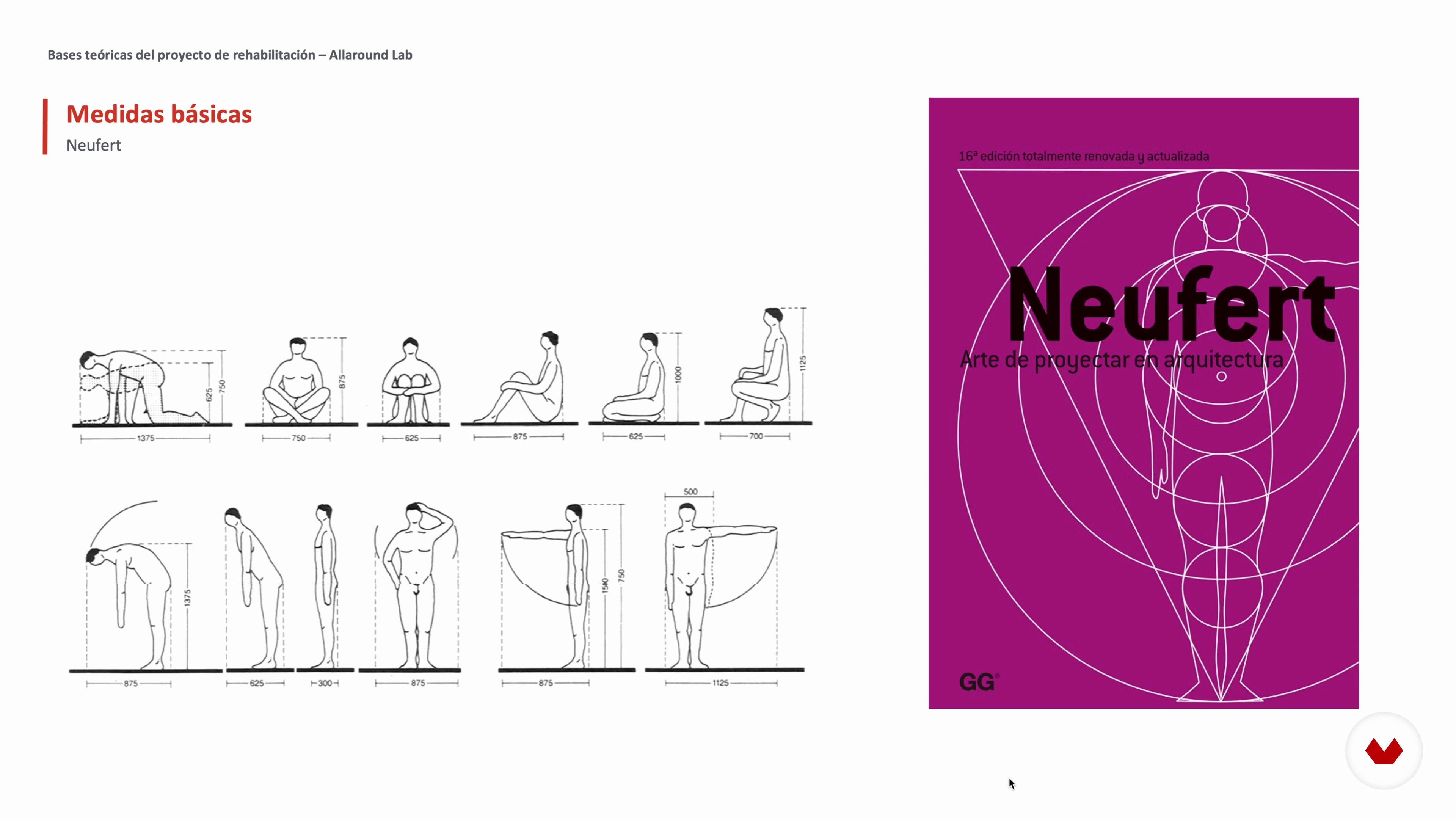
In this lesson you will learn about measurements in architecture. The rooms or rooms should be ranked according to the uses for which they are intended. We will see how the proportion of spaces should not only be transmitted in the layout of the plan, but also reflected in the use of heights.
2m
image
7
materials
In this lesson I will explain the selection criteria for the main materials that we use in our projects. I will introduce their basic characteristics so that I can choose them always obeying the function or the environment that is intended to be achieved.
5m
image
8
illumination
We are going to know some basic notions on how to illuminate the environments according to the functions that are going to be developed in them. You will learn to define and complete the spaces thanks to well chosen lighting.
4m
image
9
Furniture
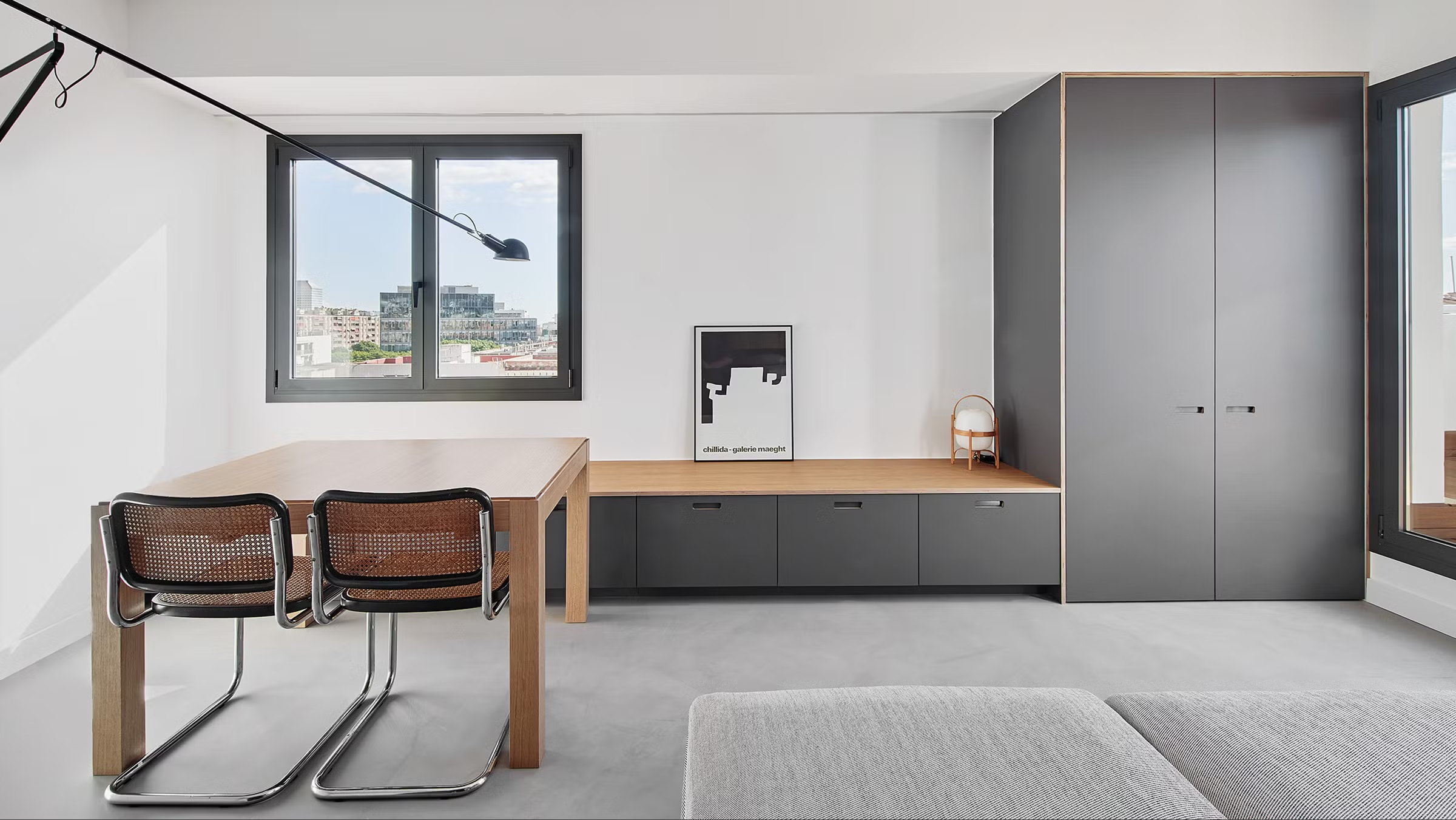
In this lesson I will emphasize the importance of choosing furniture from the initial stages of the project. You will learn to combine the most relevant pieces with the fixed equipment for cabinets and small storage proposed by you. We will see how these objects have just configured the space both materially and formally.
3m
image
10
Client
In this lesson I will insist on the importance of knowing the client. I will explain how we approach the people for whom we are going to design their homes. I will also provide you with a questionnaire as a guide that includes the questions necessary to process the client's briefing .
3m
image
11
Charge
After having defined the customer profile, I will stress the importance of knowing the nature of the order and the motivation behind it.
1m
image
12
Space
In this lesson I will explain the main keys to how you should approach the space where the project will take place. I will insist on the importance of carefully analyzing the starting factors that may influence decision-making in the proposal.
4m
image
13
Sketches
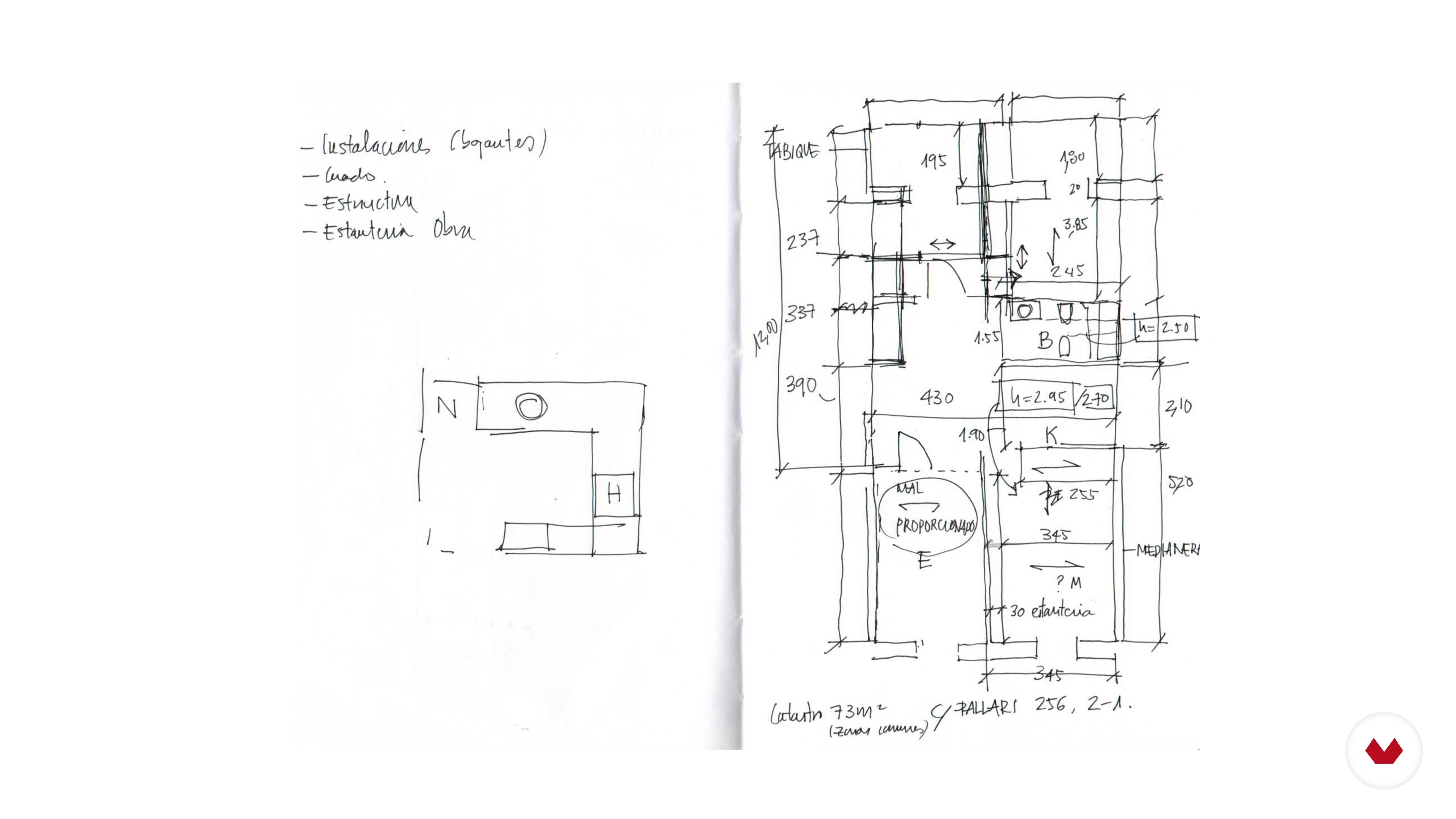
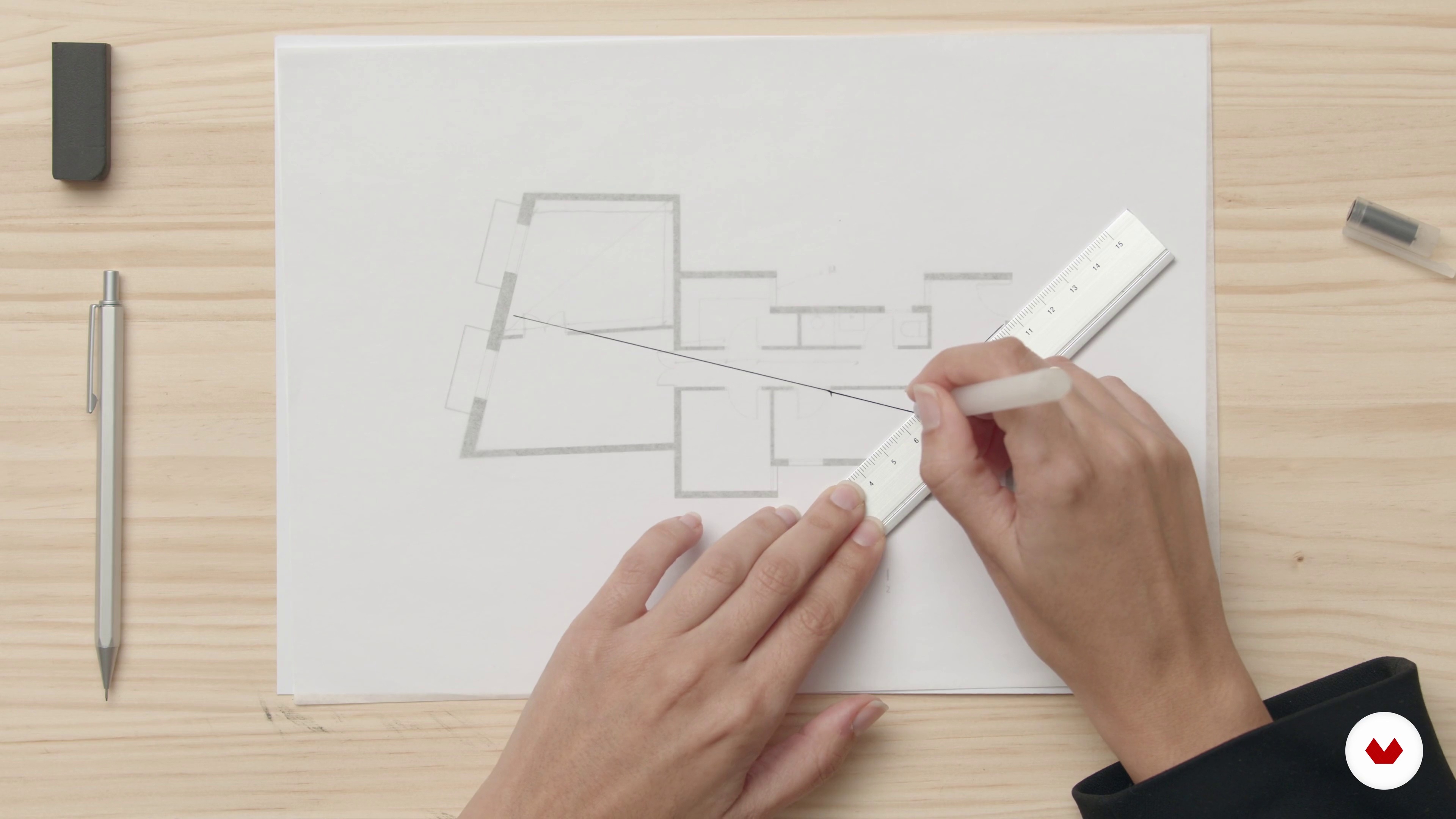
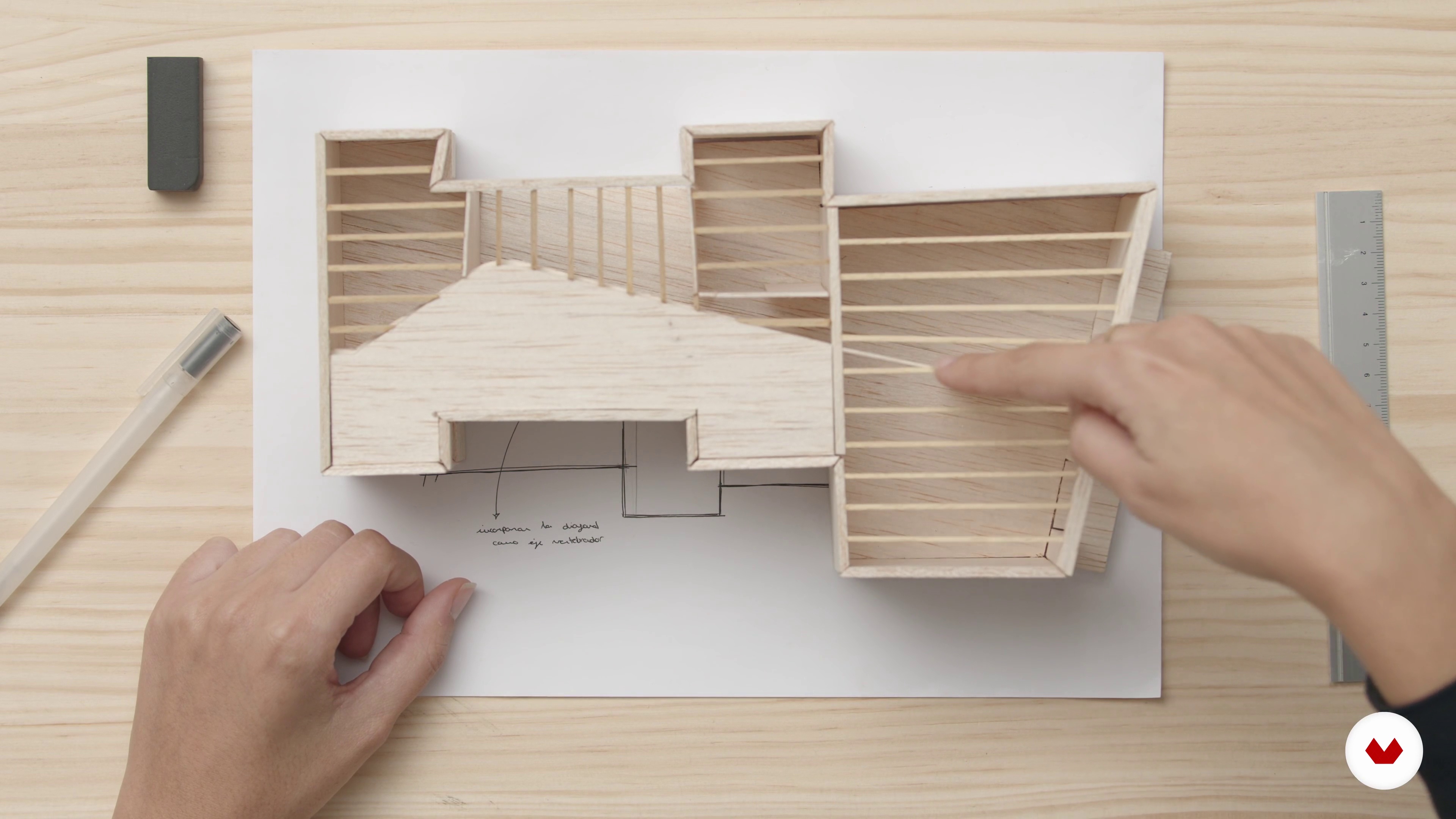
In this phase I will teach you how to interpret all the starting information we have and how to use it to face the first ideas. I will encourage you to develop the initial sketches with the medium of your choice, from paper and pencil to rendering with software 3D.
11m
image
14
Functional and spatial organization chart
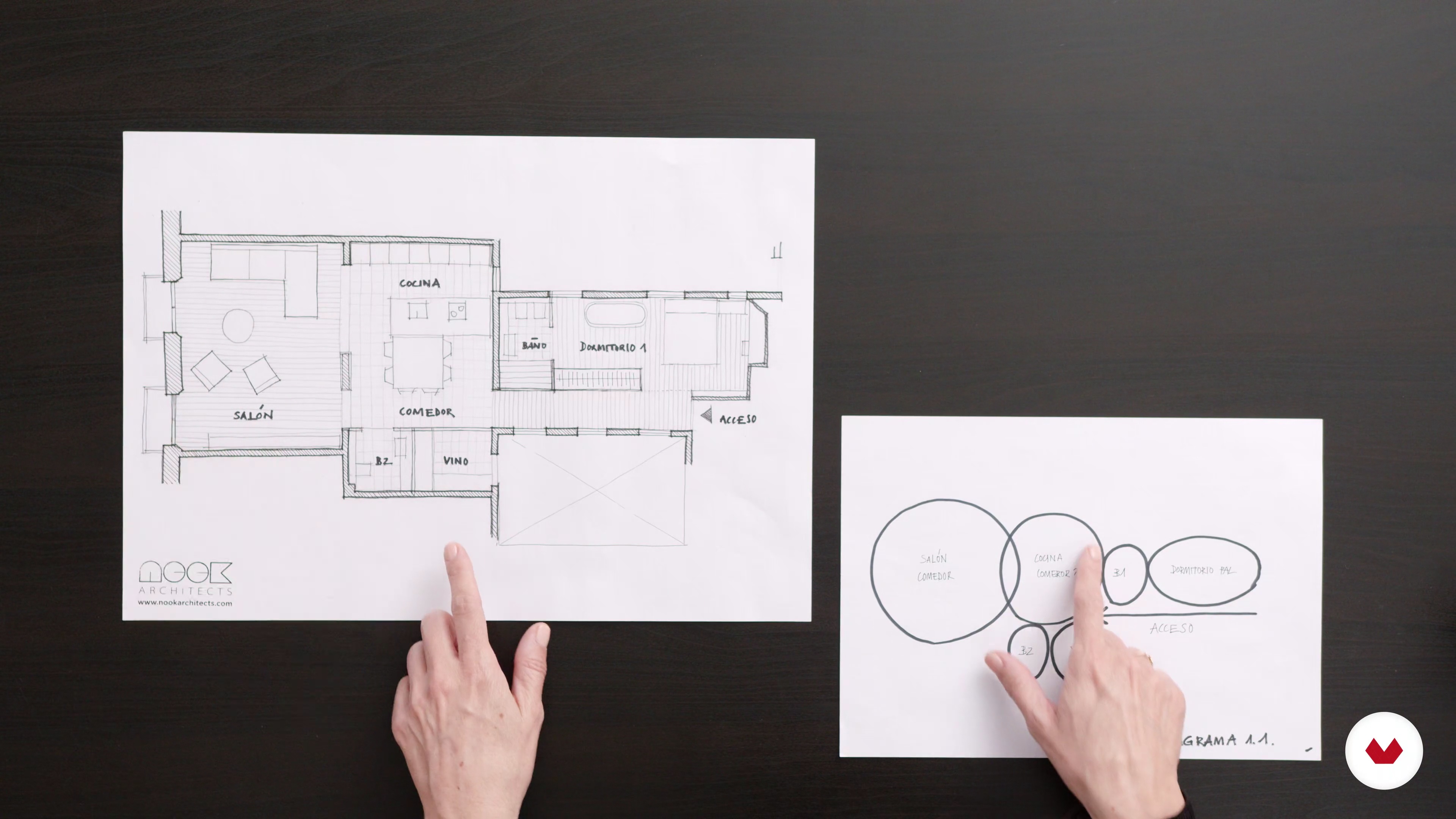
In this lesson we will present an organization chart of the spaces that will configure the new home according to its hierarchy. From here you will see our first laces as a sketch and the different preliminary proposals.
2m
image
15
Definition of the proposal
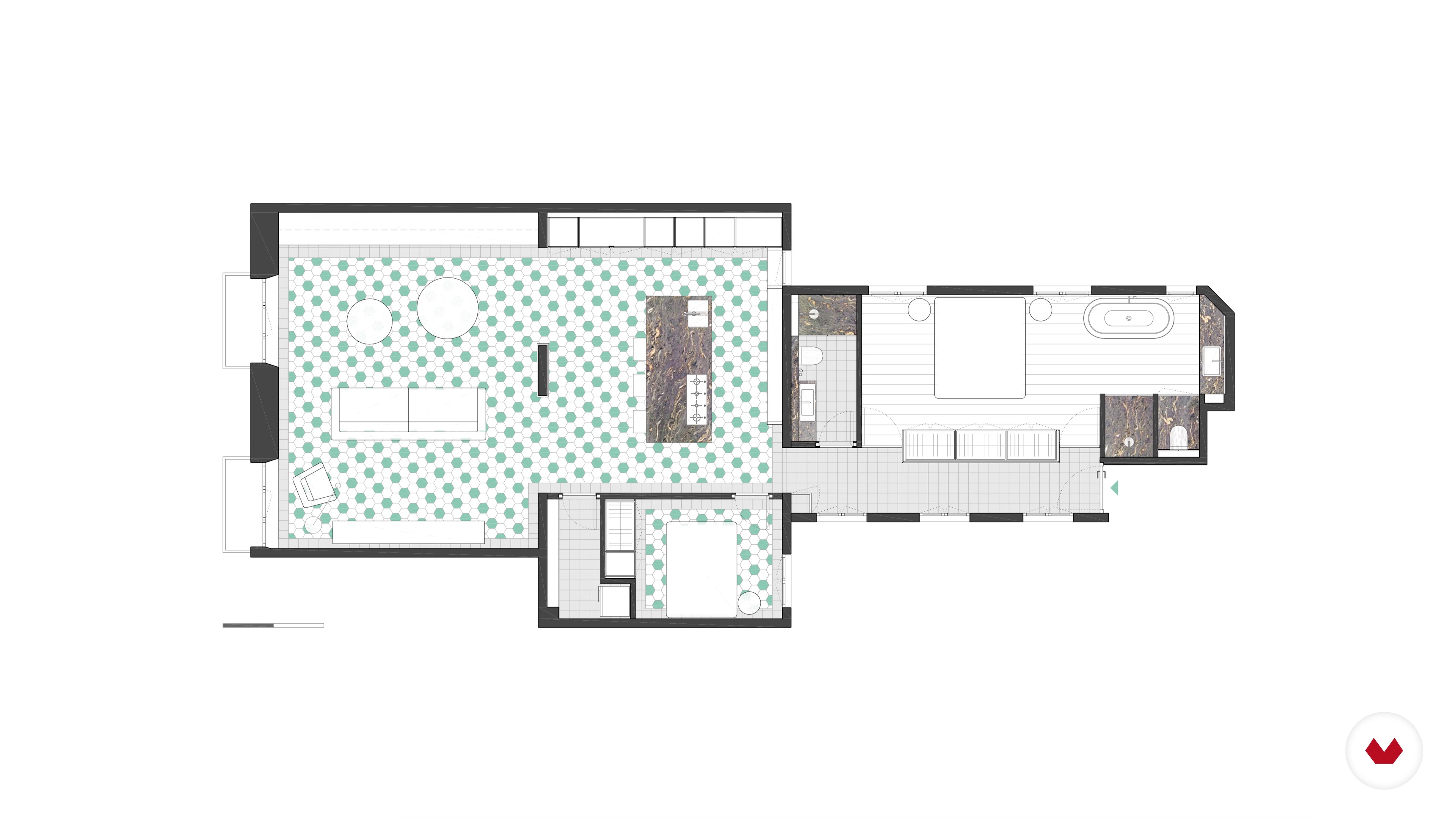
The objective of this lesson will be to translate everything previously exposed into one or more proposals that will be shown to the client. We will see several examples of preliminary project options that were discarded compared to the version that the client chose to formalize his home.
2m
image
16
Materiality
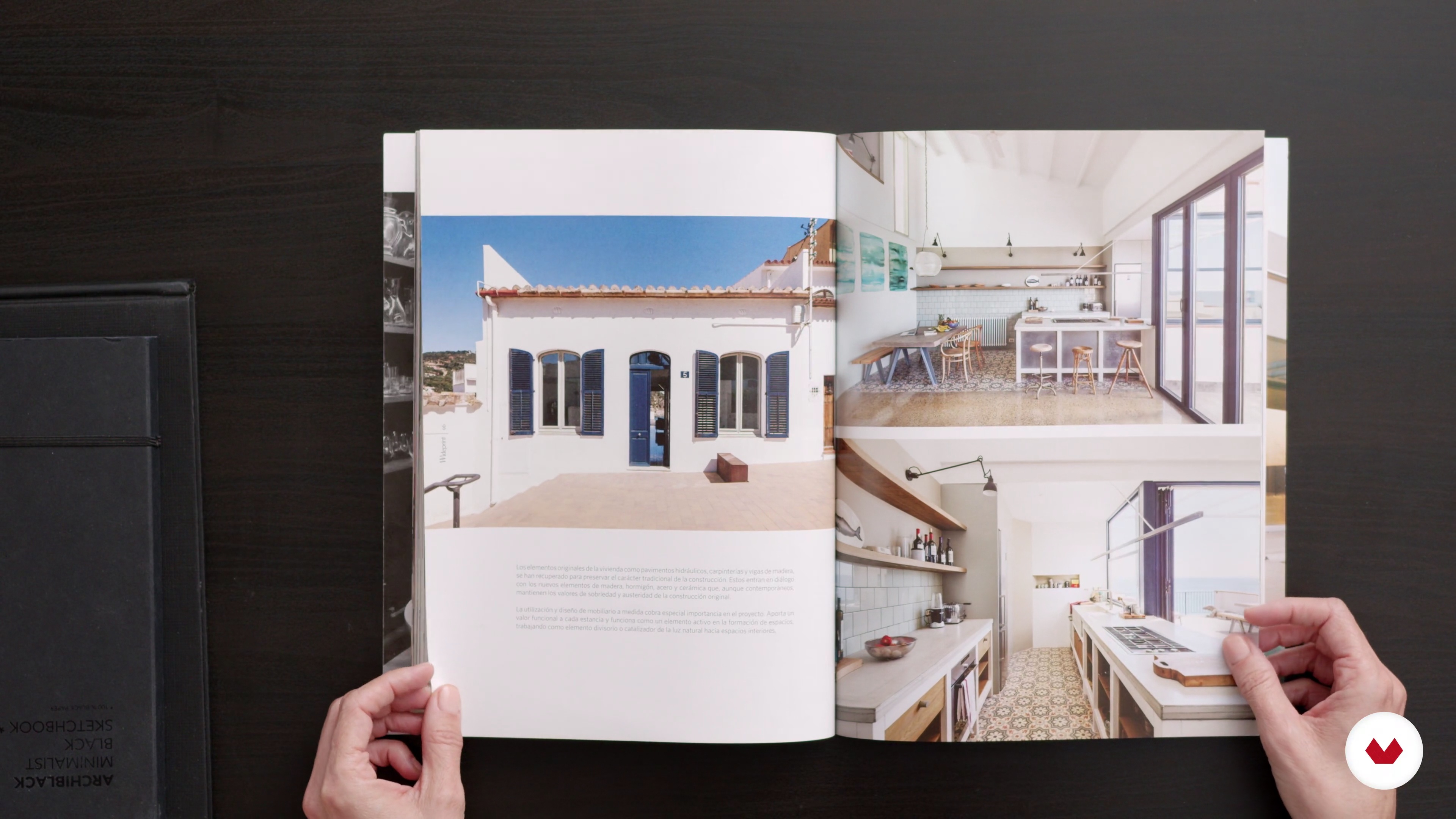
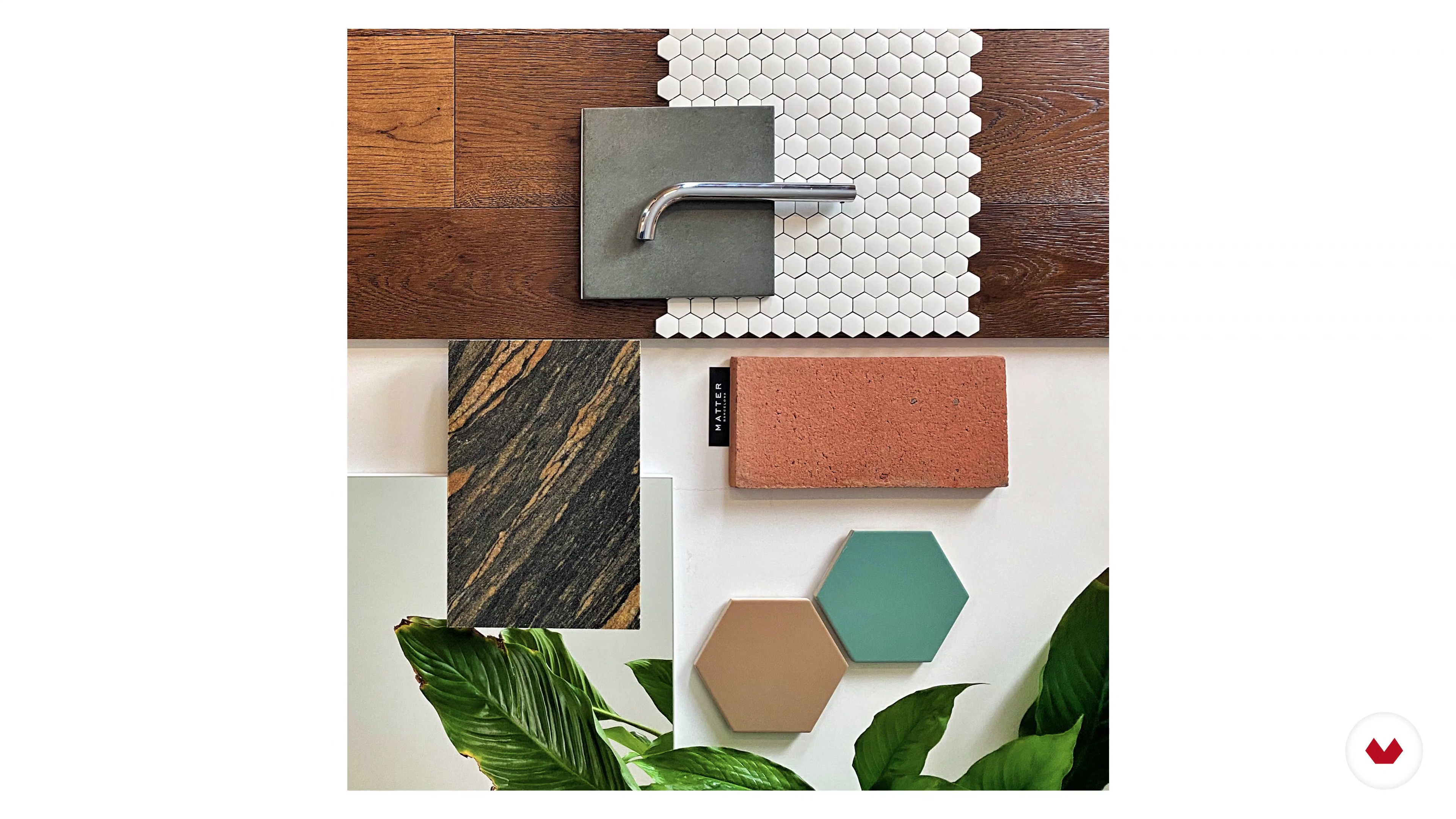
I will explain how from the initial phase you must be clear about what elements will define the materiality of the project. I will show you examples in which the pre-existence of the space that we decided to maintain with the new contributions dialogue.
3m
image
17
Preparation of detail plans
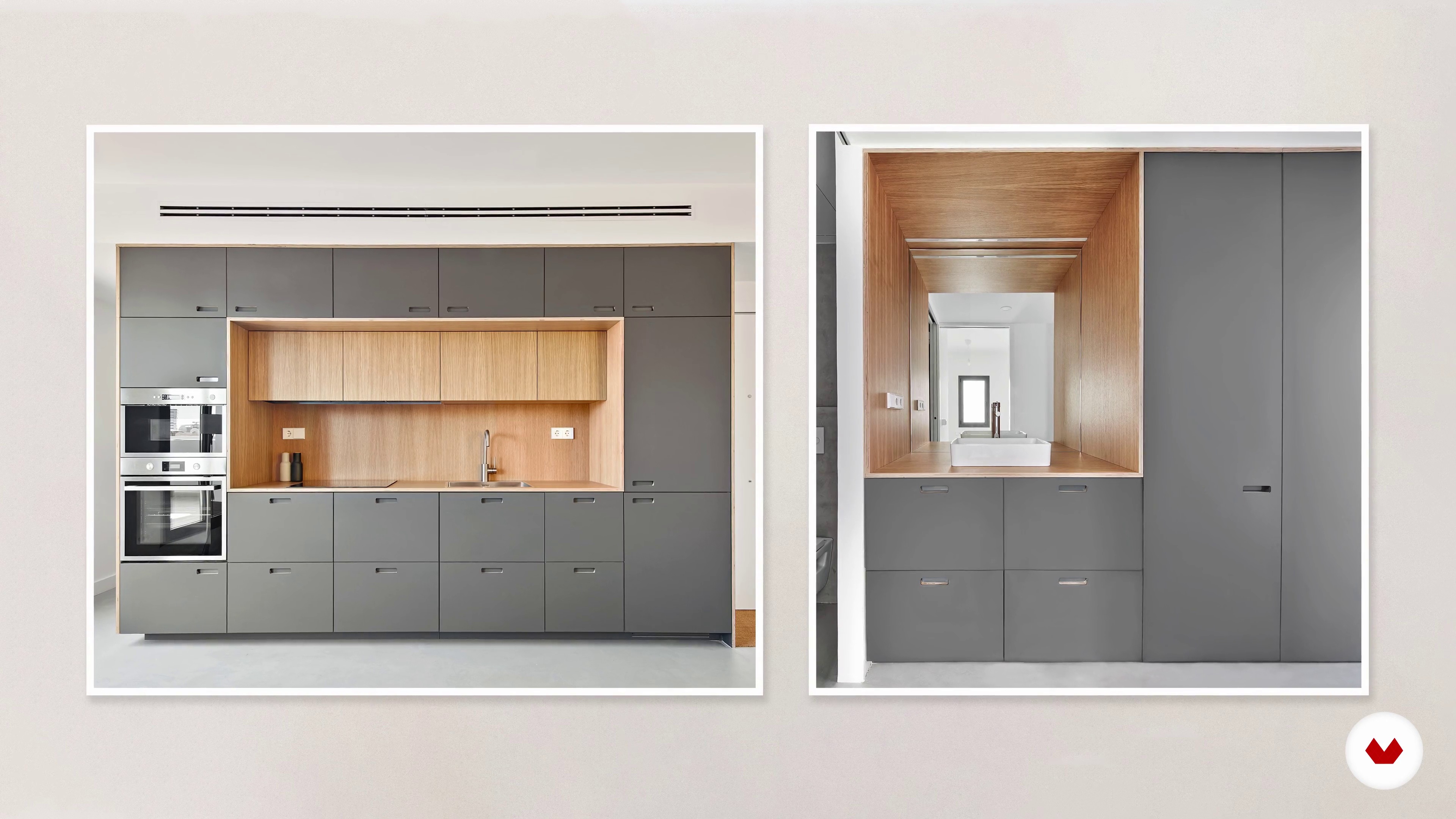
The client has already approved the draft proposal. Next, I will explain how to detail the project in order to obtain graphic documentation that allows the execution of the work. We will see how to delve into those rooms that require greater definition of materials and details, such as bathrooms, kitchen and custom furniture.
11m
image
18
Drafting of budget items
In this lesson we will learn how to transfer the information from graphic documents, plans, sketches and 3D views to drafted chapters in order to obtain a controlled budget that allows the project to be carried out as you have imagined.
3m
image
19
Processing of building license
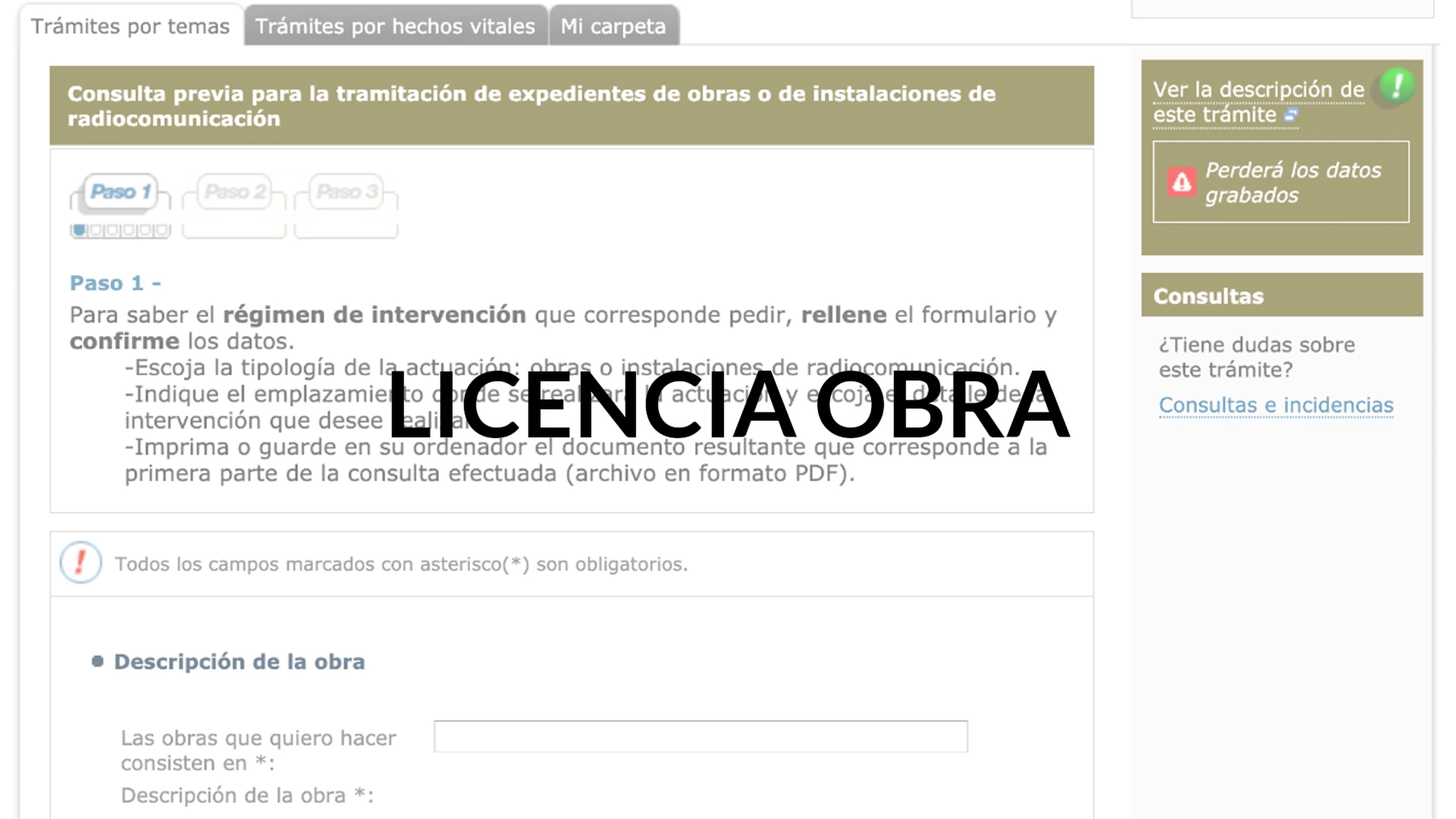
In this lesson I will briefly explain to you how to know what type of building permit you must process according to the degree of intervention of the space and each competent administration. I will give you some advice to make sure that the execution of the proposed proposal is viable.
1m
image
20
Work process
In this lesson I will explain how to plan down to the last detail to avoid unforeseen events that may affect planning and budget. I will also give you advice on how to deal with some unforeseen events in a rehabilitation and I will provide you with a work monitoring model.
4m
image
21
Final and reception of work
At this time everything will be prepared for the reception of the work by the client and the management of the quality control of the work. I will explain how to carry out a good control until you make sure that everything works correctly.
2m
image
22
Publication of the project
Finally, I will stress the importance of preparing a good pack for the dissemination of the work carried out that conveys the essence of the project and is attractive to both broadcast channels and potential clients. We will share with you the making of of some of our first events to publicize our work.
7m
image
3
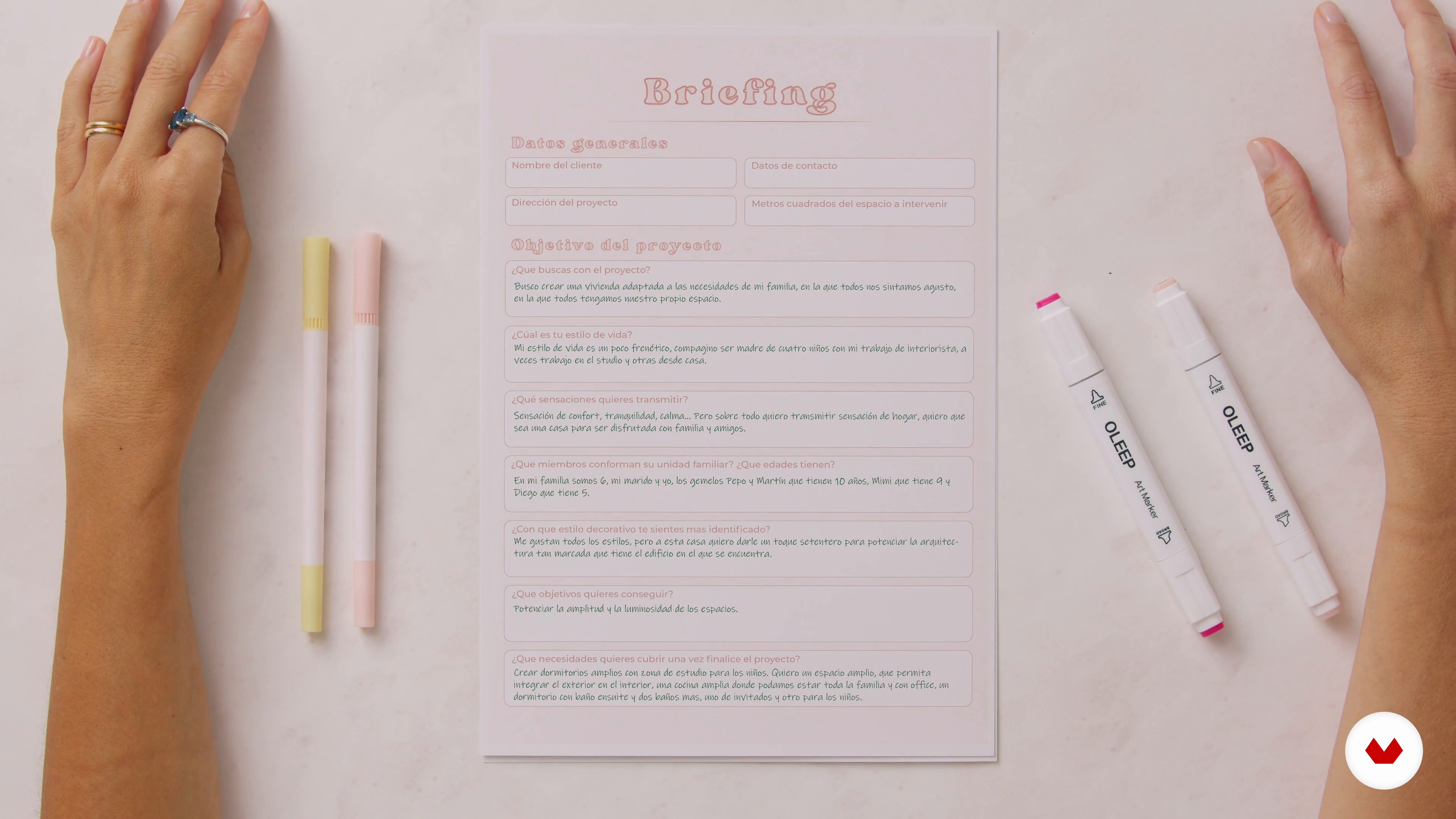
The briefing: needs and lifestyle
In this lesson I will teach you how to connect with the client or, something even more difficult, with yourself. Knowing our own needs or the premises of a future client is essential when starting to design.
12m
image
4
The dream house
Now that we have reached some conclusions through the briefing and we are clear about all those aspects of the space that we must take into account, it is time to start giving free rein to the imagination, get inspired and begin to define the aesthetic line that we want to follow.
7m
image
5
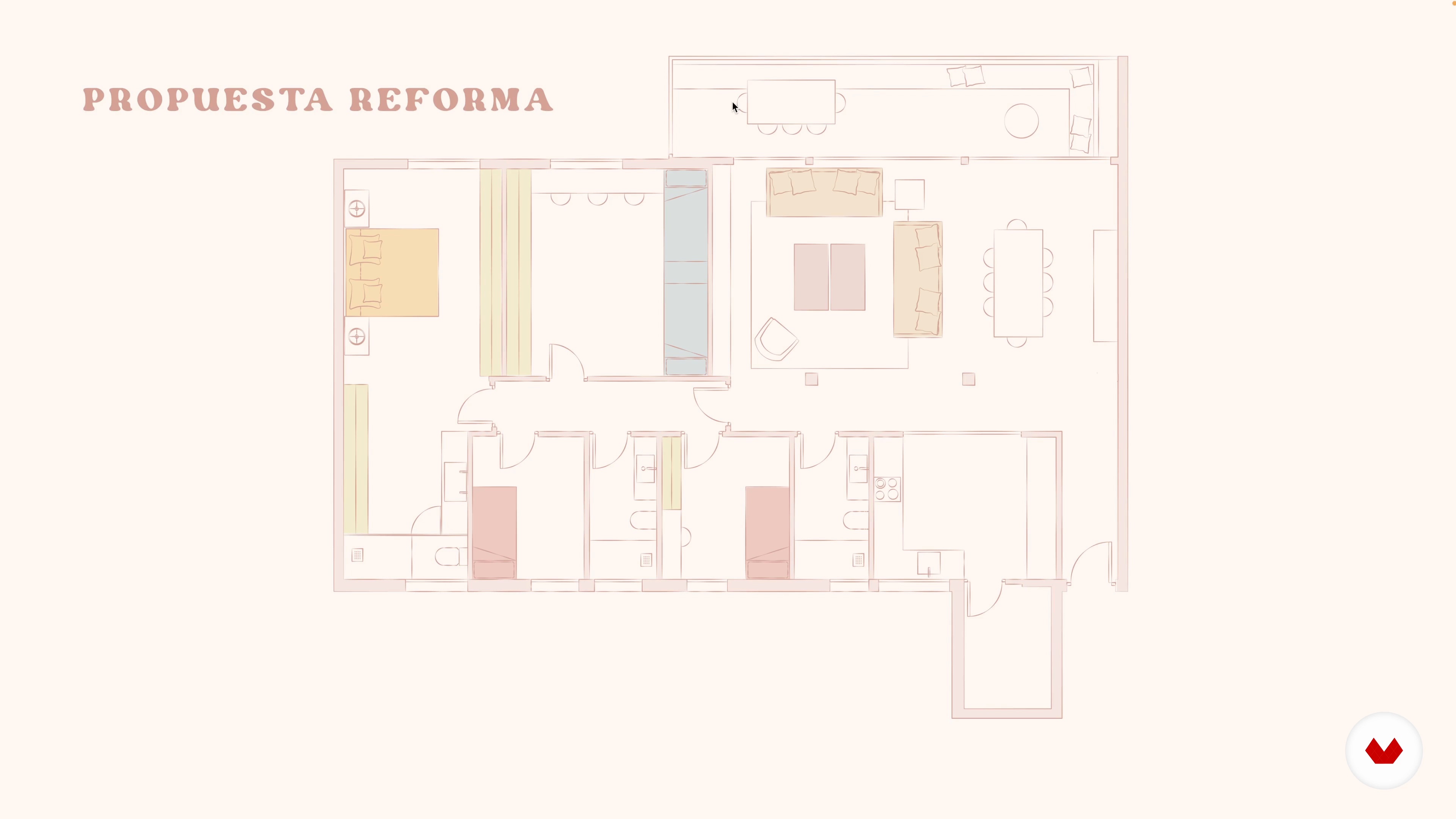
Redistribution of spaces
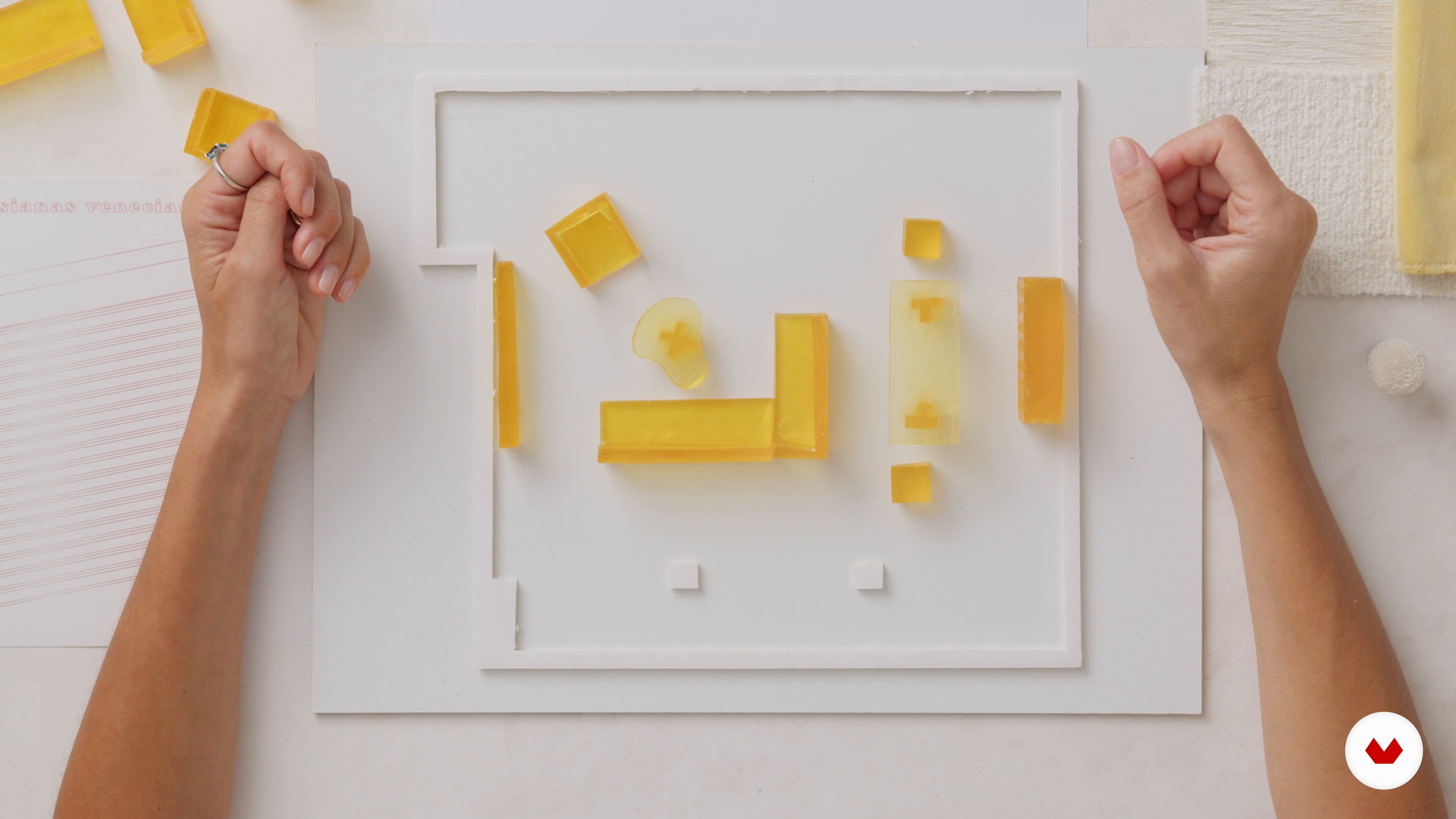
In this lesson you will accompany me in the distribution process of my new house. You will see that you will not always find the best distribution the first time, but you will find it based on trial and error, and you will see the different options that I proposed with their pros and cons. I will tell you about the general distribution of the house and each specific room (bedrooms, living room, bathrooms, kitchen, among others).
9m
image
6
What should we consider?
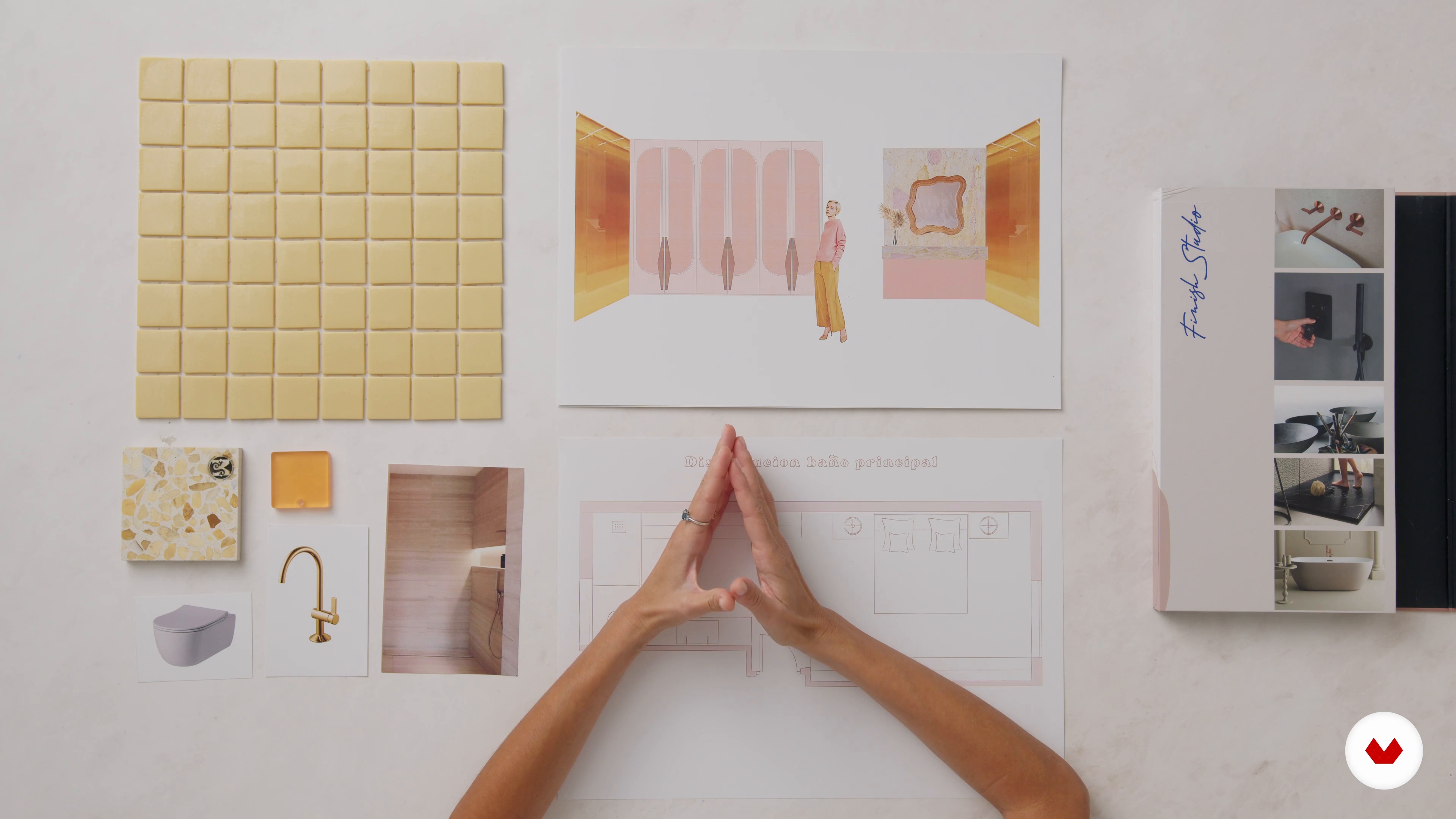
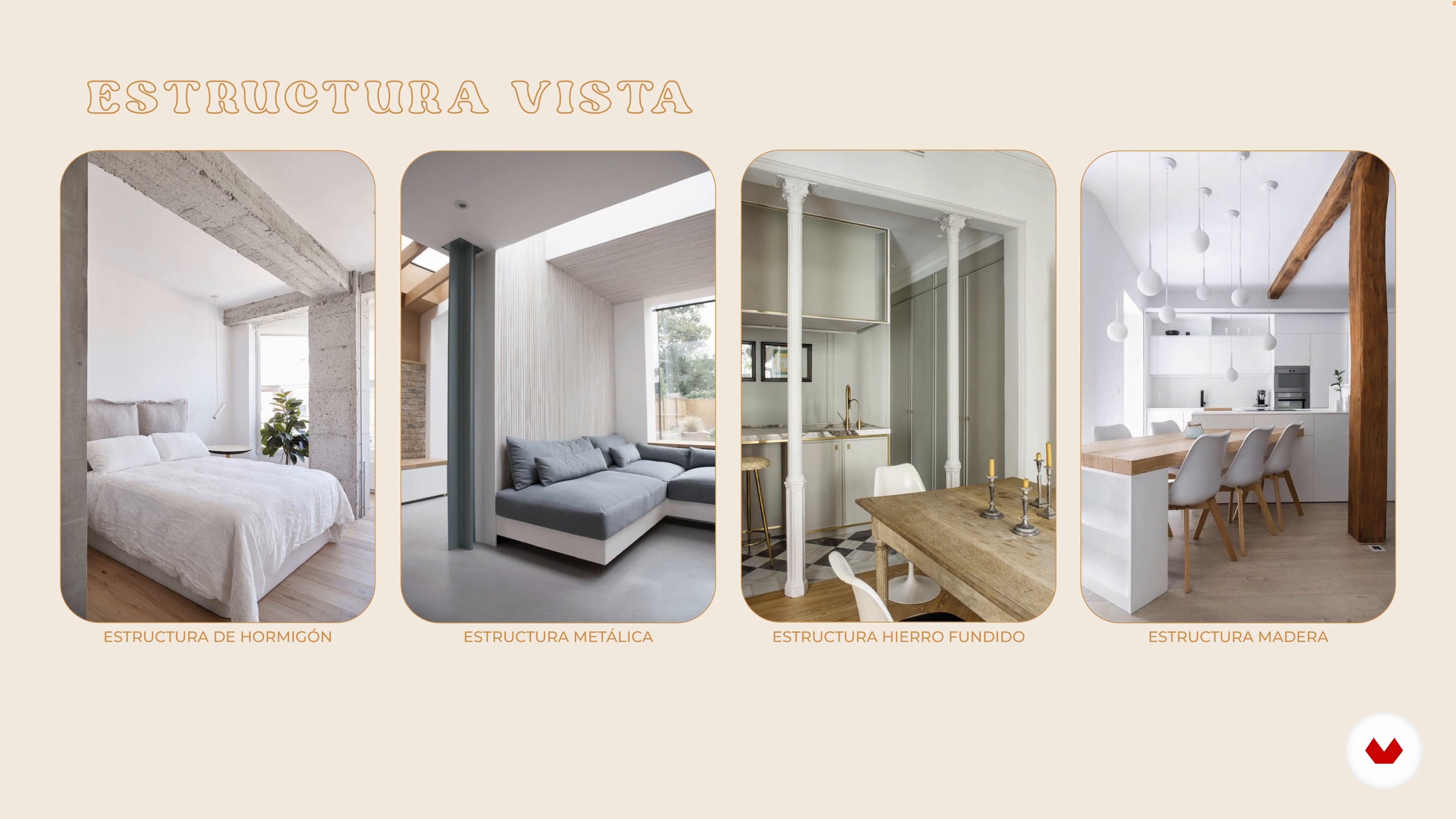
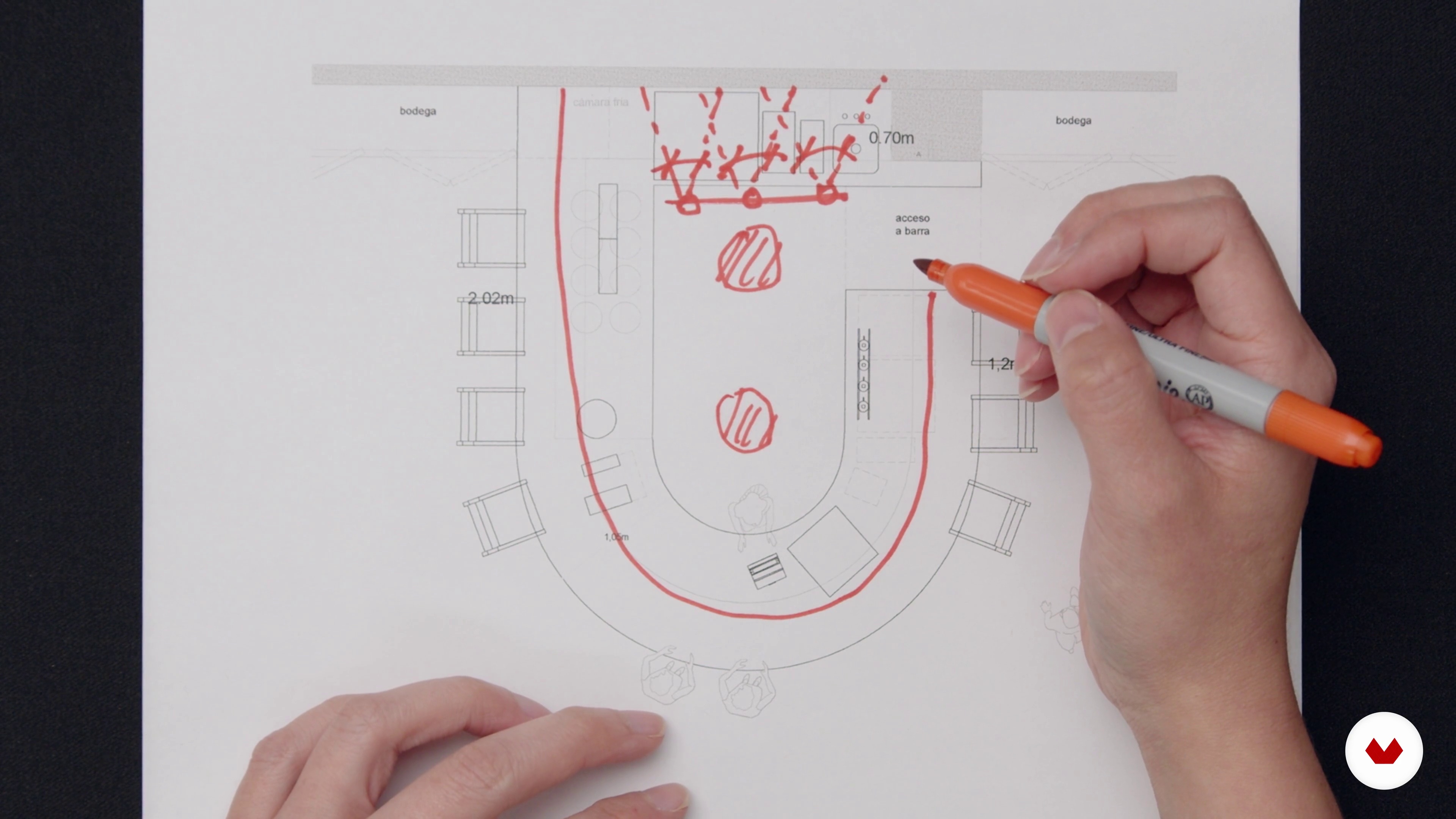
In this lesson you will learn everything that you should take into account before starting to plan the design. It is important to analyze from the structure or structural elements, such as beams or pillars; to the use of space; the location of windows; circulation, in the case of a complete dwelling; or access points, in the case of a room. There are many factors to take into account!
19m
image
7
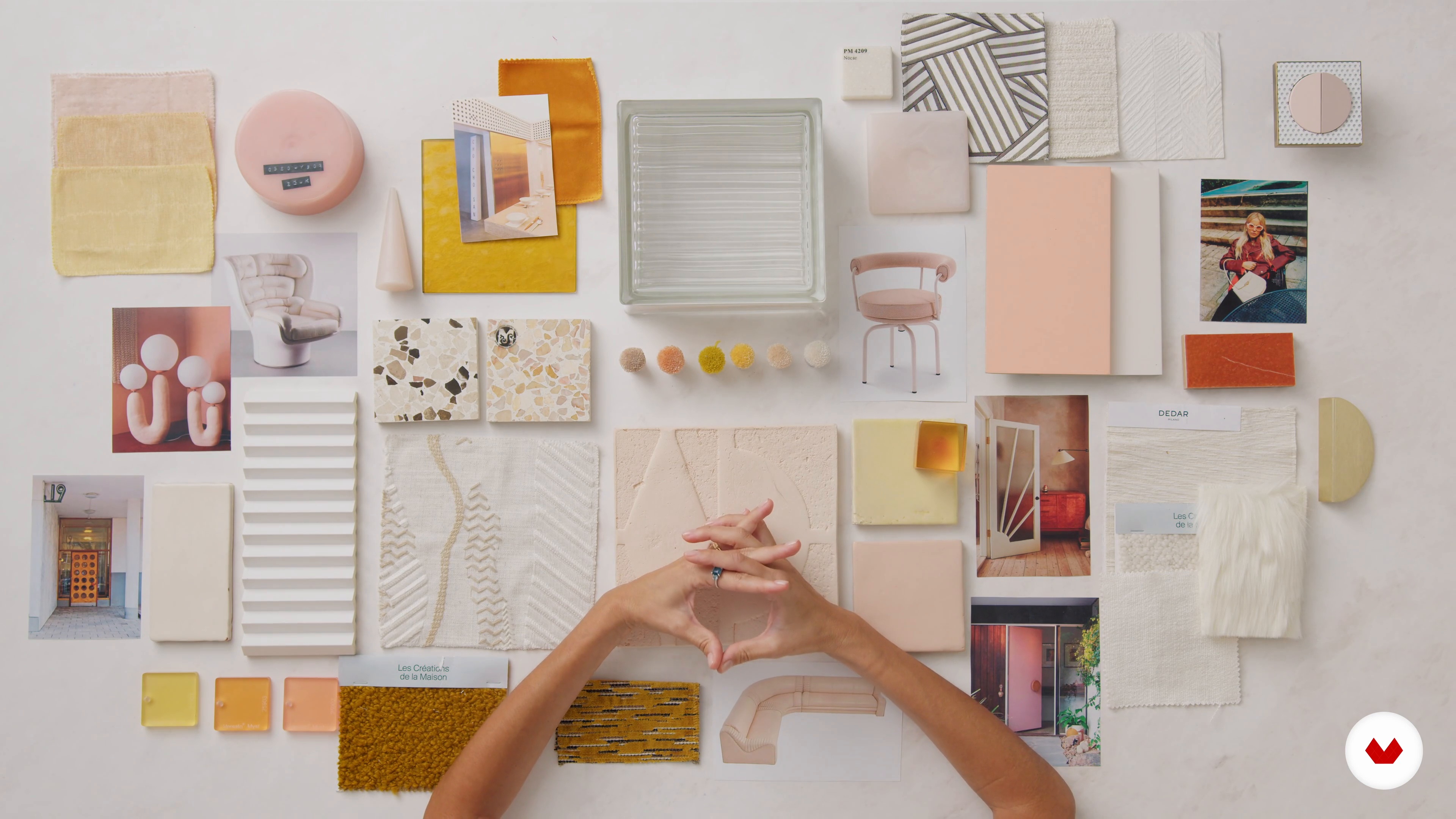
Define the style
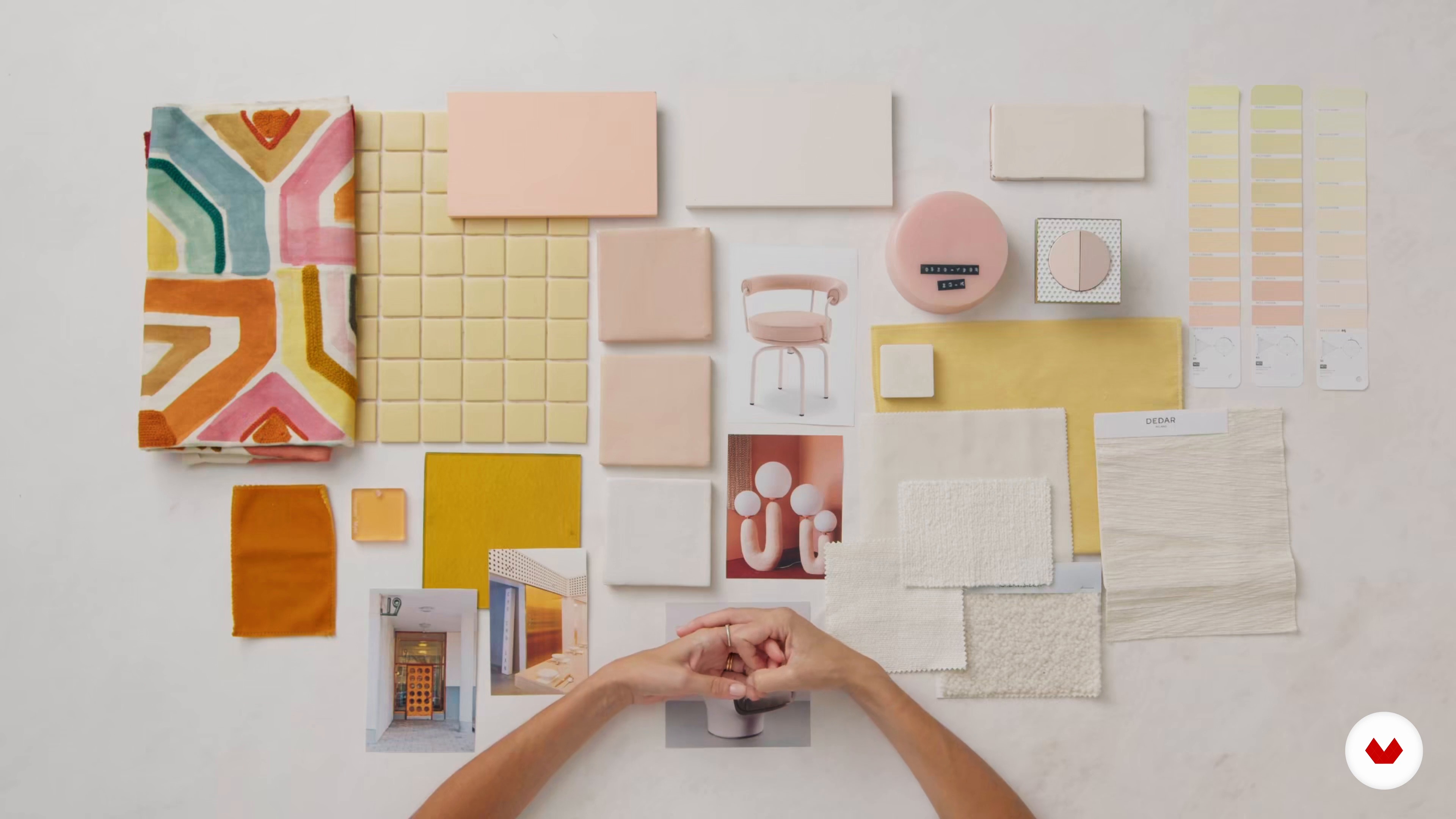
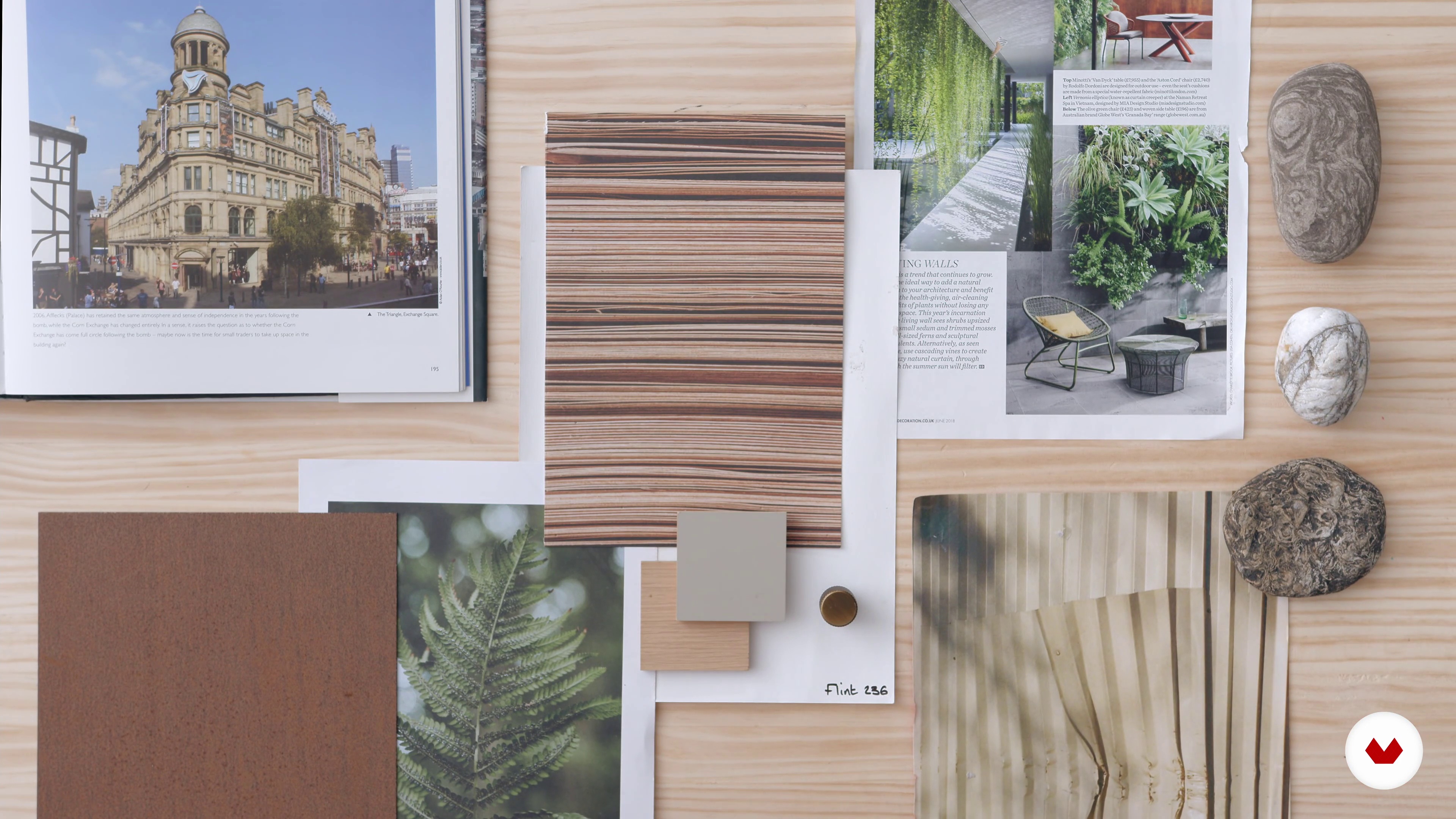
It is time to let ourselves go and fully immerse ourselves in the part that I like the most, the selection of colors and materials. For this I will make a mood board where I will capture each and every one of the ideas that I have in mind for each room in the house. In this way, we will see that each space will transmit different sensations, because a bedroom that will invite you to rest is not the same as an entrance or a bathroom, which are spaces in which we can risk more with the design.
12m
image
8
The lighting
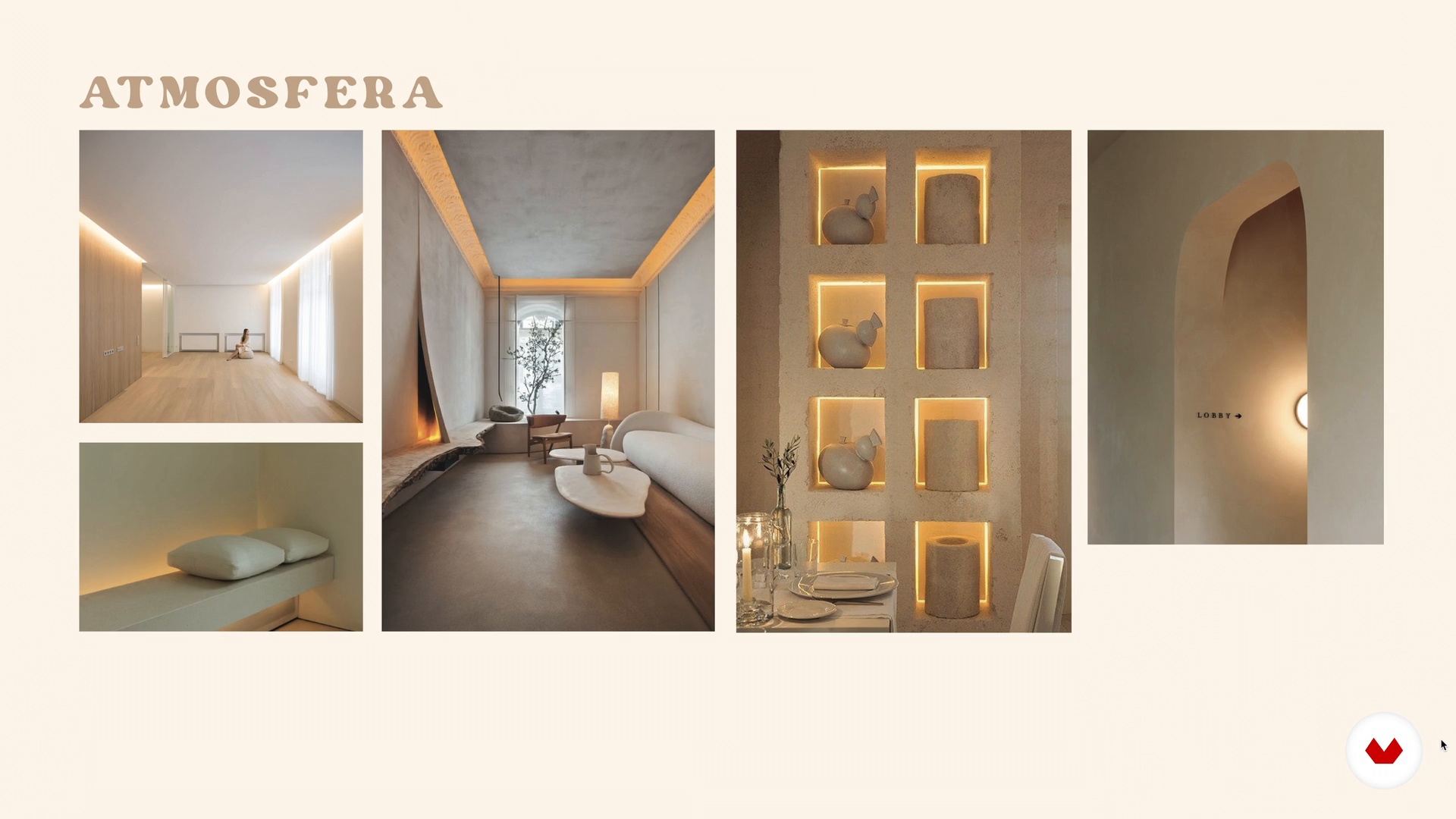
In this lesson you will see that a good design without good lighting is nothing. I will help you learn to create environments through light, to highlight spaces, and much more.
18m
image
9
Details matter
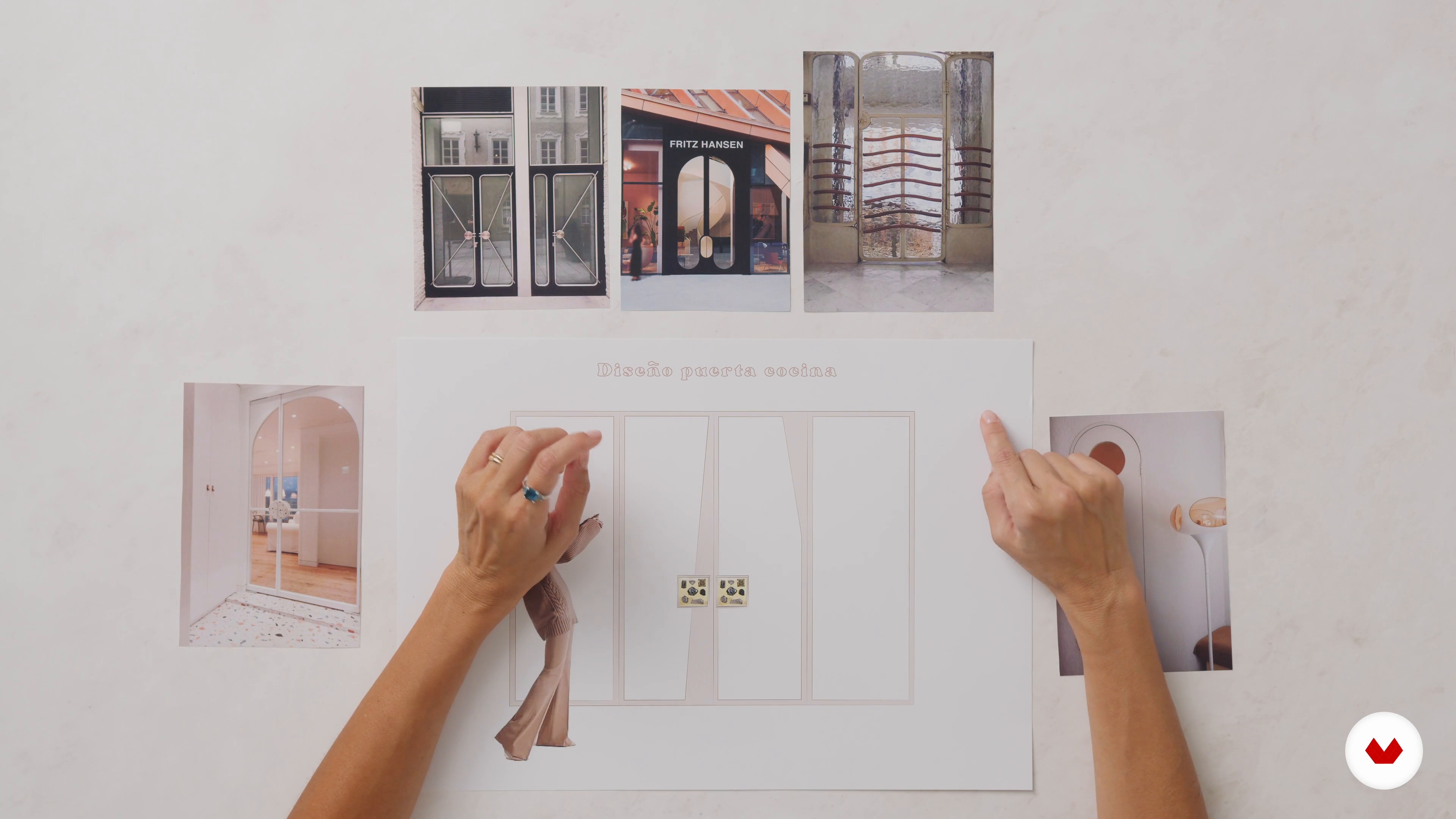
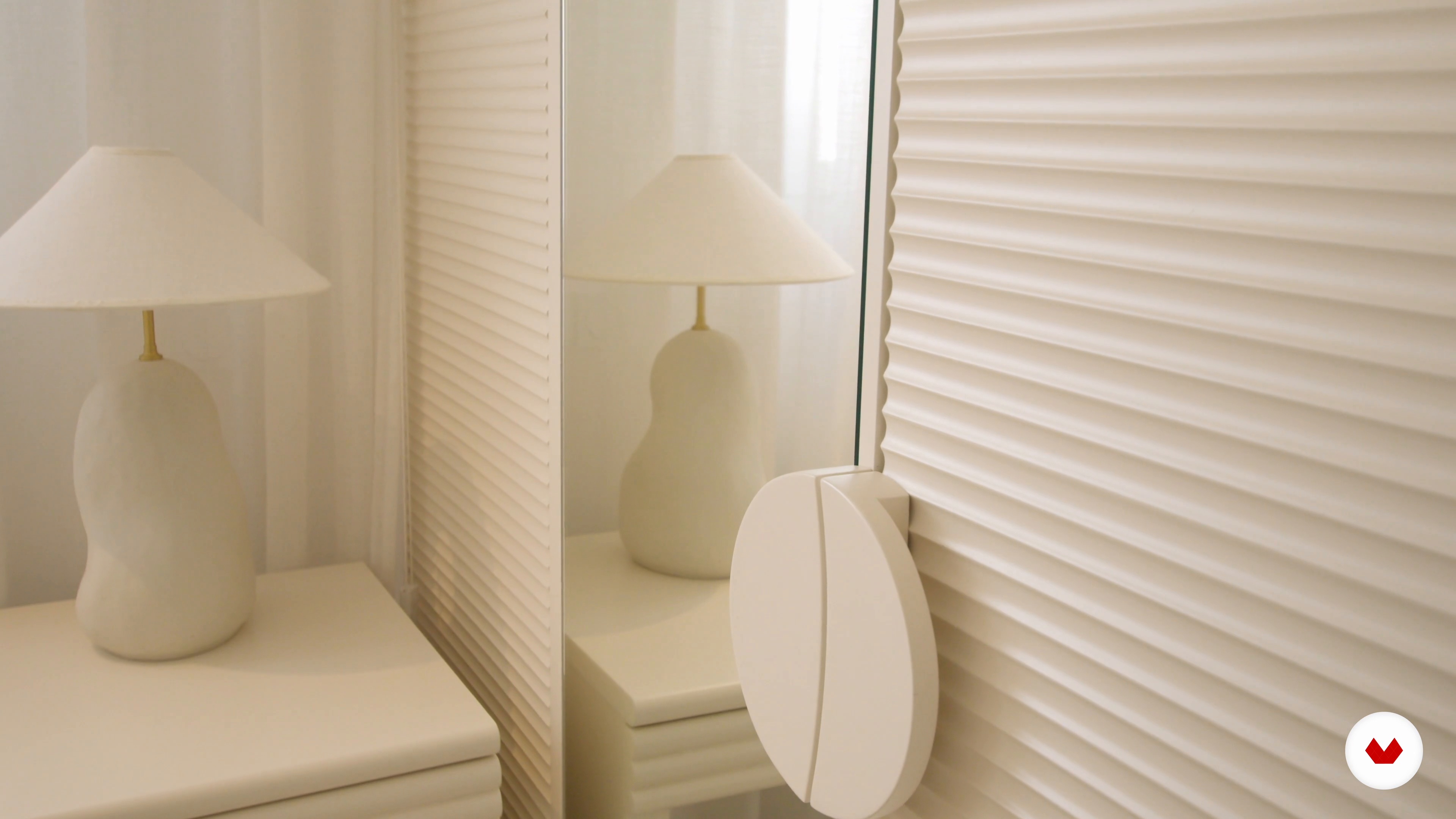
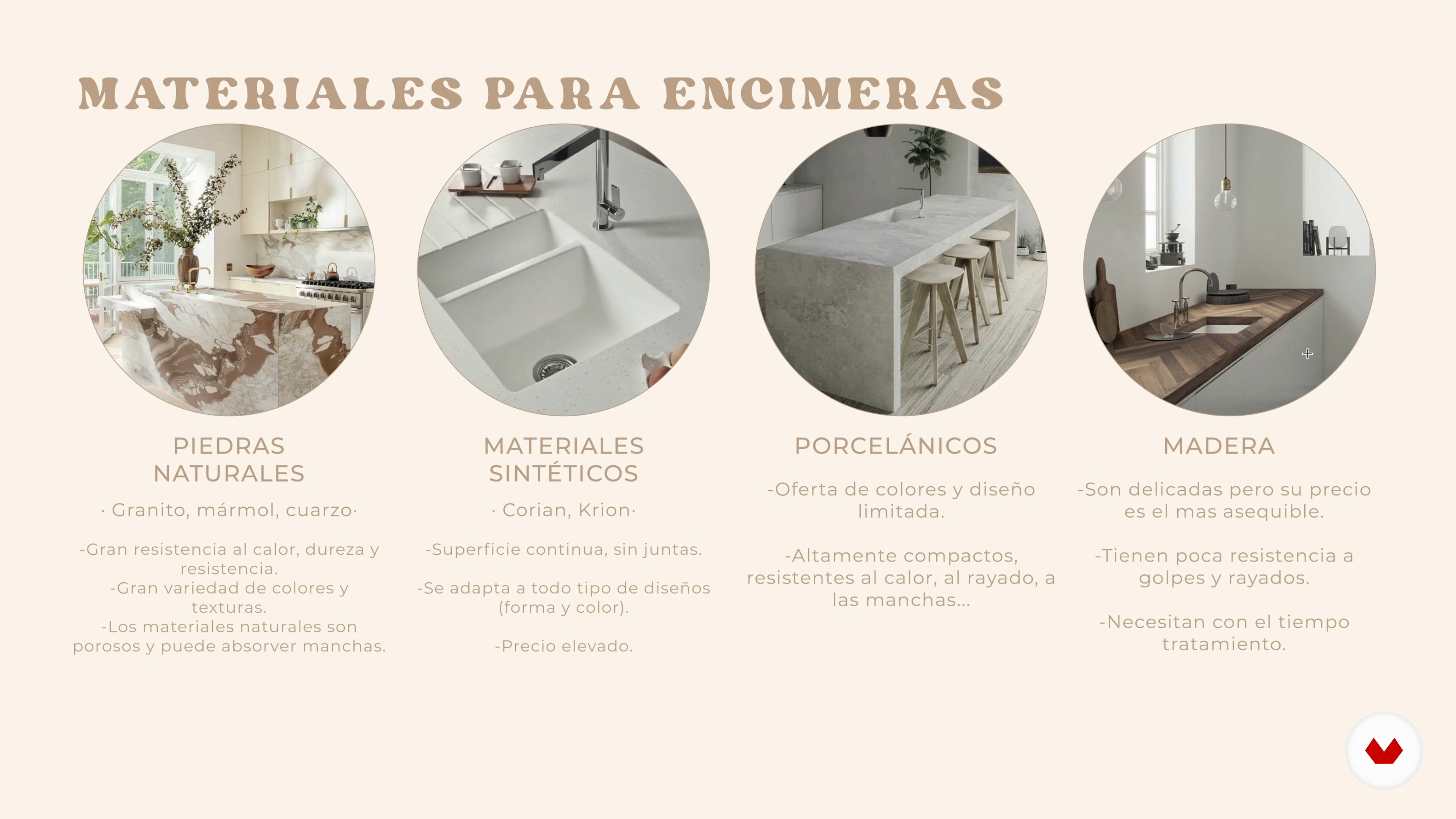
In this lesson we are going to focus on the design elements that will characterize the space, all those finishes and details that will make it different. We will see different types of finishes for the most important details, we will talk about the carpentry, the doors, the skirting boards, countertops, niches... In general, all kinds of details and finishes that will define the essence of the project.
14m
image
10
Lounges and dining rooms
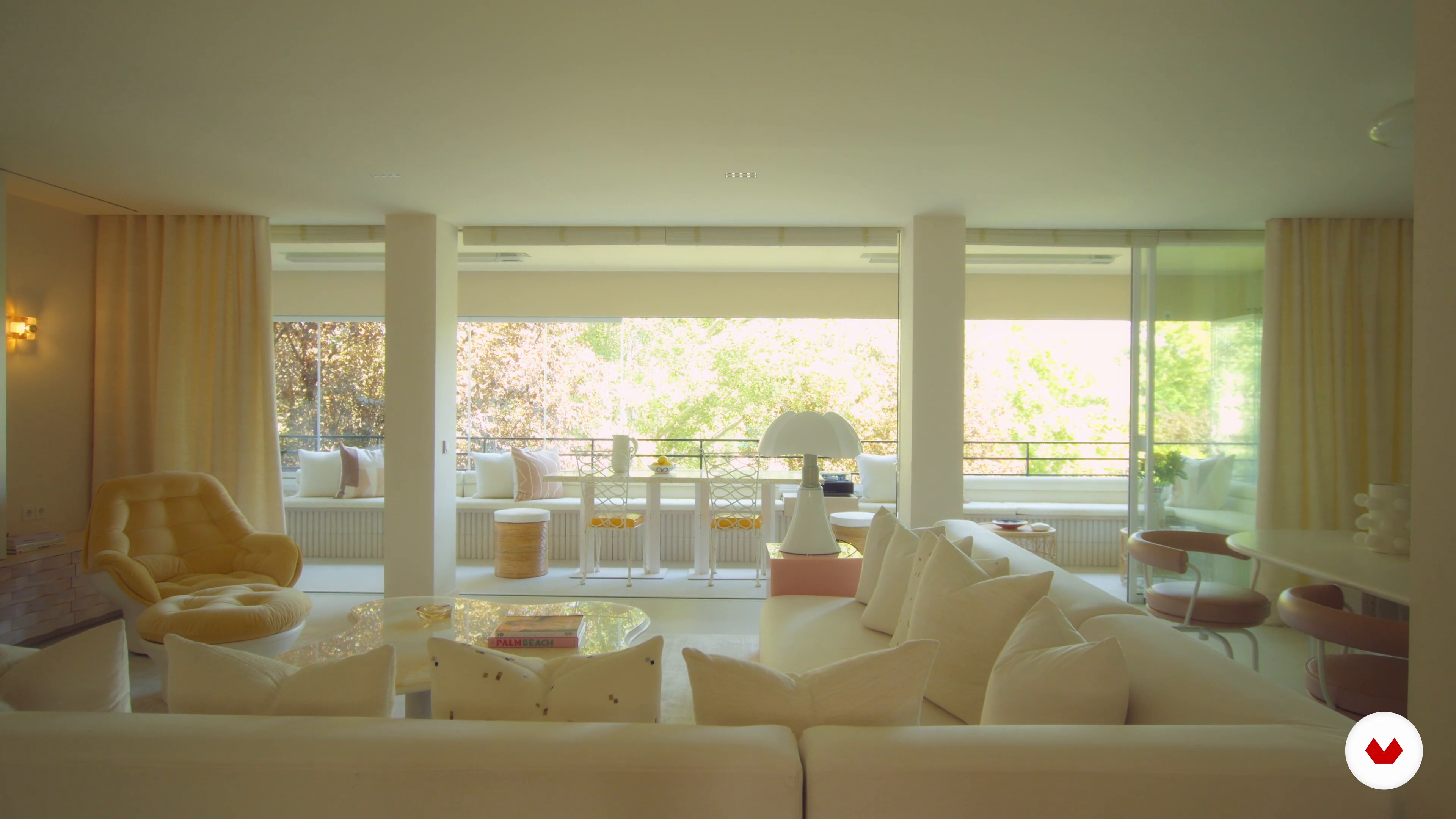
The living rooms and dining rooms are spaces with a lot of possibilities. In this lesson I will teach you how to use the space you have to create unique rooms and you will learn how to distribute and optimize everything.
12m
image
11
The bedrooms
In this lesson we will talk about bedrooms, spaces dedicated to rest and that favor relaxation. What is the most optimal color palette for these spaces? What can I contribute to this type of space? And the children's bedrooms? I will tell you this and much more.
15m
image
12
The kitchens
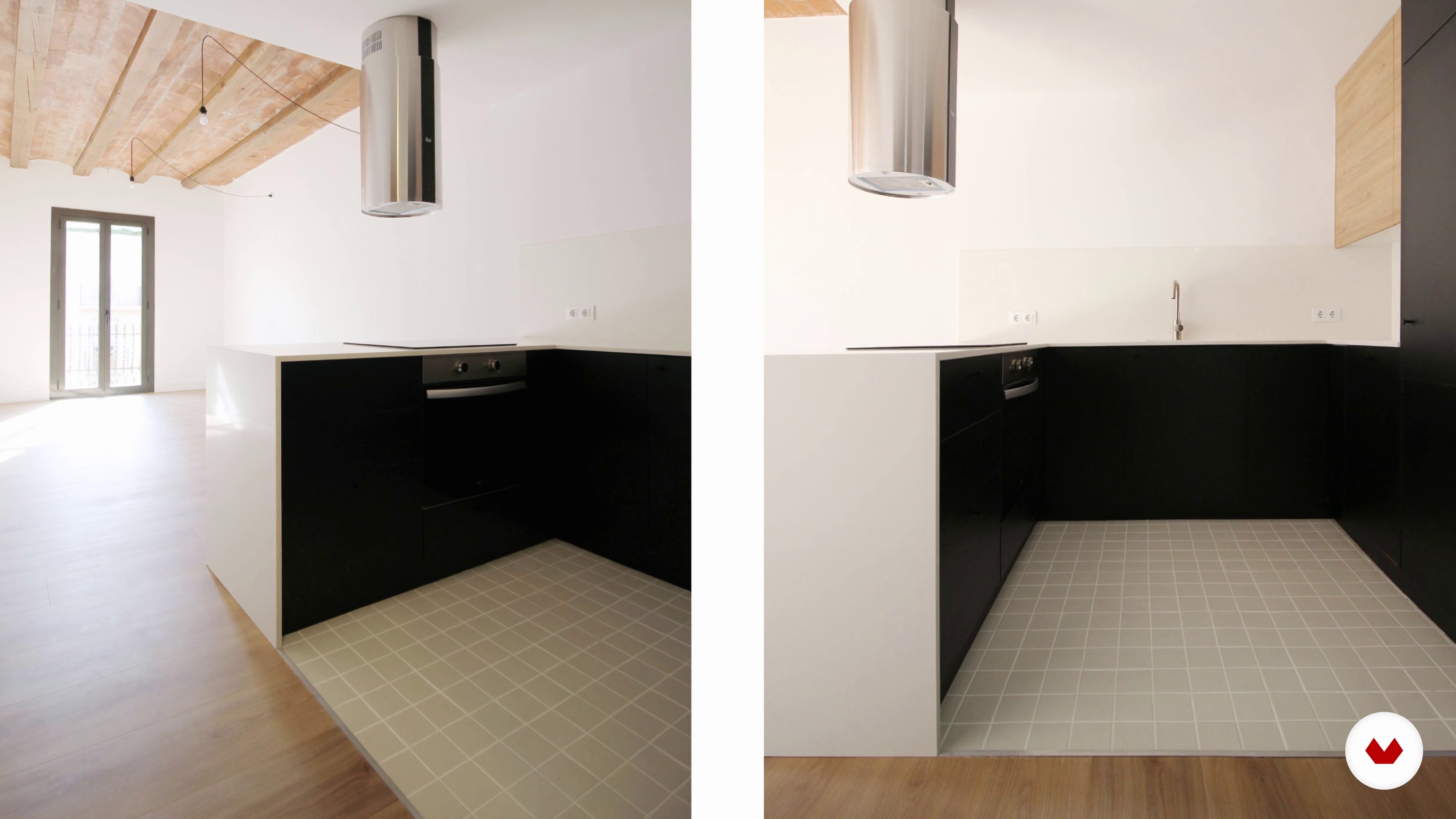
Kitchens are a whole world: with an island, without an island, independent, open to the living room... What are the pros and cons of each one? How to make the most of the space? How to make them functional? Let's see it!
20m
image
13
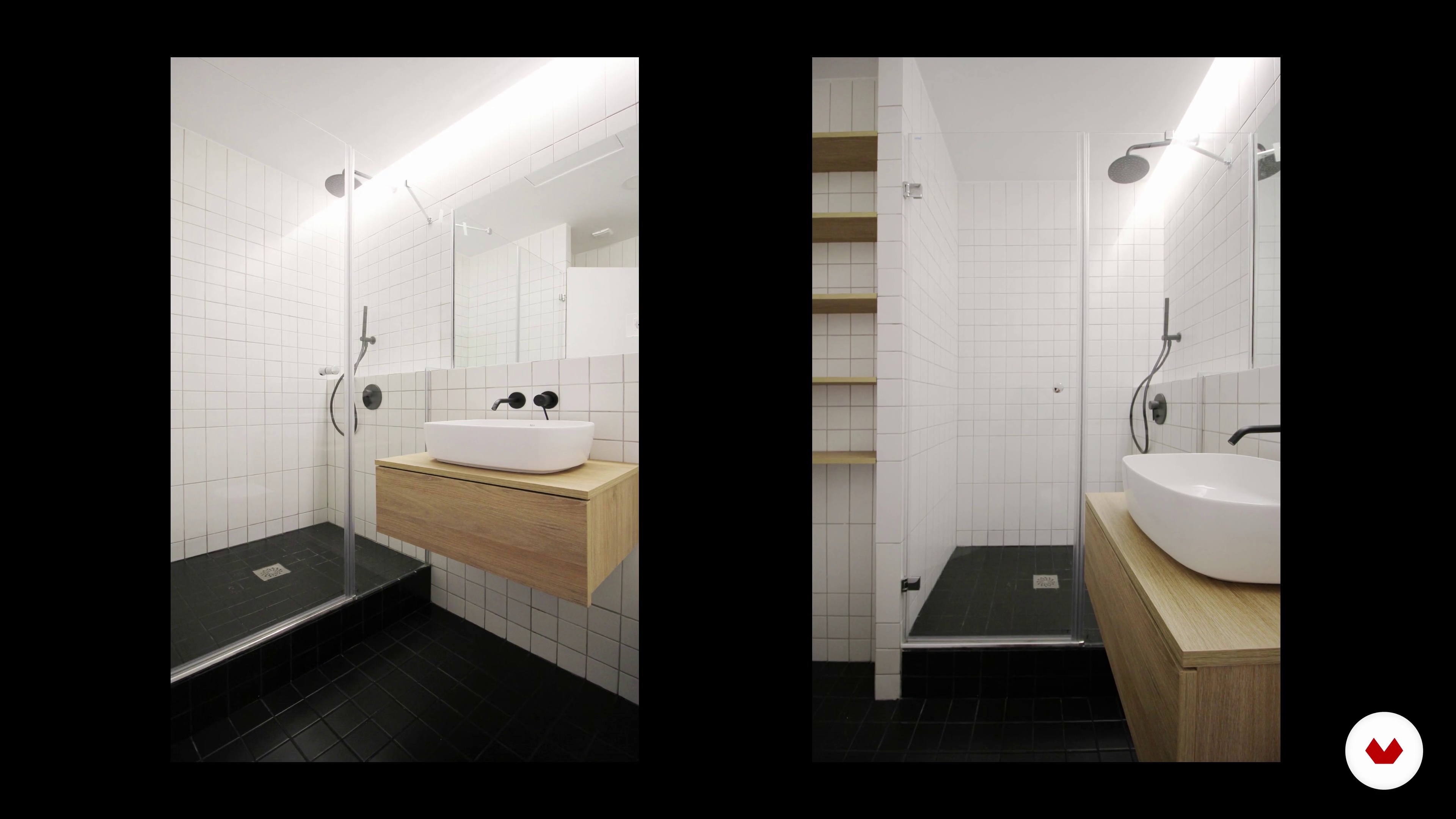
Bathrooms 1
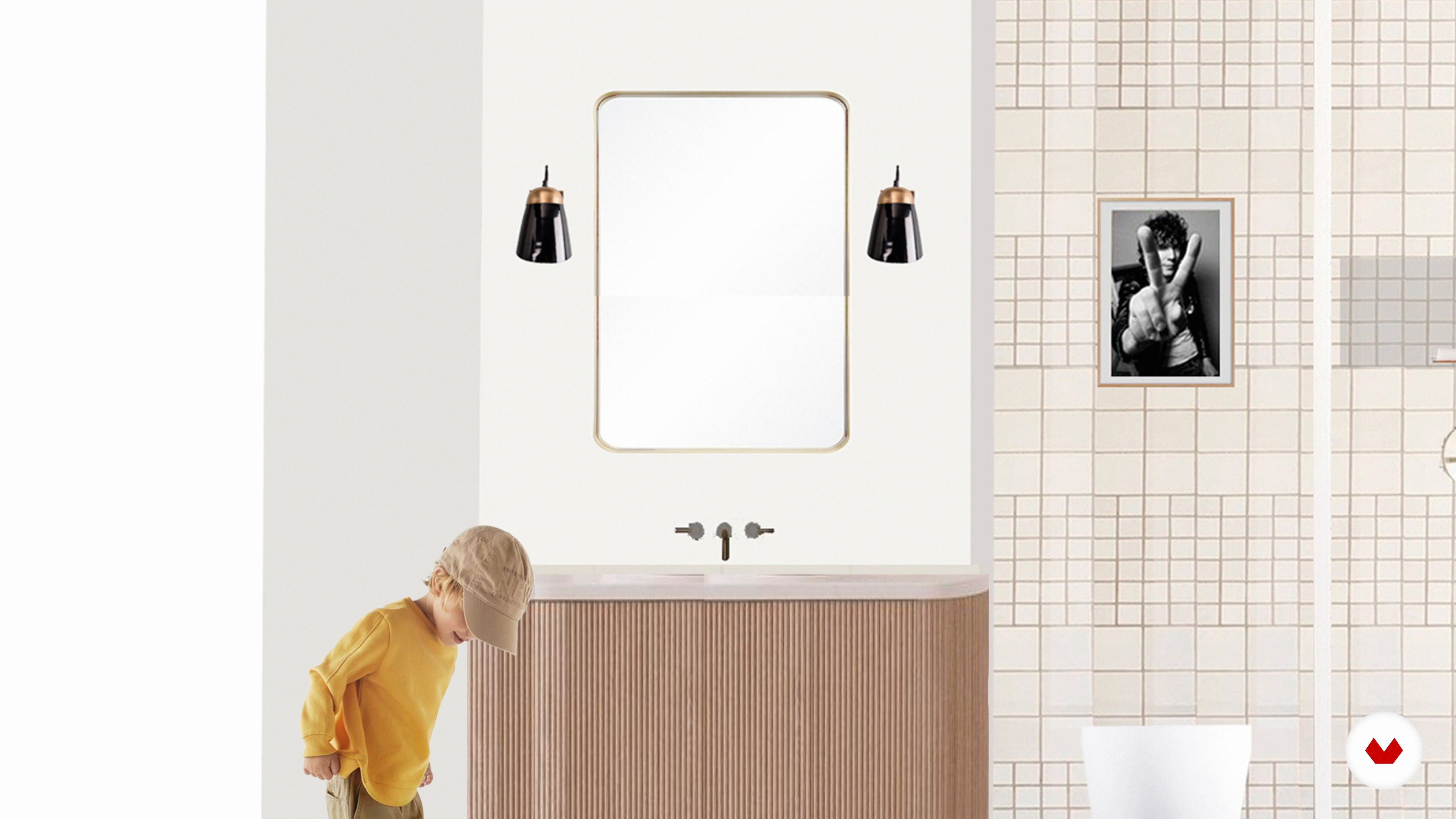
We cannot leave out the bathrooms. With a bathtub, shower or both, it is another room that should be as functional as possible. In this lesson you will learn how to design both spaces perfectly.
10m
image
14
Bathrooms 2
We continue to see how to get the most out of this space in the house that is more important than it may seem.
11m
image
15
Other spaces
Now I am going to talk to you about outdoor spaces and passageways, which are the most forgotten. Why is it important to pay attention to a simple hallway? What about the entrances or halls?
9m
image
16
Summary
After all the explanations, I want to show you the final result of the house and explain every detail space by space.
7m
image
4
What is light
Architectural illuminators work with light as a building material. In other words, our work must be aligned with the design principles of the project, as a whole. We also attend and have to meet the needs and requirements of the subjects and objects. Therefore, in this lesson I will explain what light is, the units with which it is measured and the relationship between them. It is very important that you know this to know how we perceive light.
11m
image
5
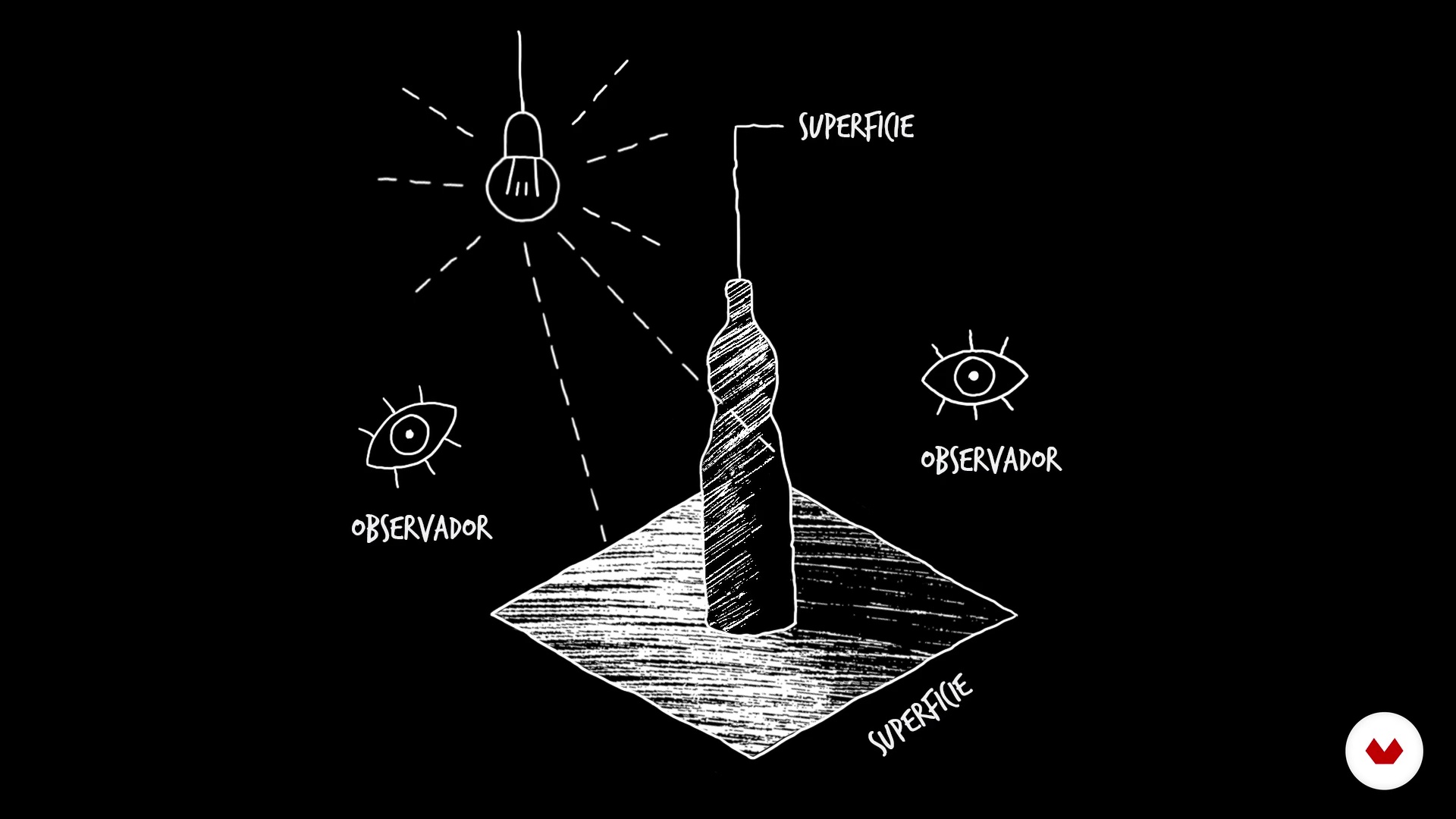
The subject, observer
Now I will tell you how lighting designers have two main objectives when lighting: to satisfy the visual needs of the subject and to provide the objects with the appropriate light.
8m
image
6
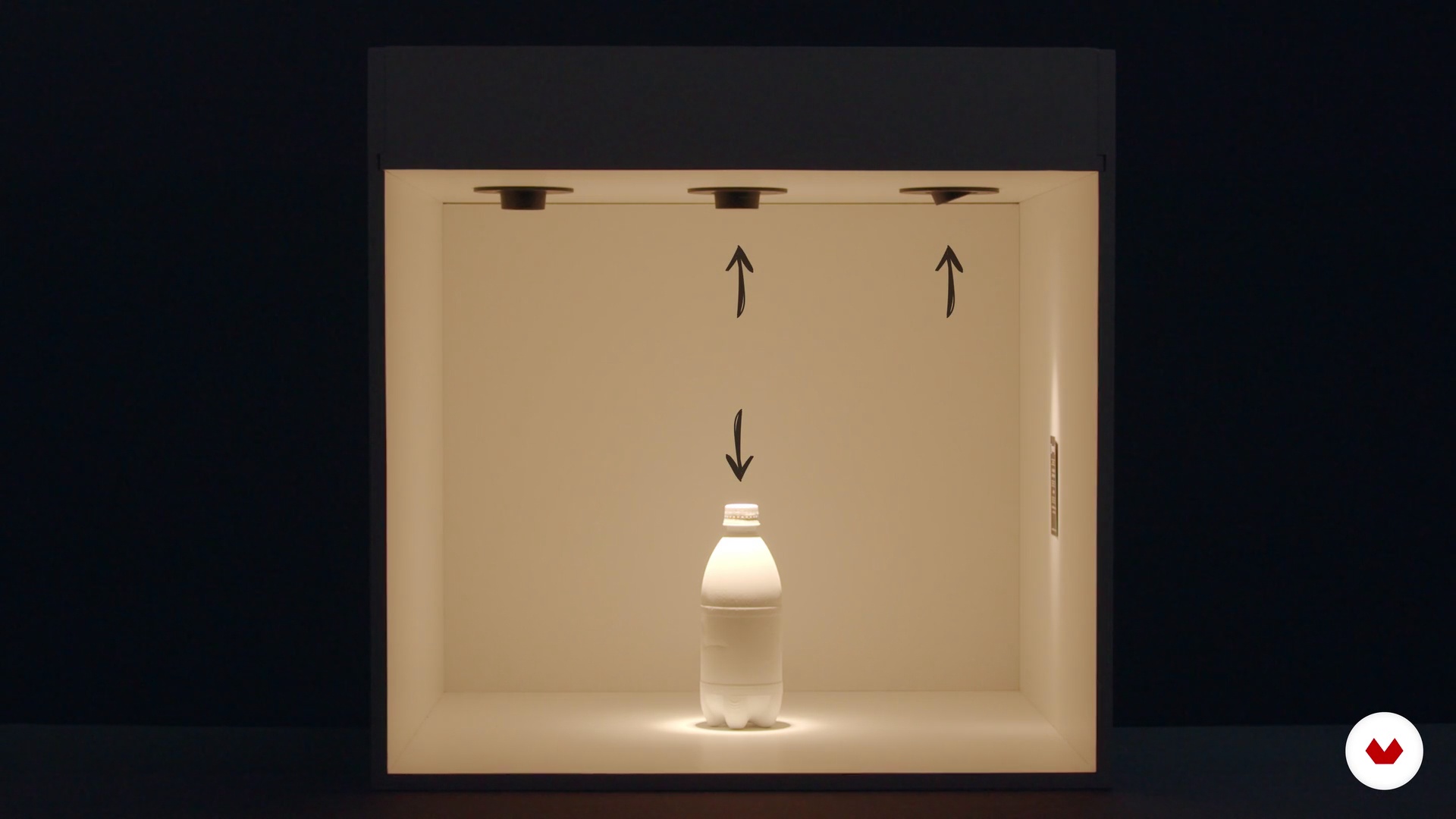
Light, materials, objects
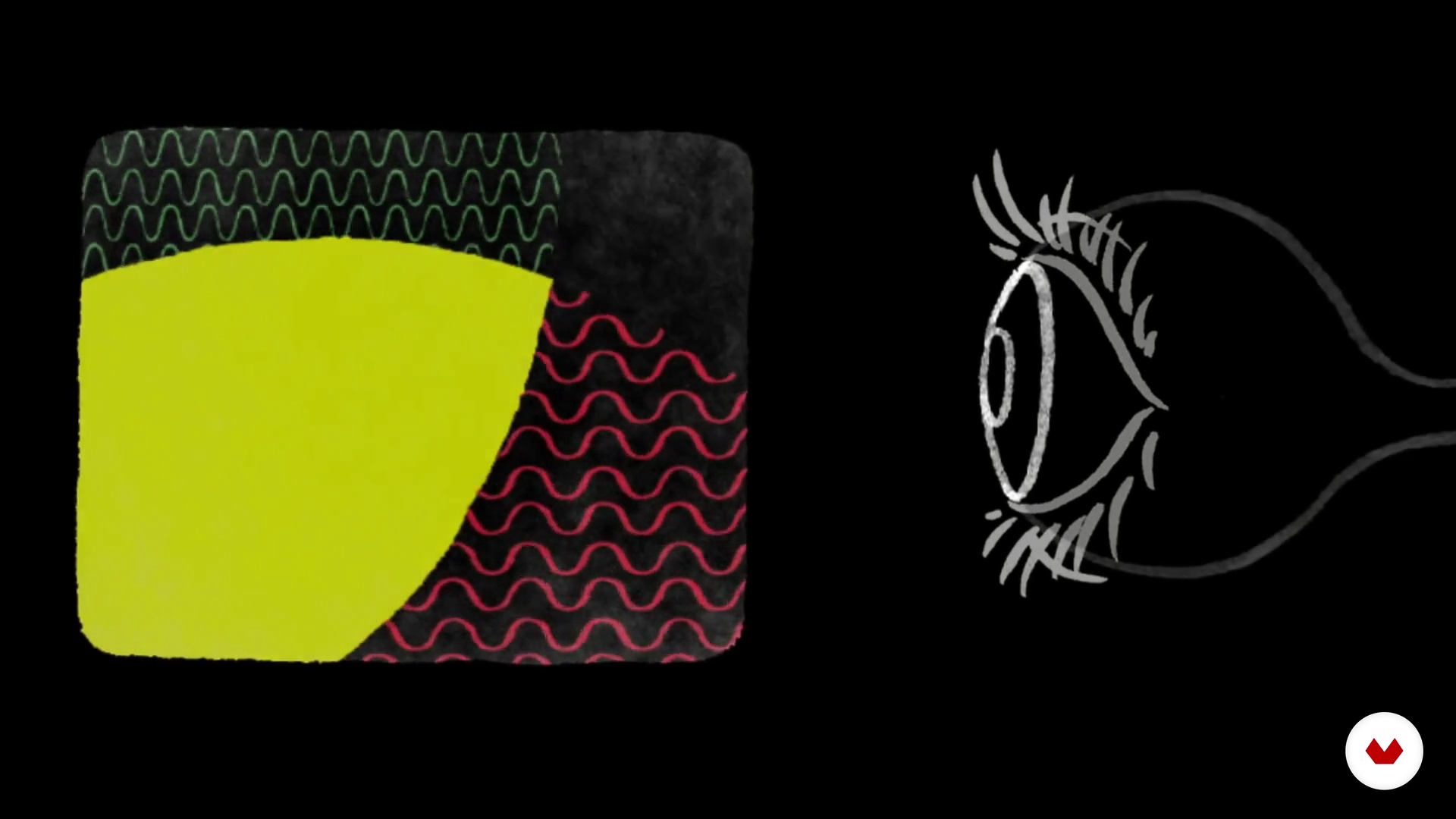
It is important that you know the physical characteristics of light. It seems simple, but understanding them is one of the key elements to make a good lighting design. It must be remembered that we do not see light, but the effect it has when it collides with surfaces.
11m
image
7
The concept
For us, in LumLum, it is essential to have a central idea: that is the concept. In this lesson, I will talk to you about how we developed it and explain how these ideas will help us make design decisions. At this design stage, you have to define the aesthetic objectives of the project, however, you have to remember that the visual needs also have to be met.
11m
image
8
Composition
Now I will explain what ambient light, focal brightness and brightness play are. These three principles, developed by Richard Kelly in the 1950s, are still of great importance to lighting designers and you will learn how to compose with these concepts.
9m
image
9
Layers and hierarchies
In this lesson I will talk to you about the physical characteristics of light. It seems simple, but understanding them is one of the key elements to make a good lighting design.
6m
image
10
Light sources
In this lesson I will explain the difference between a lamp and a lighting fixture. I will tell you about natural light and artificial light. I will also tell you that luminaires are classified as architectural and decorative and that there are other ways of classifying them that you can find in the market.
12m
image
11
How to choose a light source? 1
When we are going to select a lighting fixture it is important to first think about how do we want the light emitted by that fixture to be? What characteristics should it have? These can be physical. What function will it fulfill? The most important thing for us, at LumLum, is that the choice of lighting complies with the core idea or concept. I will teach you what a technical sheet is, where to find them and how to read them; so you can better choose the luminaires.
12m
image
12
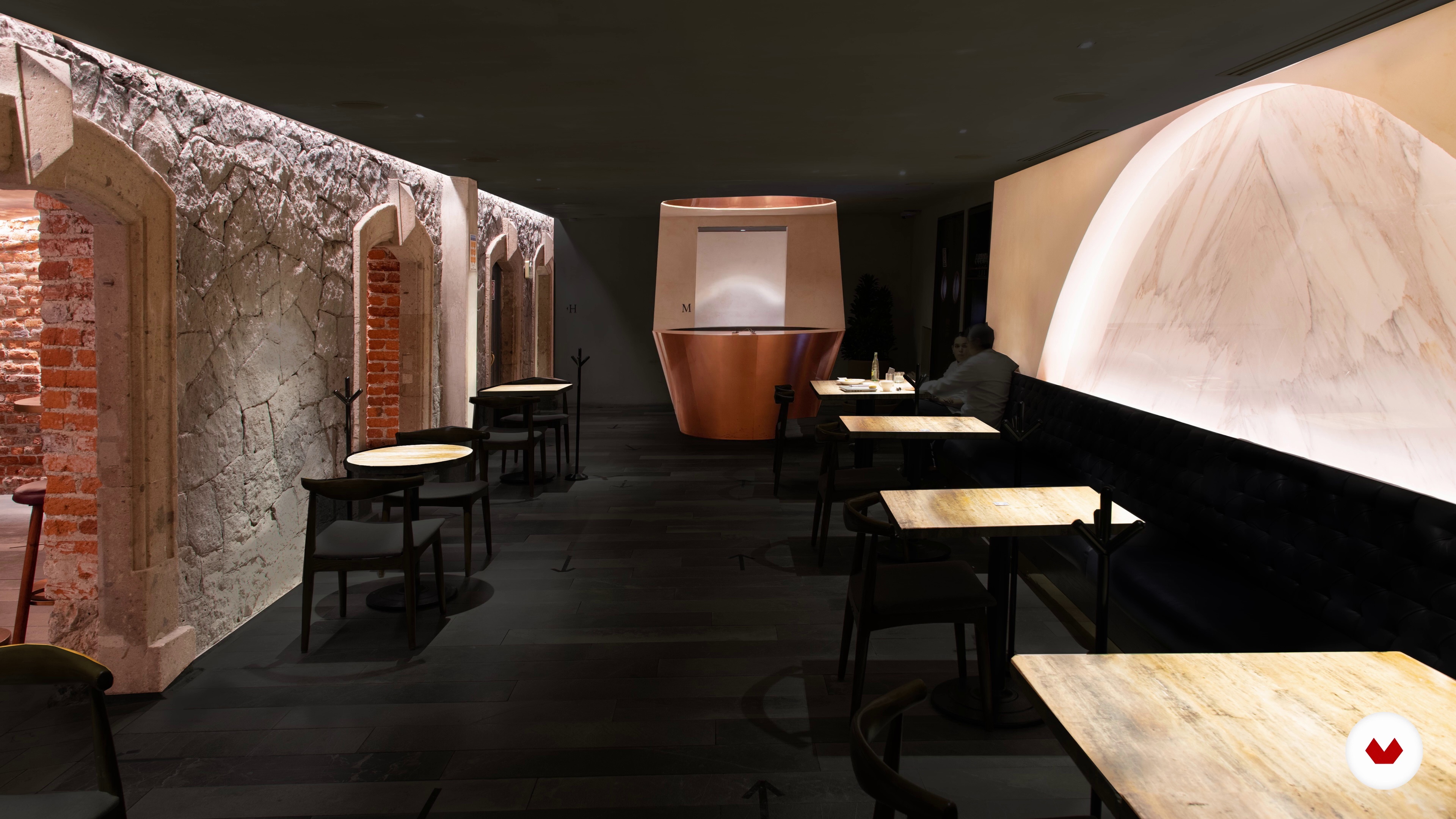
How to choose a light source? 2
I'm going to explain how we chose the right lights for Madre Café and also show you a special light that we created for a specific project. Many times, because of the characteristics of the space, the requirements of the client, the budget or because we simply cannot find the light time we want in the market, we modify, design and build luminaries.
8m
image
13
Representation of light sources
Once you have chosen a lighting fixture, it must be represented on the architectural plan. I will show you how we draw it so that it communicates the ideas of position, direction, color temperature and its shape.
8m
image
14
Drawing the light
Using the blueprints and visualizations of a project, I will show you how we draw and explain our ideas of light to a client and our team. These ideas then become our conceptual design presentation.
16m
image
4
Theoretical bases
In this lesson I will explain the theoretical bases that you will have to take into account when designing a space.
3m
image
5
Technical bases
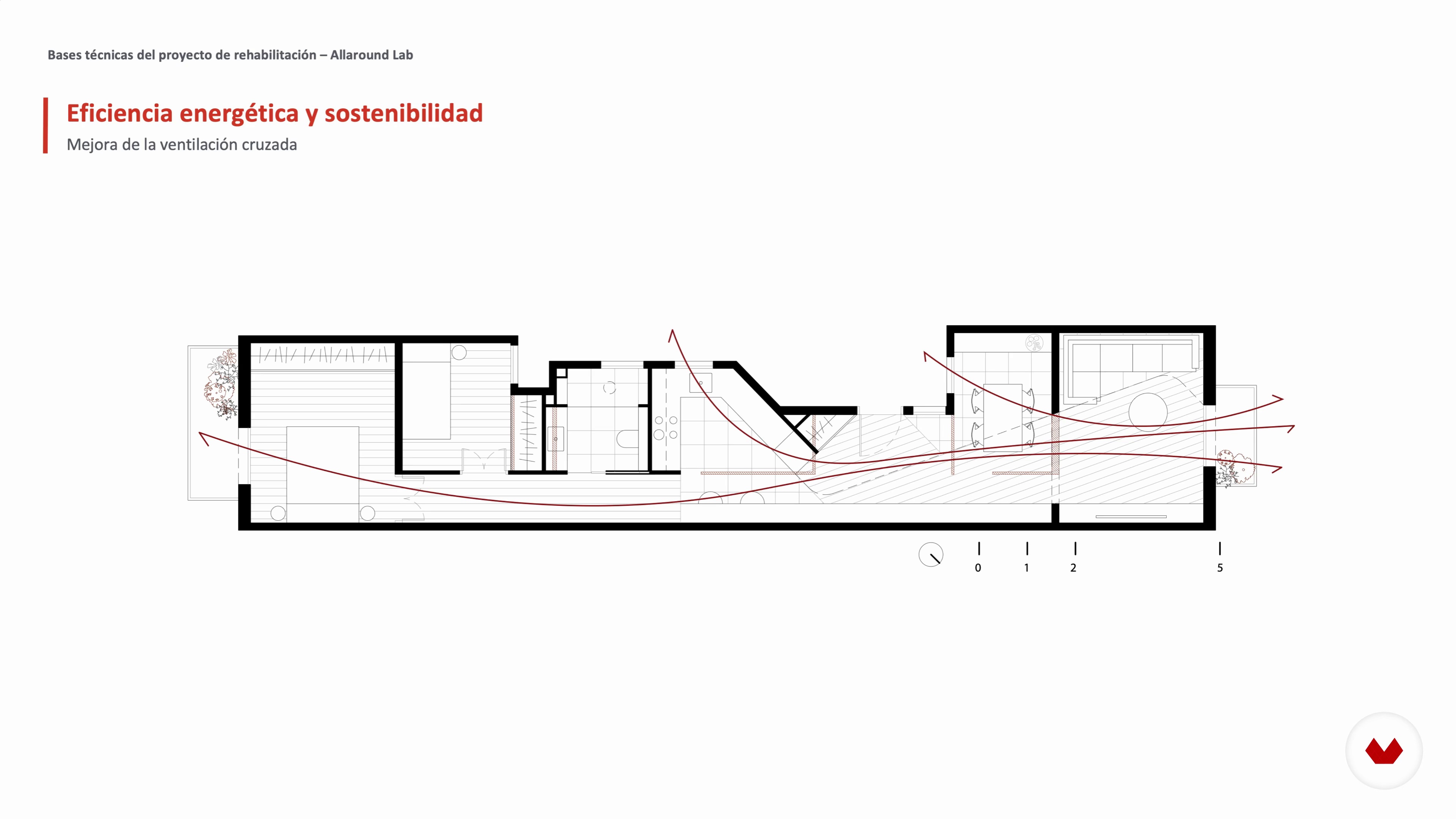
Next, I am going to teach you the technical bases that we consider essential in order to carry out a rehabilitation project.
6m
image
6
Introduction to materials
Now we are going to talk about the materials. For us it is very important to respect the history and personality of the place where we are going to intervene, in addition to working with honest and timeless materials.
3m
image
7
Introduction to lighting
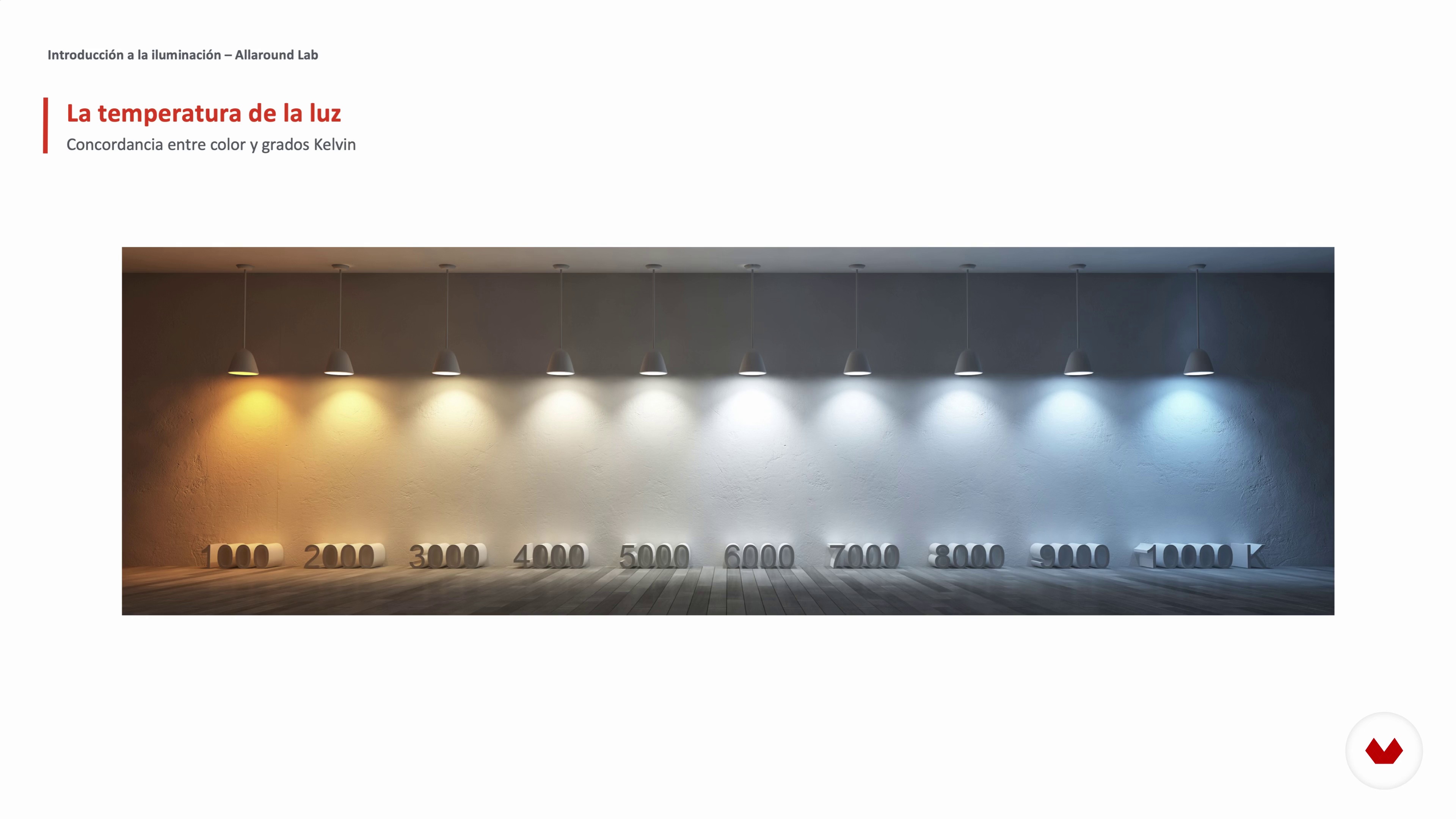
In this lesson we are going to make an introduction to the lighting of spaces and the different types of lights and temperature.
3m
image
8
Know the customer
We begin by seeing the importance of knowing the client and generating a relationship of trust with him.
5m
image
9
Know the space
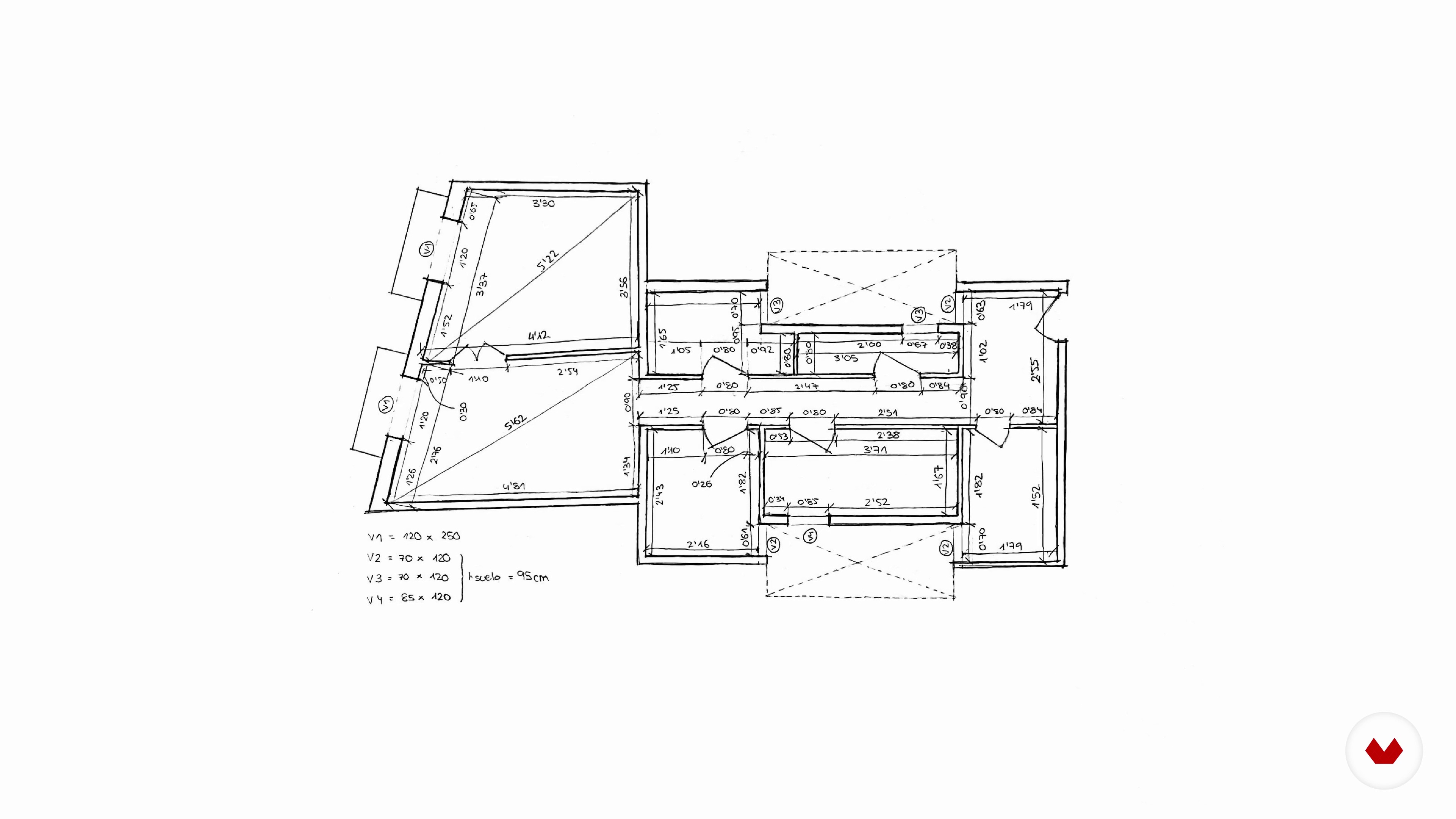
In this lesson I will explain what you should keep in mind when you make the first visit to the place where you are going to intervene. I'll also give you some tips for getting a good lift.
3m
image
10
Define the project idea
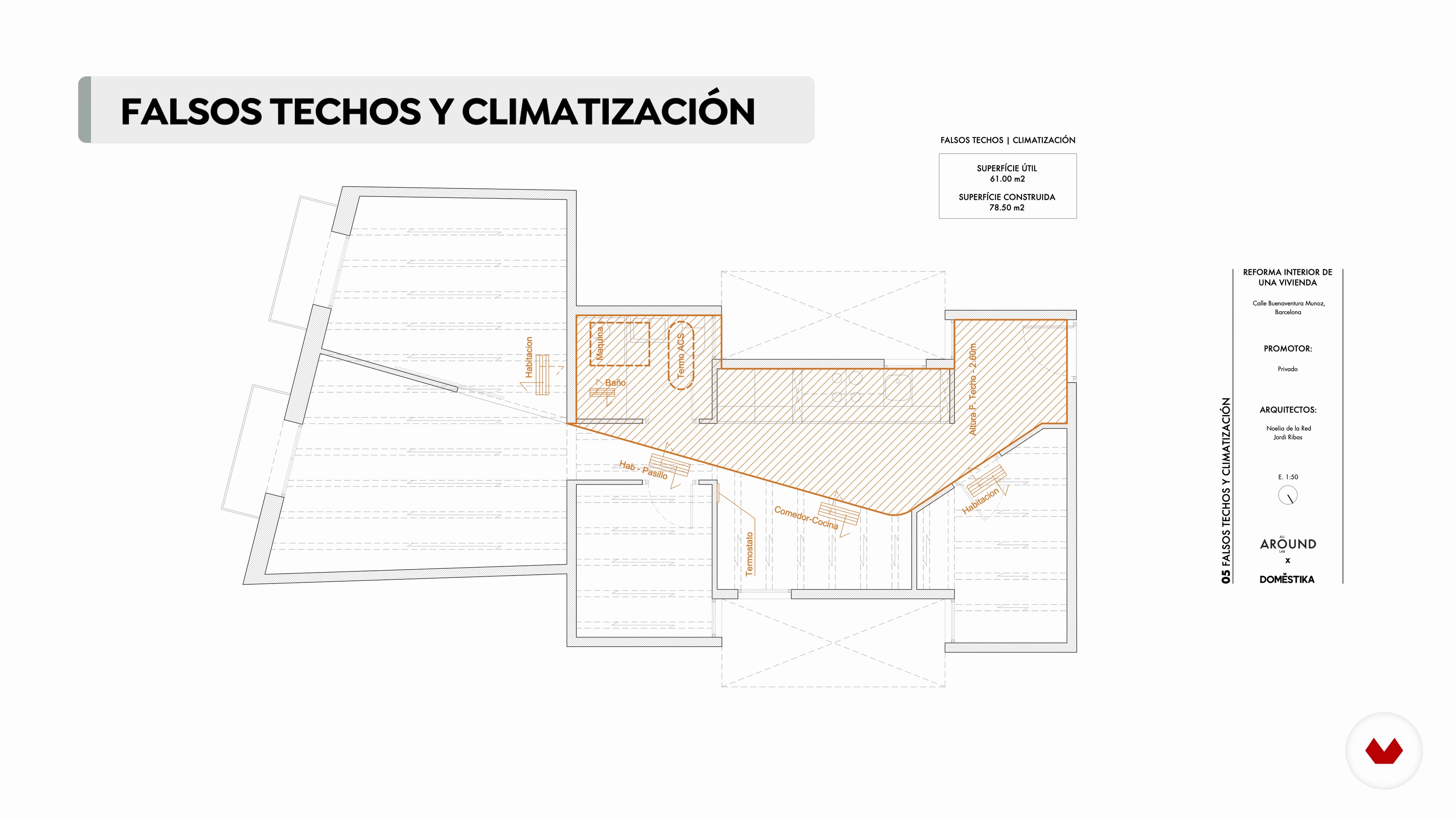
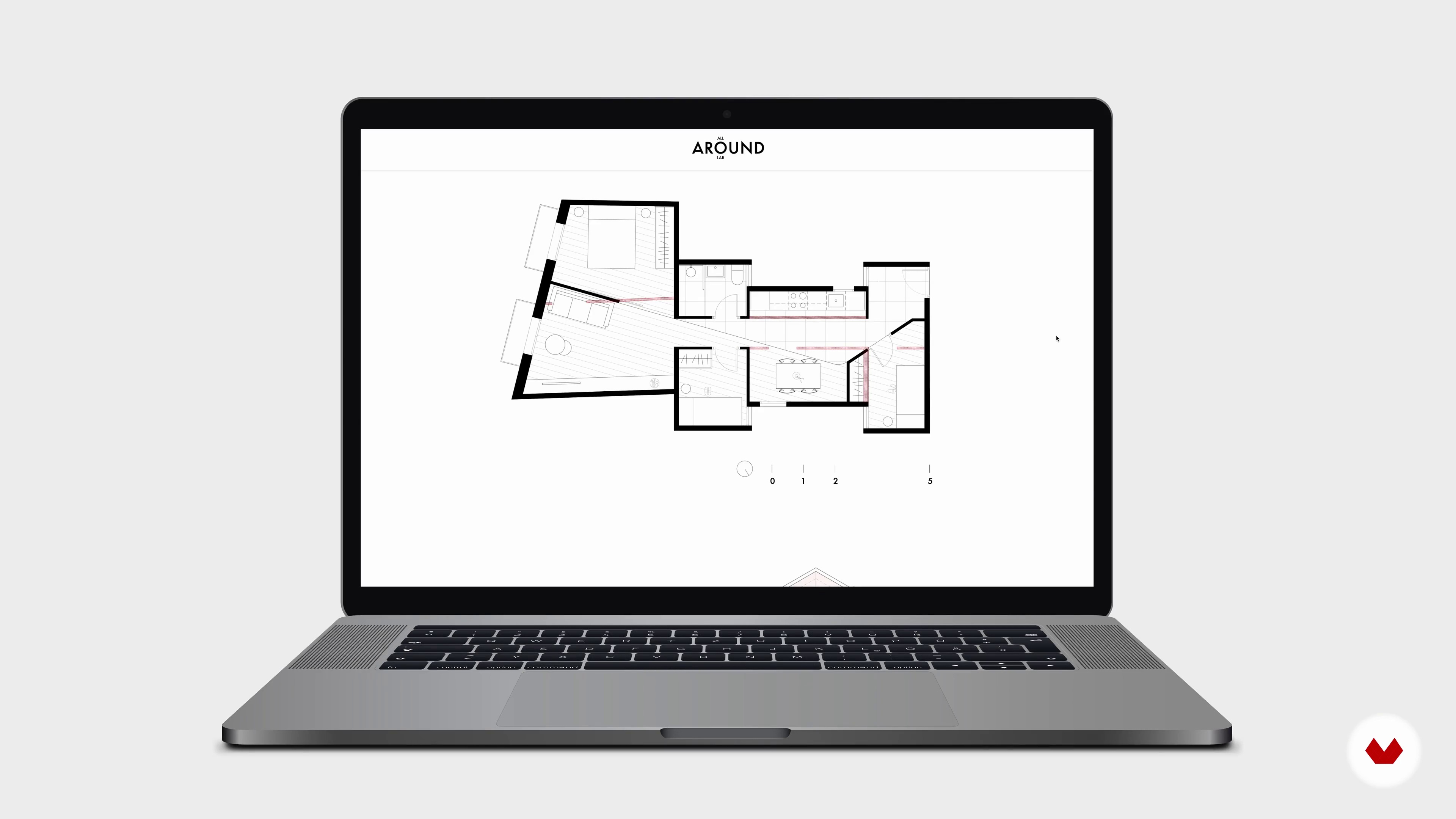
Now I'm going to talk to you about the importance of not having a preconceived idea and looking for inspiration everywhere, without limiting ourselves only to architecture or interior design. I will also tell you about the general idea that we follow to develop our Buenaventura Muñoz project.
3m
image
11
Supports and work methodologies
In this lesson I will teach you the different ways and supports that exist to develop the project (sketches, models, axonometries, plans, 3D models, etc.).
4m
image
12
Distribute the space
Although it is very difficult to establish rules that are valid in any situation, in this lesson I will explain the main strategies or modes of operation that we carry out when we face a new project. It is important that you take into account the needs of each project and adapt these strategies as necessary or even generate your own.
5m
image
13
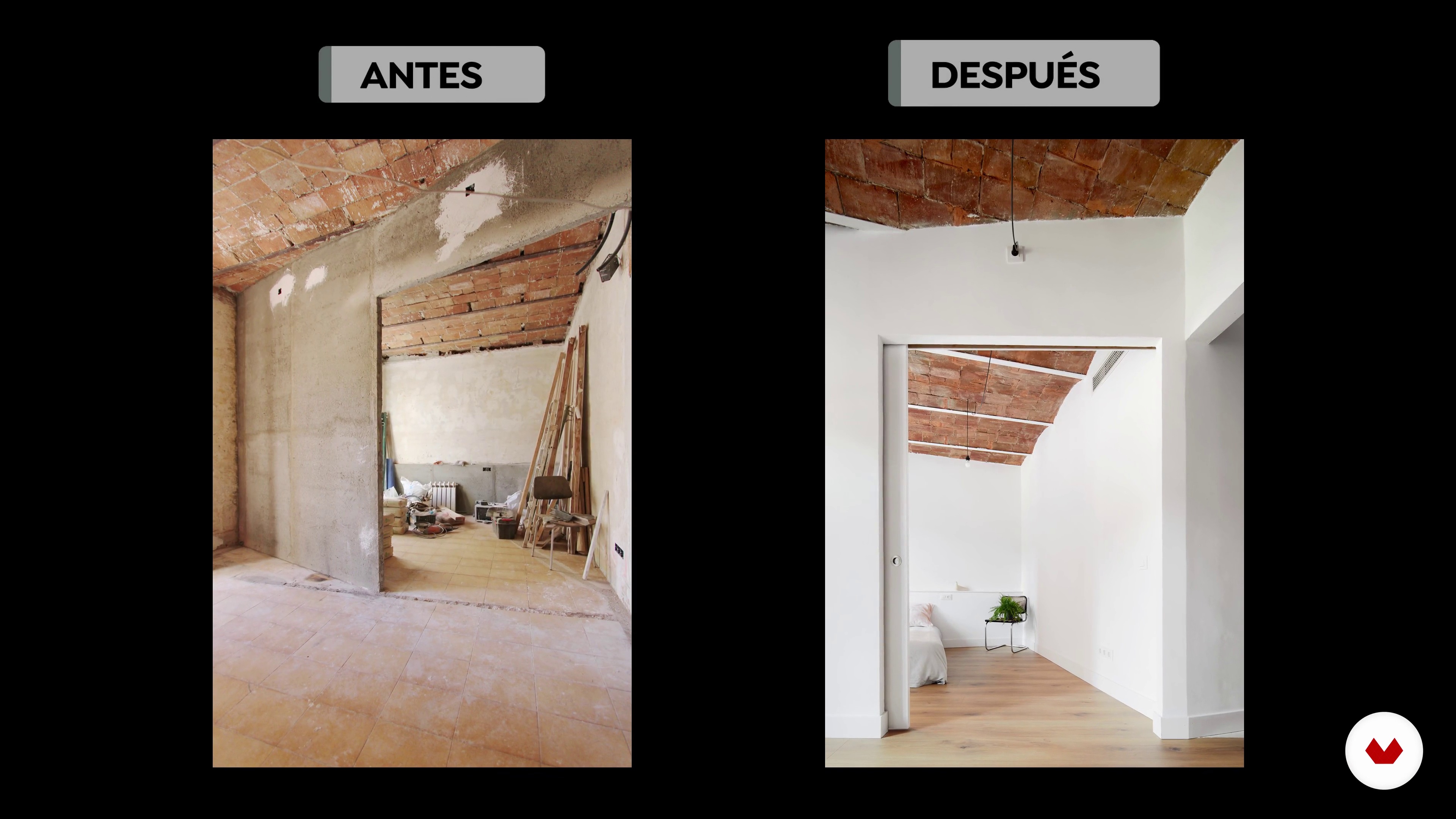
Materiality
Next, I will talk to you about the importance of deciding what to conserve and what not of the space where we are going to intervene and how to reconcile the old with the new, creating a comfortable atmosphere.
4m
image
14
Adaptability
Sometimes (almost always) we have to do what we can and not what we would like, but always without giving up good design and trying to leave room for the user to appropriate the space and make it their own. In addition to delving into this, I will talk about the importance of giving the project flexibility so that in the construction phase it can adapt to unforeseen events that may arise.
2m
image
15
Documents for the work
Now we are going to see an approximation of the documentation you need to be able to carry out the work in a clear and efficient way and thus avoid unforeseen events.
3m
image
16
Measurements
In this lesson I will explain the importance of taking measurements of the materials that you will need in the work to be able to compare between different budgets.
2m
image
17
The construction site
The play is often a stressful process and sometimes a bit unpredictable. In this lesson I will give you some tips and I will teach you a tool that we use in the study to have more planning and control over it.
3m
image
18
Diffusion
After the completion of a good project and a good management of the work process, the last phase remains, showing your work to the rest of the world. I am going to give you several tips so that your work has greater diffusion.
2m
image
3
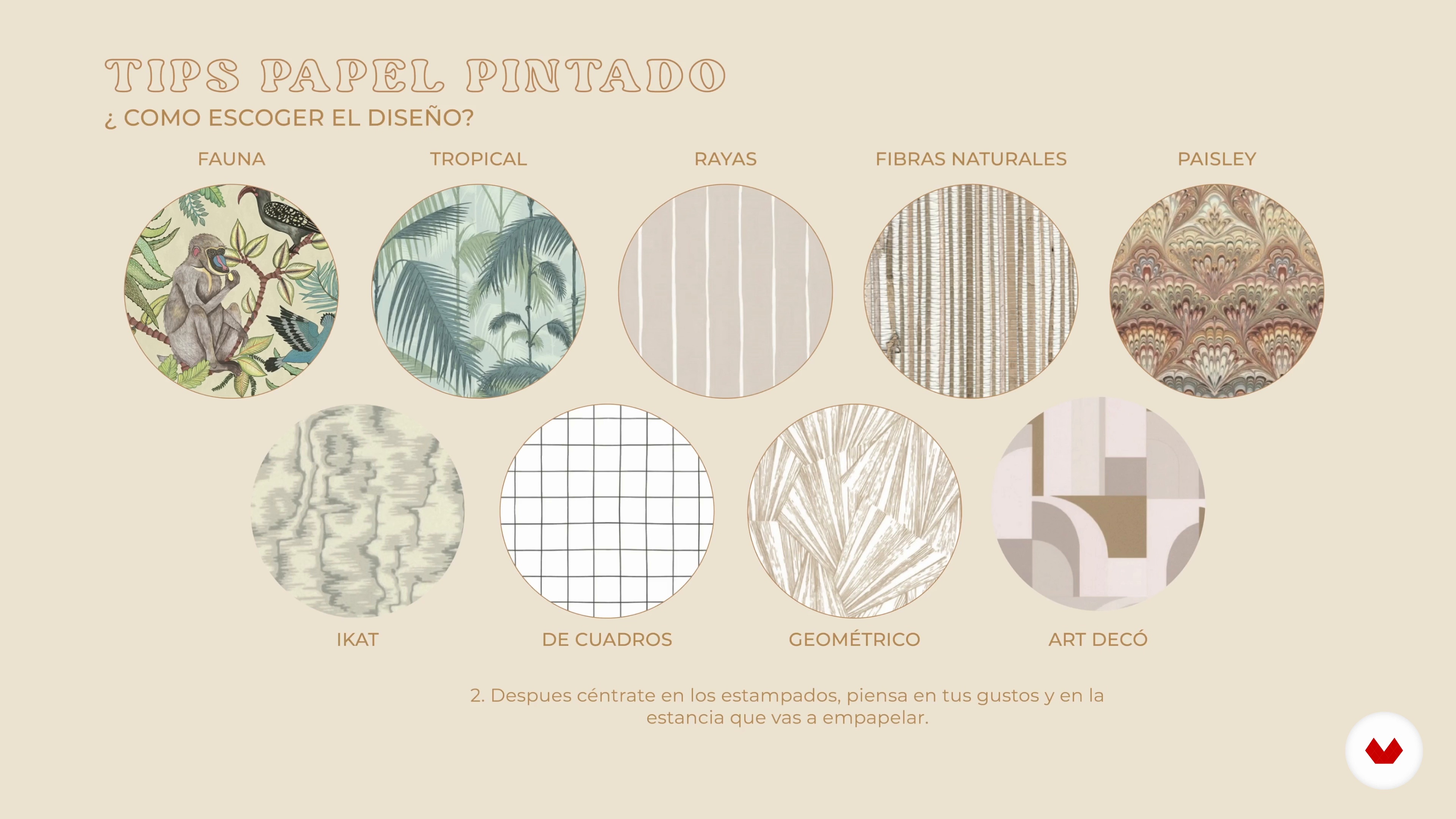
Design Principles
I will explain to you some of the basic principles for design from balance, harmony, proportion, scale, and emphasis.
7m
image
4
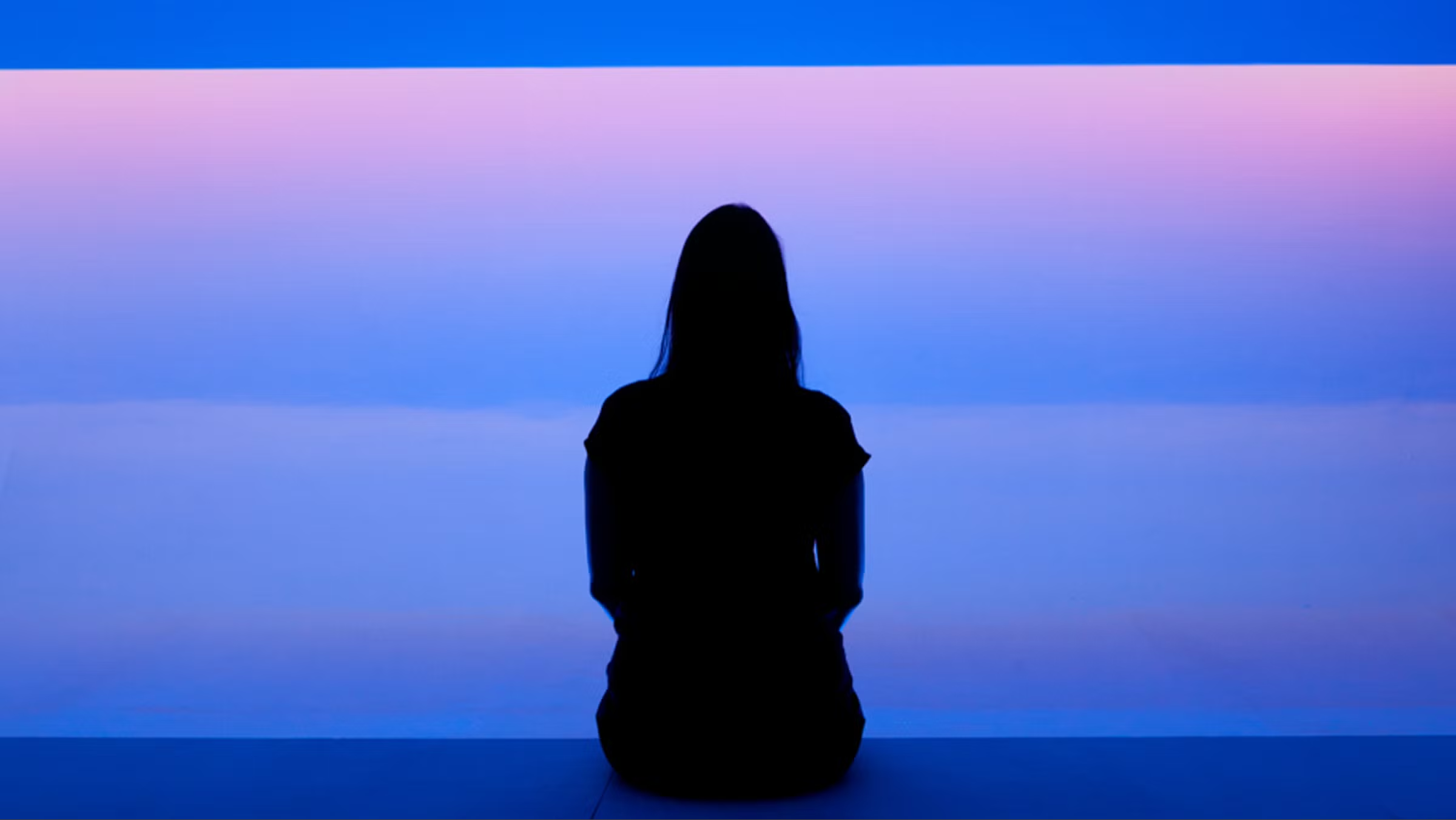
Colour Theory
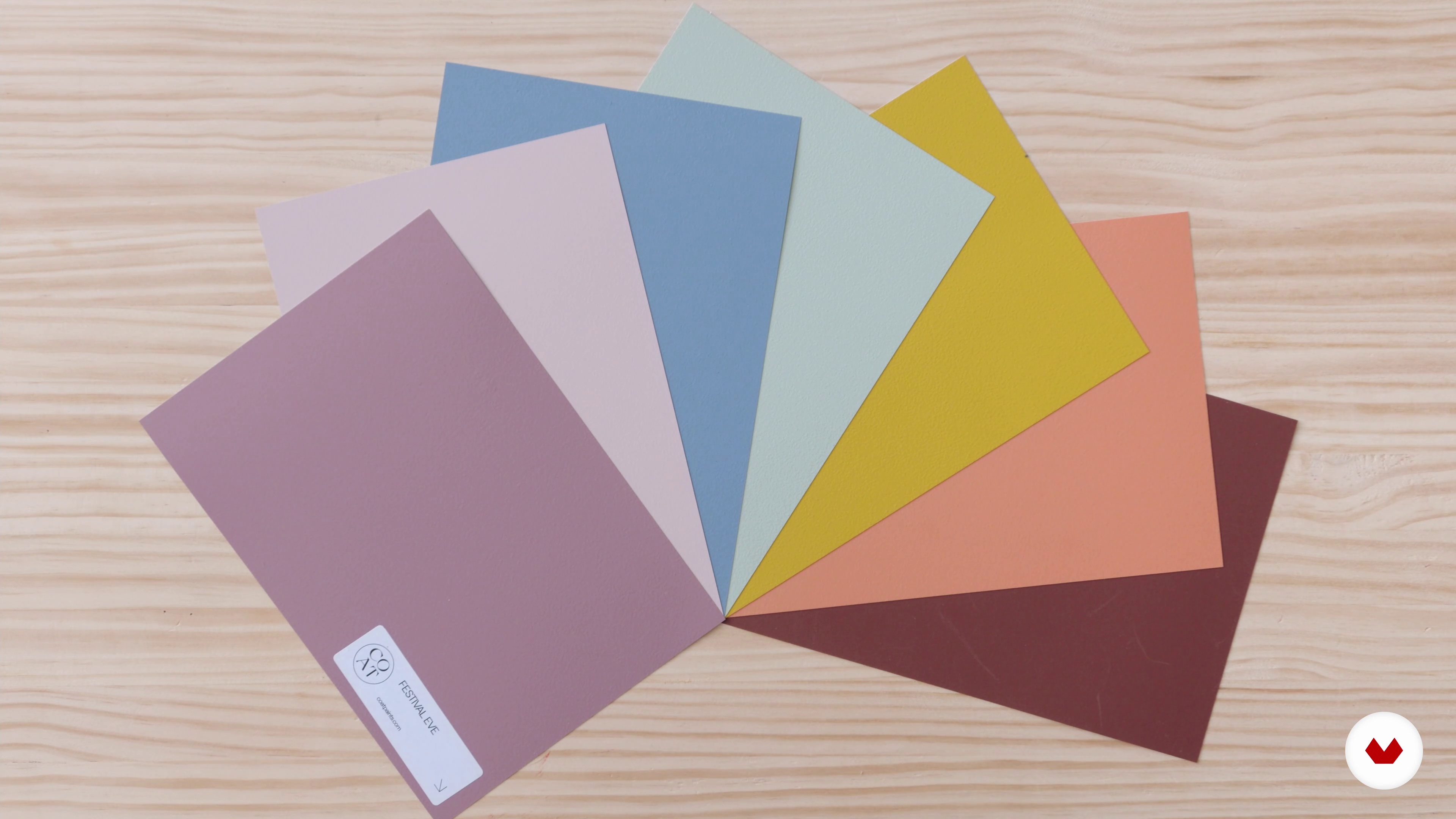
Have you ever wondered what colours mean to us and how it affects us and our designs? During this lesson, I will be explaining this to you. You will also learn how to use colours in your project.
10m
image
5
Finding Inspiration and Sourcing Ideas
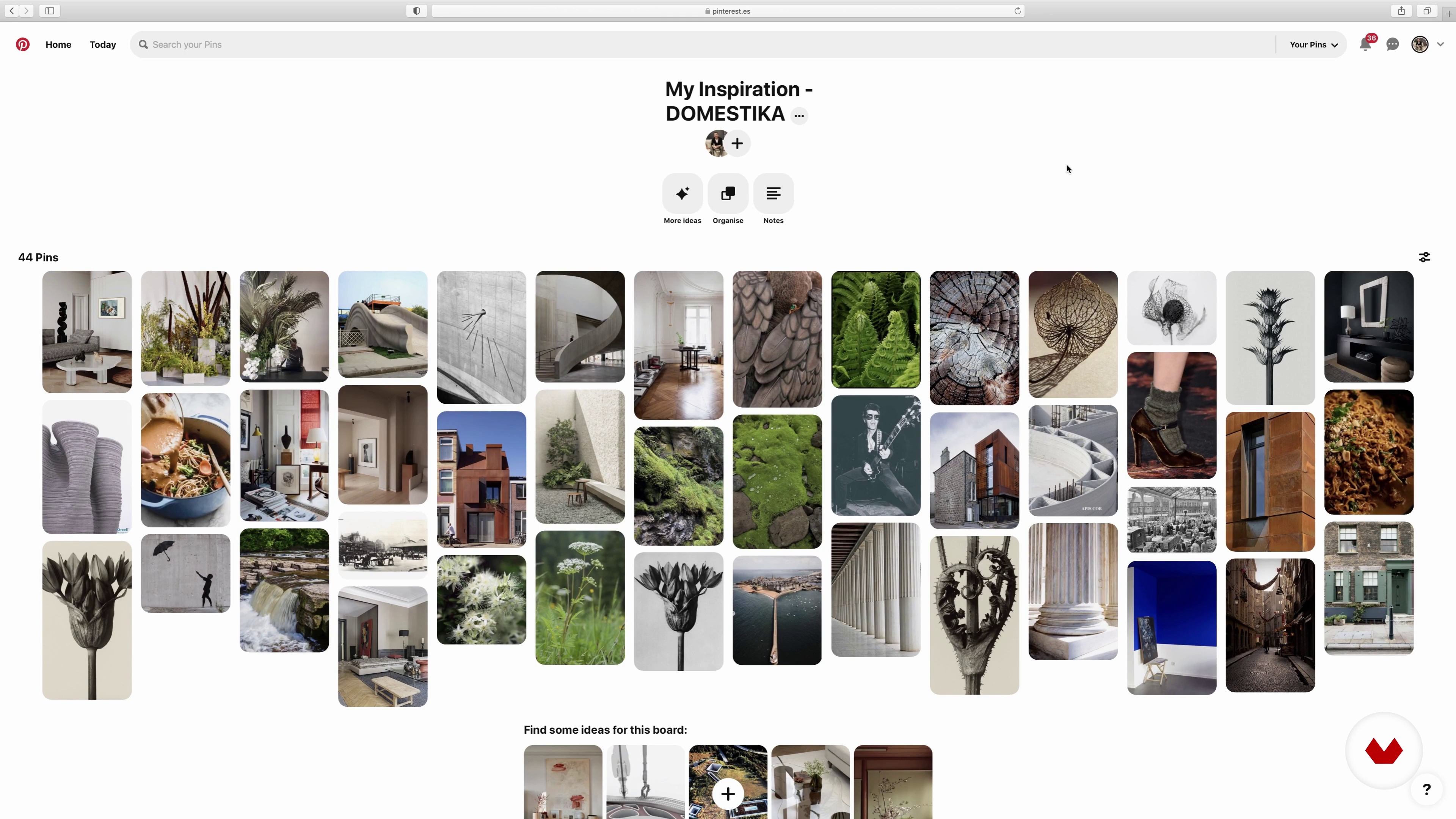
Inspiration is one of the most important things we need to have to do what we love. I will teach you how and where you can look for it and how to start analyzing the things you like so you can realize which ones will help you in your creative process.
13m
image
6
Analysing the Room
How to choose the right space? I will show how did I analyse the space I choose, so could also analyse your room from touchpoints to visual elements.
8m
image
7
Brainstorming Concepts
I will teach you how to collect inspiration and ideas so you can put them together into a mood board for your project using a variety of media.
11m
image
8
Embellishing Your Piece 1
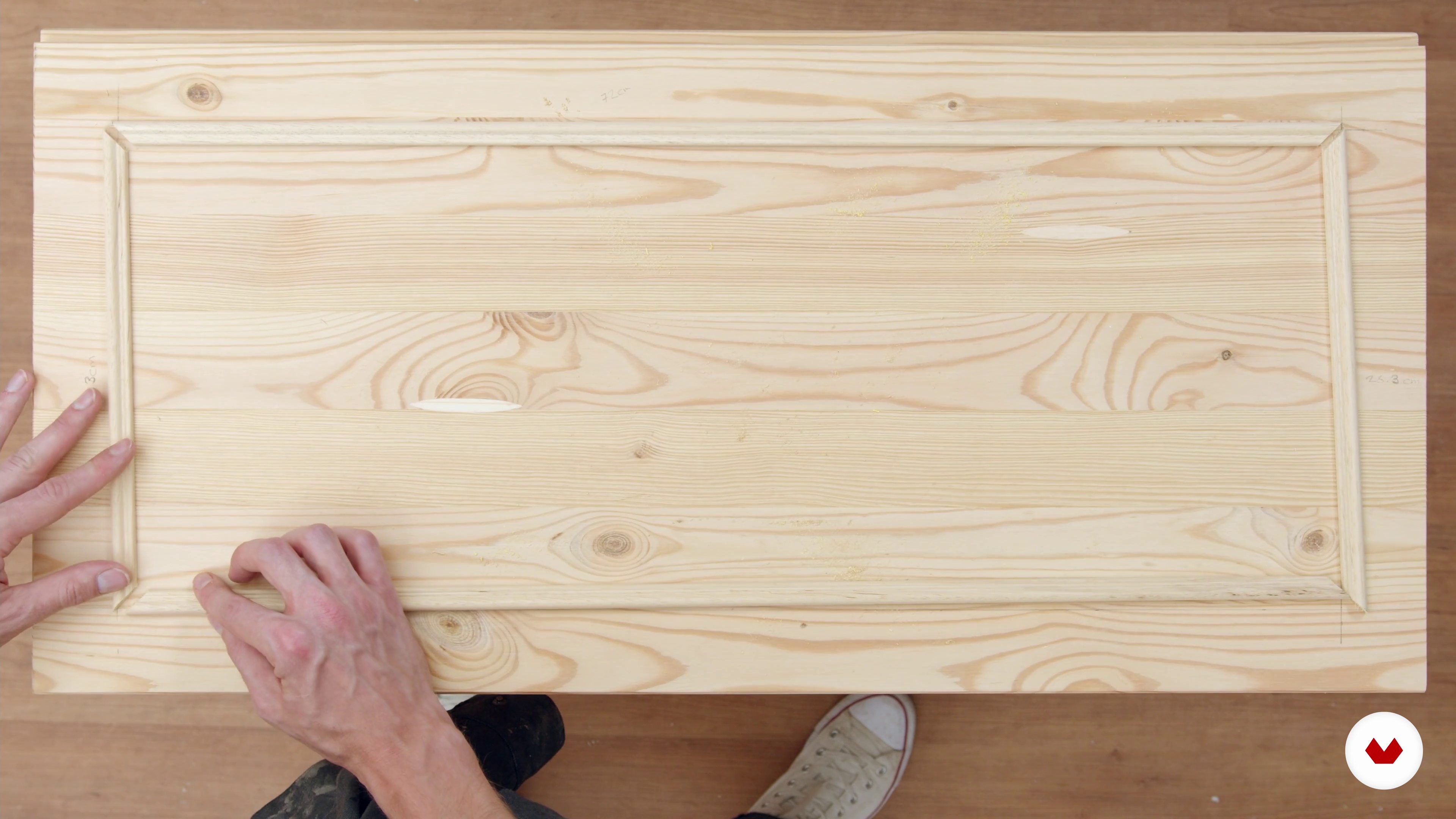
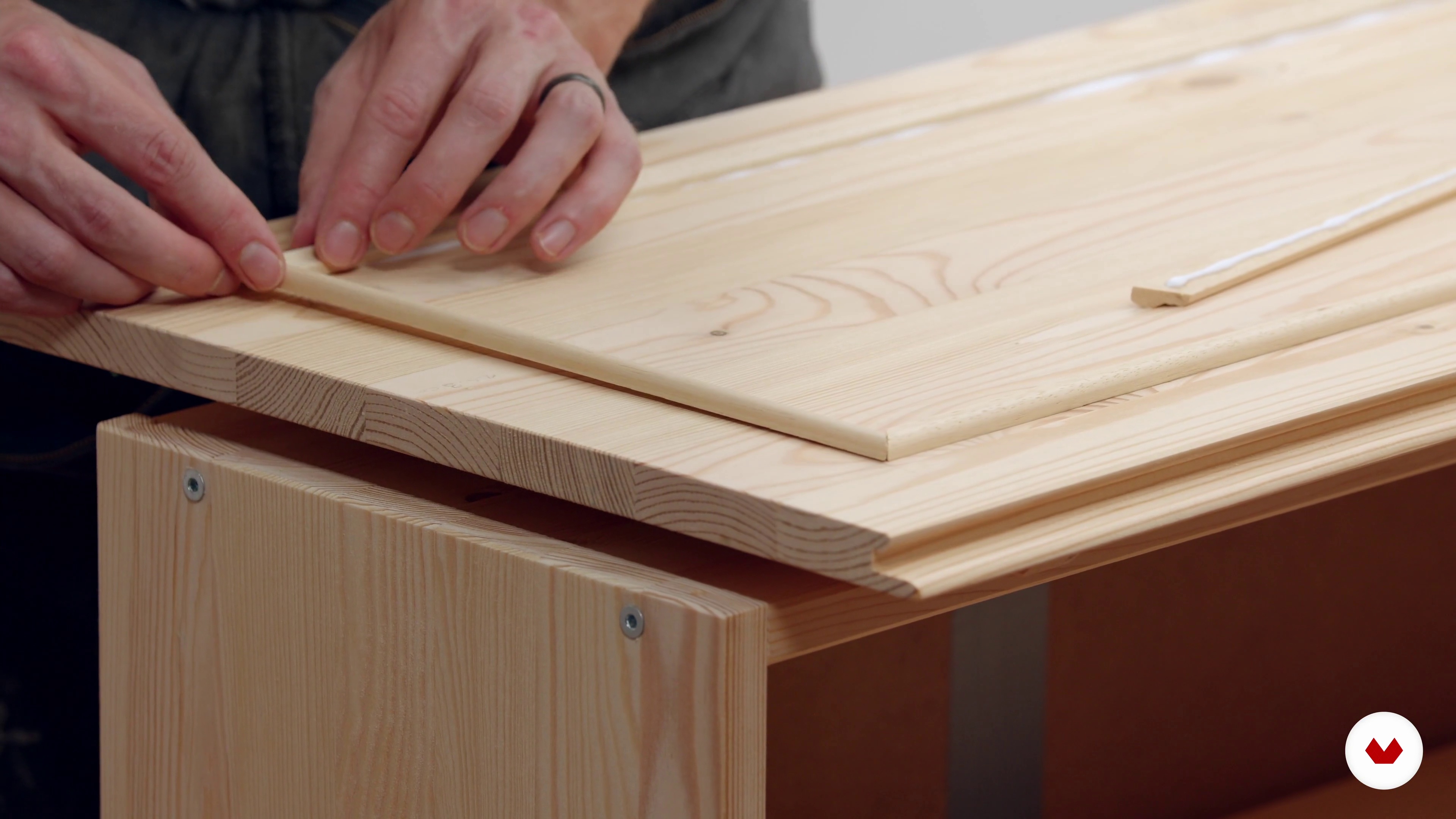
I will be showing you a simple trick to add some details to your pieces of furniture.
12m
image
9
Embellishing Your Piece 2
You will learn how to check that everything joins together well and you will be watching how I keep working until the piece is the best it can be.
12m
image
10
Painting and Decorating Your Piece 1
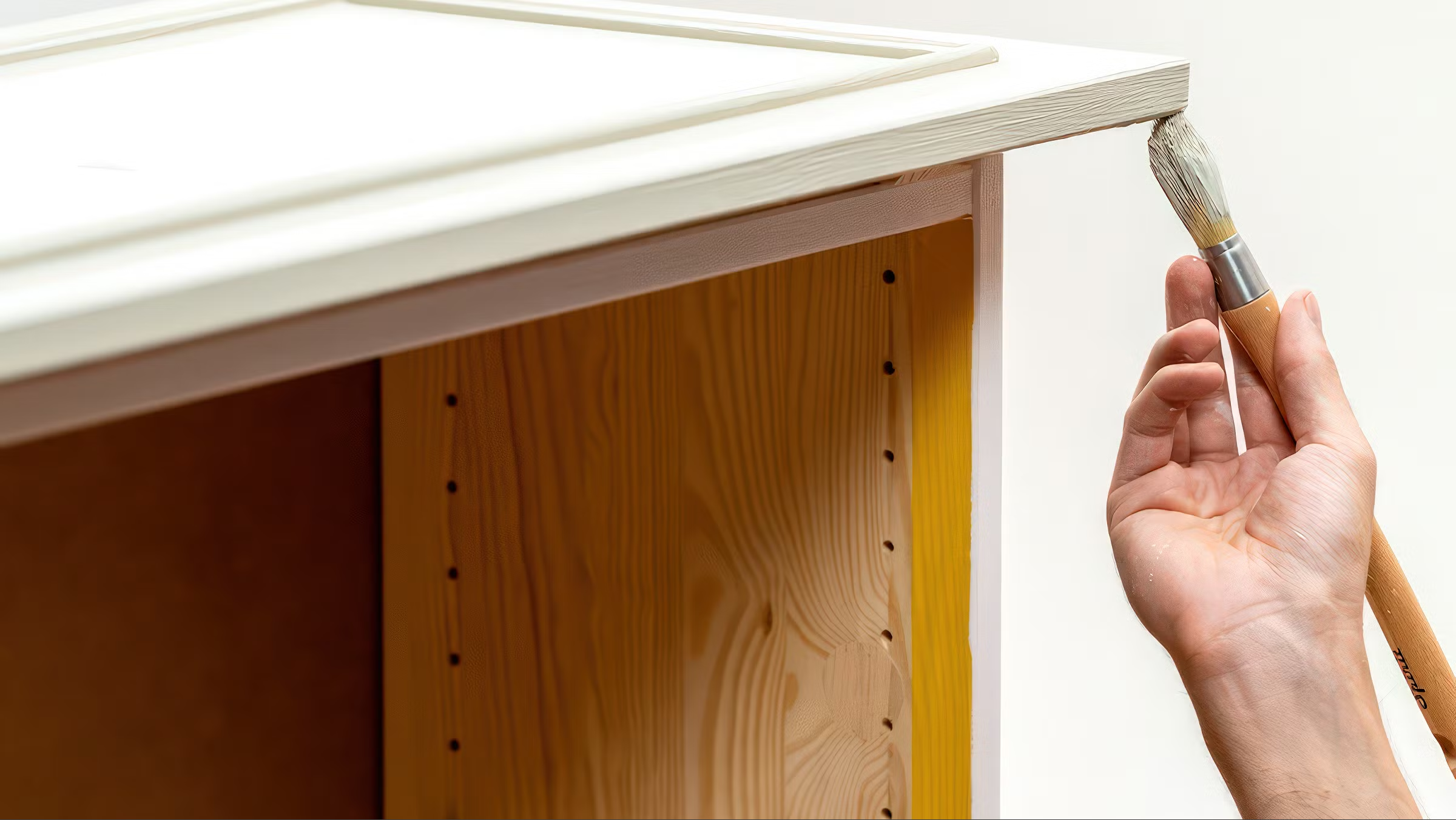
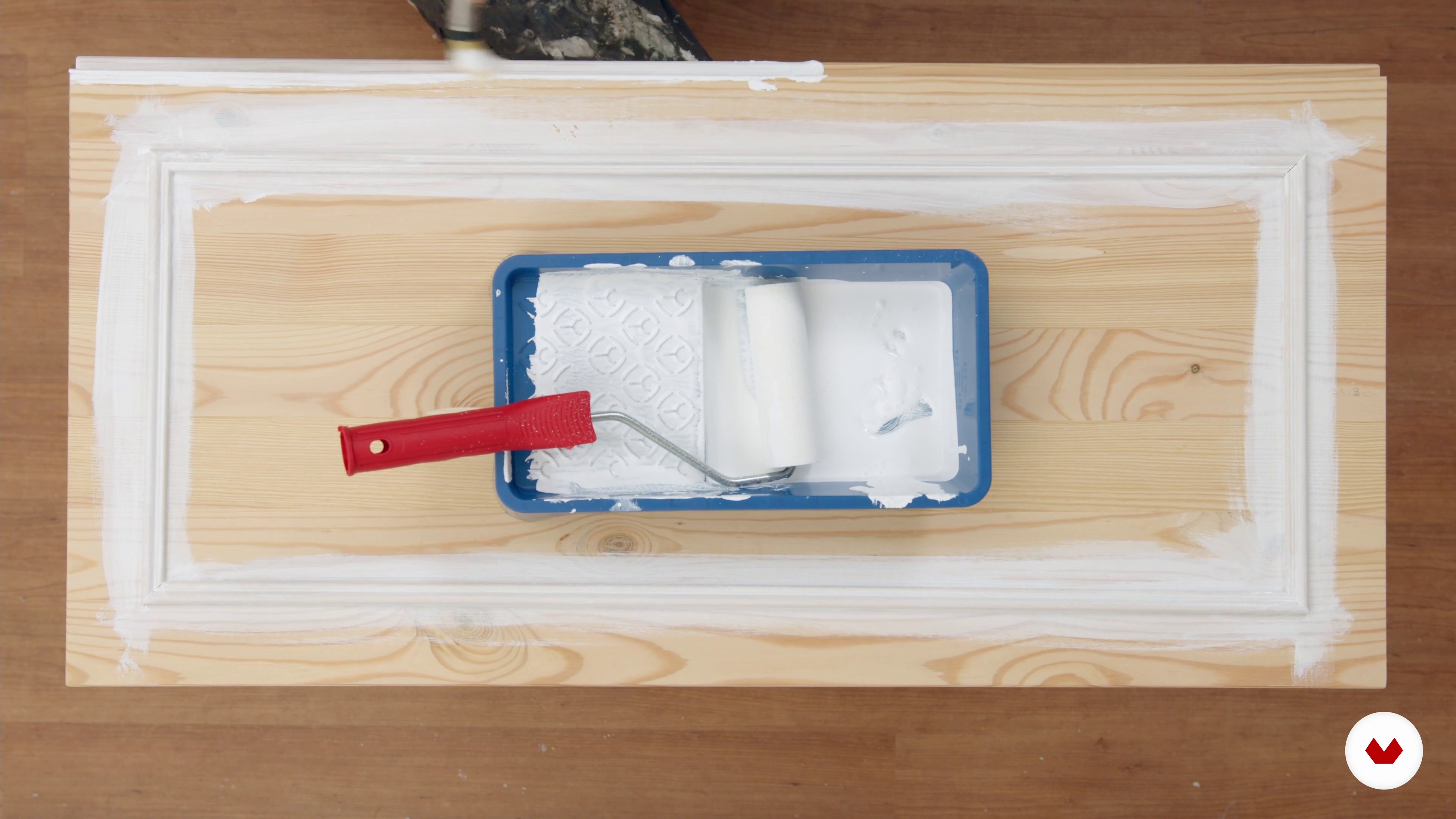
I will teach you how to effortlessly paint your furniture and I will share with you some top tips on how to get the best finish possible. The first step I will be teaching you it's not a big secret but it does make a huge difference.. white painting! This will help your pice look better.
20m
image
11
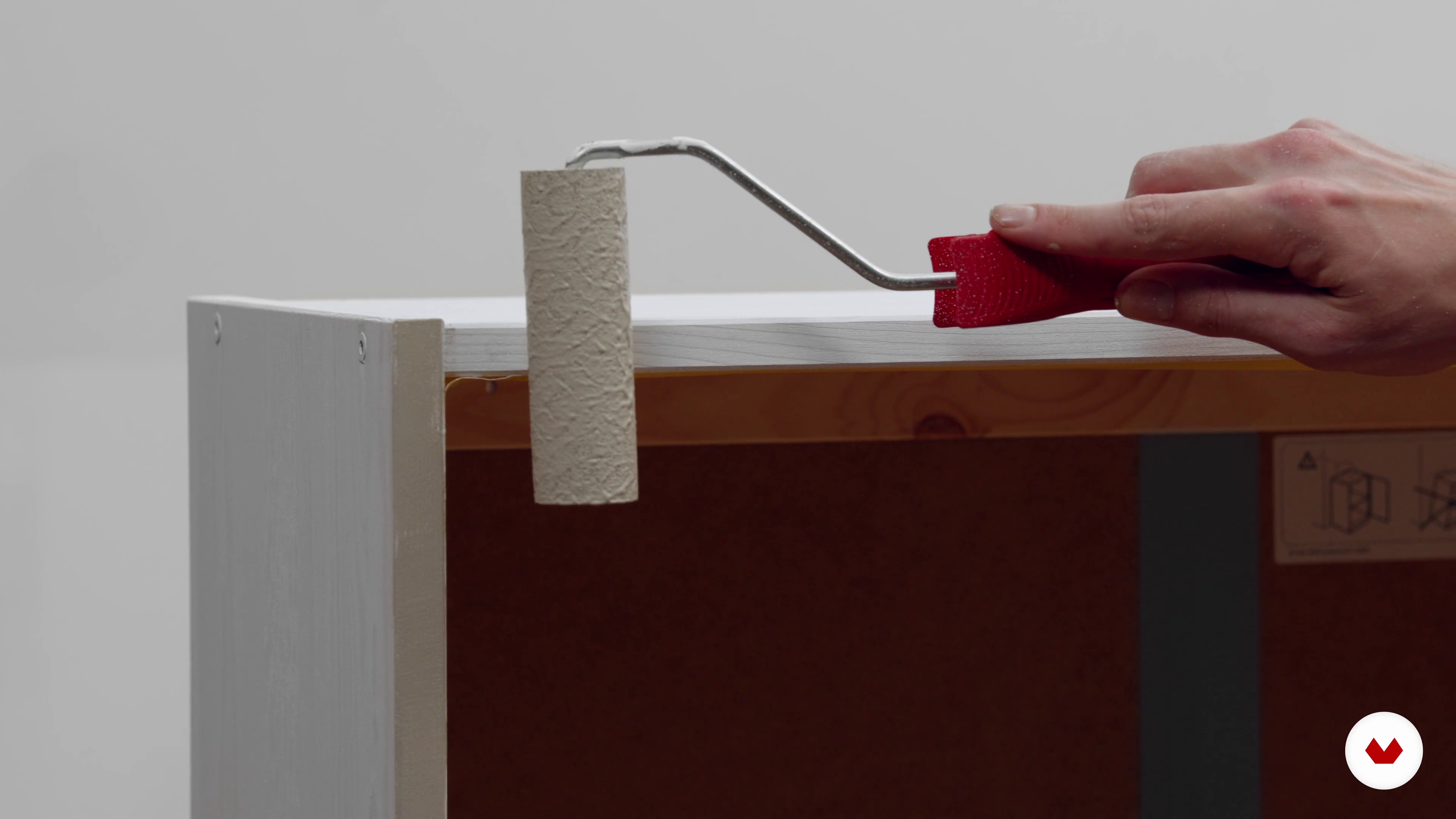
Painting and Decorating Your Piece 2
You will see how to apply the real colour to your piece.
16m
image
12
Fix and Paint the Walls 1
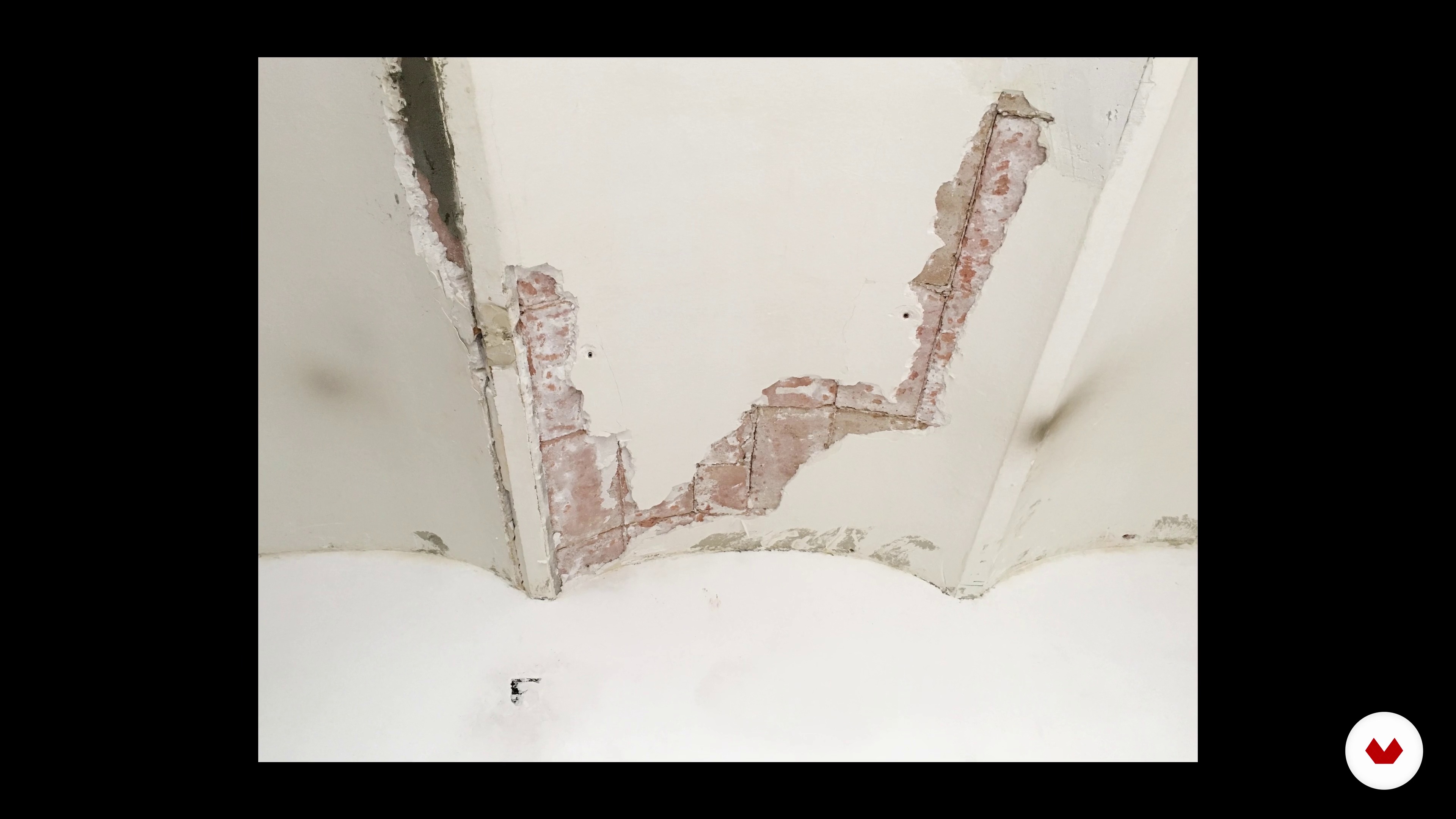
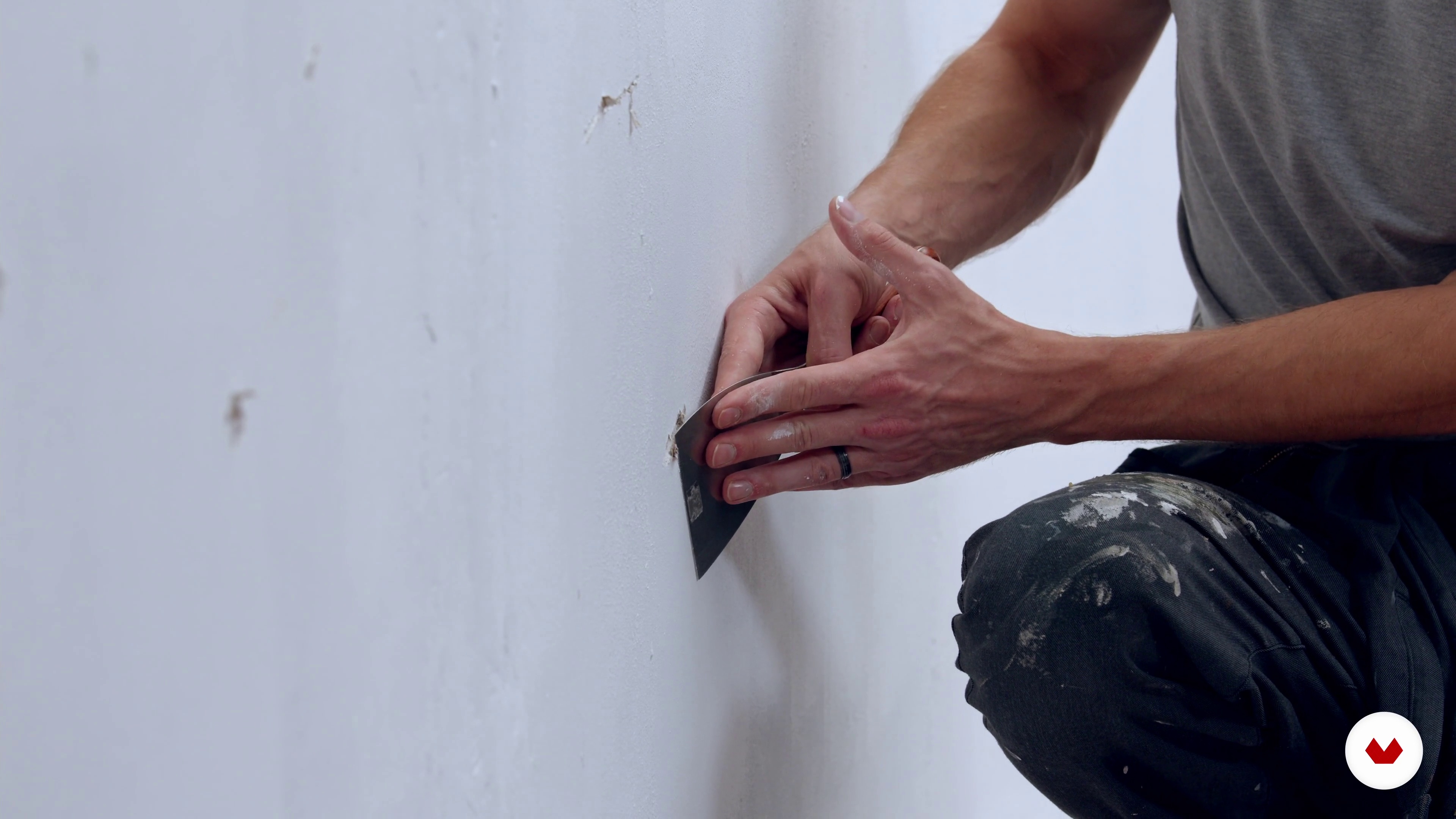
Sometimes walls can get damaged and look a bit old, in this lesson I am going to show you how to repair this.
19m
image
13
Fix and Paint the Walls 2
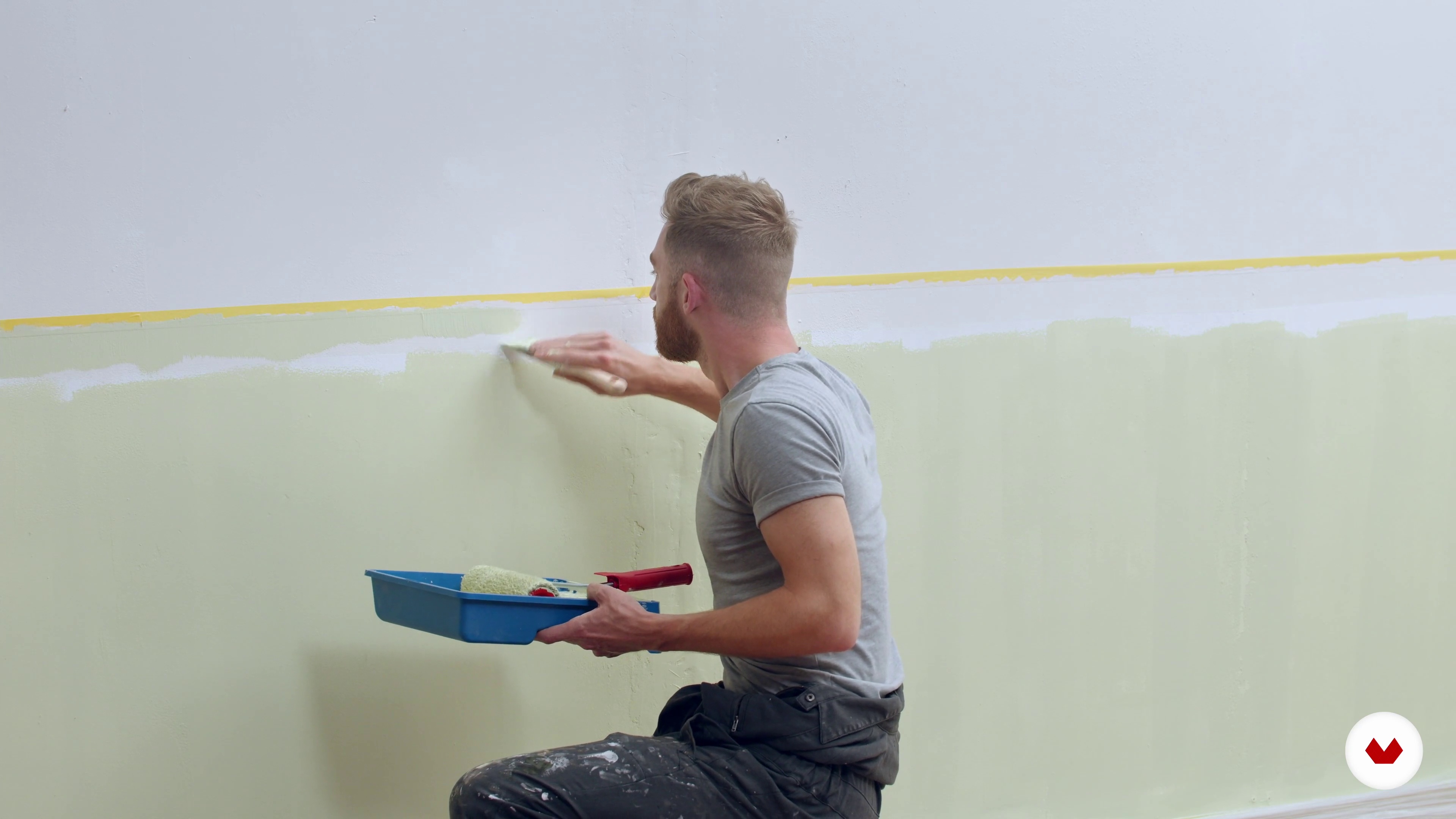
Now you will learn how to create a split colour wall with the crispest line!
19m
image
14
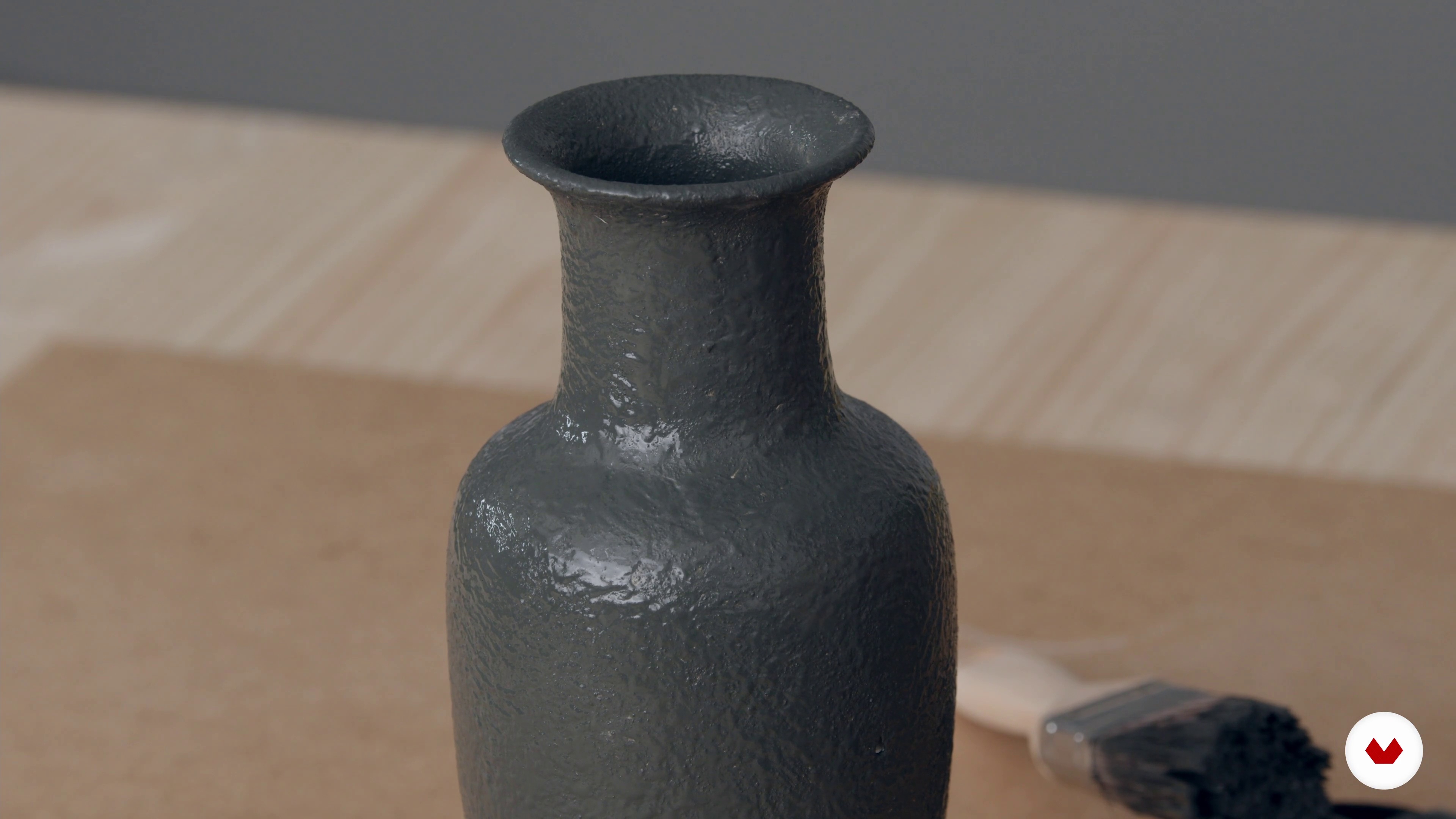
Painting Your Vases
You will learn how to take some old accessories and give them a new lease of life with a simple paint effect!
13m
image
15
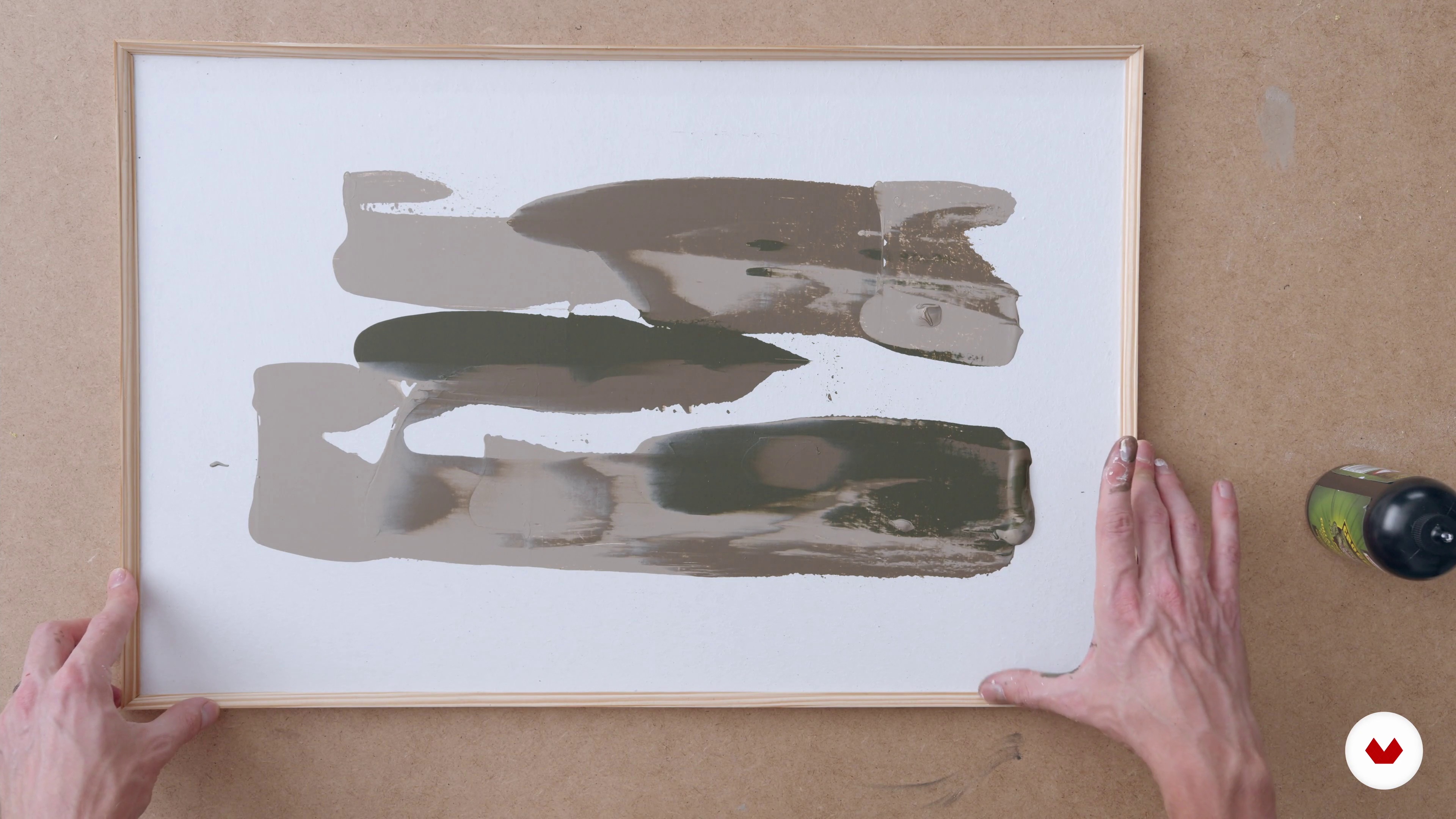
Creating Artwork from Scraps
In this lesson, you are going to make your own bespoke piece of art from… scraps! This is the best way to get inventive and show off your artistic side by repurposing materials to make beautiful art.
17m
image
16
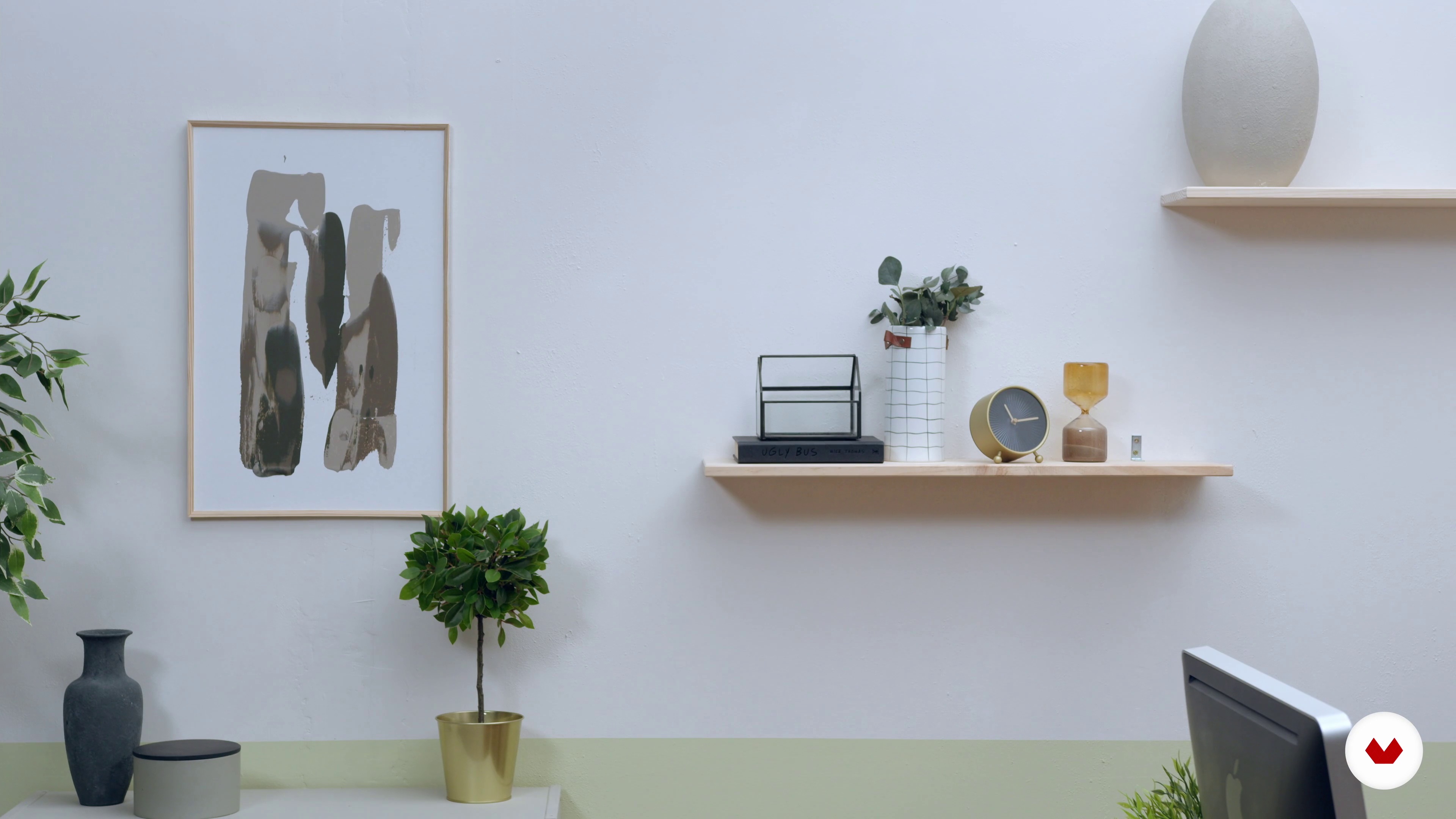
Styling: Layout
I will teach you how to get the layout of your room right, how to analyse your space, and put some finishing touches on your project.
16m
image
17
Styling: Dressing
You will learn different ways of styling your room from contemporary, paired back styling to layered maximalist influences.
18m
  • 100% positive reviews (1)
  • 194 students
  • 80 lessons (11h 50m)
  • 139 additional resources (50 files)
  • Online and at your own pace
  • Audio: Spanish, German, English, Spanish (Latam), French, Italian, Polish, Portuguese, Turkish
  • Spanish · English · Portuguese · German · French · Italian · Polish · Dutch · Turkish · Romanian · Indonesian
  • Level: Beginner
  • Unlimited access forever

What is this course's project?

Students will develop a complete residential renovation project, integrating strategic planning, practical execution and lighting design, demonstrating skills in rehabilitation, resource optimization and transformation of spaces, creating functional and aesthetically impactful homes.

Who is this specialization for?

Designers, architects, and interior design enthusiasts seek to master the complete renovation of living spaces. These individuals are interested in strategic planning, lighting techniques, and rehabilitation, creating functional and aesthetically striking homes adapted to contemporary needs.

Requirements and materials

No extensive prior knowledge is required, just an interest in interior design. You will need access to a computer with an internet connection, basic design software, and drawing materials for sketching. Having space to practice DIY techniques will be helpful.


Select to get to know your teachers in this specialization course
Read more ↓

Reviews

194 Students
1 Reviews


What to expect from this specialization course

  • Learn at your own pace

    Enjoy learning from home without a set schedule and with an easy-to-follow method. You set your own pace.

  • Learn from the best professionals

    Learn valuable methods and techniques explained by top experts in the creative sector.

  • Meet expert teachers

    Each expert teaches what they do best, with clear guidelines, true passion, and professional insight in every lesson.

  • Certificates
    Plus

    If you're a Plus member, get a custom certificate for every specialization course. Share it on your portfolio, social media, or wherever you like.

  • Get front-row seats

    Videos of the highest quality, so you don't miss a single detail. With unlimited access, you can watch them as many times as you need to perfect your technique.

  • Share knowledge and ideas

    Ask questions, request feedback, or offer solutions. Share your learning experience with other students in the community who are as passionate about creativity as you are.

  • Connect with a global creative community

    The community is home to millions of people from around the world who are curious and passionate about exploring and expressing their creativity.

  • Watch professionally produced courses

    Domestika curates its teacher roster and produces every course in-house to ensure a high-quality online learning experience.


FAQs

Domestika courses are online classes that allow you to learn new skills and create incredible projects. All our courses include the opportunity to share your work with other students and/or teachers, creating an active learning community. We offer different formats:
Original Courses: Complete classes that combine videos, texts, and educational materials to complete a specific project from start to finish.
Basics Courses: Specialized training where you master specific software tools step by step.
Specialization Courses: Learning paths with various expert teachers on the same topic, perfect for becoming a specialist by learning from different approaches.
Guided Courses: Practical experiences ideal for directly acquiring specific skills.
Intensive Courses (Deep Dives): New creative processes based on artificial intelligence tools in an accessible format for in-depth and dynamic understanding.

All specialization courses are 100% online, so once they're published, specialization courses start and finish whenever you want. You set the pace of the class. You can go back to review what interests you most and skip what you already know, ask questions, answer questions, share your projects, and more.

The specialization courses are divided into different modules. Each one includes lessons, informational text, tasks, and practice exercises to help you carry out your project step by step, with additional complementary resources and downloads. You'll also have access to an exclusive forum where you can interact with other students, as well as share your work and your final project, creating a community around the specialization courses.

You can redeem the specialization courses you received by accessing the redeeming page and entering your gift code.

If you're a Plus member, when you complete a course you've purchased, you'll instantly get your personalized certificate. You can see all your certificates in the Certificates section of your profile. You can download your certificates as PDFs and share the link online. Learn more about certificates.
Specialization in Interior Design and Renovation. Architecture, and Spaces course by Domestika

Specialization in Interior Design and Renovation

A specialization by multiple teachers
Berkeley, United States.
Joined April 2002
  • 100% positive reviews (1)
  • 194 students