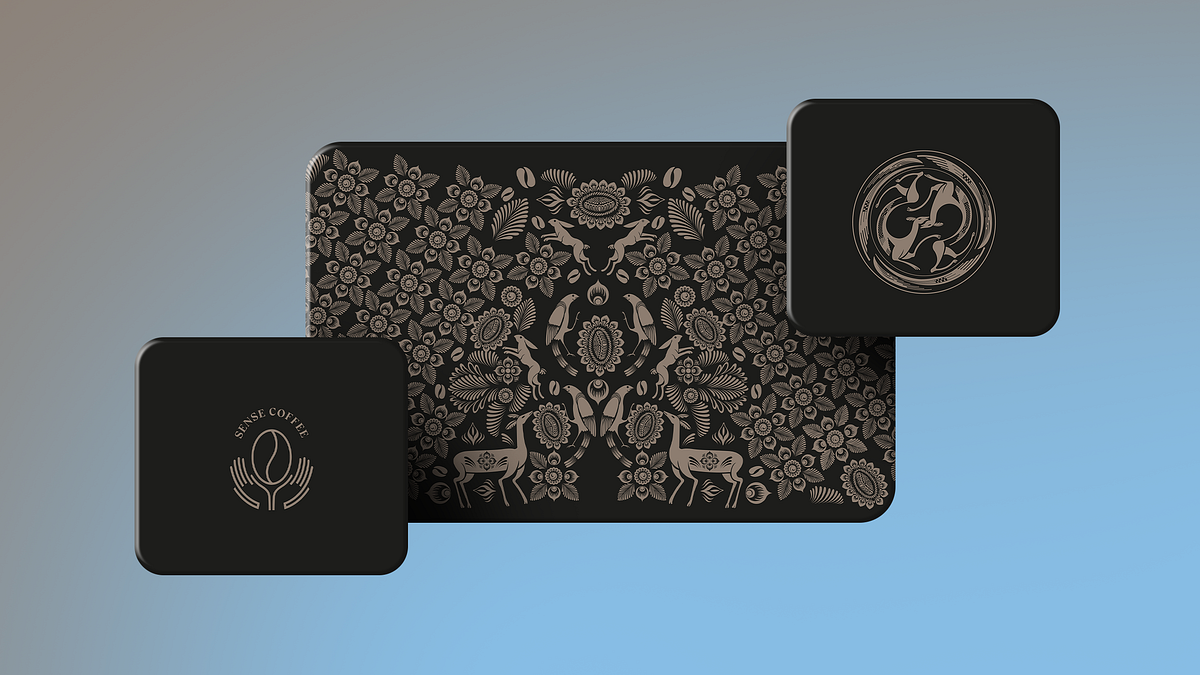
Guided course: Create a personalized logo from scratch
A course by Monotypo StudioGraphic designer
A course by Monotypo Studio, Graphic designer

Learn logos design by typographies, sketching, digitalization, vectorization and professional application
In this guided course you will learn to create a unique logo through the customization of an existing typography. The project is structured in practical stages, from the conceptualization and search for references, to the digitalization, vectorization and final application of visual identity in different supports. Through a completely practical approach, you will develop your own logo step by step, learning the key sketch processes, optical adjustments, color selection and preparation for printing and real applications.
What will you learn in this online course?
11 lessons & 12 downloads
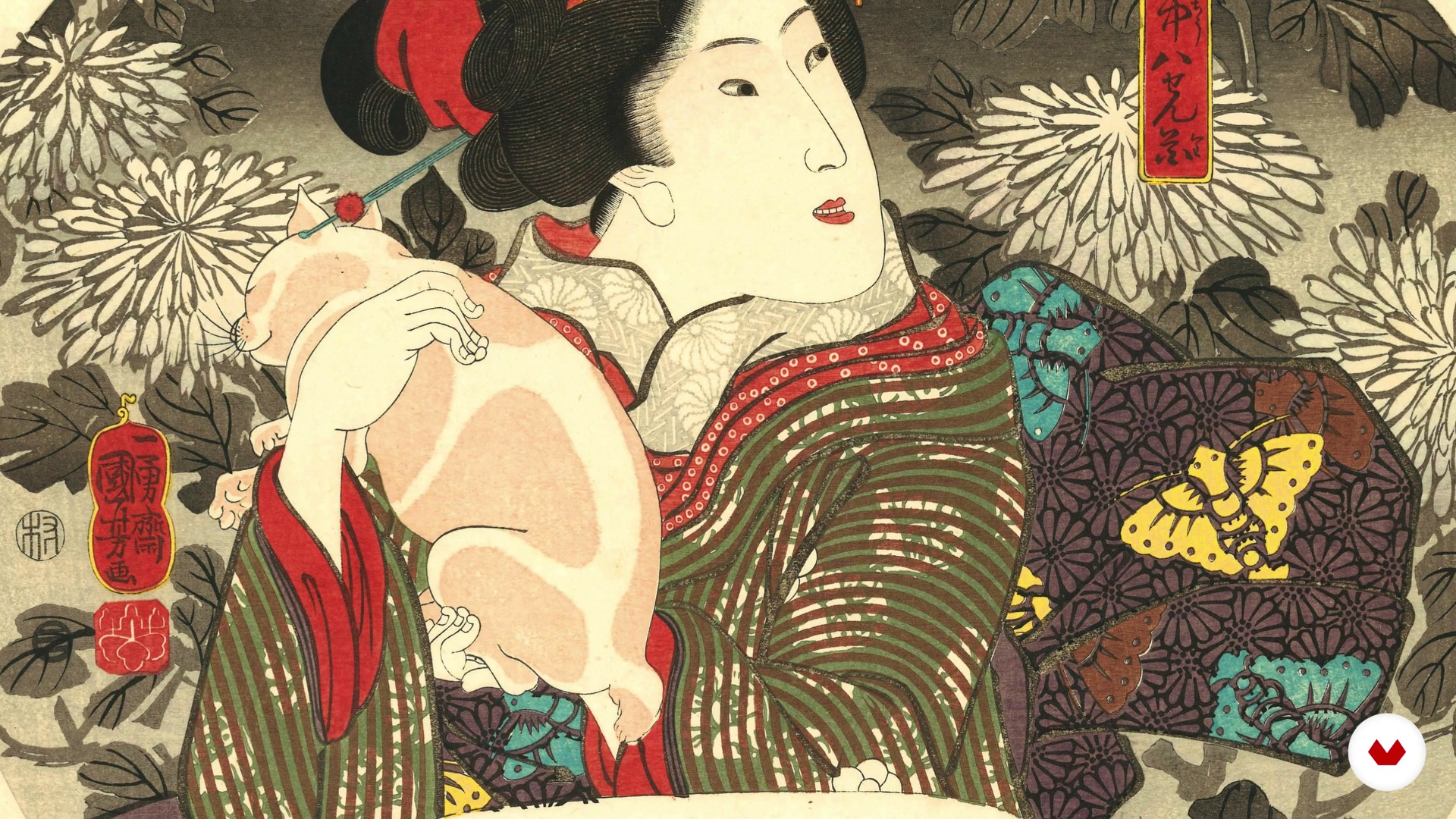
Documentation
8 minutes, 9 seconds
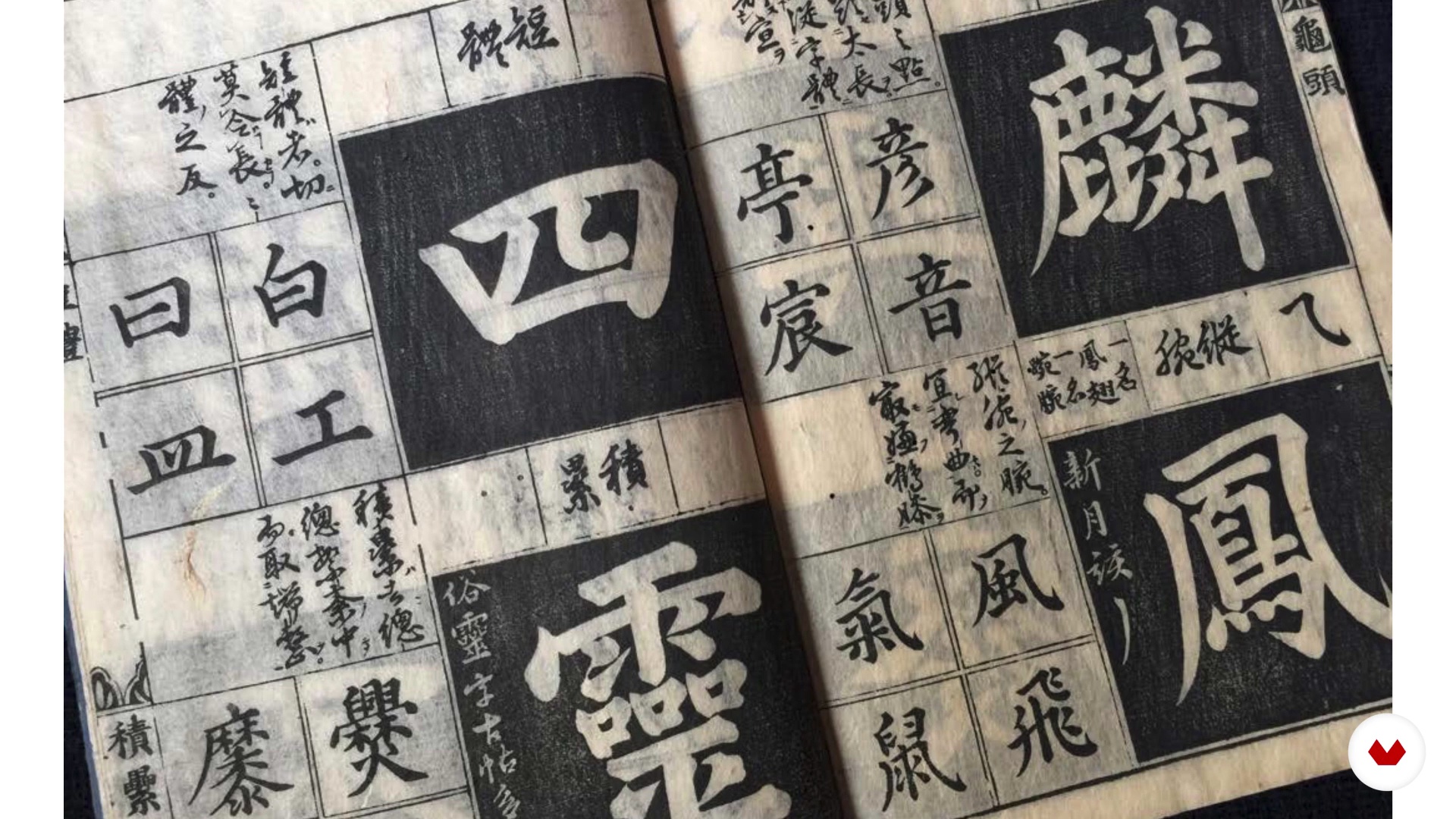
Type selection
9 minutes, 22 seconds
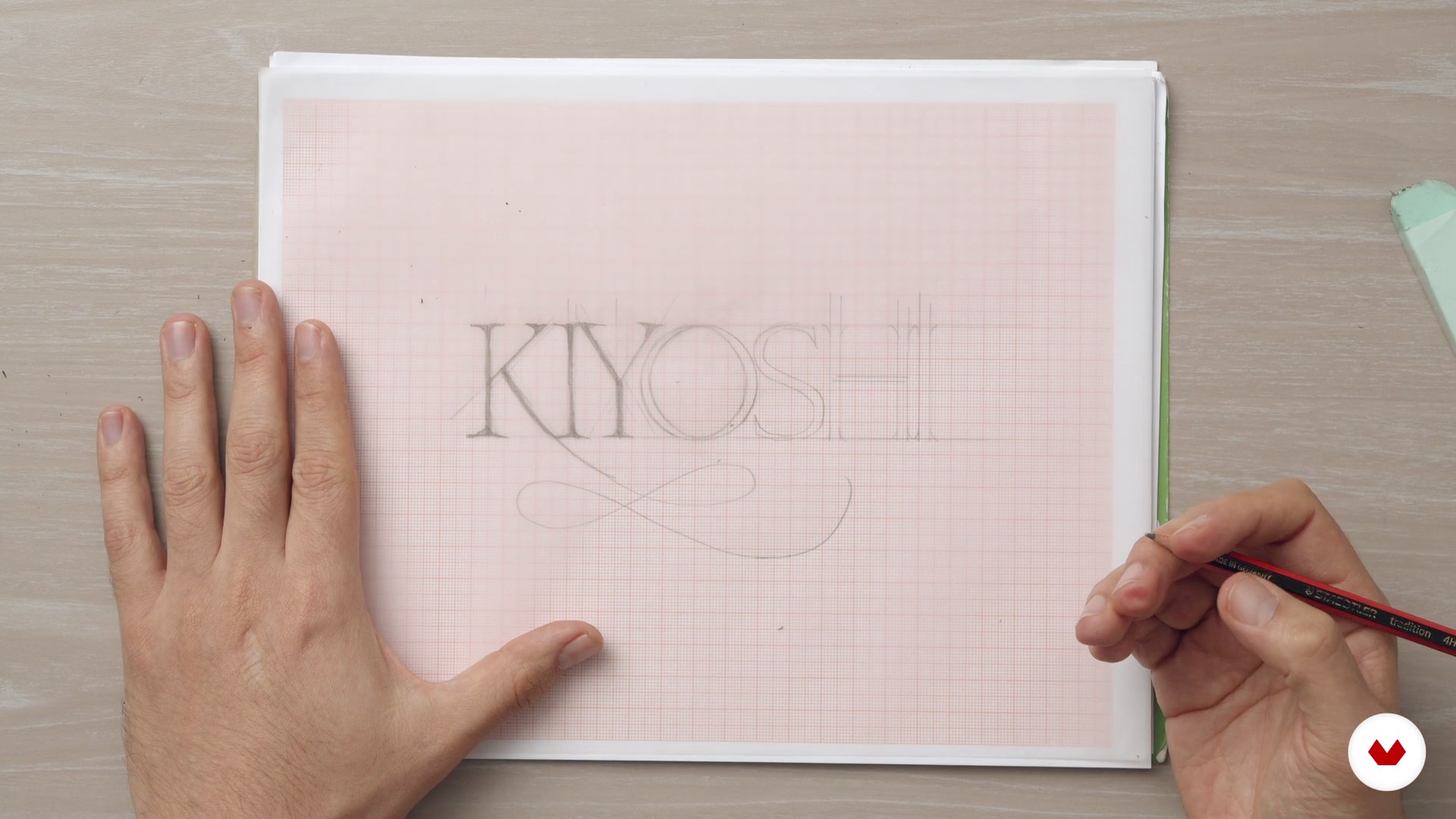
Analog process
12 minutes, 34 seconds
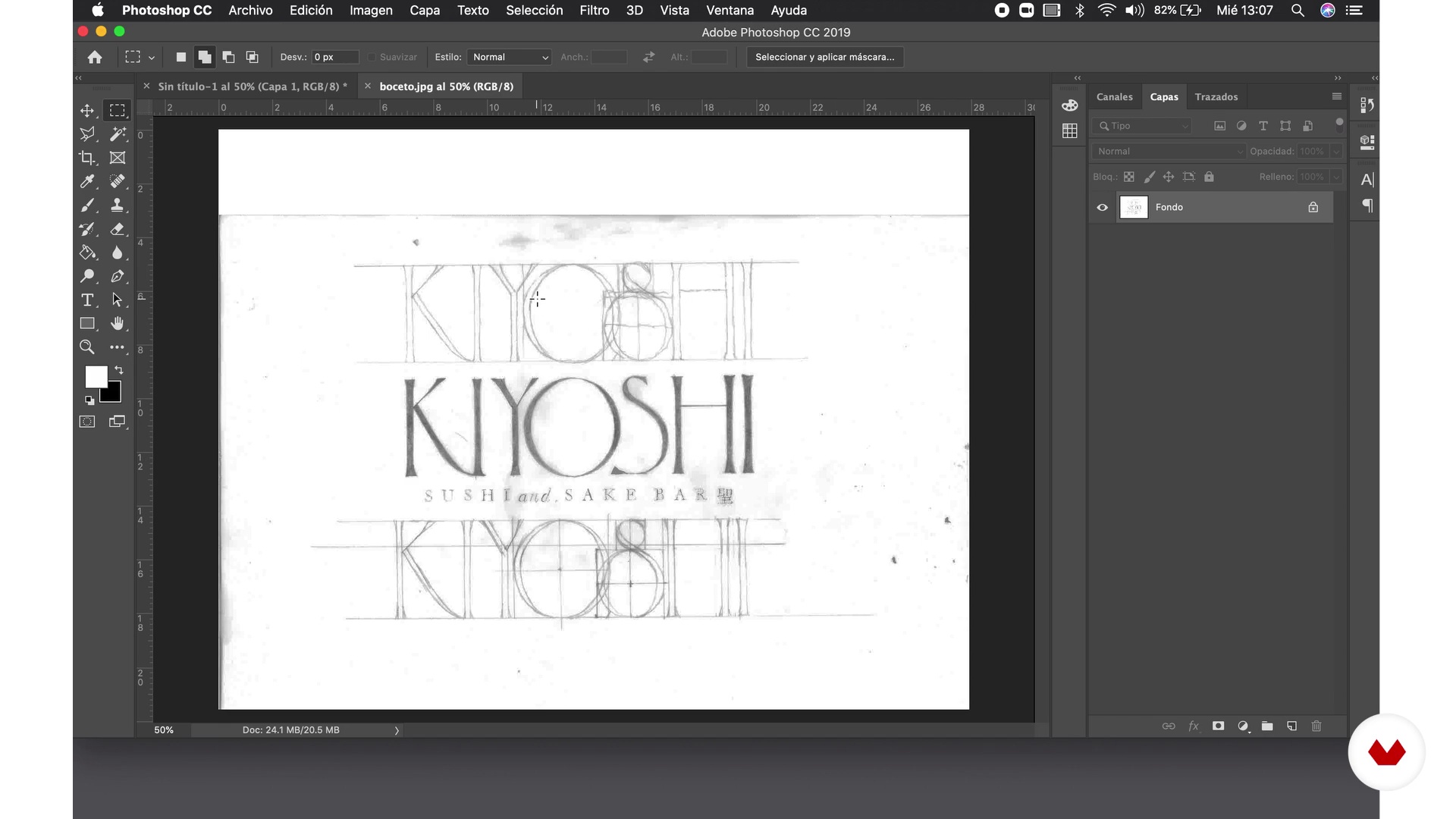
Digitization and vectorization 1
11 minutes, 11 seconds
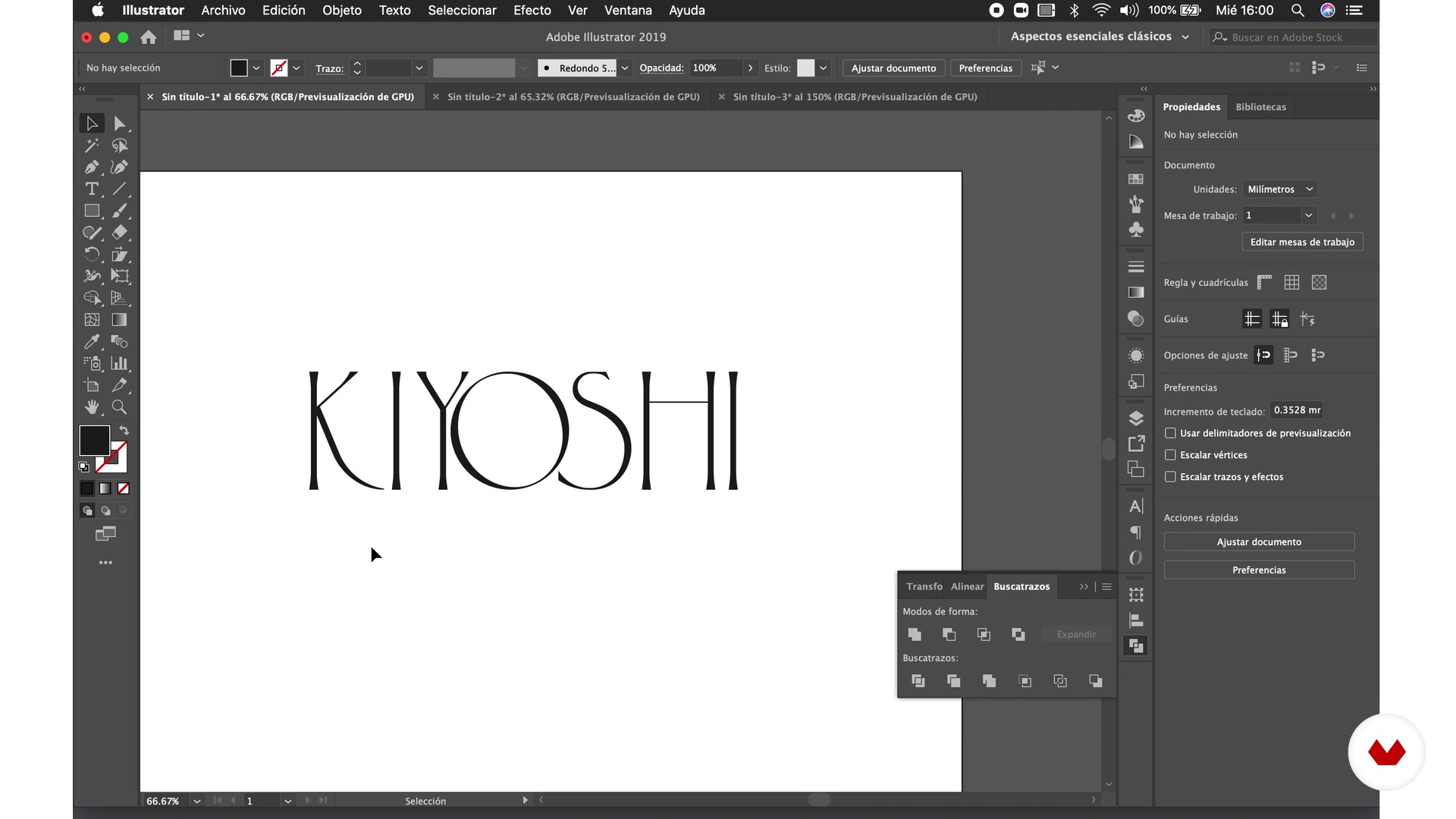
Vectorization Process 2
14 minutes, 8 seconds
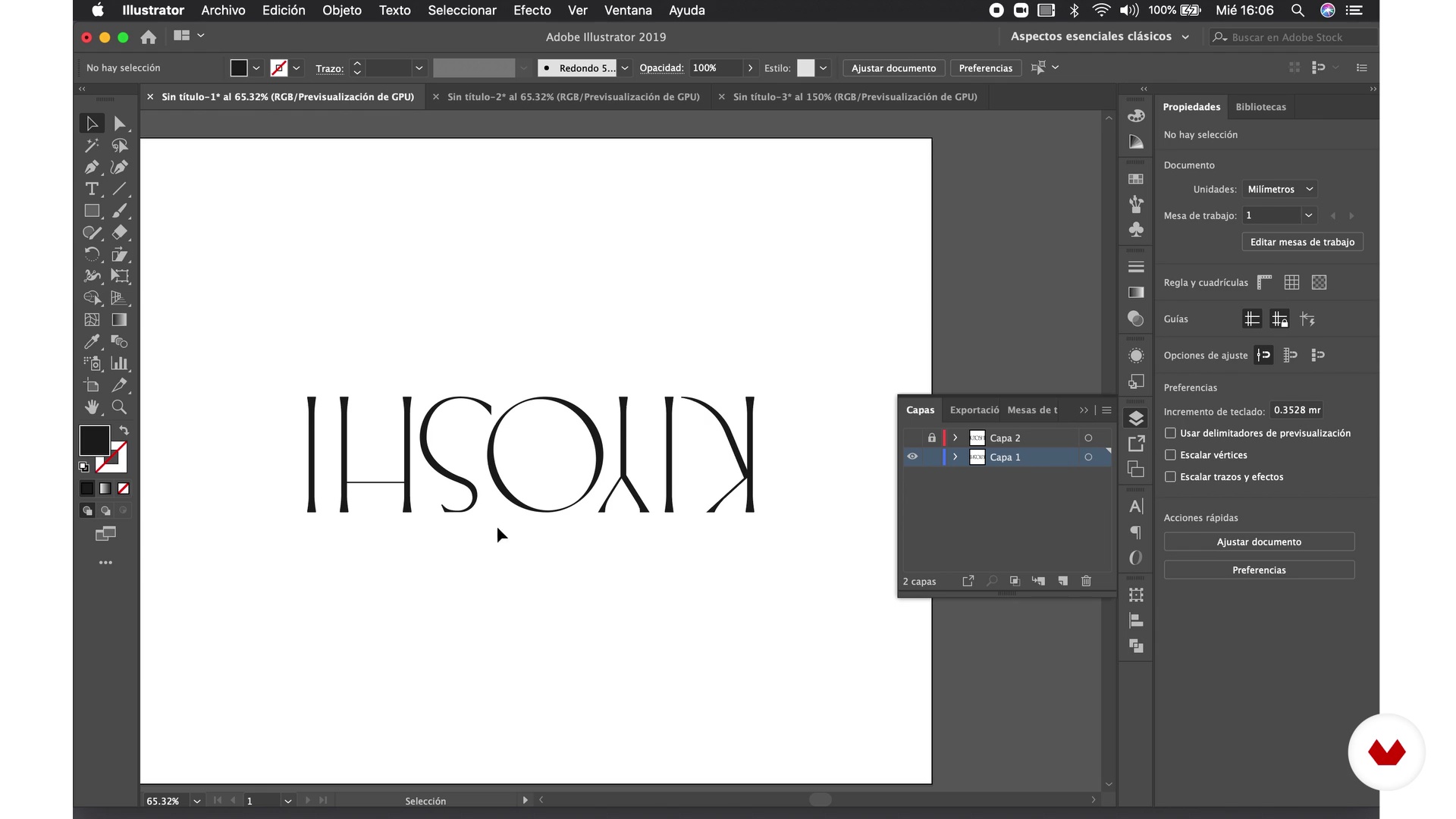
Optical adjustments
4 minutes, 8 seconds
What's included in this course?
You will learn to analyze a client parcel, define the base concept and look for historical and cultural references to creatively focus your logo. You will explore methods to select the appropriate typographic family, sketch your ideas on paper and transfer them to the digital environment through professional vectorization. You will know how to make optical adjustments that improve the design proportions and enter the selection of a color palette consistent with the visual identity you are looking for.
You will discover how to create auxiliary elements that reinforce the brand and adapt your logo to different printing processes, learning to prepare files ready for production. You will see the best way to simulate, present and apply your logo in diversity of materials and supports, enhancing its versatility. At the end, you will have creative practical tools and techniques to develop unique projects, customize typefaces and enrich the visual identity of brands or products from scratch.
Recommended software & tools for this course
What is this course's project?
The course project involves creating a unique logo by customizing an existing typeface. Students conceptualize, research references, select typography, sketch ideas, digitize, make optical adjustments, apply color, and adapt the design to different media.
Who is this online course for?
Graphic designers, illustrators, creative and branding enthusiasts who want to learn to customize typefaces to create unique logos, improve their portfolio and explore new practical techniques of conceptualization, digitalization and visual application.
Requirements and materials
Extensive previous experience is required, although it is useful to have basic design notions, access to a computer with vector editing software such as Adobe Illustrator, paper, pencil and desire to explore creative techniques with typography.
Reviews
- 4 months ago
De verdad que ha sido una explicación muy consisa y perfecta de como hacer un logo y como vectorizarlo. Estuvo muy bueno el curso. Muchas gracias
- 7 months ago
MUY CLARA LA EXPLICACIÓN.

As the director of Monotypo Studio, he leads a dedicated team that offers graphic solutions and creates integral communication resources for brands, bringing both vision and personality to the brands they work with. This can range from adding small details to a logo to proposing distinctive finishes for print, packaging, and other branded applications.
He has over 8 years of experience in working with brands and companies from around the world, such as VANS and Sony Music, and has worked on projects in the United States, Canada, France, the United Kingdom, and Saudi Arabia.
Content
Guided course: Create a personalized logo from scratch
- Podcast: The beautiful error: accidents that created typographic trends
- Commissioning and conceptualization of the project
- Documentation
- Type selection
- Analog process
- Digitization and vectorization 1
- Vectorization Process 2
- Optical adjustments
- Selection and application of color
- Auxiliary Elements
- Application on different supports
- Final project
What to expect from a Domestika course
Learn at your own pace
Enjoy learning from home without a set schedule and with an easy-to-follow method. You set your own pace.
Learn from the best professionals
Learn valuable methods and techniques explained by top experts in the creative sector.
Meet expert teachers
Each expert teaches what they do best, with clear guidelines, true passion, and professional insight in every lesson.
Certificates
PLUSIf you're a Plus member, get a custom certificate signed by your teacher for every course. Share it on your portfolio, social media, or wherever you like.
Get front-row seats
Videos of the highest quality, so you don't miss a single detail. With unlimited access, you can watch them as many times as you need to perfect your technique.
Share knowledge and ideas
Ask questions, request feedback, or offer solutions. Share your learning experience with other students in the community who are as passionate about creativity as you are.
Connect with a global creative community
The community is home to millions of people from around the world who are curious and passionate about exploring and expressing their creativity.
Watch professionally produced courses
Domestika curates its teacher roster and produces every course in-house to ensure a high-quality online learning experience.
FAQs
A brand brief is a document that gathers essential information about the company, its personality, target market, and goals, guiding the consistent development of visual identity and branding strategy.
Yes, this is an intermediate-level course designed for those with basic graphic design knowledge who want to deepen their skills in branding, typography, and creative processes applied to brands.
You’ll need basic graphic design skills, access to programs like Adobe Illustrator and Photoshop, materials for manual sketching, and a willingness to work with cultural and artistic references.
You’ll learn how to create, customize, and expand creative briefs, craft relevant questionnaires, identify client expectations, and turn that information into cohesive visual solutions for the brand.
Personality is defined through adjectives, values, and desired attributes that shape the tone, aesthetics, and visual communication of the brand throughout the project.
It involves choosing fonts that reflect the brand’s values, adjusting kerning, line spacing, weight, making optical tweaks, and customizing letters to ensure coherence and readability.
Analyzing competitors and the target market helps tailor the visual identity, differentiate the brand, and ensure the design meets the audience’s expectations and visual codes.