Graphic Humor: Give us our Daily Comic Strip
A course by Liniers, Cartoonist

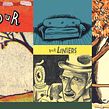

Learn to make people think and laugh with comic strips

For cartoonist Ricardo Liniers Siri, better known as Liniers, making readers laugh with a comic strip is an essential part of his daily routine. With more than 17 years of experience illustrating comic strips, no one knows the ins and outs of this art form better than him.
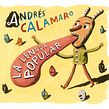
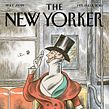
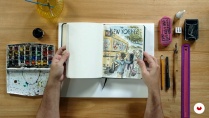
His work has appeared in newspapers such as Página 12, La Nación, El País, covers for The New Yorker and King Features, album covers for musicians such as Andrés Calamaro, live shows with musician Kevin Johansen and illustrator Alberto Montt, as well as 30 books published in more than 17 countries. As recognition for his contributions to the world of comics, he won the Eisner Award (the "Illustrators' Oscar") and the Inkpot Award at the 2018 Comic-Con.
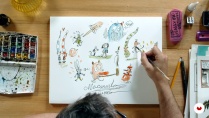
In this online course, Liniers shows you his creative process and how to find your own to start drawing comics on a daily basis. Learn to spark thoughts and smiles in your readers by making your own comic strip with original characters, from the idea to inking.
What will you learn in this online course?
13 lessons & 13 downloads




What's included in this course?
Start the course by getting to know Liniers, who tells you a bit about himself and his career, from the first fanzines to the covers of major publications. Discover his biggest influences from graphic humor, cinema, music, and art.
Continue with a brief history of the daily comic strip before analyzing the different types of humor you can use to shape your stories.
Look at your teacher's go-to materials and recommendations for drawing, as well as some alternatives and the creative possibilities they offer. Then, see how to set up a comfortable, personalized workspace and how that can foster creativity.
Now it's time to work on your comic strip. Liniers guides you through the process step by step, from finding a good idea to building characters from scratch and scripting your story. He also shares tips to help you decide on important aspects such as composition, linework and color.
Once you've finished, see why perseverance is the key to unlocking the full potential of an idea, and that you don't have to be an incredible artist to make a funny comic.
To round out the course, learn about essential commercial aspects of the comic industry, such as self-publishing, publishers, agents, social media, etc. Liniers also gives you some invaluable advice on launching your career as a cartoonist and avoiding the mistakes he made when starting out.
- 97% positive reviews (510)
- 10,029 students
- 13 lessons (1h 33m)
- 13 downloads
- Online and at your own pace
- Available on the app
- Audio: Spanish, English, French, Italian, Portuguese, Turkish
- Spanish · English · Portuguese · German · French · Italian · Polish · Dutch · Turkish
- Level: Beginner
- Unlimited access forever
What is this course's project?
Create a comic strip with original characters by applying everything you've learned throughout the course.

Projects by course students


Who is this online course for?
Anyone interested in graphic humor and comics, whether as readers, aspiring cartoonists, or professionals in search of new ideas and approaches.
Requirements and materials
No drawing skills are required to take this course.
As for materials, you need paper, a pencil, a sharpener, an eraser, watercolors, brushes, a pen, correction fluid, India ink, a water container, a sketchbook, and nibs.

Reviews

Liniers
A course by Liniers
Ricardo Liniers Siri is a cartoonist from Argentina better known simply as Liniers, one of his last names. He began his career publishing fanzines before making the leap to the national press with the comic strip Bonjour in the newspaper Página 12. Since 2002, he's been publishing comics strips daily in La Nación and on a weekly basis for El País in Spain.
He has published more than 30 books in 17 countries around the world. His illustrations have been featured in many formats, from album covers for Kevin Johansen, Andrés Calamaro, and Marcelo Ezquiaga to covers for the prestigious magazine The New Yorker. His work has also been displayed in countries such as Brazil, Peru, Spain, and the United States in the 2018 Society of Illustrators exhibit.
When he's not drawing comics, he collaborates on projects with other artists and friends, such as live painting at Kevin Johansen concerts and an illustrated stand up show with illustrator Alberto Montt. He also cofounded the publishing house Editorial Común with his wife Angie.
As a culmination of his career, he won the Eisner Award (the "Illustrators' Oscar") and the Inkpot Award at the 2018 Comic-Con held in California.
Content
-
U1
Introduction
-
Presentation
-
Influences
-
What are we going to do?
-
-
U2
Humorous context
-
Brief analysis of the history of the daily strip
-
Different humorous types
-
-
U3
Needs for the assembly of the strip
-
materials
-
Work space
-
-
U4
Production
-
What? - The idea -
-
Who? - Character -
-
How? - The process -
-
Decisions and color
-
Draw well vs draw funny
-
-
U5
Postproduction
-
Commercial aspects
-
-
FP
Final project
-
Graphic humor: give us the strip our every day
-
What to expect from a Domestika course
-
Learn at your own pace
Enjoy learning from home without a set schedule and with an easy-to-follow method. You set your own pace.
-
Learn from the best professionals
Learn valuable methods and techniques explained by top experts in the creative sector.
-
Meet expert teachers
Each expert teaches what they do best, with clear guidelines, true passion, and professional insight in every lesson.
-
Certificates
PlusIf you're a Plus member, get a custom certificate signed by your teacher for every course. Share it on your portfolio, social media, or wherever you like.
-
Get front-row seats
Videos of the highest quality, so you don't miss a single detail. With unlimited access, you can watch them as many times as you need to perfect your technique.
-
Share knowledge and ideas
Ask questions, request feedback, or offer solutions. Share your learning experience with other students in the community who are as passionate about creativity as you are.
-
Connect with a global creative community
The community is home to millions of people from around the world who are curious and passionate about exploring and expressing their creativity.
-
Watch professionally produced courses
Domestika curates its teacher roster and produces every course in-house to ensure a high-quality online learning experience.
FAQs
You’ll learn how to create daily comic strips, develop humorous characters, apply drawing and inking techniques, explore different types of graphic humor, and understand the evolution and impact of comics in print media.
This course is aimed at people with intermediate drawing or comic skills who want to deepen their knowledge of graphic storytelling, character creation, and humor in daily strips.
You’ll need pencil, paper, inking pen, watercolors, brushes, a sketchbook, and optional access to digital tools. A comfortable workspace and basic illustration supplies are also recommended.
The course teaches strategies for pitching artistic projects to publishers and agents, as well as using social media and digital tools to promote and position your work in print and online.
You’ll study key figures like García Ferré, Mafalda, Peanuts, El Eternauta, and Maus, exploring how they influenced the thematic and stylistic evolution of comics and graphic humor.
You’ll learn sketching techniques, traditional inking, watercolor use, quick line work, cleaning up illustrations, and efficiently organizing the creative process for comics.
Yes, the course encourages creative freedom, personal expression, and developing a unique graphic language by blending influences and personal experiences into your comics.

Estoy empezando este curso, lo elegí porque me parece interesante tanto por cómo el autor cuenta de manera amena toda su trayectoria, dando claves sobre cómo contar las historias de forma más personalizada y como porque aporta recursos para los primeros pasos en la creación, y cómo muestra su hacer de manera práctica (dibujando y pintando). Se agradece la solidaridad con la que comparte sus amplios conocimientos, además, ya conocía su obra desde sus principios en el periódico La Nación. Saludos!
Me encanta este curso, siempre que vuelvo a ver algunos de los videos me dispara otra idea. Es un privilegio tener a Liniers como profesor!
Un vrai moment à soi pour retrouver son potentiel humoristique et le mettre au profit de son storytelling personnel
Há anos atrás fui a uma exposição no Rio de Janeiro do Macanudismo e desde então sou apaixonada pelo universo criativo de Liniers. Obrigada por compartilhar seus saberes tão ricos!
Excelente. Todo super aplicable y claro. Muy generoso Liniers