Specialization

Photographic Portraiture Specialization 01: Fundamentals and Professional Technique

Master portrait photography fundamentals, develop unique styles, and create professional-quality images using natural light

Specialization · 6 modules

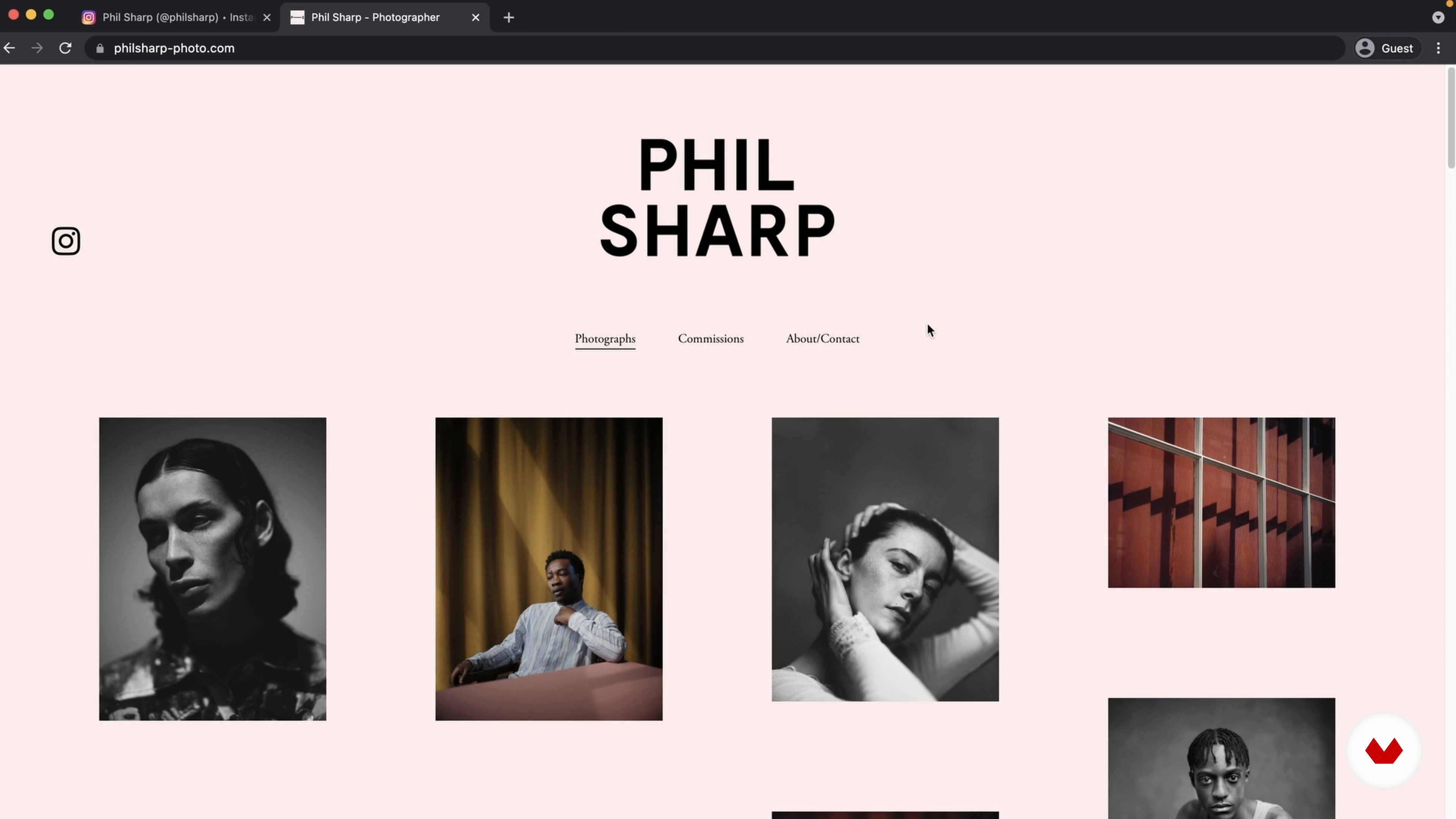
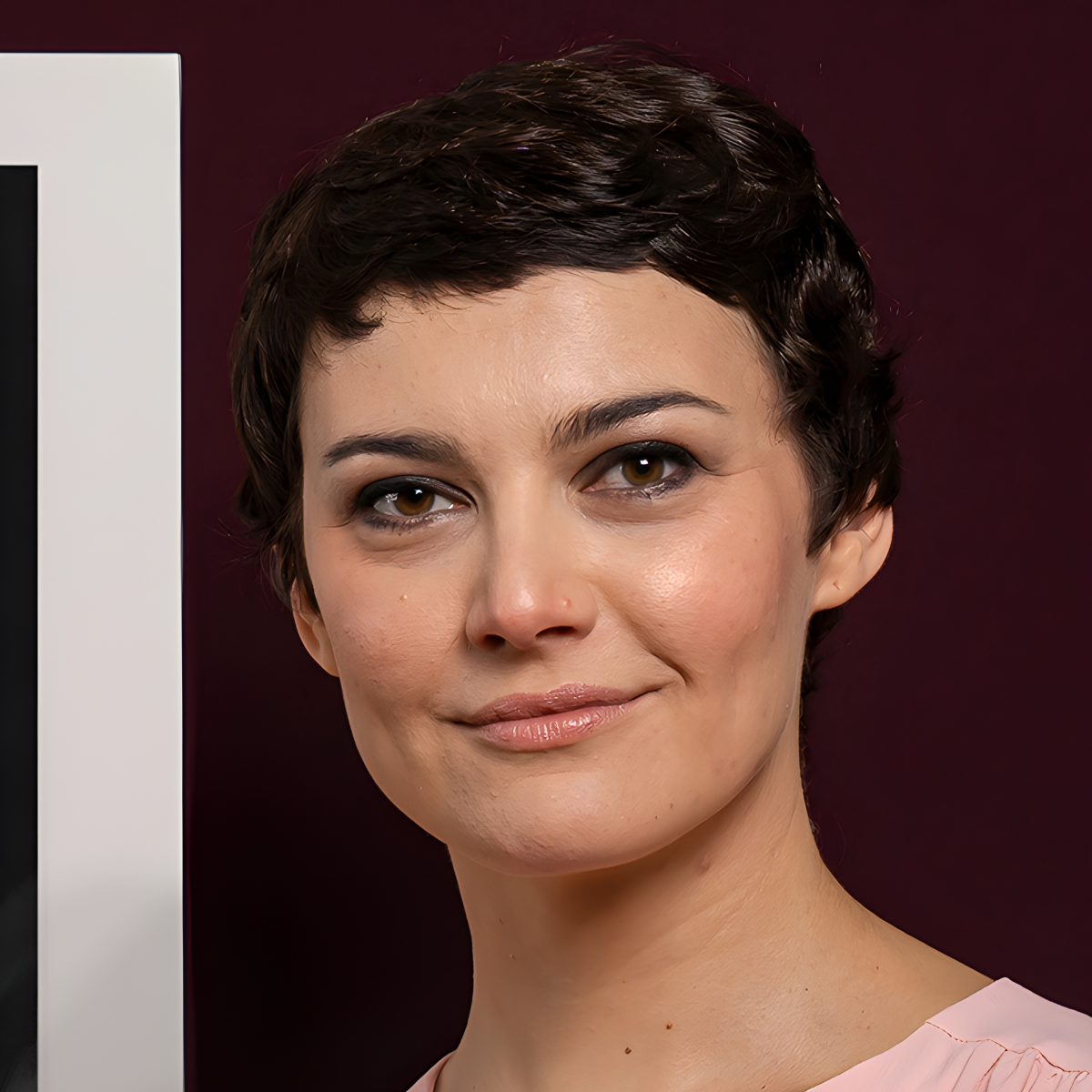
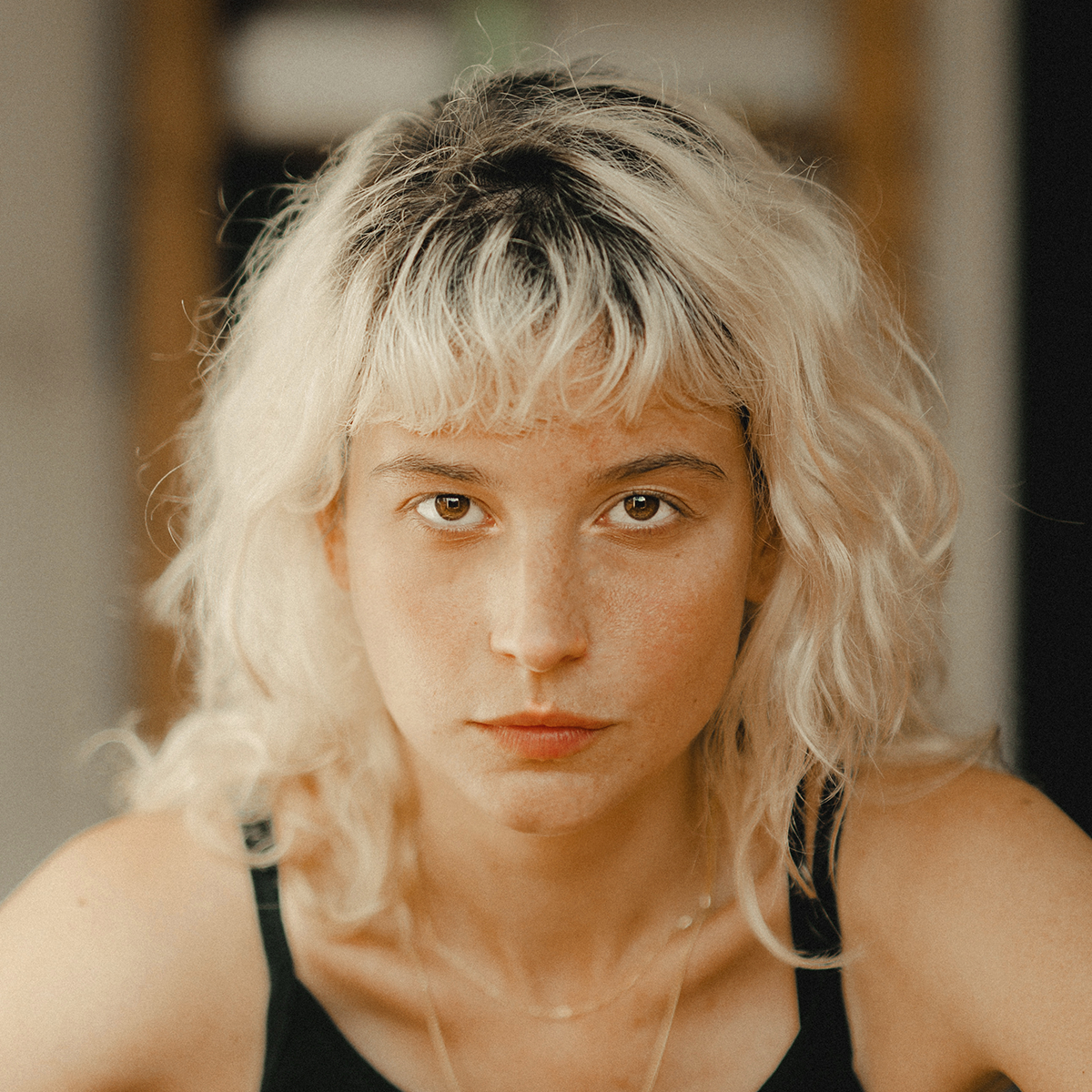
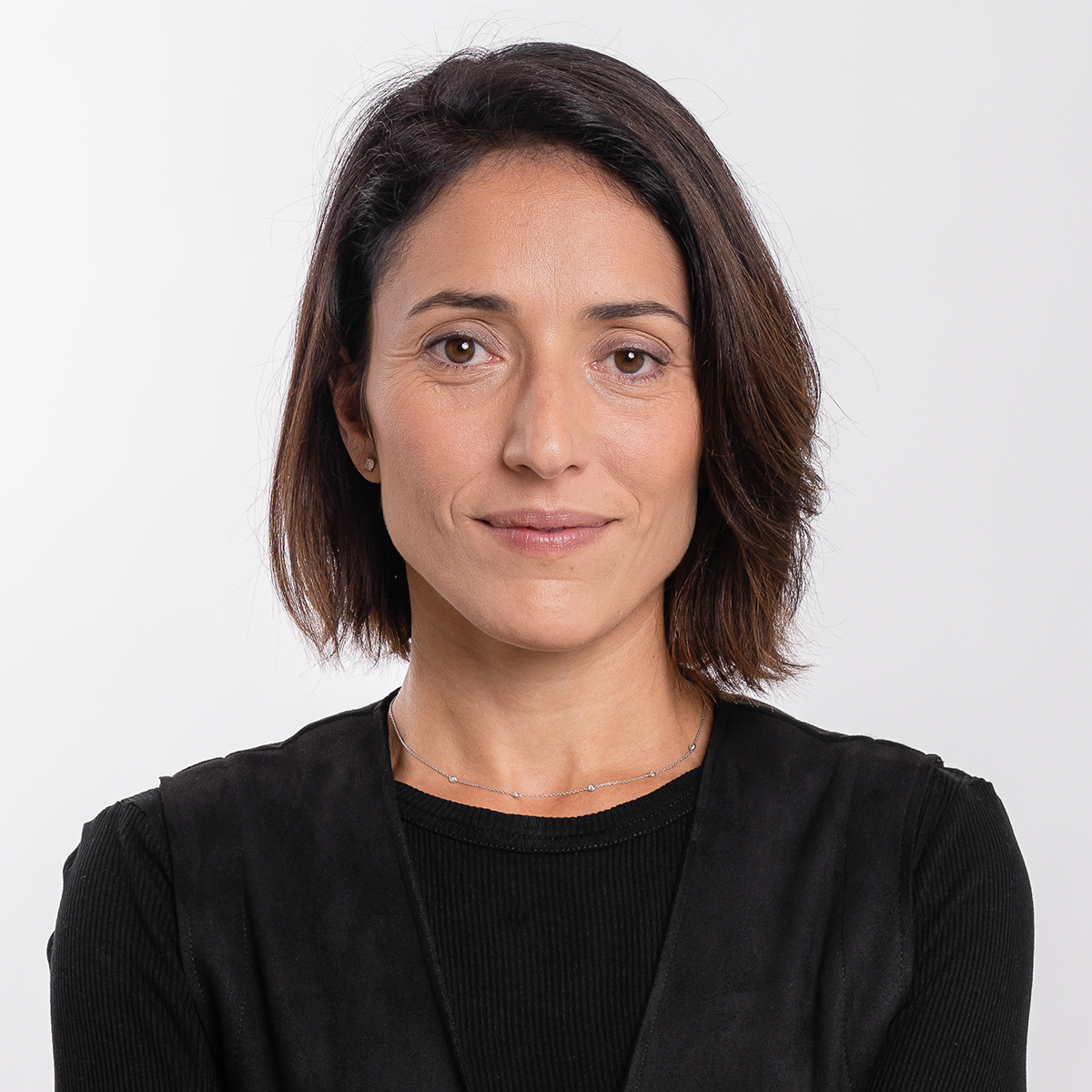
Embark on a journey to master portrait photography with insights from renowned experts Bob Wolfenson, Emilia Brandão, Lupe de la Vallina, Marta Mas Girones, and Phil Sharp. This comprehensive specialization offers a deep dive into the art of capturing the essence of your subjects through precision, creativity, and emotional connection. Develop your skills in lighting, composition, and direction, harnessing both natural and studio settings to create captivating images. Each instructor brings their unique perspective, guiding you in crafting portraits that transcend mere aesthetics to tell compelling stories.

Explore the nuances of directing subjects, leveraging natural light, and embracing contemporary styles. Whether you aim to capture intimate emotions or modern trends, this program equips you with the tools to refine your personal style. Build a professional portfolio showcasing your technical prowess and artistic vision, from corporate to personal portraits. With this specialization, elevate your photography to new heights, establishing your identity as a skilled and sensitive portrait photographer in the competitive market.

Read more ↓

What will you learn in this specialization?
A total of 6 modules and 55 lessons
A total of 8h 33m of vídeo lessons
Taught by 5 selected expert teachers
First steps: aesthetic proposal and reference panel
3
First steps: aesthetic proposal and reference panel
In this class, we will talk about the idea, the creative-visual proposal and the conceptual unit, in addition to the importance of understanding the context of the portrait and creating a bond with the team.
8m
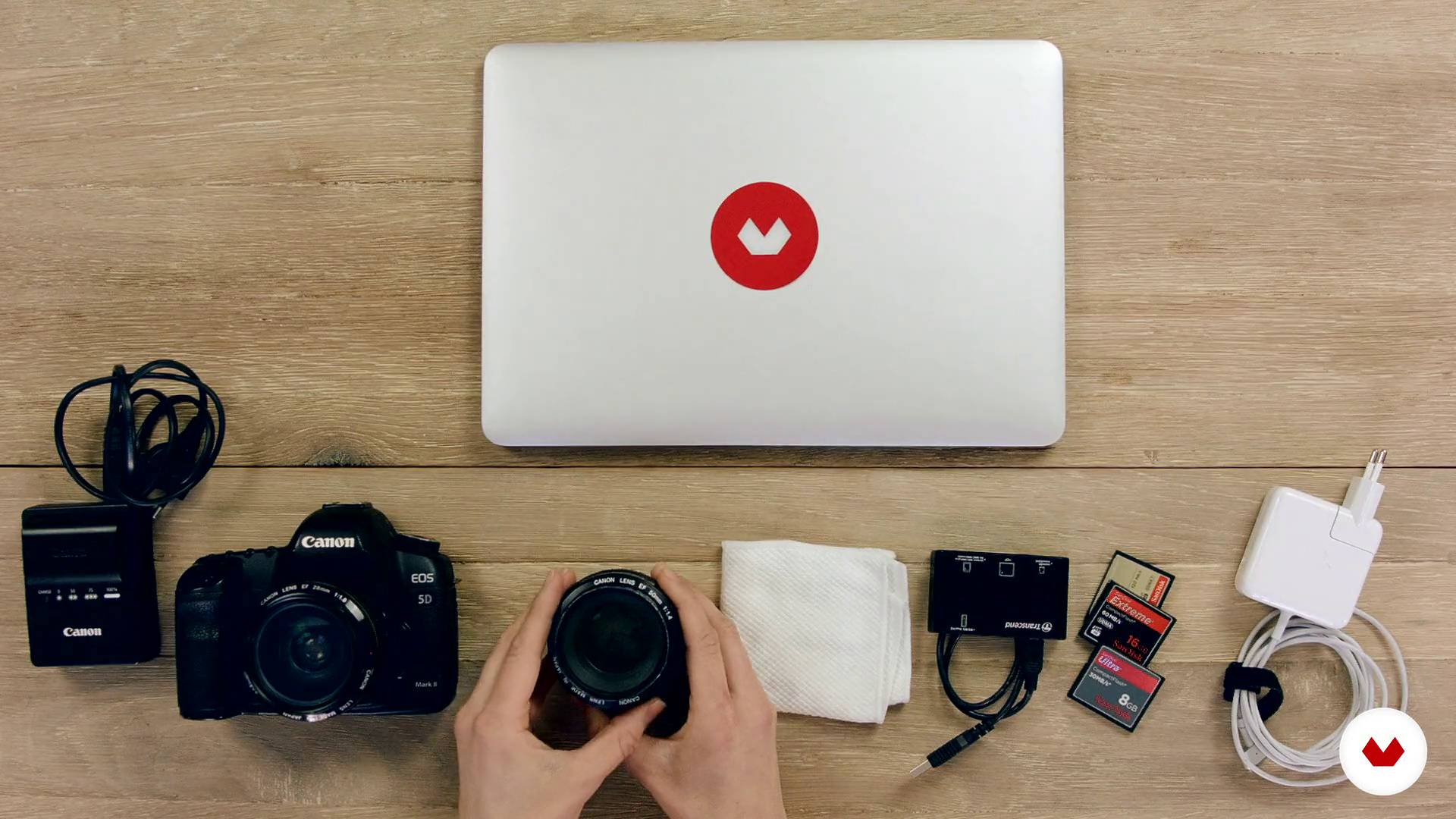
Materials needed to develop your idea
4
Materials needed to develop your idea
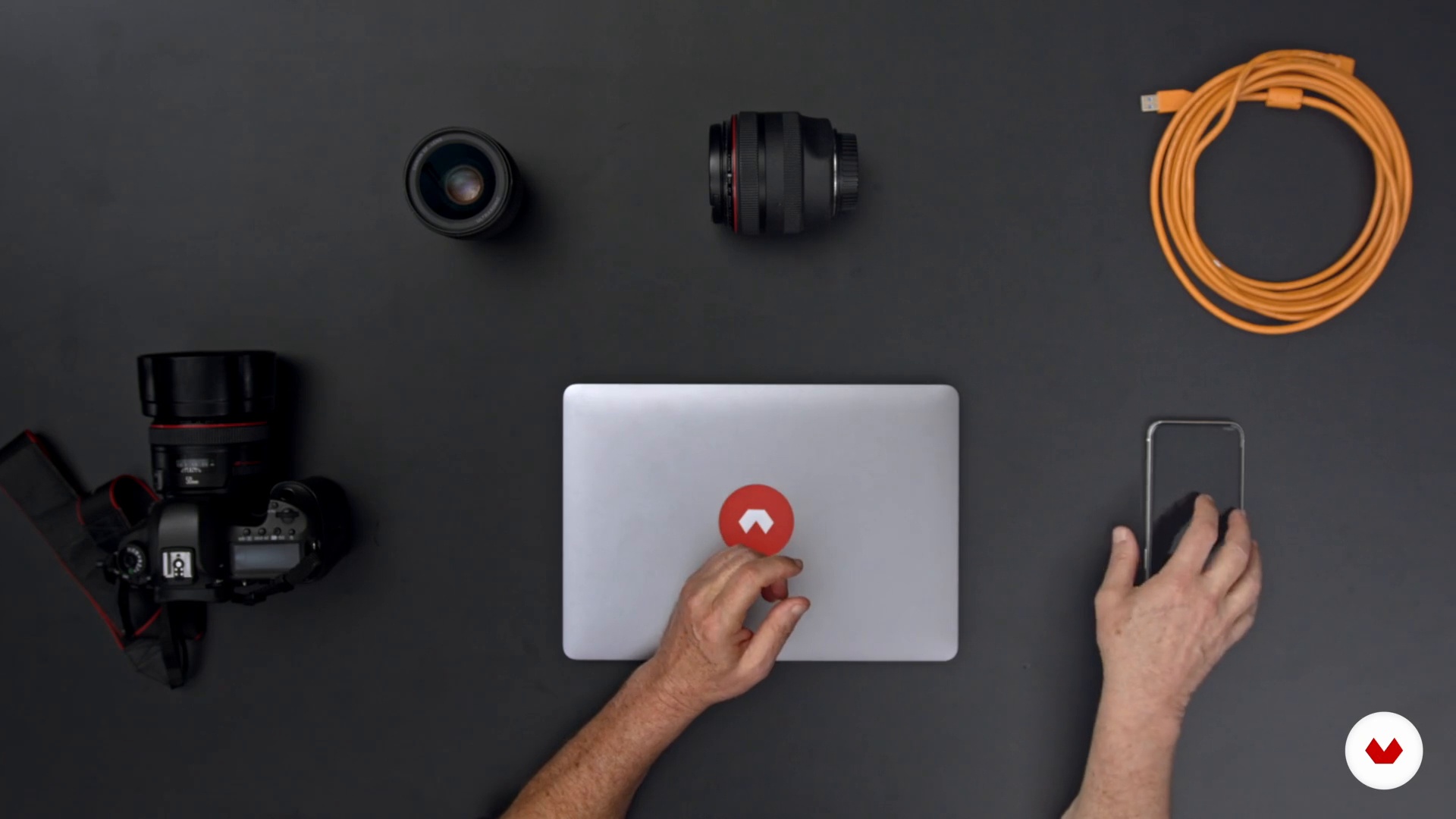
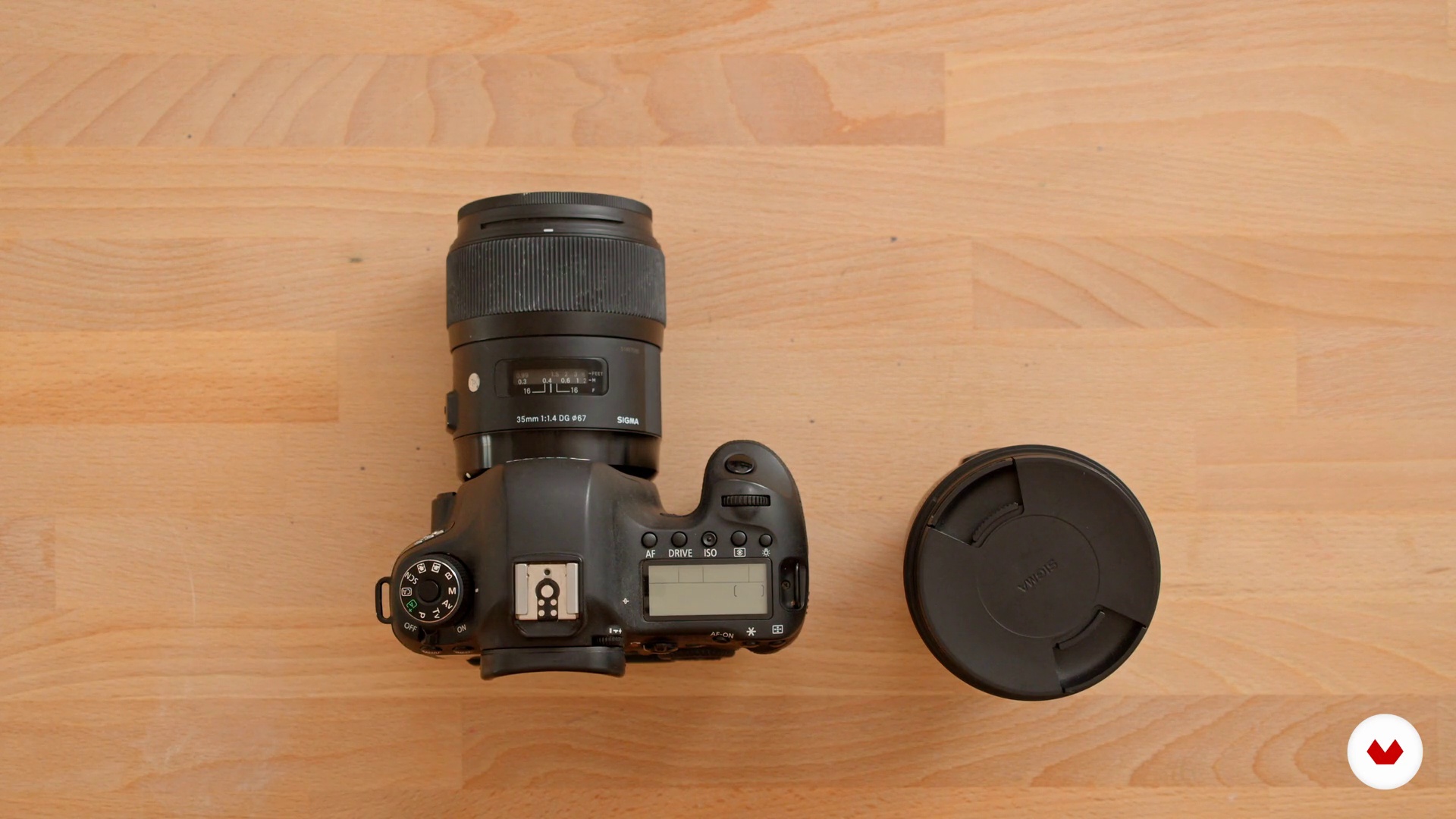
In this class, we'll see what you need to take a photo, whether in a family, personal or work context, with basic equipment and accessories.
4m
Preparing space and light
5
Preparing space and light
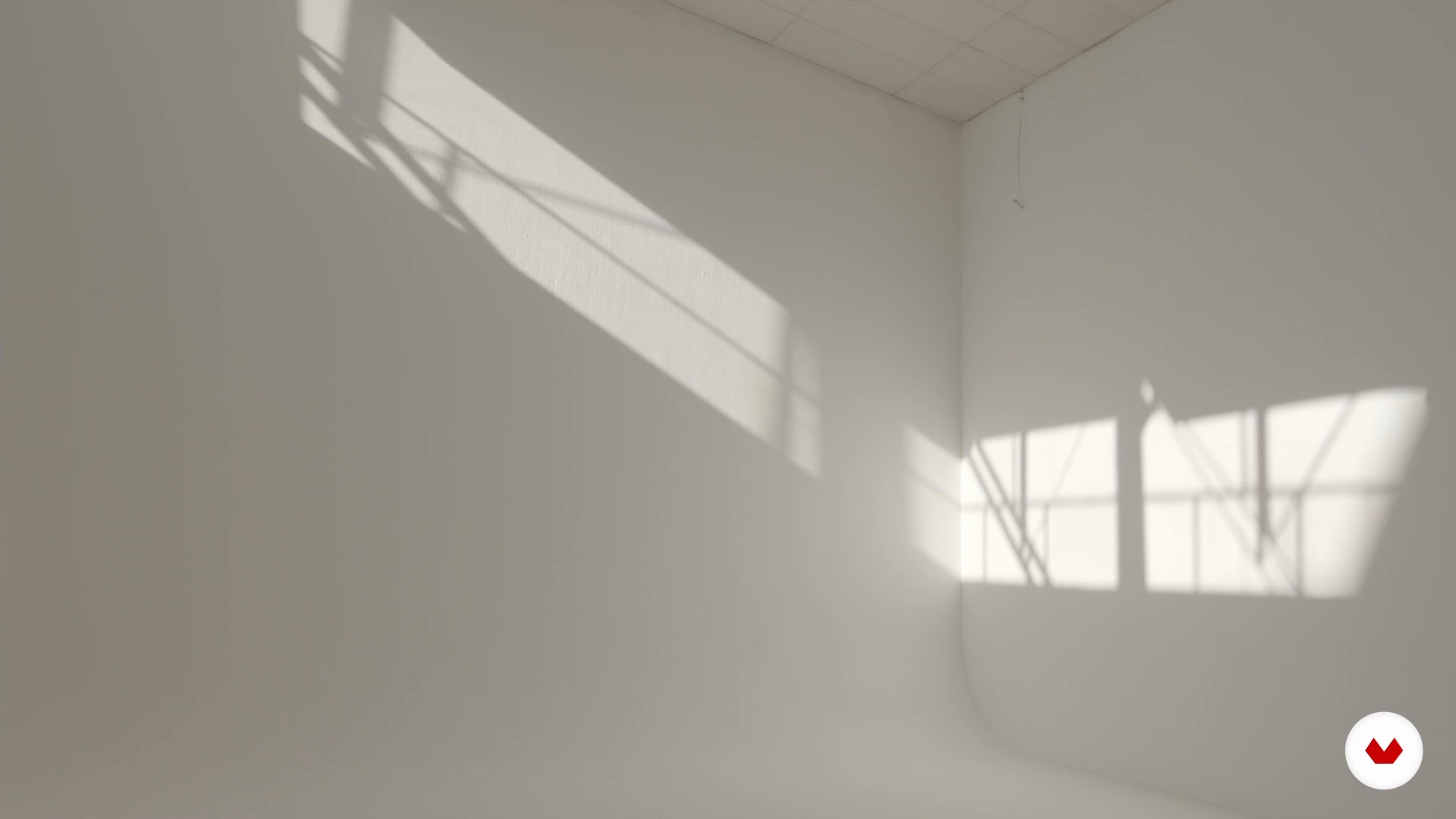
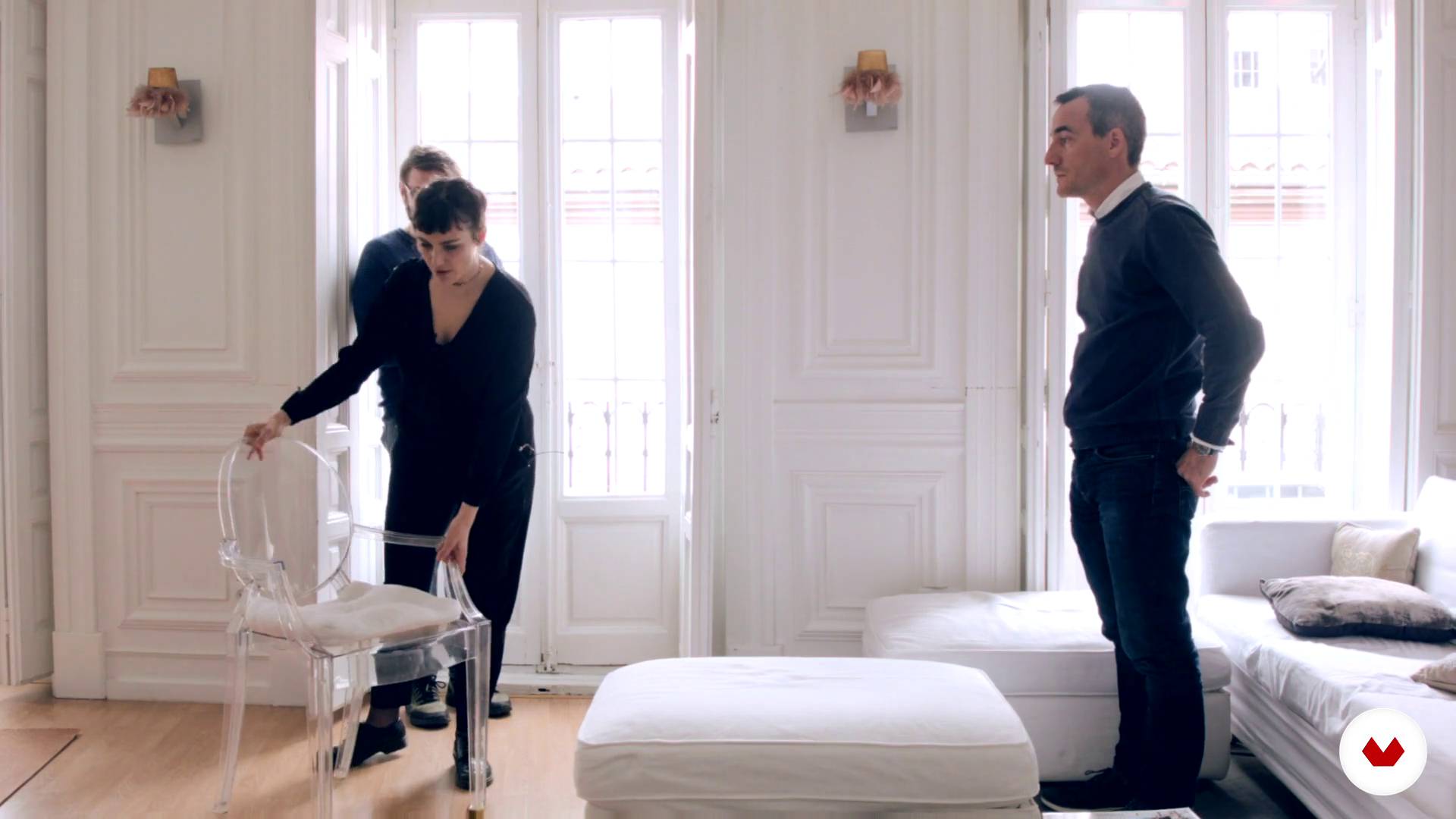
In this class, I'll tell you how you can organize yourself for the photo day, optimizing the set and the light so that they work in favor of your proposal and the flow of the photo.
5m
Model management and movement on set
6
Model management and movement on set
Here I'll tell you my strategies and tips on how to behave on set and have total control of the situation and then loosen the bonds towards the soul of the meeting.
6m
Photographing on a neutral background and under artificial light
7
Photographing on a neutral background and under artificial light
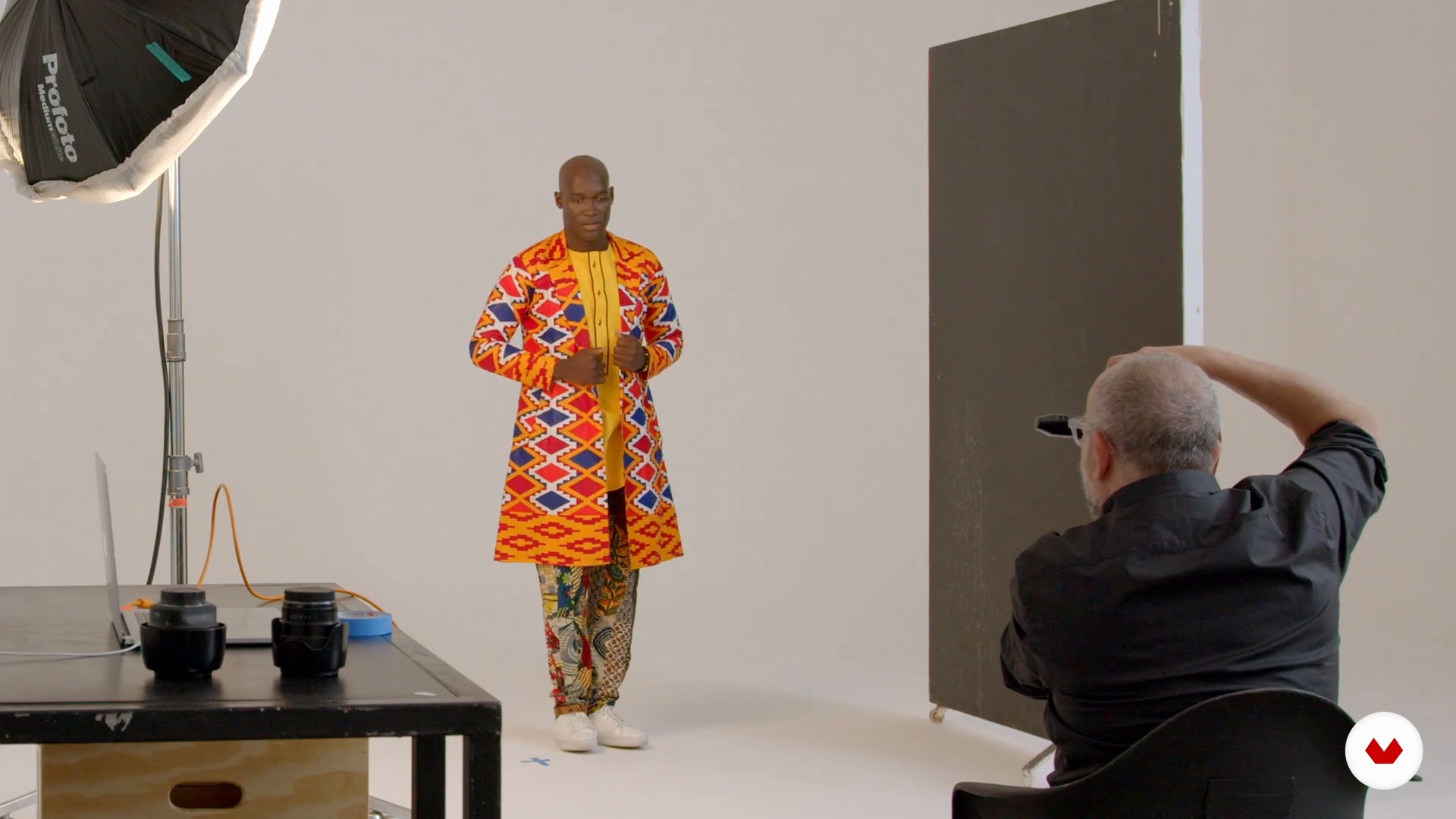
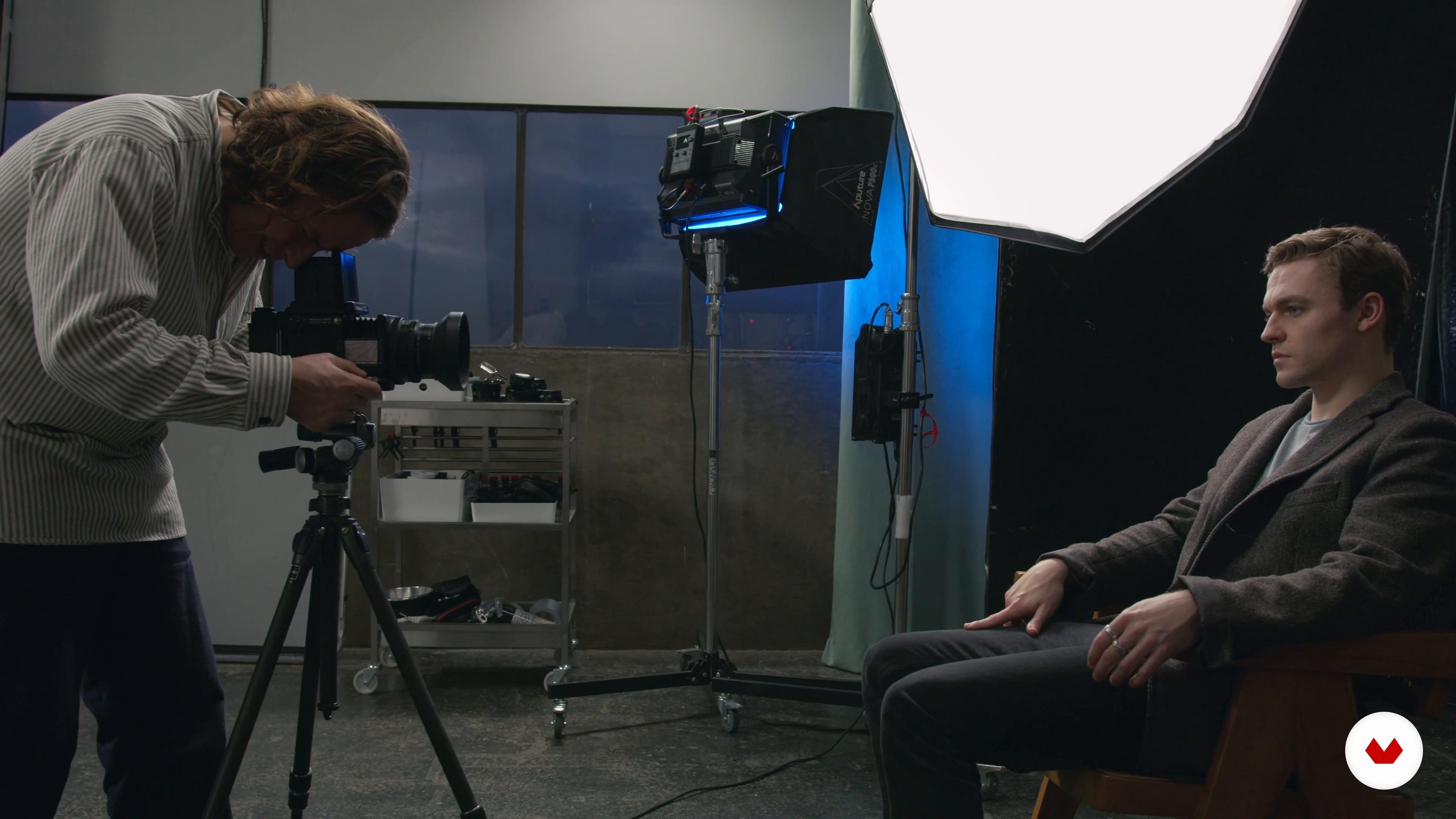
In this class we will enter the world of studio portrait with a neutral background and fully controllable light. I will show my work process in this environment.
9m
Photographing with natural light
8
Photographing with natural light
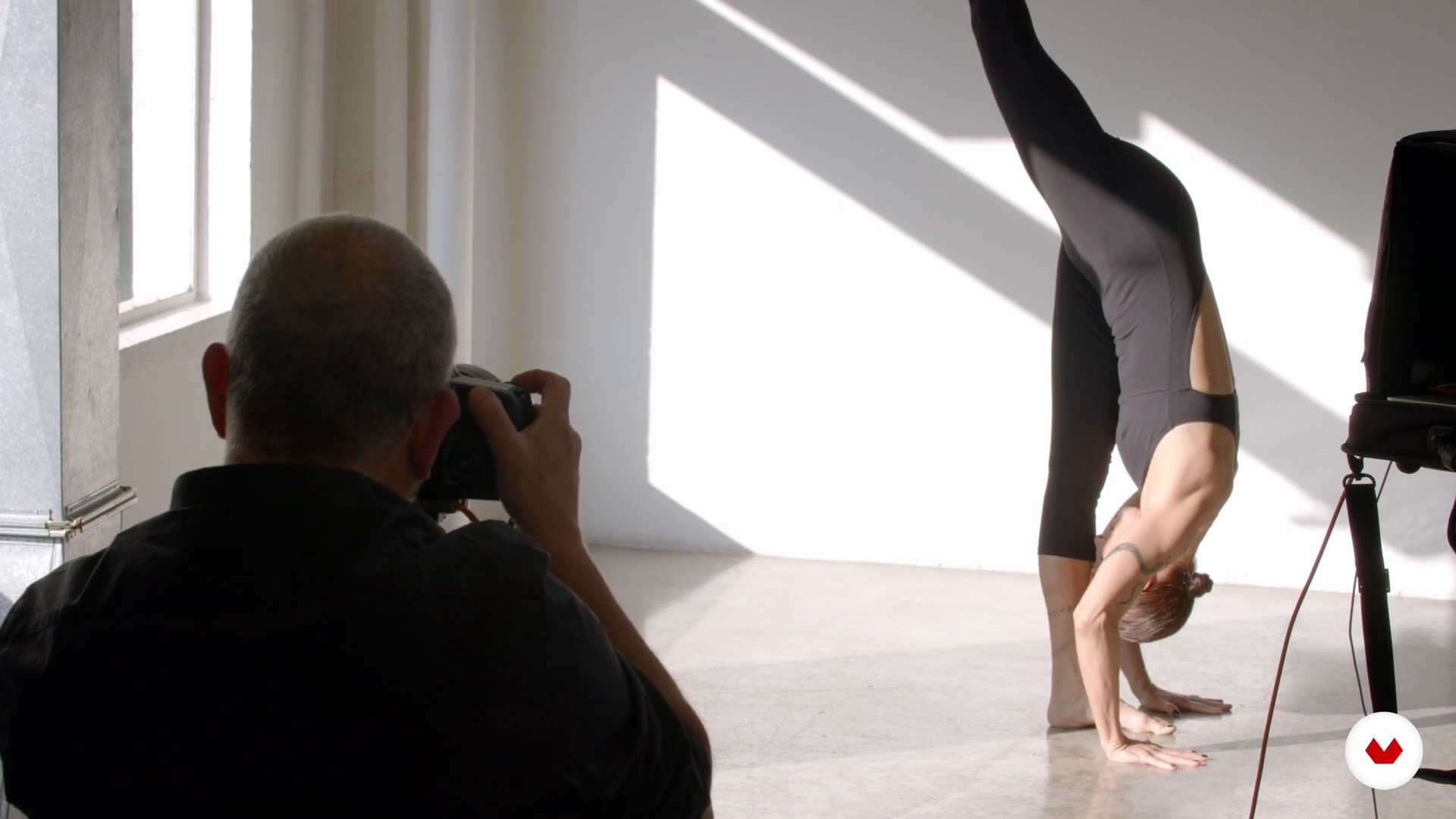
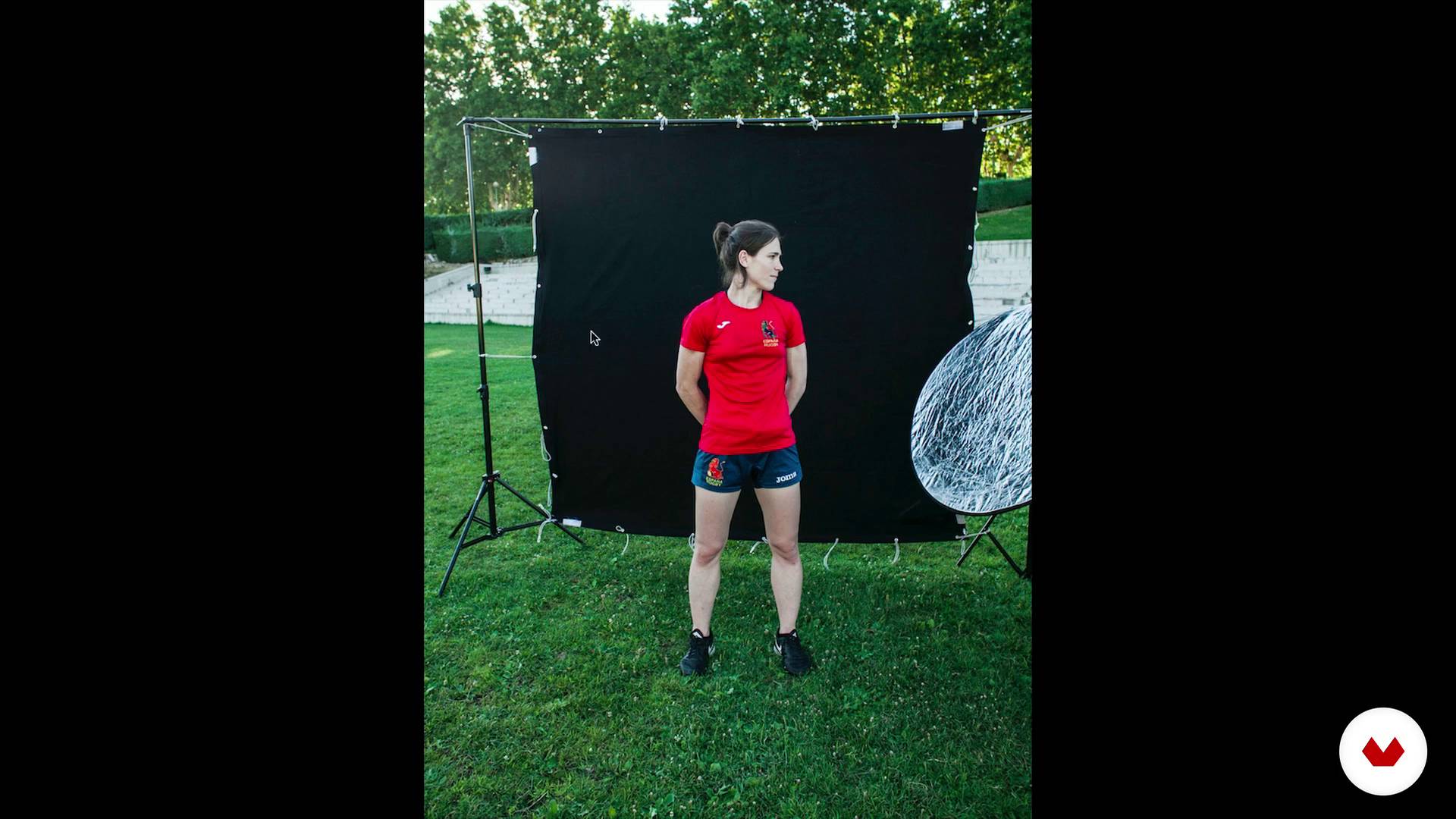
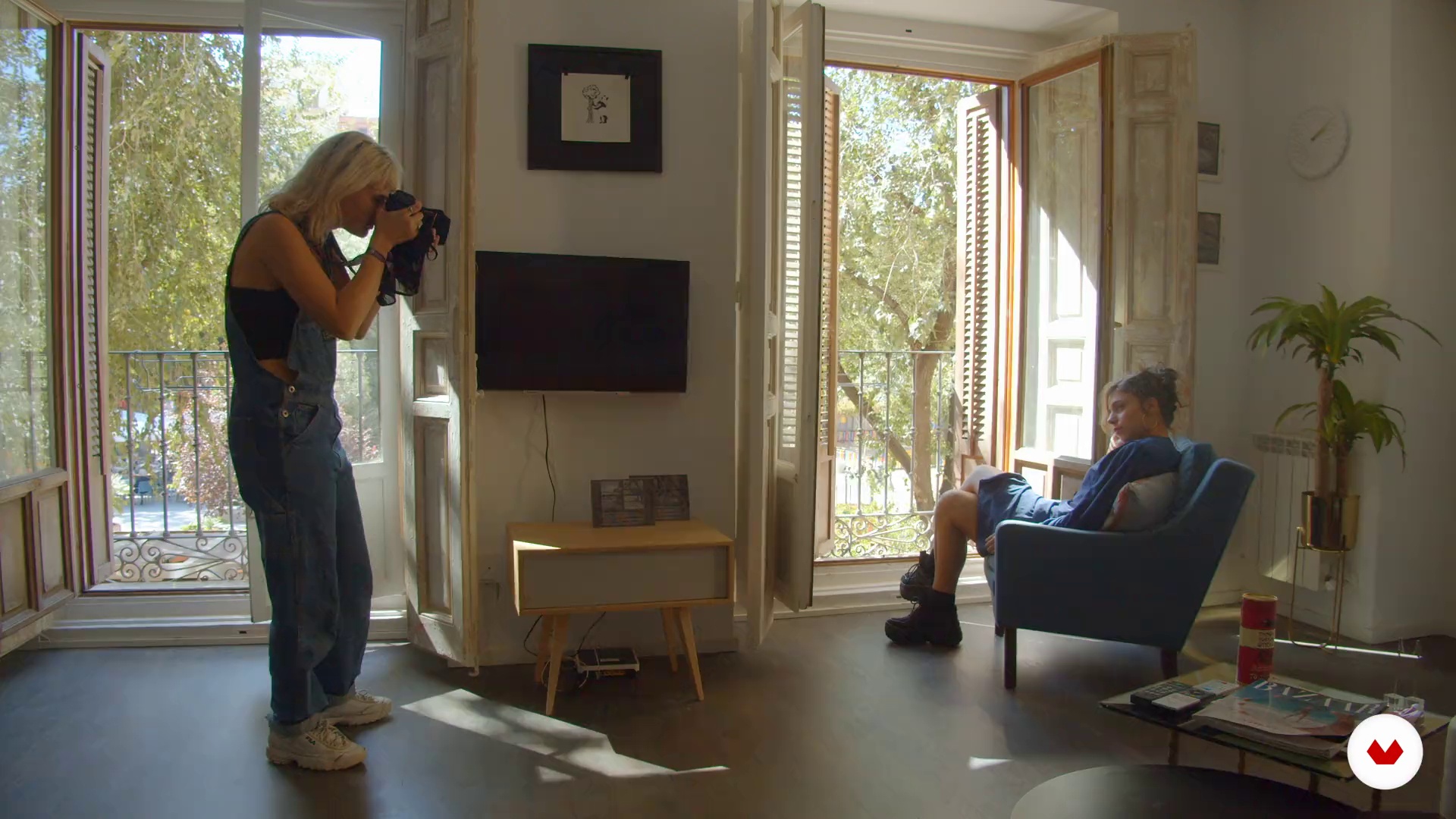
In this class, we will see together how to act in natural light situations, using the sun as an incident or reflected source, outdoors or inside a location.
4m
Edition
9
Edition
Now that we have the portrait, here we'll talk about the process of selecting and editing the images that make up your final project.
8m
Indication for image treatment
10
Indication for image treatment
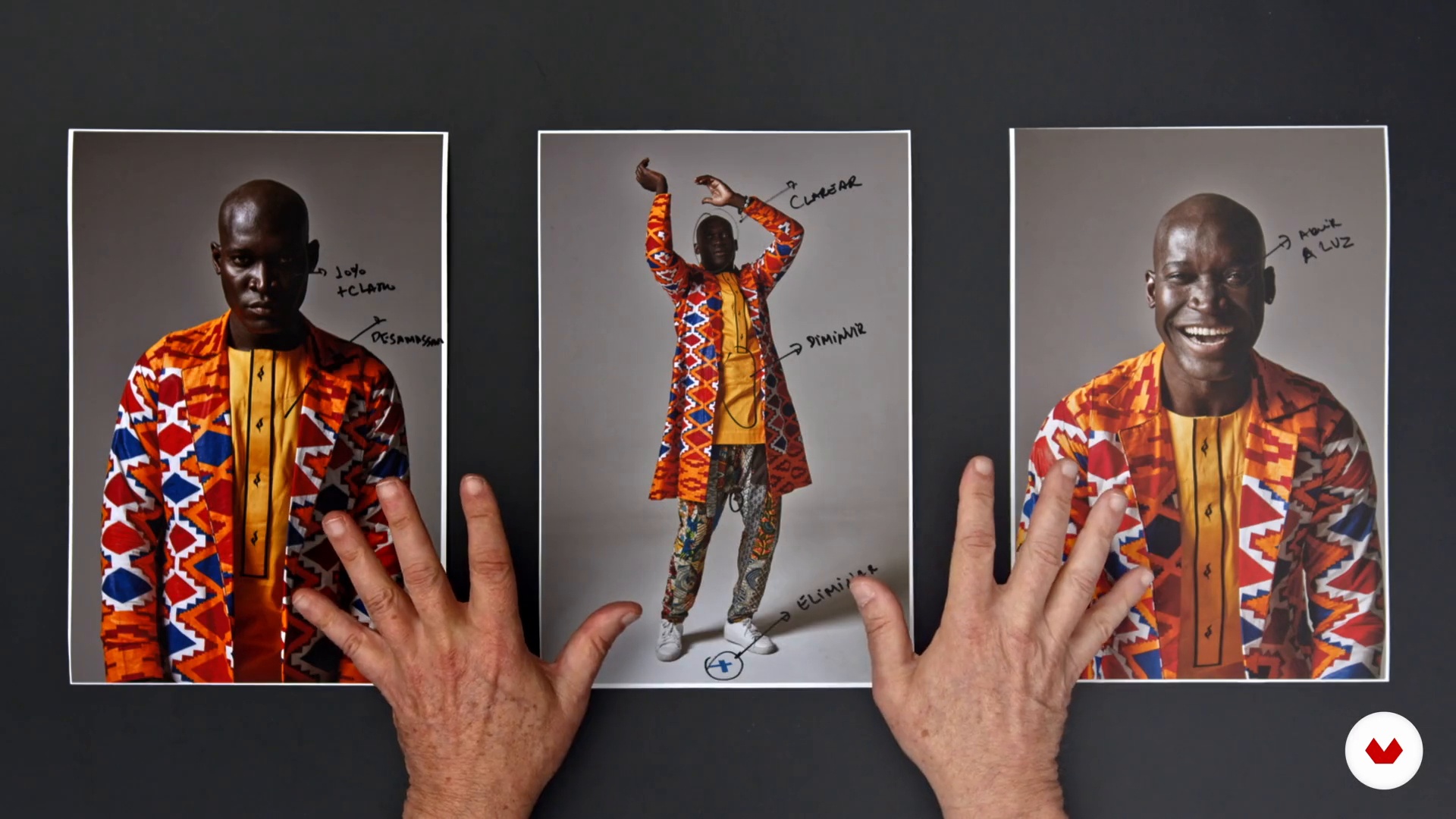
In this class, I'll give you some do's and don'ts when it comes to treating your images and touching up imperfections.
7m
Final formats: the importance of presentation
11
Final formats: the importance of presentation
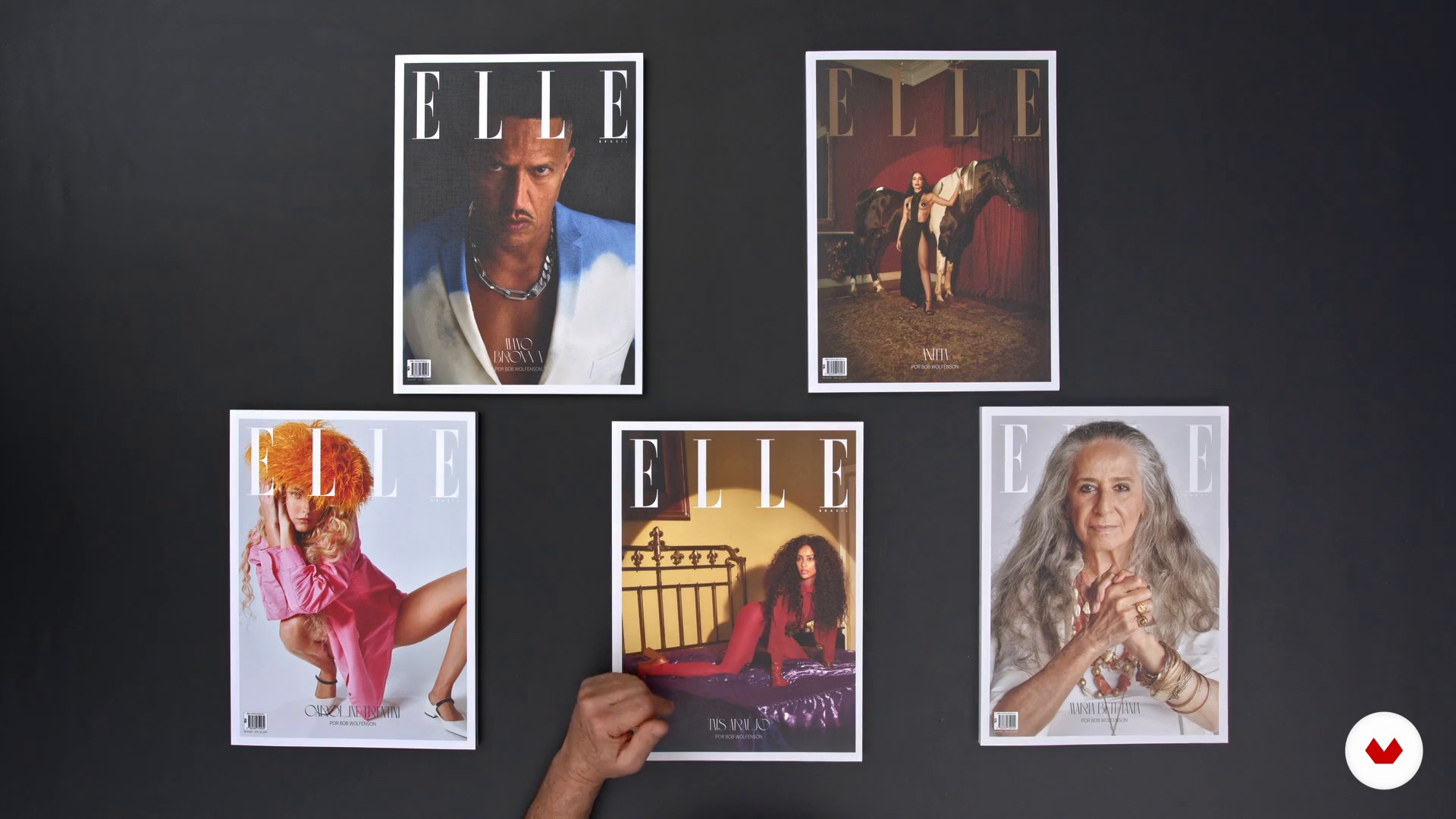
In this class, you will see the enormous importance of the presentation you will give to your work, choosing formats and concepts to bring your image to the world.
7m
Research, Briefing and Mood Board
4
Research, Briefing and Mood Board
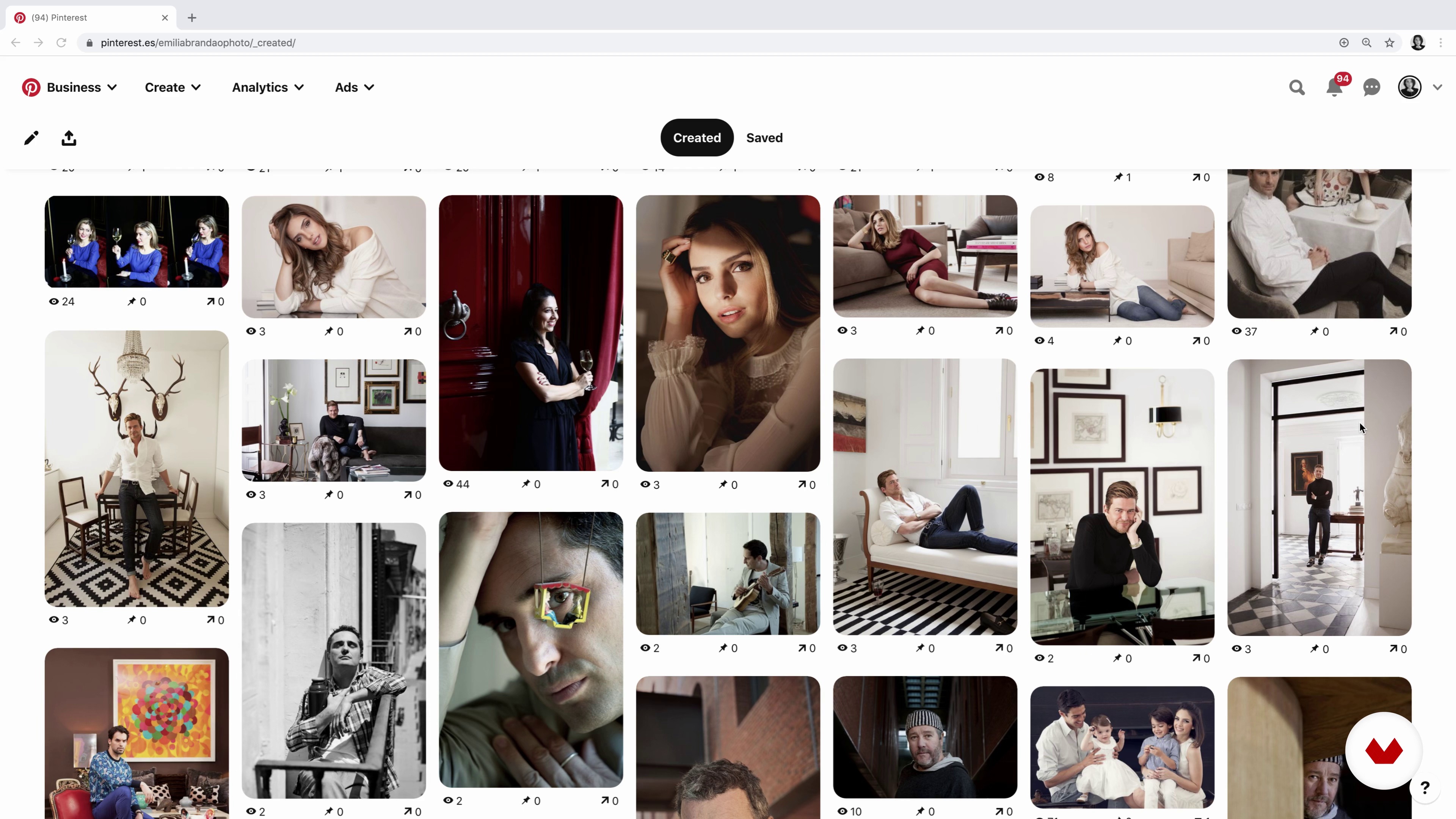
In this lesson, I will show you how I work around an idea or a client’s briefing, how I research to create a visual moodboard to help me prepare for a photo shoot. Before a photo shoot, it’s really important to understand the main briefing from a client or the idea you have for the portrait, what message/concept you need to communicate, who the person is, their gender, age, the profile in general.
8m
Location
5
Location
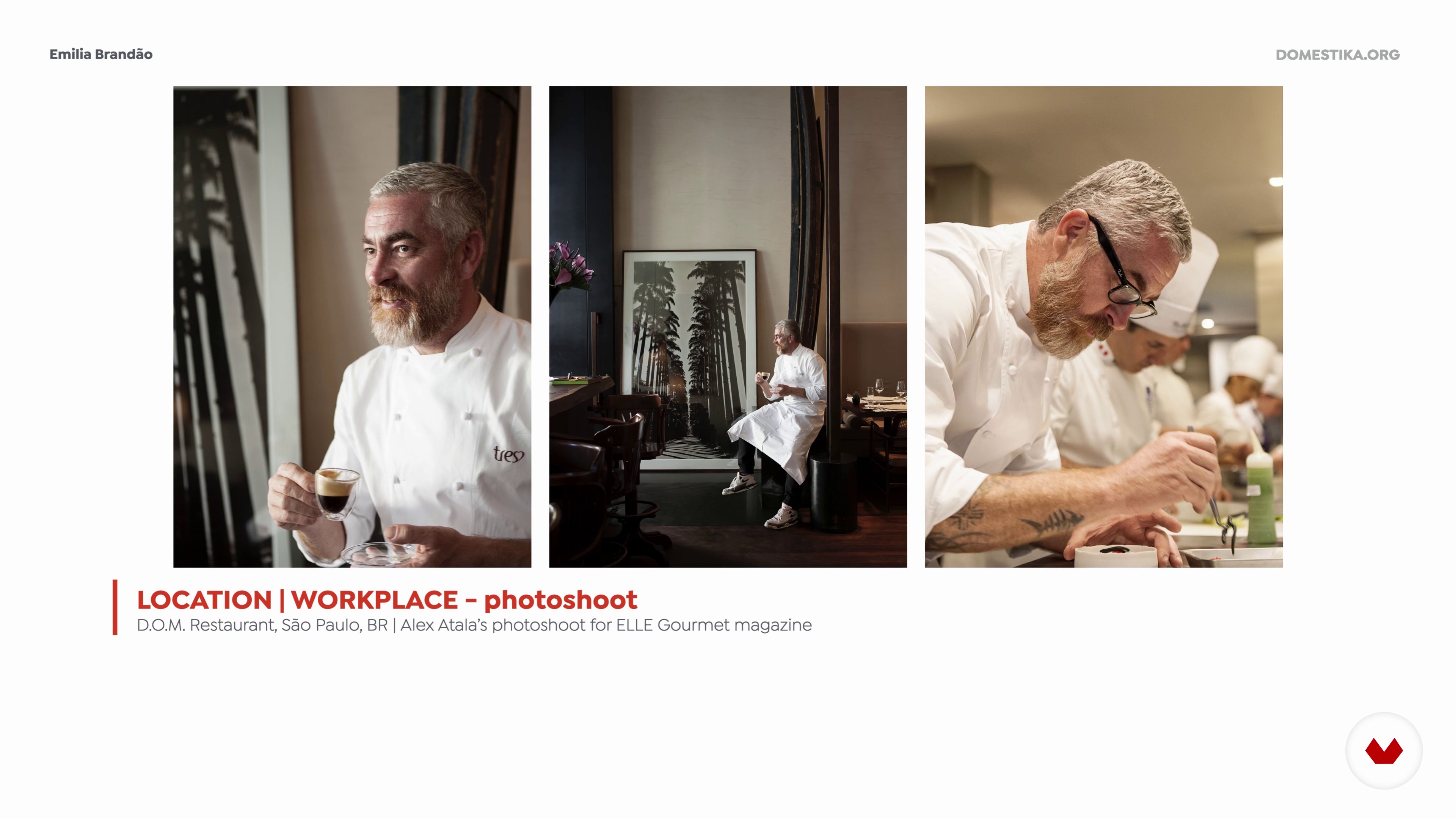
In this lesson, you will understand how I work with a location for a photoshoot. A photo is a moment in space and time. So SPACE is a key element for a portrait. The location is an important component to tell someone’s story. It can be a studio, someone’s house, workplace, interior, or exterior.
7m
Equipment, Light, and Your Plan B
6
Equipment, Light, and Your Plan B
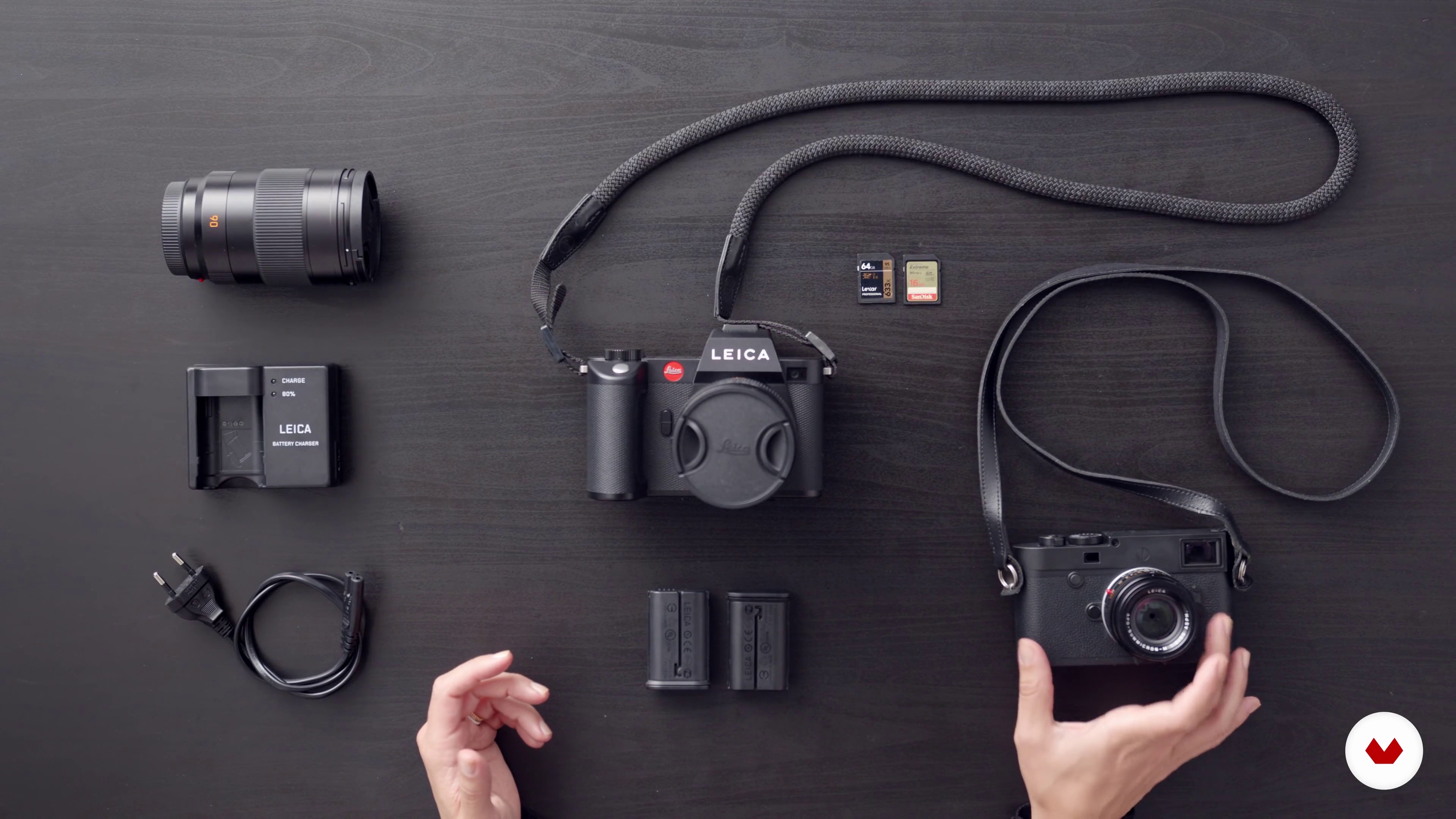
In this lesson, you will learn about the equipment I use, the lighting, and the Plan B I like to have ready in case of need. Once you have your mood boards ready and a good idea of the location you can start by preparing the equipment you will take with you for the photoshoot. Flash? Continuous light? Strobes? What accessories? What kind of camera? Which lenses: 35mm, 50mm, and 85mm?
4m
Making a Body Language, Facial Expressions and Poses Board
7
Making a Body Language, Facial Expressions and Poses Board
In this lesson, you will learn about making a Body language, facial expressions, and poses board in order to guide you and your sitter throughout the photoshoot. Understanding body language and facial expressions are key to communicating nonverbal signals and messages. Especially in the case of portraiture where you can only use visuals to express a message.
6m
Understanding Emotions
8
Understanding Emotions
In this lesson, you will learn about human emotions, understand what people feel during a photoshoot, and how to build a connection with your sitter.
10m
Before the Shoot
9
Before the Shoot
In this lesson, you will learn what I do before I start taking photos at a photoshoot, how I engage in a conversation with my sitter, and share my ideas with them.
6m
Placing the Sitter on the Set
10
Placing the Sitter on the Set
In this lesson, you will learn how I place my sitter on the set before the shoot to create connection and vulnerability. I start by showing her the first idea of setting/pose on my boards, explaining what I have in mind, and I invite her to “play me” while “I play her”, so I give her the camera to hold and place myself on her spot.
4m
Shooting
11
Shooting
In this lesson, you will learn how I work during the shooting with the sitter. The start of a photoshoot can always be a little bit stiff; therefore if I have always more than just one idea, I normally keep my favorite ideas for the end, as the person will be more at ease and the connection between us will have been established already.
11m
Transferring and Editing
12
Transferring and Editing
In this lesson, we will see how I transfer and edit with the material after the photoshoot.
9m
Image Retouch
13
Image Retouch
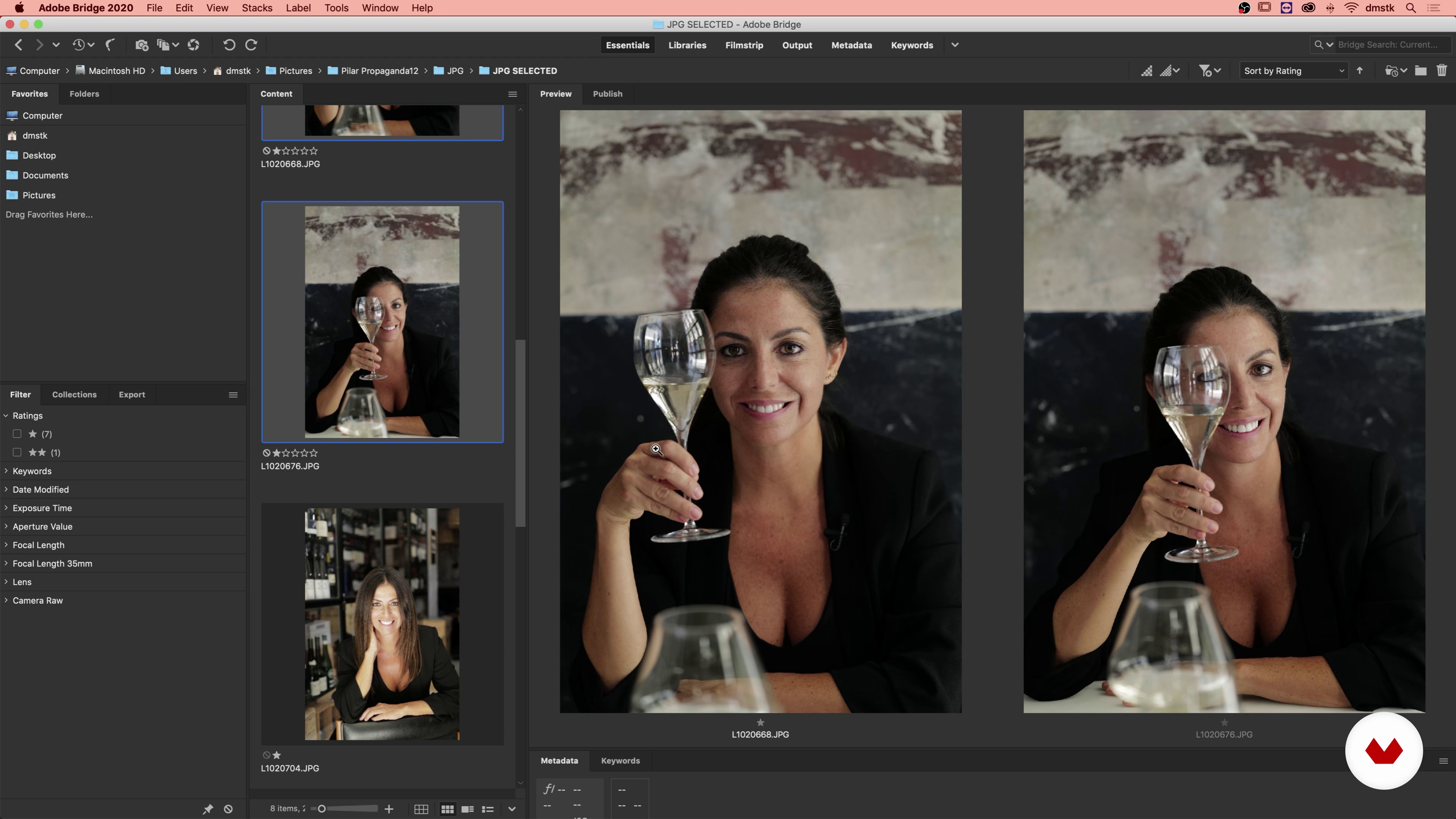
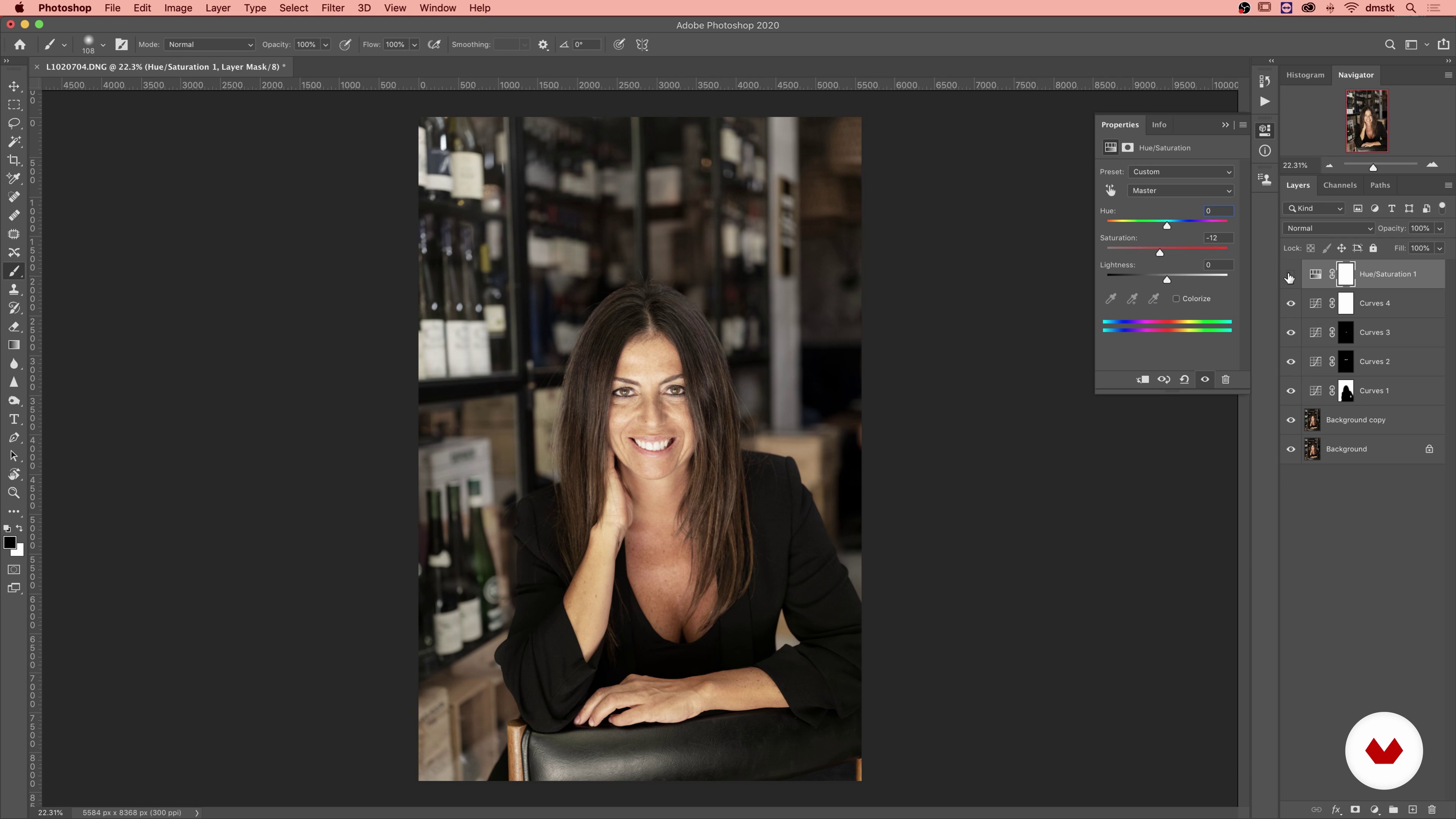
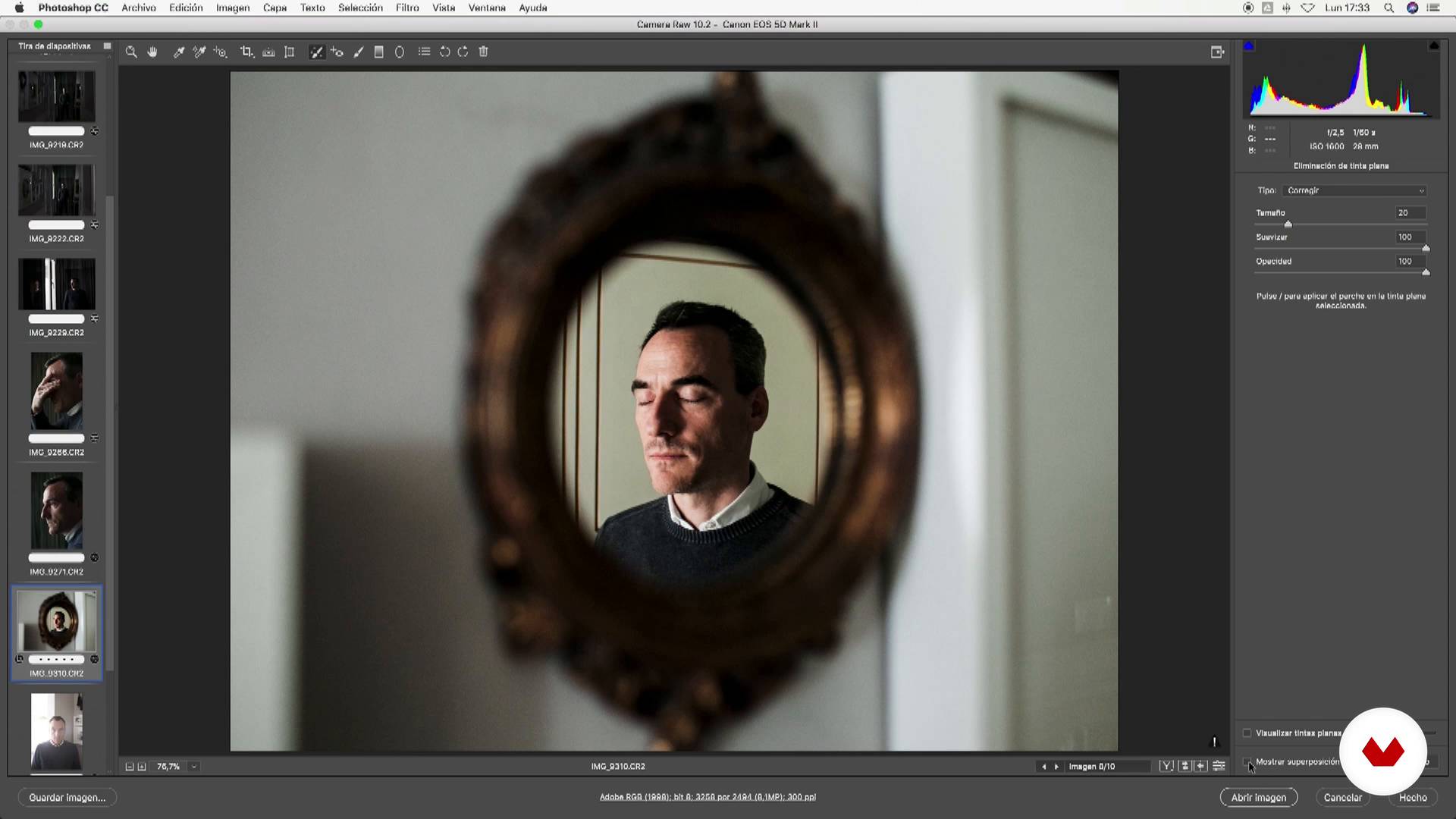
In this lesson, you will see how I retouch the selected images using Camera Raw and Photoshop.
16m
Delivery and Professional Tips
14
Delivery and Professional Tips
In this lesson, you will see how I send the photos to my clients and I will also give you a few tips on how I maintain a professional relationship with them.
1m
materials
3
materials
In this lesson we will see what is the minimum material you will need to get good portraits.
4m
Choose and improvise
4
Choose and improvise
In this lesson we will learn how to choose when circumstances leave us and I will also tell you how to improvise when we do not have the opportunity to choose.
15m
Preparation of the photographer
5
Preparation of the photographer
Before our session we not only have to physically prepare all the equipment we need, we also have to prepare ourselves, go with resources to have a proposal to launch to the person we are going to photograph. In this lesson I tell you.
7m
Spatio-temporal organization
6
Spatio-temporal organization
In this lesson, I'll tell you how we have to do to organize the space, thinking about the goal and results we want to achieve.
9m
Photographing interviews
7
Photographing interviews
Now that everything is organized, it is time to make the photo session, interviewer and interviewee begin the interview. In this lesson I explain how I move in the session and how I try to go unnoticed.
15m
To locate
8
To locate
When I have finished with the photos in the set I had planned, I let the interview continue and I will locate for the following photos.
8m
The posed
9
The posed
In this lesson we will tackle the most difficult part but without doubt the most satisfactory all my work and what will also be for you, the one-on-one relationship with the protagonist.
16m
Organize photos
10
Organize photos
In this lesson, I tell you how you classified the photographs once I upload them to the computer and how I do a round of selections to go sifting and discarding everything that is not strong enough.
10m
Treatment of photos
11
Treatment of photos
In this lesson I am going to explain you to do the light treatment, the color treatment in the cuts, and the necessary adjustments so that what is left in the final image is the closest thing to what I had in my head.
8m
Preparation of photos to publish
12
Preparation of photos to publish
11m
The conversation
4
The conversation
In this lesson I will show you some tools that work for me when it comes to building that link with the model. For me, the key is to leave space and listen without judging. I always try to generate a space in which the portrayed person can express himself quietly by being heard, in which I try to understand and ask him. Giving this space of trust generates an effect that I think is the peak of everything: you become an accompanying hand. And this is where the portrait gets interesting.
8m
The location
5
The location
In this lesson I will show you the spaces that I choose according to what I am looking for. How to decide which one will be better for you depending on what you want to achieve, how the light enters each space depending on the chosen schedule ... Everything influences.
7m
The Equipment
6
The Equipment
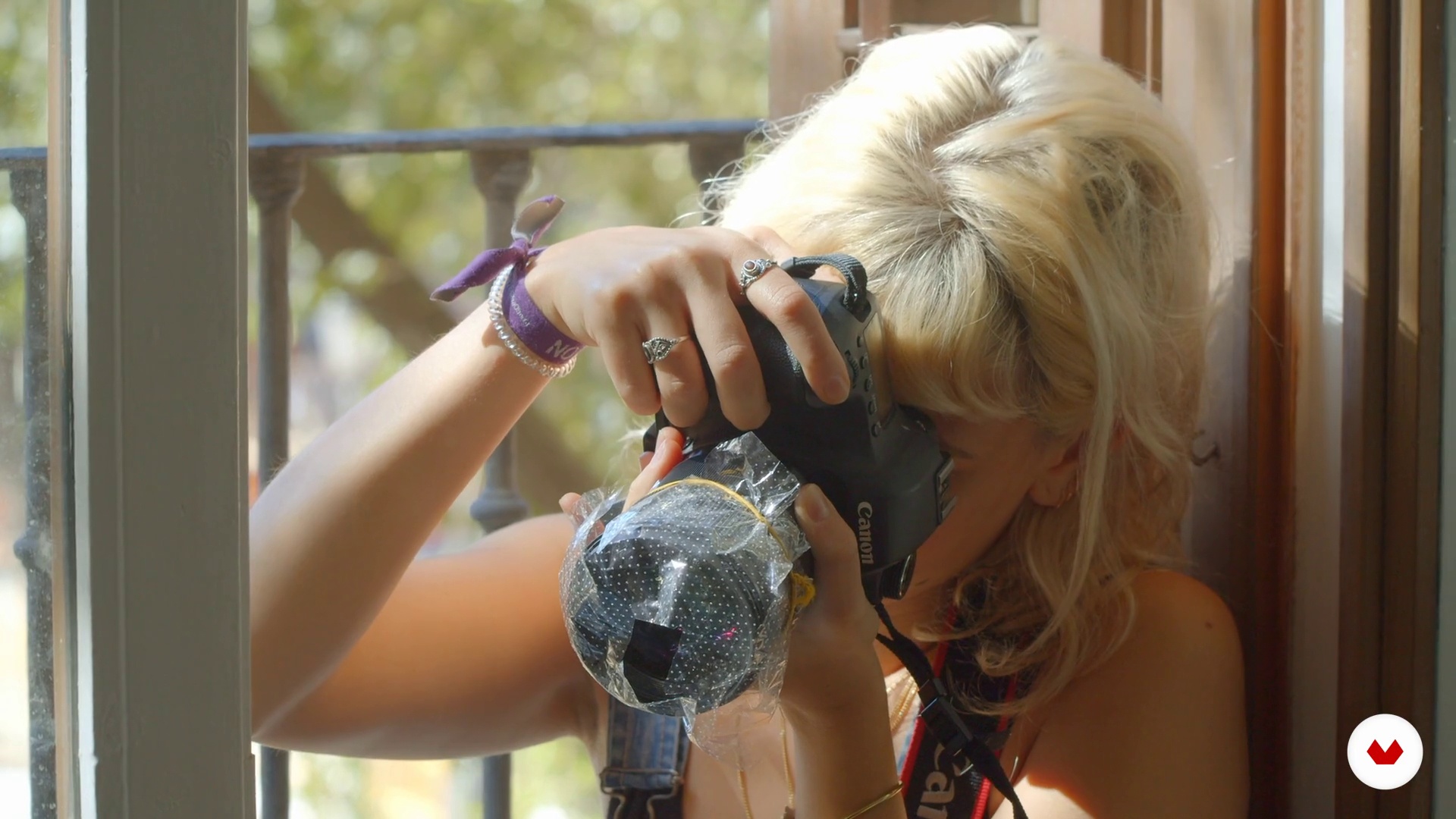
In this lesson I will explain the equipment I use in each situation, since it is not the same to photograph one person or several, or take photos of concerts, for example.
3m
Working with natural light in Interior: windows
7
Working with natural light in Interior: windows
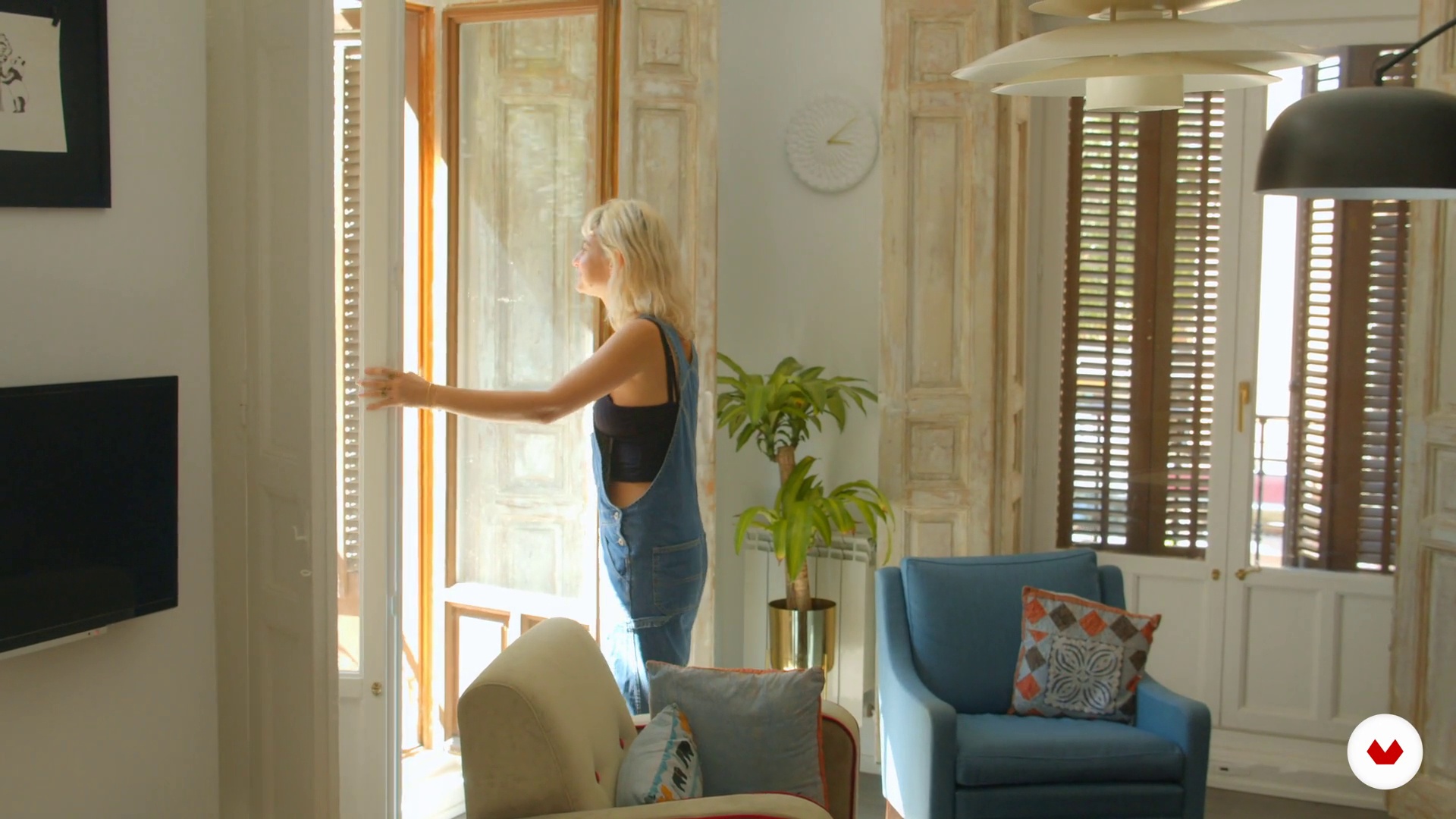
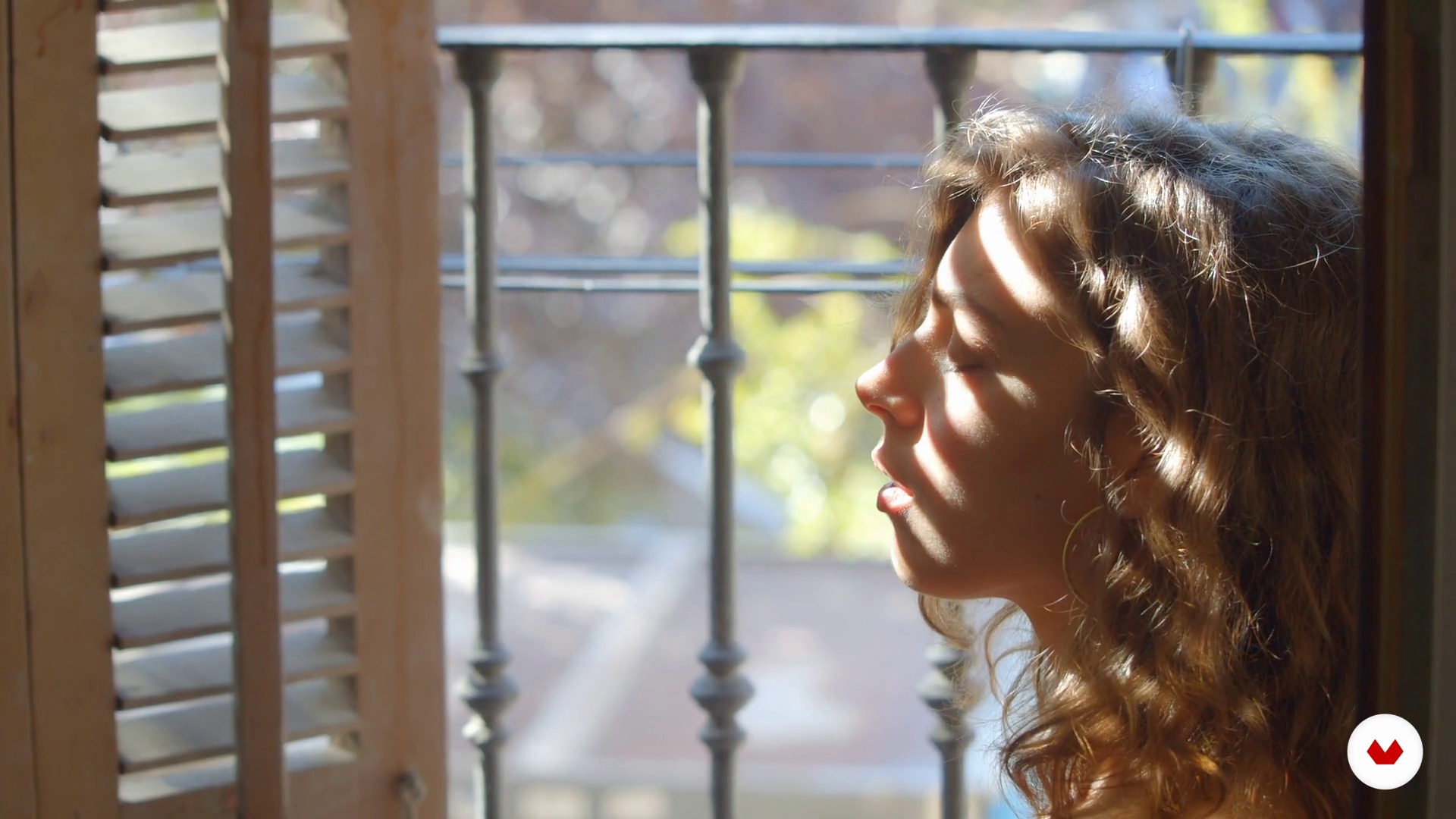
In this lesson I will teach you how to manage the natural light that a window offers us. I will give you tools to get the most out of it. This type of light is much more direct, and we can use it both frontally, to smooth out features of the model, and more laterally to generate the shadows on the face that interest us. The closer we are the harder the light will be, and as we move away it becomes more diffuse.
7m
Working with natural light in Interior: space
8
Working with natural light in Interior: space
In this lesson I will give you tools to manage an interior space and get the most out of it. You will learn to choose which elements to stay with and which to set aside so that the model and space have a balanced role. You will also see how to manage this more diffuse lighting once we have moved away from the direct focus of light.
7m
Working with natural light in Interior: elements
9
Working with natural light in Interior: elements
In this lesson I want to show you tools to manage more artistic scenes, from direct light to crystals. There are spaces that, despite appearing very mediocre at first glance, contain great beauty. Here I will explain to you what everyday elements I work to achieve lighting or image effects that give a special touch to photography.
7m
Editing with Lightroom
10
Editing with Lightroom
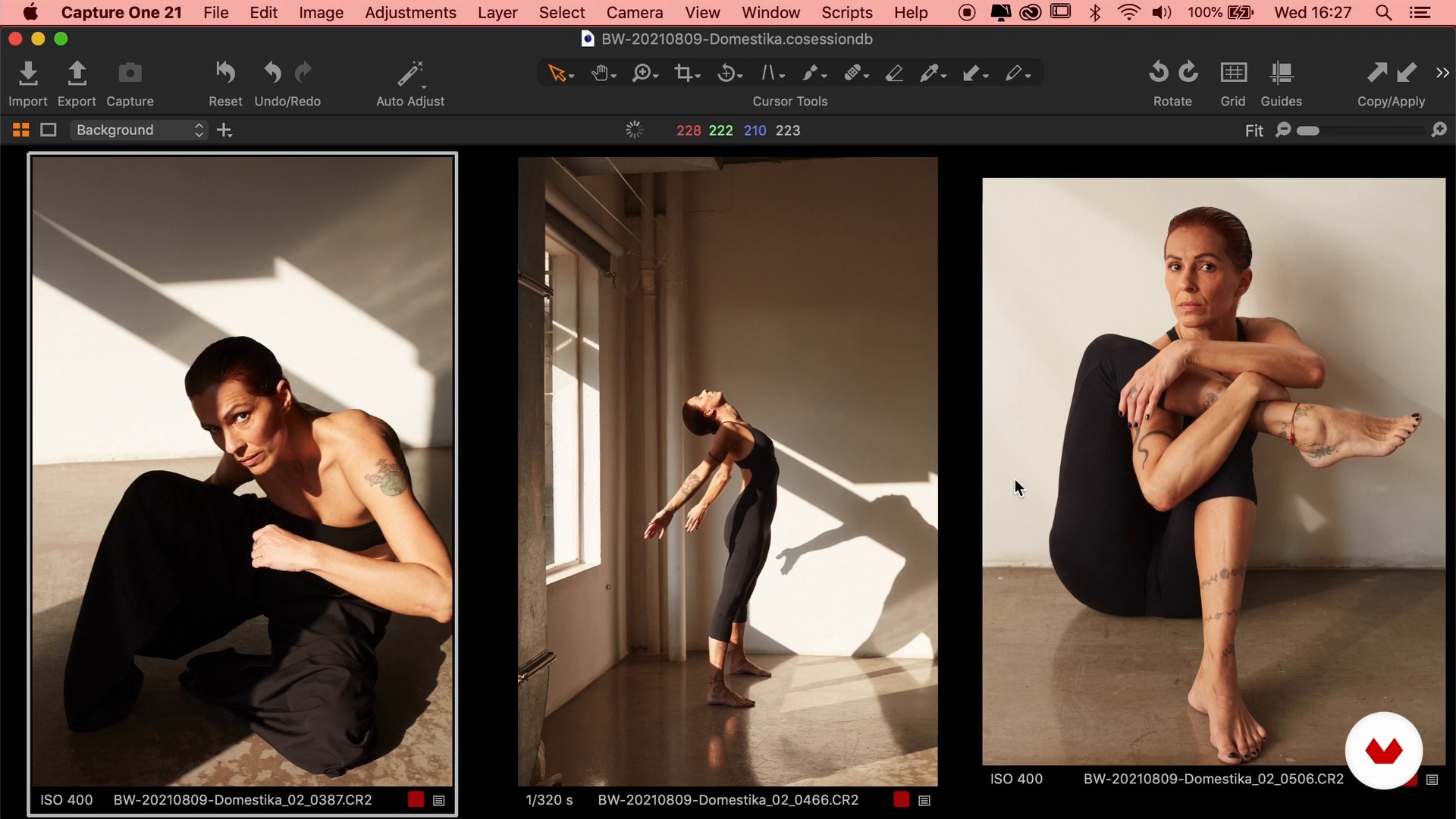
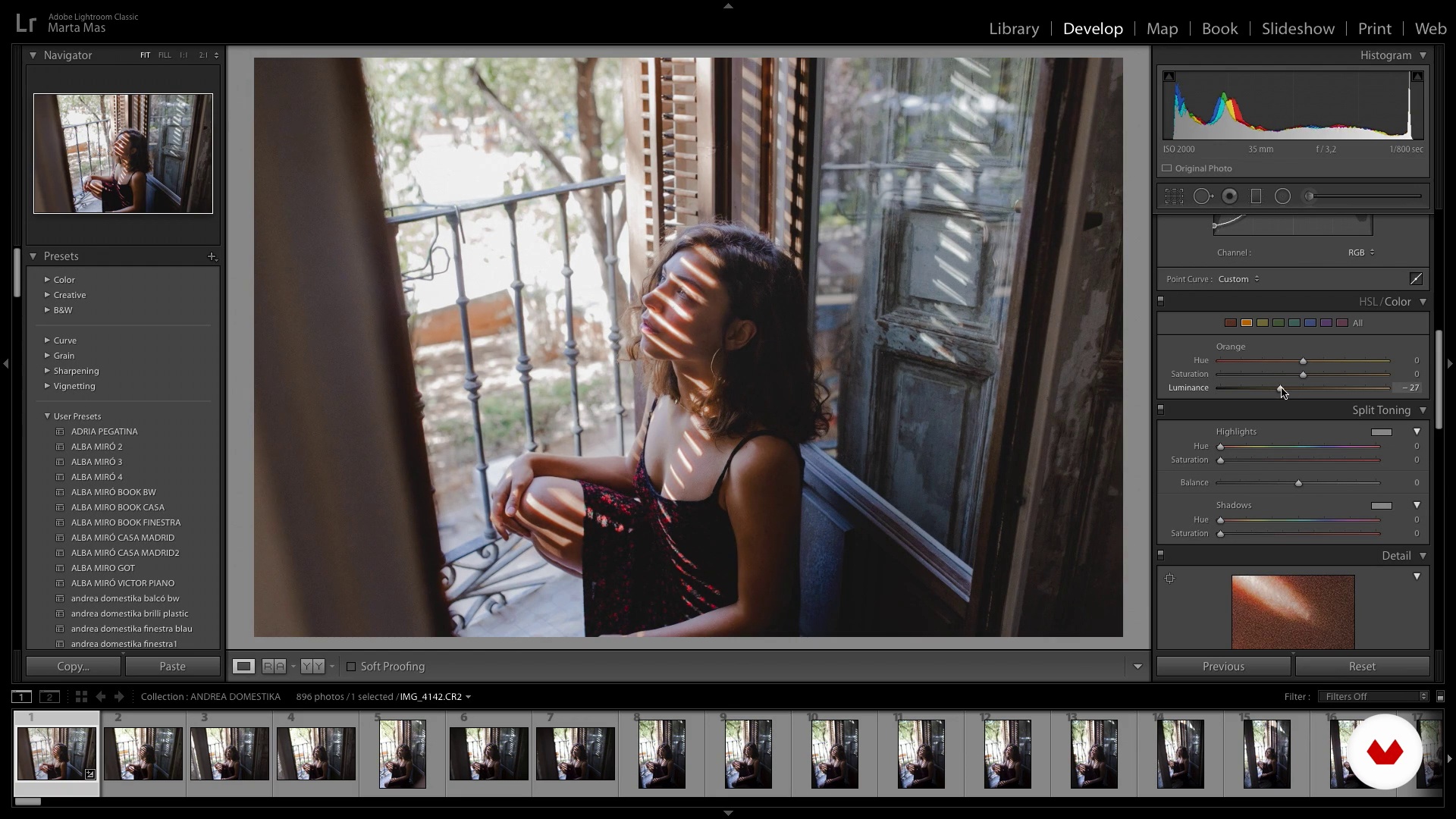
In this lesson I will show you how I edit with Lightroom the images we have made in our indoor photography practice.
17m
Selection
11
Selection
Now let's see how the selection process of those images that we have edited is carried out. Do not forget to check them first!
15m
Get moving!
12
Get moving!
It is not enough to find your own style and practice. You have to move and look for projects you want to work on. If we wait on the sofa for work to arrive, we are clear. Therefore, in this lesson I will tell you ways to spread and teach your work. I will show you how I faced this process at the beginning of my career and how, based on working hard and having perseverance, I have managed to improve to what I am today.
4m
History of Headshot Photography
3
History of Headshot Photography
In this lesson, I will provide a brief look into the history and evolution of headshots, a visual window into the subject's identity. You will then learn about my personal approach.
13m
Materials and Equipment
4
Materials and Equipment
Next, I will talk about the photography equipment that I’m currently using.
18m
Understanding Light
5
Understanding Light
In this lesson, I will delve into light and its relation to portraiture.
15m
Setting Up
6
Setting Up
In this lesson, I will explain how I prepare for a portrait sitting. It's not only important to check your equipment and tools, but also little details in your workspace.
6m
Getting the Best Out of Your Subject
7
Getting the Best Out of Your Subject
With the studio set up, let's talk about how I interact with my sitters to create a comfortable environment. In this lesson, I will share how I elicit a strong performance from my subject to achieve the best possible portraiture.
10m
The Shoot
8
The Shoot
It's time to start capturing the headshots! Next, I will walk you through the process of a typical photoshoot. You will learn what tricks I employ to optimize the elements of visual interest.
11m
Selection
9
Selection
Before editing your photos, you'll first need to select your favourites. In this lesson, I will demonstrate my selection process: how I narrow down all my captured images to show my best work.
13m
Editing 1
10
Editing 1
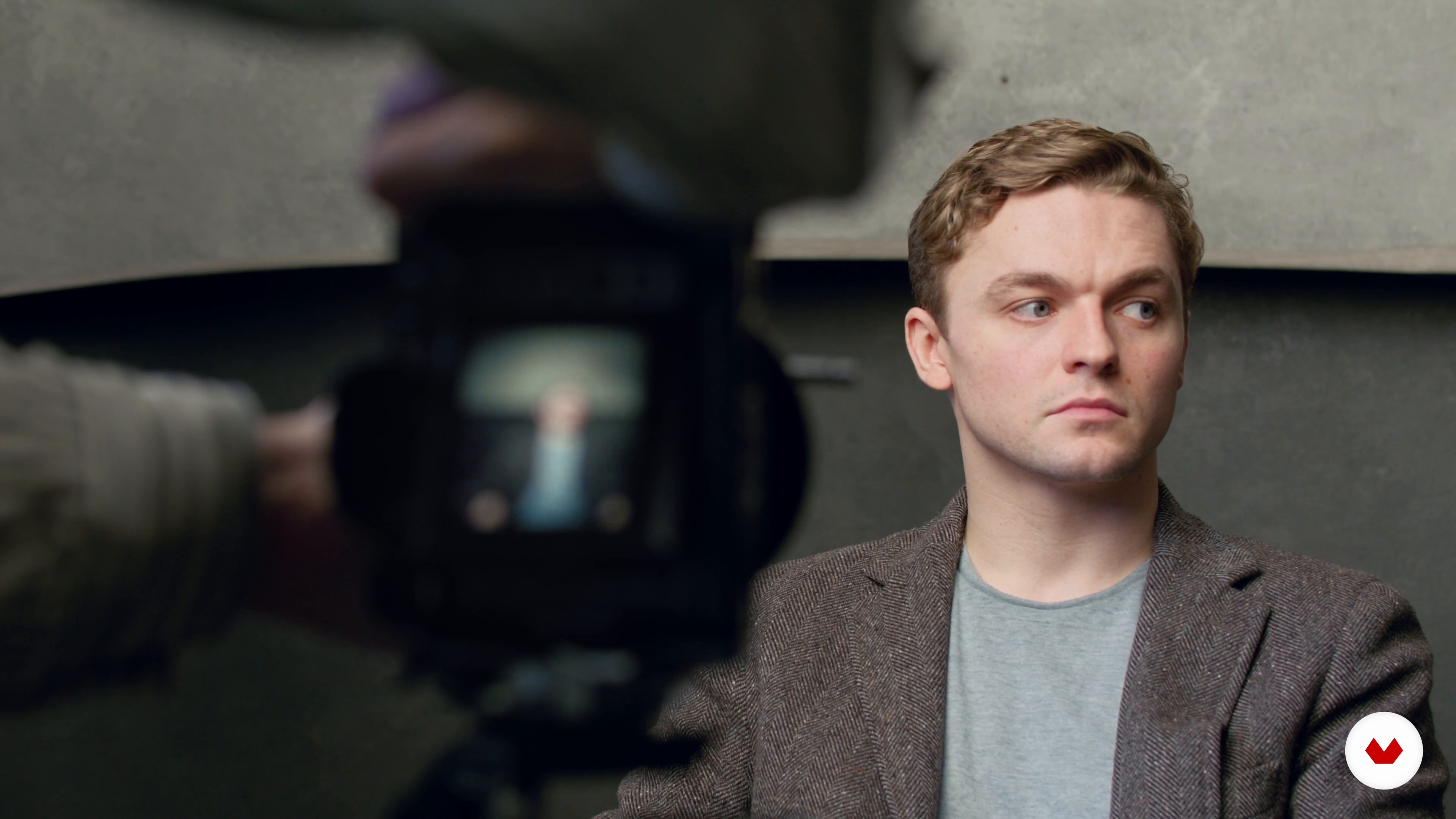
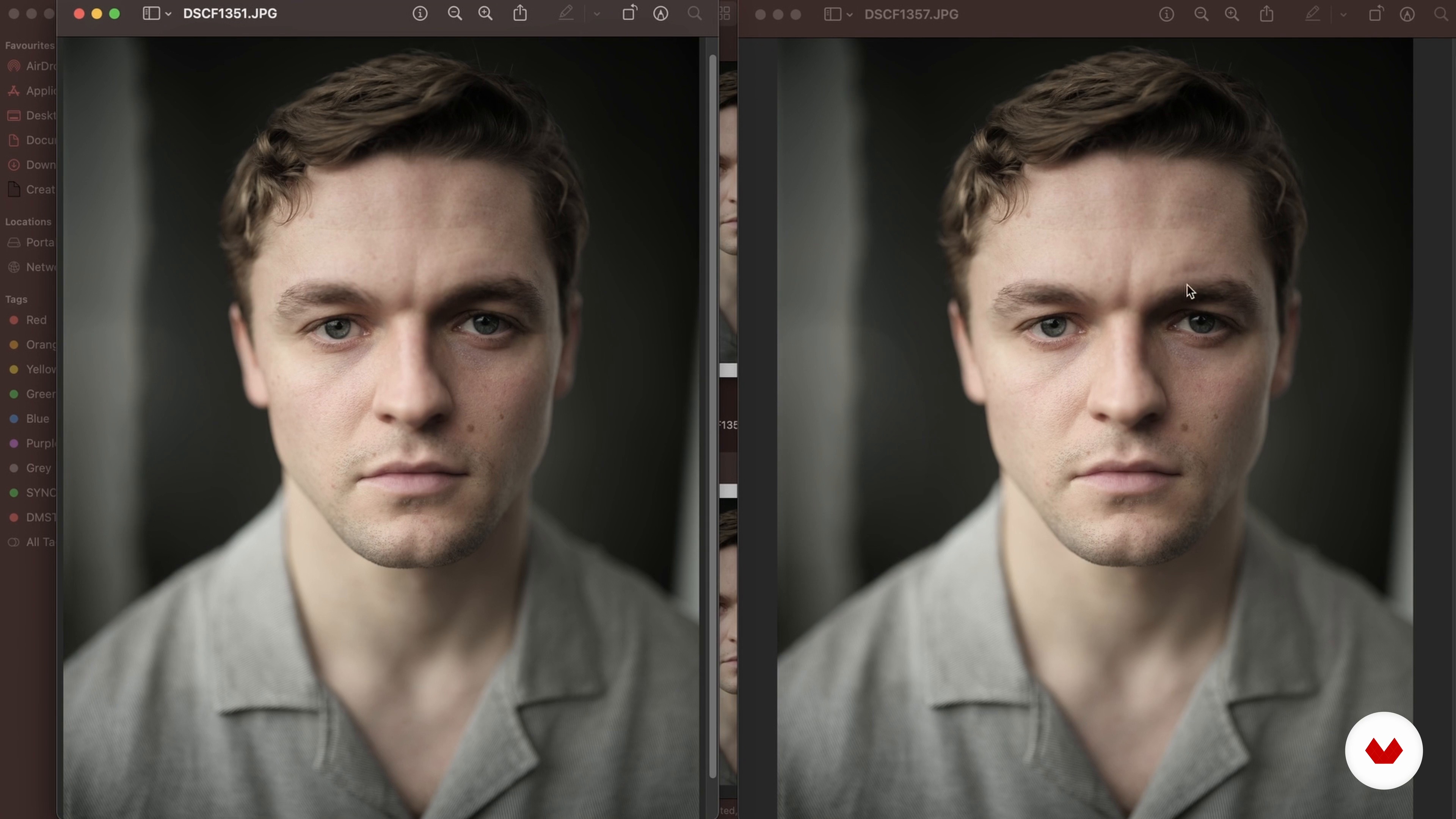
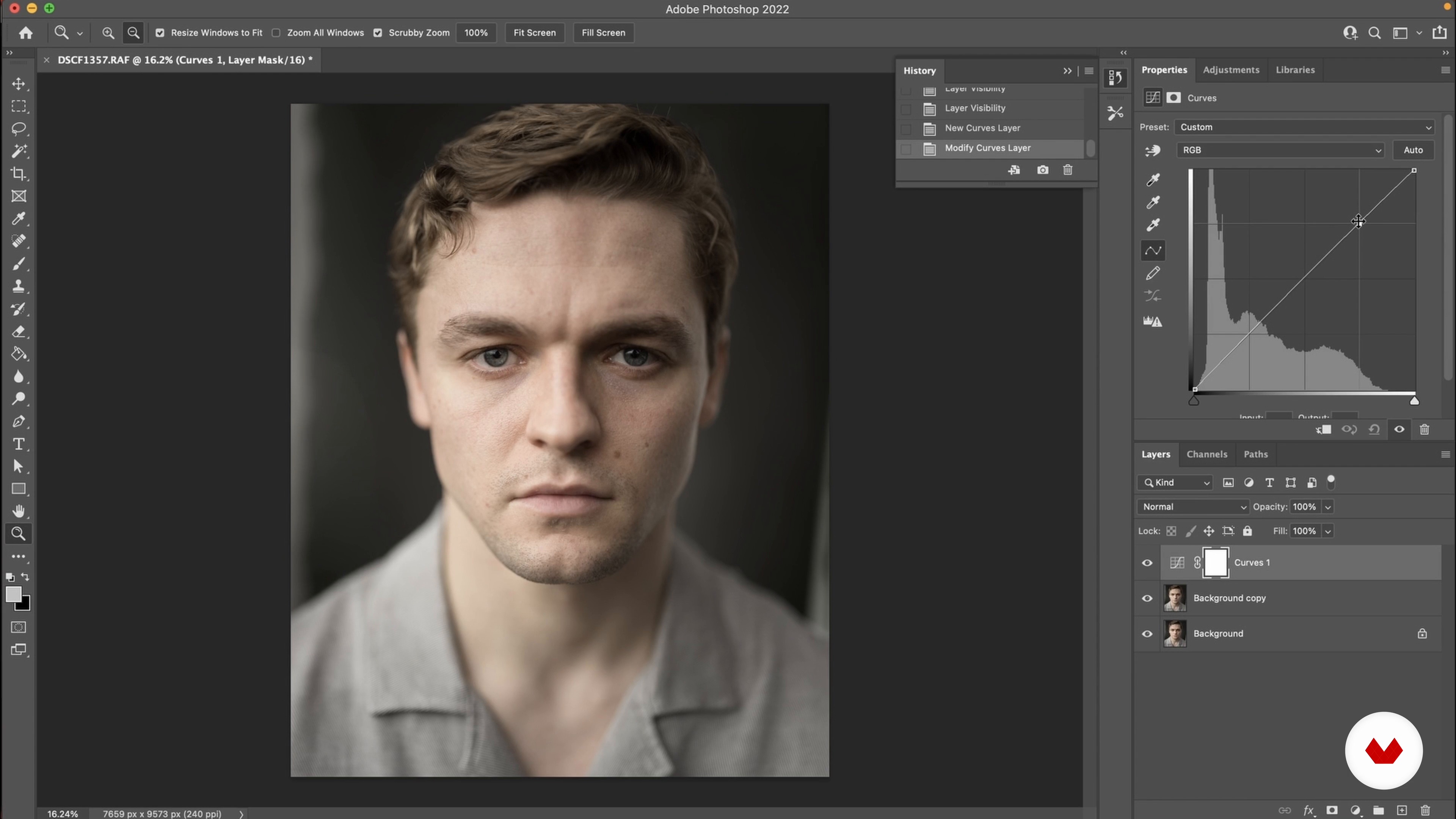
In this lesson, I will give you a look into my post-production workflow. You will see my editing process.
12m
Editing 2
11
Editing 2
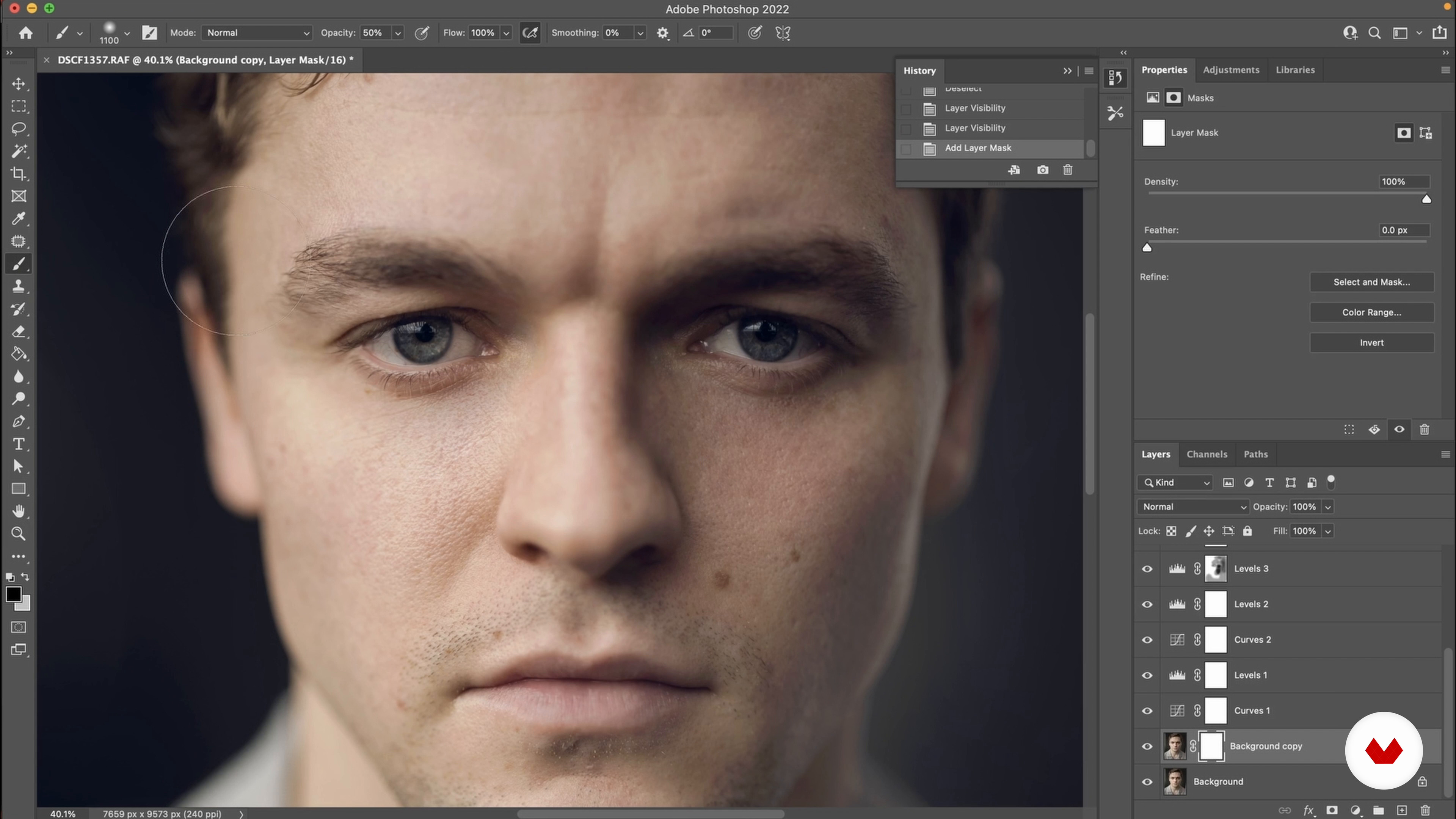
Here, I will continue to edit my image, focusing on colour, tonal values, shadowing, texture, and minor retouches.
9m
Creating an Online Presence
12
Creating an Online Presence
To end this unit, I will share my approach to using online and social media tools.
8m
  • 100% positive reviews (2)
  • 397 students
  • 55 lessons (8h 33m)
  • 57 additional resources (25 files)
  • Online and at your own pace
  • Audio: English, German, Spanish, Spanish (Latam), French, Italian, Polish, Portuguese, Turkish
  • Indonesian · English · Spanish · Portuguese · German · French · Italian · Polish · Turkish
  • Level: Beginner
  • Unlimited access forever

What is this course's project?

Create a portfolio showcasing technical and artistic mastery in portrait photography. Develop skills in directing sessions, using natural light, capturing emotional connections, and producing contemporary styles. Present a professional book categorized by corporate, personal, and creative themes.

Who is this specialization for?

Aspiring photographers eager to master portraiture from a technical and artistic perspective will thrive here. Ideal for professionals seeking to enhance their skill set, creative entrepreneurs craving specialization, and artists wanting to solidify their foundational techniques.

Requirements and materials

No extensive photography background is needed, but basic camera handling skills are helpful. Bring a camera with manual settings, a notebook for ideas, and an eagerness to explore portrait photography techniques and develop your unique visual style.

Requirements and materials for Photographic Portraiture Specialization 01: Fundamentals and Professional Technique
Select to get to know your teachers in this specialization course
Read more ↓

Reviews

397 Students
2 Reviews


What to expect from this specialization course

  • Learn at your own pace

    Enjoy learning from home without a set schedule and with an easy-to-follow method. You set your own pace.

  • Learn from the best professionals

    Learn valuable methods and techniques explained by top experts in the creative sector.

  • Meet expert teachers

    Each expert teaches what they do best, with clear guidelines, true passion, and professional insight in every lesson.

  • Certificates

    Plus

    If you're a Plus member, get a custom certificate for every specialization course. Share it on your portfolio, social media, or wherever you like.

  • Get front-row seats

    Videos of the highest quality, so you don't miss a single detail. With unlimited access, you can watch them as many times as you need to perfect your technique.

  • Share knowledge and ideas

    Ask questions, request feedback, or offer solutions. Share your learning experience with other students in the community who are as passionate about creativity as you are.

  • Connect with a global creative community

    The community is home to millions of people from around the world who are curious and passionate about exploring and expressing their creativity.

  • Watch professionally produced courses

    Domestika curates its teacher roster and produces every course in-house to ensure a high-quality online learning experience.


FAQs

Yes, this course is designed for intermediate photographers who want to deepen their skills in portraiture, editorial photography, and humanist approaches, drawing on cinematic and minimal aesthetics.

You'll need a camera (DSLR, mirrorless, or full-frame recommended), a selection of portrait lenses, basic lighting equipment (natural or artificial), and a computer for editing and organizing images.

You’ll learn how to plan, shoot, and edit editorial-style portraits using cinematic and humanist techniques, including moodboard creation, client briefing analysis, lighting setups, posing, and post-production workflows.

Yes, the course covers black and white portrait techniques, including approaches inspired by renowned photographers and tips for achieving expressive, authentic results.

The course provides strategies for building trust, empathy, and creative collaboration with portrait subjects, helping you guide expressions, reduce sitter anxiety, and foster genuine connections.

Yes, the course covers using natural light, artificial light, reflectors, and lighting modifiers for portraits in various environments, emphasizing adaptability and mood creation.

Absolutely. You'll learn to create moodboards using tools like Pinterest, conduct visual reference research, and synthesize creative ideas to guide your photoshoots.

Information about the course and certificate


Photographic Portraiture Specialization 01: Fundamentals and Professional Technique. Photography, and Video course by Domestika

Photographic Portraiture Specialization 01: Fundamentals and Professional Technique

A specialization by multiple teachers
Berkeley, United States.
Joined April 2002
  • 100% positive reviews (2)
  • 397 students