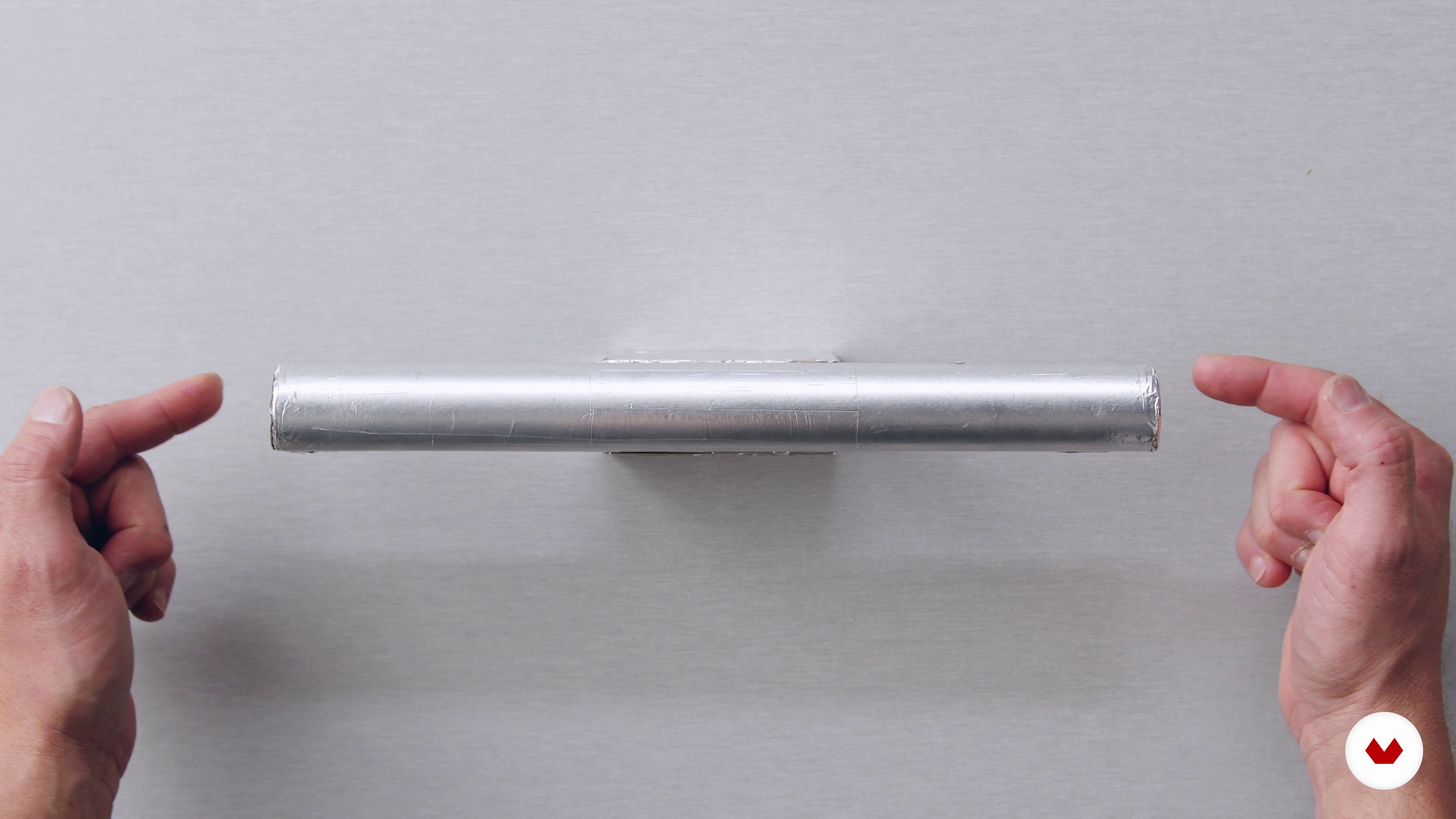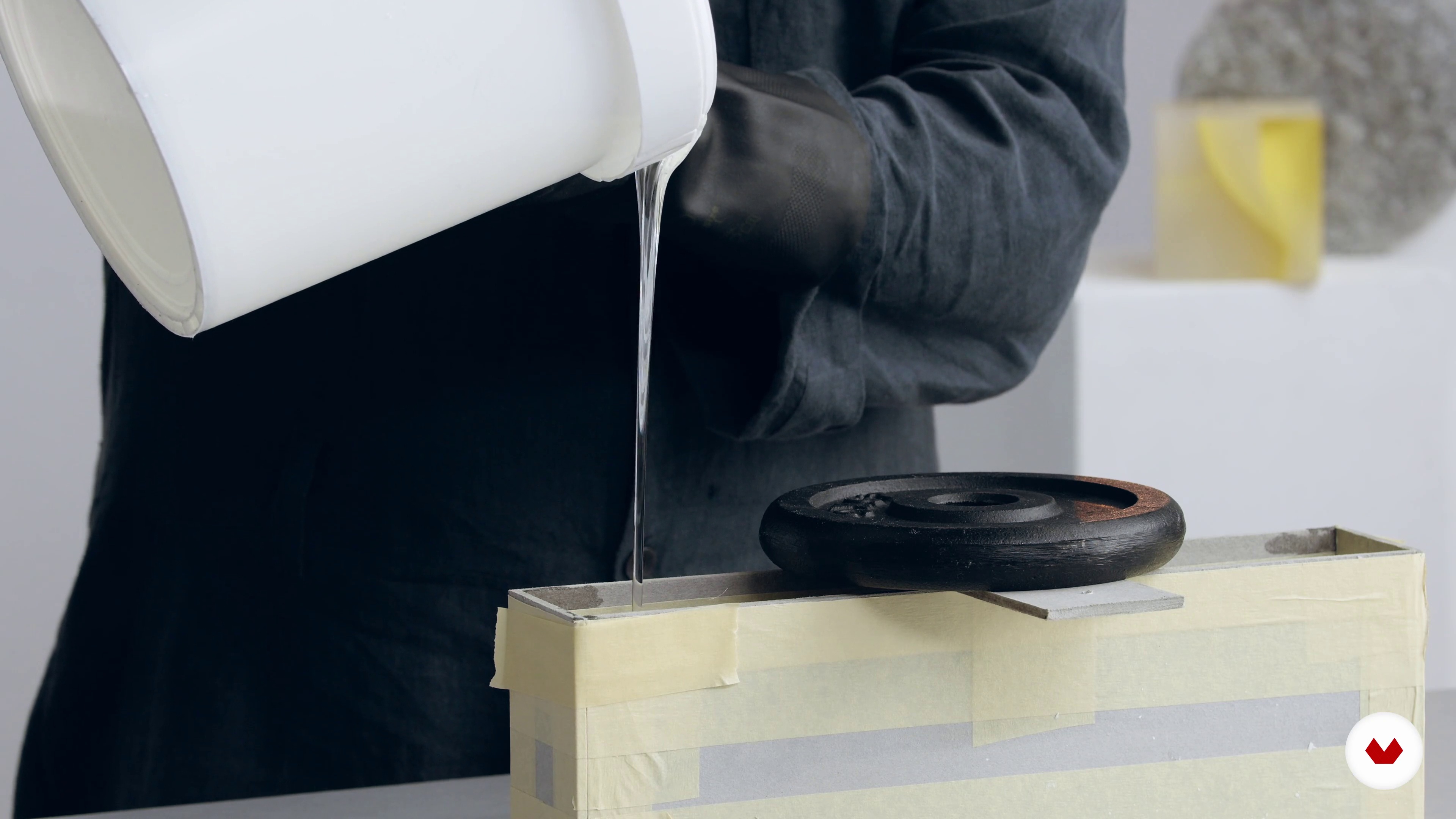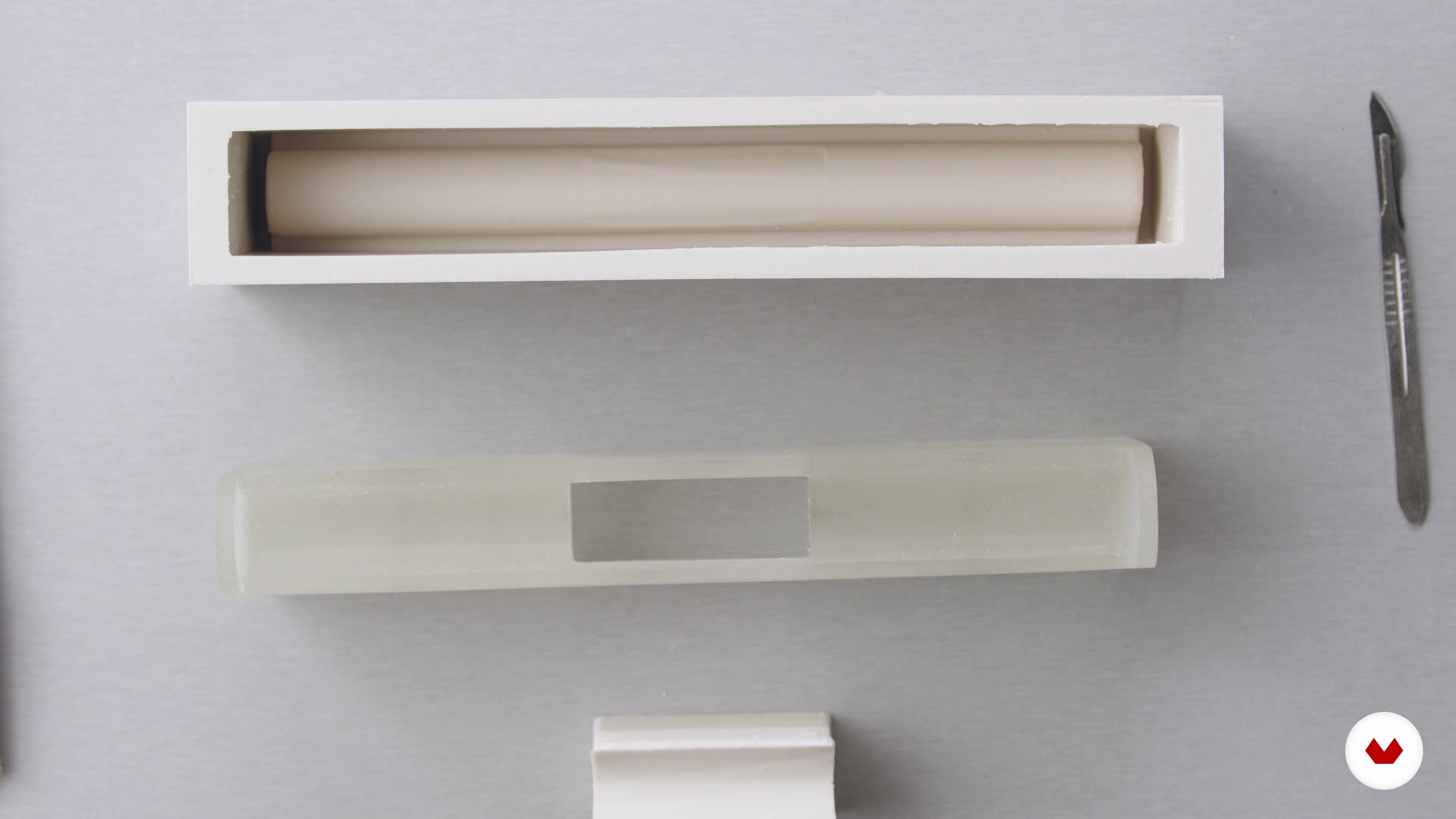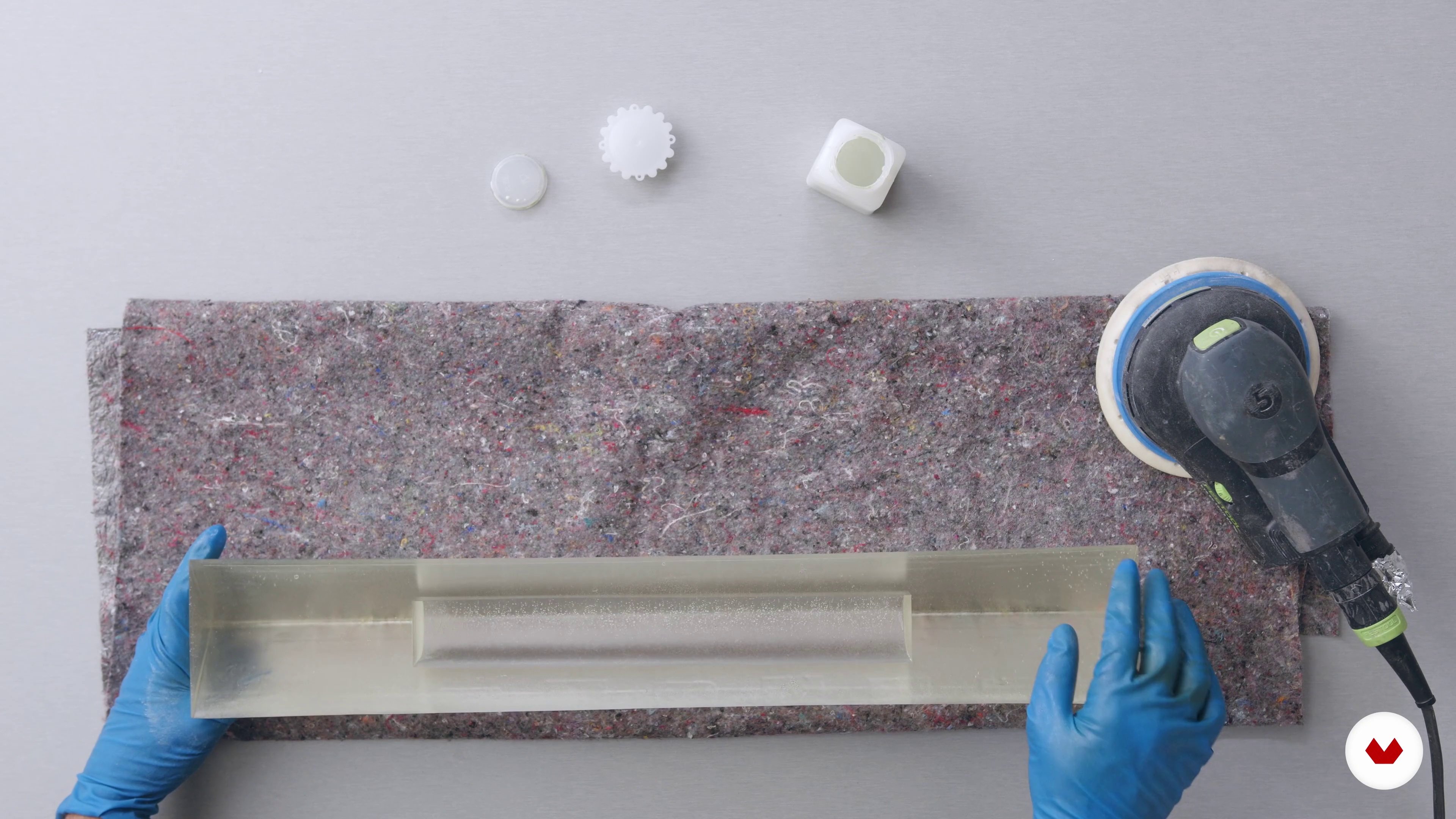


Specialization

Specialization in Resin Design and Decorative Home Objects

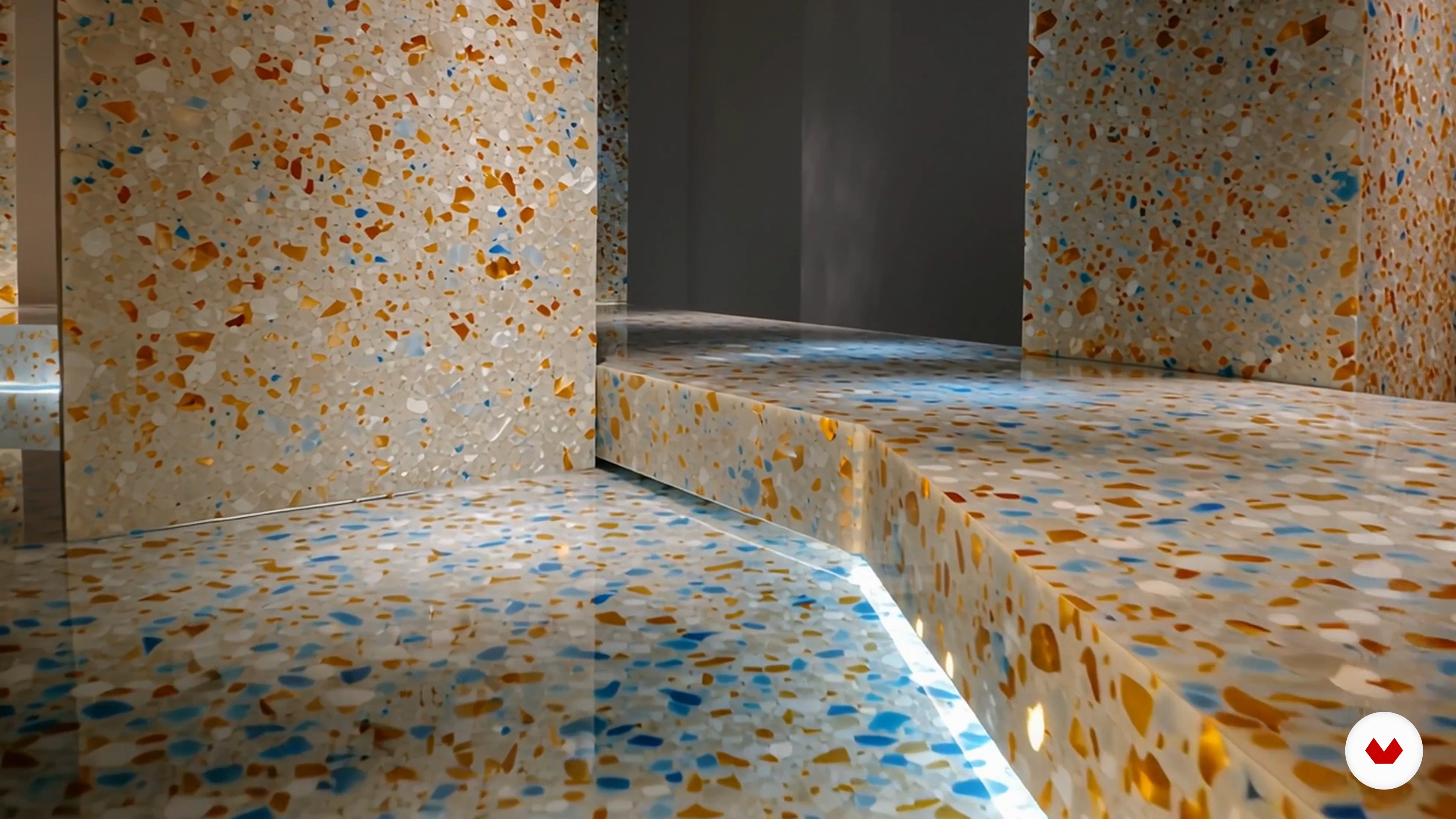
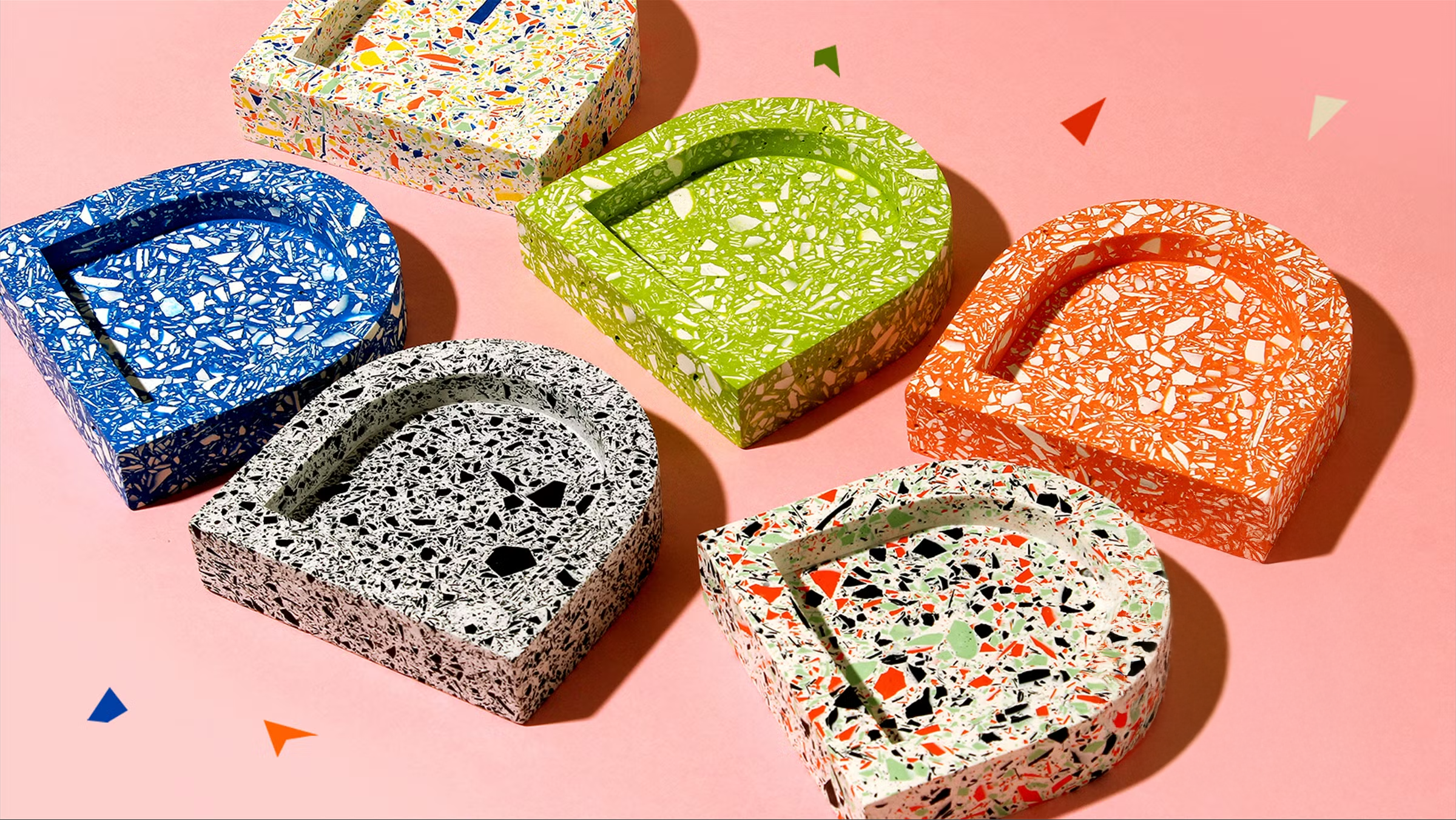
Explore resin techniques for creating decorative home objects, focusing on color, effects, furniture, and terrazzo style

Specialization · 6 modules

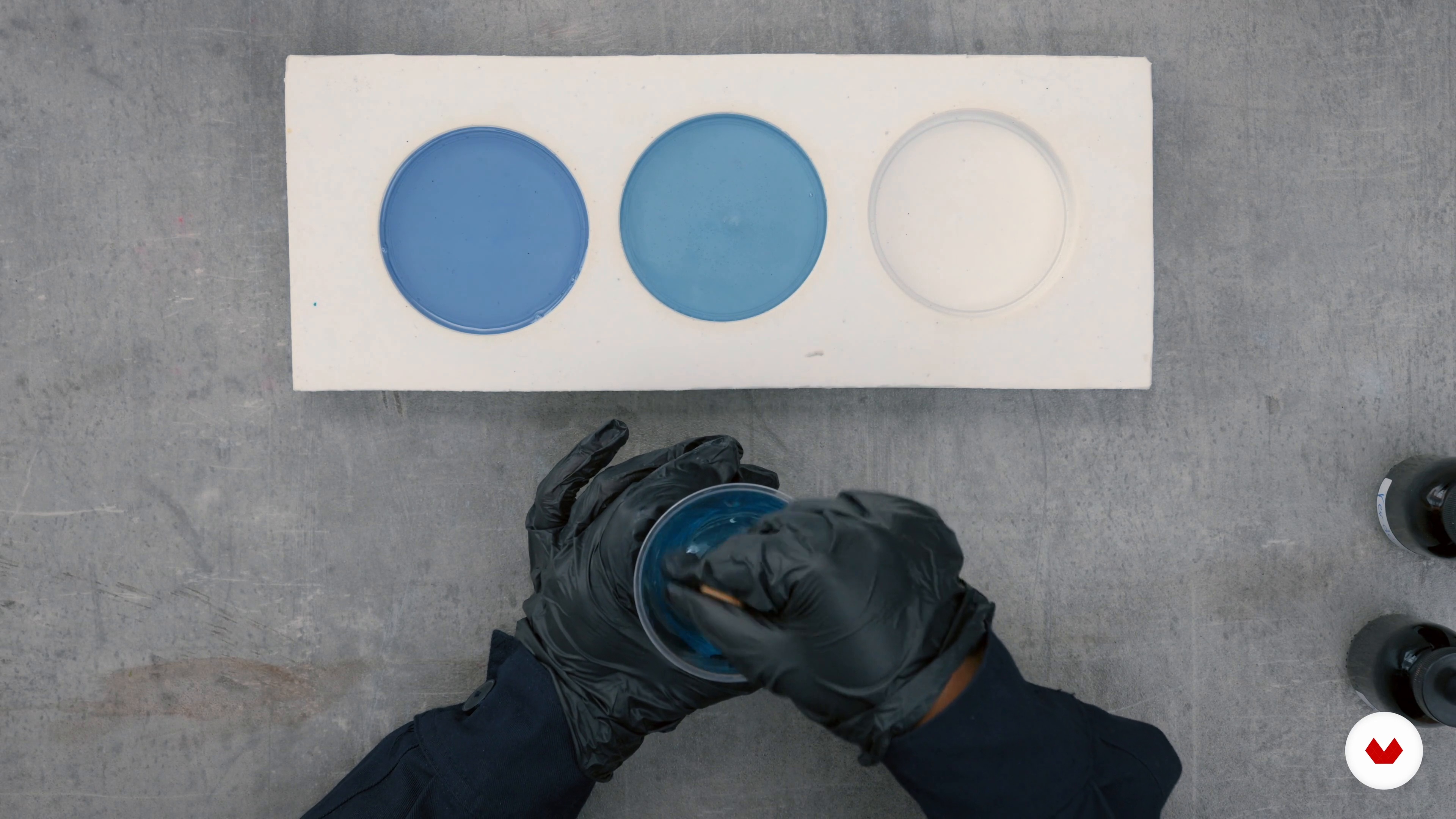
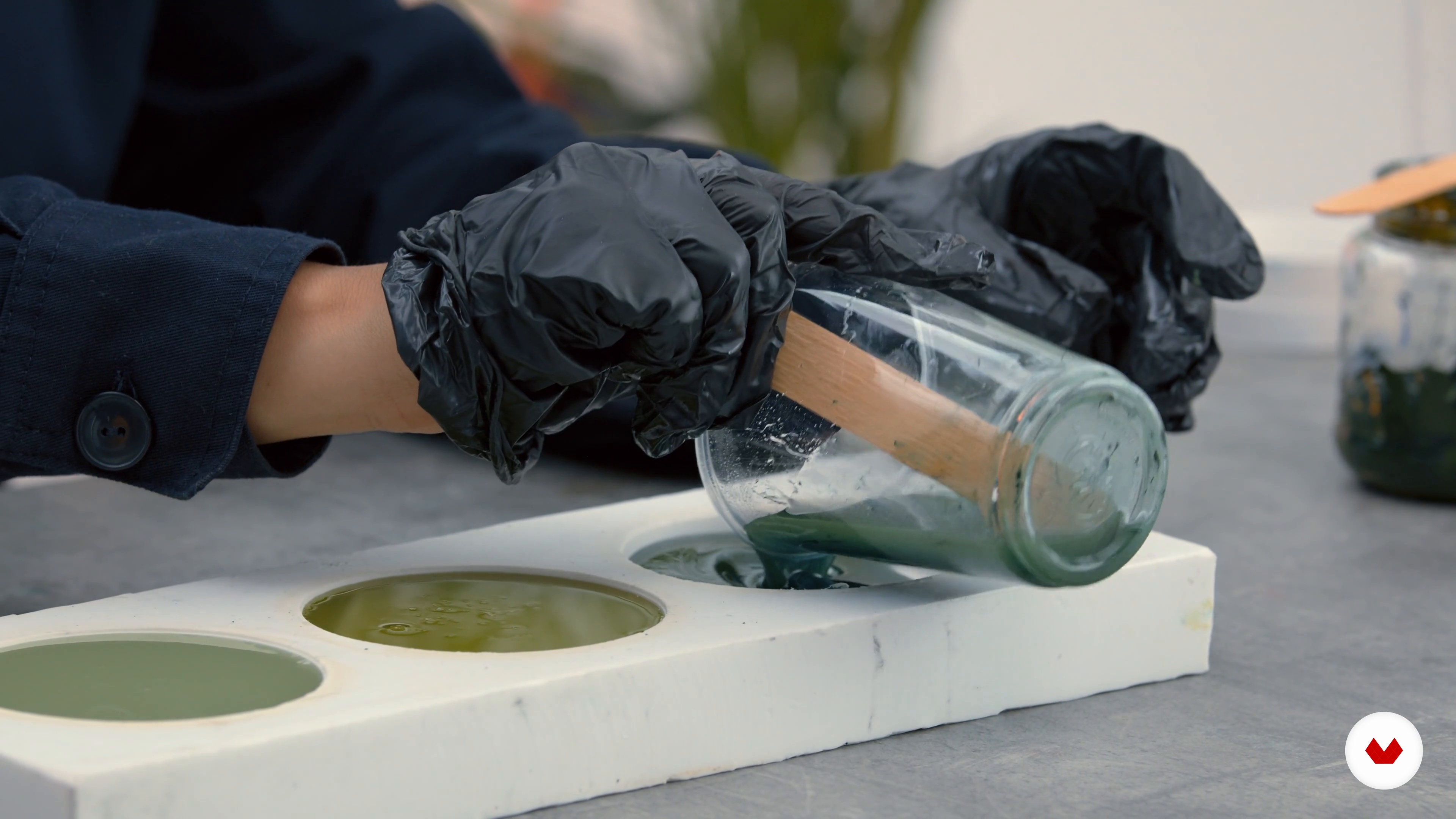
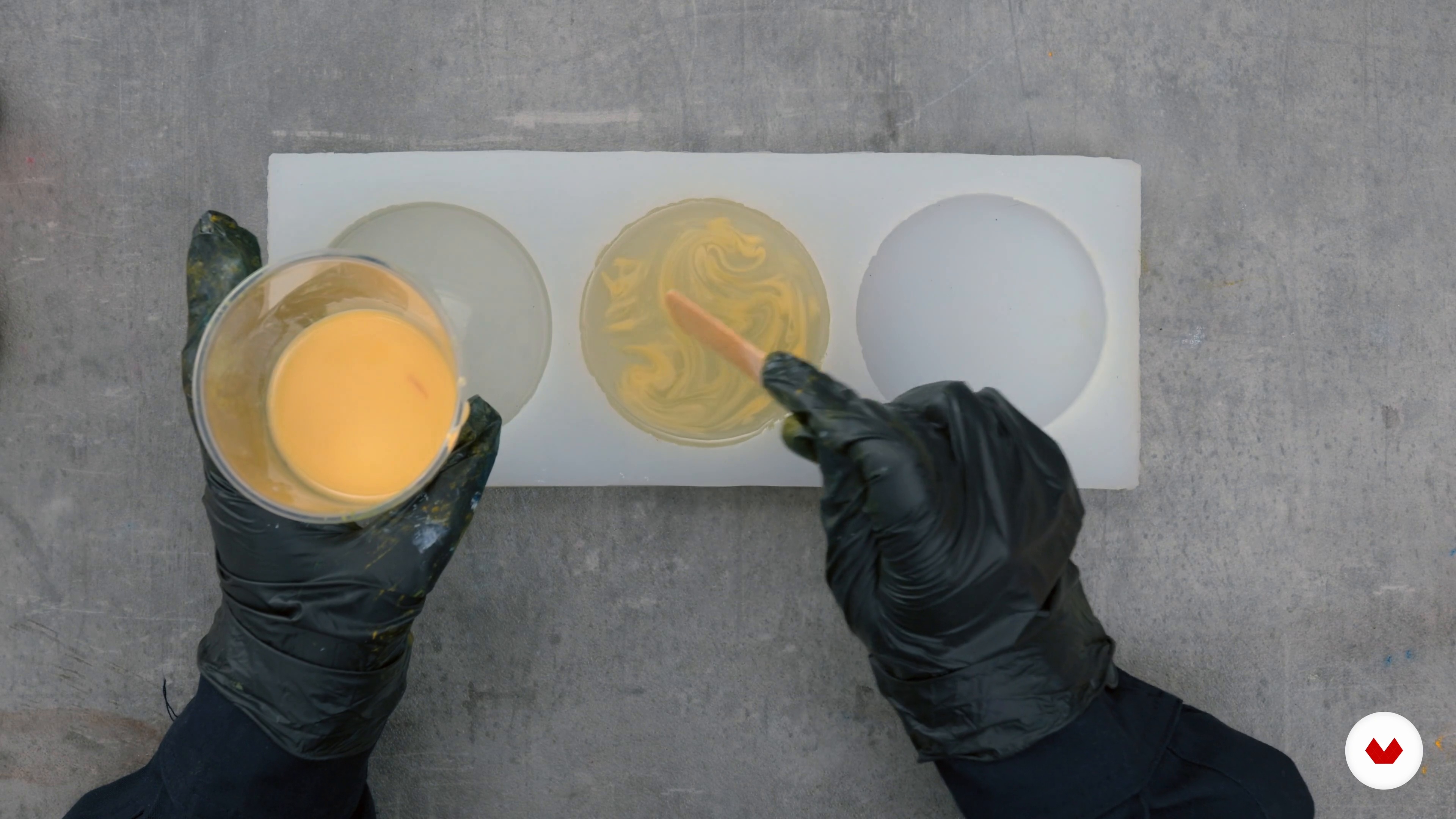
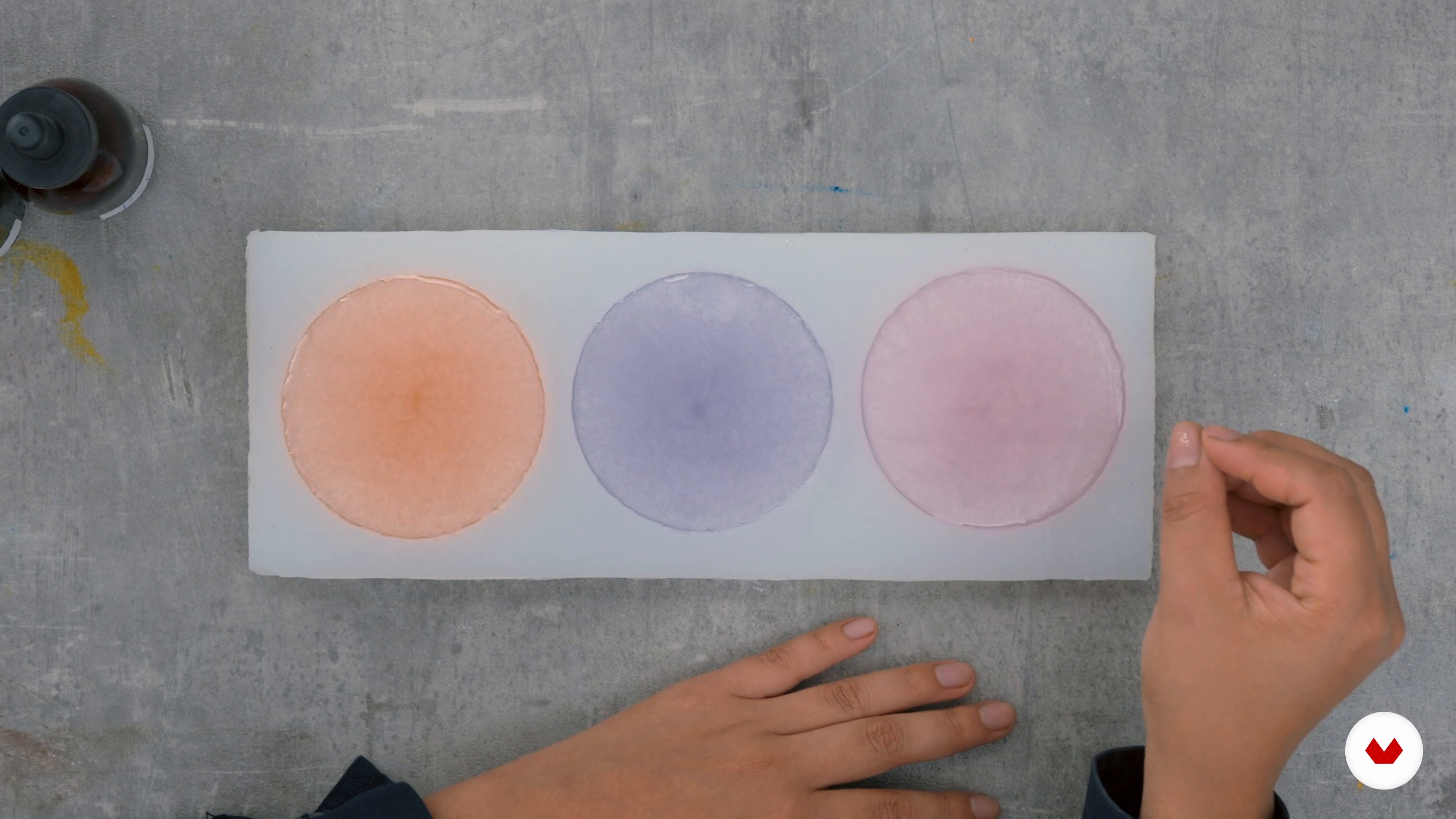
Explore the vibrant world of resin design and decorative home objects through a hands-on specialization. This journey takes you from understanding the fundamentals of resin to mastering advanced techniques that breathe life into your creations. Dive into the art of decorating surfaces, applying stunning effects, and crafting unique pieces that elevate any space. Whether you're a designer, artisan, or creative enthusiast, this program empowers you to transform ideas into tangible beauty.

Learn from the expertise of Flo Corretti, Gresia Re, Lucy Lowe, Olivia Aspinall, and Studio Nucleo. Each brings their unique perspective on working with resins, covering everything from terrazzo accessories to acrylic techniques, functional furniture, and bespoke lighting. You'll develop a comprehensive skill set that includes color application, mold-making, and finishing techniques. By the end, you'll have a portfolio of personalized decorative and functional pieces that reflect your mastery of resin artistry.

Read more ↓

What will you learn in this specialization?
A total of 6 modules and 71 lessons
A total of 10h 51m of vídeo lessons
Taught by 5 selected expert teachers
image
4
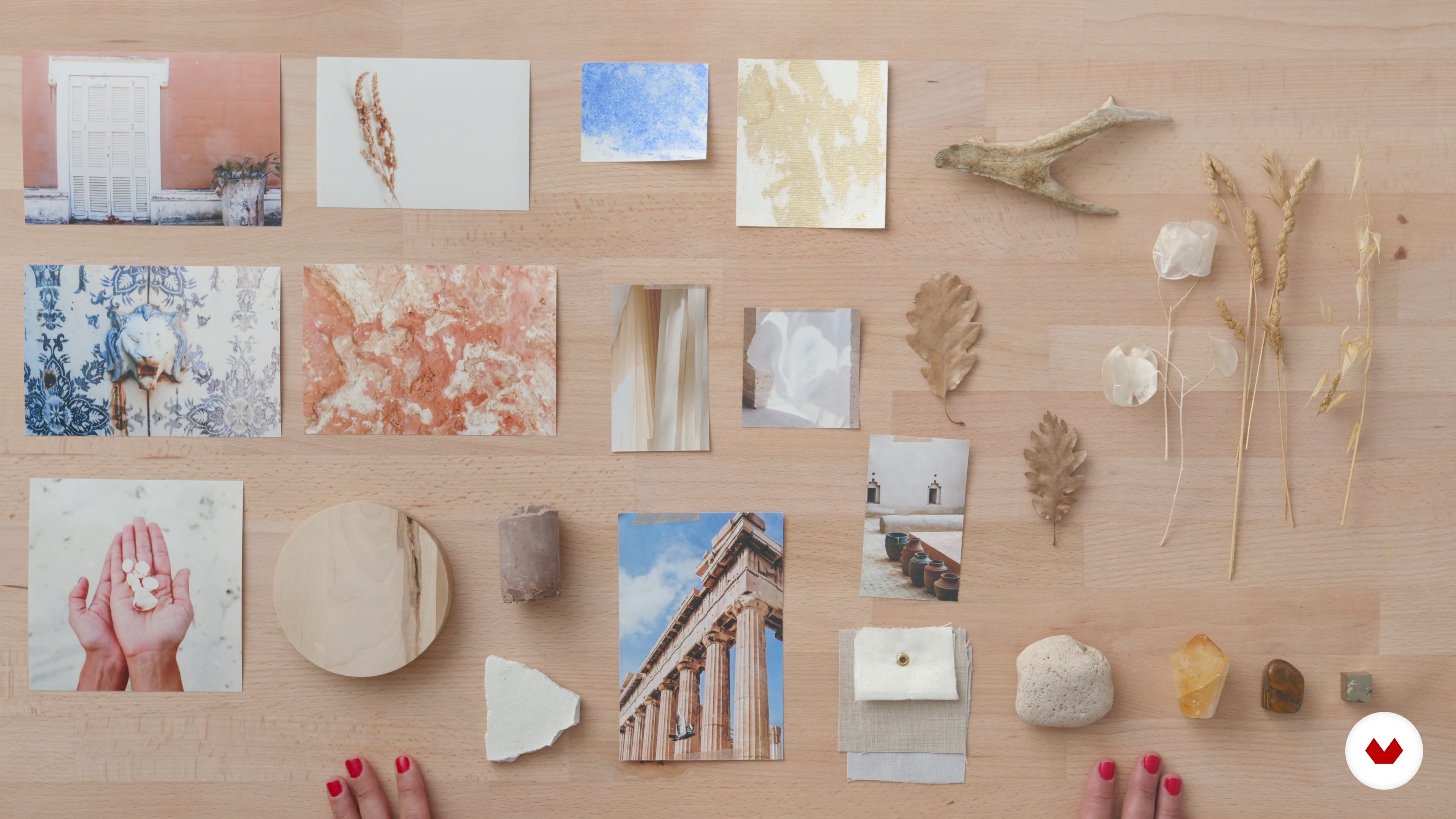
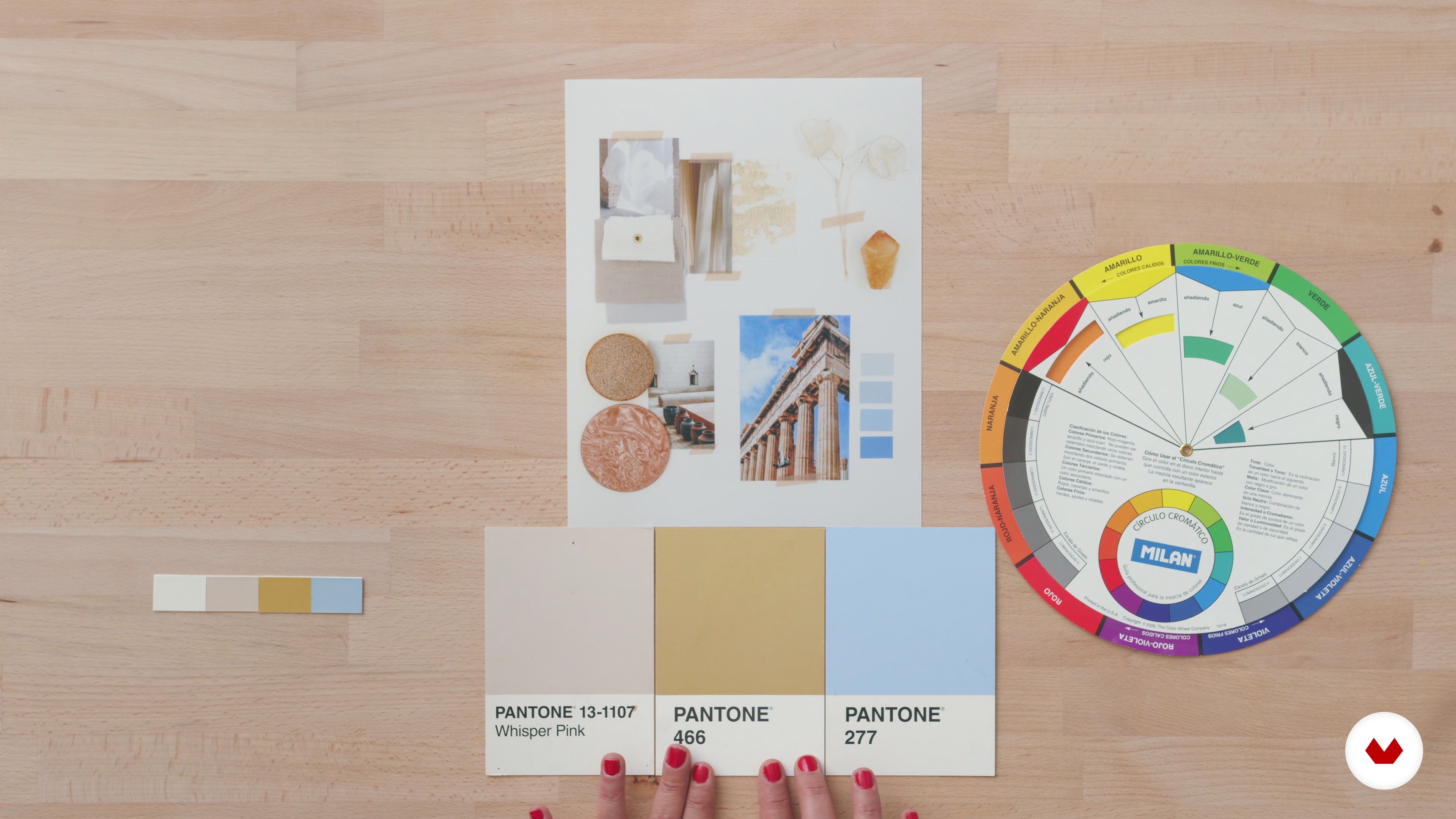
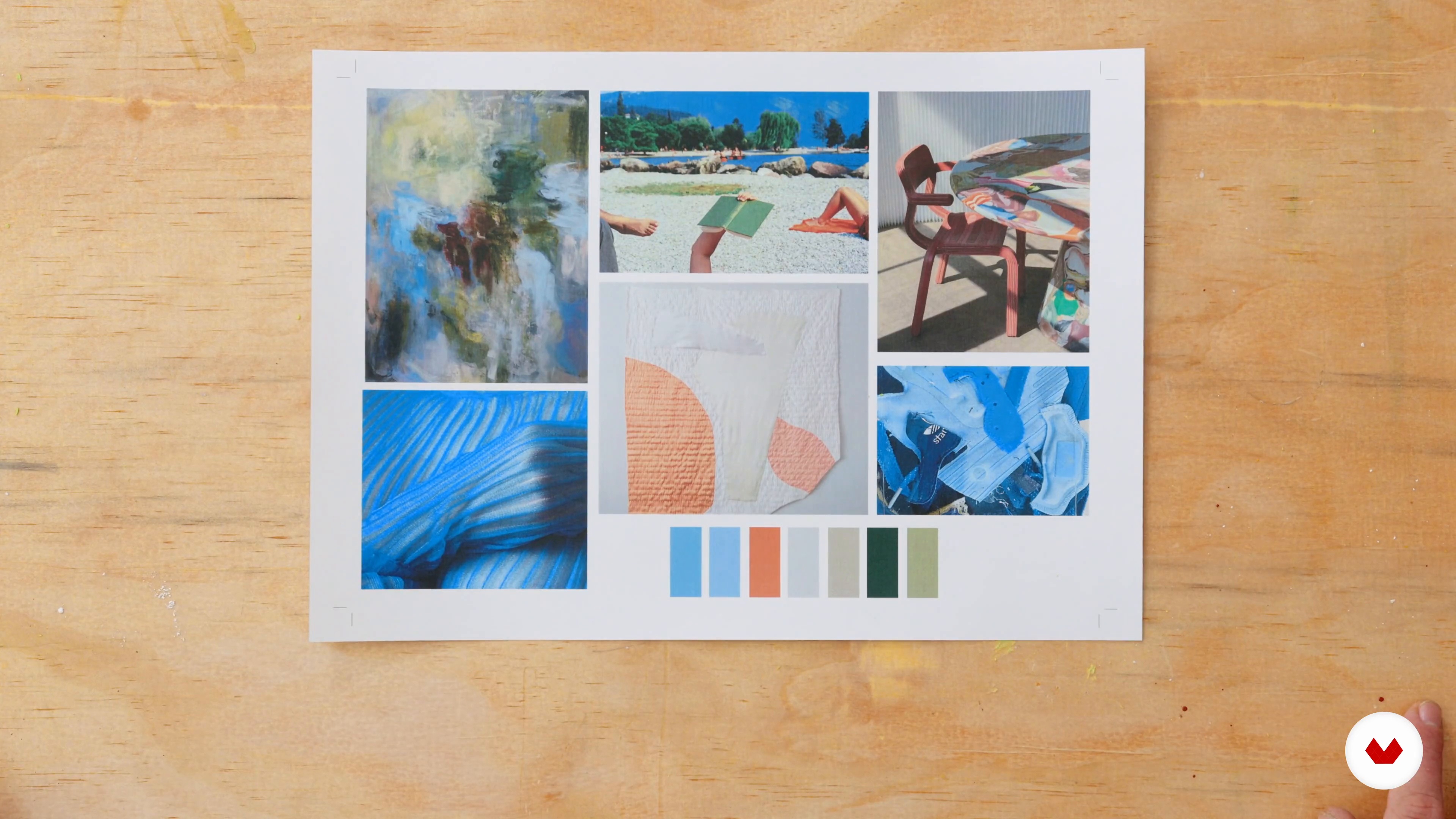
Sorting inspiration: the mood board
In this lesson I will teach you to gather and organize the ideas for your project and to create your own inspirational mood board.
7m
image
5
Color ranges and color palettes
In this lesson I will talk about color and how colors affect the final result of your pieces. You will learn to choose what style you want to give to your creations using the color ranges that you choose at all times.
4m
image
6
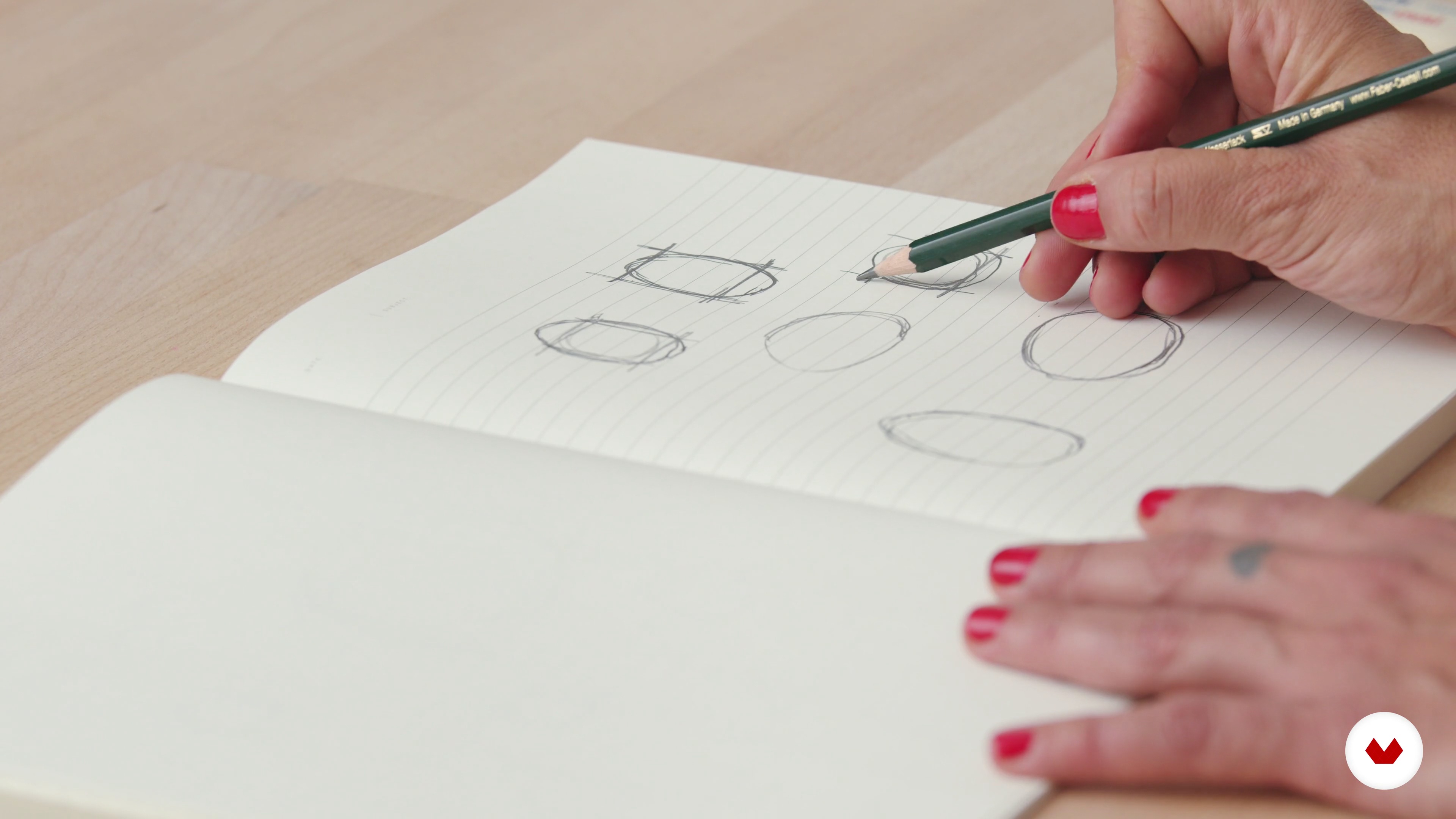
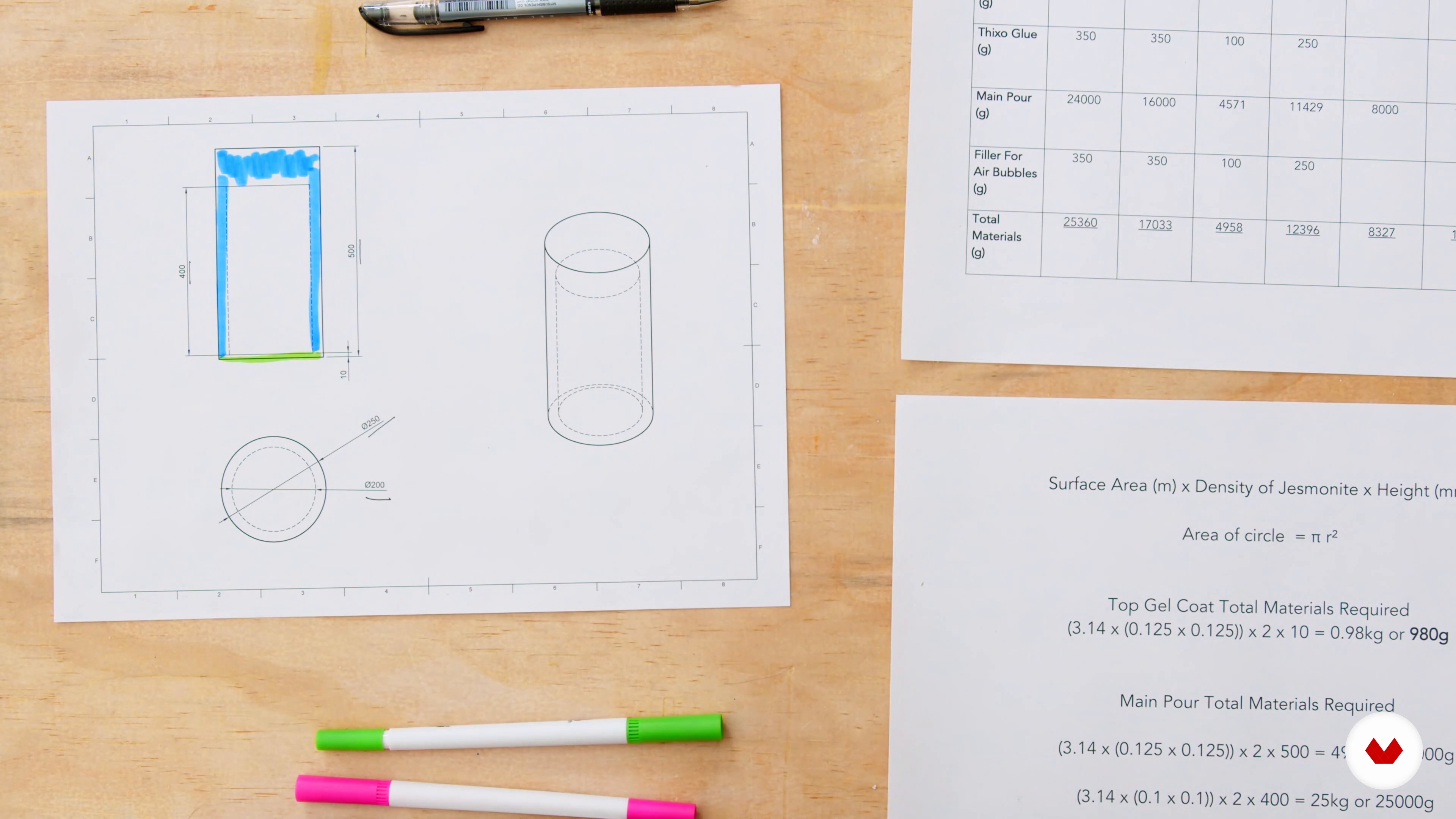
Defining the ideas: the sketch
In this lesson I will explain to you how, based on the inspirational mood board , you can define the pieces you are going to create and make the sketch. When you finish this lesson, you will have your starting point for the final project.
5m
image
7
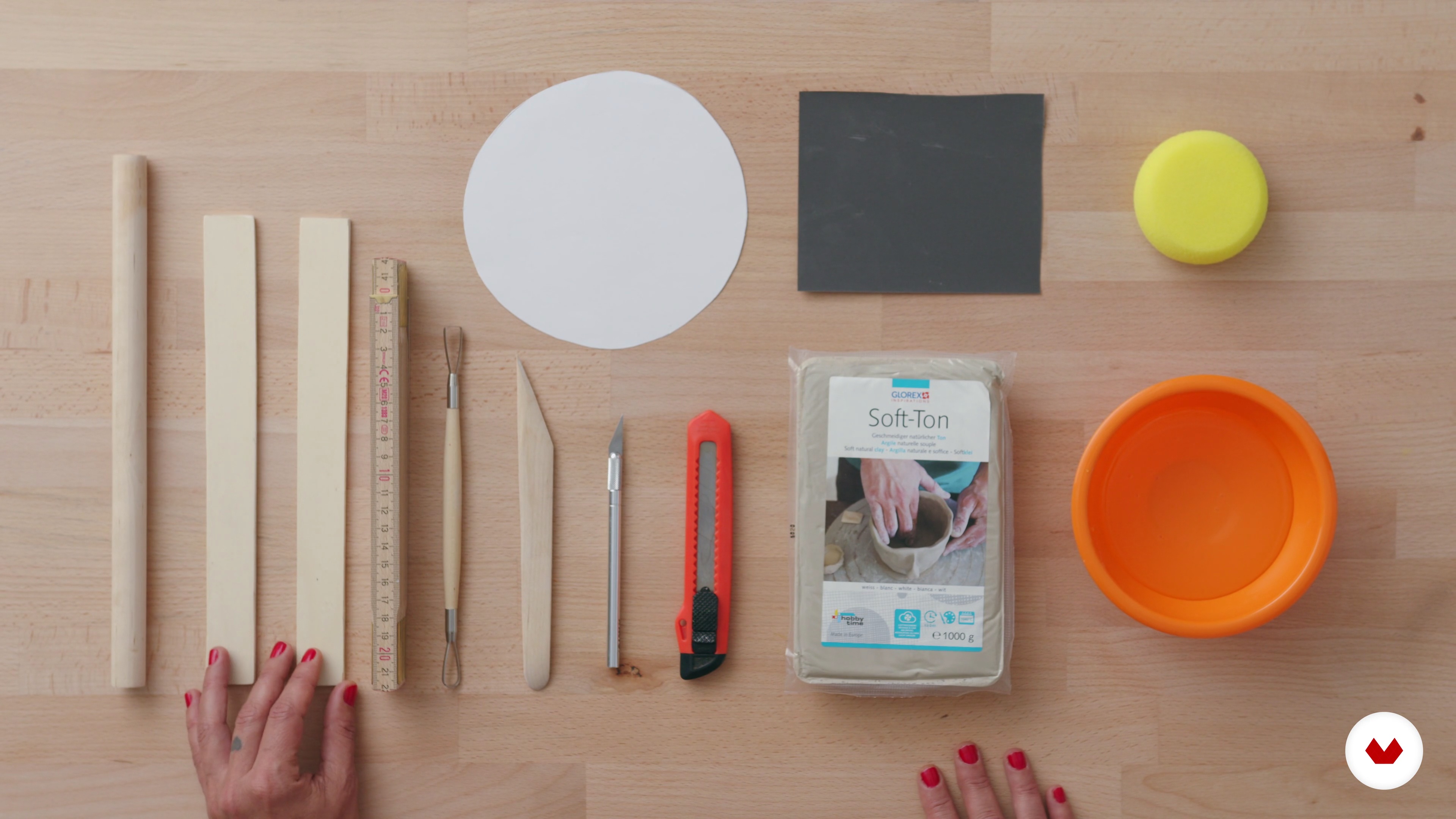
Prepare your materials to make the mold
In this lesson, I will talk about the materials you will need to create your master piece using air-drying clay modeling and those you will use to make the silicone mold.
5m
image
8
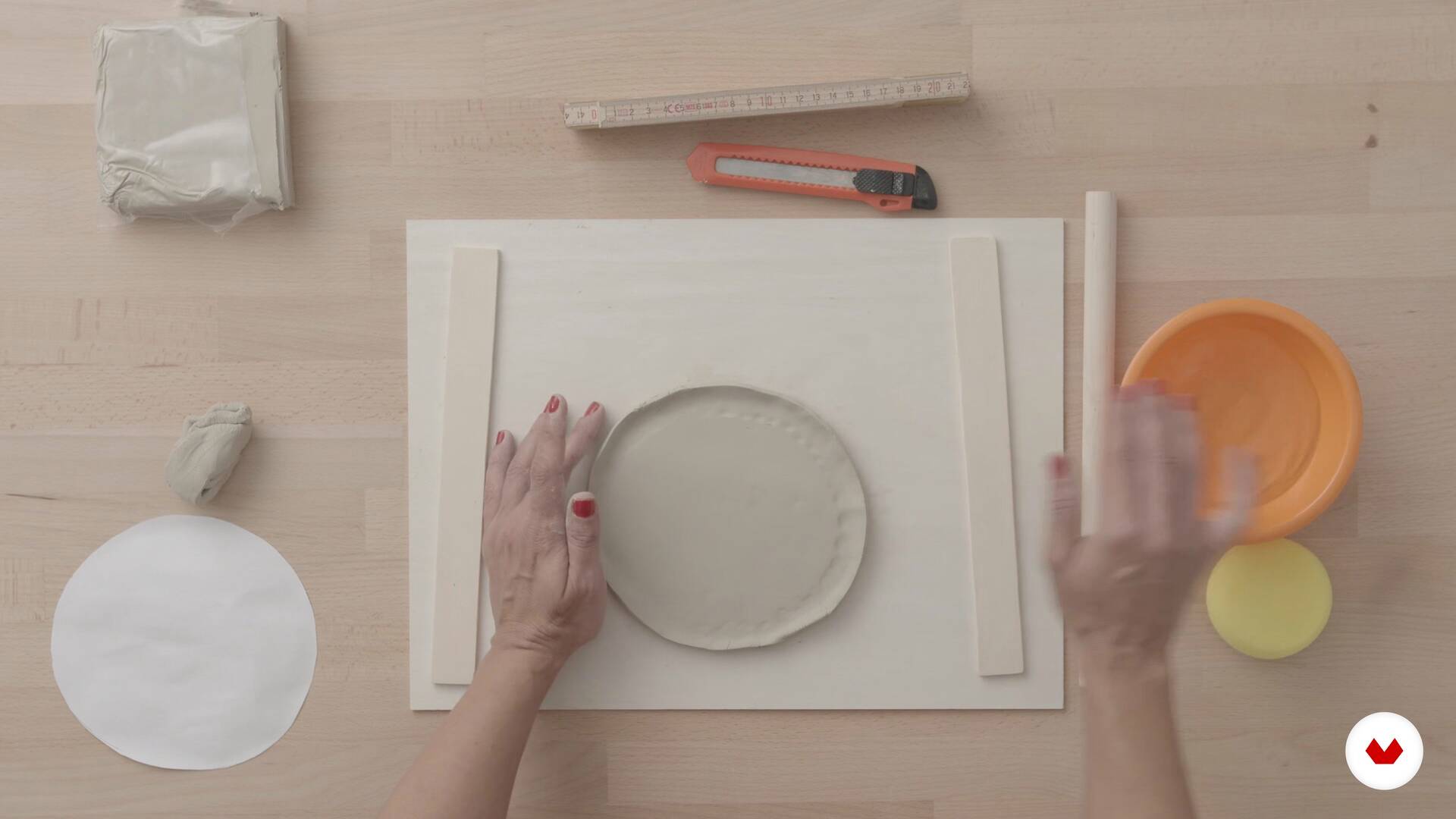
Modeling your master piece
In this lesson I will teach you how to create your master piece using air dry clay and modeling it manually.
14m
image
9
Making your silicone mold
In this lesson you will learn how to make the silicone mold of your matrix piece to make good replicas in acrylic resin.
18m
image
10
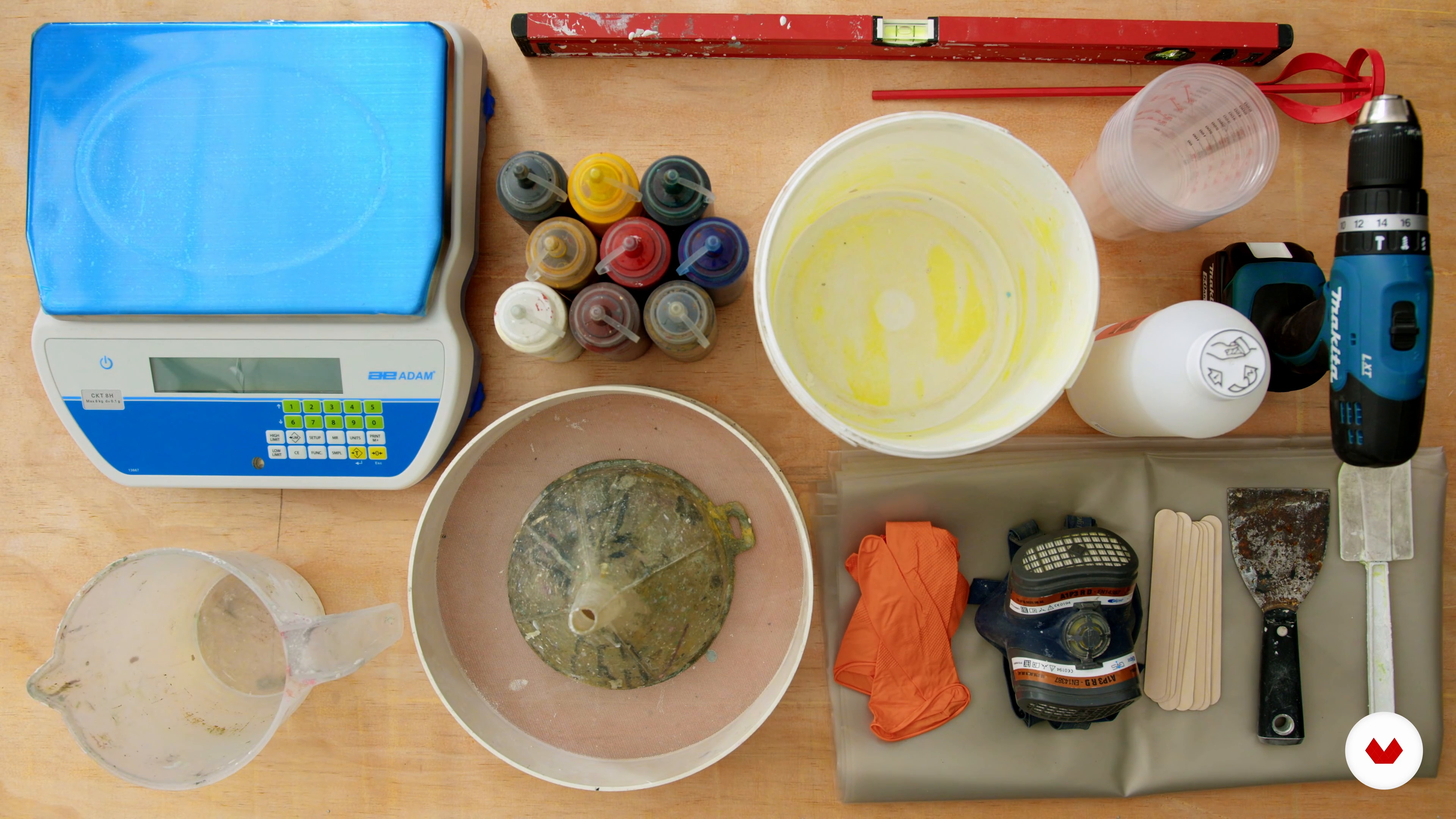
Prepare your materials for casting
In this lesson I will show you the materials you need to mix and pour your resin and the basic tools you are going to use for it.
3m
image
11
Casting in resin
In this lesson I will teach you how to mix the different components of the resin and how to pour it into the mold. I will also give you the guidelines to let the resin cure and to unmold it.
11m
image
12
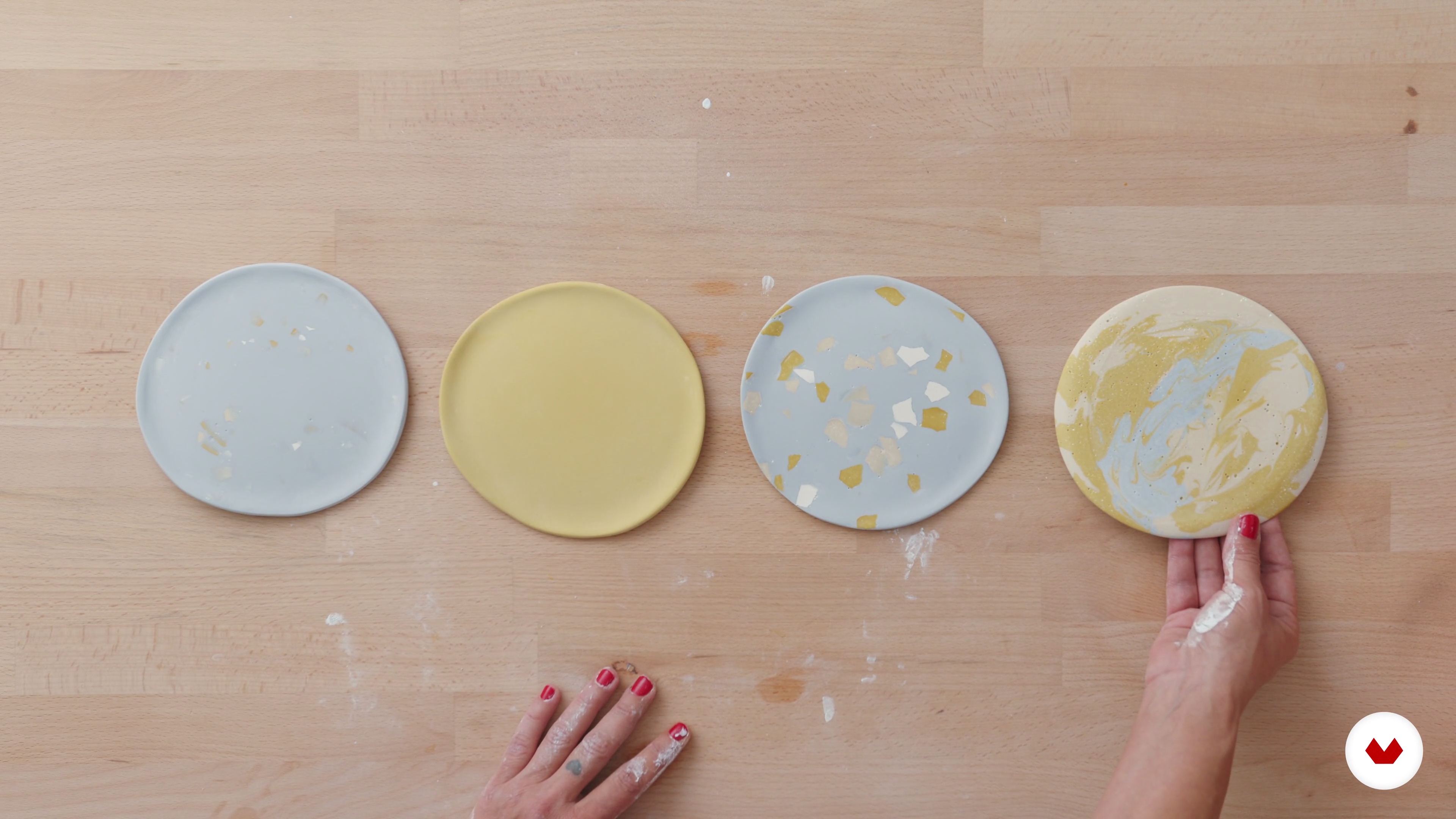
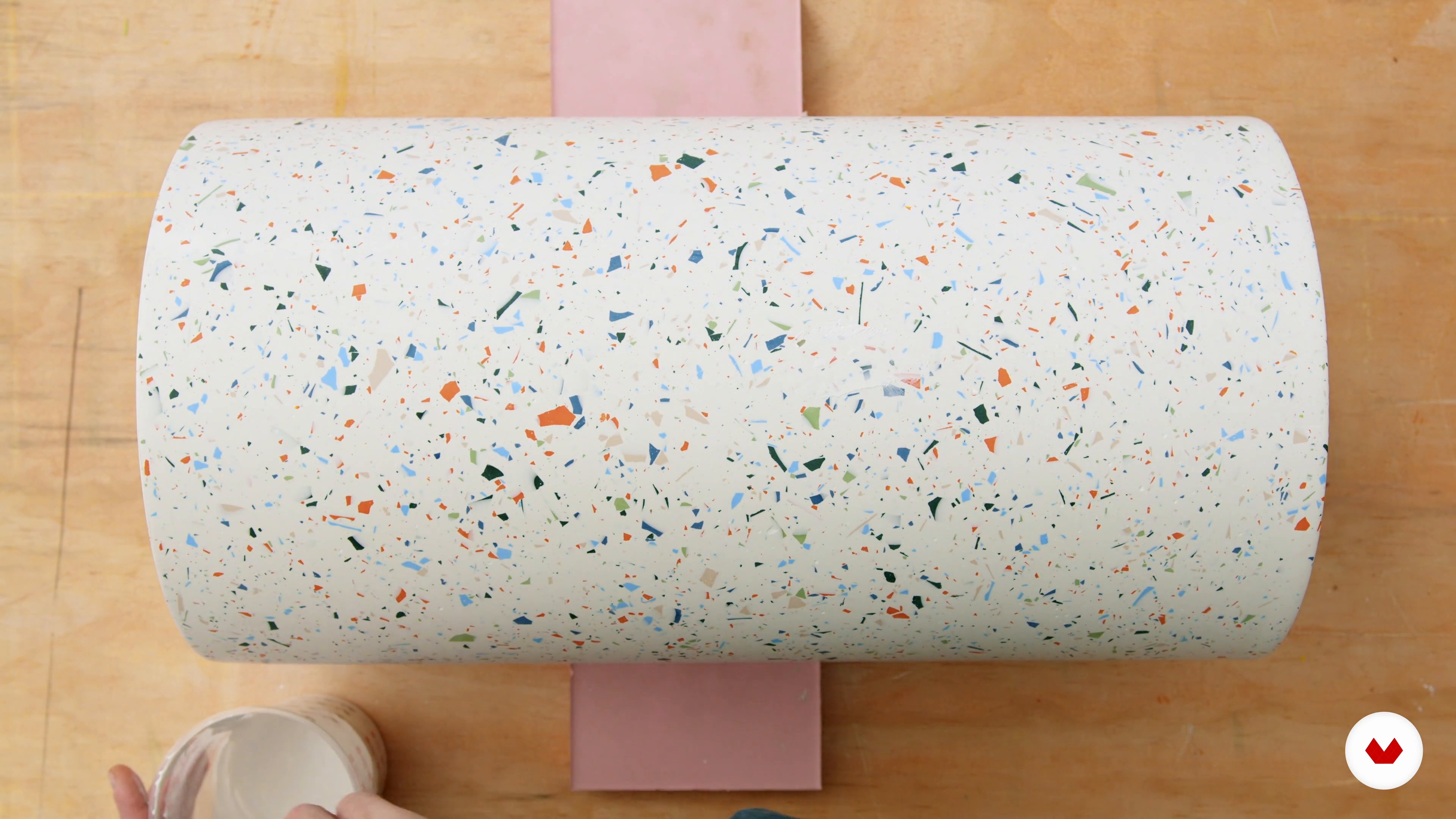
The terrazzo effect
In this lesson you will discover how to create the "terrazzo" pattern on your pieces.
10m
image
13
The marble effect
In this lesson you will learn how to simulate the veins of marble with your resins.
5m
image
14
Polishing phase
In this lesson, I'll explain how to polish your tray to a fine, shiny finish.
11m
image
15
Final sealing and finishing
In this lesson, I'll show you how you can polish and seal your pieces, and what you need to keep in mind to keep them looking good.
6m
image
3
Materials and Workspace
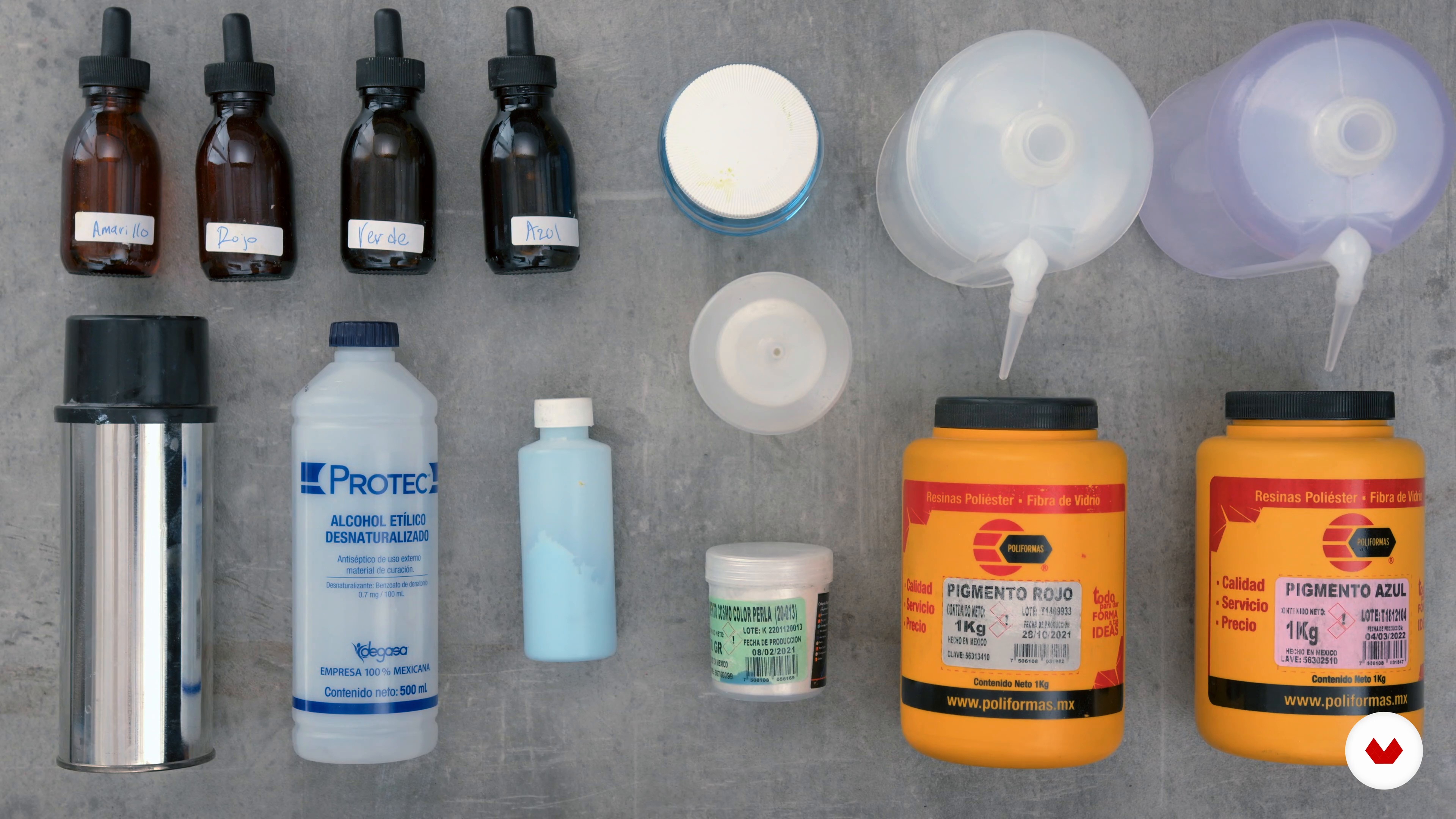
In this lesson you will learn about the materials you will use to create your color swatch. Plus, I'll show you how to set up your workspace.
4m
image
4
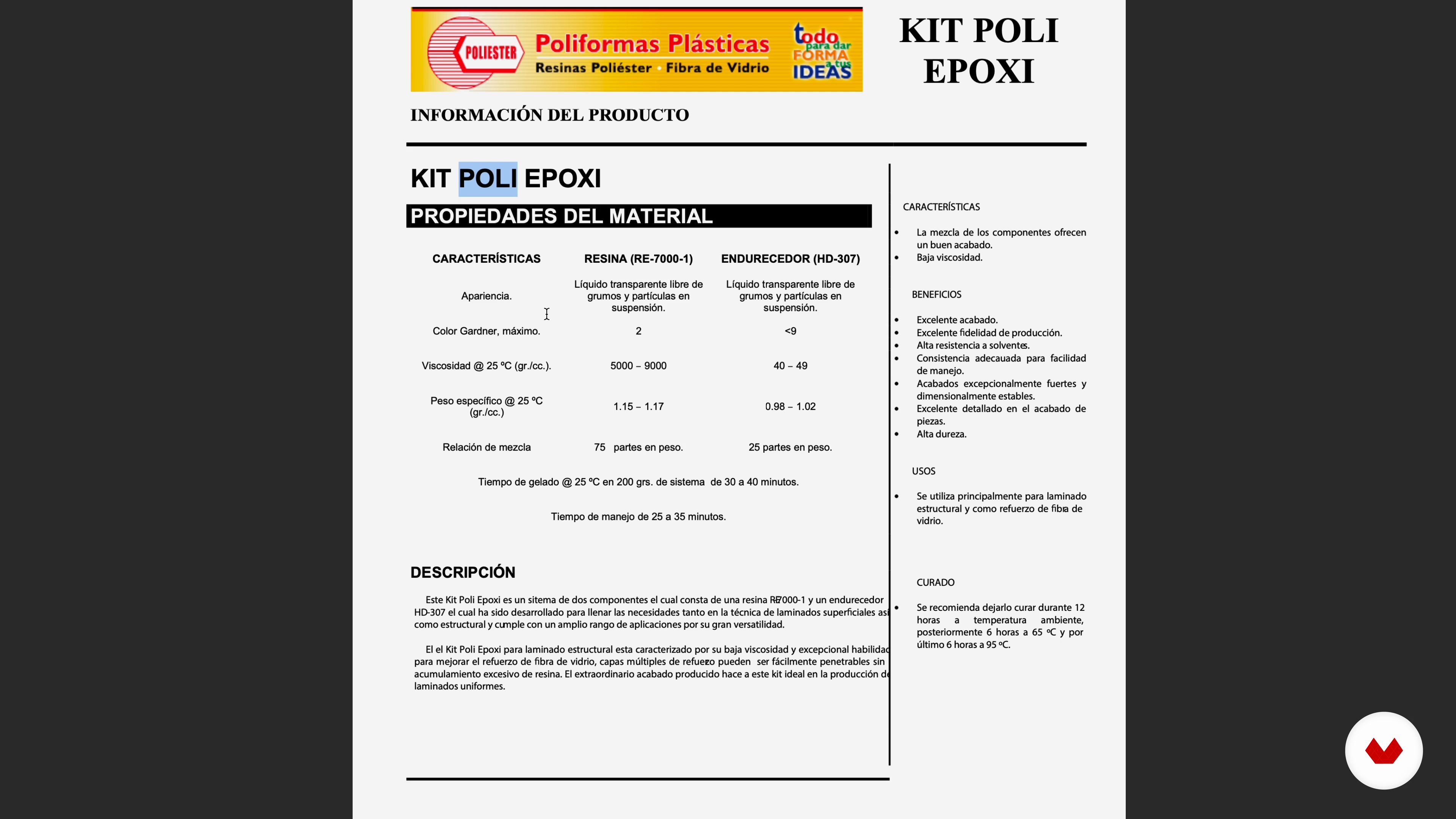
Technical Sheet, Safety, and Handling
Now I will tell you about the slow curing translucent epoxy system for high performance and impeccable appearance with the ability to make castings up to 10 cm thick. Of course, I will also share with you the security tips that you should take into account in this process.
4m
image
5
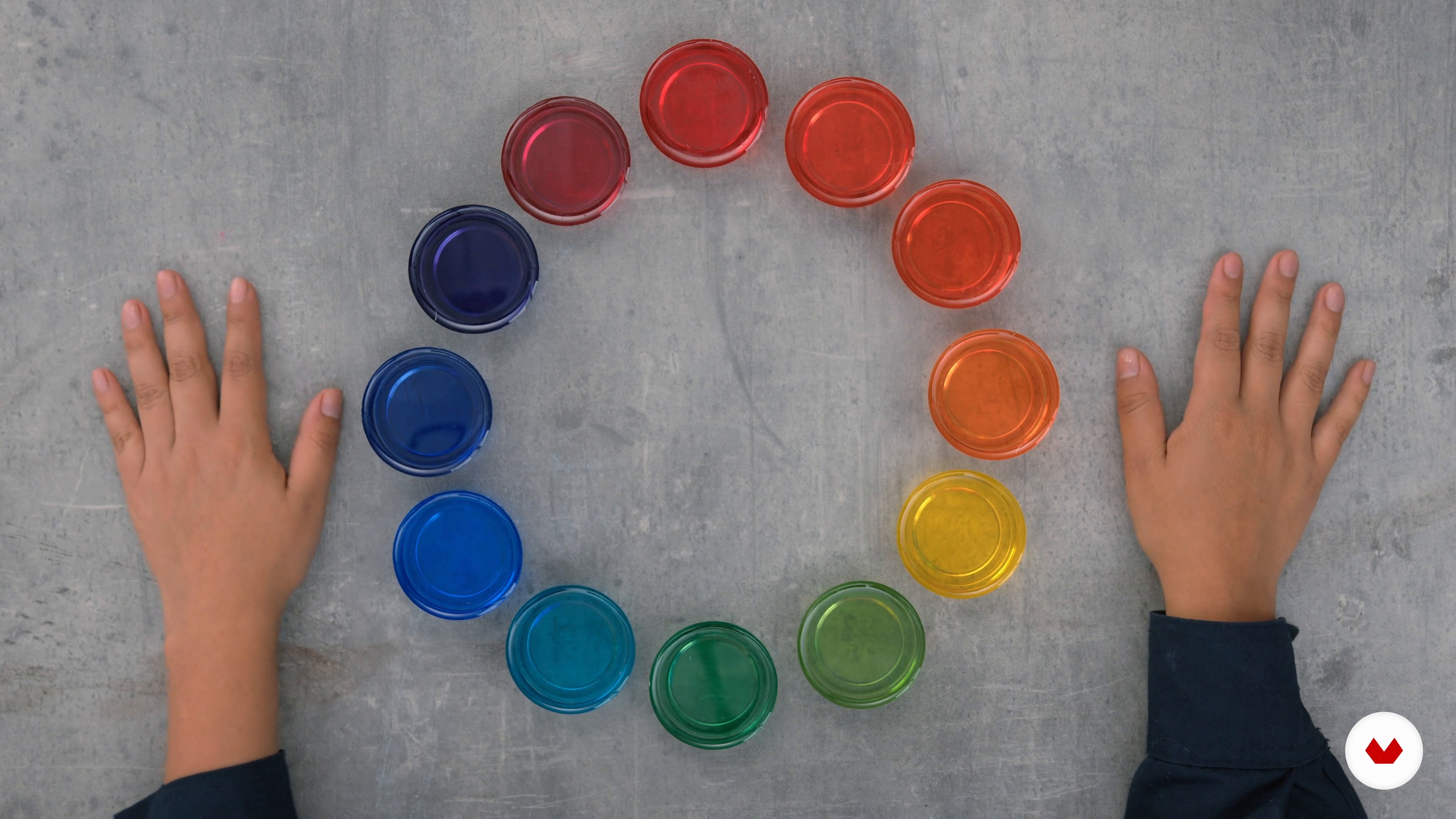
Color Theory
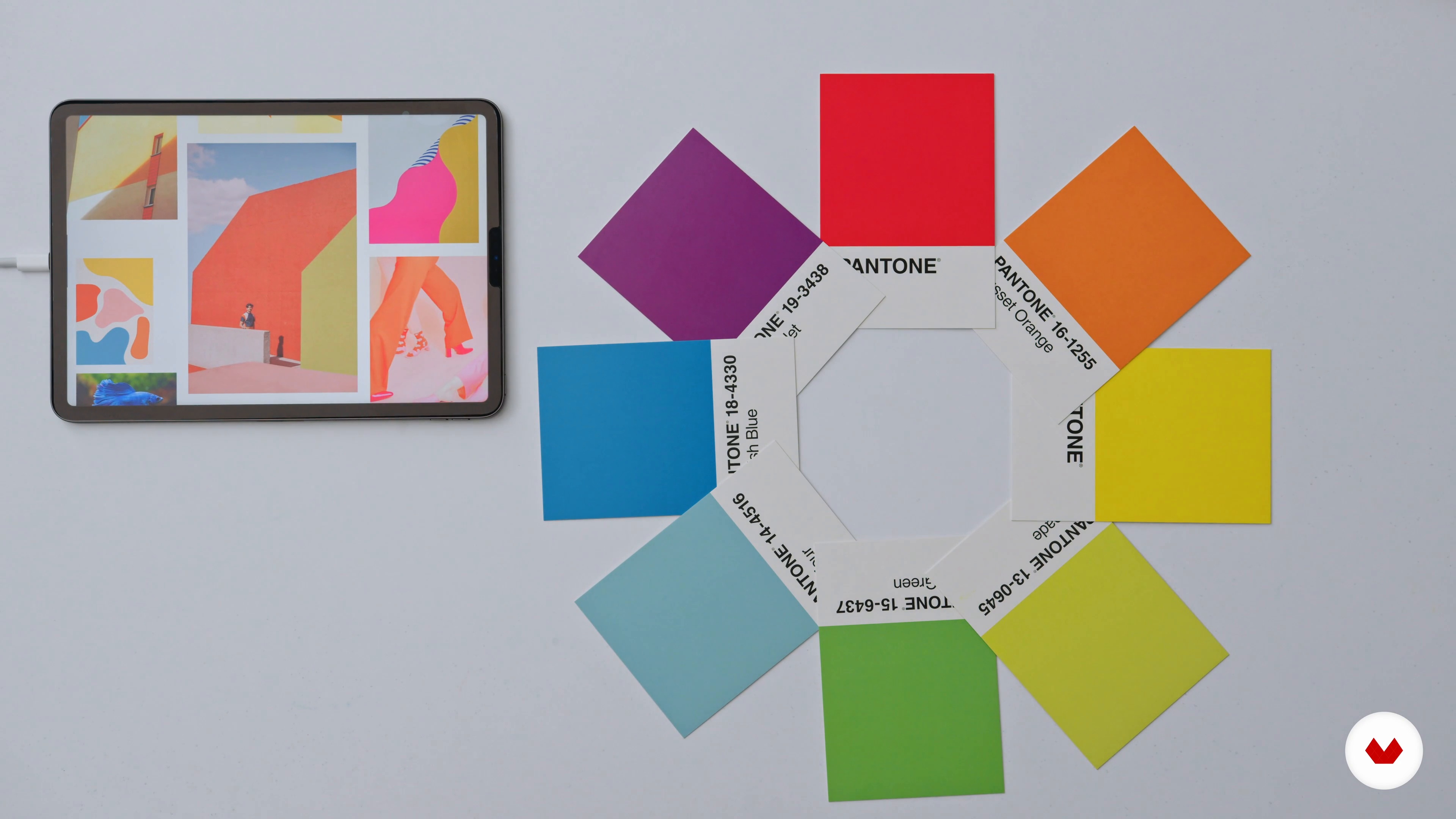
Before entering the world of color, let's review the theory. I will explain how to achieve new colors quickly and easily.
6m
image
6
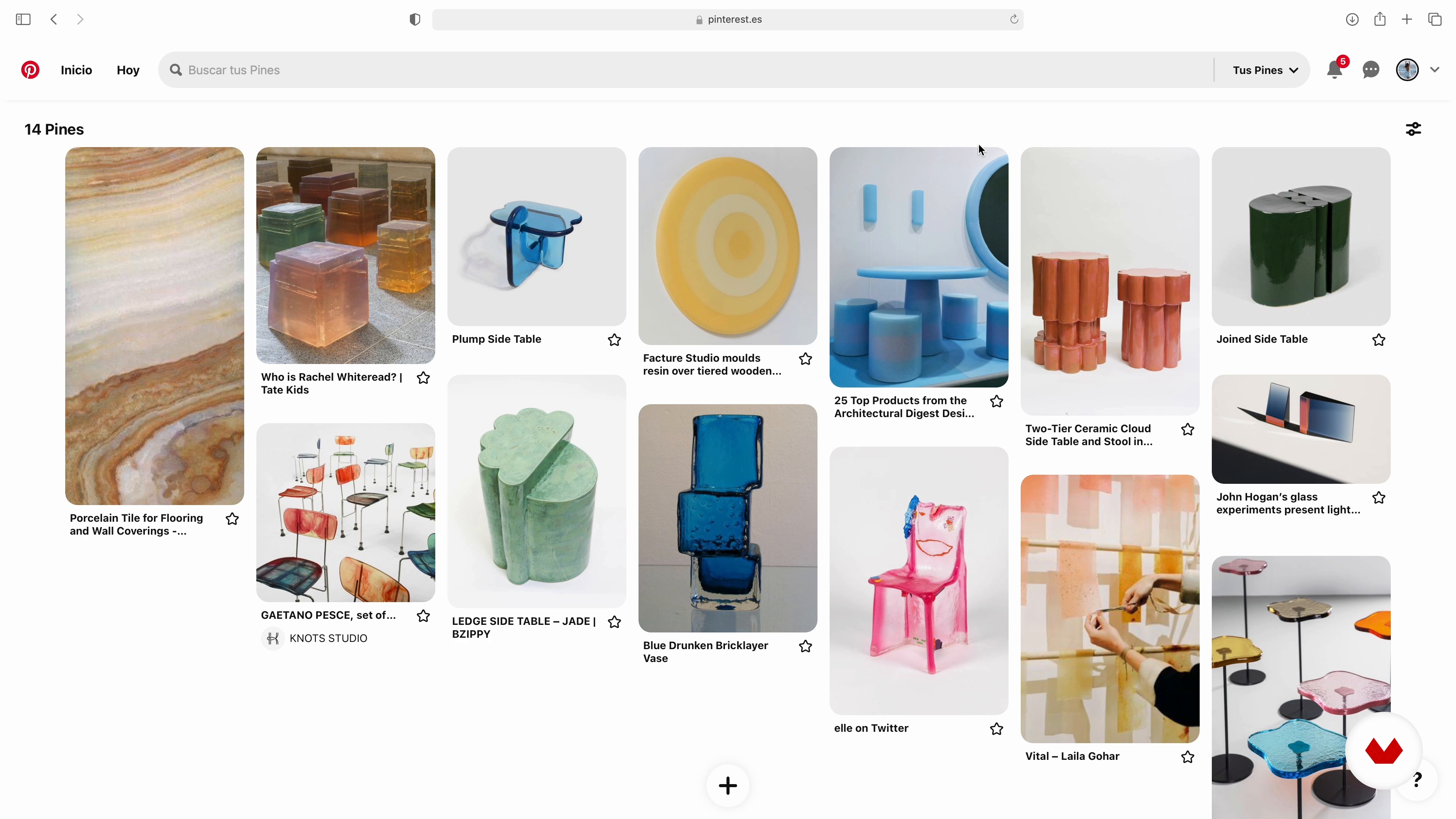
Inspiration for a Sampler
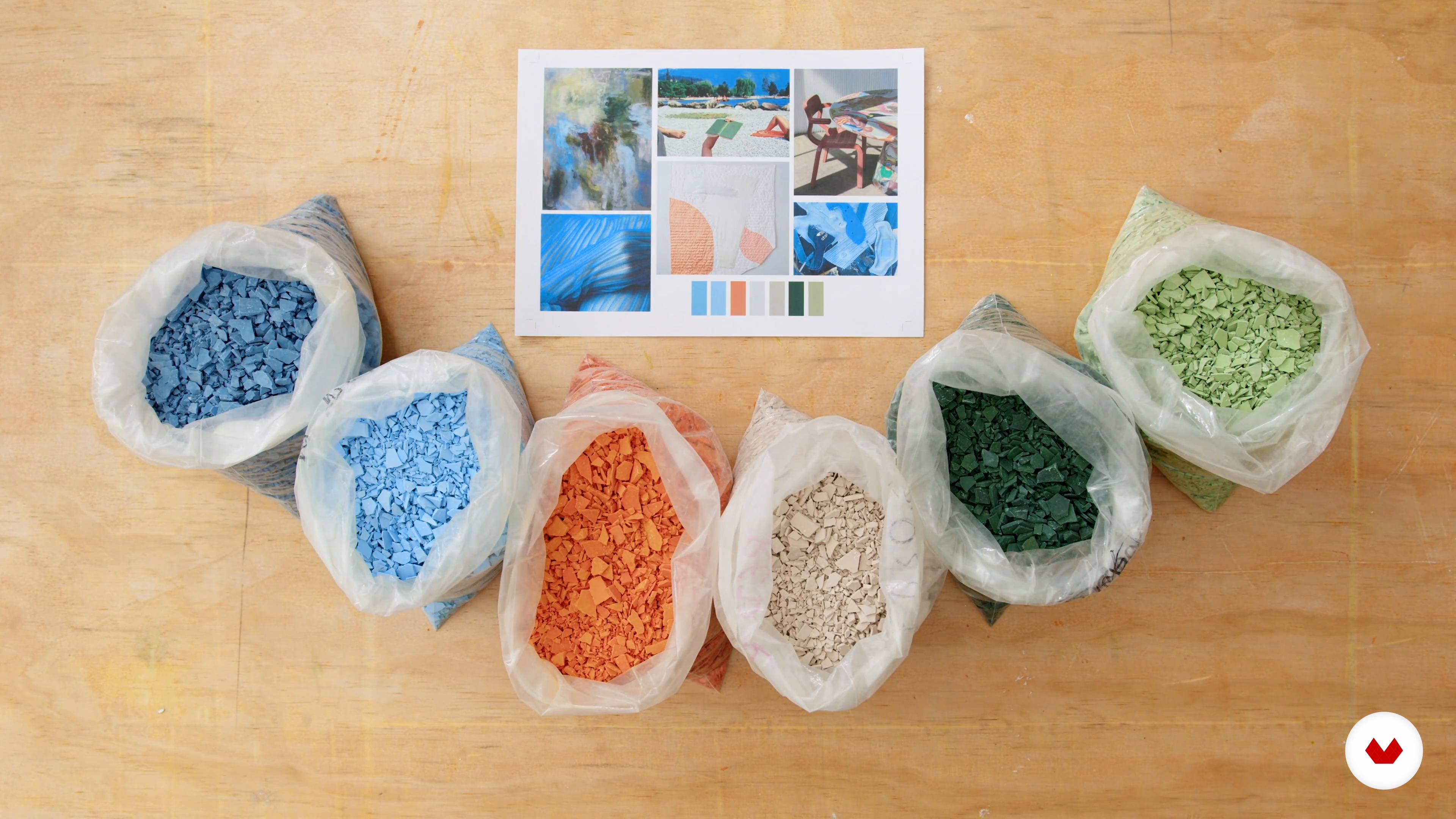
Now, I'll show you the board I made, collecting photos to get inspiration for my color palette. The goal is that you can replicate this process or adapt it to create your own sampler.
2m
image
7
Blue Liquid Pigments
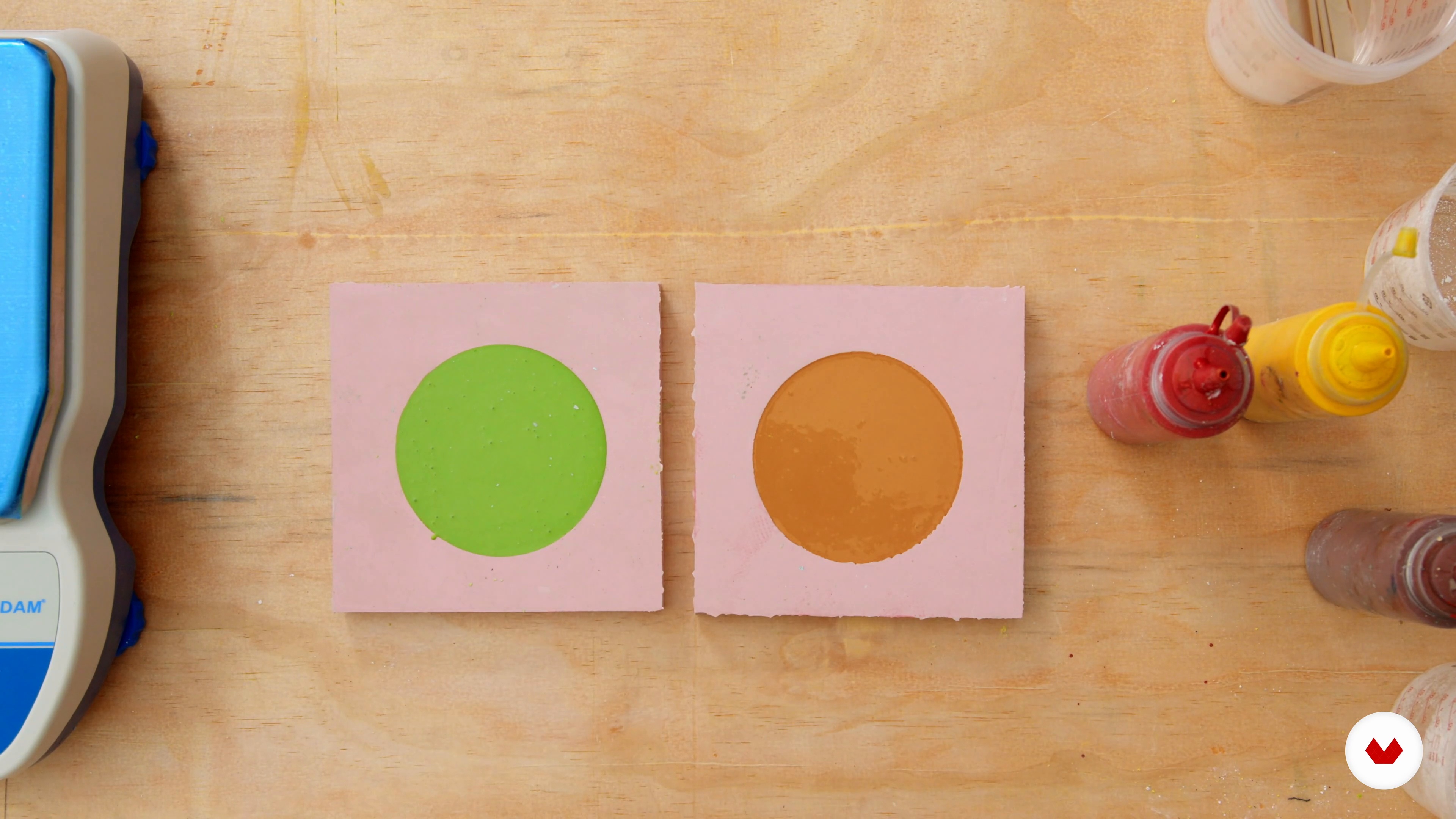
It is time to get to work. In this lesson I will teach you how to use the analog to create the shades of a color.
7m
image
8
Paste Pigments
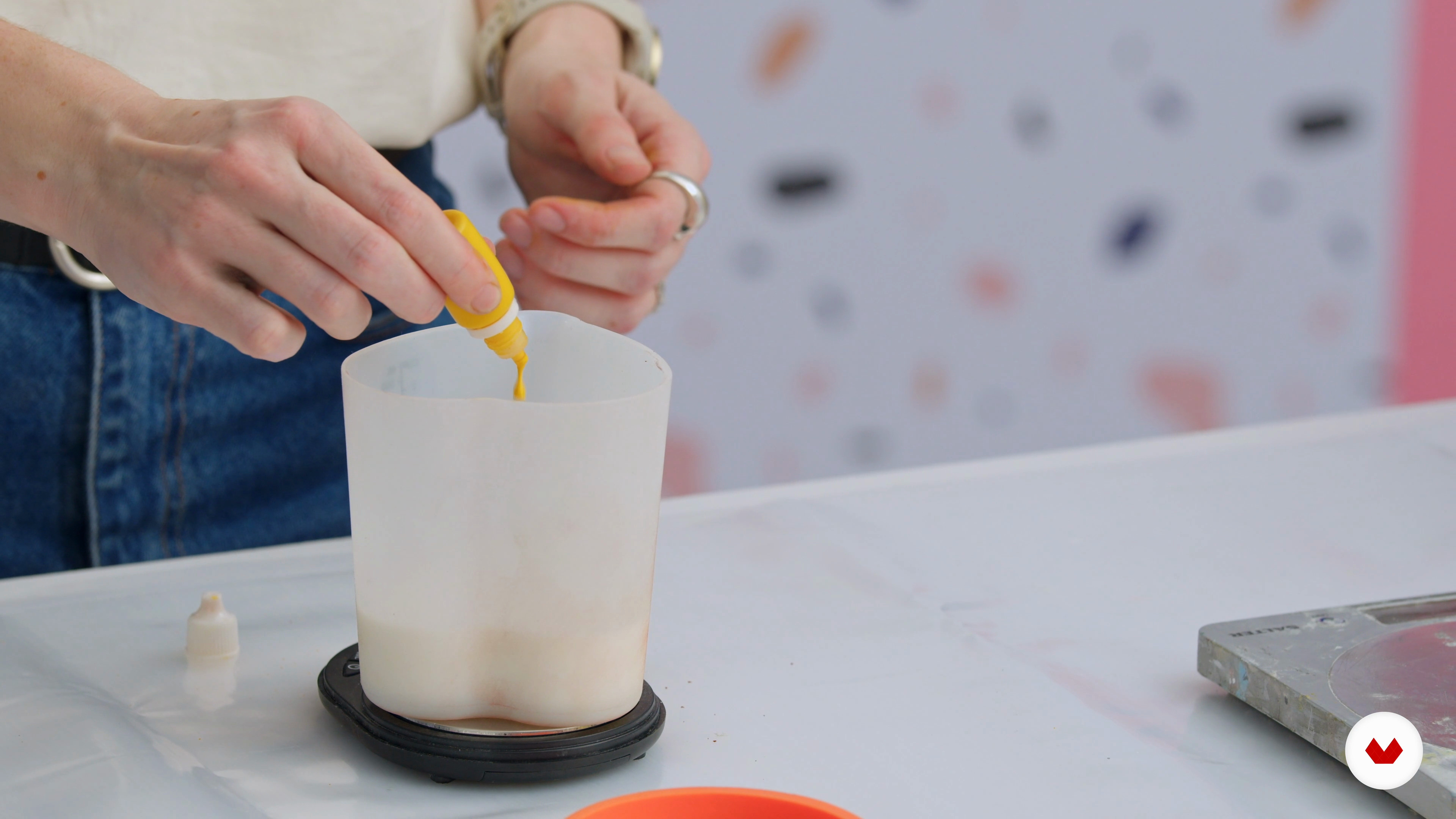
We continue to learn little by little. Now I will show you how to create matte and milky colors with paste pigments.
8m
image
9
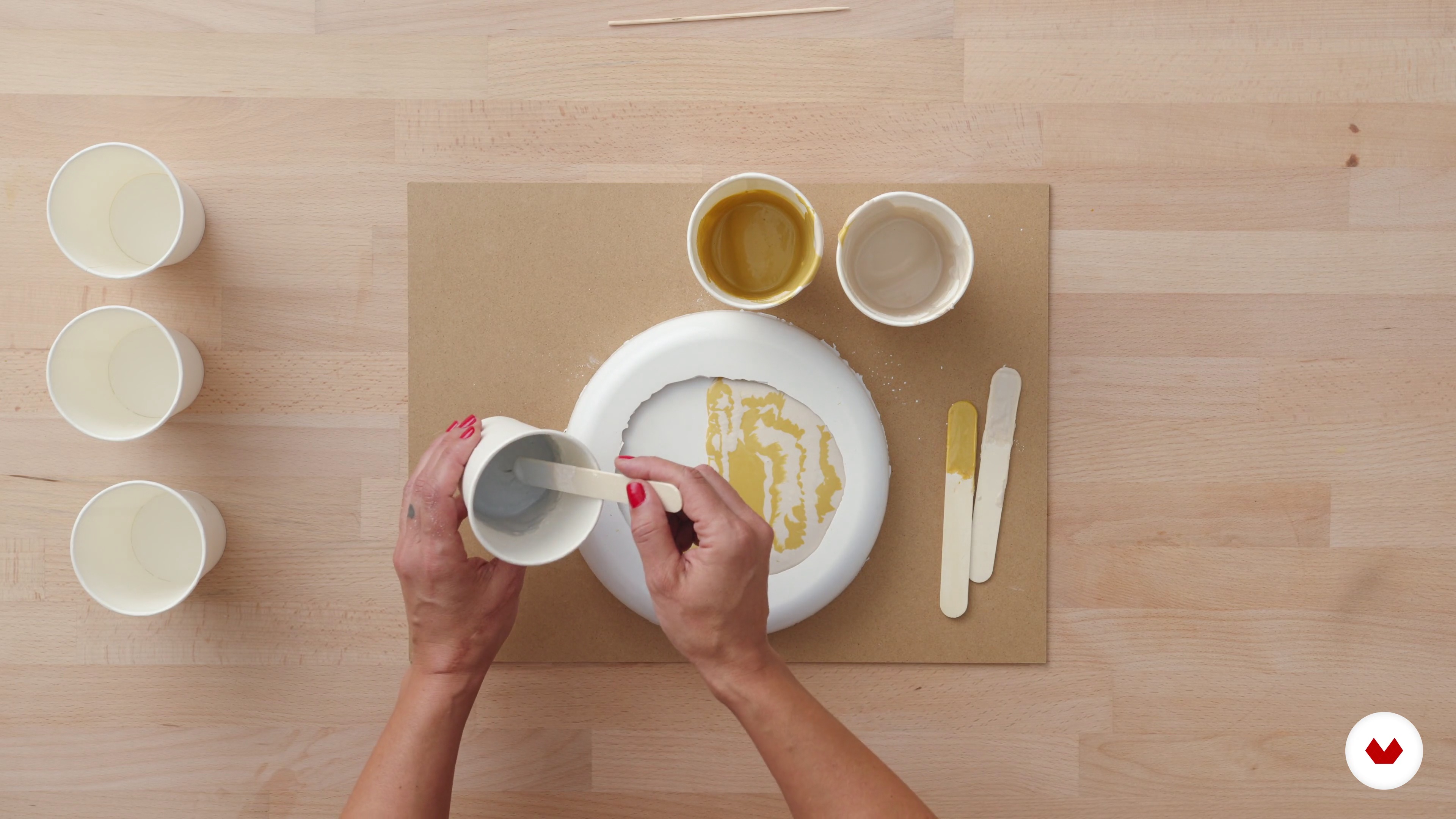
Marbled Effect
It's time to experiment! You will learn a technique to achieve a marbled effect, using two shades of color.
6m
image
10
Metallic Pigments
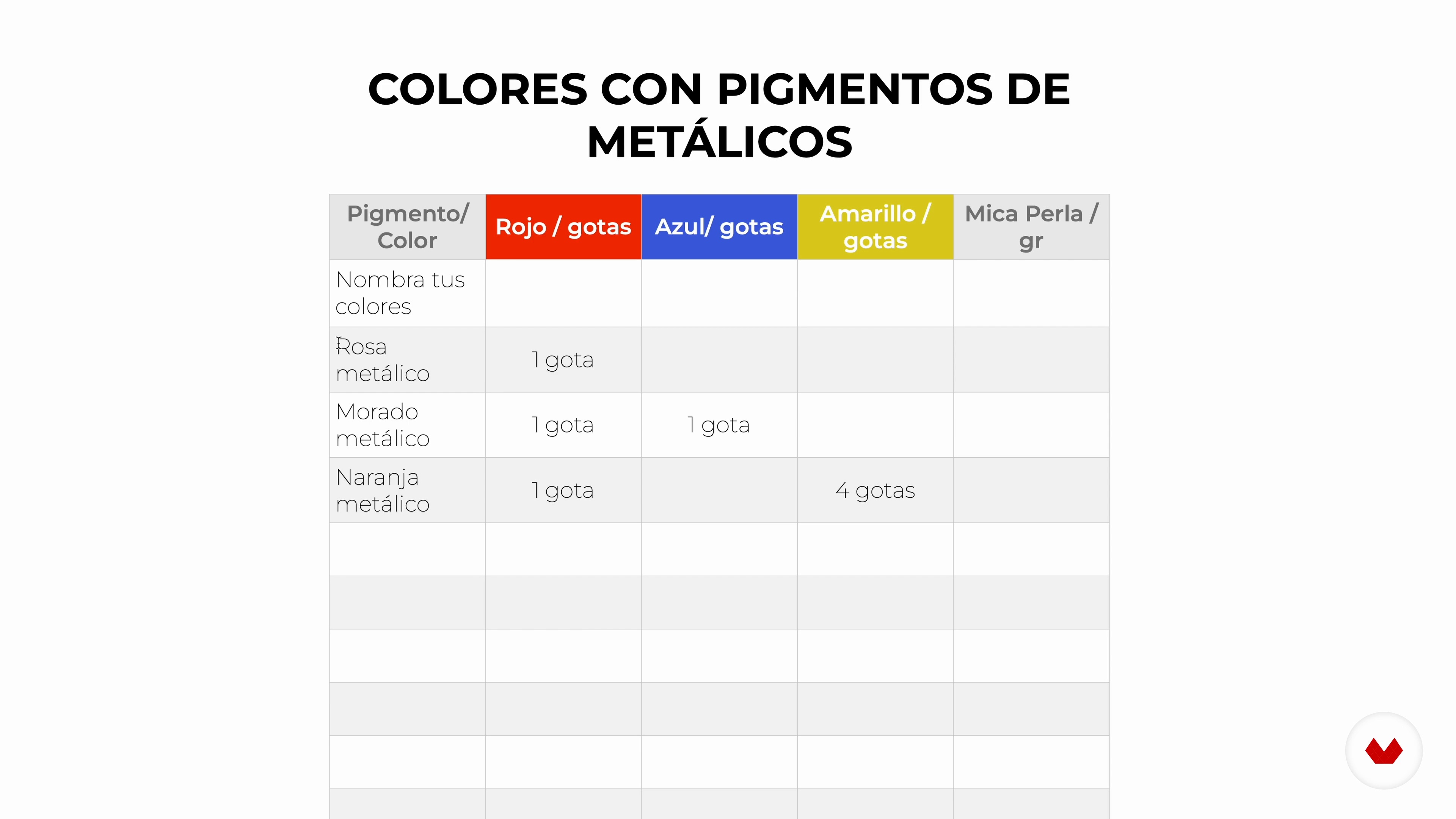
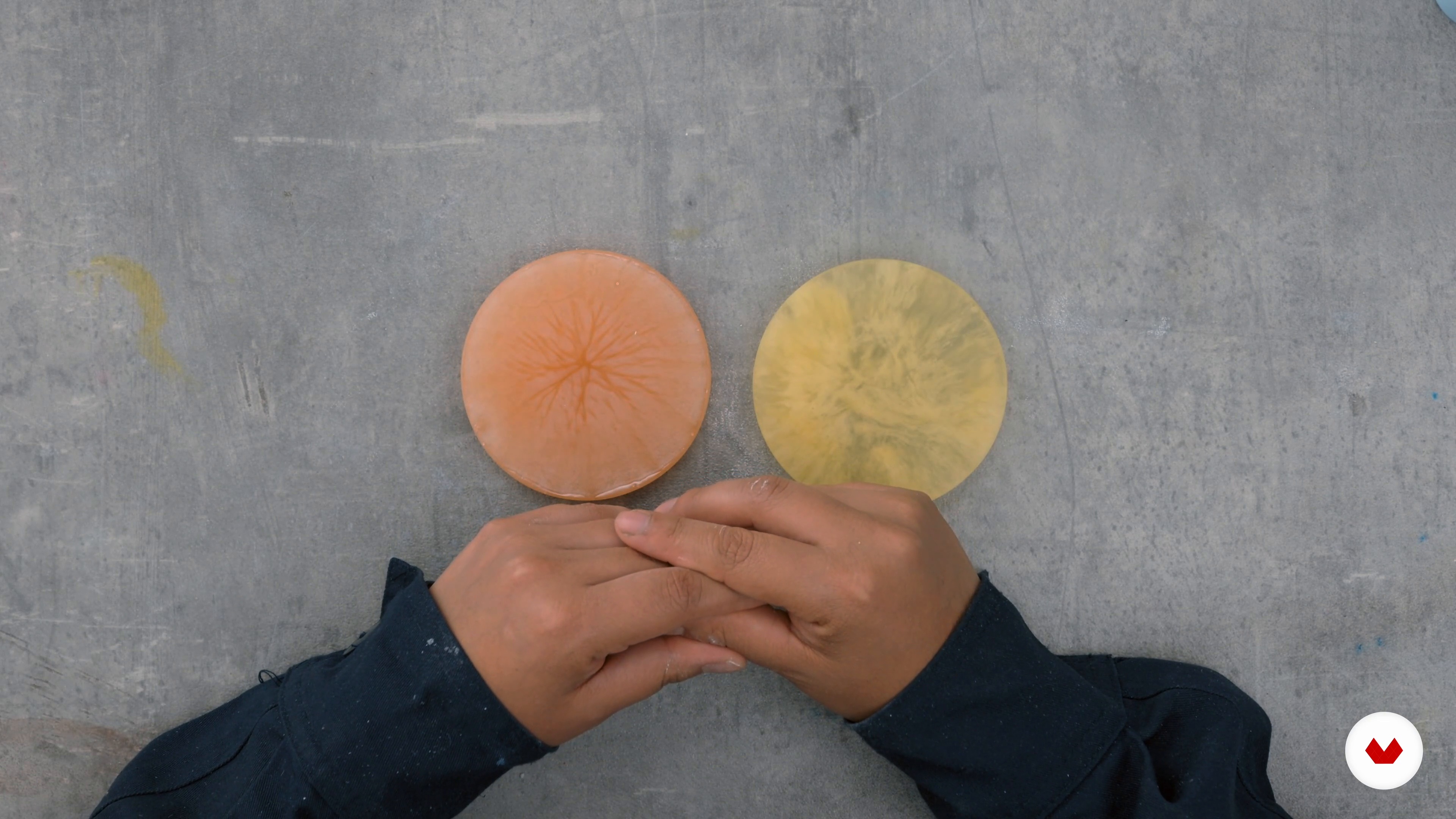
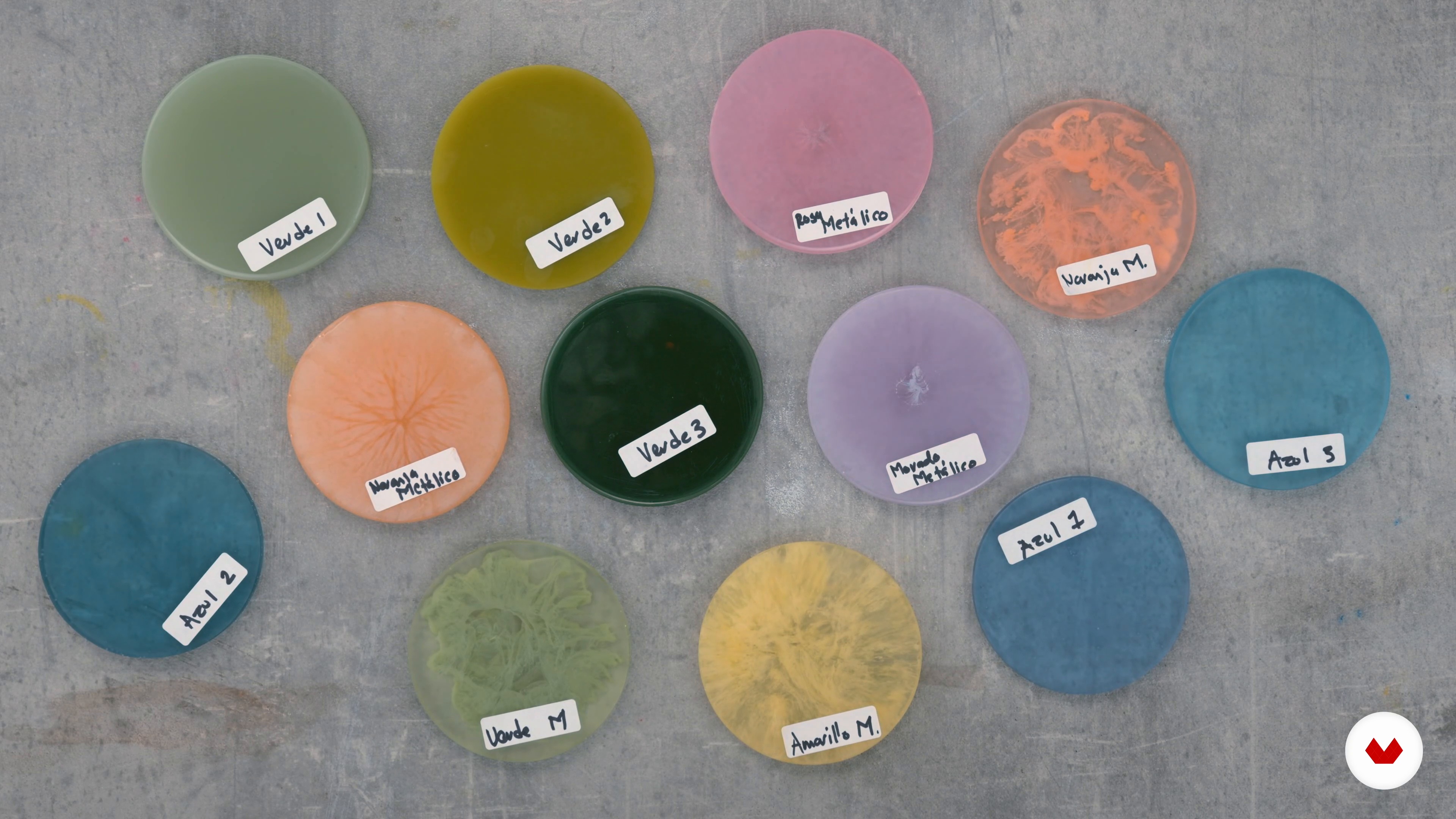
Creativity and experimentation never stop. Now I am going to show you how from a single mica pigment you can achieve different shades.
6m
image
11
The Formulas
To finish, I will give you a review about the formulas we use with each pigment used. This way we will avoid you having doubts.
8m
image
12
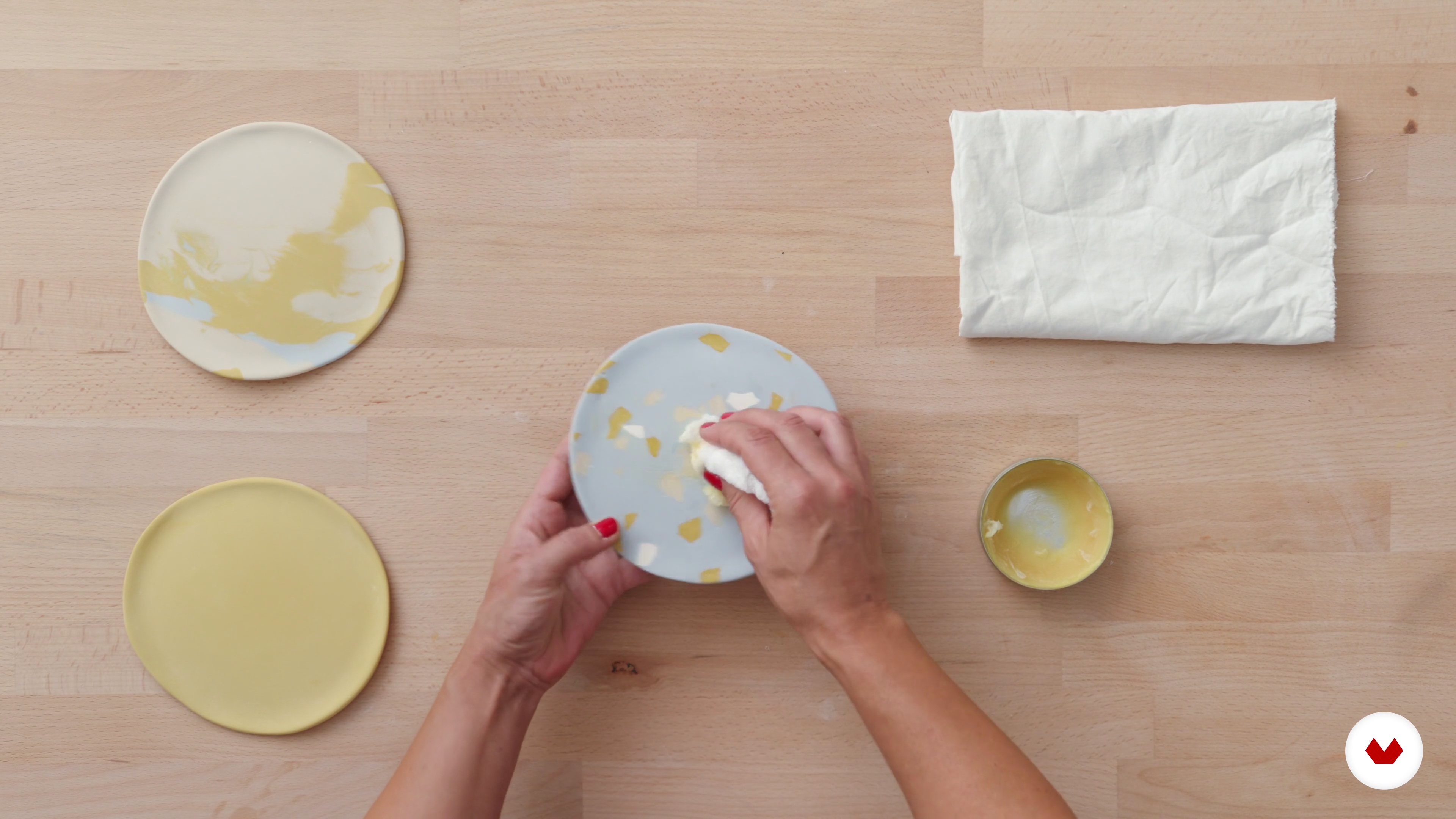
Release and Finishes
How to finish each resin plate? In this lesson I will show you what finishes you can apply to the sampler depending on the finish you want for the colors you used.
14m
image
13
Present the Sample
We have finished the samples. Finally, I will share some recommendations on how to present your sampler.
4m
image
3
Tools and Materials
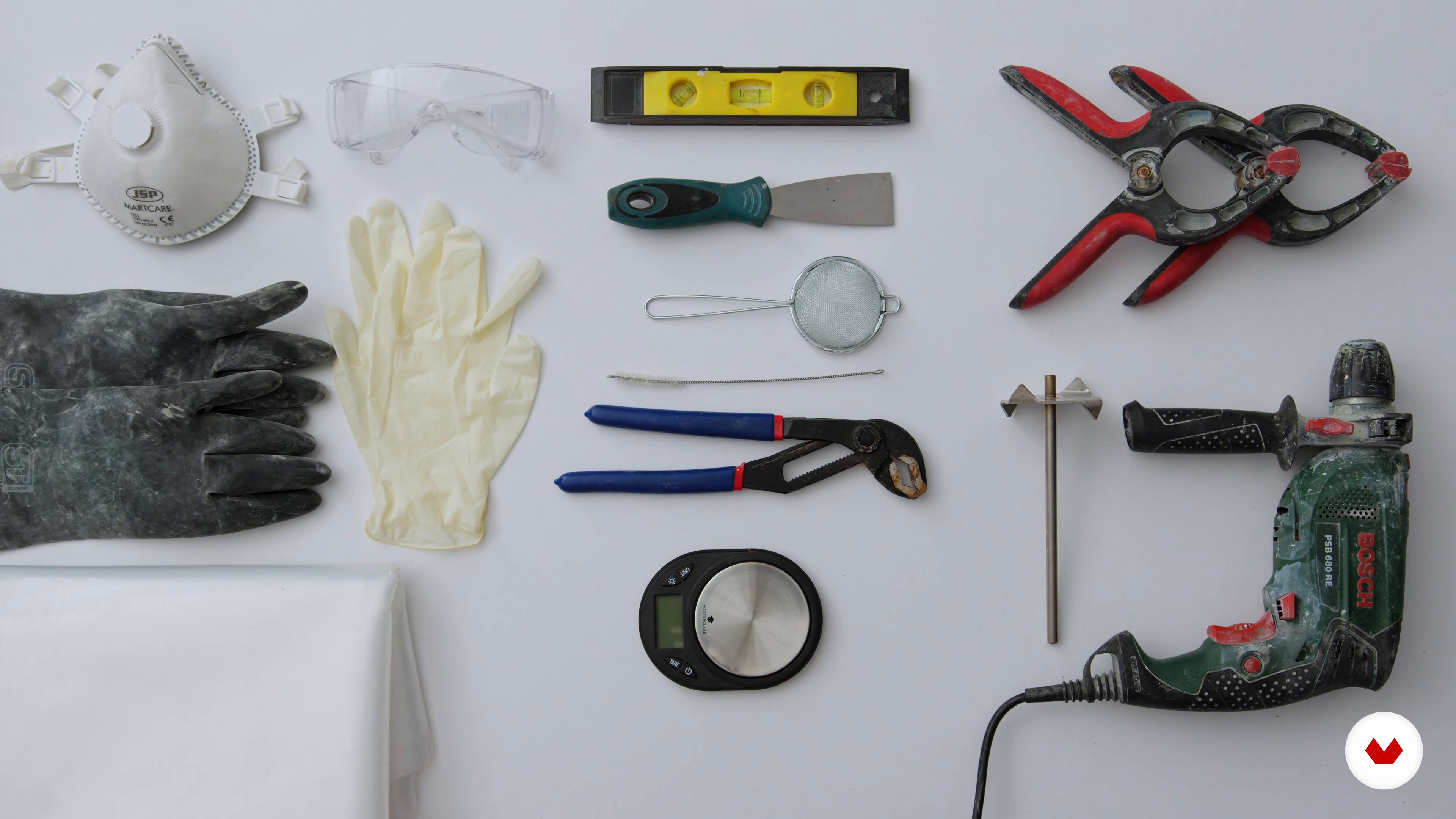
What is Jesmonite? What is it made from? How can it be used? And what makes it an eco-resin? After answering these questions, I will show you the various tools and equipment you will need in order to work with Jesmonite.
6m
image
4
What Is Terrazzo?
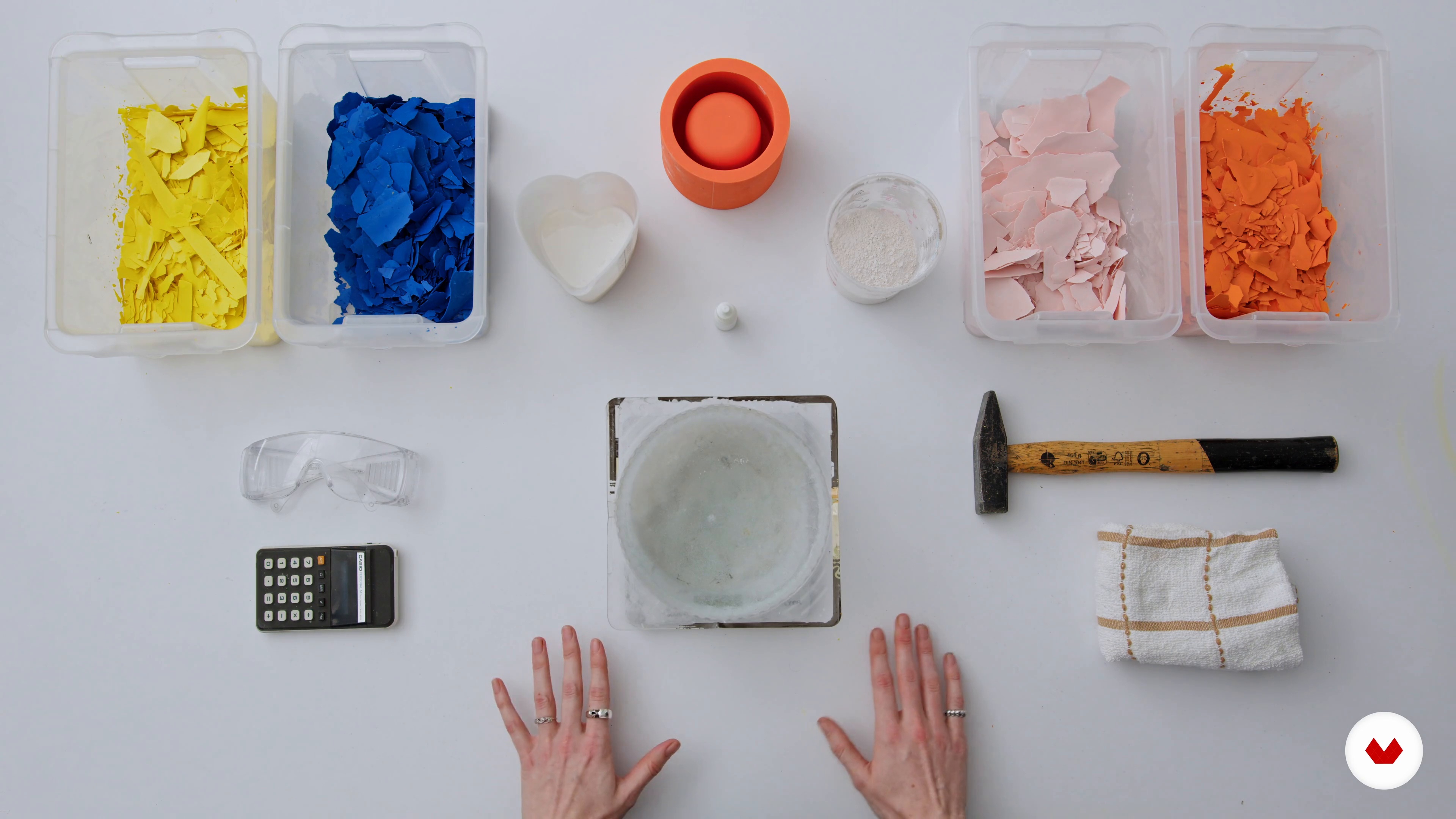
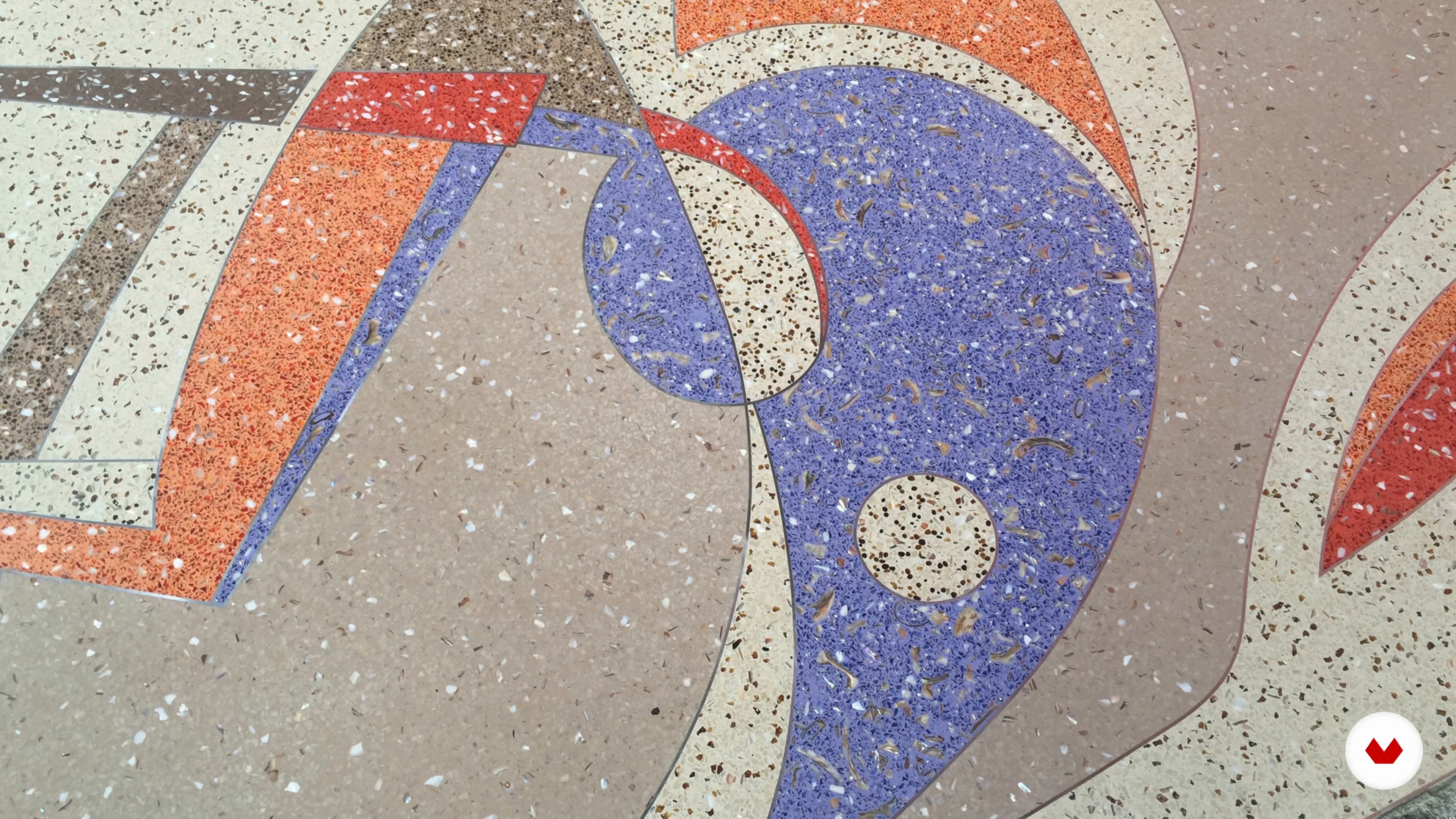
In this lesson, you will form a deeper understanding of terrazzo – what it is and its history. I will discuss both the traditional and contemporary applications of terrazzo, and I will demonstrate some of the unique styles you can achieve with terrazzo patterns.
4m
image
5
Sourcing Inspiration and Finding References
Now that you have a firm understanding of what Jesmonite and terrazzo are, it's time to get started with the course project. In this lesson, I will show you how to find sources of inspiration to help inspire your creative journey. By following my example, you will create your own mood board for colour inspiration. This will help inform your colour choices for the project.
4m
image
6
Pigments and Colour Mixing with Jesmonite
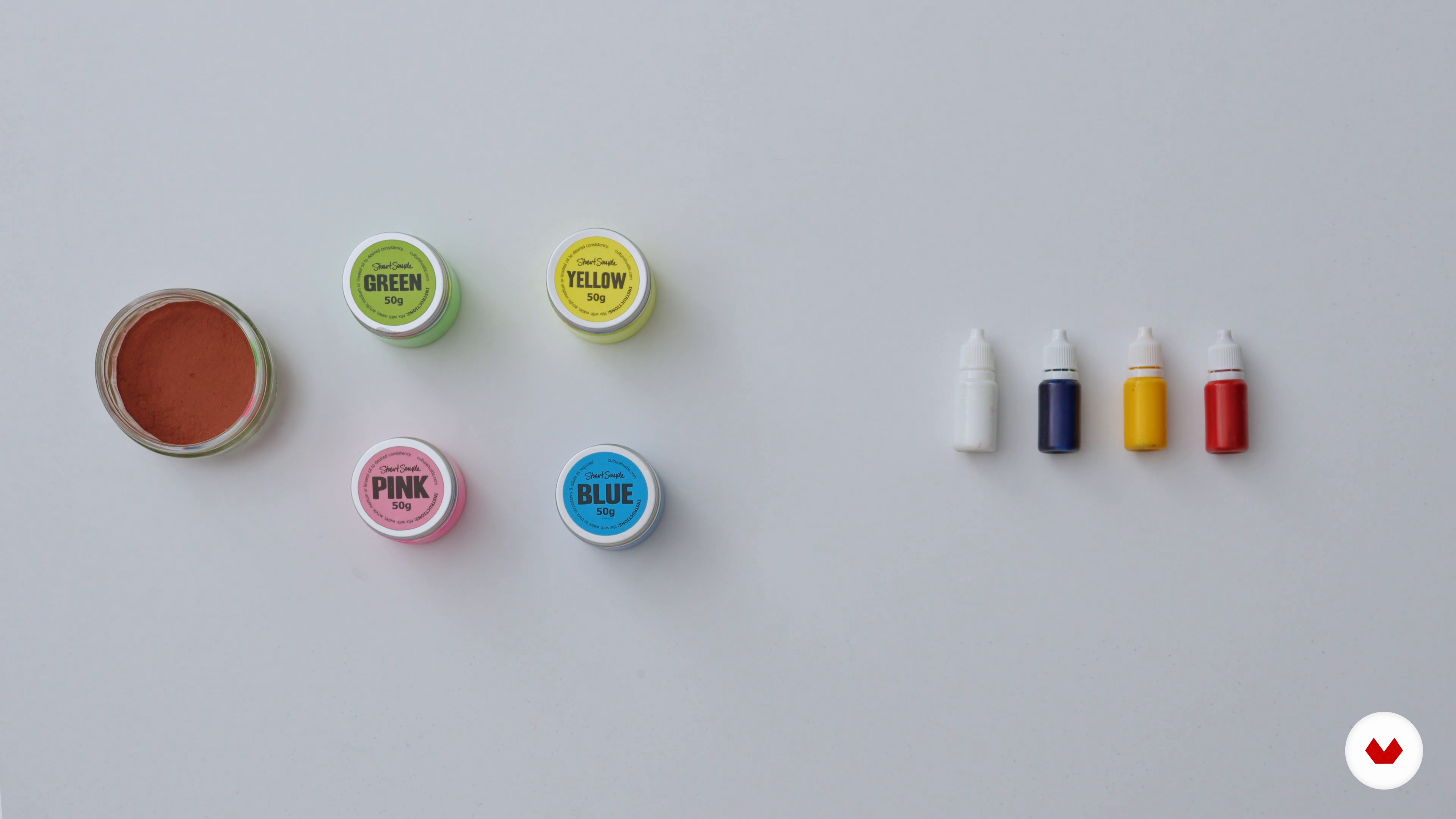
To conclude this unit, I will discuss some of the various pigments you have available to you when working with Jesmonite – from liquids, powders, inks, and more. I will provide a general overview of colour theory and explain how you can apply this when mixing your own colours.
3m
image
7
Preparing the Terrazzo Chip Colours
Let's start mixing and pigmenting our Jesmonite! I will guide you in making four colours. You will learn the various techniques I use for creating different hues. I will also show you the process I follow to create smaller terrazzo patterns which will form the design for the pot, alongside a process for creating extra large terrazzo shapes which will be used to form the lid.
15m
image
8
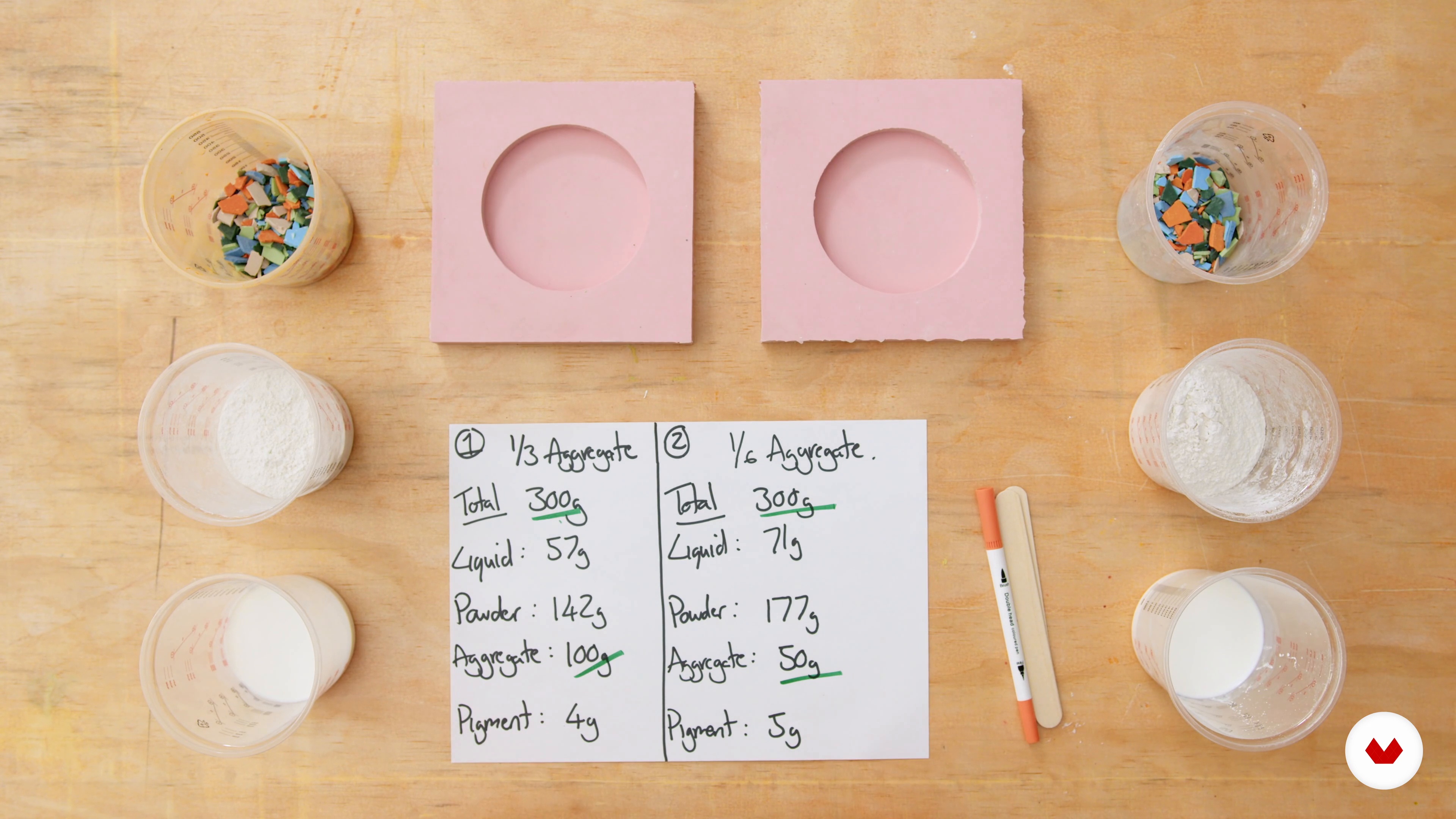
The Small Terrazzo Chip Design
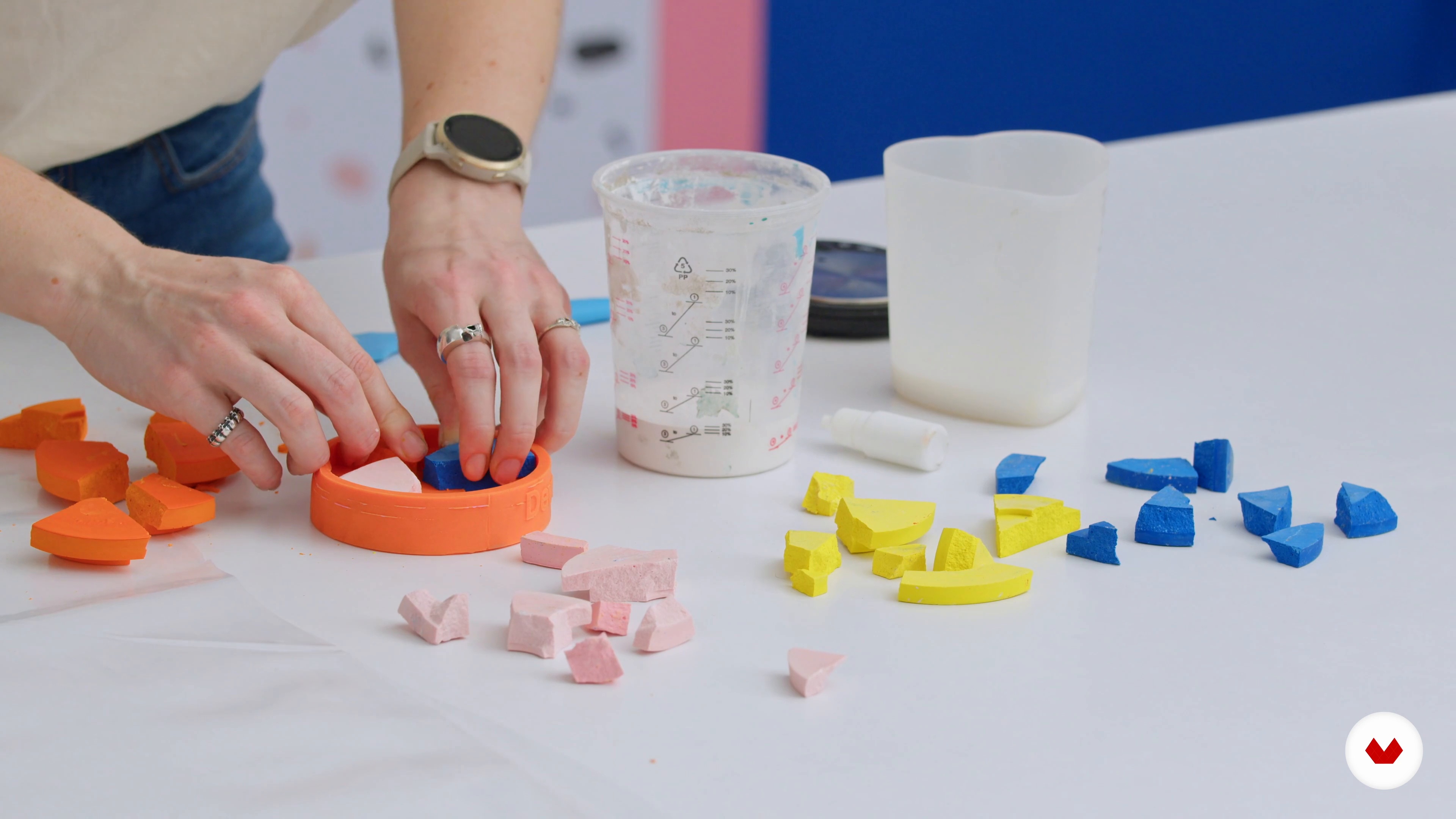
In this lesson, I will model how to create the terrazzo chips from the pigmented Jesmonite. From here, we will combine our terrazzo with another batch of Jesmonite and pour it into our pot mould to cast the final shape.
8m
image
9
The Large Terrazzo Chip Design
With the smaller chips done, it's time to create the XL terrazzo chips from the casted Jesmonite pot. I will model how to turn this pot into large shards, which we will be placed into the pot mould. Then, for a second time, we will create another batch of Jesmonite to pour into our mould to cast the final shape.
6m
image
10
Demoulding and Sanding
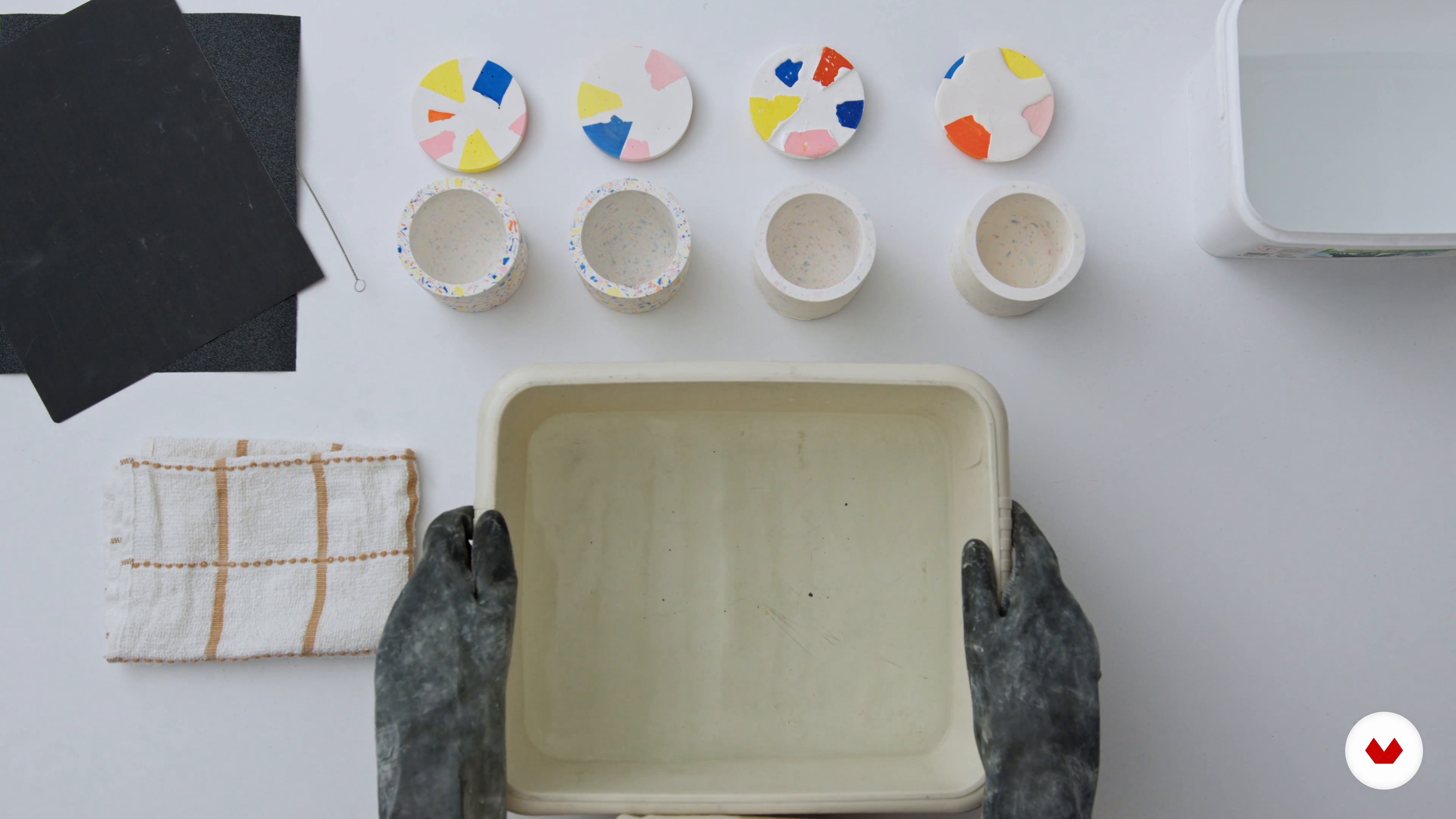
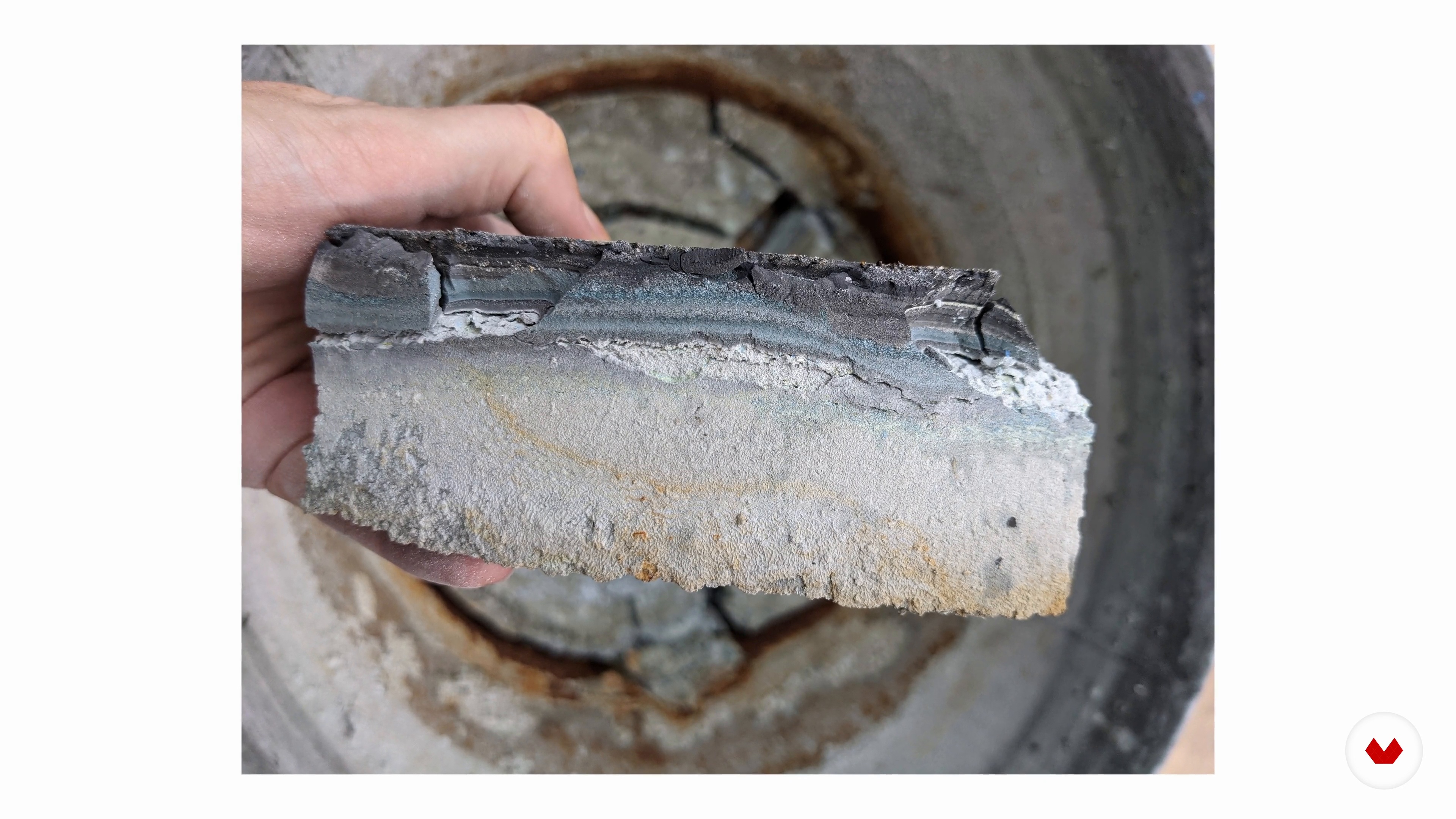
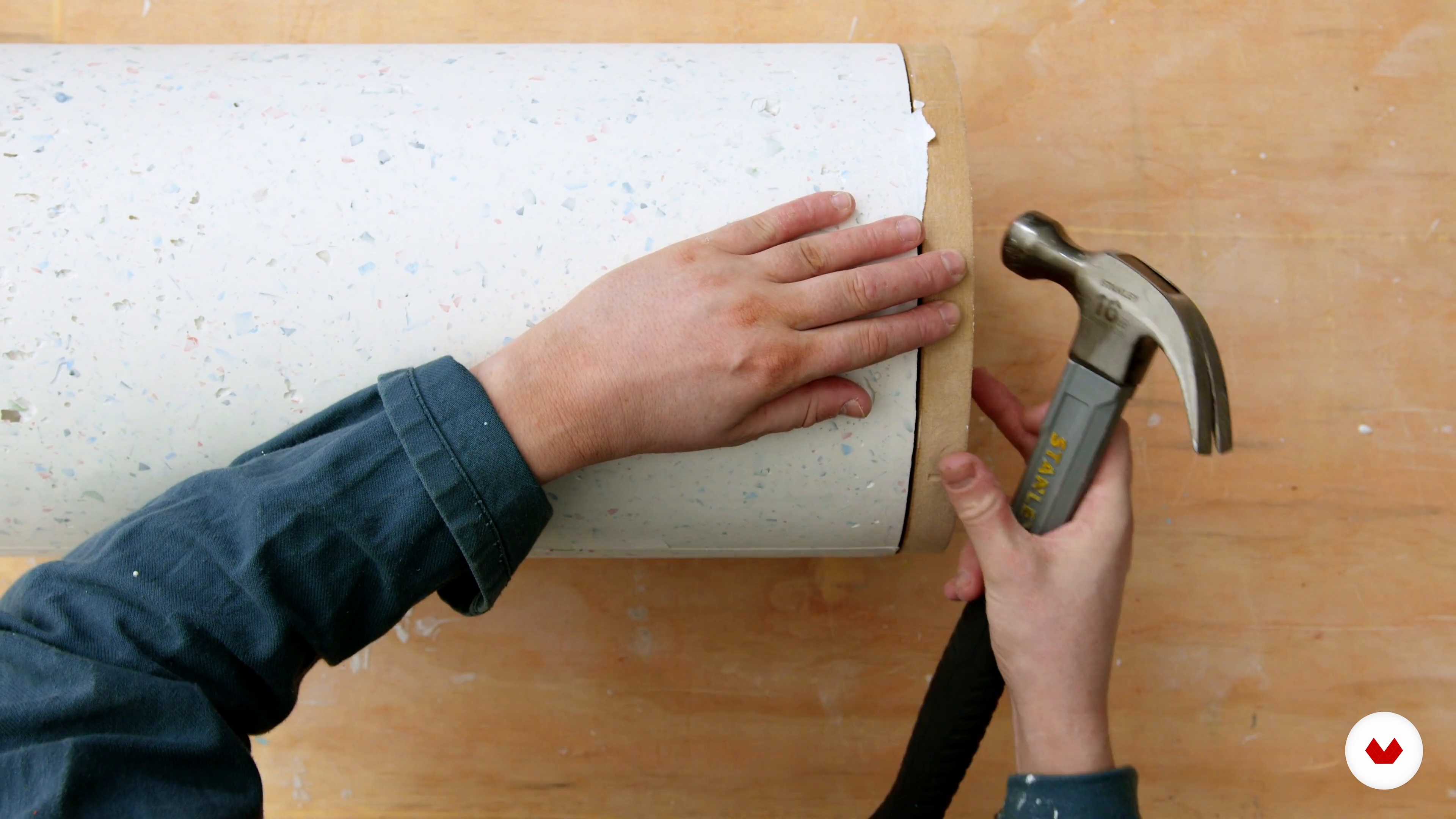
In this lesson, I will demould my casted items and then sand back layers of Jesmonite to reveal the terrazzo chips beneath the surface – an example for you to follow! I will use a wet-dry sanding technique with various grades of sandpaper grit to create a polished, smooth surface.
9m
image
11
Sealing and Finishing
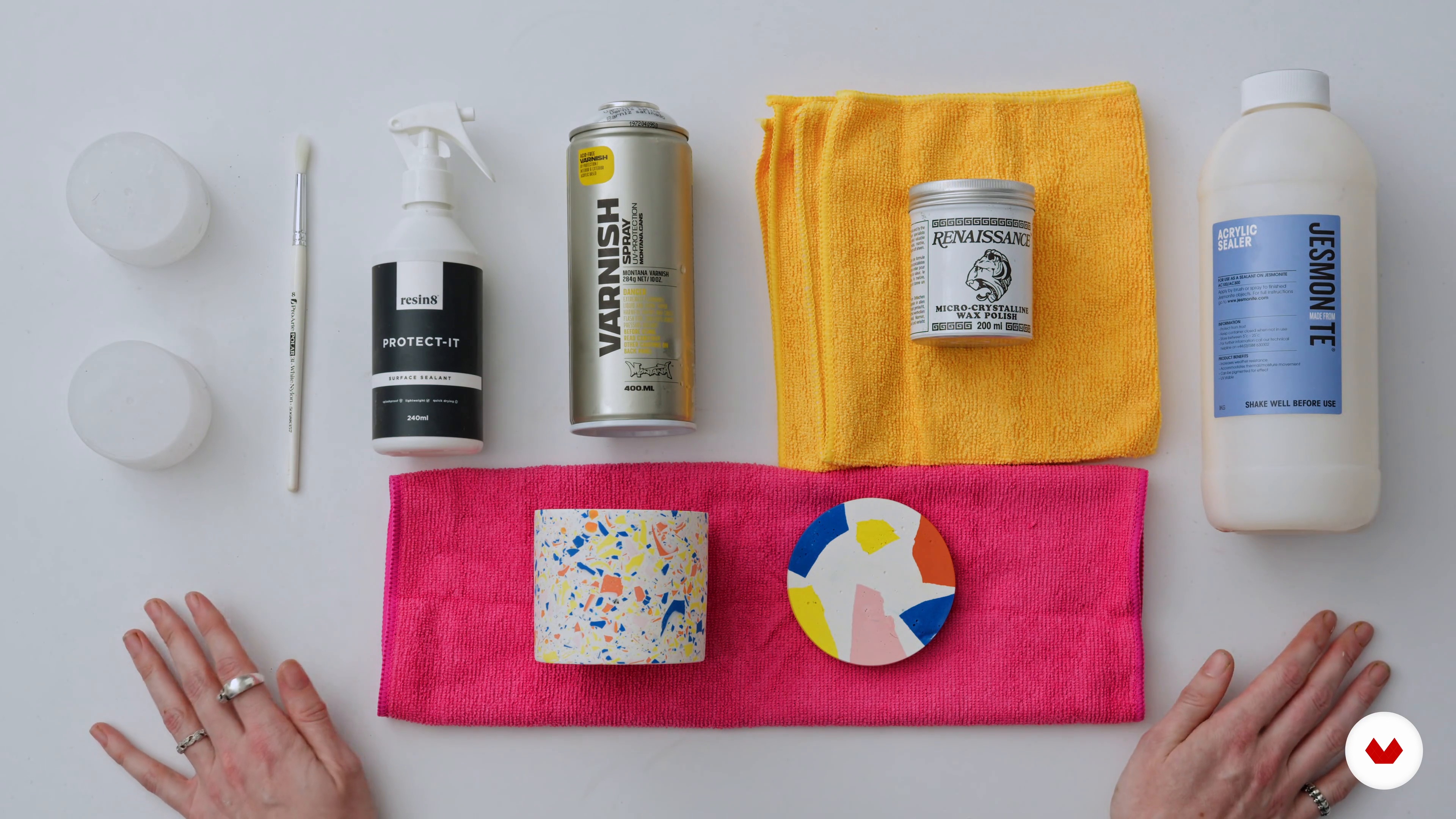
To bring the creative process to a close, I will demonstrate how and why we need to seal the final piece. I will demonstrate how to apply the Official Jesmonite AC100 Acrylic Sealer to enhance the colour and protect the surface of the casted item. I will also discuss the other types of sealers available, depending on the requirements of your finish.
8m
image
12
Additional Techniques for Working with Jesmonite
In this lesson, I will suggest some other techniques you can use when working with Jesmonite. Additionally, I will share advice on how to source other shapes and moulds or how to create your own.
3m
image
13
Crafting Sustainably
Finally, I will share with you some of the sustainable practices I have introduced into my work, from the tools I use to the waste I generate.
6m
image
3
Materials and Equipment
In this lesson, I will explain what we are going to work towards in regards to your project, as well as the necessary tools and equipment.
8m
image
4
Terrazzo
In this lesson, I will discuss the historical significance of terrazzo. I’ll also talk about different ways terrazzo is used in interior design, more widely in the industry and in my work.
6m
image
5
Basic Colour Theory
In this lesson, you will practise some basic colour theory and apply this knowledge to create your own sample colour swatches.
17m
image
6
Creating Your Mood Board
Next, I will show you how to gather inspiration and use this to create a mood board to work from.
4m
image
7
Designing Your Sketch
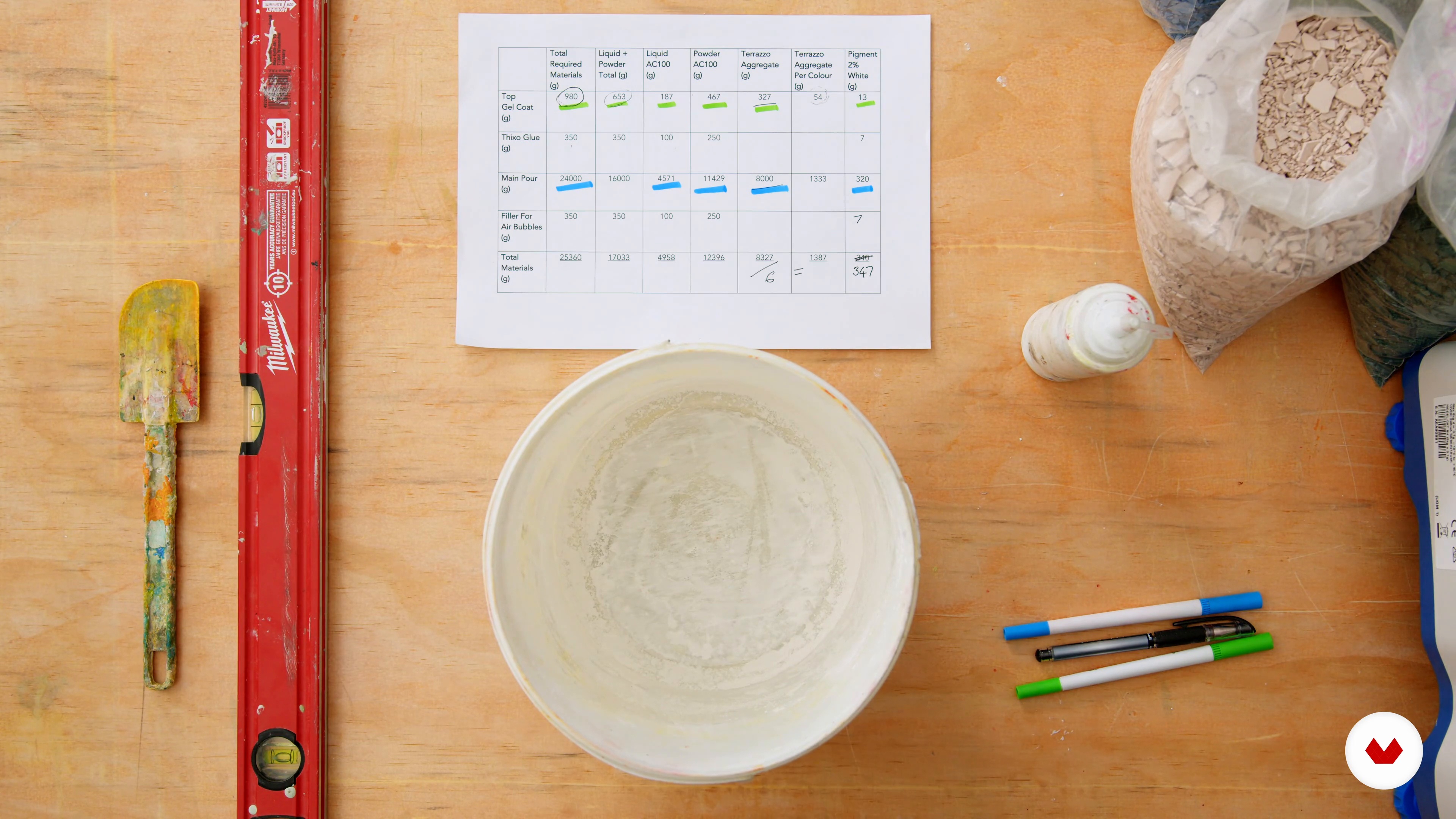
To end this unit, I will discuss how to sketch the design for your furniture form. I will guide you in working out what information you need to know about your chosen form in order to design the mould and calculate the quantities of materials.
14m
image
8
Preparing the Aggregate
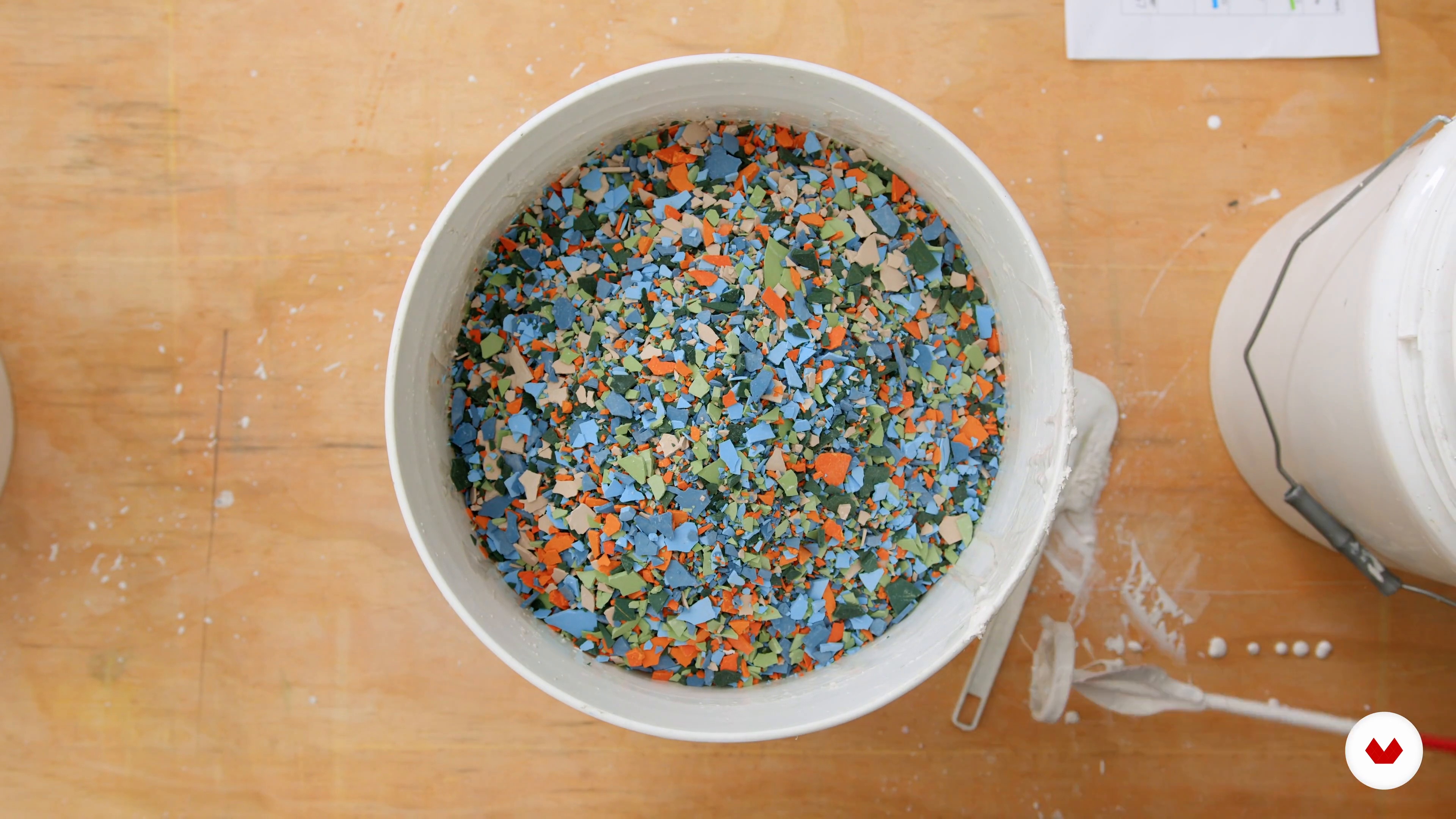
In this lesson, you will learn how to create the terrazzo chips.
13m
image
9
Creating the Sample
Now, I will teach you about sampling as an important part of the design process. I will demonstrate how to design through experimentation and how to scale up your samples for use in larger projects.
16m
image
10
Preparing Your Mould
With the samples complete, it's time to progress to the next step! In this lesson, I will show you how to create the mould using accessible materials and the original sketch as a plan.
19m
image
11
Casting Technique 1
In this lesson, we will review the different casting techniques involved in creating the 3D side table.
15m
image
12
Casting Technique 2
Here, I will complete the casting process.
13m
image
13
Demoulding and Sanding
In this lesson, you will learn how to demould your cast piece and sand it to reveal the terrazzo pattern in its raw beauty.
15m
image
14
Finishing Techniques
It's time to take your final piece to the next level! To conclude this unit, I will show you ways to finish the piece off to a really nice standard.
7m
image
3
Introducing the Materials
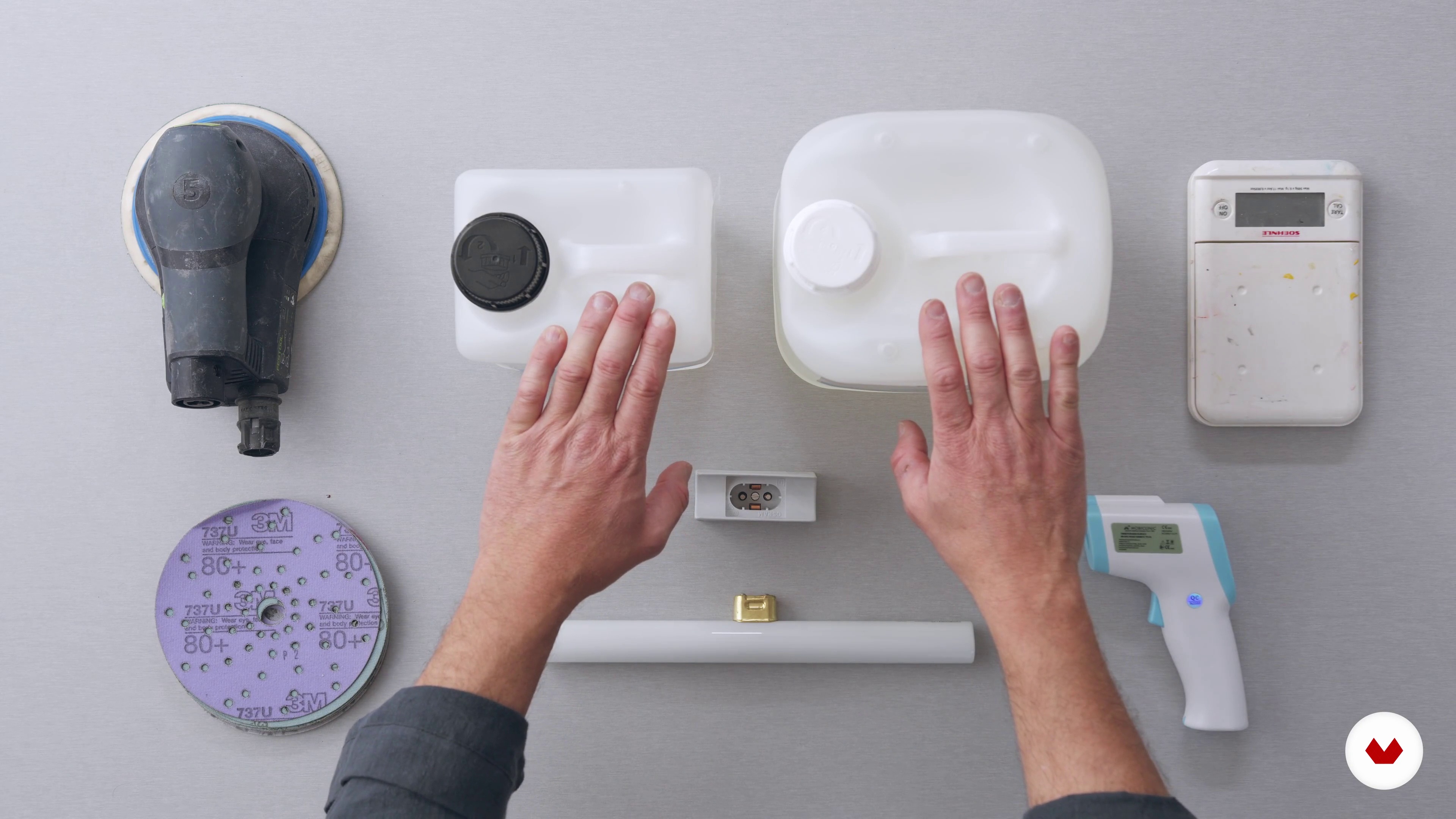
In this lesson, you will get to know the materials you will use to create your resin pieces. Also, I'll tell you about the tools you need.
5m
image
4
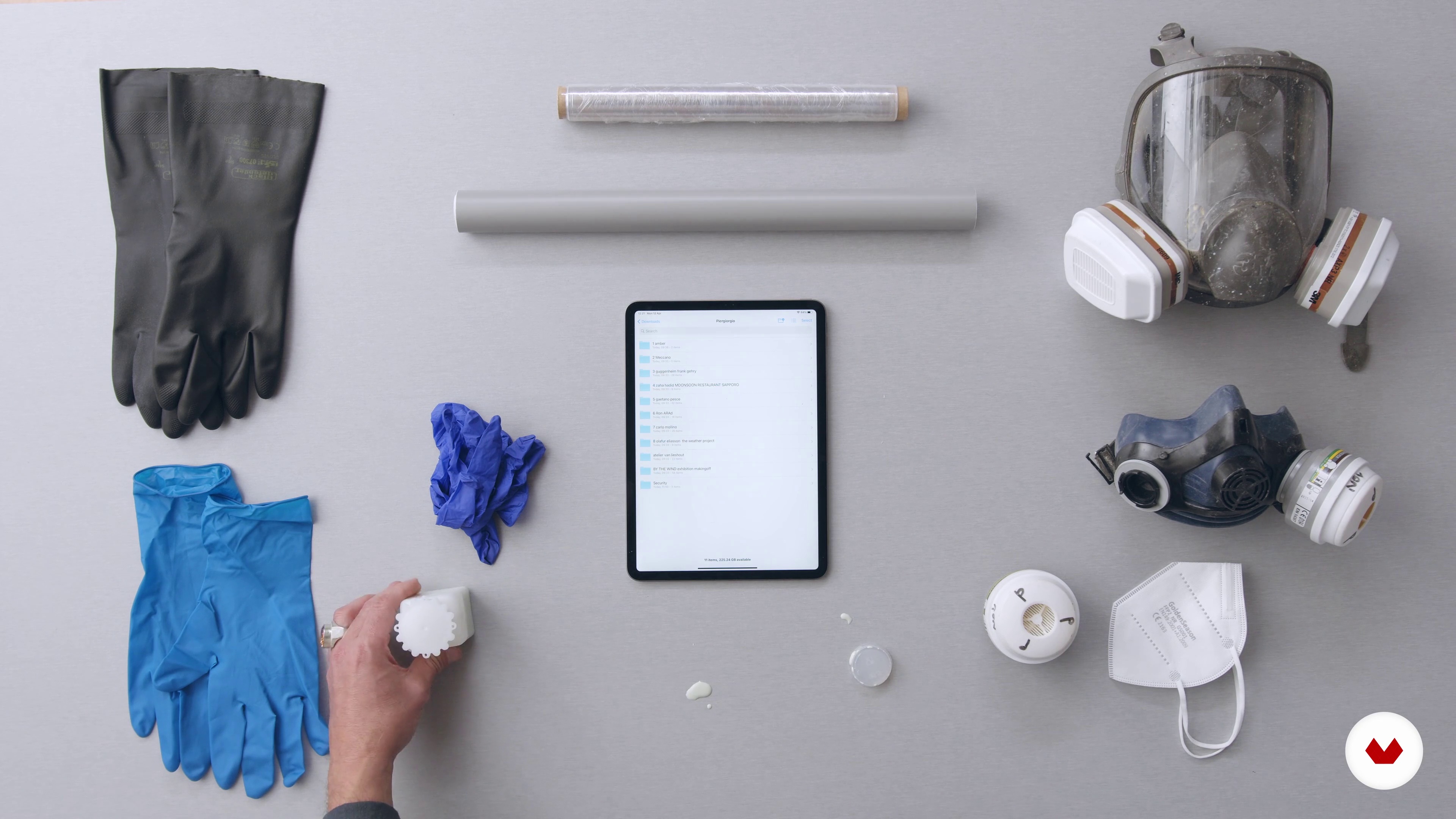
Safety Measures
I am going to assess all the safety measures you need to be mindful of when creating your pieces. To protect yourself is as important as protecting the environment and your workspace.
12m
image
5
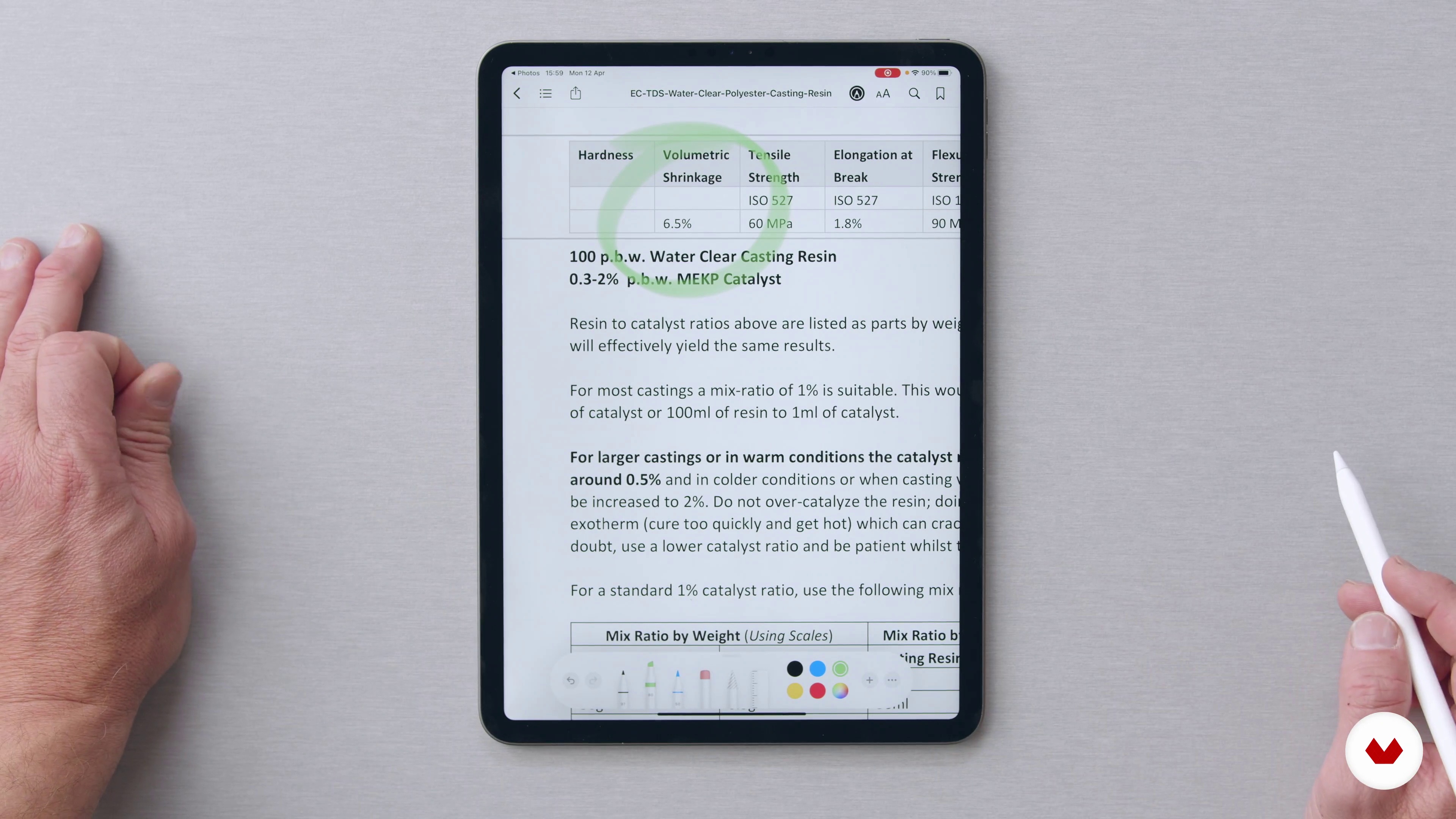
Data Sheet Reading and Types of Resin
Many times, misuse of resin comes from the wrong choice of resin. In this lesson, you are going to learn about the importance of getting and reading the datasheet from the company to learn about the post-production storage density pot life and not secondary aspects, such as safety rules and toxicity.
9m
image
6
Finding Inspiration and the Creative Process
We will talk about how to find inspirations and the importance of having fun. Everyday life is what inspires me. Let me show you how I go about it.
7m
image
7
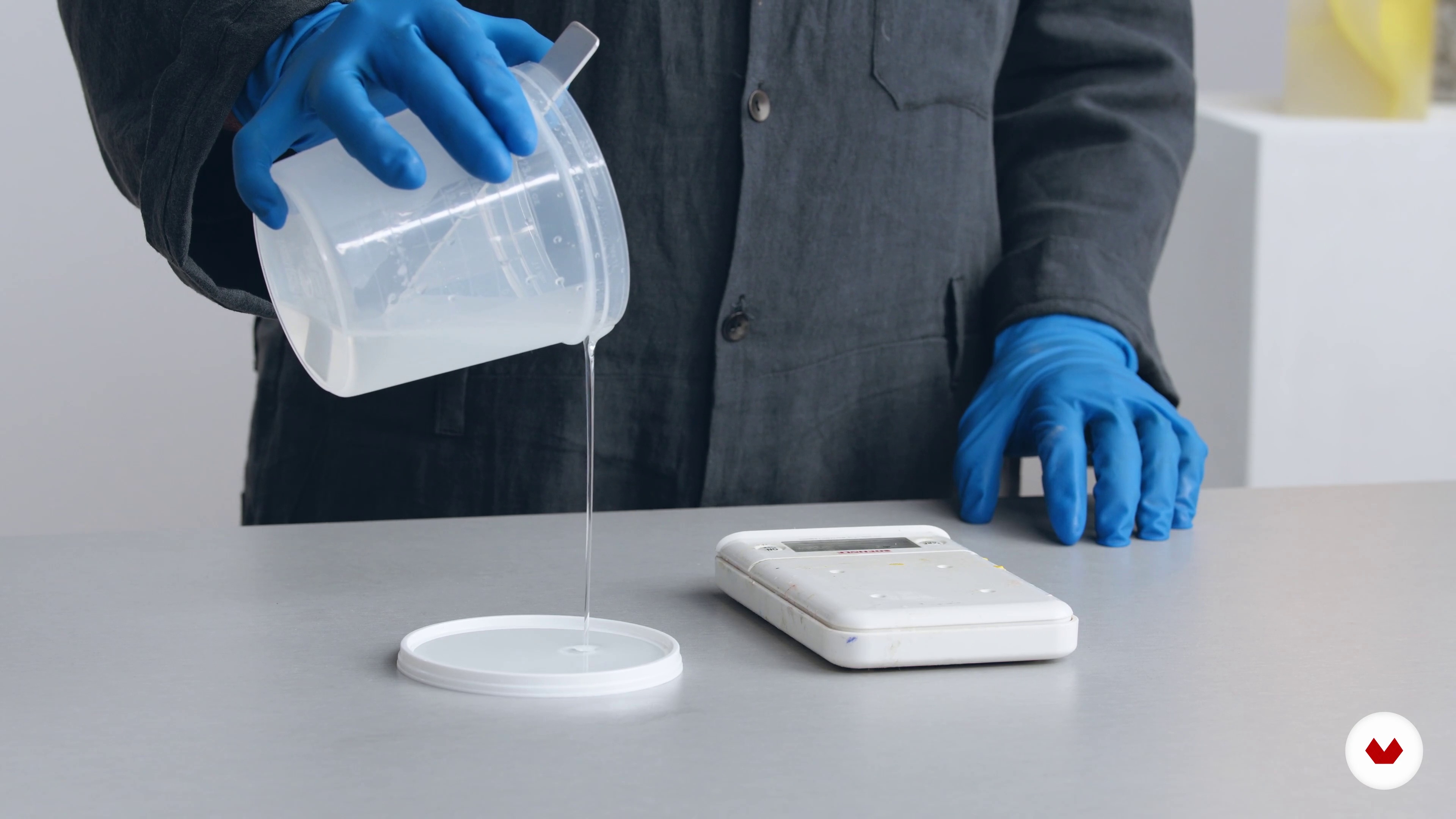
Mixing and Pouring
To start off, I will provide you with some tips about mixing and pouring resin. There are two factors we need to control and monitor at all times: temperature and humidity.
8m
image
8
Moulds
You can make a mould out of everything: aluminium, wood, silicone, cardboard... The point here is to know when to choose one over another and how to preserve your moulds.
9m
image
9
Resin and Colour
What I want to teach in this lesson is the importance of pigment dilution. I will show you how to properly dilute your pigments. I will also like to dedicate some time to teach you how to create a colour palette.
10m
image
10
Adding Elements to Resin
What are the things that you can fit inside of a resin casting? Let's find out.
9m
image
11
Dimensioning Your Object and Creating a Model
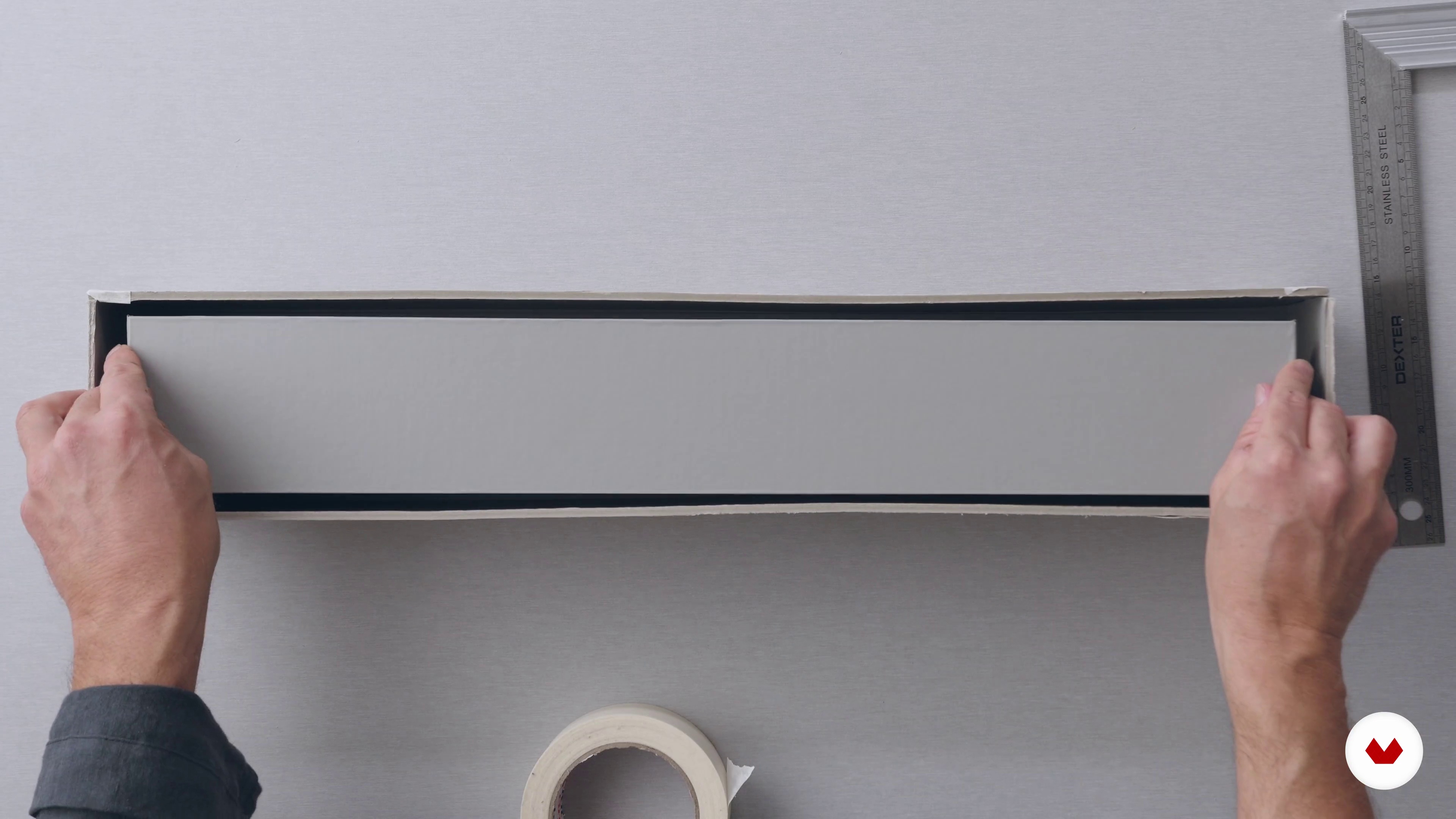
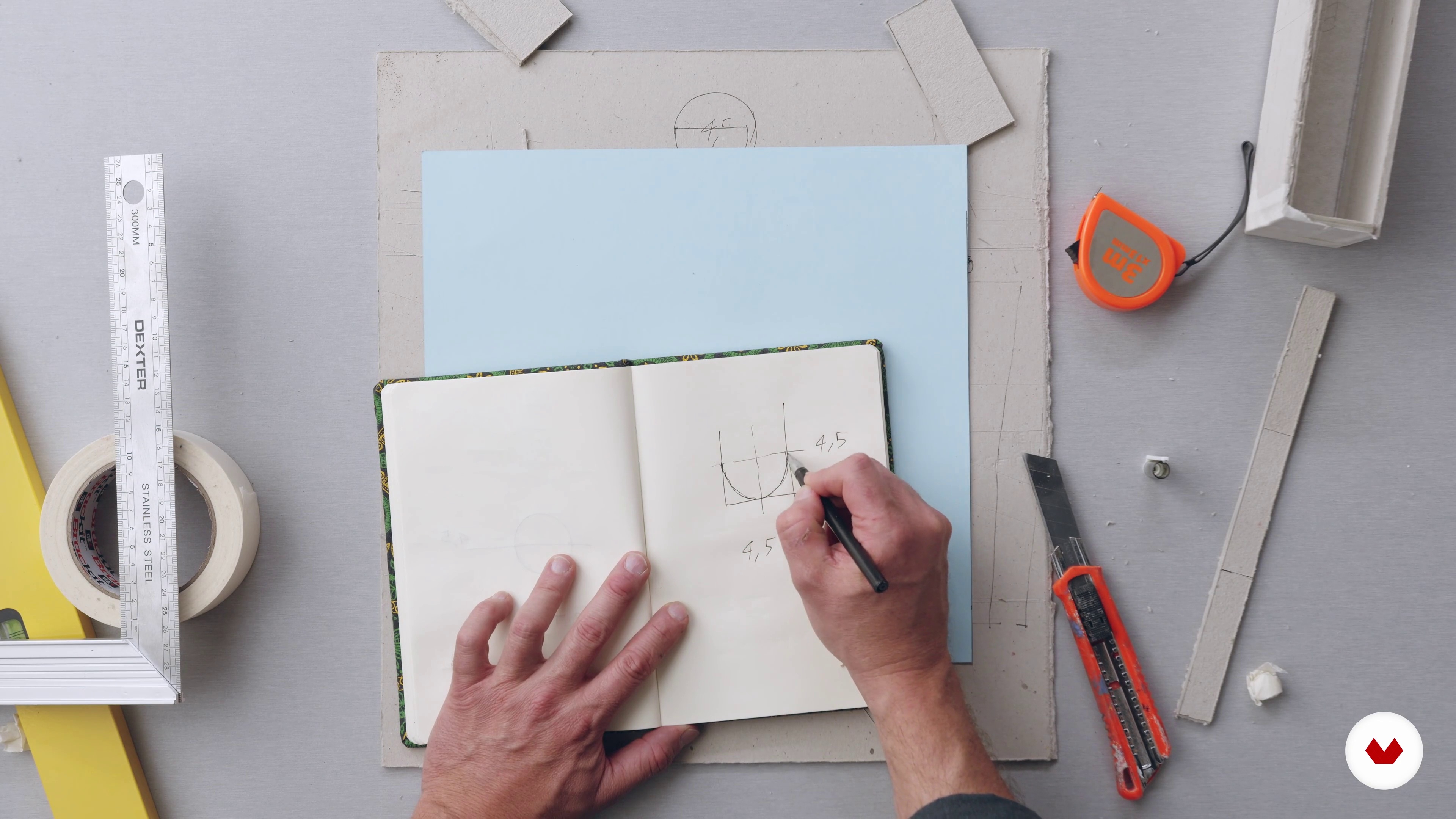
I always start with a sketch. What we are going to do in this lesson is to get the dimensions of our object. Once we have the drawing ready, we will transfer it to E flute corrugated cardboard, to have a 3D model of it. Then, we will use adhesive vinyl to tie everything up.
15m
image
12
Refining the Design with the Resin Type, Colors and Electrical Components
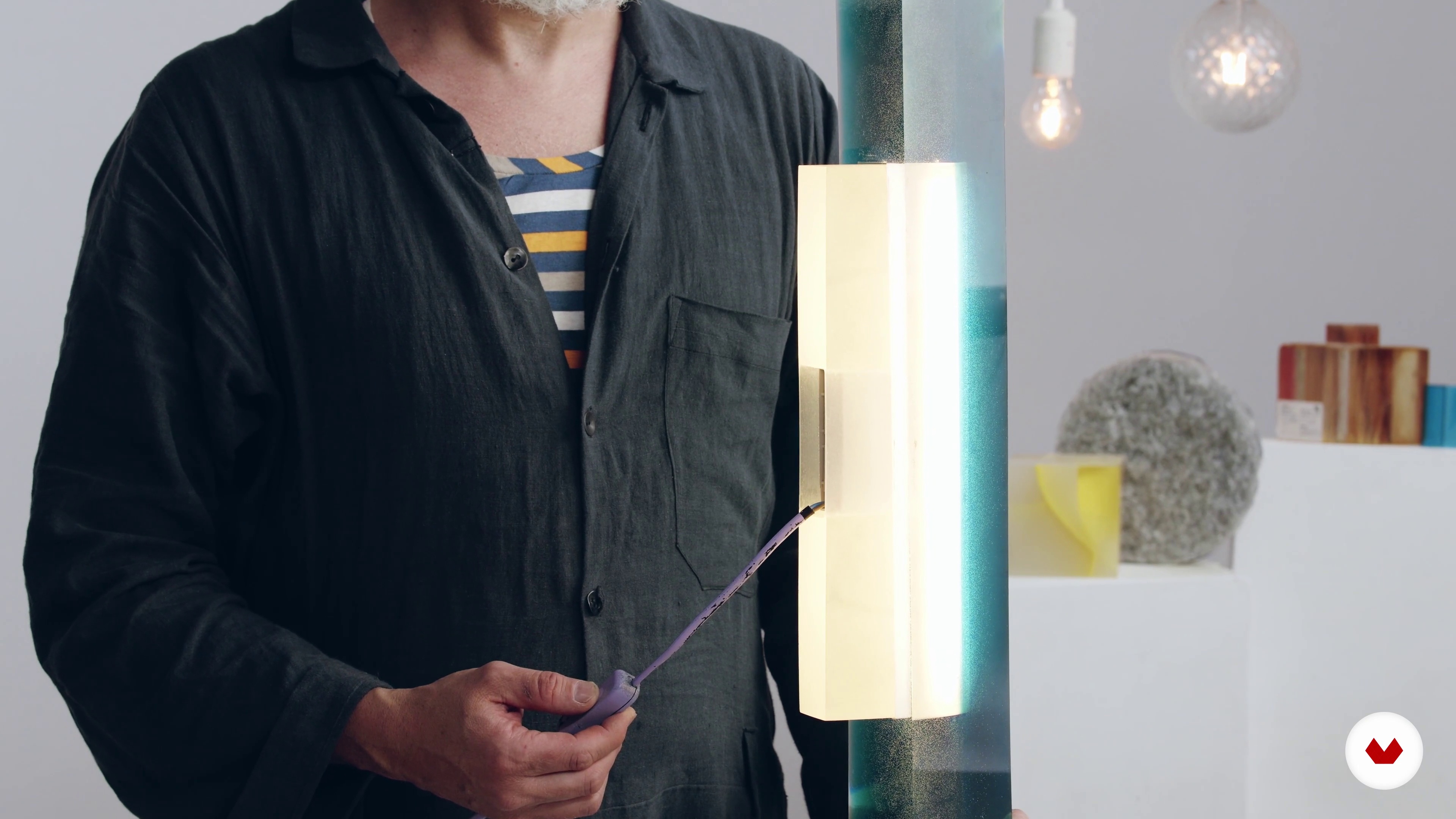
The foundation is ready. Now it is time to select what resin to work with. You will see that I went for polyester, but you can choose whichever suits your needs. Also, we will start to create the colour palette for our piece. There are some things to consider, though, like the effect of light, the very shape of the object, and the density of the resin, among others.
10m
image
13
Creating Your First Mould, Casting and Unmoulding 1
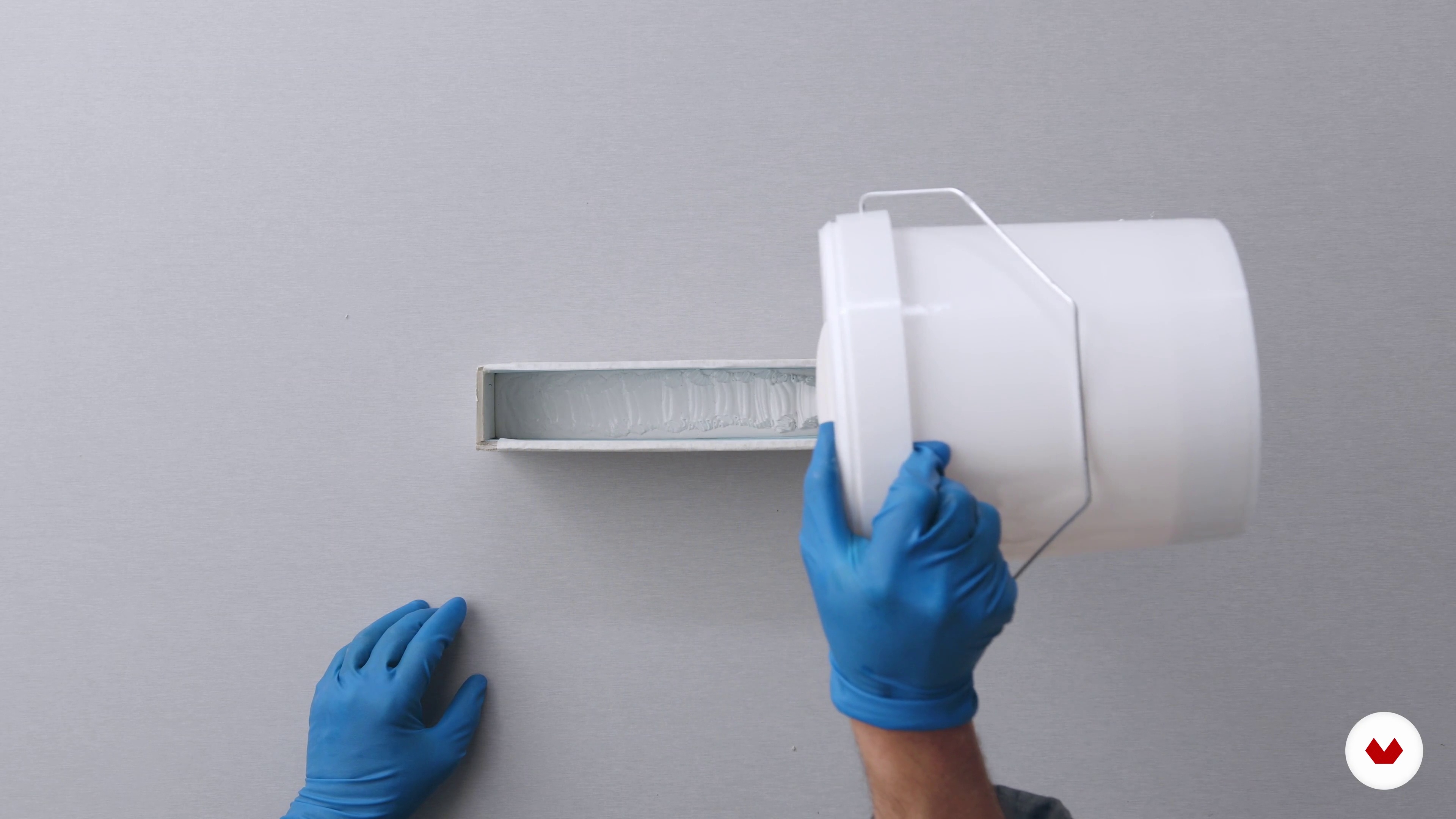
Now that we have the design and the resin type it is time to go forward and start building the pieces of our lamp. In this lesson, we create the mould for the main piece using our corrugated cardboard model and silicone. We will then cast the resin and learn how to unmold and preserve the mould to create the rest of the pieces.
13m
image
14
Creating Your First Mould, Casting and Unmoulding 2
Let's build the second mould.
13m
image
15
Creating Your First Mould, Casting and Unmoulding 3
Now I am going to show you how to fill the mould with silicone. The most important thing at this stage is getting the amount of silicone right. I calculate the volume of my moulds to know how much silicone is needed.
9m
image
16
Creating Your First Mould, Casting and Unmoulding 4
I poured the silicone and I let it settle for a day. Now that is hardened, I will teach you how I unmould my models.
13m
image
17
Creating a Second Mould for Our Lamp
In this lesson, we create our second mould using our light bulb as the model, so it fits perfectly in the base piece of our lamp. I will teach you how to protect the light lamp and adjust the dimensions. Again, silicone will be our main resource.
16m
image
18
Silicone on Silicone: Creating Your Final Mould 1
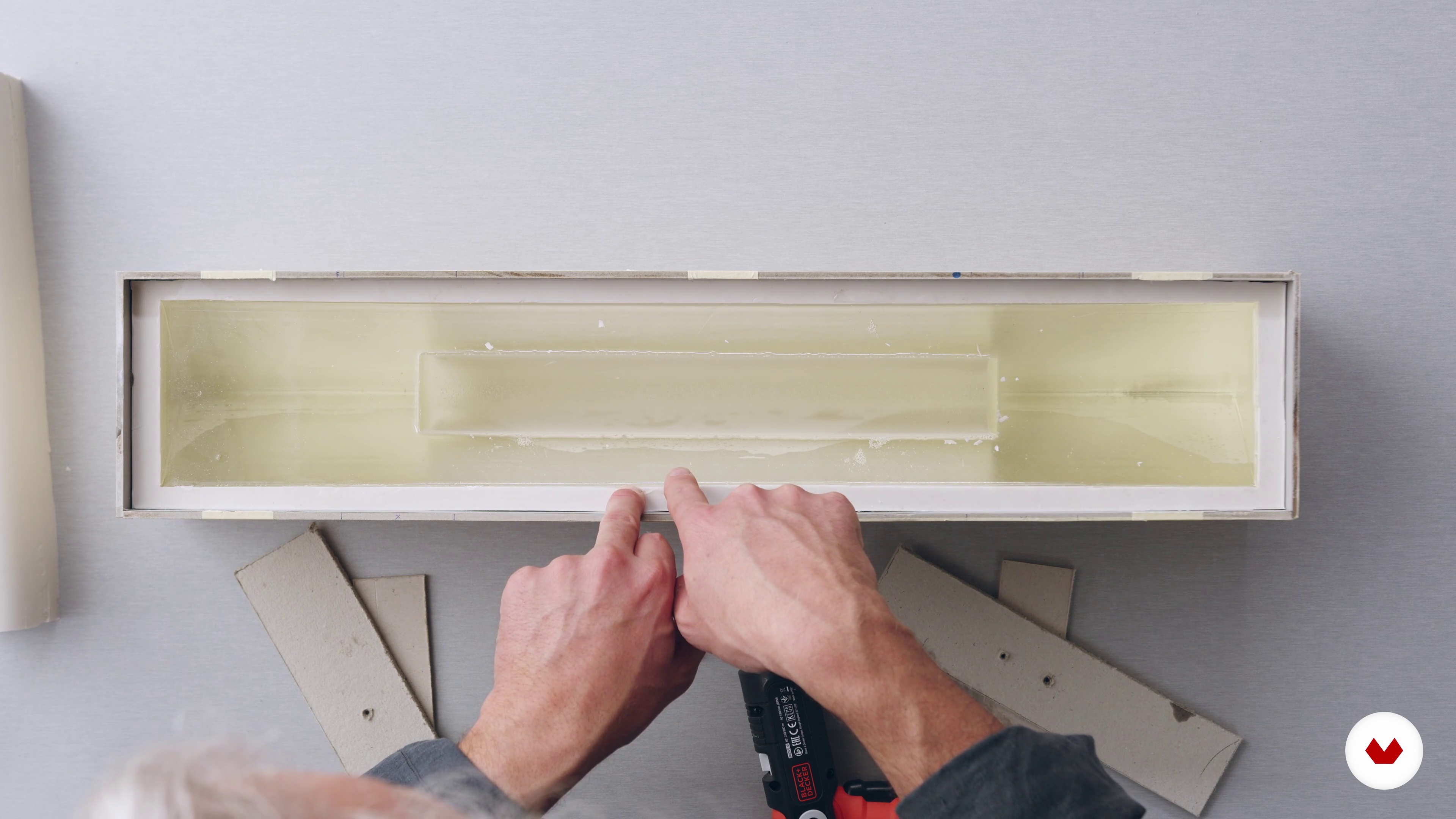
Finally, I will show you how to make the final mould using the silicone on silicone technique. With this last mould, we will cast resin to create our final piece.
11m
image
19
Silicone on Silicone: Creating Your Final Mould 2
In order to replicate the model, I am going to prepare the one that is built already with silicone to place it inside the casting box, which I will then fill with silicone.
10m
image
20
Finishing and Polishing
In this lesson, we will polish our pieces of resin to match our design. Do we want them to be matty or very glossy? Or rather a mixture of both?
12m
image
21
Assembling
Finally, in this lesson, you will assemble all the parts of your unique resin lamp, including the electrical components.
5m
  • 52 students
  • 71 lessons (10h 51m)
  • 120 additional resources (43 files)
  • Online and at your own pace
  • Audio: English, German, Spanish, Spanish (Latam), French, Italian, Polish, Portuguese, Turkish
  • Spanish · English · Portuguese · German · French · Italian · Polish · Dutch · Turkish · Romanian · Indonesian
  • Level: Beginner
  • Unlimited access forever

What is this course's project?

Craft a collection of resin-based decorative and functional objects, including marbled or terrazzo pieces, colorful samples, terrazzo-style home accessories, a resin or terrazzo furniture piece, and a custom-designed resin lamp, showcasing technical and creative mastery.

Who is this specialization for?

Creative designers, artisans, and DIY enthusiasts eager to explore resin's transformative potential in crafting unique home decor and functional pieces will find this course enriching. It's perfect for those passionate about blending color, technique, and scale to create personalized artistic expressions.

Requirements and materials

No extensive prior knowledge is required. Basic necessities include stationary materials, protective equipment such as masks, filters, and gloves. A creative mindset is essential. You'll work with resin, molds, and pigments to transform ideas into decorative and functional pieces.


Select to get to know your teachers in this specialization course
Read more ↓

What to expect from this specialization course

  • Learn at your own pace

    Enjoy learning from home without a set schedule and with an easy-to-follow method. You set your own pace.

  • Learn from the best professionals

    Learn valuable methods and techniques explained by top experts in the creative sector.

  • Meet expert teachers

    Each expert teaches what they do best, with clear guidelines, true passion, and professional insight in every lesson.

  • Certificates
    Plus

    If you're a Plus member, get a custom certificate for every specialization course. Share it on your portfolio, social media, or wherever you like.

  • Get front-row seats

    Videos of the highest quality, so you don't miss a single detail. With unlimited access, you can watch them as many times as you need to perfect your technique.

  • Share knowledge and ideas

    Ask questions, request feedback, or offer solutions. Share your learning experience with other students in the community who are as passionate about creativity as you are.

  • Connect with a global creative community

    The community is home to millions of people from around the world who are curious and passionate about exploring and expressing their creativity.

  • Watch professionally produced courses

    Domestika curates its teacher roster and produces every course in-house to ensure a high-quality online learning experience.


FAQs

Domestika courses are online classes that allow you to learn new skills and create incredible projects. All our courses include the opportunity to share your work with other students and/or teachers, creating an active learning community. We offer different formats:
Original Courses: Complete classes that combine videos, texts, and educational materials to complete a specific project from start to finish.
Basics Courses: Specialized training where you master specific software tools step by step.
Specialization Courses: Learning paths with various expert teachers on the same topic, perfect for becoming a specialist by learning from different approaches.
Guided Courses: Practical experiences ideal for directly acquiring specific skills.
Intensive Courses (Deep Dives): New creative processes based on artificial intelligence tools in an accessible format for in-depth and dynamic understanding.

All specialization courses are 100% online, so once they're published, specialization courses start and finish whenever you want. You set the pace of the class. You can go back to review what interests you most and skip what you already know, ask questions, answer questions, share your projects, and more.

The specialization courses are divided into different modules. Each one includes lessons, informational text, tasks, and practice exercises to help you carry out your project step by step, with additional complementary resources and downloads. You'll also have access to an exclusive forum where you can interact with other students, as well as share your work and your final project, creating a community around the specialization courses.

You can redeem the specialization courses you received by accessing the redeeming page and entering your gift code.

If you're a Plus member, when you complete a course you've purchased, you'll instantly get your personalized certificate. You can see all your certificates in the Certificates section of your profile. You can download your certificates as PDFs and share the link online. Learn more about certificates.
Specialization in Resin Design and Decorative Home Objects. Craft course by Domestika

Specialization in Resin Design and Decorative Home Objects

A specialization by multiple teachers
Berkeley, United States.
Joined April 2002
  • 52 students