


Specialization

Specialization in Creative Writing: Unlock ideas and build your literary method

Unlock your creativity, develop your narrative style, and create a personal creative writing methodology

Specialization · 6 modules

Creative writing is a fascinating journey that begins with unlocking your ideas and evolves into a transformative habit. In this specialization, you'll discover how reading can inspire your writing, how to develop a consistent routine, and how to experiment with different styles to find your literary voice. Through practical exercises, you'll experience the freedom that literature offers and learn to document your creative process. Short texts, journals, and writing notebooks will become your allies as you immerse yourself in the world of words.

Guided by María José Castaño, Natalia Méndez, Aniko Villalba, Karen Villeda, and Olivia Teroba, this course will help you define a personal method that reflects your unique style. With each lesson, you'll move closer to creating your own methodology that enhances your literary voice. This process of creative self-discovery will help you transform inspiration into a daily practice, solidifying an authentic narrative style. By the end, you'll have found a new way to observe and narrate the world around you.

Read more ↓

What will you learn in this specialization?

A total of 6 modules and 62 lessons
A total of 9h 23m of vídeo lessons
Taught by 5 selected expert teachers
image
1
Introduction
Welcome to this space for creative exploration. Here, you’ll discover that writing is not just a skill but a way of being in the world—a practice that blends intuition, observation, and reflection. Through exercises, readings, and evocative images, you’ll learn to turn inspiration into habit and words into powerful tools. This course invites you to listen closely, see the everyday with fresh eyes, and find in writing a source of well-being, self-discovery, and creative expression. In this lesson, you will begin to awaken your creative intuition through simple yet powerful prompts. You’ll explore how memory, imagination, and observation can spark stories waiting to be written. Writing will become both a personal ritual and a gateway to your unique voice.
1m
image
2
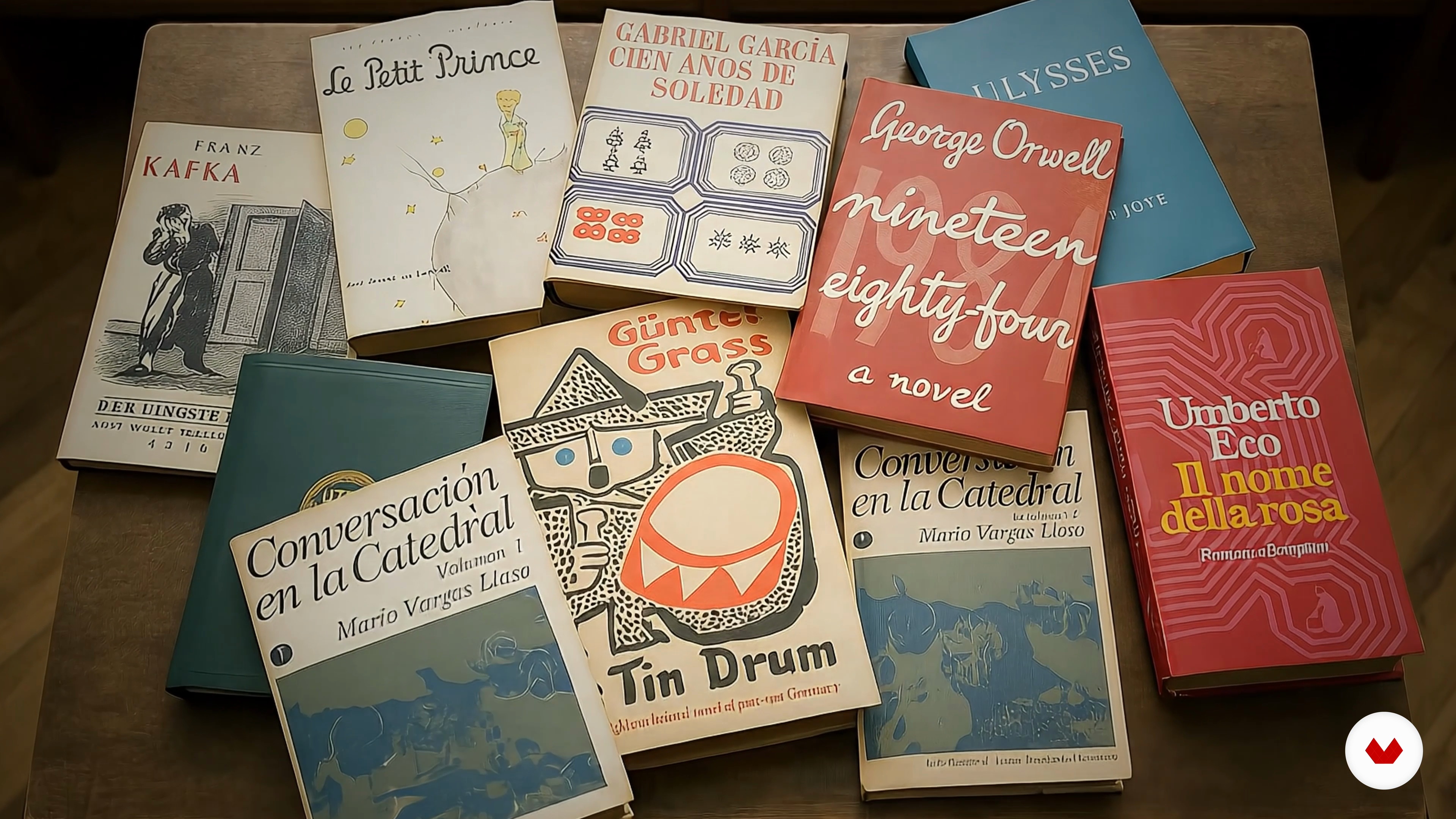
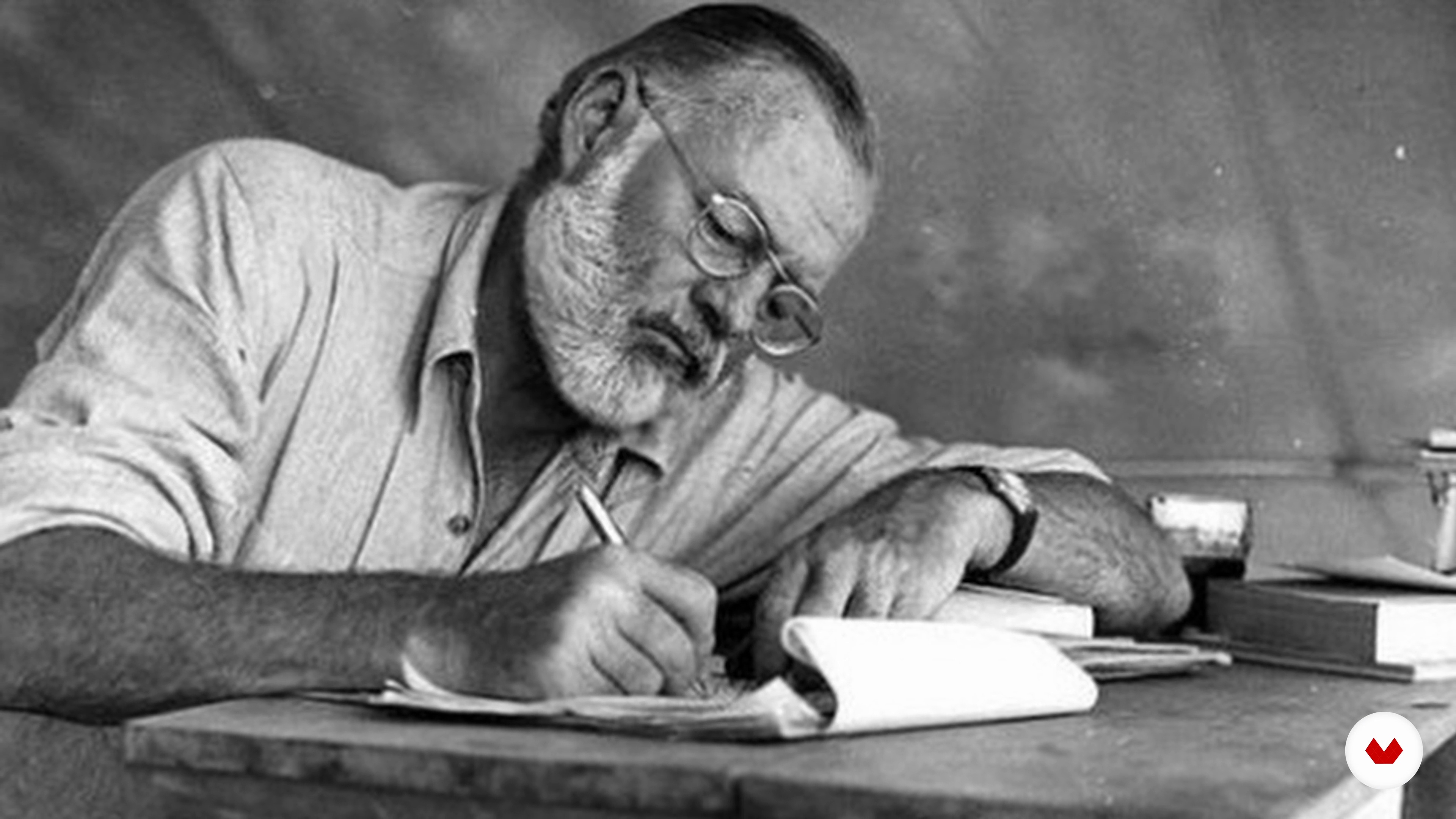
Influences / María José Castaño
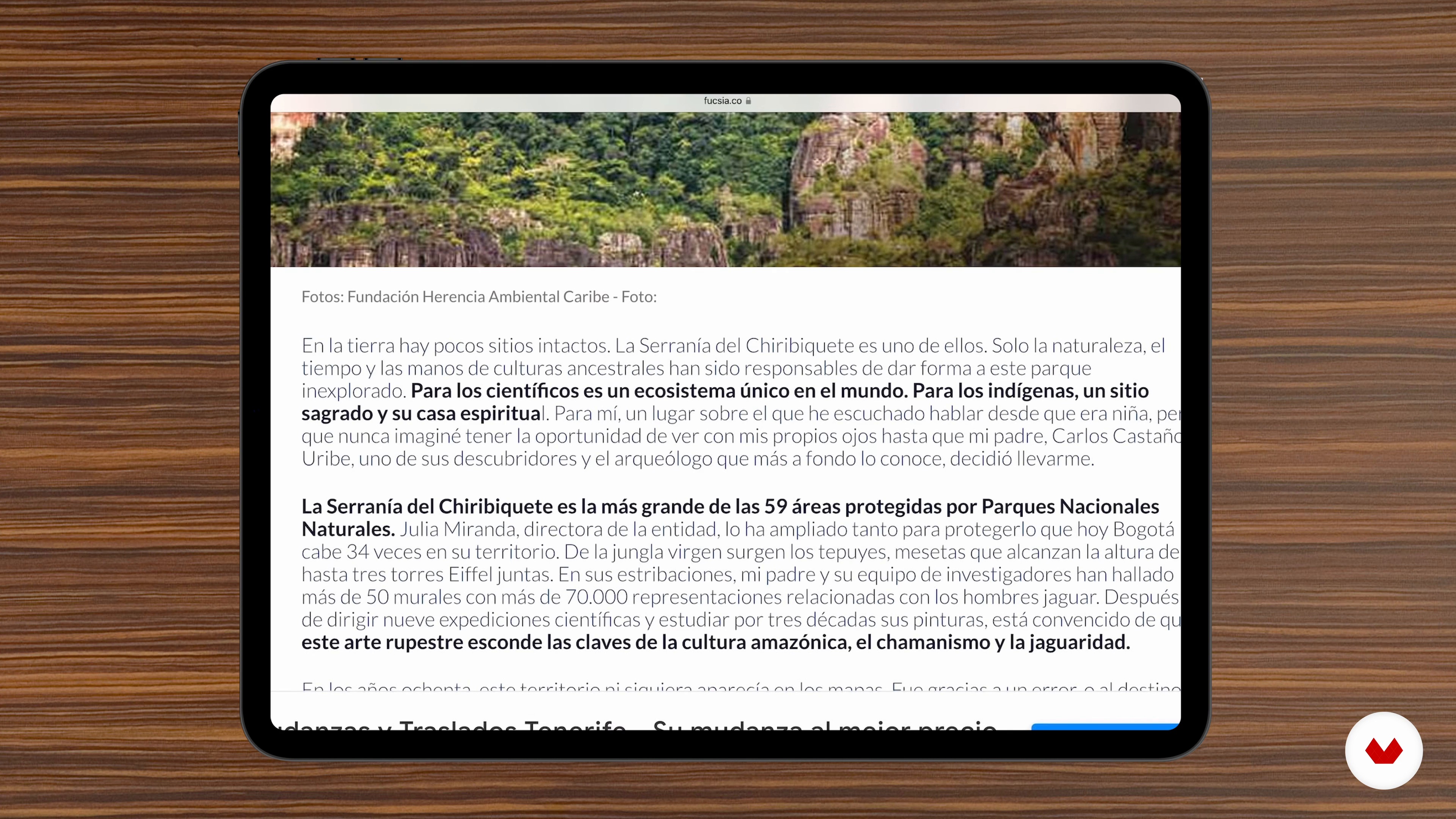
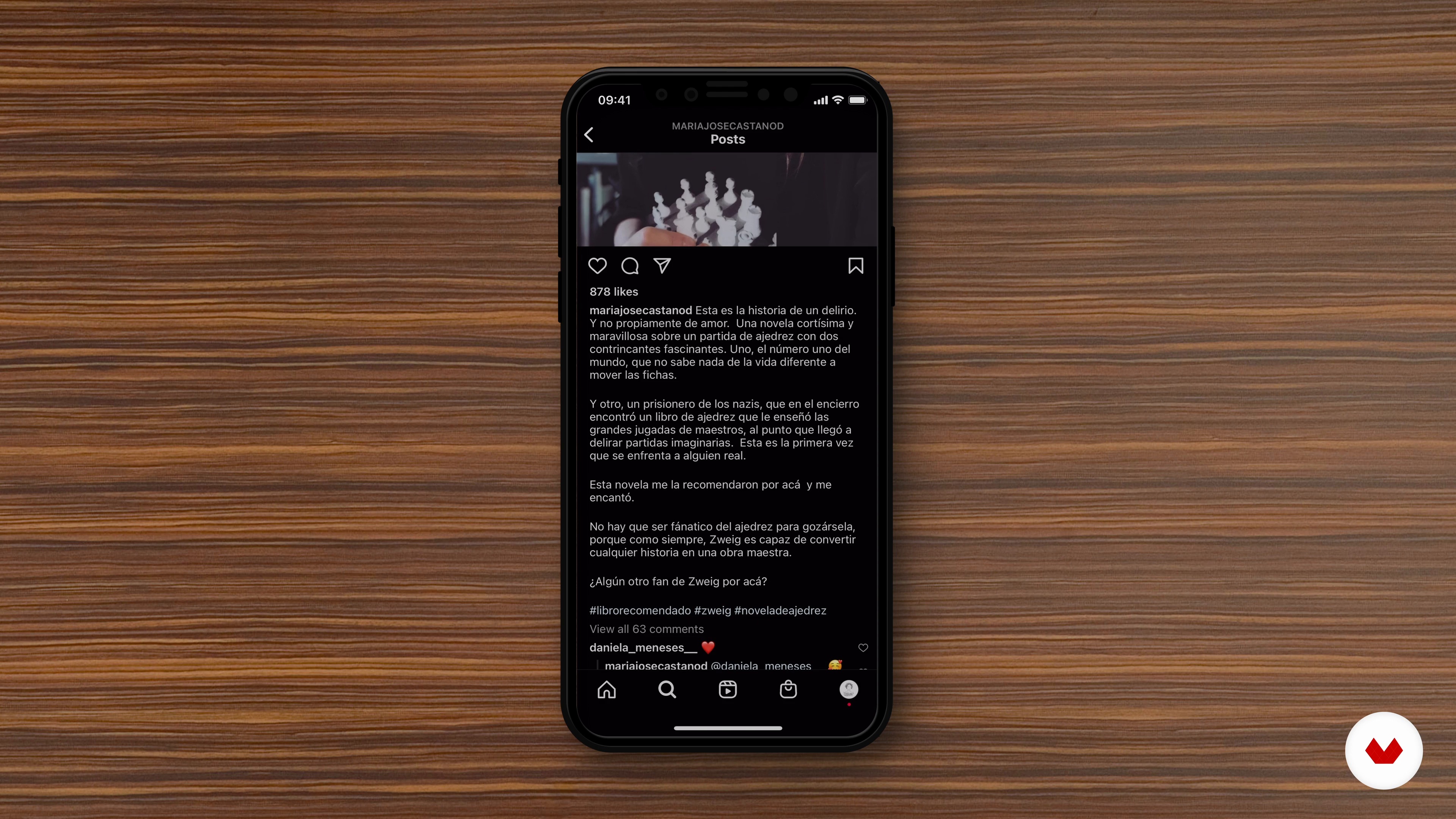
I will talk to you about the authors, writers or figures who have influenced my passion for writing and letters. I will also tell you why, in some way they have influenced me in my career and craft.
11m
image
3
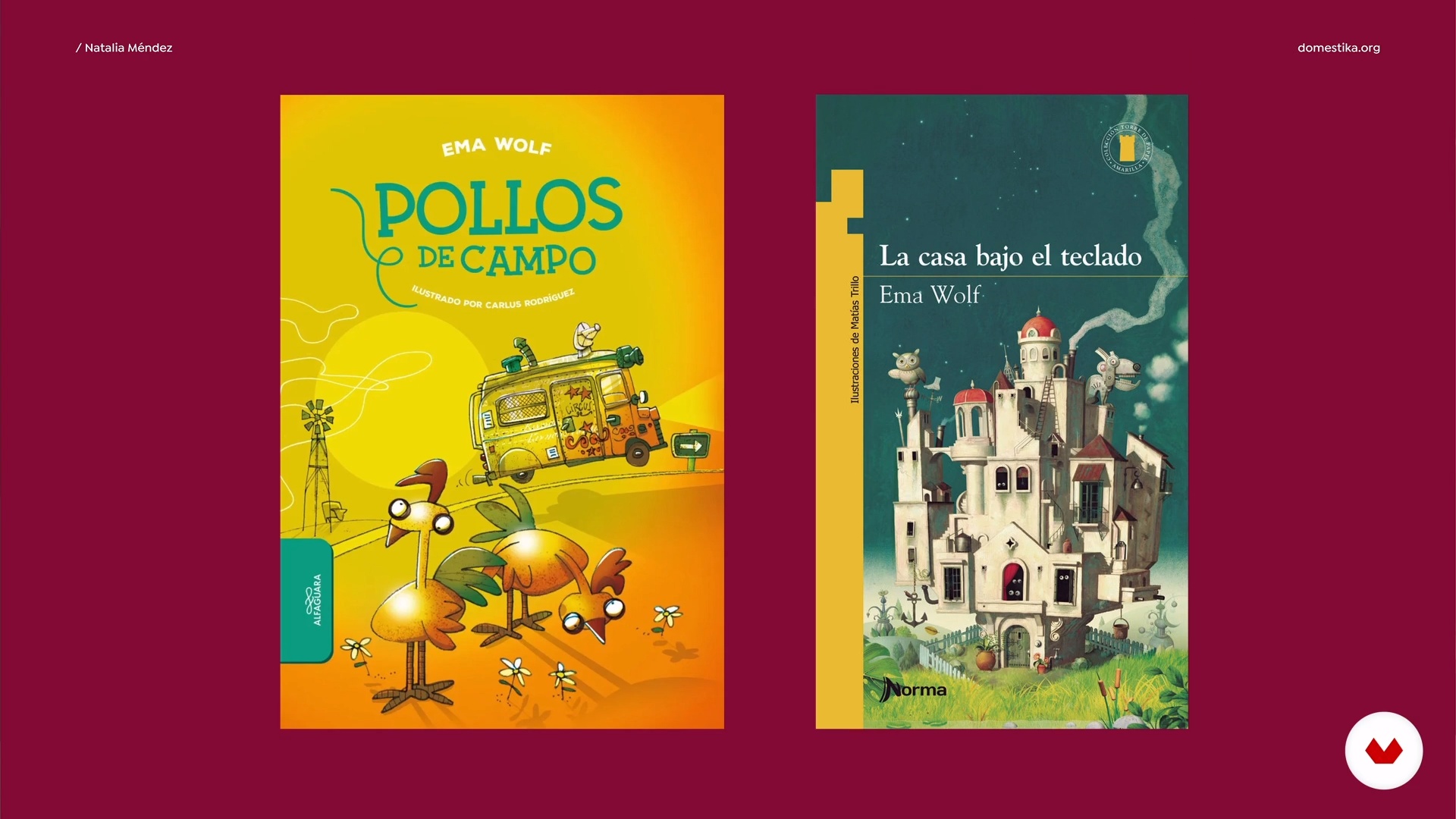
Influences / Natalia Méndez
I will tell you about some authors and artists that are significant to me, that make me think, that I always enjoy seeing and rereading them, those to which I always return.
13m
image
4
Influences / Aniko Villalba
It's hard to choose, because I love to read and also get inspired by other disciplines such as music or series, but in this lesson I'm going to tell you about the authors that inspire me the most and why.
5m
image
5
Influences / Karen Villeda
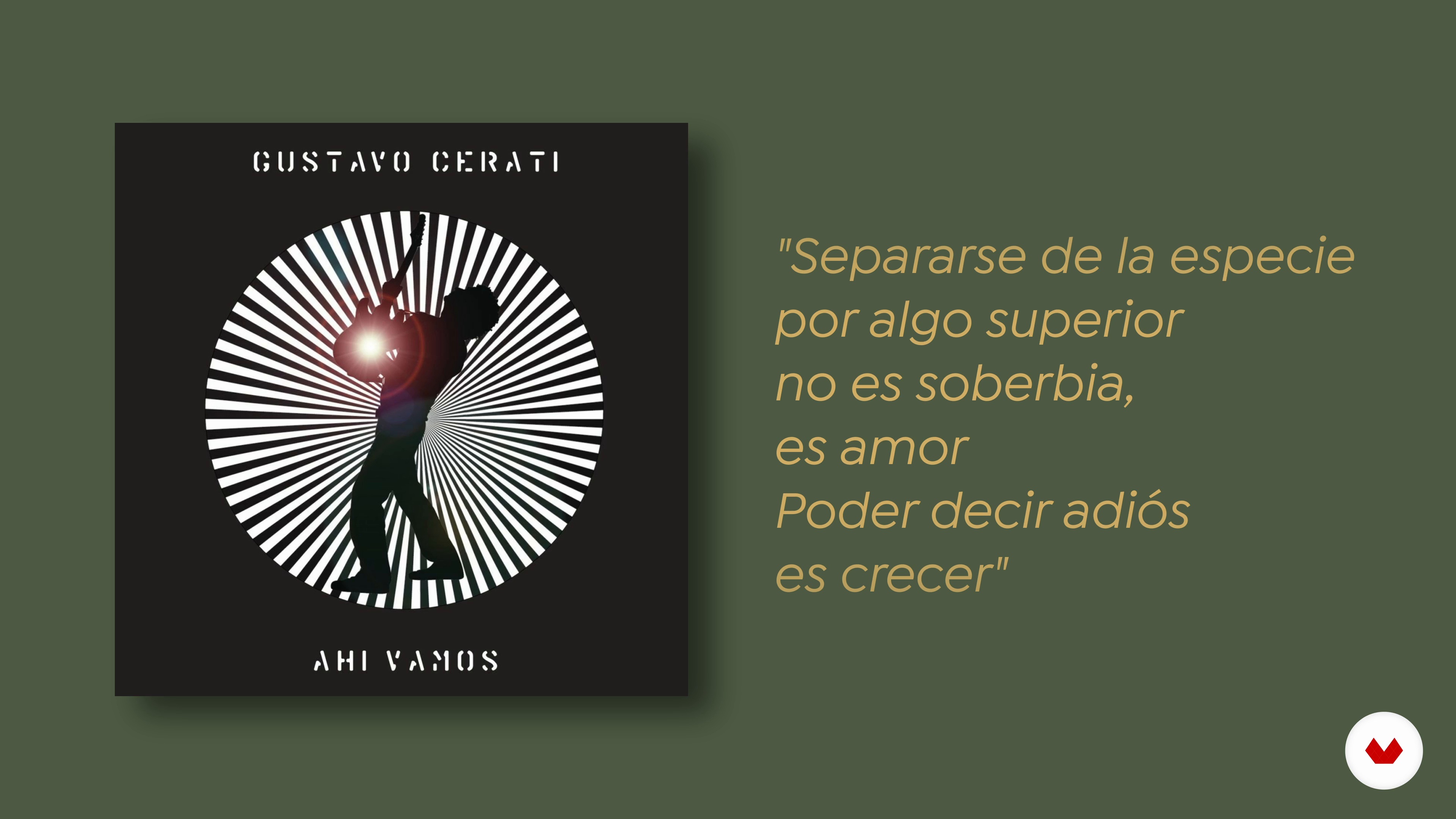
I will share with you some of the influences that are found in my work as a writer and I will tell you why it is important not only in my professional life, but also in my personal life.
5m
image
6
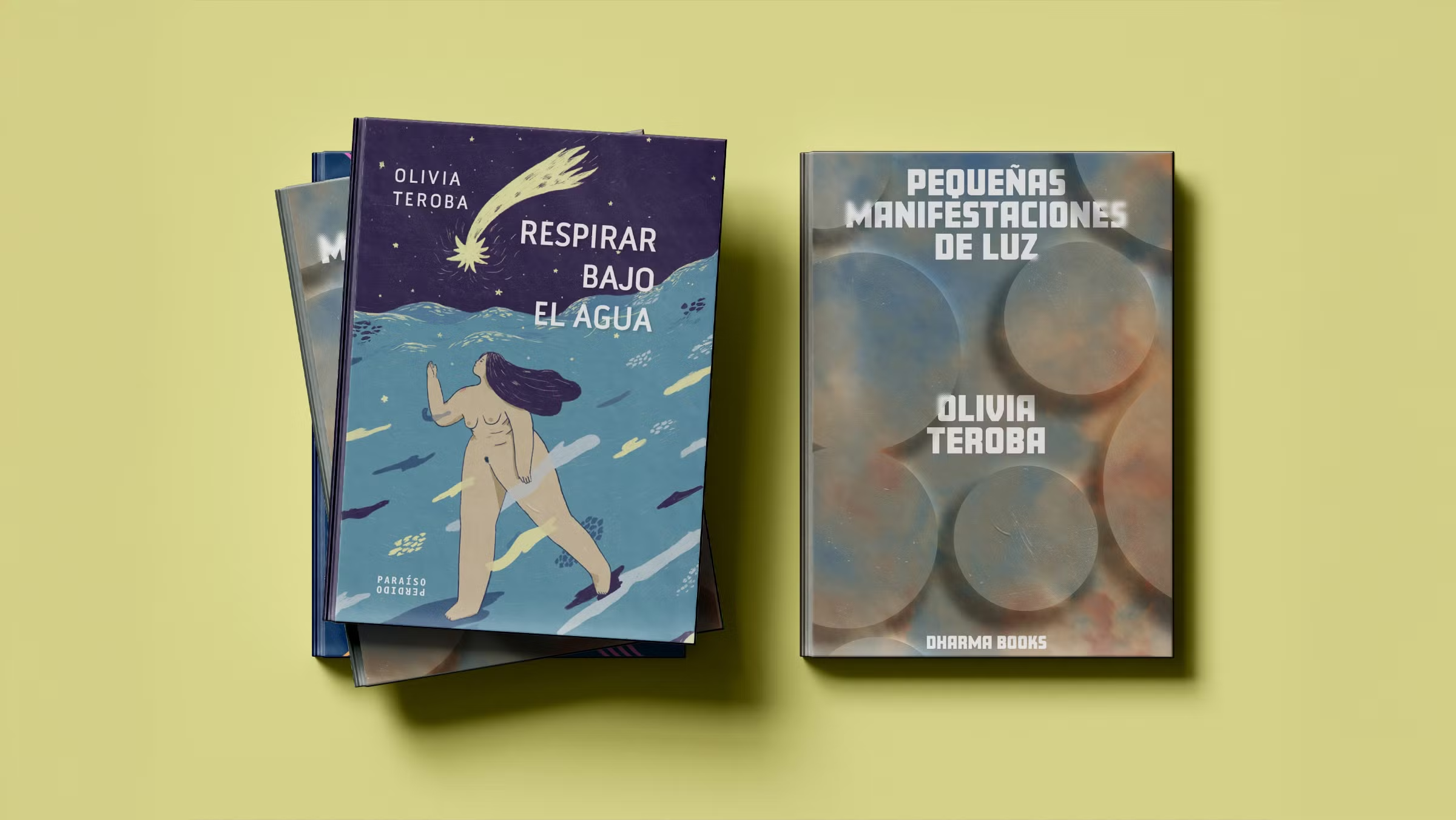
Influences / Olivia Teroba
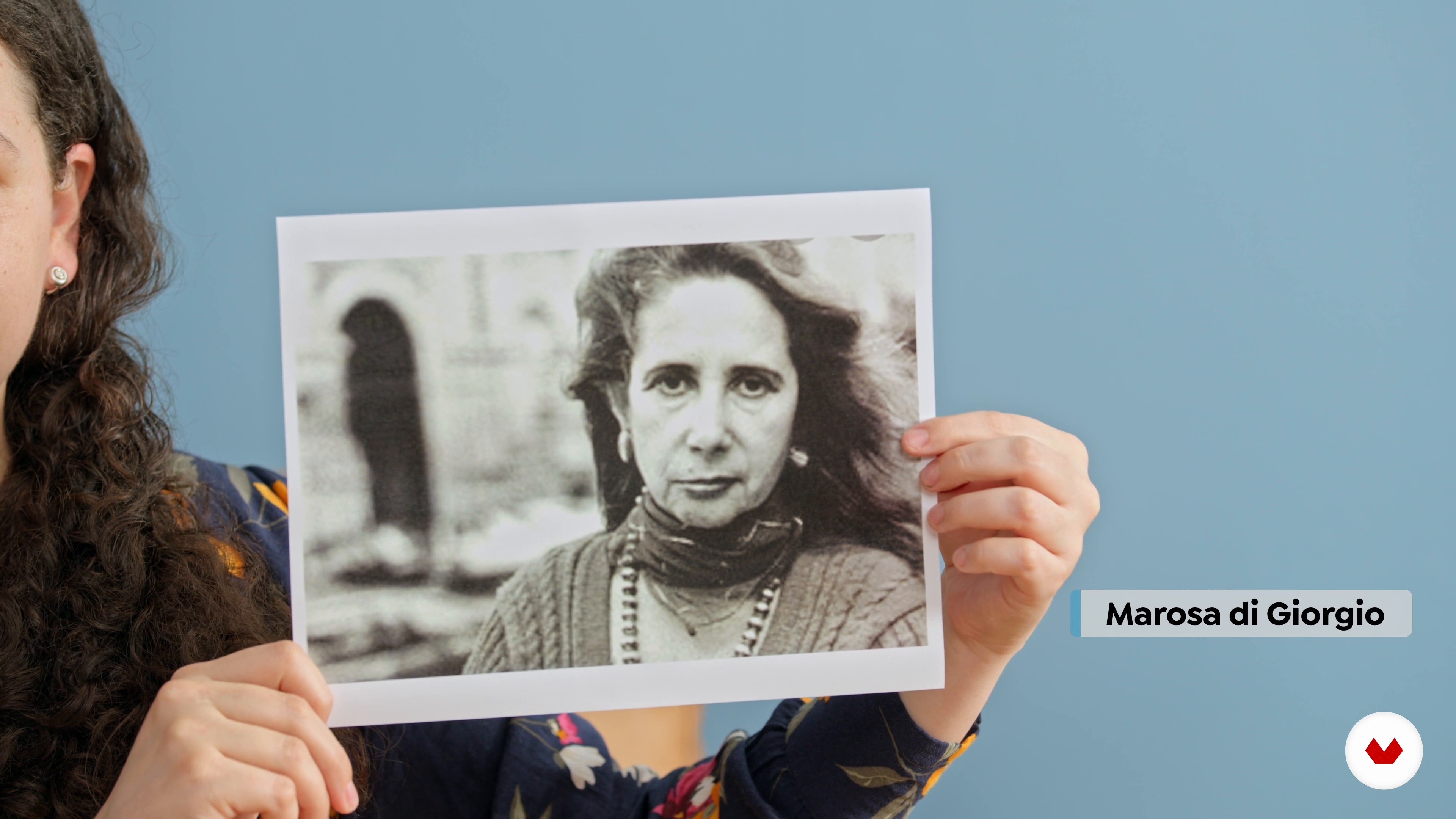
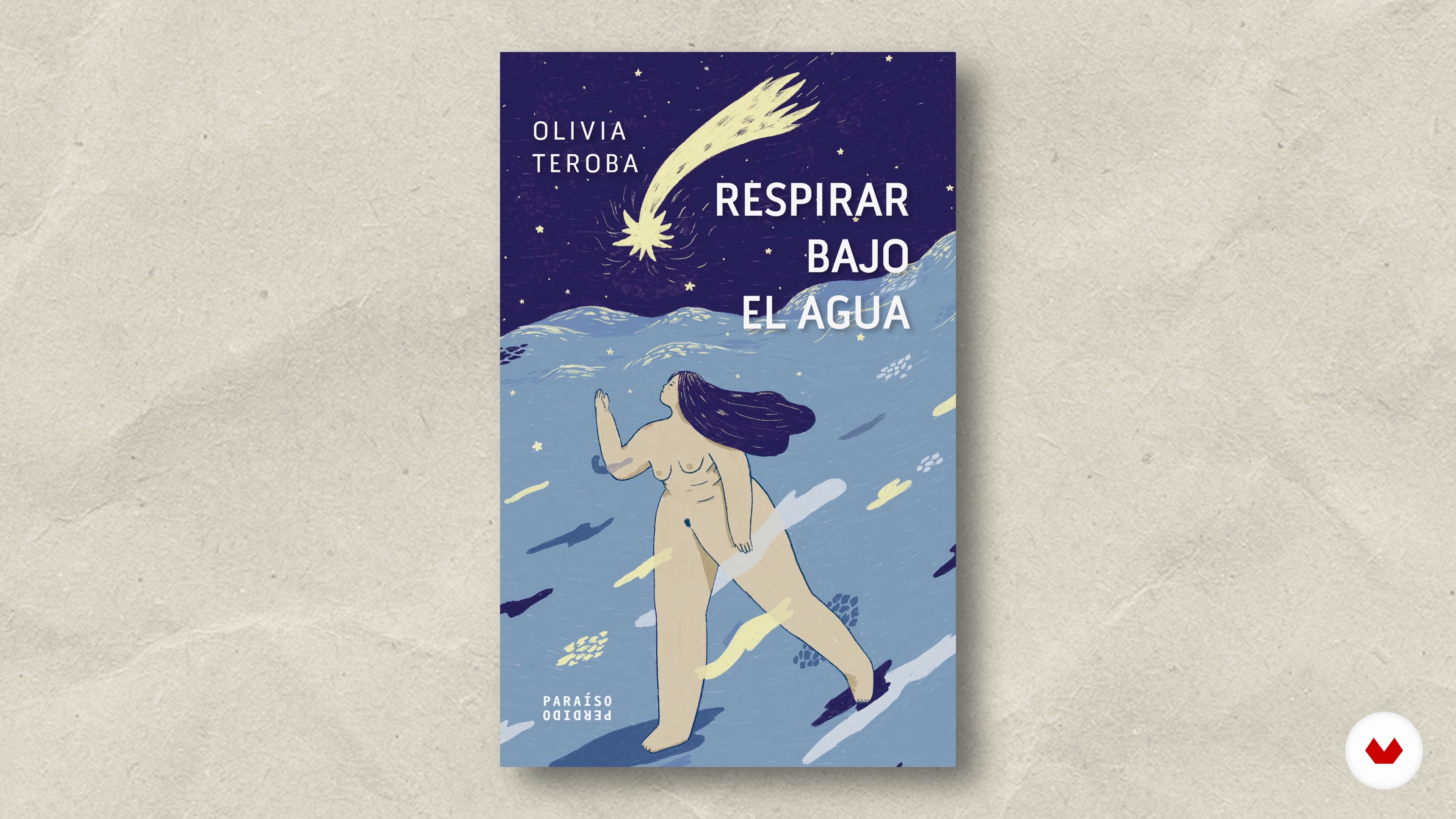
I'll talk about the female writers who have most influenced my work. I hope you find them interesting too.
3m
image
3
Selecting Appropriate Reading and Materials
Reading well goes far beyond a simple glance at a text. In this lesson, I will show you what you need to learn to dialogue with a text and get the most out of its teachings.
7m
image
4
Choose an ideal blog
You will see why it is useful to keep a reading diary, and what are the different log models in which readers and authors reflect to keep track of their progress. The idea is that you choose the format and model you want to develop in this course, and get to work!
11m
image
5
The mindset: reading as a mental gym
In this space I will show you how to form a reading habit and what the tactics are to get more intellectual benefit from this exercise.
10m
image
6
Learn to dialogue with a text
Interaction with a text is key to getting the most out of it. For this to happen, it is important that the reader has an active role in this exercise.
12m
image
7
The commandments to write better 1
There are some essential ones in reading, which although they have their exceptions, are guides that allow us to identify the difference between a good text and another that does not meet some standards. In this lesson, I will explain some of these commandments to you with some authors.
16m
image
8
The commandments to write better 2
I will continue to show you examples of what I consider to be the commandments to write better.
16m
image
9
Three theories that help us write better
Writers are the best teachers of language. With work and dedication, his work is the result of effort and reflection on: history, content, structure and form. There are several theories, that although the intention is not to be a professional writer, it helps to write better.
7m
image
10
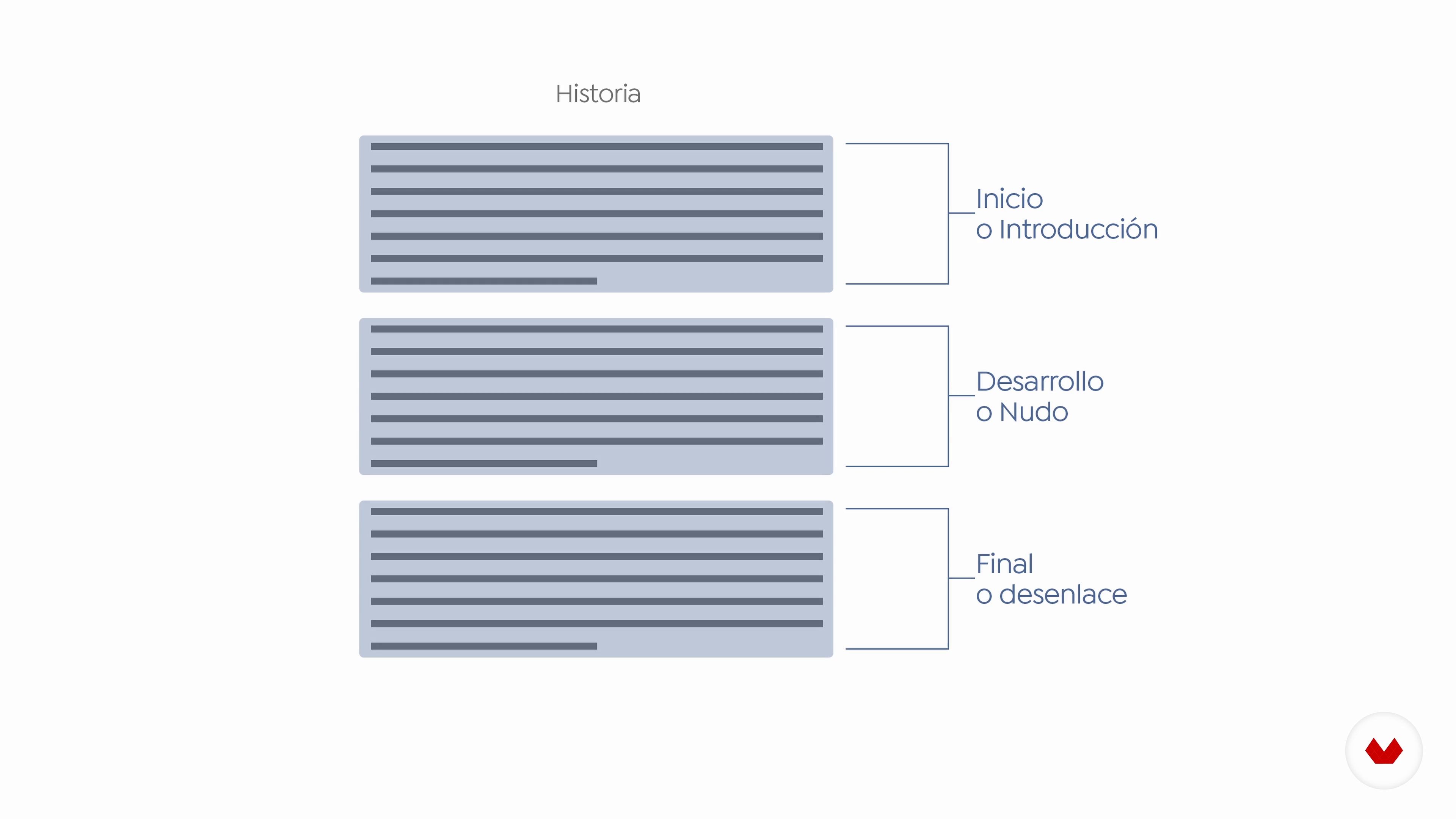
History and its forms
Structure is the backbone of stories. Depending on the genre and type, there are different forms that are essential to understand for literary understanding and appreciation.
9m
image
11
Critical reading: what questions should you ask a text?
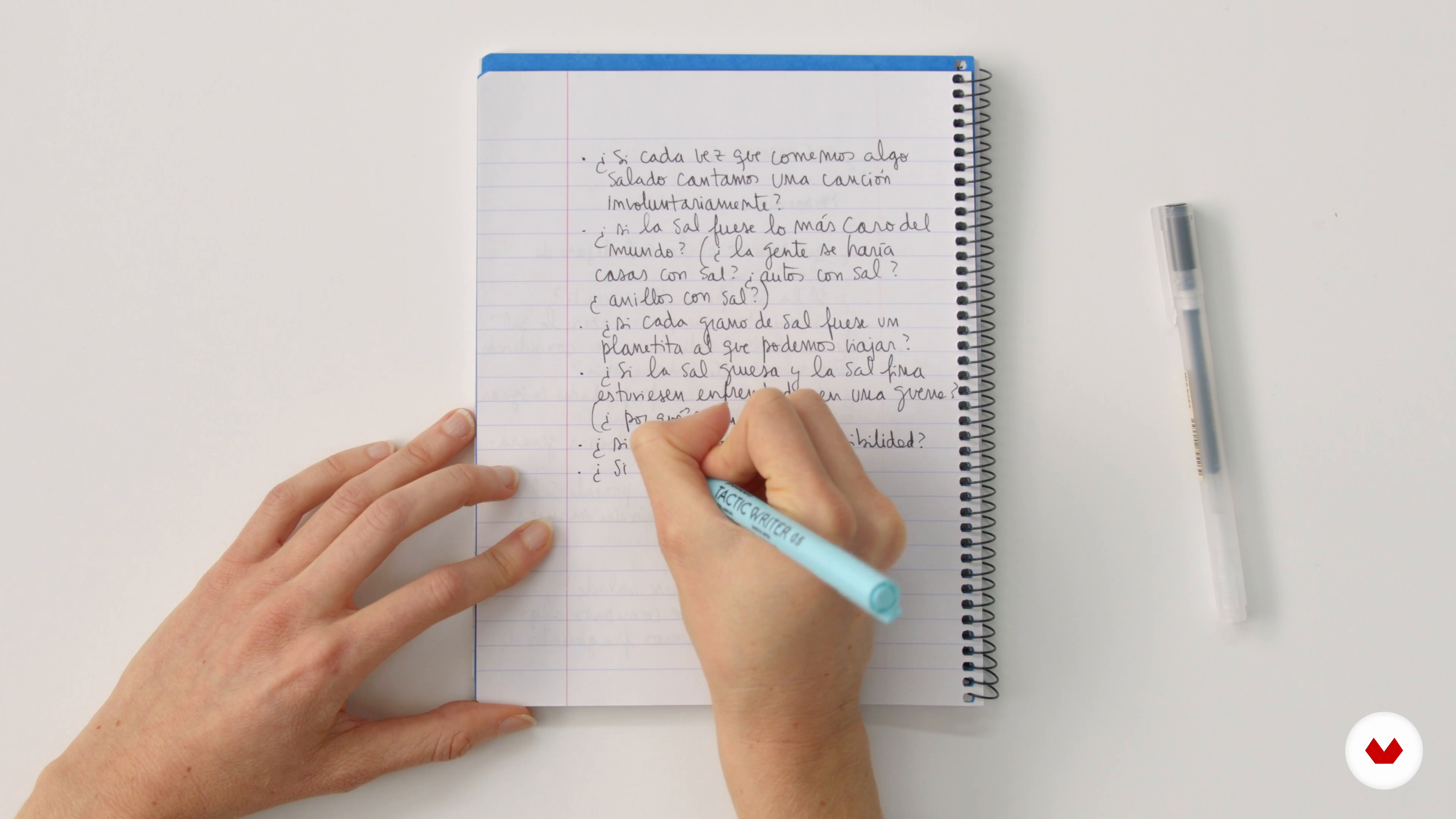
In this space you will learn what critical reading is and how it should be done. For this, you will see some examples of questions that should be asked of a text and you will learn to review them in the light of some stories and stories by great authors.
11m
image
12
Methodology for writing a draft
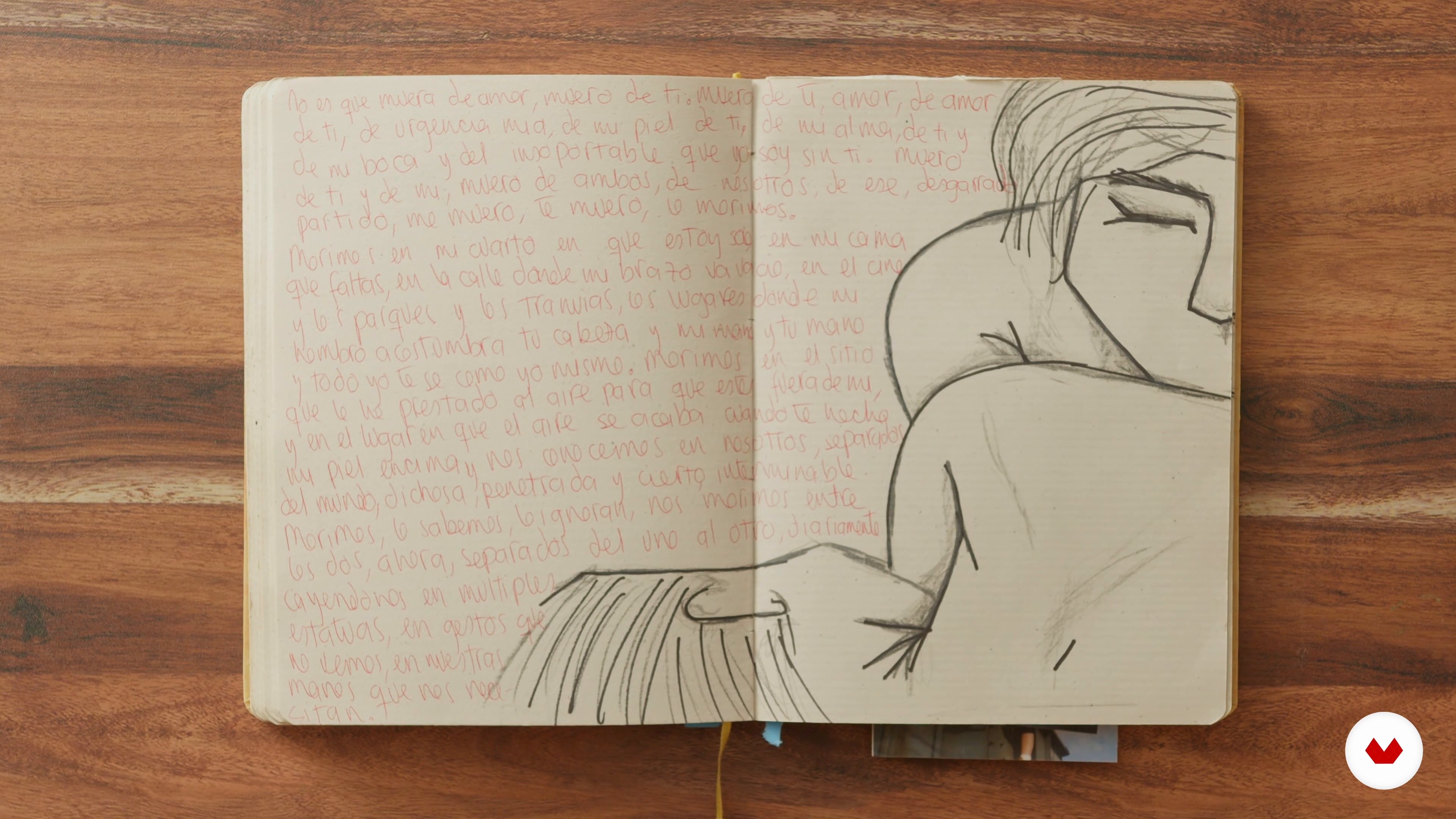
The best way to write is by writing. Let go of your hand and face that blank page. Written communication is essential for daily life, both personal and professional. It can be challenging, but a little order and planning can help you create a better text.
16m
image
13
Personalized reviews
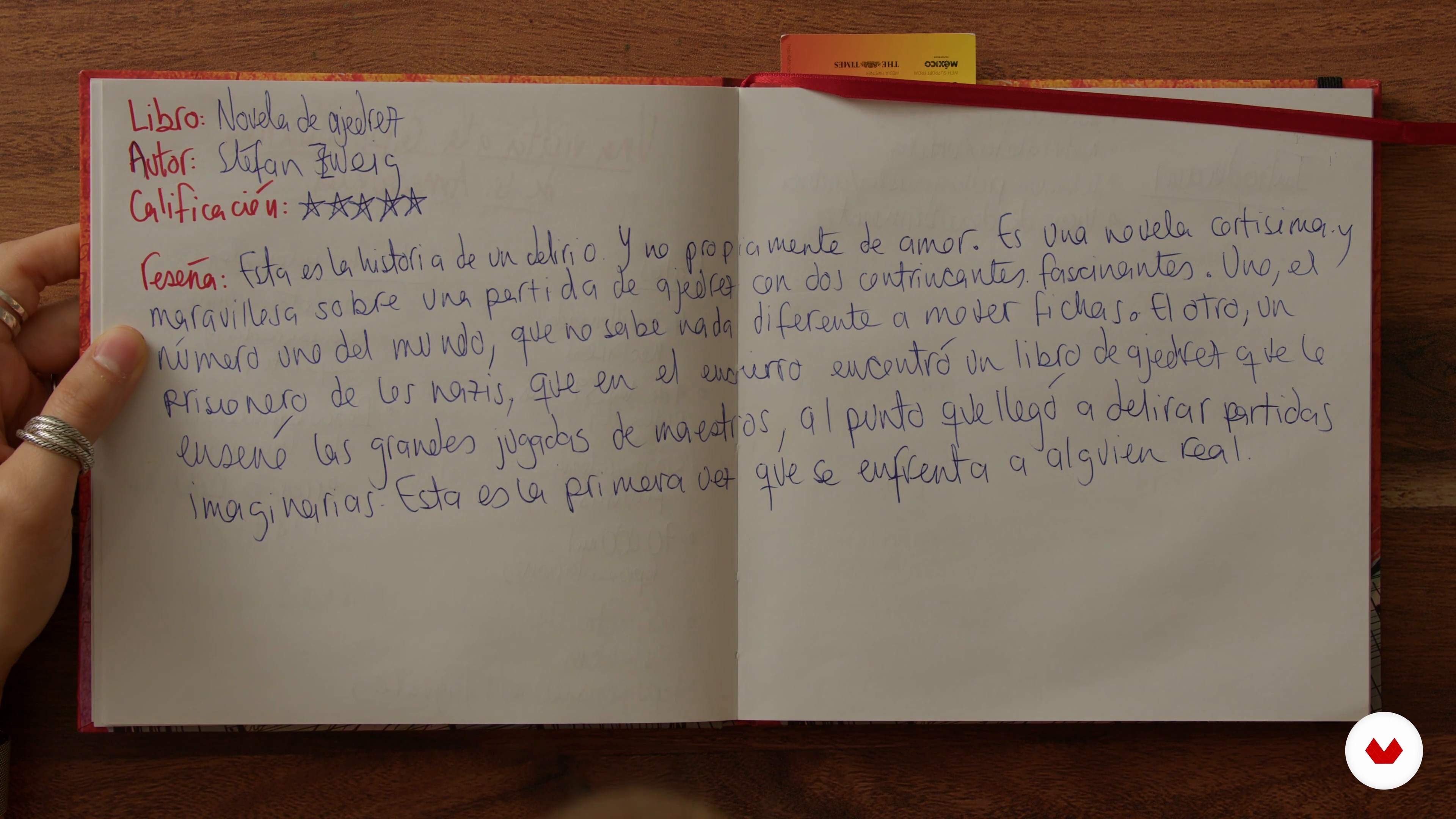
One of the most common reading exercises to begin to develop a reading criterion is to make a review, which consists of providing a critical comment, a recommendation or personal opinion regarding the information read and the learnings from a text, here I will tell you how to start making your own reviews.
5m
image
14
Reinterpret your readings
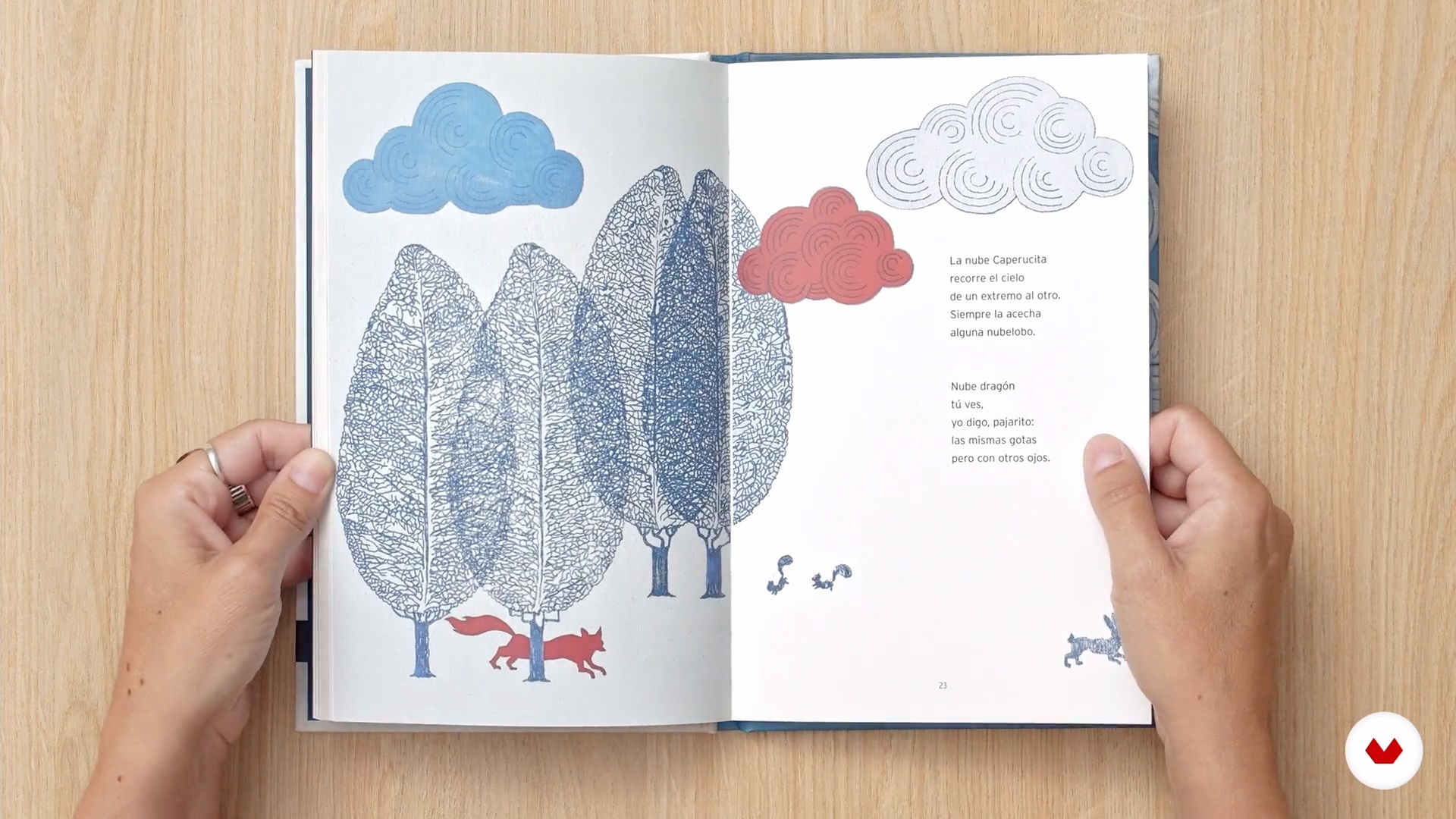
Developing sensitivity and an emotional bond can also be done from other different fronts. For example, a text can be the inspiration to create your version of the story, or it can be the trigger for a drawing, an illustration, or even a movie. In this lesson, you will see how to use readings as inspiration and the journal to unleash your creativity.
5m
image
15
How to take advantage of the blog
It is important to share our experience! Therefore, I will share different ideas on how to use and share the blog in new digital and social spaces.
3m
image
3
What is creative writing?
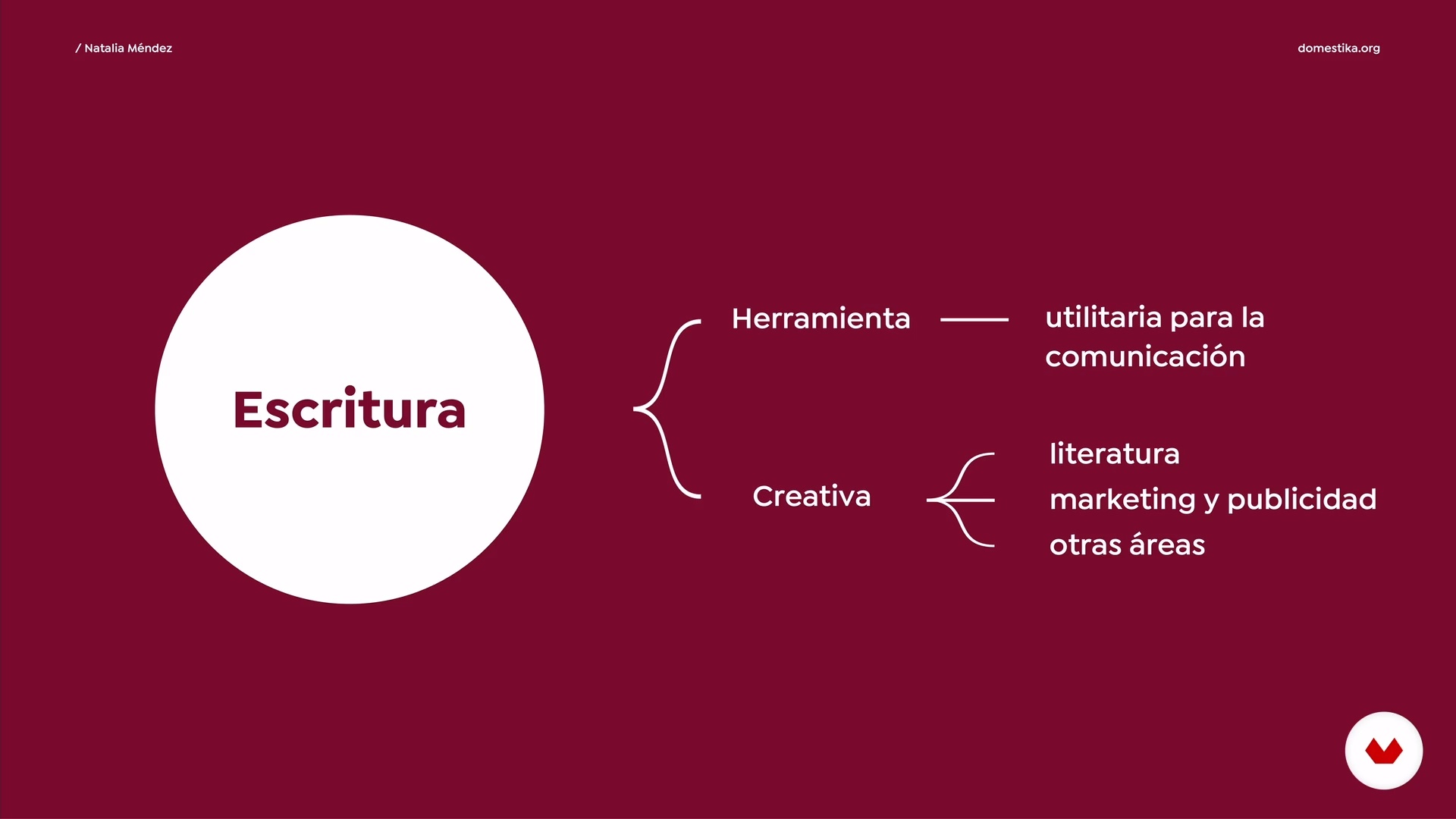
Before you start writing, you will learn a little about the different types of writing such as what is called creative writing, also, I will show you some ideas about creativity.
7m
image
4
How to focus your gaze
How often do you take a second to look around you? You will see how stopping a second to think about the things around you can help you keep your creativity going. Many times the ideas are there, in the streets, in the gardens, in a museum, in short, you just have to focus your gaze, here I show you how I do it, so you can try to see everything in a different way.
7m
image
5
Three fundamental questions before starting
Many times what stops us are those fears that always appear when we want to start writing, here I am going to show you how you can deactivate them to write and create without pressure.
7m
image
6
Write a world in four frames
I'm going to show you how I work from a specific format and how that helps me channel ideas and squeeze creativity more and more.
16m
image
7
Write every day
You will learn some ideas to sustain simple and accessible projects in certain periods of time, so you do not have to think each time where you are going to start.
9m
image
8
Write the dreams
When dreaming, you have a creativity machine working just for you. And it does not matter if you are one of those who do not remember dreams, you can daydream too. Here I show you how you can make the most of your dreams to create.
9m
image
9
Write visual poetry
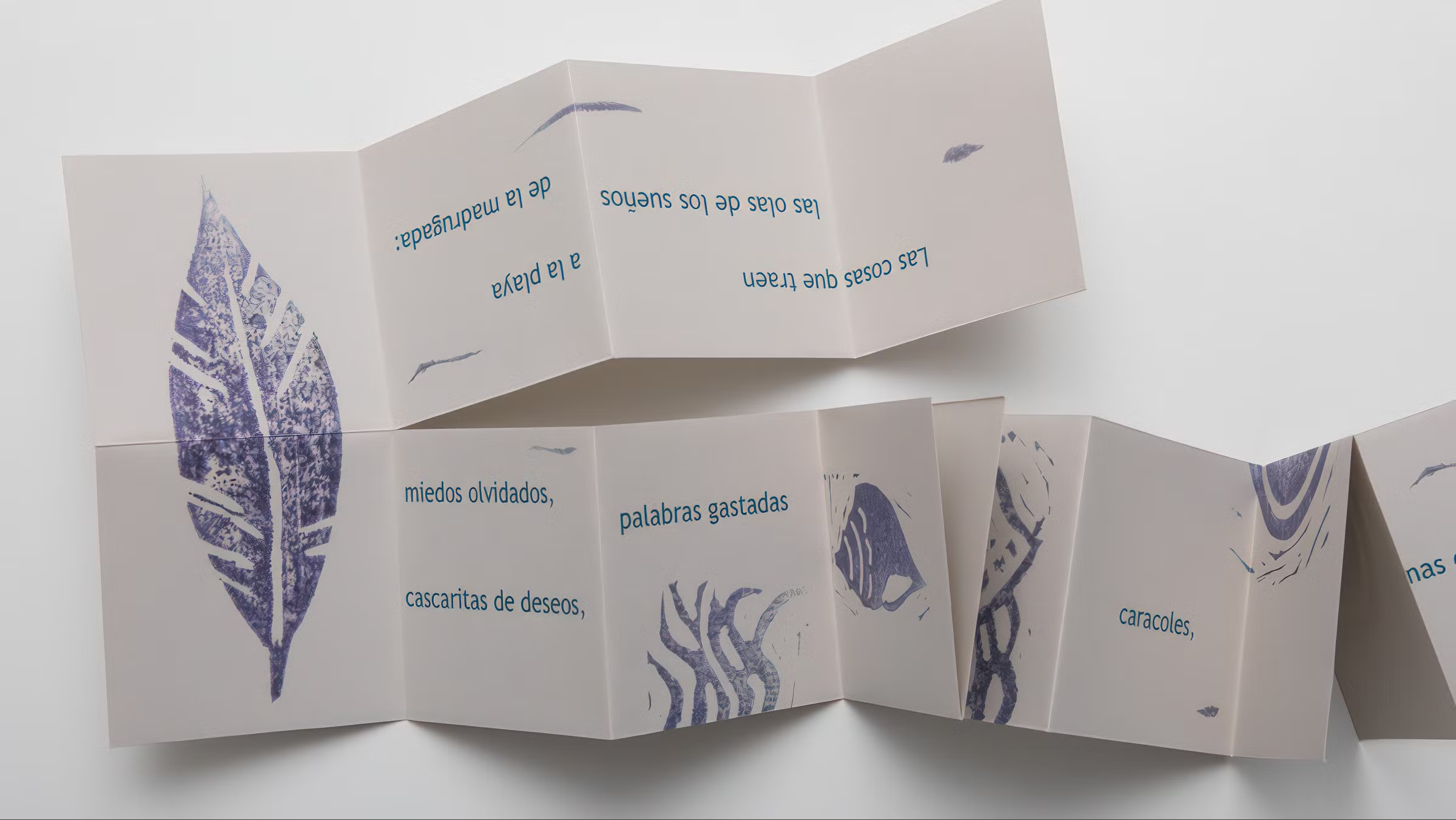
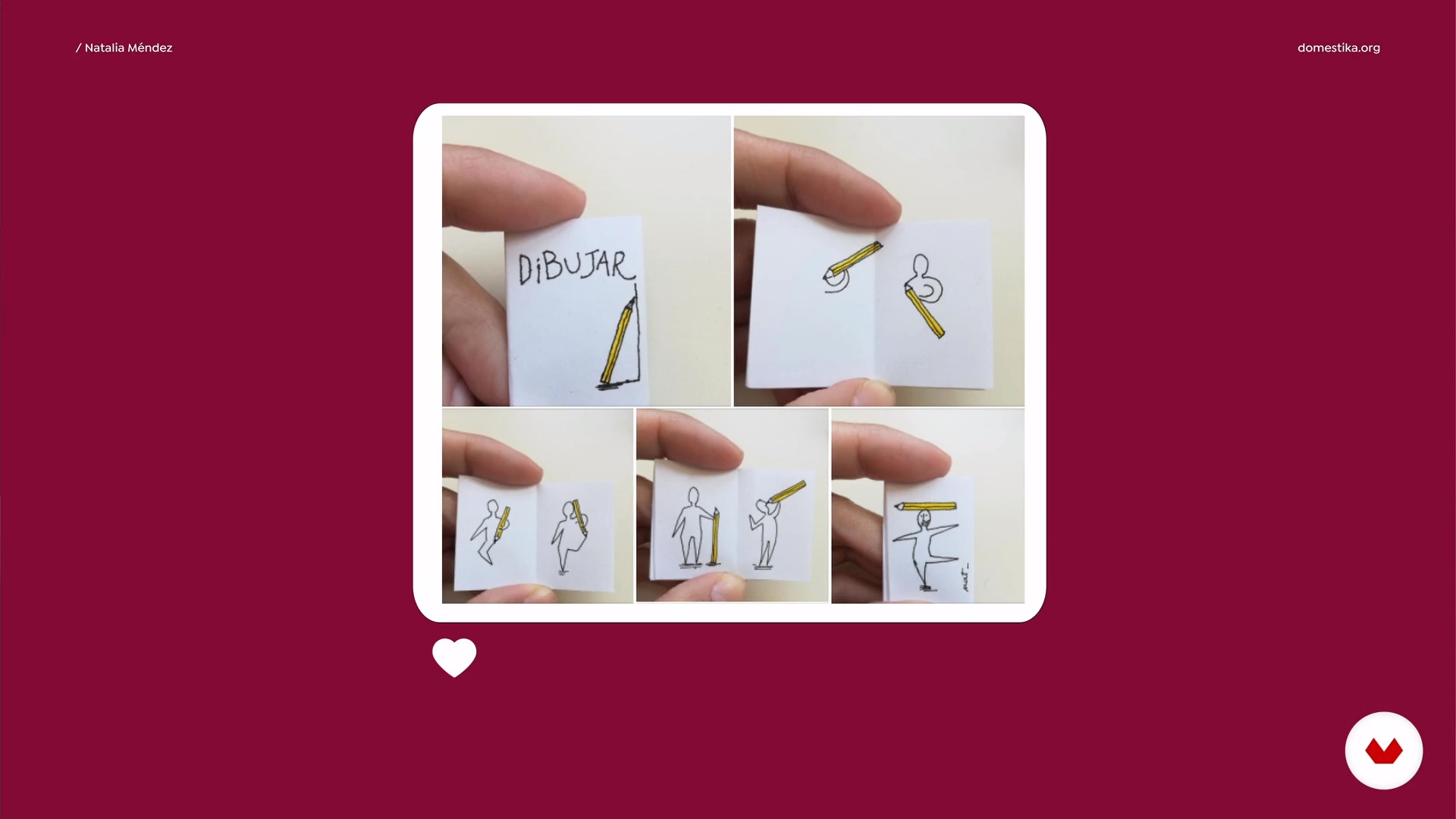
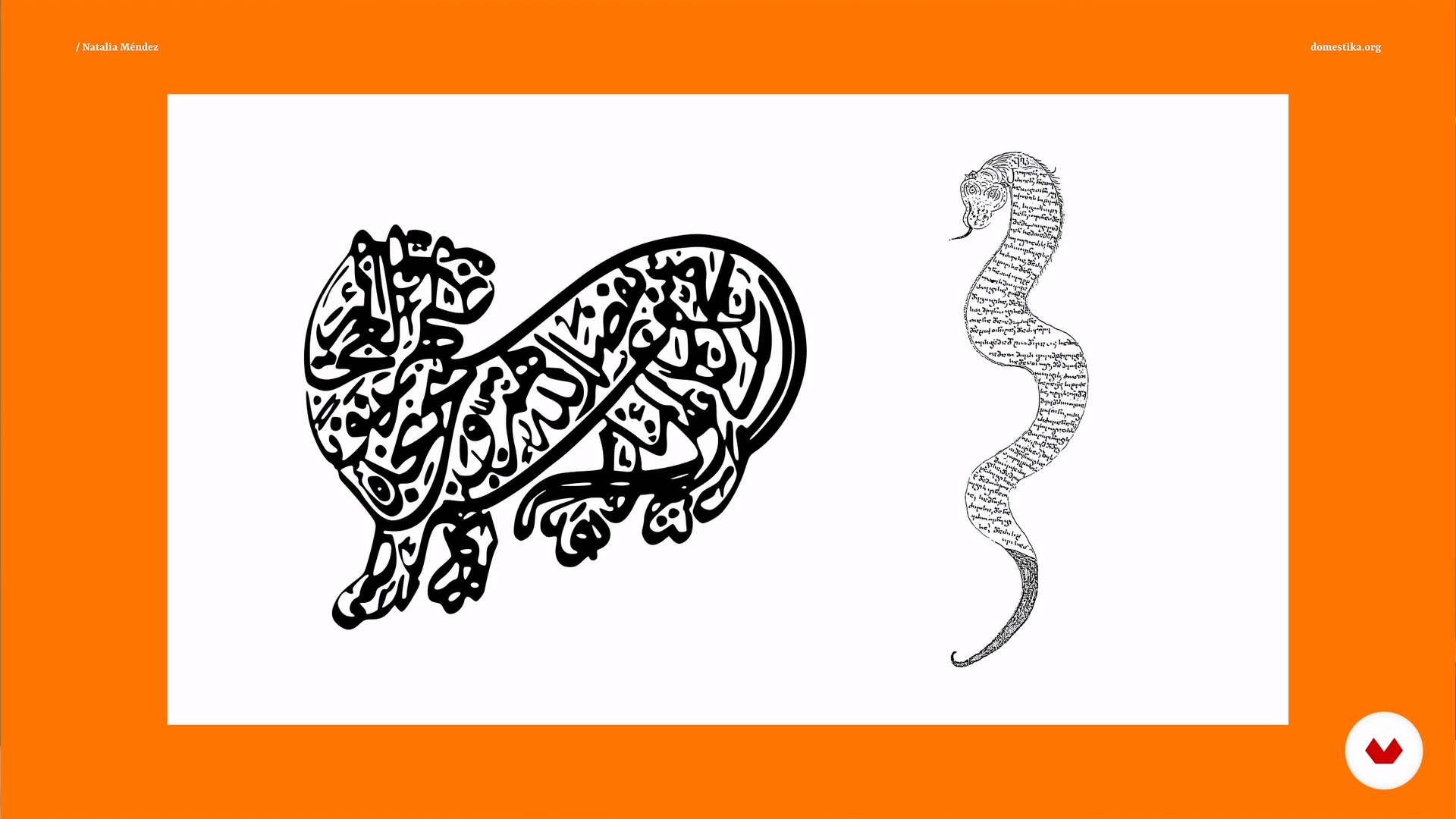
I invite you to do something a little more daring with poetry now, but not with just anyone. I invite you to work with visual poetry, which is like drawing with words, or making poetry with images.
11m
image
10
What else can you write?
There are many more resources and poetic forms to explore, in this lesson I will tell you a little more about the universe of poetry.
12m
image
11
Write even more: proposals from an object
And now you are going to see some of the narrative and expressive possibilities that lists give you, when you start to describe an object. Lists are much more than the shopping list!
15m
image
12
Selection and correction: editorial work
Writing is not just the time to be writing. You have to write a lot and then choose what and how to show it. In addition, you will learn how to make the correction of what you are going to show, this is a very important part of the writing work.
11m
image
13
Craft Publishing Ideas
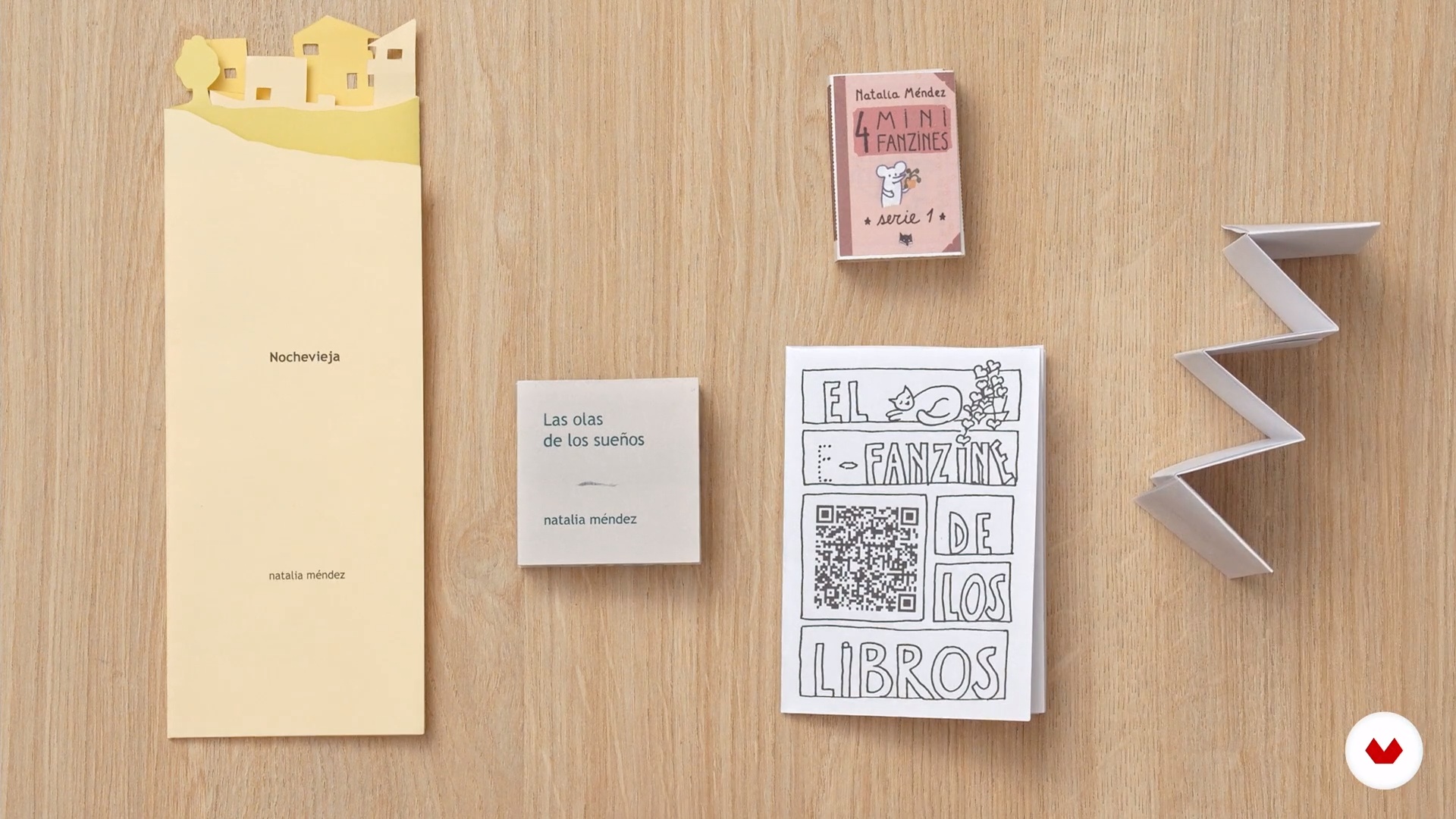
If you think of handmade books, fanzines and home productions with very low circulation or even unique versions, there are a lot of possibilities and possible formats to choose the one that best suits your project and your possibilities. I'm going to show you some, so you can make your choice.
6m
image
3
Materials
In this lesson we will see what materials you need for your writing practice and to do the exercises that I will propose in the next unit.
5m
image
4
The mindset: writing is like playing sports
Next, we will see why it is important to adopt a certain mindset when writing and how it benefits us to understand writing as if it were a sport.
4m
image
5
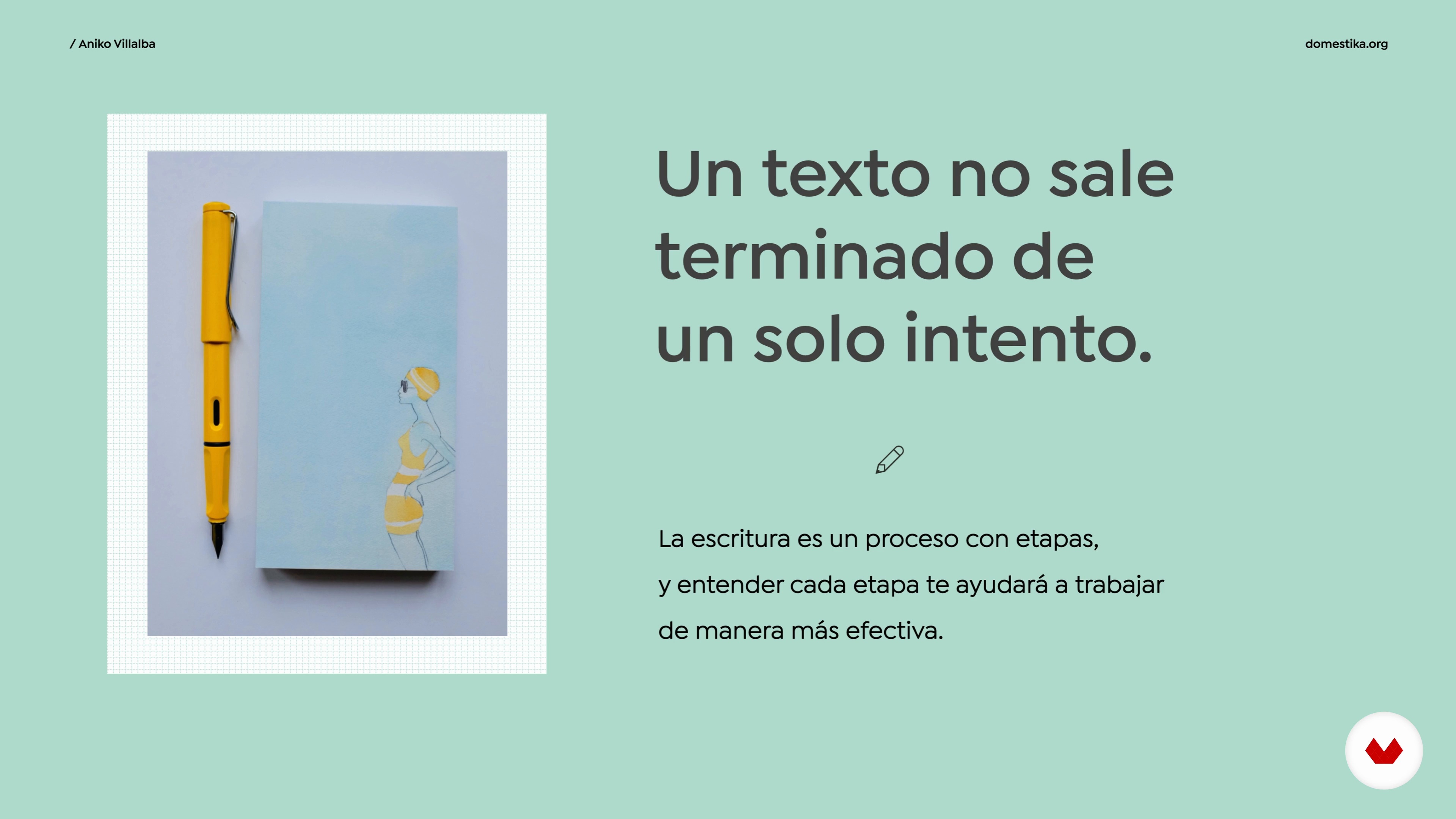
The stages of the writing process
Now it's time to review what the stages of the writing process are and how you can approach each one realistically and effectively.
9m
image
6
Where to get ideas
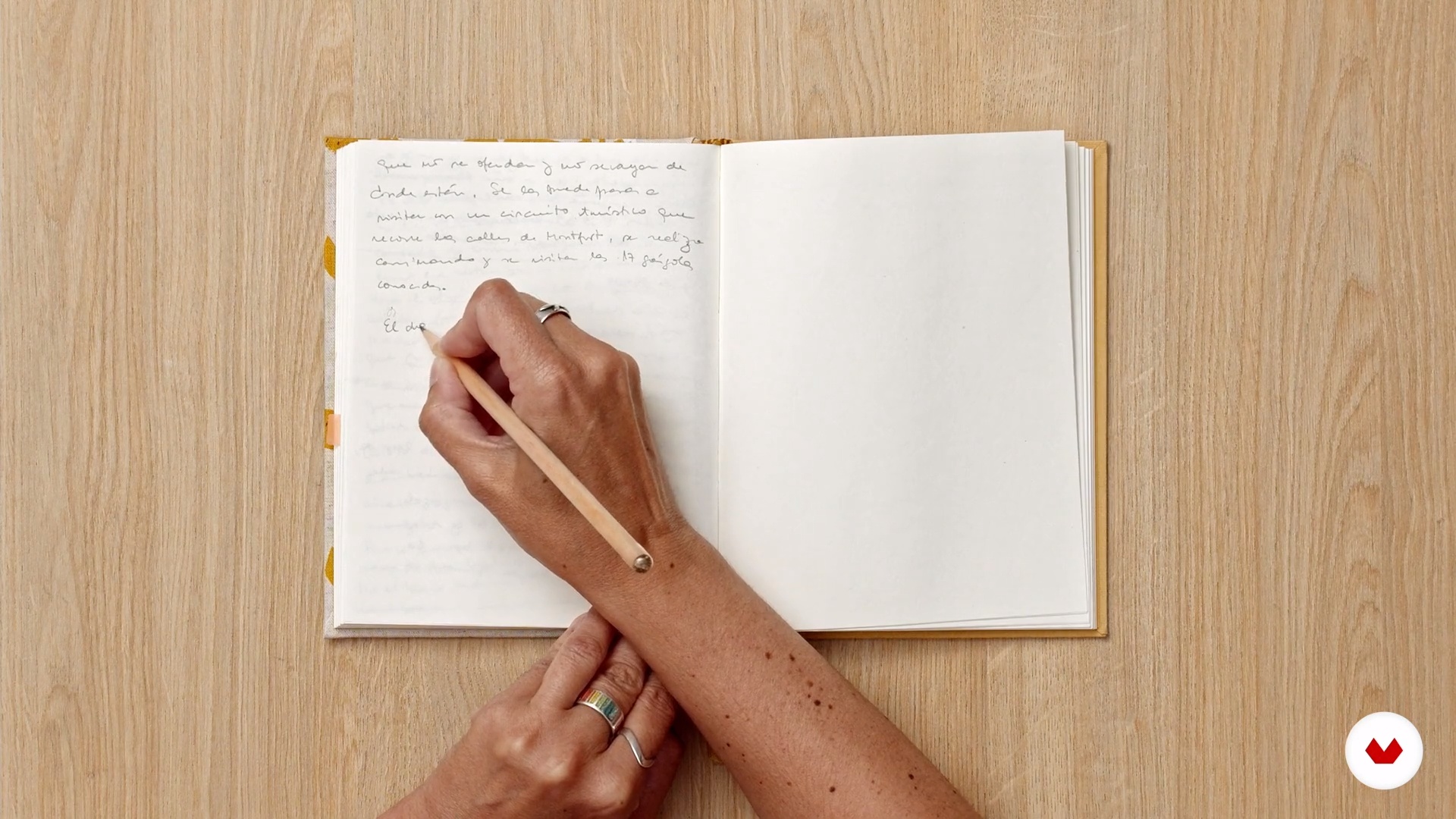
In this lesson we will see why it is so important to always have a notebook at hand and where we can get ideas for writing.
4m
image
7
Exercises to generate ideas
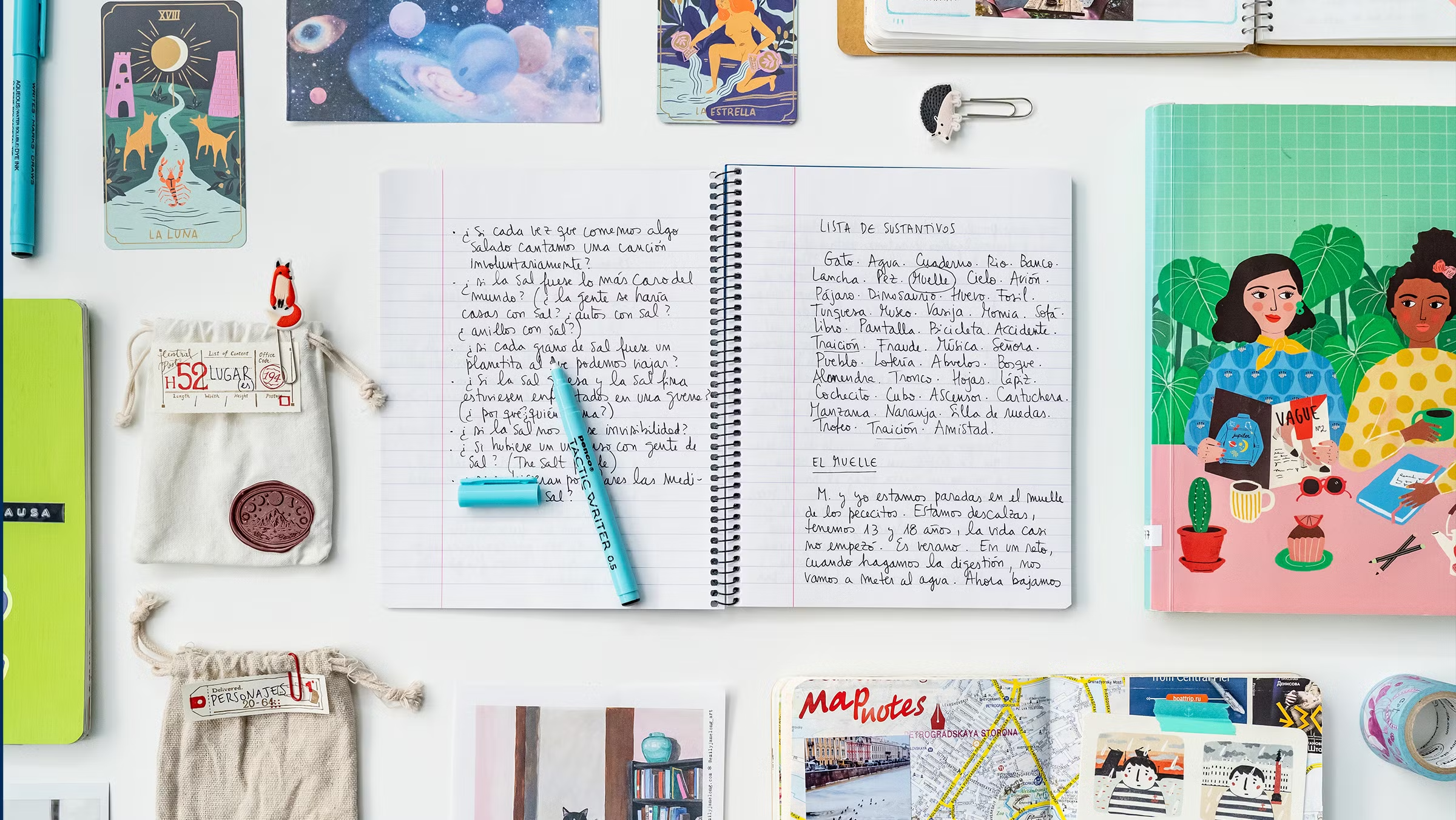
In this lesson I will give you some exercises to start generating writing ideas and to discover all the material that you already have available in your daily life.
12m
image
8
Exercises to document everyday life
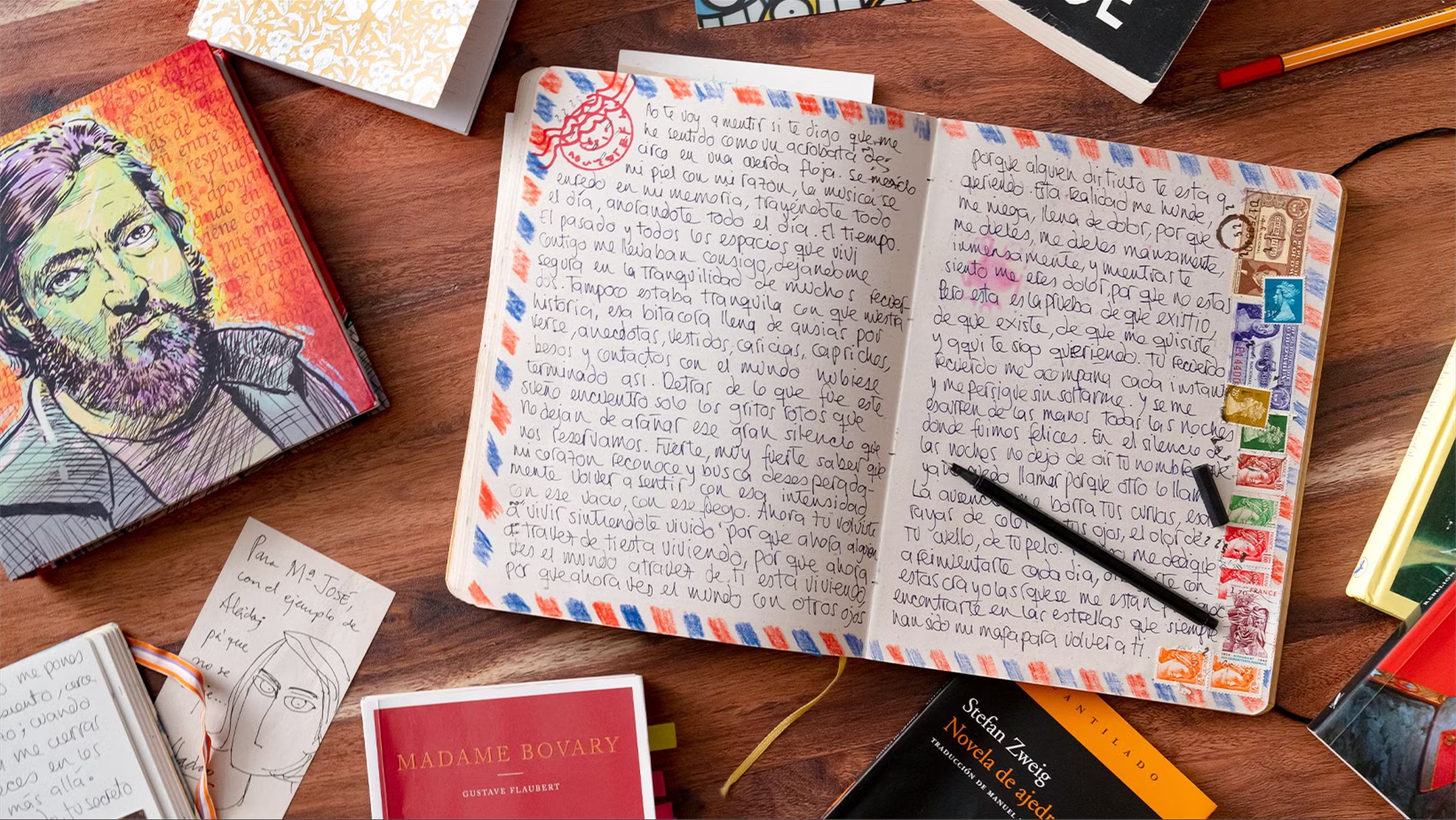
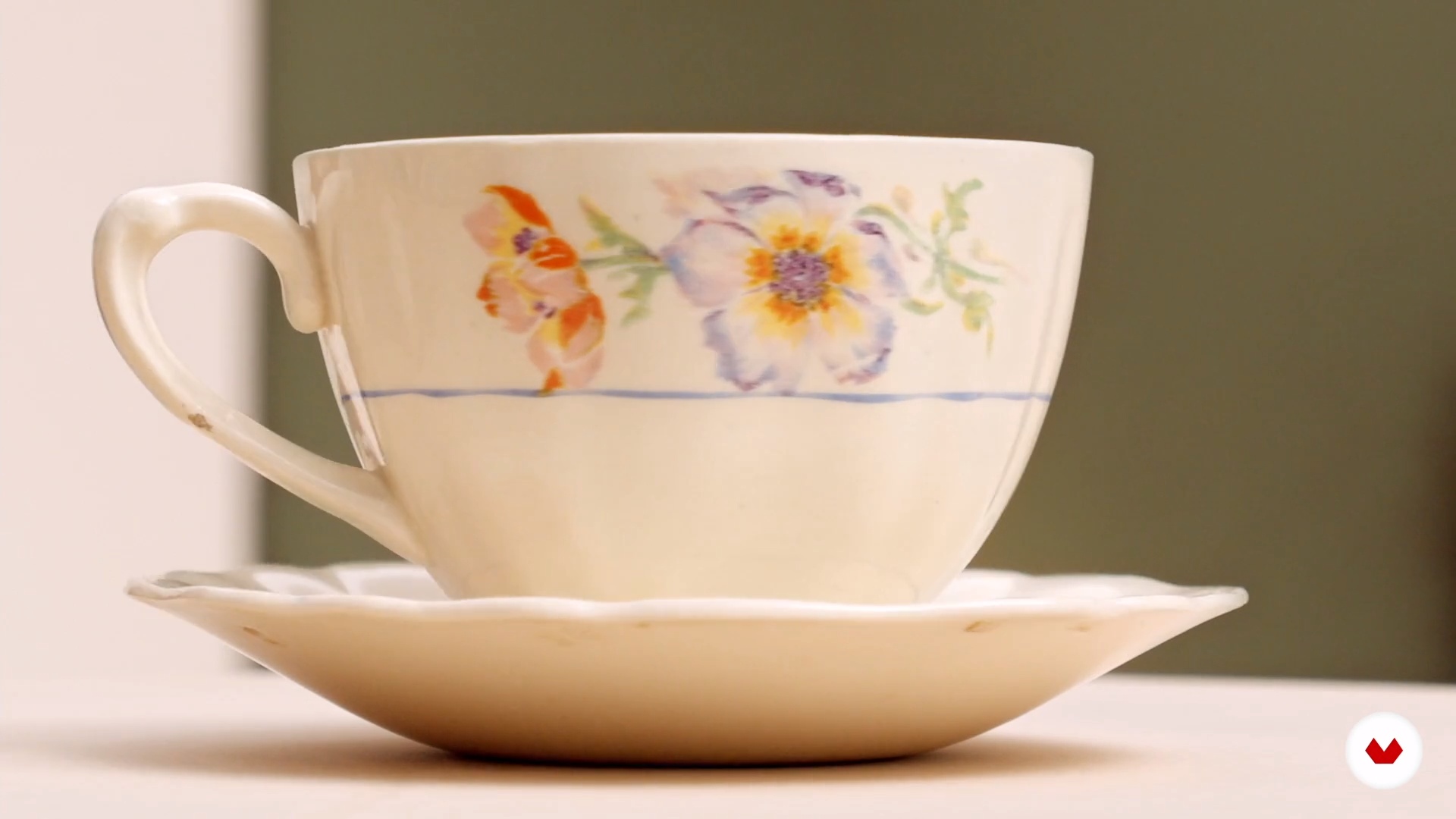
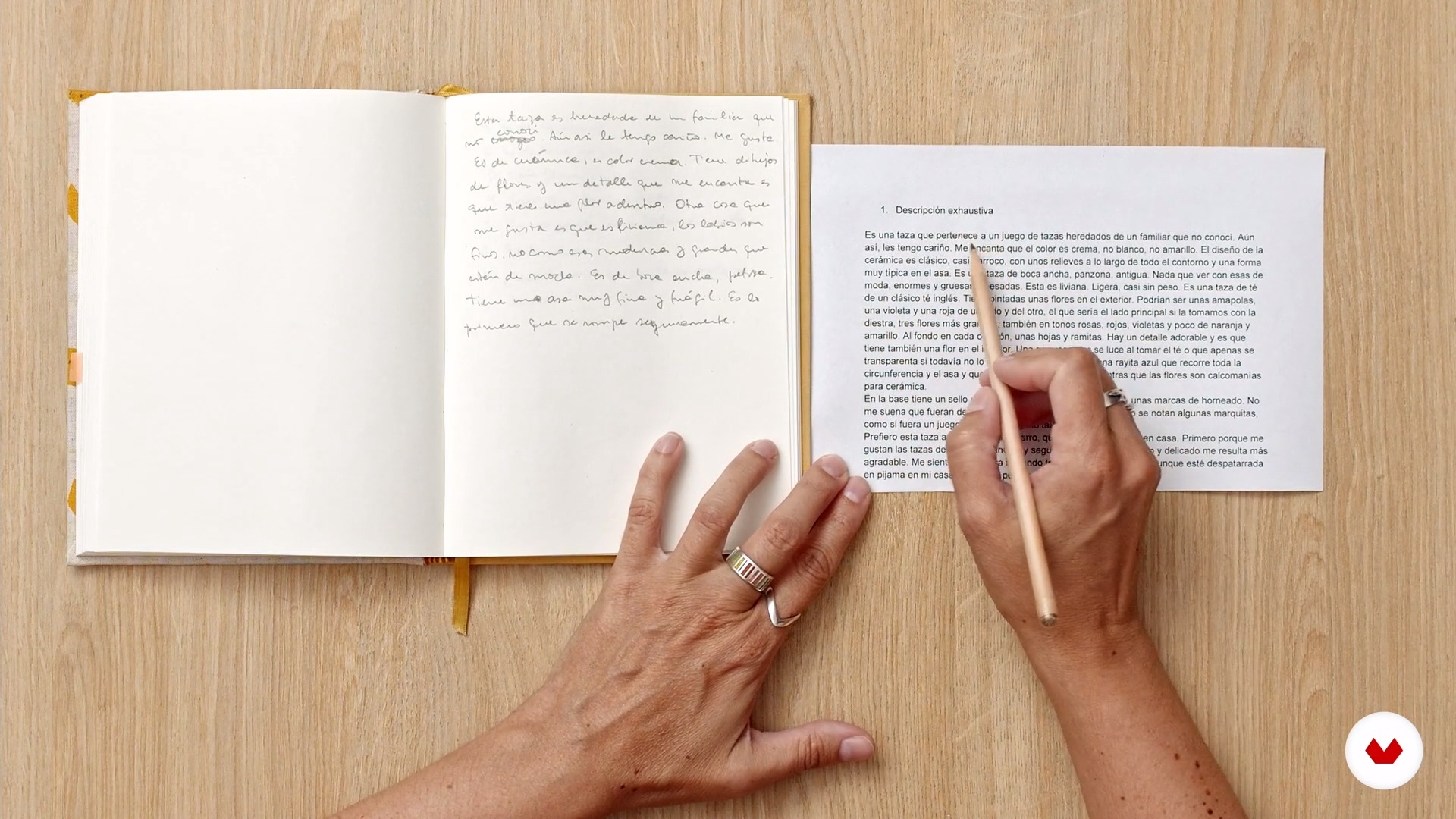
Next, I'm going to teach you how to do documentation exercises. You are going to record in your notebook everything that catches your attention from your day to day, and then use those ideas or details in future texts.
10m
image
9
Playing with the imagination: timed writing
In this lesson I am going to tell you what timed writing consists of and I will teach you three exercises to spark your imagination.
19m
image
10
Playing with the imagination: triggers and slogans
We finished this unit by doing more timed writing exercises. I will give you three triggers or slogans that you can repeat as many times as you want, always with different results.
11m
image
11
And now that?
In this lesson I will give you several recommendations on what you can do with the texts you wrote throughout the course. But remember, it is not mandatory to publish, the key is always to practice, practice and practice.
3m
image
12
Your own voice: discovering what you want to tell
The best writing is the one that comes out by itself when we're having fun. In this lesson we will see how to reach this point.
1m
image
3
On originality and expectations
In this lesson, I'll tell you about a couple of myths surrounding literary creation that represent an obstacle to it. The first is the myth of originality. The second is the myth of perfection. Both generate expectations that are impossible to meet.
8m
image
4
Sources of inspiration: surprise, doubts, enthusiasm
Here I'll talk to you about how to find writing ideas for everyday life. I'm sure there's more than one idea worth exploring.
6m
image
5
Intention as the axis of literary writing
During this lesson, I will tell you how you can make sense of the initial idea and how to begin to formulate the intention of the writing from subjectivity.
11m
image
6
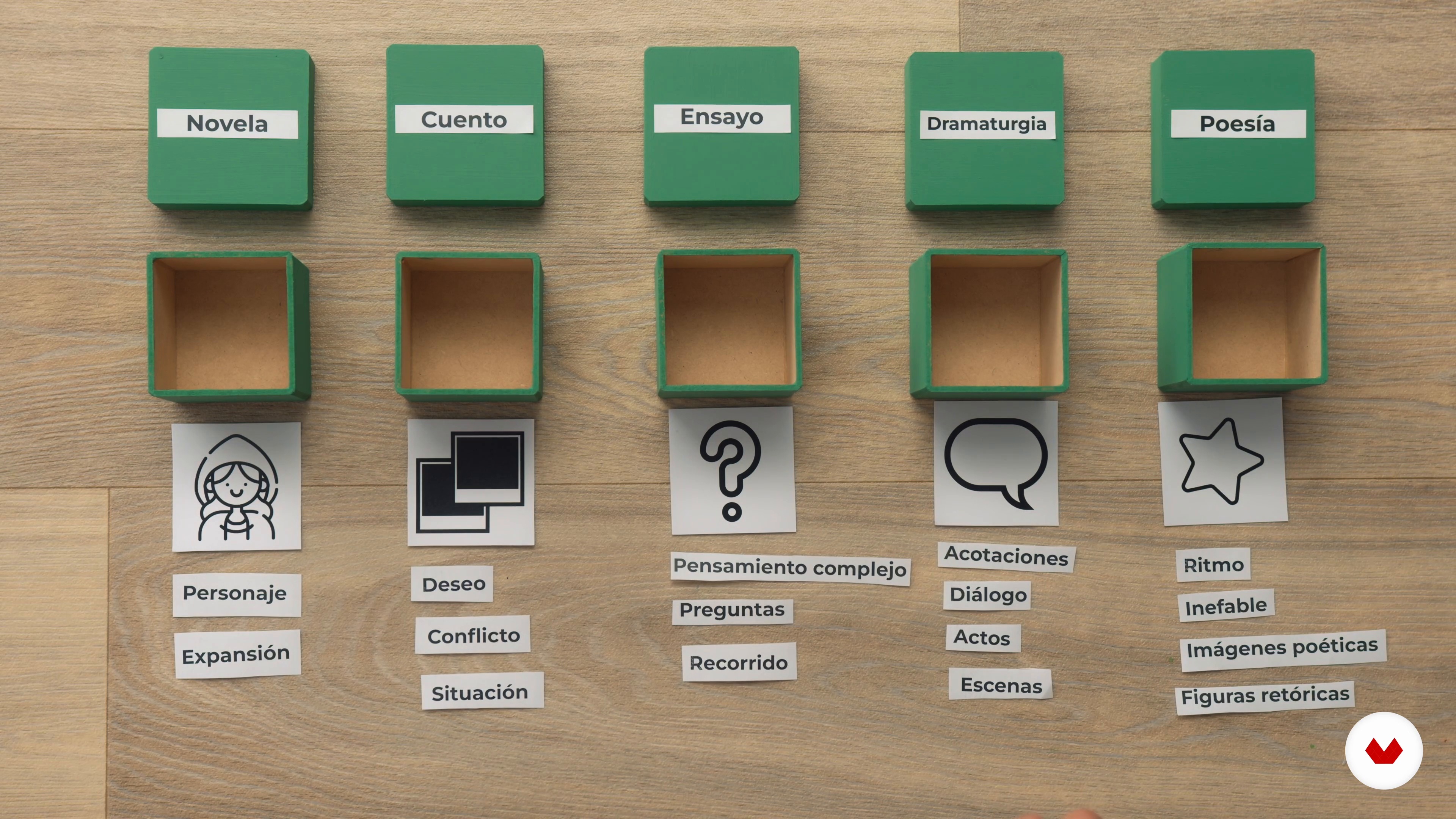
Putting everything in boxes: literary genres
To conclude this unit, I'll talk about literary genres and how traditional structures can be helpful in starting to think about writing.
18m
image
7
Writing is making decisions
To begin, in this lesson, I'll talk to you about how narrowing down your topic gives your text coherence and cohesion.
14m
image
8
Tone and style
Now I will address two concepts that distinguish each author's work, and which result from the sum of the intention, genre and theme chosen with the rest of the textual elements.
8m
image
9
Worksheet
Next, I'll explain how to create a worksheet to guide your writing.
19m
image
10
Writing is remembering and forgetting
It's time for the most anticipated moment: writing. To do so, I'll walk you through my writing process in detail and share some strategies to help it flow.
5m
image
11
Read with different eyes
To conclude this unit, I'll share some tips to help you review your own writing and engage in fair self-criticism.
6m
image
12
A time for writing
Here I'll share some strategies I use to keep my writing in order and keep writing consistently, and I'll give you some suggestions on the physical medium for writing.
6m
image
13
Tips for sharing writing
In this lesson, I'll talk about the possibility of socializing your writing, and how all writing can be nourished by conversations with other people.
8m
image
14
Post
To conclude this unit, I'll talk about the virtual and physical platforms you can use to publish and promote your writing.
4m
  • 253 students
  • 62 lessons (9h 23m)
  • 114 additional resources (26 files)
  • Online and at your own pace
  • Audio: Spanish, German, English, Spanish (Latam), French, Italian, Polish, Portuguese, Turkish
  • Spanish · English · Portuguese · German · French · Italian · Polish · Dutch · Turkish · Romanian · Indonesian
  • Level: Beginner
  • Unlimited access forever

What is this course's project?

The course project consists of creating a series of short texts from creative unlocking exercises, encouraging constant practice and the exploration of new ideas to nurture creativity and develop a unique narrative style.

Who is this specialization for?

For people passionate about creative writing who want to unlock their imagination, establish a consistent routine, and explore their own literary voice. Ideal for those who wish to experiment with different narrative styles and build a personal writing method.

Requirements and materials

No extensive prior knowledge is required. You'll need paper, a pencil or word processor, and a notebook to record your ideas. Reading and curiosity will be your best allies. Let inspiration flow and enjoy the creative process.


Select to get to know your teachers in this specialization course
Read more ↓

What to expect from this specialization course

  • Learn at your own pace

    Enjoy learning from home without a set schedule and with an easy-to-follow method. You set your own pace.

  • Learn from the best professionals

    Learn valuable methods and techniques explained by top experts in the creative sector.

  • Meet expert teachers

    Each expert teaches what they do best, with clear guidelines, true passion, and professional insight in every lesson.

  • Certificates
    Plus

    If you're a Plus member, get a custom certificate for every specialization course. Share it on your portfolio, social media, or wherever you like.

  • Get front-row seats

    Videos of the highest quality, so you don't miss a single detail. With unlimited access, you can watch them as many times as you need to perfect your technique.

  • Share knowledge and ideas

    Ask questions, request feedback, or offer solutions. Share your learning experience with other students in the community who are as passionate about creativity as you are.

  • Connect with a global creative community

    The community is home to millions of people from around the world who are curious and passionate about exploring and expressing their creativity.

  • Watch professionally produced courses

    Domestika curates its teacher roster and produces every course in-house to ensure a high-quality online learning experience.


FAQs

Domestika courses are online classes that allow you to learn new skills and create incredible projects. All our courses include the opportunity to share your work with other students and/or teachers, creating an active learning community. We offer different formats:
Original Courses: Complete classes that combine videos, texts, and educational materials to complete a specific project from start to finish.
Basics Courses: Specialized training where you master specific software tools step by step.
Specialization Courses: Learning paths with various expert teachers on the same topic, perfect for becoming a specialist by learning from different approaches.
Guided Courses: Practical experiences ideal for directly acquiring specific skills.
Intensive Courses (Deep Dives): New creative processes based on artificial intelligence tools in an accessible format for in-depth and dynamic understanding.

All specialization courses are 100% online, so once they're published, specialization courses start and finish whenever you want. You set the pace of the class. You can go back to review what interests you most and skip what you already know, ask questions, answer questions, share your projects, and more.

The specialization courses are divided into different modules. Each one includes lessons, informational text, tasks, and practice exercises to help you carry out your project step by step, with additional complementary resources and downloads. You'll also have access to an exclusive forum where you can interact with other students, as well as share your work and your final project, creating a community around the specialization courses.

You can redeem the specialization courses you received by accessing the redeeming page and entering your gift code.

If you're a Plus member, when you complete a course you've purchased, you'll instantly get your personalized certificate. You can see all your certificates in the Certificates section of your profile. You can download your certificates as PDFs and share the link online. Learn more about certificates.
Specialization in Creative Writing: Unlock ideas and build your literary method. Writing course by Domestika

Specialization in Creative Writing: Unlock ideas and build your literary method

A specialization by multiple teachers
Berkeley, United States.
Joined April 2002
  • 253 students