
Specialization

Specialization in Creative Embroidery and Fashion Textiles

Transform textiles with creative embroidery techniques, combining color, texture, and sustainable upcycling for unique fashion designs

Specialization · 6 modules

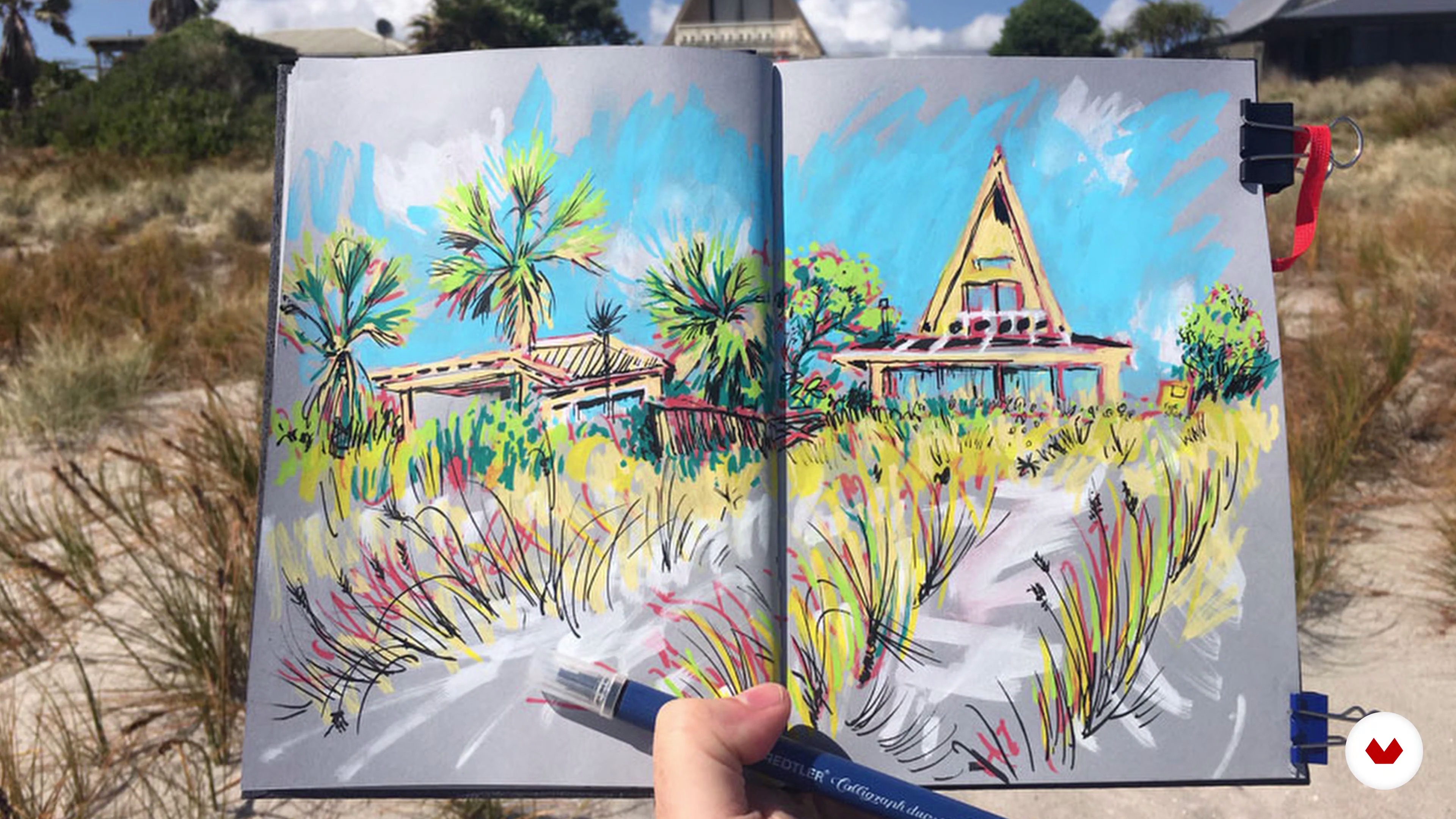
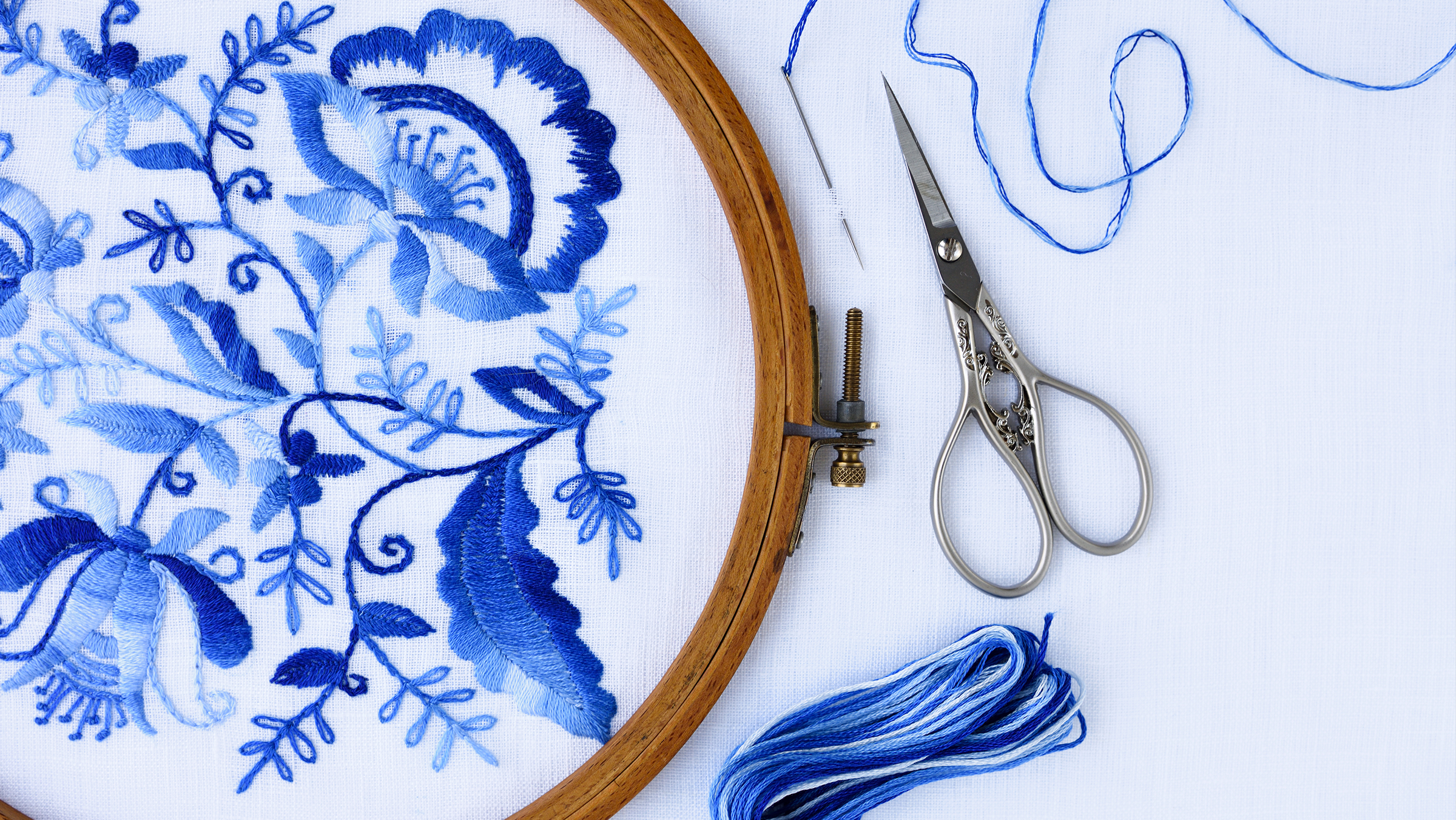
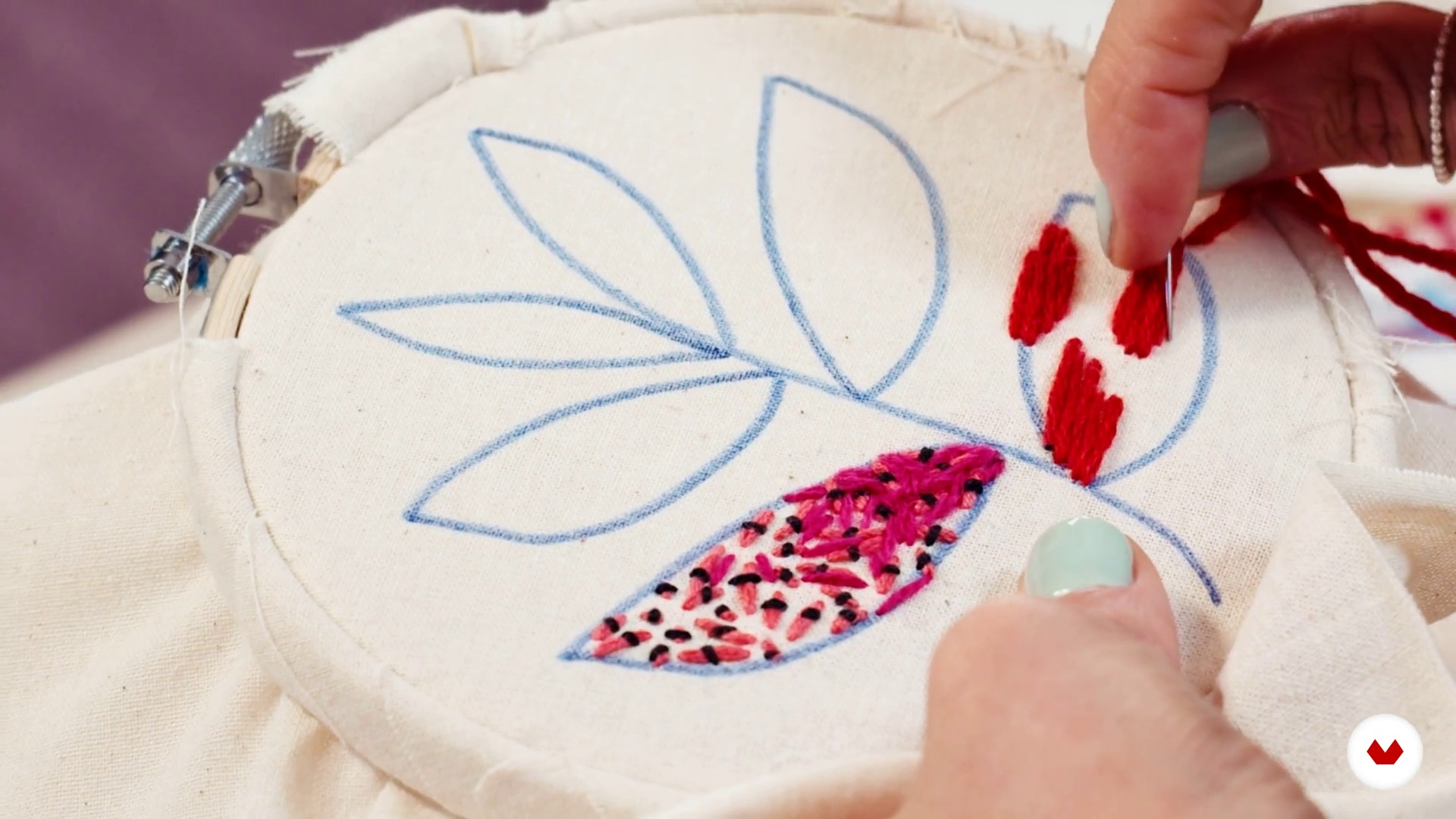
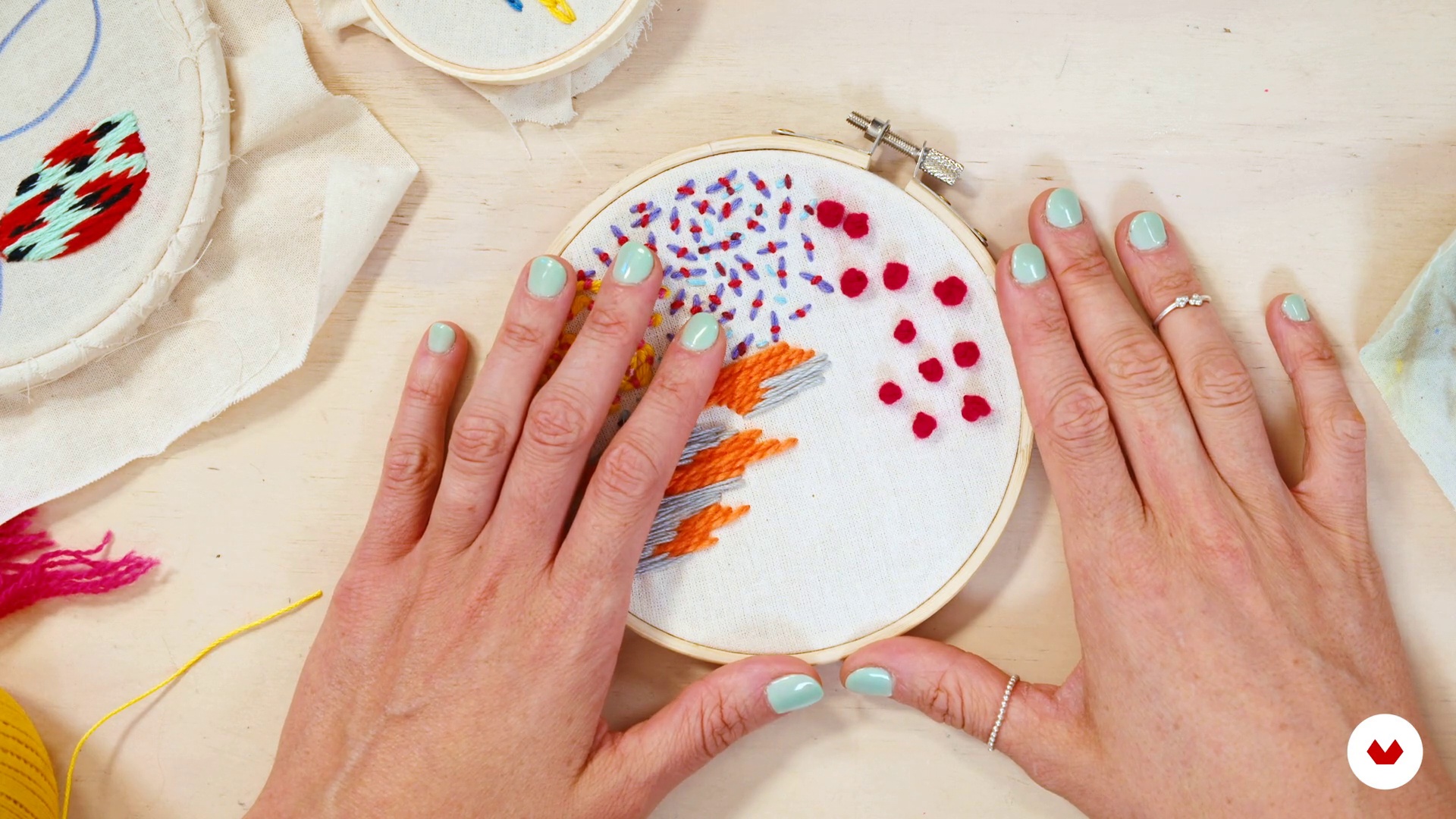
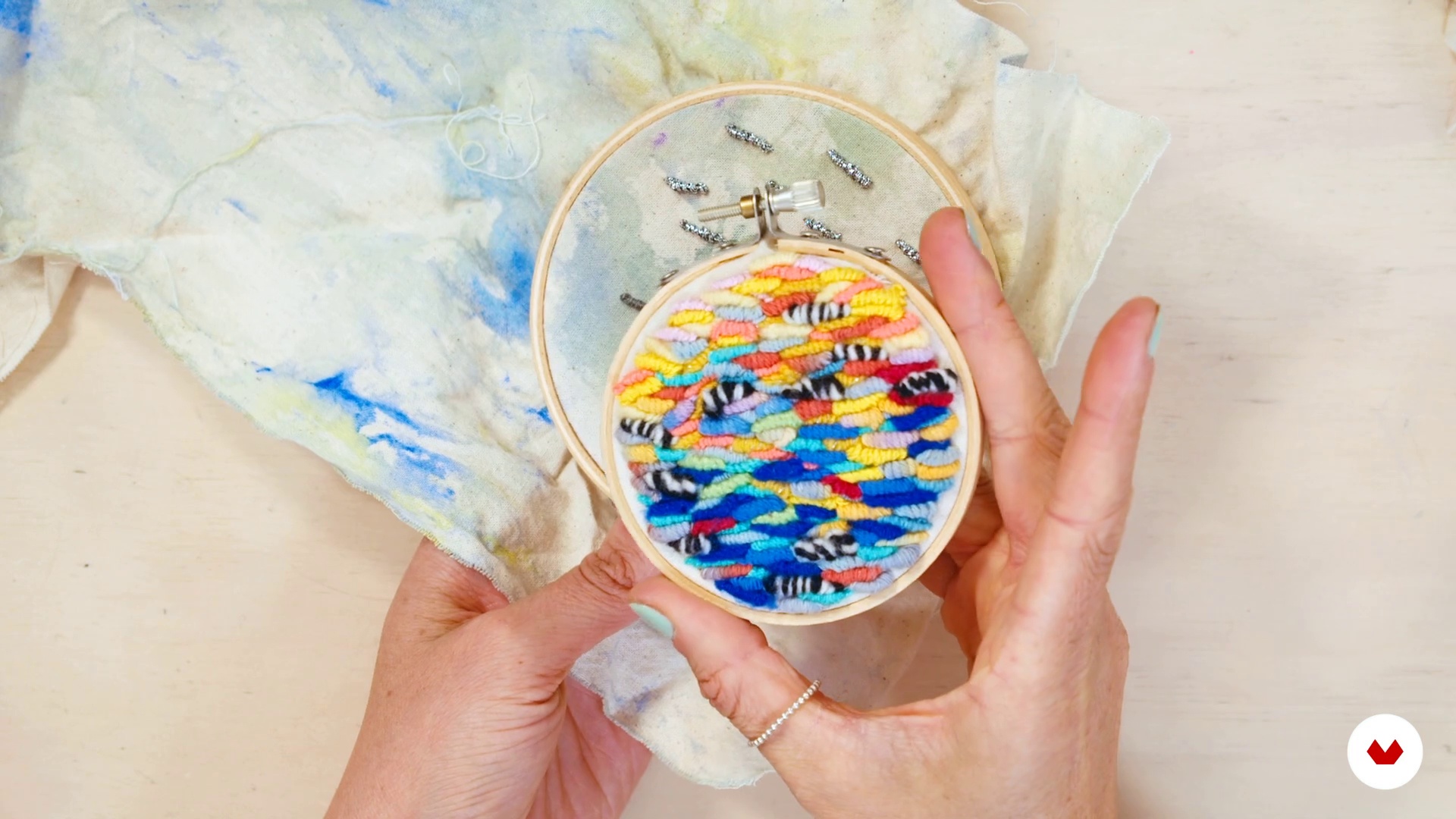
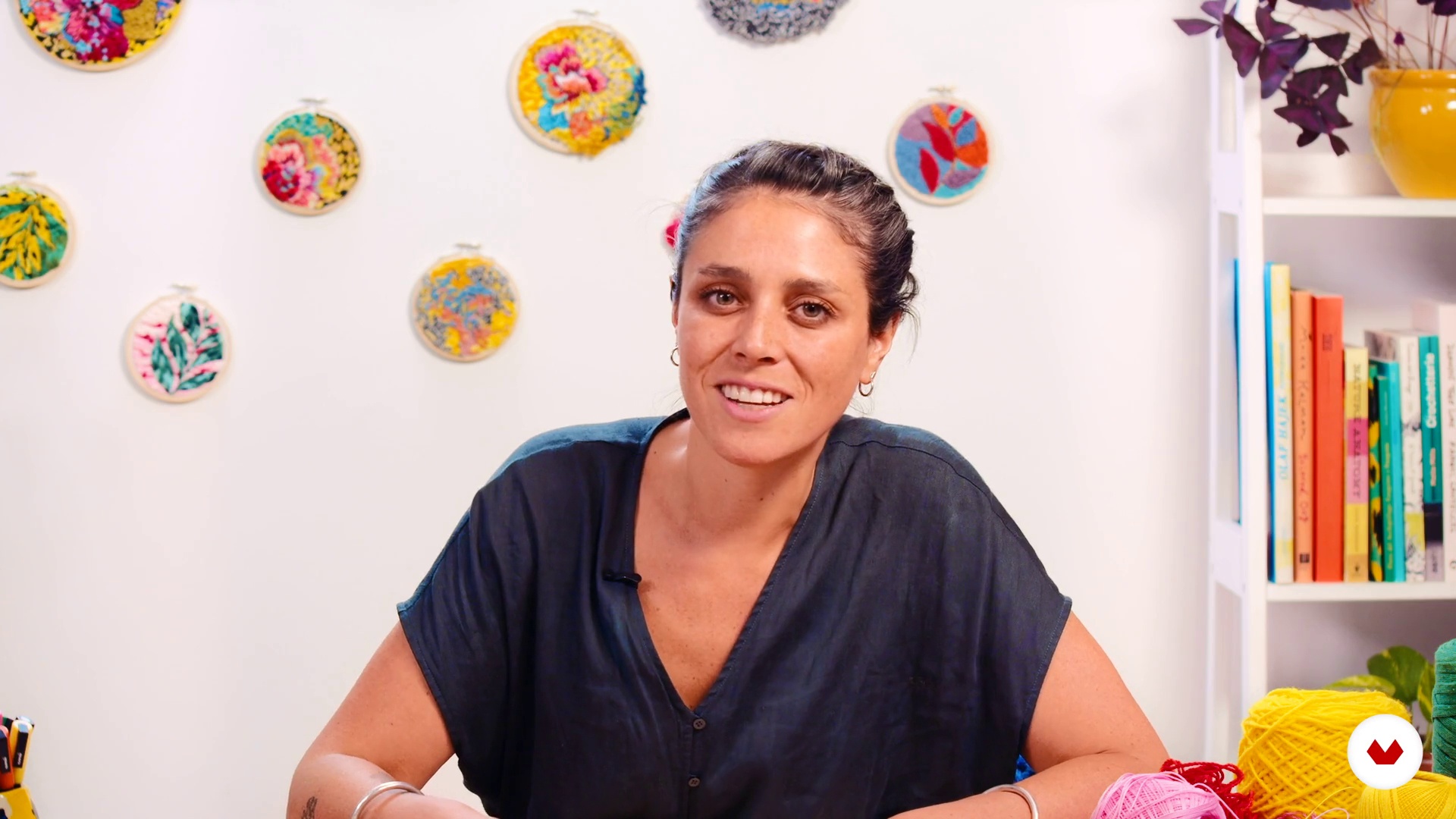
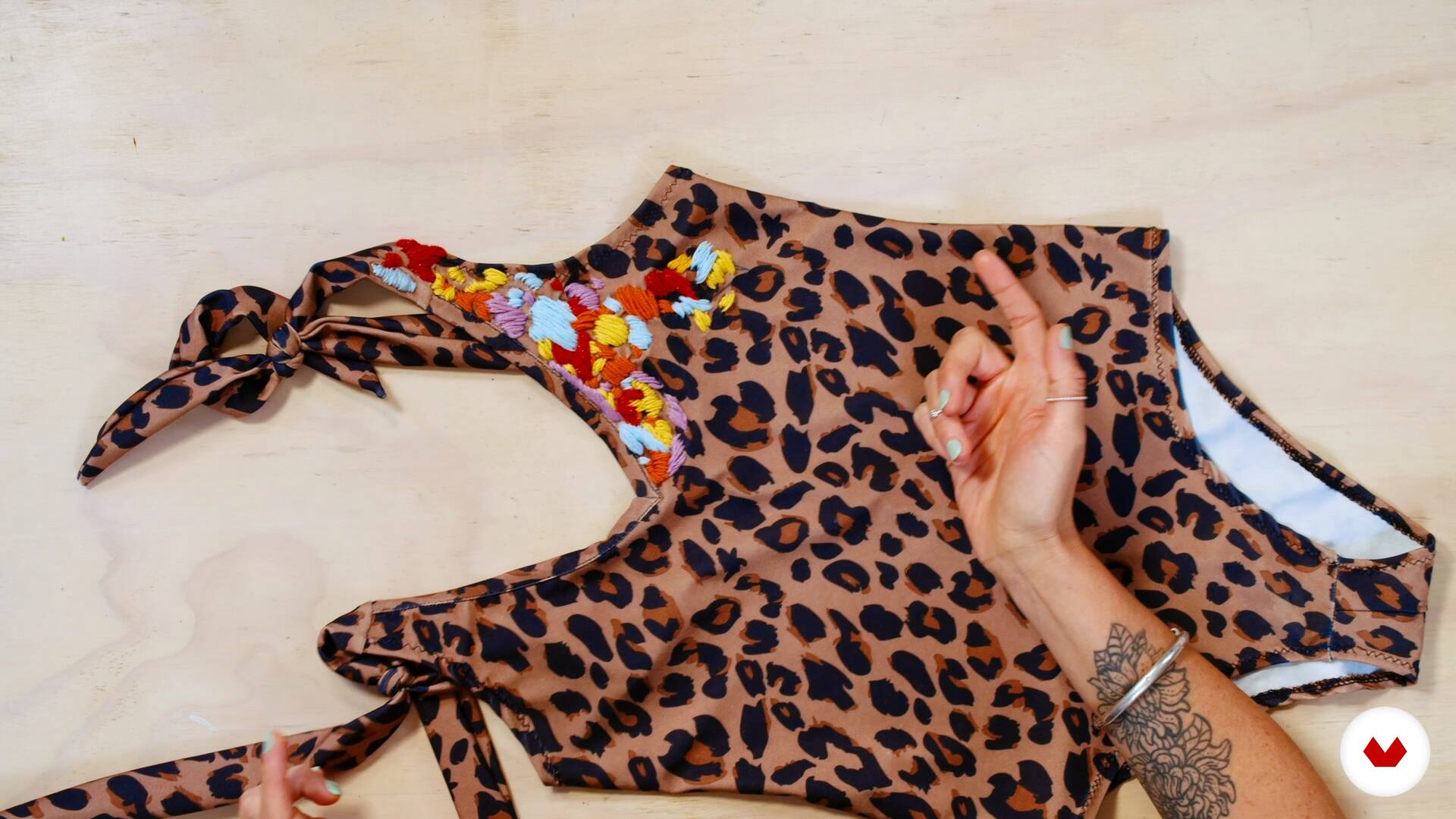
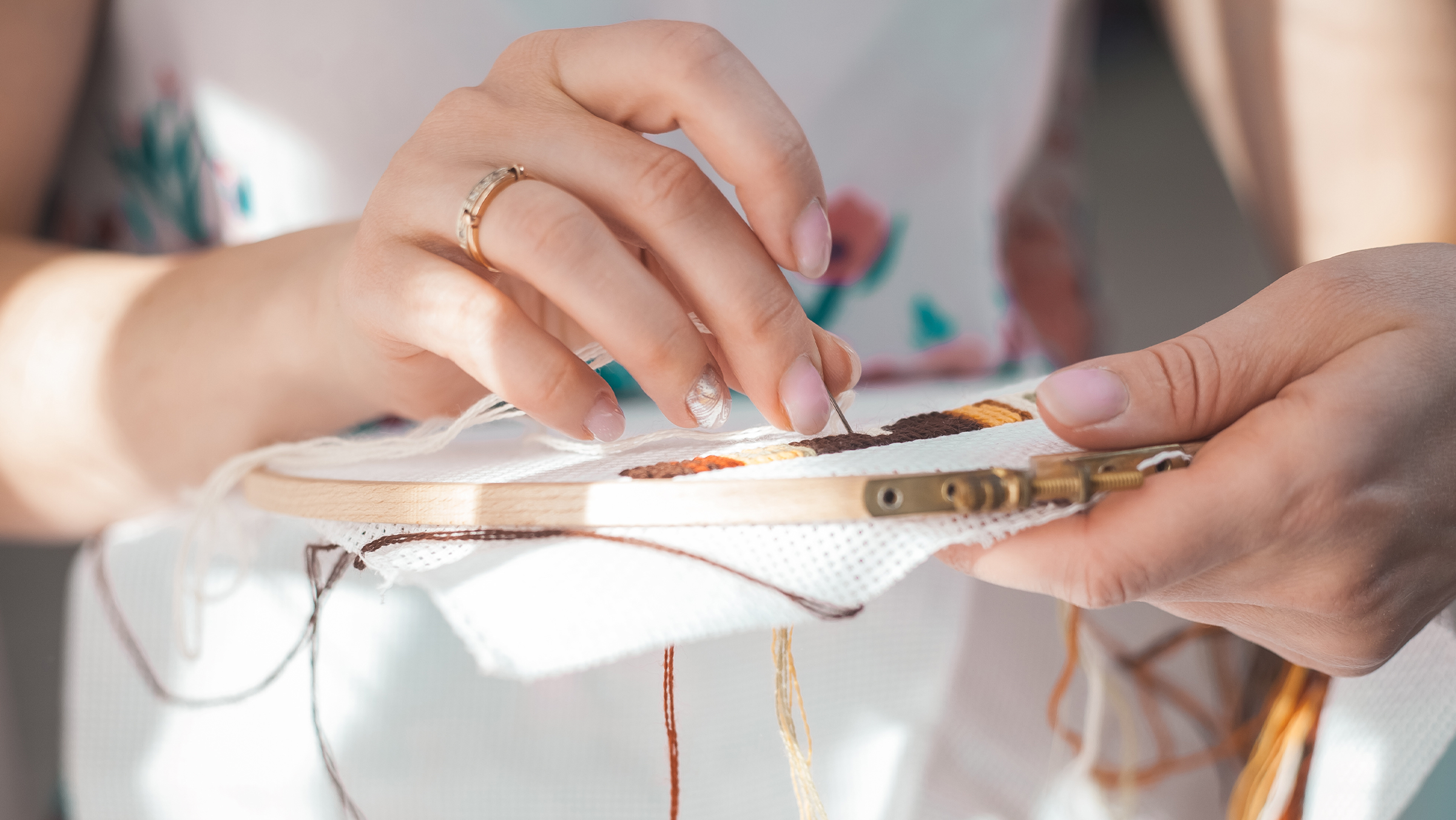
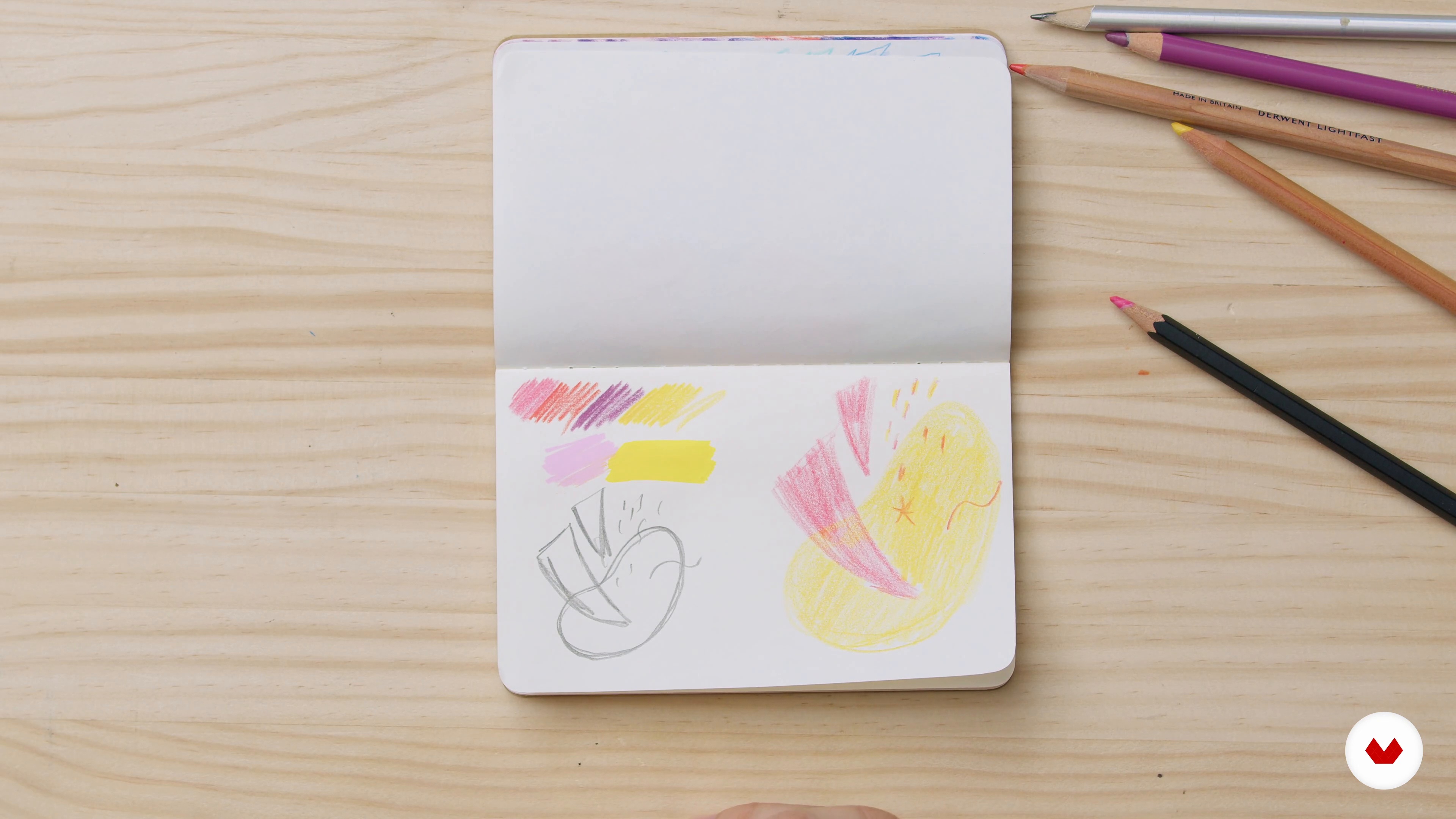
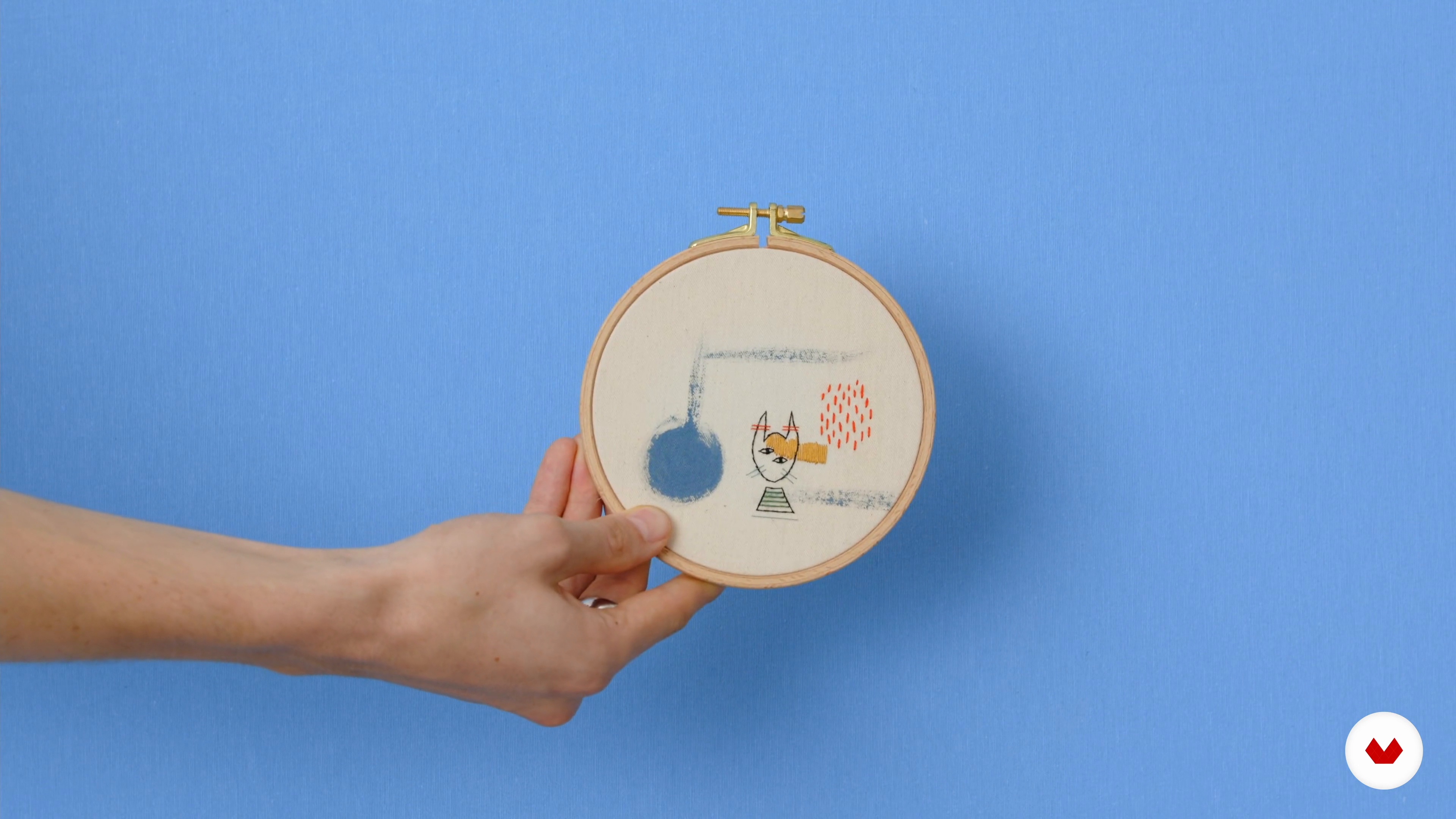
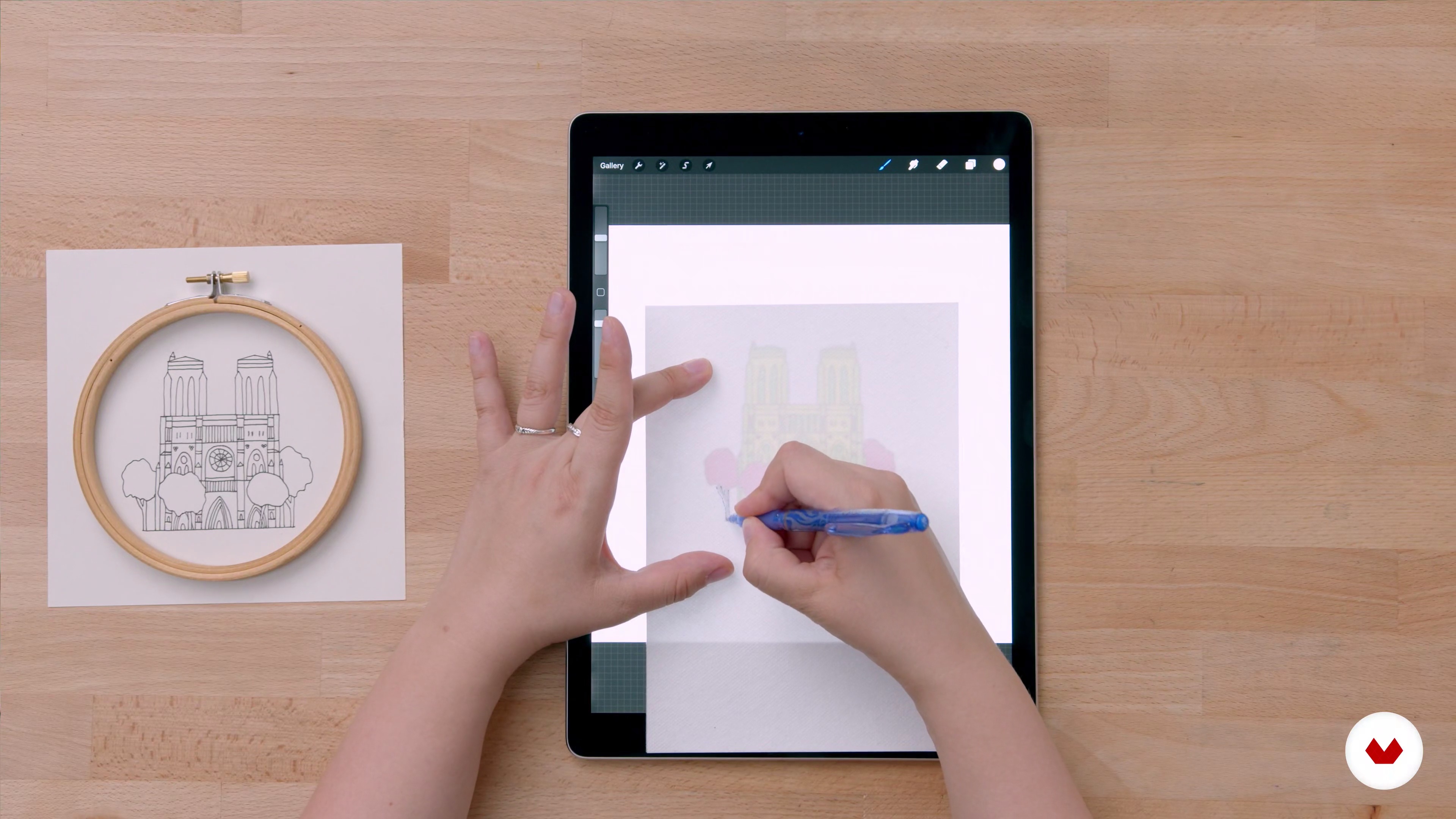
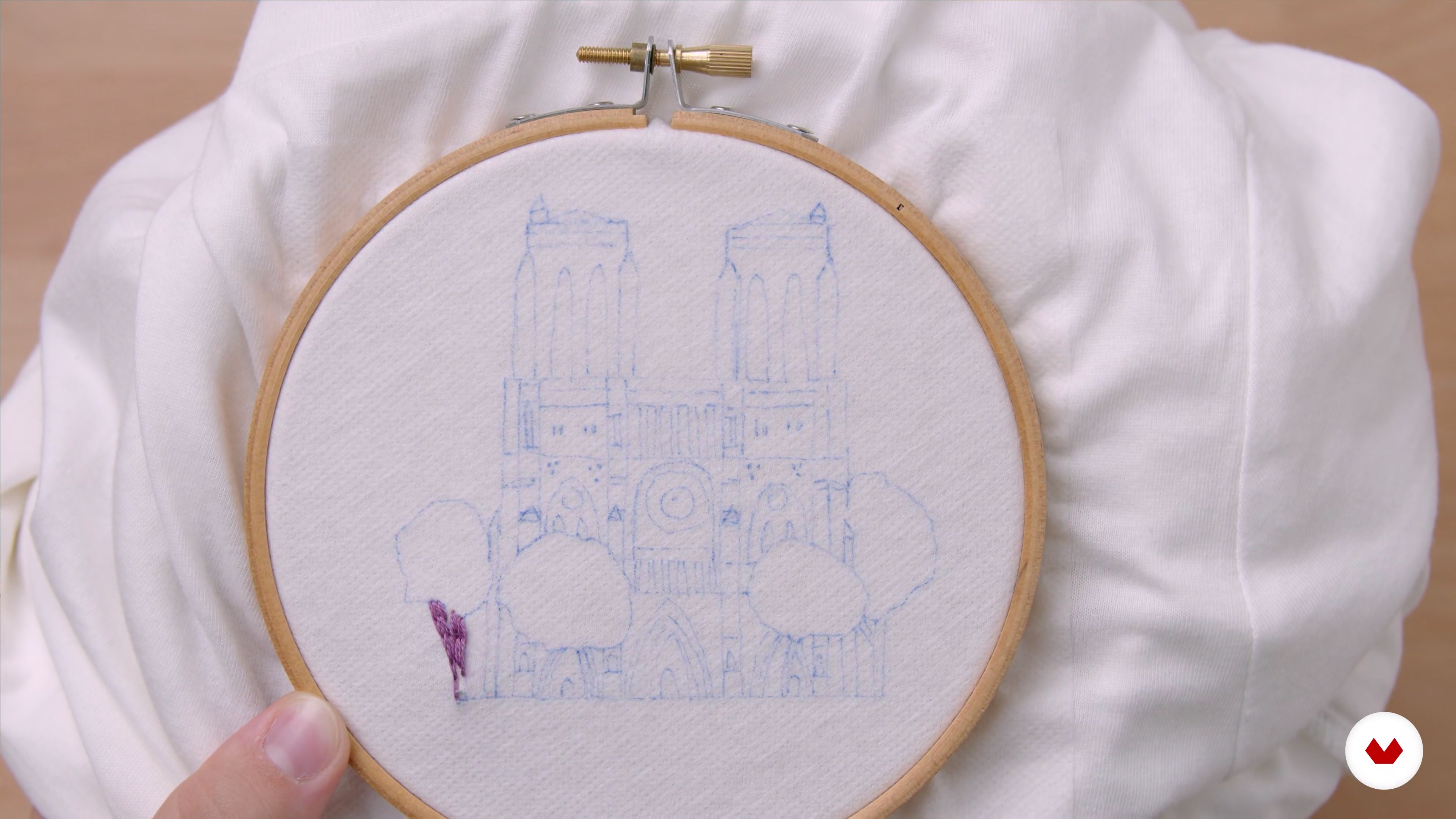
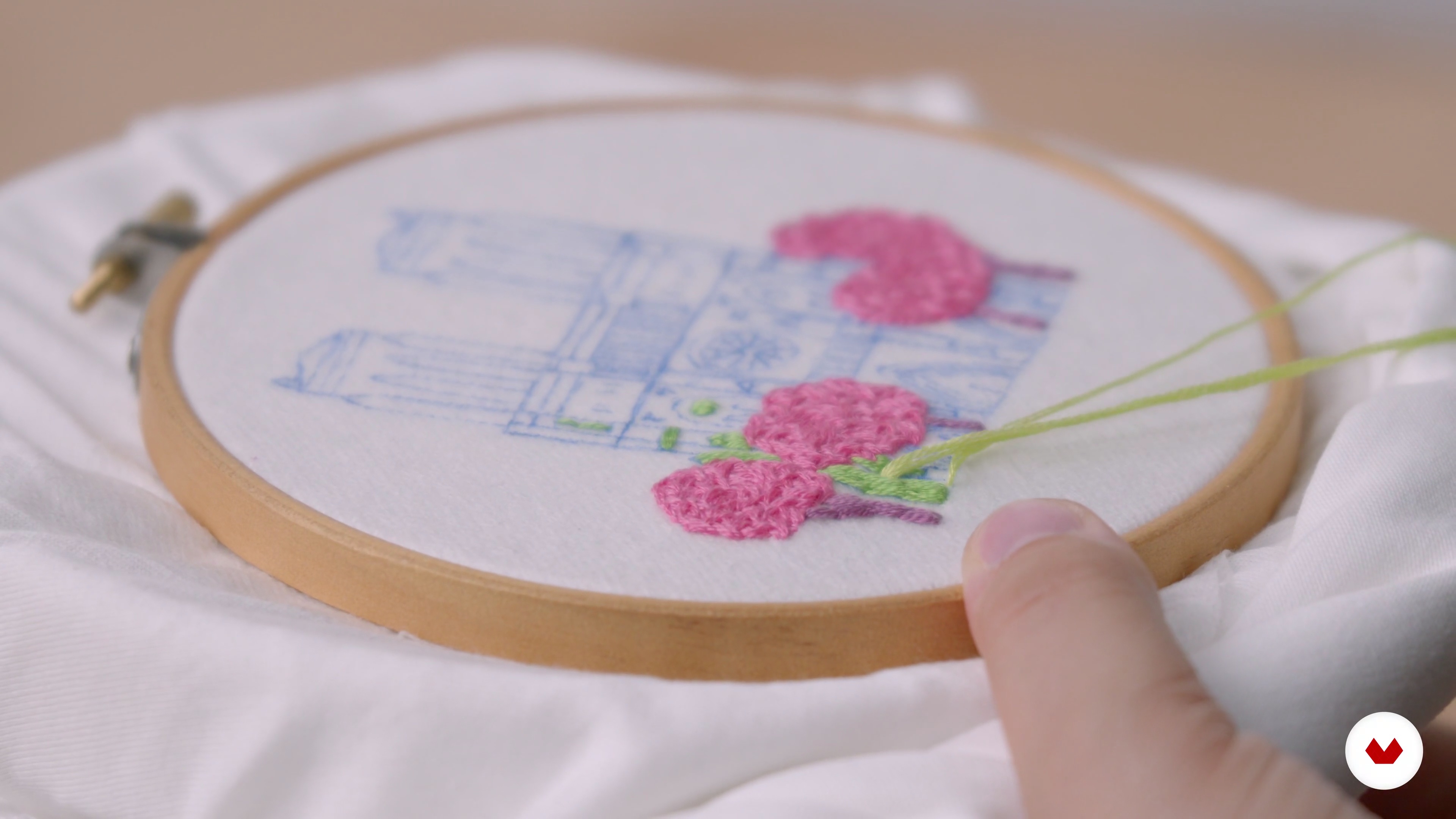
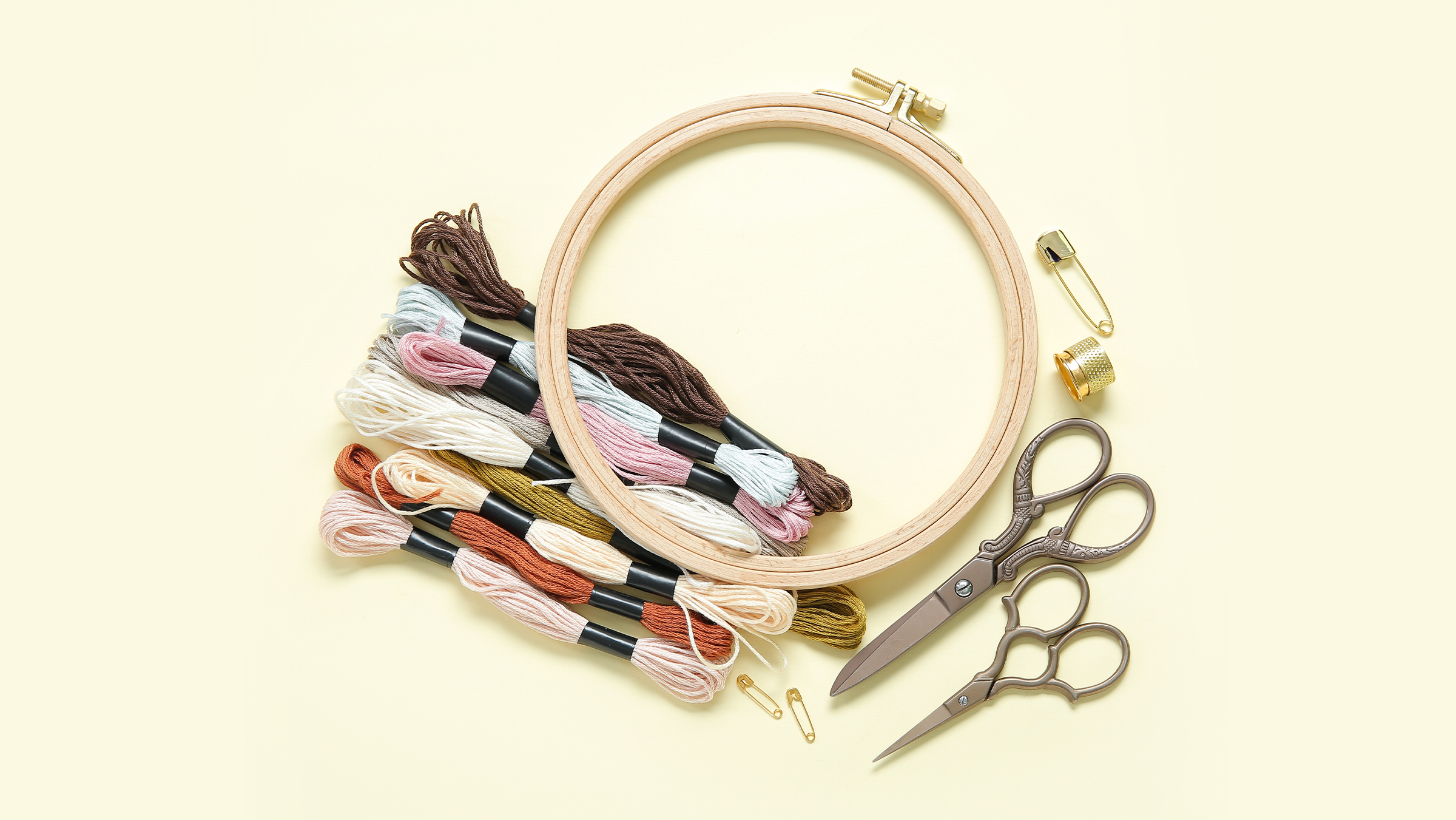
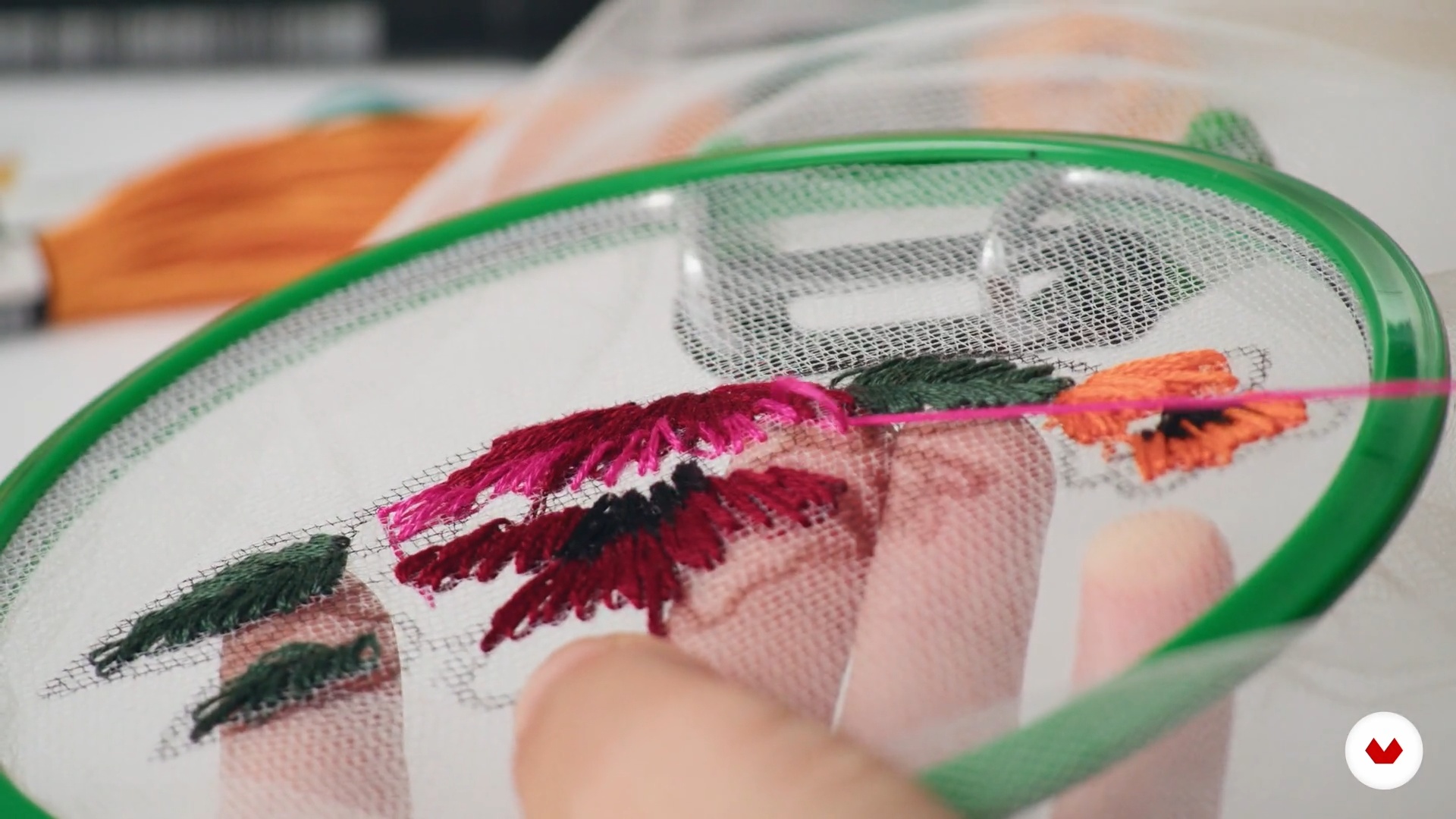
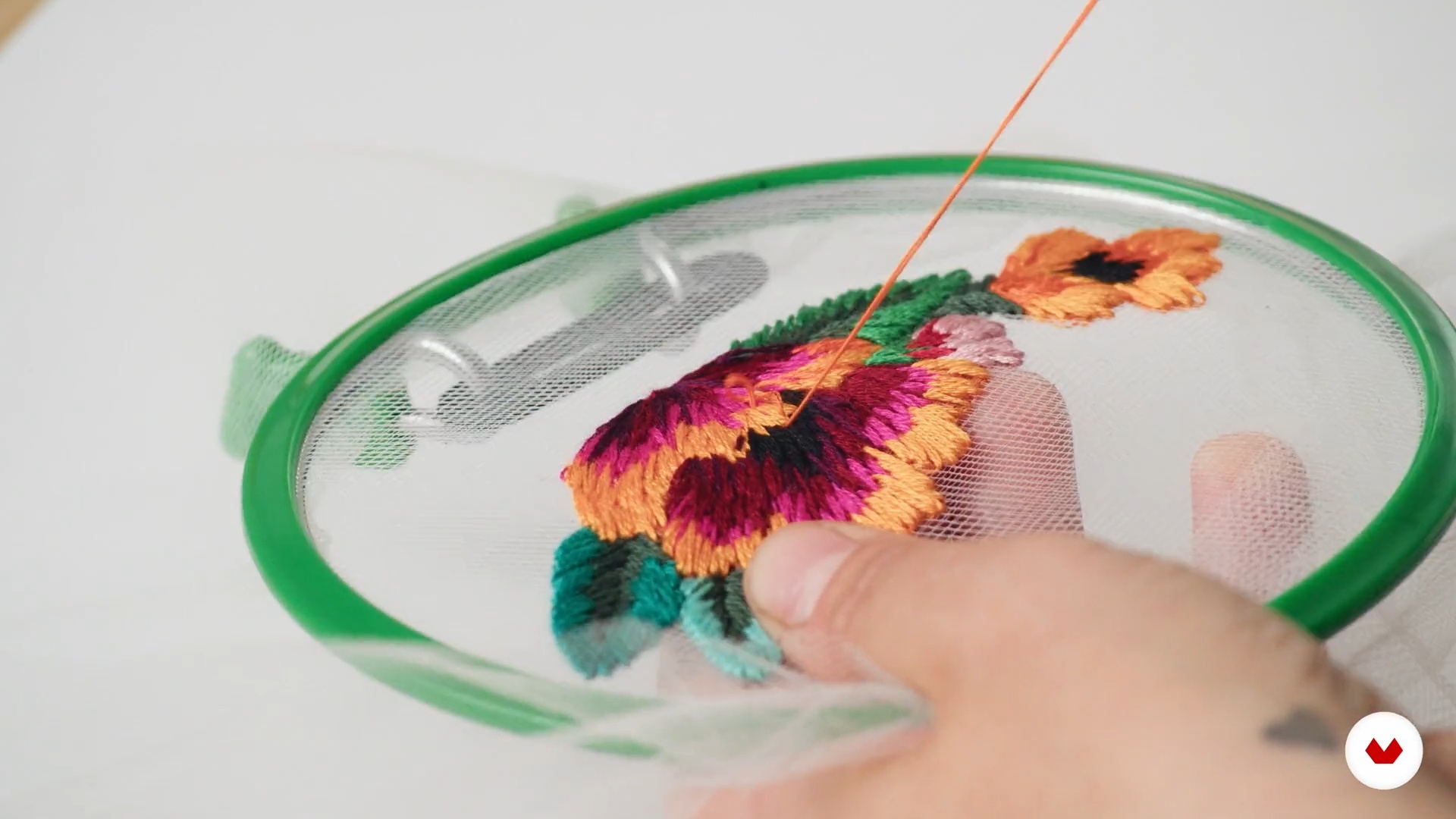
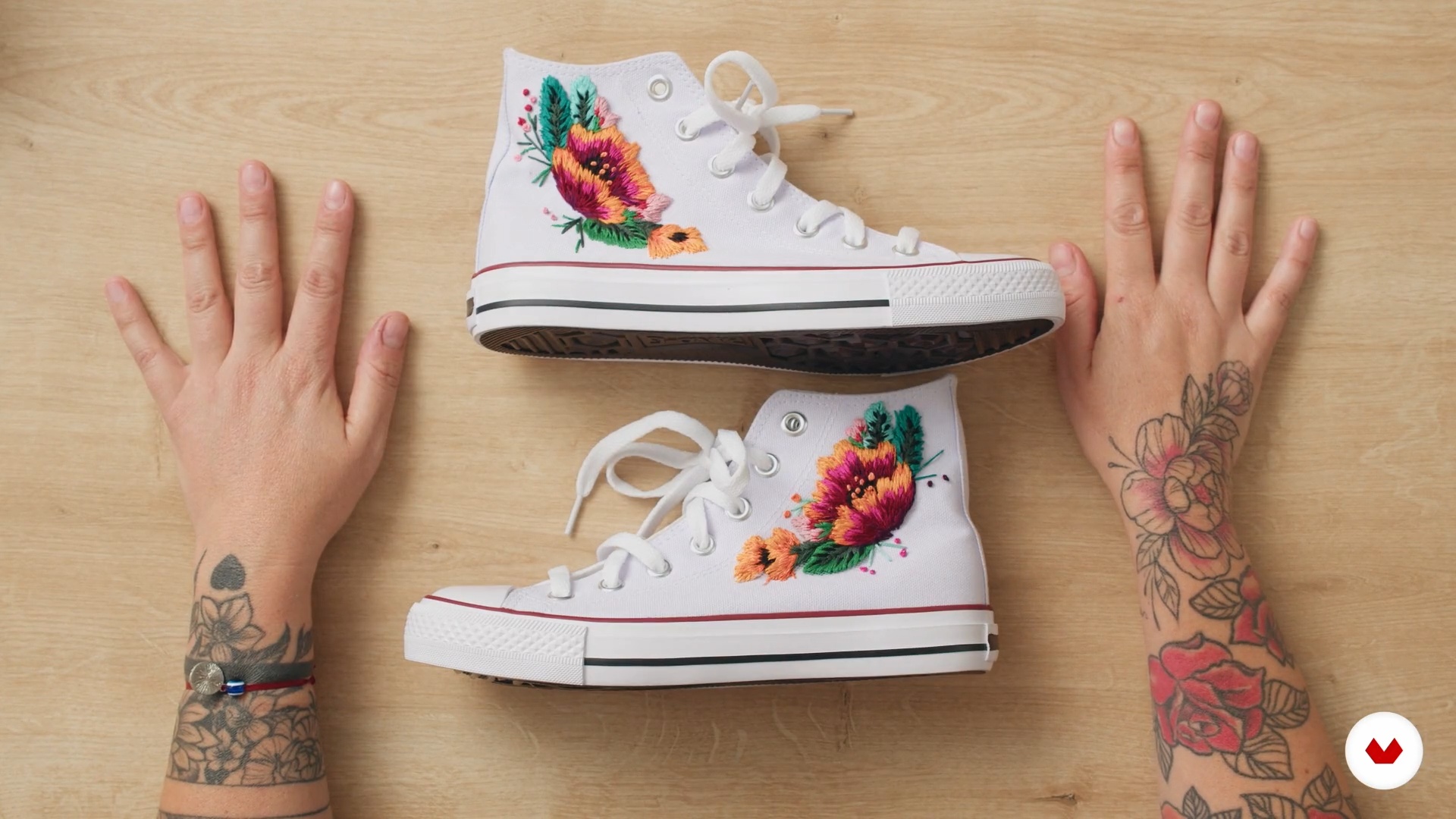
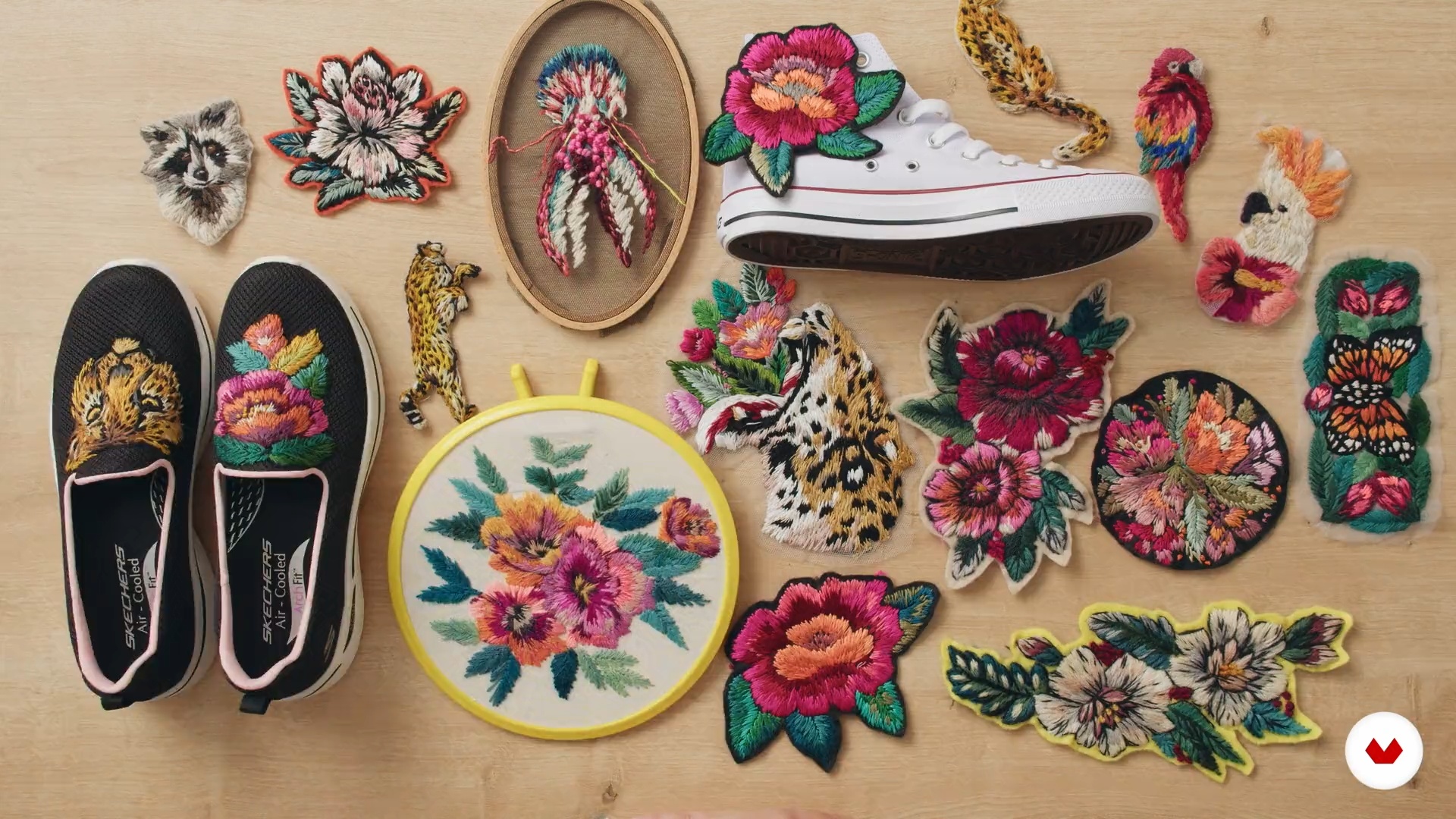
Unlock the vibrant world of creative embroidery and fashion textiles through this comprehensive specialization. Dive into the art of transforming garments with intricate stitches, playful textures, and dazzling color combinations. From the perspective of talented instructors like Trini Guzmán, Polina Oshu, Damaja, Kseniia Guseva, and Ignacia Jullian, explore the foundations of embroidery and elevate your skills from beginner techniques to advanced compositions. Discover the magic of combining embroidery with painting on textiles, designing unique motifs directly on clothing, and embracing the sustainable practice of upcycling. Each course offers hands-on projects that encourage personal expression and mastery of diverse techniques.

Embrace the joy of handmade artistry while contributing to sustainable fashion. Learn to create personalized garments that reflect your style, combining traditional methods with modern twists. Whether you're repairing old clothes or designing new pieces, the integration of embroidery adds depth and personality to your wardrobe. The journey concludes with the creation of a unique collection, blending your newfound skills in embroidery artistry, painting, and sustainable practices. Join a community of like-minded creators and start your path to becoming a master in fashion textiles and embroidery.

Read more ↓

What will you learn in this specialization?
A total of 6 modules and 71 lessons
A total of 12h 2m of vídeo lessons
Taught by 5 selected expert teachers
image
1
Introduction
Embroidery is much more than decoration: it is a form of slow thinking, personal expression, and dialogue between technique and emotion. With each stitch, you transform ordinary fabrics into wearable art, where history, identity, and contemporary design converge. From the silk threads of ancient China to modern haute couture, embroidery has been a symbol of elegance, creative resilience, and conscious craftsmanship. In this lesson, you’ll discover embroidery as both craft and expression. You’ll explore its rich history, tactile joy, and meditative rhythm while learning how to stitch identity into fabric. Mistakes become texture as you reimagine design through thread, color, and care.
1m
image
2
Influences | Trini Guzmán
In this video, Trini will tell you about what has influenced her work, including pieces that have caught her attention and that have prompted her to start her own research.
16m
image
3
Influences | Polina Oshu
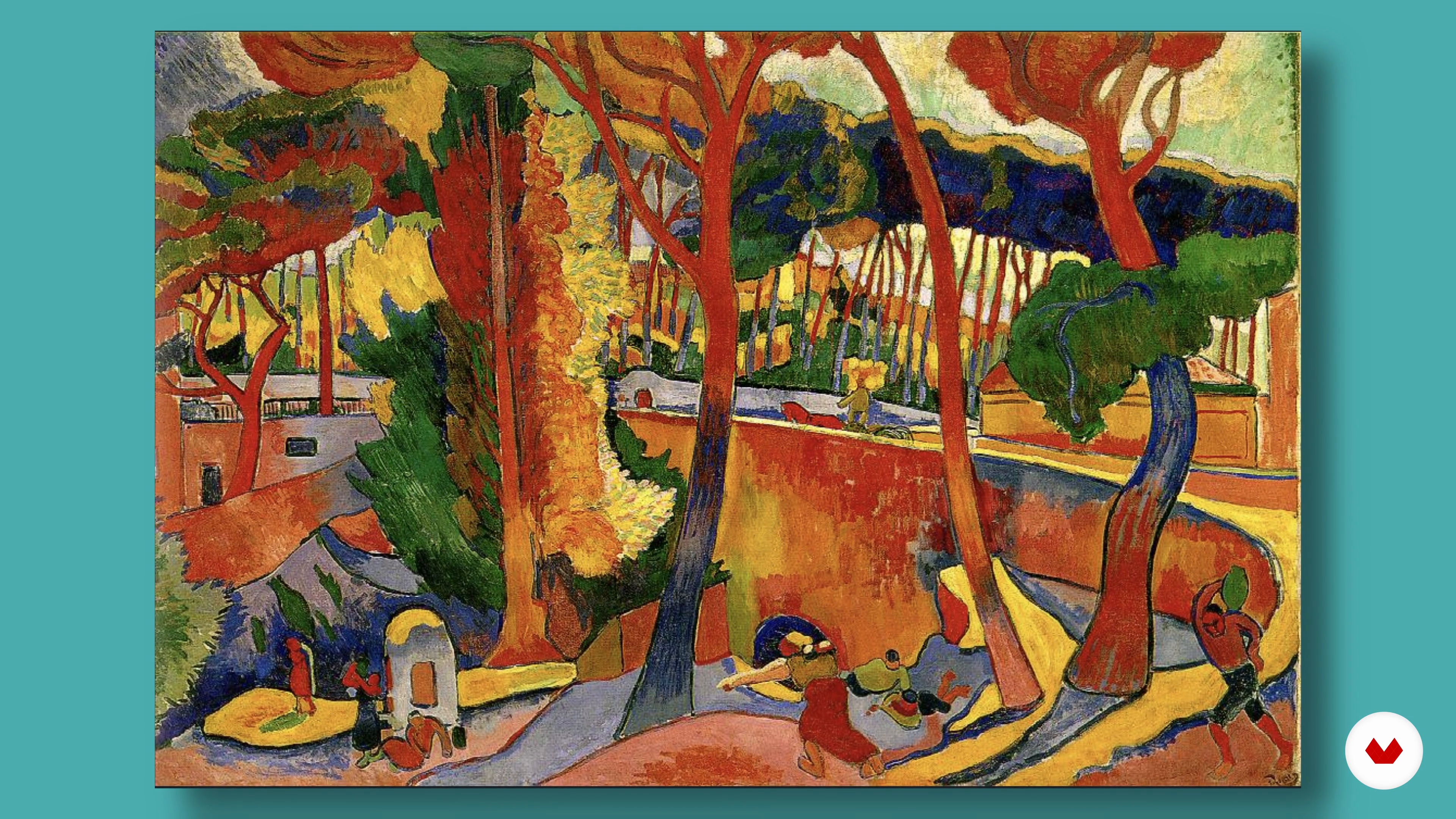
From a flower that her first-grade teacher drew that reminds her of the Jacobean embroidery style to artists from Fauvism and Post-Impressionism who focus on color and express emotions through contrast, Polina shares some of the things that inspire her to create and that influence her art.
4m
image
4
Influences | Damaja
In this lesson, Damaja will talk about her influences and what inspires her the most in her work and life.
5m
image
5
Influences | Kseniia Guseva
In this lesson, Kseniia will share her influences, that is the people and places that can get you inspired.
6m
image
6
Influences | Ignacia Jullian
Ignacia will show you some of the influences that help her when looking for inspiration and references. I hope you like them as much as she does!
9m
image
3
The importance of investigating
In this lesson, I will tell you why the word research is so important to me, and the positive way it has impacted my work and my creative processes. I will talk to you about the importance of being kind to oneself to embark on a new path of creative investigation, and why is kindness a key to learning.
11m
image
4
Materials, colors, textures
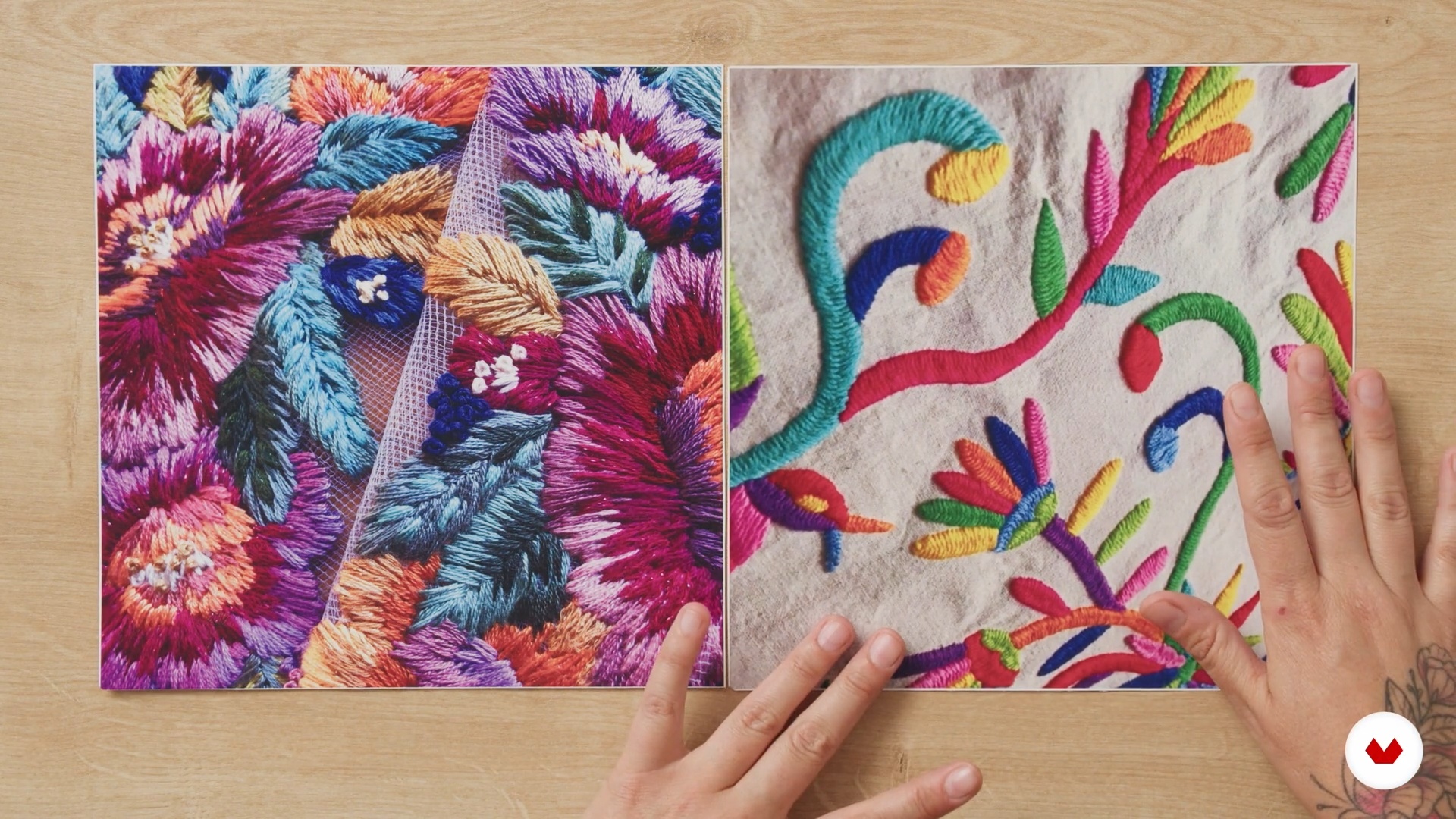
In this lesson, we will walk through various materials, and talk about their characteristics, potentials and possibilities. I will talk about the possibility of enriching embroidery at the level of textures, reliefs and contrasts.
10m
image
5
Point
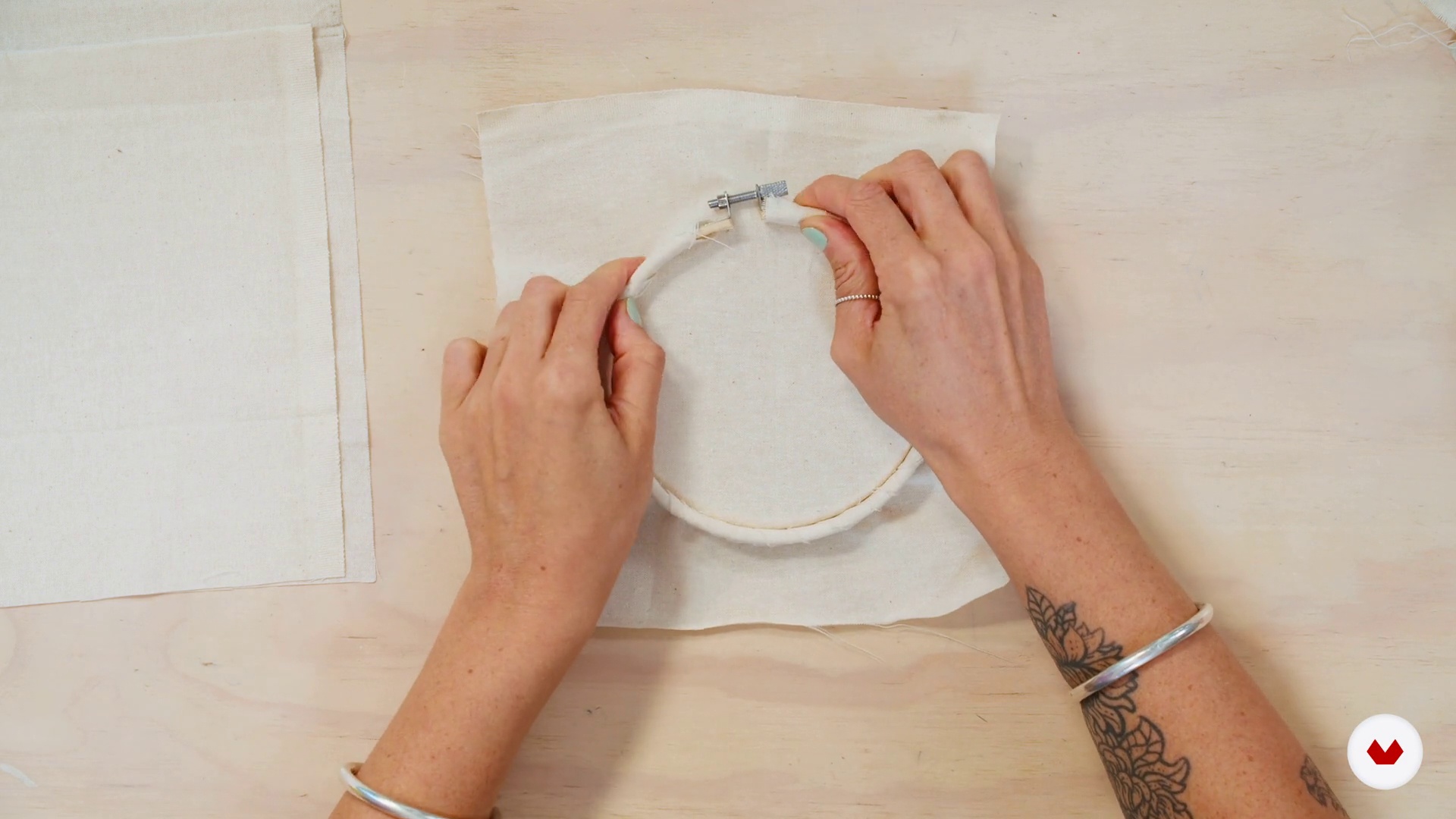
We will start an investigation in a frame nº5. I will show you how to put the fabric in the frame and what is the purpose of winding the fabric in the hoops. I will also tell you about the pencils that are used to draw on our embroidery stand, the threading of the needle, the use of a handle, among others.
18m
image
6
First stitches (part 1)
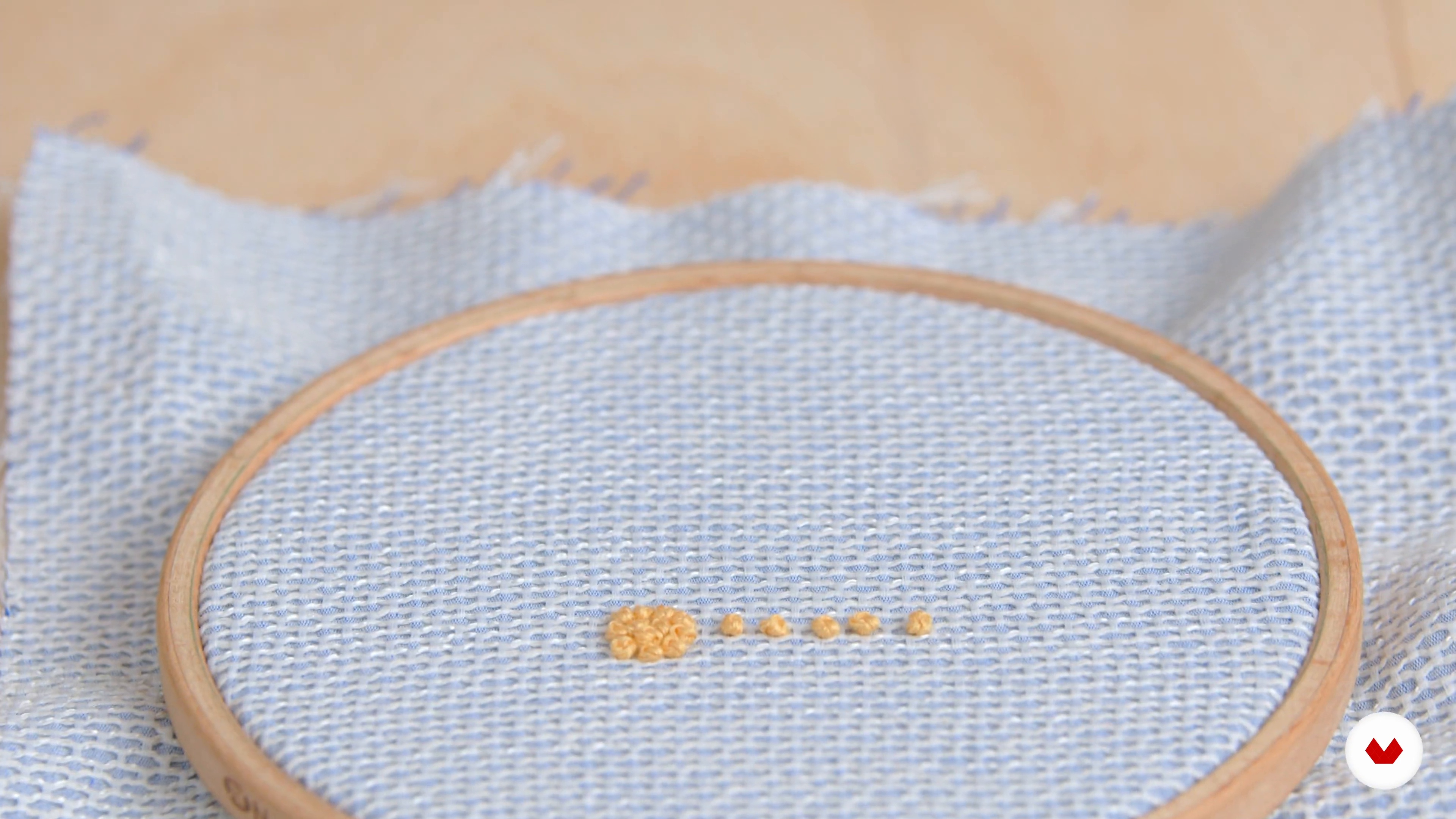
In this lesson, we will see the simplest stitches, such as rice stitch, stitches with clasp and my favorite stitch, the aleoped stitch!
14m
image
7
First stitches (part 2)
We continued with the lesson, and we continued to check the rice stitch, stitches with clasp and my favorite, the aleoped stitch!
10m
image
8
Three-dimensional stitches (part 1)
In this lesson, I will teach you about the French knot, macramé, bullón, picot, thread covering and chain.
11m
image
9
Three-dimensional stitches (part 2)
We continue with the lesson, and we continue talking about the French knot, the macramé, the bull, the picot, the thread covering and the chain.
11m
image
10
Application of other elements
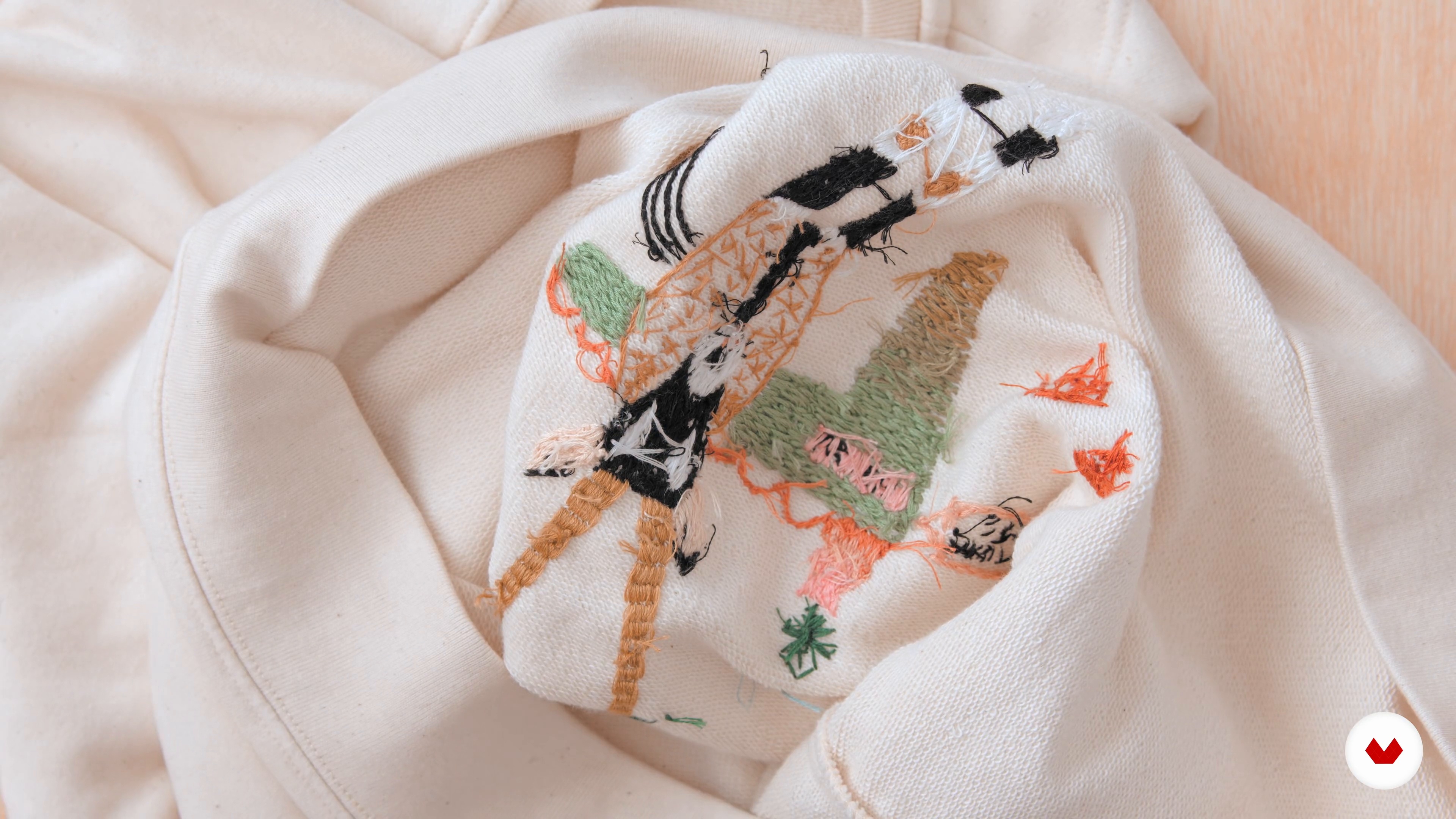
We will see how to apply other elements in our research to provide texture, volume and color. I will show you how to reuse the threads, incorporating them to our investigations, as well as pompoms, fringes, tassels and patches. I will also talk about the process of observation to decontextualize our embroidery when removed from the frame, and to admire the reverse.
7m
image
11
Supports and materials
In this lesson, I will show you different fabrics of the garments to be able to intervene, and I will show you how to use them.
11m
image
12
Intervene your own garments
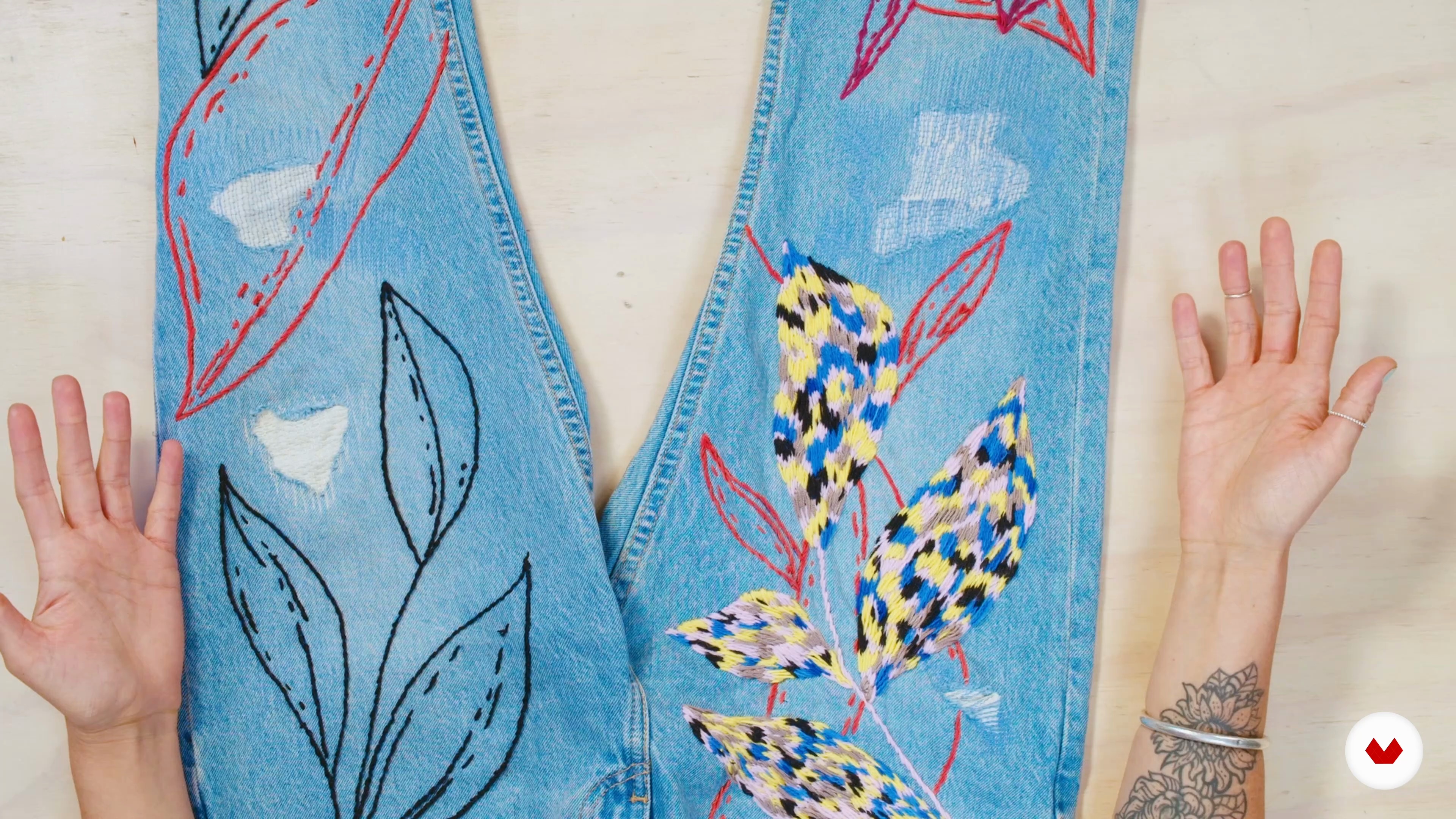
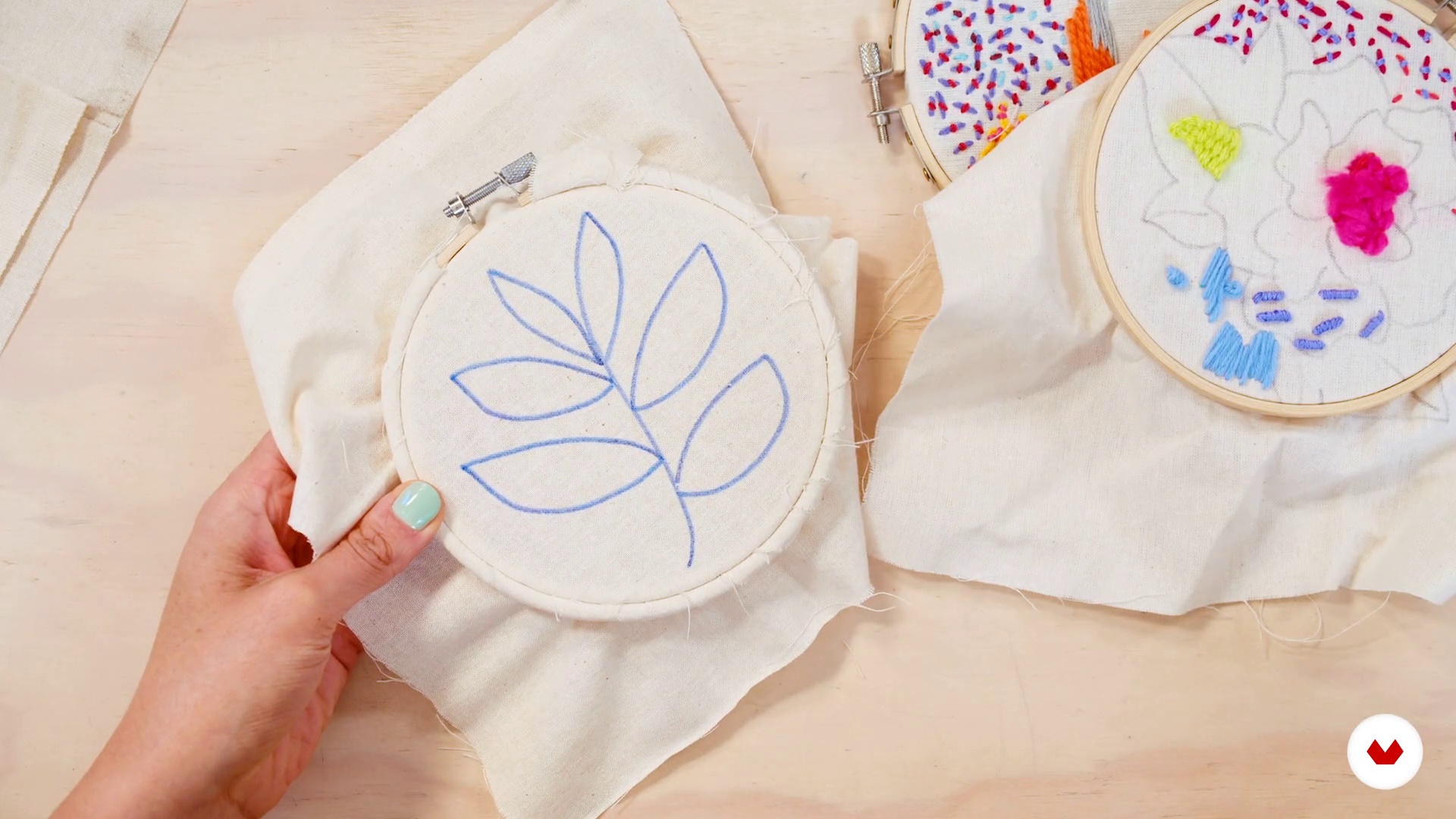
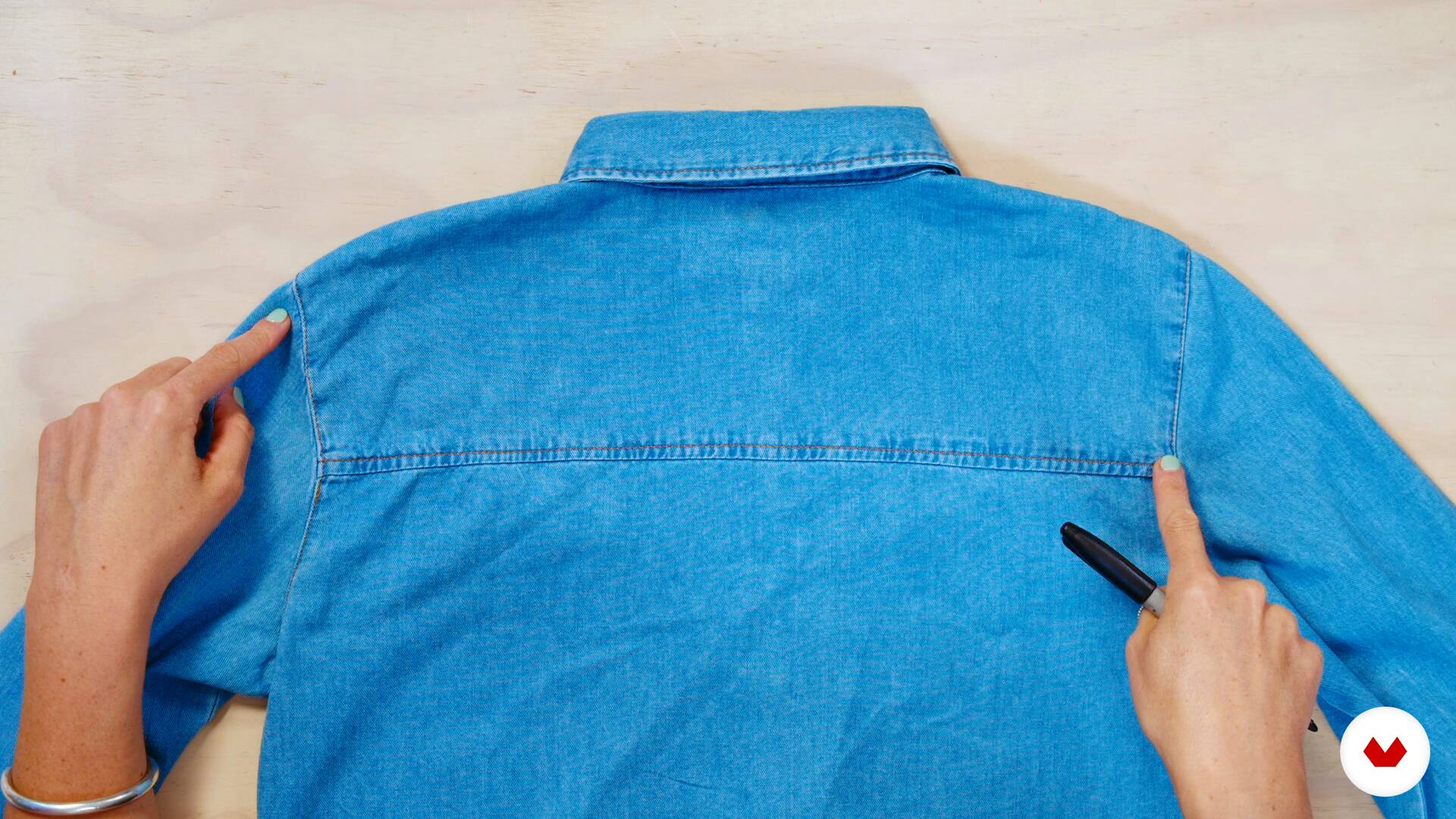
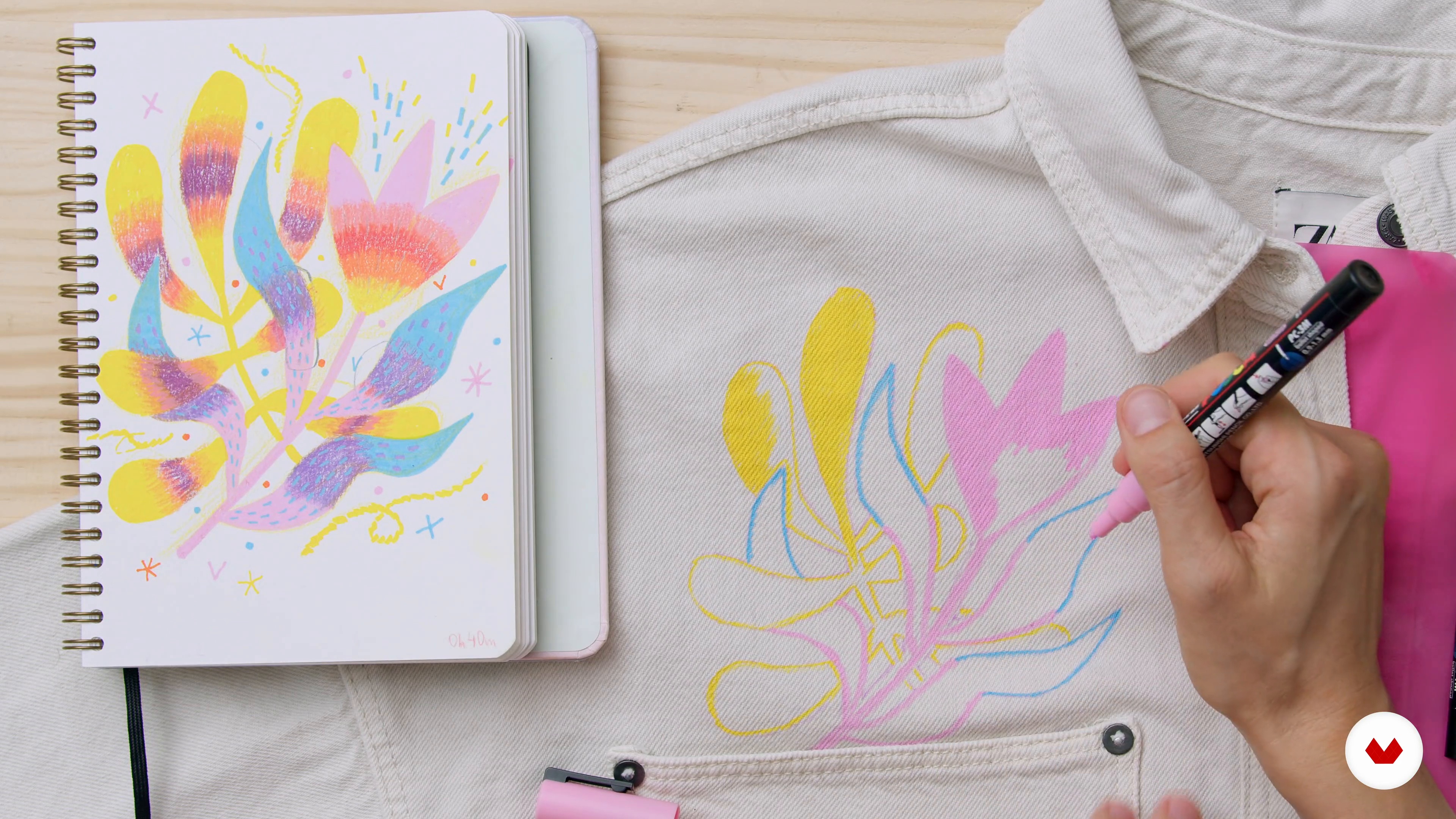
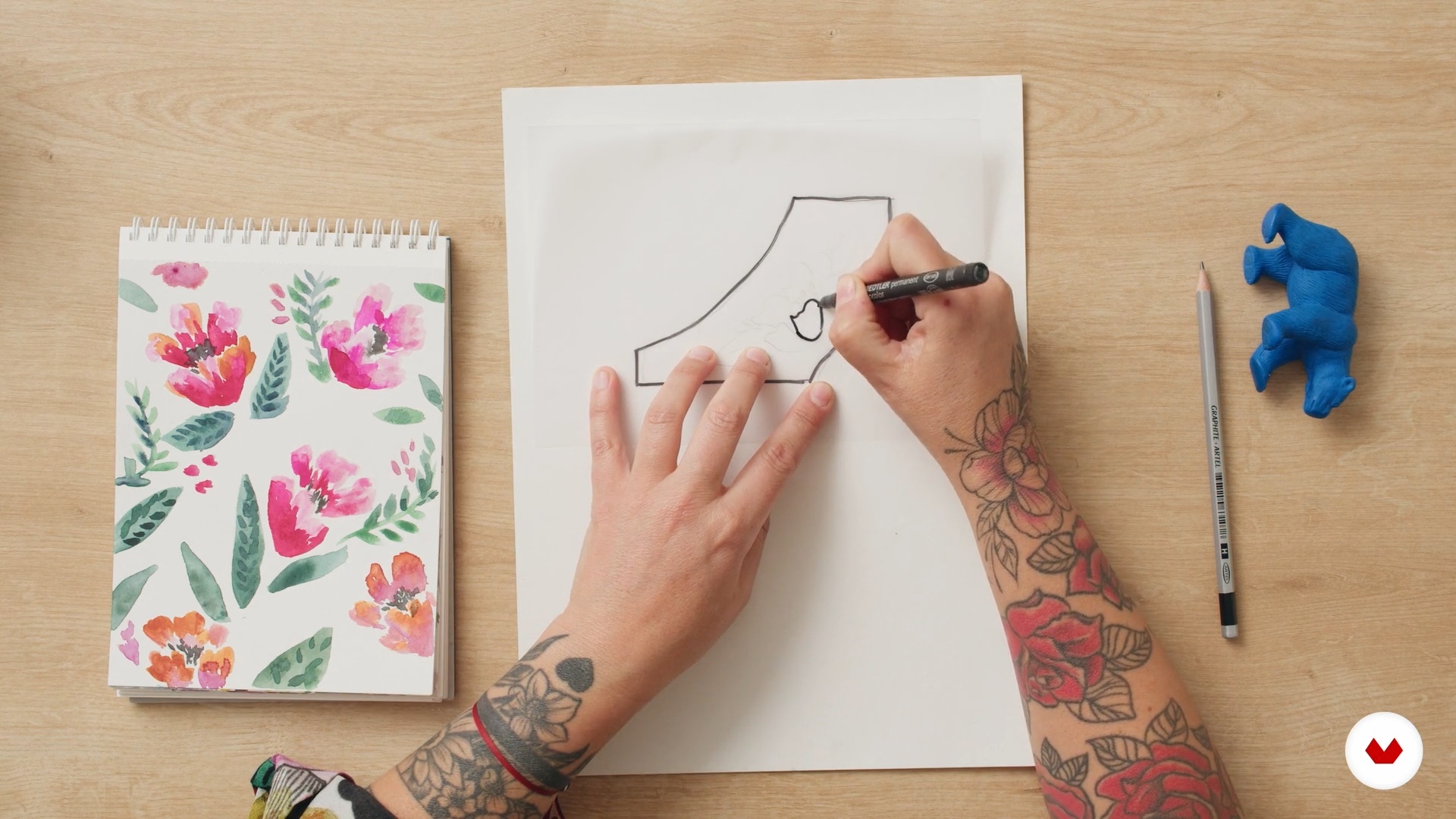
In this lesson, I'll start by drawing on a jeans shirt with a permanent marker. I will show you how to make a design and where to place it in the garment. I will talk about abstract and figurative designs and how to choose the one that really goes with you.
3m
image
13
Embroidering a garment (part 1)
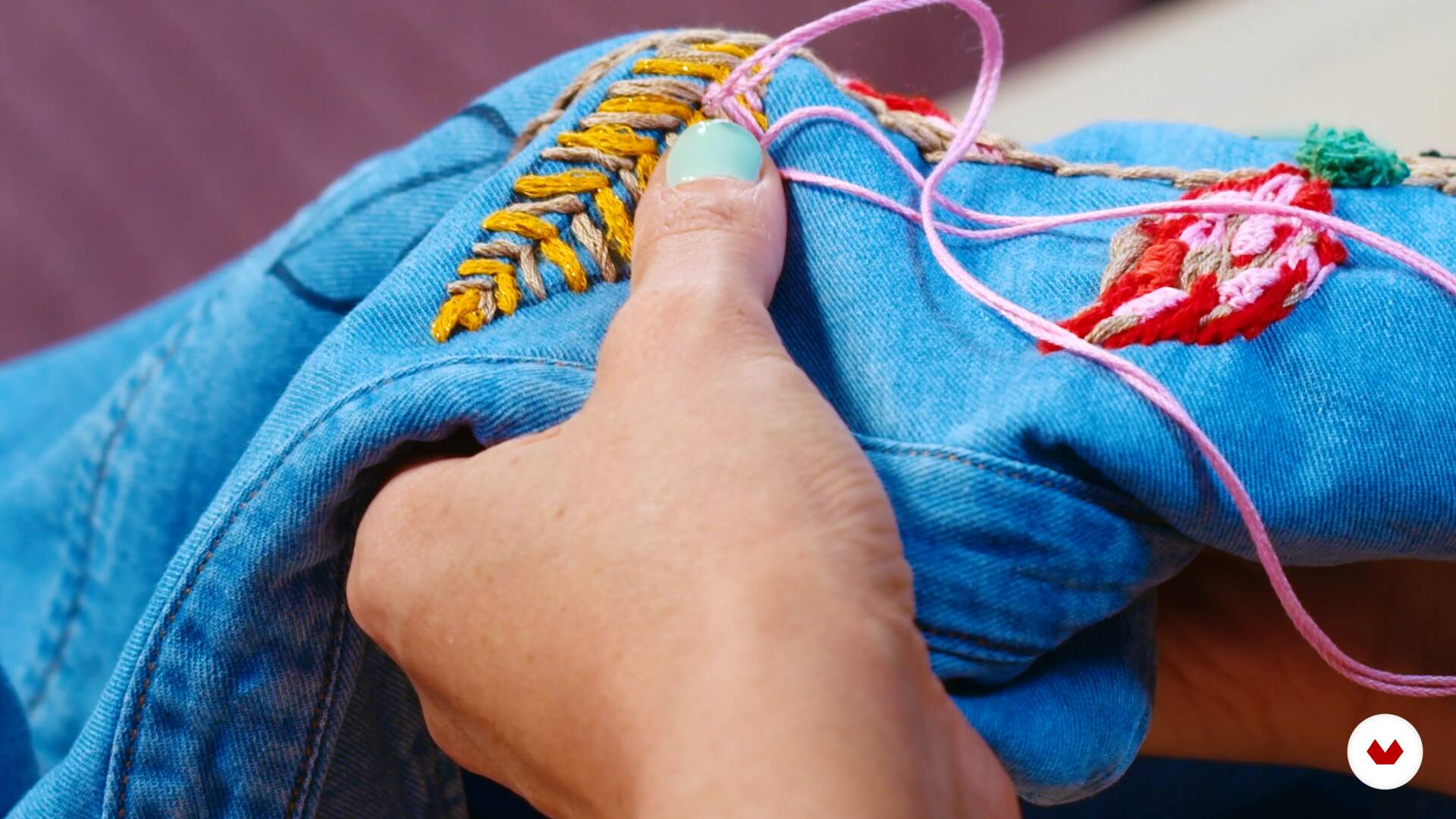
Using the drawing of the sheets, I will test the different stitches and possibilities on a shirt, always allowing new things to emerge as we intervene.
19m
image
14
Embroidering a garment (part 2)
We continue using the drawing of the sheets, testing the different stitches and possibilities on the shirt.
8m
image
3
Expressing Yourself
Being ourselves is a wonderful thing, but why is it so hard? I will explain how you can use art in your favor. Are you looking for a creative outlet? An excuse to be "abnormal" or different from everyone else? I will show you how you can start doing this in this course.
2m
image
4
How to Find Inspiration
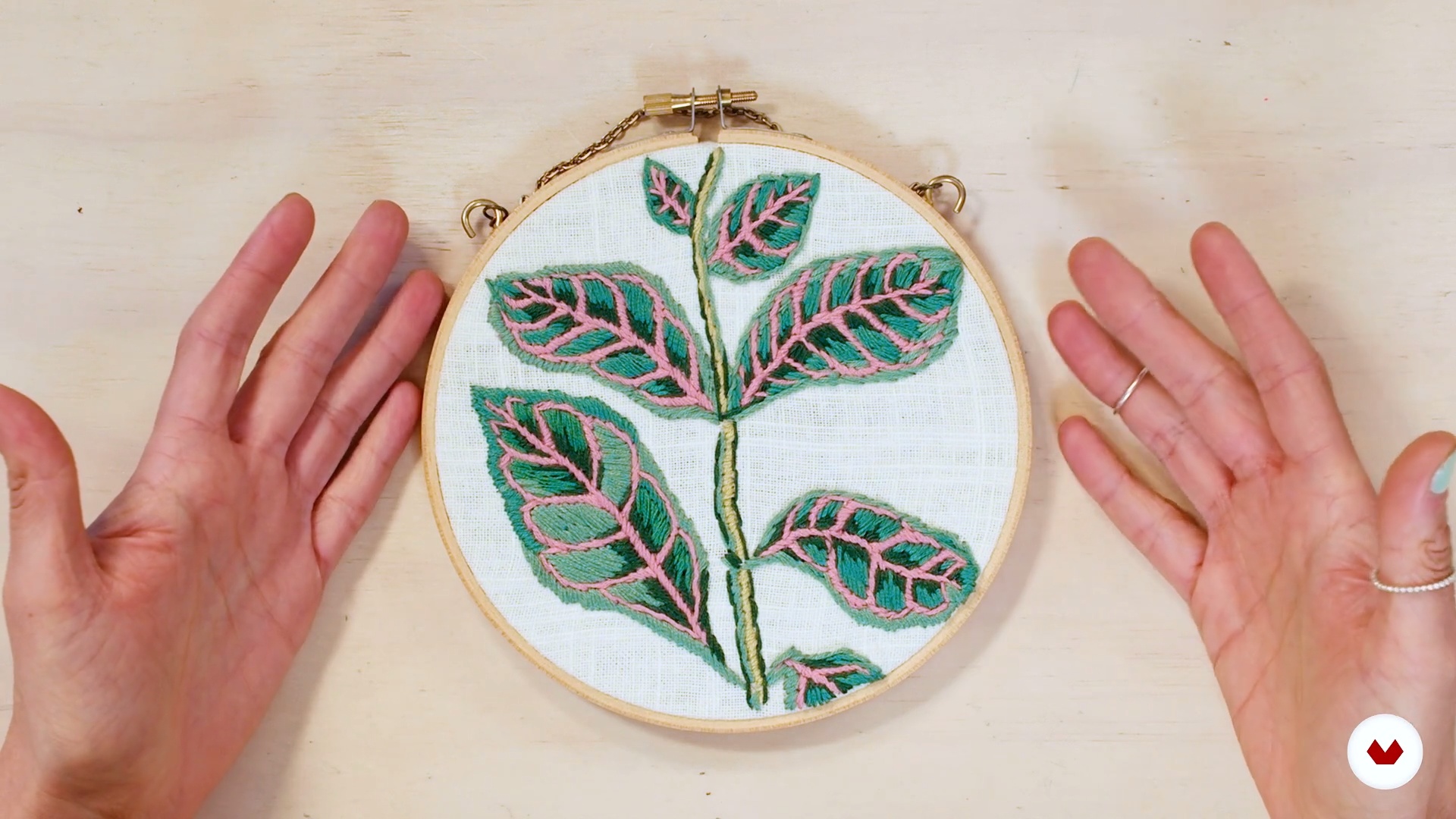
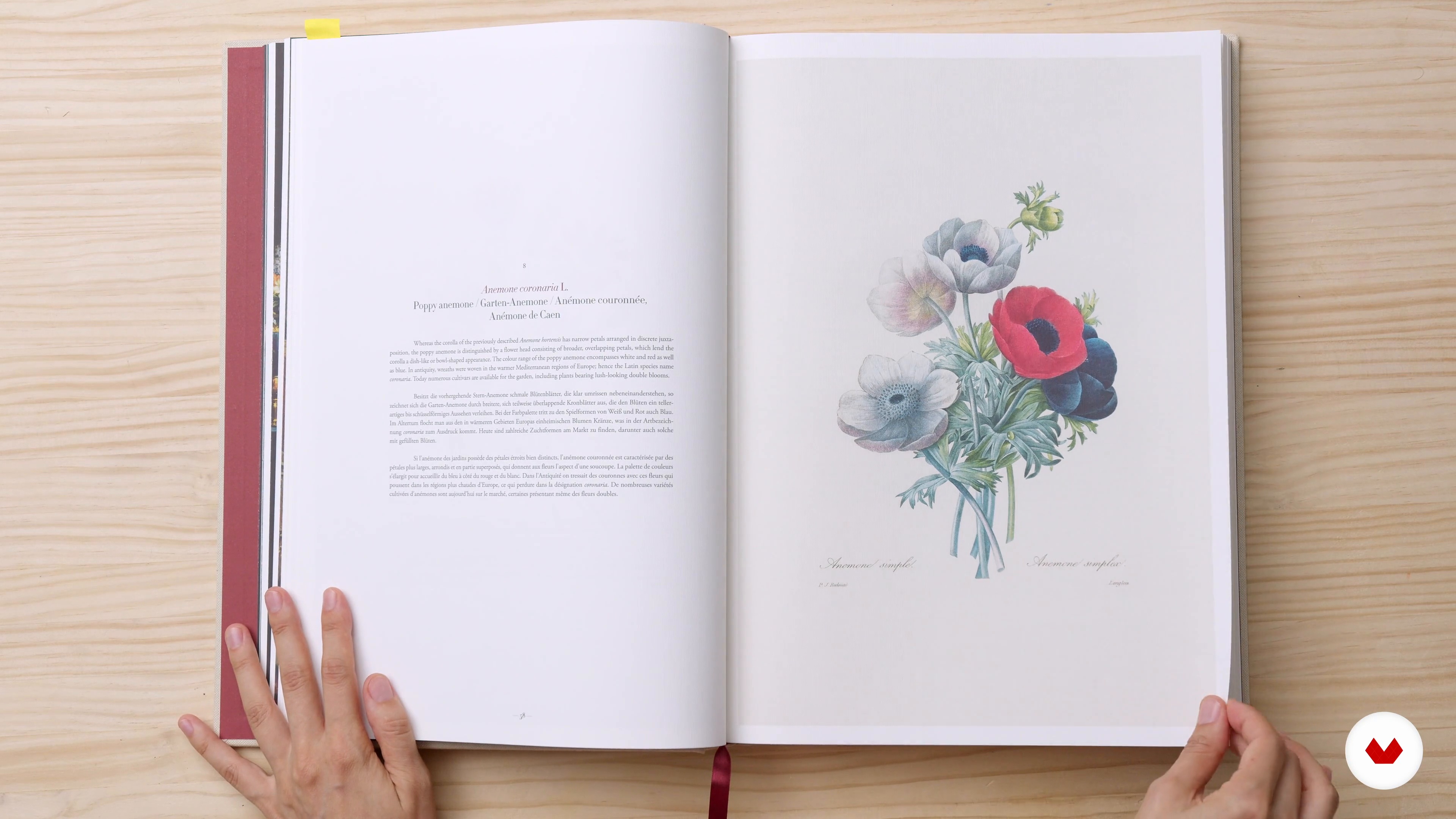
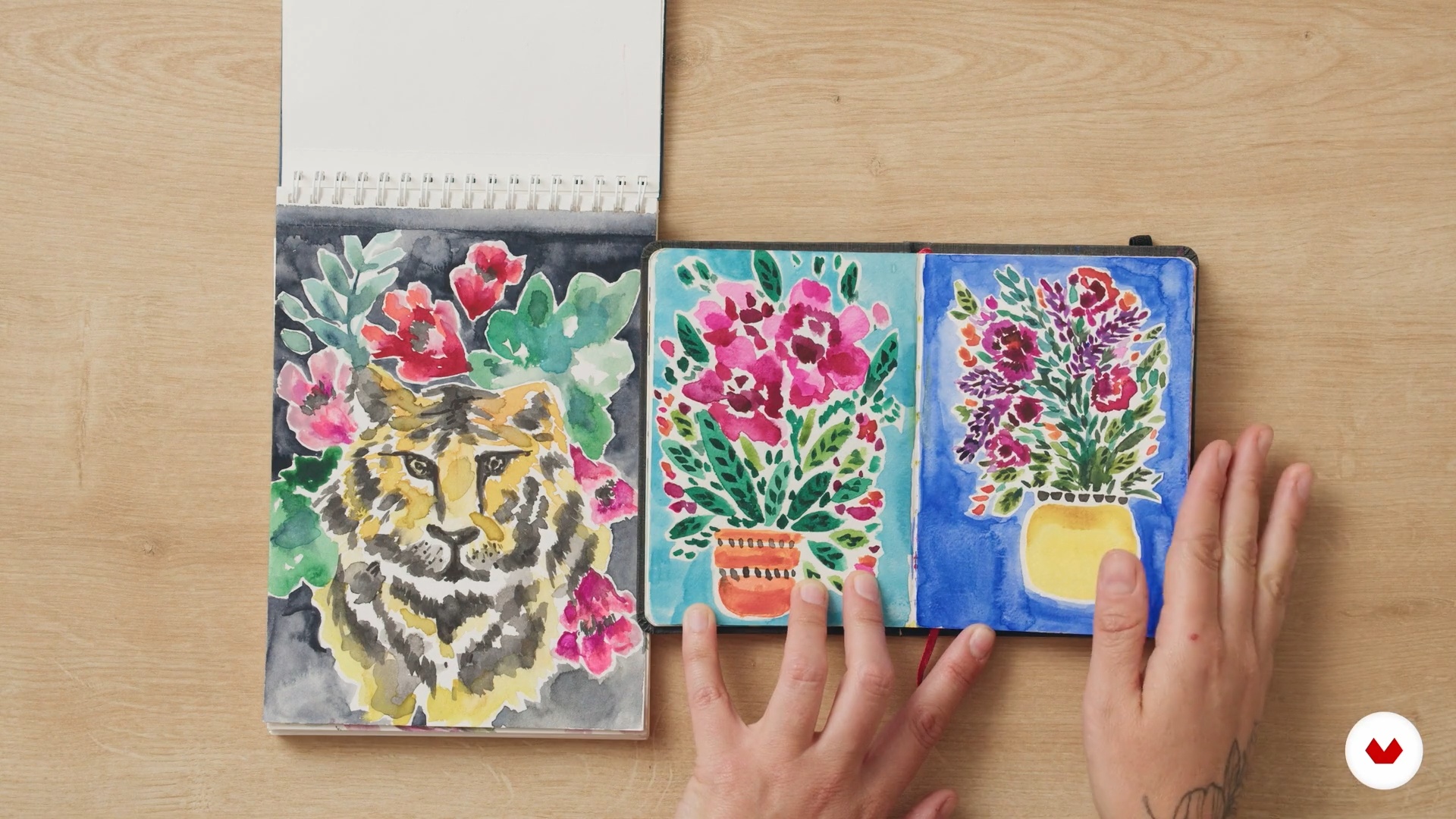
The thing that inspires me the most is nature. From walking on the streets to seeing botanical books. This is what fuels my creativity. But since we're diving into textiles, I will share with you a couple of ideas to serve as inspiration for your project. You can use a shirt or a jacket. But also, why not your shoes or a cap?
5m
image
5
Materials
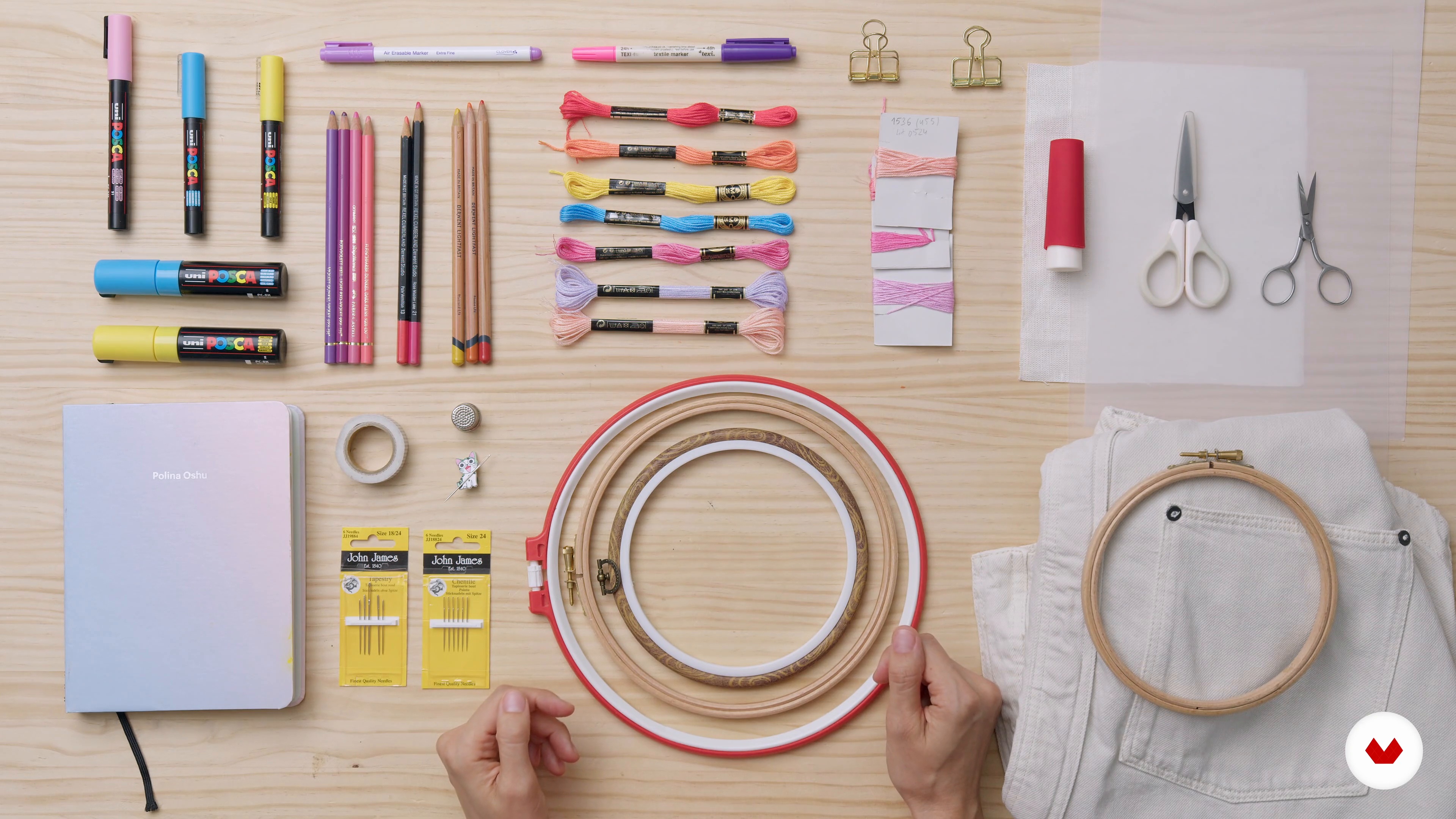
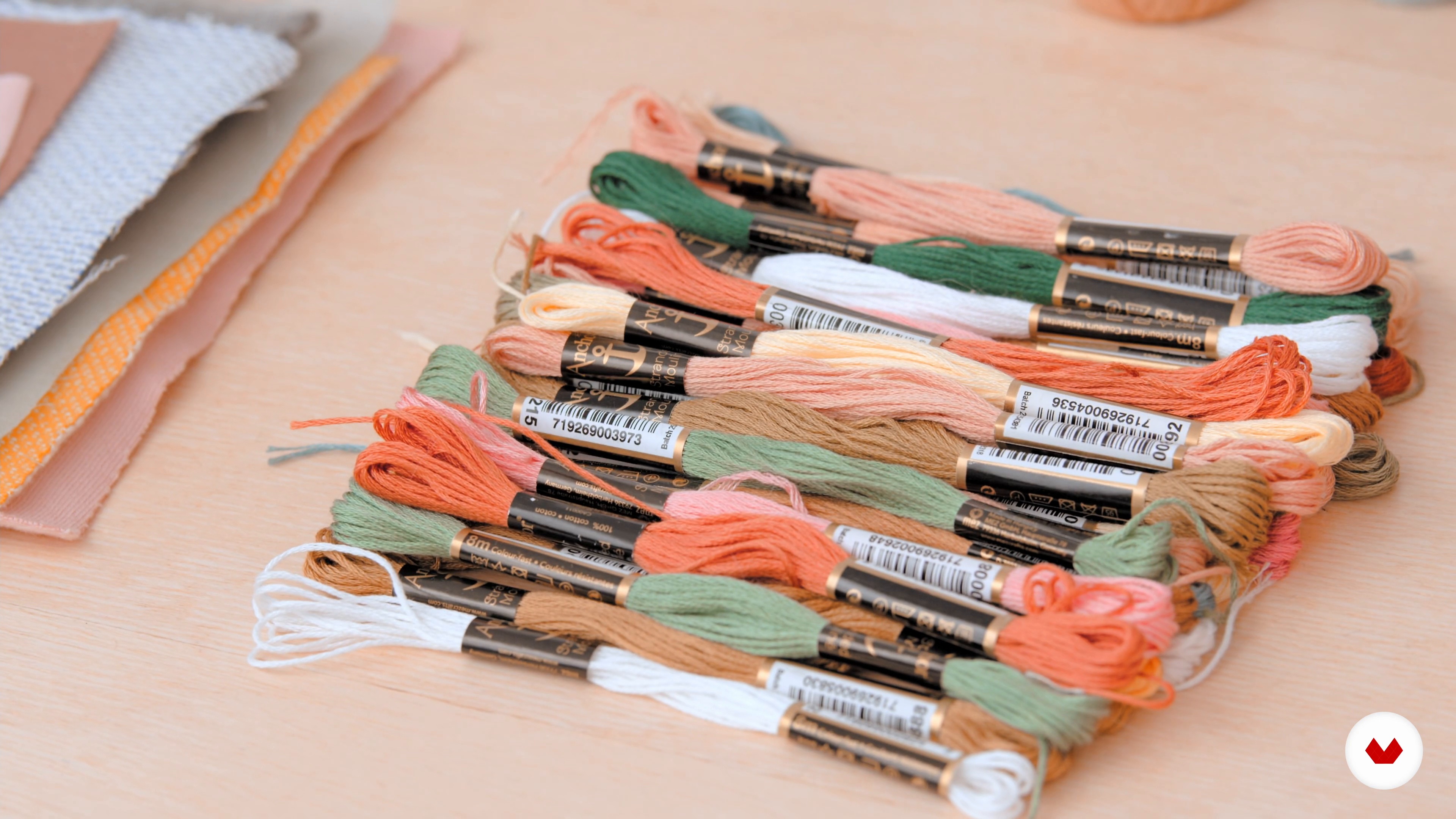
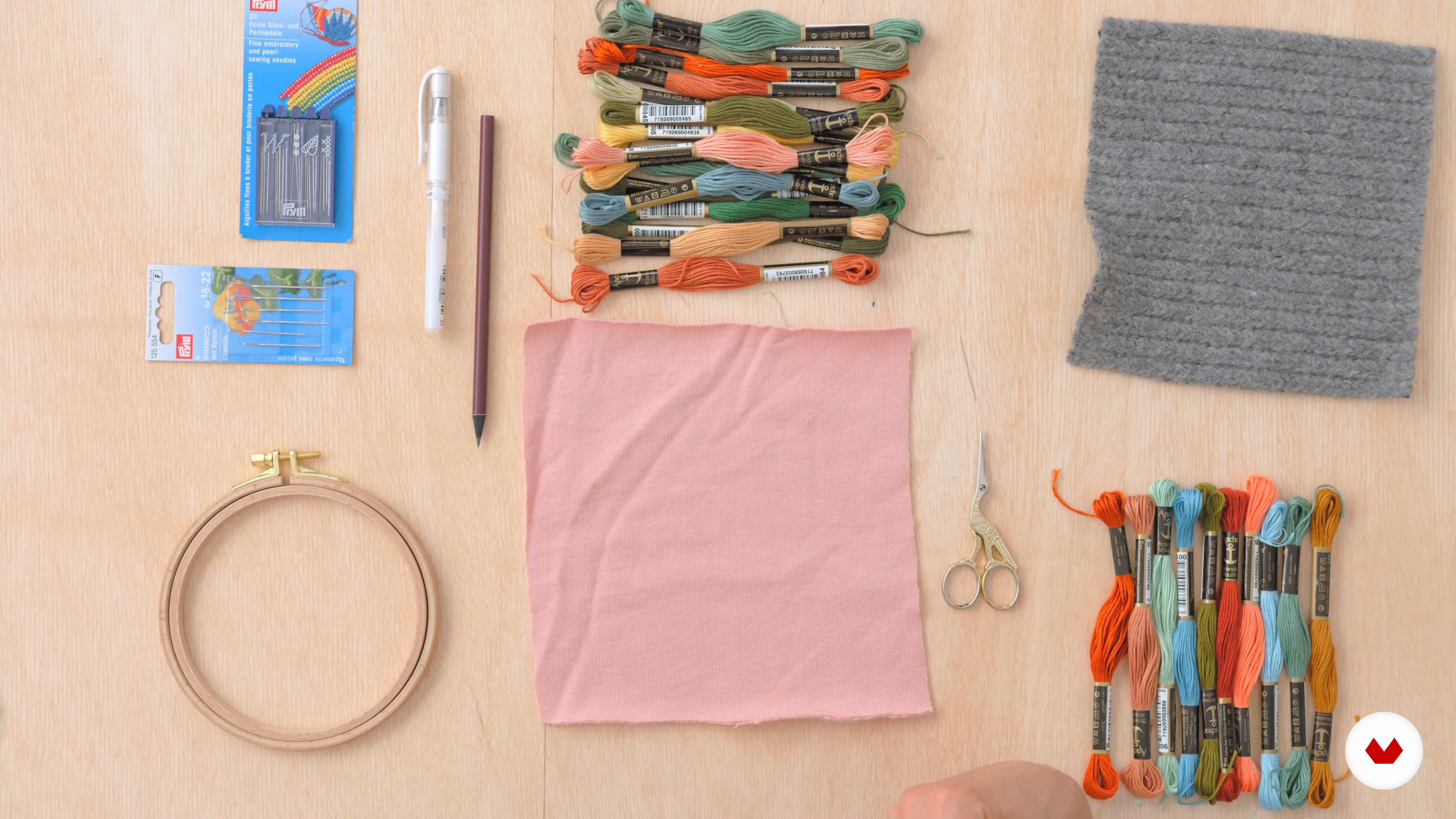
I will now look over the necessary materials for this course, so you can get ready to follow along with me. Since the process will be divided between drawing sketches, painting on fabrics, and embroidery, you will need a mix of materials. But don't worry, everything is available to buy, and you can find some recommendations in the Domestika forum. You will also see that with only a few colors and materials, you can achieve an amazing project!
9m
image
6
Color
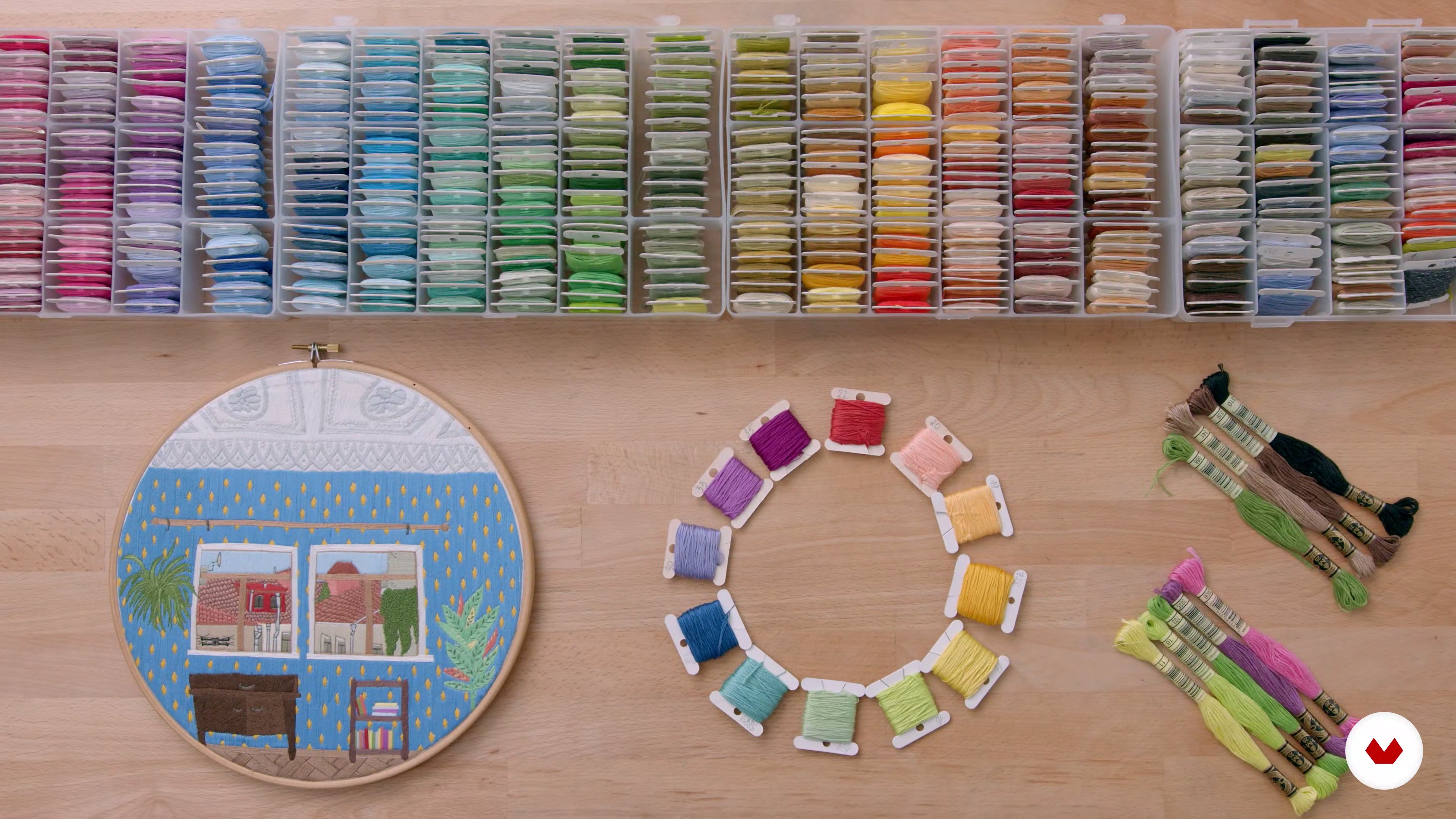
Color is a whole world in itself. There is a lot of theory behind it and many techniques that you can use when you're first starting your creative process. In this lesson, I will give my favorite tips for selecting a color palette, focusing only on temperature and tone. You will see that simplifying and understanding one concept will help you to get either a vivid design that will make your art pop and attract attention or a less wild but beautiful and harmonious piece.
6m
image
7
Shapes and Composition
Once you have your color palette, it's time to give the design some shape and composition. A few tips on this topic will help you take your design to the next level. If you're just starting out, don't make a very complicated piece. Let's focus on doing something small and simple, but paying attention to size contrast, counters, details, simplification, balance, shape contrast, rhythm, overlaps, interweaving, and avoiding tangents.
9m
image
8
How to Transfer the Design and Paint on Fabric
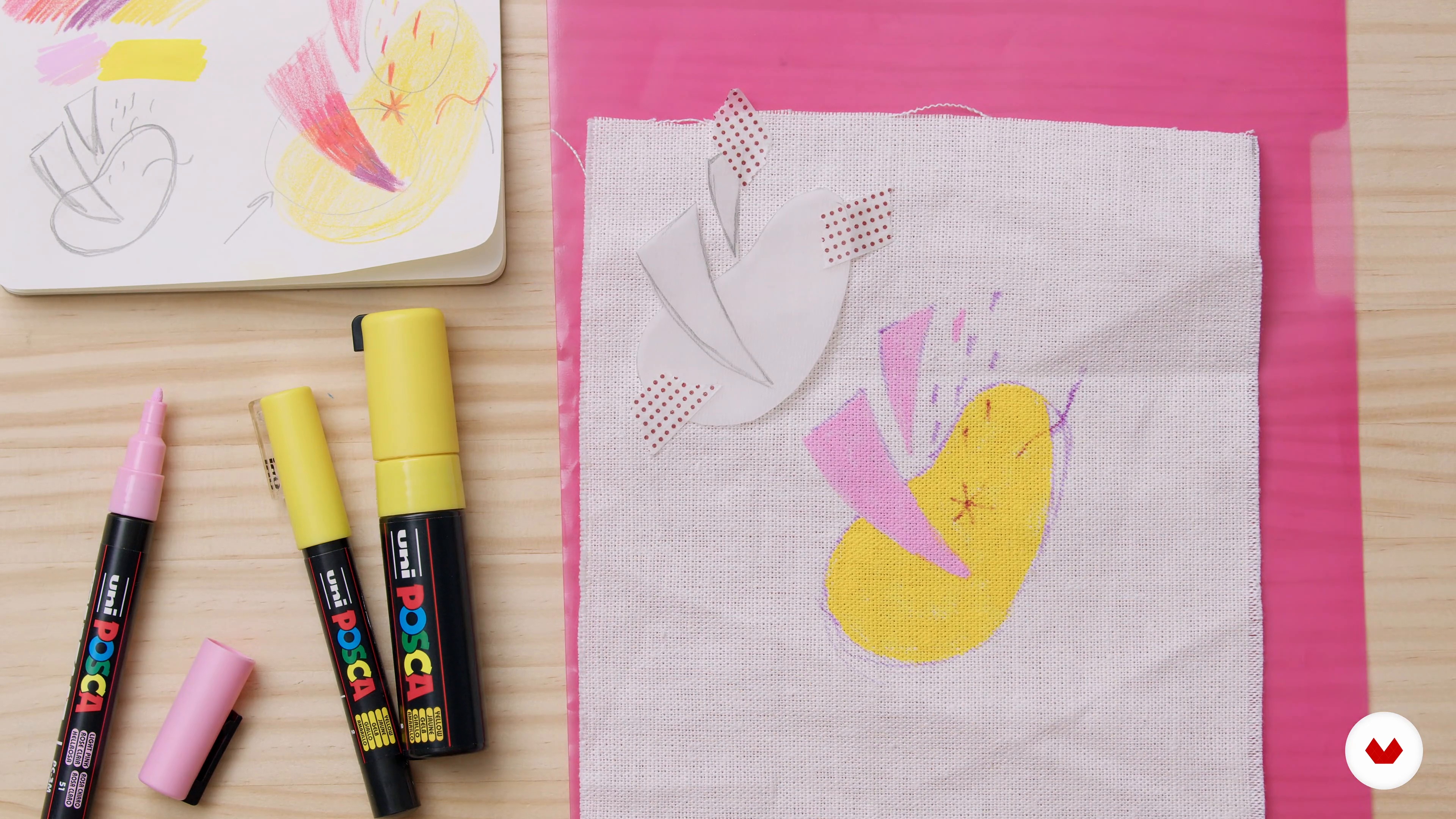
There are a lot of different techniques that you can use to transfer your design and paint on textiles. I will show my two favorite ones: creating a stencil with transparent paper and drawing directly on fabric. If you're not comfortable with either of them, I left a couple more options in the Additional Resources section of this unit. Be aware that before getting started with this step, make sure the piece of fabric you're using for your practice is washed and ironed. It would be ideal to have one of 100% cotton. Be sure to wait at least a couple of hours before progressing to the next lesson. This will ensure that your piece is completely dry.
9m
image
9
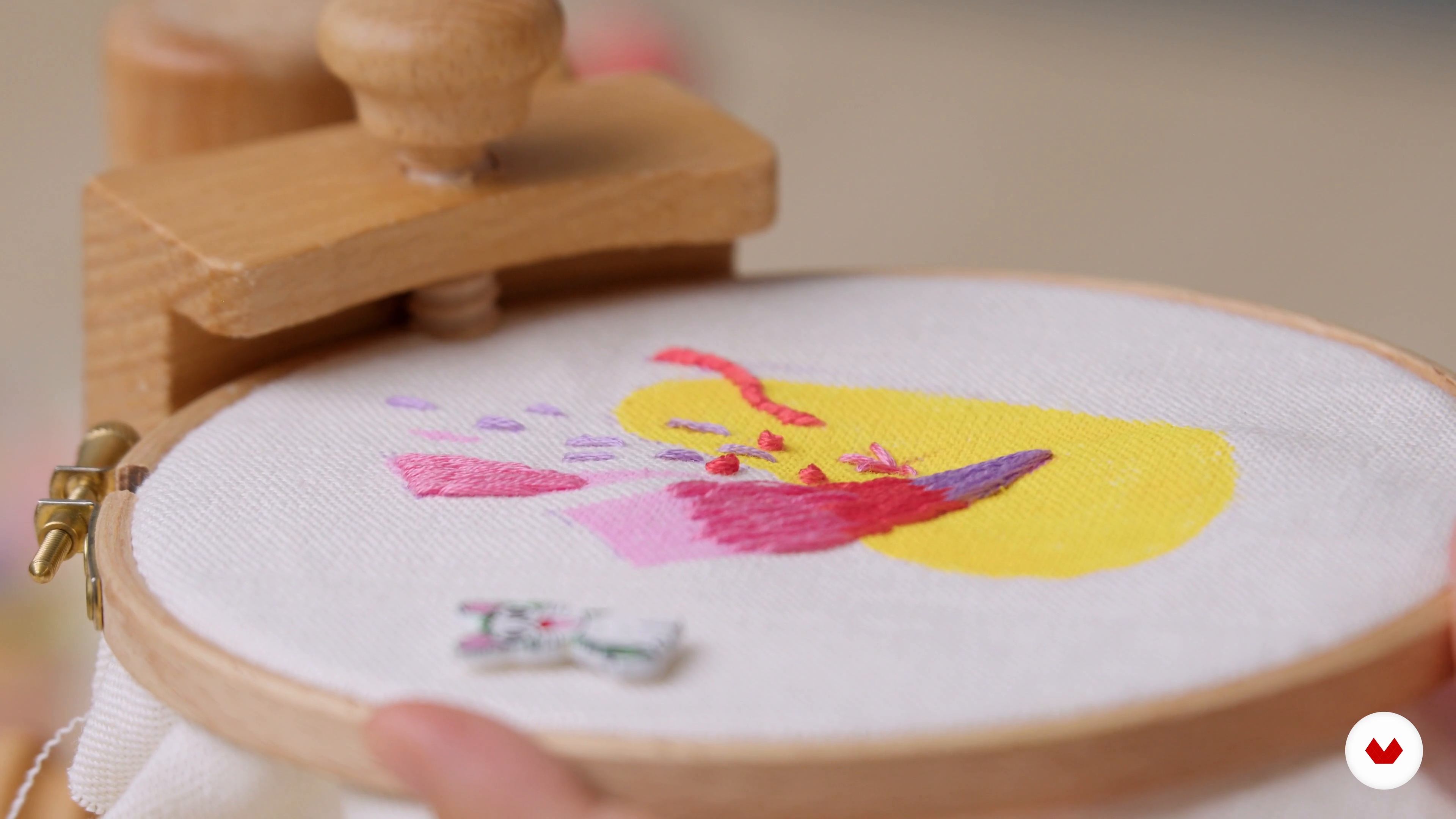
How to Embroider
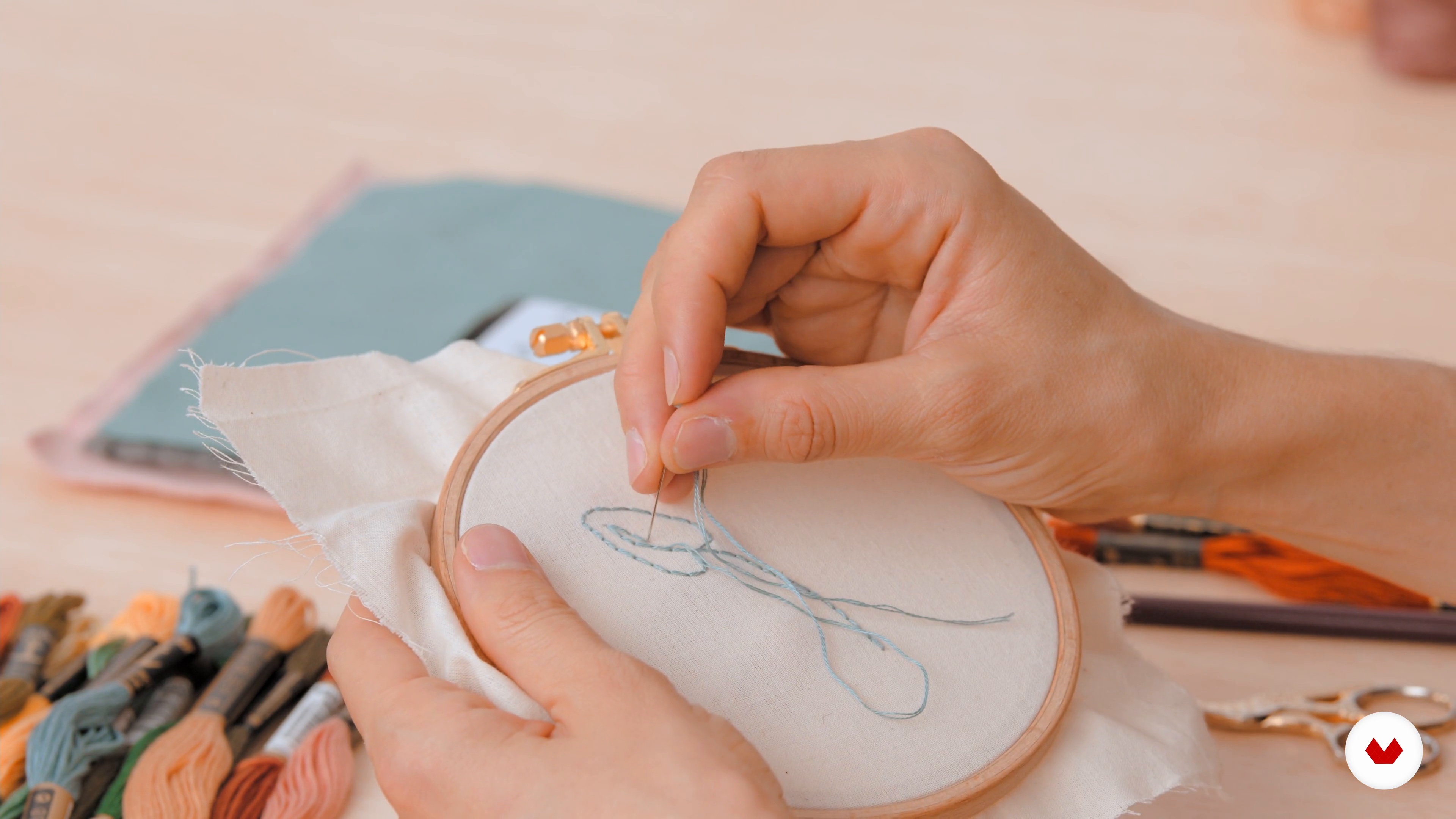
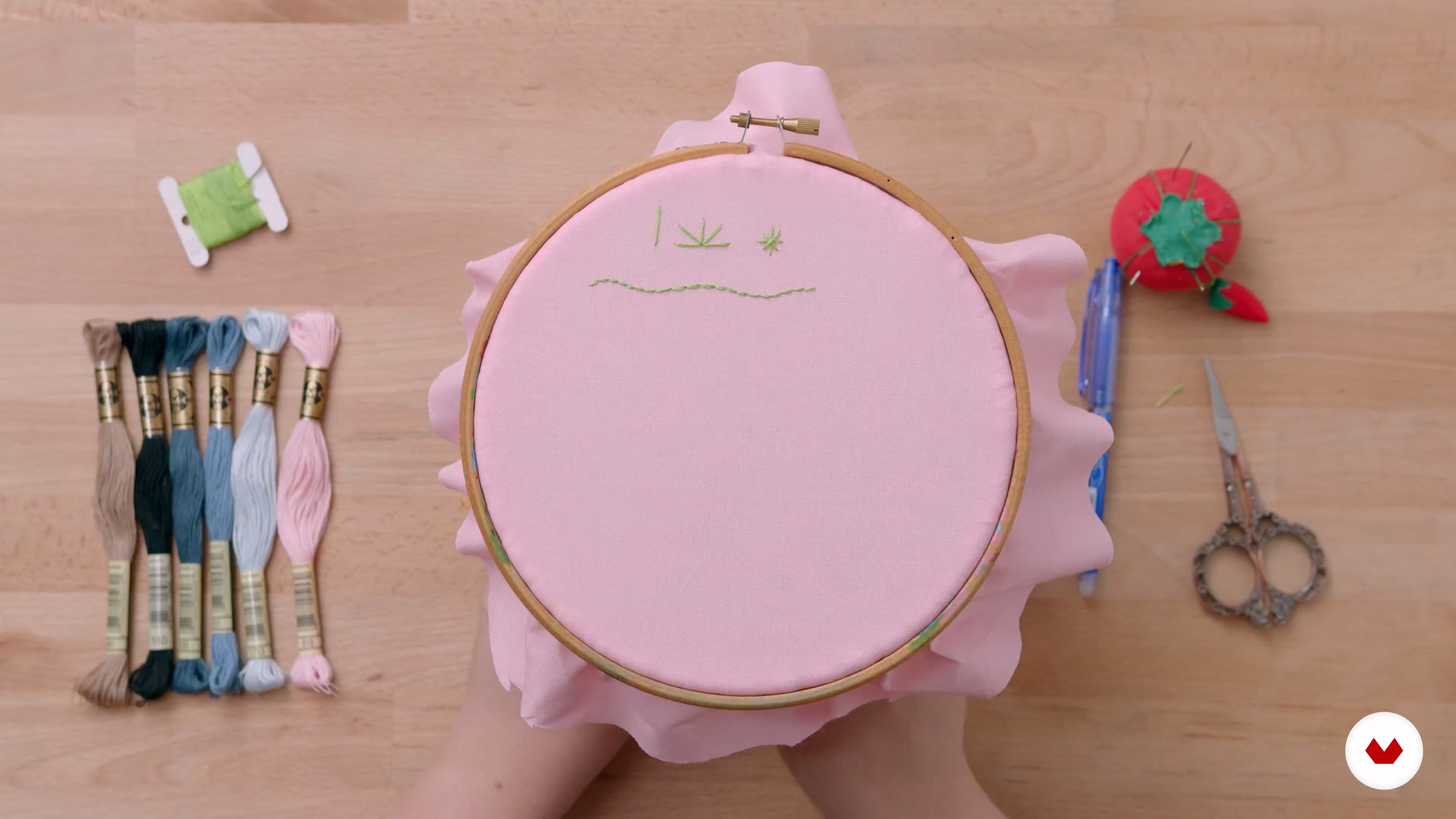
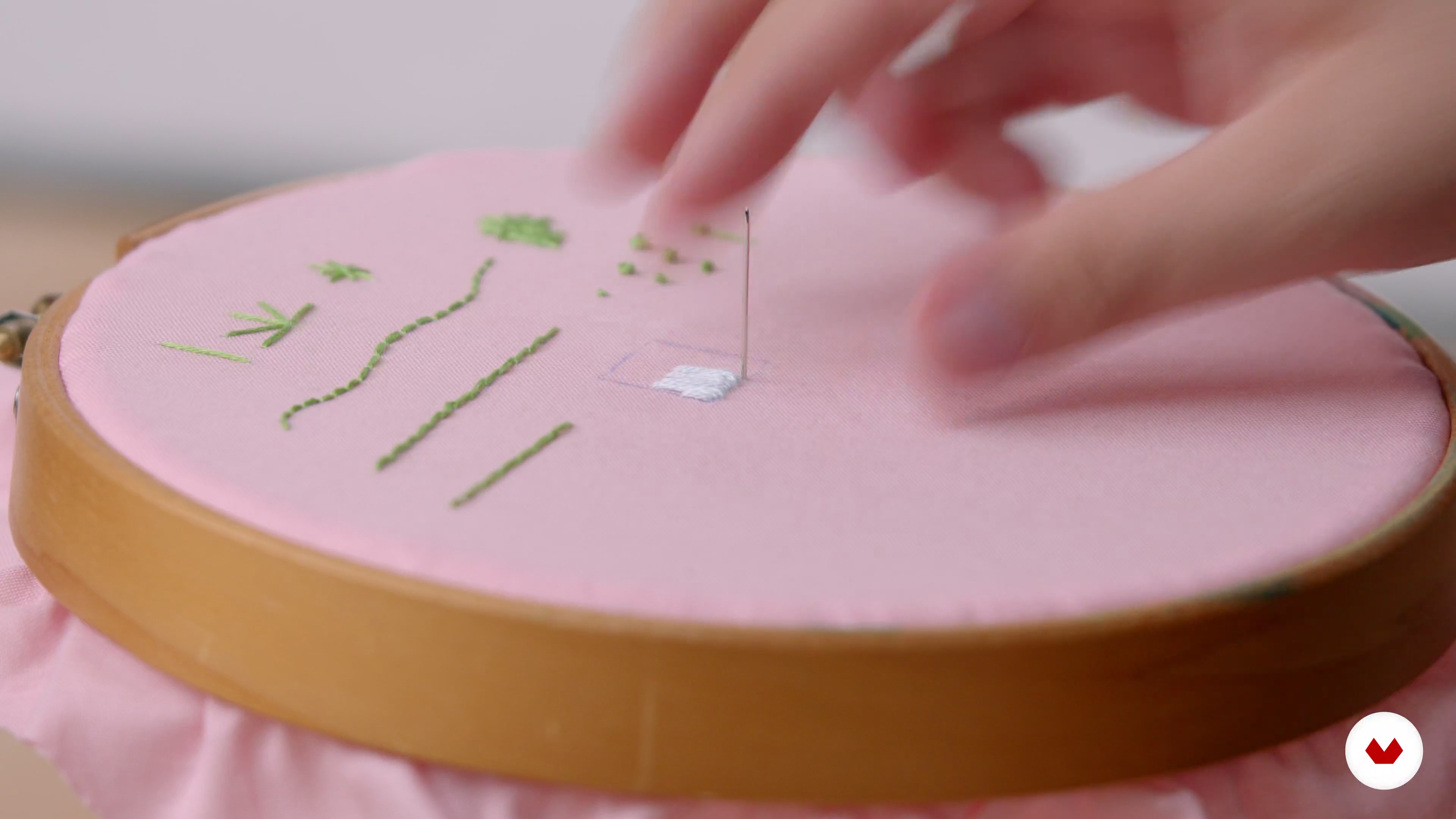
There are an infinite number of stitches and different embroidery techniques, and if you're just starting out, it can be overwhelming! That's why I decided to show my favorite basic stitches that will help you to create amazing and beautiful embroidery. I will use my small abstract composition to show you how I set up the textile on the hoop, how I thread my needle, the basic straight stitch, long and short stitch, French knots, gradients, a thin rope line, and some simple asterisk. Take your time and practice! After mixing and matching these basic stitches, you'll be able to create a very strong and complicated design later on.
20m
image
10
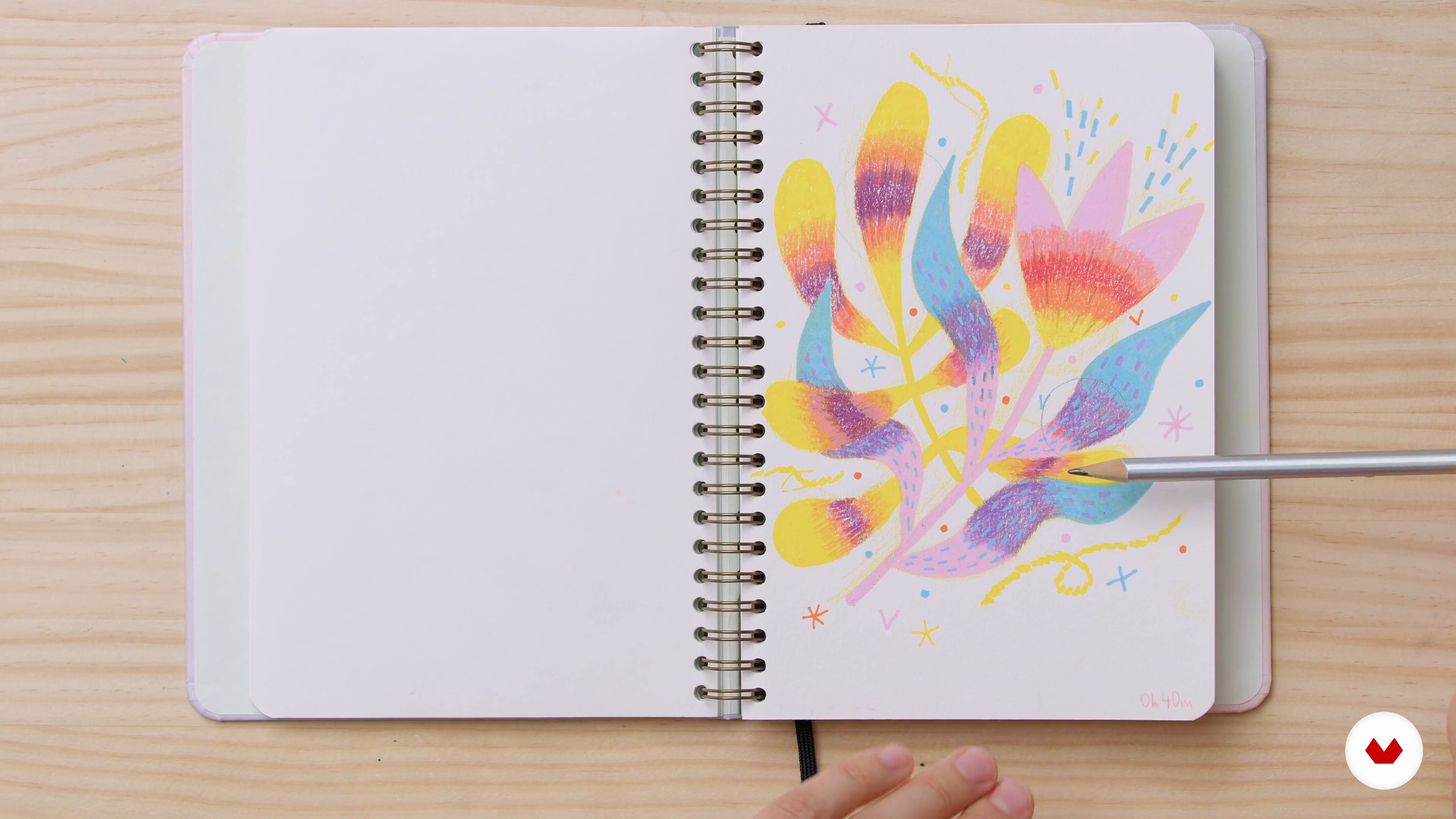
Inspiration, Color Palette, and Sketch
Let's jump into the design phase of the course project! In this lesson, I will work on a more complicated pattern to show you what's possible! Instead of using a reference photo, I will draw from my imagination. If you're a beginner and feel a little insecure about sketching something without a reference, I encourage you to source one and use it as inspiration. You also have the option to use my project as a reference. However, I would strongly suggest that you project your style onto the piece and create something unique! I will also show how adding one extra color marker can change the energy of a design from harmonious to vibrant. It's important to remember at this point that the color of your piece will be the background color. So, be sure to consider this when selecting your palette.
9m
image
11
Transferring the Design to Fabric and Coloring with Paint
Before getting started, make sure that your textile is washed and ironed. Otherwise, it can alter your design considerably! In this lesson, I will show you how I transfer a complex design to fabric using the stencil technique. Also, you will see how I prepare my Posca markers to start painting. Once you've completed these steps, you will need to wait for a period of 24 hours before progressing to the next stage.
11m
image
12
Embroidery
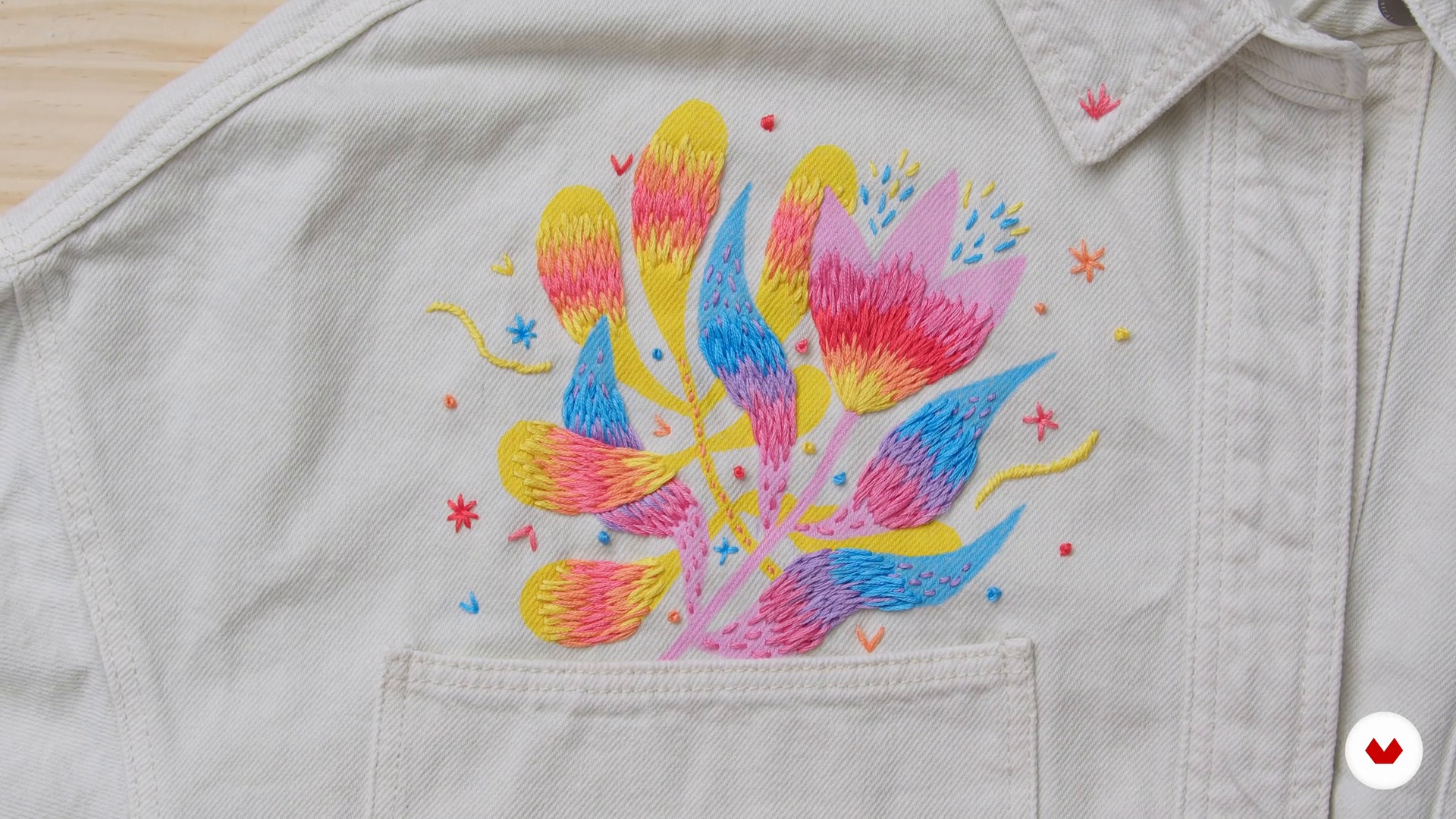
This is the last step of the course project! Embroidery takes a lot of time, patience, and practice. I will show how you can apply the stitches I taught you in this course to a more complicated design. The process is more or less the same as our practice runs, but the final result will be complex and with a lot of details.
20m
image
13
How to Take Care of the Design and Home Decor Options
There are a number of things you need to consider to keep your piece looking great for a long time. The Posca markers will hold well for a long time (please don't forget to apply dry heat to fix the paint on the fabric!), even if you decide to put your piece on the washing machine. However, the embroidery part is very delicate and needs special care. As a result, I recommend washing your design by hand with cold water and ironing it from the opposite side. In this course, I showed you how to decorate a piece of clothing. But the same techniques can be applied to any other thing that you wish to create! Home decor pieces are a very great way to give personality to your space or even give as a gift to someone. The possibilities are endless! From table cloths to dish towels, curtains, pillowcases, lamps, and even more complicated and sophisticated pieces on couches or chairs.
3m
image
14
Sharing Your Work
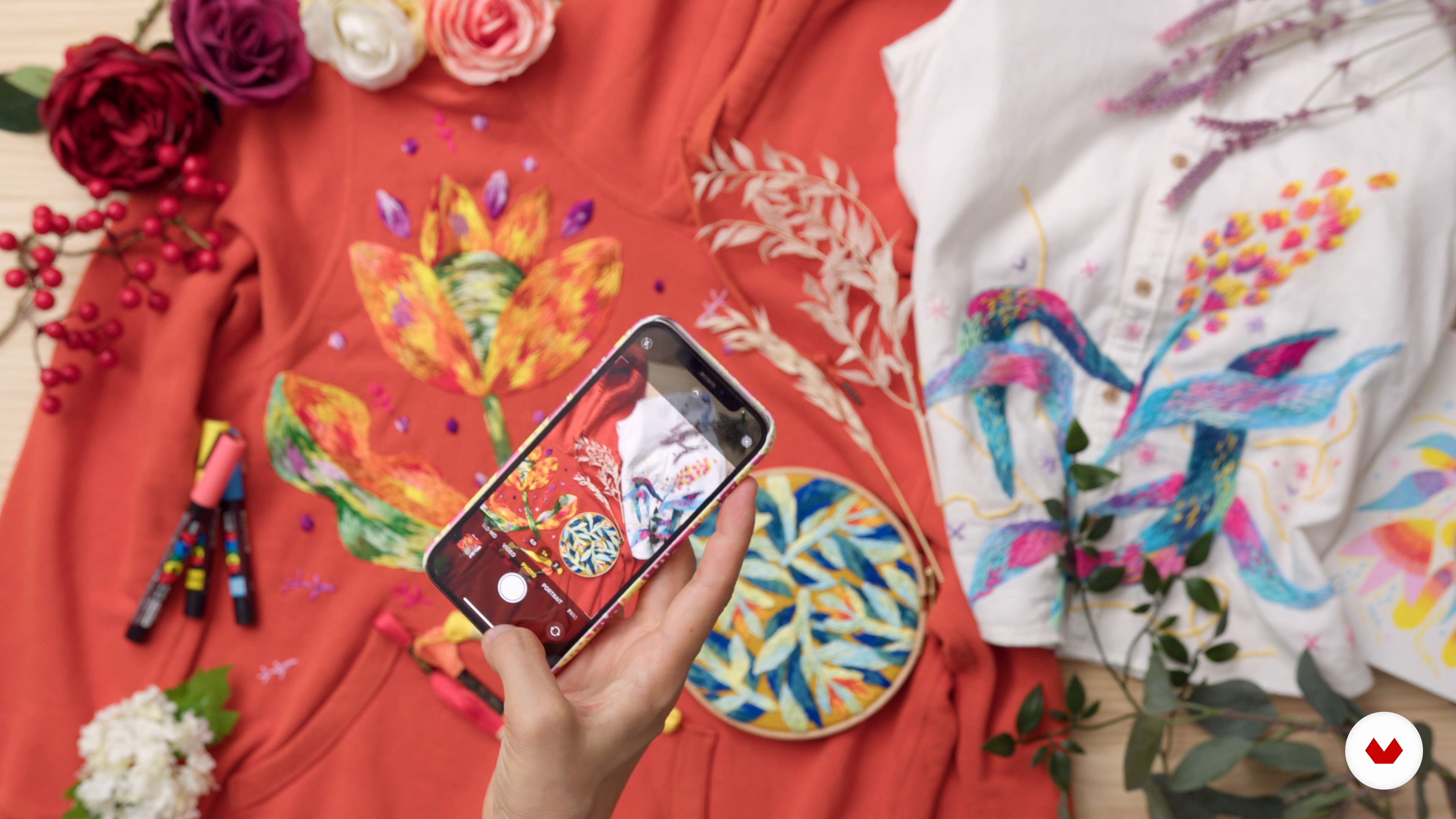
It's time to share your art with the world! This is a crucial step that everyone should follow. Receiving positive feedback gives me the fuel to keep on creating more! What's more, I believe that when I share my work, I open a new space inside that inspires me to start a new project. Of course, there will always be someone that may give you negative feedback. That's why it's important to understand that art is subjective—this may be a reflection of their own emotions and not about your work. For this reason, I also think it is important to find a safe space and a supportive community of artists. Be sure to comment and help your colleagues in the forum. I'll be there waiting to see your amazing pieces on Instagram under the hashtags #PolinaOshuDomestika and #colorinstitch.
4m
image
3
How to Get Started and What Materials to Use
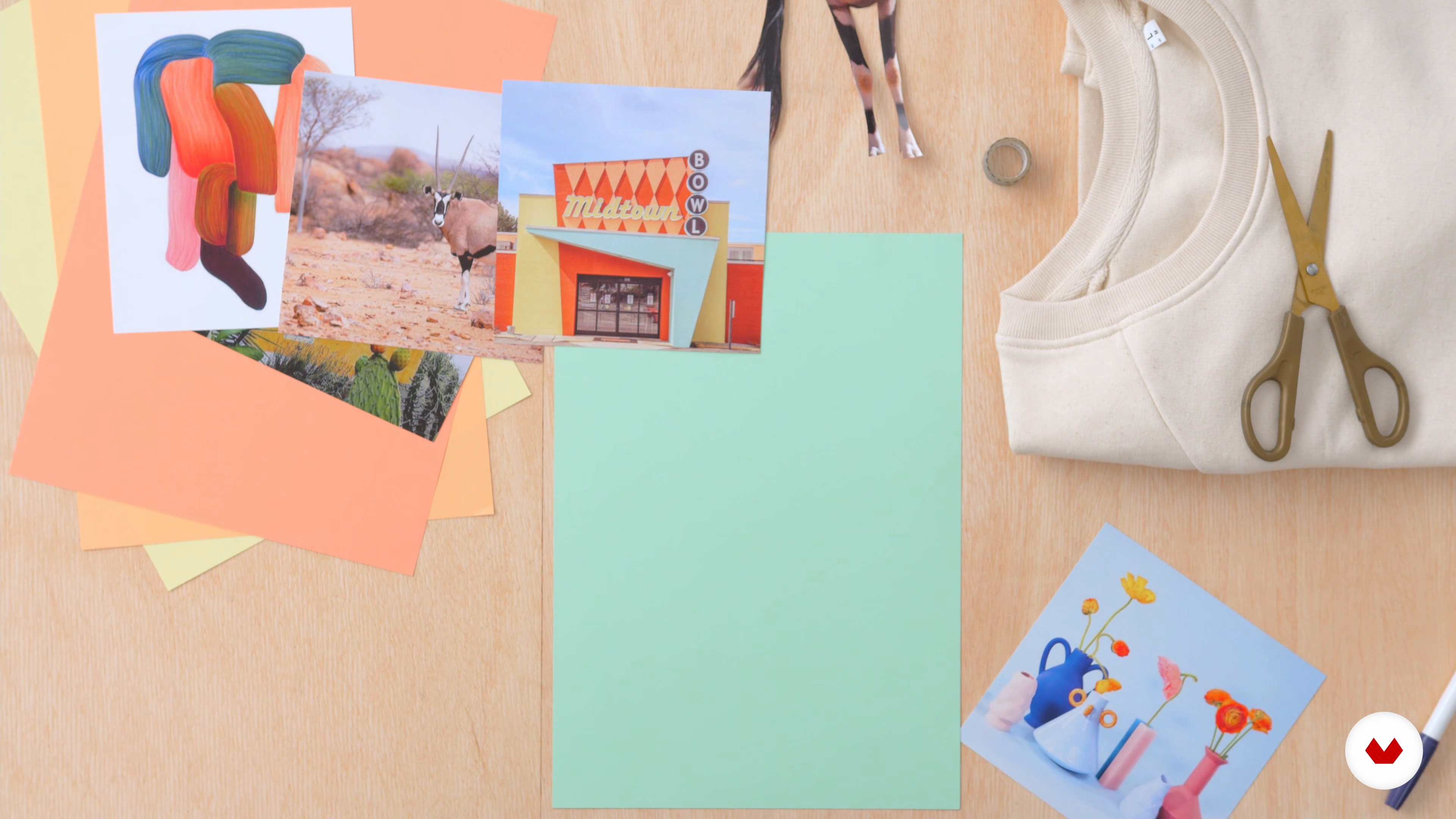
Let me tell you what creativity means to me and how I combine inspirational images to create and finalize each design. I will also show you the materials I use to help me turn my ideas into hand embroidery reality.
3m
image
4
Fabrics and Threads
In this lesson, we will talk about fabrics and threads. Which fabrics are good for hand embroidery and which are not? I will show you how to embroider on a variety of fabrics and tell you all about the things that are important while embroidering on different kinds of materials and surfaces.
4m
image
5
Outline Stitches 1
Now I will show you all the techniques I use to hand embroider an outline of a drawing.
13m
image
6
Outline Stitches 2
Let us continue with the second fabric and second technique: the split stitch. With this technique, your embroidery will turn out very smooth.
18m
image
7
Filler Stitches 1
In this lesson, I will show you all the techniques I use to fill up a surface with hand embroidery.
16m
image
8
Filler Stitches 2
We will finish off with my favorite filler technique which is especially delicate. Let me show you how it works on a piece of very thin and translucent fabric.
9m
image
9
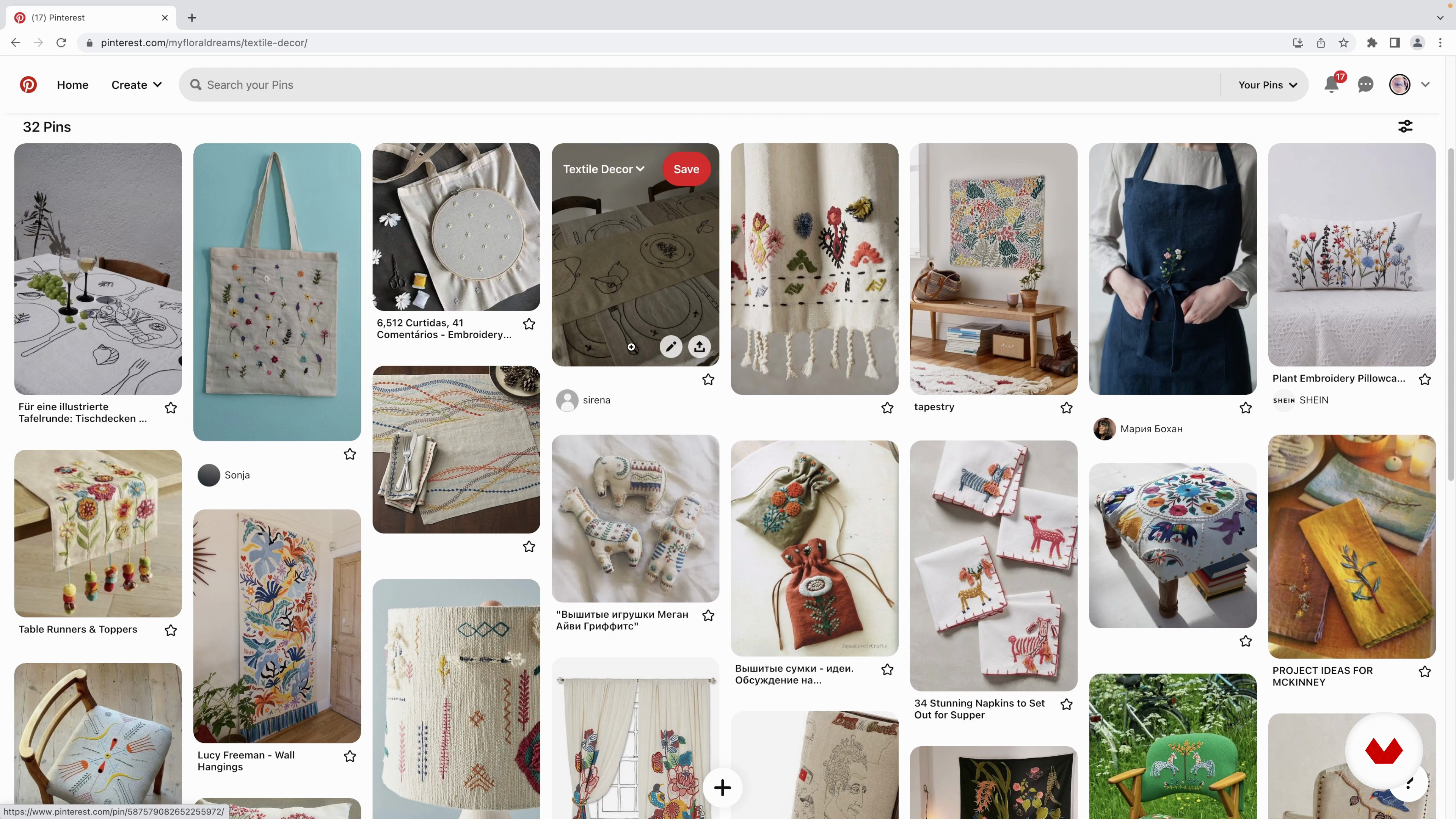
Inspiration for Your Design
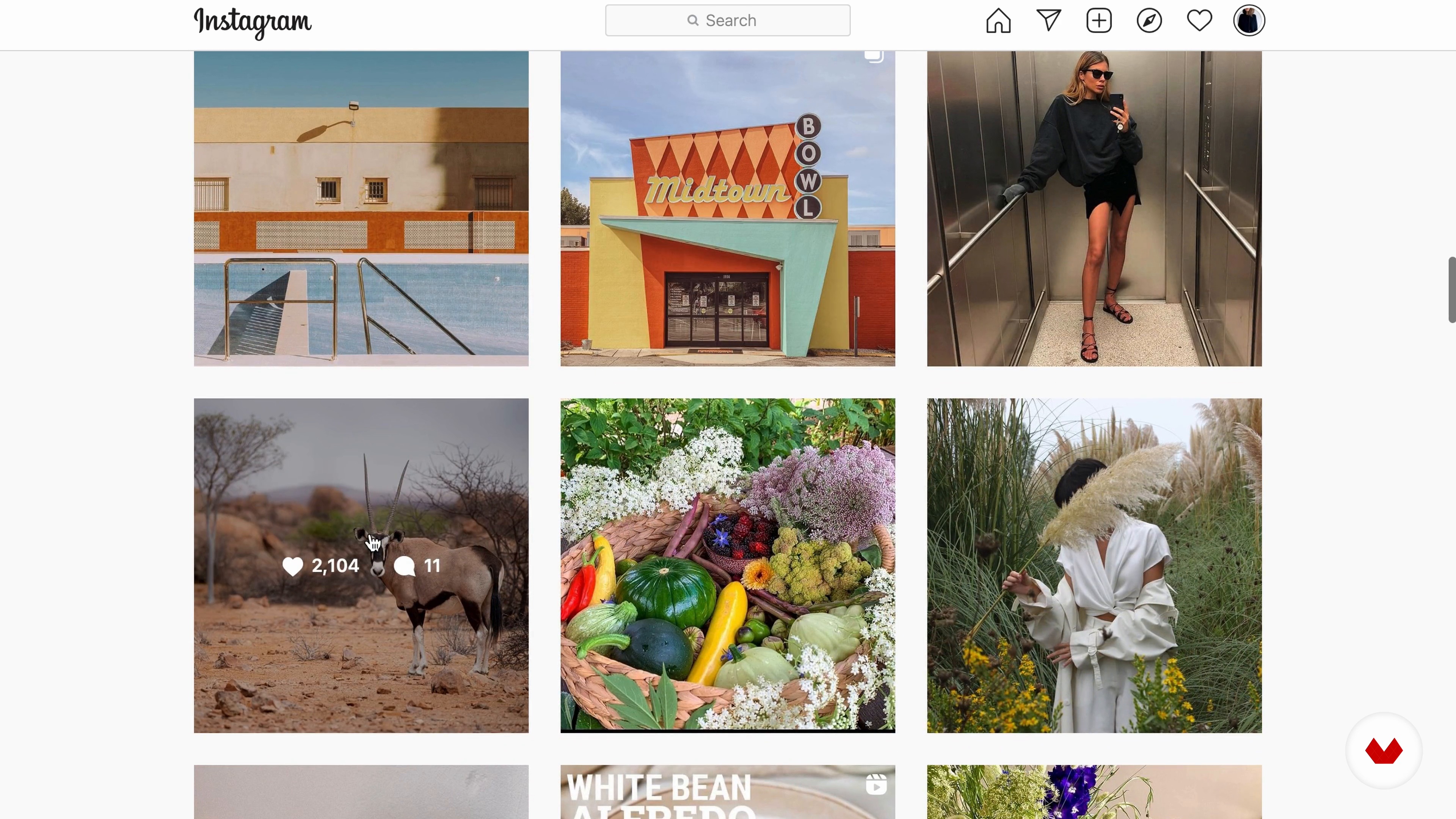
Let us now start searching for inspiration through online images.
3m
image
10
Positioning and Transferring
In this lesson, I will show you how to work with stencils. I will also show you some other options of transferring your drawing onto your piece of clothing.
16m
image
11
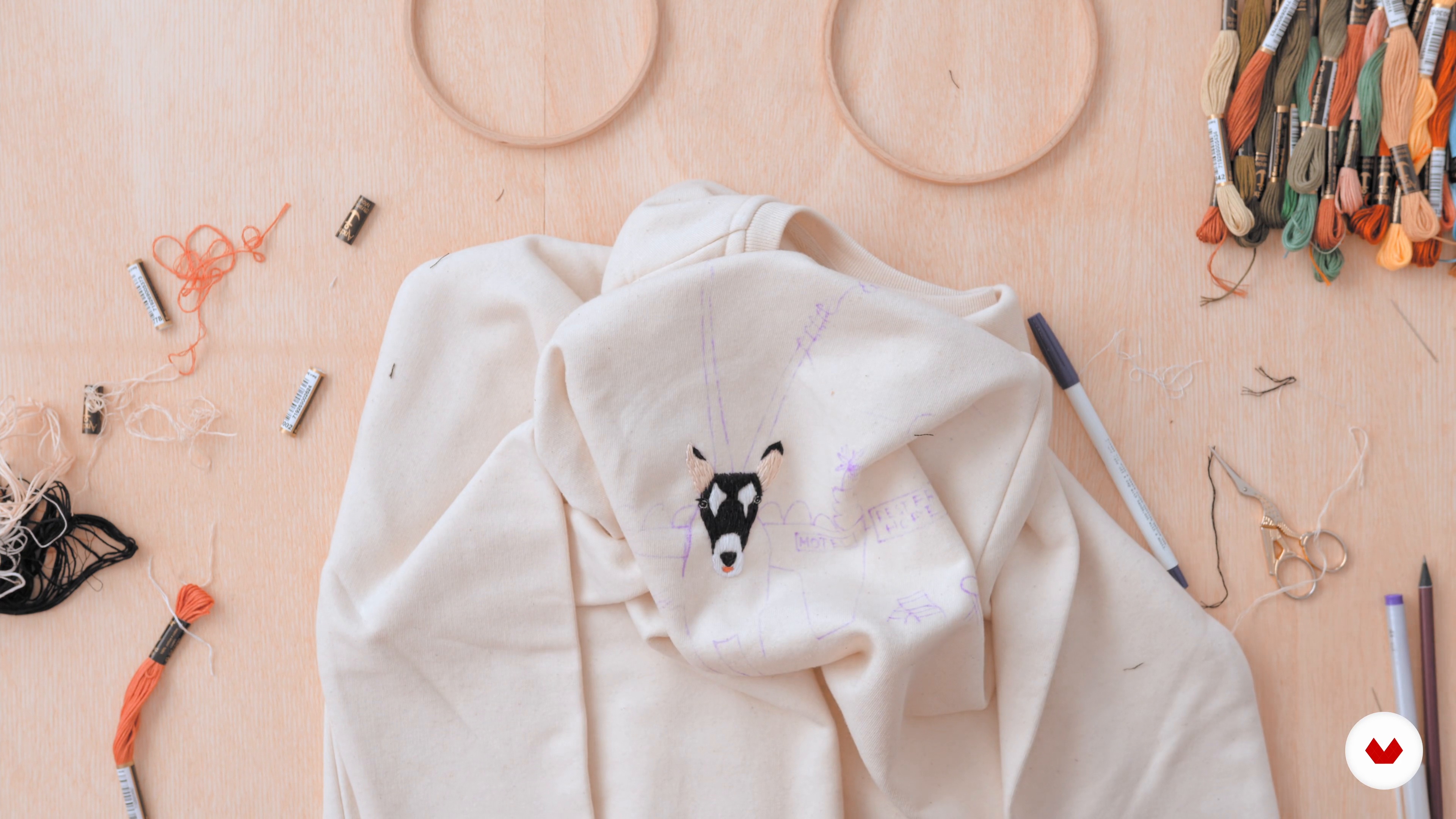
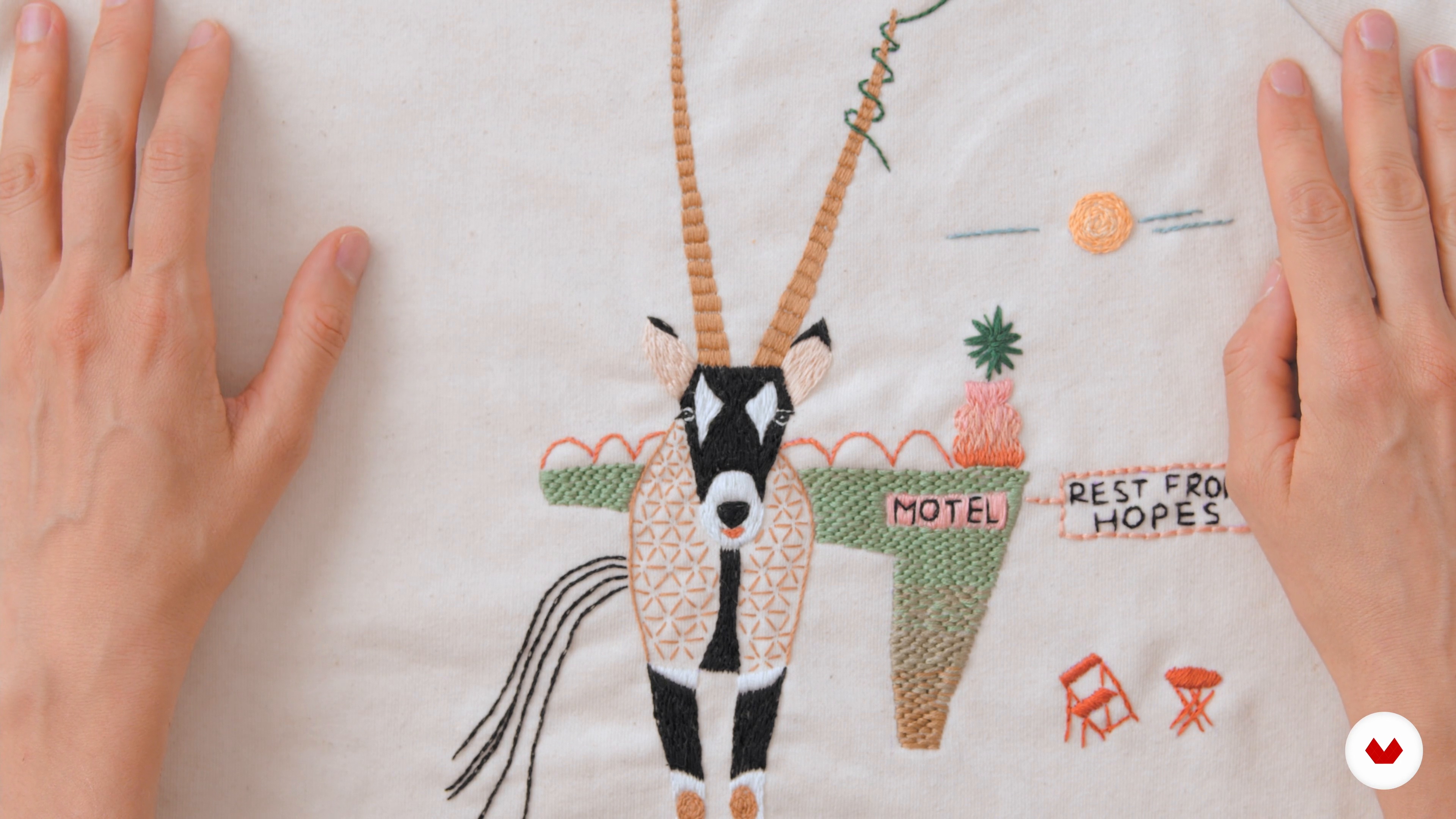
The Head of the Oryx 1
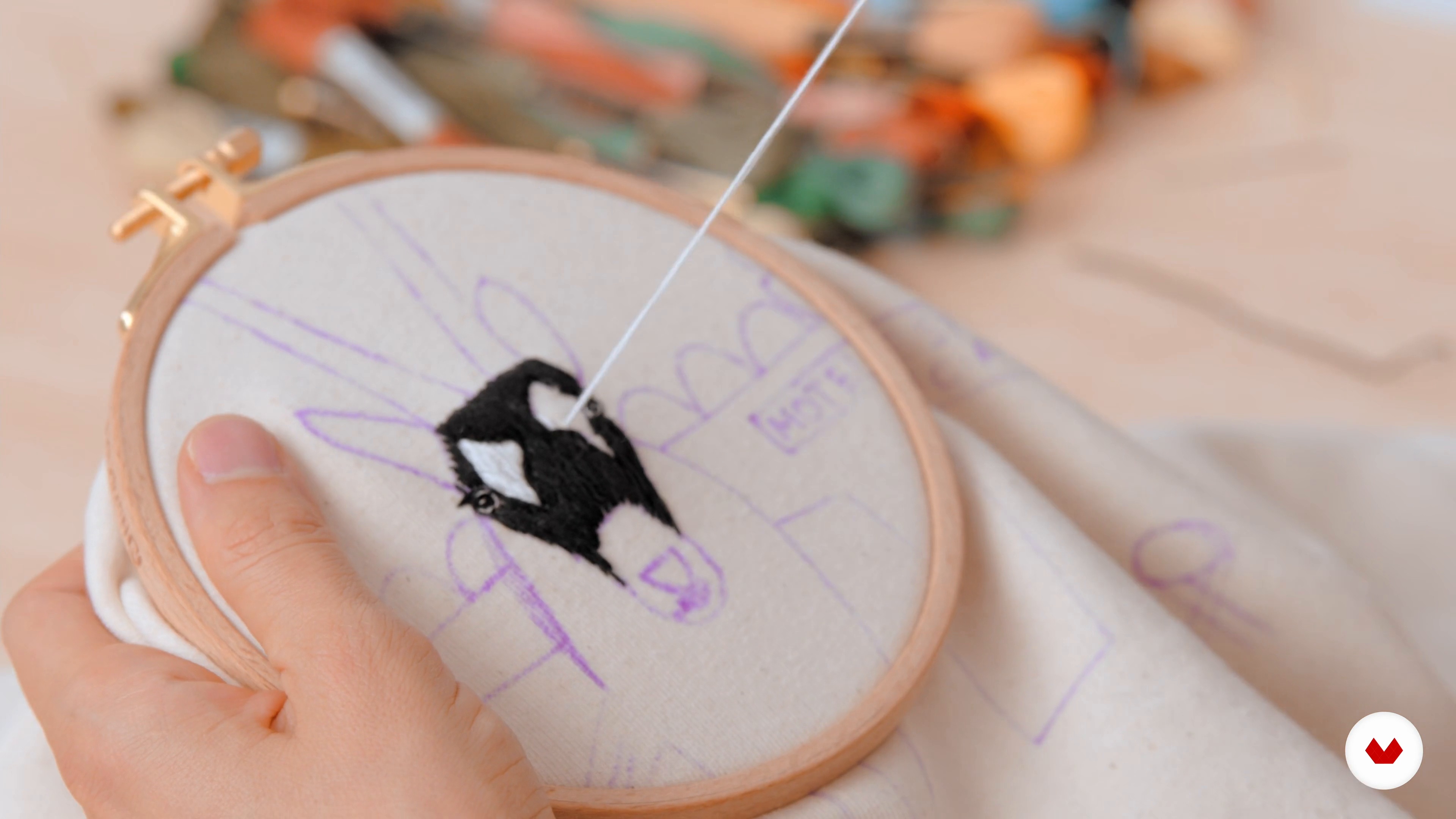
Let us now embroider the head of the oryx. We'll be installing the hoop, not stretching the fabric too much.
15m
image
12
The Head of the Oryx 2
Let's continue with the nose, mouth, ears, and horns of our oryx.
14m
image
13
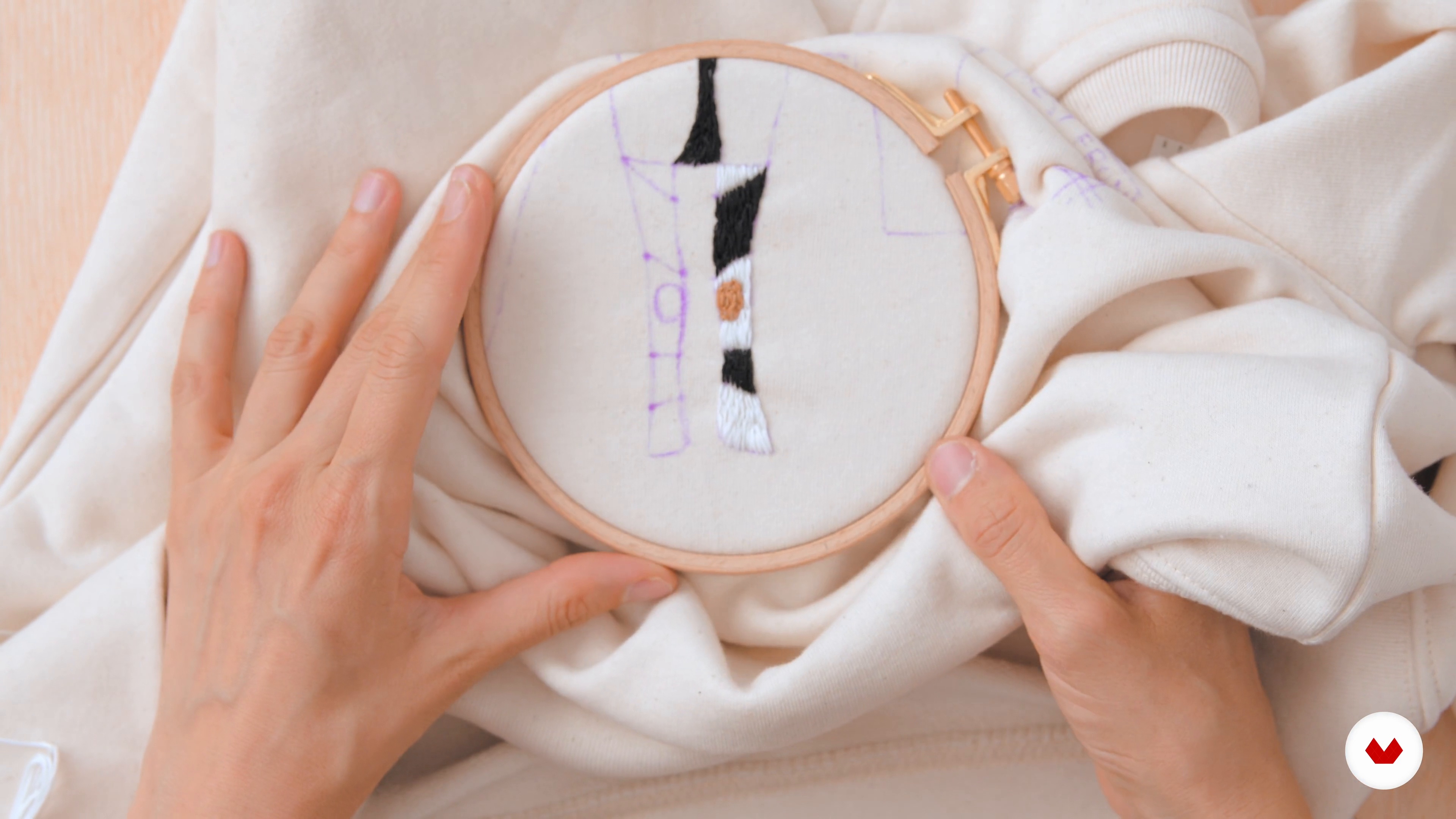
Body Colors
In this lesson, we will start embroidering the body with our chosen colors, applying different techniques that fit the shape and texture of a true oryx.
8m
image
14
Pattern and Tail
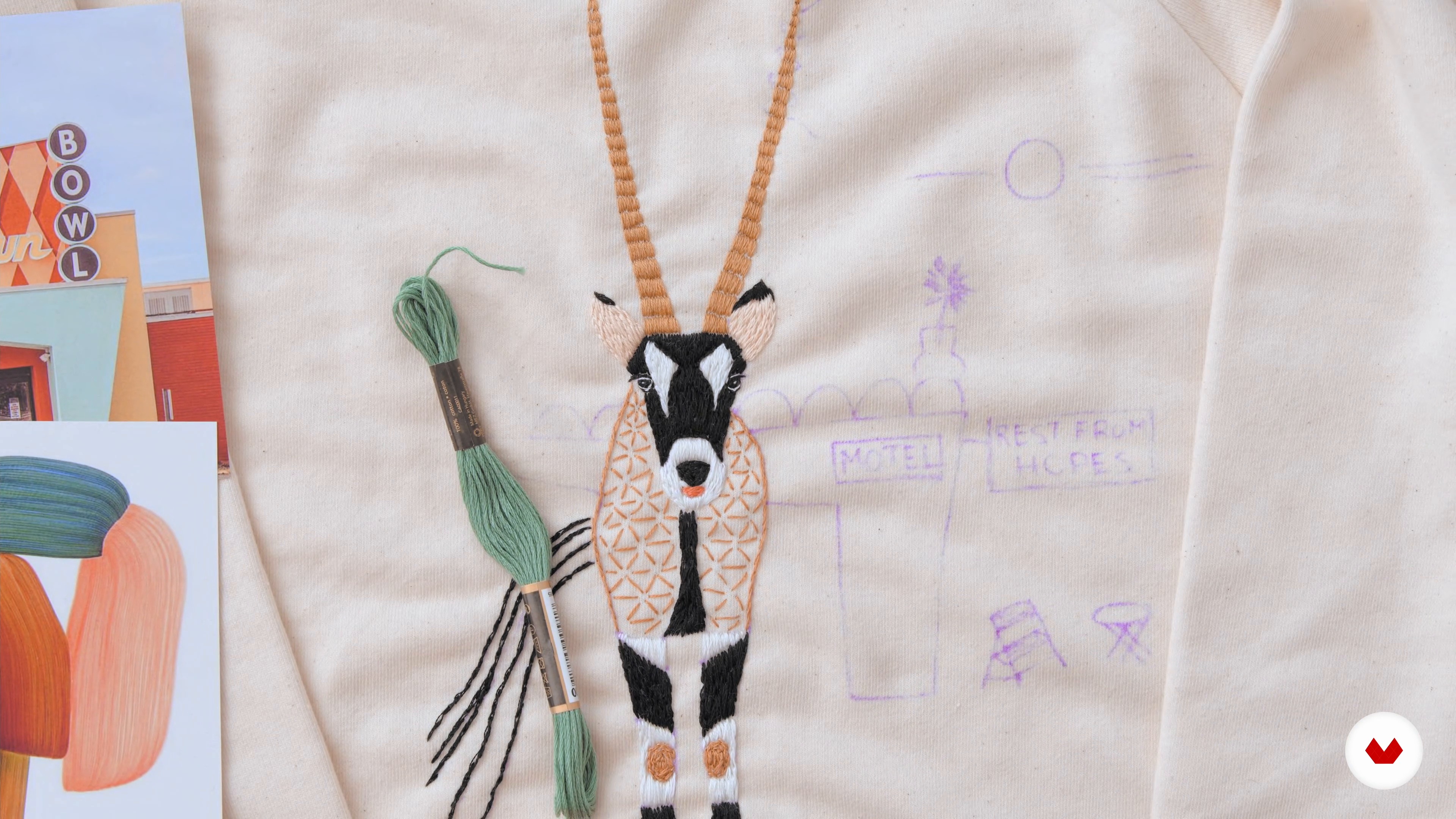
Let me show you how sometimes you can create patterns made of simple stitches for fast and fun surface filling.
13m
image
15
Color Gradient Motel
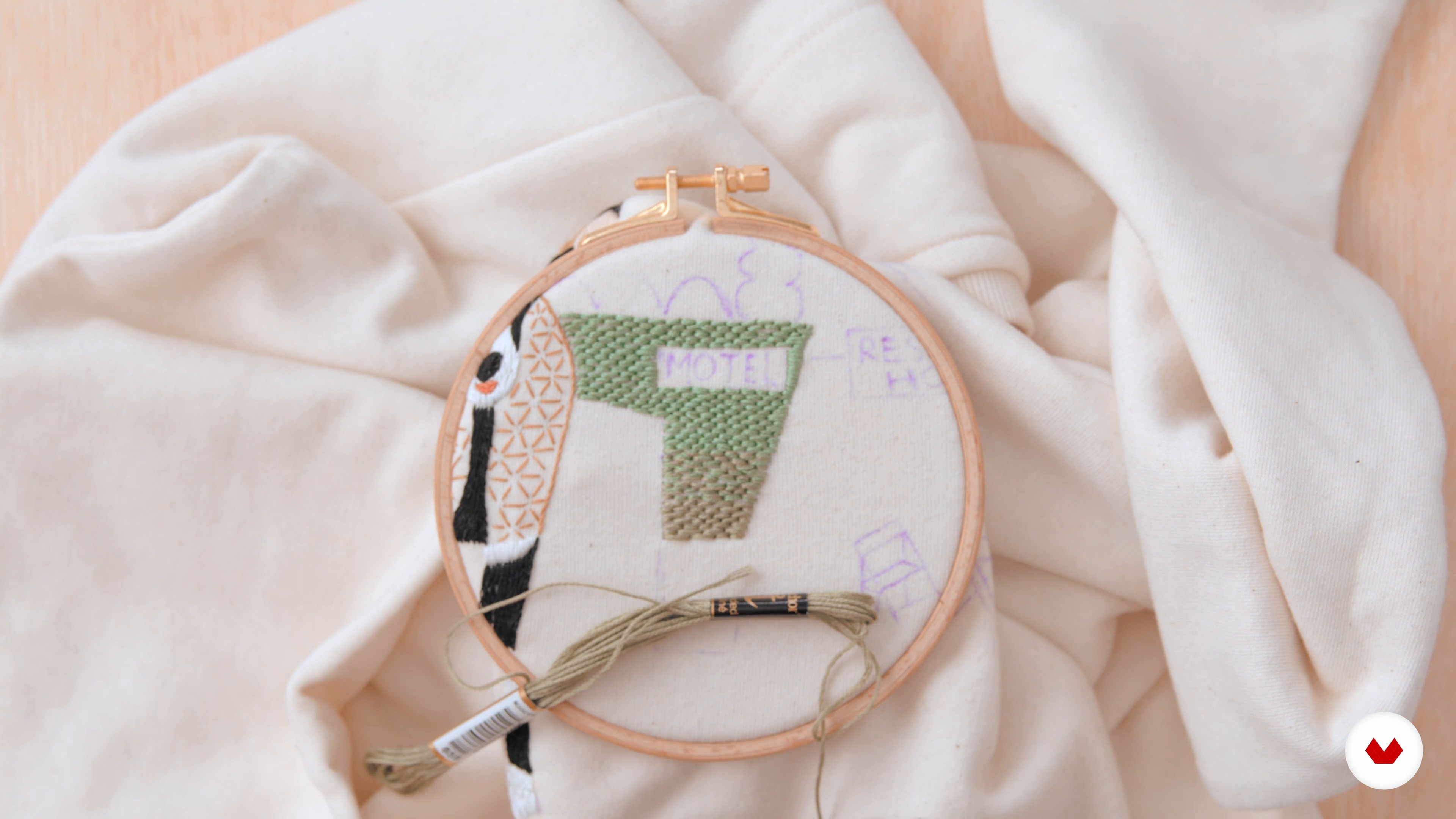
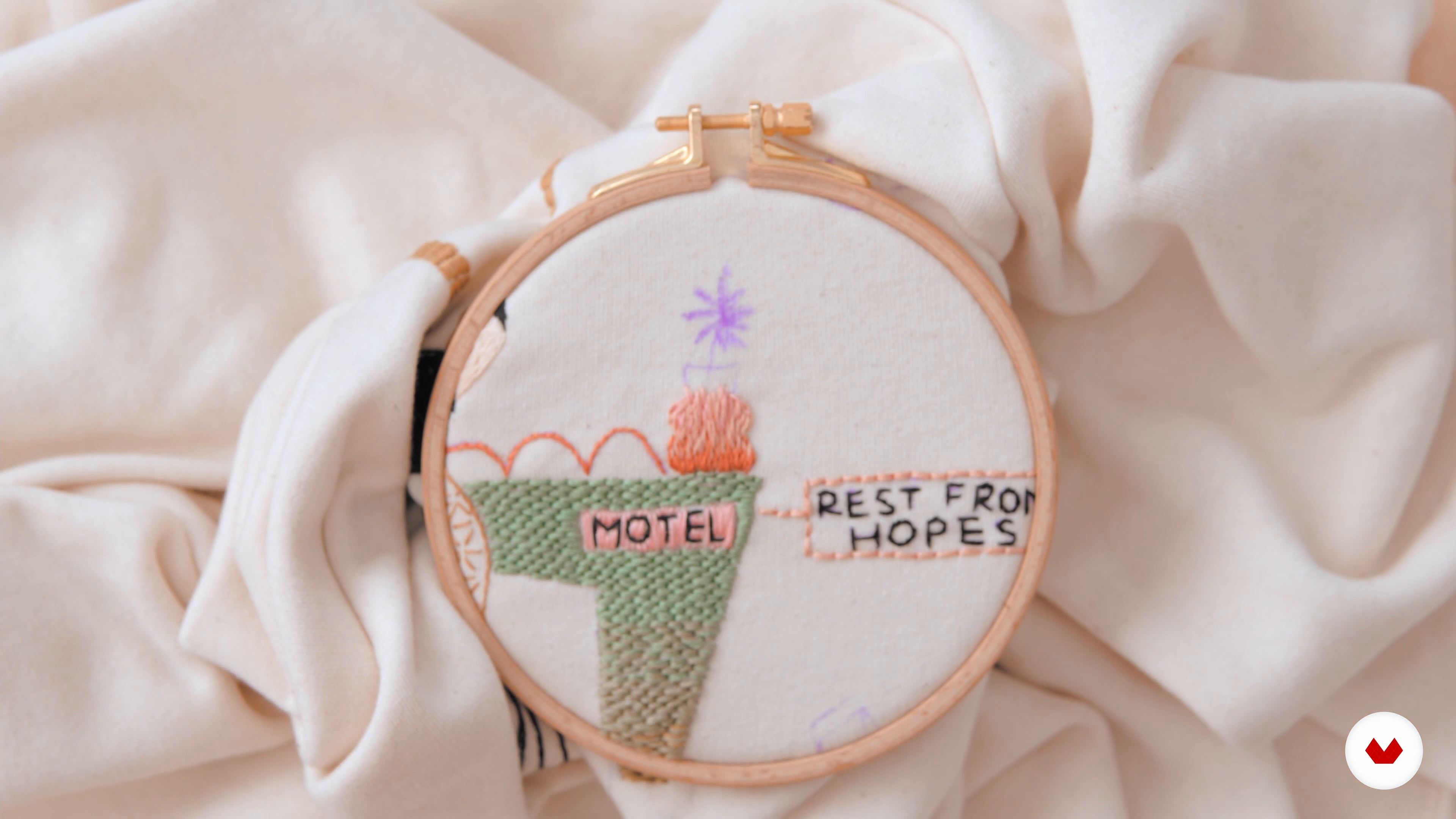
In this lesson, we will hand embroider the motel. I will show you how I mix strands from different embroidery flosses to achieve a color-graded surface. With the color grading technique, you can not only create more playful designs―the hand embroidery process of filling up big shapes is also more fun.
10m
image
16
Details 1
Now we will hand embroider the small quirky details around the two main hand-embroidered subjects of our design. Those little embroideries and the choice of colors are the complimentary finesses of our project that will make the design complete.
19m
image
17
Details 2
Let's embroider the rest of our details: the chair, the table, the sun, and the flower wrapping around the horn of our oryx.
16m
image
18
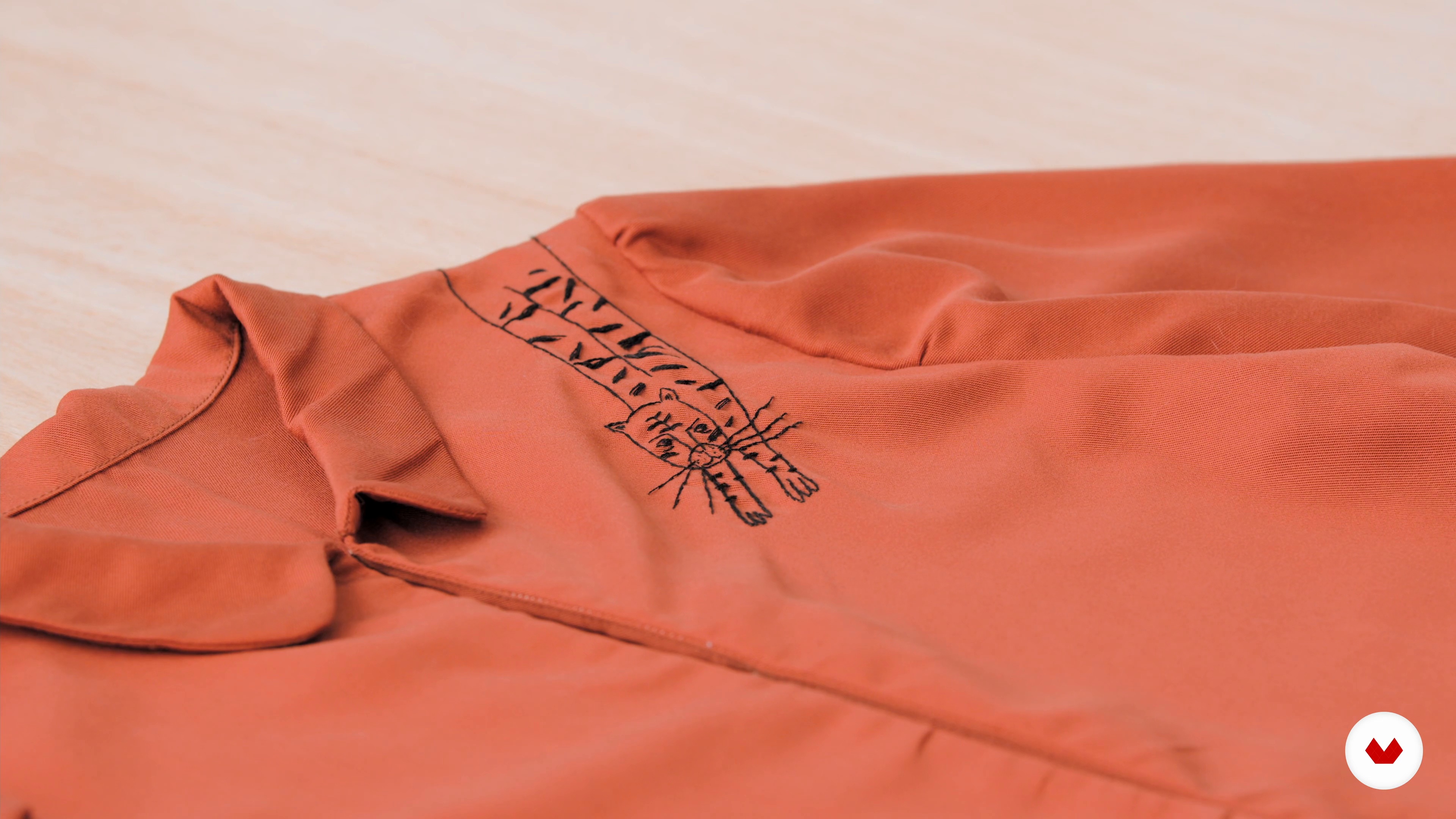
Different Placements
Let's try different placements of hand embroidery on different types of clothing. I will show you which placements are interesting for me while also explaining the practical side of each placement.
4m
image
19
Washing and Maintaining Your Embroidered Clothing
In this lesson, I will talk about the maintenance of your embroidered clothing.
2m
image
4
Materials and Supplies
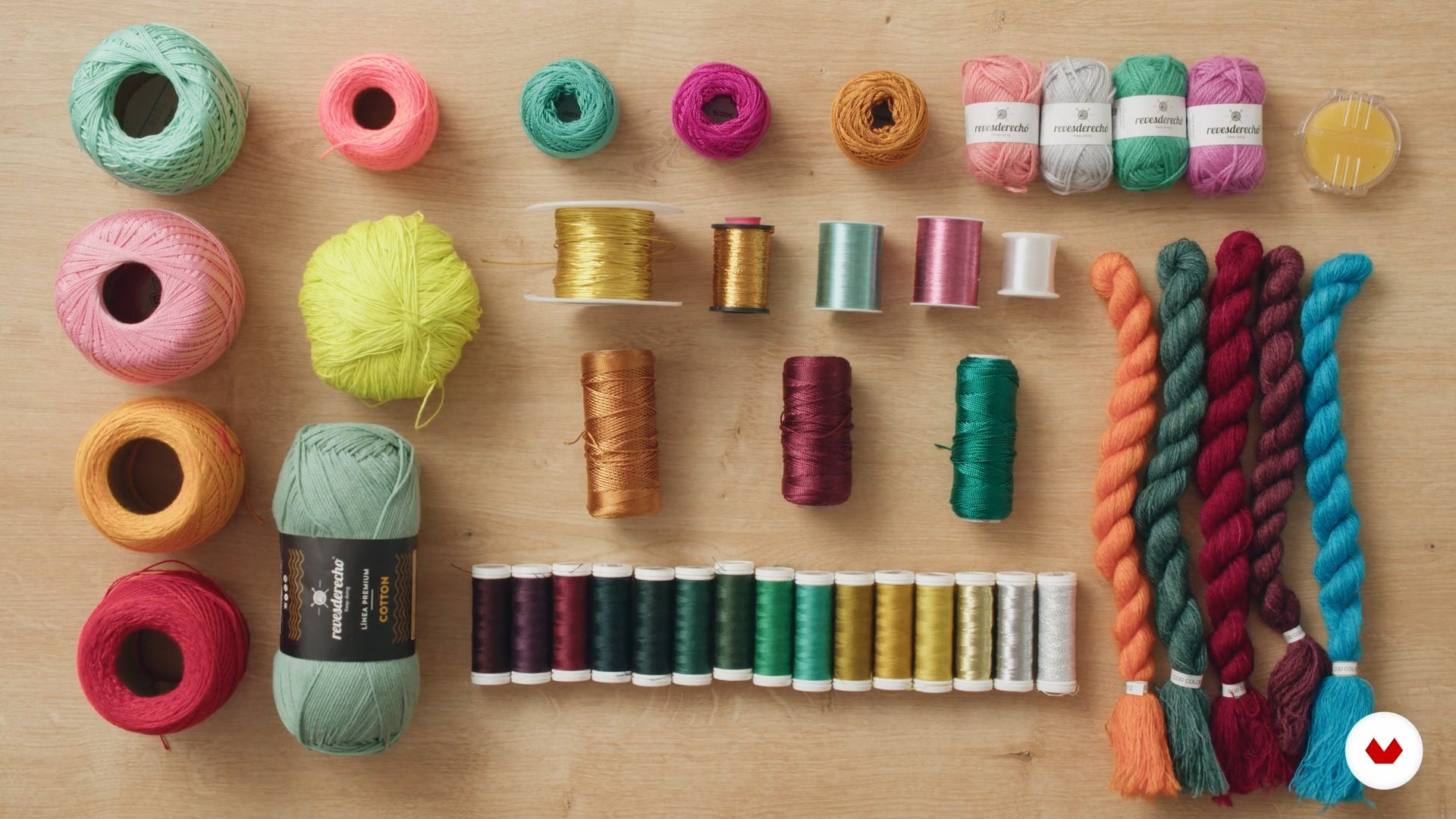
In this lesson, I will show you the materials and supplies we’ll use and tell a little about each of them. Bear in mind that if you’re using very bright and saturated colors or old threads, you have to check if they bleed in water, so you can wash your clothes afterward.
7m
image
5
What Clothes You Can Upcycle
In this lesson, I will tell how to approach each fabric, the difference between stitching on a t-shirt and trainers.
10m
image
6
Embroidery Basics
In this lesson, you will learn how to use hoop, thread needle, start and finish stitches so they won’t get out of fabric.
12m
image
7
Basic Stitches 1
In this lesson, you will learn basic hand embroidery stitches: straight stitch, back stitch, satin stitch, split stitch, stem stitch, long and short stitch and French knots.
14m
image
8
Basic Stitches 2
We finish off the lesson on basic stitching.
8m
image
9
How I Come Up With Designs
In this lesson, I will show you how I draw my designs.
5m
image
10
Color Choice
In this lesson, you will learn to choose the color palette for your project, based on the color of cloth you embroider on.
8m
image
11
How to Transfer Design on Fabric
In this lesson, I will show you two ways to transfer designs on fabric. And you will also learn which one to use for which fabric.
5m
image
12
Embroidery on the Garment 1
In this lesson, you will embroider one of the designs using stitches we learned in the second unit.
13m
image
13
Embroidery on the Garment 2
In the second part of the lesson, we finish embroidering the garment.
11m
image
14
After Embroidery
In this lesson, you will learn how to remove the stabiliser and make sure your stitches are secure.
2m
image
15
Care for Clothes With Hand Embroidery
In this lesson, I will share tips for caring about clothes with embroidery. You will learn what will happen if you place embroidery in a washing machine.
4m
image
3
Some Types of Tulle
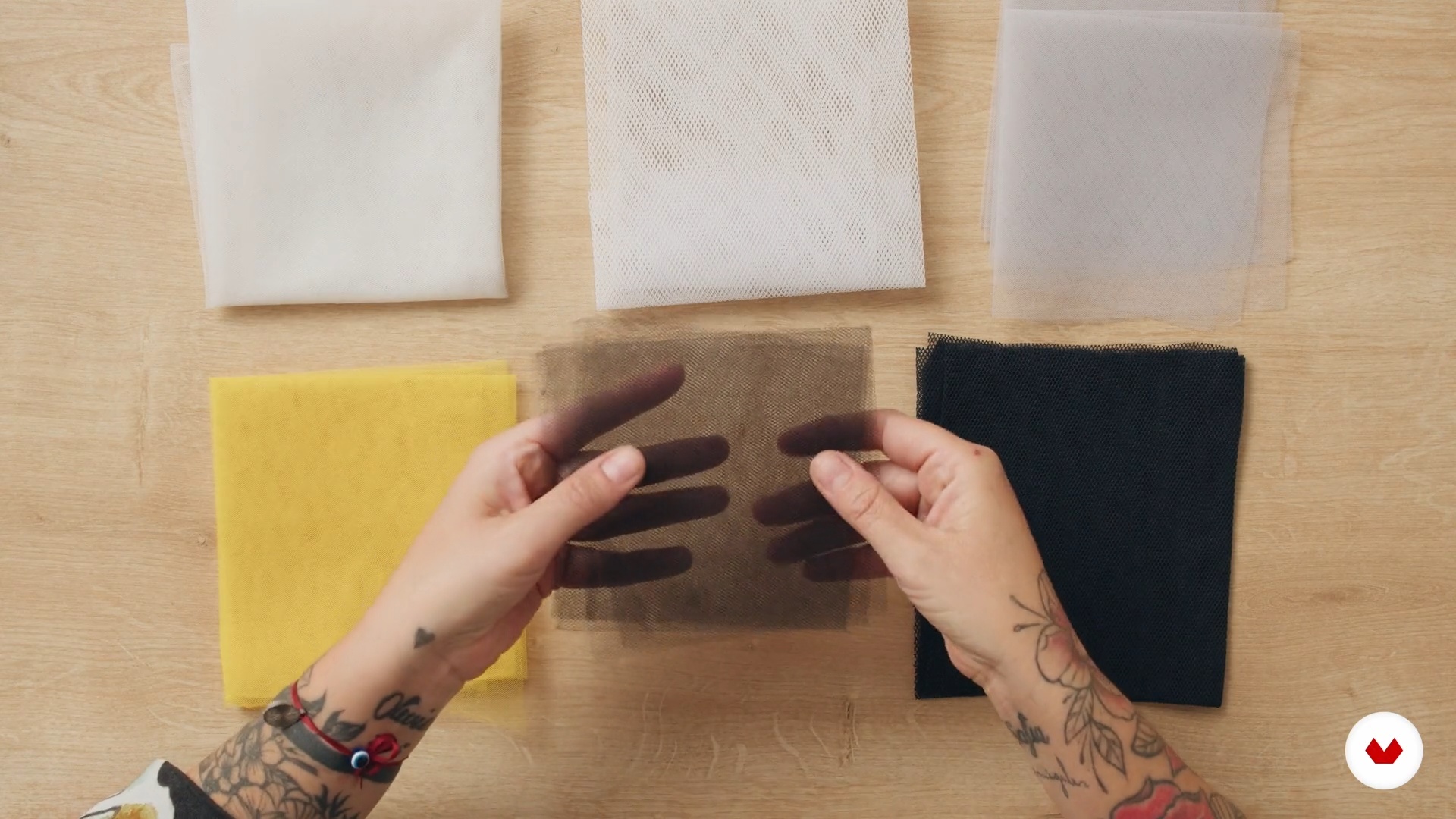
To begin with, I will talk to you about the different types of tulle that there are and how we can use them in the best way depending on the project that we want to carry out.
11m
image
4
Materials
In this lesson I will show you my favorite materials to use for tulle and everything you need to carry out your project.
12m
image
5
Inspiration and work space
My greatest source of inspiration has always been nature. I love flowers, animals and all the natural elements that I can find. In this lesson I will show you how I use this source of inspiration in my works and projects. In addition, I will teach you how to calculate the workspace where you will install your future design.
13m
image
6
Final Sketch
In this lesson we will focus on creating the sketch for the project. I will show you how I work it through watercolor, but you can find your own way to develop this part of the process.
9m
image
7
Transfer of the design to the tulle
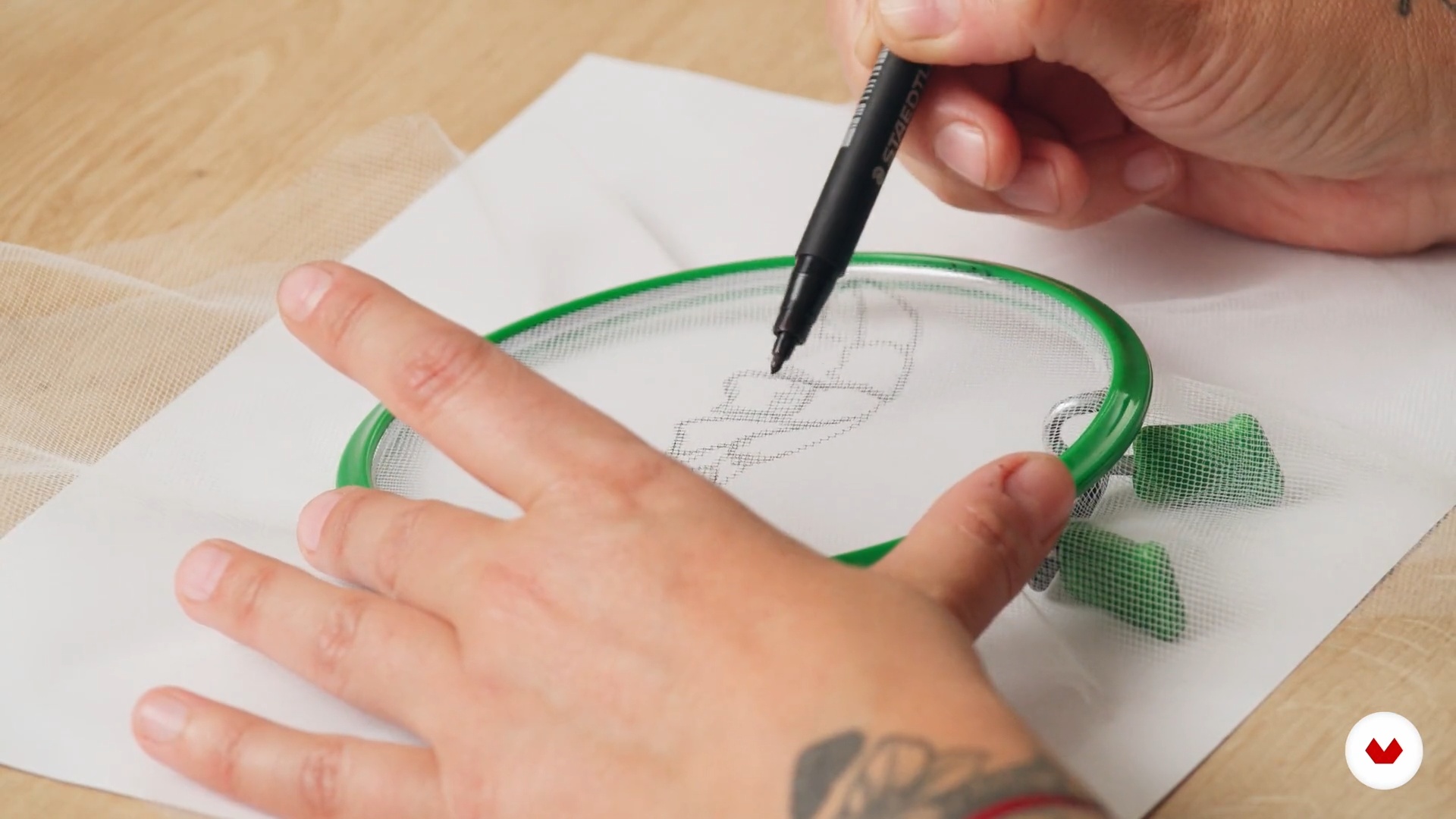
In this lesson I will teach you everything you need to be able to transfer your design to the fabric and finally embroider.
5m
image
8
Pondering stitches
Once the design is ready and the frame is assembled, it is necessary to know how to start and where to direct the first stitches. I will teach you some exercises and stitches so that you can work lights and shadows with the direction of the needle.
7m
image
9
Embroidering the base of the design 1
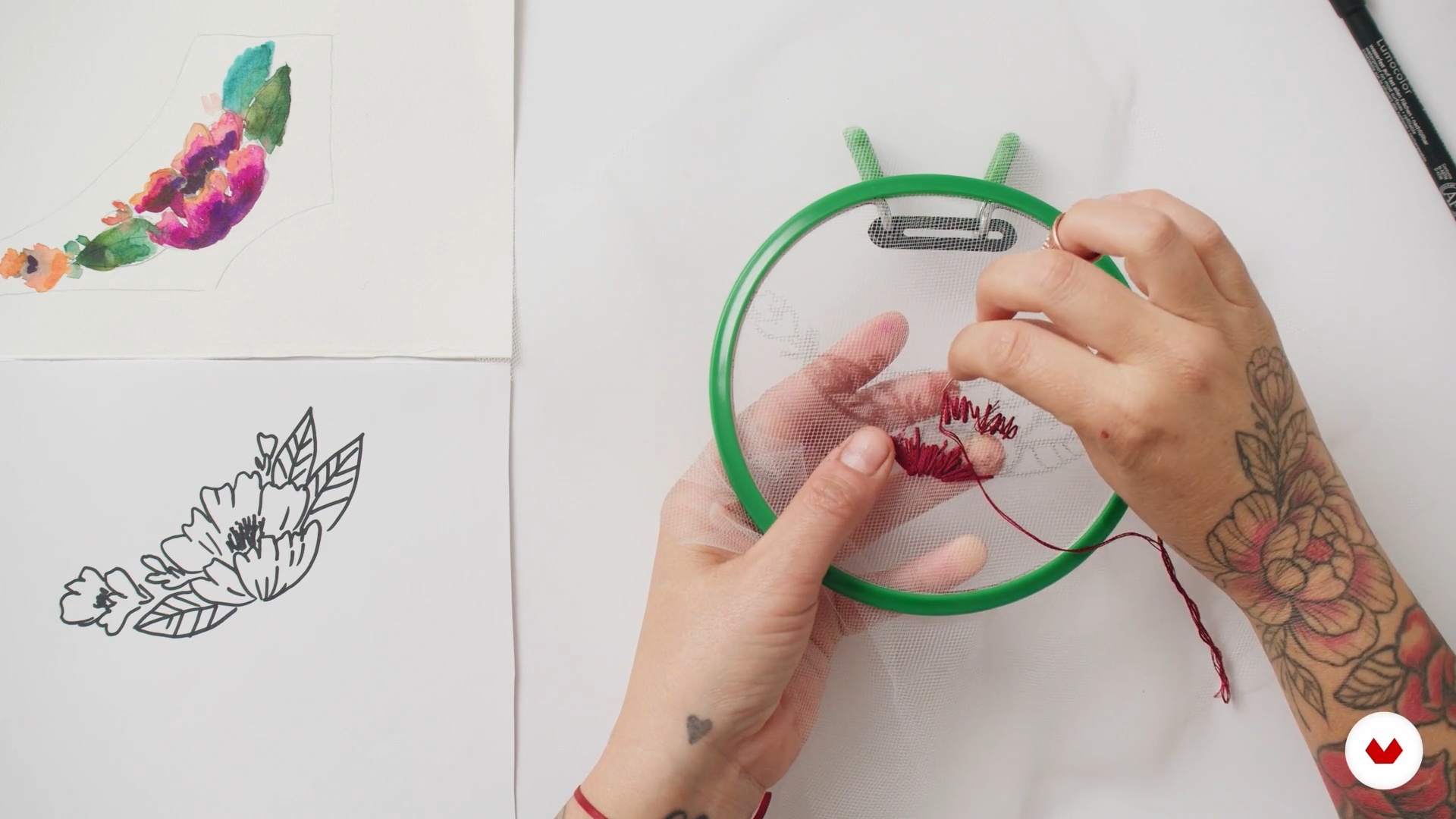
Let's start embroidering! Here I will show you how to start embroidery. First you have to make a first layer, the base layer, and then more layers are added to give much more detail to the design. Now we will focus on the base.
14m
image
10
Embroidering the base of the design 2
Working on the base we can see the color palette applied and determine where the light and dark colors go to give the embroidery greater depth. I will give you some tips to make this part amazing.
12m
image
11
Layer Application
In this lesson I will teach you how to embroider using layers, not only to give more detail to the design, but also to make your work a little easier and tidier.
18m
image
12
Creating the patch
In this lesson you will learn how to get the embroidery ready. So later you can transform it later into a patch.
5m
image
13
Patch fixation
Now I will give you some tips to fix the patch on the surface you want and you will see how my design looks on a pair of sneakers.
14m
image
14
What else can I do with this technique?
The embroidery technique that I have taught you is applicable to any type of fabric. Here I will show you a world of possibilities to do. I hope it inspires you!
4m
  • 9 students
  • 71 lessons (12h 2m)
  • 89 additional resources (25 files)
  • Online and at your own pace
  • Audio: English, German, Spanish, Italian, Portuguese
  • Romanian · Indonesian · English · Spanish · Portuguese · German · Italian
  • Level: Beginner
  • Unlimited access forever

What is this course's project?

Create a personalized collection of embroidered fashion pieces integrating artistic techniques like upcycling and textile painting. Transform garments with intricate designs, incorporating elements like pedrería and floral motifs, reflecting personal creativity, sustainability, and a unique style.

Who is this specialization for?

Ideal for creative spirit enthusiasts eager to explore embroidery's artistic potential by transforming textiles into personal expressions. Suitable for those passionate about sustainability, fashion design, and enhancing skills in artful garment upcycling, painting, and intricate stitching techniques.

Requirements and materials

No extensive prior knowledge is needed, just a basic understanding of embroidery. Gather simple materials like fabric, needles, threads, and a hoop. Embroidery scissors and a fabric marker can be helpful. Creativity and patience are your best companions.
Select to get to know your teachers in this specialization course
Read more ↓

What to expect from this specialization course

  • Learn at your own pace

    Enjoy learning from home without a set schedule and with an easy-to-follow method. You set your own pace.

  • Learn from the best professionals

    Learn valuable methods and techniques explained by top experts in the creative sector.

  • Meet expert teachers

    Each expert teaches what they do best, with clear guidelines, true passion, and professional insight in every lesson.

  • Certificates
    Plus

    If you're a Plus member, get a custom certificate for every specialization course. Share it on your portfolio, social media, or wherever you like.

  • Get front-row seats

    Videos of the highest quality, so you don't miss a single detail. With unlimited access, you can watch them as many times as you need to perfect your technique.

  • Share knowledge and ideas

    Ask questions, request feedback, or offer solutions. Share your learning experience with other students in the community who are as passionate about creativity as you are.

  • Connect with a global creative community

    The community is home to millions of people from around the world who are curious and passionate about exploring and expressing their creativity.

  • Watch professionally produced courses

    Domestika curates its teacher roster and produces every course in-house to ensure a high-quality online learning experience.


FAQs

Domestika courses are online classes that allow you to learn new skills and create incredible projects. All our courses include the opportunity to share your work with other students and/or teachers, creating an active learning community. We offer different formats:
Original Courses: Complete classes that combine videos, texts, and educational materials to complete a specific project from start to finish.
Basics Courses: Specialized training where you master specific software tools step by step.
Specialization Courses: Learning paths with various expert teachers on the same topic, perfect for becoming a specialist by learning from different approaches.
Guided Courses: Practical experiences ideal for directly acquiring specific skills.
Intensive Courses (Deep Dives): New creative processes based on artificial intelligence tools in an accessible format for in-depth and dynamic understanding.

All specialization courses are 100% online, so once they're published, specialization courses start and finish whenever you want. You set the pace of the class. You can go back to review what interests you most and skip what you already know, ask questions, answer questions, share your projects, and more.

The specialization courses are divided into different modules. Each one includes lessons, informational text, tasks, and practice exercises to help you carry out your project step by step, with additional complementary resources and downloads. You'll also have access to an exclusive forum where you can interact with other students, as well as share your work and your final project, creating a community around the specialization courses.

You can redeem the specialization courses you received by accessing the redeeming page and entering your gift code.

If you're a Plus member, when you complete a course you've purchased, you'll instantly get your personalized certificate. You can see all your certificates in the Certificates section of your profile. You can download your certificates as PDFs and share the link online. Learn more about certificates.
Specialization in Creative Embroidery and Fashion Textiles. Craft course by Domestika

Specialization in Creative Embroidery and Fashion Textiles

A specialization by multiple teachers
Berkeley, United States.
Joined April 2002
  • 9 students