
Specialization

Specialization in Music for Audiovisual Projects

Master the art of musicalizing audiovisual projects across film, animation, and gaming to enhance storytelling through sound

Specialization · 6 modules

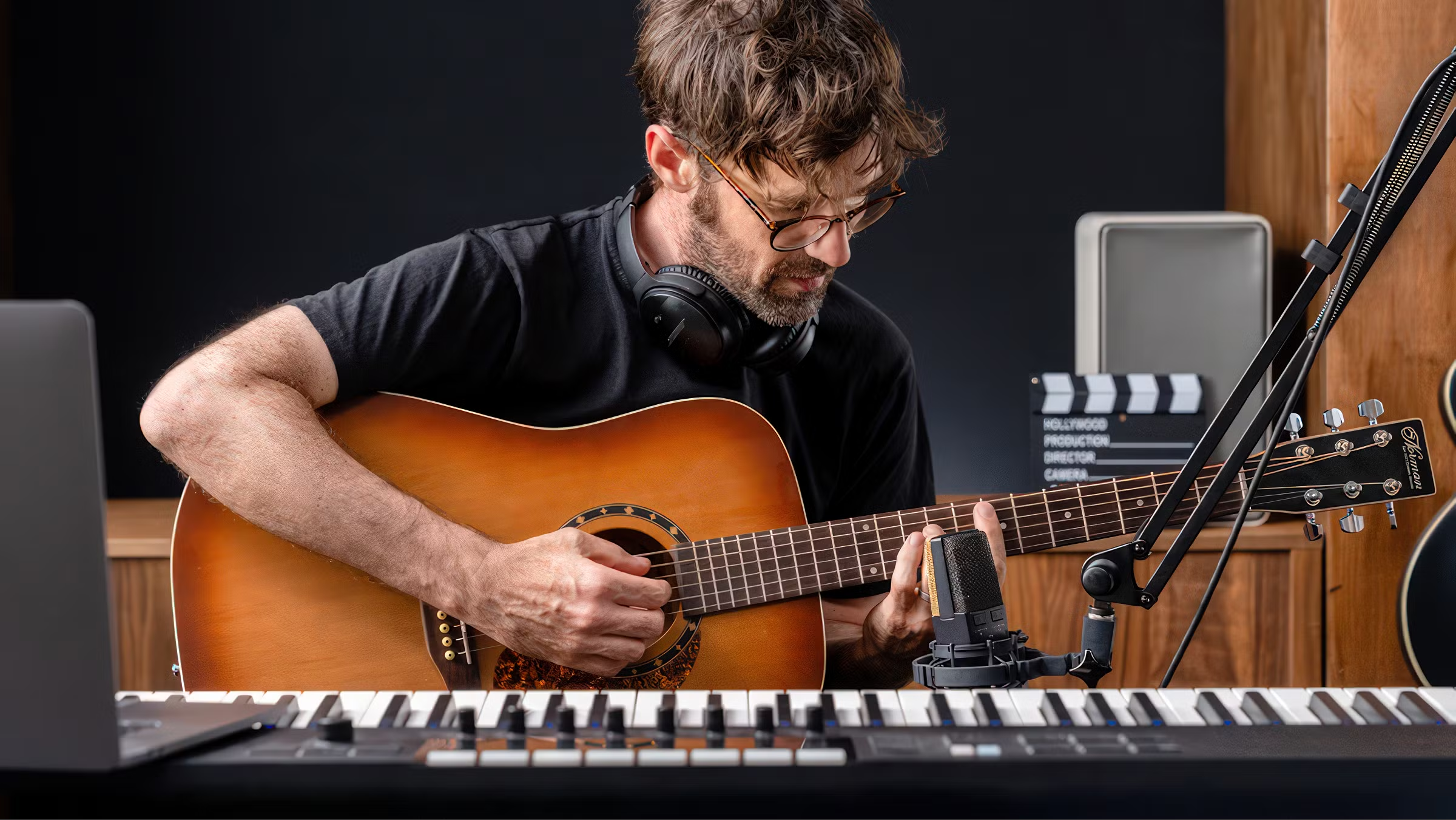
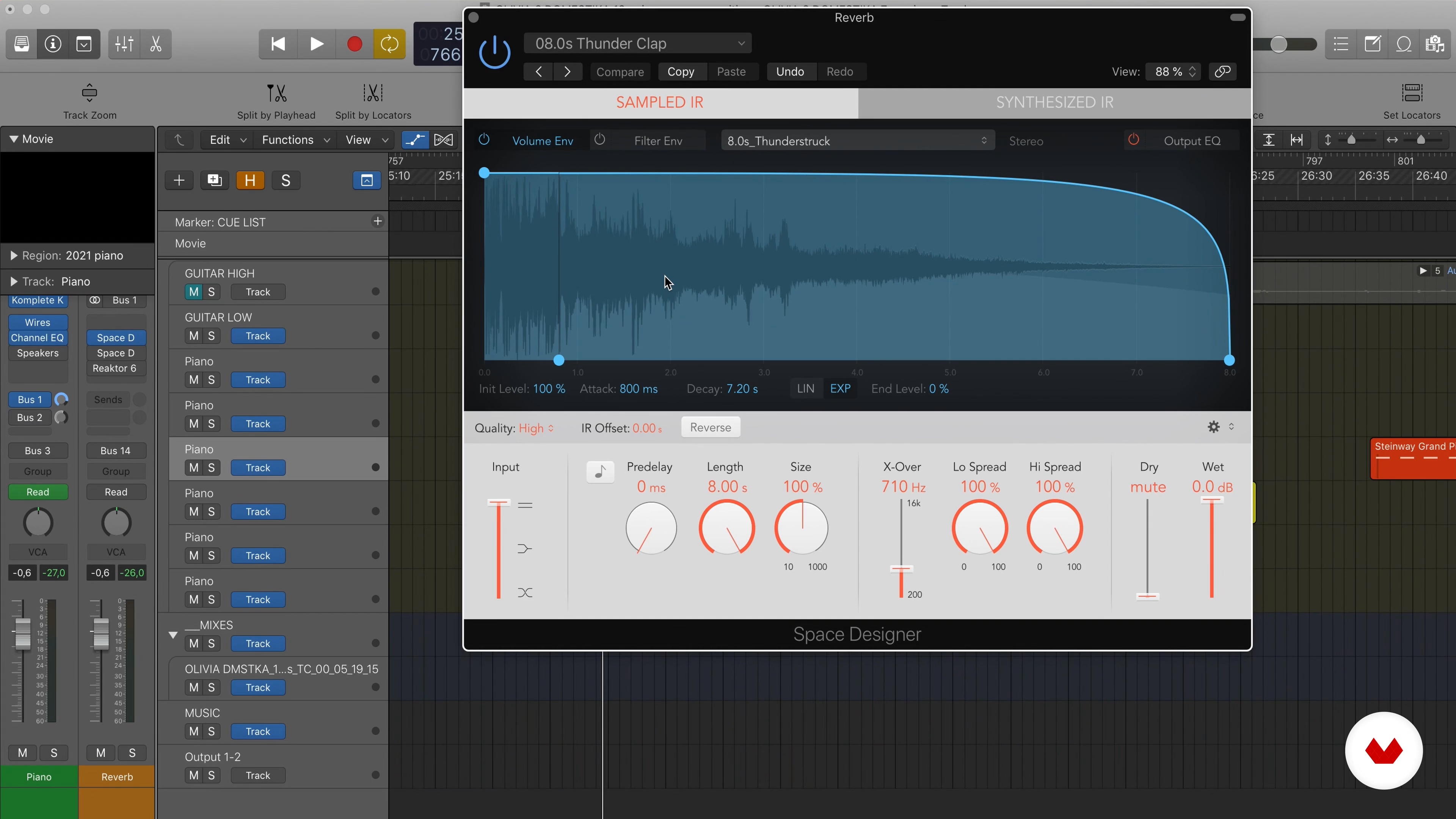
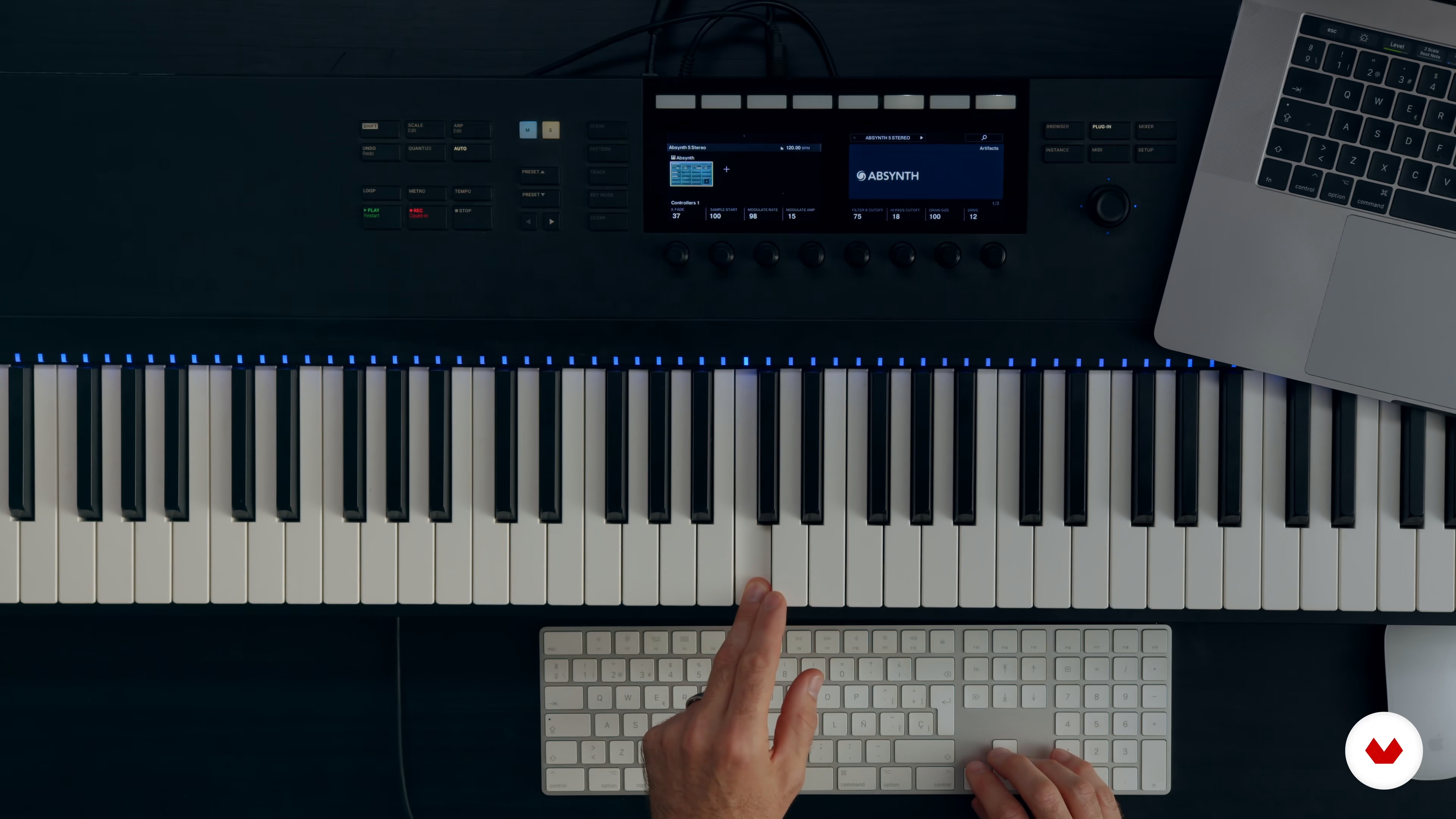
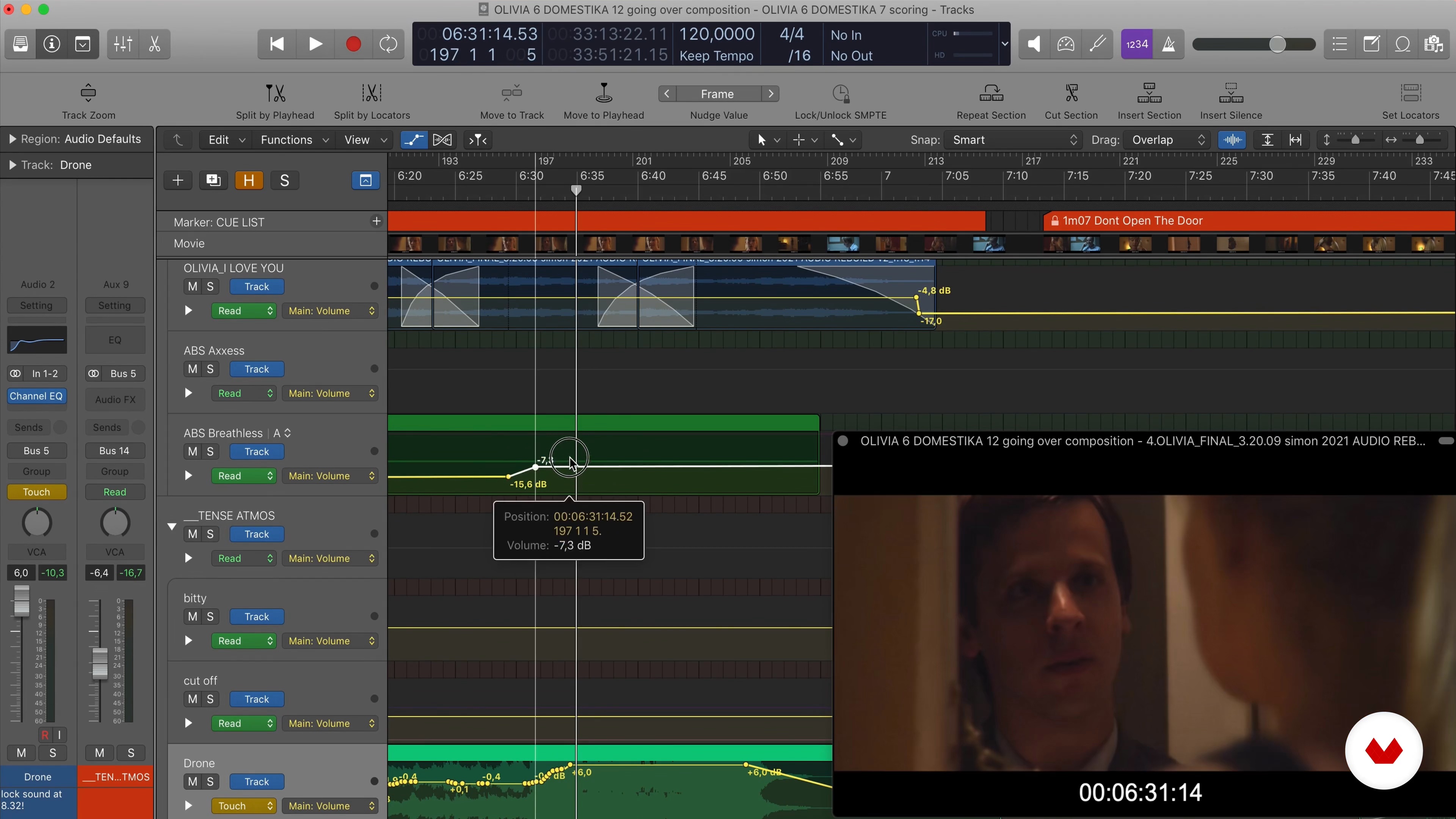
Embark on a creative journey through the world of audiovisual musicalization, where music becomes the heartbeat of storytelling. Dive into the rich tapestry of techniques and styles explored in cinema, animation, and interactive media. Learn to compose music that not only enhances but transforms visual narratives into immersive experiences. Discover the art of synchronizing emotion and sound, crafting compositions that resonate with audiences, and leaving a lasting impact on their hearts and minds.

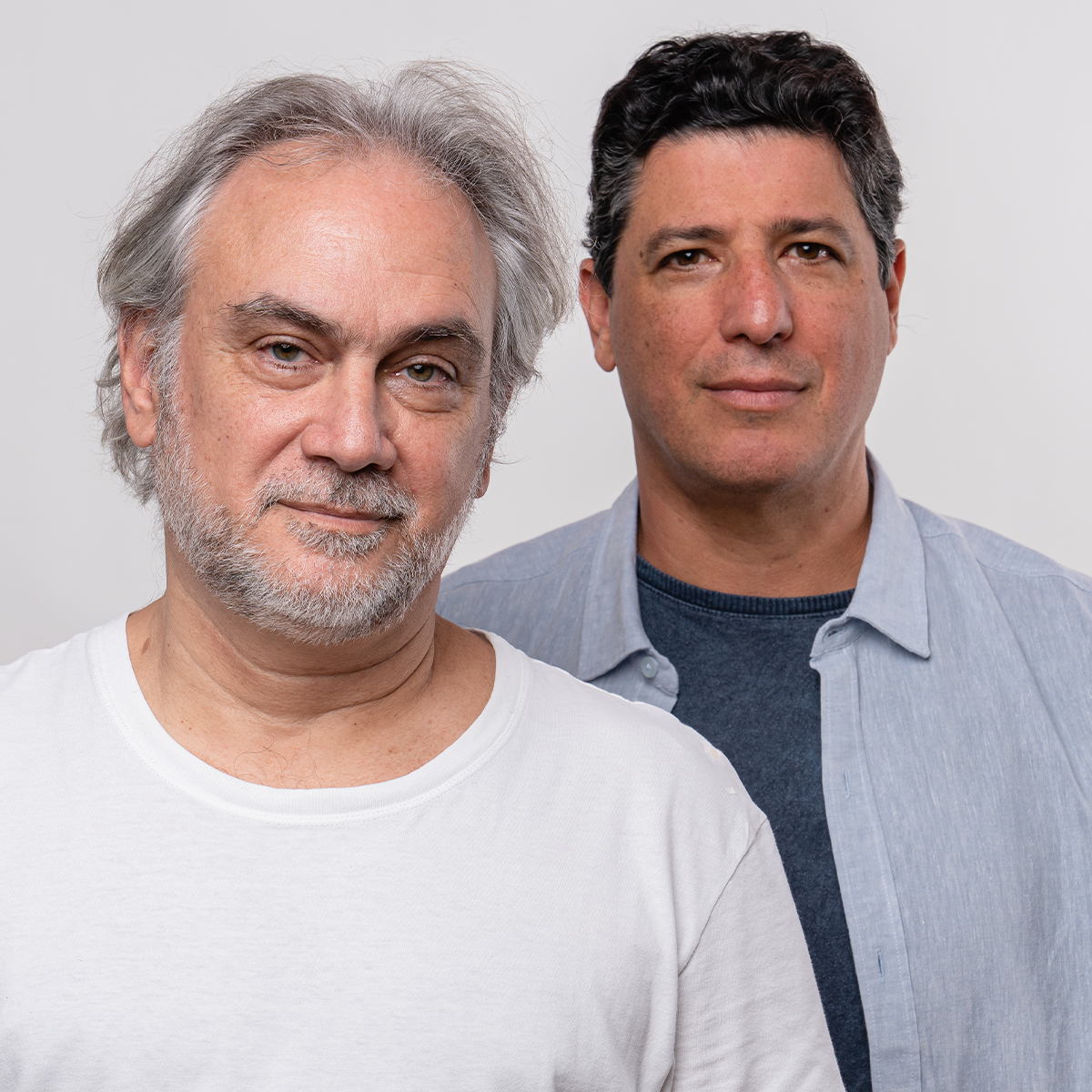
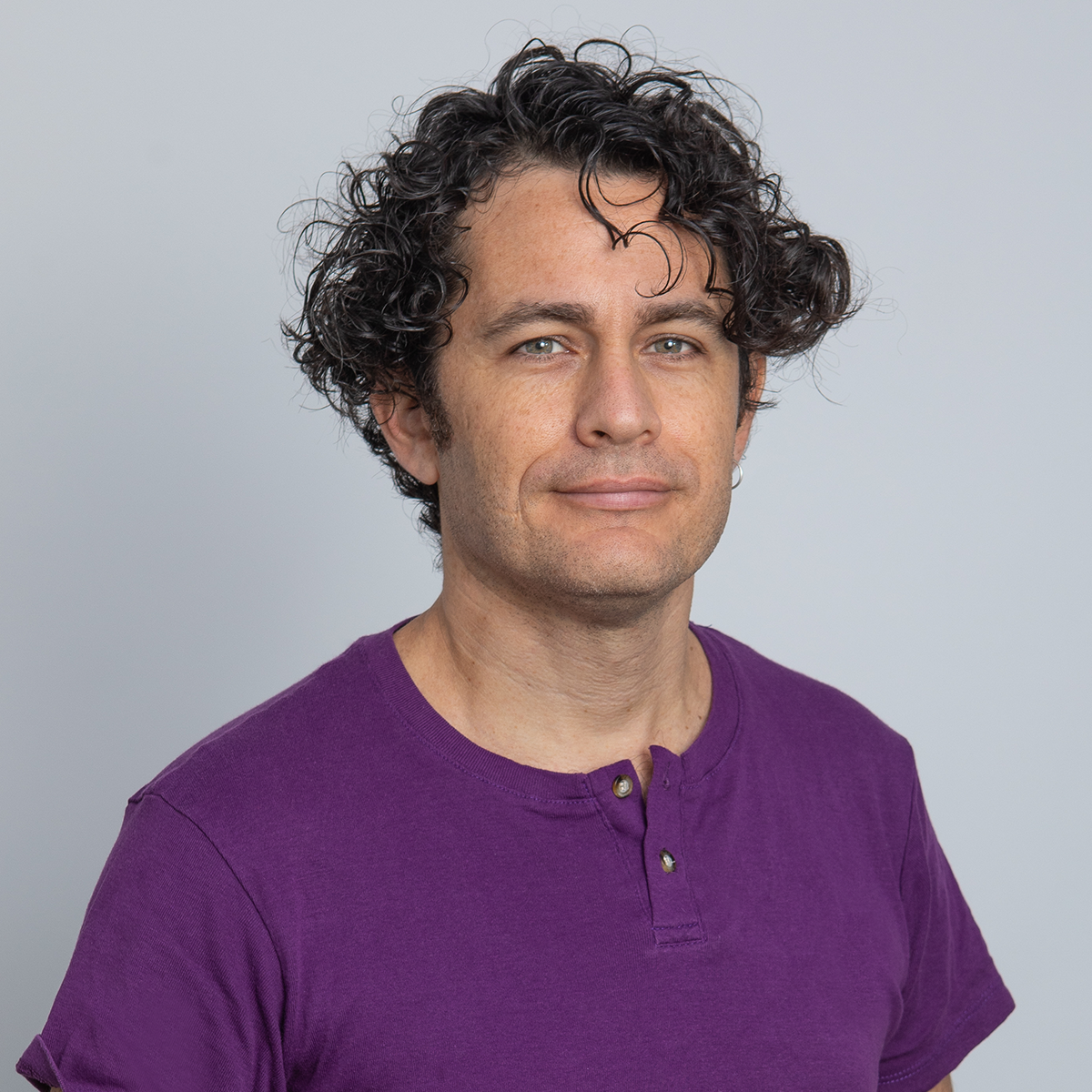
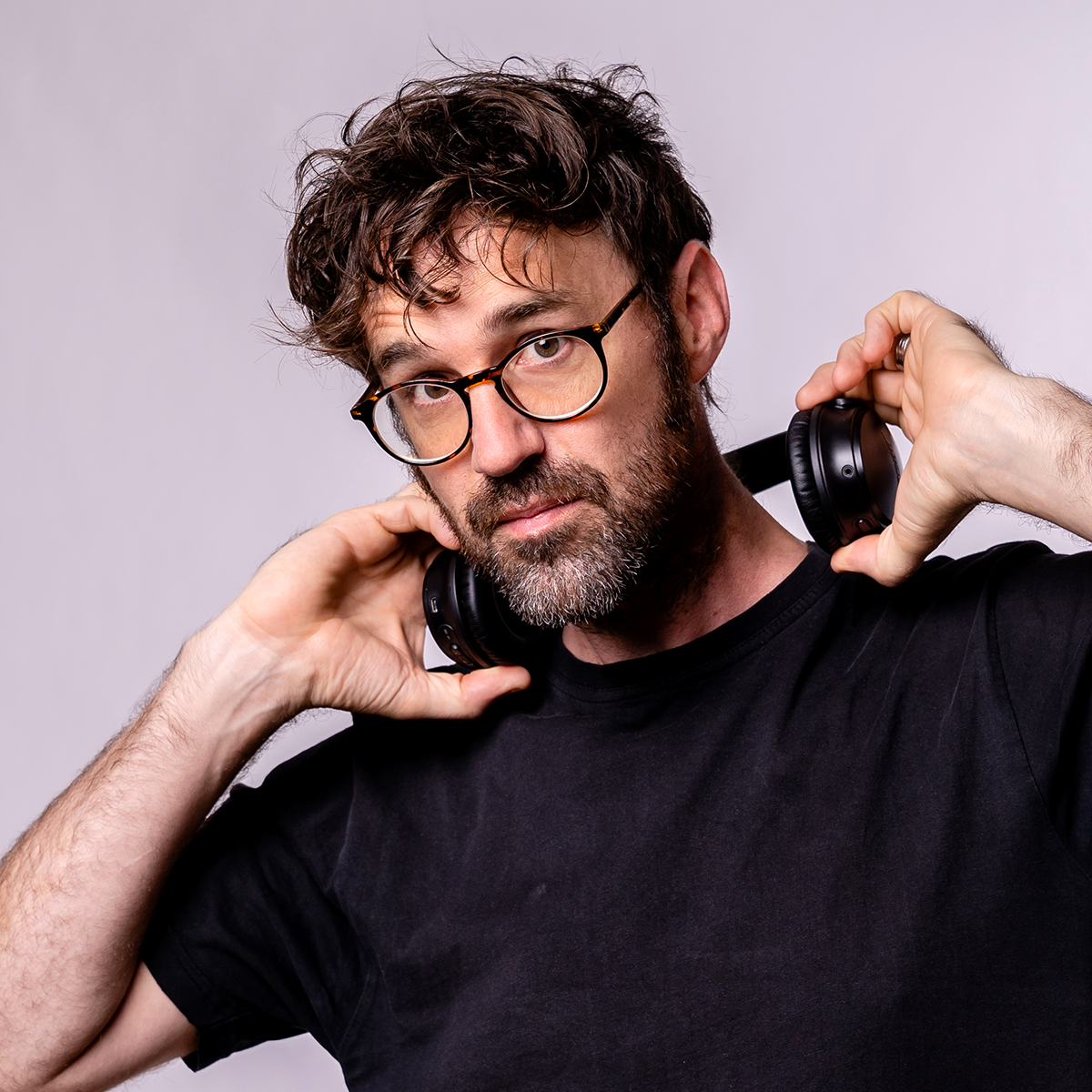
Guided by industry experts Juan Dussán, Alex Wakim, Simon Smith, Jonah Schwartz, Gustavo Kurlat, Ruben Feffer, and Antonio Teoli, you'll gain insights into the creative and technical processes behind successful soundtracks. From foundational music theory to advanced production techniques, this specialization covers a wide spectrum of skills. Whether you're a composer, music producer, or audiovisual creator, elevate your projects with original scores that breathe life into every frame. Unleash your potential and develop a versatile portfolio that showcases your talent across various media, establishing your unique identity in the world of audiovisual music composition.

Read more ↓

What will you learn in this specialization?
A total of 6 modules and 97 lessons
A total of 19h 56m of vídeo lessons
Taught by 6 selected expert teachers
image
1
Introduction
Music shapes what we feel before we even know it. This exploration dives into how sound becomes storytelling—from silent film improvisations to today’s immersive soundtracks. Discover the balance between emotion and technique, and how collaboration, intuition, and a well-chosen melody can elevate a scene into something unforgettable. Let sound be your guide in crafting powerful visual narratives.
1m
image
2
Influences | Juan Dussán & Alex Wakim
In this lesson, we'll dive deep into our musical influences. Not only will we cover the composers that we study, but also the music that we listen to and love. This is a fundamental part of how we define our unique artistic voice.
13m
image
3
Influences | Simon Smith
I’d love to share a few influences or moments that inspired me to think differently about music, art, multimedia and creativity. I haven't just listed music that I like, I wanted to share experiences or ideas that shaped how I think. Things that inspired me to grow and mature creatively, especially when it comes to combining different art forms together like sound and visuals.
10m
image
4
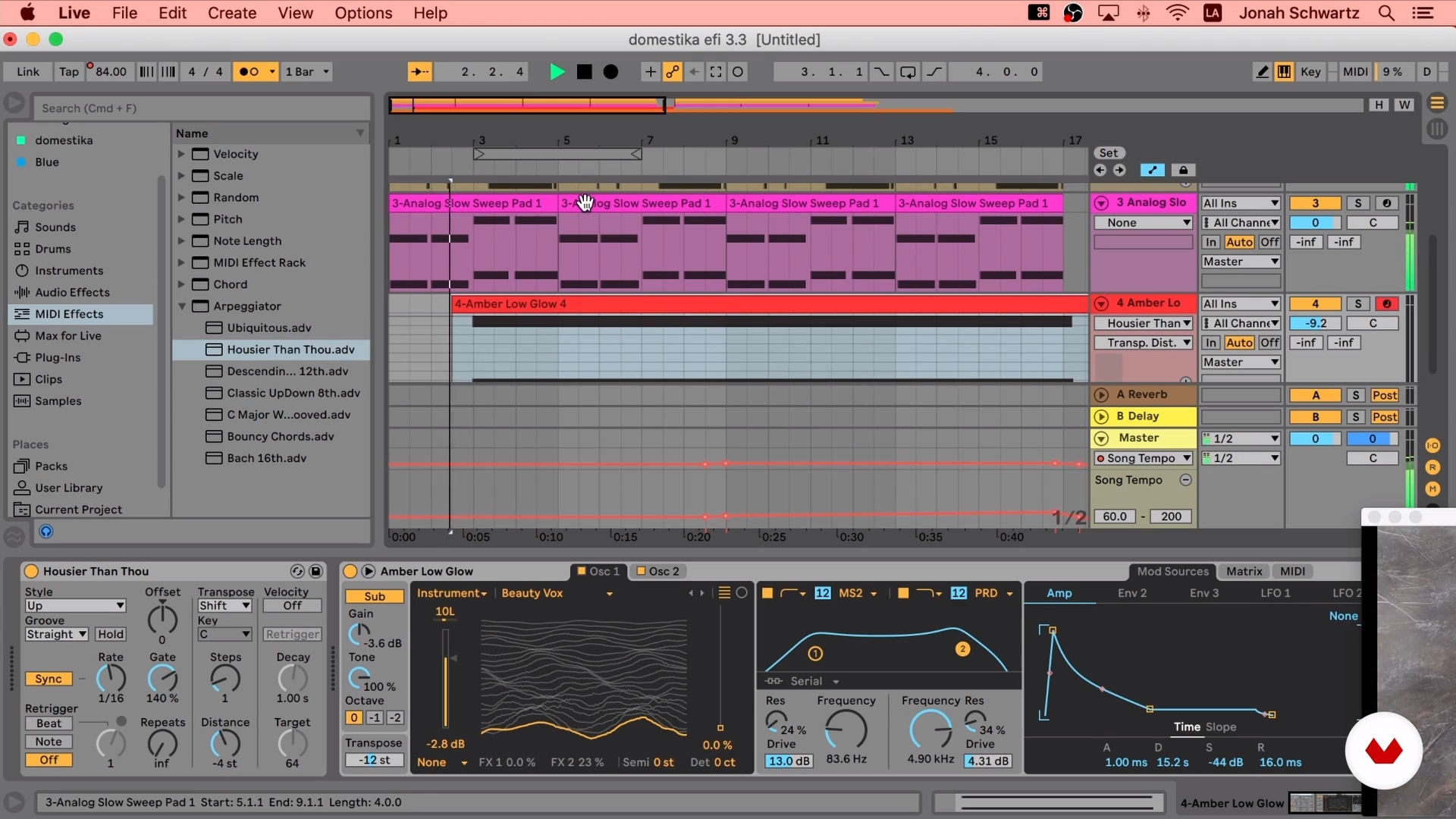
Influences | Jonah Schwartz
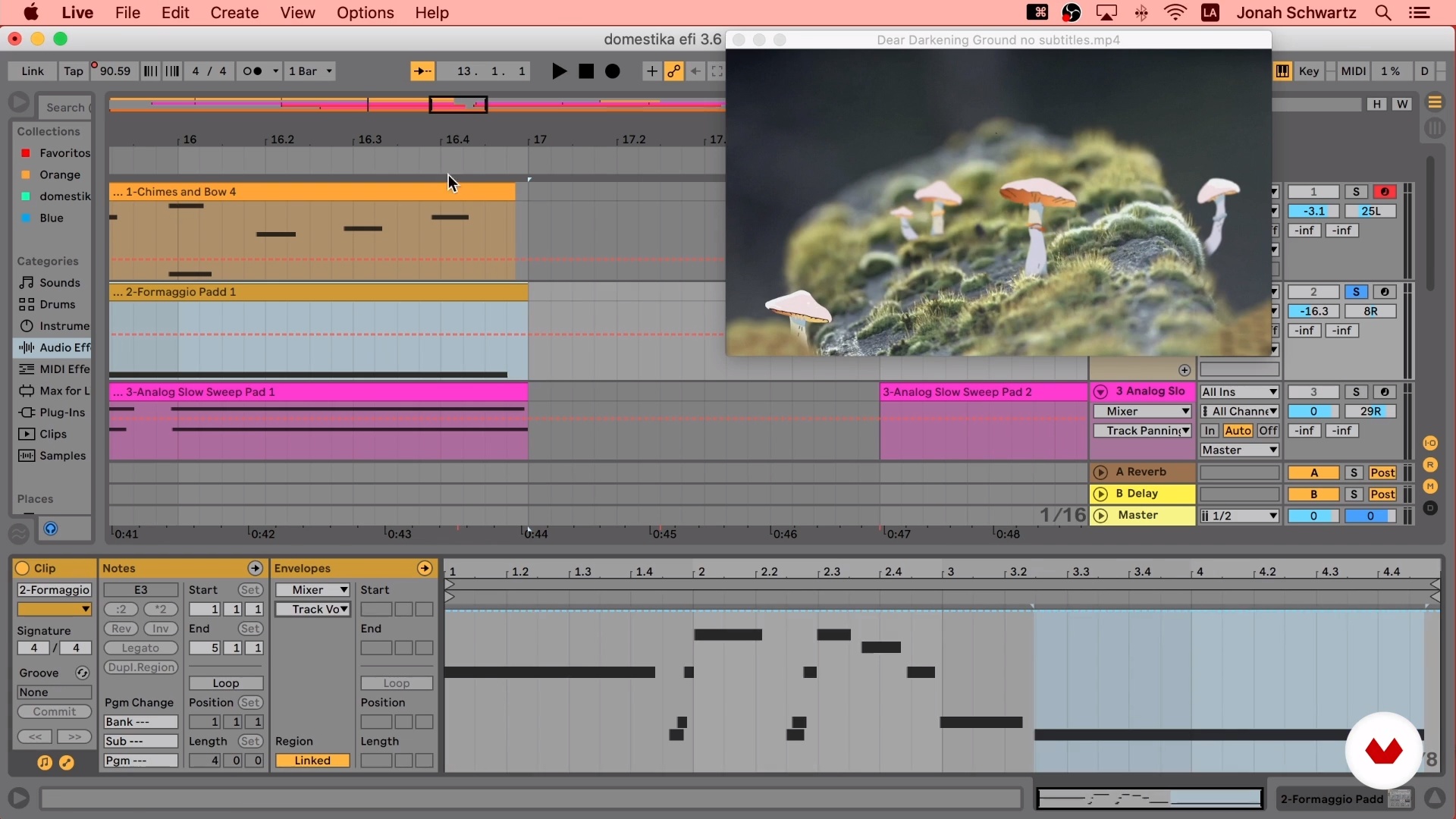
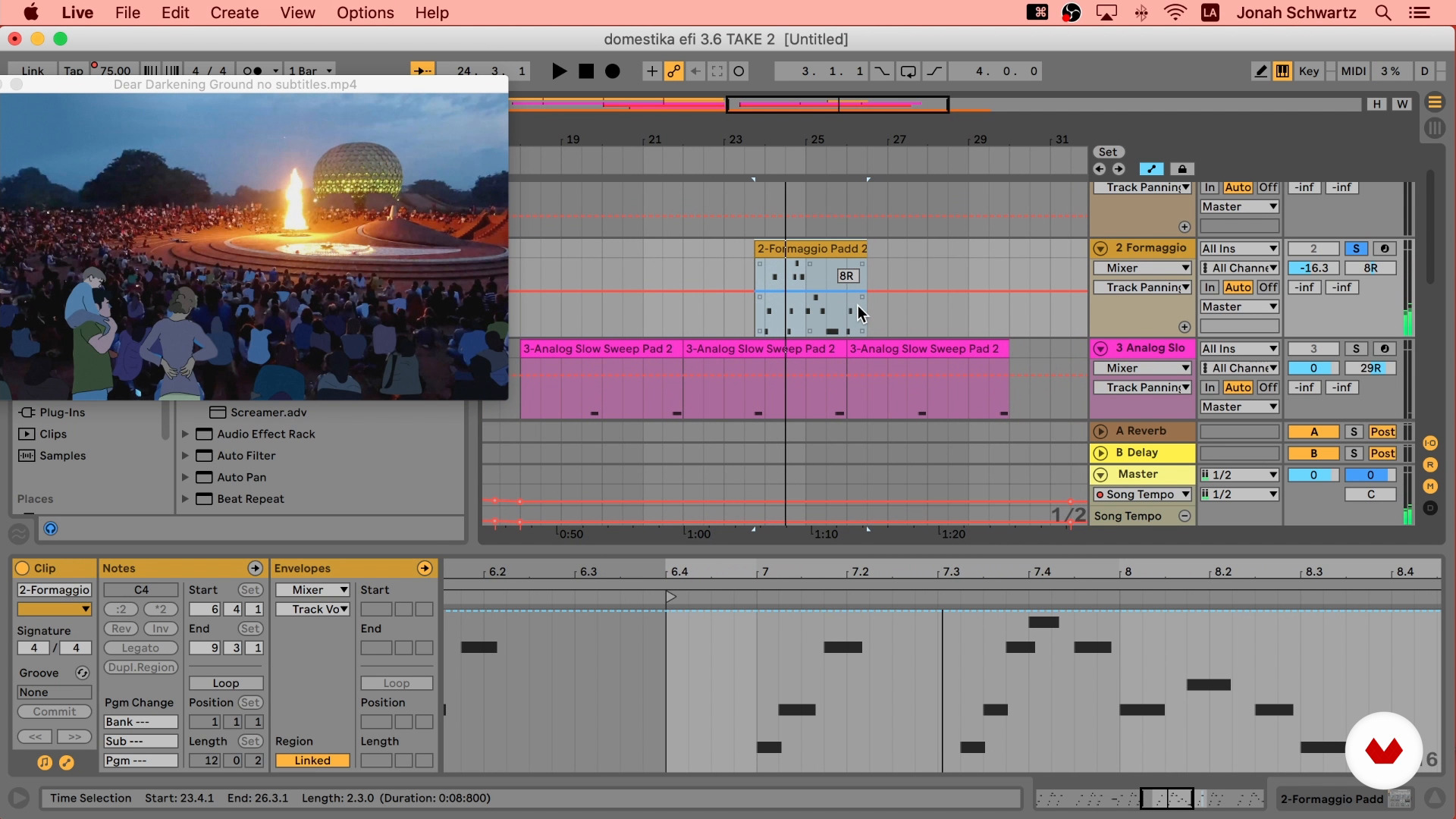
You are going to learn about some of the different things that influence me when I’m writing music. Here you will see some artists and techniques that have had a profound influence on my life as a musician.
3m
image
5
Influences | Gustavo Kurlat e Ruben Feffer
Now, let's talk about our main musical and artistic influences.
5m
image
6
Influences | Antonio Teoli
Finding references is a very important starting point to forming your own musical identity. In this lesson, I will share who my main references are.
7m
image
3
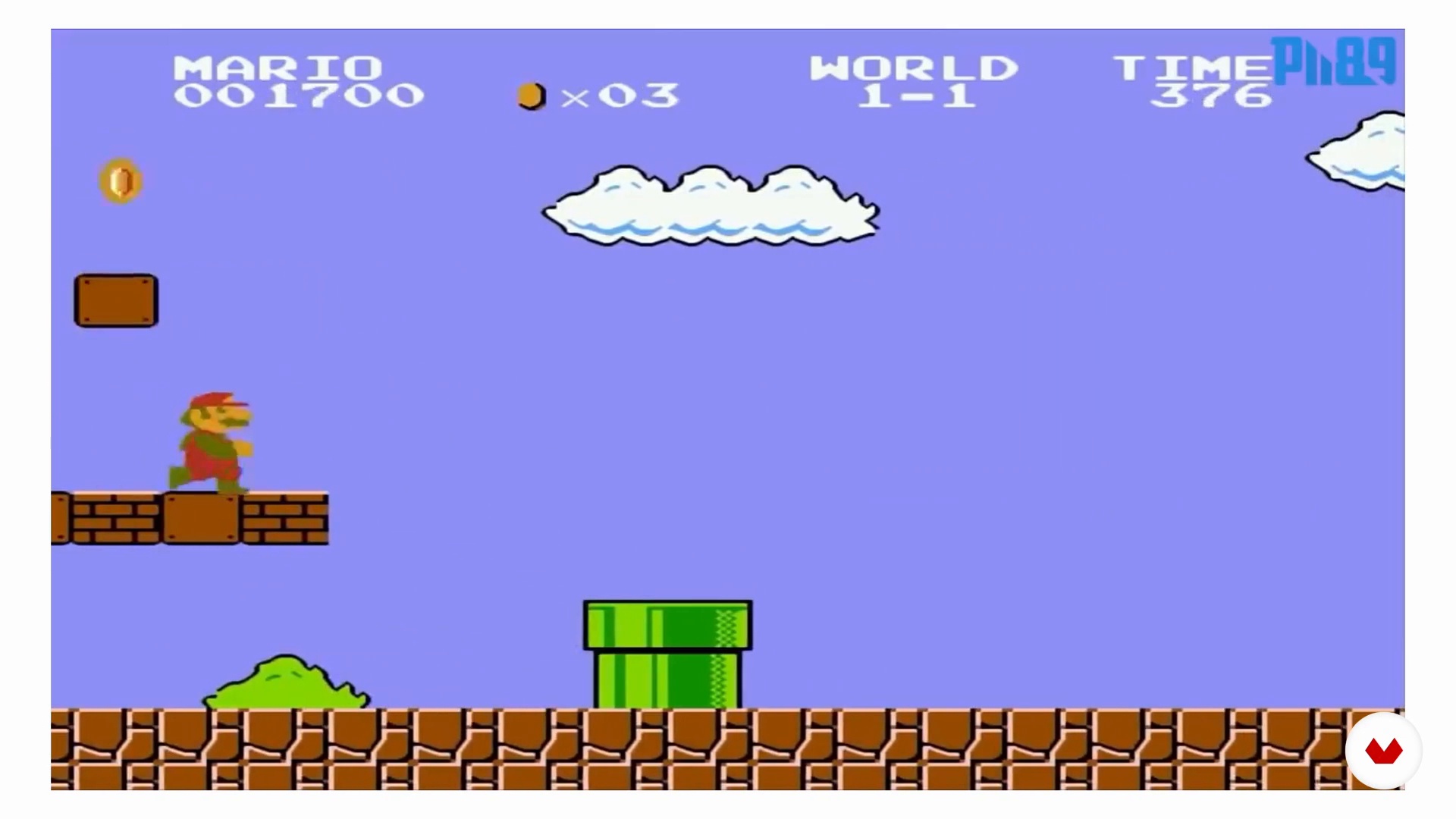
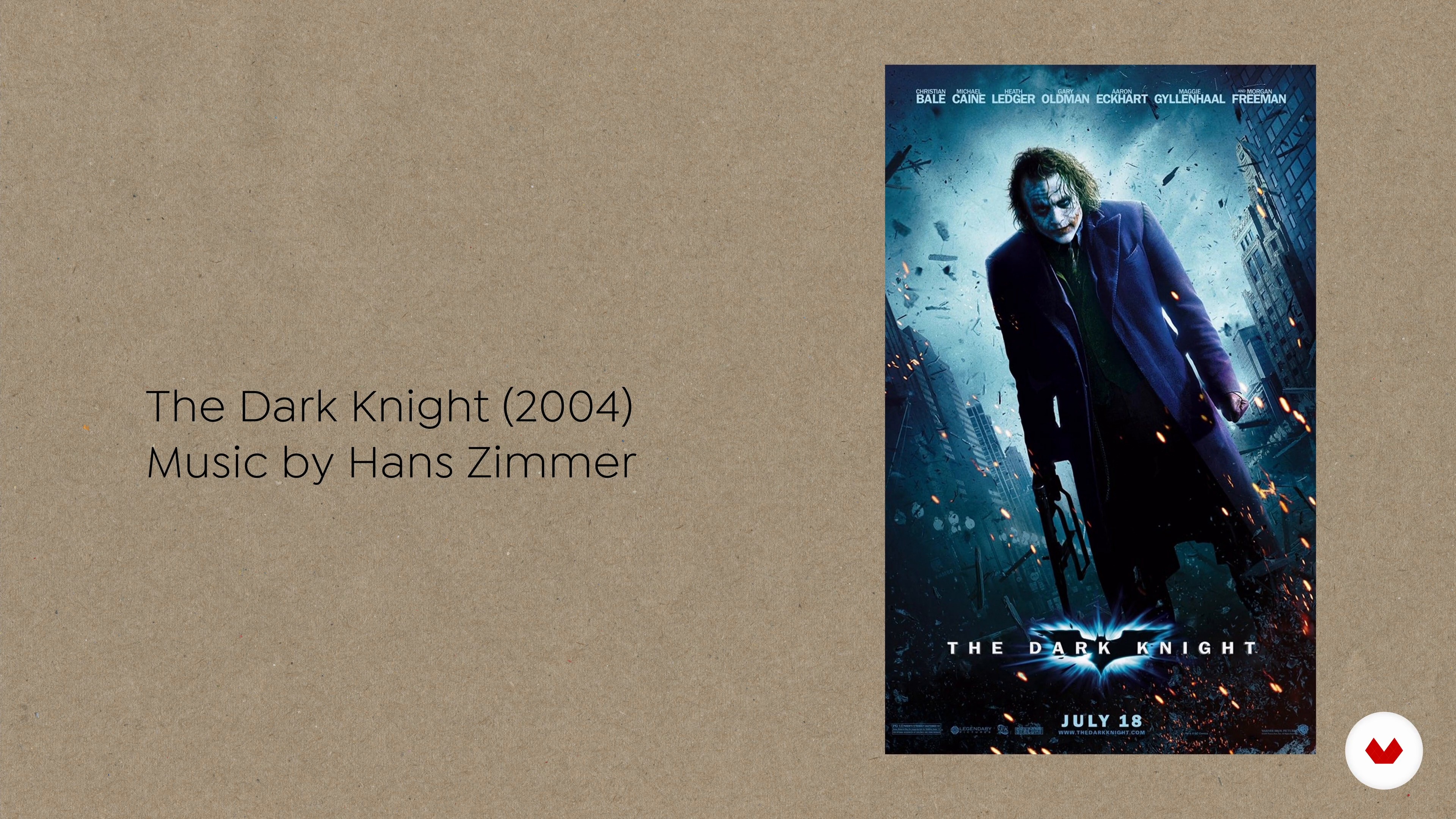
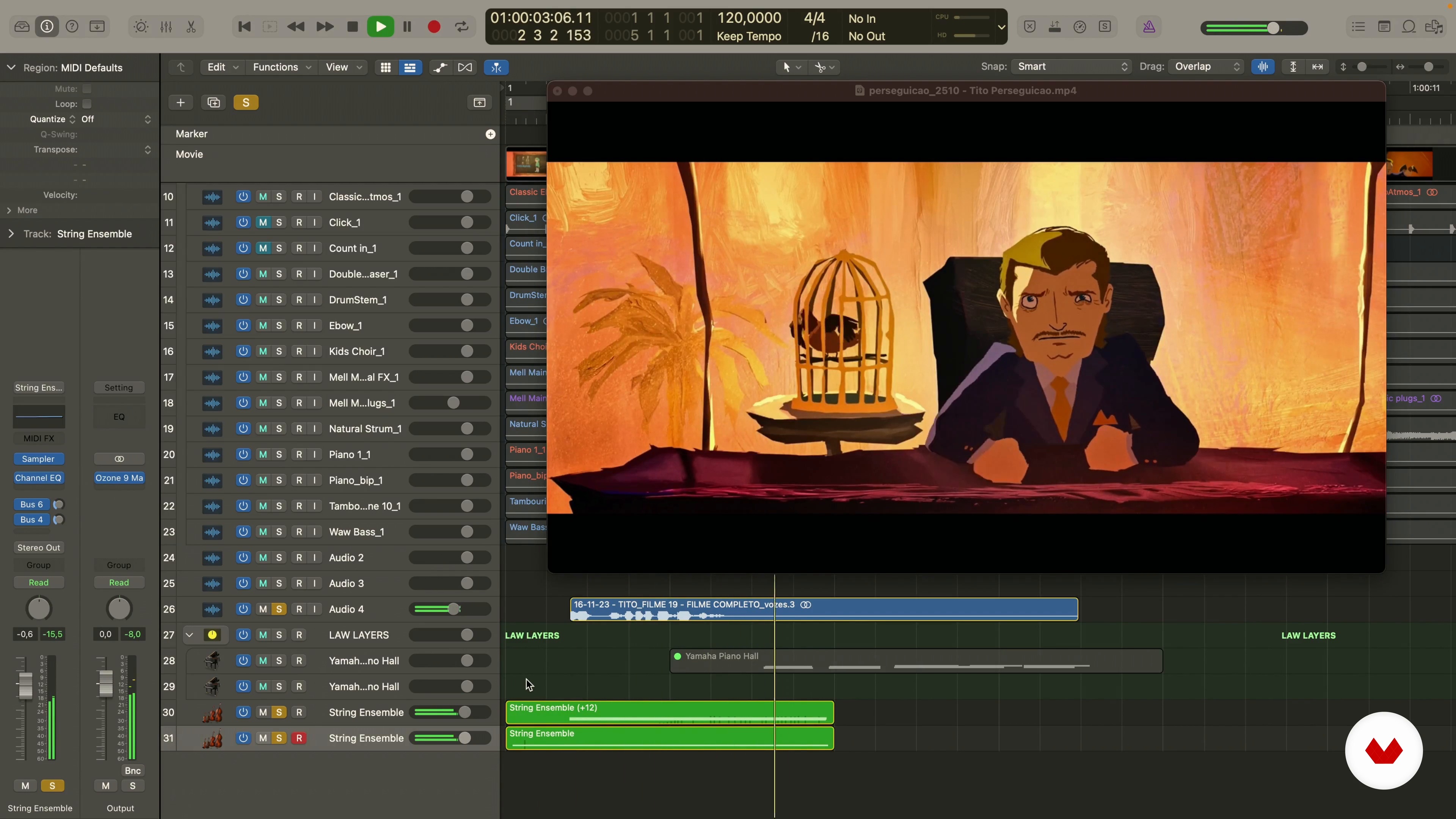
What It Means to Score Picture 1
In this lesson, you'll learn the fundamentals of approaching a scene and preparing to write for it. With a little taste of the history of scoring and some things to keep an eye out for, you'll be ready to critically look at a scene with music.
14m
image
4
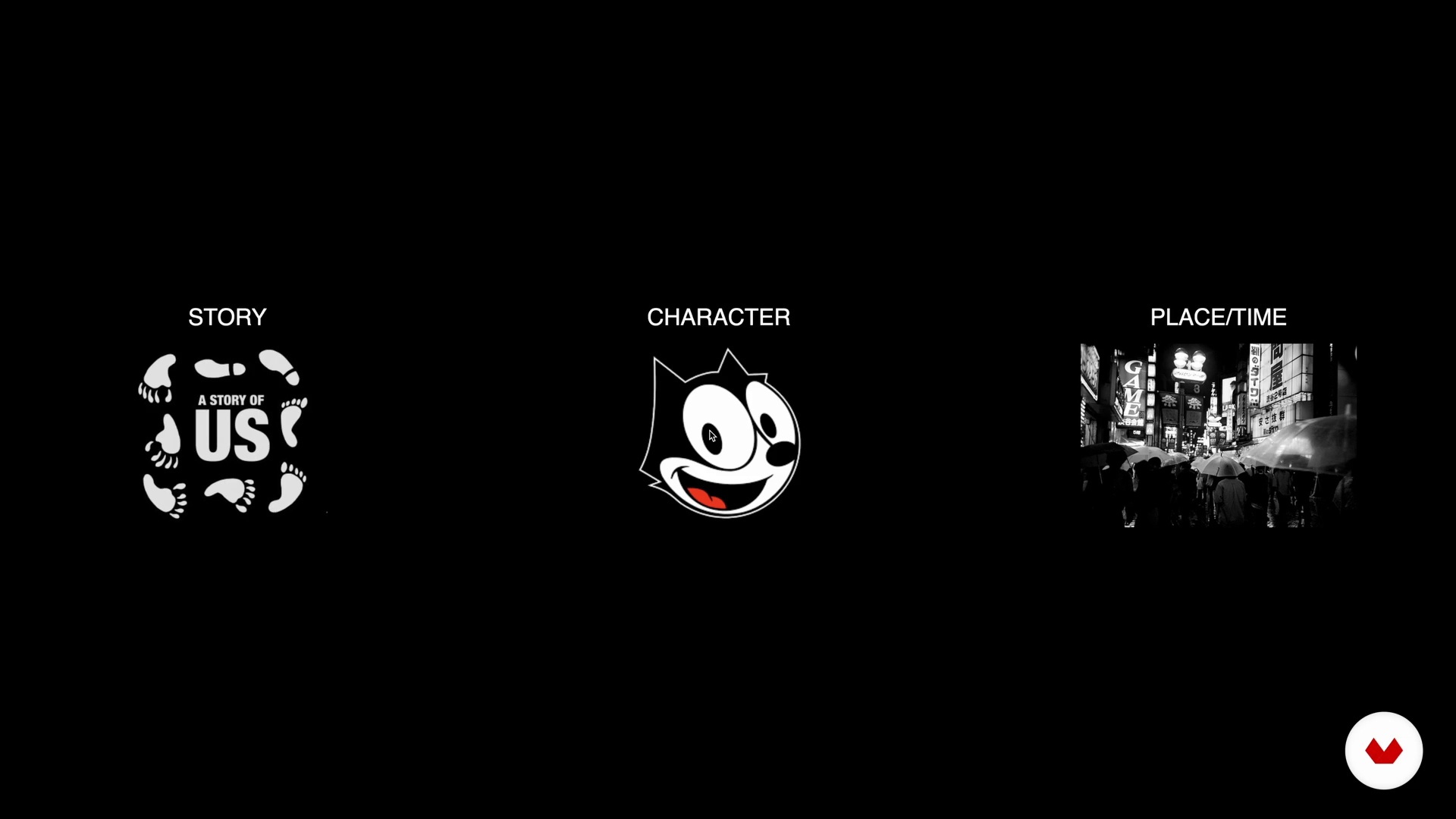
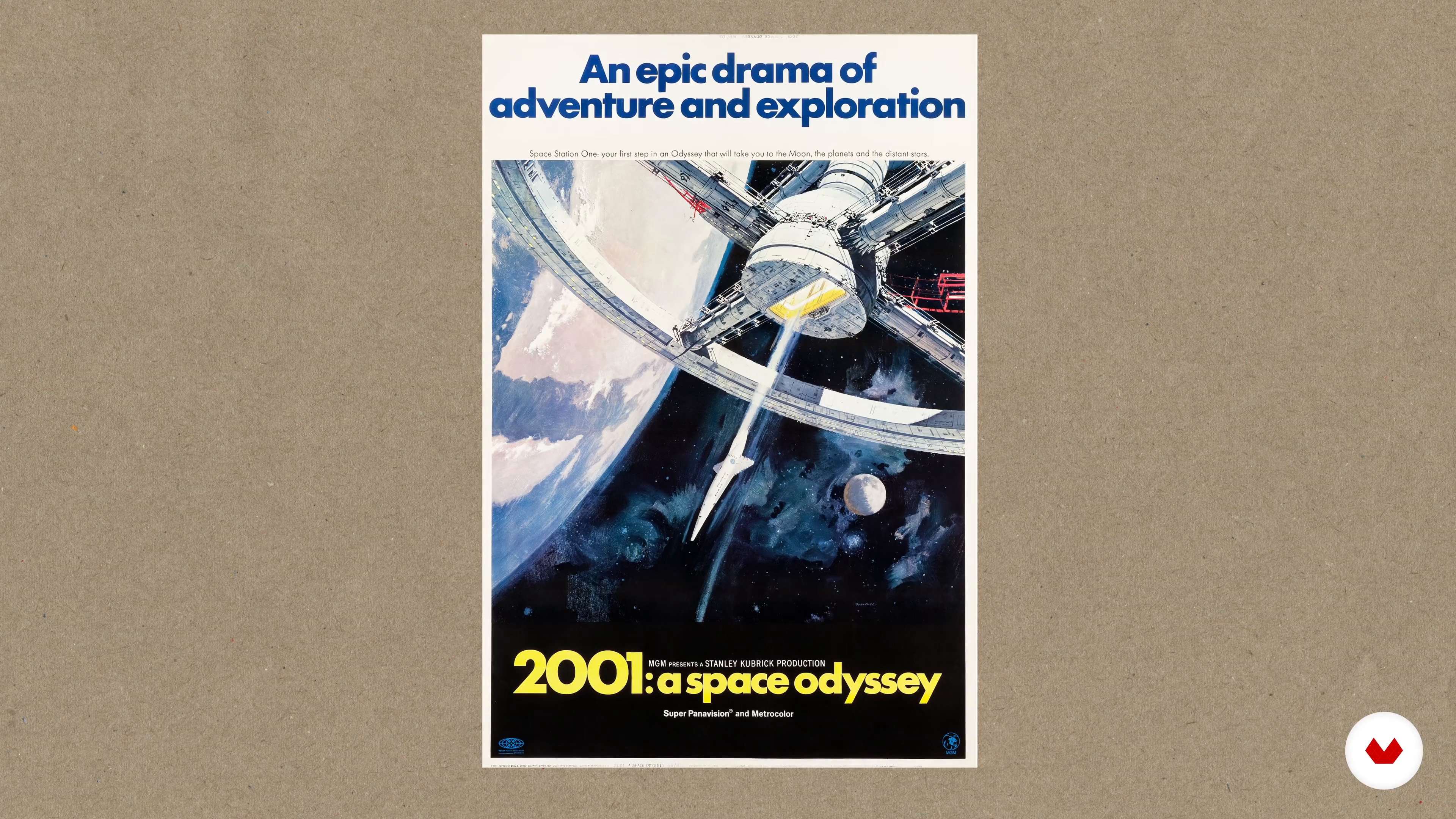
What It Means to Score Picture 2
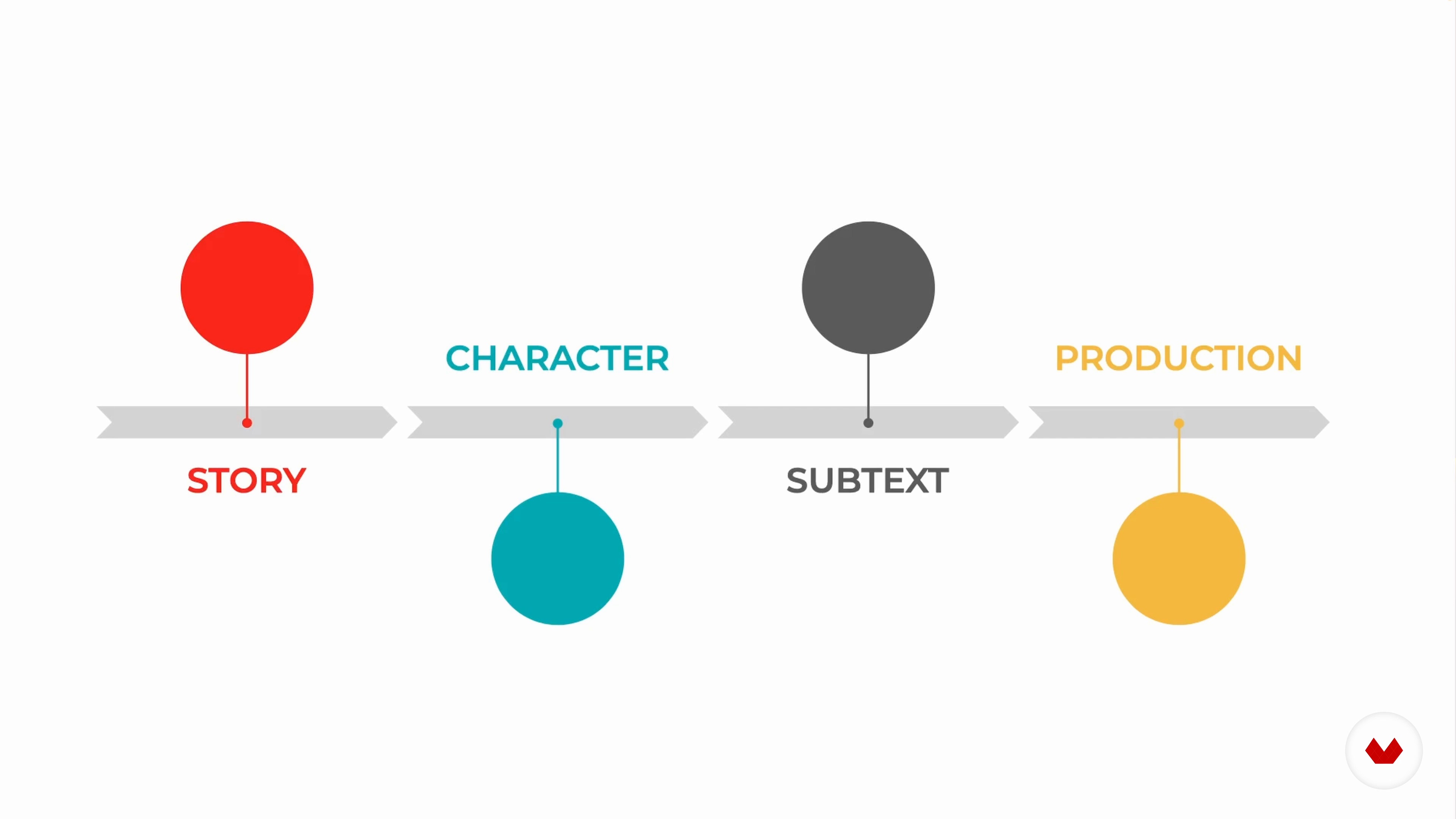
In the second part of this lesson, you will continue to learn about the building blocks of film music, before moving on to the analysis of a scene. What elements do you need to pay attention to produce suitable music? We will focus on four things: the story, the characters, the subtext and the production.
12m
image
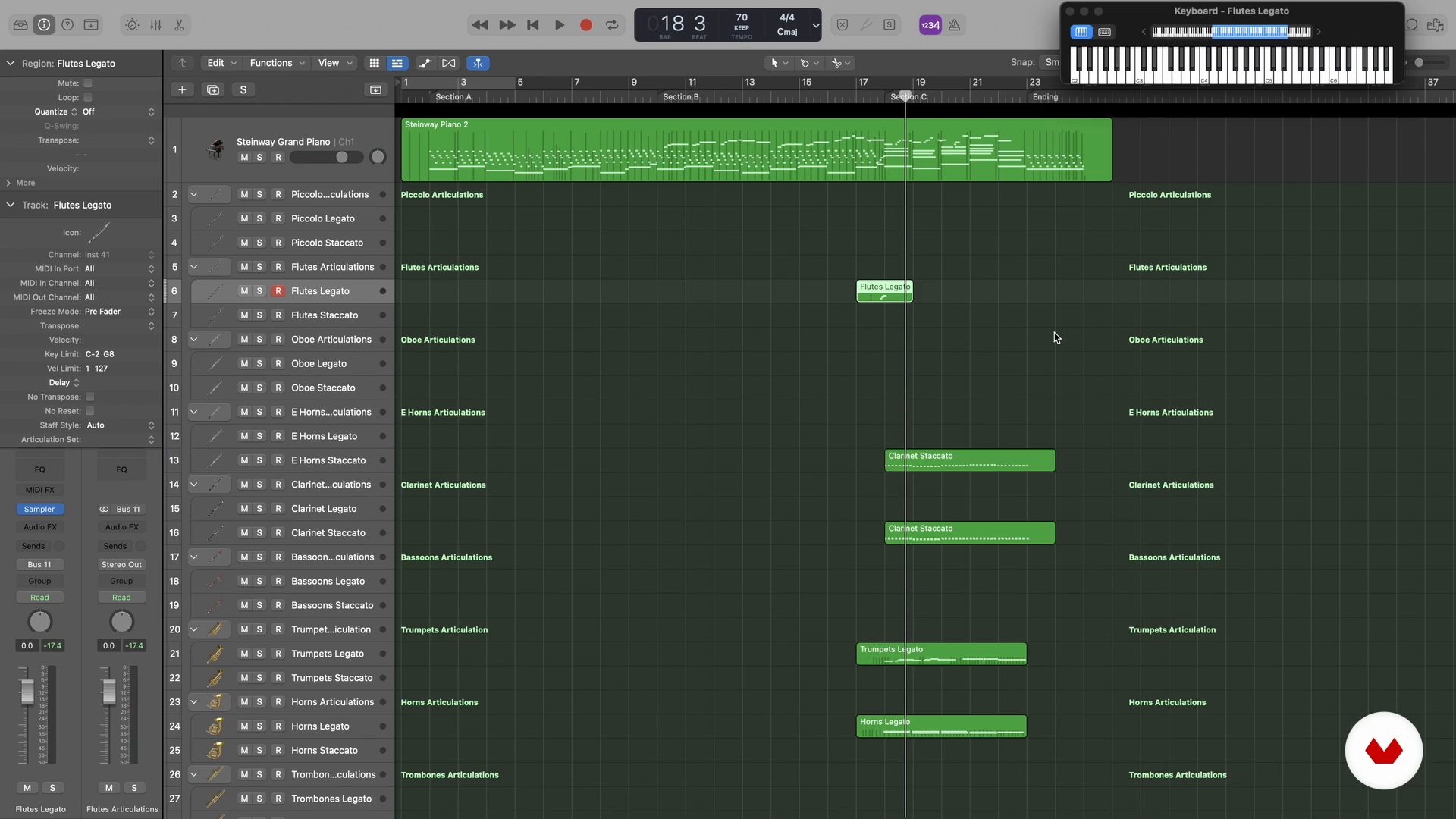
5
Linking Music and Film
What are the fundamentals of music theory? And how can you use music and emotion when approaching a film? In this lesson, we will use an example of a film we scored to highlight these concepts.
17m
image
6
Modern Scoring Techniques
We'll now discuss what new and interesting elements modern scoring brings to the table, why they're cool, and how we can use some of them to tell a story.
17m
image
7
Different Roles 1
Let's explore the different roles involved in creating a film score. In larger films, separate people assume each of these roles. For smaller projects, the composer typically does most of them.
8m
image
8
Different Roles 2
What are the remaining responsibilities involved in composing film music? In this lesson, we will cover the roles of copyist and engineer.
15m
image
9
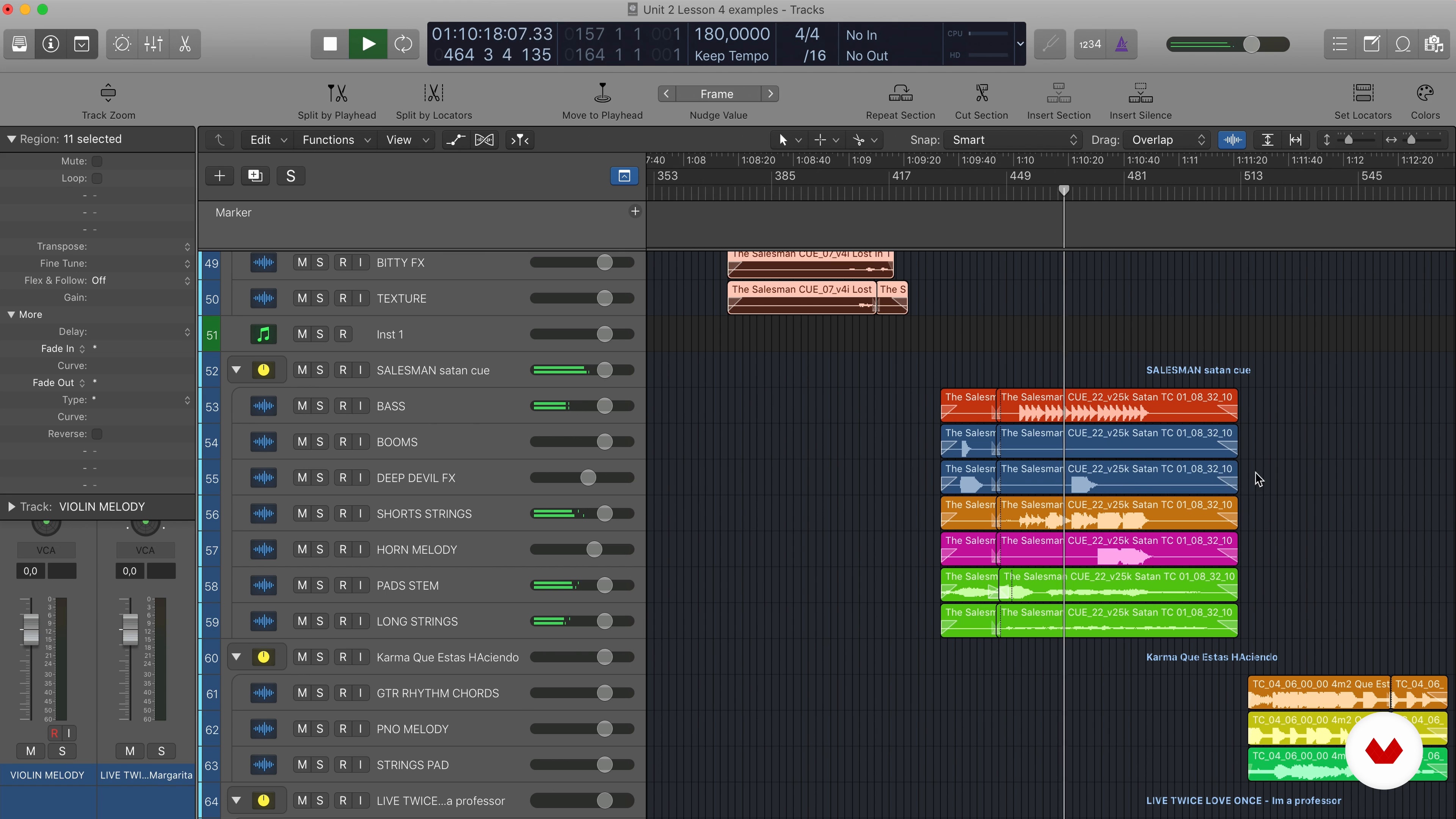
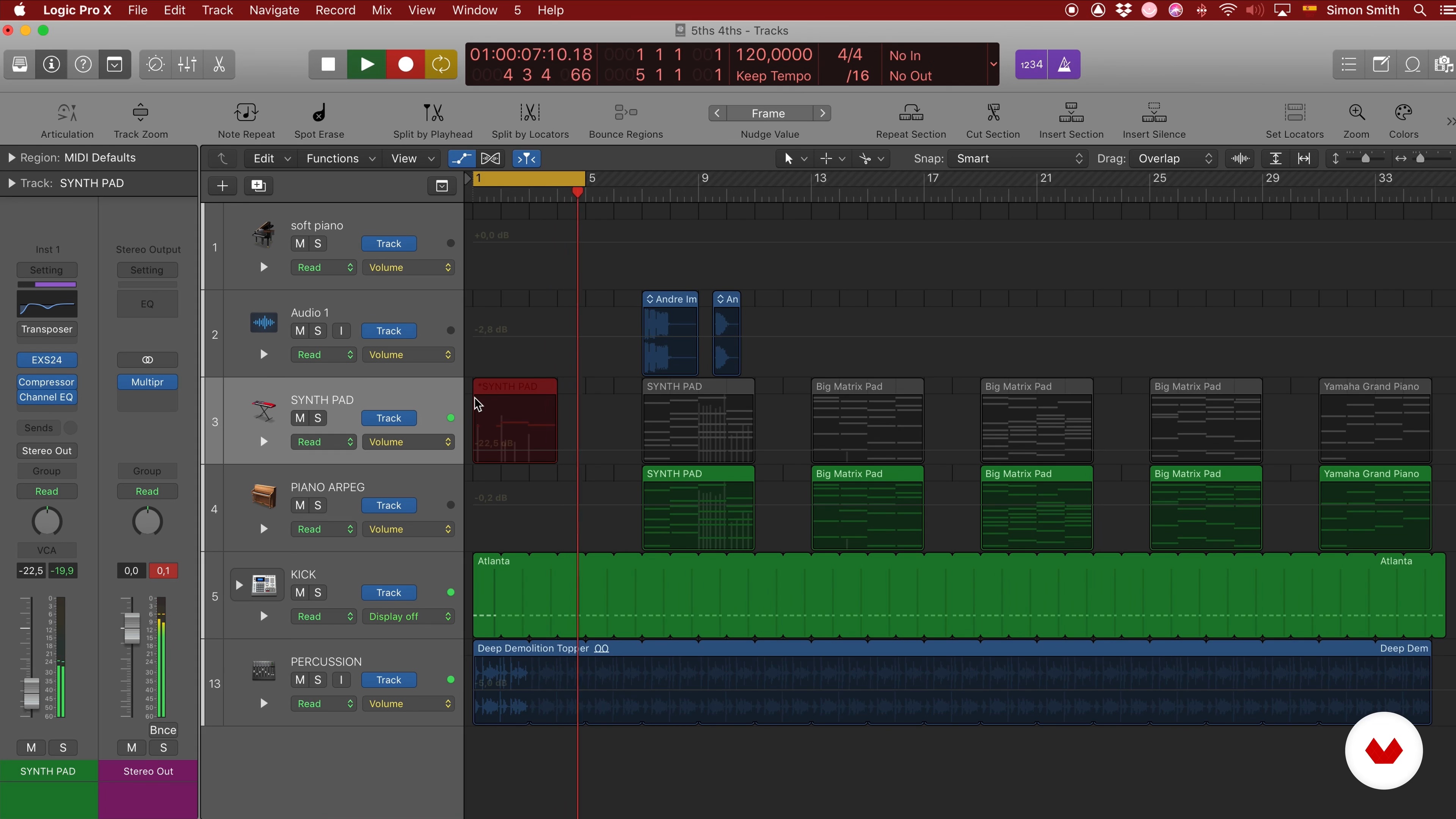
Working with a DAW 1
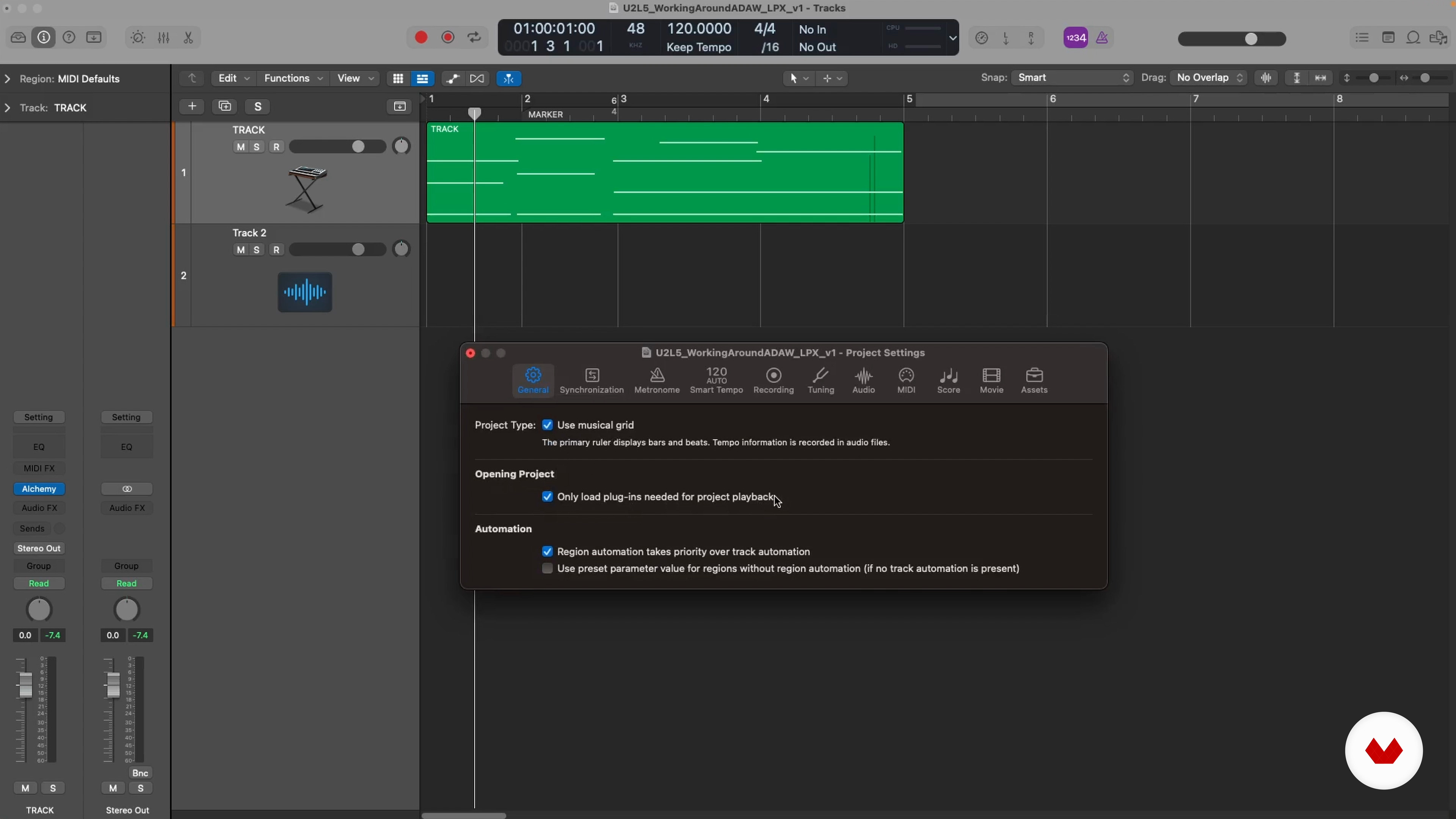
To conclude this unit, we'll give you just enough information to understand the important parts of a DAW, and what you'll need to get the job done.
20m
image
10
Working with a DAW 2
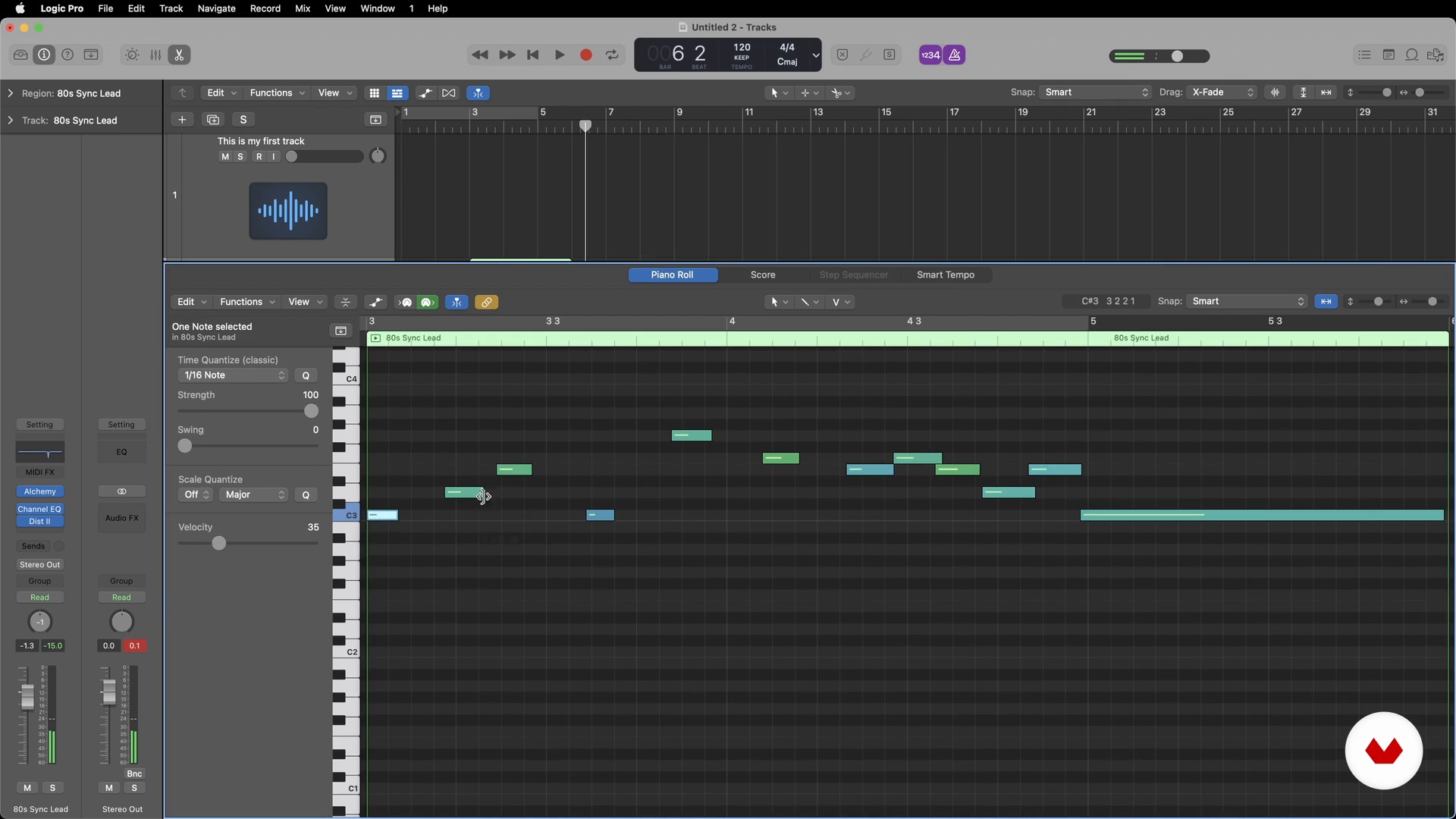
We will now explore the "Piano Roll" and the "Mixer" windows, as well as a number of useful shortcuts that will help you to get organized.
20m
image
11
Collaboration with a Filmmaker
You'll learn about a spotting session and why it's important, how to prepare for it, and some ideas on how to navigate the conversation.
15m
image
12
Preparing to Write 1
In this lesson, we will guide you through the process of preparing a scene in your DAW. You'll learn tips and tricks that will save you time when you get to the writing part.
14m
image
13
Preparing to Write 2
You should now be ready to start finding sounds to write with. We will show you how to respond to the director's notes and create something that suits the tone of the film.
11m
image
14
Composing from a Chord 1
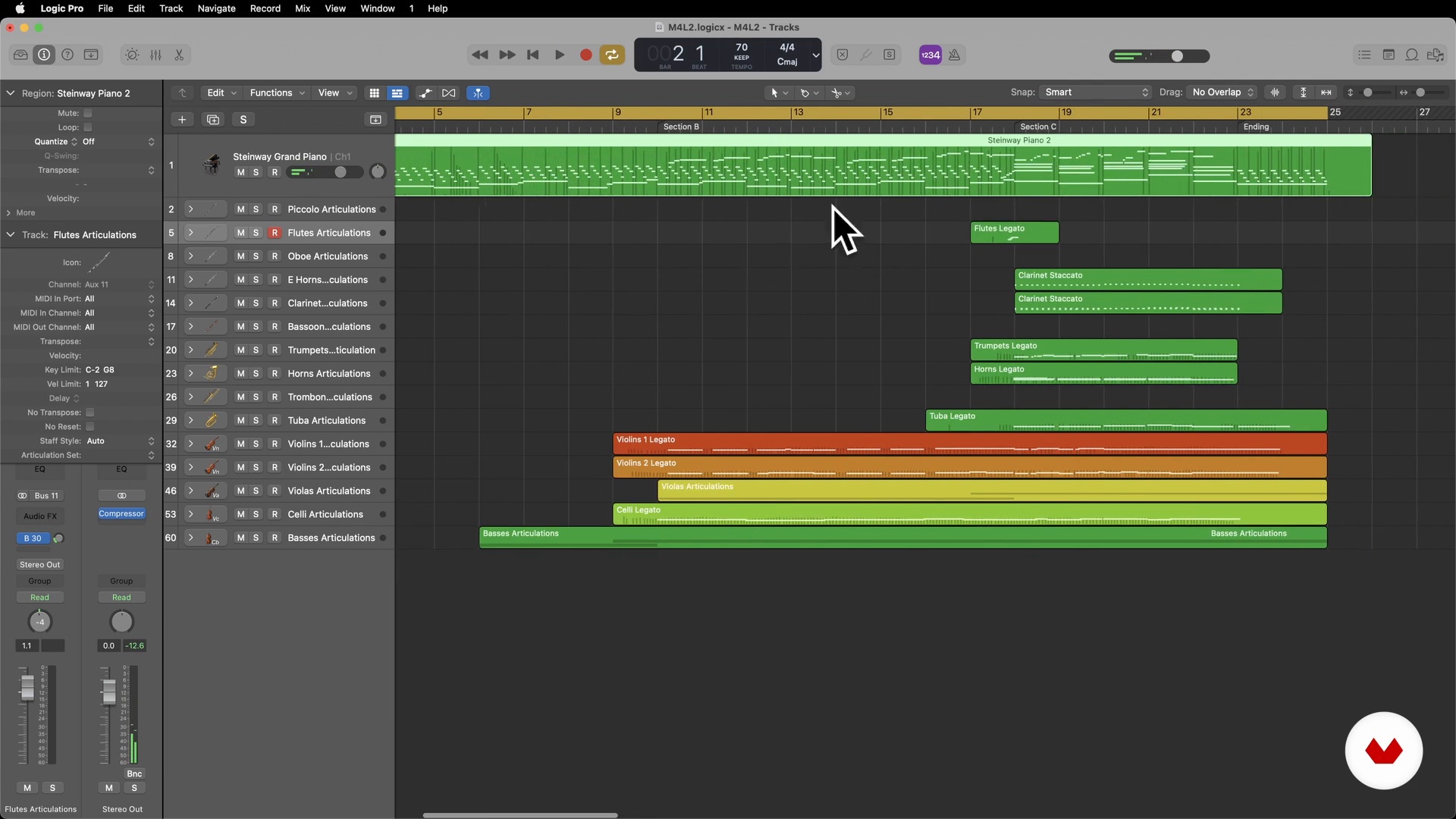
In this lesson, we will cover an alternative, more traditional approach to scoring, using a chord or melody as the basis of the composition. Often in modern scoring, the two techniques are combined for fascinating results. We will start by finding a key and tempo, before scoring the same course project scene and seeing what the director likes best.
12m
image
15
Composing from a Chord 2
Let's home in on the second half of the composition. You will see how to adopt an evaluative approach to refine the piece and achieve an emotional climax.
11m
image
16
Composing from a Sound 1
In this lesson, you'll see how to continue scoring the course project scene, elaborating on musical ideas from a single sound or sample. We'll run through what to do to make the sound unique, and how we can use it throughout the scene in different ways to show how it can evoke different emotions.
7m
image
17
Composing from a Sound 2
We will now show you how to muffle a sound slightly by using a filter to reduce the higher frequencies. You will also learn how to achieve the panning effect, and more!
17m
image
18
Getting Revisions and Cue Approval
In this lesson, you will learn what to do when you're asked to make revisions to your music. You will understand the process of getting to the final approval of a cue by collaborating with the filmmaker.
17m
image
19
Cleaning Up for Orchestration 1
Once you get your cue approved, it's time to prepare for orchestration. Making sure you clean up your DAW session in a particular way will ensure you have a really smooth transition into the notation program.
14m
image
20
Cleaning Up for Orchestration 2
At this stage, there's no need to dive into the specifics of articulations and dynamics. The principal aim is to get the notes right! We will now apply the same process we've followed to the second region.
9m
image
21
Enhancing the Cue 1
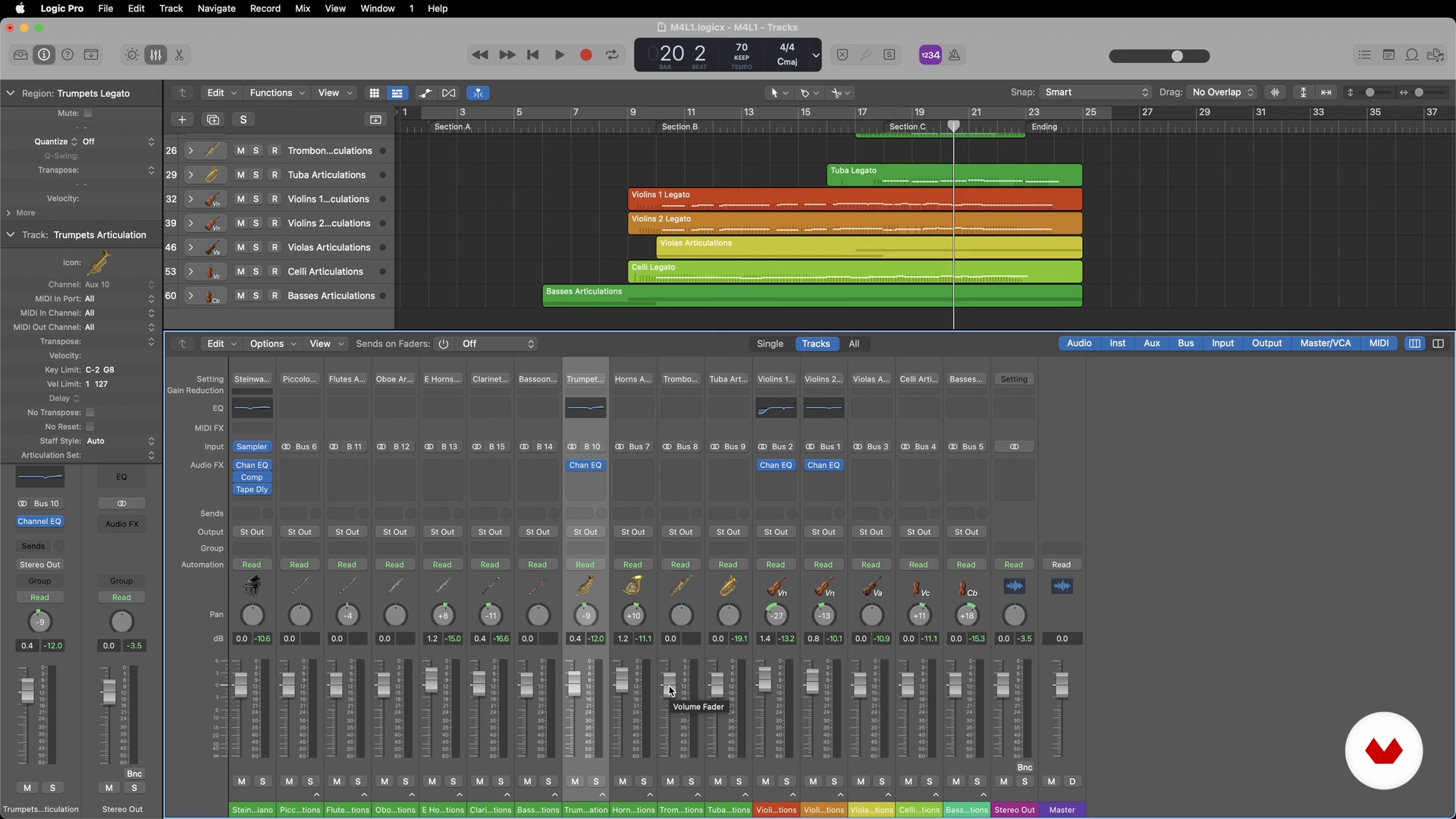
Now it's time to orchestrate! You'll learn how to import MIDI into Dorico and create a beautiful and clean score for your musician. You'll also see how to navigate a live and remote recording session.
19m
image
22
Enhancing the Cue 2
With the sheet music ready for the musician, it's time to move on to the recording stage. We will explore how to best prepare for a Logic X session and bring out the best in your musician.
21m
image
23
Editing and Mixing 1
Let's take a step back, thinking of the scored scene as a whole. To finish up your composition, you'll learn different tips on how to mix the live recording with the virtual instruments used in your composition, how to enhance production elements, and what the concept of music editing is.
9m
image
24
Editing and Mixing 2
Now let's give the composition a listen and see what can be done to improve it. By the end of this lesson, you should have a fully finished film score cue ready for delivery.
15m
image
25
Finalizing the Cue and Exporting
In this lesson, we will finalize our cue and give you an in-depth walkthrough of exporting to industry standards. We will also talk about stems and why they are so important in our job.
14m
image
3
What Is Scoring for Film?
In this lesson I’d like to define clearly what I think film scoring actually is. I will also introduce our final project so you can see where we are going.
2m
image
4
What You Need before Starting
In this lesson I’m going to go over the basics of the equipment you’ll need, and the kind of things I use while I'm working. It’s really not that much. We can get very distracted by ideas of lots of kit, when directors don't really care - they might feel in safer hands if you have a fancy studio, but in the end it’s all about your ideas and your ability to understand what the story needs. I know many film composers who work from home.
2m
image
5
Film Production Process and Team Workflow
Now we will go over the film production process so we can better see how we fit into what is a massive collaboration between sometimes hundreds of creatives, technicians and others behind the scenes making it all happen. The more we understand this context, the better we will be able to empathize with and understand the director and the process they are going through when they finally get round to working with us.
16m
image
6
Let’s Talk about Music Itself 1
In this lesson I’d like to stop for a moment and take a look at music itself - to break it down into a simplified grammar that we can use while analysing how and why film music works the way it does. This will also help us to understand our own music from a slightly different perspective and to clarify what options we have when we come to applying any musical ideas to a story.
20m
image
7
Let’s Talk about Music Itself 2
We'll continue to see the structure and nature of film music a bit more in depth.
15m
image
8
Music in Storytelling 1
In this lesson I’d now like to take a moment to talk about story-telling itself, then explore how music gets used in films, where it comes from and outline a few examples of scores in different genres.
14m
image
9
Music in Storytelling 2
Let's continue to see how the language of film music has evolved over time.
9m
image
10
Some Composing and Production Tips 1
Lastly, before we move on from this unit about first concepts, I’d like to share a few tips and tricks related to producing, film scoring and composing in general. They are things that I’ve picked up over the years, especially related to workflow or how to embrace what makes you unique as a musician or sonic creative.
16m
image
11
Some Composing and Production Tips 2
Now let's see how to enjoy creating some expressive and unique compositions with your own skills and limitations as a musician.
7m
image
12
The Spotting Session
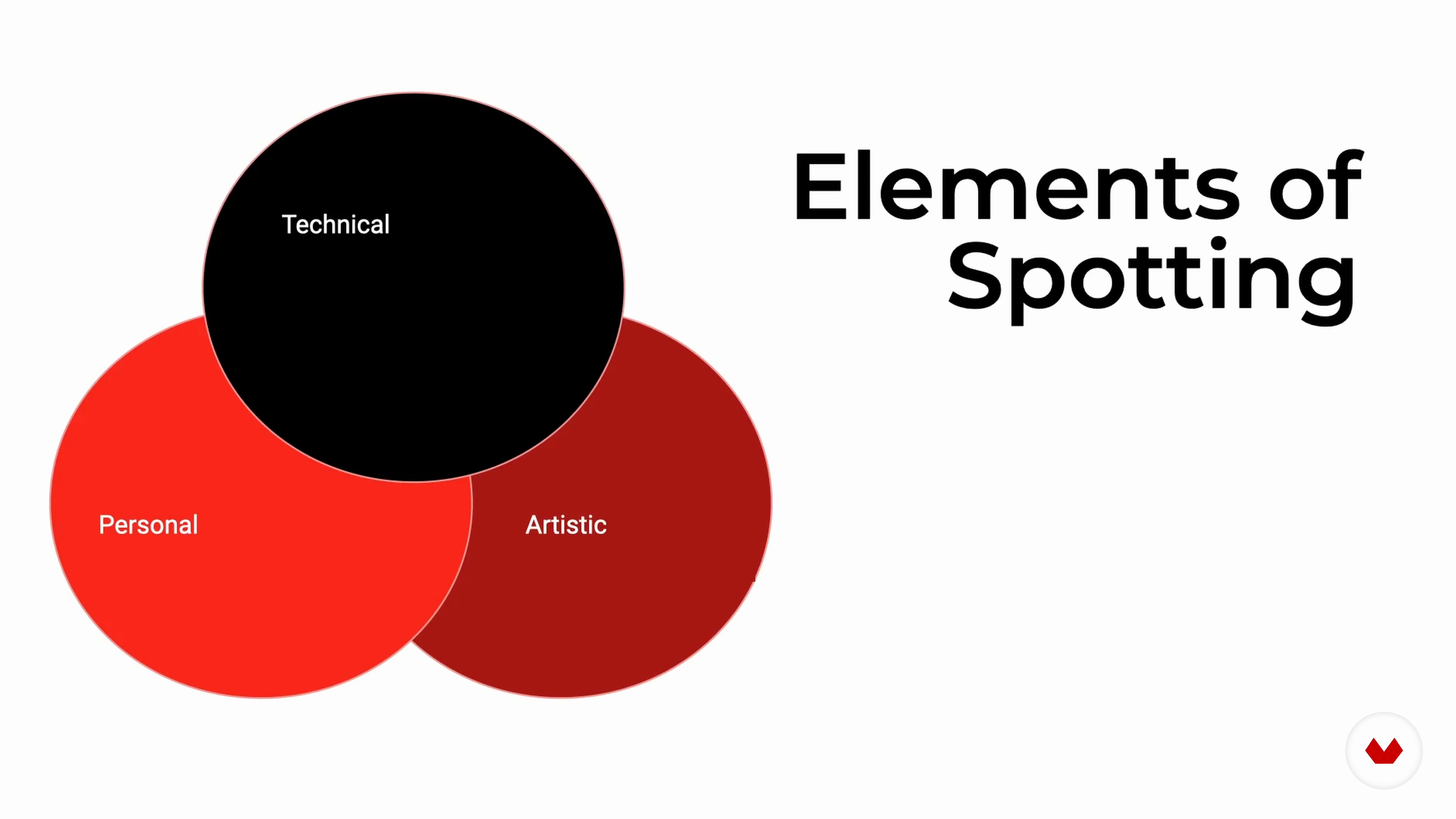
In this lesson I would like to go over one of the key moments in film scoring: the spotting session. This is where the director is “handing over” the film to the composer, which can be terrifying for both! The “letting go” for the director, and a “blank sheet of paper” moment for the composer. But it can be the source of some stimulating discussions and ideas and we should plan and prepare to get the most out of it.
8m
image
13
Getting Set Up Technically
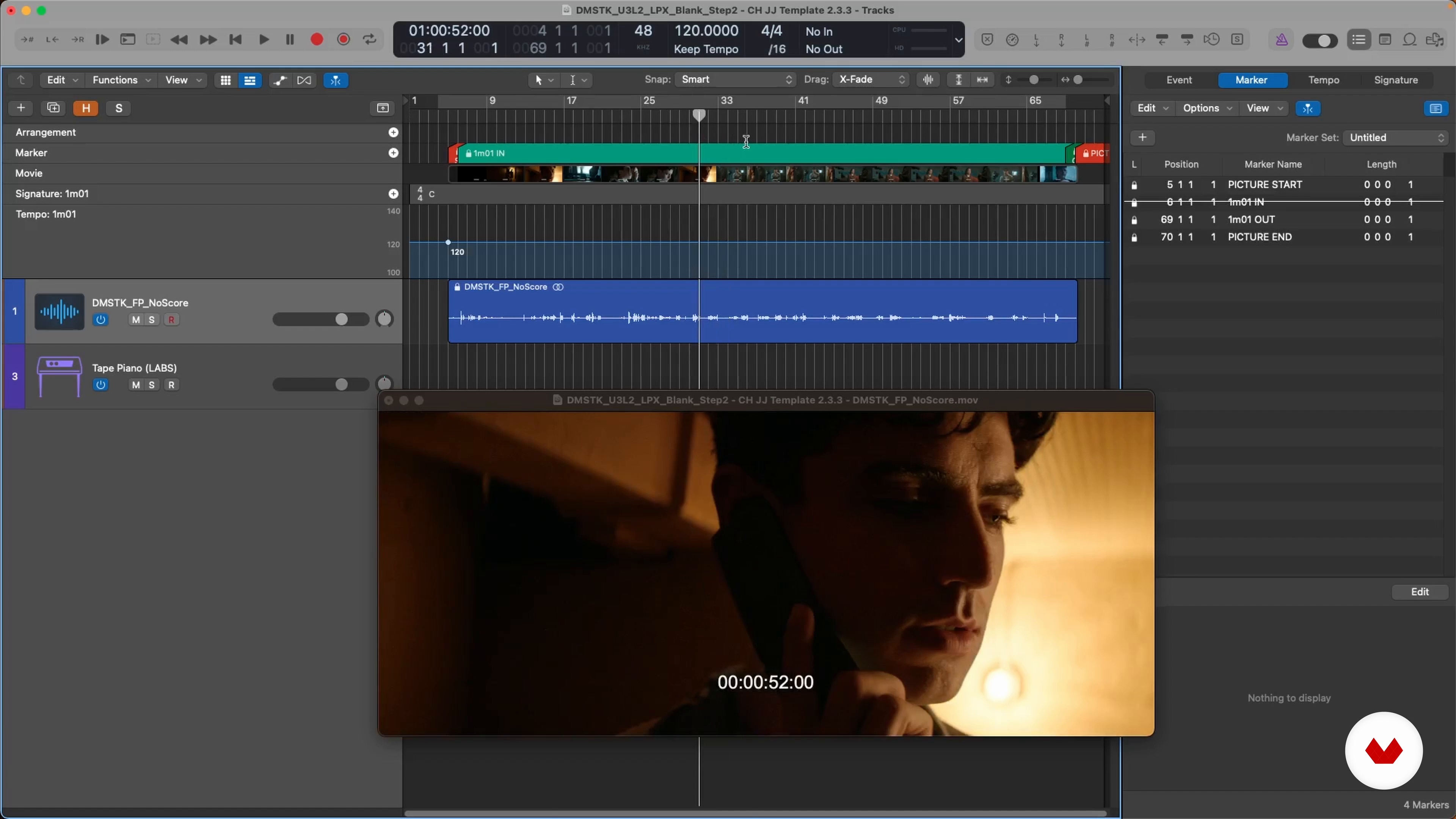
Once the spotting session is over, we can go and set up our DAW. I find it very important to be methodical and orderly at this stage. This is so that I don't get tied up with technical problems or make stupid mistakes later on, when under pressure. We need to give ourselves every opportunity to stay creative and technical headaches are definitely a creativity killer! If you dont own a copy of Protools, you can watch the videos to learn about how I would use it and simply skip this step when mixing later.
12m
image
14
Inside the Film: Finding a Concept and Planning 1
In this lesson I want to dive deeper into the film so that we feed our creative gut for fast and creative flow later on. I want to find a concept so that our musical ideas have perspective, an angle - a story-telling voice. Once I find my way in, the compositional ideas can come quite quickly. I find this to be a critical stage in my process and I always learn loads about the director and film-making in general.
11m
image
15
Inside the Film: Finding a Concept and Planning 2
Once we have defined one or several concepts around which we can start to try and edit our ideas.
10m
image
16
The Theme Suite 1
In this lesson I’d like to show how many film composers start writing: by creating a theme suite or palette of sounds and colours. I love Hans Zimmer’s description of it as “his musical diary” as he tries different things out as he “sneaks up on a film”. So while simply reflecting on the core of the story, away from the image, you can start to let your imagination express itself musically. It’s actually a lot of filtering and rejecting of what NOT to do. Let your gut steer you towards musical fragments within a sound palette that seems to fit, in alignment with the creative compass you set in your mind’s eye. If we reflect deeply on the scope, scale and needs of the score, we can create this “diary” of ideas and their variations that can later be painted onto the film, first by you, then in collaboration with the director.
10m
image
17
The Theme Suite 2
Let's keep exploring some sounds for our suite. I will now focus more on textures.
14m
image
18
Scene by Scene
Now we can start the process of actually applying our ideas to the film. It seems like we took a long path to get here, but we’ve laid the groundwork and now it will pay off. Sometimes I feel like I am even switching hats here and thinking more like a music editor - I'm taking my musical concepts already created and I’m structuring and sculpting them around the form of a scene, to see what happens, letting the film guide me.
16m
image
19
Presentation and Feedback
At some point our ideas are ready to show - which in my experience is always a terrifying moment for both the composer and director! So we need to work out how best to present them and work through the feedback. There are various options, and the important thing to remember here is that this is a people process. It's a collaboration and every combination of personalities is different. Even if there is a negative reaction to what you’ve worked so hard on, you can come back stronger if you remain flexible and positive. See it as a process, not a final judgement. Everyone just wants to create a great movie and you just need to work out how to move forwards together. So many times after a cue doesnt quite work, I’ve gone on to write something much better and I was grateful we changed direction. And other times it's not as large a problem as it seems! Pull a different lever. So in this lesson I’d like to outline a few ideas about how to make this process a success.
15m
image
20
Mixdown and Delivery
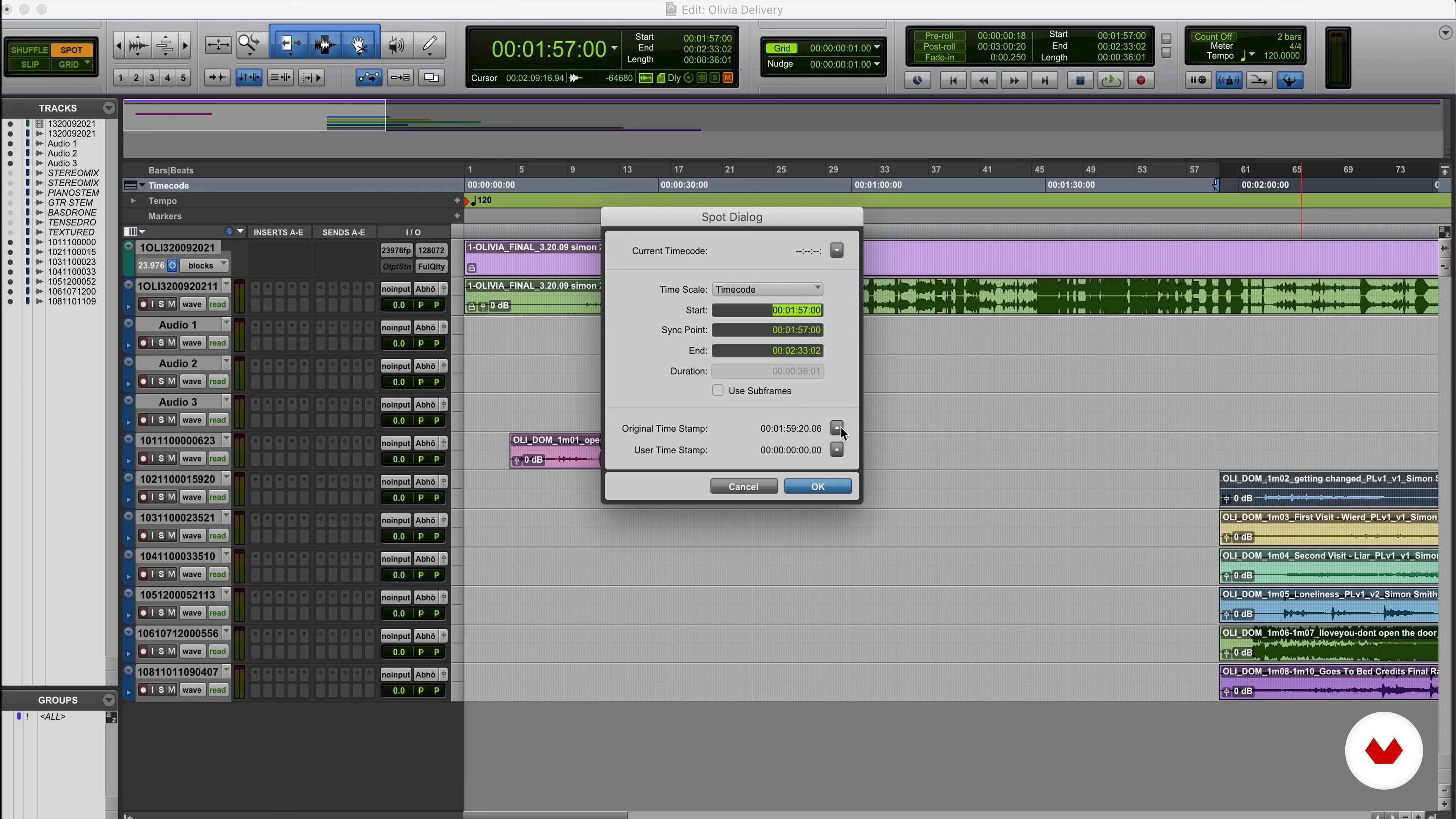
In this lesson let's look at the score from an engineering perspective, preparing our score for exporting and delivering. Now we need to understand what the engineers will need when they are doing final changes with the director at the dub stage, when the music is finally mixed with everything else that has been prepared in parallel to the music - the sound design and final audio from shooting. The Protools stage is optional. You can always export directly from your DAW. I just want to show the process so you understand what to do if the case arises. If you don't have access to a copy of Protools that can import video, you can download Protools First and go through the process, audio only, to get to know the program.
18m
image
21
Cue Sheets, Legal and Other Important Things
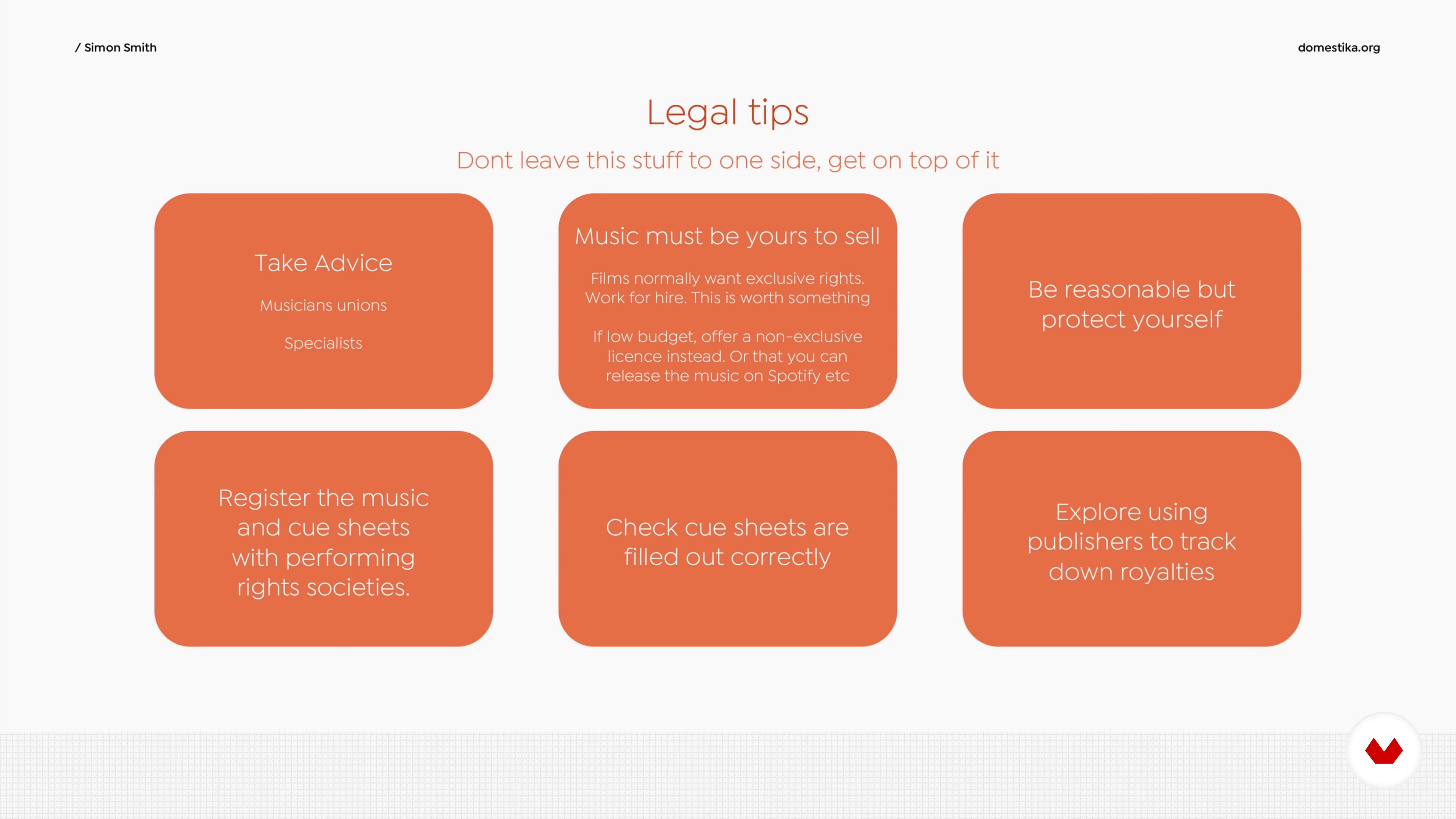
In this lesson I’d like to answer a few legal and career development questions that I myself was always confused about or that have come up while researching this course. How to develop your career is always a tricky question to answer as there are many paths that you can take. My own path has been often very gradual, other times based upon total strokes of luck that propelled me forwards - right place, right time. I think the most important thing is to do your homework - learn your craft - and to collaborate endlessly. Be as professional and as ready as you can when luck strikes. At the same time - and this is crucial - embrace and develop your own musical voice, a point of view that makes you noticeable in the first place. Then if you understand how music works, how film-makers think, and you are visible, the right collaborators will find you, sooner or later.
17m
image
3
How Does Melody Work 1
In this lesson, you will see the way music interacts with images in a variety of shows and films, and you will be asked to think about what sensations these pieces generate in you.
15m
image
4
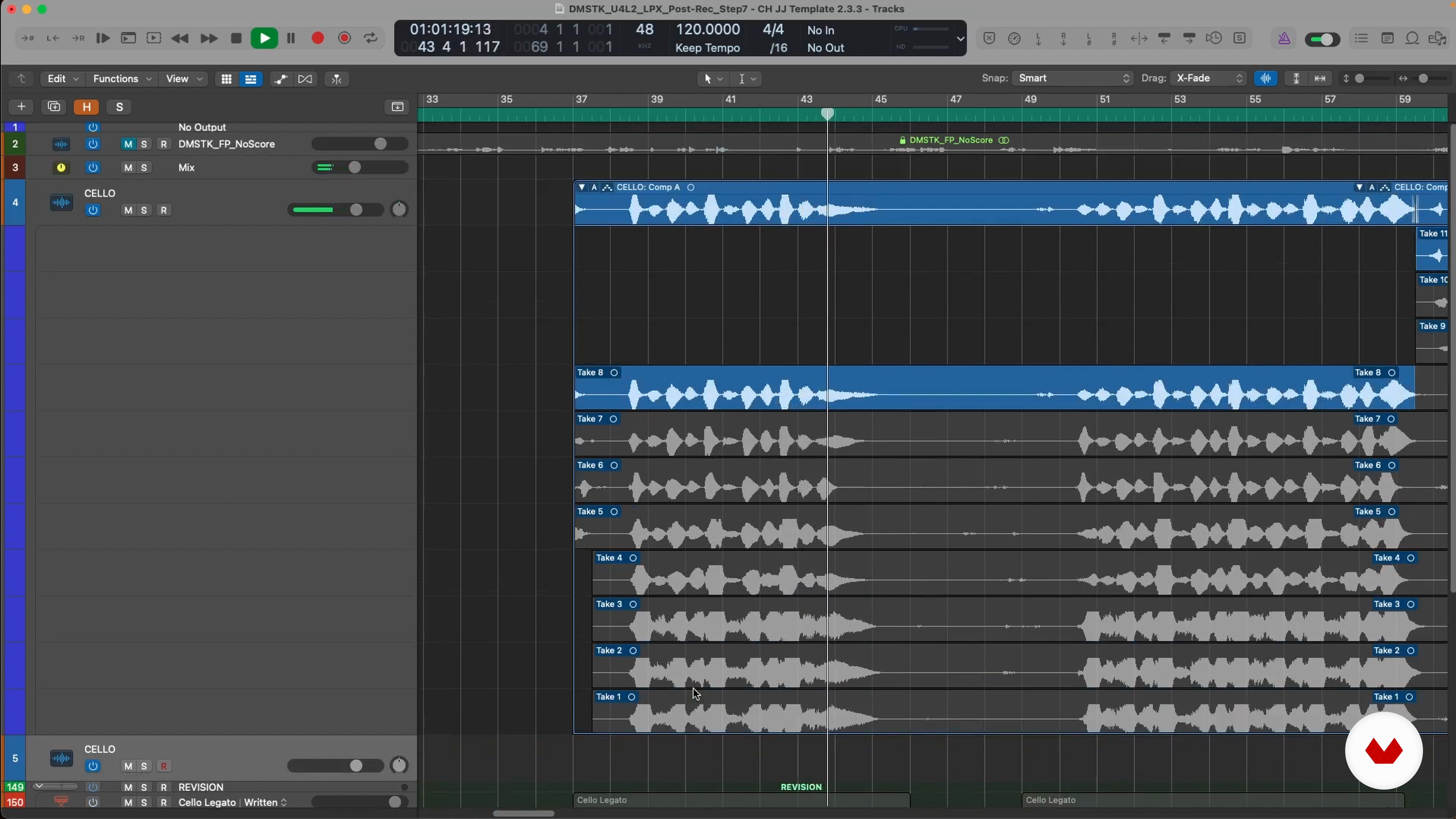
How Does Melody Work 2
I will continue showing you some of my favorite movies and their music. This will help you think and realize how to create the sensation of certain feelings you want to have in your project.
11m
image
5
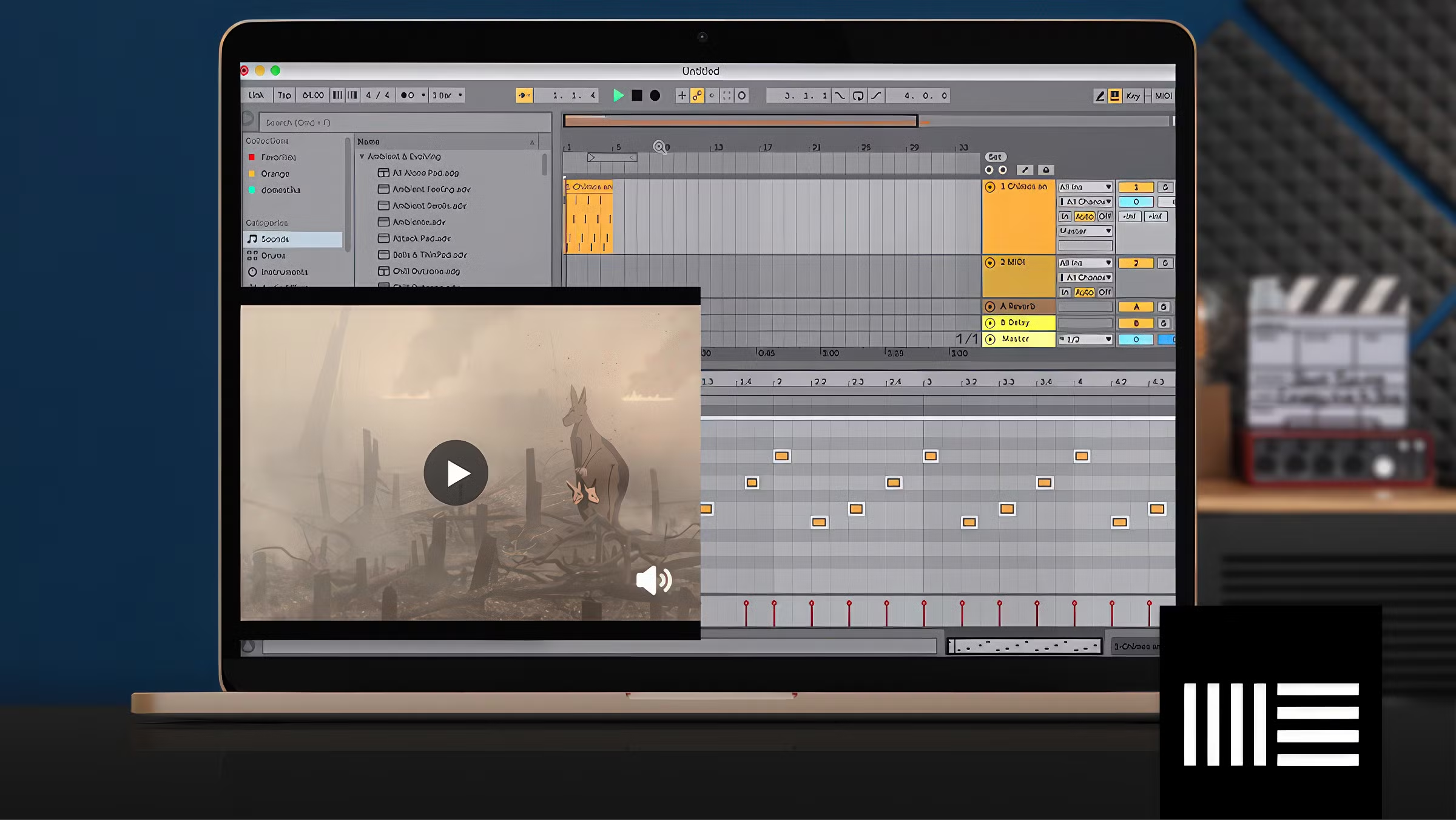
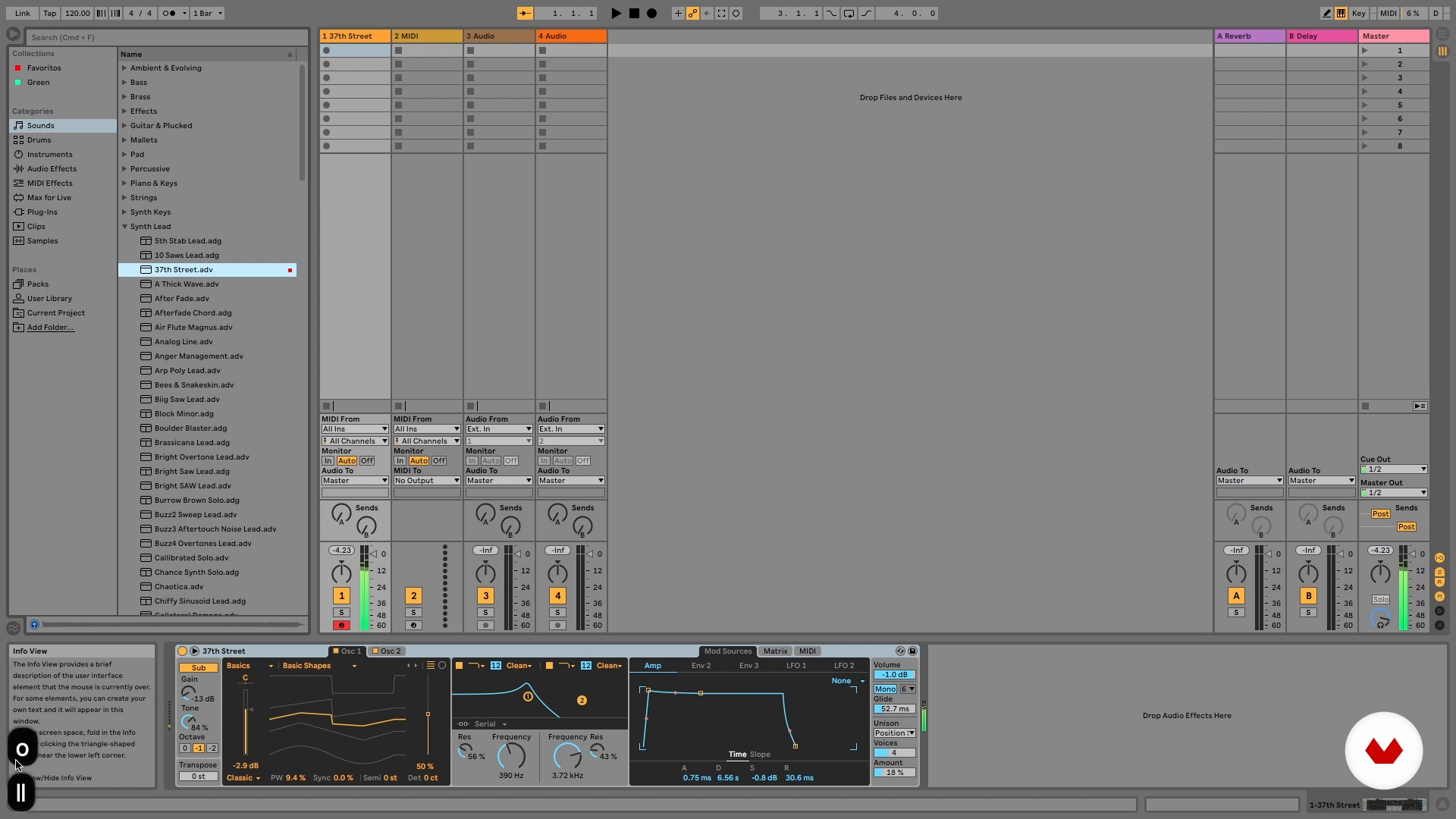
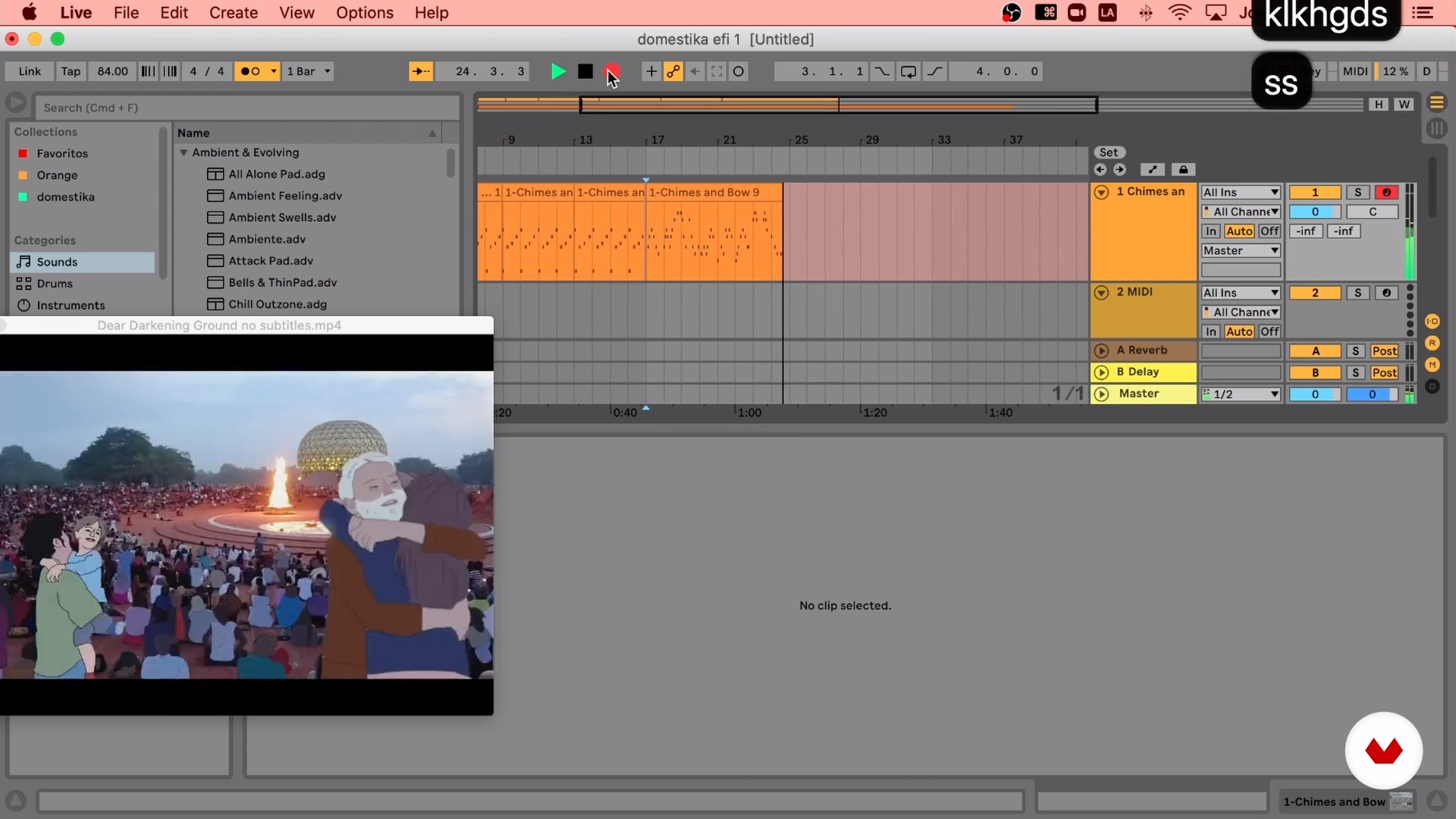
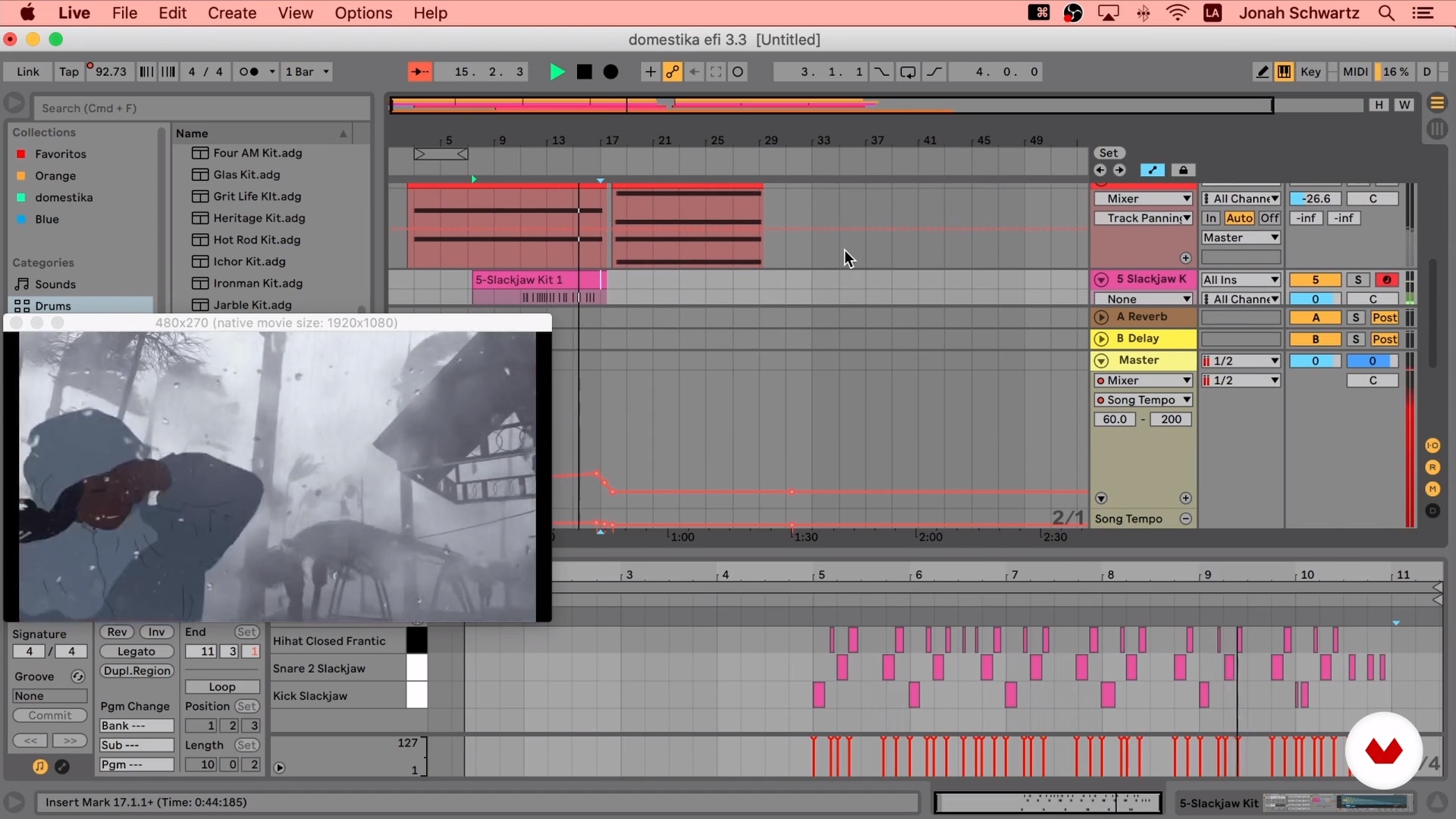
Playing a Melody in Ableton
I will teach you how to play a short melody using Ableton Live and discuss the difference between midi and audio.
14m
image
6
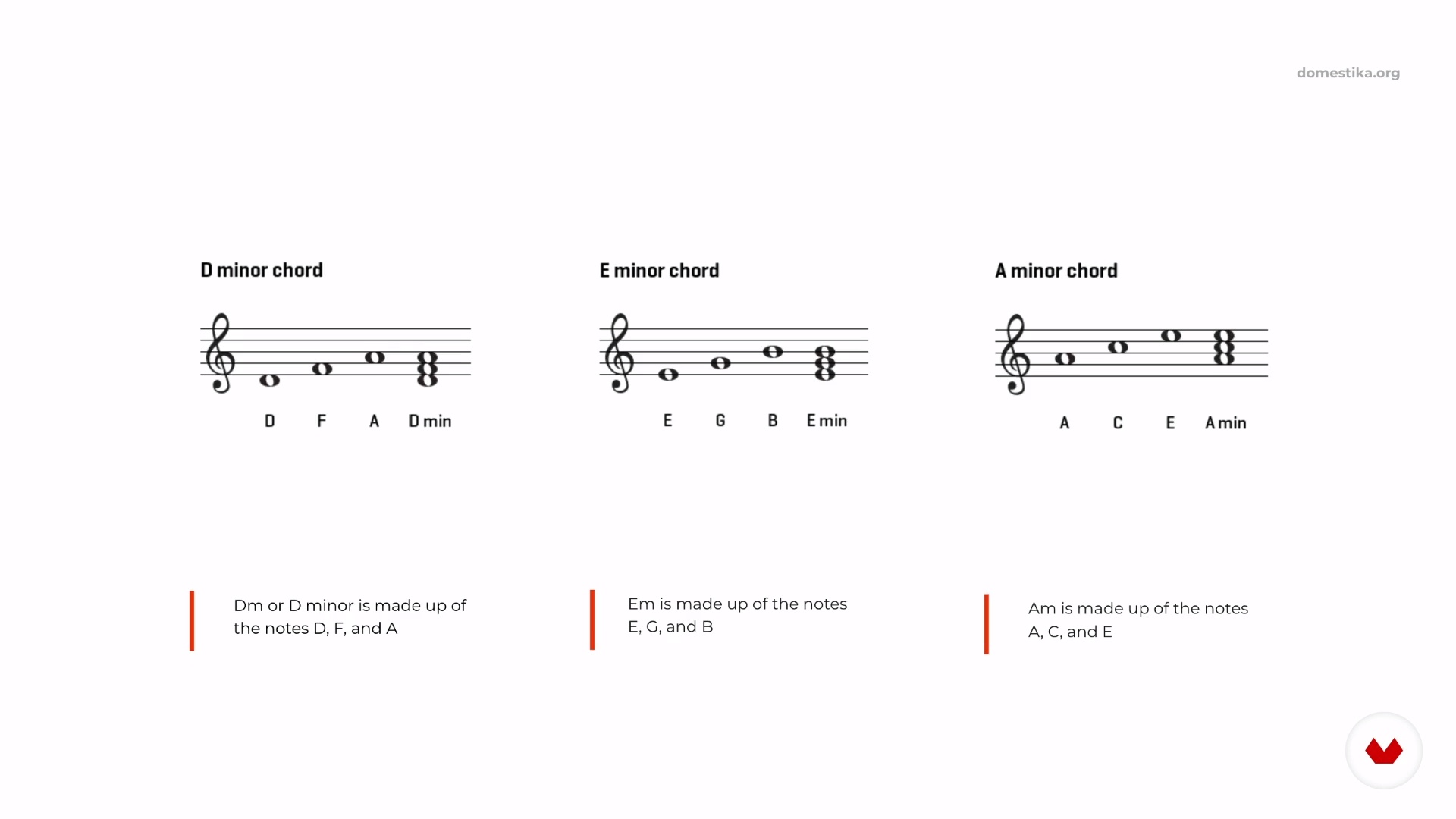
Rhythm, Harmony and Melody
I will explain to you some concepts of rhythm and harmony in order for you to be able to enlarge your toolbox for when you begin composing.
18m
image
7
How to Create an Idea
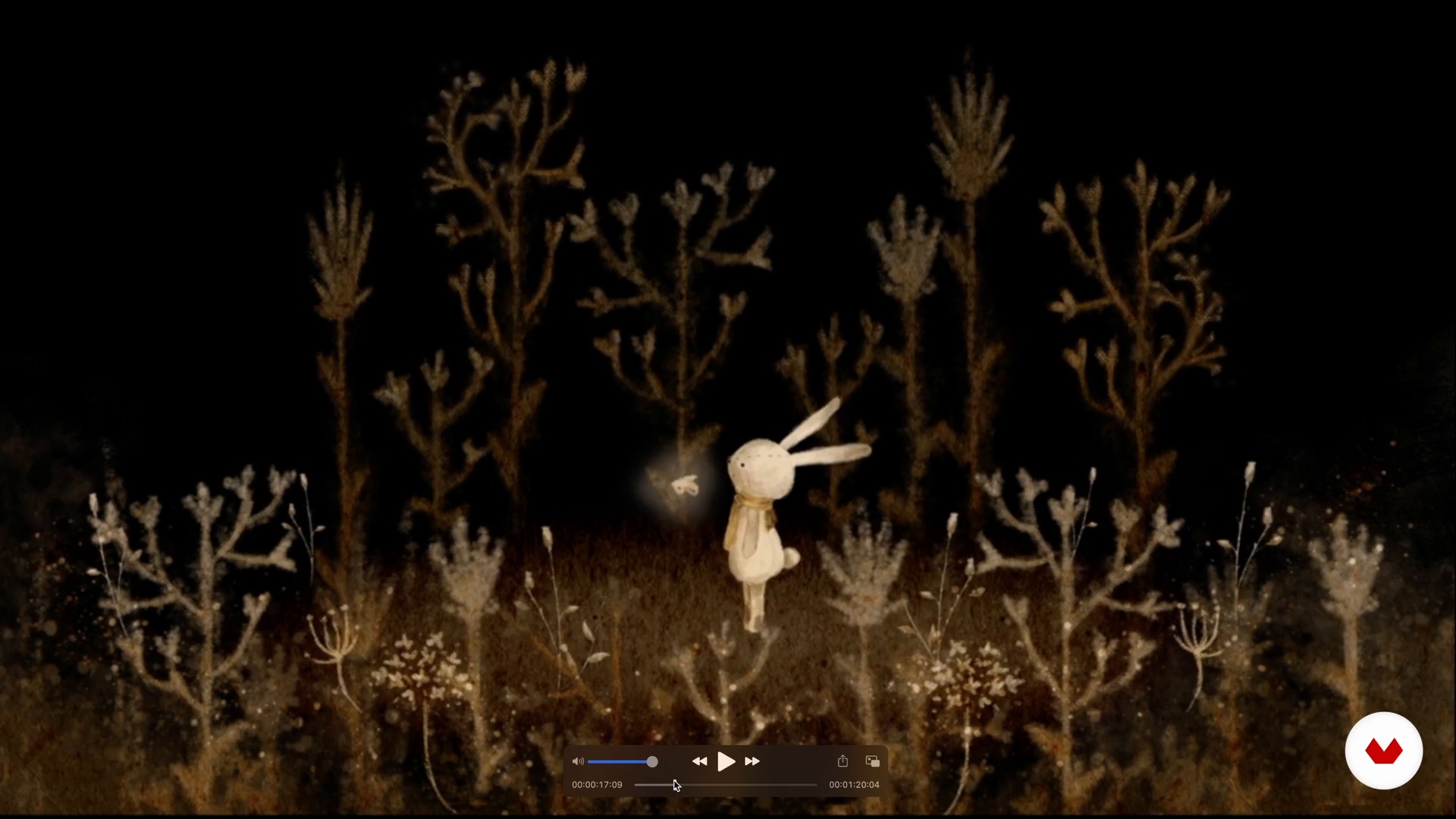
In this lesson, you will learn different techniques for collecting ideas for composing music, and you will see the short film I will be scoring for my final project.
8m
image
8
Film Music and Structure 1
Now you will learn how to analyze the structure of a short film. I will show you the short film I will be using for my final project in order to think about the different musical moments I will want to create. This is where the adventure begins, are you ready?
11m
image
9
Film Music and Structure 2
You will see how to conceptualize a piece of music that will accompany the film both thematically and structurally, the two focal points of this musical composition, and you will start developing ideas for your melody.
12m
image
10
Recording a Melody 1
Here you will begin to see how to work on your melody, and you will record it and do rough sync with the film.
16m
image
11
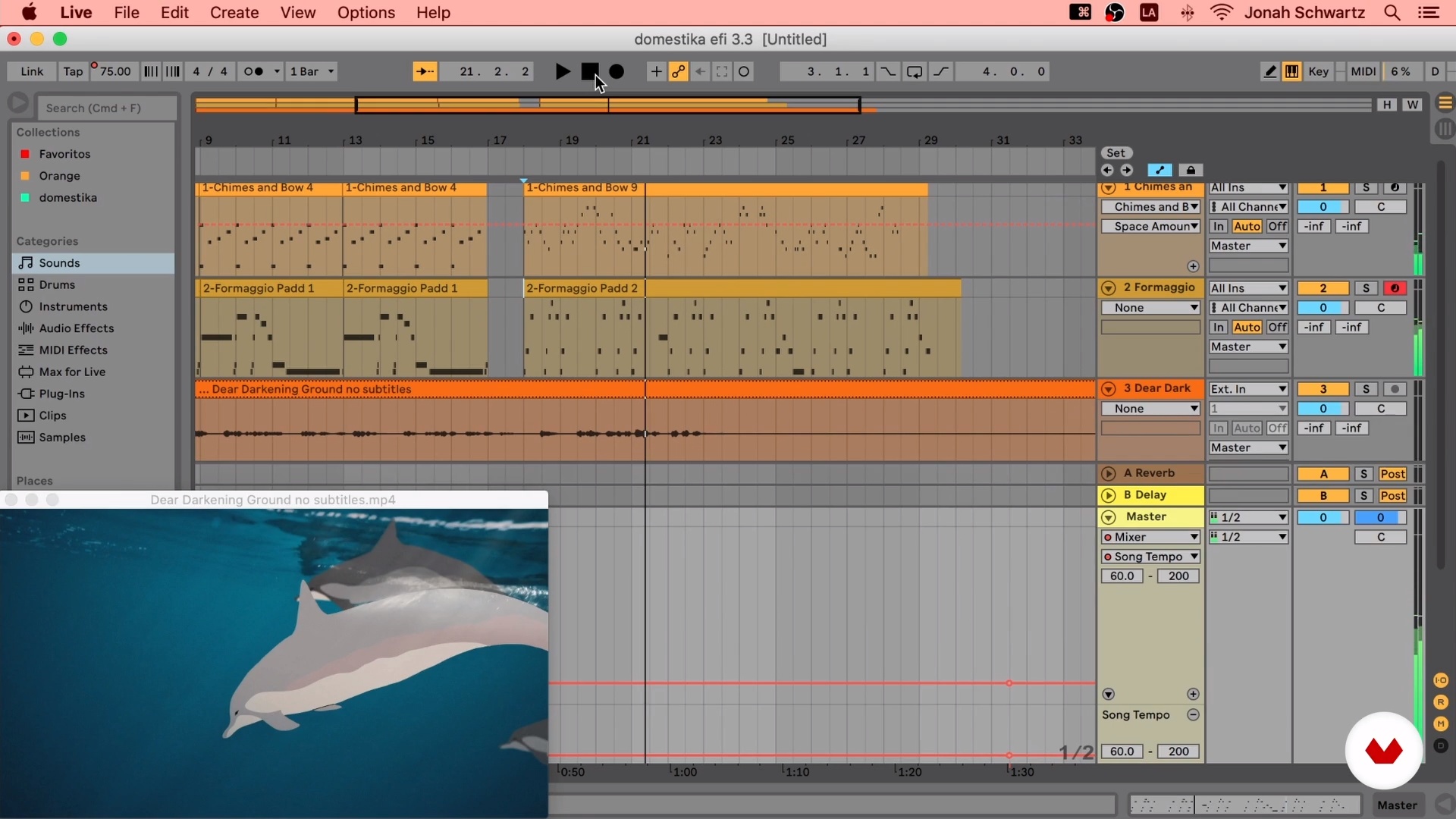
Recording a Melody 2
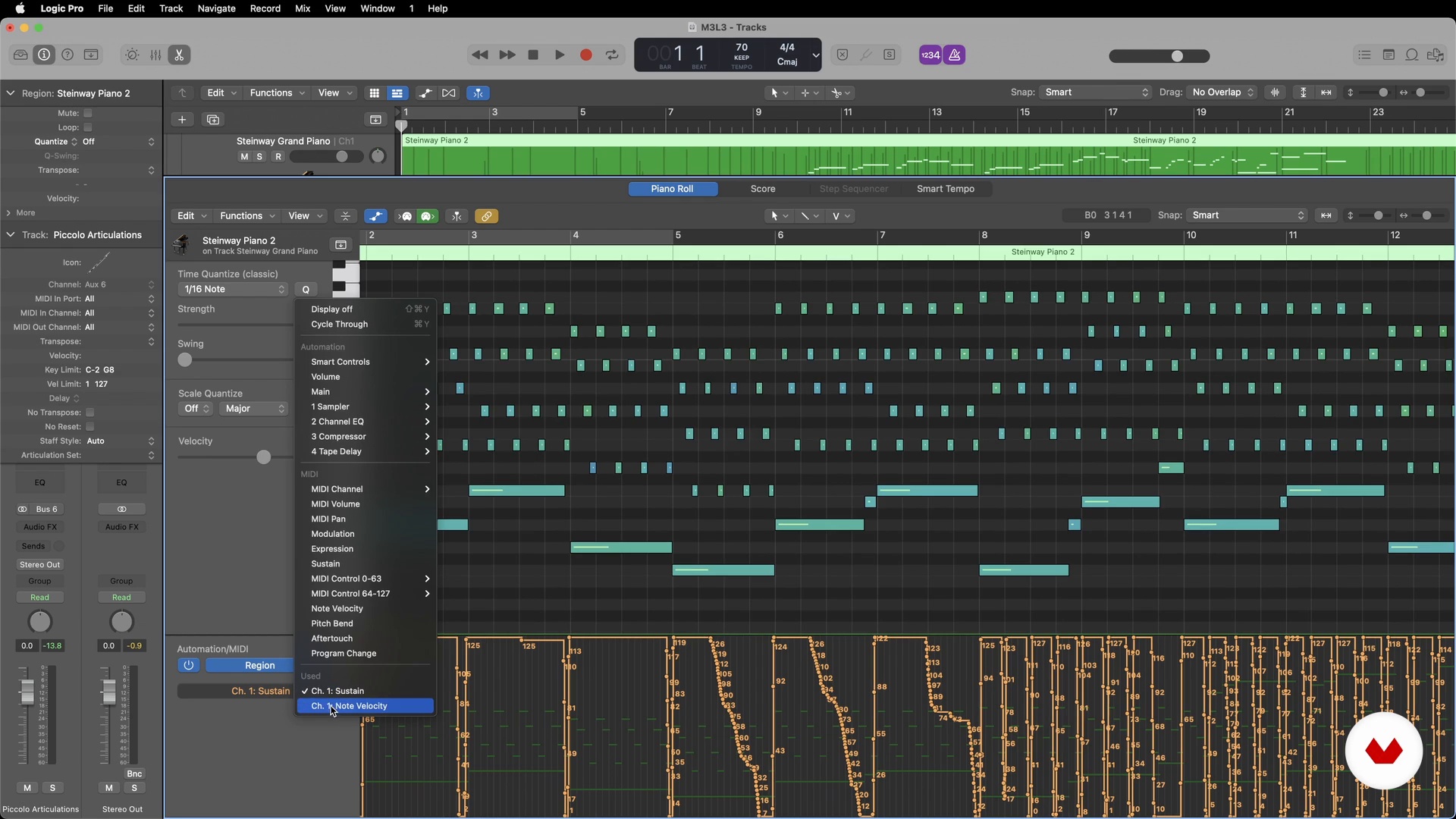
Now I will teach you how to automate the BPMs which define the speed of the song. This technique is really popular, easy to understand, and way much easier to use.
8m
image
12
Adding Layers 1
You will add different layers to your song. These will include, but not be limited to: rhythms, melody doubling, harmonies, accompanying chords, and ambient sounds.
20m
image
13
Adding Layers 2
You will continue learning how to create different textures and layers for your song using rhythms and harmonies.
10m
image
14
Vertical Integration 1
I will explain to you a concept called vertical integration. As you now have multiple layers in your composition, it is important to ask where the layers belong.
12m
image
15
Vertical Integration 2
You will see how to look into the vertical integration of your piece, and how to best accommodate certain instrumental passages.
12m
image
16
Effects and Final Sync 1
You will explore adding effects to your individual tracks in order to flesh out different characteristics of your music. You will formally sync the piece to the film and discuss problems and brief solutions for syncing audio to video.
20m
image
17
Effects and Final Sync 2
I will continue showing you how to use different audio effects in order to modulate the textures of your piece, before syncing it to the film.
13m
image
18
Exporting the Project
Now you will see some basic tools that can be used to make the piece of music tighter (basic mixing concepts, plugins, and mastering). Besides, I will explain to you how to export your piece.
11m
image
19
Feedback
Here you will learn about how to deal with feedback from directors, etc. Besides, I will teach you what changes you can make to your piece in order to make it better.
15m
image
20
Registering Your Work
I will talk to you about the importance of registering your work, therefore you will learn how to register it, depending on your needs and the country you live in. Also, I will give you some tips on how to distribute your track online.
6m
image
3
The soundtrack
In this class, we will talk about the design of soundtracks and some subtle aspects of audiovisual composition.
3m
image
4
Soundtrack functions and moods
“Moods” are the different feelings, sensations and situations that music can suggest and impress on the viewer. In this class, we will explain and demonstrate them in more detail.
12m
image
5
Different types of tracks and animations
In this class, you will learn about the different types of soundtracks and animations.
10m
image
6
Steps of an animation and creating its track
Now, you will learn about the stages of developing an animation and how a soundtrack relates to each of them.
8m
image
7
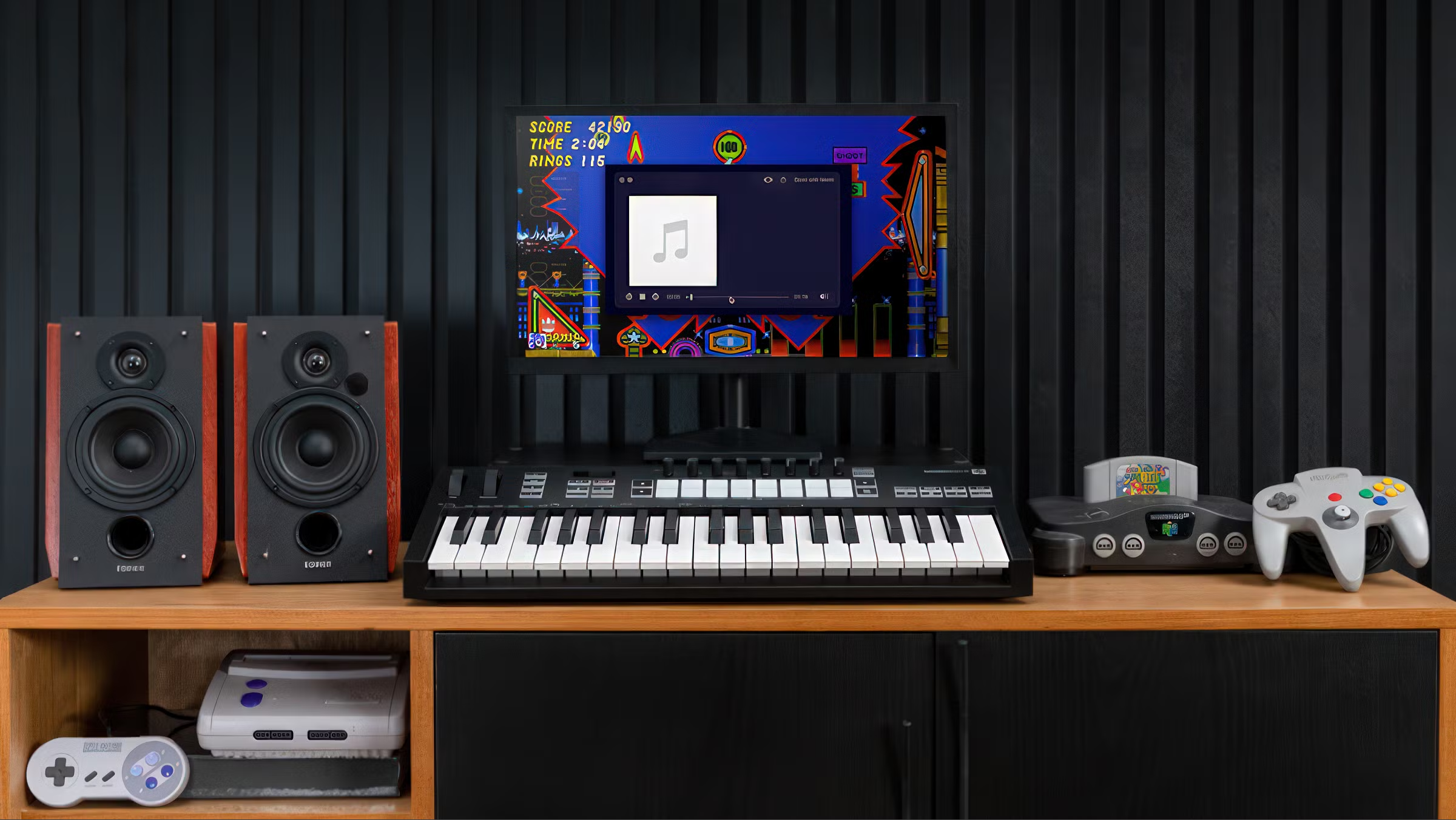
Tools
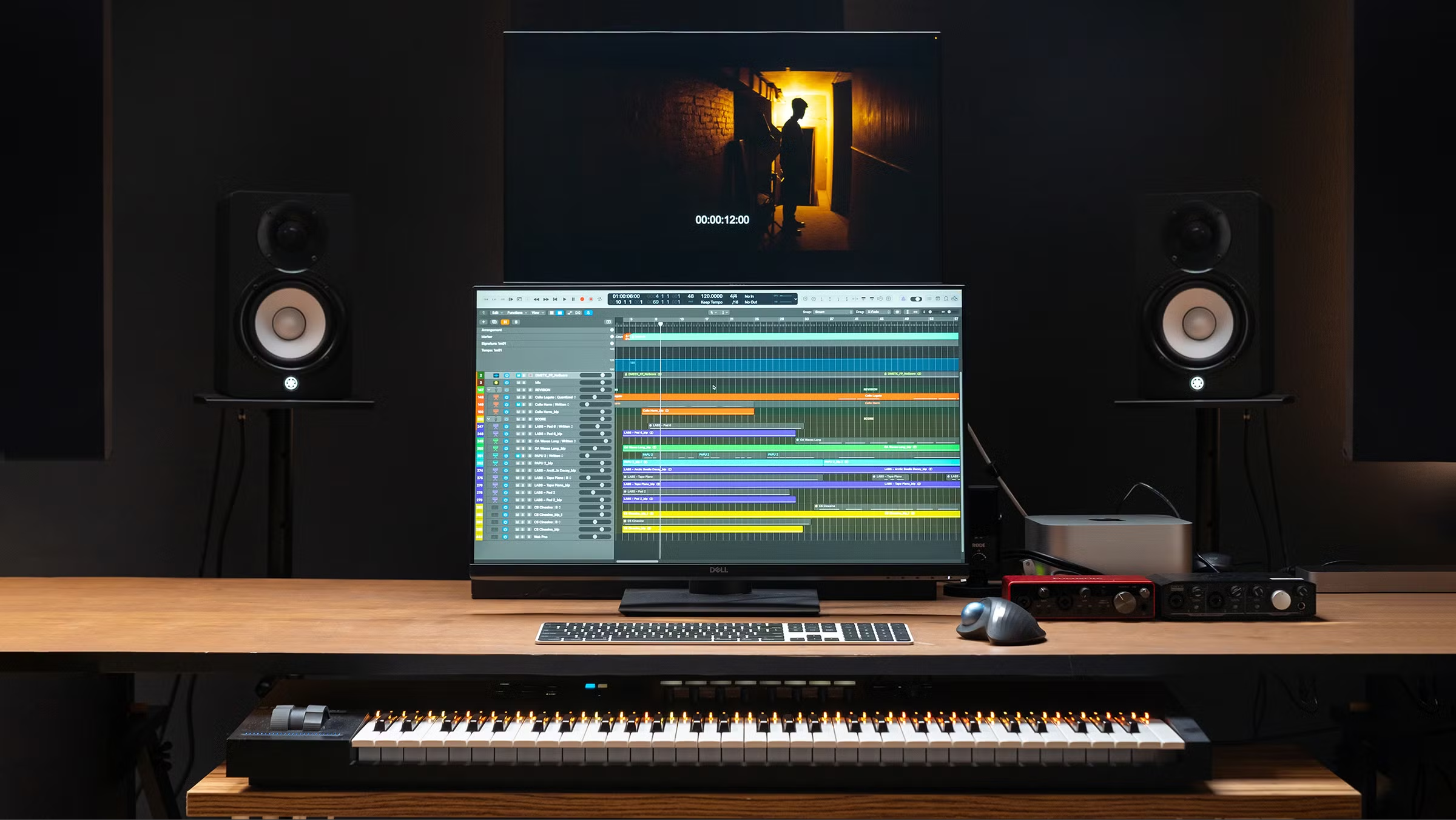
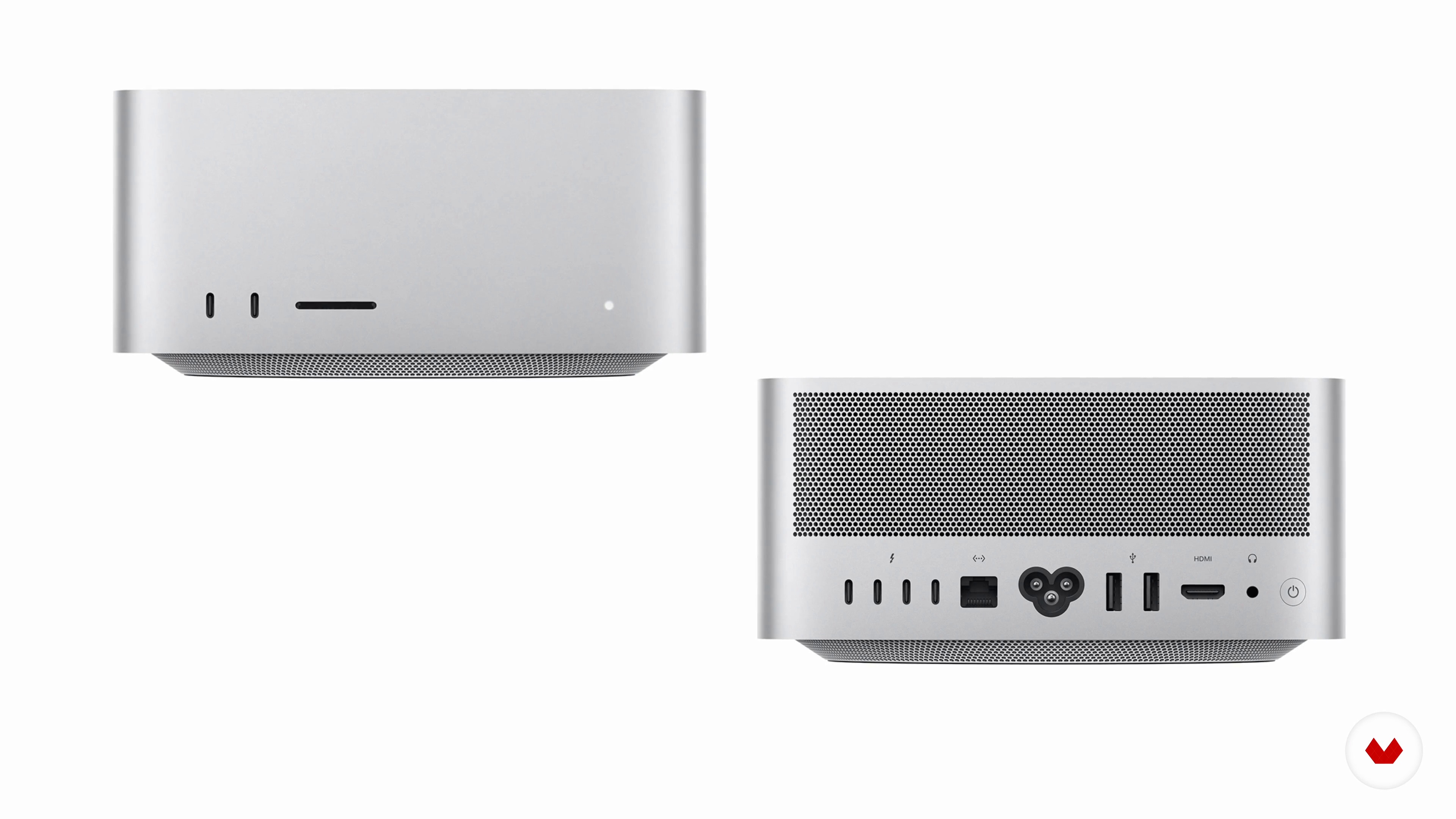
In this class, you will see the various hardware and software tools used to make audiovisual music.
10m
image
8
Briefing: analyzing the scene
Understanding the brief that the director, screenwriter or even the film producer gives us is essential to produce a coherent and creative work.
8m
image
9
Self-briefing
Autobriefing is a concept that we both created to find the artistic and often technical paths that we will follow when composing a track. In this class, you will understand how it works in practice.
13m
image
10
Decoupage of a scene
Decoding a scene is essential to understand the tension and turning points that deserve to be highlighted in the soundtrack, intensifying the desired emotions.
1m
image
11
The scene map
In this class, you will learn about the aspects of decoupage carried out for the course project scene.
5m
image
12
The research process
Good research is essential for creating a soundtrack, because it helps us understand the paths that can be followed in terms of melody, style, language, among others.
5m
image
13
The theme
Once the research is done, it's time to choose one of the different possibilities that we researched previously to define the focus we want to give to the trail.
12m
image
14
The arrangement
In this class, you will learn some arranging and editing techniques.
6m
image
15
Commenting on the choices: the scene map and arrangement
Based on the decoupage we made of the project scene, we will talk about the composition and arrangement choices we made in developing the original soundtrack.
3m
image
16
Sound draft
Once the track arrangement has been defined, we usually initially work with some type of mock-up, or sound draft. To understand more, play this class!
9m
image
17
Project track: performance
In this class, we will create a new soundtrack for a scene from the course project, completely live. Watch and learn more about our process!
21m
image
18
Adjustments, recording and finalizing the track
Now that we have our MIDI mock-ups, we adjust everything, record with musicians and singers and finalize the track. In this class, we will talk about each part of these often long and complex production and post-production stages.
9m
image
19
Songs
The song can be a unique element that dialogues with the scene and brings the word – or the sound of the words – together with the melody. Watch this class to understand more about the possibilities of songs in a soundtrack!
10m
image
3
Explaining Game Music and Its Elements
In any field, it's important to know the origins of the named industry; in this case, to understand what music is and where it came from. In this lesson, I will explain these origins, before moving on to the different elements of game music. Whenever I start a new project, there are nine key questions that need to be answered, whether that's by the game developer or director. Once I have these answers, I can begin composing. Join me now to learn why these questions are important in guiding my creative process.
17m
image
4
Logic Pro X Basics
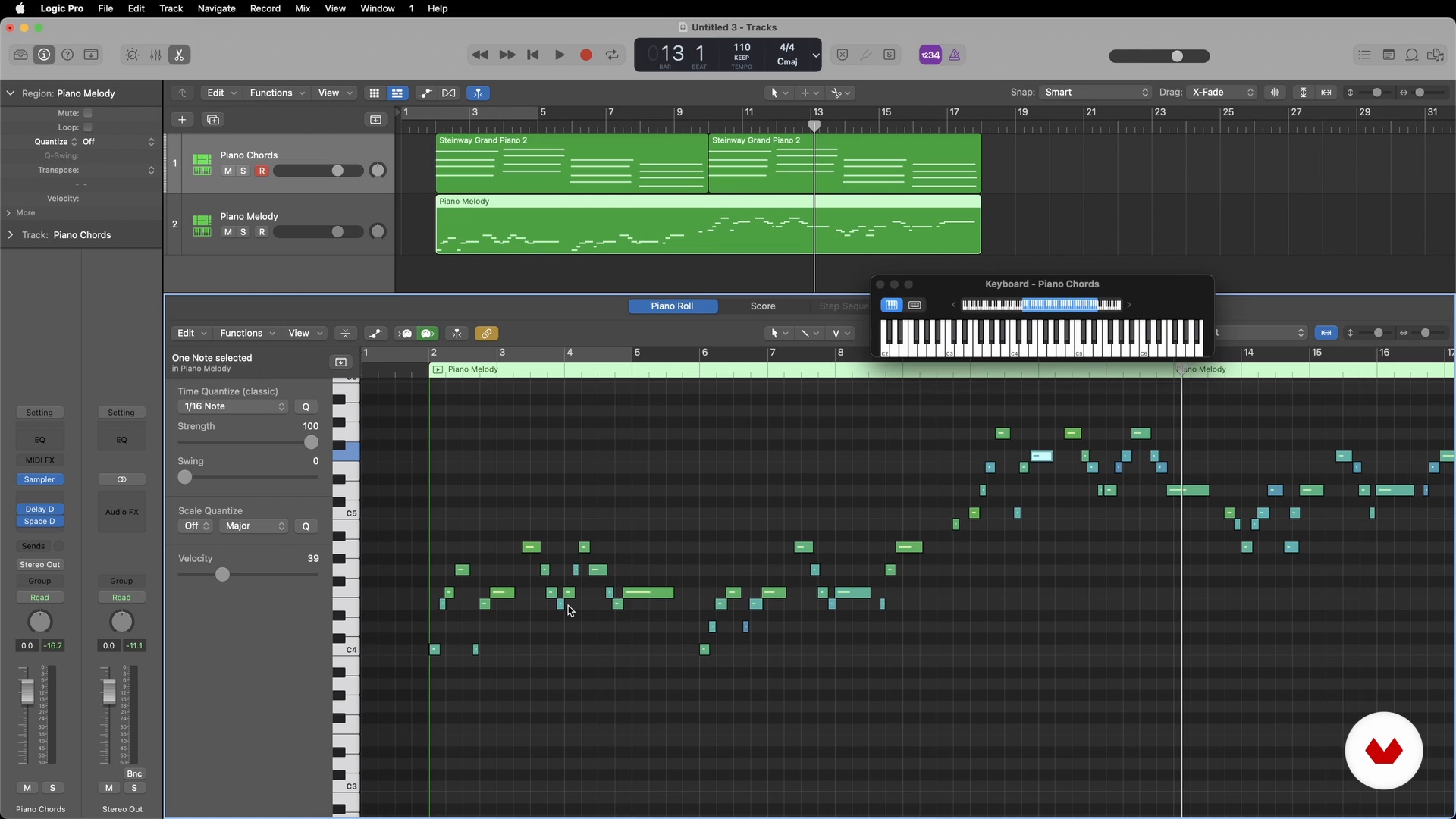
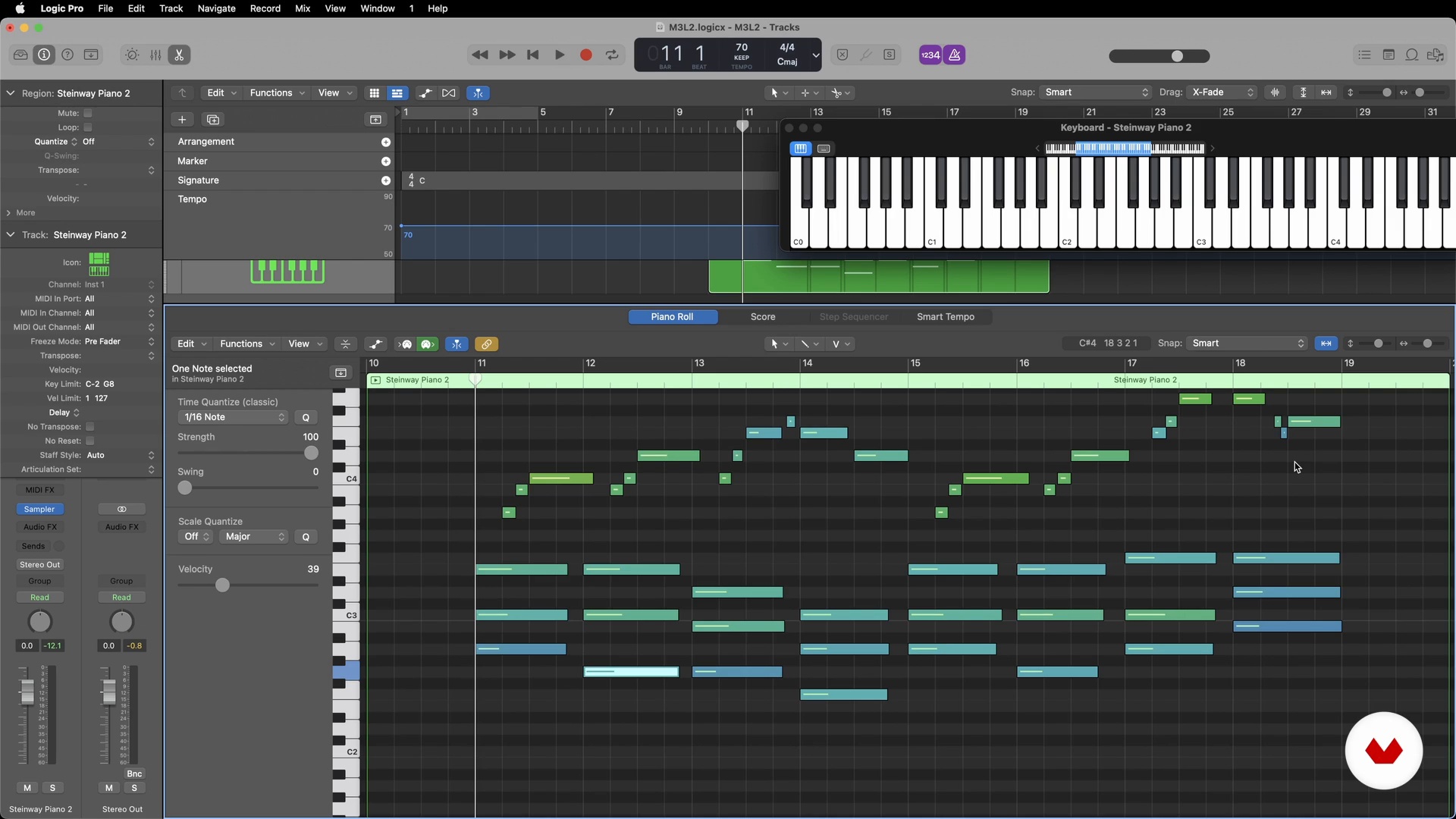
Before jumping into the composition, it's important to become familiar with basic technicalities. Next, I will teach you how to manage the technical side of this craft. This will require a general understanding of the software. So let's start talking about Logic Pro X! This is a fantastic tool that blends an intuitive interface with a powerful sound engine, making it an obvious choice for composers working on AAA games and Hollywood movie productions. In this lesson, you will see how I use this software to create a catchy melody and a nice chord progression!
12m
image
5
Virtual Instruments: First Party
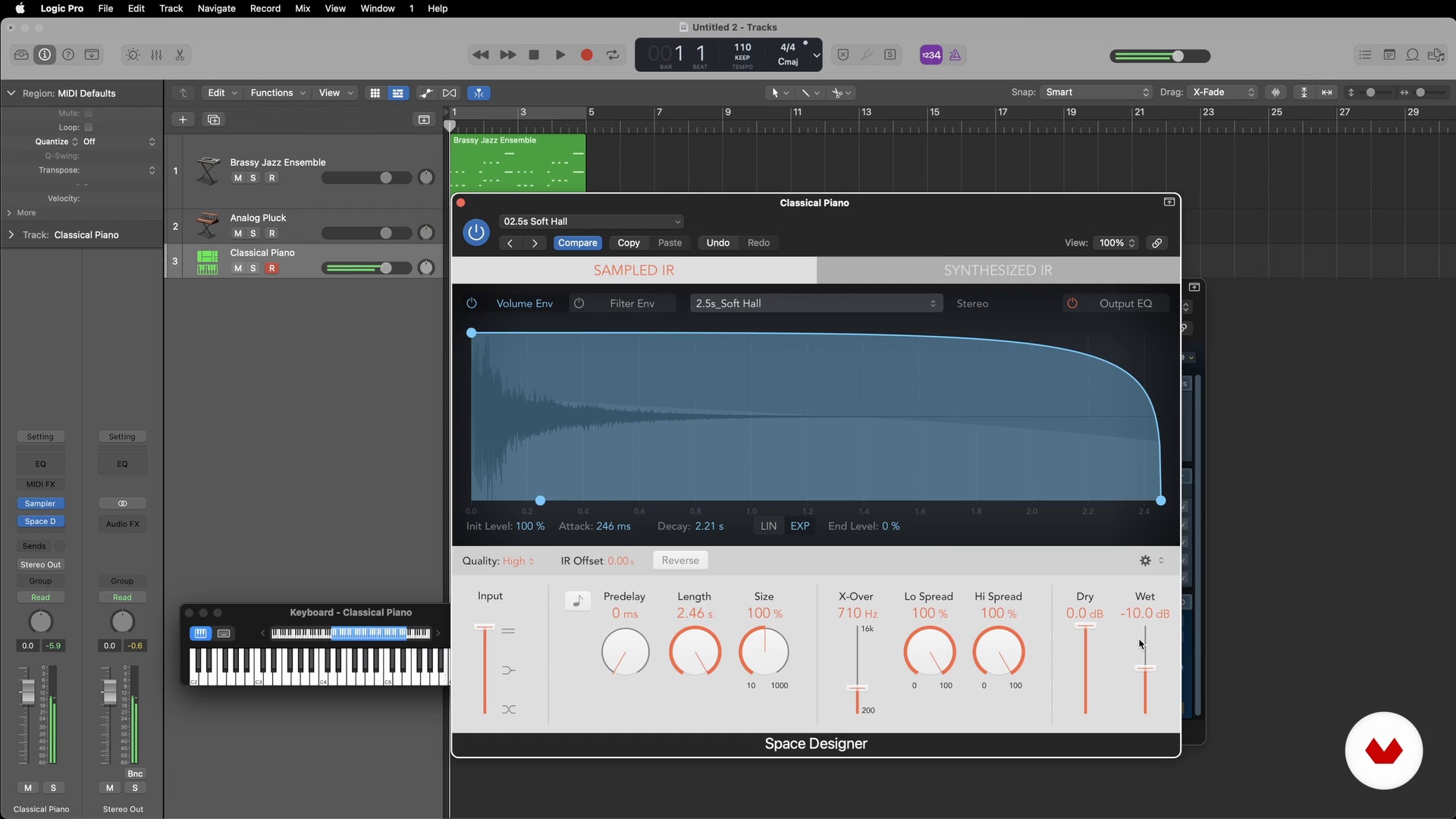
Virtual instruments are the colors of the music palette. They can cost very little or up to thousands! Luckily, Logic Pro X is one of the few DAWs that offers a vast and complete package of these instruments already included.
13m
image
6
Virtual Instruments: Third Parties
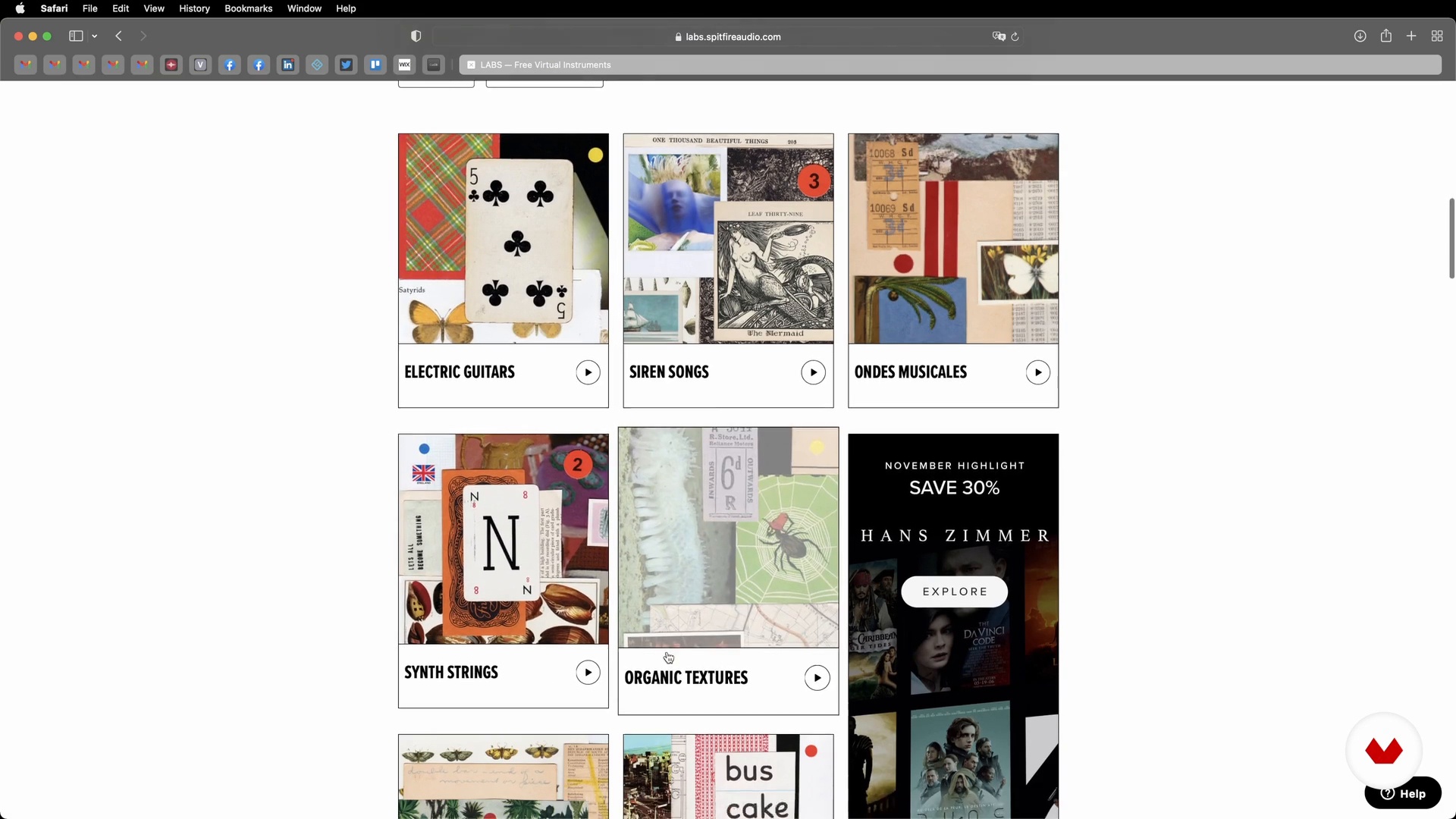
If you want to expand your virtual instrument library, this lesson is for you! Here, I will highlight my favorite virtual instruments that I use the most in my projects.
10m
image
7
Music Theory: Chord Progression
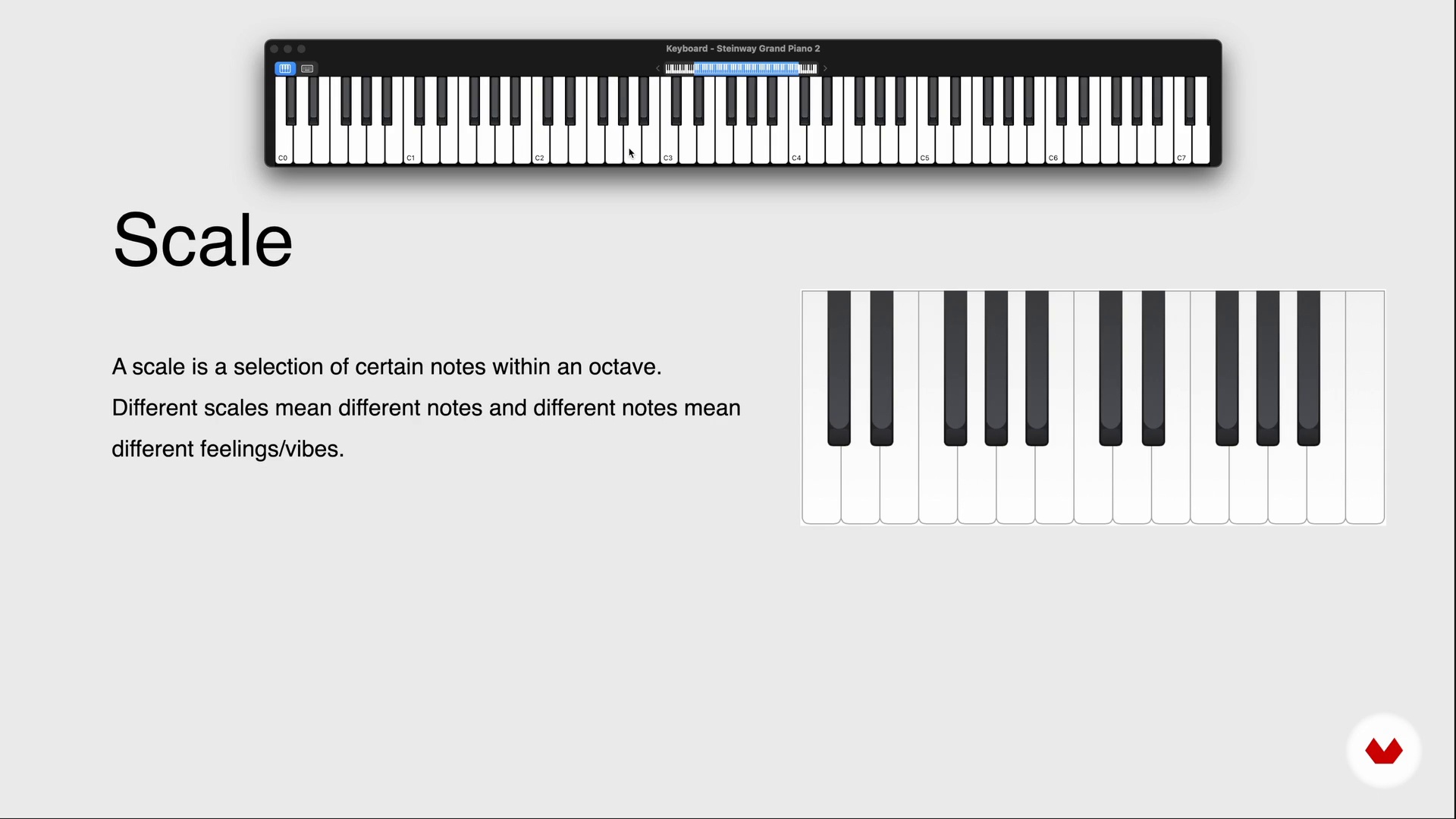
Now it's time to enter the world of music theory! In this lesson, I will teach you how to create engaging chord progressions.
16m
image
8
Music Theory: Melody
In my opinion, the melody is the most important aspect of music. For example, if you take two successful composers like John Williams or Koji Kondo, they each have one thing in common: A deep understanding of how to write great, catchy melodies. Although this art can take up to a lifetime to master, in this lesson I will discuss my personal approach to creating good melodies.
16m
image
9
Analyzing the Game and Sketching a Musical Idea
Welcome to the first class of this unit. Here, I will guide you in analyzing a game, answering the 9 questions, and writing down musical ideas using everything you've learned so far.
14m
image
10
Music Structure
There are infinite ways to structure your music, especially in the game music world. In this lesson, I will show you some of my approaches.
15m
image
11
Arranging and Orchestrating: Strings
Just like the structure, there are infinite ways to arrange your music: orchestra, rock, chiptune, electronic, or a blend of everything. There are no rules here. If your client is happy, then mission accomplished! However, when it comes down to arranging for orchestra, there's a HUGE amount of rules. I will give you a brief overview of my approach.
13m
image
12
Arranging and Orchestrating: Woodwinds and Brass
In this lesson, I will continue the theme of arranging, but this time with woodwinds and brass instruments.
16m
image
13
Balancing
Time to check the overall levels and remove any unnecessary frequencies.
16m
image
14
Creating a Perfect Loop
Game music has evolved considerably over the past few years. Especially when it comes to dynamic systems. However, indie games still require a single loopable track to be played in the background. Time to learn a little secret about loops.
3m
image
15
Finishing and Exporting Your Music
Congratulations! That's the job complete! Now let's make a final list, bounce it, and send it to the client.
5m
image
16
How to Start in the Industry
There are plenty of ways to start working in the industry. First and foremost is collaboration. In this lesson, I will share some key advice.
5m
  • 36 students
  • 97 lessons (19h 56m)
  • 99 additional resources (27 files)
  • Online and at your own pace
  • Audio: English, German, Spanish, Spanish (Latam), French, Italian, Polish, Portuguese, Turkish
  • Spanish · English · Portuguese · German · French · Italian · Polish · Dutch · Turkish · Romanian · Indonesian
  • Level: Beginner
  • Unlimited access forever

What is this course's project?

Create an original film soundtrack by mastering harmony, melody, rhythm, and orchestration. Compose a unique musical piece for a film sequence, demonstrating your understanding of cinematic musical theory and composition techniques, enhancing the visual narrative with sound.

Who is this specialization for?

Aspiring composers, music producers, and audiovisual creators eager to master the craft of scoring for various media will find this online course ideal. It's perfect for those wanting to enhance their storytelling through music across film, animation, and gaming industries.

Requirements and materials

No extensive prior knowledge is needed. Basic necessities include a computer with Ableton Live installed, a passion for storytelling through music, and an interest in audiovisual projects. Bring your creativity and willingness to explore new musical horizons.

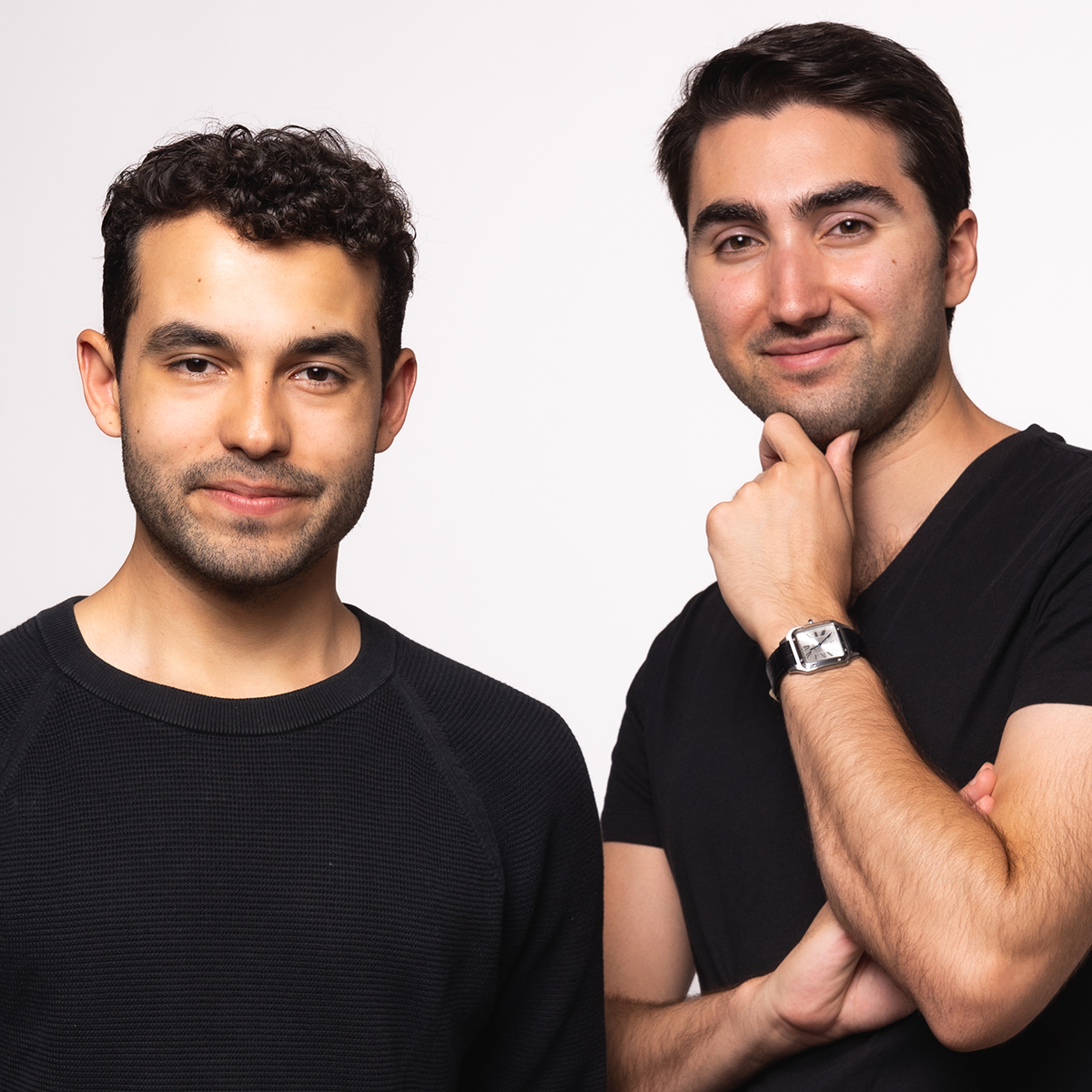
Select to get to know your teachers in this specialization course
Read more ↓

What to expect from this specialization course

  • Learn at your own pace

    Enjoy learning from home without a set schedule and with an easy-to-follow method. You set your own pace.

  • Learn from the best professionals

    Learn valuable methods and techniques explained by top experts in the creative sector.

  • Meet expert teachers

    Each expert teaches what they do best, with clear guidelines, true passion, and professional insight in every lesson.

  • Certificates
    Plus

    If you're a Plus member, get a custom certificate for every specialization course. Share it on your portfolio, social media, or wherever you like.

  • Get front-row seats

    Videos of the highest quality, so you don't miss a single detail. With unlimited access, you can watch them as many times as you need to perfect your technique.

  • Share knowledge and ideas

    Ask questions, request feedback, or offer solutions. Share your learning experience with other students in the community who are as passionate about creativity as you are.

  • Connect with a global creative community

    The community is home to millions of people from around the world who are curious and passionate about exploring and expressing their creativity.

  • Watch professionally produced courses

    Domestika curates its teacher roster and produces every course in-house to ensure a high-quality online learning experience.


FAQs

Domestika courses are online classes that allow you to learn new skills and create incredible projects. All our courses include the opportunity to share your work with other students and/or teachers, creating an active learning community. We offer different formats:
Original Courses: Complete classes that combine videos, texts, and educational materials to complete a specific project from start to finish.
Basics Courses: Specialized training where you master specific software tools step by step.
Specialization Courses: Learning paths with various expert teachers on the same topic, perfect for becoming a specialist by learning from different approaches.
Guided Courses: Practical experiences ideal for directly acquiring specific skills.
Intensive Courses (Deep Dives): New creative processes based on artificial intelligence tools in an accessible format for in-depth and dynamic understanding.

All specialization courses are 100% online, so once they're published, specialization courses start and finish whenever you want. You set the pace of the class. You can go back to review what interests you most and skip what you already know, ask questions, answer questions, share your projects, and more.

The specialization courses are divided into different modules. Each one includes lessons, informational text, tasks, and practice exercises to help you carry out your project step by step, with additional complementary resources and downloads. You'll also have access to an exclusive forum where you can interact with other students, as well as share your work and your final project, creating a community around the specialization courses.

You can redeem the specialization courses you received by accessing the redeeming page and entering your gift code.

If you're a Plus member, when you complete a course you've purchased, you'll instantly get your personalized certificate. You can see all your certificates in the Certificates section of your profile. You can download your certificates as PDFs and share the link online. Learn more about certificates.
Specialization in Music for Audiovisual Projects. Music, and Audio course by Domestika

Specialization in Music for Audiovisual Projects

A specialization by multiple teachers
Berkeley, United States.
Joined April 2002
  • 36 students