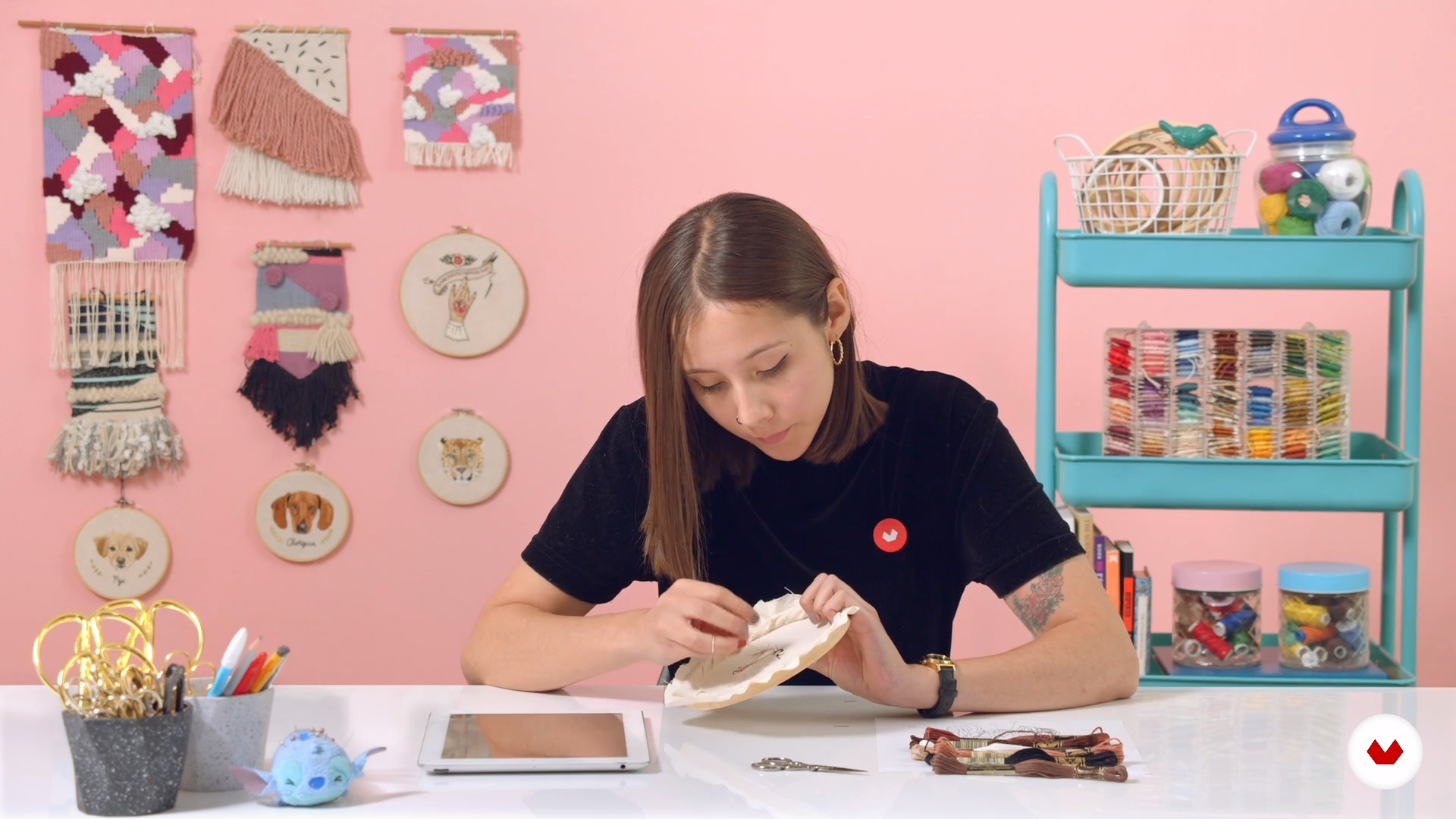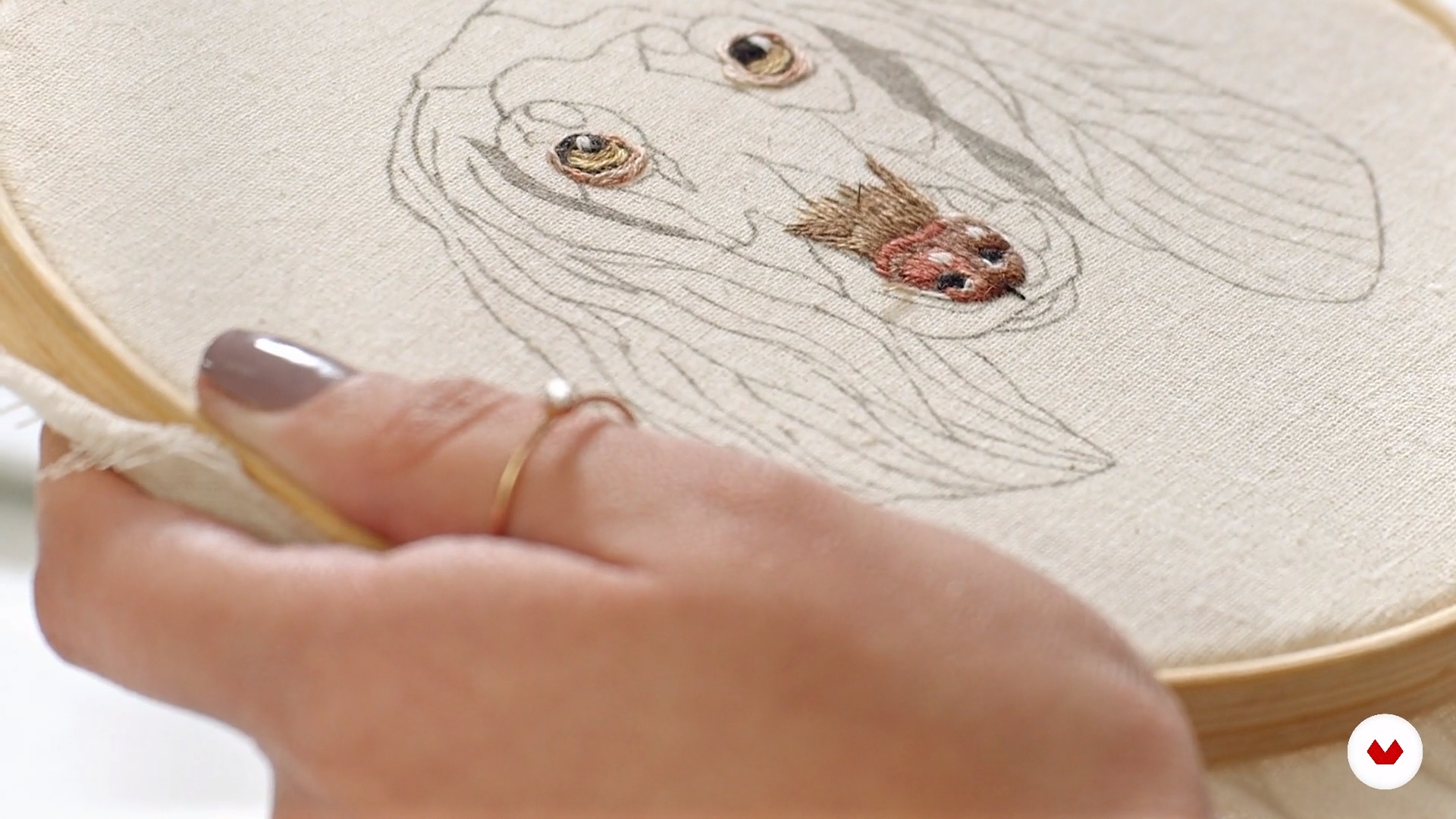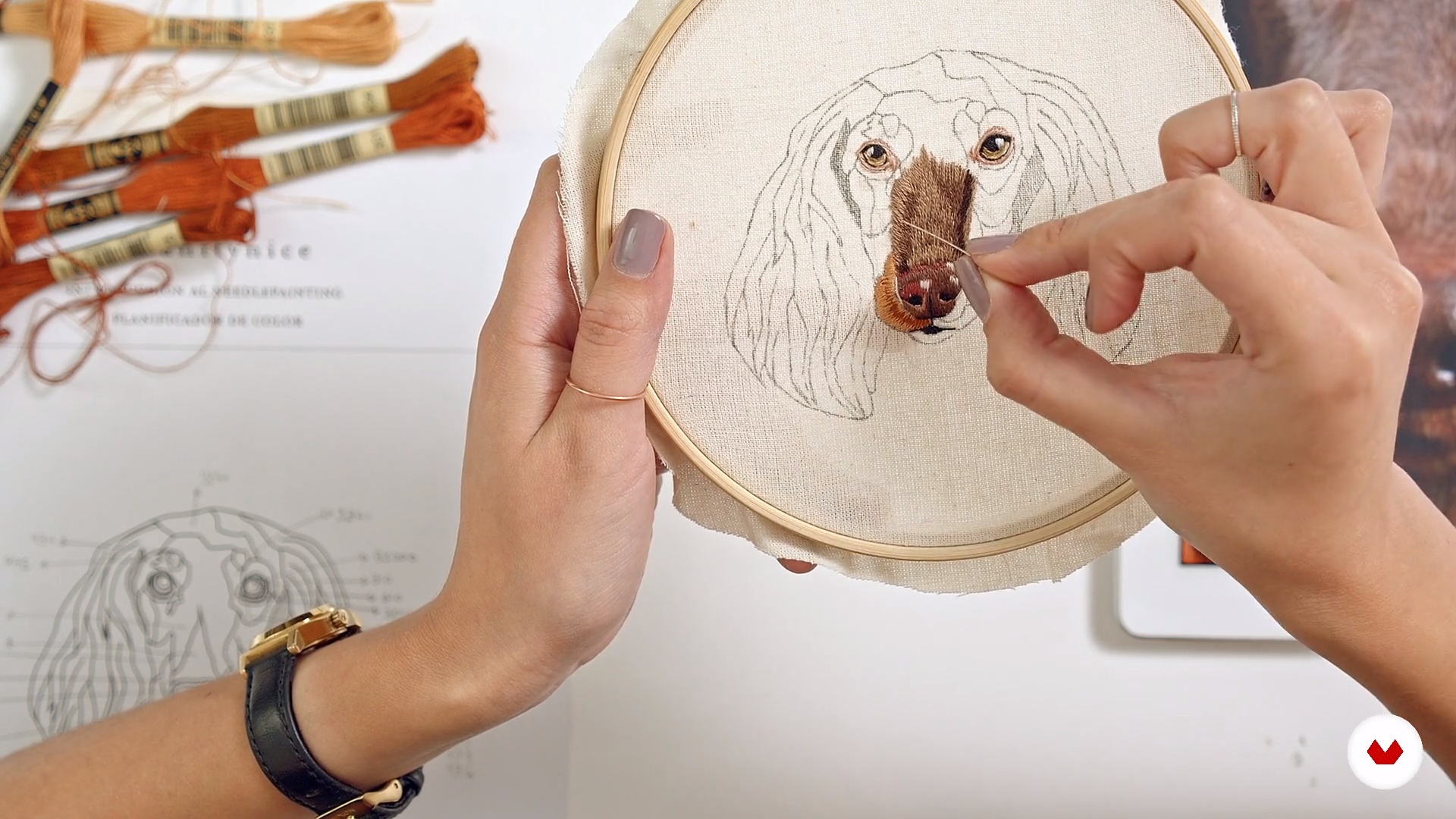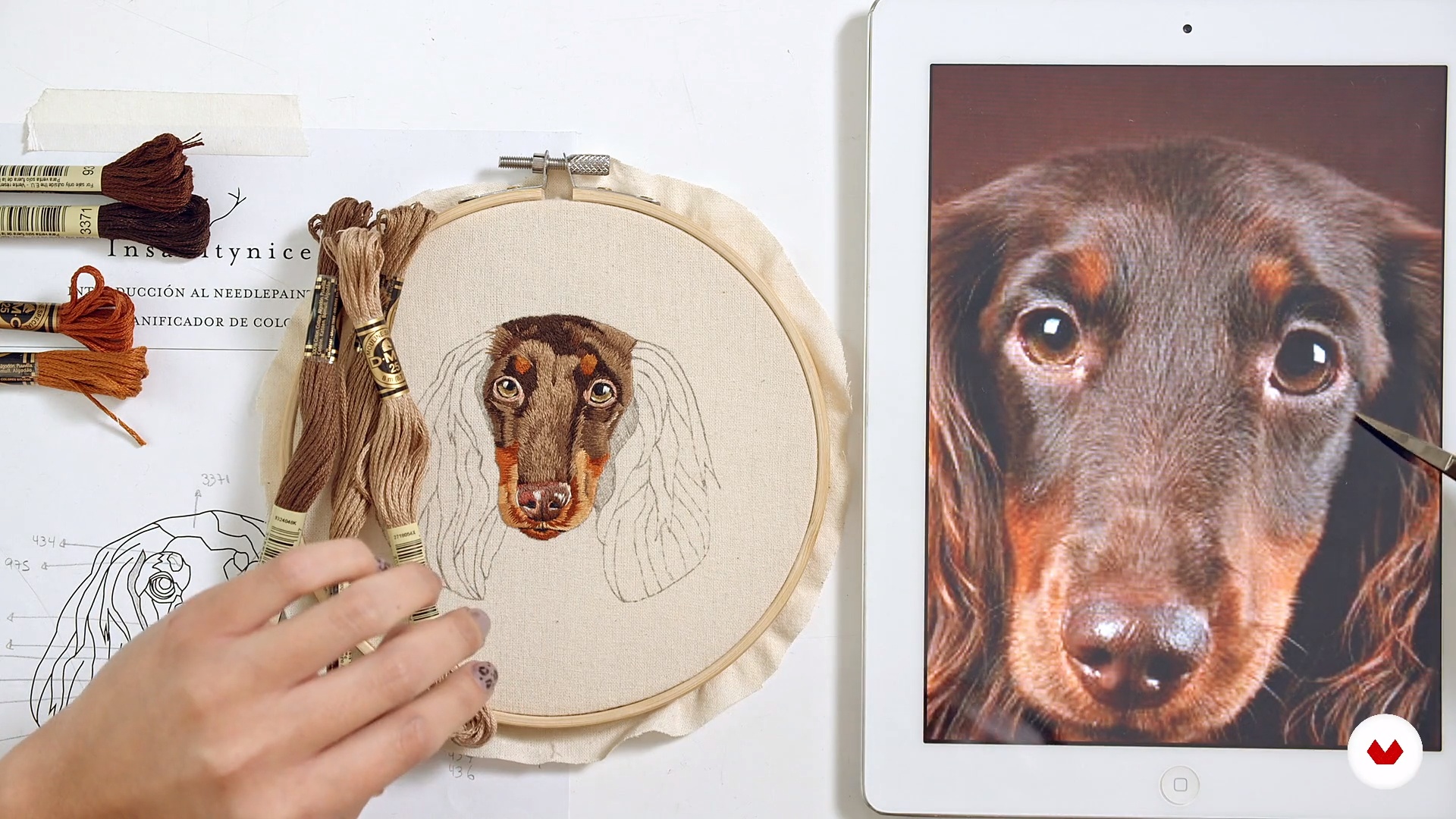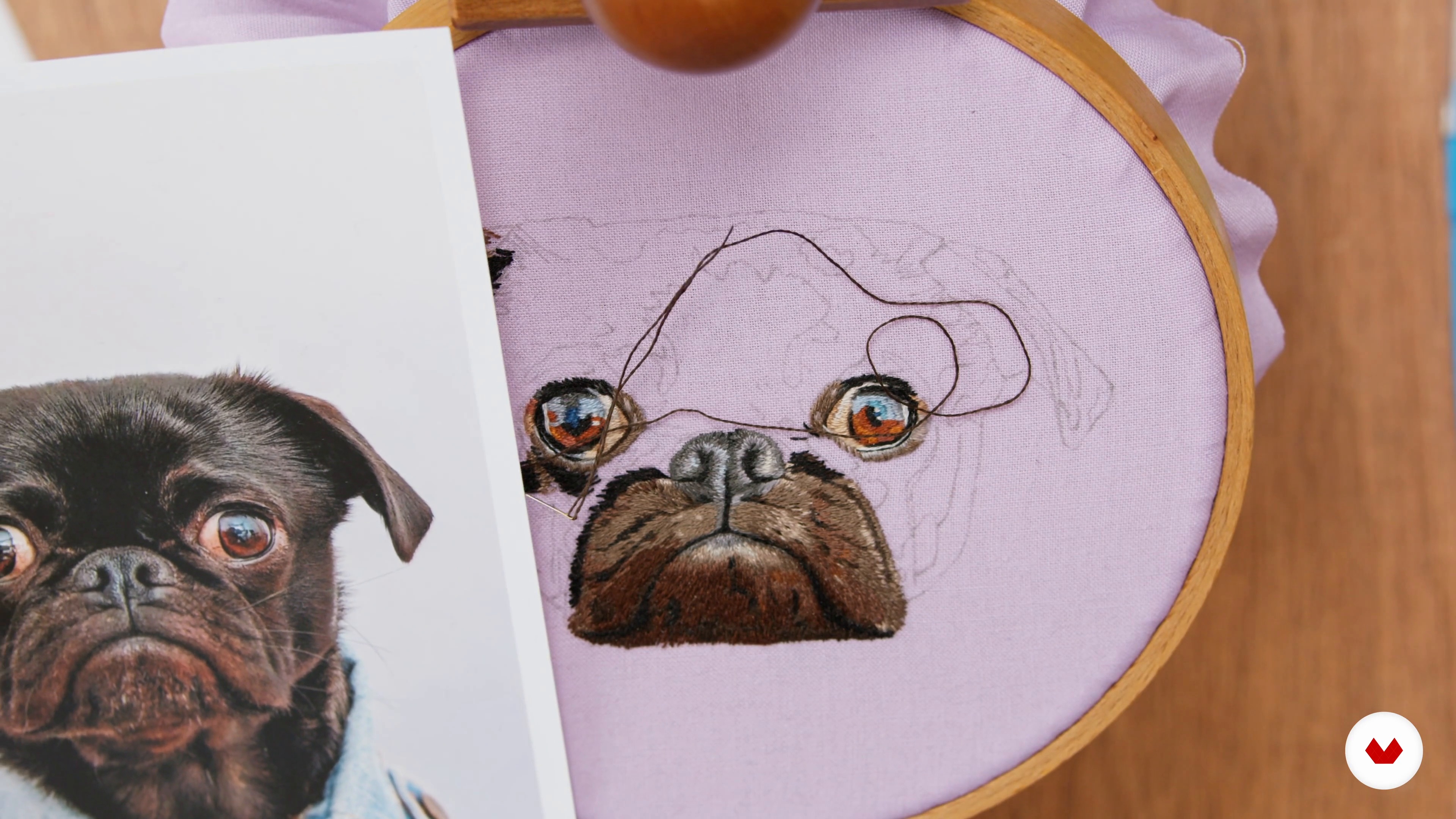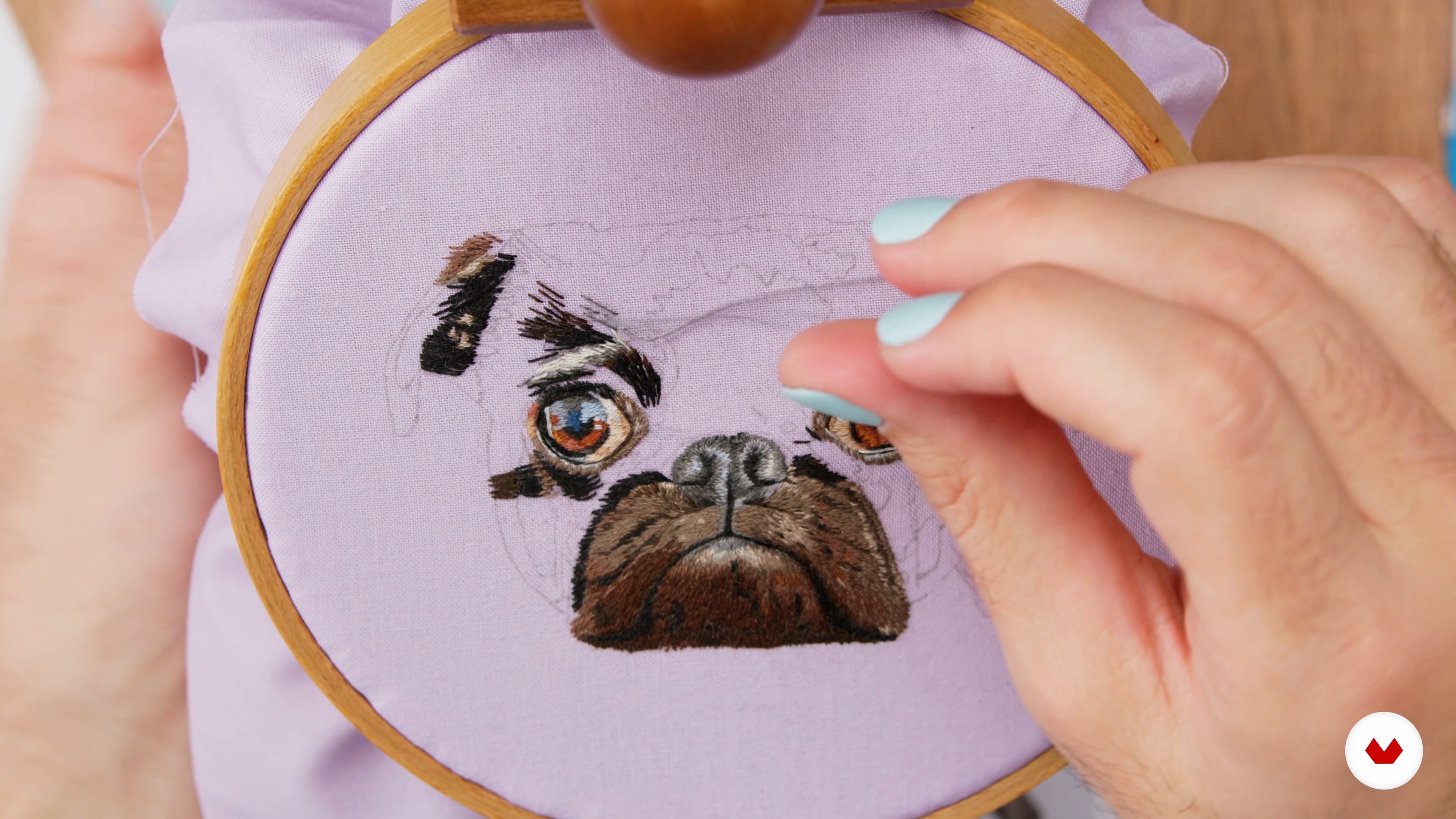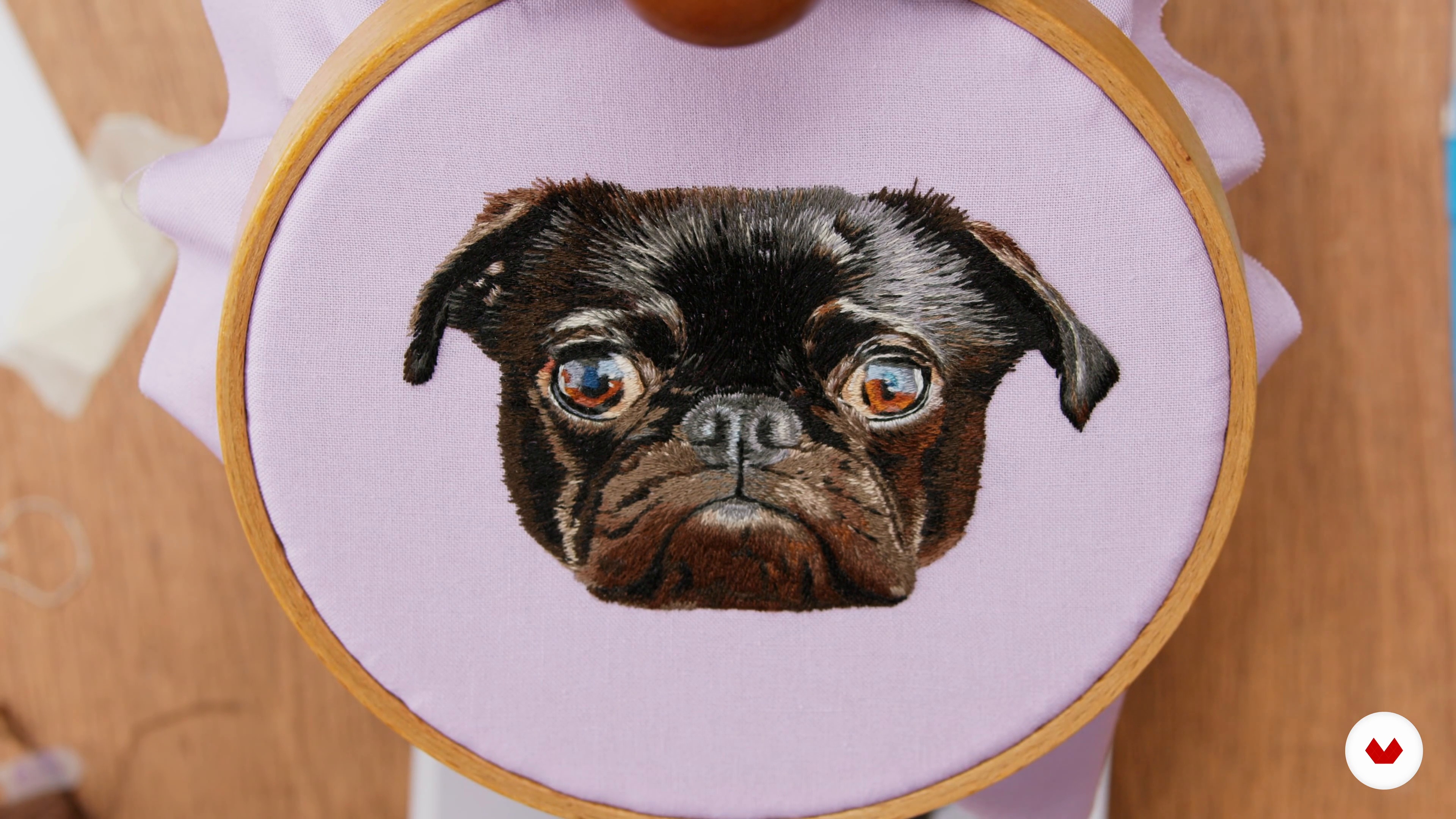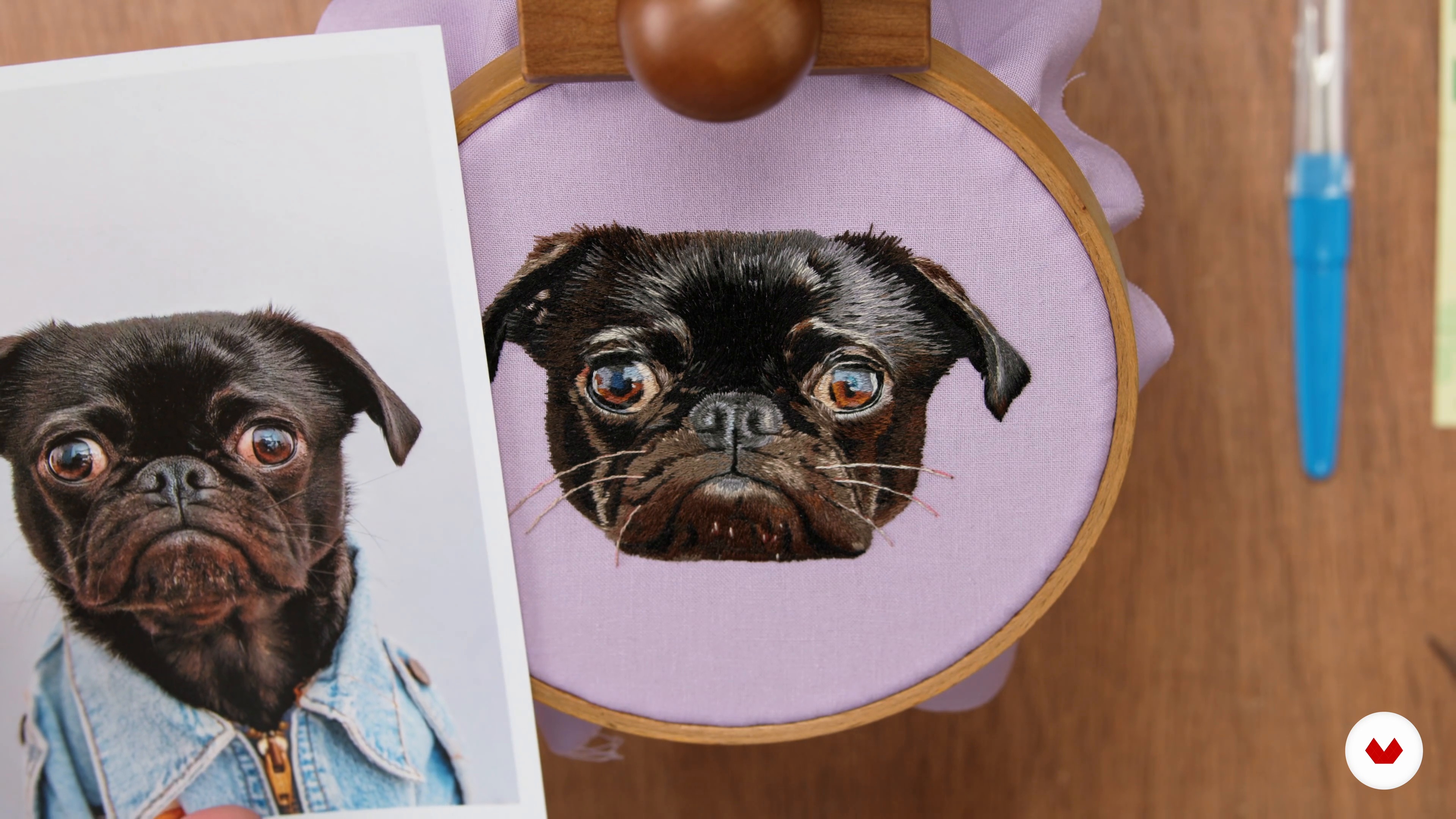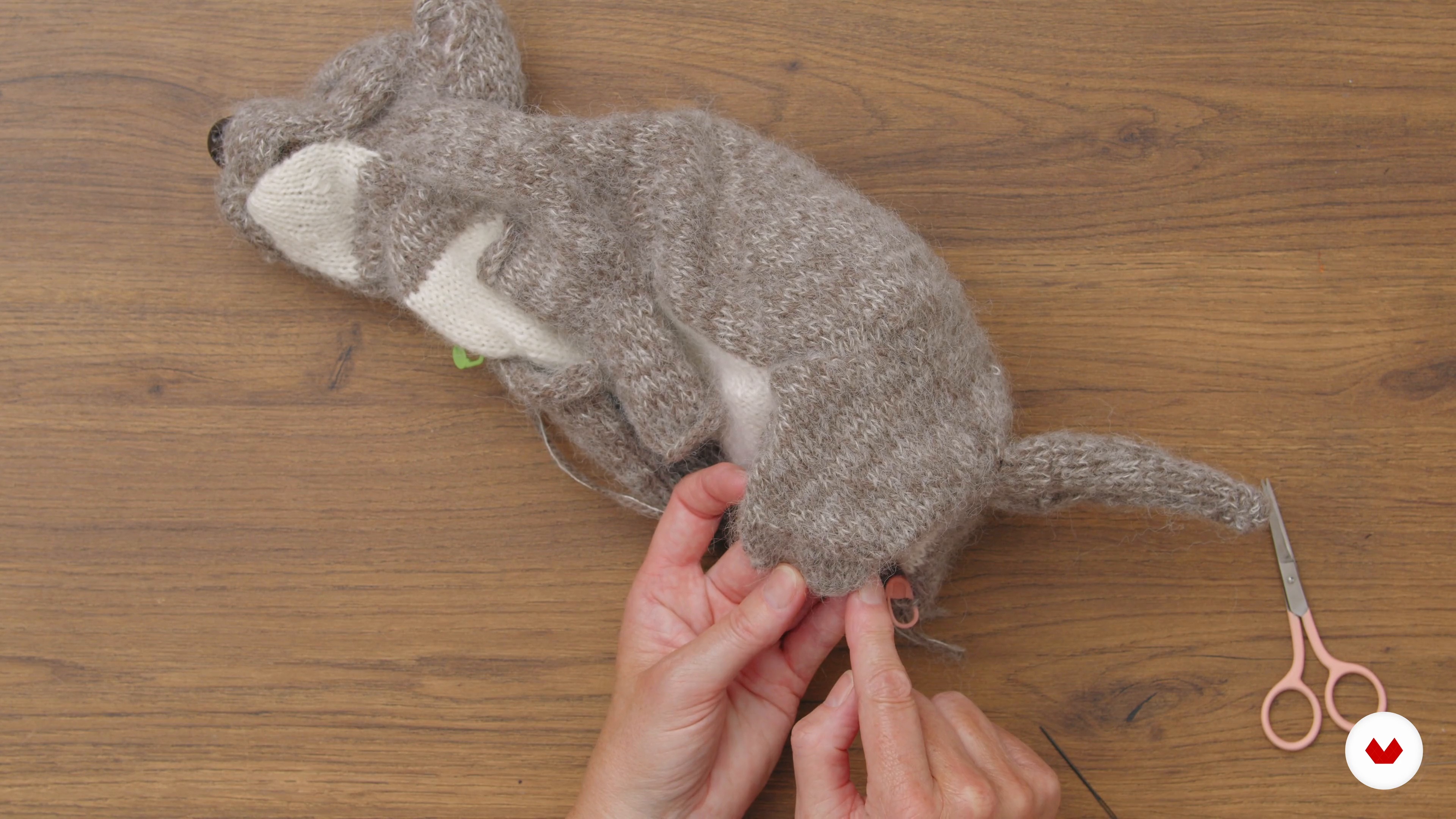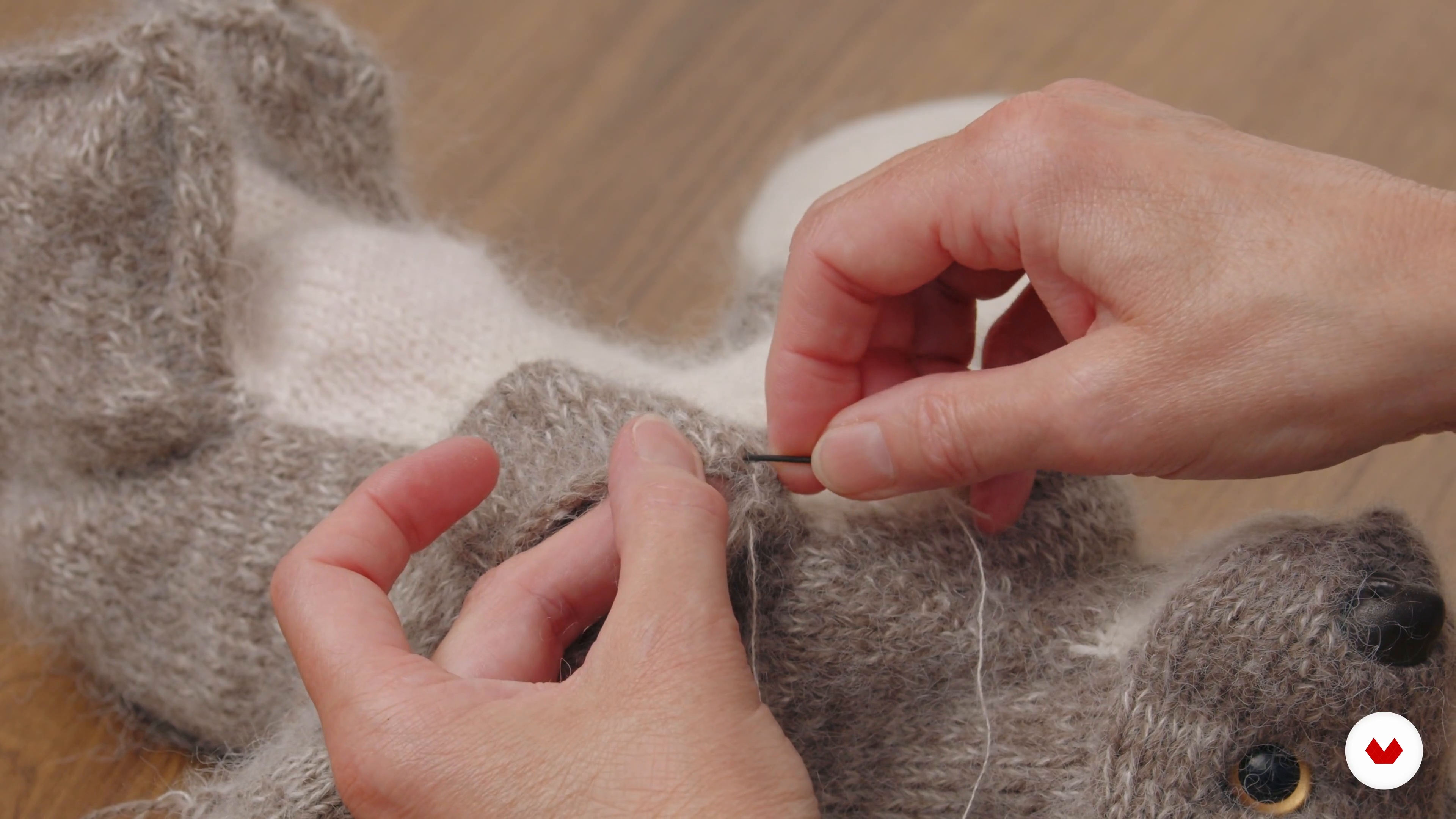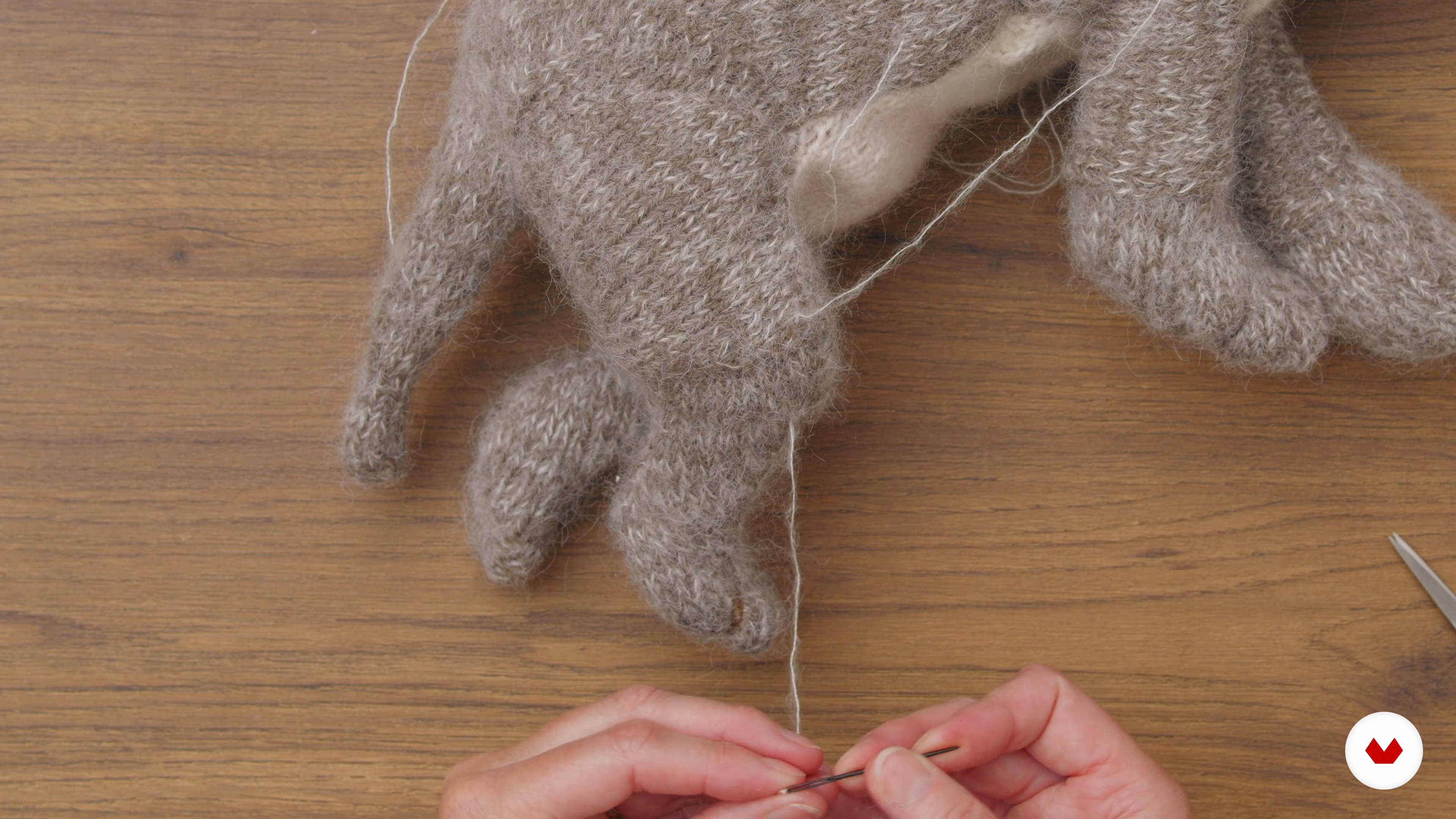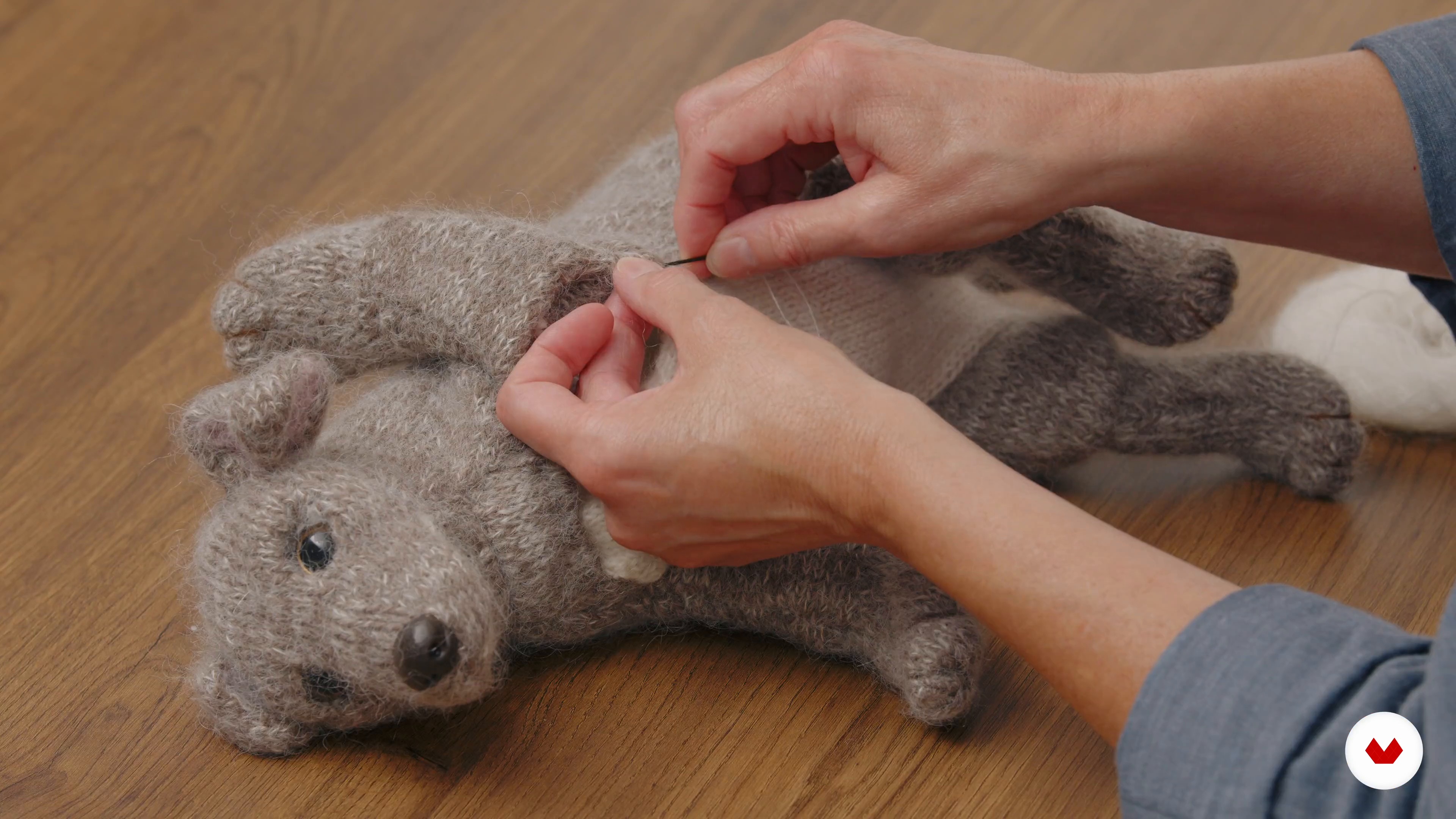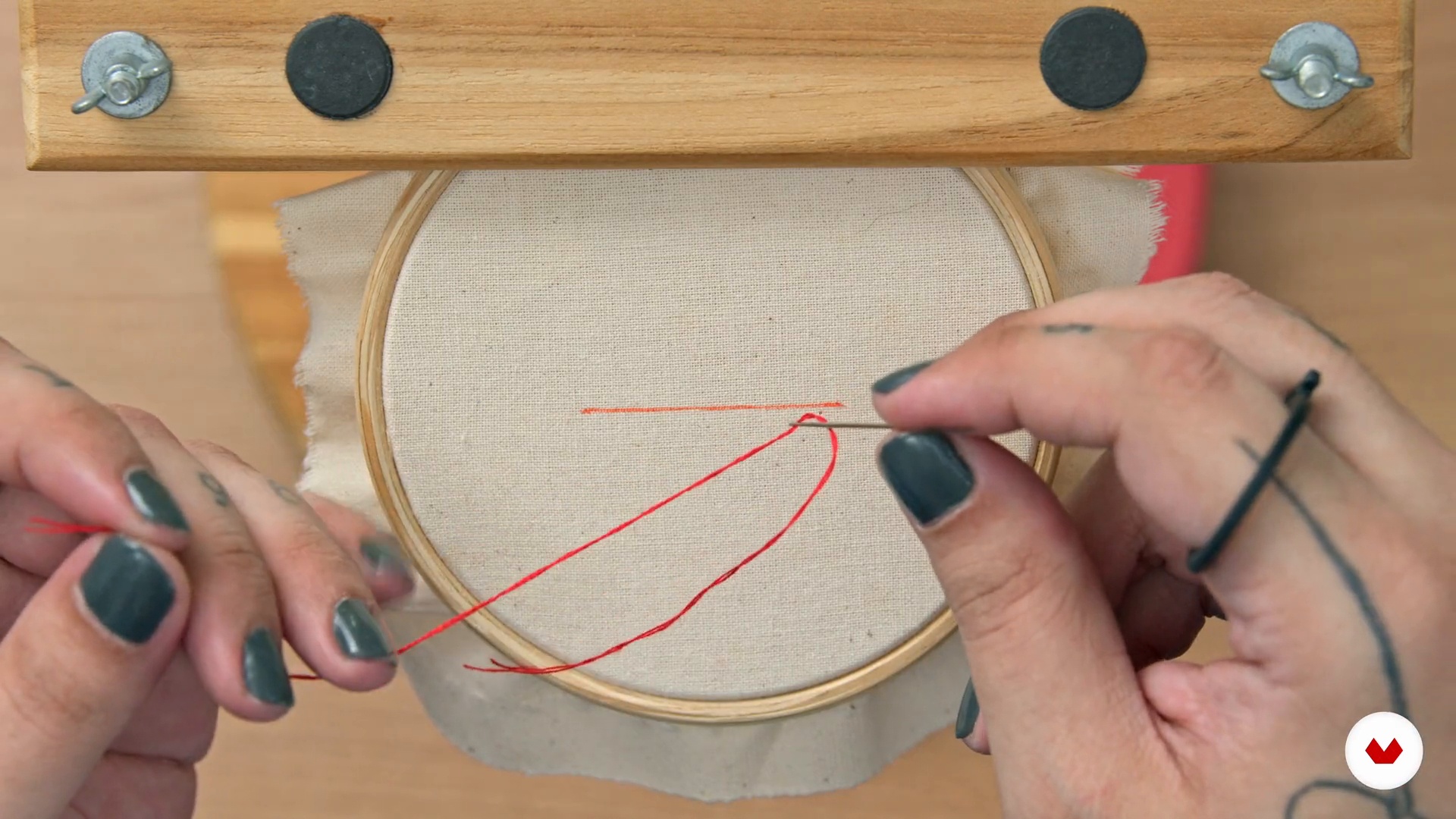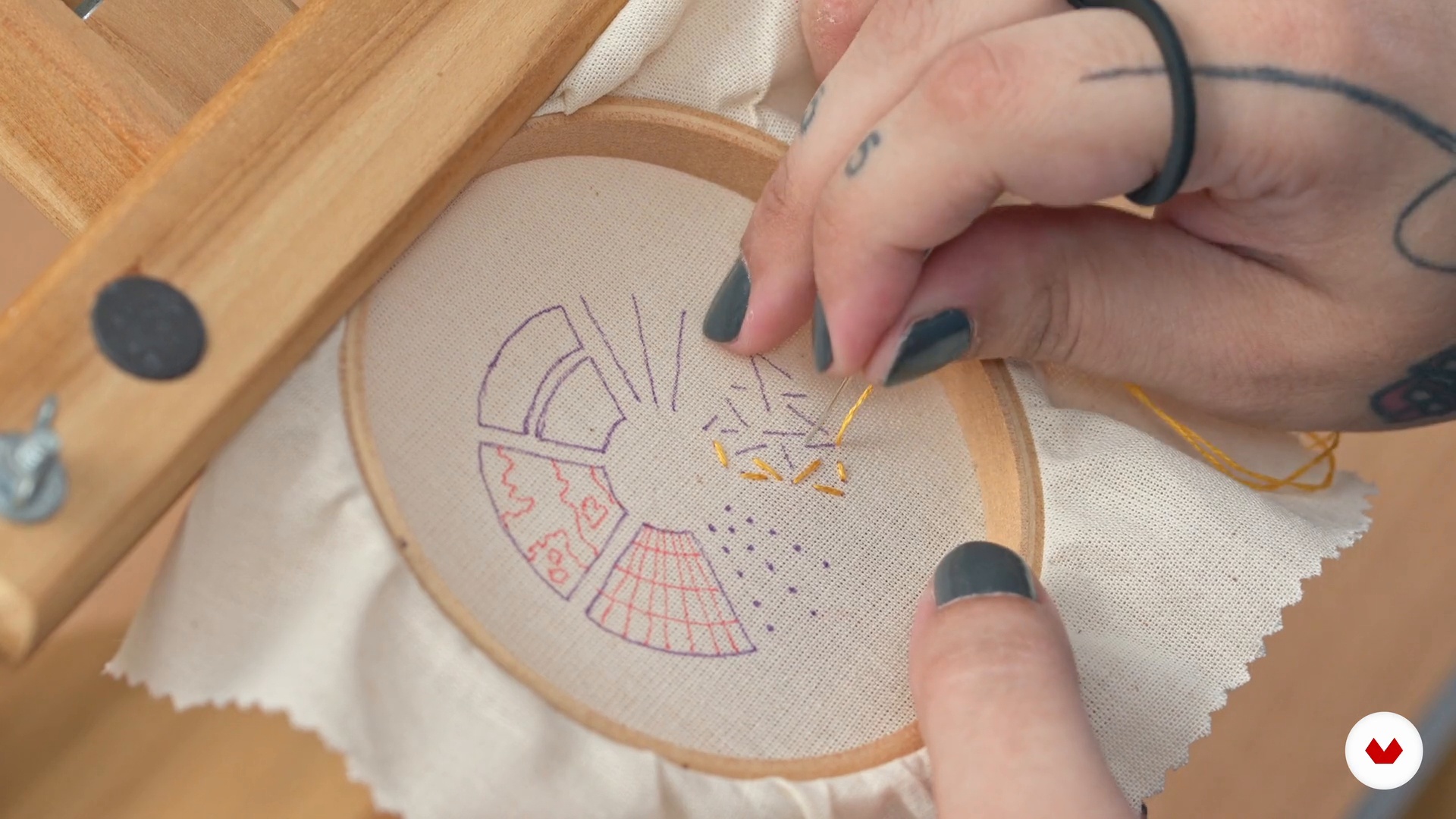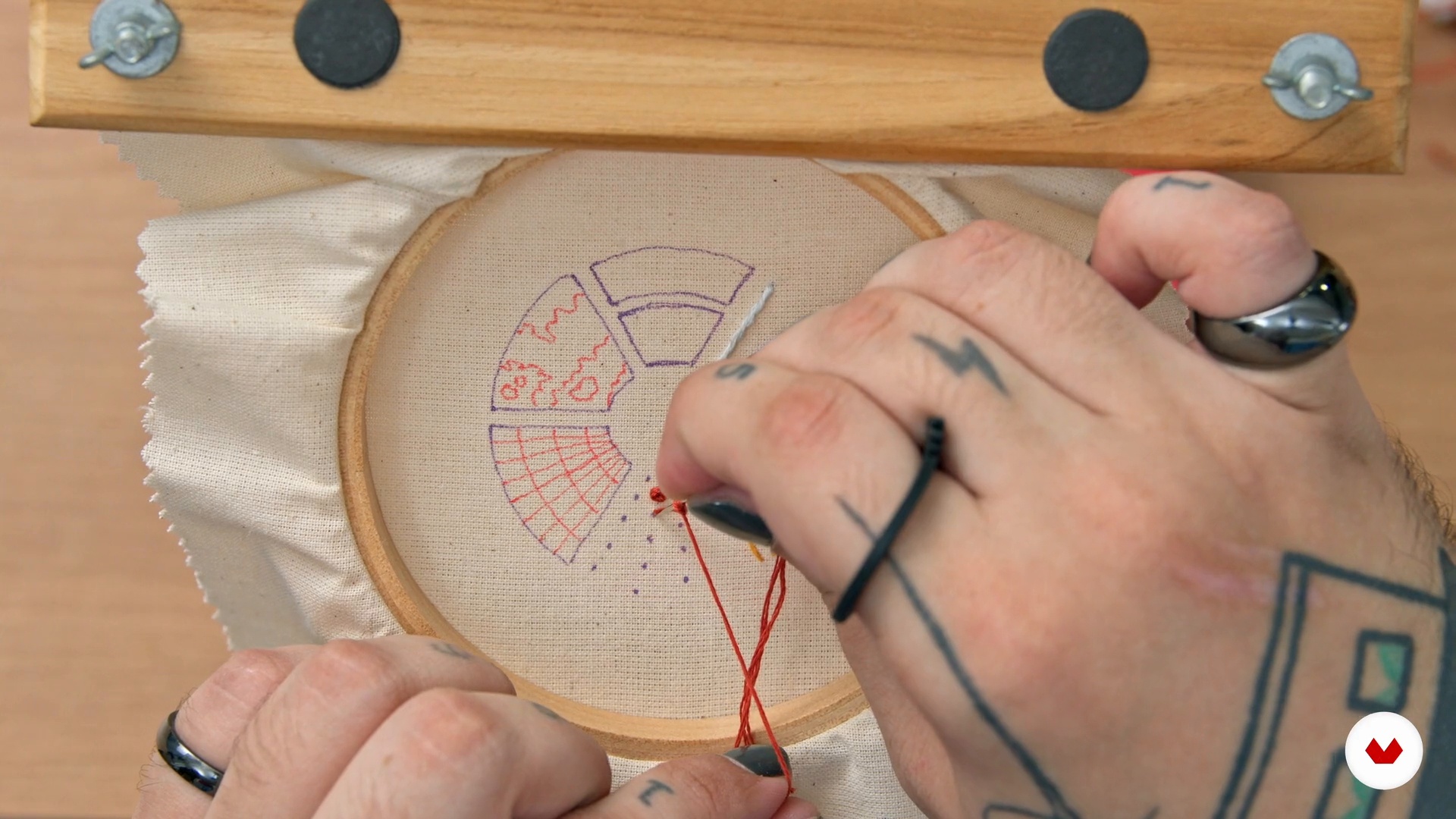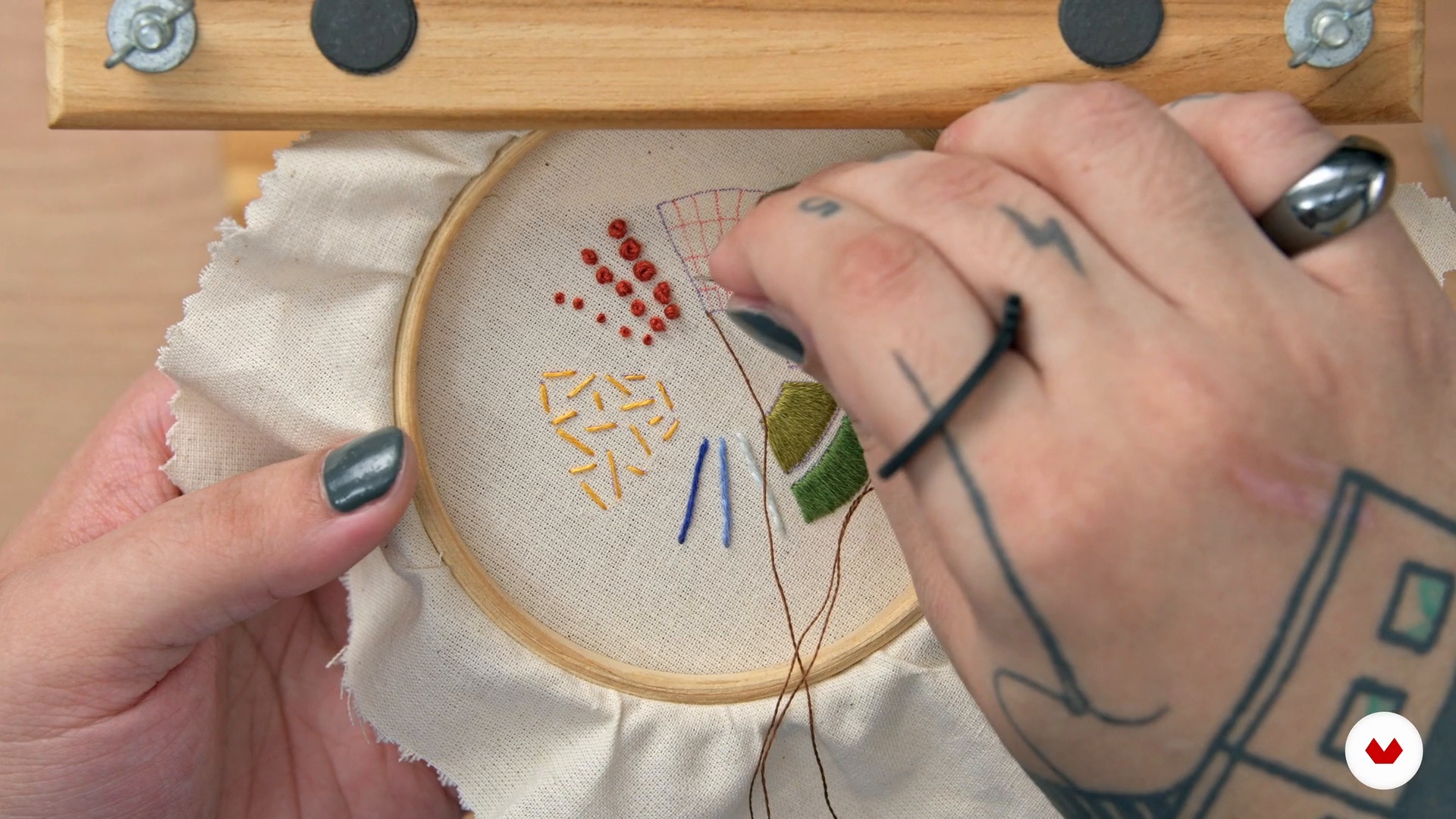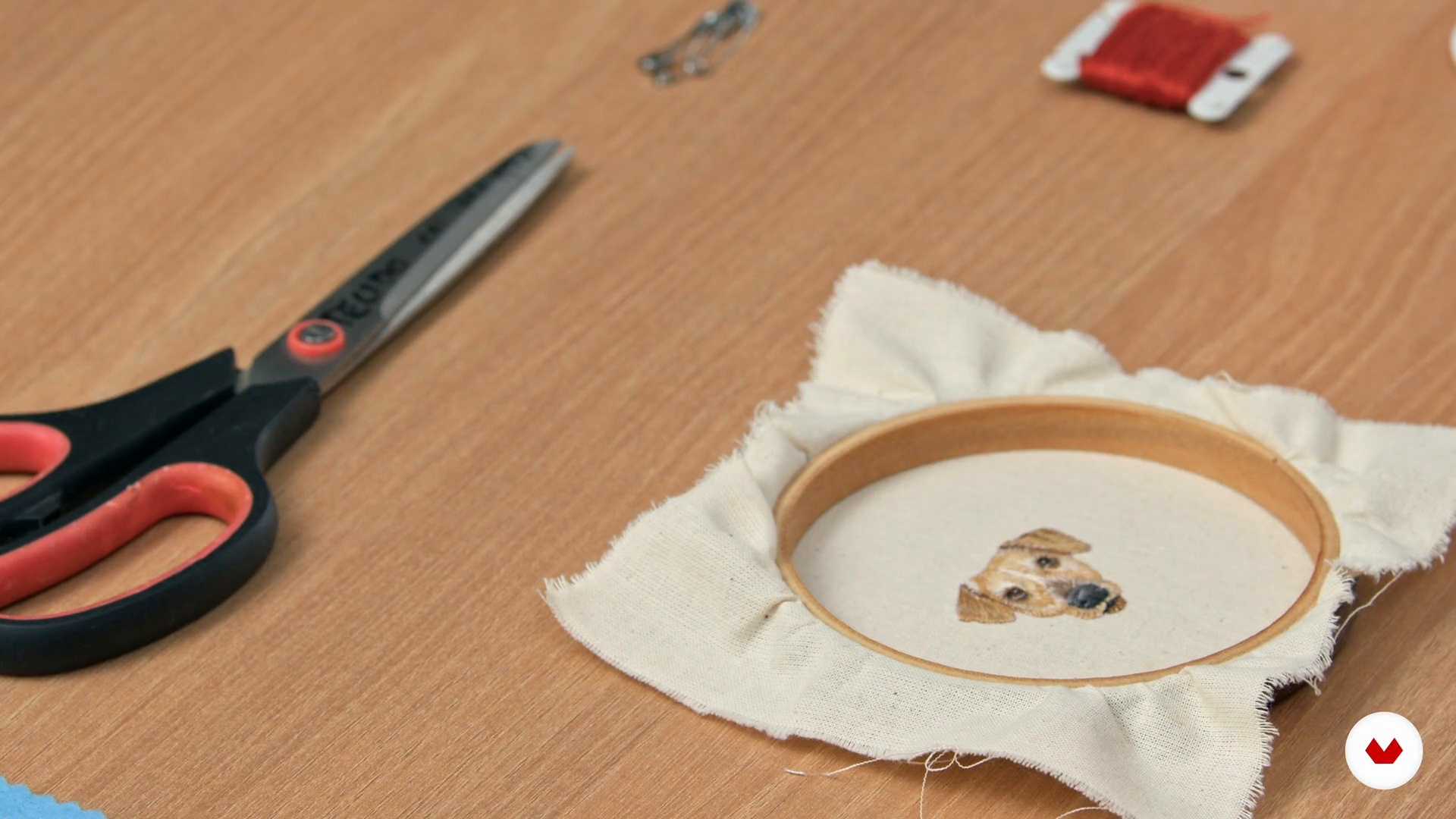


Specialization

Pet Arts Specialization: From Embroidery to Realistic Stuffed Animals

Master realistic pet textile art through embroidery, needle felting, and knitting techniques for stunning artistic creations

Specialization · 6 modules

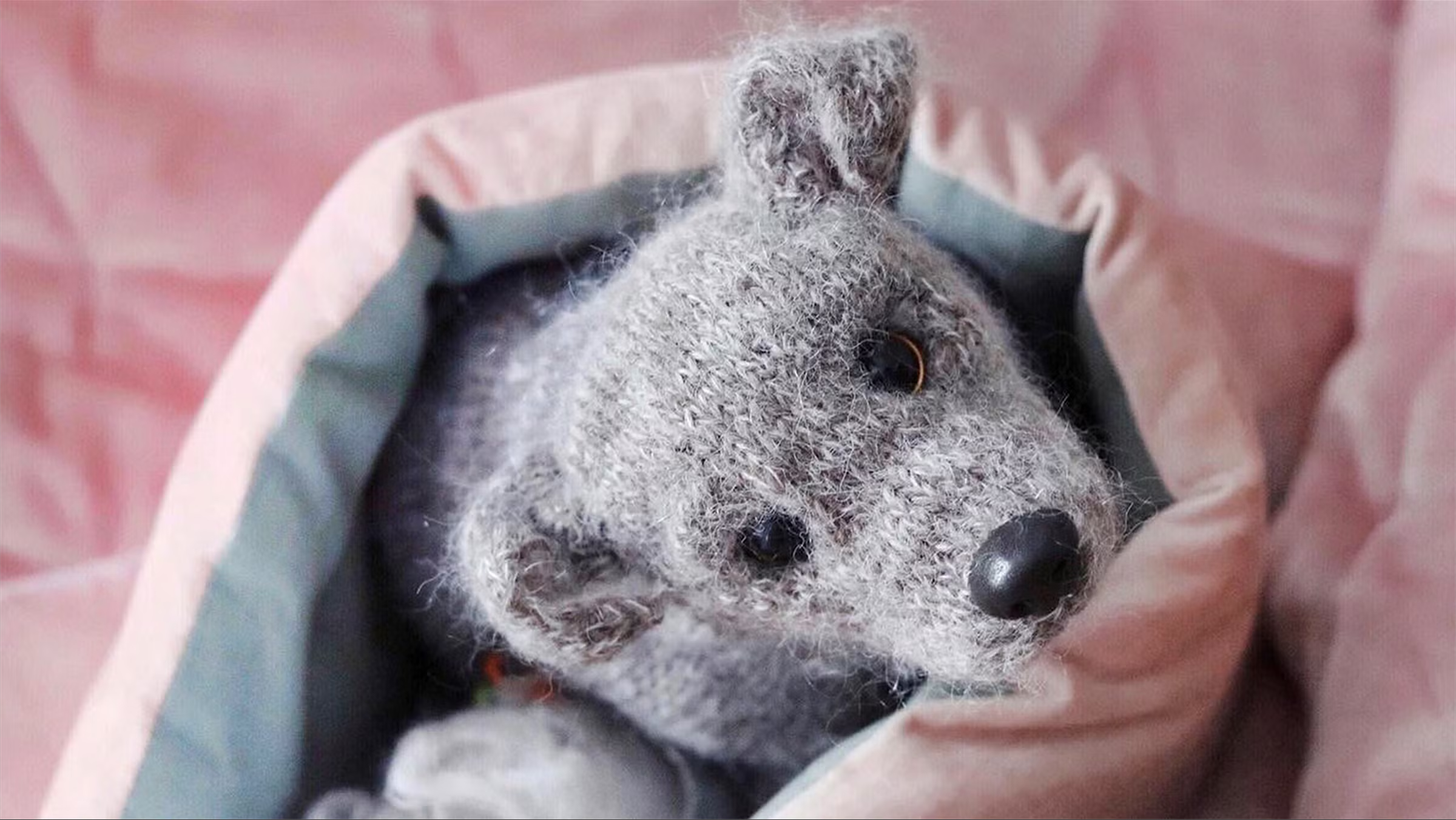
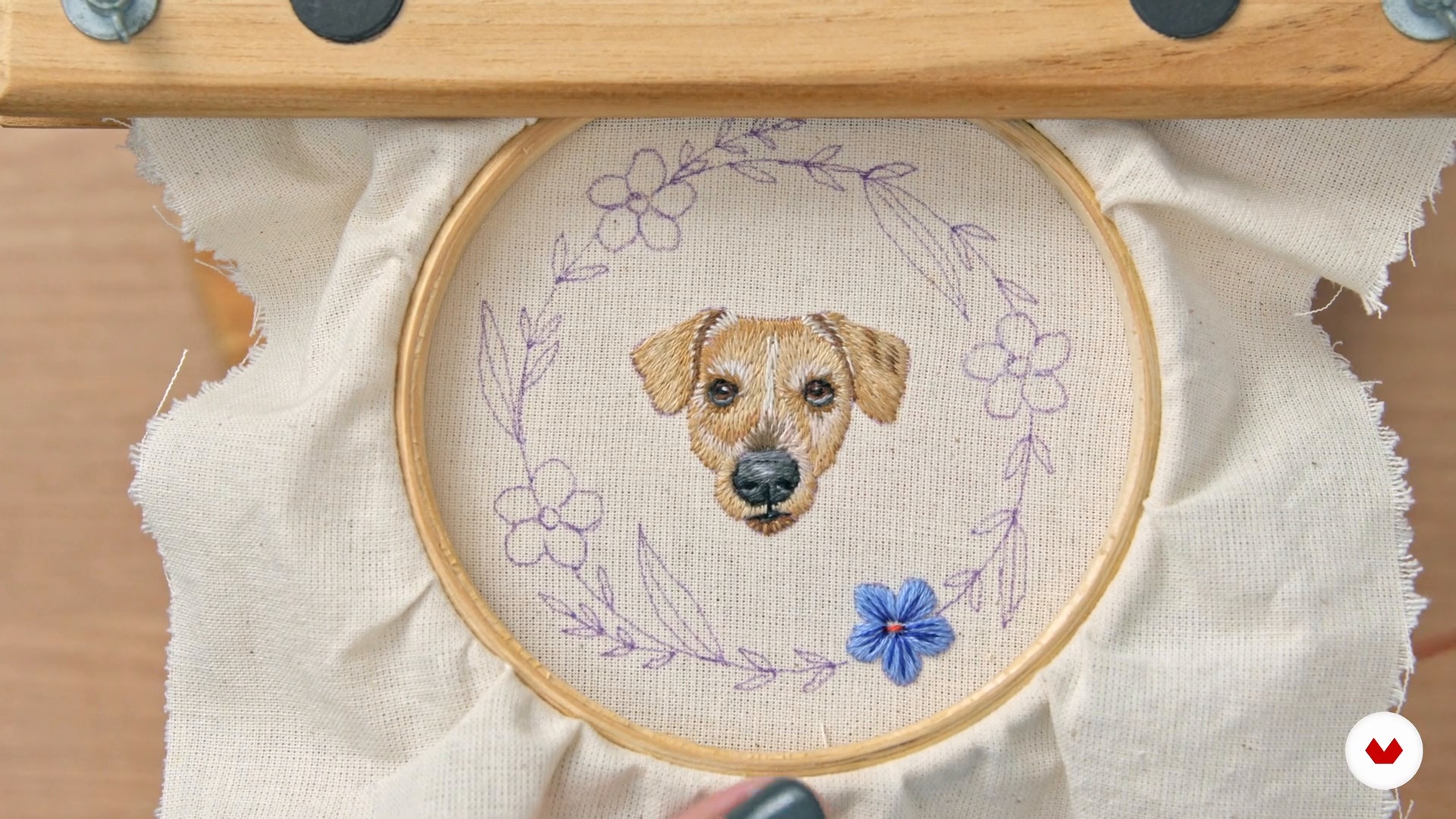
Discover the art of Pet Textile Arts and master versatile textile techniques to create artistic representations of your beloved pets. This program guides you through a comprehensive learning path, from artistic embroidery to crafting realistic plush toys. Explore needle painting, felting, and knitting, capturing the unique personalities and characteristics of pets through various fiber techniques. Each course within this specialization offers a unique perspective on textile art, allowing you to express your creativity and bring your furry companions to life in artistic form.

Learn from renowned textile artists: Valentina Castillo, Santo Cielo, Paulo Rezende, Juanamatú, and Claire Garland. Their expertise covers a wide range of skills, from the fundamentals of needle painting to advanced plush toy construction. The final project challenges you to demonstrate your proficiency by creating a complete artistic collection of a pet, real or imaginary, across different media and formats. By the end of this journey, you'll have a versatile skill set ready for exhibitions, sales, or to enhance your professional portfolio, showcasing your talent and passion for textile arts inspired by pets.

Read more ↓

What will you learn in this specialization?
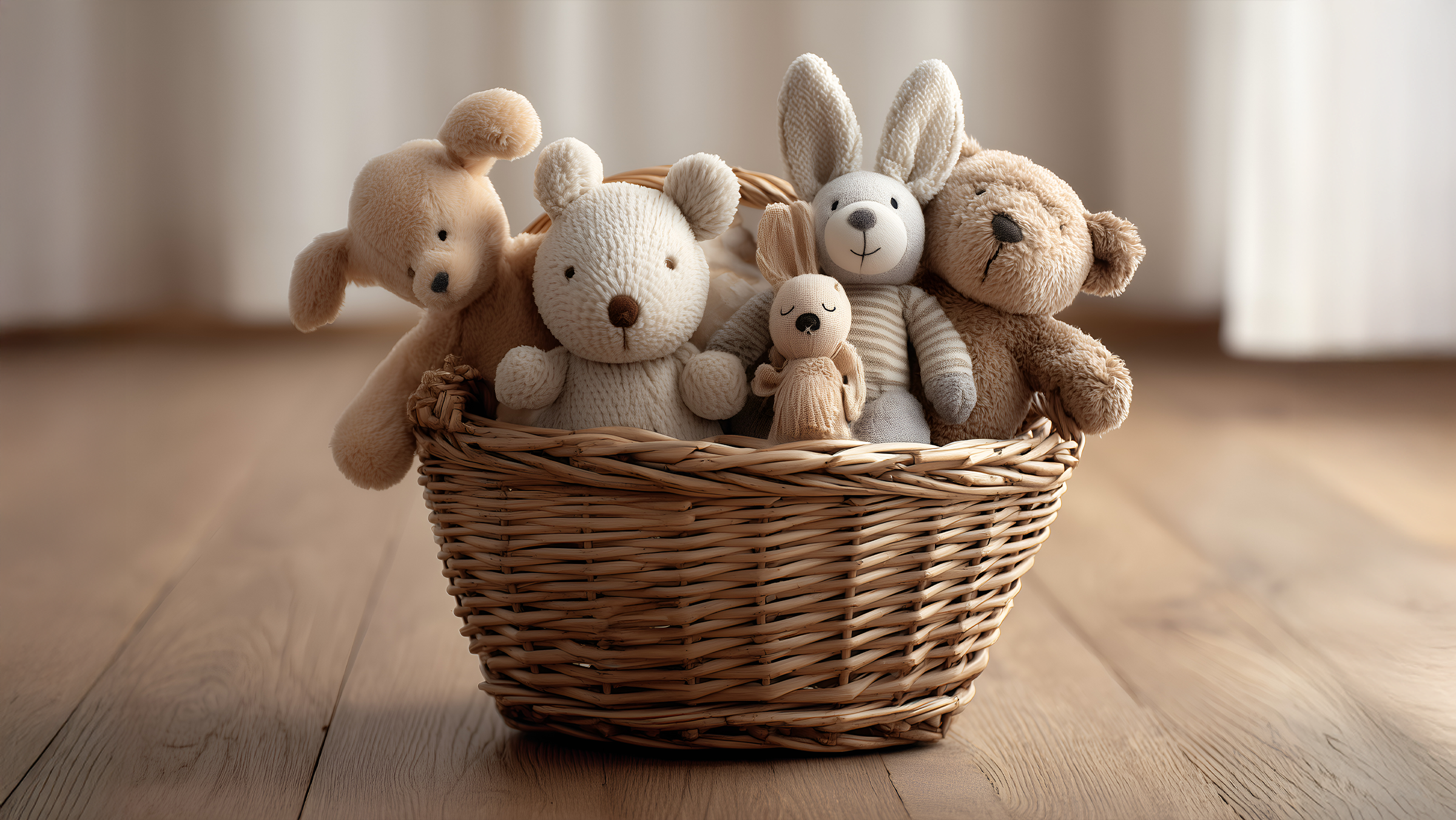
A total of 6 modules and 93 lessons
A total of 19h 9m of vídeo lessons
Taught by 5 selected expert teachers
image
4
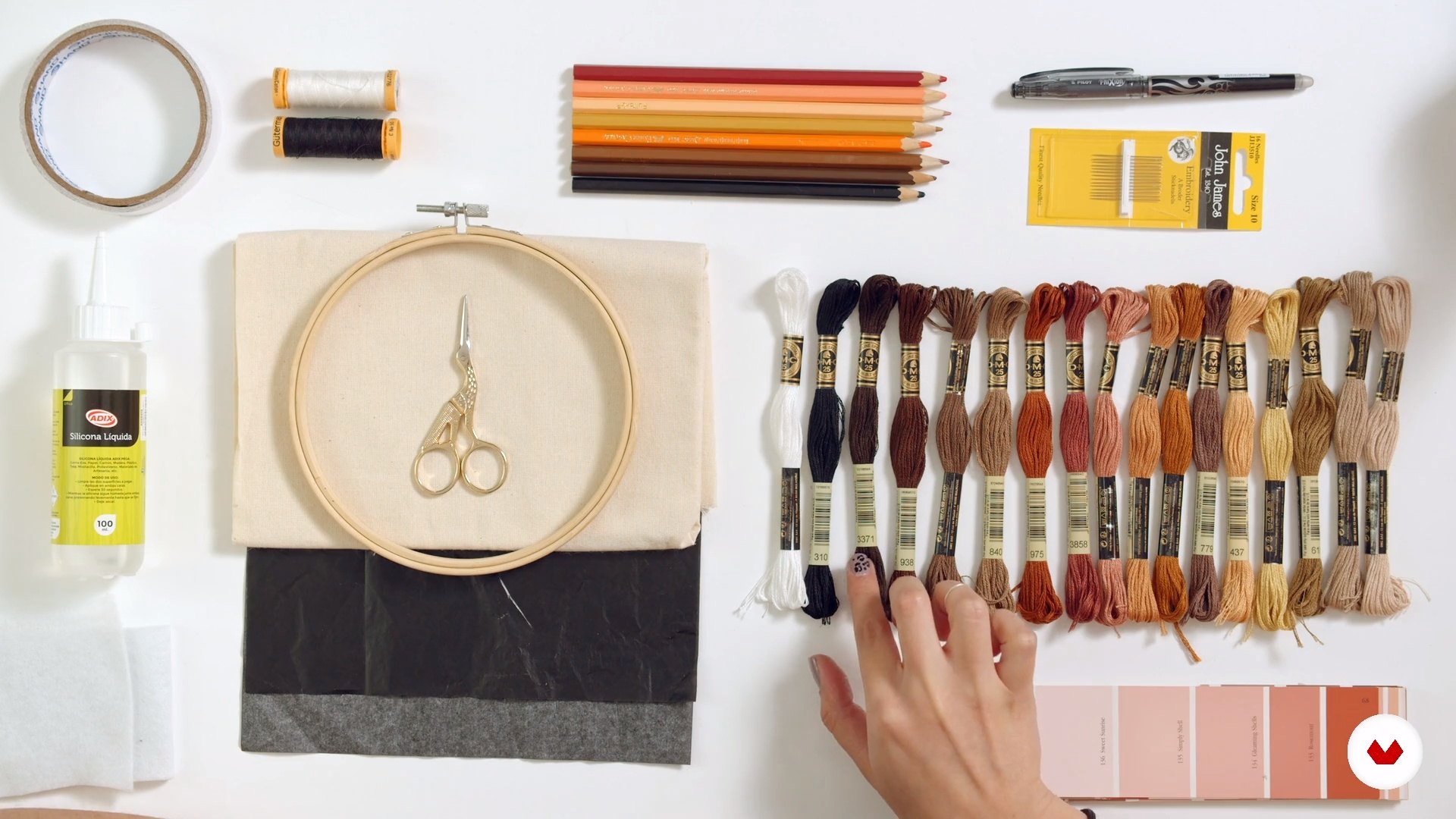
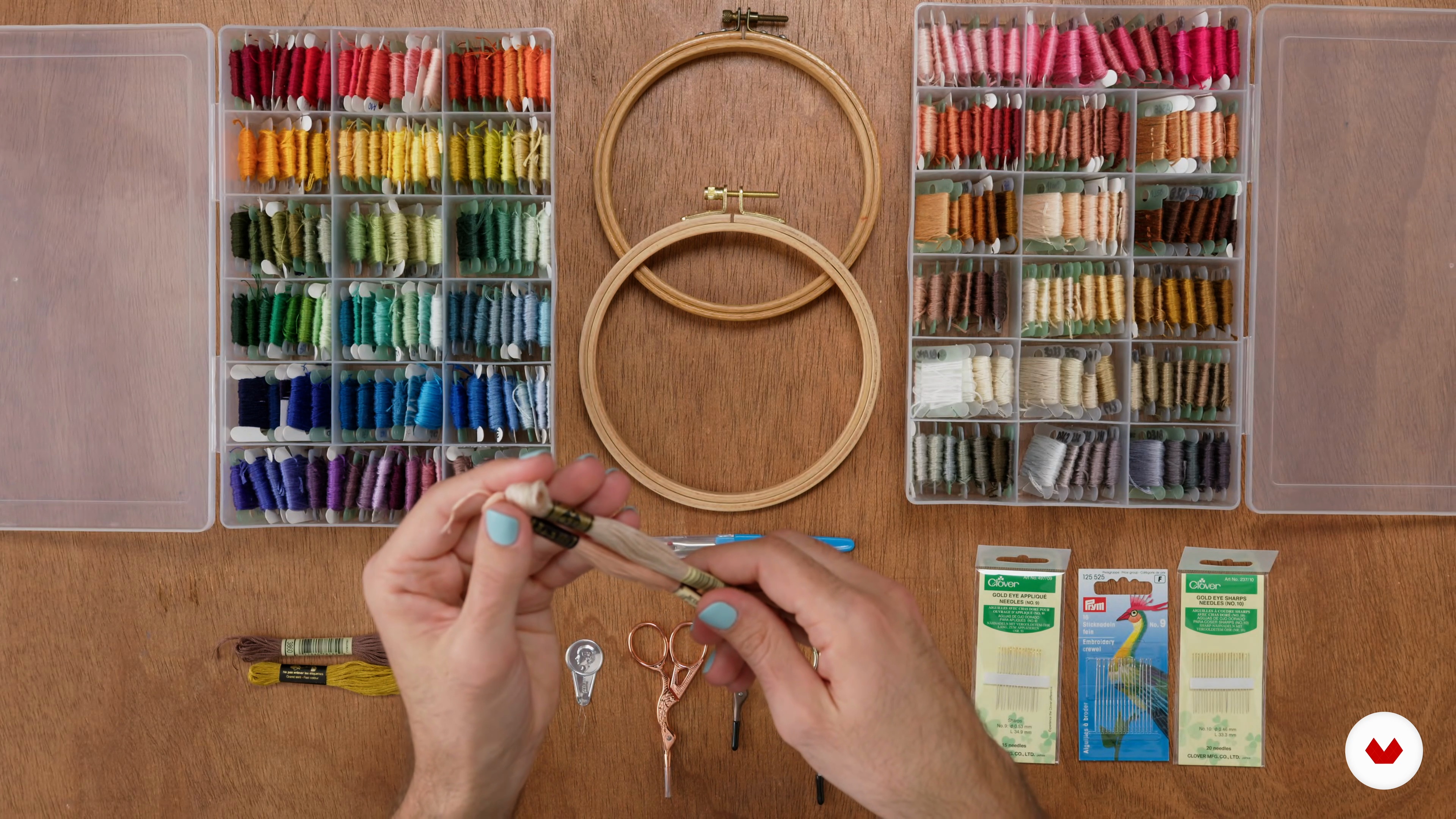
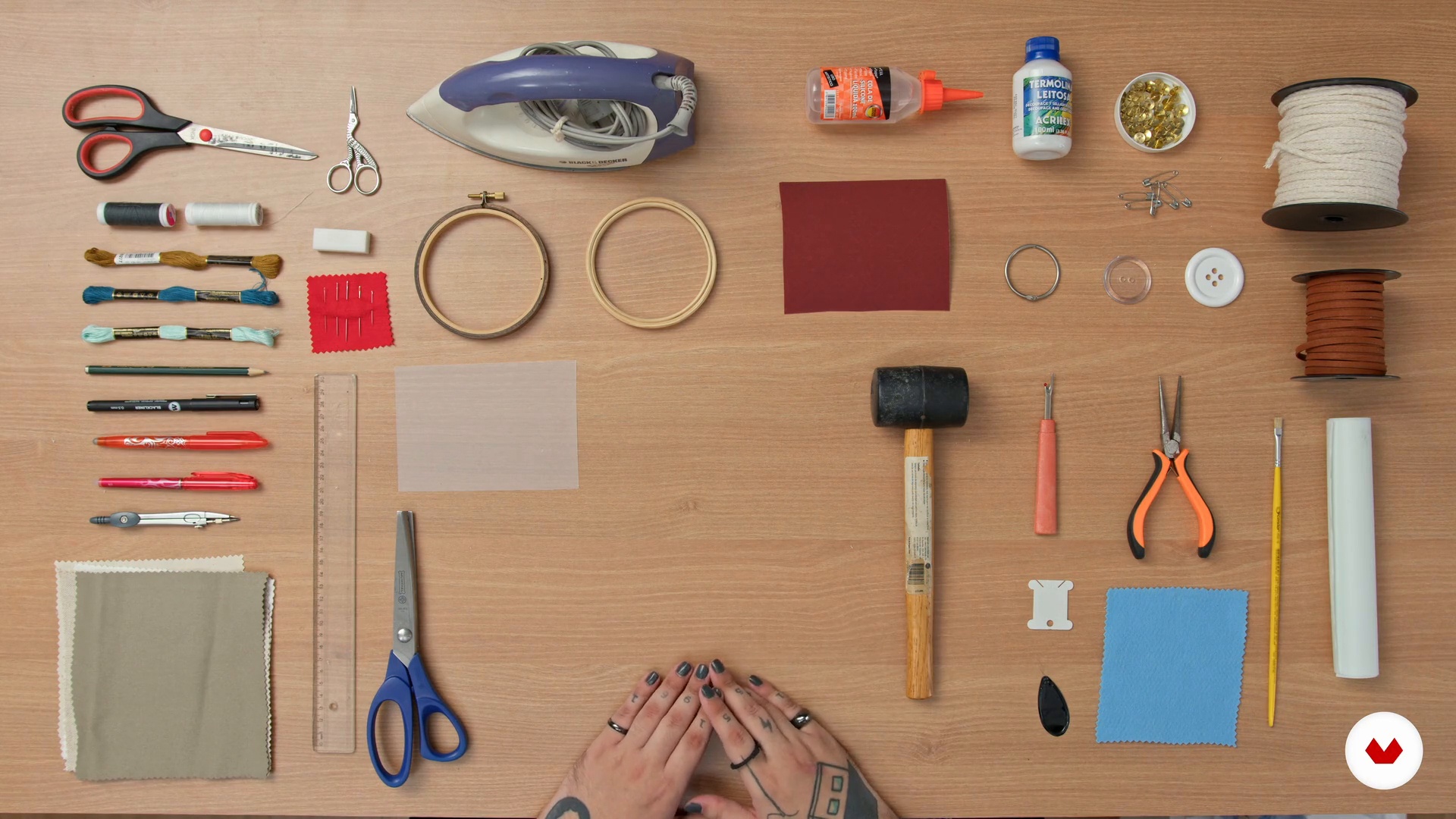
Materials we will need
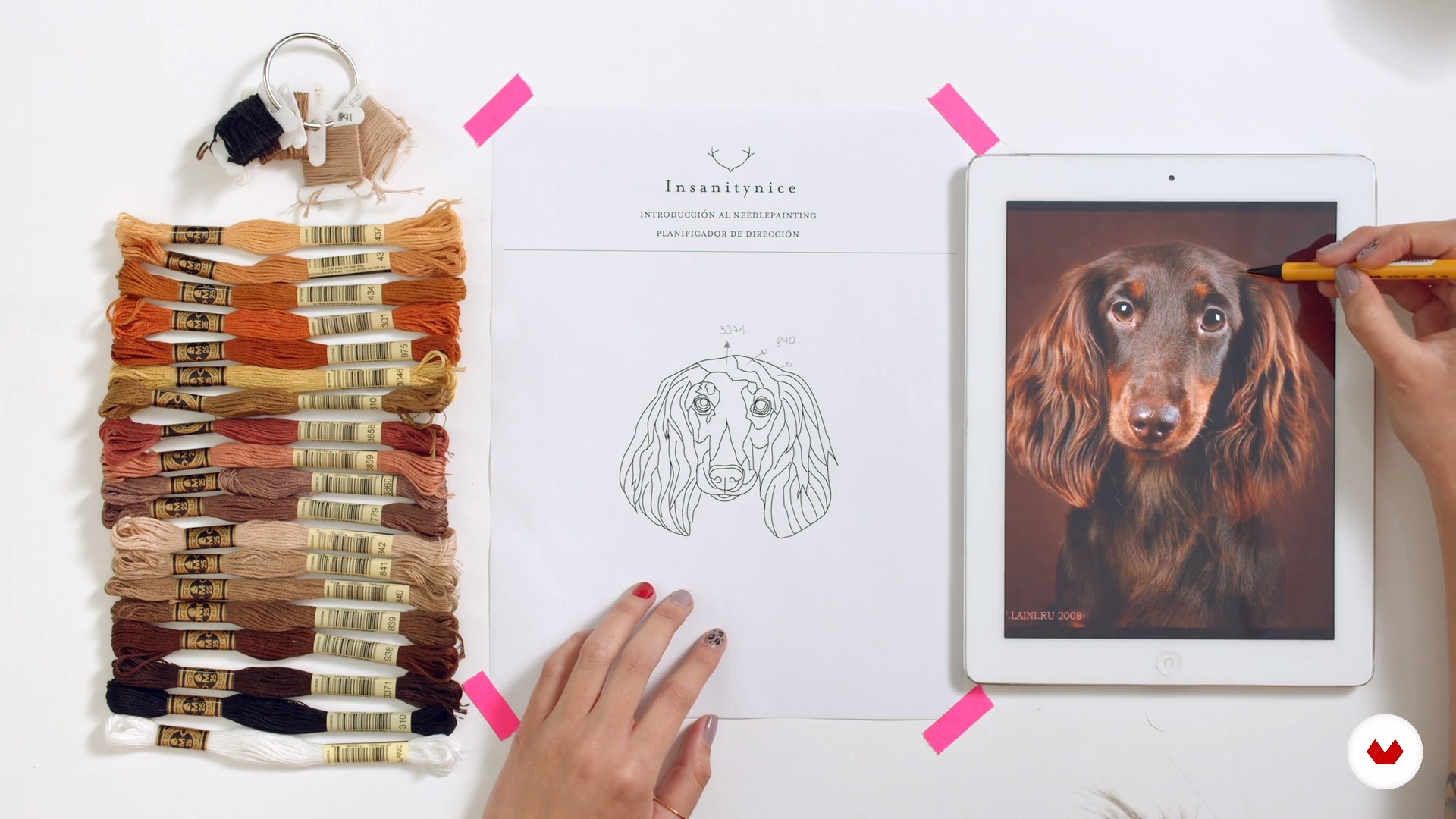
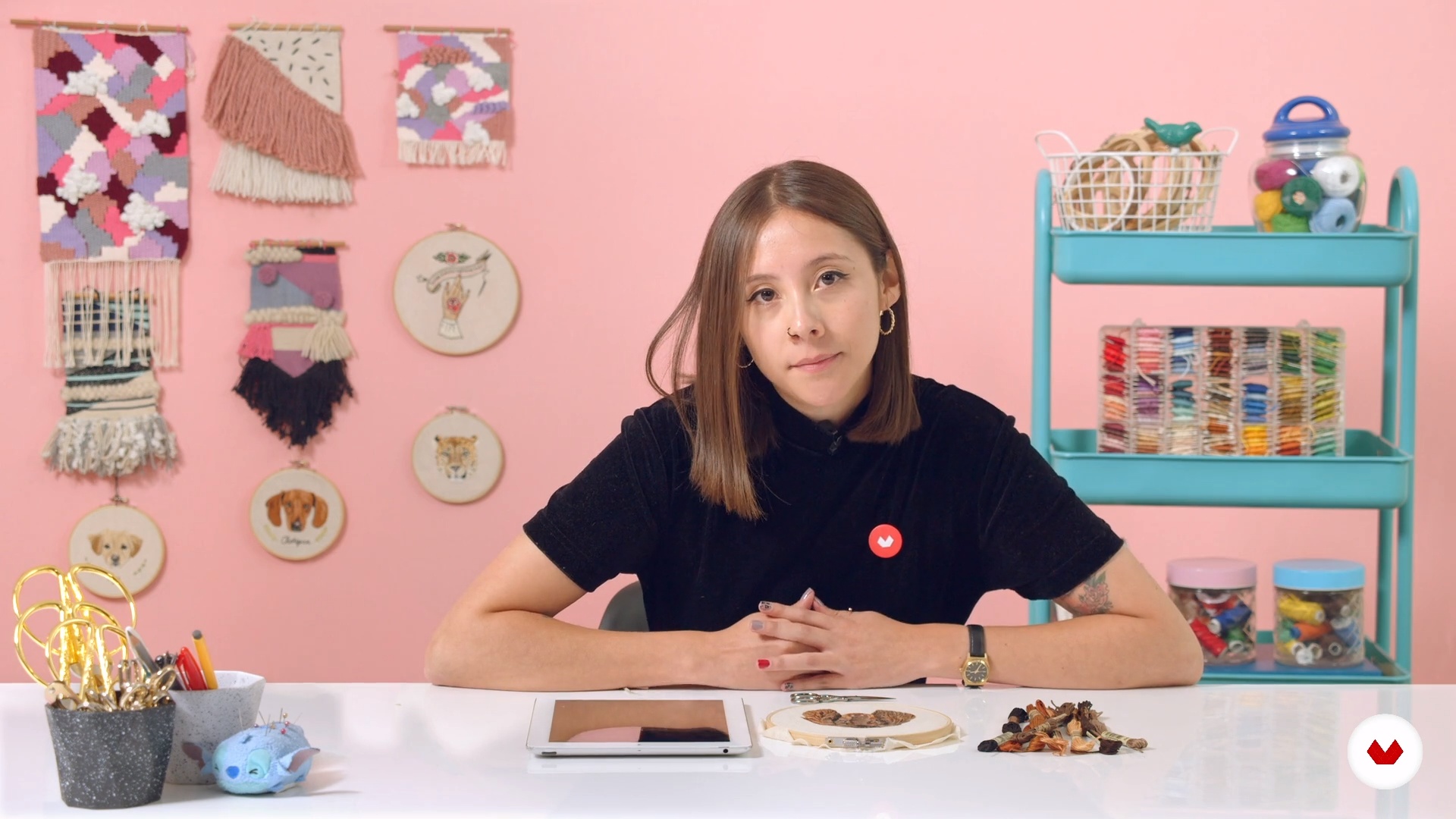
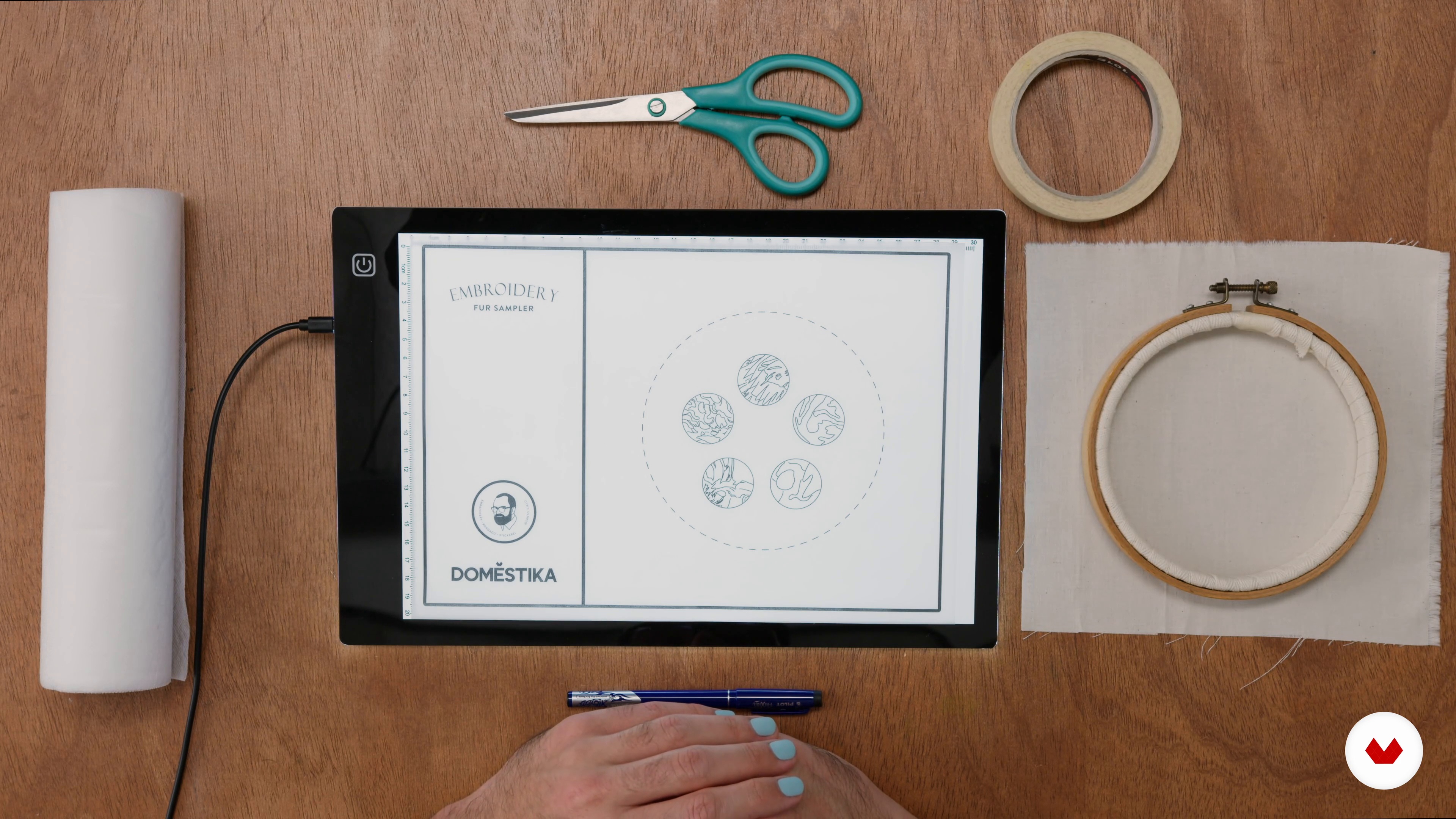
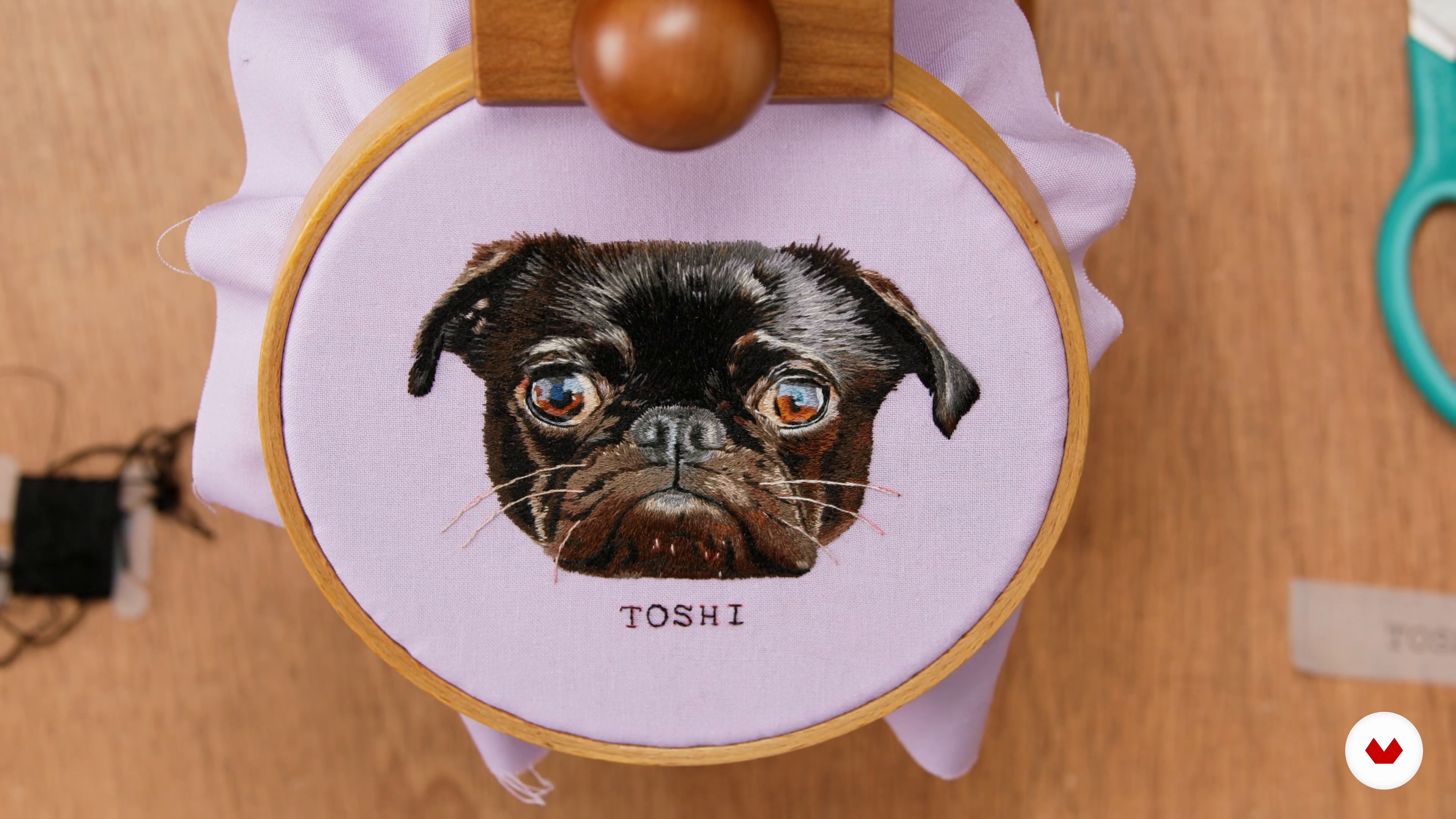
In this lesson, I will explain step by step the materials we will use to embroider a pet's portrait.
5m
image
5
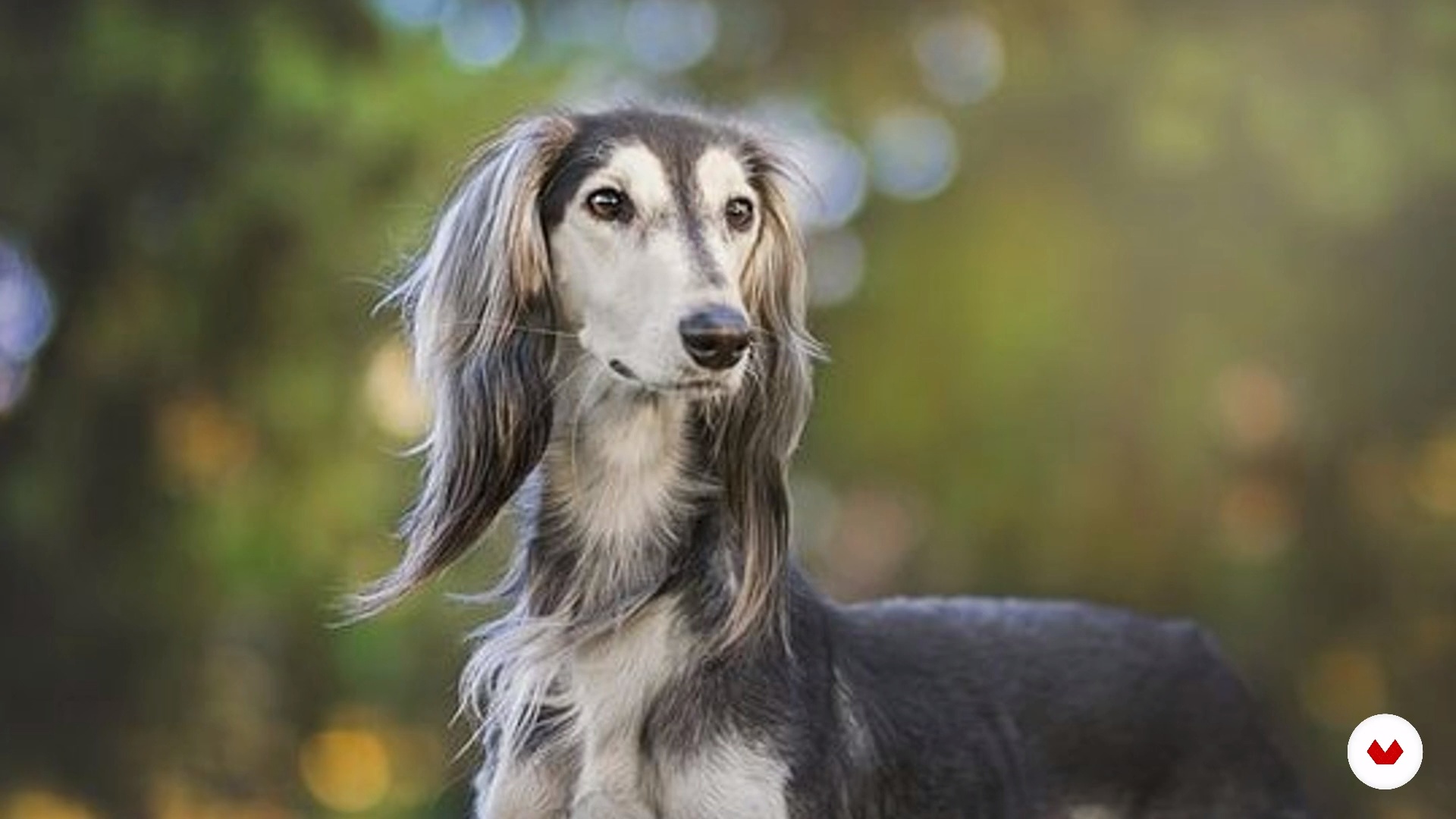
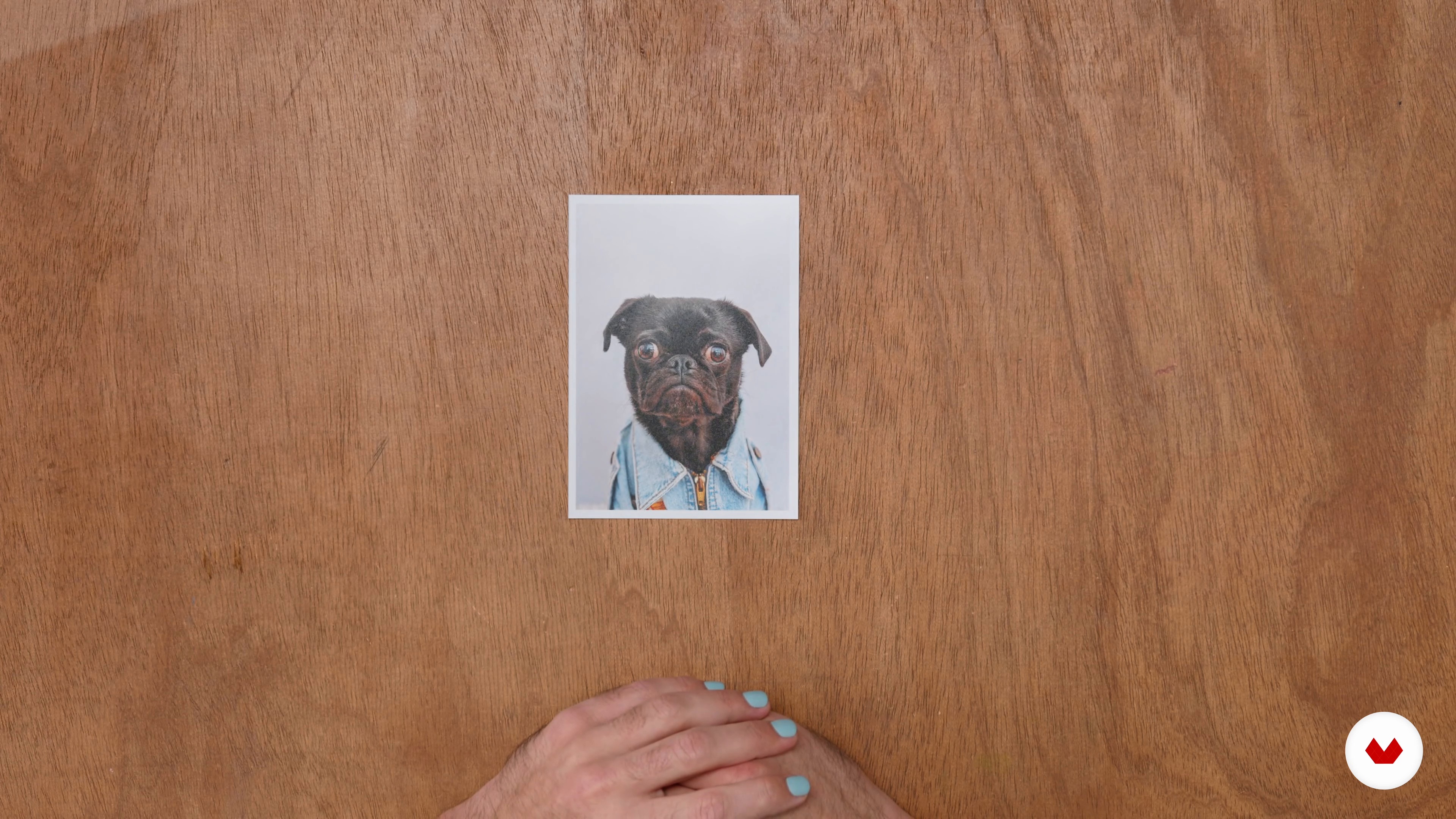
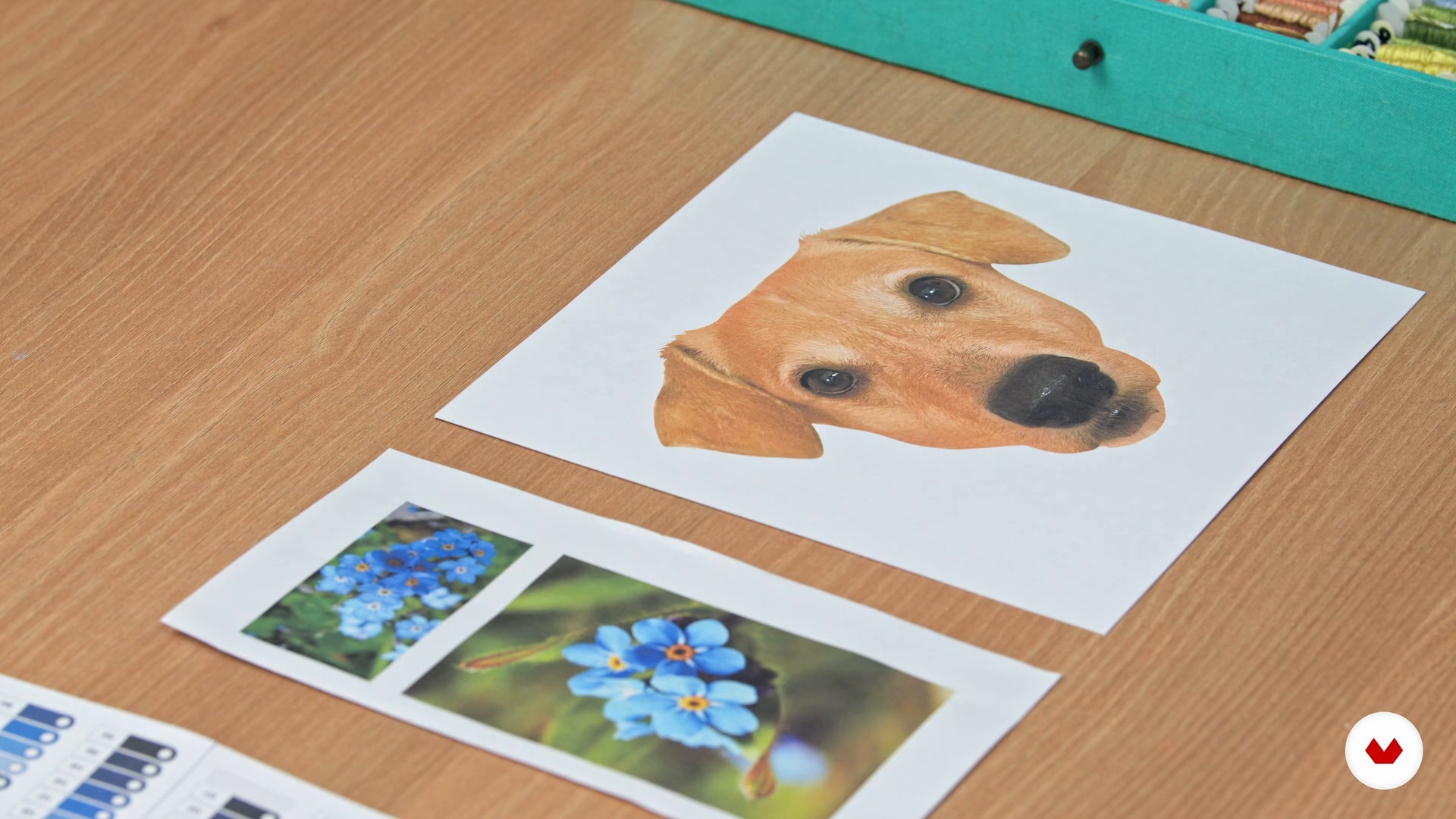
How to choose the right photo to embroider
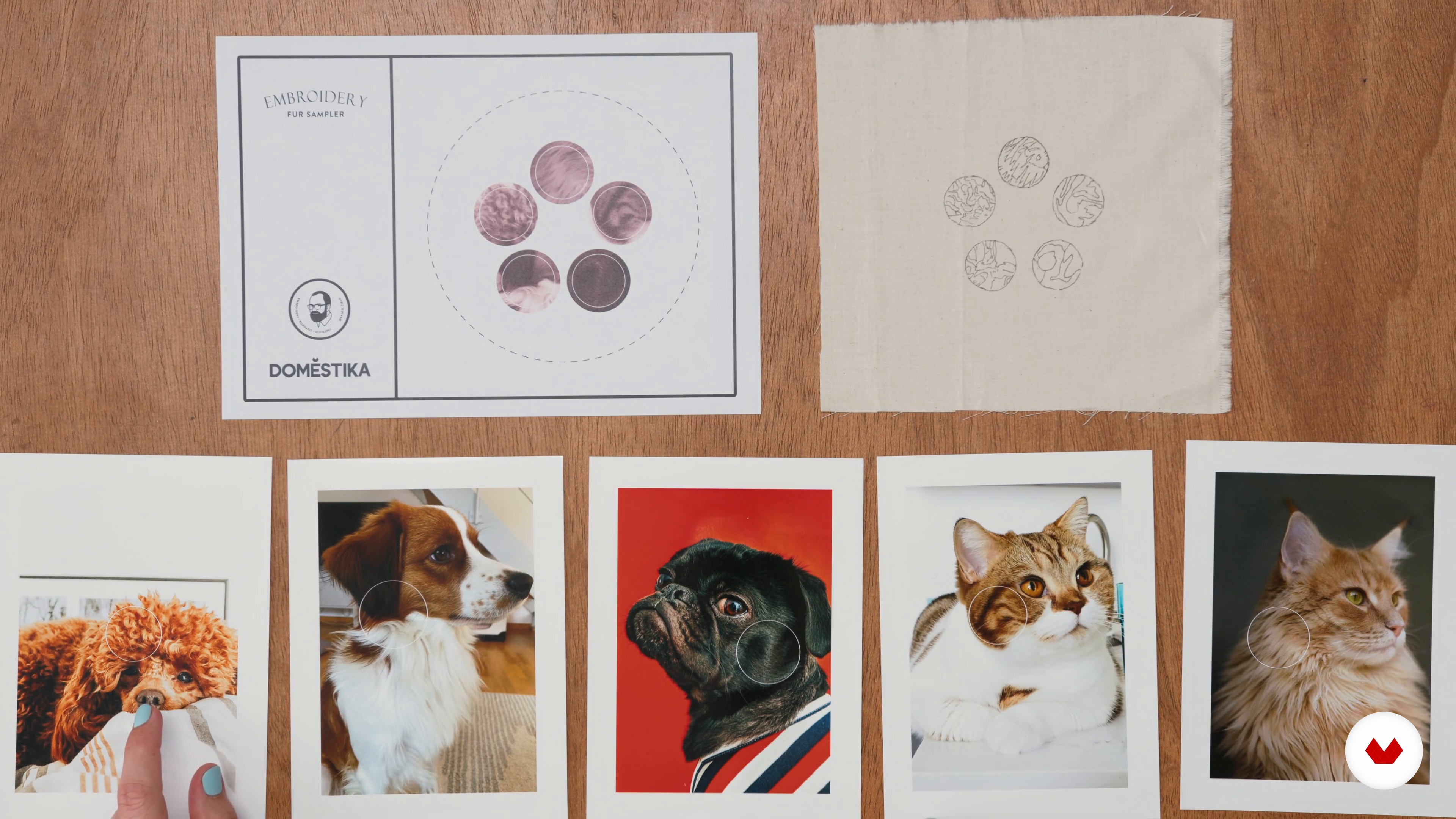
Photography will be our guiding element throughout the process, in addition to our color source. Therefore, in this lesson I will show you some examples of photographs that serve and photographs that do not, explaining why.
6m
image
6
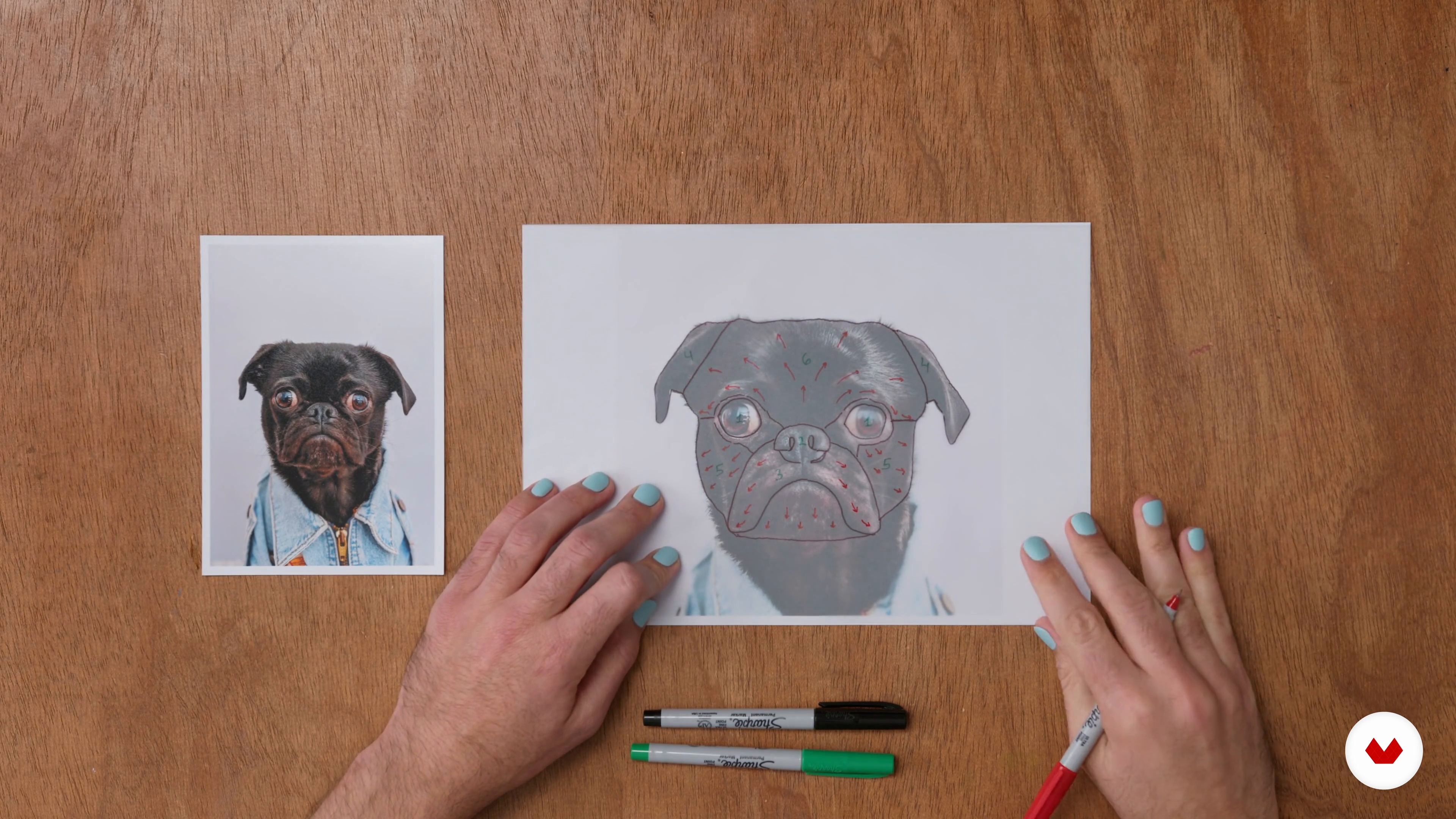
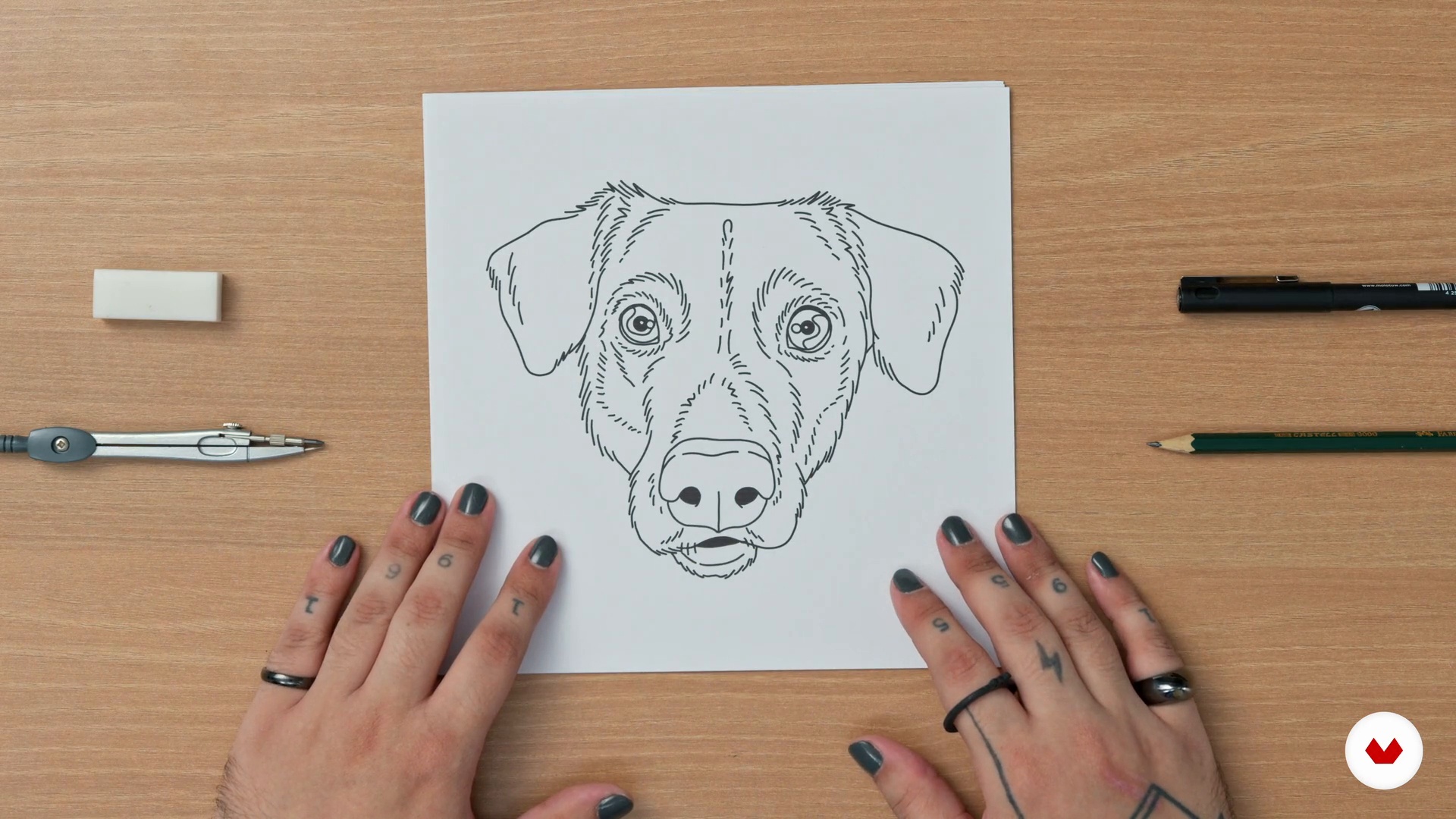
How to draw the portrait of an animal
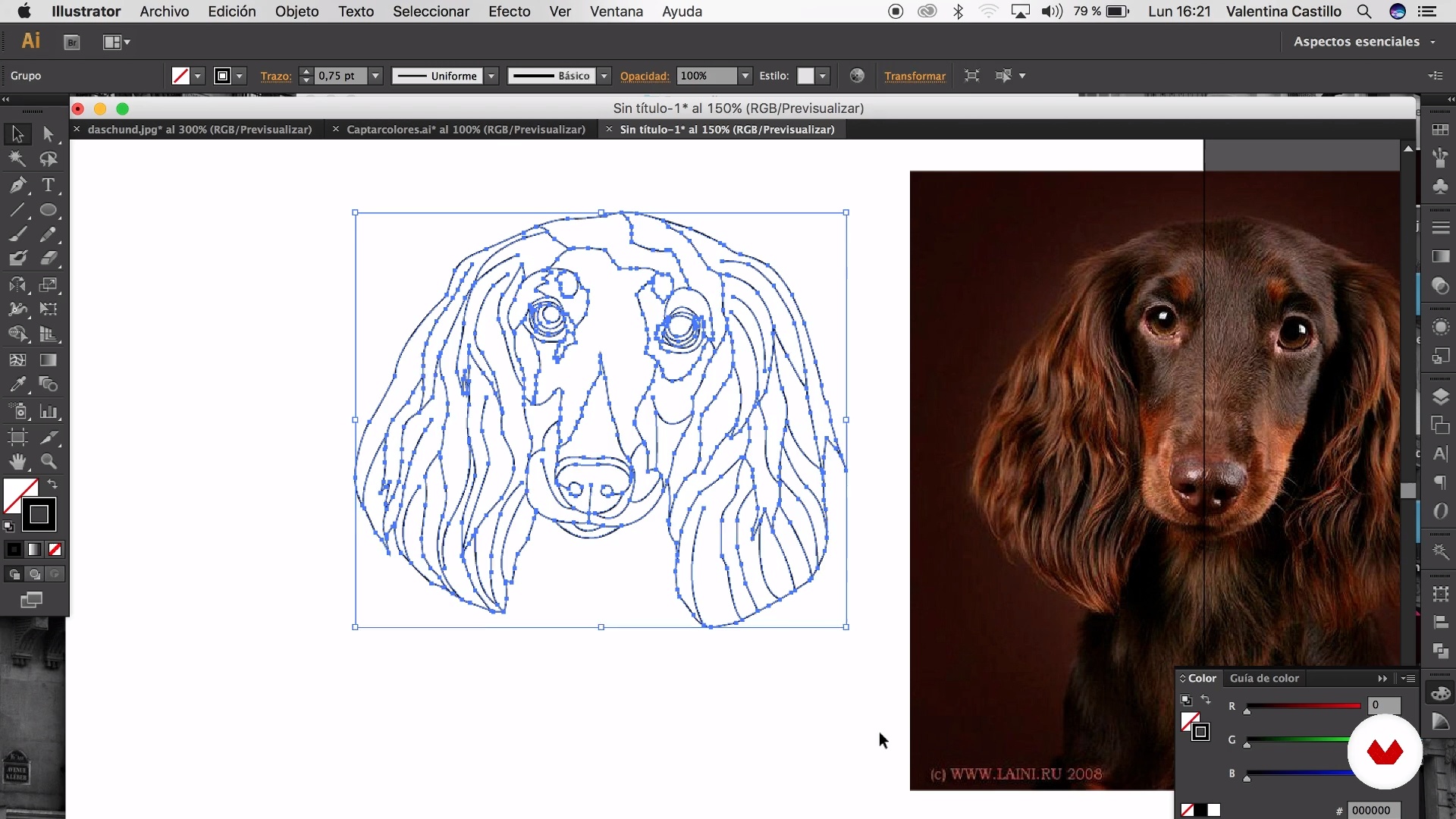
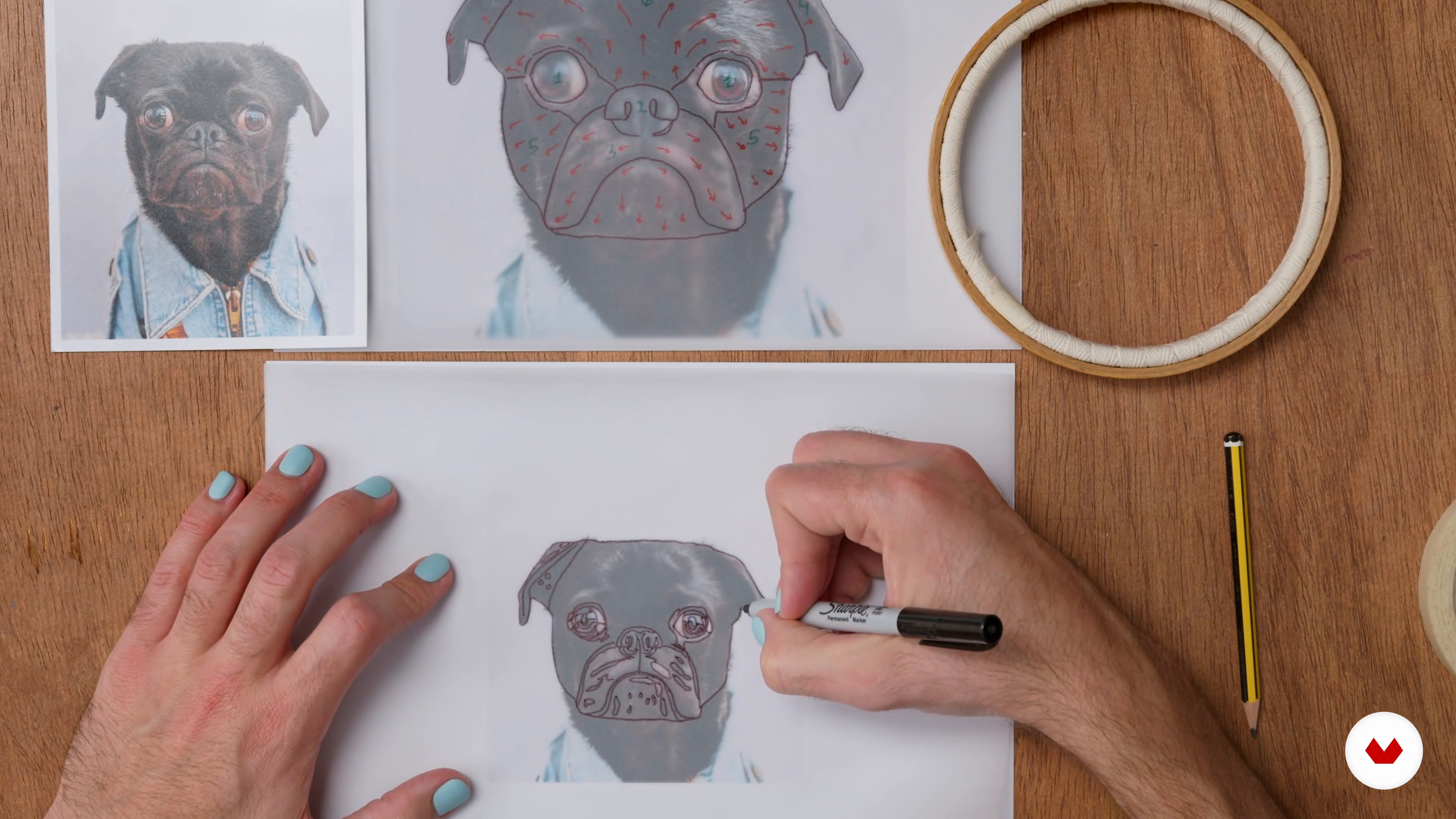
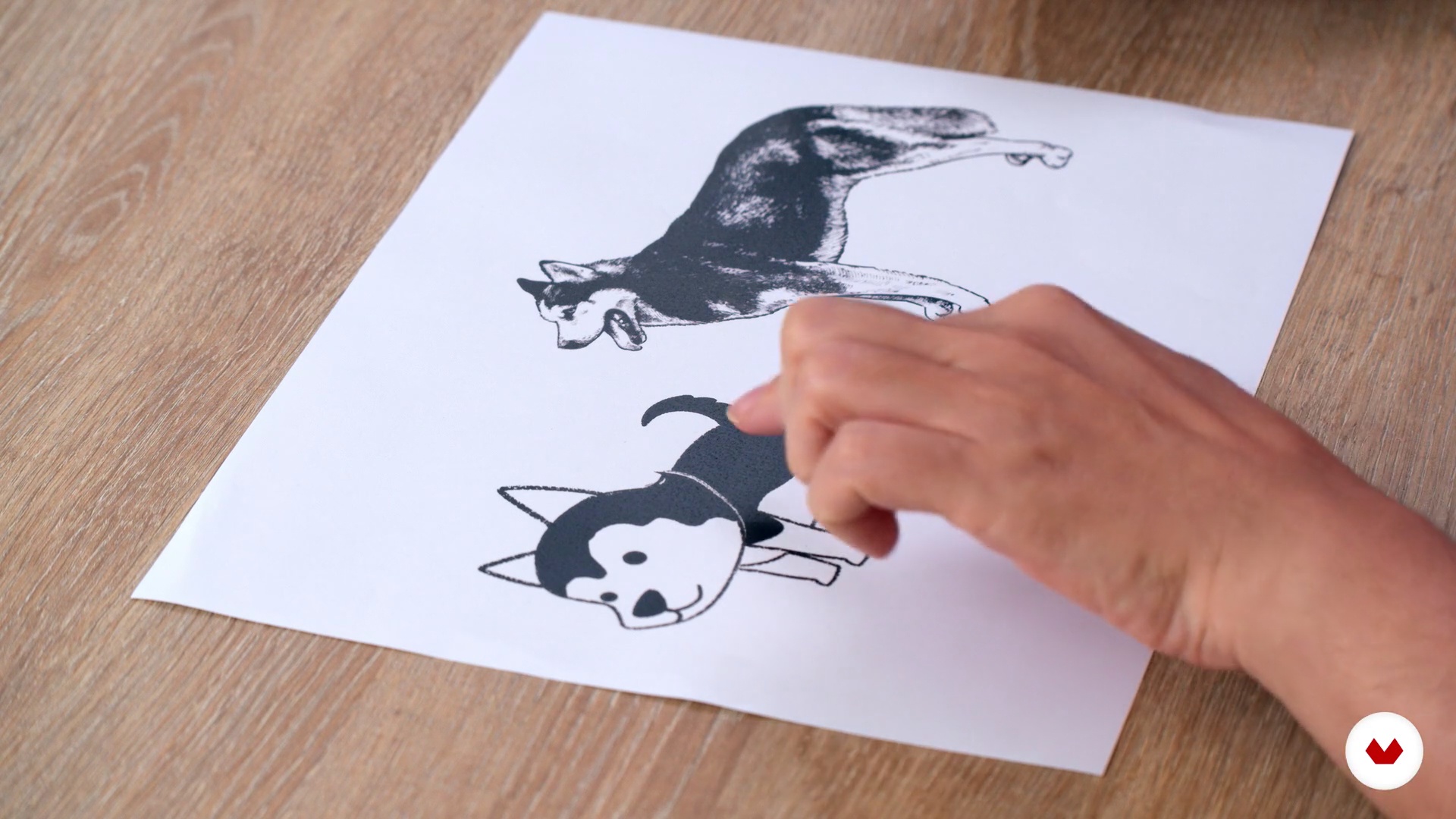
In this lesson, I will explain how to draw your pet's portrait; An important step for the final result. I will teach you two ways, one manual and one digital, so you can choose the one that suits you best.
7m
image
7
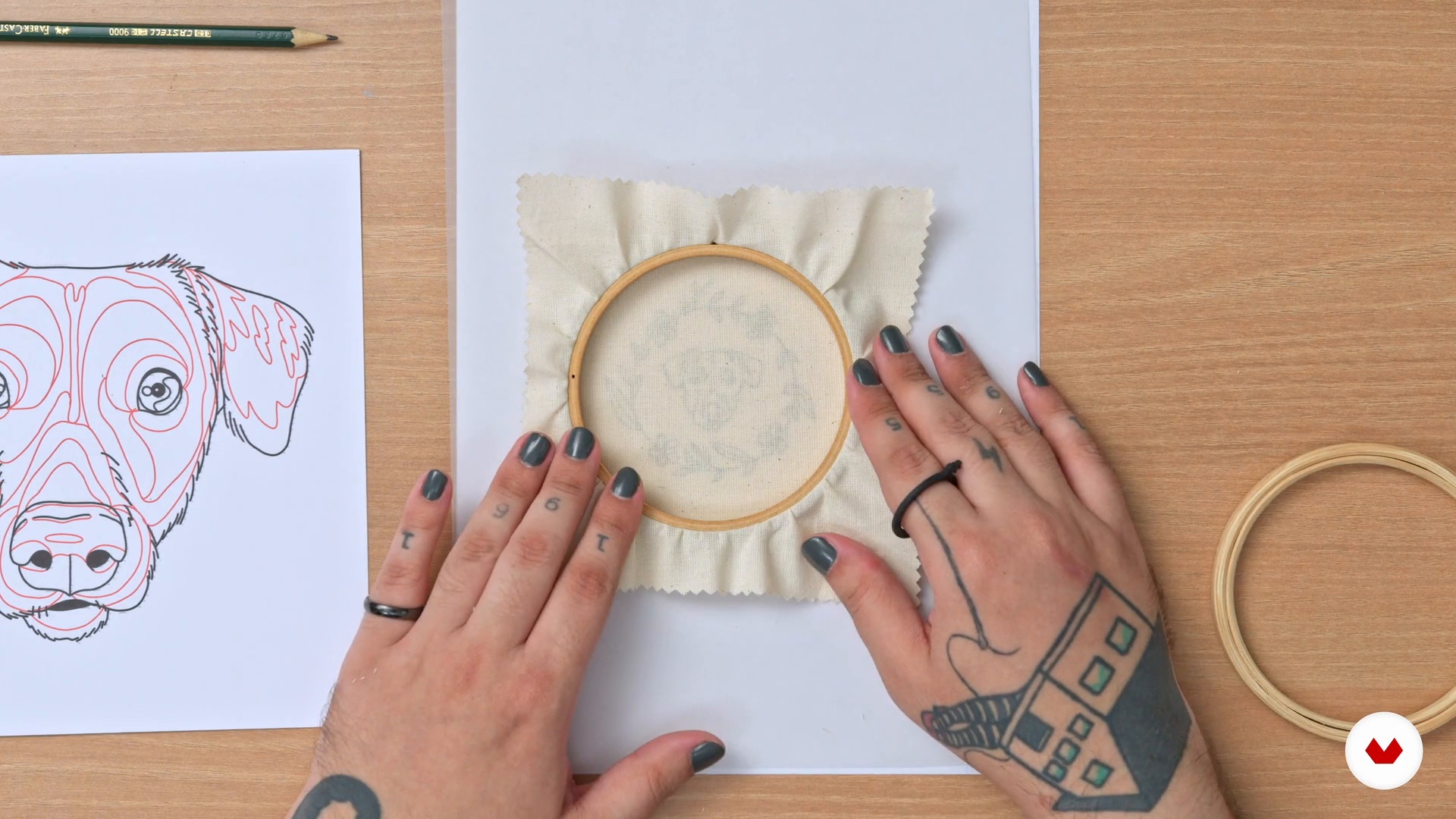
How to transfer your pattern to the fabric
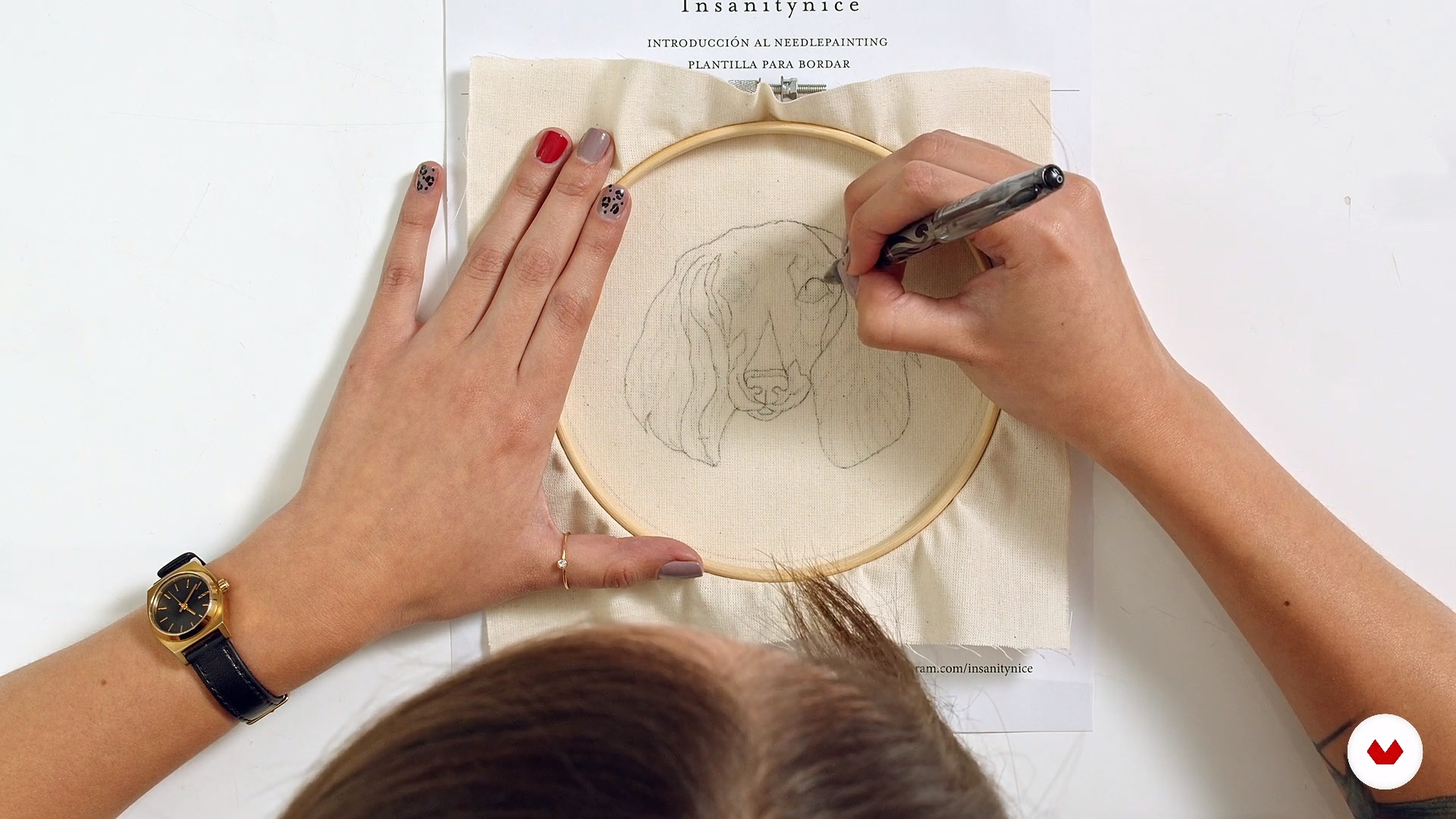
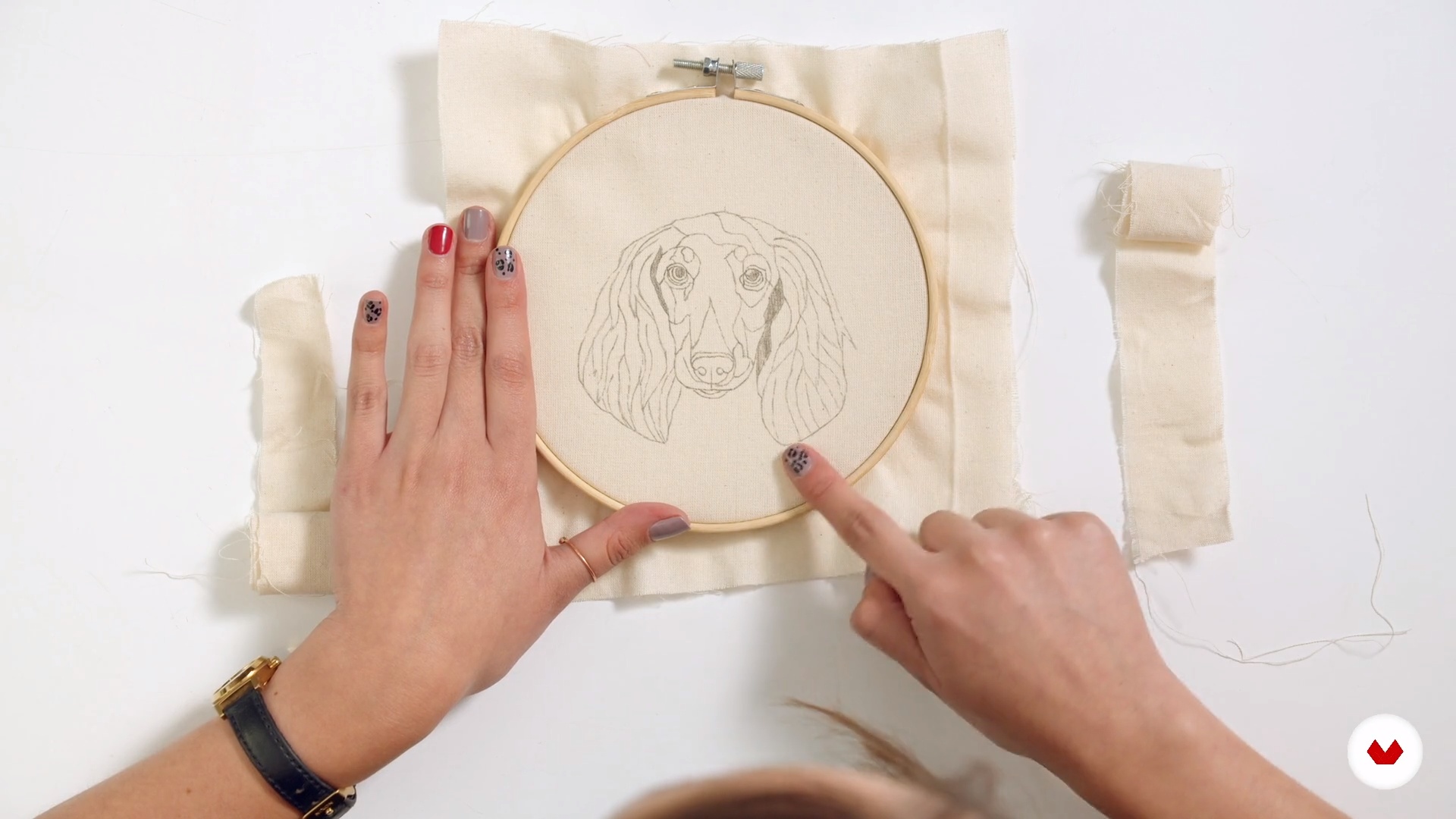
There are many ways to transfer your pattern to the web, and in this lesson I will show you the one that I use the most, and the one that suits me the most, to realize every detail to embroider.
3m
image
8
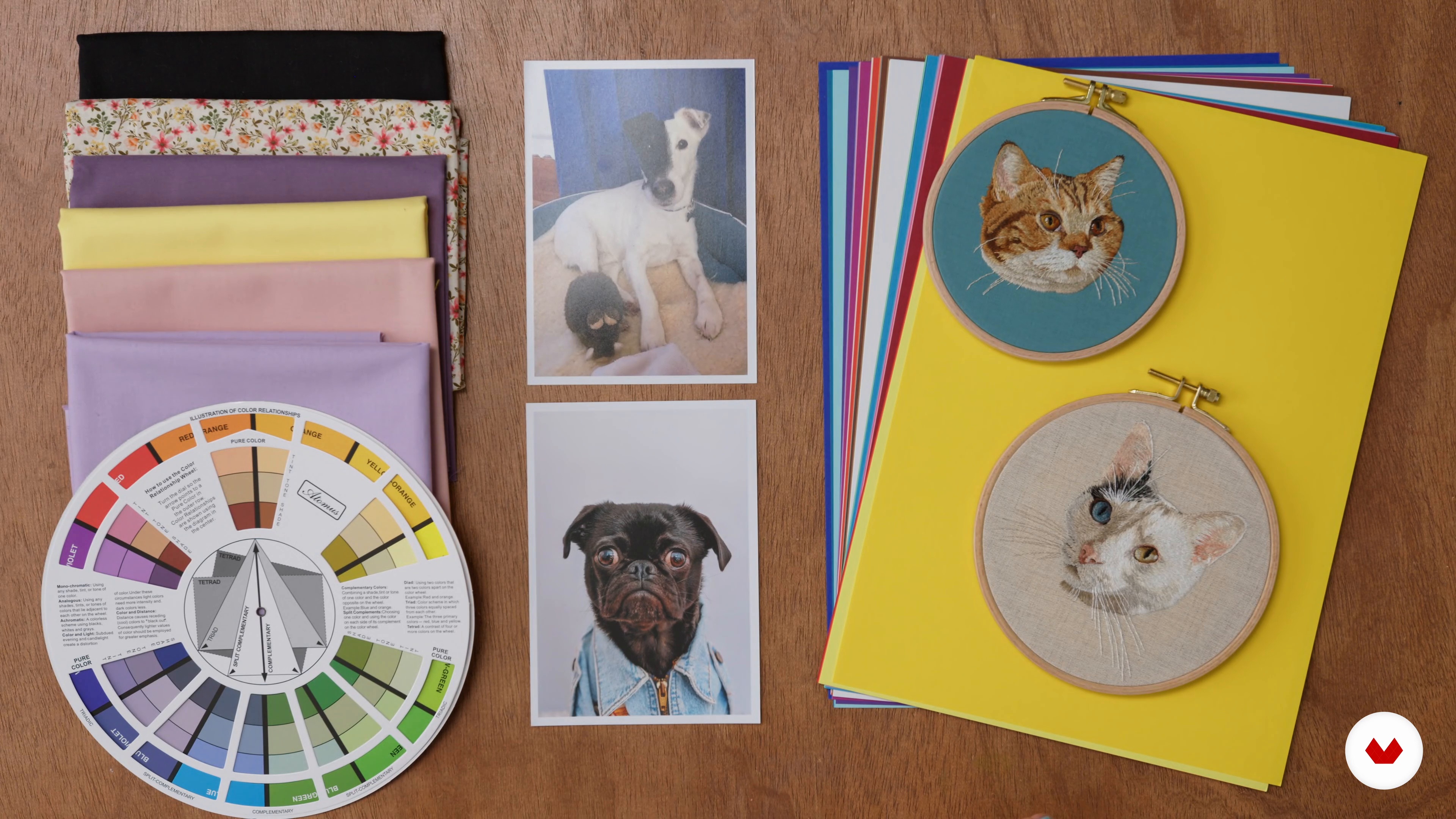
Color source and how to capture its colors
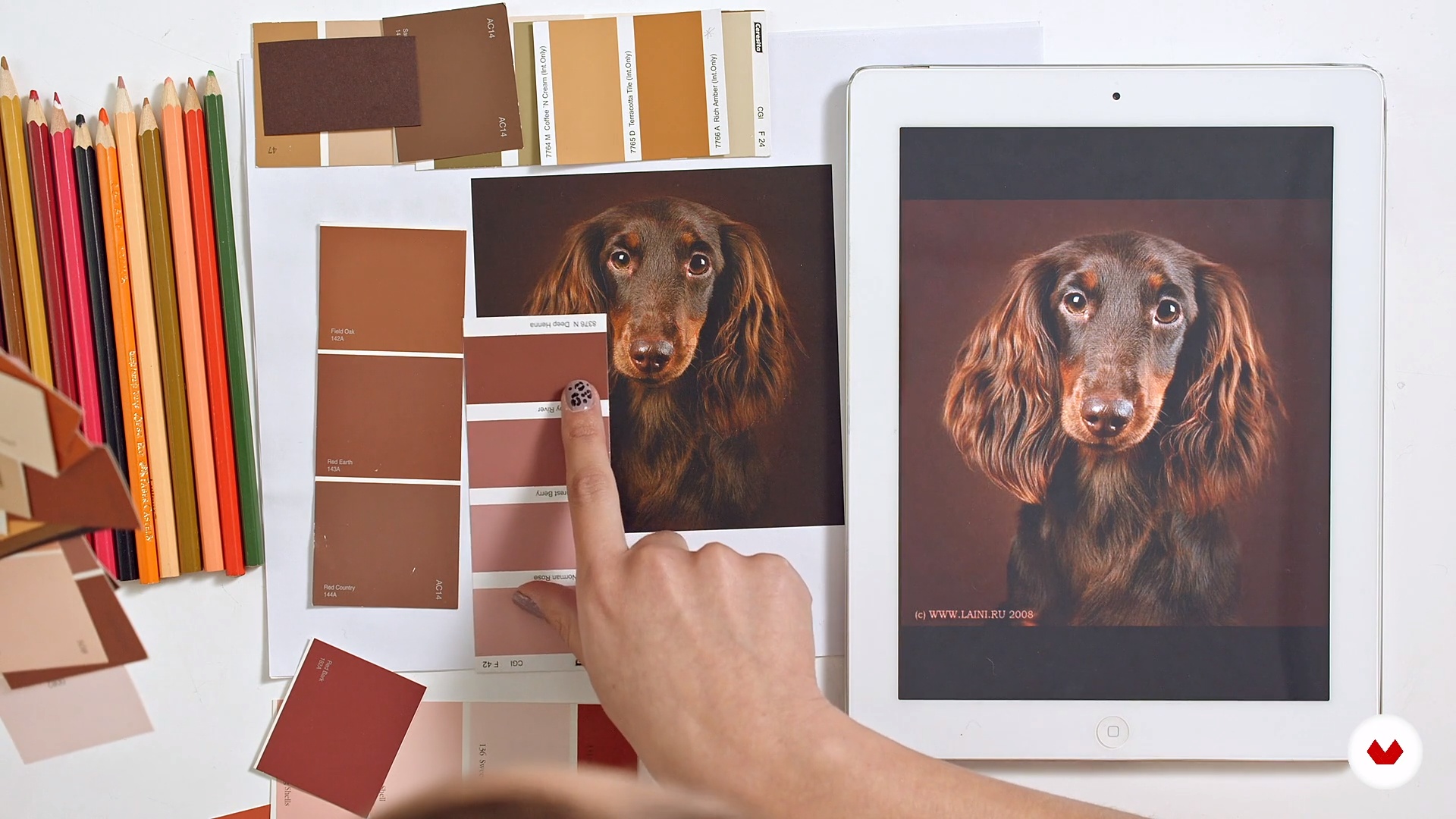
In this lesson, you will learn to capture colors from our color source, that is, photography. This, through two different ways; One manual and one digital. We will see the advantages and disadvantages of each.
7m
image
9
Build the color palette
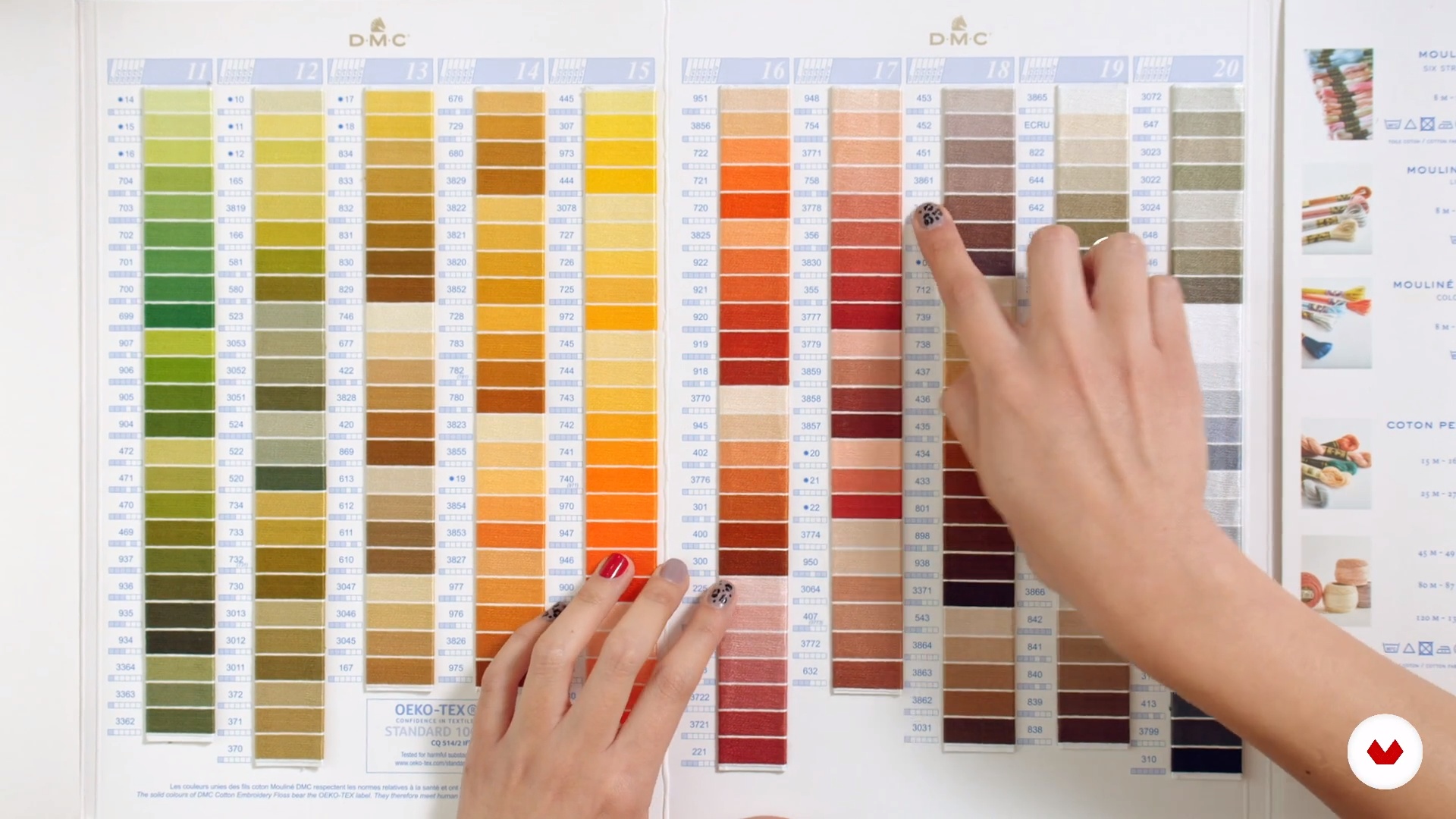
In this lesson, I will explain how to translate previously chosen colors to embroidery threads mouliné . I will also give some advice on the number of colors for embroidery on animals.
4m
image
10
Color planning
In this lesson, I will show you how to plan the colors in our pattern, something that will help us visualize our portrait better, and that will be of great help to embroider at night, or with different sources of light.
5m
image
11
Frame tension
In this lesson, I will teach how to prepare the frame to start embroidering and how to achieve adequate tension.
3m
image
12
Starting the outlined
Now we will begin to give the first stitches to delineate some features of the animal.
11m
image
13
Main features: The eyes
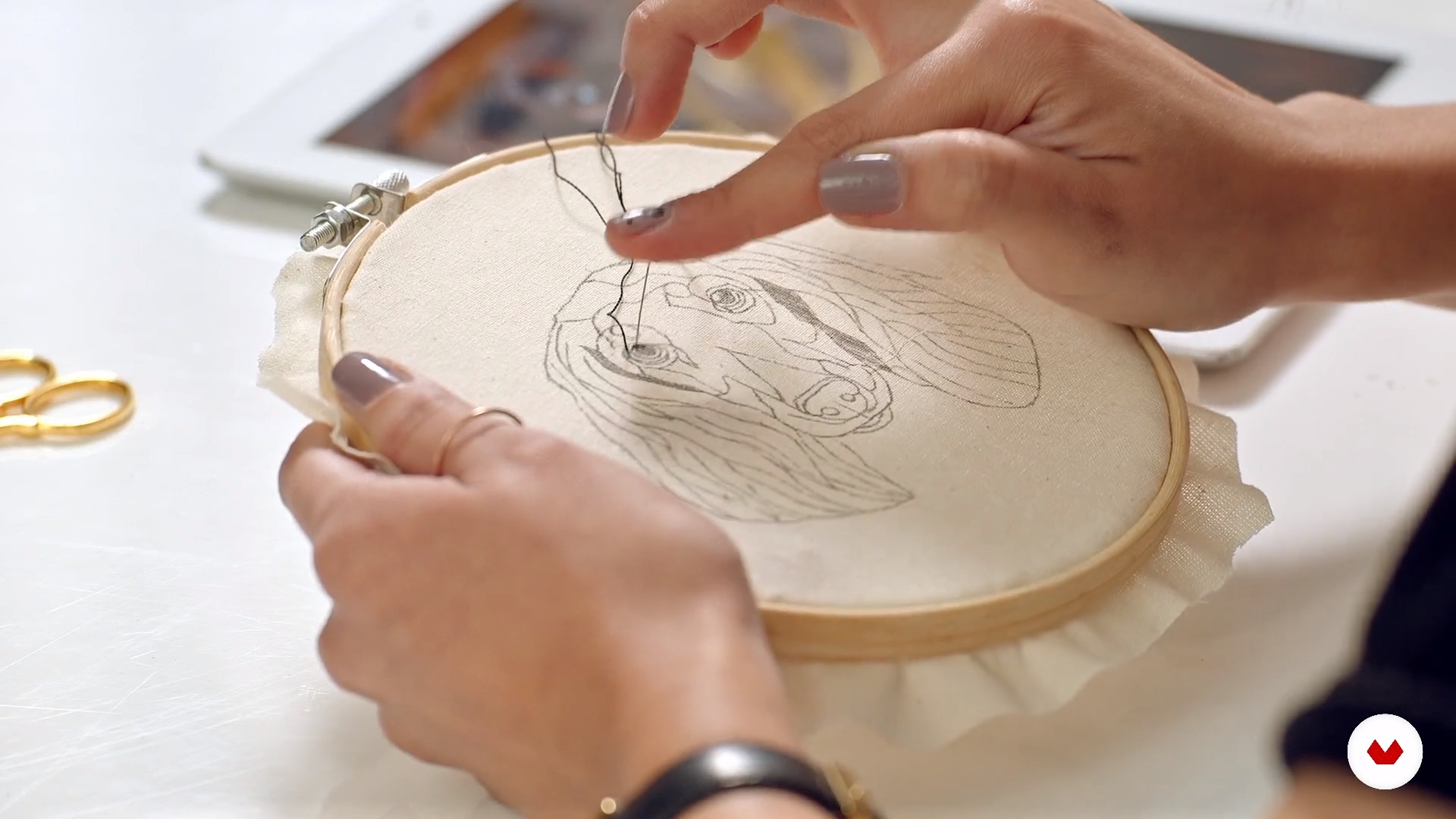
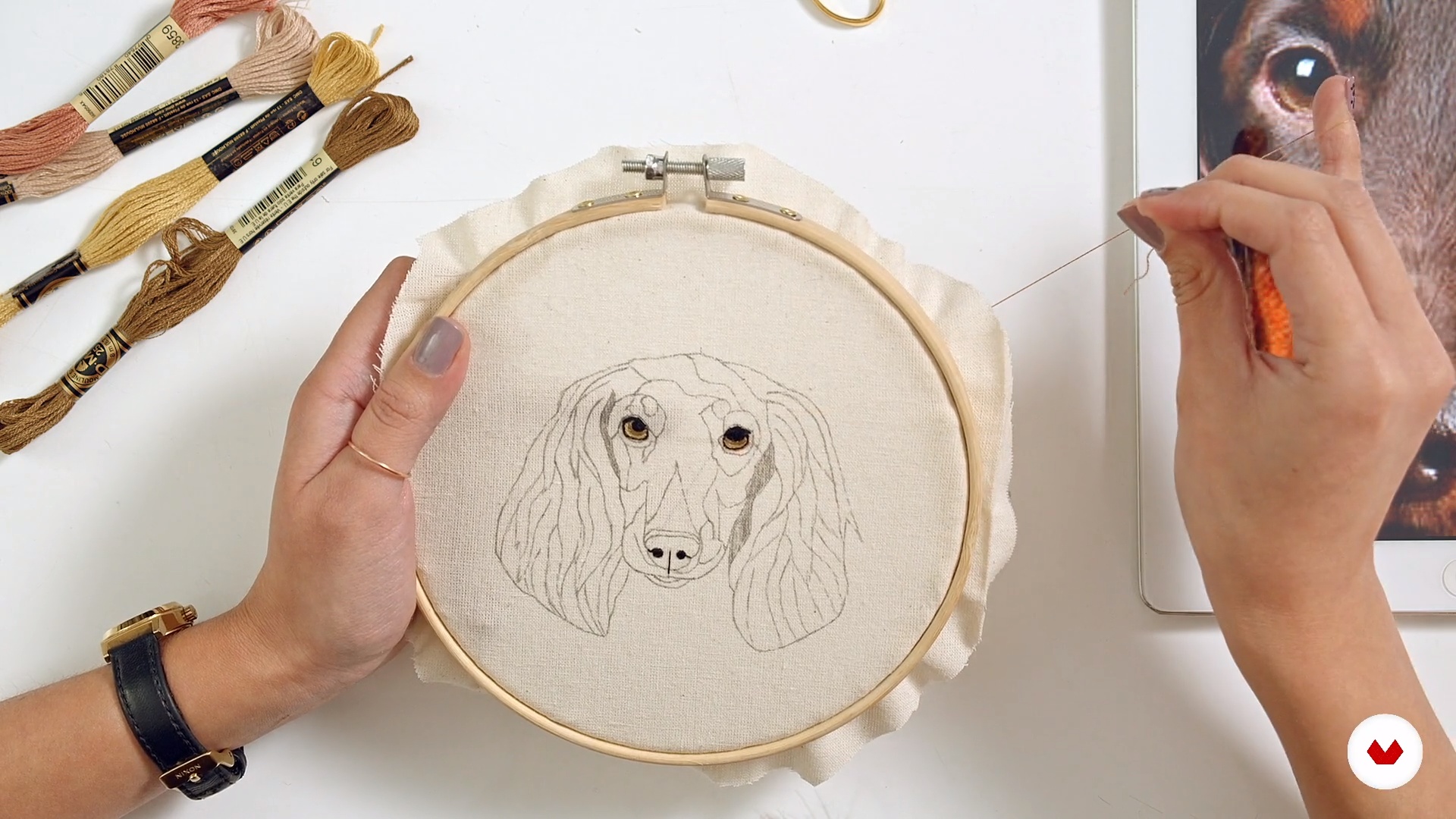
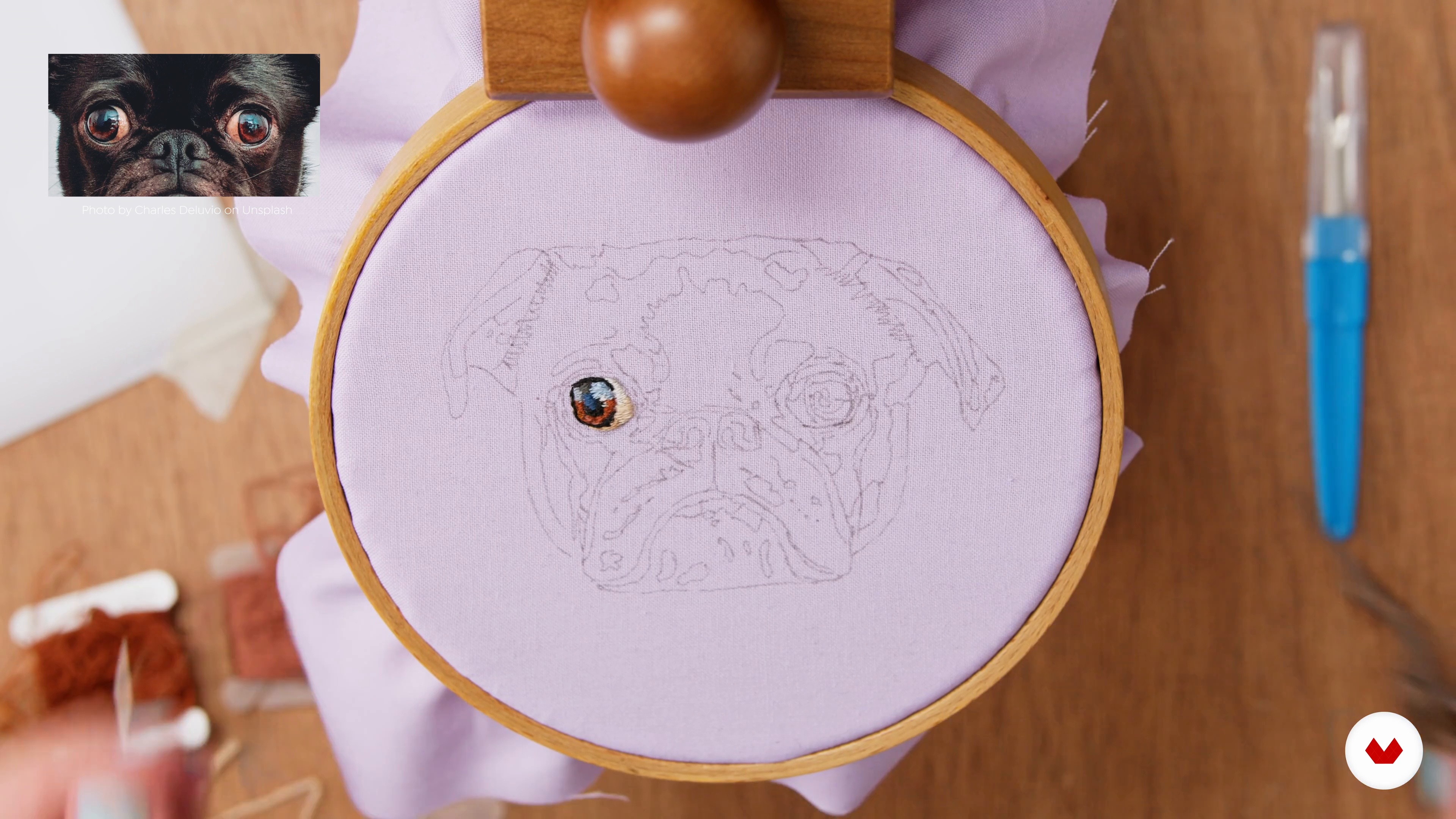
In this lesson, we continue embroidering one of the most characteristic features of an animal; the eyes. By embroidering them, we can capture the essence of our pet, and now we will see how our animal begins to take life.
8m
image
14
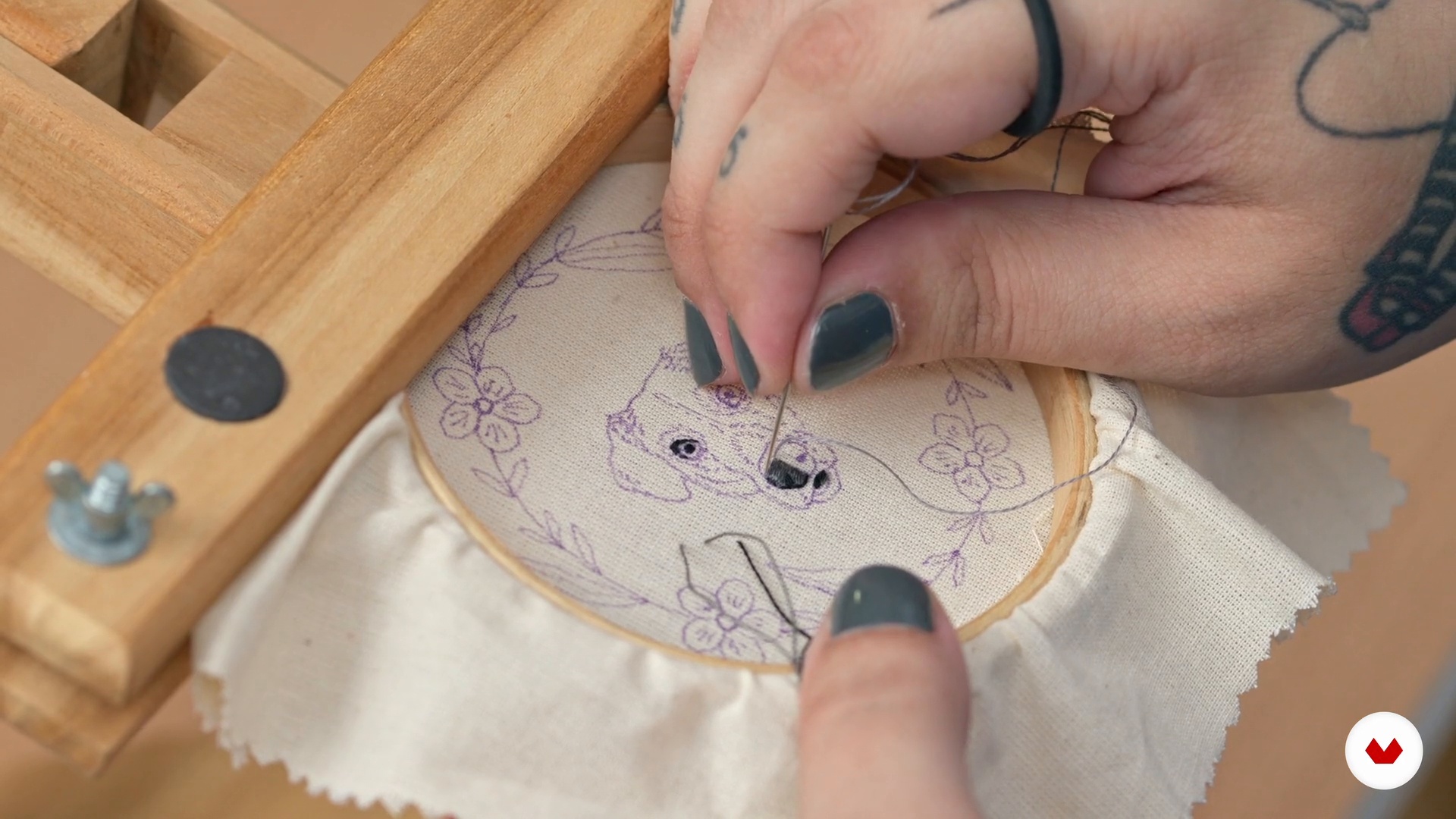
Main features 2: The nose
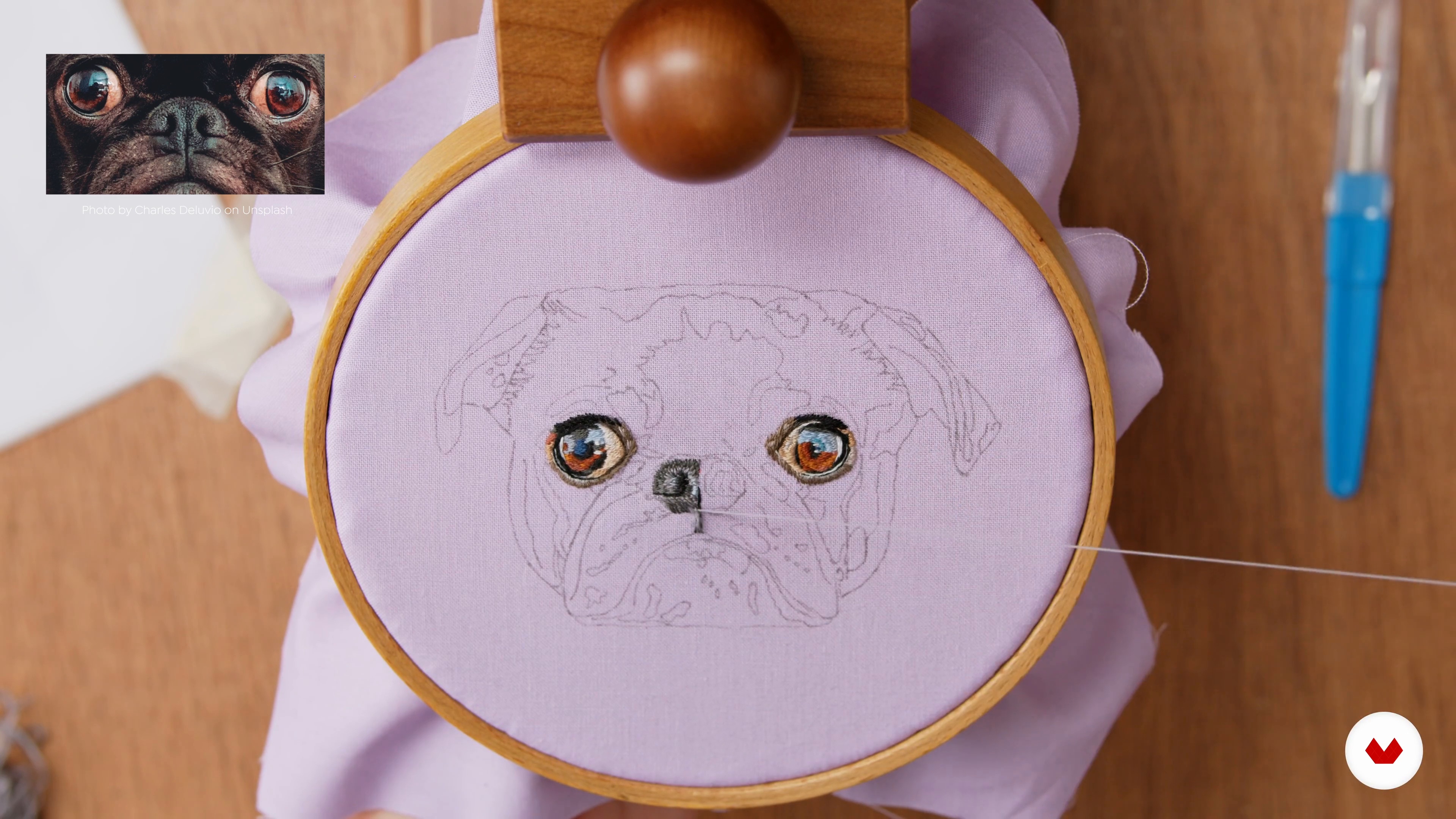
In this lesson, we will continue embroidering the nose, which is another characteristic feature of the pet, and that will also help us define the features of its face.
12m
image
15
The coat, its direction and color mix: Nose
In this lesson, I will teach you to capture every texture of an animal's fur, following different directions according to its features, and then combine color with the stitches.
10m
image
16
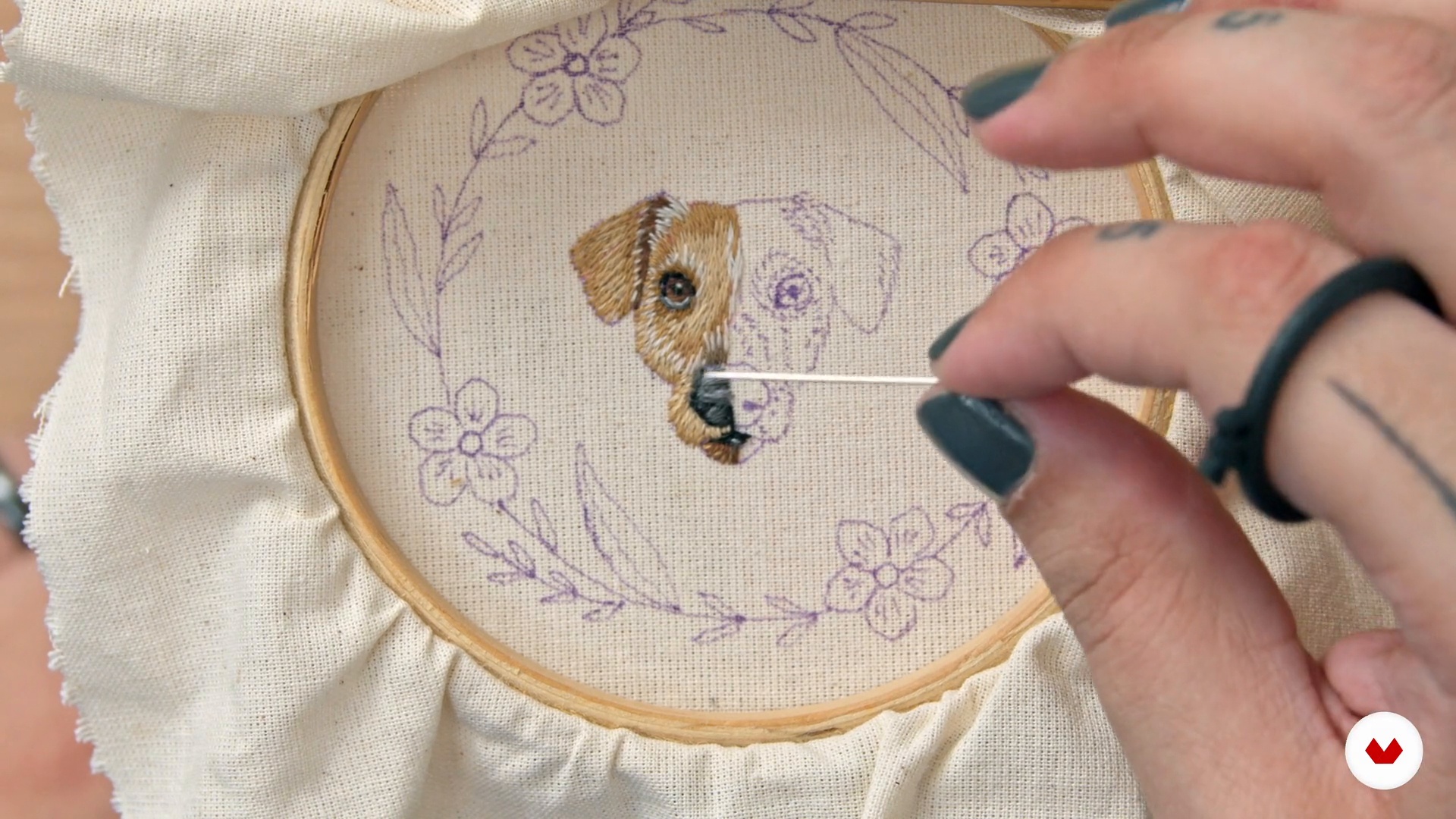
The coat, its direction and color mix: Snout
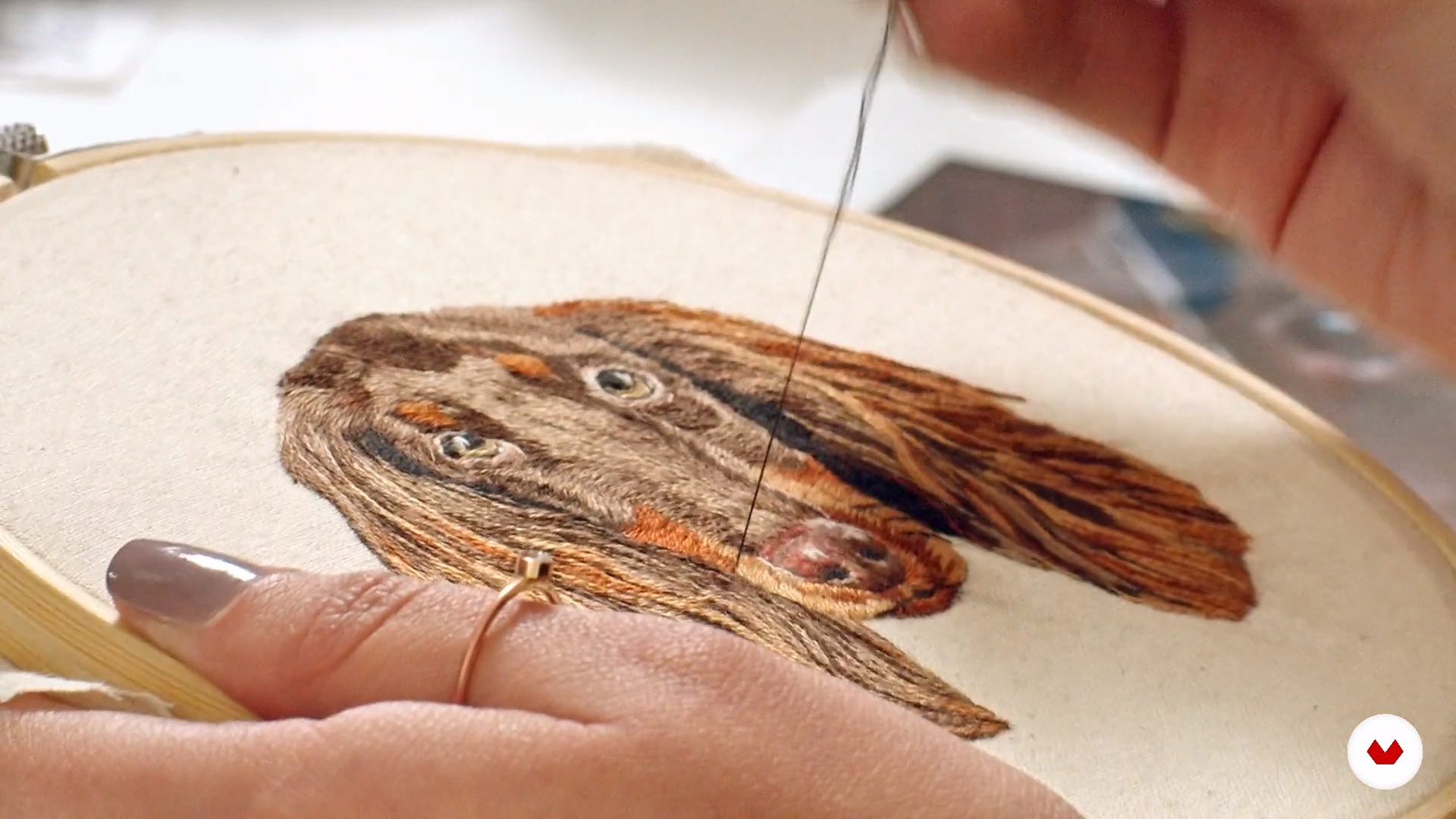
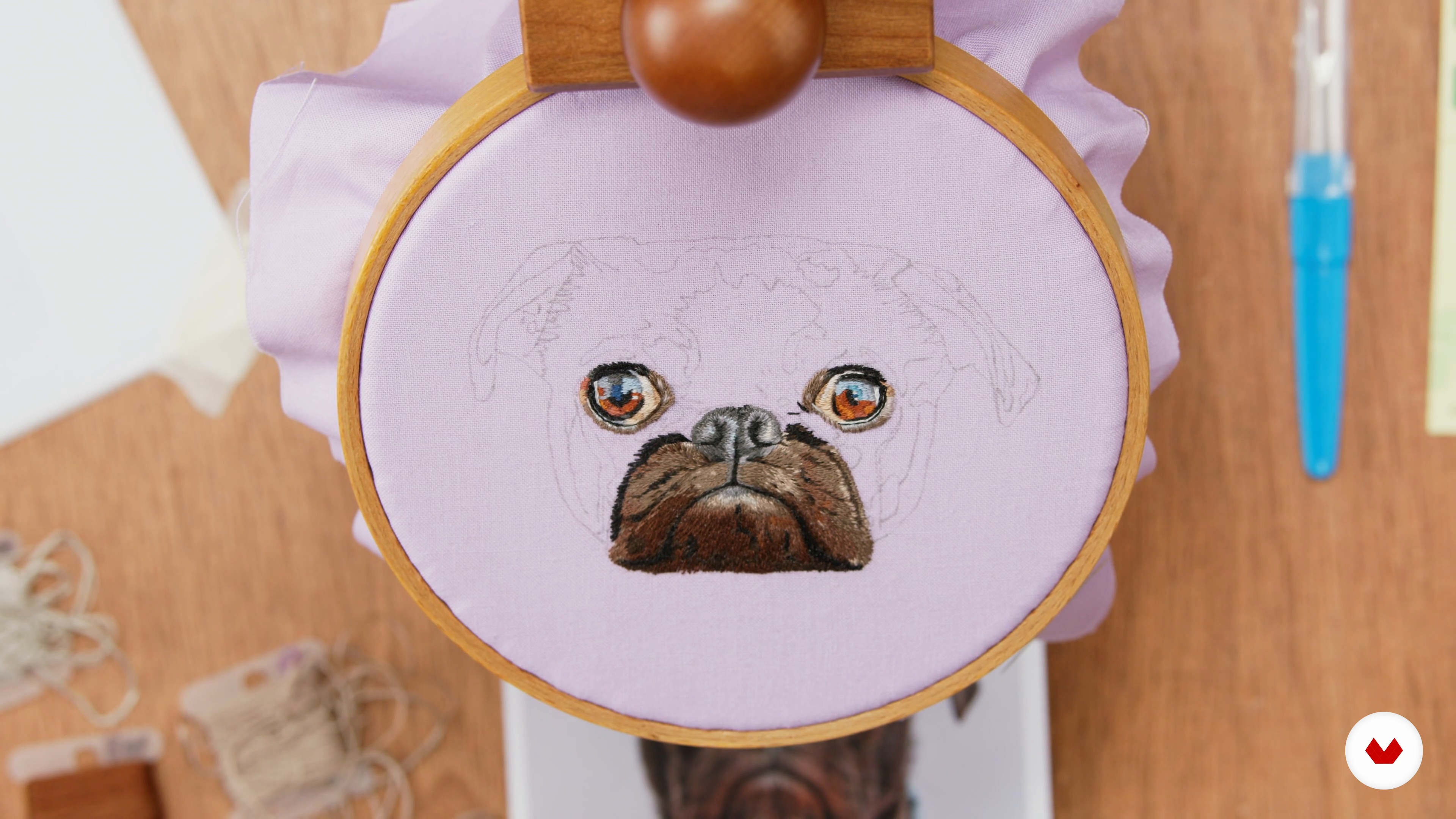
I will show you how to capture each color in layers; detecting our base and predominant color to create a texture with the sense of the stitch.
8m
image
17
The coat, its direction and color mix: Front
In this lesson, I will continue to show you how to embroider the animal's fur, continuing around the eyes and moving towards the forehead and the other remaining parts.
15m
image
18
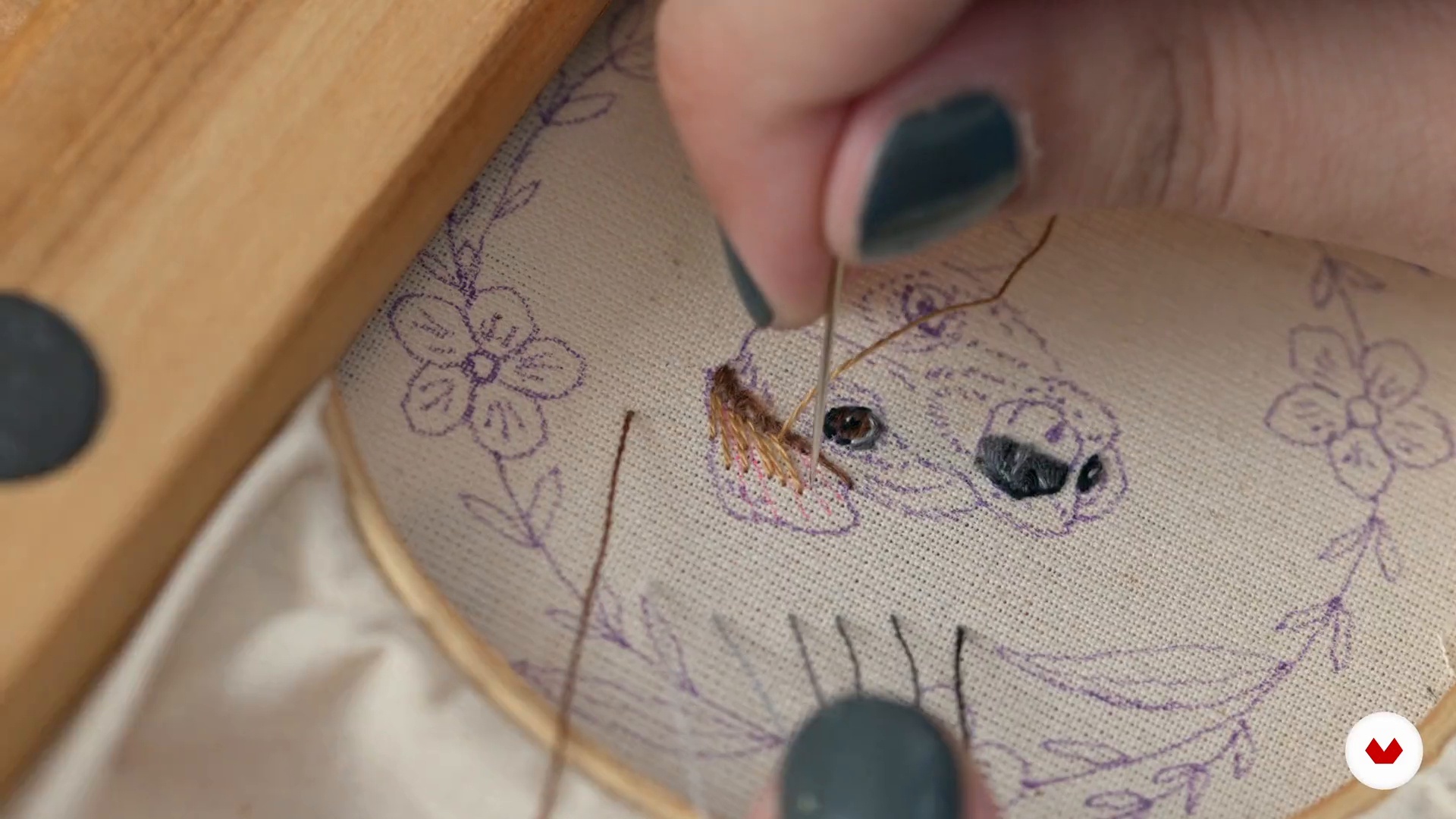
Ears and curves
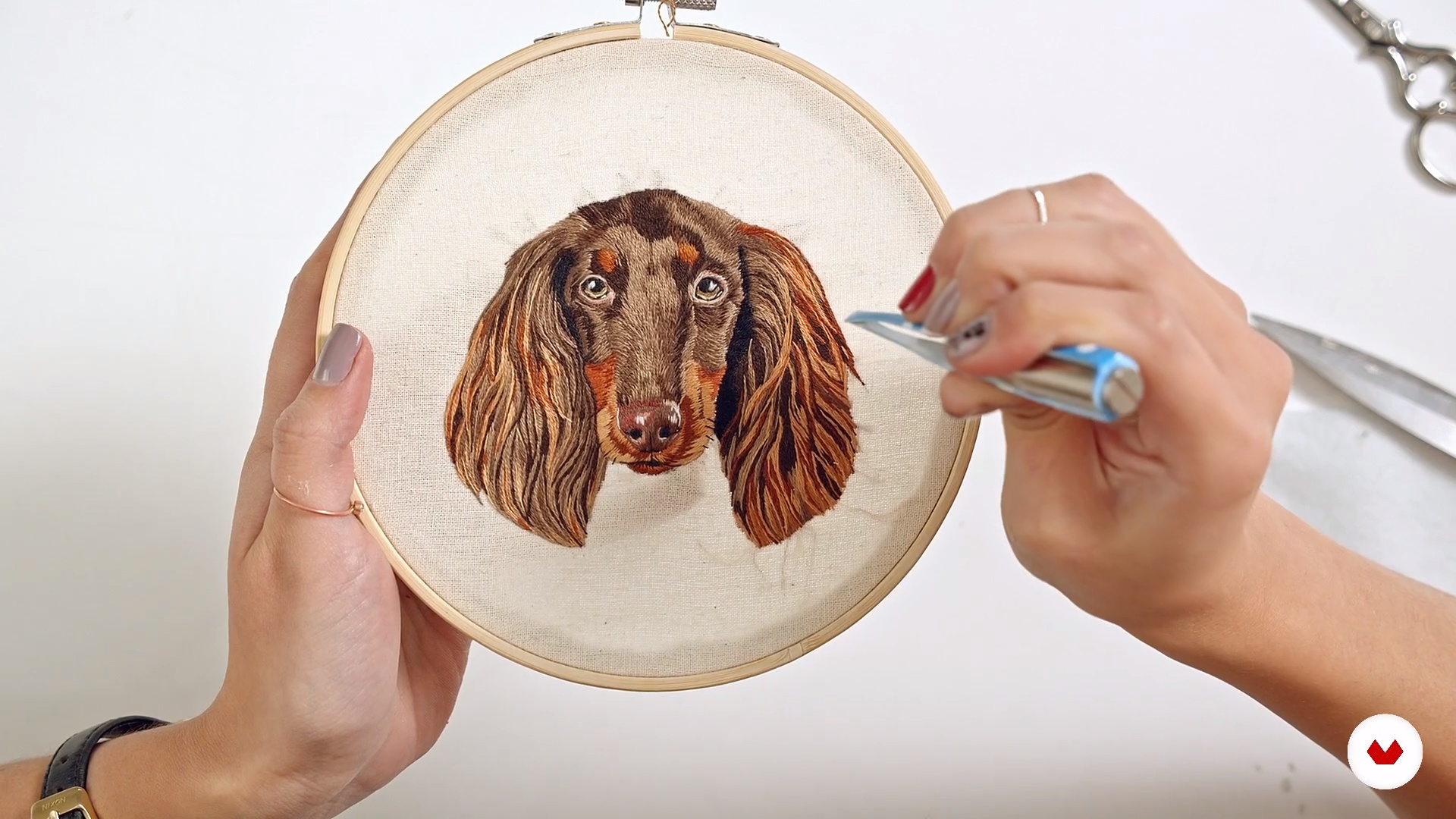
I will teach you to embroider the fur of the ears, and how to generate the curves that the fur of each animal generally presents in this area.
12m
image
19
Whiskers
In this lesson, I will show you how to make the mustaches, which is the last step to end the pet's face embroidery.
5m
image
20
How to close our part in the frame
In this lesson, I will show you two ways to close your embroidery piece, explaining its advantages and disadvantages.
5m
image
3
Materials
Before we begin, let's discuss the tools and materials you will need in order to produce your embroidered pet portrait.
8m
image
4
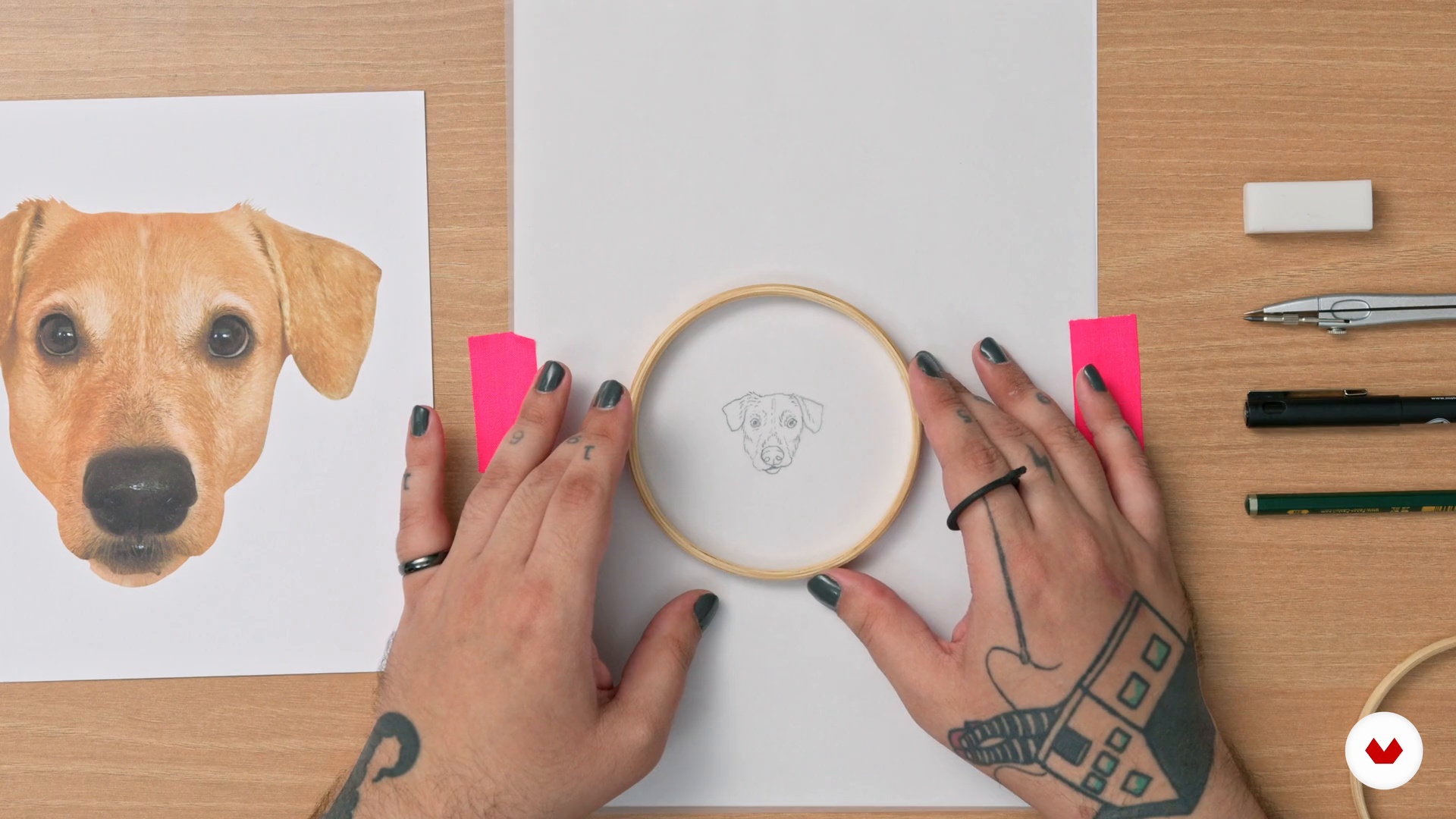
Choosing the Right Photo
In this lesson, you will learn how to select the photo and—should the opportunity arise—how to take it.
7m
image
5
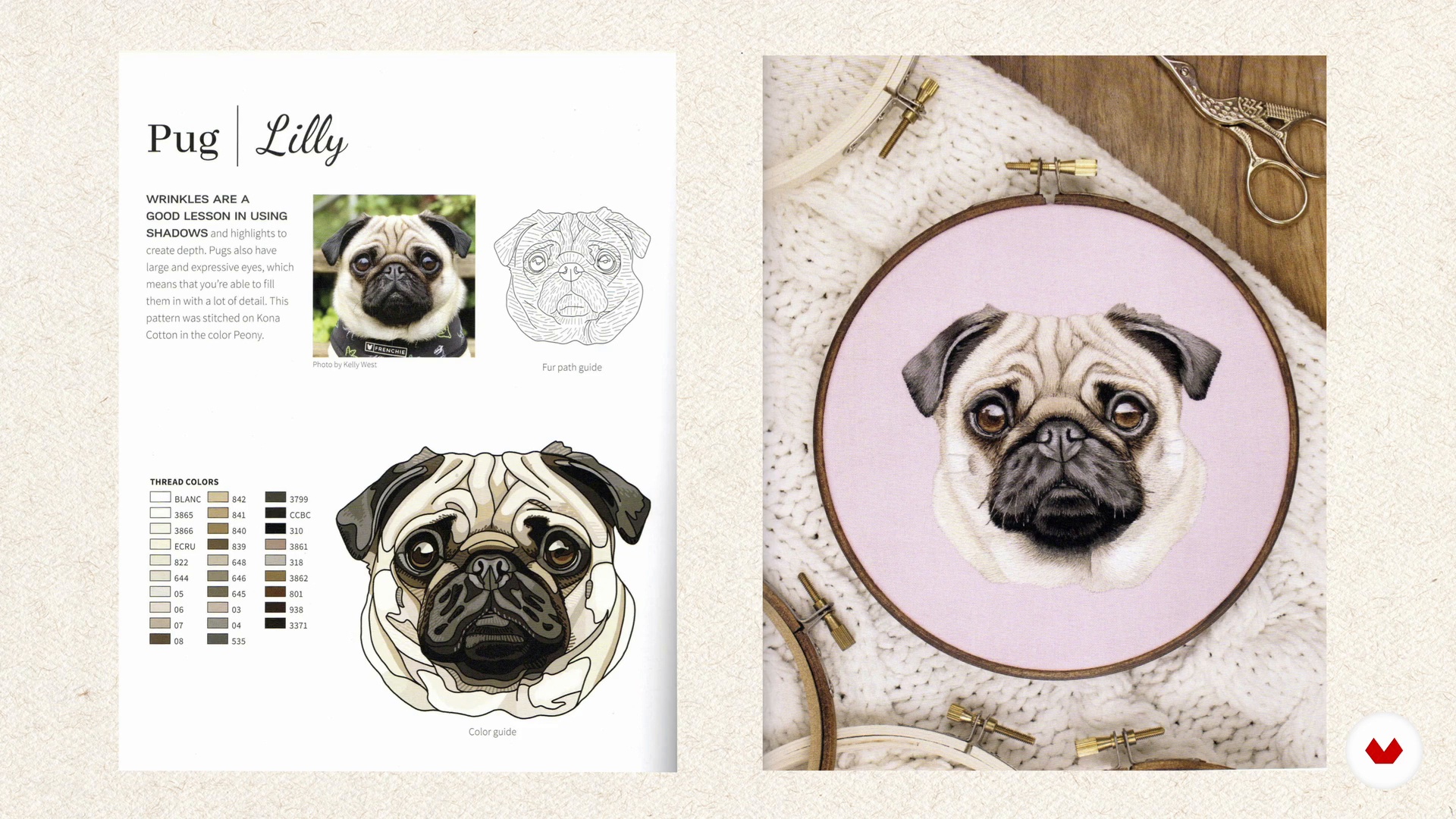
The Movement of Fur and Layers
Understanding the movement of the fur is a very important step in the creative process. Not only will it allow you to know the length of the stitches, but also their direction. In this lesson, you will learn how to make an arrows scheme from the reference photo and identify the layers on which the pet will be embroidered.
10m
image
6
Color Selection: Threads and Background Fabric
A good selection of threads and fabric colors will make a huge difference to your piece! Here I’ll give you some tips on how to achieve this.
13m
image
7
Preparing the Hoop
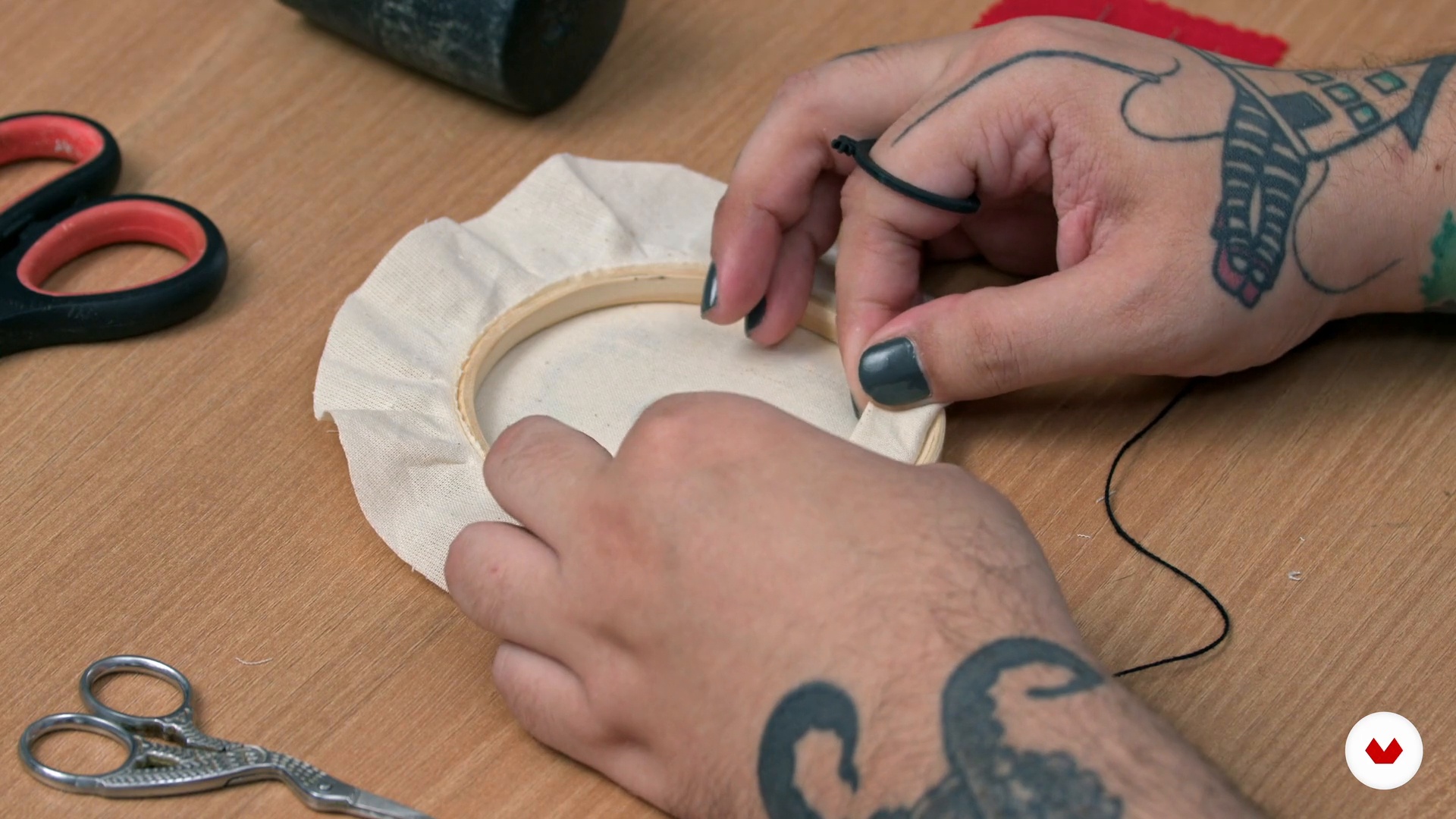
In this lesson, you’ll learn how to take care of your hoop and prepare it for the embroidery process. I will also show you different stands and hoop holders.
7m
image
8
Transferring the Pattern
Here I will show you how to transfer your pattern to cotton fabric.
6m
image
9
A Very Furry Sampler 1
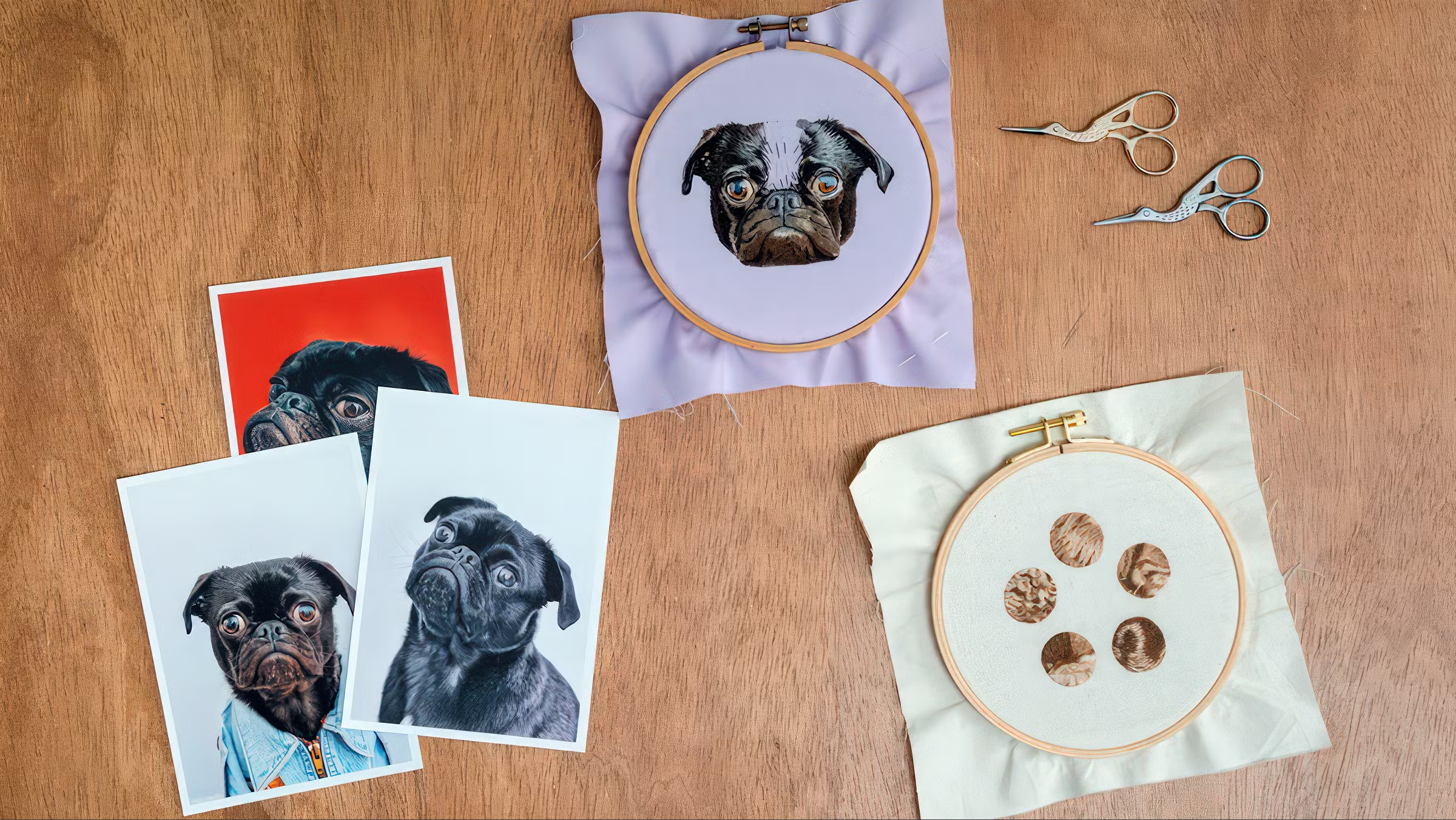
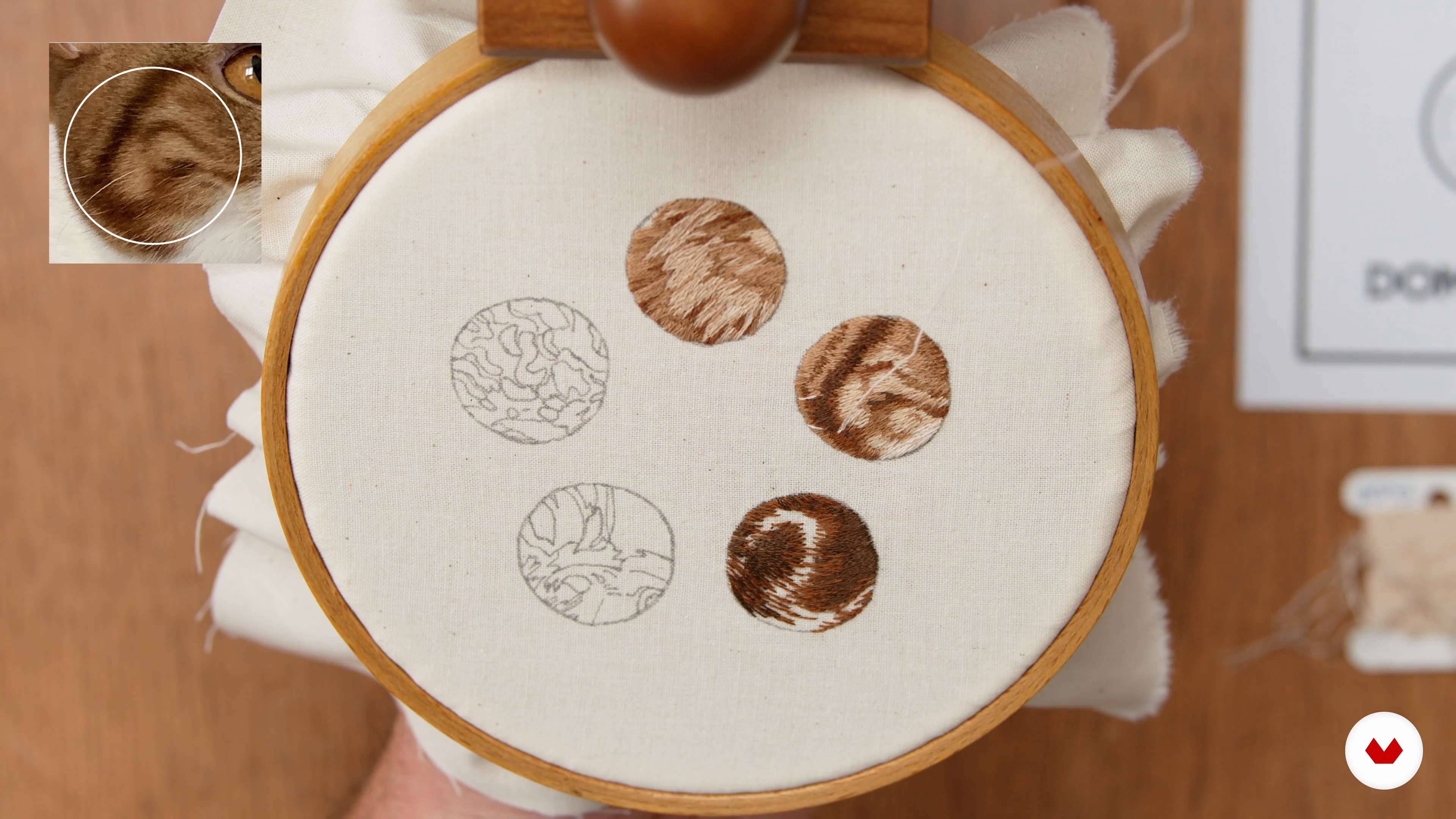
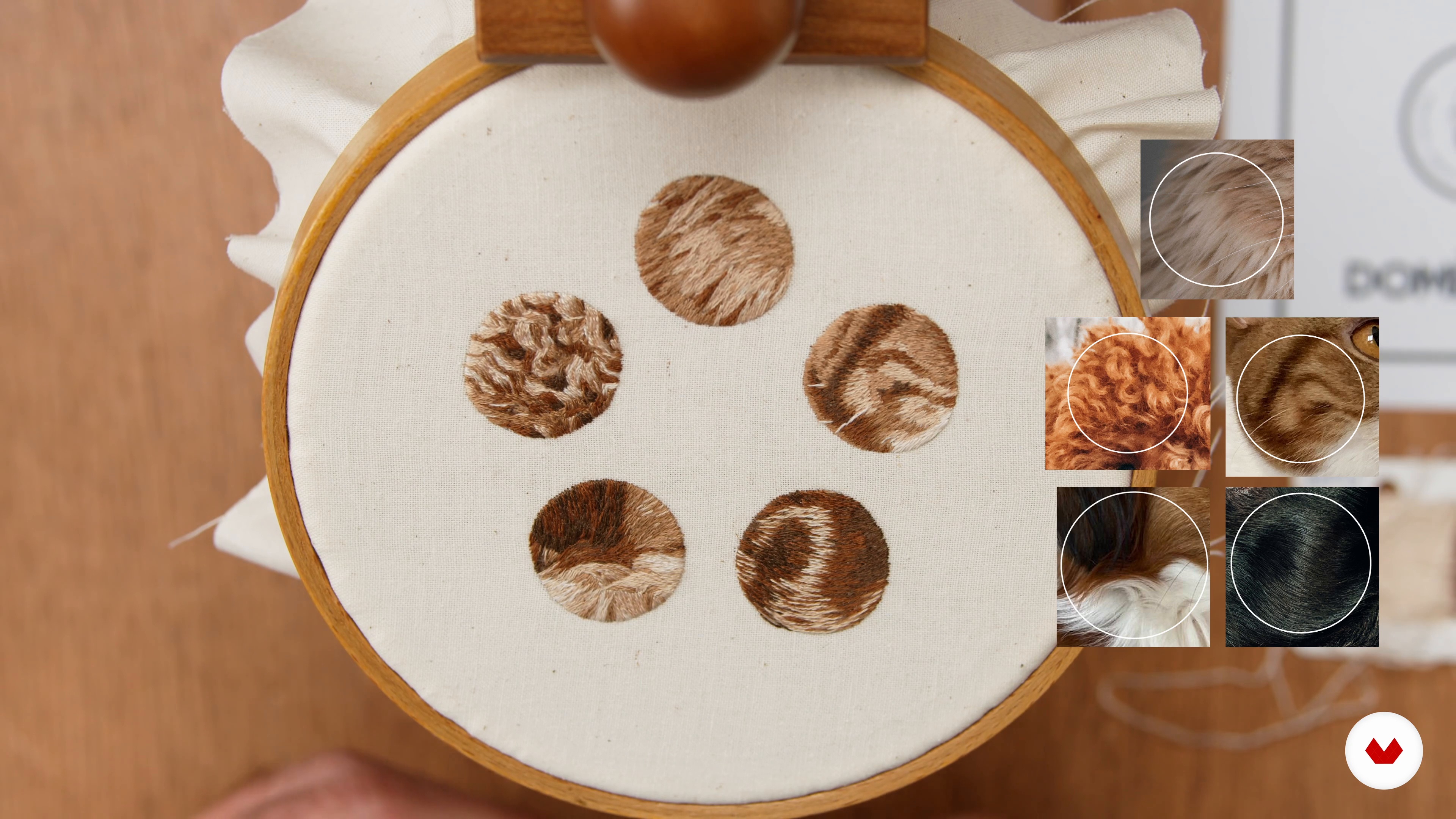
With the hoop prepared and your patterns transferred, it's time to embroider the different types of fur and create your first fur sampler. In this lesson, I will model how to stitch six different types of fur extracted from reference photos, starting with Ollie the long-haired cat. You will see how I translate the photos into stitches, from the bottom layer to the top.
20m
image
10
A Very Furry Sampler 2
Here I will continue embroidering the short-haired cat. You will learn tips and tricks to achieve a blended look—a challenge when the stitches are so small! Once I'm happy with the second sampler, I will move on to the third: the glossy, black-haired pug.
17m
image
11
A Very Furry Sampler 3
To end this lesson, I will conclude with the last two samplers: the border collie and the miniature poodle.
20m
image
12
Tracing
First, I will show you how to trace the pet and transfer it to the fabric.
12m
image
13
Embroidering the Eyes and Nose 1
Needles to work! Here you will learn how to represent the pet's eyes and nose with threads.
19m
image
14
Embroidering the Eyes and Nose 2
With one eye stitched, I will now demonstrate how to complete the second eye and the nose.
18m
image
15
Embroidering the Snout 1
Fur fur fur! It's time to embroider some hair!
14m
image
16
Embroidering the Snout 2
Now that I've completed the bottom layers of the lower lip, the next step is the upper lip. By the end, once the gaps have been filled, the pet will have a perfect snout.
9m
image
17
Embroidering the Ears, Jaw, and Forehead 1
Let's carry on with the embroidery process! It's time to progress to the ears, jaw, and forehead. In my case, I will start with the ears, as they fall behind the face. You will need to make an informed judgment about your own piece—knowing what to start with is a very important aspect of building the layers and staying true to your reference photo.
20m
image
18
Embroidering the Ears, Jaw, and Forehead 2
In the second part of this lesson, I will stitch the jaw and the forehead respecting the direction of the fur movement. You will see how to effectively merge colors.
19m
image
19
Embroidering the Ears, Jaw, and Forehead 3
This lesson will see the embroidery come to life! I will fill in the final areas of the dog, paying special attention to the light and shadows.
17m
image
20
Isolated Hairs and Whiskers
We're almost there! Next, I will show you how to embroider the pet's whiskers to finish your embroidery.
8m
image
21
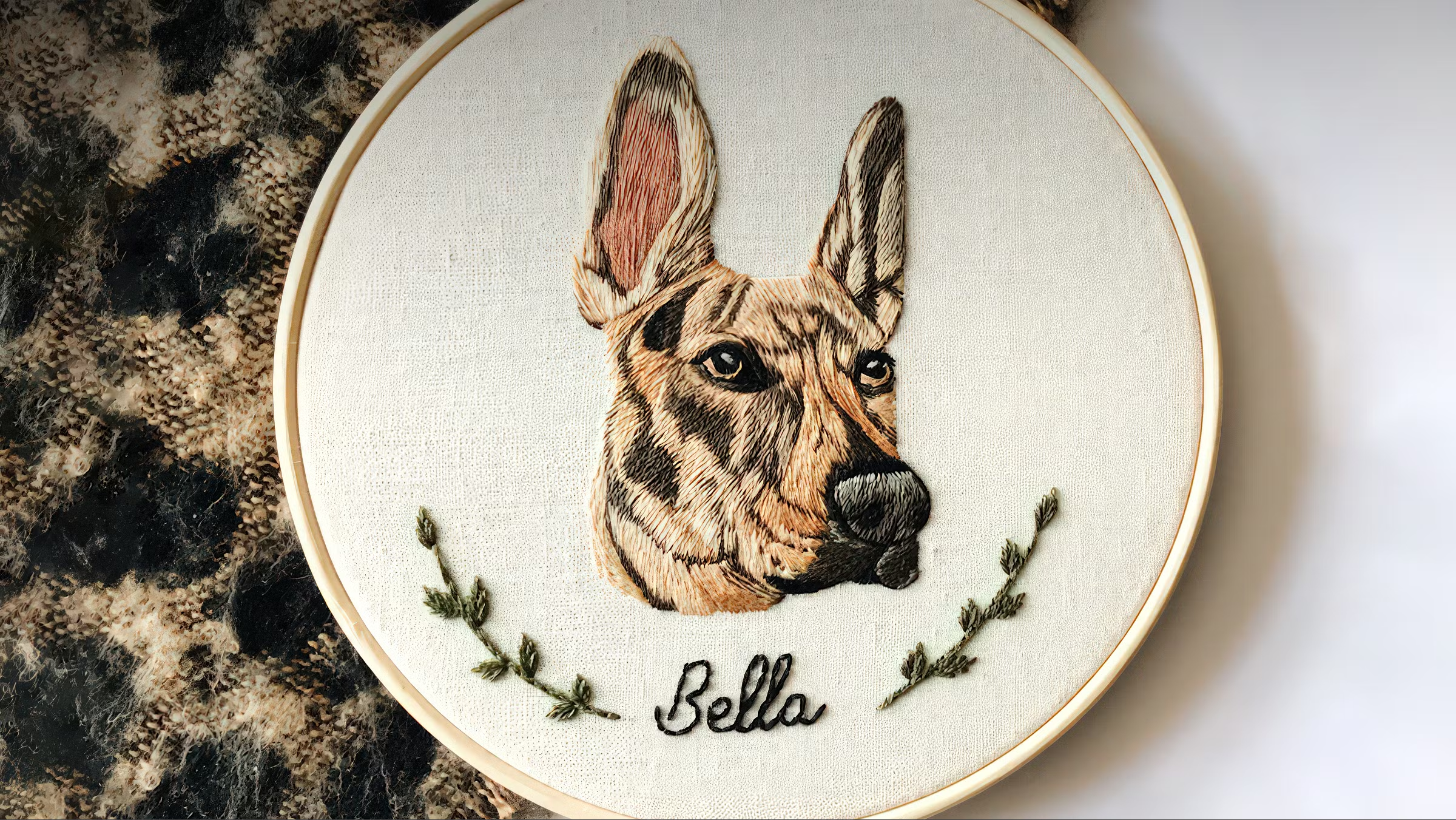
Adding Names
If you like, you can write something to add character to your embroidery: a name, a date, a message, or a famous quote. In this lesson, I will show you different types of fonts and how to embroider them with two very simple stitches.
11m
image
22
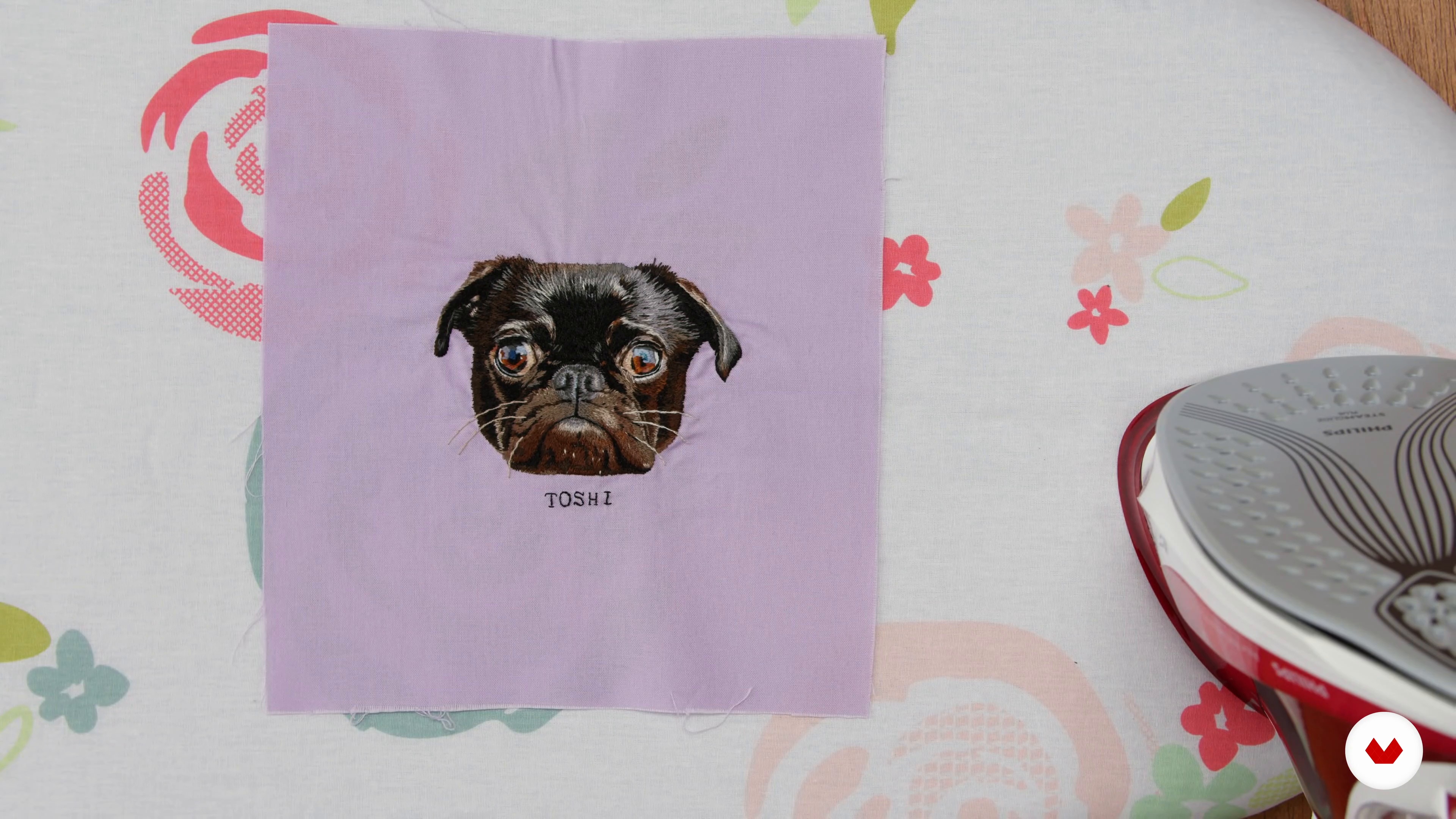
Cleaning, Washing, and Ironing the Embroidery
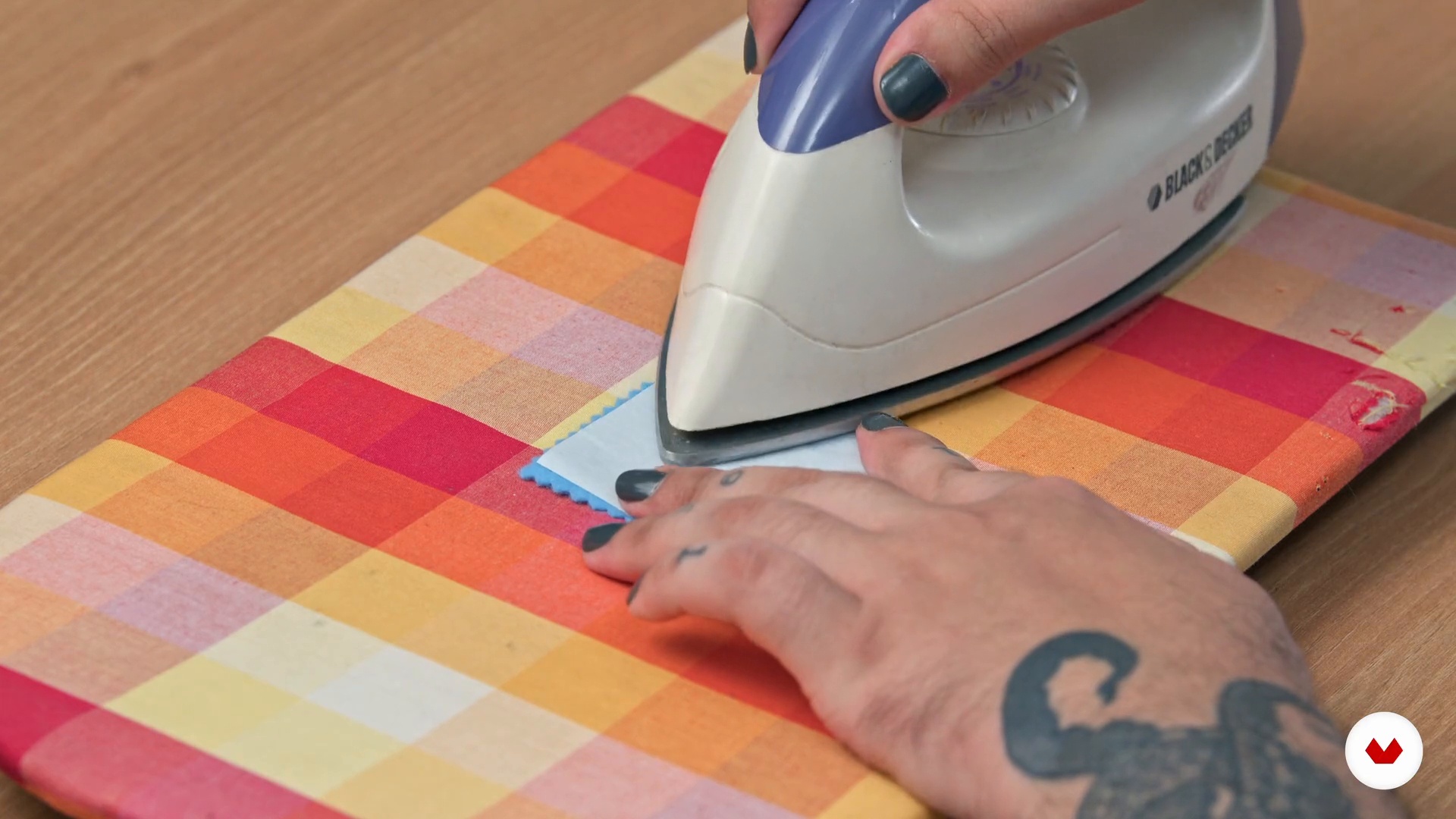
Cleaning, washing, and ironing is a very important part of finishing the embroidery. Here I will give you some key tips so that everything turns out perfect.
10m
image
23
Finishing the Hoop
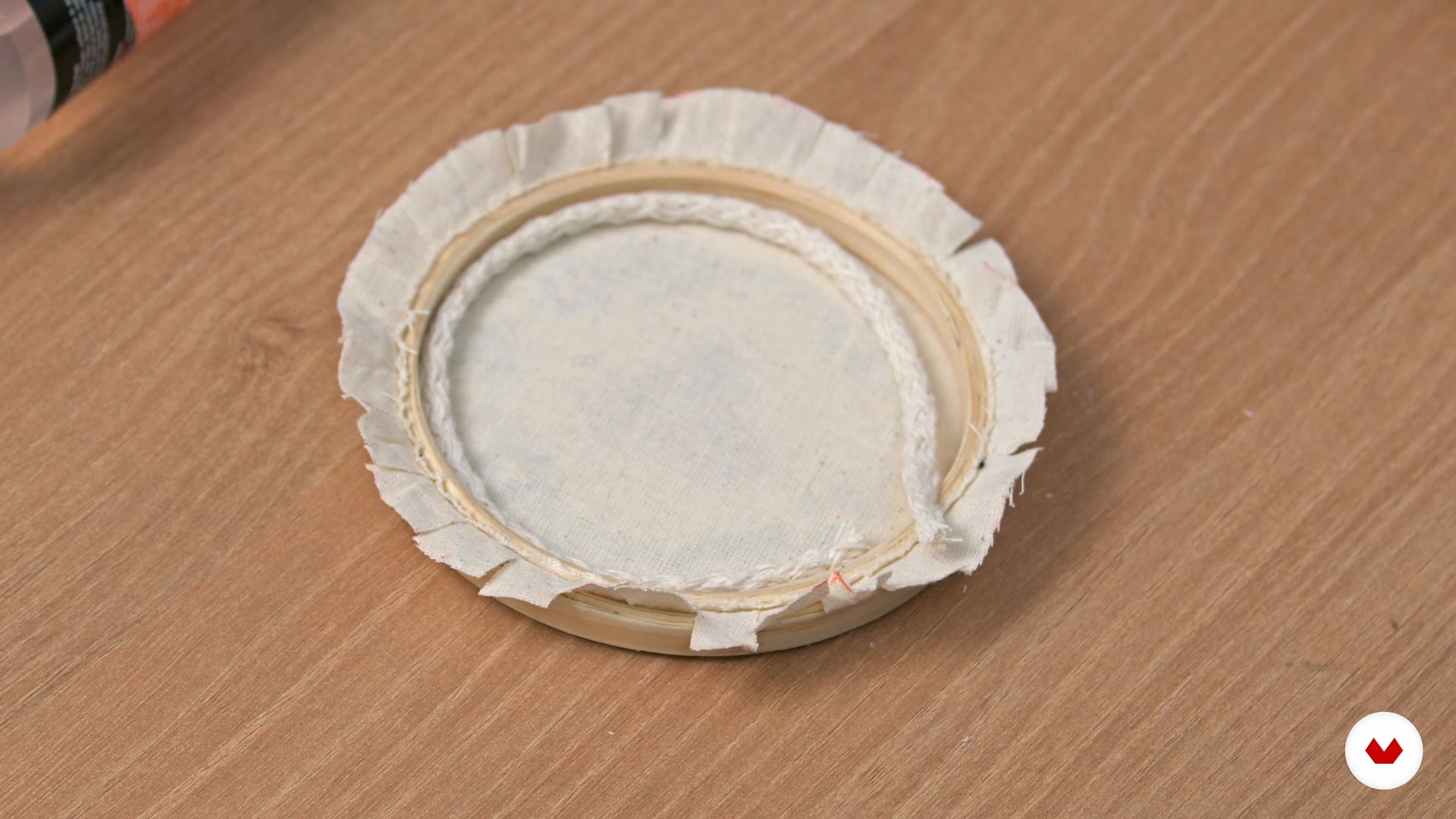
Finishing my embroidery fills me with emotion. I hope the same goes for you too! To end this unit, you will learn how to complete your piece in a non-permanent way.
14m
image
4
Plan the route
In this lesson I am going to tell you what we must analyze before starting to make a doll. It is important to look at the model from the inside out and define what style we want to achieve.
8m
image
5
Wool and techniques 1
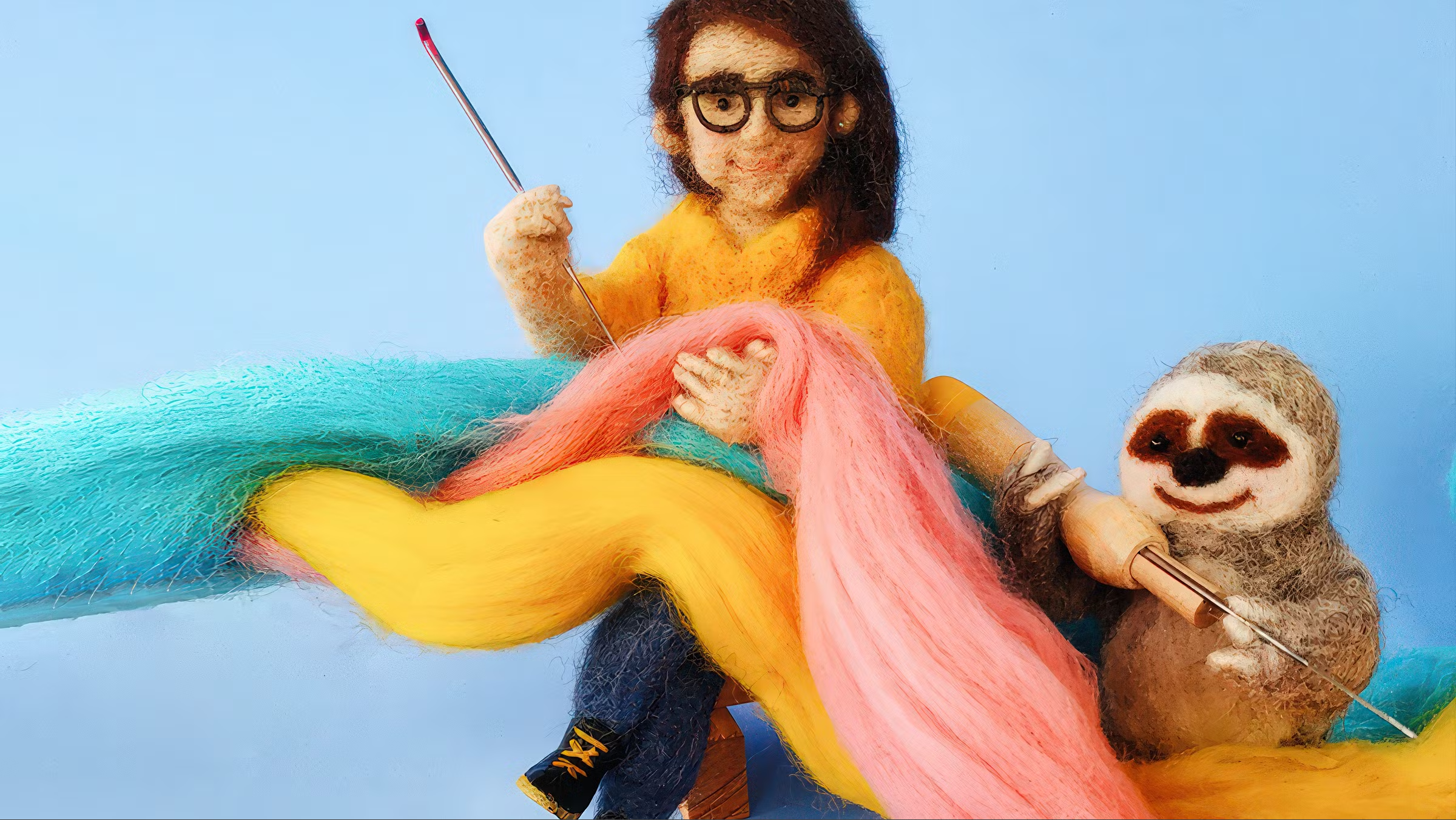
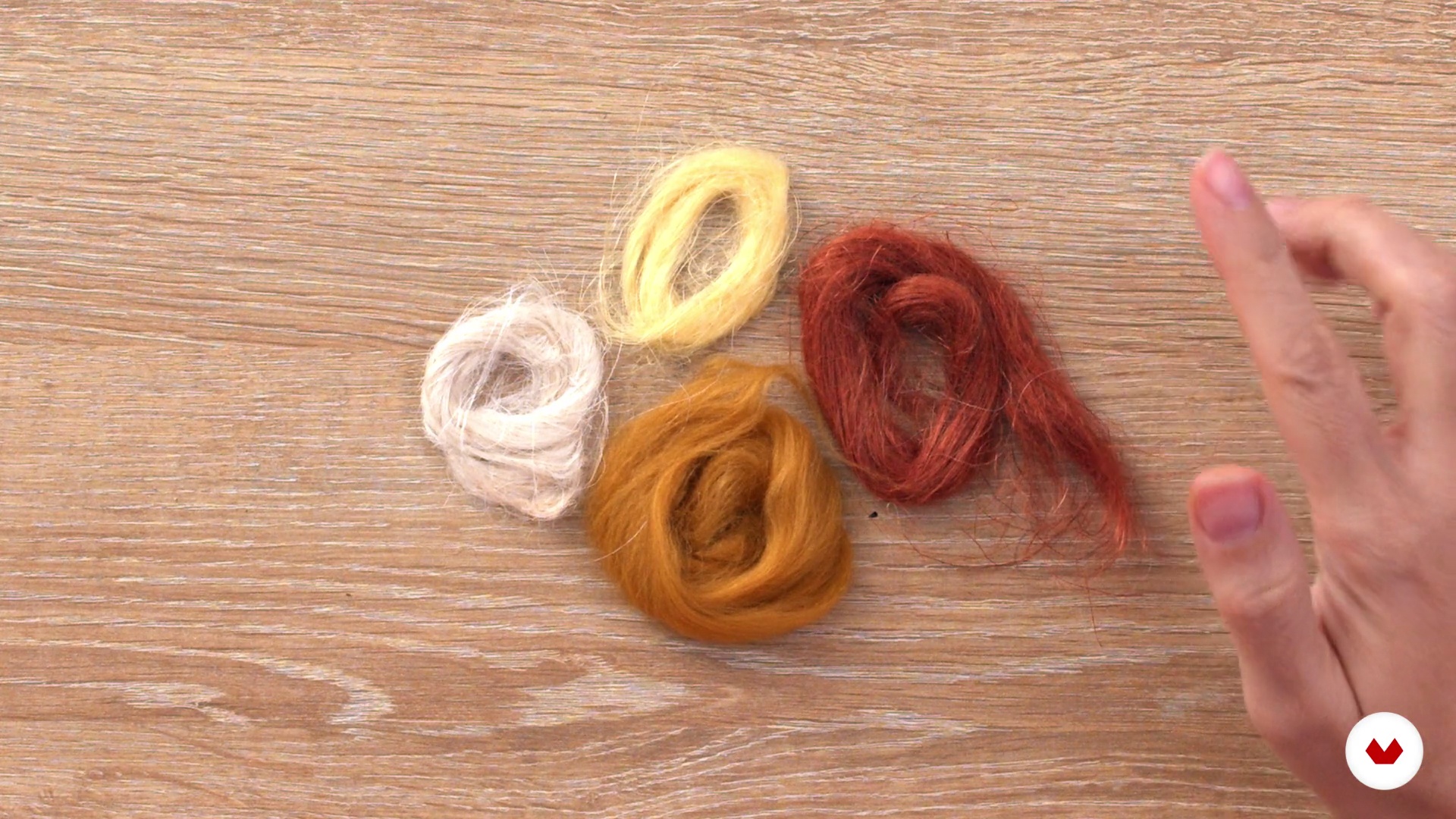
Here I am going to take a brief tour of the wool extraction process: the key material of the needle felting technique. For me it is important to let you know this because if we know the material from its origin, we learn to respect, know and understand it.
14m
image
6
Wool and techniques 2
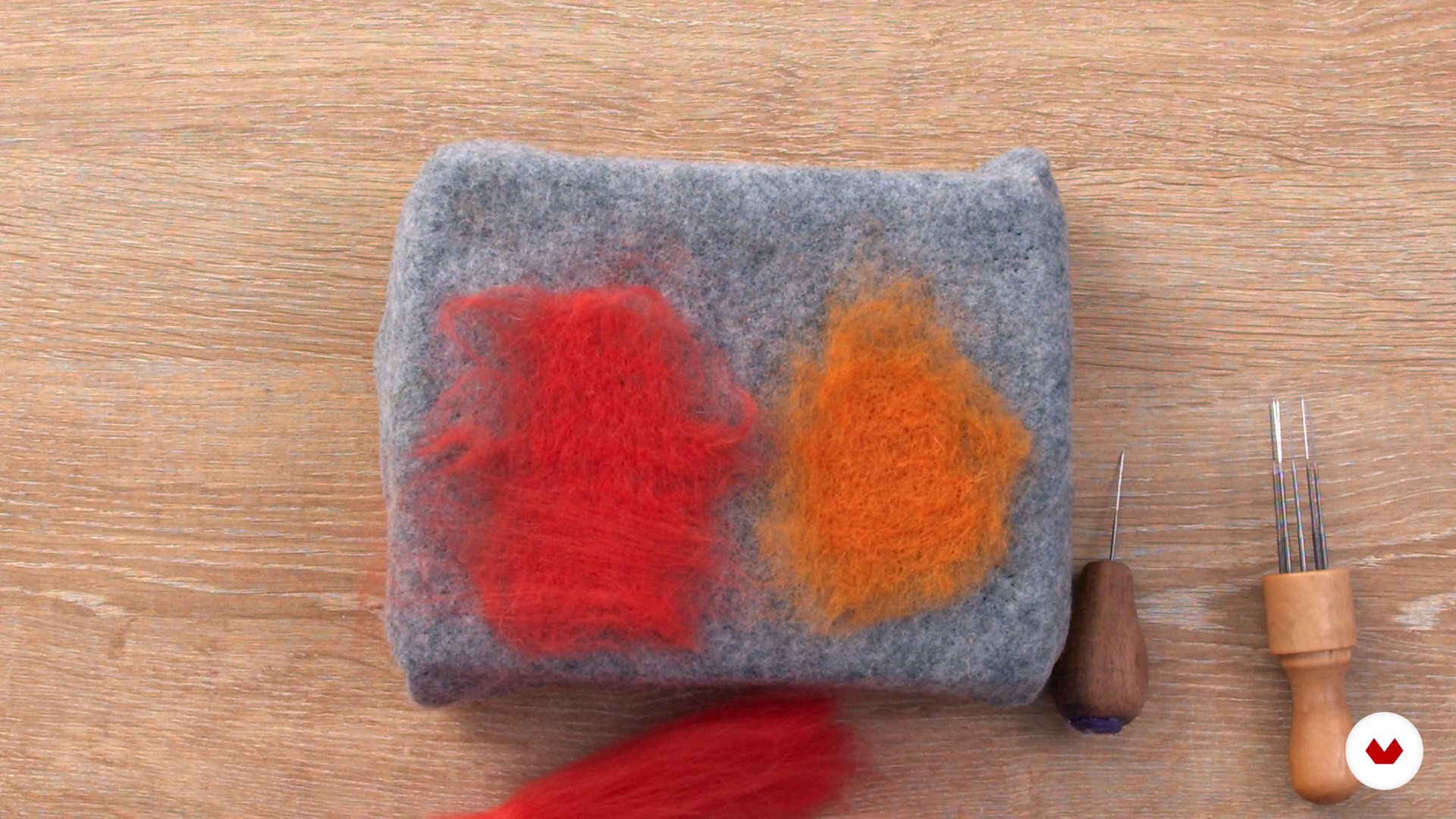
In this part I will concentrate on explaining the felting technique to you. I'm going to show you the difference between traditional felting and the one I do, a softer one that achieves structure but is also tender. I invite you to see it.
13m
image
7
Tools and materials
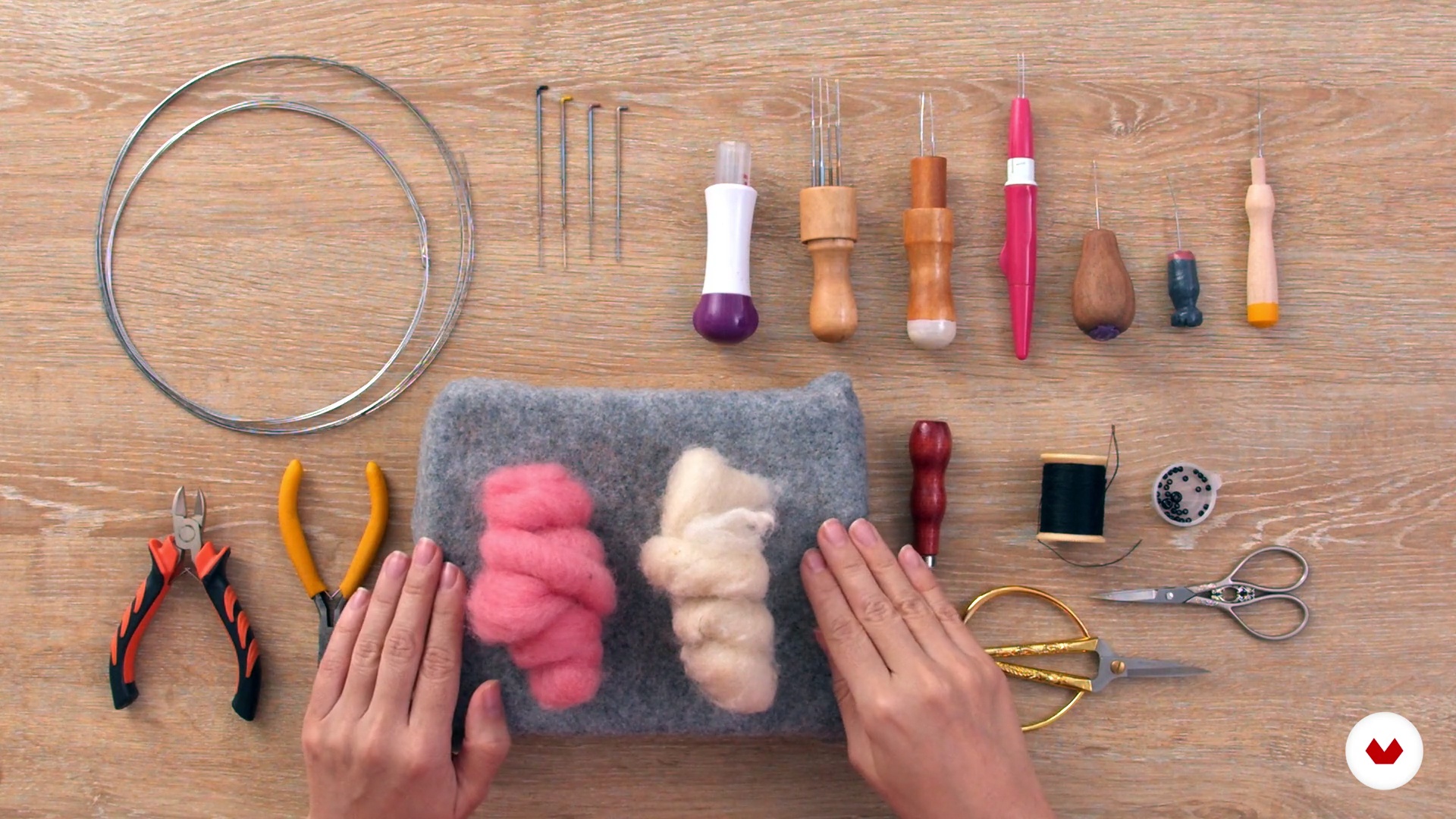
In this lesson I will talk about the materials we will use and explain the differences between needles and ropes.
9m
image
8
To move the skeleton and give the doll soul 1
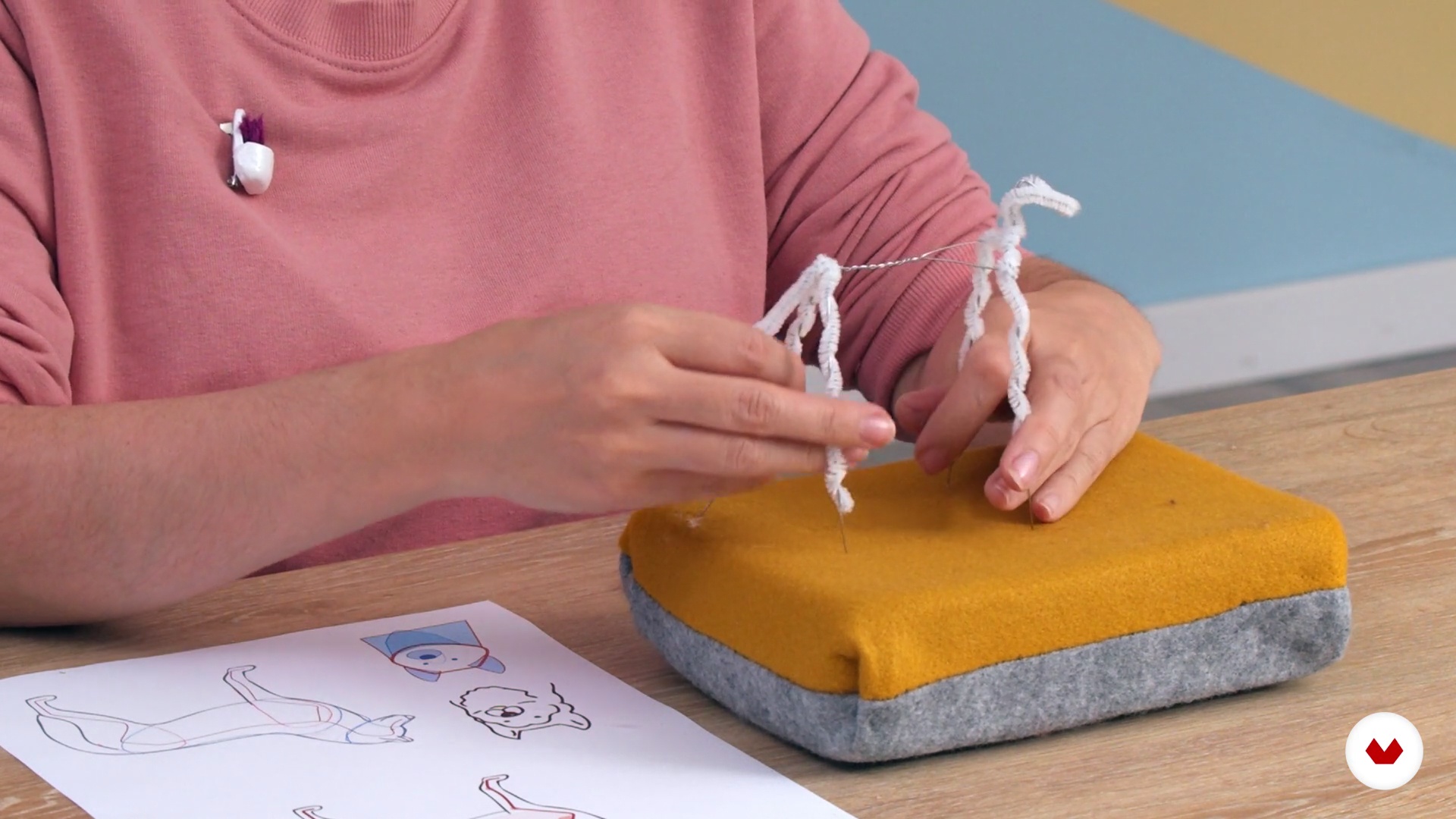
Once our route is chosen we will start with fuel. In this phase we will begin to build our animal taking as a guide the scheme that we proposed previously. We will start by shaping the skeleton with sweet wire and shillings.
13m
image
9
To move the skeleton and give the doll soul 2
In this part we will continue with the soul of the doll, its filling.
12m
image
10
Felt limbs
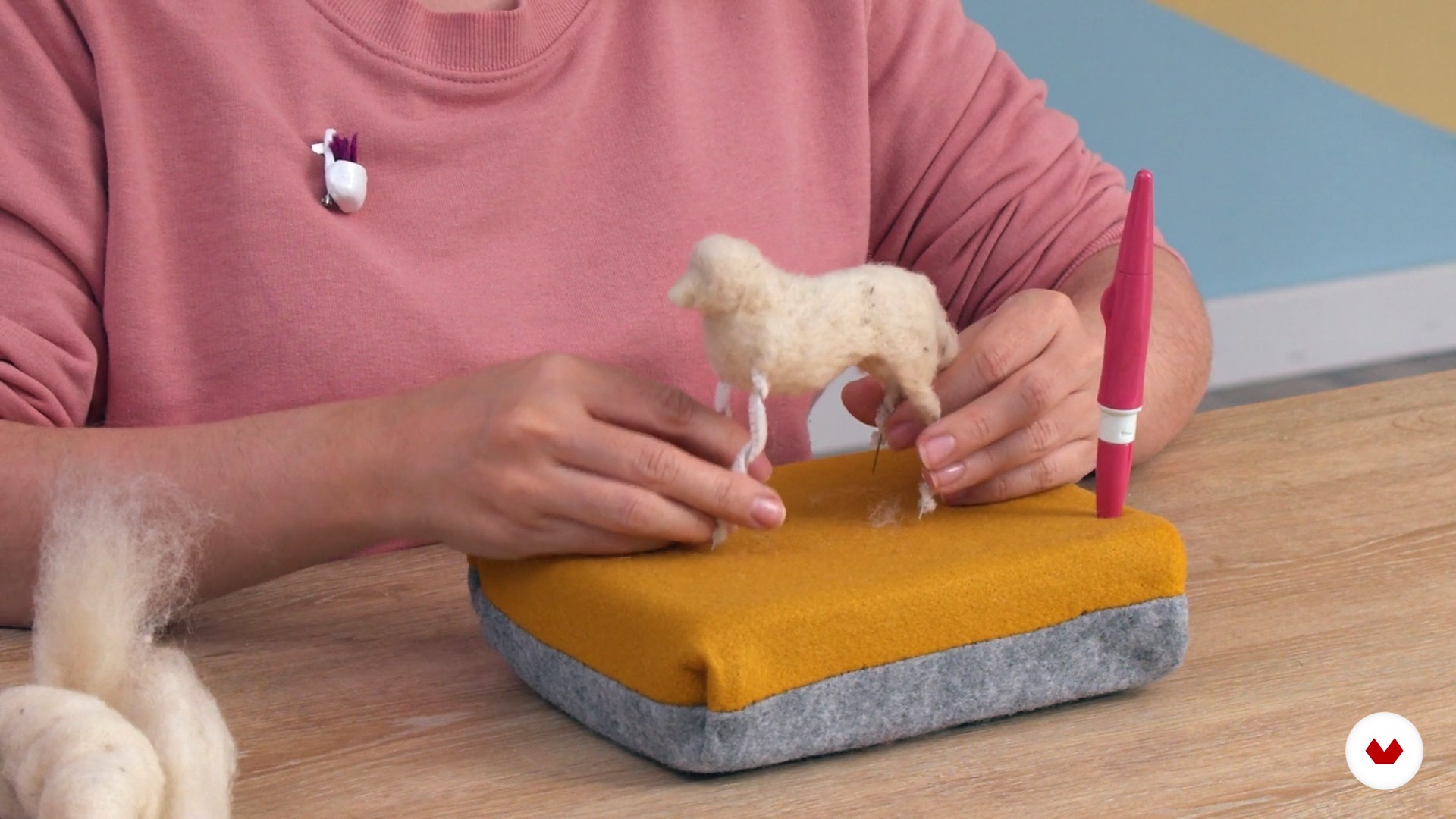
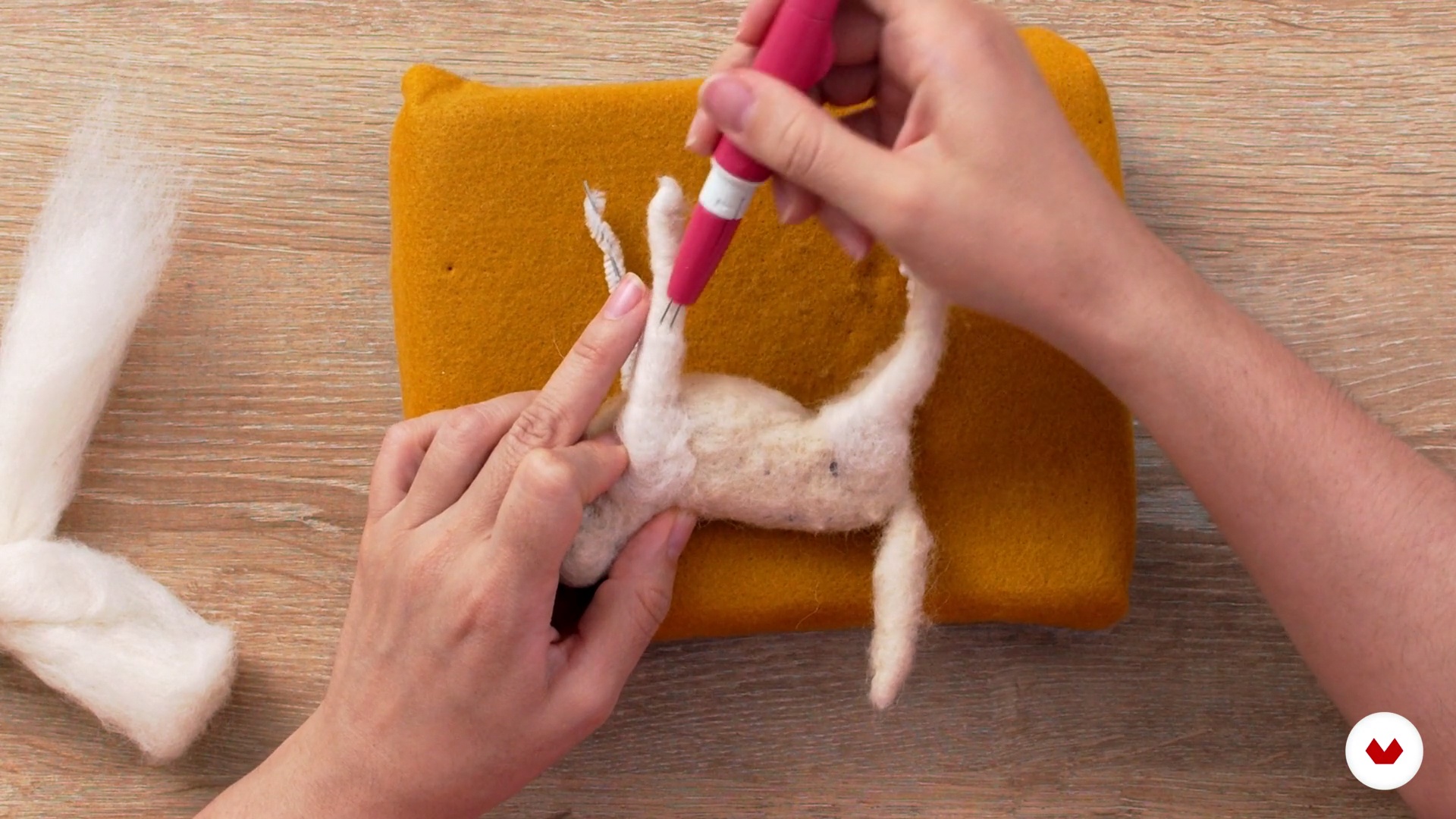
After giving soul to our doll, we will start to give it life by simulating the muscles and tendons in the legs with wool from the color palette of our choice. Correctly felting the limbs is very important, taking care of the proportions of our dolls must be a priority for the quality of what we do.
11m
image
11
The skin that inhabits
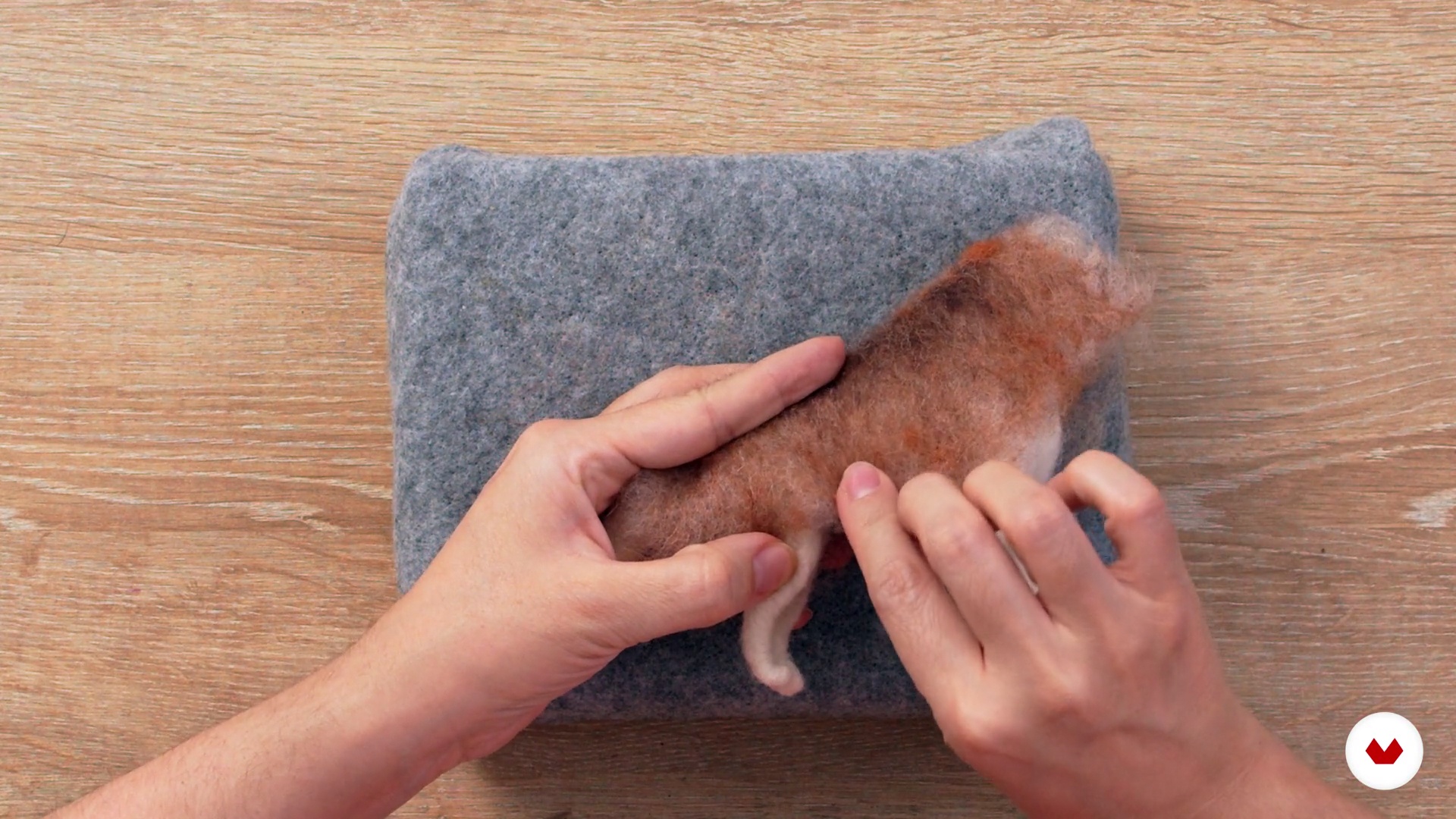
In this lesson you will learn to mix colors and make layers to apply like animal skin.
17m
image
12
The face. Where is the character 1
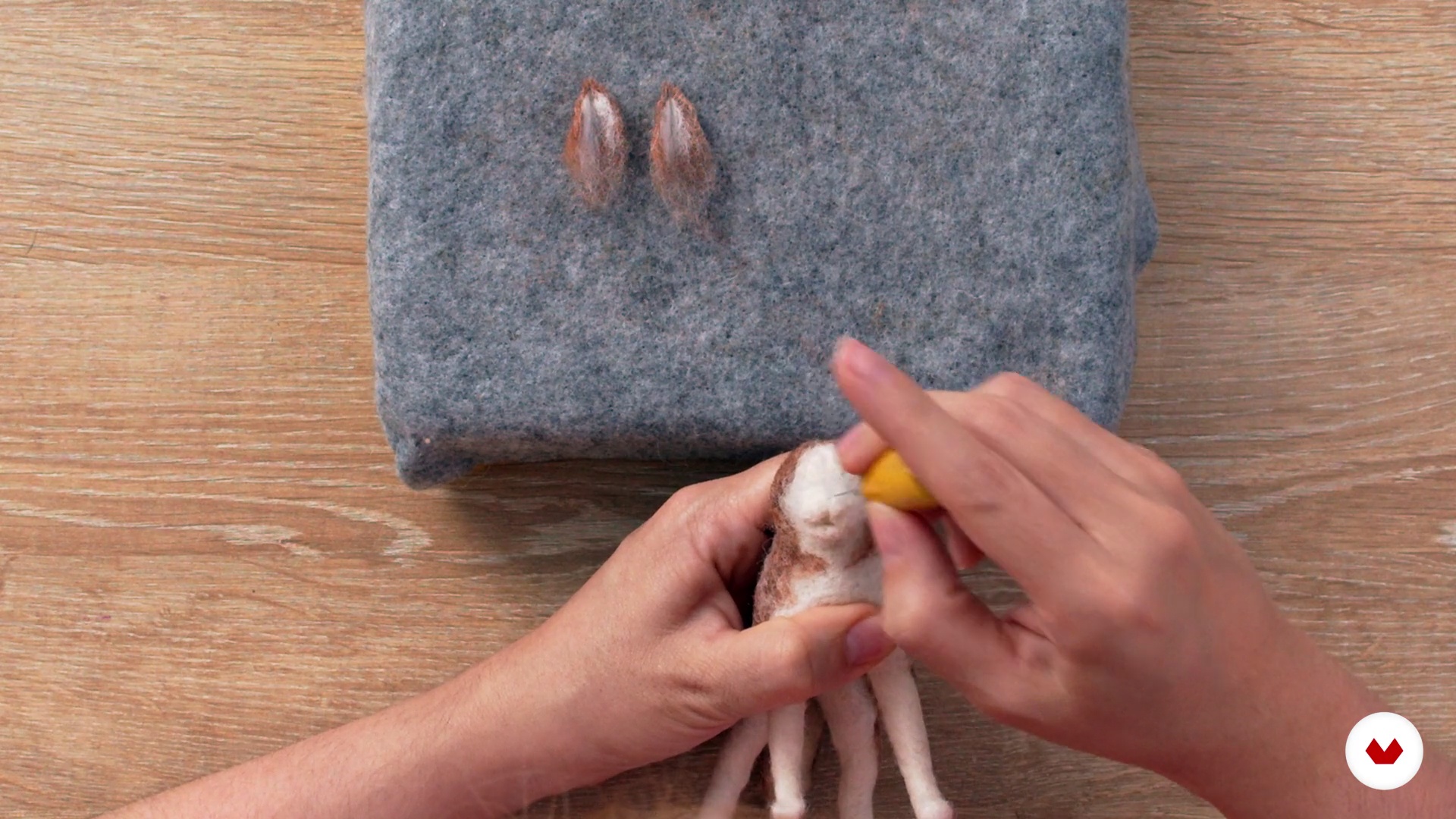
Once we have finished sculpting the shapes and larger parts, we will begin with the details that will make our animal a character. Here we are going to start shaping the skull.
19m
image
13
The face. Where is the character 2
Here he continued to put his ears on Togo.
19m
image
14
The face. Where is the character 3
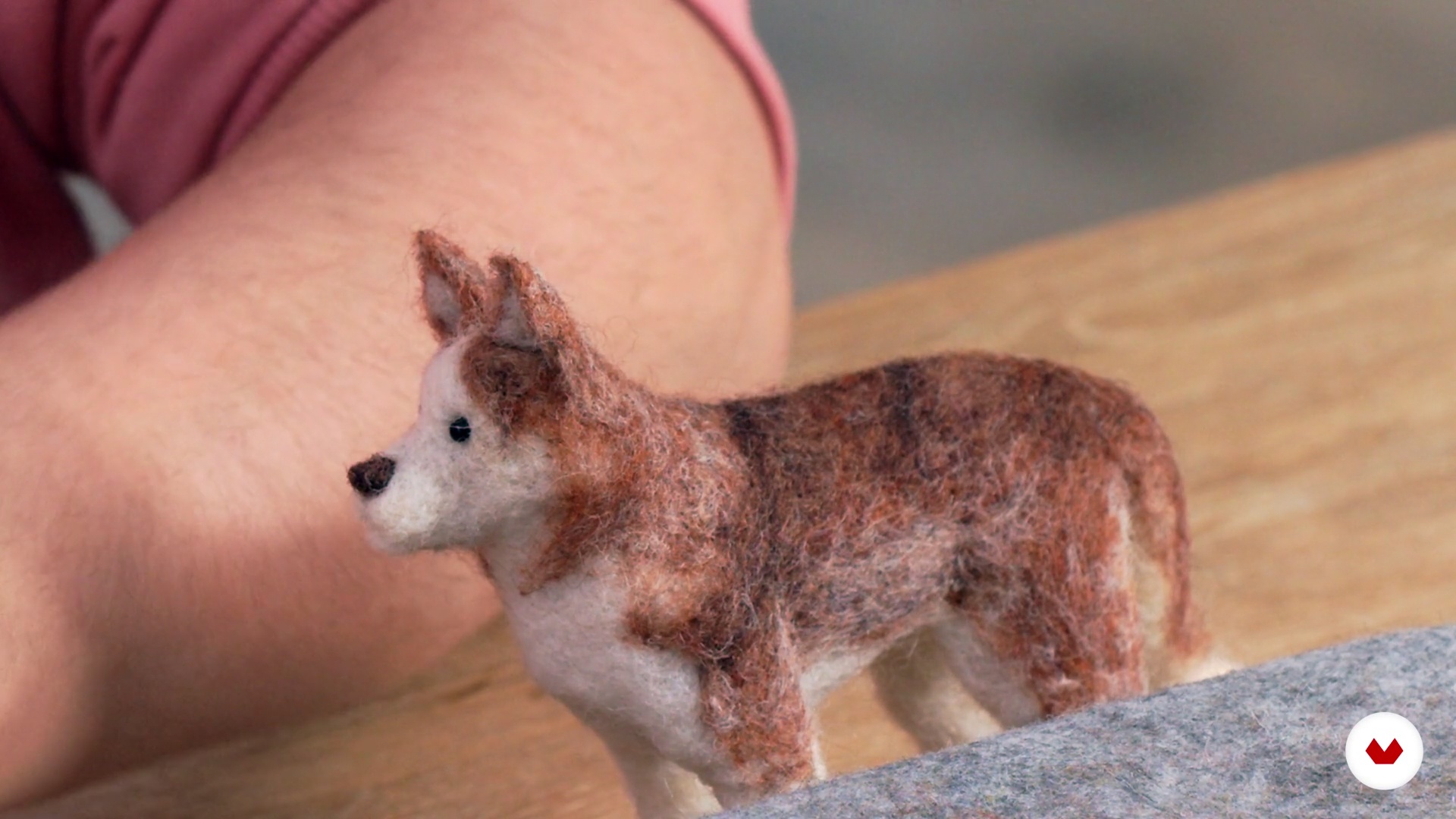
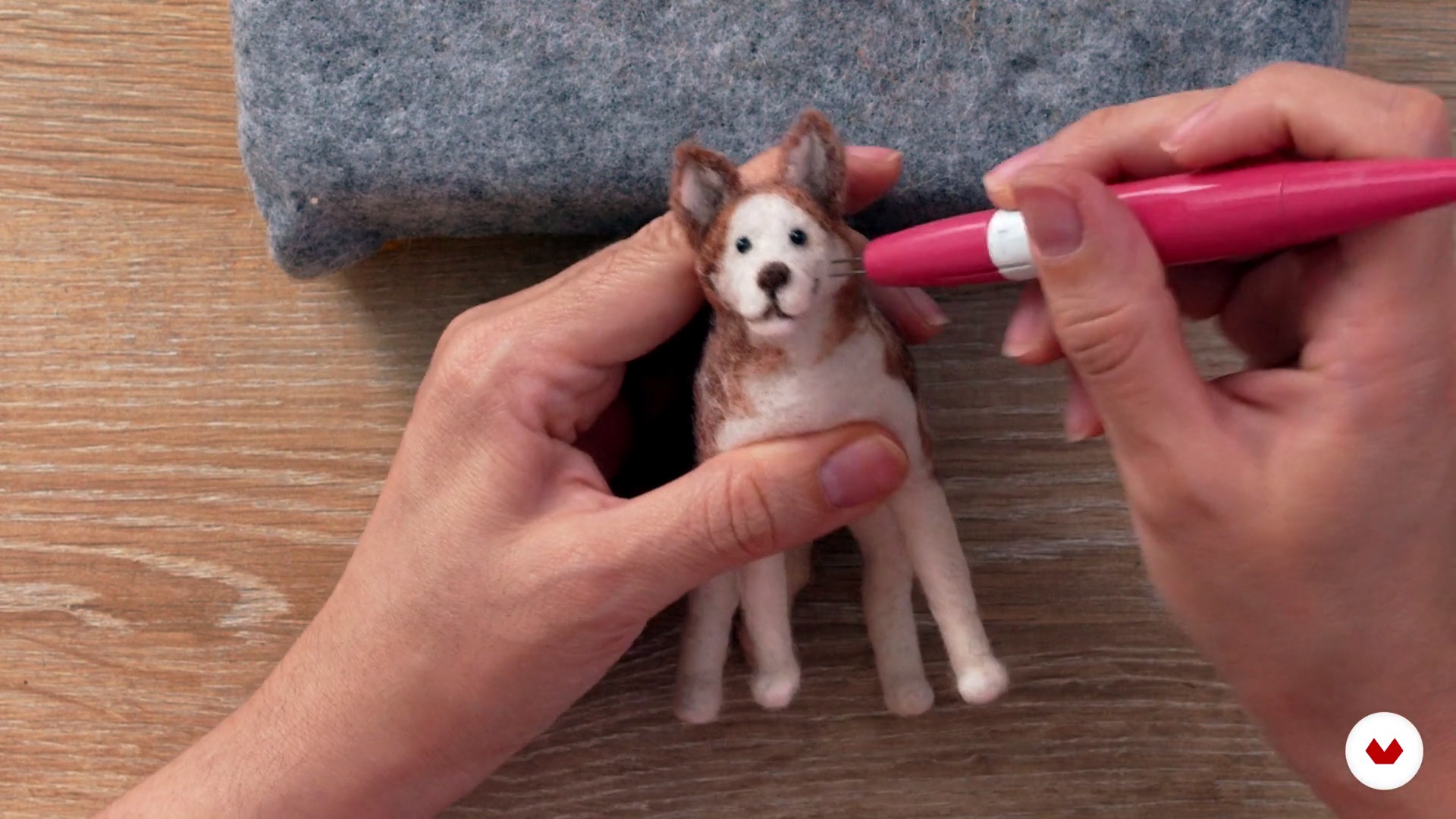
I continue with the details of the face of the course model; Togo the Husky.
5m
image
15
Details and accessories
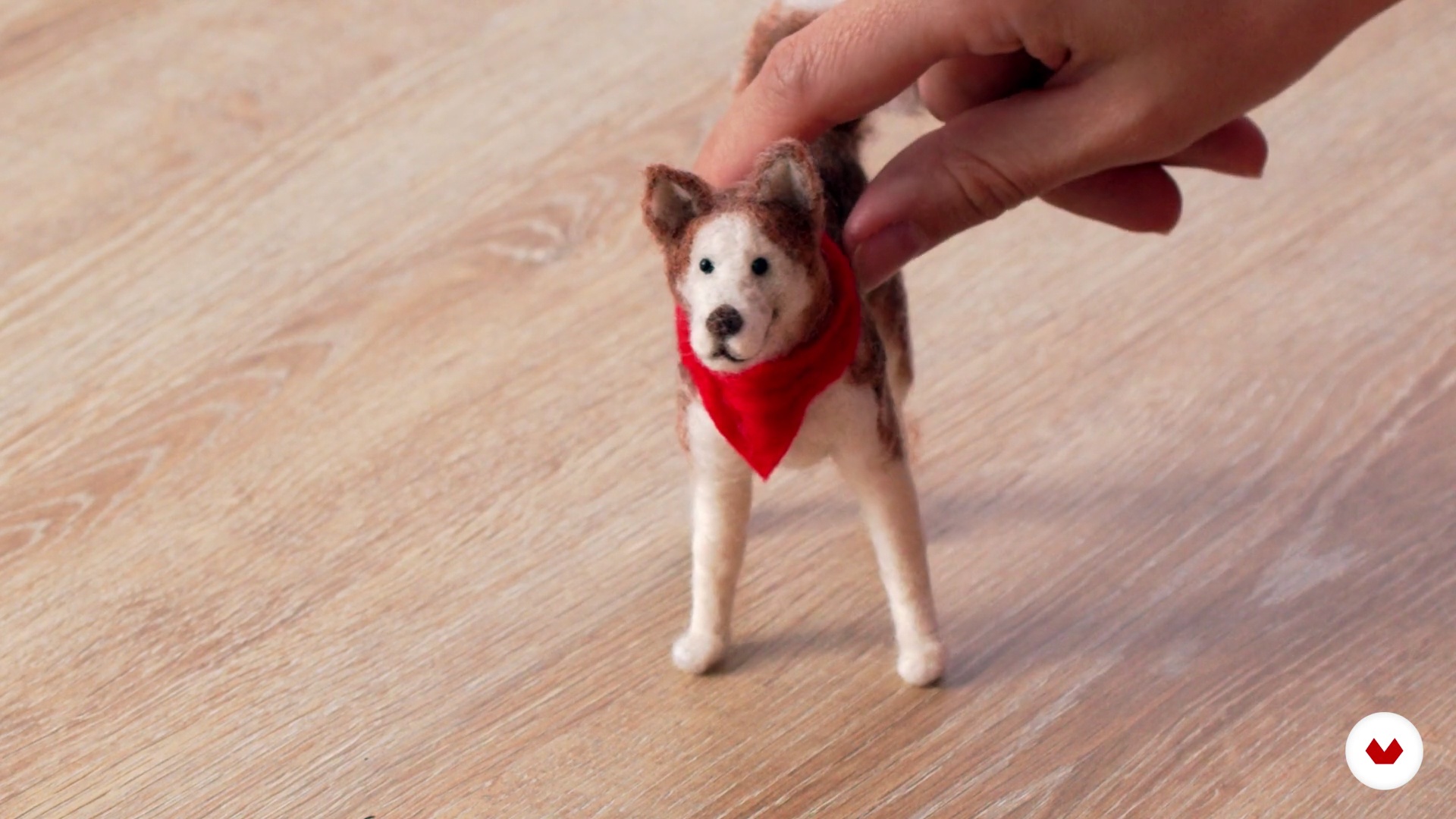
In this lesson we will create the details and accessories of our animal: tail, necklaces, scarves etc.
13m
image
16
Tips to keep your doll in good condition and the possibilities of felt
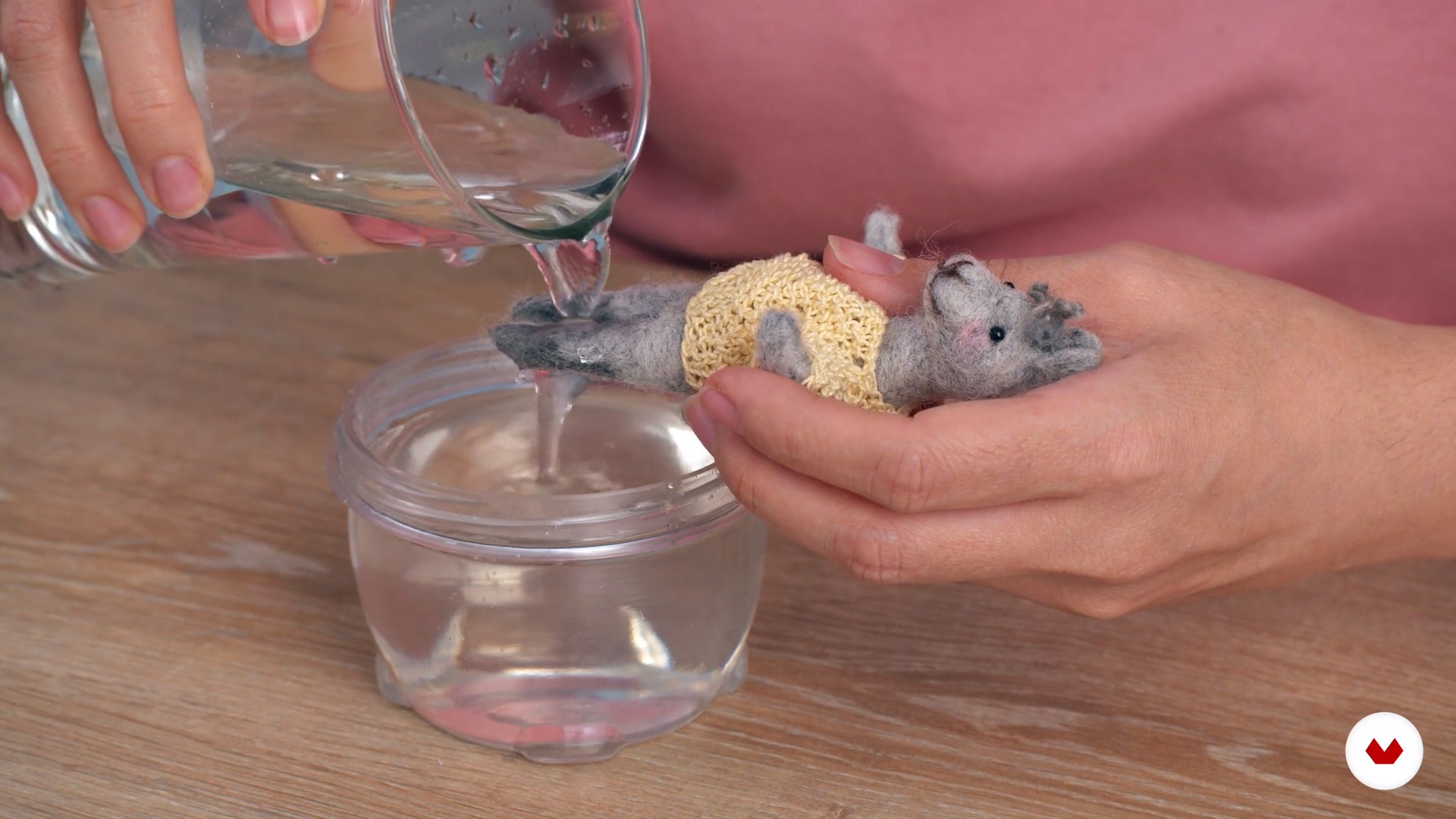
There is care that must be taken with these types of pieces, they are not washable dolls, so I will give you tips to clean them, revive the good condition of the fiber and avoid discoloration. On the other hand, I will talk to you about felt as a technique that encompasses many more possibilities, not only as a dry felt, but also as a wet one, in cloth and the infinite modeling possibilities it has.
3m
image
3
The Materials
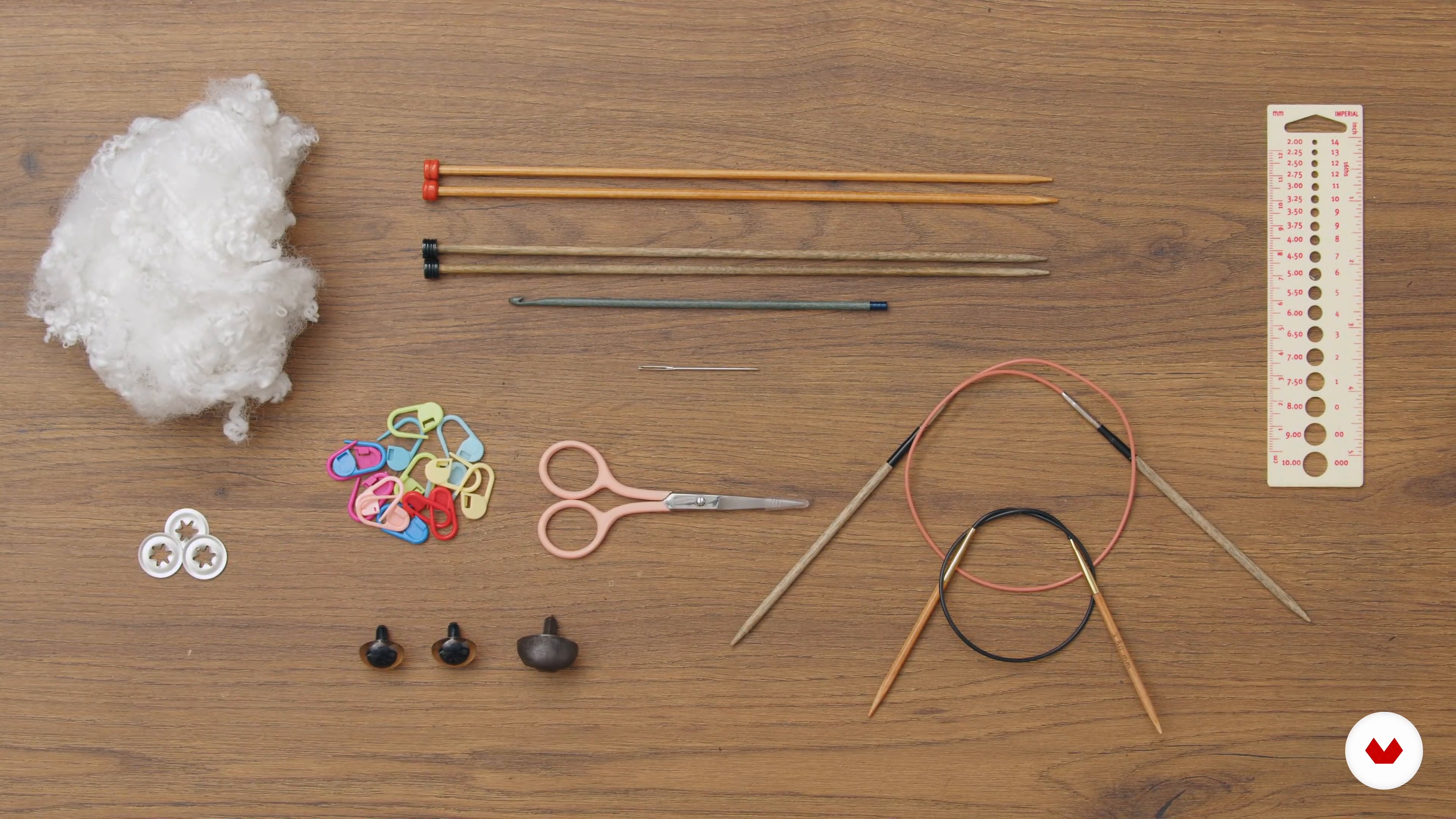
You may already have some of the tools. However, in this lesson, I will share with you the tools and materials I use daily, and in particular the ones you need specifically for this course.
3m
image
4
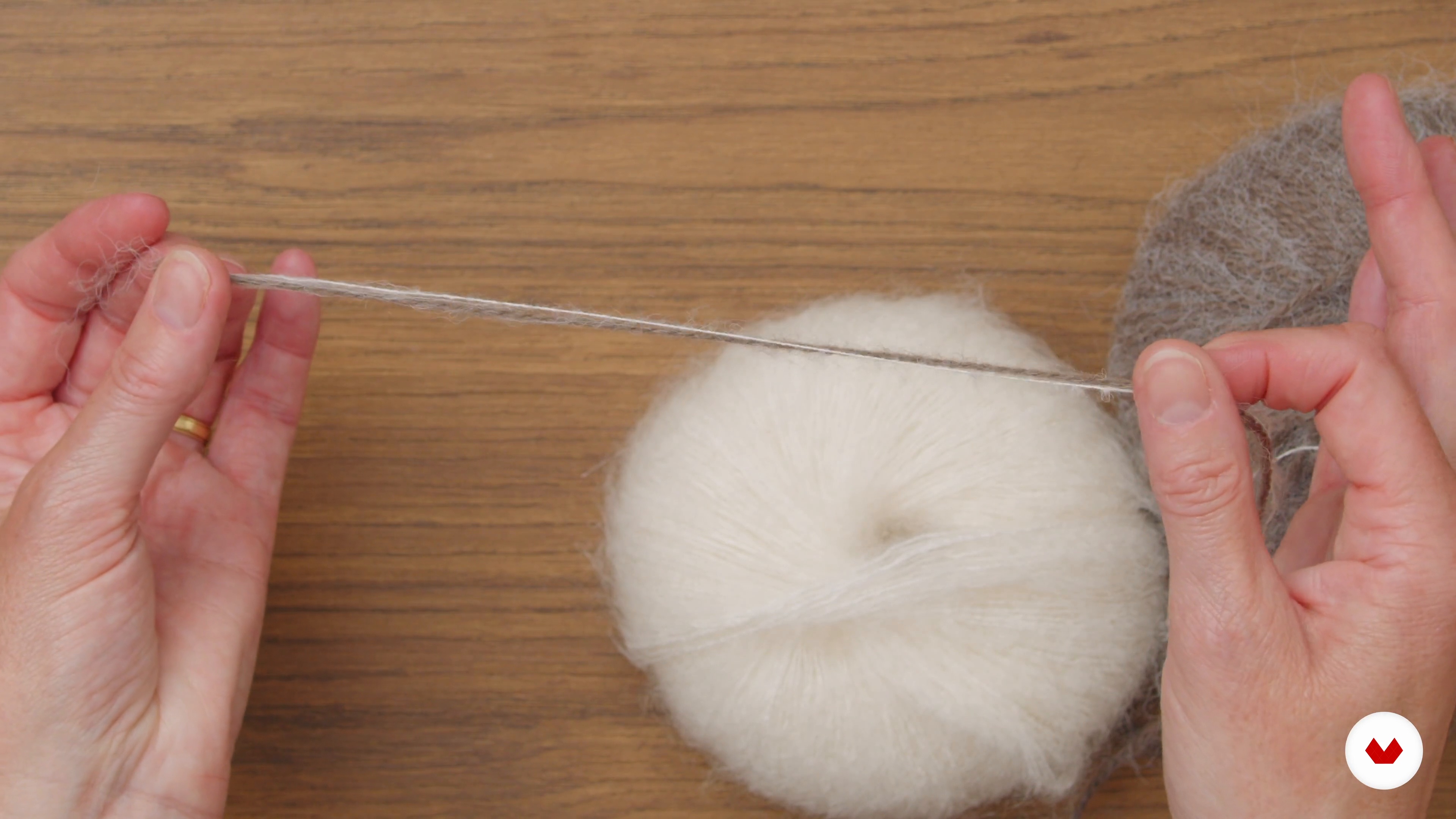
Yarn and Stitches 1
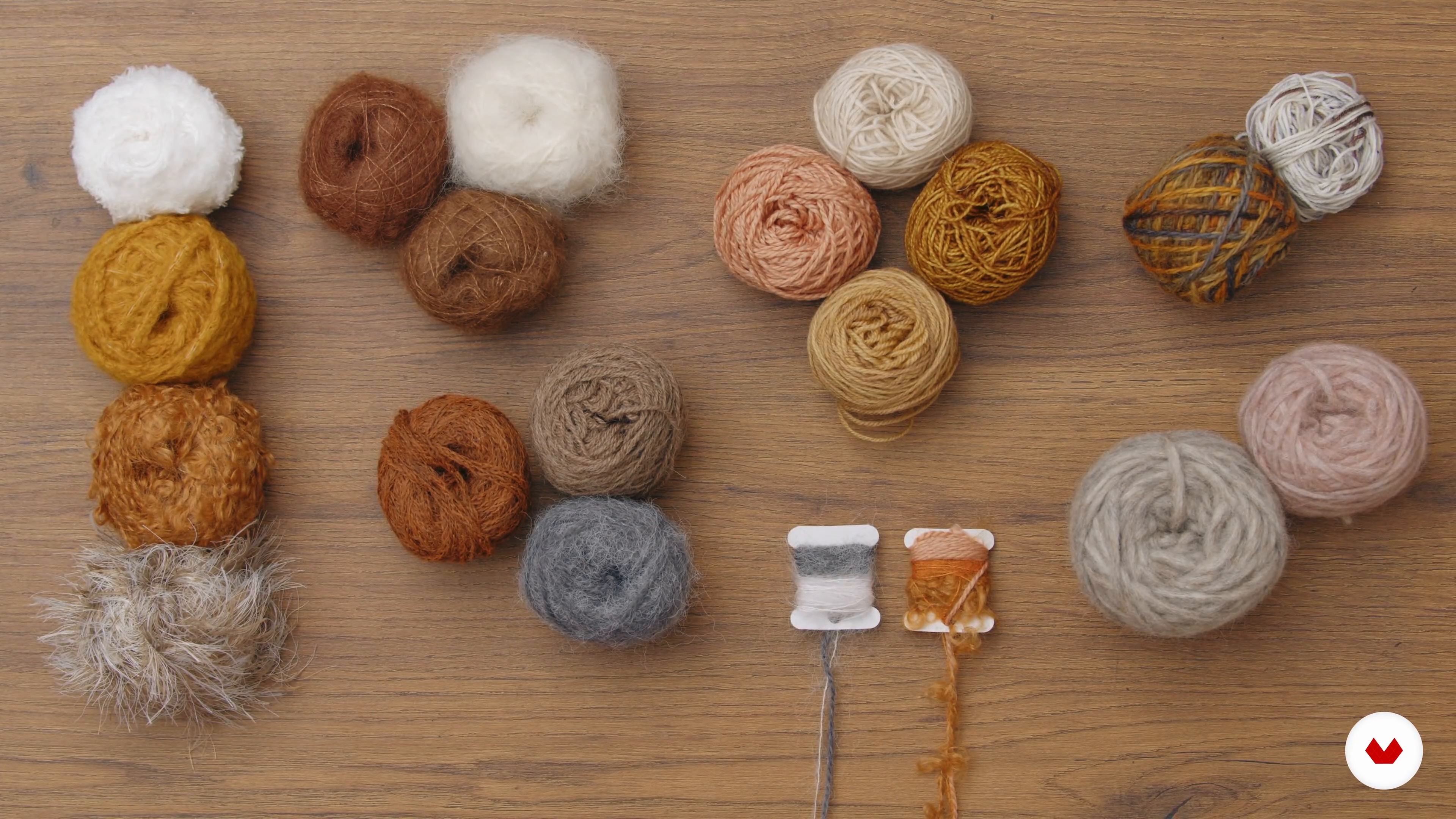
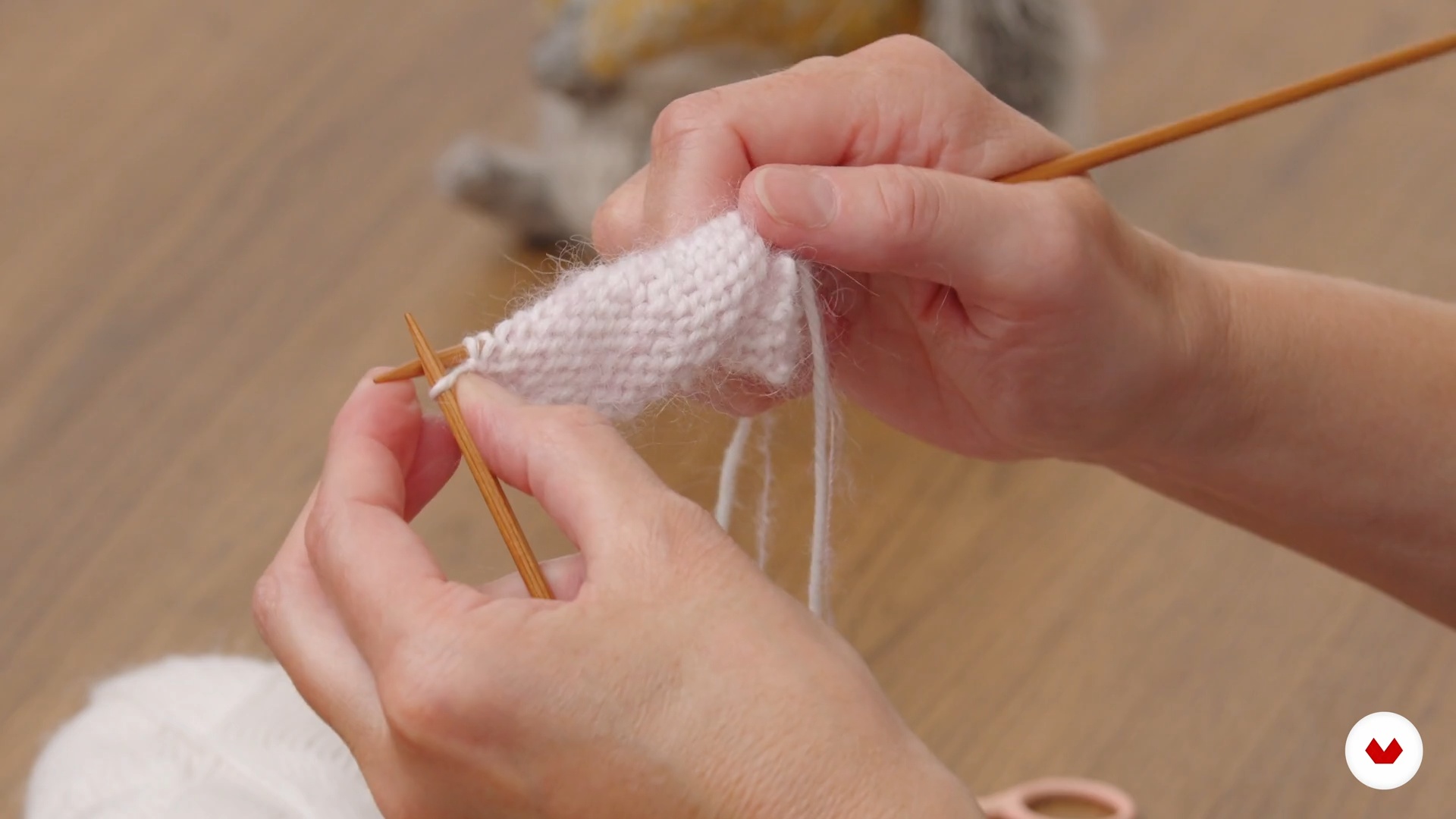
The choices of yarn are vast and a little daunting. Here I hope to reduce that list a little by sharing with you what I use. Later on in the course, I will show you how to choose shades of yarn to suit your chosen puppy with regard to colour and texture. After going through all the materials, I will start creating a swatch square to show you the stitches you will need to know.
15m
image
5
Yarn and Stitches 2
You will see the shape that has been created by using these basic stitches, with which the puppy head will be knitted. It's worth experimenting before starting with your project!
16m
image
6
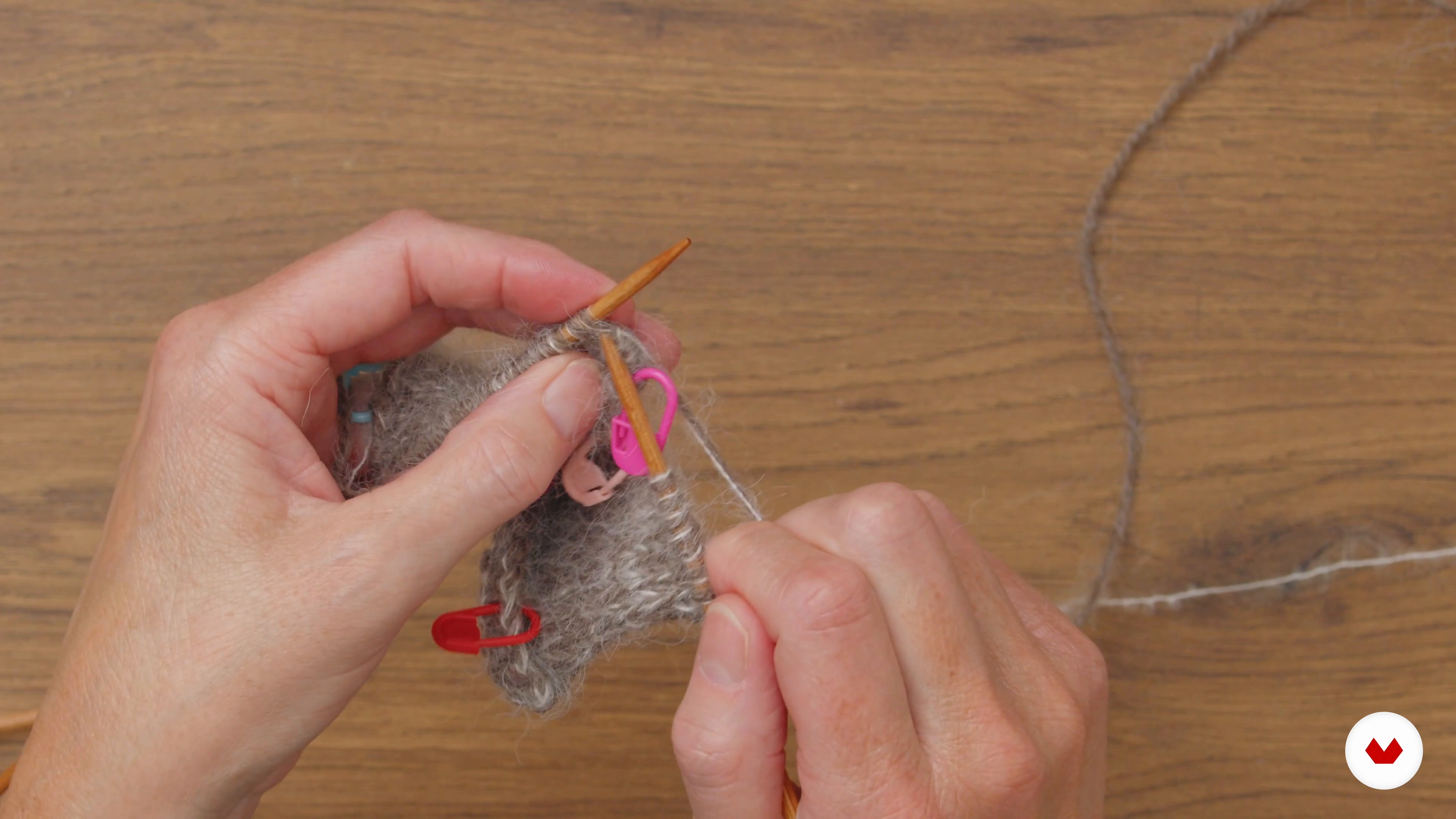
The Muzzle
We will start by knitting the muzzle of the puppy. But first, I will show you an important part of the pattern and how to make the process easier by following a colour code and writing down notes. Then, referring to the pattern, I will start to knit!
15m
image
7
Forehead, Eyebrows, and Cheeks
Once the muzzle is done, we will move on to the forehead, create the eyebrows and complete the cheeks.
20m
image
8
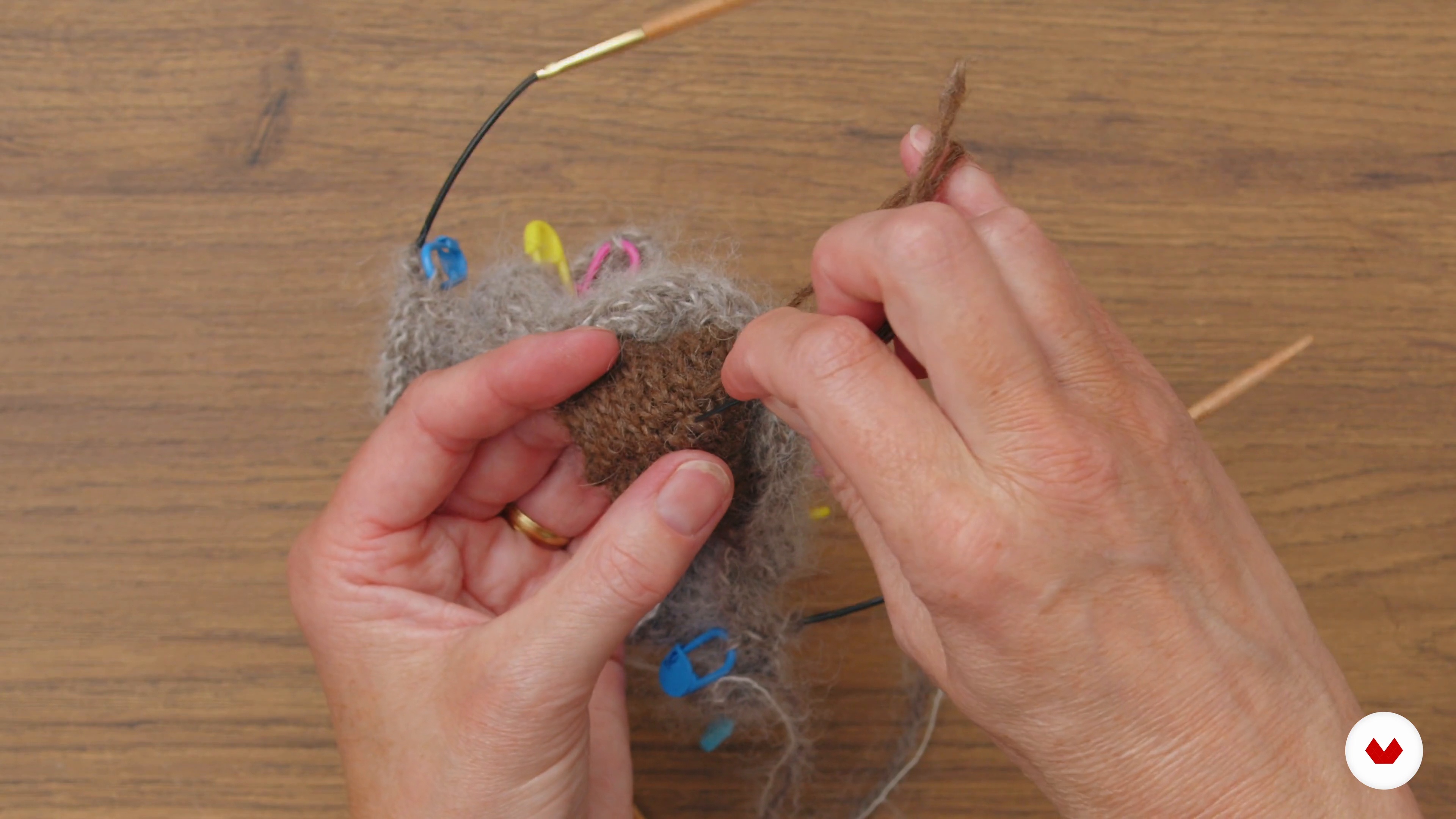
Nose and Jaw
The next step will be creating the nose and the jaw. You will see how it starts to come to life as I add the nose!
20m
image
9
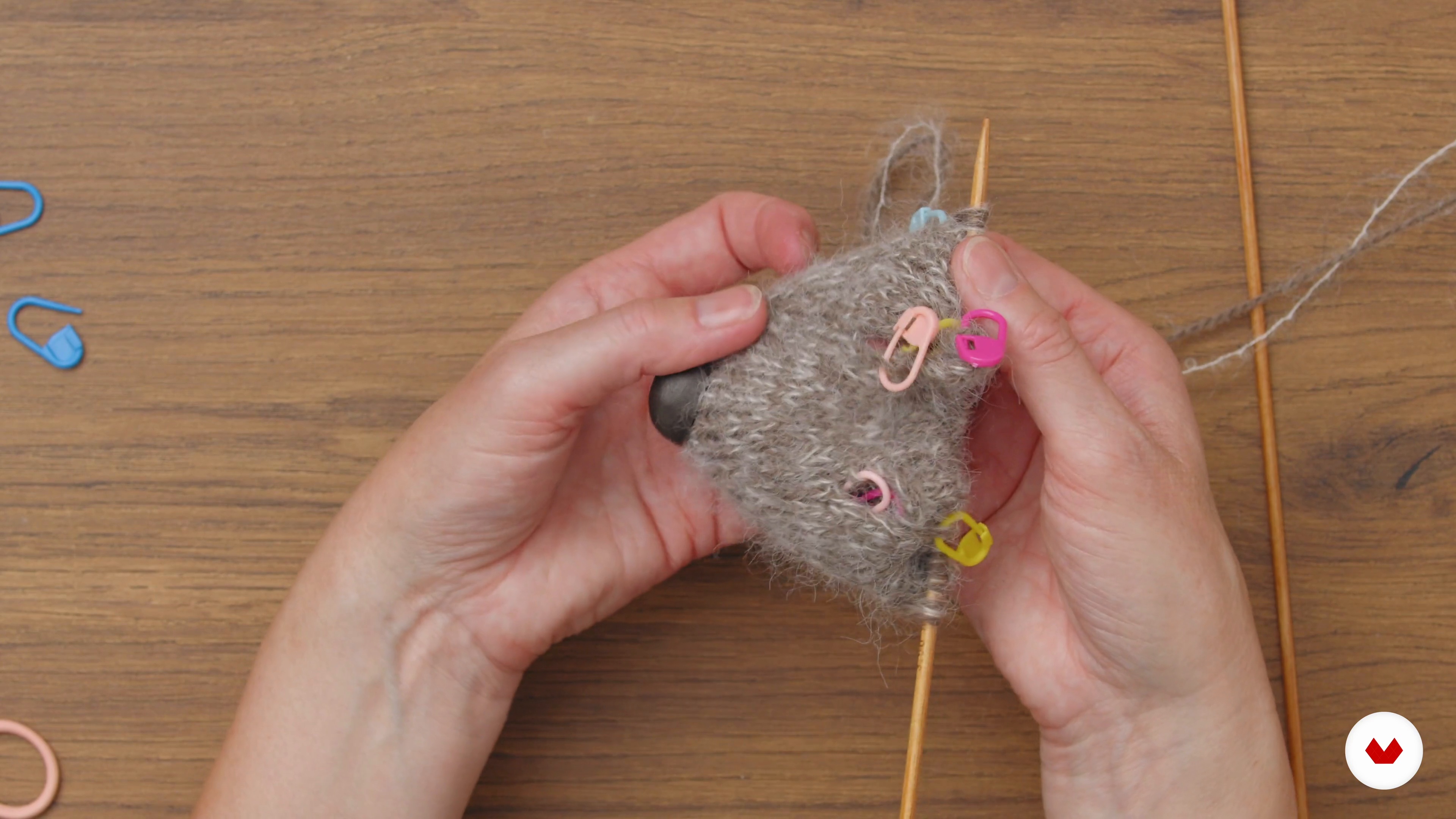
Inner Mouth and Eyes 1
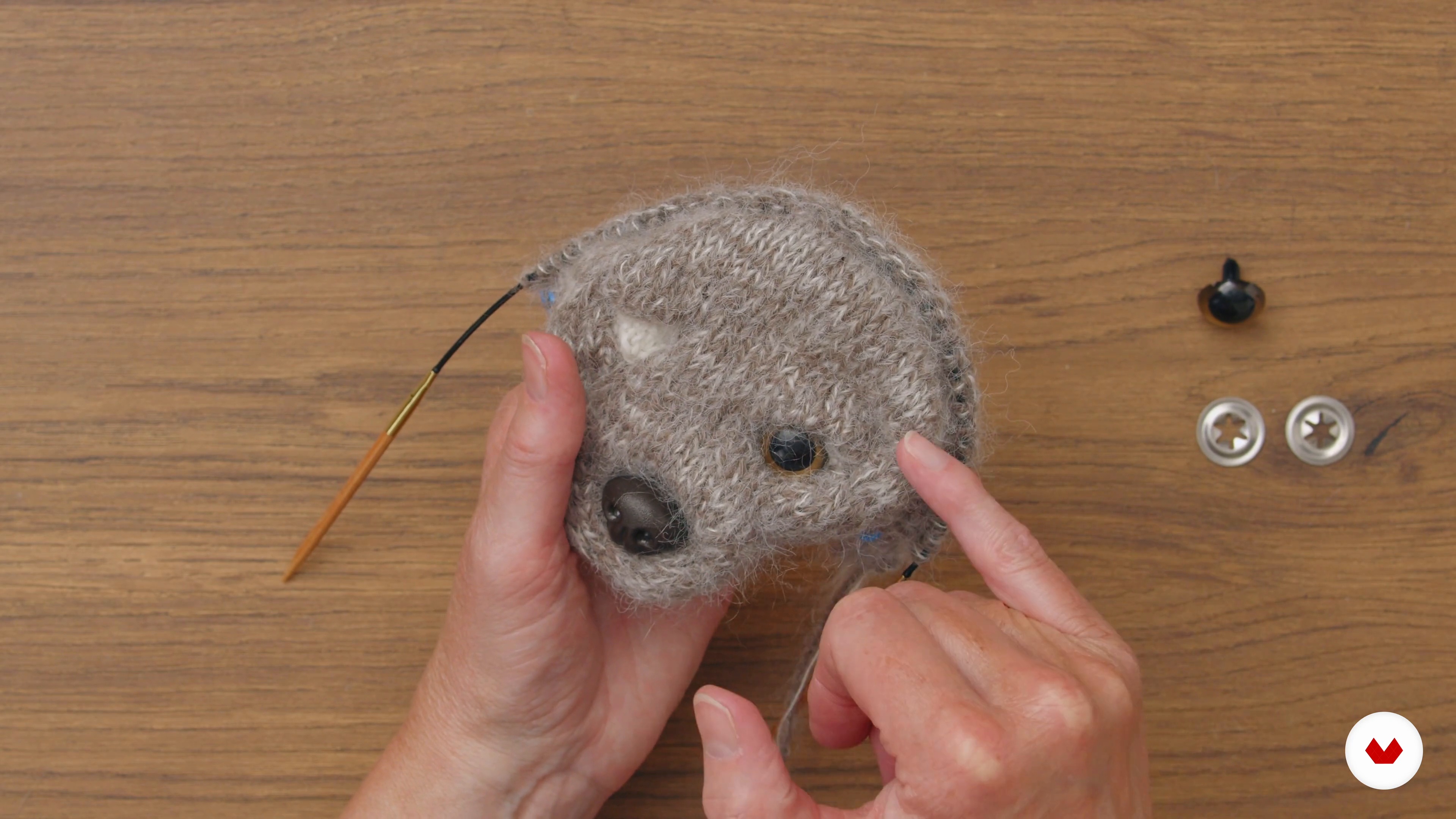
At this stage, we can complete the face and head, creating an inner mouth, a lower jaw and joining in eye sockets and, then, the eyes.
11m
image
10
Inner Mouth and Eyes 2
Now the puppy's face will get even more character. Make sure the toy eyes are centred before securing them!
11m
image
11
Chin and Ears 1
In this lesson, you will see how I finish the puppy head completely. First, I will complete the muzzle by knitting the chin.
17m
image
12
Chin and Ears 2
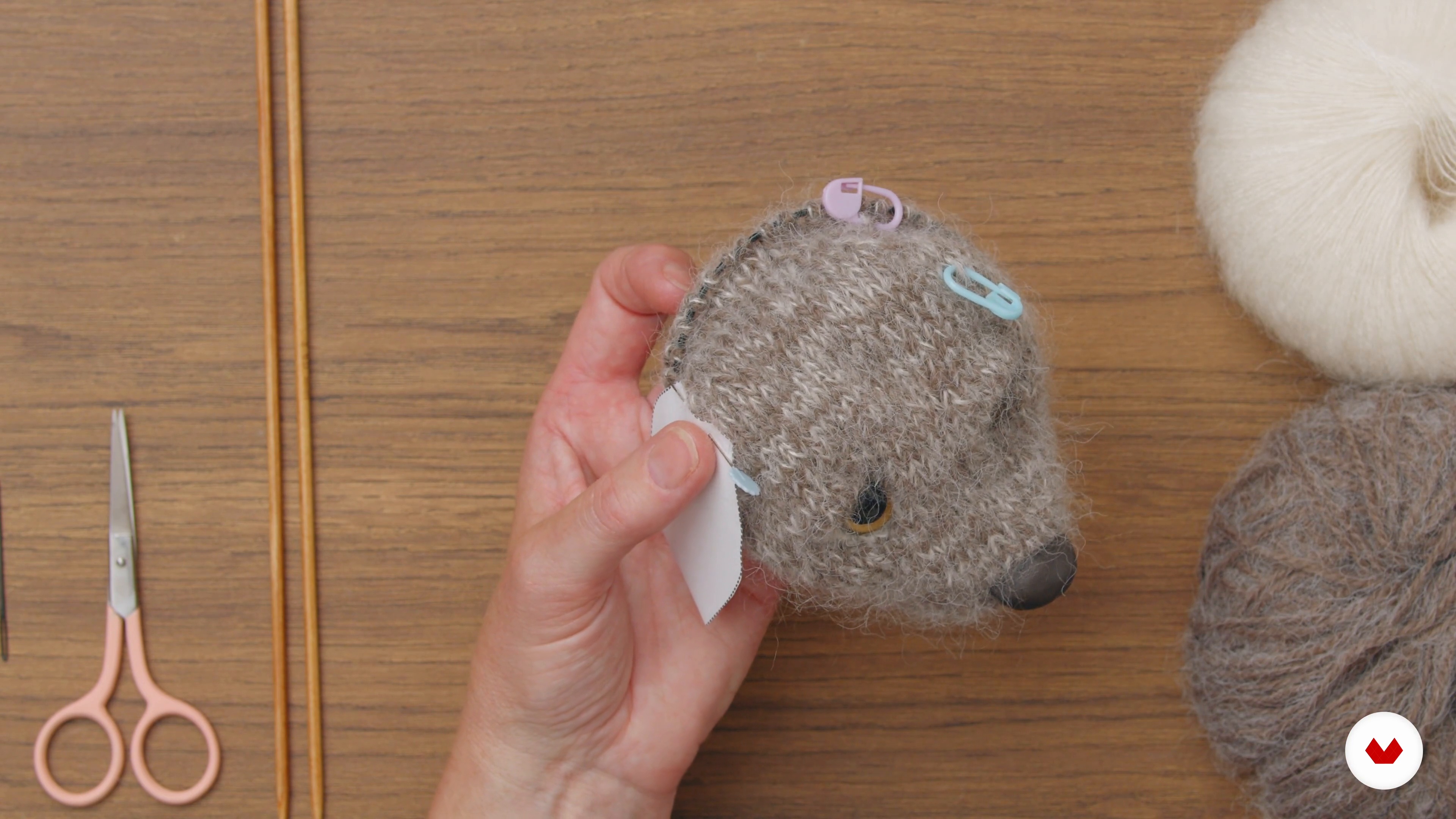
After finishing the chin, we move on to the ears. For those, we will use paper templates, so we see where to place them. Then, we will start knitting the outer ears.
14m
image
13
Chin and Ears 3
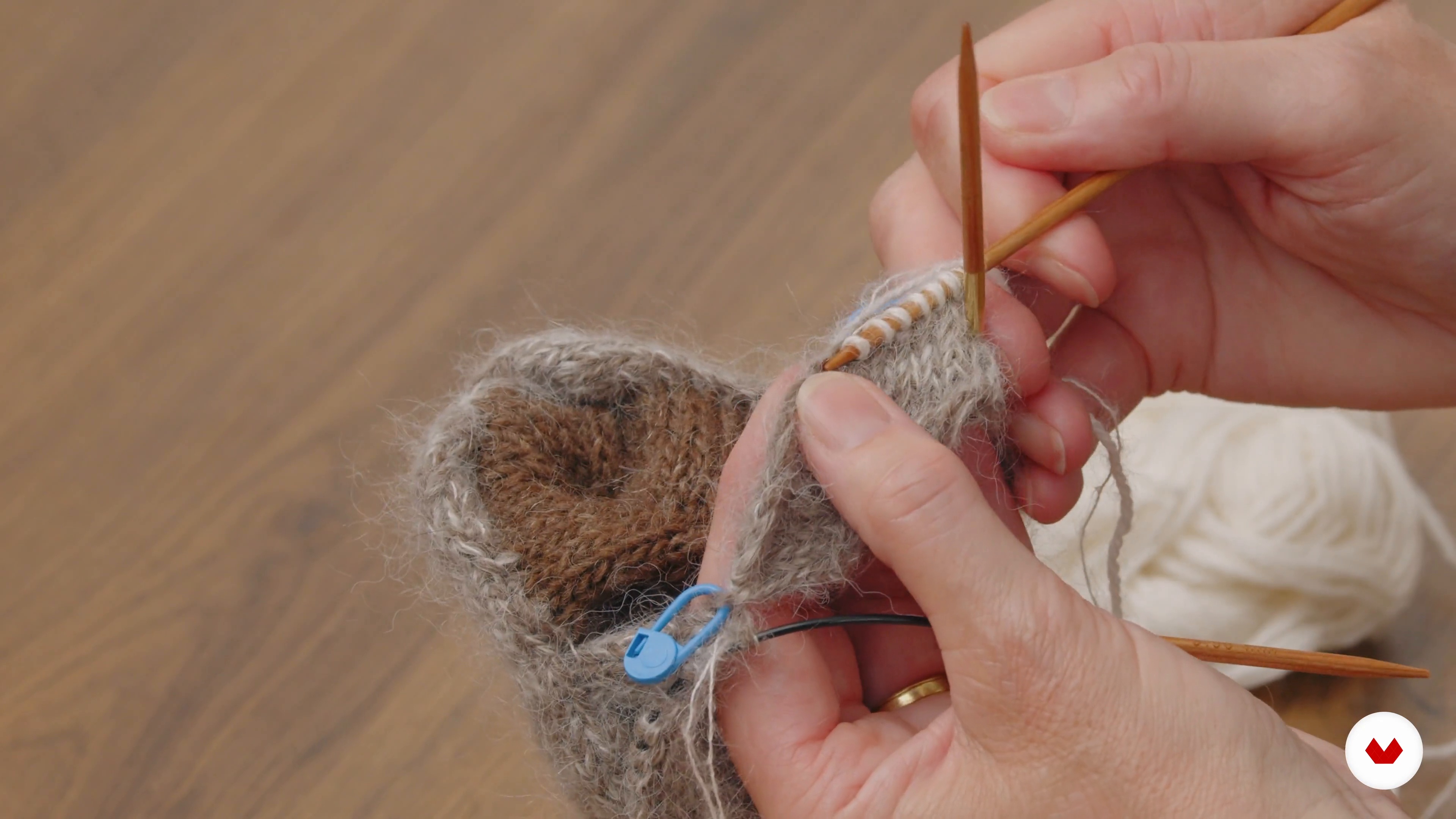
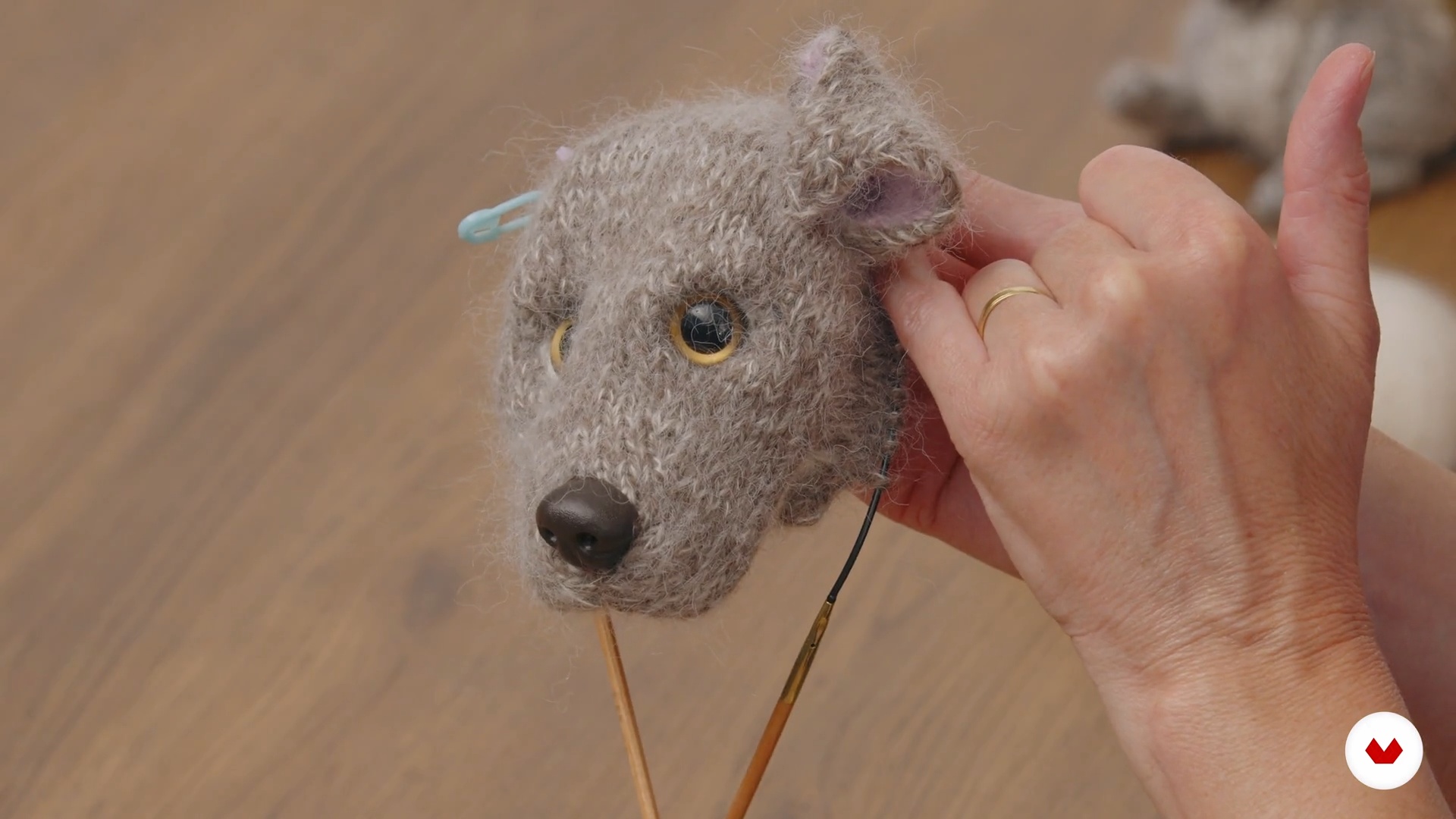
Next, I will show you how to knit the inner ear and join it with the outer ear. The last thing to do will then be to join the bottom of the ears to the head, creating their curved shape.
16m
image
14
Adapting the Basic Puppy Head Pattern
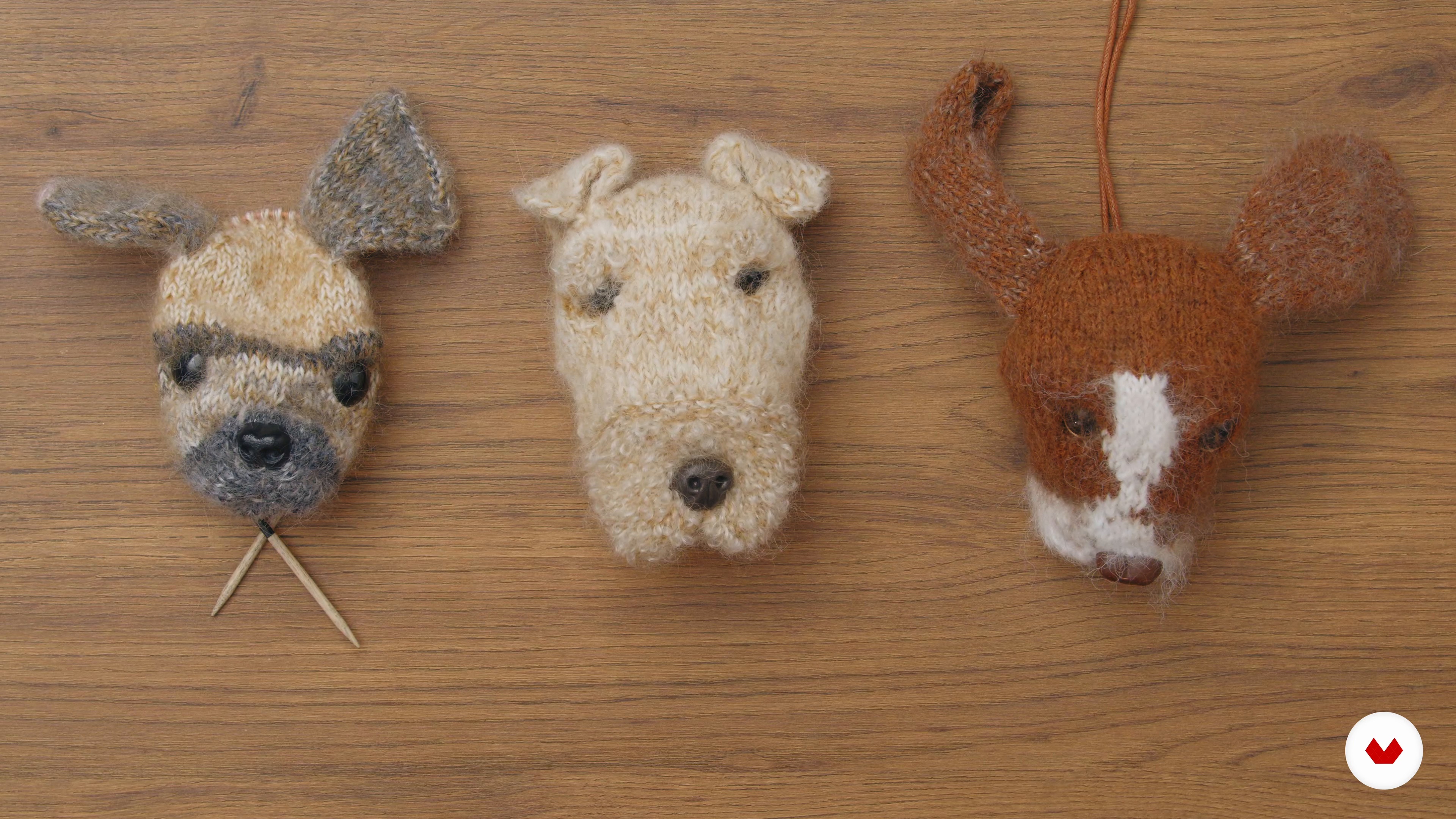
I have taught you how to knit the puppy head using the Basic Puppy Pattern. Some sections can be changed to customise the design by altering the muzzle and the forehead. Let me show you some examples.
5m
image
15
Back, Forelegs, and Hind Legs 1
Following the body pattern in the Basic Puppy Pattern, I will show you how to complete your puppy beginning at the neck, working towards the back and setting up the forelegs.
14m
image
16
Back, Forelegs, and Hind Legs 2
With most of the back done, the next step will be creating the hind legs on both sides and then the tail.
13m
image
17
Tail, Belly, and Inner Hind Legs 1
In this lesson, I will first show you how to do the tail and the belly, and how to join the top seams.
20m
image
18
Tail, Belly, and Inner Hind Legs 2
With the back, tail, and belly complete, I will now join the seams, add the inner hind legs and the toy filling.
19m
image
19
Forelegs and Paws 1
Belly done, seams done – now it's time to add the forelegs and the paws. Filling in more stuffing, you will see how the puppy comes to life.
17m
image
20
Forelegs and Paws 2
Next, I will show you how to do the rear paws, which are knitted separately, and join them with the body to complete the hind legs.
19m
image
21
Finishing the Puppy
A few little seams to sew and the last stuffing and then the knitted puppy is complete! Post-knitting and stuffing is the small extra care taken that makes all the difference to that characterful look – here is how to do it.
9m
image
3
Materials for embroidering and finishing
In this class, you will know all the materials you need to make an embroidery. Going from the most basic to the most specific.
13m
image
4
Drawing your pet
Now, I'm going to show you how to simplify the process of drawing your pet based on a photo of your pet.
15m
image
5
Drawing flowers and ornaments
In this class, you will learn to create designs of flowers and leaves that can be used to create beautiful compositions and decorate your embroidery.
11m
image
6
From paper to fabric
With the design of your embroidery done, in this class, I will explain how to finish the art and also how to transfer your design from paper to fabric.
9m
image
7
Manipulate the lines
Did you know that the amount of thread used greatly affects the final look of your embroidery? So it is! In addition, I will also explain what types of knots are used to start embroidering and what to do to finish off the thread when you finish embroidering.
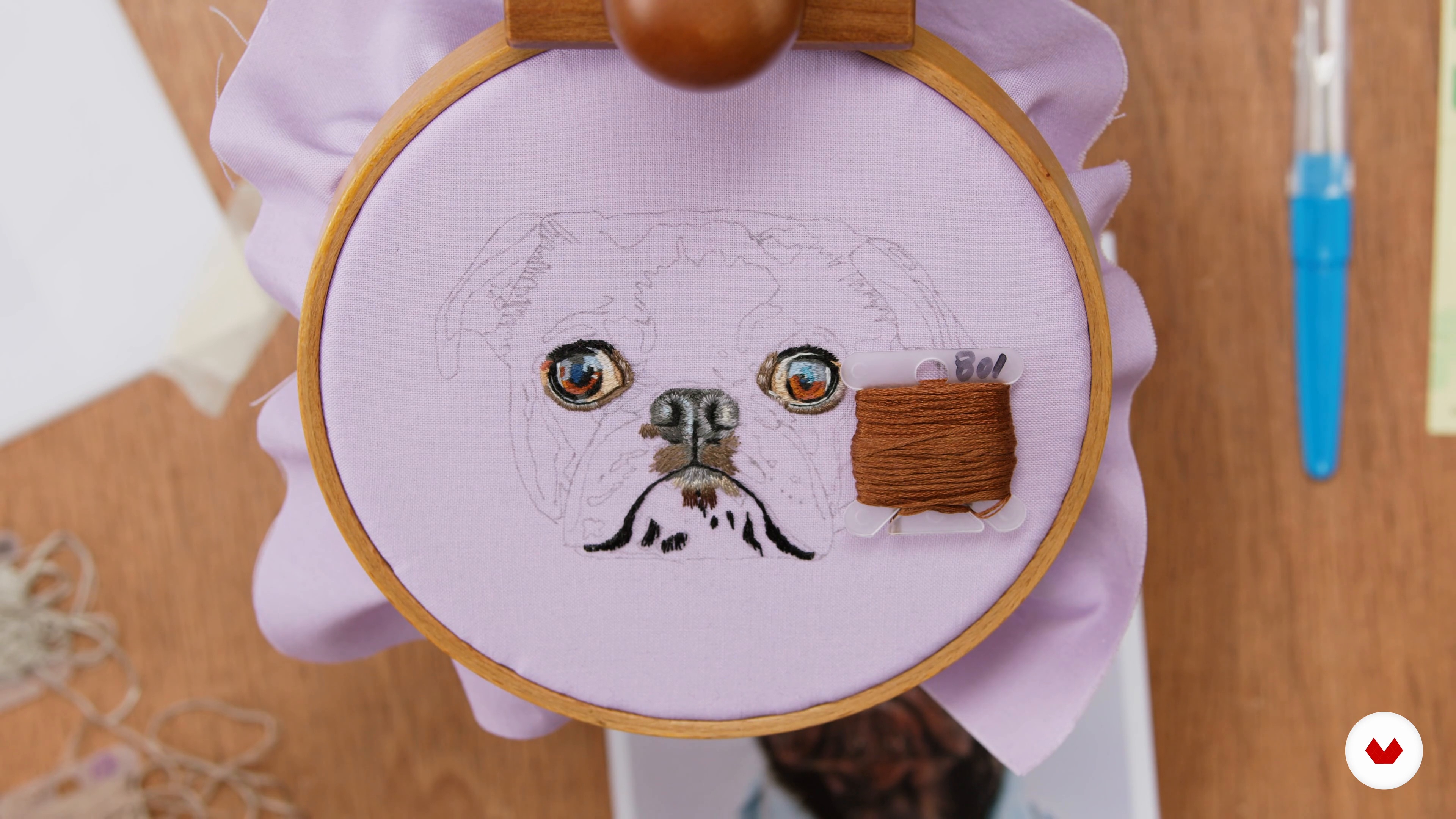
14m
image
8
Basic free embroidery stitches: rod stitch and straight stitch
In this class, you will learn to make two of the most basic stitches to start your work in free embroidery.
11m
image
9
Basic free embroidery stitches: French knot and satin stitch
Now, you will learn to make two more basic and super useful stitches to get to know in the embroidery world.
19m
image
10
Needle paint
In this class, you will see that the needle painting technique is not that difficult. I'm going to teach you how to "paint" with a thread and needle in an uncomplicated way.
19m
image
11
Embroider your pet's facial details 1
In this lesson, I'll show you how to choose colors for your embroidery project. Then, we'll start embroidering the pet's face using the muzzle, mouth and eyes details.
18m
image
12
Embroider your pet's facial details 2
In this second part of the class, you will learn about my detailing process. I'll show you how I analyze the reference photo and apply certain shades of color to give the embroidery more realism.
15m
image
13
Embroider your pet's coat 1
With the details of the face finished, in this class I will teach you how to embroider the entire coat of the pet using the needle painting technique.
17m
image
14
Embroider your pet's coat 2
In this step, with the help of the fabric pen, I will make some markings to help define the direction in which the coat should be directed. Next, I'll show you how to give small stitches detailing the layers and tones that will give the embroidery more realism.
7m
image
15
Embroider the flowers for decoration
In this lesson, you will use the basic stitches you learned in Unit 3 to embroider the flowers for the decorative wreath in the project.
18m
image
16
Hoop finishing: sewn type
In this class, I'll show you how to create a comic with your embroidery in a more versatile and non-permanent way. Your embroidery can be displayed in the decoration of environments from this finishing style.
12m
image
17
Hoop finishing: glued type
In this class, I will teach you how to finish your embroidery as a frame in a more permanent way. Whether hung or supported, your embroidery finished in a hoop can decorate various spaces in your home.
10m
image
18
Clothing patch finish
Want to immortalize your embroidery on a piece of clothing? Then this type of finish is for you. In this lesson, I will teach you how to make a patch for clothes.
6m
image
19
Brooch finish
Want to take your embroidery with you, but in a less permanent way? In this class, I'll teach you how to finish it as a brooch-like accessory.
12m
  • 100% positive reviews (1)
  • 50 students
  • 93 lessons (19h 9m)
  • 91 additional resources (36 files)
  • Online and at your own pace
  • Audio: English, German, Spanish, Spanish (Latam), French, Italian, Polish, Portuguese, Turkish
  • Romanian · Indonesian · English · Spanish · Portuguese · German · French · Italian · Polish · Turkish
  • Level: Beginner
  • Unlimited access forever

What is this course's project?

Students will create a detailed portrait of a pet using needle painting and realistic fur techniques, design a miniature embroidered accessory, craft a medium-sized needle felted sculpture, and knit a lifelike plush toy, showcasing versatility in pet textile arts.

Who is this specialization for?

Art enthusiasts and creators eager to explore versatile textile techniques for crafting artistic pet representations will find this course ideal. Engage in needle painting, realistic plush creation, and more to capture your pet's essence through fiber arts.

Requirements and materials

No extensive prior knowledge is required. Basic necessities include embroidery threads, needles, fabric, and a hoop. Enthusiasm and a willingness to experiment will enhance the learning experience, while patience and creativity help in mastering needle painting techniques.


Select to get to know your teachers in this specialization course
Read more ↓

Reviews

50 Students
1 Reviews


What to expect from this specialization course

  • Learn at your own pace

    Enjoy learning from home without a set schedule and with an easy-to-follow method. You set your own pace.

  • Learn from the best professionals

    Learn valuable methods and techniques explained by top experts in the creative sector.

  • Meet expert teachers

    Each expert teaches what they do best, with clear guidelines, true passion, and professional insight in every lesson.

  • Certificates
    Plus

    If you're a Plus member, get a custom certificate for every specialization course. Share it on your portfolio, social media, or wherever you like.

  • Get front-row seats

    Videos of the highest quality, so you don't miss a single detail. With unlimited access, you can watch them as many times as you need to perfect your technique.

  • Share knowledge and ideas

    Ask questions, request feedback, or offer solutions. Share your learning experience with other students in the community who are as passionate about creativity as you are.

  • Connect with a global creative community

    The community is home to millions of people from around the world who are curious and passionate about exploring and expressing their creativity.

  • Watch professionally produced courses

    Domestika curates its teacher roster and produces every course in-house to ensure a high-quality online learning experience.


FAQs

Domestika courses are online classes that allow you to learn new skills and create incredible projects. All our courses include the opportunity to share your work with other students and/or teachers, creating an active learning community. We offer different formats:
Original Courses: Complete classes that combine videos, texts, and educational materials to complete a specific project from start to finish.
Basics Courses: Specialized training where you master specific software tools step by step.
Specialization Courses: Learning paths with various expert teachers on the same topic, perfect for becoming a specialist by learning from different approaches.
Guided Courses: Practical experiences ideal for directly acquiring specific skills.
Intensive Courses (Deep Dives): New creative processes based on artificial intelligence tools in an accessible format for in-depth and dynamic understanding.

All specialization courses are 100% online, so once they're published, specialization courses start and finish whenever you want. You set the pace of the class. You can go back to review what interests you most and skip what you already know, ask questions, answer questions, share your projects, and more.

The specialization courses are divided into different modules. Each one includes lessons, informational text, tasks, and practice exercises to help you carry out your project step by step, with additional complementary resources and downloads. You'll also have access to an exclusive forum where you can interact with other students, as well as share your work and your final project, creating a community around the specialization courses.

You can redeem the specialization courses you received by accessing the redeeming page and entering your gift code.

If you're a Plus member, when you complete a course you've purchased, you'll instantly get your personalized certificate. You can see all your certificates in the Certificates section of your profile. You can download your certificates as PDFs and share the link online. Learn more about certificates.
Pet Arts Specialization: From Embroidery to Realistic Stuffed Animals. Craft course by Domestika

Pet Arts Specialization: From Embroidery to Realistic Stuffed Animals

A specialization by multiple teachers
Berkeley, United States.
Joined April 2002
  • 100% positive reviews (1)
  • 50 students