Specialization

Specialization in Creative Design of Ceramic Flower Pots

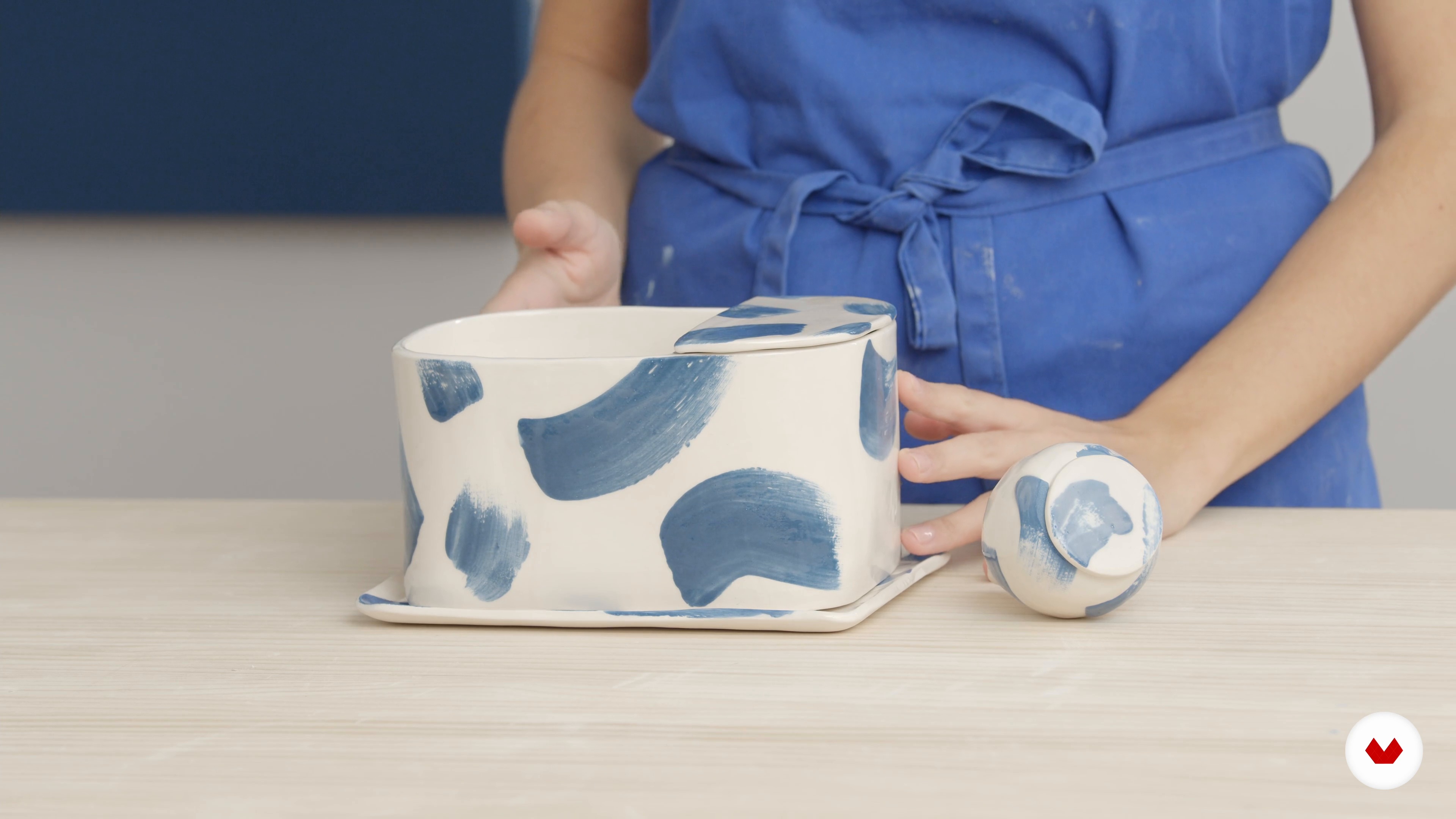
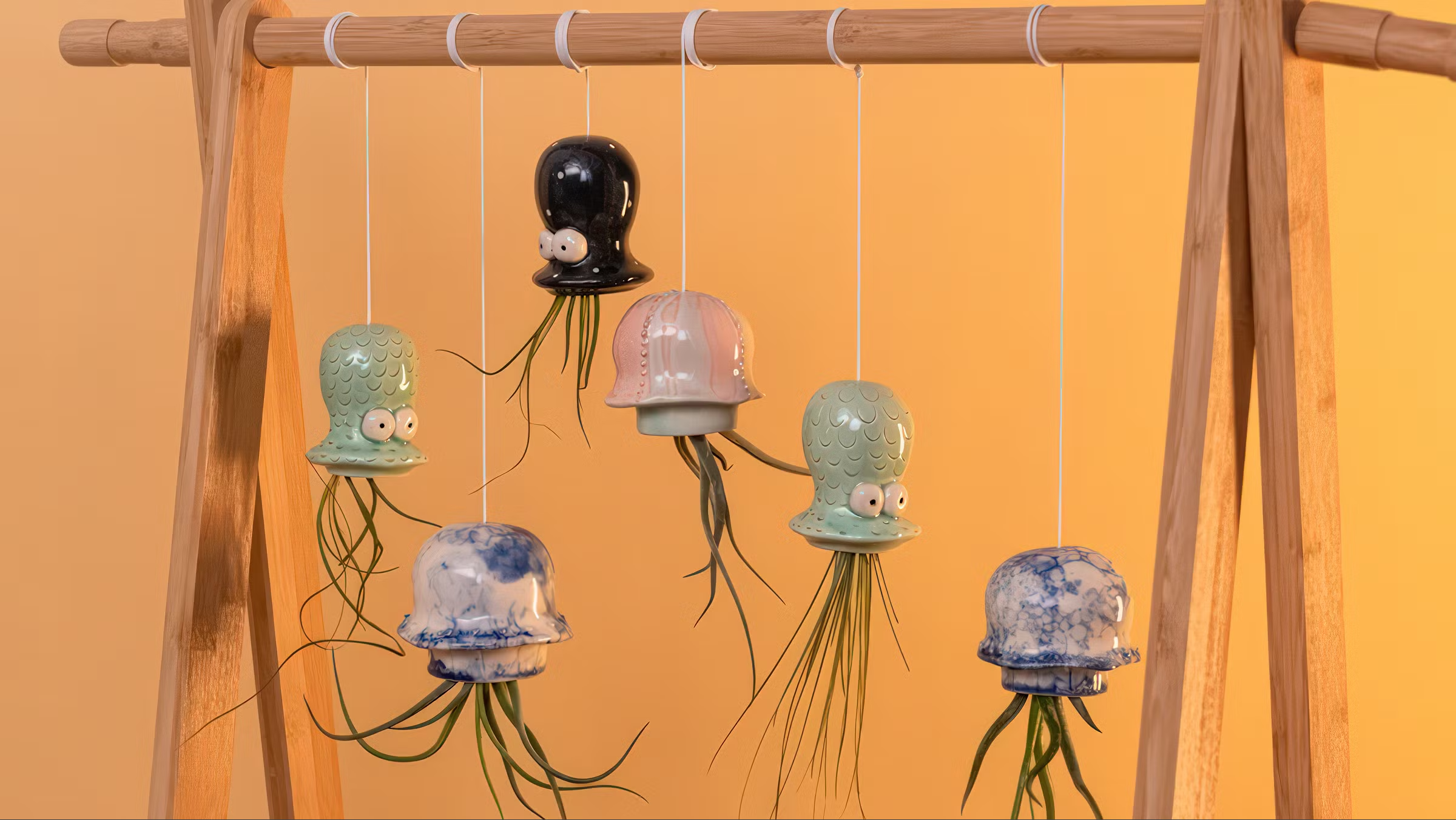
Specialize in creative ceramic pot design, exploring molding techniques, self-watering, and unique decorative finishes

Specialization · 7 modules

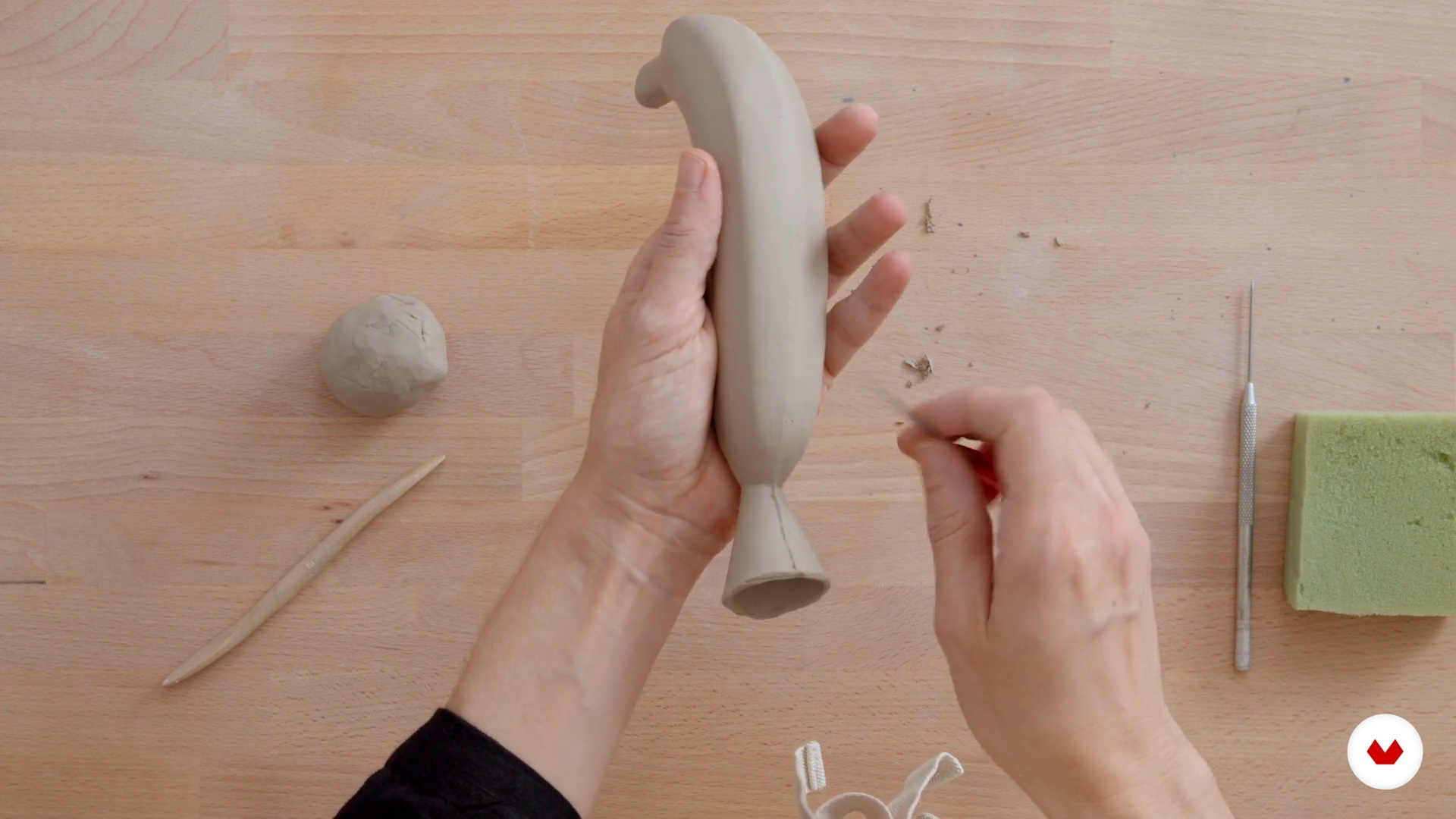
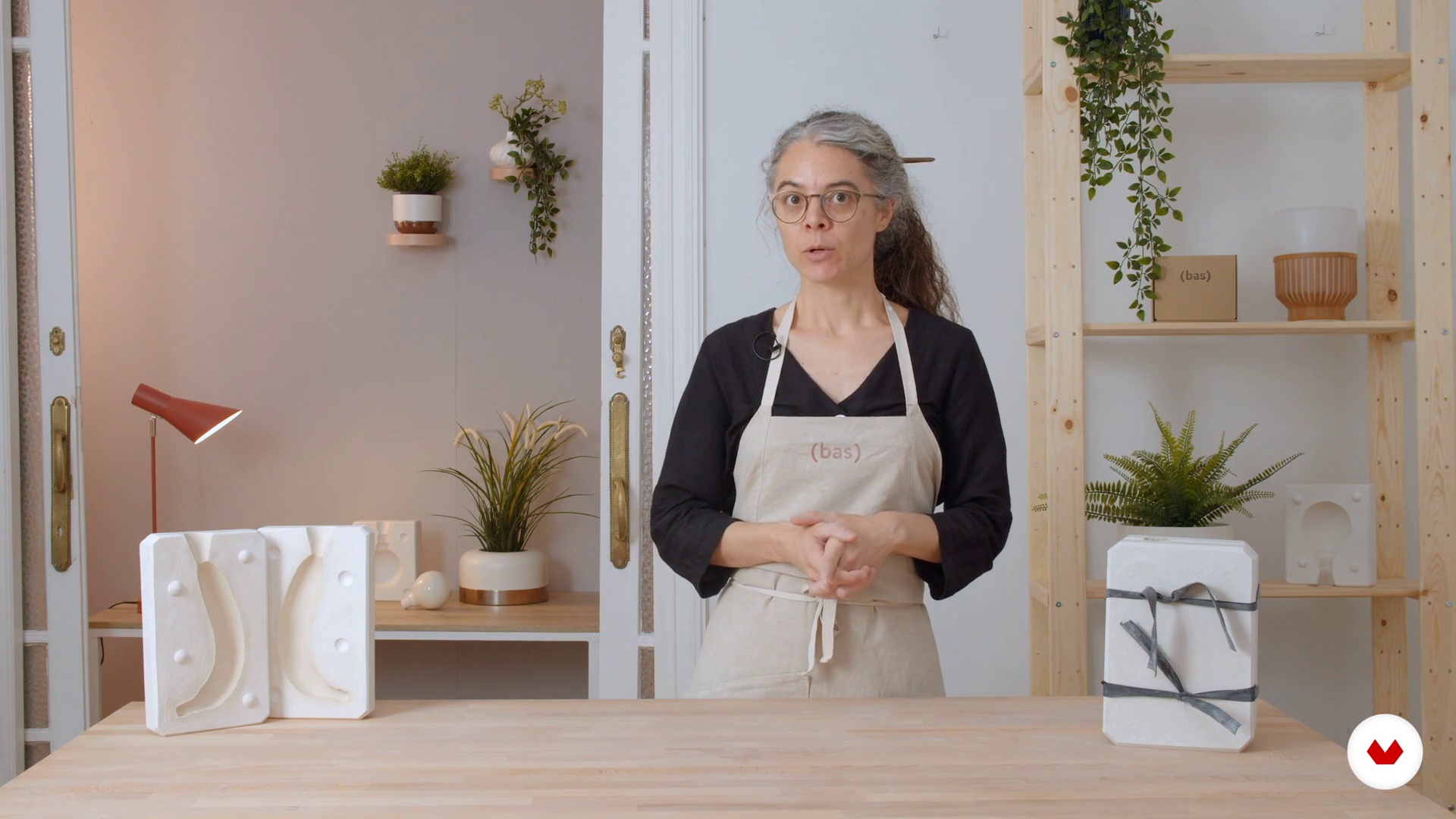
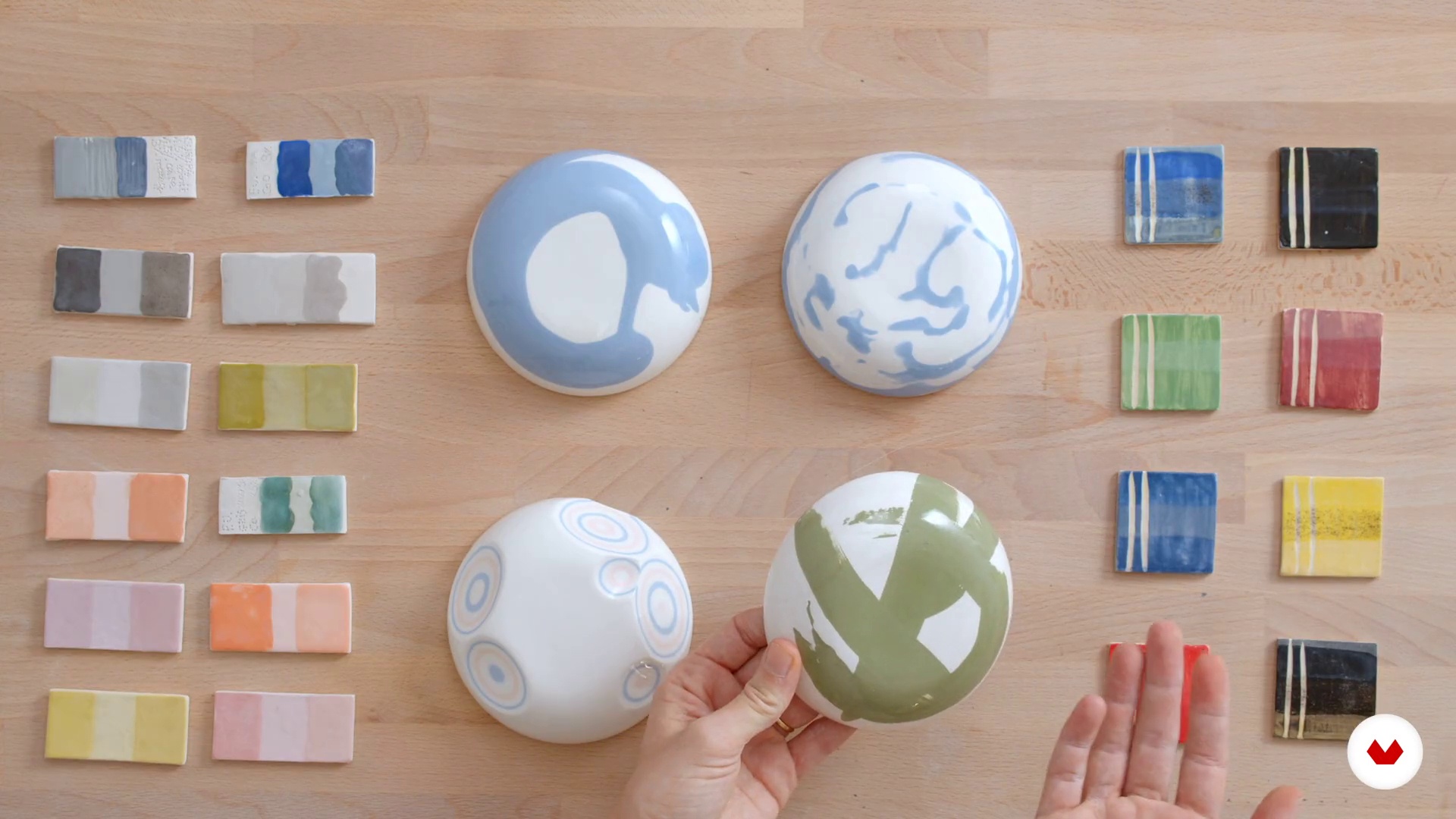
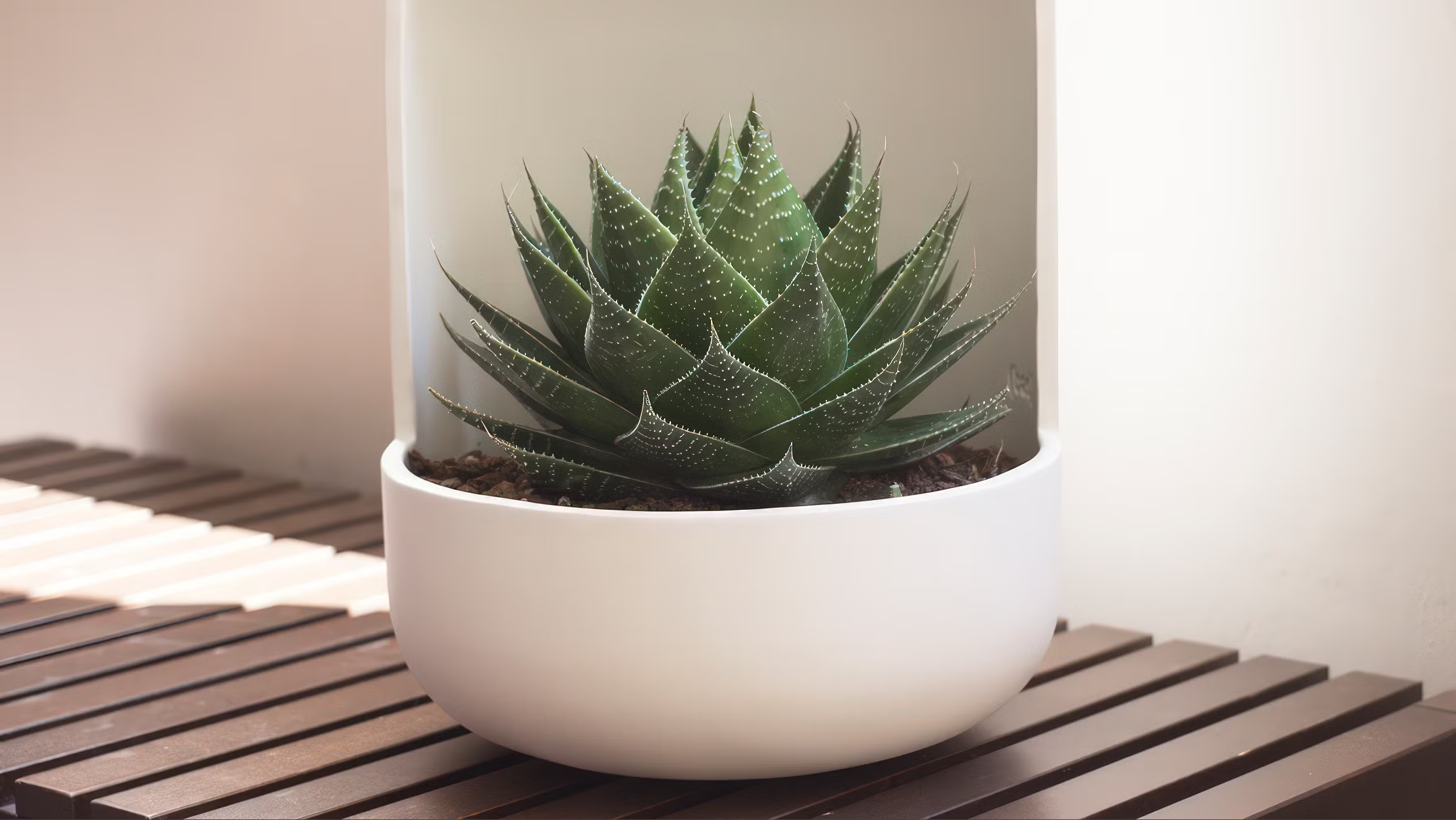
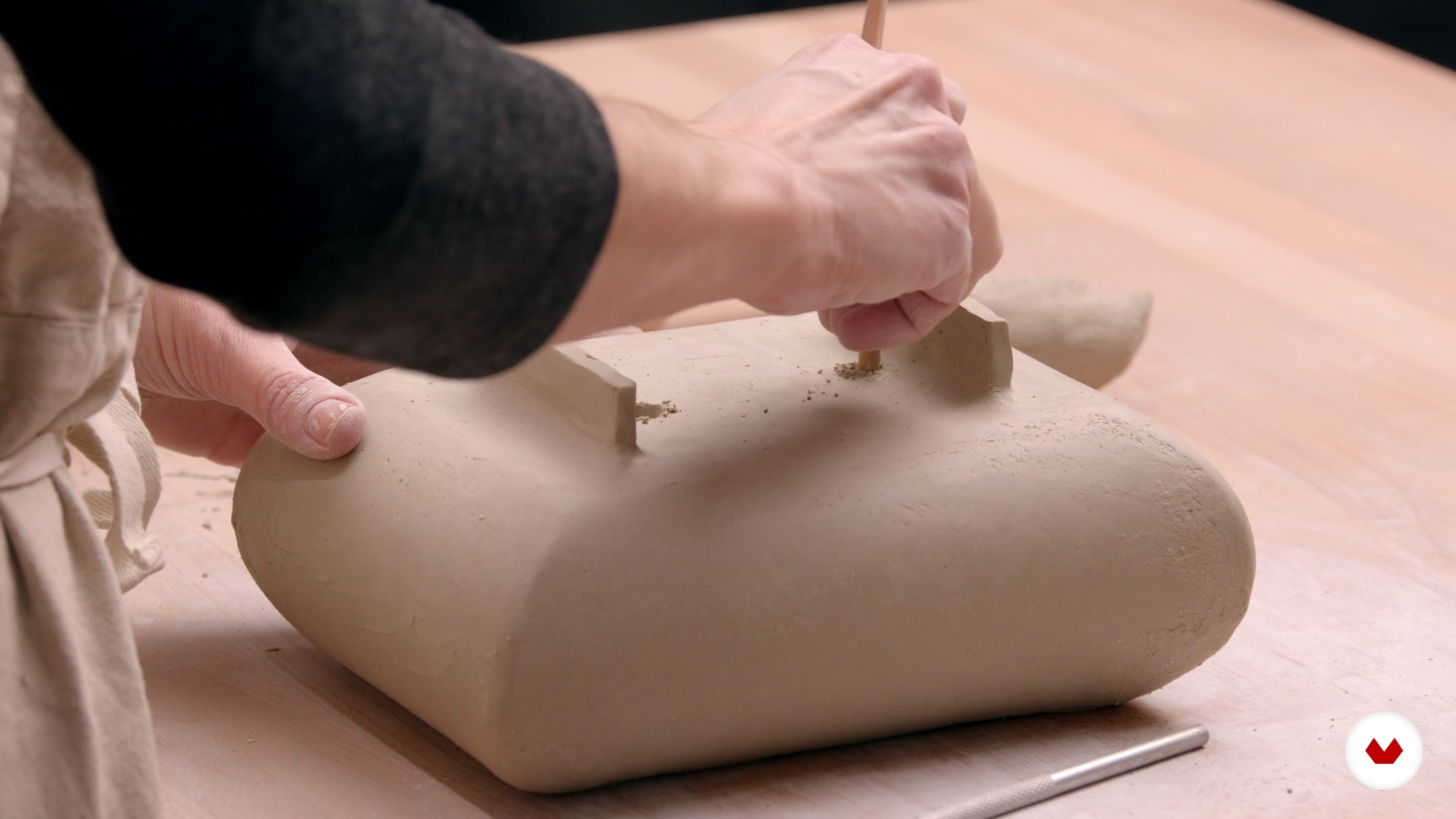
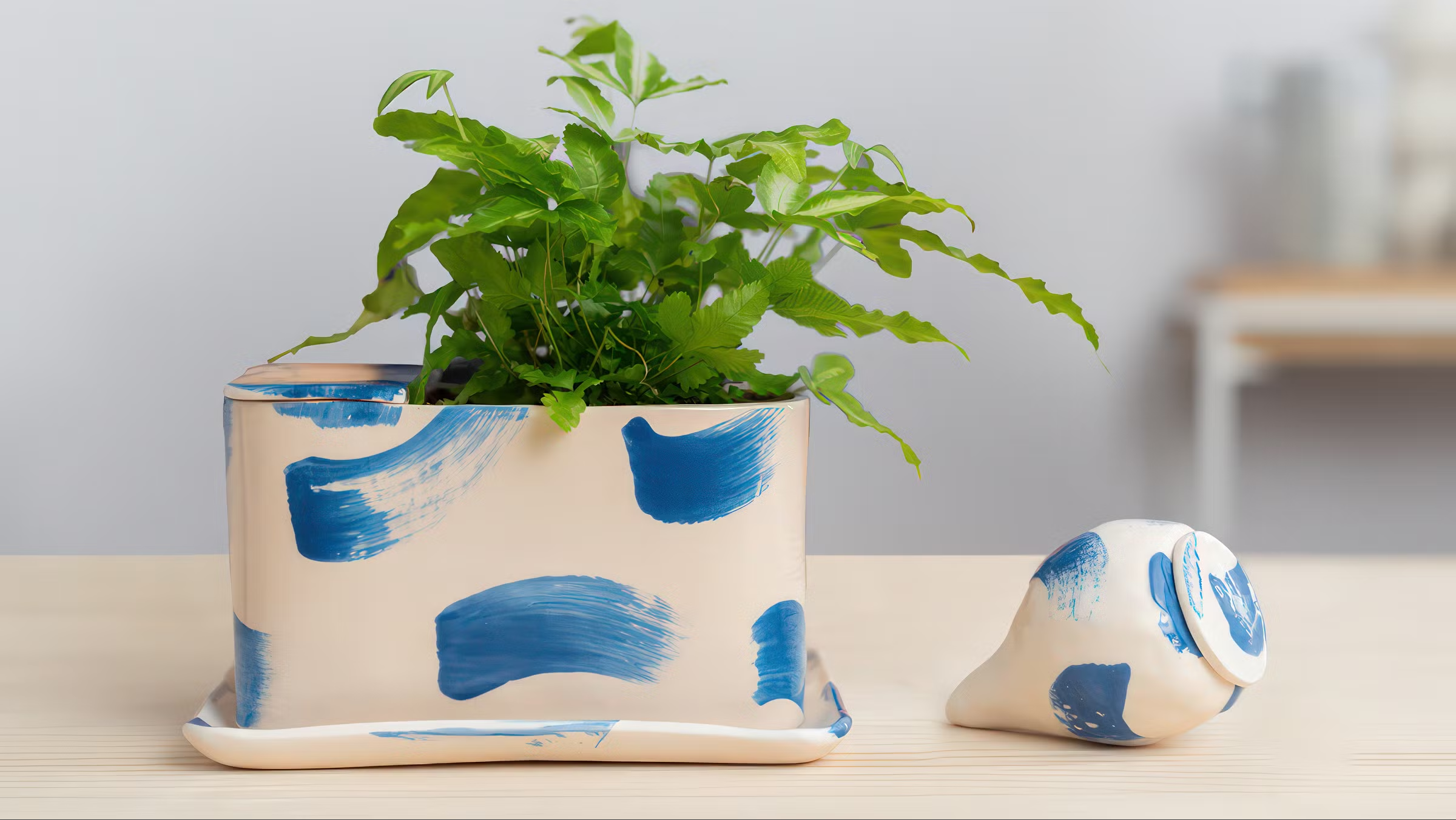
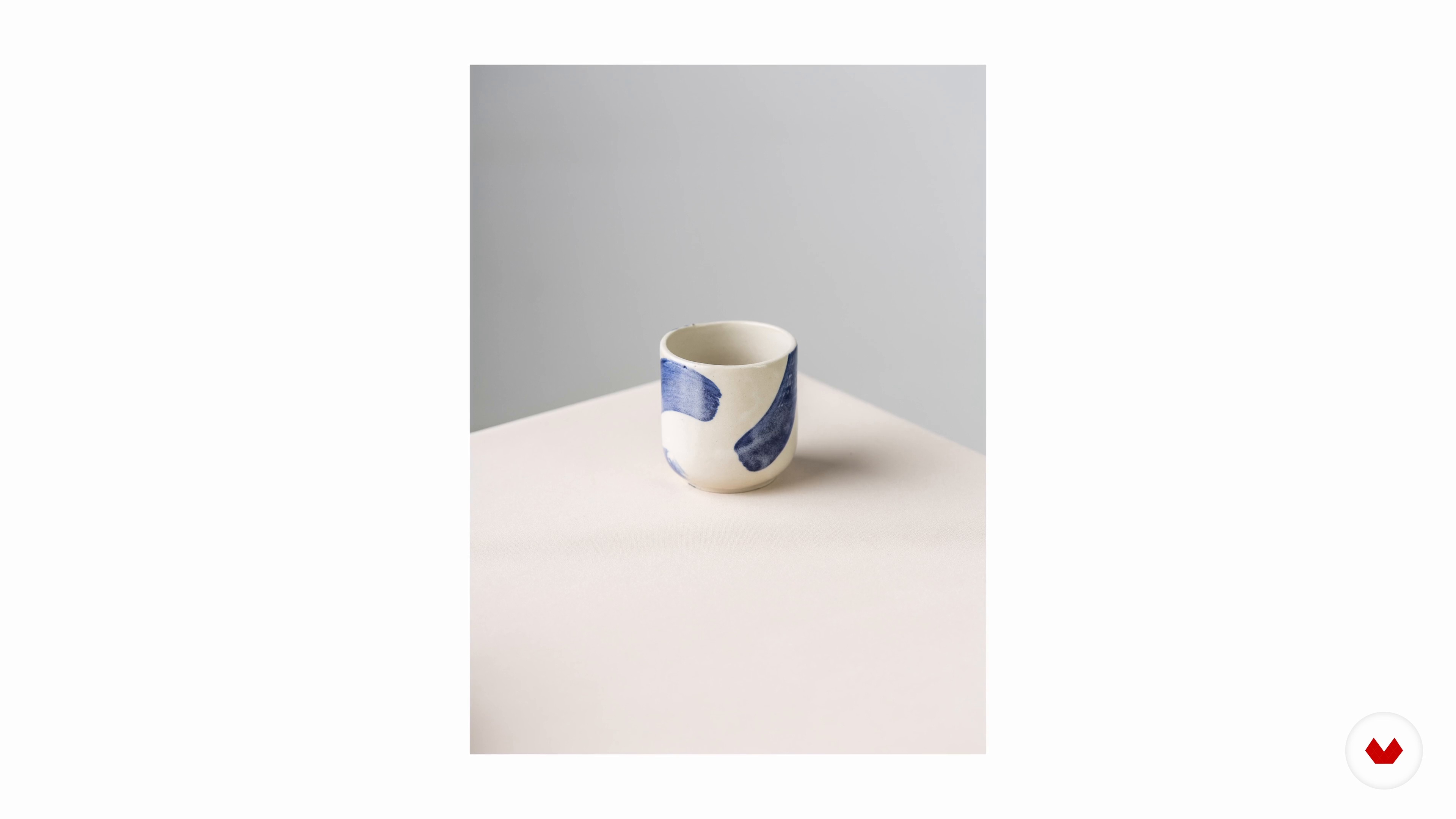
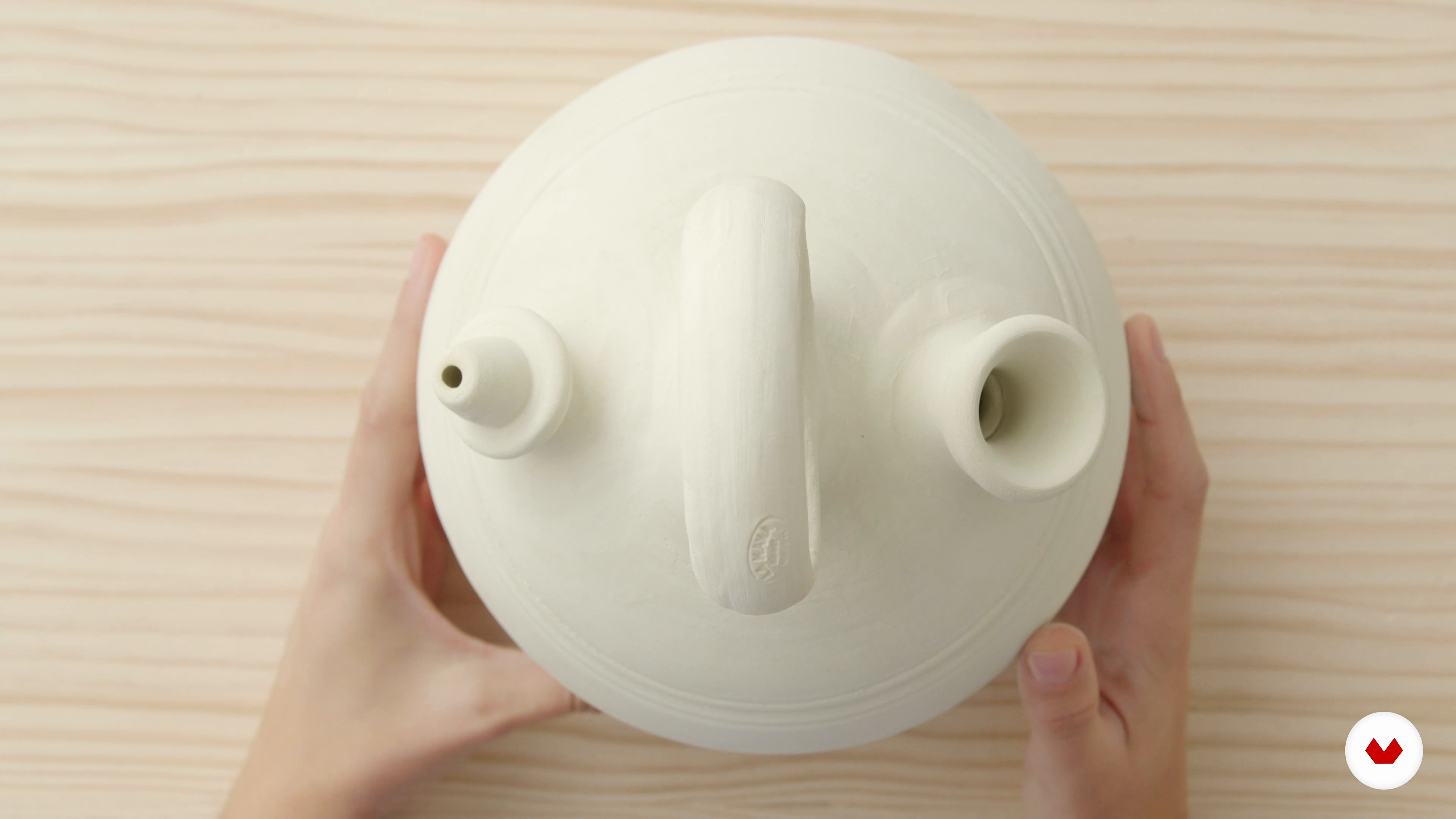
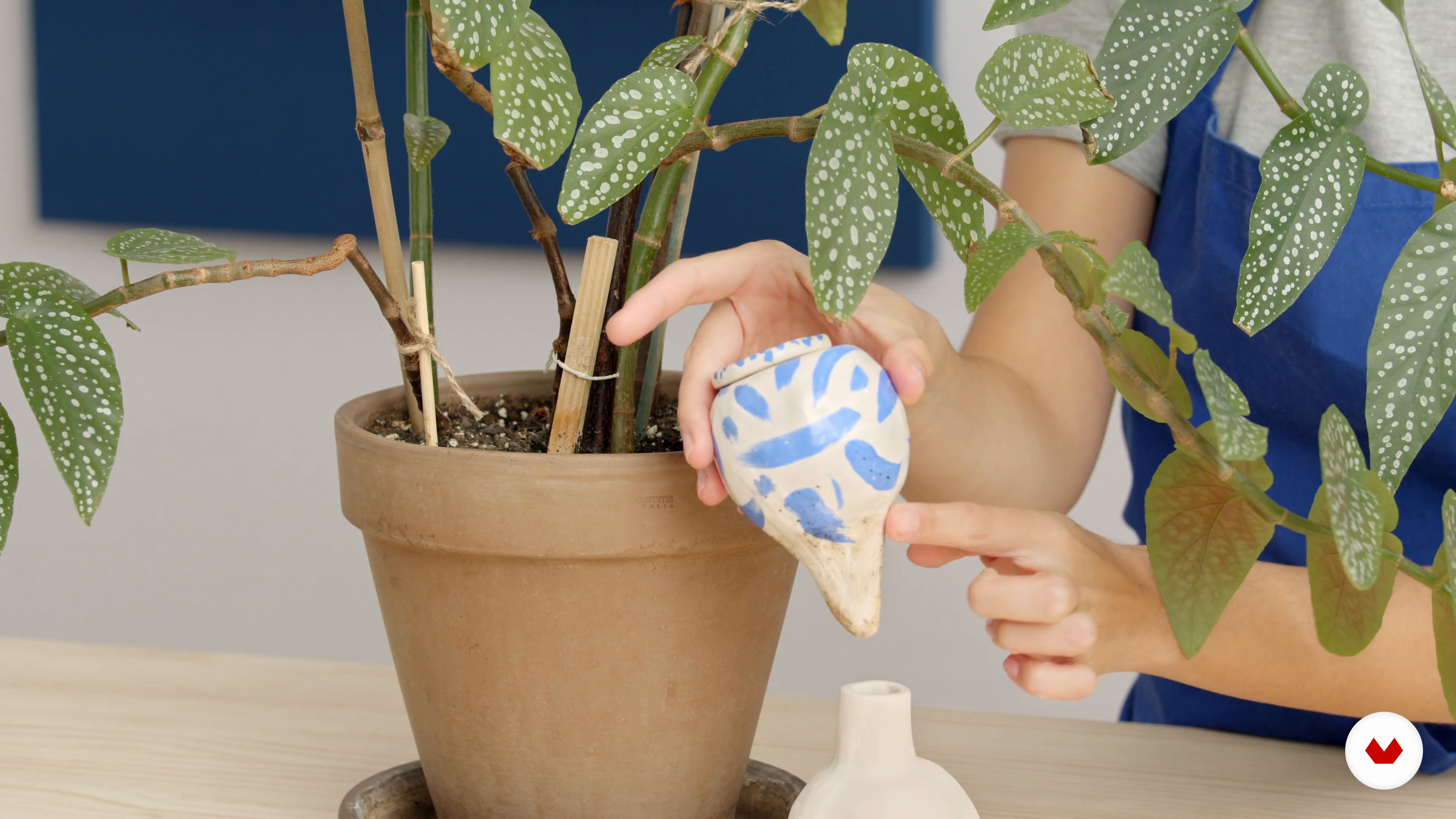
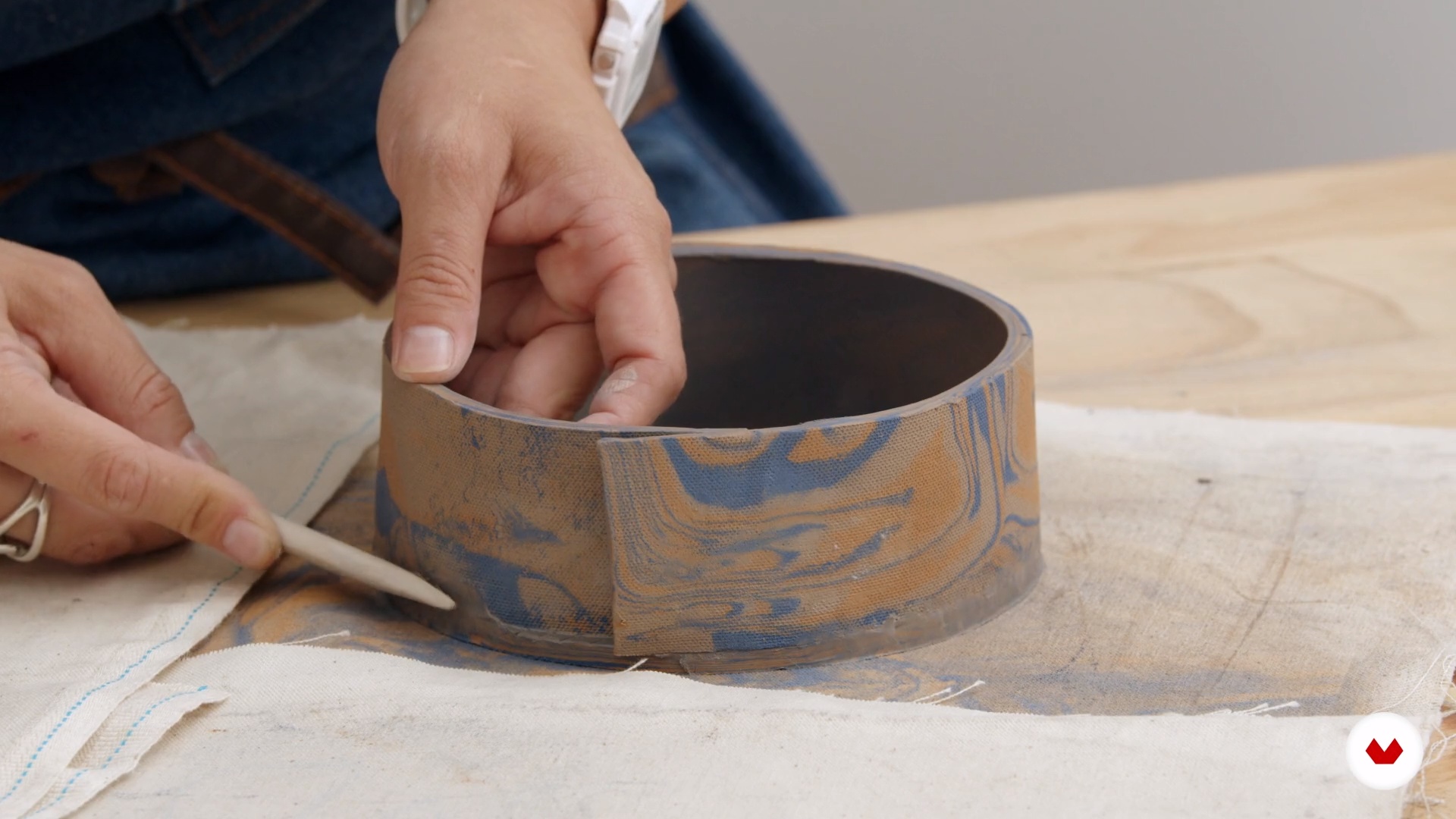
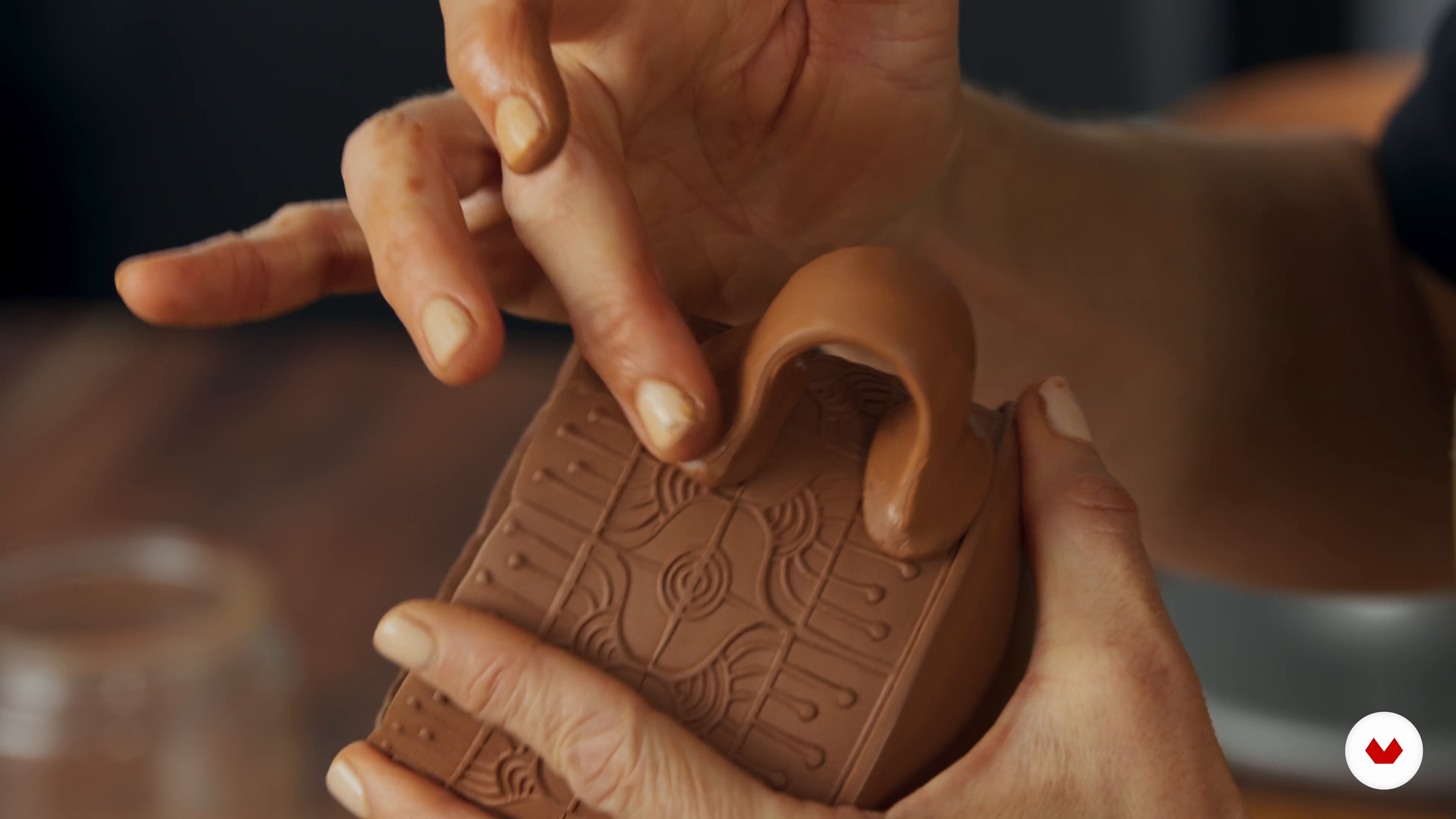
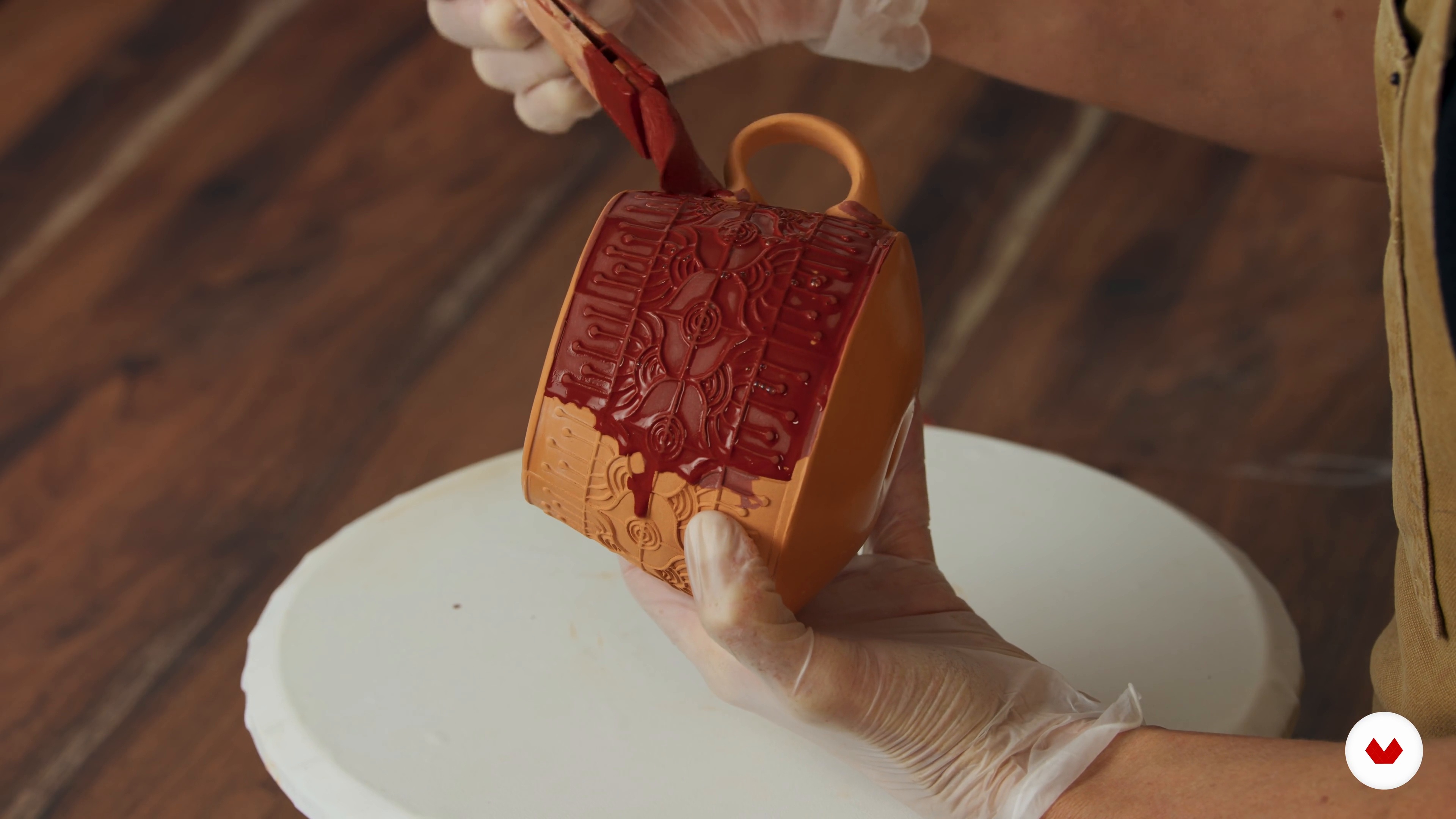
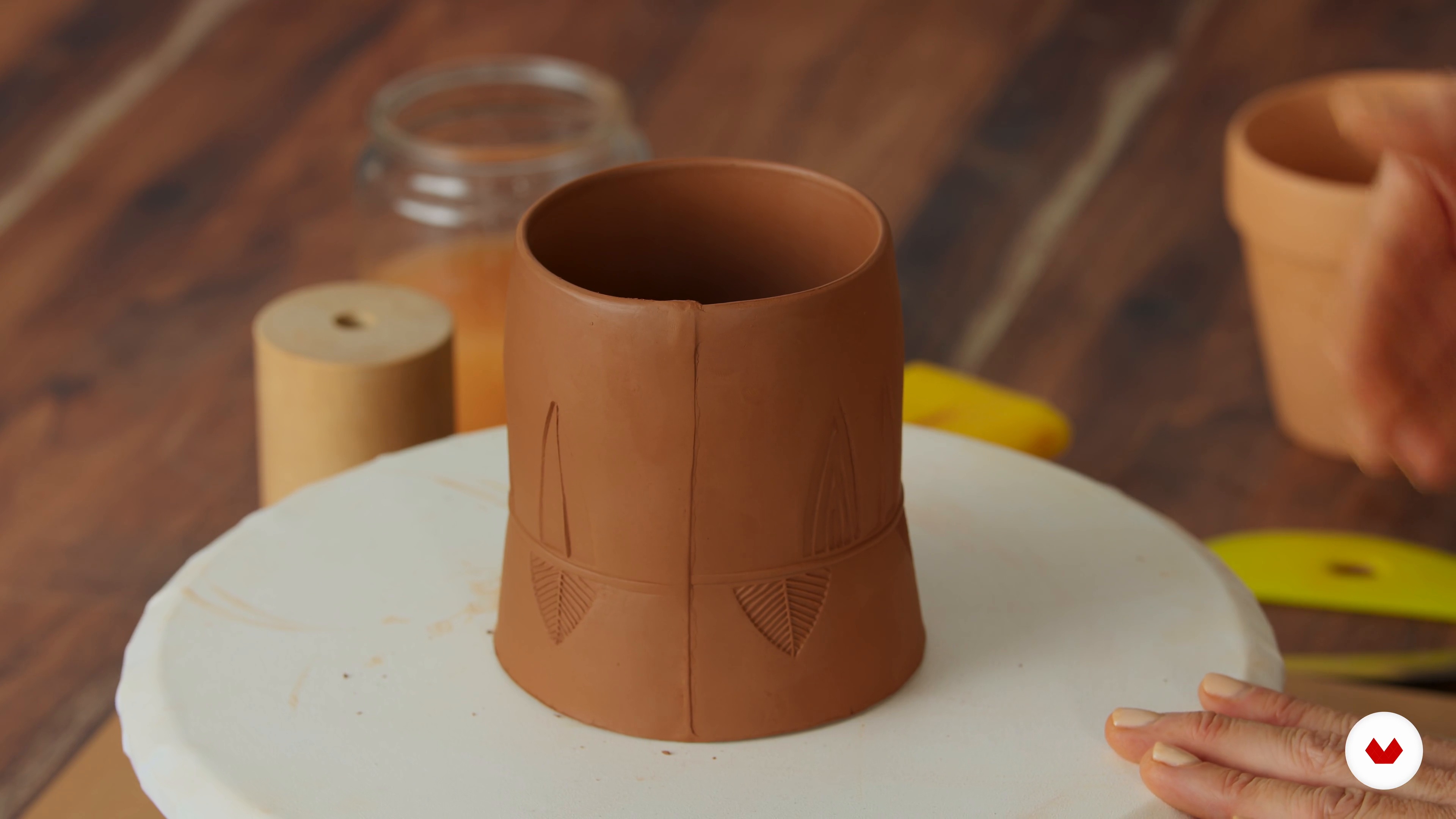
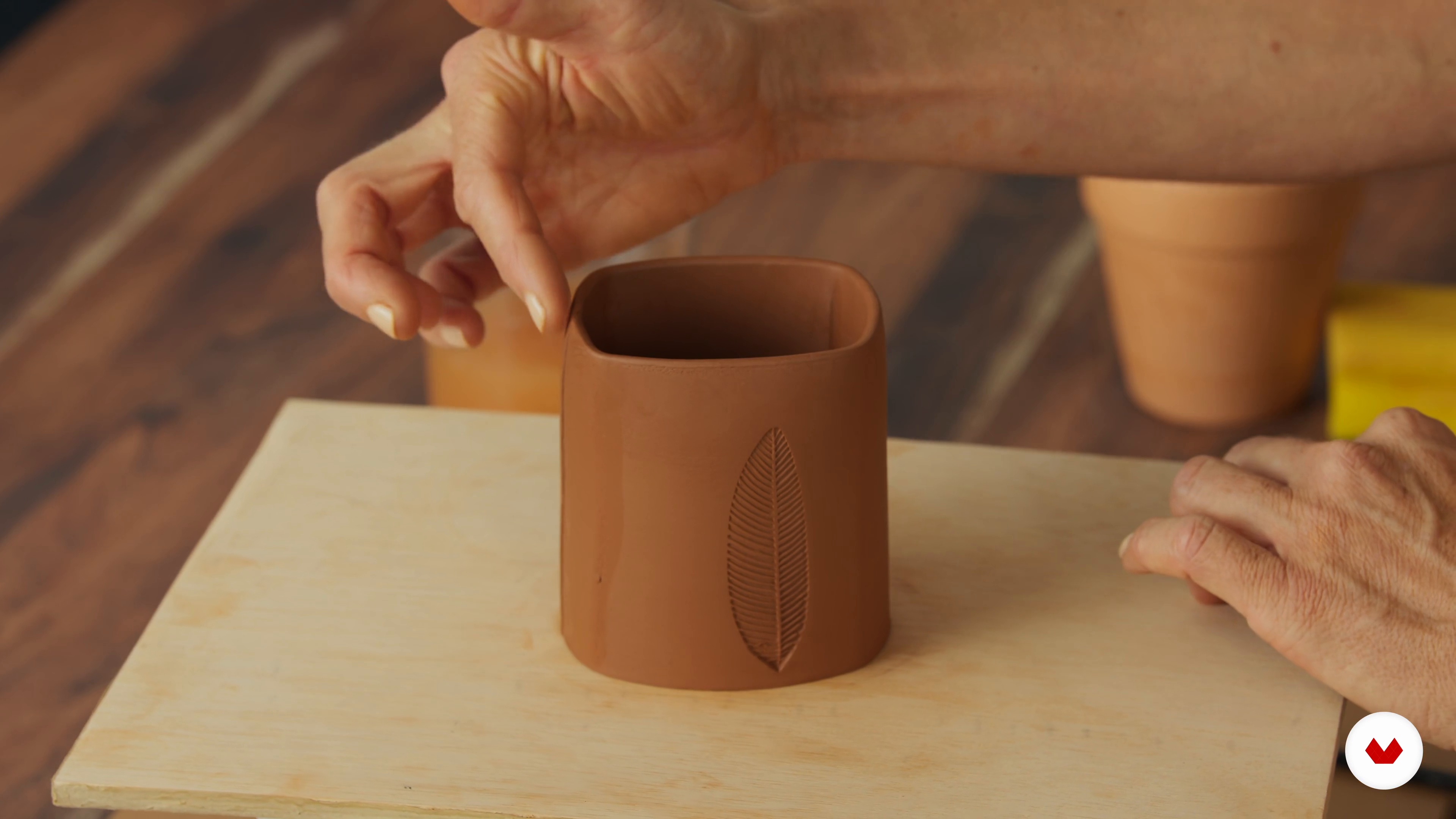
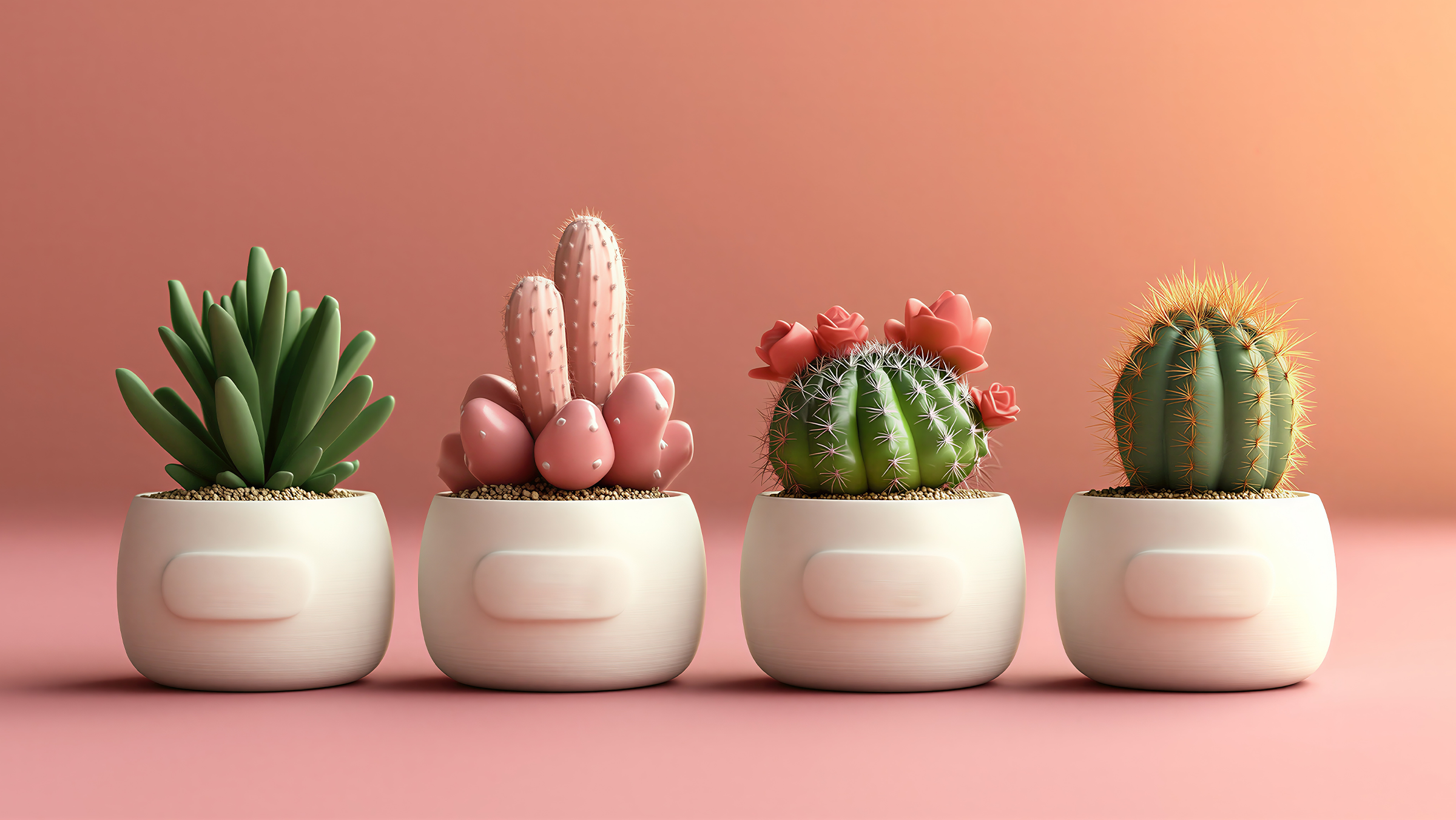
Immerse yourself in the art of ceramic planters and discover how to transform your ideas into unique and functional pieces. You'll learn to create ceramic molds for mass production, optimizing output without sacrificing quality. You'll explore planter design from initial concept to final finish, understanding the proportions and shapes that best suit plant needs. Integrating self-watering systems will add practical value to your creations, while marbling and textured decoration techniques will enhance the visual appeal of your pieces.

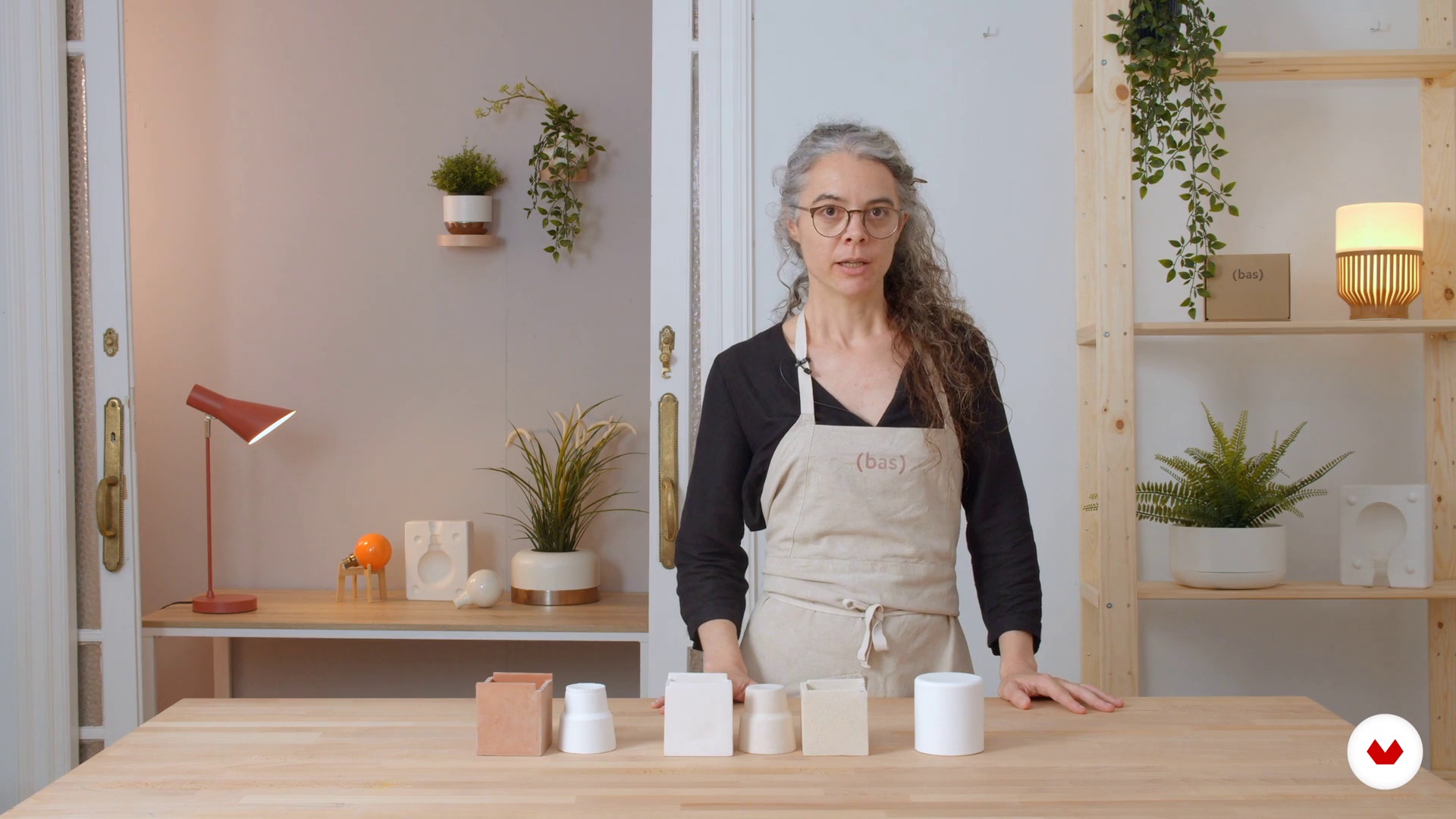
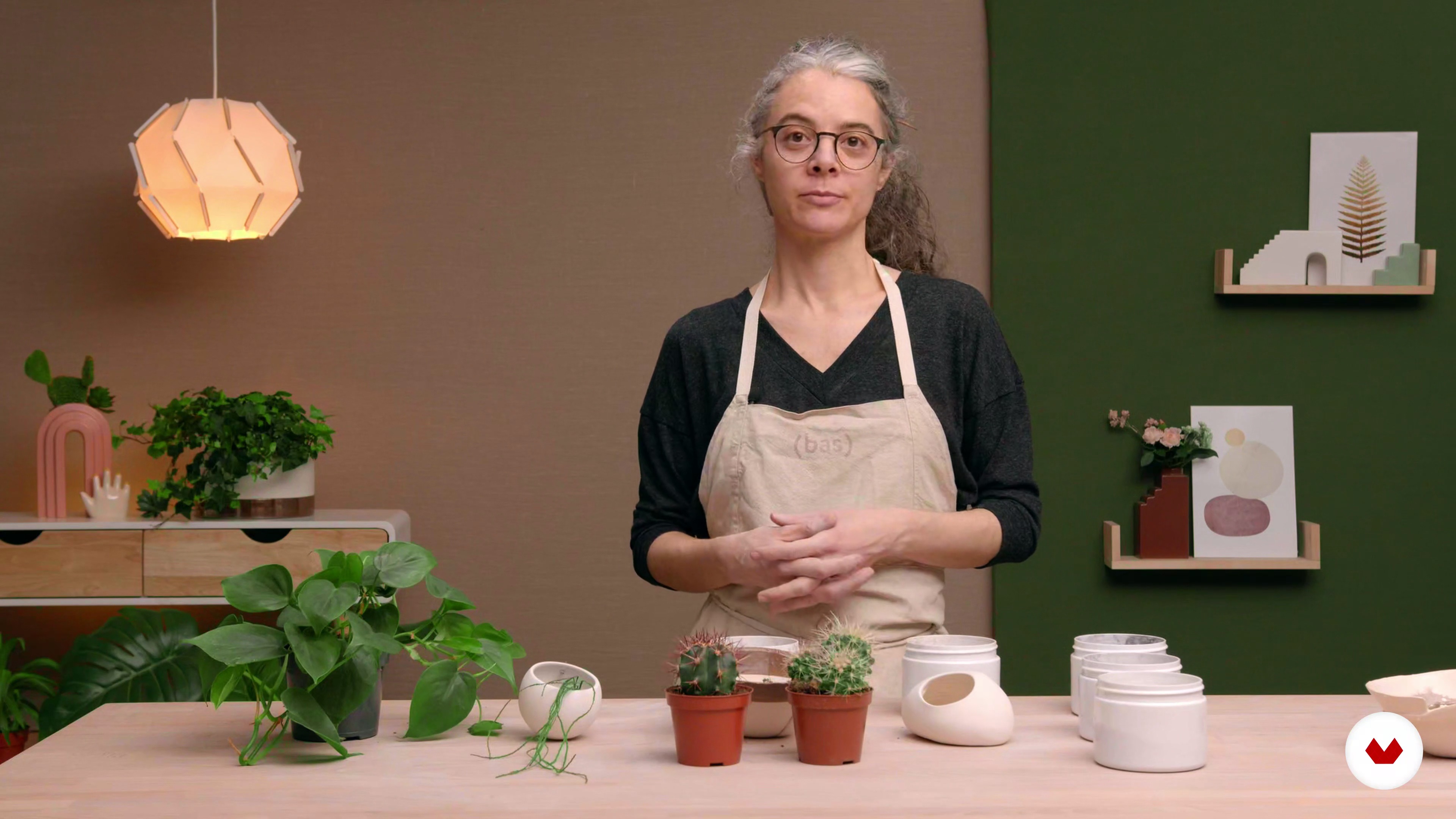
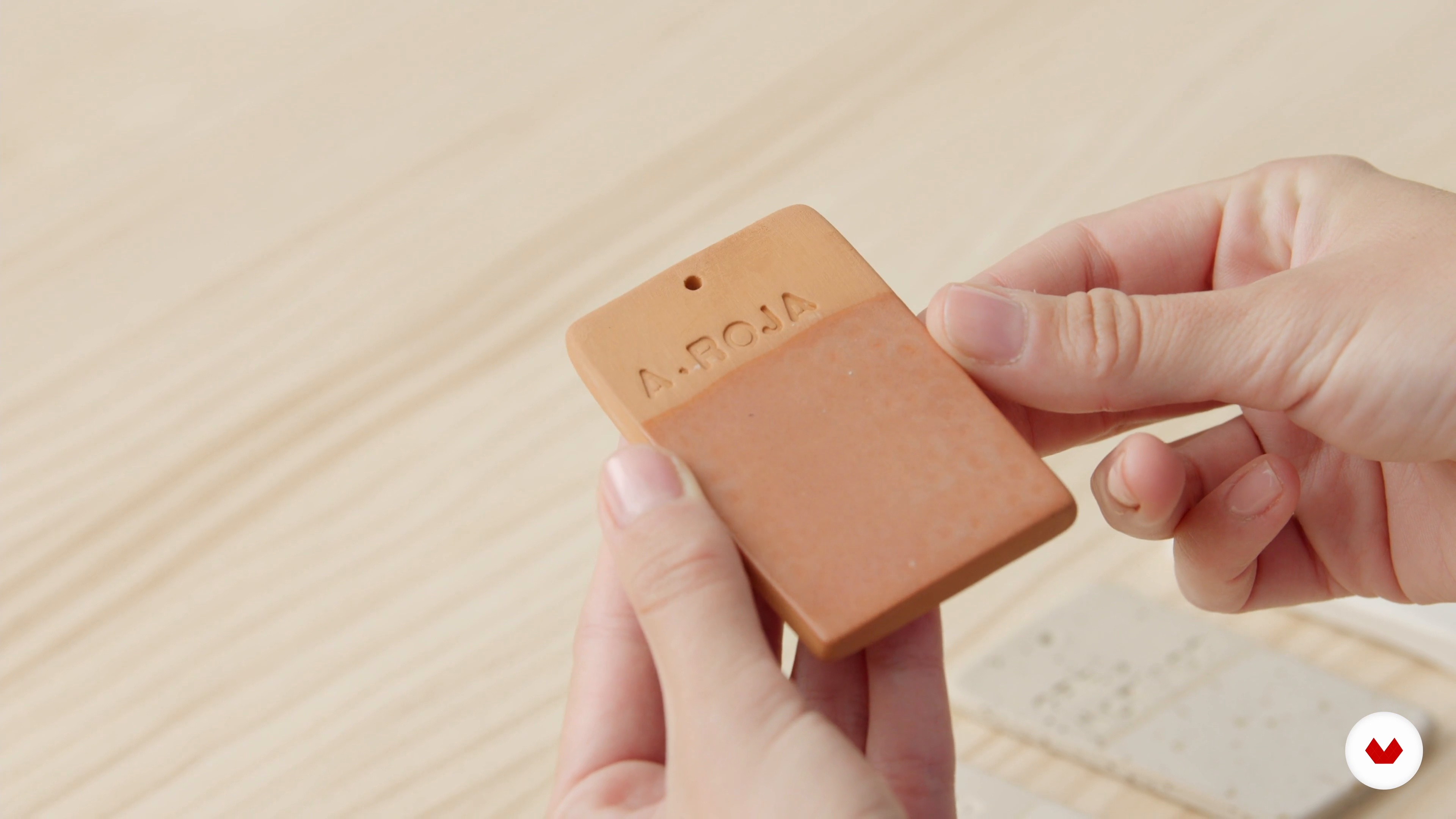
Guided by ceramists Xènia Bas, Clarina, Coralí Lecca, La Pomona, and Sarah Pike, you will develop a personal style in creating planters that reflect your creative vision. You will learn to design and create custom stamps that add unique textures, enriching the final finish of your projects. By the end of the course, you will have a professionally designed collection of planters, ready for commercial production and capable of standing out in a competitive market. Become a versatile ceramist able to serve different market segments, from scalable production to high-value collector's items.

Read more ↓

What will you learn in this specialization?
A total of 7 modules and 89 lessons
A total of 13h 12m of vídeo lessons
Taught by 5 selected expert teachers
image
1
Introduction
From clay to kiln, you'll explore the art of creating planters that transcend their function. This journey will invite you to combine technique, aesthetic sensibility, and a connection with nature to bring to life unique pieces that engage with their surroundings. In this lesson, you will explore the cultural, historical, and emotional dimensions of ceramic planter design. You will reflect on ceramics as a bridge between function and beauty, and begin to envision your own practice based on intention, tradition, and personal expression.
1m
image
2
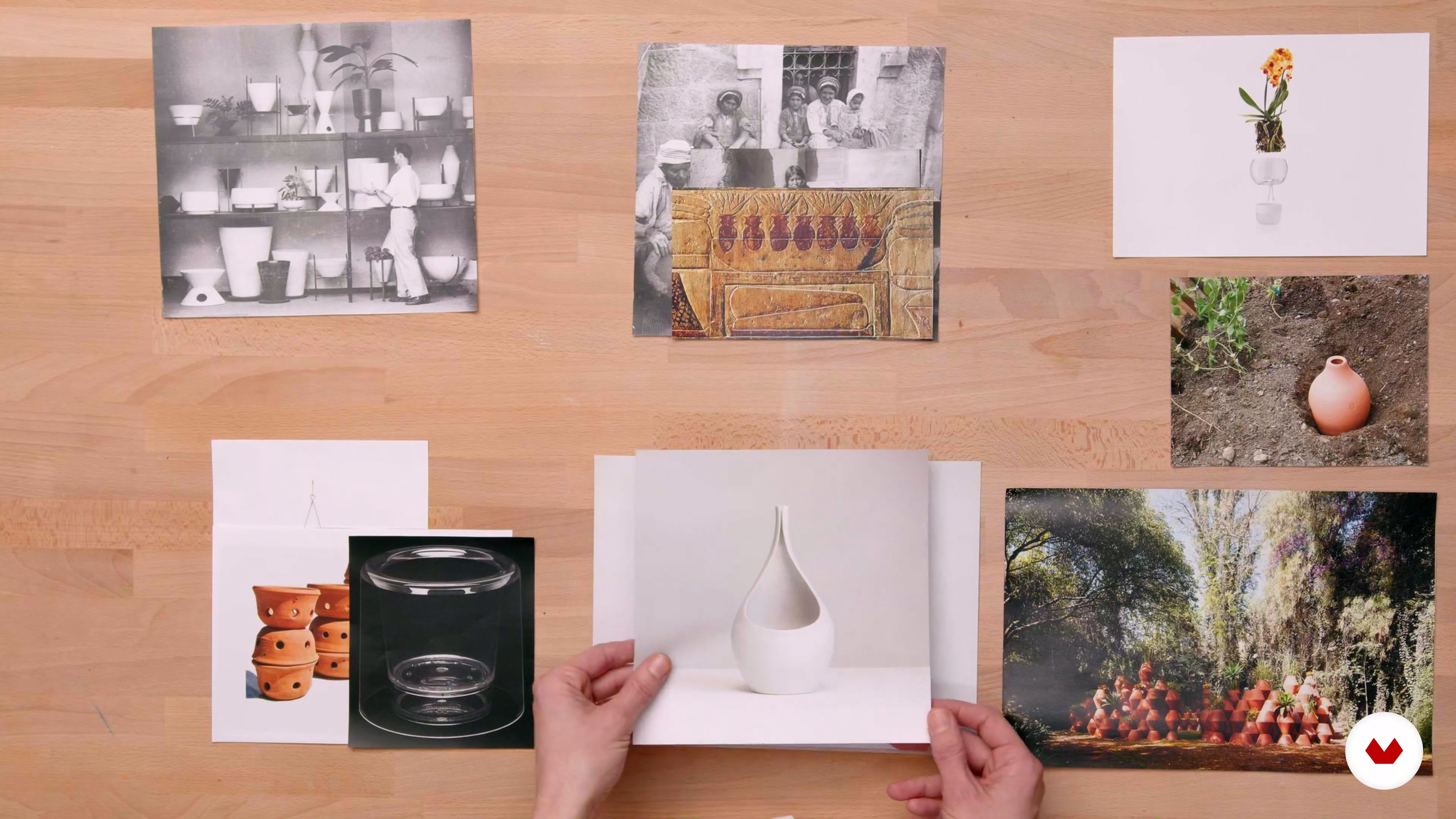
Influences | Xènia Bas
Many things inspire me in my creative process, people around me, personal experiences ... In this lesson I will tell you a little about all of it.
11m
image
2
Influences | Clara Gutiérrez
Next, I am going to tell you what my references are when developing my own creative universe.
5m
image
2
Influences | Coralí Lecca
What do I draw inspiration from to create my pieces and collections? Here I will tell you what motivates me and how I reinterpret these references from my memory, the places, shapes and colors that I observe. Everything to create a visual collage translated into a ceramic object that expresses my own way of seeing, creating and communicating.
2m
image
2
Influences | Mónica Oceja
Now I would like to show you some of my influences, they are some studios and ceramic artists that have inspired me in the creation of my work.
2m
image
2
Influences | Sarah Pike
Let me show you now my major influences. I will explain why they have been important to me and how my style has developed.
3m
image
4
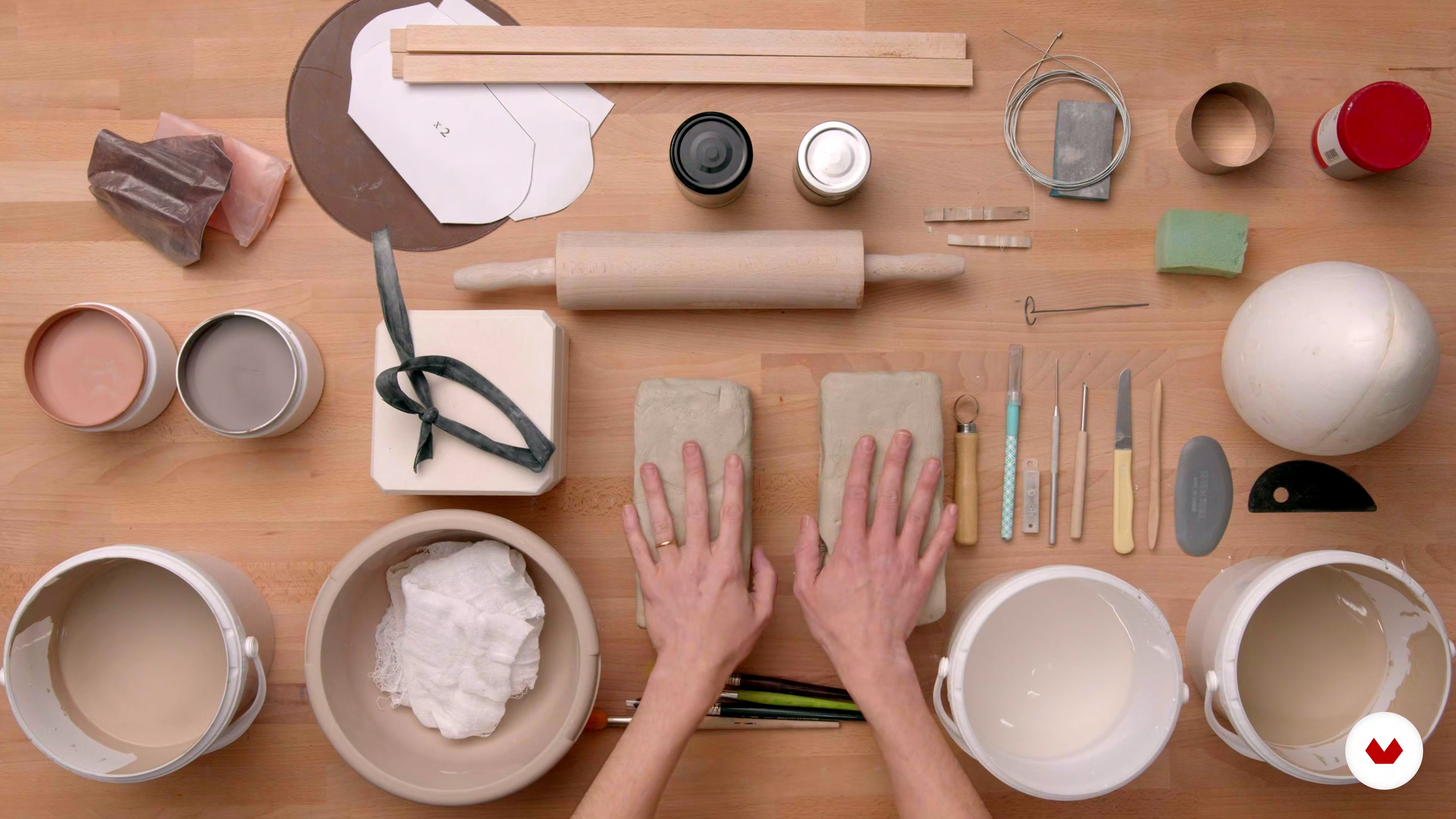
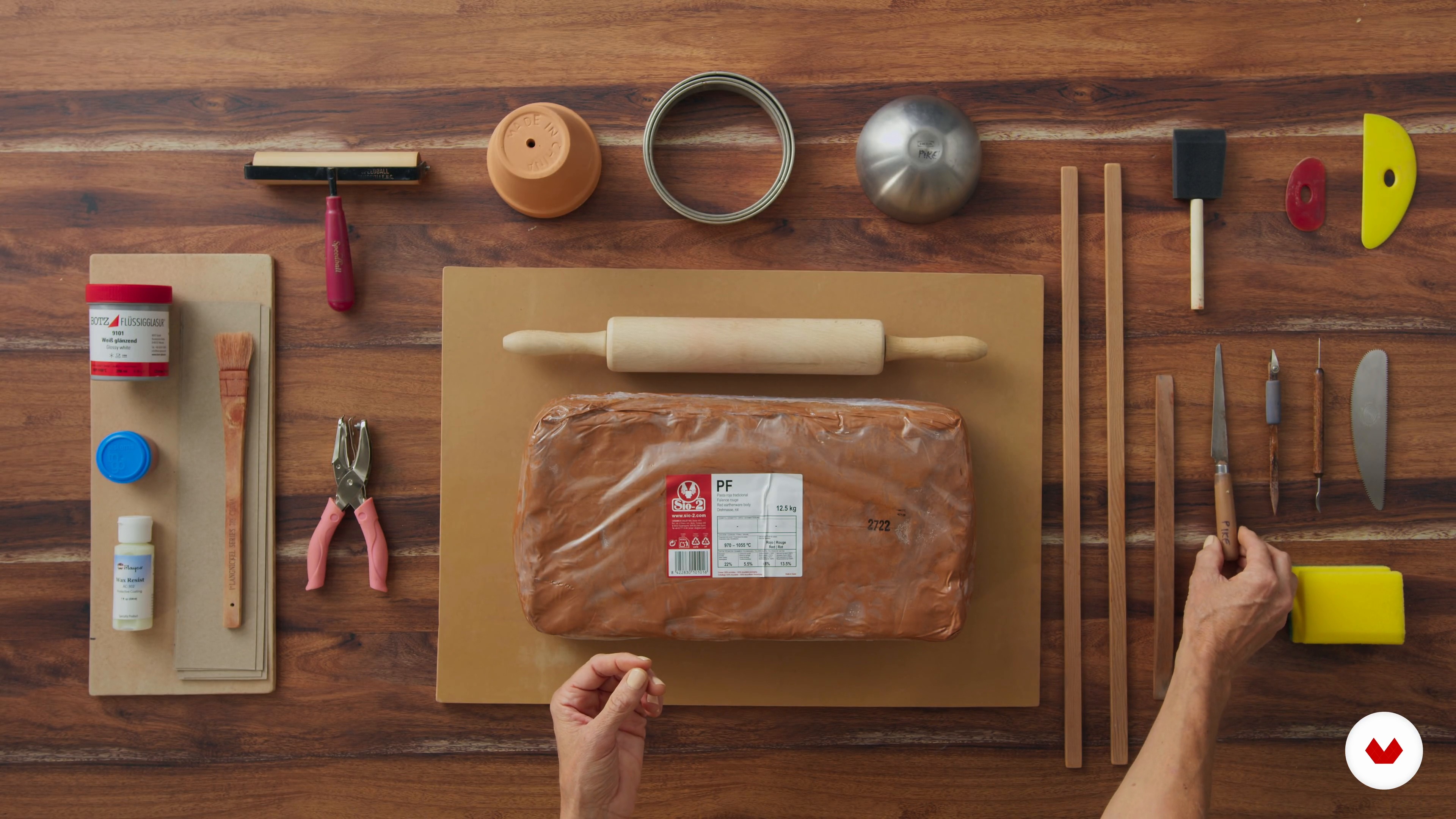
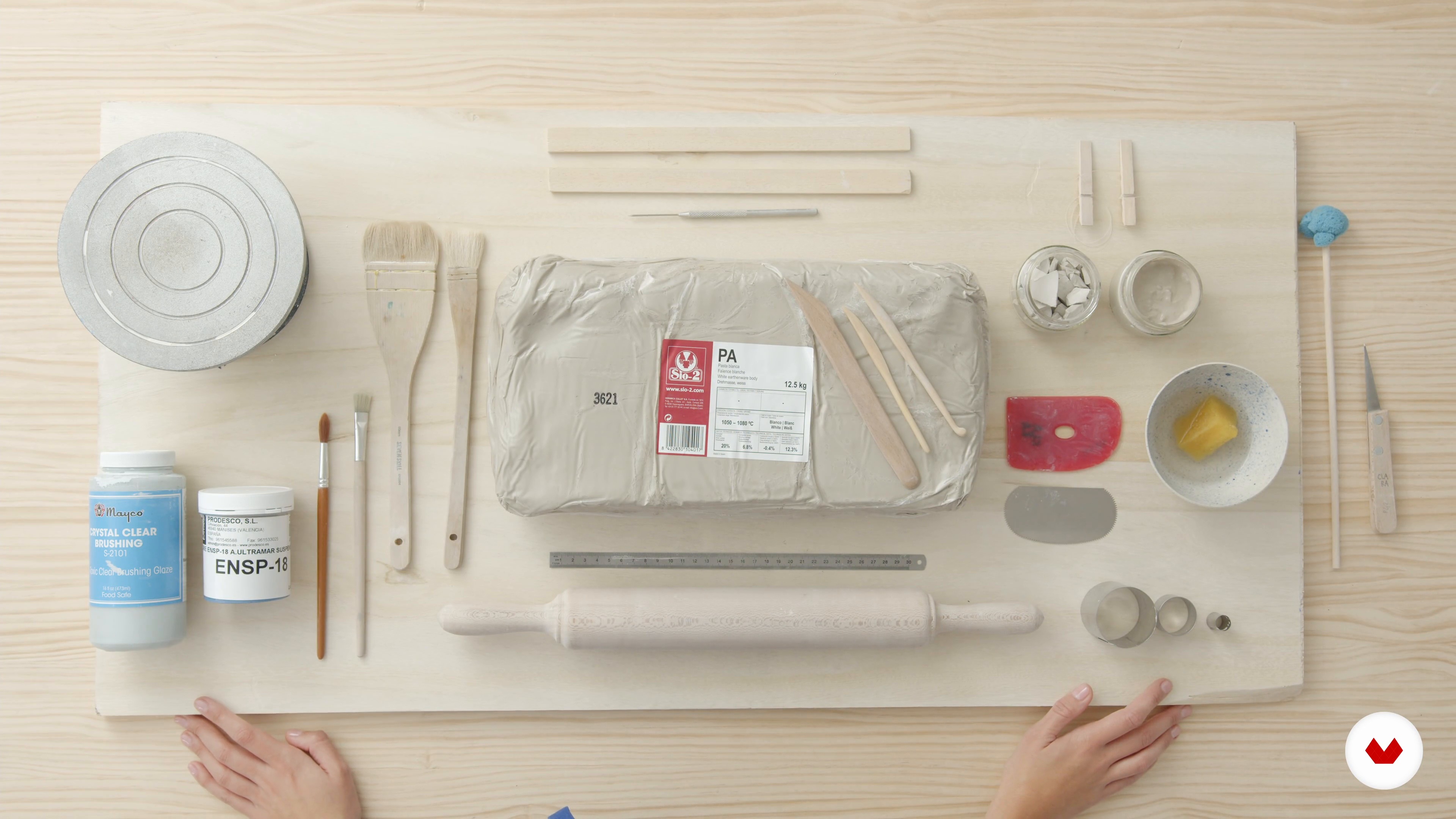
Tools and materials
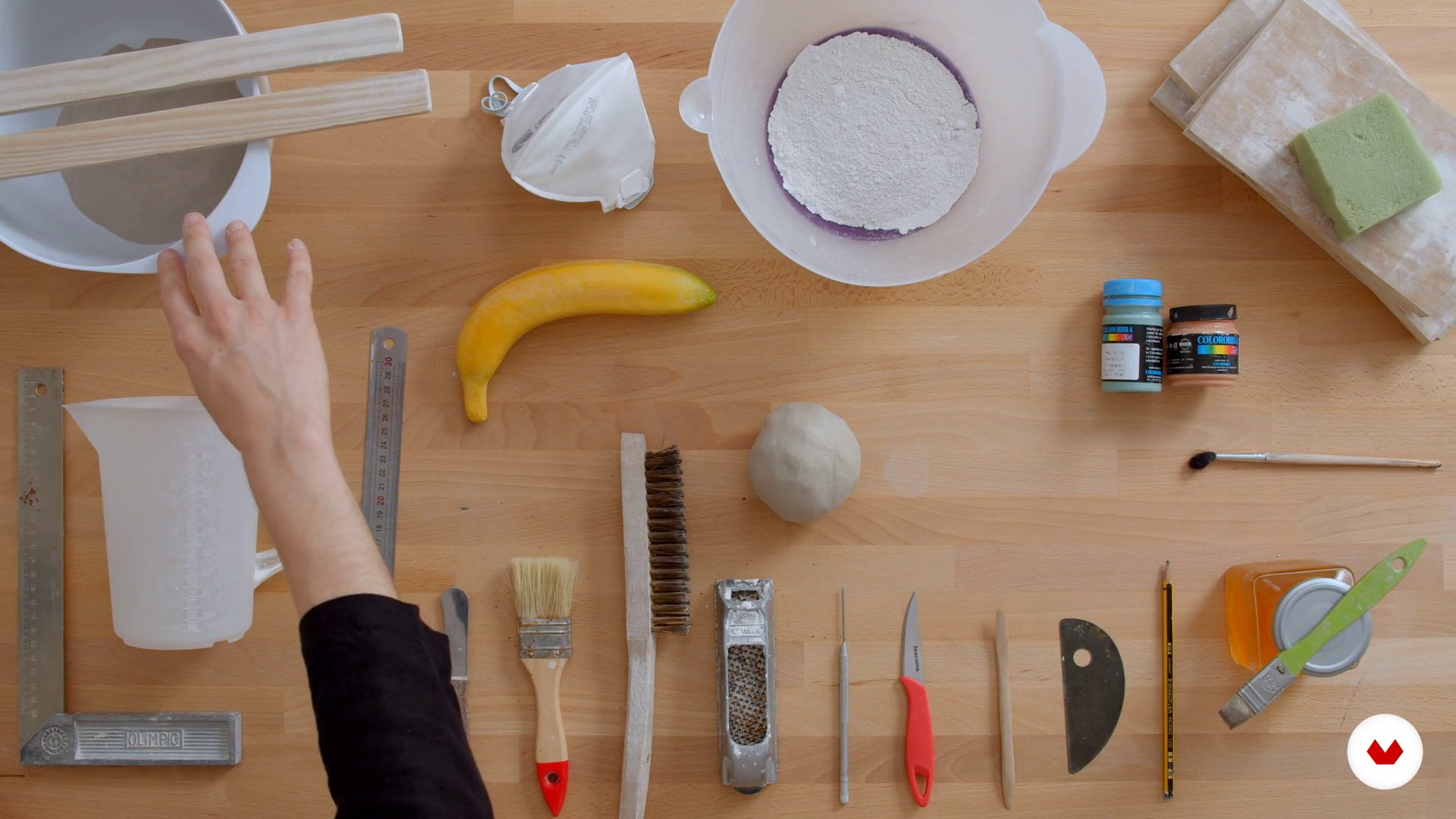
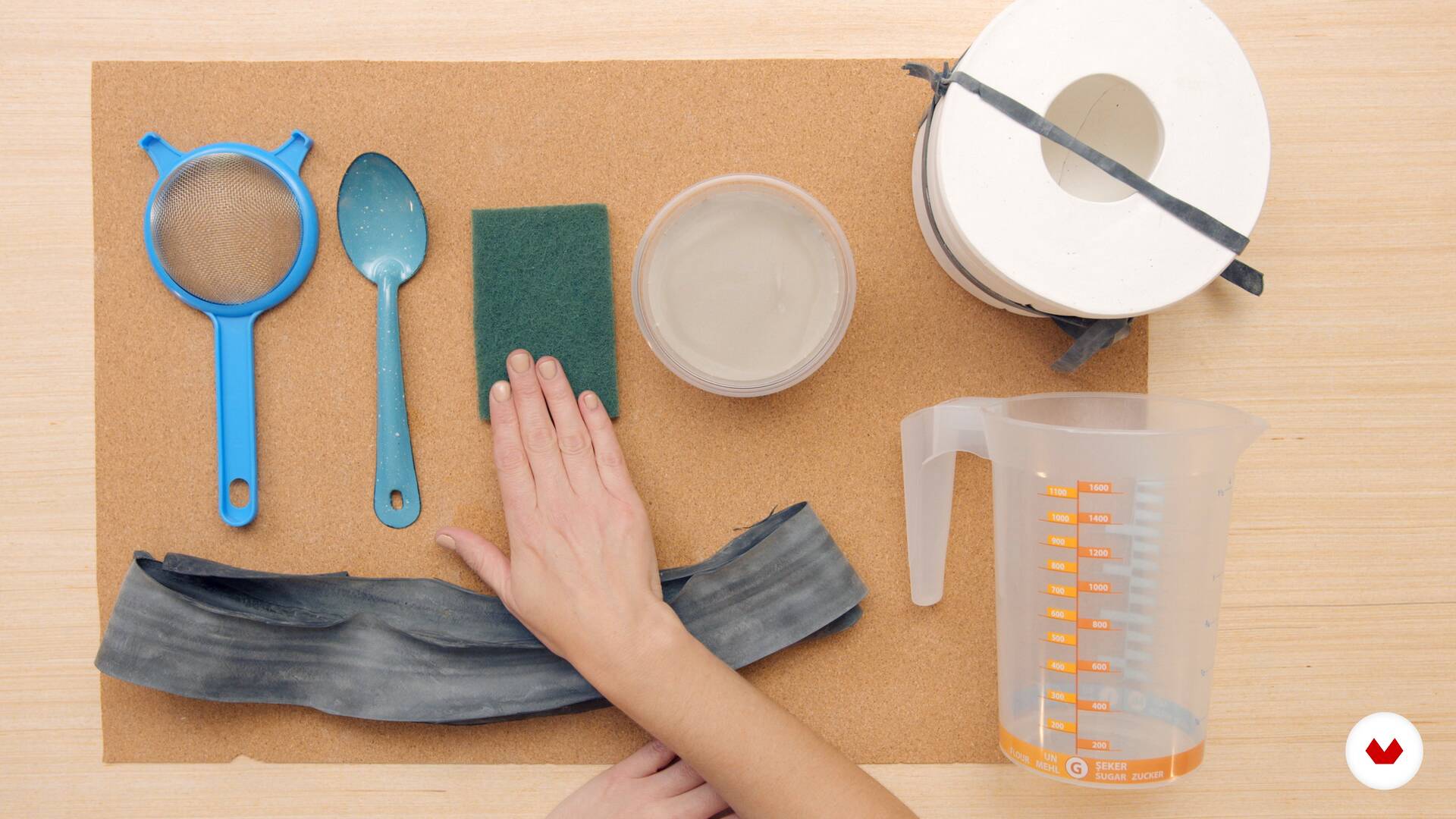
In this lesson I will introduce you to the tools and materials that we are going to need to make the mold.
4m
image
5
Design for ceramics
In this lesson I will tell you the things you have to consider if you design an object to be produced in ceramics.
3m
image
6
Educate the look
In this lesson, from some simple exercises and also from a game that I propose, you will learn how to educate your eyes.
3m
image
7
Realization of the bed
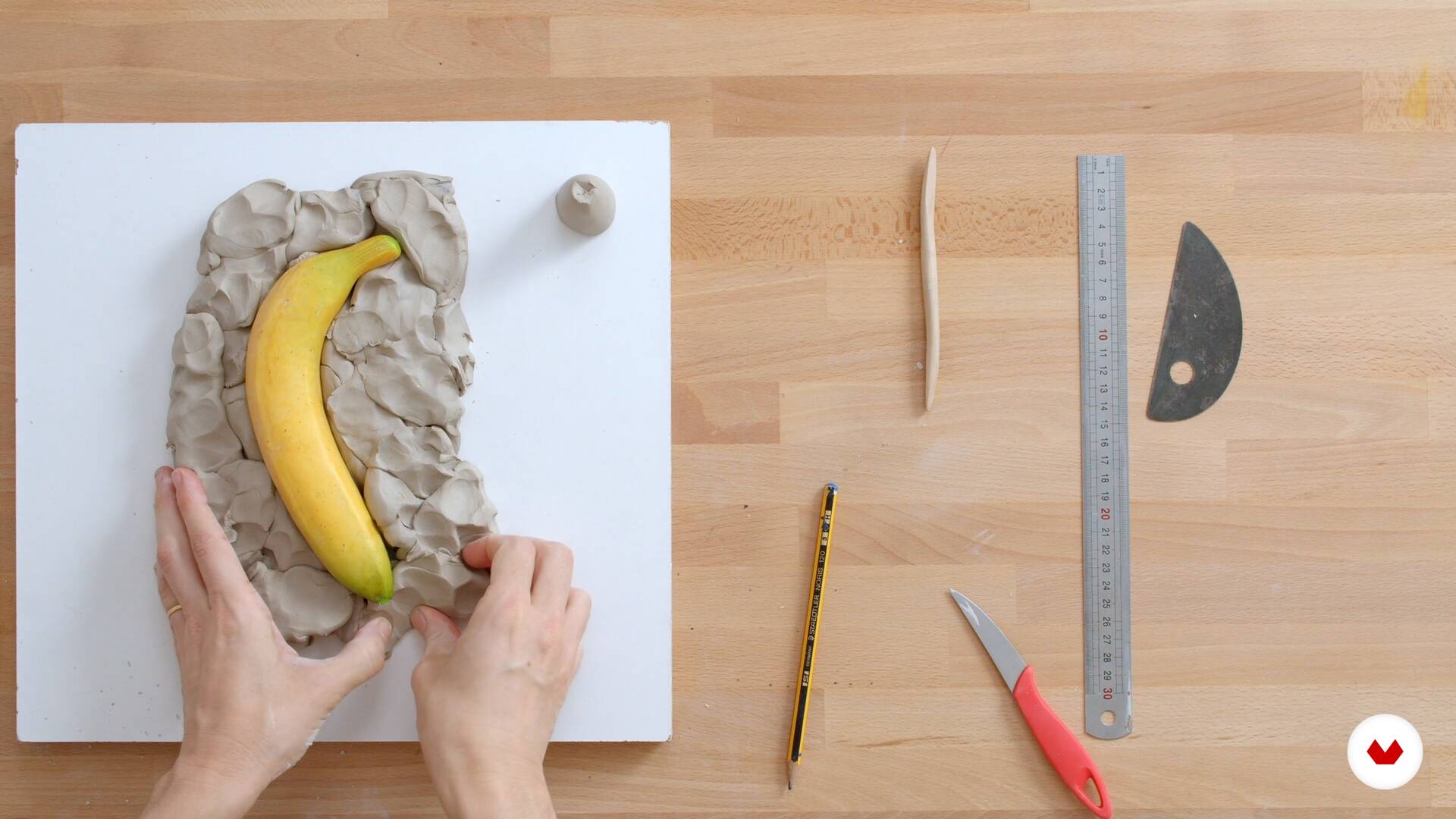
In this lesson I will teach how to perform what we call "bed", this is the first step to begin the realization of the mold.
7m
image
8
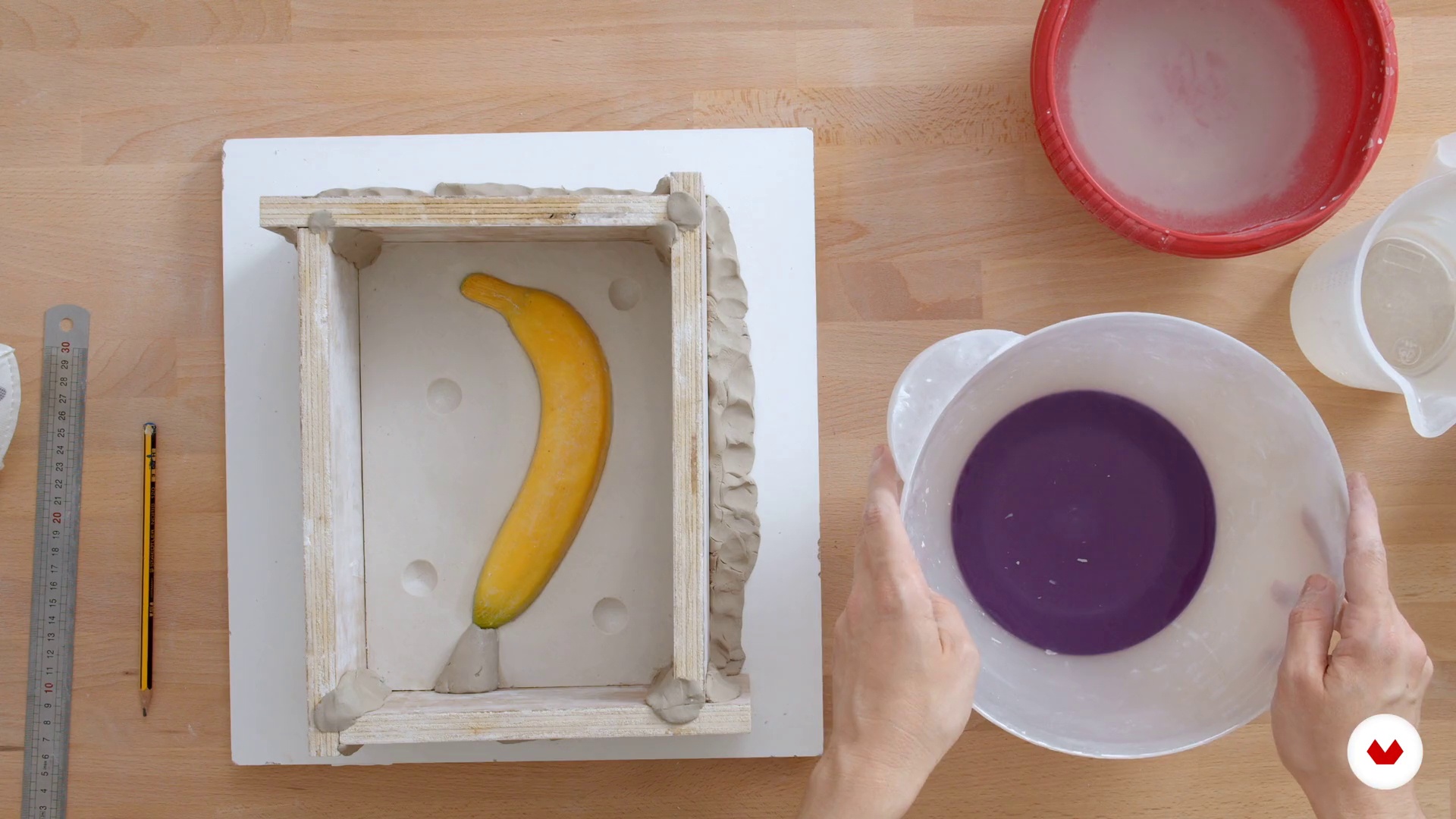
First part of the mold
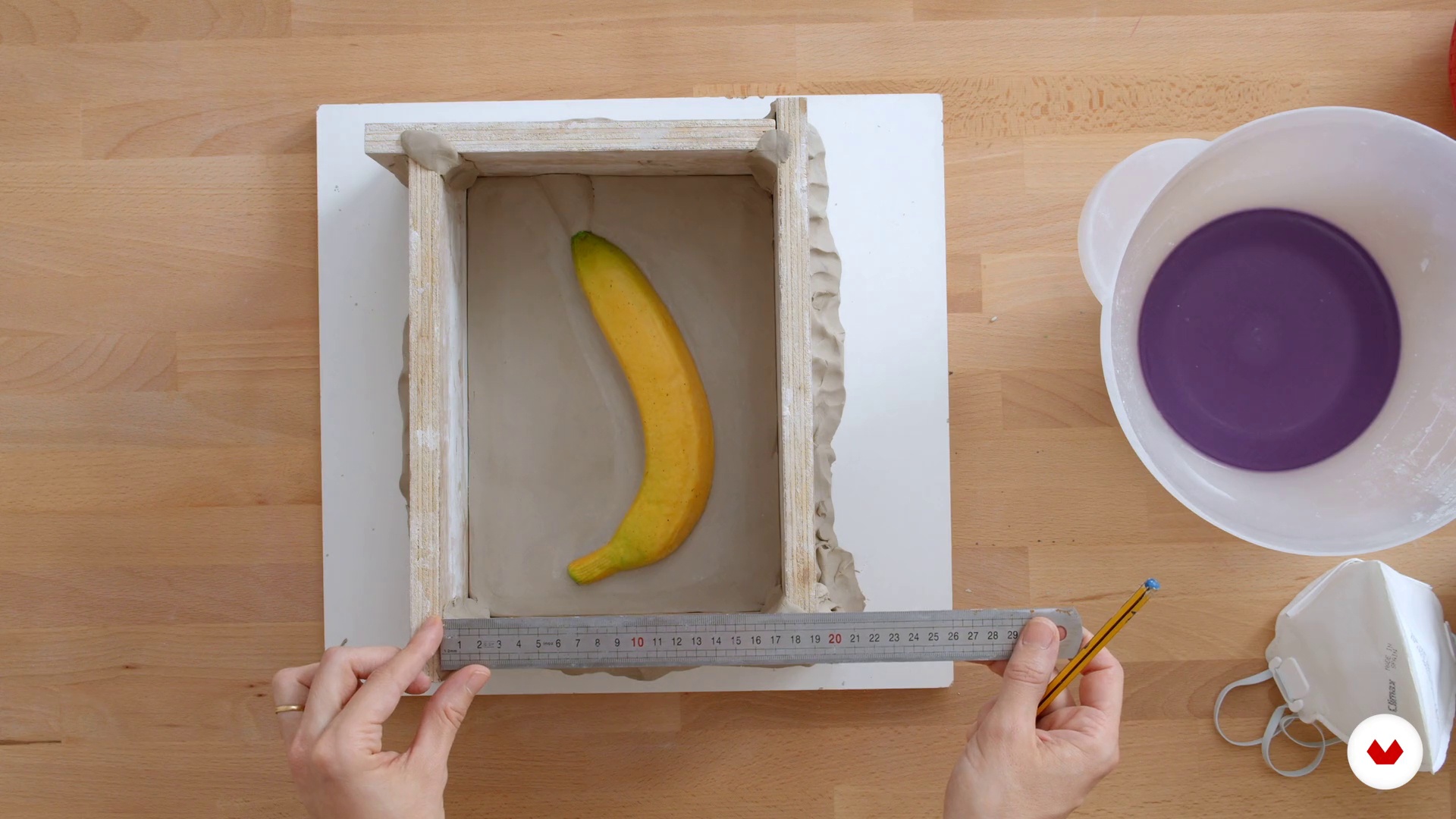
In this lesson I will explain how to form and prepare the plaster of the first part of the mold.
11m
image
9
Second part of the mold
In this lesson we will open the formwork, make the keys and prepare the second part of the mold.
12m
image
10
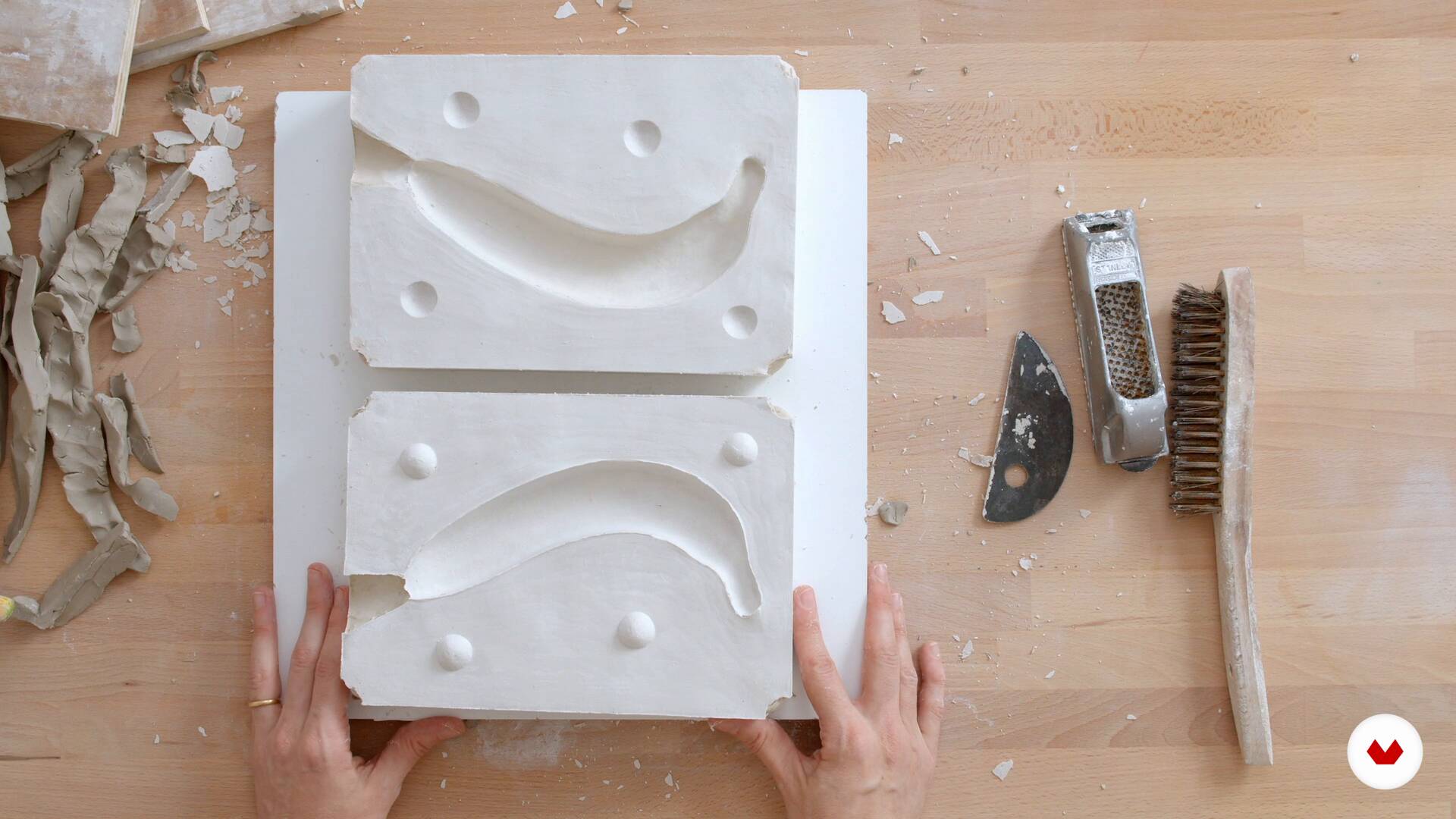
Open and finish the mold
In this lesson we will finish the mold, we will leave it ready for it to dry and we can use it.
4m
image
11
Clay Preparation
In this lesson we change materials. We clean everything that is plaster and go to work with liquid clay to make the reproduction of the piece. I will explain how to prepare liquid clay.
4m
image
12
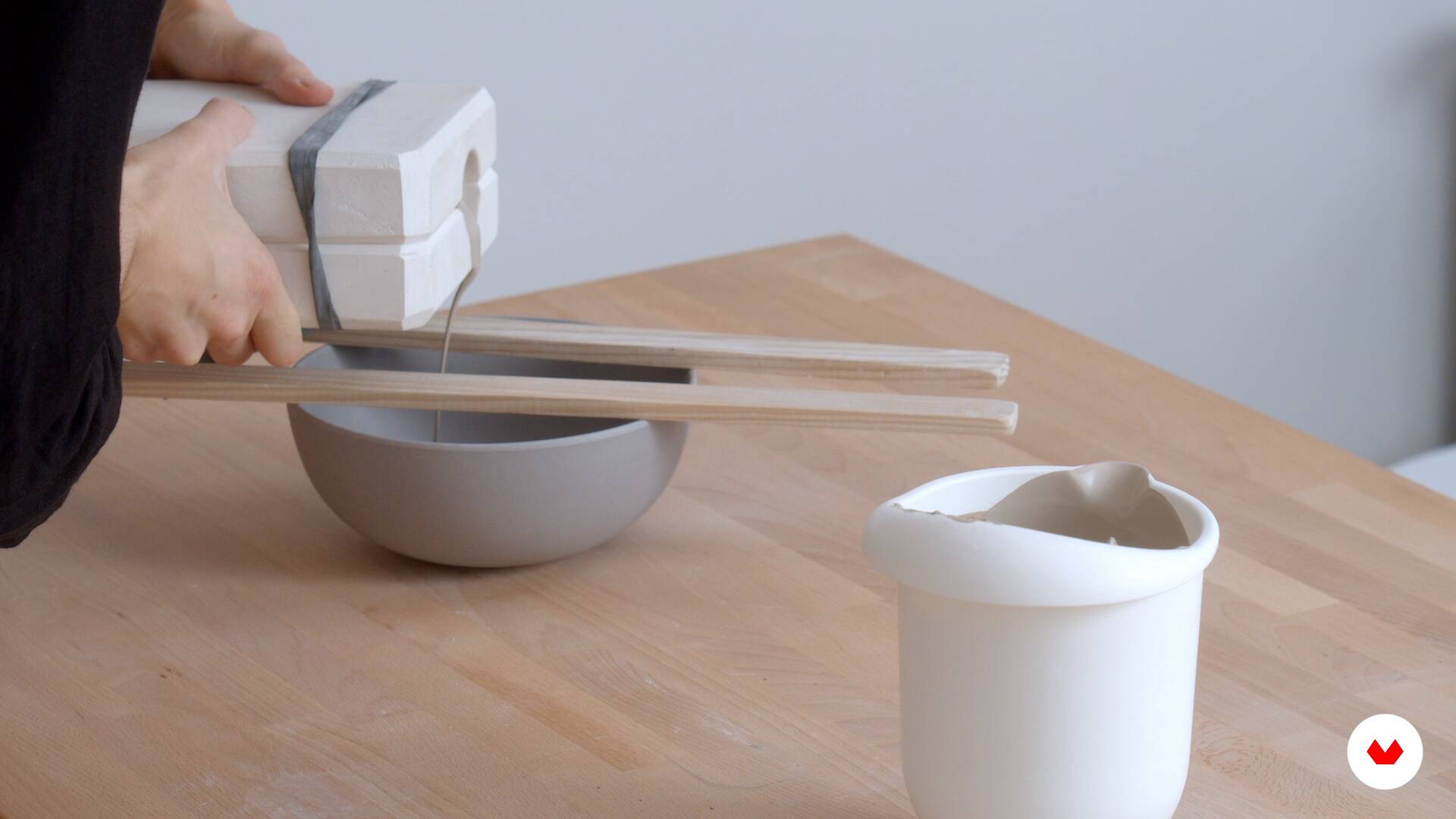
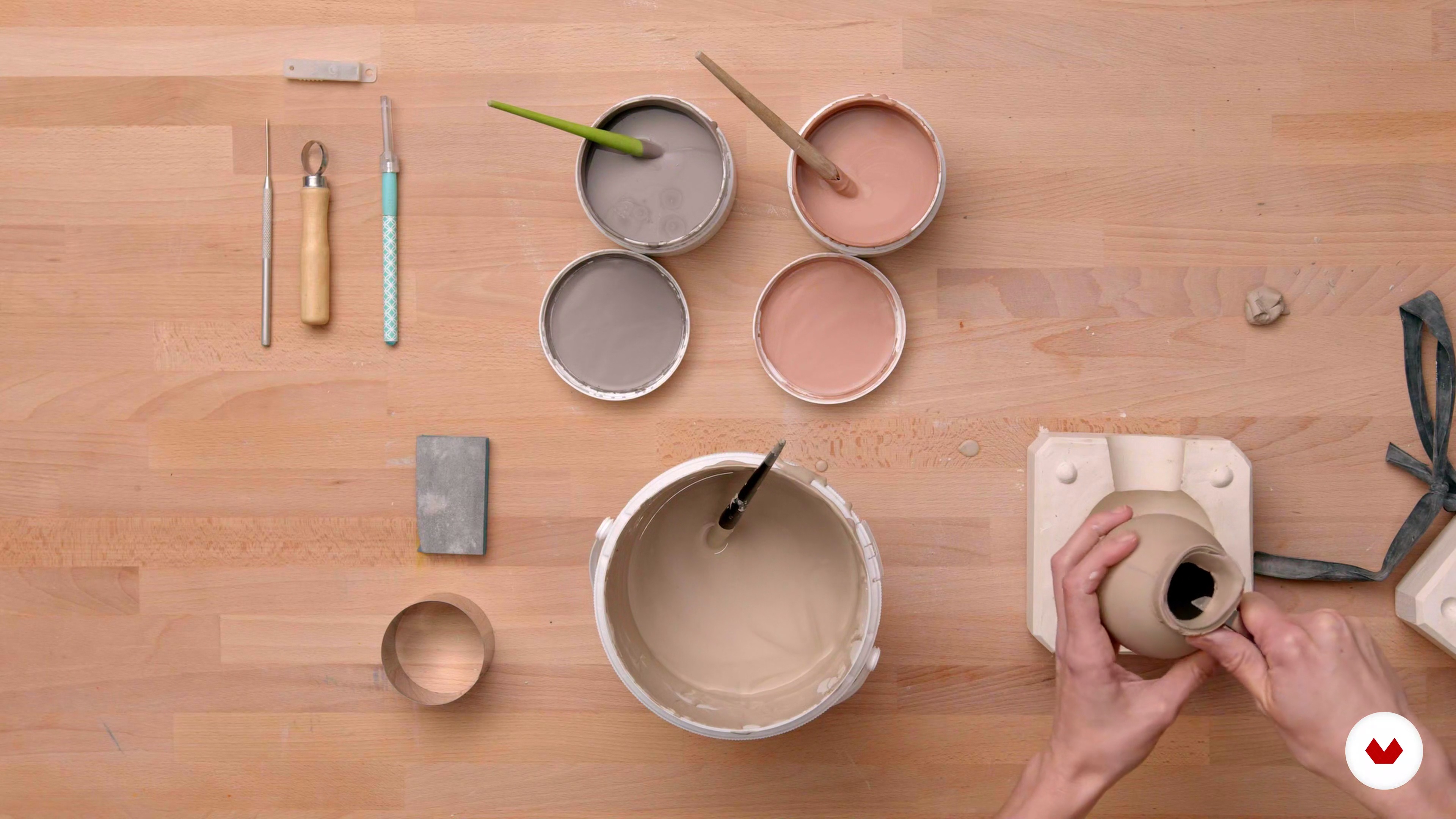
Performing a laundry
Here I will explain how reproduction is done, what we call "laundry." I will fill the mold completely, wait a few minutes and then empty it. So I will get the "skin", that is, our ceramic object.
4m
image
13
Interventions in the piece
This is the lesson in which we can make interventions in the piece such as making incisions or scraping, texture, etc ... Here comes the imagination of each one and this is where the exercises we have done in lesson 1 of unit 3 will serve us .
6m
image
14
Mold care
In this lesson I will explain how to use and care for our mold so that it lasts a long time and we can make many reproductions.
3m
image
15
Creative mold utilities
In this lesson I will explain the creative uses that a mold can have such as the use of colored pastes or even paint the mold with engobes to achieve curious effects in our reproductions.
2m
image
4
Plants
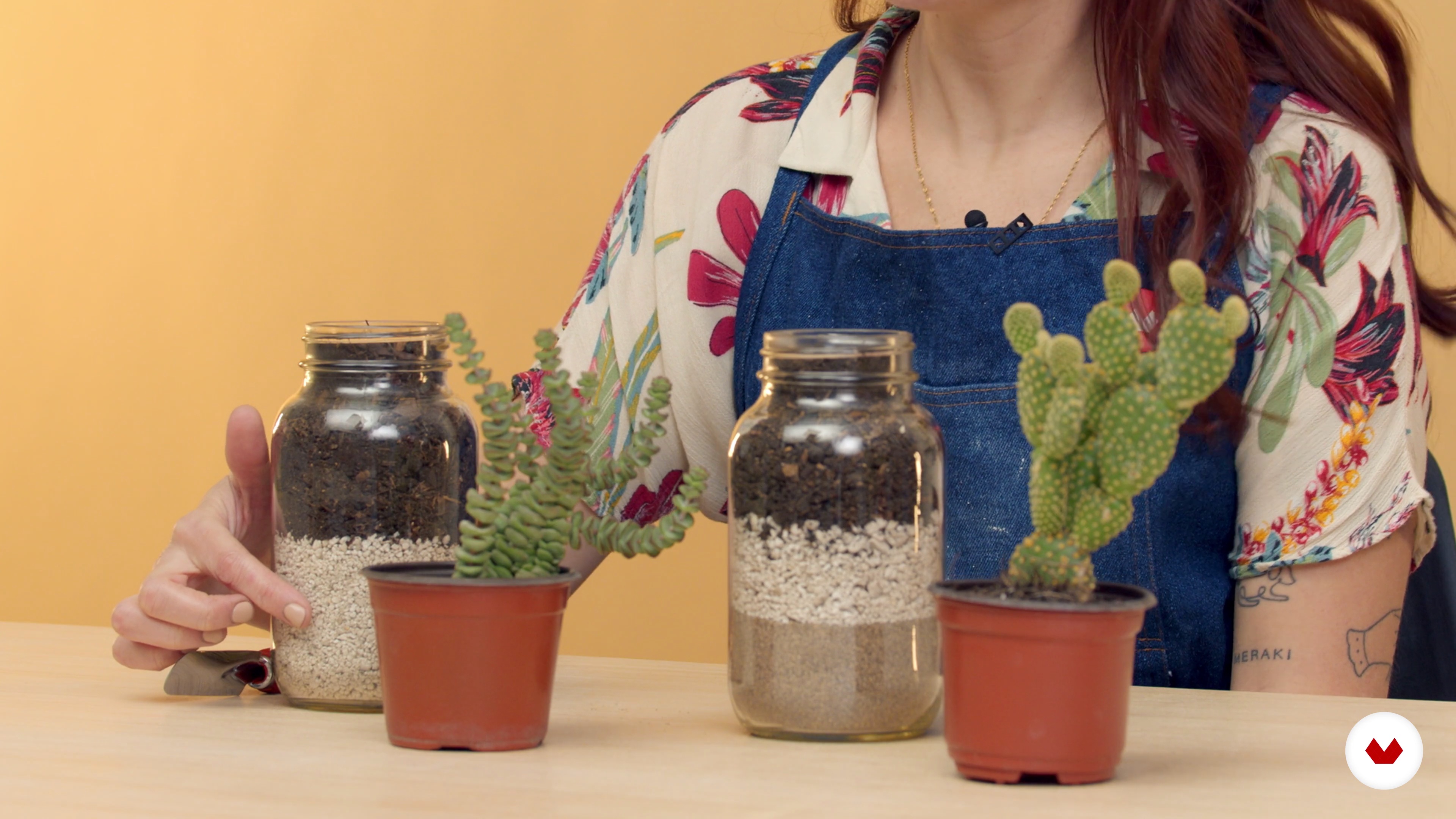
In this lesson I will talk to you about how I understand the universe of plants. I will show you some books that I use as a guide to get to know plants a little better.
8m
image
5
Ceramics
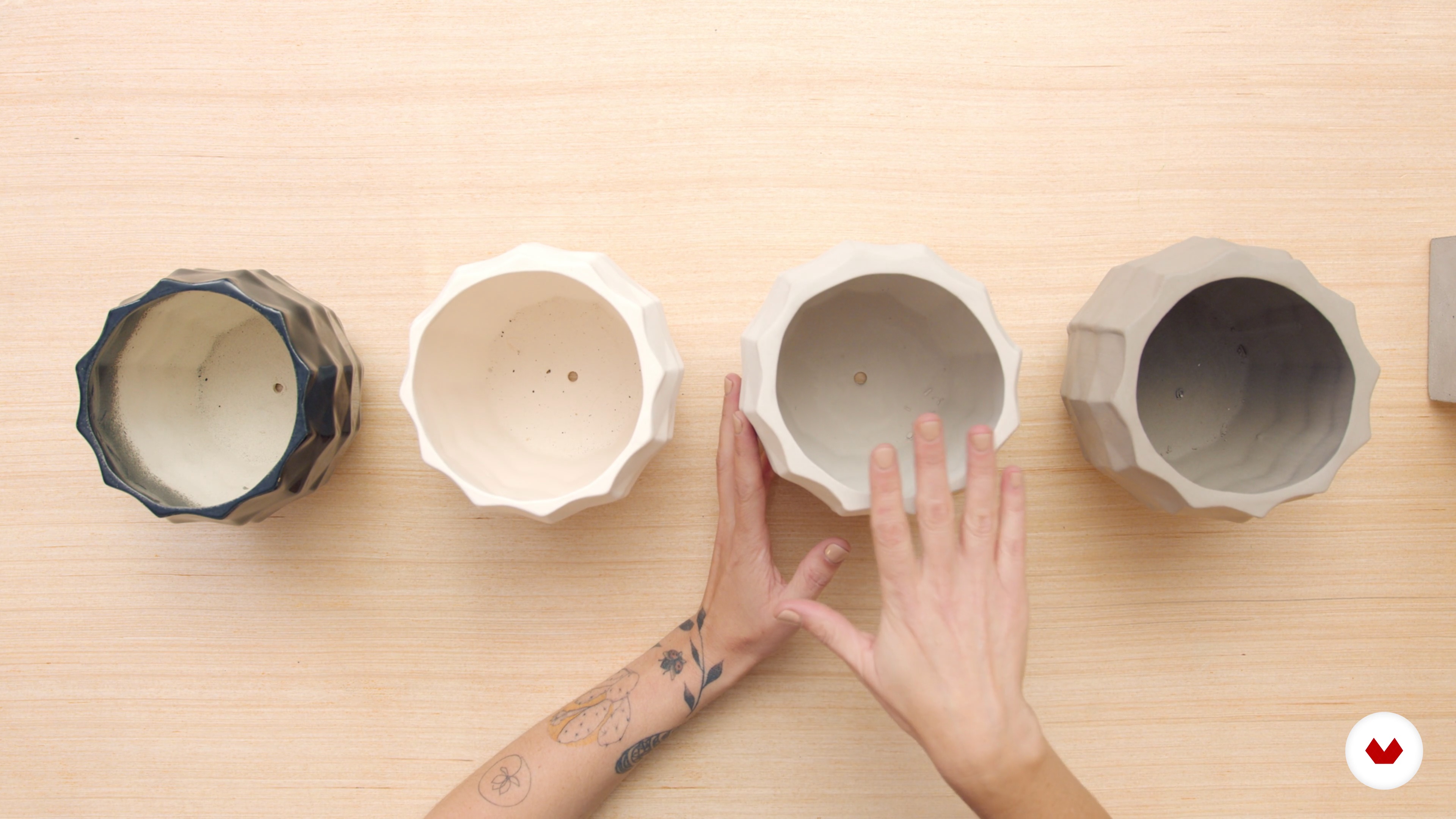
In this lesson I will talk about ceramics and why it is so suitable for potting. We will see concepts such as porosity, sustainability, durability, variability of shape and finishes. I will also present the tools and materials for making the pots.
12m
image
6
Pots
In this lesson I will talk about the basics of designing a pot, showcase examples of pots, and talk about their characteristics.
9m
image
7
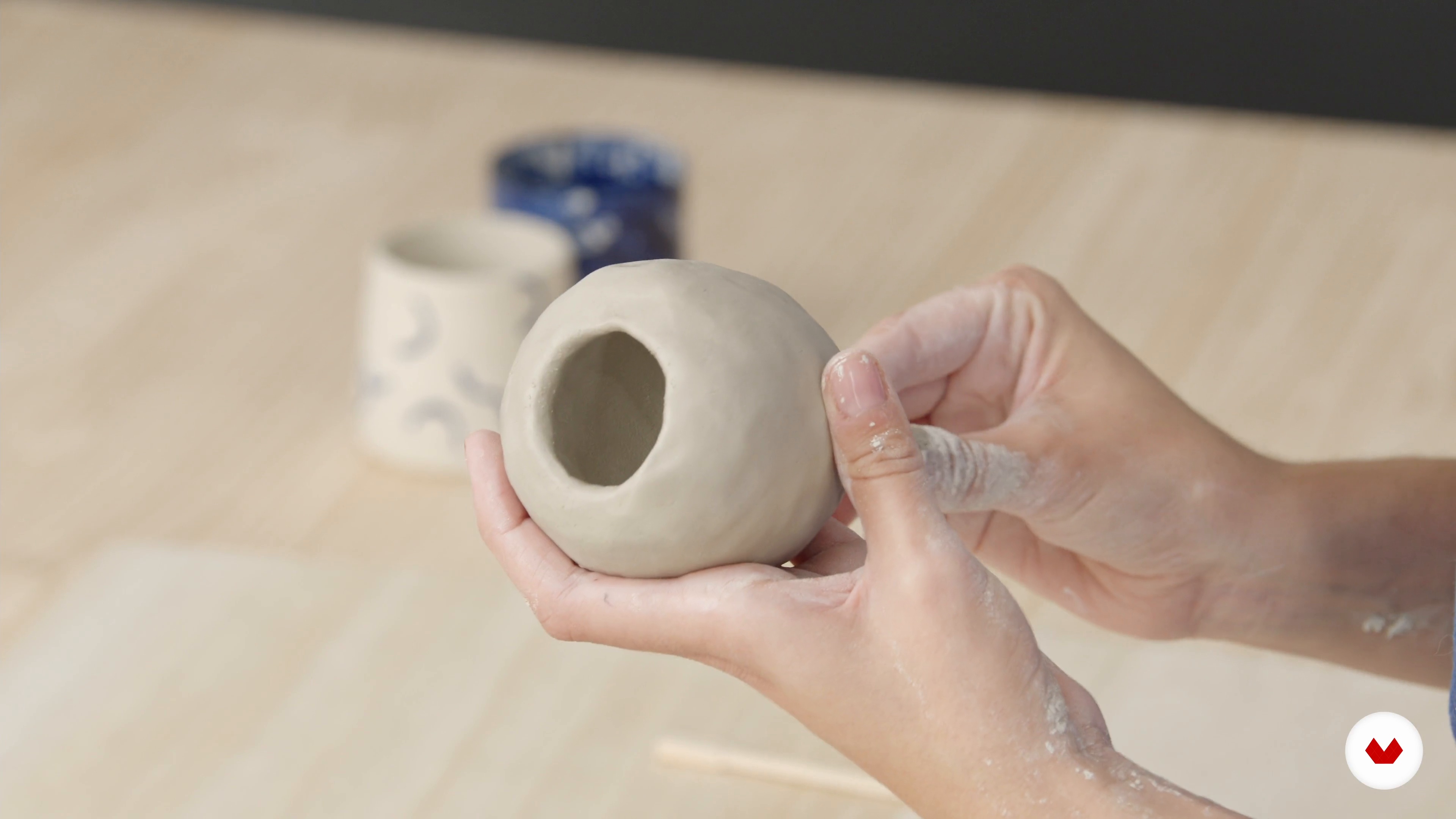
Stone flower pot
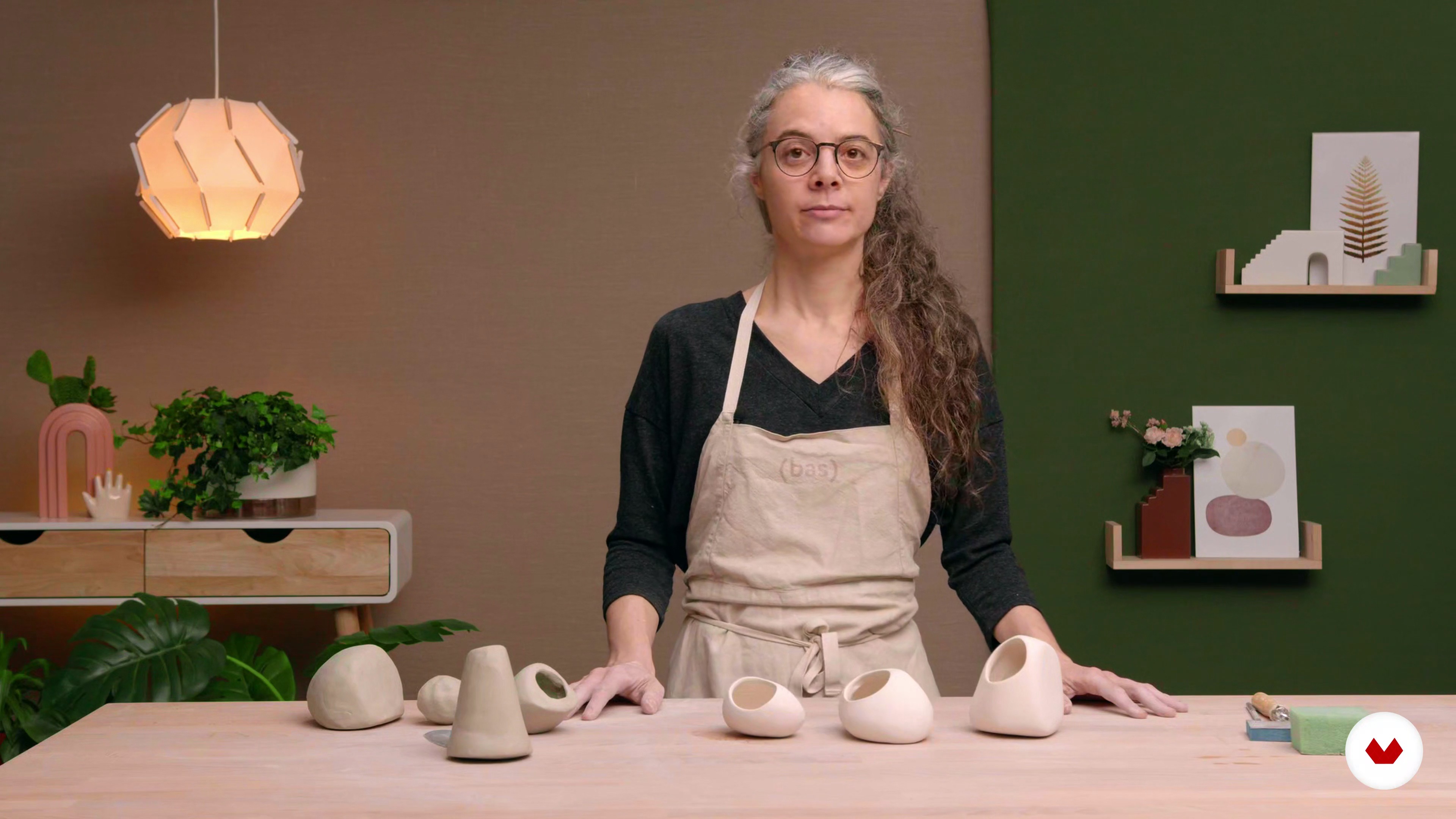
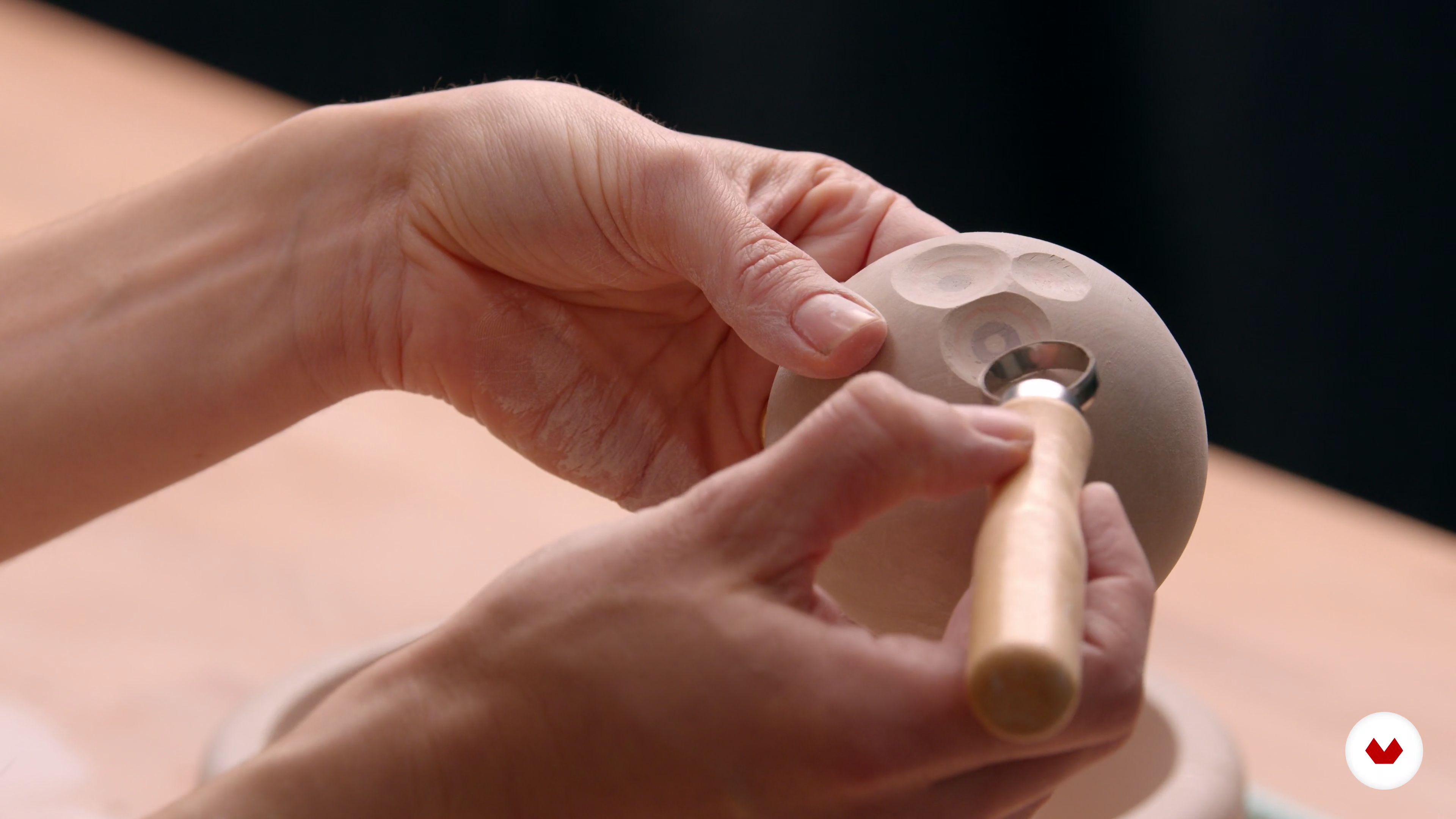
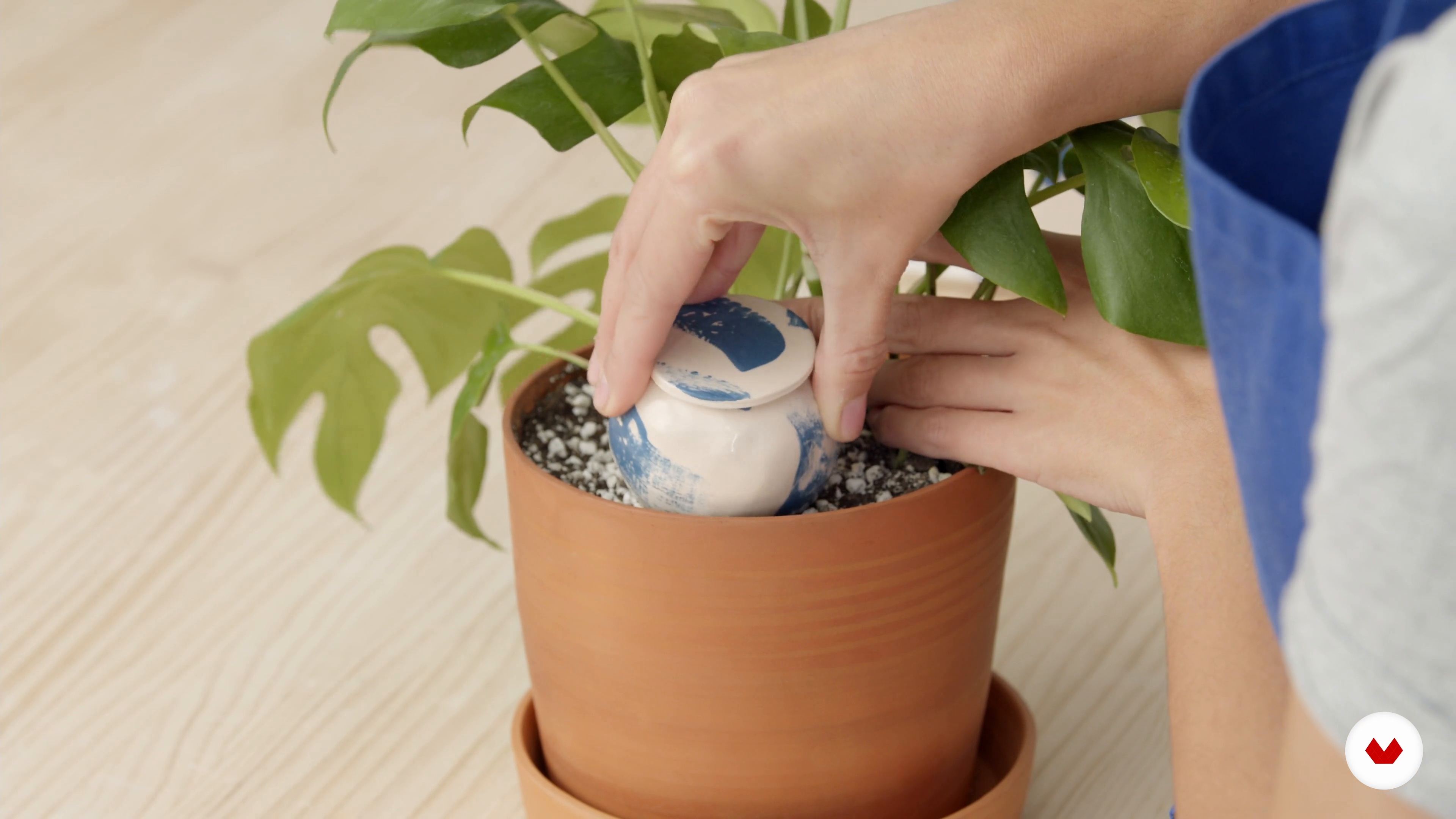
In this first lesson we are going to start with a very simple but very successful technique. It is about shaping a clay ball into stone and then emptying it to create the space to plant the plant.
17m
image
8
Hanging Plant Pot 1
In this lesson I will explain how to make a pot for a hanging plant, that is, its stems tend to drop. These types of plants are very beautiful, and if we plant them in a pot hanging from the ceiling, this will enhance their beauty. To do this I will teach the technique of color layers with a casting mold and subsequent scraping.
20m
image
9
Hanging Plant Pot 2
We continue to discover how to shape a pot for a hanging plant.
20m
image
10
Cactus pot 1
Here I will teach you how to create a pot using the clay clay plate technique. I will use a mold, of porx, but you can use any object you have on hand and you like its shape. I will also teach you a very curious technique to finish the piece: the mocha technique.
16m
image
11
Cactus pot 2
We continue working on our cactus pot.
14m
image
12
Bonsai Pot 1
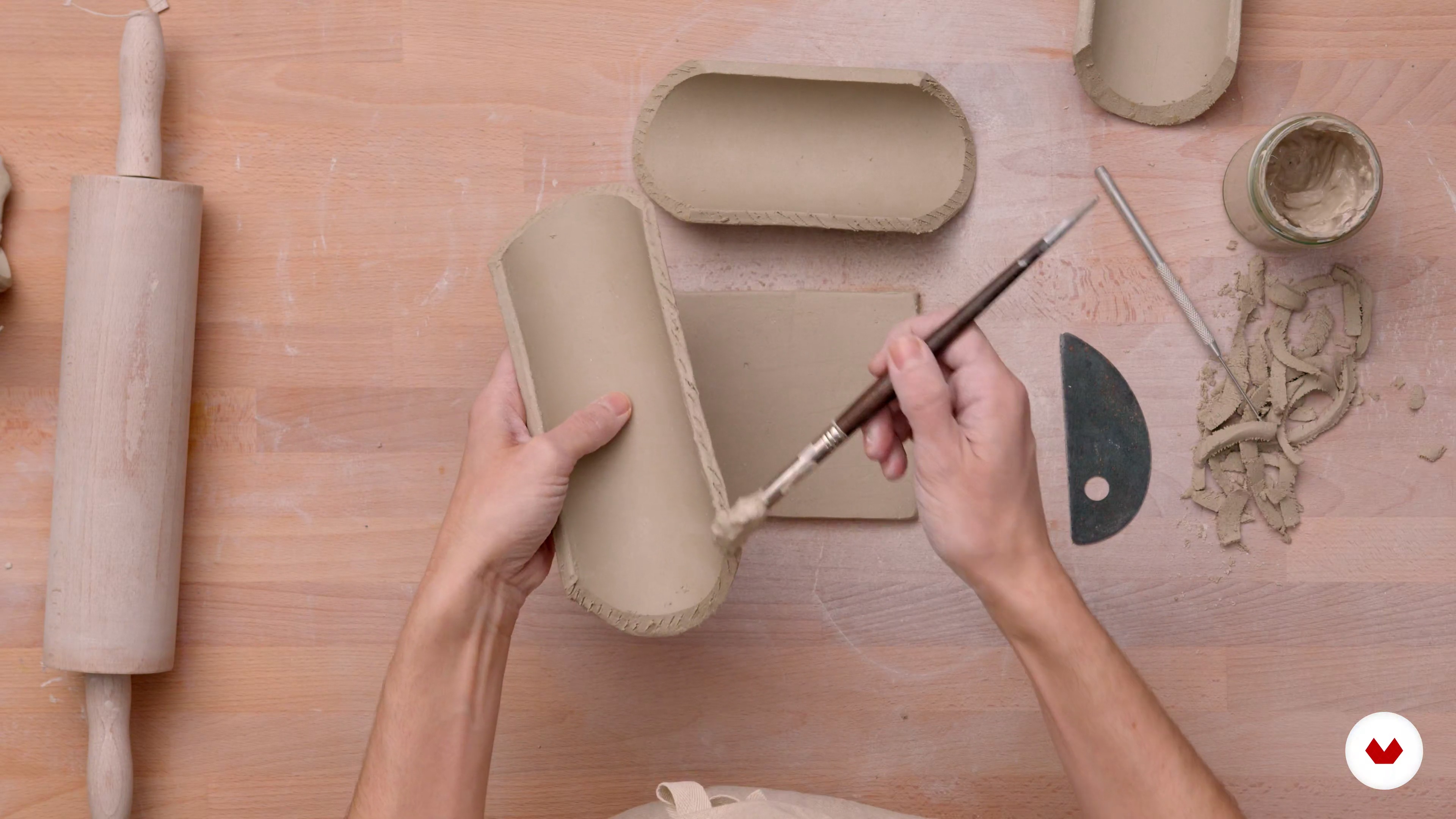
Now that you have already made contact with the materials and some basic techniques, we will advance a little in difficulty. For this exercise we will use the technique of joining plates; This requires a little more patience, so you are already trained to take care of your bonsai.
21m
image
13
Bonsai pot 2
We continue to discover how to make a bonsai pot.
20m
image
14
How to care for your plants
I think that it only takes two things to take good care of the plants; information and learn to observe them. In this lesson I will tell you basic things to know. Now that you know a little about plants, ceramics and pots, let's see how to locate your pot and how to care for your plant.
8m
image
15
Interior with plants
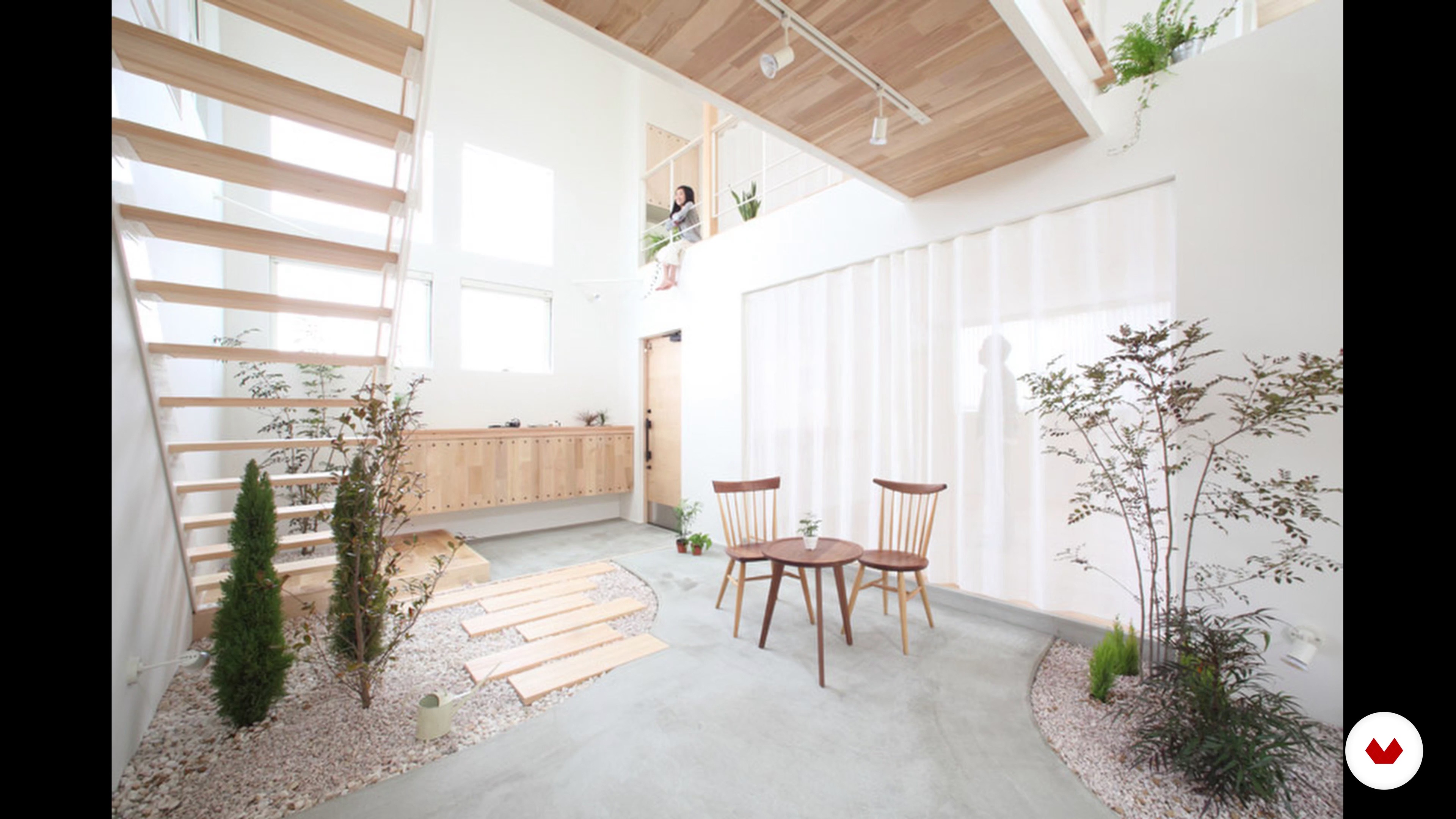
In this lesson I will give some tips and tricks for creating spaces with plants and show examples of places where plants have been used as part of interior design. From some interior images with plants, I will analyze how that space is designed and what the plants contribute in each case.
14m
image
3
The importance of creative vocabulary
You will see that in my work there are a series of elements that are repeated, and it is that for me it is essential to have a creative vocabulary. In this lesson I will explain to you why I believe that developing your own vocabulary will help you focus and stimulate your imagination.
6m
image
4
What is low temperature ceramics?
In this lesson I am going to talk to you about the characteristics of low-temperature ceramics. We will also see what the difference is from high temperature ceramics.
5m
image
5
Uses of low temperature ceramics
Next, we are going to see the different uses of the star material of our course, in which its porosity is used.
5m
image
6
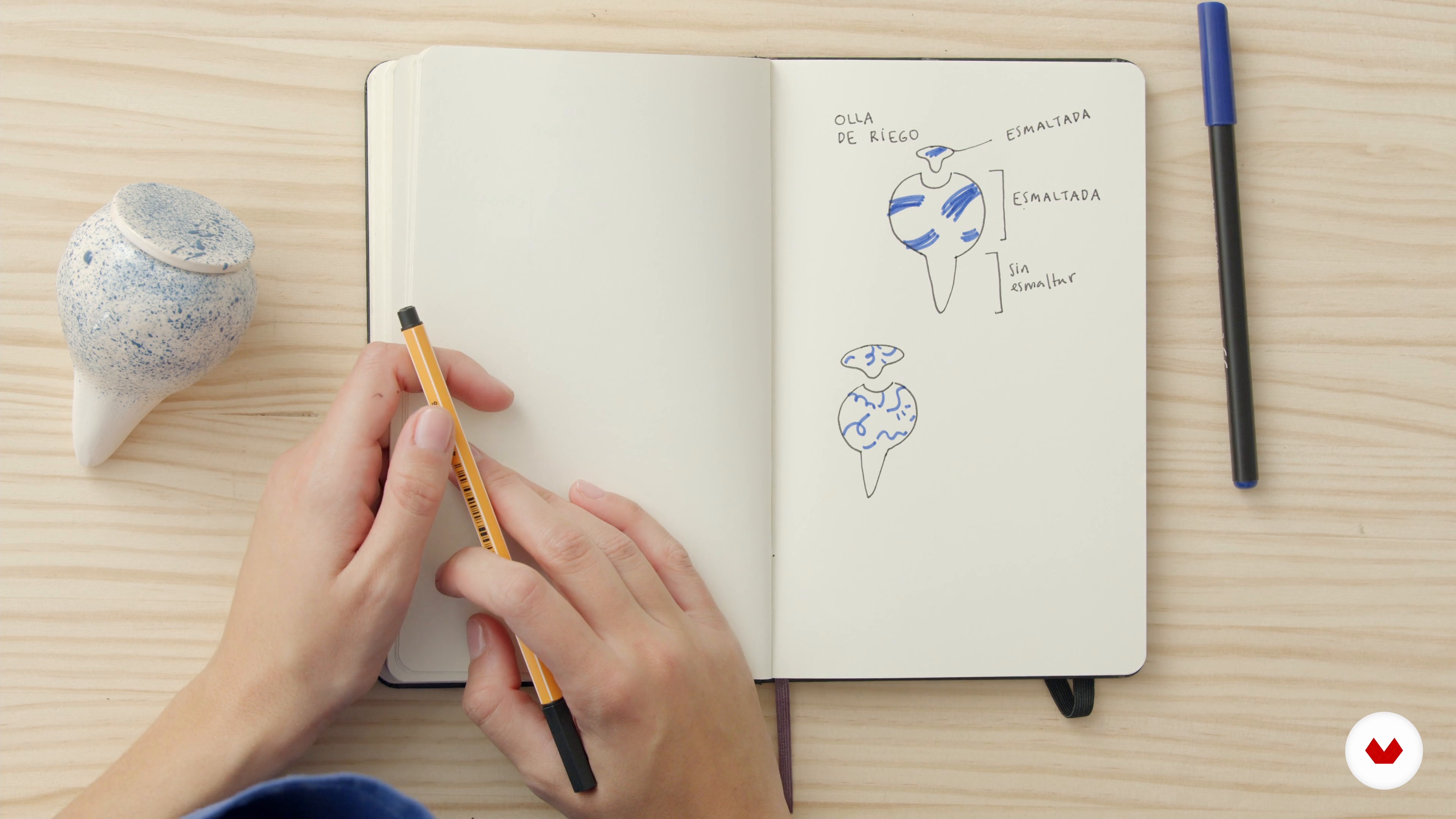
Self-irrigation and capillarity irrigation pieces
Now I am going to explain to you where the self-irrigation pieces come from and how capillarity irrigation works.
3m
image
7
Materials
Before getting down to work, in this lesson I am going to show you the materials that we are going to need to carry out our self-watering pieces and why you can substitute them if you cannot find them.
4m
image
8
References and pot design
In this lesson we are going to delve into the characteristics of irrigation pots by looking at a specific example. I will also tell you about how its design has to be so that it works perfectly.
4m
image
9
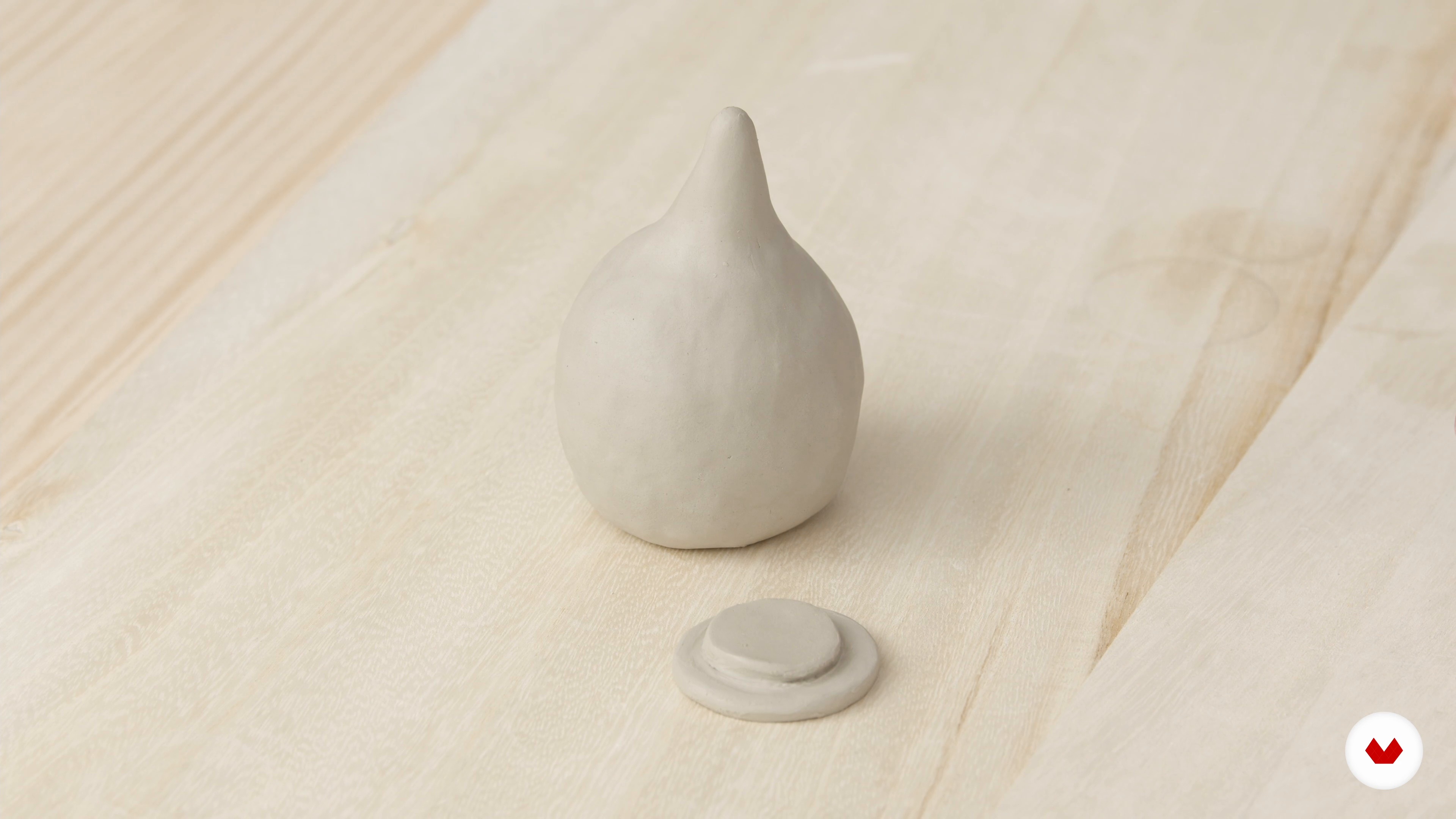
Pot making
Next, it's time to make a self-watering pot/bottle. We will do this using the pinch technique, a simple technique that has a long history.
8m
image
10
The lid of the pot
As we already have the self-watering cone ready with the work we have done in the previous lesson, now we are going to make the lid to finish the pot.
5m
image
11
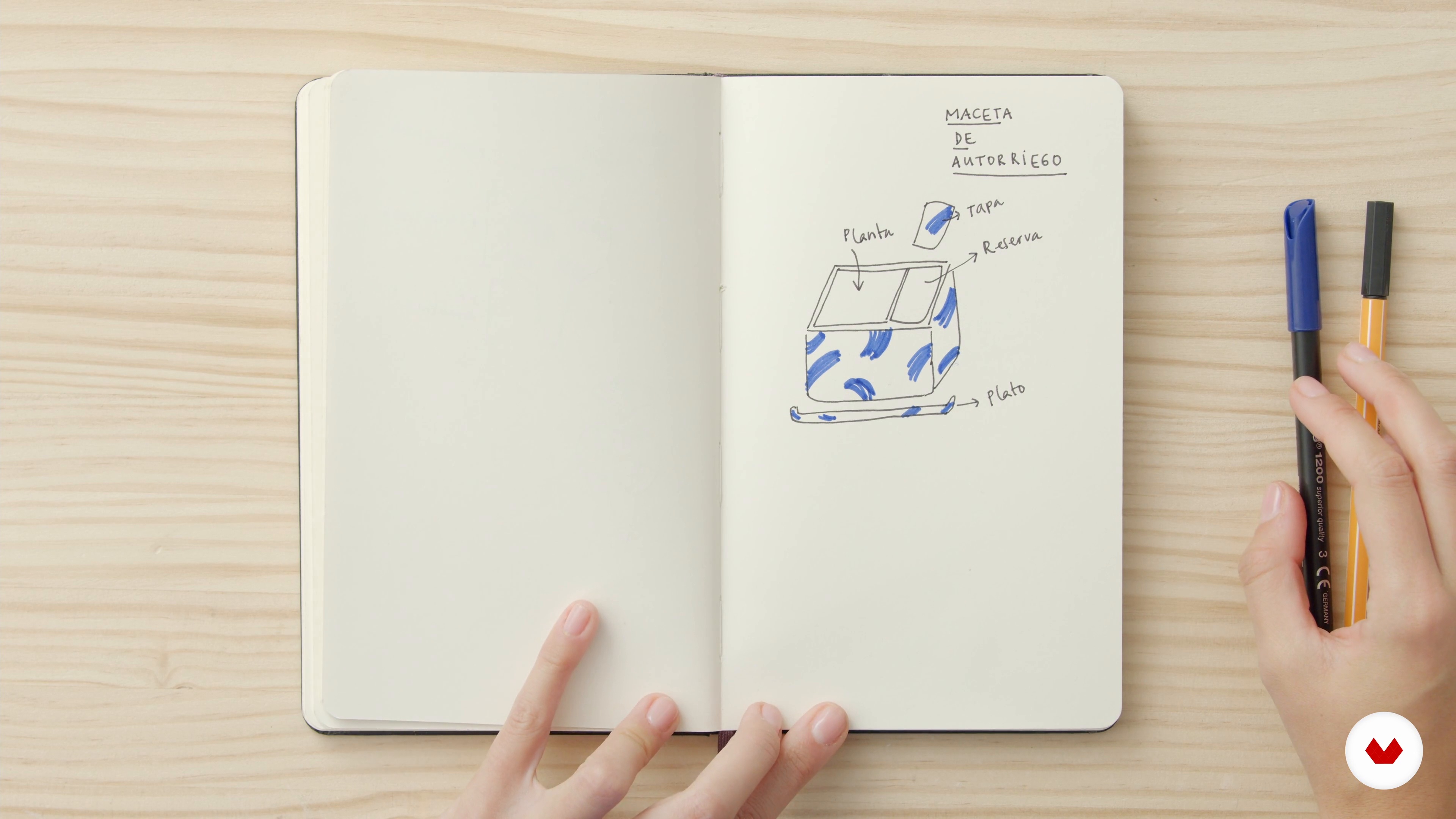
Pot design
Let's do it! In this lesson I am going to talk to you about the design of the self-watering pot and how you can customize it so that your piece is unique.
4m
image
12
Plate preparation and cutting
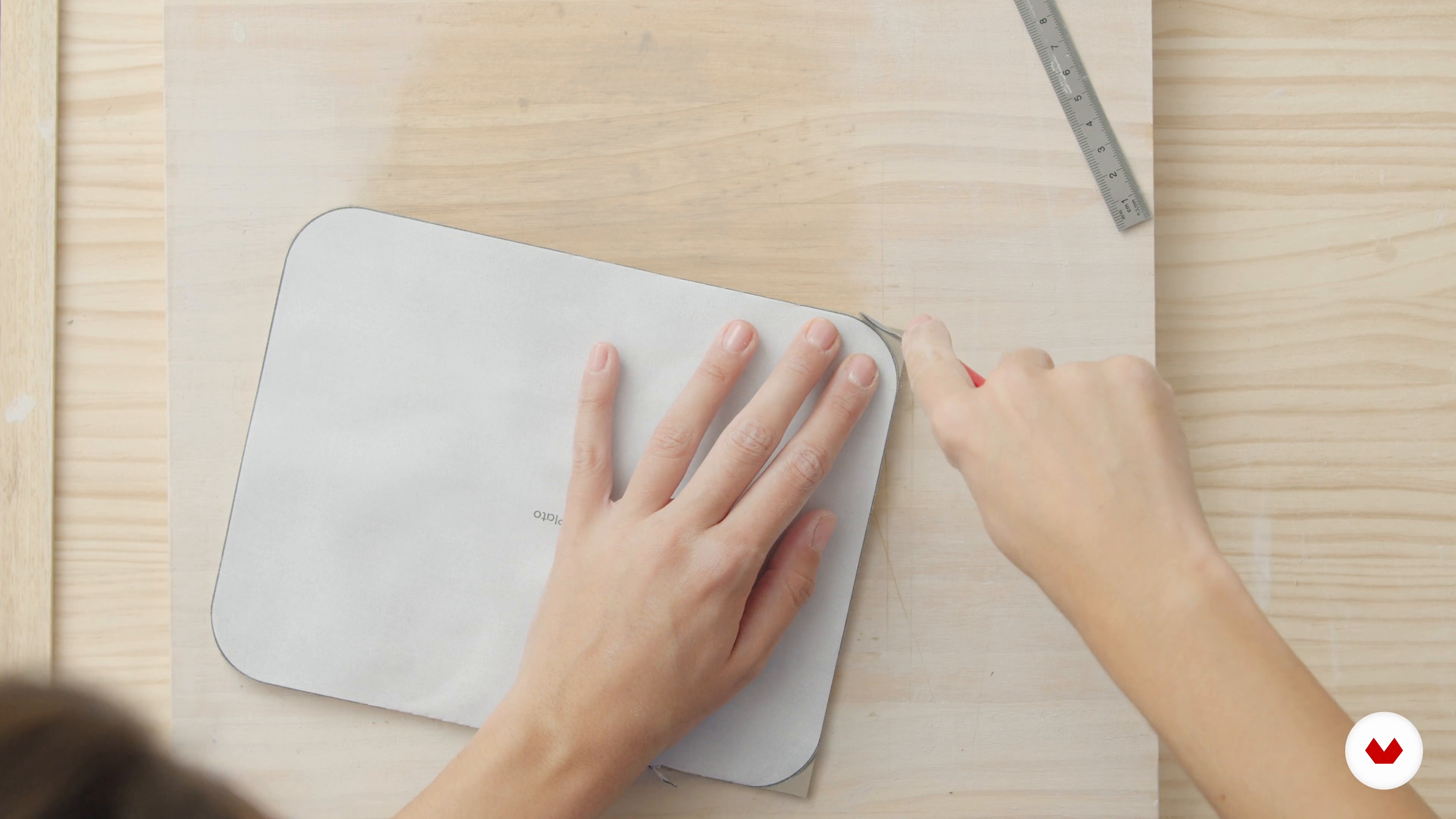
Next, we are going to prepare our clay plates. Next, we'll use our template to cut out all the pieces we'll need to assemble the self-watering pot.
20m
image
13
The pot saucer
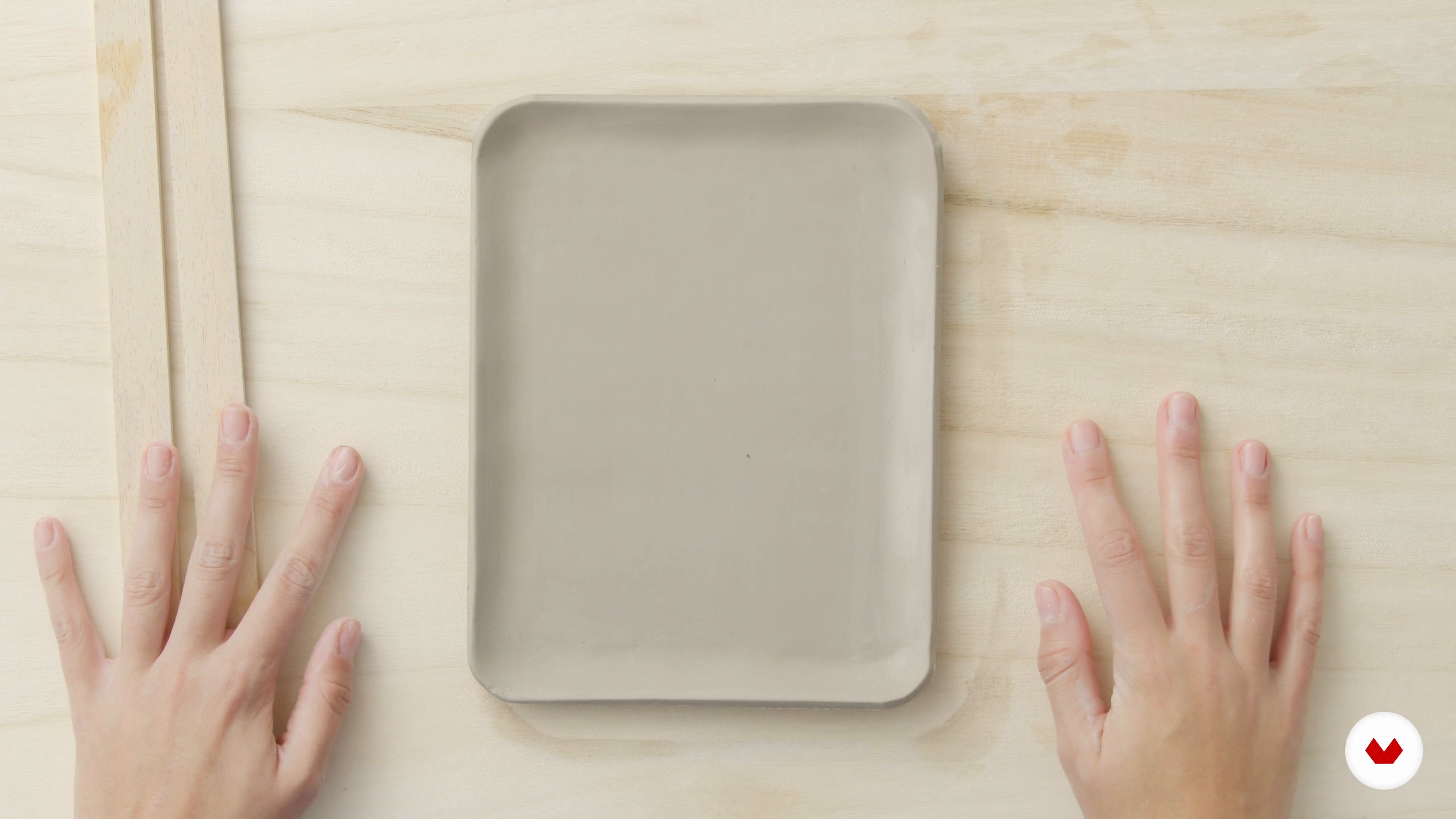
After preparing the plates, it is time to make the tray for the self-watering pot. In this lesson I will explain how to do it.
3m
image
14
The pot body
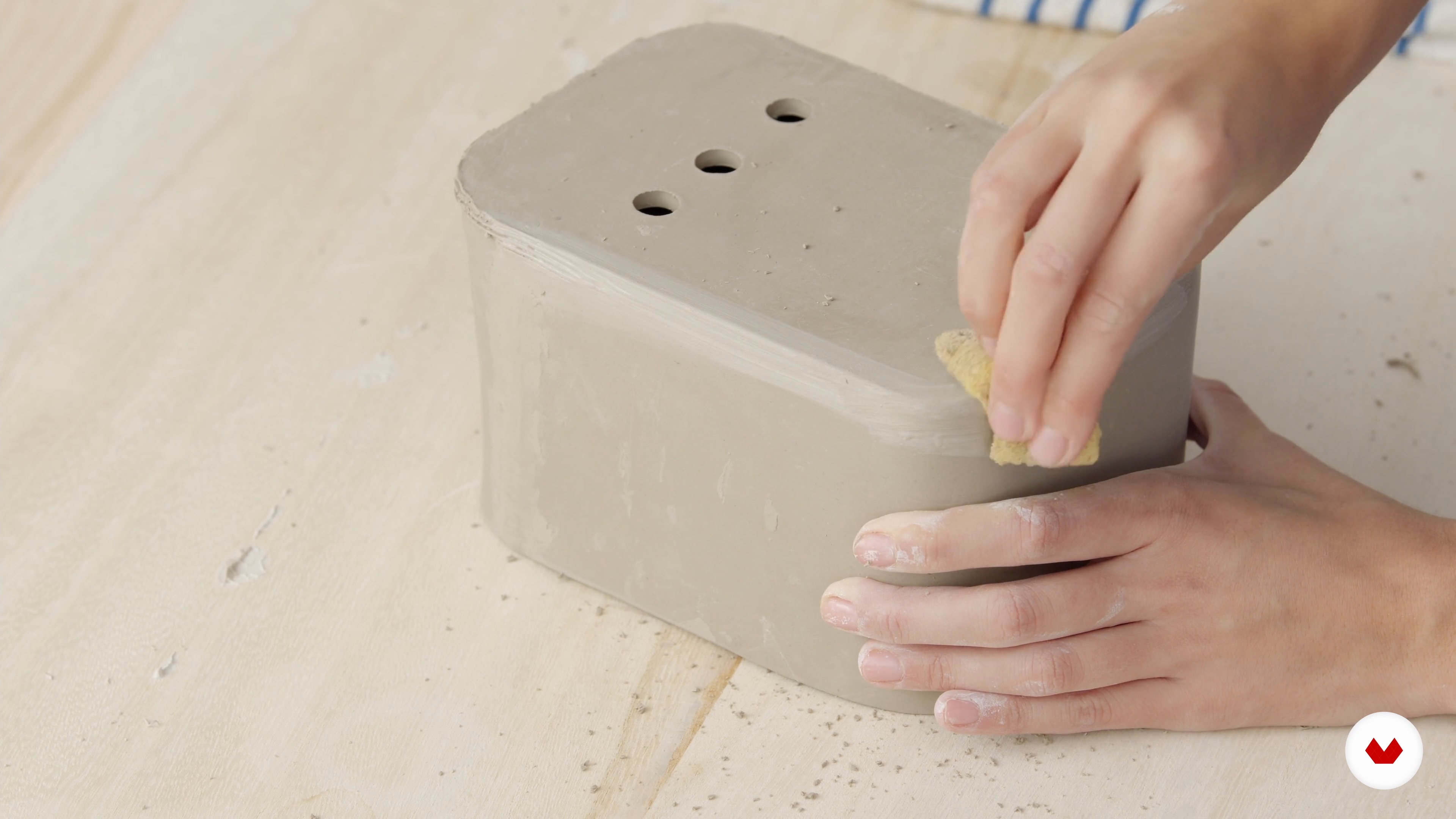
Now we are going to assemble the body of the pot. This is the most complicated part of the whole process, but you will see what an illusion it will give you when the pot is finished!
17m
image
15
The water reserve
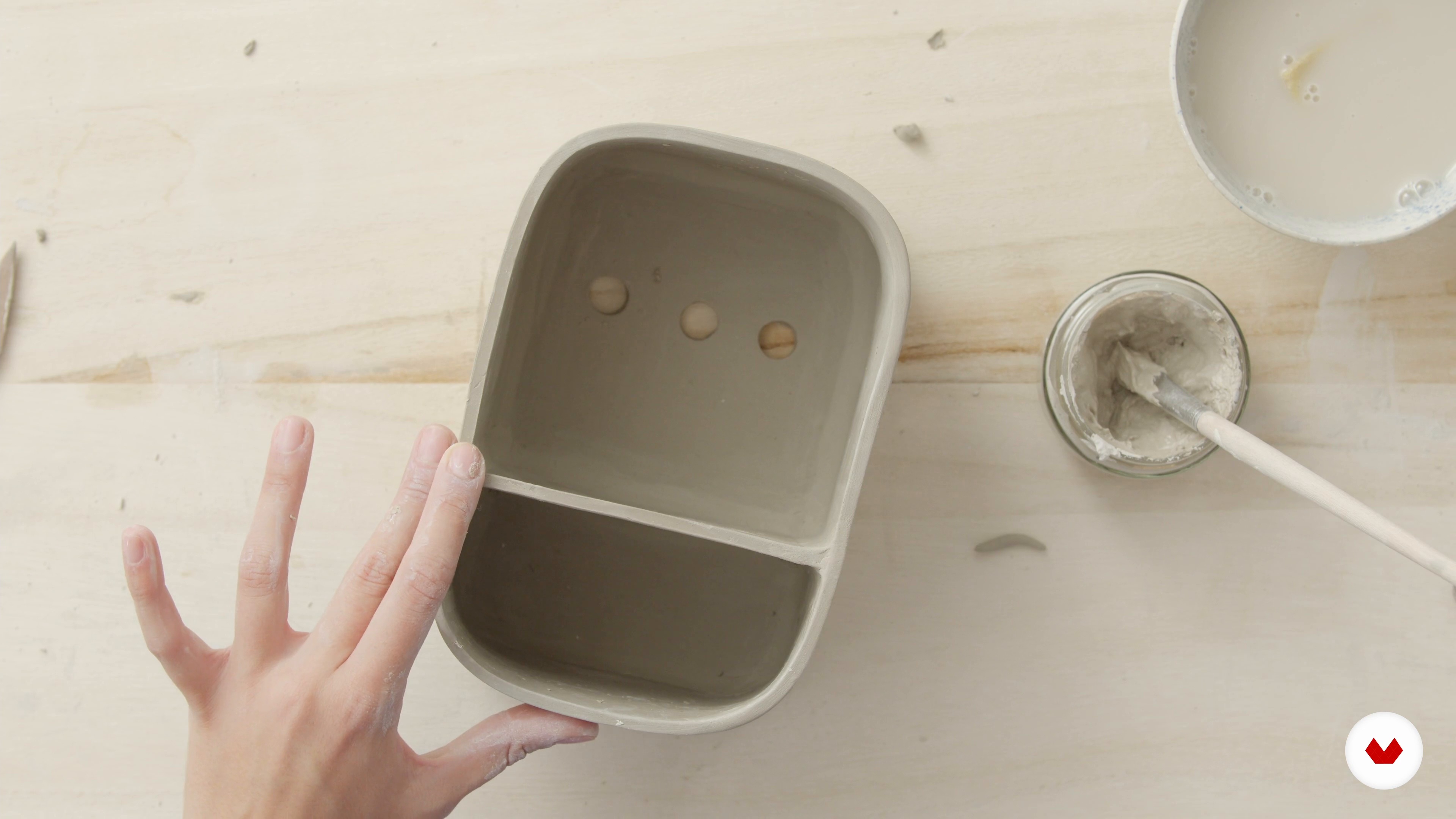
As the body of the pot is already ready, in this lesson we are going to see step by step how to place the water reservoir.
10m
image
16
The lid of the pot
The pot is almost ready, so in this lesson I will explain how to make the lid. Go for it!
8m
image
17
Finishes and decoration
In this lesson I am going to teach you how to polish the pieces for a better finish and how to apply the slip to work on their decoration.
17m
image
18
Tips for cooking and transportation
In order to finish your pieces, you will need to take them twice to be fired at a pottery studio. In this lesson I am going to explain how to find a pottery studio where you can fire your pieces and how to safely transport them there.
7m
image
19
Enamel of the piece
In this lesson I will teach you step by step how to glaze your pieces, once they are already bisque.
11m
image
20
Tips to optimize self-watering
Finally, I am going to teach you how to optimize your self-watering system. This will allow it to last a long time and your plants to hold up perfectly while you are away from home on vacation.
4m
image
3
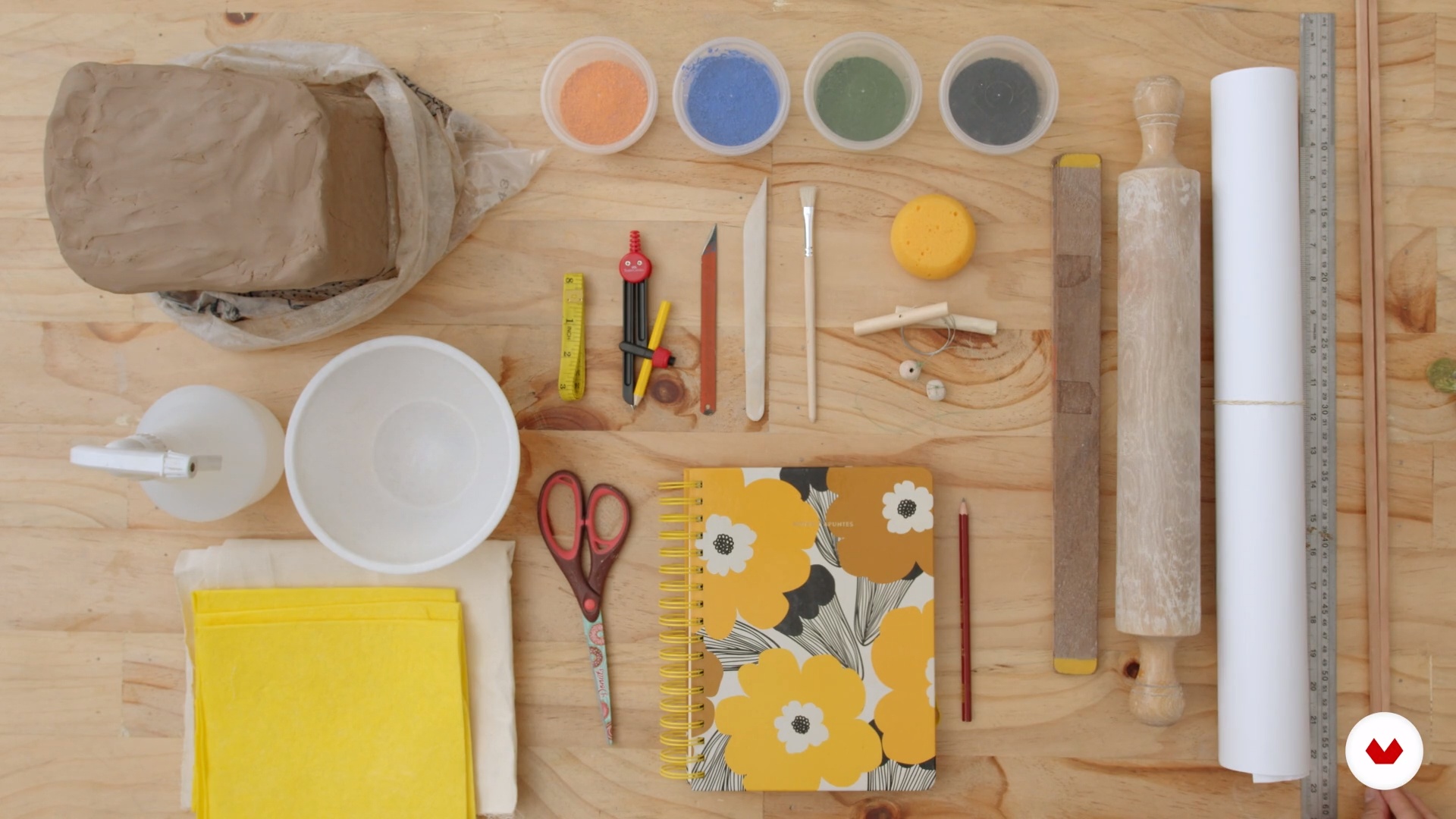
Identification of Each Material and Tool
Now I am going to teach you each of the tools that you will need for the course, in addition, I will explain their usefulness and when you will use them.
1m
image
4
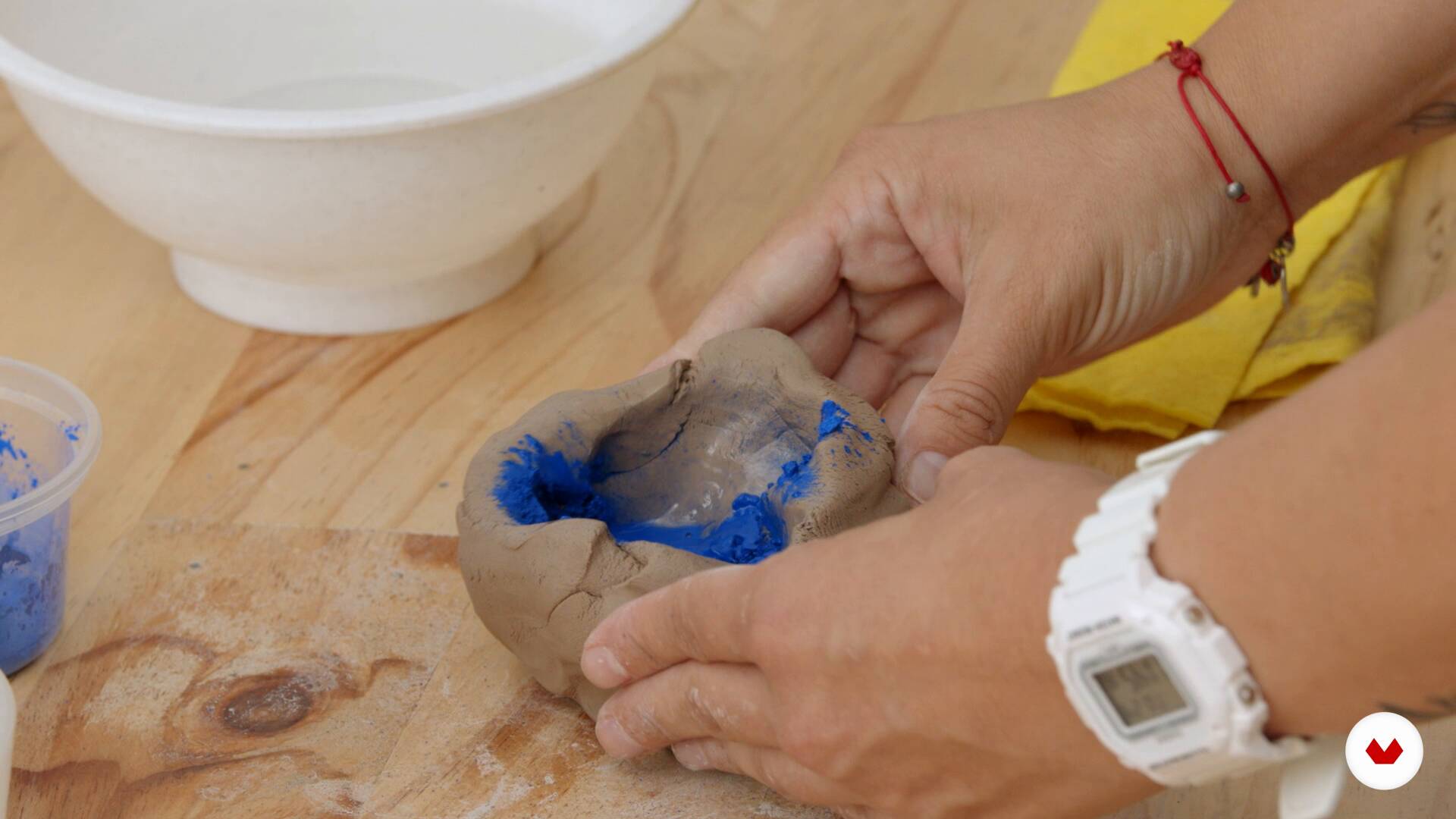
Clay Coloring and Kneading Technique
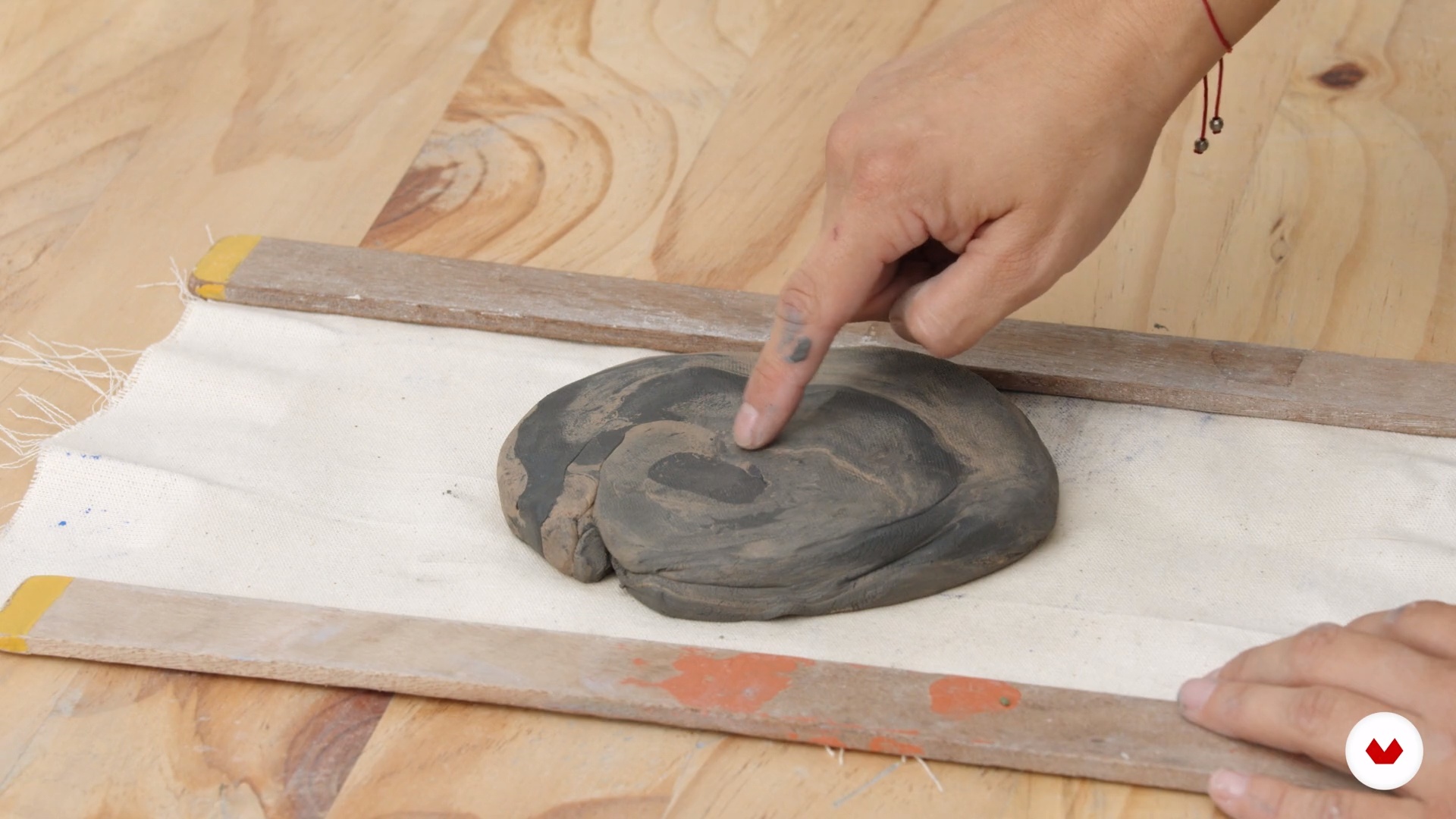
Ceramic is not only art and science, but also body. It is important that you know that it is your body, posture and breathing that will help you to relate in an appropriate way with the material throughout the process. Finally, I will teach you the kneading technique, the great importance of this first contact with the material and the coloring of the clays. Ready to dive into the process?
8m
image
5
2 Color Marbling
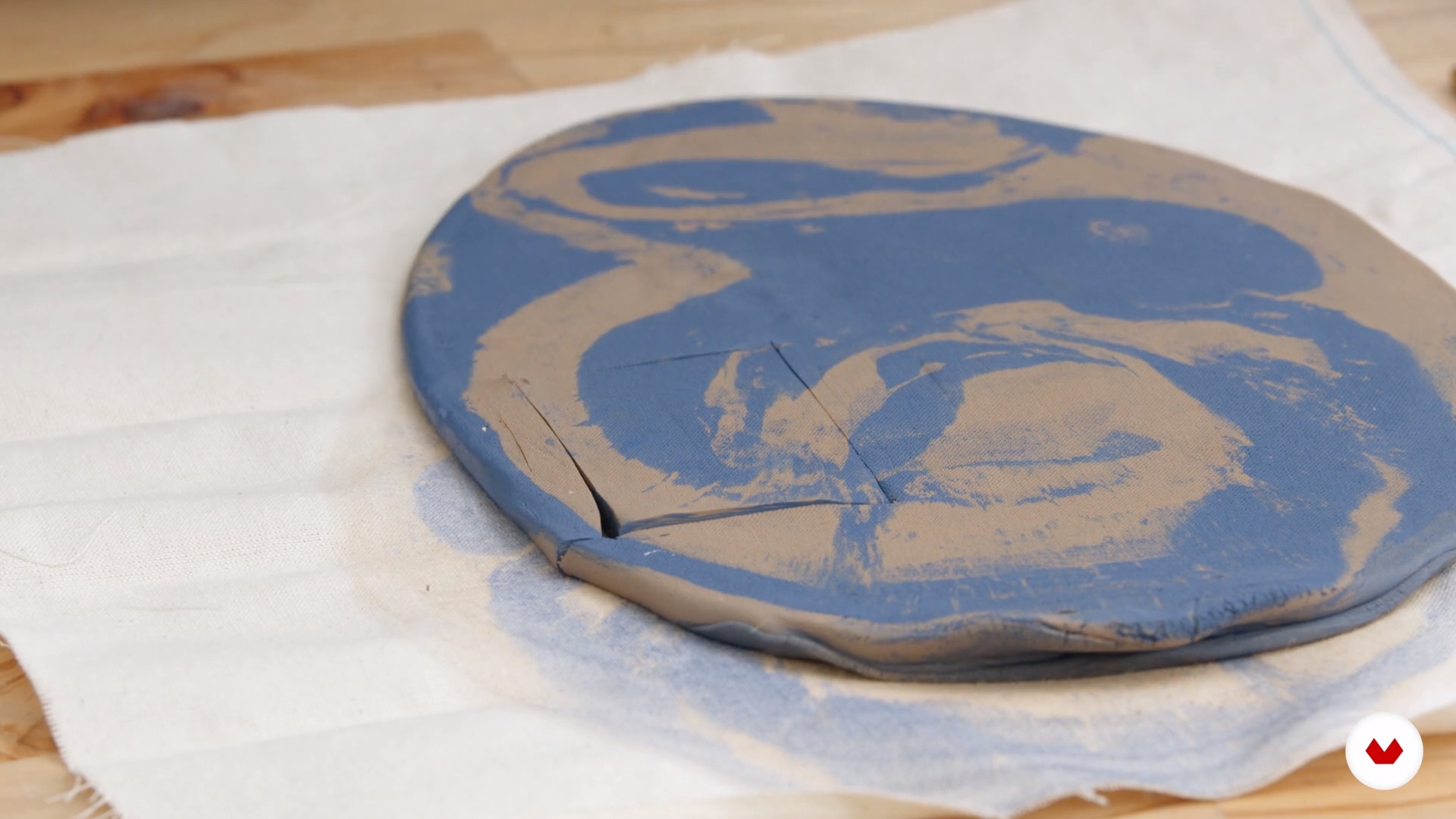
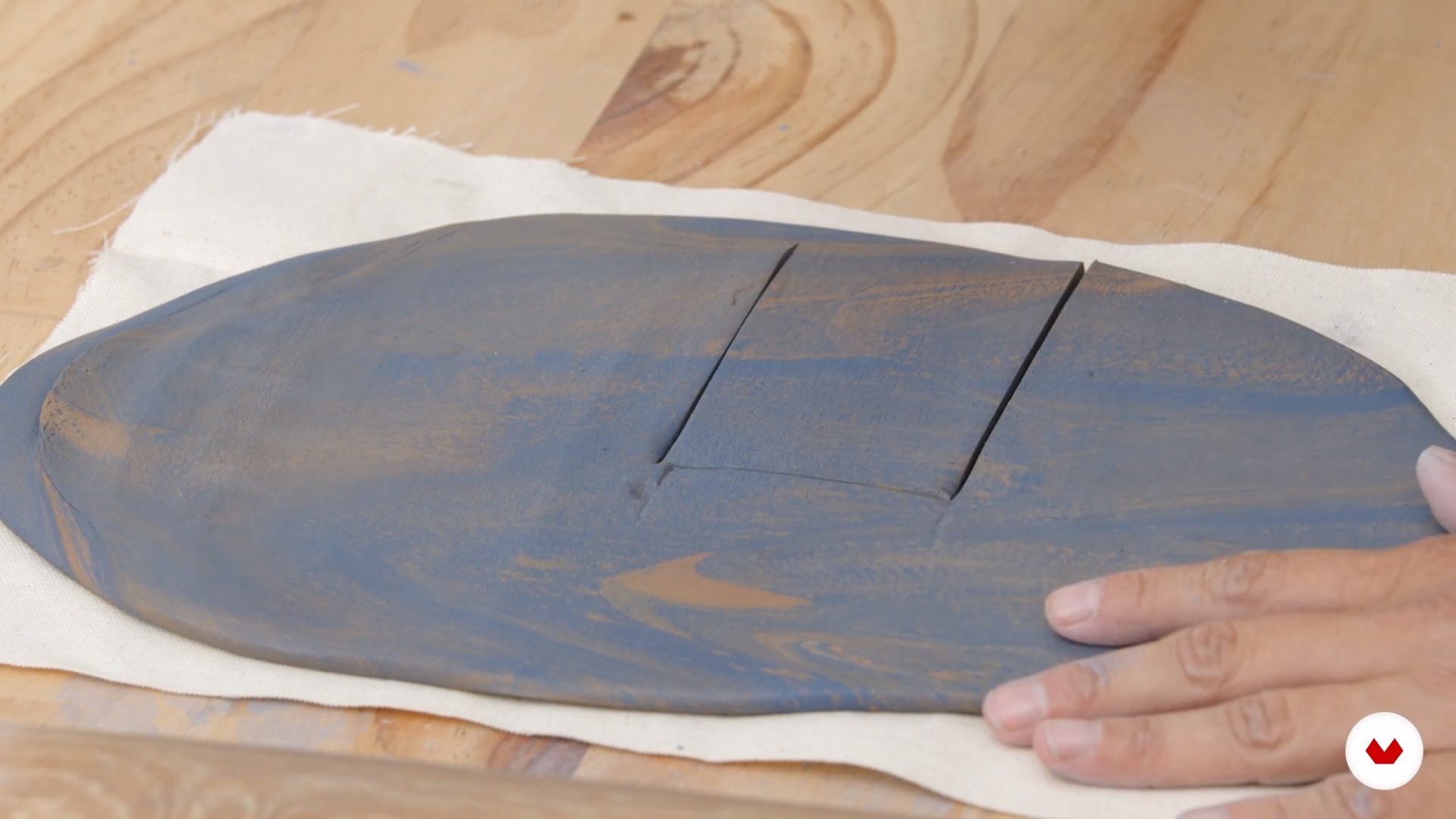
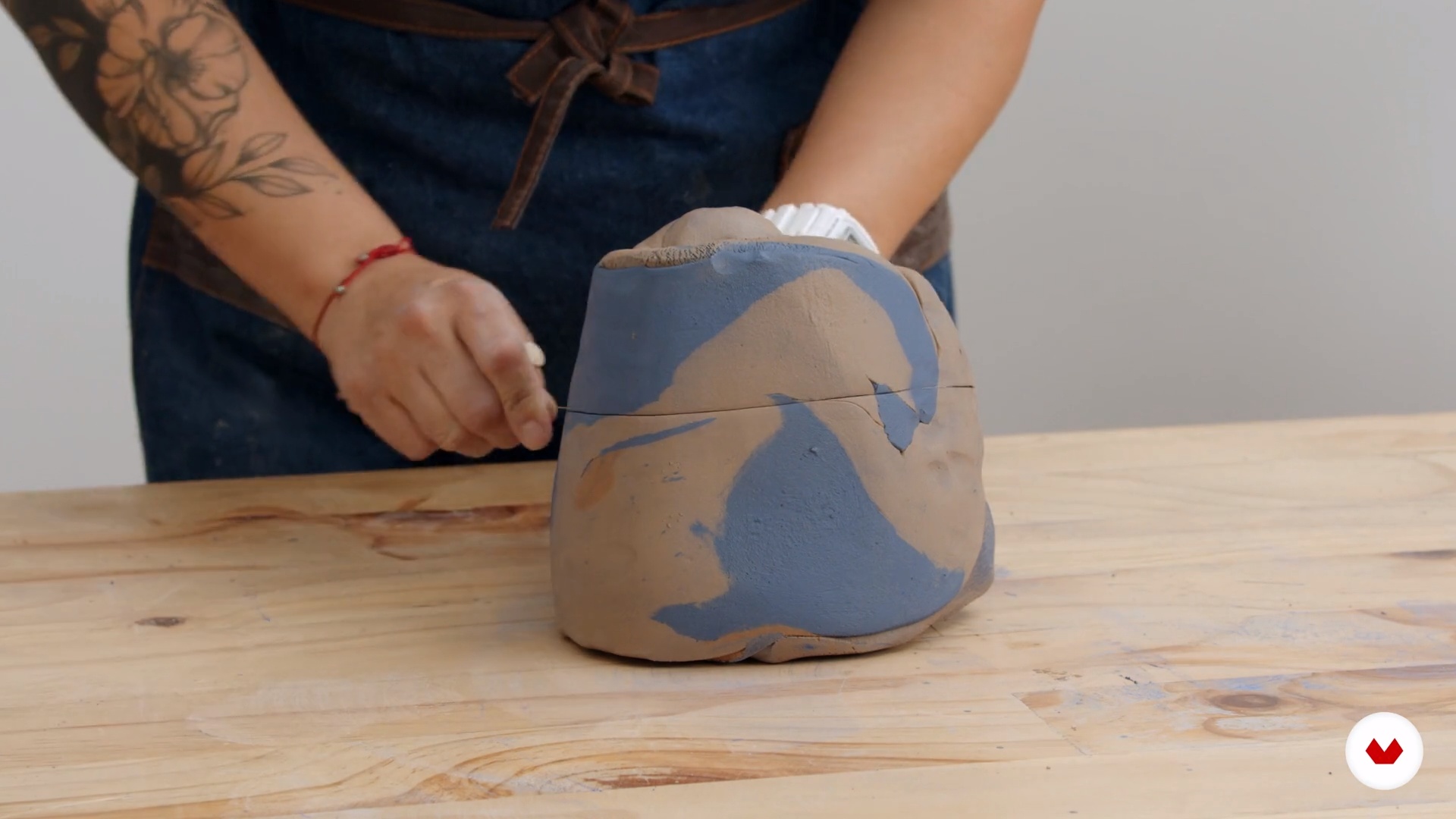
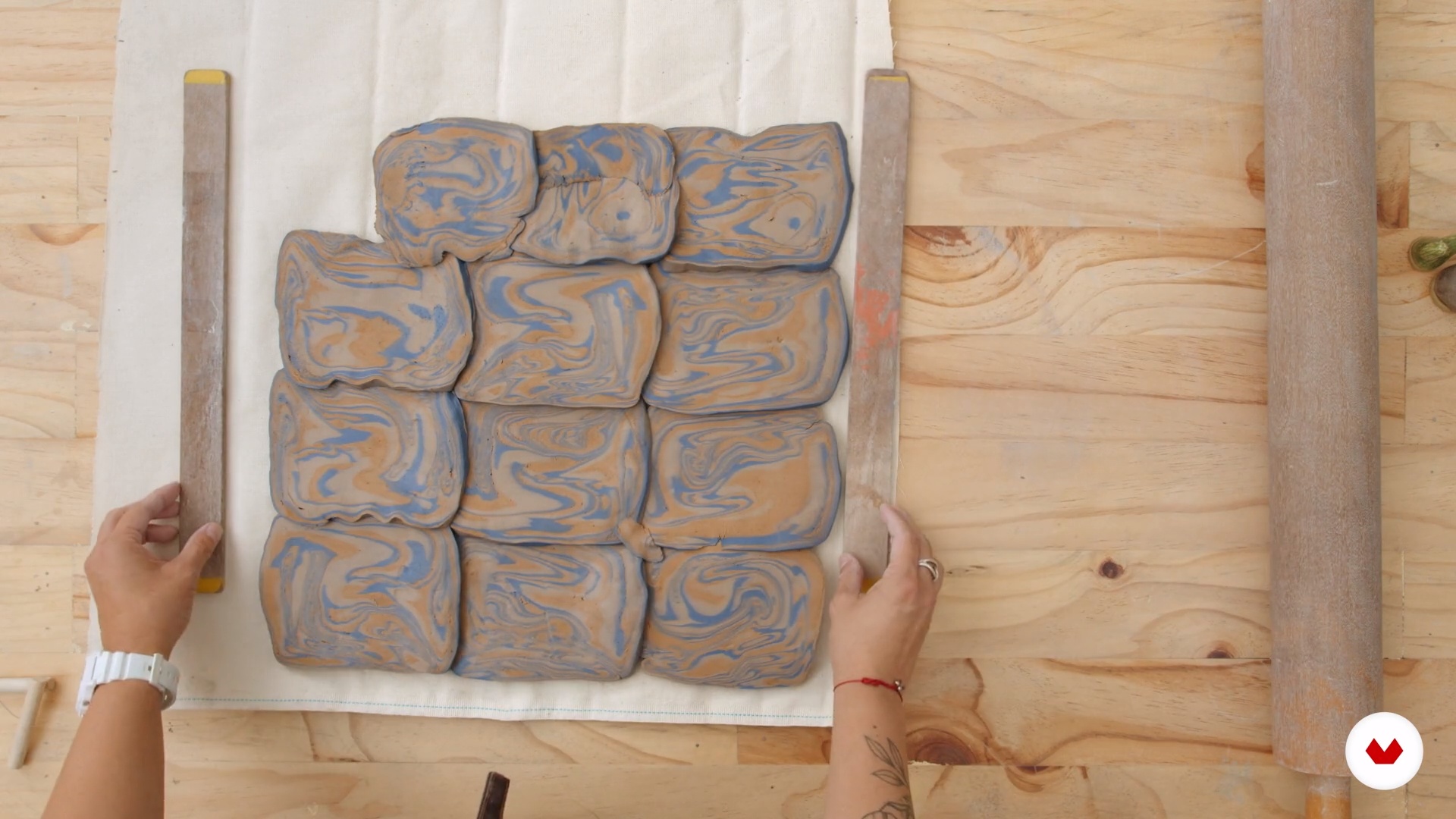
Now let's marbling! In this lesson I am going to teach you the technique of marbling in two colors, also applying the kneading technique. You will learn how to make a plate, which will help you make your sample book and later have options for your final project. In ceramics there is always the surprise factor. You can be in control of marbling to some degree, but the shapes that come out and the design will always amaze you. Let yourself be carried away with the shapes that your own design proposes.
4m
image
6
3 Color Marbling
You will learn the technique of marbling in three colors, inserting the colored clay sheets and kneading. You will repeat the ironing technique, to continue assembling your sample book. Remember to take note of the steps you are doing, so later you will have a record in case you want to replicate it.
3m
image
7
Coarse Vein Marbling
Now I will teach you the marbling technique to obtain thick veins based on the kneading.
3m
image
8
Marbling of Fine Veins
Now I will teach you the technique to obtain thin streaks based on the kneading again.
3m
image
9
Development of Our Sample
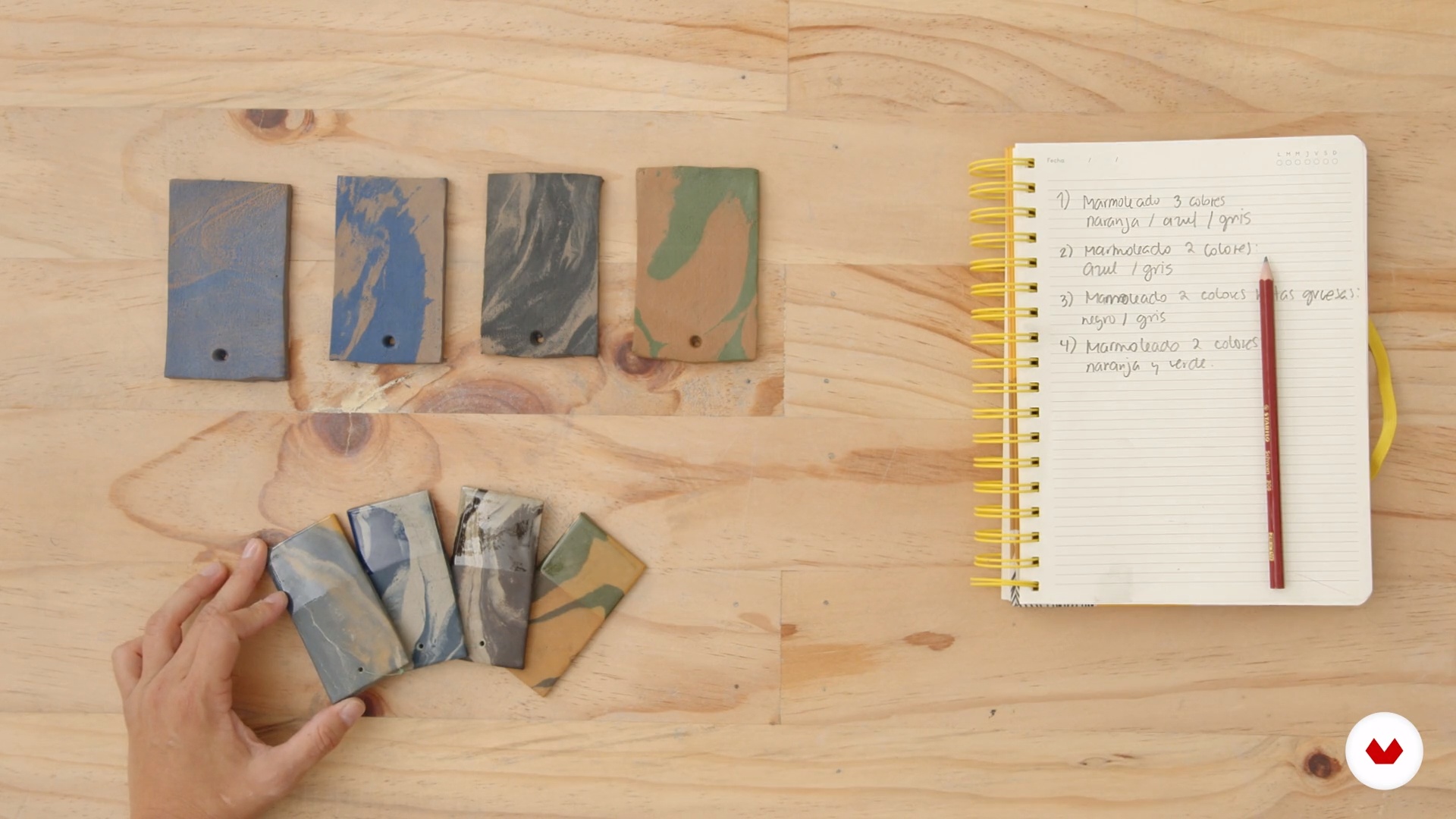
We arrived at the sample book! Here I will show you how to make your own sample book with all the plates of your colored marbling and different effects. With this you can have a better overview of which effect and color to choose to develop your final project.
3m
image
10
Preparation of Our Clays
In this lesson you will replicate the sample that you liked the most, increasing the amounts to create the colored clays and marbling for your final project. [textbox type=alert]It is very important that the color remains homogeneous in the clay, so you must give it time to knead it. Remember your breathing and posture, the strength should not be in the hands, arms and shoulders, but in the whole body that leans forward.[/textbox]
5m
image
11
Plate Technique
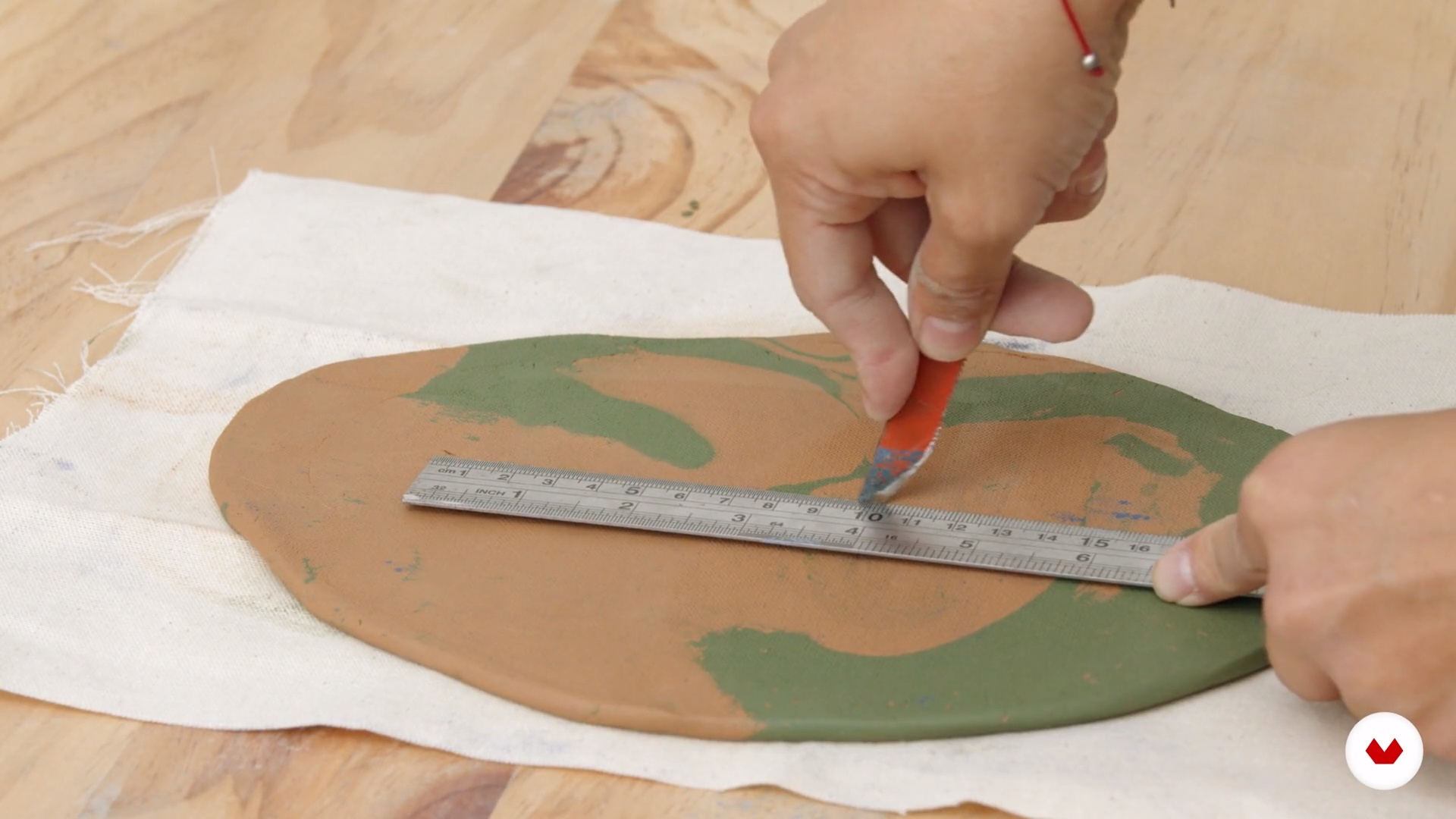
You will develop the plate from which the three pieces for your project will come out. Focus on your breathing and posture, as here you will need extra time to stretch.
3m
image
12
Matrix Technique for Each Piece
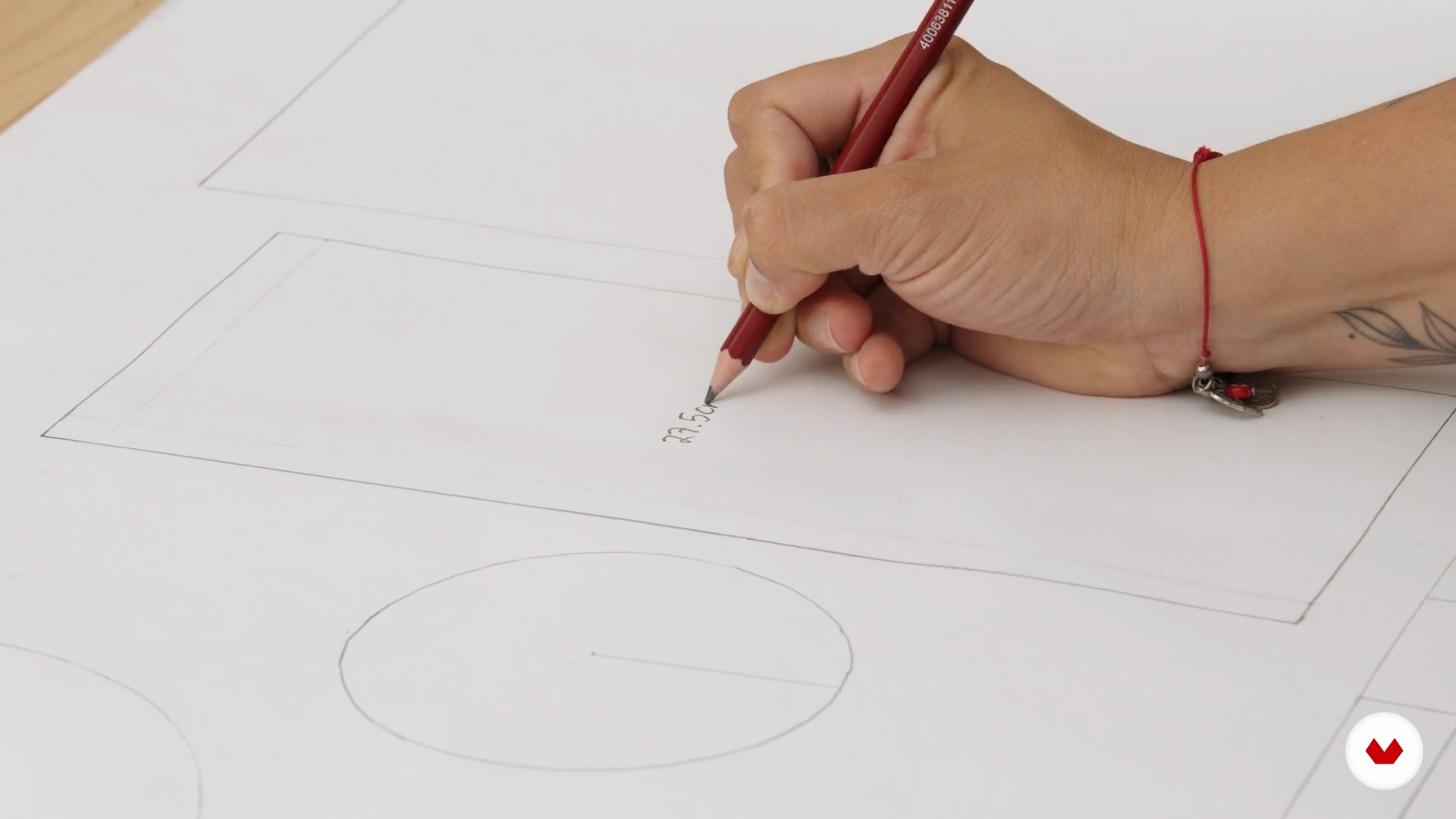
Get your paper, scissors and compass ready! You will learn how to make the matrices of the parts of each of your pieces. It will be a process very similar to that carried out by tailors, seamstresses or dressmakers.
4m
image
13
Cylinder Construction
Give this collection your unique stamp. Give your personality to the finishes: the shape of the edges, the handle, the peak, you can even deform the pieces a little, carve some part, add elements in high relief, etc. Try to generate everything that expresses that this collection has your signature.
9m
image
14
Mug Construction
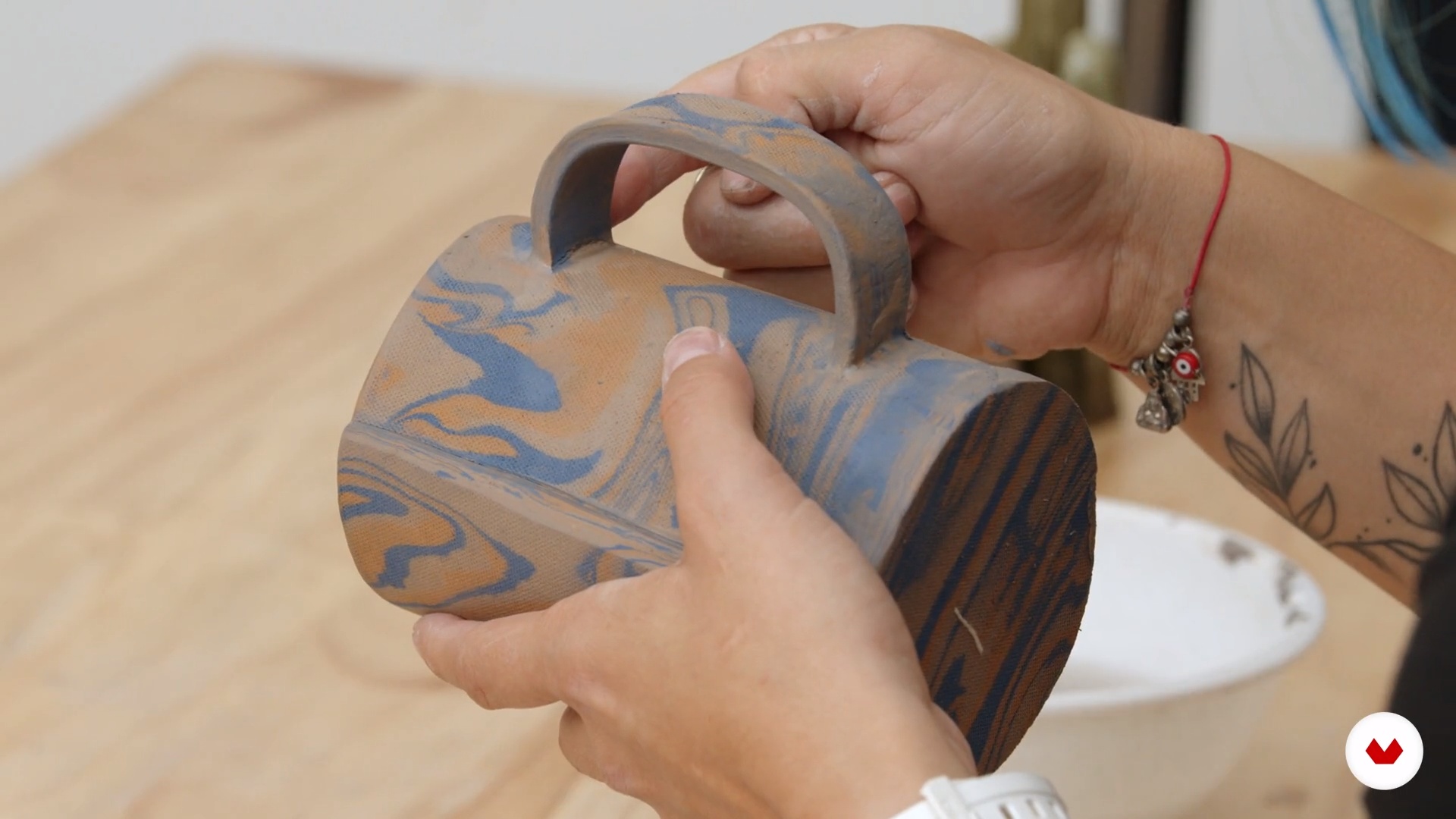
I will teach you how to build a mug. You will learn how to use the same process as with the bowl, but now increasing the handle. Remember that the shape of the handle can be personalized, it is important to take into account not only the shape that you like the most, but also that it is comfortable for its function.
4m
image
15
Jug Construction
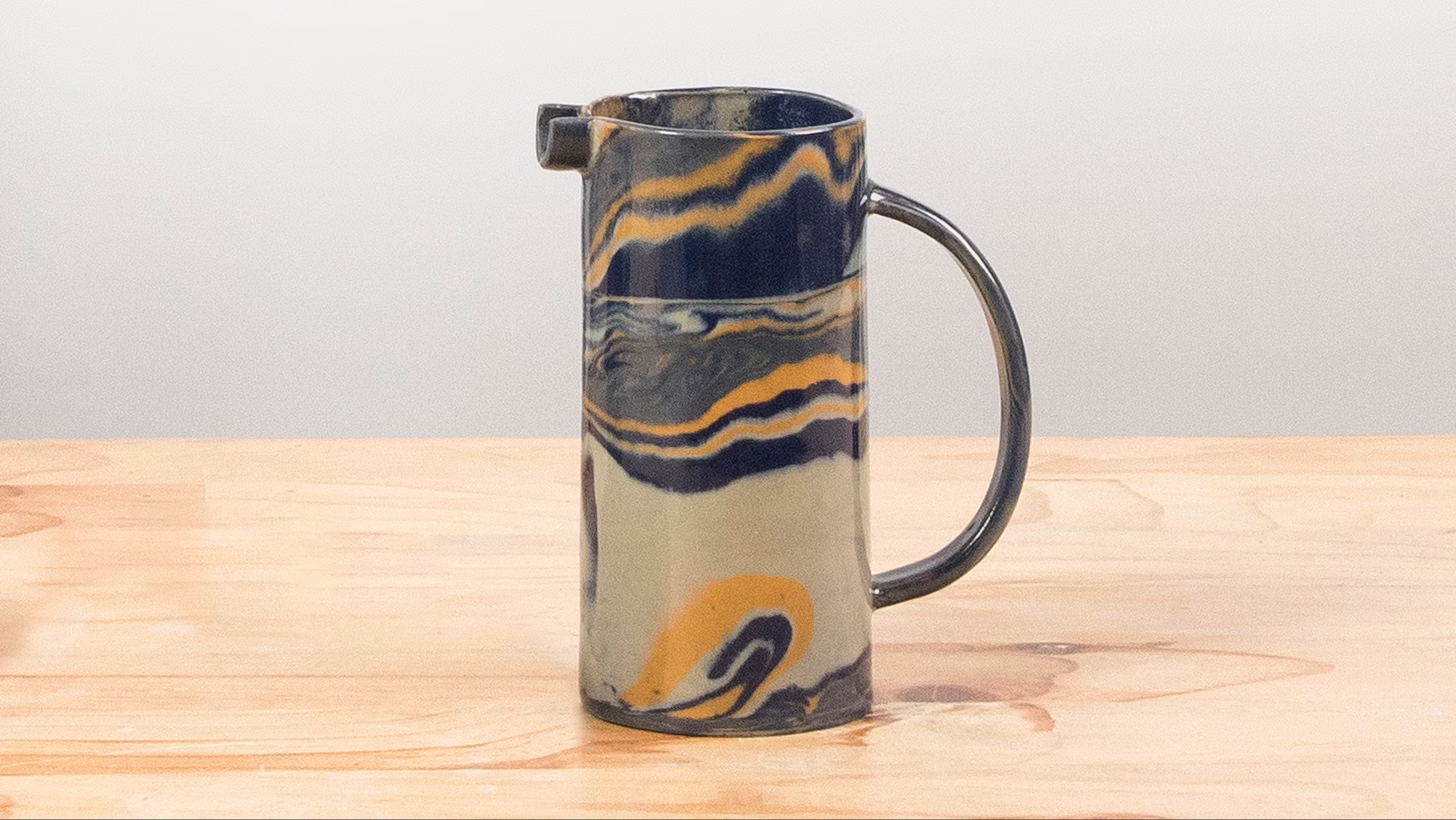
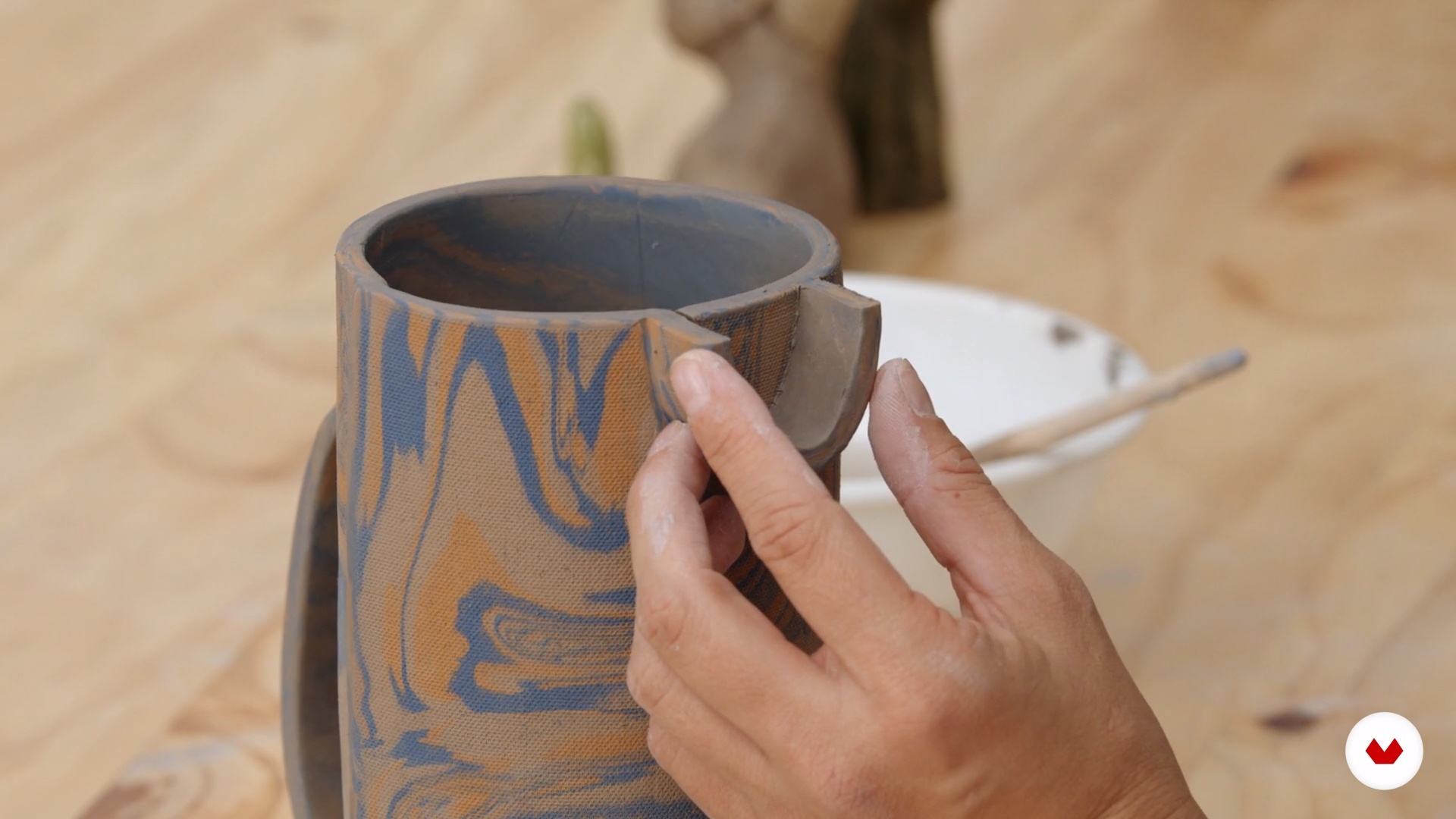
I will teach you how to assemble the jug, using the same technique as with the cup, only now you will increase the spout.
4m
image
16
Final Result Analysis
You will see how my pieces were, in addition, I will give you some recommendations that will be of great help.
1m
image
4
What you need to know about plants
In this lesson I will show you the needs and sizes of the pots according to each type of plant.
4m
image
5
Types of materials to make pots
Do you know the different types of materials with which you can create a flower pot? Do you know what the advantages and disadvantages of each are? Don't worry if you don't know, here I will tell you everything you need to know to answer these questions.
6m
image
6
Tools and materials for each process
Next I will present the materials that we will use for each process, it is necessary that you take them into account so that when the time comes to use them, you have them ready.
14m
image
7
Mood board
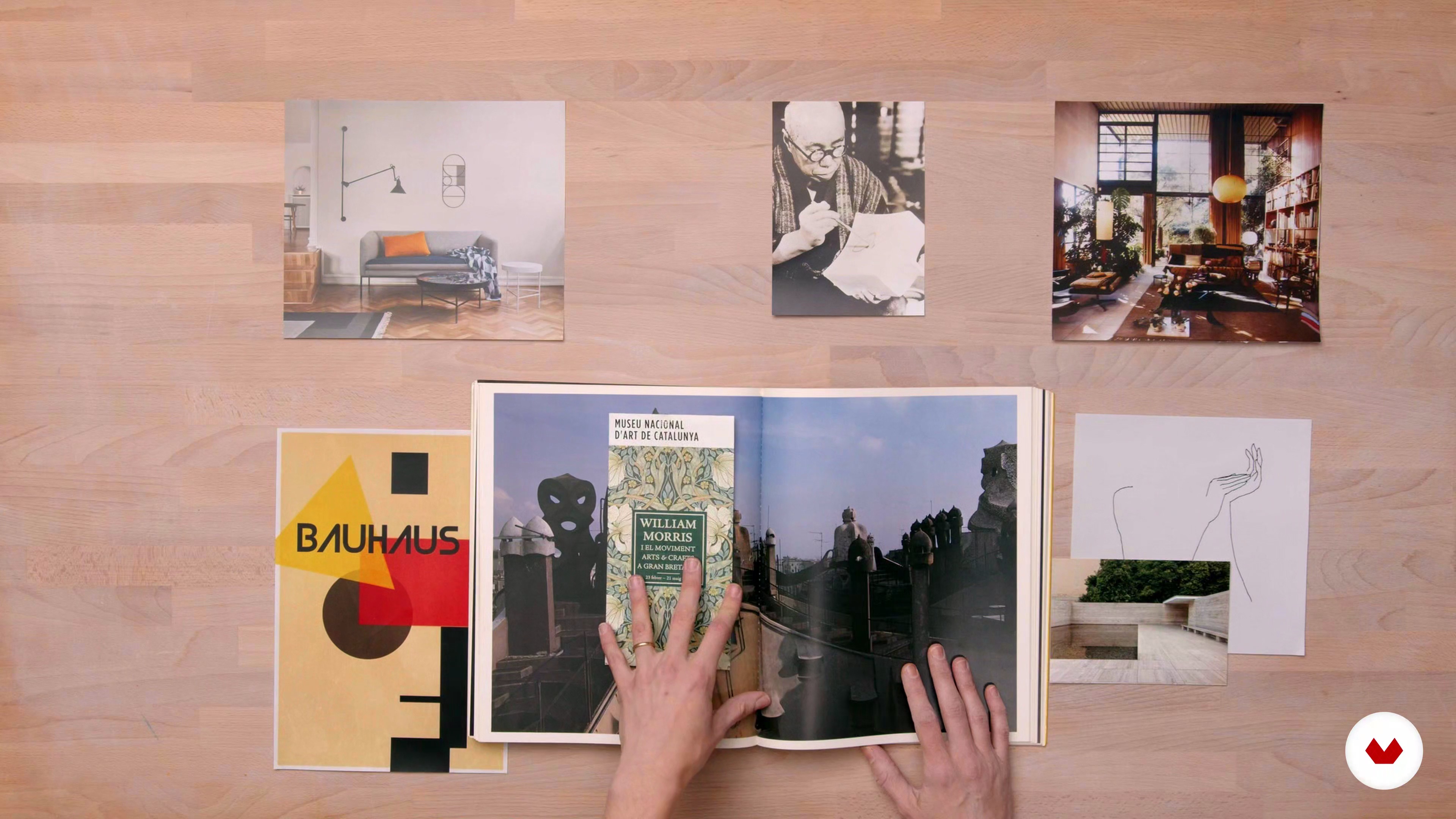
Do you want to know what I do to organize my ideas? I will explain a creative technique that helps me a lot to create the visual universe of each design that I am going to start. Are you ready?
5m
image
8
Ox kneading technique
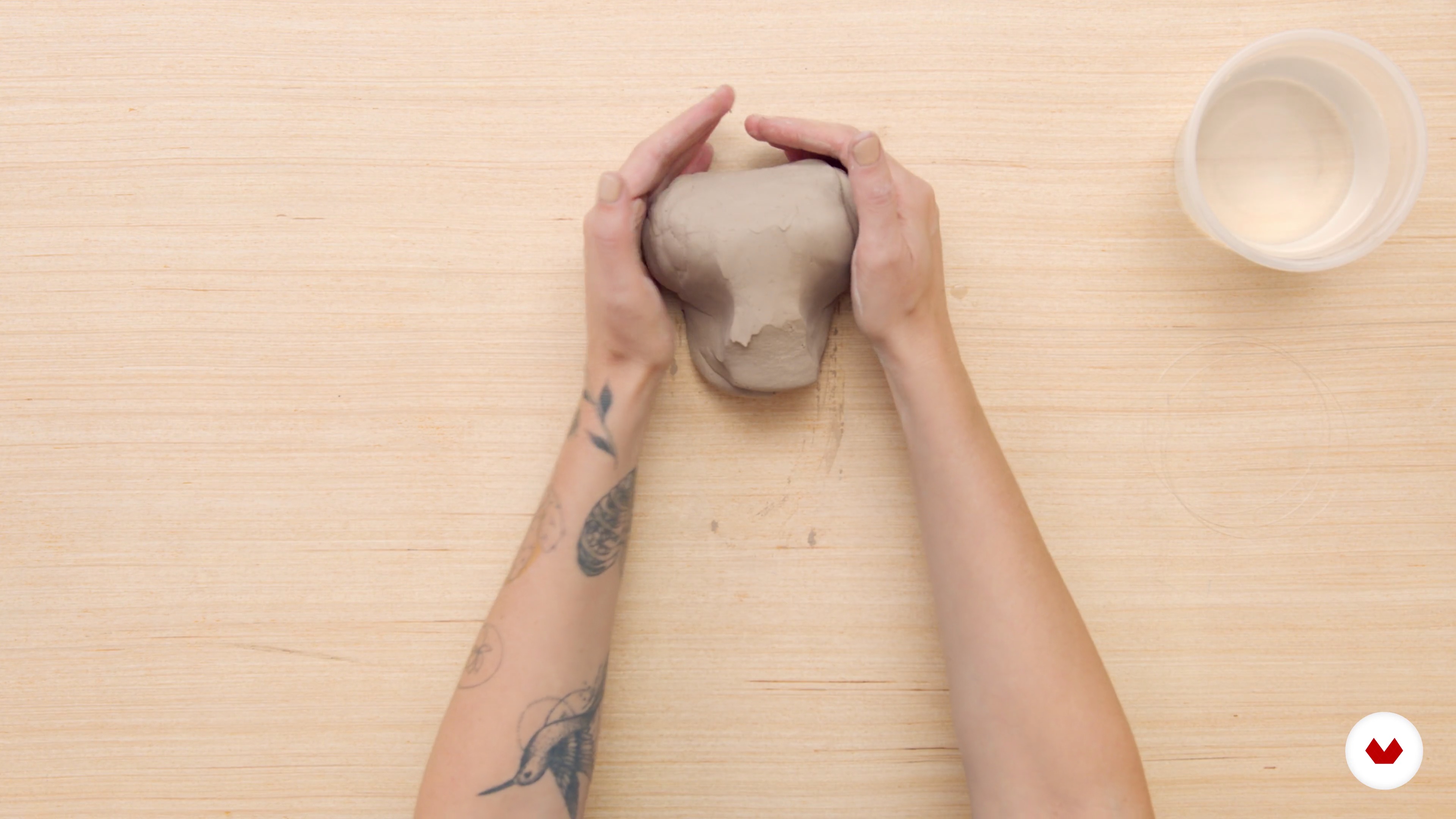
There are different kneading techniques, the one that best suits me is the “ox” head, named for the way it is perceived at the time of kneading. However, the idea is to form a homogeneous malleable mass by mixing the clay, subjecting it to constant manipulation until it has enough plasticity to be worked. I will show you the kneading technique with the aim of eliminating bubbles and avoiding accidents in the oven.
3m
image
9
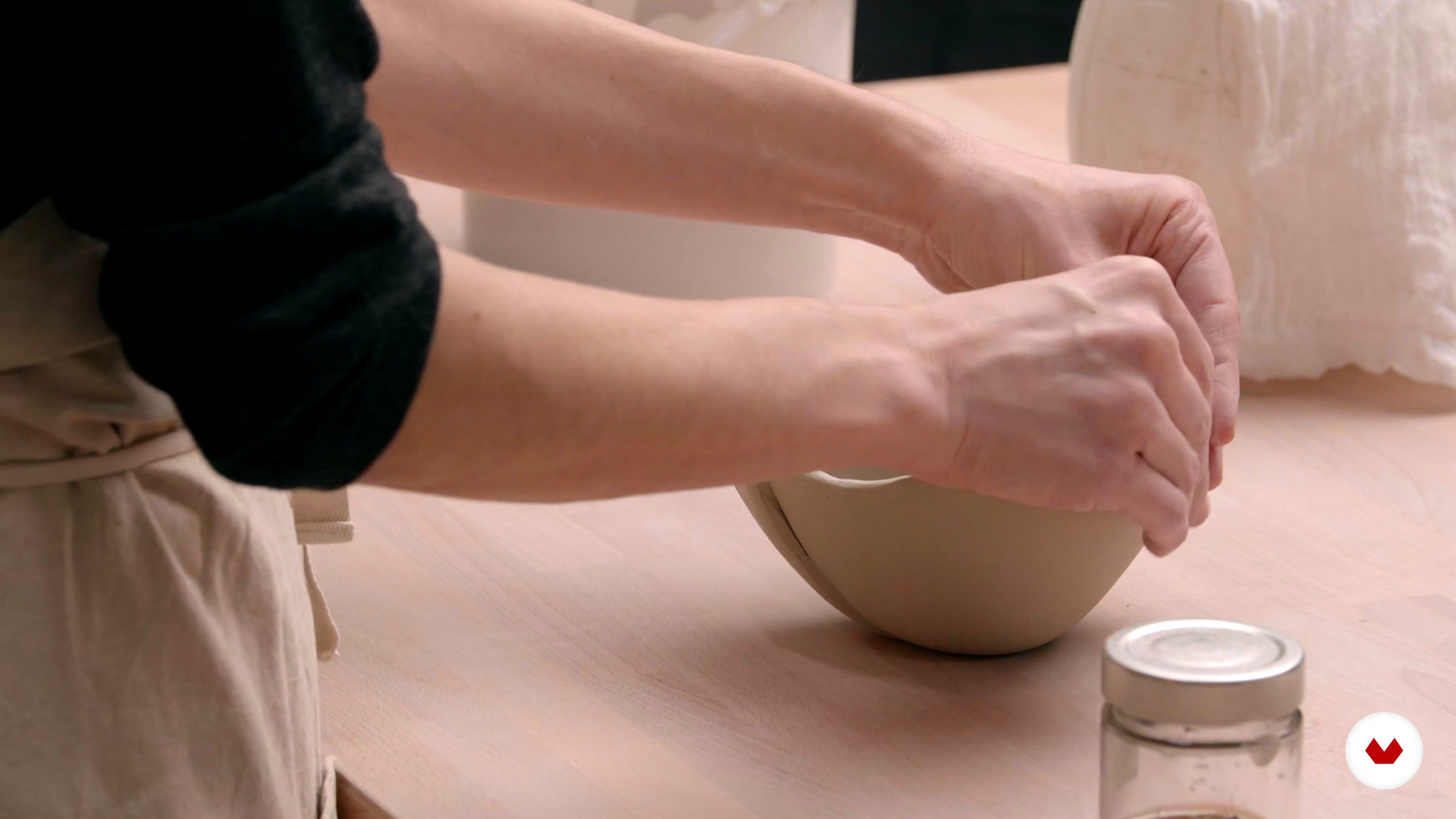
Manual construction with pinching
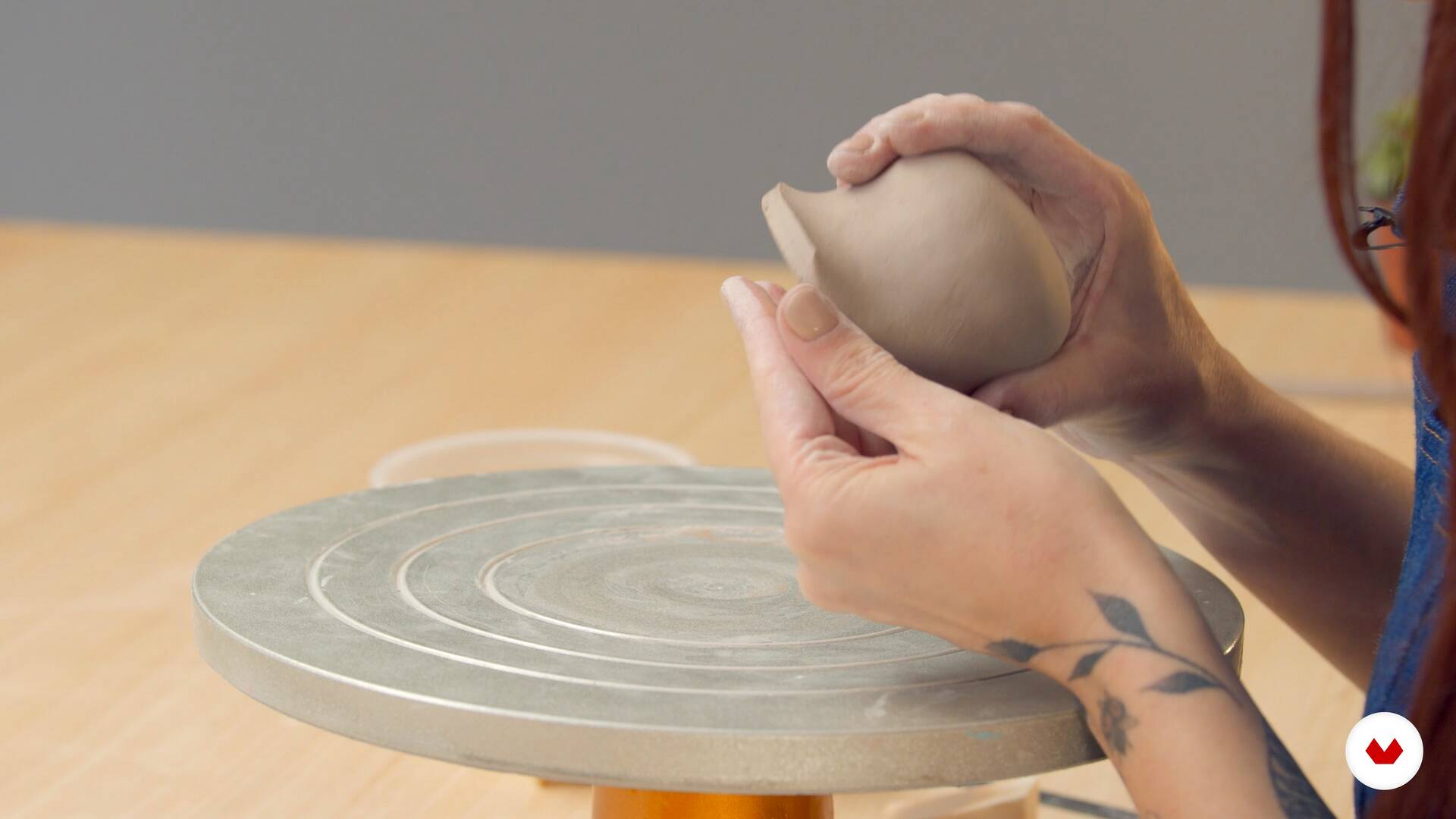
Once the material is kneaded and ready, I will show you a technique that I use to build my designs. The pinching technique, which I use to create simple shapes, not so big. I will explain what it consists of and how to make it so that the outer part is perfect.
14m
image
10
Process to make a mold 1
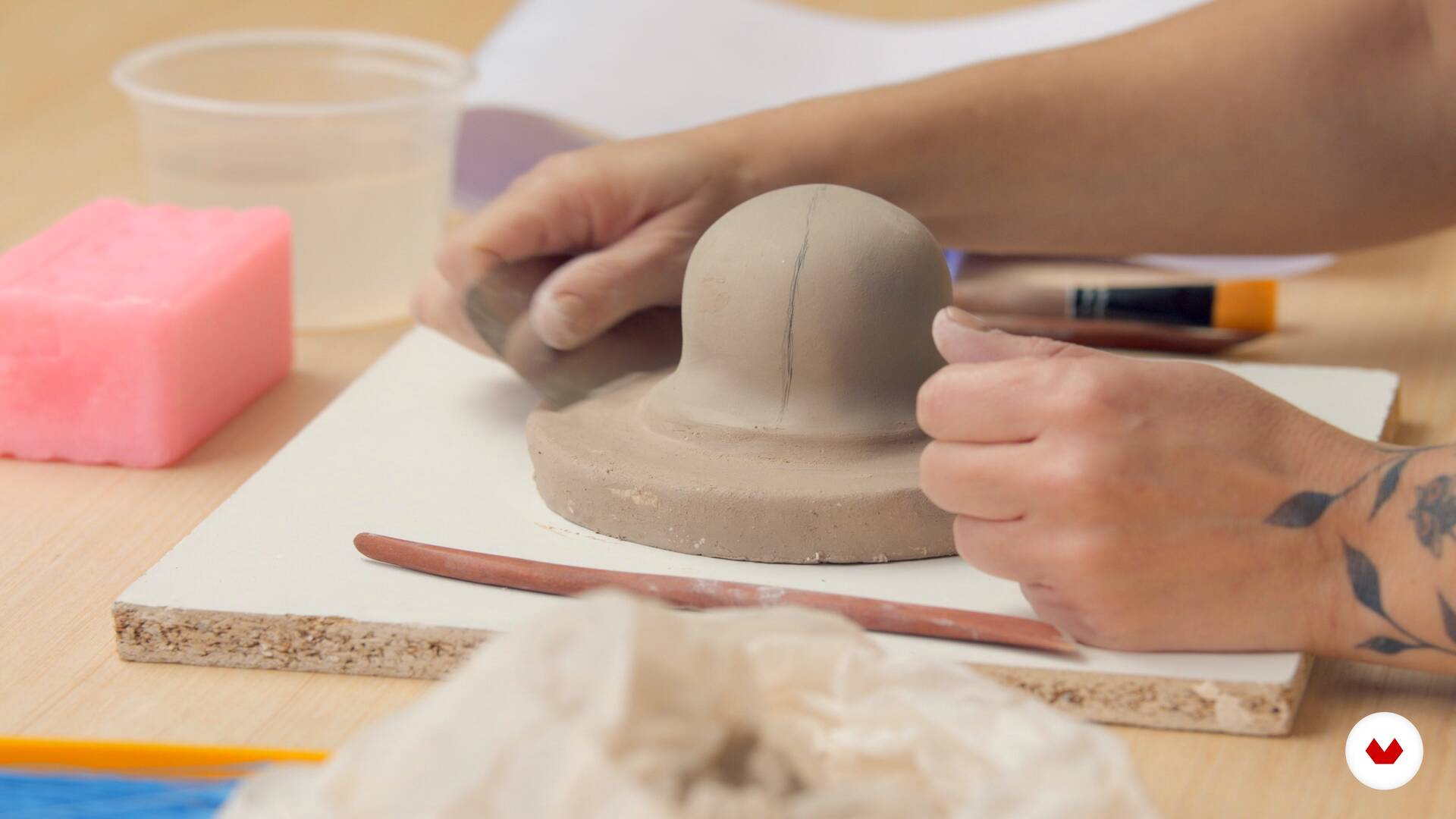
Once we have built our base model, it must be in a leather condition, perhaps a little harder so that it does not become deformed by the weight of the plaster. Having it ready, here I show you the technique I use for some examples of different molds that I have built. According to the complexity of the base model, the number of parts required to make a replica is defined.
11m
image
11
Process to make a mold 2
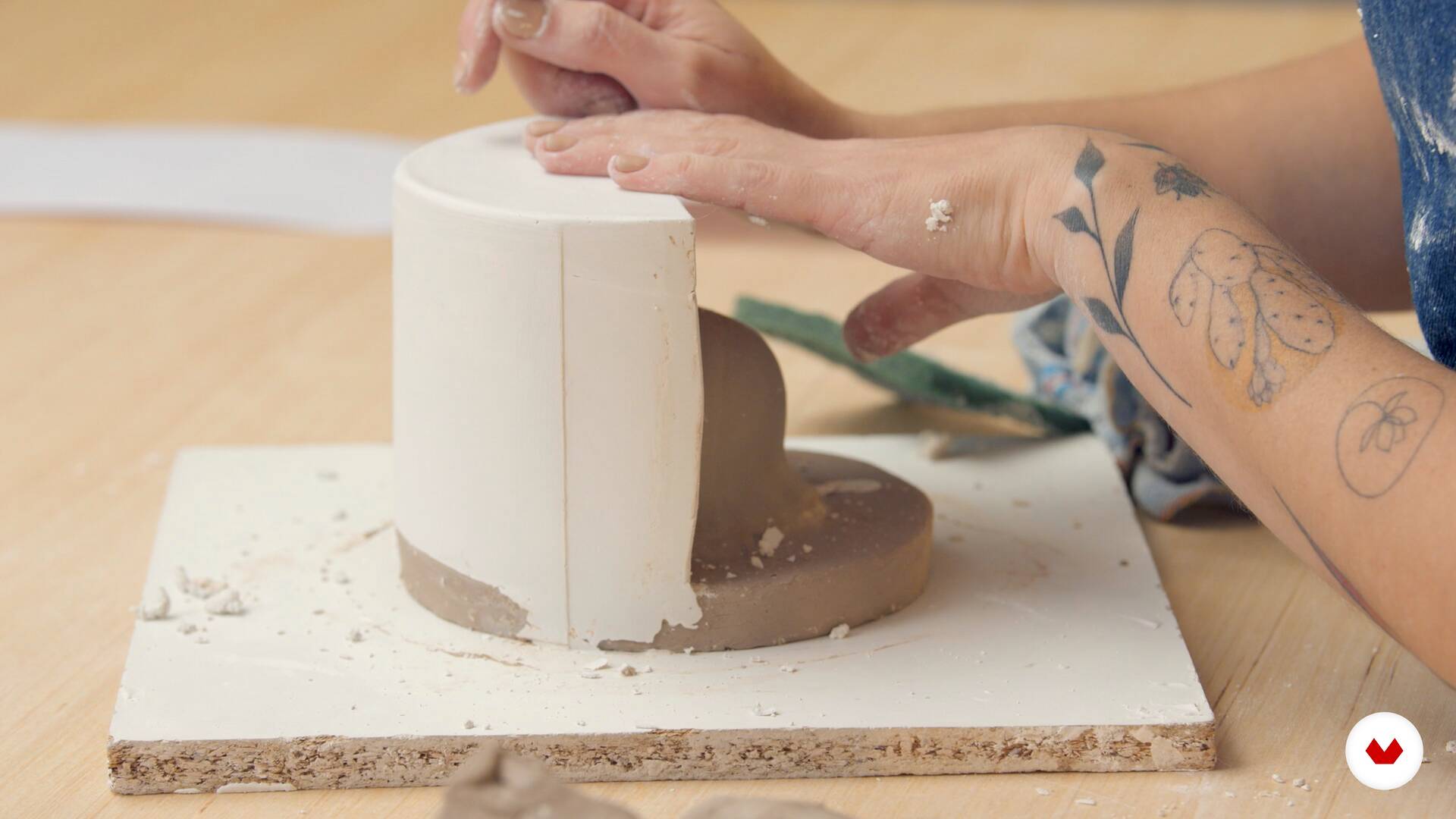
During this second part, I give you some tips so that you can finish making your mold. Remember that everything will depend on the shape of your model, if yours is circular like mine you can do it as I show you in the lesson, but here I give you some tips so you can do it. Be patient a mold can take time, but it will be very useful to have it.
10m
image
12
Casting and polishing
To start this unit and lesson, I'll show you how to get your wall thick enough. You will learn how to identify when your mold is stiff enough, so you can unmold it safely.
6m
image
13
Textures
Once we have our first cast and it is in a leather state, we can polish it and add textures or elements to give it personality. Here, I will show you how to achieve it. I will show you how while we meet our base model again and have the opportunity to play with it and integrate material, we can achieve it as we envision it.
7m
image
14
Decoration with low enamels
Here you will see how once the piece is dry, you can polish and draw on it with low enamels. Remember that to carry out this lesson it will be important to consider that the enamels you buy must say under enamels cone 5-6, since these are enamels for high temperature burning.
5m
image
15
Packaging
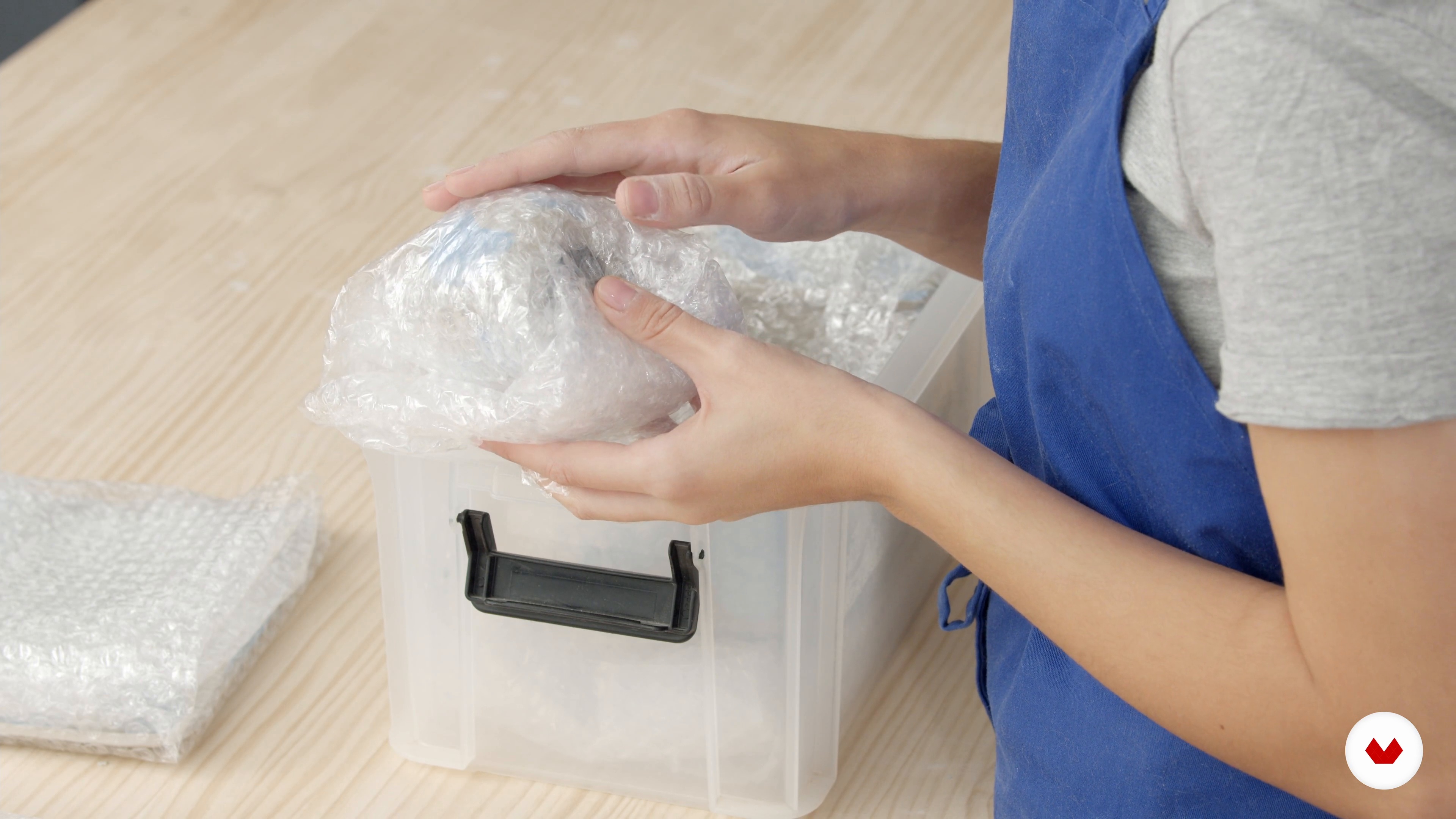
In this lesson you will learn how to pack your piece in the bone state to take it to the oven. The first burning is called sancocho, bisque or sponge cake, it is a preliminary burning at a low temperature of 800 degrees. This will help you to harden the pieces before they are glazed and this allows them to be prepared to be glazed.
2m
image
16
Traditional glazing process
In this lesson, I will teach you what a traditional glaze is and how is the process to do the glaze by immersion with some color variants.
12m
image
17
Transplant Considerations
Now I will explain some considerations that you must take into account when transplanting the selected plant to its new home and with this, complement your piece.
4m
image
3
Tools and Materials
Let's first take a look at the materials and tools you will need to make your slab-built project.
7m
image
4
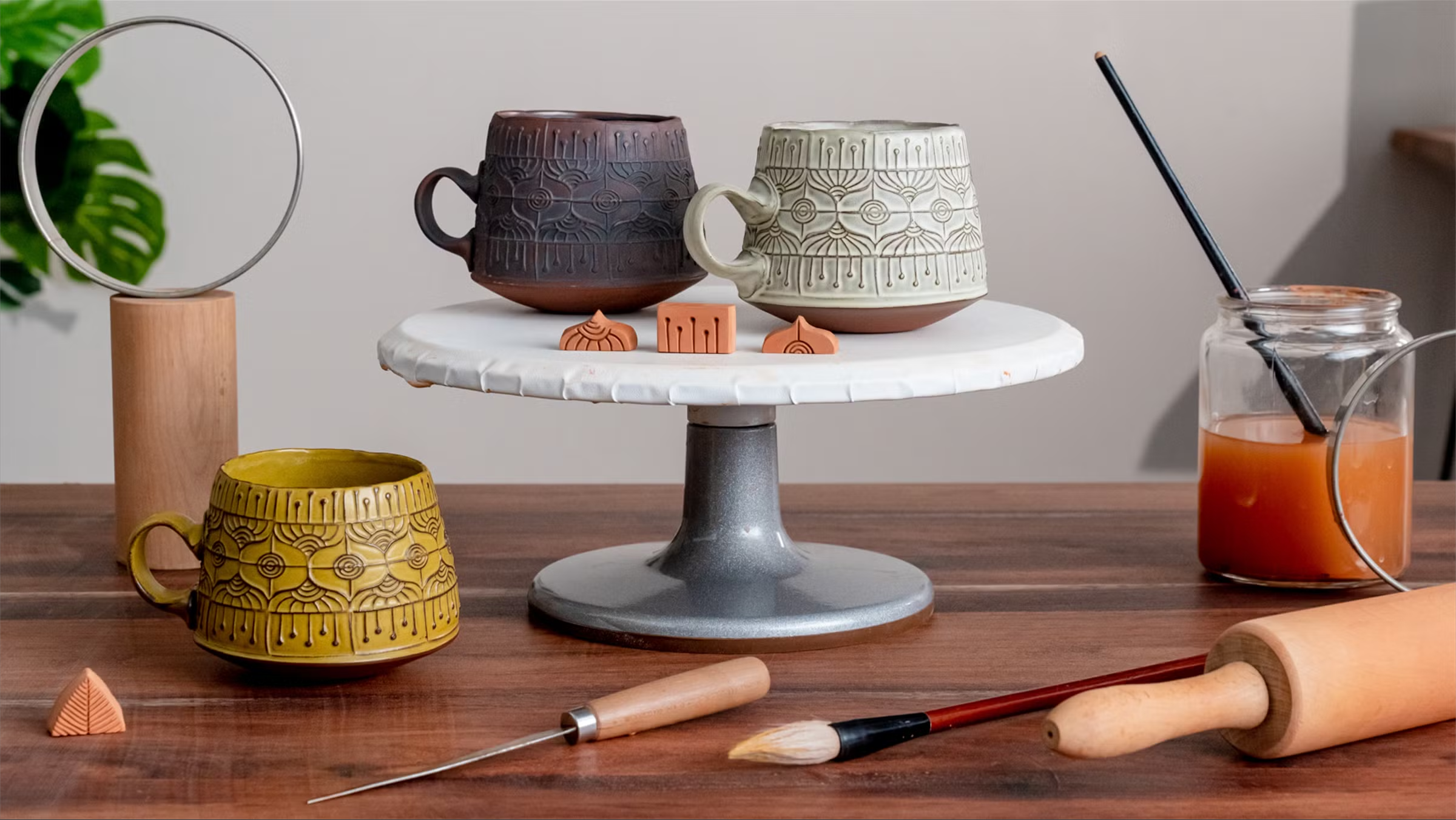
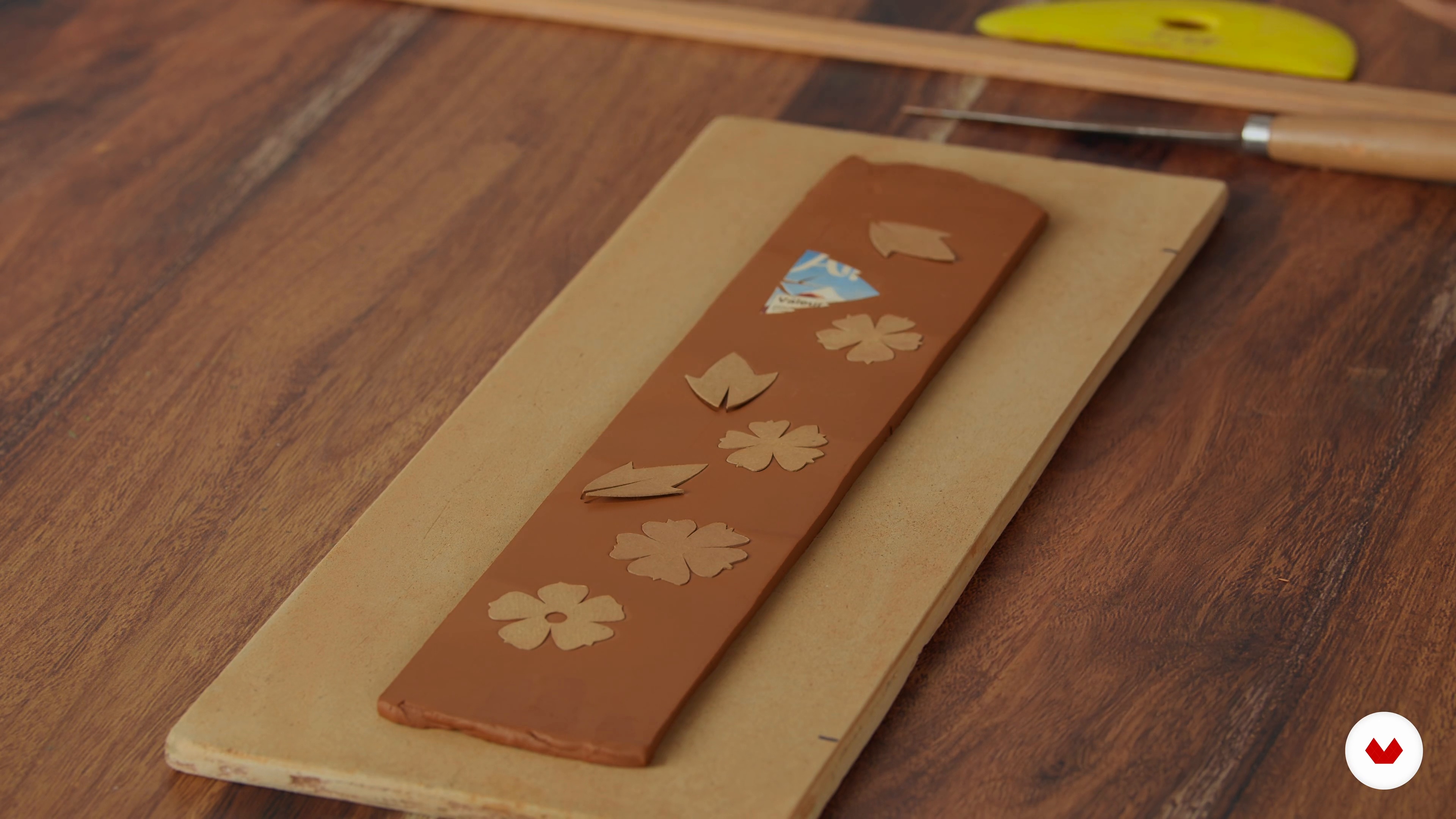
Making Texture Tools Out of Non-clay Objects
In this lesson, I will show you how to make textures with handmade cutouts. Think about what inspires you and what you love. How can you use these techniques to create cutouts based on your interests?
15m
image
5
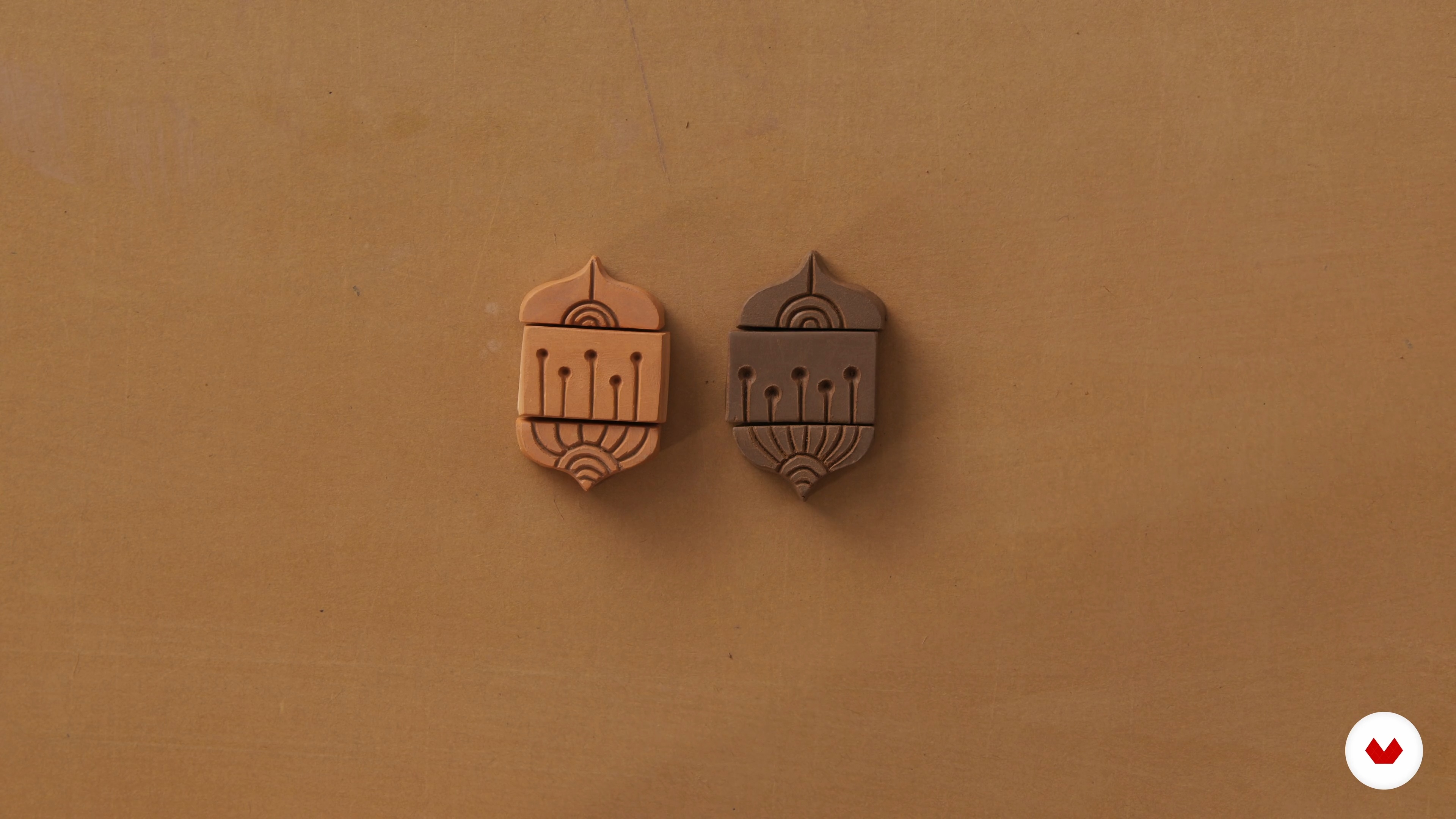
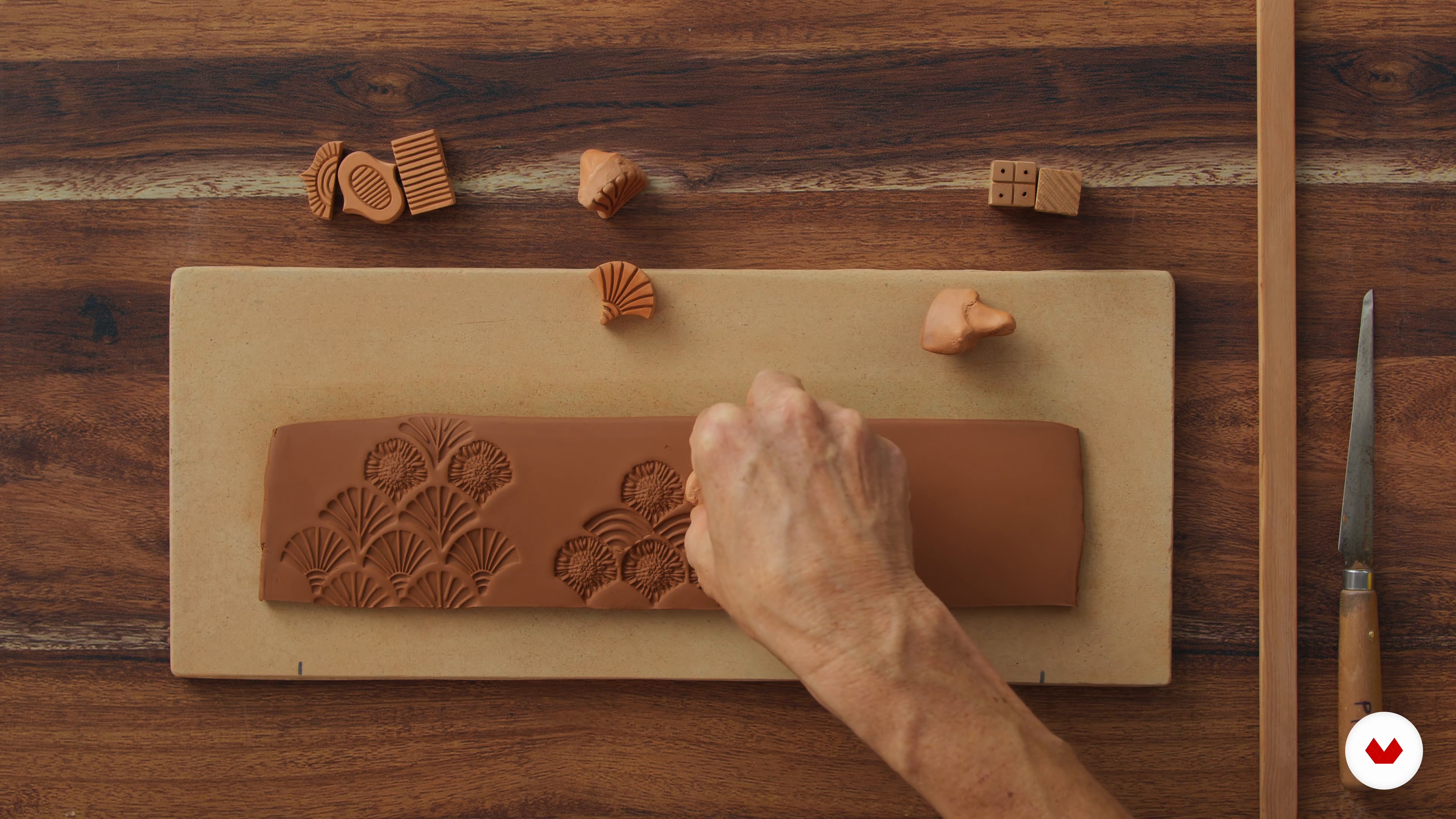
Learning about Repeated Patterns with Clay Stamps
Now, we will explore repeating shapes. We will look at the versatility of five basic shapes, and you will learn how to create your own unique patterns using these shapes.
19m
image
6
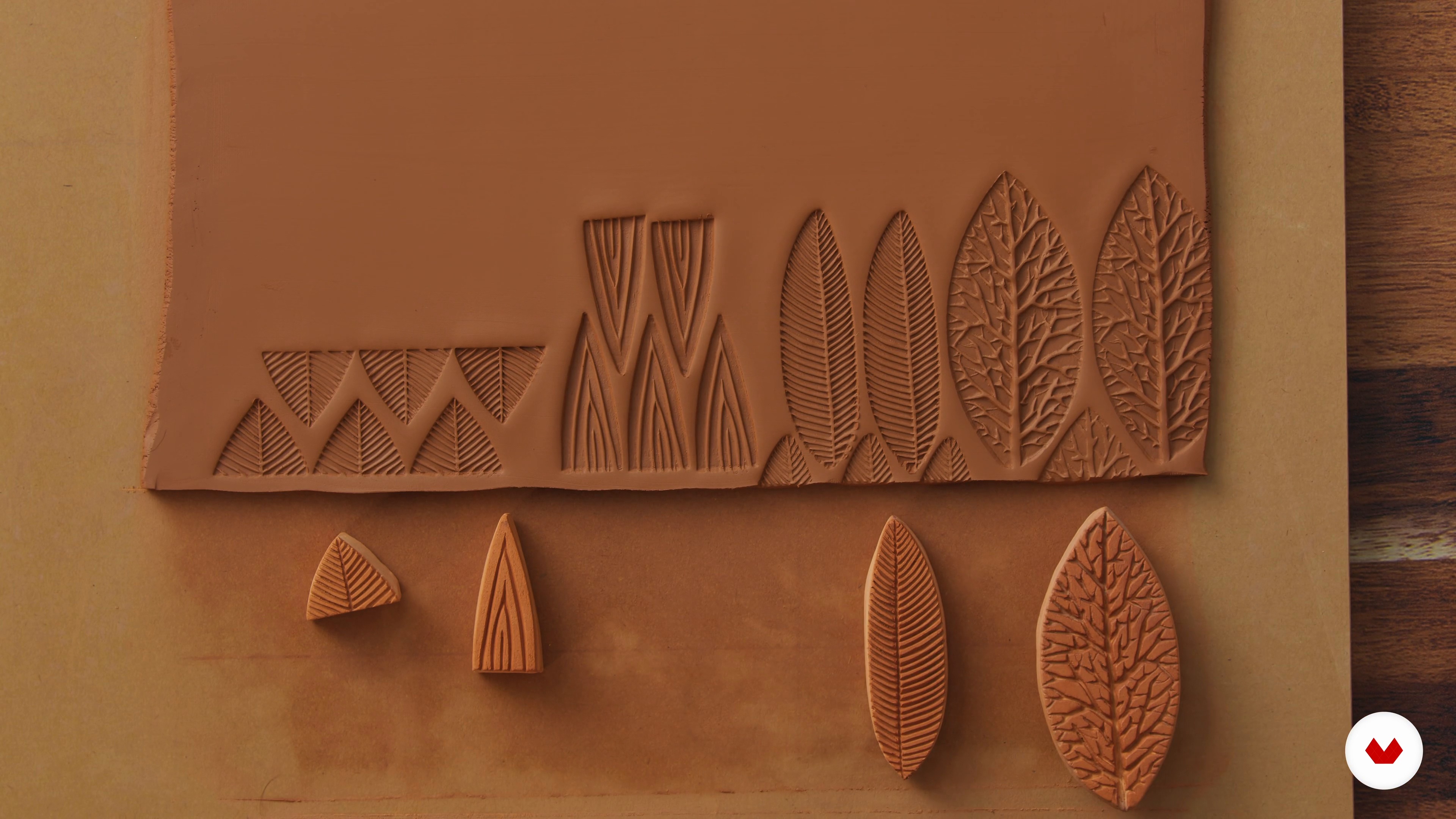
Making Clay Stamps
Next, I want to show you how to carve clay stamps. The advantage of clay stamps is the detail you can achieve and the ability to smooth an area and start again!
20m
image
7
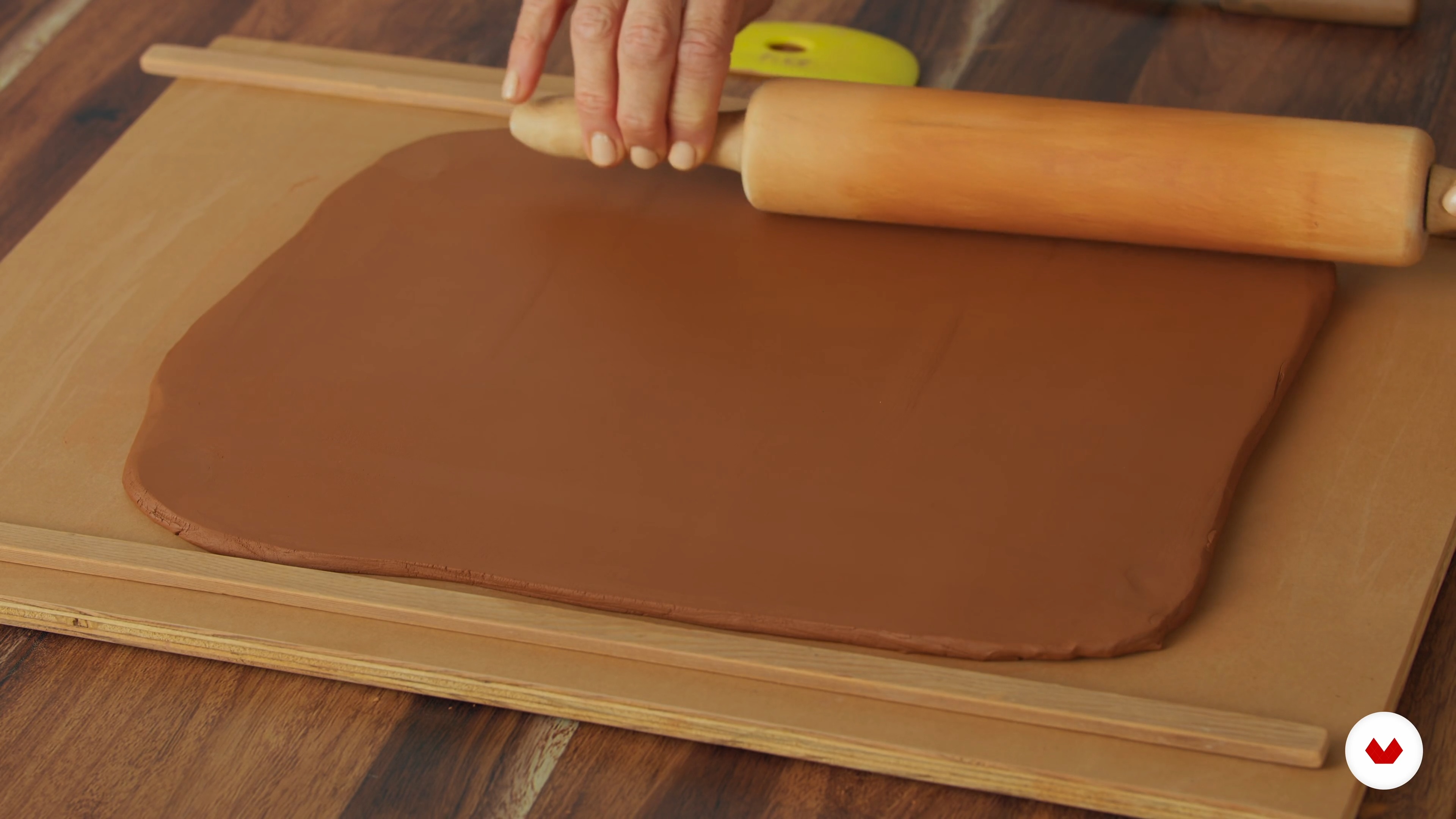
Rolling and Cutting the Slab for the Mug
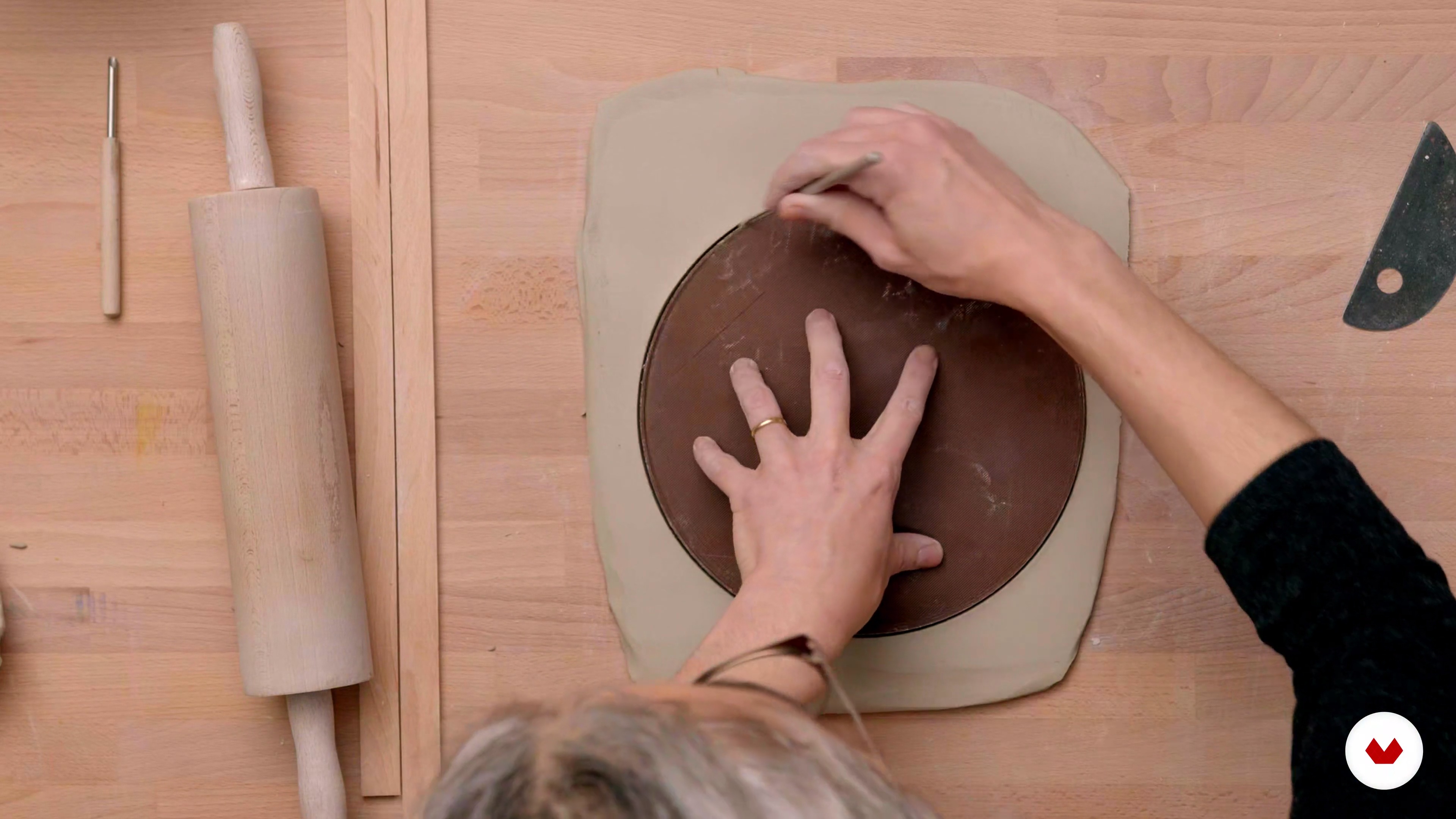
In this lesson, you will learn how to roll the perfect clay slab with simple tools and how to cut and prepare the slab for the best results.
14m
image
8
Playing with the Stamps for Different Patterns
Here, you will see how just a few stamps of various shapes can create an endless variety of patterns. Through trial and error and creative play, we will explore patterns in preparation for the final mug.
14m
image
9
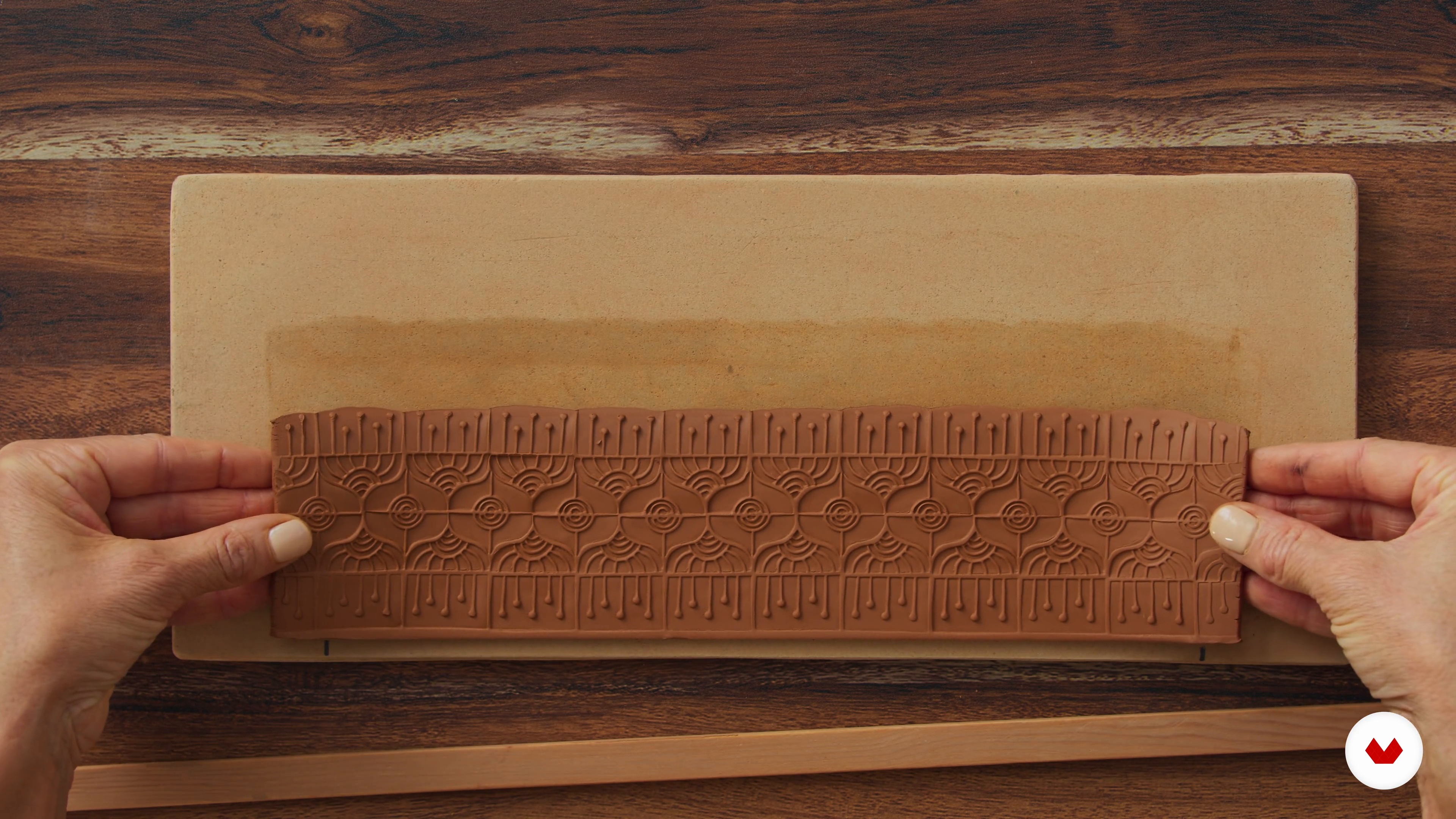
Texturing the Slab for the Mug
After exploring some patterns, I will start working on my mug. I will show you how I texture and cut my slab prior to building the form.
11m
image
10
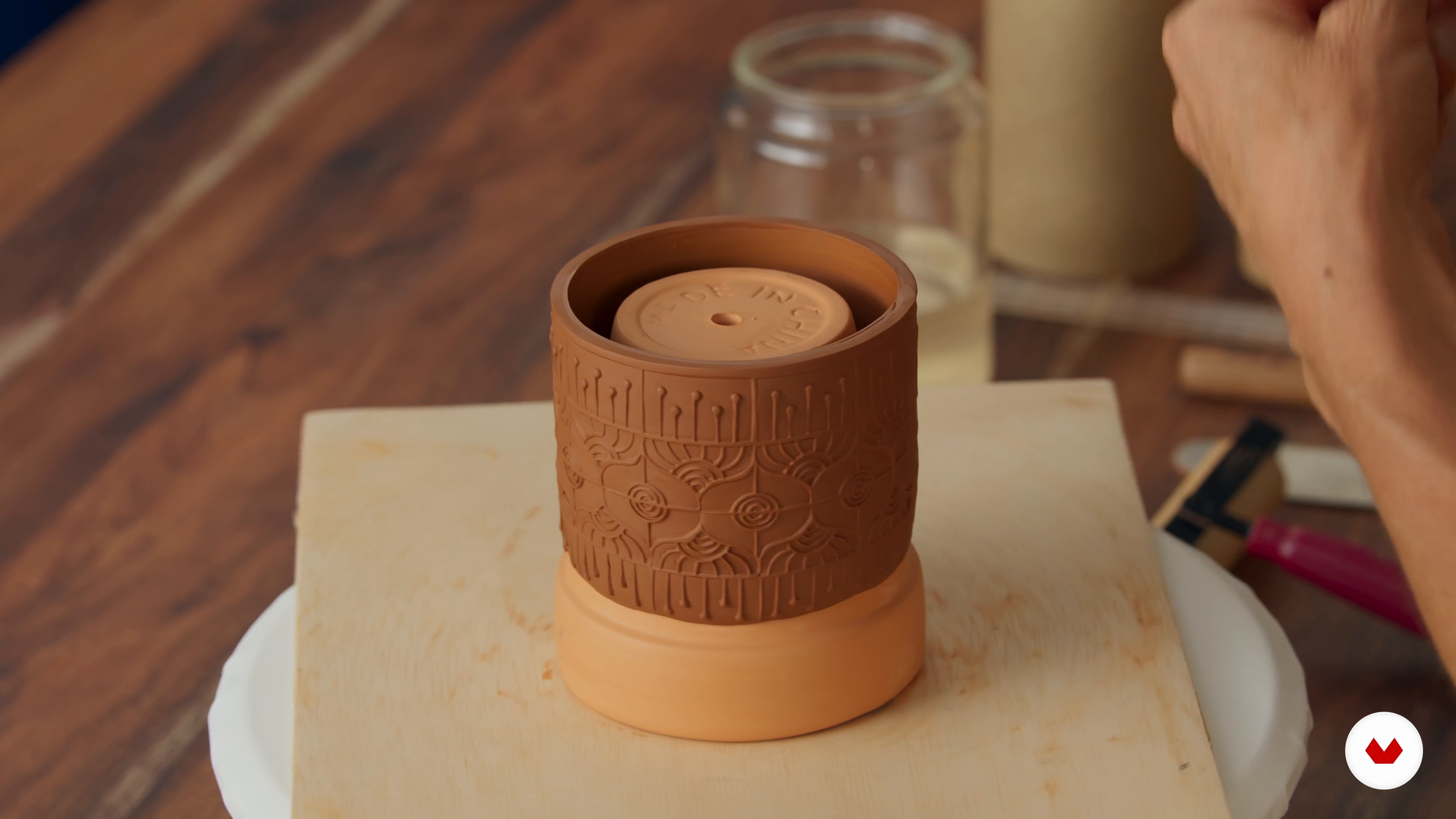
Joining the Slab and Adding Volume
In this lesson, you will learn how to form and join your slab to make a cylinder. You will then learn how to flare and stretch the cylinder to add volume and alter the profile of the form.
12m
image
11
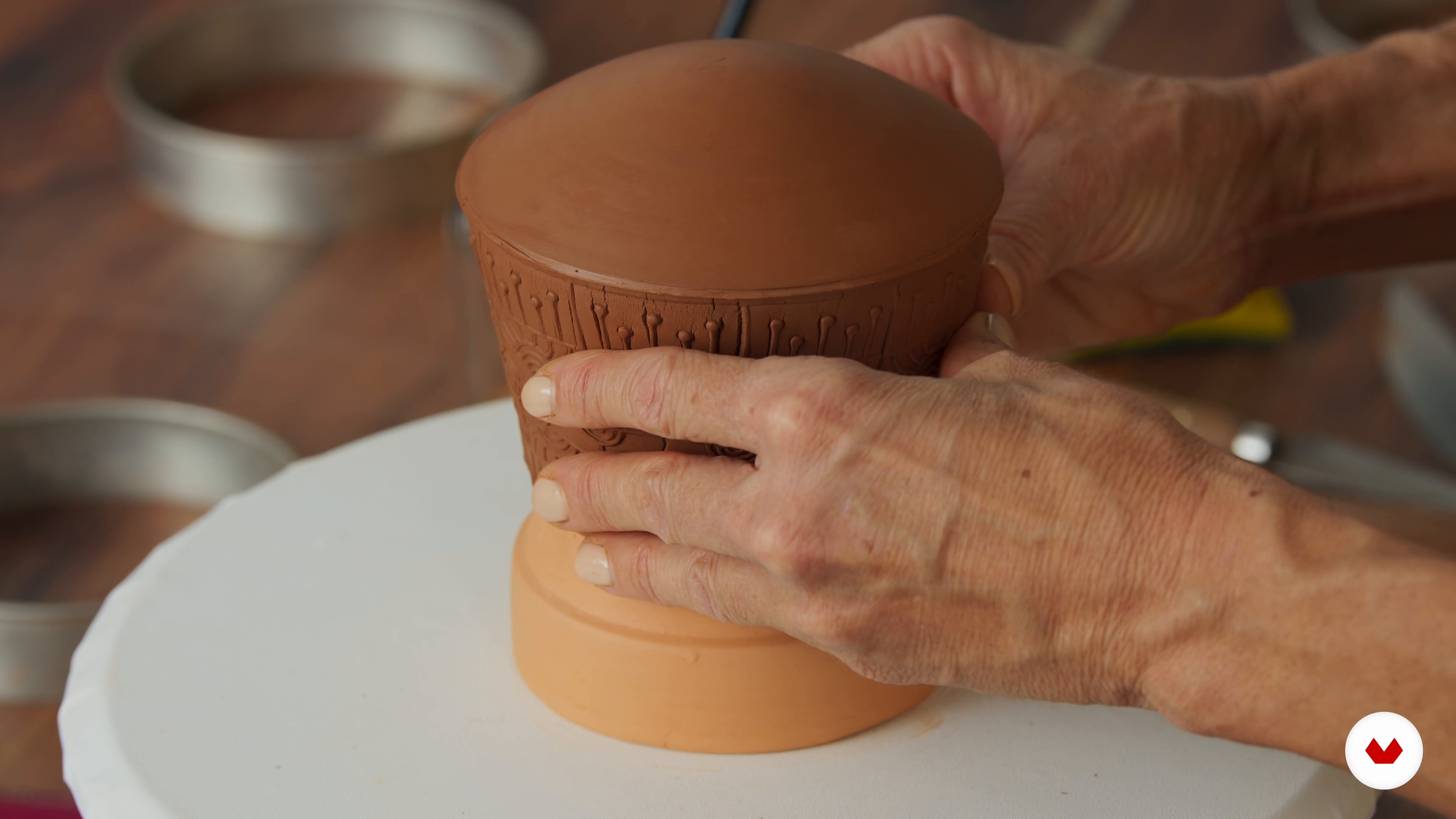
Adding the Bottom
Once the cylinder is formed, we will add the bottom. For my mug, I will make a flared bottom, but you can use the same technique to make a flat bottom. Just place the circular base slab on a non-stick flat surface and then attach it in the same way.
12m
image
12
Refinements and Making a Handle
The mug isn't quite finished! Let's make sure it's circular and refined. In this lesson, you will learn different ways to make handles and how to attach your favourite to your pot.
20m
image
13
Glazing and Firing
To show you how to wax and glaze your mug and prepare it for the final firing, I will use my already bisque-fired mug. But first, let me tell you a bit about the firing process.
13m
image
14
Creating Other Mug Forms 1
In this lesson, you will learn some supplemental techniques to help you design your own mug form. I will demonstrate three different mug shapes.
20m
image
15
Creating Other Mug Forms 2
Considering the various forms and techniques I show you, think about different styles and variations and imagine how you could create your own designs.
8m
  • 19 students
  • 89 lessons (13h 12m)
  • 158 additional resources (47 files)
  • Online and at your own pace
  • Audio: Spanish, German, English, Italian, Portuguese
  • Spanish · English · Portuguese · German · French · Italian · Polish · Dutch · Turkish · Romanian · Indonesian
  • Level: Beginner
  • Unlimited access forever

What is this course's project?

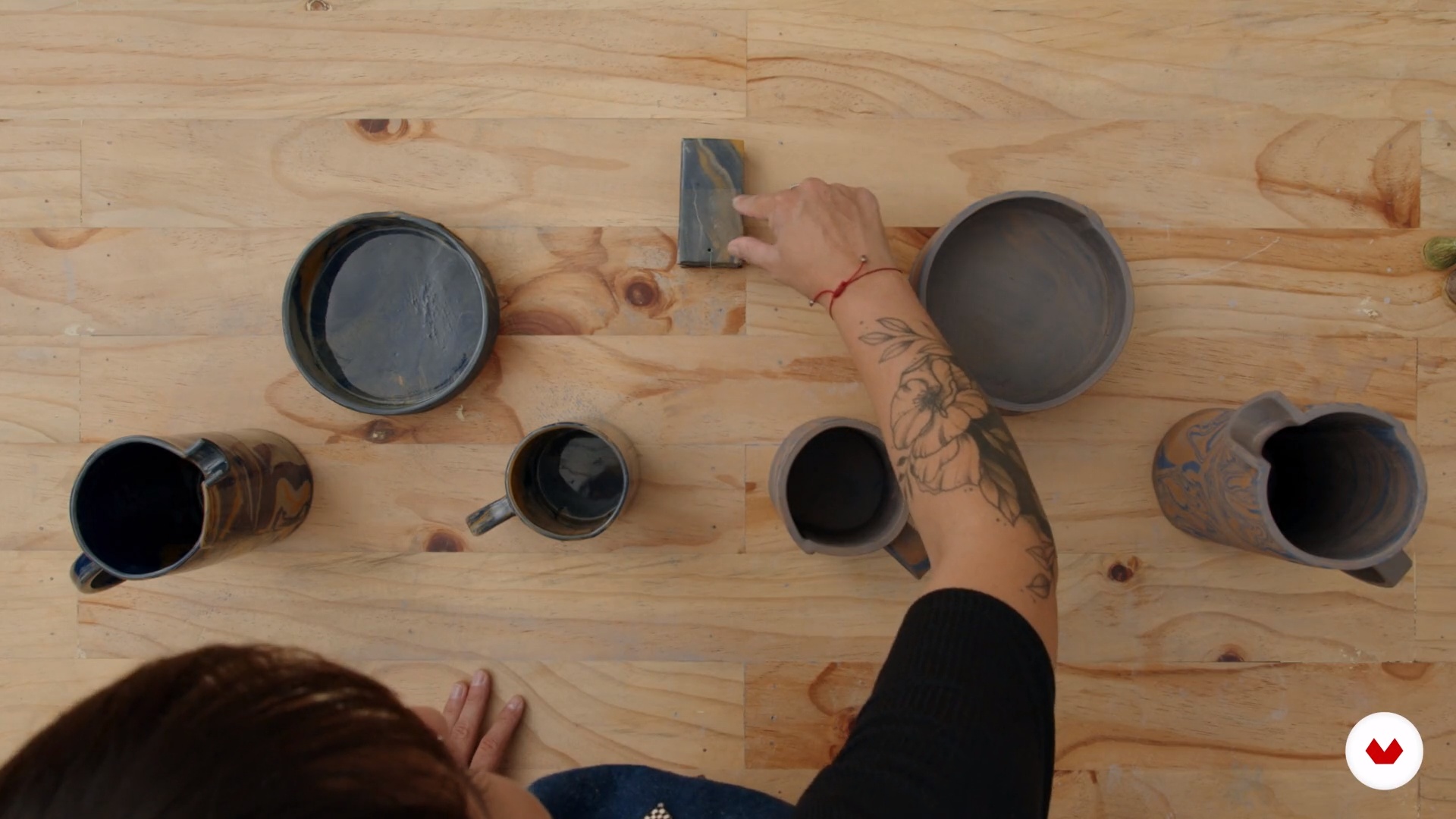
The course project consists of designing and creating a collection of basic ceramic pots, applying principles of design, modeling and finishing, developing skills to integrate advanced functionality, such as self-watering systems, and unique decorative techniques that reflect a personal style.

Who is this specialization for?

Aimed at ceramists who want to specialize in flowerpot design, entrepreneurial artisans looking to scale their business, product designers interested in functional ceramics, and enthusiasts who want to move from hobby to semi-professional or professional production.

Requirements and materials

Extensive prior knowledge is not required, but curiosity and a willingness to learn are essential. Basic materials such as clay, modeling tools, slip, rollers, and stamps will be needed. A comfortable workspace and access to a kiln are ideal.


Select to get to know your teachers in this specialization course
Read more ↓

What to expect from this specialization course

  • Learn at your own pace

    Enjoy learning from home without a set schedule and with an easy-to-follow method. You set your own pace.

  • Learn from the best professionals

    Learn valuable methods and techniques explained by top experts in the creative sector.

  • Meet expert teachers

    Each expert teaches what they do best, with clear guidelines, true passion, and professional insight in every lesson.

  • Certificates
    Plus

    If you're a Plus member, get a custom certificate for every specialization course. Share it on your portfolio, social media, or wherever you like.

  • Get front-row seats

    Videos of the highest quality, so you don't miss a single detail. With unlimited access, you can watch them as many times as you need to perfect your technique.

  • Share knowledge and ideas

    Ask questions, request feedback, or offer solutions. Share your learning experience with other students in the community who are as passionate about creativity as you are.

  • Connect with a global creative community

    The community is home to millions of people from around the world who are curious and passionate about exploring and expressing their creativity.

  • Watch professionally produced courses

    Domestika curates its teacher roster and produces every course in-house to ensure a high-quality online learning experience.


FAQs

Domestika courses are online classes that allow you to learn new skills and create incredible projects. All our courses include the opportunity to share your work with other students and/or teachers, creating an active learning community. We offer different formats:
Original Courses: Complete classes that combine videos, texts, and educational materials to complete a specific project from start to finish.
Basics Courses: Specialized training where you master specific software tools step by step.
Specialization Courses: Learning paths with various expert teachers on the same topic, perfect for becoming a specialist by learning from different approaches.
Guided Courses: Practical experiences ideal for directly acquiring specific skills.
Intensive Courses (Deep Dives): New creative processes based on artificial intelligence tools in an accessible format for in-depth and dynamic understanding.

All specialization courses are 100% online, so once they're published, specialization courses start and finish whenever you want. You set the pace of the class. You can go back to review what interests you most and skip what you already know, ask questions, answer questions, share your projects, and more.

The specialization courses are divided into different modules. Each one includes lessons, informational text, tasks, and practice exercises to help you carry out your project step by step, with additional complementary resources and downloads. You'll also have access to an exclusive forum where you can interact with other students, as well as share your work and your final project, creating a community around the specialization courses.

You can redeem the specialization courses you received by accessing the redeeming page and entering your gift code.

If you're a Plus member, when you complete a course you've purchased, you'll instantly get your personalized certificate. You can see all your certificates in the Certificates section of your profile. You can download your certificates as PDFs and share the link online. Learn more about certificates.
Specialization in Creative Design of Ceramic Flower Pots. Craft course by Domestika

Specialization in Creative Design of Ceramic Flower Pots

A specialization by multiple teachers
Berkeley, United States.
Joined April 2002
  • 19 students