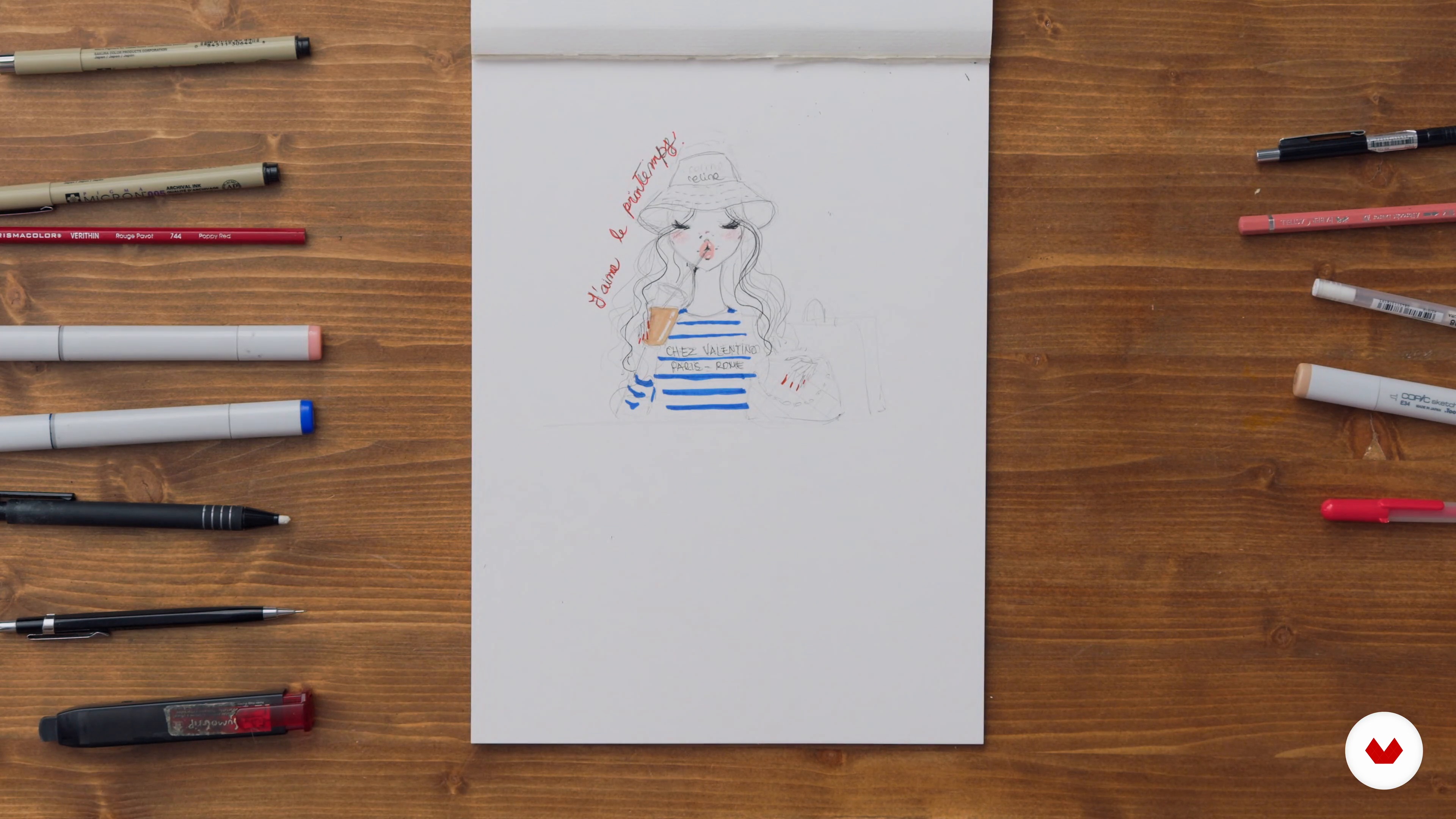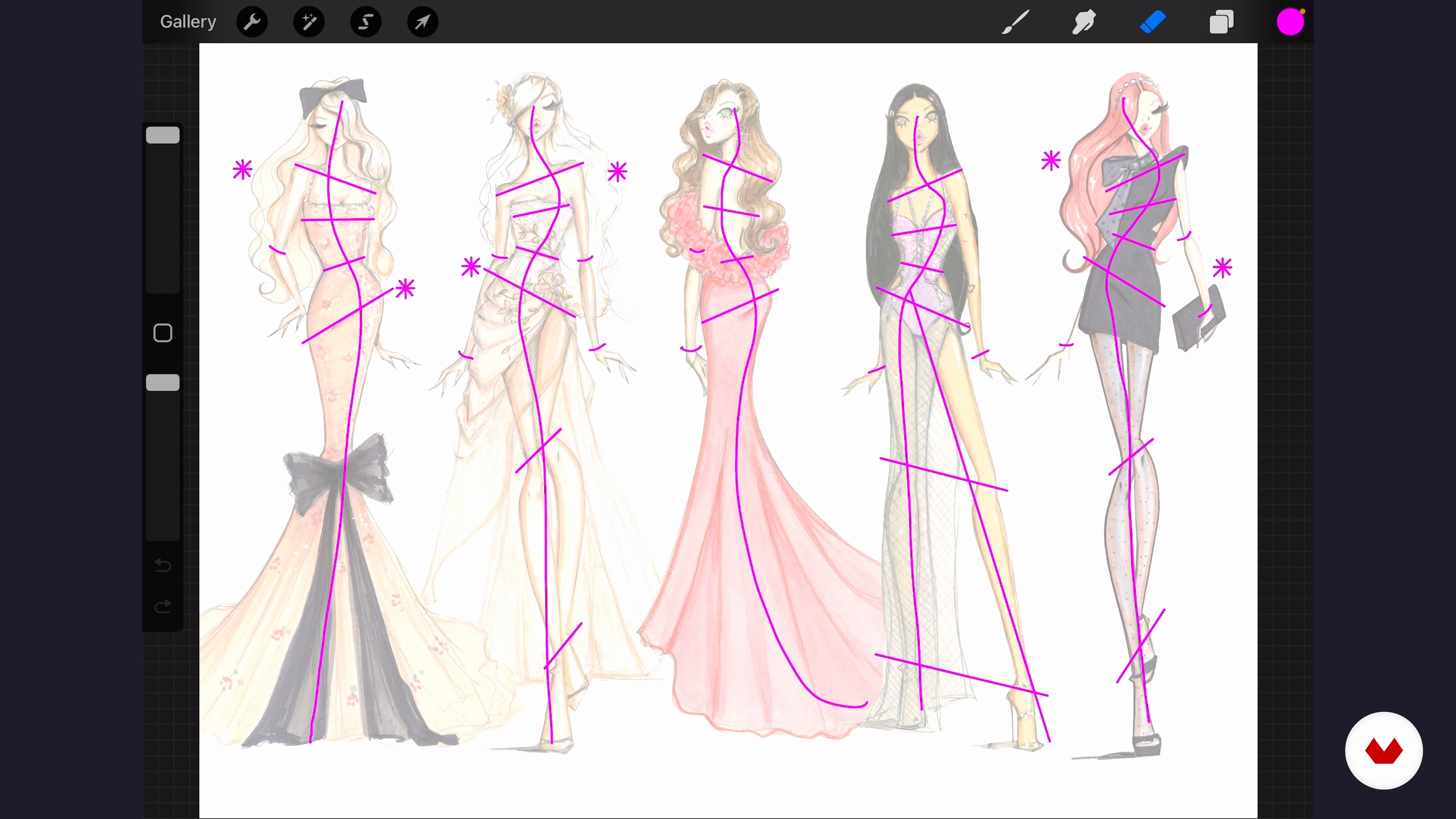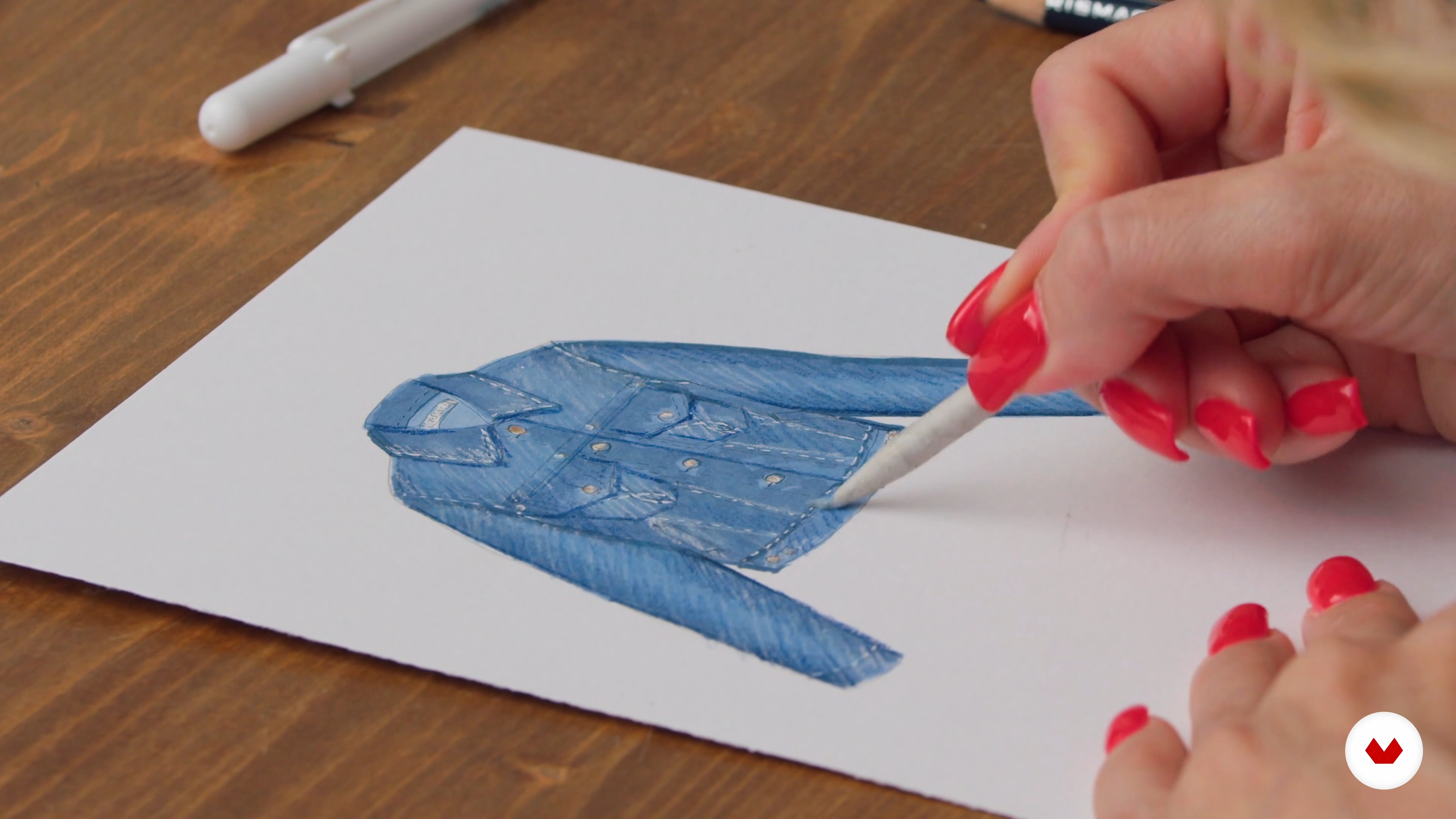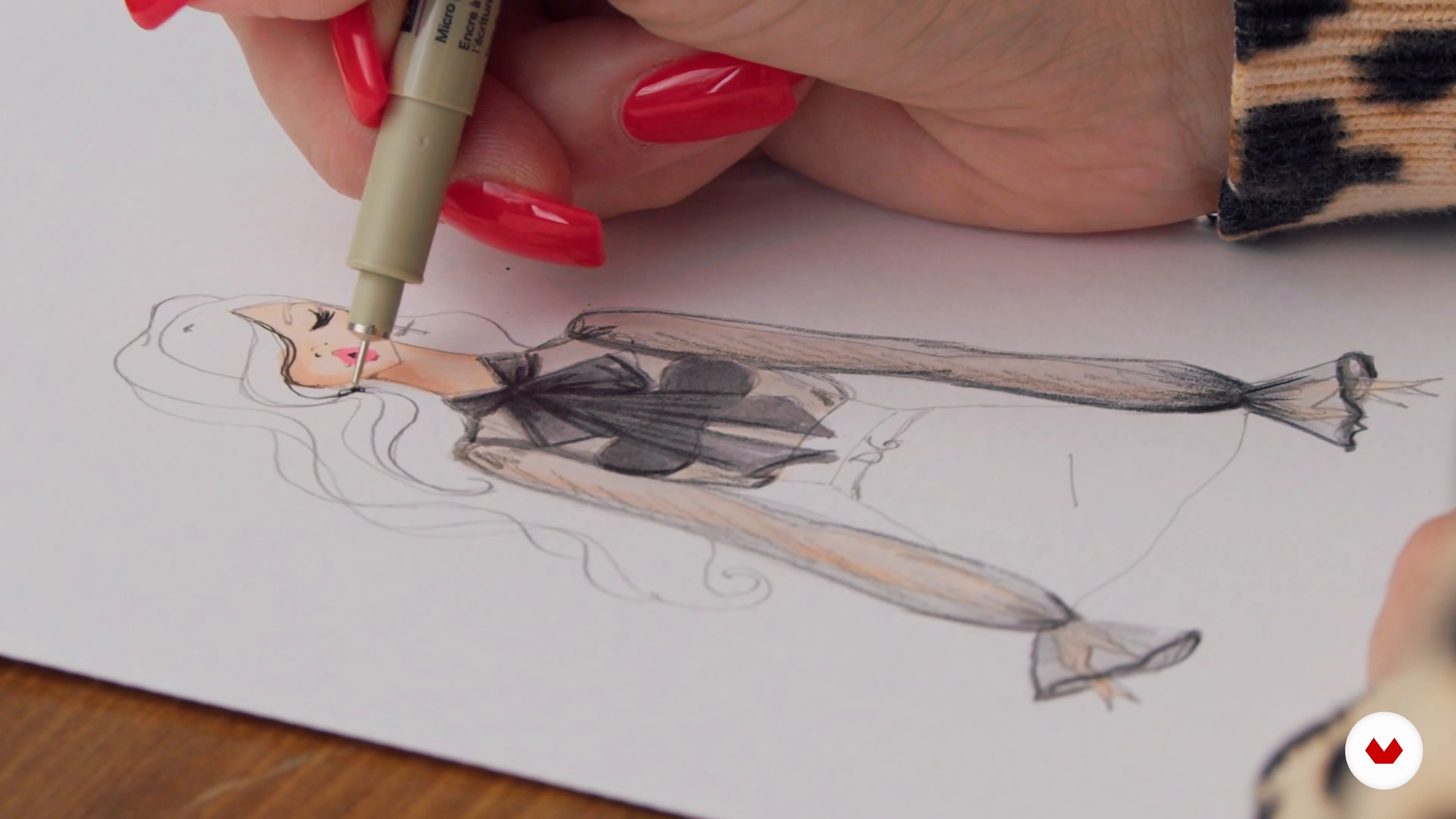
Specialization

Specialization in Fashion Illustration

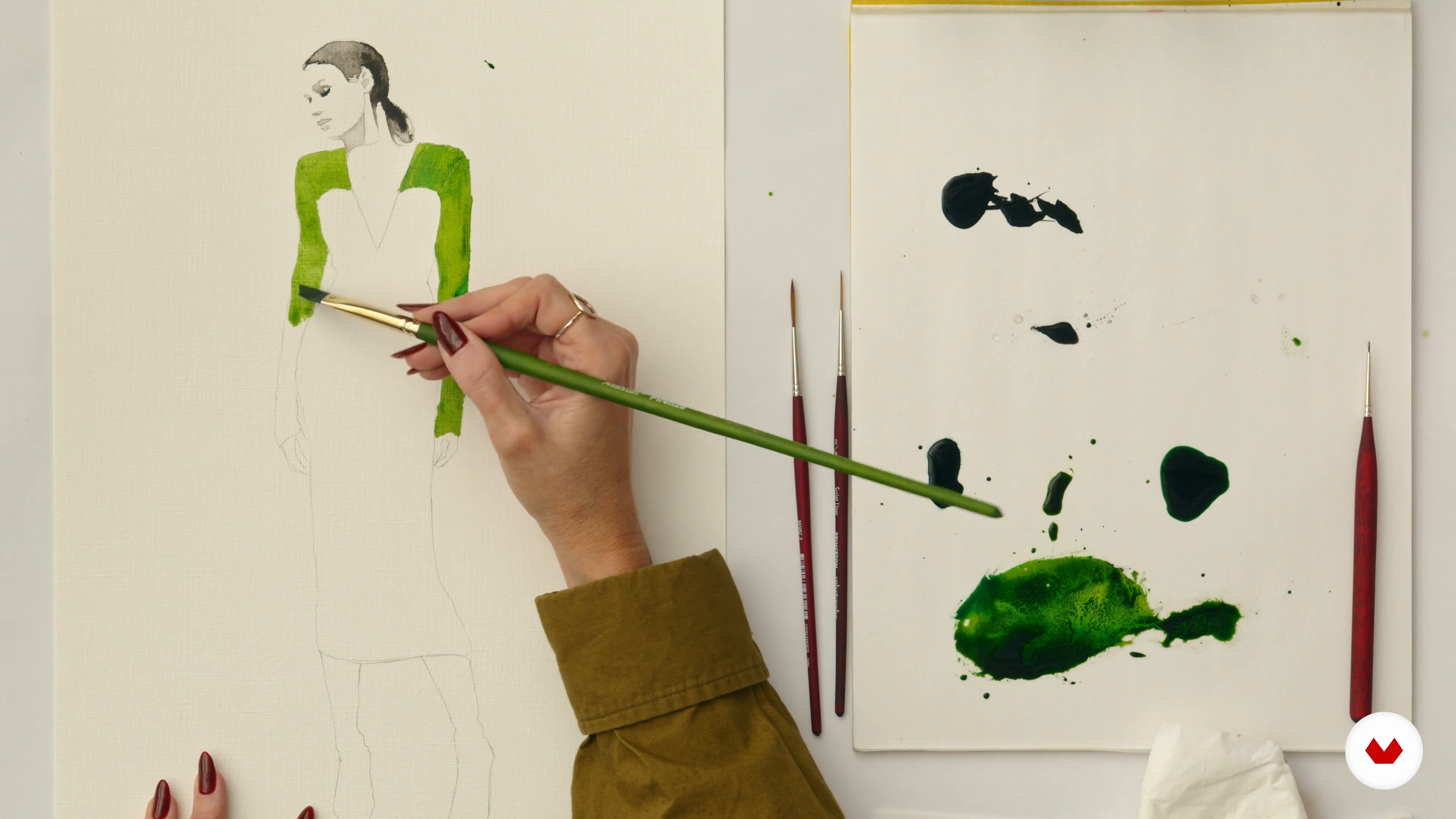
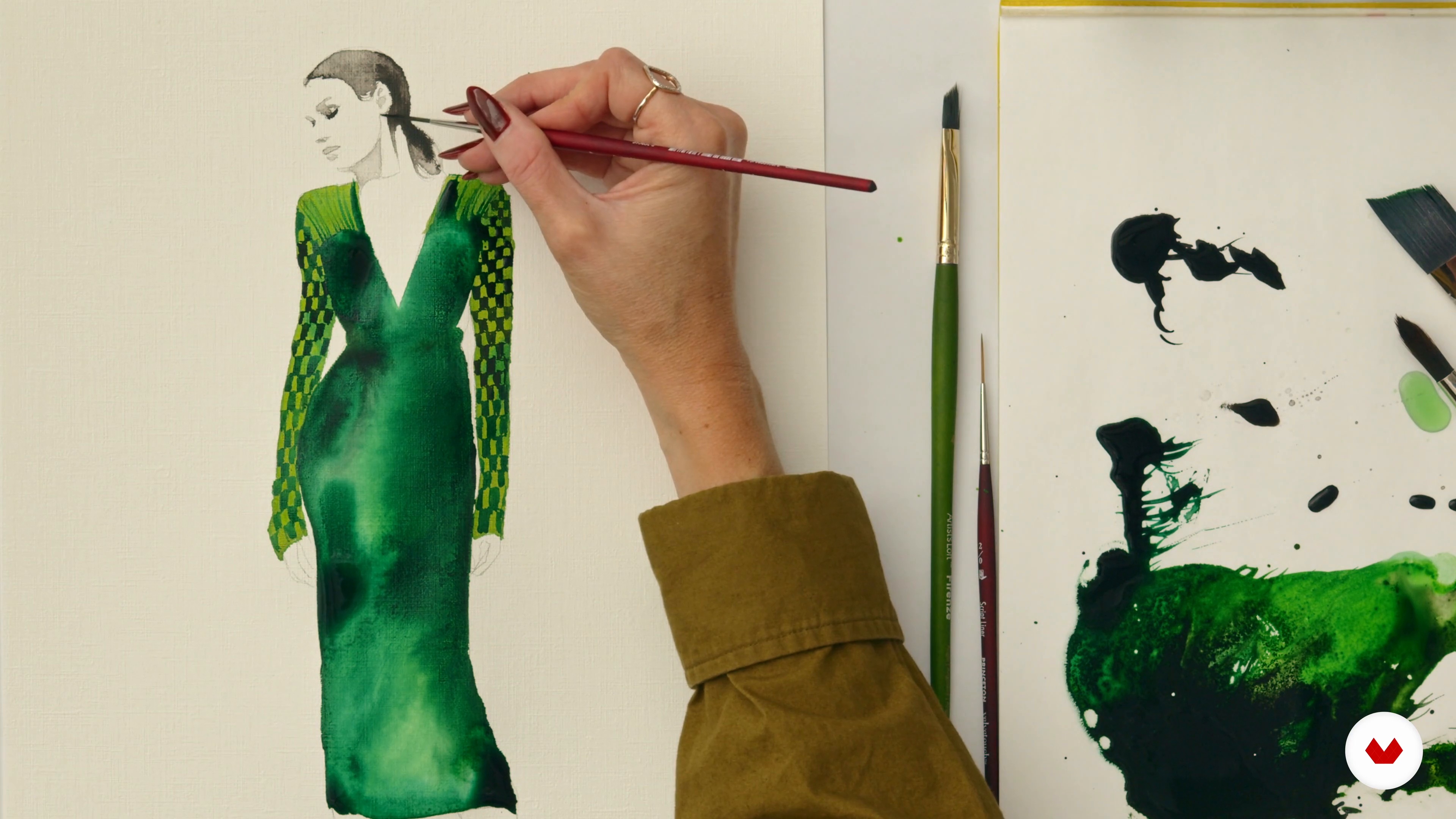
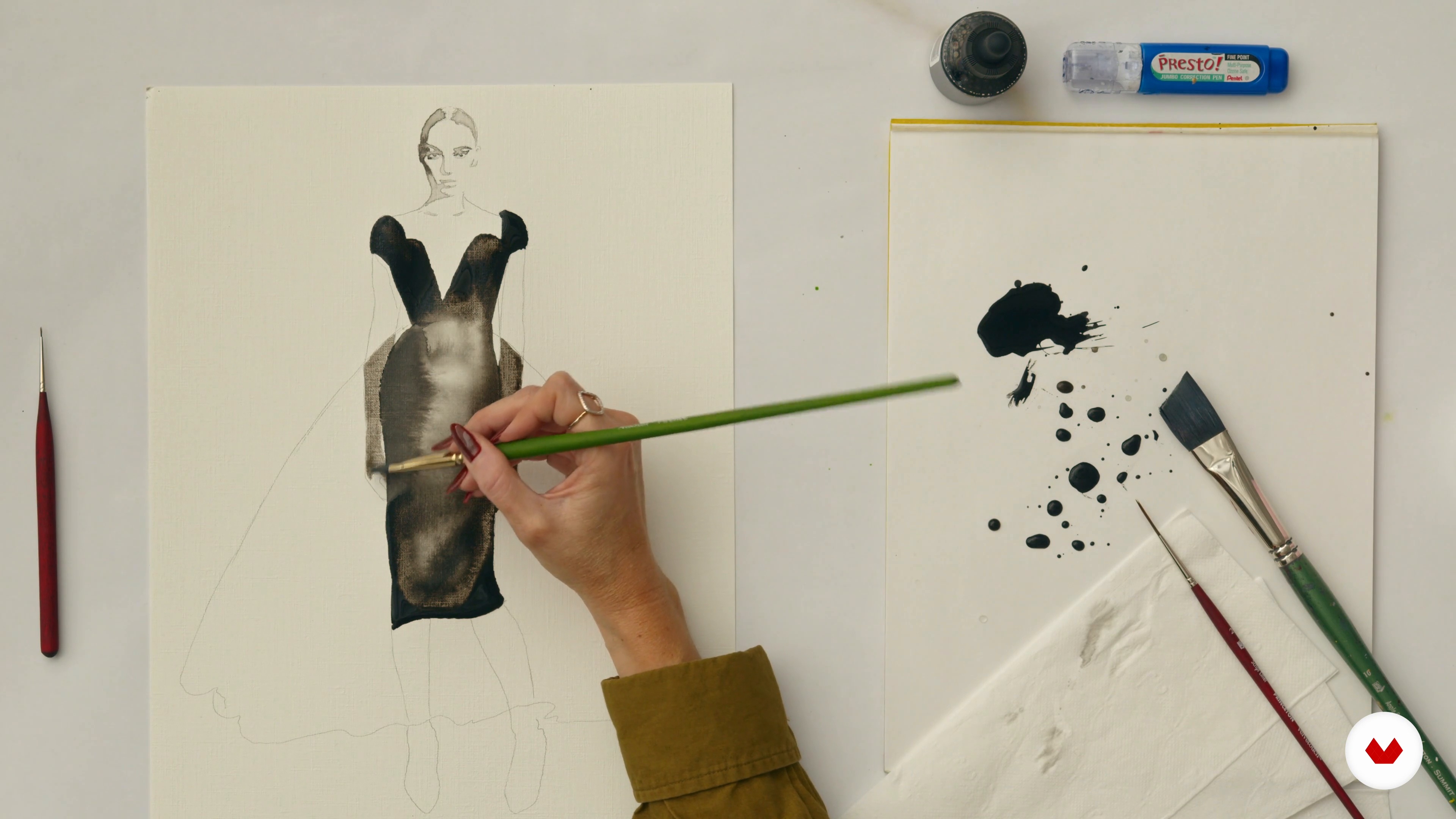
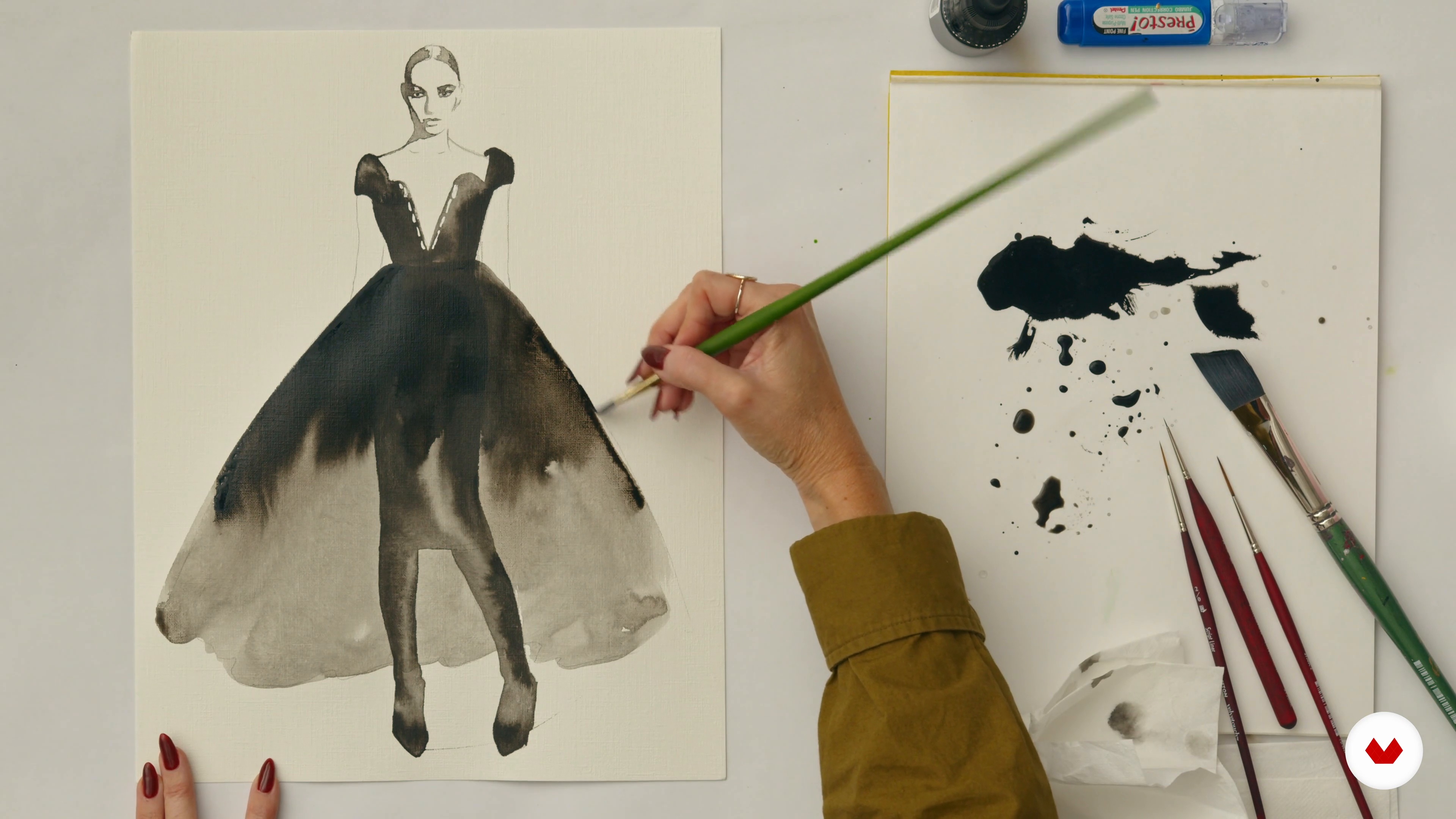
Master fashion illustration with mixed techniques, exploring trends, anatomy, and personal style development

Specialization · 6 modules

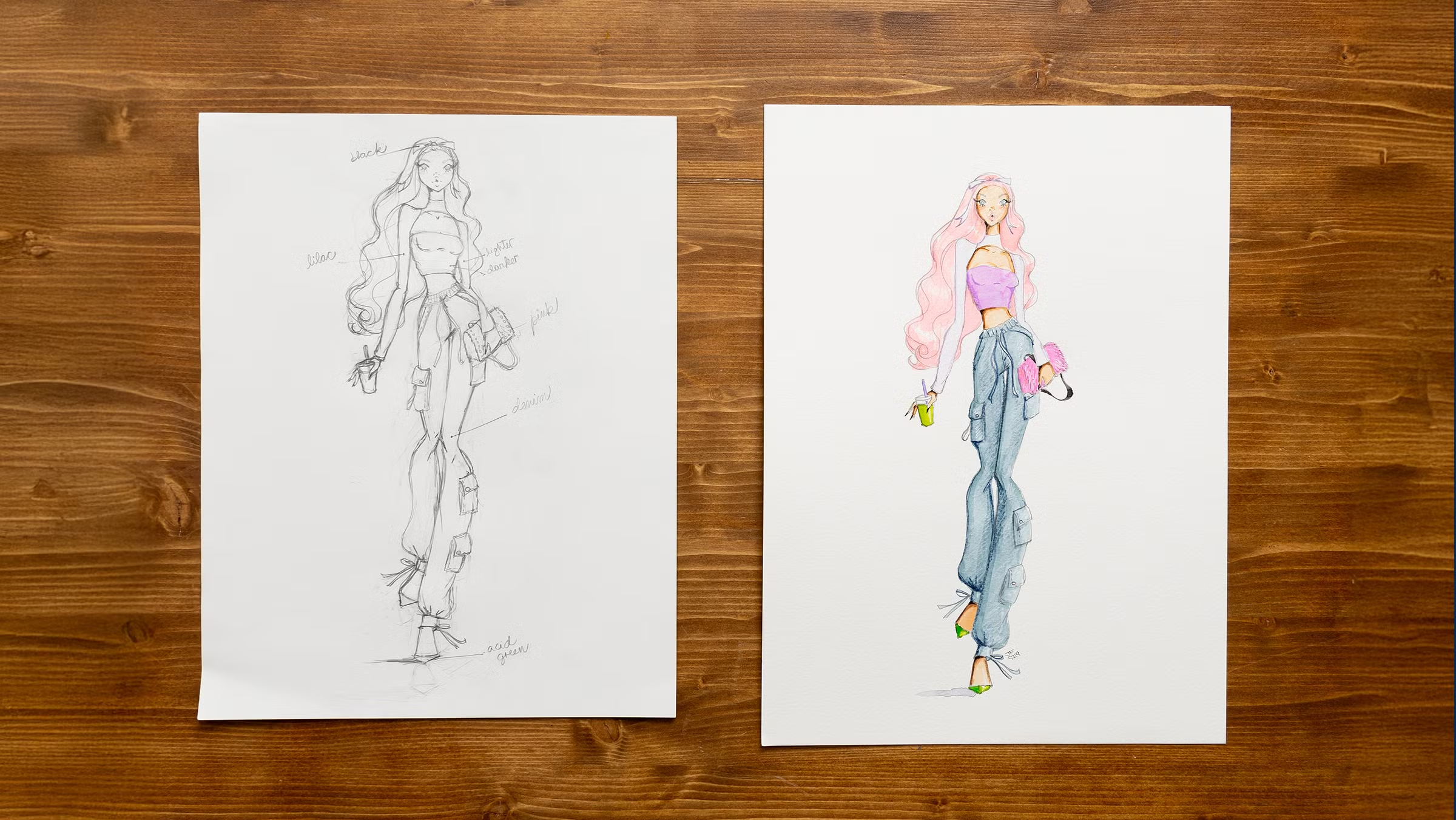
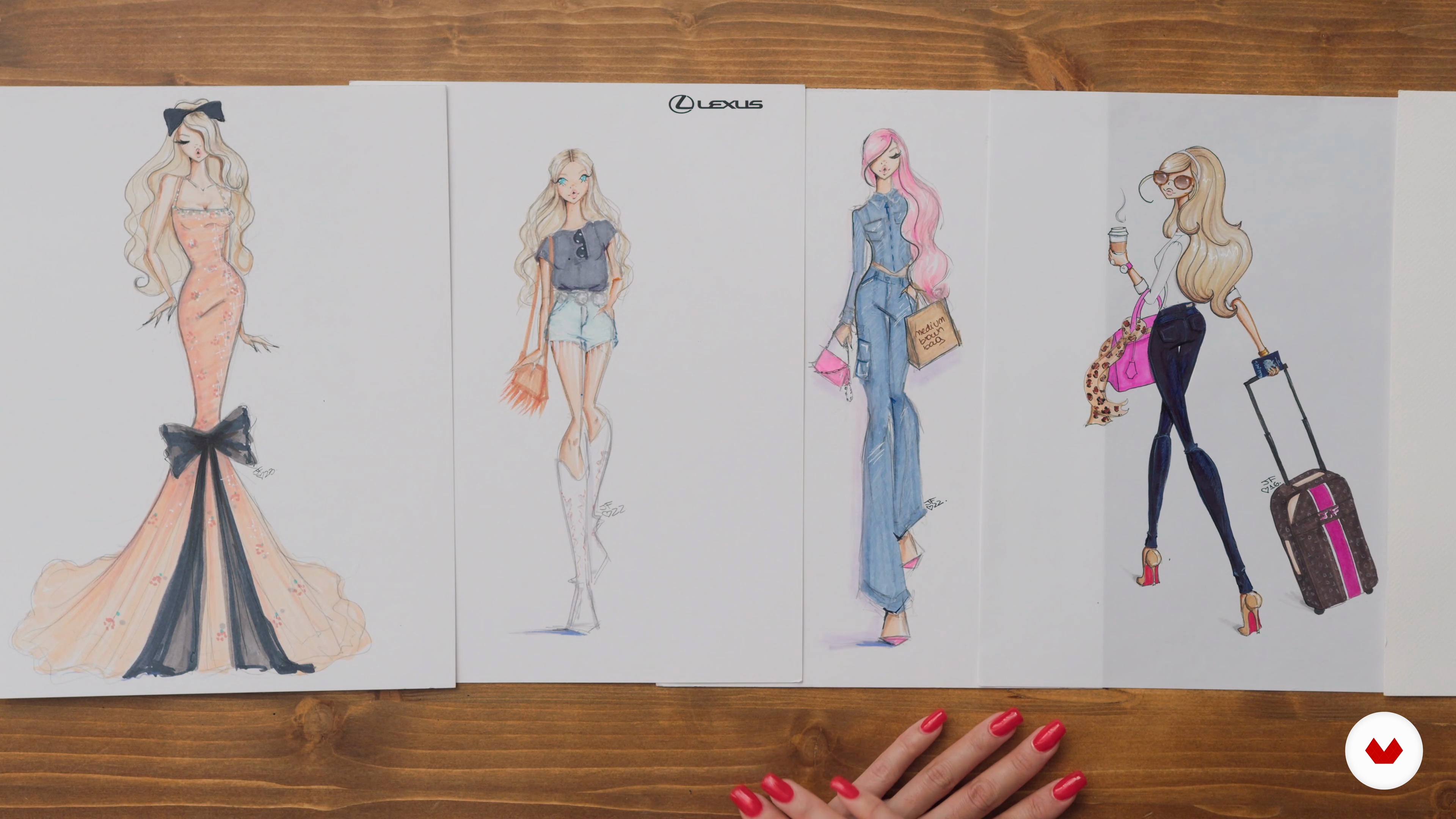
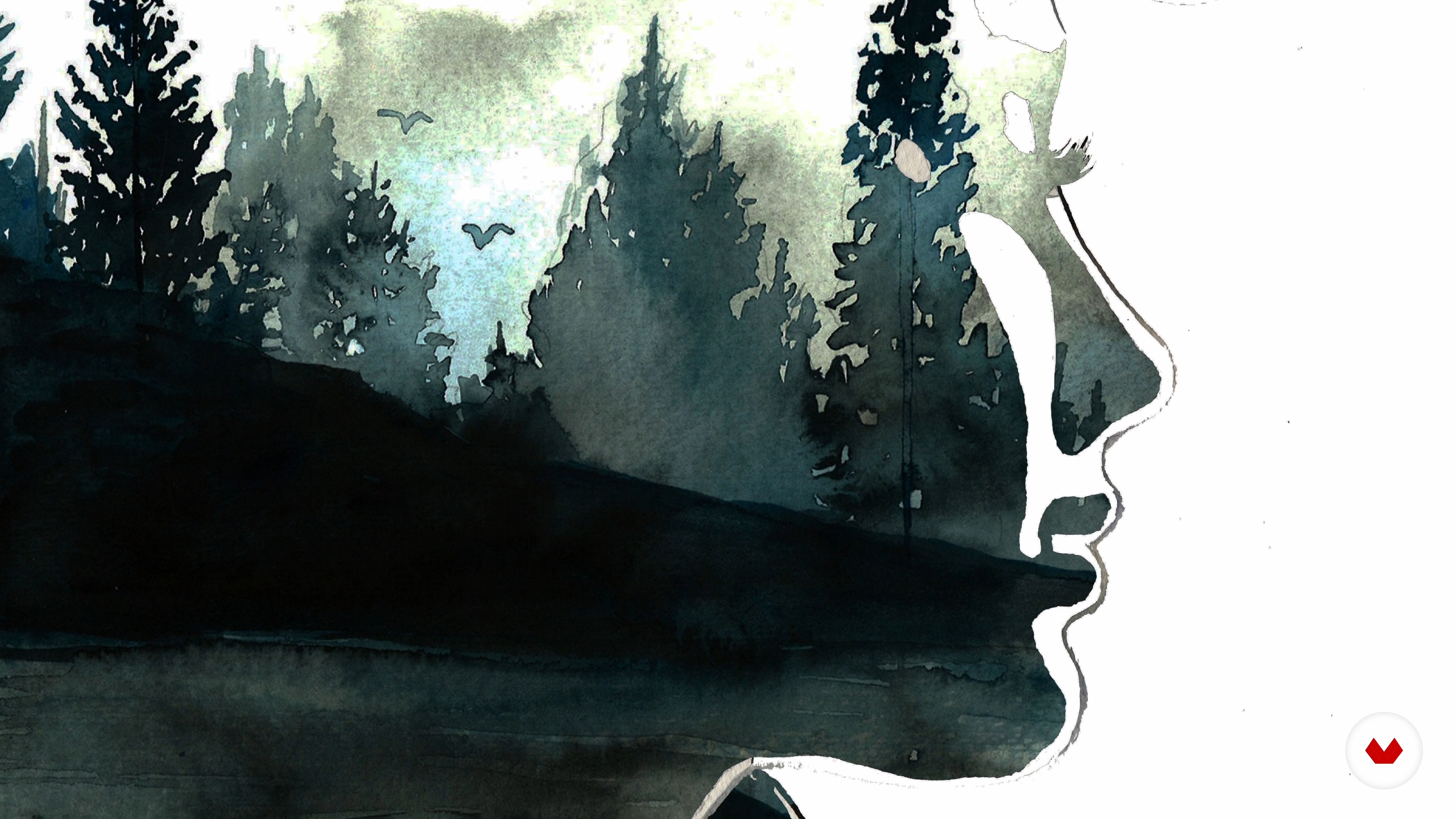
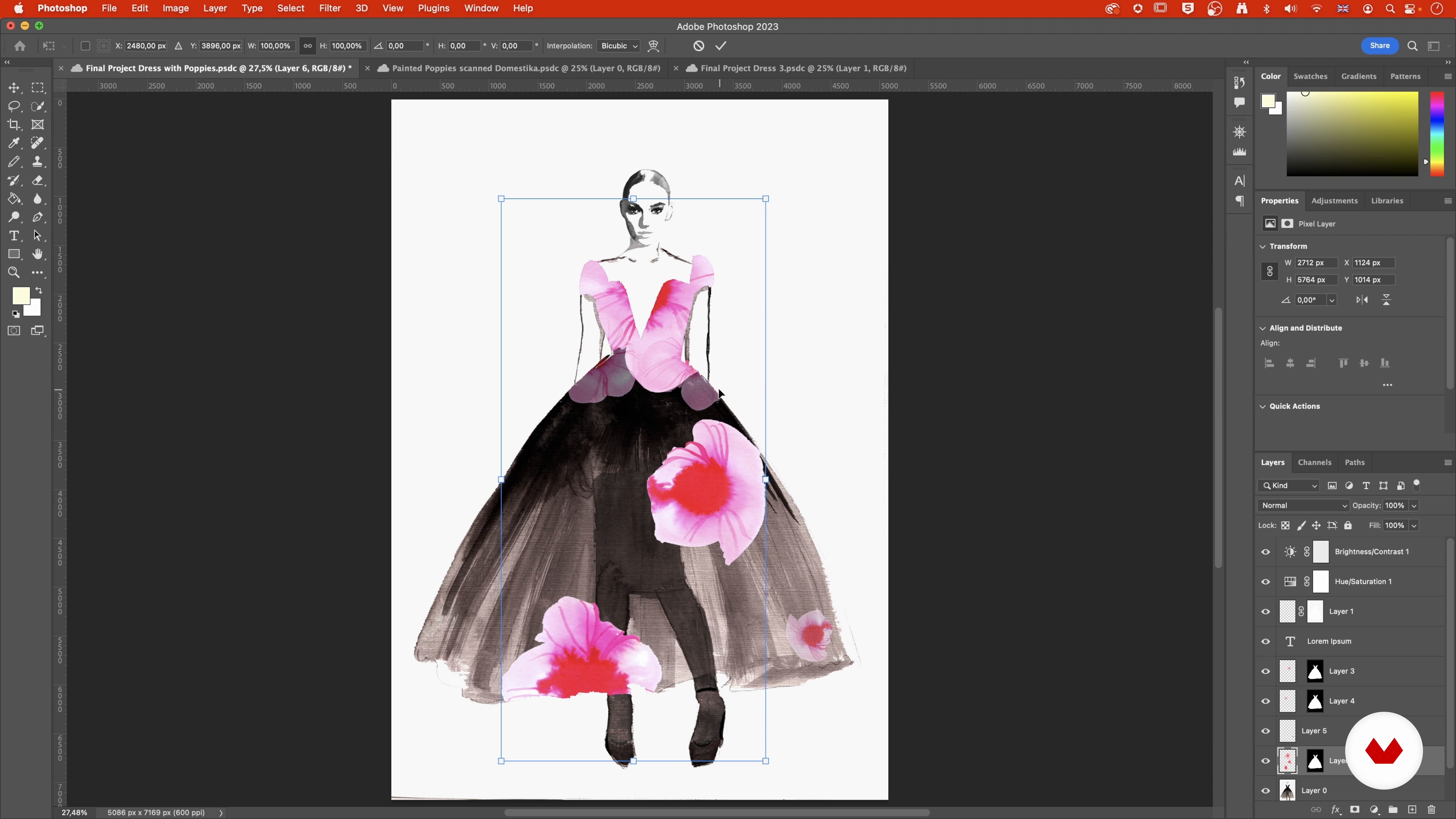
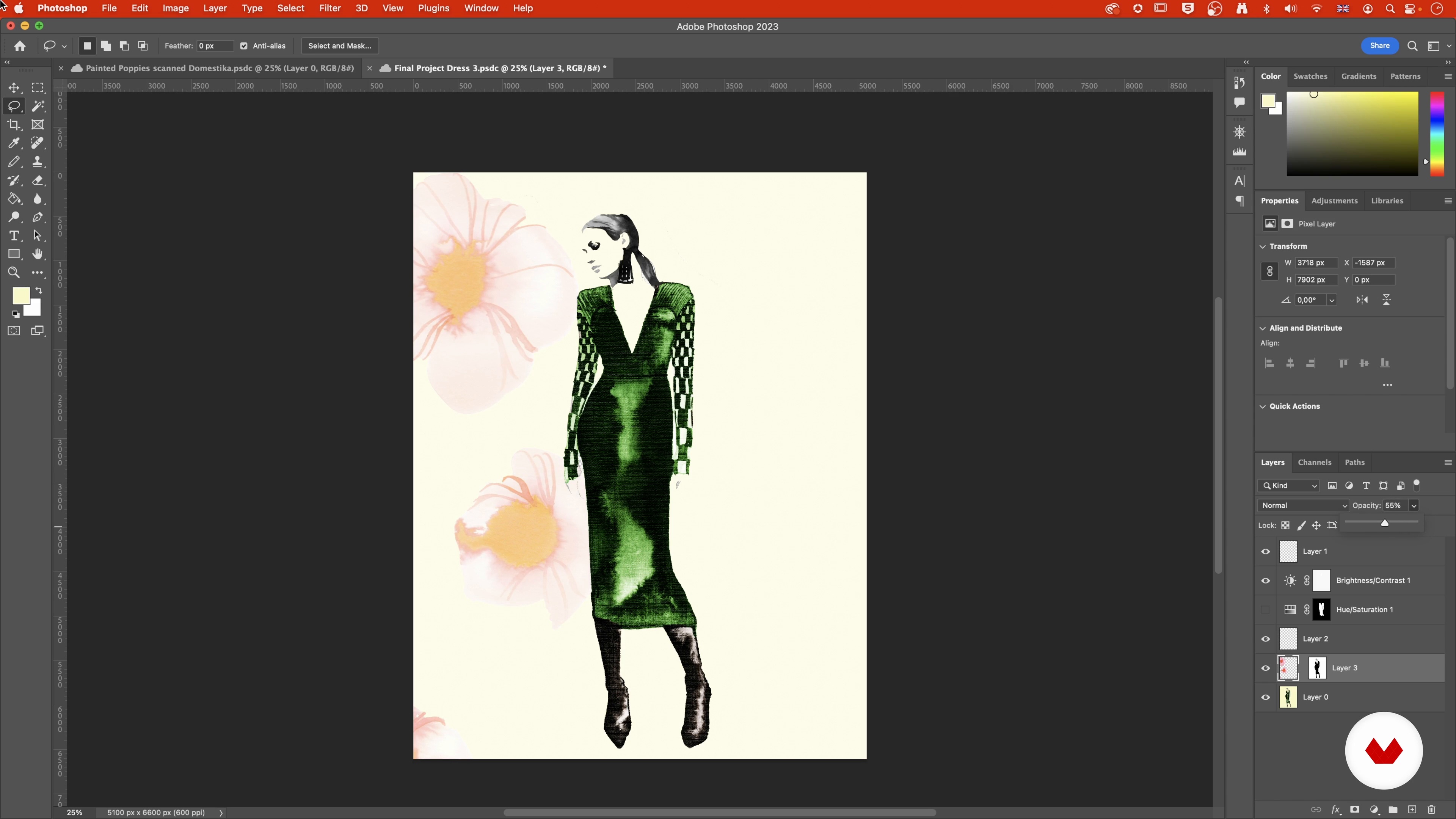
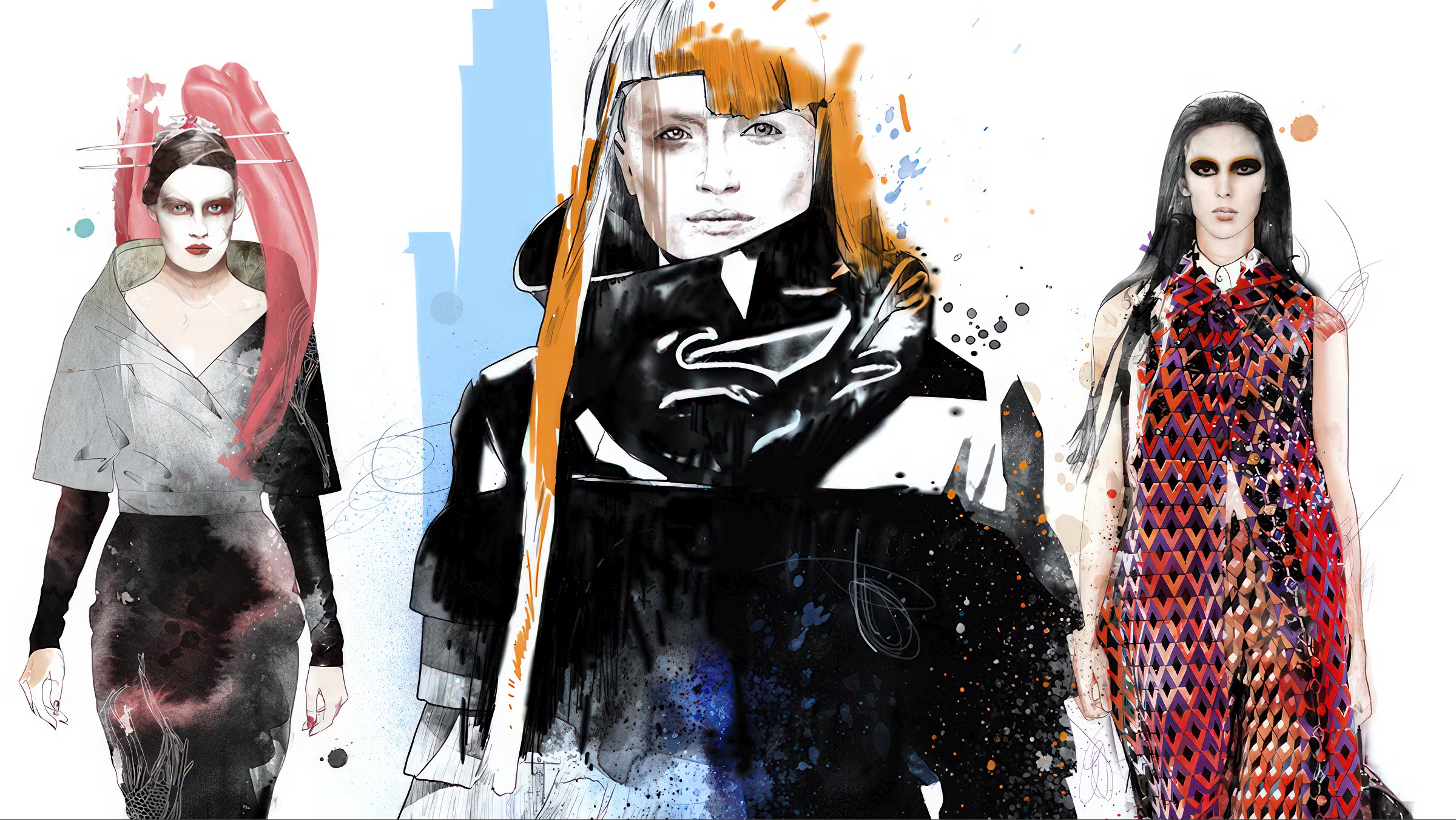
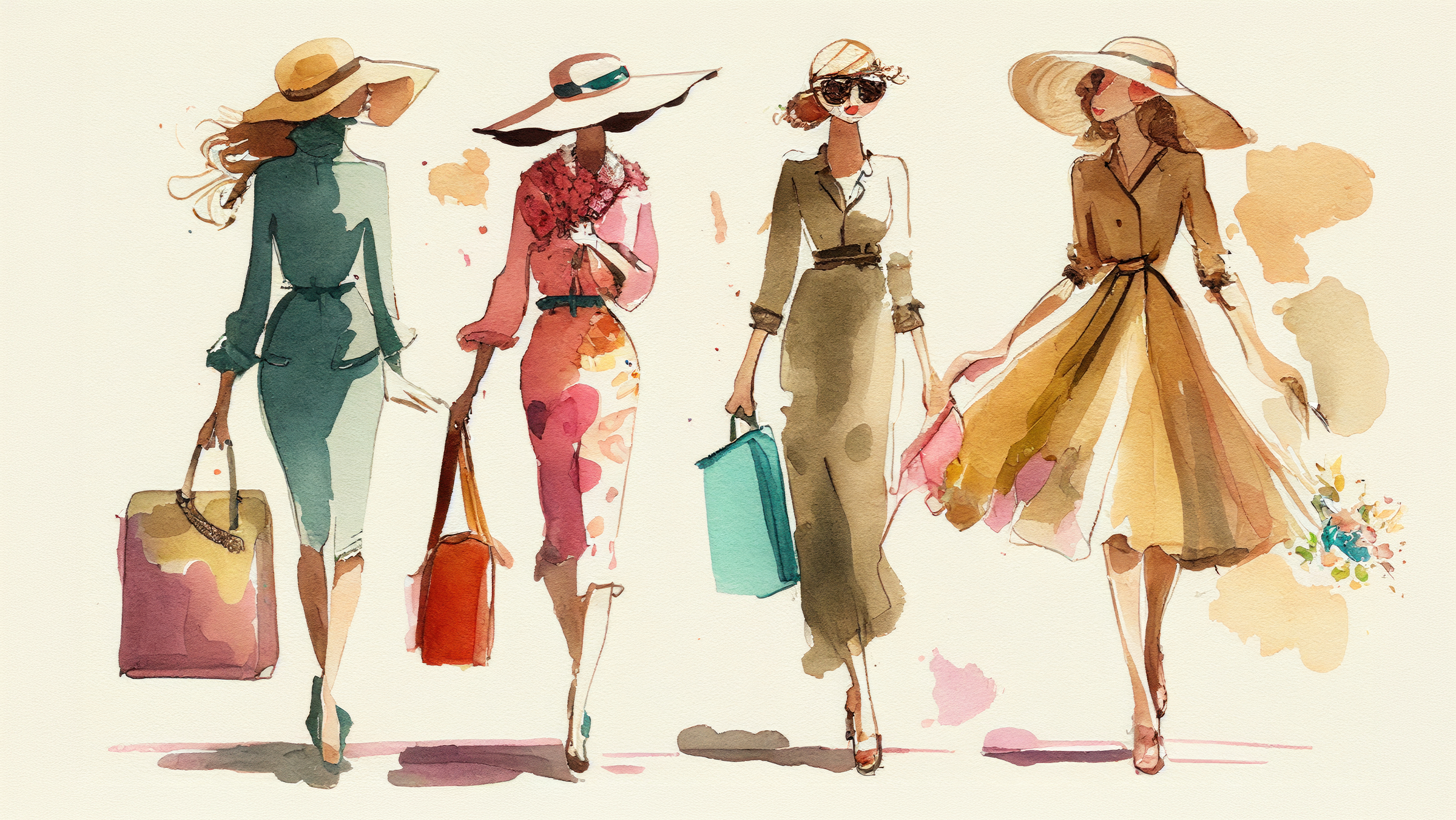
Immerse yourself in the vibrant world of fashion illustration through a comprehensive journey guided by experts Ronaldo Fraga, Lucia Emanuela Curzi, Josefina Fernandez, Jessica Durrant, and Robert Tirado. Delve into the creative process and uncover your unique artistic voice using a sketchbook as your primary tool. Explore the history of fashion illustration, learn to interpret trends, and discover the profound connection between art and storytelling. Develop a strong foundation in anatomical proportions, line, and composition while mastering a variety of techniques such as watercolor, ink, pastels, and digital integration.

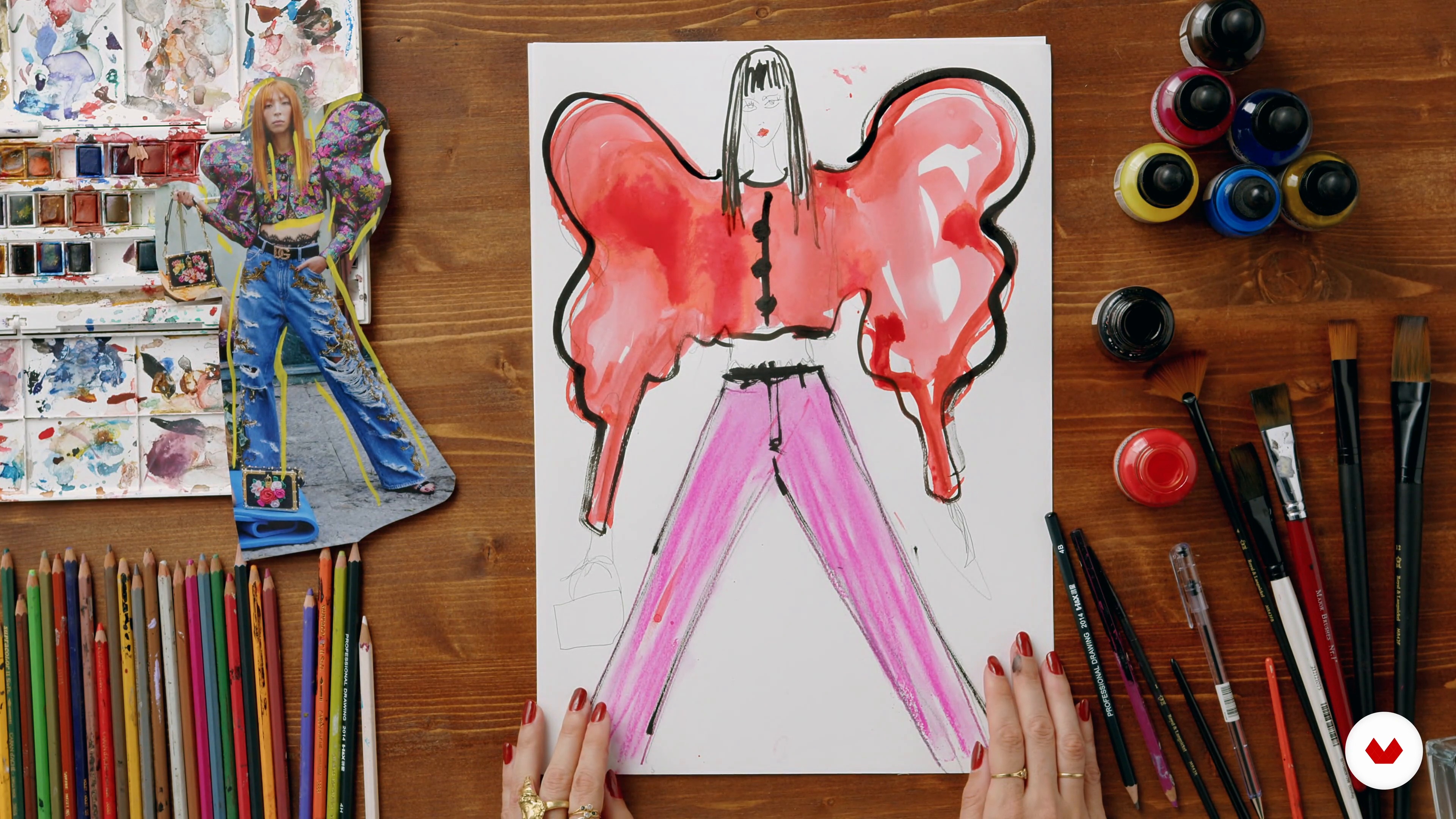
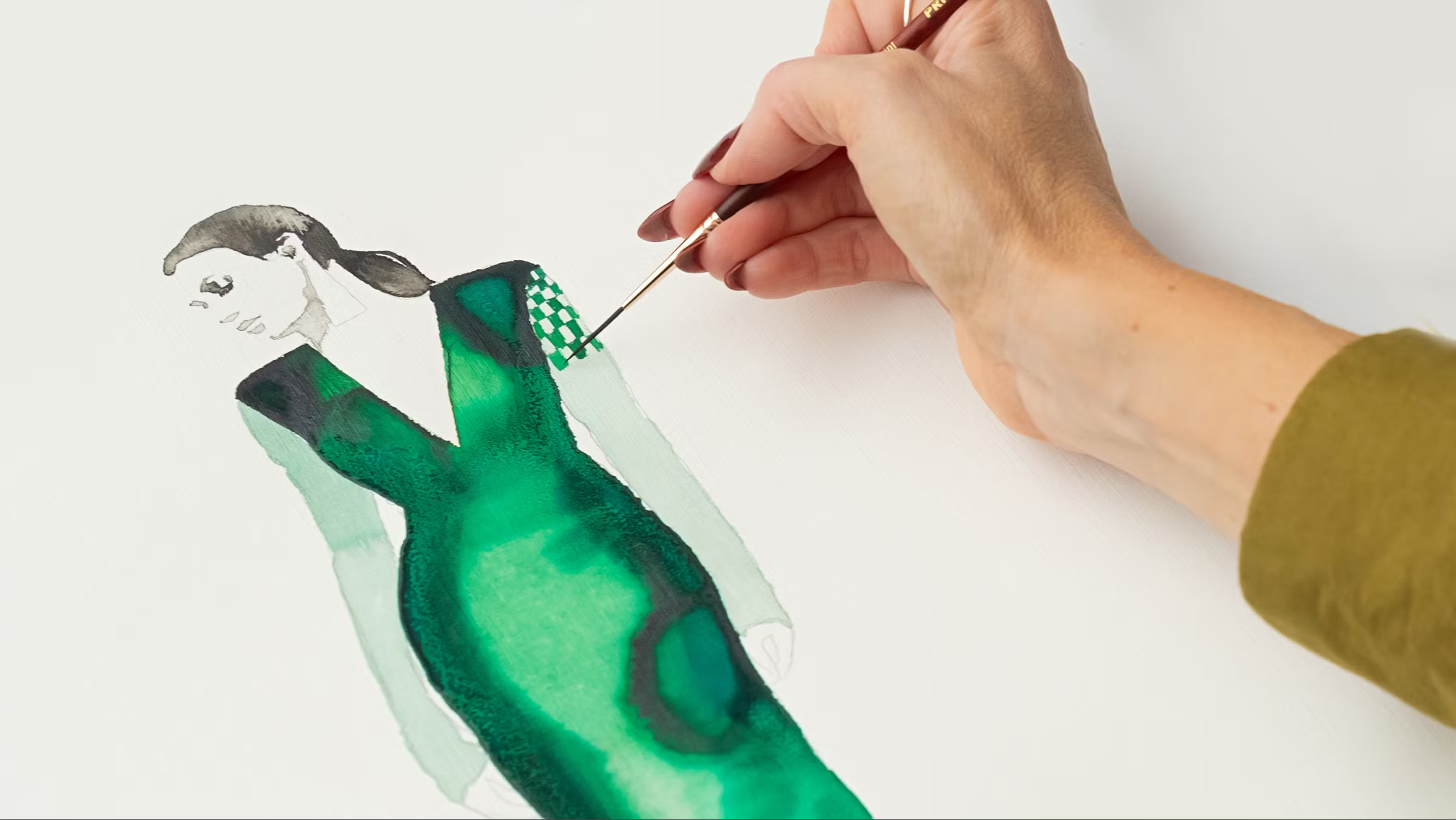
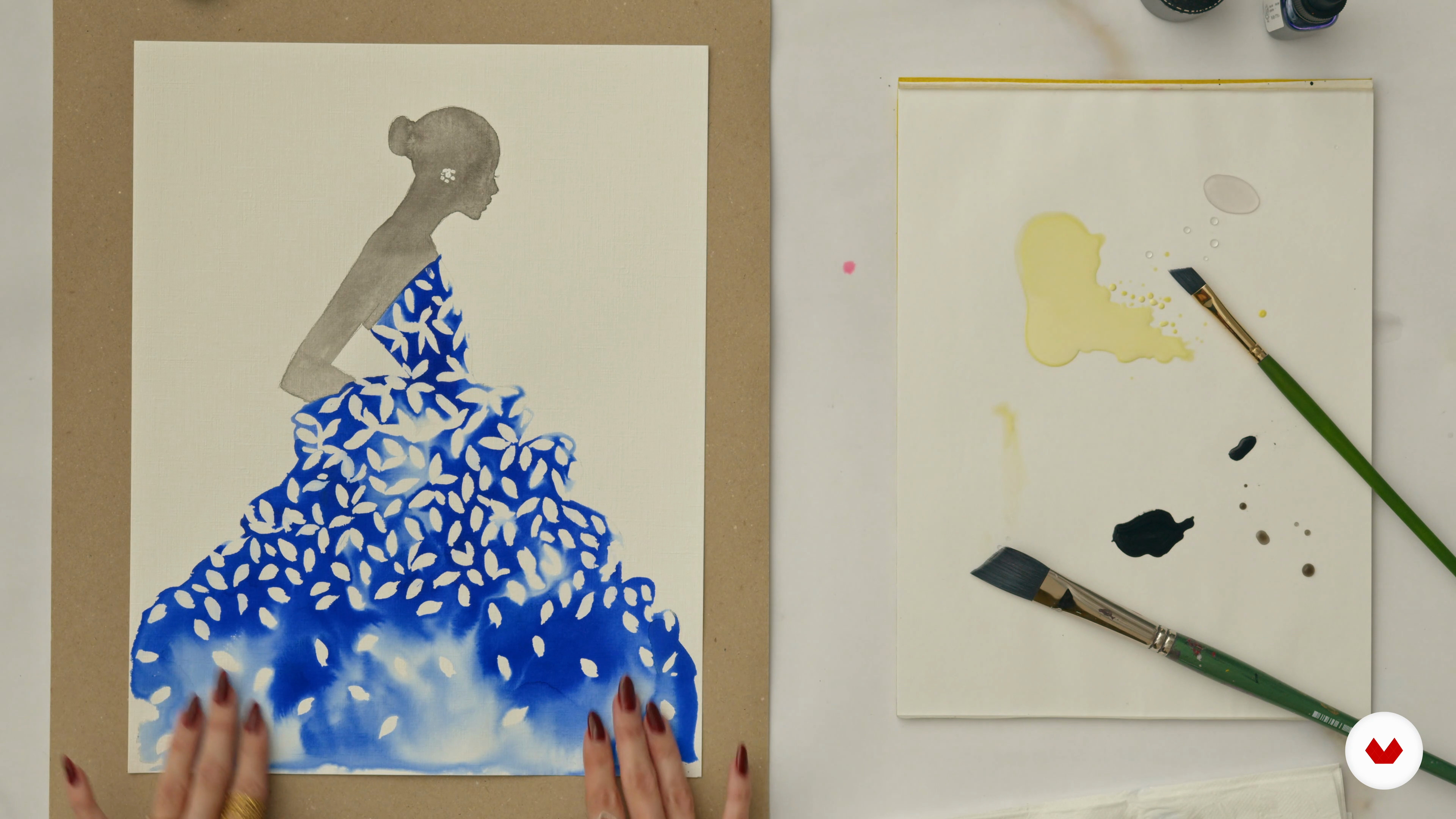
Elevate your skills by specializing in watercolor techniques, capturing the fluidity and emotion of dreamlike designs. Learn to render realistic textures and fabrics, and translate your creations into digital masterpieces ready for professional presentation. Combine manual and digital methods to create compelling runway-inspired illustrations. Build a cohesive portfolio that reflects your style, technical prowess, and marketability. This specialization offers a structured path from creative exploration to professional application, allowing you to leave your mark in the world of fashion illustration.

Read more ↓

What will you learn in this specialization?
A total of 6 modules and 70 lessons
A total of 13h 48m of vídeo lessons
Taught by 5 selected expert teachers
image
1
Introduction
Welcome to the world of fashion illustration—a space where creativity flows through every gesture, where elegance is captured not in fabric but in fluid lines and expressive forms. In this course, we won’t just learn how to draw clothing; we’ll explore how to give fashion a voice through your art. You’ll discover how each line can carry emotion, how a silhouette can suggest character, and how illustration can bridge art, style, and storytelling. From the golden age of fashion magazines to today’s multimedia landscape, illustration has continually evolved—and so will you. This journey begins not with technique, but with perspective. Understanding what makes fashion illustration a unique and vital art form is your first step toward developing your own visual language. In this lesson, you will discover the essence of fashion illustration as an expressive art form. You will reflect on its historical significance, from early editorial sketches to its role in today’s visual culture. This foundation will guide your creative exploration and personal approach.
2m
image
2
Influences | Ronaldo Fraga
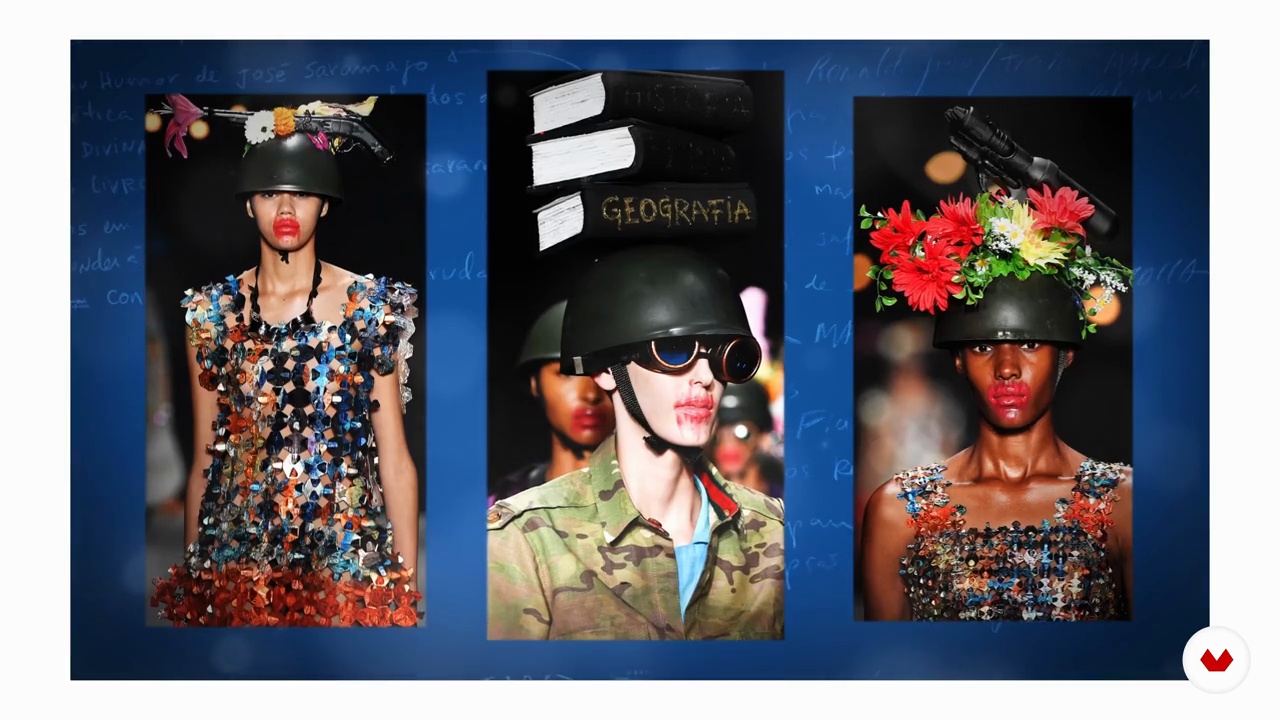
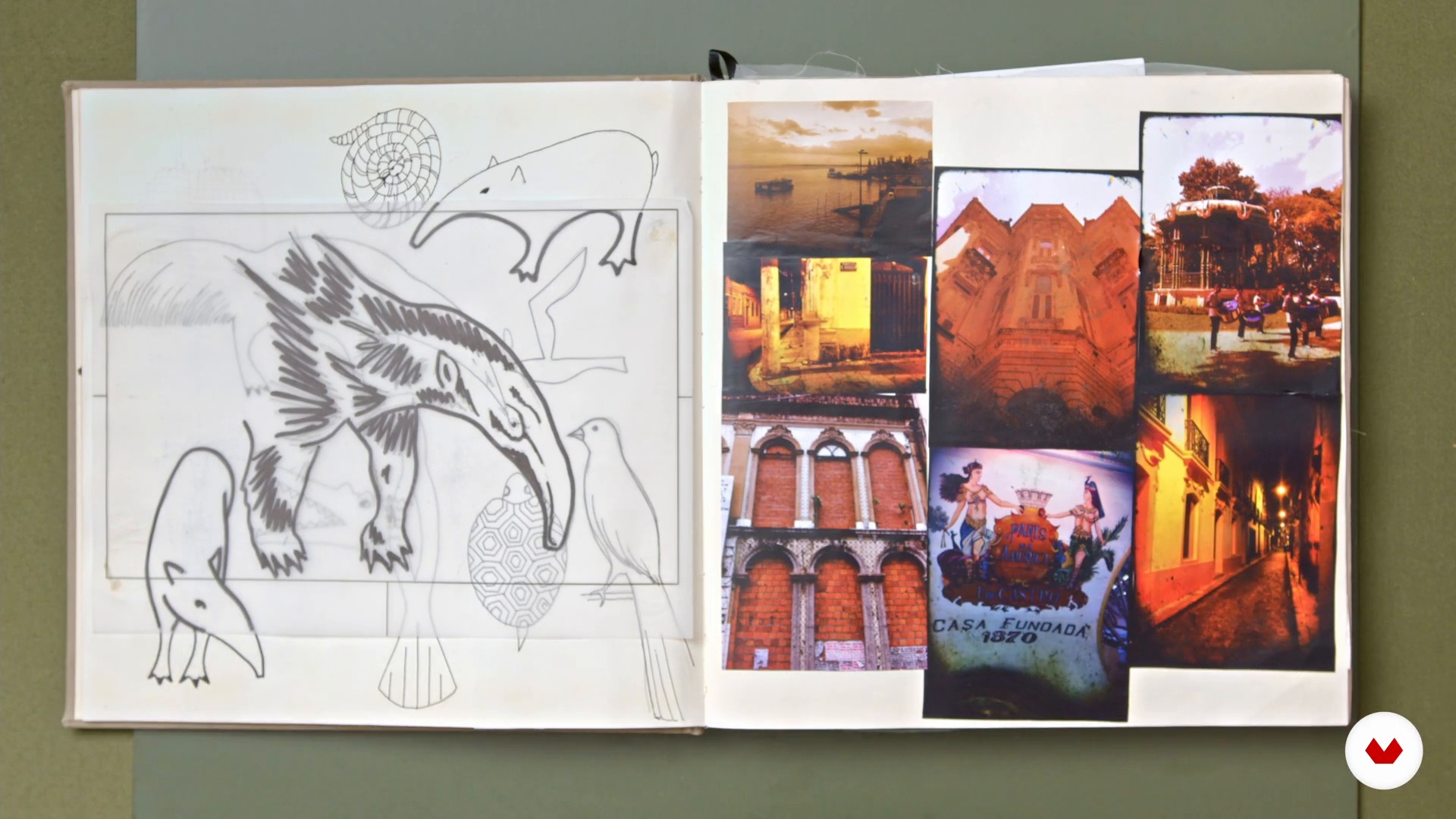
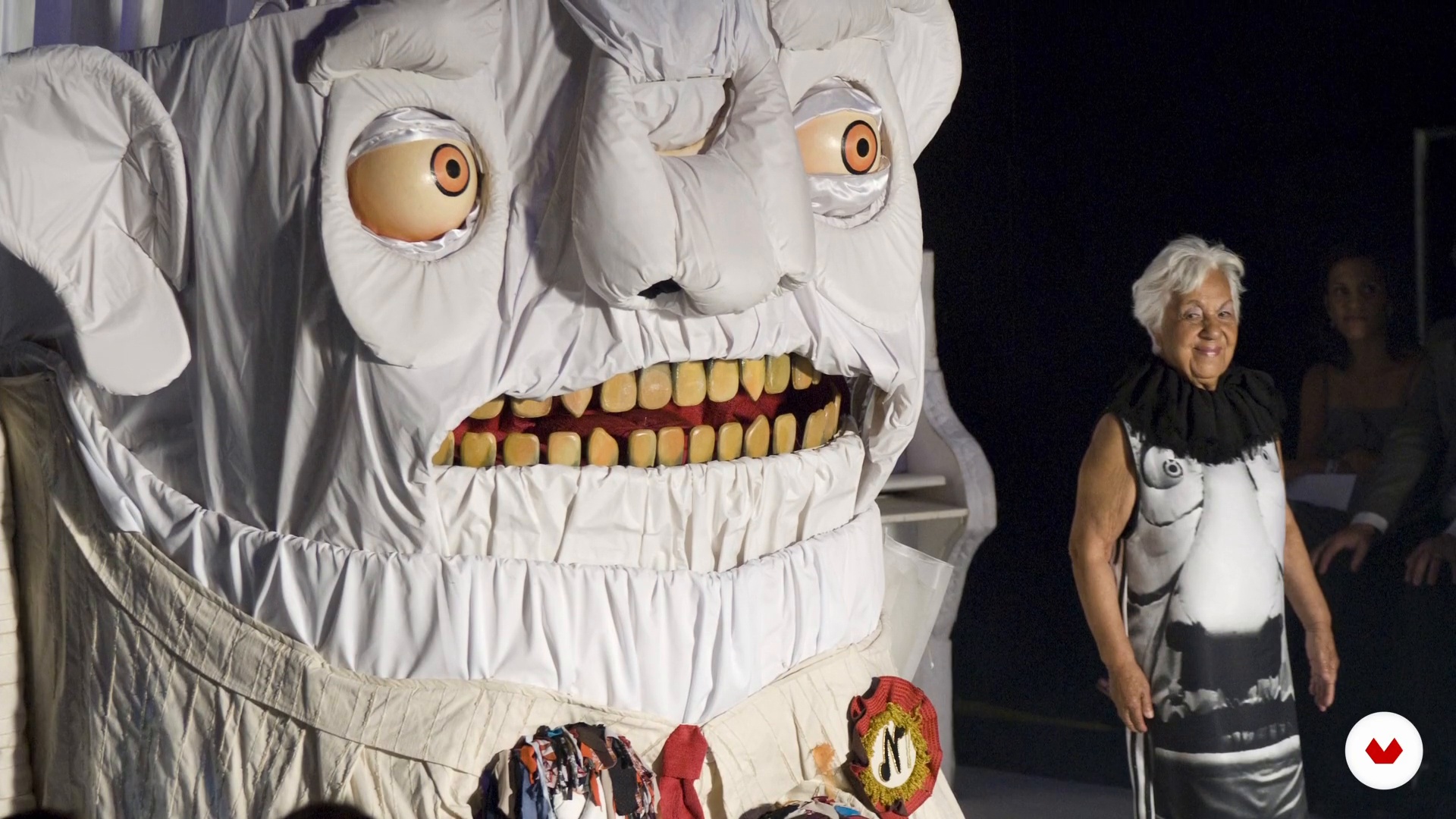
In this class, I will present my greatest artistic references, from representatives of Brazilian modernism in literature, music and plastic arts, to the influences I have from popular culture and dance.
12m
image
2
Influences | Lucia Emanuela Curzi
Now I'll show you some of my reference models, from photography to art. I will tell you about how they influence me and how they are a starting point to be able to draw my subjects.
11m
image
2
Influences | Josefina Fernandez
Now, I'll share my influences and favorite artists, starting from my childhood to the present.
5m
image
2
Influences | Jessica Durrant
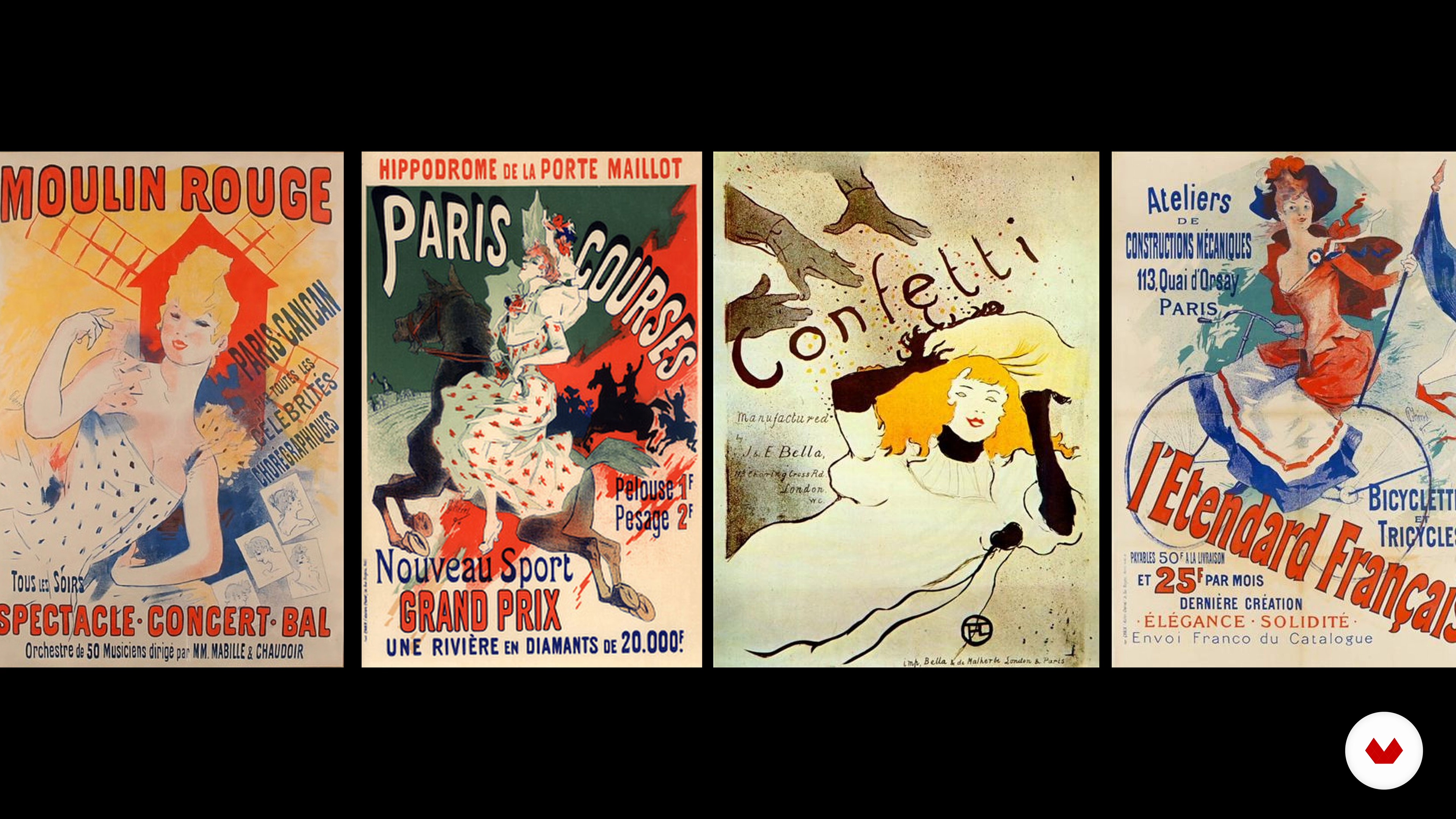
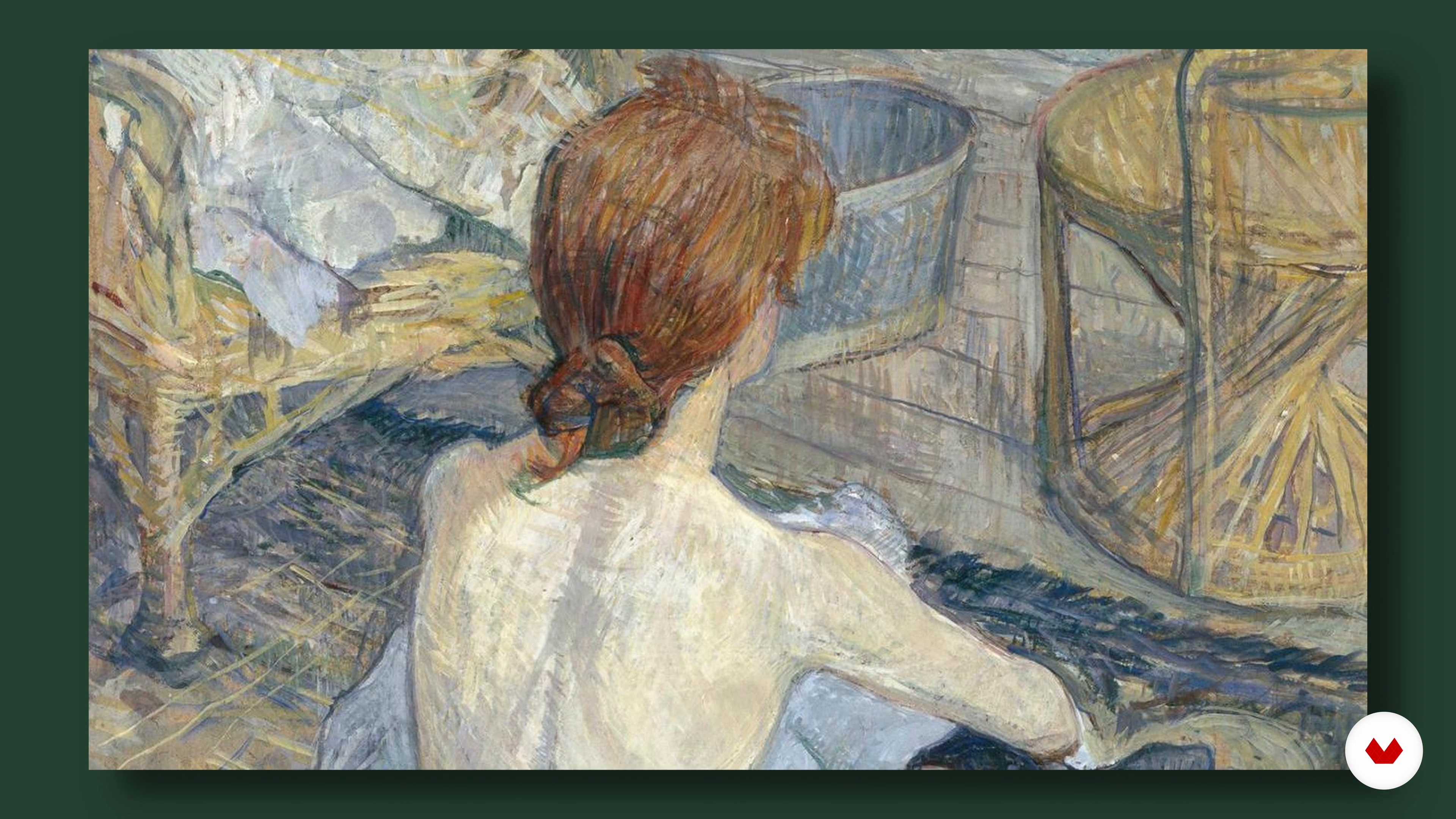
My inspiration comes from an array of types of artists around the world. I will focus on a few that have had a long-lasting impression on my work. Henri de Toulouse-Lautrec, Rene Gruau, and Francois Bertard were all incredible illustrators with a sensibility of ease and elegance in their line work.
7m
image
2
Influences | Robert Tirado
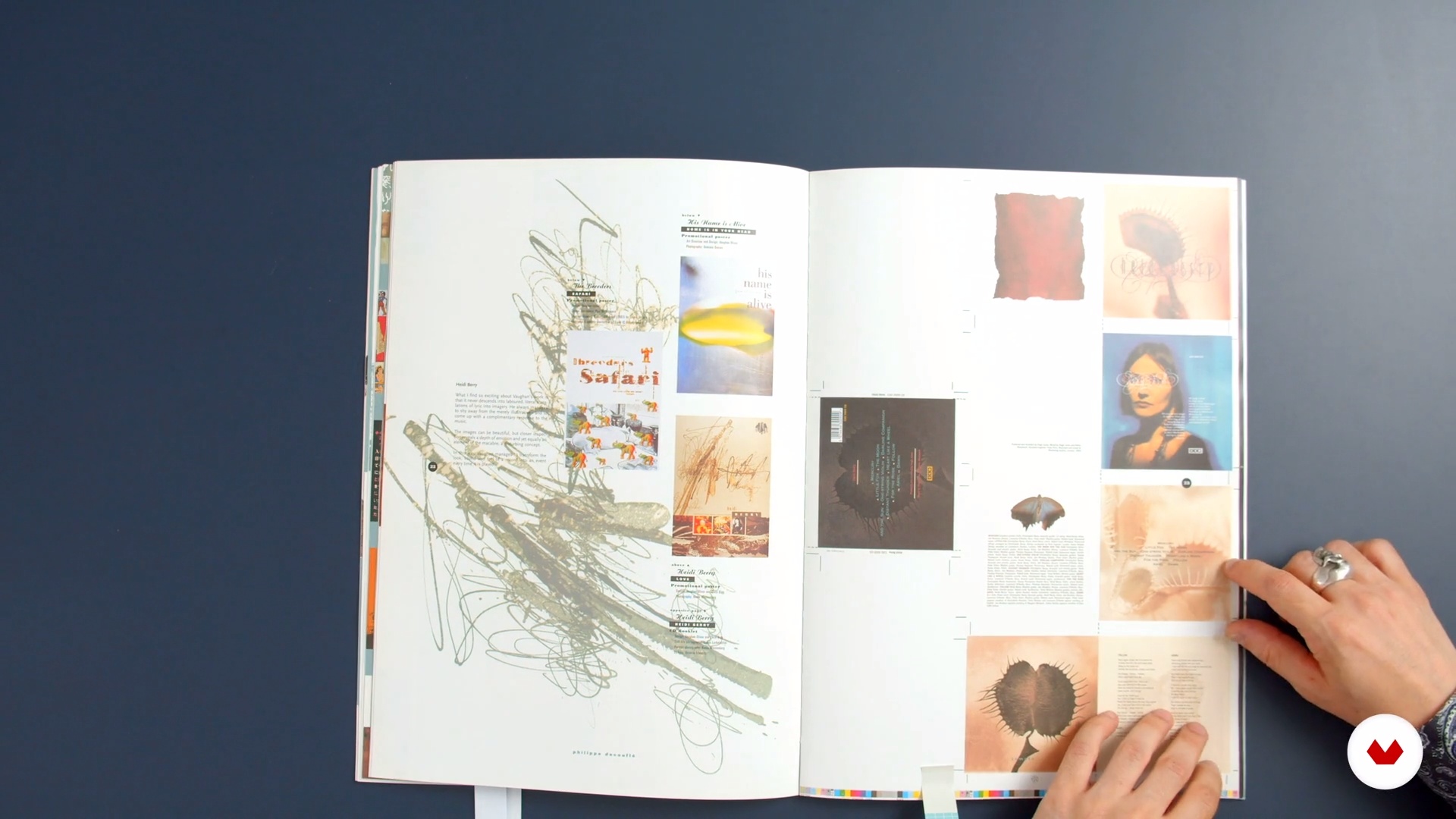
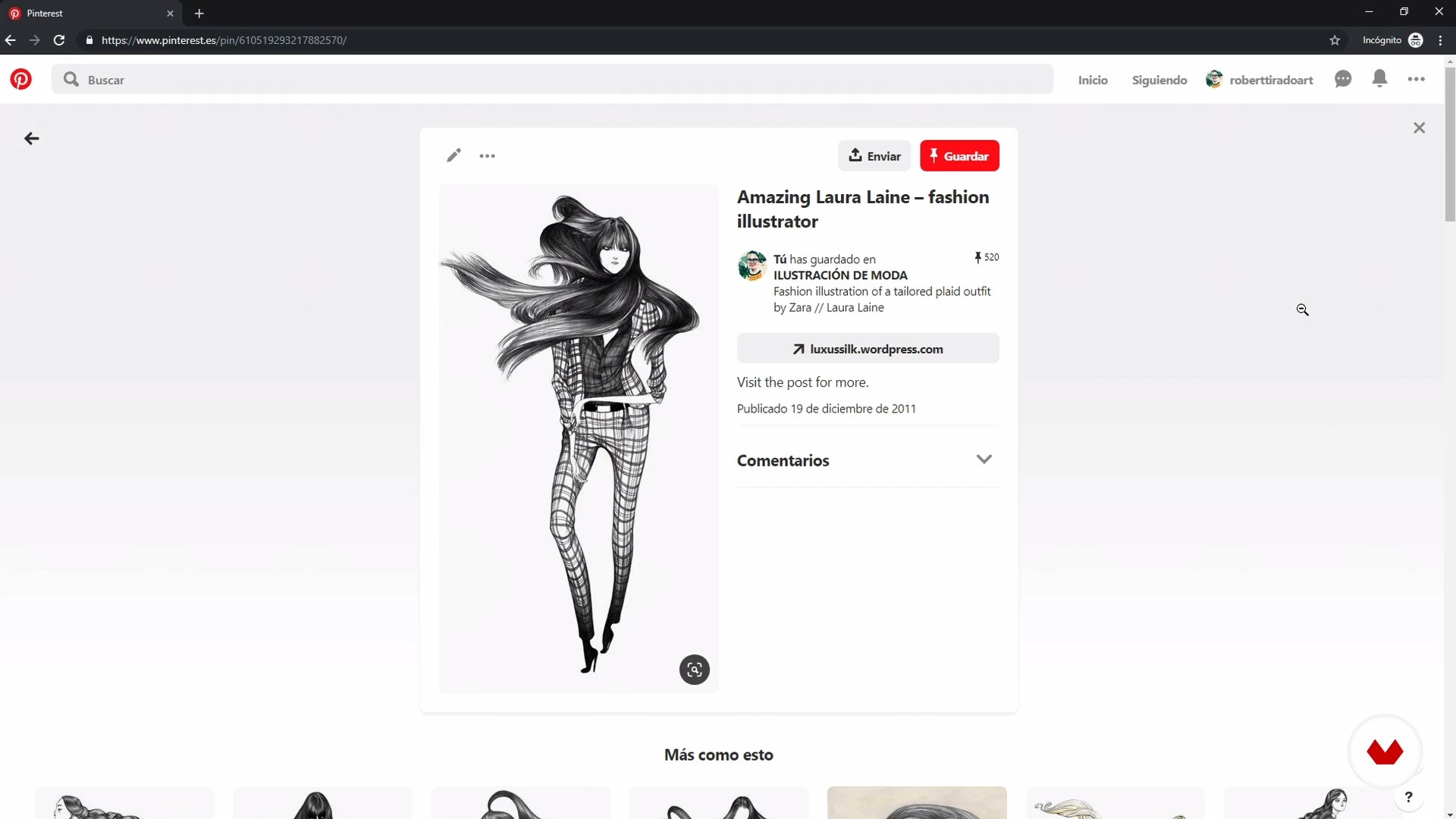
I will show you what my sources of inspiration and references are, not only in the world of illustration, but also in graphics, design and music. I will tell you how, creators such as Parched Art, Vaughan Oliver or Johnny Jewel, have aroused my interest. I will show you how far this mixture of influences and points of view can serve as a source of inspiration in the generation of concepts and in the mixture of techniques.
8m
image
3
Course materials
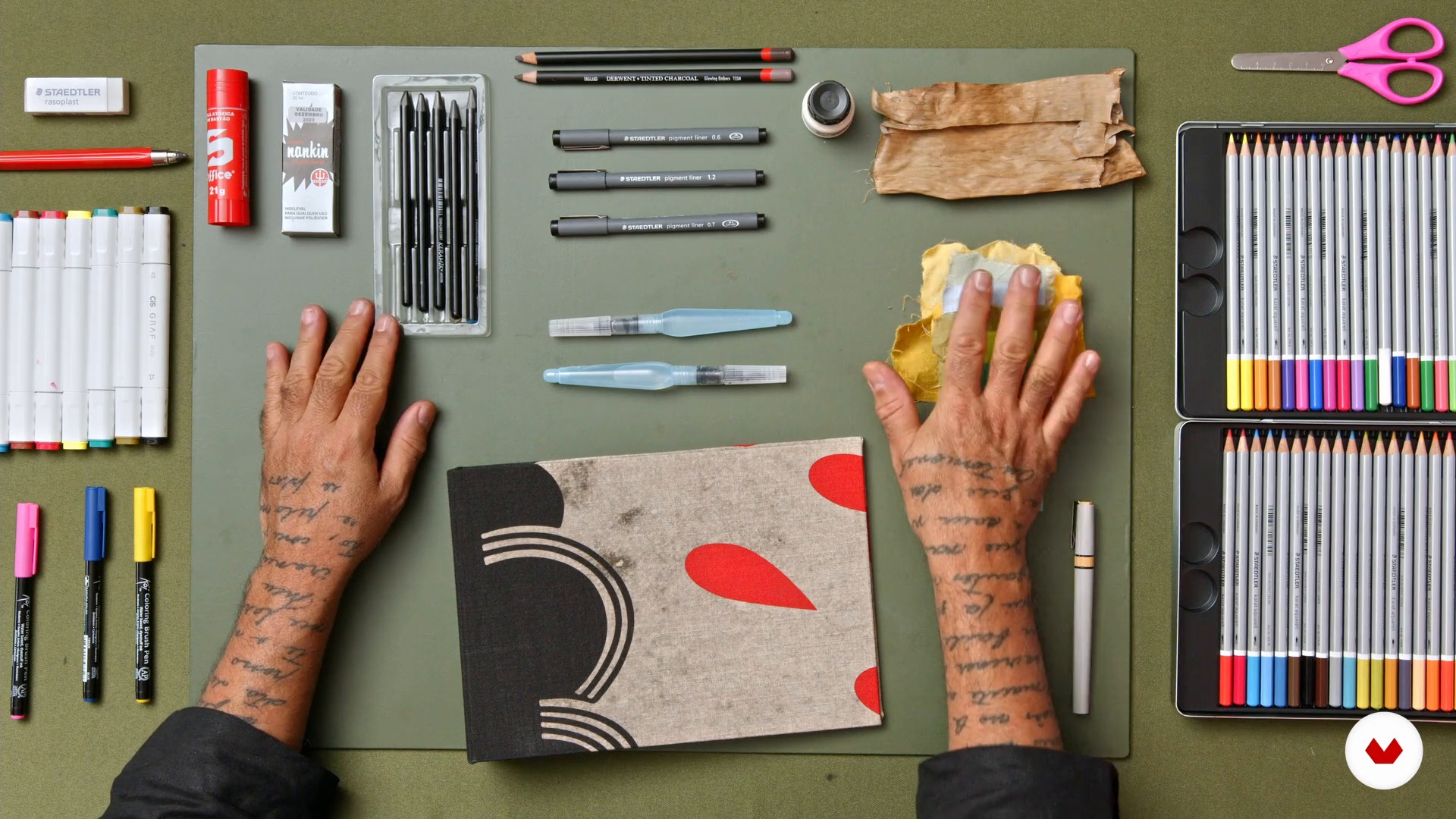
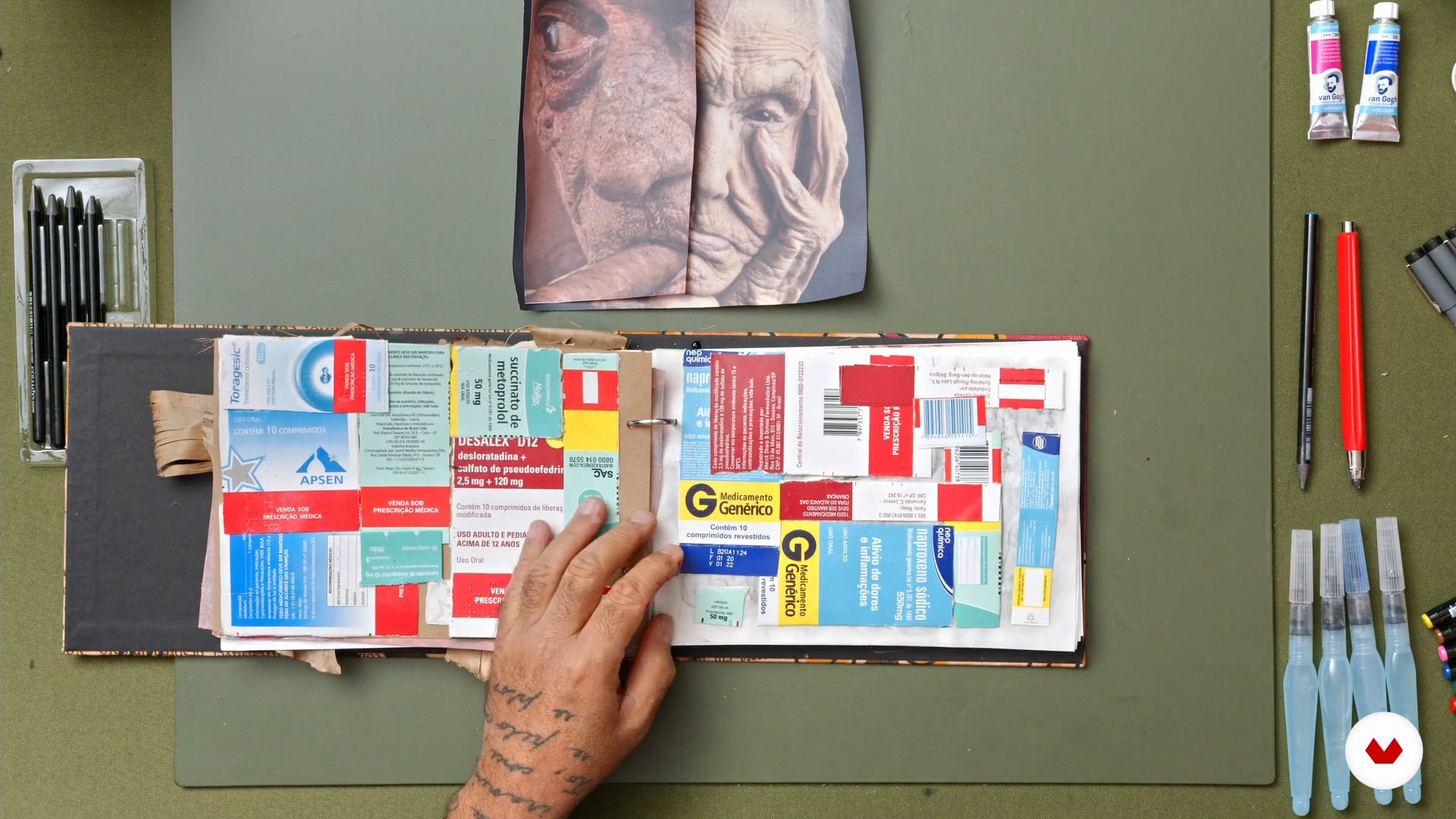
In this class I will present the materials that we are going to use to make the sketchbook, starting with the notebook itself.
3m
image
4
Sketchbook
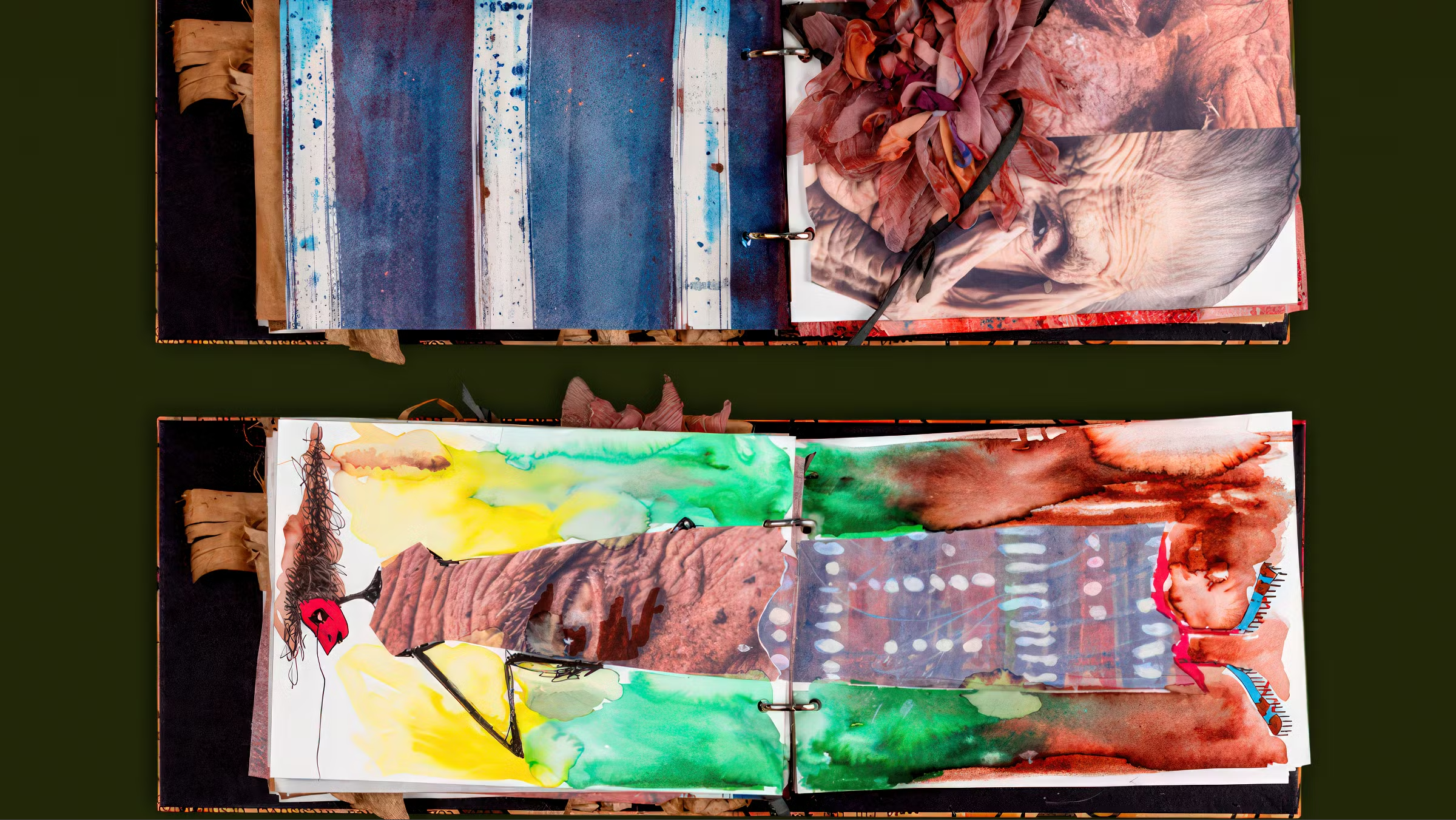
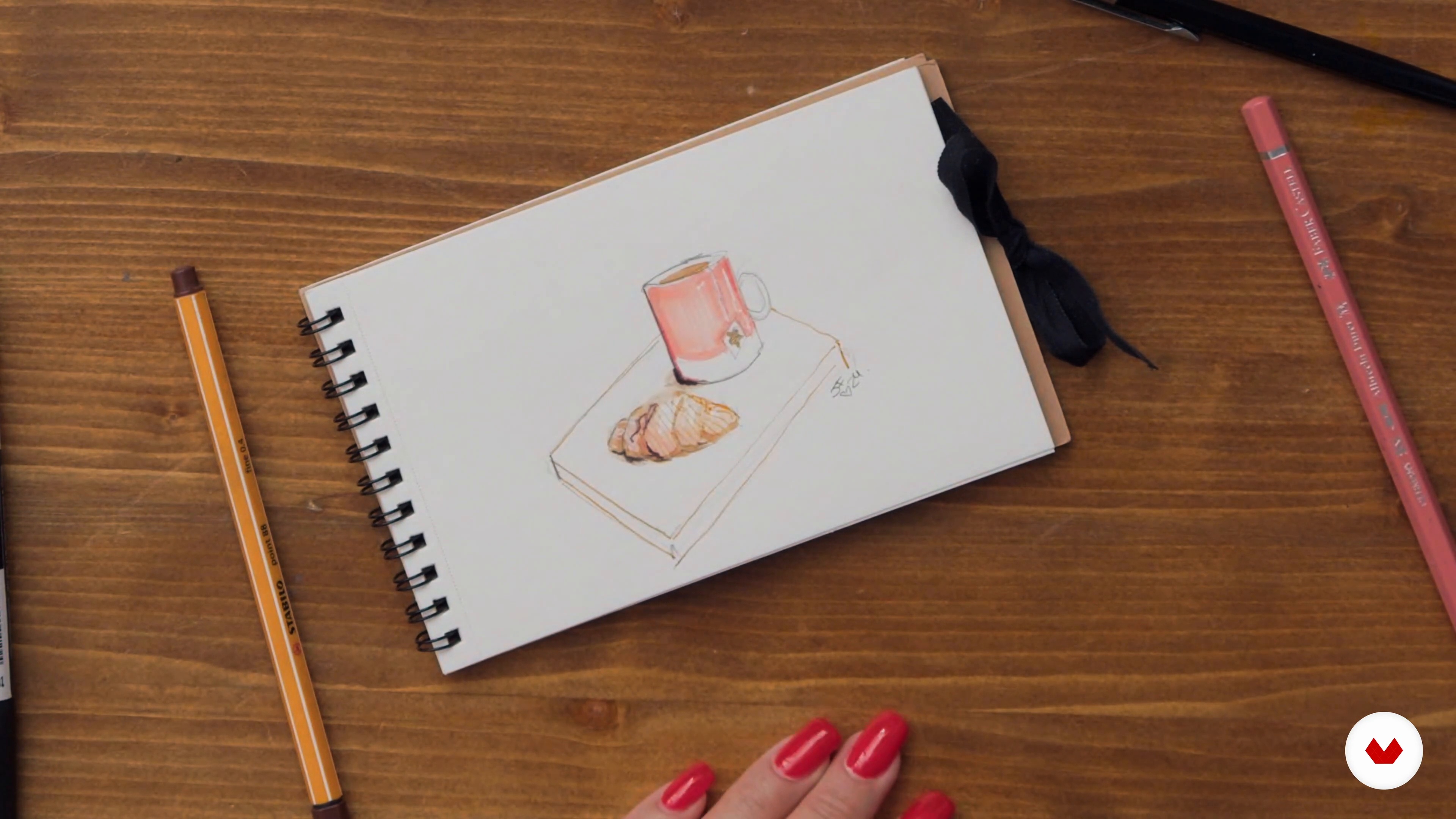
Now I'm going to talk about the importance of the sketchbook for the work process and as a tool for recording ideas and memories.
16m
image
5
Entering the story that will be told
Here I will talk about choosing and researching a theme, always remembering that one of the roles of fashion is to talk about today and position itself in relation to the present.
11m
image
6
Opening the chakras of creativity
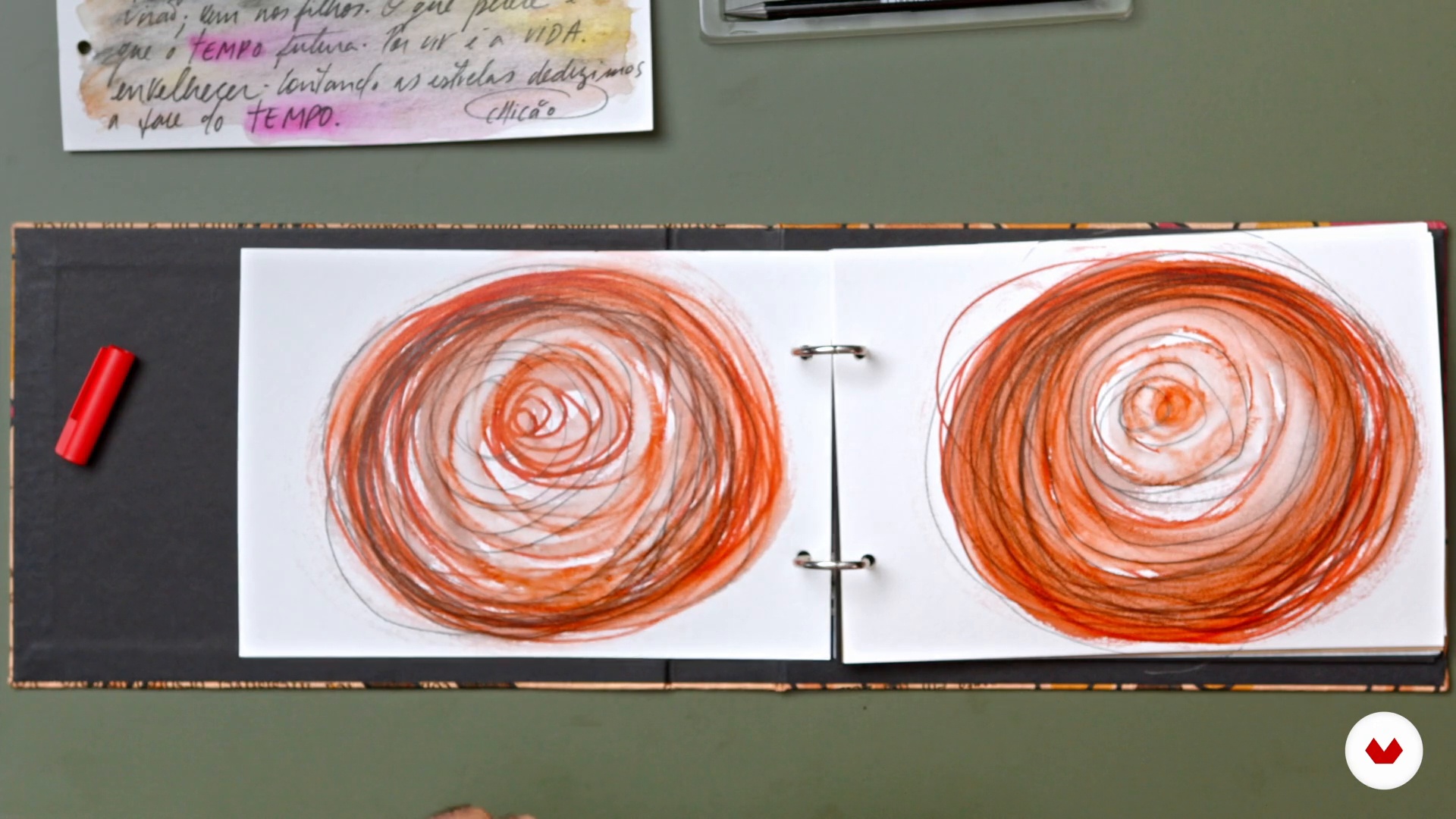
In this class, I will show you some exercises to free your imagination, opening your creativity chakras with music.
13m
image
7
Illustrated psychography
In this class, I will talk about the illustrative sketch as an expressive figure and drawing techniques as the encounter with various bodies.
7m
image
8
The Skin of the Clothes
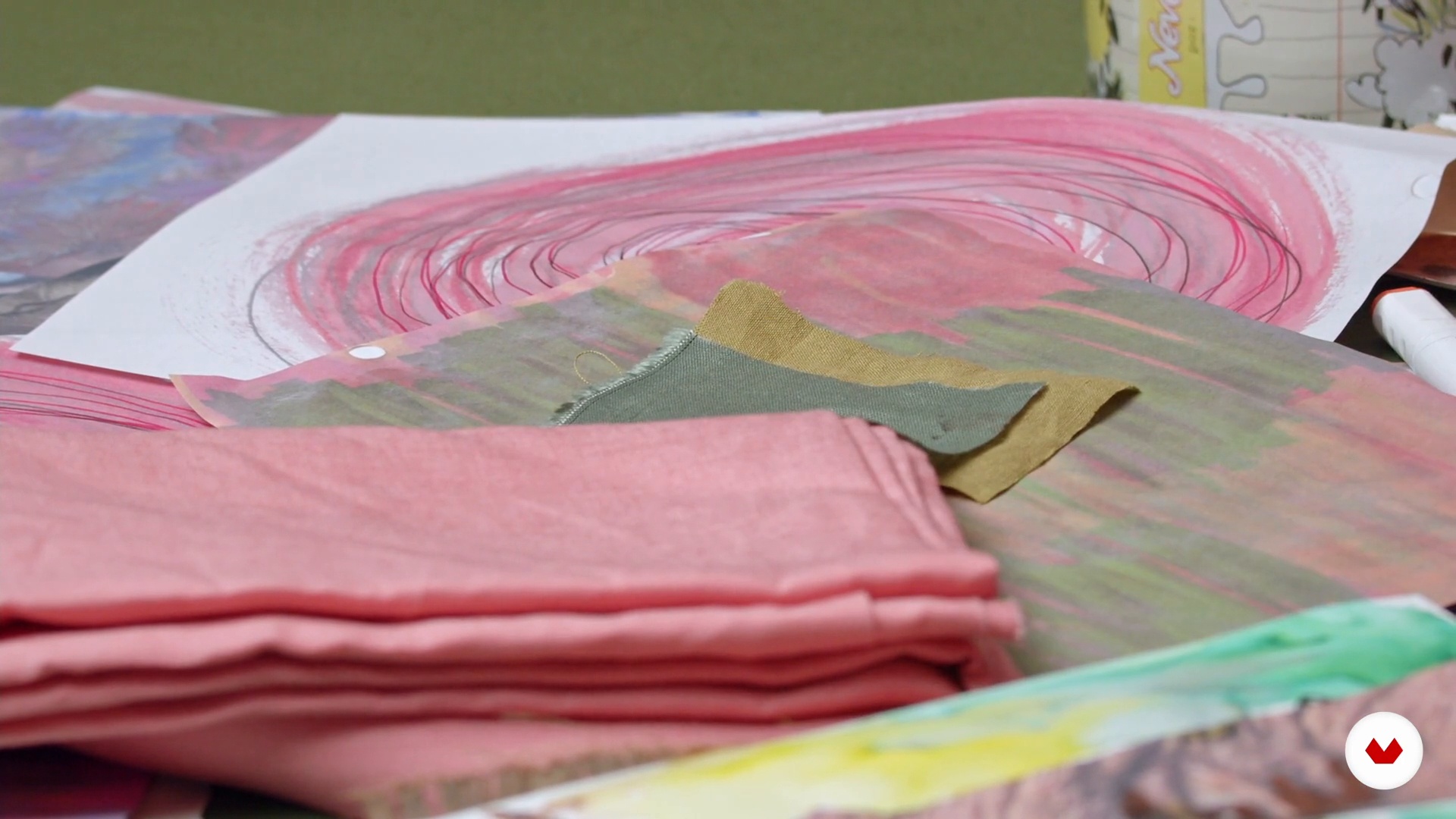
From the topic, I will now talk about choosing the skin of the clothes, that is, the fabrics and other materials that we are going to use. Remember that materials also communicate a message.
10m
image
9
Prints and surface design
Here I'm going to talk about textile design, that is, everything that comes on the fabric surface, such as prints, embroidery, textures or applications. Let's get in the sketchbook the elements that we're going to use in our clothes.
6m
image
10
Technical Illustration
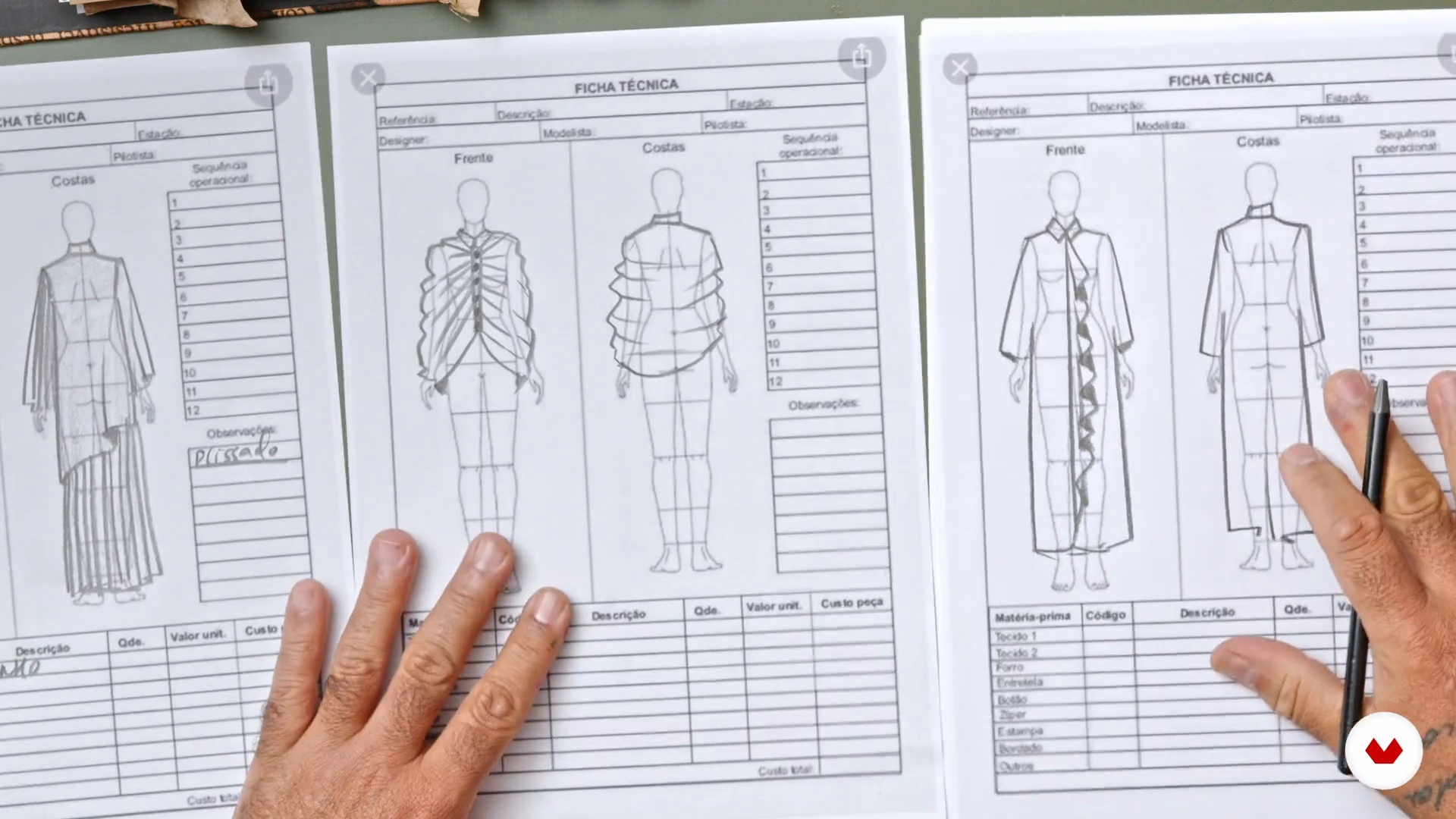
In this class, we'll bring together all the ideas from the notebook process: our references and strokes will now turn into real products.
6m
image
11
Free Clothes. Next: Printed fabric
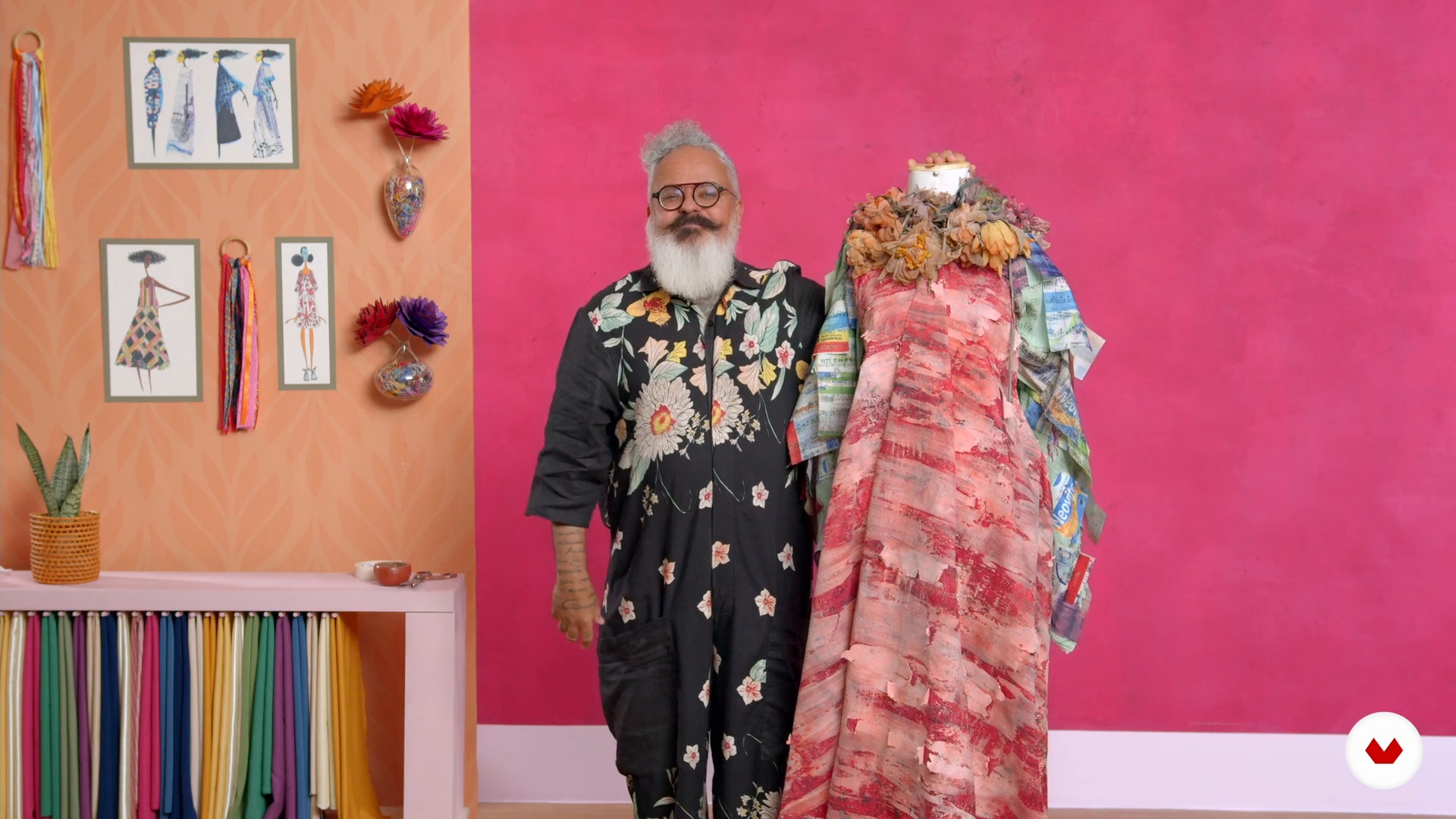
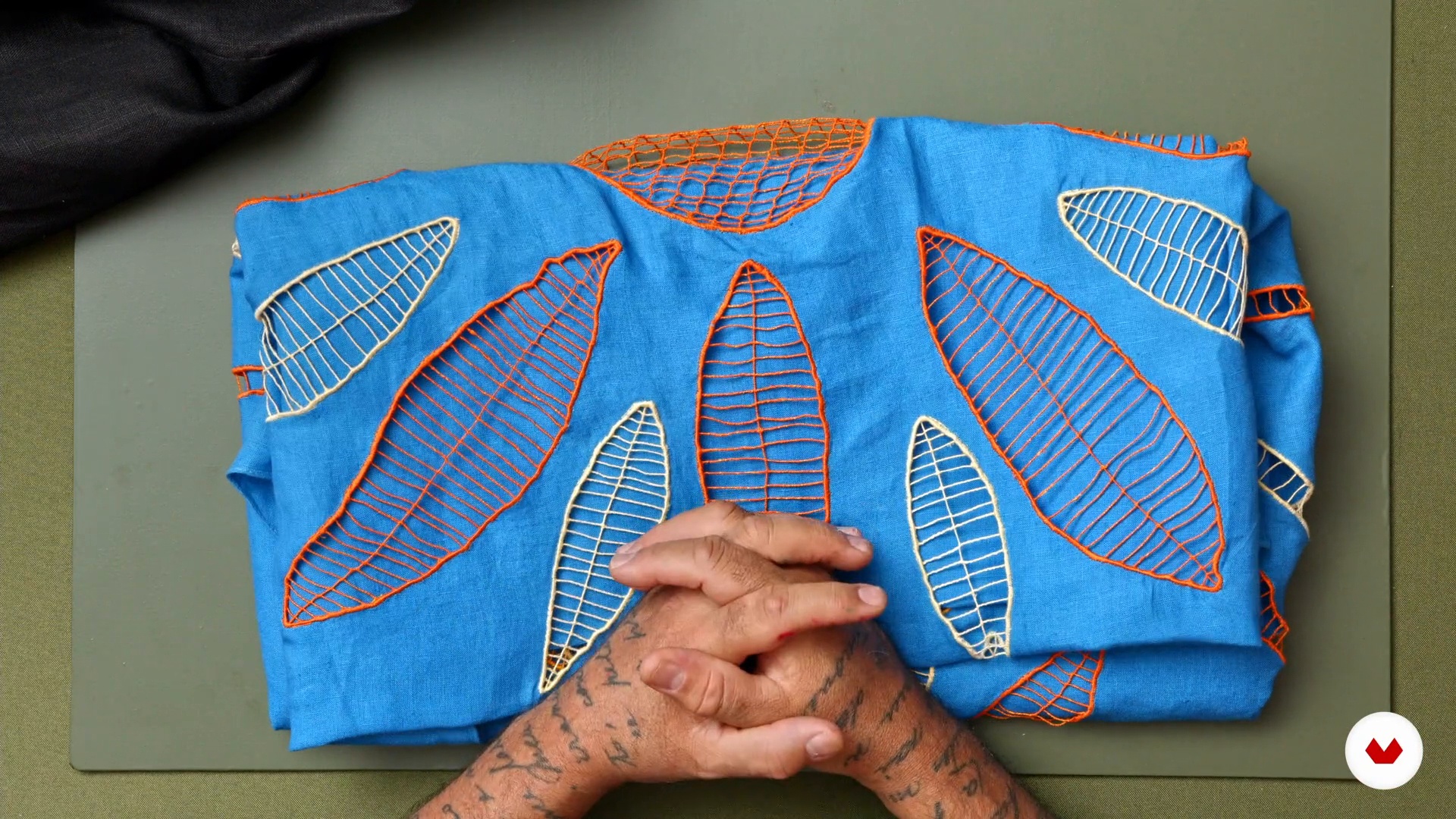
In this class, the notebook references will take shape. I'm going to improvise on one of the pieces I designed, creating an outfit proposal with basting, pin, masking tape, scissors, thread and needle.
7m
image
12
Talk about Fashion. Next: Stamped Porcelain
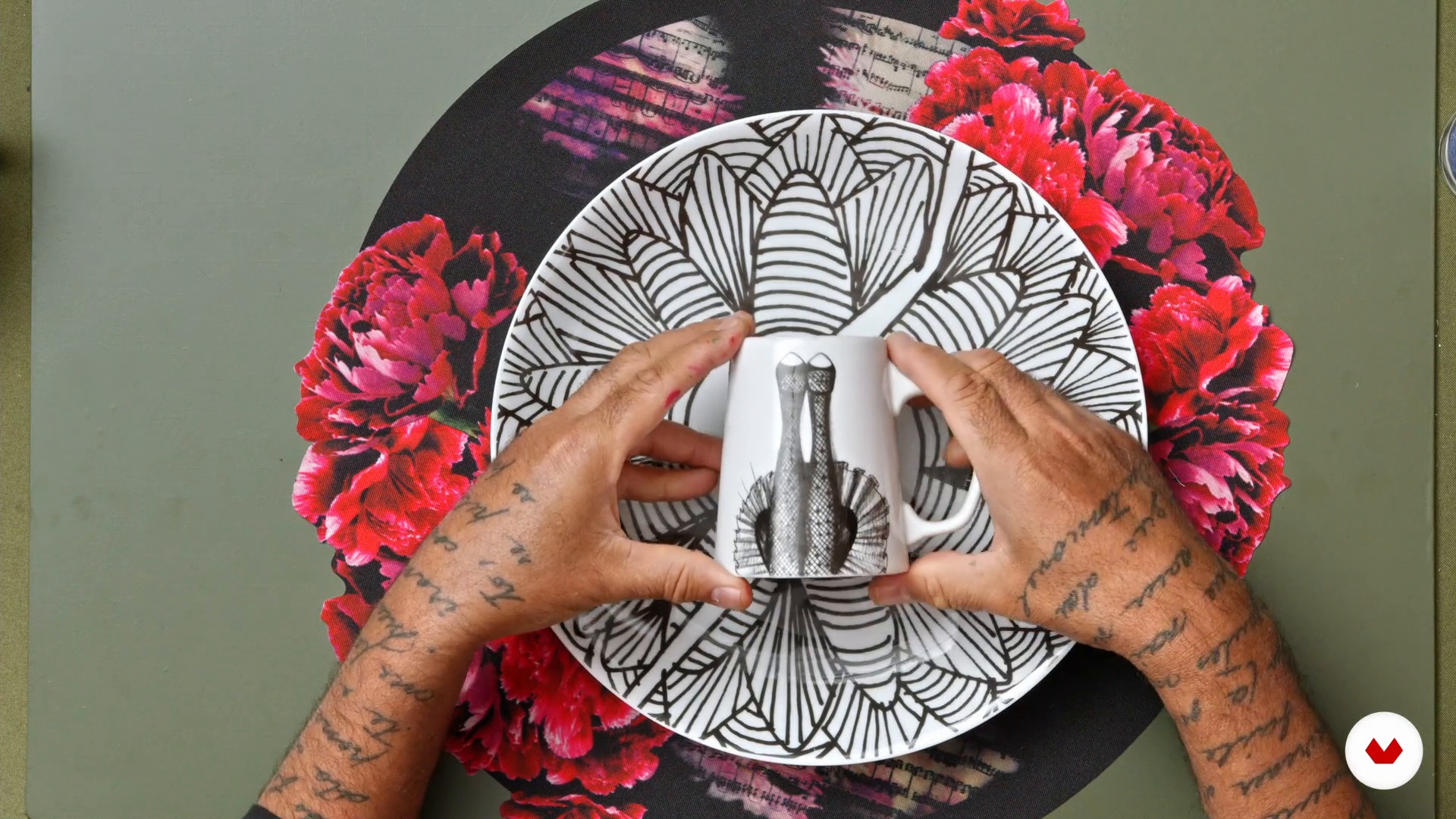
Fashion establishes dialogues with other fronts. It's fashionable clothing going elsewhere. In this class, I will present other objects that came out of my sketchbook, such as porcelain, placemats, furniture, etc.
7m
image
13
Ronaldo's Tips
Now I'm going to talk about the role of the fashion producer as a bridge between the world of manufacturing and the world of industry, creating objects with a soul and full of history.
6m
image
3
Materials for Your Project
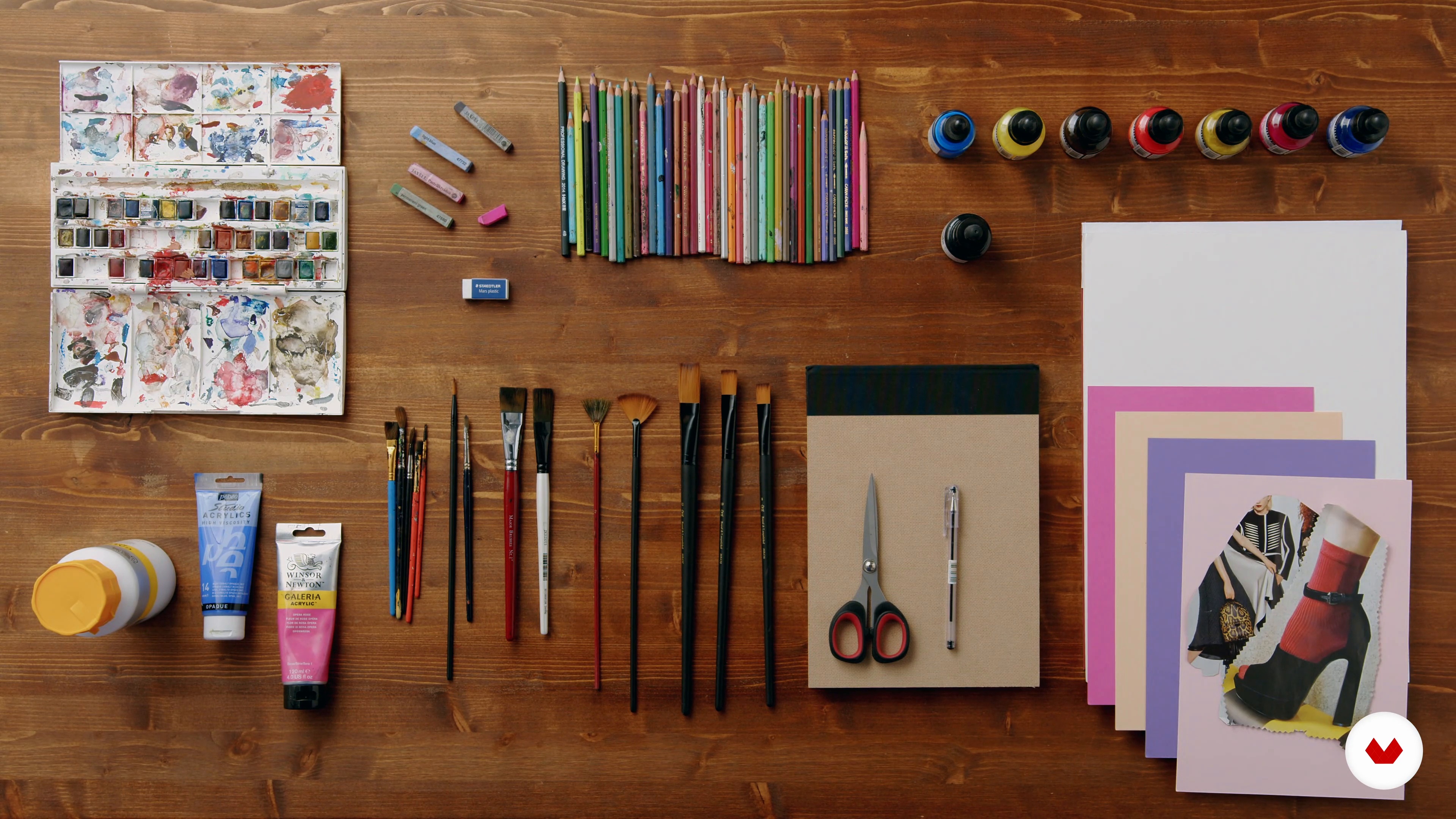
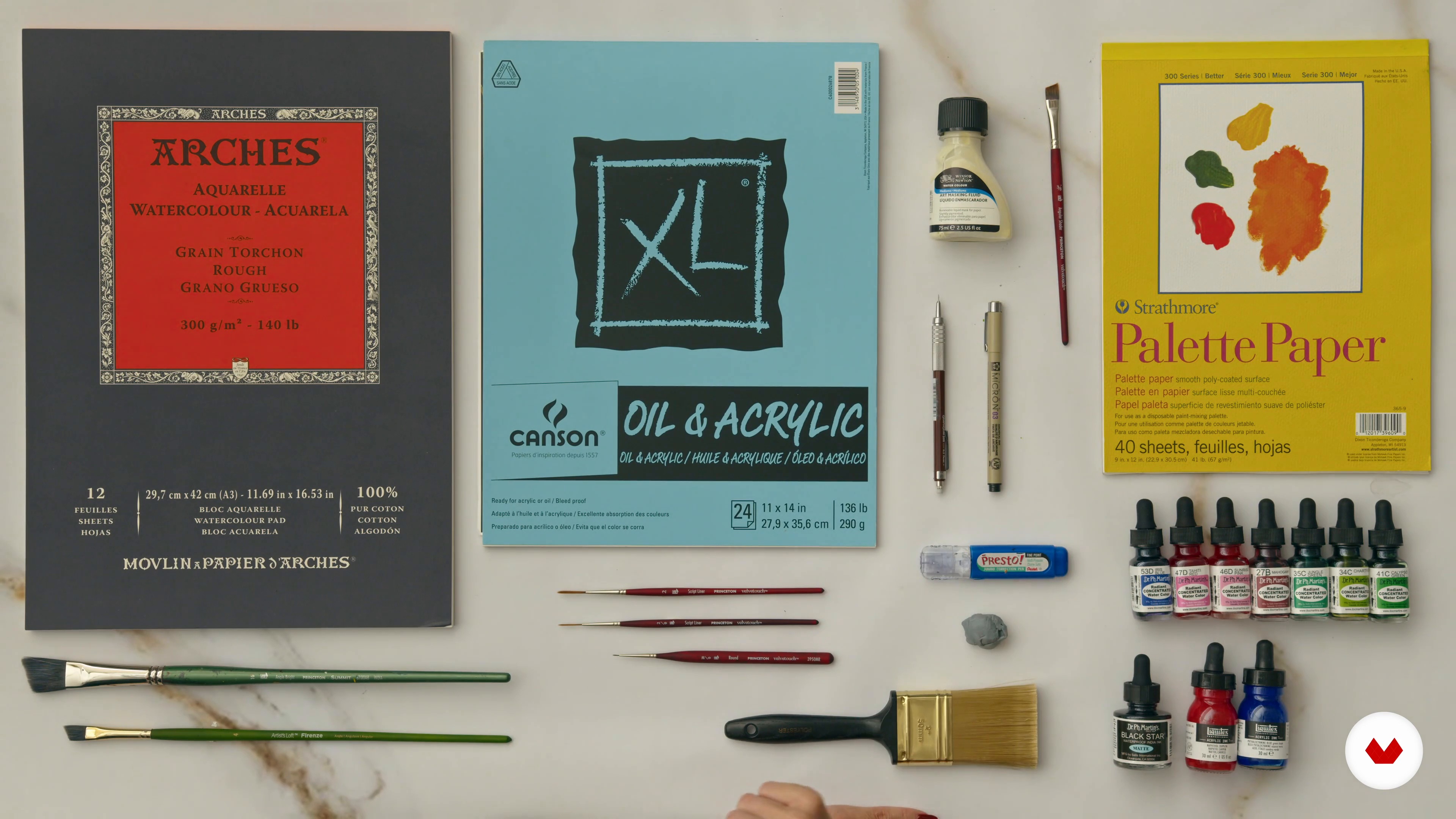
In this lesson I will show you the materials I will use during the course and I will explain the different types of tools you can use to develop your unique style.
4m
image
4
The History of Fashion Illustration
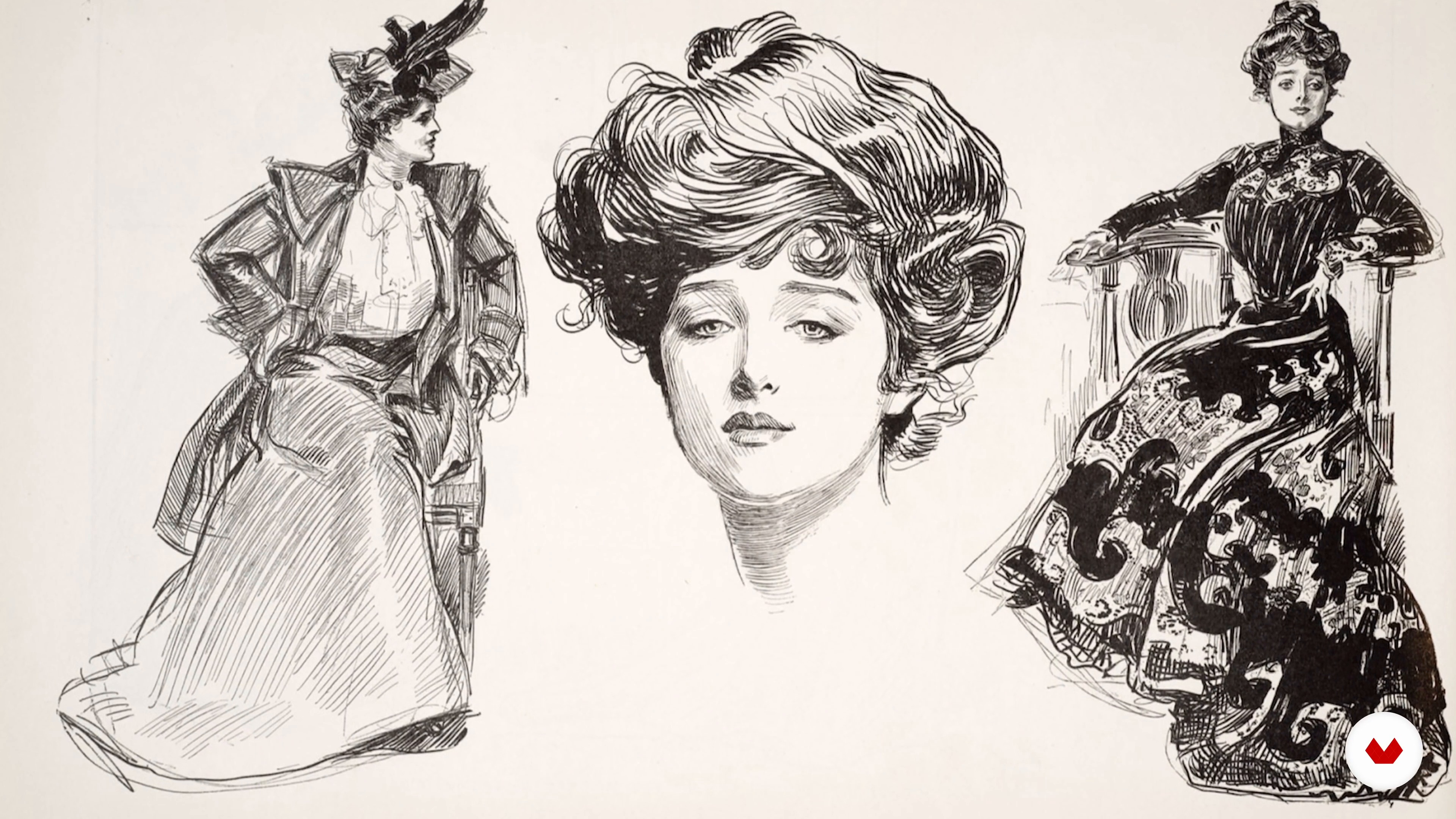
Now I will explore the origins of fashion illustration and its evolution. I'll tell you about the first fashion illustrators and how their style has changed over time.
11m
image
5
Characterization of the Parts of the Body: Eyes and Mouth
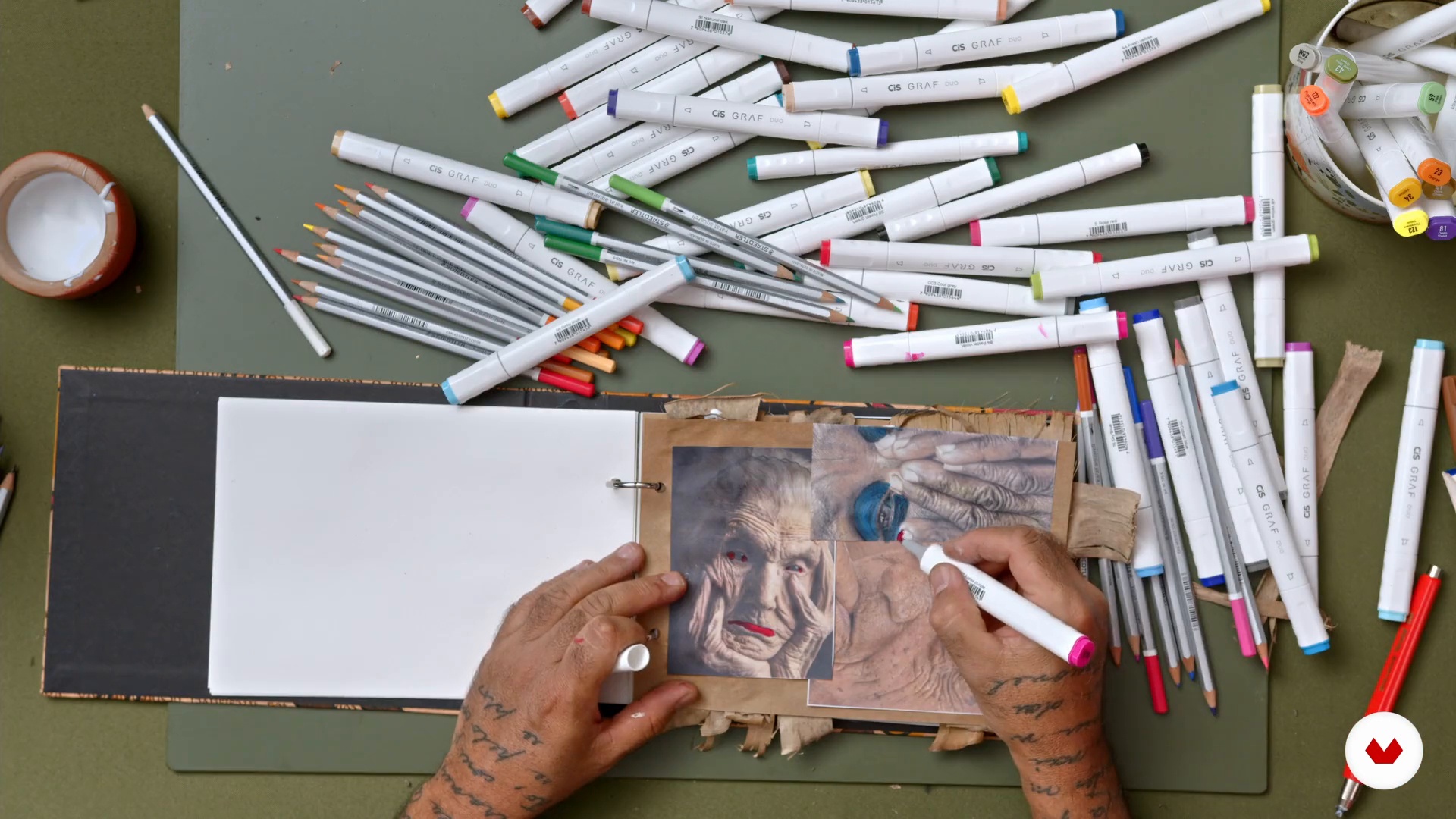
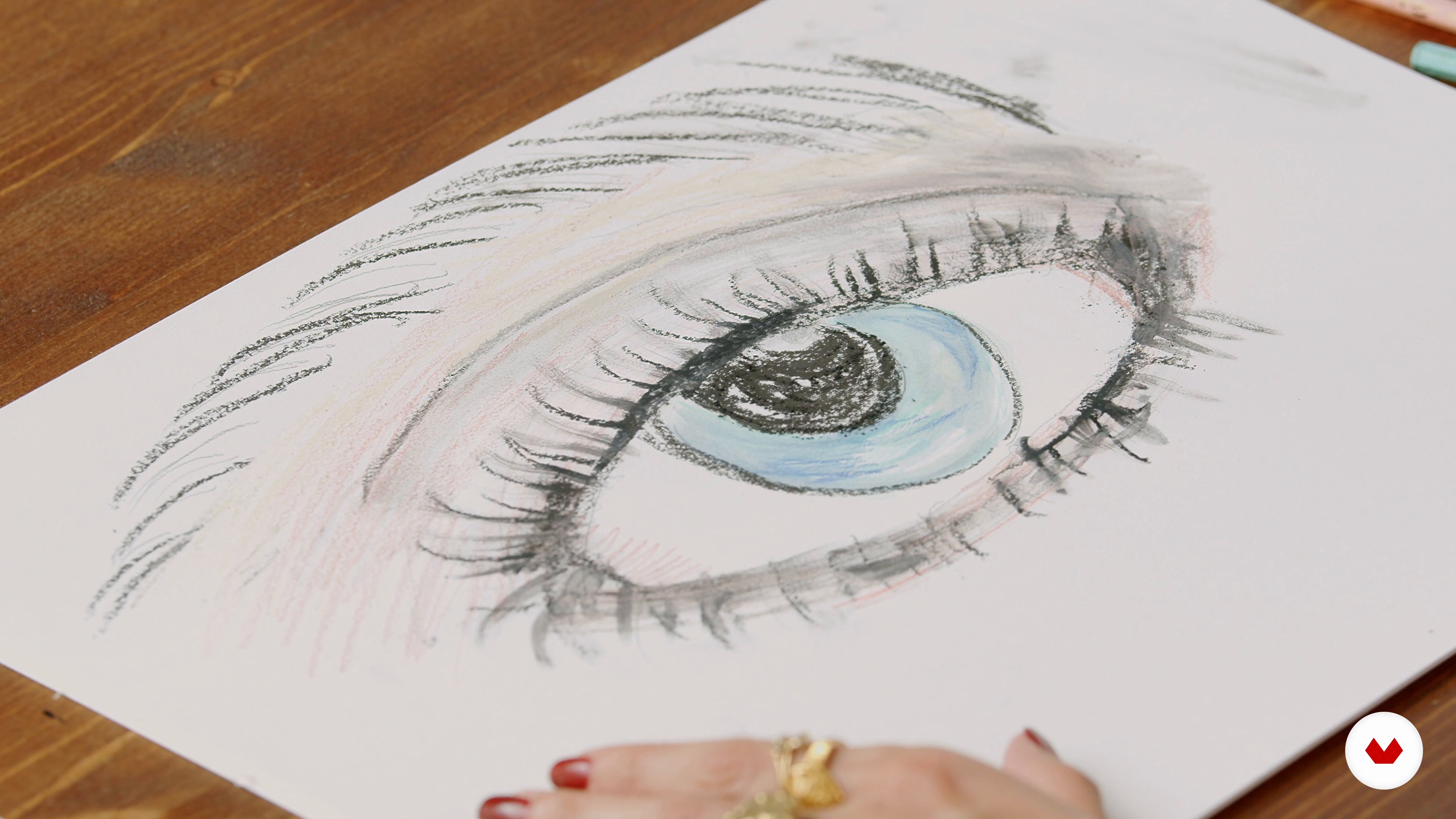
The characterizing element of fashion illustration is the exaggeration of some parts of the human body. Here I will focus on the analysis of the eyes and mouth: through simple exercises, you will learn to characterize them and to synthesize the lines in order to develop your style.
20m
image
6
Characterization of the Parts of the Body: Hair and Face
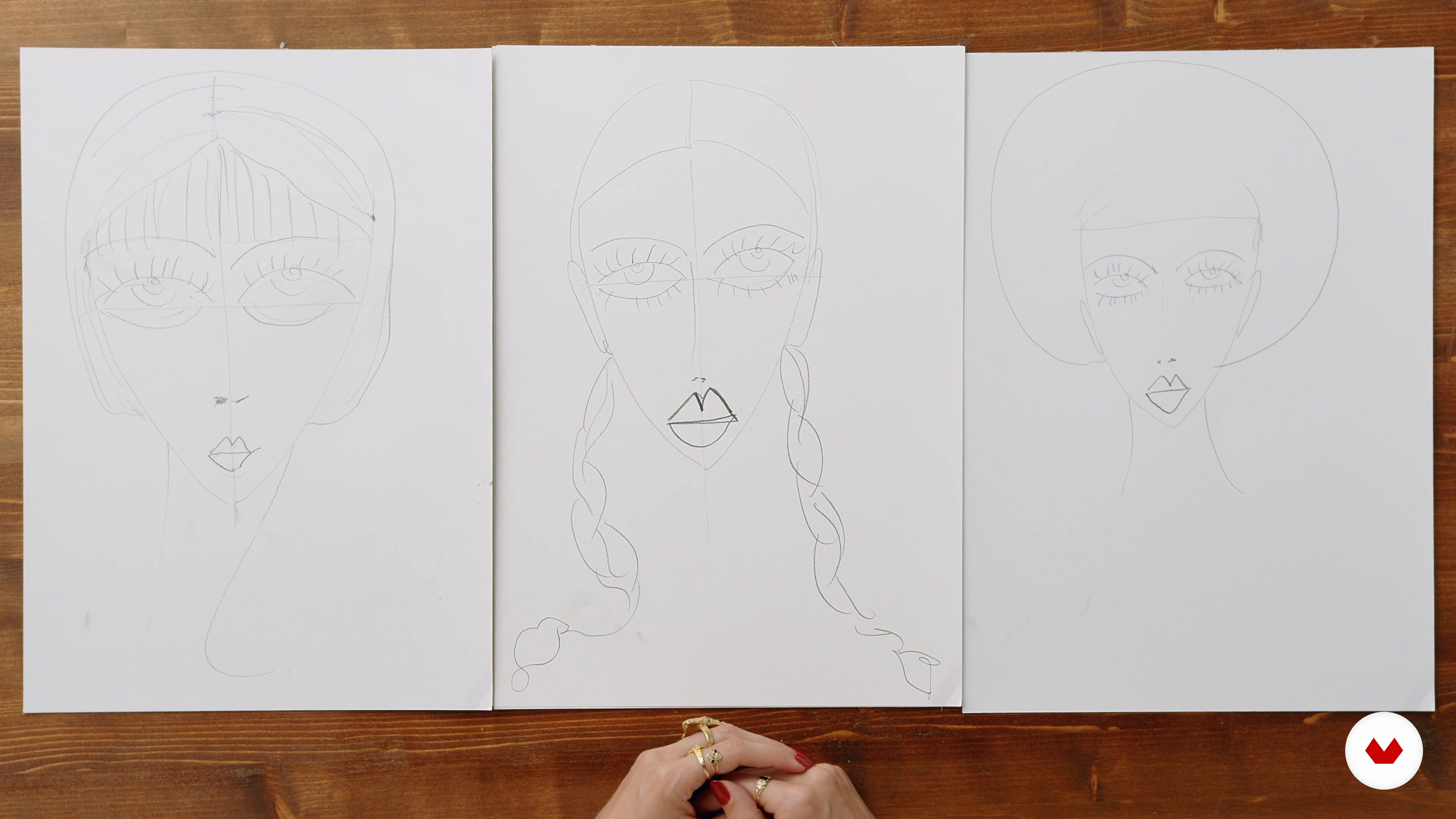
Now instead I will analyze the hair and the shape of the face. I will study the main lines that make up the hair and I will teach you to understand how its shape can characterize a face.
12m
image
7
The Importance of the Line
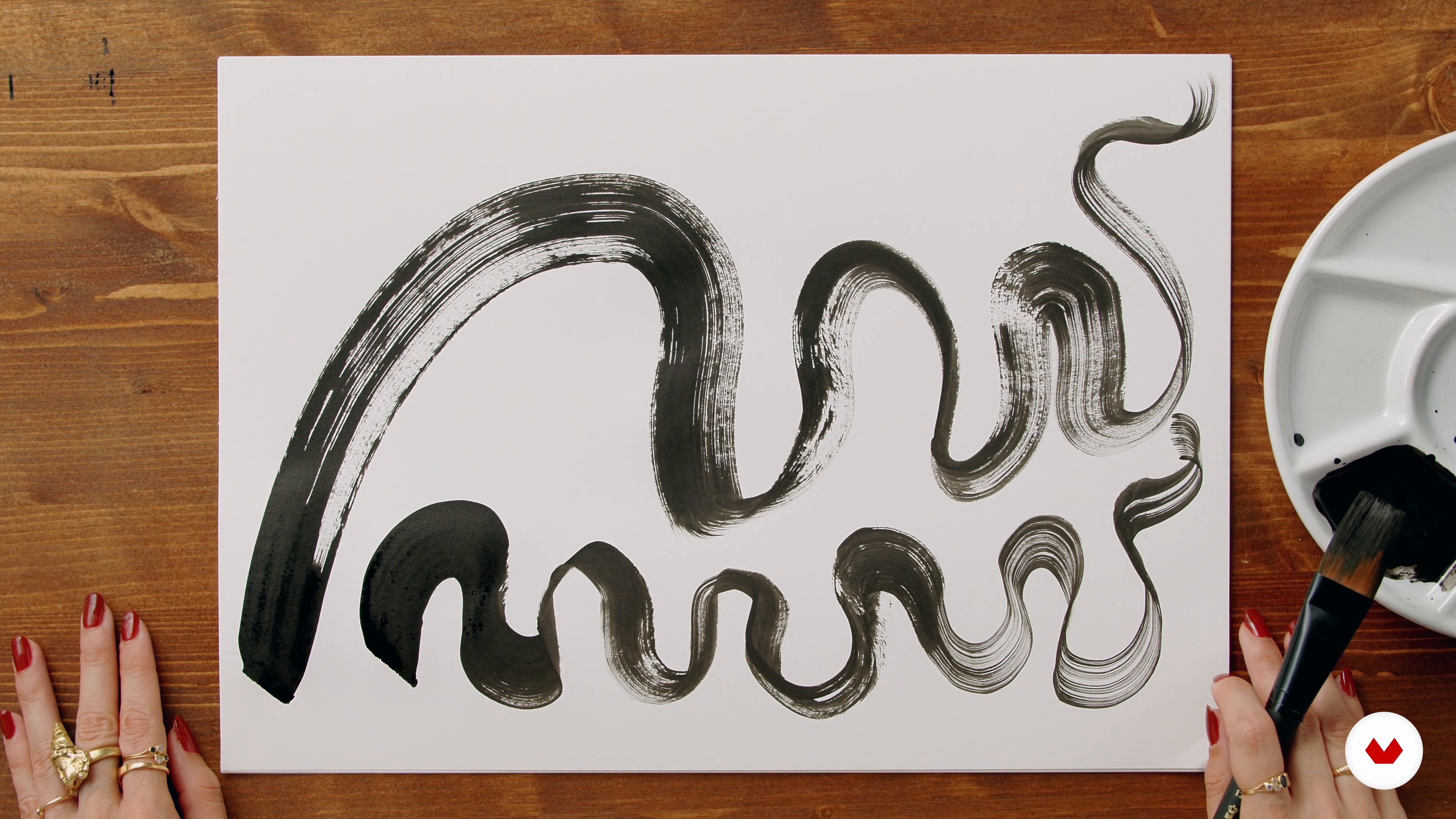
Here you will go and practice some gestures to develop your hallmark. Through exercises with the use of china, you will understand the importance of the elements that make up a line.
17m
image
8
Form and Composition
It's time to learn how to incorporate shapes into your drawing. I will show you some simple exercises with which you will have the opportunity to break down the figure into several elements using first of all your thinking and your observation skills.
16m
image
9
Patterns: Create an Archive and Experiment
How do you make a pattern archive in a sketchbook? Starting from various inspirations, I will guide you to the creation of simple motifs and their application within a silhouette.
19m
image
10
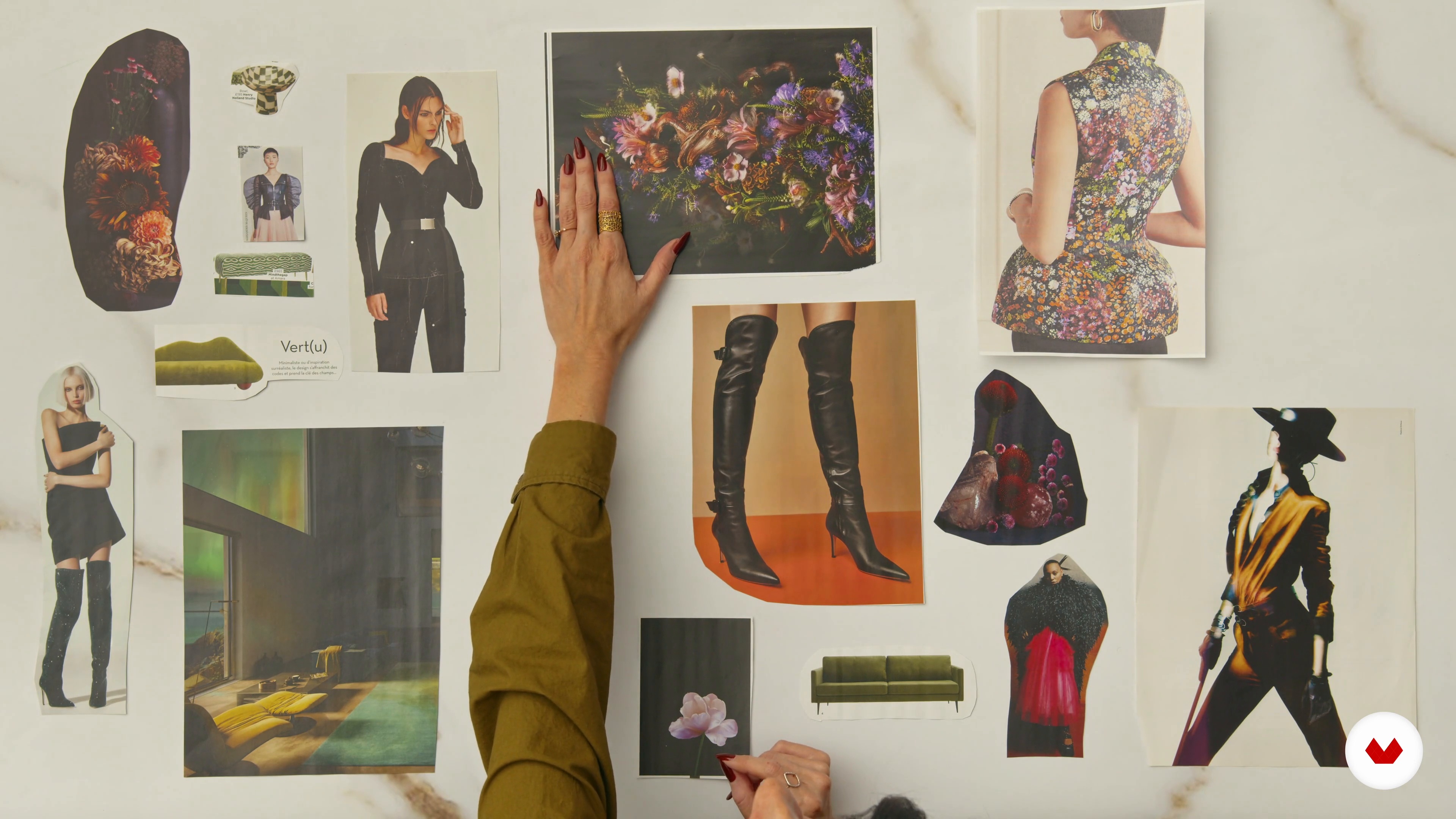
Choice of the Trend and Creation of the Mood Board
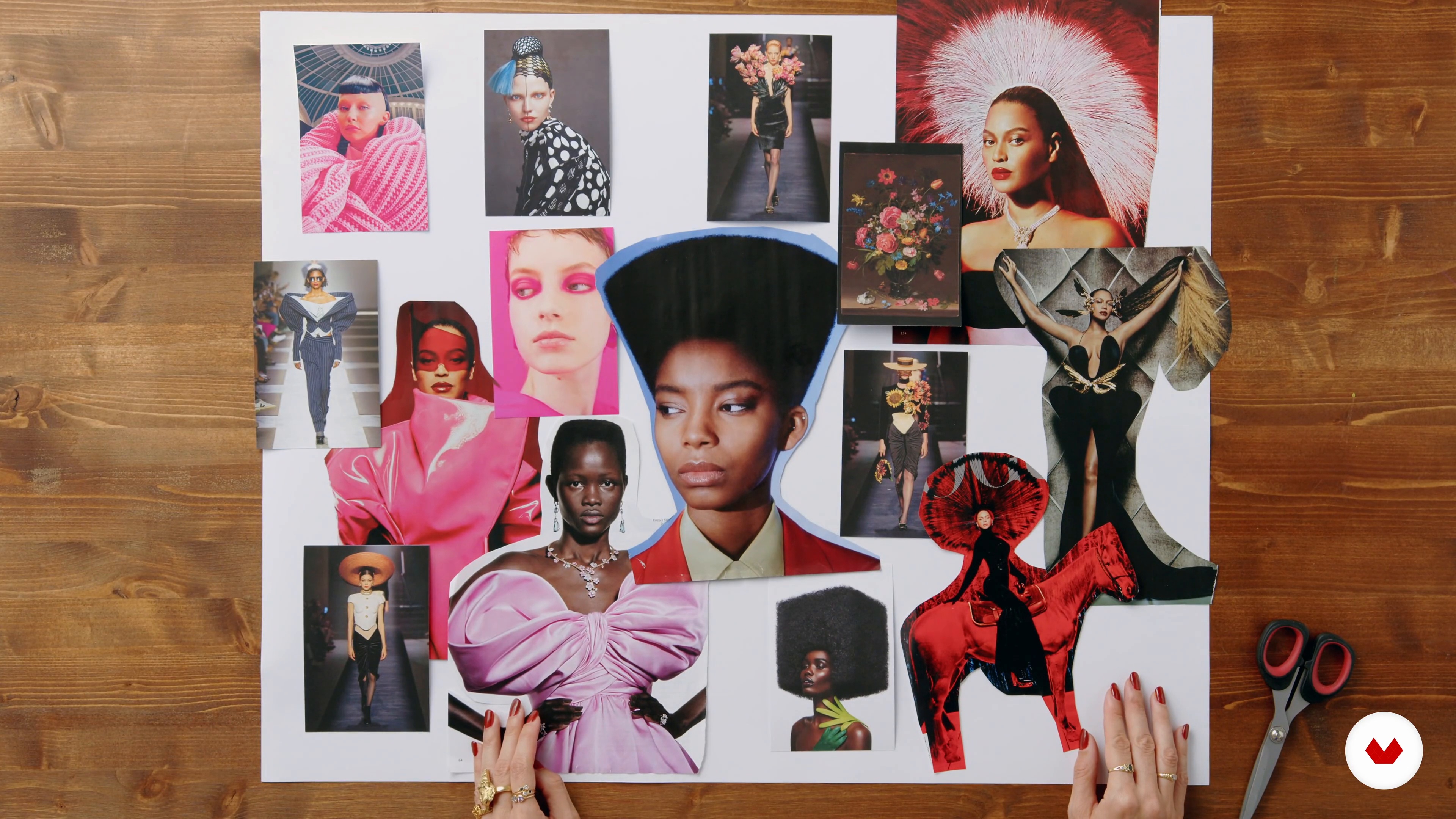
This will be a theoretical lesson in which I will talk about the three fundamental elements to face the brief. I will define a mood with references to hair stylists, make-up artists and seasonal trends.
6m
image
11
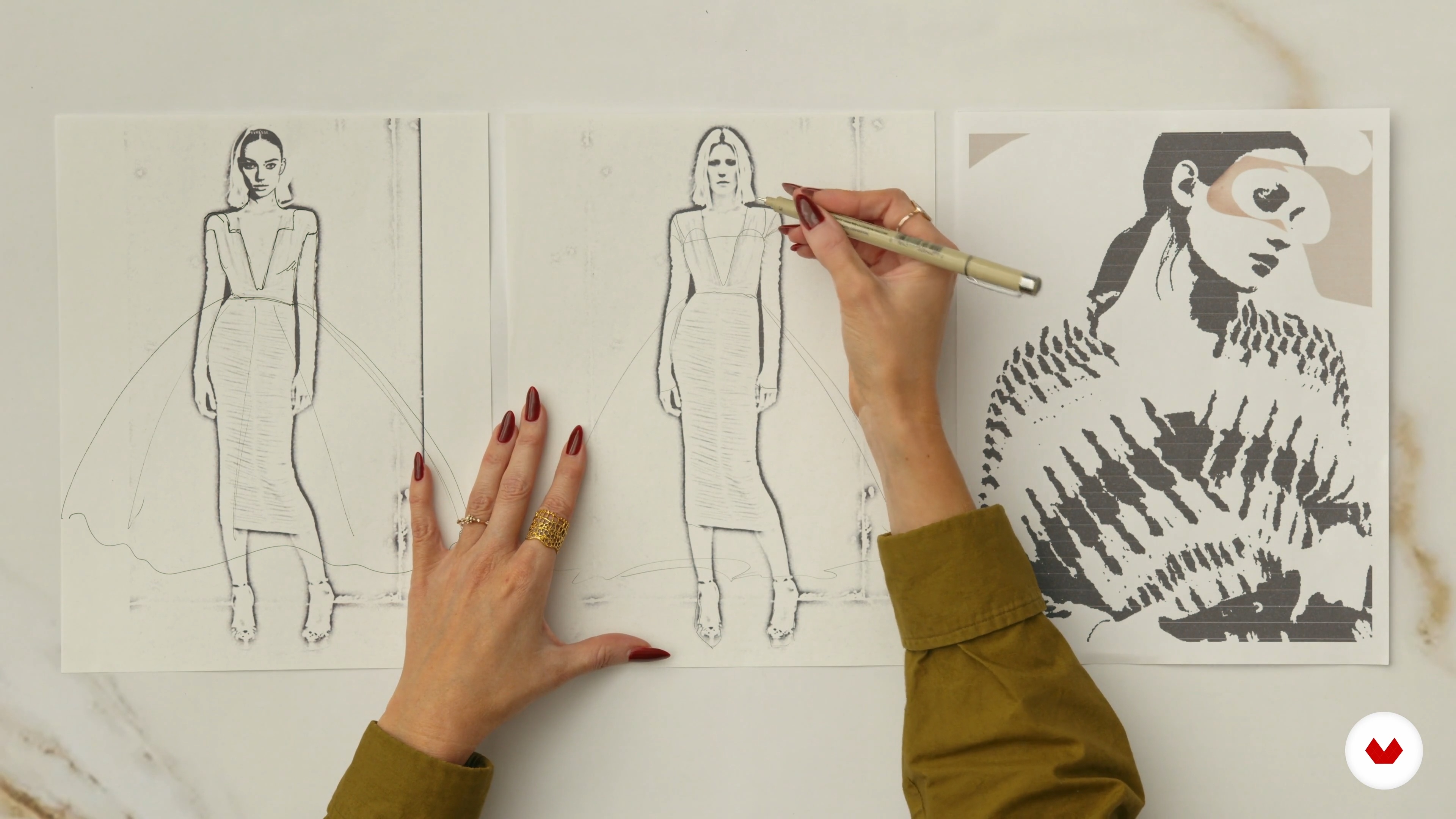
First Sketches and Framing
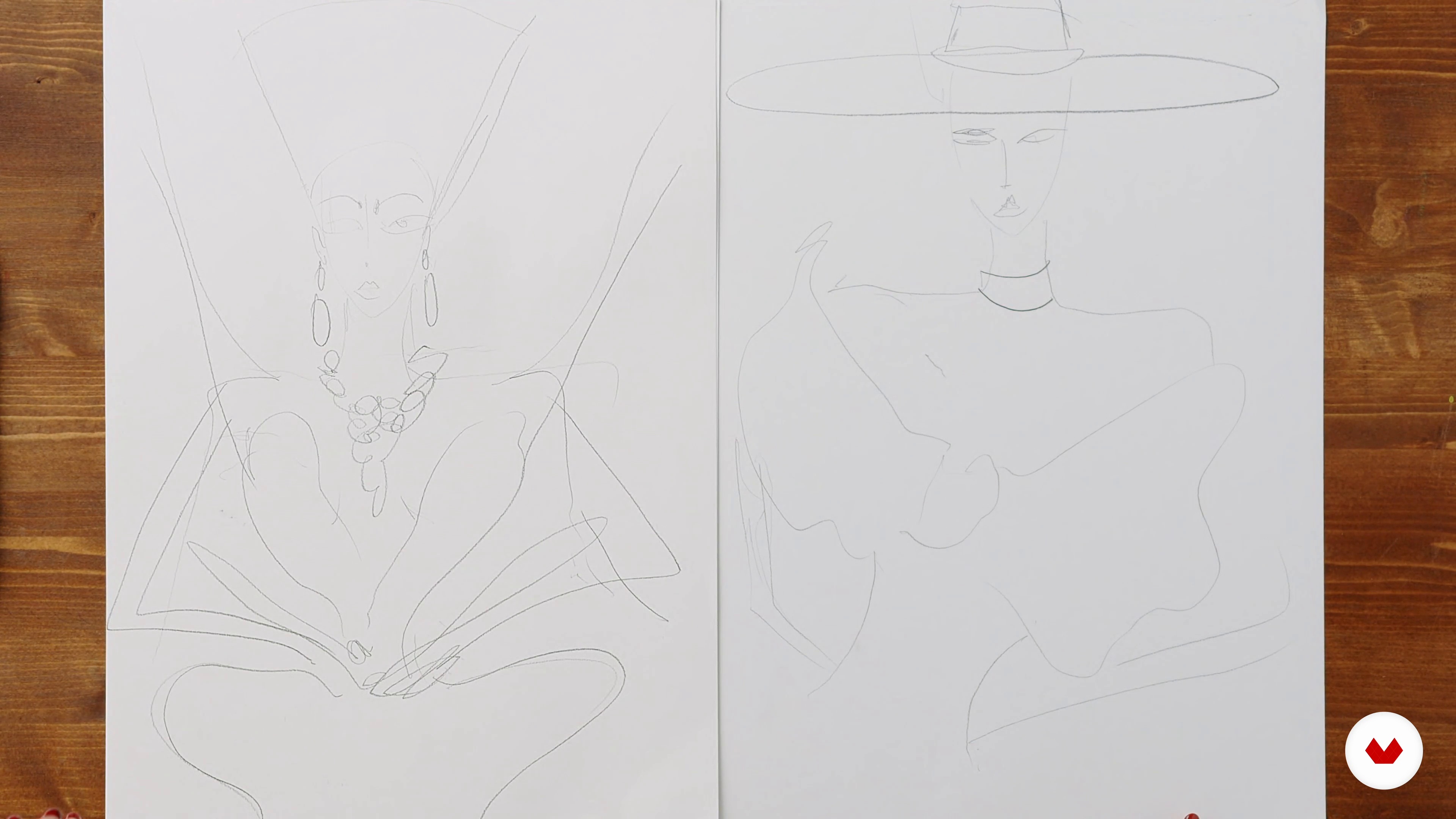
Now I'm going to sketch some pencil drawings to choose the best framing and pose to enhance the garment that is the protagonist of the illustration.
11m
image
12
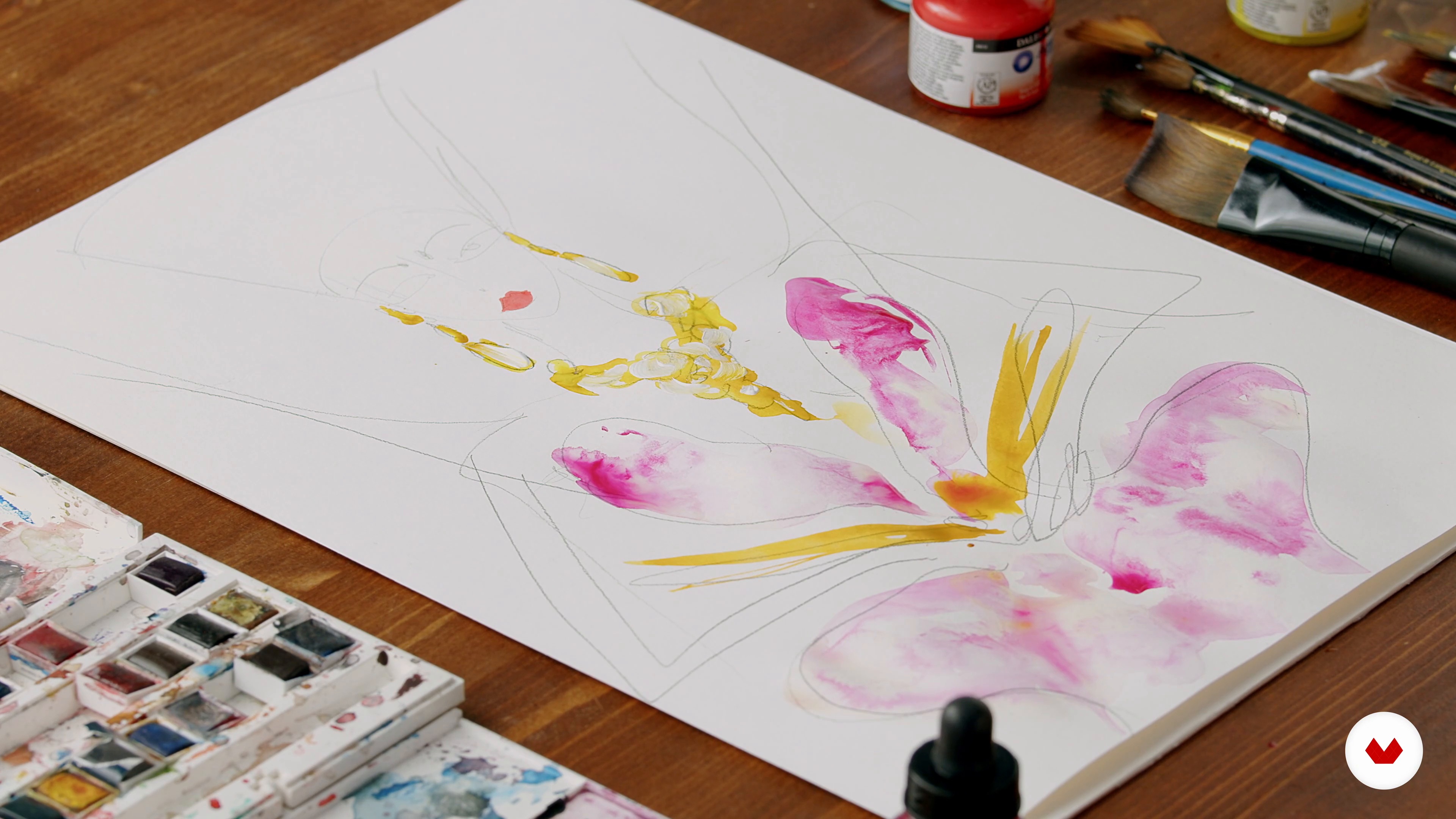
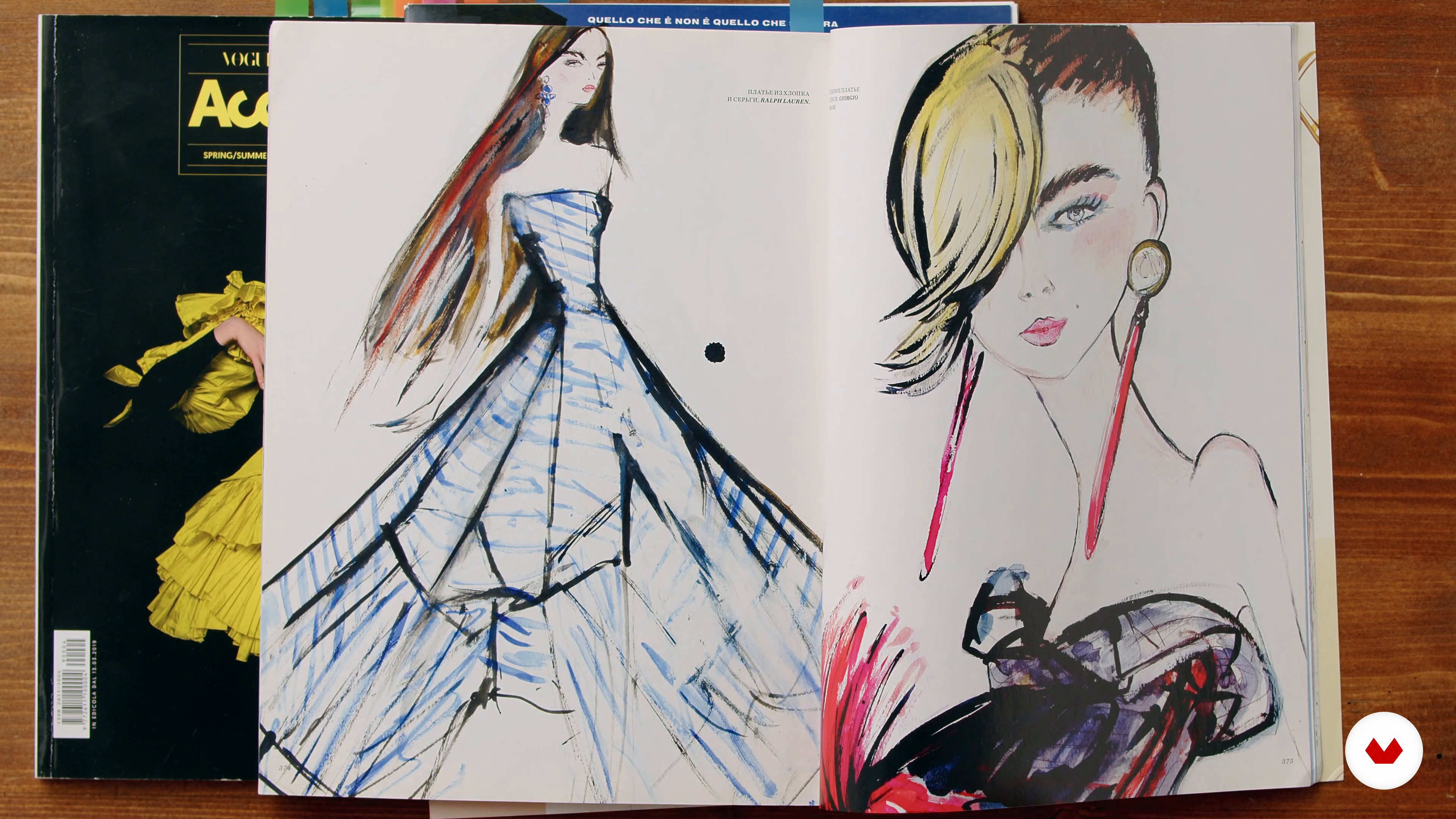
Watercolor Volumes
How to color the illustration? In this lesson I will show you several techniques and analyze which ones make one shape stand out more than another. In particular, I will teach you three techniques for coloring with watercolor.
14m
image
13
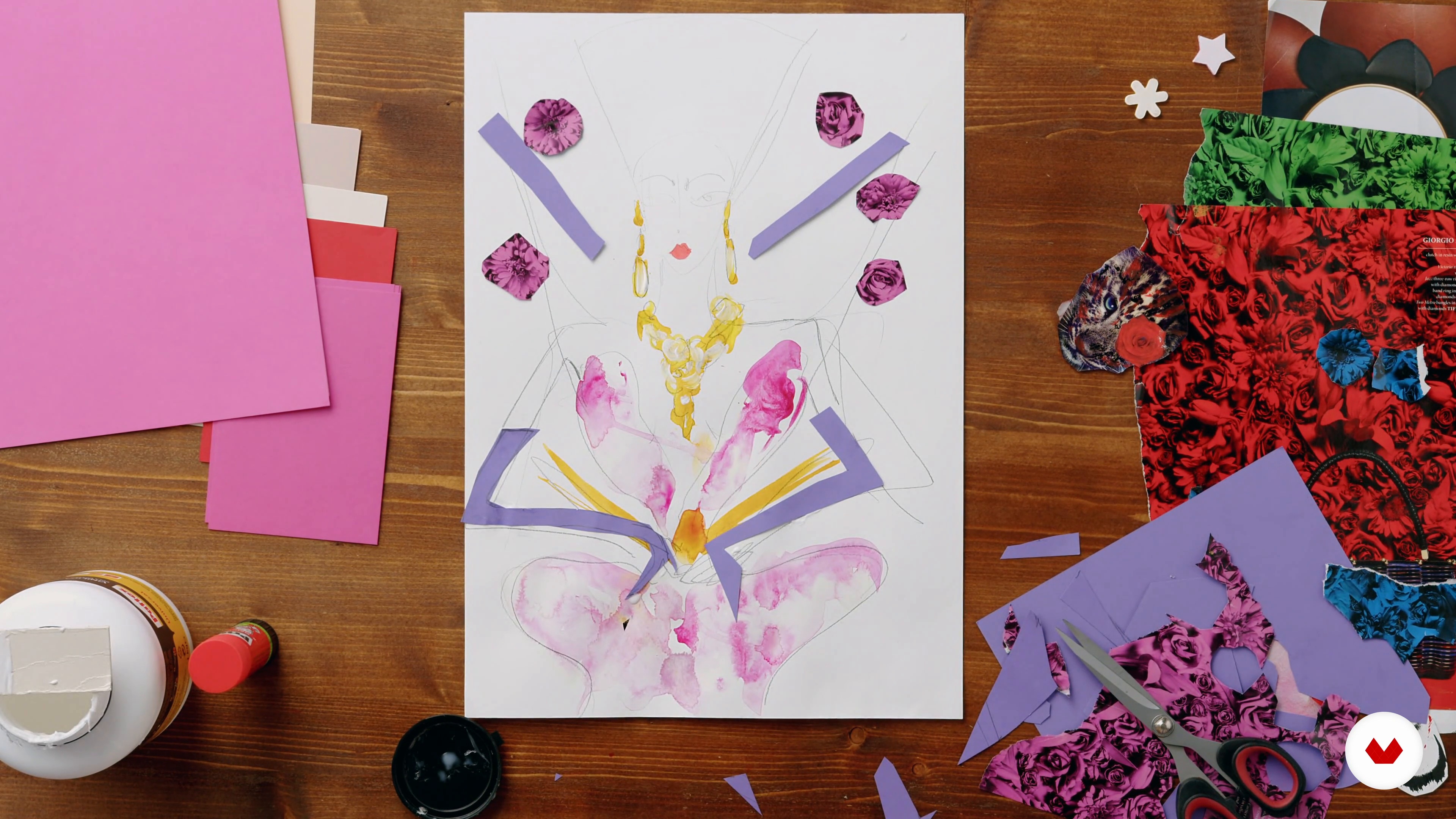
Add Items in Collage
It's time to insert some elements with the collage technique. My approach to collage is very instinctive: in this lesson I will guide you through my creative process.
8m
image
14
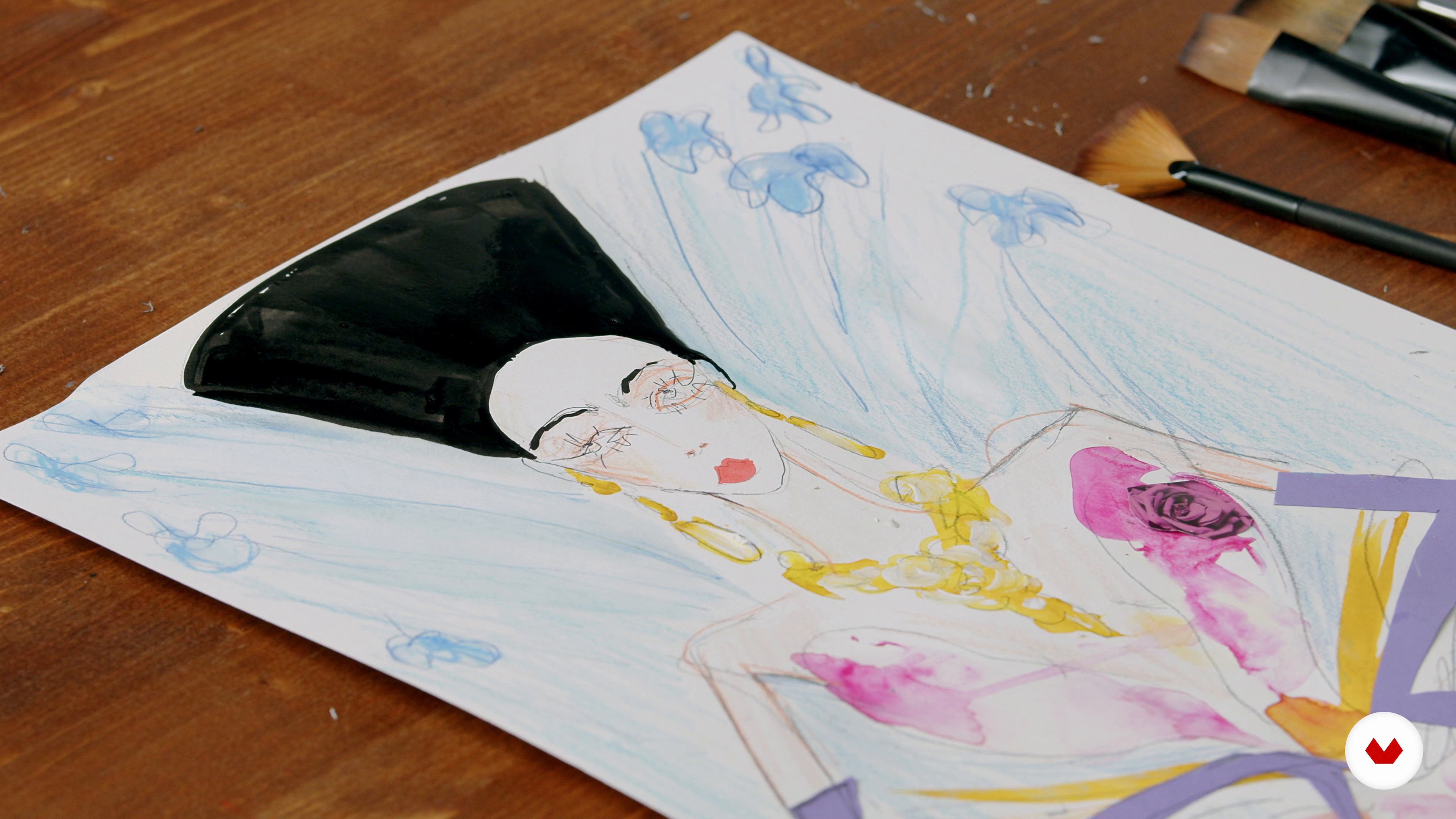
Ink, Pastels, and Pen
Now I will define the last elements of the illustration. First, I'll create the background with pastels; then, I will detail some elements with black ink.
11m
image
15
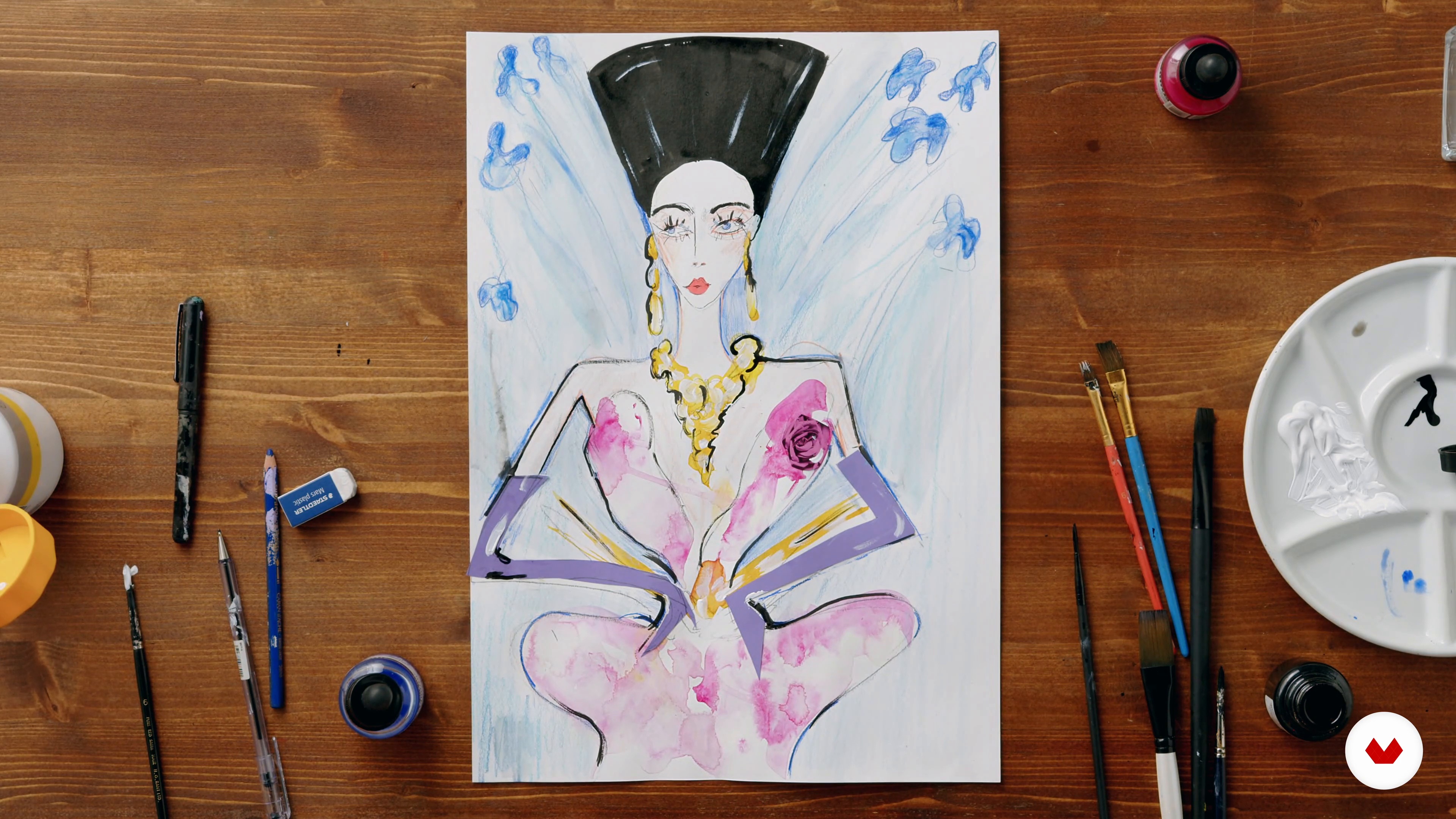
Line, Points of Light and Final Touches
Now that the design is defined, in this lesson I'll show you how to add touches of light with white acrylic.
14m
image
16
Who to Work with as a Fashion Illustrator
Now I will tell you about the various possibilities of applying the work of the fashion illustrator through my portfolio.
11m
image
3
Developing Your Style and Creative Process
First of, I'll talk about how I created my personal illustration style by combining a few of my favorite things. I’ll invite you to reflect on your favorites and how to explore and find your voice. Then, I’ll take you along every step of my creative process from start to finish.
6m
image
4
Tools and Materials
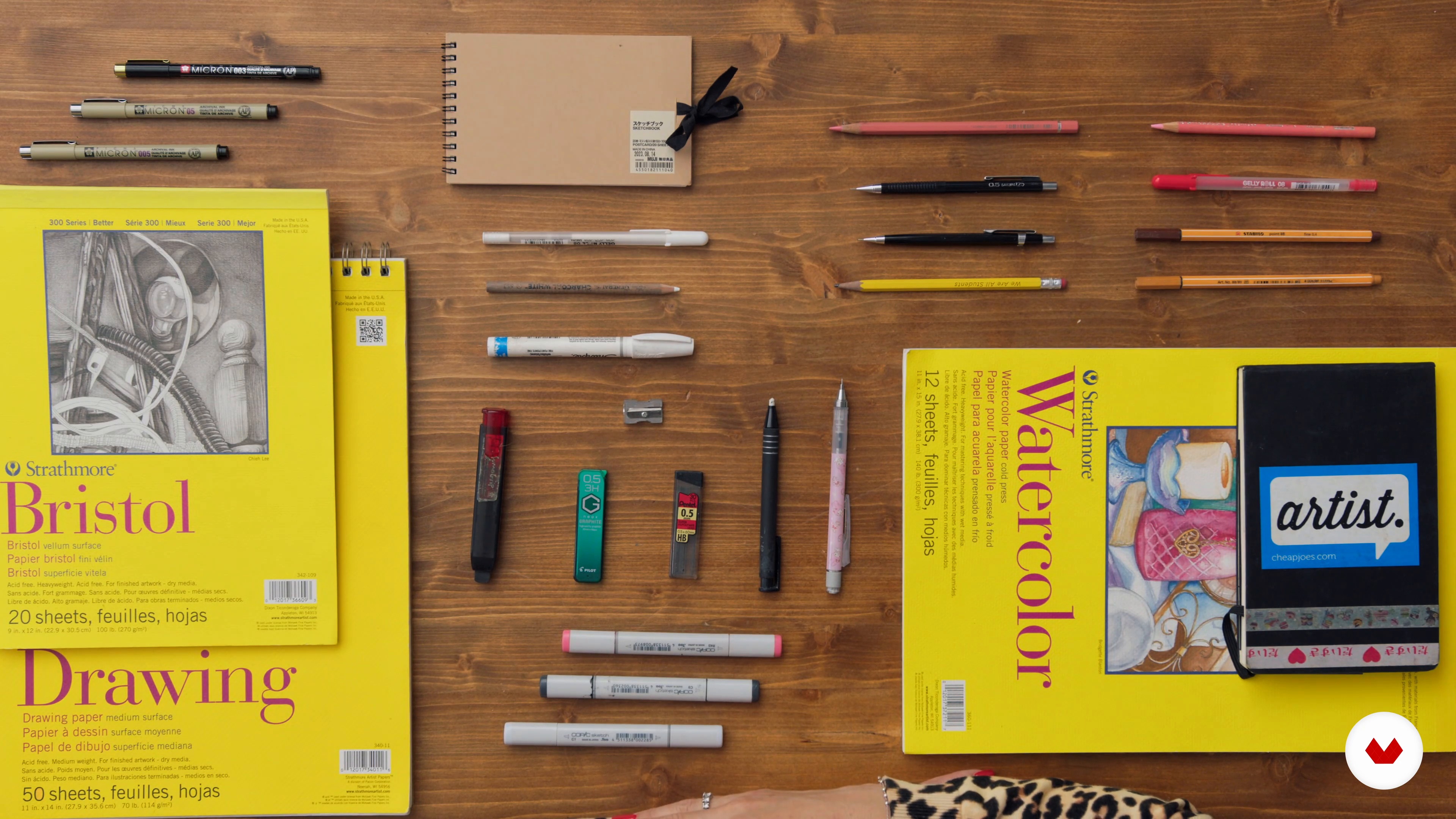
There's a world of tools and materials you can use to create your artwork. In this lesson, I'll show you the different art supplies I use for my work.
15m
image
5
Warm Up Sketches
Throughout my years as a Fashion Illustrator, I have discovered the importance of “warming up” before my drawings/illustrations of the day. This helps sharpen up your observation skills and eye, hand and pencil coordination. A quick five to ten minute drawing can set you up for a successful drawing session.
6m
image
6
Research and References
Let's begin by gathering some inspiration. In this lesson, you'll learn how to do look for inspiration and references from fashion events like red carpets and designer collections, as well as other various sources.
4m
image
7
Drawing a Character from the Waist Up
Now that you've seen how to warm up, you'll see how to start playing around within a couple design decisions by sketching a character from the bust/waist up.
13m
image
8
Fashion Illustration Proportions and Ratios
Now, I'll teach you the importance of composition, proportions and poses in Fashion Illustration. I'll cover the most common mistakes and how to solve them.
5m
image
9
How to Render Fabrics and Textures: Denim, Leather, Fabrics, Sequins 1
In this lesson, I will teach you how to render different fabrics and textures, including denim, leather, and sequins with different techniques.
18m
image
10
How to Render Fabrics and Textures: Denim, Leather, Fabrics, Sequins 2
During this second part of the lesson I'll continue teaching you some tips and tricks to create textures as realistic as possible.
20m
image
11
The Pencil Sketch
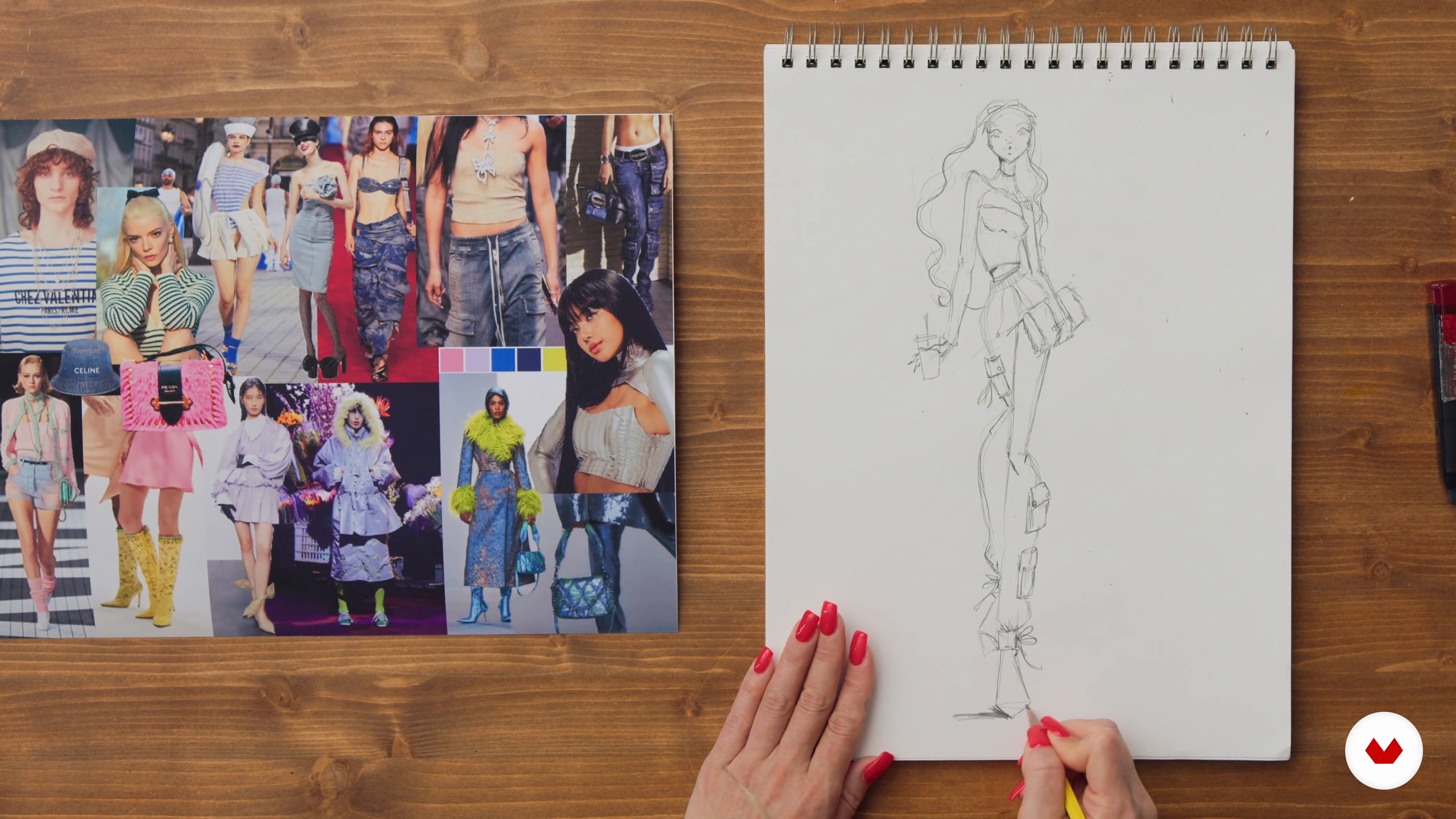
To create the full-body illustration, you'll first put the references together (mood board), choose a pose and draw the garments and accessories on it.
16m
image
12
Painting and Rendering with Watercolors 1
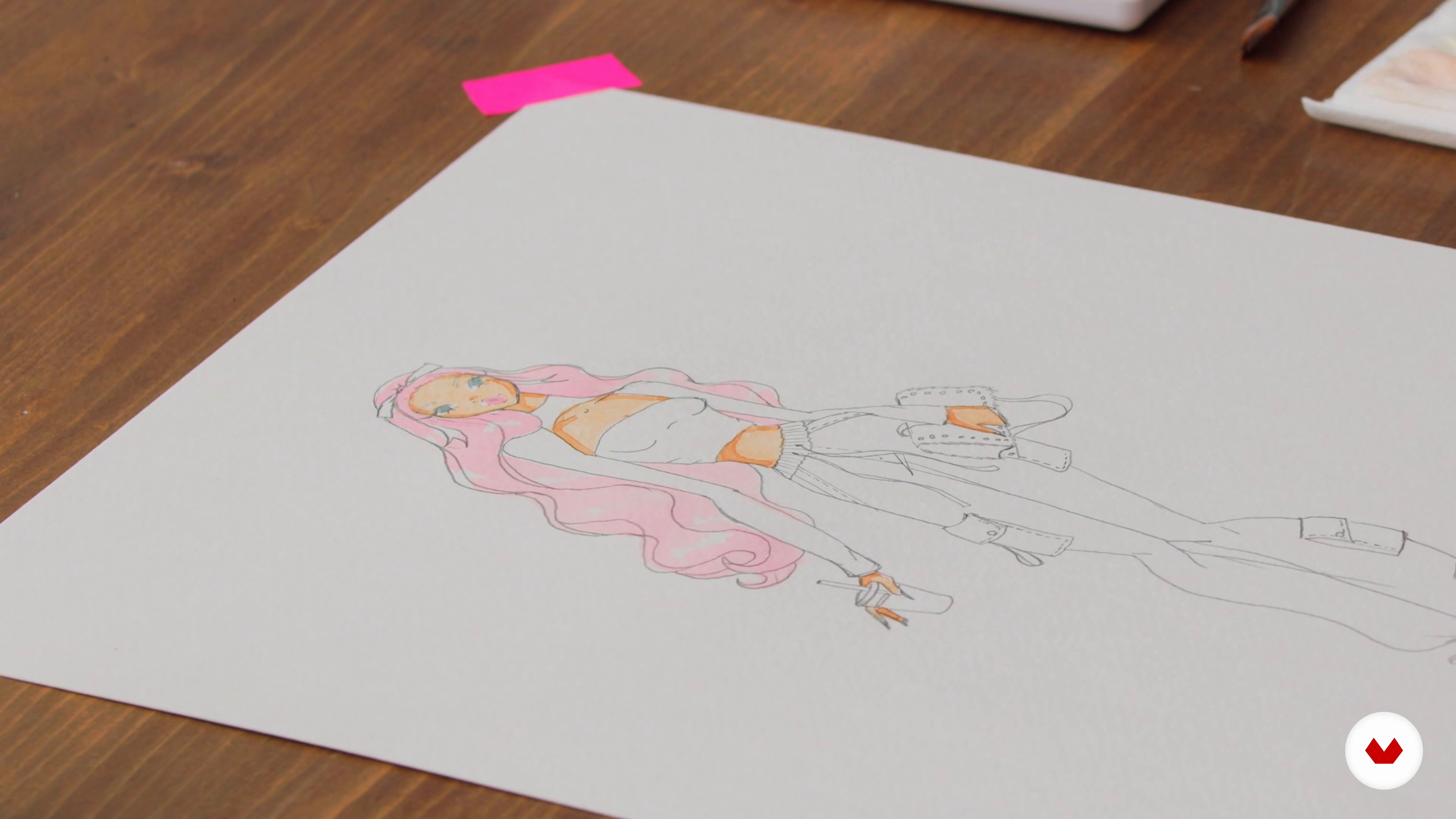
In this lesson, you'll see how to layer down the base color layers of the illustration by using watercolors. I'll also show you how a few tubes of watercolor can help you achieve a vast array of colors.
20m
image
13
Painting and Rendering with Watercolors 2
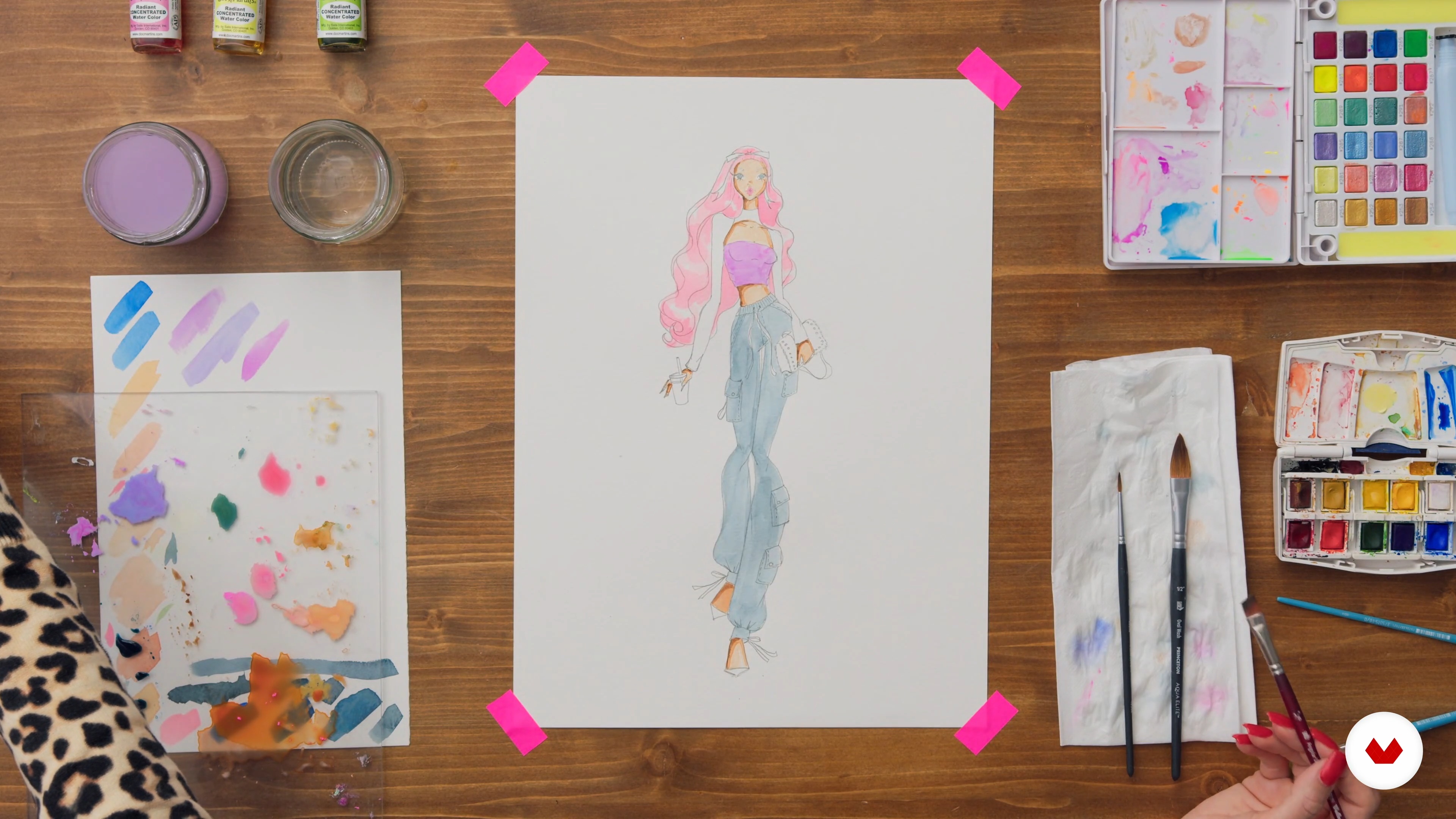
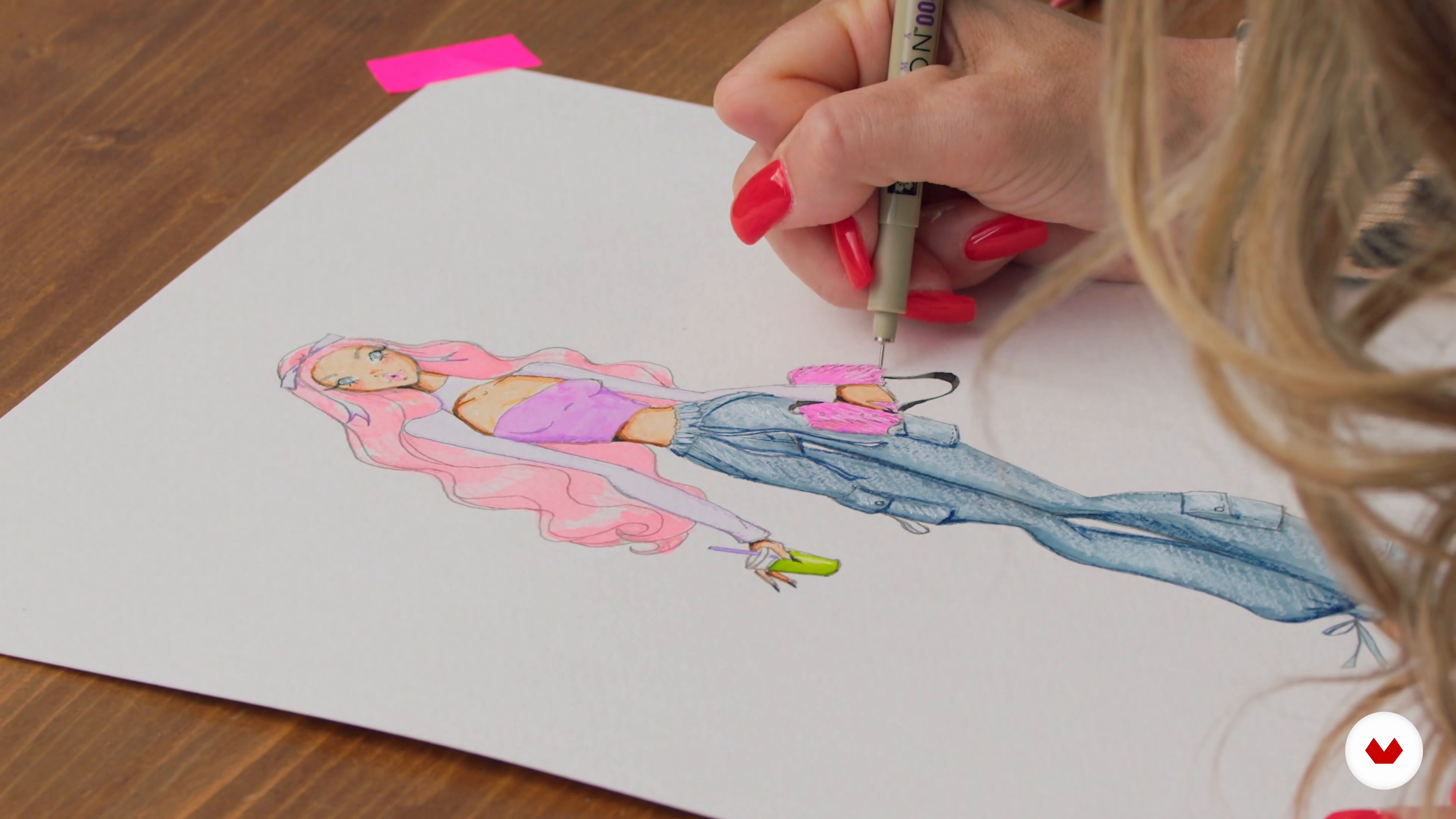
Now, you'll learn how to add shades by using some dark tones. You'll also learn how to mix custom colors, balancing blues, black, and ochre for a realistic wash effect to create a denim texture.
19m
image
14
Painting and Rendering with Watercolors 3
To finish this lesson, I'll teach you how to use various brushes to refine tiny elements like denim bows and delicate shading for a cohesive look.
14m
image
15
The Details
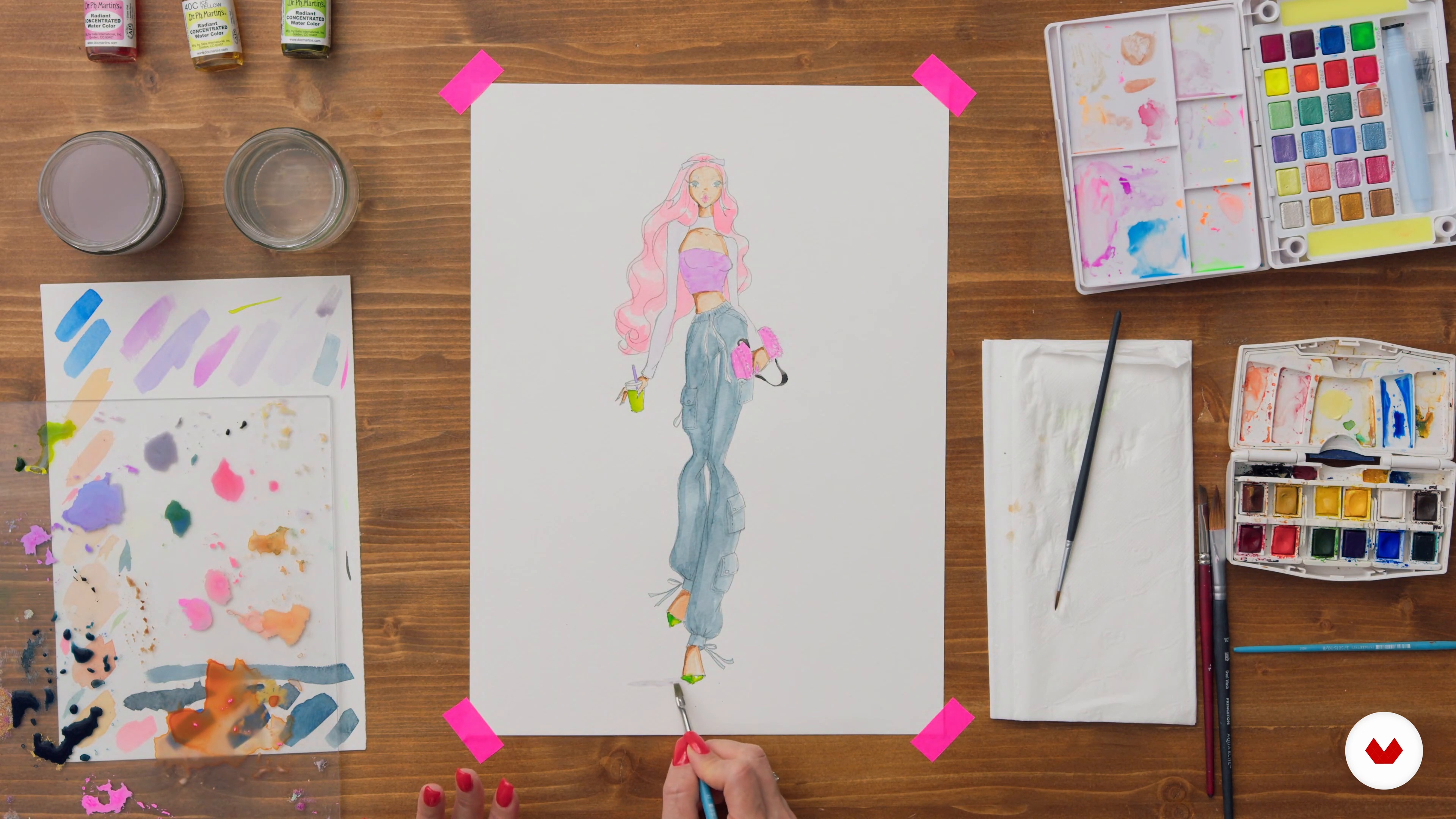
Now that the base color layers are down, I'll teach you how to add the details and dimensions. You’ll see how to do this by shading, highlighting and inking.
13m
image
16
Digitizing the Sketch
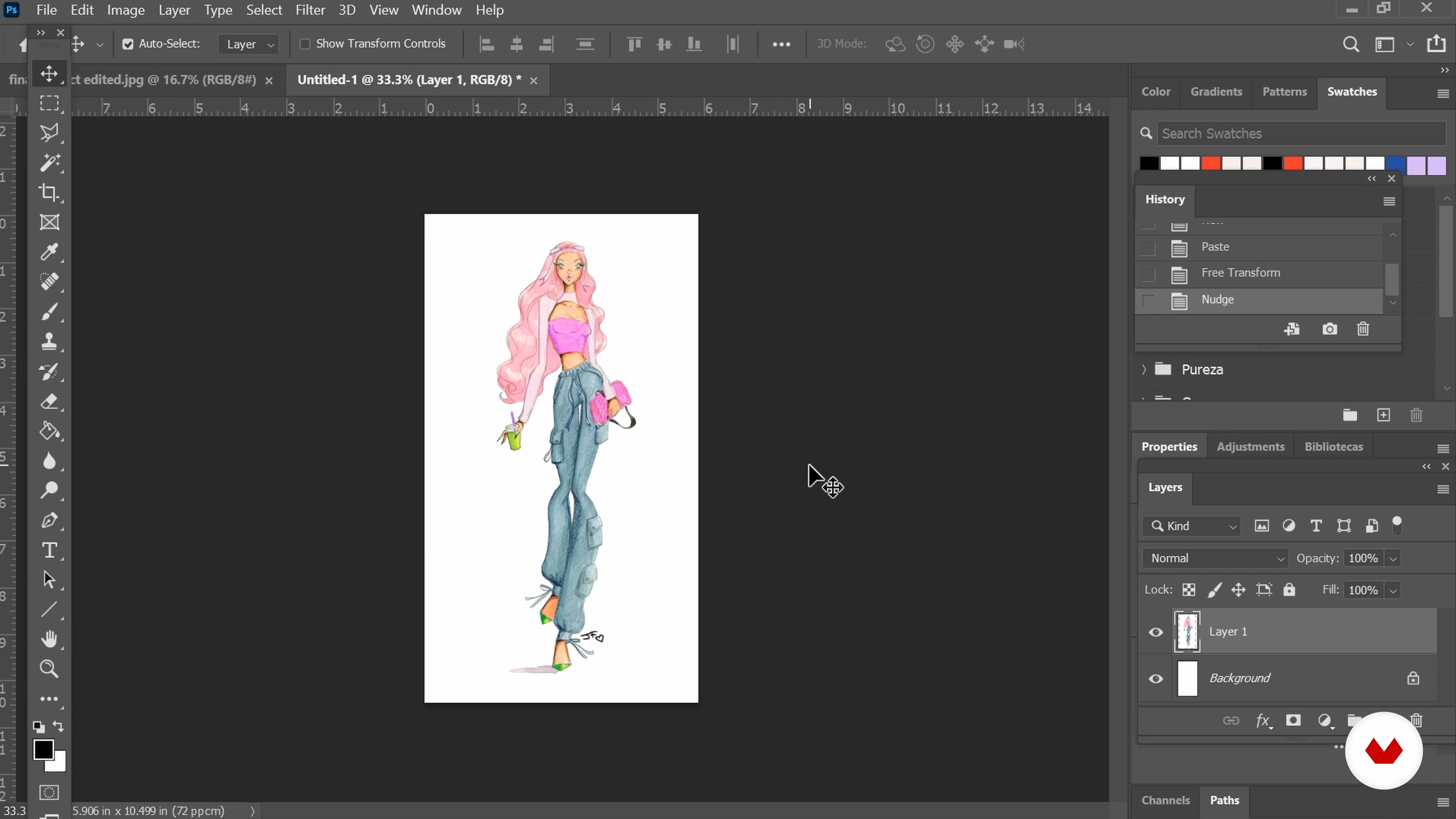
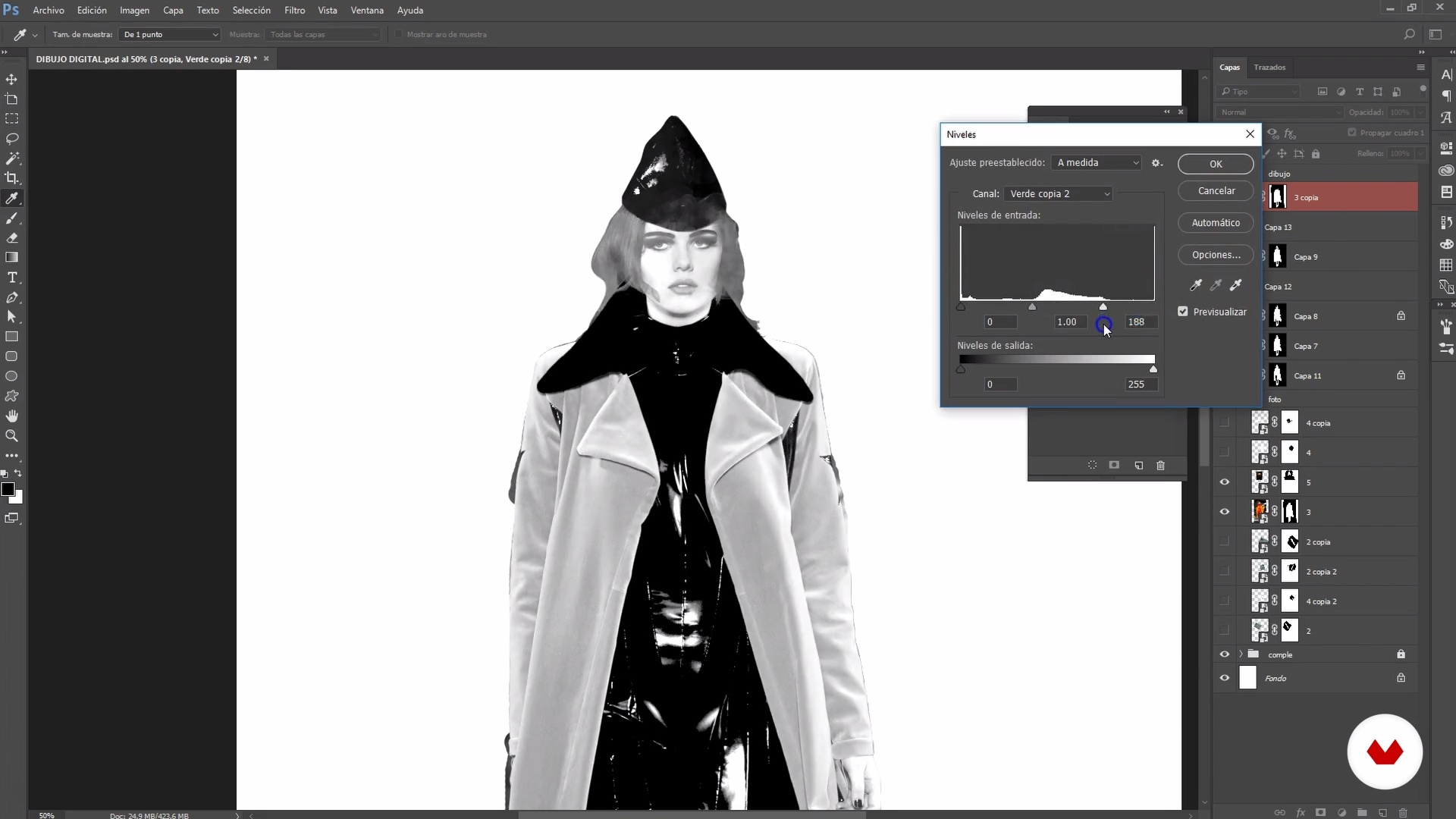
Last but not least, I'll show you how I scan and edit my illustrations using a scanner and Adobe Photoshop so that I can post them on my social media and create products with them.
20m
image
17
How to Take Your Designs to a Commercial Level
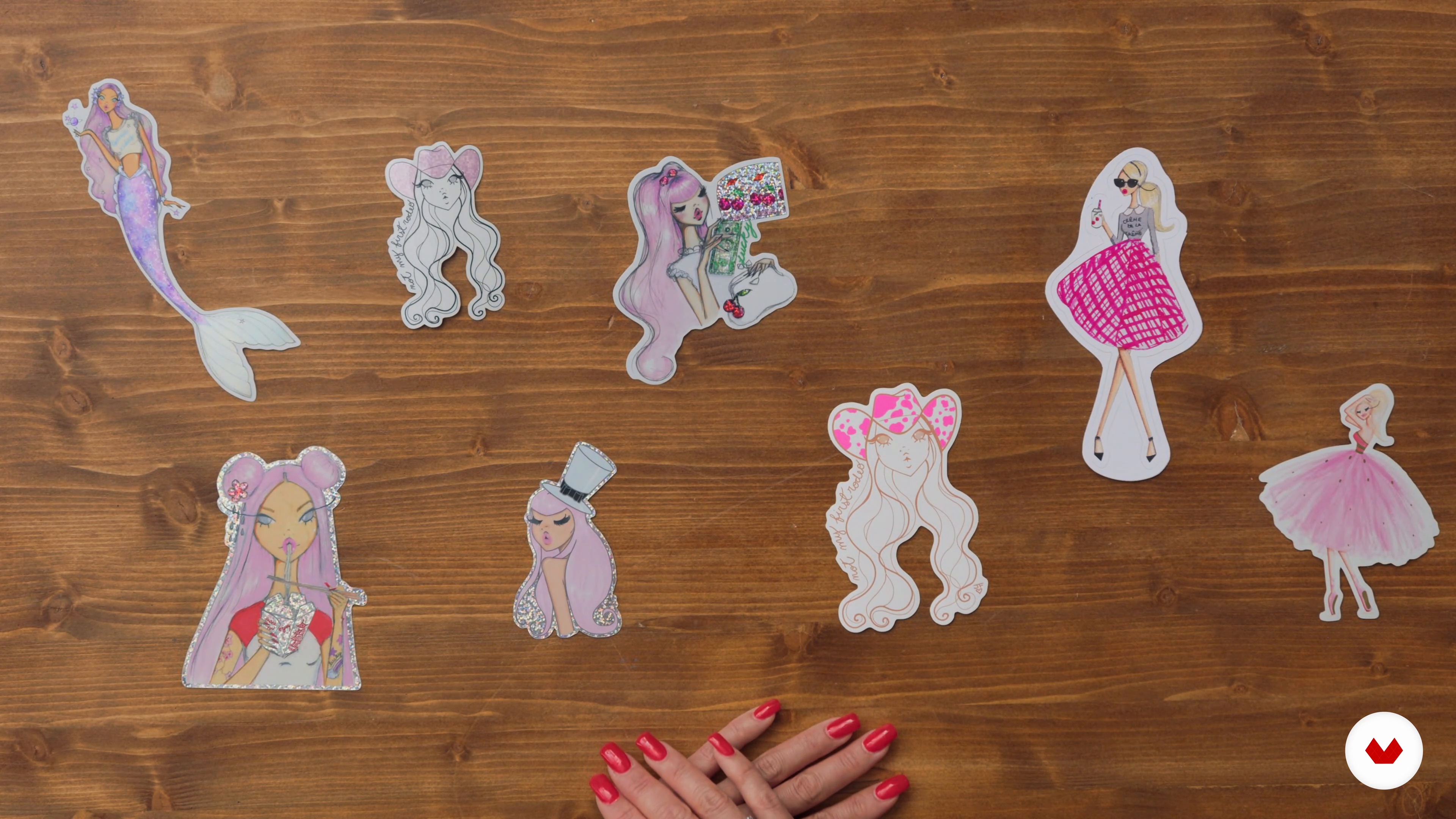
To begin with, I'll share how I went about opening my online shop, and how building my brand and social media following helped me land projects and brand collaborations as well as customers for my online shop.
6m
image
18
Best Platforms to Sell Your Products
To finish this unit, I'll share how I run my online business and the platforms I’ve used throughout the years.
3m
image
3
My Essential Painting and Drawing Supplies
Let me show you some of my favorite tried and true art supplies from my kit. I’ll show you my favorite watercolors in a range of price points, for when you want to splurge vs. save. I’ll also share what types of paper, and brushes I recommend.
9m
image
4
Playing with Watercolor
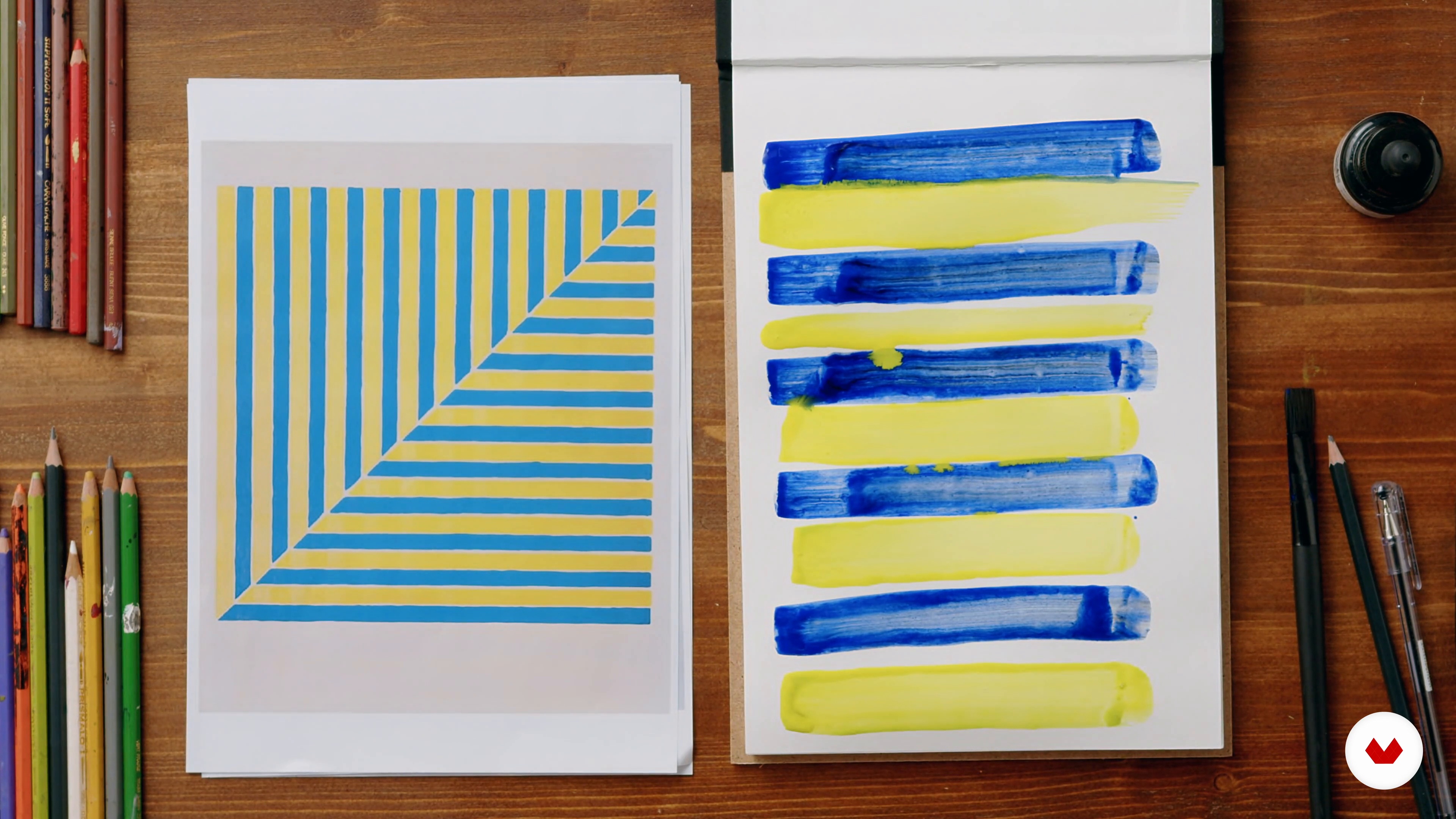
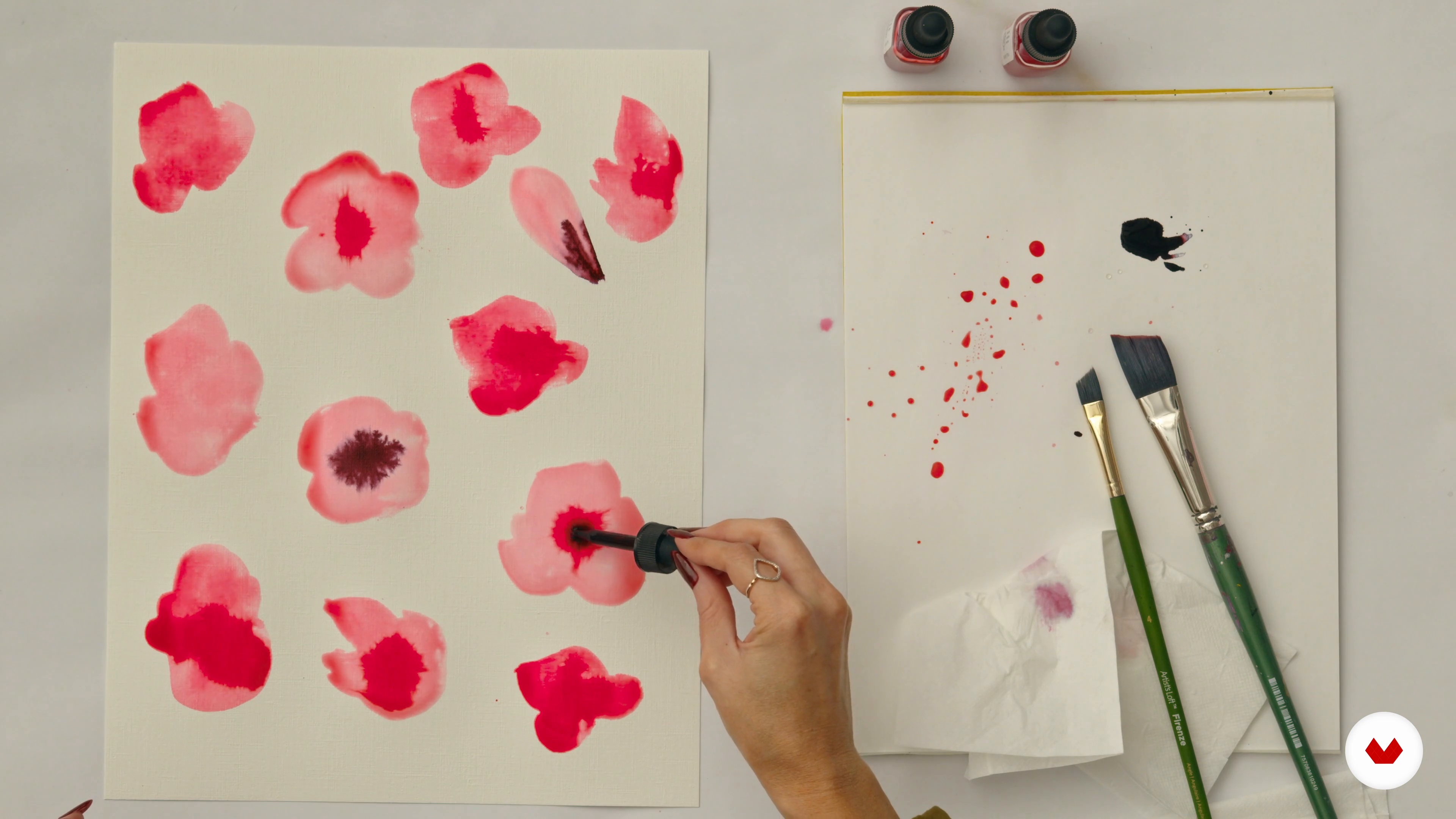
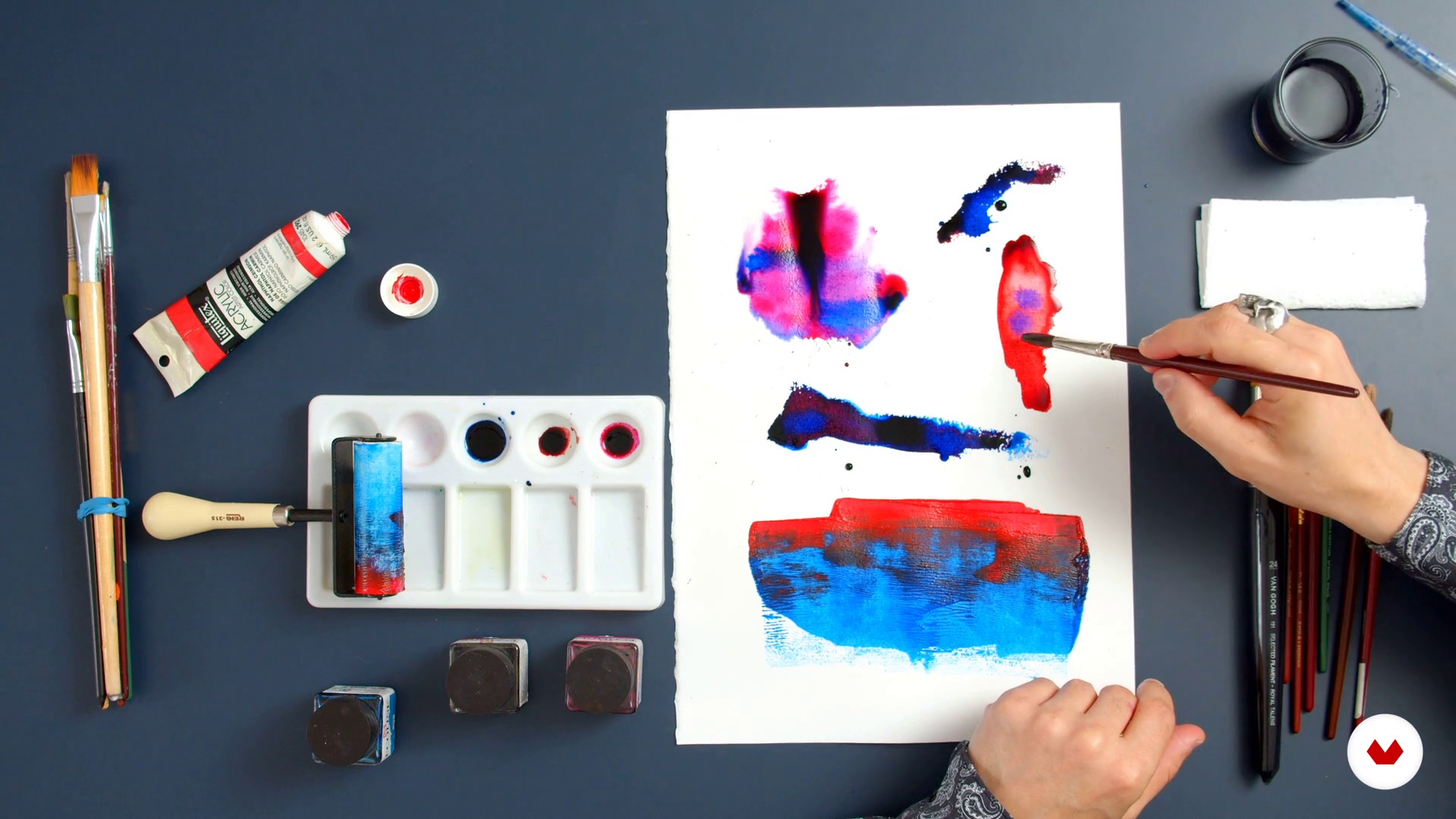
It’s time to get painting! The best part! In this lesson, I’ll teach you the technique of wet-on-wet using watercolor.
18m
image
5
Gestural Illustrations in Watercolor and Inks 1
In this lesson I guide you through a fun practice that is perfect for beginners approaching painting the figure. I love to simplify the fashion figure, and work in timed gestural sketches. We will work on them together to loosen up and build confidence in your own hand and line work.
18m
image
6
Gestural Illustrations in Watercolor and Inks 2
In this section, I will show you the result of applying the mask I explained in the previous lesson and some additional techniques.
14m
image
7
Honing your Style & Pulling Inspiration 1
As an artist so much of what you create is initially edited and filtered through our own curation of references, and inspirations. I’ll show you how to be more aware of this part of the process-through zooming out at your own work and inspiration to be more definitive with your creativity.
8m
image
8
Honing your Style & Pulling Inspiration 2
In this lesson, we delve into the captivating world of mood boards, exploring techniques to curate diverse sources of inspiration and define your unique artistic style.
16m
image
9
Abstracting and Simplifying Silhouettes
In this lesson I will demonstrate to you how I take my inspiration and create from it-and make each piece like a unique fingerprint. I will talk about carving out the figure and fashion with contrast, shadow, watercolor movement and contours. When we simplify our renderings we can learn the art of using the least amount of lines and colors to create a piece of art. I will provide you with fashion croqui templates to use as an added resource if you prefer, for your fashion illustrations in this course.
7m
image
10
Creating a Dynamic Fashion Illustration with Watercolor, Depth, and Contrast 1
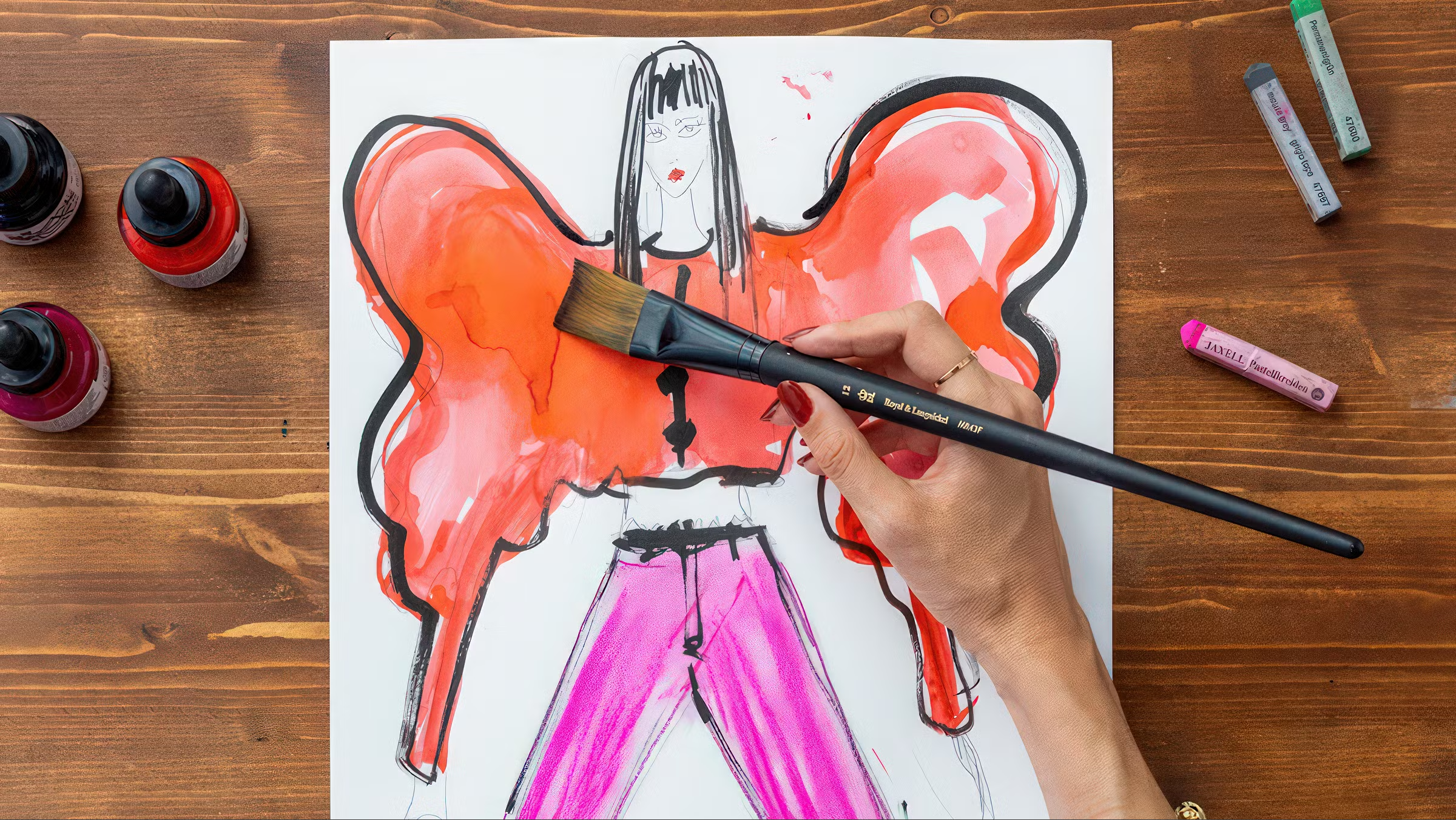
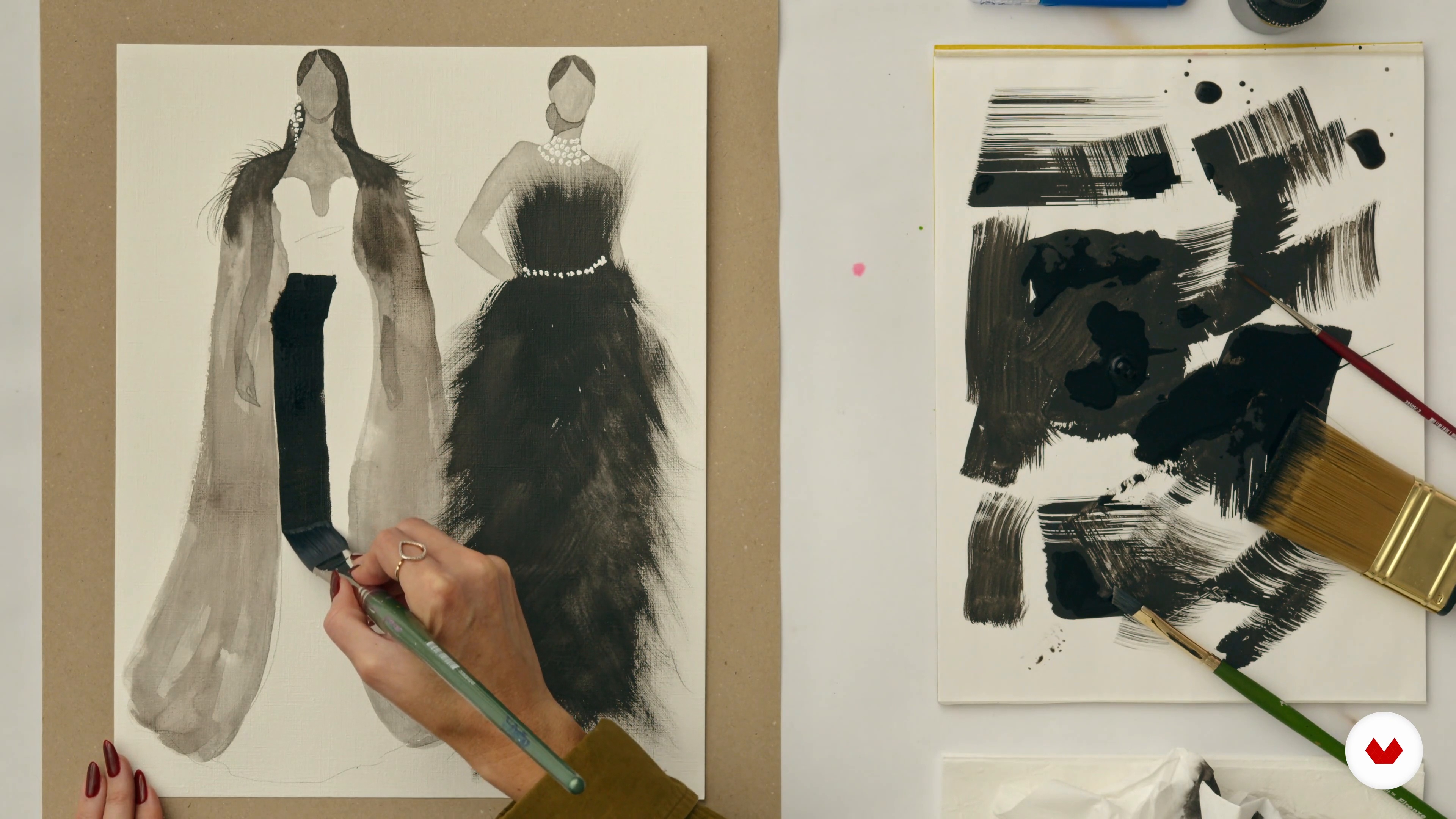
In this lesson I want to show you how to build up layers, contrast and depth and add your finishing touches and beautiful details to finalize your artworks.
16m
image
11
Creating a Dynamic Fashion Illustration with Watercolor, Depth, and Contrast 2
In this lesson, I continue working on my illustration, filling in the dress and adding details to the sleeves and boots. I explore meditative techniques while creating geometric patterns and refining design elements. The lesson also covers dealing with imperfections and the significance of details in the creative process.
19m
image
12
Imitating Sheer Fabric and Floral Applications 1
In this lesson I want to show you how to build up layers, contrast and depth and add your finishing touches and beautiful details to finalize your artworks.
18m
image
13
Imitating Sheer Fabric and Floral Applications 2
En esta fase, exploro cómo los pigmentos secos de la acuarela crean efectos fascinantes, ajustando mi enfoque a medida que evoluciona el cuadro. A continuación, me centro en una falda vaporosa utilizando una aguada gris y tinta negra para conseguir un aspecto etéreo.
7m
image
14
Scanning and Editing Your Artwork for a Slick and Professional Look
Now we will be taking all of our artworks and scanning them in high resolution, for digital editing and finalizing. I’ll show you how I edit my artwork for my professional portfolio and client projects using Photoshop.
11m
image
15
The Magic of Editing and Reconfiguring Your Art for Endless Creativity
Now that we have saved a digital copy of your artworks, now we can continue to play with the magic of editing your art! I will show you some of my favorite tricks in Photoshop for manipulating, collaging and reconfiguring your art further.
6m
image
4
Approach to fashion illustration
In this lesson you will come into contact with fashion illustration. Through a brief review of contemporary styles and trends, as well as different techniques and resources, they will serve as an approximation to this language. I will also tell you about the usefulness of illustrations, highlighting editorials, textile and advertising industry.
6m
image
5
Choice of a designer, concept and documentation
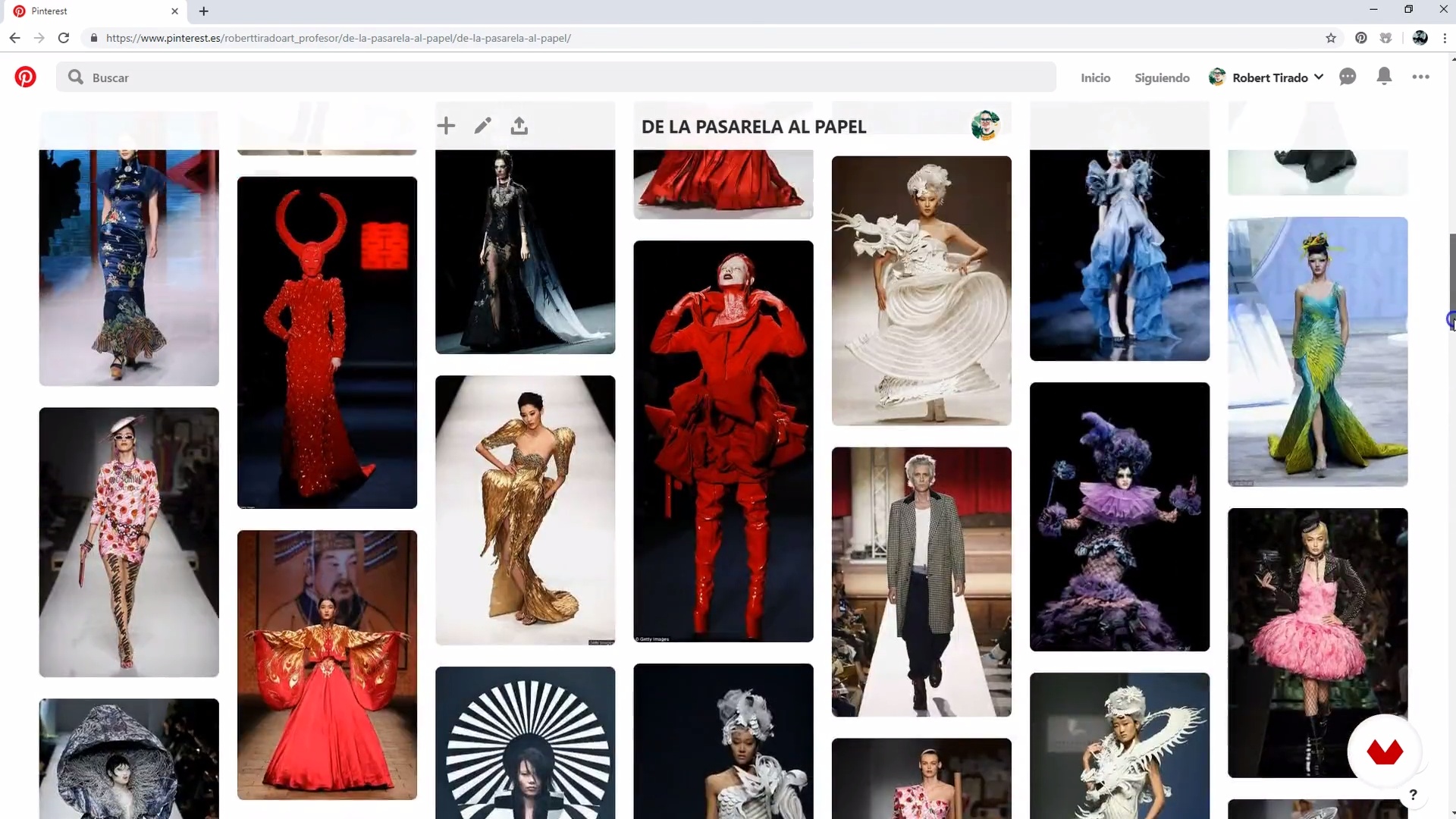
To awaken your creativity, I will briefly review the work of some contemporary fashion designers. I will tell you about their aesthetic concepts, symbology and universe. I will select the work of one in particular for the development of my illustration and its contextualization.
7m
image
6
Collage
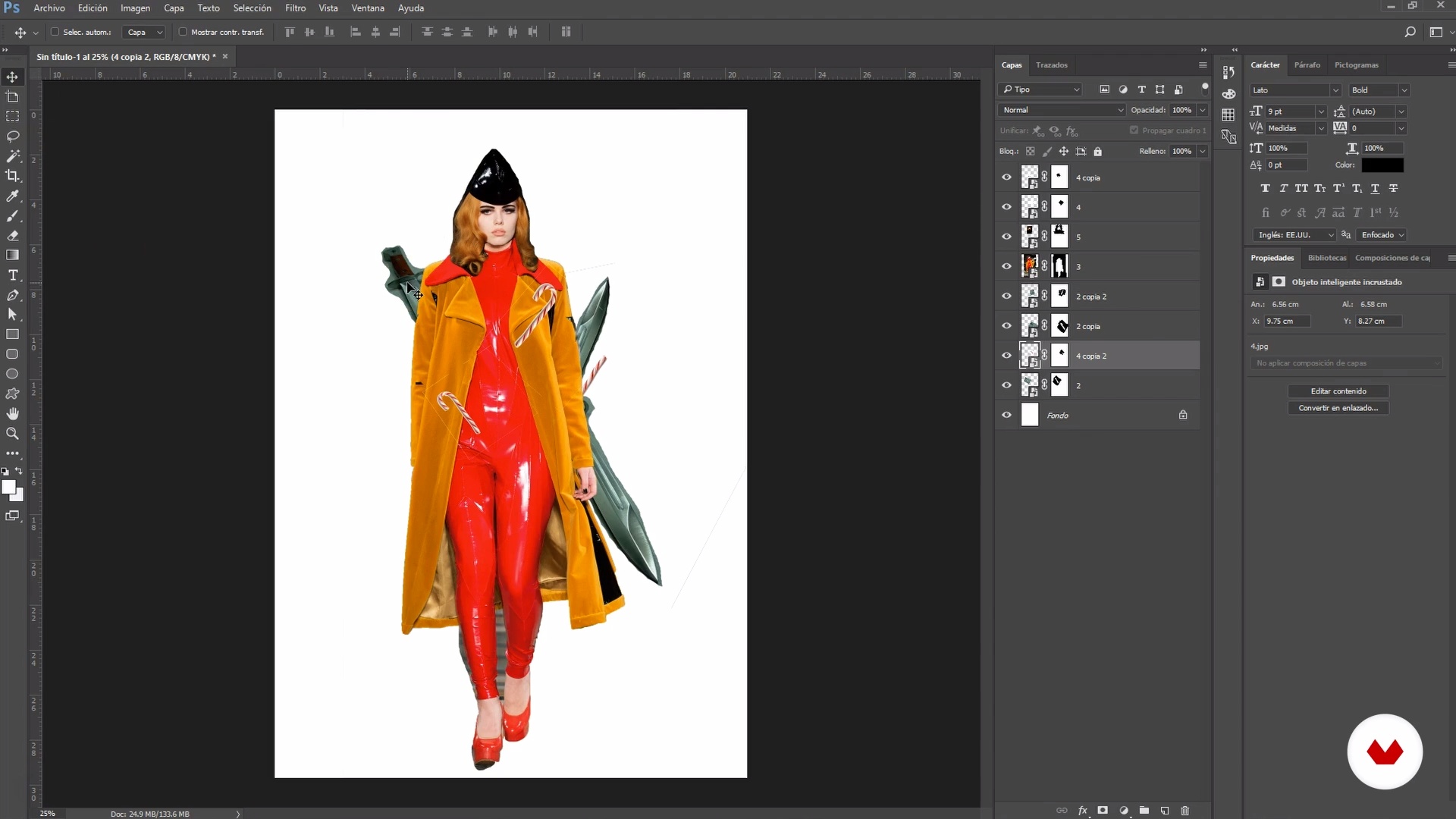
In this lesson I will tell you the advantages of collage as a composition tool. I will share some tricks and specific uses of the tools for selection, import and handling of layers, facing the colorization phase. I will explain how to integrate the images to get personal and unique references. You will make a collage with your references, which one, you will work in layers, in an orderly manner and thus leave everything prepared for the implementation of the illustration.
8m
image
7
Digital drawing + tips
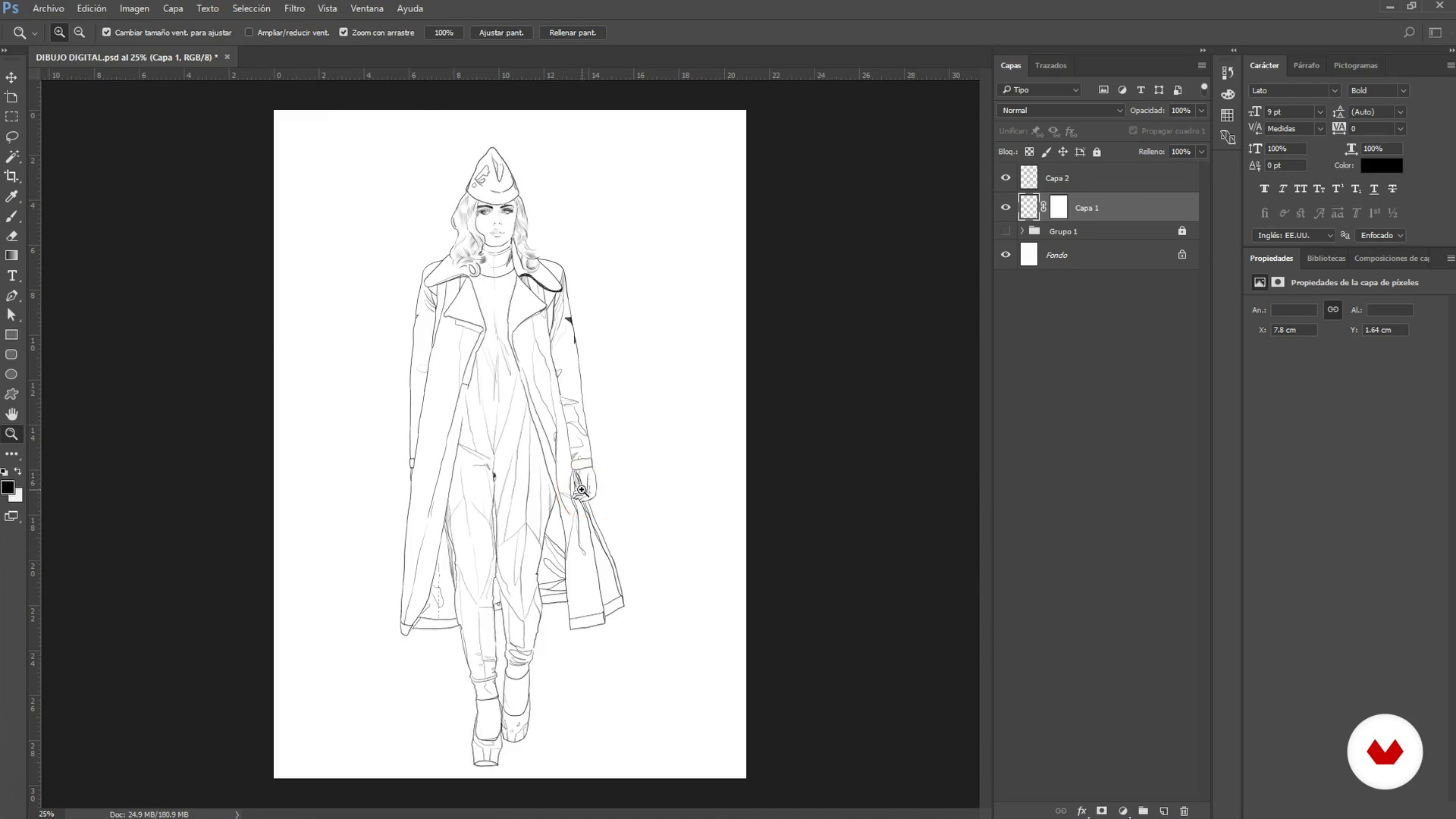
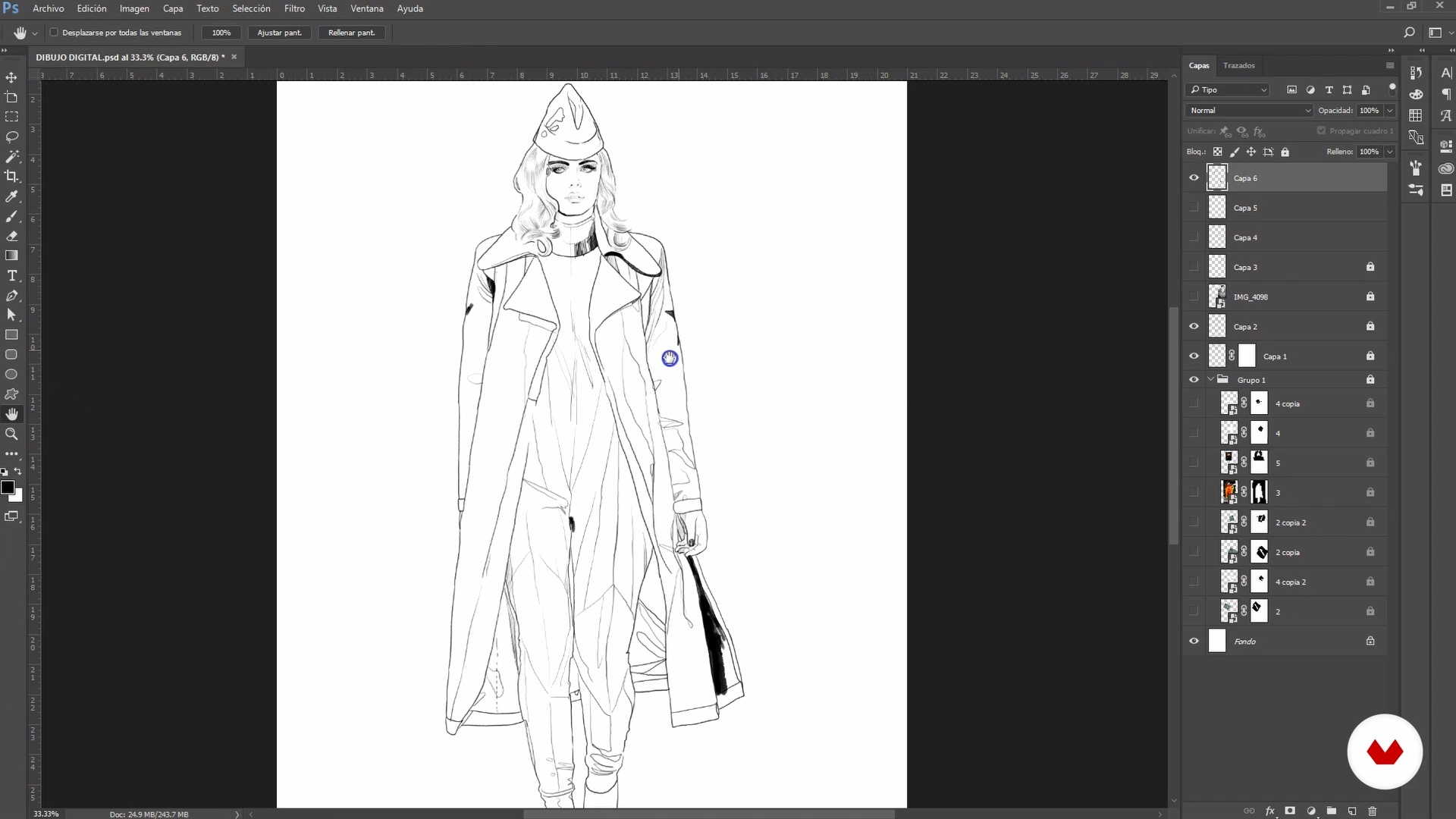
In this lesson I will teach you how to draw with the digital pen and give you some tips to start combining techniques. You will discover the advantages of working with the pencil and some of its properties. You will test the stroke with brushes and experiment with the tool settings, from a practical demonstration of its use and application on the project. Based on the reference collage, I will draw the figure, starting with the face, focusing on details such as eyes, lips, nose, chin, etc. In addition, I will show you the differences between a male and a female face. Also, I will tell you about the way I represent hair and different visual textures such as skin, folds of fabrics and how to draw accessories and objects.
14m
image
8
Digital drawing + tips II
Second part: digital drawing + tips
17m
image
9
Creation of textures and brushes
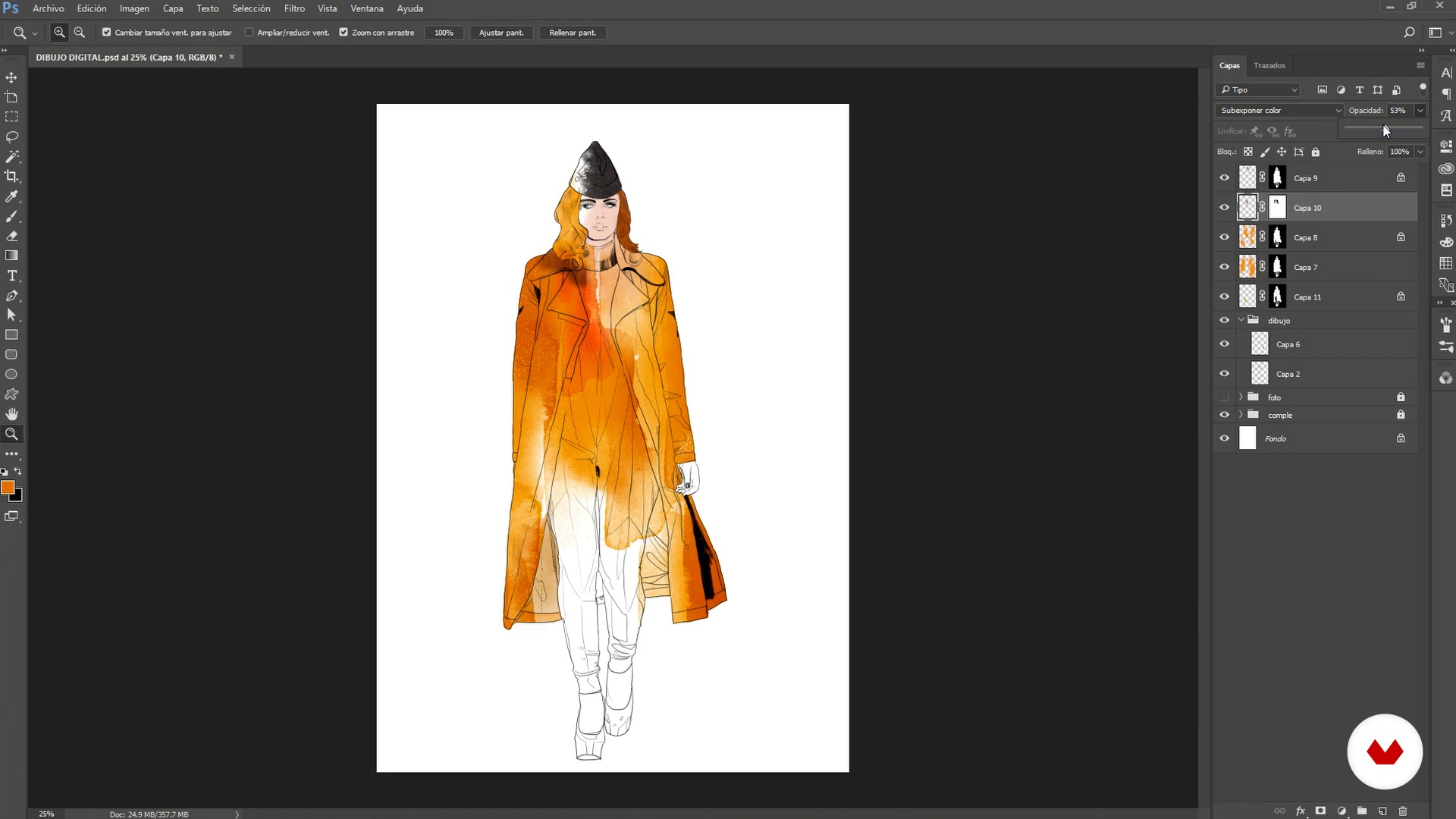
In this lesson I will talk about the advantages you will find in the combination of techniques. I will teach you different ways to apply traditional techniques, I will give you some recommendations and guidelines. I will make a demonstration with materials such as watercolor, aniline or acrylic on watercolor paper to generate various stains and textures. With the help of a scanner, I will digitize the textures to generate a small bank of resources that I will reserve for the colorization process in Photoshop. Then, I will convert some textures into brushes. I will explain how to take advantage of Photoshop layer blending modes and some properties of the brush tool.
15m
image
10
Color and combination of tools
In this lesson I will explain how to combine the textures and brushes that are part of our resource bank. Also, I will teach you how to color the illustration step by step, based on the details present on the face.
10m
image
11
My technical tricks
In this lesson I will explain some spray tricks and digital watercolor. I will print character to the illustration by means of strokes that reinforce the interpretation of the images. I will play with photoshop blending modes and with transparencies to generate depth and represent details to visually enrich the image.
16m
image
12
Integration of the set, retouching and background
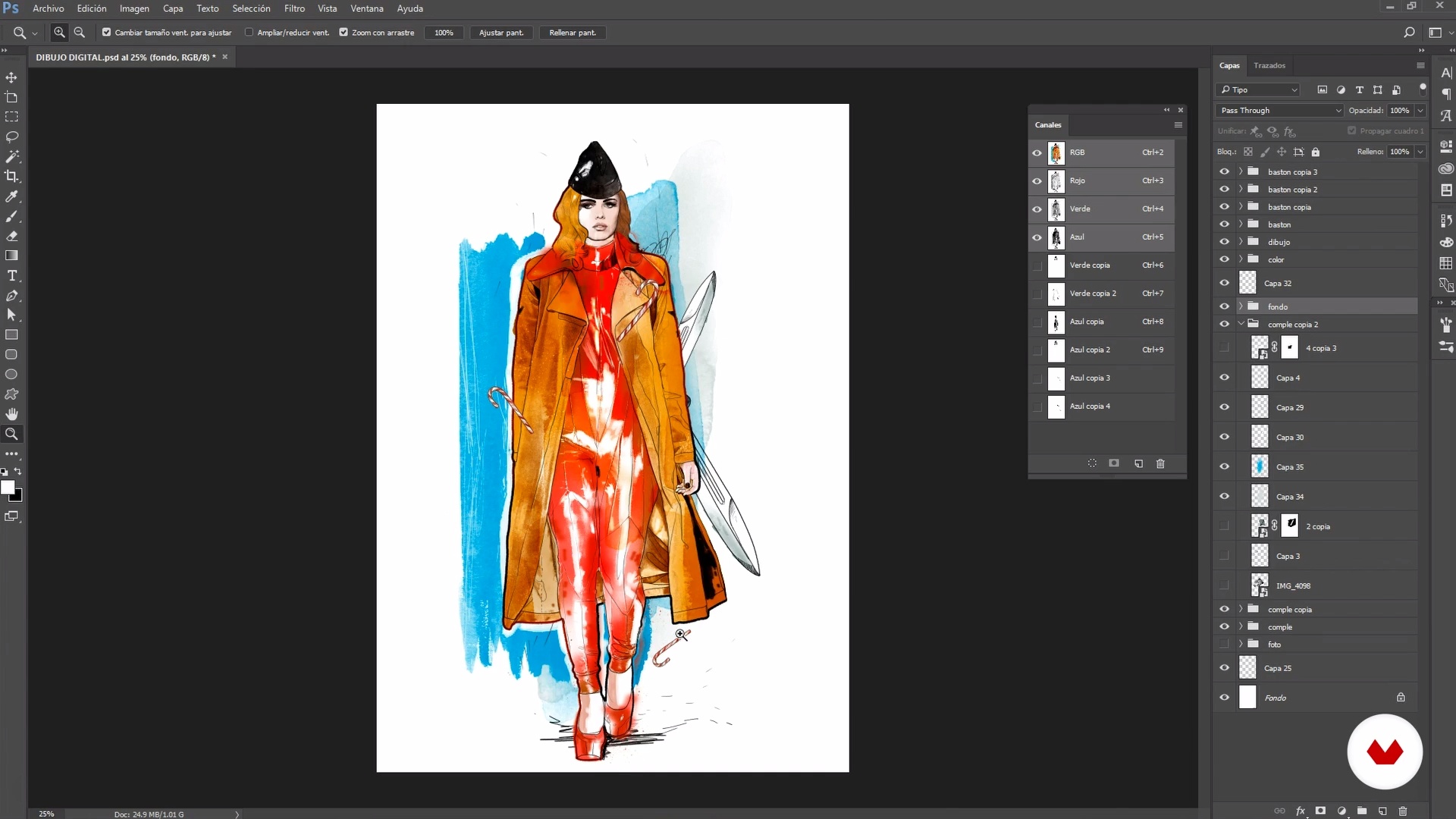
In this lesson I will teach you how to make the necessary adjustments to achieve greater visual impact on your composition, taking up the principle of composition. I will explain how to make the background and above all, ways to retouch the illustration and highlight some details that will make the piece a unique and very personal work.
17m
image
13
Presentation on paper / mockup
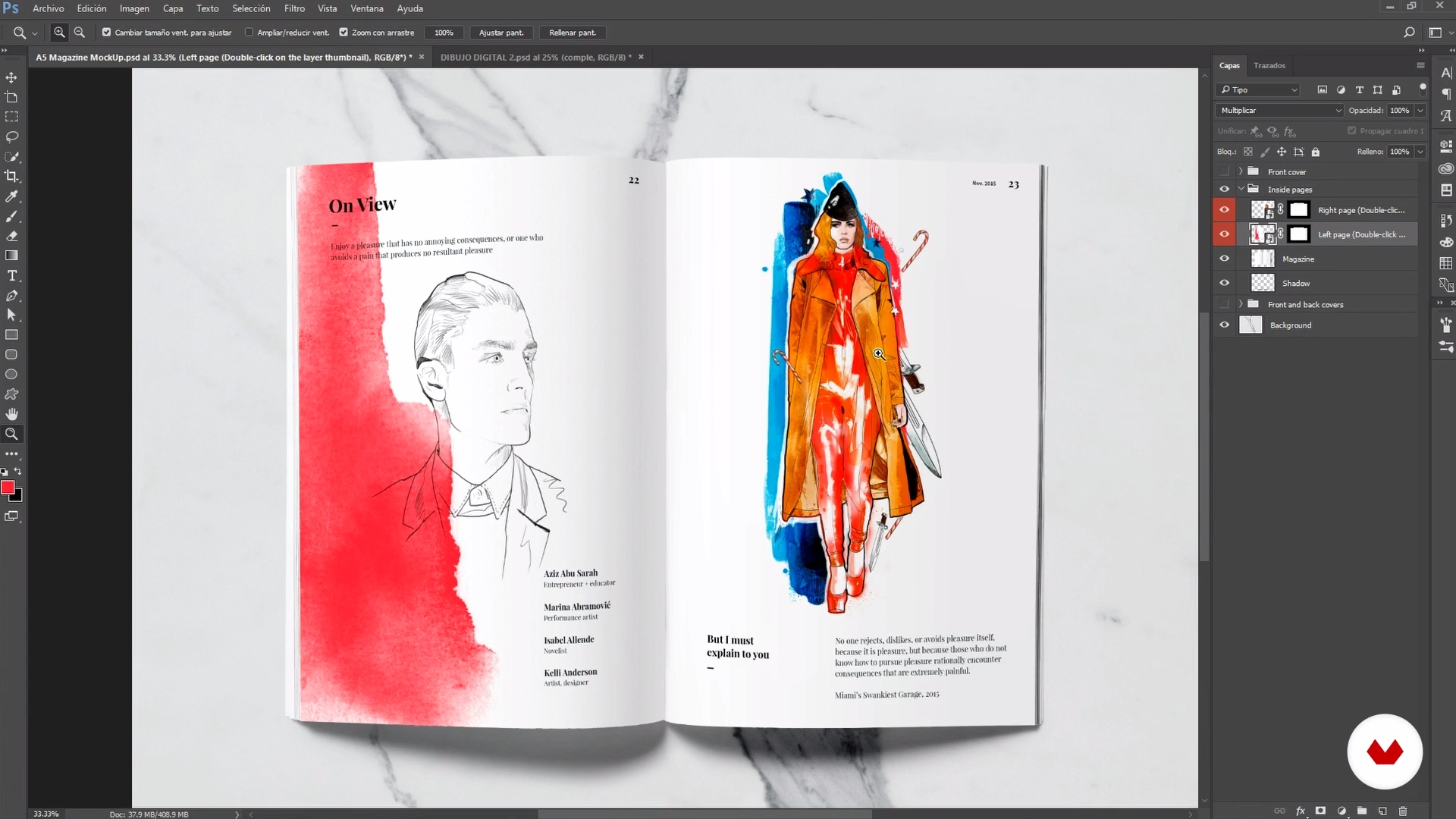
In this lesson I will talk about the importance of how to present the work. I will explain what it is and how a mockup is used. Finally, I will select a magazine mockup to teach you how to assemble the illustration for the presentation of the final project.
9m
  • 12 students
  • 70 lessons (13h 48m)
  • 105 additional resources (36 files)
  • Online and at your own pace
  • Audio: English, German, Spanish, Italian, Portuguese
  • Spanish · English · Portuguese · German · French · Italian · Polish · Dutch · Turkish · Romanian · Indonesian
  • Level: Beginner
  • Unlimited access forever

What is this course's project?
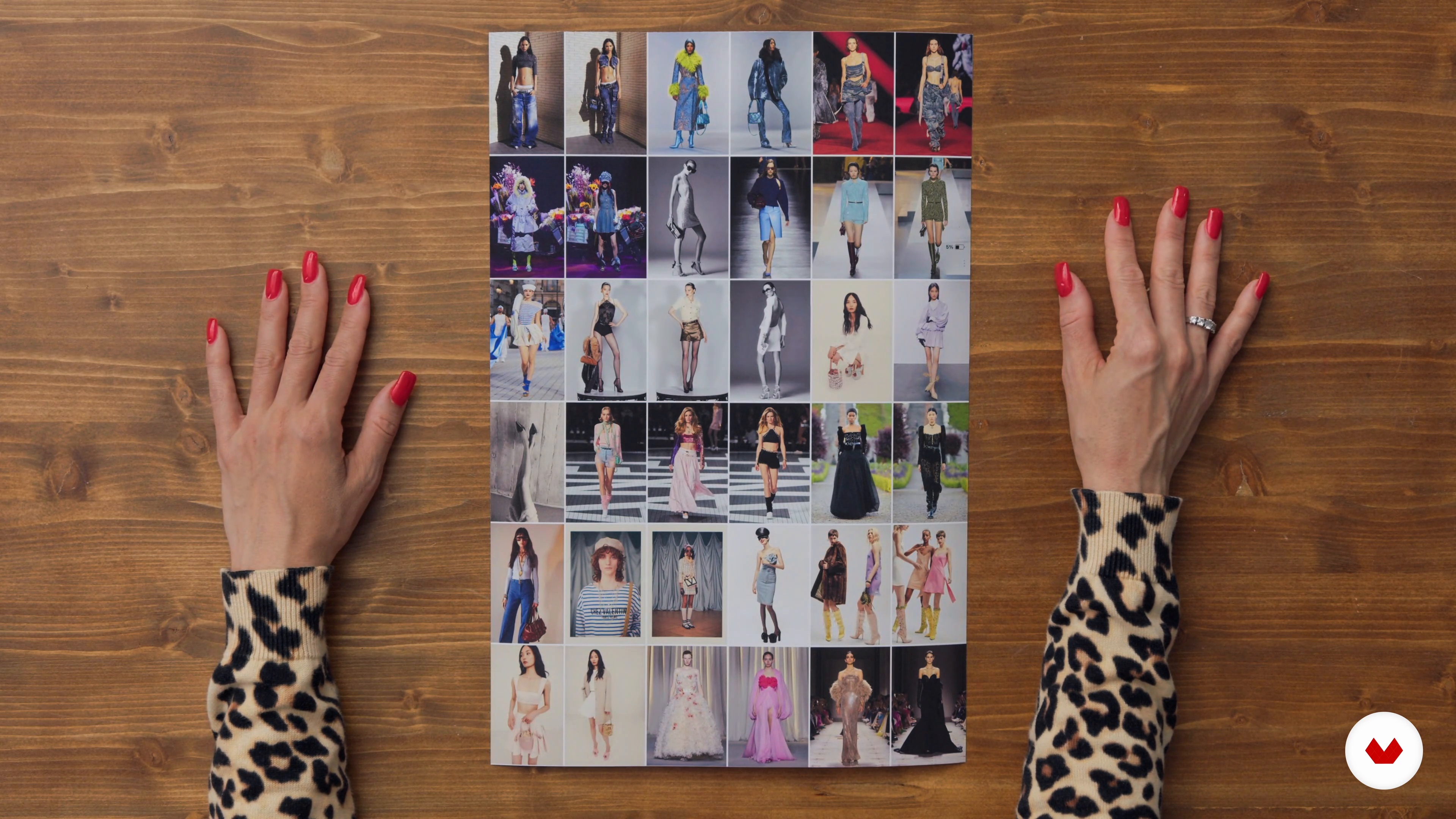
Create a complete fashion illustration portfolio showcasing your unique creative voice, mastery of diverse techniques, ability to depict realistic textures and fabrics, watercolor specialization, and skills in digital integration, all ready for professional presentation.

Who is this specialization for?

Aspiring fashion illustrators and designers seeking to elevate their skills will find this course ideal. It guides creatives in mastering diverse techniques, refining their unique artistic voice, and connecting their work with the professional fashion industry.

Requirements and materials

No extensive prior knowledge is necessary, though a basic understanding of fashion illustration concepts is beneficial. Required materials include sketchbooks, various art supplies like watercolors, markers, and pastels, and access to digital tools for editing and presentation.


Select to get to know your teachers in this specialization course
Read more ↓

What to expect from this specialization course

  • Learn at your own pace

    Enjoy learning from home without a set schedule and with an easy-to-follow method. You set your own pace.

  • Learn from the best professionals

    Learn valuable methods and techniques explained by top experts in the creative sector.

  • Meet expert teachers

    Each expert teaches what they do best, with clear guidelines, true passion, and professional insight in every lesson.

  • Certificates
    Plus

    If you're a Plus member, get a custom certificate for every specialization course. Share it on your portfolio, social media, or wherever you like.

  • Get front-row seats

    Videos of the highest quality, so you don't miss a single detail. With unlimited access, you can watch them as many times as you need to perfect your technique.

  • Share knowledge and ideas

    Ask questions, request feedback, or offer solutions. Share your learning experience with other students in the community who are as passionate about creativity as you are.

  • Connect with a global creative community

    The community is home to millions of people from around the world who are curious and passionate about exploring and expressing their creativity.

  • Watch professionally produced courses

    Domestika curates its teacher roster and produces every course in-house to ensure a high-quality online learning experience.


FAQs

Domestika courses are online classes that allow you to learn new skills and create incredible projects. All our courses include the opportunity to share your work with other students and/or teachers, creating an active learning community. We offer different formats:
Original Courses: Complete classes that combine videos, texts, and educational materials to complete a specific project from start to finish.
Basics Courses: Specialized training where you master specific software tools step by step.
Specialization Courses: Learning paths with various expert teachers on the same topic, perfect for becoming a specialist by learning from different approaches.
Guided Courses: Practical experiences ideal for directly acquiring specific skills.
Intensive Courses (Deep Dives): New creative processes based on artificial intelligence tools in an accessible format for in-depth and dynamic understanding.

All specialization courses are 100% online, so once they're published, specialization courses start and finish whenever you want. You set the pace of the class. You can go back to review what interests you most and skip what you already know, ask questions, answer questions, share your projects, and more.

The specialization courses are divided into different modules. Each one includes lessons, informational text, tasks, and practice exercises to help you carry out your project step by step, with additional complementary resources and downloads. You'll also have access to an exclusive forum where you can interact with other students, as well as share your work and your final project, creating a community around the specialization courses.

You can redeem the specialization courses you received by accessing the redeeming page and entering your gift code.

If you're a Plus member, when you complete a course you've purchased, you'll instantly get your personalized certificate. You can see all your certificates in the Certificates section of your profile. You can download your certificates as PDFs and share the link online. Learn more about certificates.
Specialization in Fashion Illustration. Illustration, and Fashion course by Domestika

Specialization in Fashion Illustration

A specialization by multiple teachers
Berkeley, United States.
Joined April 2002
  • 12 students