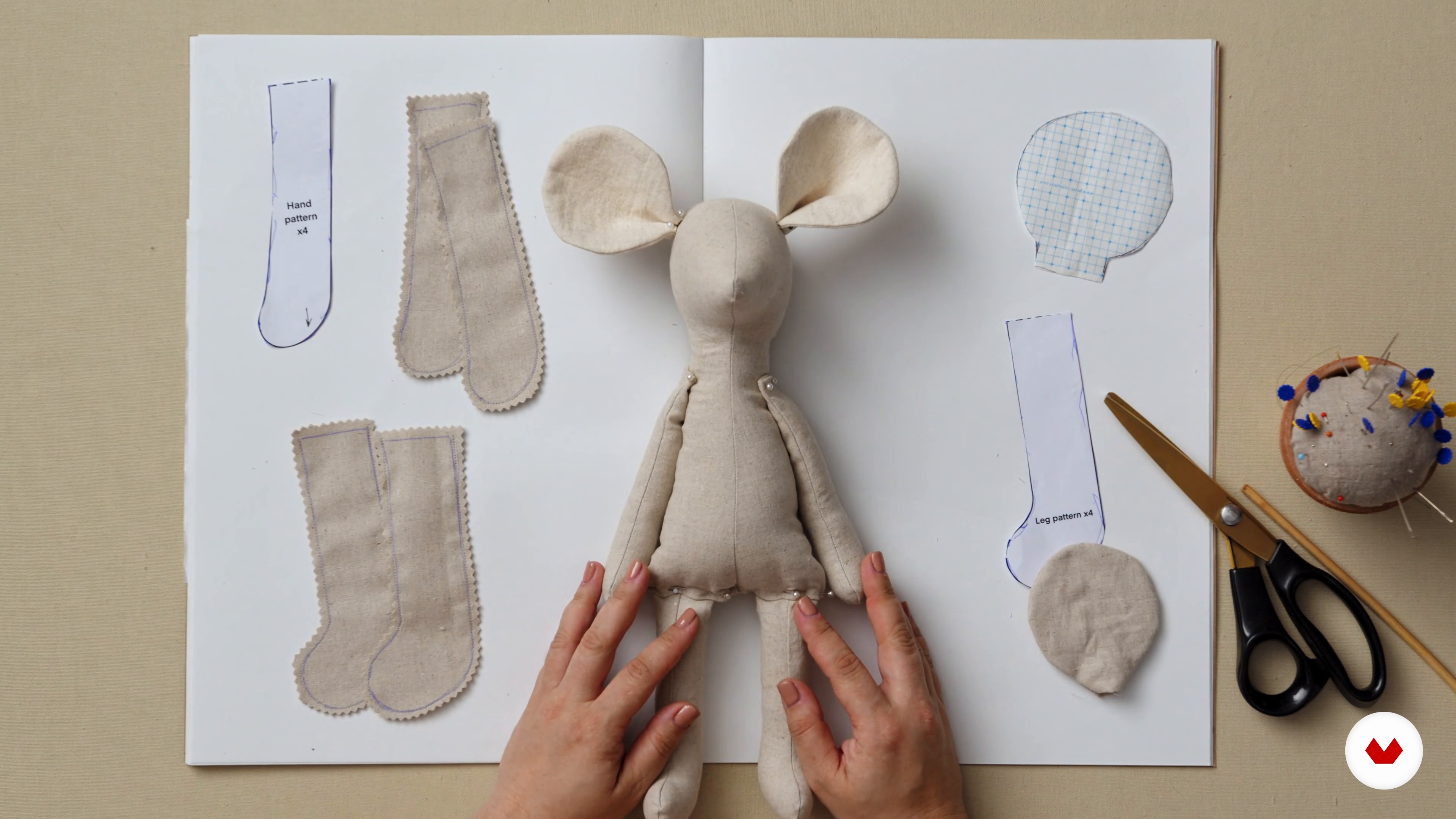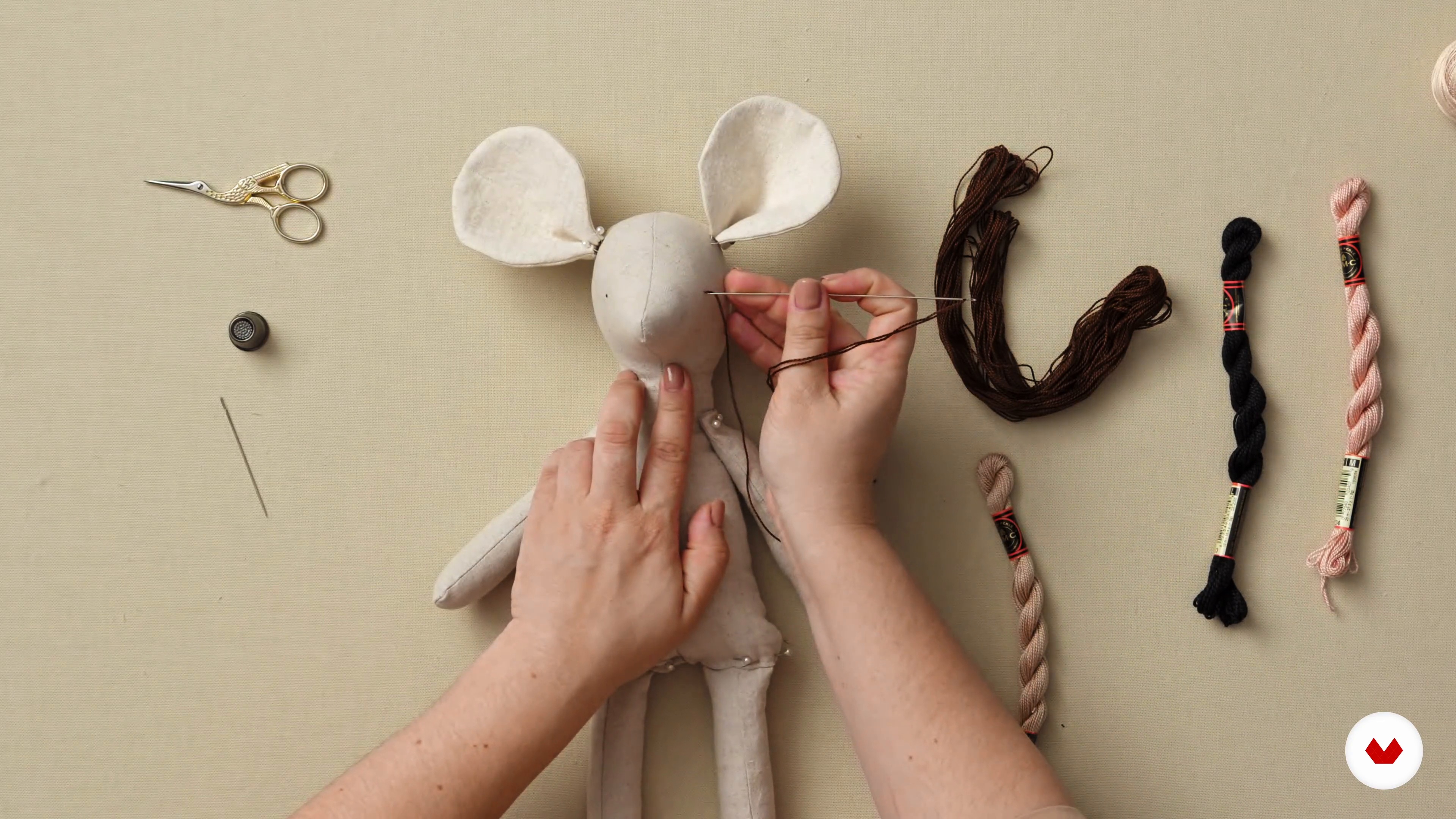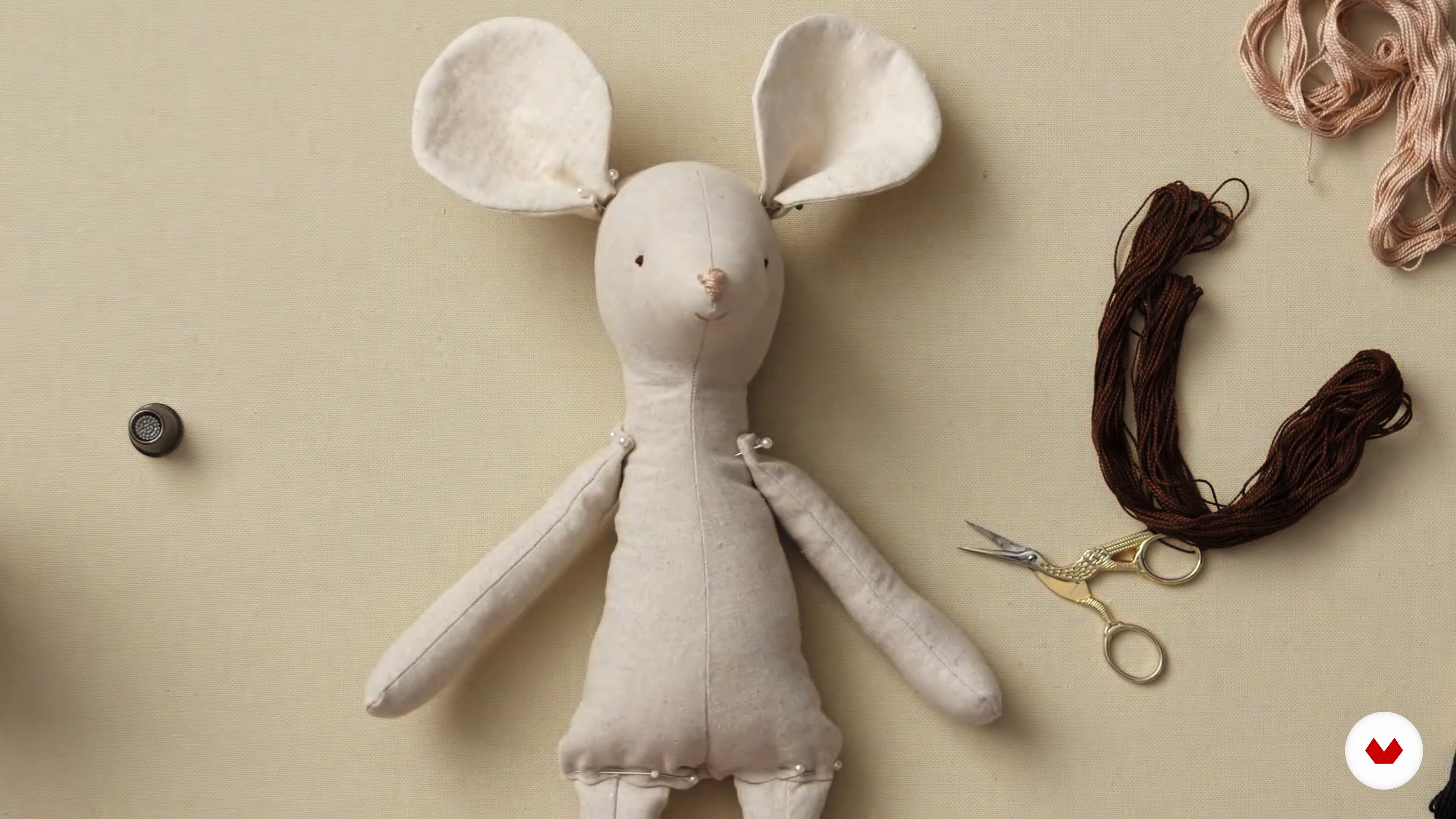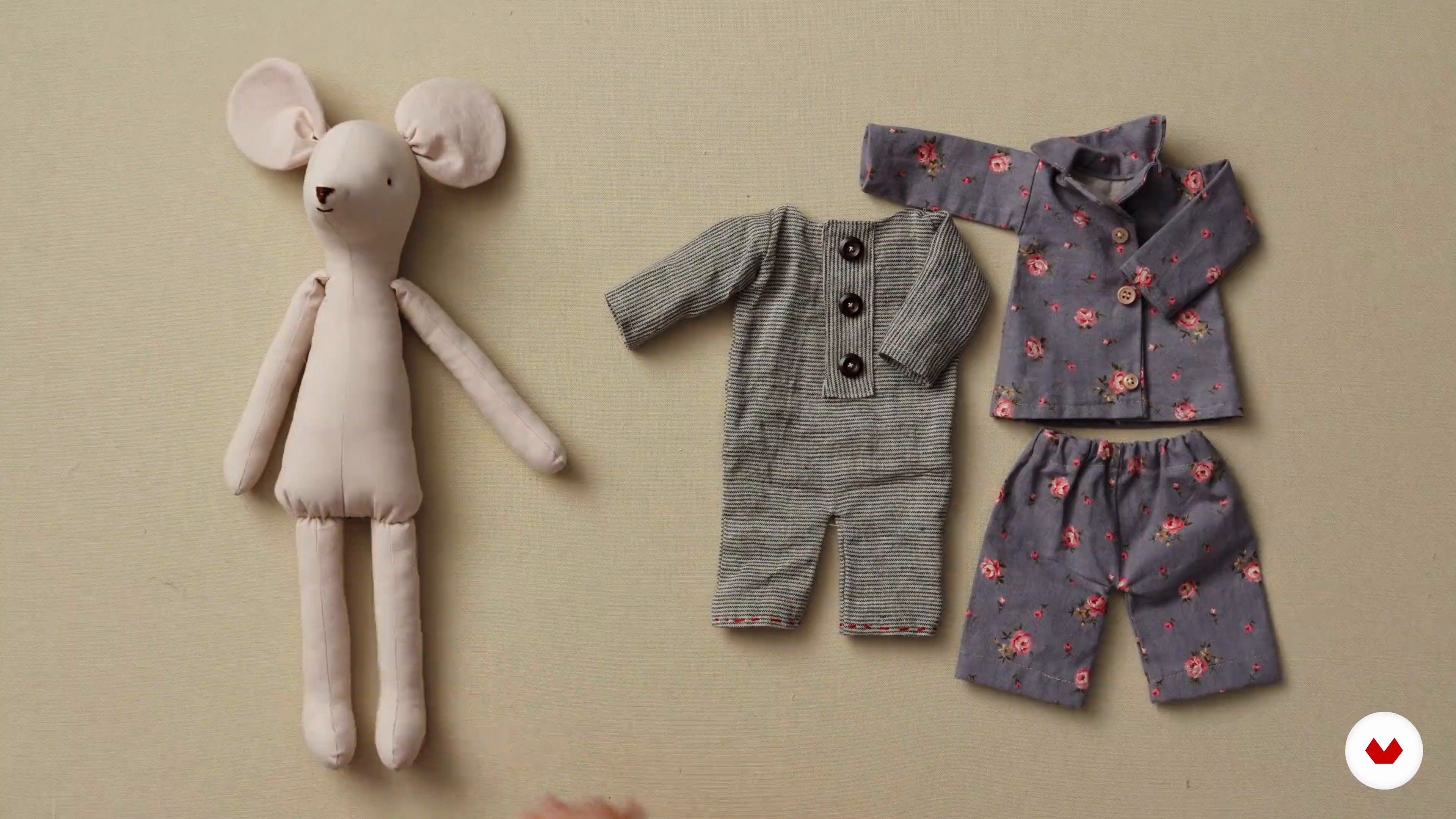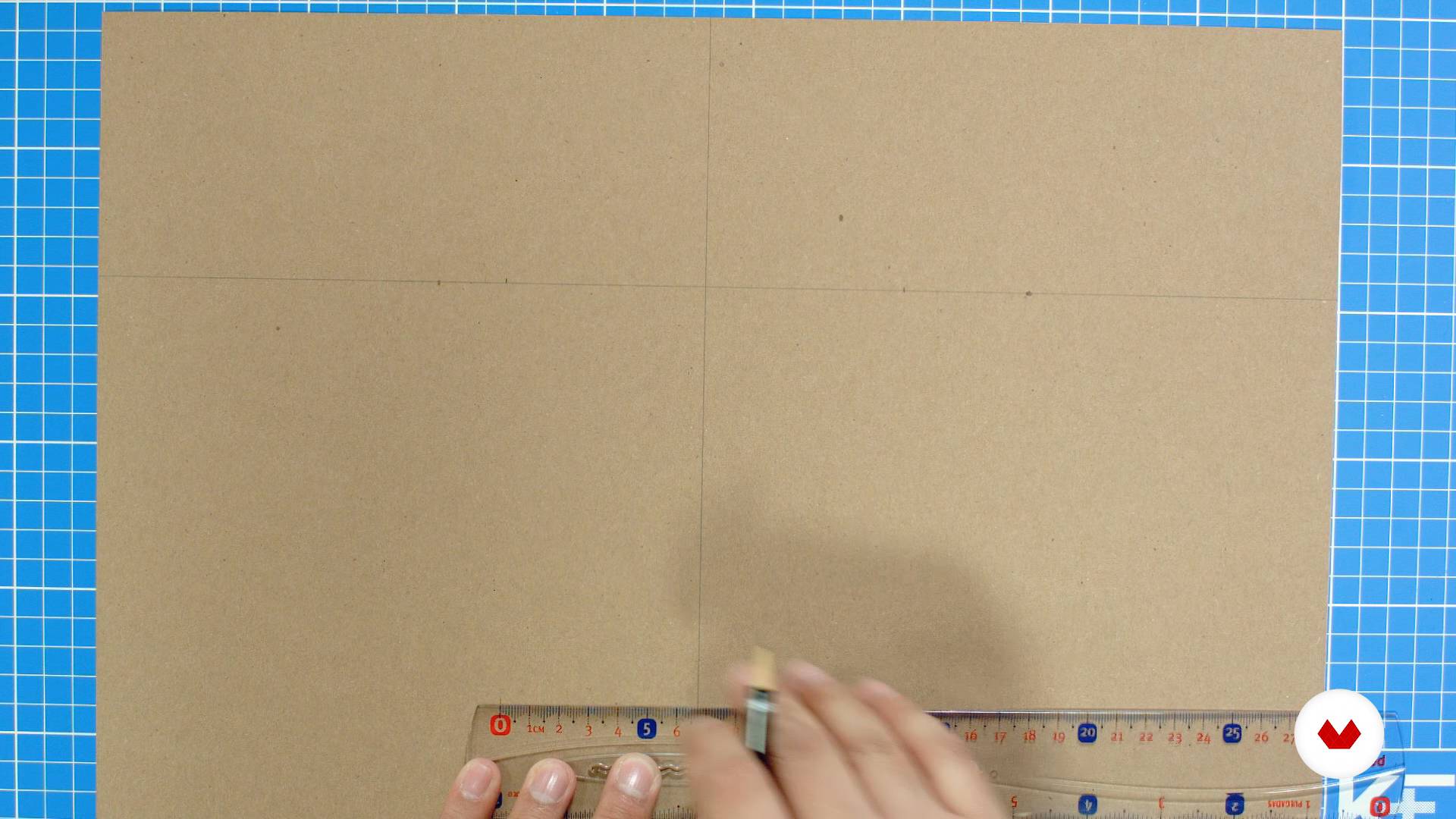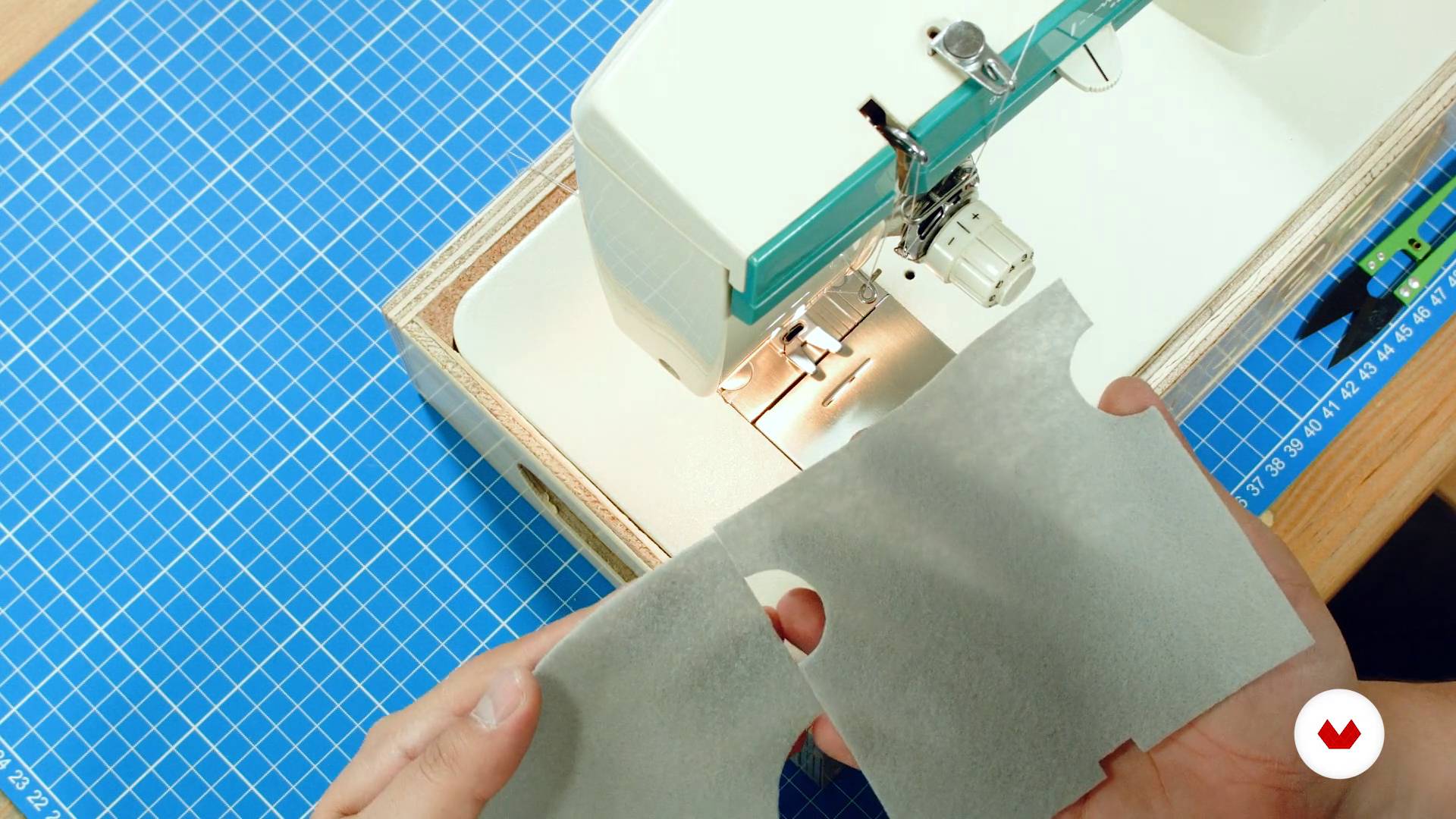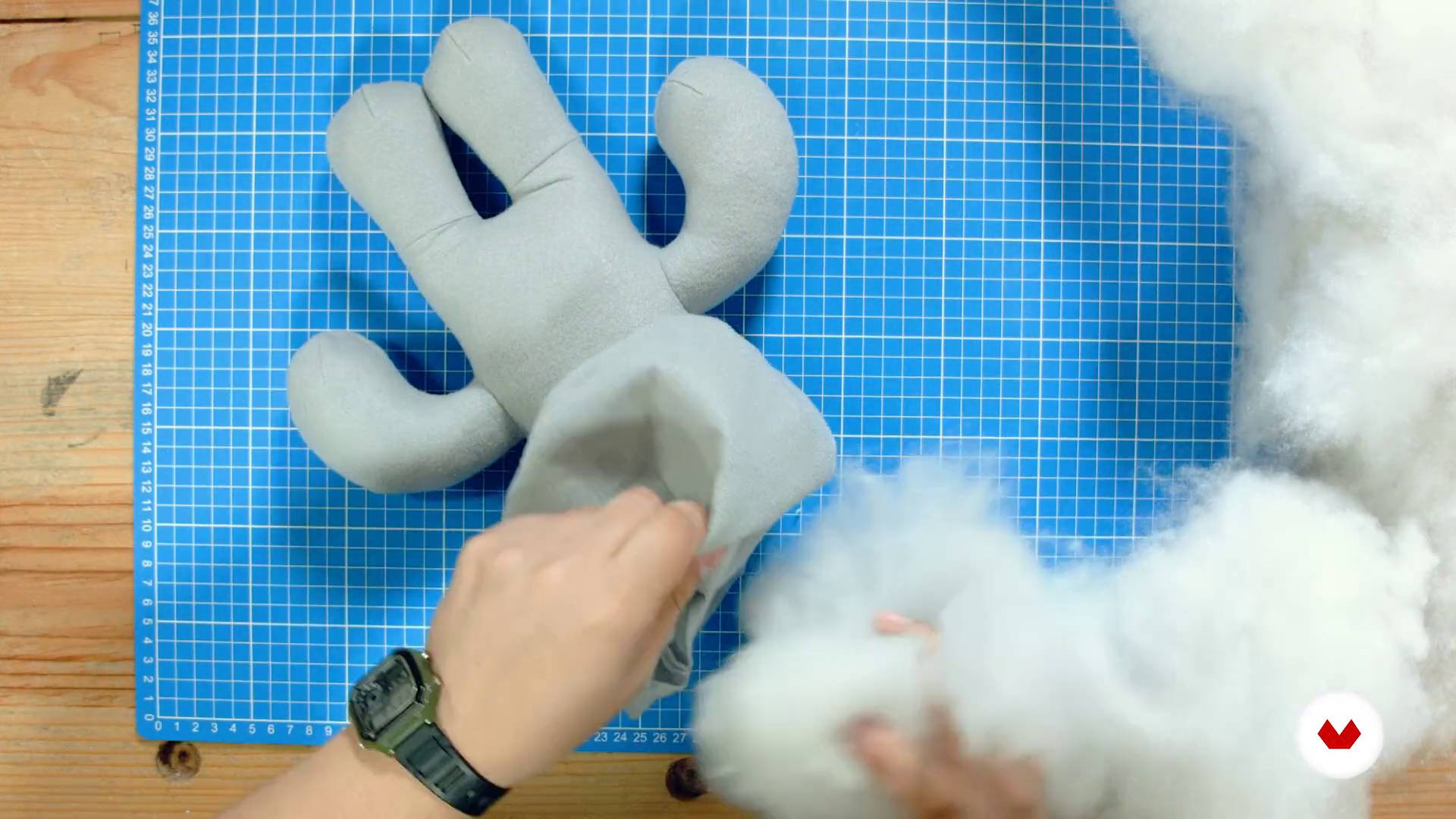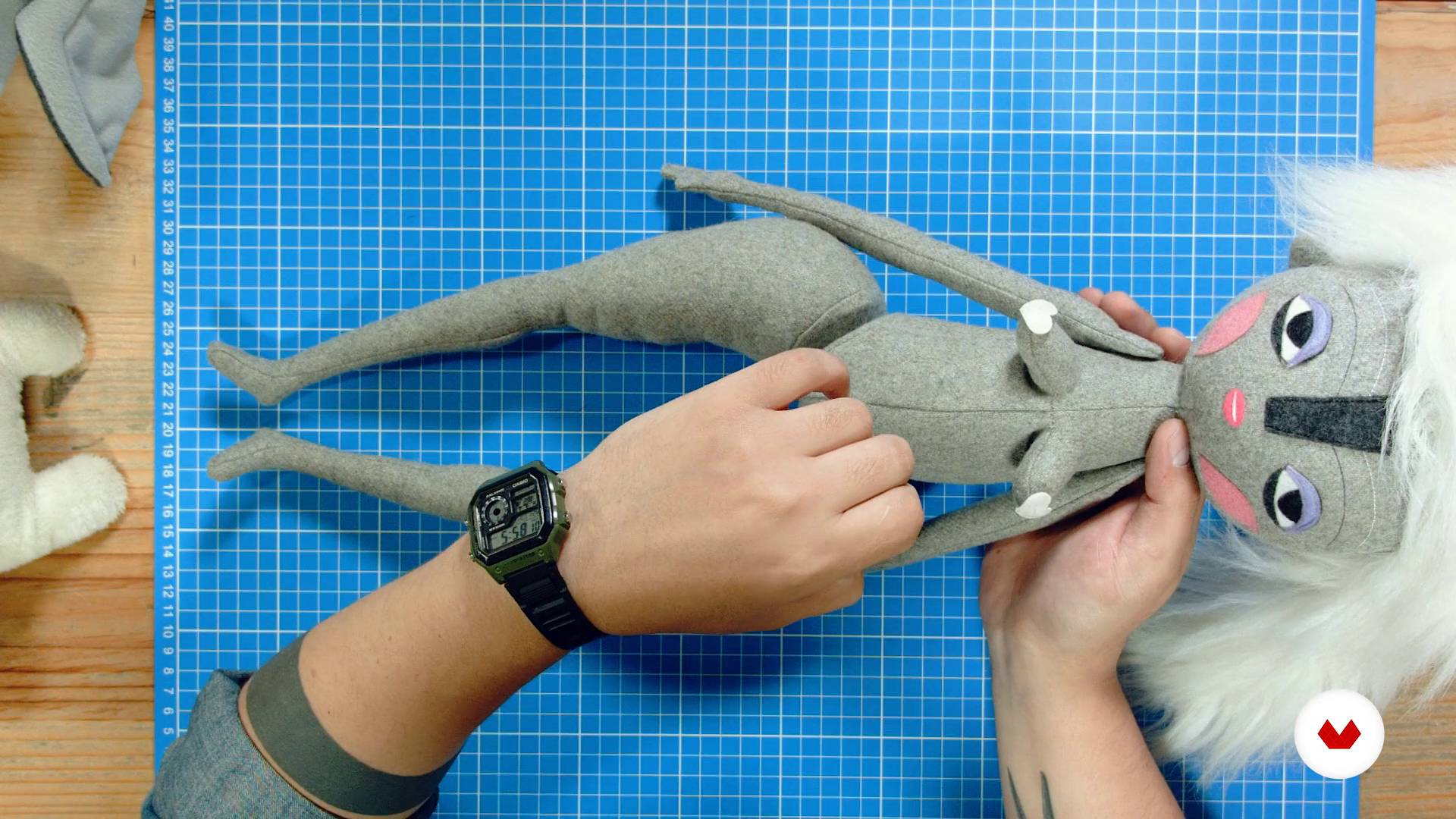

Specialization

Specialization in Textile Toy Creation: From Handcrafted Design to Digital Content

Learn to create unique textile toys, from basic dolls to complex textile sculptures using advanced techniques

Specialization · 6 modules

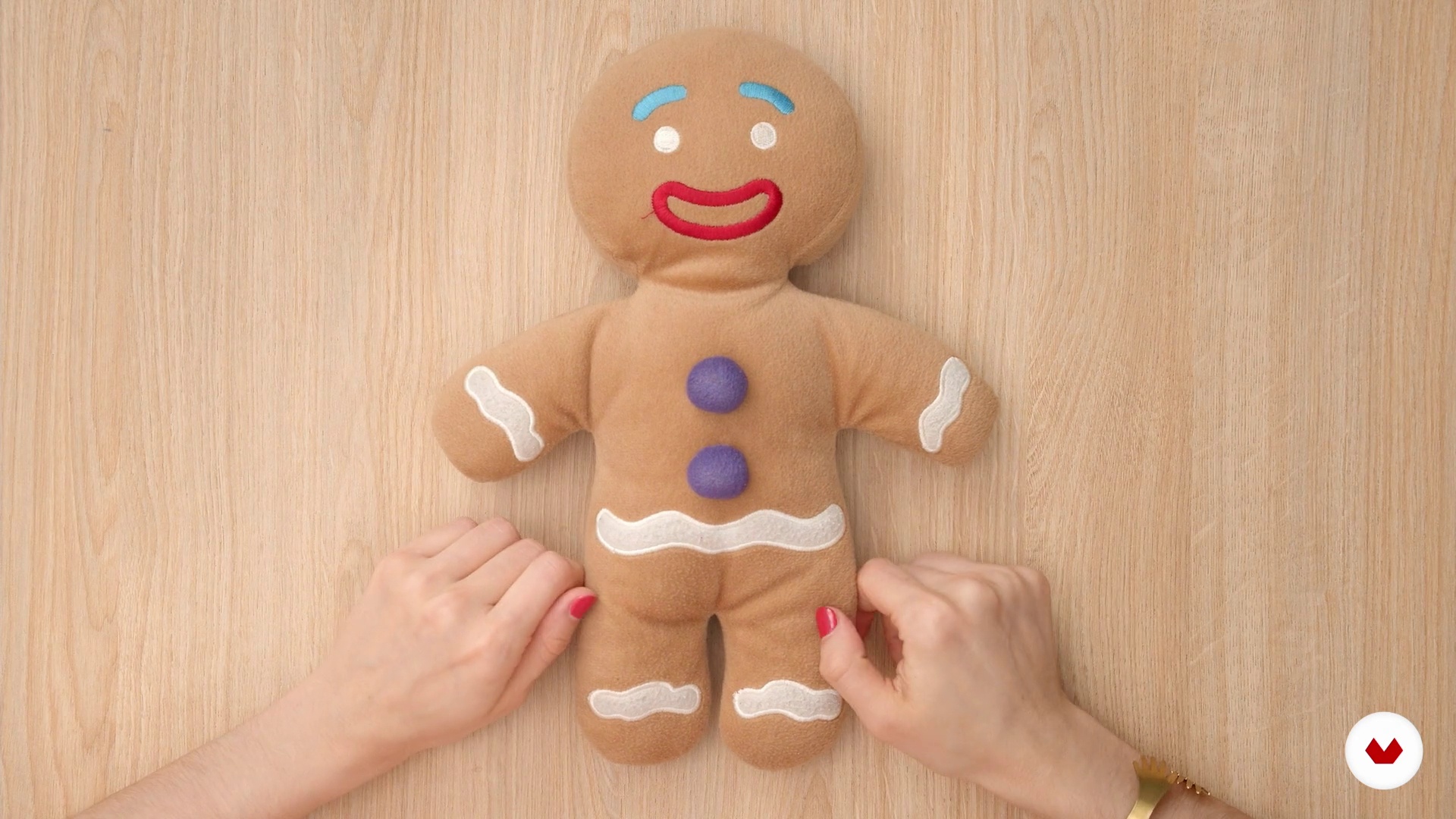
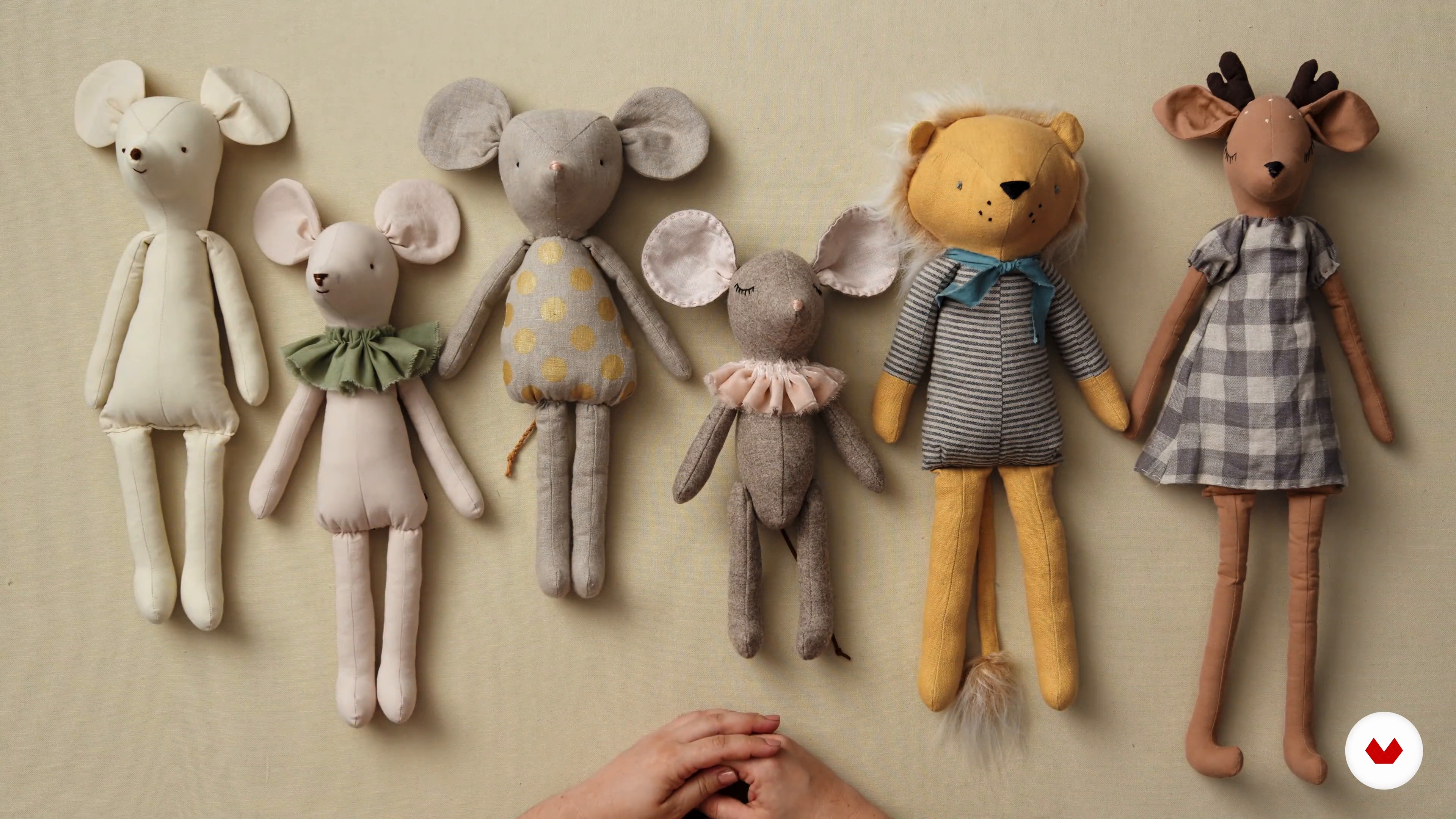
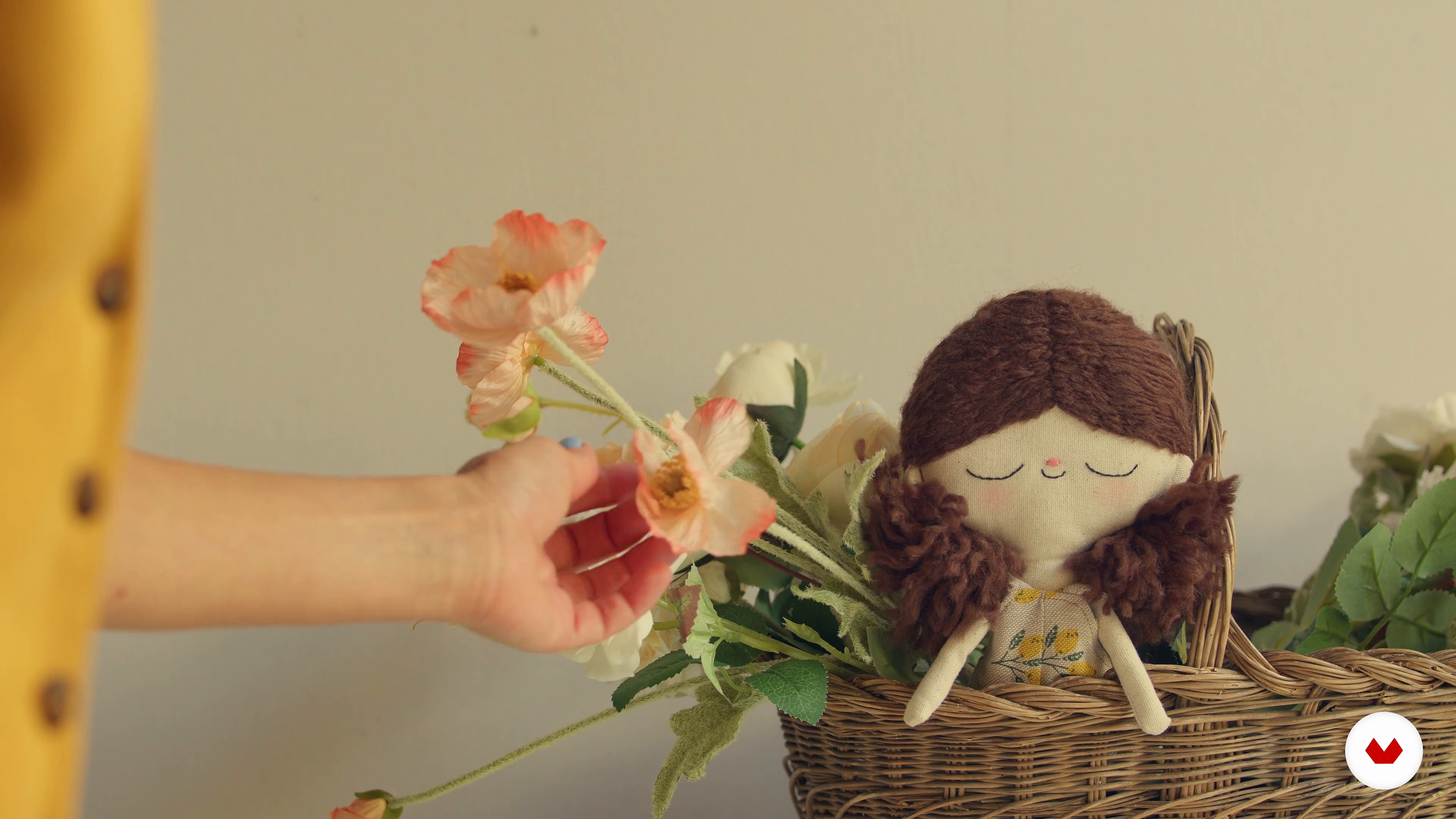
Enter the fascinating world of textile toy creation, where creativity and technique come together to bring unique characters to life. Discover how to transform simple materials into cuddly works of art that tell stories and convey emotions. From the fundamentals of doll design to advanced textile sculpting techniques, every step of the process is an opportunity to explore new possibilities. Develop skills in hand and machine sewing, basic and intermediate pattern making, and specialized techniques like punch needle to achieve unique textures.

Explore the art of imbuing your creations with personality through strategic digital content. Learn to organize photo shoots, write compelling storytelling, and create videos that highlight the magic of your characters. The combination of traditional and modern techniques will allow you to stand out in the contemporary market. With guidance from experts like Maria Mandea, EFI Little Things, Piti Piti, Elena Sánchez Santos, and Carolina Bello, you'll be ready to transform your passion into a professional collection of textile toys that reflect your creative identity.

Read more ↓

What will you learn in this specialization?
A total of 6 modules and 77 lessons
A total of 13h 31m of vídeo lessons
Taught by 5 selected expert teachers
image
1
Introduction
Textile toys are much more than soft objects: they contain stories, emotions, and cultural traditions. In this lesson, you will immerse yourself in the rich world of handmade characters, exploring how simple materials like fabric and paper can be transformed into expressive and meaningful creations that resonate with humanity.
1m
image
2
Influences | Maria Mandea
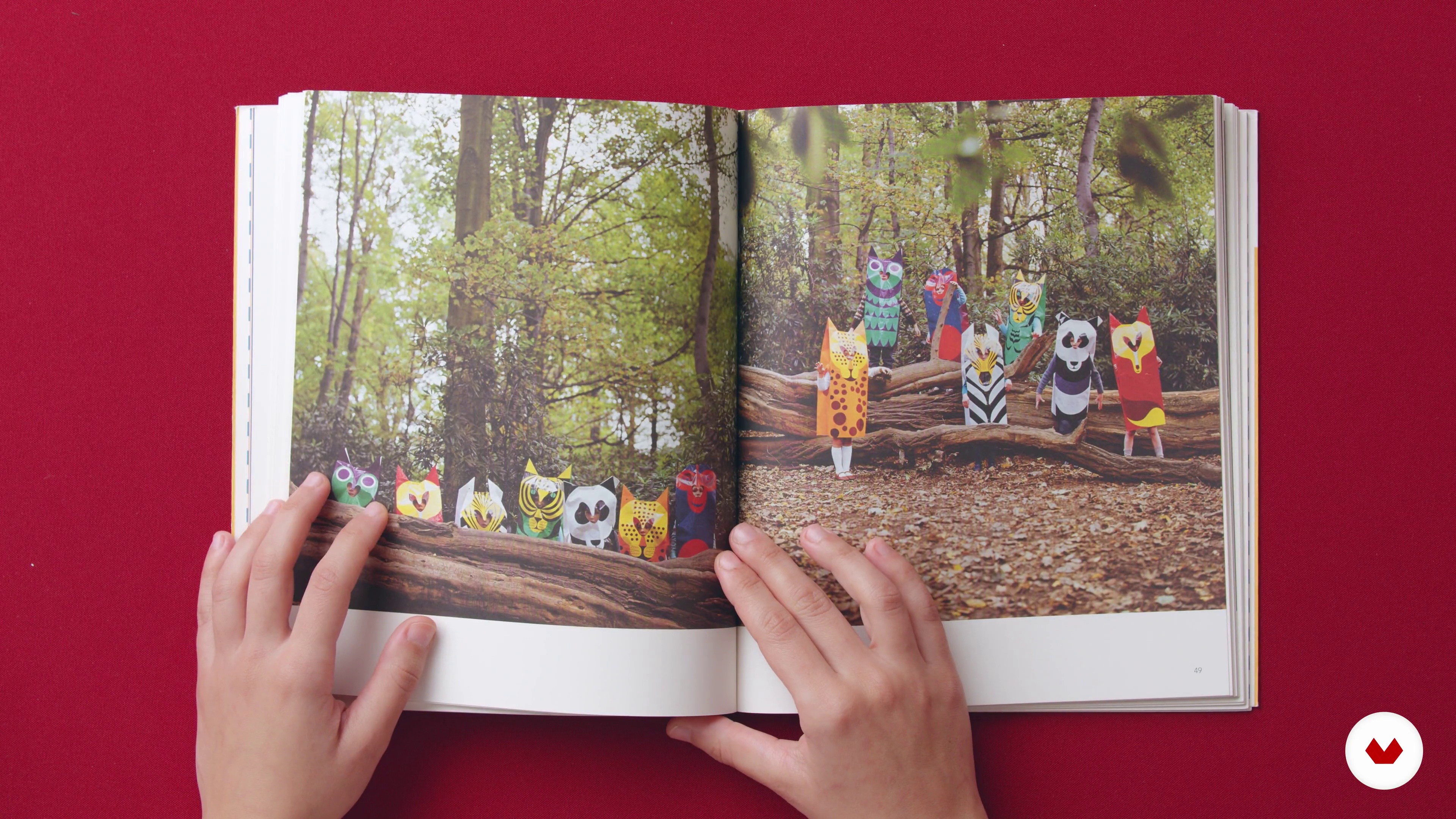
What you’ve seen and experience will influence what you will create. But your attitude towards what you see is very important. Instead of just looking over examples of what others have done before you I suggest a different approach: seeing for the fun of it. In this lesson, you will find some cool artists, designers, and art movements and find out why I think the best kind of inspiration comes from unexpected places. We will see that a great benefit of a playful attitude is curiosity.
6m
image
2
Influences | EFI Little Things (Elena Ilyasova)
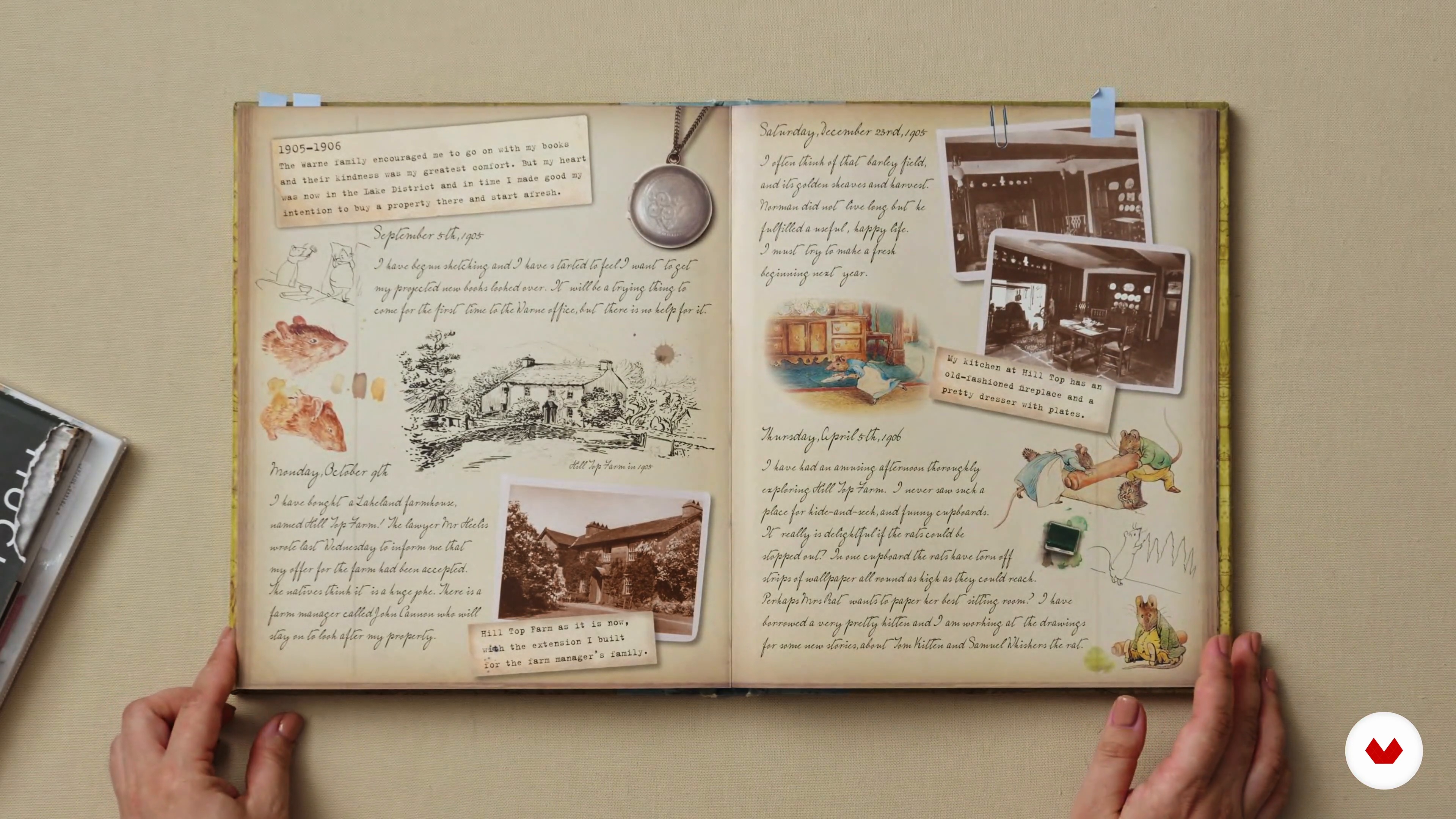
Where can you find inspiration to make your own soft toy? Here I will share my own sources of inspiration, such as antique teddy bears from my collection. By looking at these bears, you will learn how patterns have developed from simple forms to the current aesthetic. I will then discuss the toy makers and illustrators I'm inspired by. I will highlight what I particularly like about those influences; how they inspire me and why, and how these inspirational details manifest in my own work.
6m
image
2
Influences | Piti Piti (Omar Gad)
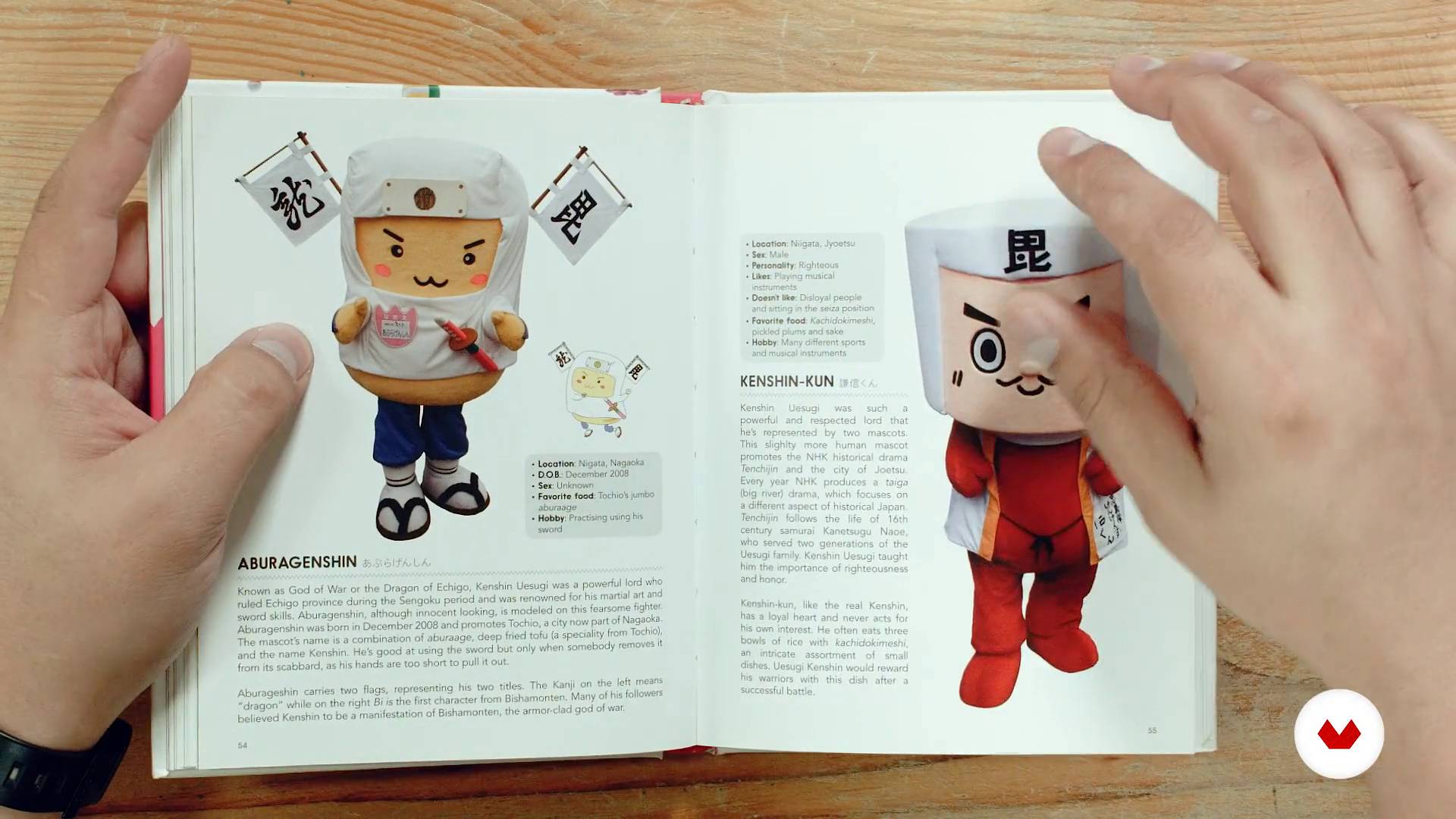
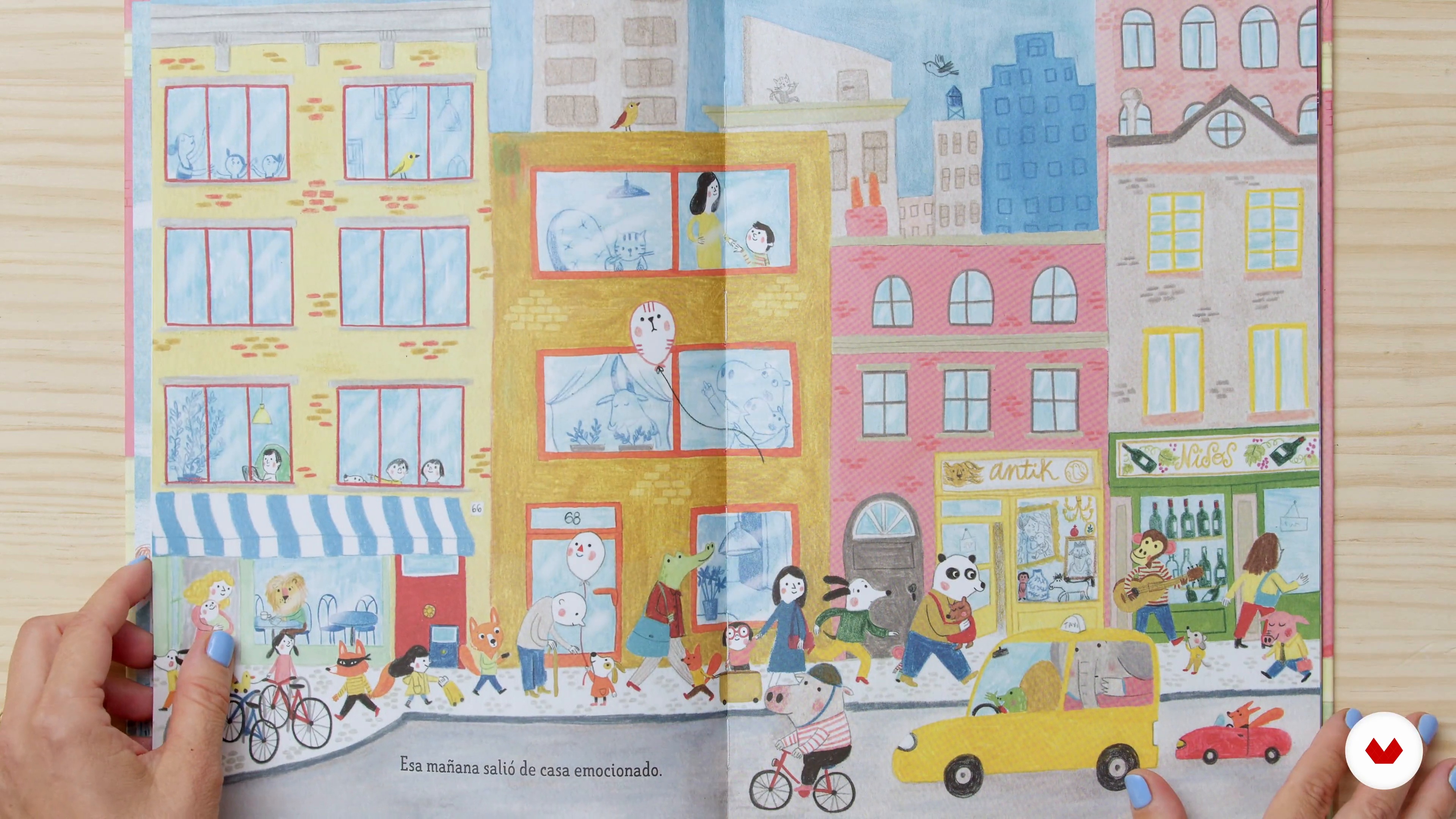
In this lesson I will briefly introduce you to some books that made me interested in the world of character design as well as some of my favorite artists and references.
4m
image
2
Influences | Elena Sánchez Santos
Now I will show you what my references are and what works and artists excite and inspire me. Although inspiration can come from many places, I would like to talk to you in particular about those people and things that opened a door and awakened my interest in creating dolls.
5m
image
2
Influences | Carolina Bello
As a designer, I am very observant and look for inspiration in my surroundings. Now I want to show you what inspires me, my influences and what are those artists who are my role model.
12m
image
4
Materials
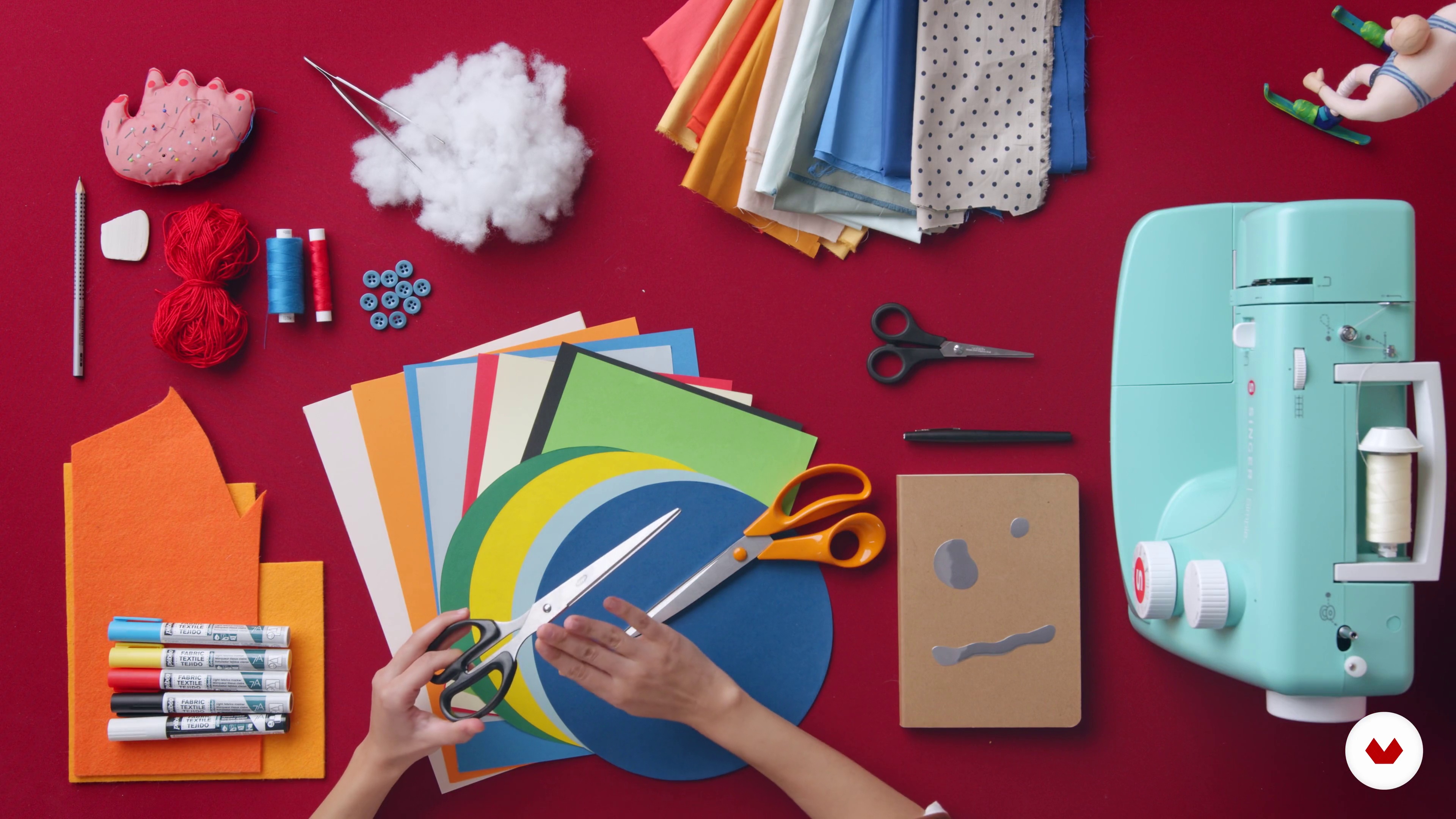
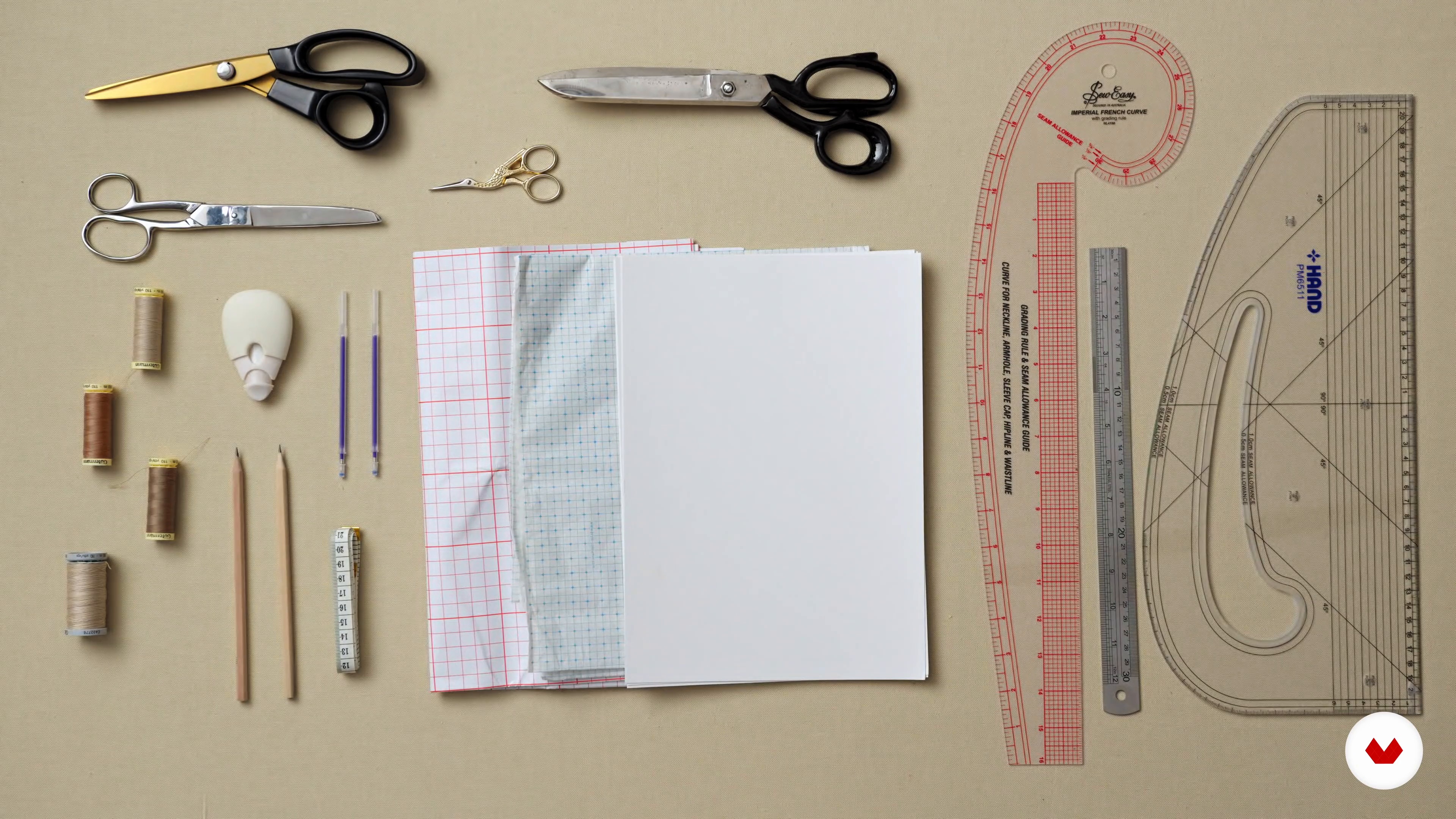
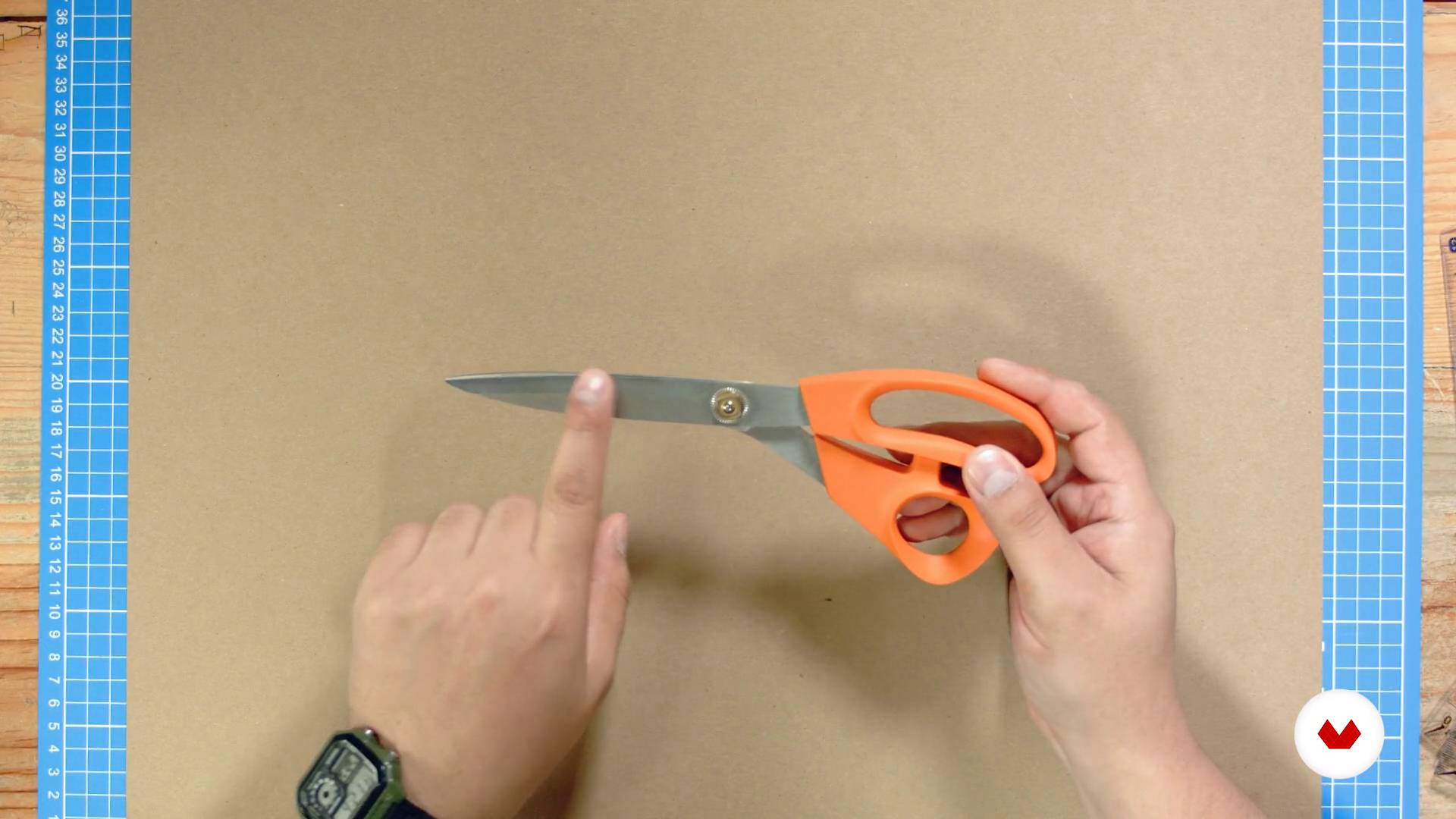
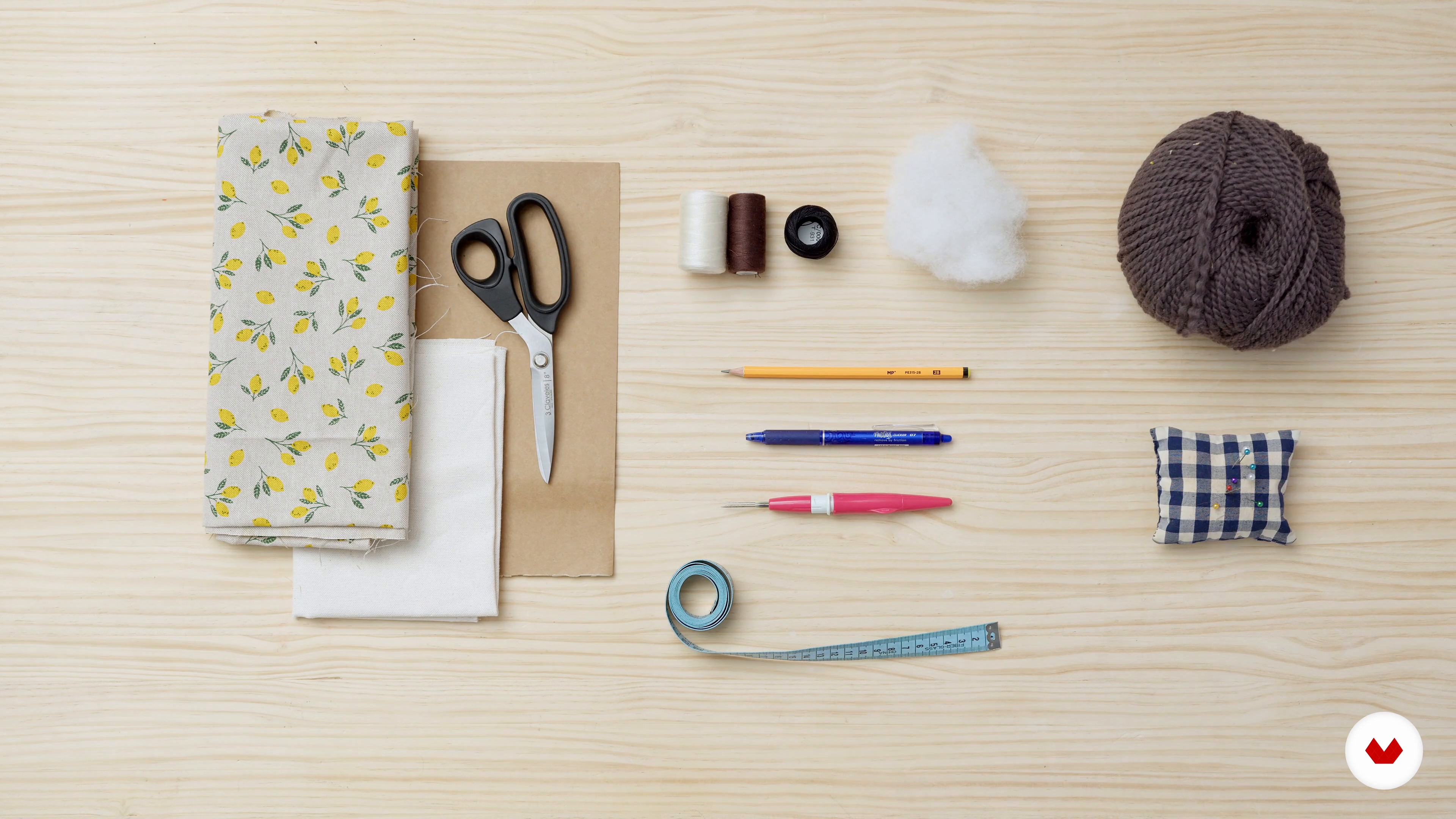
In this lesson, I will present the materials and tools that we will use to create our character. The general rule is that the most humble of materials are your best friends. We’ll be exploring paper and textile, how to choose them, and how to build a small collection. We will also look at different types of scissors for paper and fabric and at the basic tools, we need to start sewing.
4m
image
5
How to Create Your Sketch and Choose the Colours
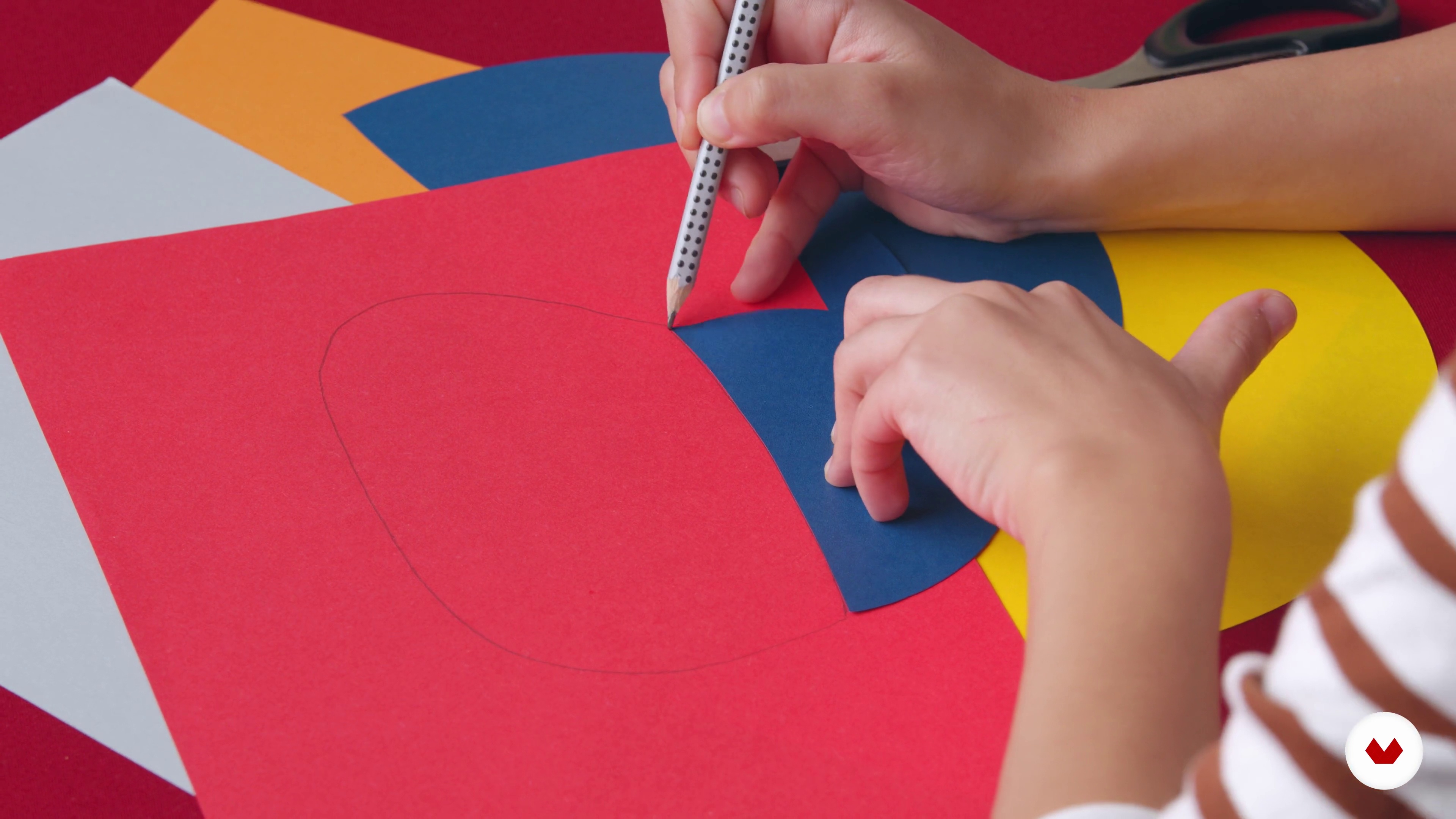
Now that we have our materials we also need our ideas. I find that ideas are usually a form of dialogue. It can be a dialogue between two artists, a dialogue with yourself, a dialogue with a dead artist, or even a dialogue with yourself from the past/future. I will be showing some of my sketchbooks, we will create some sketches together, and then we'll get to make them and think them through using paper and scissors.
15m
image
6
Creating Our Pattern
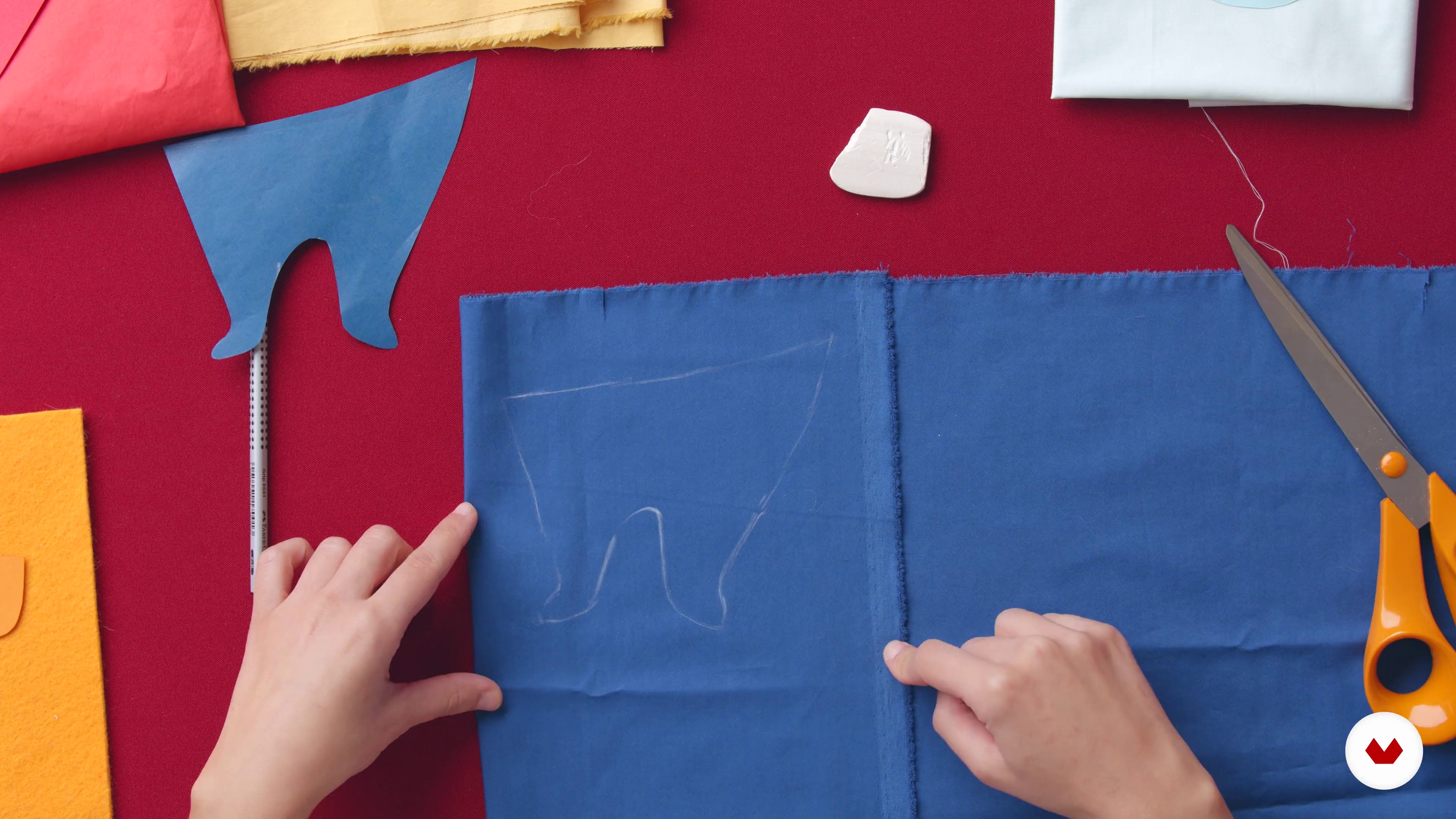
Now that we have decided on our pattern, we need to make it out of fabric. We will choose what colour fabrics based on our previous decisions with the paper. We will place each piece on the material and outline it for better control. I will show you that the fabric piece should be a bit bigger because it will be shown and we will cut the shapes accordingly.
9m
image
7
Hand Sewing
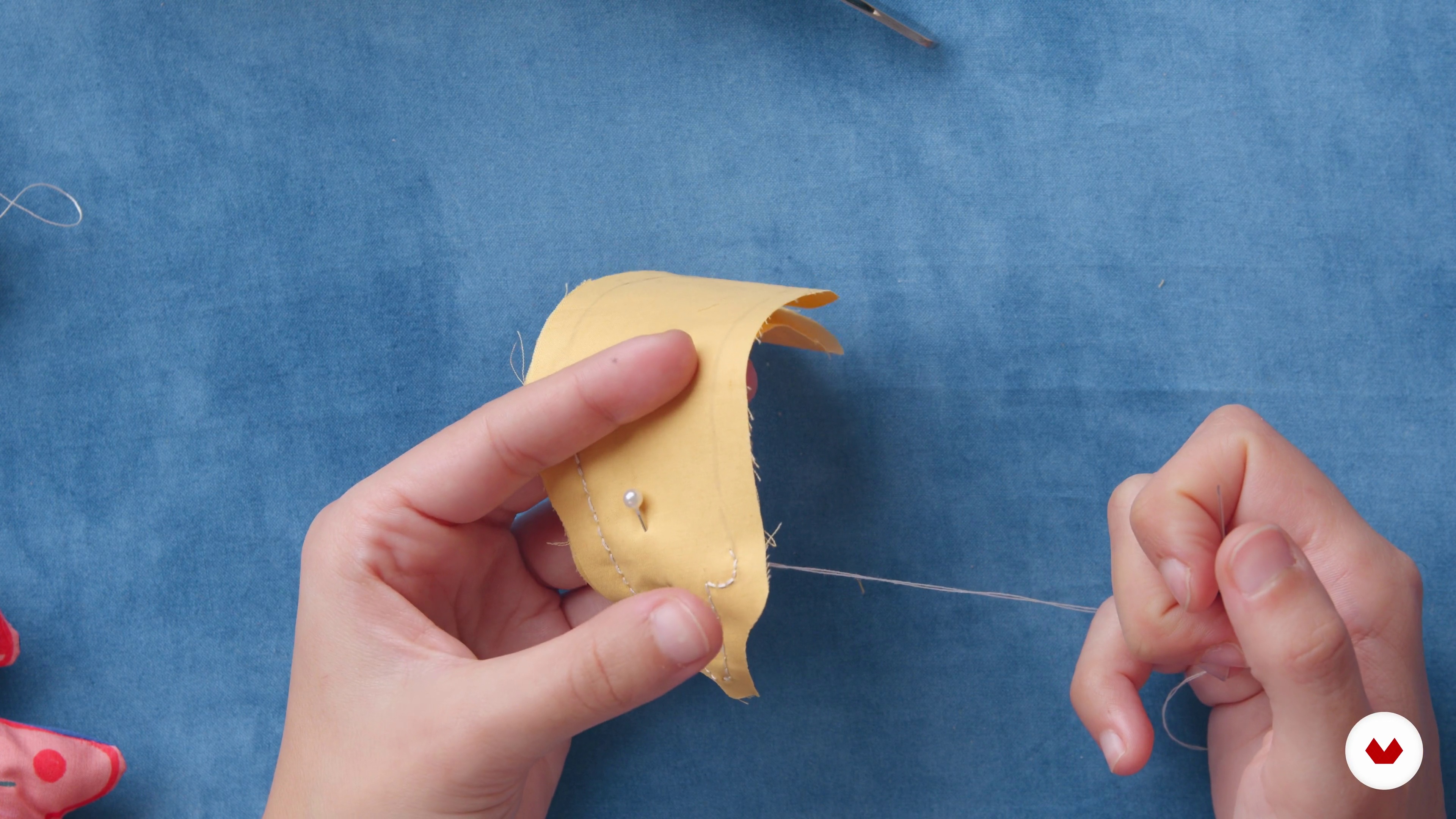
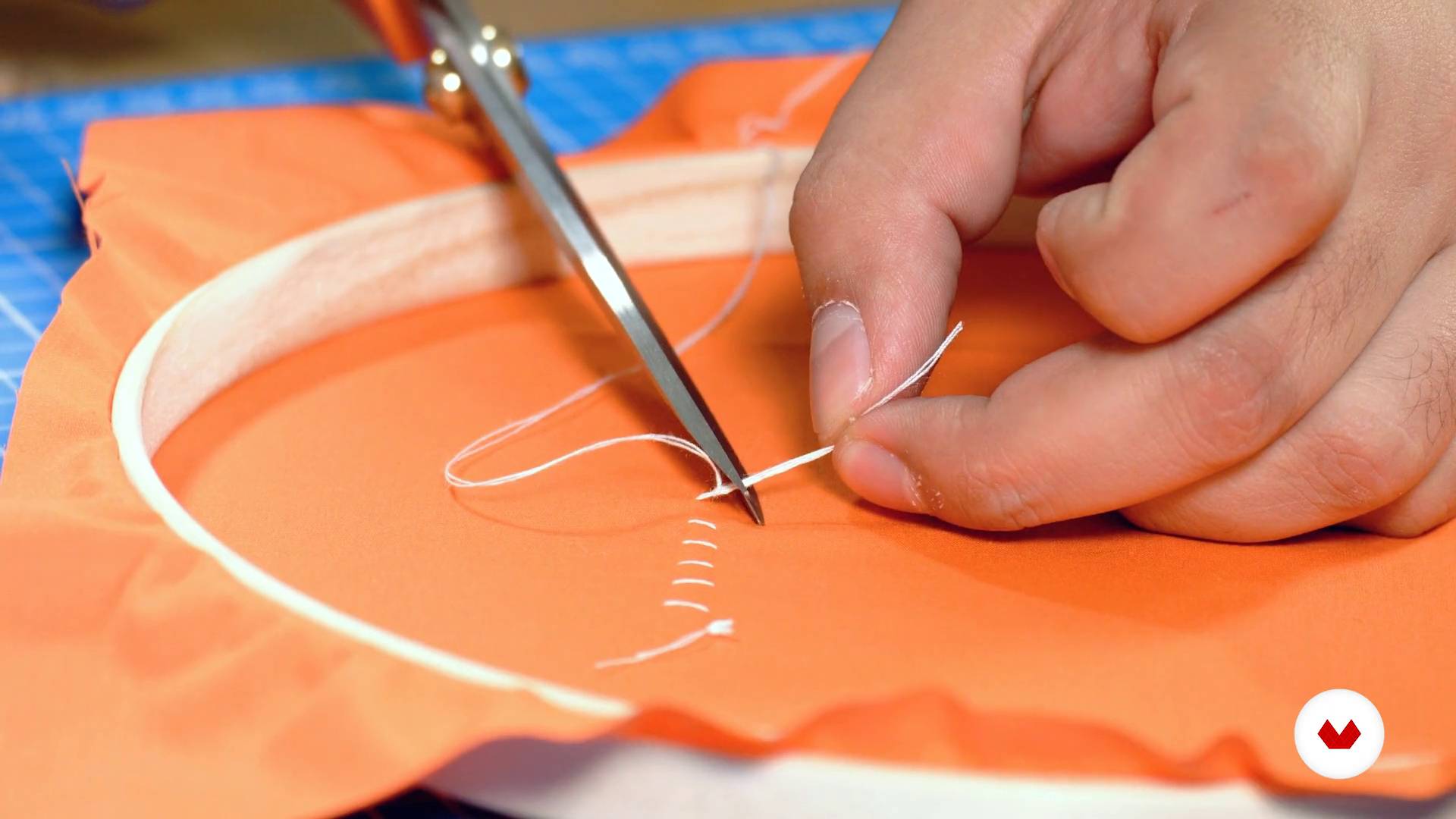
In this lesson, you will learn to sew by hand one part of the character’s body. We will use a basic stitch for this and do it on the whole outline of our piece. Then we will turn it inside out, fill it, and close it. If you know how to hand sew you can skip this lesson and go directly to the next one where I will explain how to do it by using a sewing machine.
15m
image
8
Going Faster with Our Sewing Machine
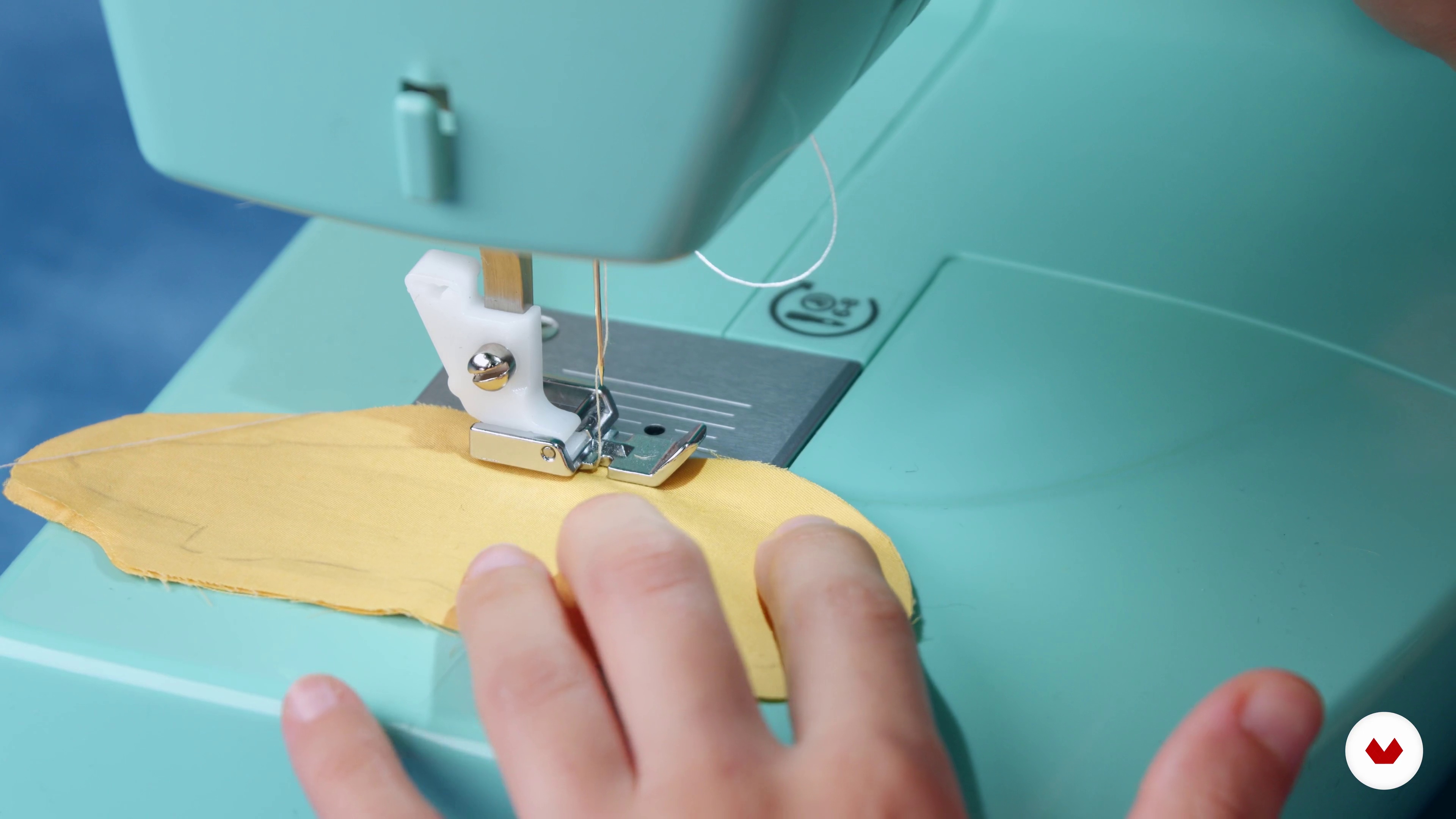
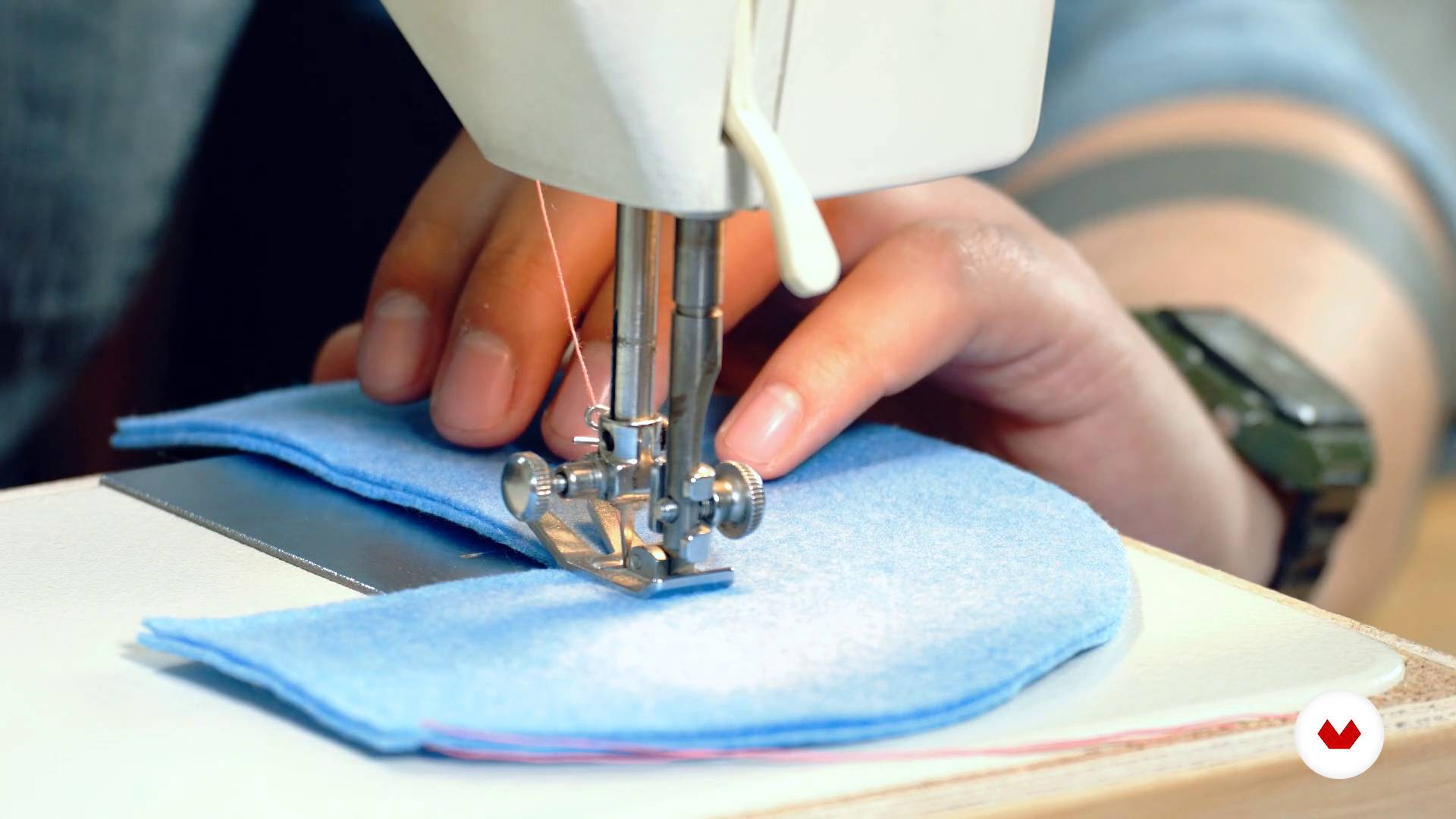
In this lesson, we will sew on the other hand using a sewing machine. If you don’t have one, just skip this part and sew the rest by hand. Any household sewing machine will do as we don’t need any fancy stitches. We will follow the outline we drew before and make a hole so that we can turn it inside out. Then we will finish it by closing the hole by hand.
6m
image
9
The Head
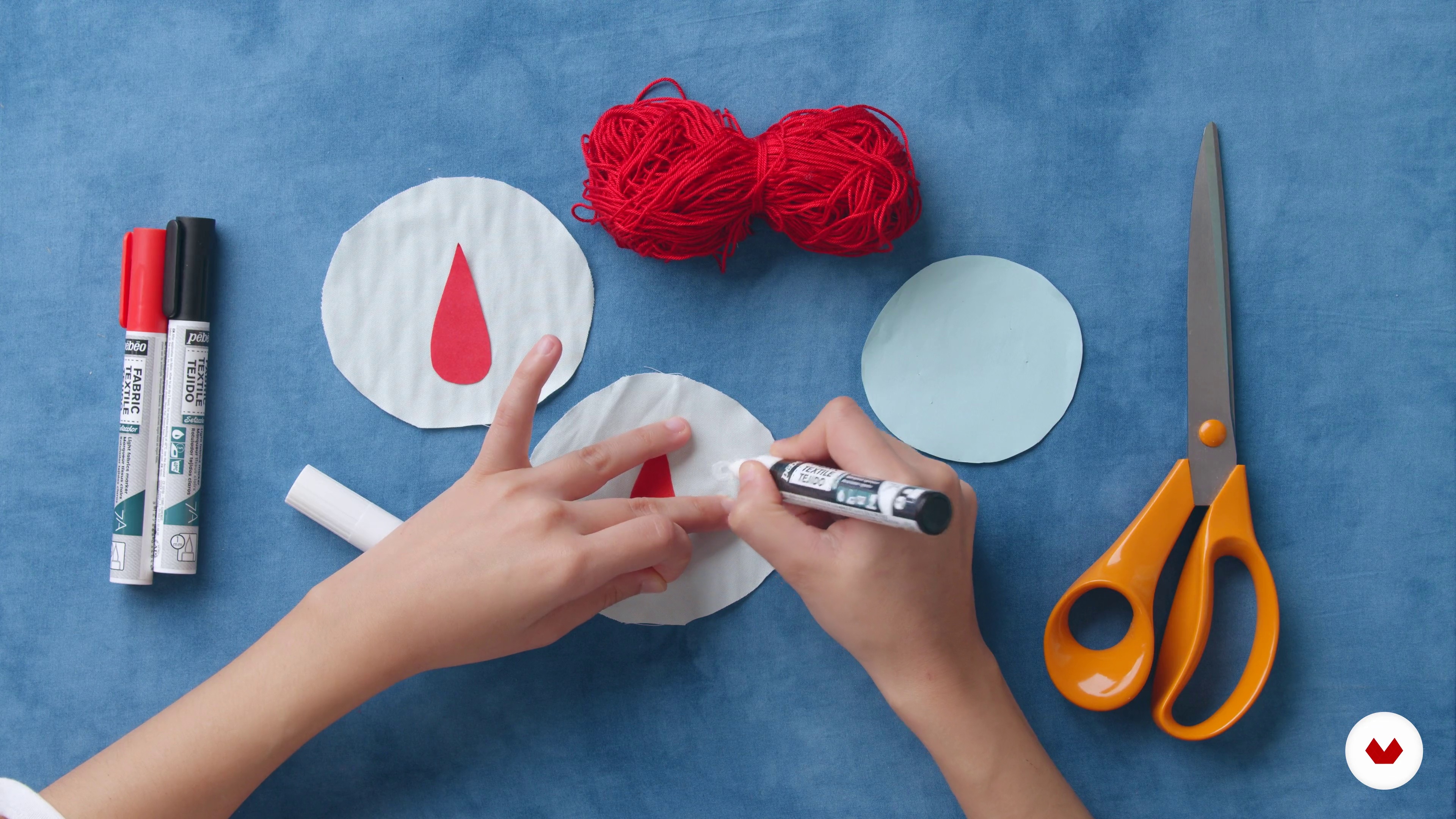
Learn to make a part with a small illustration, in this case, the head. For this part, we will need some fabric markers. They usually have a felt tip and I find it’s better to have a brush shaped marker as you have more control over the finer details. We will first draw our face, then iron it and once it is ready we will sew it as we did with the hands.
12m
image
10
Assembling
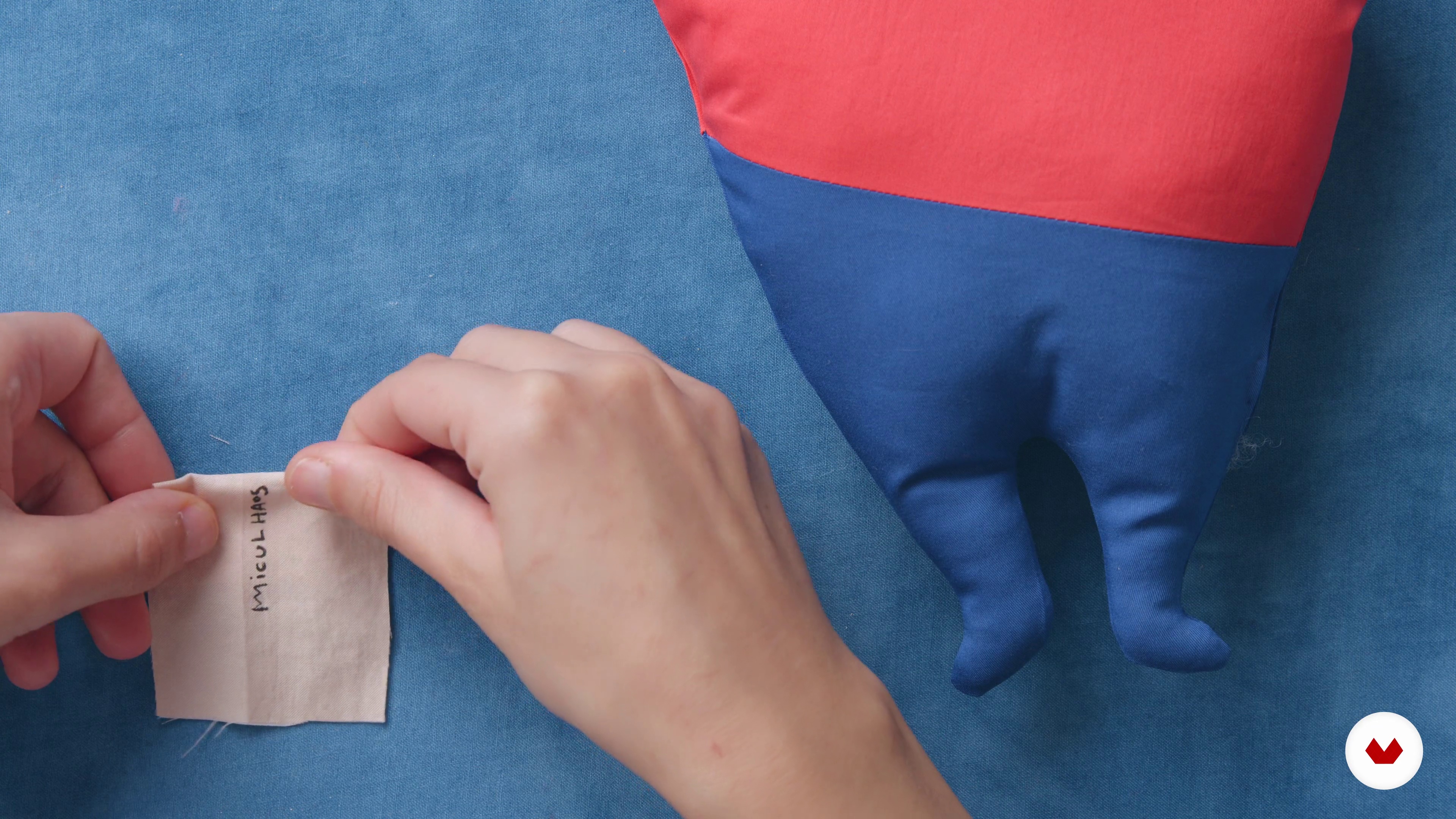
Now we need to make the body of the character. For this, we will assemble the top and the bottom together and fill it in. Because we don’t want it to show where it was closed we will add a label. This can be with your name or nickname, brand whatever. Like we did with the face, we will use fabric markers to make it.
13m
image
11
Plugging All the Pieces Together
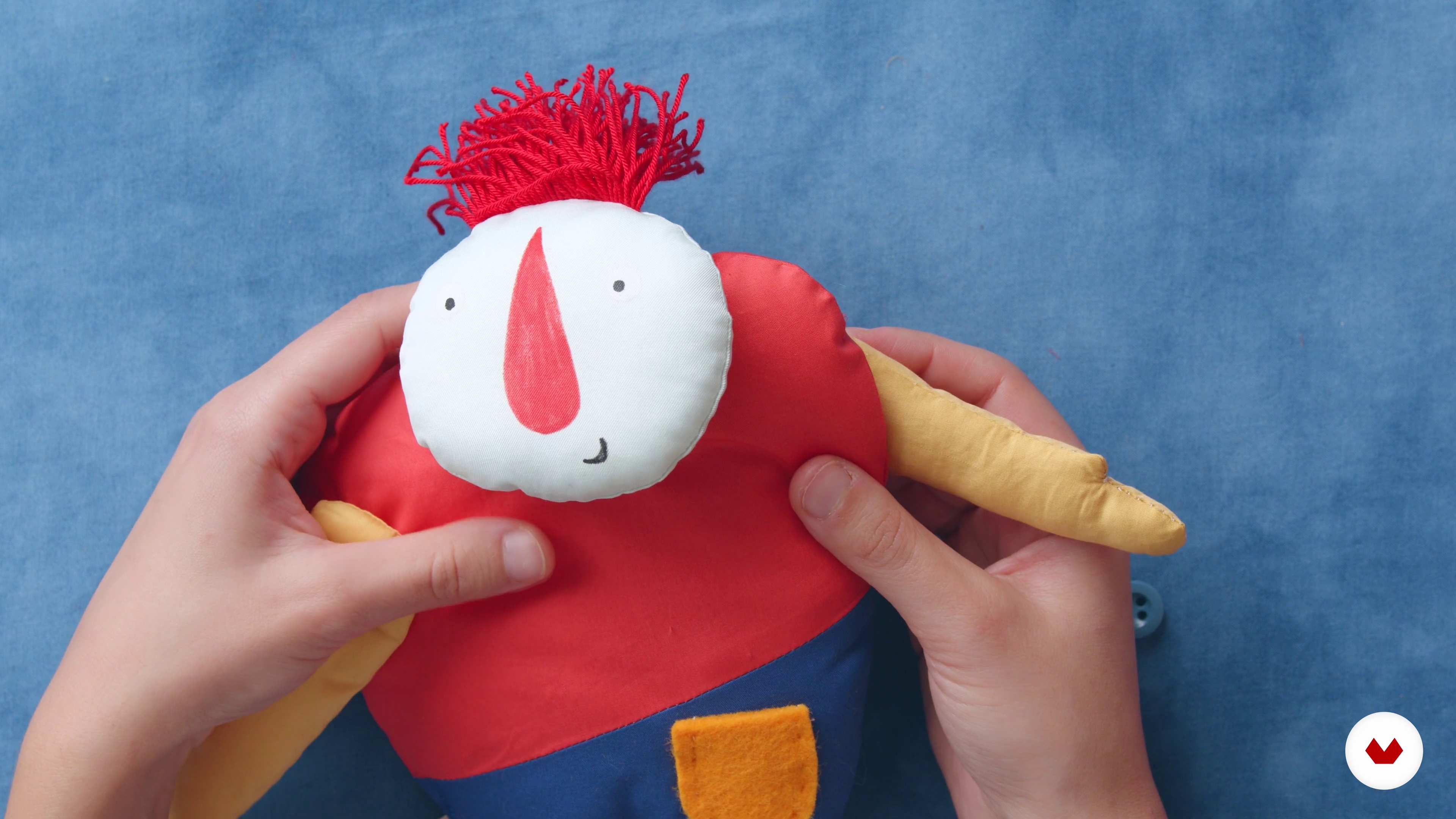
Now that we have all the pieces done we can start plugging them. We will sew by hand the head, the hands, and the pocket of our character. I will show you how to add buttons and make the hands move and also how to sew on a different material for the pocket, “felt”.
10m
image
12
Creating a Simple Setup to Photograph
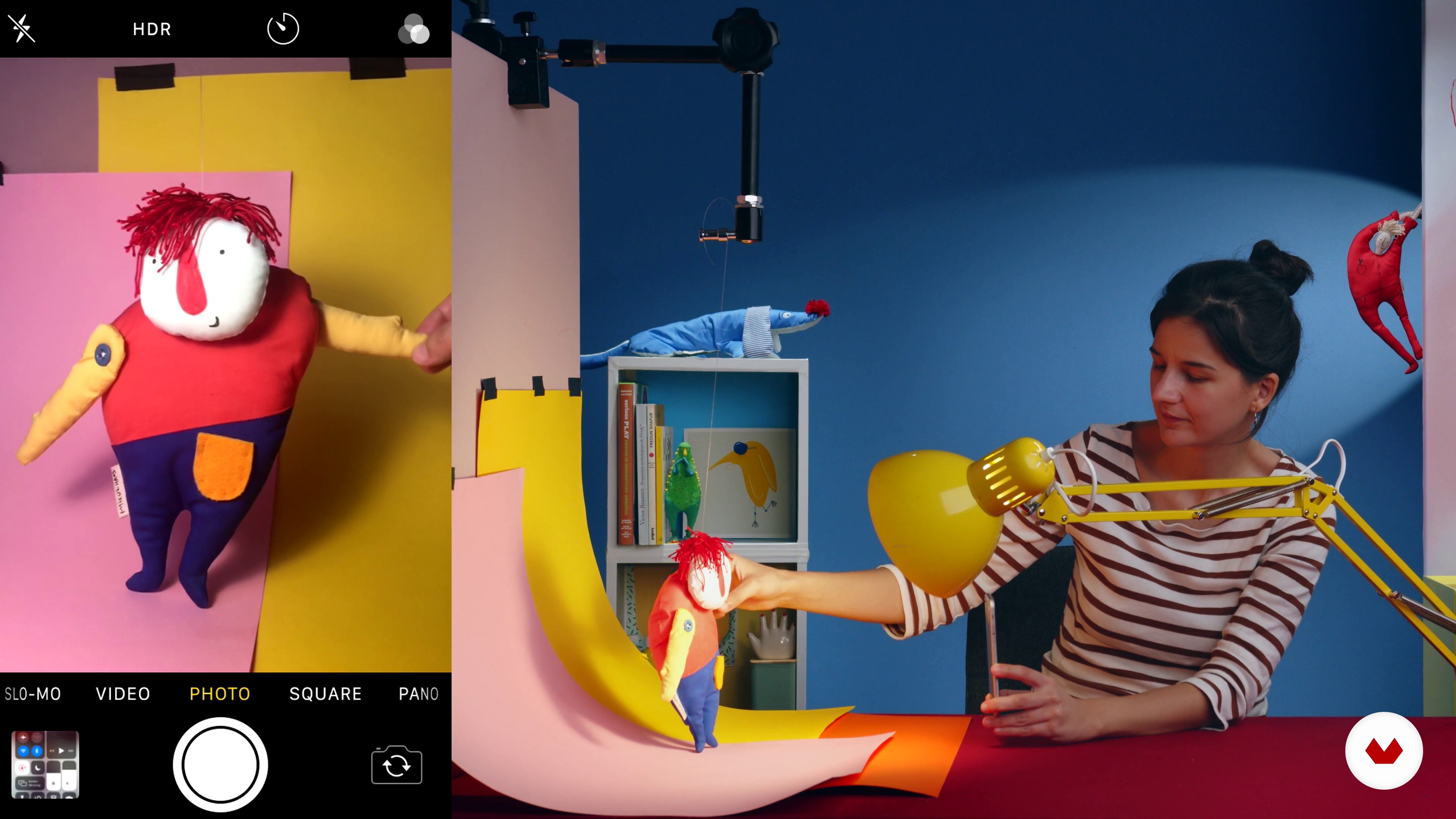
We’ve been using a lot of coloured paper so far and we will continue to do so. We can use bigger sheets of paper or we can create a backdrop by mixing smaller sheets. By using colours that mix well with your character we will make it stand out. Then we will place our character in the picture.
6m
image
13
Sharing the Character with the World
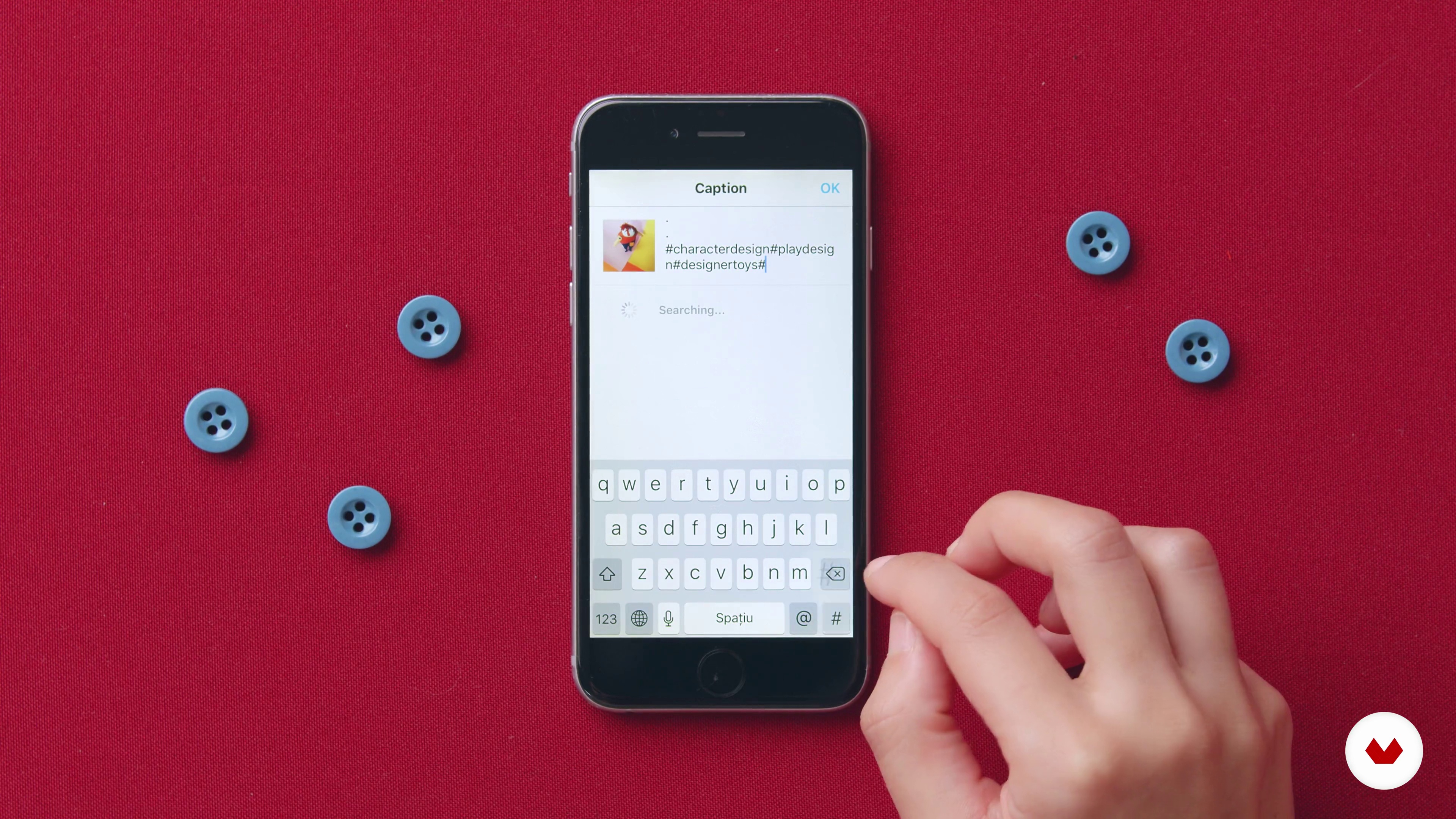
During this whole course we’ve learned to make our own character but more importantly, we’ve learned to create and explore through play. I consider it is very important to share your creation and I encourage you to do so on the forum and on social media, see what others have done, and join the fun!
5m
image
3
Inspiration and Trends
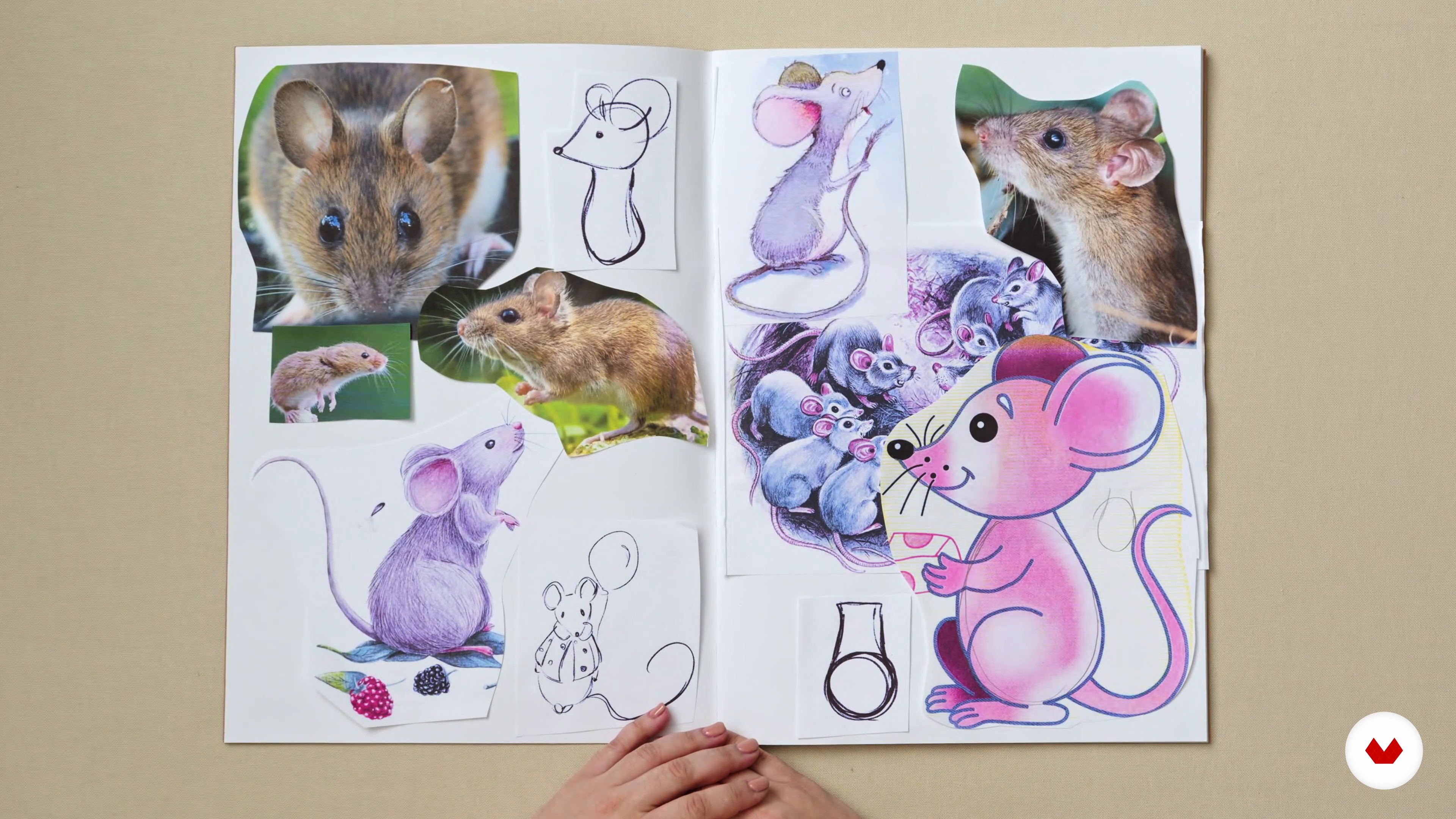
In this lesson, you will decide what animal you plan to make. We will explore the world of modern toy trends and how to use references to finalize your idea.
7m
image
4
Materials and Fabrics
Now that you've decided what you're making, the next step is to consider the materials and fabrics you'll use to bring this vision to life. In this lesson, I will explain why I've chosen linen and wool for my project, and why they are my preferred materials for these toys. However, I will also consider the possible usage of other materials and discuss how that would change the appearance of the final toy. Then, I will introduce the basic tools used in toy making. All of this is essential if you're to achieve the best and most professional result.
18m
image
5
Creating Basic Shapes with Fabric
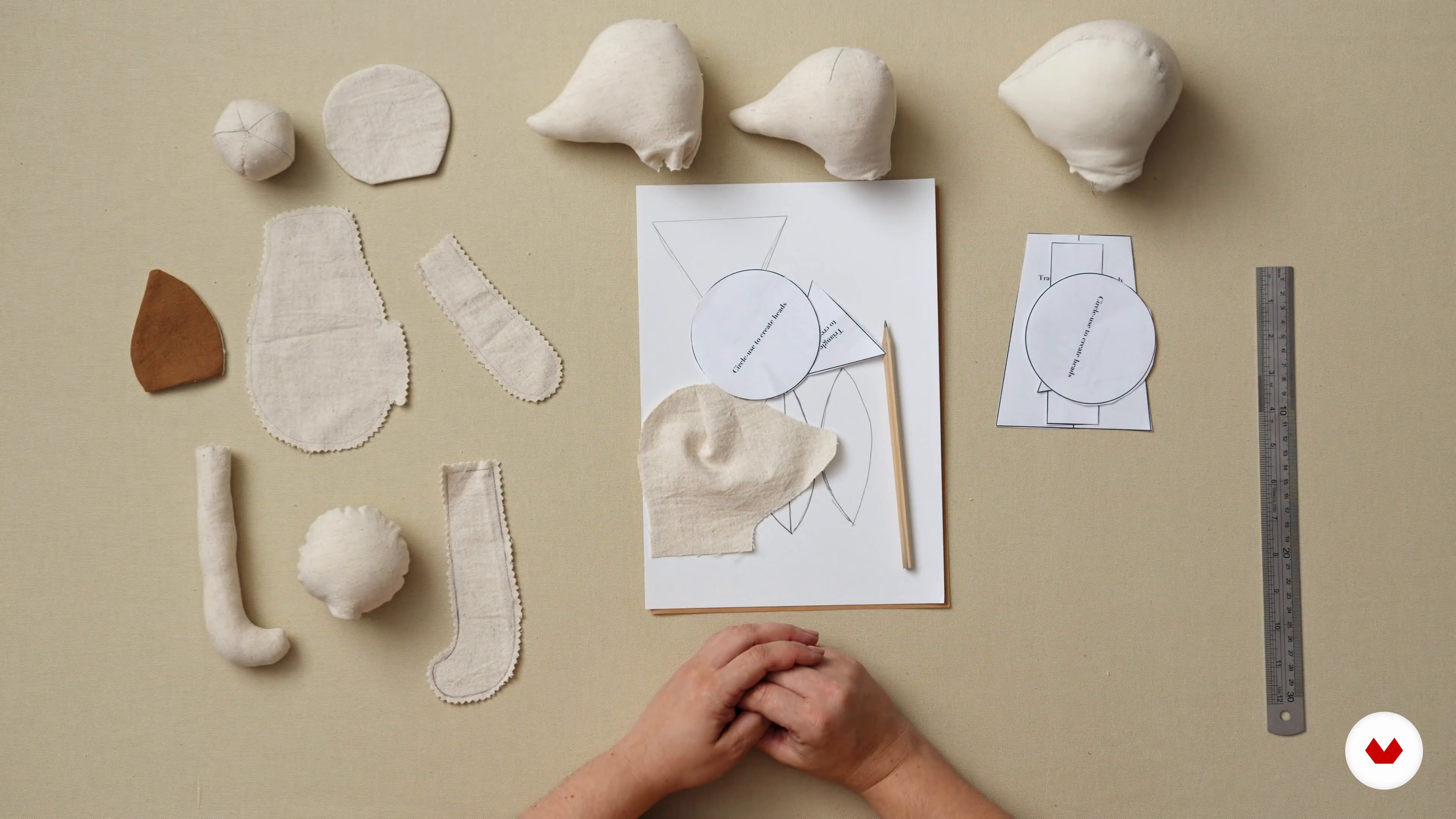
Finally, we will cover the basic geometrical shapes: the circle, triangle, trapeze, oval, and rectangle. I will show you how to cut these into abstract forms and turn them into animals. Also, you will see how this process works with fabric and how to transfer them from 2D shapes into 3D.
10m
image
6
Sketching the Design
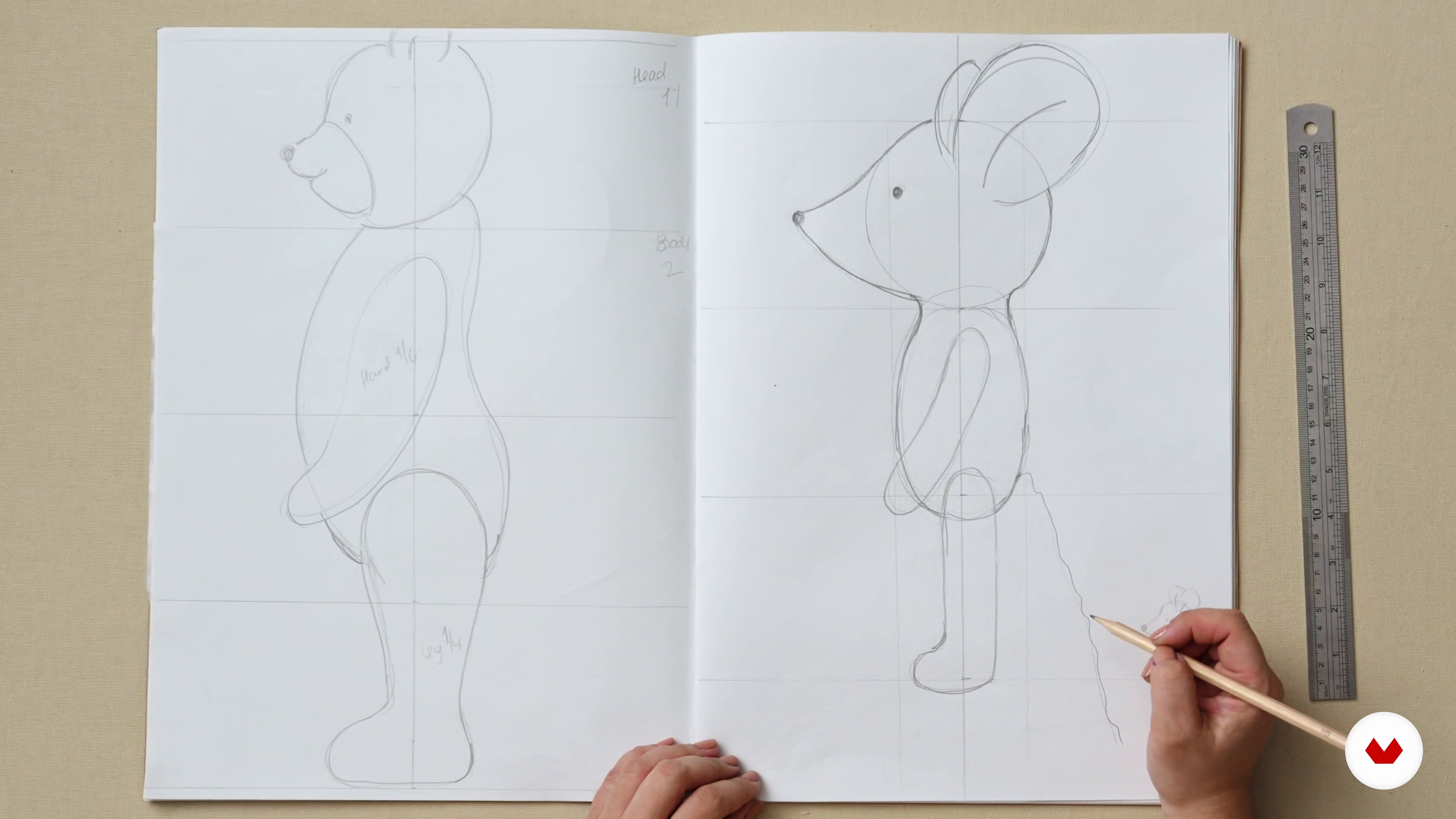
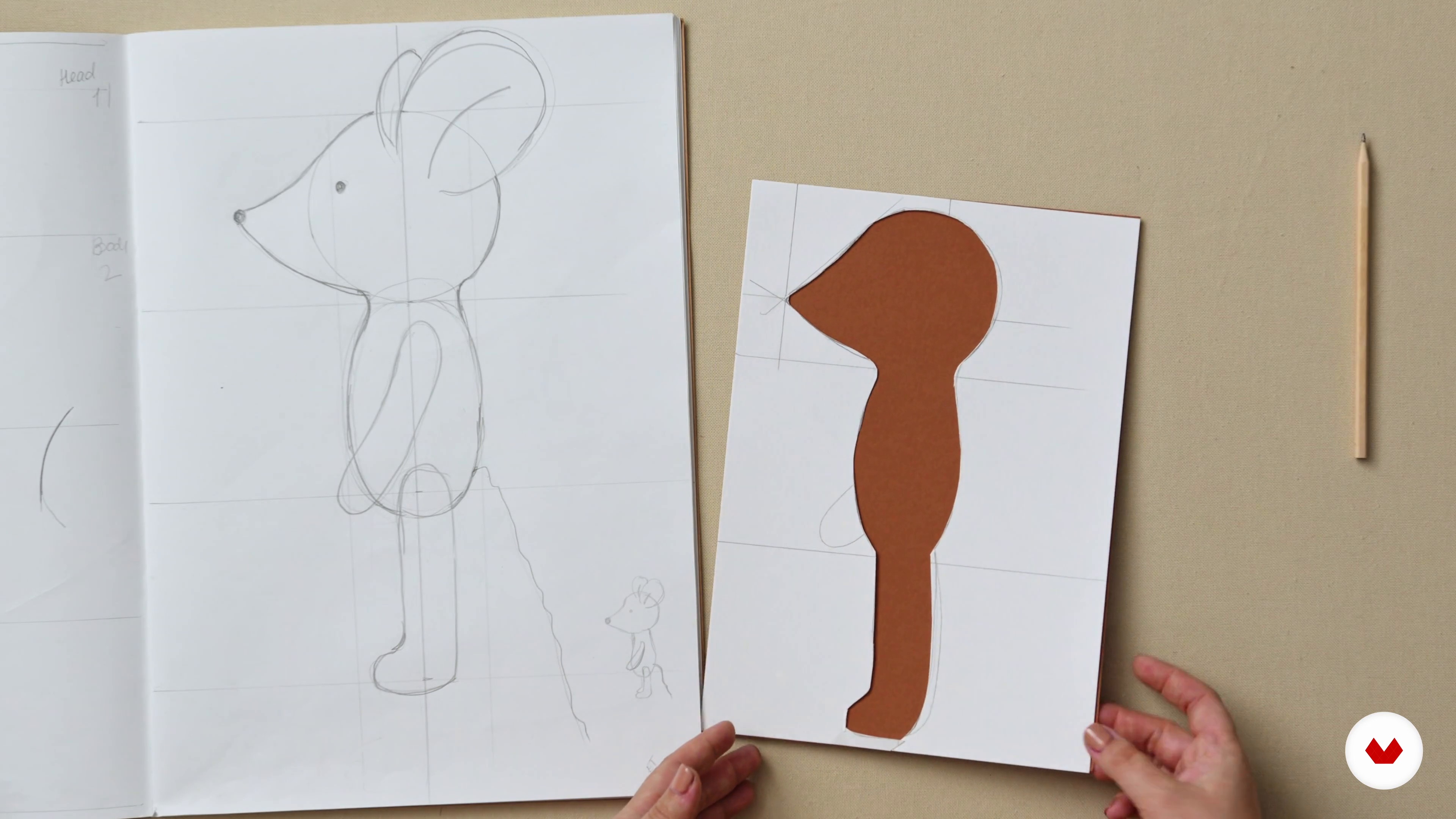
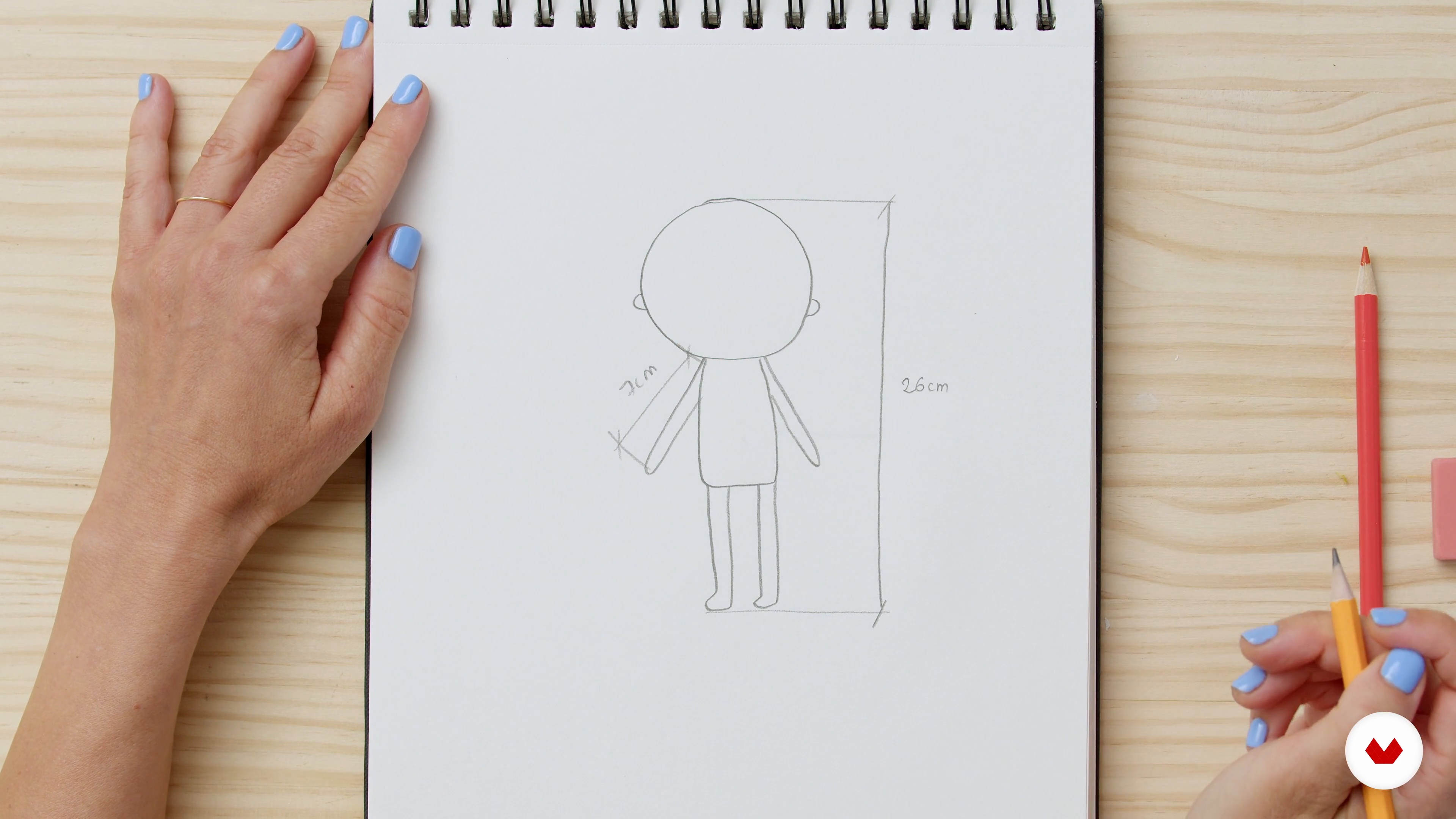
This is probably the most important lesson of the course! You will sketch out your animal character by rearranging basic geometric shapes into an anthropomorphic animal, according to the size of your desirable toy. I will give you an example of how to sketch a head, body, legs, and hands using pre-cut basic shapes and adding curved lines. Then, we will add the main features of our animal, like some ears or a tail.
17m
image
7
Creating the Pattern
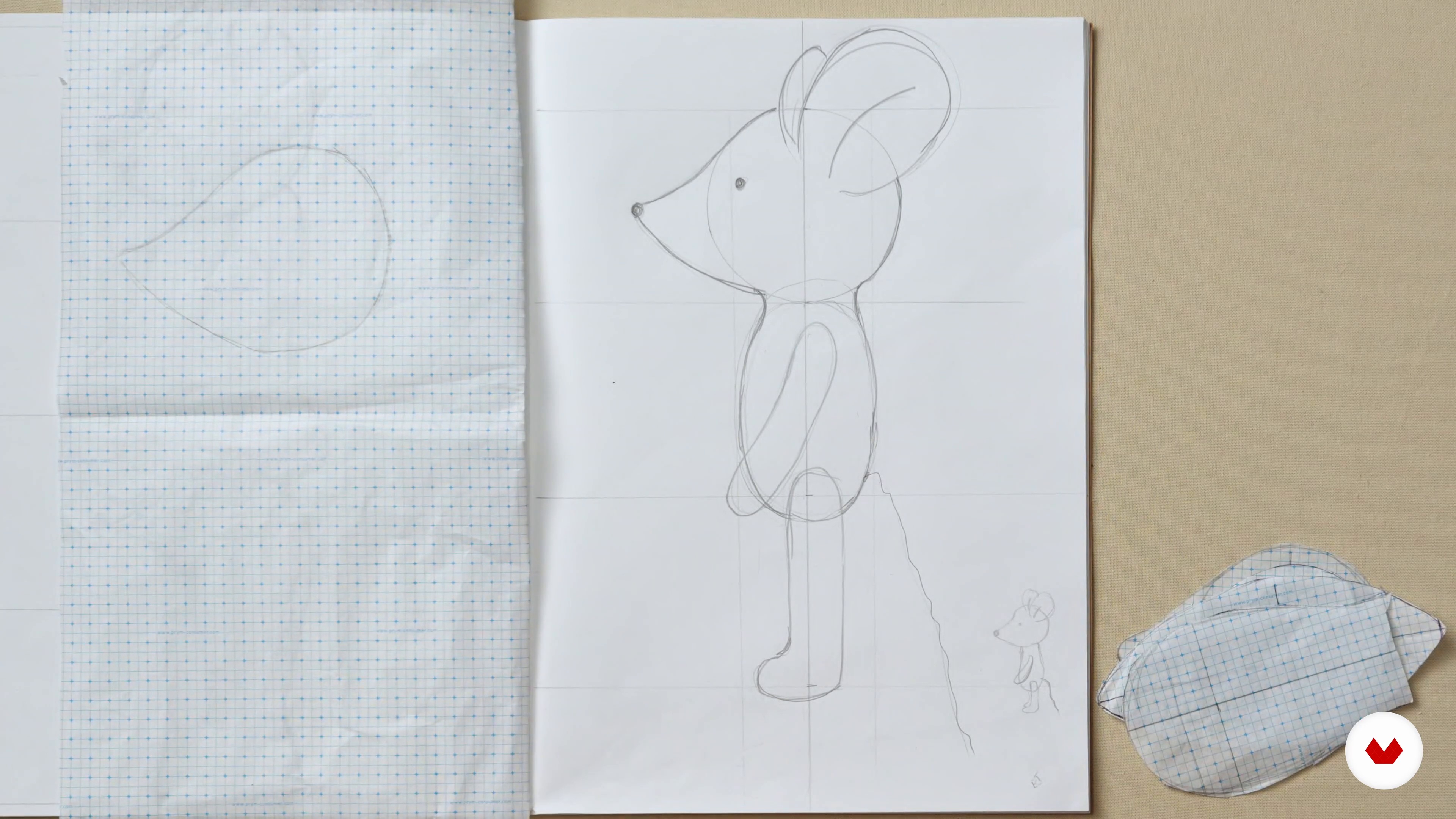
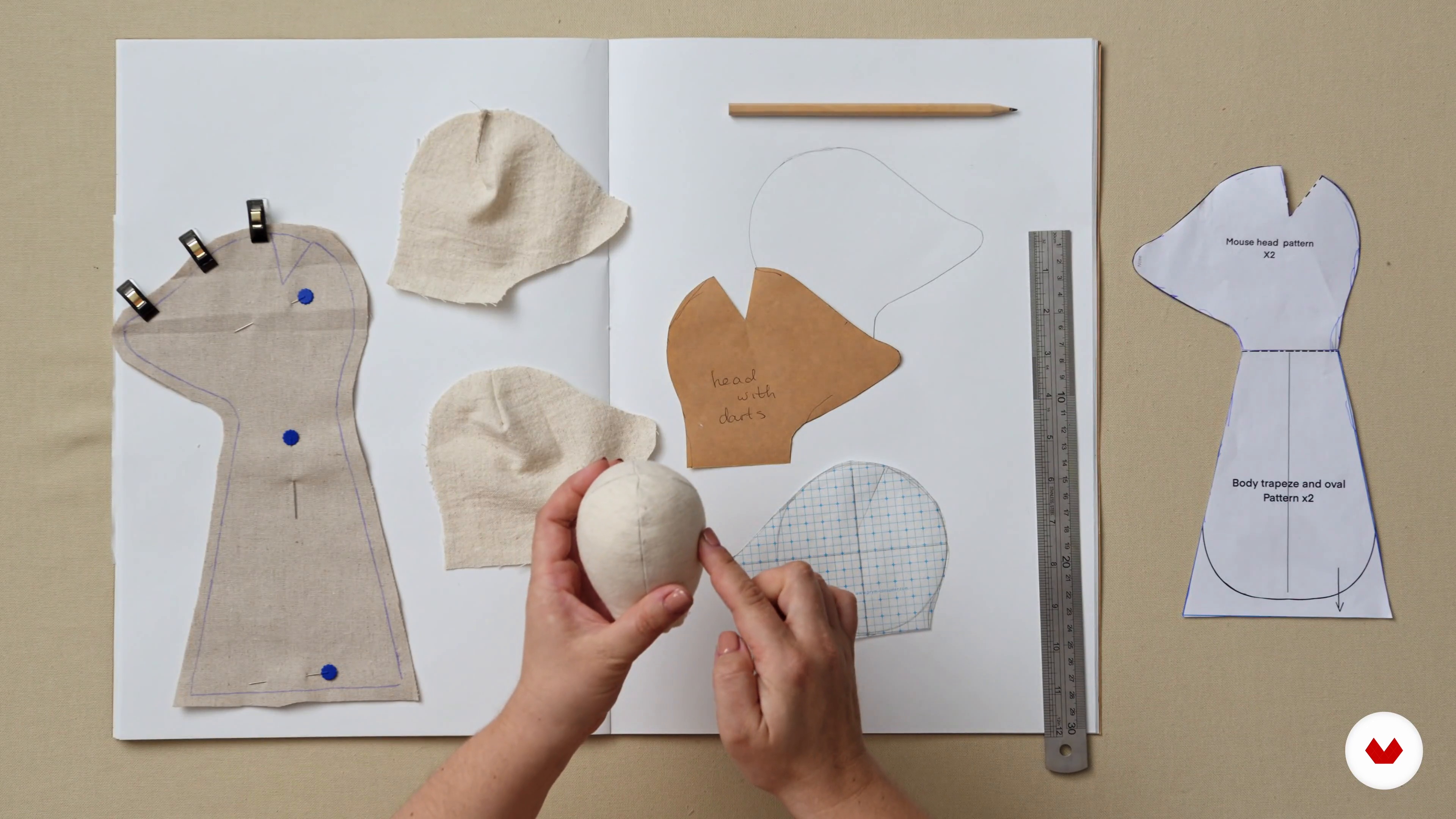
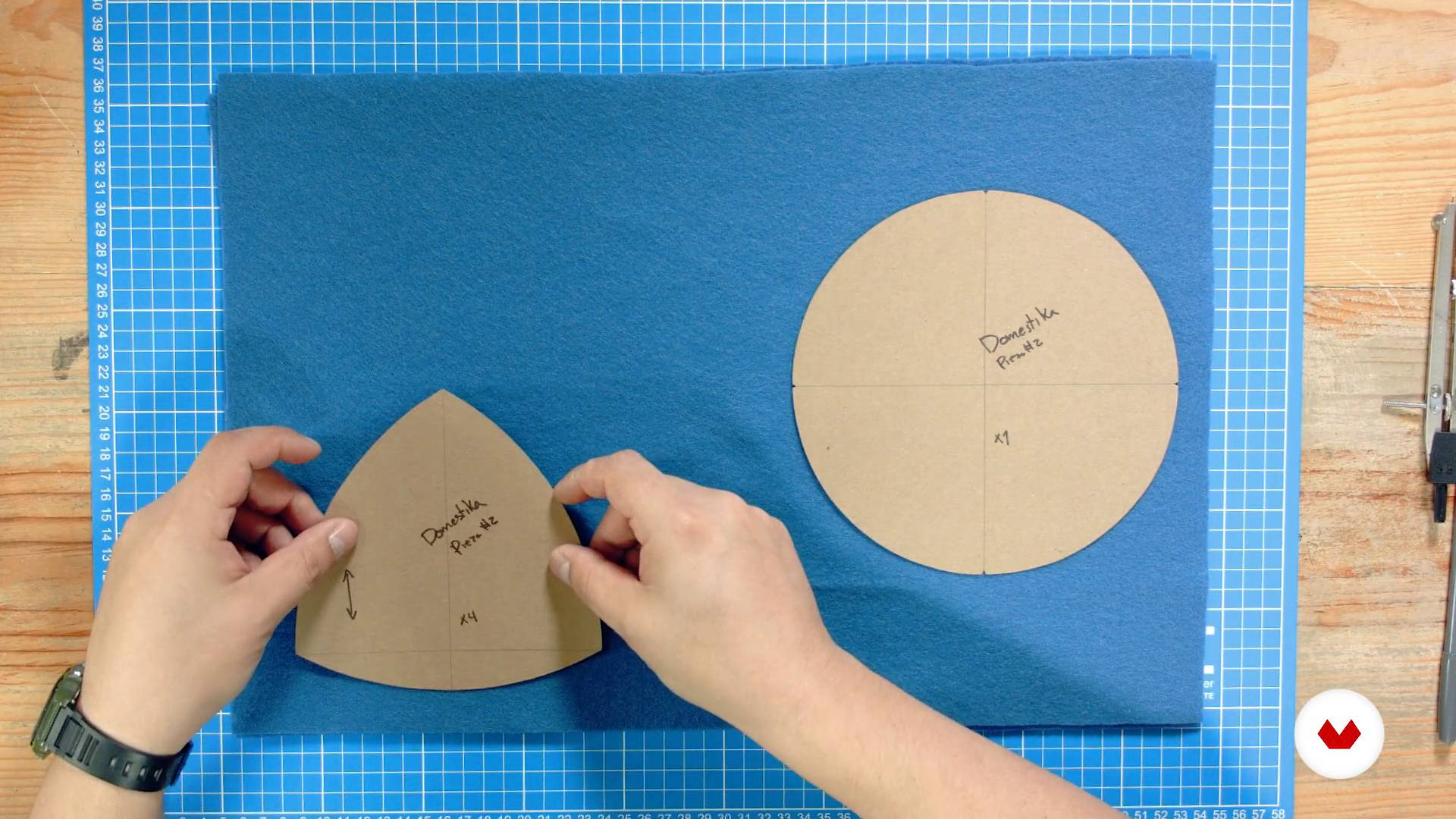
Once you have prepared the sketch and fabrics for your toy, the next step is to turn them into patterns representing each separate part. This task will require tracing paper. In this lesson, I will guide you through the process of creating the paper pattern for your toy step by step. These patterns will be used to cut out all details so that the fabric is ready to be sewn. I will prepare my mouse patterns as a reference. If you like, you can try to sew this too as a practice exercise. Or even modify it slightly to make another animal.
20m
image
8
Colors and Textures: Refining the Design
To conclude this unit, I will show you how to visualize your final toy in different colors and textures with my so-called stencil method. Once you have your basic design, if the final details are still undecided, follow my guidance in this lesson to make the last touches.
4m
image
9
Building the Head with Darts
In this lesson, you will learn how to bring roundness to the toy's head. This will be achieved by adding darts to the two-sided head patterns you sketched on paper. To get started, I will first teach you what darts are before demonstrating how to add them to the toy. By the end, you will have one completed fabric head.
9m
image
10
Building the Head Using Gussets 1
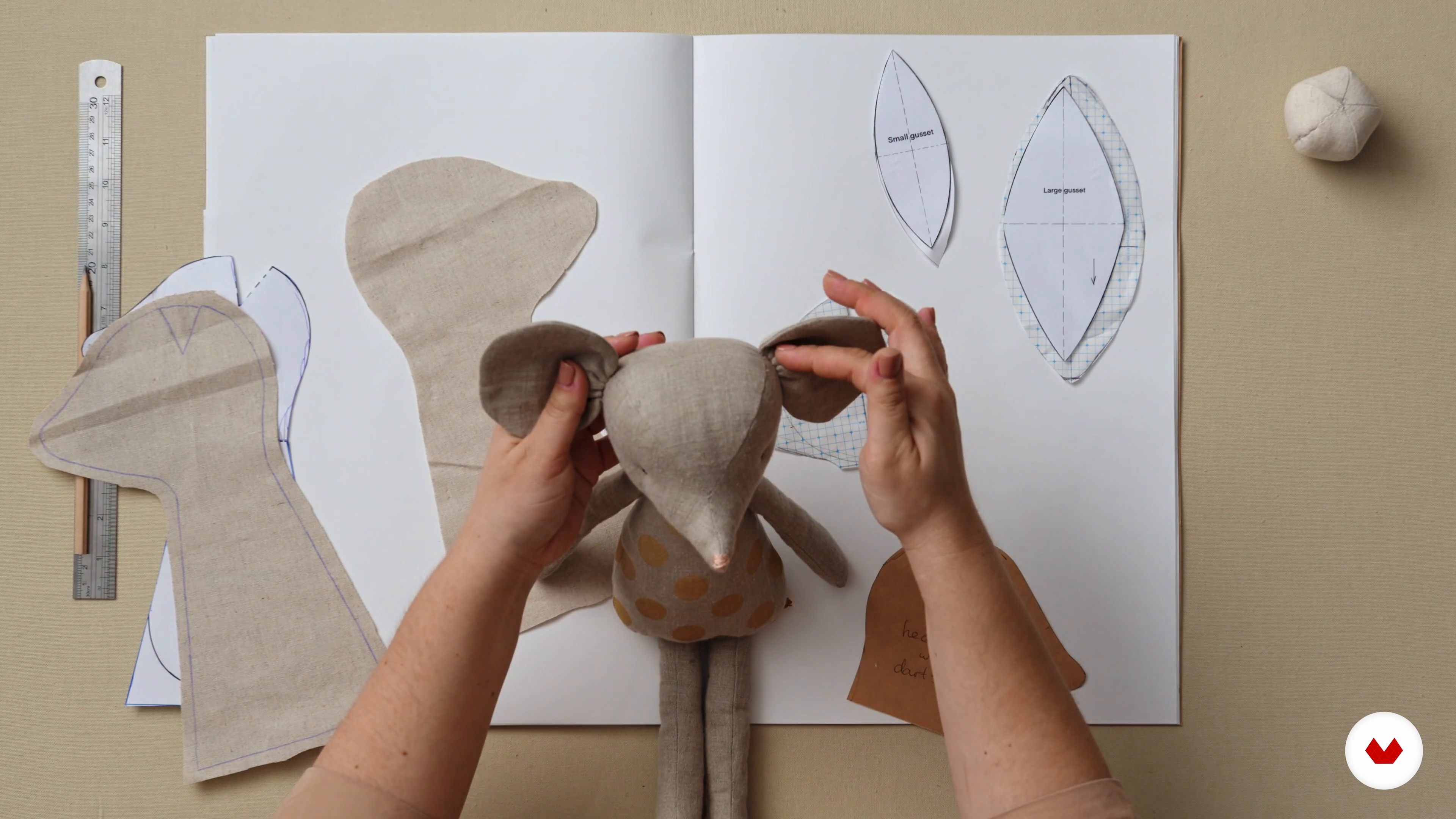
Maybe you're already happy with the head you constructed, but it's never a bad thing to expand your skillset further! In the previous units, we looked at teddy bears and completed the sewing exercise with the ball. So, you should know what a gusset is. In this lesson, you will learn how to construct the right-sized gusset for your animal and add it to your two-sided head pattern. I will give you advice on how to find the perfect measurements for your animal.
17m
image
11
Building the Head Using Gussets 2
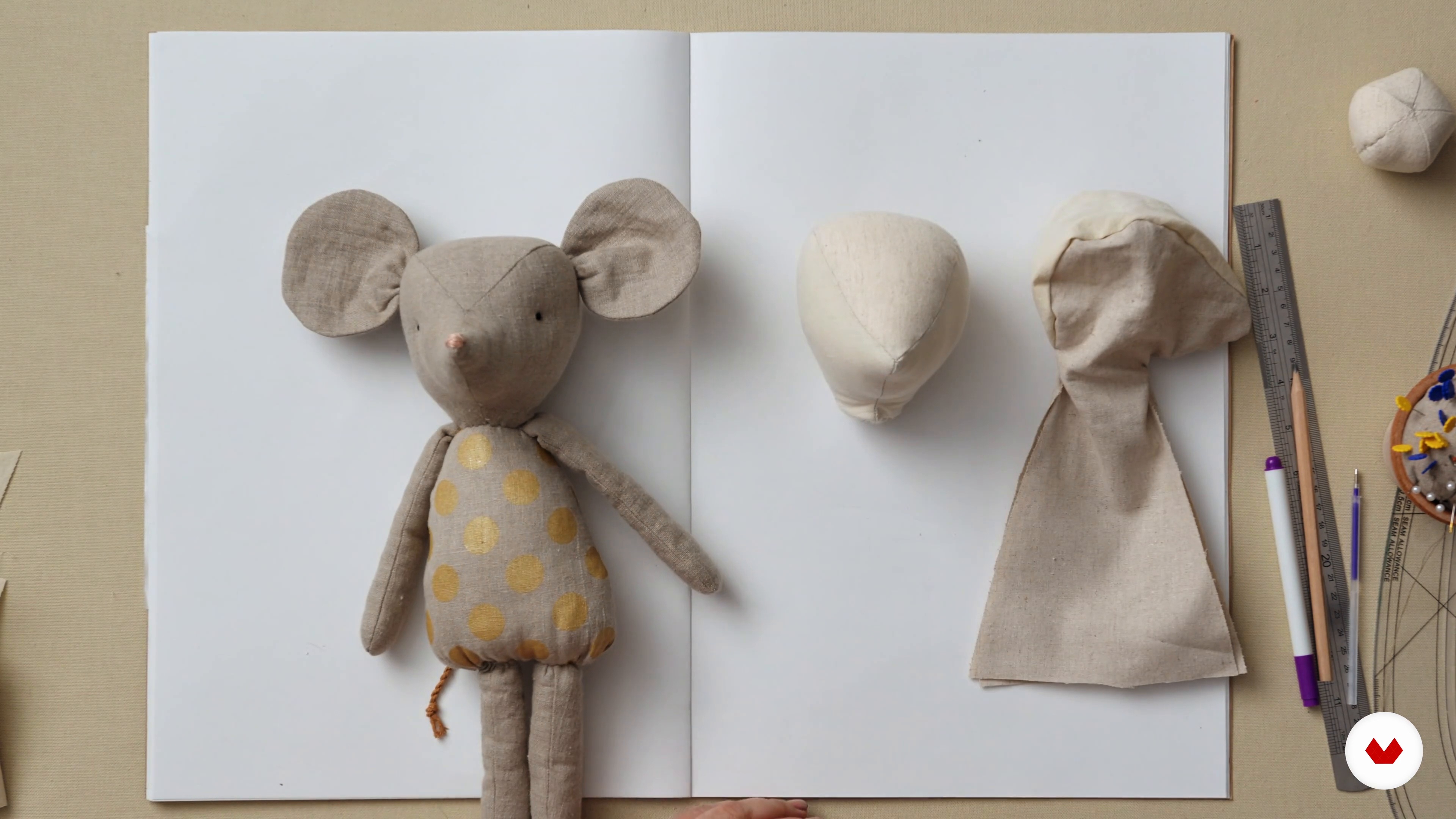
In the second part of this lesson, I will finish sewing the separate pieces of fabric together—the side patterns and the gusset—remembering the all-important seam allowance. You will learn how to ensure that each of the fabric pieces accurately meets at the nose point. Once that's done, the last step is to stuff!
6m
image
12
The Body and Legs
Now that you understand how to construct the head, the next stage is to build the body, legs, and hands based on the patterns you sketched before. Make sure to adjust them if needed.
20m
image
13
Adding Details: The Facial Features 1
Congratulations! You've arrived at the most exciting phase of the building process: adding the details. Ears and facial features will make your toy recognizable and unique. To achieve this, I will now teach you how to embroider the eyes and nose.
11m
image
14
Adding Details: The Facial Features 2
Now that I've completed the eyes and positioned the nose, I will follow the outline of the pen with my needle and thread to embroider the mouse's nose, finishing with the mouth. Once the facial features are ready, you will need to finalize the position of the ears and (if necessary) attach a tail. I will walk you through this process.
13m
image
15
Accessorizing the Toy
In this lesson, you will learn simple steps to create collars or bows to decorate your toy. I will discuss what is currently trending and why less is better than more.
8m
image
16
Adding a Personal Touch
It's time to pay attention to the finer details! I will show you how to decorate your toy with personalized elements that will give them a unique look. For example, I will cover decorative stitches for ears, cord tails, contrasting fur, suede, or fabric paws.
4m
image
3
Presentation of tools
We started! The first thing we have to see are all the tools and materials that we will use throughout the course.
3m
image
4
Craft sewing techniques
In this lesson I will teach you the 5 basic stitches (basting, seamstress, zig zag, eyelet and closing or invisible) that will help you to make all your pieces throughout the course.
17m
image
5
No fear of the sewing machine
In this lesson we will see some basic concepts and I will give you several tips for machine sewing.
8m
image
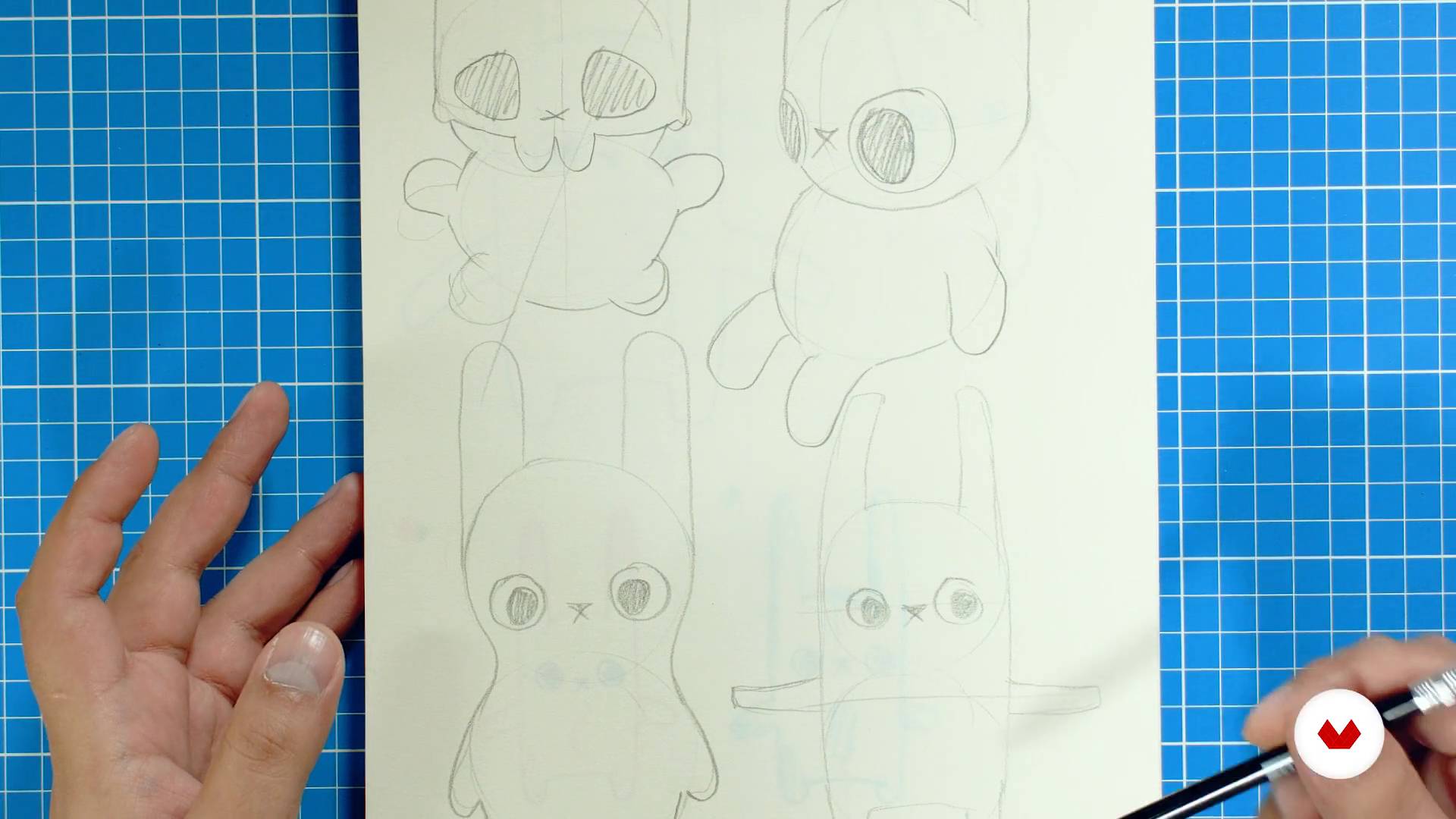
6
Choice of characters
In this lesson I tell you a little about my sketching process; from the first ideas to the choice of a character.
3m
image
7
Defining the scale
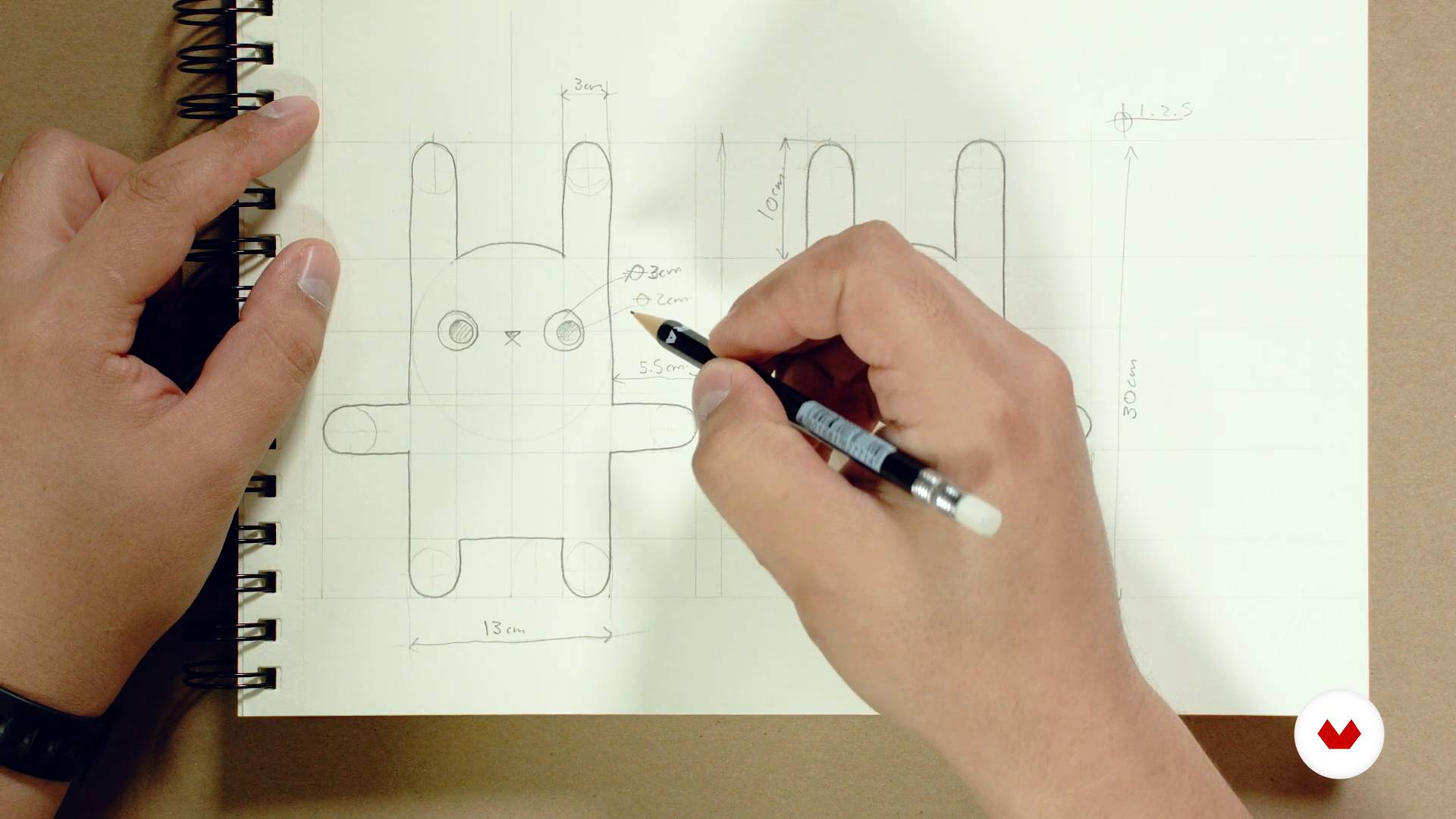
Once we choose our character it is time to choose the correct scale since our design will change when we move it from paper to pattern. In this lesson I show you what is the ideal process to perform this conversion.
3m
image
8
Basic pattern
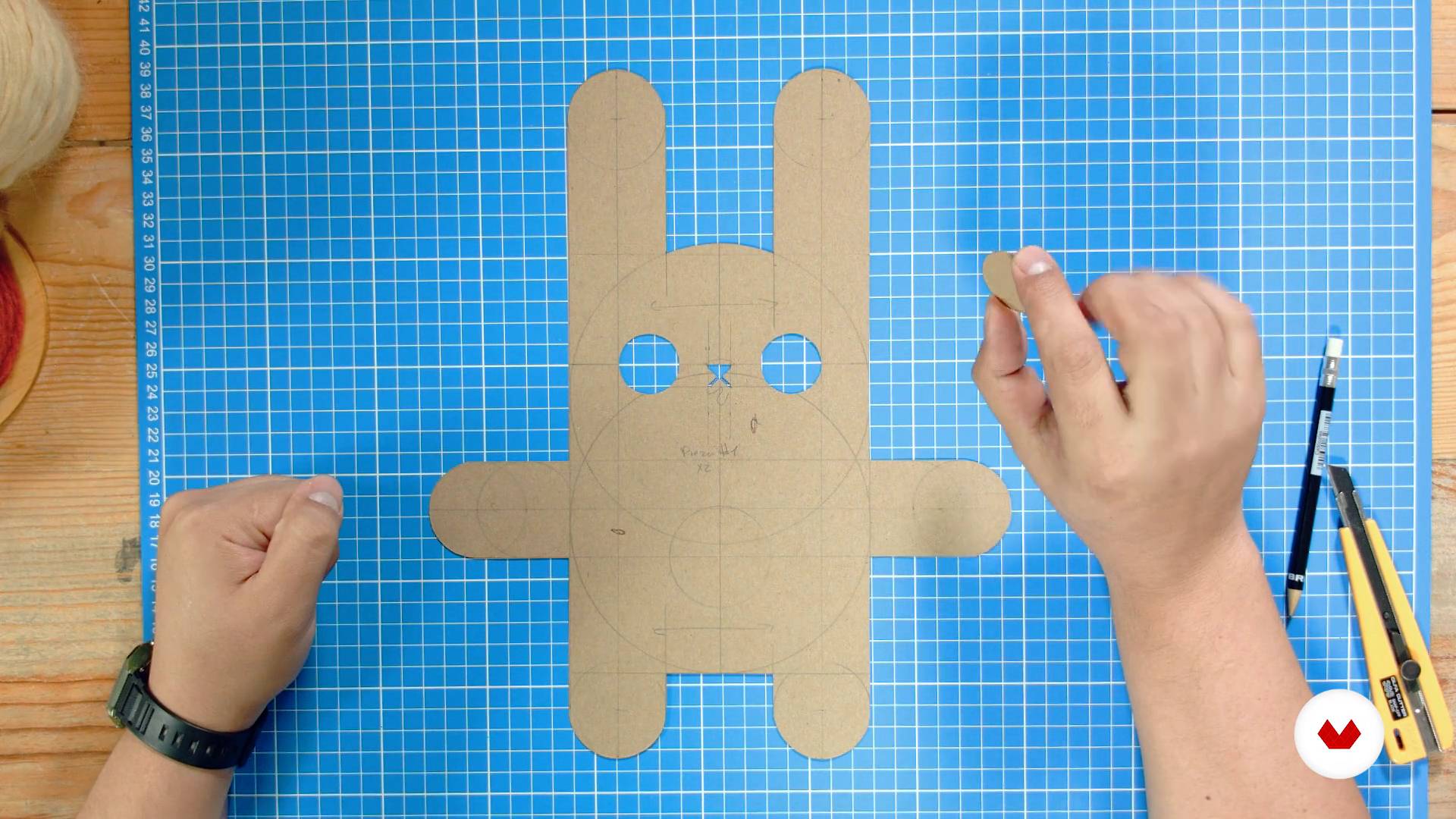
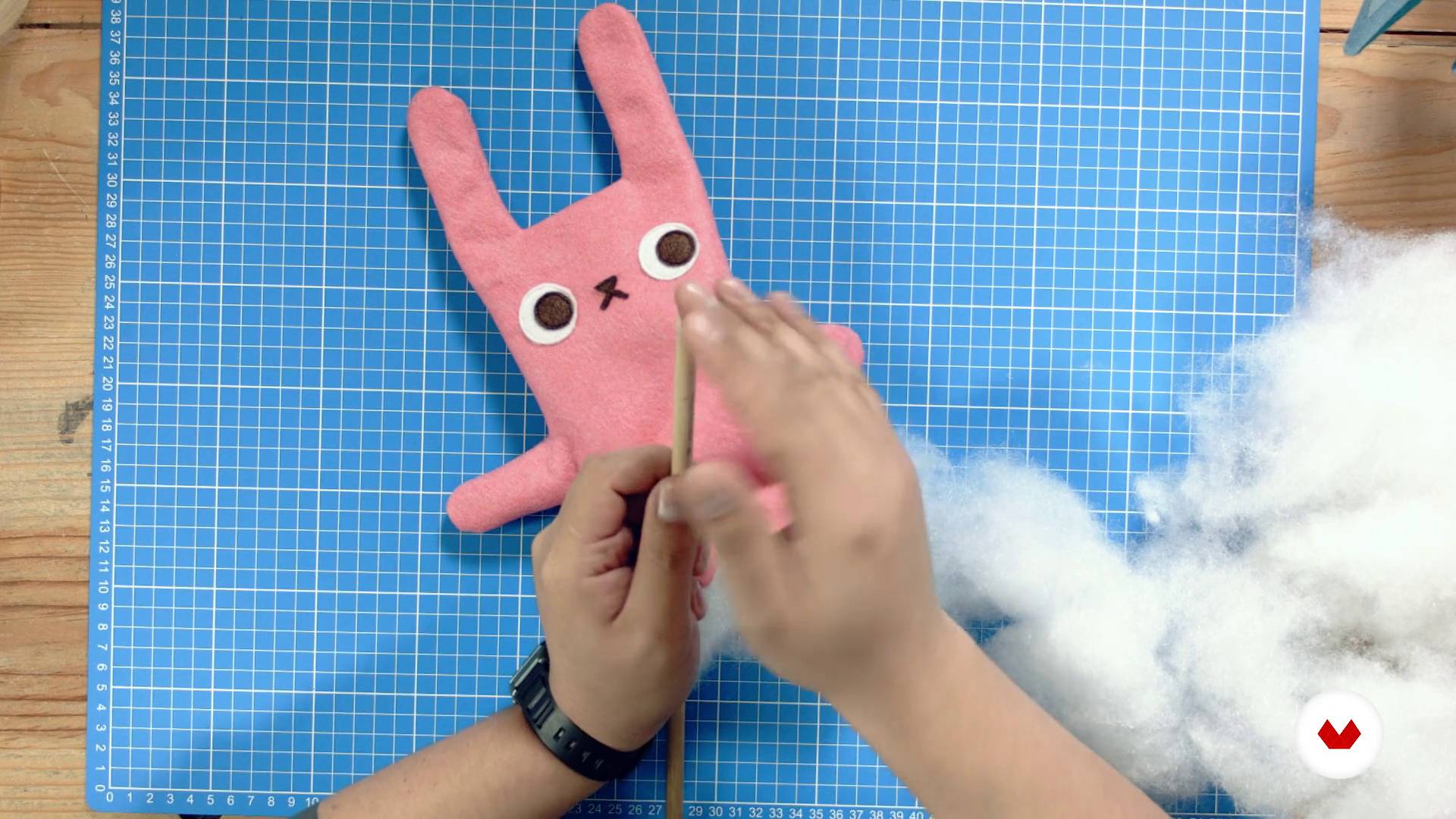
In this lesson we will trace the pattern of our rabbit and I will give you some recommendations that you should keep in mind during this stage.
4m
image
9
Selection of material
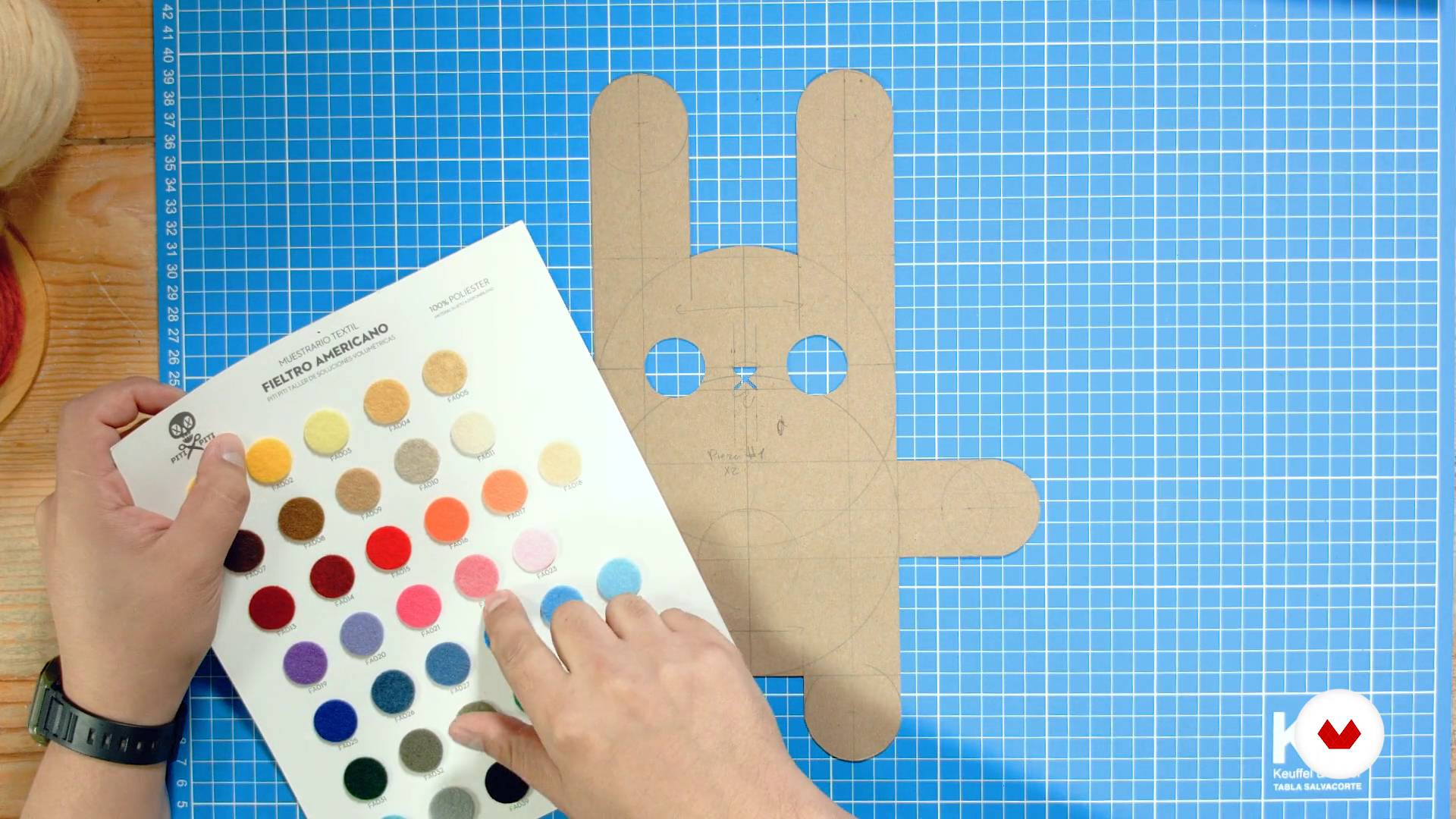
It was time to select the material on which we will work taking into account our color palette, fabric elasticity and some other factors. To finish we will make the cut of the body, eyes and mouth.
5m
image
10
Basic piece assembly
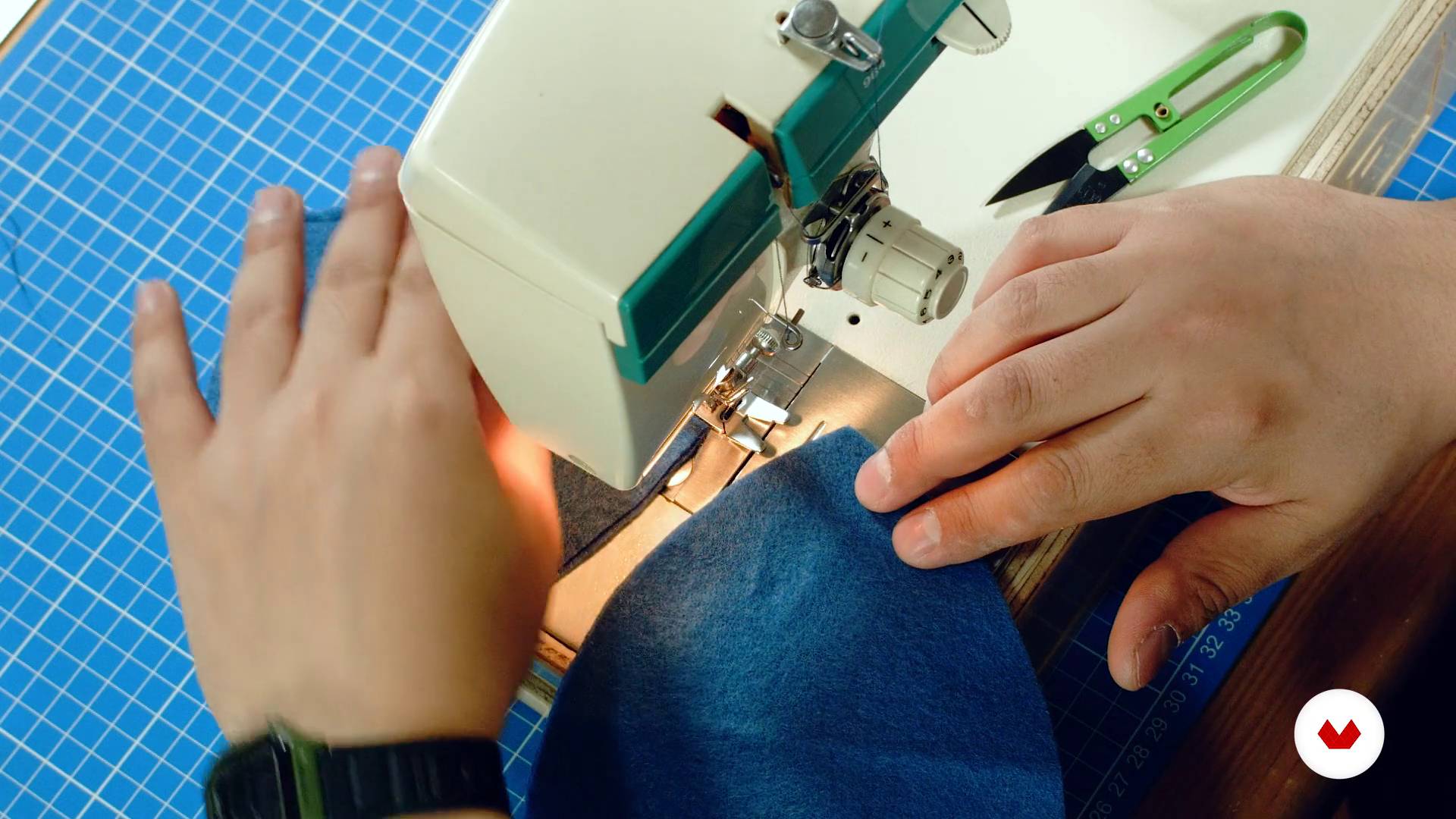
In this lesson we will see the assembly process of our piece, from sewing, spinning, filling and final finishes.
14m
image
11
Pattern of the body
In this lesson we will make the stroke of a pattern with the aim of giving volume to our pieces which will help you to understand this concept perfectly. This figure will work as the body of our next piece.
11m
image
12
Body assembly (Dummy)
In this lesson I will teach you to unite all the pieces of our pattern. Once finished we will see if our previous patterns were correct and we will use this test as a dummy to design our next character.
7m
image
13
Pattern of secondary pieces
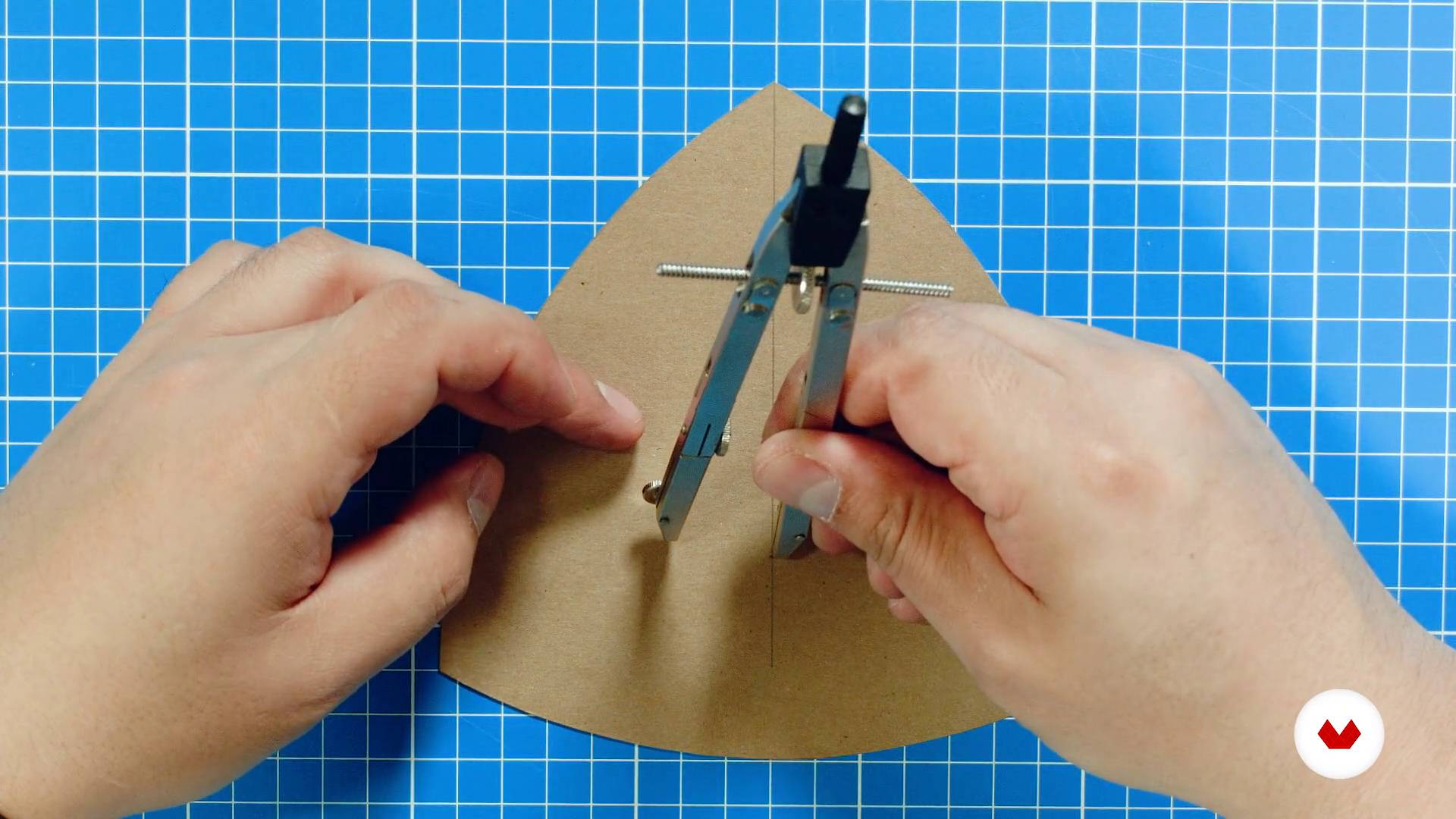
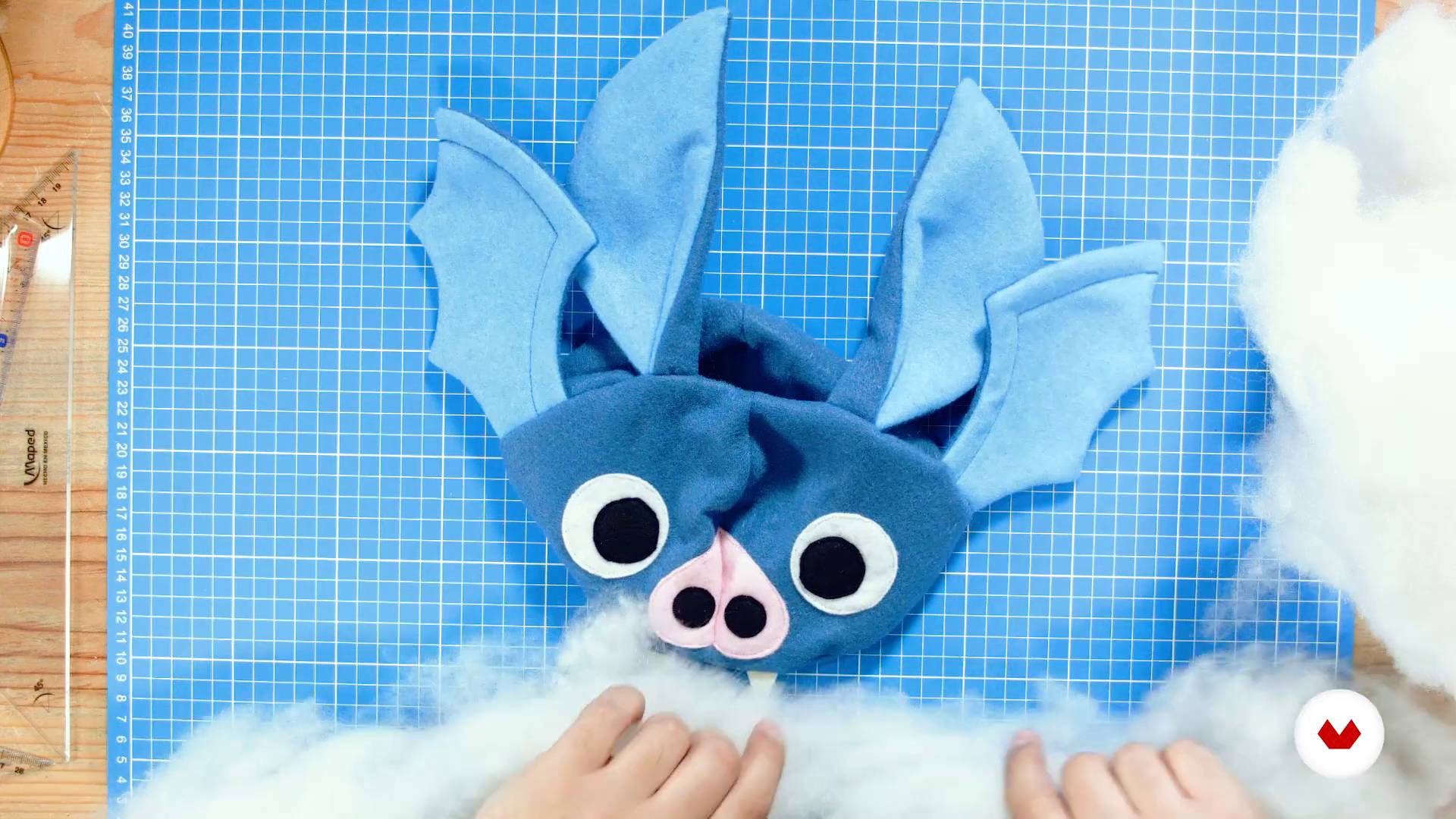
In this lesson I will teach you in detail how to make the patterns of all the secondary pieces like wings, ears, nose and eyes of our vampire.
5m
image
14
Intermediate piece assembly
To finish our piece, we just need to arm all the patterns of our bat.
19m
image
15
Pattern of the head and body
As we did with the previous piece, we will develop each element of our piece in stages, starting with the head and the body. We will trace the pattern and make a prototype to be sure that all our patterns are correct.
24m
image
16
Complex piece assembly - Part I
In this lesson we will begin to unite all the pieces and limbs of our character.
10m
image
17
Complex part assembly - Part II
Then we will finish with the sewing of our prototype, we will turn, fill and if we are happy with the result we will develop our character.
11m
image
18
Tricks and tricks
Before finishing, I would like to share a few tips of materials, techniques and final finishes that you can integrate to all your creations.
5m
image
3
Presentation of the Project: Knowing the Tools
In this lesson I will introduce you to what the course project will consist of. Then I'll show you the tools you'll need to make your doll and explain how to use them.
2m
image
4
Searching for Inspiration
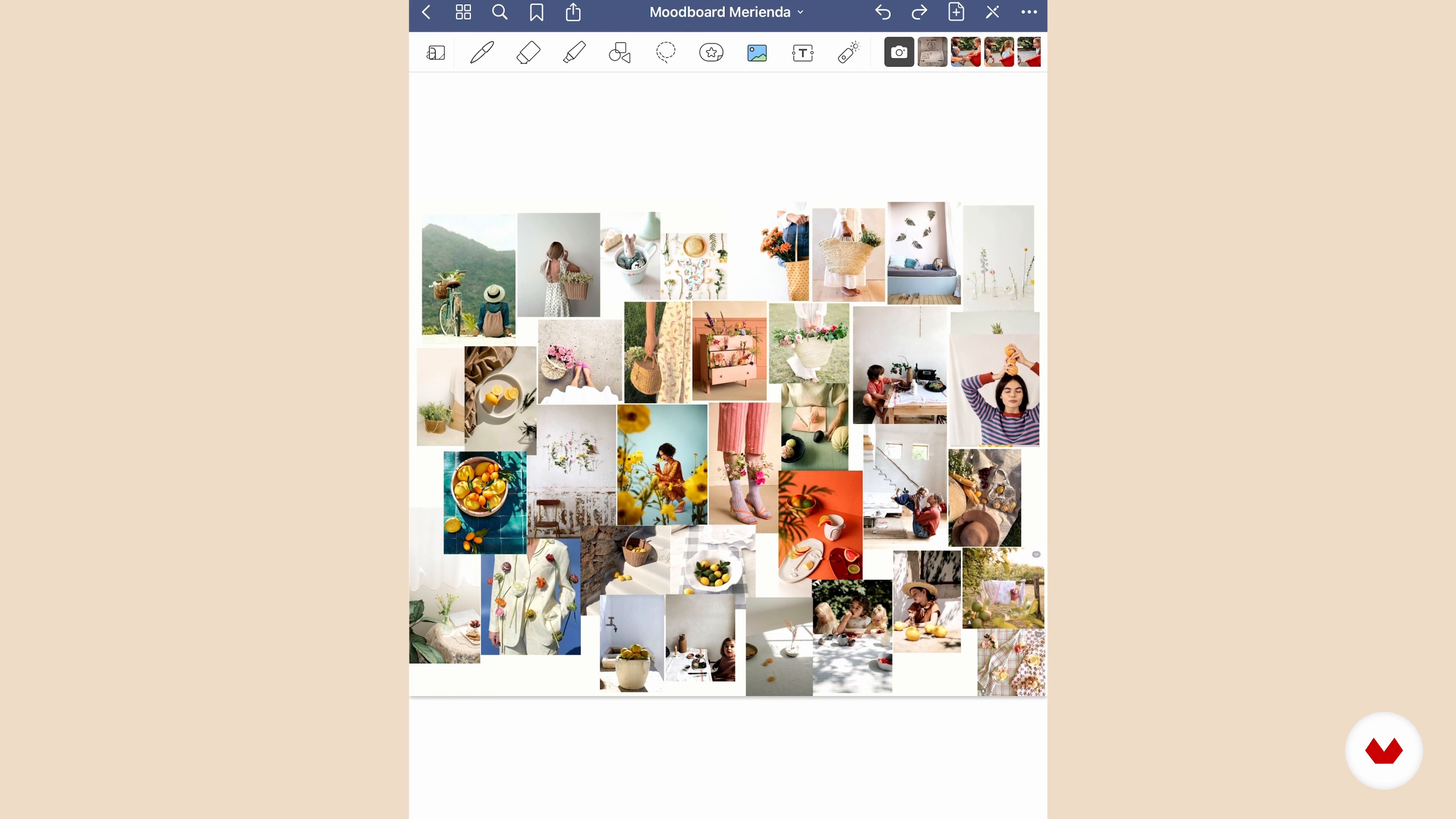
Inspiration—one of my favorite parts—is where it all begins. I'm going to dive into a sea of inspiration and spend a lot of time on Pinterest and Instagram collecting ideas for both my doll and the photo shoots I'll do with it.
4m
image
5
Playing to Generate Ideas
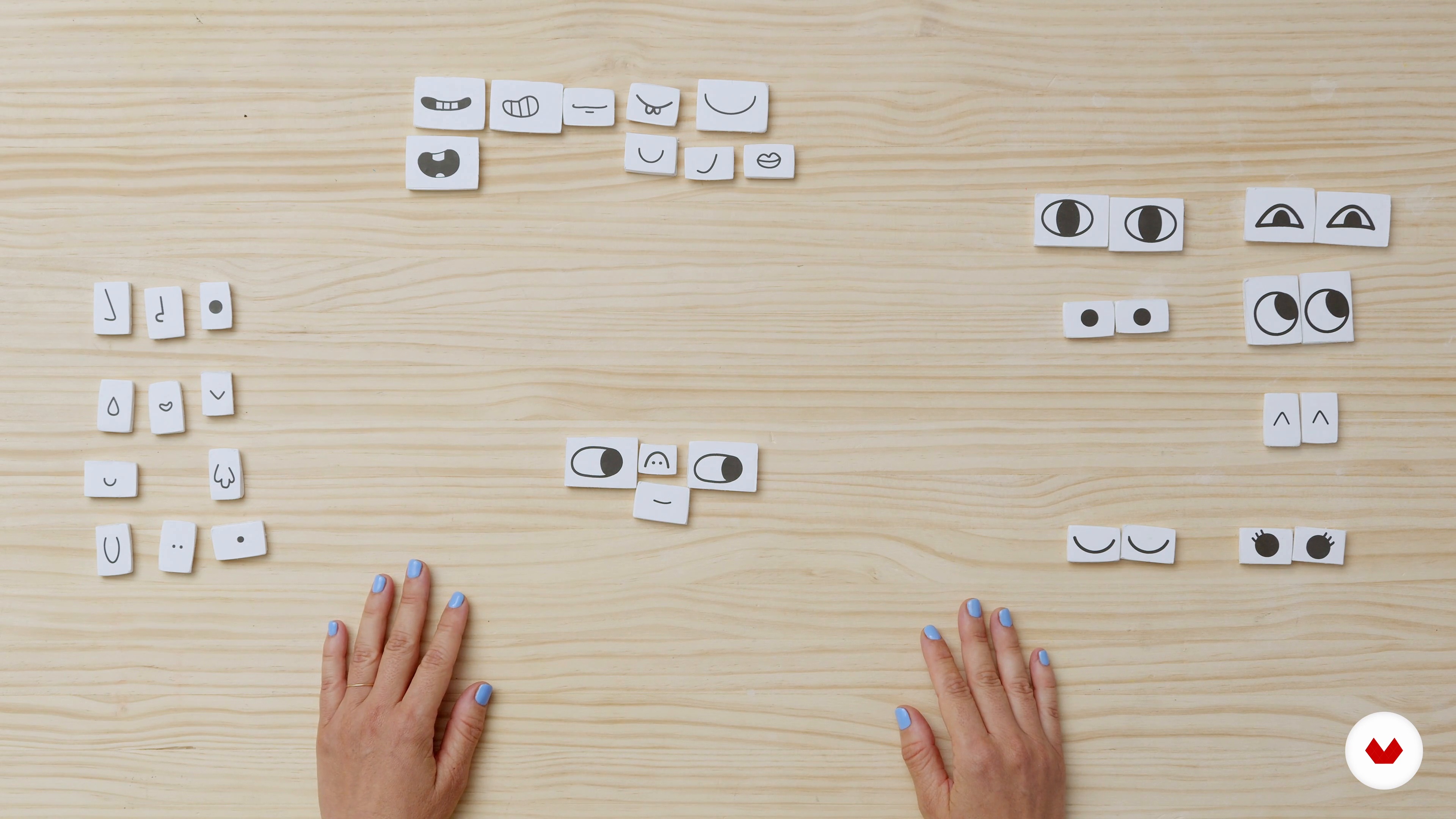
I already have my inspiration board ready. Now I propose a game that will help you specify the facial expression of your doll. I want you to investigate among several options and choose your favorite for its preparation, but also that you can have all the others to carry them out in the future.
3m
image
6
Making the Sketch
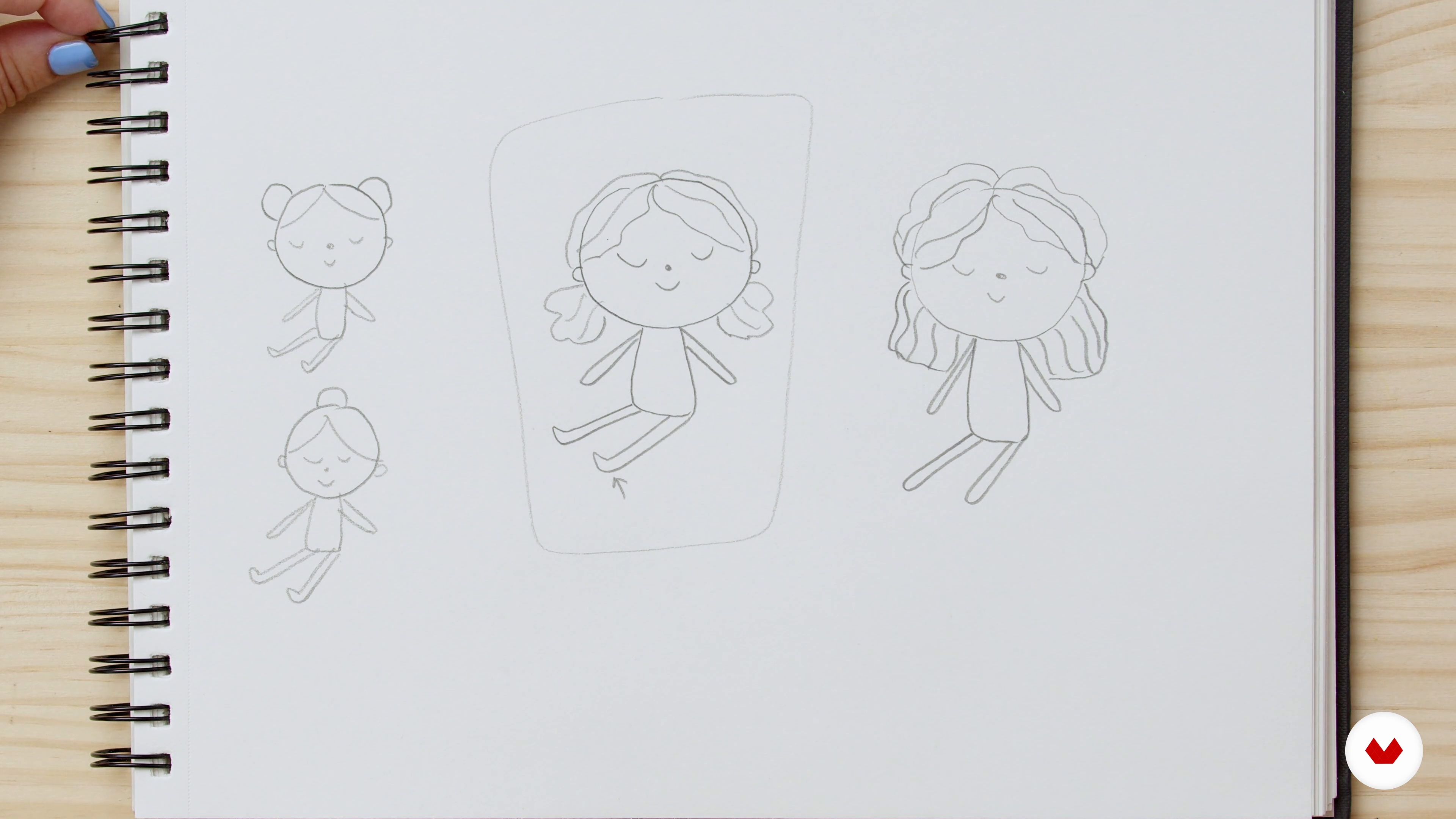
In this lesson, you will sketch your doll. This is a key moment because this sketch will be the one that will serve as the basis for carrying out the entire project. It's not exciting? Go for it!
6m
image
7
Pattern Making
The next step in the process is to make the patterns for your doll. I have made a starting pattern based on my sketch, but you can modify it if you want your doll to have a different morphology.
8m
image
8
Cutting and Sewing Body Parts
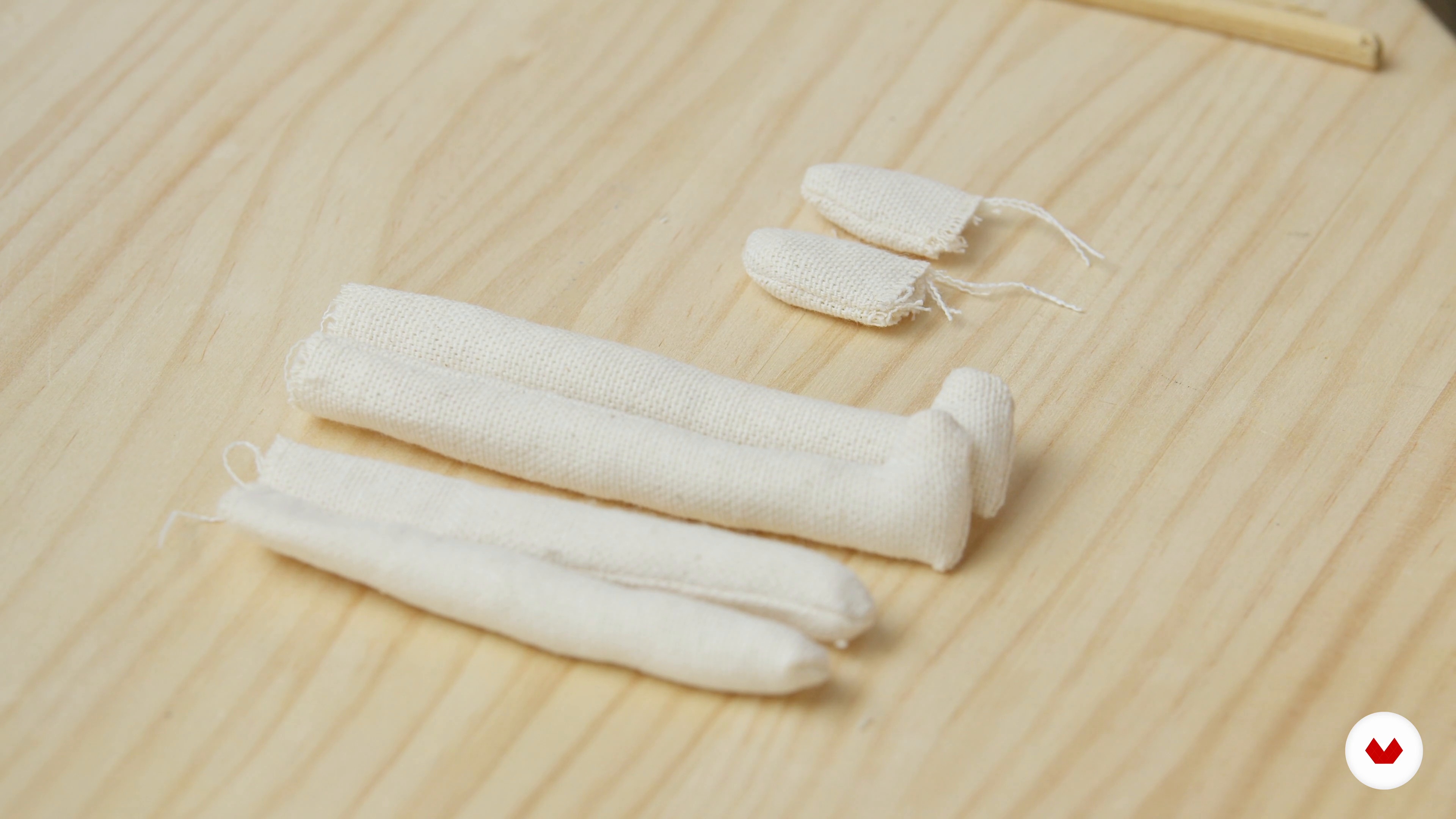
In this lesson I will teach you how to mark and cut the patterns. I will also show you how to sew all the limbs that will later be attached to the body.
17m
image
9
Joining, Flipping, Filling and Closing
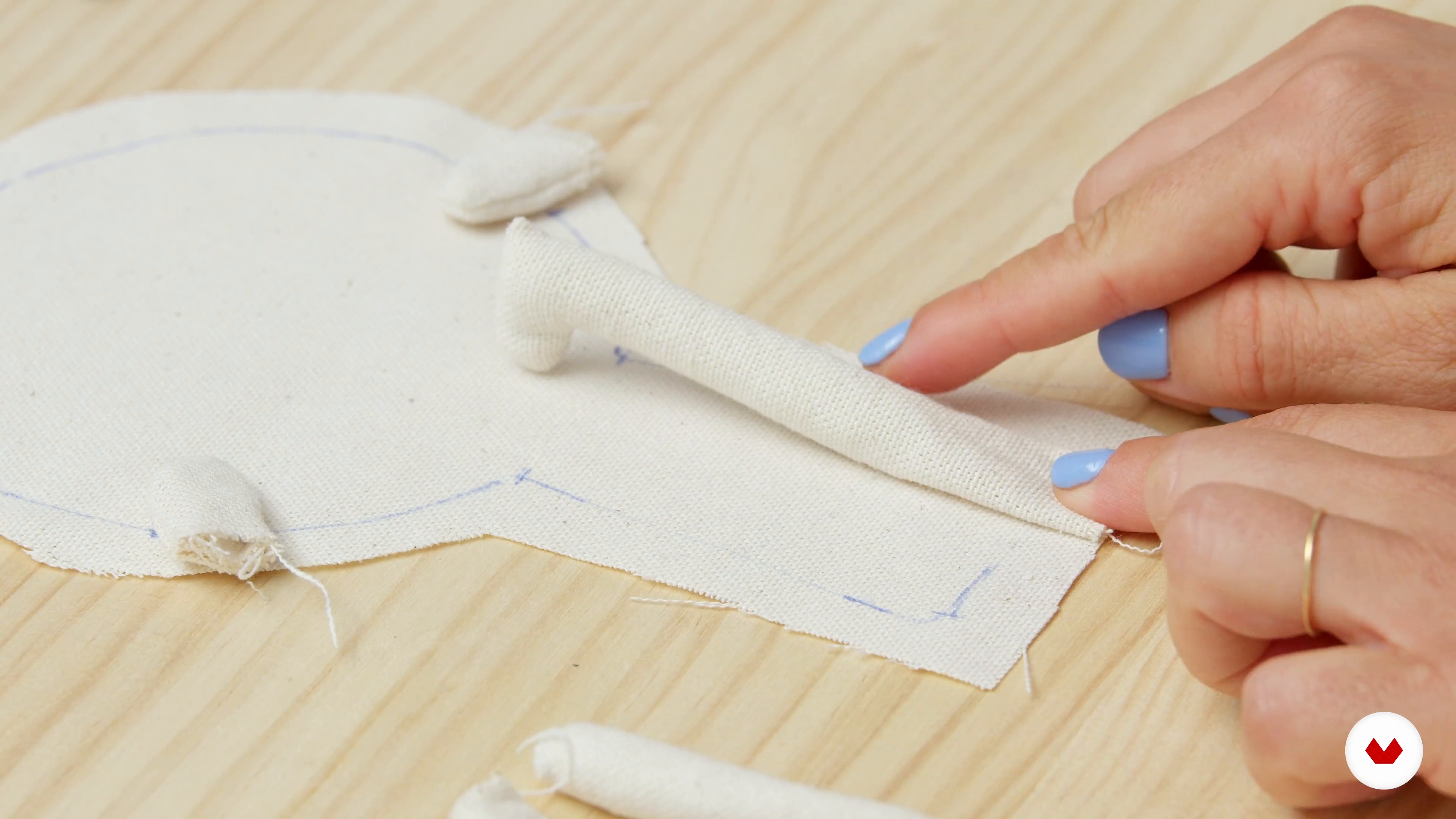
You now have all the limbs sewn and stuffed! Now you are going to assemble them to the body. Then, you will turn them over, fill them and close them.
20m
image
10
Clothes
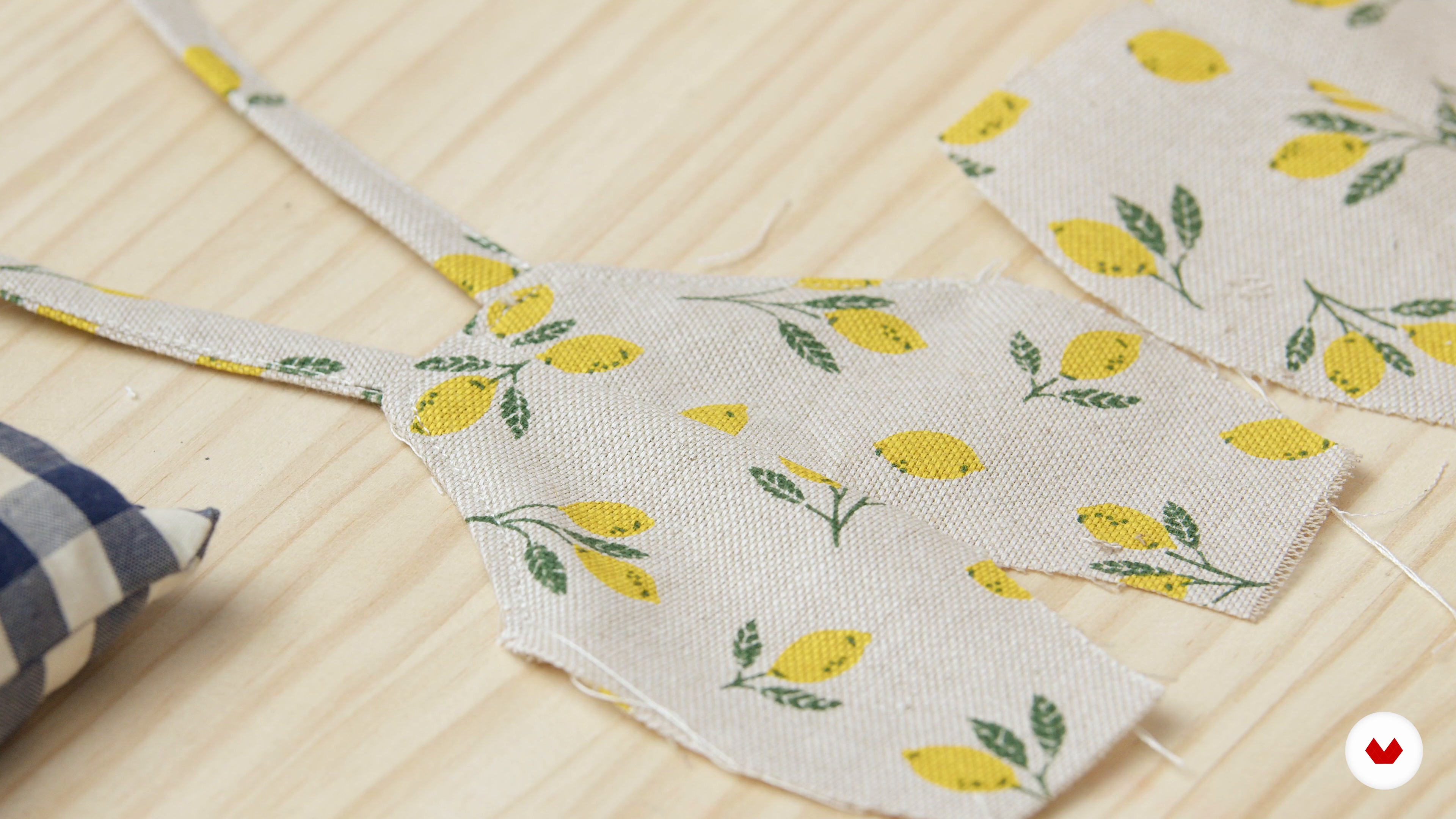
Now it's time for you to make your doll's clothes. I have designed a simple bib; I will explain how to do it.
16m
image
11
Hair
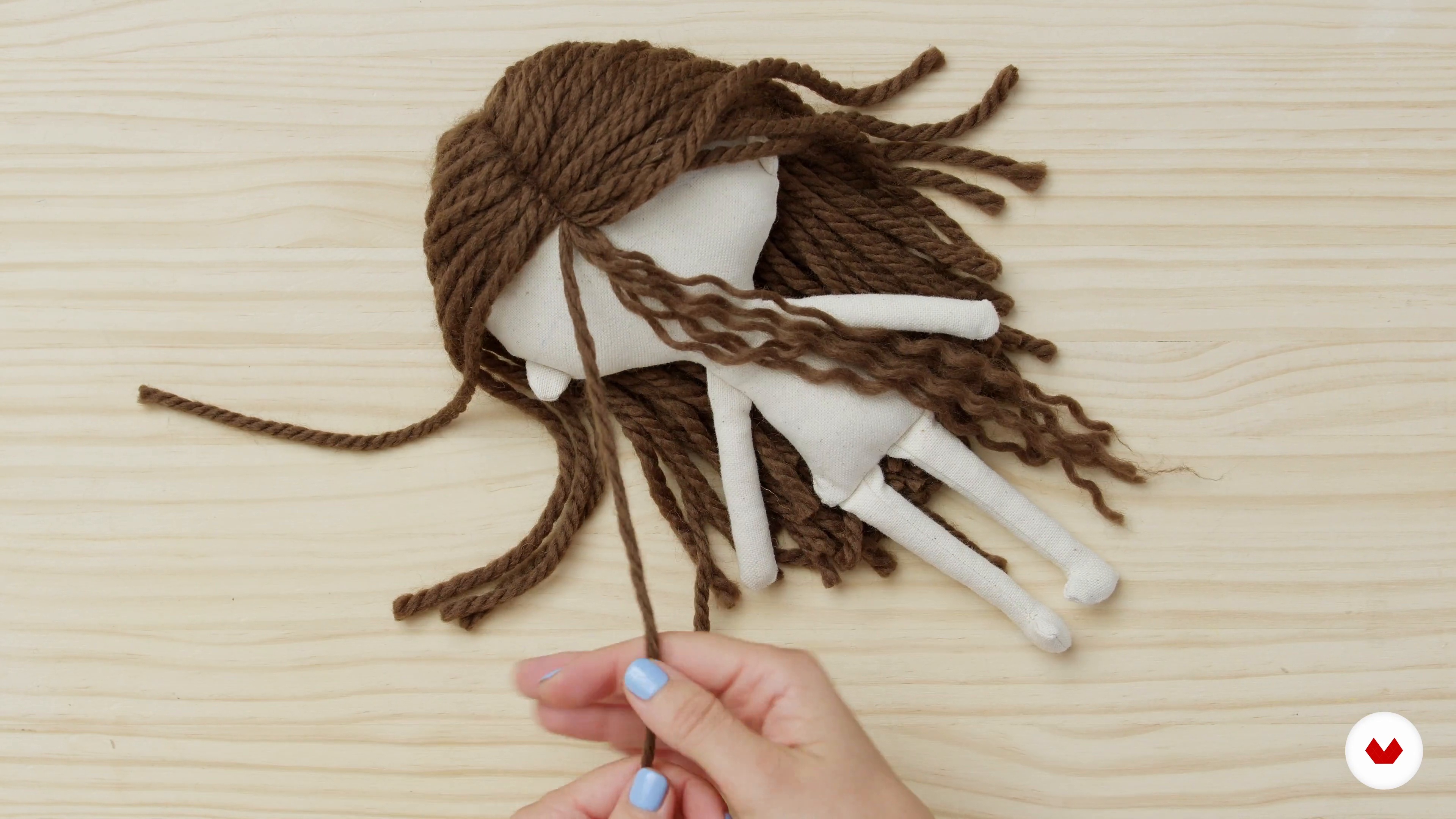
You already have the body of your doll and her clothes, so now it's time to add her hair. You have plenty of material and color options, so you can choose what you prefer based on your sketch. Let's do it!
13m
image
12
Face
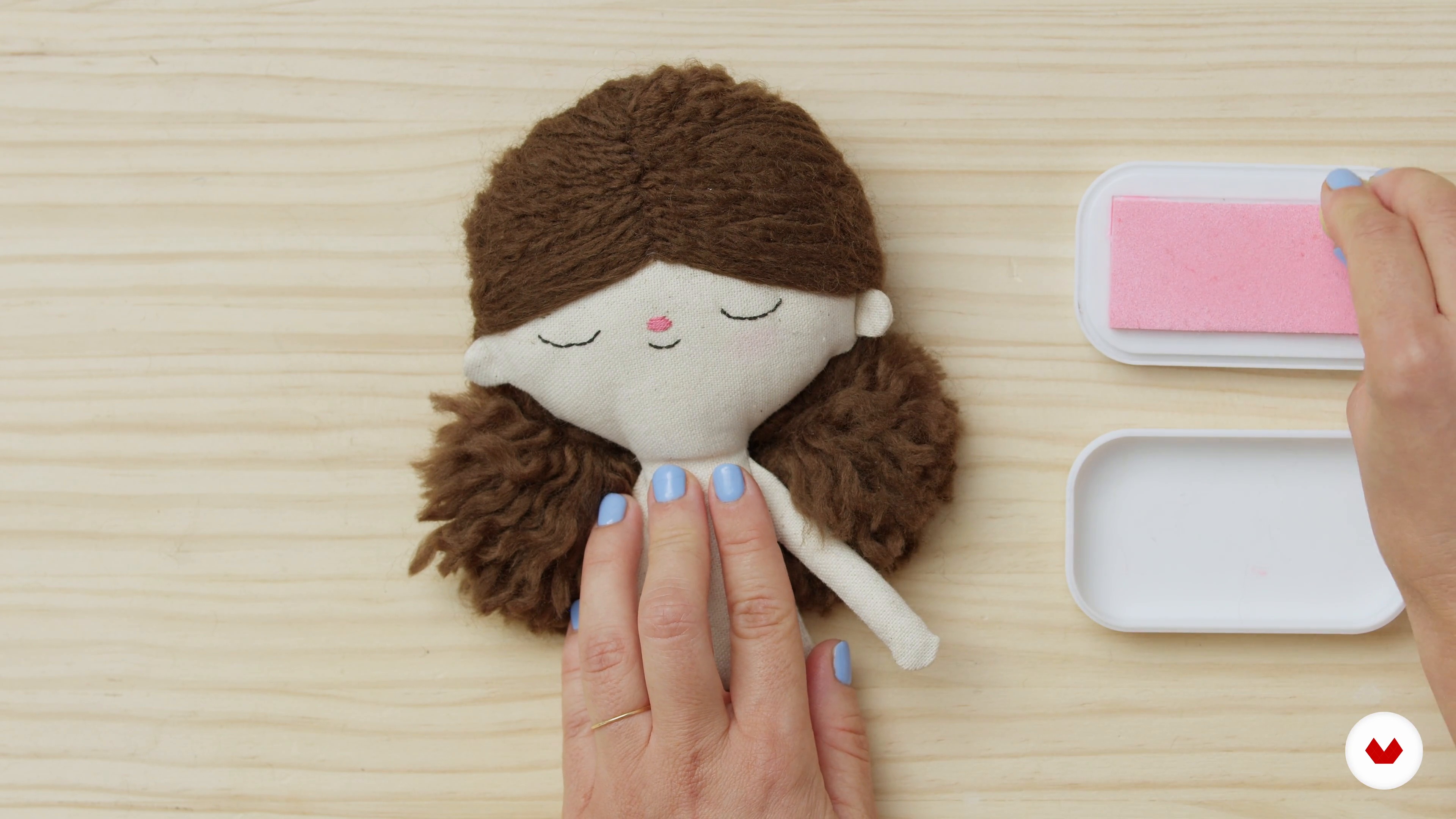
Now that you have the doll with her hair, you are missing the most important part: her face. Let's go for it!
8m
image
13
Organization and Planning Tips
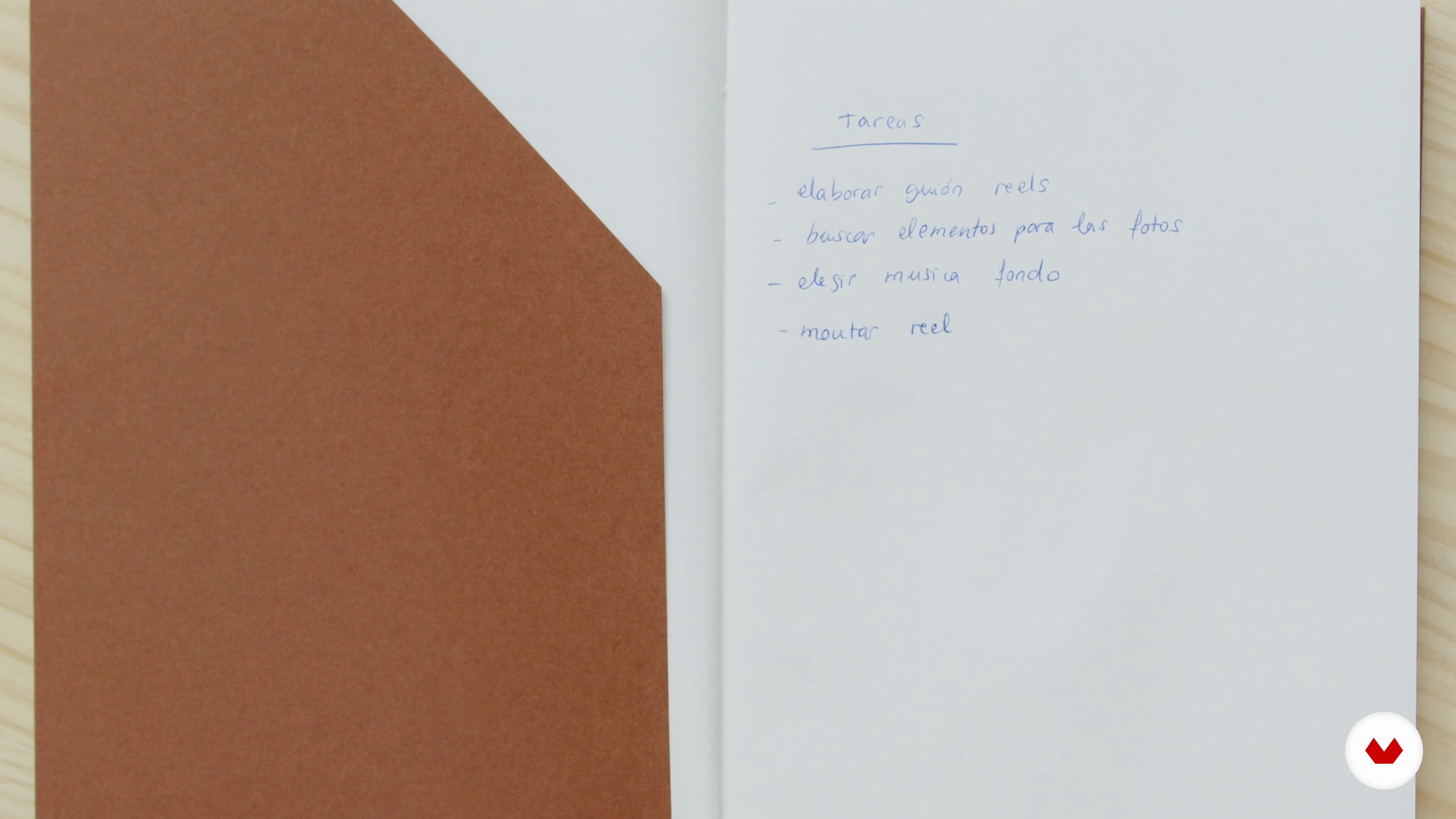
In this lesson, I will tell you some tips that work for me in my day to day. It is not easy to take care of all the parts of the process: producing, taking photos, running the networks and everything else. I'll give you some simple tricks to save time.
9m
image
14
Writing Texts
We have finished the doll. Now I am going to teach you to tell their story and, through it, your own story.
3m
image
15
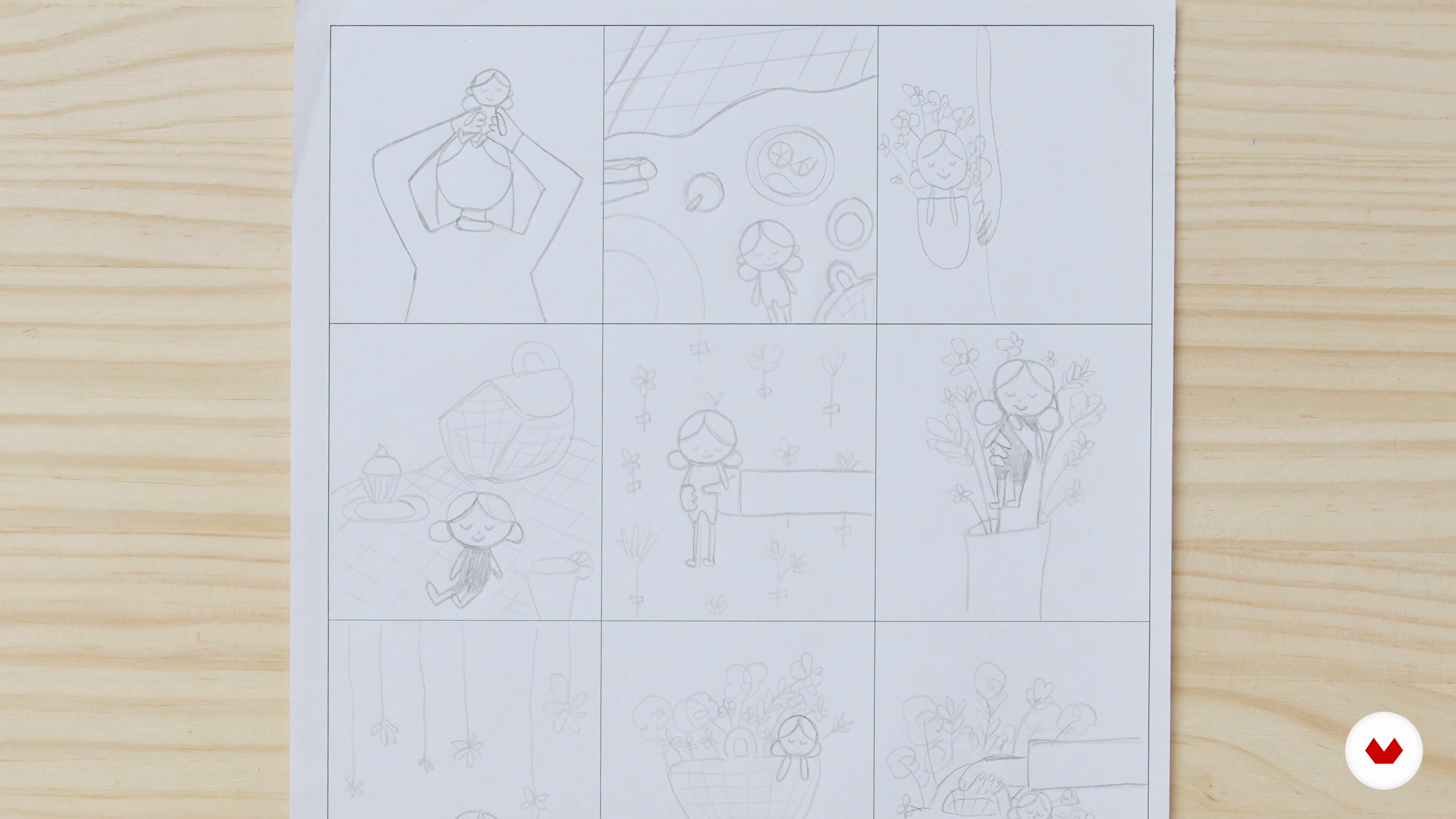
Storyboard for the Photo Session
When I finish a doll and have to send it to its new home, I always feel a little sad. My peculiar way of saying goodbye to her is by taking pictures of her, so I have an image left to remember her. In addition, these photographs are the ones I use for my social networks. For the photo shoot, the first thing I do is storyboard. In it I try to transfer to paper the image that I have in my head for each photo, since, in this way, it will be much easier for me to take them and not forget any element.
2m
image
16
Shooting: Photo and Reels
In this lesson, you'll walk me through taking the photos I have on my storyboard and also recording some little clips that I'll use to make a reel. For the reel, I'll take the text I wrote in the "Write texts" lesson and add it to the video with my own voice.
4m
image
3
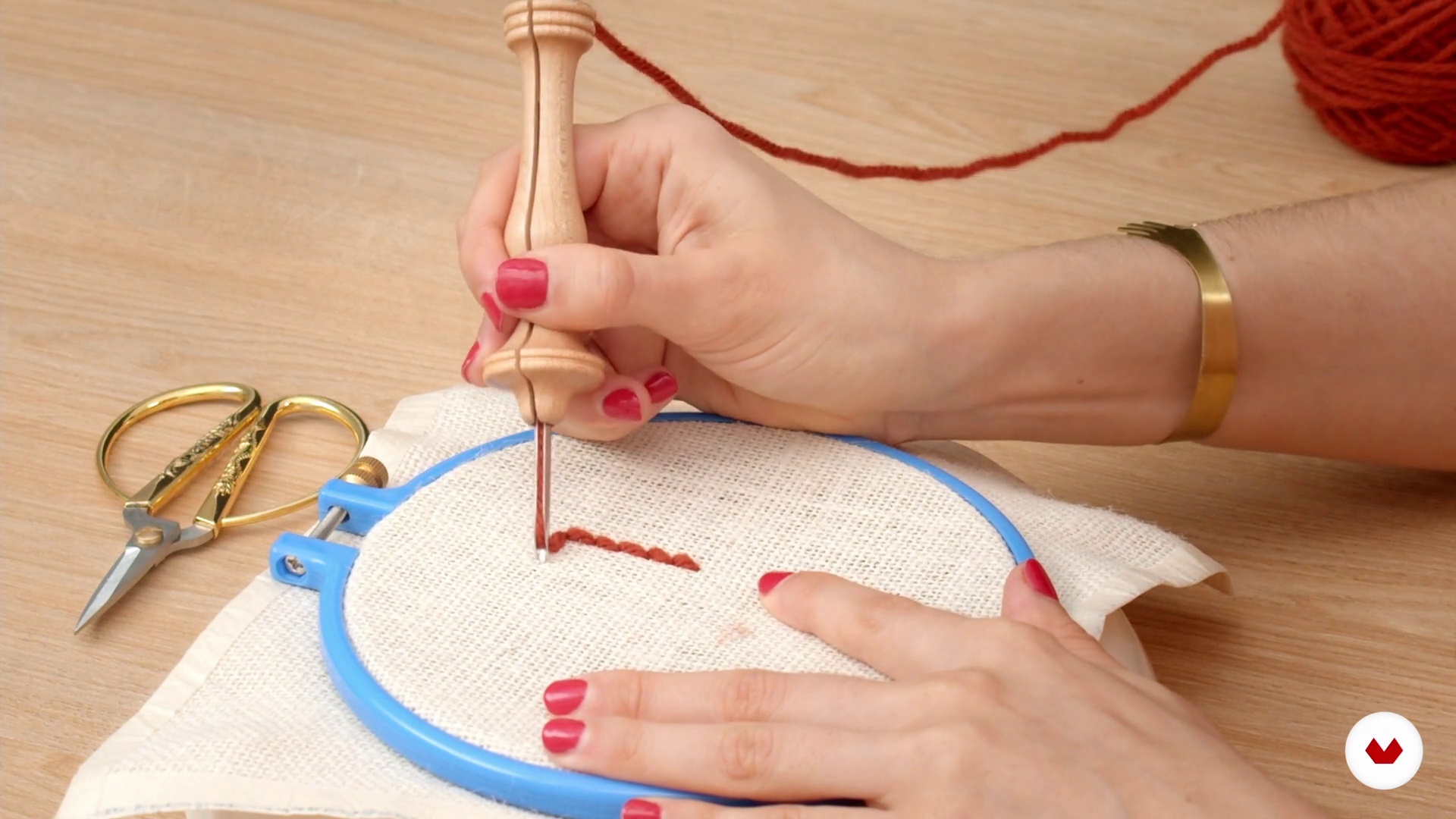
The technique
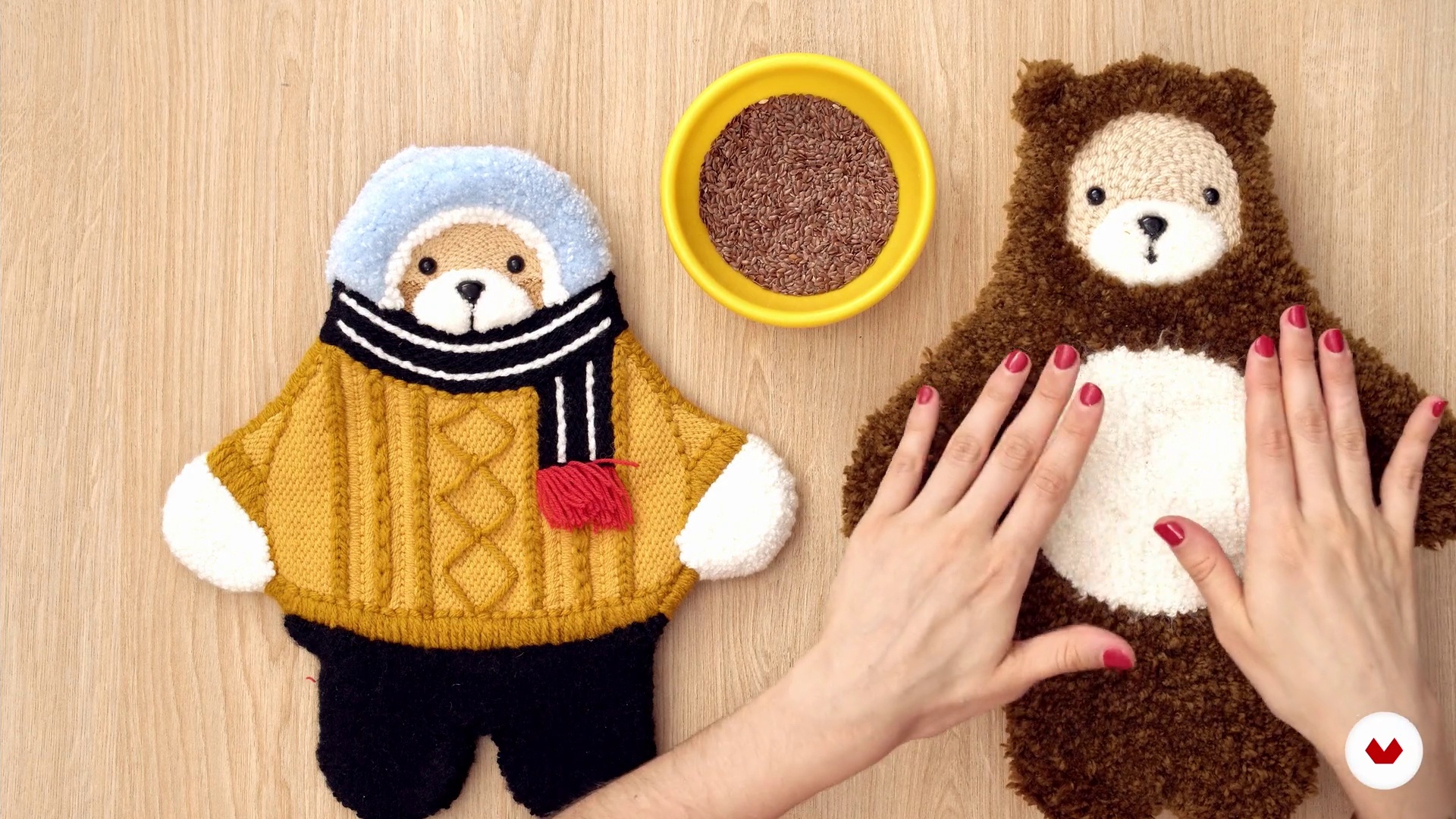
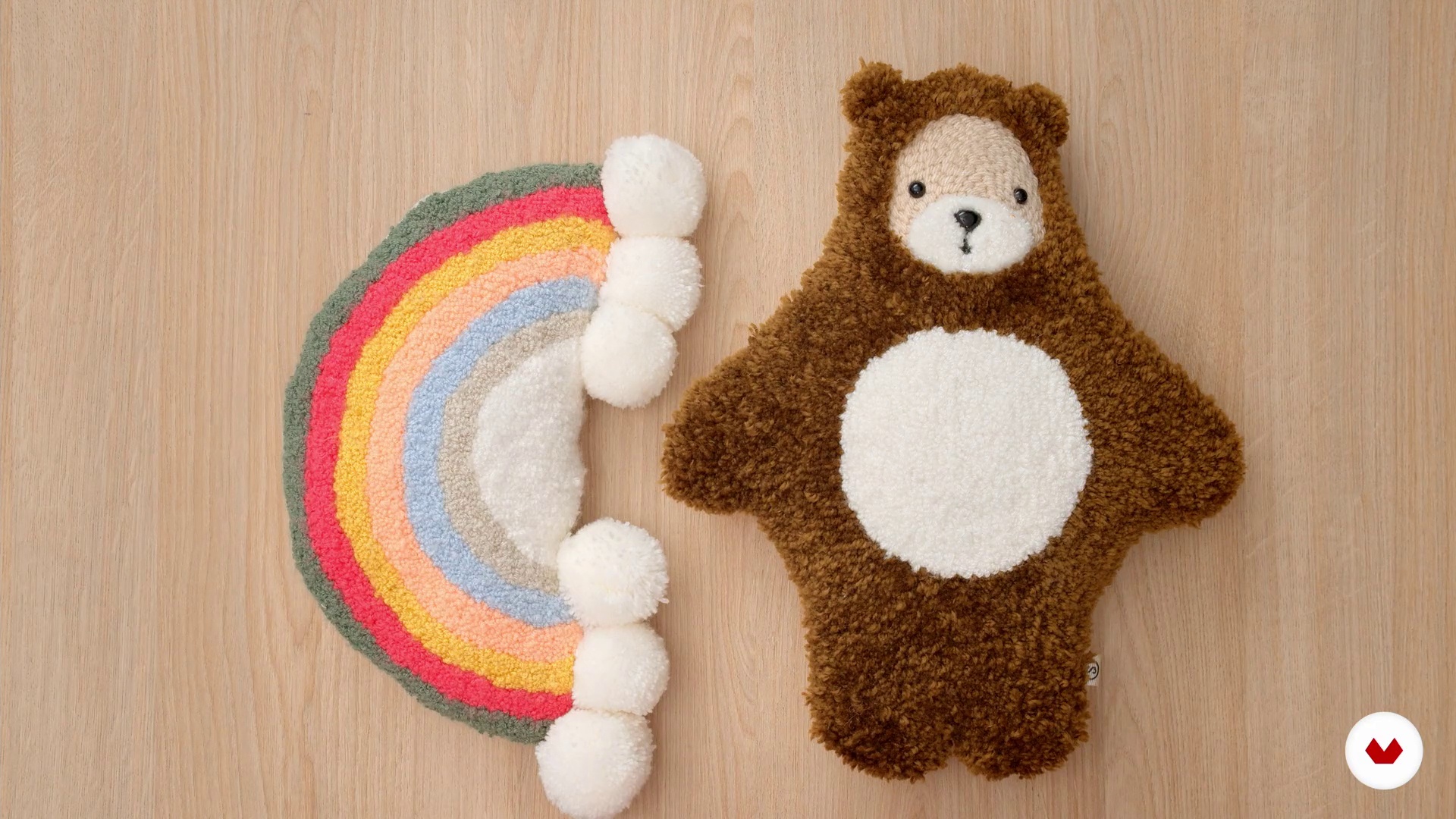
Here I am going to teach you what the punch needle is and what the four golden rules are. There are four tips that you have to keep in mind whenever you use the magic needle so as not to make the classic mistakes.
18m
image
4
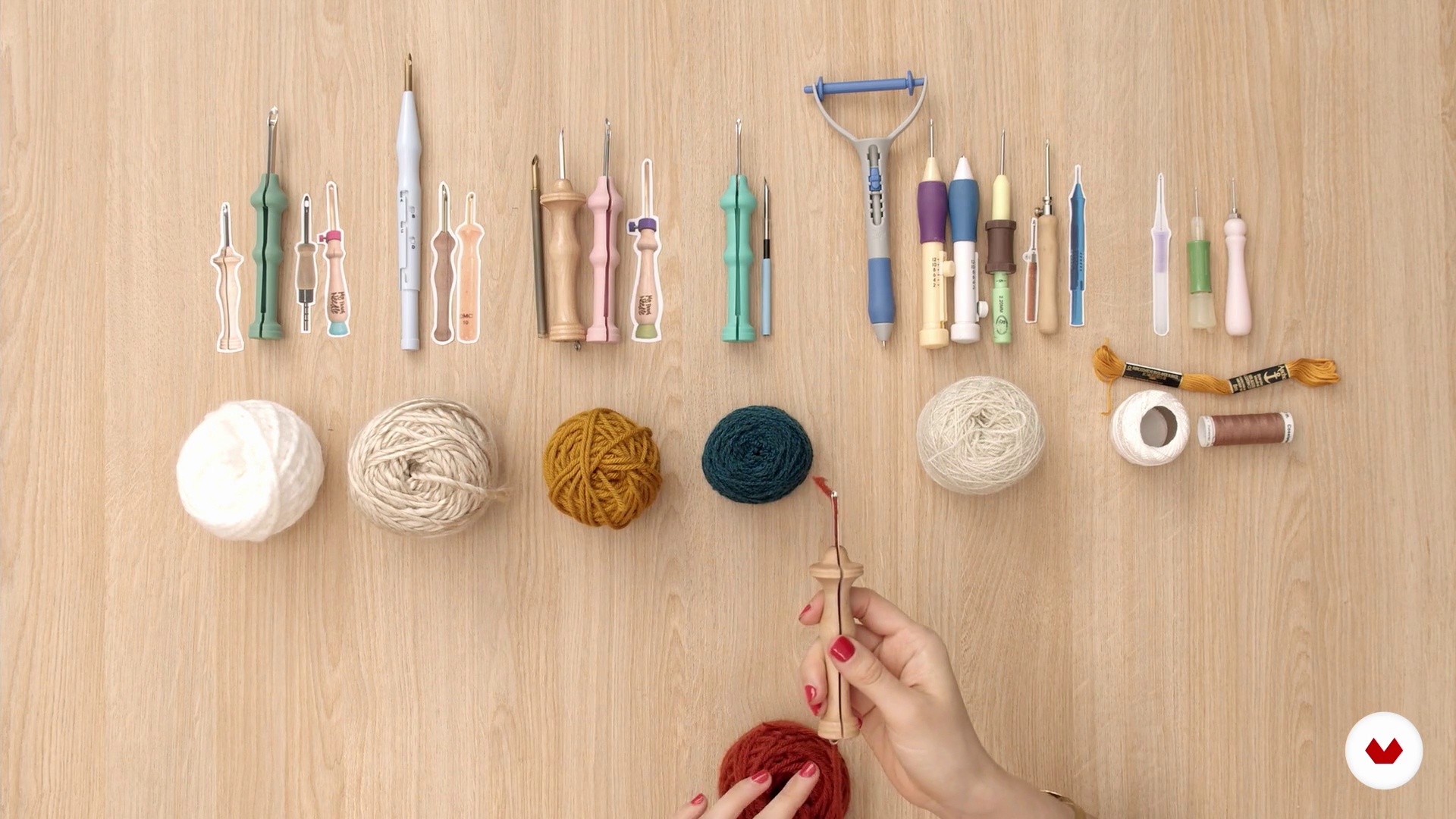
Material combination 1
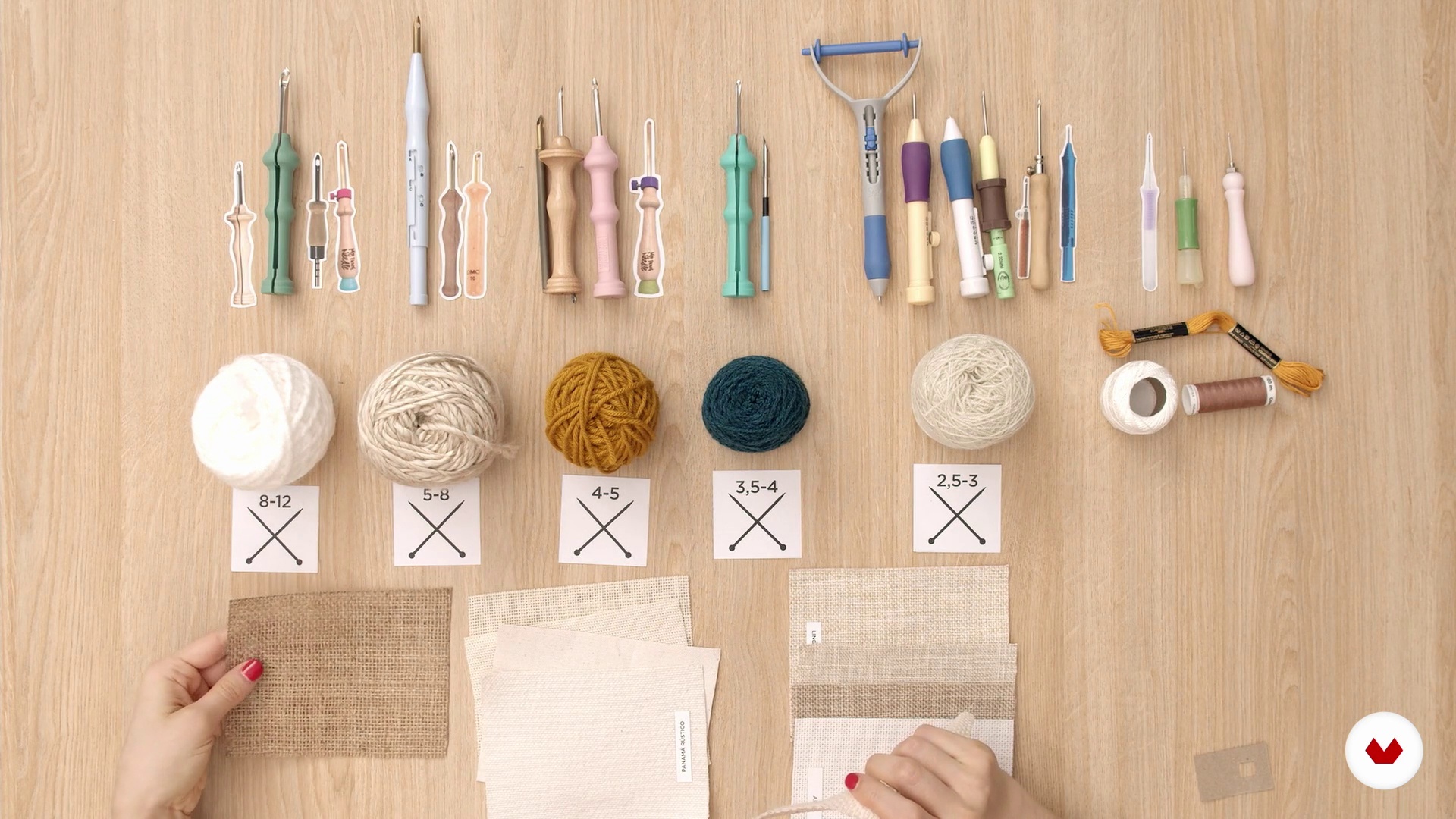
The market offers a wide variety of needles of different thicknesses. From needles for yarn to needles for thick wool or even ribbons.
10m
image
5
Material combination 2
I will show you the needles that exist and I will explain to you which fabric and yarn each one goes with. I'll also give you a brief review of each one based on my experience.
16m
image
6
Materials
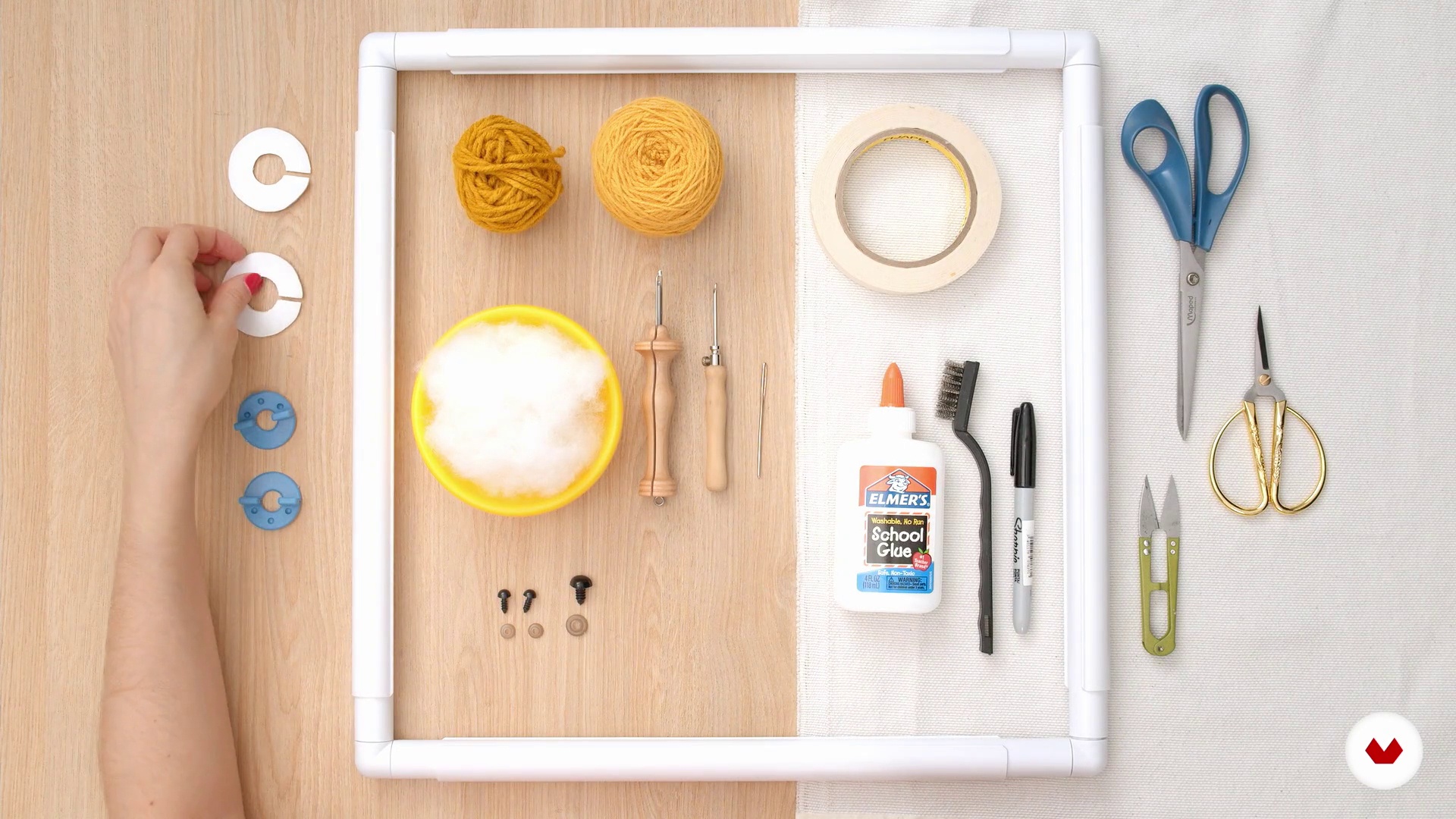
After reviewing the correct combination between the materials, I will finally introduce you to the materials that you are going to use for this course. Keep in mind that what you will see in this lesson are recommendations, but you can always experiment and try new materials.
12m
image
7
Character design
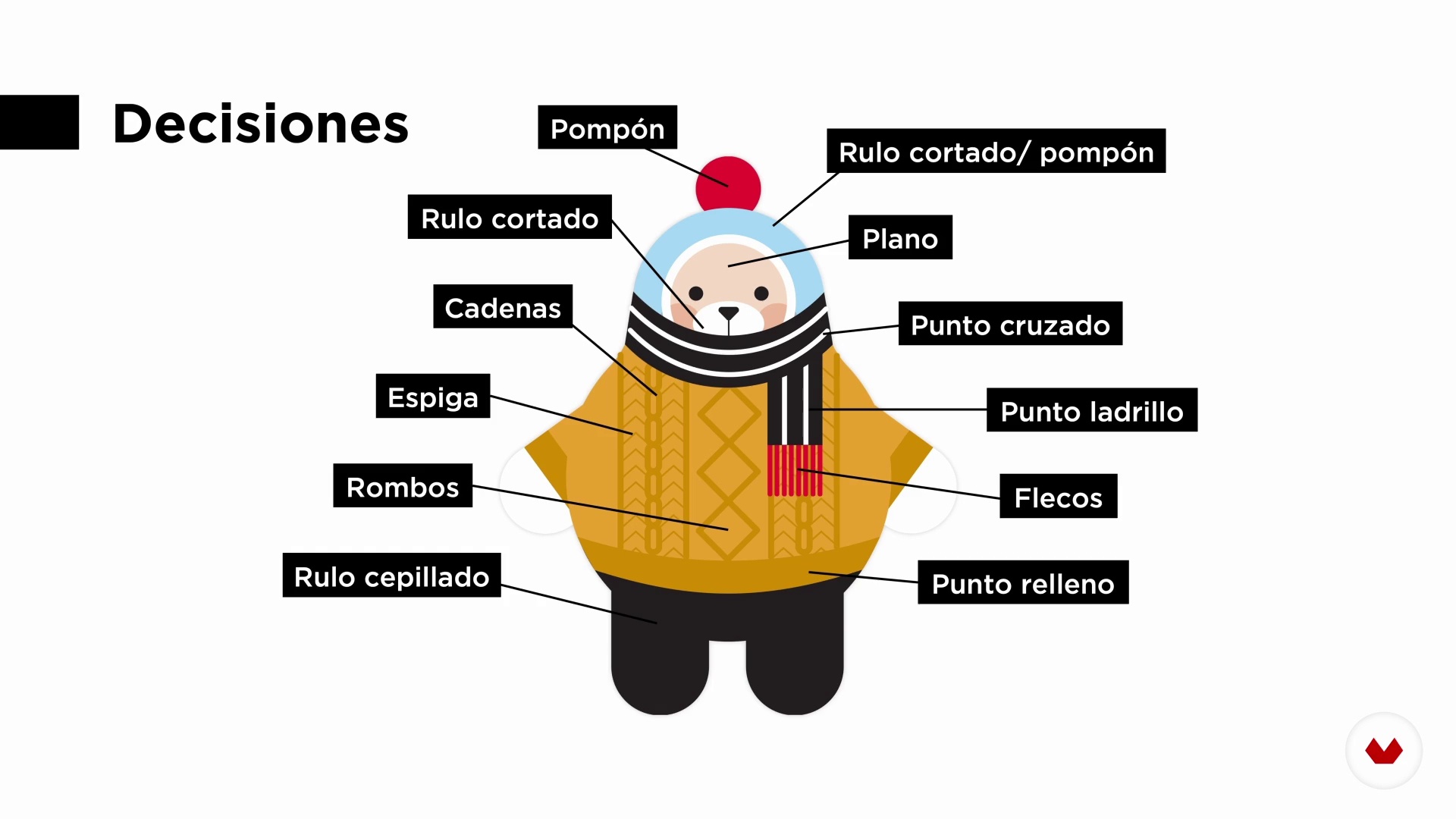
Every time you get closer and closer to your project. Now you are going to take the big step of designing that character that will accompany you throughout the journey and which you will later give life to with your stitches.
18m
image
8
Transfer from design to fabric
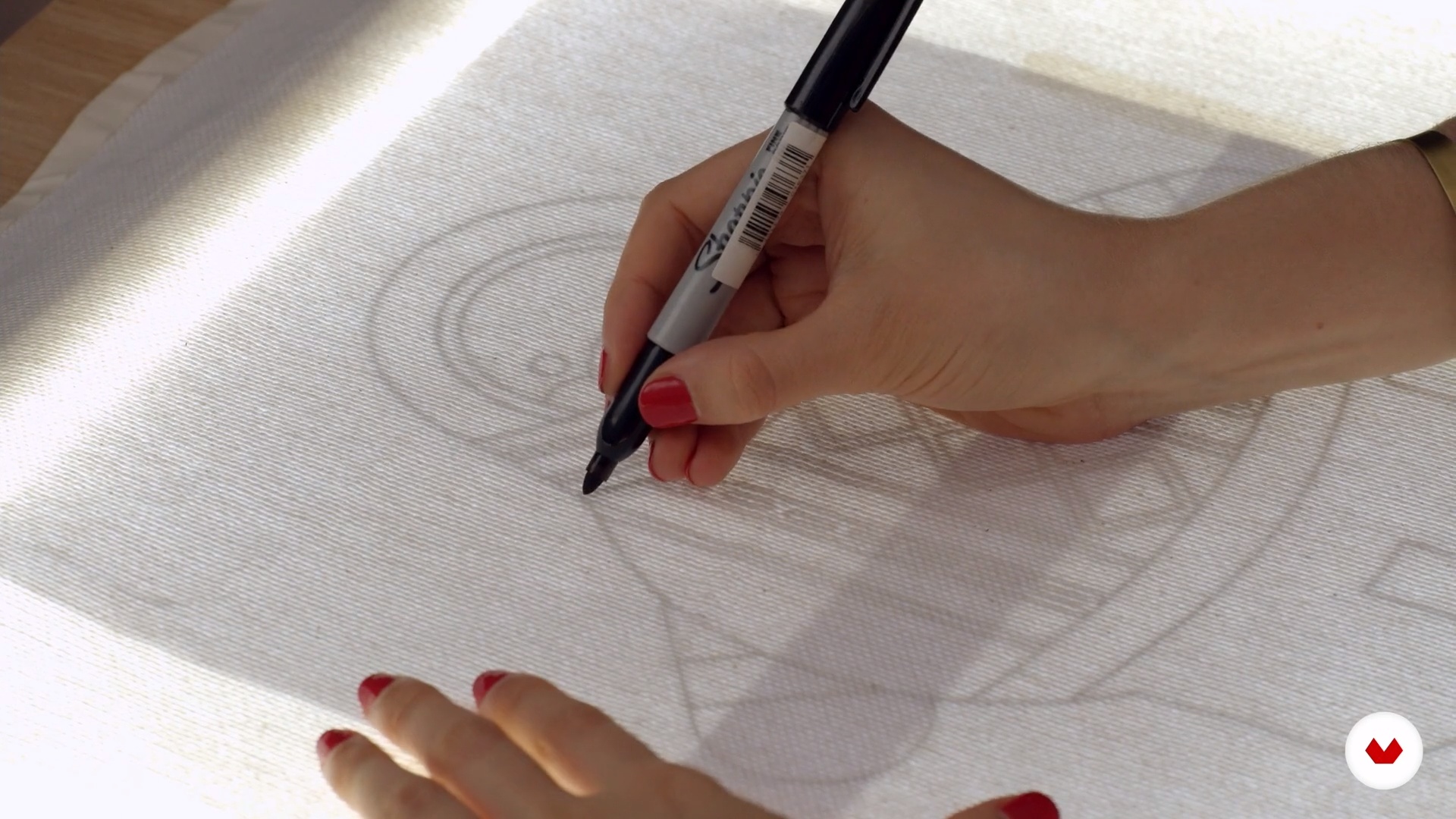
Once you have defined your character, you will start by transferring that design to the fabric. In this lesson I will show you different options on how to do it.
8m
image
9
Cap and muzzle 1
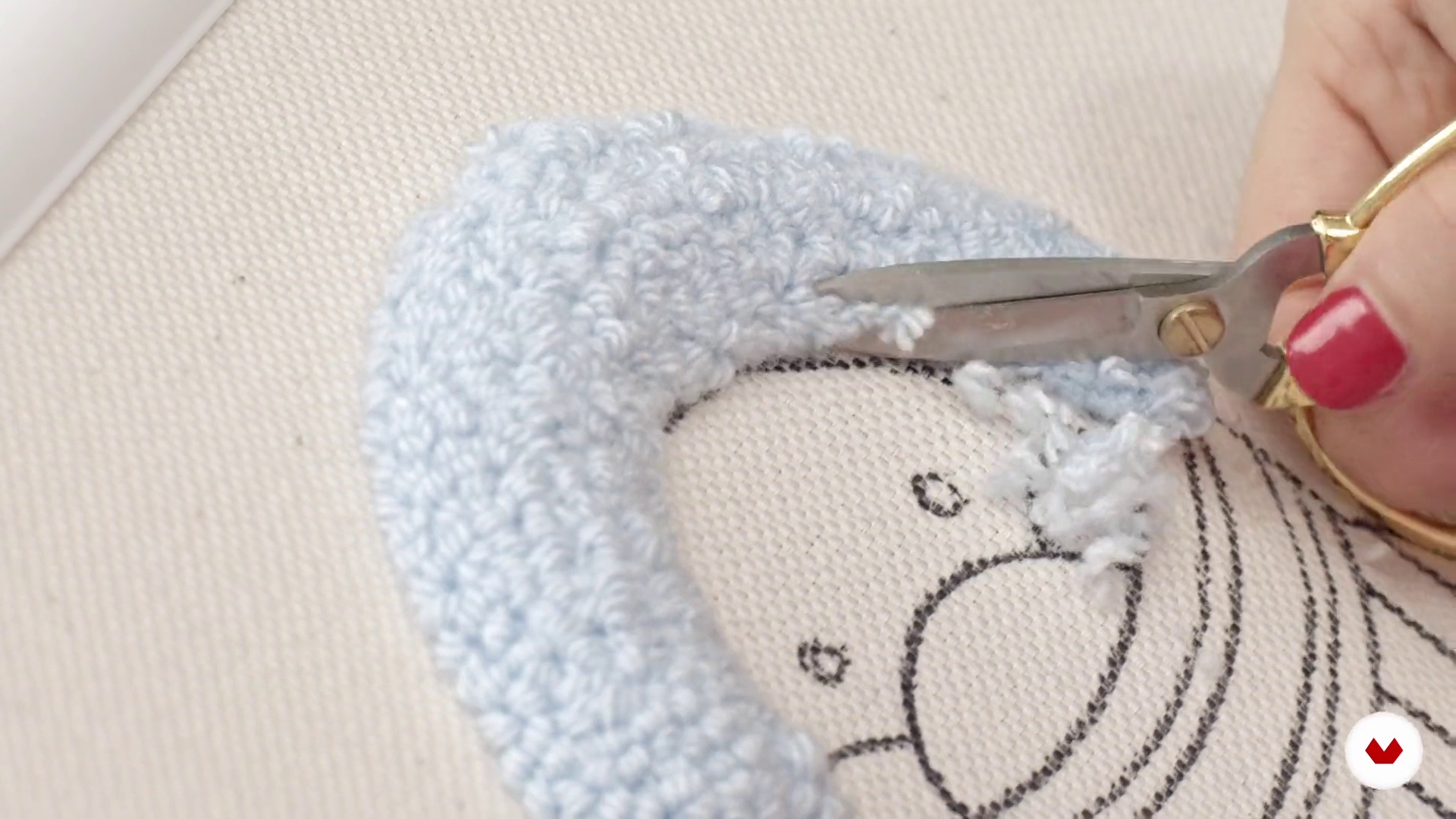
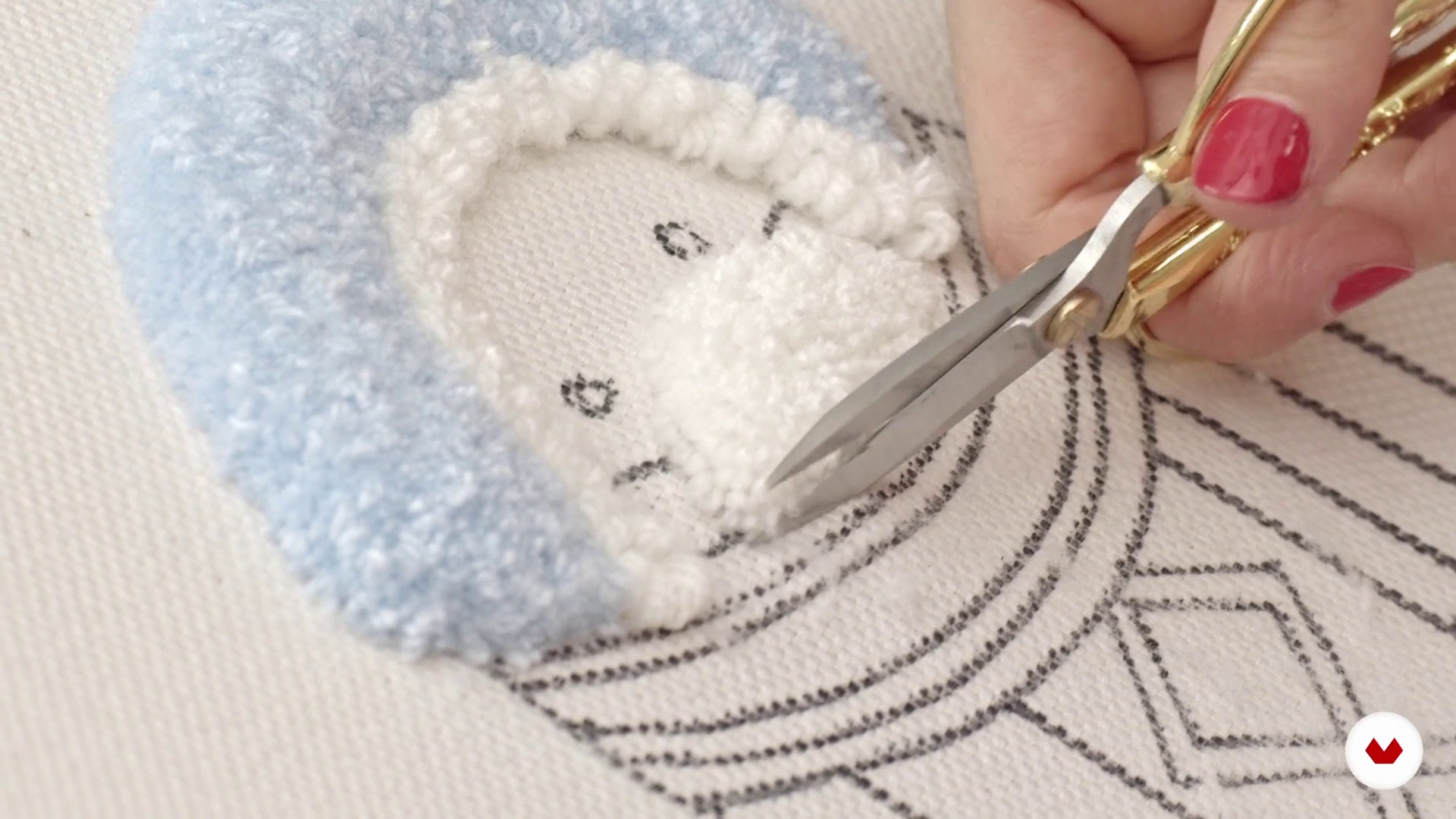
You will learn how to embroider the hat and muzzle. Since you are going to make them with volume, you are going to embroider from the back of the fabric. You will make them with very high curlers that you will then cut to achieve the pompom effect.
12m
image
10
Cap and muzzle 2
You will learn how to follow the edge of the hat with rollers, this time without cutting to generate a contrast of textures. Finally, you will see how to repeat the pompom effect on the muzzle, but this time with fine thread.
11m
image
11
Gloves and legs
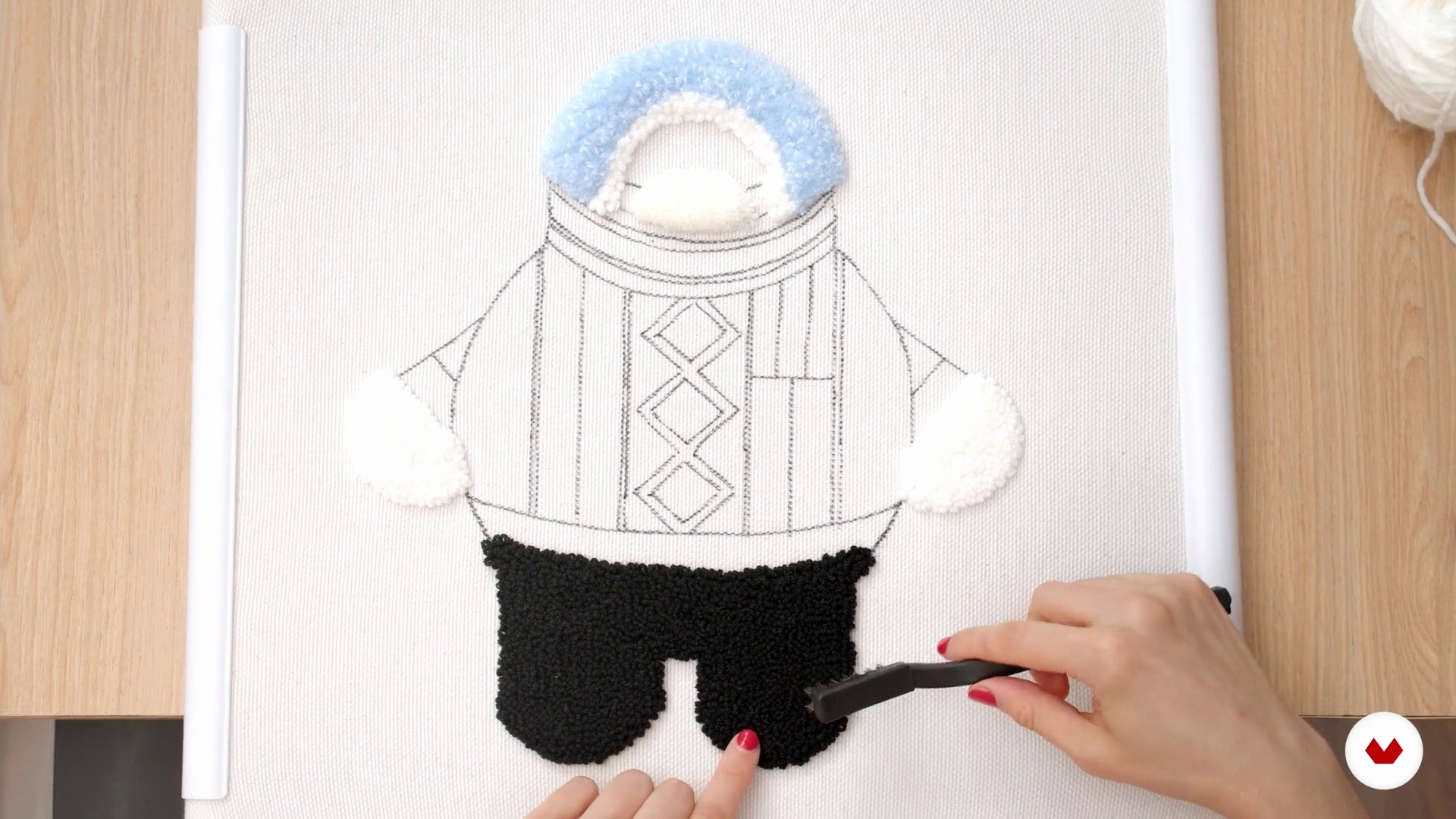
Now you will continue with the gloves, where you will apply curlers a little shorter to achieve variety. For that, I will show you how to help you with stops to place on the needle. Then you will see how to embroider the legs: you will embroider with rollers and with fine wool that then, optionally, you can brush to give it a fur effect.
13m
image
12
Face
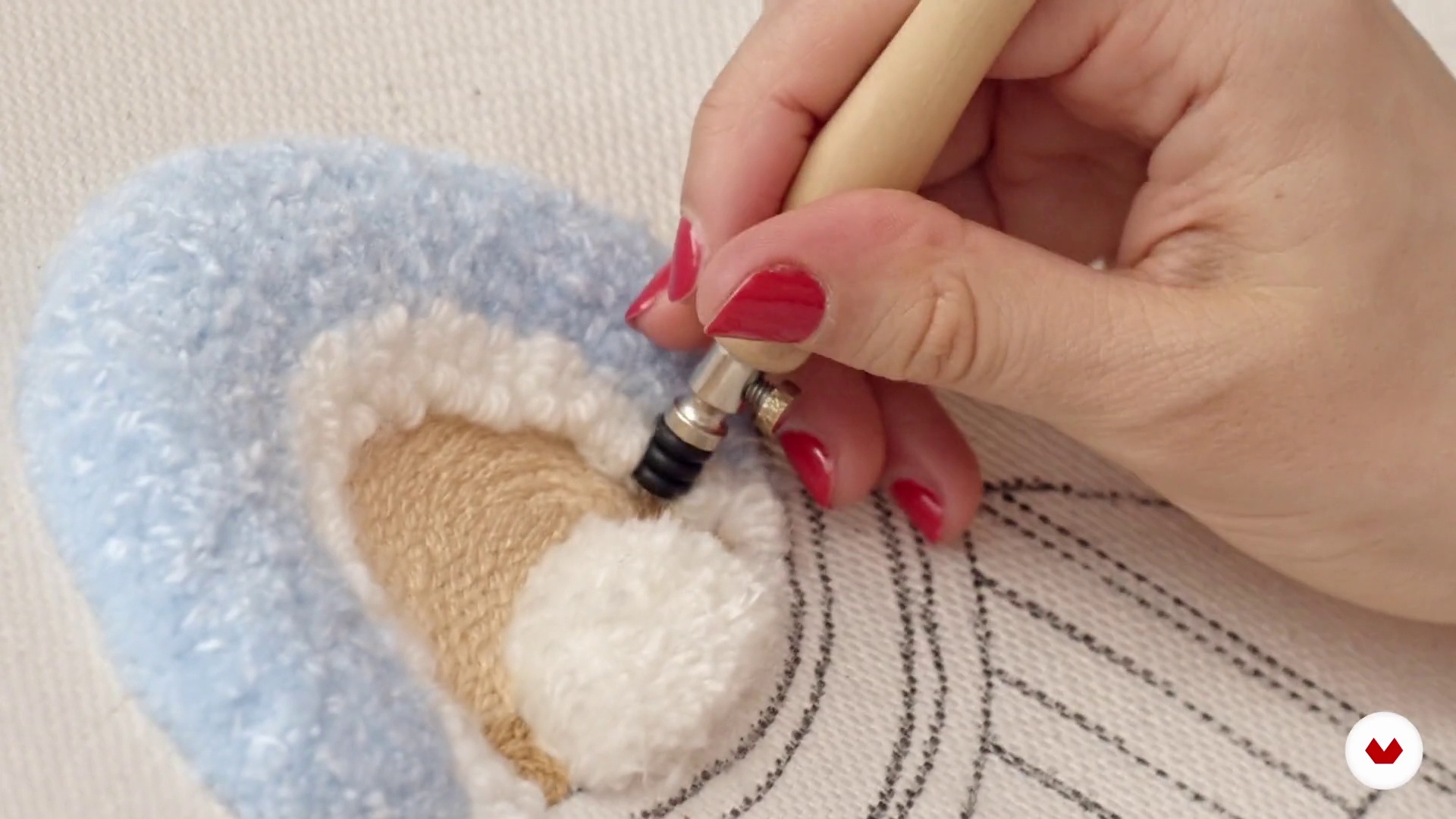
From this lesson on, you will work on the design front. For your character's face, you will embroider the background with a spiral brick effect flat stitch. You can also embroider some cheeks with another color.
10m
image
13
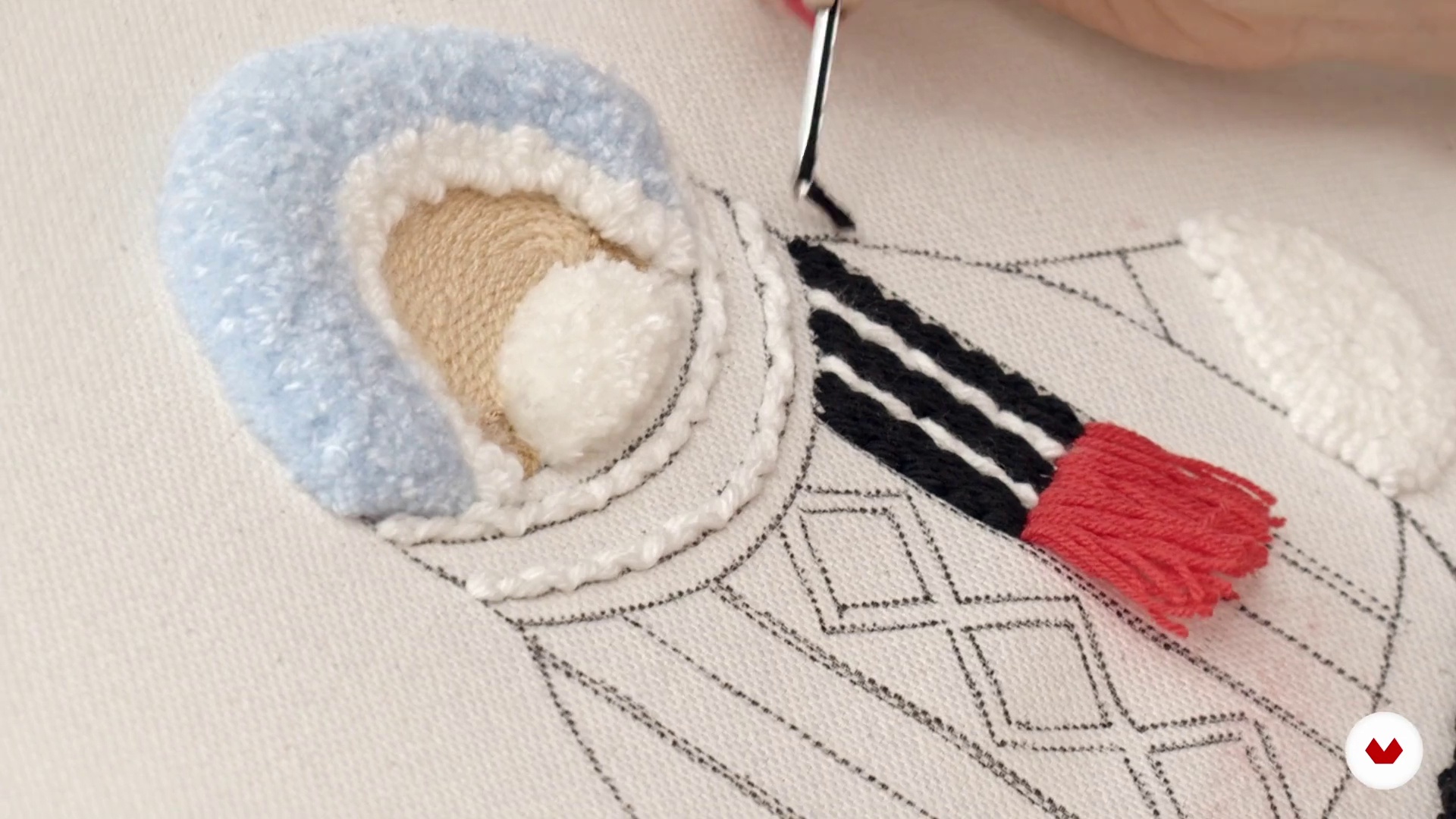
Scarf
In this lesson you will embroider the scarf that consists of three parts: fringes with fine wool, white lines with cross stitch and the black background with brick stitch.
17m
image
14
Sweater 1
The sweater is made of a combination of fine and thick wool, in addition, it has different flat stitches to make it more interesting. I'll start by showing you how to start with fine chains and then thick chains, both embroidered with thick wool. Then, you will learn to embroider the herringbone stitch between the chains with fine wool the herringbone stitch.
13m
image
15
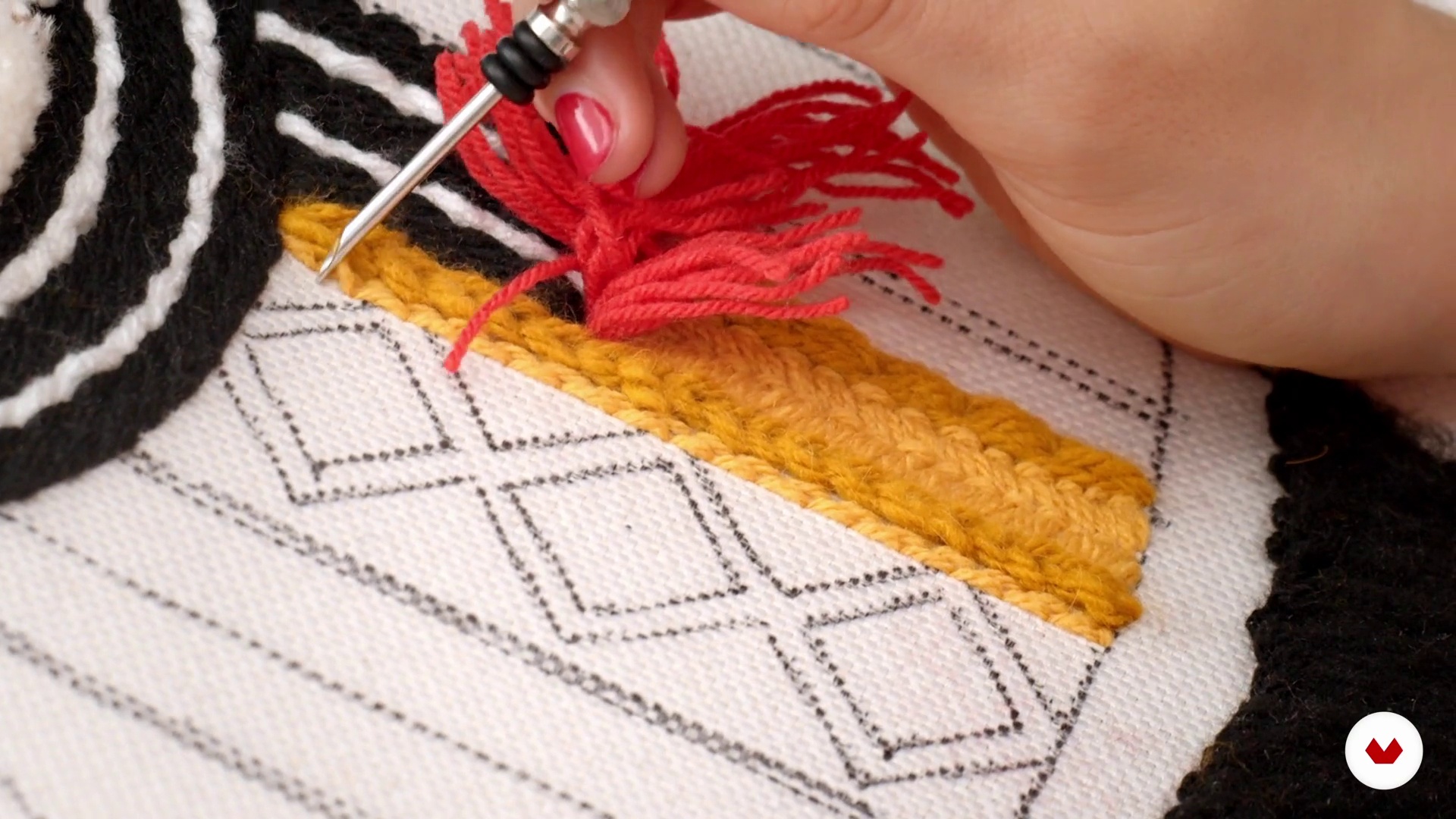
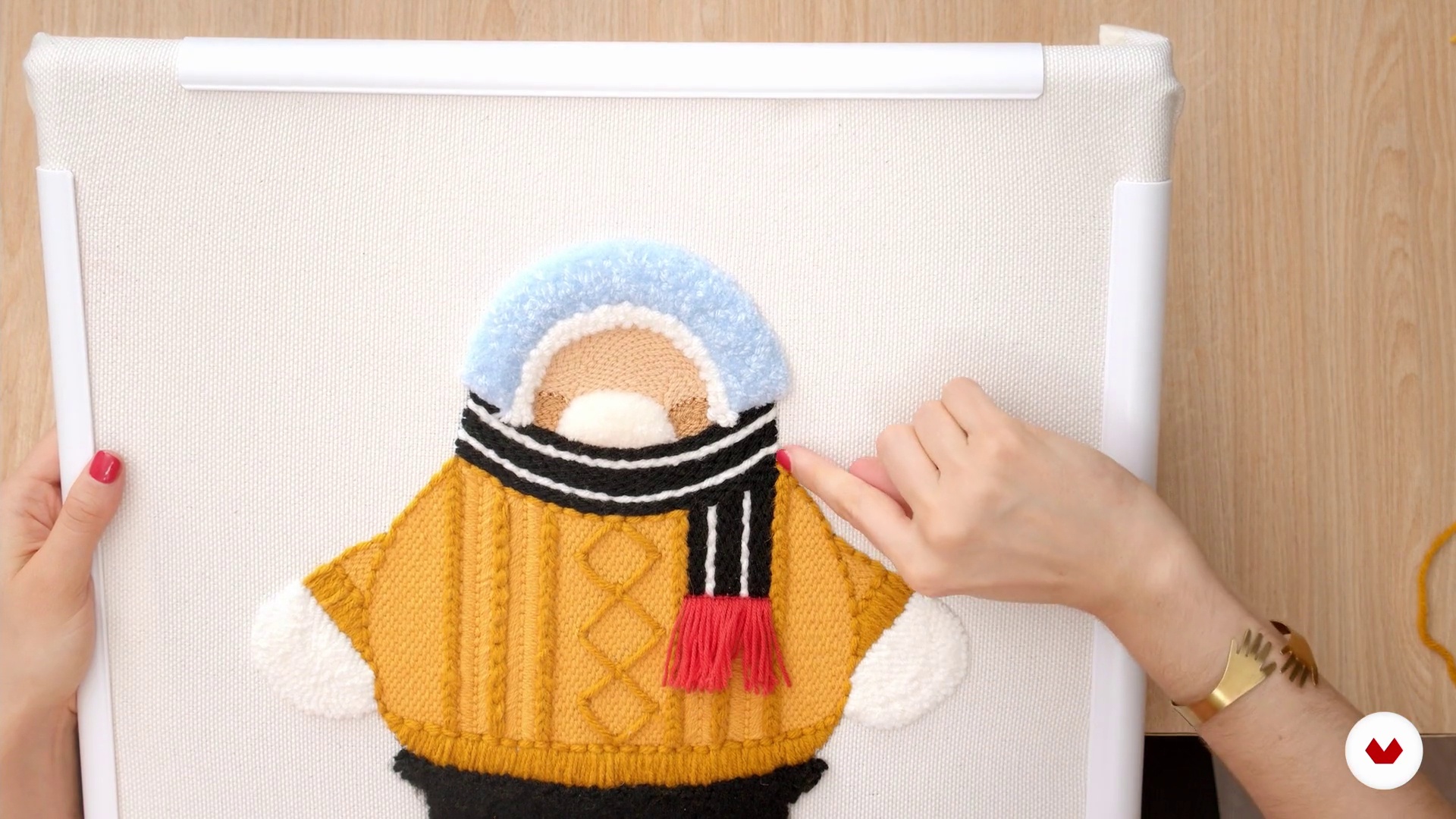
Sweater 2
The rest of the sweater will be embroidered with vertical brick stitch with fine wool. Then I'll show you how to embroider the diamonds in the center, cuffs, and waist. Finally, I will tell you how to do the last stitches to cover imperfections.
15m
image
16
Last details
As a final touch, you will embroider the line of the muzzle with a traditional needle, you will see how to position the nose and eyes. Finally, I will show you how to assemble the pompom to decorate the hat.
11m
image
17
Sewing and filling
In this lesson I will show you a very easy sewing proposal so that you can do it yourself without using a sewing machine. To make the seam more concealed, you will have to embroider the back of the doll, which is almost the same as the front, but without the face and other small details. You will also see how to fill it.
18m
image
18
Washes and cares
It is important to know how to take care of your embroidery so that it lasts much longer. They are delicate pieces and it surely took you a long time and dedication to finish them. Remember that prevention is always better than fixing, so in this lesson, I will show you some tips and show you how to wash your dolls if necessary.
7m
image
19
Other apps
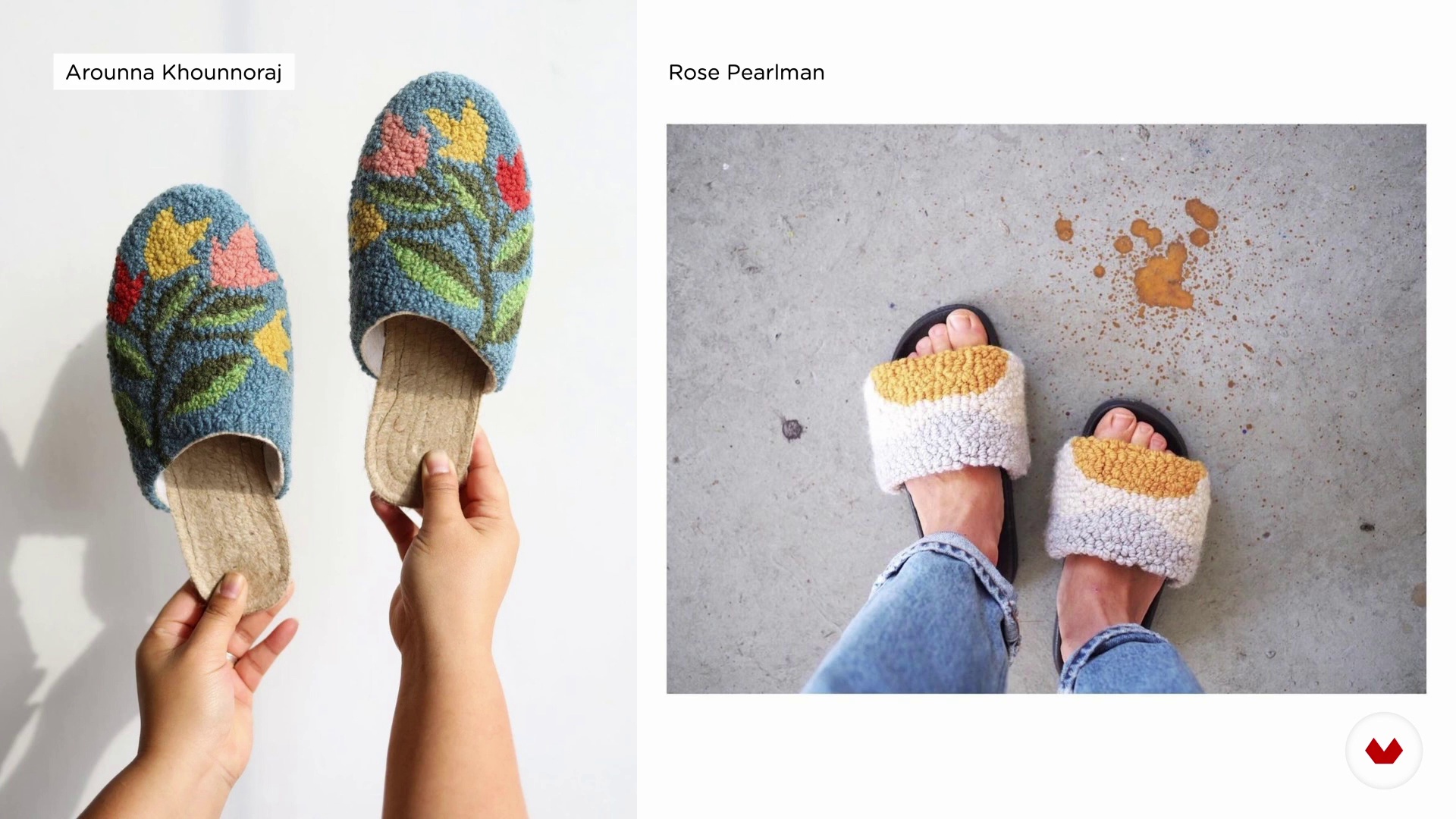
With this technique you can not only make dolls. Take a look at these other ideas!
5m
  • 59 students
  • 77 lessons (13h 31m)
  • 98 additional resources (47 files)
  • Online and at your own pace
  • Audio: Spanish, German, English, Italian, Portuguese
  • Spanish · English · Portuguese · German · French · Italian · Polish · Dutch · Turkish · Romanian · Indonesian
  • Level: Beginner
  • Unlimited access forever

What is this course's project?

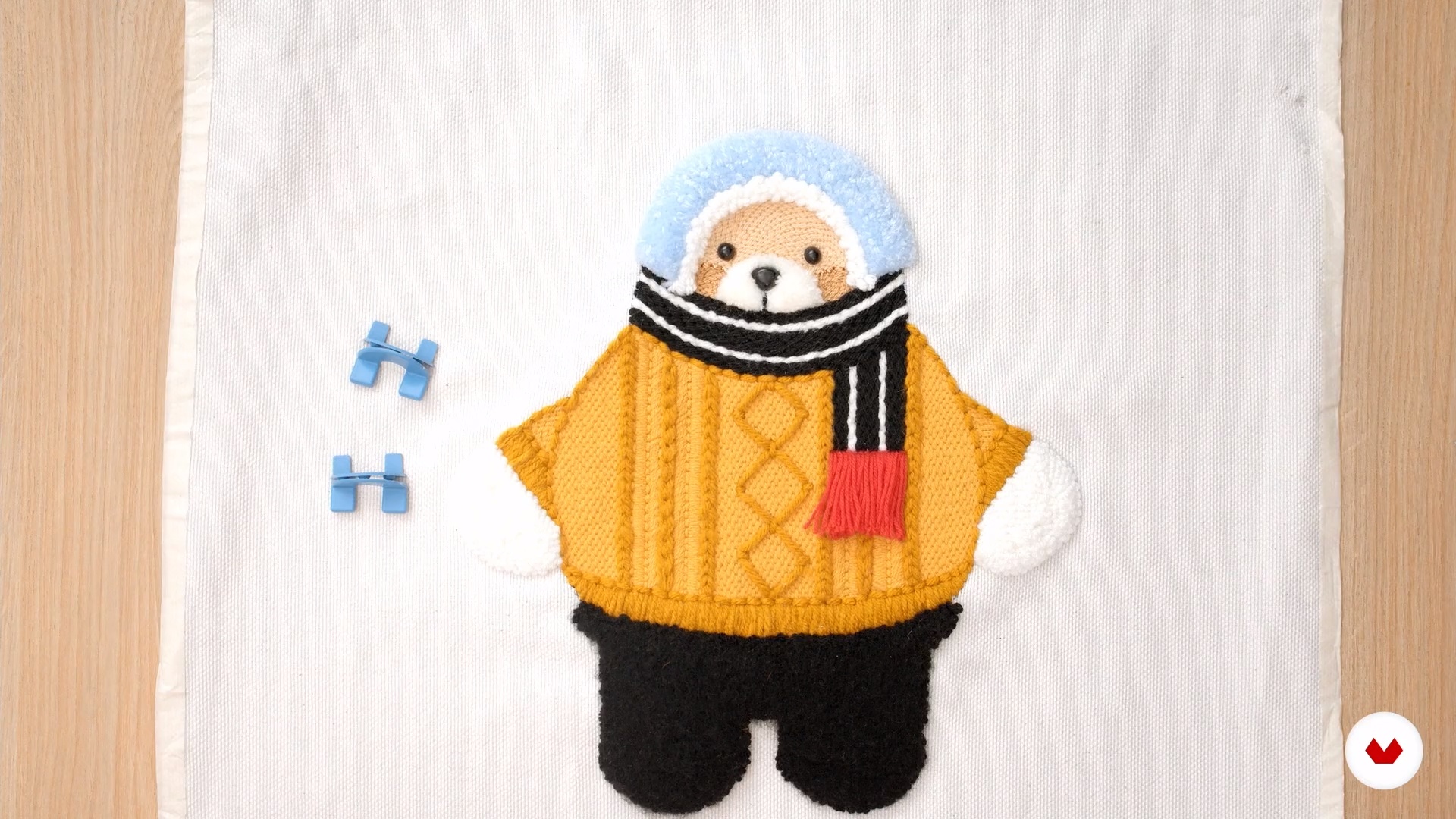
The course project involves designing and creating a fabric doll from concept to final photograph. Students will develop a unique character that reflects their imagination, mastering sewing and assembly techniques to achieve an original and creative result.

Who is this specialization for?

Creatives, designers, and artisans with a passion for textile toys find in this specialization an opportunity to develop skills from artisanal design to digital content, exploring sewing techniques, textile sculpture, and digital marketing strategies.

Requirements and materials

No extensive prior knowledge is required. You will need a needle, thread, scissors, a measuring tape, a sketchbook, a craft knife, cardboard, felt, stuffing, and, if possible, a sewing machine. All else is enthusiasm and creativity.


Select to get to know your teachers in this specialization course
Read more ↓

What to expect from this specialization course

  • Learn at your own pace

    Enjoy learning from home without a set schedule and with an easy-to-follow method. You set your own pace.

  • Learn from the best professionals

    Learn valuable methods and techniques explained by top experts in the creative sector.

  • Meet expert teachers

    Each expert teaches what they do best, with clear guidelines, true passion, and professional insight in every lesson.

  • Certificates
    Plus

    If you're a Plus member, get a custom certificate for every specialization course. Share it on your portfolio, social media, or wherever you like.

  • Get front-row seats

    Videos of the highest quality, so you don't miss a single detail. With unlimited access, you can watch them as many times as you need to perfect your technique.

  • Share knowledge and ideas

    Ask questions, request feedback, or offer solutions. Share your learning experience with other students in the community who are as passionate about creativity as you are.

  • Connect with a global creative community

    The community is home to millions of people from around the world who are curious and passionate about exploring and expressing their creativity.

  • Watch professionally produced courses

    Domestika curates its teacher roster and produces every course in-house to ensure a high-quality online learning experience.


FAQs

Domestika courses are online classes that allow you to learn new skills and create incredible projects. All our courses include the opportunity to share your work with other students and/or teachers, creating an active learning community. We offer different formats:
Original Courses: Complete classes that combine videos, texts, and educational materials to complete a specific project from start to finish.
Basics Courses: Specialized training where you master specific software tools step by step.
Specialization Courses: Learning paths with various expert teachers on the same topic, perfect for becoming a specialist by learning from different approaches.
Guided Courses: Practical experiences ideal for directly acquiring specific skills.
Intensive Courses (Deep Dives): New creative processes based on artificial intelligence tools in an accessible format for in-depth and dynamic understanding.

All specialization courses are 100% online, so once they're published, specialization courses start and finish whenever you want. You set the pace of the class. You can go back to review what interests you most and skip what you already know, ask questions, answer questions, share your projects, and more.

The specialization courses are divided into different modules. Each one includes lessons, informational text, tasks, and practice exercises to help you carry out your project step by step, with additional complementary resources and downloads. You'll also have access to an exclusive forum where you can interact with other students, as well as share your work and your final project, creating a community around the specialization courses.

You can redeem the specialization courses you received by accessing the redeeming page and entering your gift code.
If you're a Plus member, when you complete a course you've purchased, you'll instantly get your personalized certificate. You can see all your certificates in the Certificates section of your profile. You can download your certificates as PDFs and share the link online. Learn more about certificates.
Specialization in Textile Toy Creation: From Handcrafted Design to Digital Content. Craft course by Domestika

Specialization in Textile Toy Creation: From Handcrafted Design to Digital Content

A specialization by multiple teachers
Berkeley, United States.
Joined April 2002
  • 59 students