

Specialization

Specialization in album cover design

Master the design of album covers and packaging, from art direction to physical production

Specialization · 6 modules

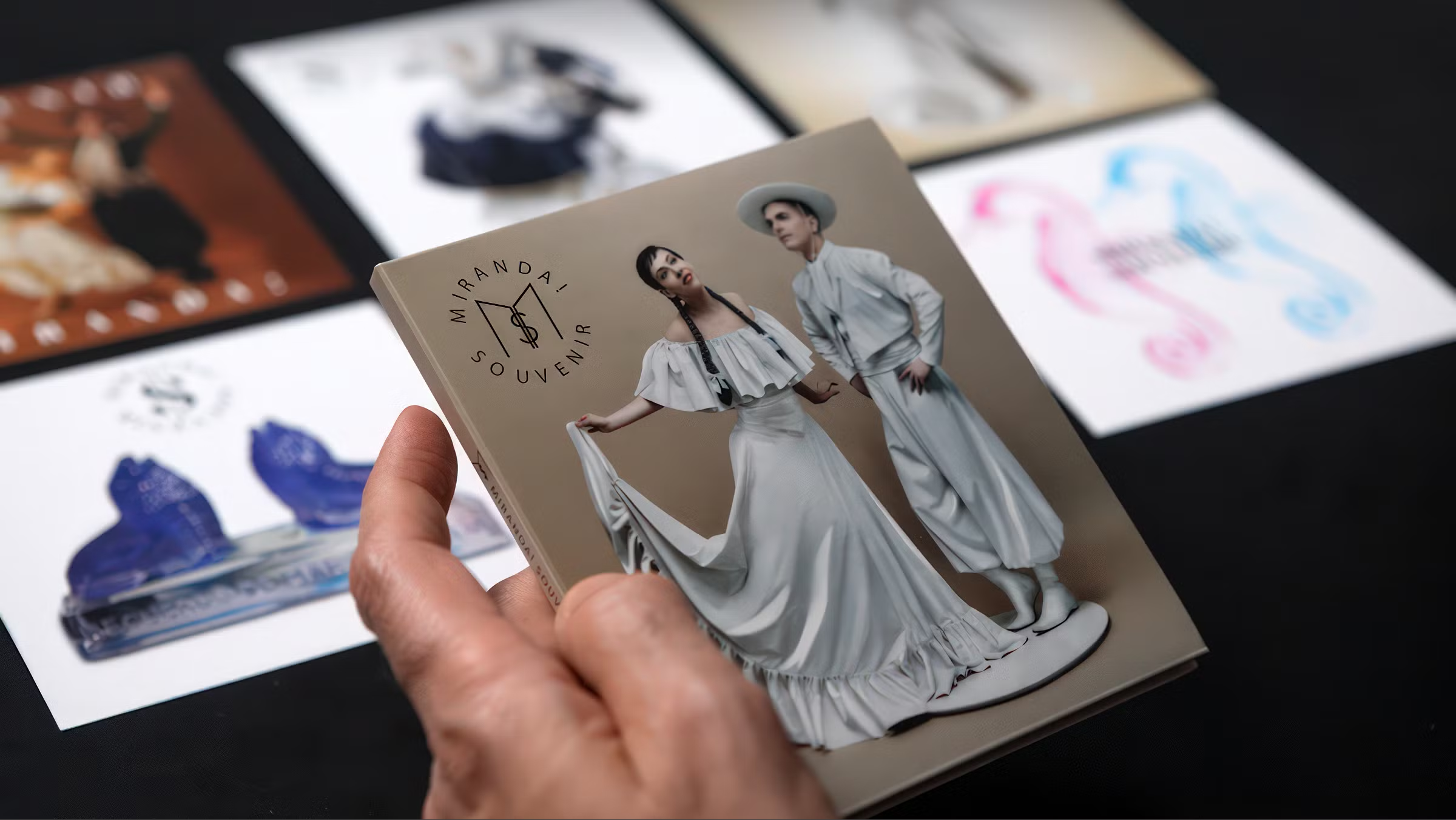
Immerse yourself in the fascinating world of album cover and packaging design with this specialization designed for creatives passionate about music. Learn to capture the visual essence of bands and solo artists, from art direction to physical production. Explore illustration and lettering techniques that transform musical concepts into striking and original images. Discover how album covers can become cultural artifacts that connect with audiences across physical and digital formats.

Guided by experts in the field, such as Goster, Alejandro Ros, Steve Simpson, Cactus Taller Gráfico, and Paolo Proserpio, you'll master the entire design process. From strategic conceptualization and art direction to handcrafted execution and complete packaging creation, each phase of the course will provide you with valuable tools to create unique, market-ready music projects. Become a well-rounded designer capable of transforming sounds into memorable visual identities, taking your skills to the next level.

Read more ↓

What will you learn in this specialization?
A total of 6 modules and 62 lessons
A total of 8h 28m of vídeo lessons
Taught by 5 selected expert teachers
image
1
Introduction
Few disciplines combine emotion, narrative, and aesthetics like cover design. Here you will see how album covers are about listening with your eyes, translating sounds into images that communicate and move you, and building visual universes that accompany and enhance a musical work.
1m
image
2
Influences | José Antonio Mesones (part 1)
In this lesson we will talk about my influences, the various designers that marked and inspired me throughout my life and I will tell you why.
8m
image
3
Influences | José Antonio Mesones (part 2)
In this video I continue to show you more of my influences
10m
image
4
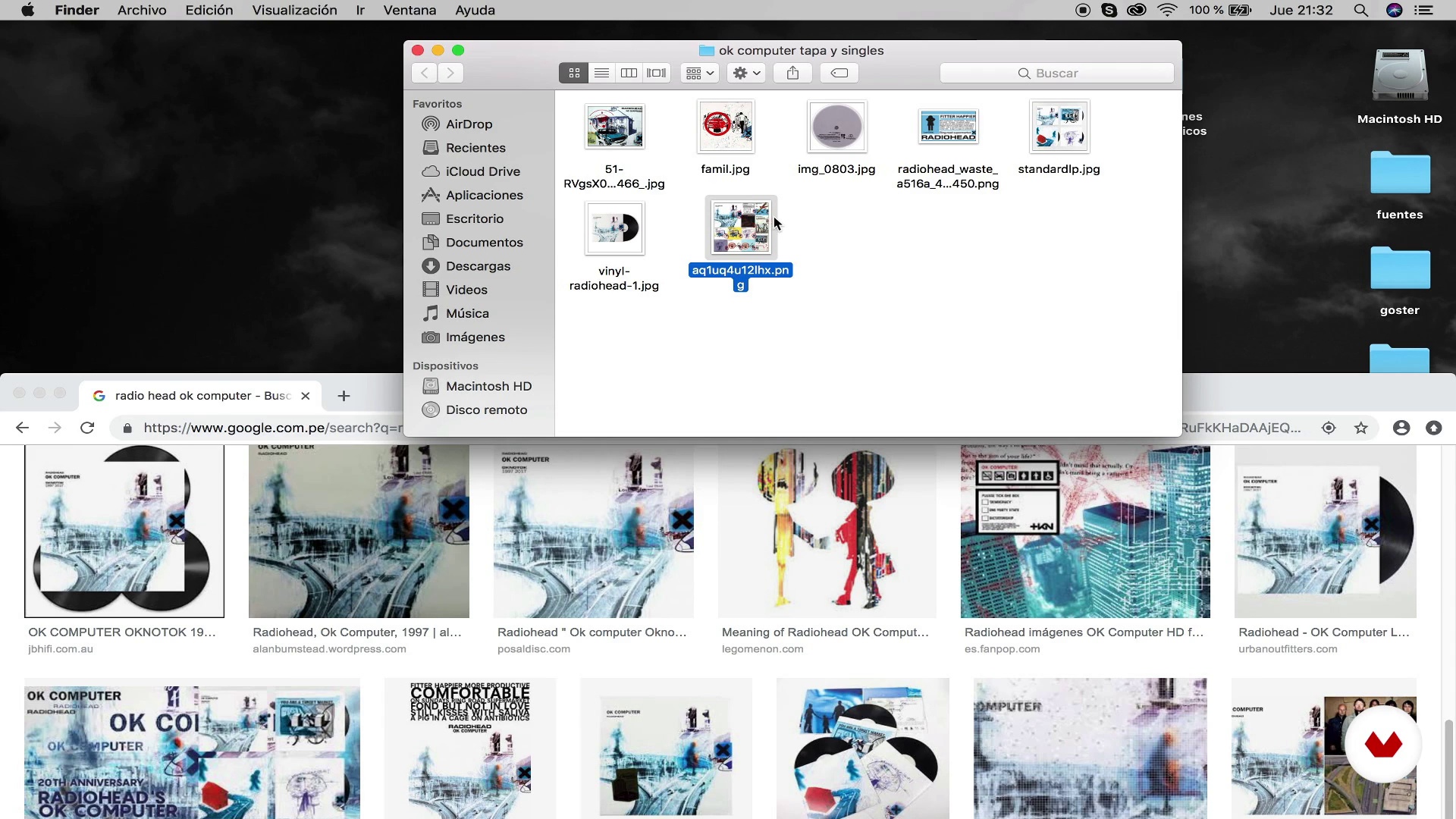
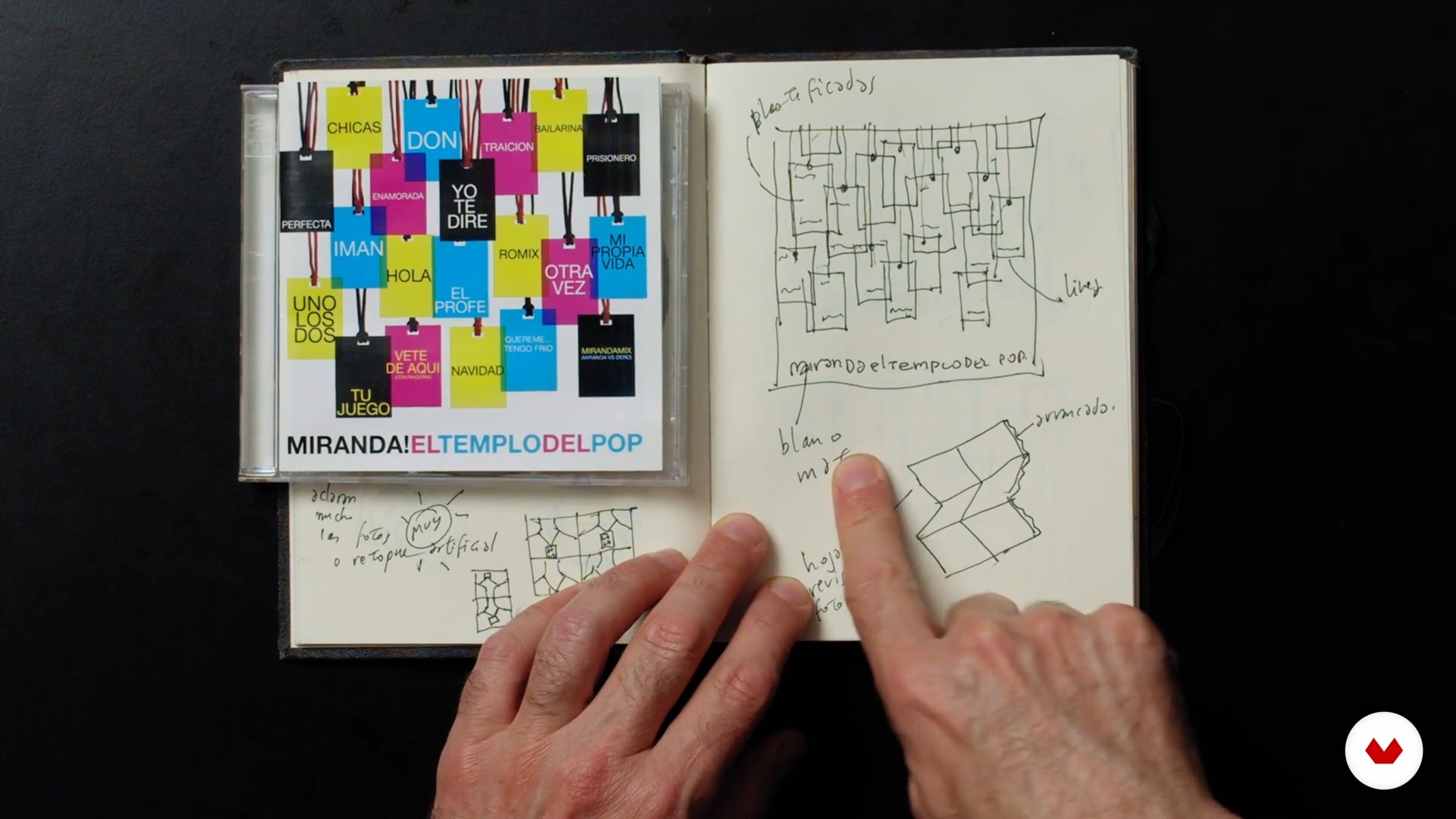
Influences | Alejandro Ros
Now I will show you my main influences: graphic designers, fashion designers, architects, filmmakers, musicians and DJs.
6m
image
5
Influences | Steve Simpson
In this lesson I talk about the illustrators and designers who have inspired my love for what I do.
6m
image
6
Influences | Juliana Jaramillo Buenaventura y Carlos Dussán
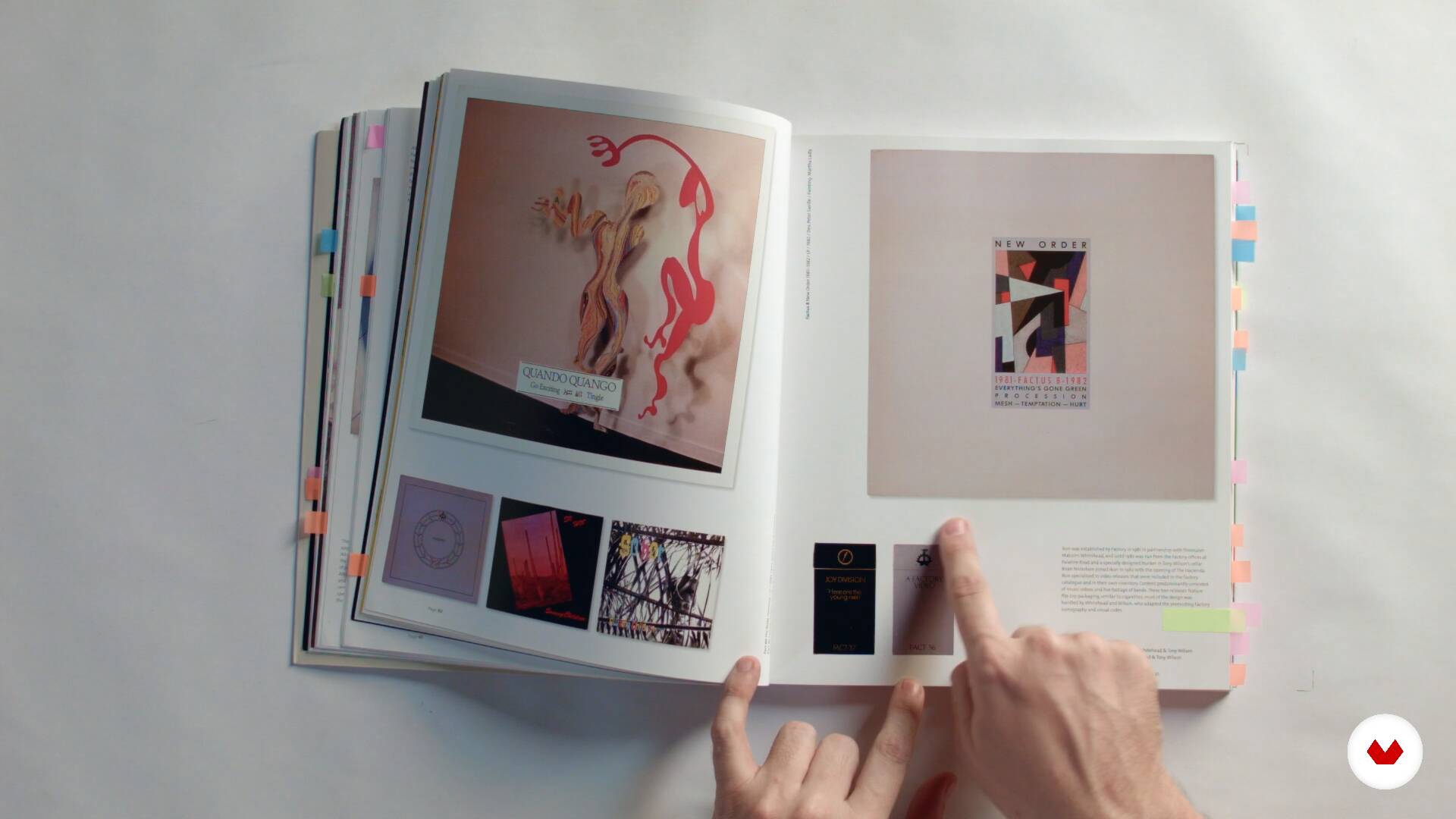
We will show you some of our influences: the work of incredible designers like Alex Steinweiss and Kelli Anderson, record labels like Factory Records, media theorists like Marshall McLuhan and directors like Michel Gondry. All this generates a remix of referents that makes a lot of sense for us.
18m
image
7
Influences | Paolo Proserpio
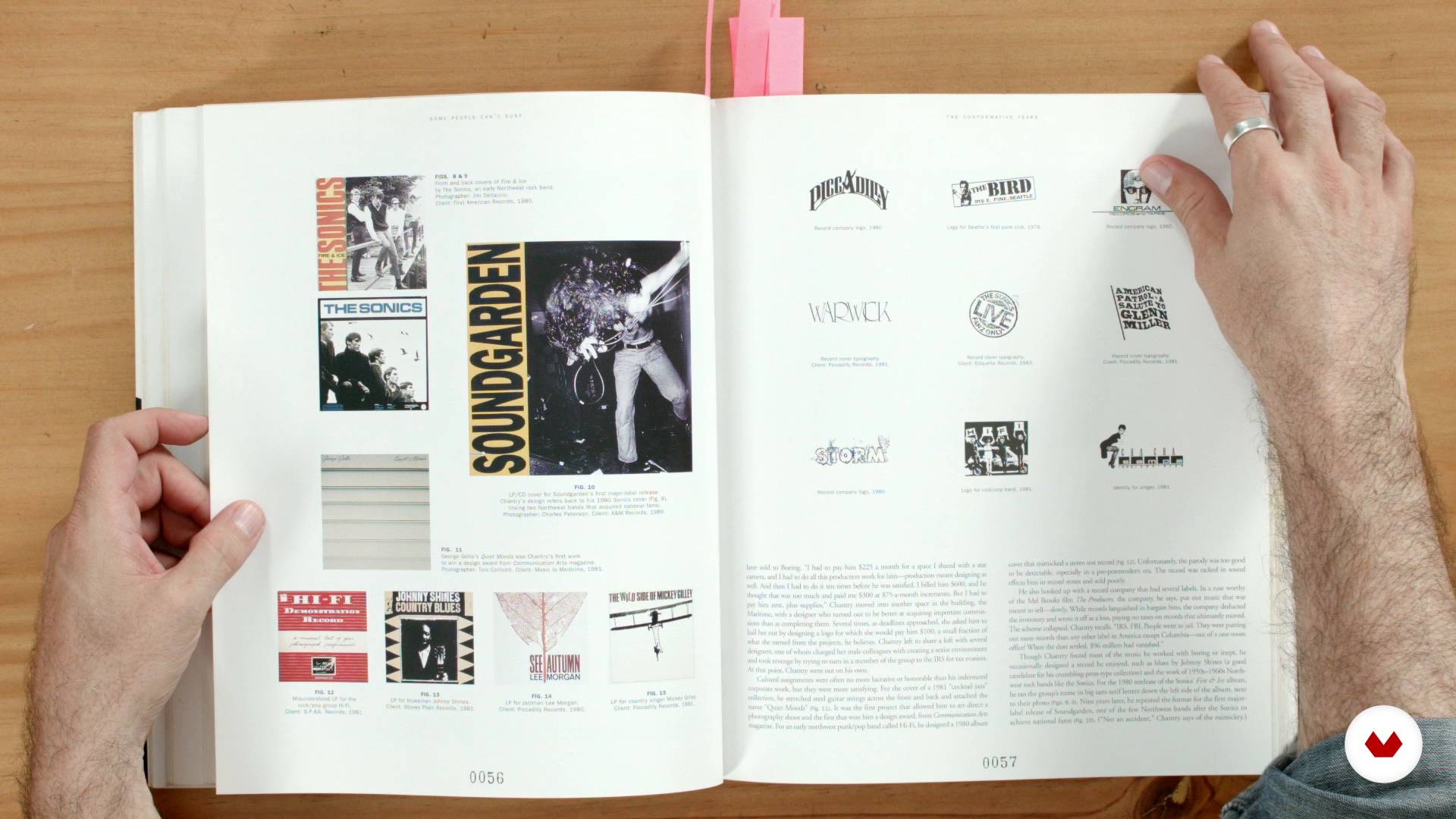
I have learned and always learn by watching what others do, both for the positive and the negative aspects. In this lesson, I'll tell you about three of my inspirations: Art Chantry, Vaughan Oliver, and Glen E. Friedman.
9m
image
4
The order: Analysis of the disk
In this lesson we will process all the information gathered about the disk and then analyze it. All this will serve as input and starting point. Let us begin!
9m
image
5
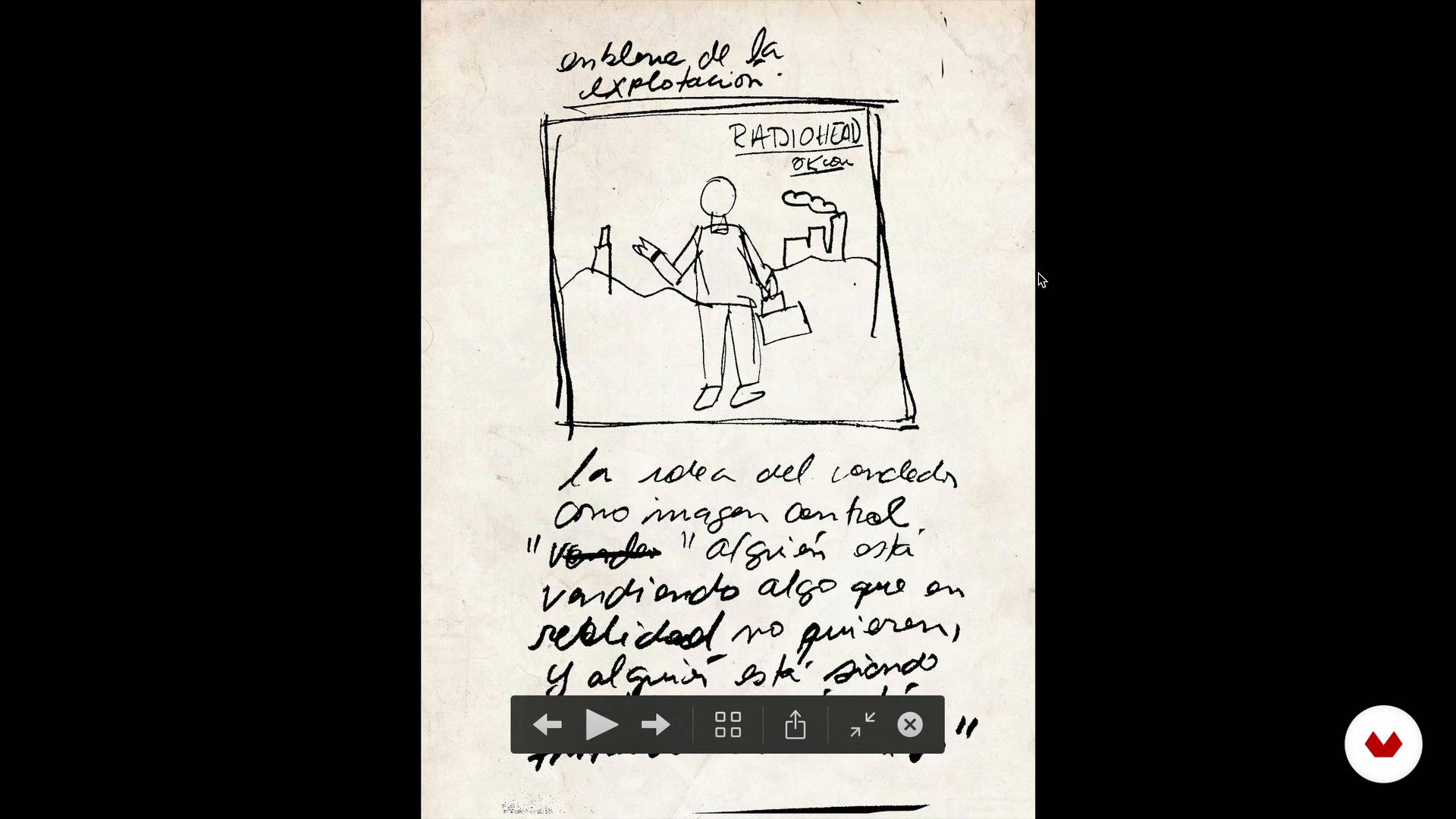
The Conceptualization: Brainstorming
We went from analysis to launching ideas. At this stage, everything goes! First we will create an album concept and then start with the initial sketches.
4m
image
6
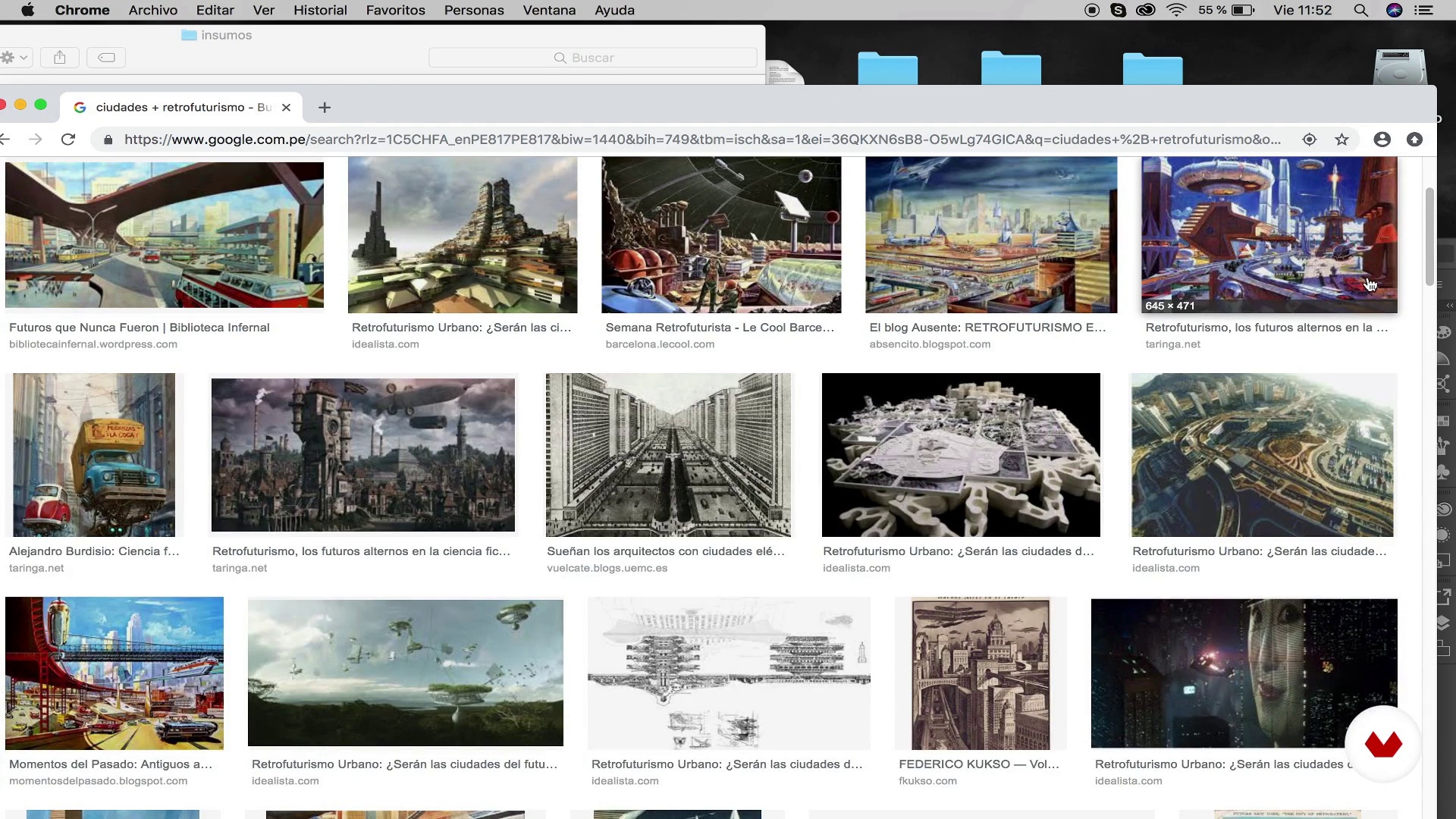
The Documentation: Images and photos
In this lesson we will begin to document, we will choose the images that will serve us, later, to make our collages.
6m
image
7
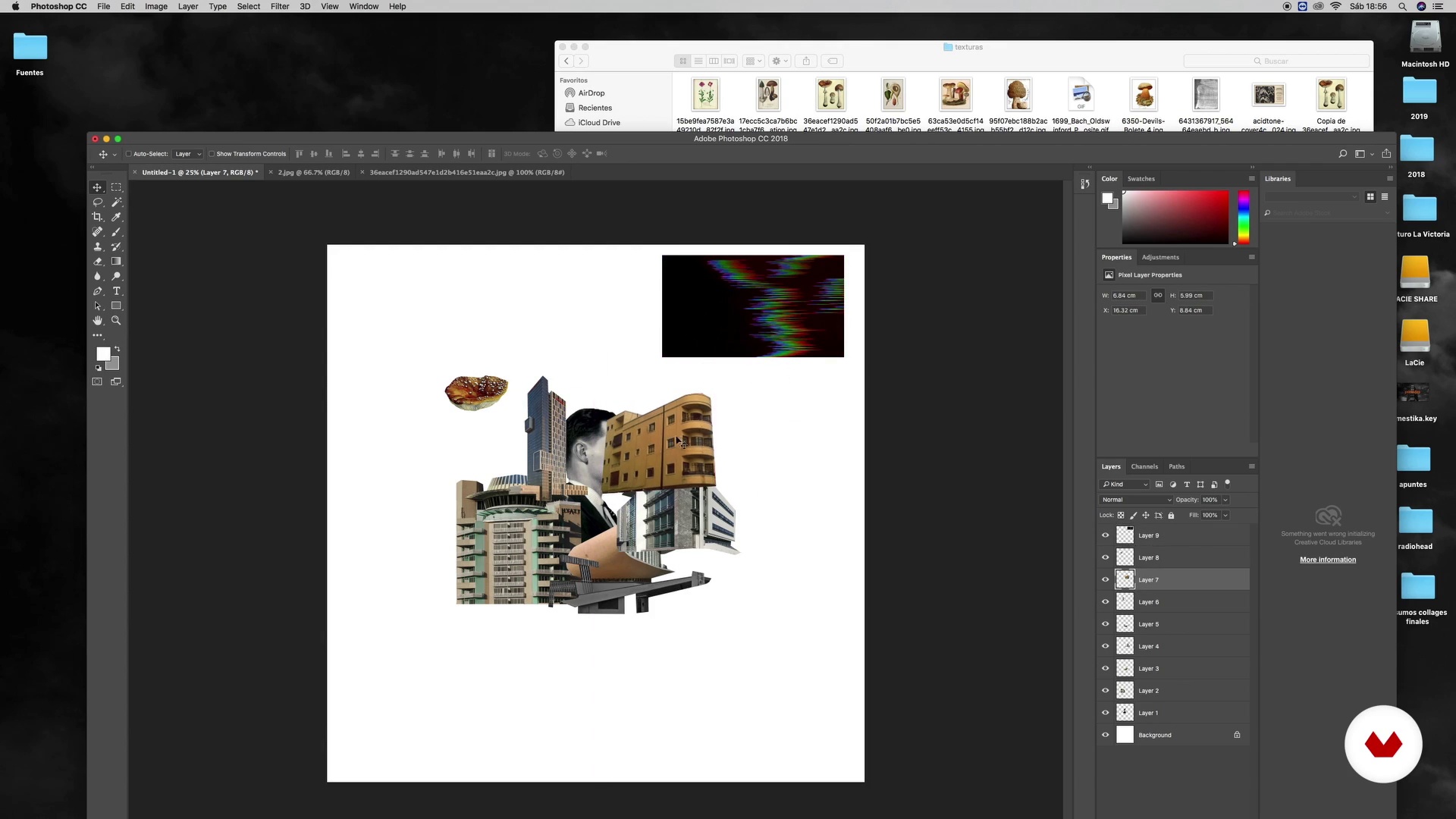
Collage 1: Understanding the process
We will start experimenting with the collage technique and with the preselected images, at this point nothing is said. We will try and play a little.
8m
image
8
Collage 2: Building the covers
We keep cutting and hitting. This process is fun, it is part of creation because it allows us to find new and interesting things.
7m
image
9
Collage 3: Building the image of the cover
We will rehearse the most important collage that will be the entrance door to our album. We will see some treatments and tricks.
6m
image
10
Uniformization and textures
The time has come to standardize all the work. We will give you a treatment, we will try textures to then go to the design of the disc lid.
7m
image
11
Vol 1: First sketches
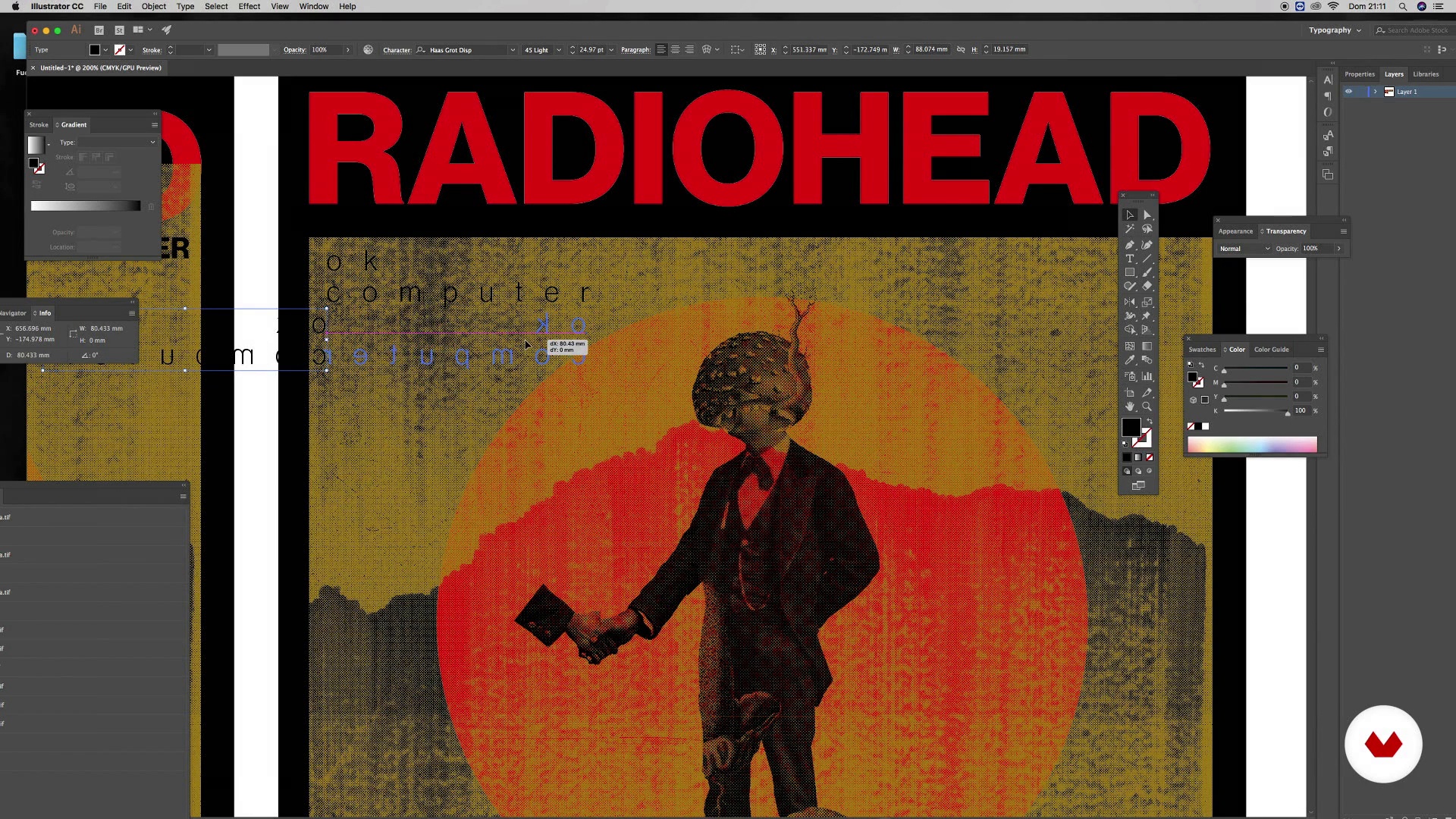
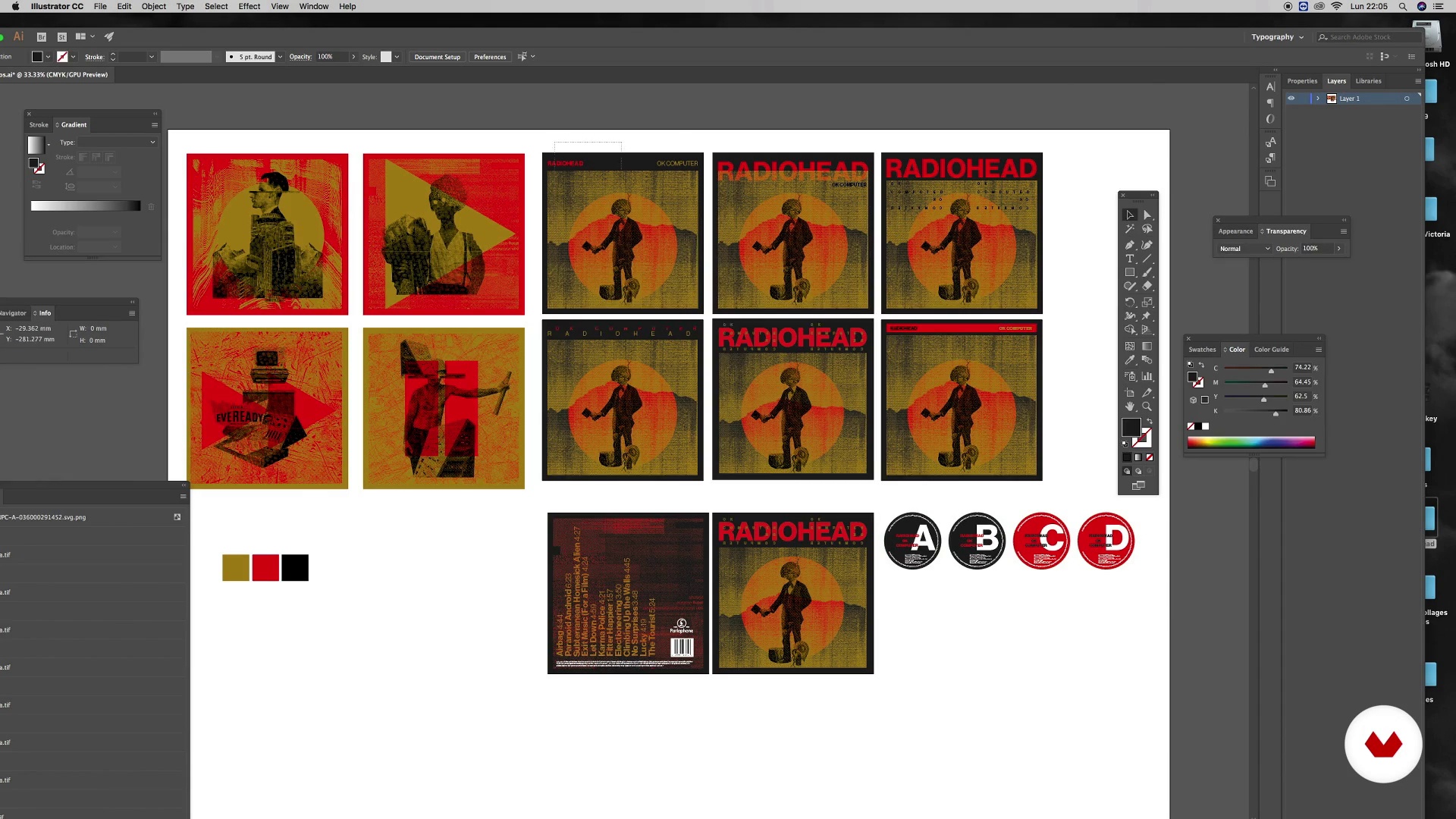
Now we have to design each of the pieces, let's play with typography, we will mix the images, colorize, compose and we will also give space to the error and let the process surprise us. Let's start!
12m
image
12
Vol 2: Cover
Now, the moment of truth has come, let's design our cover. We have already achieved some images and textures, we will continue to mix and color and play a little, why not! ... In this way, we will leave our cover list that is the central element in the album. Accompany me!
9m
image
13
Vol 3: Back cover and label
We are almost reaching the end of the course, we are going to work on the back cover, where we will suddenly combine a texture and a typography with the track list of the songs, seal logo, barcode, etc. This part is interesting and important because it is like the continuation of the cover. Here we will know how the cover and back cover work together, if they keep harmony and finally we will design the label.
8m
image
14
Bonus track 1: Final artwork cover and back cover
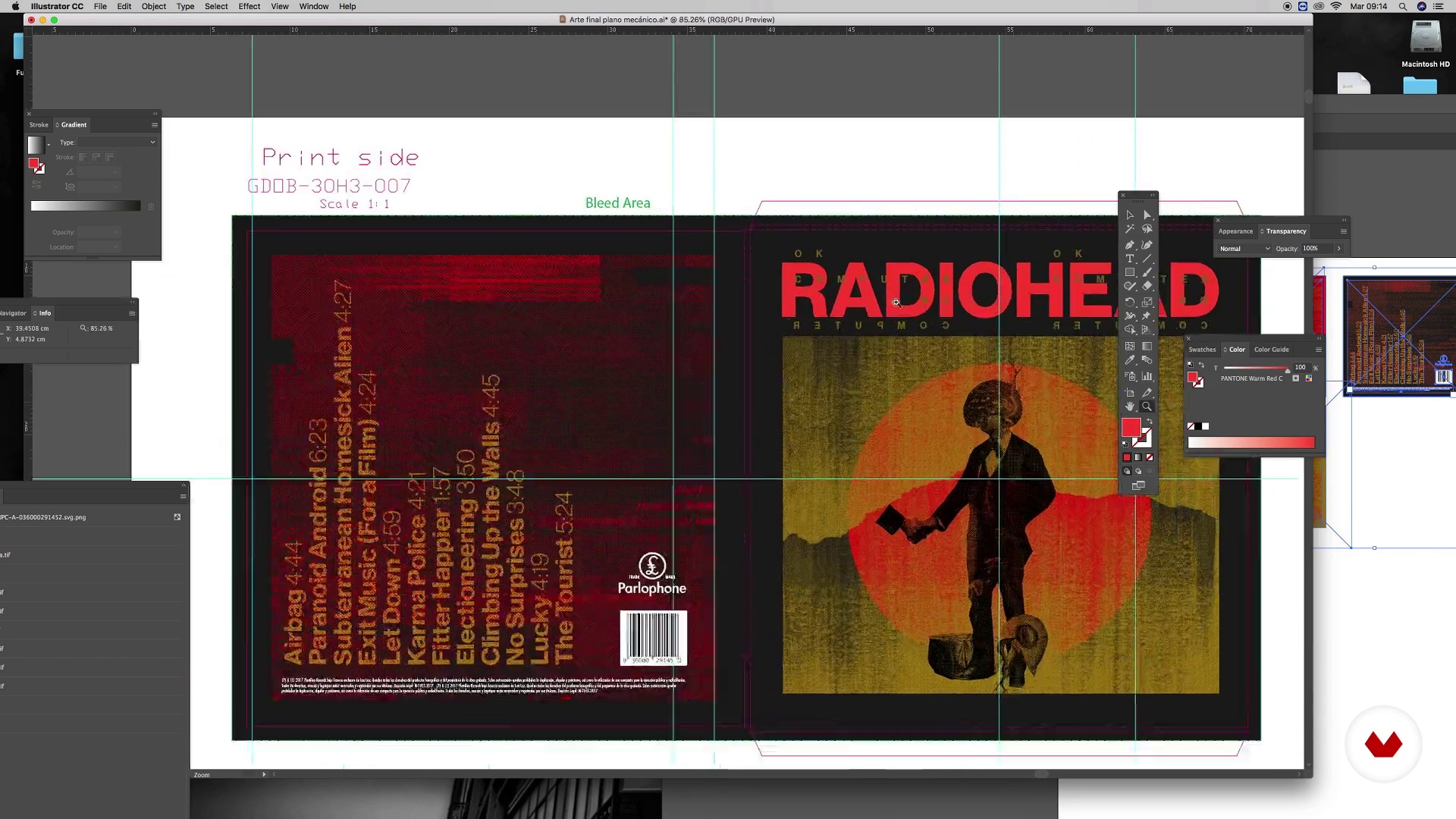
We enter the final section. In this part we have to prepare the work for the printing press, nothing would be complete without this. The finishing or final art is an important part too, perhaps not very entertaining but very important. Here I am going to tell you how the process is, how a work is done in conjunction with the printing press, who is sometimes the one who provides us with the mechanical plans where we adapt our final arts. All these tips I will tell you in this lesson.
5m
image
15
Bonus track 2: Final art covers and label
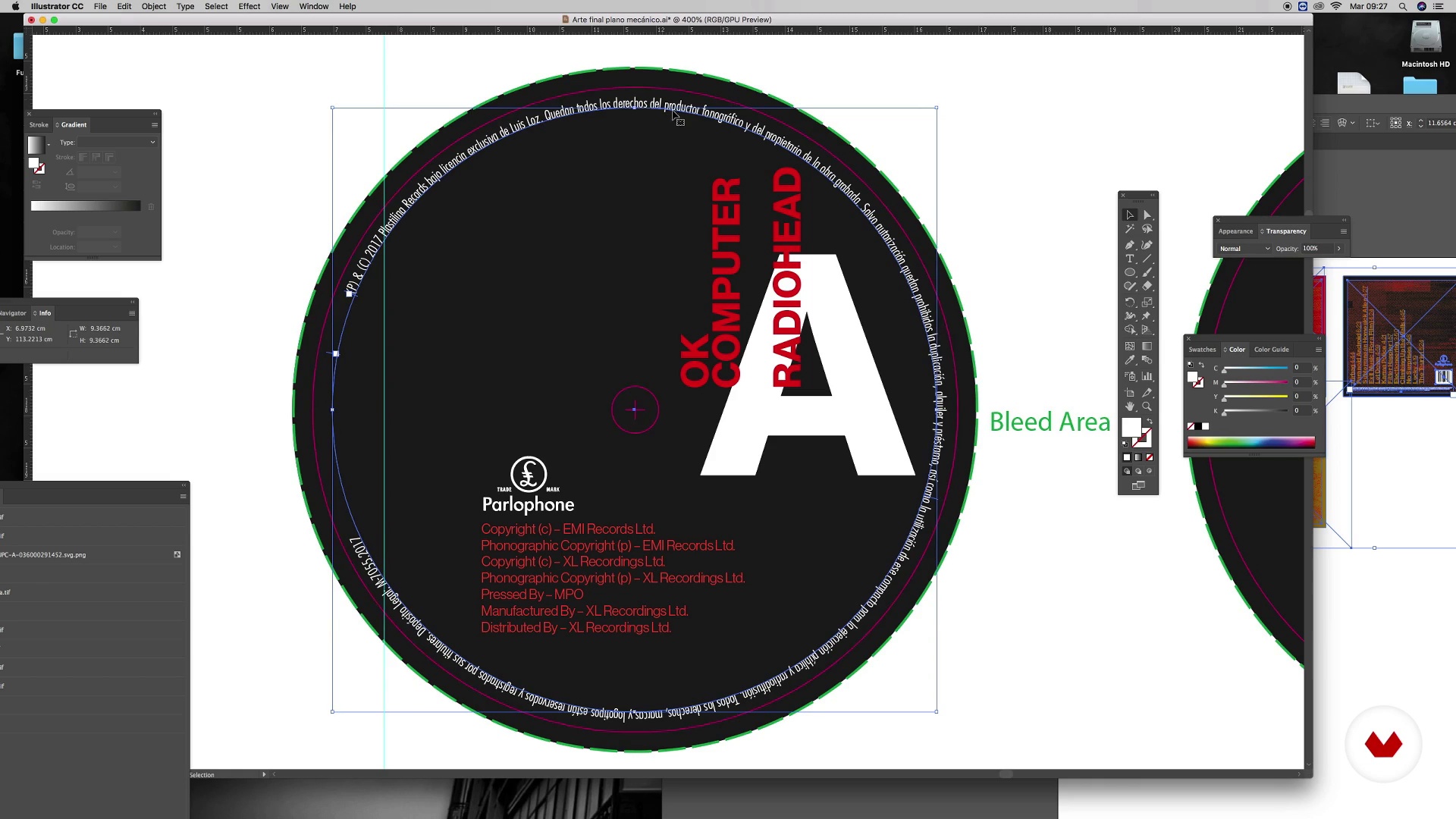
In this lesson, we will continue with the same process as in the previous lesson, only we will apply it to the covers and the label. Let's go!
8m
image
3
Meeting with the musicians
To begin with, I will show you what it is like to meet the musicians and listen to the demos with them. What could you ask them?
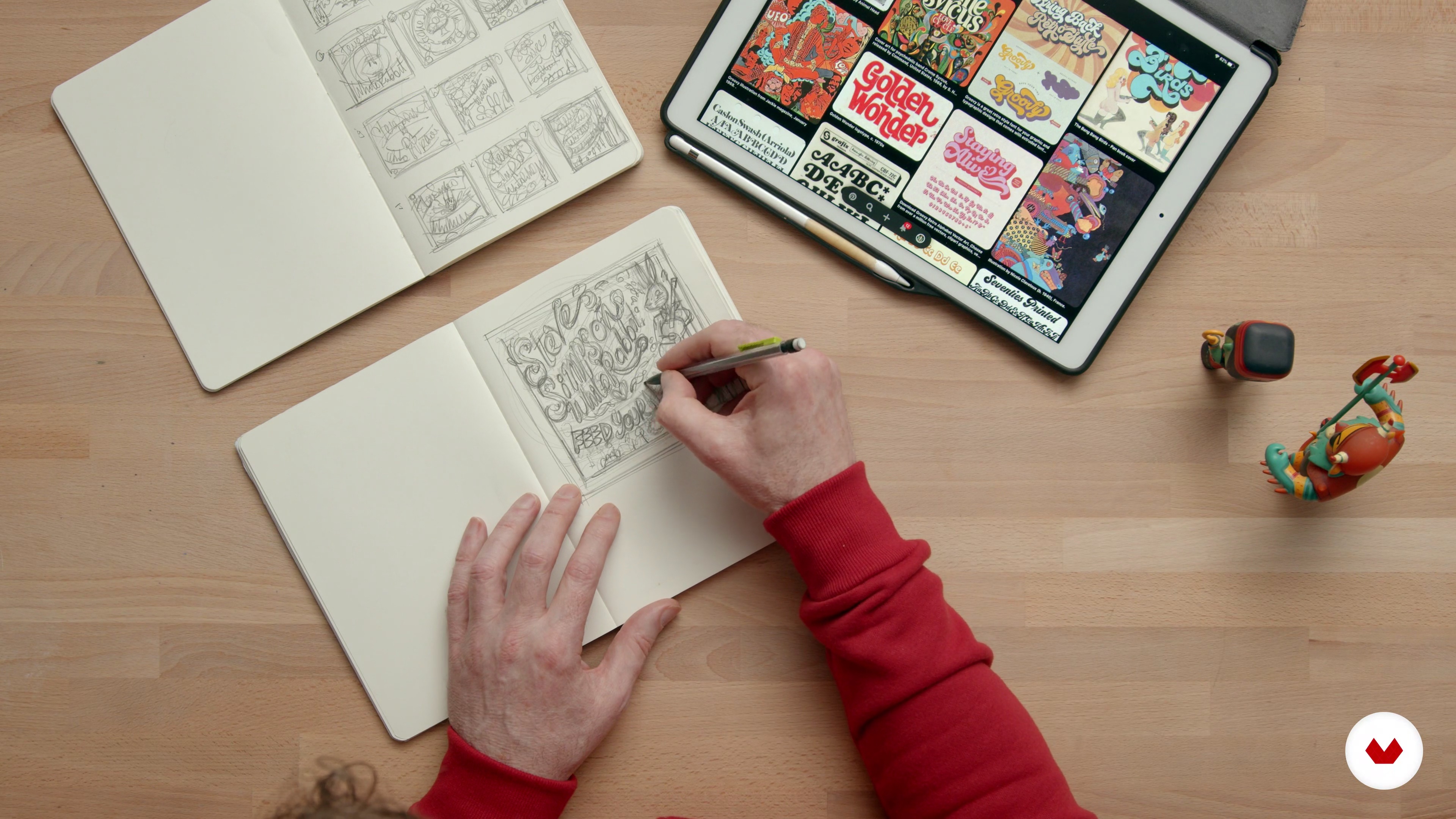
13m
image
4
Idea 1
Here you will see how ideas are born. You can start by looking for an element that plays with the name of the album, or with the feeling that the music and lyrics leave you with.
12m
image
5
Idea 2
I will continue talking to you about how the ideas for the different projects that I have carried out have come about. Perhaps these ideas will give birth to some beads in your mind.
10m
image
6
Sketch
You will learn how to make a sketch with the resources you have at hand.
10m
image
7
Presentation of the sketch
I will explain how to present the sketches to the musicians and how they react to it.
7m
image
8
Preproduction
Now you will see what you need to produce the photo. Also, you will see how to think of different options if you decide that the design does not include a photo.
10m
image
9
Photoshoot
This is photo time! I will explain how to prepare the wardrobe, talk to the makeup artist and hairdresser, talk to the photographer about light and framing. Also, I will tell you how to direct the actions of the musicians.
6m
image
10
Choose the photo and font
In this lesson you will see how to edit the best photo of the session and share it with the musicians. I will give you some tips to select the most suitable font. With the non-photo covers, you will learn how we will choose the best drawing or logo.
5m
image
11
Arm the original
Now I will explain how to assemble the cover and the inner envelope. You will learn to prepare the original for printing and deliver the file to digital platforms.
6m
image
12
Launch
Finally, I will tell you about everything that happens in the album release stage: animations for networks, t-shirts, posters, networks, videos and singles.
5m
image
4
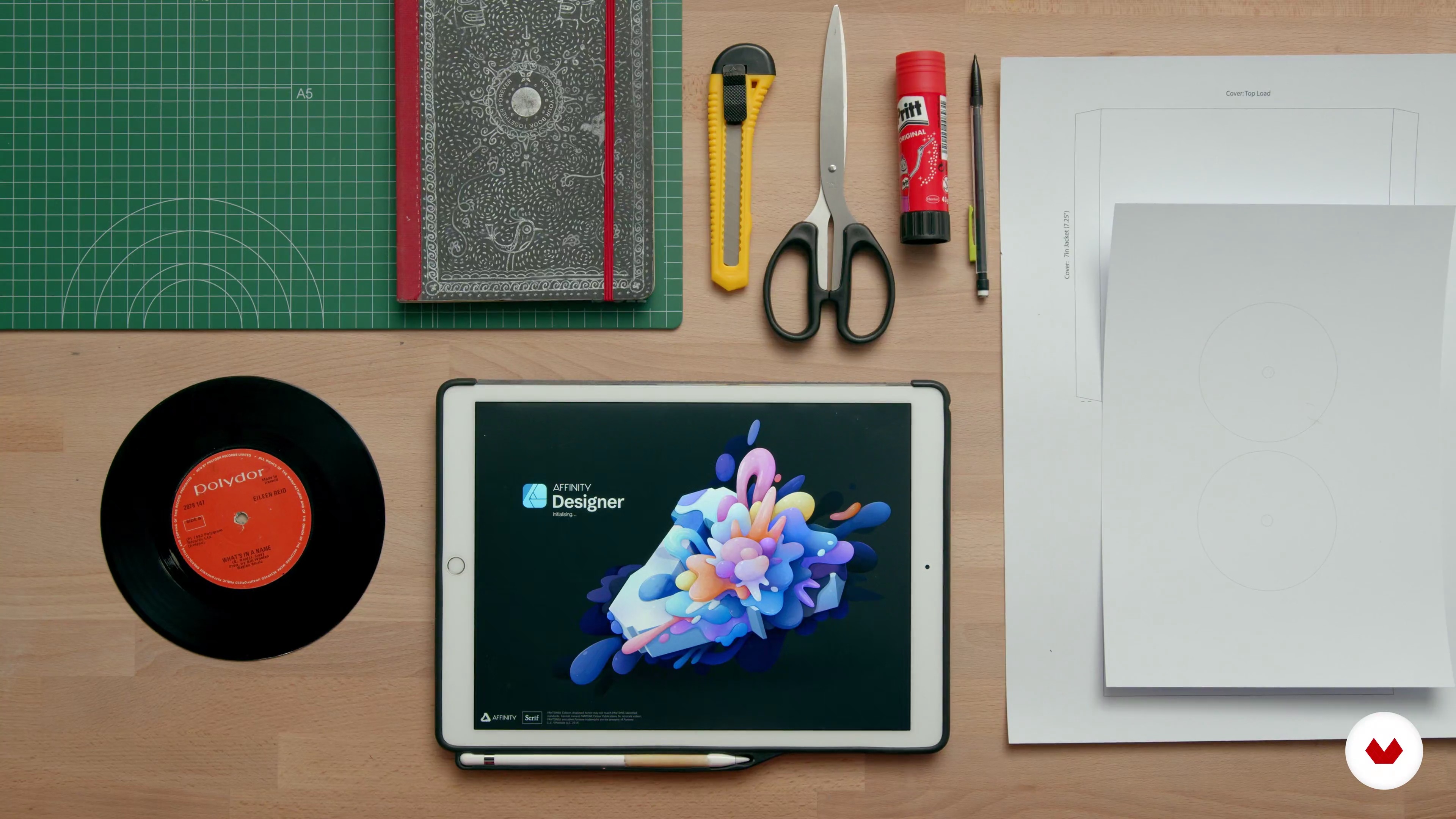
Presentation of Materials
In this lesson I will show you what are the materials needed for making this course.
1m
image
5
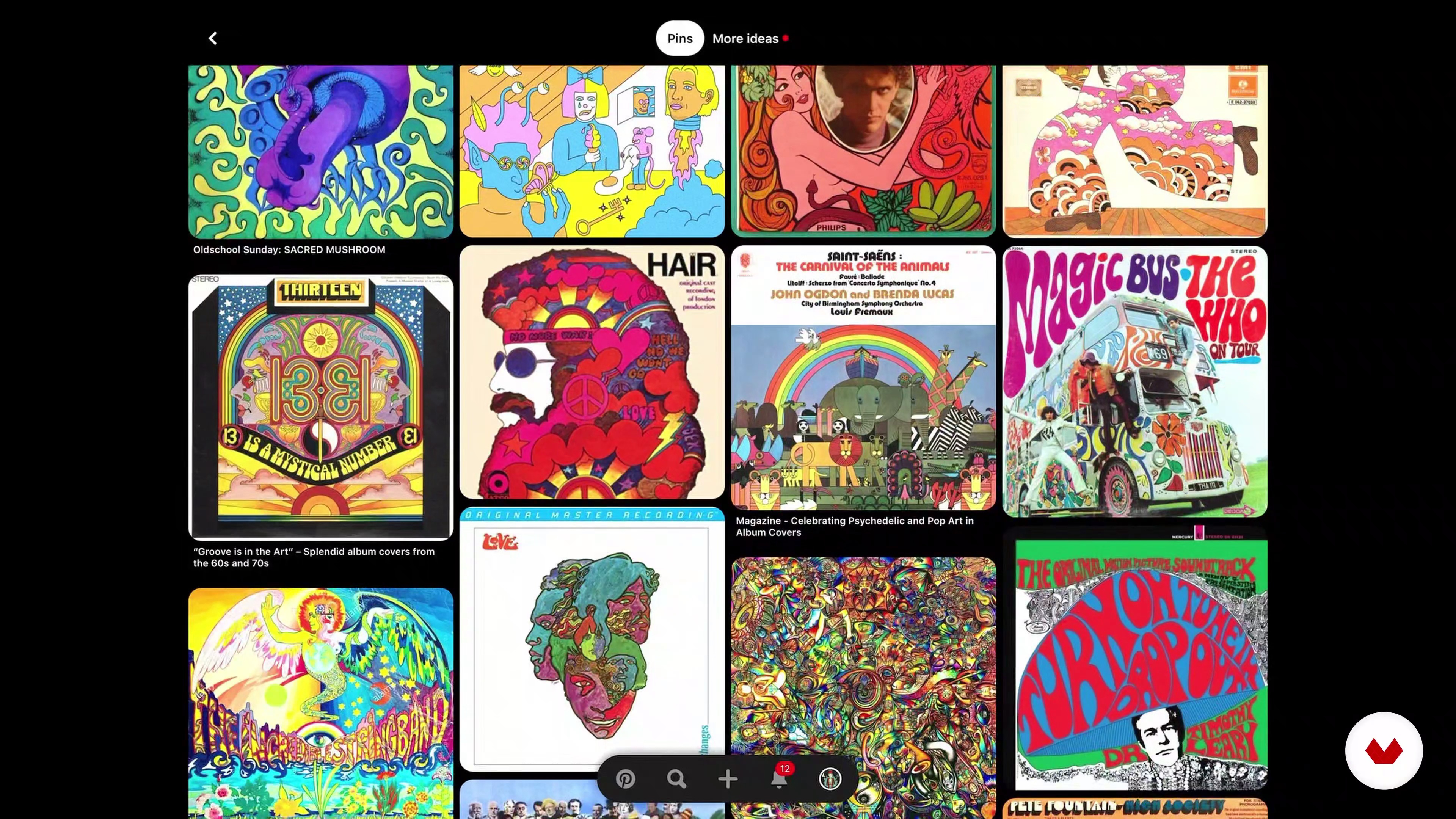
Examples of 60s Psychedelic Album Covers
In this lesson I will show and discuss examples of psychedelic genre artwork I’ve discovered online.
3m
image
6
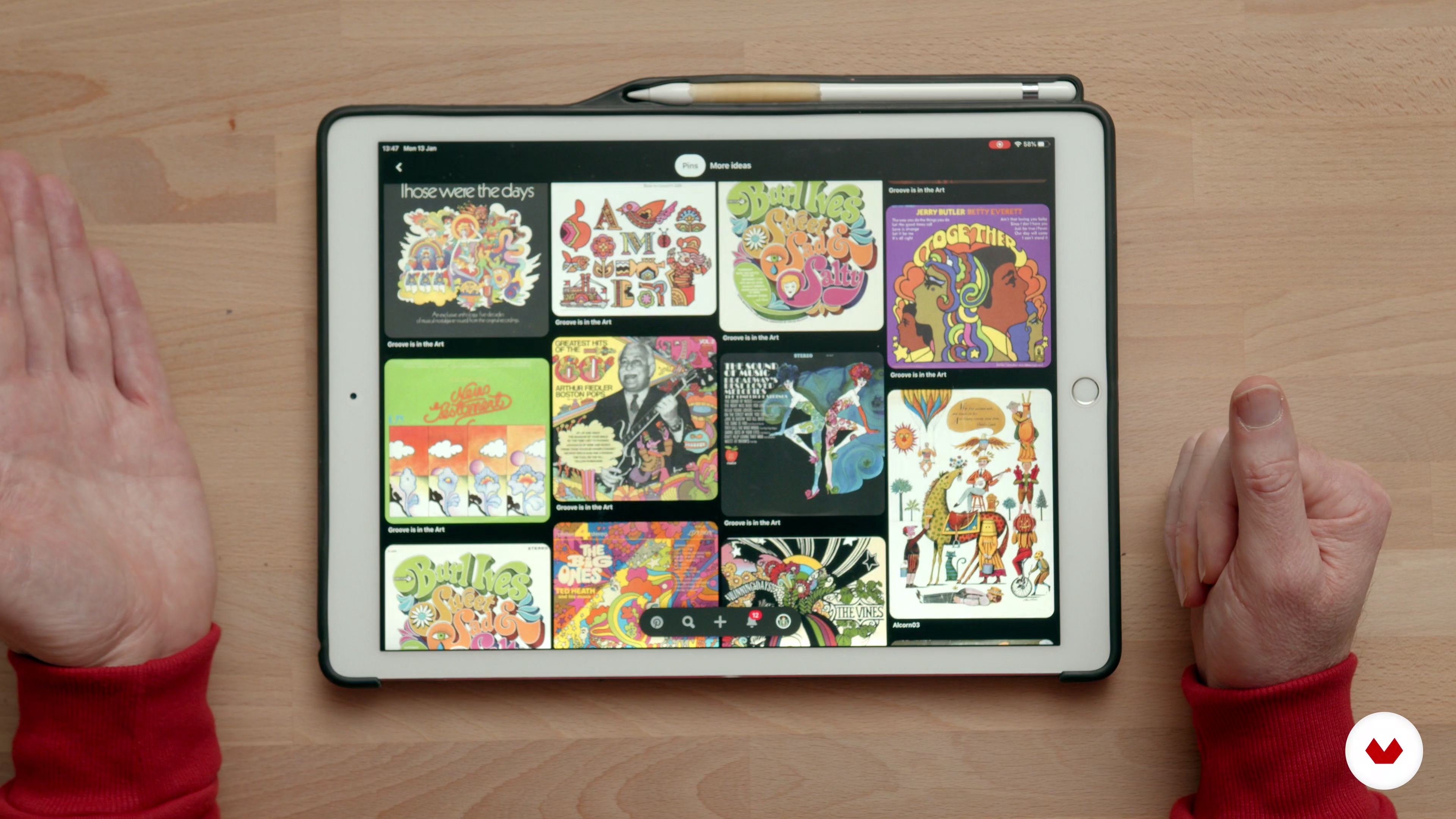
Research
In this lesson I will show you how to approach finding reference materials on Pinterest.
5m
image
7
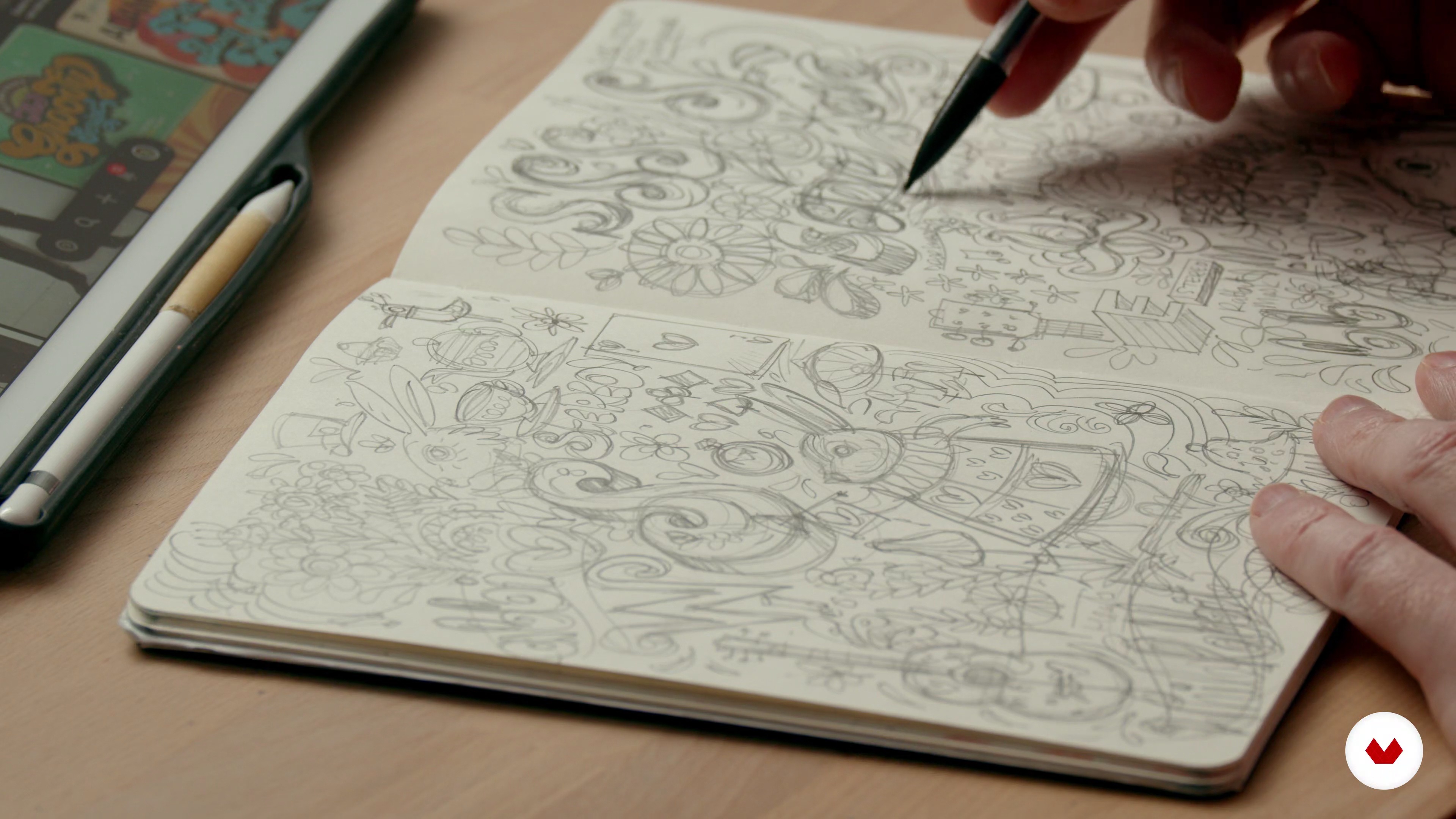
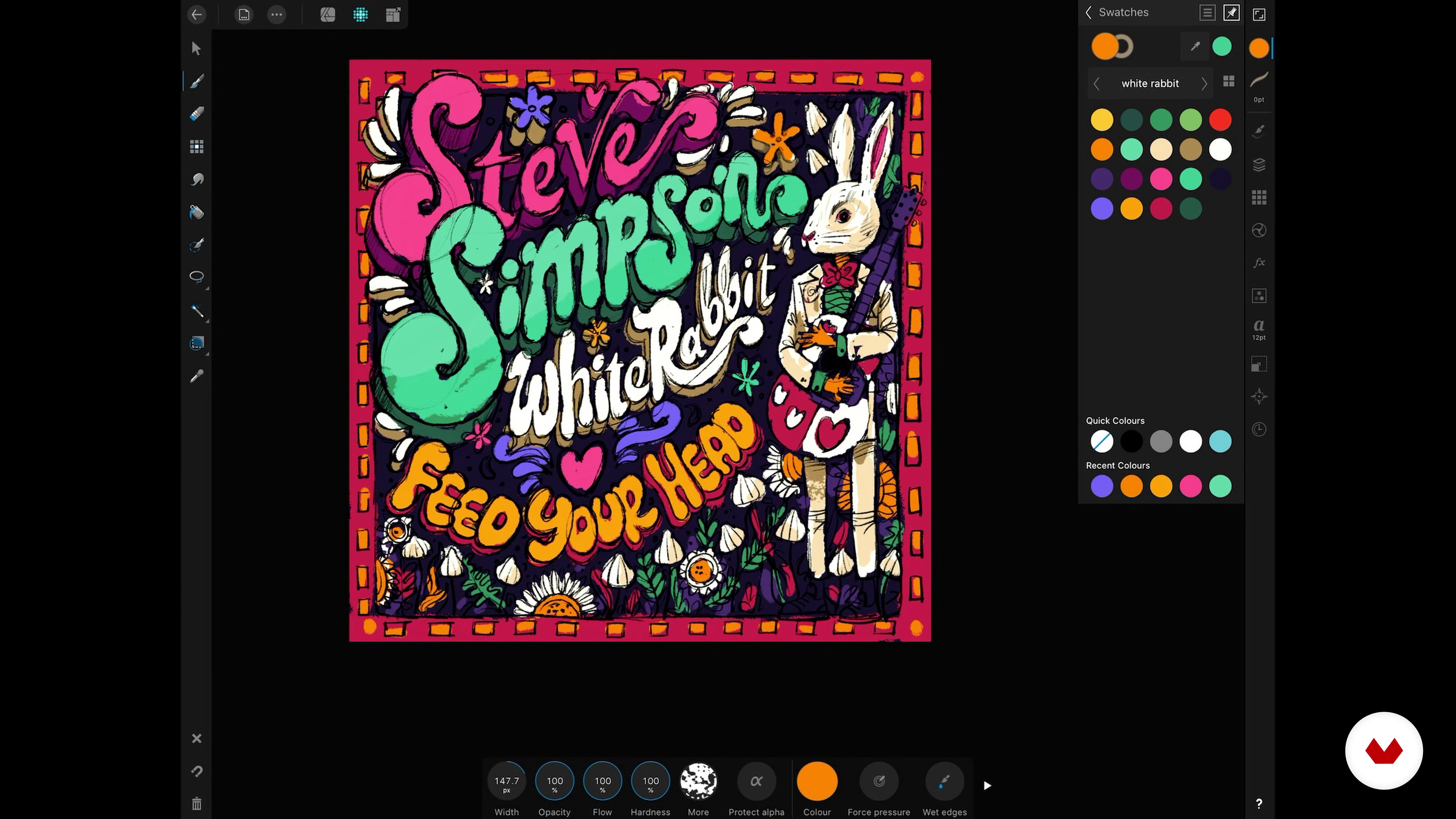
Turning Research Into Original Ideas
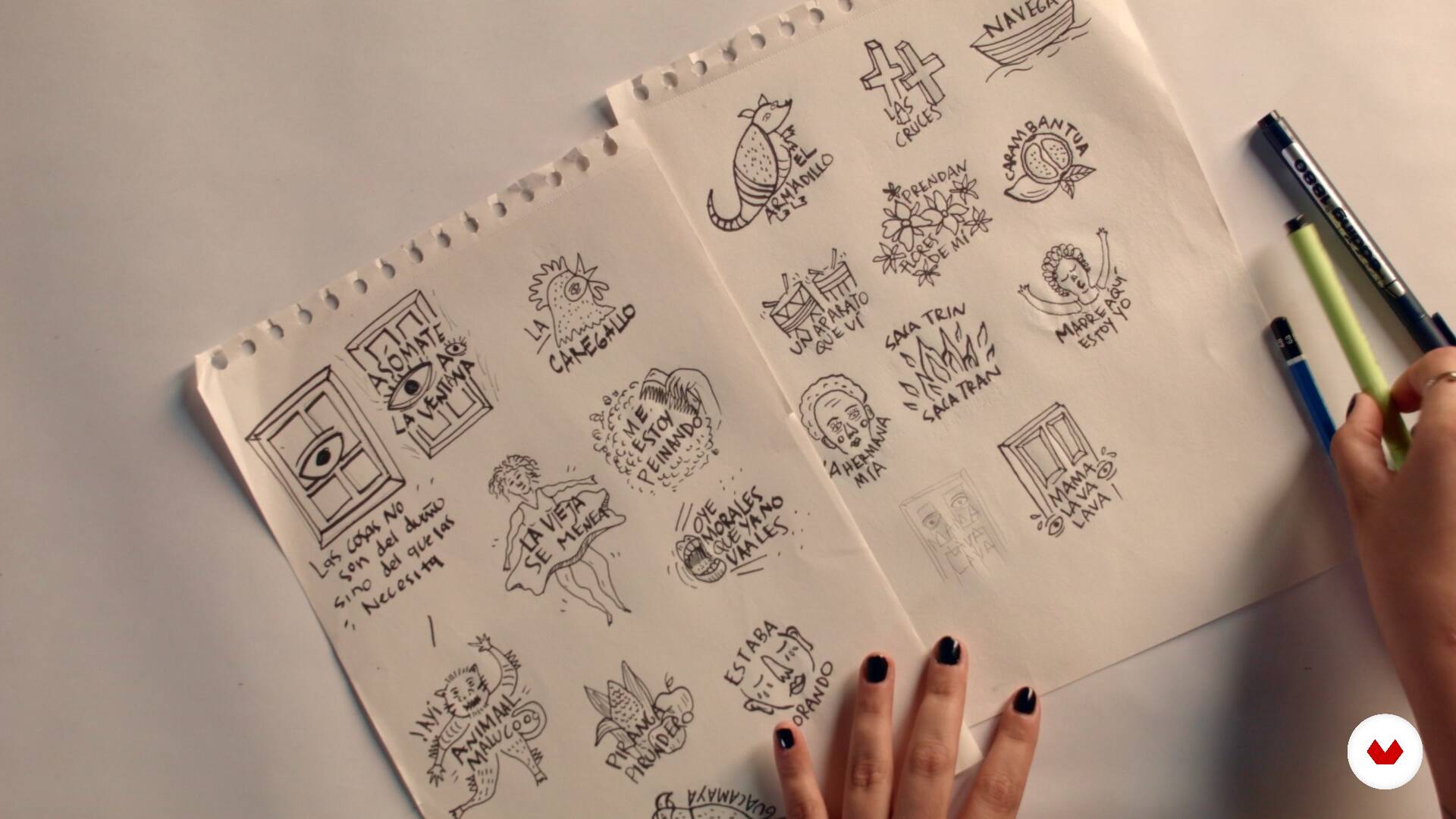
In this lesson I will show you to make a catalogue of sketch ideas based on the reference material we found in the previous lesson.
5m
image
8
Combining Hand Lettering and Illustration
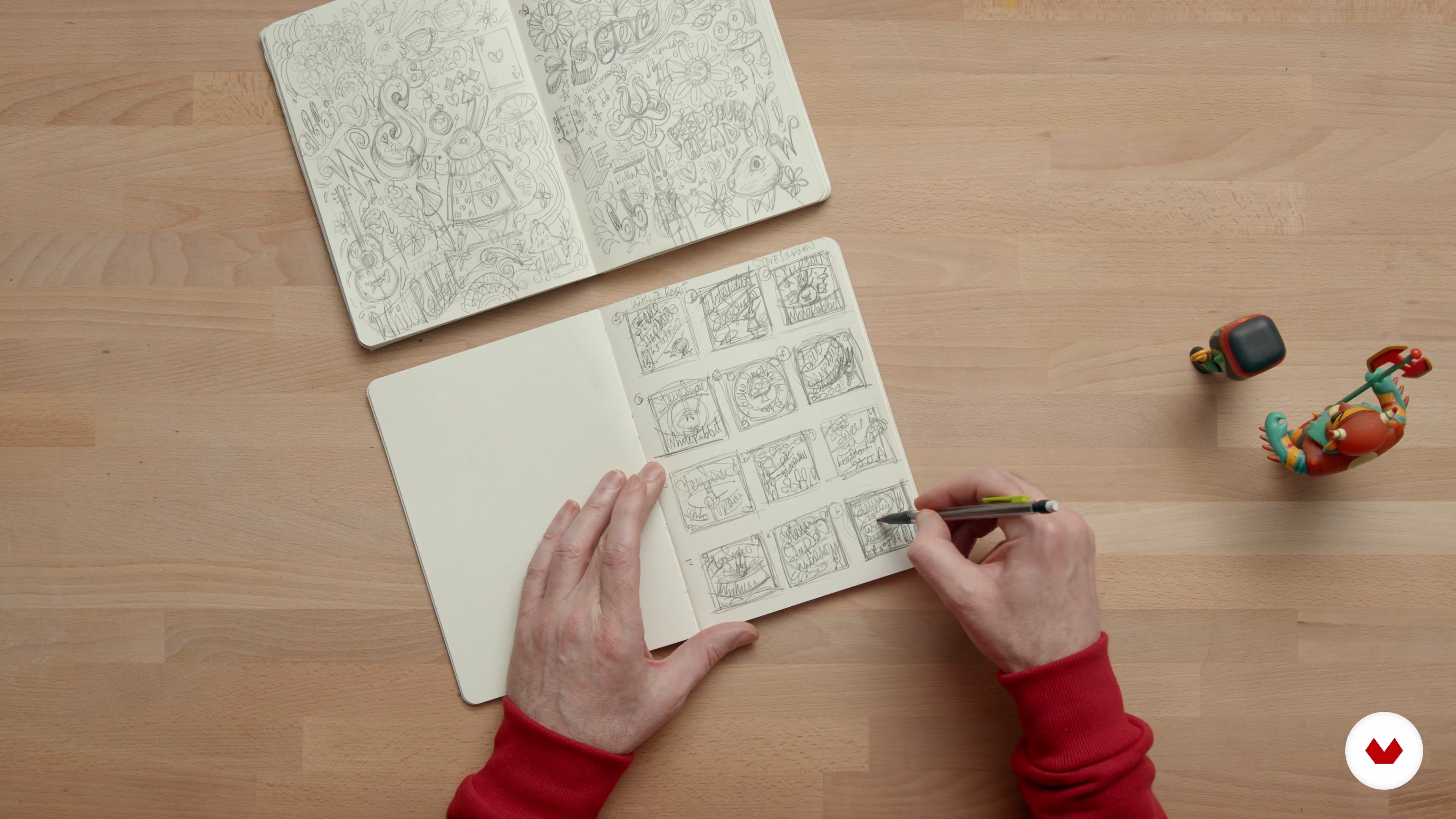
In this lesson I will make multiple thumbnail sketches, combining the type and illustration to make a cohesive layout.
8m
image
9
Developing Your Thumbnail
In this lesson we will be developing our thumbnails sketches. We will start this by looking at all the ones we created in the previous lesson and picking the best one to develop into a larger rough sketch.
10m
image
10
Final Refined Drawing
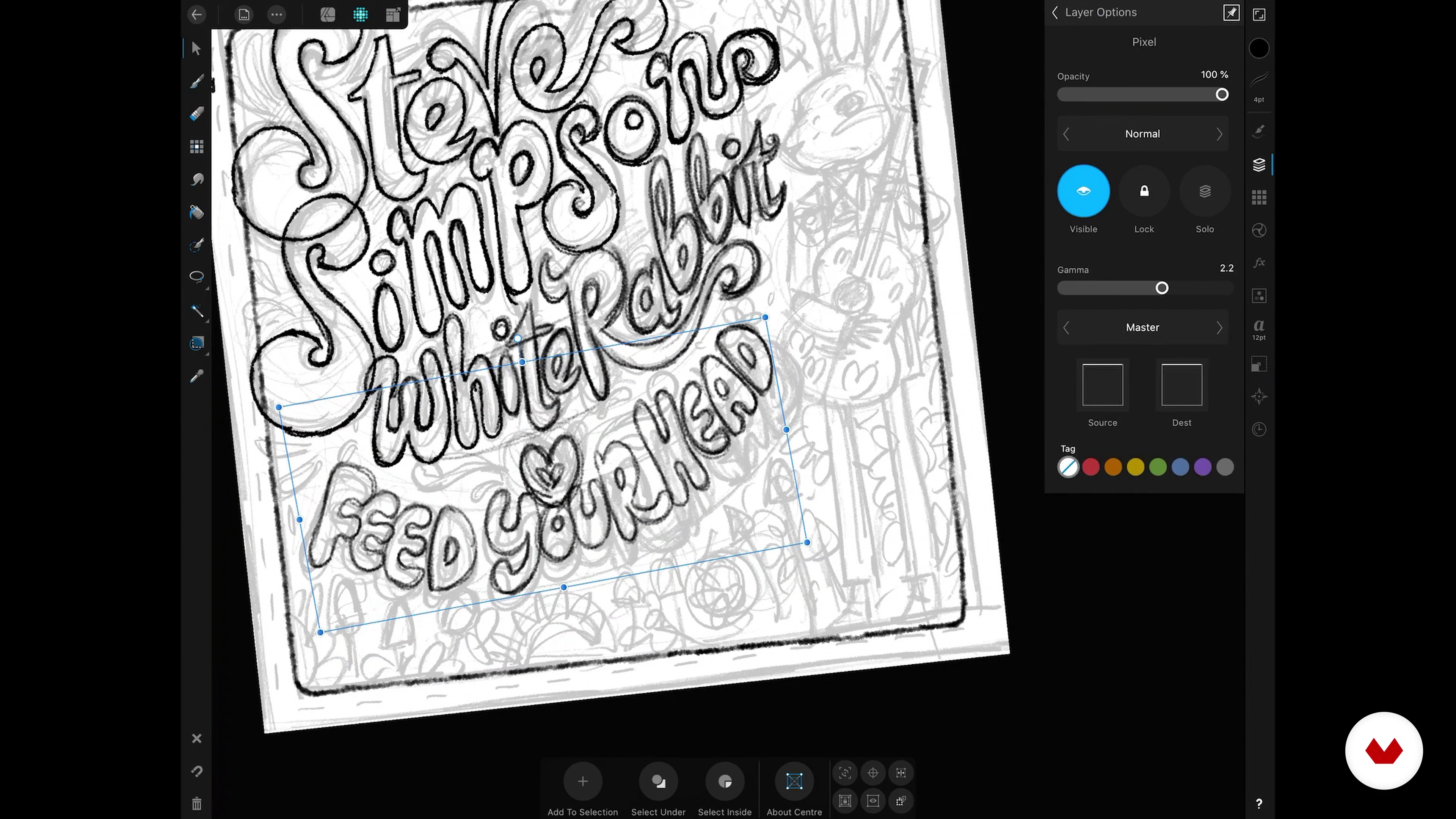
In this lesson I will start working on the final refined drawing using the templates supplied. This drawing is where you can finally add details. It’s important to keep referring back to your research material, and maybe finding extra references now you know exactly what you’re drawing.
4m
image
11
Creating Tonal Rendering
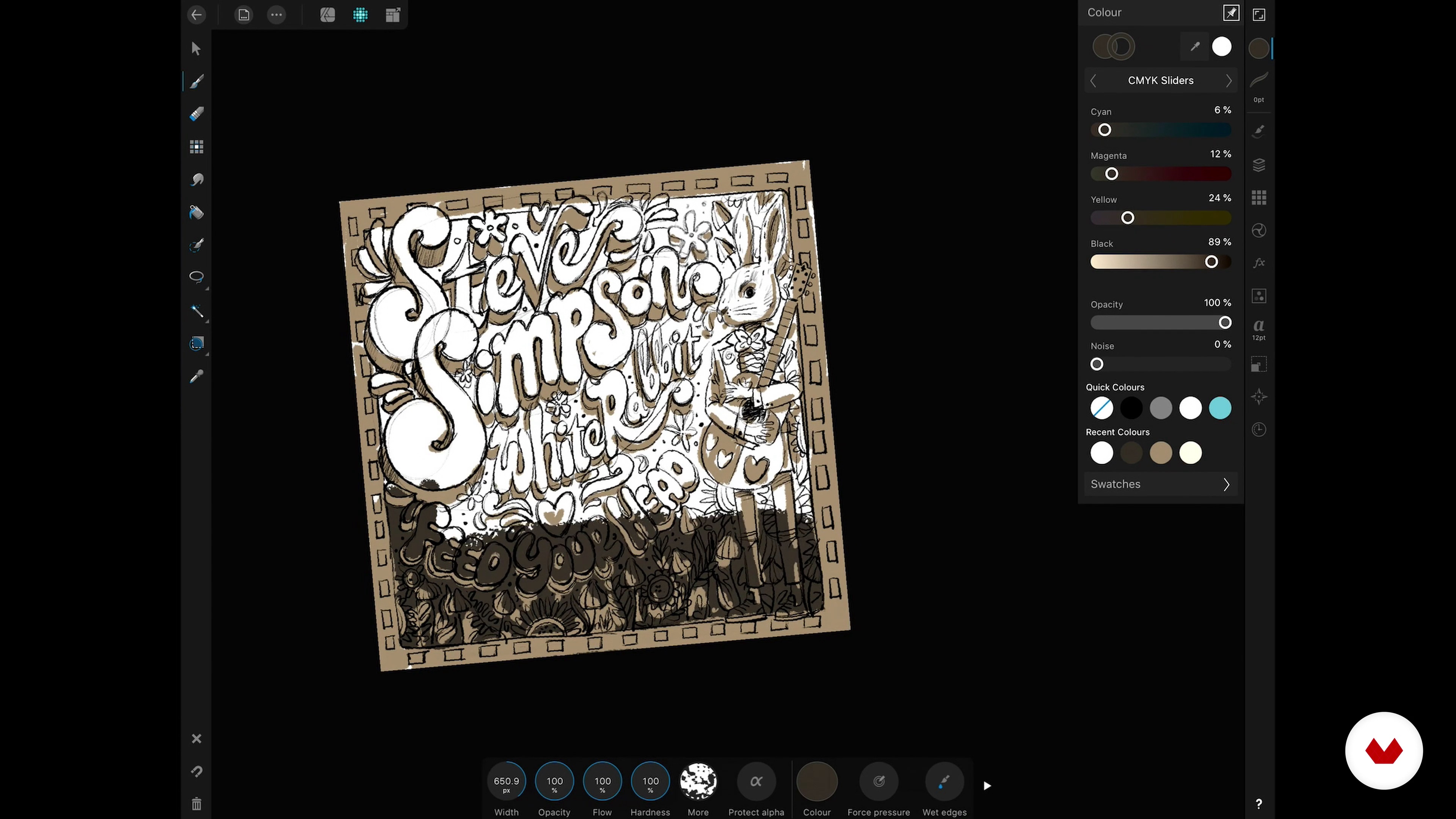
In this lesson we will be making a tonal digital rendering.
6m
image
12
Developing Colour Palettes
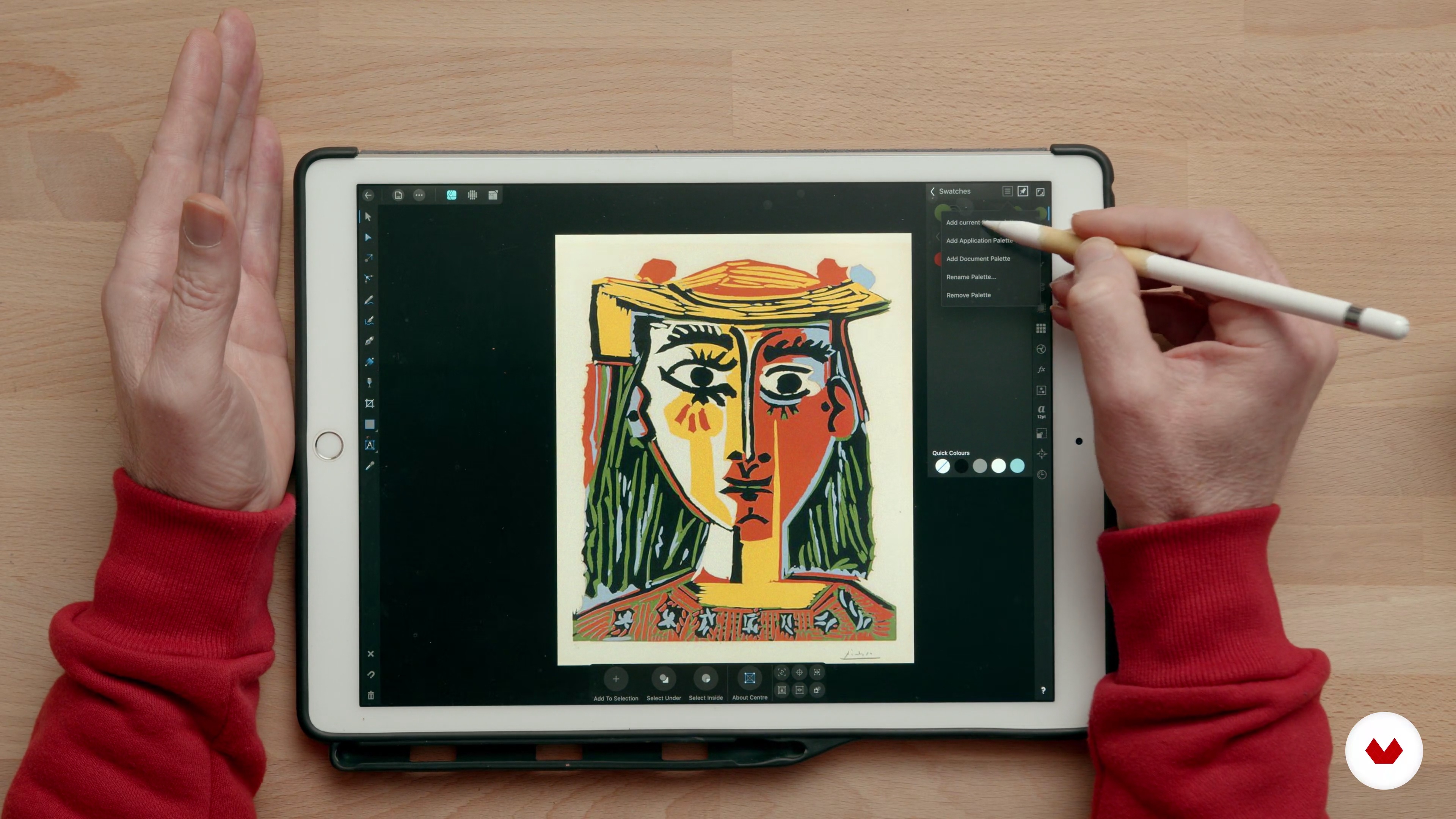
In this lesson we will look at extracting a limited colour palette from reference material we found online.
3m
image
13
Making Rough Colour
In this lesson we will apply the final rough colour based on the colour palette we made in the previous lesson.
6m
image
14
How to Approach Your Final Artwork
In this lesson I will explain you how to find your own creative style.
2m
image
15
Printing and Glueing
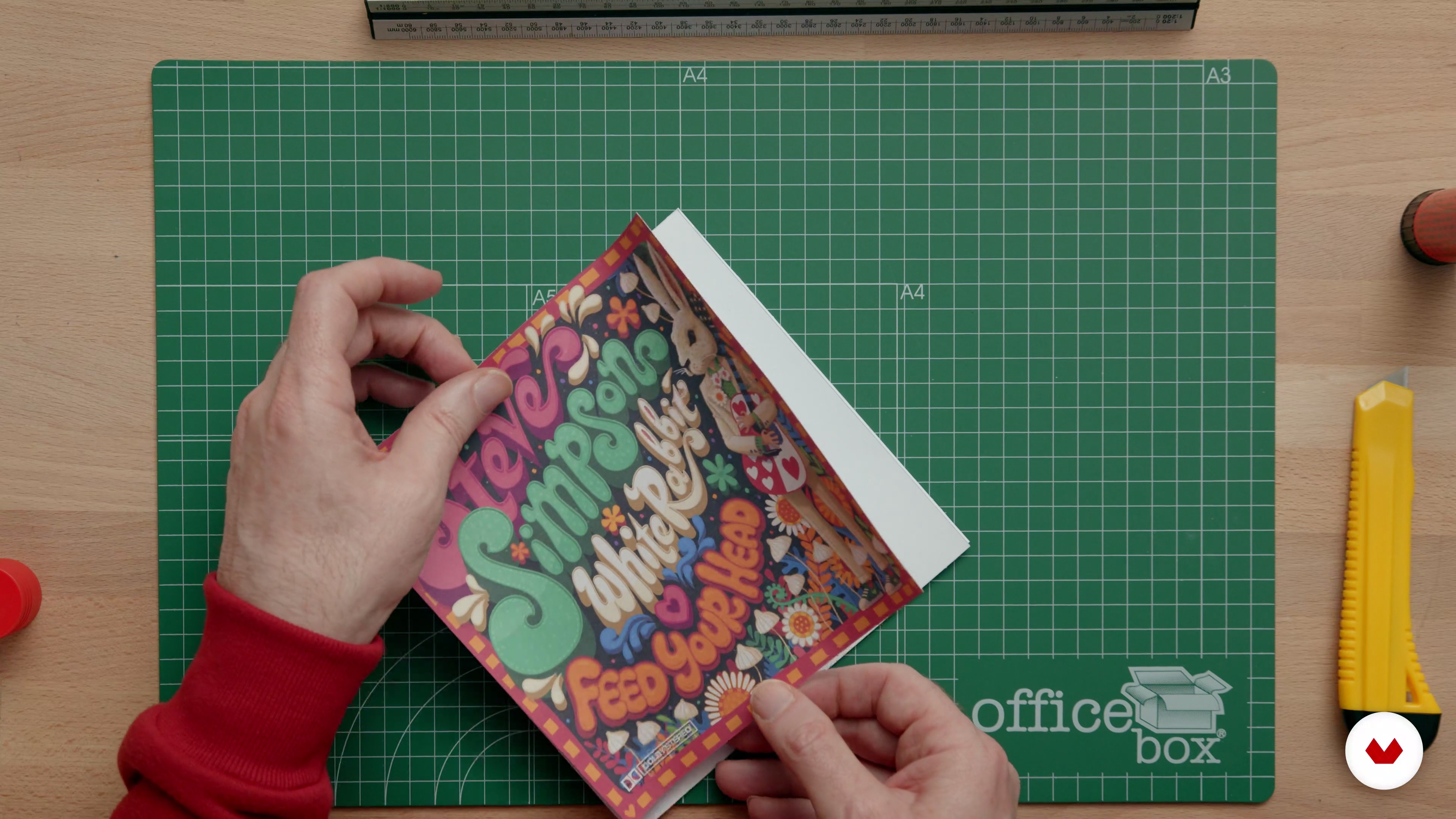
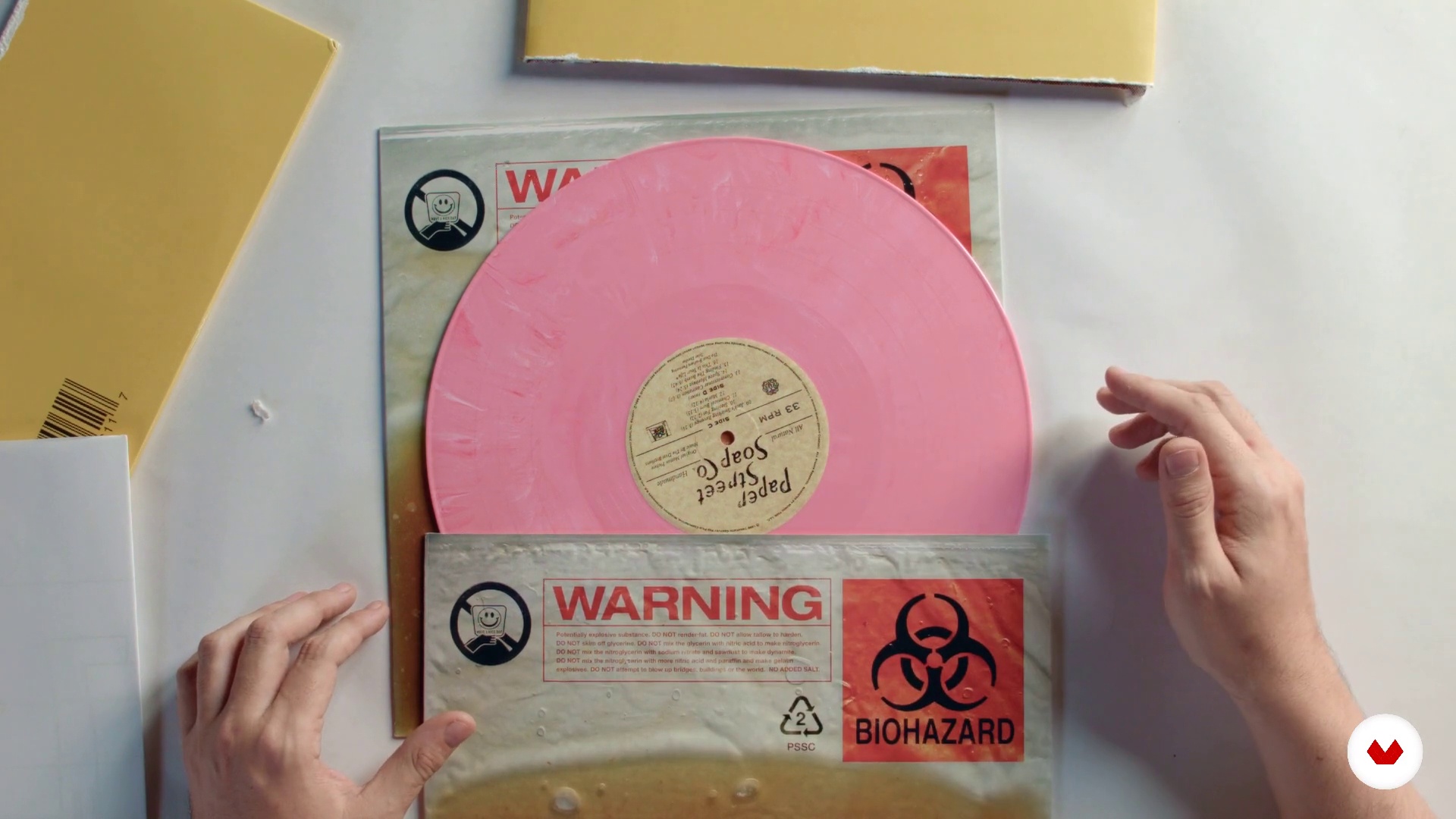
In this lesson we will be cutting, folding and glueing our sleeve together. Printing our designs and glueing them to the sleeve and vinyl record. And that’s it, your beautiful design is finished.
10m
image
3
Referents of musical packaging (Kinky Reggae - Bob Marley & The Wailers)
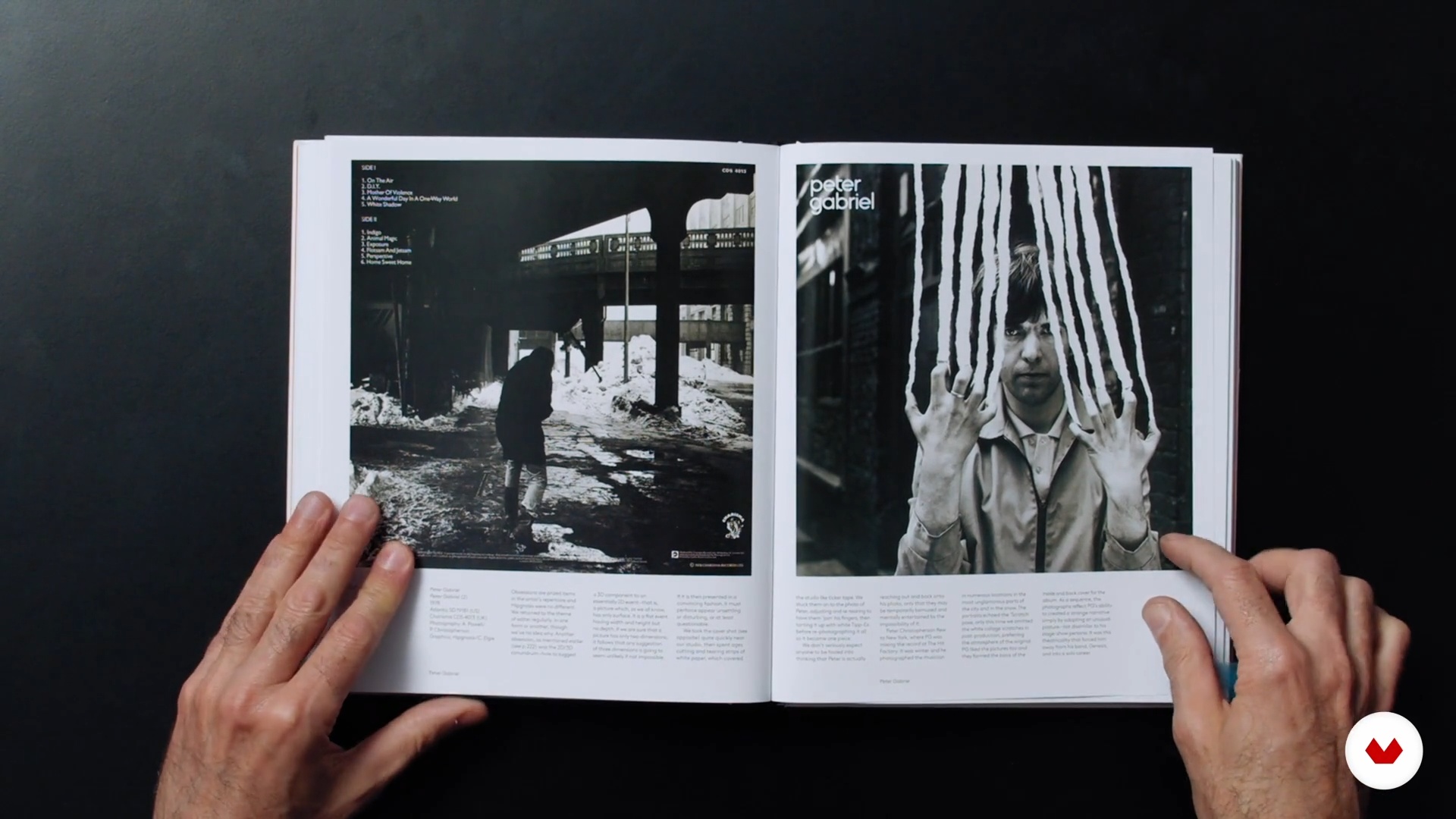
We will see some packages of vinyls and cds out of the ordinary, managing to tell stories of the music they carry inside. Pulse of Pink Floyd designed by Storm Thorgerson, Graphic Novel of Sima with design by the great Laura Varsky and images of the Argentinean artist Liliana Porter, Anti of Rihanna designed by the Israeli artist Roy Nachum, Speaking in Tongues of the Talking Heads with the packaging conceived by one of the parents of American pop Robert Rauschenberg, Pure Comedy by Father John Misty which is a work of Sasha Barr art director of the independent label Sub Pop and New Yorker illustrator Ed Steed, the Sticky Fingers of the Rolling Stones which has images of Andy Warhol and design by Craig Braun, The Wailers Catch a Fire designed by Rod Dyer and Bob Weiner and the soundtrack of Fight Club by the Dust Brothers with a brutal design by Alan Hynes.
9m
image
4
Development of the concept (Rollin 'Stone - Red Astaire)
We will carry out an investigation that will allow us to elaborate color palettes, typographical referents, thematic of the disc, a visual treatment and ways that lead to the concept that will be used in the packaging. These resources, collected from the internet, texts and photos will be our main input to develop a sketch in the next lesson.
15m
image
5
Elaboration of sketches and presentation for the client (Les Cactus - The Last Shadow Puppets)
With these inputs we will develop a preliminary sketch. At the end of the lesson you will see a pdf that includes the sketches and the creative process to clearly communicate to the client what the album will look like.
10m
image
6
From modules to packaging (Walk on the Wild Side - Lou Reed)
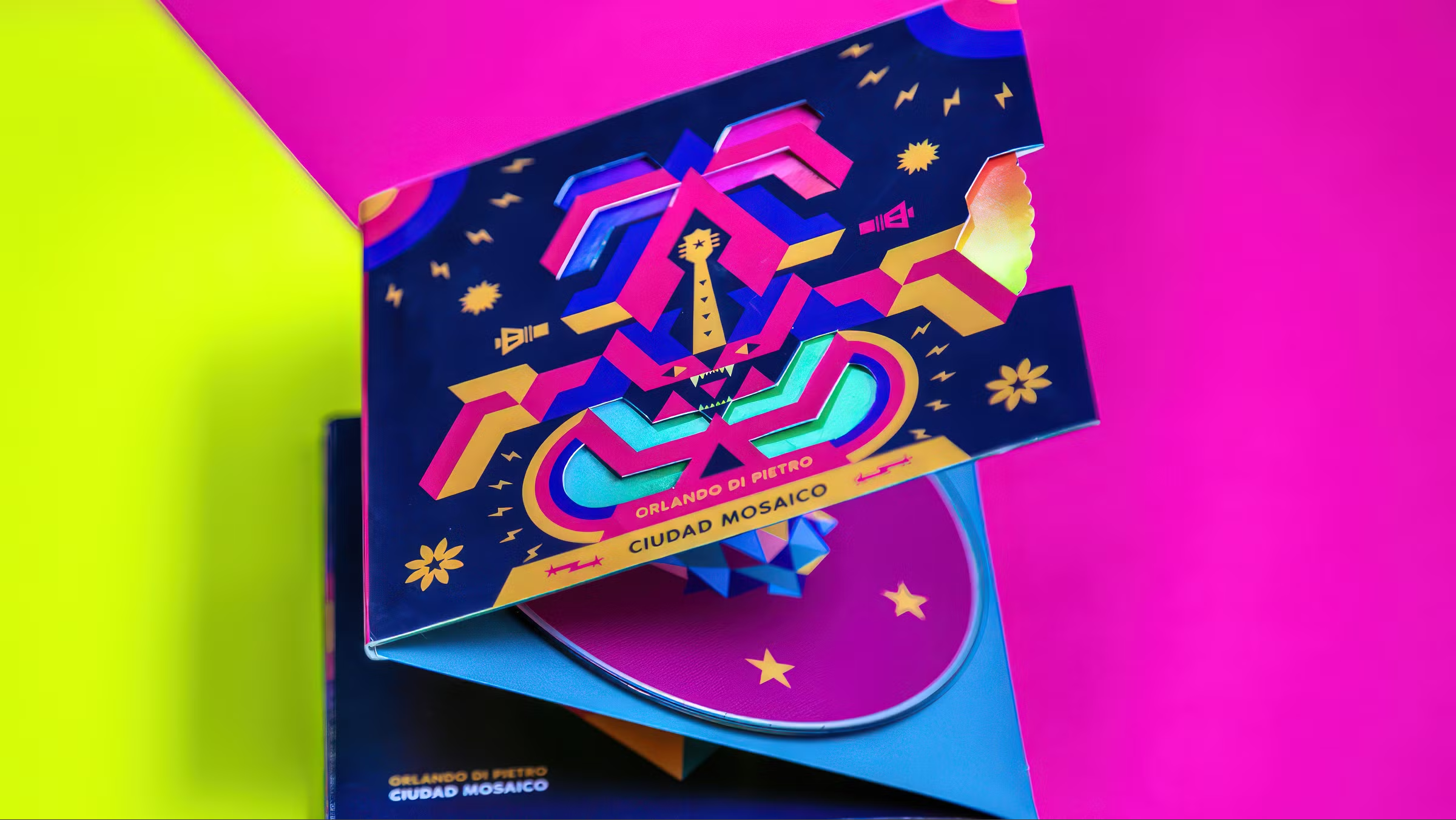
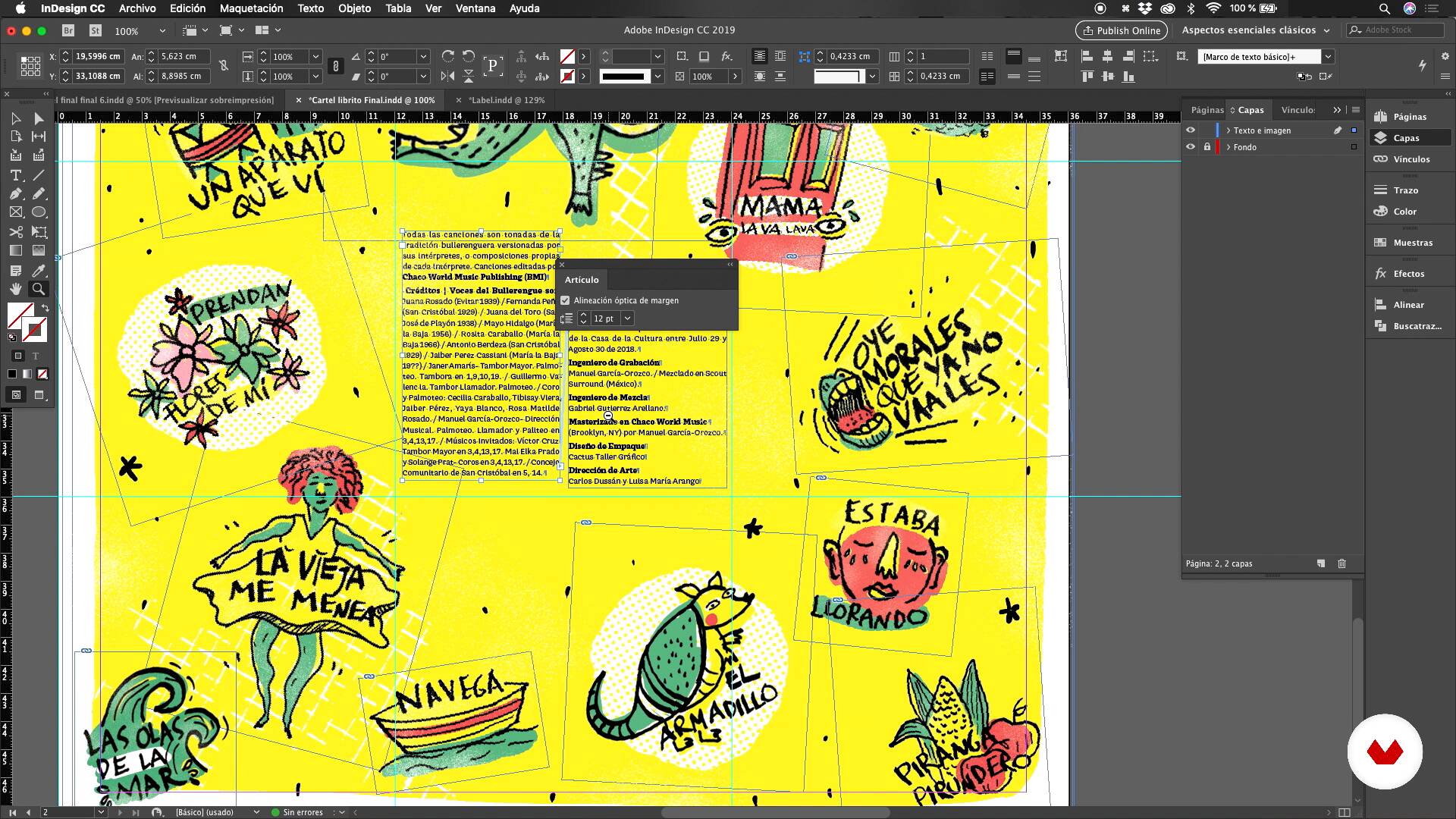
From the sketch created in the previous lesson we will begin to develop the packaging die, with module exercises in Indesign (or Illustrator) you will create the prototype of the packaging that we will print in laser cutting.
16m
image
7
Adjust the packaging (Use it Before You Lose it - Bobby Valentin)
In this lesson we will see the laser cut prototype and we will evaluate its construction, the folds, the cut, the alignment and we will adjust the last details of the packaging construction.
6m
image
8
Polish the sketch and start illustrating (Chillin - Modjo)
There will be a brief description of tools that will be useful when starting to polish the sketch and get into the illustration process. We will work on the illustration and we will see how it is taking shape.
8m
image
9
Finish the illustration (Darling - Real Estate)
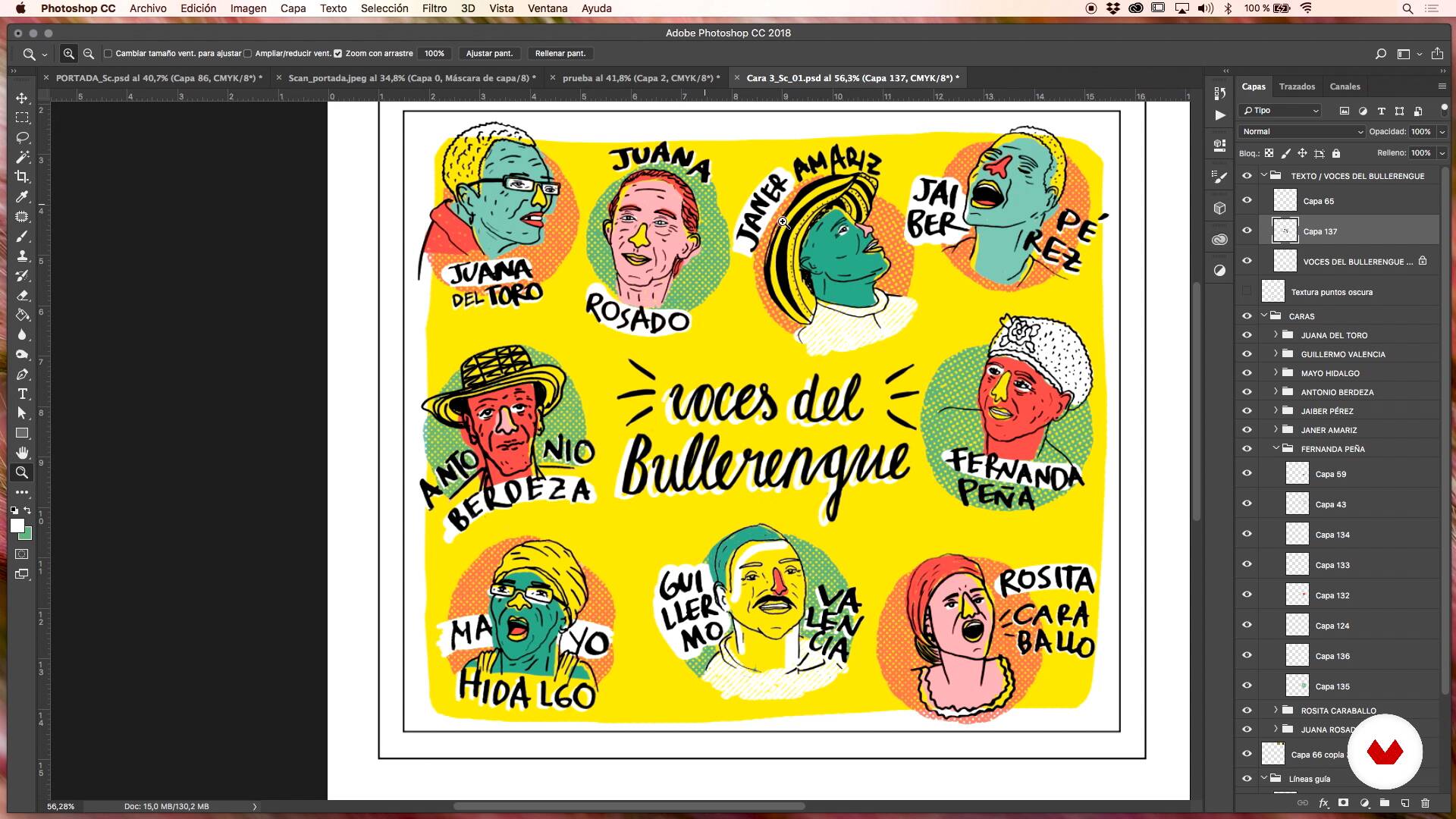
We will finish the illustration and we will explain how to add the last details in photoshop to polish the final finish.
8m
image
10
Application of art to packaging (Another Bites Dust - The Mythic of Rhythm)
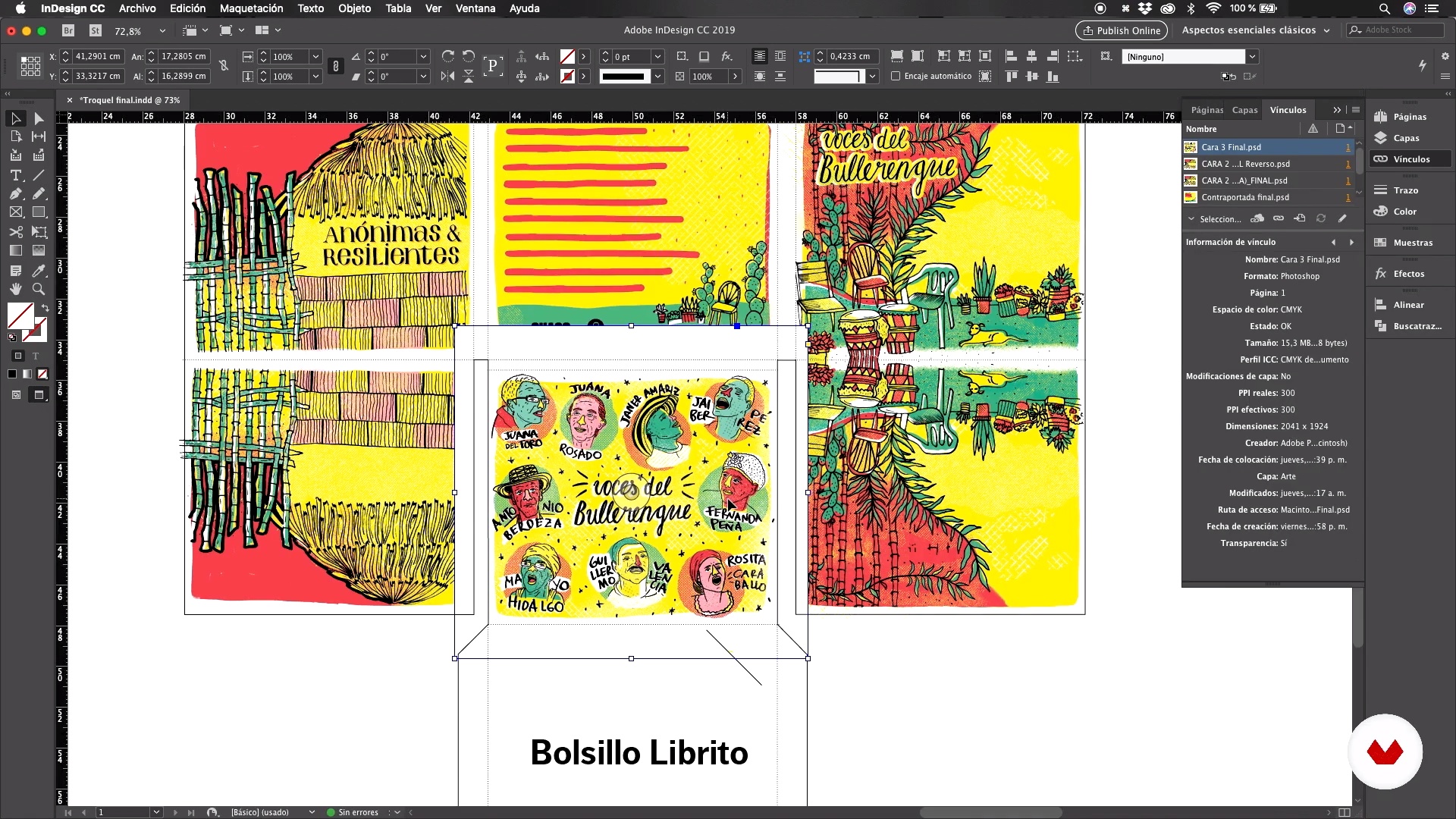
We will include the final artwork in the die and we will adjust it to the illustration, we will use details of it to create an identity in the foldable.
17m
image
11
Latest details and files to press I (Bocanada - Gustavo Cerati)
With the printing test, we will add the latest typographical details, review and prepare the file to be printed.
17m
image
12
Latest details and files to press II
11m
image
3
Materials
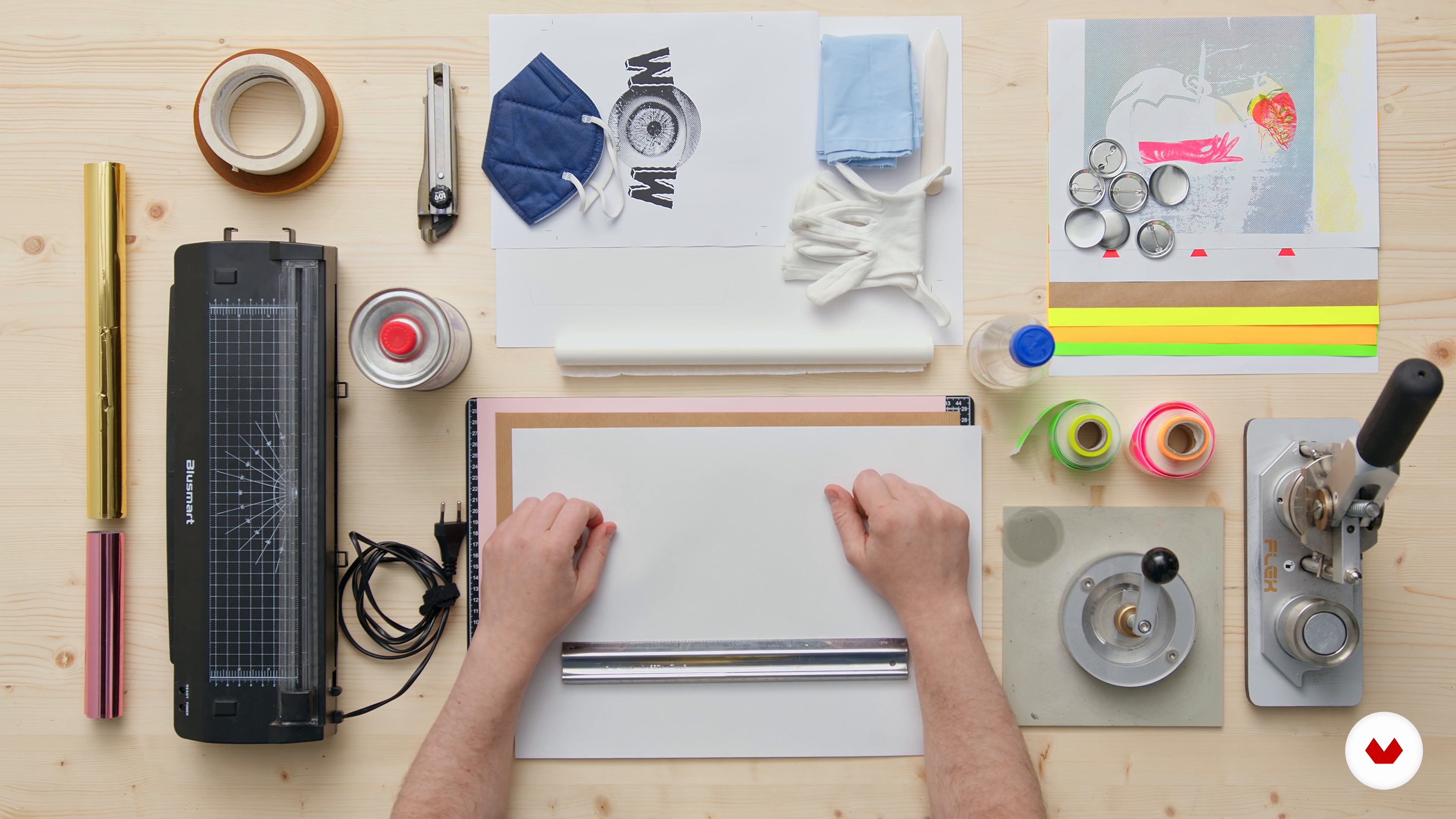
Before starting to design, it is important to have all the necessary materials. Here I will show you everything you need to start producing!
3m
image
4
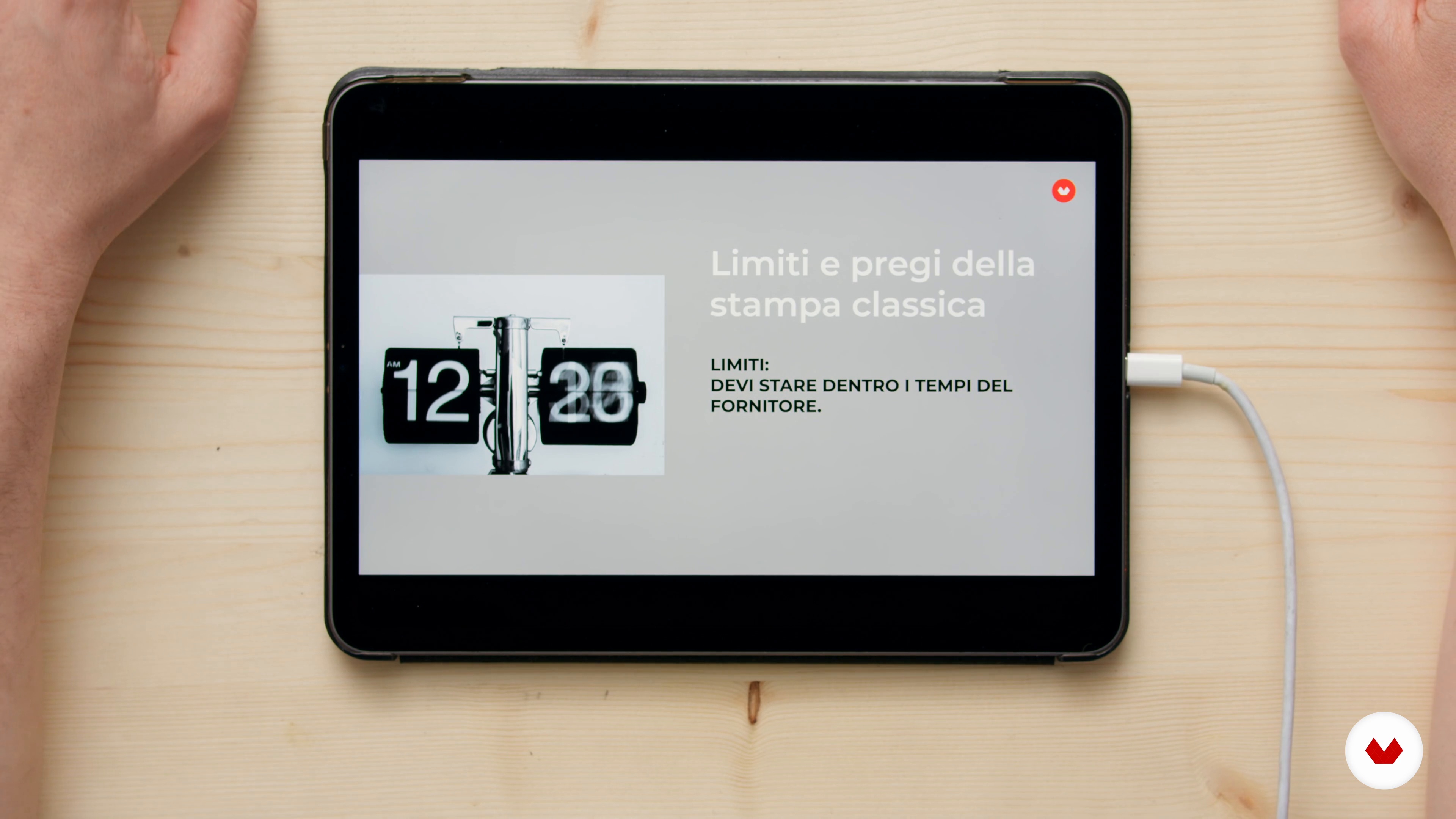
Classic Print vs. Self-Produced Print
Which print to choose? In this unit I will explain to you what are the strengths and weaknesses of DIY and traditional printing.
4m
image
5
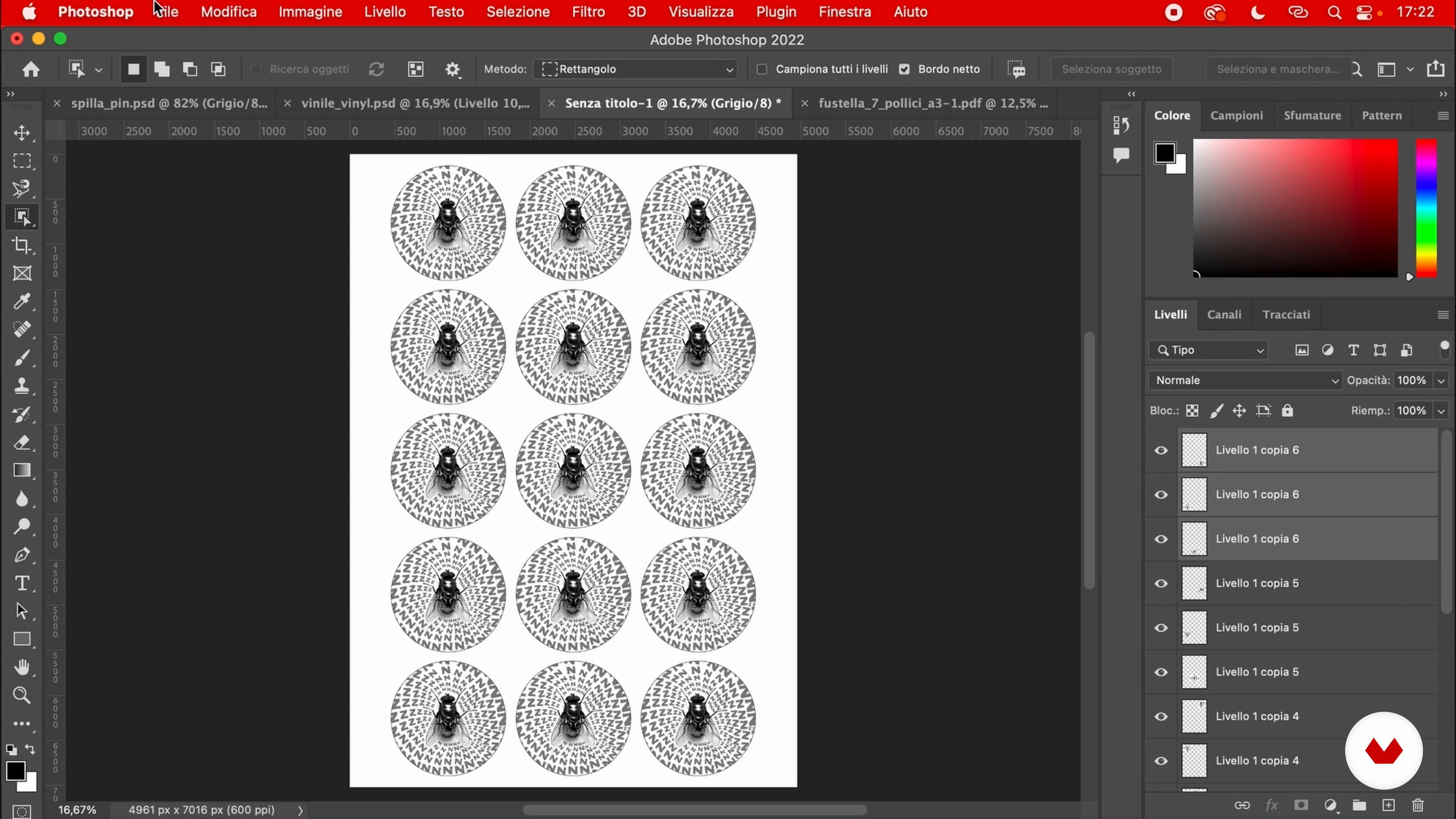
Creating the File to Print the Pins
A well done file will ensure that what you see on your computer is printed correctly. Now I'll show you how to make it!
9m
image
6
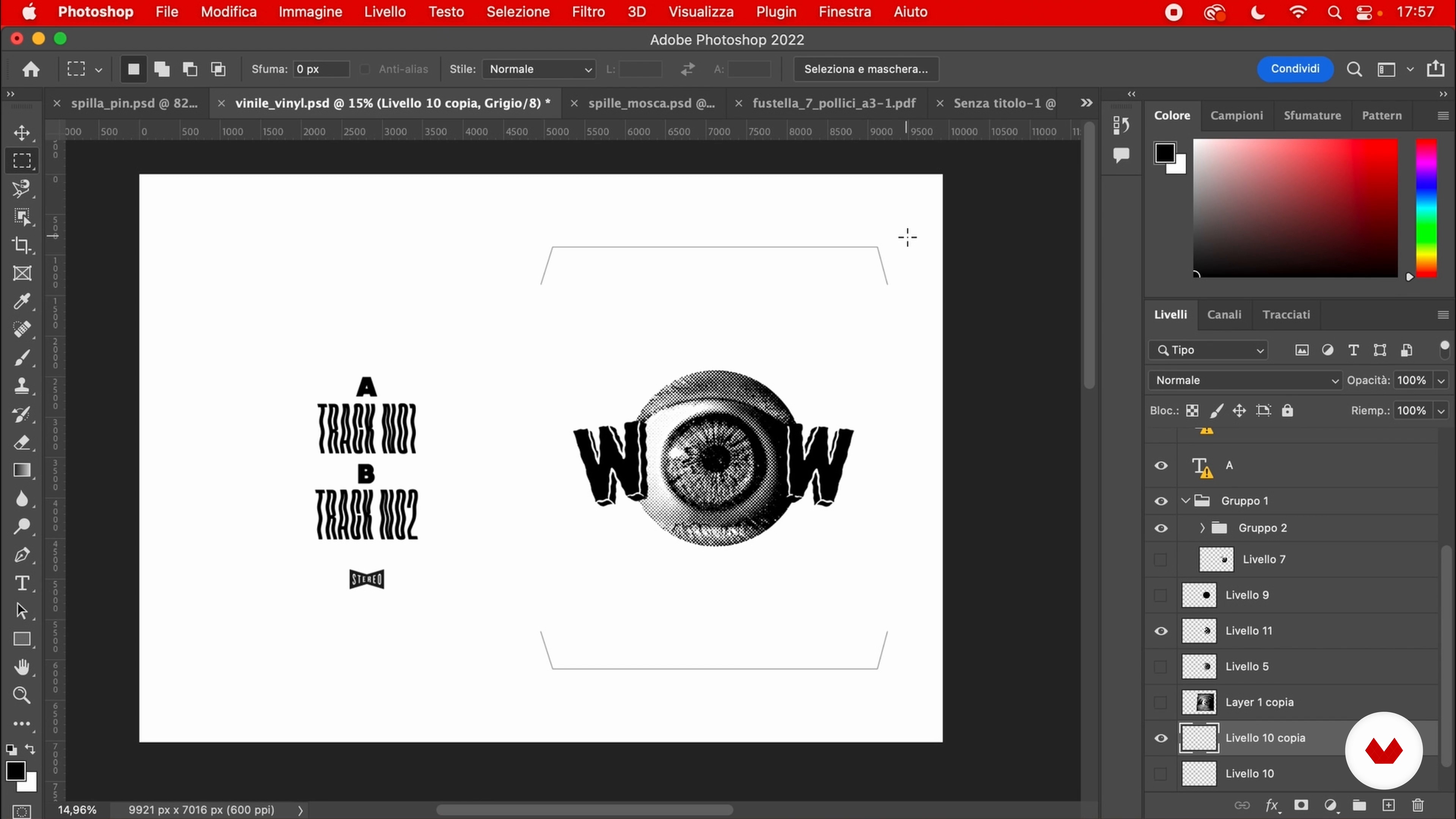
Bitmap and File to Print the Cover
In this lesson I will teach you how to create a disc cover file (7 inch) and I will explain how to convert an image to a bitmap.
10m
image
7
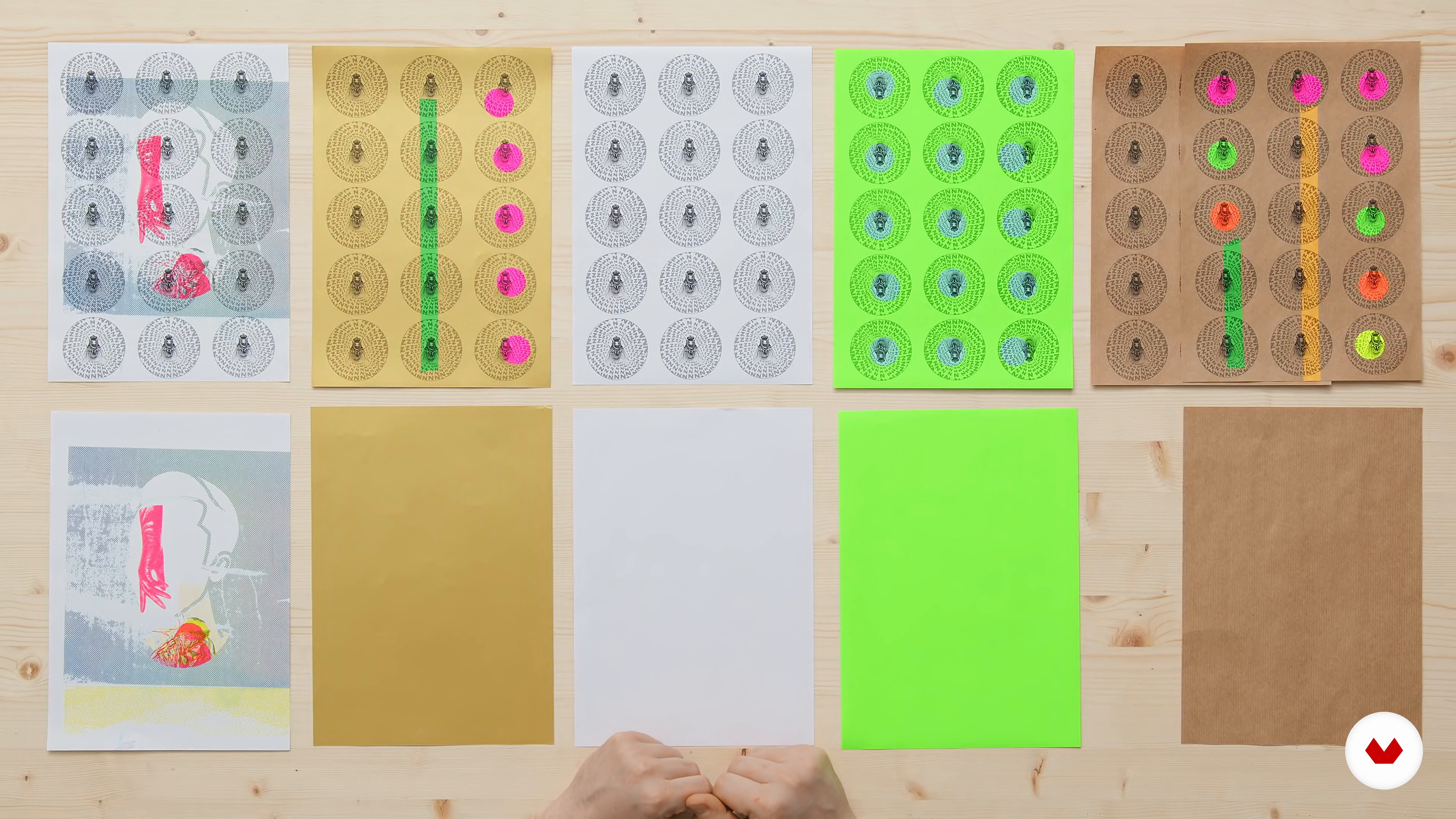
Card Types and Effects
It's time to see the different types of paper: white, colored and pre-printed! Have you ever thought you could print on newspaper or a book?
3m
image
8
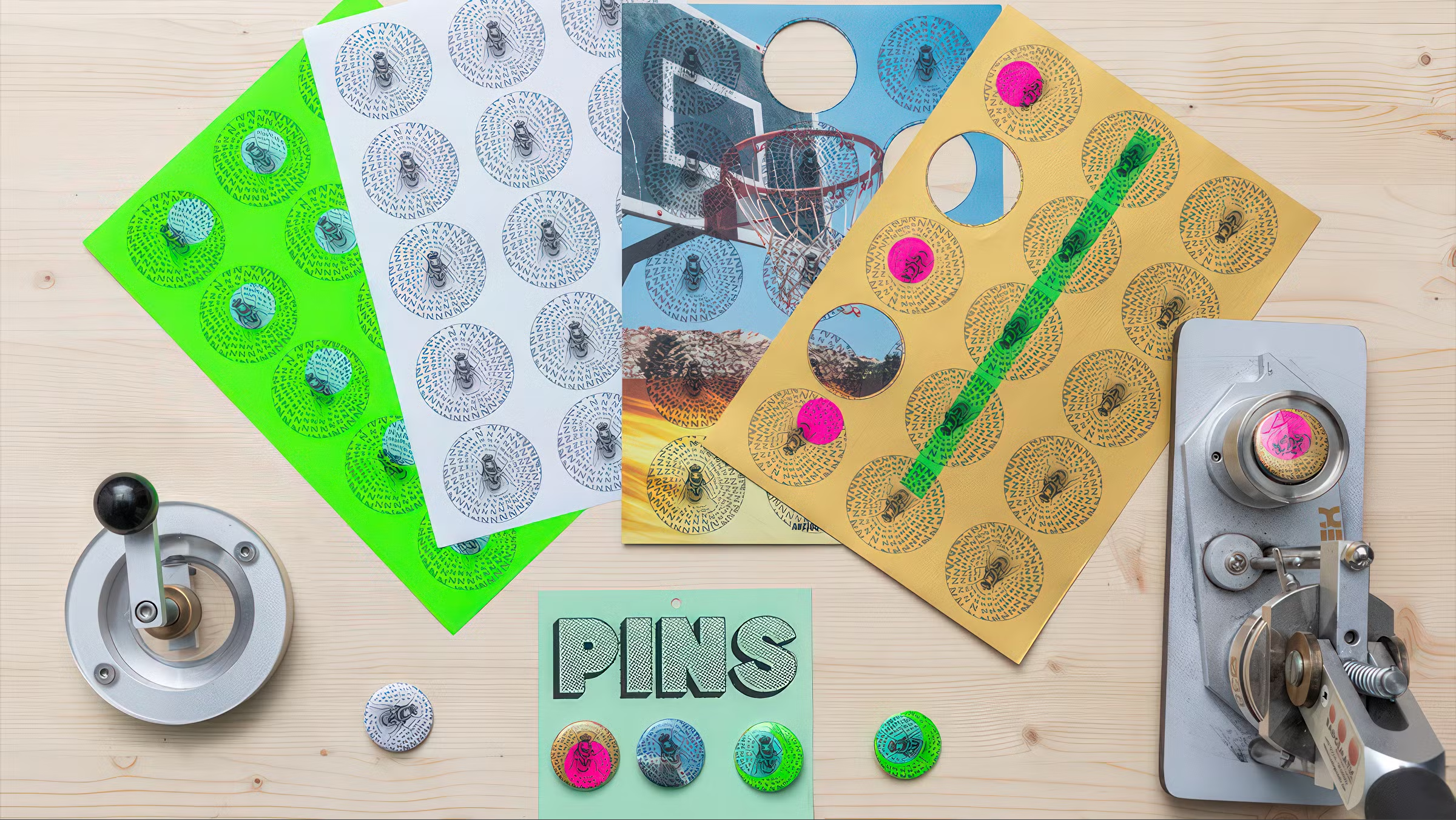
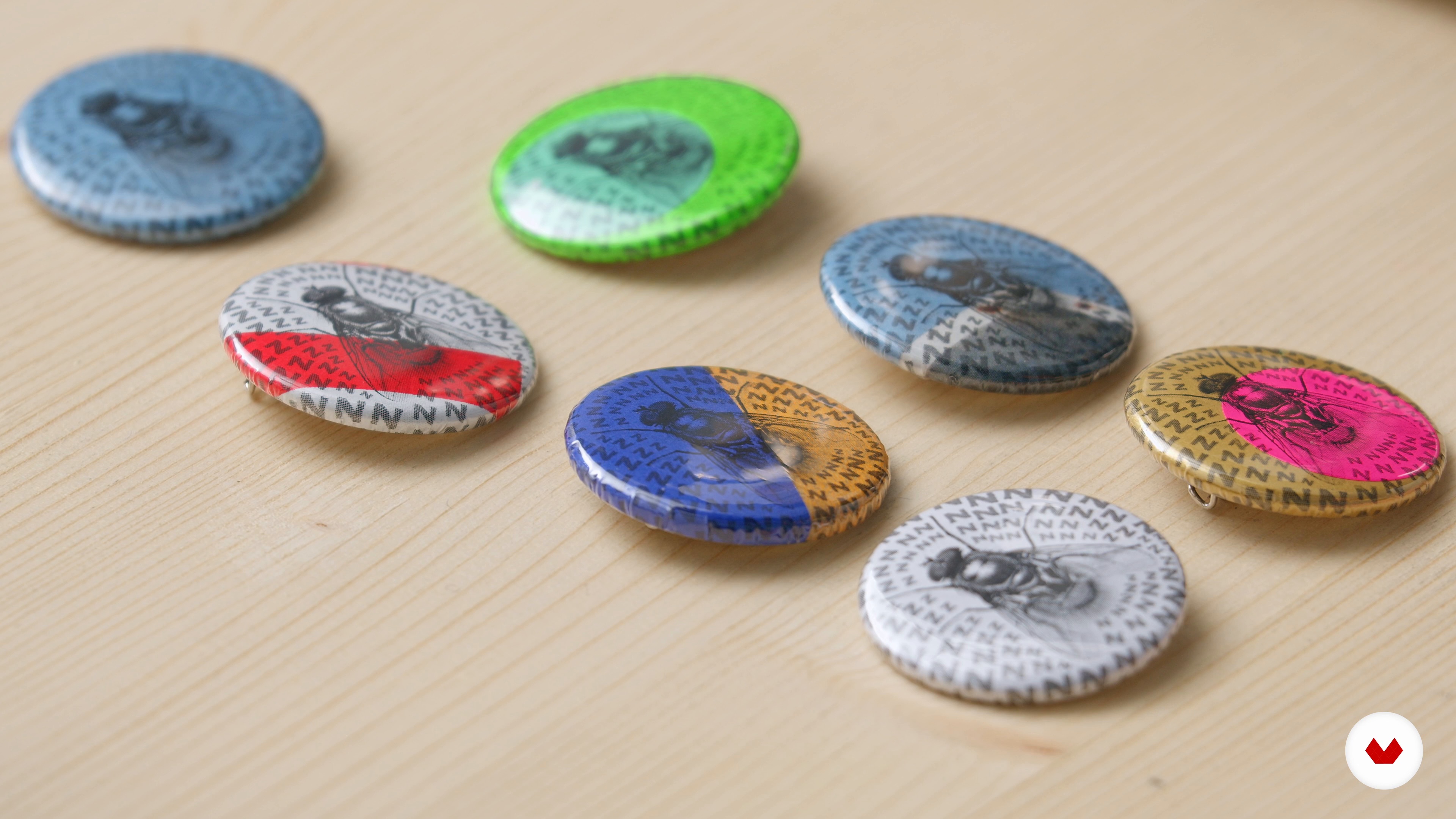
Making Pins
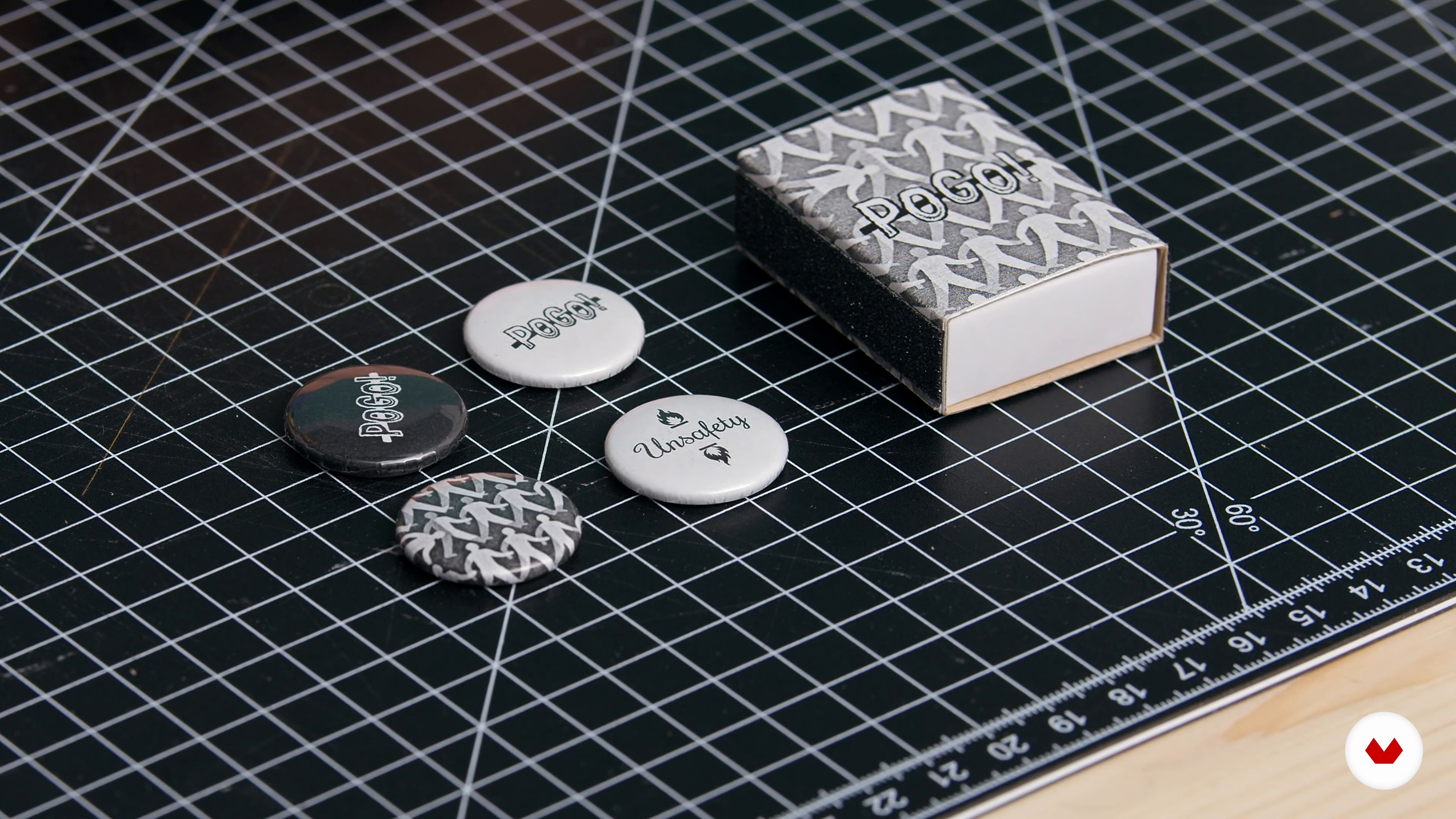
In this lesson you will see how to make pins with a diameter of 38 mm. You will need a badge maker, a circular cutter and, of course, the pins to make!
8m
image
9
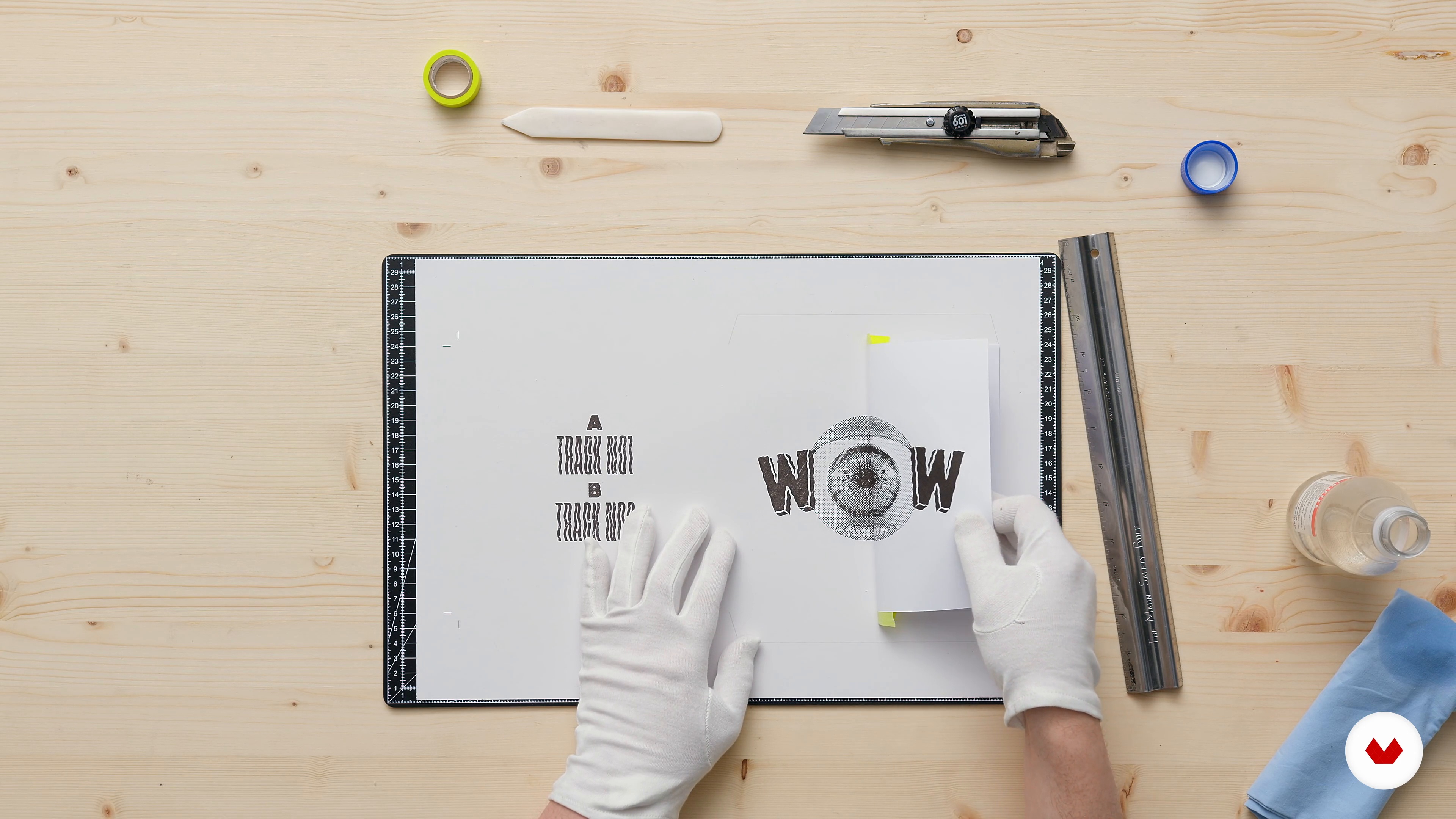
Transfer Printing with Solvent
How do you print the covers with solvent? Now I will teach you all the tricks! Remember to always wear gloves and a mask before starting work.
9m
image
10
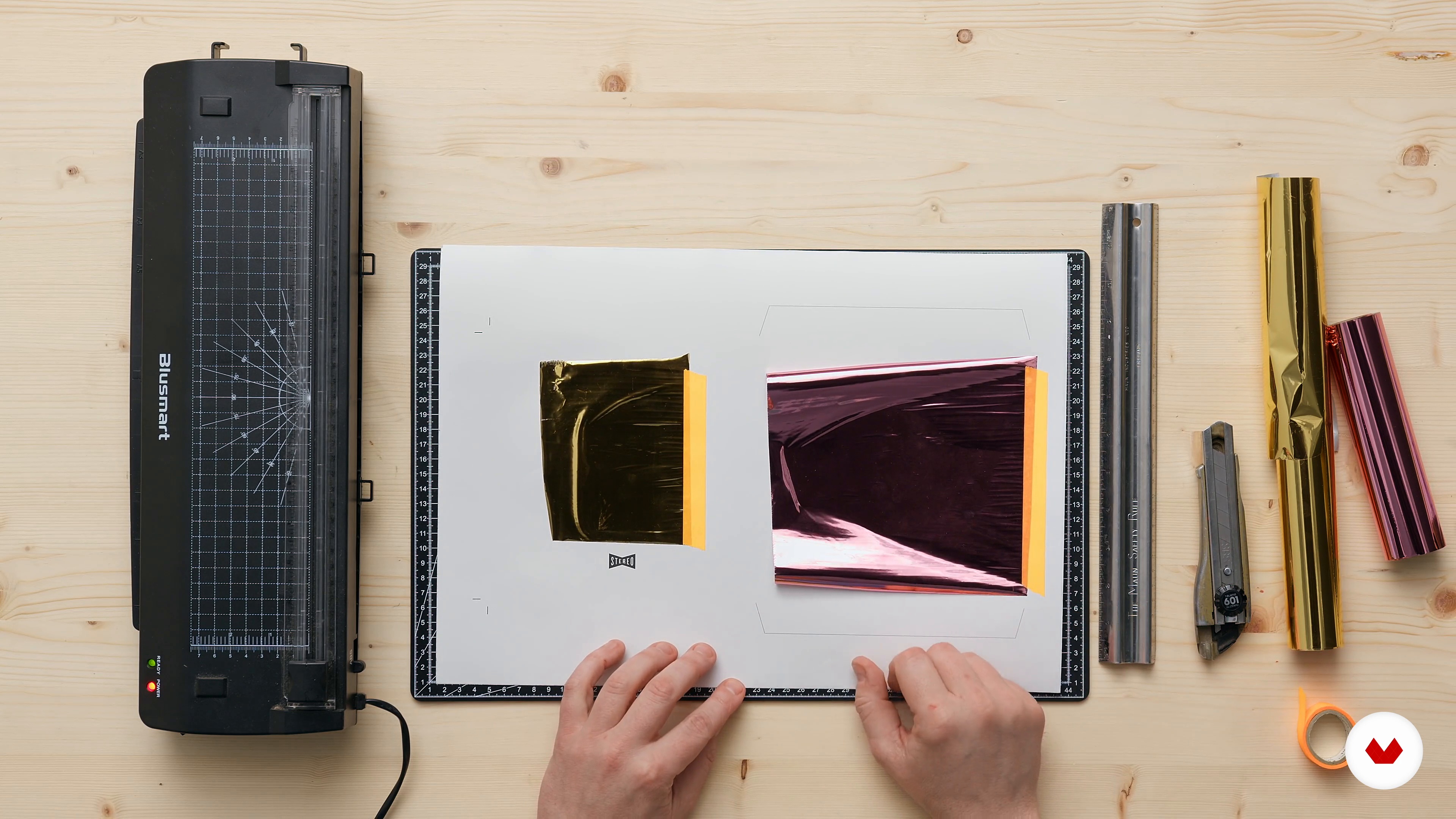
Hot Stamping
After seeing how to print with solvent, now I will explain how to hot stamp at home!
5m
image
11
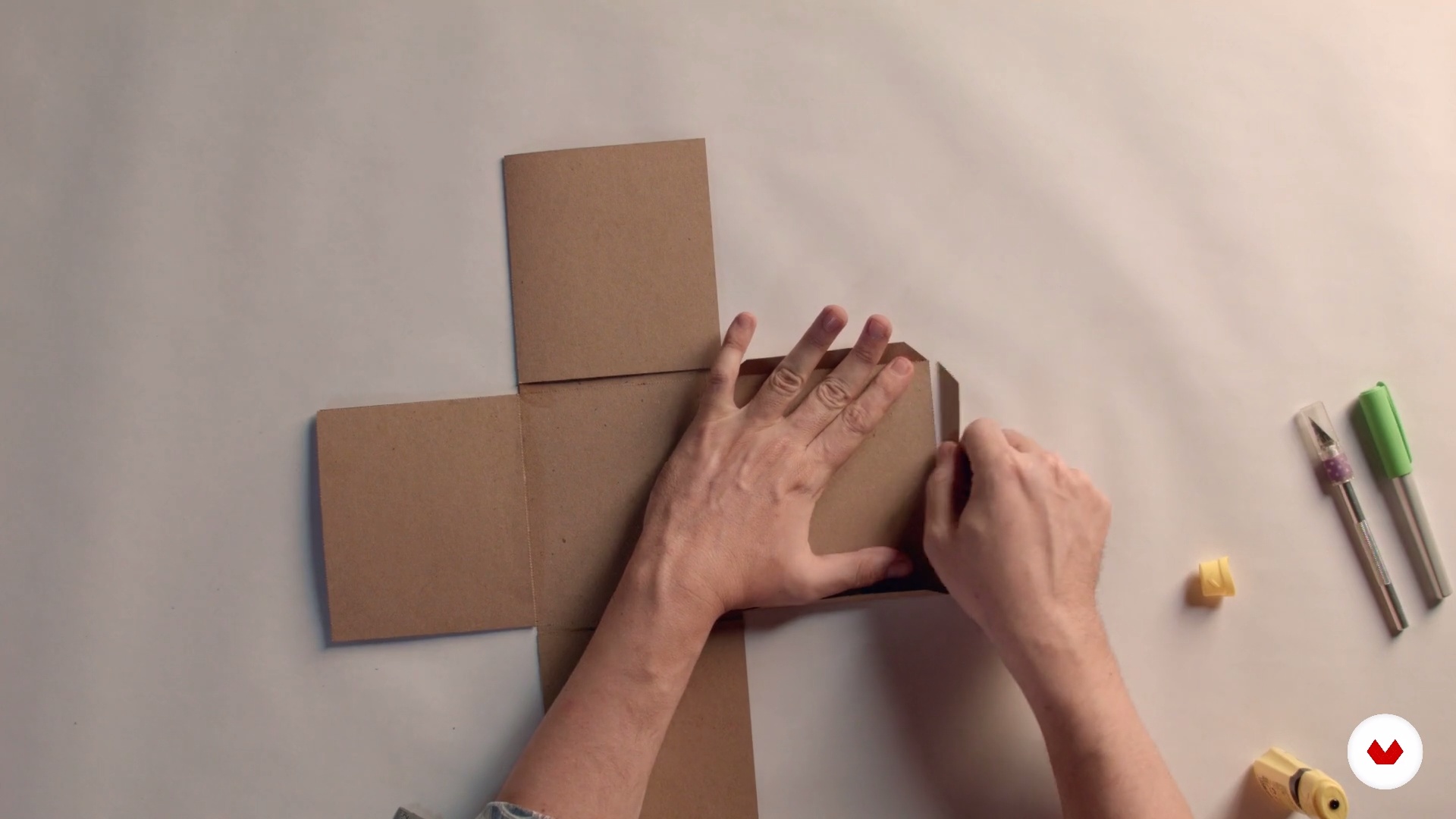
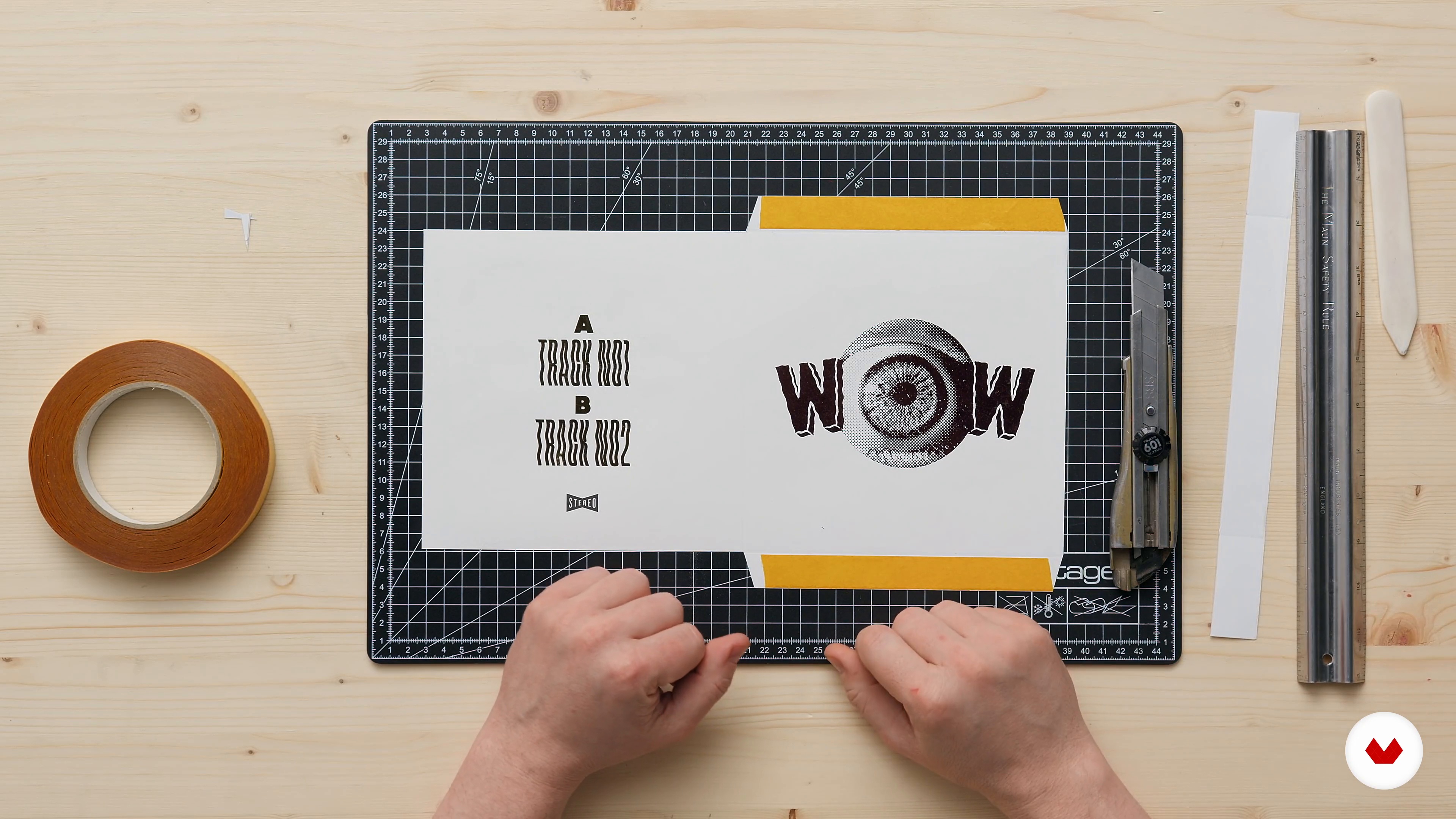
Folding, Gluing and Cutting of a Cover
Folding, gluing and cutting: three simple actions that, if done well, can allow you to achieve a perfect job!
7m
image
12
The Packaging of the Brooches
And after I made the pins? In this lesson I will show you some simple packaging to present them!
7m
image
13
Alternative Print Media
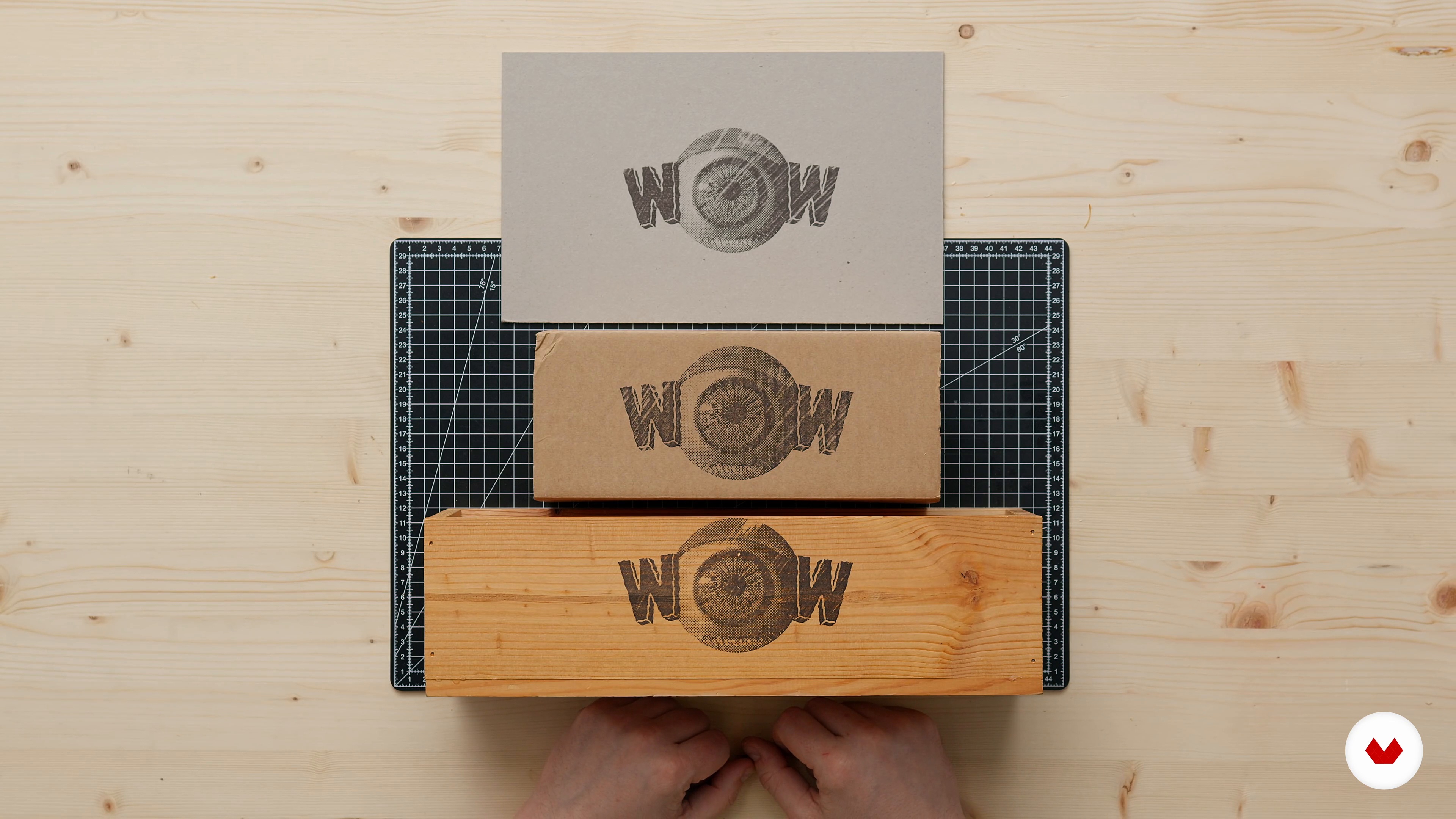
Have you ever thought that it could be printed on a wooden or cardboard box? Now I'll show you how!
3m
  • 10 students
  • 62 lessons (8h 28m)
  • 124 additional resources (53 files)
  • Online and at your own pace
  • Audio: Spanish, German, English, Italian, Portuguese
  • Spanish · English · Portuguese · German · French · Italian · Polish · Dutch · Turkish · Romanian · Indonesian
  • Level: Beginner
  • Unlimited access forever

What is this course's project?

Develop a complete art direction for an album cover, including research, mood board, visual concept, and identity guidelines. Create an image that captures the musical essence and connects with the audience, guiding the final execution of the project.

Who is this specialization for?

Designers, illustrators, and creatives who want to learn how to create album covers and music packaging, capturing unique visual identities. Ideal for those seeking to master illustration techniques, lettering, and the physical production of musical products, combining creativity and technical feasibility.

Requirements and materials

No extensive prior knowledge is needed, just a passion for design and access to basic tools such as a computer with graphic design software. Additional materials like pencils, paper, and visual references will be helpful for developing creativity and practical skills.

Select to get to know your teachers in this specialization course
Read more ↓

What to expect from this specialization course

  • Learn at your own pace

    Enjoy learning from home without a set schedule and with an easy-to-follow method. You set your own pace.

  • Learn from the best professionals

    Learn valuable methods and techniques explained by top experts in the creative sector.

  • Meet expert teachers

    Each expert teaches what they do best, with clear guidelines, true passion, and professional insight in every lesson.

  • Certificates
    Plus

    If you're a Plus member, get a custom certificate for every specialization course. Share it on your portfolio, social media, or wherever you like.

  • Get front-row seats

    Videos of the highest quality, so you don't miss a single detail. With unlimited access, you can watch them as many times as you need to perfect your technique.

  • Share knowledge and ideas

    Ask questions, request feedback, or offer solutions. Share your learning experience with other students in the community who are as passionate about creativity as you are.

  • Connect with a global creative community

    The community is home to millions of people from around the world who are curious and passionate about exploring and expressing their creativity.

  • Watch professionally produced courses

    Domestika curates its teacher roster and produces every course in-house to ensure a high-quality online learning experience.


FAQs

Domestika courses are online classes that allow you to learn new skills and create incredible projects. All our courses include the opportunity to share your work with other students and/or teachers, creating an active learning community. We offer different formats:
Original Courses: Complete classes that combine videos, texts, and educational materials to complete a specific project from start to finish.
Basics Courses: Specialized training where you master specific software tools step by step.
Specialization Courses: Learning paths with various expert teachers on the same topic, perfect for becoming a specialist by learning from different approaches.
Guided Courses: Practical experiences ideal for directly acquiring specific skills.
Intensive Courses (Deep Dives): New creative processes based on artificial intelligence tools in an accessible format for in-depth and dynamic understanding.

All specialization courses are 100% online, so once they're published, specialization courses start and finish whenever you want. You set the pace of the class. You can go back to review what interests you most and skip what you already know, ask questions, answer questions, share your projects, and more.

The specialization courses are divided into different modules. Each one includes lessons, informational text, tasks, and practice exercises to help you carry out your project step by step, with additional complementary resources and downloads. You'll also have access to an exclusive forum where you can interact with other students, as well as share your work and your final project, creating a community around the specialization courses.

You can redeem the specialization courses you received by accessing the redeeming page and entering your gift code.

If you're a Plus member, when you complete a course you've purchased, you'll instantly get your personalized certificate. You can see all your certificates in the Certificates section of your profile. You can download your certificates as PDFs and share the link online. Learn more about certificates.
Specialization in album cover design. Design course by Domestika

Specialization in album cover design

A specialization by multiple teachers
Berkeley, United States.
Joined April 2002
  • 10 students