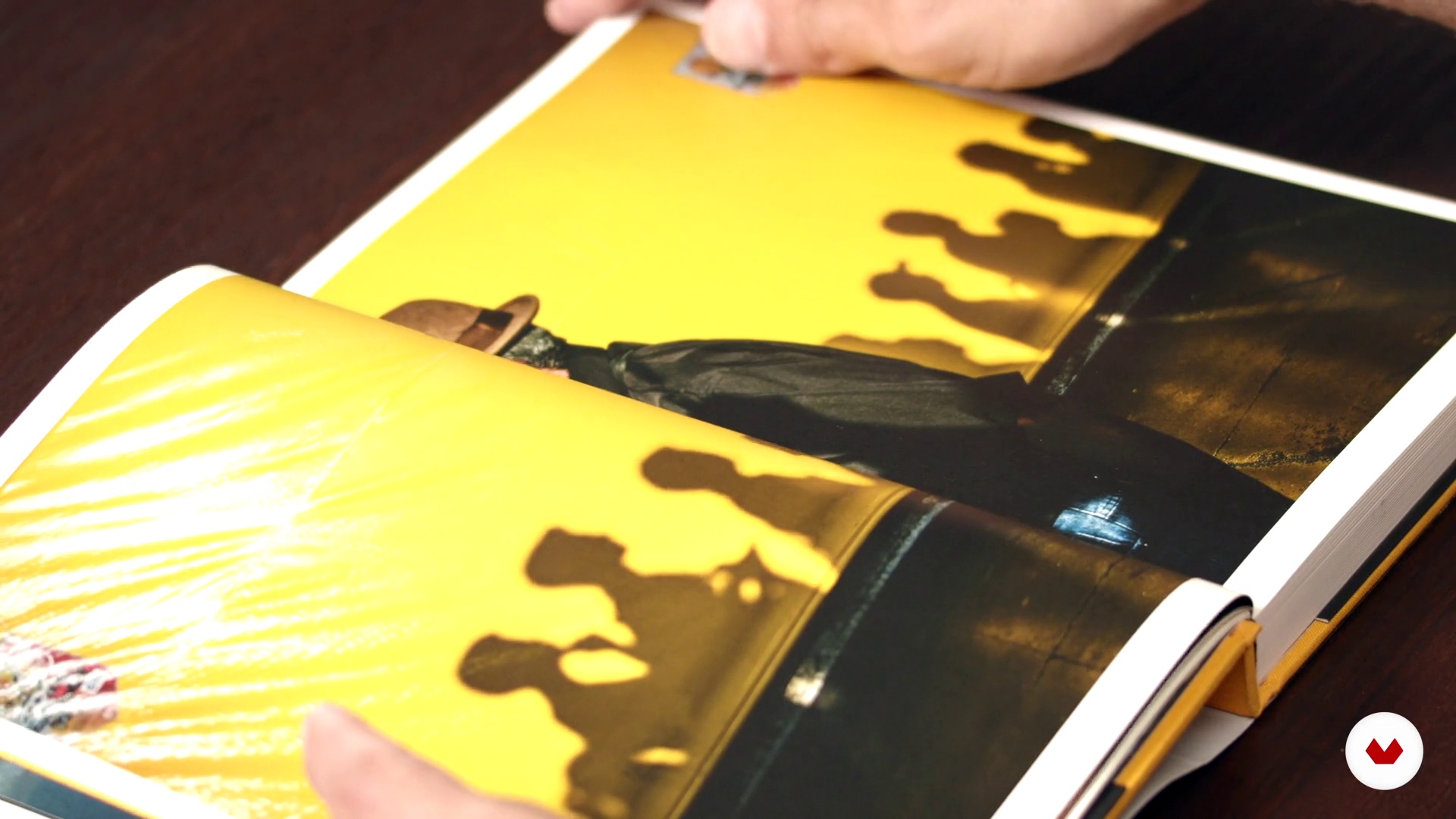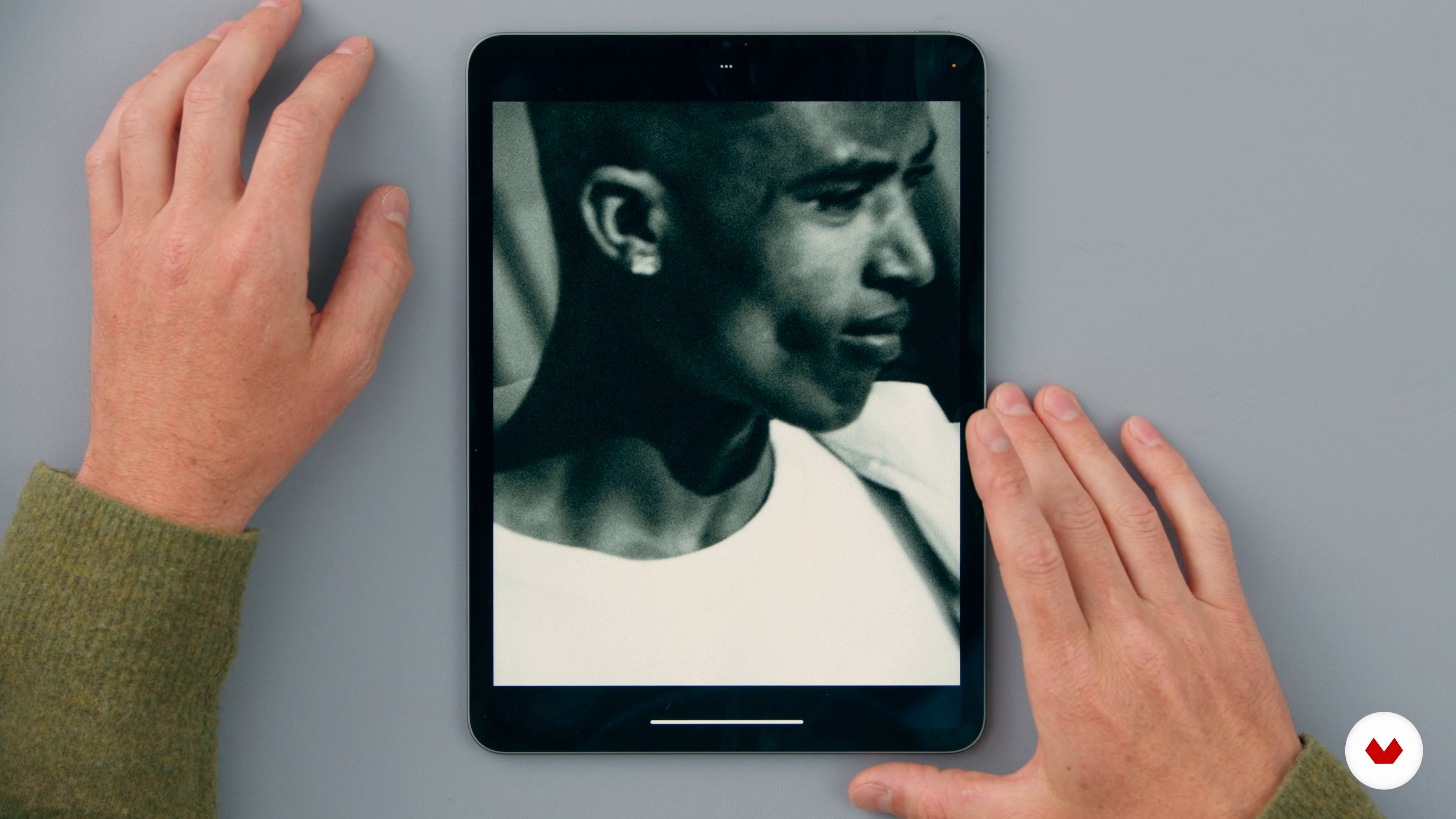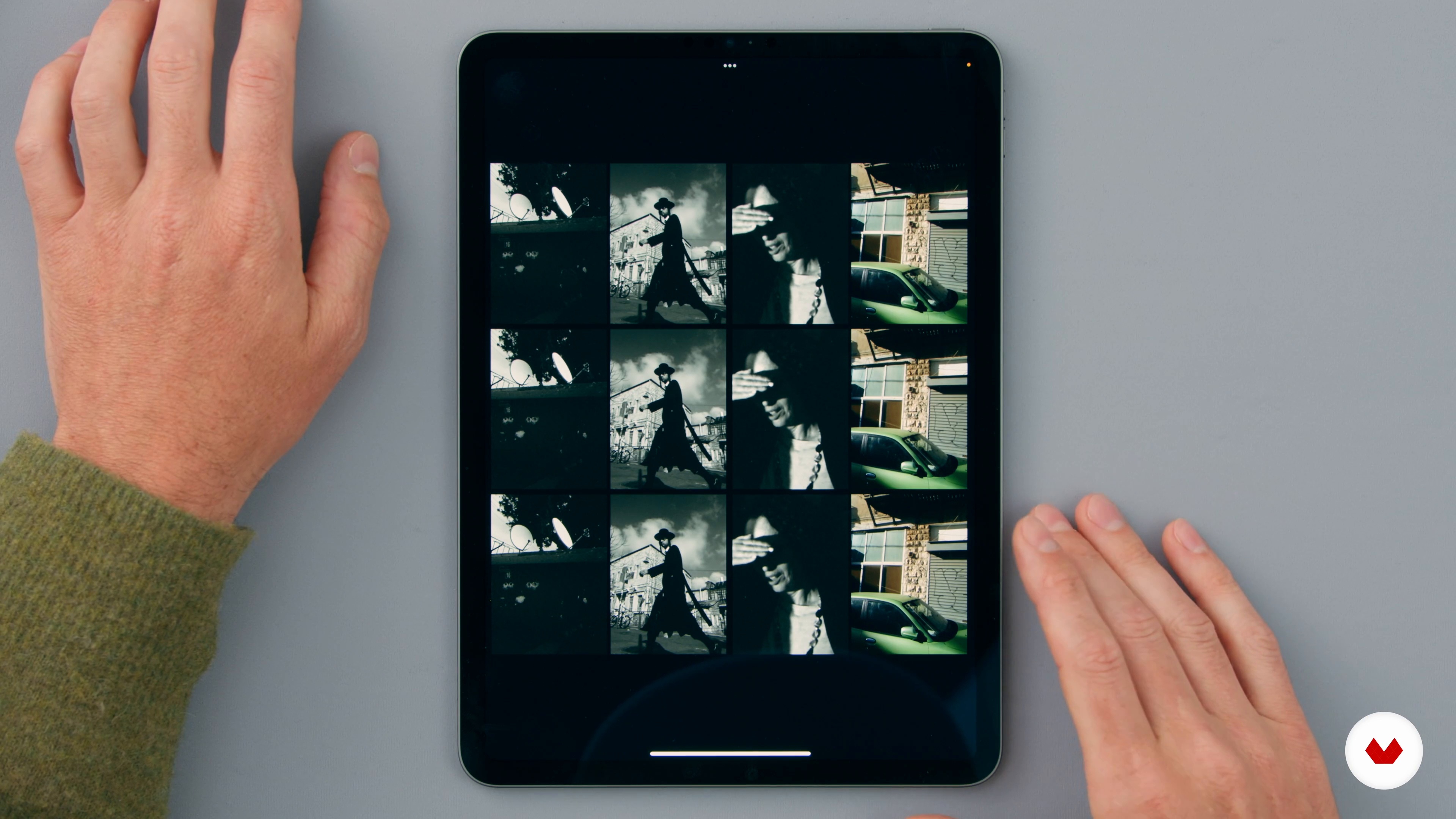

Specialization

Specialization in Urban Photography

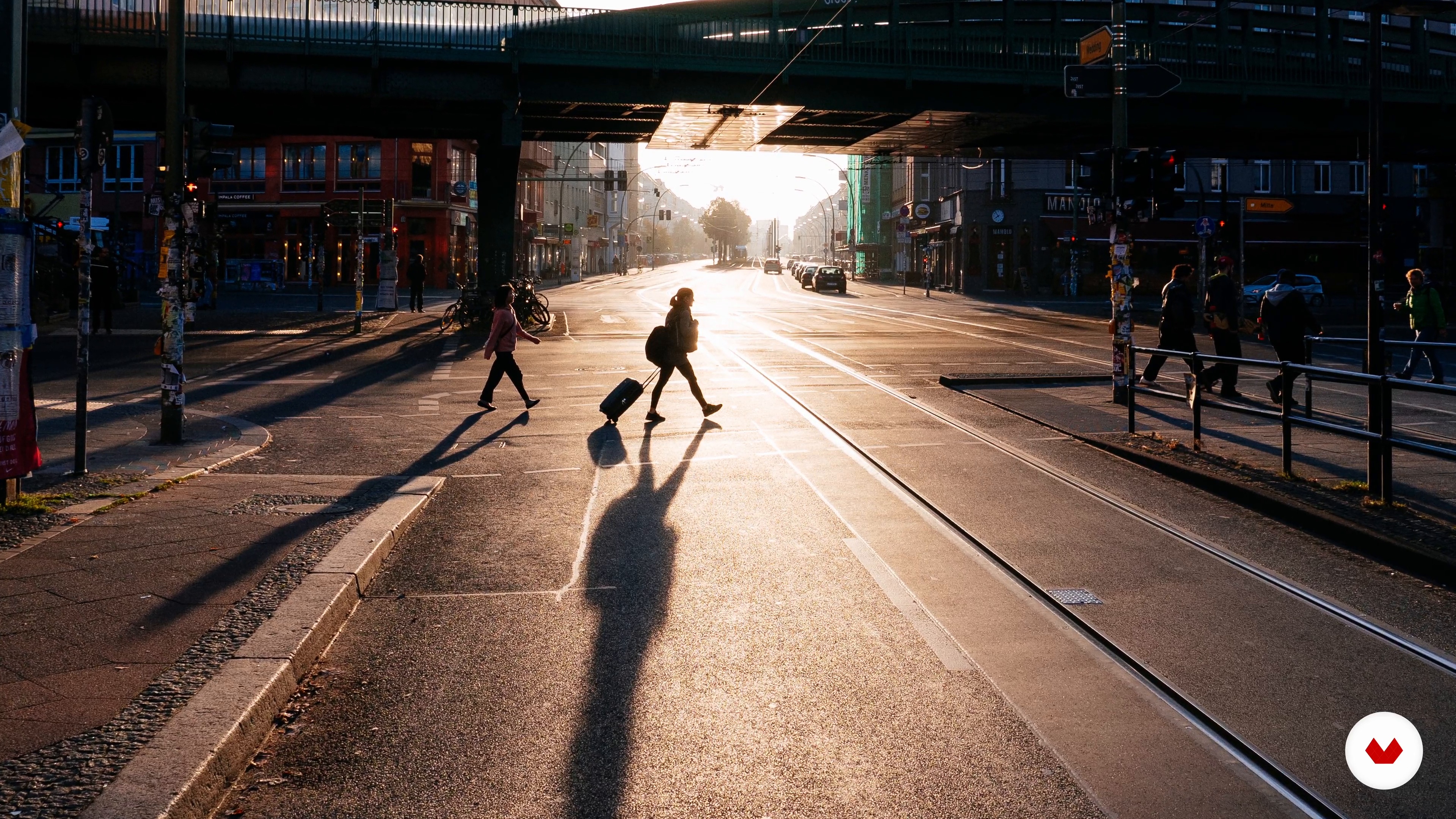
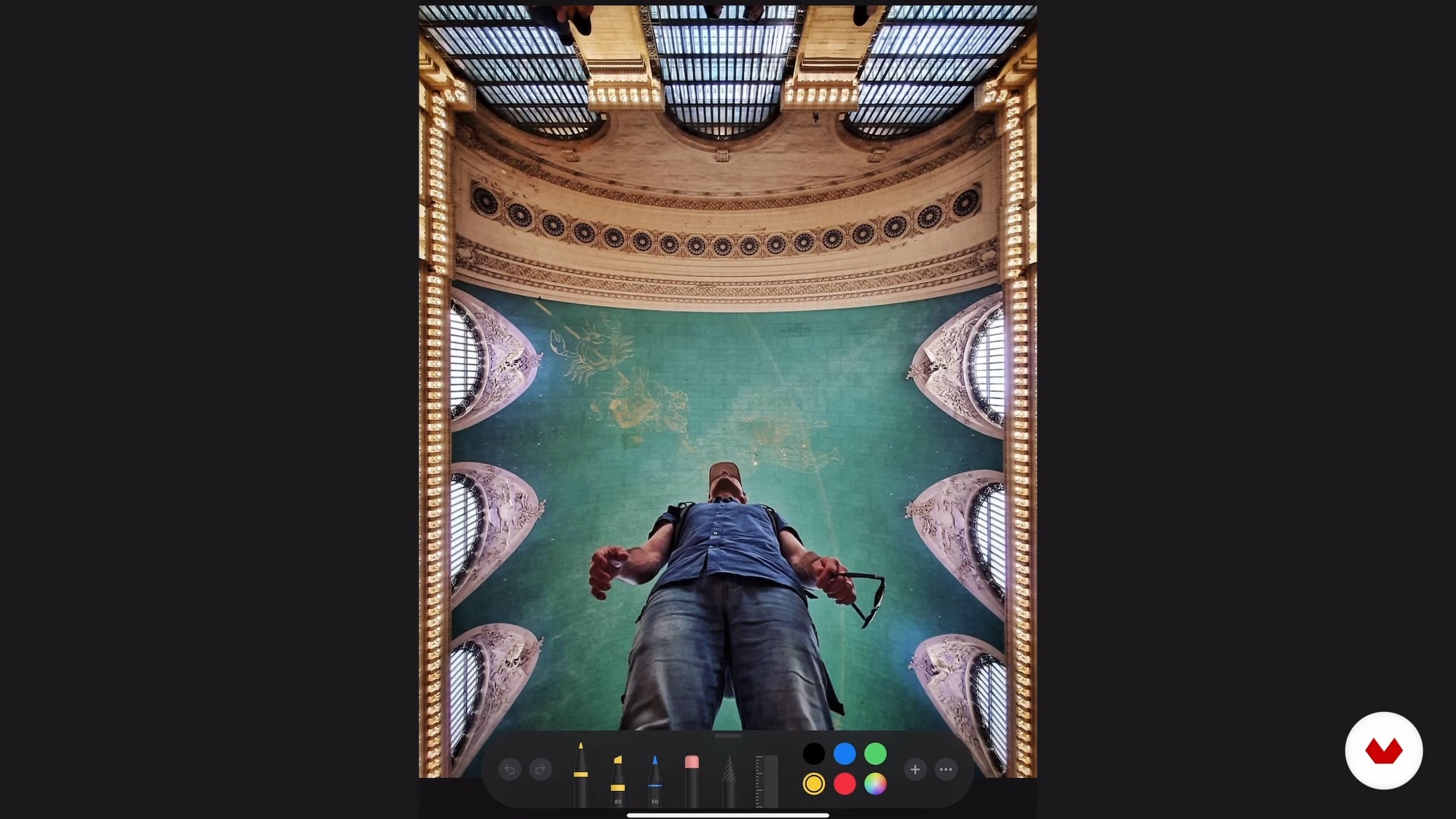
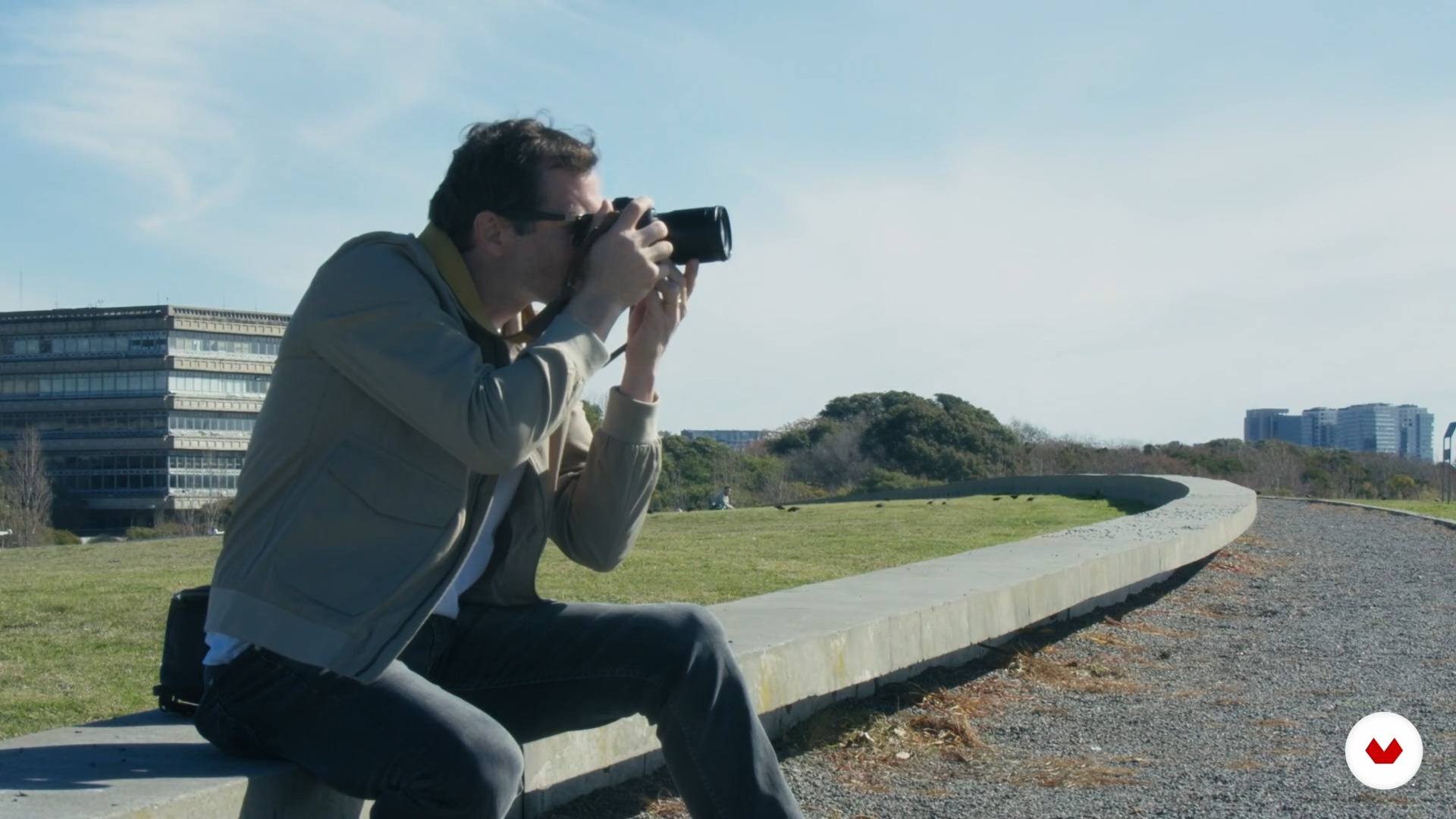
Master urban photography by capturing spontaneous city moments, crafting visual narratives, and developing a personal style

Specialization · 6 modules

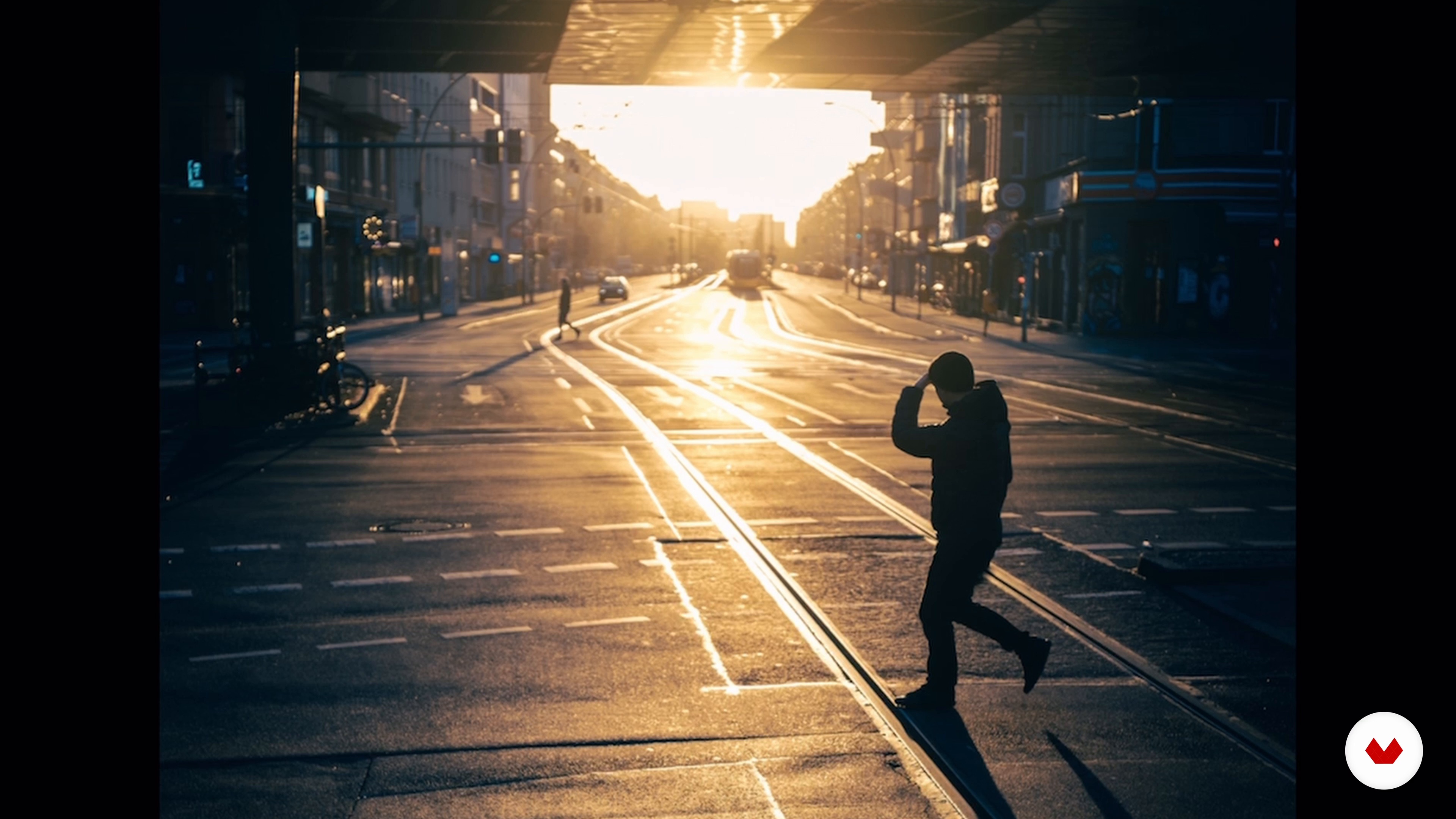
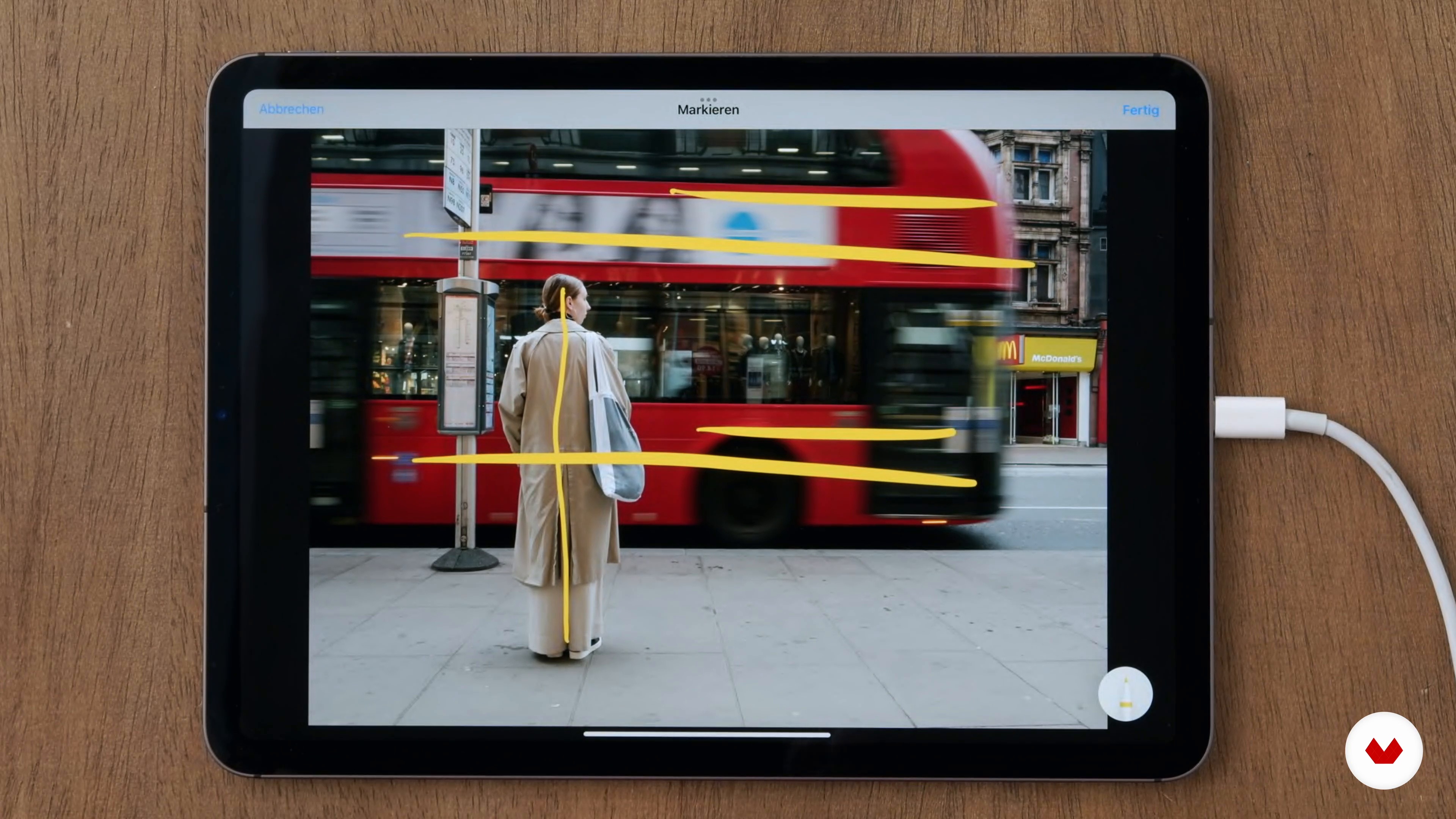
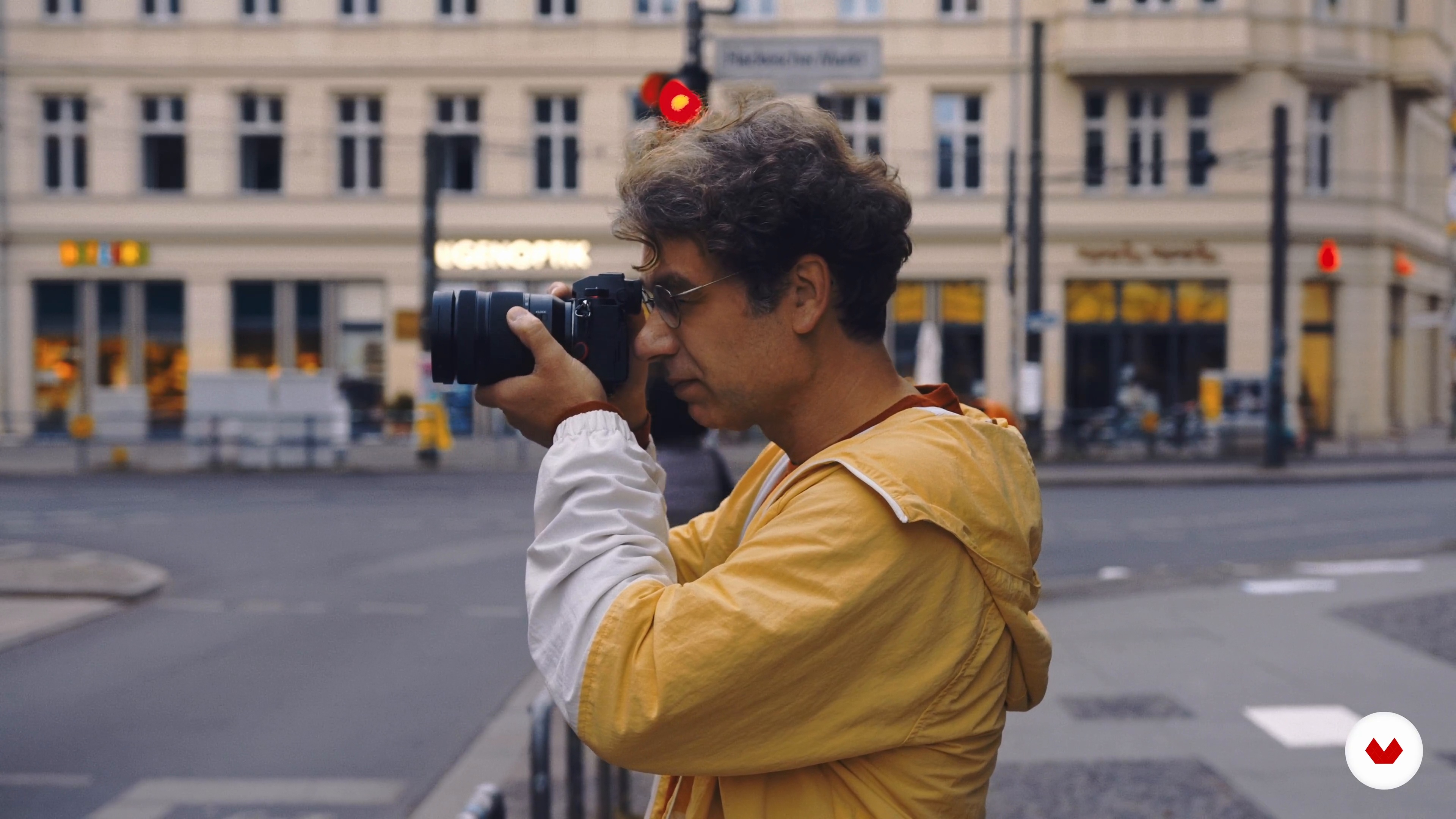
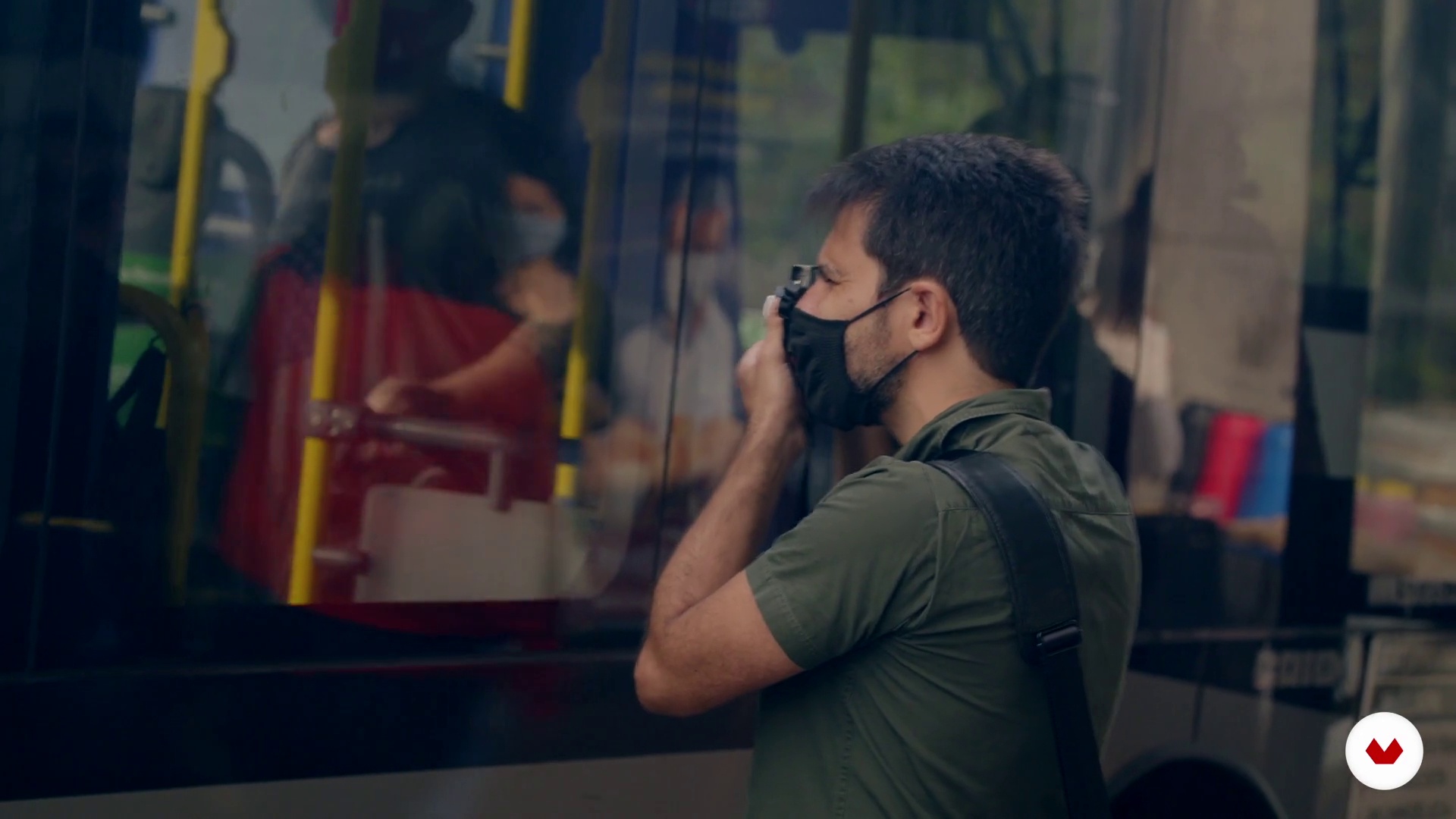
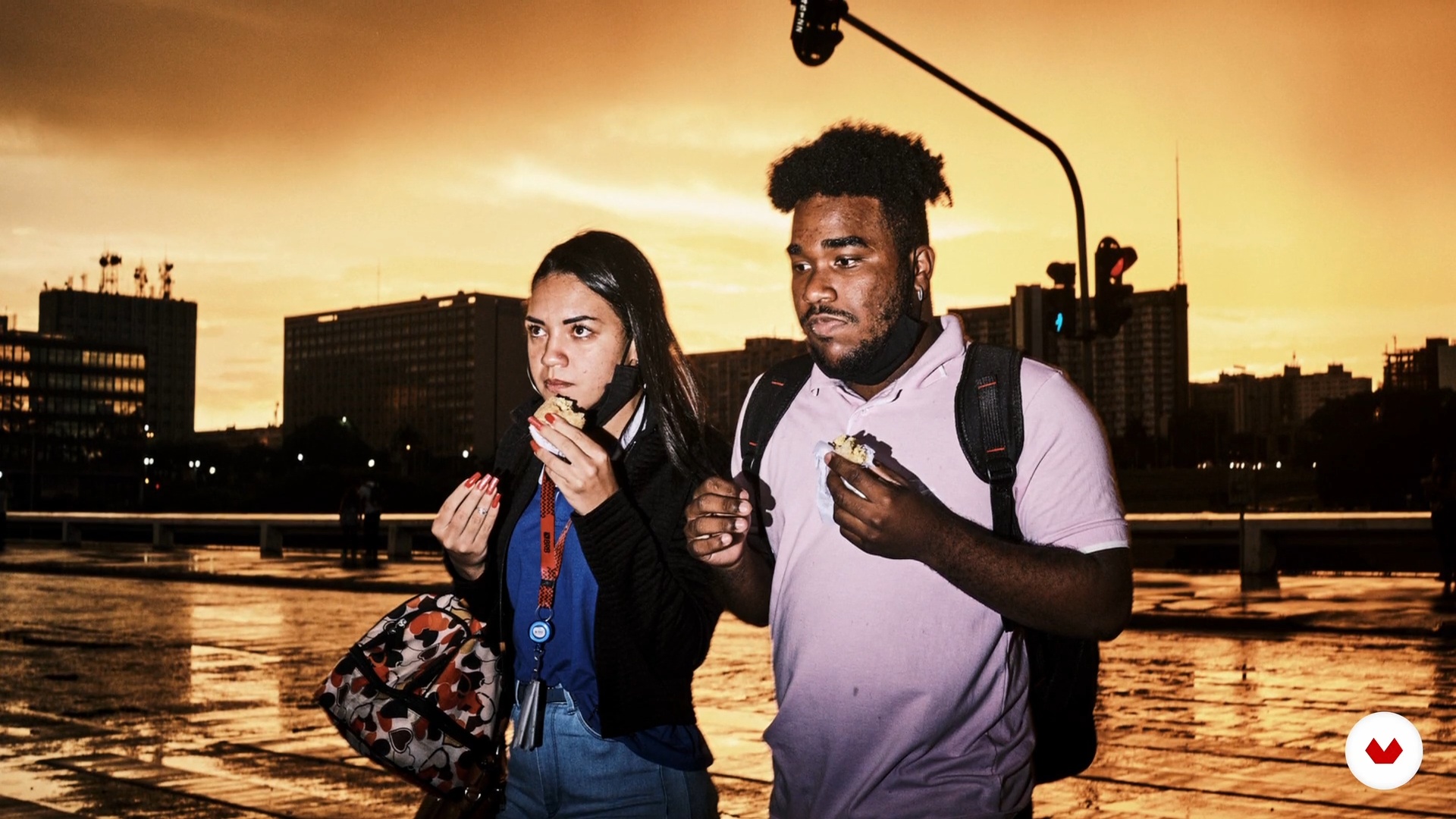
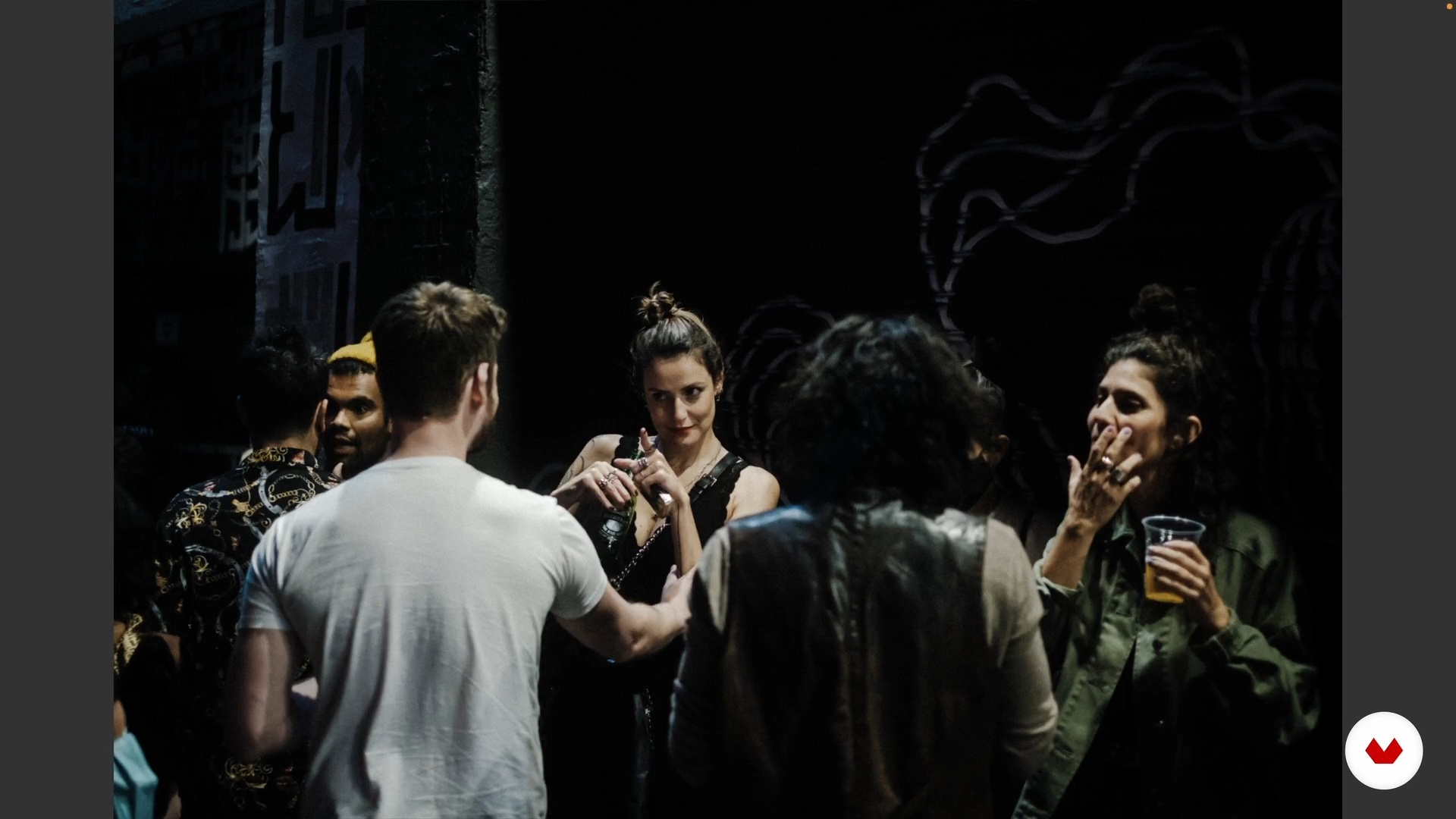
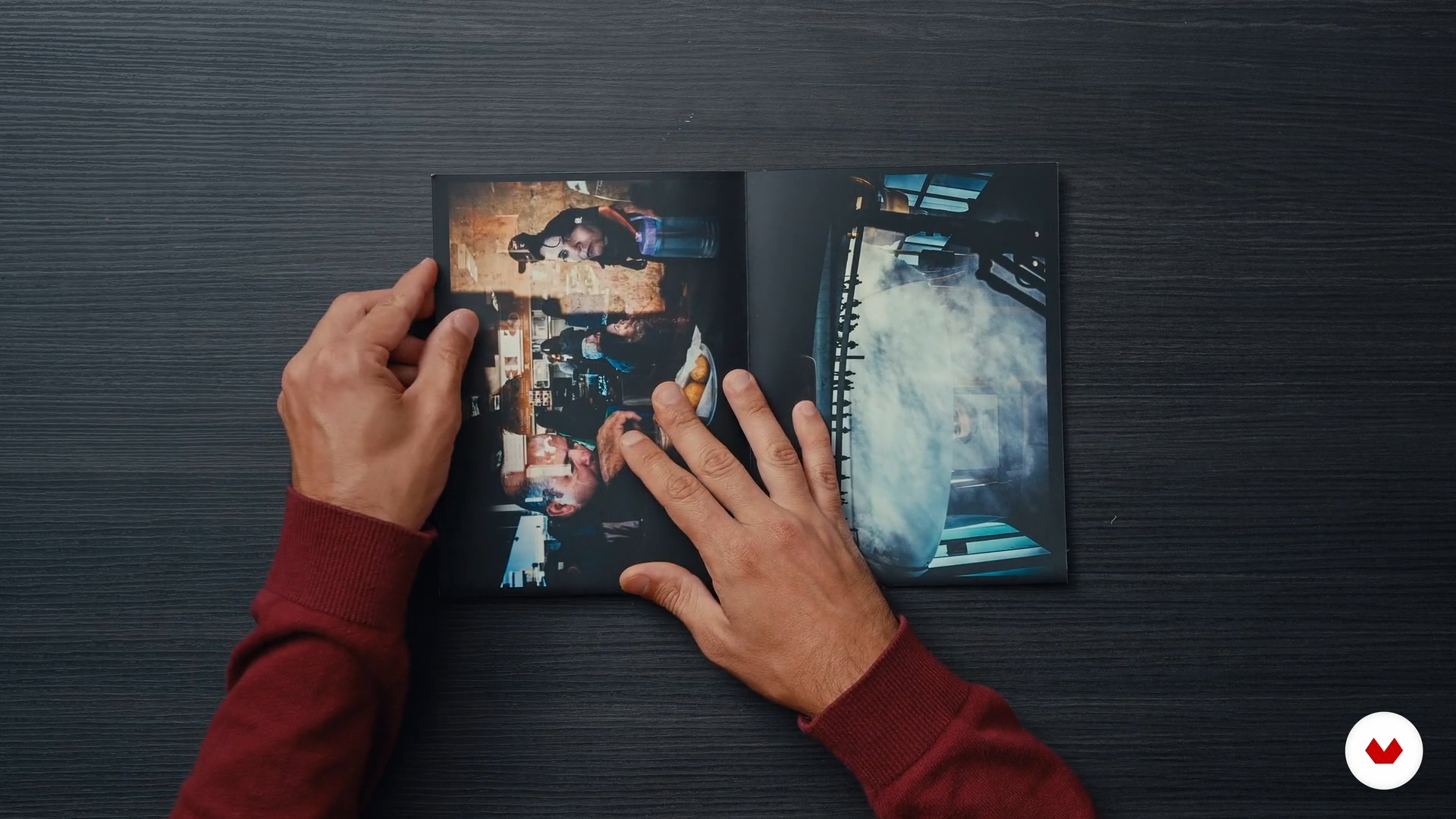
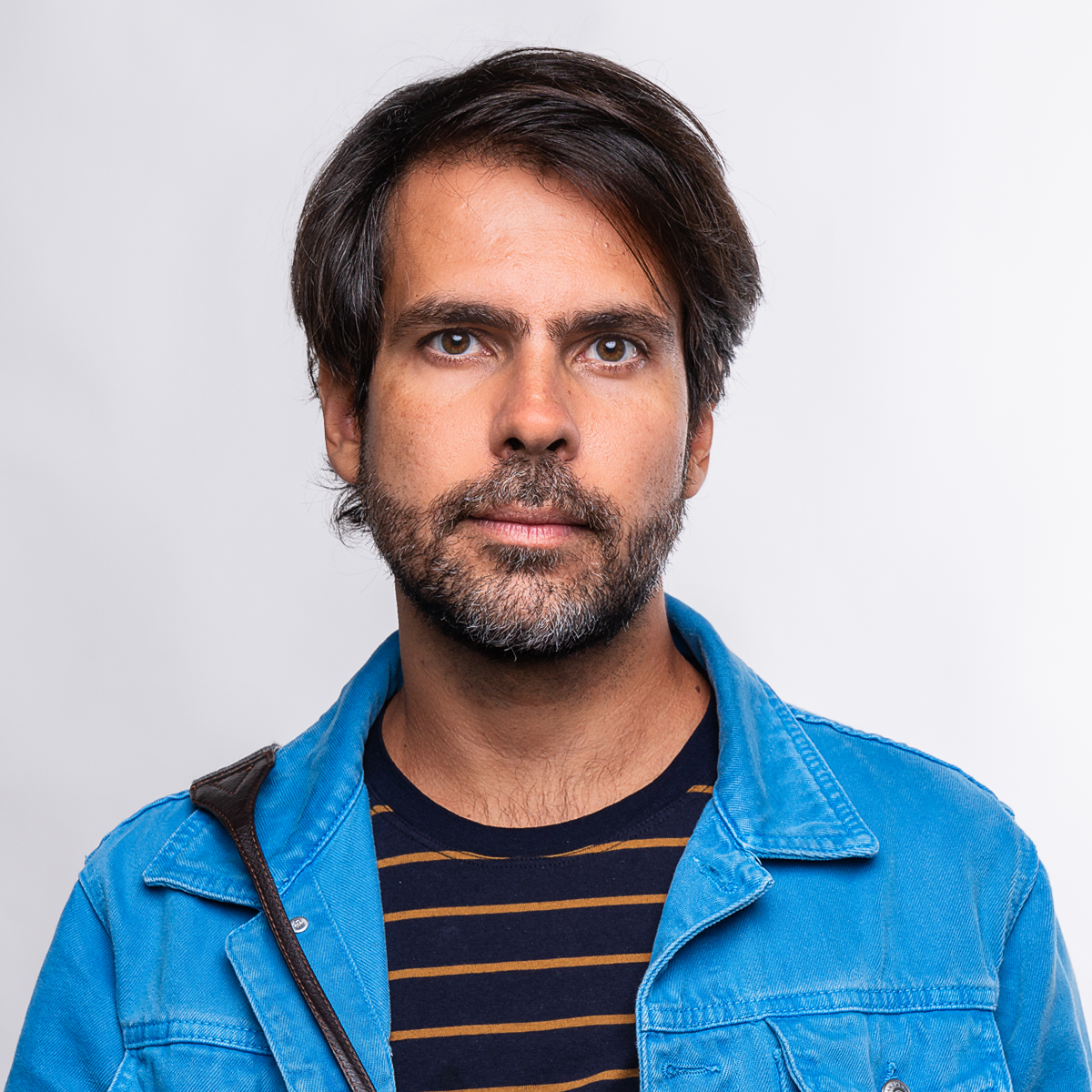
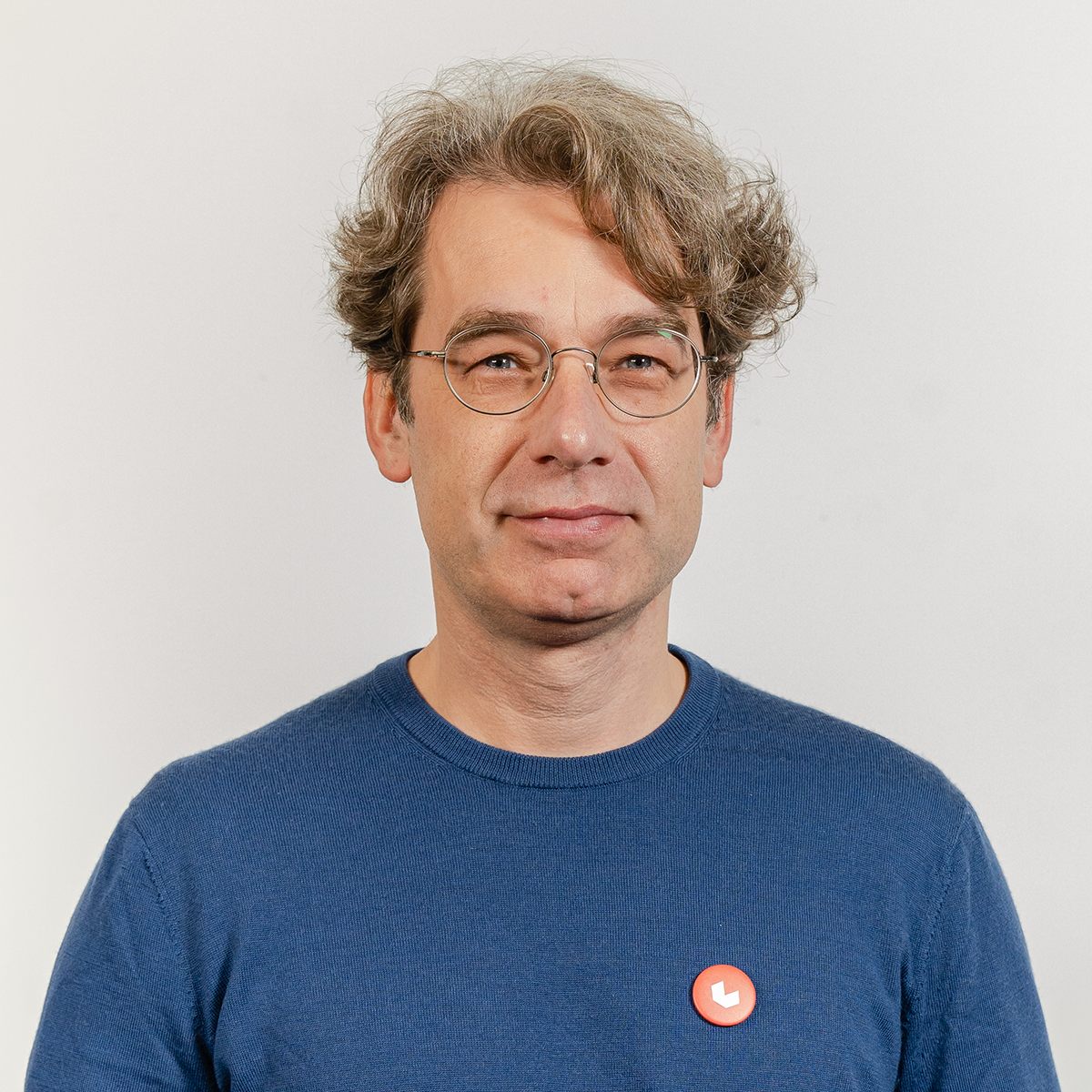
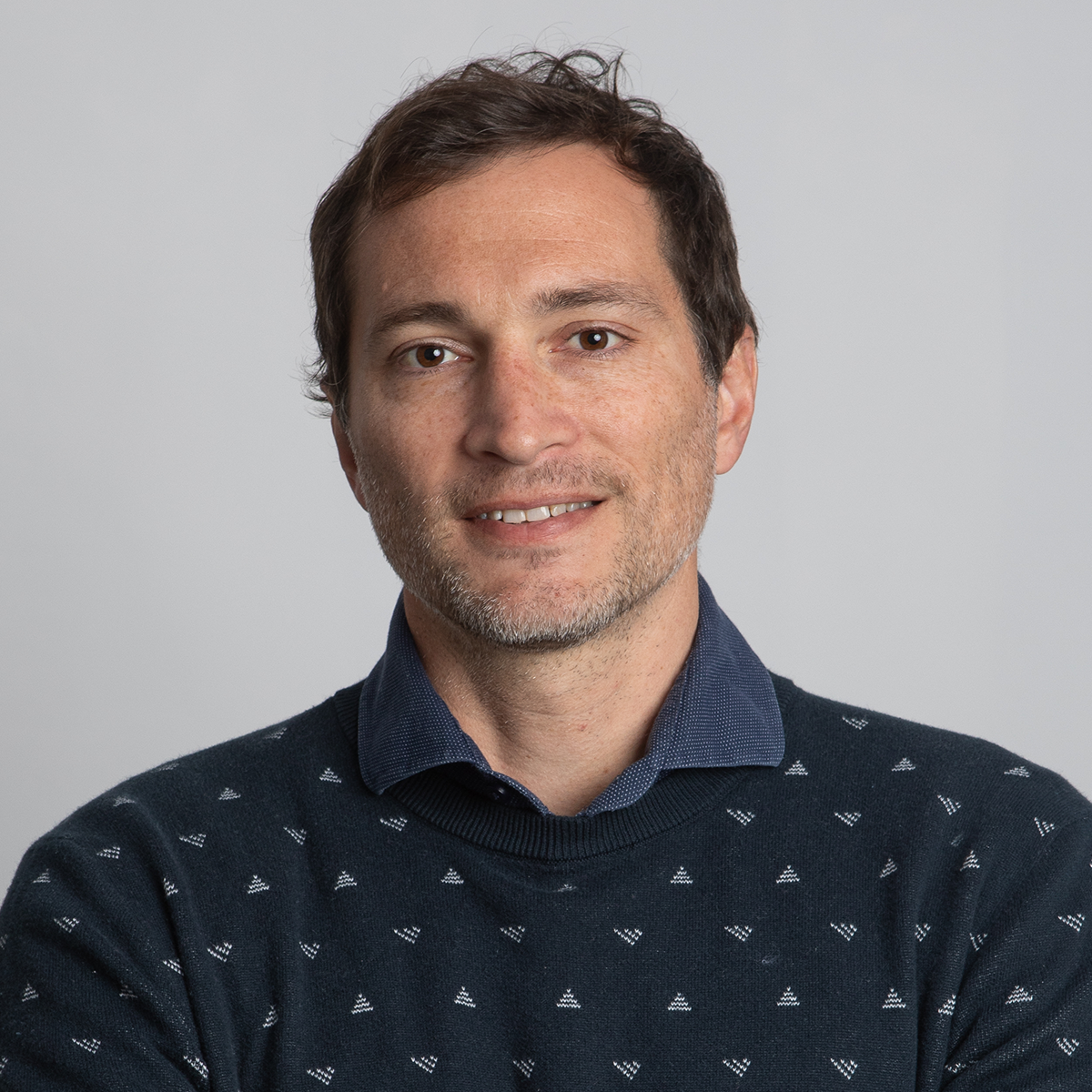
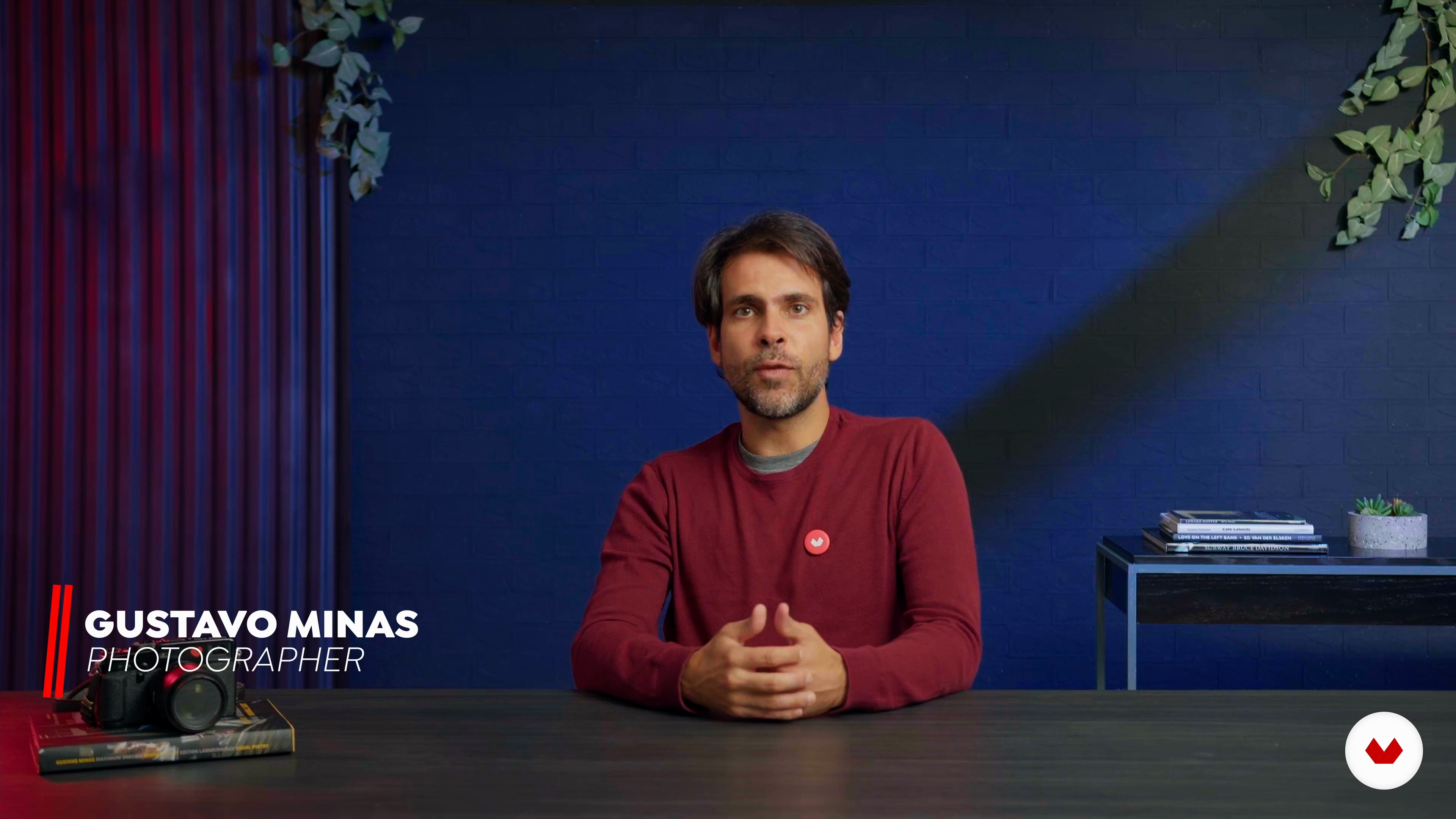
Embark on a creative journey through urban photography, capturing the soul of bustling city life with expert guidance from Joerg Nicht, Gustavo Minas, Voileau Fabien, and Tomás Westenenk Orrego. This comprehensive specialization covers everything from the fundamentals of observing and capturing urban environments to mastering street photography techniques, crafting compelling visual narratives, and developing a personal photographic language for digital platforms. Dive into the art of capturing spontaneous moments, creating powerful stories, and honing your technical skills in challenging conditions.

Immerse yourself in the vibrant world of urban photography as you learn to transform everyday cityscapes into impactful visual tales. Explore the unique challenges and opportunities of photographing the city at night, and gain the skills needed to share your creative vision on social media with confidence. This specialization not only expands your technical abilities but also helps you develop a distinctive visual voice that resonates in the contemporary urban landscape. Whether you're a beginner or a seasoned photographer, this program will elevate your craft and deepen your connection to the dynamic rhythm of city life.

Read more ↓

What will you learn in this specialization?
A total of 6 modules and 62 lessons
A total of 8h 21m of vídeo lessons
Taught by 4 selected expert teachers
image
1
Introduction
The city is in constant motion, revealing fleeting scenes to those who know how to look. In this lesson, you’ll step into urban photography as a way of observing everyday life, understanding light, movement, and timing, and learning how personal vision emerges through practice. A reflective starting point that connects the genre’s history with its contemporary relevance, inviting you to train your eye, trust the process, and let the streets shape your photographic voice.
1m
image
2
Inspiration | Joerg Nicht
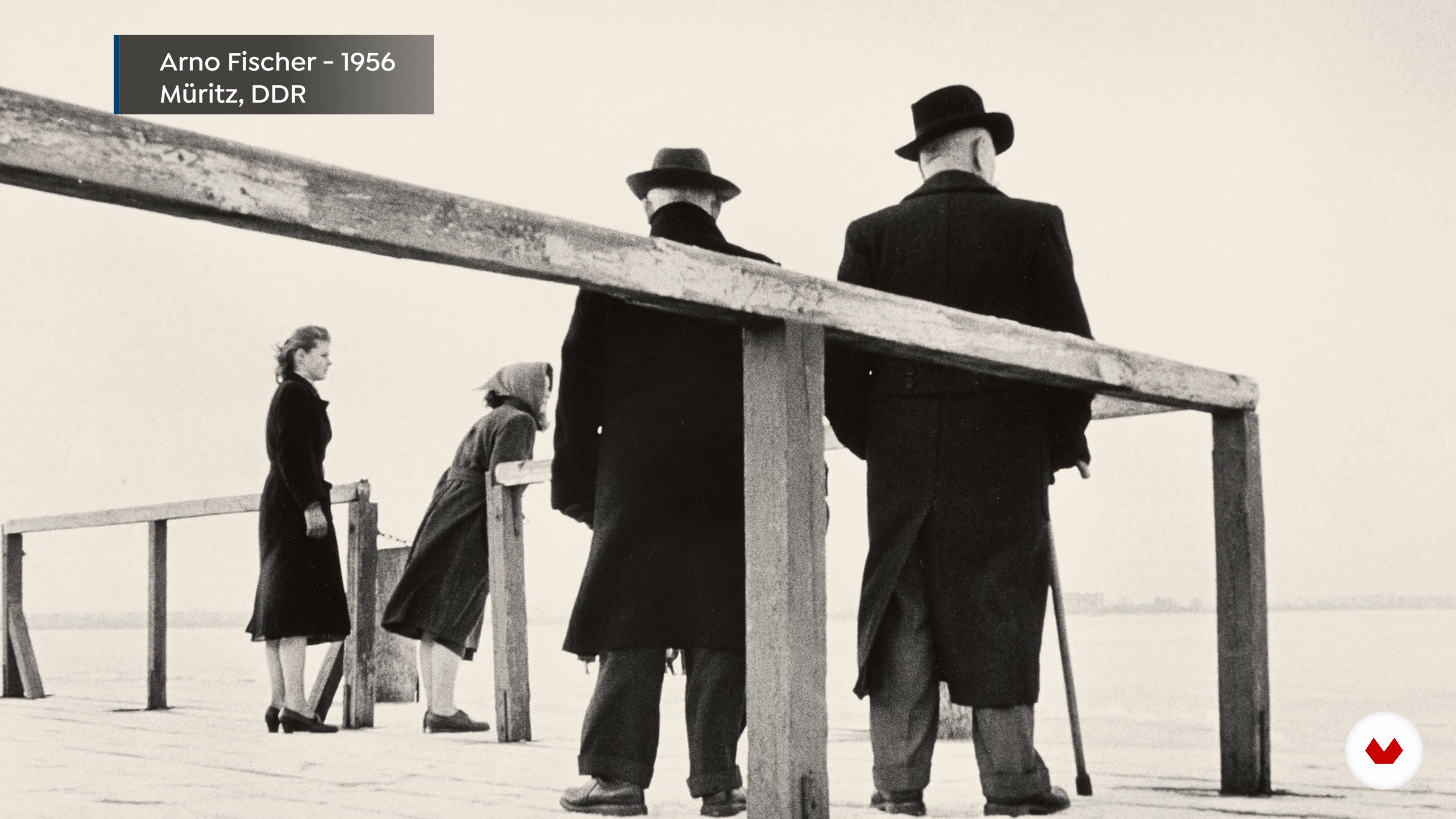
We are all inspired by different artists and their works. In this lesson, I'll show you who has influenced me the most. In addition to the photographers Arno Fischer and Robert Frank, Edward Hopper is very important to me, but films are also a source of inspiration for me.
9m
image
2
Inspiration | Gustavo Minas
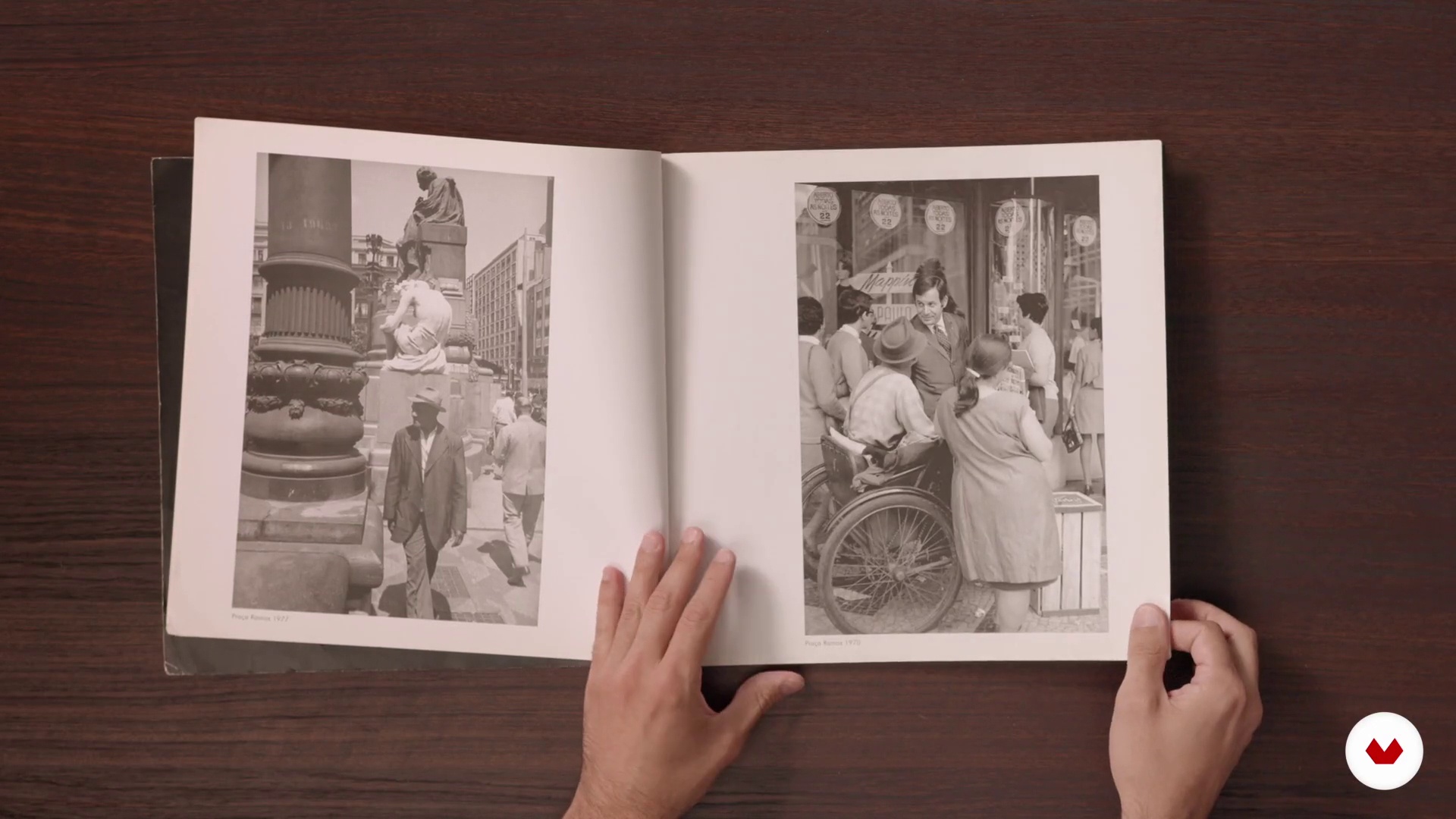
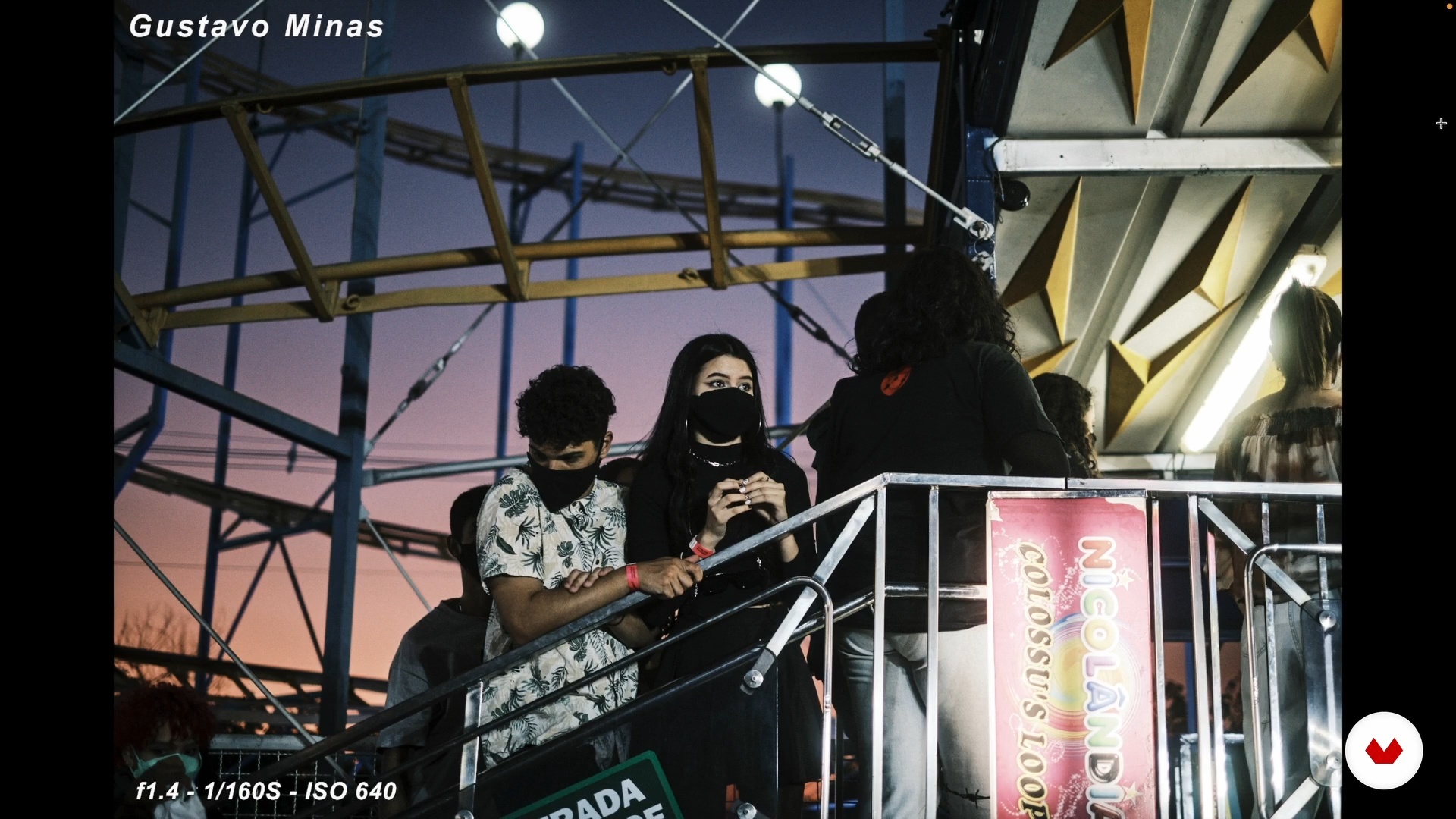
Now you will know some of the influences that, with your work, helped me in the search for a personal style. I will talk about names like Carlos Moreira, Harry Gruyaert and Gueorgui Pinkhassov. I believe that influences are fundamental in the construction of your language. Of course, it is not a matter of copying the work of those who inspire you, but of accumulating resources that increase your sensitivity and help you to react and solve visual problems.
6m
image
2
Inspiration | Voileau Fabien
In this section, you will present the different influences that allow you to build one color and one style.
7m
image
2
Inspiration | Tomás Westenenk Orrego
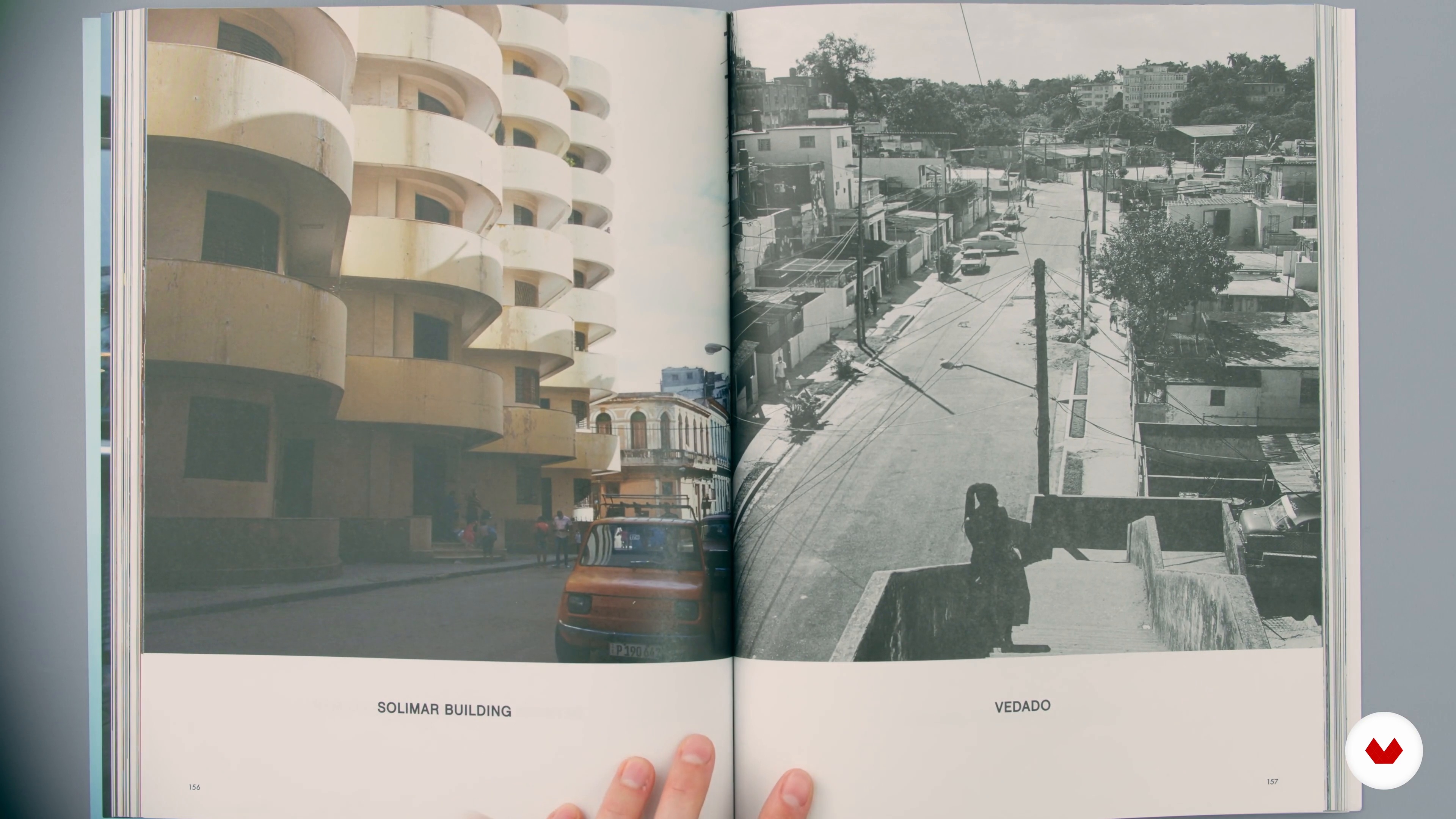
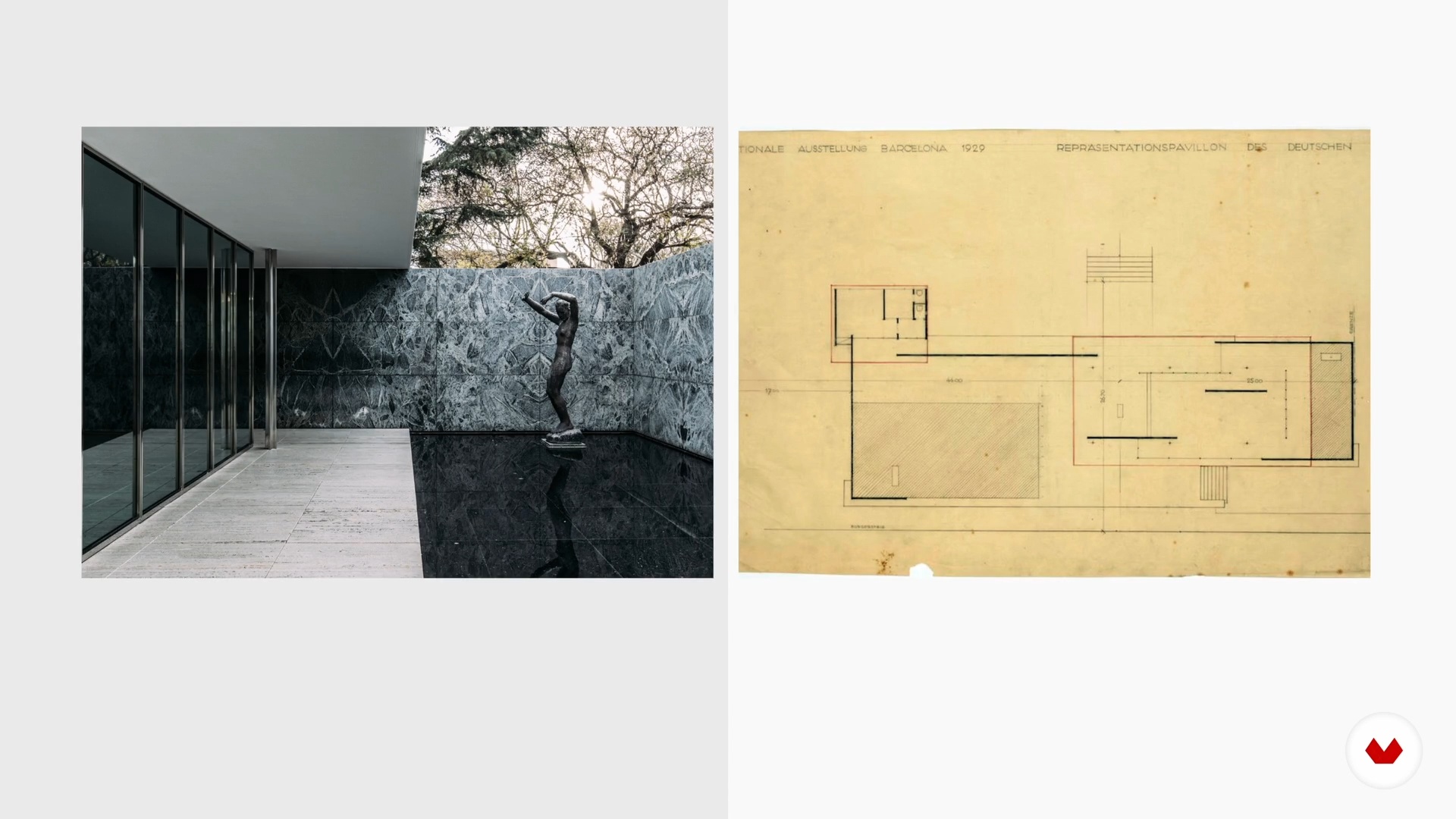
My work does not have many clear influences, since my apprenticeship was self-taught, but I consider that architecture in general has influenced a lot. Anyway, I think there are some architects and photographers who have influenced me in a positive way. I will tell you about them in this lesson.
10m
image
3
Photographing: how, what, why
How do I find a topic? What story do I want to tell with my photos? Everyone who deals intensively with photography knows these questions. In this lesson you will learn how I found the topic for the project and how I would like to approach this topic with you.
7m
image
4
Know your camera 1
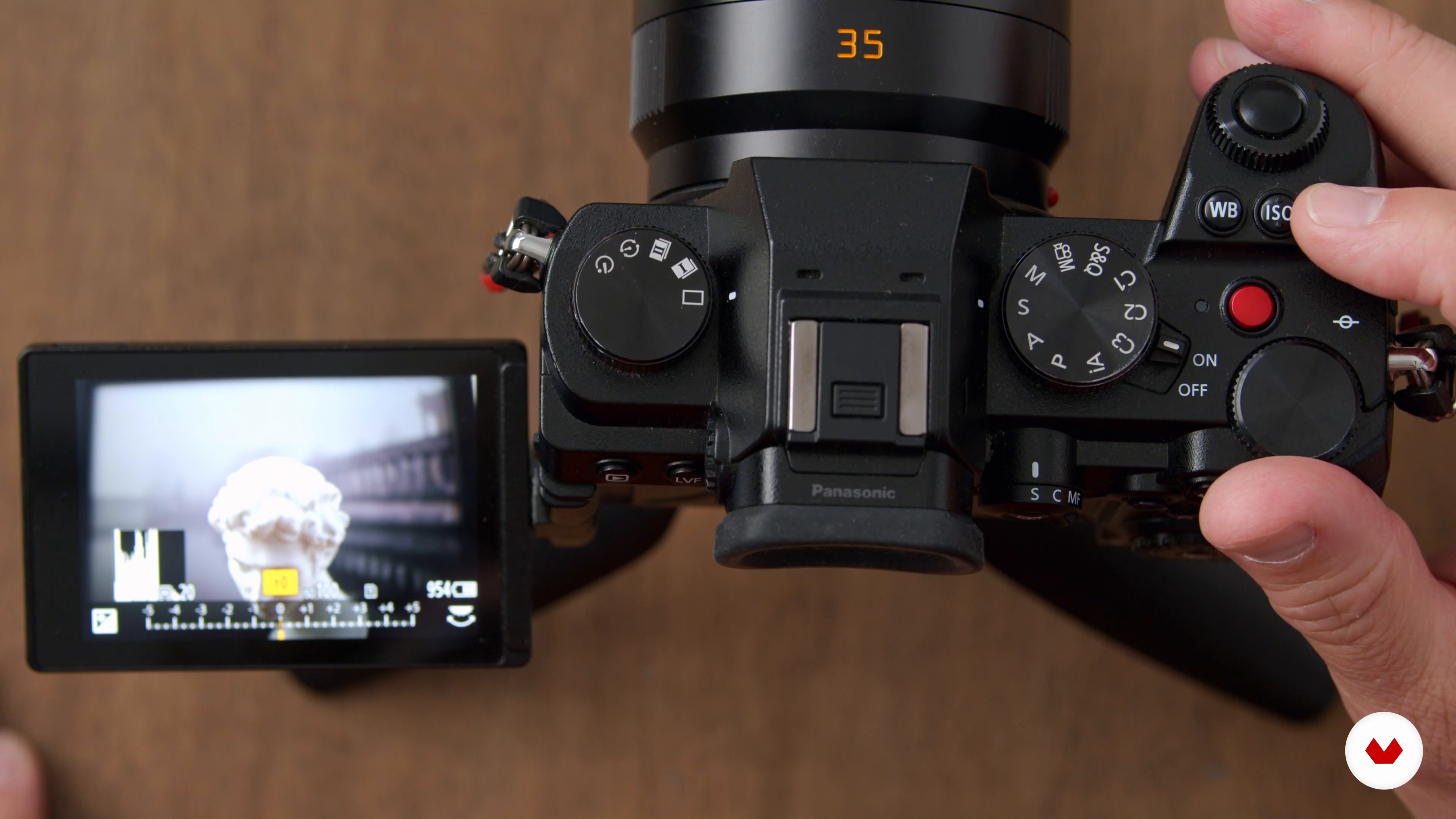
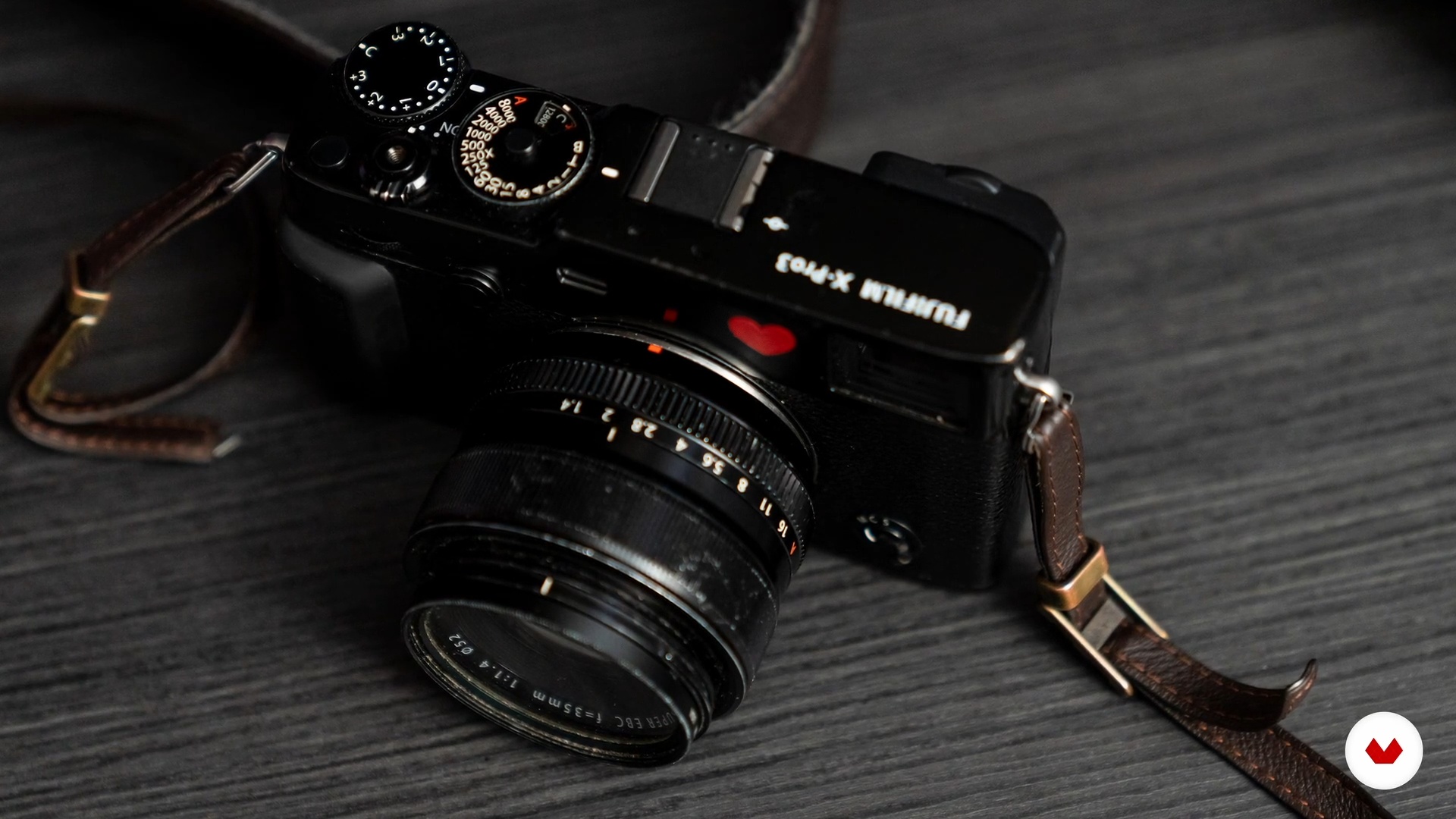
Modern cameras offer a lot of technical possibilities - you will also need some settings for your project. In this lesson, I will explain important settings and give tips on how to use them.
7m
image
5
Know your camera 2
It is well known that practice makes perfect. Practicing the key camera settings is important to developing confidence in the camera. But I also encourage you to use your camera in automatic mode.
4m
image
6
Motif search
This lesson is about the active search for a motif, because just theoretical preparation of the picture is not enough. Therefore, I will explain to you what I pay particular attention to when choosing a motif.
7m
image
7
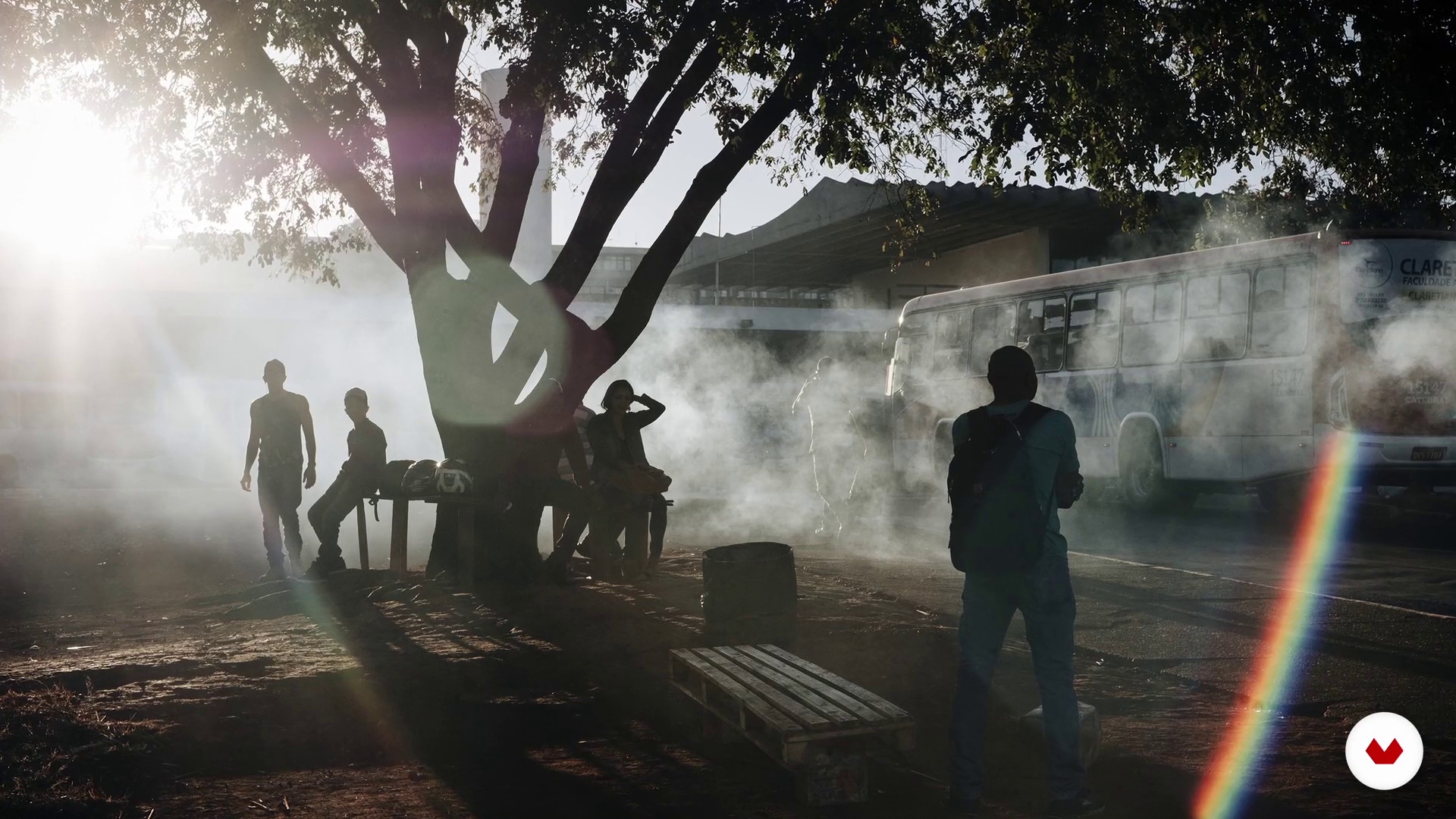
Light and movement
Light is important for every photo. In order to be able to explain which lighting situation is favorable for our project, I will use various example photos to present lighting situations and their effects. Finally, I give you tips on how to use light in your project.
4m
image
8
Composition
The different elements of an image can be combined in different ways. In this lesson, I'll focus on the golden ratio and how color contrast can be used to draw attention to specific image content.
6m
image
9
Planning of the photoshoot and the photo series
For the planning of the series of photos, I present a system in which I relate different movements to the movement of the camera. This results in a matrix that suggests individual motifs in the photo series.
6m
image
10
We go outside
In this lesson I'll take you on my photo tour in Berlin Mitte. Using the various motifs, I explain how I proceed when taking photographs.
14m
image
11
Editing
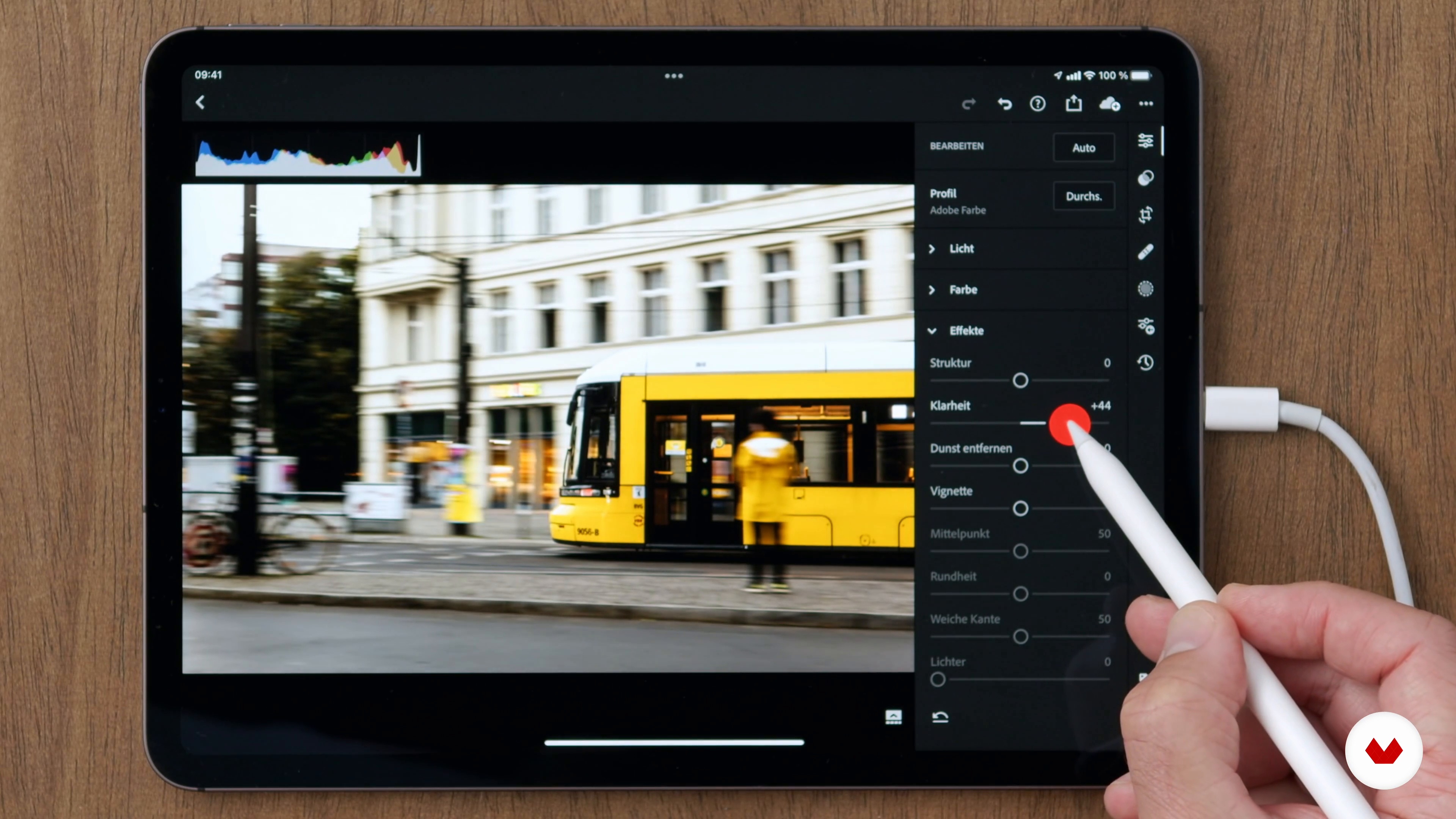
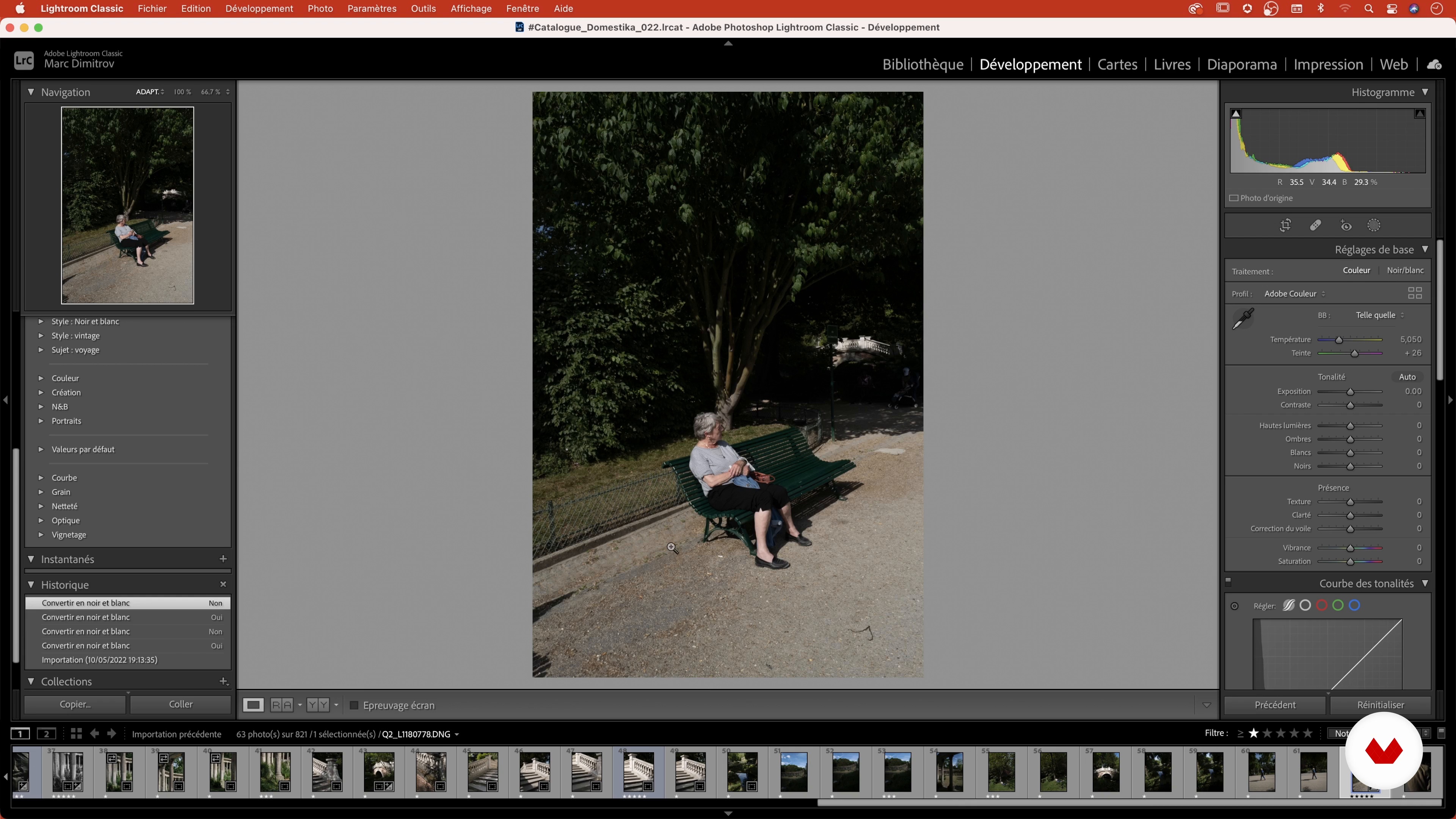
Now I will show you how you can edit your photos with an image editing program, primarily to correct or adjust the sharpness and contrast. I use Adobe Photoshop Lightroom for this.
12m
image
12
Social Media
In this lesson I will show you how to present your photo, i.e. your story, on social media. Various properties of the image are taken into account, not only the format, but also the complexity of the motif.
2m
image
4
The construction of an essay
In this class, you will learn more about some of the essays I have done in different places from 2010 to today. I will show its thematic and formal characteristics and comment on how I arrived at these results.
6m
image
5
Introduction to photographic language
Here, I will show examples of basic concepts of photographic language, such as framing, perspective, plans, angle, lines, balance, among others.
12m
image
6
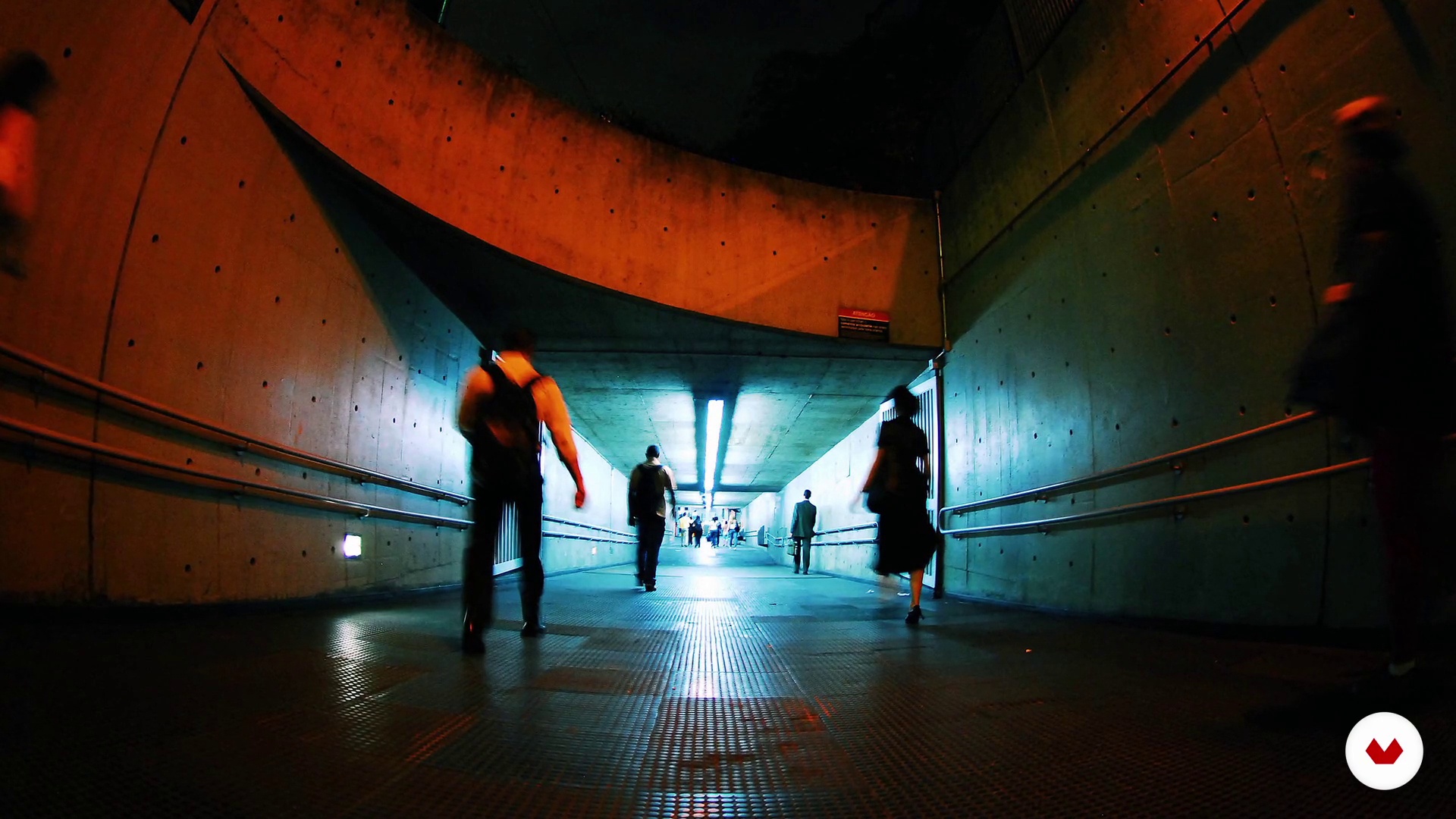
Light and shadows: the mood of an image
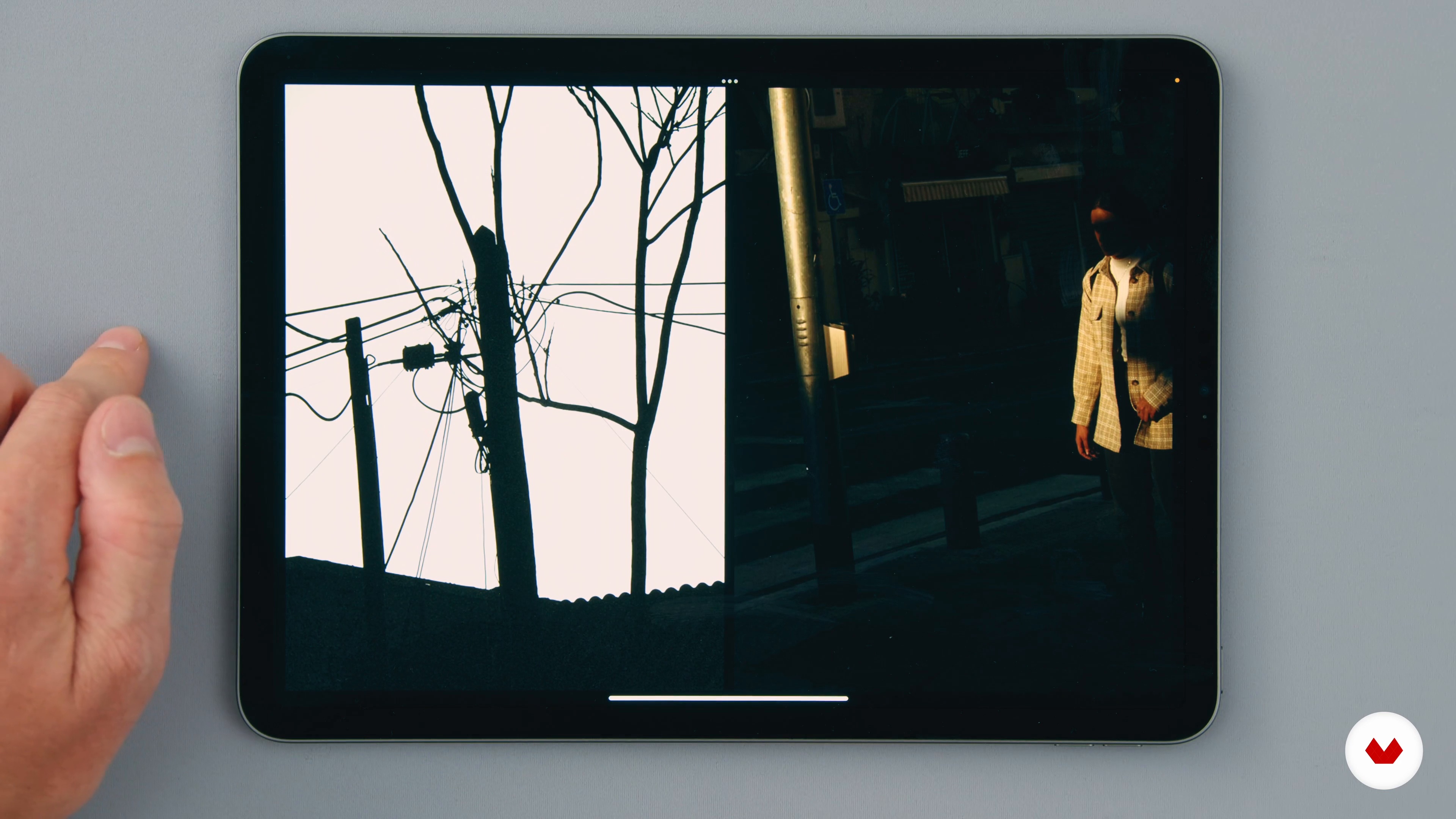
In this class, I will talk about light, shadows and silhouettes, elements that help determine the climate or atmosphere of an image.
8m
image
7
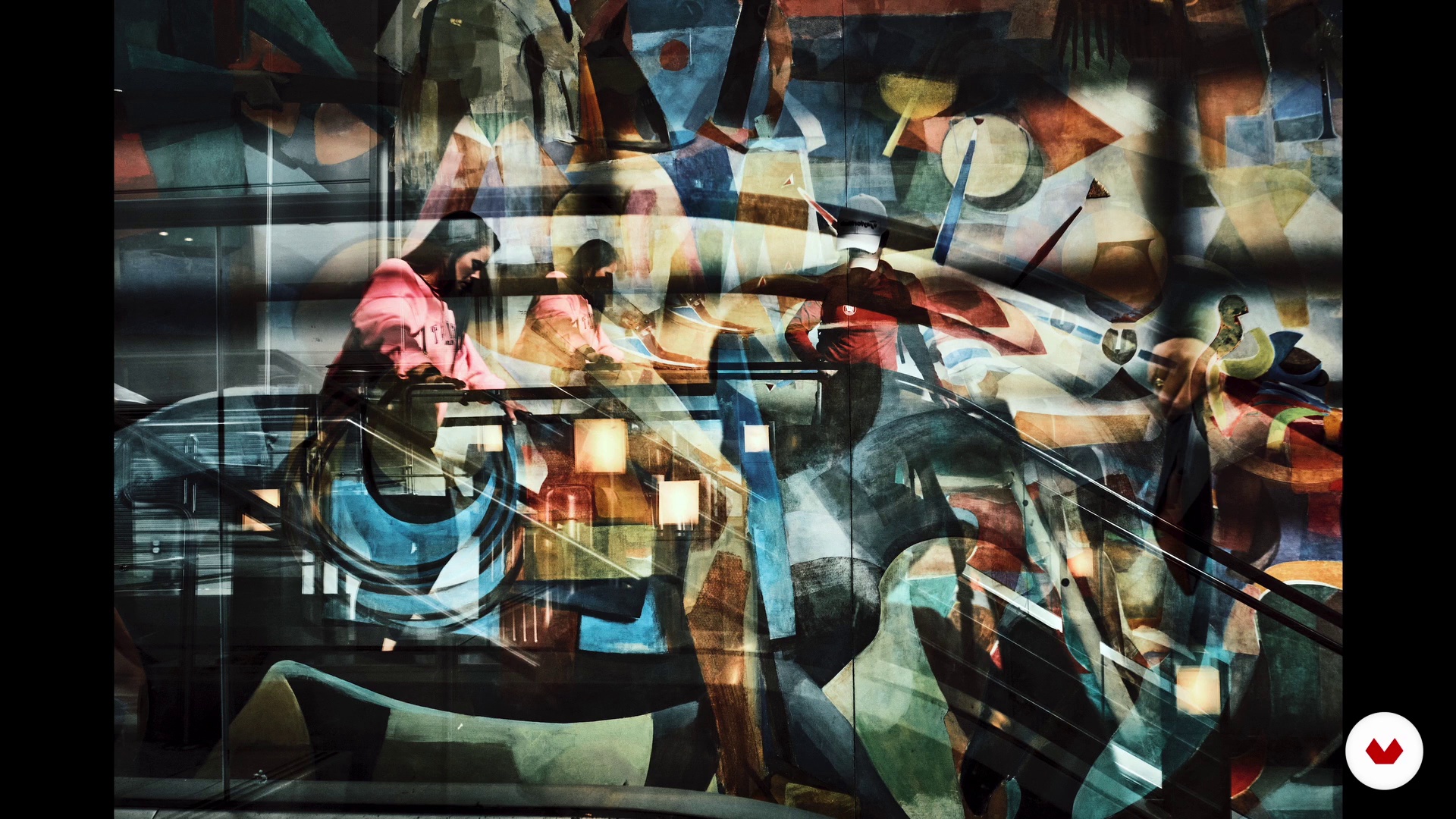
Reflections in street photography
In this step, I will talk about reflections, another valuable element that can determine the climate or atmosphere of an image.
7m
image
8
Lens types
In this class, I will talk about the characteristics of each type of lens and cell phone.
3m
image
9
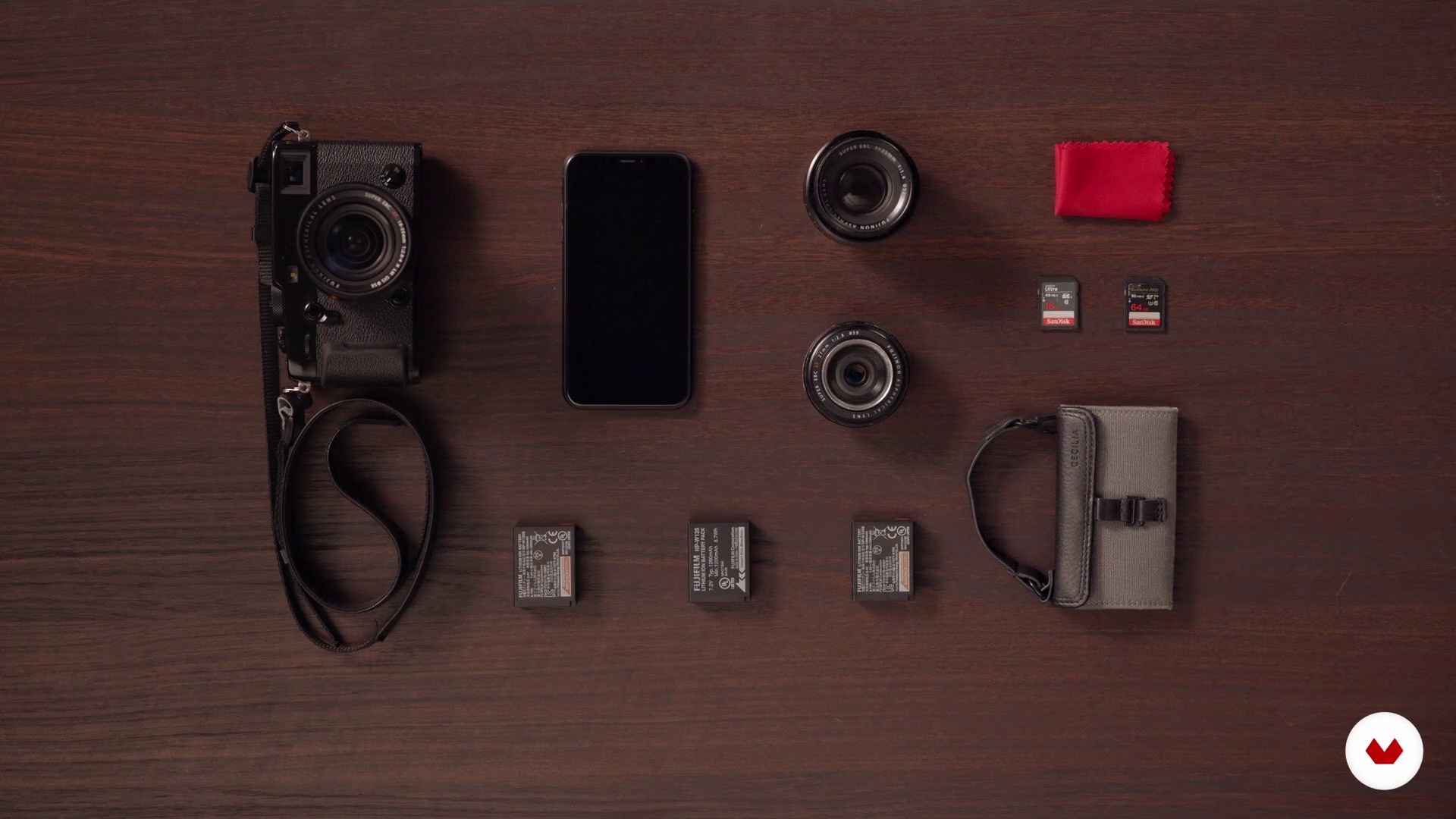
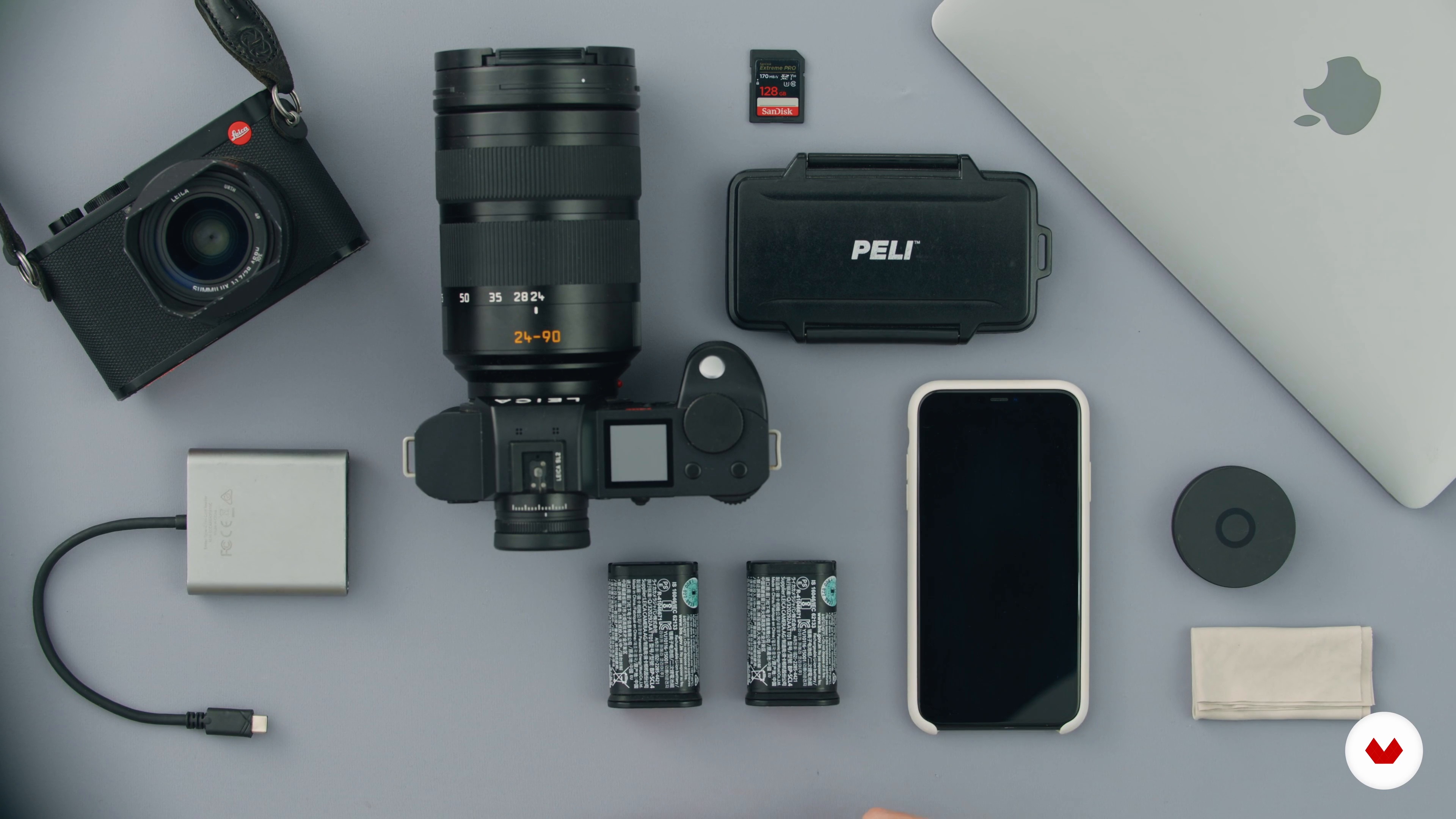
What I carry in my bag
In this class, you will get to know the equipment I use for street photography. I'll show you which lenses I usually wear and why I choose one or the other according to the situation.
5m
image
10
How do I set up my camera
In this class, I will share with you some technical information, such as the memory cards I use, the settings of my camera and I will also give you other tips for you to go out and shoot.
3m
image
11
Practice on the streets: light and movement
In this class, you will accompany me on a photo tour around the city. I will show how I choose places and situations to photograph, how I usually work a scene, how I position myself in relation to the subject and the light and how I relate to people.
6m
image
12
What worked
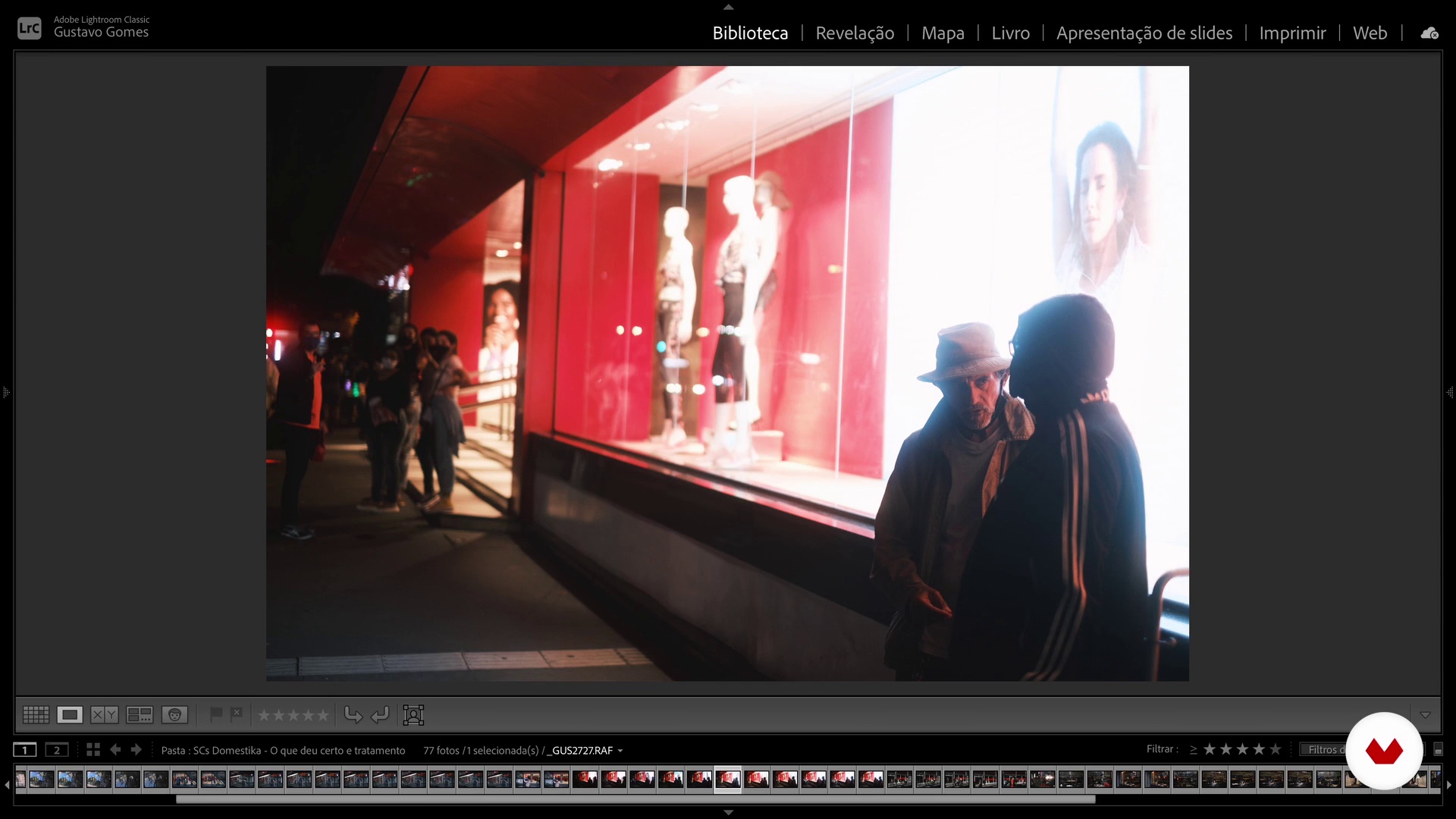
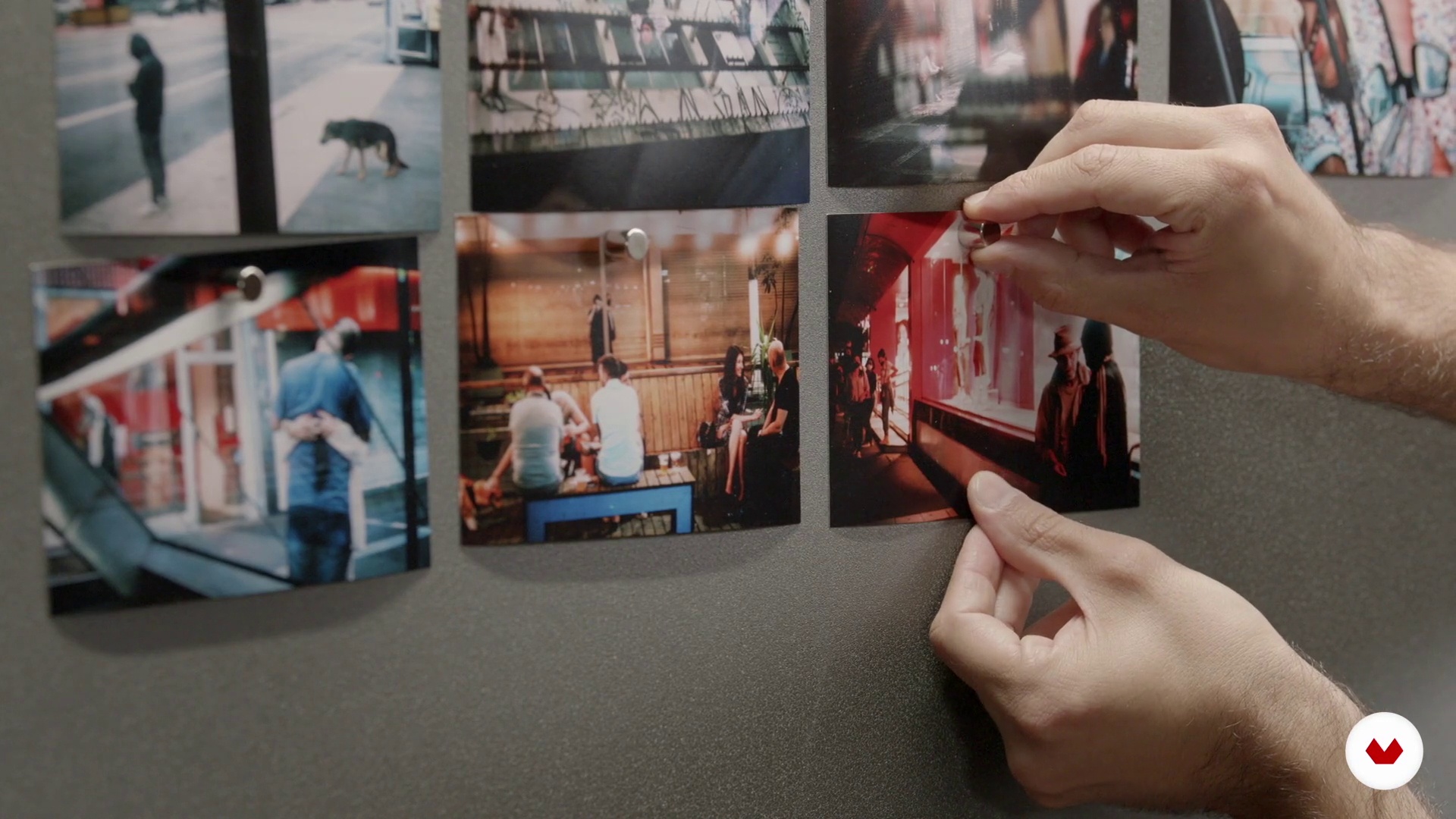
In this class, I'm going to take a look at the material I produced during my week in São Paulo. In addition, I will take the opportunity to comment on how I organize my material after departures. And finally, analyzing my contact sheets, I will discuss what I think worked and what didn't work.
12m
image
13
Image treatment
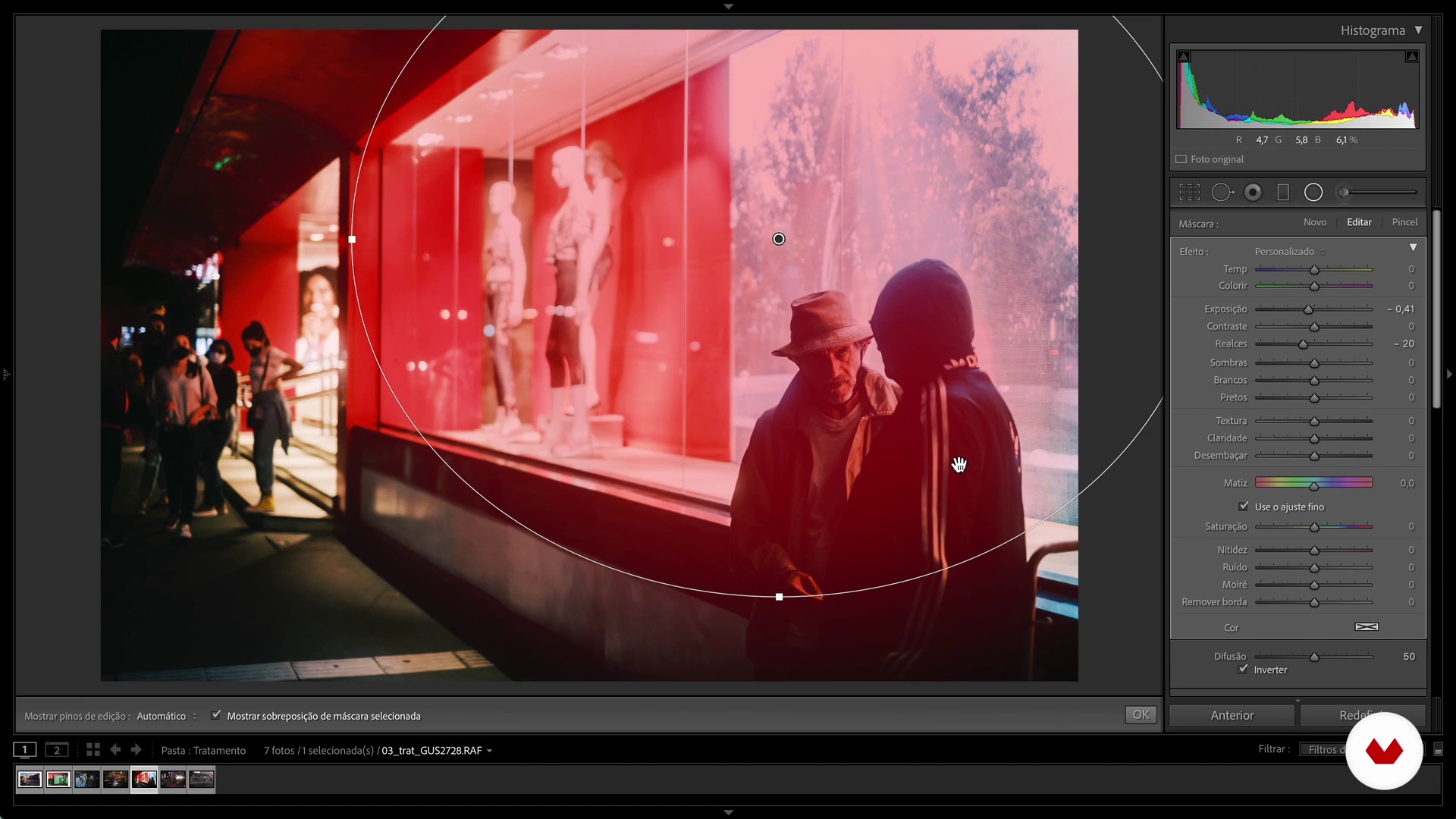
Here, you will see step by step how I usually treat my images, including light and contrast adjustments, colorization, noise and sharpness reduction and local adjustments. I will comment on which tools work best for each type of image and which ones I prefer to avoid.
15m
image
14
The ways of editing
Here, with the photos produced during the week, I will edit the essay in order to publish it on the web.
17m
image
15
Promoting your work: from social media to the printed book
In this class, you will learn a little about my social media publishing strategies. My focus will be Instagram, which is undoubtedly the biggest showcase for photographers these days. In addition, I will also briefly talk about the possibility of publishing a photobook.
5m
image
3
The different typologies of images
In this section, you will present the different types of images available in street photos.
10m
image
4
The material and the basic rules
Avant toute chose, je vais vous montrer le matériel nécessaire pour la street photography, les réglages basiques à connaître also que mes tips personnels.
9m
image
5
The composition
Je vous présenterai les différents types de cadrages, la gestion de la lumière ou encore la profondeur de champs au service d'un style d'image puissant.
6m
image
6
The narration
Presently, I spoke to storytelling. Comment donner du character à ses images et les faire vivre ensemble.
6m
image
7
The repérages and the preparation
Pour commencer, vous verrez comment sélectionner des lieux intéressants en lien avec le storytelling recherché puis je vous présenterai le matériel nécessaire pour la street photo.
4m
image
8
Sur le terrain: quoi faire et comment?
You can read the comments and analyze the selected images to download the images and decrypt the attitude in question, the camera in main.
7m
image
9
L'attitude à avoir
In this article, you are going to share some tips on the attitude towards street photos, where you can read the best images.
6m
image
10
L'analyse des images prizes
Finally, you will learn the comments by clicking on the Lightroom images. so you can see the comment below to see a premiere selection of images.
12m
image
11
The selection of photos
Je vais vous enseigner comment selectionner les images interessantes et commencer les premiers tests liés au storytelling souhaité.
12m
image
12
Reinforcer the characters of images
In this section, enter the image editing, you will see the comment on the character and exporter.
18m
image
13
The spread on Instagram
Pour vous guider dans ce processus, je vous vous expliquer comment présenter les images, trouver le bon format, le bon rythme, afin de les diffuser de façon « remarquée ».
17m
image
14
Prepare a printed project
Finally, you will see a moment to present your creative and impactful work via the edition print of a journal of images.
8m
image
3
History of night street photography
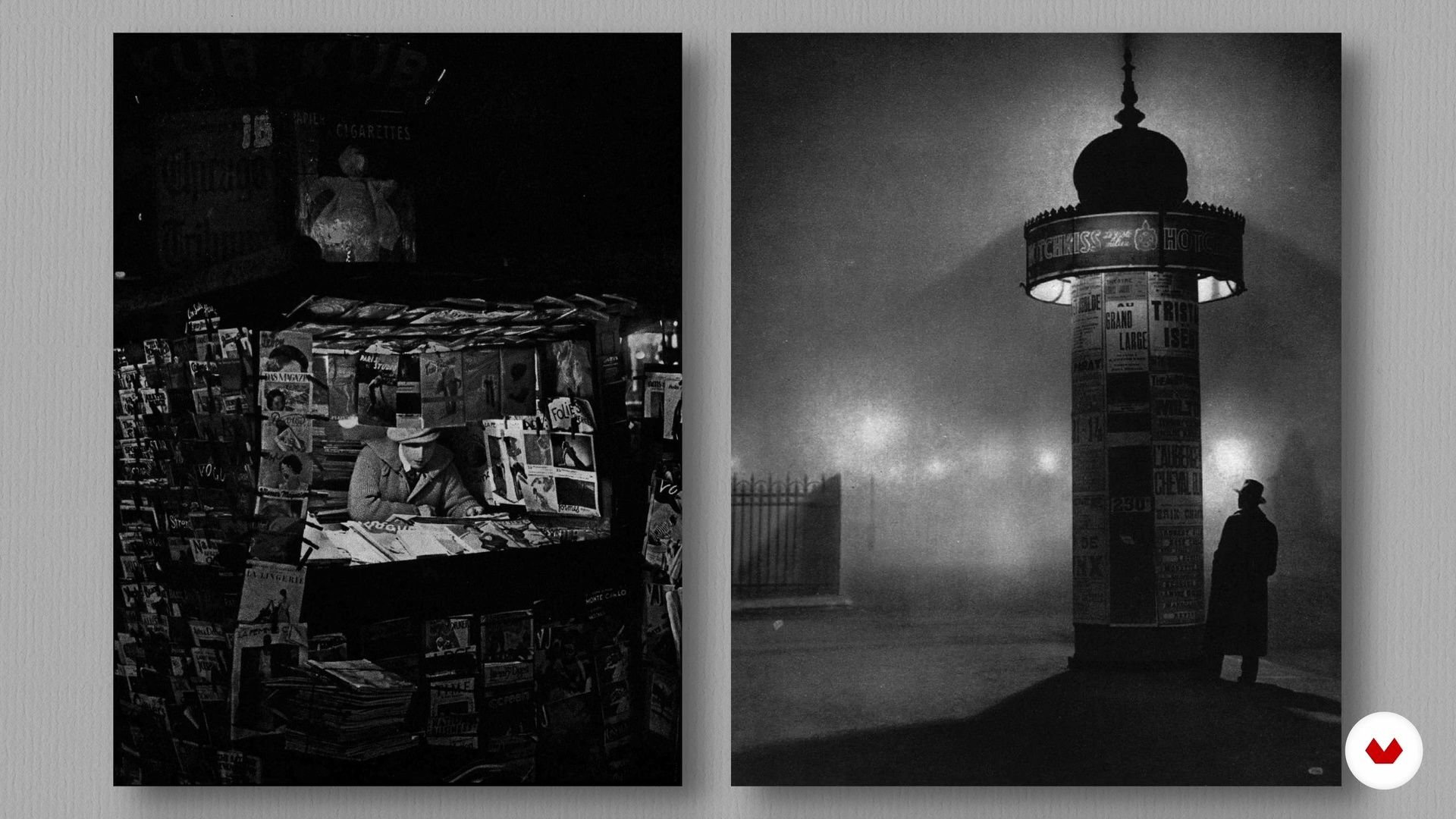
In this class, you will get to know some classic and contemporary examples of photographers who dedicated themselves to photographing at night and produced outstanding work.
9m
image
4
Photographic language
Here I will talk about some basic concepts of the photographic language, with examples of night photos of me and other photographers.
5m
image
5
Night photography with available light
Now I will present and comment on some night photos of myself and other photographers taken in different situations, always using the light available in cities.
8m
image
6
The flash in night street photography
Let's get to know some different ways to use the flash (or two flashes) in night photography, with examples of photos from me and other photographers, including the use of modifying accessories to change the quality of the light produced.
5m
image
7
Equipment for night street photography
Here we will see some types of lenses and accessories recommended for street photography and talk about their advantages and disadvantages.
3m
image
8
How do I configure my camera
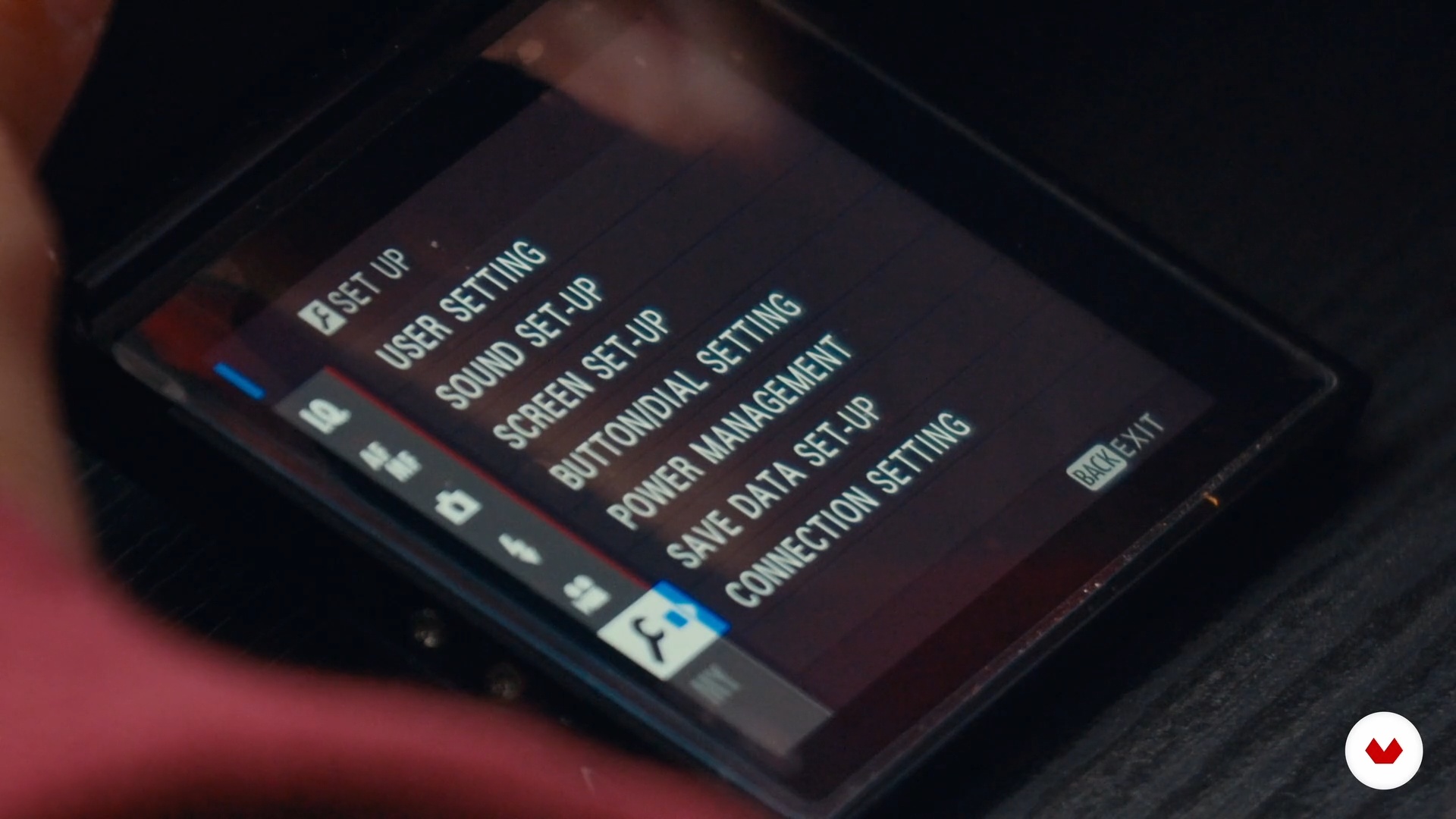
In this class, I'll go through your camera menu in detail, showing you some specific adjustments I make to mine for a nighttime shoot.
4m
image
9
Photo output with available light
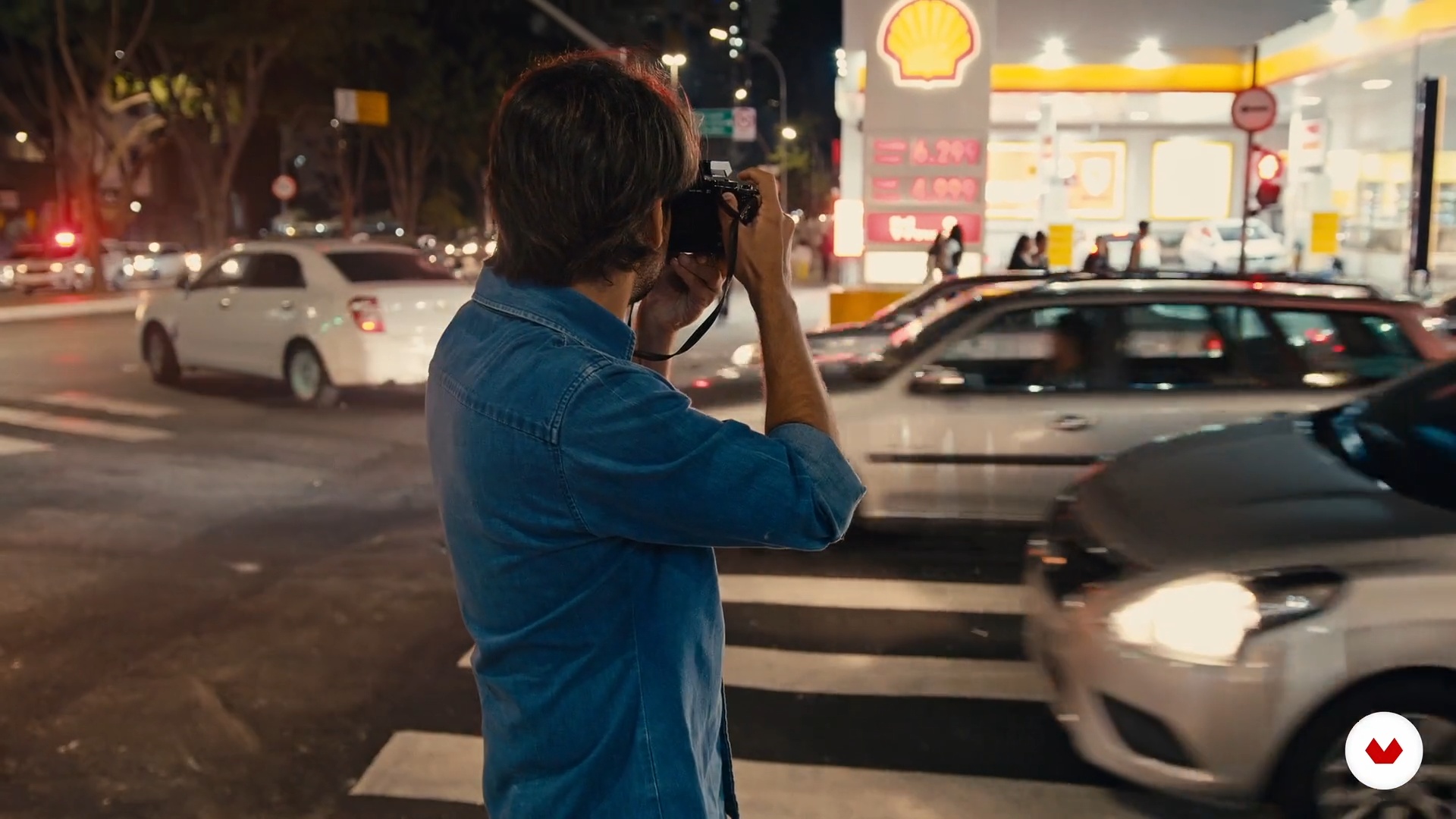
Now you will accompany me on a night photo outing. Let's explore the photographic possibilities with the light available in cities, having as sources poles, bars, gas stations and neon signs, for example.
4m
image
10
Photo output with flash: portraits at night
In this lesson, we will use flash in different ways to produce night portraits. We will go out on the streets of São Paulo in search of characters and discuss different ways of portraying them in order to express their personality and the mood of the night in the city.
5m
image
11
What worked and what could be improved?
In this class, I will comment on some of the photos I produced during the course recording week, analyzing strengths and weaknesses and evaluating the reasons why the images work or not.
10m
image
12
Workflow and image processing
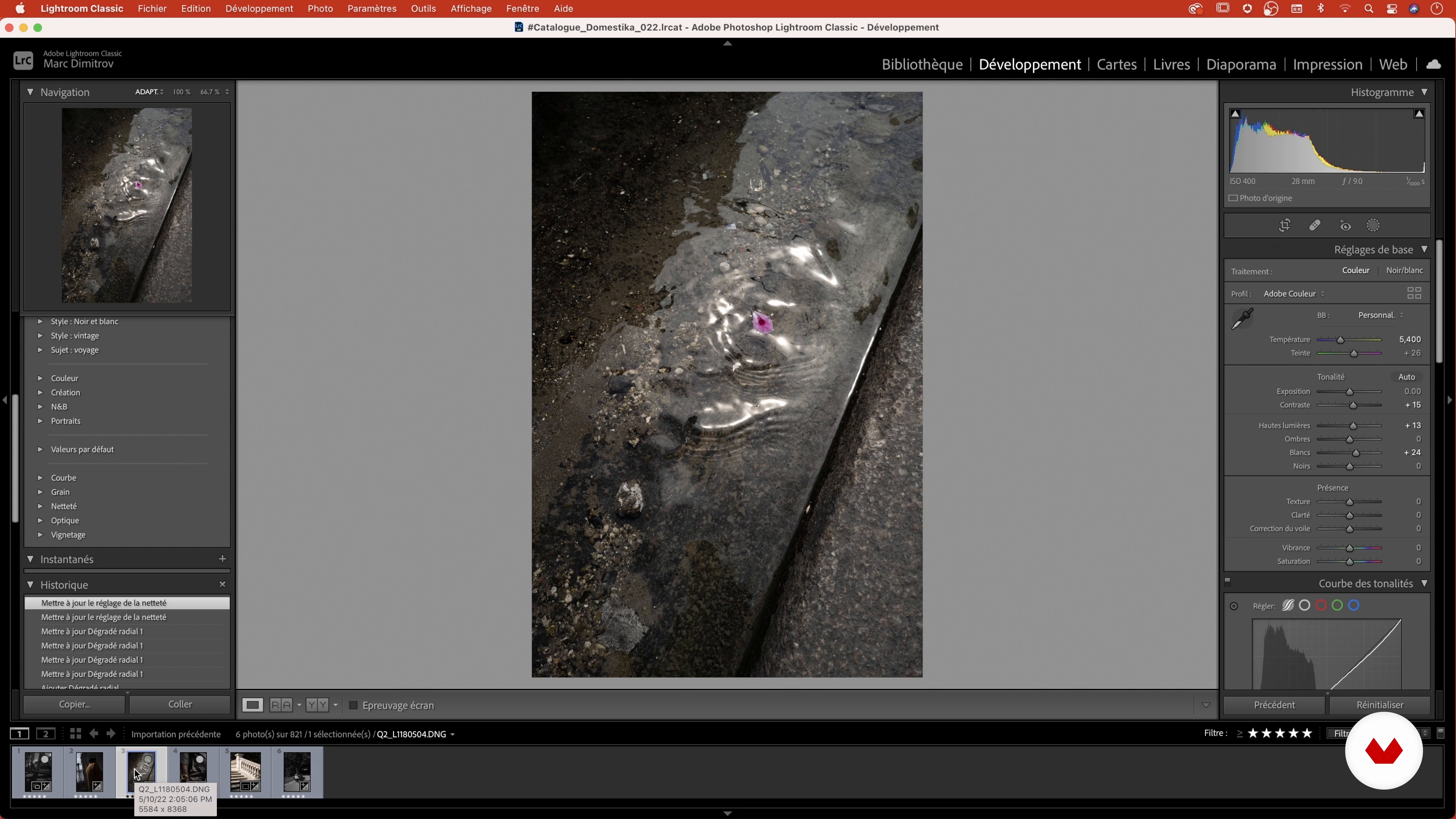
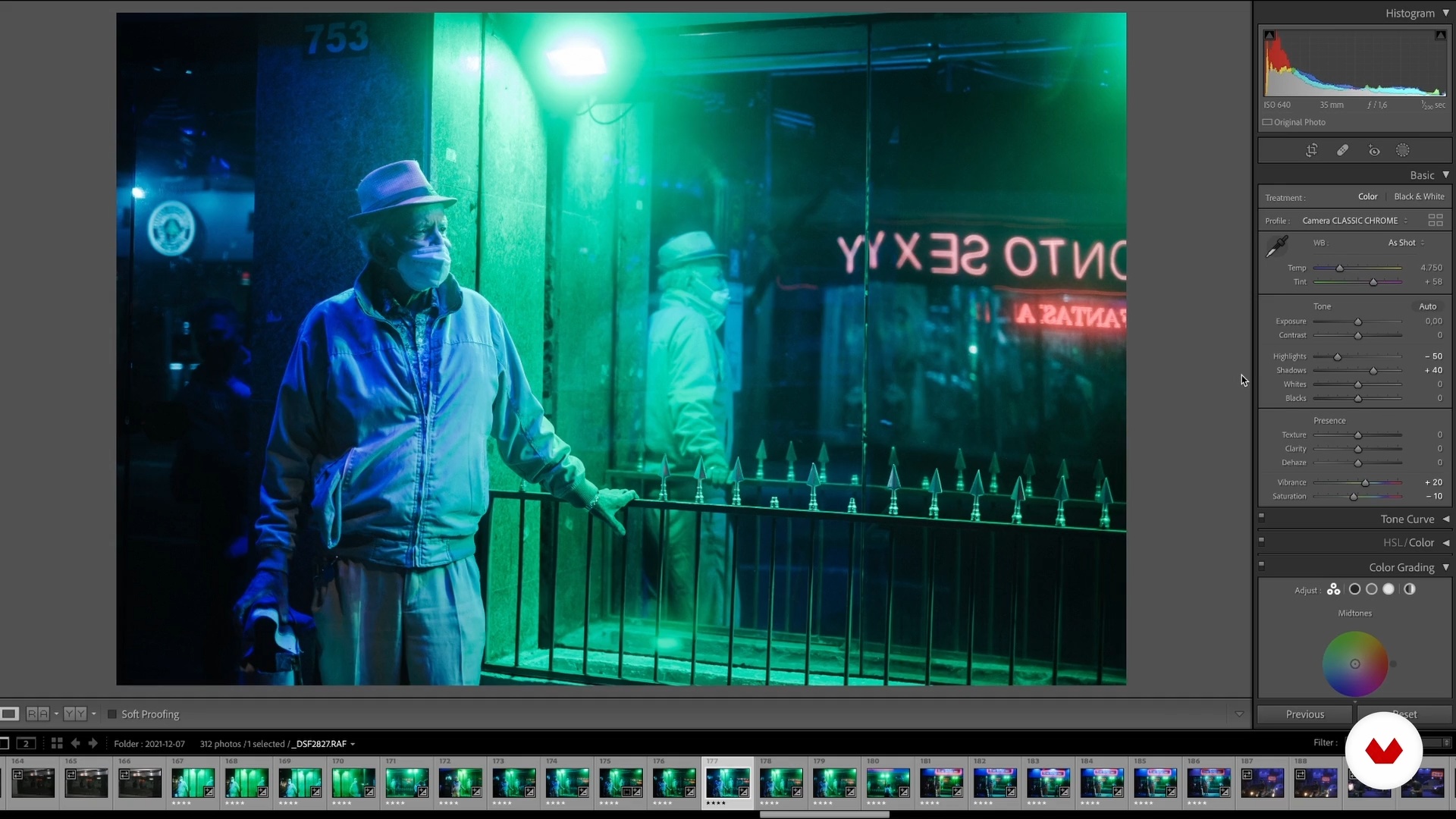
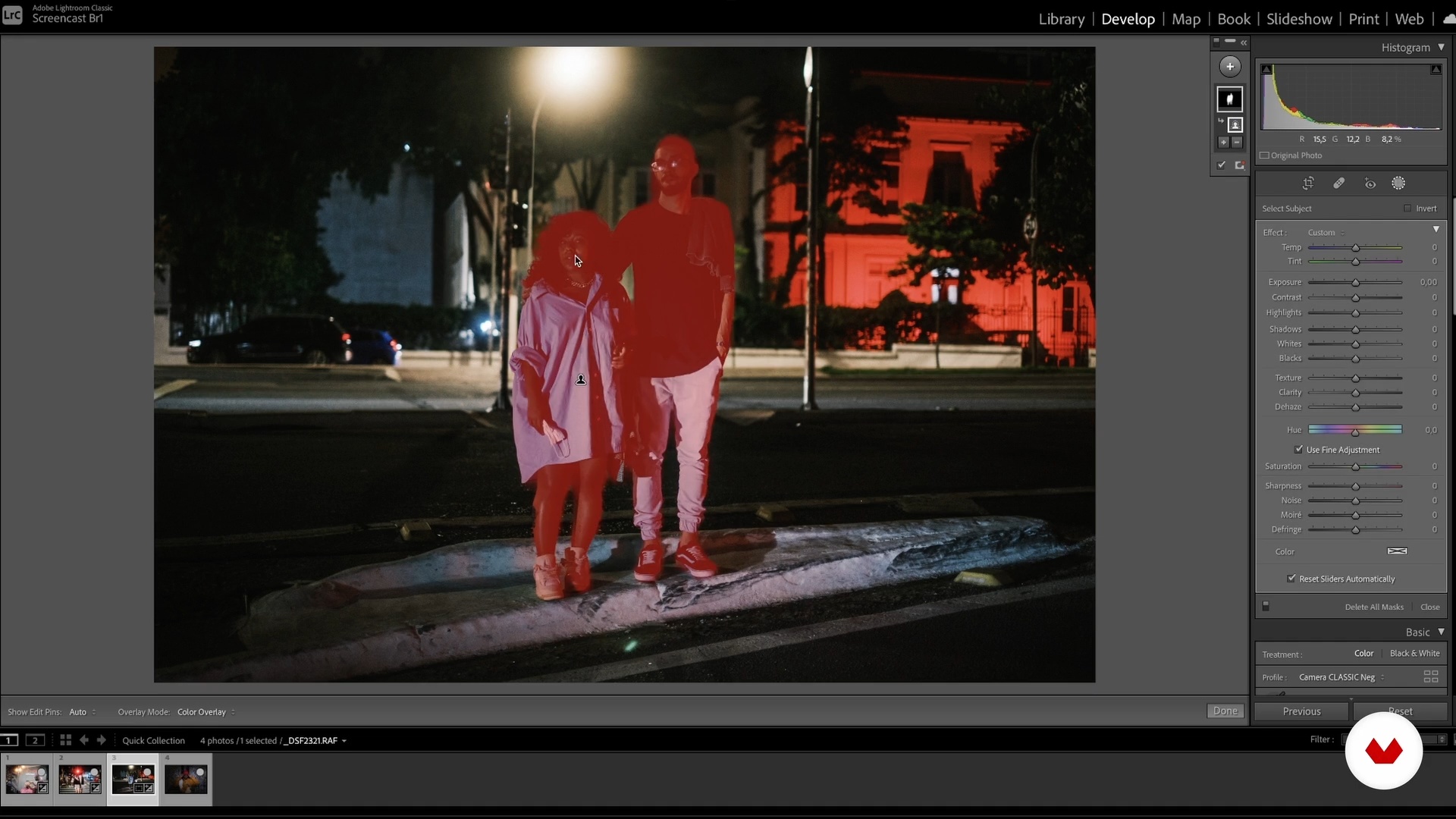
Now let's move on to the post-production phase of the images in Lightroom. I'll talk about workflow to keep your files organized and see how we can improve a photo's light and shadow balance and color balance, as well as other adjustments.
14m
image
13
Editing a night series
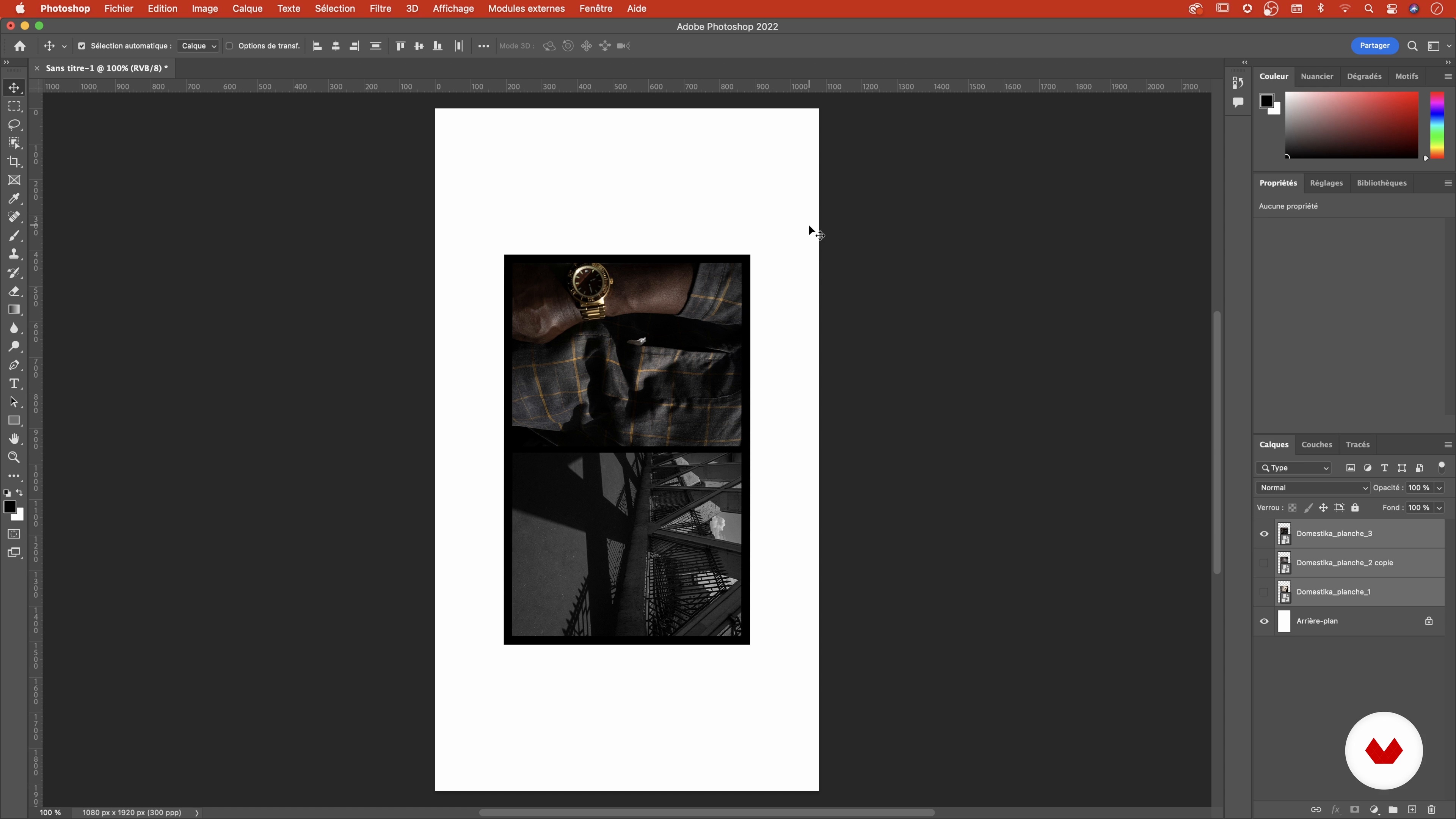
In this class, with the photos produced in the course recording, we will discuss how to edit a series of up to ten night photos. I'm going to talk about how to sequence and work the narrative in a set of images.
11m
image
14
Dissemination of work
Here I'll show you some strategies for getting your work out there, including posting on social media, creating a website, and publishing a zine or photobook on demand.
2m
image
3
Similarities Between Architecture and Photography
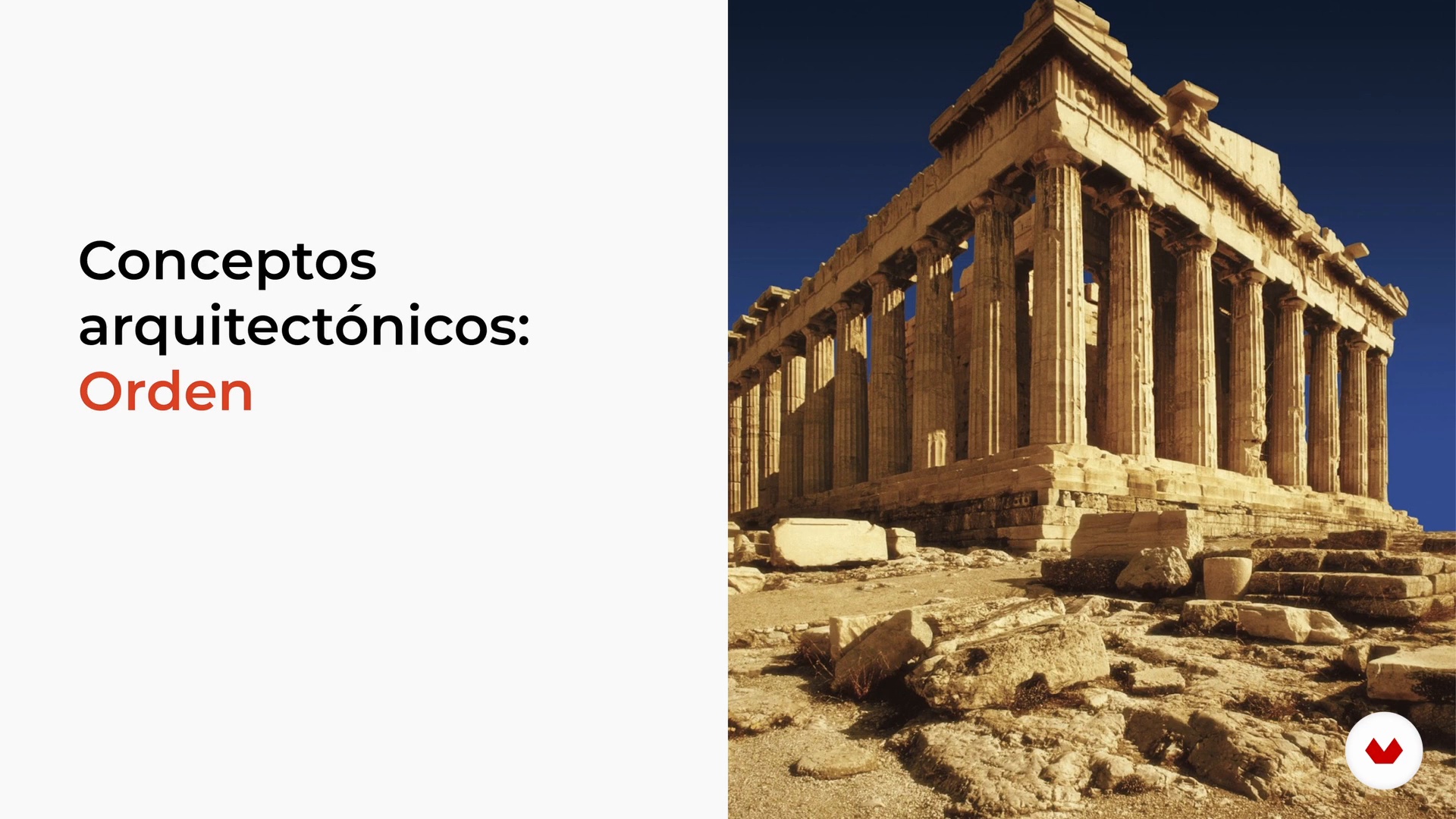
Architecture and photography have a common language. There are many concepts in both disciplines that can help to compose an image or design a work. Then you will see what I mean.
6m
image
4
Basic principles of photography
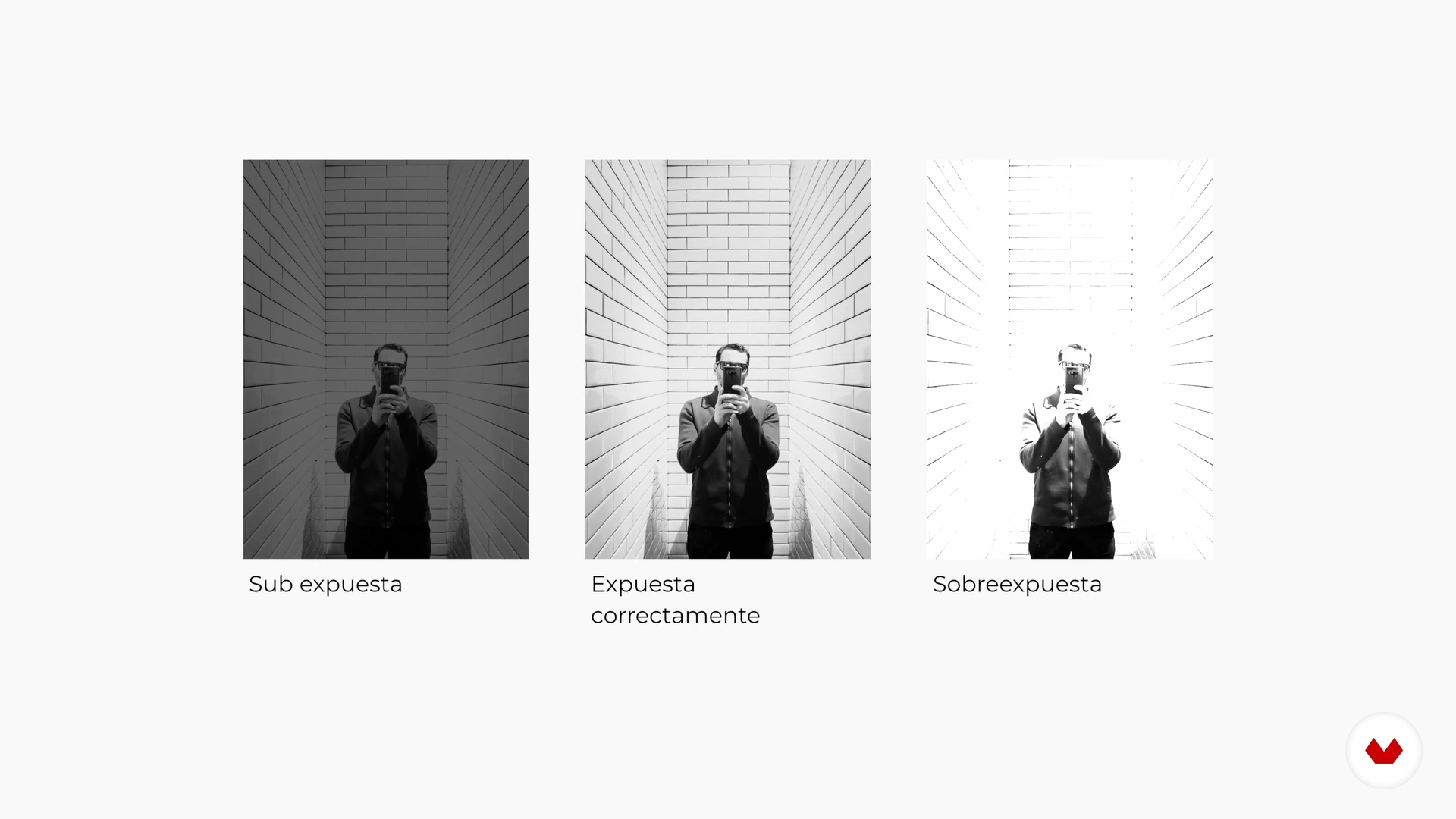
Now you will learn about the correct exposition and its meaning. Then, you will see what is the ISO, the aperture and the speed. You will learn how these variables also affect the moment of taking a photograph and you will understand that by managing these three variables you will not only be able to expose a photo well, but you will also be able to intention them.
10m
image
5
Rules of photographic composition
In this lesson I will teach you the fundamental photographic composition "rules" with examples from my portfolio. You will learn to use the concepts and rules of composition to create powerful and balanced photographs.
14m
image
6
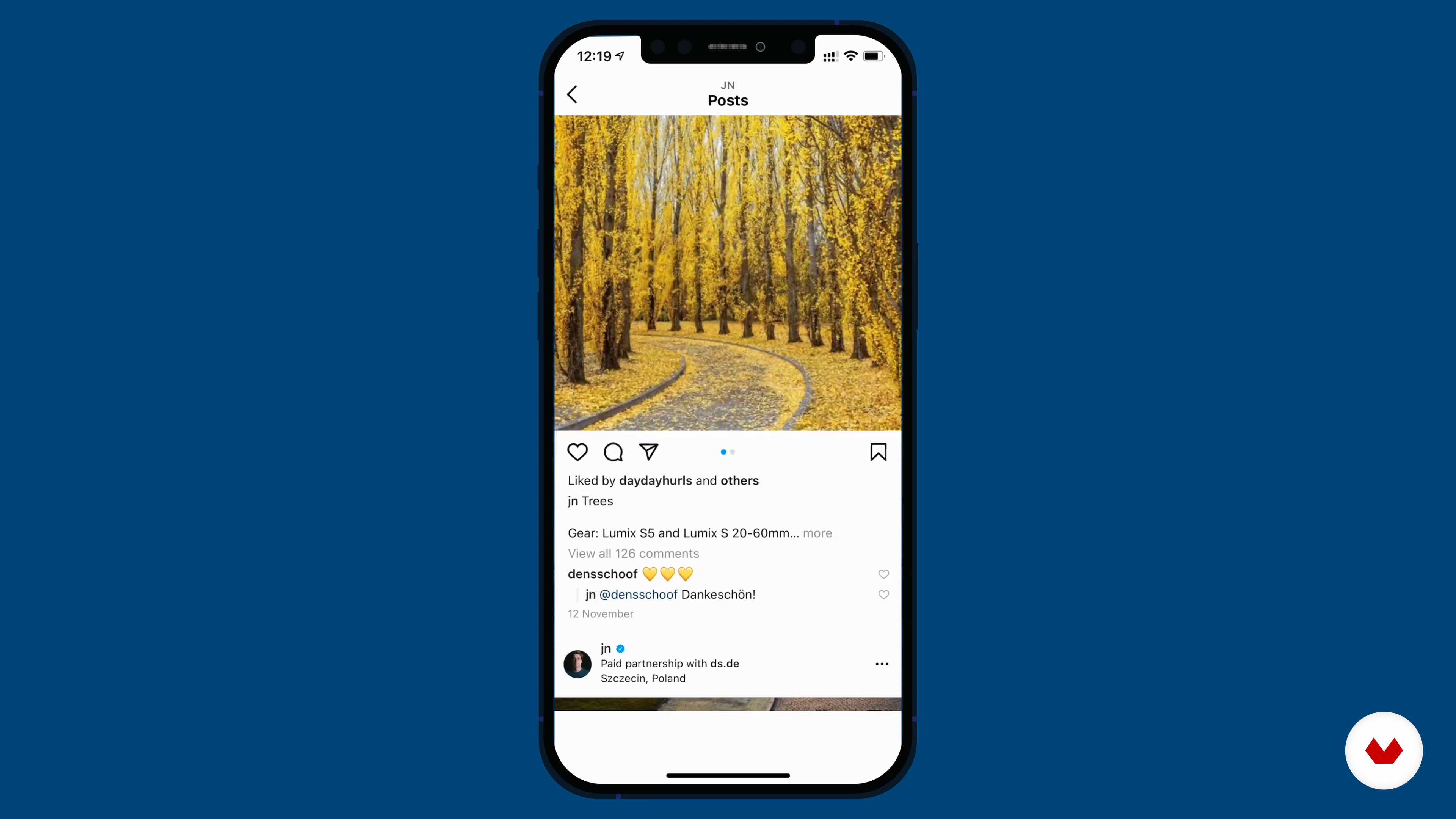
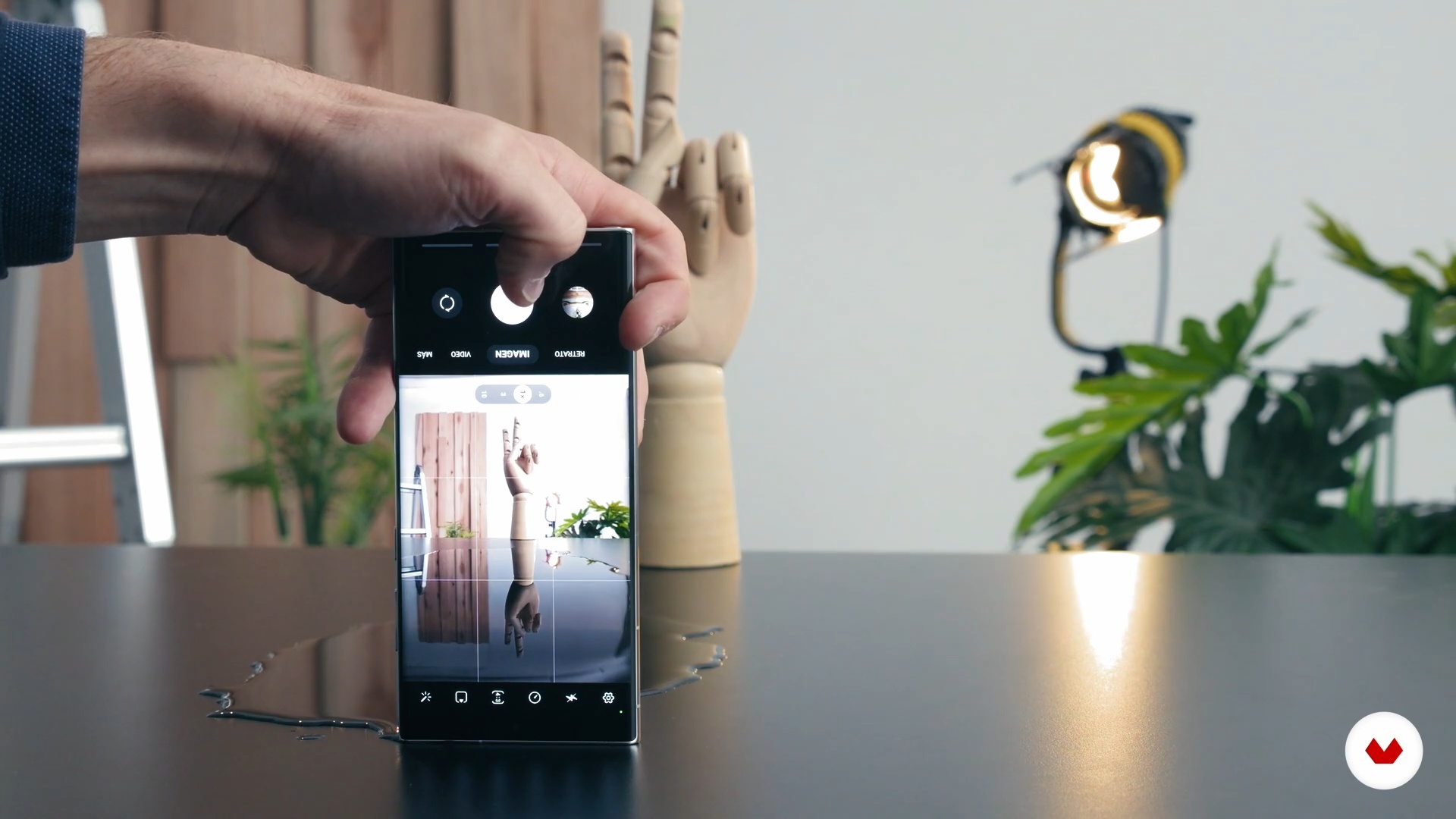
How to take advantage of your cell phone camera
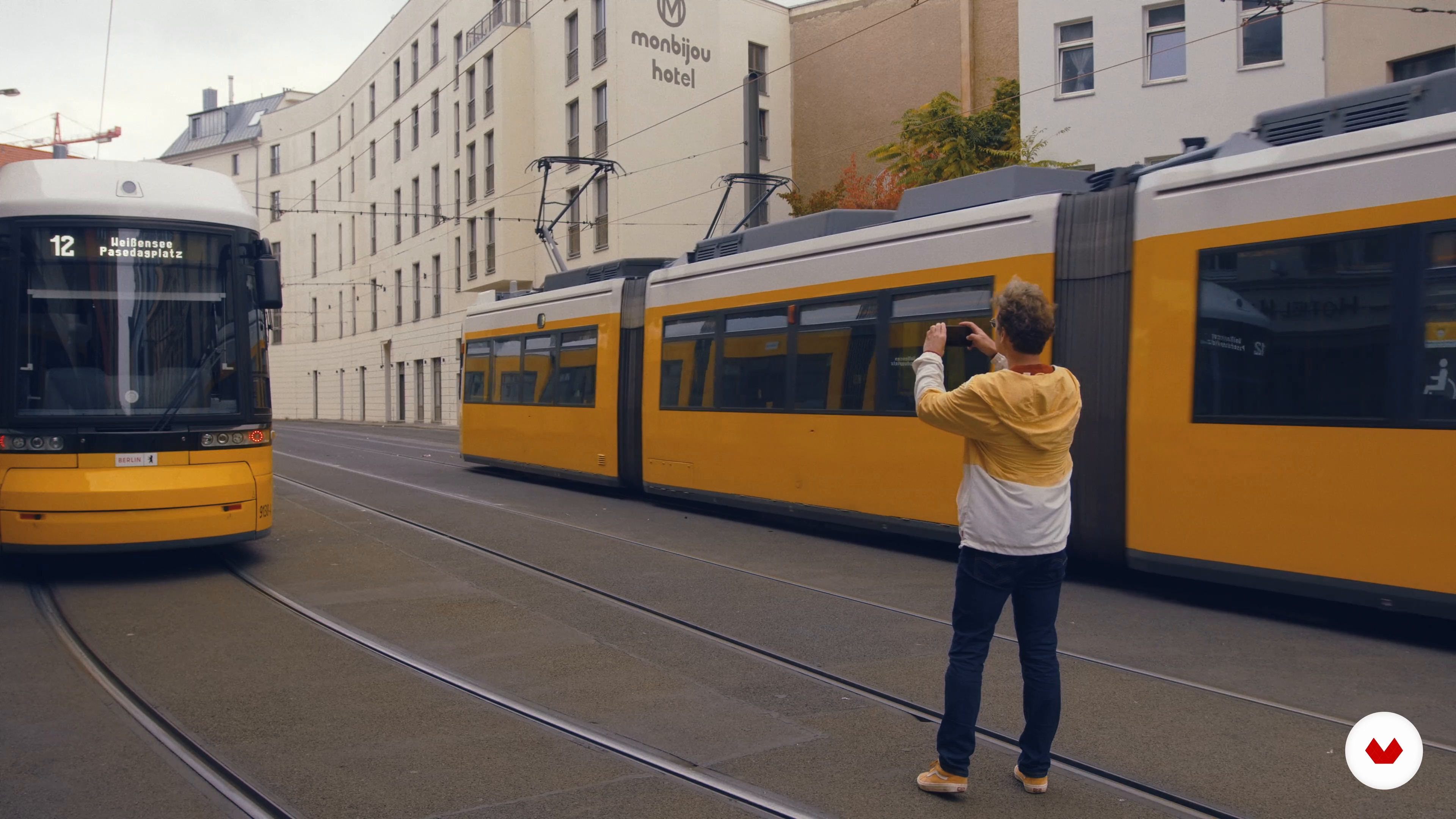
To take pictures, it is not essential to have a professional camera. For this reason, now I will tell you about the potential that mobile phone cameras have today. I will go into detail about the different default modes of the camera, more pro modes and I will also show you through examples different techniques to take mobile photography to another level.
5m
image
7
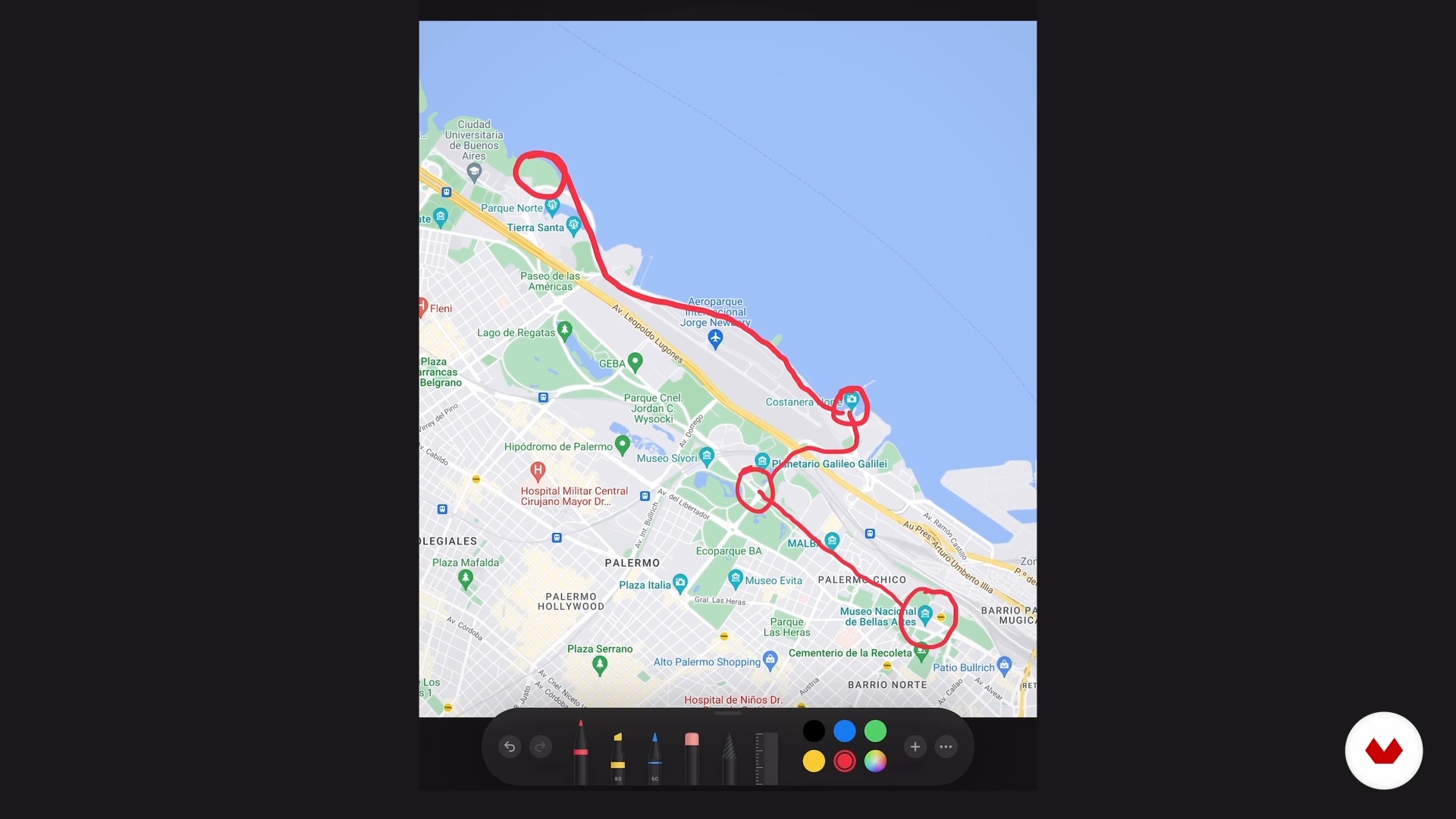
Previous analysis of the place
I'm ready to go out to take photos, but first I'll prepare everything I need. Also, I will tell you about which places of interest can guide a tour as a reference. Then, I will analyze the different hours of the day and how they affect the result of the photograph. I will also talk to you about the importance of not setting so many limits and leaving space to change course and allow inspiration to guide you. You will see that this process is more to orient yourself and become familiar with the sector, not to go with all the photos resolved in your head.
2m
image
8
Walking, learning to see and find singularities
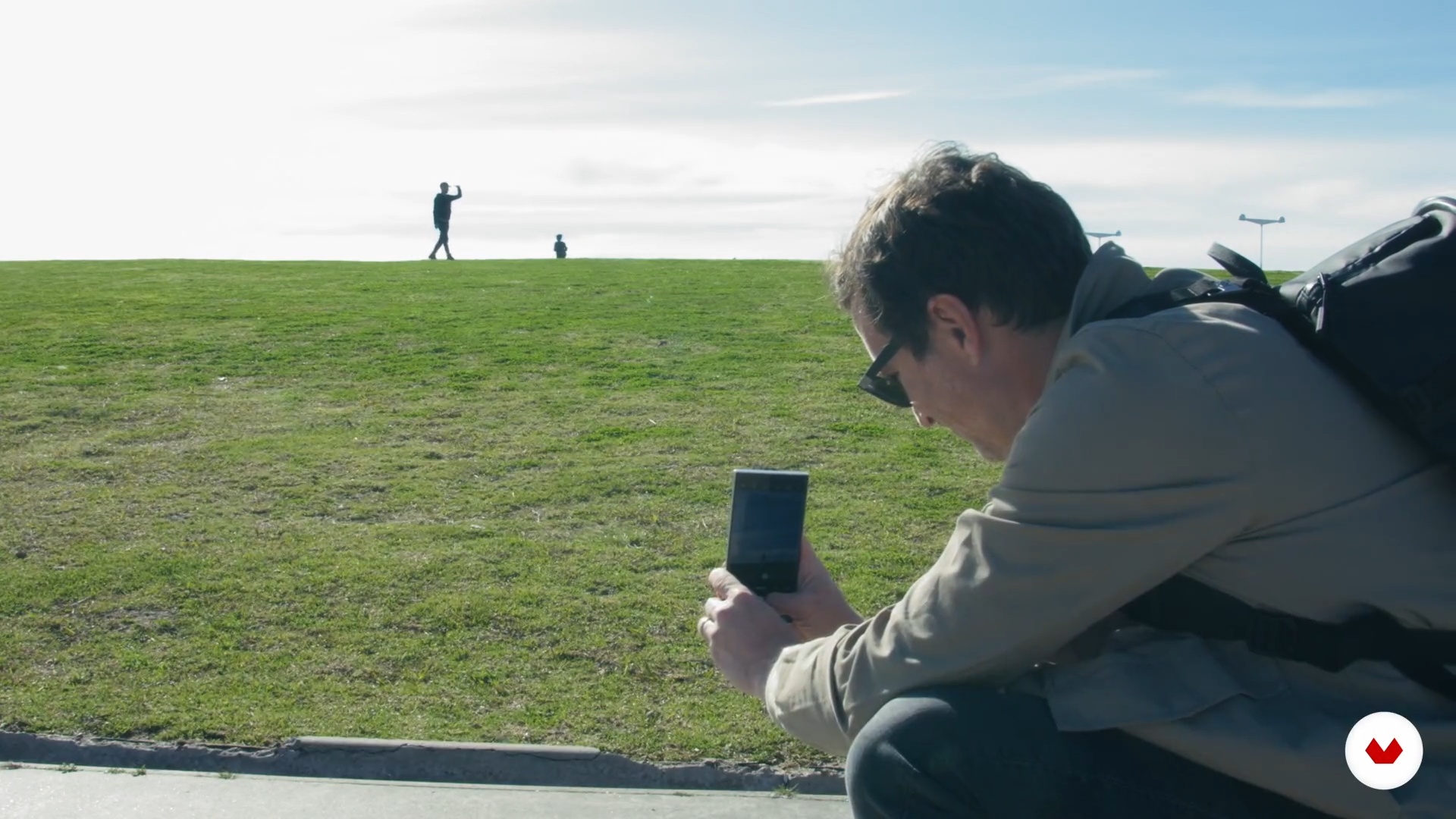
In this lesson, I will give you some recommendations before going out. I will review the equipment with which I will take the photos and I will worry about taking what is necessary to be able to spend a good time taking pictures. Then, I will analyze different ways of observing to be able to identify the singularities. Remember that singularities are different for each person. The photos will be yours, not copies.
1m
image
9
Shooting
Now is the time to go out and get down to work! I'll start my photography tour and show you how to put what you've learned in the previous units into practice.
5m
image
10
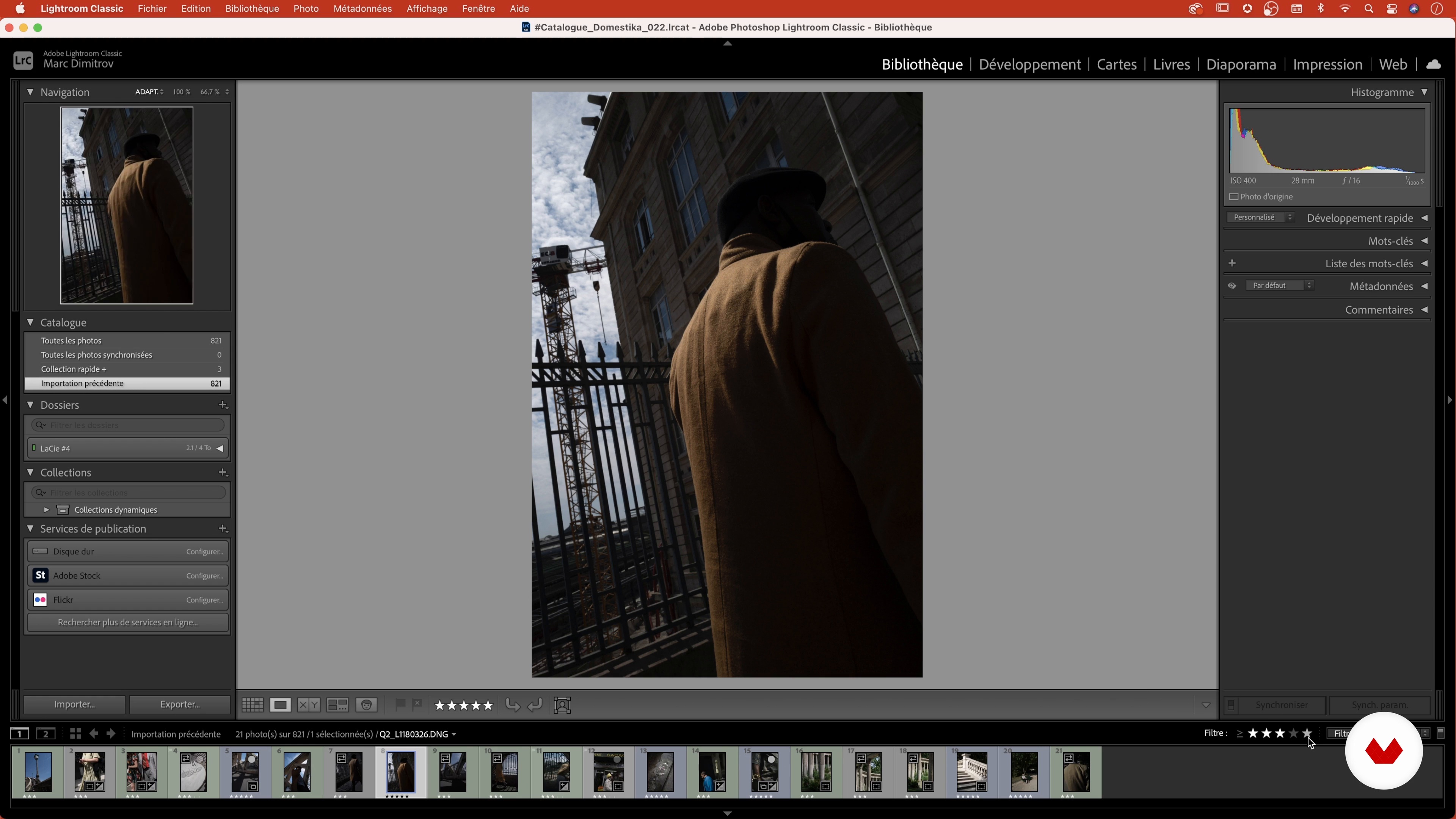
Selection and organization of photographs
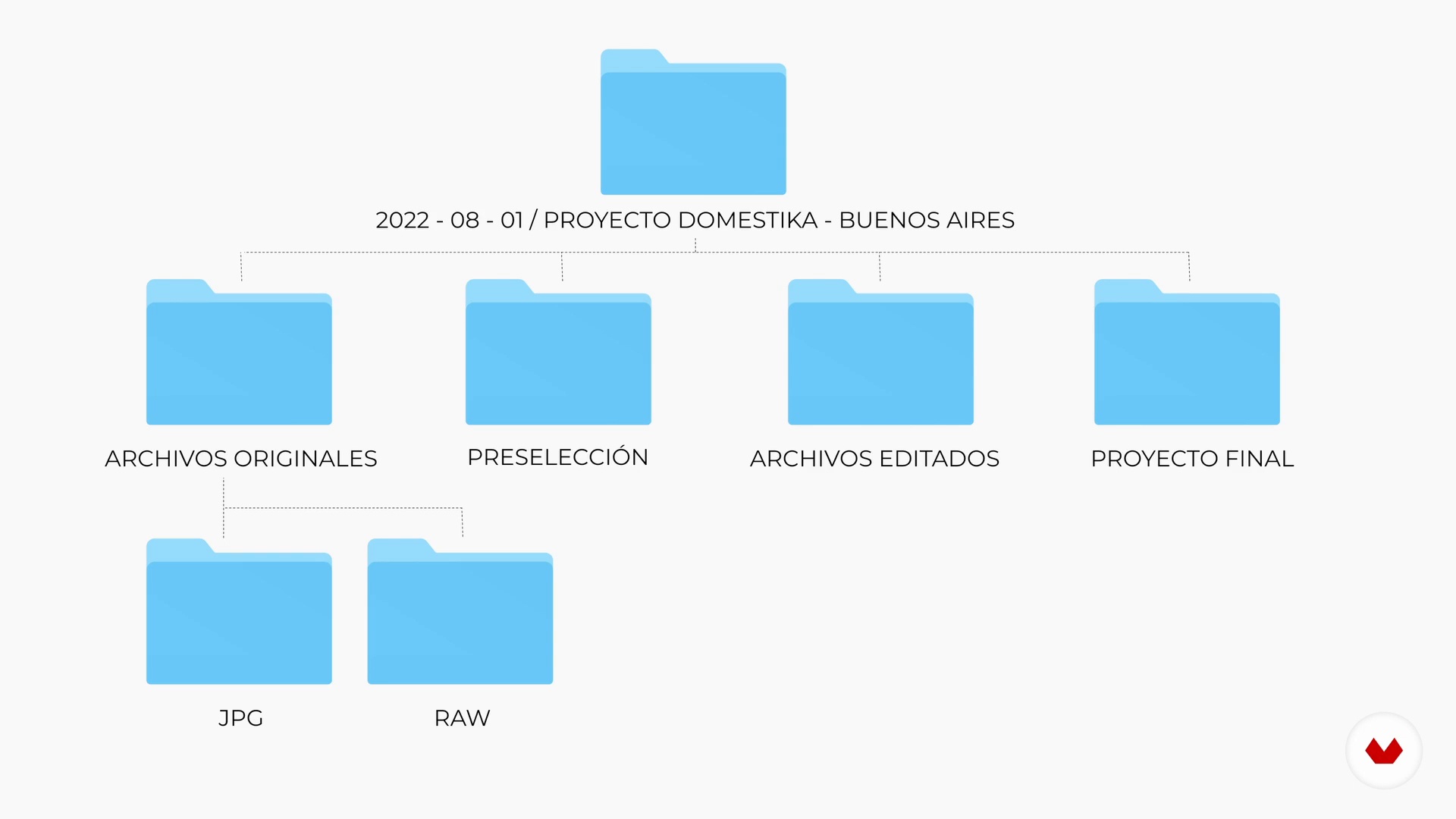
Today we accumulate a lot of information, especially photographs. In this lesson, I'll suggest an order so you never lose your original and edited files.
3m
image
11
Edition 1
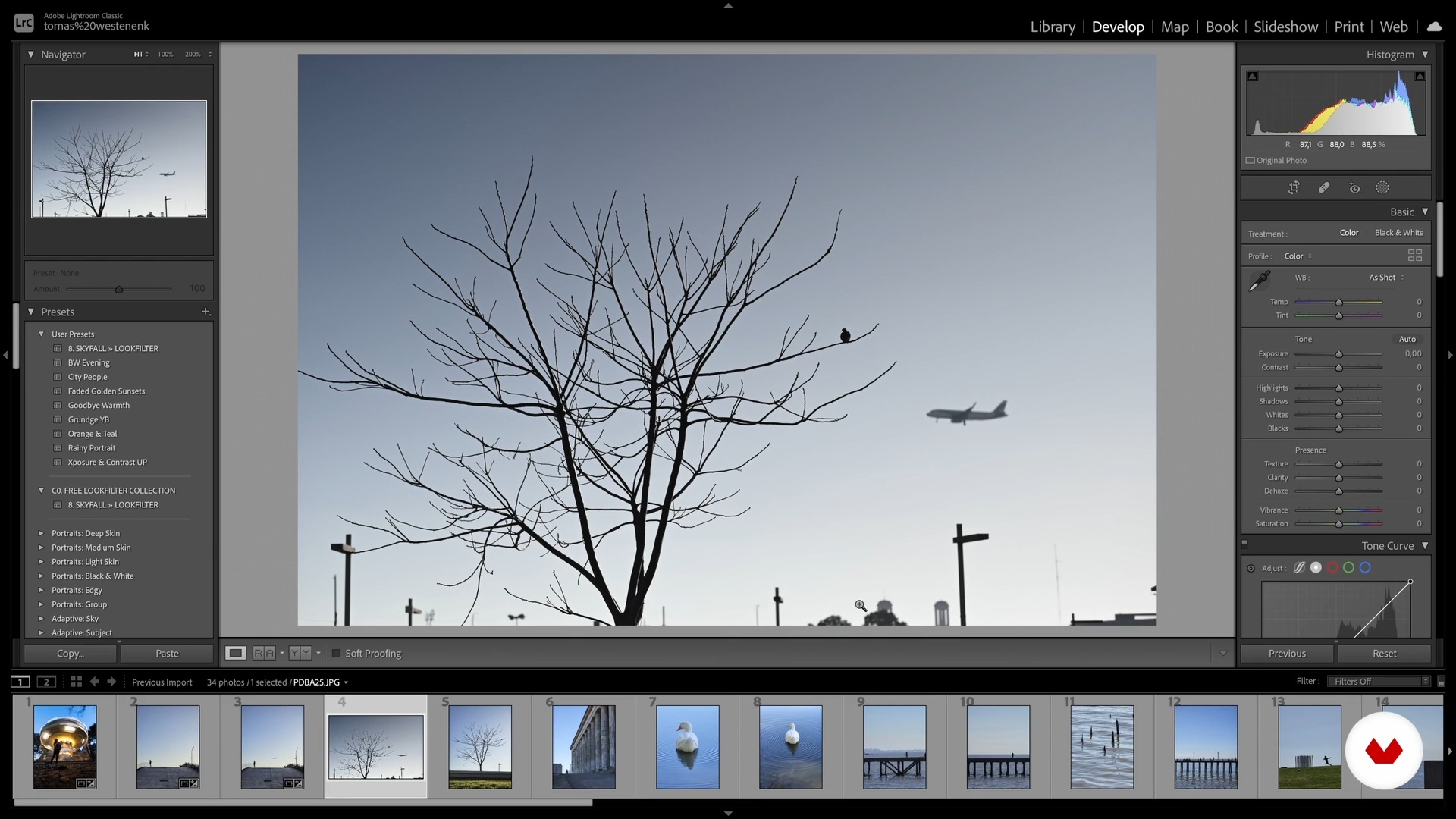
Now I will show you the photographs that I took in the field and the selected material. Then I'll move on to editing, where I'll handle some essential variables that can be found in virtually any editing application or program. Then I'll show you how these adjustments affect the image and how they can help you give it personality. Finally, I will analyze the photographs in relation to the decision making at the time of taking them and how they were composed.
14m
image
12
Edition 2
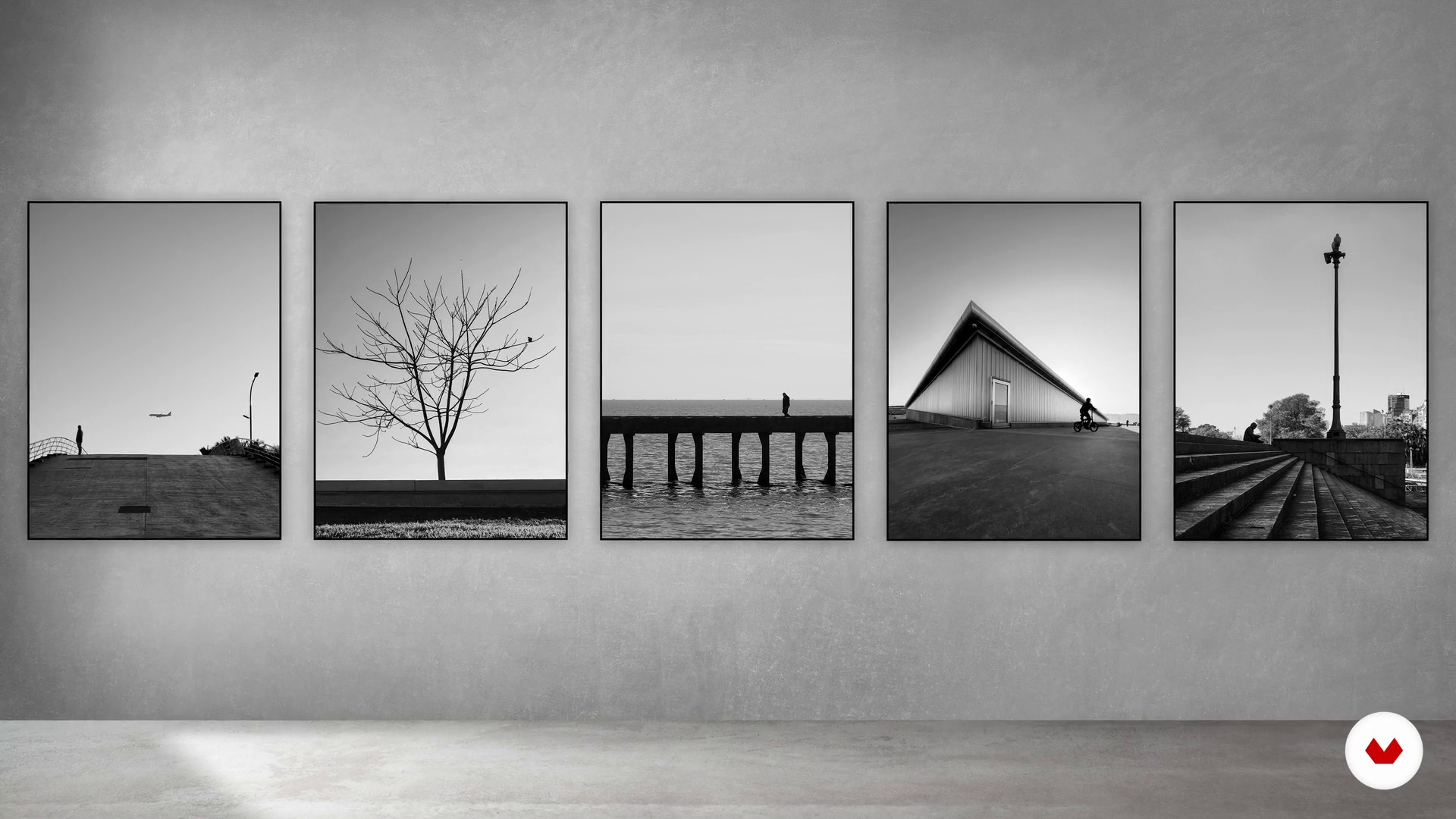
I have taken many photos and sometimes choosing just a few can be a difficult task. For this reason, I will continue to show you my selection process and the editing adjustments I make on my chosen photos. At the end of editing, I will make the final selection of the five photographs for the course project.
15m
image
13
Tips for sharing on networks
It's time to share your art with the world! In this lesson, I'll give you some tips to consider when sharing your content on social media. The idea is that you can reach the right audience and be able to interact with your followers.
1m
  • 10 students
  • 62 lessons (8h 21m)
  • 92 additional resources (30 files)
  • Online and at your own pace
  • Audio: English, German, Spanish, Italian, Portuguese
  • English · Spanish · Portuguese · German · Italian · French
  • Level: Beginner
  • Unlimited access forever

What is this course's project?

Create a complete urban photography portfolio showcasing technical mastery, narrative ability, and personal visual language. Capture urban exploration, spontaneous street moments, coherent narratives, advanced night scenes, and social media-ready projects, reflecting your unique city vision.

Who is this specialization for?

Aspiring urban photographers eager to explore city life, capture spontaneous moments, and develop a unique visual narrative will benefit from this course. Suitable for those wanting to refine their skills across diverse urban environments and create impactful visual stories.

Requirements and materials

No extensive prior knowledge is needed, just an eagerness to explore urban photography. Basic necessities include a camera or smartphone, and possibly image editing software. Comfortable walking shoes are recommended for city exploration, offering comfort during photo sessions.

Select to get to know your teachers in this specialization course
Read more ↓

What to expect from this specialization course

  • Learn at your own pace

    Enjoy learning from home without a set schedule and with an easy-to-follow method. You set your own pace.

  • Learn from the best professionals

    Learn valuable methods and techniques explained by top experts in the creative sector.

  • Meet expert teachers

    Each expert teaches what they do best, with clear guidelines, true passion, and professional insight in every lesson.

  • Certificates
    Plus

    If you're a Plus member, get a custom certificate for every specialization course. Share it on your portfolio, social media, or wherever you like.

  • Get front-row seats

    Videos of the highest quality, so you don't miss a single detail. With unlimited access, you can watch them as many times as you need to perfect your technique.

  • Share knowledge and ideas

    Ask questions, request feedback, or offer solutions. Share your learning experience with other students in the community who are as passionate about creativity as you are.

  • Connect with a global creative community

    The community is home to millions of people from around the world who are curious and passionate about exploring and expressing their creativity.

  • Watch professionally produced courses

    Domestika curates its teacher roster and produces every course in-house to ensure a high-quality online learning experience.


FAQs

Domestika courses are online classes that allow you to learn new skills and create incredible projects. All our courses include the opportunity to share your work with other students and/or teachers, creating an active learning community. We offer different formats:
Original Courses: Complete classes that combine videos, texts, and educational materials to complete a specific project from start to finish.
Basics Courses: Specialized training where you master specific software tools step by step.
Specialization Courses: Learning paths with various expert teachers on the same topic, perfect for becoming a specialist by learning from different approaches.
Guided Courses: Practical experiences ideal for directly acquiring specific skills.
Intensive Courses (Deep Dives): New creative processes based on artificial intelligence tools in an accessible format for in-depth and dynamic understanding.

All specialization courses are 100% online, so once they're published, specialization courses start and finish whenever you want. You set the pace of the class. You can go back to review what interests you most and skip what you already know, ask questions, answer questions, share your projects, and more.

The specialization courses are divided into different modules. Each one includes lessons, informational text, tasks, and practice exercises to help you carry out your project step by step, with additional complementary resources and downloads. You'll also have access to an exclusive forum where you can interact with other students, as well as share your work and your final project, creating a community around the specialization courses.

You can redeem the specialization courses you received by accessing the redeeming page and entering your gift code.

If you're a Plus member, when you complete a course you've purchased, you'll instantly get your personalized certificate. You can see all your certificates in the Certificates section of your profile. You can download your certificates as PDFs and share the link online. Learn more about certificates.
Specialization in Urban Photography. Photography, and Video course by Domestika

Specialization in Urban Photography

A specialization by multiple teachers
Berkeley, United States.
Joined April 2002
  • 10 students