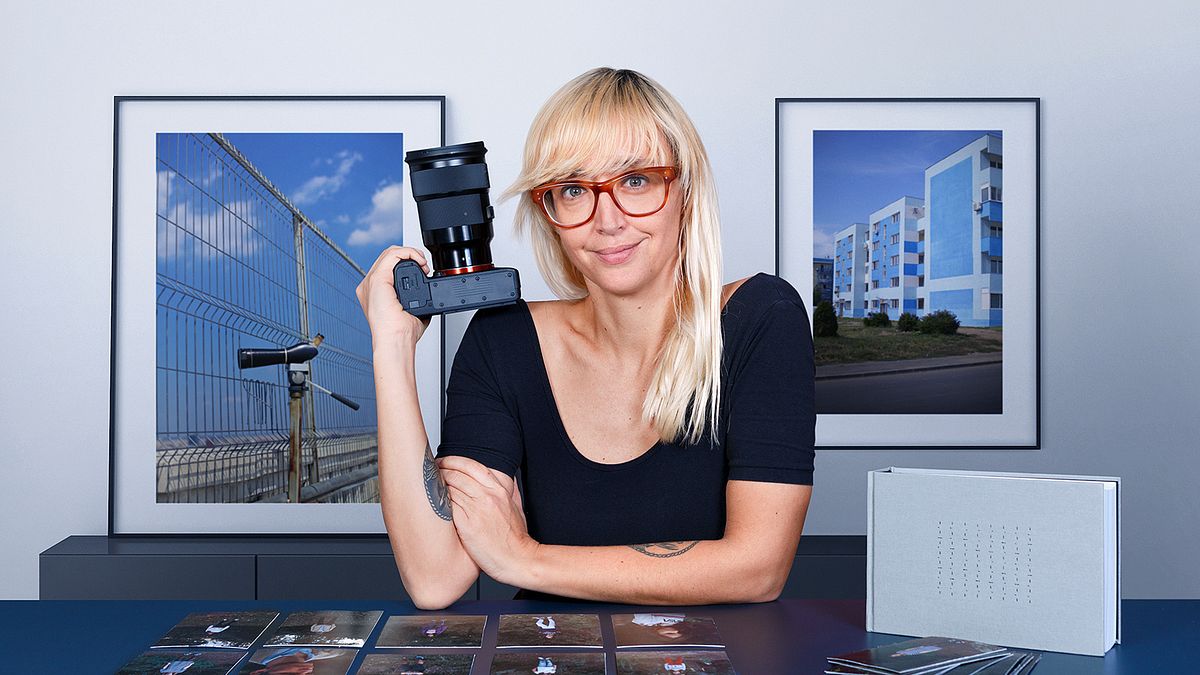
Photographic Project Creation
A course by Tanit PlanaPhotographer
A course by Tanit Plana, Photographer

Learn to narrate a story through powerful images in a creative and structured way
Telling a story through a series of photos has the power to change the perspective of both the photographer and the viewer, prompting them to further explore their thoughts on a subject. This is what motivates photographer Tanit Plana to keep venturing into a variety of themes and emotions through photography. Whether it be exhibiting in Spain’s most prominent contemporary museums, or working with advertising agencies such as Ogilvy, Tanit never stops exploring new ways to interpret the world around her.
In this course, Tanit invites you to explore a topic that you are passionate about, teaching you how to research and plan for your photographic series, as well as showing you her personal editing style to reinforce the message you want to convey.
What will you learn in this online course?
14 lessons & 16 downloads
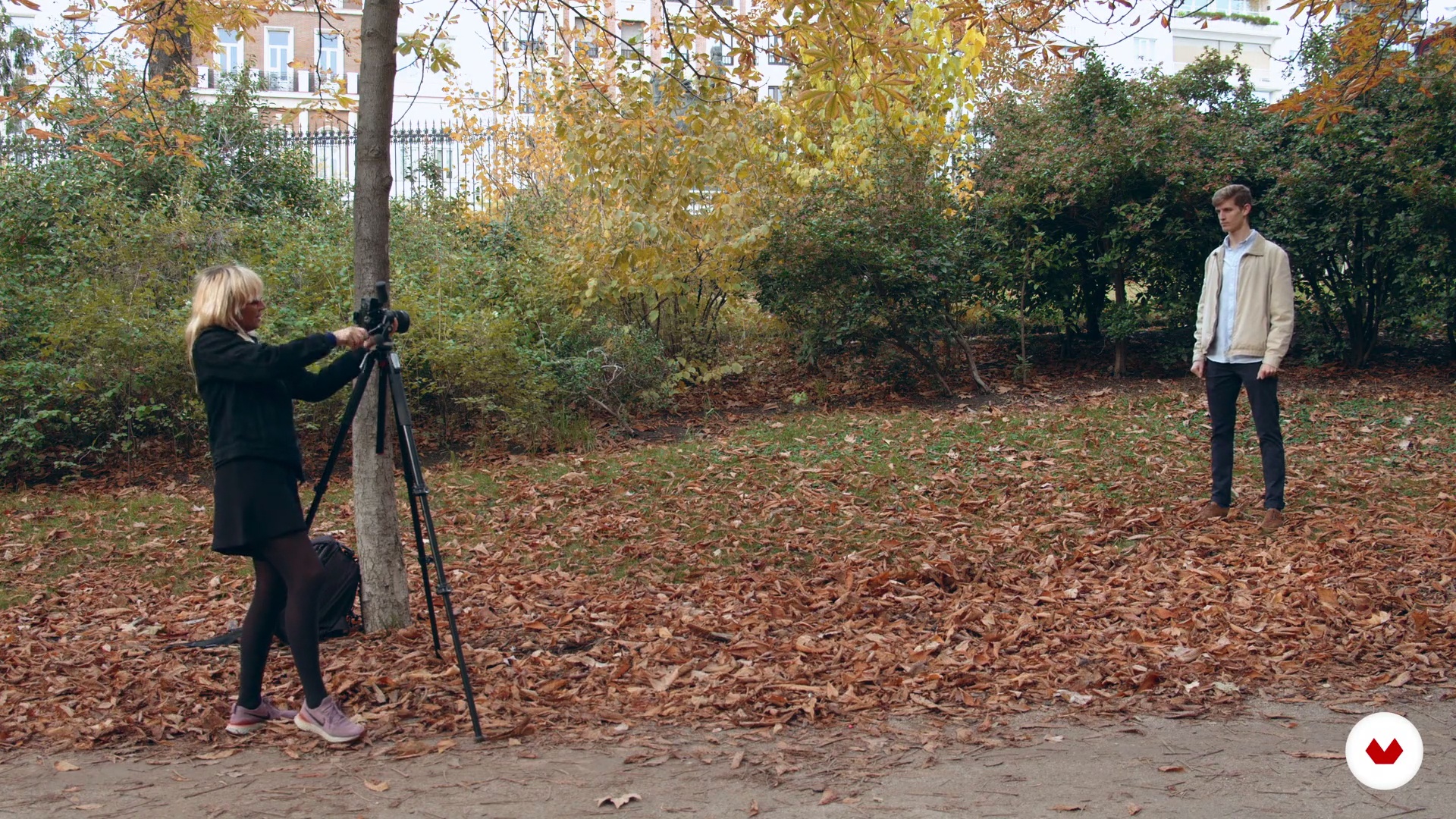
What will we do in the course?
3 minutes, 53 seconds
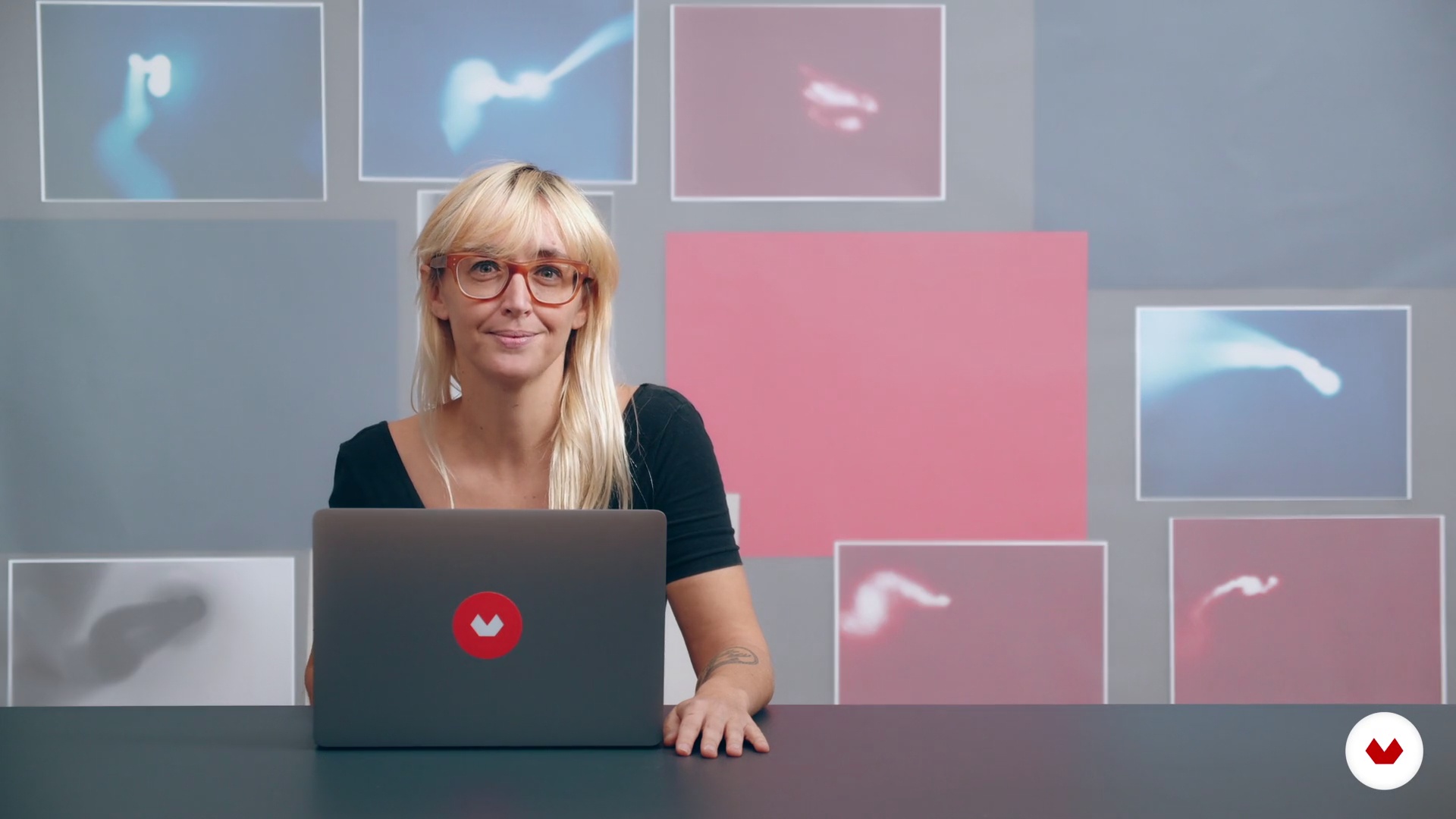
Artistic research: gathering materials
13 minutes, 37 seconds
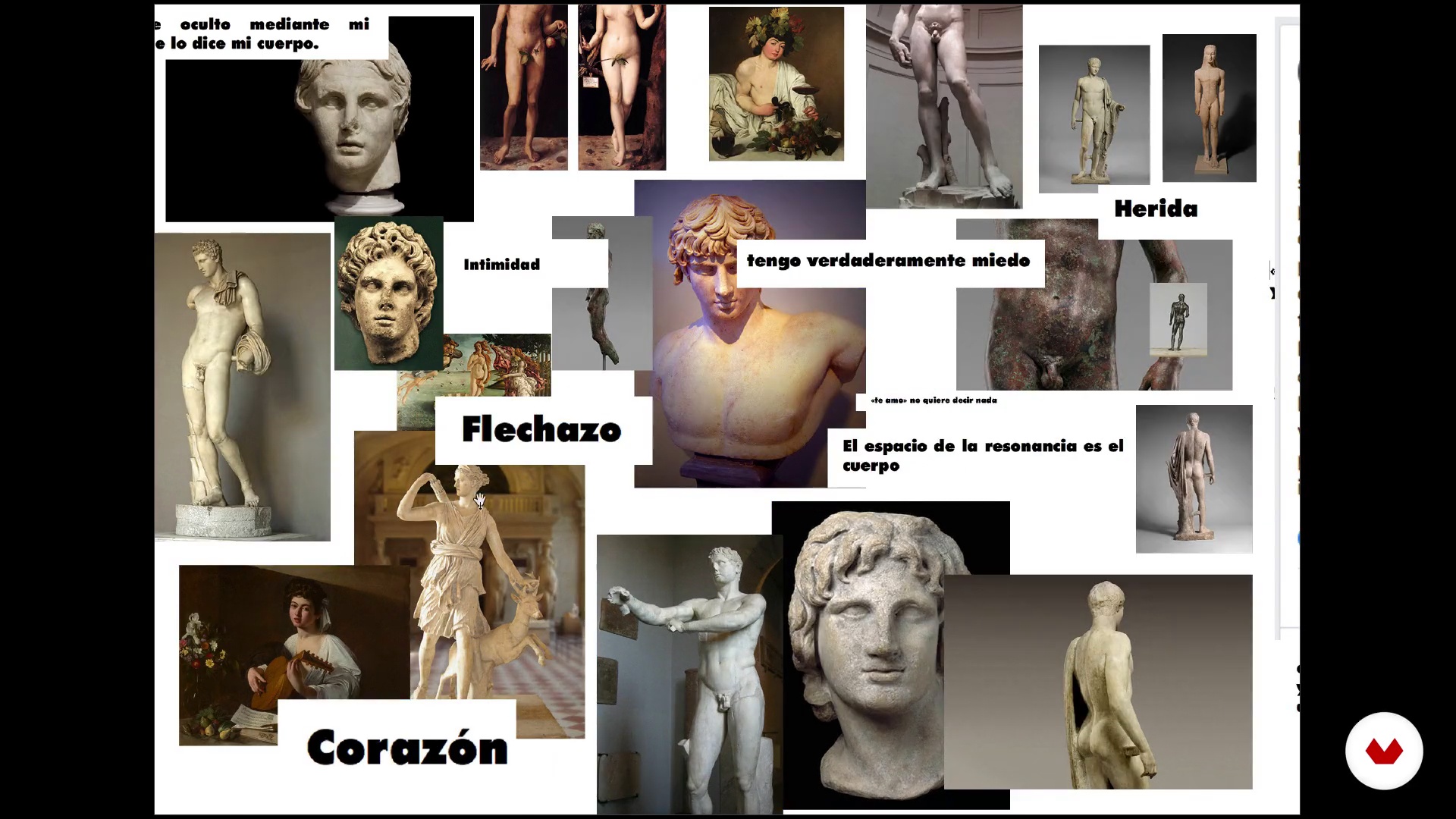
Map creation for work
7 minutes, 28 seconds
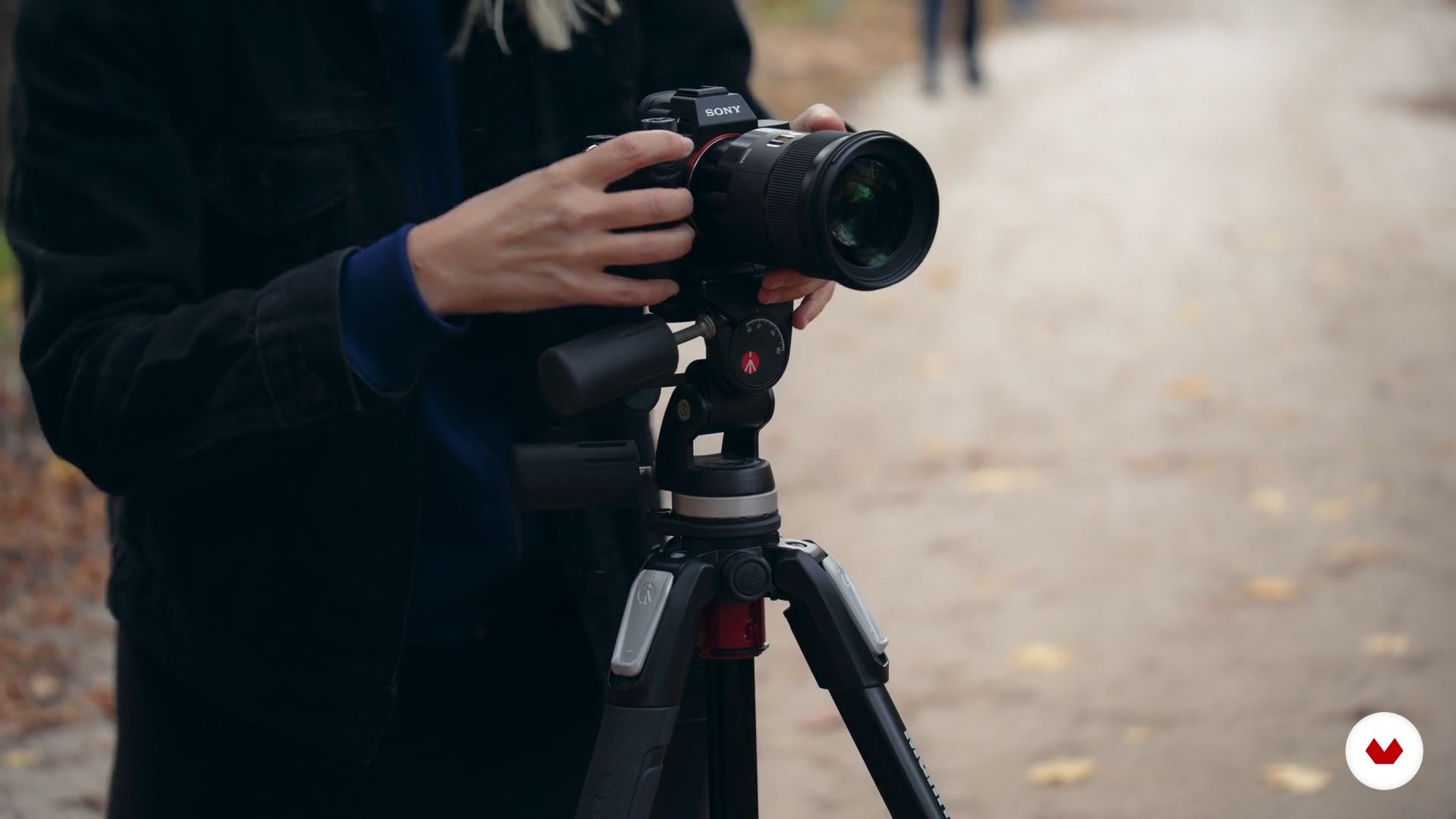
Photographic materials
4 minutes, 16 seconds
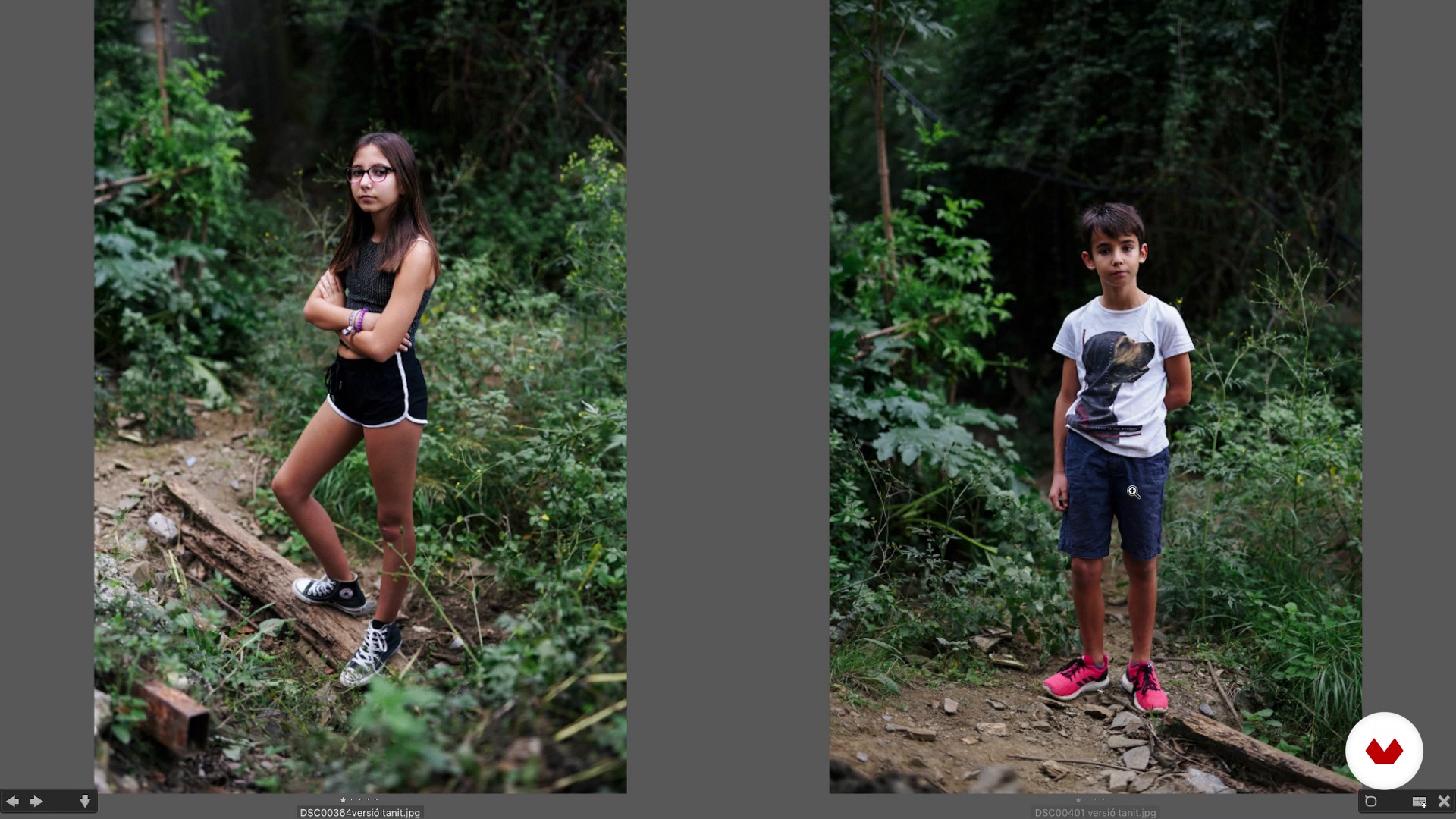
Camera test
12 minutes, 31 seconds
Casting
13 minutes, 58 seconds
What's included in this course?
Tanit begins the course by telling you how she got into professional photography, she will show you some of her latest projects, as well as share some artists that have influenced her in building her professional eye.
Start your project by doing your own artistic investigation, to analyze what story you want to tell through your photographic series. Tanit prompts you to approach your theme fearlessly, encouraging you to simply investigate what you want to say about the subject and follow through with it.
Create a roadmap for your project using the inspirational content you collect to give you more direction and knowledge on your chosen theme. See the difference between the types of lenses and other photographic materials you need, and go through the type of frames and compositions you can use for your shoot.
Move onto the production phase of your session, cast your models—which Tanit describes as your catalysts—capable of expressing the emotions you want to capture. Then, get familiar with your chosen location, analyzing the light and shadows, the equipment, and the camera settings you will need to carry out your photoshoot.
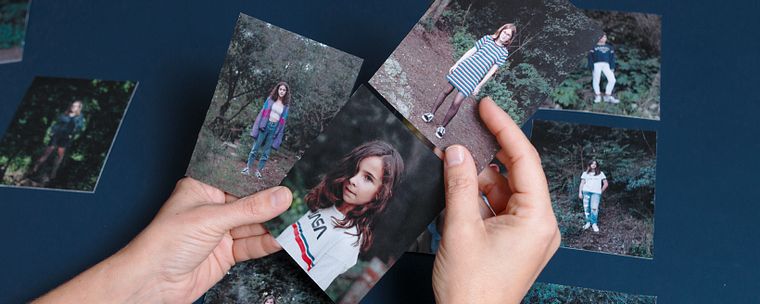
In the last unit, Tanit teaches you how she edits her pictures, to give the finishing touches that make your work pop and convey your message clearly. Give rhythm to your photographic sequence, by understanding how to choose between the images that you love.
Finally, see the different ways you can publish your work online and share your artistic vision with the rest of the world!
What is this course's project?
Create a photographic series.
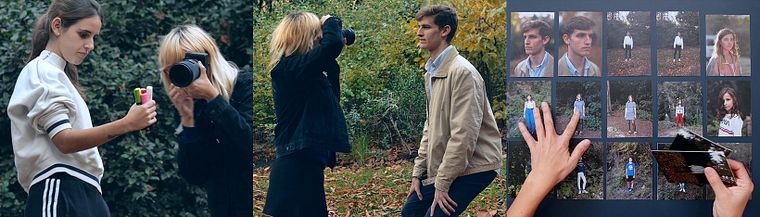
Projects by course students


Who is this online course for?
This course is for those who already know how to use a camera and want to carry out a personal project.
Requirements and materials
You will need previous experience in using a camera.
As for materials, you will need a camera, a reflector or diffuser, and a tripod.
Reviews
- 8 months ago
Contenido decepcionante, como en tantos otros cursos que se ofrecen aquí, destinados a un público poco exigente y naif. Ya se adivina el nivel en el video de introducción, cuando la fotógrafa que cree en el poder transformador de la fotografía instruye sobre el equipo necesario para nuestro proyecto: cámara réflex, trípode y Photoshop. Como si no hubiera otro software ni muchos otros tipos de cámaras adecuados para un shooting guachi.
- 1 year ago
La verdad que mis expectativas fueron mayores de lo que siento que recibí, esperaba más…
- 2 years ago
¡Muy buen curso!
- 2 years ago
This course gives a great overview on how the photographic process works (artistic) research, , preproduction, production, postproduction and presentation.
But because of the subject matter (in this course: very similar portraits), this is more a course on learning how to shoot consistently, and less about how to create a body of work based on a specific theme.
- 3 years ago
I’m super excited!

She has received grants to fund her photography projects by Fundació La Caixa, Fundación BBVA, Fotopres’01, among others, and obtained an honorary mention for best photography book at the PHotoespaña festival in 2006.
Content
- U1
Introduction
- Presentation
- Influences
- What will we do in the course?
- U2
Hello photography!
- Artistic research: gathering materials
- Map creation for work
- Photographic materials
- Camera test
- U3
To photograph!
- Casting
- Location
- The portrait
- The still life
- U4
The final stretch or how to bring the project to life: editing and publishing
- Selection of images
- Photo development!
- We publish
- FP
Final project
- x Photography for children
What to expect from a Domestika course
Learn at your own pace
Enjoy learning from home without a set schedule and with an easy-to-follow method. You set your own pace.
Learn from the best professionals
Learn valuable methods and techniques explained by top experts in the creative sector.
Meet expert teachers
Each expert teaches what they do best, with clear guidelines, true passion, and professional insight in every lesson.
Certificates
PLUSIf you're a Plus member, get a custom certificate signed by your teacher for every course. Share it on your portfolio, social media, or wherever you like.
Get front-row seats
Videos of the highest quality, so you don't miss a single detail. With unlimited access, you can watch them as many times as you need to perfect your technique.
Share knowledge and ideas
Ask questions, request feedback, or offer solutions. Share your learning experience with other students in the community who are as passionate about creativity as you are.
Connect with a global creative community
The community is home to millions of people from around the world who are curious and passionate about exploring and expressing their creativity.
Watch professionally produced courses
Domestika curates its teacher roster and produces every course in-house to ensure a high-quality online learning experience.
FAQs
Author photography is a personal and reflective approach where the photographer creates projects based on their unique vision, interests, and experiences, setting it apart from more commercial or documentary styles through its conceptual depth and original storytelling.
Yes, the course is designed for those with some photography background who want to dive deeper into creative processes, develop personal projects, and explore new artistic methods and perspectives.
Professional gear isn’t required, but it’s recommended to have at least a digital camera, interchangeable lenses, and access to a computer for editing and organizing your work.
You’ll learn how to conceptualize, research, plan, and produce an author photography project—from the initial idea to final editing—blending narrative, aesthetics, and technique to achieve visual coherence and depth.
Yes, the course includes hands-on practice and analysis of editorial portrait photography, architectural photography, and interior reportage, linking them to personal creative processes and visual storytelling.
The course guides you in turning your life experiences and biography into original photographic proposals, exploring personal narrative and choosing themes that matter to you.
You’ll learn to use soft lighting, depth of field, framing, reflectors, and flash, as well as how to select locations and natural backgrounds to enhance expressiveness and visual storytelling.