Conceptual Portrait Photography
A course by Veronica CernaPhotographer
A course by Veronica Cerna, Photographer

Explore your imagination and delve into lighting and post-production techniques to create conceptual photos
Portrait photography can be equally revealing both for the photographer and for the model. Lighting patterns, model direction, and postproduction are all conscious decisions that create an atmosphere and give clues about who the person behind the camera is, and what they want to communicate with their photos.
In this course, you’ll learn how to approach a conceptual portrait photography session, going through every phase of the process with Verónica Cerna, a Peruvian-born photographer who’s been recognized by the International Photography Awards, and The Photo Phore, and has been published in magazines, such as Musée Magazine, Shots Magazine, better Photography, and Revista Pecado.
This course will walk you through every part of the process. You’ll learn to start with an idea, and then how to use Verónicas favorite lighting patterns, and finally how to edit images as if they were paintings in Adobe Photoshop.
What will you learn in this online course?
13 lessons & 7 downloads
What will we do in the course?
1 minute, 6 seconds
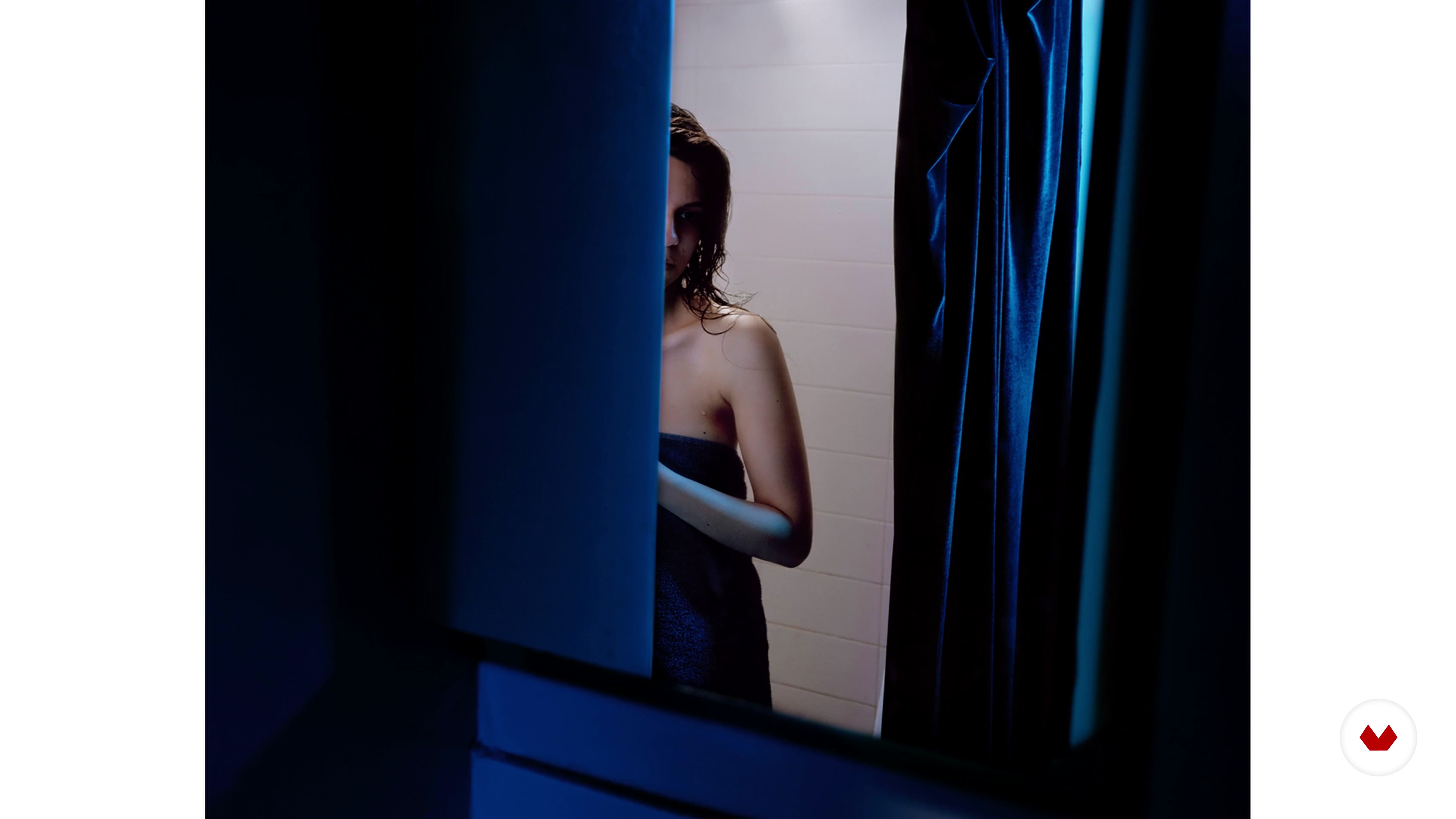
Starting from the concept
8 minutes, 10 seconds
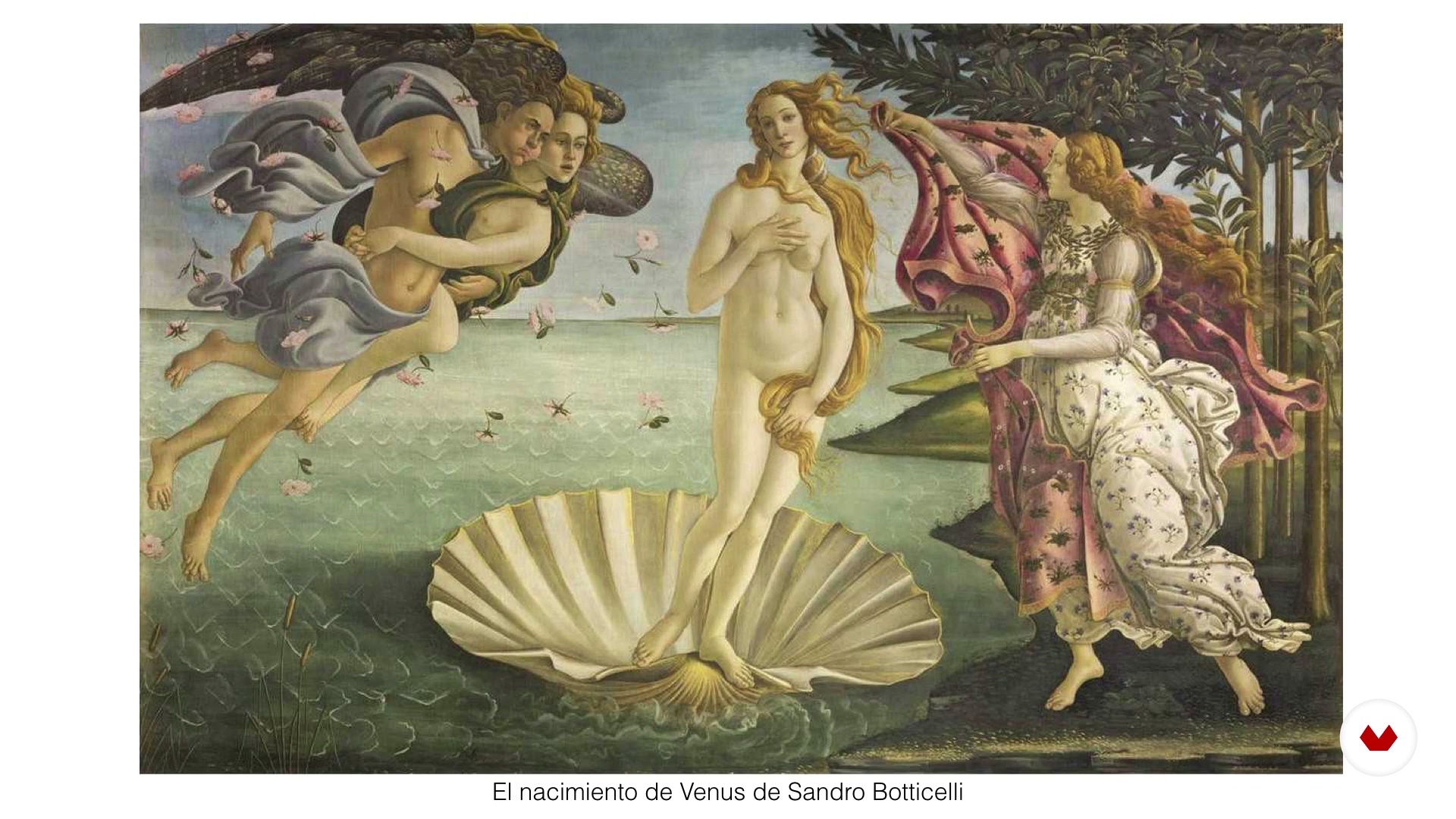
The representation of the body
5 minutes, 8 seconds
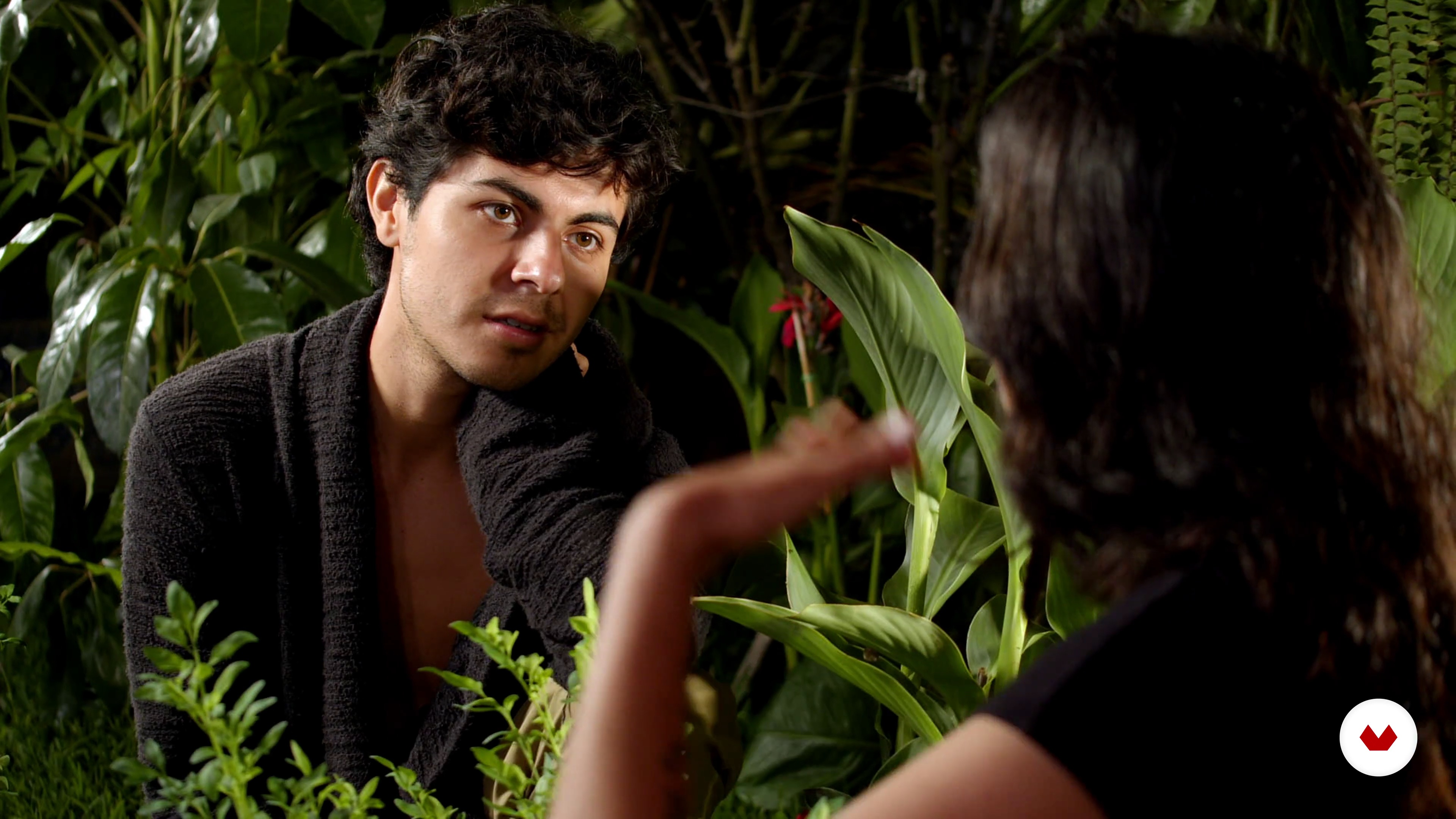
The portrayed is a mirror
3 minutes, 59 seconds
Materials and equipment
3 minutes, 19 seconds
The narrative of space
4 minutes, 36 seconds
What's included in this course?
You will get to know the way in which Verónica Cerna perceives photography, as well as the artists who most influenced her in her profession. Then, she will explain what she will be teaching you during the course and everything you need to consider to create a perfect final project.
You’ll start with the preproduction of your portrait session: from the inspiration to the location and materials you need. You will discover Verónica's creative process behind every concept and then you will seek inspiration from artists who work with the body as their main element, to understand the expressiveness of light and body language.
You’ll learn how to generate a link with the model, how to direct them and connect with the people you portray so that you can understand each other and achieve truly intimate images.
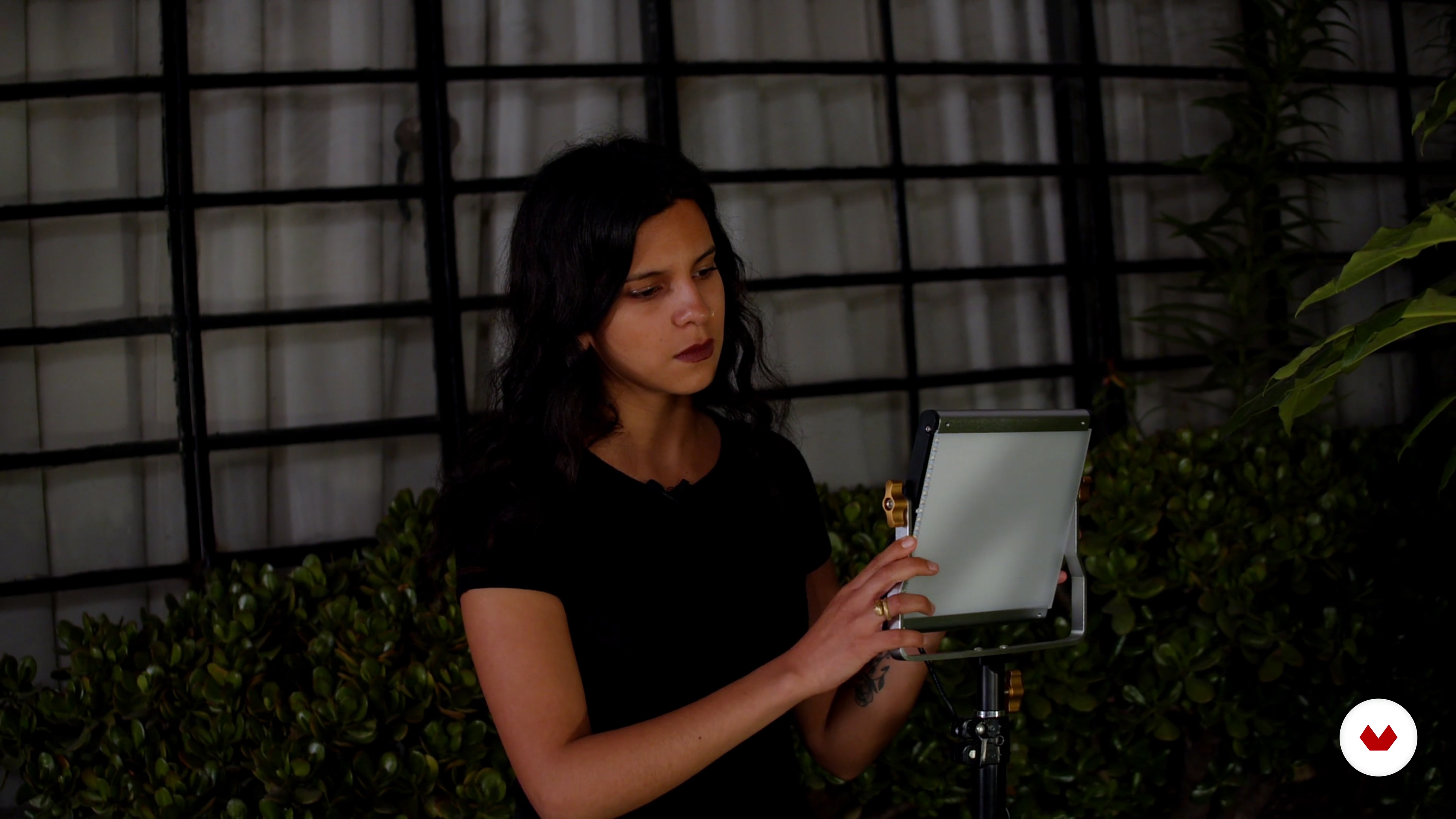
You will see what equipment and materials you will need to complete your final project, including those used by Verónica and others that you can also use.
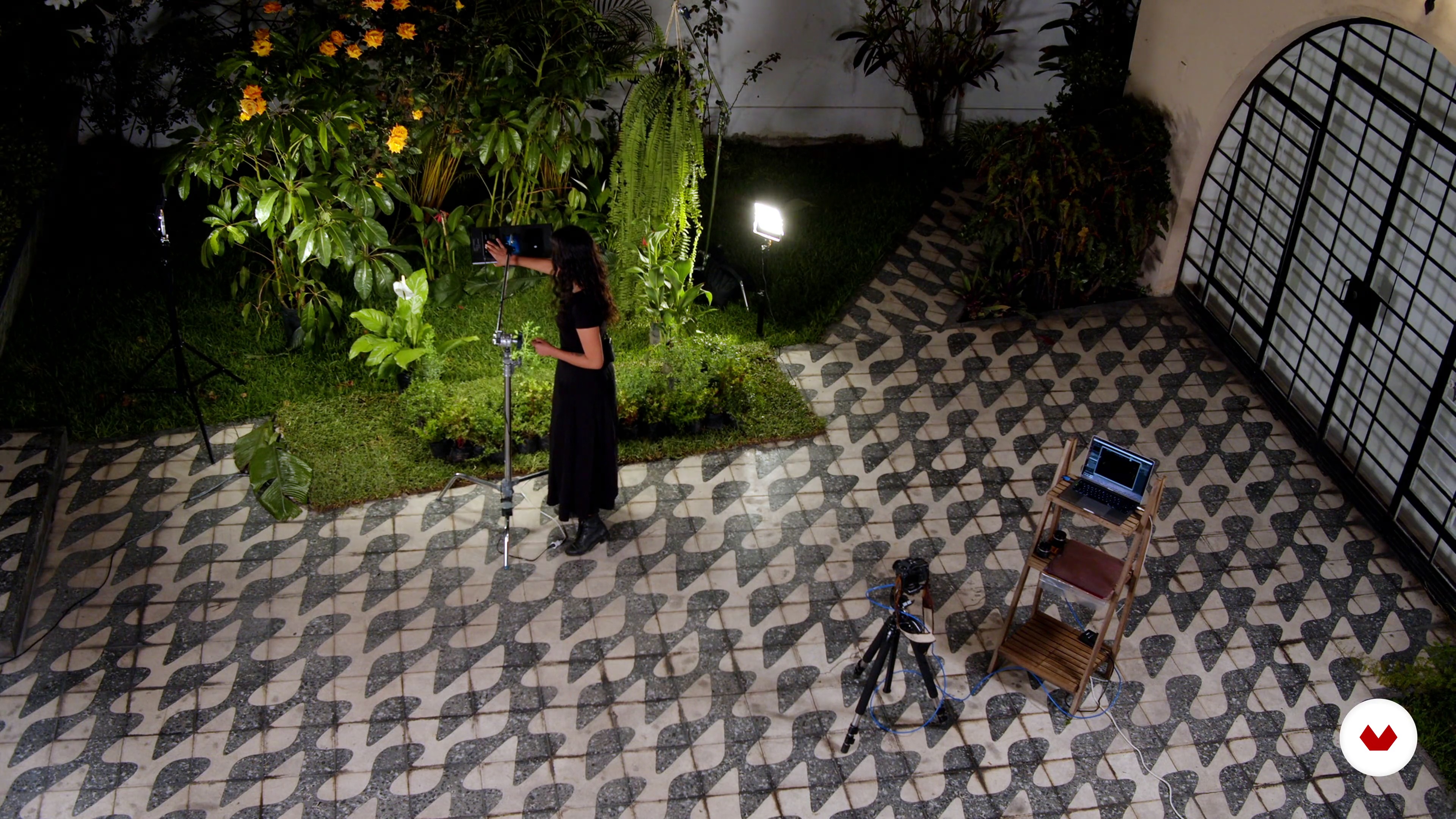
You’ll understand why the location is a very important element for your photography, and how you can develop the narrative of a space, taking into account the color, intensity, and direction of light. Next, you will learn how to use two light patterns that are widely used in portraits: Rembrandt and Butterfly.
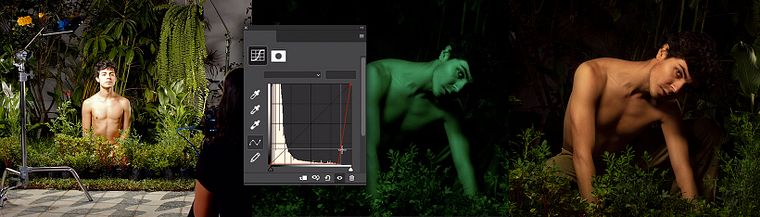
Once the session is finished, you will go through the postproduction process. You will select the best photography in Adobe Photoshop Lightroom using Veronica's advice. Then, you will learn how to edit the selected photo to highlight certain elements through the use of lights and shadows, and lastly, you’ll perfect the direction of light and textures with curves and masks in Adobe Photoshop.
Finally, you will learn how to make basic color corrections and add certain nuances to reinforce the environment and the narrative that you have created for the portrait.
Recommended software & tools for this course
What is this course's project?
You’ll make a portrait photo session and then select a photo that you will work in postproduction, using Verónica Cerna’s creative process.
Projects by course students


Who is this online course for?
Amateur photographers who wish to experiment with conceptual photography.
Requirements and materials
You’ll only need basic photography skills, like knowing how the aperture, shutter speed, and ISO work.
Regarding materials, you’ll need a camera, a 50 mm lens, three LED lights, and a computer with Adobe Photoshop and Lightroom.

Reviews
- 4 years ago
Interessante
- 4 years ago
good
- 4 years ago
Me encantó el curso <3
- 5 years ago
Wspaniały kurs mnóstwo cennych wskazówek i inspiracji , bardzo mocno polecam !!!!!
- 5 years ago
Un corso molto affascinante, e affascinante è il modo in cui l'insegnante spiega il ritratto fotografico concettuale. Ricco di nozioni e punti di vista che migliorano lo standard a cui ognuno può essere abituato. Vivamente consigliato per chi vuole progerdire nel mondo della fotografia.

In 2013, she co-founded BAF, a photographic and audiovisual studio dedicated to the creation of conceptual projects.
Her work has been recognized at the International Photography Awards, The Photo Phore, and published in magazines such as Musée Magazine, Shots Magazine, Better Photography, and Pecado Magazine.
She currently resides and works between Lima and New York.
Content
- U1
Introduction
- Presentation
- Influences
- What will we do in the course?
- U2
Think about the body and the concept
- Starting from the concept
- The representation of the body
- The portrayed is a mirror
- U3
Creating narrative through light
- Materials and equipment
- The narrative of space
- How to brighten the body
- Lighting schemes
- U4
Photoshop: digitally paint in postproduction
- Selection of photos in Lightroom
- Light curves
- Color curves
- FP
Final project
- Conceptual photo portrait
What to expect from a Domestika course
Learn at your own pace
Enjoy learning from home without a set schedule and with an easy-to-follow method. You set your own pace.
Learn from the best professionals
Learn valuable methods and techniques explained by top experts in the creative sector.
Meet expert teachers
Each expert teaches what they do best, with clear guidelines, true passion, and professional insight in every lesson.
Certificates
PLUSIf you're a Plus member, get a custom certificate signed by your teacher for every course. Share it on your portfolio, social media, or wherever you like.
Get front-row seats
Videos of the highest quality, so you don't miss a single detail. With unlimited access, you can watch them as many times as you need to perfect your technique.
Share knowledge and ideas
Ask questions, request feedback, or offer solutions. Share your learning experience with other students in the community who are as passionate about creativity as you are.
Connect with a global creative community
The community is home to millions of people from around the world who are curious and passionate about exploring and expressing their creativity.
Watch professionally produced courses
Domestika curates its teacher roster and produces every course in-house to ensure a high-quality online learning experience.
FAQs
You will learn how to conceptualize and create personal portraits and self-portraits, explore artistic lighting techniques, model direction, 35mm film photomontage, advanced editing in Photoshop and Lightroom, and develop a photographic project with your own unique style.
Yes, the course is aimed at people with basic photography knowledge who want to deepen their skills in creative and conceptual techniques for portrait and self-portrait, as well as experiment with lighting, directing, and editing.
Basic camera handling and editing skills are recommended, but the course is designed to guide you step-by-step through advanced and creative techniques, both technical and conceptual.
You will need a camera (analog or digital), preferably with manual controls, a 50mm lens, tripod, portable or continuous LED lights, and access to Lightroom and Photoshop for editing.
You will learn to create atmospheres using Rembrandt, butterfly, and side lighting setups to shape faces and bodies, adding volume, texture, and drama to your portraits.
Yes, the course includes strategies to relax, direct, and build empathy with models, whether familiar or strangers, enhancing expressiveness and authenticity in your portraits.
The self-portrait module guides you in using photography as a tool for self-discovery, exploring posing, lighting, and conceptual techniques to create personal and reflective images.