


Specialization

Editorial Design Specialization: Magazine Creation and Layout

Master editorial magazine design with advanced layout techniques and cohesive visual storytelling for impactful publications

Specialization · 6 modules

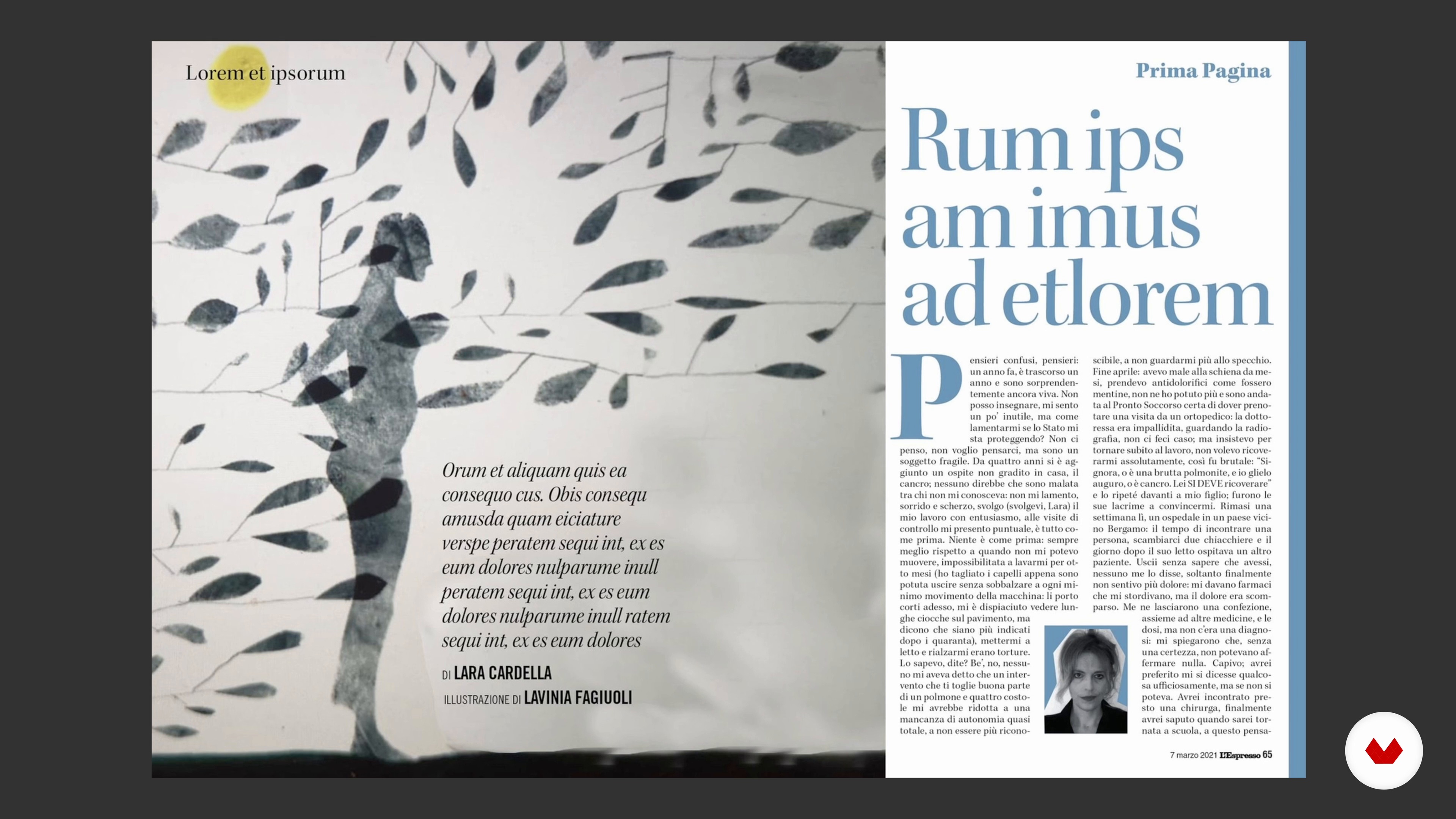
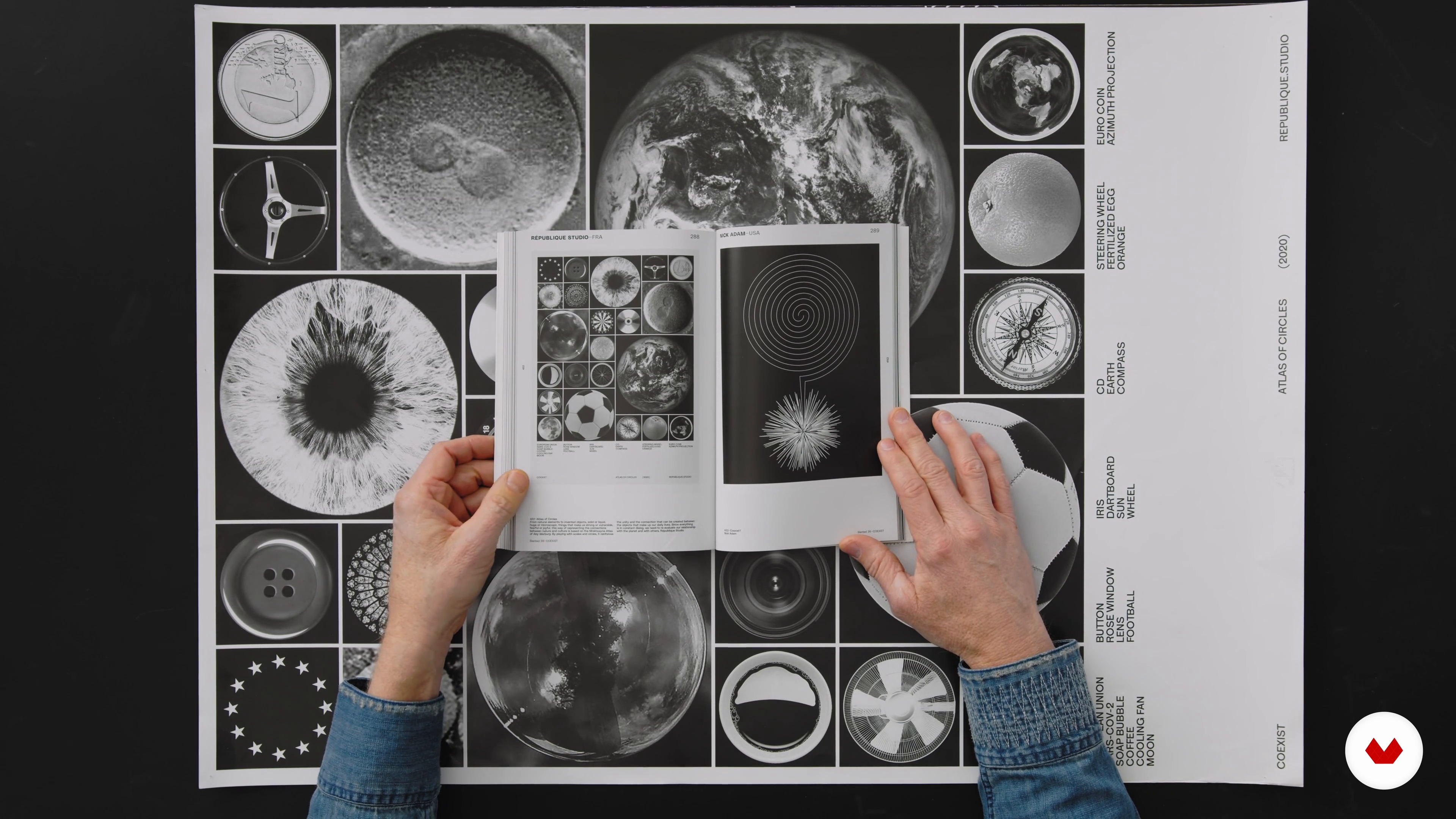
Embark on a creative journey into the world of editorial design, guided by the expertise of five seasoned professionals: Stephano Cipolla, Extract Studio, Lars Harmsen, Syndicat, and Diego Aresso. This specialization is crafted for graphic designers and creatives eager to master the art of magazine design. Start with foundational skills like grid systems and content hierarchy, then advance to dynamic composition and visual storytelling. Each step of the process will be enriched with insights from industry experts, ensuring you gain a comprehensive understanding of editorial design principles.

Discover the complete magazine creation process, from conceptualization to final production. Explore typographic systems and cover design strategies while learning to create cohesive, visually captivating editorial projects. Whether you're developing a professional magazine or an independent publication, this specialization equips you with the skills to transform ideas into impactful visual stories. Culminate your learning by creating a professional-level portfolio, showcasing your ability to work across various publication formats, ensuring your work stands out in the competitive world of editorial design.

Read more ↓

What will you learn in this specialization?
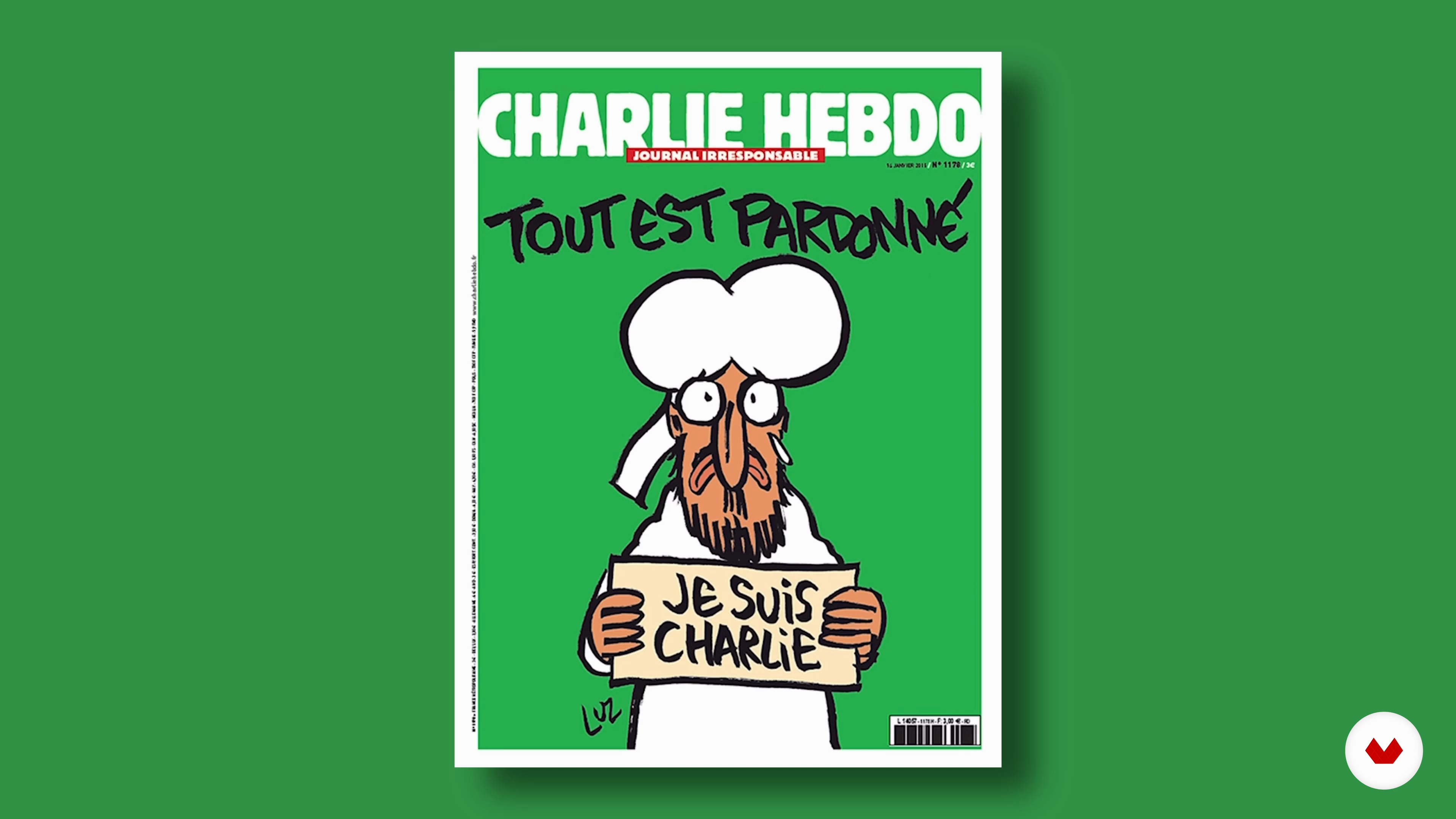
A total of 6 modules and 75 lessons
A total of 14h 12m of vídeo lessons
Taught by 5 selected expert teachers
image
1
Introduction
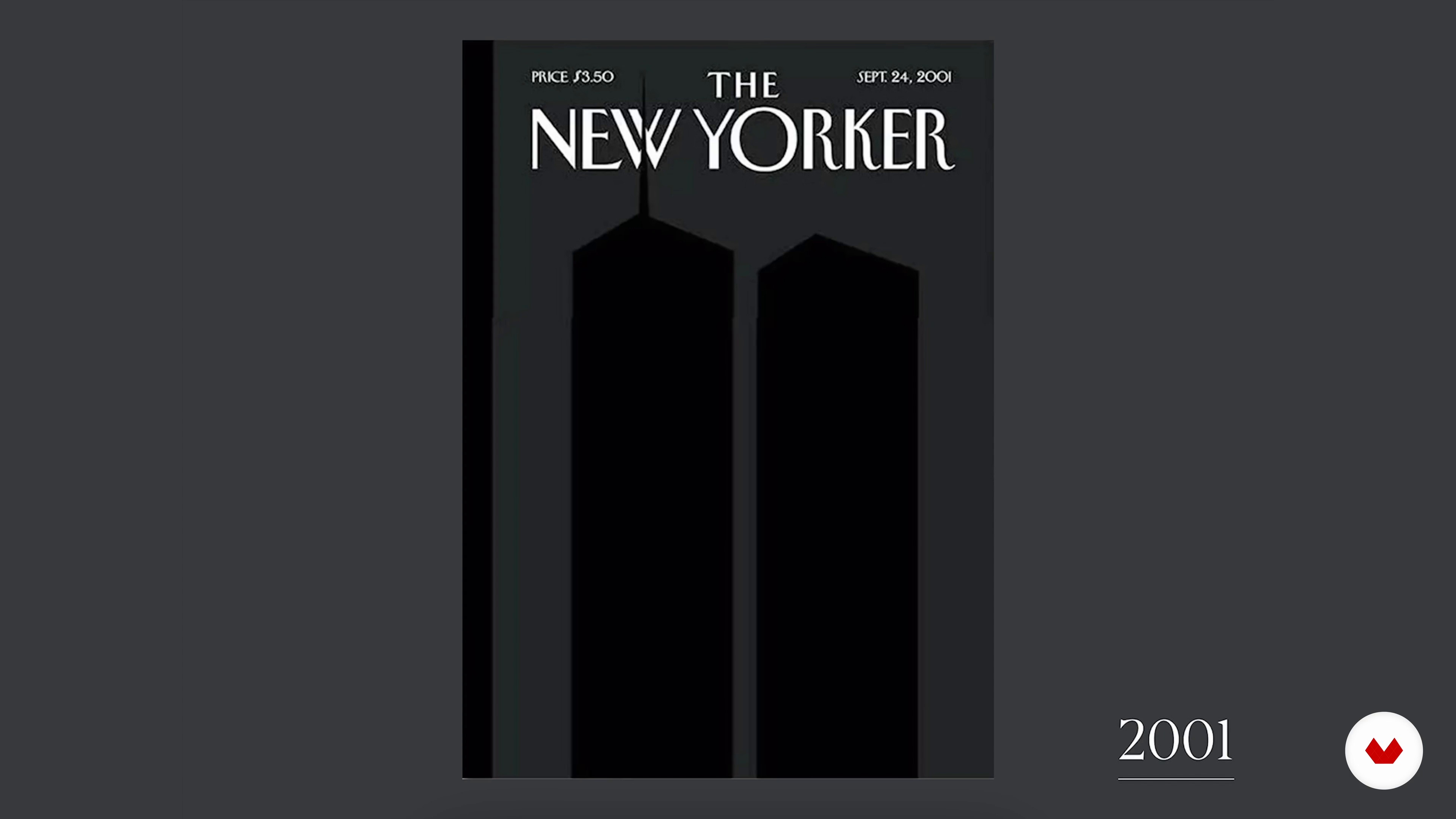
Editorial design is far more than an aesthetic concern—it's a powerful narrative tool that organizes content and guides reading with intention. In this lesson, you’ll delve into the history and evolution of magazines as influential visual media, from iconic print publications like Vogue and The New Yorker to the digital platforms that now shape how we consume content. You’ll analyze how each era has reimagined the page and how today’s editorial design goes beyond print to define reading experiences across multiple formats. This introduction will lay the foundation for developing your own editorial voice, with rhythm, composition, and visual coherence as key elements for telling memorable stories. In this lesson, you will explore editorial design as a narrative tool. You’ll analyze how rhythm, composition, and visual systems shape meaning, and begin to define your own editorial voice across print and digital platforms.
1m
image
2
Inspiration | Stephano Cipolla
In this lesson I'm going to tell you about some key characters in my work and - why not? - even in my life. Graphic designers, illustrators, writers, artists and film directors. I also know some of these personally, others I have studied through their works. Everyone gave me something, from a technical point of view, but also a creative and human one.
16m
image
3
Inspiration | Chris Vickers
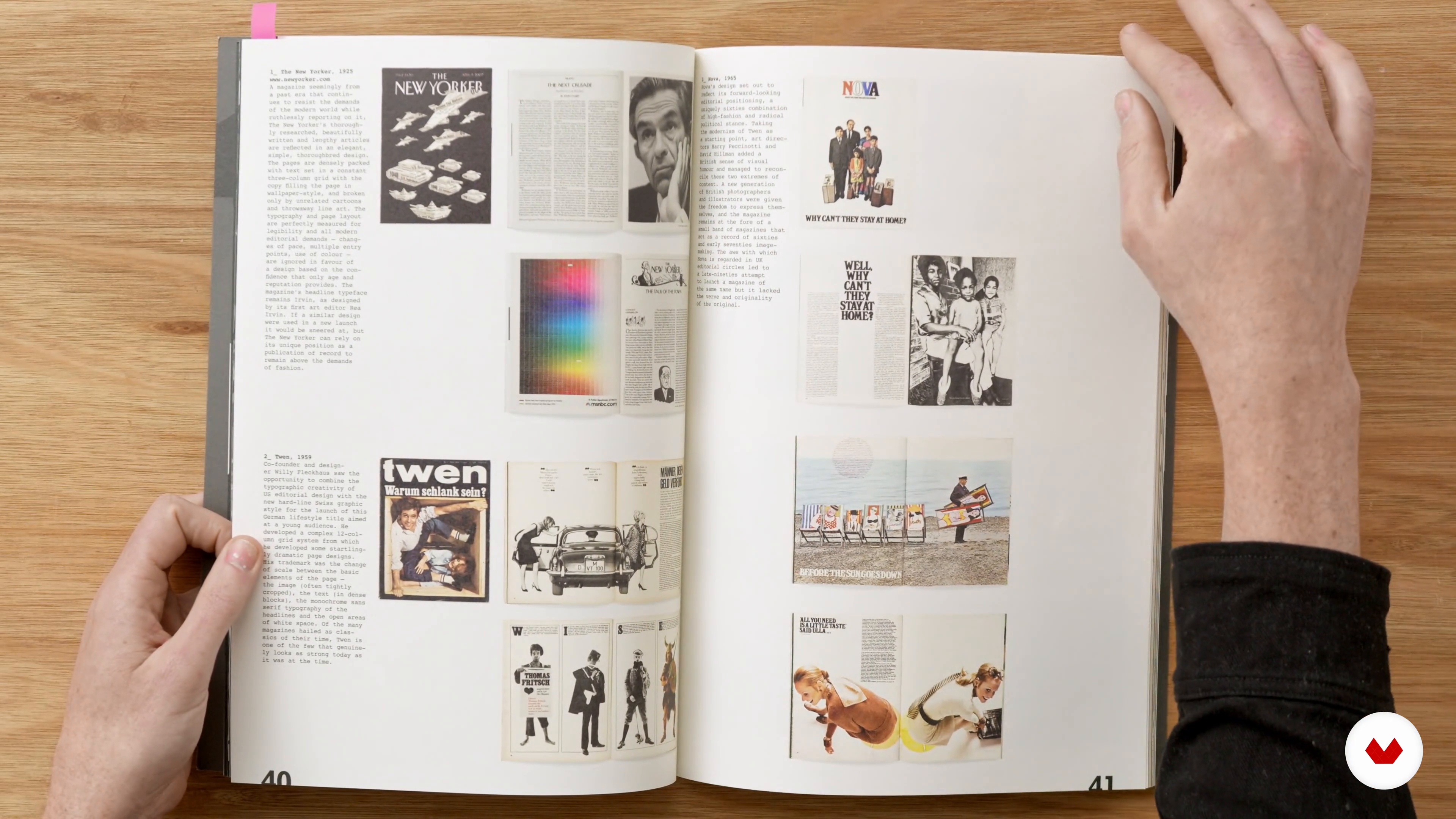
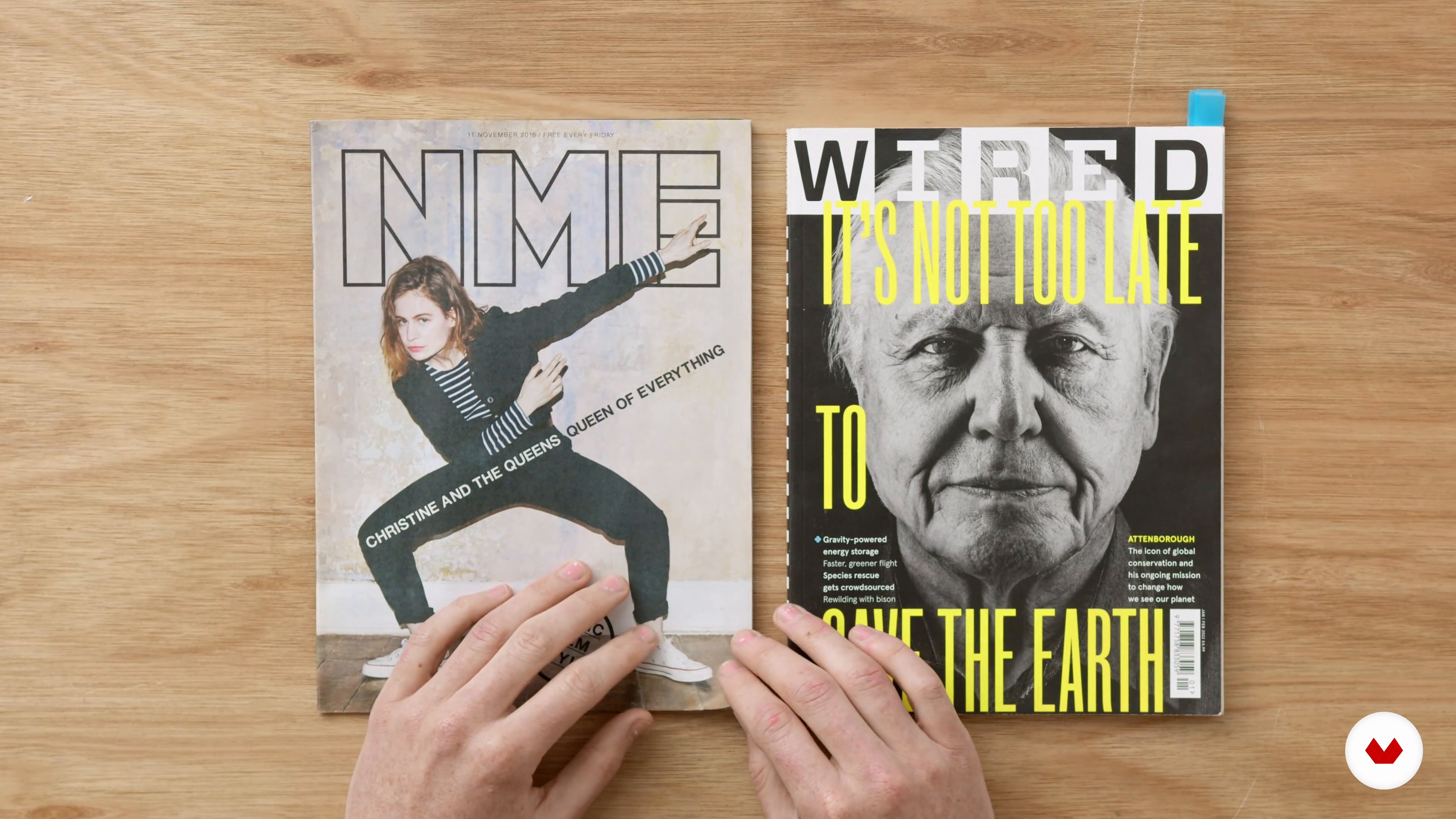
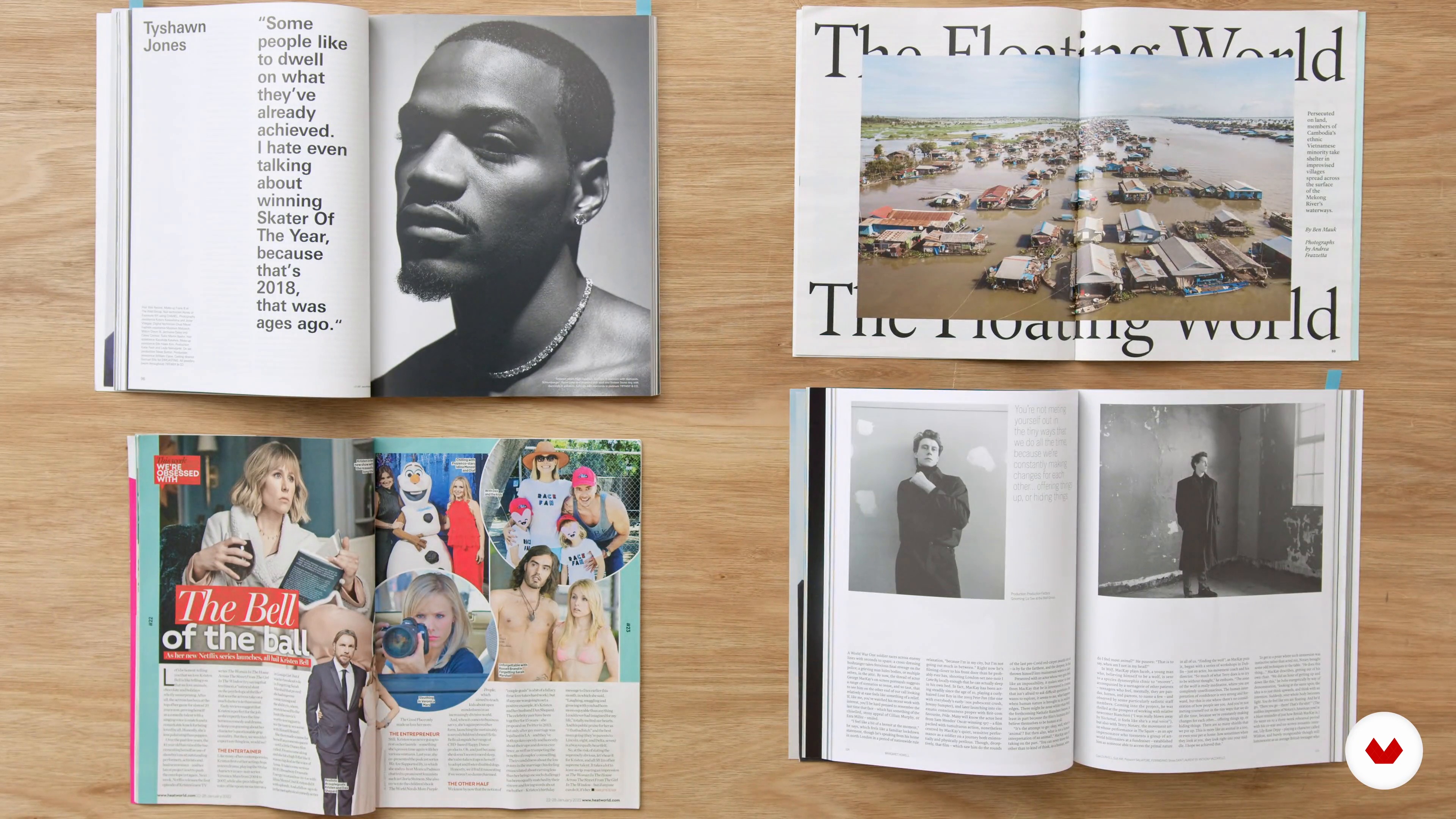
In this lesson, I’ll share with you the work of some of my favourite editorial designers. I’ll flick through the pages of some amazing titles, including cultural magazines from post-war Germany, to some more modern references that you’re bound to recognize.
5m
image
4
Inspiration | Lars Harmsen
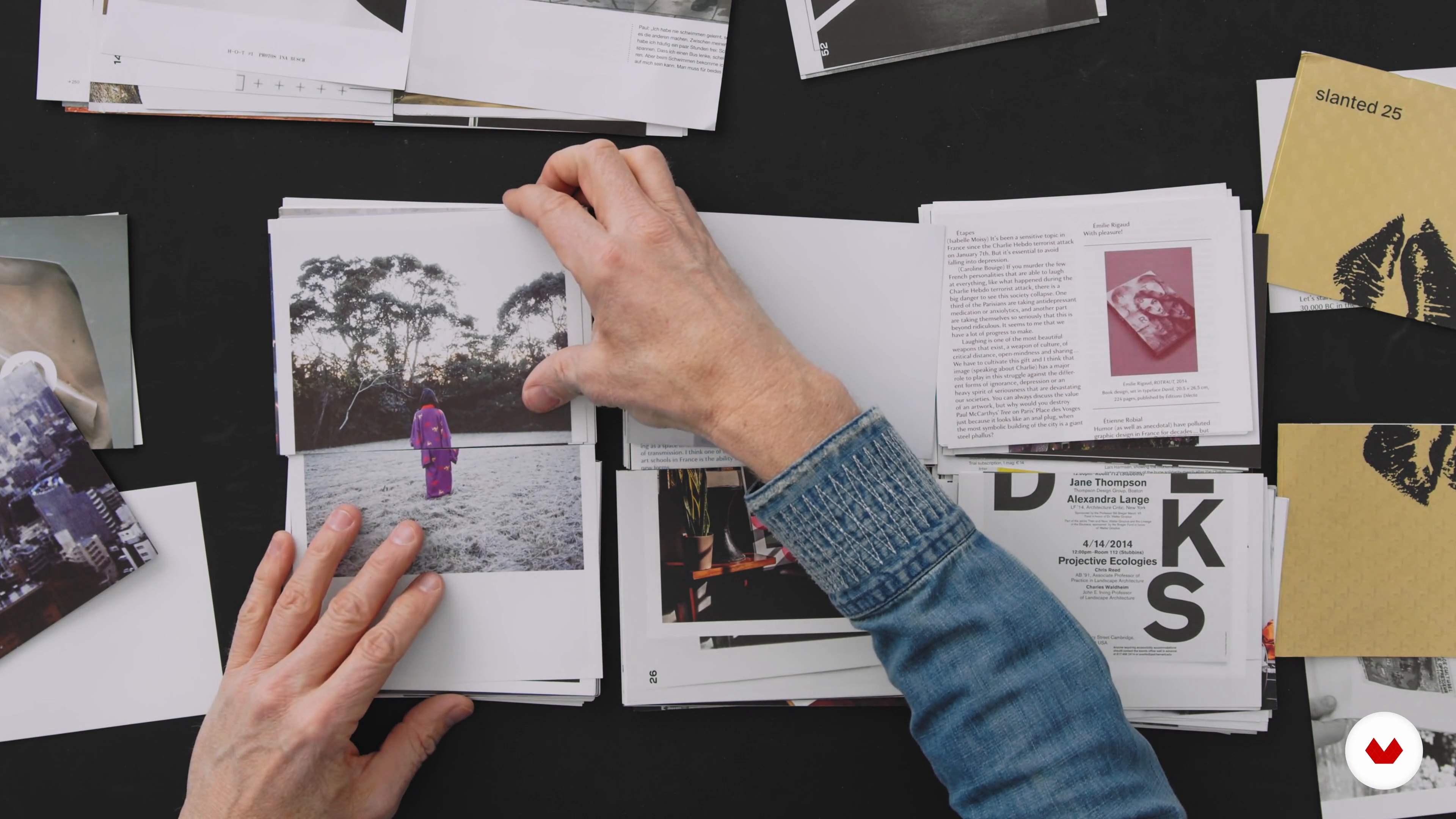
I would like to share with you which designers and works have been formative for me and have influenced my work.
12m
image
5
Inspiration | François Havegeer and Sacha Léopold
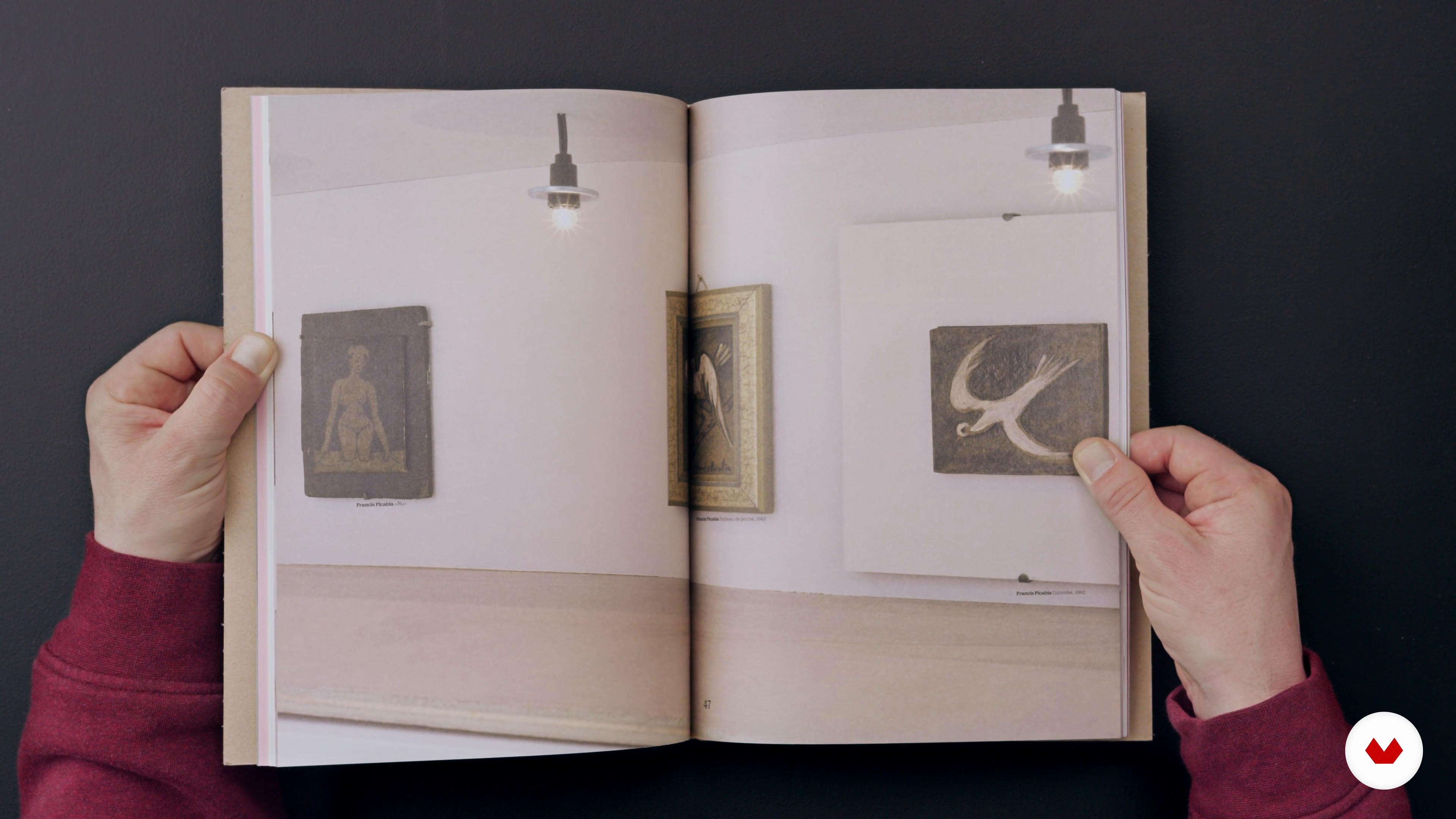
We to introduce you the printed projects that fascinate us and from which we have built several exhibitions on printing techniques, binding techniques, and small formats.
5m
image
6
Inspiration | Diego Aresso
What I know about design is the result of practice and what I have learned by visiting over and over again the work of great creatives who have marked my career. Let's see some of them!
10m
image
3
What Is a Magazine
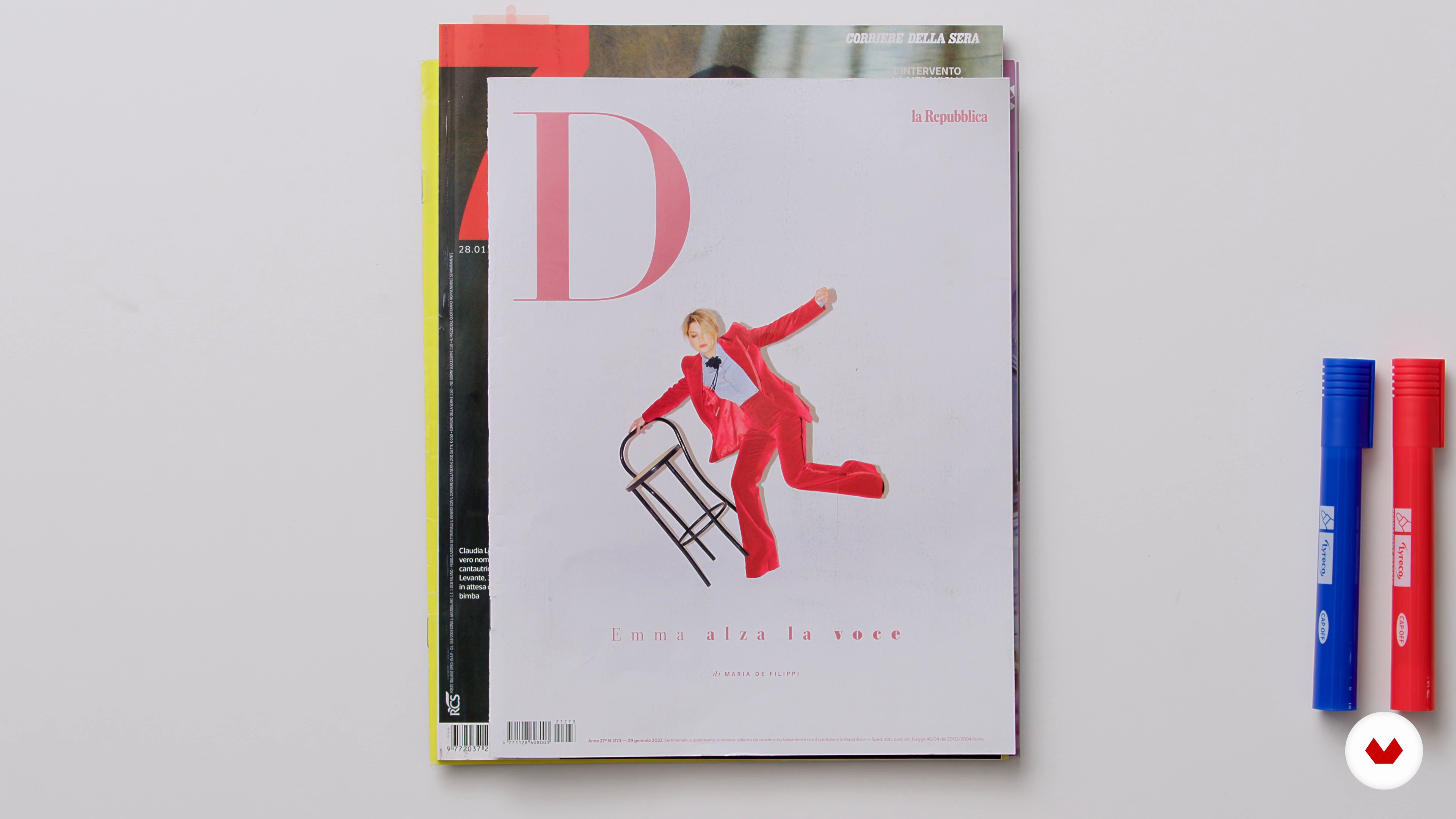
What is a magazine? Who is it for? What kind of reading does it propose? In this lesson we will analyze together magazines, newspapers and inserts to enter the world of news in paper format.
15m
image
4
Let's Analyze the Sections of a Newspaper
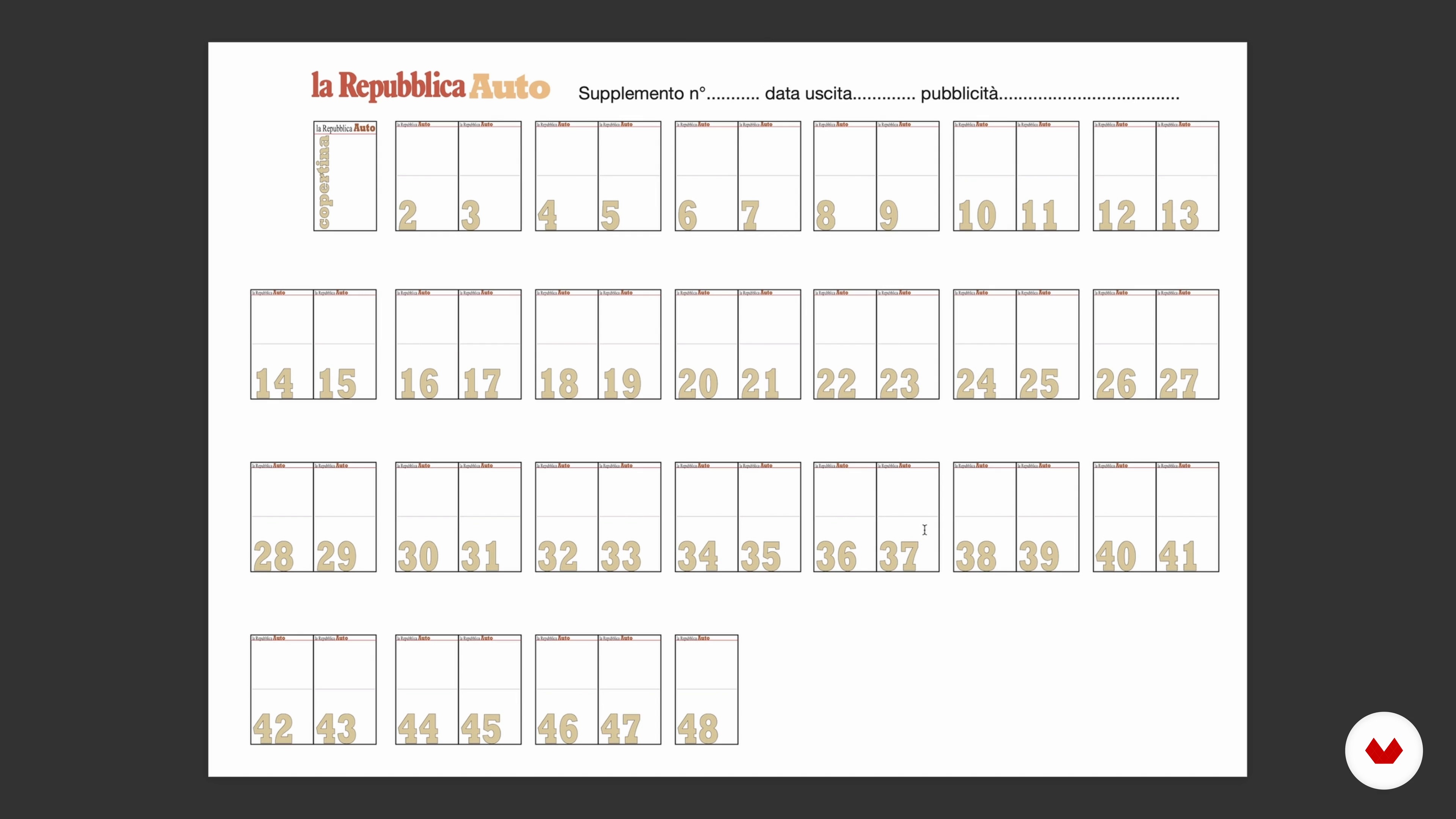
Magazine refers to the Italian term "warehouse". And, just as in a warehouse we find products of all kinds, so in a newspaper we find news of all kinds, present in various sections. I will then explain to you how a newspaper is created, in which sequence the news is presented. I'll show you how - to do this - you use a tool called a "rudder".
10m
image
5
Understanding, Interpreting, and Reporting the News
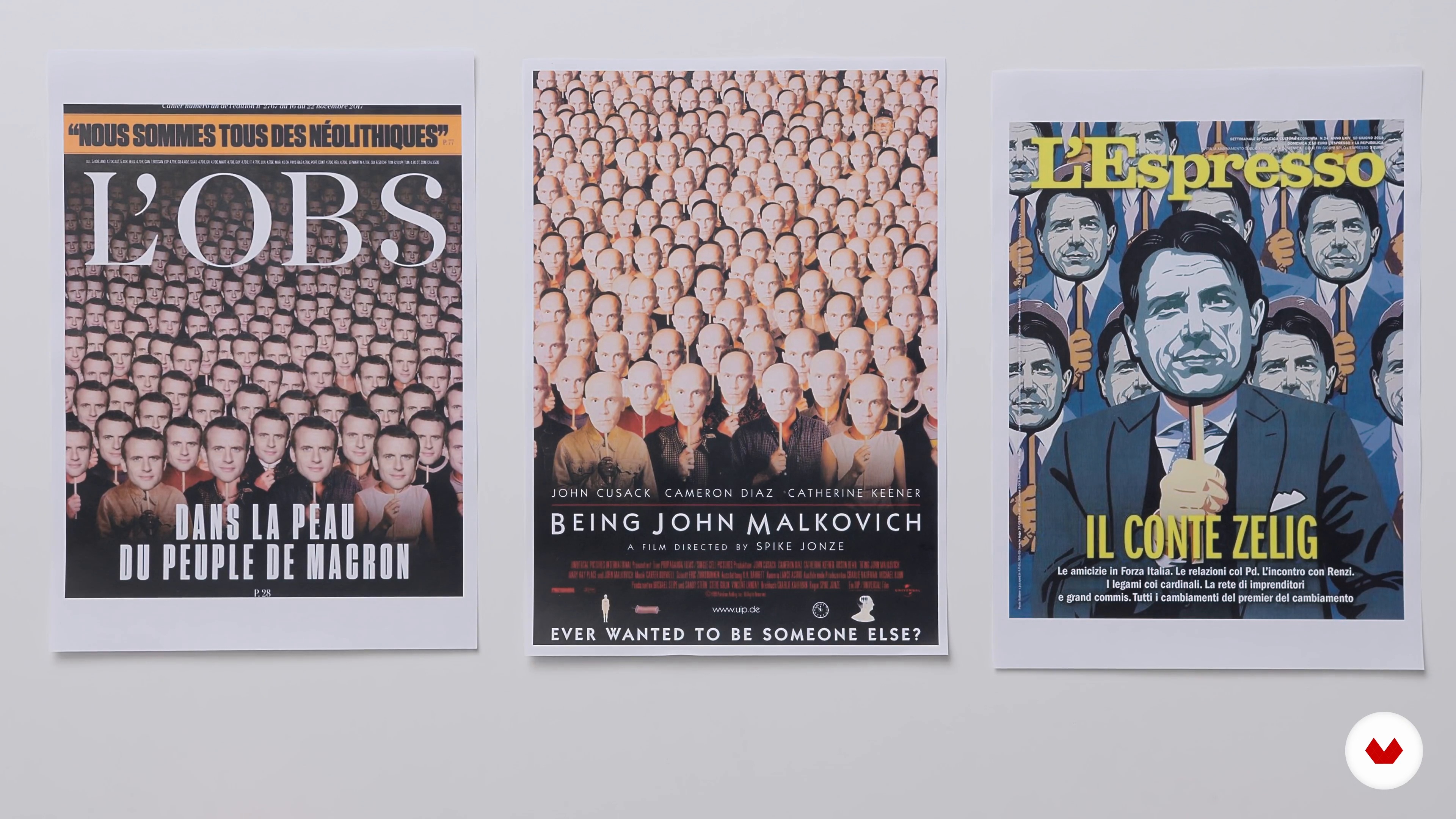
Now we will understand together how the same news can be graphically interpreted in various ways. You will also see how the creative process is universal and the same idea can work the same way in different times and places.
6m
image
6
Preparing the Grid on Paper and Digitally
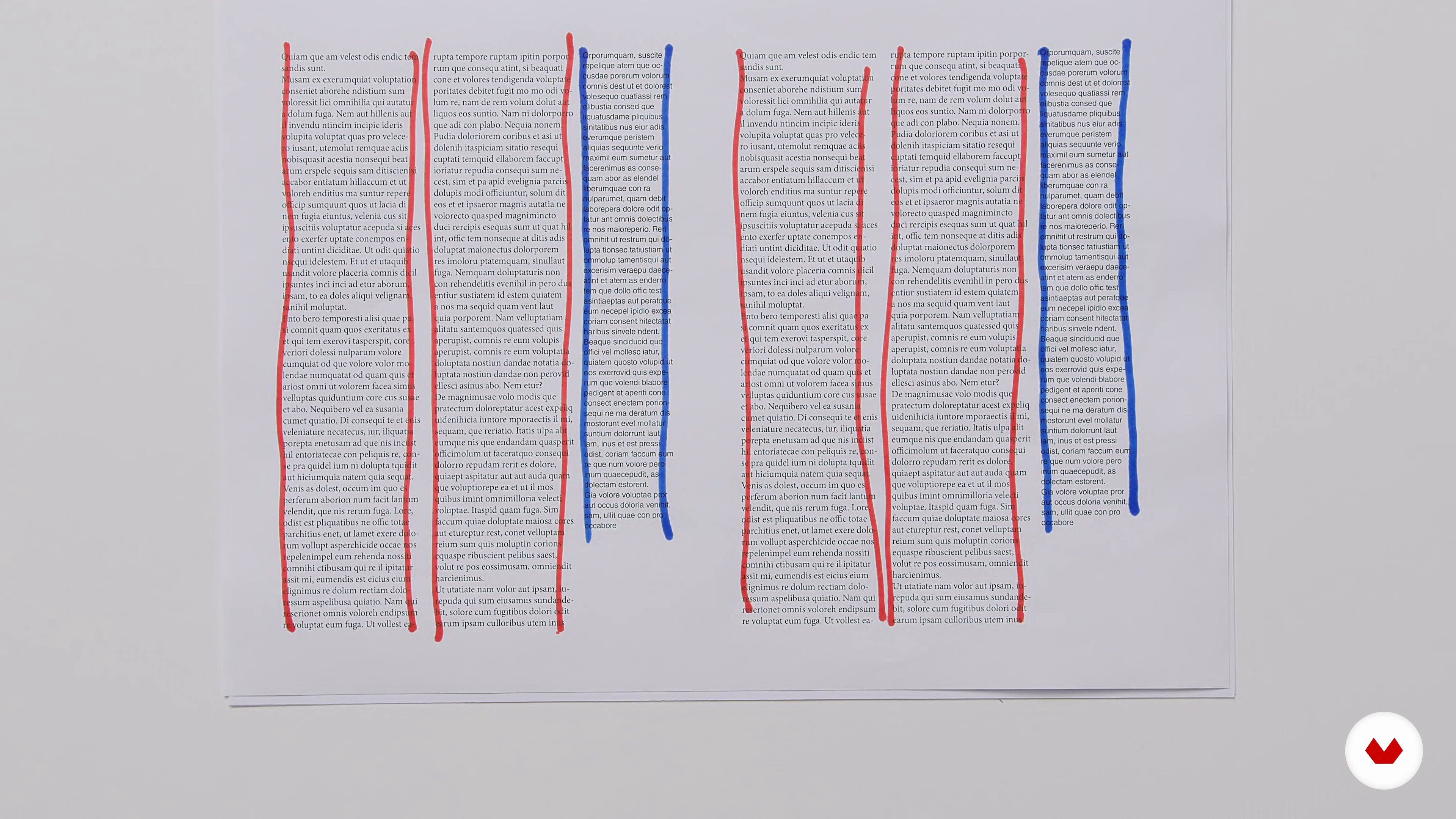
Now I will get to the heart of the editorial design: I will choose the cage to use for the layouts and - once drawn on paper - I will bring it back to the Adobe InDesign file. This is the first, fundamental step in building the newspaper.
14m
image
7
Working with the Text
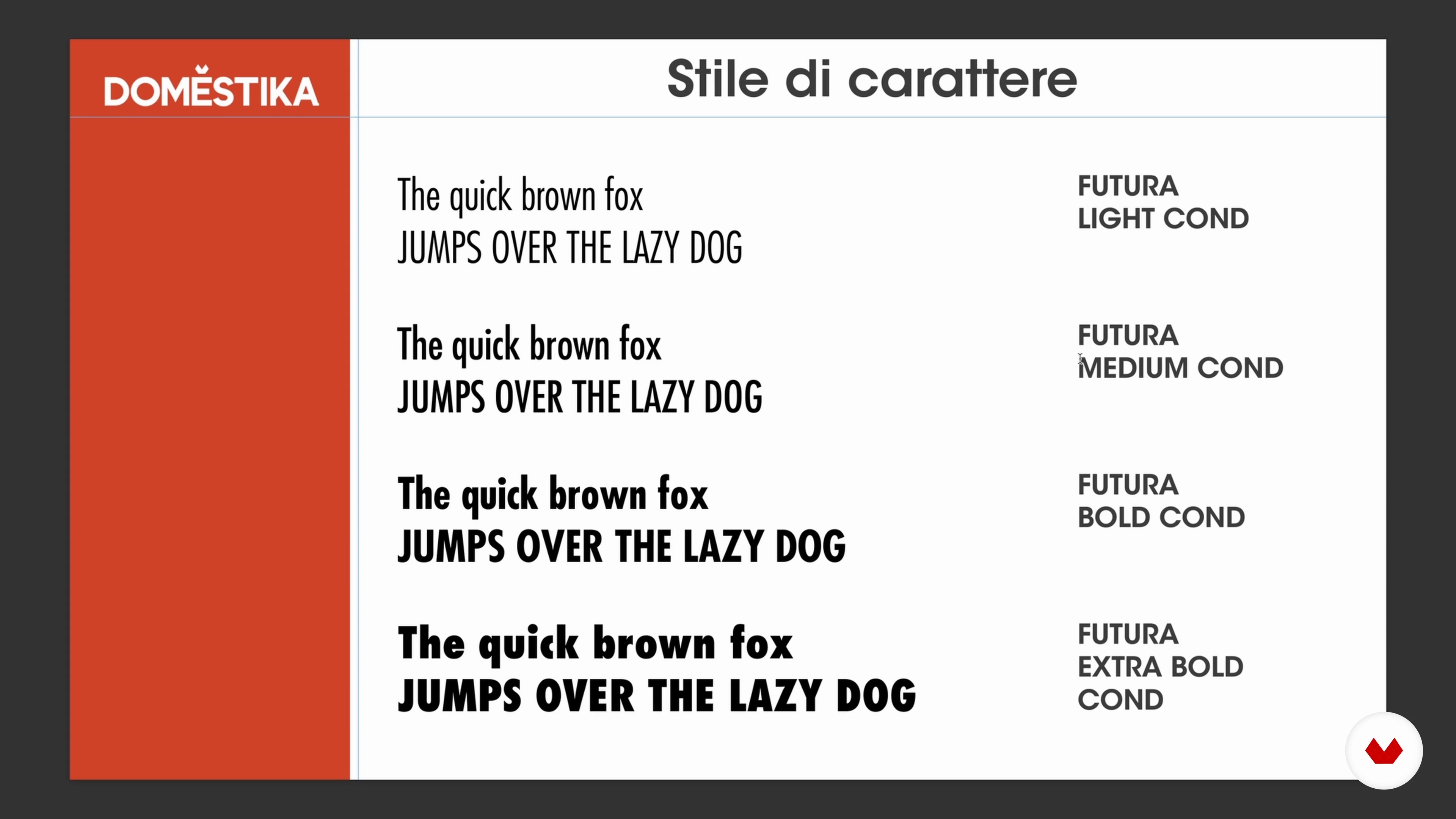
What are fonts? How many types of fonts are there and how are they used in newspapers? How are the letters composed? We will discover all this together in this lesson.
12m
image
8
Insert Texts and Dimensions 1
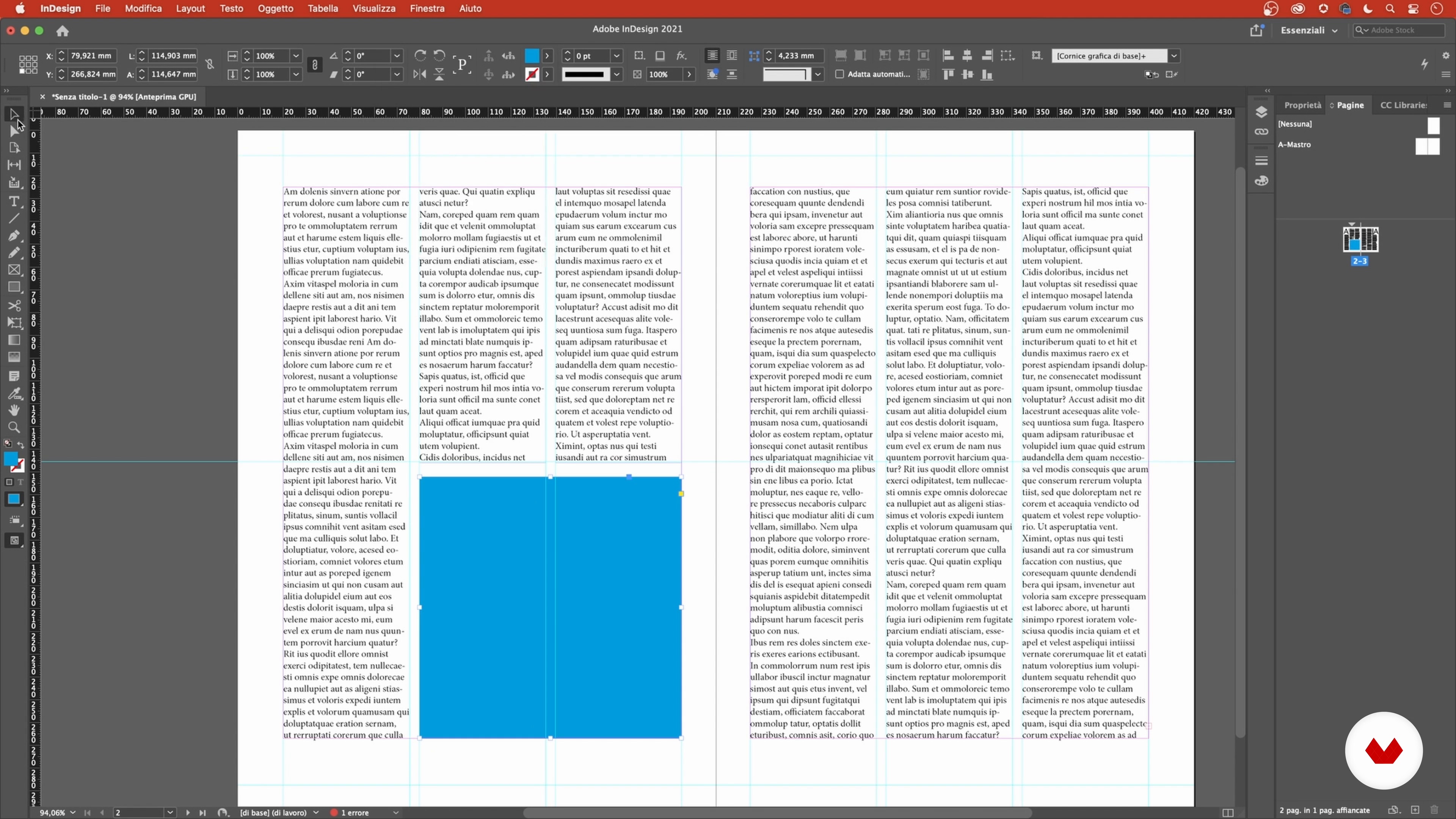
In this lesson you will see how to make texts and dimensions coexist on an InDesign layout, then how to layout the texts on the article layout.
12m
image
9
Insert Texts and Dimensions 2
In this lesson I will continue the analysis of the double page and I will show you examples of layouts already complete with text and images.
12m
image
10
Working with Images: Photos
Photos are very important in the production of a newspaper. Here you will see the types of photos that exist and understand when and how the photos should be used.
10m
image
11
Commission an Illustration
The topics of a newspaper cannot always be displayed with photos. In these cases - which I will analyze - we resort to illustrations. Through the vision of many images you will discover that there are styles and techniques that are very different from each other.
15m
image
12
The Value of an Infographic
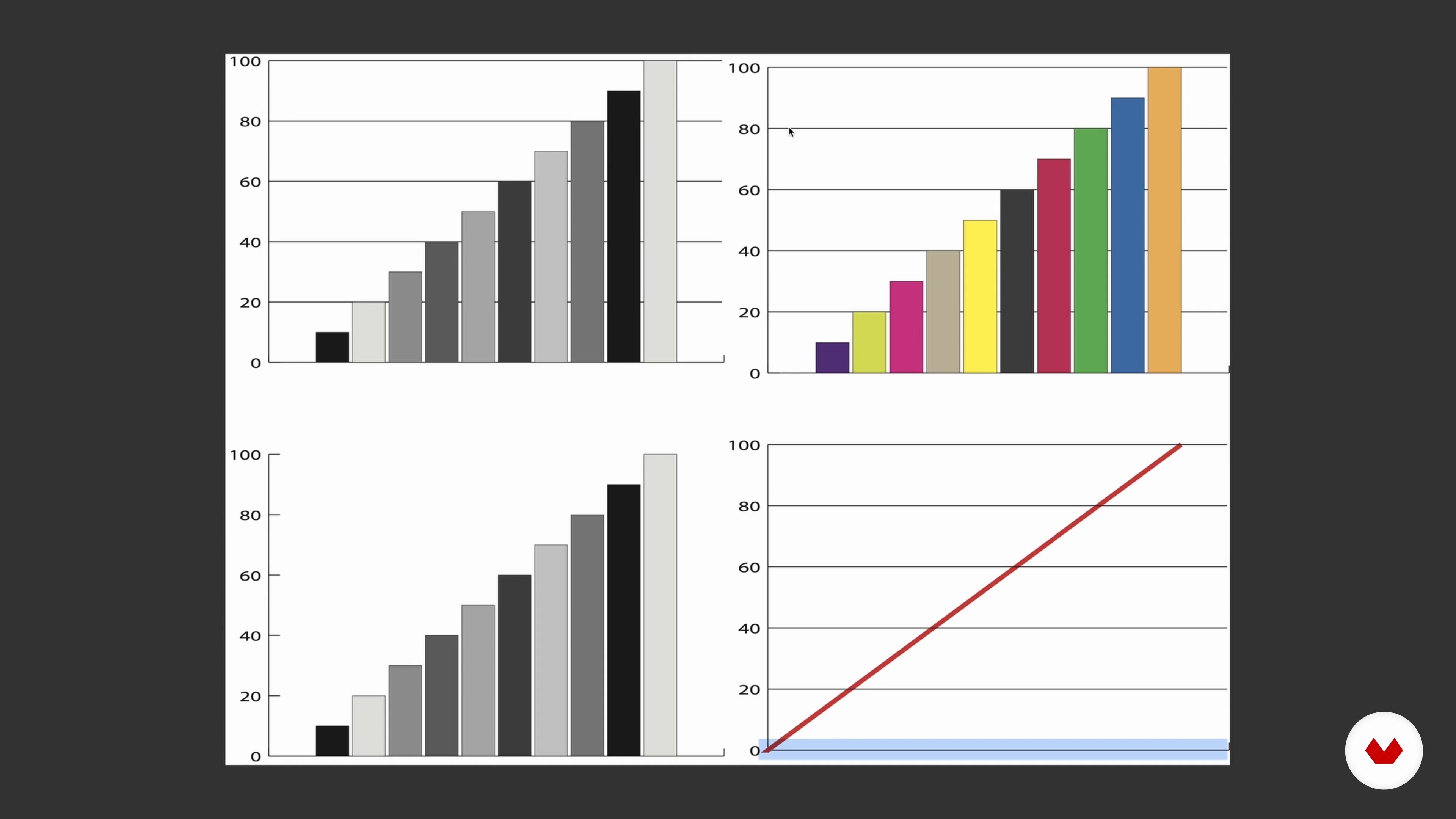
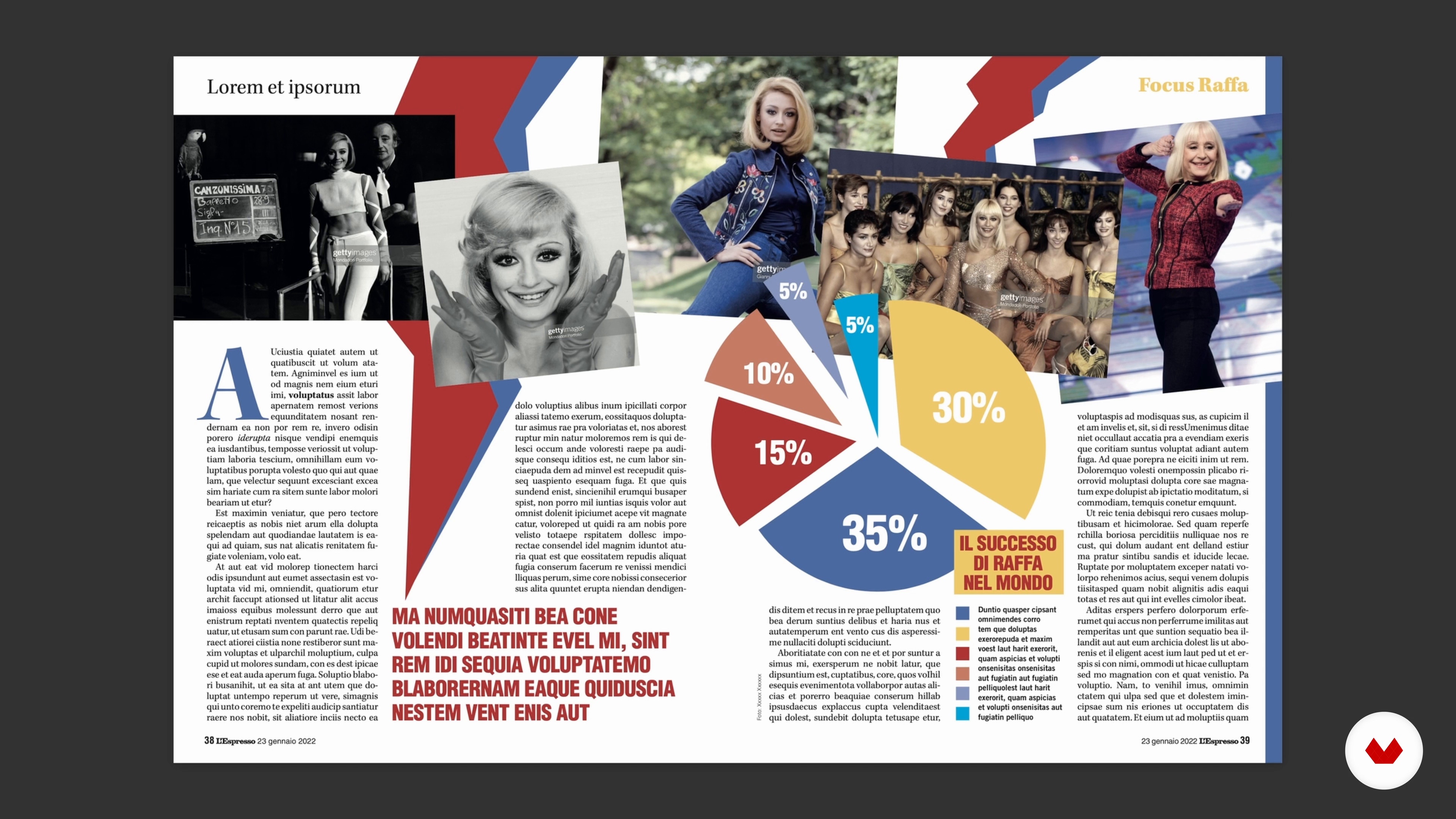
In this lesson I will explore the Infographic topic, which is essential for presenting data and news in a visual way. You will discover how important it is to transfer information directly and immediately thanks to graphic elements such as tables, trends and pictograms.
20m
image
13
We Layout Our Images 1
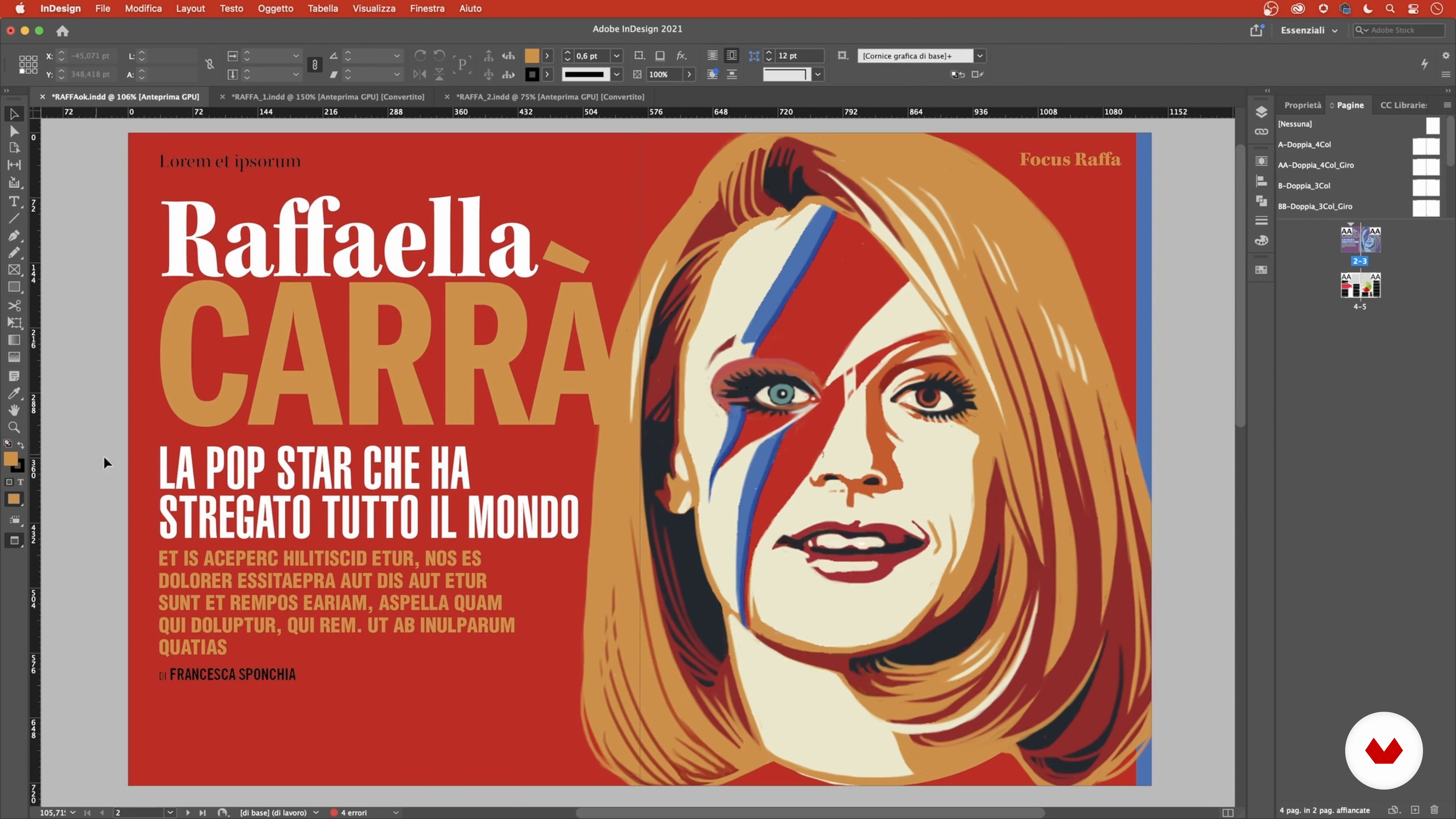
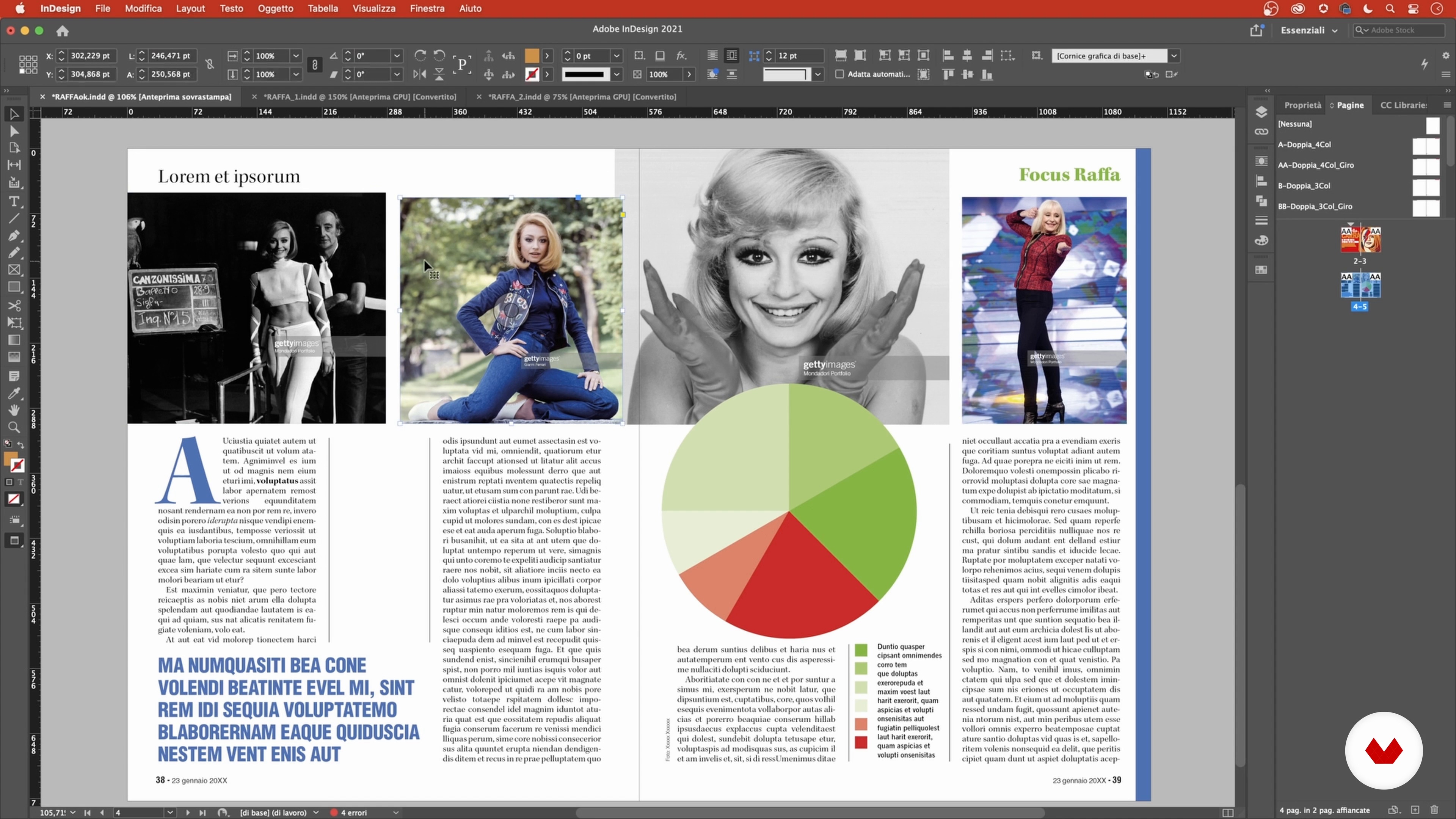
Within the layout, I will insert the images that I have previously selected and which are of different types: photographs, illustrations and infographics.
11m
image
14
We Layout Our Images 2
Here I will lay out the internal double page, in which I will insert photographs, infographics and text elements.
12m
image
15
Alignment and Approval
Before sending a layout to print, everything must be perfect. So it's important to pay attention to the details: you need to take a last, careful look at the work and check the alignment of the texts and photos to the typography cage. Here I will show you how.
9m
image
16
The Importance of Teamwork
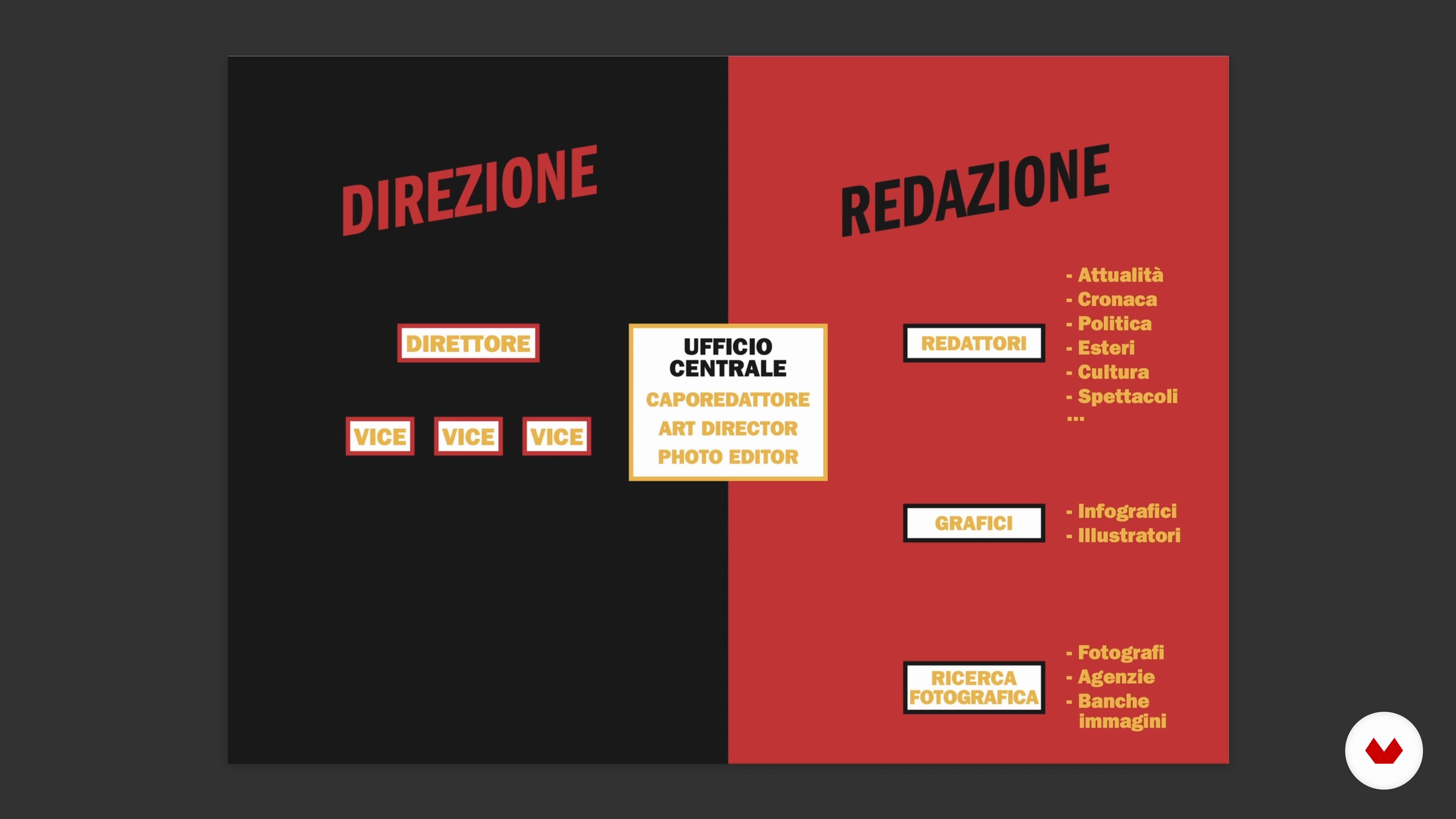
I want to share with you the importance of working together with other professionals: comparison and mutual help are essential to achieve the goals we have set ourselves. I will also tell you which are the professional figures that make up the editorial staff of a newspaper.
4m
image
3
An Introduction to Magazines
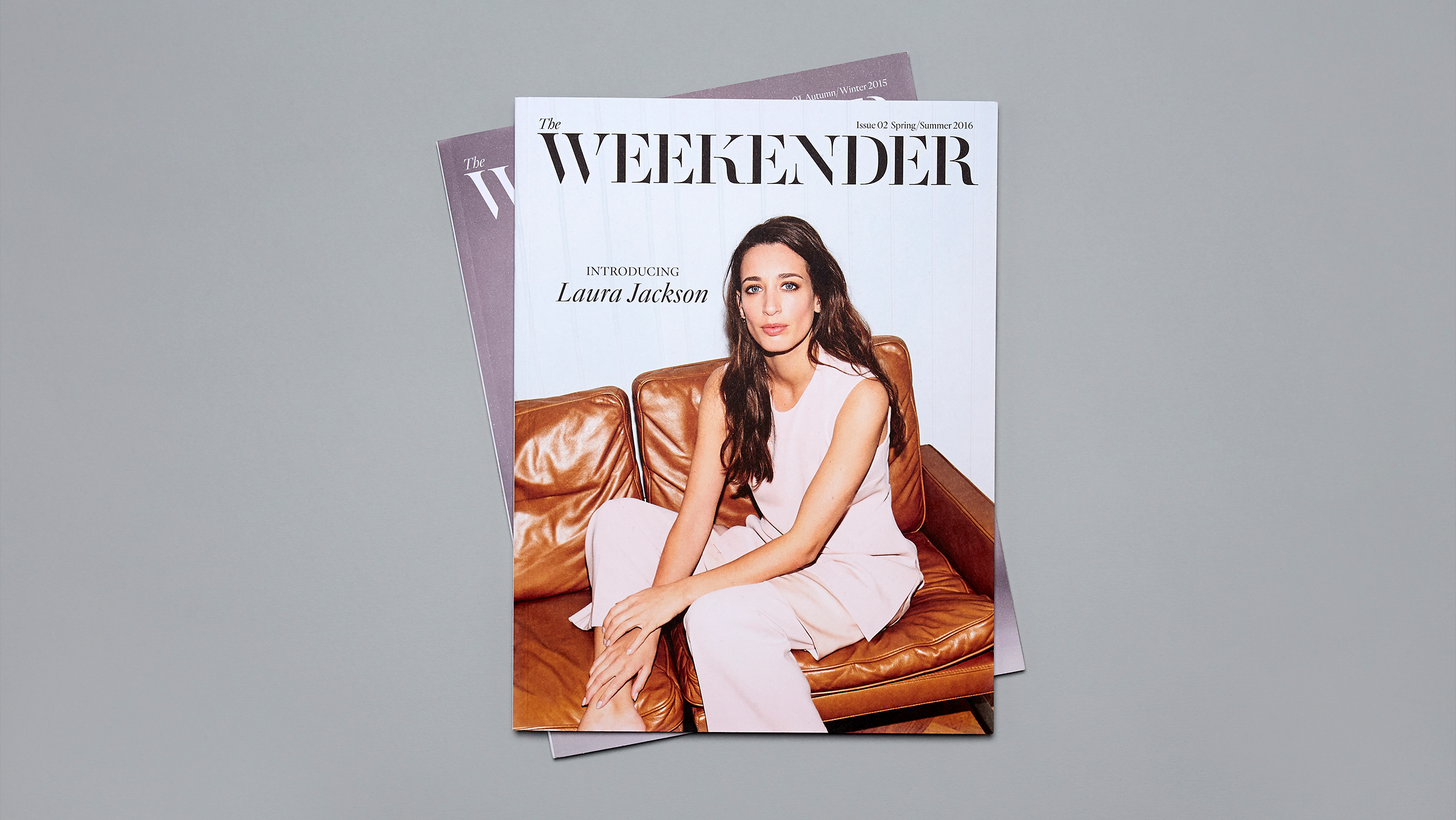
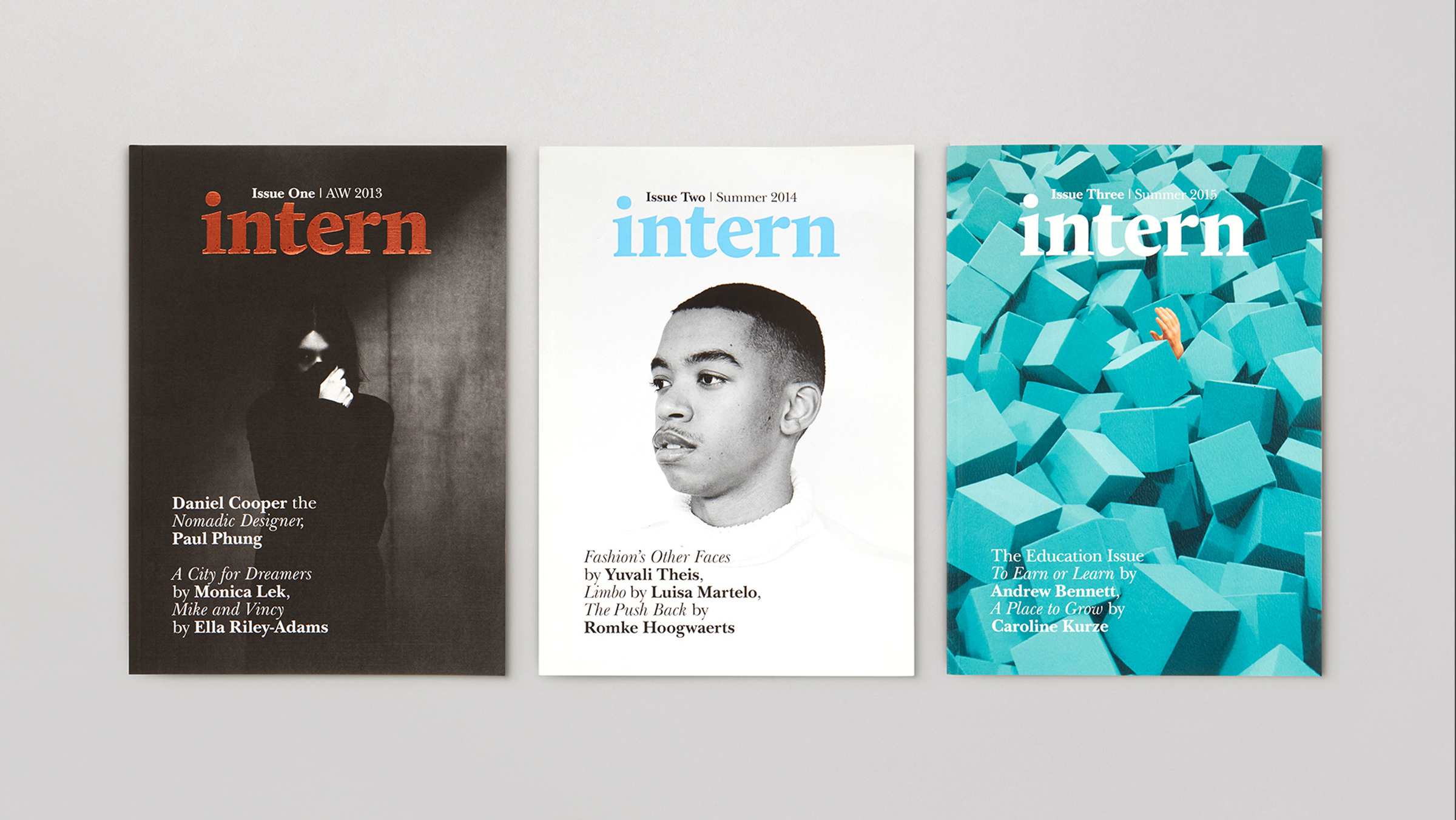
In this lesson, we focus our attention on a number of contrasting magazines. We’ll take a look at the various different subject matters that they cover, who they’re aimed at, and the various design decisions that were made with the design to appeal to their ideal reader.
9m
image
4
The Anatomy of a Magazine
Now, I'll start to dissect various magazines and look more closely at the individual elements that are used in their construction: from headlines to pull quotes, folios to captions and plenty more. Only by understanding these as a designer, can you use them to good effect in your work.
16m
image
5
Our Editorial Approach
In this lesson, I'll talk about our content-first approach to editorial design and give some tips on how we use order, clarity, and simplicity to build a hierarchy and narratives that connect with our client’s audience.
11m
image
6
Our Brief and Solution
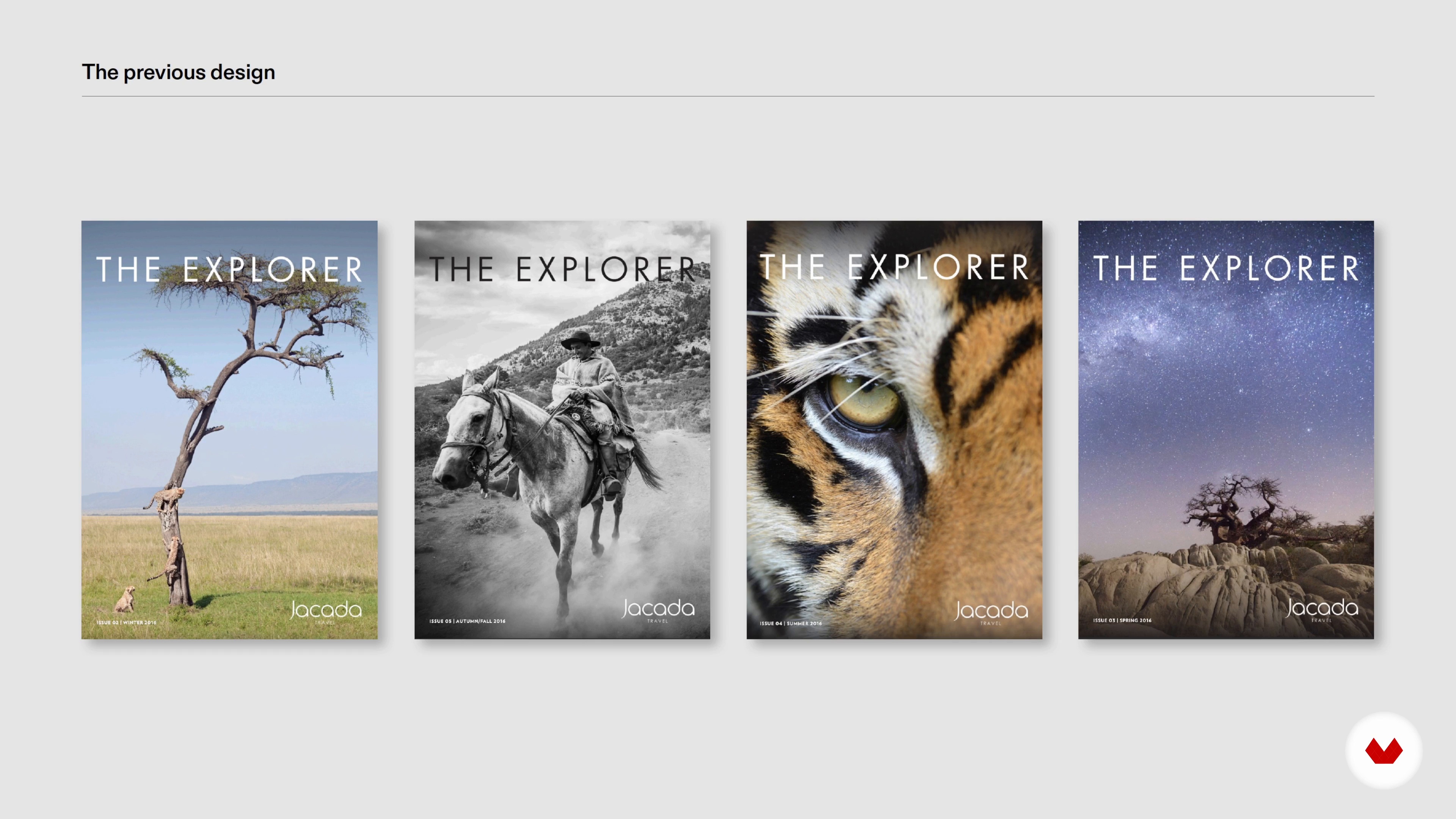
Let's see a live client brief that will help you form the project for this course. I'll unpick the brief and show the response we came up with for a redesign of a magazine for a luxury travel agent.
8m
image
7
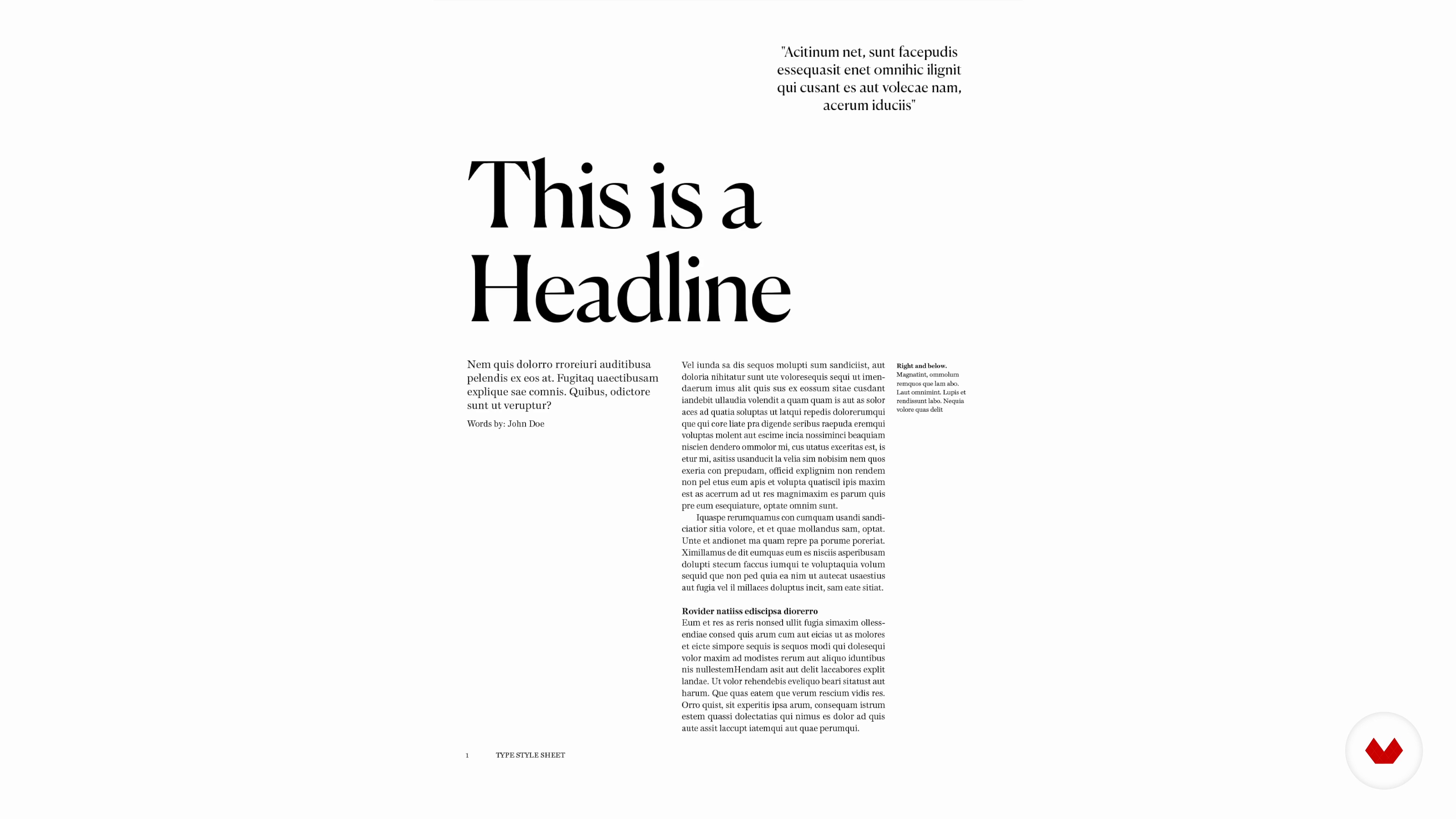
Typography
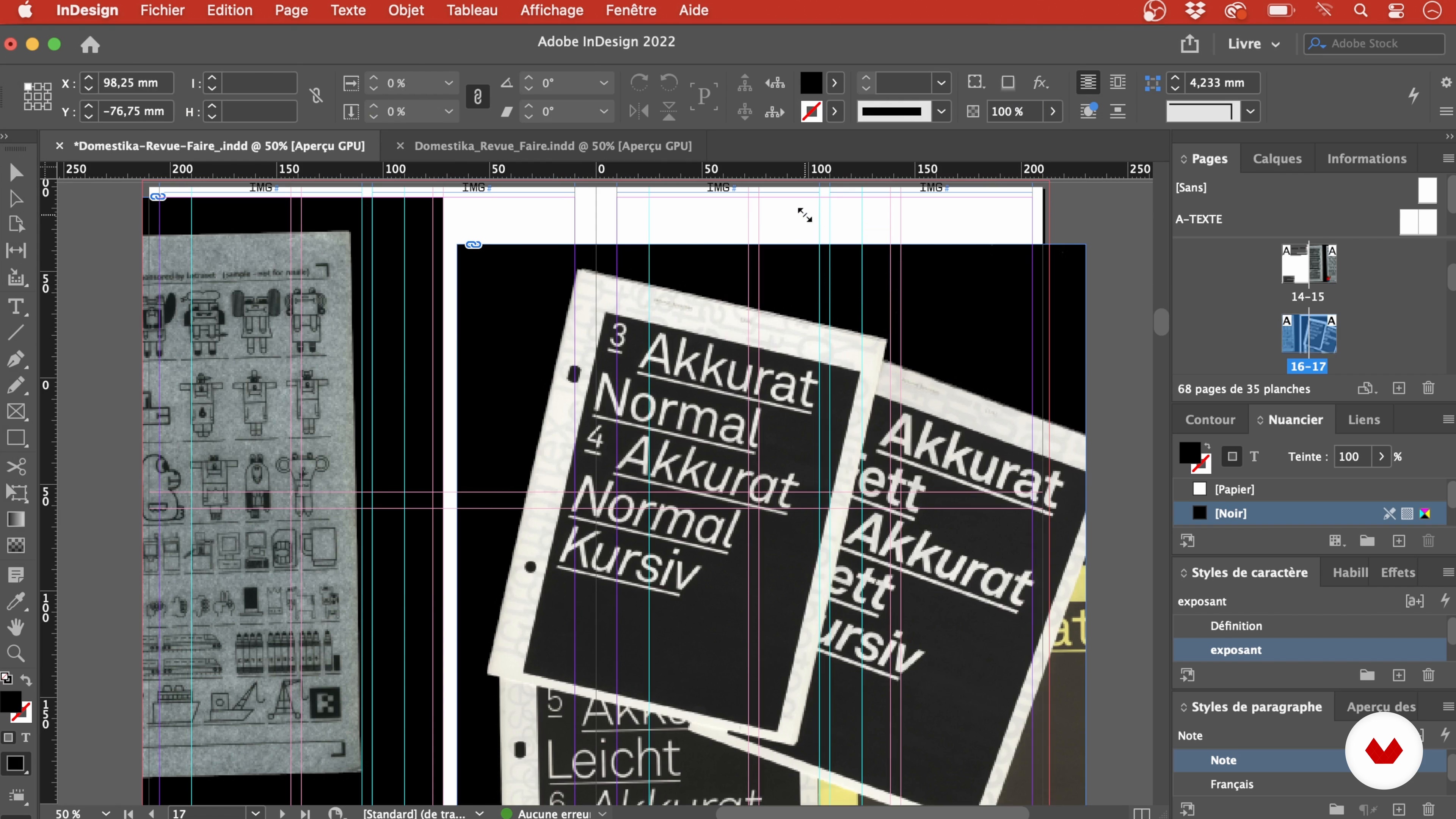
Using the typographic palette that we created for The Explorer, I’ll show you how to define typographic styles, which will enable you to harness the look and feel of various texts within your design.
8m
image
8
Margins and Grids
Once the type is defined, we can begin the juggling act of creating a flexible but considered series of grids and guides. This important step can take some time, but once you’ve conquered it, it’ll bring structure, flow, and rhythm to your work.
16m
image
9
Content and Photography
Before you jump into designing your article, you first need to get to know the content – how else are you going to be able to craft your narrative? In this lesson, I'll discuss the steps that we take to make sure we build the right narrative.
3m
image
10
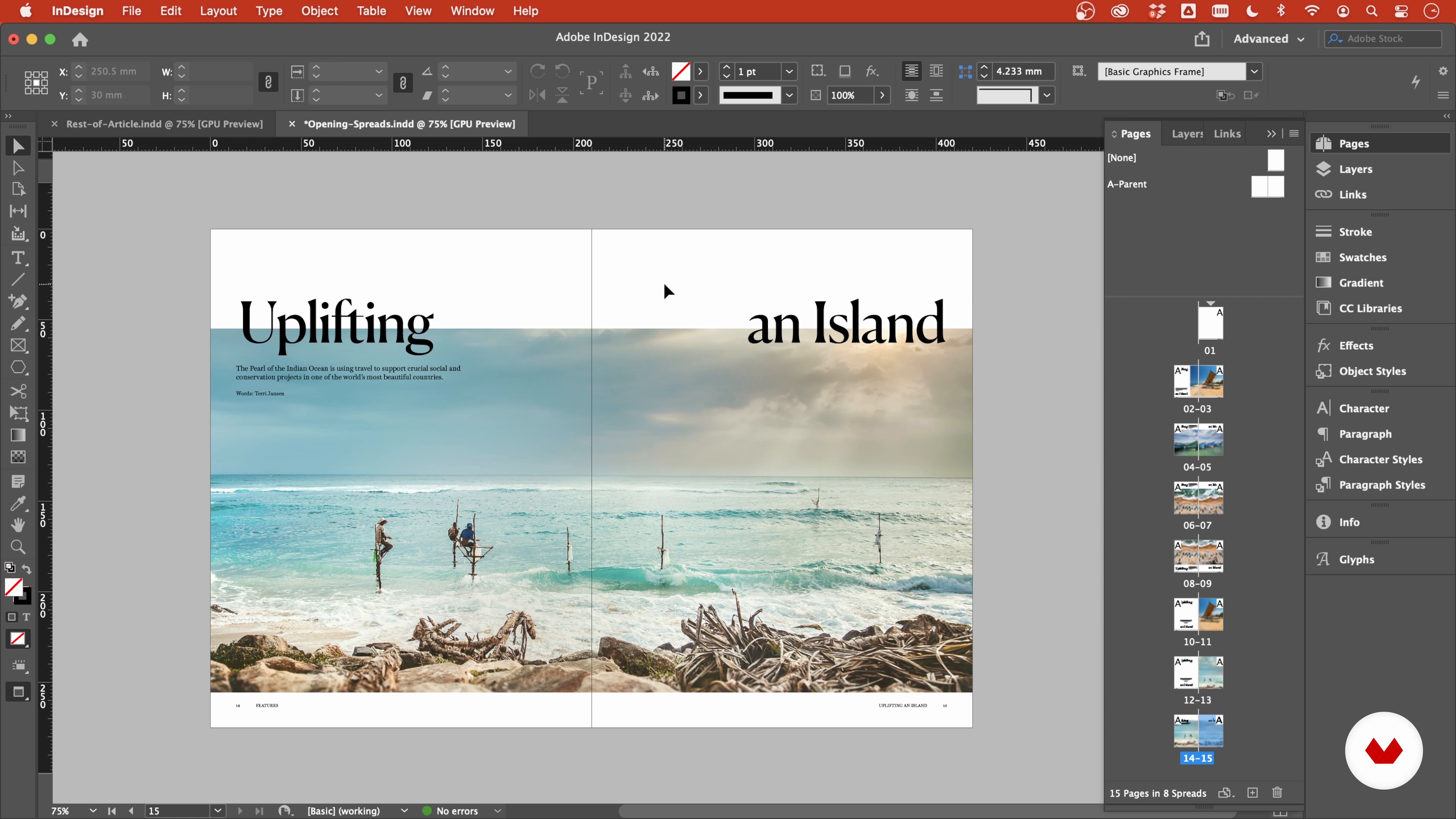
Composition: Opening Spread
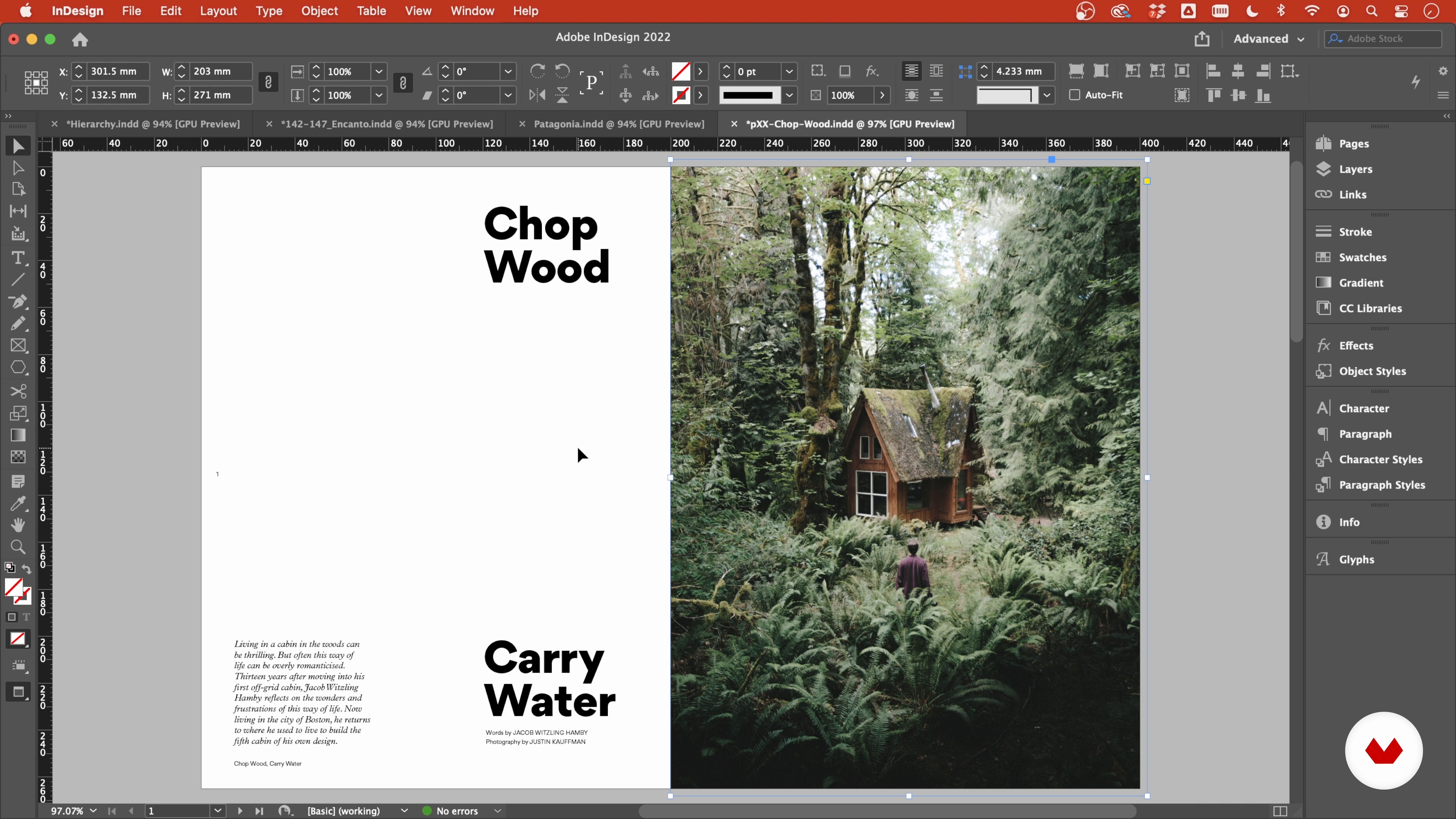
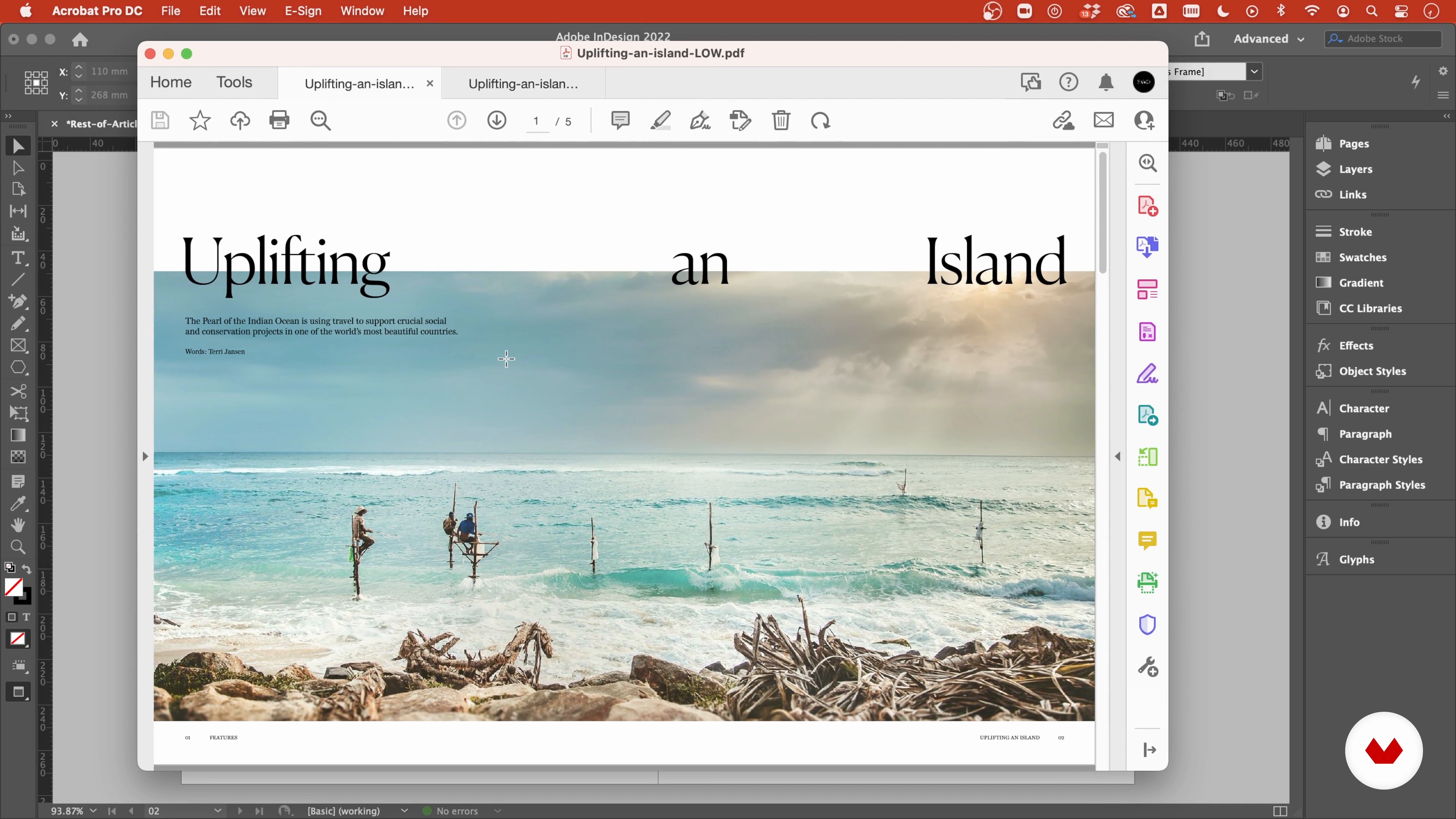
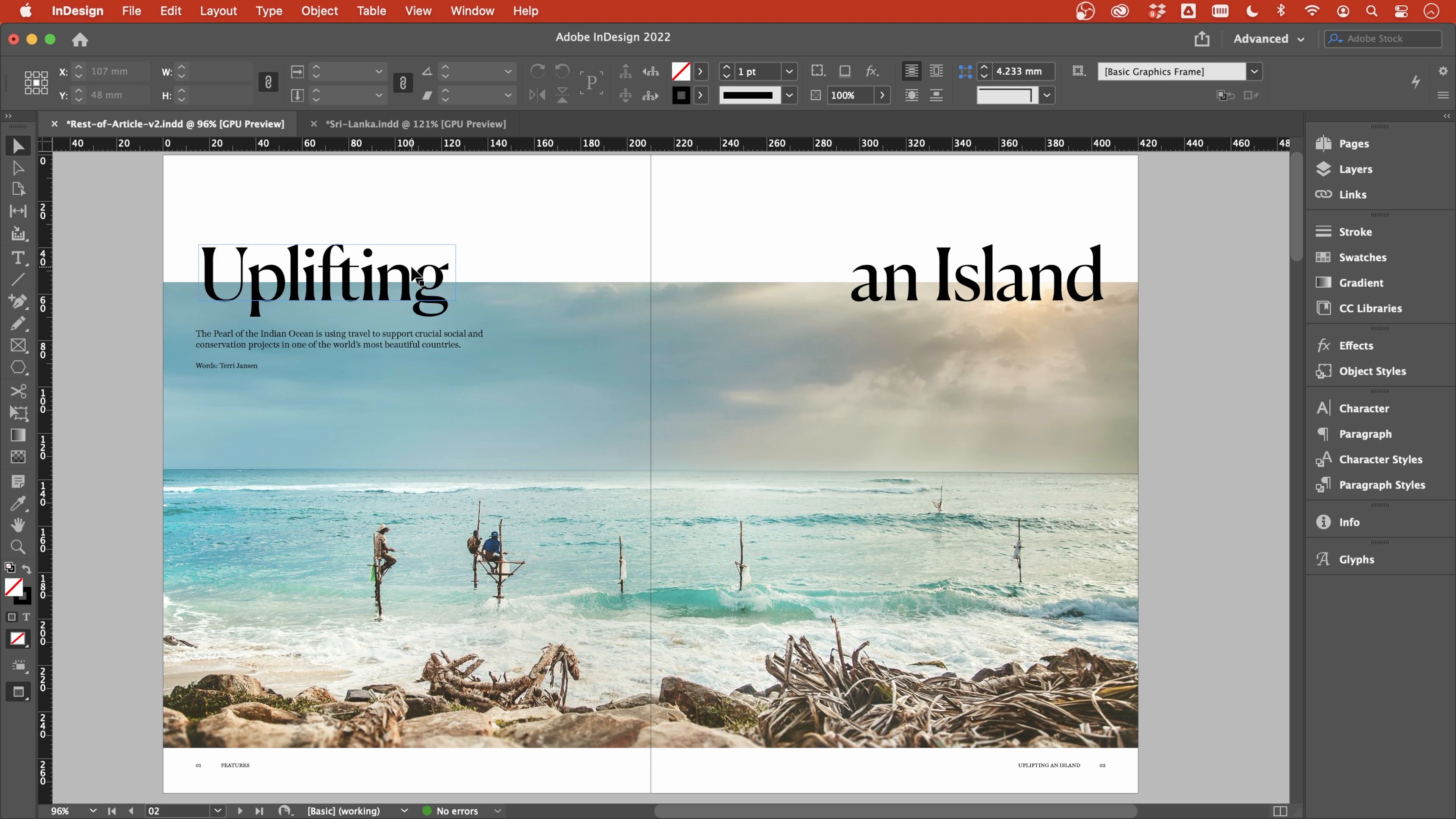
Bringing together everything you’ve learned so far, let’s focus on making some impact with the opening spread. In this lesson, I’ll continue to walk you through a first-hand look at my design process. I’ll work fast initially, then refine a chosen idea to a closer representation of an opening spread of the feature article.
10m
image
11
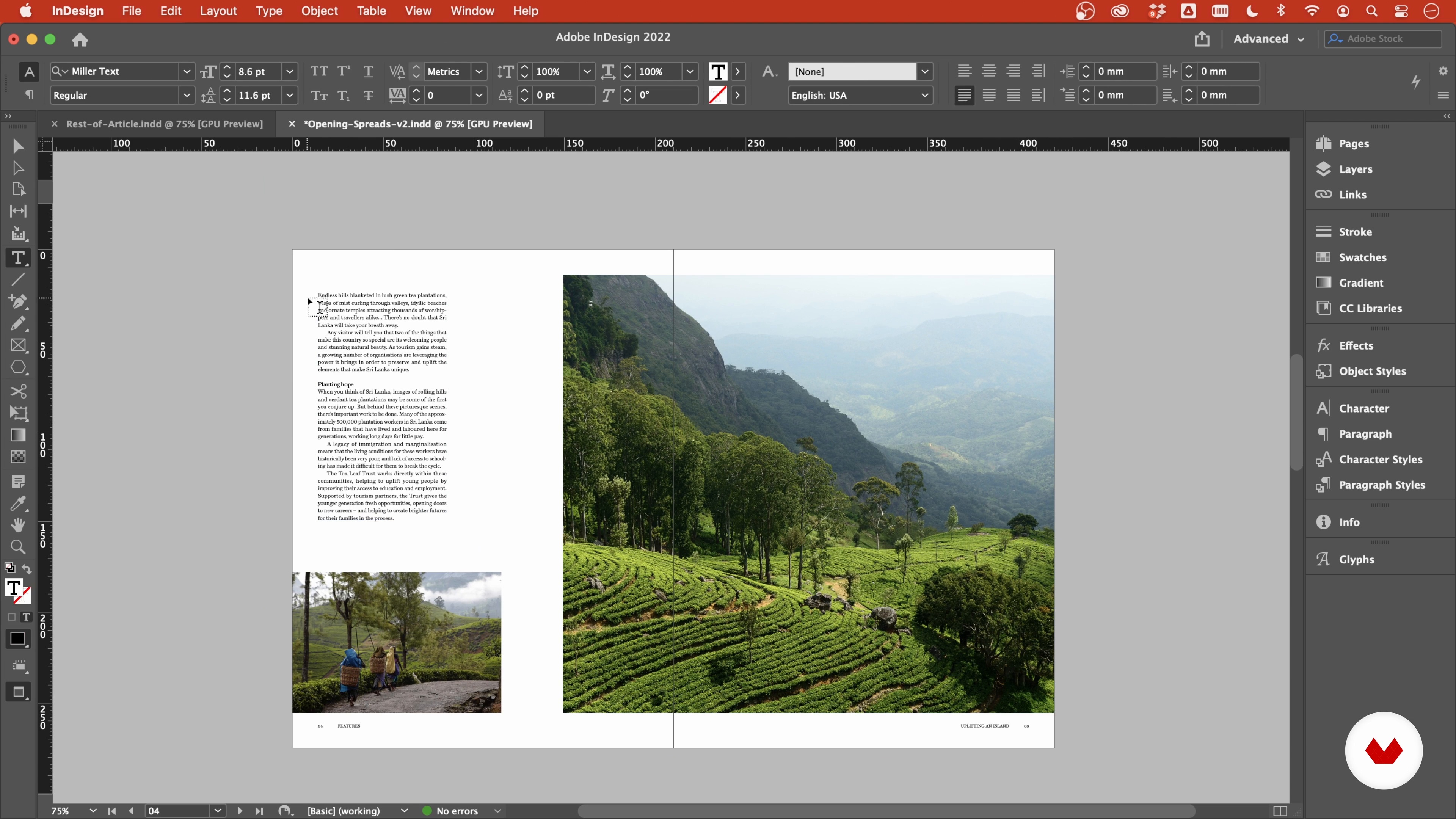
Composition: Layout of a Feature Article
Let’s turn the page and continue building the narrative for the remainder of the feature article. At this point, I’ll focus on some of the other storytelling techniques and show you how to build out the rest of the article.
16m
image
12
Proofing and Review
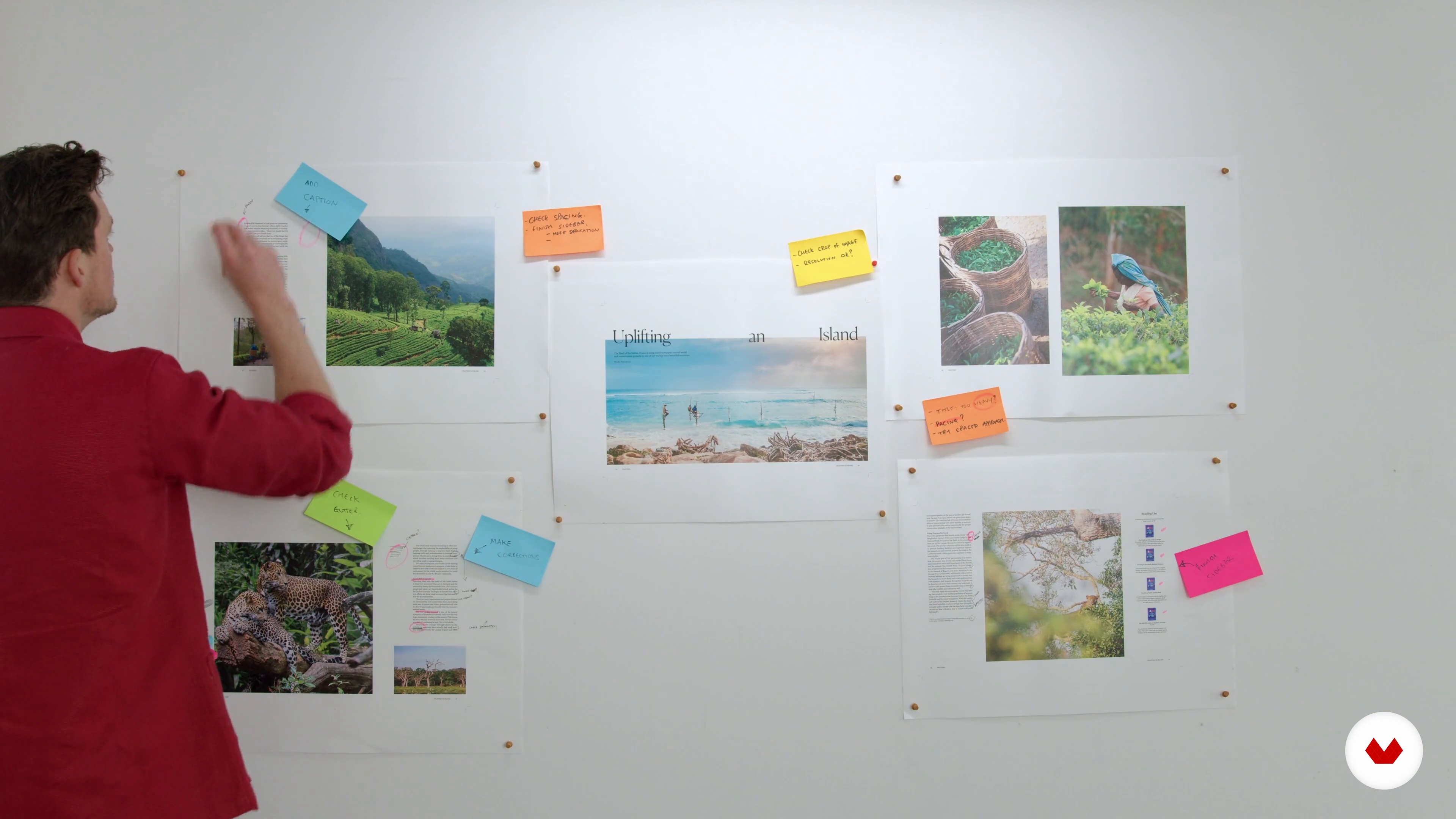
There are many things to consider when making smaller adjustments to improve your designs. Here we get hands-on with printed layouts and highlight the things we want to refine.
4m
image
13
Preparing for Print
There’s no going back (at least not cheaply) once your work is in print. It is therefore important to do some last checks and get things exported in the right way. In this lesson, we focus on exactly that!
17m
image
14
Additional Resource: To Learn More
In this video, you'll see how I've applied the necessary changes to the layout of the article after the first review before preparing it for print.
6m
image
3
What Is a Magazine and How Does It Work?
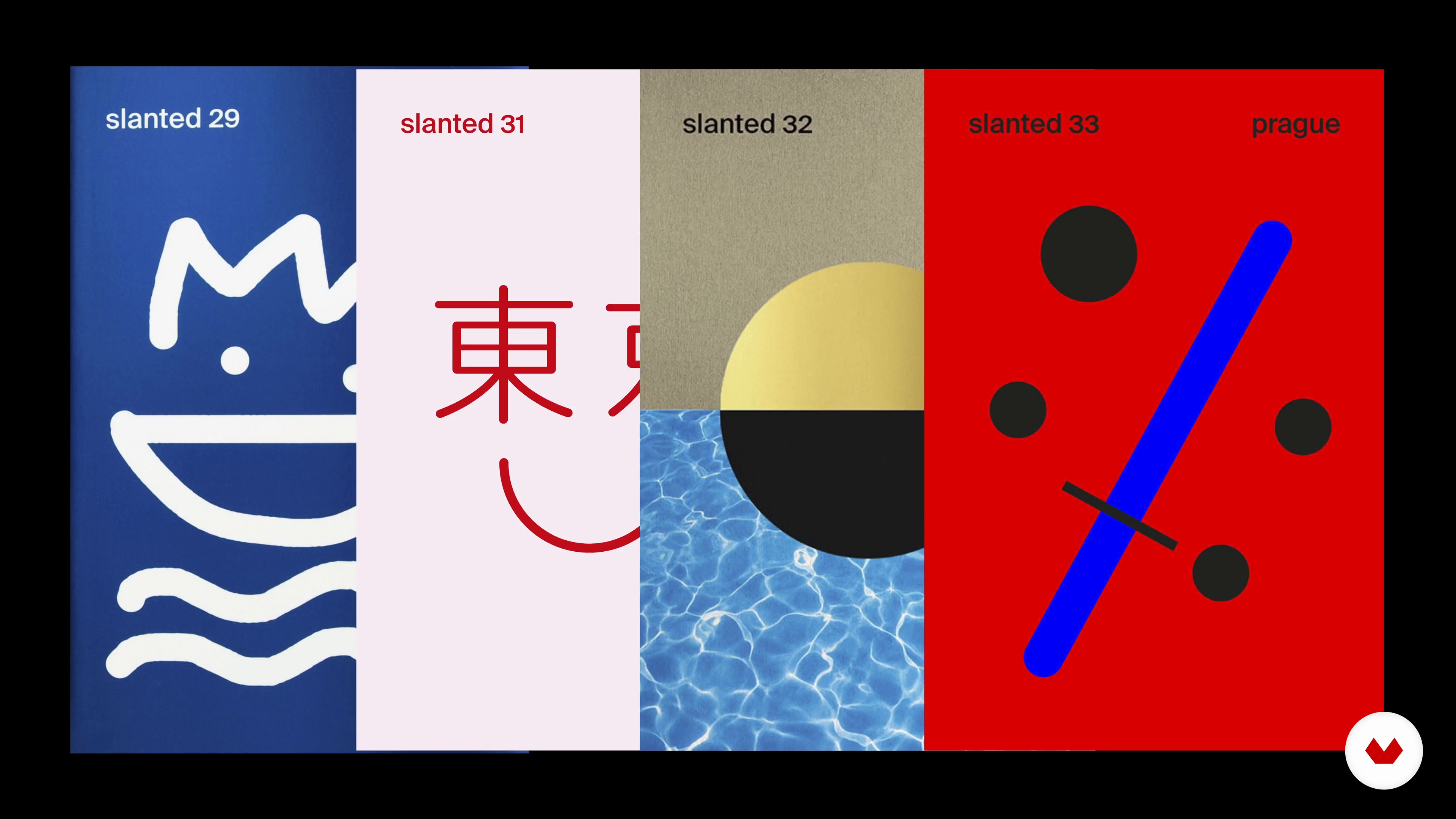
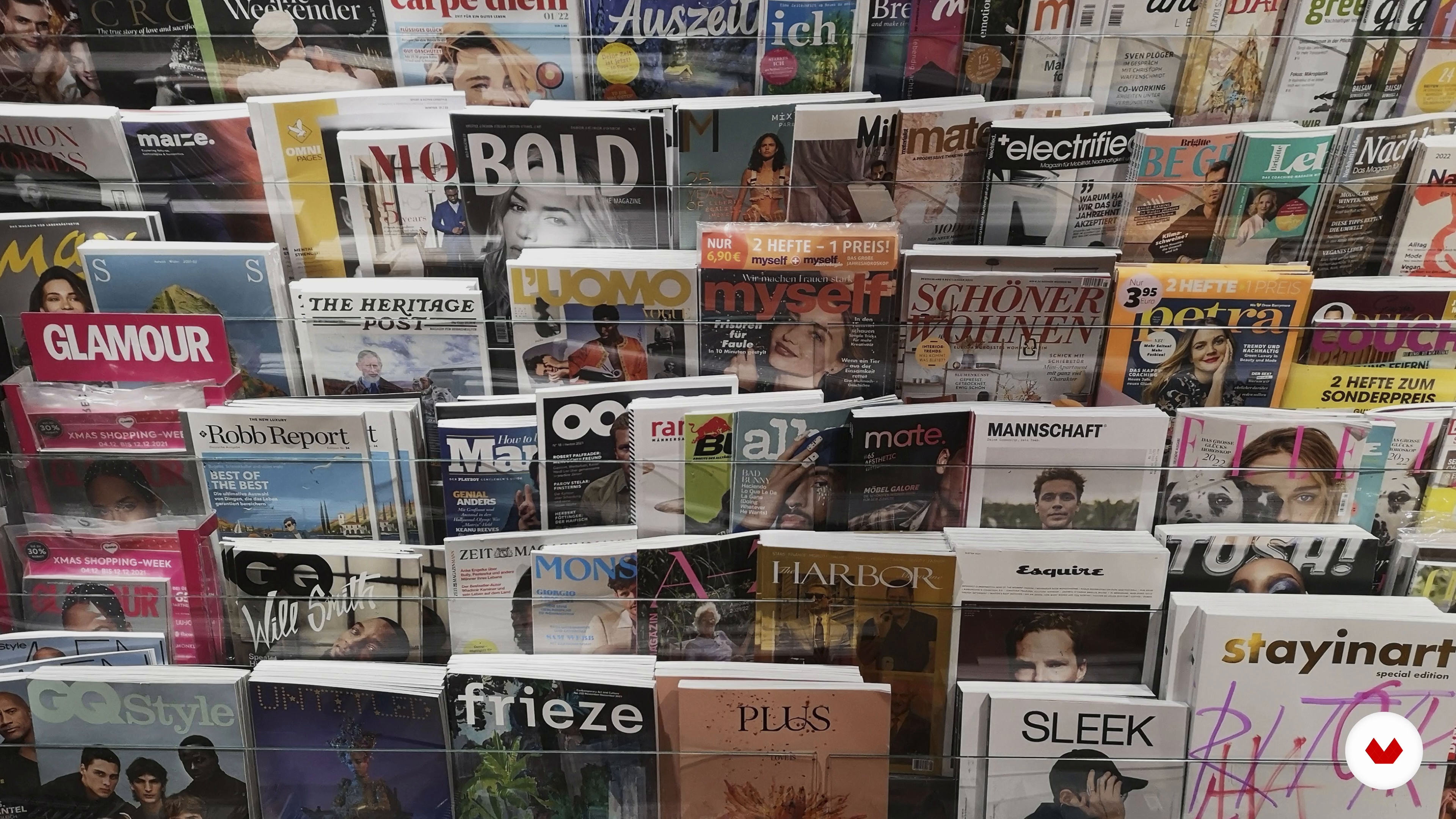
Is a magazine really just a container for information? And what is the tension between web and book? What must it be able to do to win the favor of its readers? What if a magazine is dynamite? I would like to talk about all these points in this lesson and use numerous examples to show you where the journey for your magazine could go.
12m
image
4
How Do You Plan a Magazine?
To be successful, you need to know your target audience well. In addition to design, you should also know something about financing, production and sales. These are the topics I will cover in this lesson. I will also give you an insight into the Sinus milieu and show you how you can strategically create a side plan to save costs.
11m
image
5
Research
Is the web really the only source to research content? Where do you find the right books? What does your benchmark research reveal? And how do you ask the right questions in interviews? Using numerous examples, I will show you different ways to successfully research content.
14m
image
6
Organizational Tools
You might make your first magazine on your own. But what happens when it comes to teamwork? What are the tools you can fall back on? How can you organize a Call for Entries? What do you have to consider when creating a crowdfunding campaign? And why do you need scissors, a large wall and a photographic memory? You can find out all of this here!
6m
image
7
Graphic Elements: Illustration, Typography, and Graphics
An important element and tool of the design is the typography. The typographer's job is to appropriately combine micro-typography and macro-typography. I could offer a whole course unit for illustration, but that would go beyond the scope. Nevertheless, I would like to give a place to this important element of magazine design.
11m
image
8
Photography: The Power of the Image
Illustrated books, and by that I mean books, are often opulent and impressive, but I find it even more impressive when you manage to tell a whole story within a few pictures/pages. This is a high art, especially in magazine design: reducing things to the essentials and still making powerful statements.
14m
image
9
The Storytelling
It's not just books that tell stories. Magazines too! In this lesson, I would like to try to show how this can be done using various examples.
14m
image
10
The Rhythm
What if a magazine is not understood as a container for information, but as a piece of music? How does a magazine feel that can be read like a poem? These two questions already answer everything that this lesson is about.
14m
image
11
The Experimentation
Open the windows from time to time and ventilate deeply! In plain language, this means: changing perspectives, trying things that you wouldn't do otherwise. The best way to do this is to experiment. That's what I want to encourage in this lesson.
15m
image
12
The Design of the Cover
For some designers, the cover is the very beginning of their considerations when designing an editorial project. That may often be true. However, when designing a magazine, I find it easier to work on it over and over again. Or at the very end, namely when you have got a feeling for its content. Maybe there will be "happy accidents"...
11m
image
13
Material and Processing
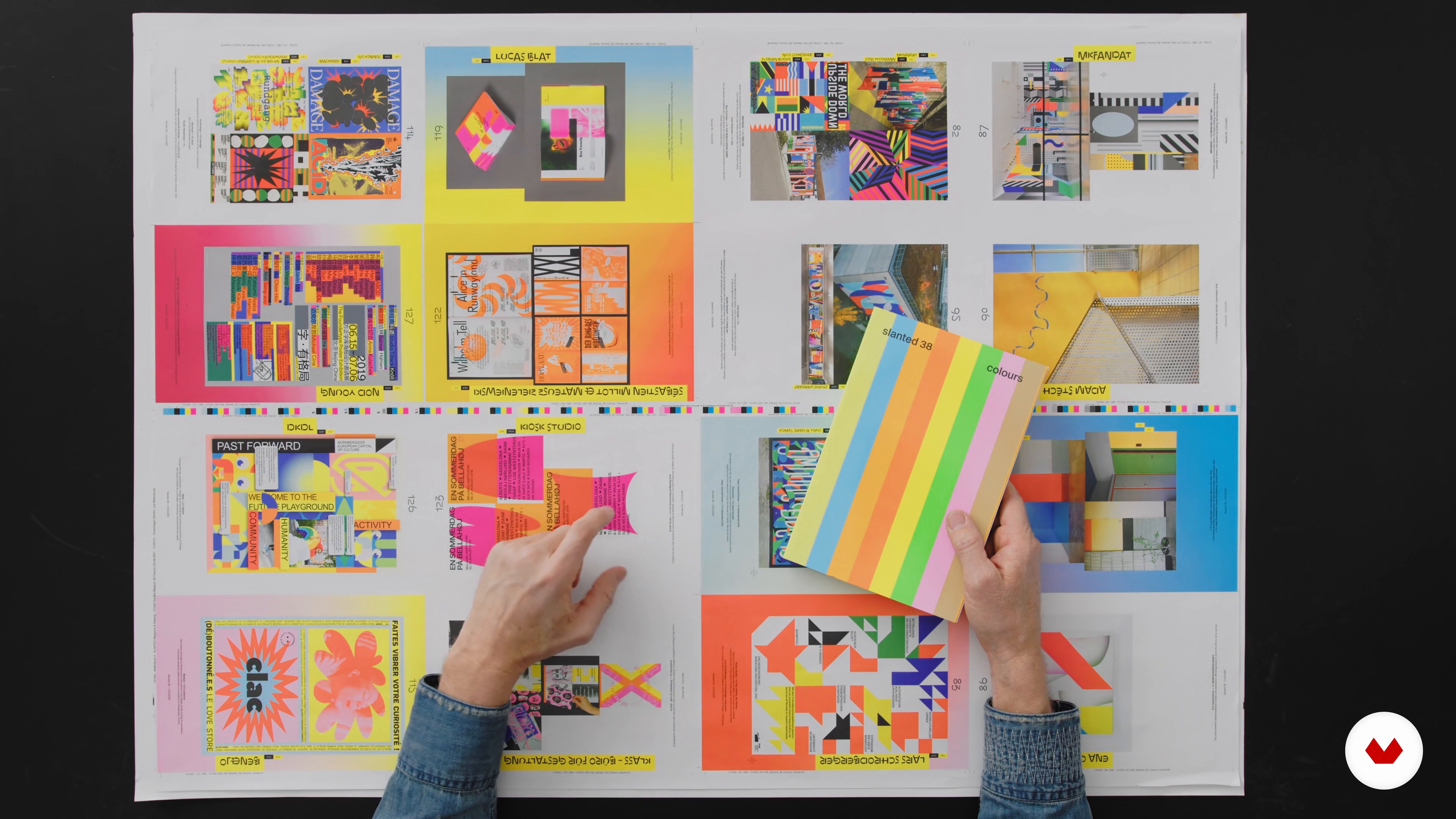
Which paper do you produce best with? And what processing methods are available to you to produce a remarkable magazine? This lesson could also be a whole course unit. Nevertheless, I would like to give a little insight into paper and production - because that is also an essential part of good design.
12m
image
14
The Printing
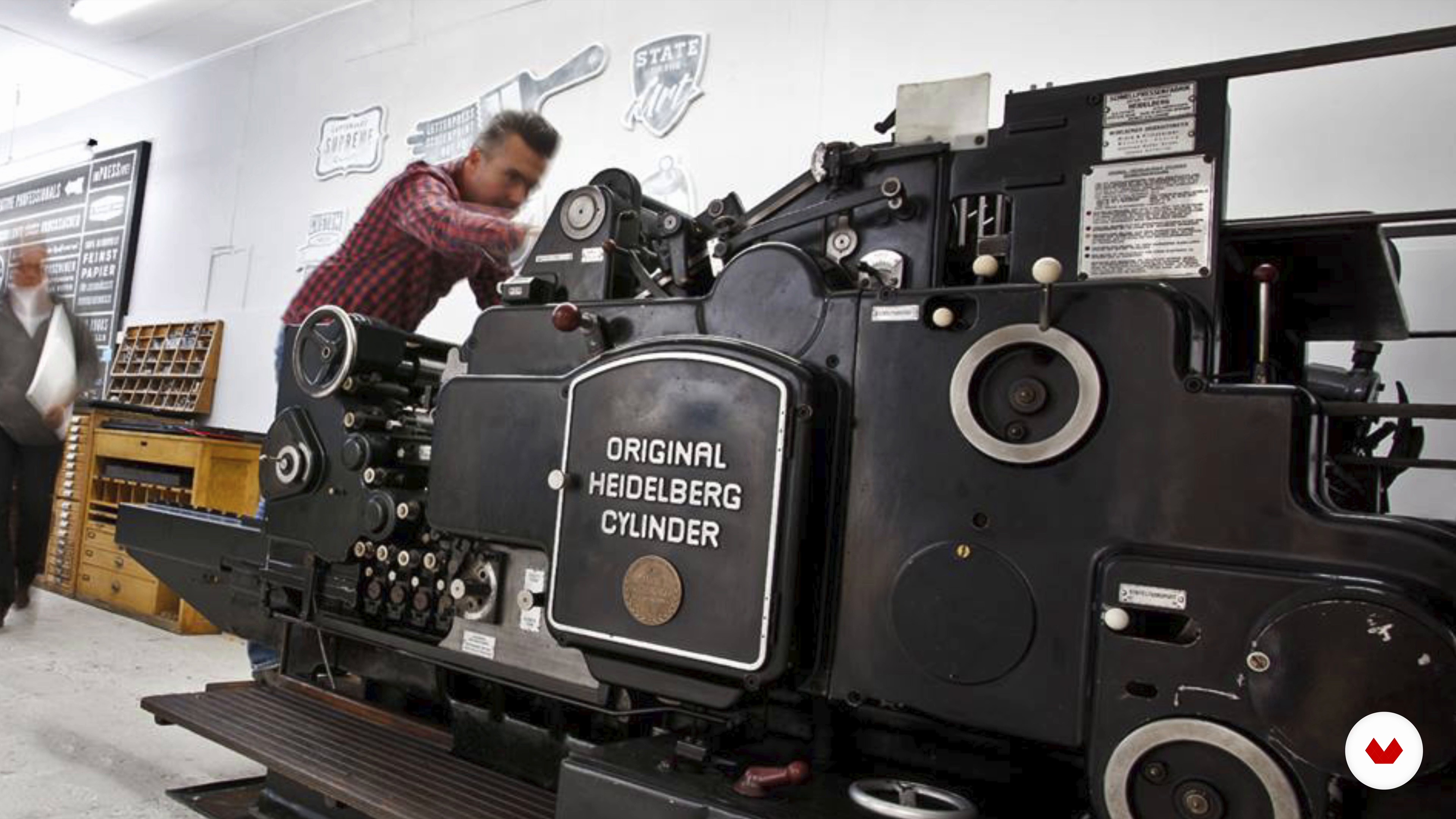
Everything can go wrong when printing, because at this point you hand over your work and have to trust the skills of others. So it's important to be there as much as possible. Not only to test, but also to create trust, to learn, to see differently and to take something away from this experience for future projects.
17m
image
15
Special Editions
A whole course in itself, but in this case a look at a few things anyone can do: from social media to events.
7m
image
16
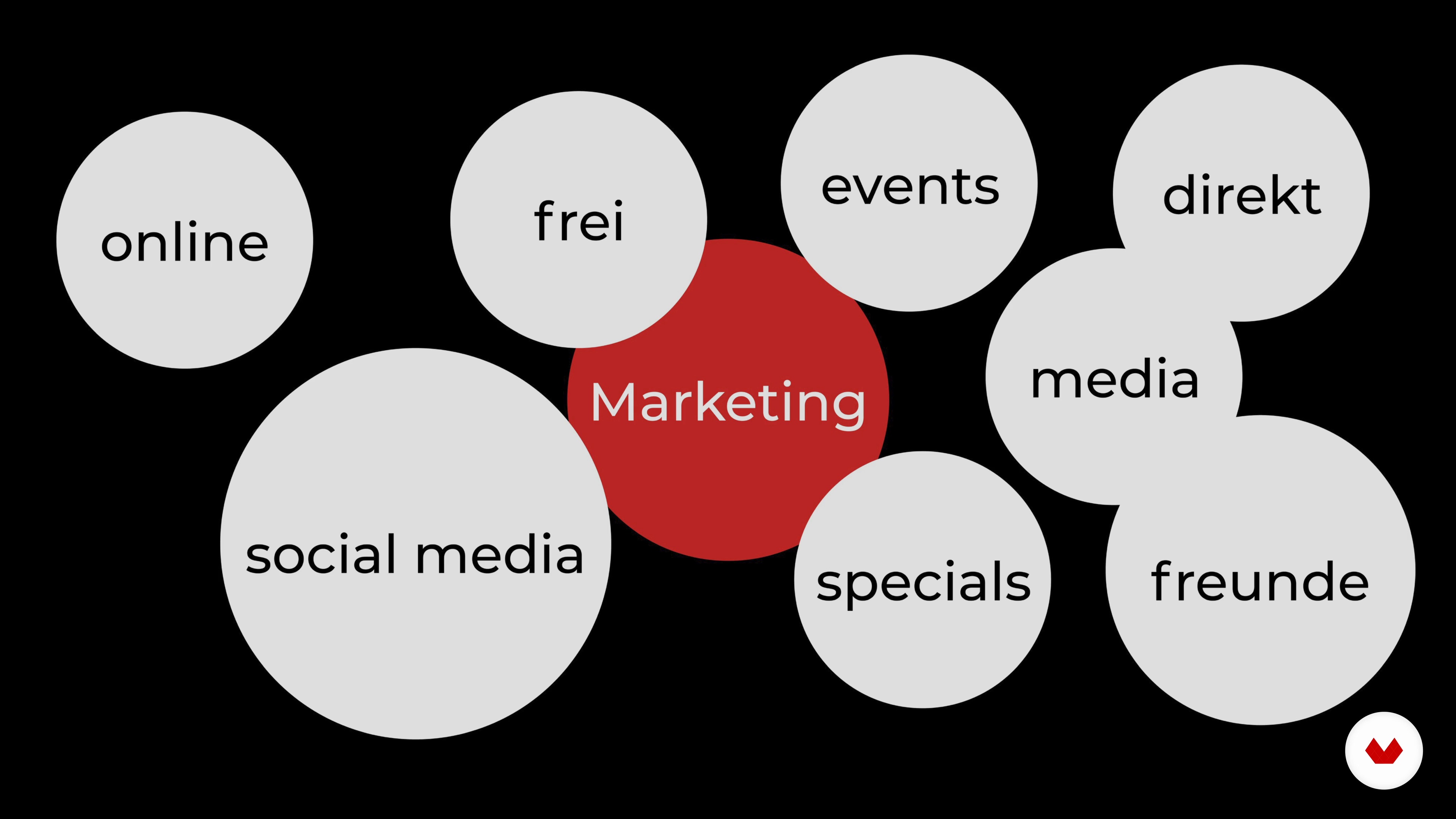
Distribution and Marketing
It gets expensive when your work is in storage and nobody wants it. Therefore, when producing a magazine, it is always part of planning what will happen to it once it has been printed.
4m
image
3
Editorial design: vocabulary and principles
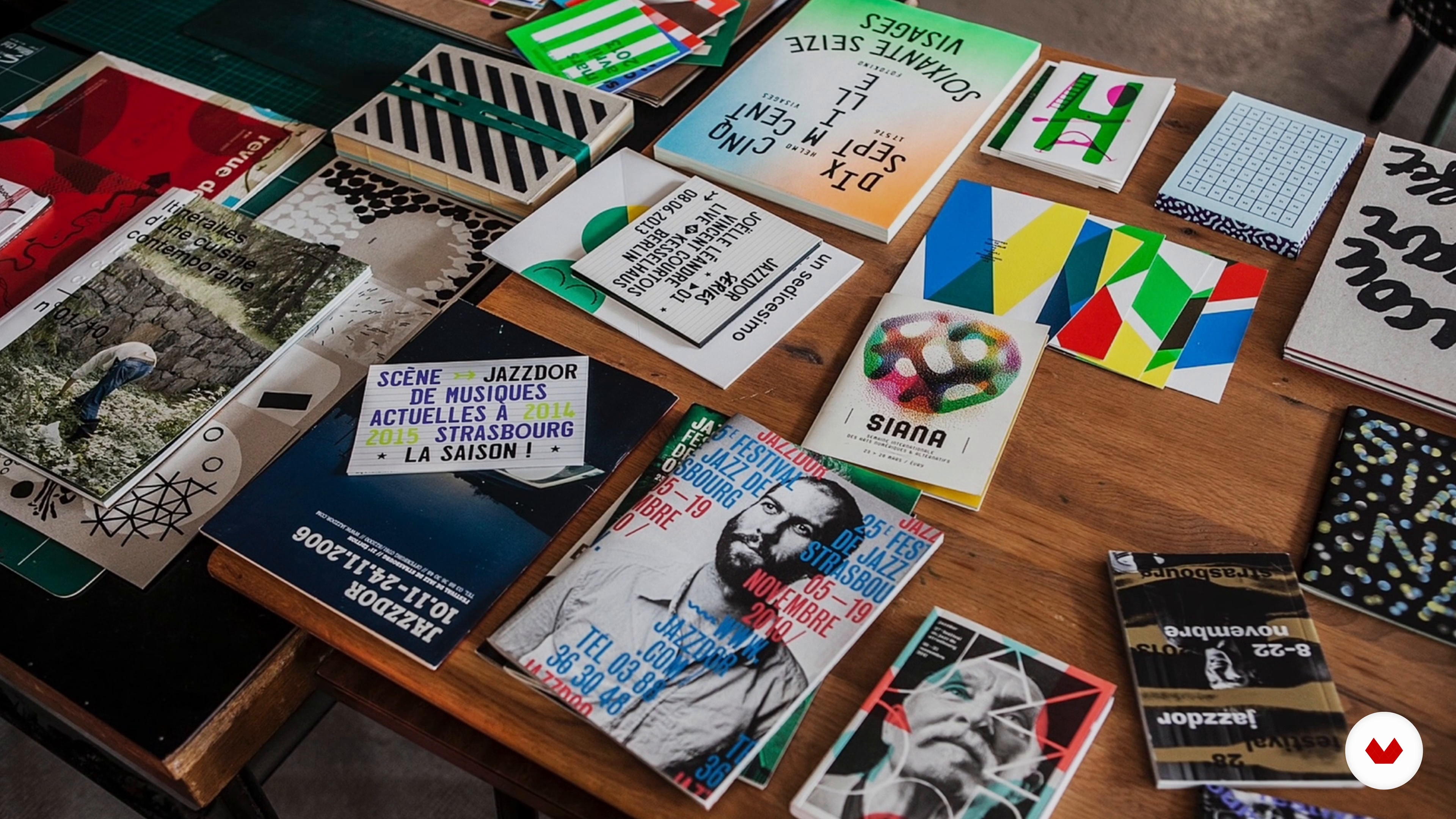
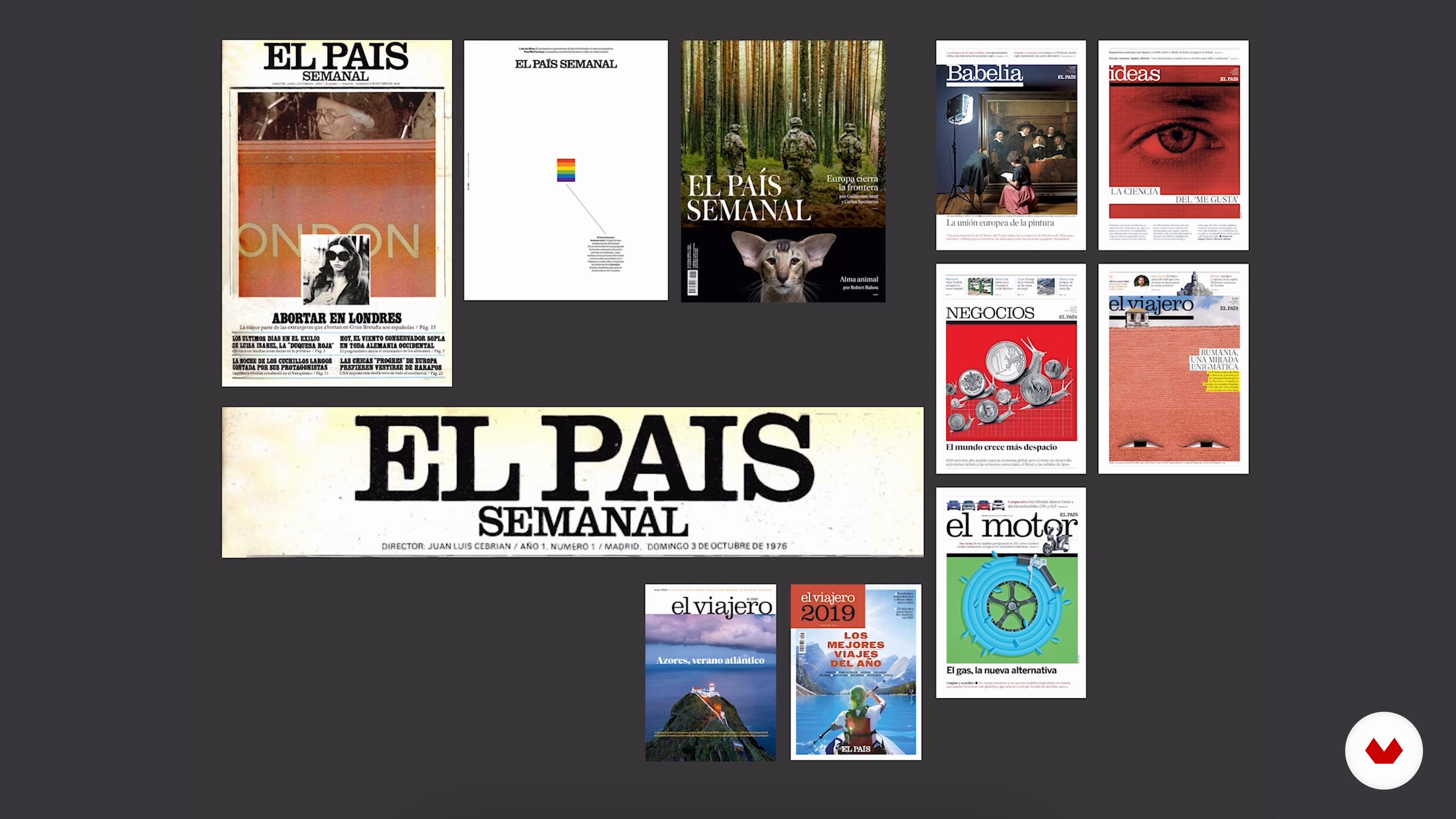
Editorial design consists of formatting and ordering content to make it readable and understandable for reading. Here we will introduce you to its vocabulary and its principles, and we will show you different types of printed editorial objects.
8m
image
4
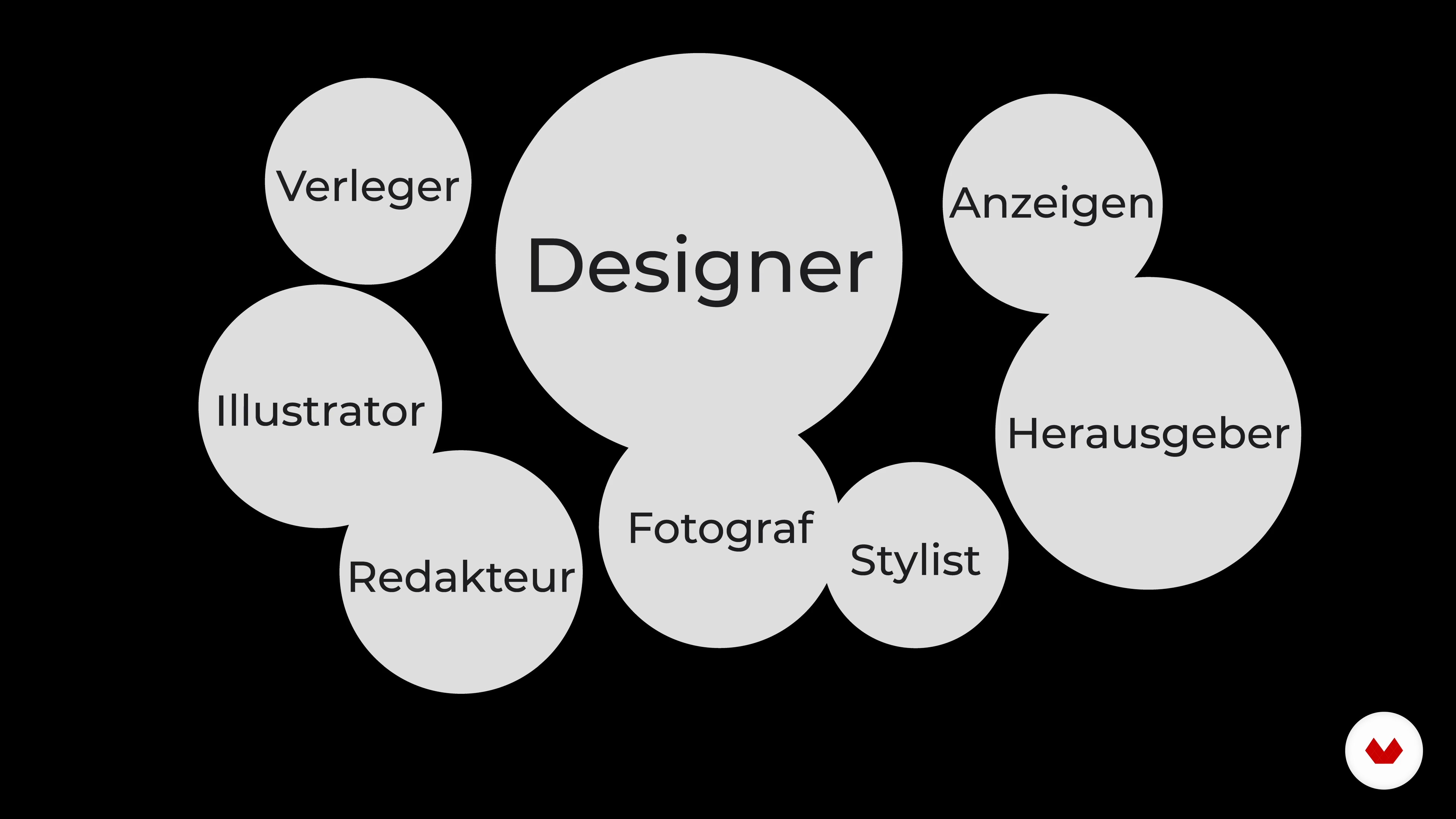
The different players in publishing
We are now going to explain to you which are the different actors involved in the design of a journal or an editorial project. We will also detail the stages of this design.
4m
image
5
The principles of composition
From books that we have designed, we will now detail the interest of thinking about a subject-specific layout and the type of document it presents. We will also look at the advantages offered by a layout template.
8m
image
6
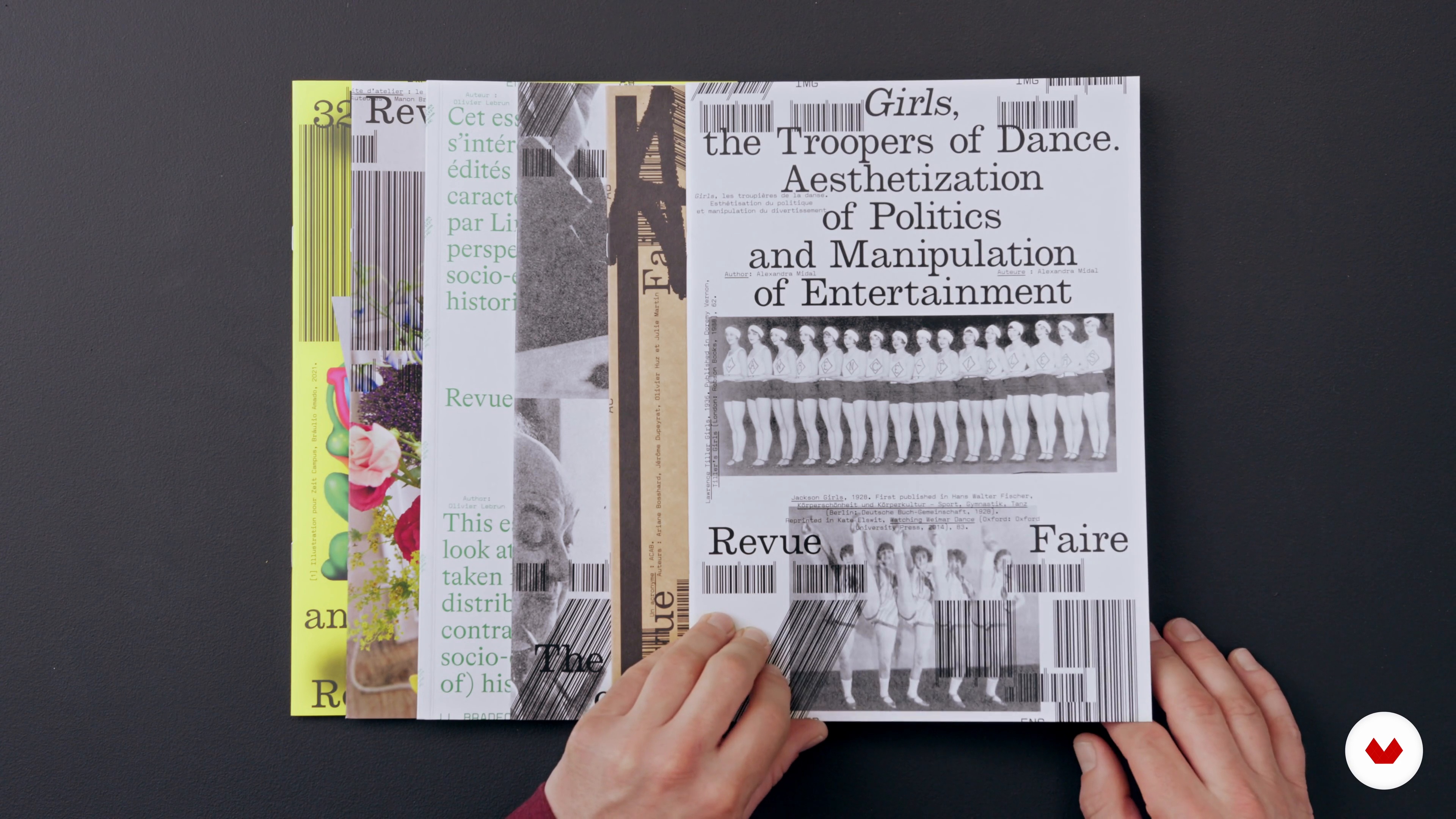
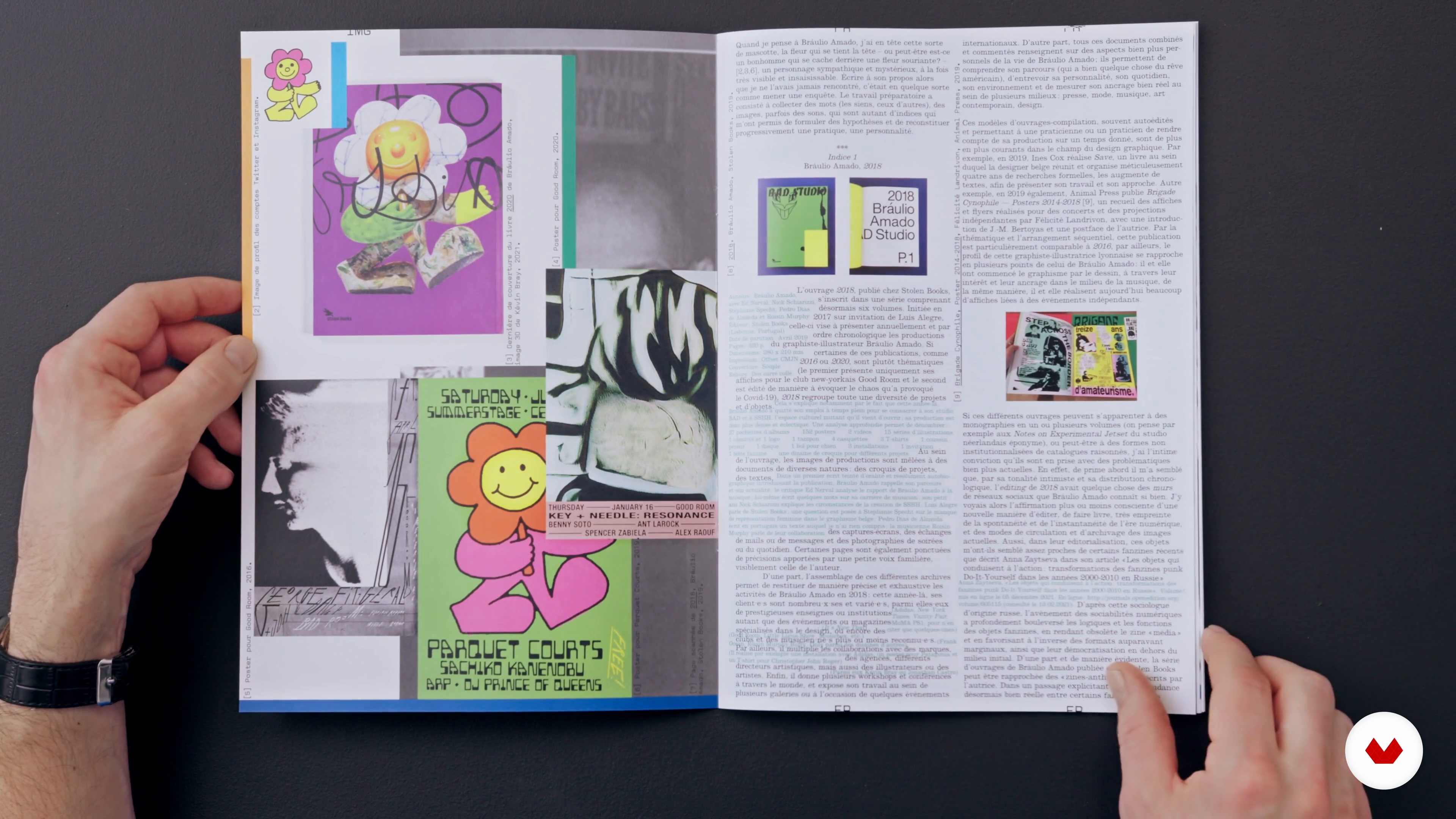
The magazine "Revue Faire"
First of all, we are going to give you a general presentation of the Revue Faire , its context, the subjects it deals with and its periodicity.
7m
image
7
Analysis of the grid in place
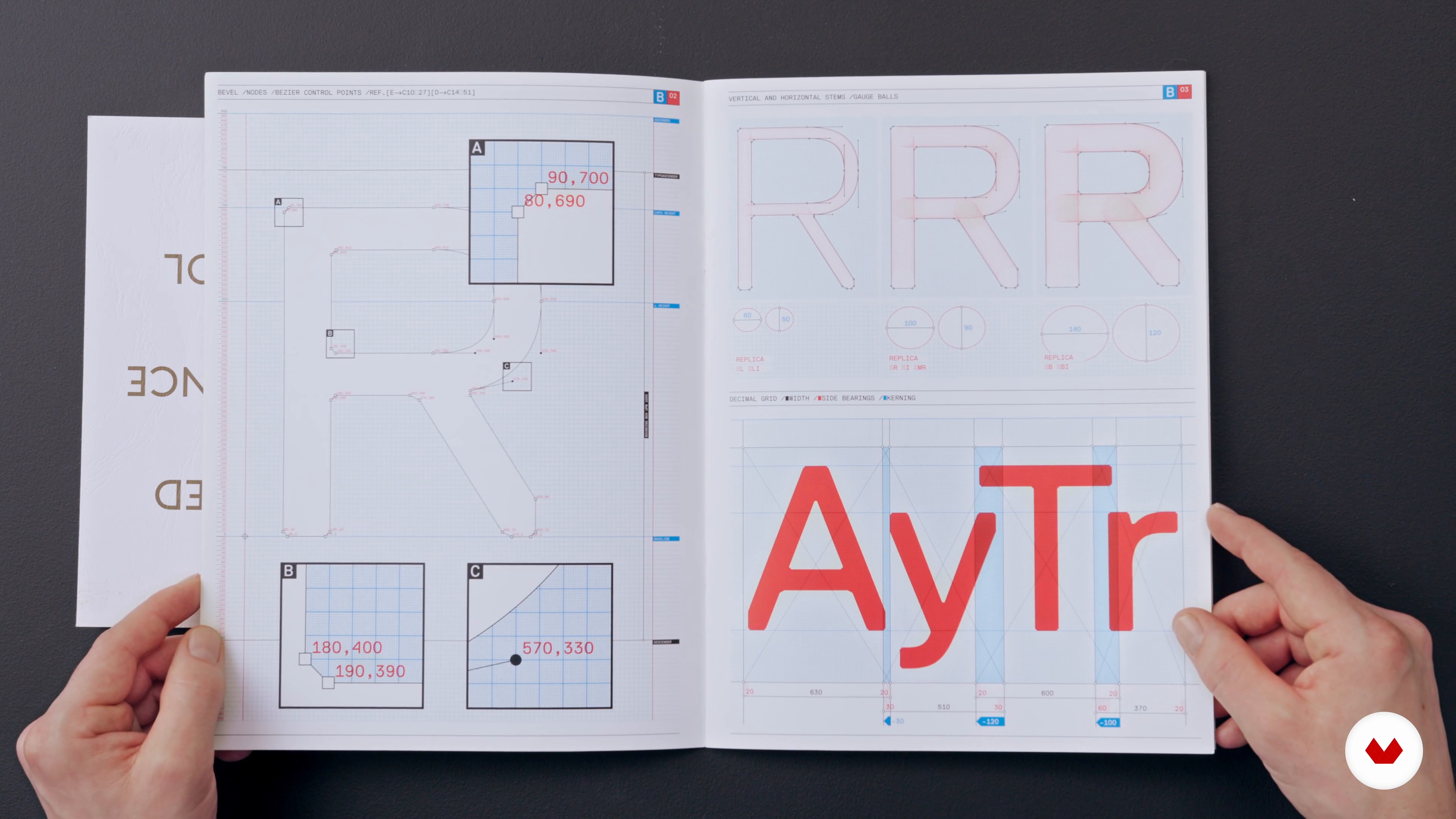
We will now focus on two of the issues of the review and detail the established graphic choices. This will allow us to explain to you the templates and the layout grid used for all the issues of the journal.
6m
image
8
The artistic direction of the issue
Finally, we will present the subject of the issue from which we will create a layout and make a choice of reproduction of the iconography in order to establish the artistic direction.
4m
image
9
The substance and the form
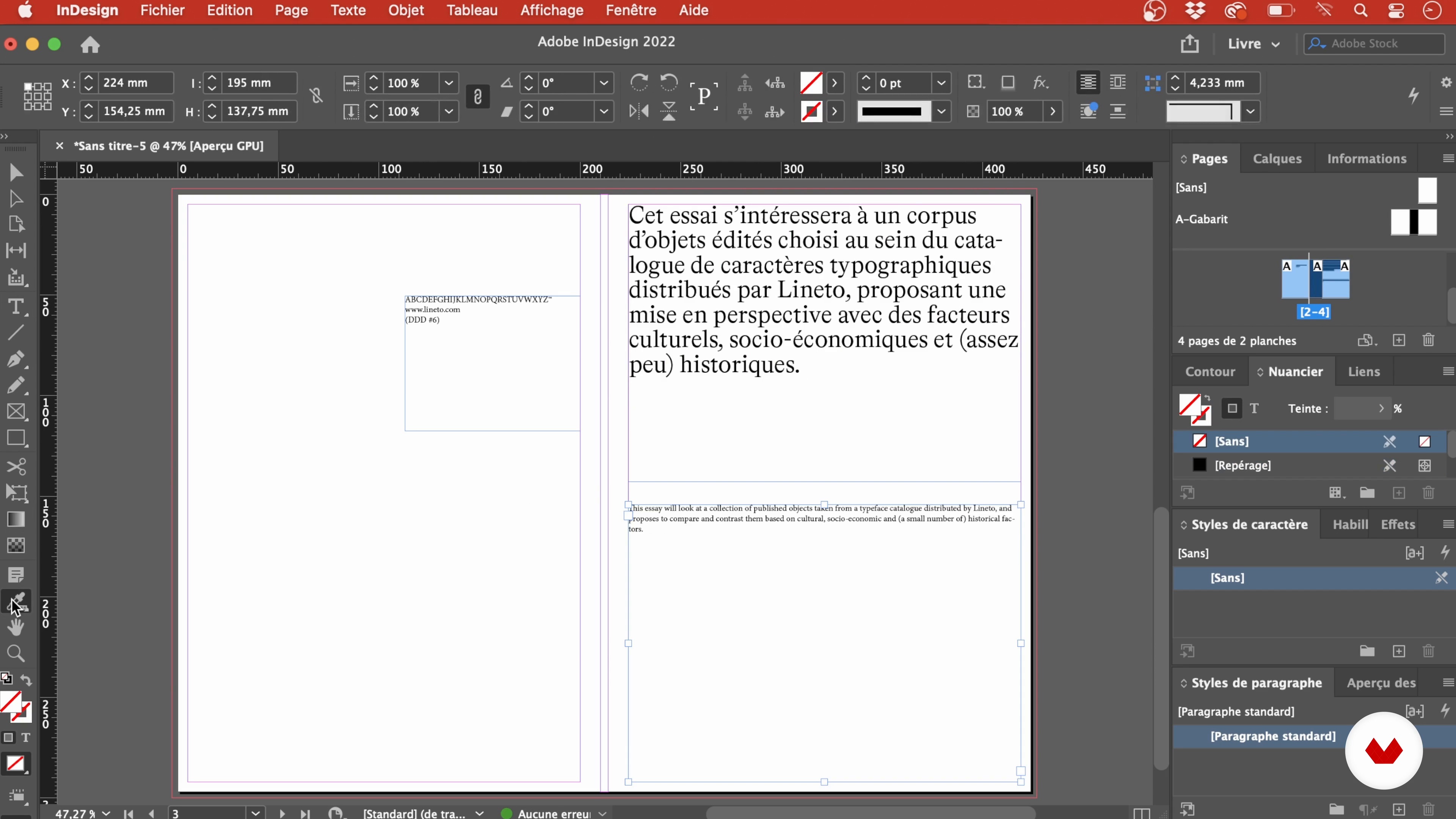
The first step in the realization of the journal will be to create a layout principle adapted to the content of the issue. For this, we will work with Adobe InDesign software.
14m
image
10
The composition of a grid
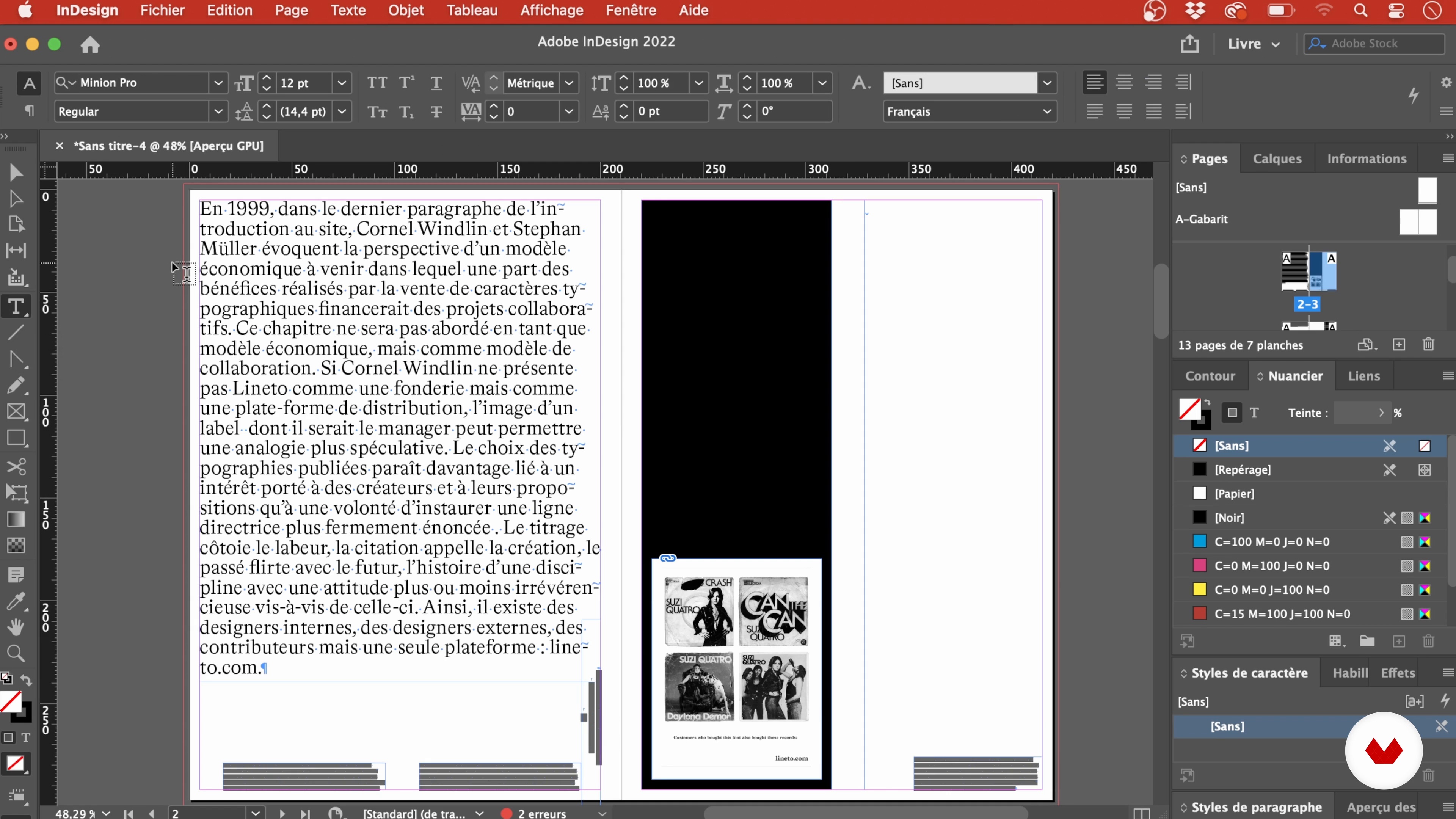
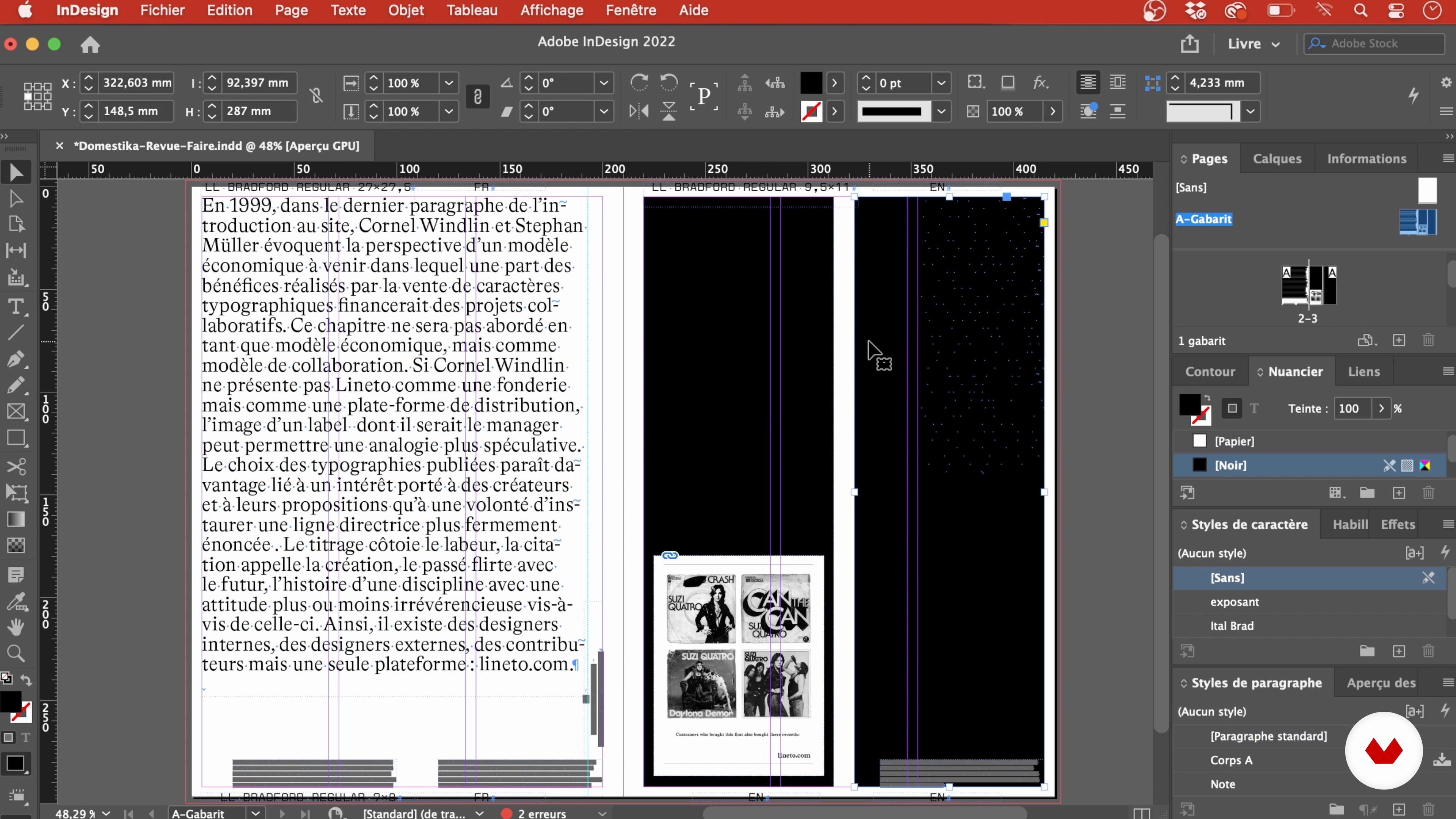
Now we will work on designing the layout grid and the journal templates. We will also expand on paragraph and character styles. This more technical work step is very important and will facilitate the following steps.
11m
image
11
The composition of the text
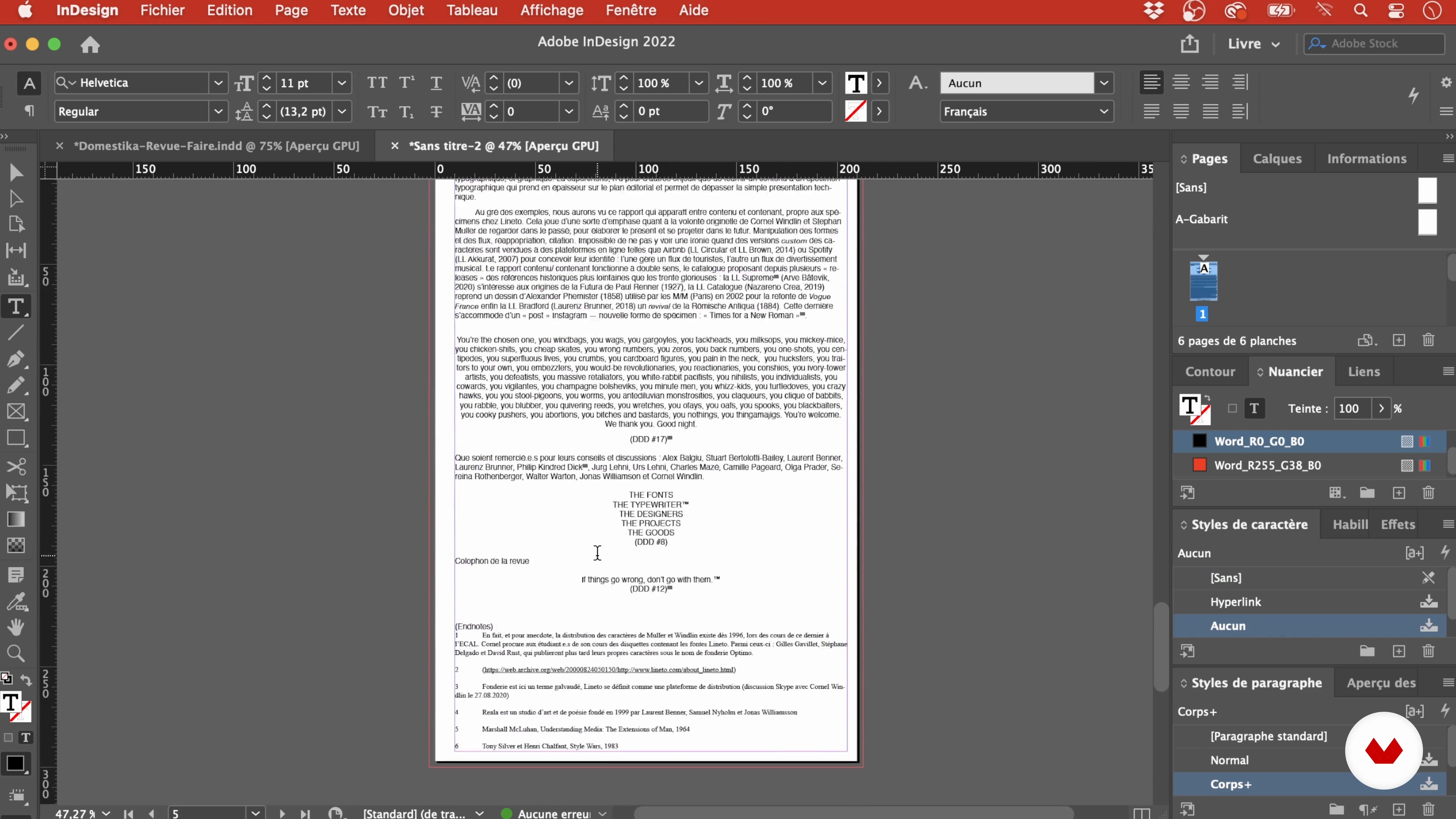
It's time to focus on the text! Here we will show you how to integrate and compose the text of the review. For this, it will be necessary to think about the reading hierarchies of the different types of text.
13m
image
12
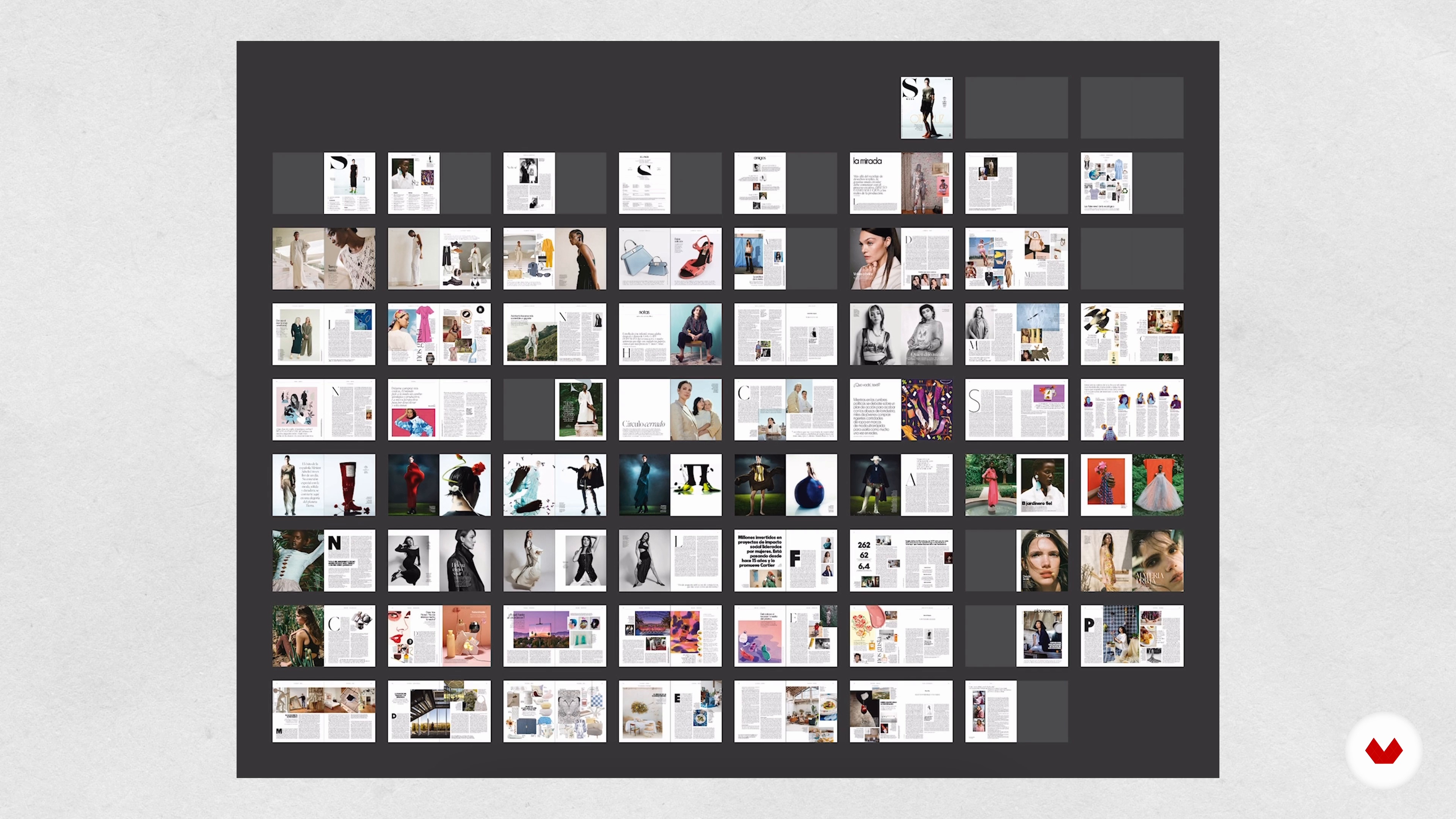
Layout
Now that we have established all the principles necessary for the layout of the magazine, we can move on to the realization of the interior pages. It will thus be necessary to think about the format and the number of pages that the issue will contain.
13m
image
13
Creating a hedging principle
The final step in designing the journal is finding a cover. We are therefore going to begin the research and the creation of a principle of cover which will announce the interior of the magazine.
8m
image
14
The choice of materials
An important choice to make when preparing to print is that of materials. Here we are going to present you different types of paper and binding in order to choose the most suitable solutions for your journal.
6m
image
15
Image preparation
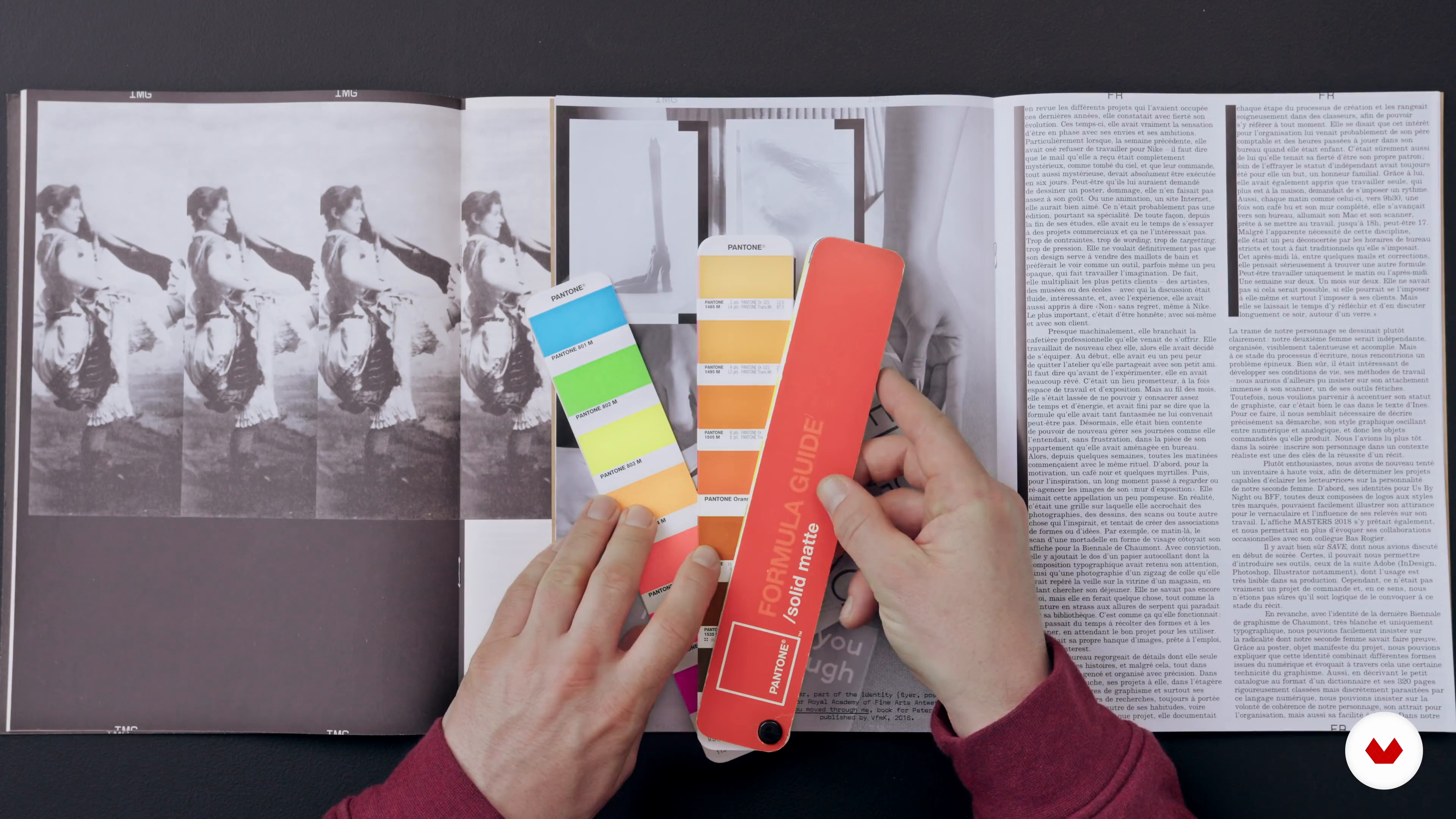
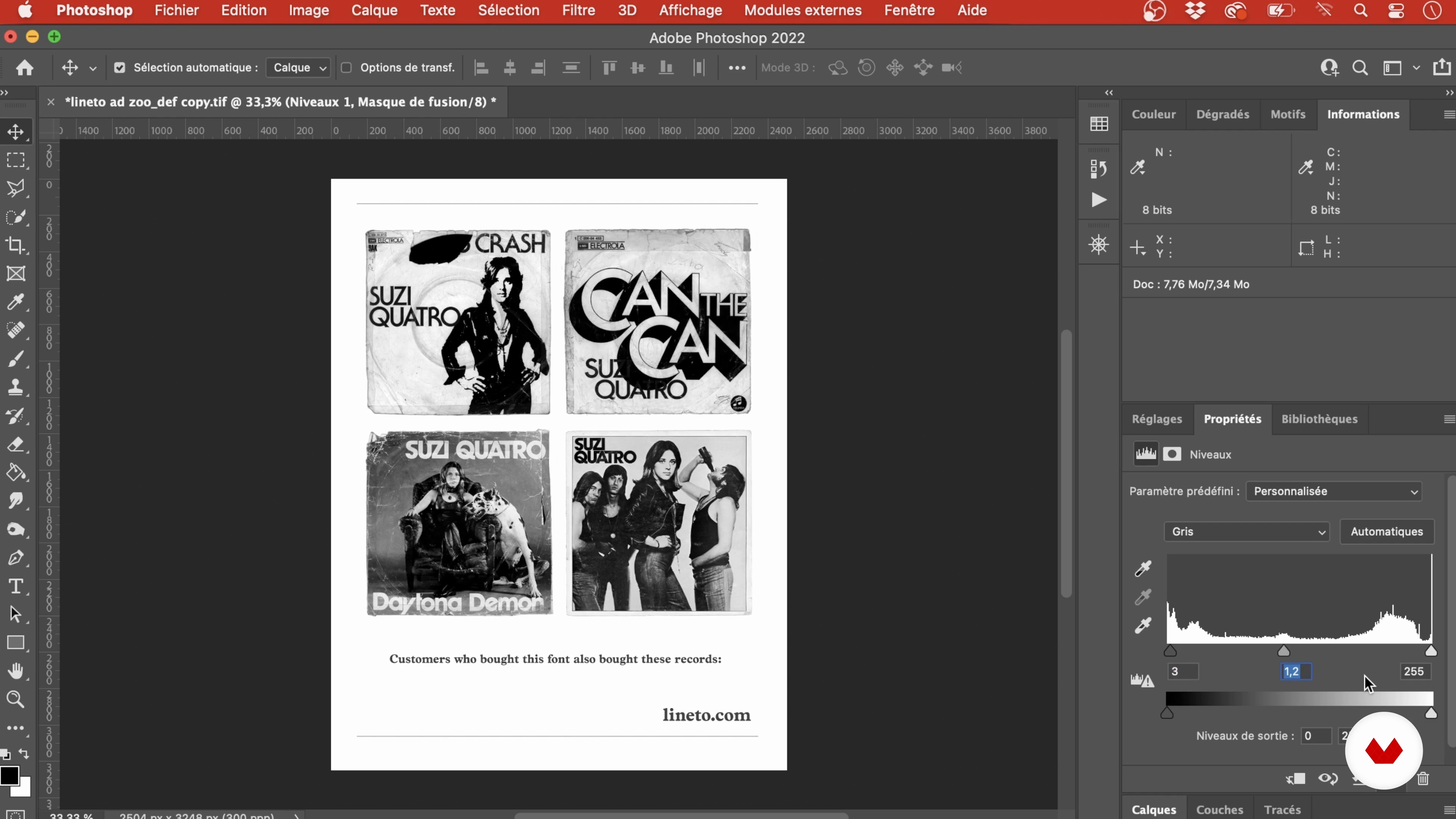
Now we'll show you how to prepare and edit your images for printing. For this, it will be necessary to understand the two types of color synthesis that exist: RGB and CMYK.
8m
image
16
The impression
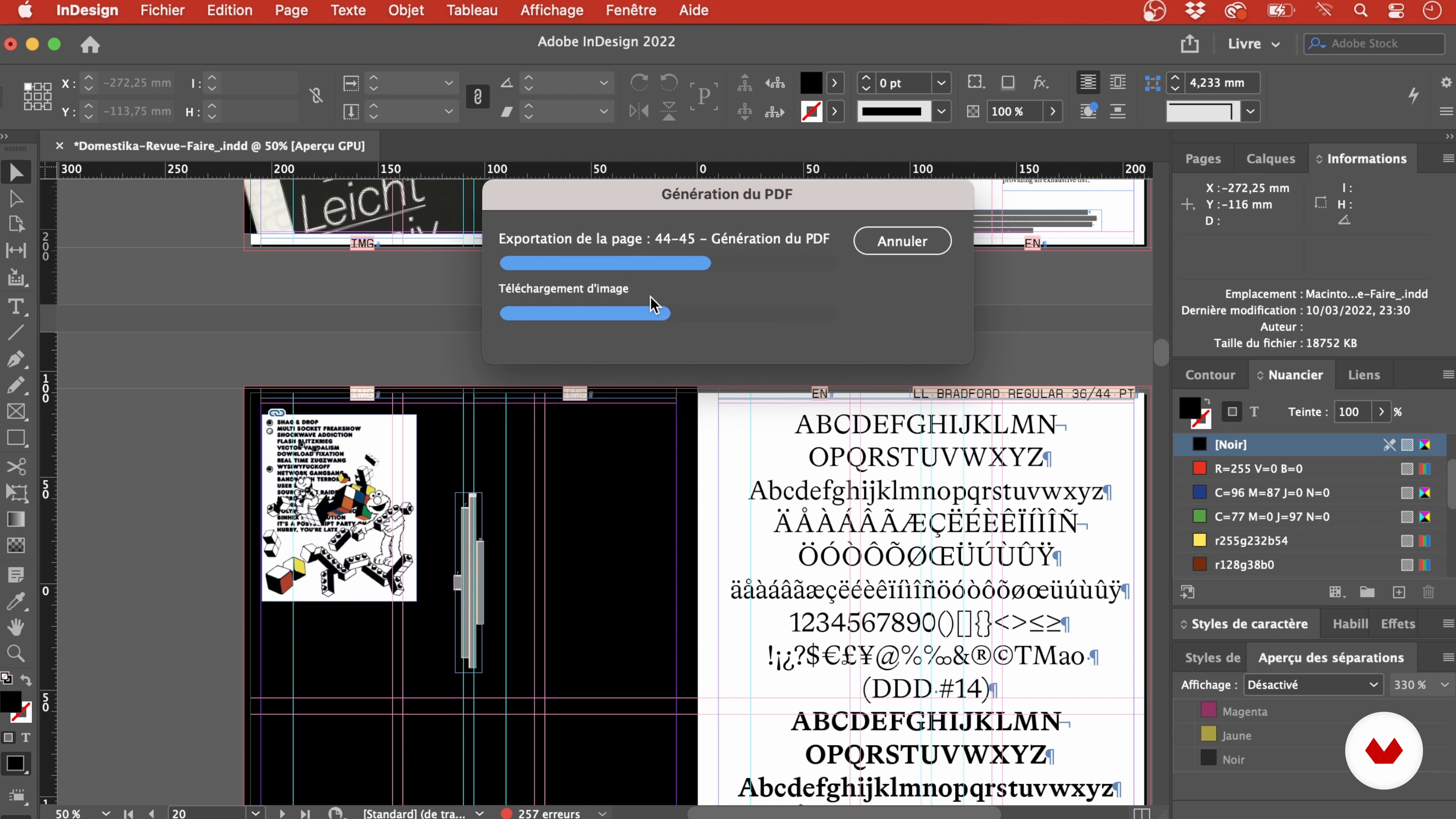
Here we are ! The magazine is ready. All that remains is to correctly export a PDF file from InDesign to be able to send it to the printer. This is what we are going to teach you to do in this lesson. You will also see how to check the ink coverage and color separation.
7m
image
3
What is a magazine?
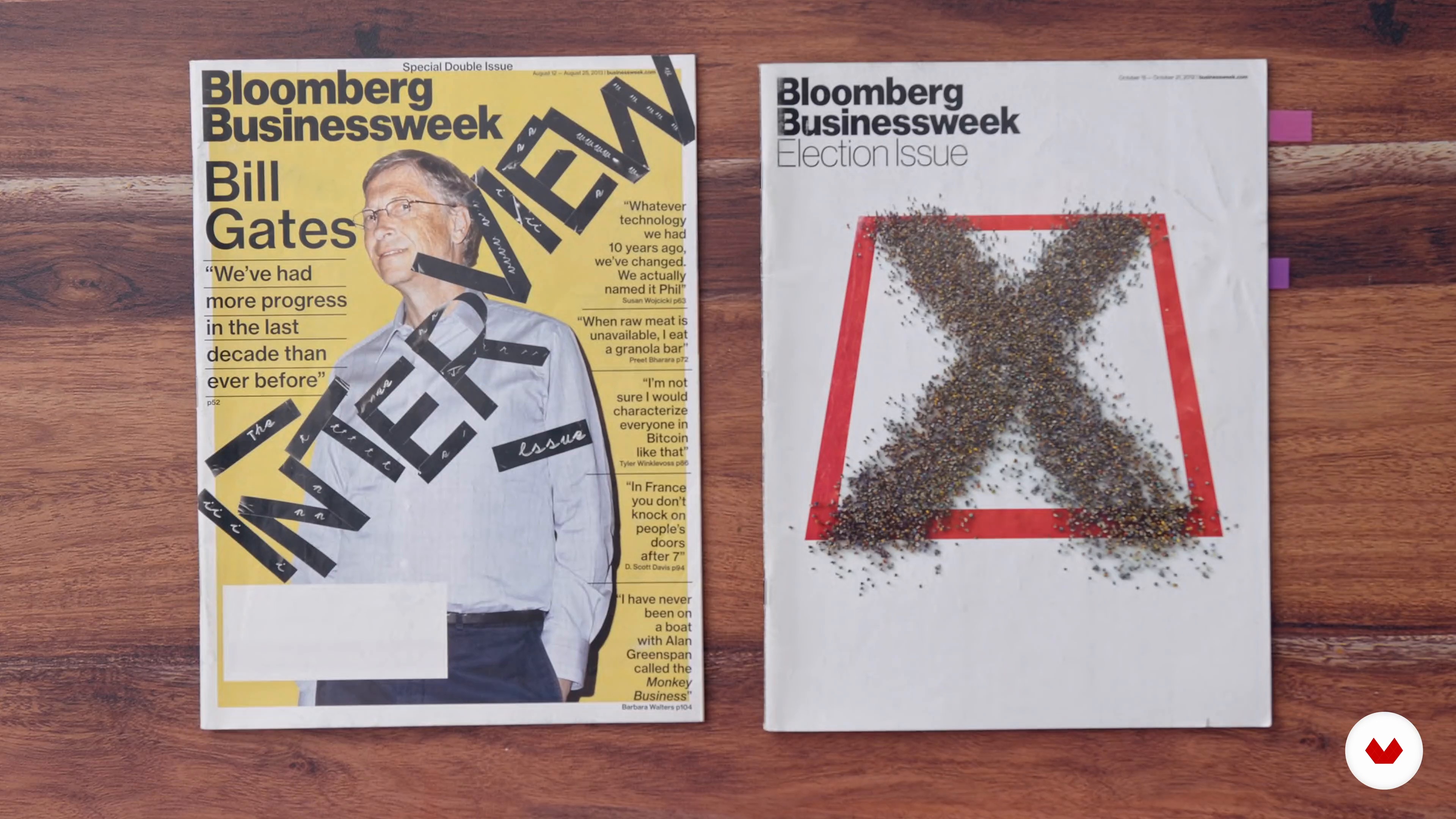
What exactly is a magazine and how is it different from a newspaper? Before getting down to work, let's do a little initiation into the world of magazines.
13m
image
4
Cover Story 1
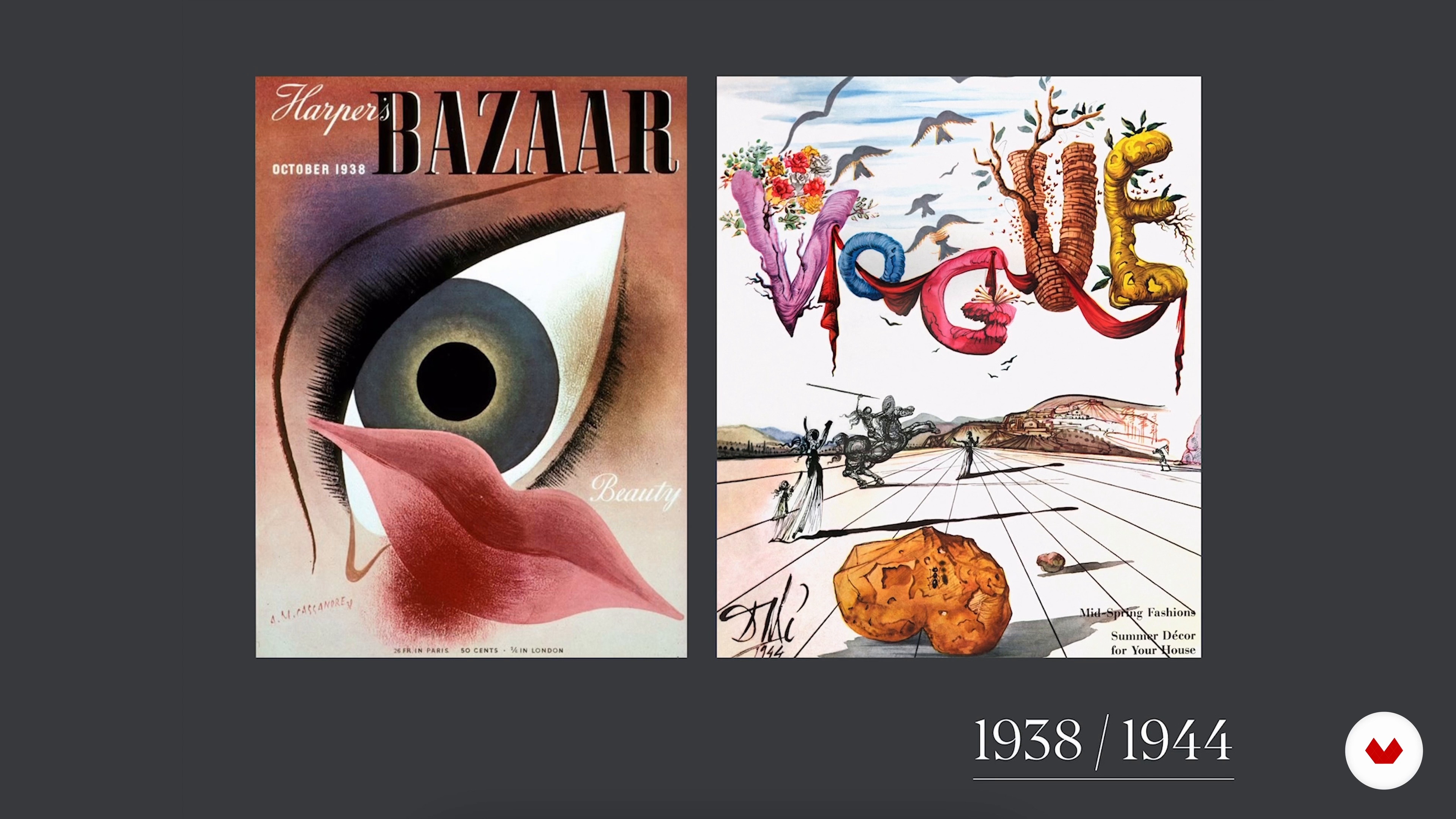
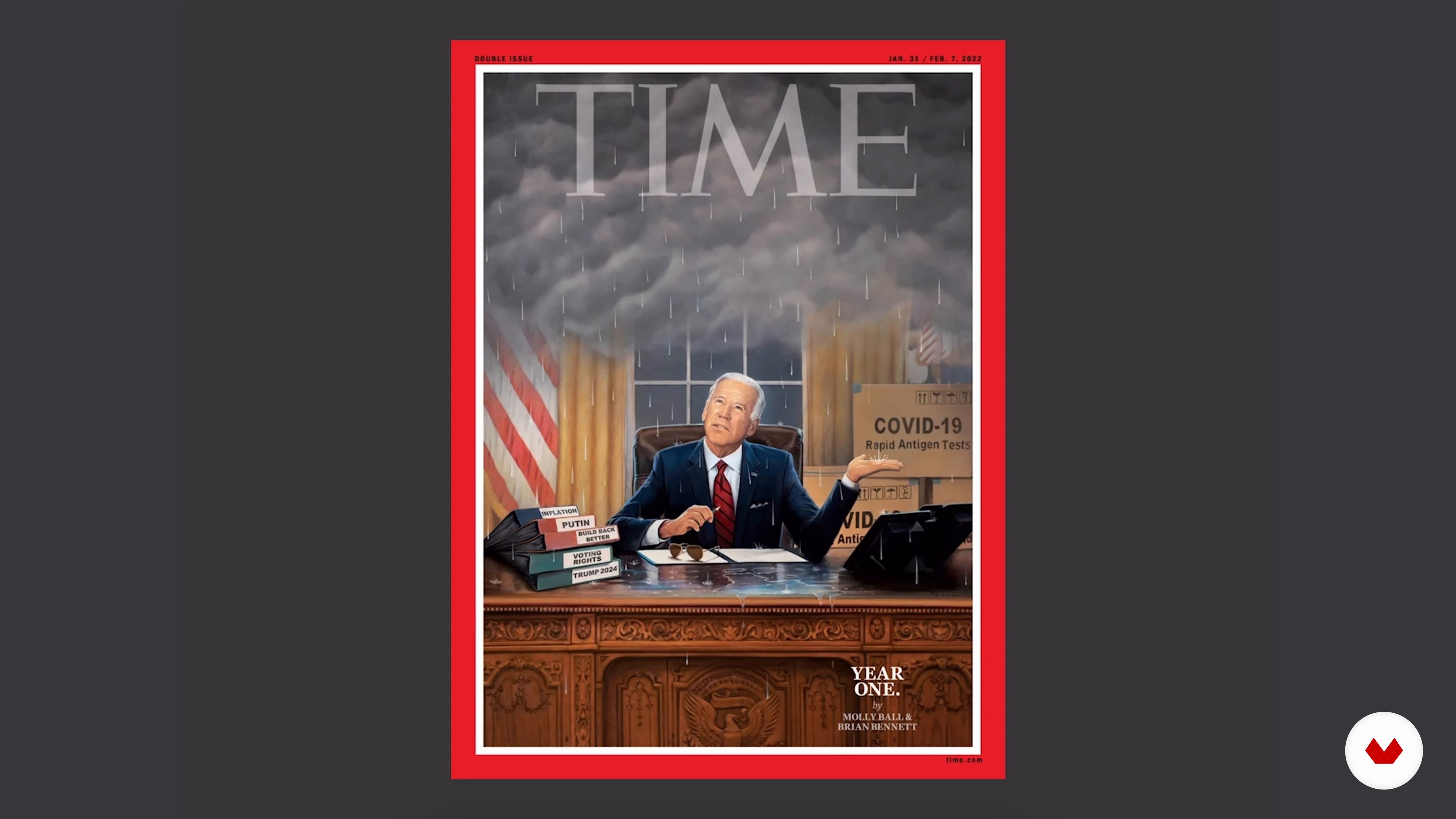
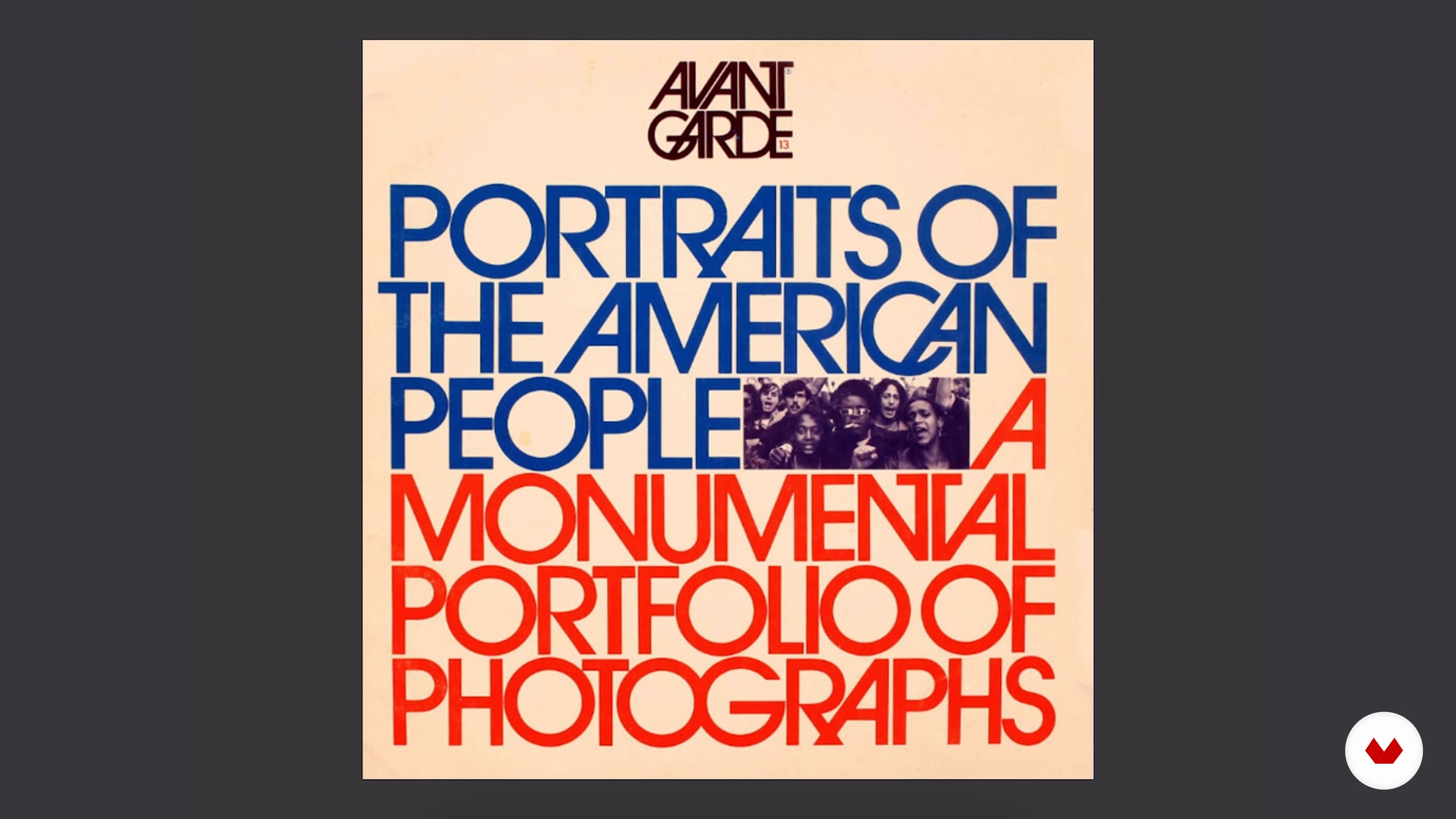
Magazines are second to none when it comes to creating iconic images that epitomize the spirit of their times. In this lesson we'll take a quick trip back in time to enjoy some great moments in cover history.
17m
image
5
Cover Story 2
It is important to look at what has been done in the past to create and develop new designs and new ideas, and it is fundamental to learning to design.
20m
image
6
How many types of covers are there? 1
What type of cover best suits the story you want to tell? In this lesson we will see a generic classification that can serve as a guide when guiding the first steps of your design.
12m
image
7
How many types of covers are there? 2
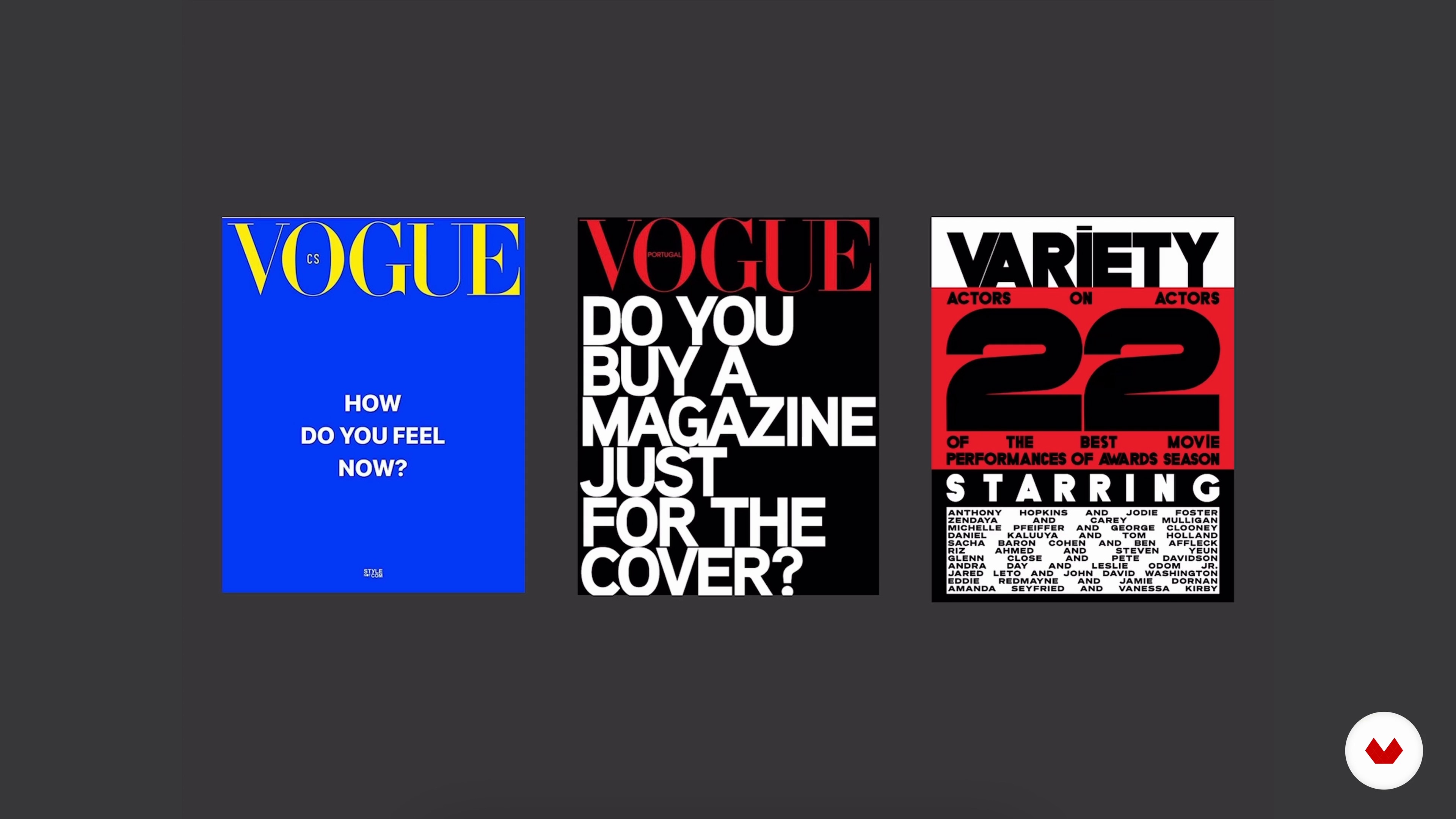
We have already seen the covers with figurative images and the conceptual covers. The third type is the text covers, which, despite dispensing with the graphic element, transmit a very powerful message to the reader.
8m
image
8
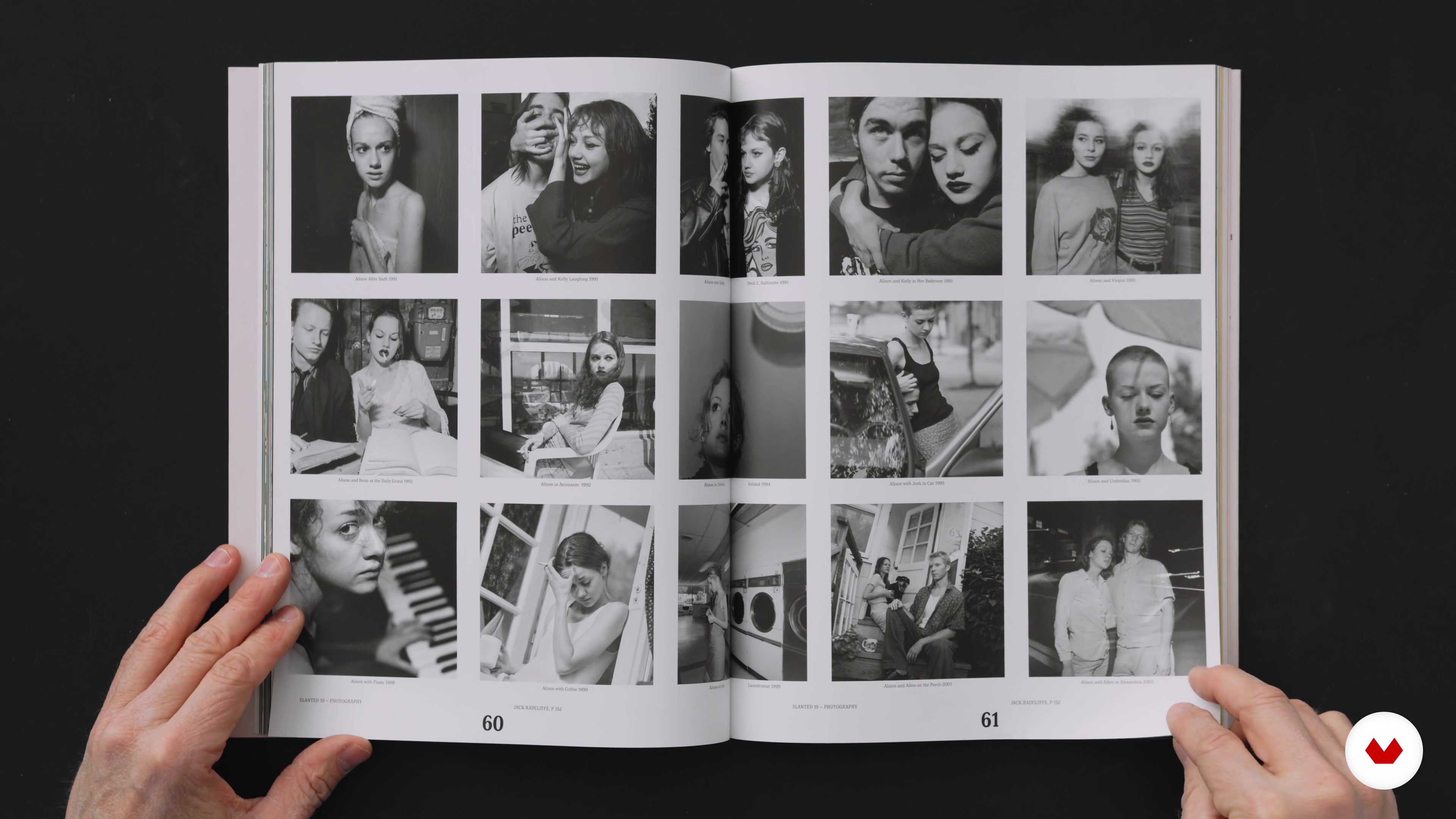
Other classification according to the central graphic element 1
If you already have a rough idea of the approach with which you want to prepare the cover, it is time to define the main graphic element. An image? What type? When is it good to use an illustration? What if you jump into designing a cover that uses only text?
12m
image
9
Other classification according to the central graphic element 2
To adapt to a wide range of content, it is necessary to use all possible types of covers: photographic and text, but also illustrated ones. As you will see, most of the covers use photographs as the main raw material. However, illustrations are perfect for explaining a complex idea and can sometimes achieve a more emotional effect than a photo cover.
12m
image
10
How to define the base design of a cover 1
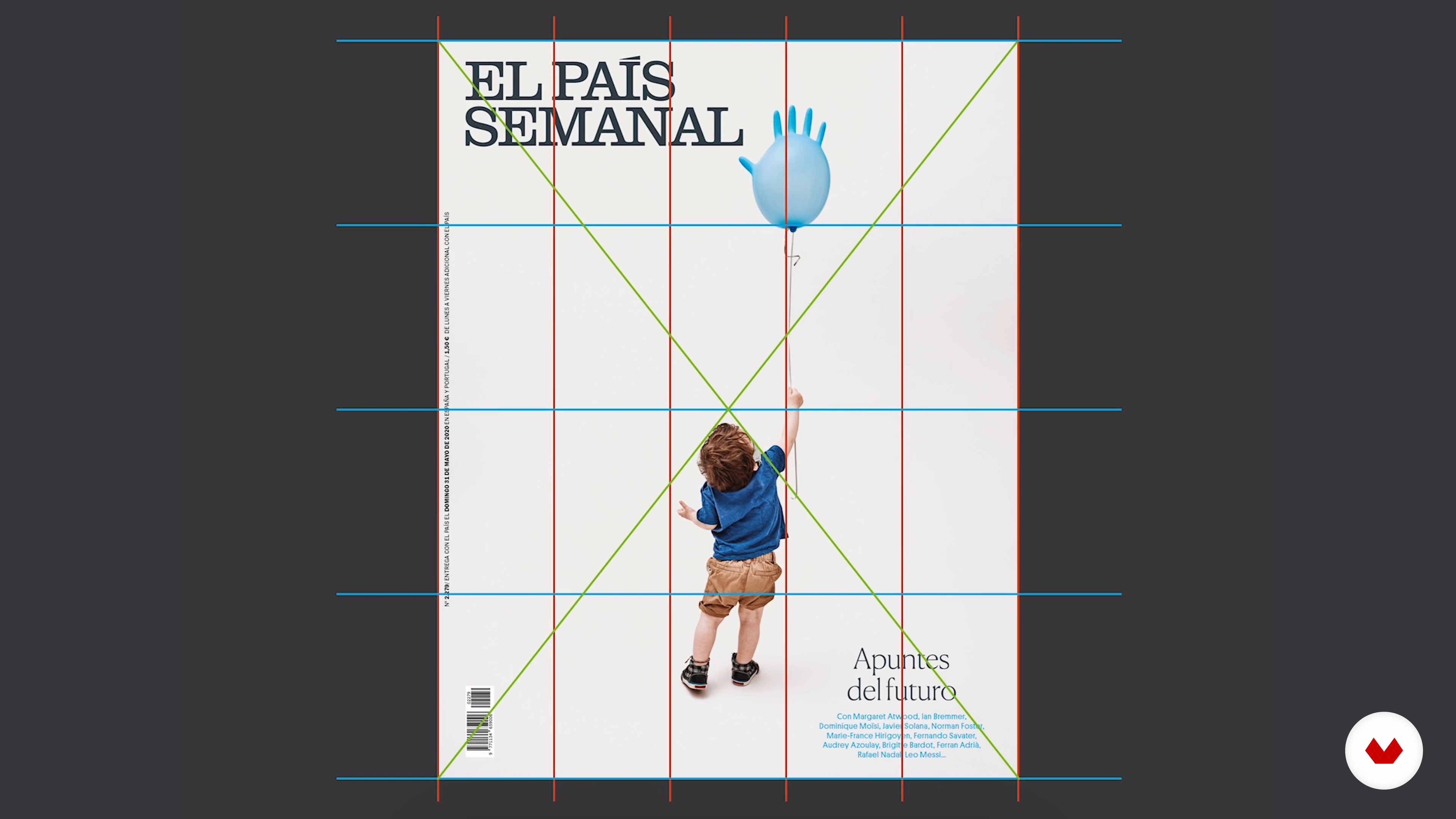
In this lesson you will learn how to create the internal architecture of the front page. Although the cover is always integrated into the overall graphic system of the magazine, it has many of its own characteristics.
17m
image
11
How to define the base design of a cover 2
As you will see, the covers are made of four elements: the format, the header (the fixed elements such as the logo), the image or images and the headlines. Let's see more examples of the use and combination of these elements.
20m
image
12
Process of a cover with photo
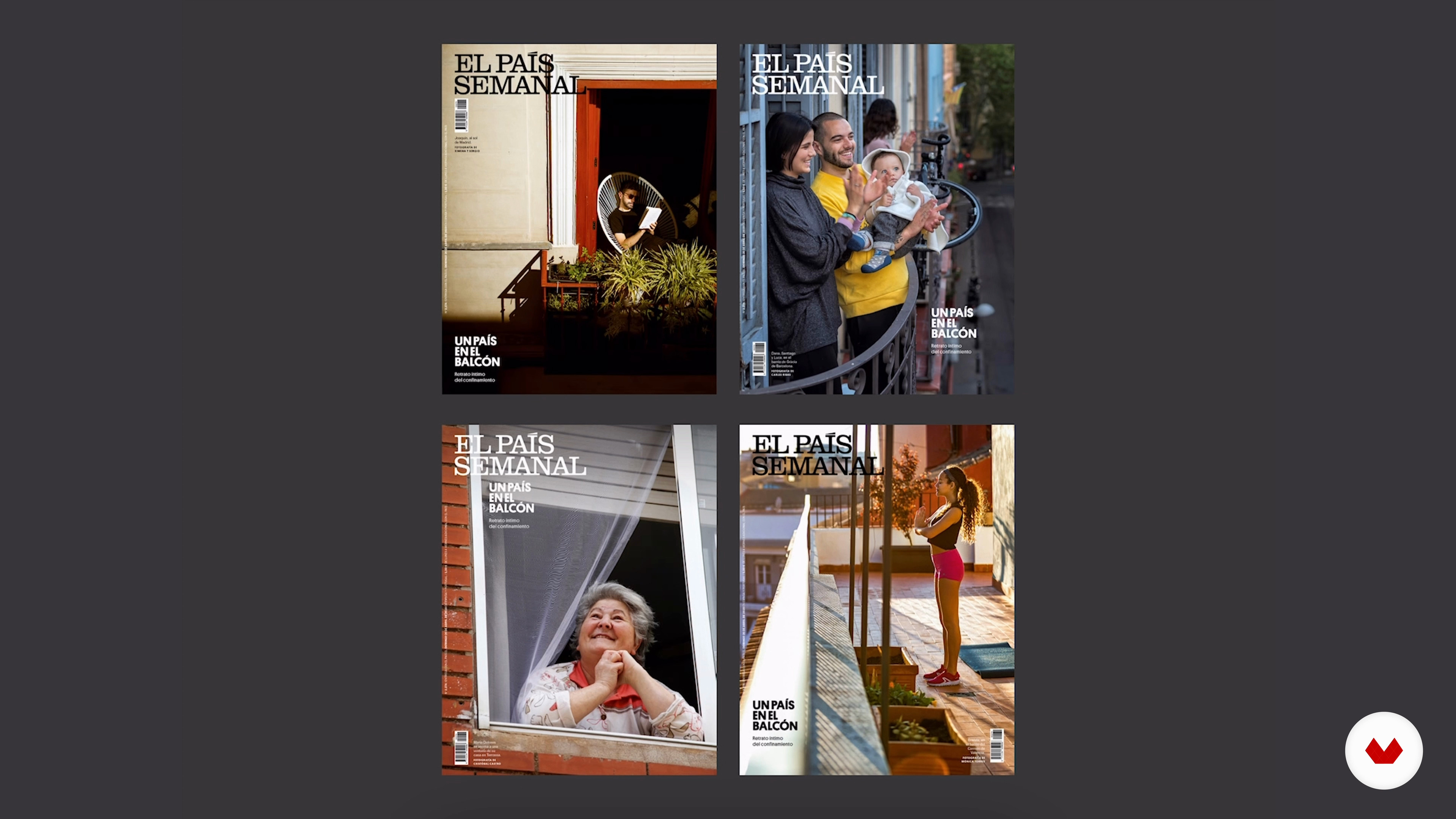
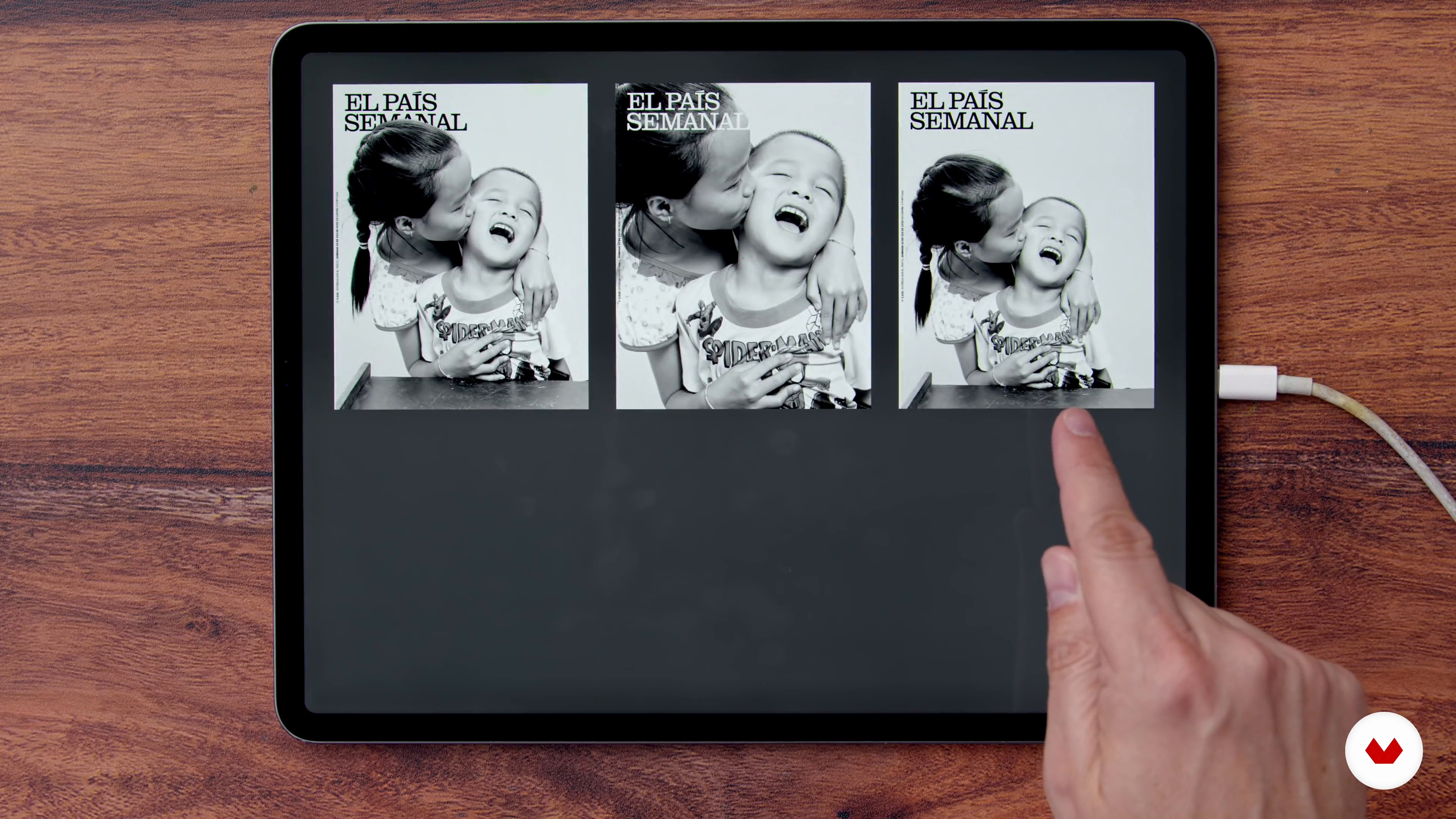
You have decided to design a photo cover. What kind of photo are you going to use? Where do the images in the magazines come from? Let's see how to make a photographic cover work by analyzing real cases.
14m
image
13
Process of an illustrated cover
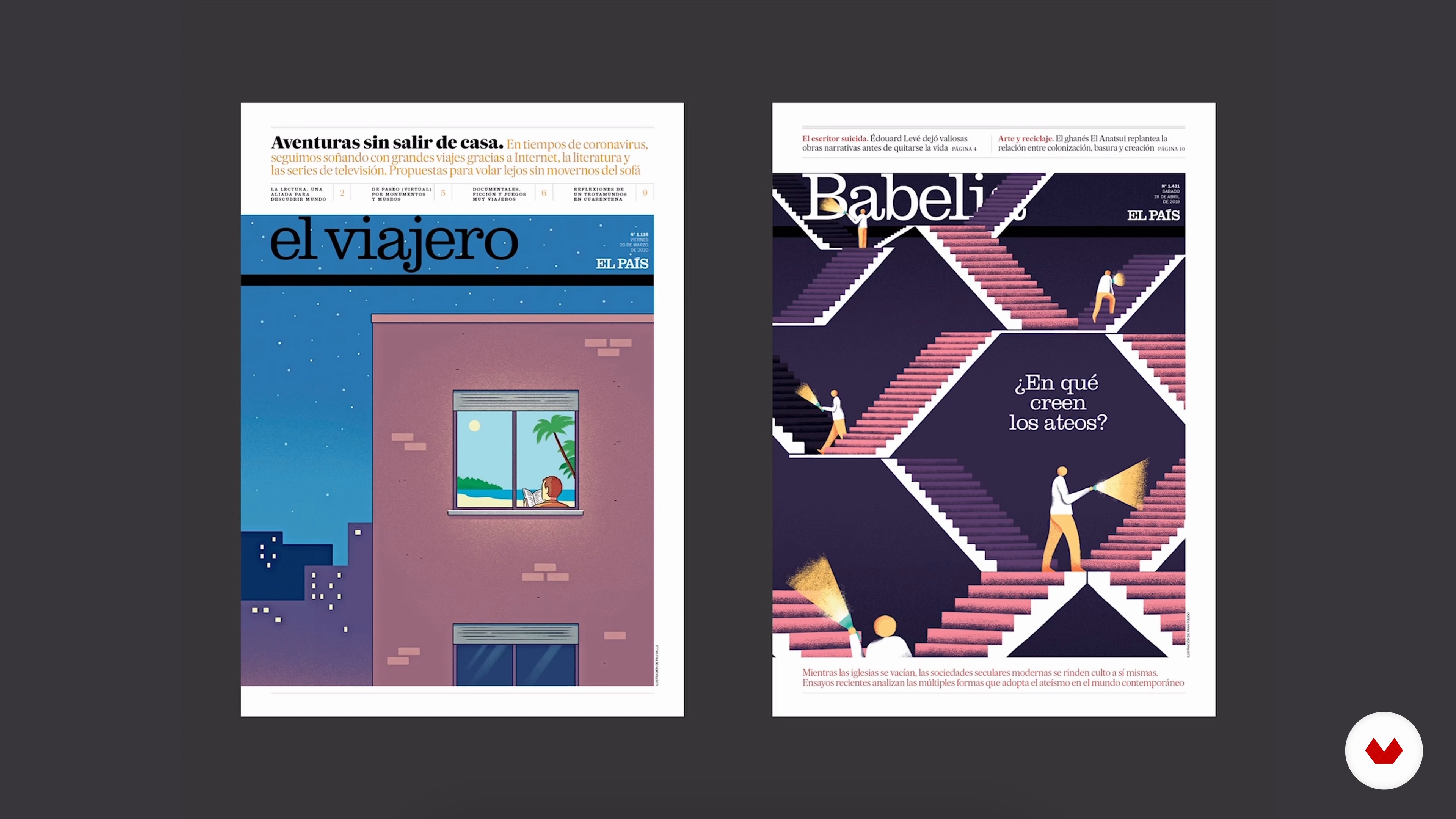
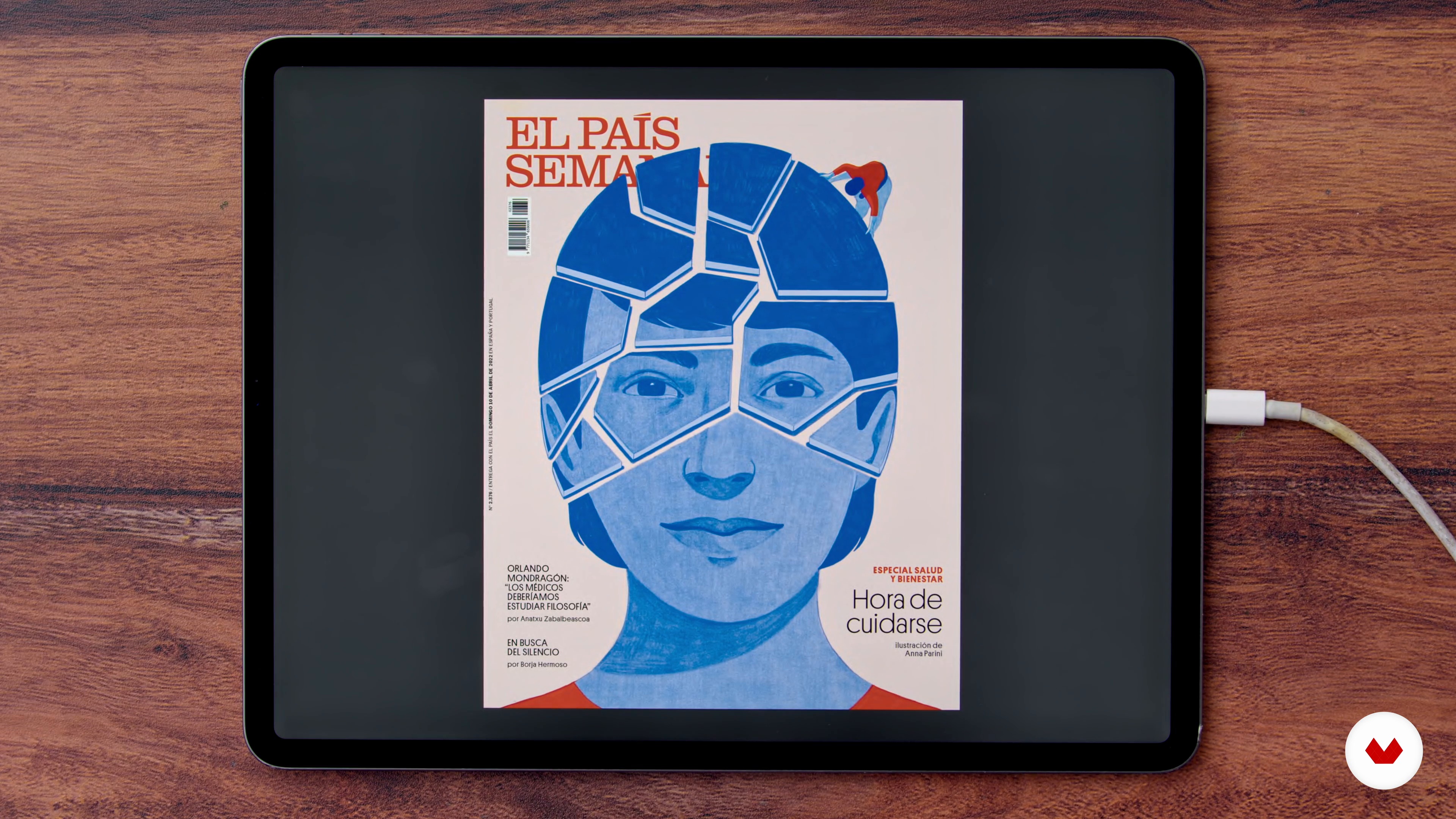
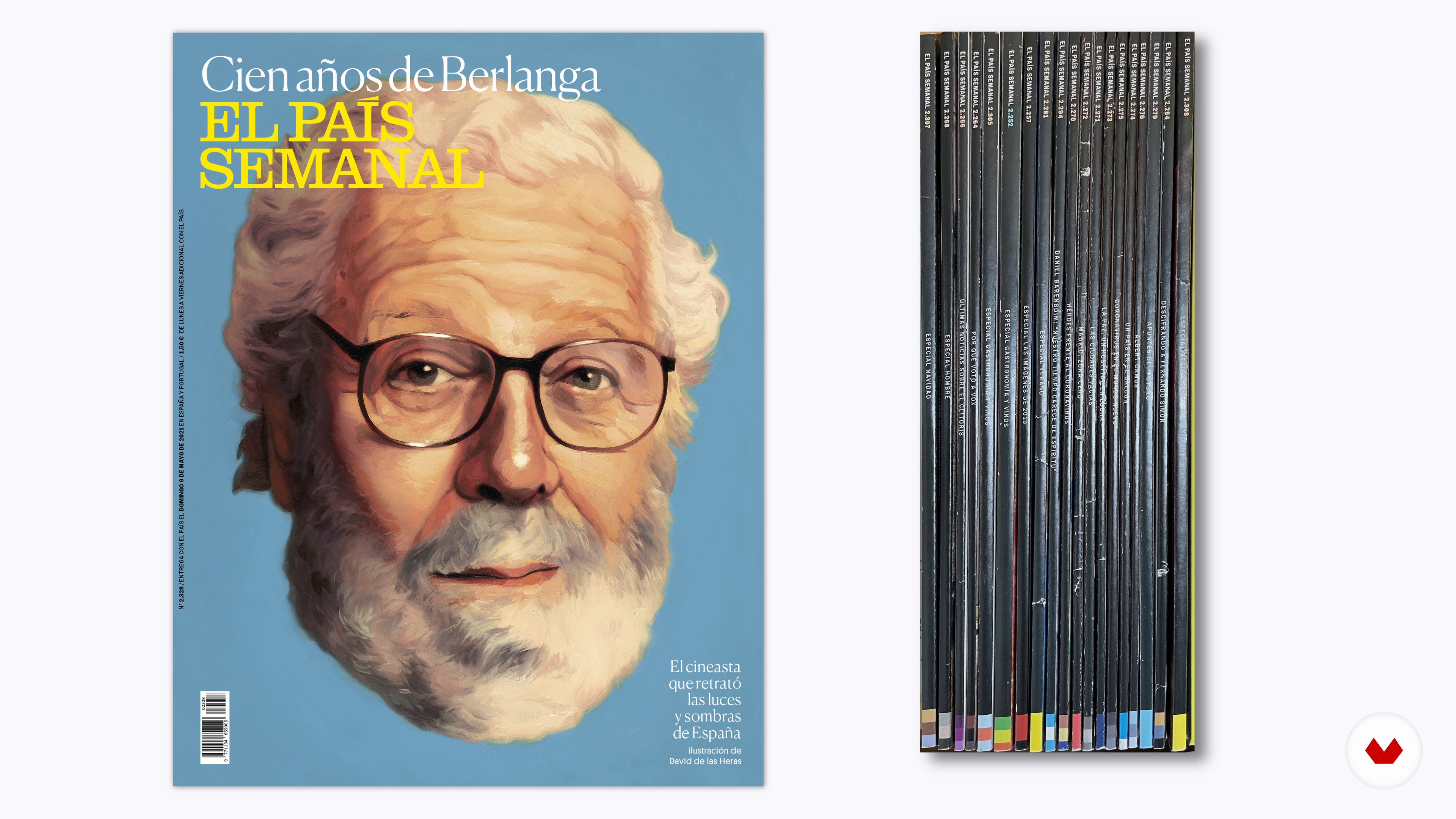
Illustrated magazine art direction (thinking of approaches, choosing styles, commissioning) is an exciting art direction task. What type of content does this type of cover adapt well to? We will analyze real cases to understand the steps between the sketch table and the printed cover.
13m
image
14
Process of a text cover
The covers that give all their design to the text are usually the most minority and seem reserved for more elitist publications. However, well-chosen and well-designed words can have a lot of emotion and impact.
14m
image
15
Have you thought about making a cover that is out of the ordinary?
Classic design structures are the most likely to work, but sometimes turning the established formulas on its head is more impactful and fun.
8m
image
16
Have you thought about making a magazine with an alternative format?
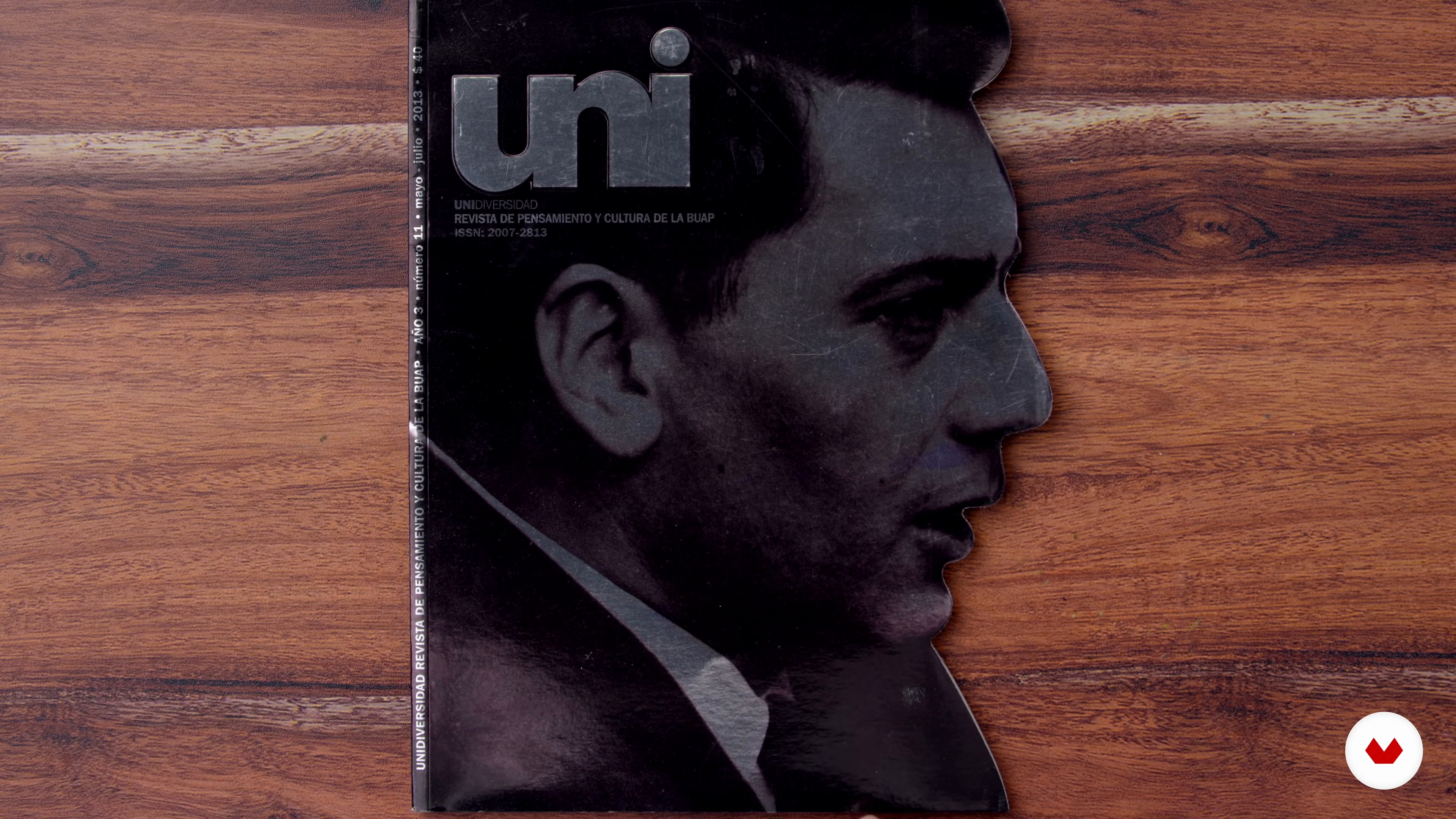
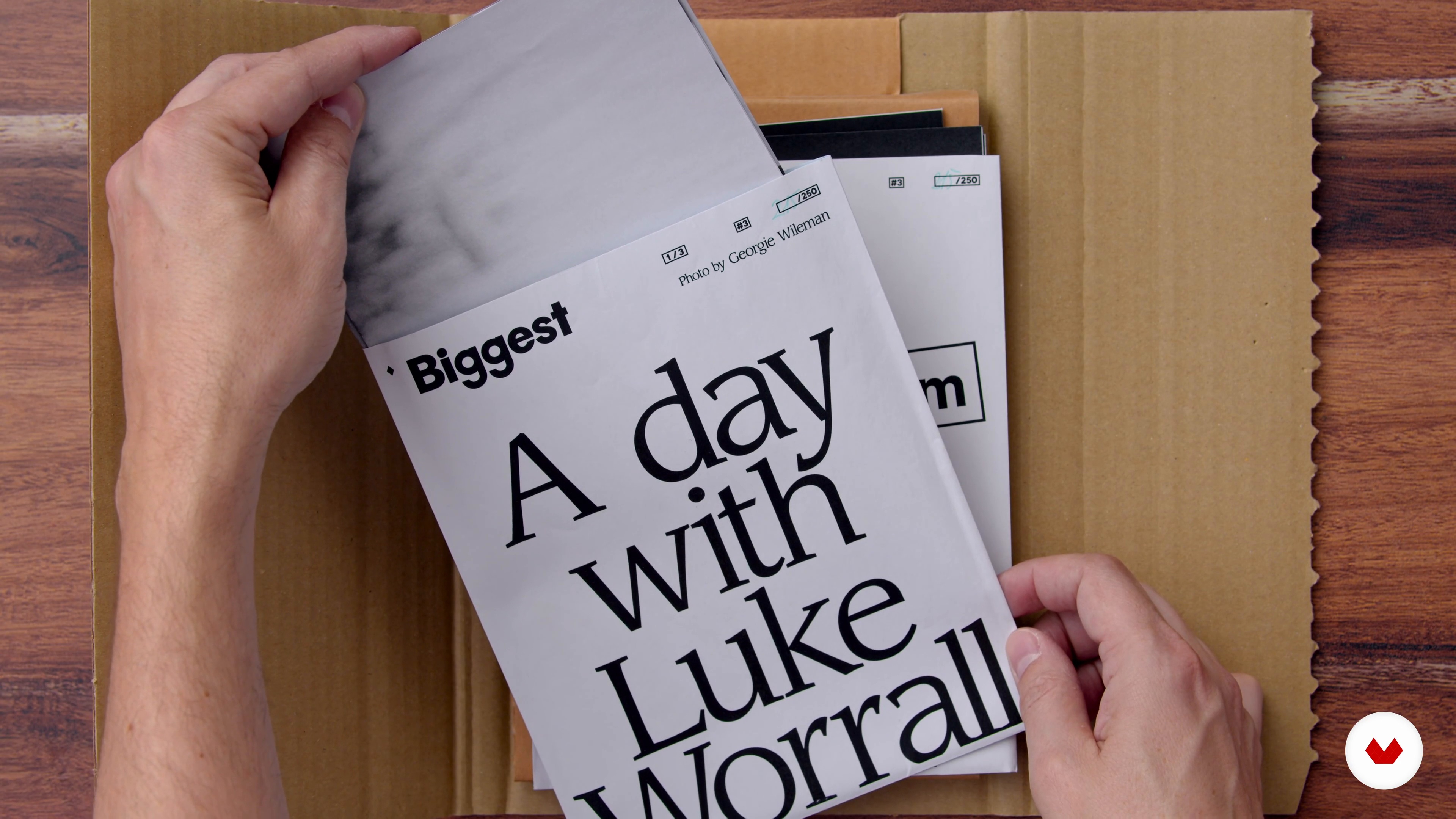
And if the whole magazine deviates from the norm? Playing with formats, adding physical elements beyond the paper (such as varnishes or bows)... In many cases, imagination is the only limit.
7m
image
17
Send to printer: checklist so that the design is printed correctly
The magazine cover is, by definition, a print medium. Let's make a checklist of details that you have to take into account when sending your design to the printer so that it reaches the paper in the best possible way.
13m
  • 23 students
  • 75 lessons (14h 12m)
  • 108 additional resources (40 files)
  • Online and at your own pace
  • Audio: English, German, Spanish, Italian, Portuguese
  • English · Spanish · Portuguese · German · Italian
  • Level: Beginner
  • Unlimited access forever

What is this course's project?

Students will design a professional magazine concept, create a series of magazine covers, and develop an impactful feature article layout. They will also produce a style guide outlining design decisions and document their creative process from concept to execution.

Who is this specialization for?

Graphic designers seeking to specialize in editorial design, marketing professionals crafting publications, independent publishers, content creators, and students in design or communication careers will benefit from this specialization. Creative professionals expanding into print media will also find it valuable.

Requirements and materials

A basic understanding of graphic design principles suffices. You'll need access to design software like Adobe InDesign or Affinity Publisher, a computer, and internet connection. Curiosity and creativity will drive your journey, while learning materials are provided to guide you.

Select to get to know your teachers in this specialization course
Read more ↓

What to expect from this specialization course

  • Learn at your own pace

    Enjoy learning from home without a set schedule and with an easy-to-follow method. You set your own pace.

  • Learn from the best professionals

    Learn valuable methods and techniques explained by top experts in the creative sector.

  • Meet expert teachers

    Each expert teaches what they do best, with clear guidelines, true passion, and professional insight in every lesson.

  • Certificates
    Plus

    If you're a Plus member, get a custom certificate for every specialization course. Share it on your portfolio, social media, or wherever you like.

  • Get front-row seats

    Videos of the highest quality, so you don't miss a single detail. With unlimited access, you can watch them as many times as you need to perfect your technique.

  • Share knowledge and ideas

    Ask questions, request feedback, or offer solutions. Share your learning experience with other students in the community who are as passionate about creativity as you are.

  • Connect with a global creative community

    The community is home to millions of people from around the world who are curious and passionate about exploring and expressing their creativity.

  • Watch professionally produced courses

    Domestika curates its teacher roster and produces every course in-house to ensure a high-quality online learning experience.


FAQs

Domestika courses are online classes that allow you to learn new skills and create incredible projects. All our courses include the opportunity to share your work with other students and/or teachers, creating an active learning community. We offer different formats:
Original Courses: Complete classes that combine videos, texts, and educational materials to complete a specific project from start to finish.
Basics Courses: Specialized training where you master specific software tools step by step.
Specialization Courses: Learning paths with various expert teachers on the same topic, perfect for becoming a specialist by learning from different approaches.
Guided Courses: Practical experiences ideal for directly acquiring specific skills.
Intensive Courses (Deep Dives): New creative processes based on artificial intelligence tools in an accessible format for in-depth and dynamic understanding.

All specialization courses are 100% online, so once they're published, specialization courses start and finish whenever you want. You set the pace of the class. You can go back to review what interests you most and skip what you already know, ask questions, answer questions, share your projects, and more.

The specialization courses are divided into different modules. Each one includes lessons, informational text, tasks, and practice exercises to help you carry out your project step by step, with additional complementary resources and downloads. You'll also have access to an exclusive forum where you can interact with other students, as well as share your work and your final project, creating a community around the specialization courses.

You can redeem the specialization courses you received by accessing the redeeming page and entering your gift code.

If you're a Plus member, when you complete a course you've purchased, you'll instantly get your personalized certificate. You can see all your certificates in the Certificates section of your profile. You can download your certificates as PDFs and share the link online. Learn more about certificates.
Editorial Design Specialization: Magazine Creation and Layout. Design course by Domestika

Editorial Design Specialization: Magazine Creation and Layout

A specialization by multiple teachers
Berkeley, United States.
Joined April 2002
  • 23 students