
Specialization

Specialization in the Design and Creation of Concrete Furniture

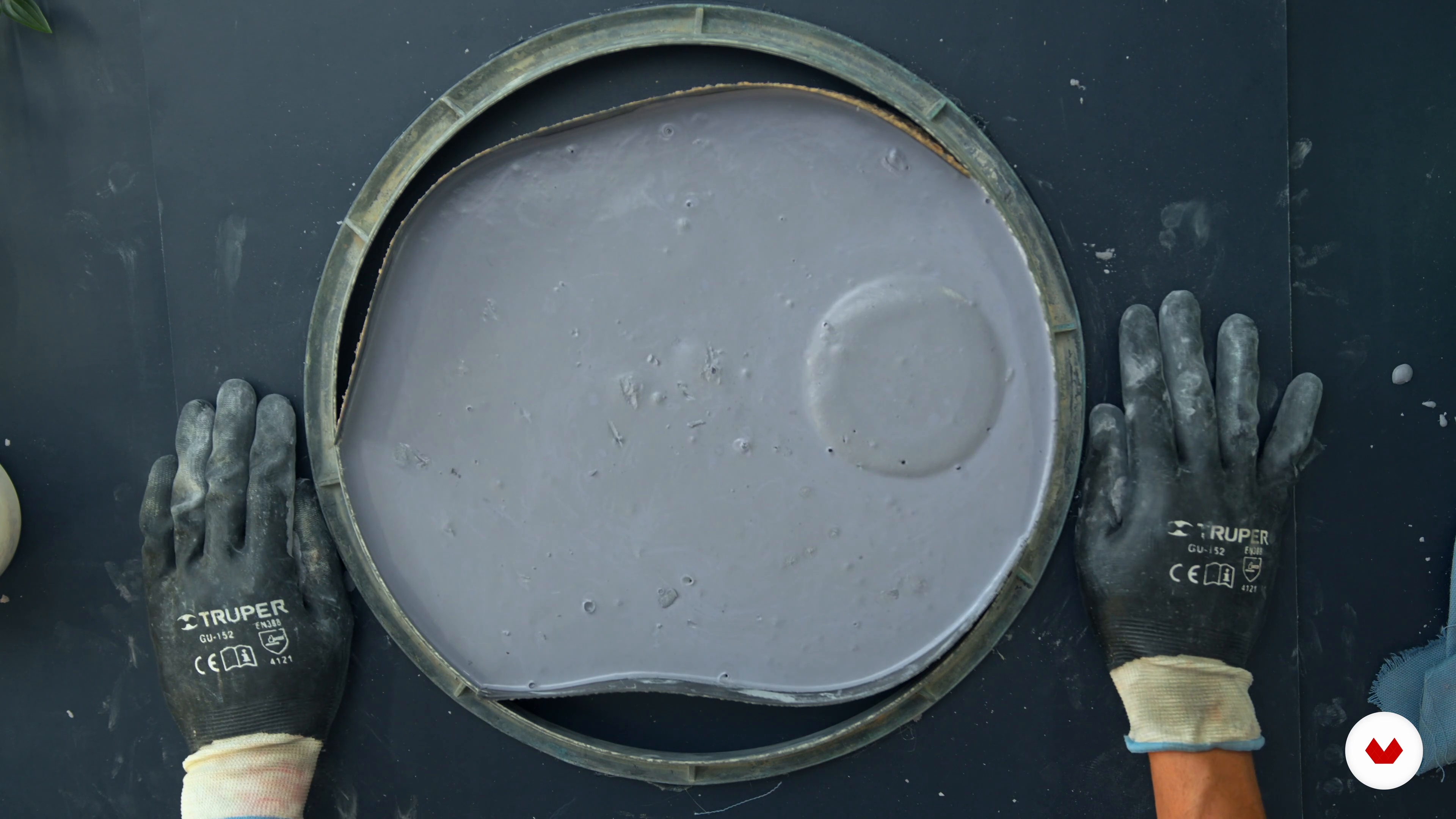
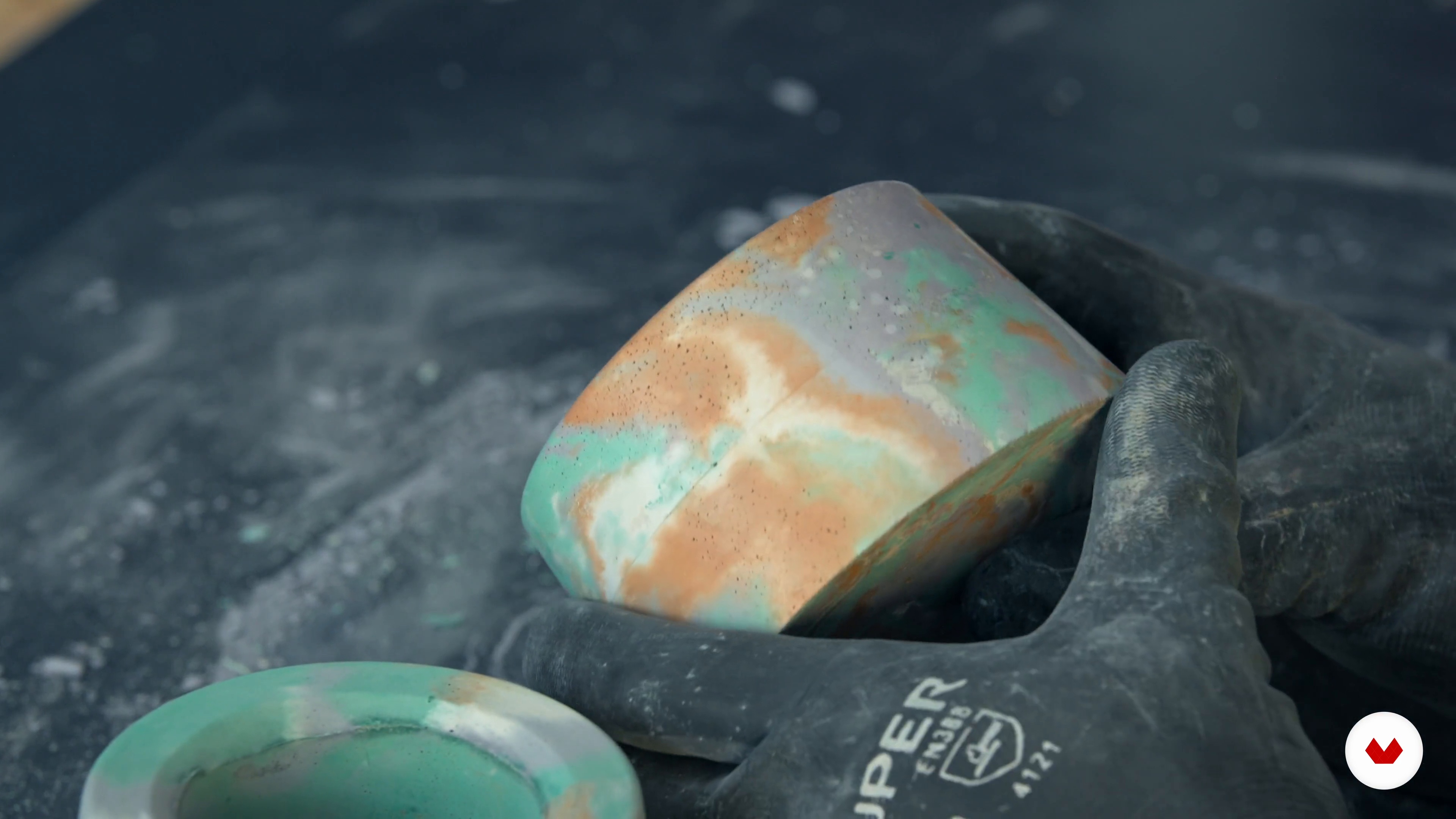
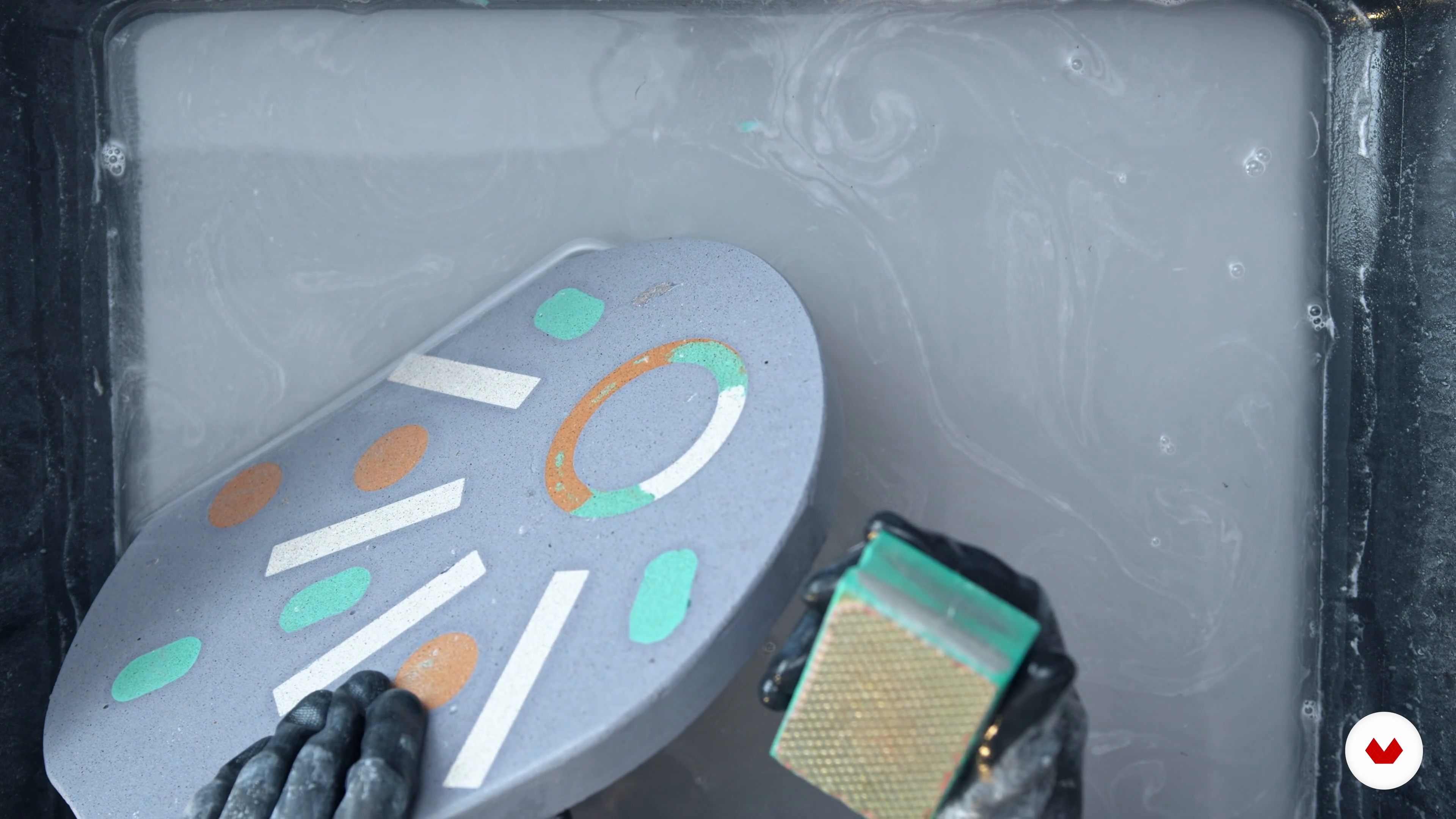
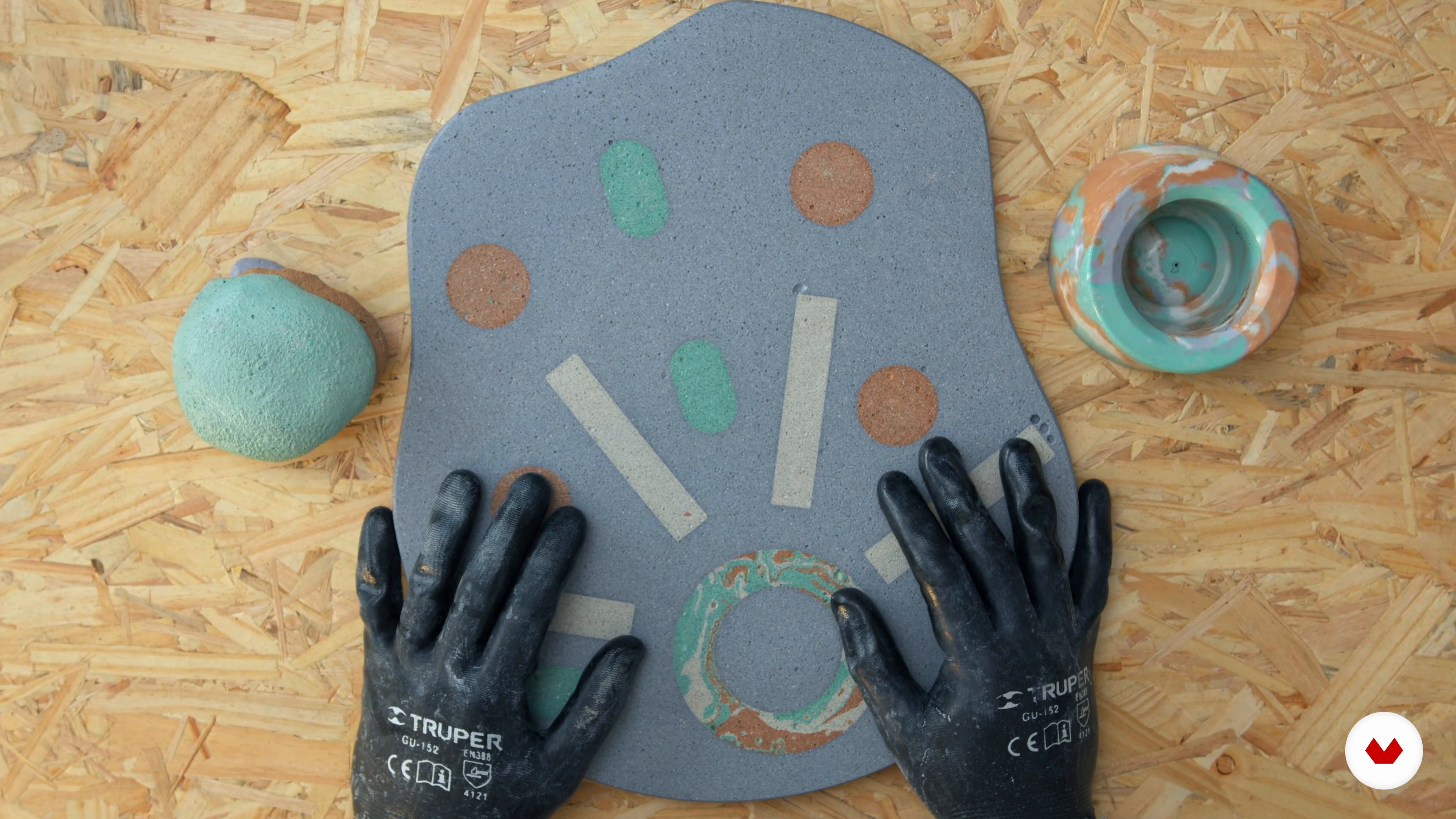
Discover advanced decorative techniques in concrete, exploring molds, textures and finishes to create unique and functional furniture

Specialization · 6 modules

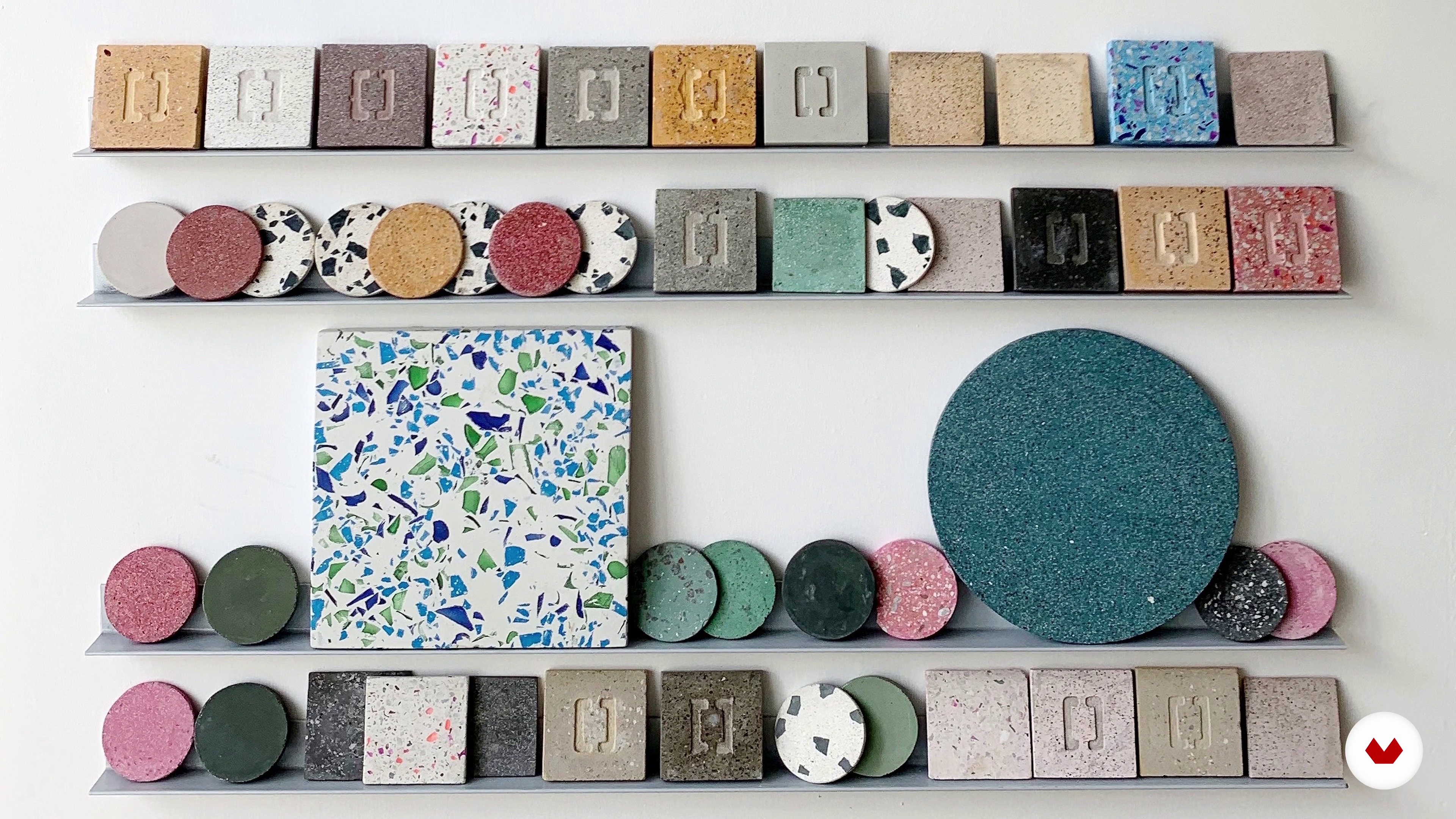
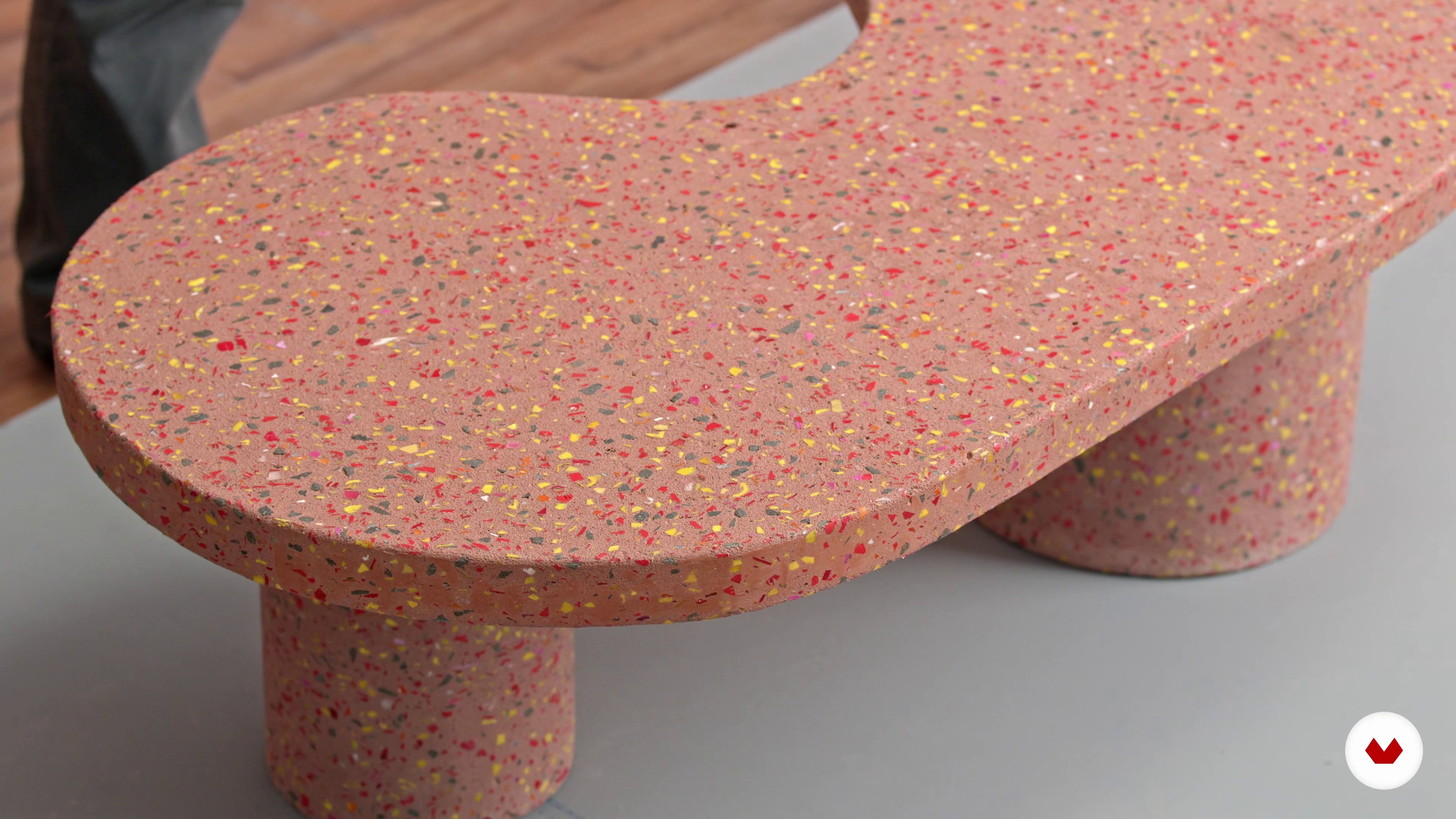
Discover the fascinating world of concrete furniture design through this specialization, which brings together experts such as Andrés García, La María Living, EN·CONCRETO, and FORMA&CEMENTO. Learn to transform concrete, a material traditionally associated with grand constructions, into unique and functional pieces that add character and aesthetic appeal to any space. From decorative techniques to the creation of complex furniture, each course will guide you along a progressive learning path that begins with molds and textures and culminates in organic and handcrafted designs.

Explore the many possibilities that concrete offers as a design material. This specialization will guide you in mastering advanced techniques to achieve spectacular finishes and innovative forms. Integrate aesthetics and functionality into your creations, developing a personal style that stands out in the contemporary market. Throughout the process, you will acquire skills to manage projects from conception to finished piece, ensuring that each creation reflects your artistic vision.

Read more ↓

What will you learn in this specialization?
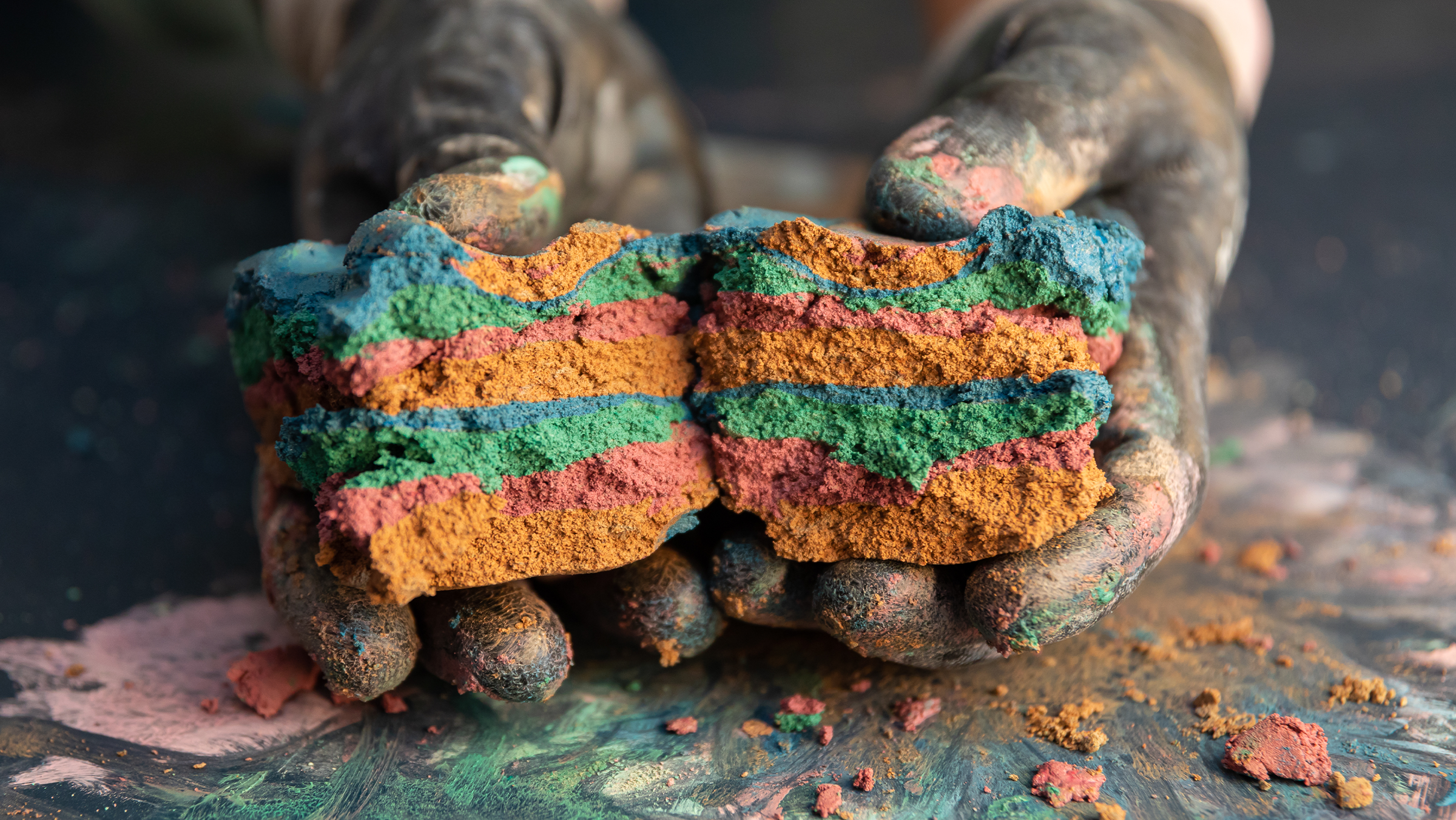
A total of 6 modules and 70 lessons
A total of 12h 43m of vídeo lessons
Taught by 4 selected expert teachers
image
1
Introduction
Working with concrete requires patience, precision, and a deep sense of craftsmanship. This lesson explores the creative possibilities of this humble yet powerful material, capable of becoming centerpieces, lamps, and sculptural objects. Discover how its texture, weight, and imperfections can be transformed into a unique and sustainable design language.
1m
image
2
Influences | Andrés García
Now I will tell you about where I get stimuli, references and inspiration to imagine the pieces I want to produce.
5m
image
2
Influences | Las Marías
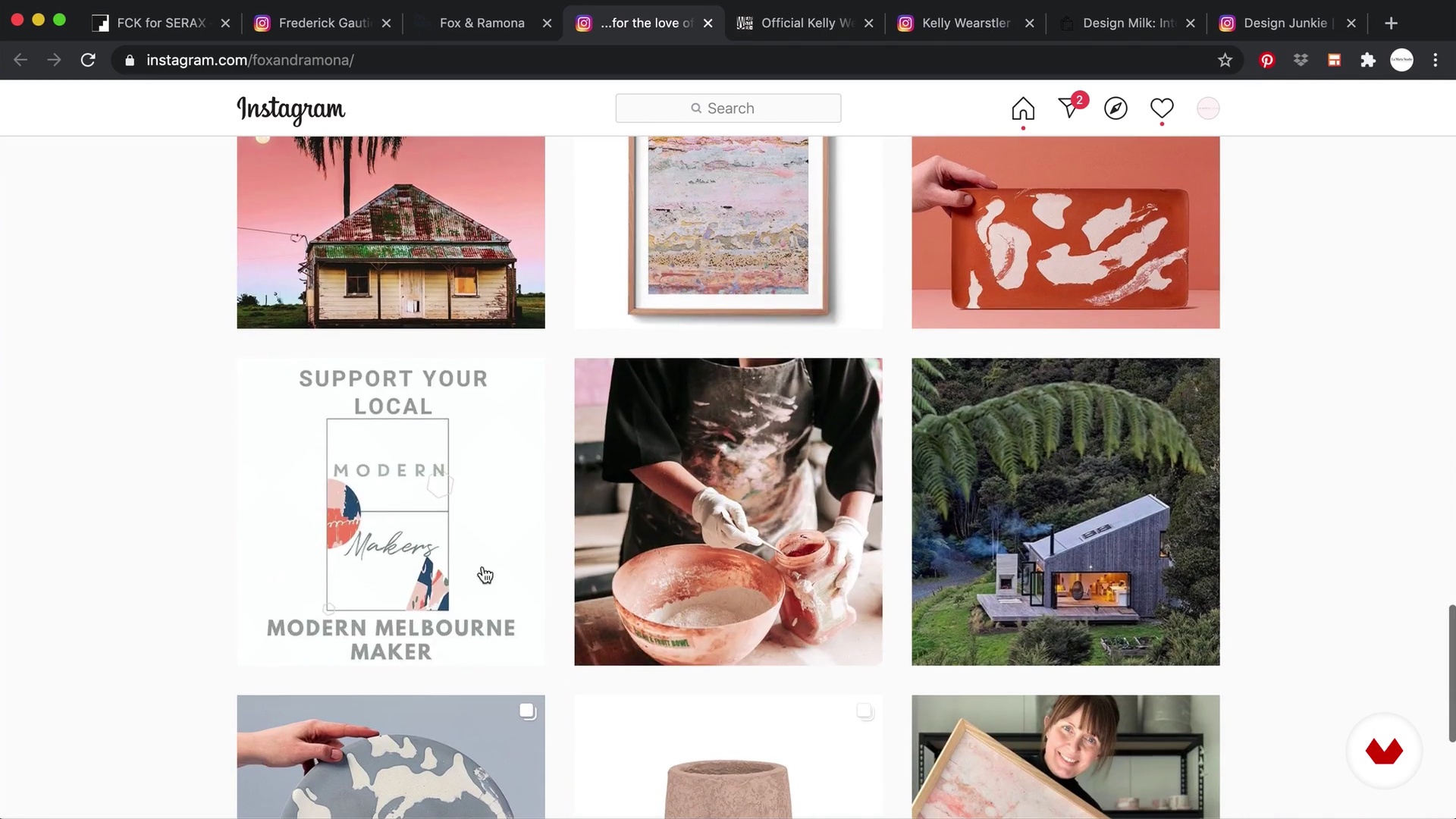
We must confess that we are inspired by a wide variety of topics that are not necessarily related to interior design. Anyway, now we are going to show you four references that we love and whose work we are passionate about.
4m
image
2
Influences | En Concreto
In this lesson we are going to talk about the things that move us and the influences that we have and have encountered along the way. They are varied, from artists, books, designers, manufacturing companies, theorists and specific theories. We believe that it is important to be moving, knowing what others are doing to enrich us with the great variety of projects that exist around the world. Finally, social networks and the ease of connectivity allow us to get closer to distant places and people, we can even contact them and interact, great!
6m
image
2
Influences | Forma & Cemento
We all have models in life that we follow and that push us to grow and improve, always setting new goals. In this lesson, we want to introduce you through books to some of our professional sources of inspiration: names, products and projects that have influenced us and that still form the basis of our work today.
7m
image
3
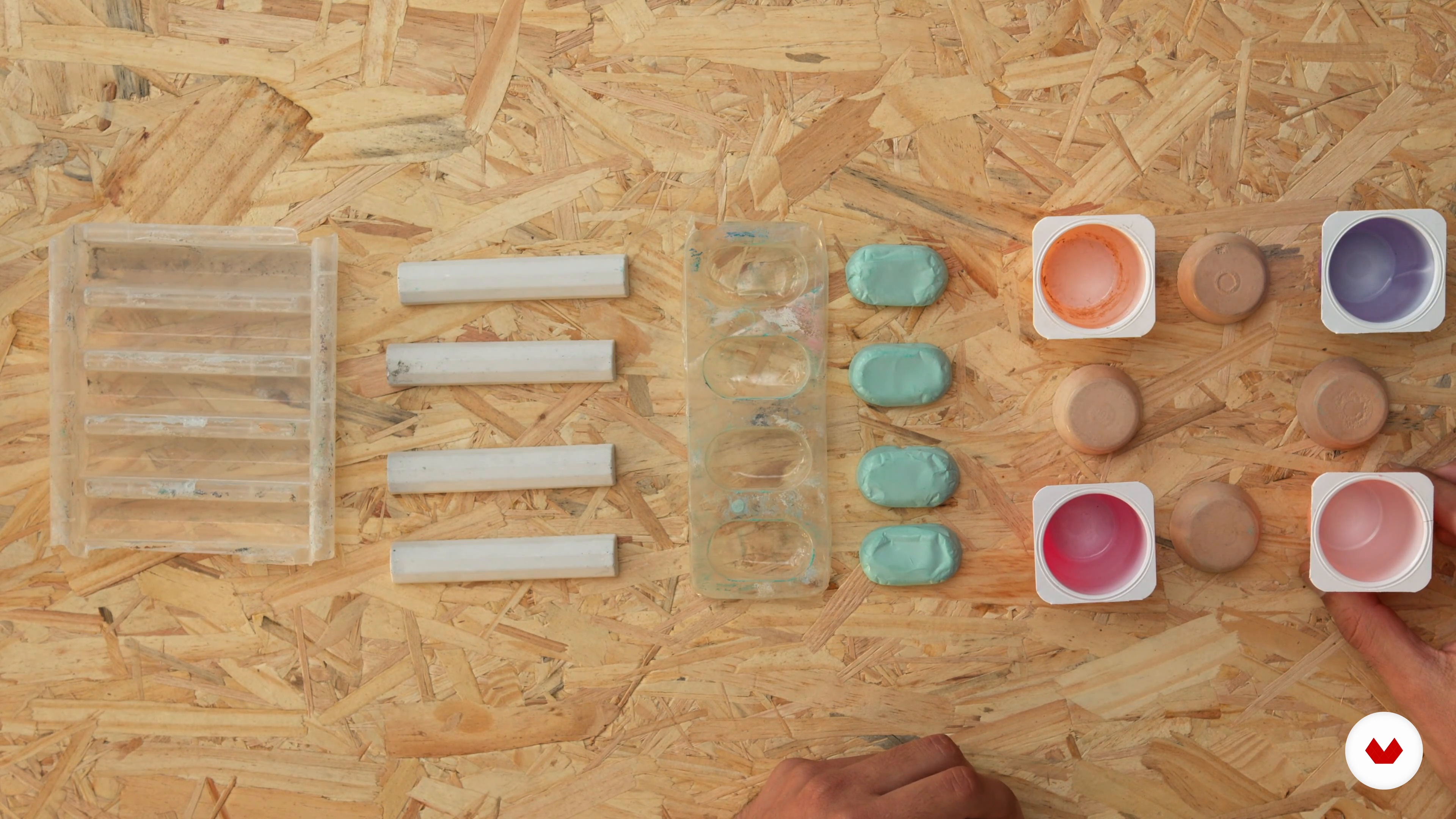
recycled molds
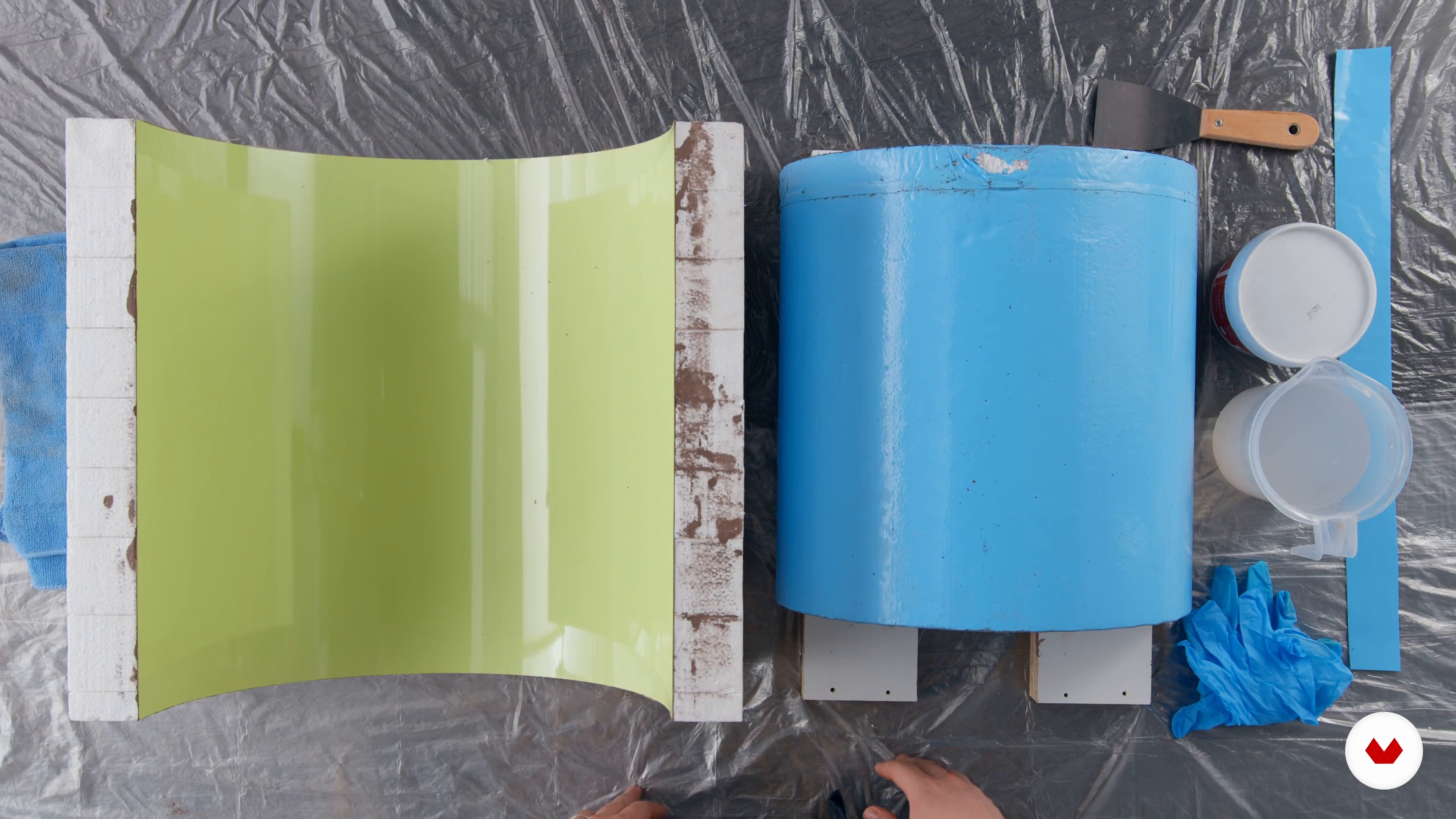
In this lesson, I will explain how single-use materials, such as plastics or cardboard, are work tools that we can take advantage of in our projects.
10m
image
4
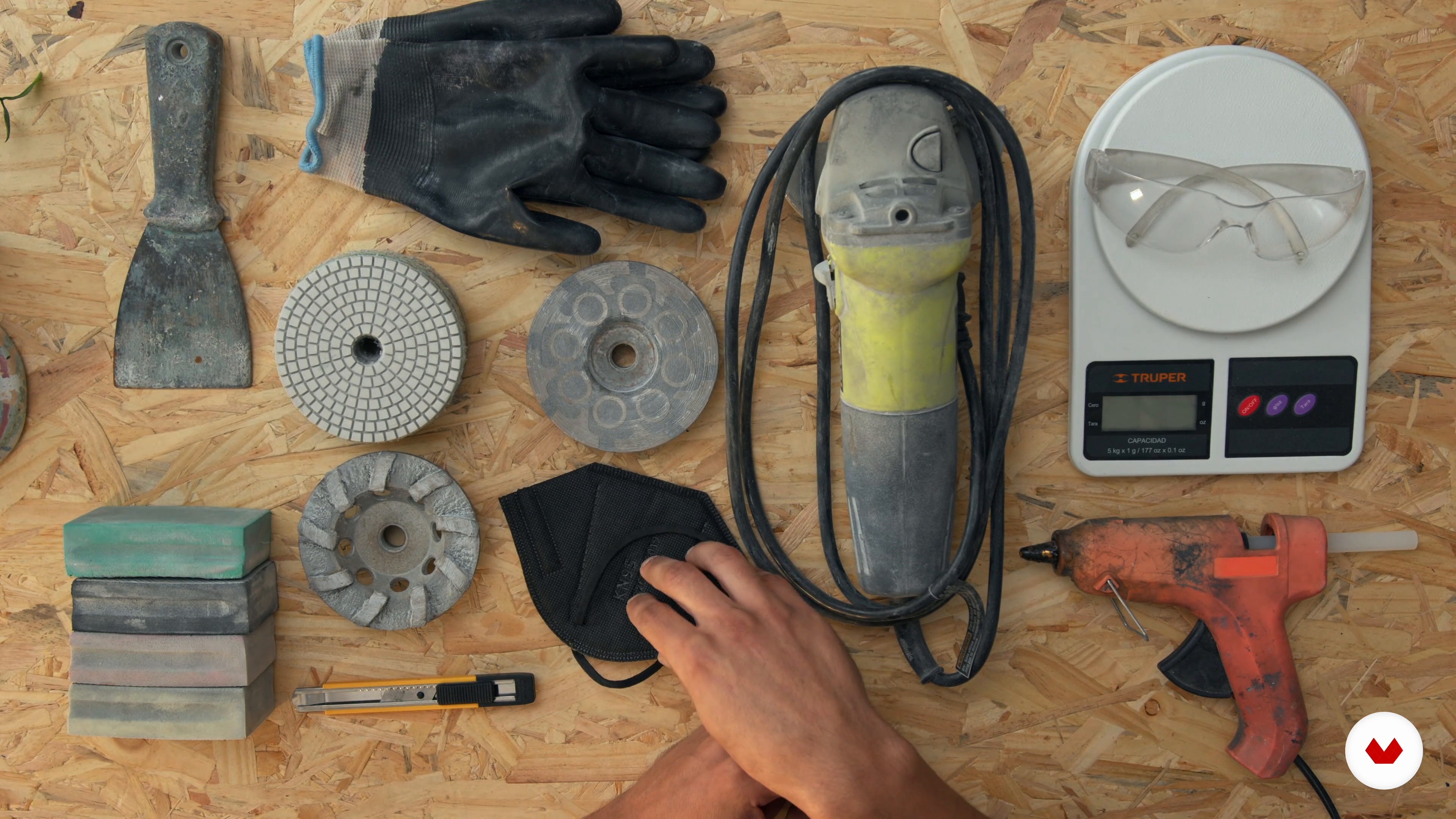
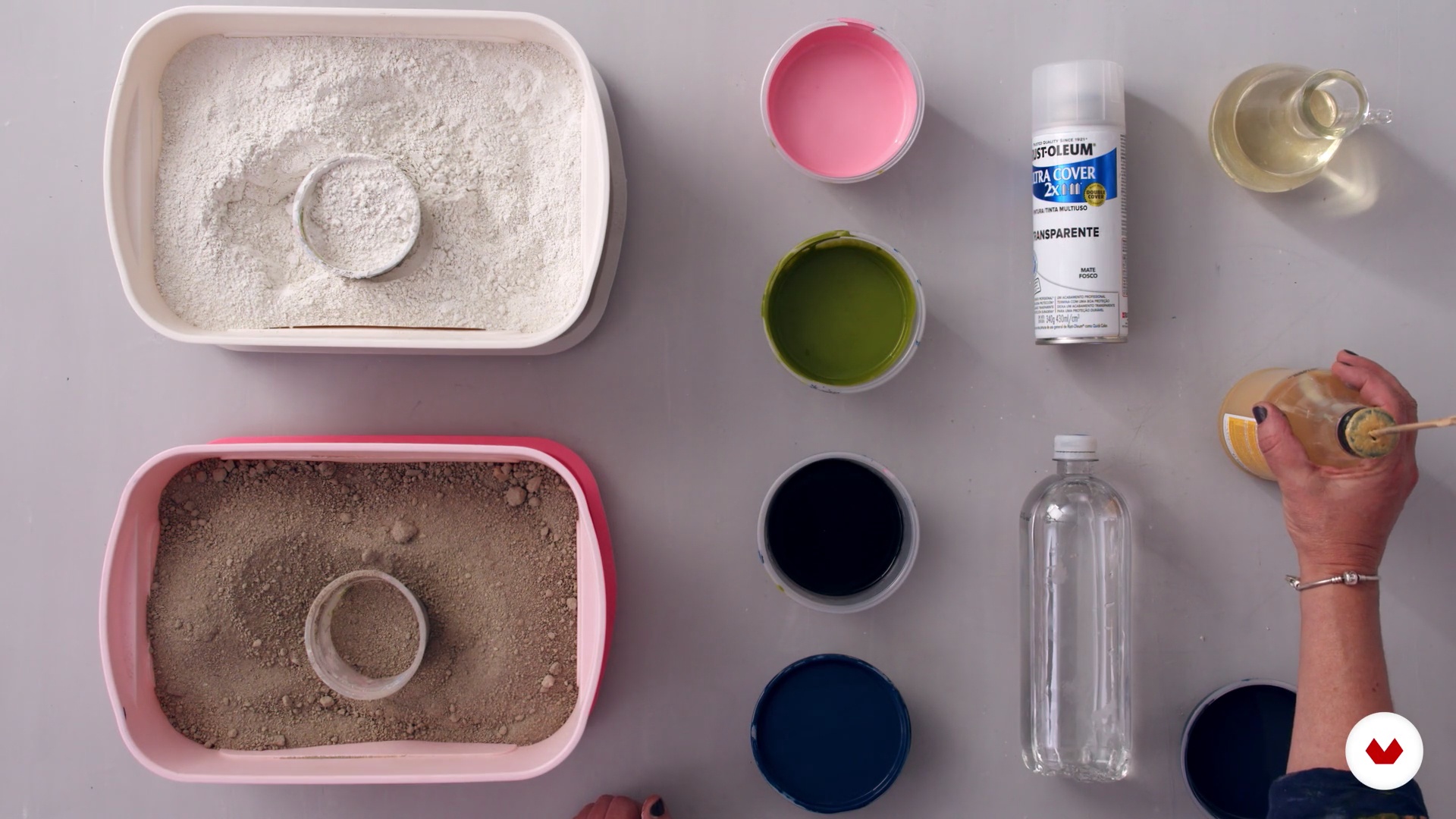
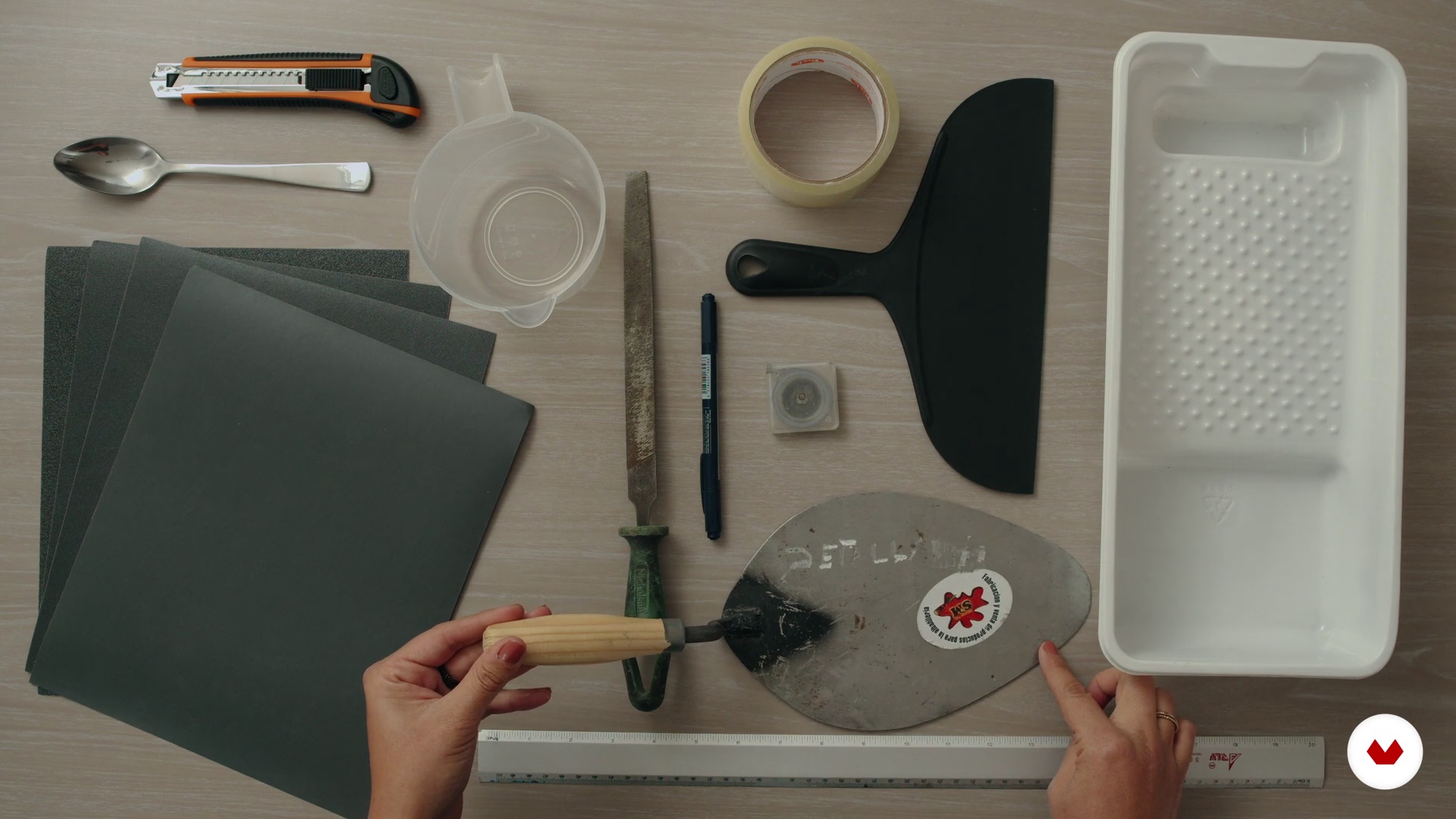
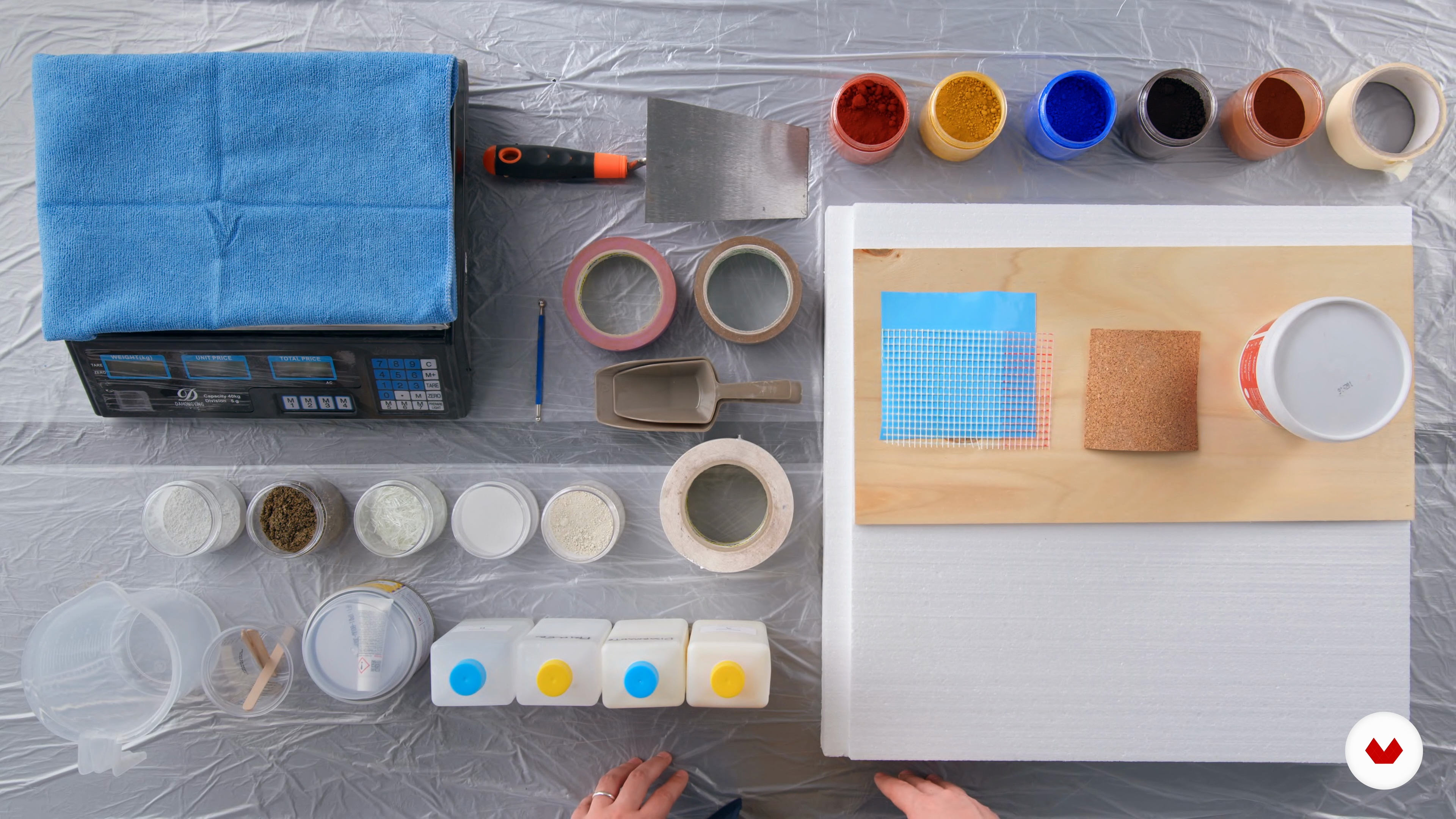
materials and tools
Now I will tell you about the materials that we will need to have on hand to carry out the course project effectively.
9m
image
5
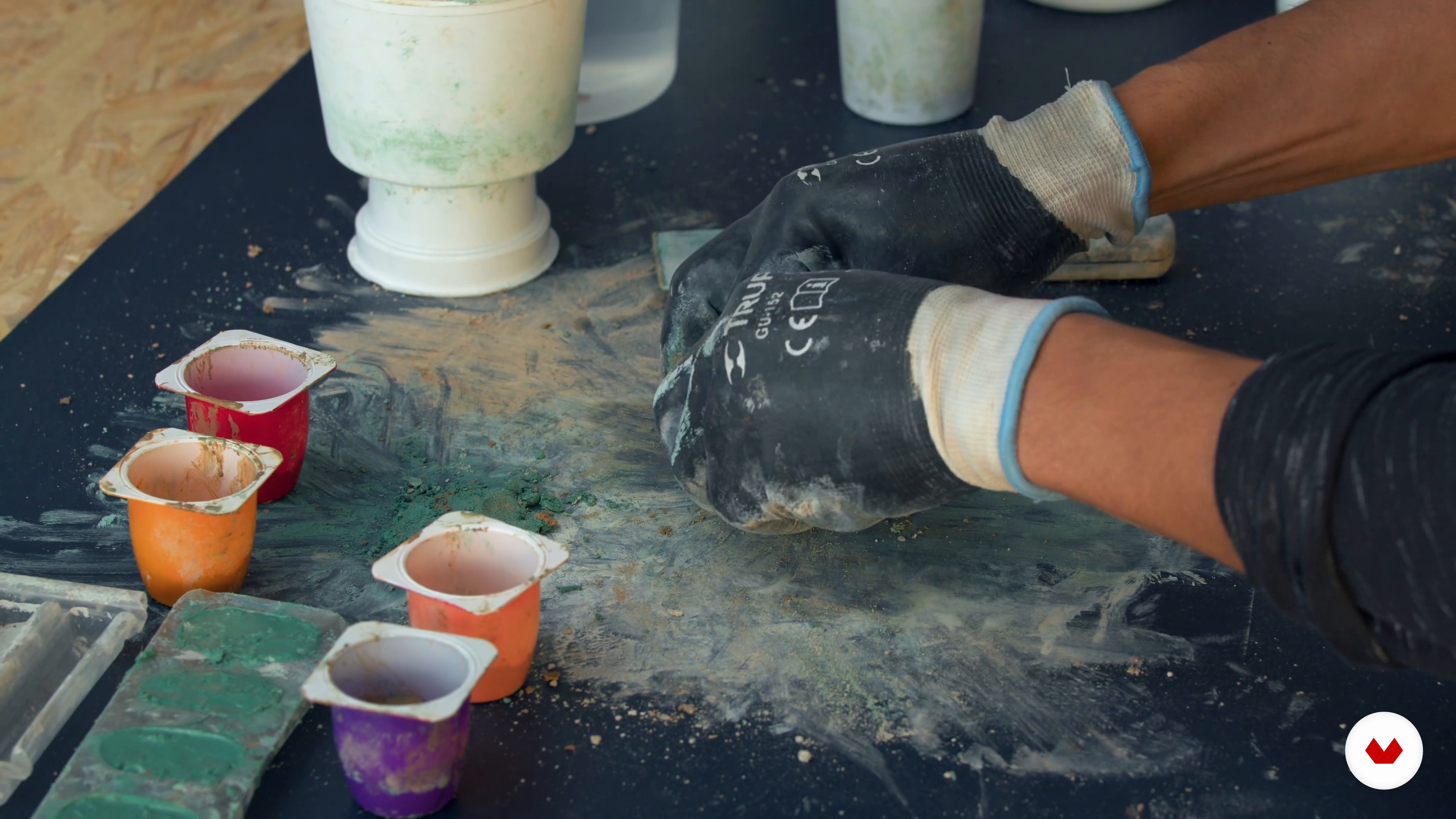
Color techniques and textures 1
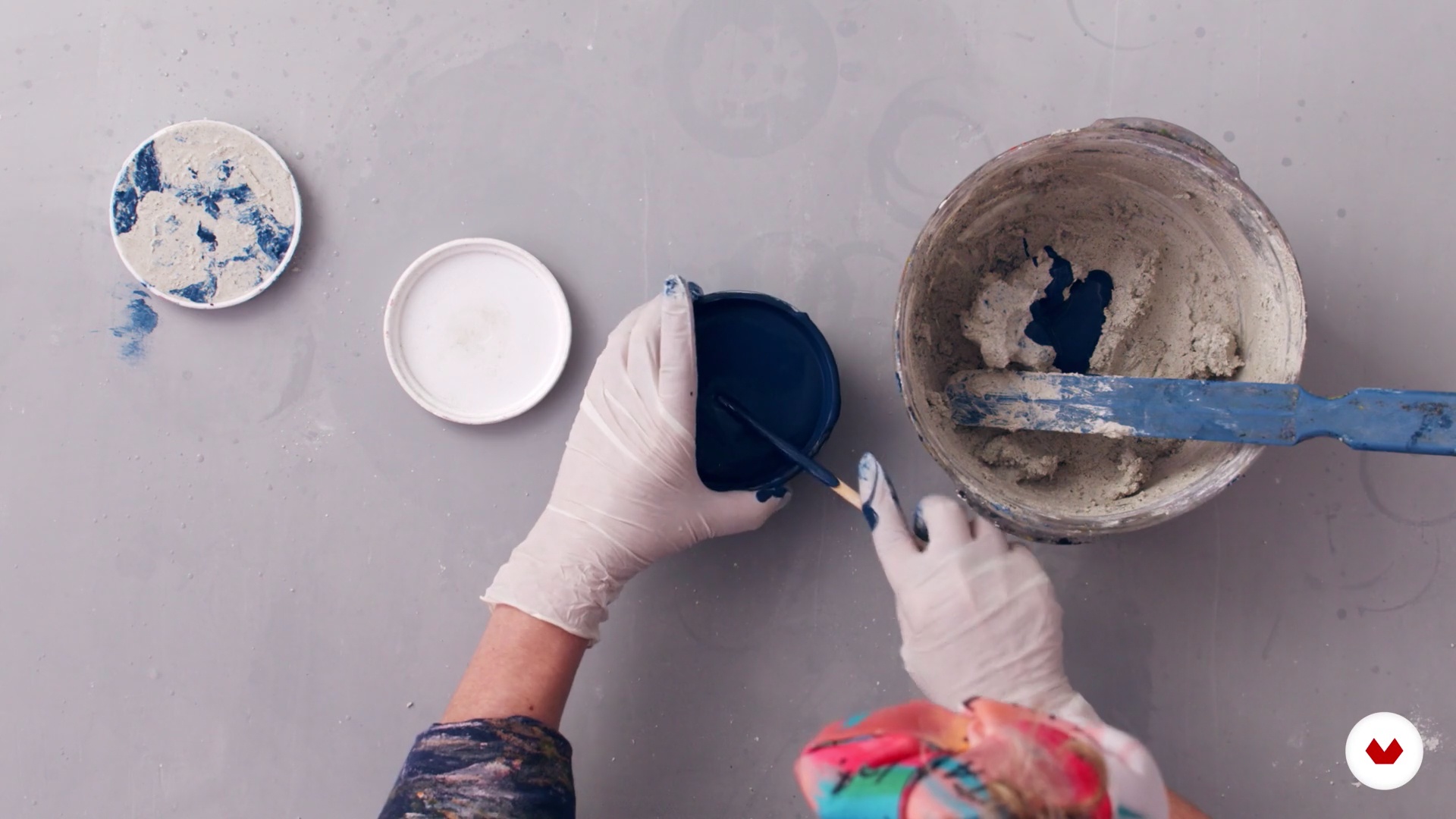
In this lesson, I will explain how to create different textures with color. I will tell you about the percentage of powder pigment that is recommended to use and I will propose some exercises to achieve finished effects.
20m
image
6
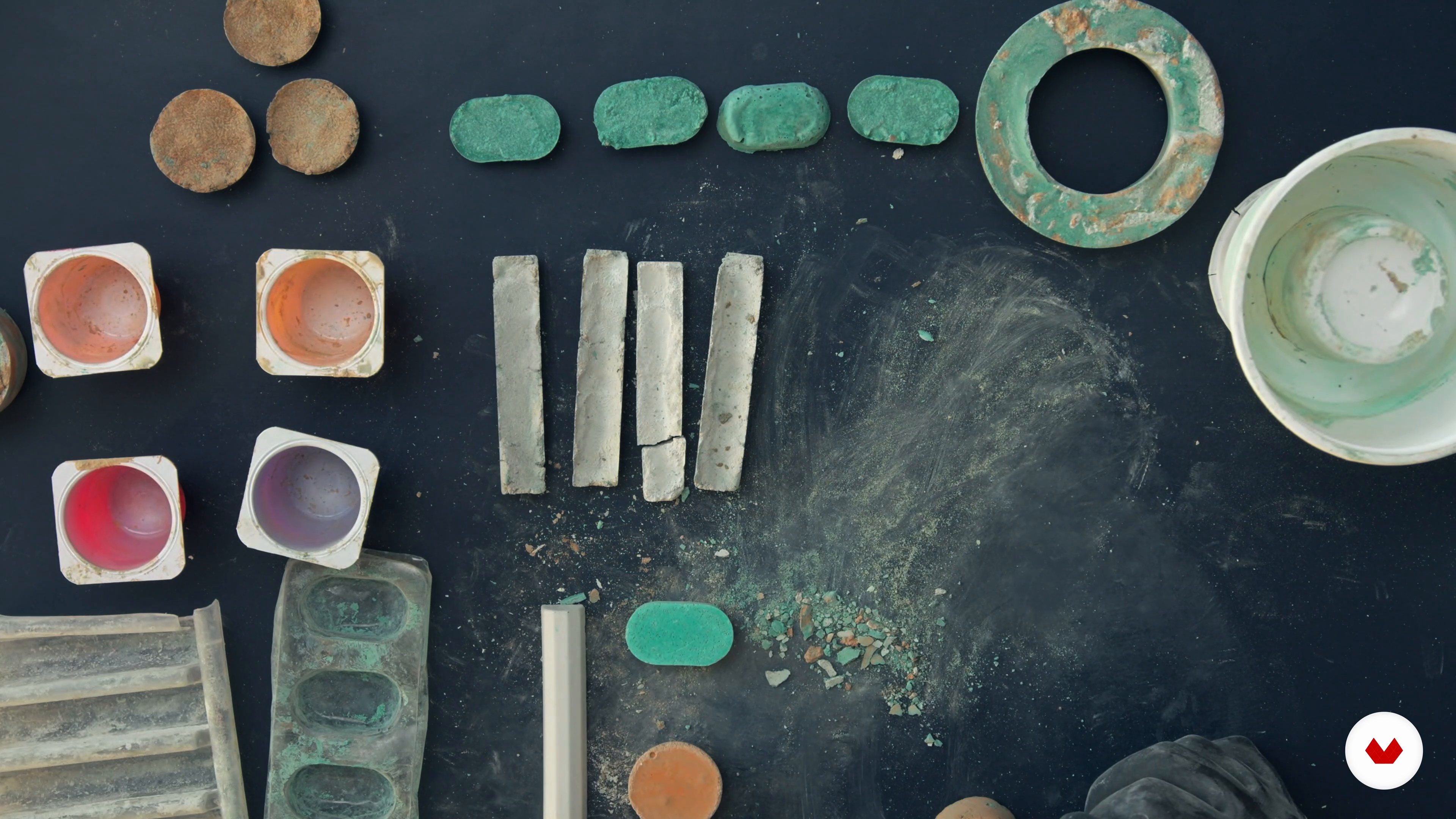
Color techniques and textures 2
We continue to learn how to work with color and textures. I will start with the demolding process of the pieces that I have previously prepared and then we will continue investigating. Accompany me!
10m
image
7
volume calculation
In this lesson we will make some molds from single-use plastic containers. I will explain and show you one of the methods to calculate the approximate material that we are going to use.
5m
image
8
Mould, mix and pour pot and paperweight 1
In this lesson, we'll apply the textures we saw on our samples, to produce our vase and paperweight.
14m
image
9
Mould, mix and empty the vessel and the paperweight 2
We continue with the process of mixing and emptying the two pieces on which we are working.
13m
image
10
Mould, mix and empty tray 1
In this lesson, we will place the terrazzo pieces in the tray mold. I will start by explaining the quantities and percentages of the colors that we are going to use.
15m
image
11
Mould, mix and empty tray 2
Now it is time to get down to work with the mixture and emptying the tray that we are preparing.
12m
image
12
unmolded
After waiting for the setting and drying process to finish, we are now going to unmold the tray and the vessel.
11m
image
13
Grind, sand and polish
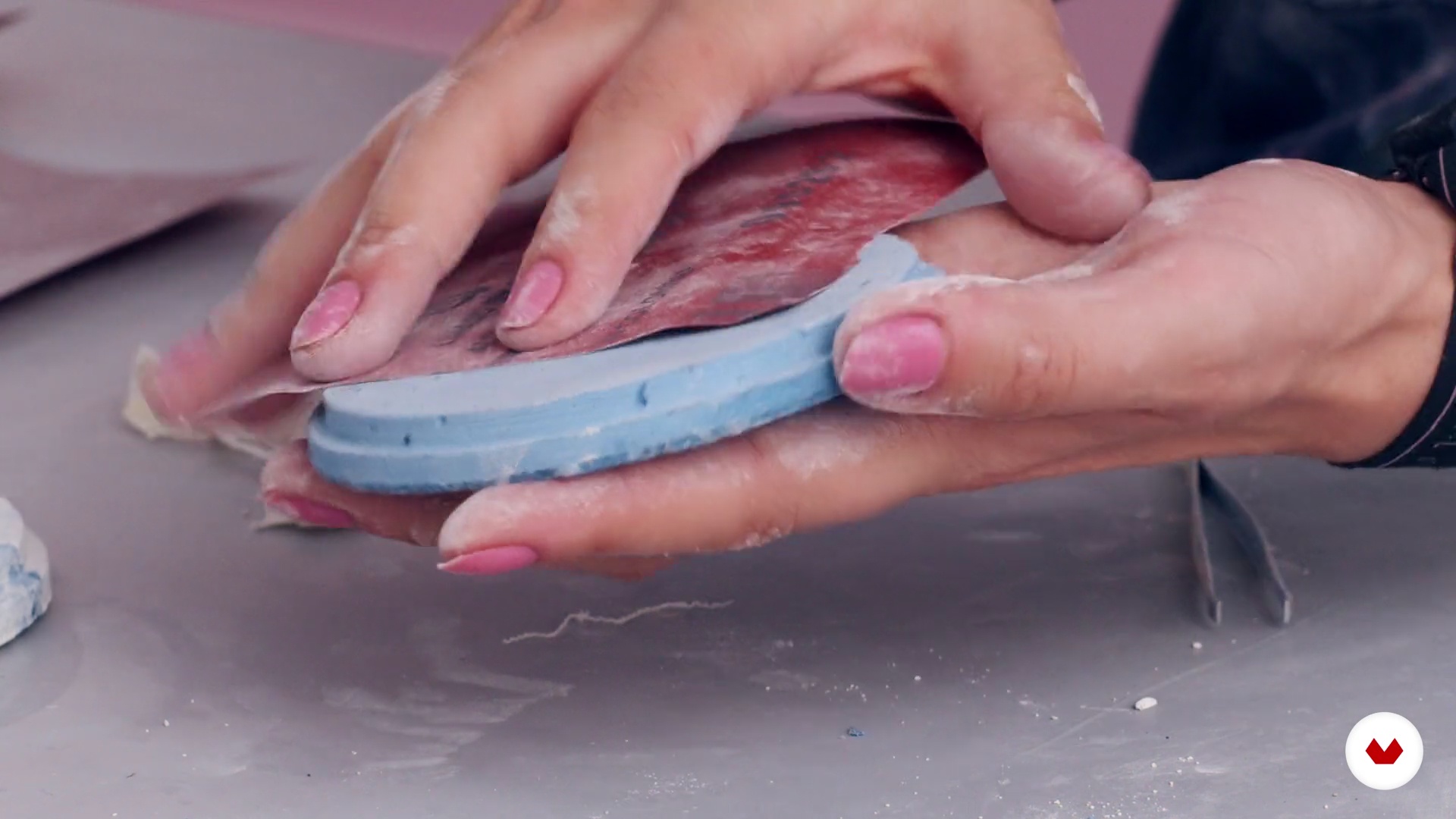
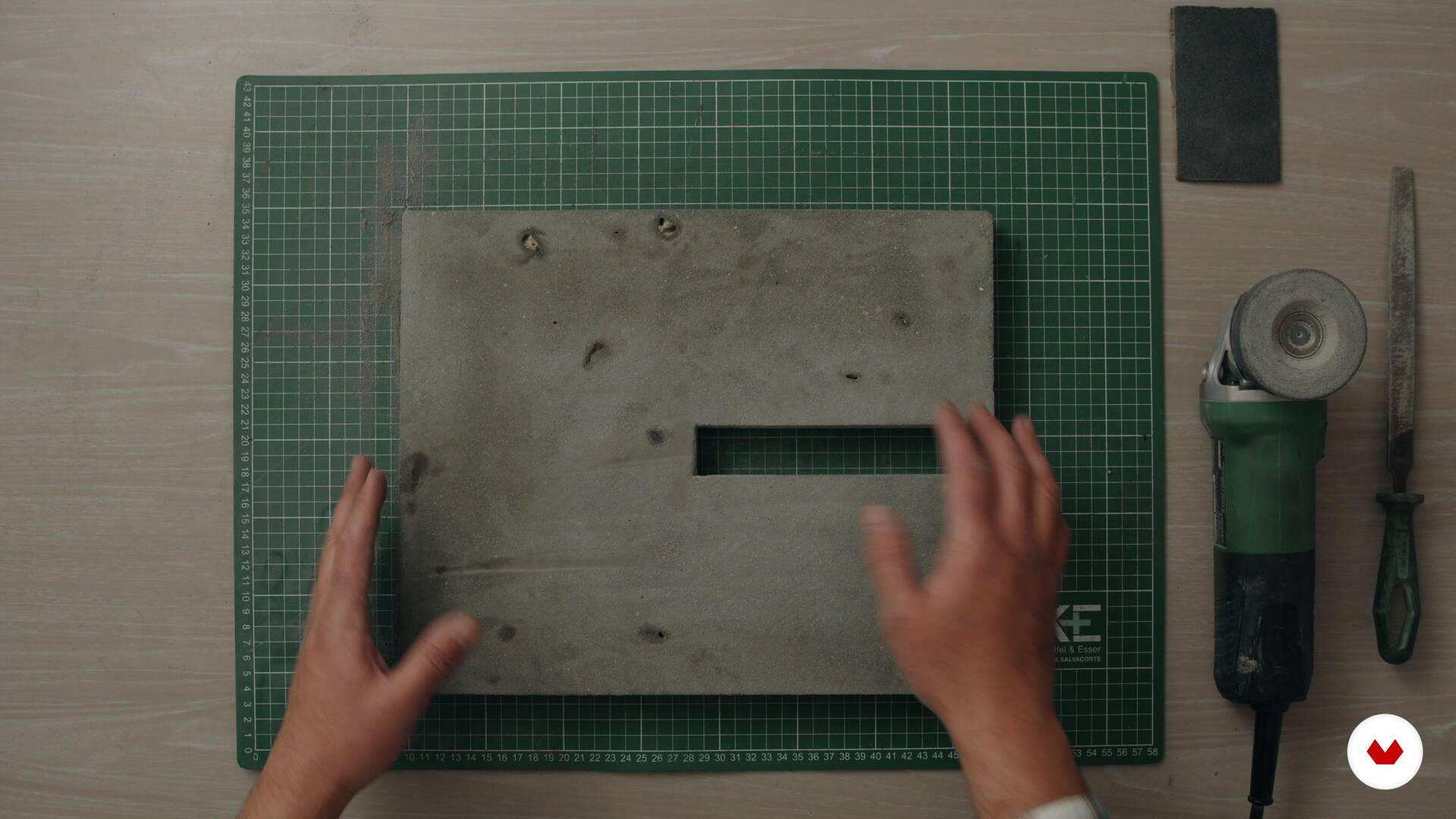
In this lesson, we will trim the excess from the final piece. We will also add details to the pieces to achieve the result we want to achieve.
19m
image
14
apply the sealant
We already polished the tray in the previous lesson, so now it's time to apply the layers of sealer to create a layer that prevents external contamination from penetrating the cement.
11m
image
15
What else can we do?
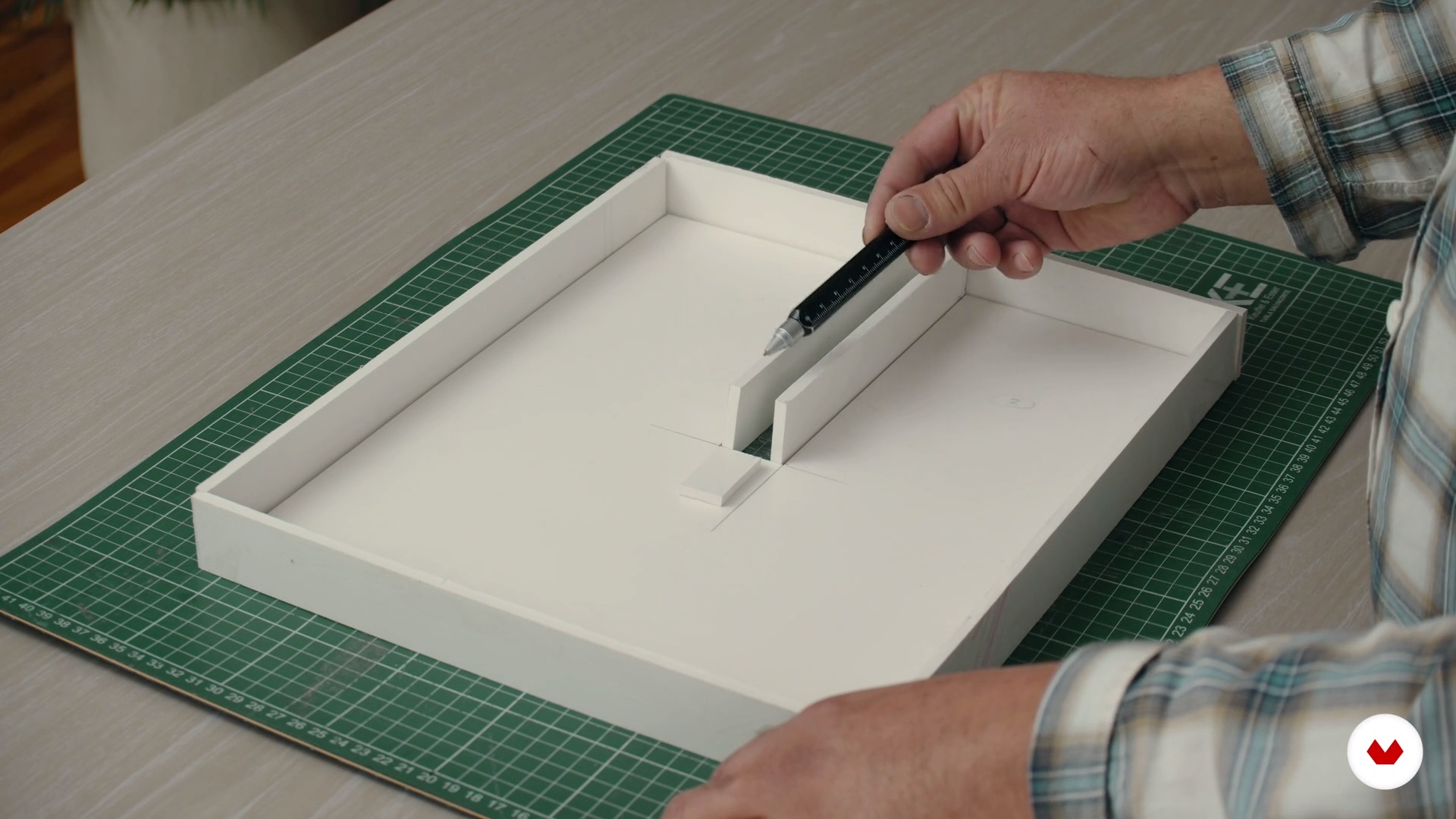
Finally, I want to do a quick review of the concepts and techniques that we have applied in the project. So we will imagine how we could work on other projects or on a larger scale.
13m
image
4
History of Concrete and Types of Cement
In this lesson we are going to take a brief tour through the history of the material that will be the focus of this course.
3m
image
5
Ideation
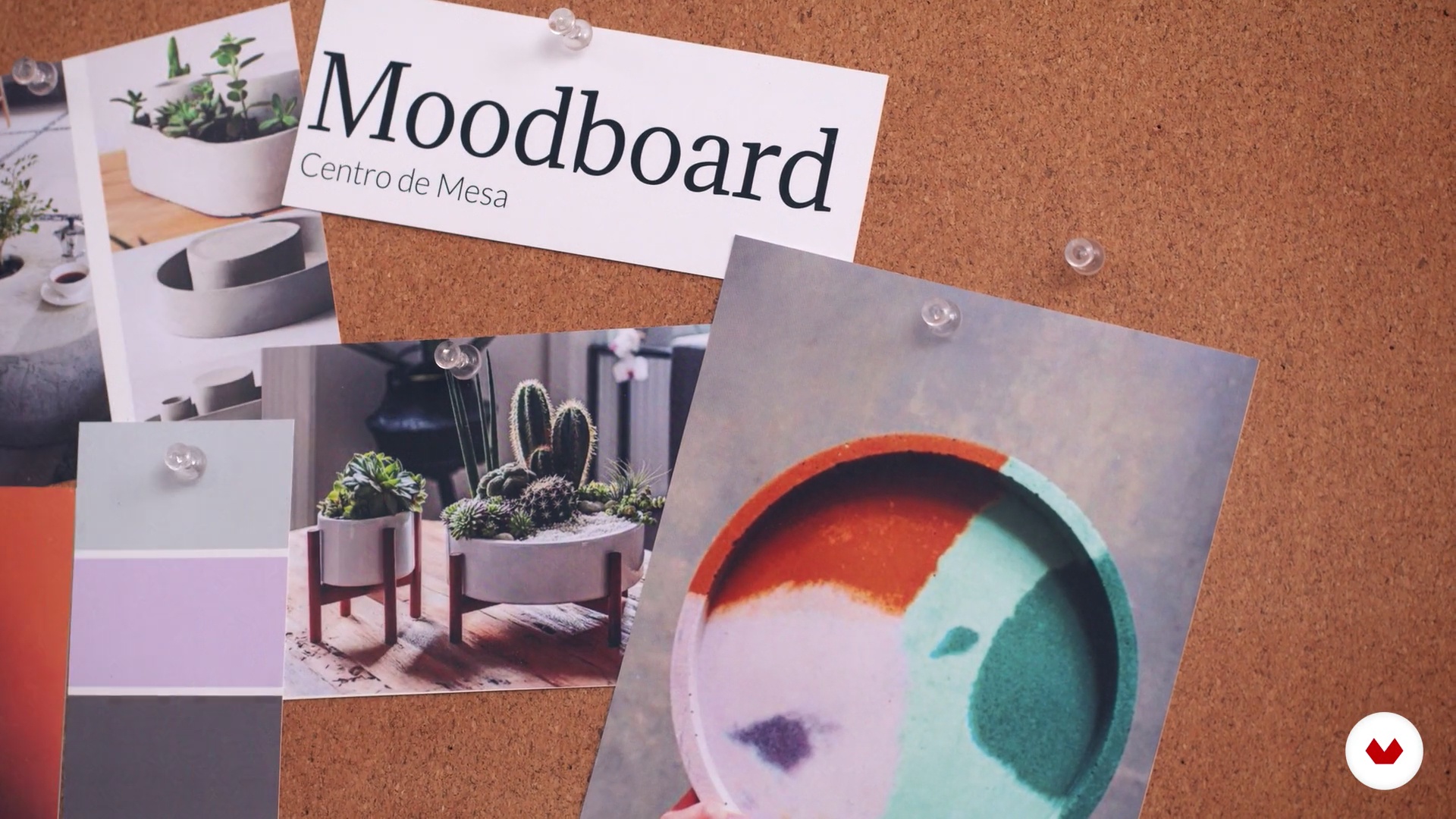
Now we are going to show you our creative process. We will see how from the search for references we do the whole process of ideation of the pieces and we will show you how we use a mood board to define sizes, colors and shapes of the elements we want in the space.
5m
image
6
Tools and Materials
In this lesson we will review all the materials and tools that we will need throughout the course.
9m
image
7
Molds
The theme that we will develop in this lesson is key to the process that comes later. A mold is any element that we see that can serve us, as long as it meets specific requirements that we are going to tell you about here.
4m
image
8
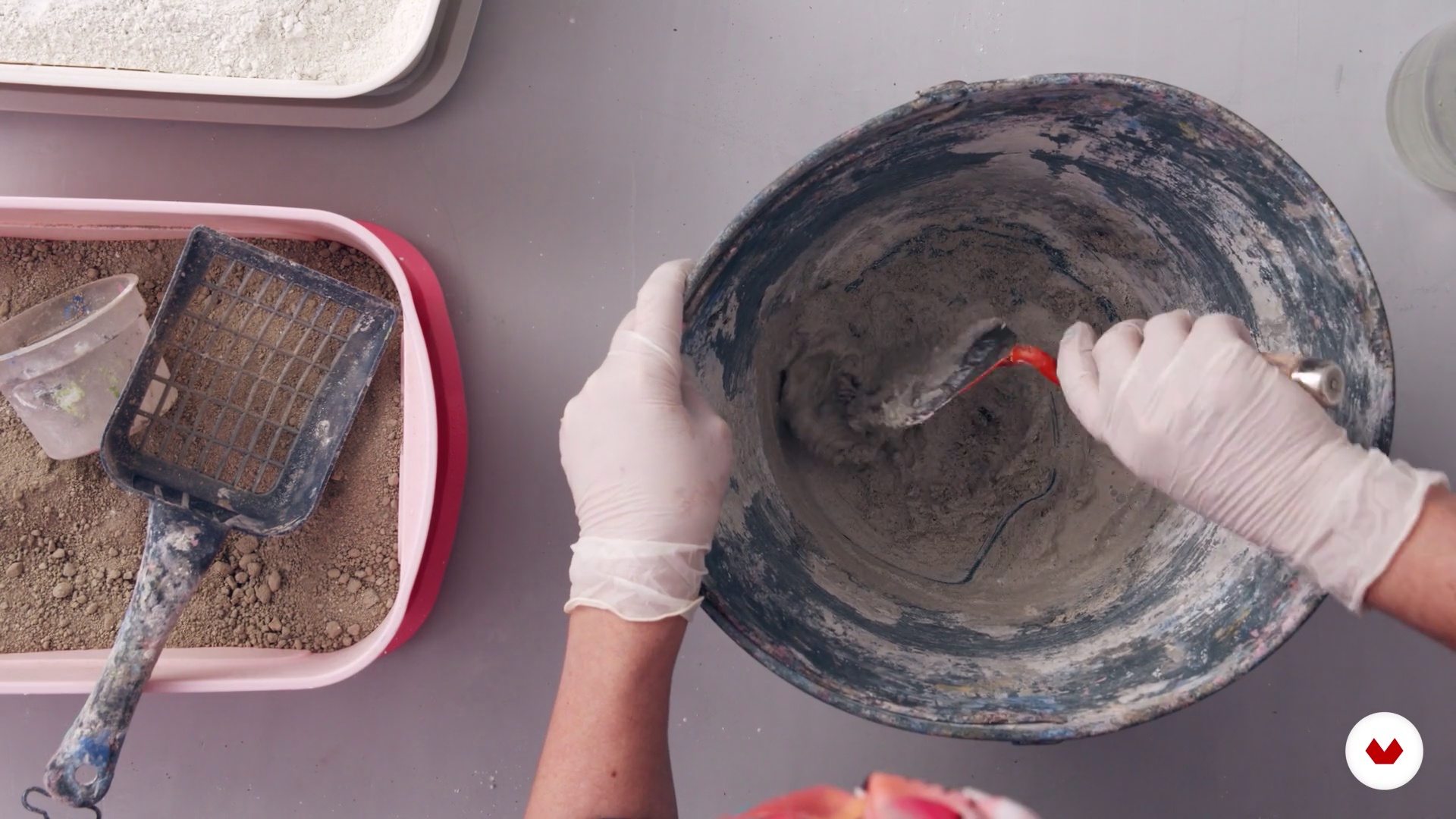
Casting (Concrete Mixing)
Here we are going to get down to work with the elaboration of the pieces. To do this, the first thing we must do is melt the concrete. Join us, we'll show you how it's done!
7m
image
9
Embossing and Dripping Technique on the Concrete Base MIX
In this lesson you will learn the first two decorative techniques specifically; embossing and dripping. Both very simple but with a spectacular finish.
5m
image
10
Technique of Staining and Marbleizing on the Concrete Base MIX
We continue with the concrete decoration techniques. Here we will see the marbling and dyeing, and we are going to show you how to color this material that sometimes seems cold, but well treated to fill with life.
9m
image
11
Demoulding and Finishing the Parts
We come to one of the crucial parts of the process, we are going to unmold the pieces. It is here when we will see the surprise effect of some of the techniques that we have learned.
15m
image
12
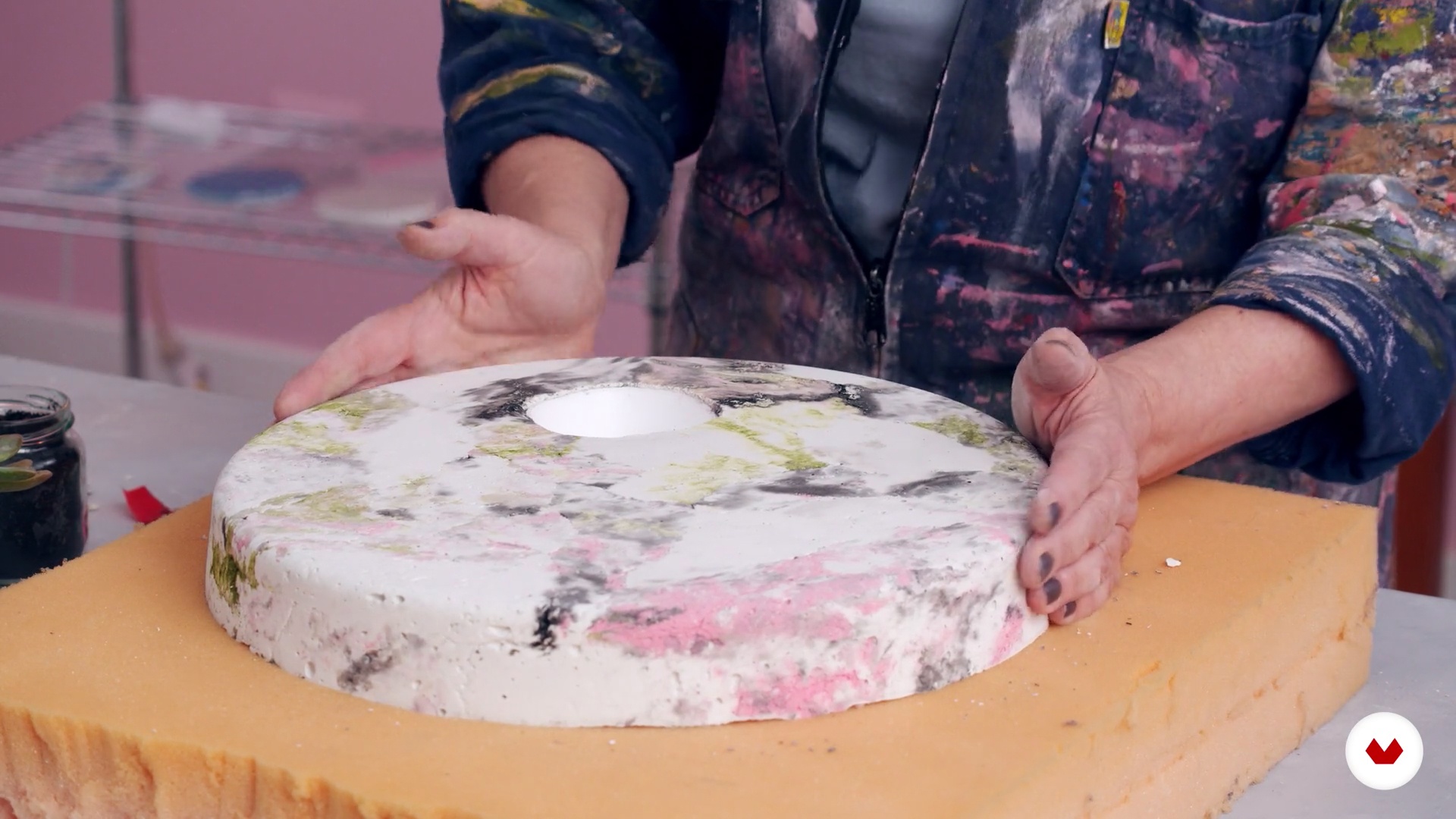
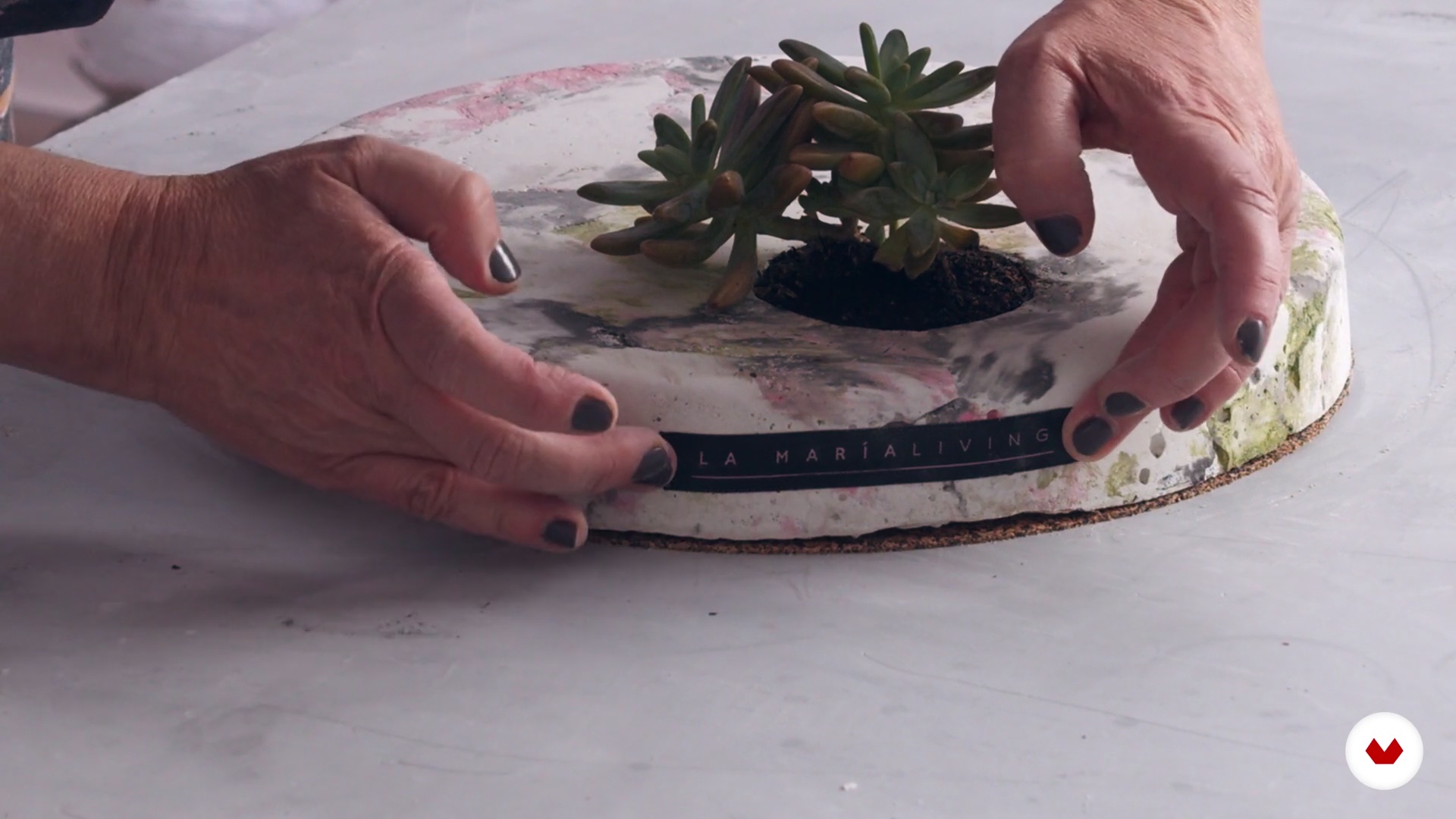
Marbled Centerpiece with Succulent
Now we will choose one of the techniques we learned and begin to shape the final project.
19m
image
13
Additional Tips: Use and Care of the Pieces
In this lesson we will give you advice on the use of the pieces and some care with which you will make the elements you create last a long time.
5m
image
14
Tips for Decoration and Use
Finally, we want to show you some of our projects so that you are inspired to create. The imagination has no limits, always remember to take into account the space for which you want to create your pieces and do not stop!
3m
image
4
Tools, materials and workspace
In this lesson, you will know the material with which you will be able to create your concrete pot, pen, or furniture. Also, I will talk to you about the necessary tools to be able to do it. They are easy to find materials, surely many of them have them at home.
6m
image
5
Let's do it! Mold Making
Now, we are going to make a small cubic mold to practice before moving on to the final project. Pay close attention to the development of the mold because the success of your piece will depend on that.
12m
image
6
Basic mixing and pouring into mold
[textbox type=alert]Working materials with gloves is an option but if you find it more comfortable to work without them, go for it! The materials we use in this course are not toxic or abrasive on skin contact.[/textbox] The time has come to get our hands dirty! It is important to have all the material and tools at hand and work as clean as possible.
15m
image
7
Unmold and detail
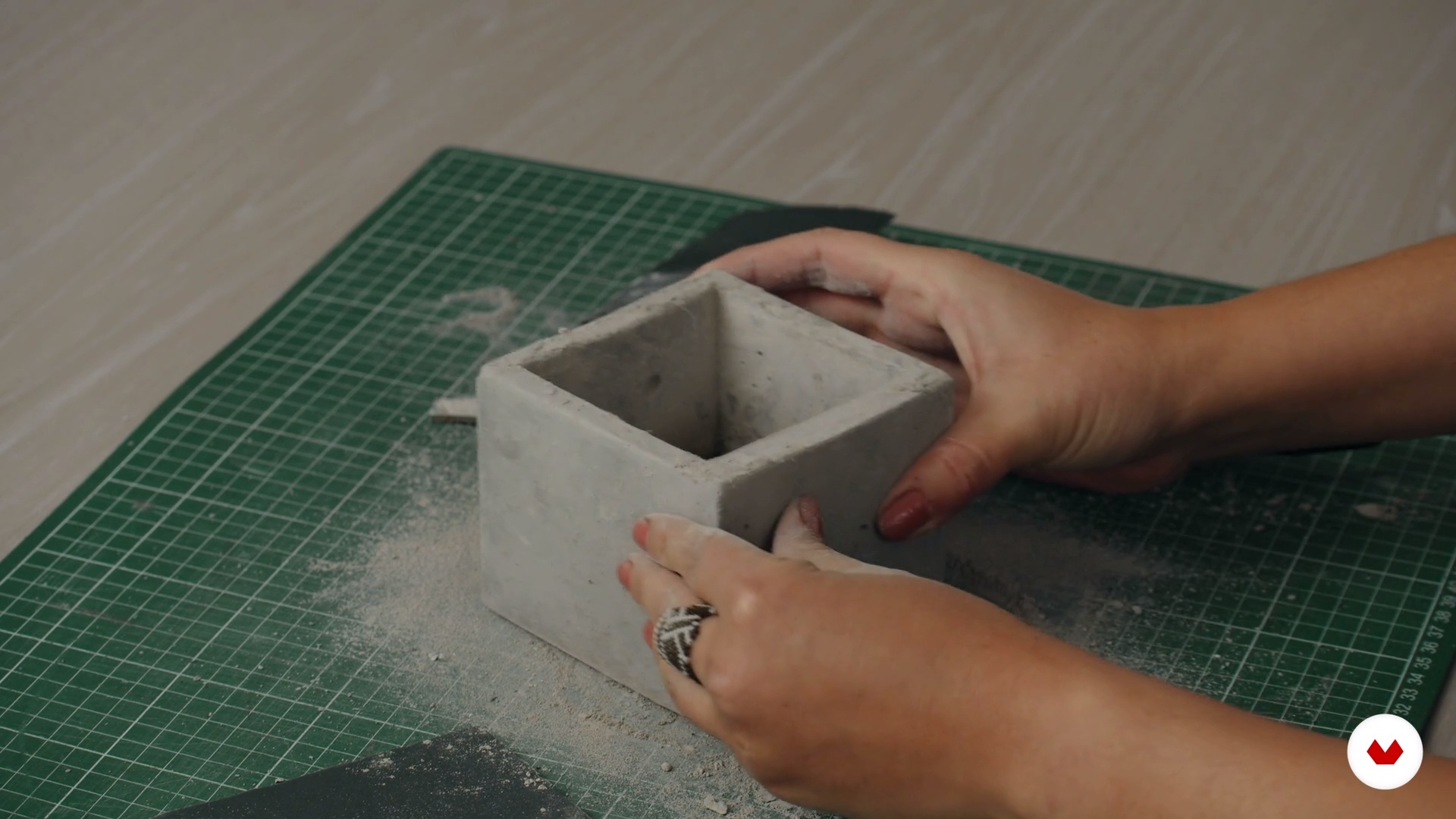
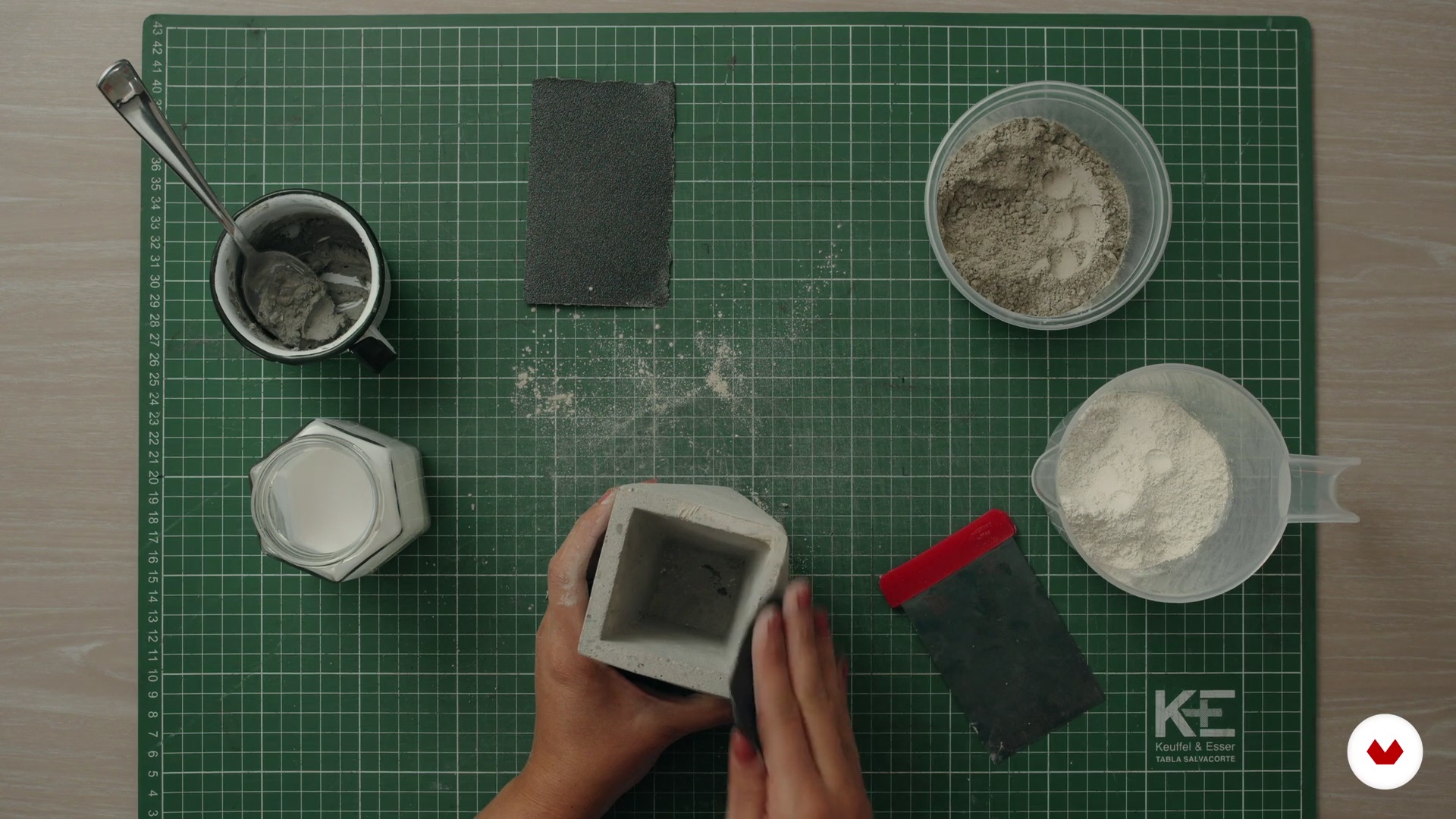
In this lesson we will take our cube out of the mold and we will learn the technique of polishing to detail. We will use tools that require more care. The cardboard, being an absorbent material, is likely to be a little stuck to the concrete. You have to be patient for this part of the process. It is also possible that the mold is lost, say it is disposable.
11m
image
8
Sketching and dimensions
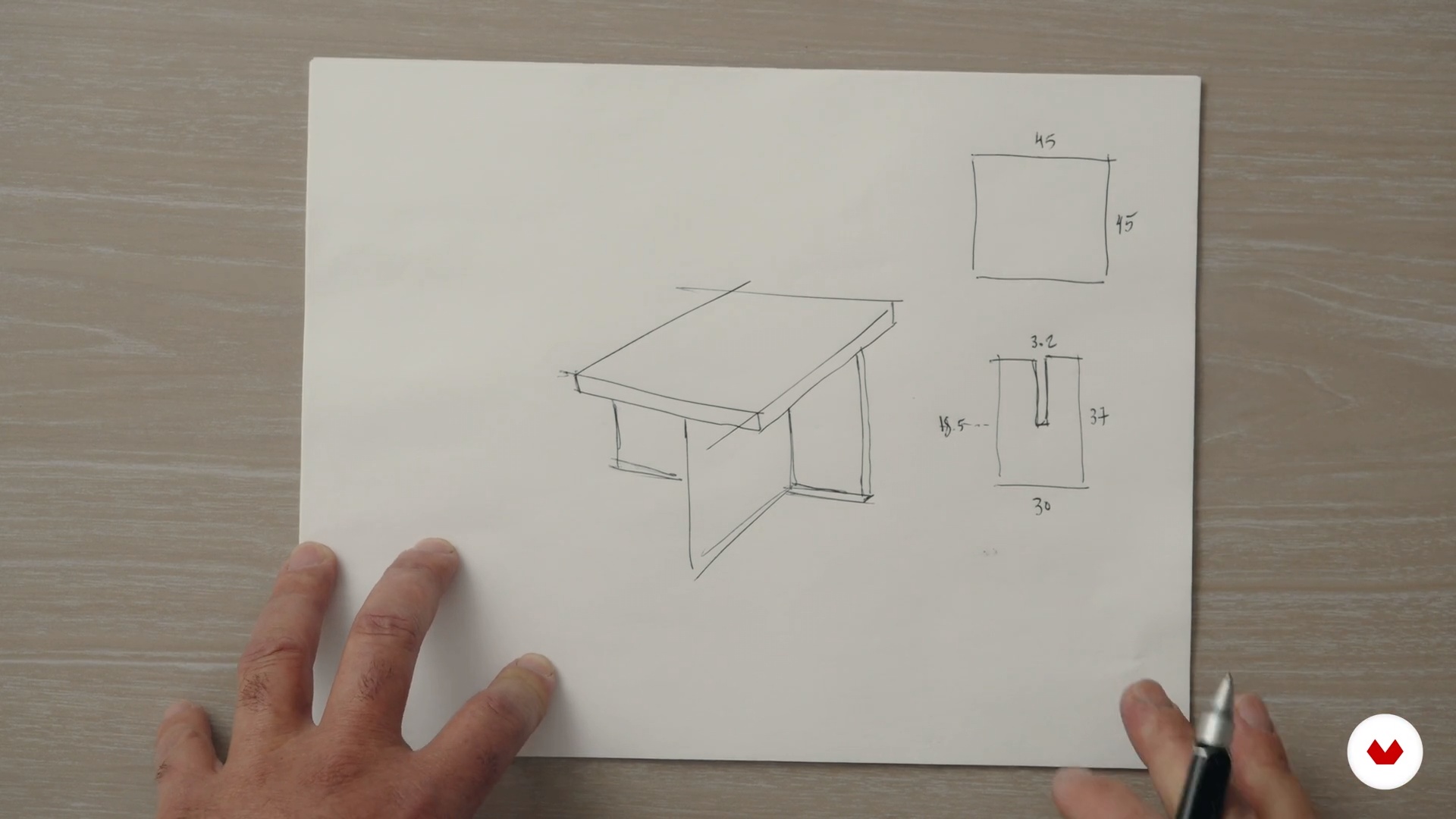
In this lesson, we show you the design process of the side table that we decided to do for this course, this will serve you in future projects as a methodological guide.
2m
image
9
Mold
In this lesson, we will assemble the mold corresponding to the assembled table. We will give you tips to make molds a little more complex than the first cube we assemble.
10m
image
10
Mixing and emptying
[textbox type=alert]Working materials with gloves is an option but if you find it more comfortable to work without them, go for it! The materials we use in this course are not toxic or abrasive on skin contact.[/textbox] In this lesson, we will prepare a greater amount of mixing, so we will test the acquired learning of the appropriate proportions in the previous unit. We will pour the mixture into the mold and we will wait 24 hours for drying.
8m
image
11
Unmold, detailed and seal the table
The time has come to discover how our pieces look like! In this lesson, we will unmold detailing and sealing the pieces very carefully. Remember that for this, at least 24 hours must have passed.
9m
image
12
Uses, care and recommendations for your piece
We will explain the uses they can have, the care that we must seek, and the maintenance that must be given to each piece.
3m
image
13
Repair in case of failure or accident
If at any time your table is chipped, there is a way to repair it, do not hurry! It may be that being skilled enough the repair is not even visible. In this lesson, we explain how to solve it.
7m
image
14
BONUS: molds 1
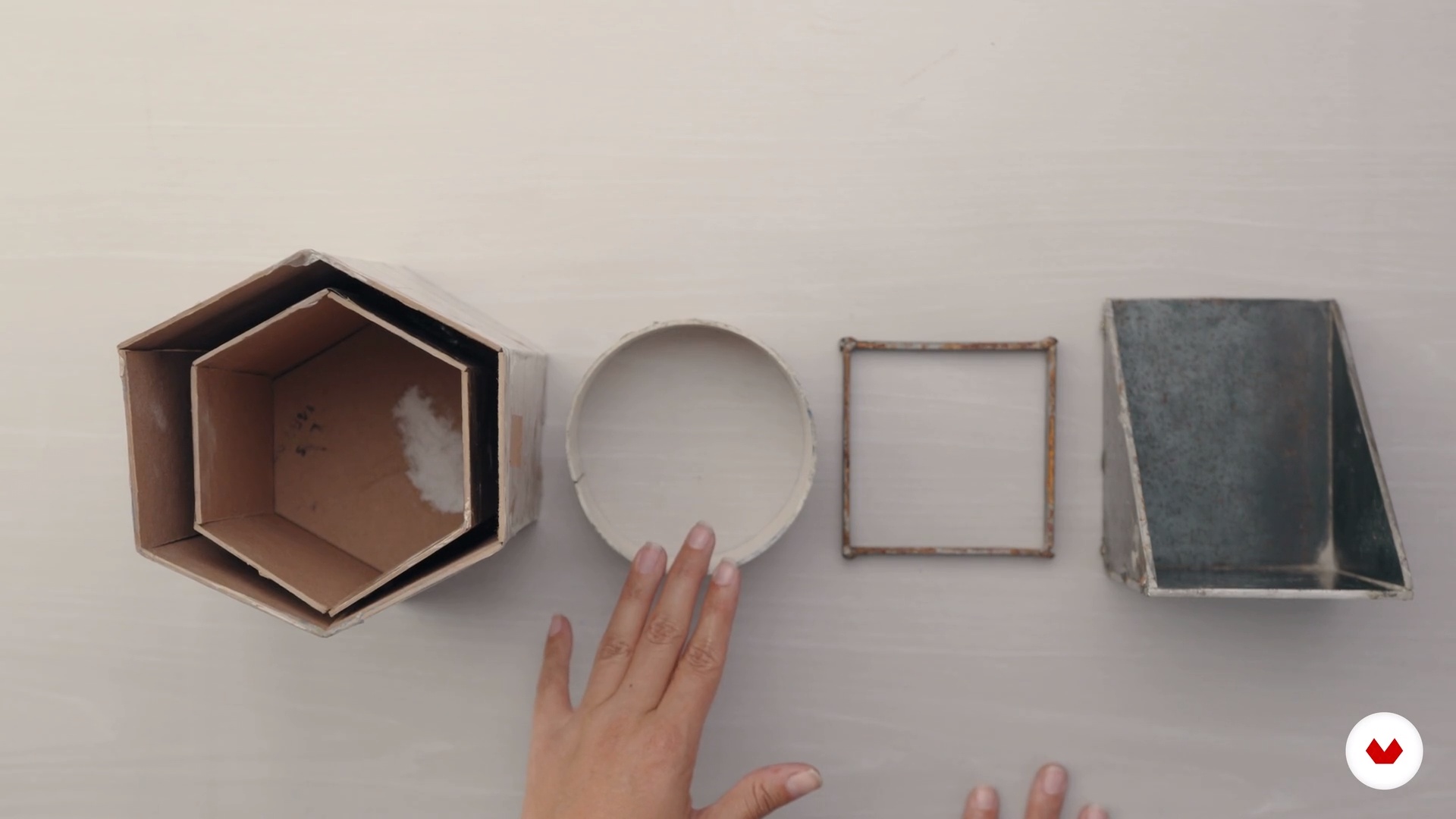
In this extra lesson, I will tell you about the molds that we have used in the workshop, materials, costs, advantages and disadvantages, so you can choose the one that best suits your project.
21m
image
15
BONUS: molds 2
Now, we will unmold a piece, I will explain and give you tips to make the process easier.
11m
image
16
The Components of Terrazzo 1 (BONUS)
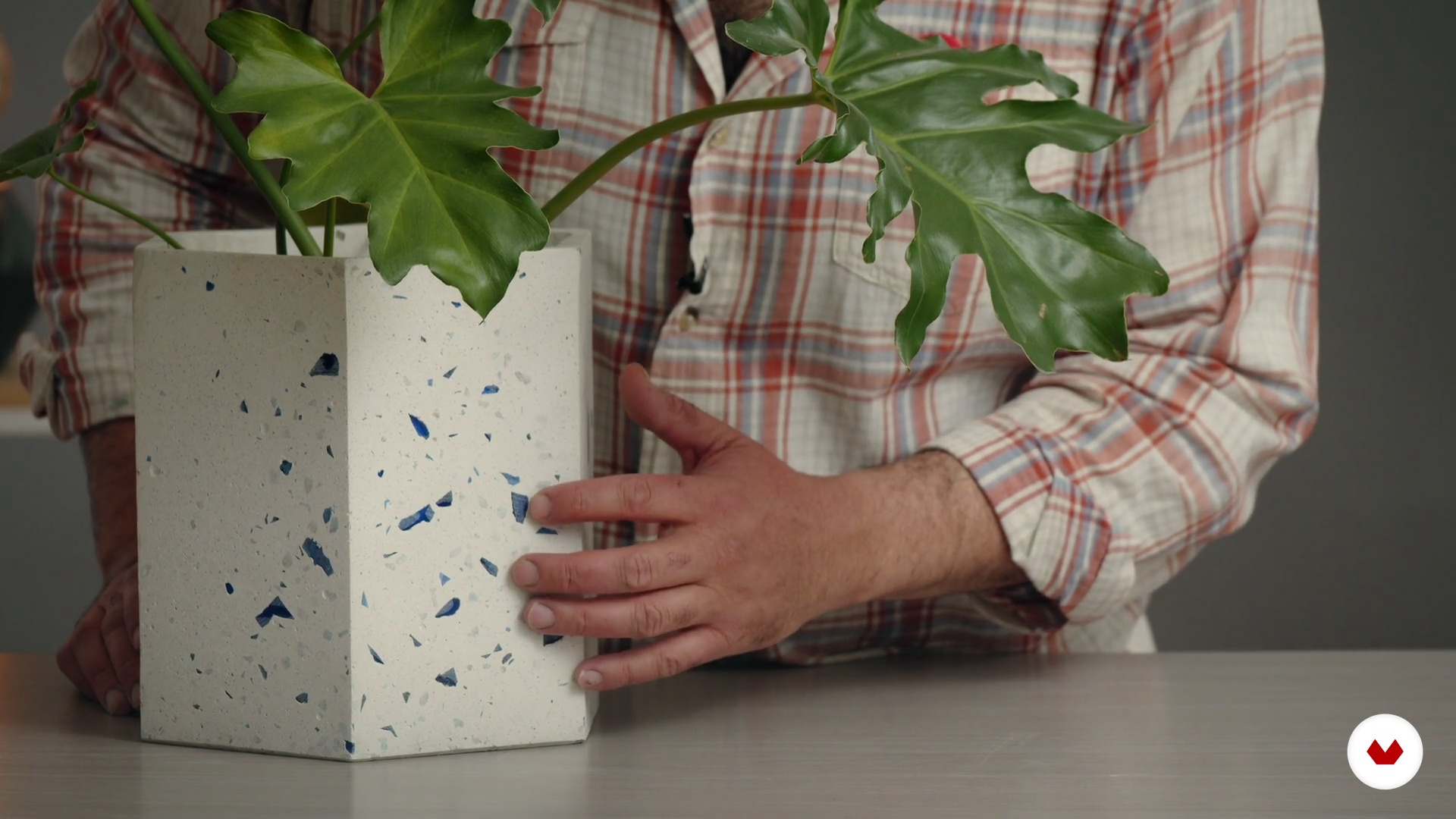
Now, we will make a piece with color and terrazzo, I will tell you about the characteristics of some additions and how to get them. Remember that the proportions of the mixture are the same that we saw in previous lessons, depending on the size of your piece.
17m
image
17
BONUS: terrazzo 2
Since we have the piece set, we are going to unmold it, polish and detail it to expose the final finish.
15m
image
3
Design and mold
In this lesson we are going to talk about the design of the piece, why we chose it for this course and what you can learn from it. In addition, we will explain how the mold was designed and what are the key elements to take into account when making a mold for any project.
16m
image
4
Materials, tools, and workstation 1
In this lesson we are going to see one by one the necessary materials and where to get them.
12m
image
5
Materials, tools and workstation 2
We will show you how to make the mixture, either by doing it manually, or with the help of some mechanical equipment, until homogeneity is achieved.
9m
image
6
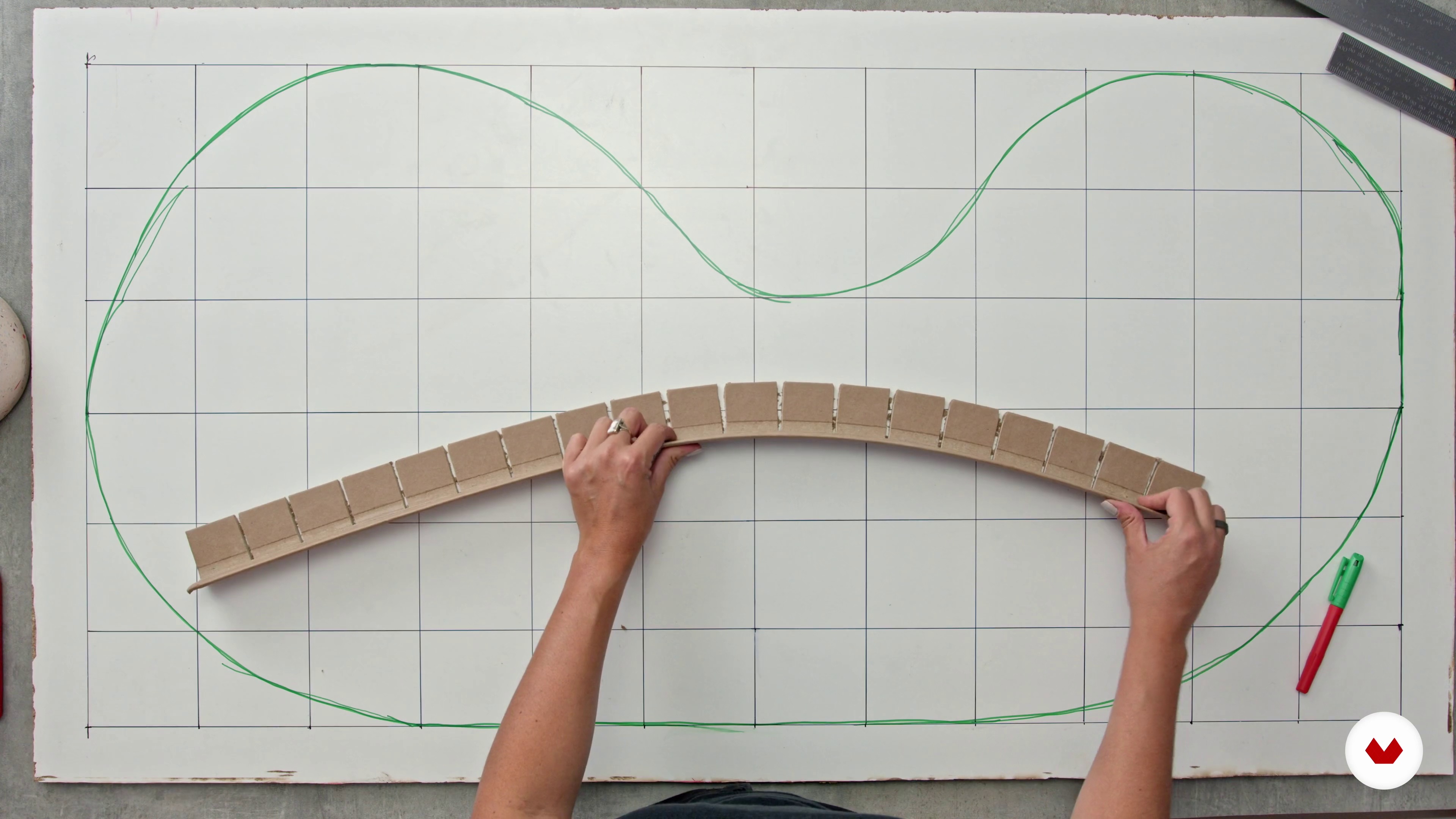
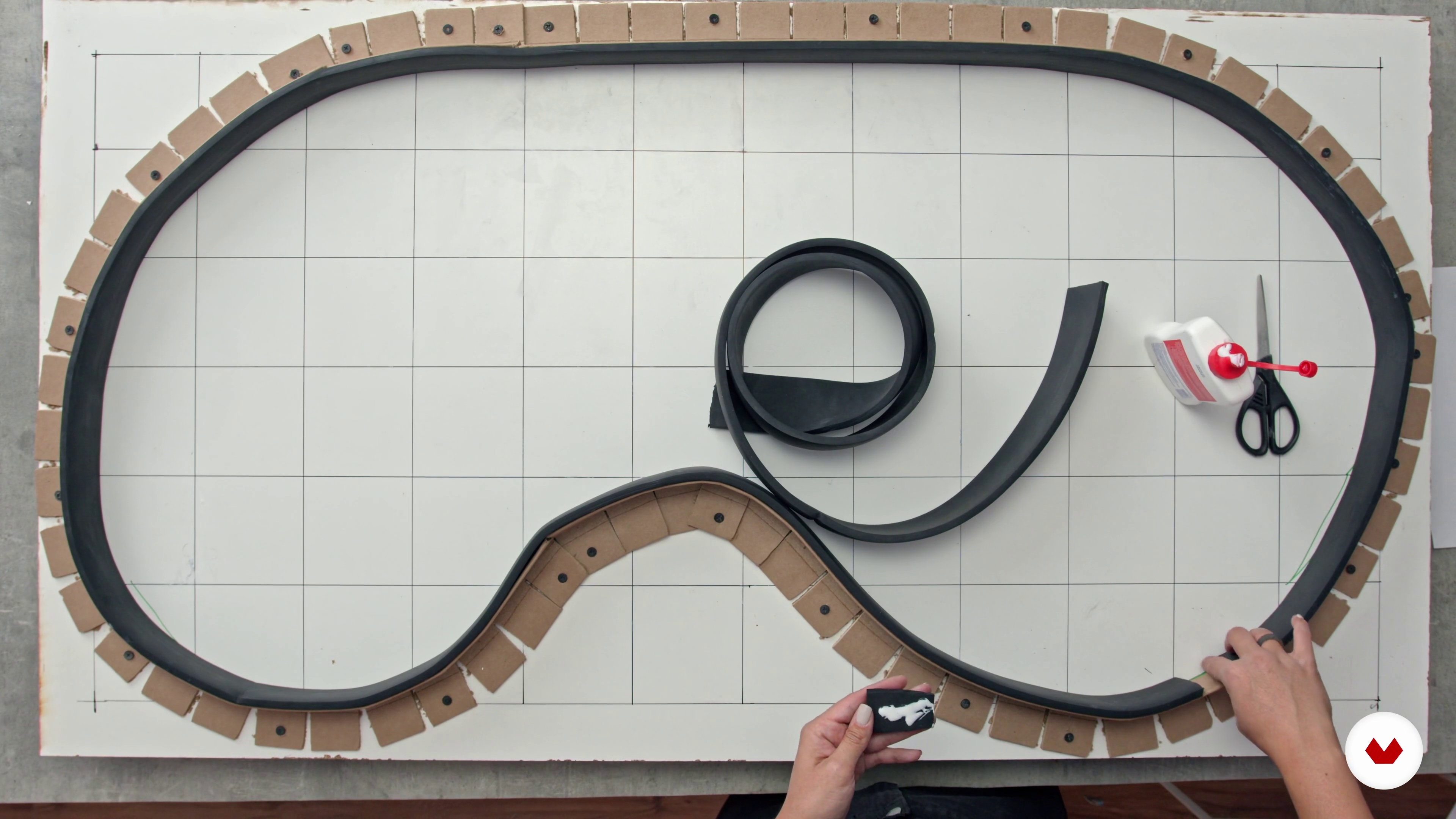
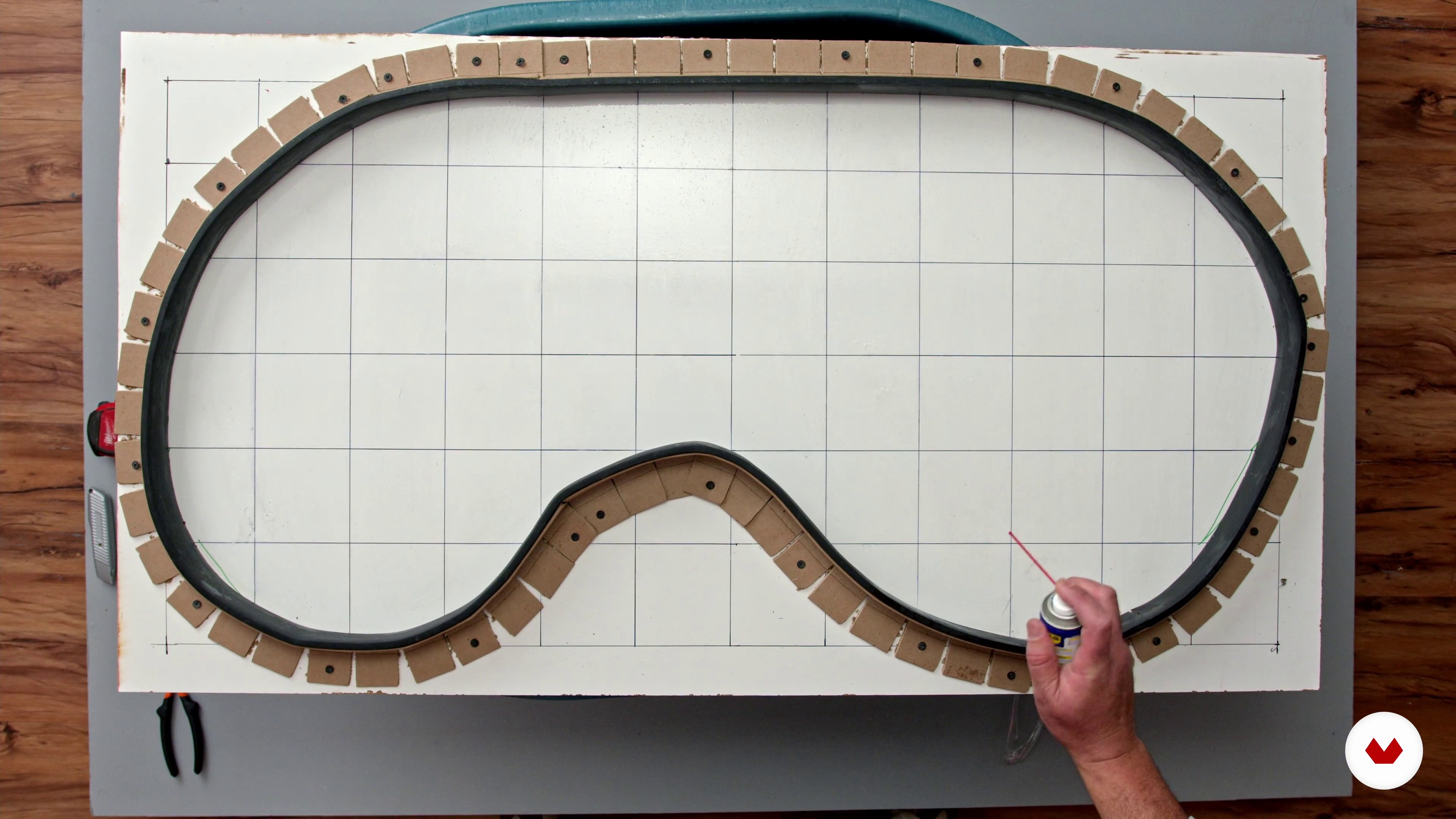
Mold making 1
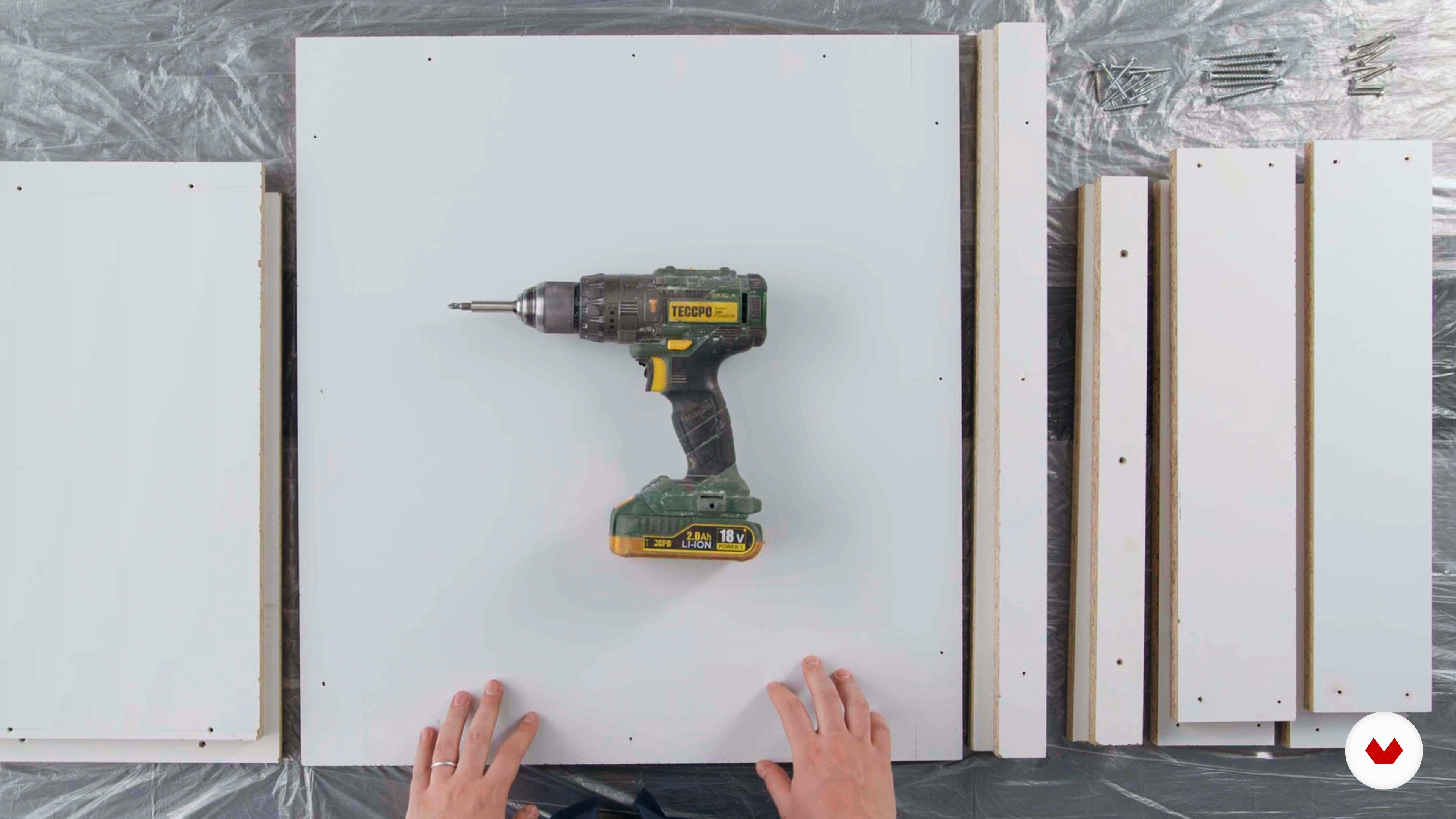
In this lesson we will get to work and carry out the construction of the mold.
17m
image
7
Mold making 2
We continue working on the mold that will contain the mixture, for that, we will teach you how to prepare a square melamine base.
11m
image
8
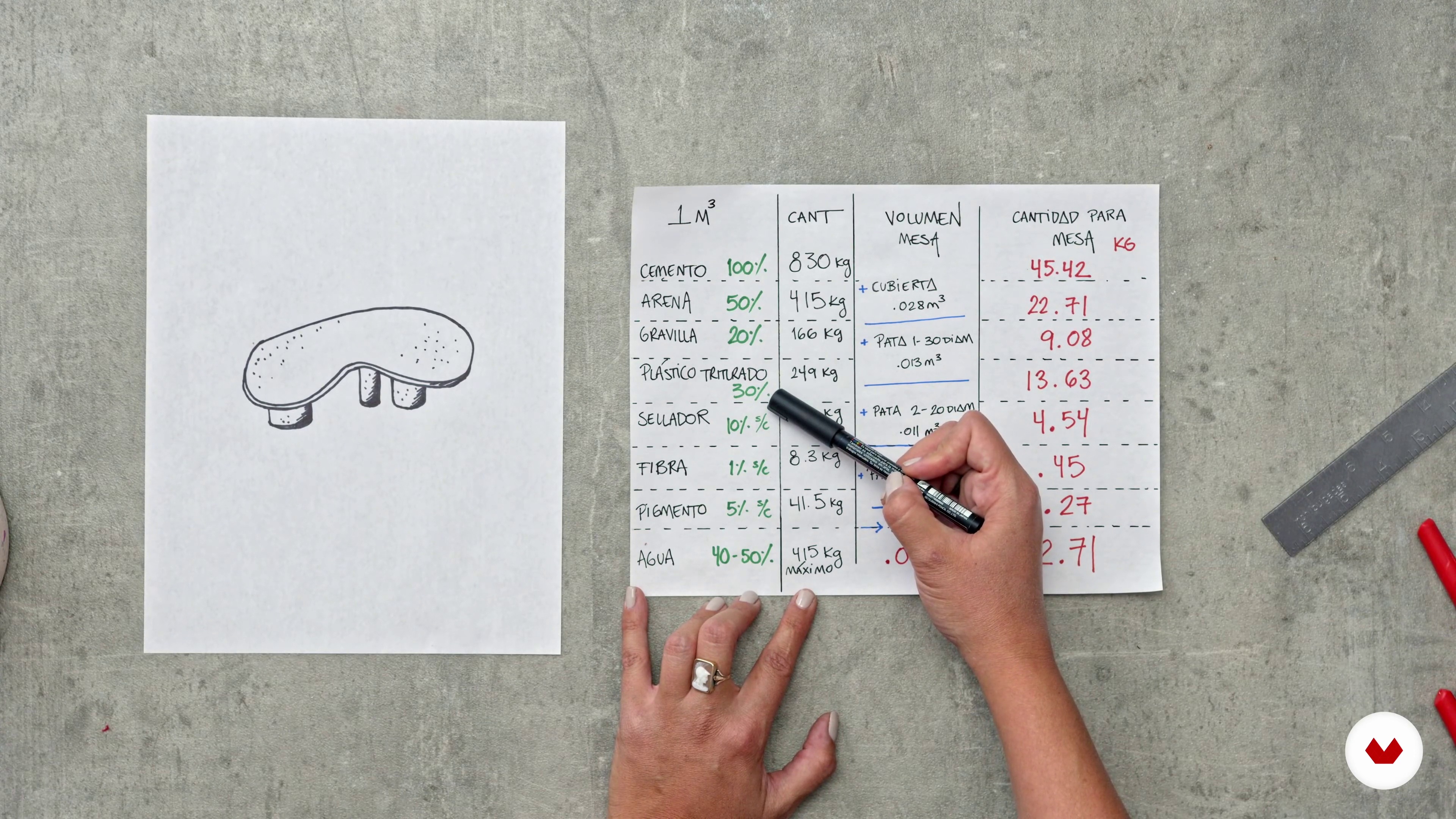
Mix design and volume calculation
In this lesson you will learn how to calculate the necessary mix for the table. We will go, step by step, explaining the calculation so that you can use it in your next pieces. We will teach you not to over mix and avoid generating waste.
11m
image
9
Preparation of recycled aggregate
In this lesson we will teach you how to recycle the plastic that we collect for the final project. Also, we will show you other types of recycled aggregates that you can incorporate.
13m
image
10
Colour
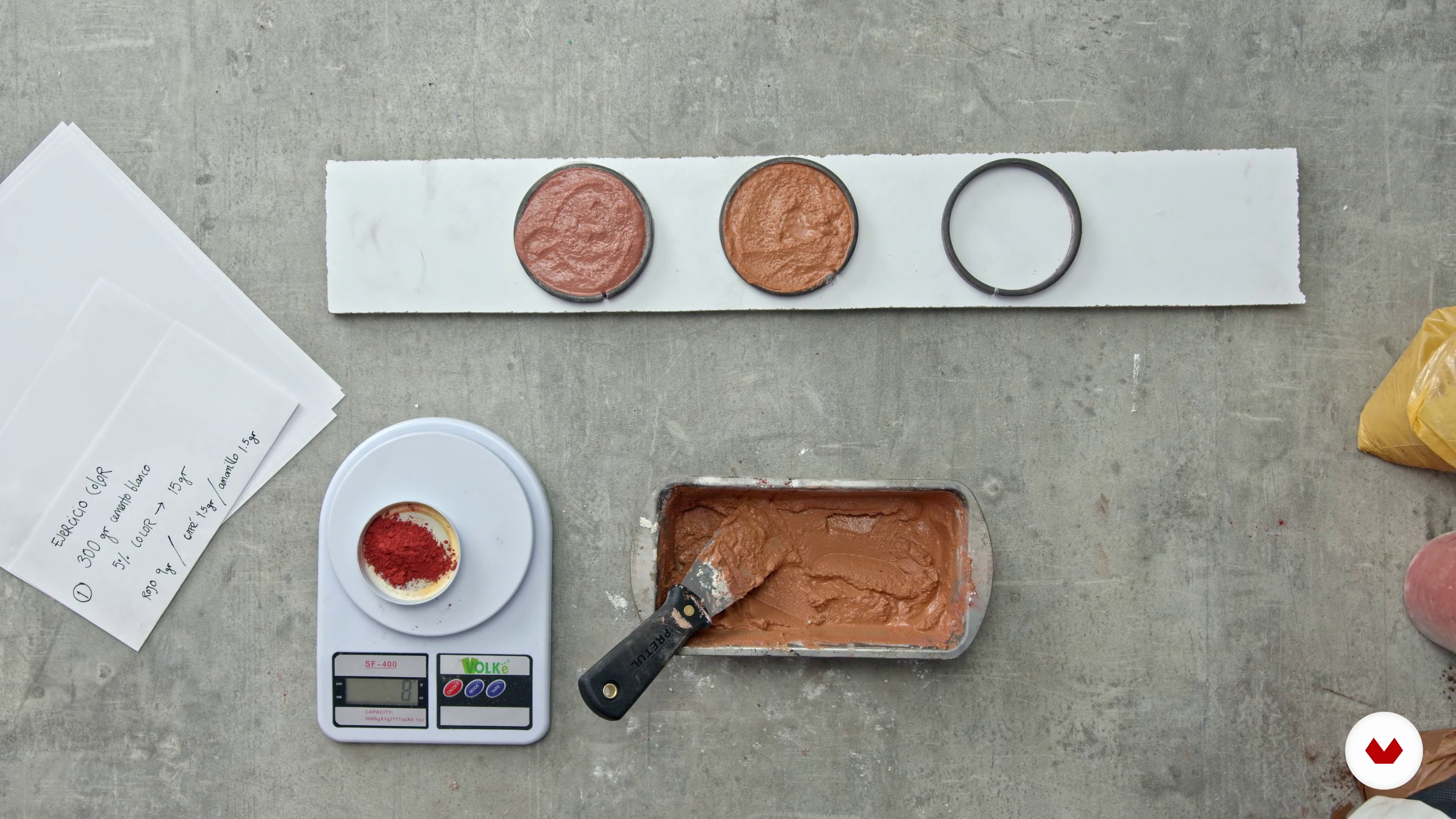
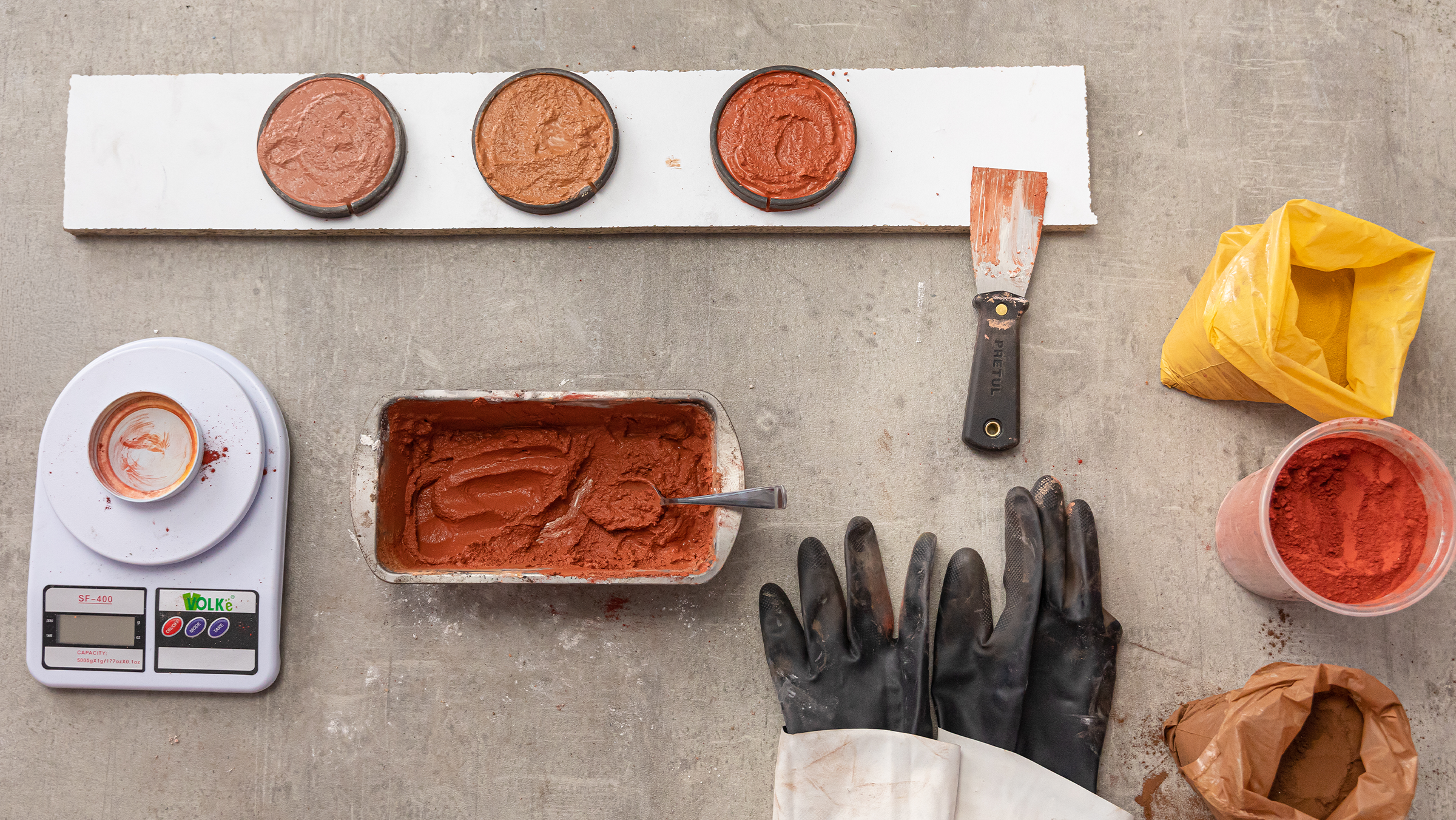
In this lesson we are going to delve into the use of color, we are going to do a simple exercise to understand the saturation achieved with powdered pigments, being able to obtain higher and lower intensities. We are going to teach you how to create a new color from the combination of powdered pigment that you can get in any supply store or specialized store.
18m
image
11
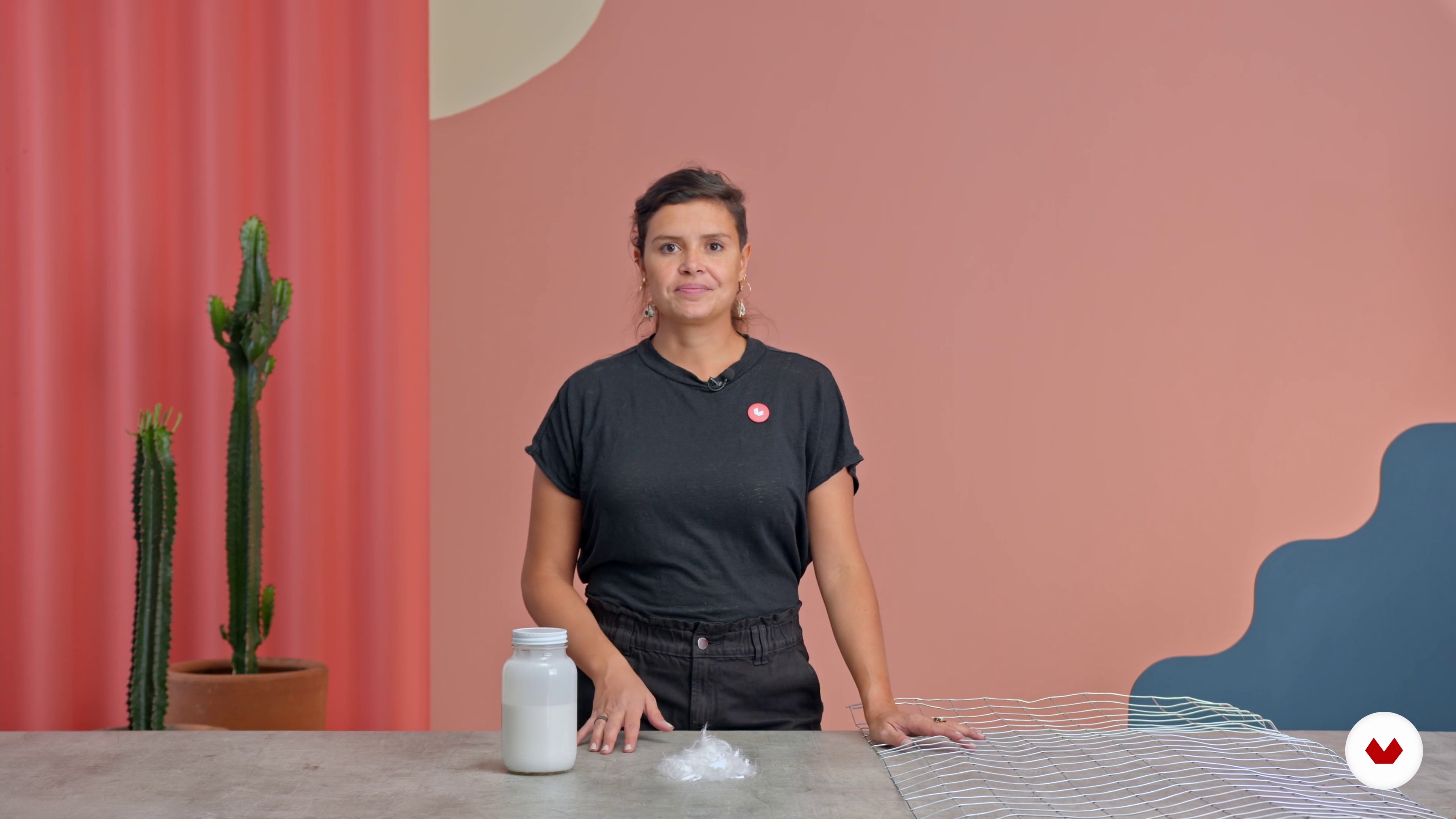
Reinforcement
In this lesson we are going to know the advantages of using steel reinforcement and how to do it. It will be important that we go together and follow the instructions to cut and place properly.
6m
image
12
Mix and strain 1
We will teach you how to make the mixture and pour it into the molds. Also, during the casting, we will give some tips according to our experience to achieve the best results.
18m
image
13
Mix and strain 2
Since we have a homogeneous mixture, we will show you the best technique to carefully pour the mixture into our mold little by little.
9m
image
14
Drying and unmolding
Let's unmold our piece! First we will talk about how to know if it is ready or not to take it out and although it is one of the most exciting steps, it is also one that we need to do with more care and patience. We will explain the process of mold release and proper curing for the elements and we will give you ideas to do it yourself.
14m
image
15
Detailed
In this lesson you will learn to confidently handle the emery with the stone cup to grind the cover, it is important to control the dust output so we will see several options for you to take care of your health. We will talk about some tricks or tips of the tool and its correct use.
12m
image
16
Sealed
Now we will show you how to fix the legs to the deck organically. Also, we will talk about sealing, which are the best sealants and how they are applied.
5m
image
17
Installation, cleaning and maintenance
Finally, we will share some tips to clean the table and keep it looking its best for as long as possible.
14m
image
3
Tools and Materials
What do you need to carry out the project? Here we are going to present all the materials and work tools that we will use for the production of the tray and the coffee table!
10m
image
4
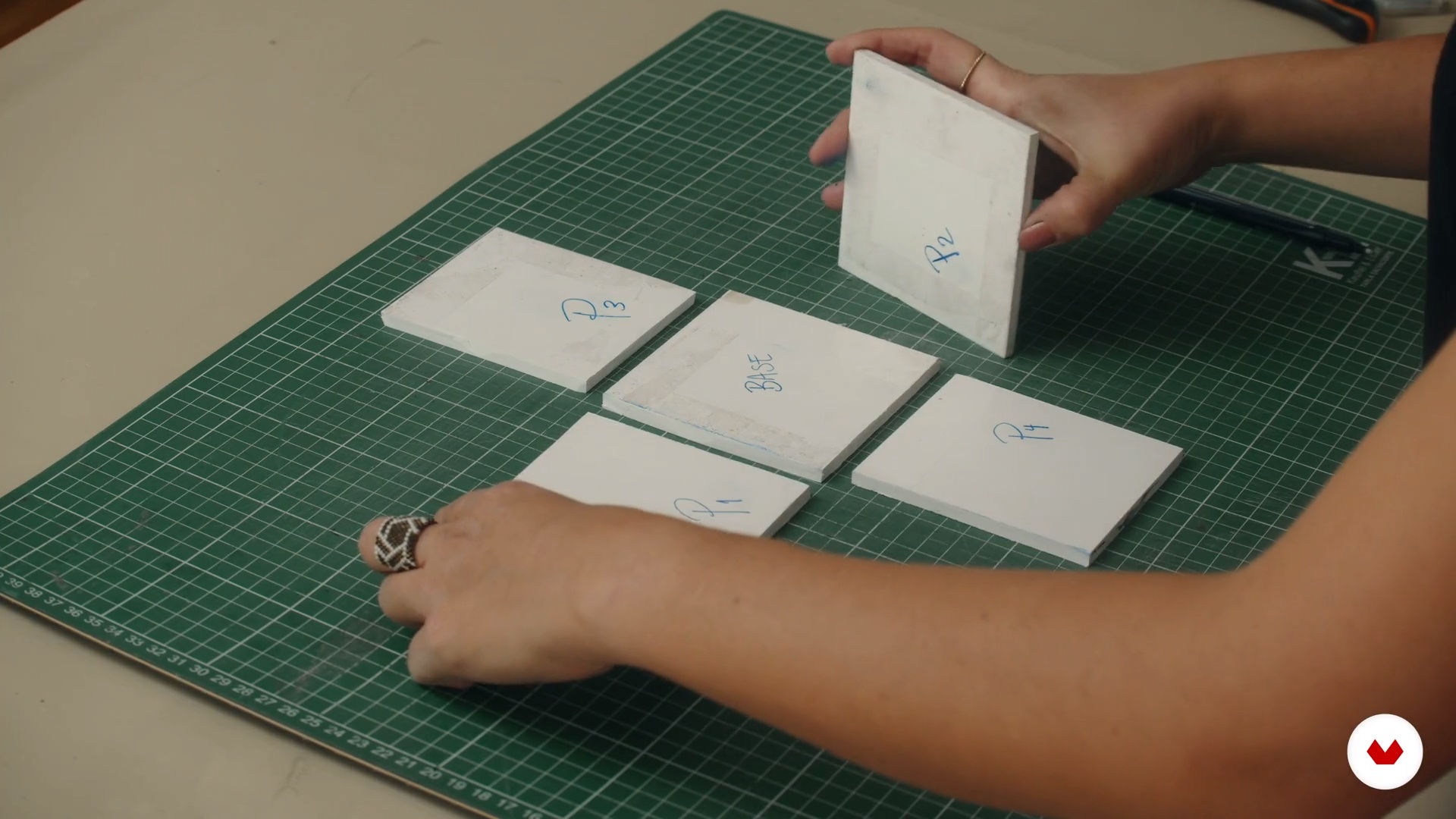
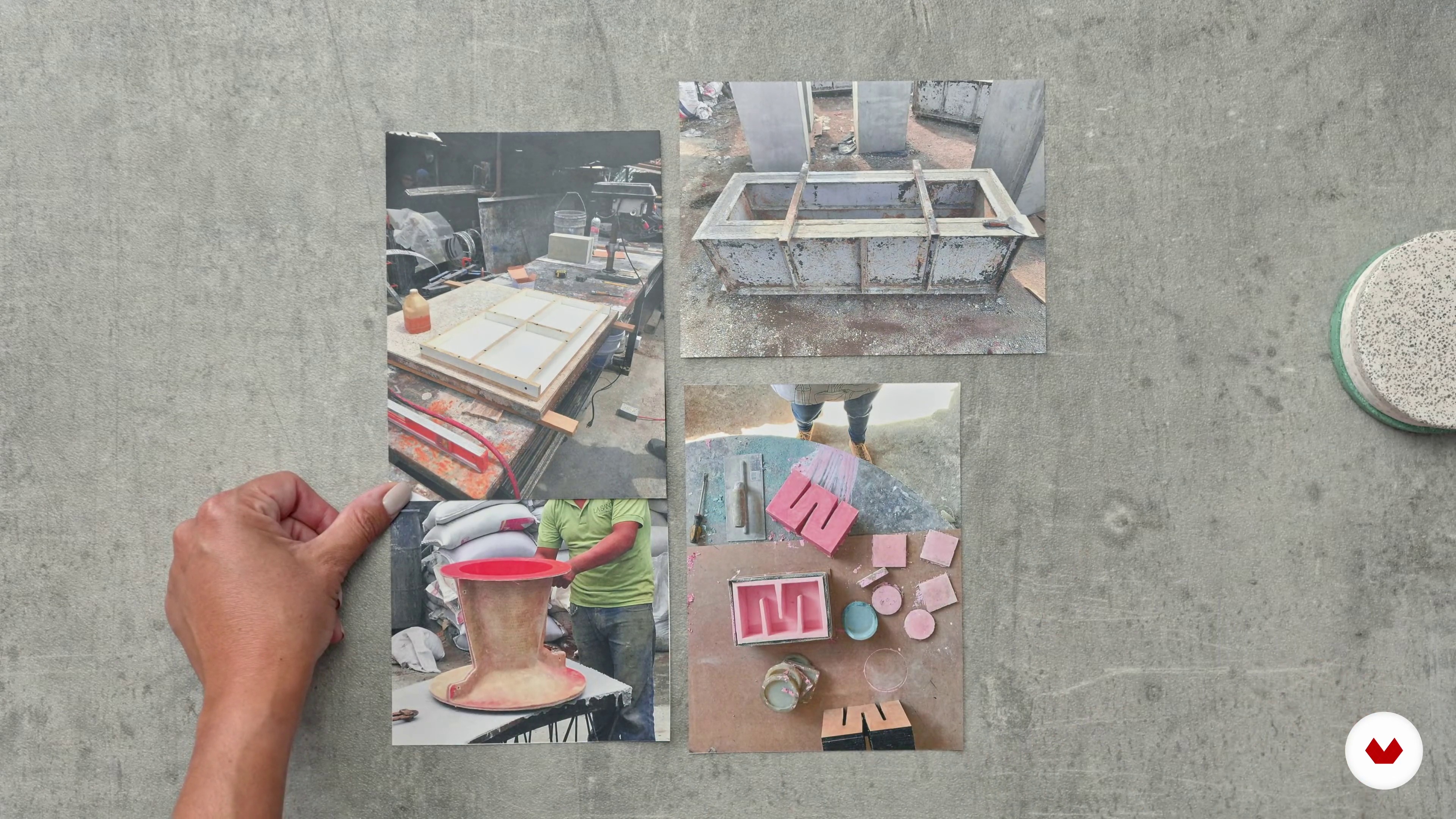
The Mold Stage
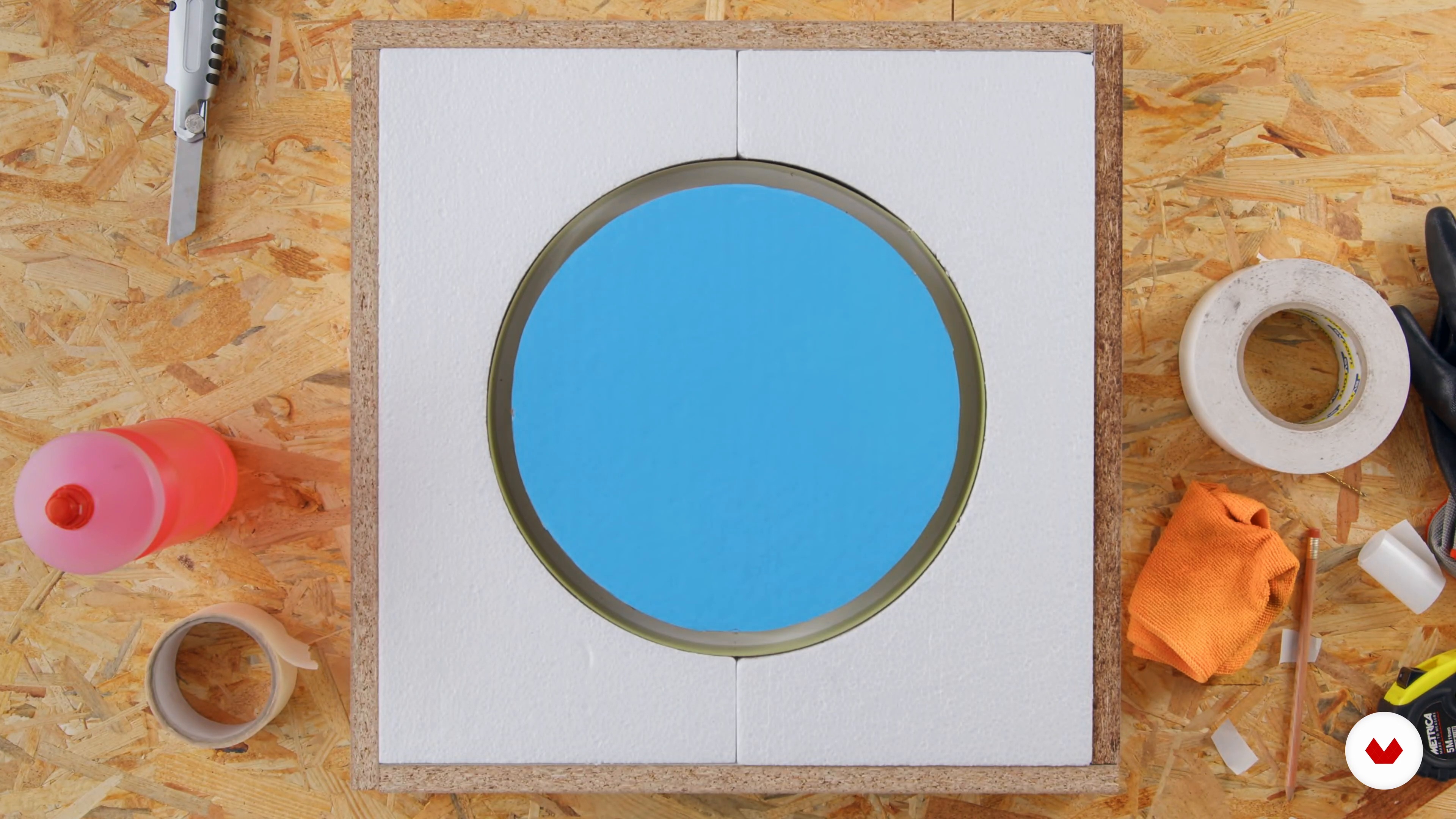
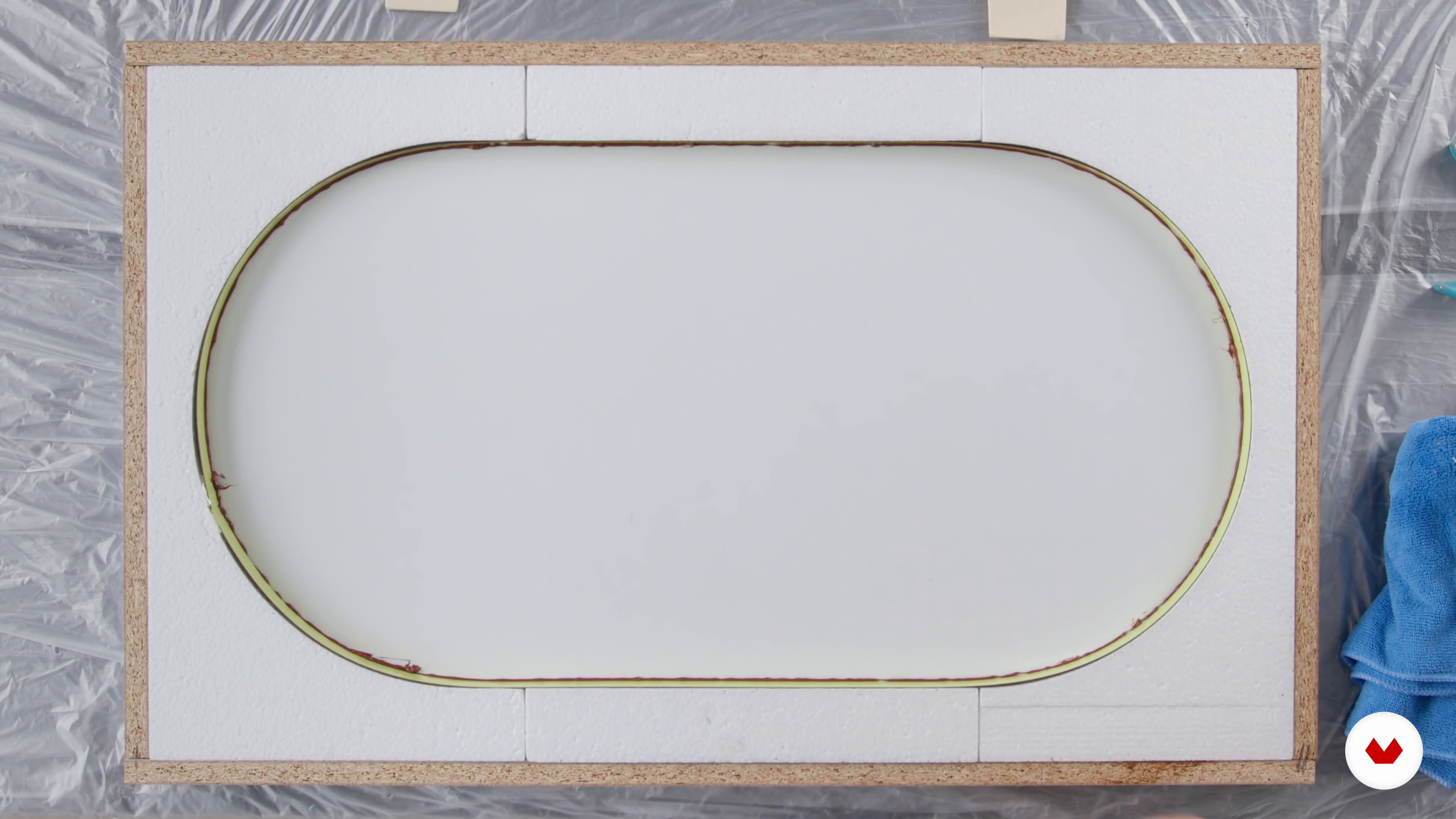
In this first phase we will concentrate on the production of the various components that will make up the tray mold, a simple product that will make you "enter" the production process which we will then apply also for the coffee table.
13m
image
5
The Assembly Phase
Once all the components have been made, we can proceed to assemble them to create the first mold. In this lesson we will teach you what to keep in mind when assembling.
11m
image
6
Create the Blend
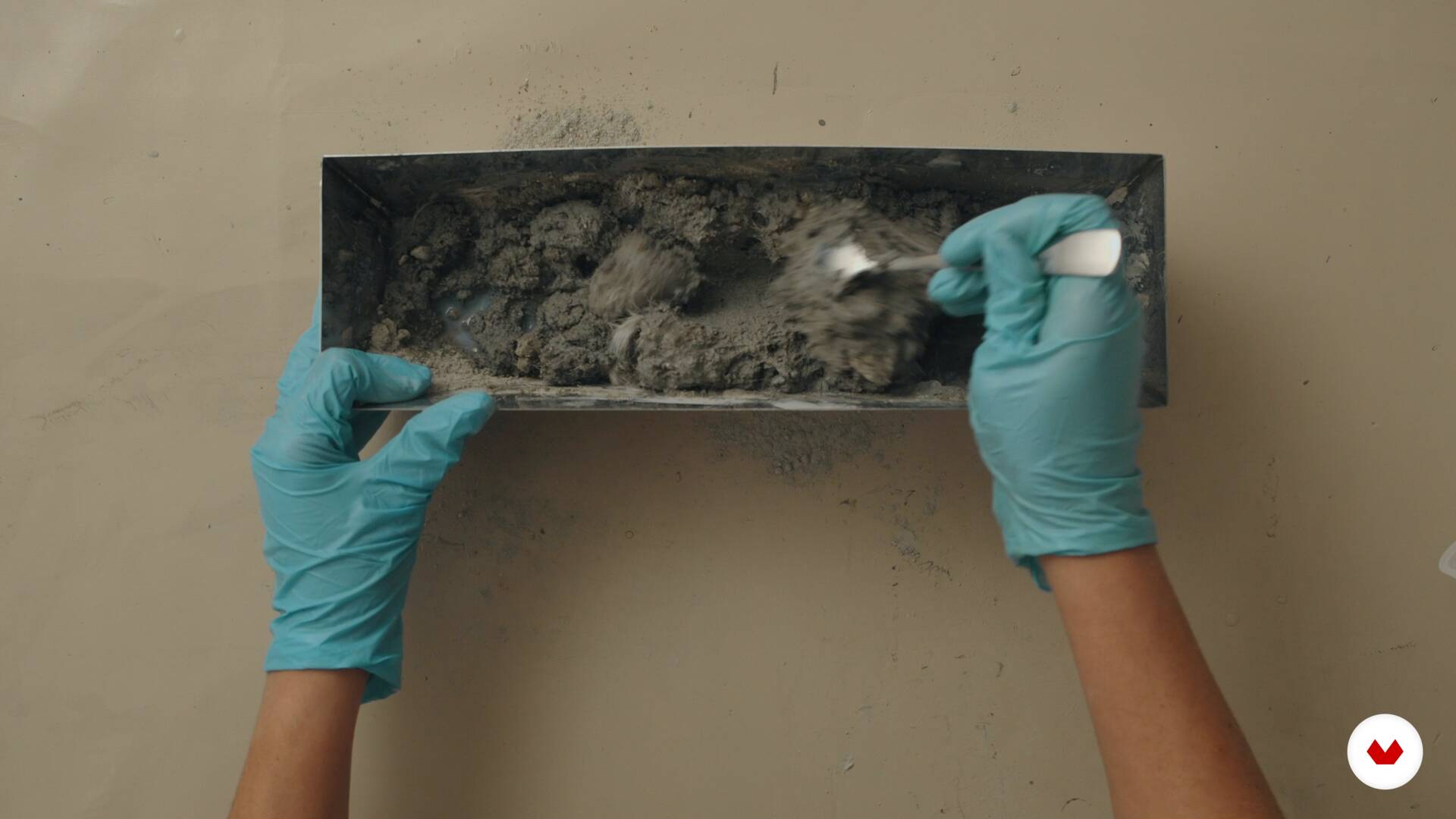
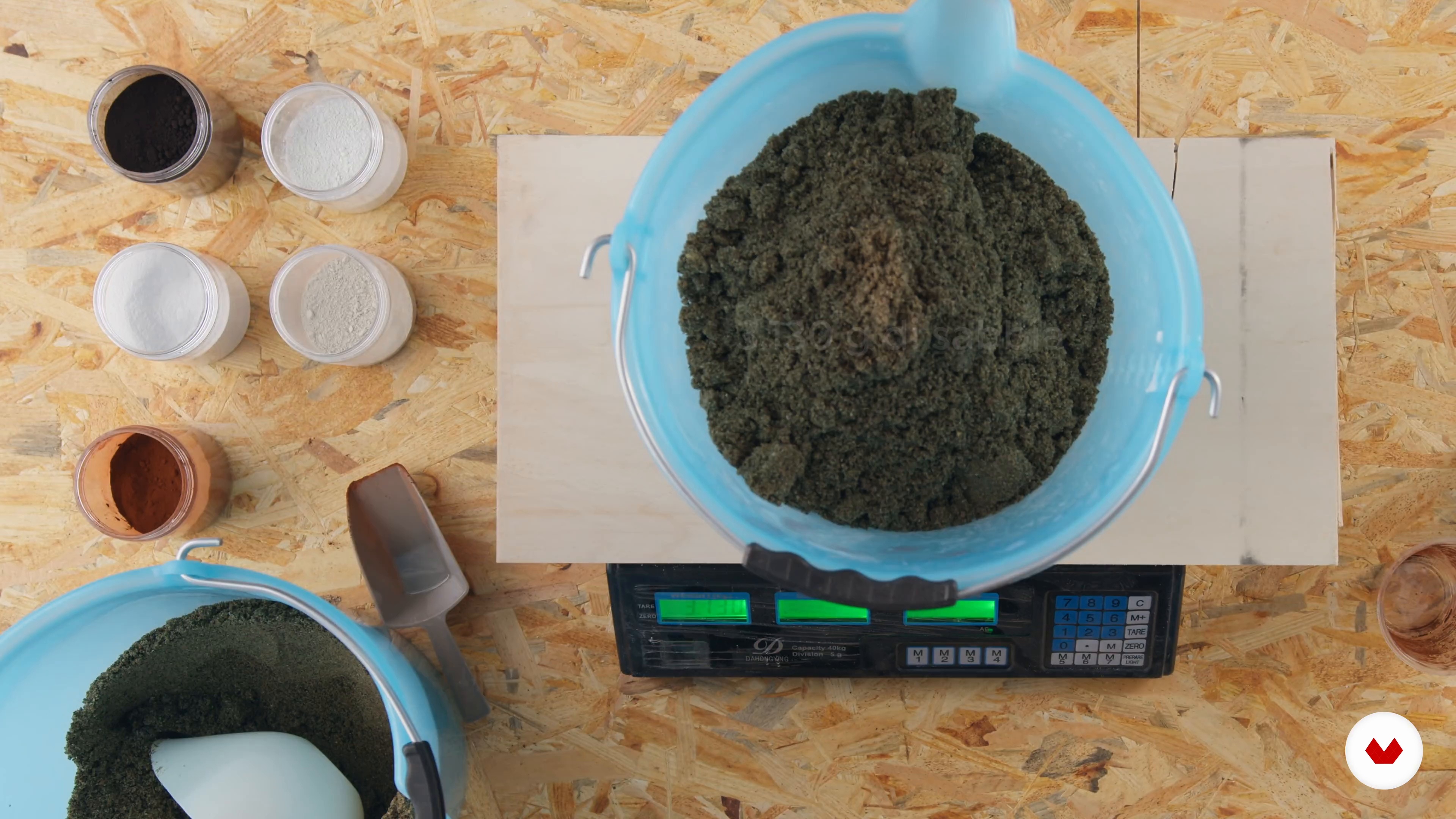
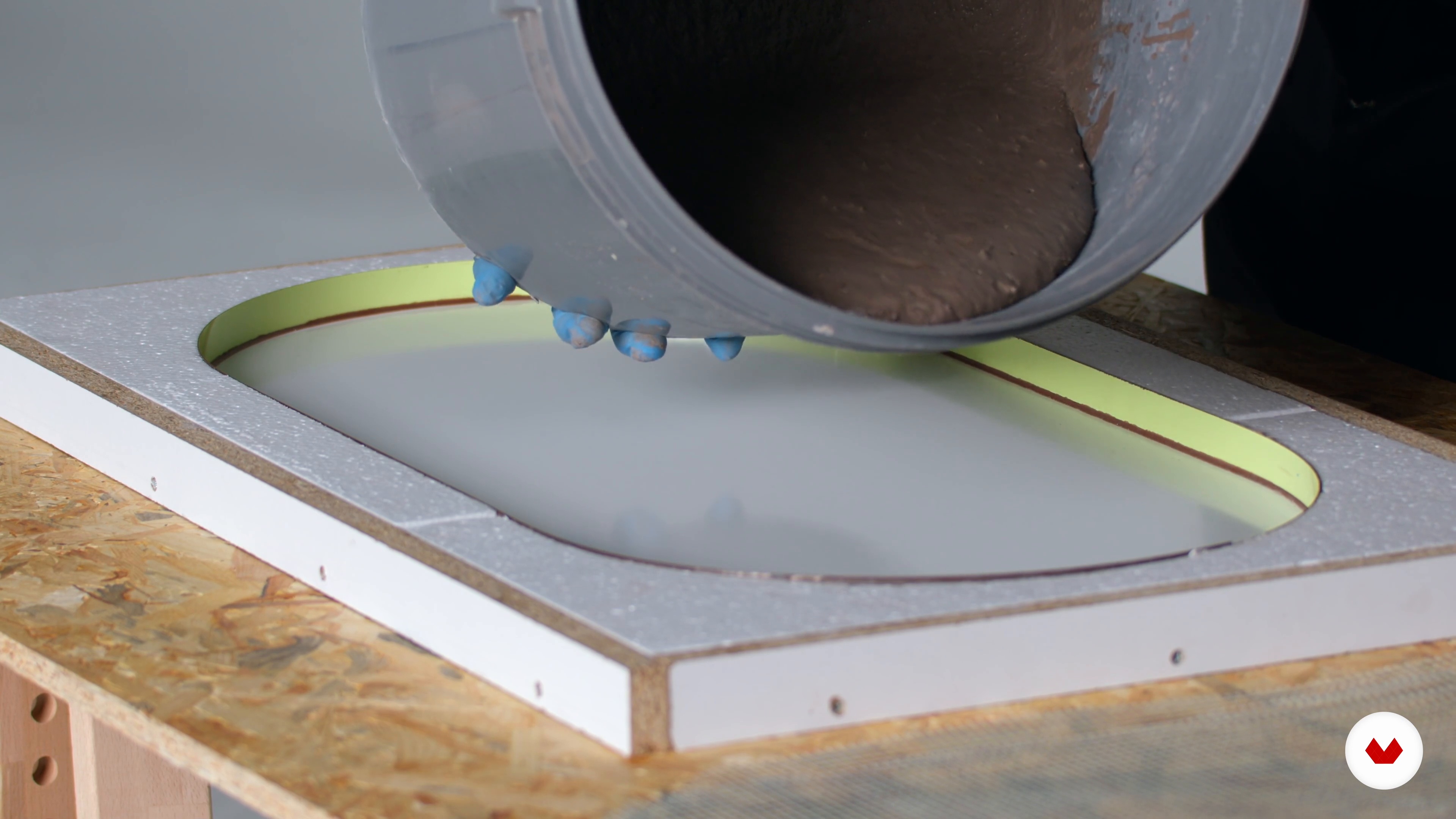
Time to pour! Once the mold has been assembled, we will teach you how to prepare and pour the mixture that will form the tray.
14m
image
7
Unmold and Finalize
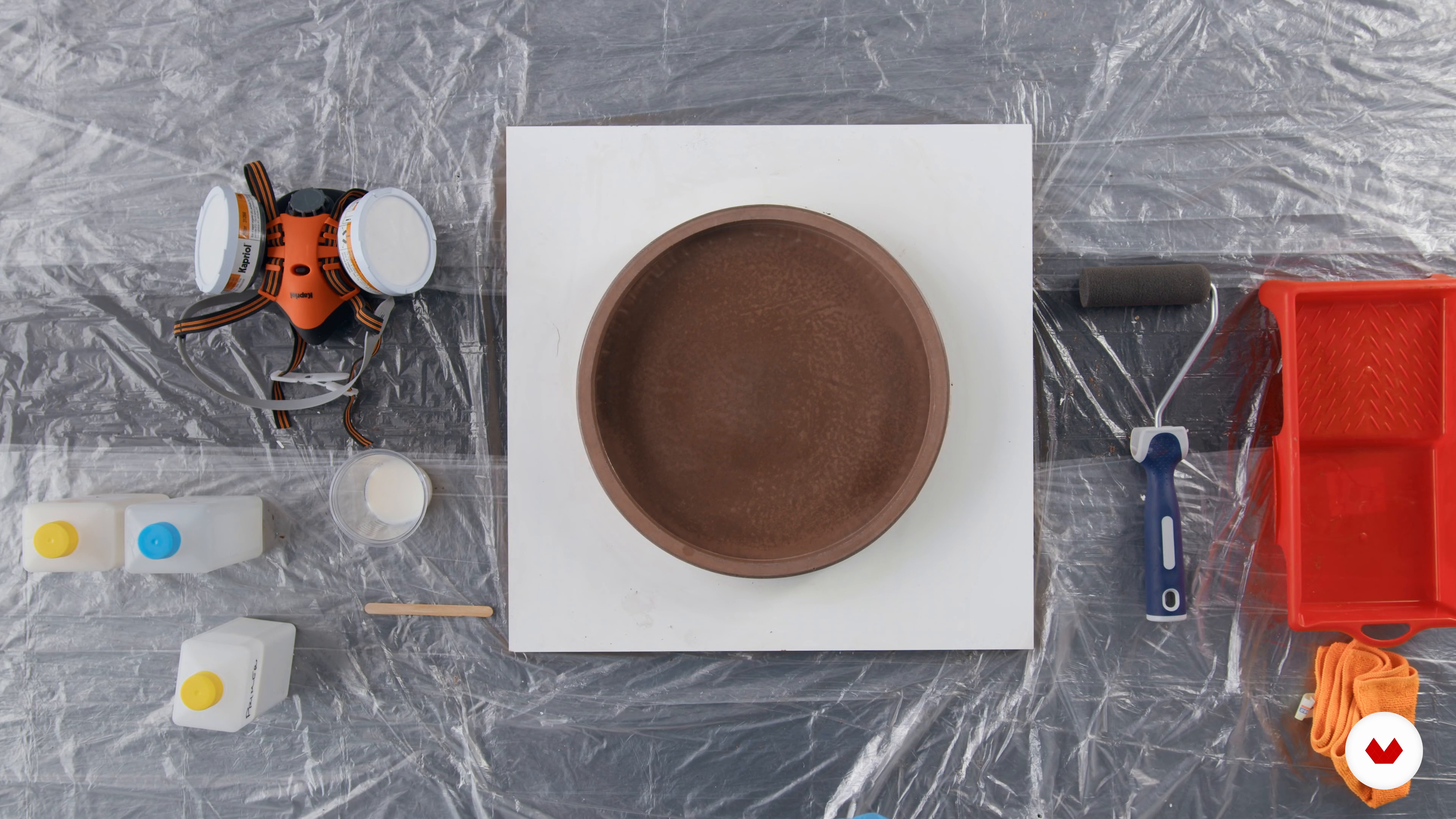
After the necessary time has elapsed, it's time to unmold the tray, sand and apply the protective treatment. In our case we will use resin.
13m
image
8
From Drawing to Mold Design
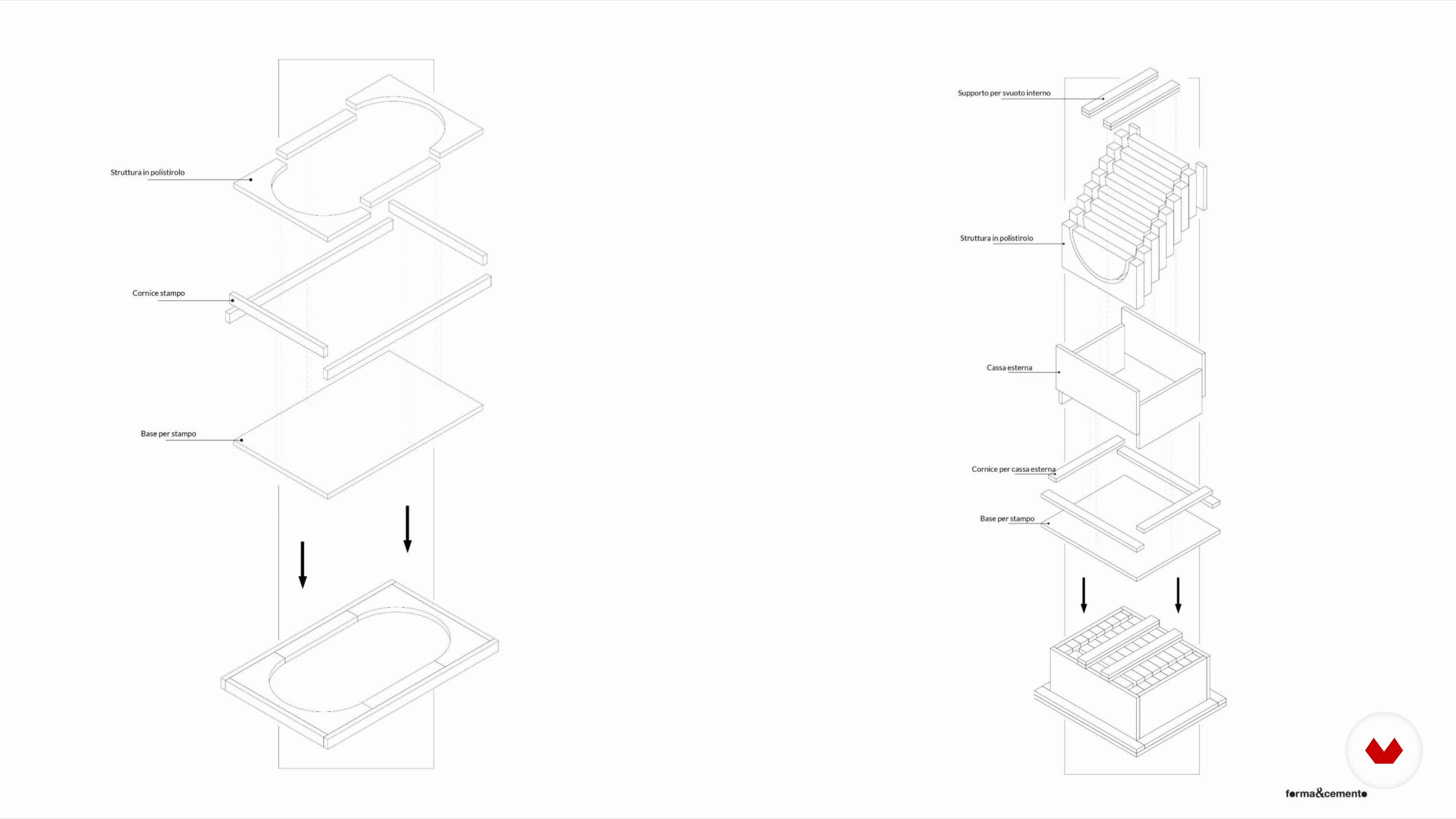
In this lesson we will show you which elements the coffee table will be composed of, giving you specific indications on both the dimensions and the structure of the molds.
5m
image
9
Production of the Mold and Assembly: The Top
We will begin to work by preparing the components to make the coffee table mold, and then move on to the assembly of the various parts.
8m
image
10
Production of the Mold and Assembly: The Legs
Prepare all the components, here we will pass to the assembly of the two molds. We will explain how to proceed to get a clean and reusable mold!
17m
image
11
Preparation of the Mixture and Pouring
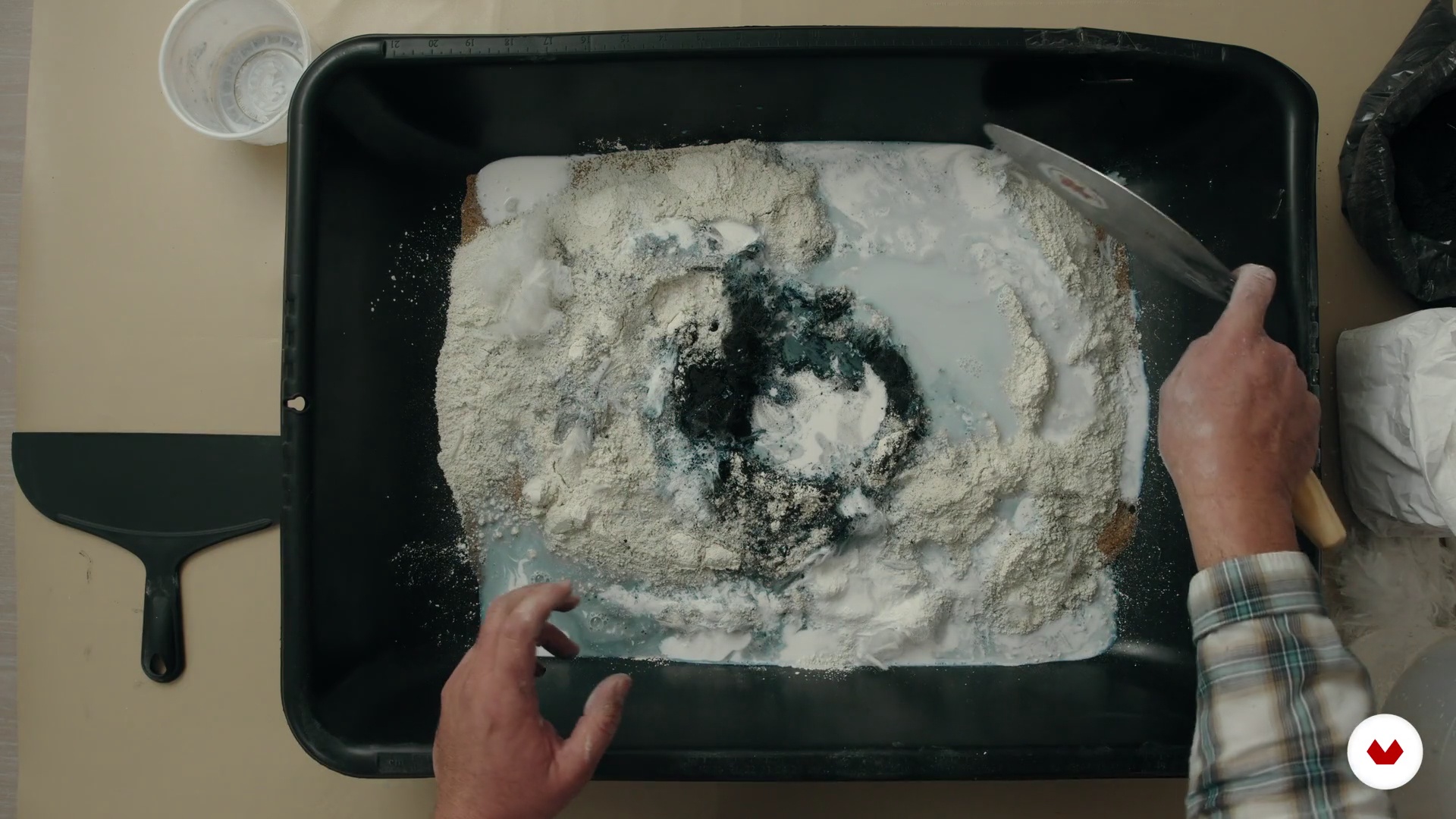
At this point, we are ready to pour. In this lesson we will provide you with all the useful information to easily mix large volumes of concrete.
17m
image
12
Demoulding and Maturation
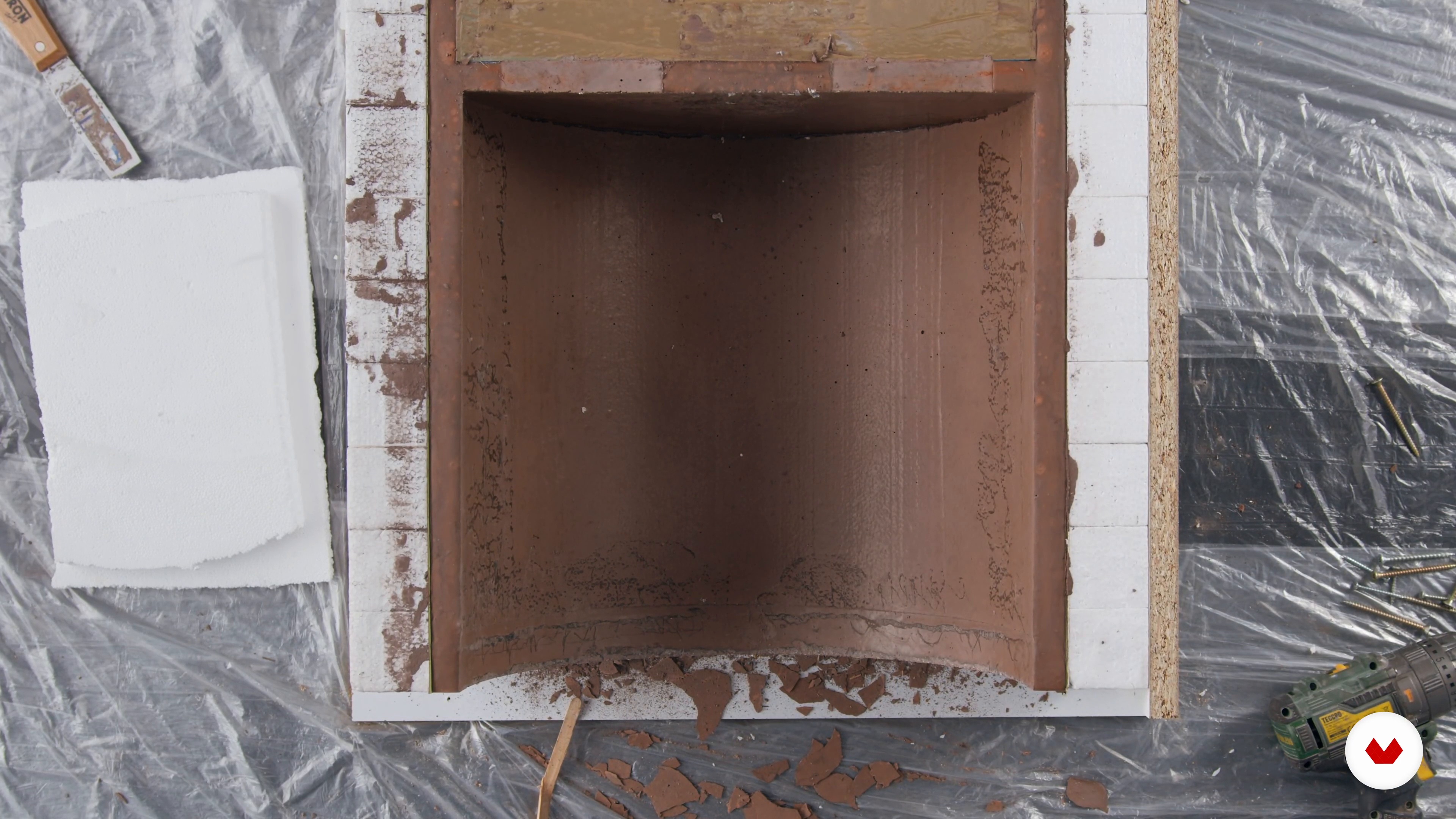
One day has passed since casting: now we can unmold the top and the first of the two legs. Once unmolded, we will guide you in the treatment phase, so as to make the product more durable over time.
11m
image
13
Prepare the Mold for the New Casting
In this lesson we will explain how to clean and repair possible damage to the mold, to allow you to reuse it for a new casting.
6m
image
14
Treatment and Finalization of the Coffee Table
This is the finished product. The process to get here is exactly the one followed for the tray, with a few small differences that we will tell you in this lesson.
3m
  • 9 students
  • 70 lessons (12h 43m)
  • 85 additional resources (51 files)
  • Online and at your own pace
  • Audio: Spanish, German, English, Italian, Portuguese
  • Spanish · English · Portuguese · German · French · Italian · Polish · Dutch · Turkish · Romanian · Indonesian
  • Level: Beginner
  • Unlimited access forever

What is this course's project?

The course project involves designing and creating a complex decorative concrete piece using molds, mastering advanced finishing techniques. By the end, you will have created a unique work that combines aesthetics and functionality in concrete.

Who is this specialization for?

Interior designers, artists, architects, and entrepreneurs seek to create custom concrete furniture and explore innovative techniques. Design students and DIY enthusiasts interested in alternative materials and professional finishes will also find a creative and distinctive approach here.

Requirements and materials

You don't need extensive prior knowledge, just basic tools like gloves, a mask, and a well-ventilated workspace. Materials include concrete, molds, and pigments. An interest in creative exploration and a willingness to experiment with decorative techniques are recommended.

Select to get to know your teachers in this specialization course
Read more ↓

What to expect from this specialization course

  • Learn at your own pace

    Enjoy learning from home without a set schedule and with an easy-to-follow method. You set your own pace.

  • Learn from the best professionals

    Learn valuable methods and techniques explained by top experts in the creative sector.

  • Meet expert teachers

    Each expert teaches what they do best, with clear guidelines, true passion, and professional insight in every lesson.

  • Certificates
    Plus

    If you're a Plus member, get a custom certificate for every specialization course. Share it on your portfolio, social media, or wherever you like.

  • Get front-row seats

    Videos of the highest quality, so you don't miss a single detail. With unlimited access, you can watch them as many times as you need to perfect your technique.

  • Share knowledge and ideas

    Ask questions, request feedback, or offer solutions. Share your learning experience with other students in the community who are as passionate about creativity as you are.

  • Connect with a global creative community

    The community is home to millions of people from around the world who are curious and passionate about exploring and expressing their creativity.

  • Watch professionally produced courses

    Domestika curates its teacher roster and produces every course in-house to ensure a high-quality online learning experience.


FAQs

Domestika courses are online classes that allow you to learn new skills and create incredible projects. All our courses include the opportunity to share your work with other students and/or teachers, creating an active learning community. We offer different formats:
Original Courses: Complete classes that combine videos, texts, and educational materials to complete a specific project from start to finish.
Basics Courses: Specialized training where you master specific software tools step by step.
Specialization Courses: Learning paths with various expert teachers on the same topic, perfect for becoming a specialist by learning from different approaches.
Guided Courses: Practical experiences ideal for directly acquiring specific skills.
Intensive Courses (Deep Dives): New creative processes based on artificial intelligence tools in an accessible format for in-depth and dynamic understanding.

All specialization courses are 100% online, so once they're published, specialization courses start and finish whenever you want. You set the pace of the class. You can go back to review what interests you most and skip what you already know, ask questions, answer questions, share your projects, and more.

The specialization courses are divided into different modules. Each one includes lessons, informational text, tasks, and practice exercises to help you carry out your project step by step, with additional complementary resources and downloads. You'll also have access to an exclusive forum where you can interact with other students, as well as share your work and your final project, creating a community around the specialization courses.

You can redeem the specialization courses you received by accessing the redeeming page and entering your gift code.

If you're a Plus member, when you complete a course you've purchased, you'll instantly get your personalized certificate. You can see all your certificates in the Certificates section of your profile. You can download your certificates as PDFs and share the link online. Learn more about certificates.
Specialization in the Design and Creation of Concrete Furniture. Craft course by Domestika

Specialization in the Design and Creation of Concrete Furniture

A specialization by multiple teachers
Berkeley, United States.
Joined April 2002
  • 9 students