The Brief: Techniques and Tools to Create One
A course by Mumu El Branding LovePublicist and graphic designer
A course by Mumu El Branding Love, Publicist and graphic designer

Learn to use a brief and a back-brief as a tool to understand your client's needs
A great brief is a powerful tool when developing a creative project. Raising the right questions and knowing how to capture them in a document in a simple and direct way will help you understand the needs of the client and translate them into a final execution satisfactory to both parties.
In this course you will learn to create a brief by Daniel Yepes Giraldo, founder of the Colombian branding agency MUMU, The Branding Love. You will also learn to interpret it and use the back-brief tool to solve the problems that you may face successfully.
What will you learn in this online course?
12 lessons & 13 downloads

What will we do during the course
1 minute, 22 seconds
What is briefing? What is it for? Why is it important to have a brief?
7 minutes, 7 seconds

Advertising Brief, Creative Brief, and Counterbrief
3 minutes, 57 seconds
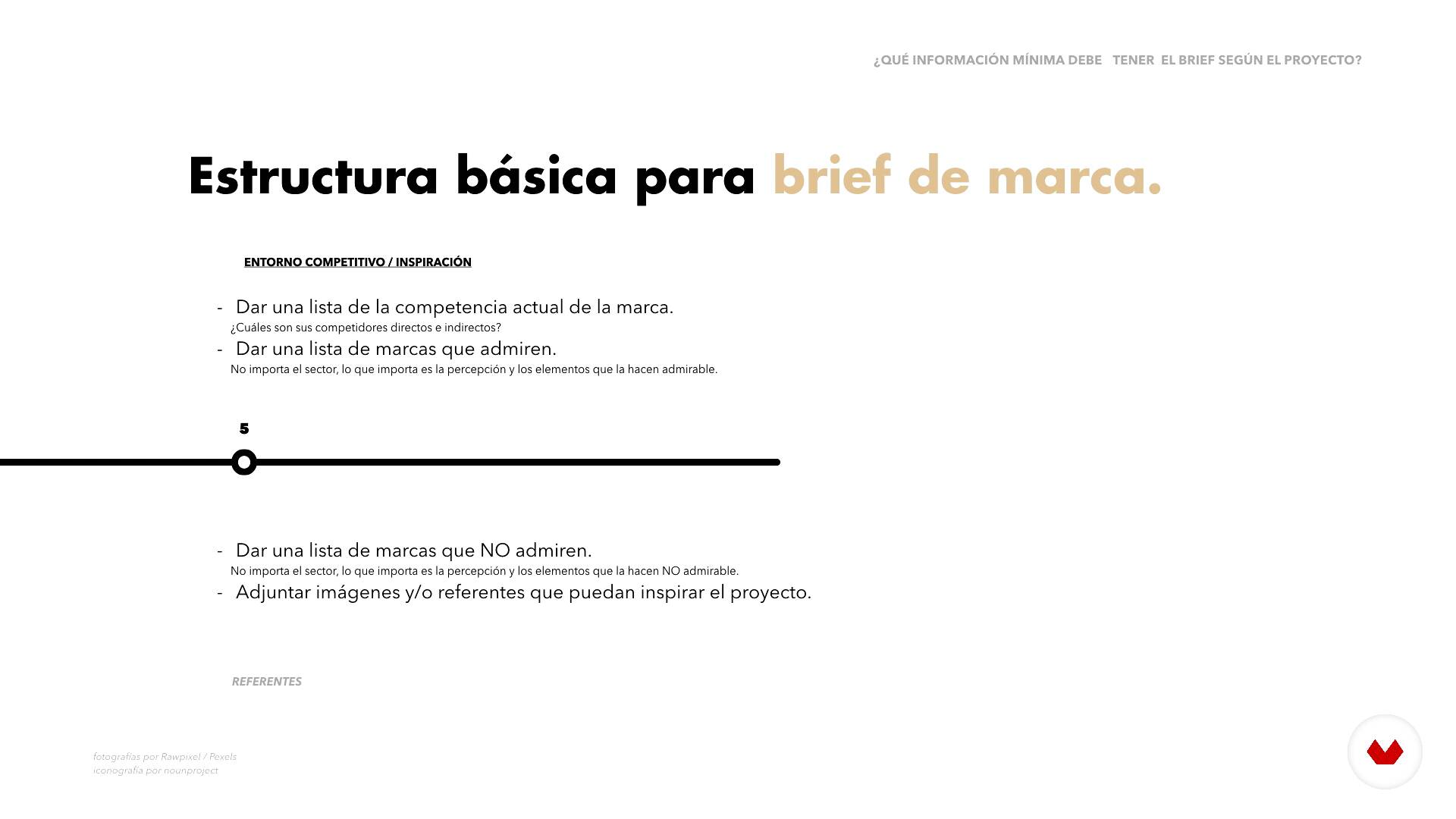
What minimum information should you have according to the project?
13 minutes, 39 seconds

Definition of project needs
5 minutes, 25 seconds
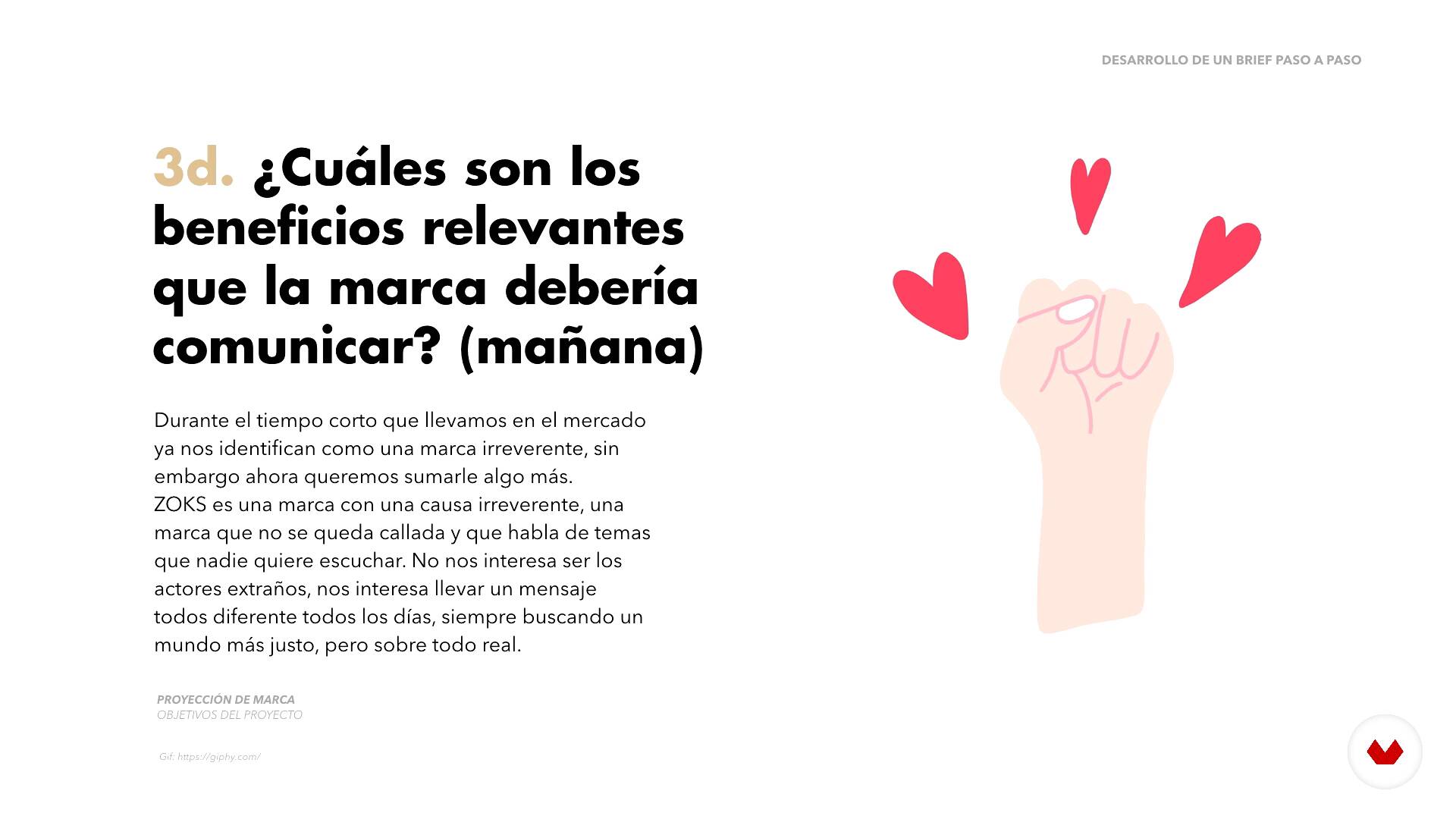
Development of a brief step by step
18 minutes, 12 seconds
What's included in this course?
You will start by knowing Daniel Yepes and his career in the world of branding , which he arrived by chance more than 10 years ago. He will tell you about some of his most important projects and will tell you about his influences within branding .
Daniel will introduce you to some basic concepts, you will know what a brief , what it is for and how important it is when starting a project. You will discover several types of brief and you will also know what the contrabrief .
What information should a brief ? Daniel will review the minimum elements that must be contained through examples used in MUMU.
With all this information you will start to create your branding project for a supposed young and modern sock company. You will start by defining the needs of the project and then develop the brief step by step. Daniel will present to you, through examples, the most common mistakes when developing it and from there, you will correct any of those that you have been able to do in your first sketch.
Finally you will generate a back-brief. You will learn the key points when doing it and you will understand its importance when addressing any creative project.
What is this course's project?
You will choose an advertising or brand creation campaign in which, a priori, the communication or project objectives are not clear and you will decipher what the briefing and the needs of the project.

Projects by course students


Who is this online course for?
To people who have to write a brief (entrepreneurs, advertisers, marketing workers) and those who receive briefs from agencies or brands, who have to learn to decipher them and / or ask the precise and necessary questions for the development of any project (design studios, small agencies, copywriters).
Requirements and materials
You must have basic notions of communication and, in terms of materials, you will need paper, pencil, a computer with internet and a text editing program.

Reviews
- 1 year ago
Este Curso me ha parecido extremadamente claro, preciso, puntual y con información muy valiosa plasmada de una manera muy fácil de comprender y con ejemplos que materializan aspectos de la vida real y práctica del uso de esta herramienta, que solo es posible obtenerlo con la experiencia.
Felicito al creador, porque mezcla la sabiduría, la creatividad, la experiencia, la humildad con los aspectos más importantes del contenido en sí, placentera experiencia.
- 1 year ago
Loved the course. All the pointers were explained properly.
- 1 year ago
Me ha gustado el curso. Buenos recursos.
- fcsandovalcPLUS1 year ago
No esta tan completo a mi parecer.
- 1 year ago
Muy buen curso! Complementé bastante cosas que ya tenía, pude aterrizar de mejor forma lo nuevo que quería conseguir con mis clientes.

MUMU is constantly searching for perfection, not focused on awards or recognitions, but on the satisfaction of its customers. In his own words: "We love brands. We design emotional trips where new connections are found. We work on the things we believe and can love, because our engine is emotion, not reason; reason generates conclusions, emotion generates actions. This is how we build branding love. "
Content
- U1
Who am I and what inspires me
- Presentation
- What are my influences
- What will we do during the course
- U2
The first steps
- What is briefing? What is it for? Why is it important to have a brief?
- Advertising Brief, Creative Brief, and Counterbrief
- What minimum information should you have according to the project?
- U3
Let's get the knowledge going
- Definition of project needs
- Development of a brief step by step
- Common mistakes when making a brief
- Examples of bad briefs or incomplete briefs
- U4
The one who seeks finds - Creating a contrabrief step by step
- How to make a counterbrief, key points.
- Importance of contrabrief Why do we do it?
- FP
Final project
- From briefing to counterbriefing: keys to understanding your client's needs
What to expect from a Domestika course
Learn at your own pace
Enjoy learning from home without a set schedule and with an easy-to-follow method. You set your own pace.
Learn from the best professionals
Learn valuable methods and techniques explained by top experts in the creative sector.
Meet expert teachers
Each expert teaches what they do best, with clear guidelines, true passion, and professional insight in every lesson.
Certificates
PLUSIf you're a Plus member, get a custom certificate signed by your teacher for every course. Share it on your portfolio, social media, or wherever you like.
Get front-row seats
Videos of the highest quality, so you don't miss a single detail. With unlimited access, you can watch them as many times as you need to perfect your technique.
Share knowledge and ideas
Ask questions, request feedback, or offer solutions. Share your learning experience with other students in the community who are as passionate about creativity as you are.
Connect with a global creative community
The community is home to millions of people from around the world who are curious and passionate about exploring and expressing their creativity.
Watch professionally produced courses
Domestika curates its teacher roster and produces every course in-house to ensure a high-quality online learning experience.
FAQs
A briefing is a document that gathers essential information about a project, helping align goals and expectations between the client and the team. It's crucial for planning, communication, and success in branding, design, and communication projects.
The course is intermediate level, perfect for those with basic knowledge of communication, branding, or project management who want to deepen their skills in creating and strategically using briefs and counter-briefs.
You'll learn how to craft effective briefings, spot common mistakes, structure brand briefs, design counter-briefs to validate information, and improve communication and outcomes in branding, design, and communication projects.
You only need basic communication or design knowledge and internet access. No special tools are required, but having examples of your own or fictional projects to practice briefing is recommended.
An effective brand briefing includes clear objectives, client information, competitor analysis, target audience definition, brand values, budget and resources, all organized logically and well documented.
A counter-brief is a document created by the agency or team after the initial brief when the information is unclear or incomplete. It's used to confirm, clarify, and align expectations before moving forward with the project.
To avoid mistakes, make sure to gather accurate information, clearly define the target audience and project goals, and verify all details with the client before starting creative work.