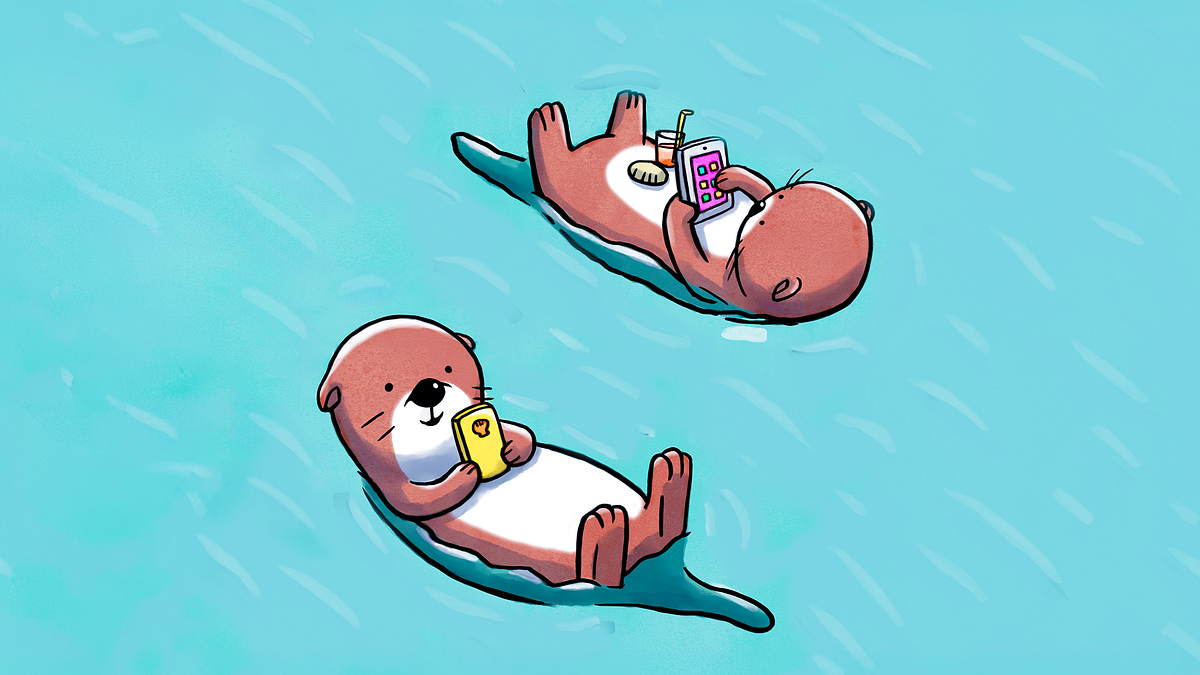

Specialization in cartoons, graphic humor, sequential illustration, visual creativity, unique voice, short stories, social media, and digital publishing
The comic strip and graphic humor become a space for observing, thinking, synthesizing, and communicating with a unique voice. Through drawing, words, and intuition, you will explore personal ideas, emotions, everyday scenes, and intimate reflections. You will also discover how to transform all of this into clear, expressive, and relatable images, ready to engage the viewer.
The specialization brings together modules from Javirroyo, 72kilos, Rocío Diestra Villavicencio, Trino Camacho Orozco, and Liniers, who share techniques on creativity, inner world, digital storytelling, critical humor, and creative consistency. The program offers practical experience, developing an authorial perspective, visual synthesis, rhythm, and intentional publishing to create vignettes, short comics, and personal strips with a recognizable graphic identity.
What will you learn in this specialization?
 1
1Introduction
The comic strip is not just a drawing: it's a way of thinking. Here you'll begin to see the world with new eyes, training your ability to synthesize and transform complex ideas into clear, direct, and purposeful images. You'll explore its evolution, the value of synthesis, and humor as a form of critique.
1m
 2
2Influences | Javier Royo
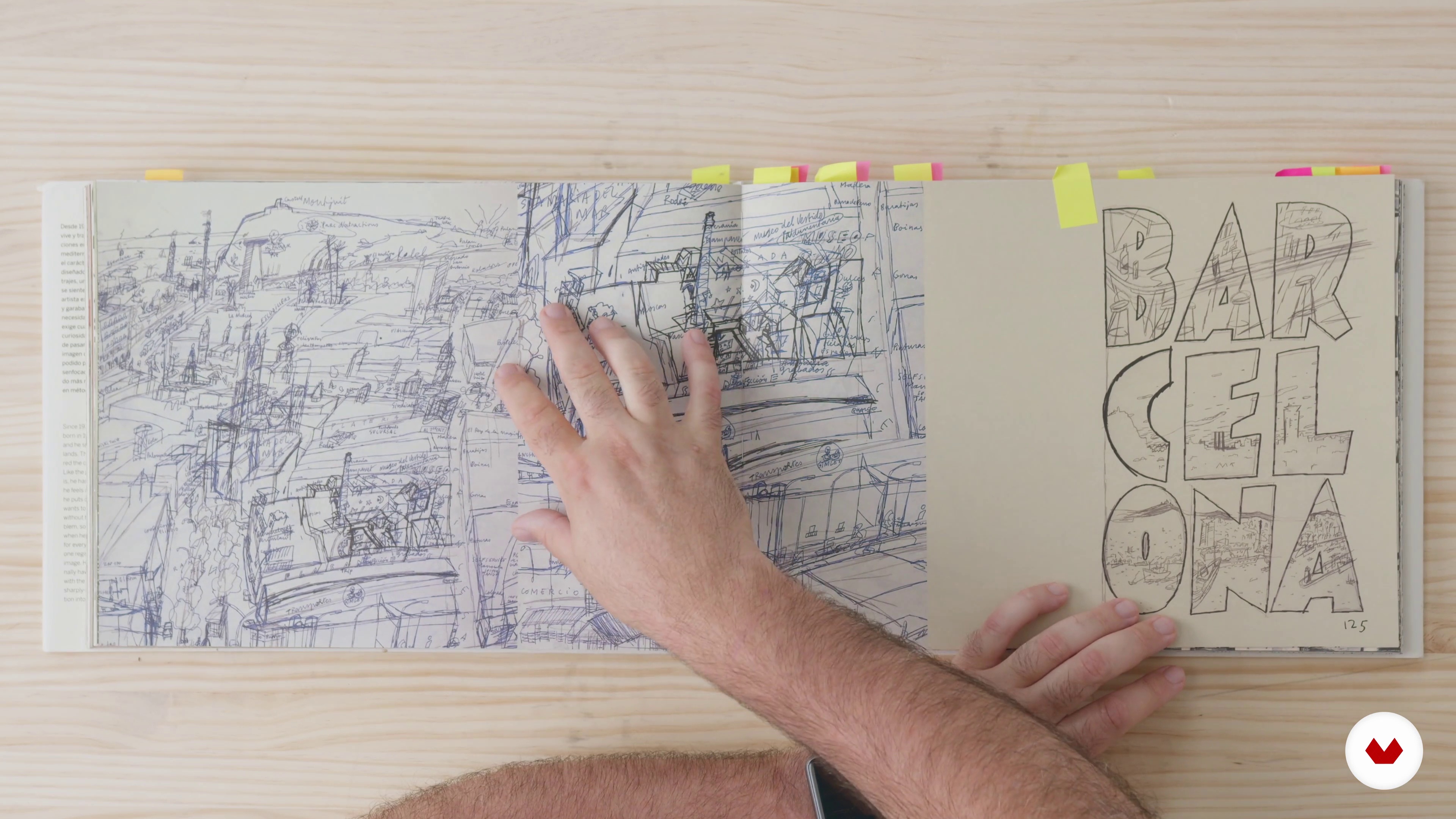
In this lesson we are going to review some of the artists I admire and continue to learn from about how they communicate using drawing as a graphic and textual language. Each one contributes different things, but something common to all of them is that, when I met them, each of them opened a unique and different world to me. All of them have used illustration and drawing not only as artistic expression, but as a language in itself to communicate things. And they all speak from humor, irony or a different and surprising look.
19m
 2
2Influences | Óscar Alonso
Now I'm going to talk to you about my greatest influences, reviewing different artists and works that have been great references for me both in my personal and professional life.
9m
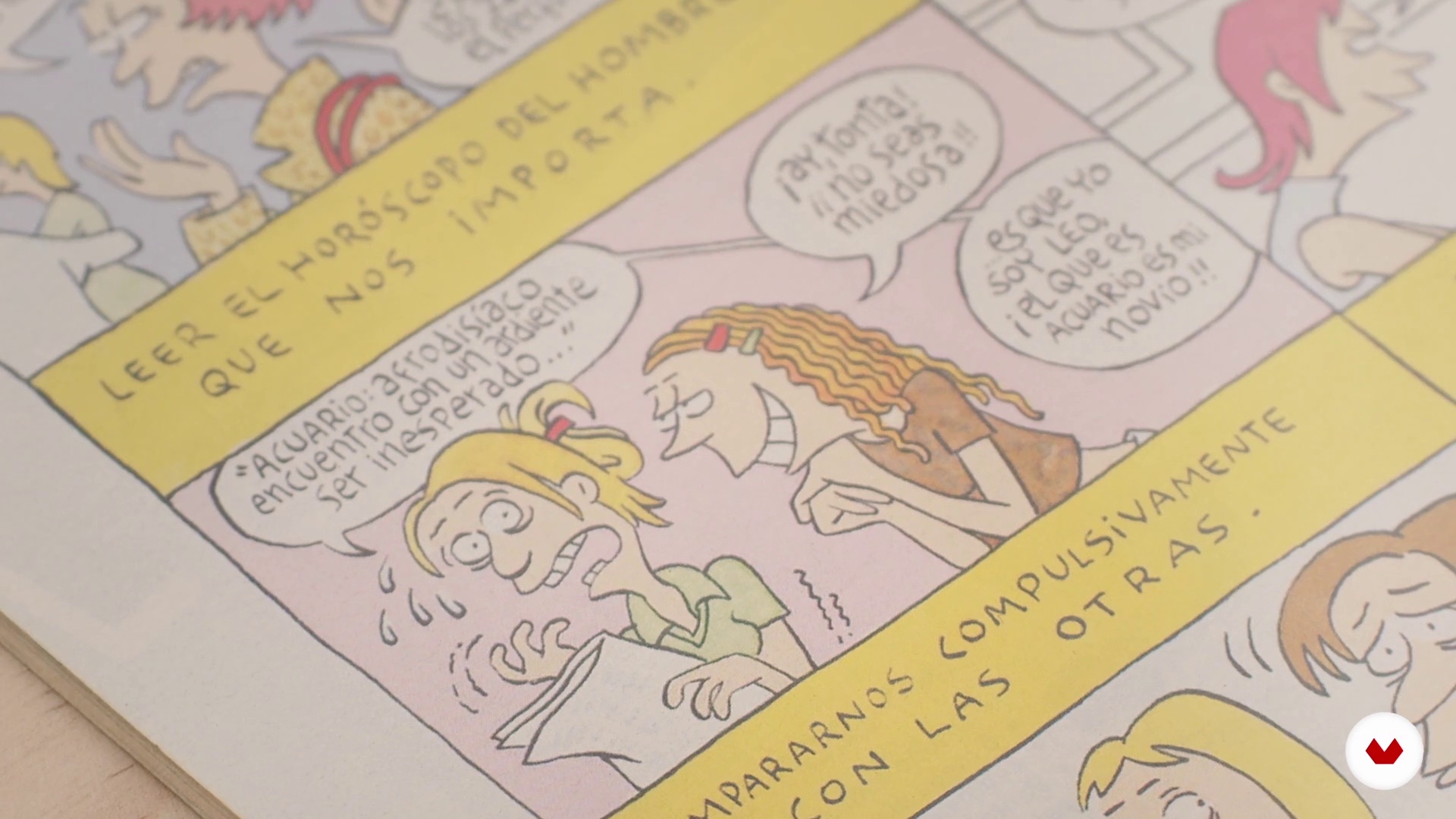 2
2Influences | Rocío Diestra
Now I will tell you about some of the artists that inspire me and, although I do not know them in person, they were my first influences that it was possible to make a living from art.
4m
 2
2Influences | Trino Camacho
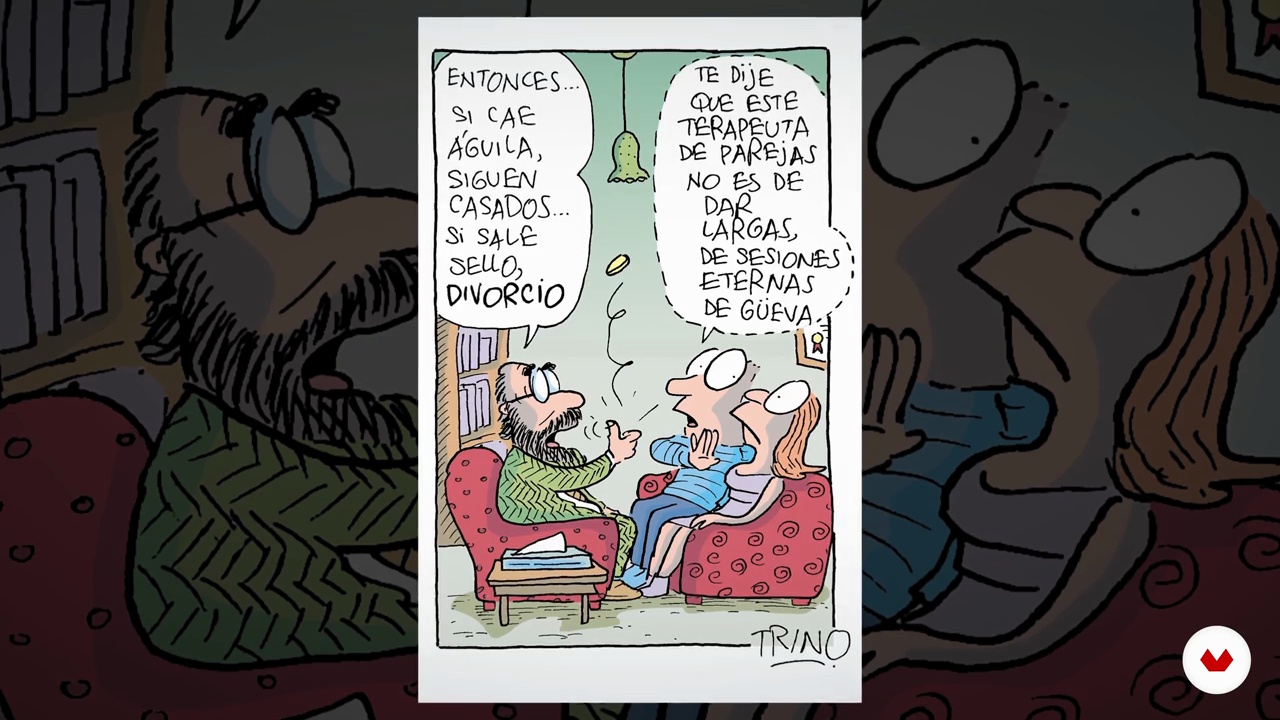
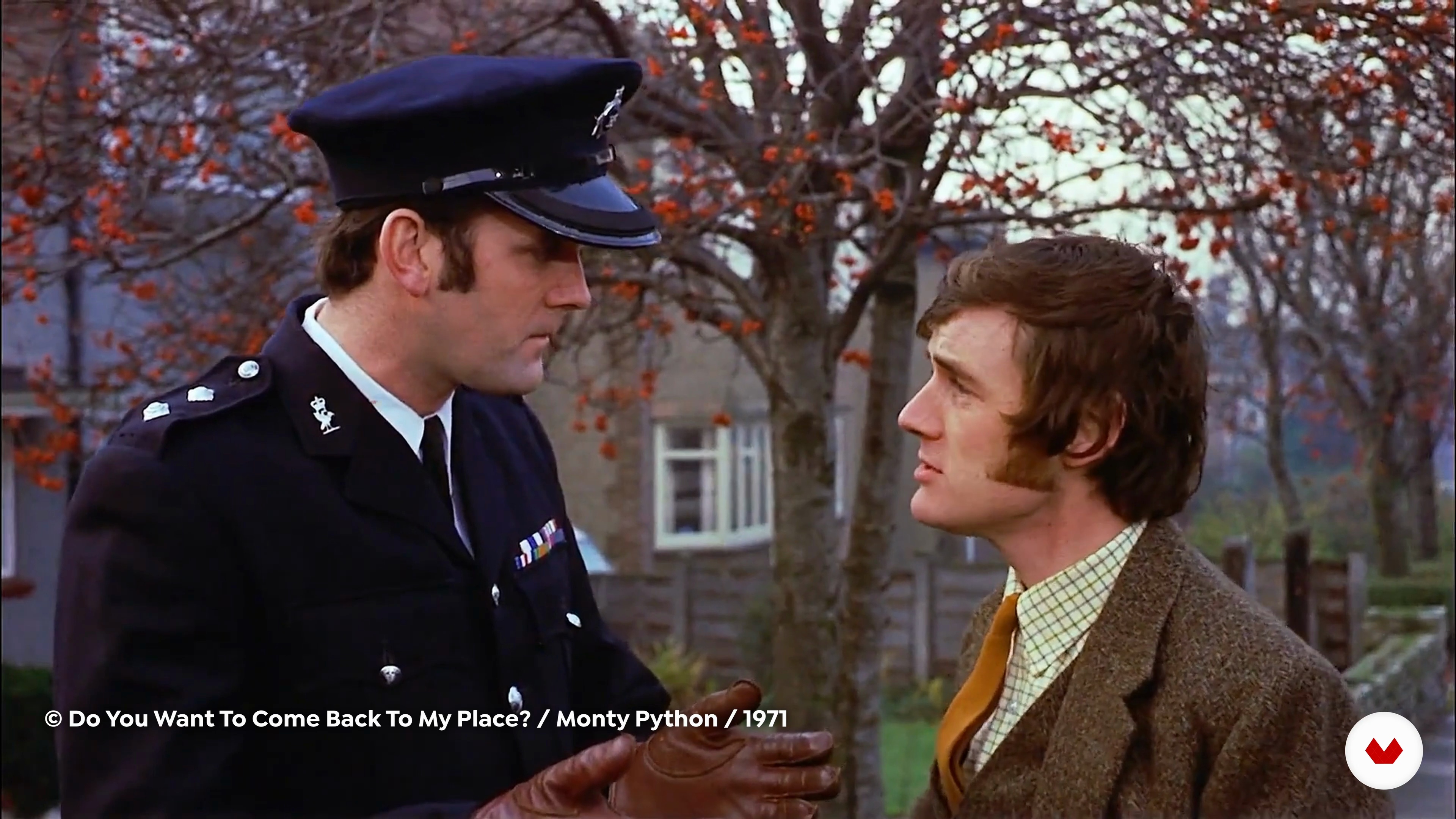
Now, I'll share with you the influences that shaped my style: from Quino and Fontanarrosa to Monty Python and the unintentional humor of B movies. You'll see how drawing inspiration from these influences helps you develop a critical eye and sharpen your comedic voice.
3m
 2
2Influences | Ricardo Liniers
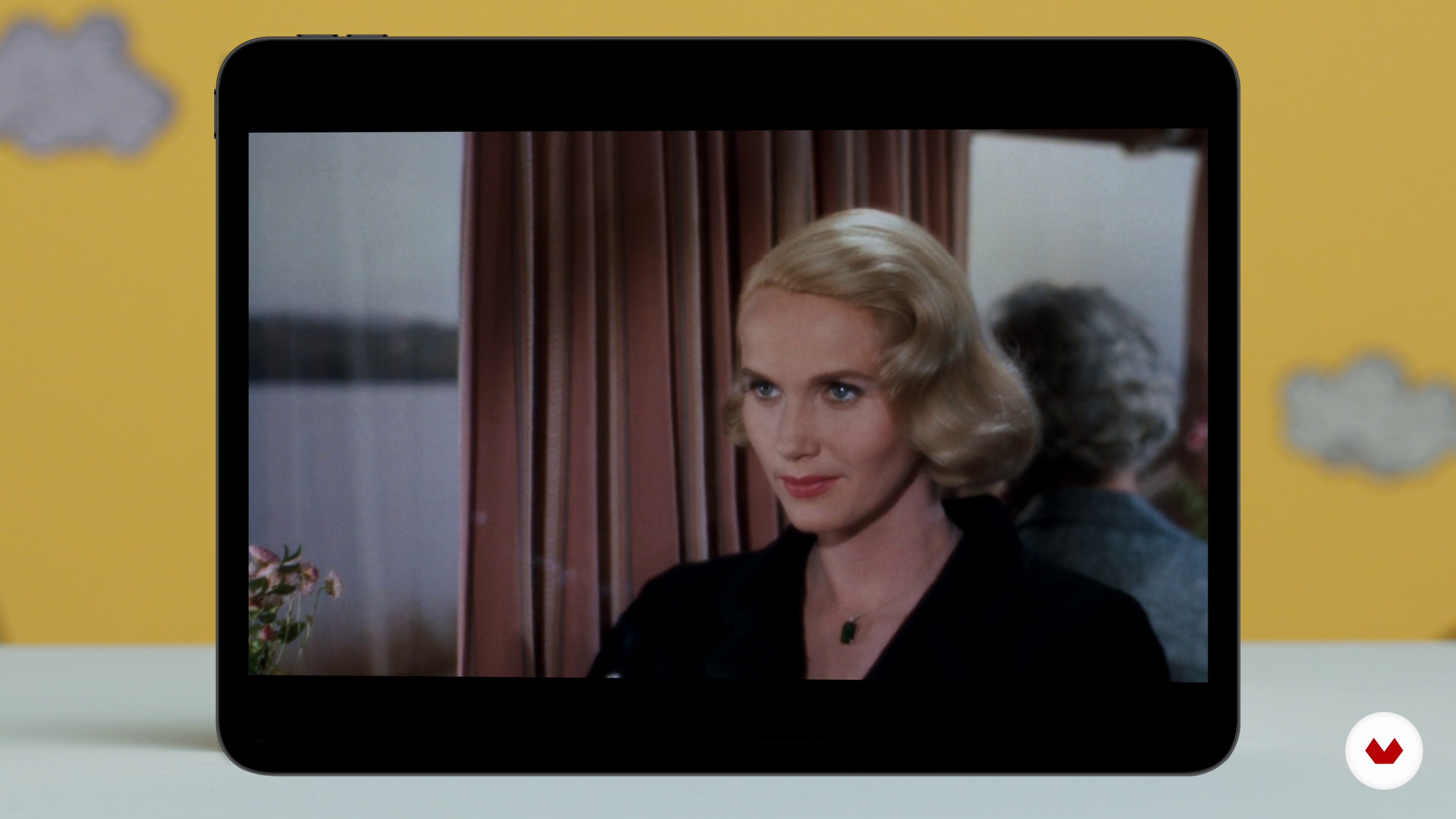
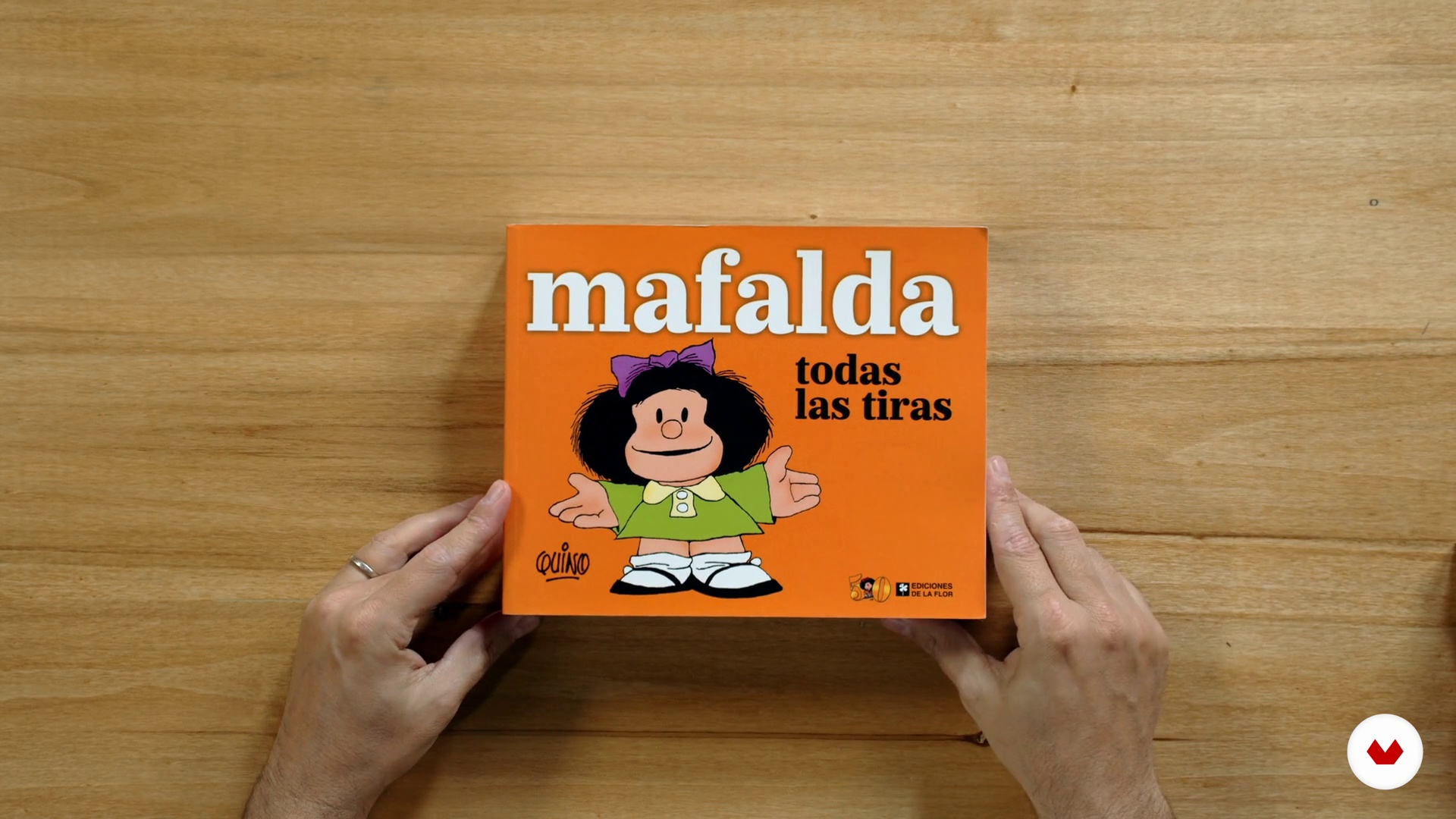
There have been many influences that I had, but I made a selection. I'm going to share comics I read as a kid, like García Ferré's. Then I will show authors such as Quino, Héctor Oesterheld, Art Spiegelman and Alberto Montt, who were essential in my training. I also have other influences that go beyond the genre of graphic humor and have been vital, movies, literature and music.
6m
 3
3Creativity, communication and neurons
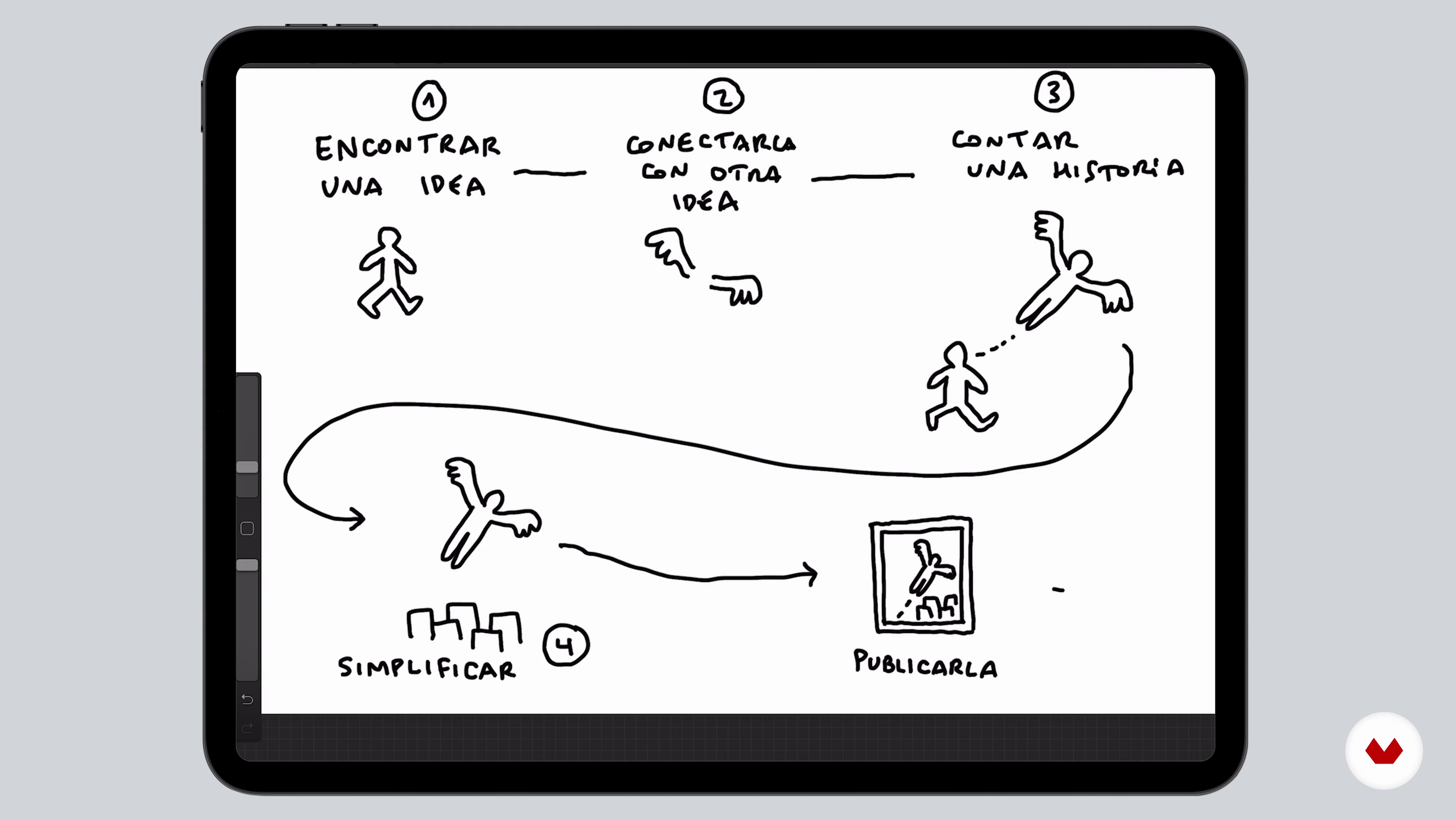
In this lesson I am going to define what creativity is. We are going to discover why many of us stopped drawing as children and then I will show you what is the process that I follow from the moment I start looking for an idea until I publish it.
8m
 4
4Procrastinate, think, draw and share
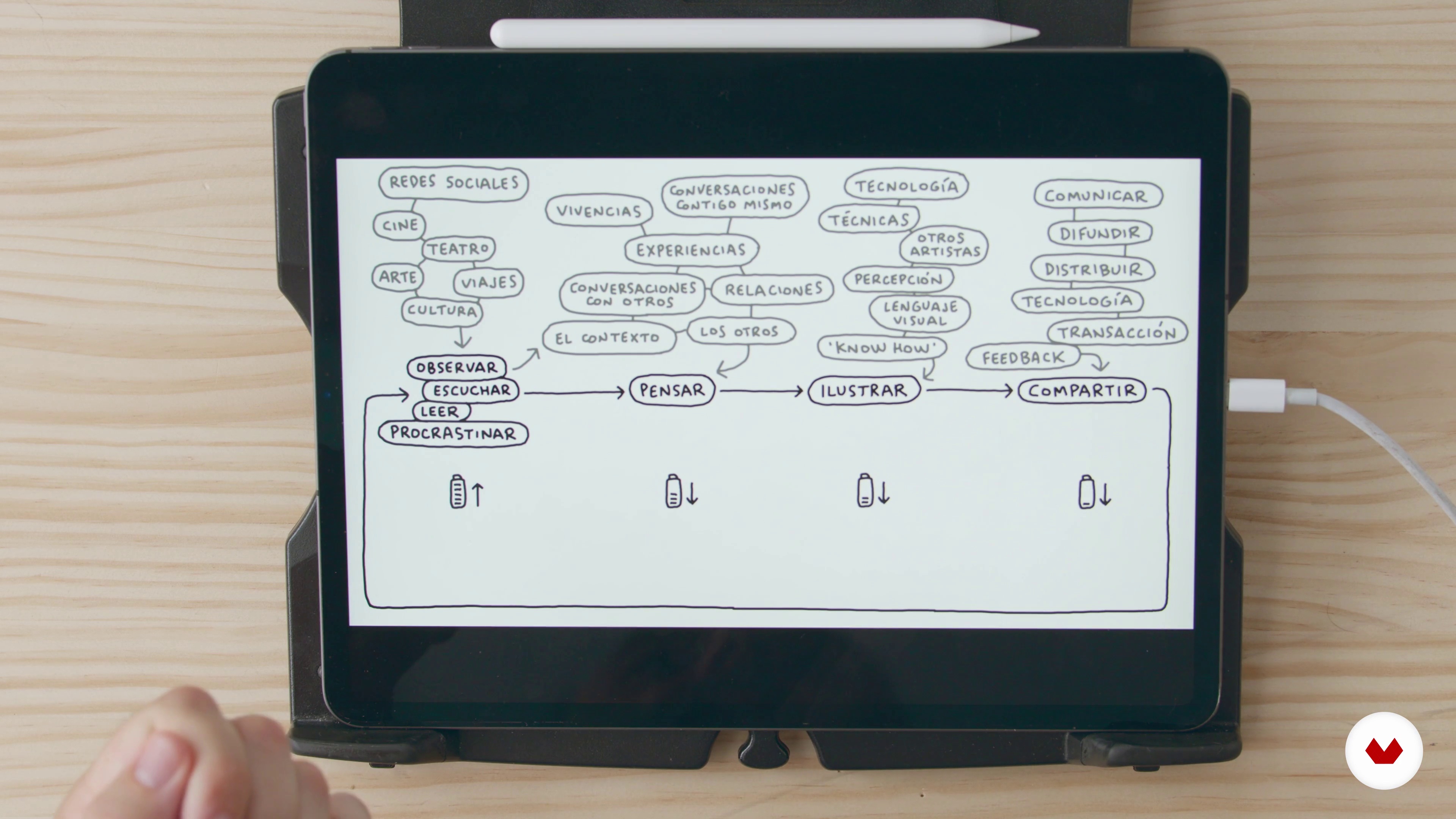
Now we are going to see why procrastination is an important phase in that creative process that follows when thinking, illustrating (or doing any other activity) and sharing.
14m
 5
5Find your weirdness, find your motivation
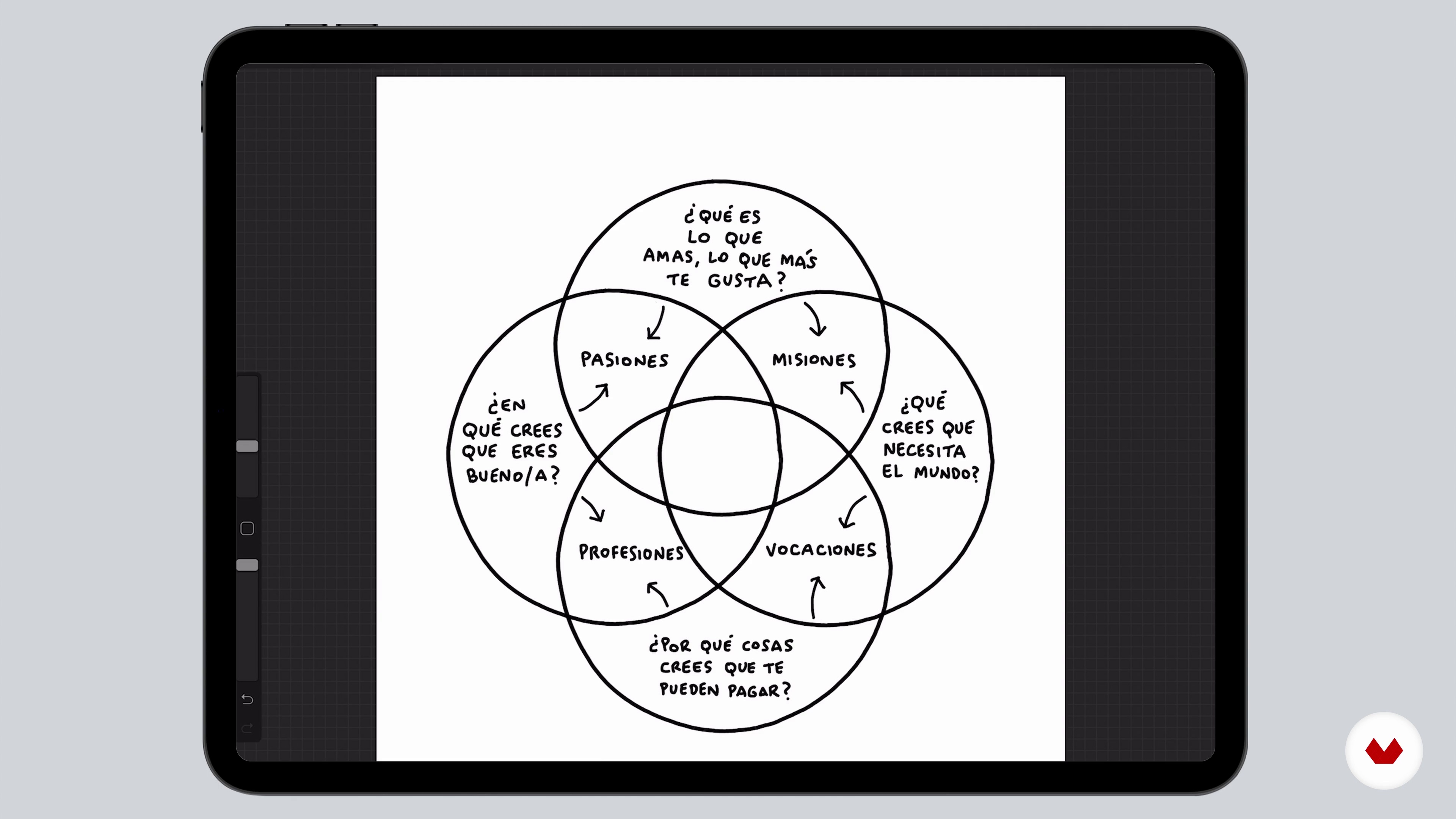
Now we are going to discover what is our main motivation, starting from the passion, mission, profession and vocation that we seek in life, to get closer to our Ikigai. At the end of the day, investigate our possibilities and our own talent or, what is the same, we will answer the questions "What makes me strange? What makes me different?".
5m
 6
6Descriptive self-portrait
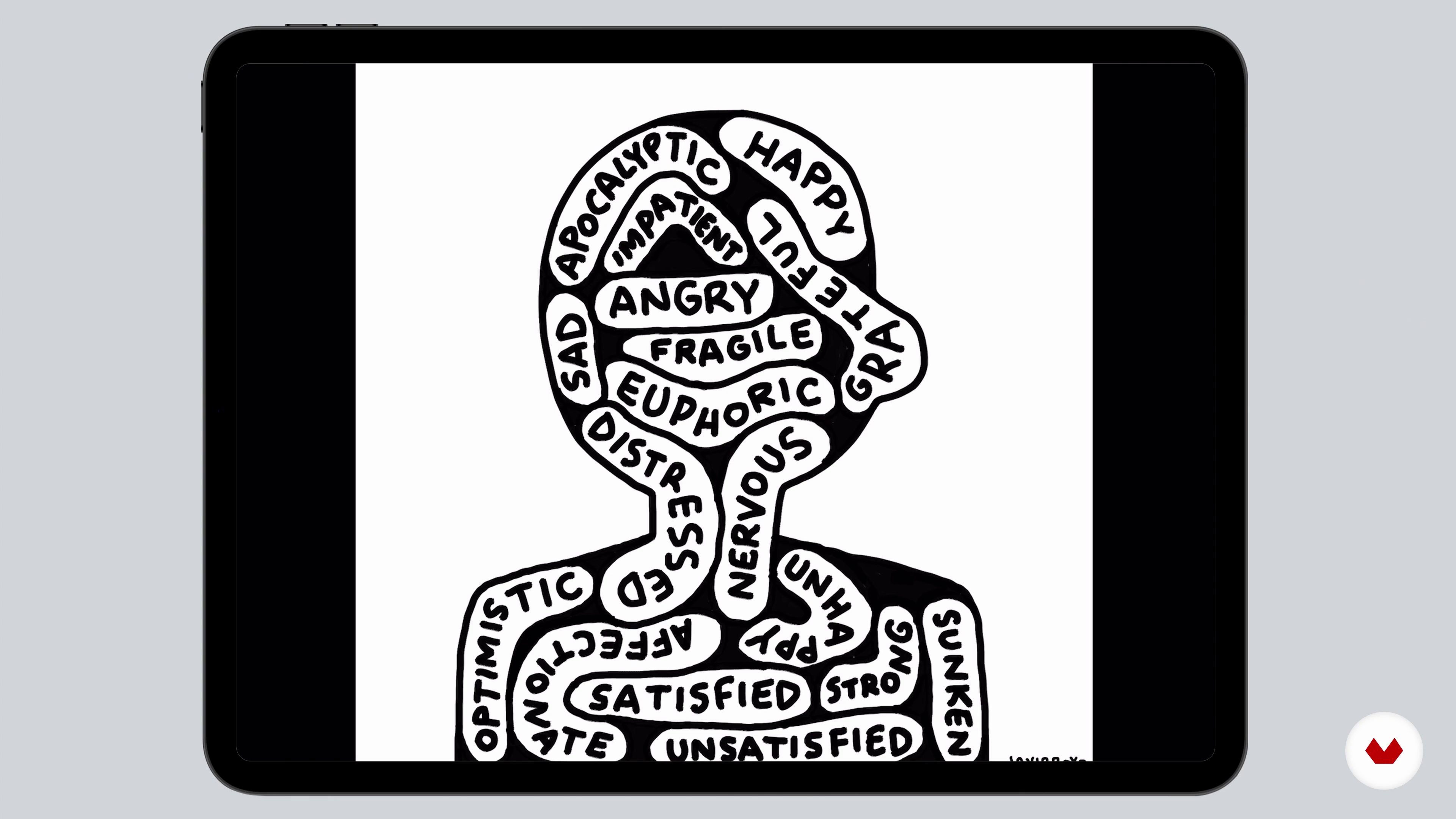
In the previous lesson we have talked about how the Ikigai can serve as a tool to know what we want to do in life, to be able to establish motivational goals. Now we are going to discover how we are to be able to move towards that goal: we are going to do an introspection exercise through a self-portrait, using drawing and text.
4m
 7
7Analyze your capabilities and your limitations
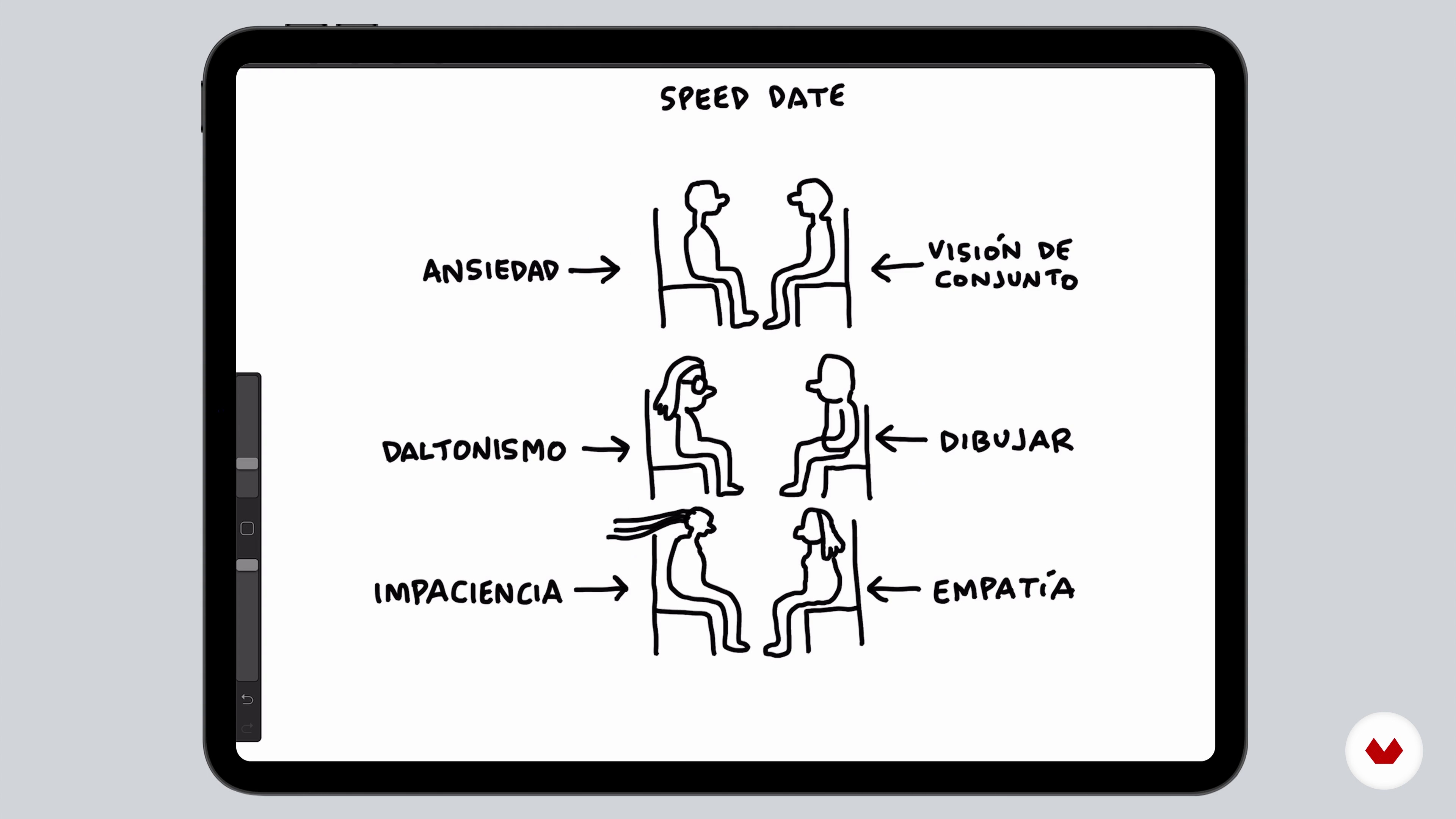
One of the most important milestones to find out what path we should take in the future in relation to our activity is to recognize ourselves in what we do best and what we do worst. And for this we must deepen our capacities and our limitations. In this lesson we will learn to discover them.
6m
 8
8Connect concepts
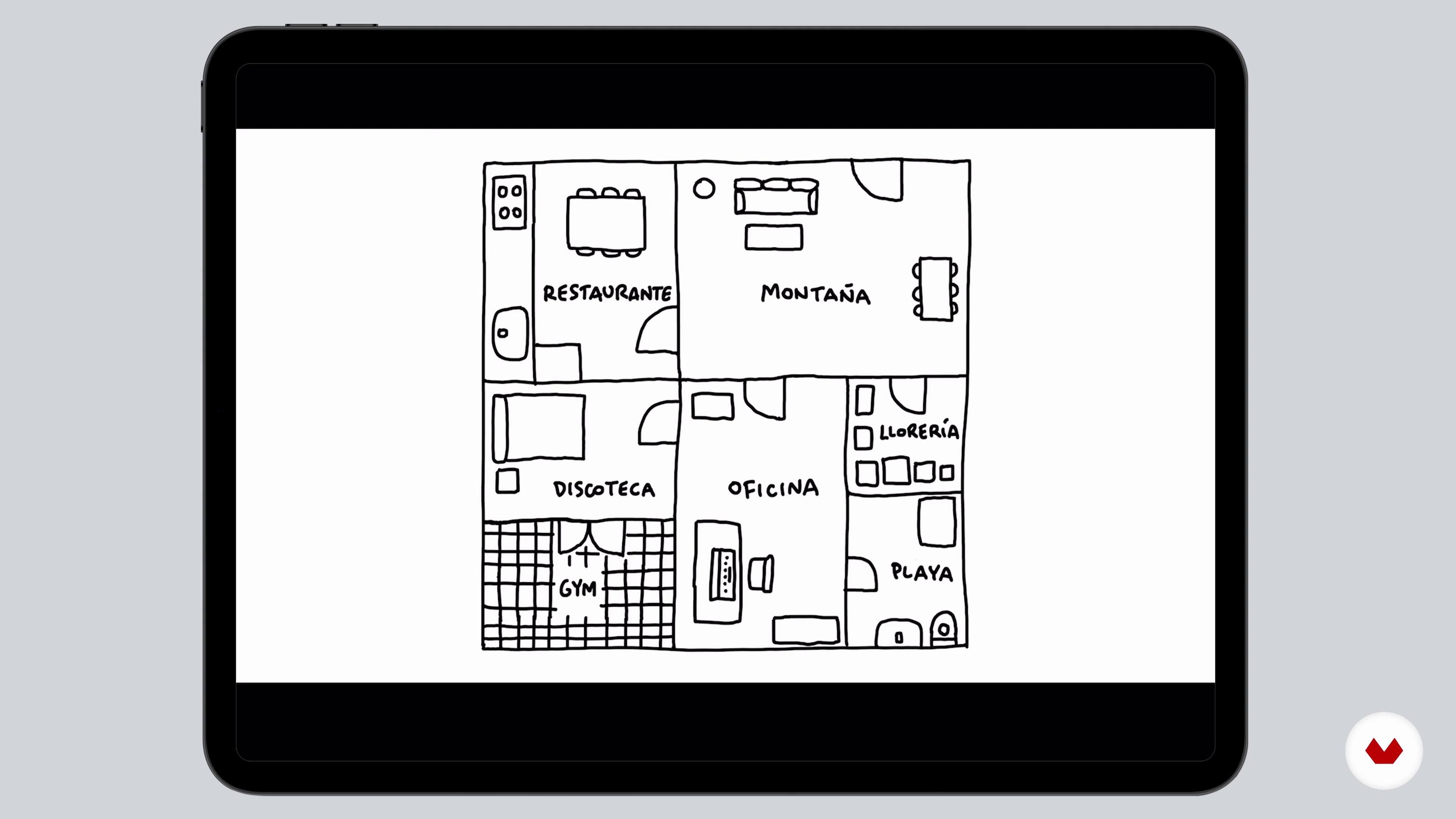
In this lesson you will learn to connect ideas from a theme and a scheme or base drawing that I will propose. It will be like doing sit-ups in our creative gym with brain muscle. Everything will be very fast and very automatic. Have your stopwatch handy and try to do one every 4 minutes.
6m
 9
9The importance of conceptualizing and simplifying stories
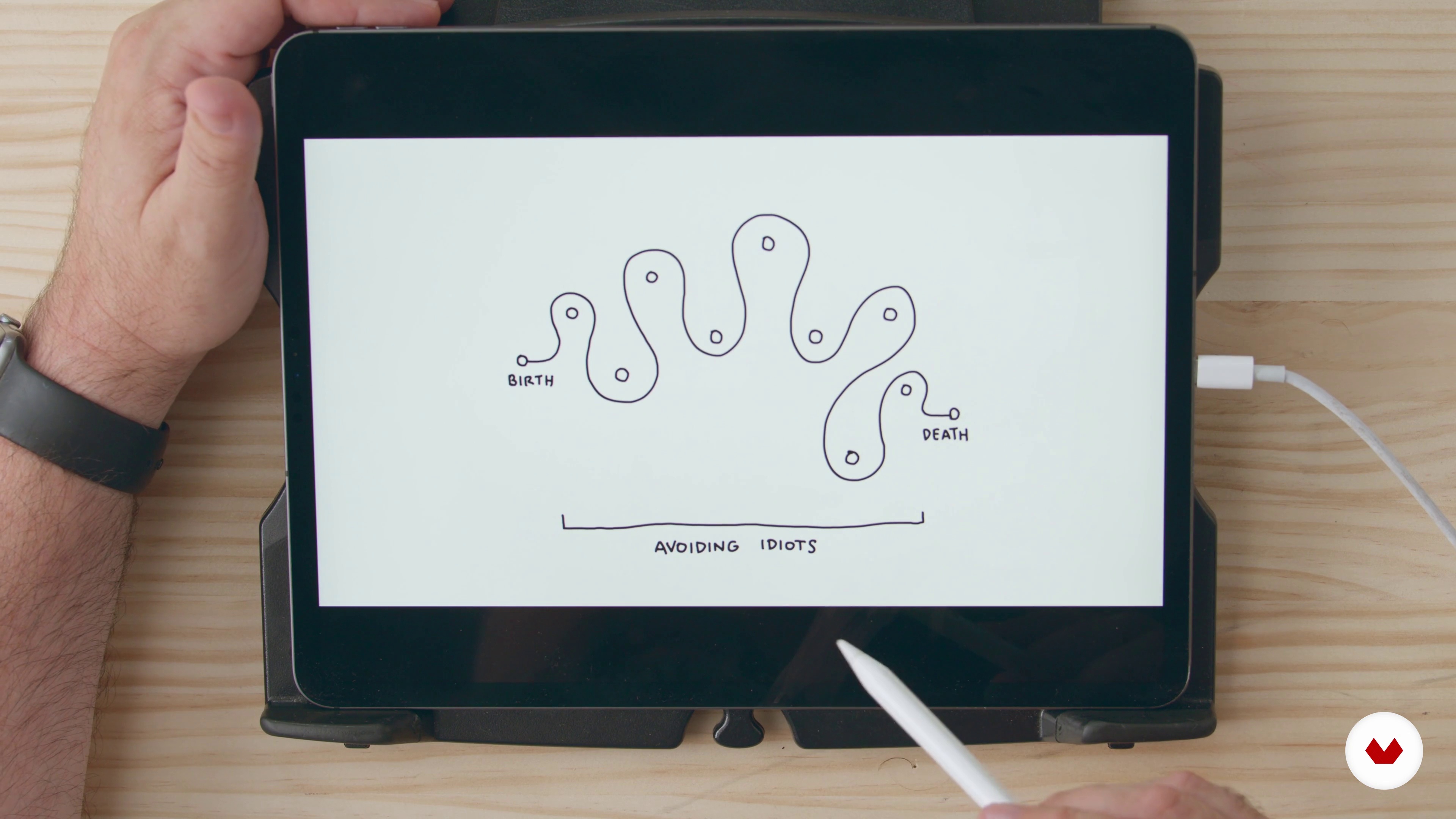
In this lesson you will discover the importance of empathy in daily work. I will also show you how to think visually and we will see some systems of graphical representation that work as tools in the form of graphs and diagrams, allegories, analogies and abstract analogies, analogies and allegories that will help you conceptualize.
8m
 10
10Concept map
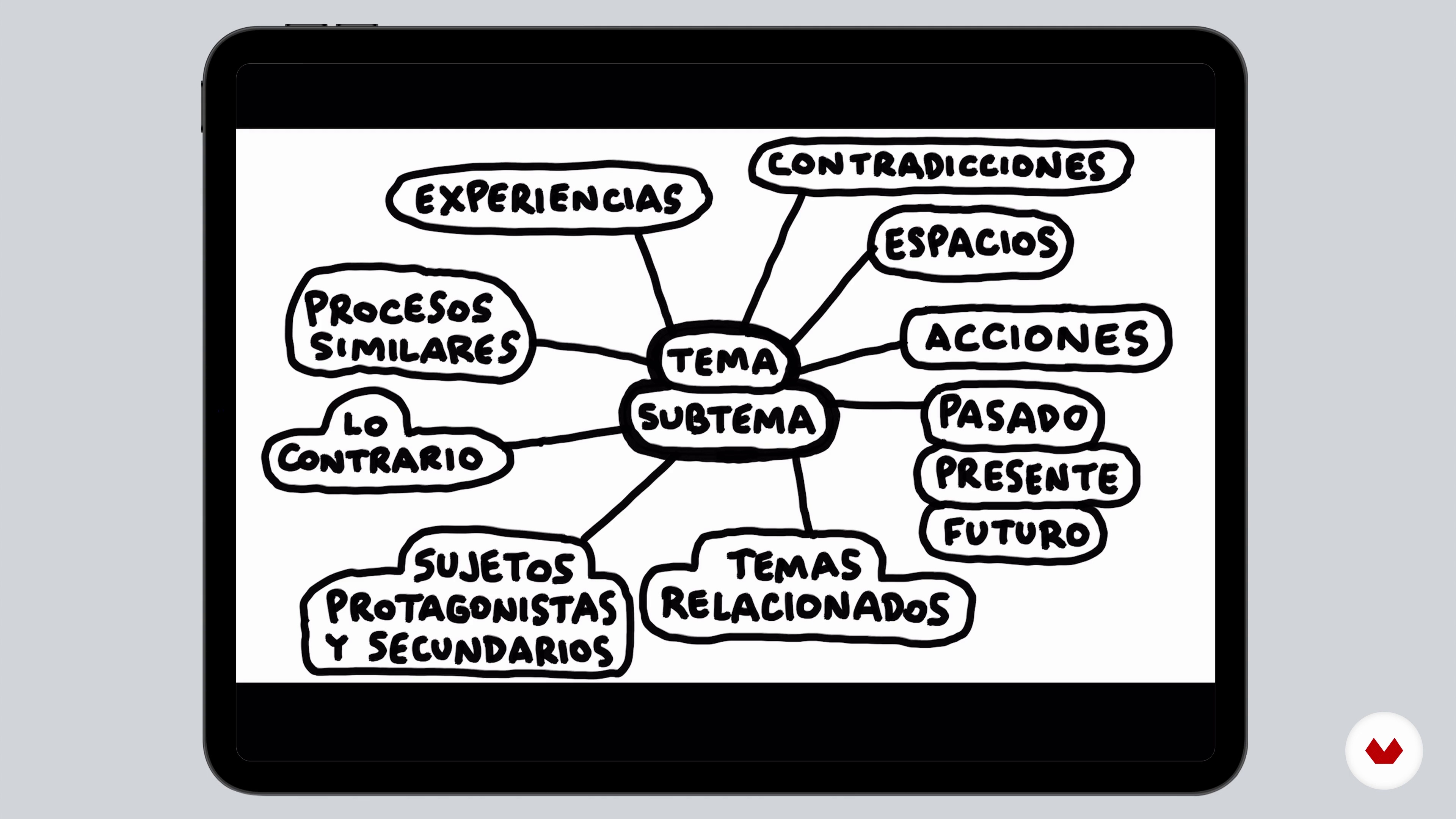
One way to search for new concepts is to make a concept map. In this way, we can get to refine or discover ideas that were originally hidden, but that, thanks to the map, we can discover. In this lesson we are going to develop an illustrated concept map from a topic.
8m
 11
11A mutant form
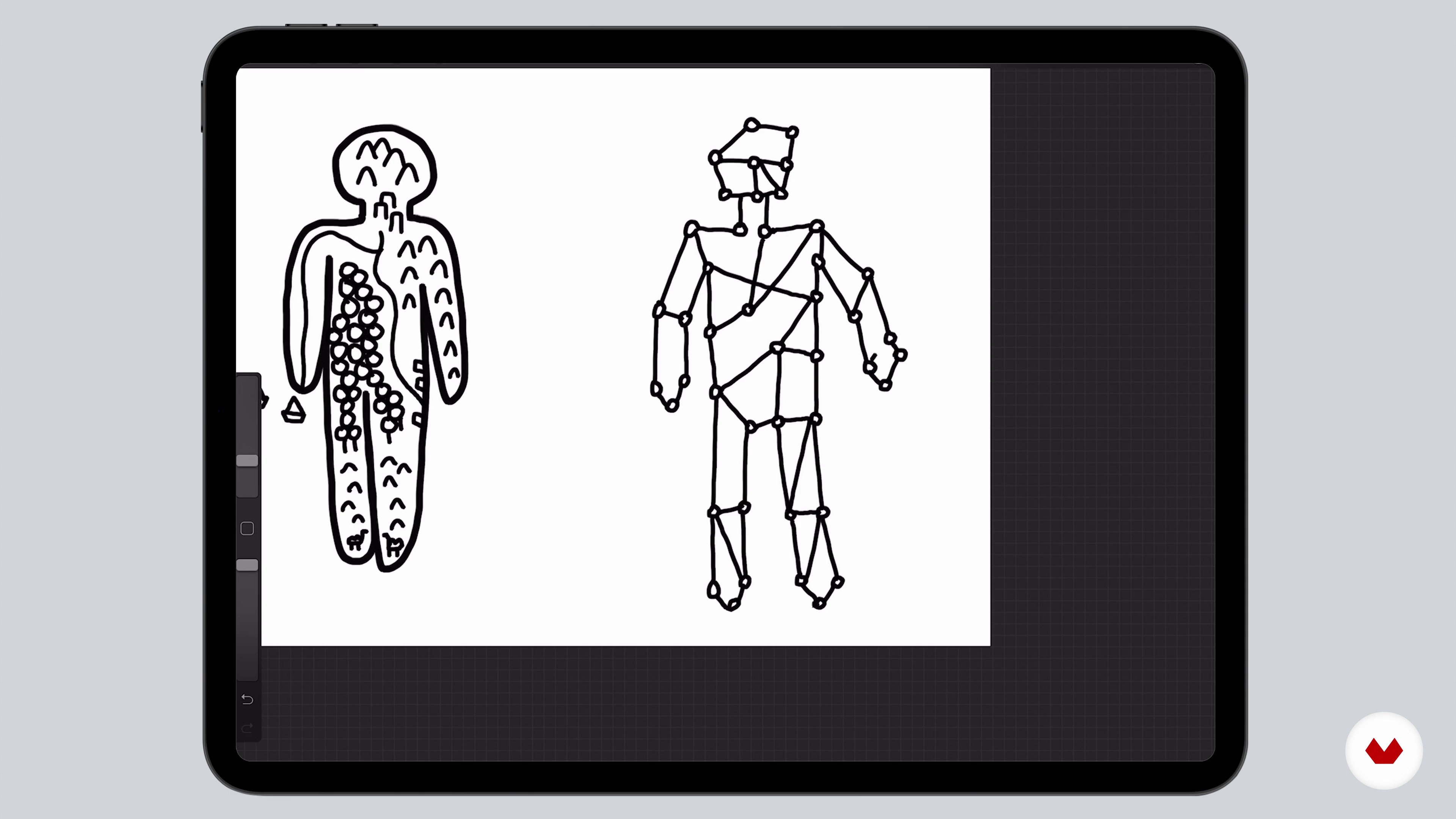
In this lesson we are going to start from an archetypal representation: starting from the figure of the human body we are going to represent apparently distant ideas. We will also mix the representation of the body with different themes to get unexpected results. We are going to experiment, to play with apparently dissociated ideas and we are going to mix them through drawing.
5m
 12
12Tame chance to get new ideas
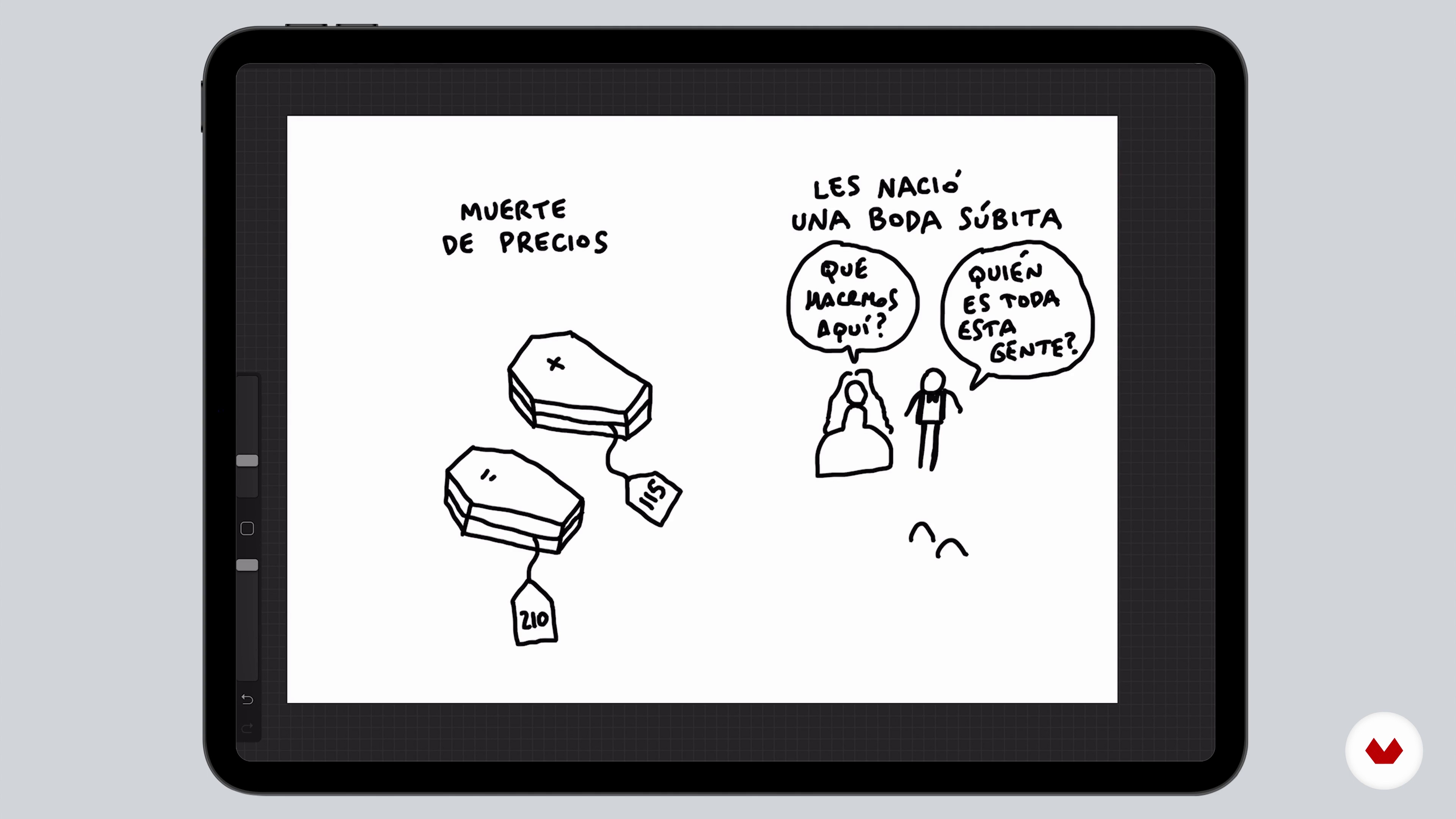
Chance is a great generator of new ideas. In fact, there are great discoveries throughout history that were generated thanks to mistakes. In this lesson we will force chance. We will try to make things happen, that ideas arise from mixing other seemingly distant ones ... We will associate ideas by chance; And the results will surprise you!
5m
 13
13Express ideas from different emotions
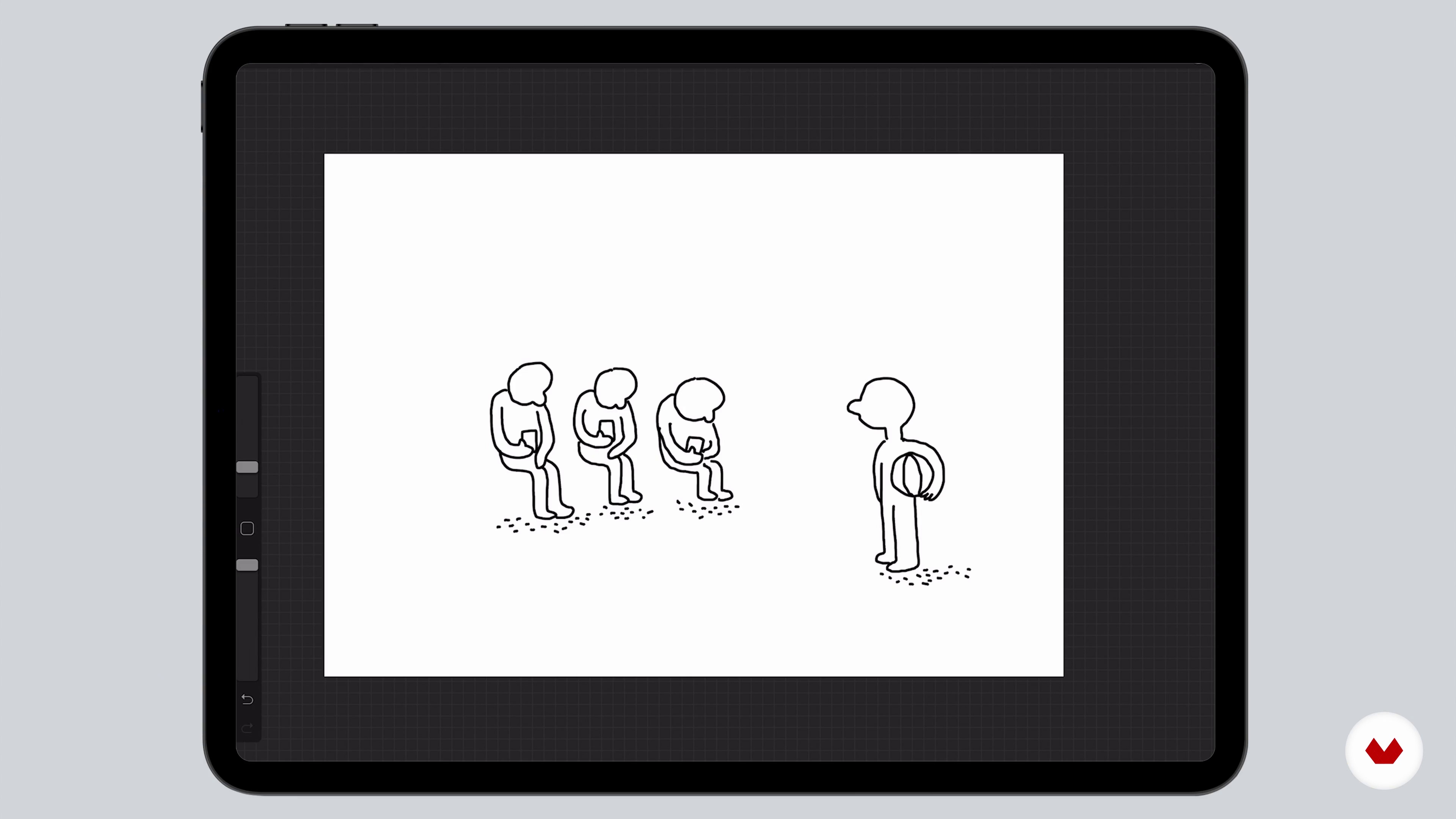
During the course we have seen how ideas are made, among other things, of our beliefs, our desires, our expectations, our imagination and, above all, our emotions. In this lesson we are going to represent situations through them.
3m
 14
14Find a story and simplify it
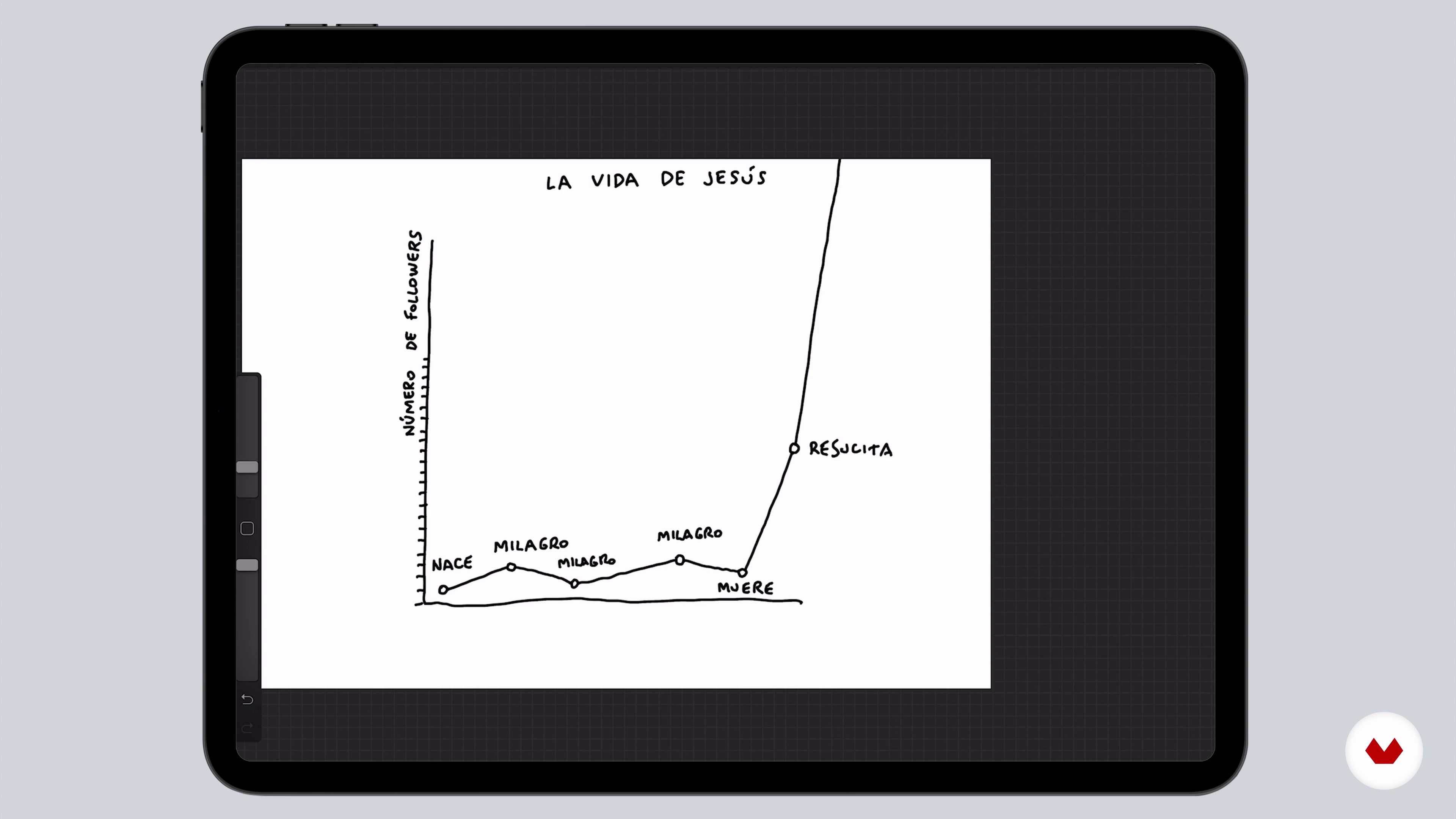
To generate ideas that are understandable and reach more people, we will need to simplify them, and make them understandable, connectable and empathetic. With stories, with storytelling, the same thing happens: we need to build stories by taking away what is left over or adding elements that facilitate their connection. In this lesson we will learn that the stories that best connect with others are those that they too have lived in some way in their life and recognize as their own patterns. Having lived it only leaves us open cables to be able to connect with our readers, but they are not a guarantee that this story will produce interest. To do this, we will make a turn or represent a point of view that surprises, captures attention or makes people reflect. From there, we will simplify it.
6m
 15
15Thinking outside the box as normal
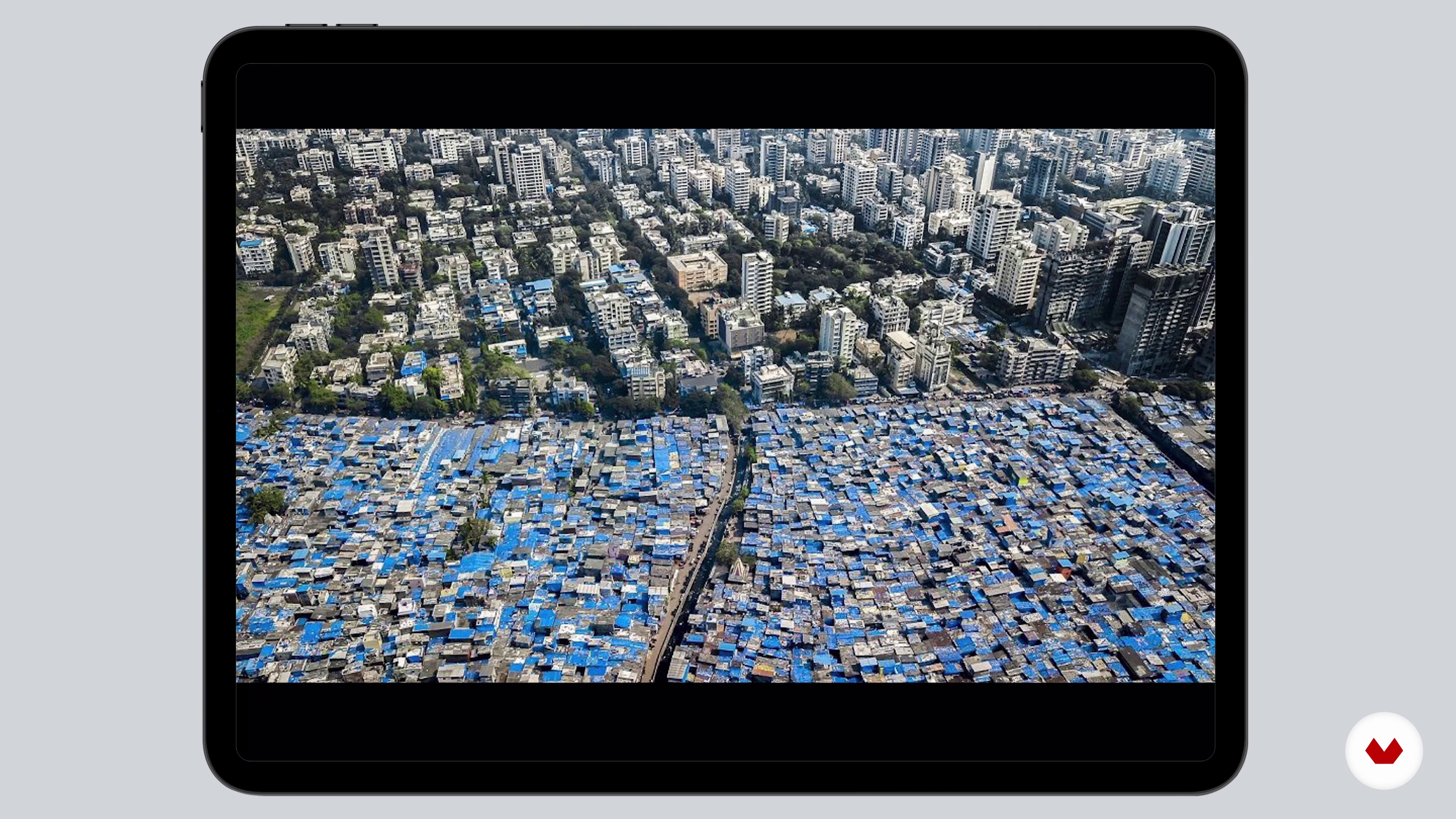
In this lesson we are going to question everything. We are going to ask ourselves what normality is and we are going to learn techniques to help break routines. My job when I post vignettes on Instagram or work on a book is to ask the reader questions, to ask the right questions that lead him to his own reflection. At no time do I pretend or want to indoctrinate or speak of great truths. I think our job is to ask questions. Creative work connects directly with this continuous action of asking if everything we have learned and the world around us could really be otherwise. Now I'm going to teach you techniques that will help you ask yourself different questions.
7m
 16
16Turn one image into many graphic ideas
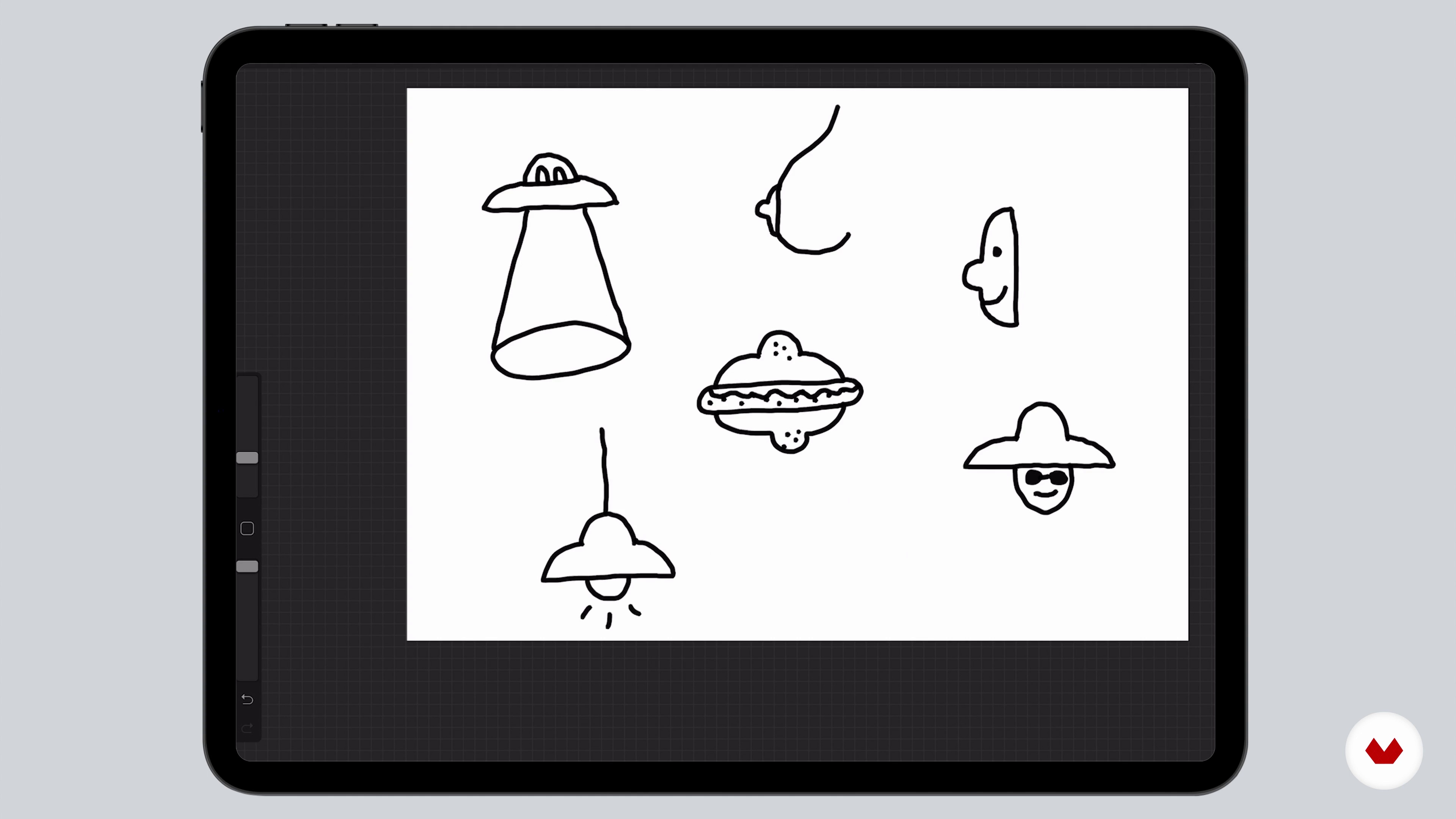
In this lesson we are going to carry out the opposite process that we saw in the previous lesson, where we asked a lot of questions to an image. Here we will try to get graphical answers based on a single shape. In this way, we will explore all the possibilities you have.
5m
 17
17Playing a game of tennis with concepts
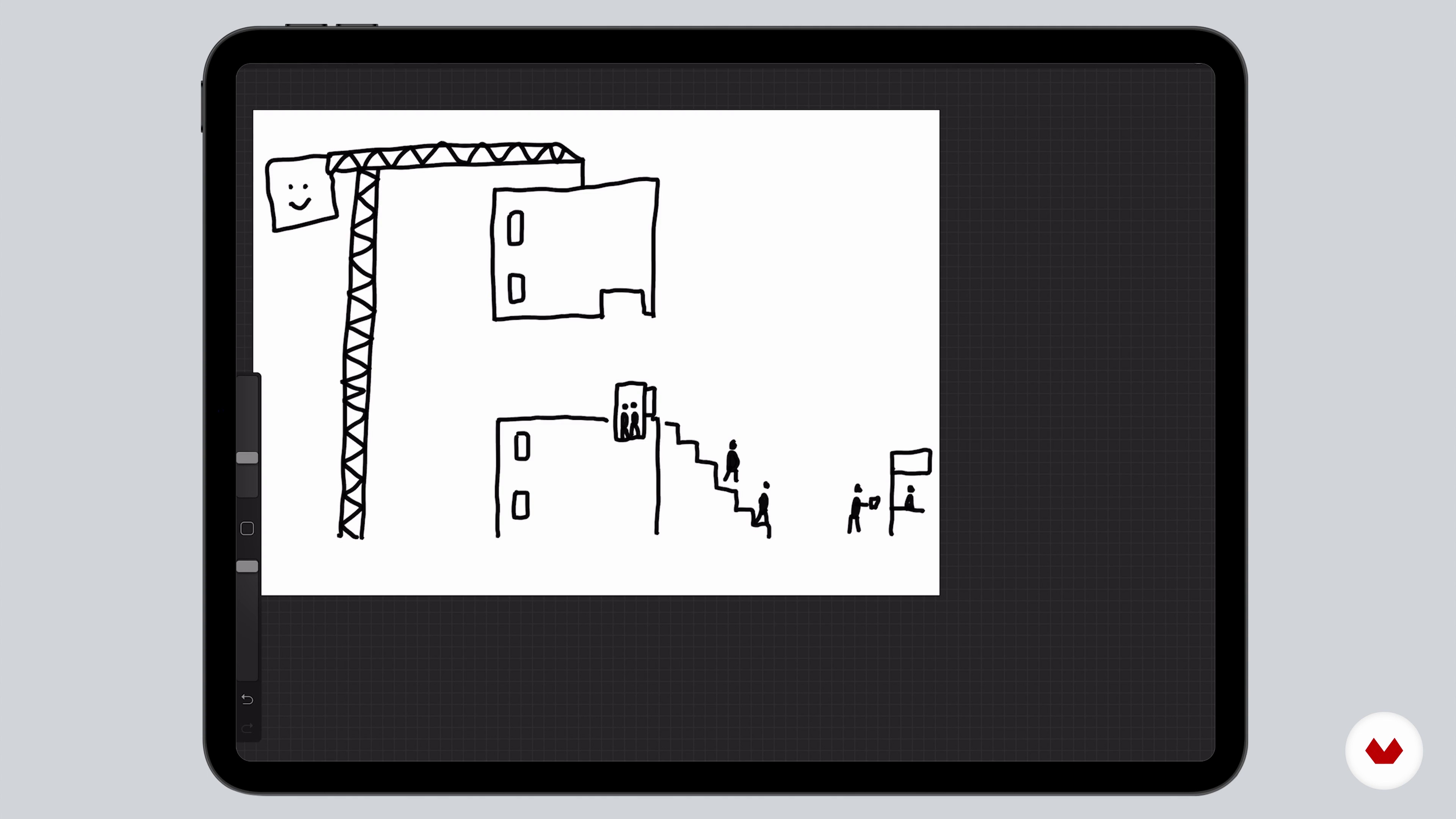
Another way to find creative solutions to problems is a kind of tennis match. Play action-reaction. This is what we are going to do in this lesson; play a game of tennis with concepts, with questions that contain a problem and answers that bring us an unexpected solution.
10m
 18
18To break the rules
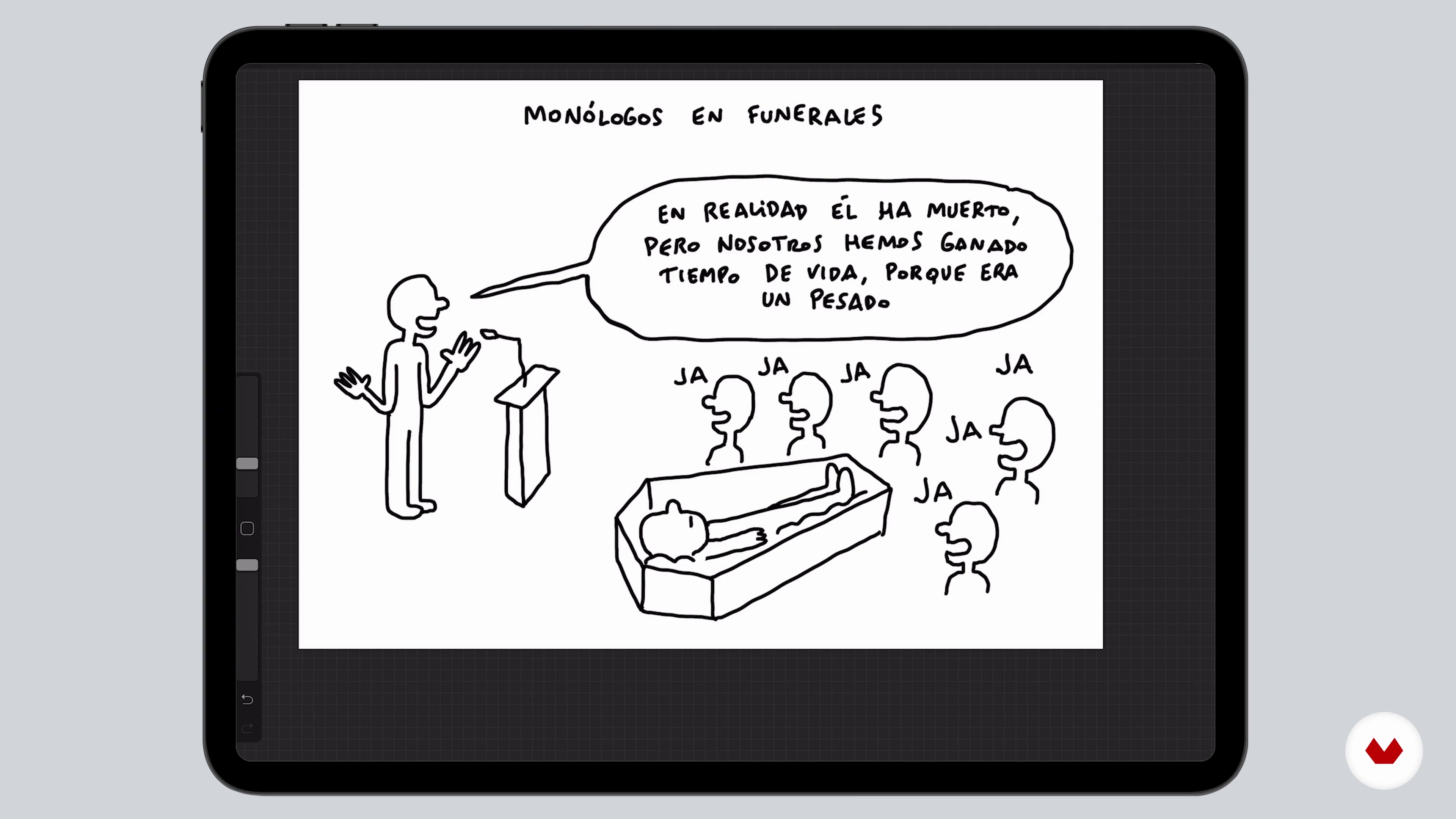
This lesson has a lot to do with the meaning of philosophy. Or, what is the same, how to question absolutely everything; how to use the question "Why not?" in the face of structures that are currently immovable. We are going to rethink the rules, to move things so that others emerge that remain covered. Let's "think outside the box." Think out the box!
6m
 19
19Communicate ideas from different media
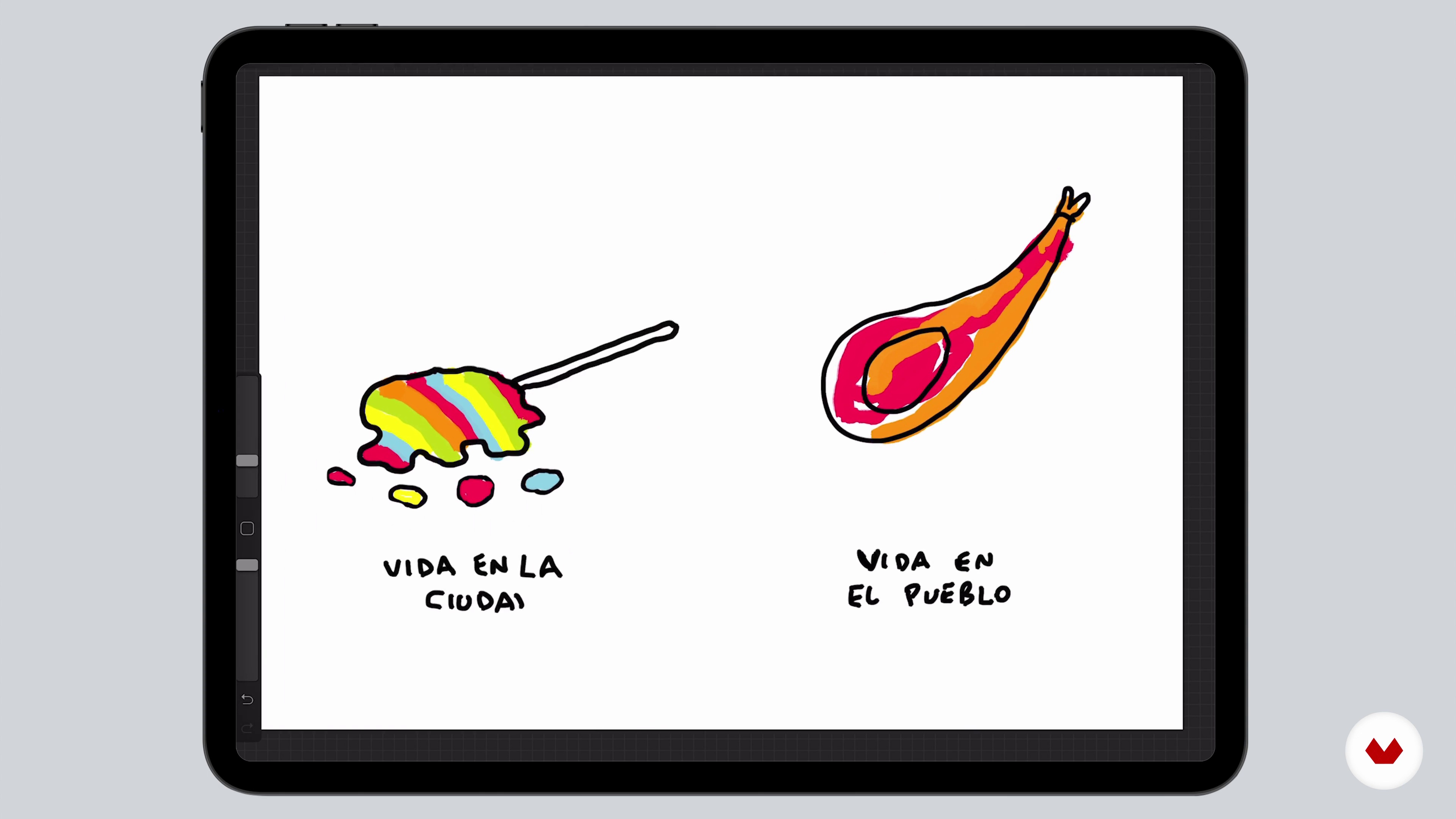
This lesson is one more step in the difficulty of the course. Now we will not only rethink the “normalized” reality, but we will also apply different means to respond to problems. We will not only draw, but we will use written language, sound and a recipe to express ideas. Or, what is the same, we will represent ideas leaving our comfort zone.
10m
 20
20Humor is the king of creativity
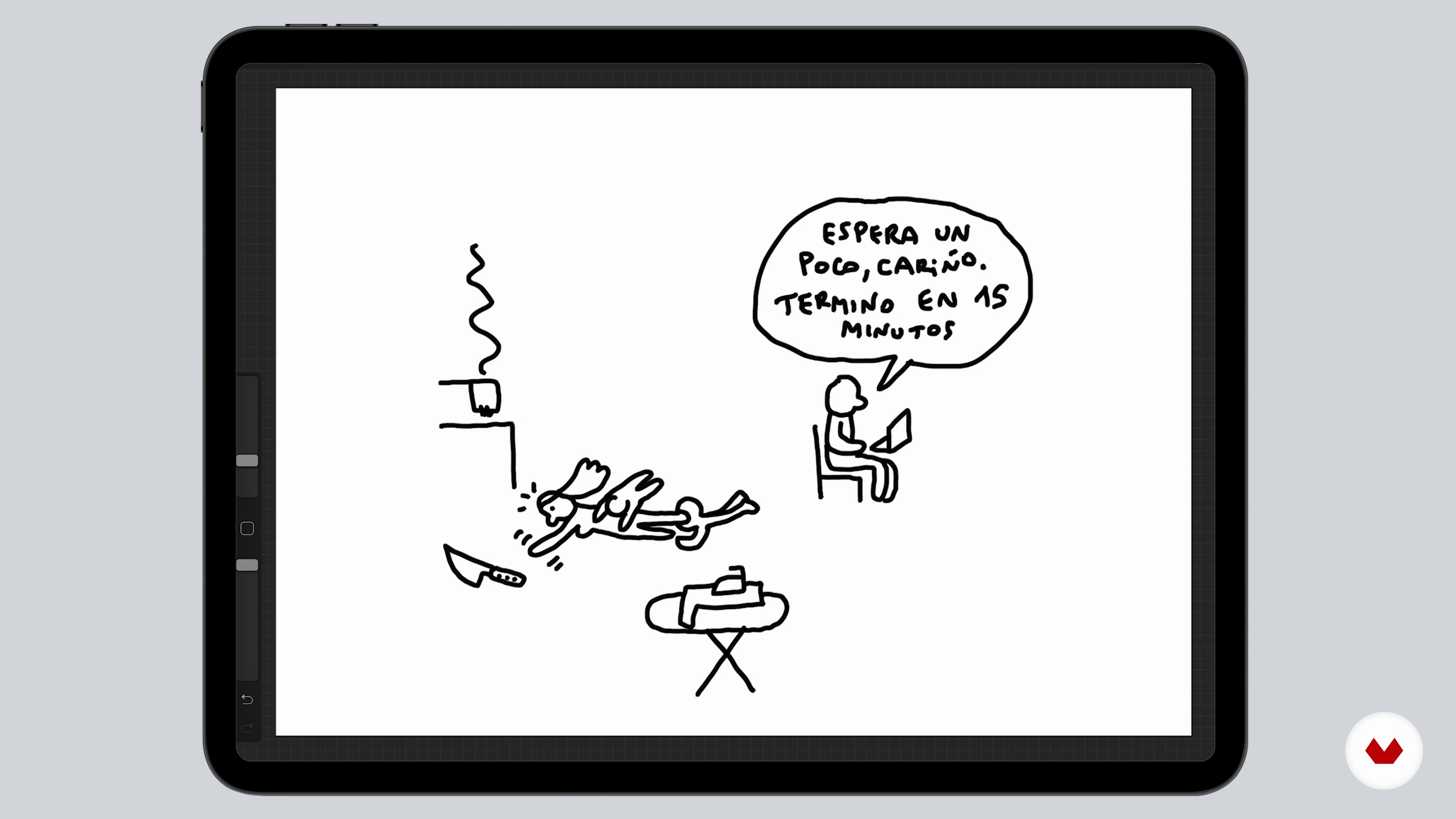
Finally, we are going to talk about humor and the limits of humor. And I will not draw, but I will show you 4 examples in which I have worked with the limits of humor and really sensitive topics. [textbox type=alert]I warn you that this last lesson may contain images that can affect certain sensitivities.[/textbox]
18m
 3
3Different cartoonists
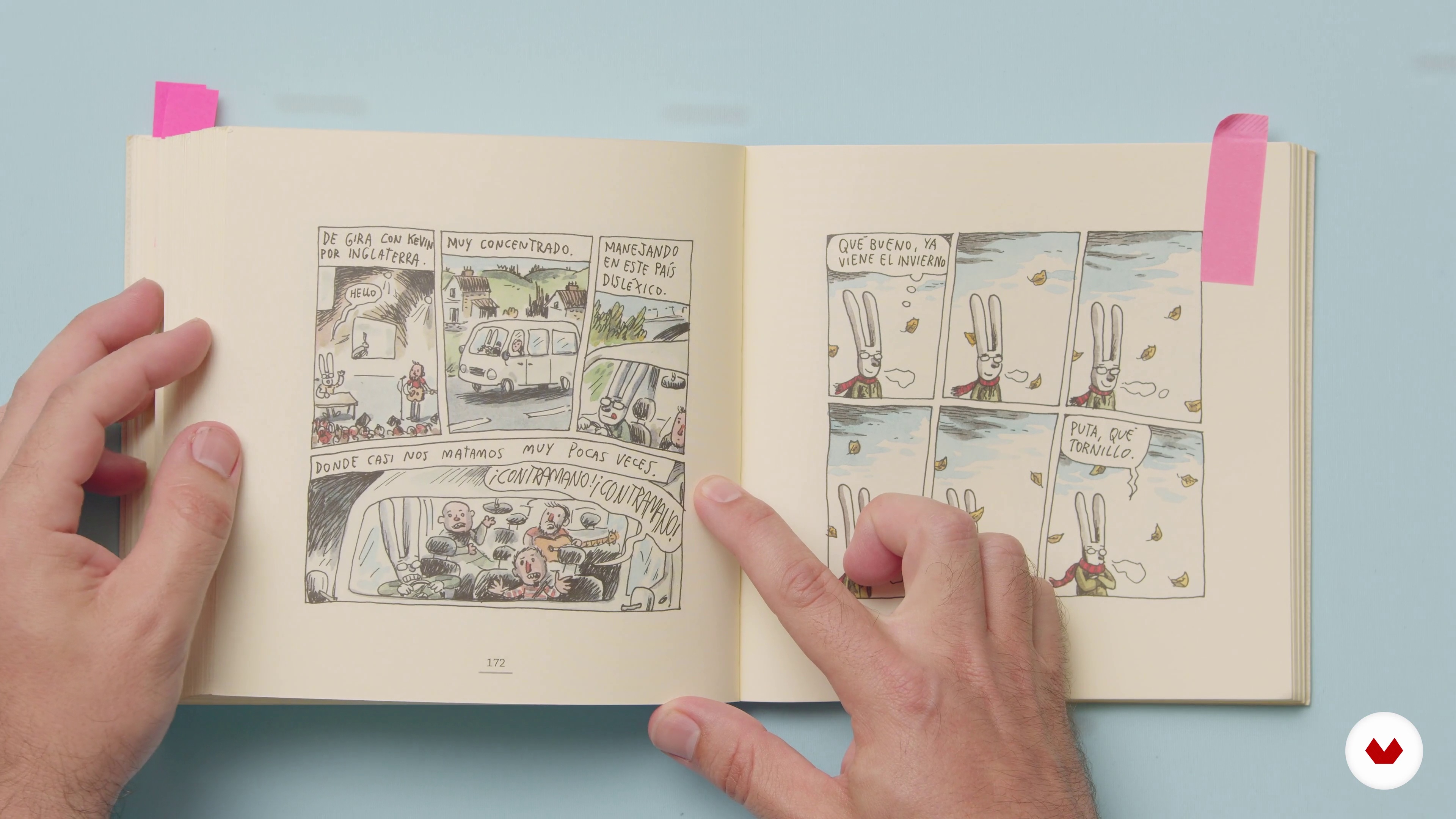
In this lesson I will show you what my references are in the illustration. I will explain to you how they use words and how they create different worlds using few elements.
12m
 4
4Exercises to promote imagination
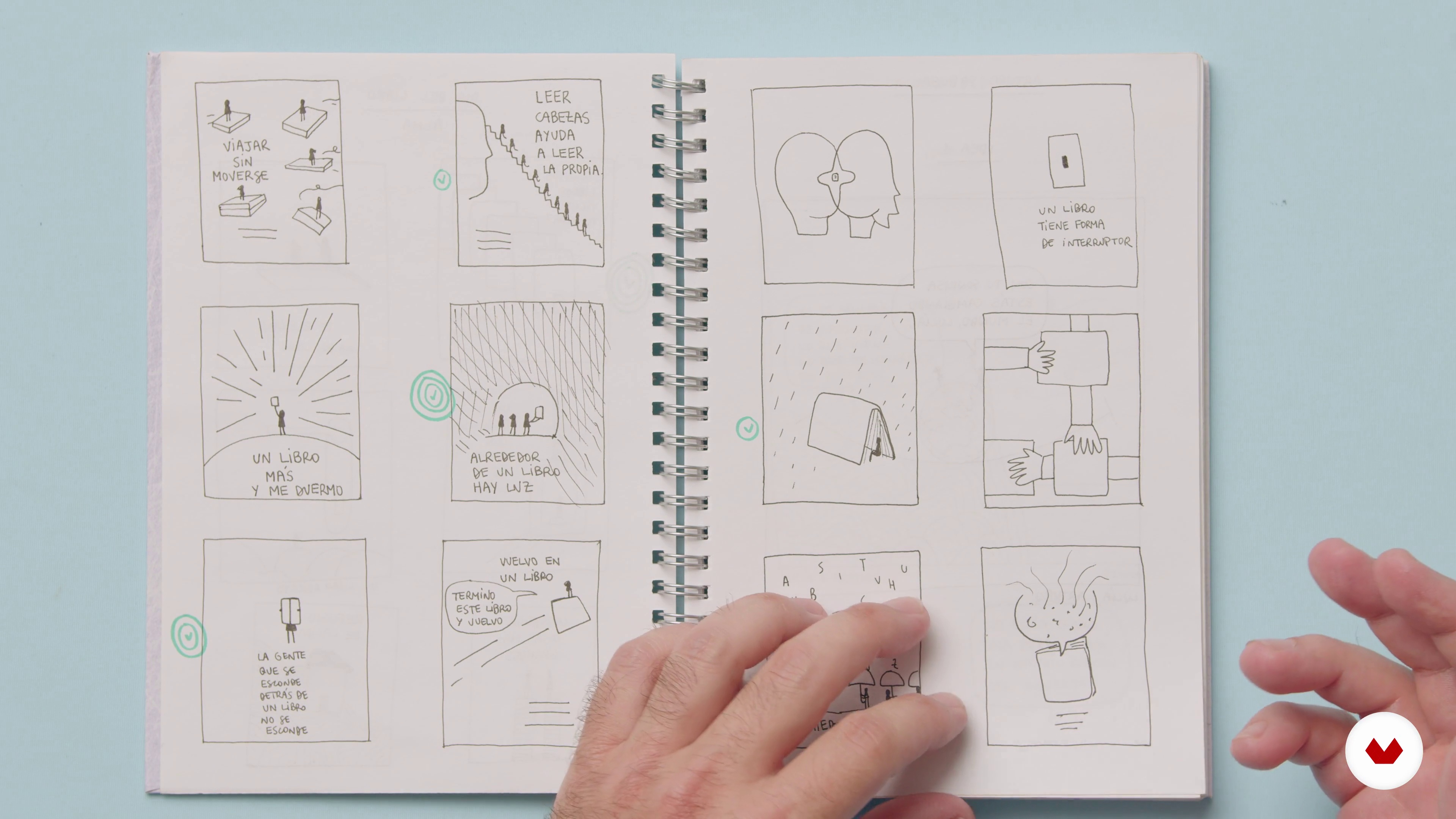
Now I want to encourage you to work your imagination with various techniques that I have developed over the years. Although I love to sit back and think and let magic happen in my notebook, I find much more satisfaction if I sit back and try to apply any of these techniques.
12m
 5
5Ideas map
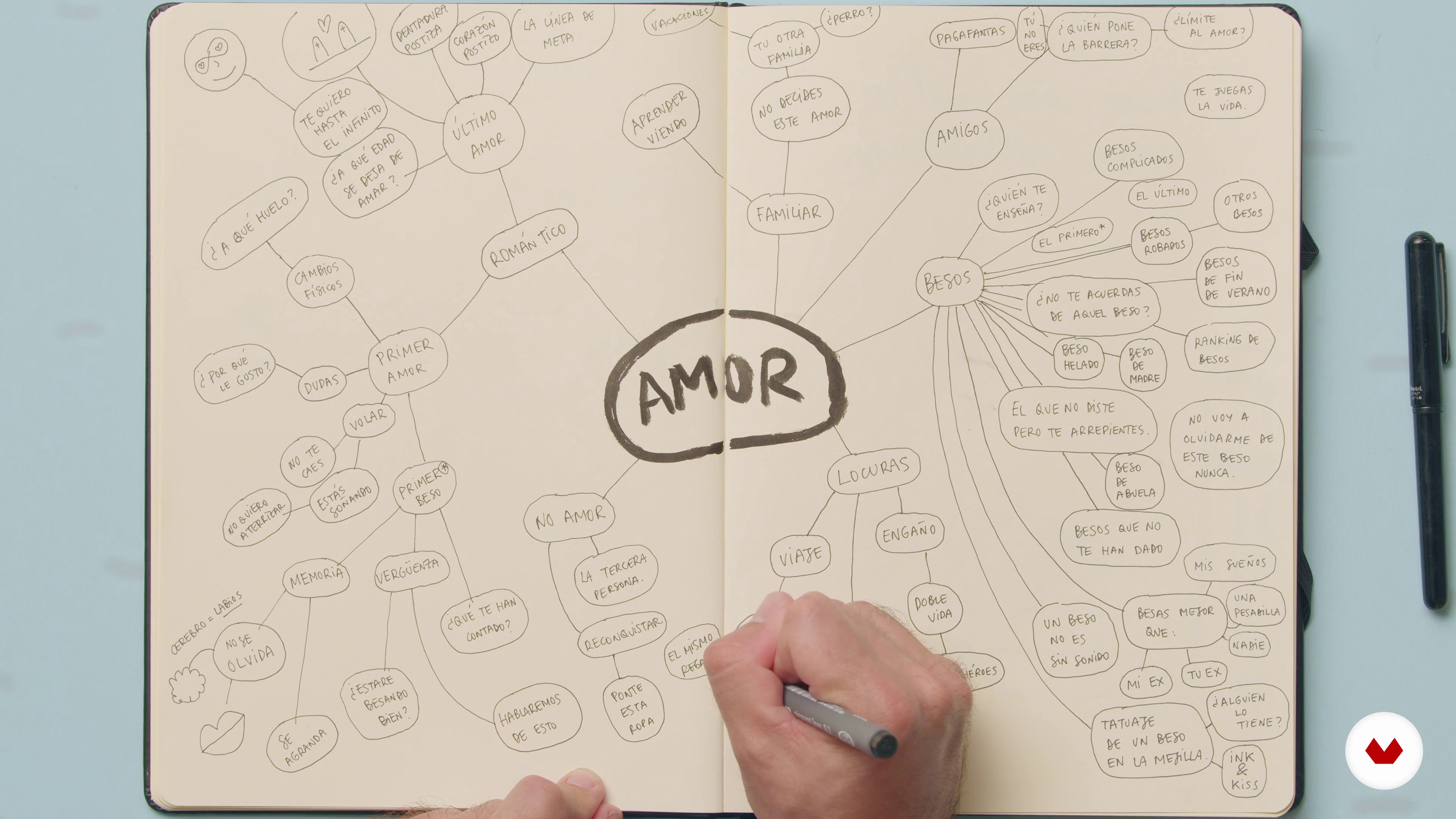
In this lesson I will tell you how I prepare an idea map from a very basic concept. The objective of this map is to organize the information that we have in mind about a topic.
7m
 6
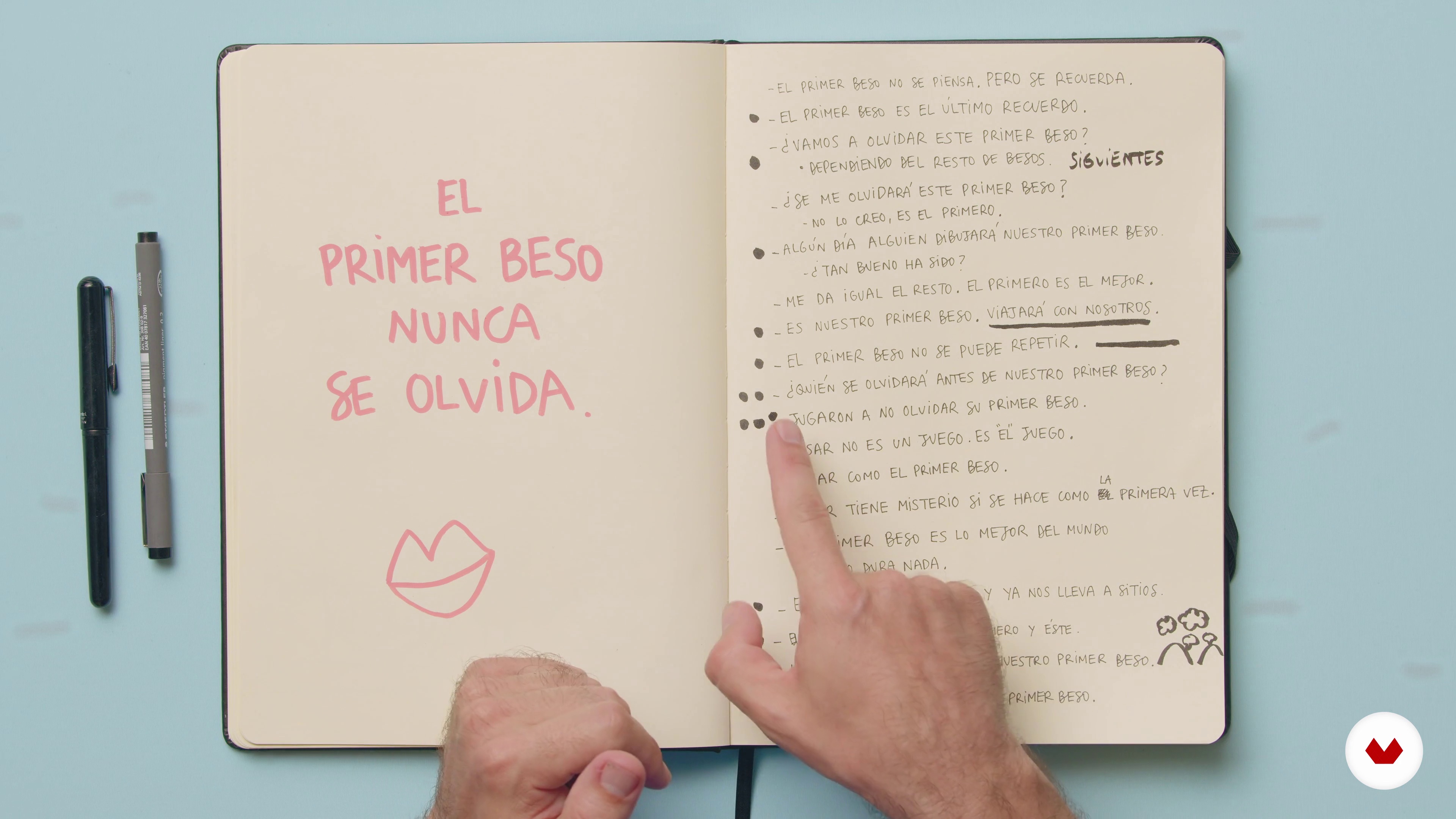
6From concept to text
In this lesson I will show you how the text worked. I try to come up with a lot of ideas and I correct, add, cut and mix until I find the option that I like the most.
11m
 7
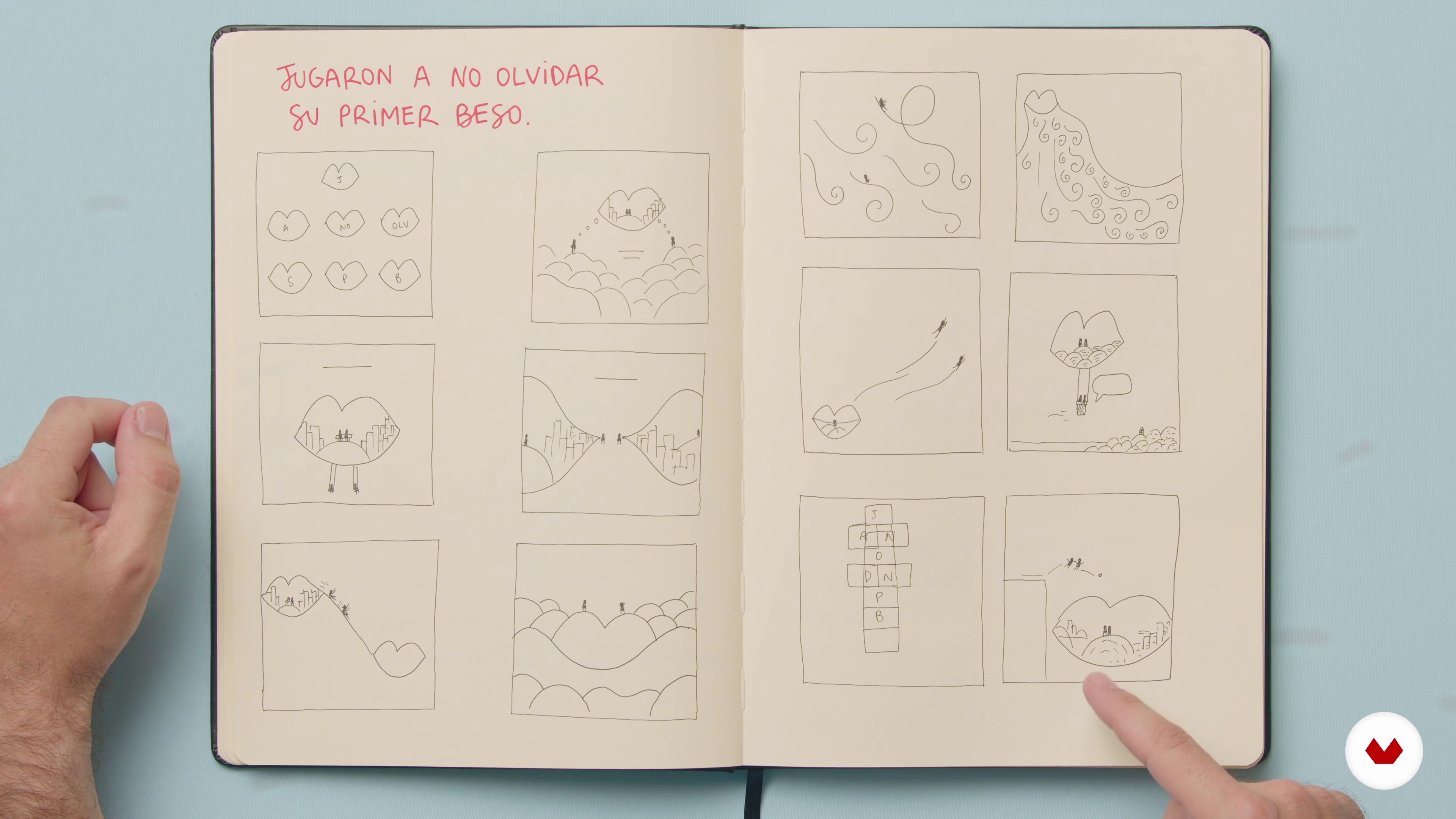
7From text to image
Now we are going to see how to generate visual ideas based on a text that we have already selected, either because we have worked on it, we have found it in a notebook or because it has been given to us by a friend or client.
17m
 8
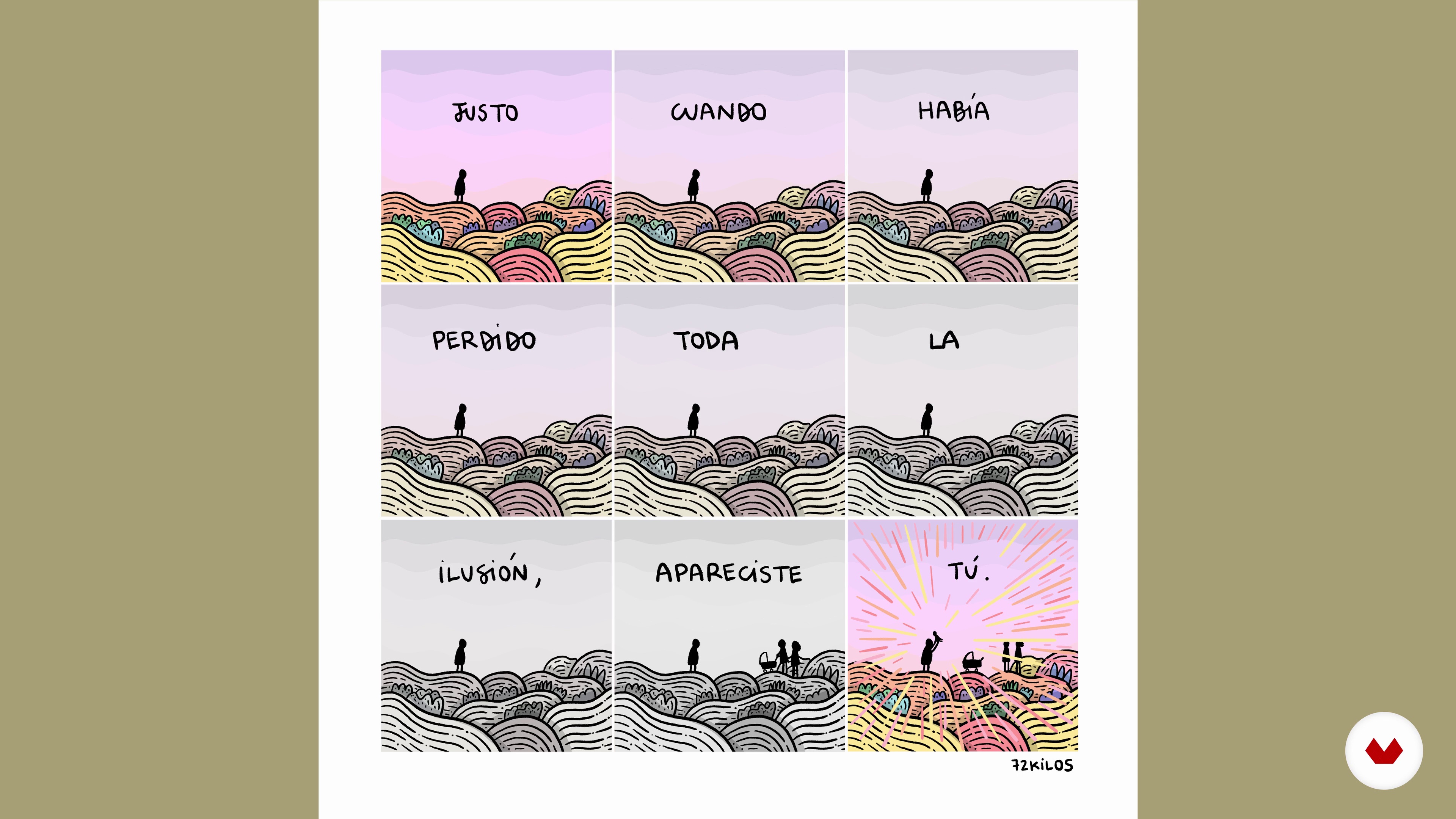
8A story with several vignettes
In this lesson we are going to see what happens when the story we want to tell does not fit into a single panel. We can resort to making a carousel that will allow us to have more space and more freedom to tell our story.
11m
 9
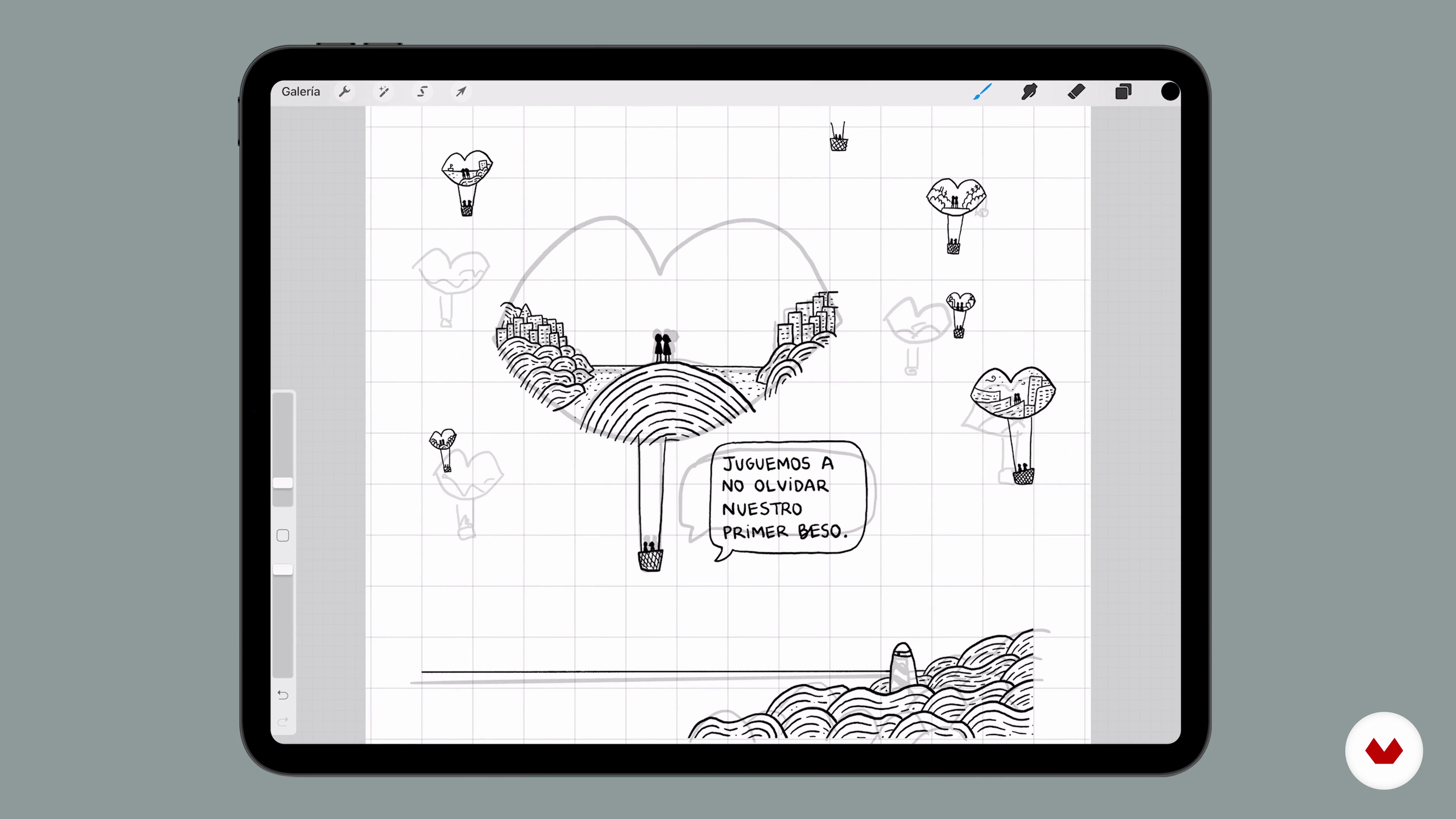
9Digital drawing
In this lesson we will work on digital the idea that we have been developing. I have worked in a square format, but you can use the one you prefer; the most important thing is that the idea is well understood.
15m
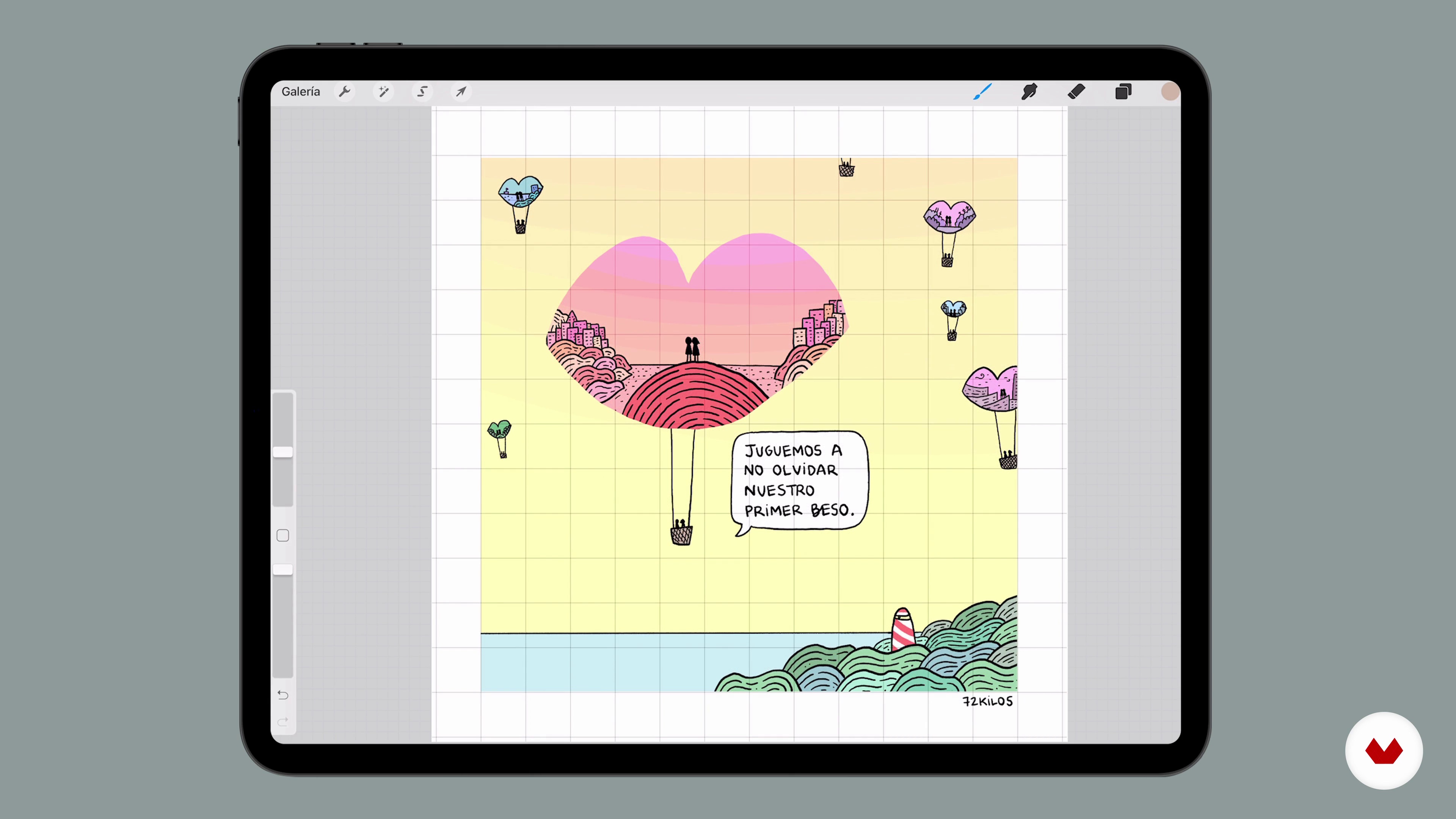 10
10Color and shade 1
Next, we will put color and shade to the digitized vignette in the previous lesson, seeking harmony with the message and enjoying the process to the fullest. Your cartoon will come to life!
14m
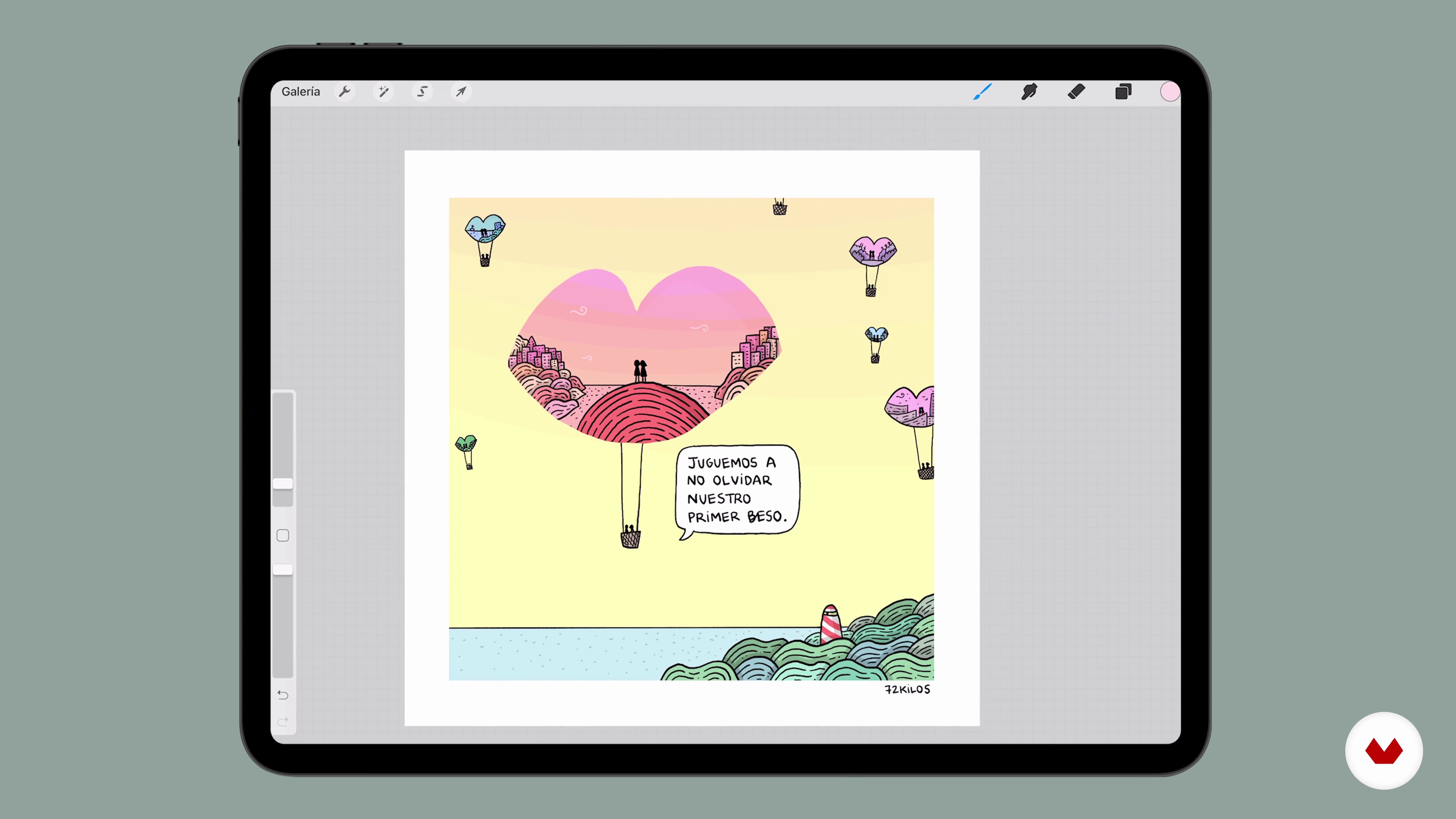 11
11Color and shade 2
After coloring the entire vignette, we continue adding shadows to the different elements of it.
10m
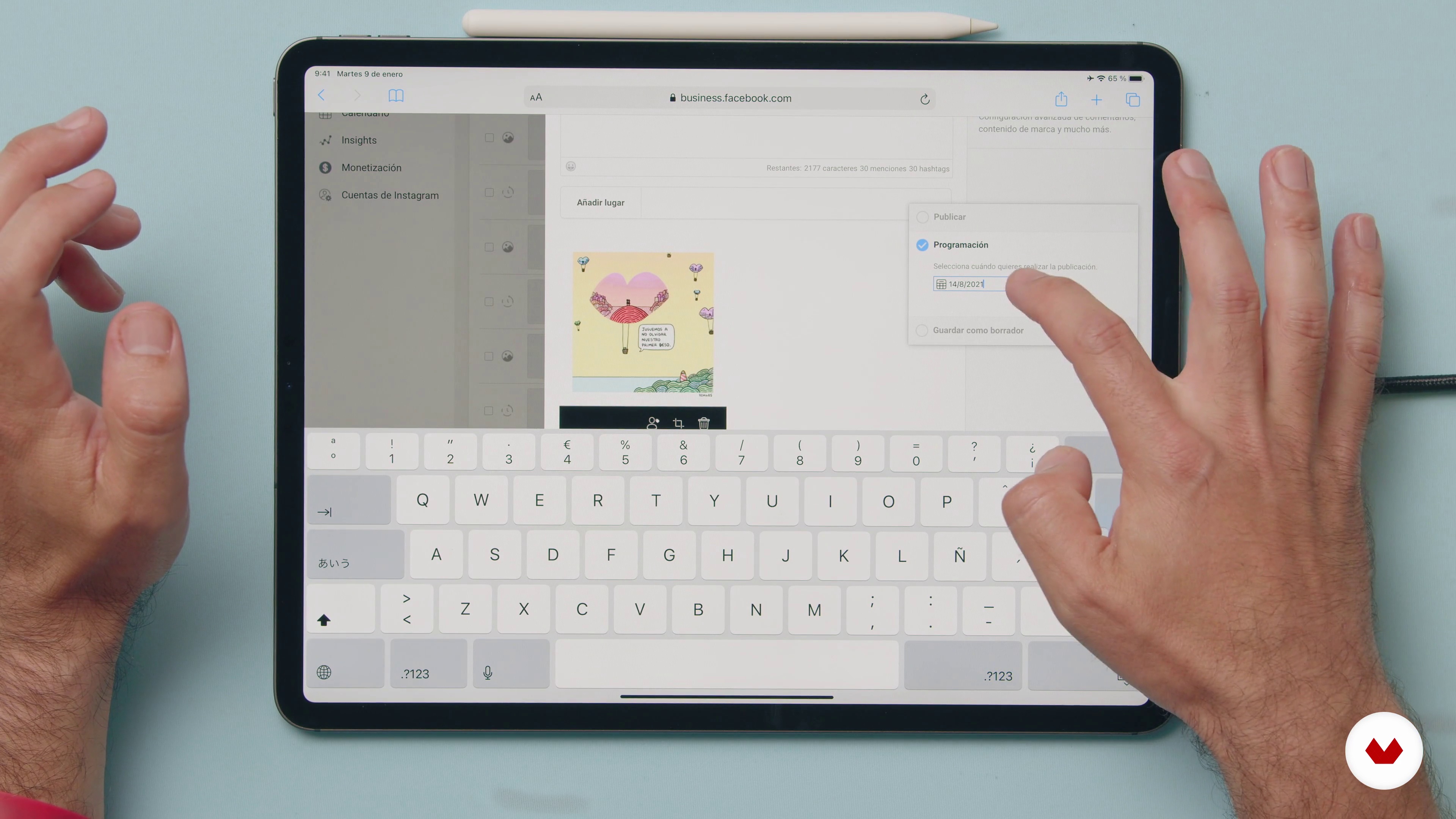 12
12Tips for social media
Finally, I am going to give you several tips that I have been learning over the years about publishing on social networks. So you can share your projects with the world.
11m
 4
4Storytelling in Advertising
In this lesson I am going to tell you about the importance of storytelling in advertising and how the comic can be a useful way to tell an audience about a product.
7m
 5
5From the Idea to the Comic
In this lesson I am going to show you my process to extract, from the client's brief, the strategies for a comic.
5m
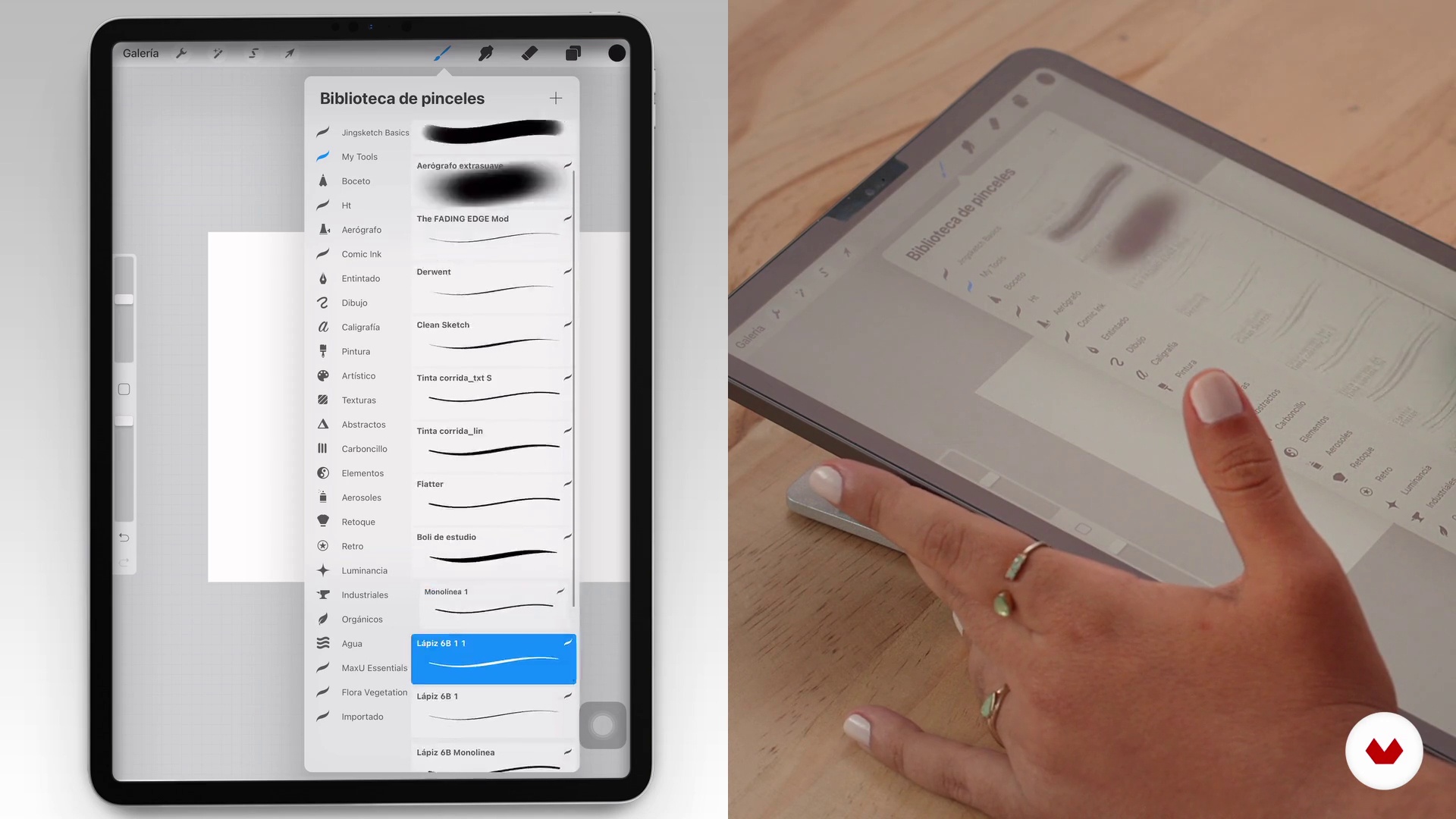 6
6Illustration Basics in Procreate
Now I'm going to teach you the basics to start illustrating in Procreate. If you have used Photoshop before, it will not be difficult for you to understand how to use this program.
8m
 7
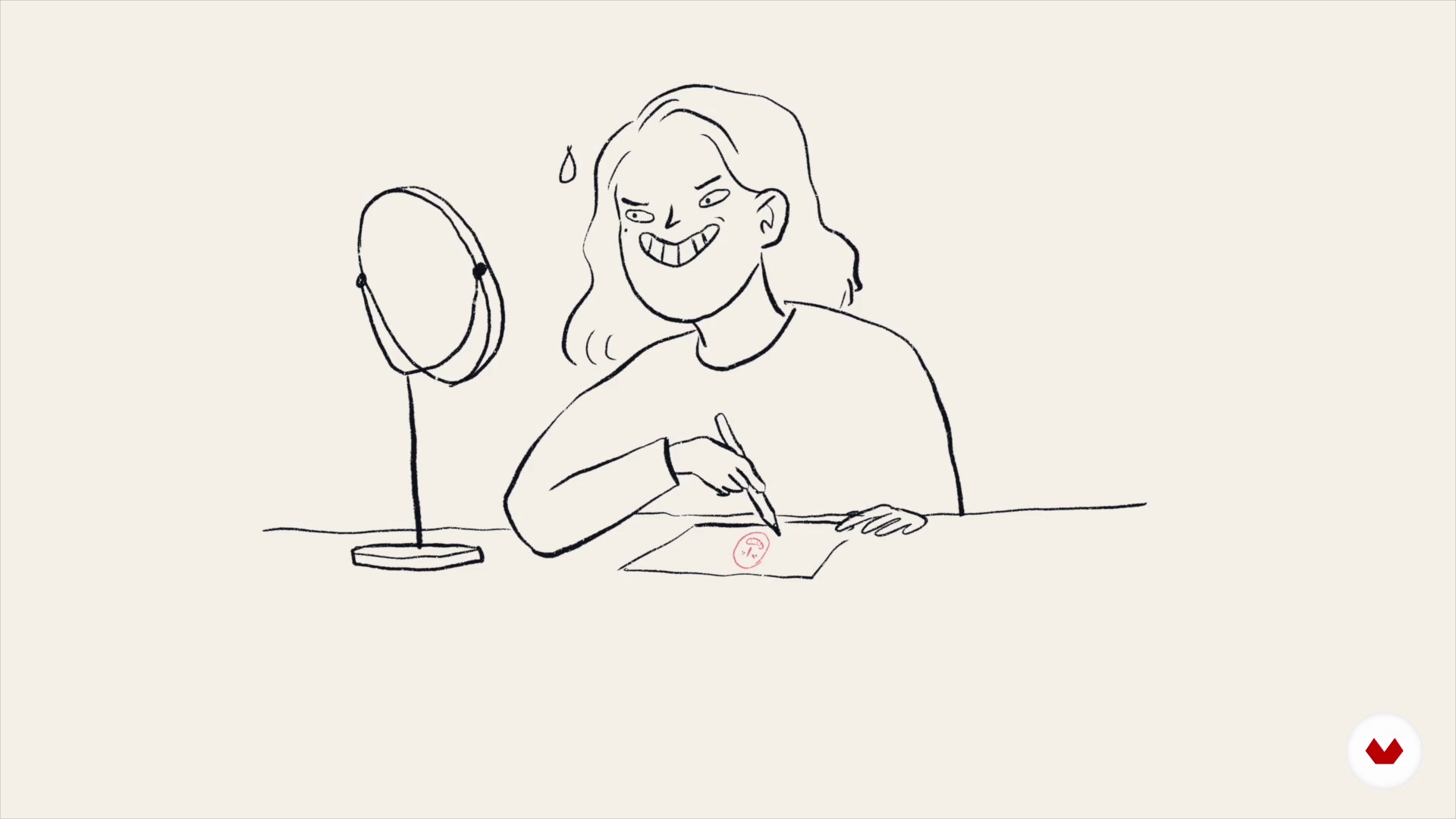
7Drawing Basics
Here I am going to teach you a bit of drawing theory that will help you create the vignettes.
13m
 8
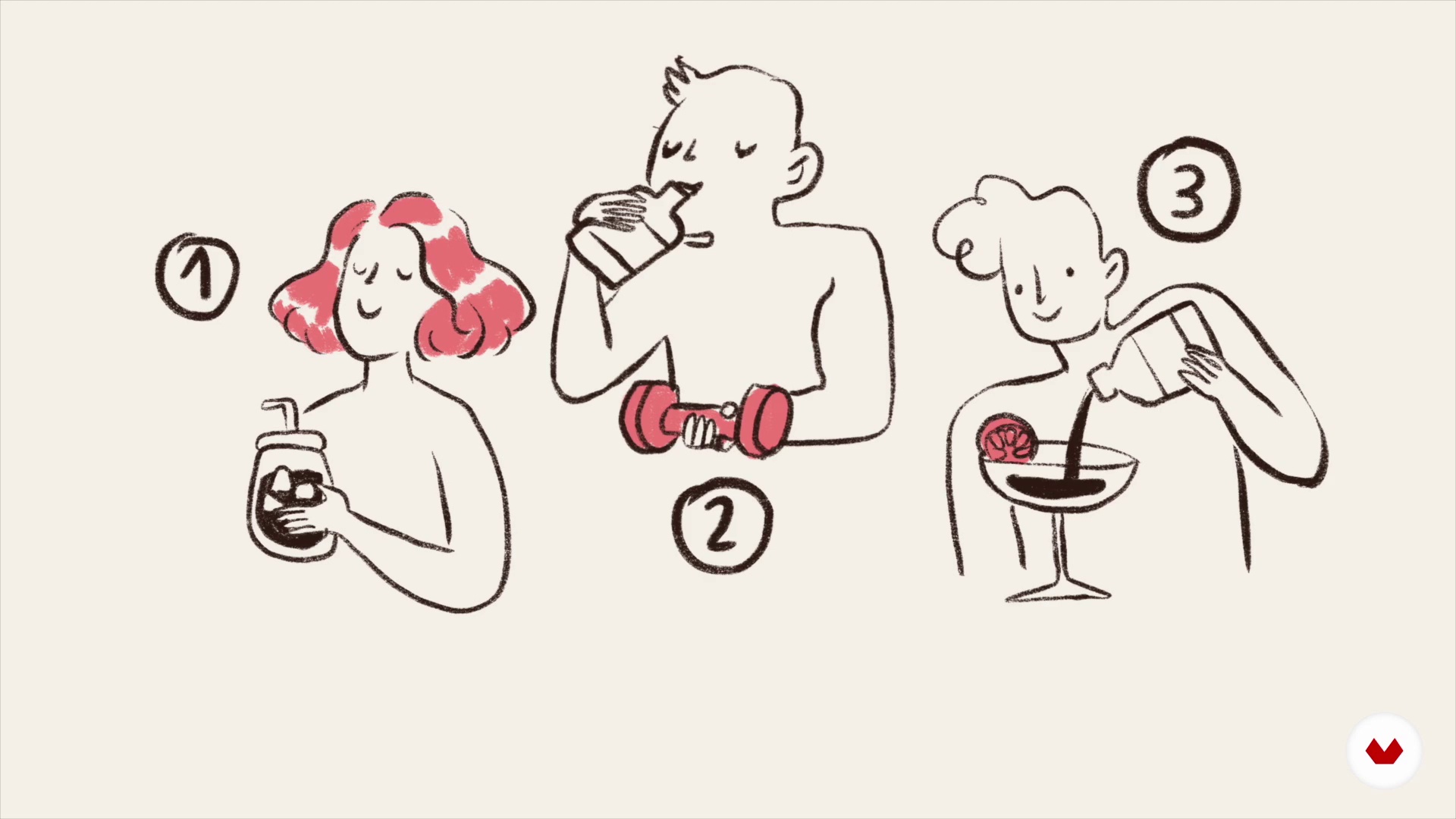
8Brief
The brief is usually a document in which the brand or client provides us with relevant information and ideas that they want to convey. In this lesson I am going to tell you how I developed my strategy for the vignette according to the client's brief.
2m
 9
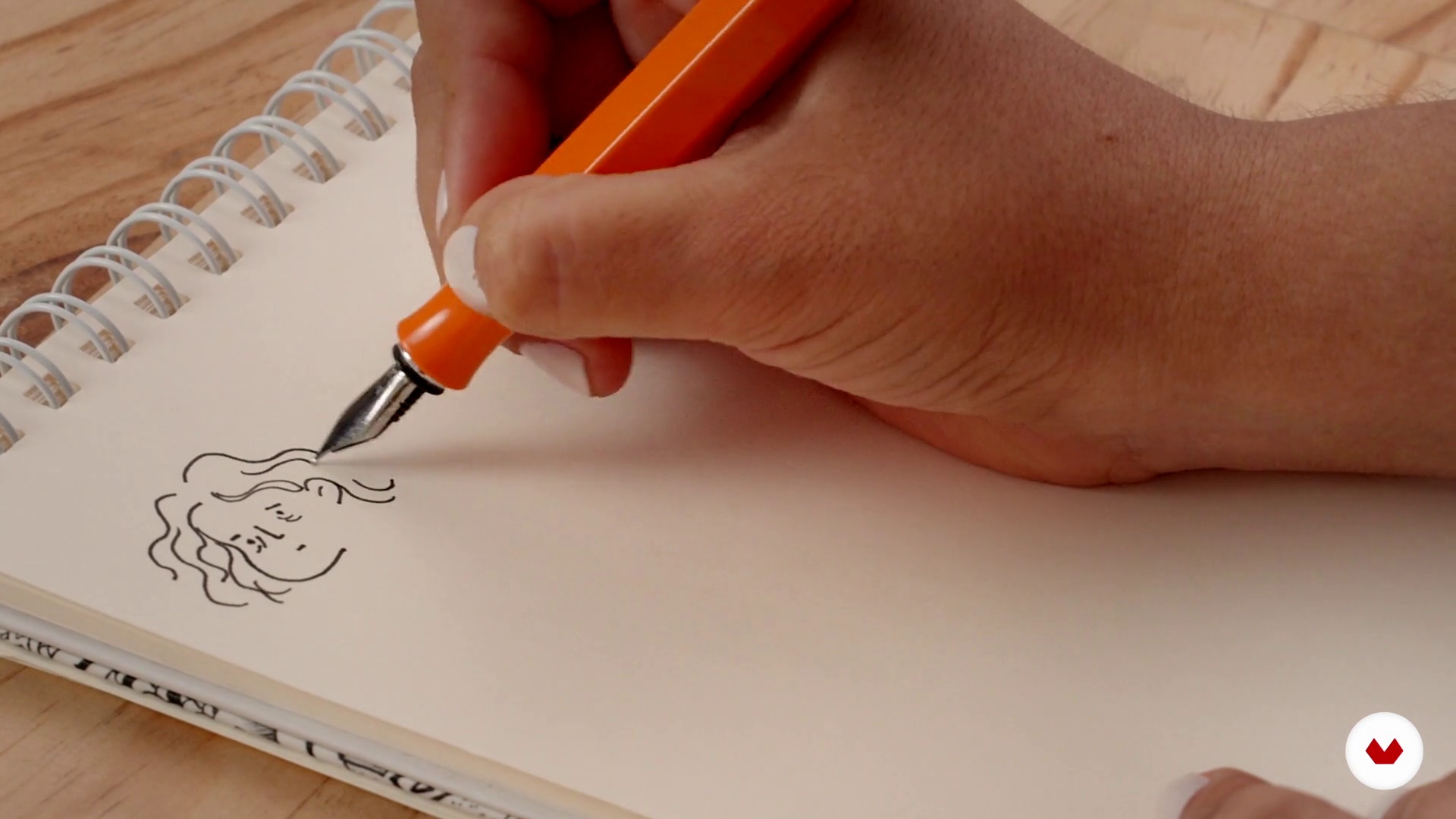
9Strategies and Script
Now I am going to show you how, based on the idea that we got from the meeting with the client, we propose a strategy and elaborate a script that will later become a sketch.
3m
 10
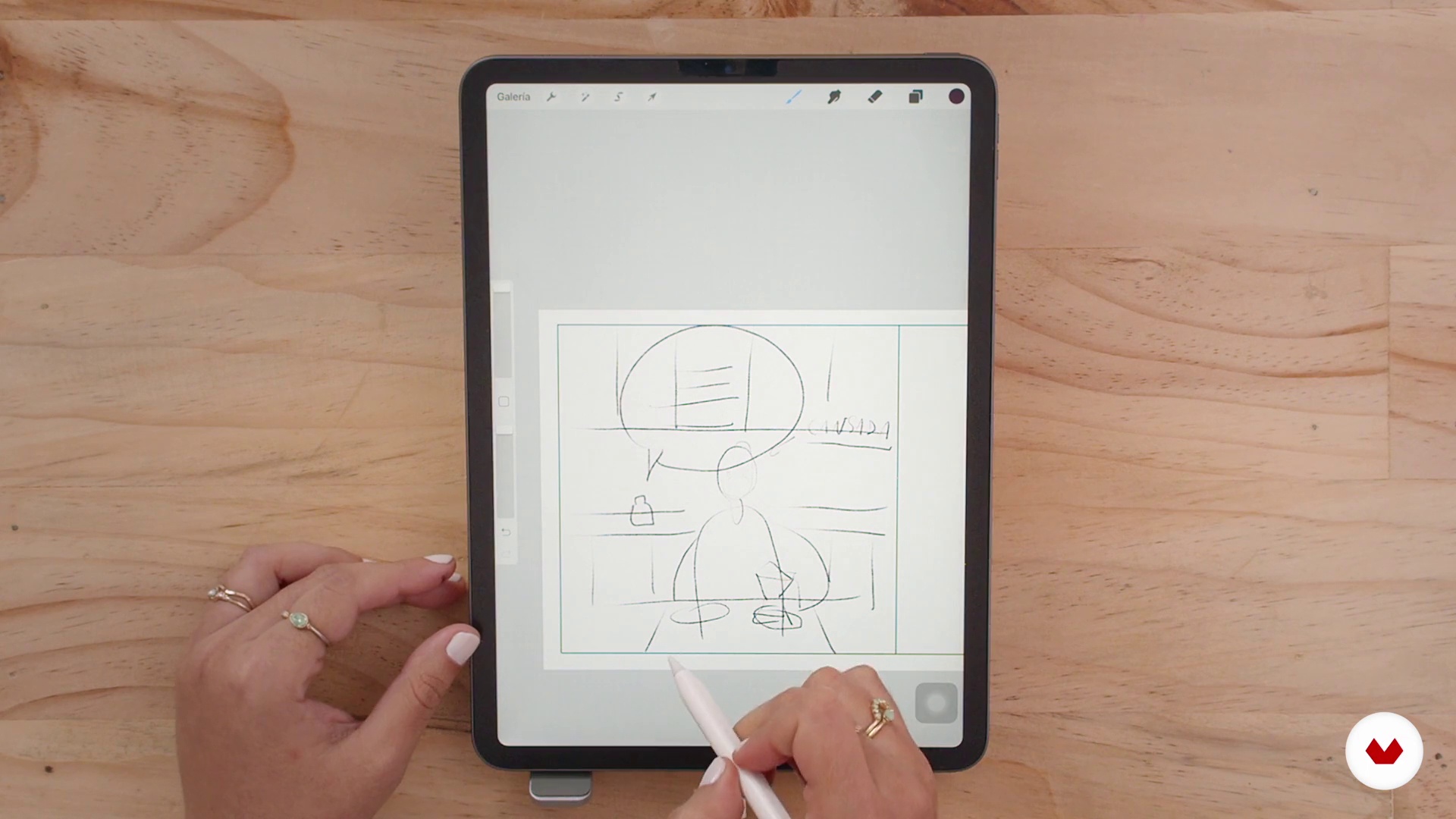
10Storyboard and Sketch
In this lesson I will teach you to build your storyboard based on the script, and we will make the sketch of the vignettes.
10m
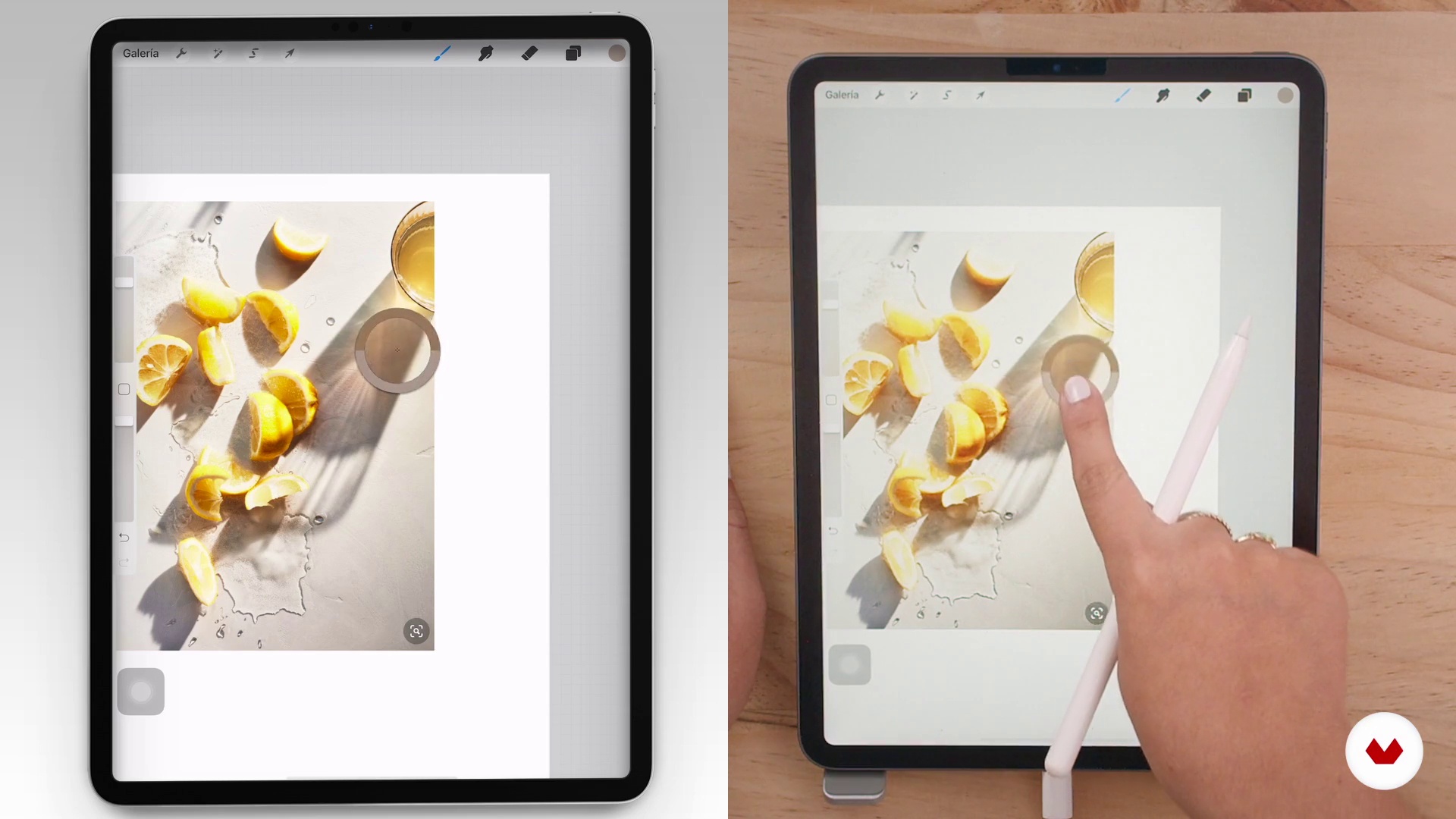 11
11Line and color
In this lesson I will explain how to draw and color the comic.
15m
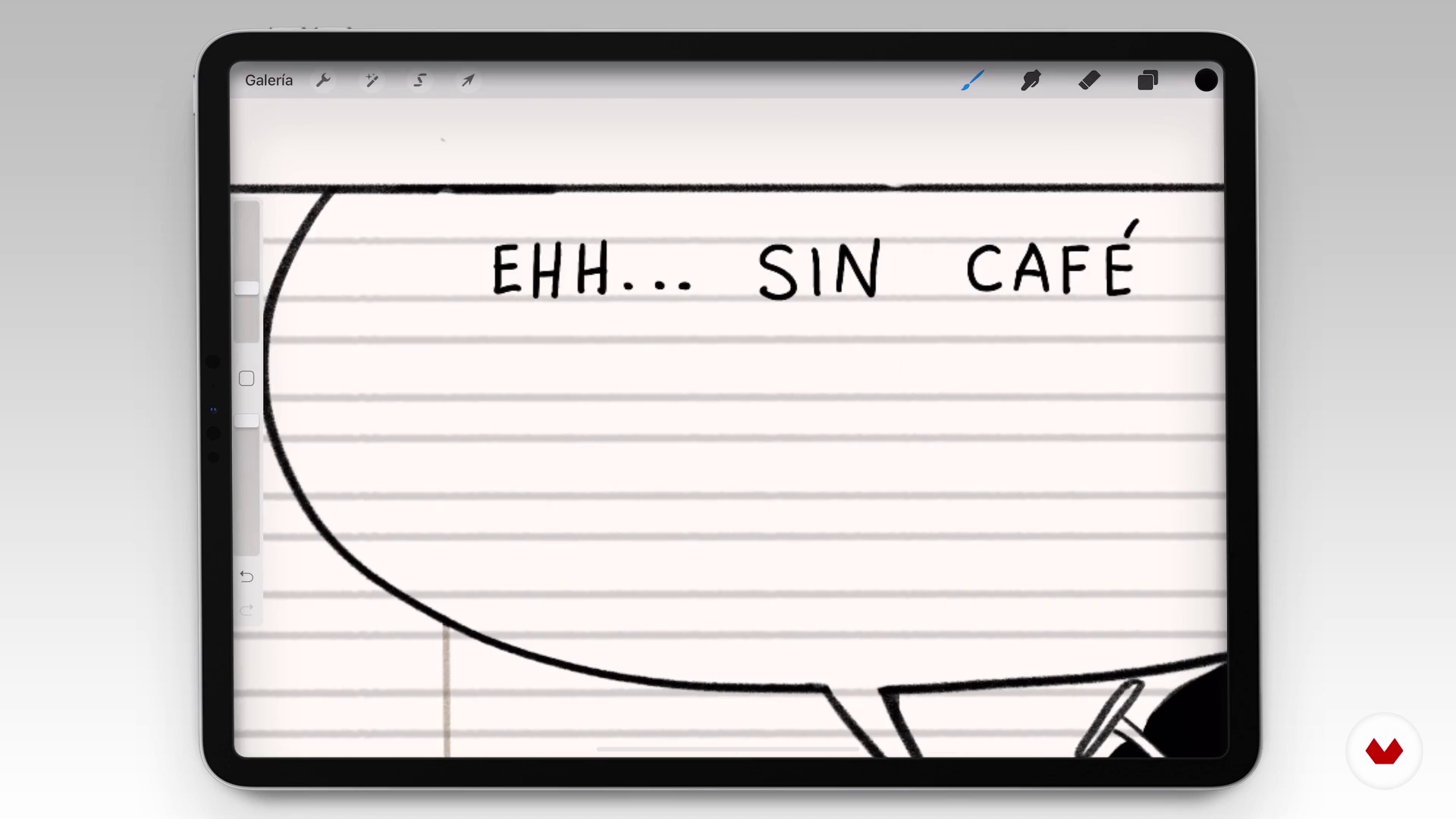 12
12Text
We already have our illustrations, now I will teach you how to put text to your vignettes, either by drawing the letters or with typed text.
9m
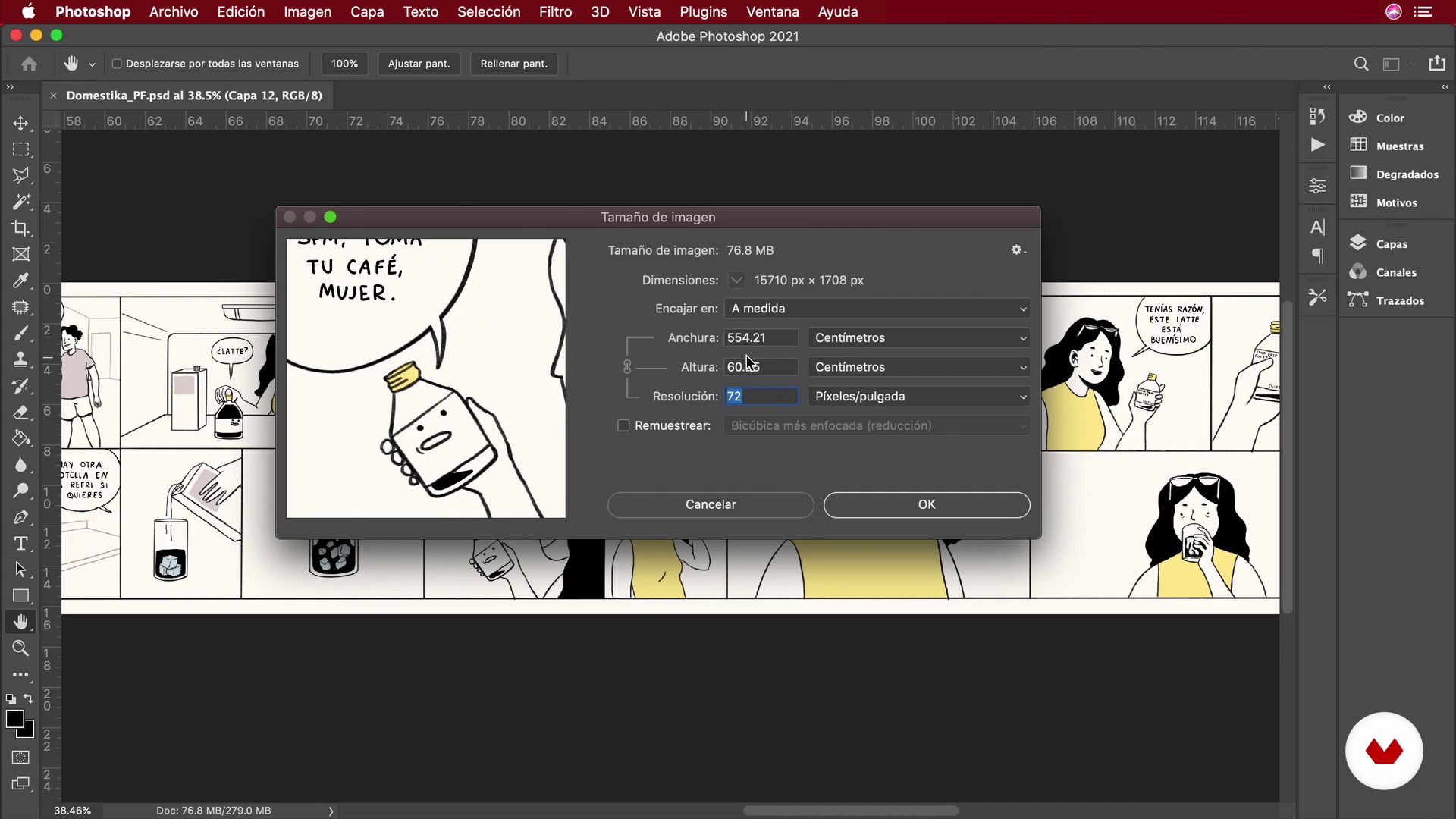 13
13Export and Online Presence
In this lesson you will see how to export the illustration and publish it on networks. Also, I will give you some last recommendations on export formats, in case it is necessary to export it to Photoshop for post-production.
11m
 3
3What is humor?
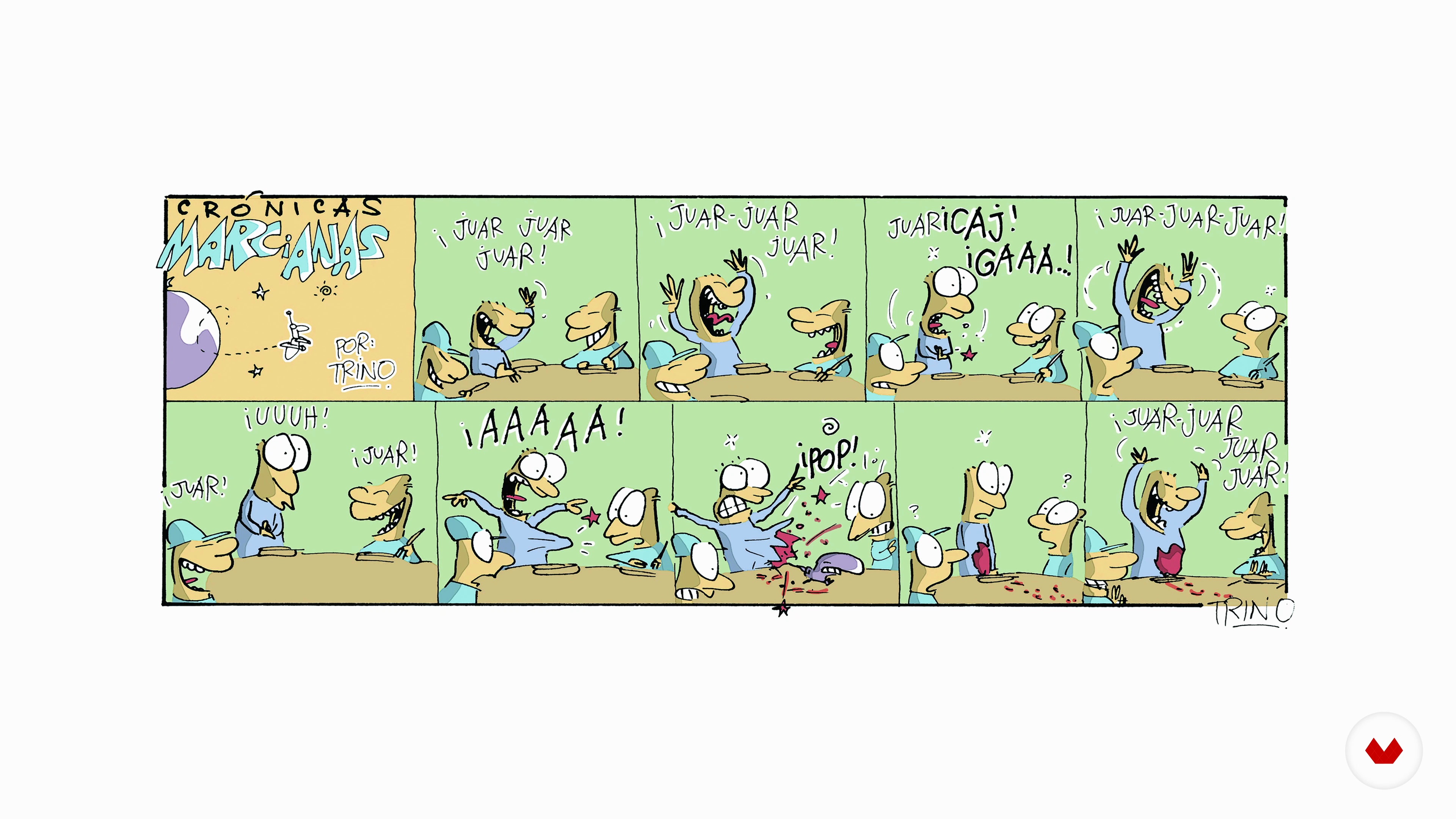
Throughout this lesson, we'll reflect together on the power of humor to confront tragedy without resorting to cruelty. You'll see how personal experiences, popular culture, and social context inform my work, always aiming to make us laugh with, not at, others.
6m
 4
4Building a universal message
You'll discover how humor can speak without saying a word. Through my own examples and classic references, I'll show you how to tell visual jokes that travel the world without needing a translator. You'll see that even a real fart can have a punchline if you know how to draw it.
7m
 5
5Humor and new formats
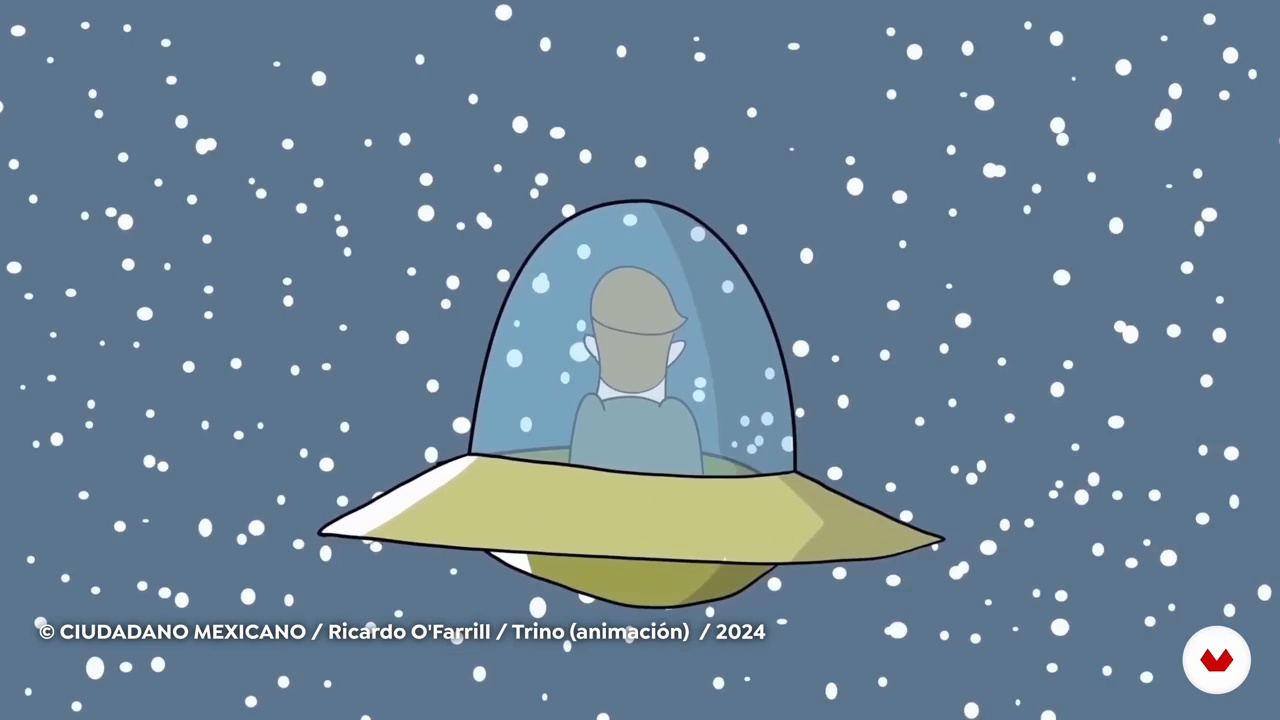
Sometimes, changing formats opens new doors. In this lesson, you'll discover how I transformed my comic strips for the digital world, collaborated with comedians, and animated everyday stories. You'll learn how humor can adapt to new media without losing its impact or sensitivity.
5m
 6
6Ways and tools to create humor
Where do the ideas for a comic strip come from? Now you'll discover my creative world, where humor springs from real-life anecdotes, invented characters, and absurd scenes. You'll see how I transform everyday life into visual stories with rhythm, wit, and a very personal touch.
15m
 7
7How to find your own style
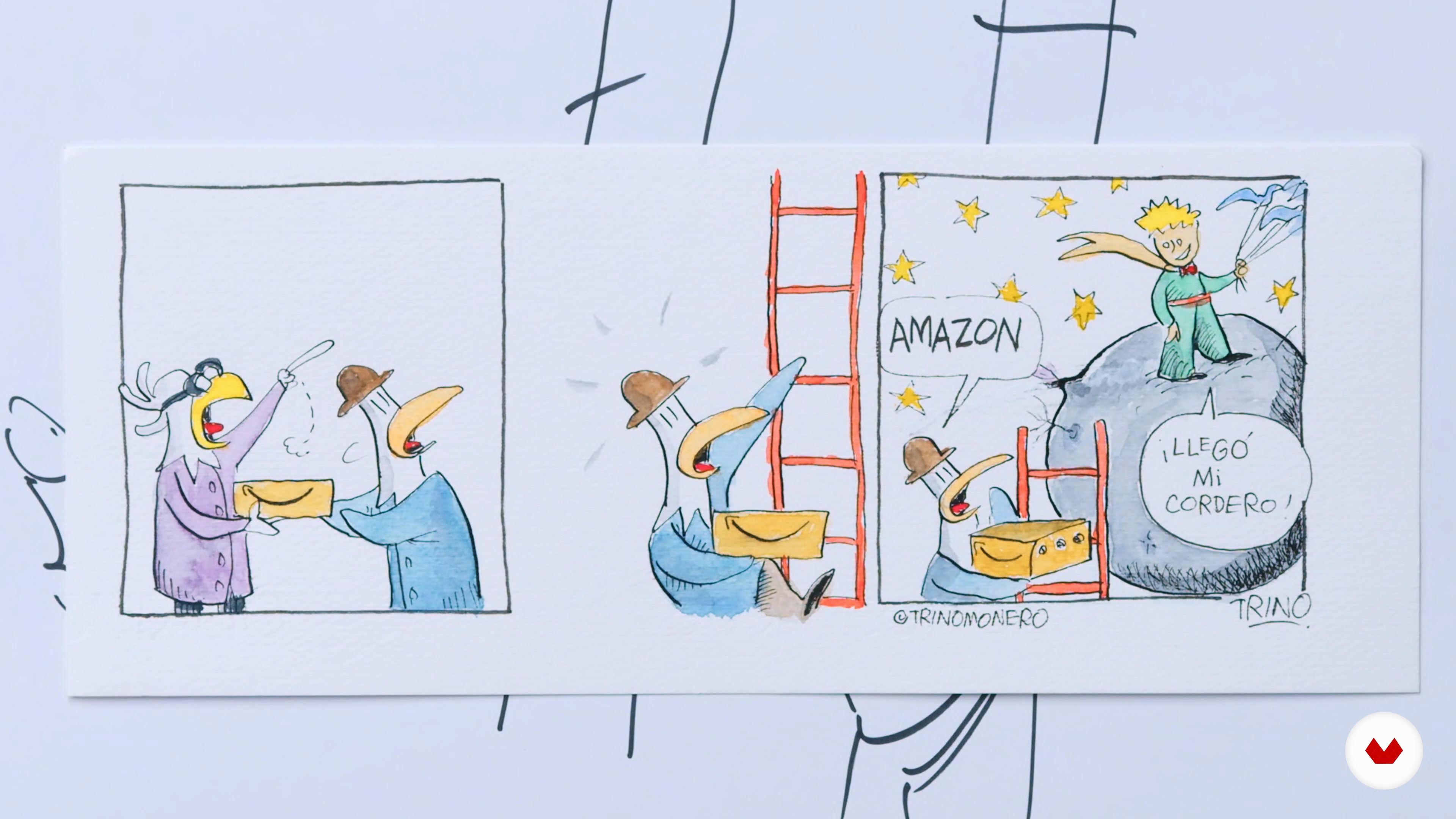
Have you ever had a funny idea slip away because you didn't write it down? In this lesson, I'll tell you how I capture ideas on the fly, from packages arriving in space to suspicious taco vendors. You'll see that, with a notebook in hand and a sharp wit, any detail can become comic gold.
8m
 8
8The construction of the punch
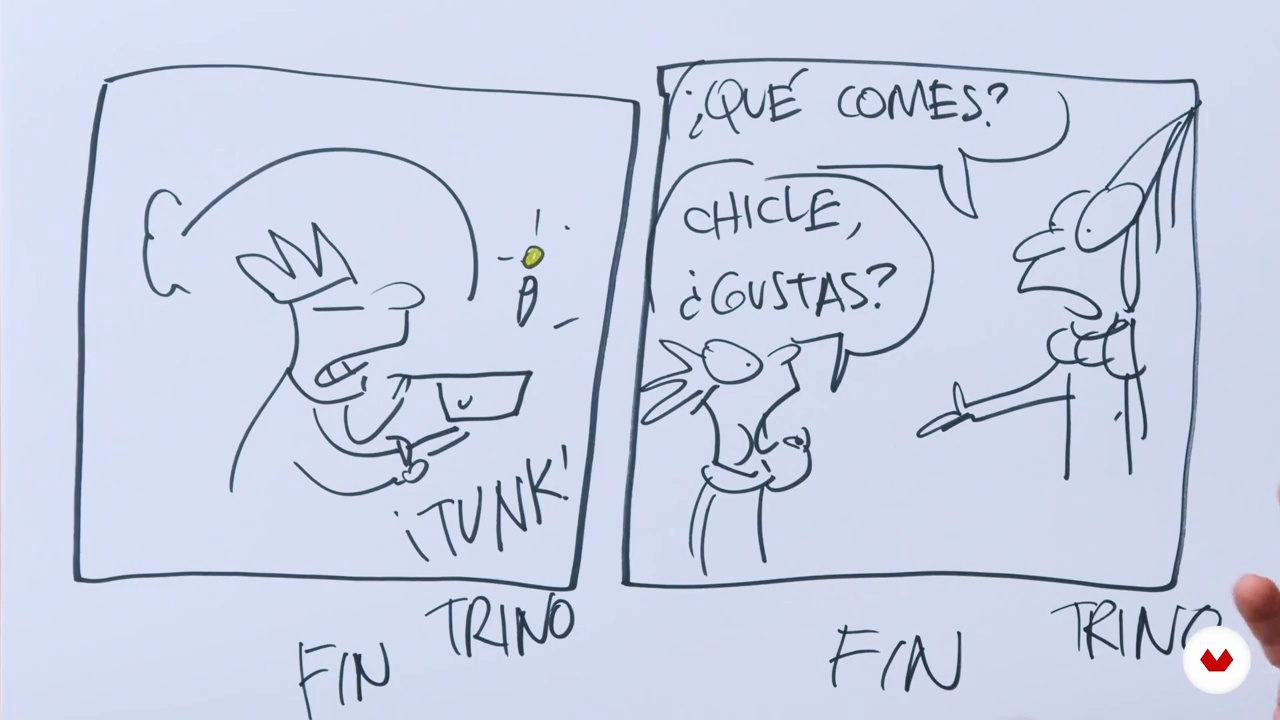
Nothing beats a good punchline to end with a laugh. That's why I'll show you how to build a comic strip starting from the ending, exploring punchline alternatives and refining the humor panel by panel. You'll see that making mistakes is also part of the creative process.
12m
 9
9How to keep humor relevant
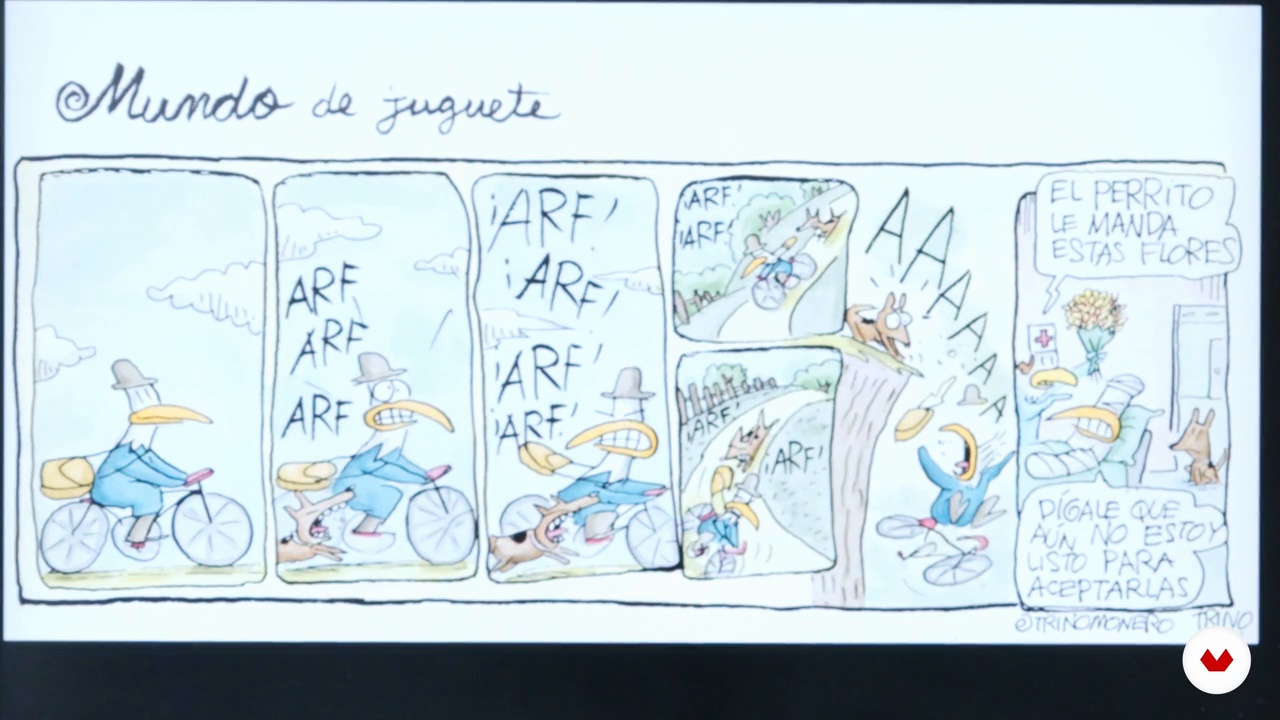
Adapting isn't giving up, it's evolving. You'll learn how I went from drawing to animation, using humor and creativity to transform old images into new stories. You'll see that even Flash Gordon and a stubborn little dog can come to life with good voice acting.
8m
 10
10Making humor for different audiences
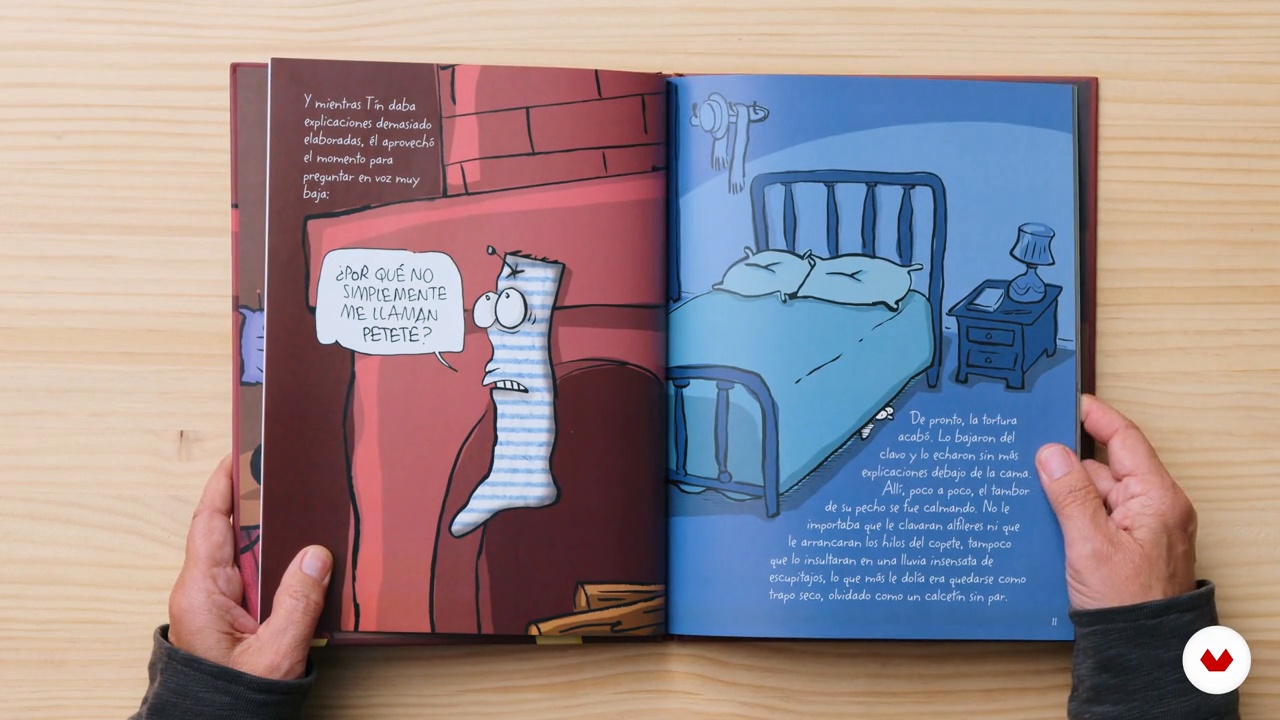
Speaking to different audiences is an art. Here's how I adapt my humor depending on the topic and the audience: from heartfelt fart jokes for kids to historical satires and galactic football for adults. The key is finding the right tone to elicit a laugh… and maybe some reflection.
7m
 11
11Tips for new comedians
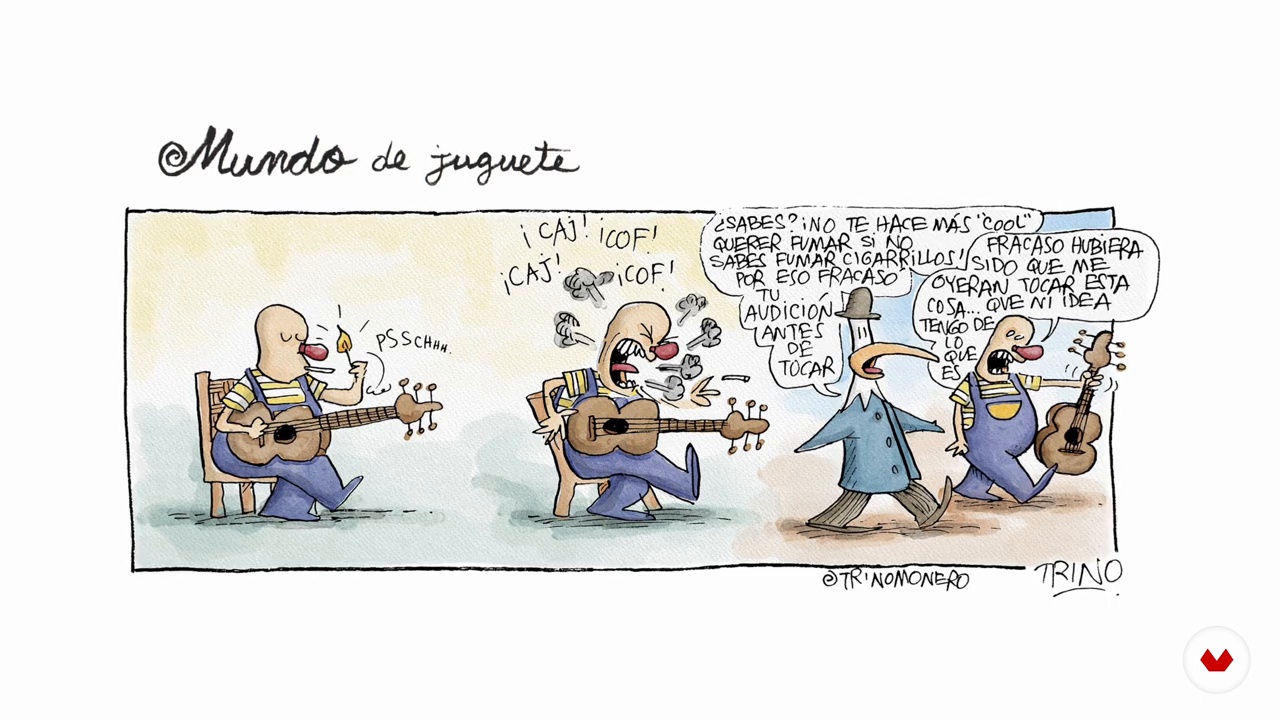
Letting go of an idea in time can save it from oblivion. Sometimes you have to let it rest, return to it later, with less pressure and more clarity. I'll tell you why failure is a creative ally, how humor can communicate even in social campaigns, and why you shouldn't throw away those sketches that don't yet convince you. Everything is useful if you know how to look at it with fresh eyes!
7m
 12
12Copyright and how to charge for your work
Taking your art seriously also means protecting it. Registering your characters, building your personal brand, and pricing your work are key steps to making a decent living from comedy. It's time to share some tips on negotiating, pricing, saying yes (or no), and how to prevent others from stealing your ideas… without paying you a penny.
5m
 13
13Teachers Podcast with Trino
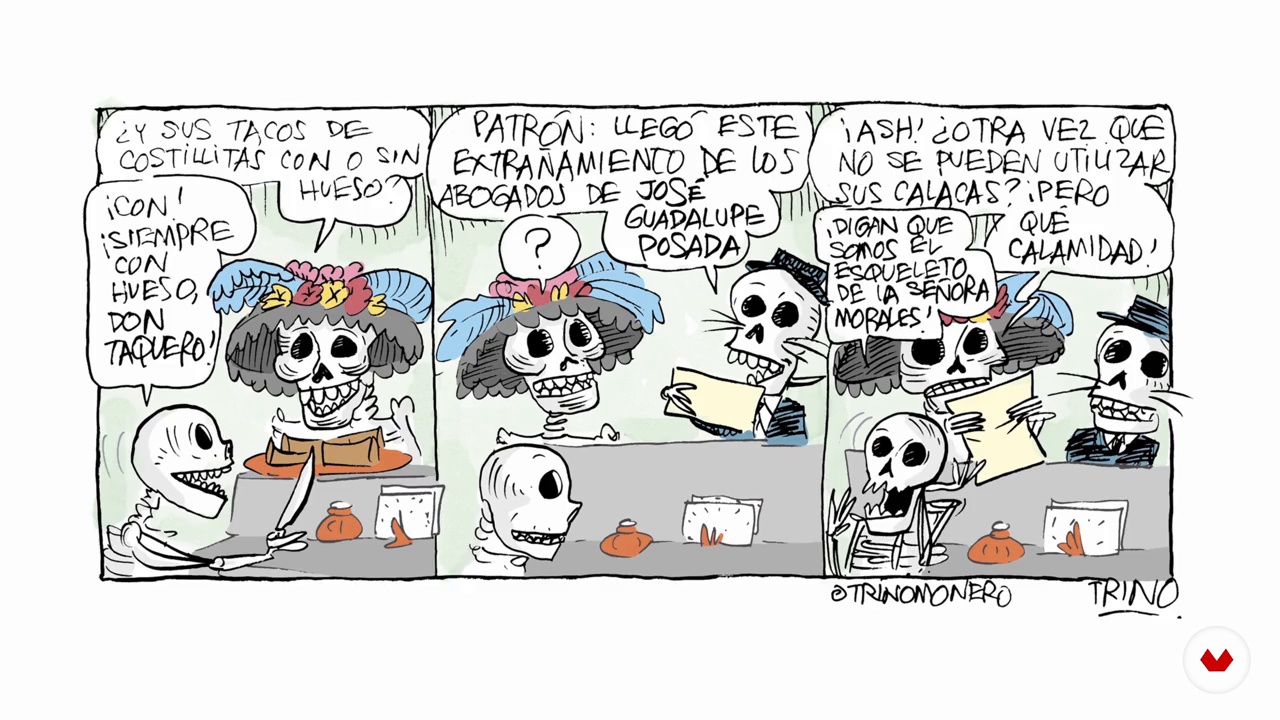
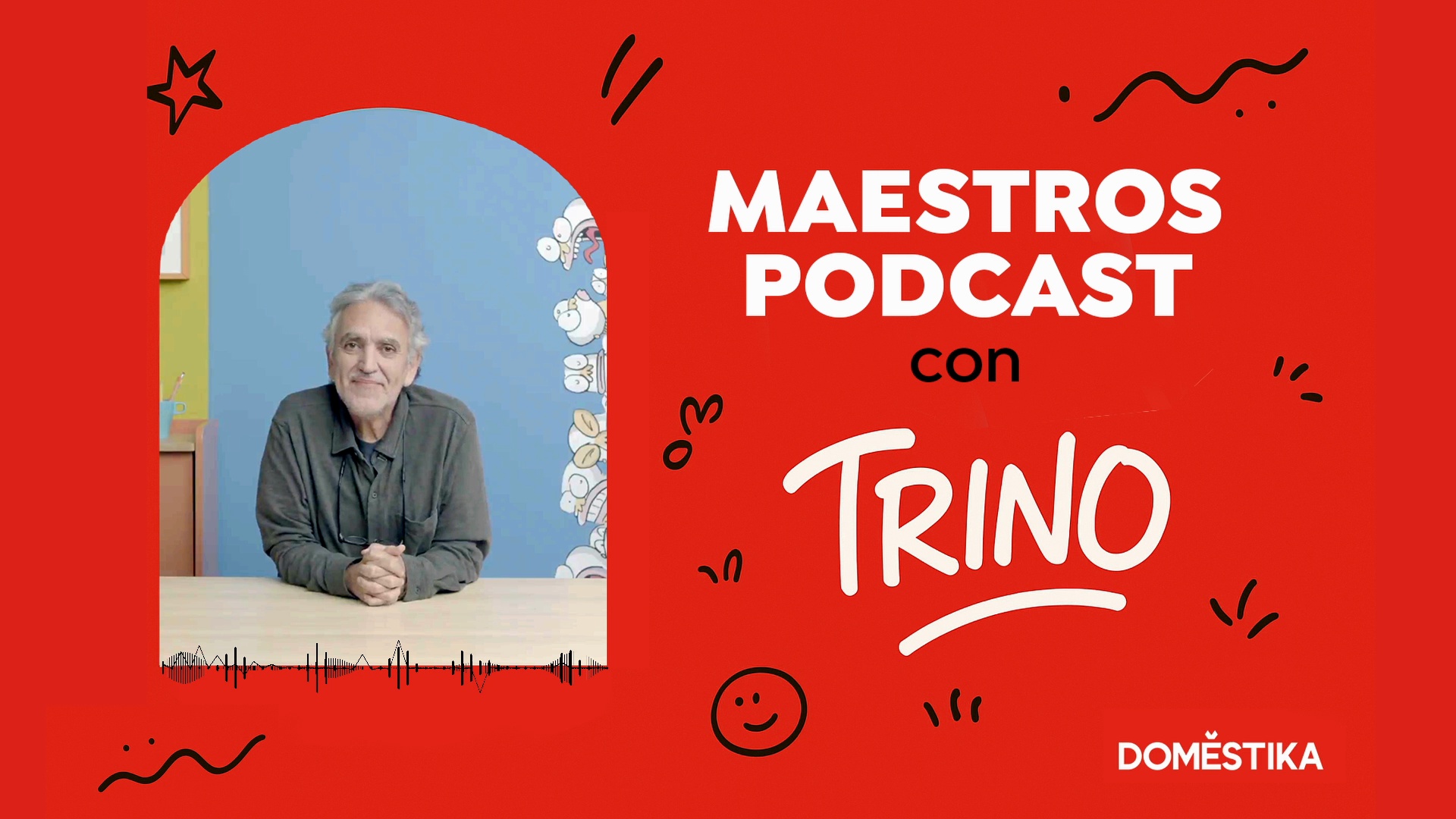
In this podcast, you'll explore how Trino transformed humor into creative resistance. From rebellious doodles in school to iconic, absurdist heroes, discover how satire, pop culture, and Mexican identity shaped a cartoonist who draws laughter from chaos. We hope you enjoy the experience.
17m
 4
4Brief analysis of the history of the daily strip
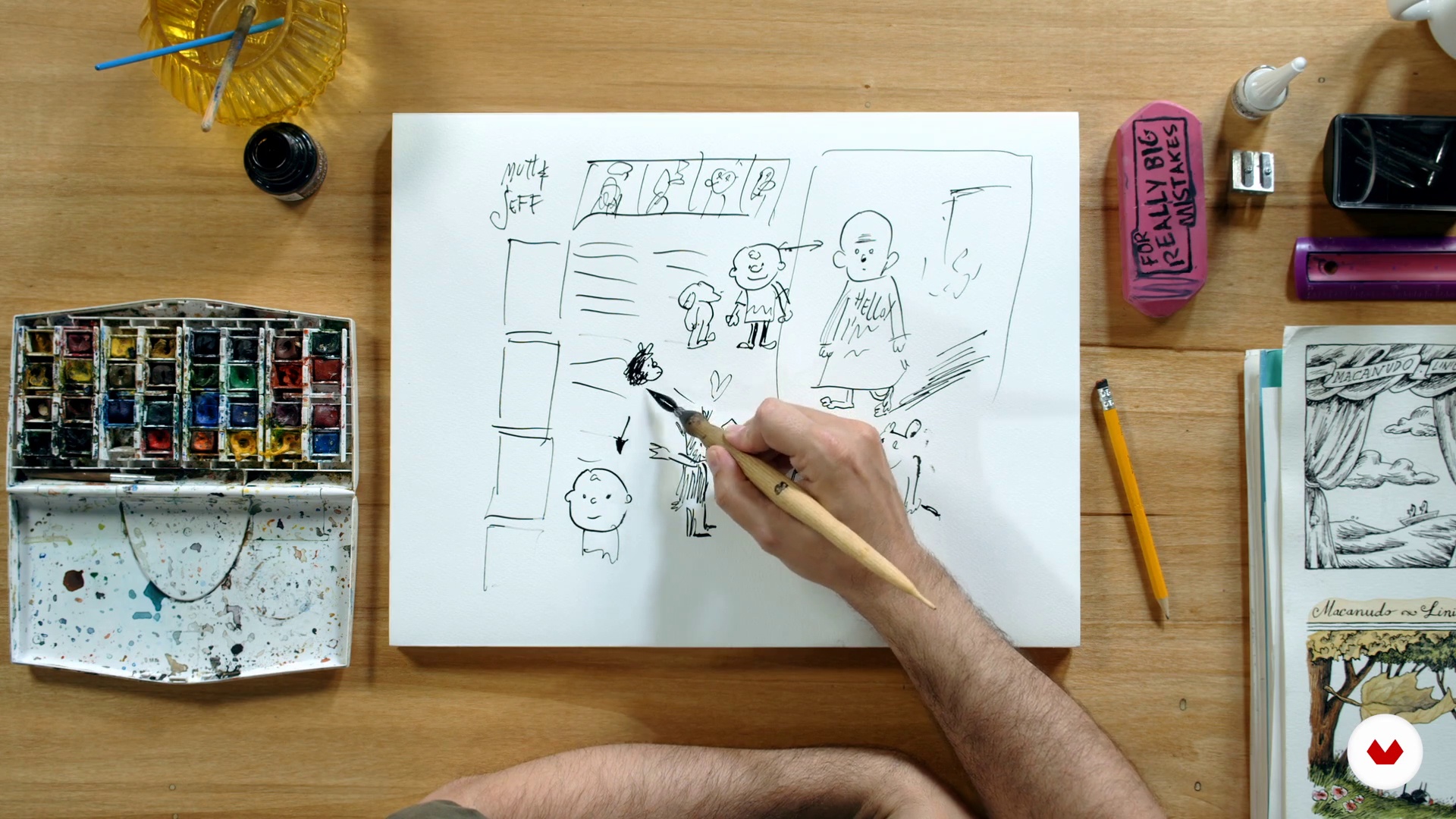
We will see a very brief history of the daily strip, starting with The Yellow Kid, Mutt and Jeff, Crazy Cat, Charlie Brown and arriving at Mafalda, Rep, Fontanarrosa and Maitena.
8m
 5
5Different humorous types
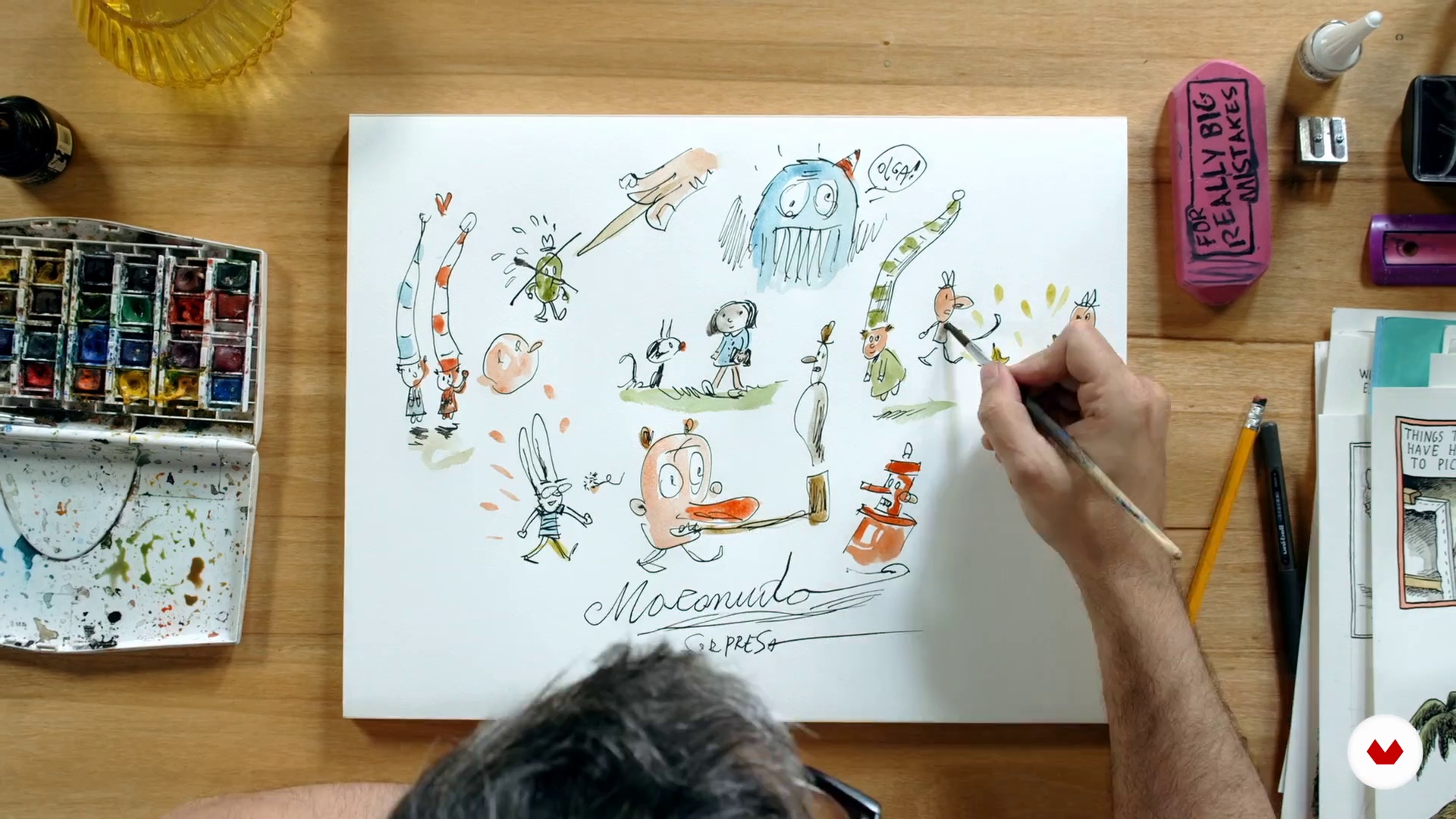
Now let's do an analysis of some humor styles. We will see how with different styles of strokes we can define a style of humor or another. We will also see how you can tell a complex subject using black humor, for example. Then we will talk about post-humor or also called "no joke", which is built based on surprise. Then I'll tell you how I build political humor and how to do it from ideas more than from politicians. And how to try a world in our cartoon that allows us freedom, not only so that it does not run out soon, but so that it does not bore us.
9m
 6
6materials
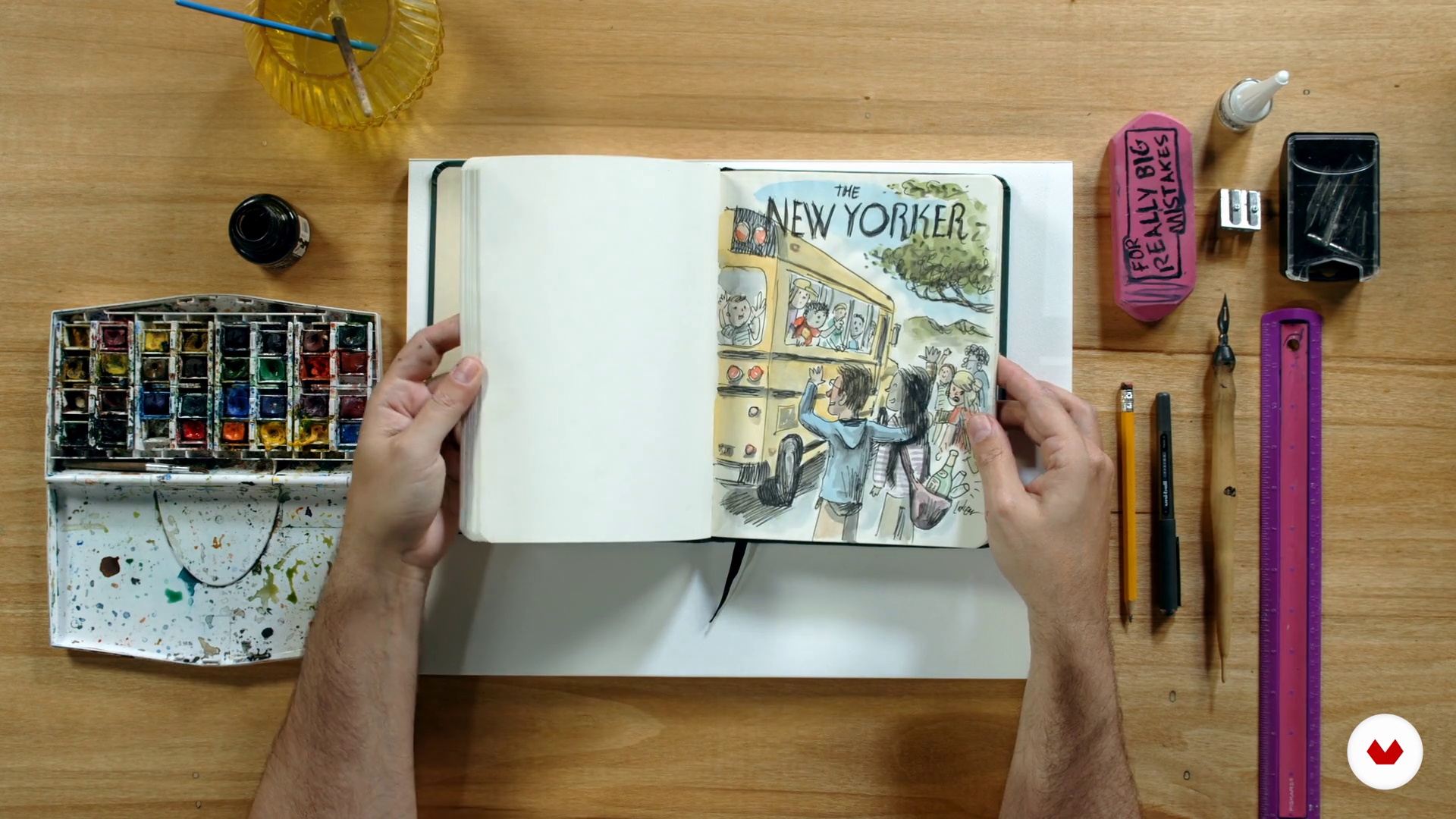
Let's talk about the materials. While I think that each one is putting together their own materials, their own "drawer of tools", each one is feeling what is comfortable, yes I can recommend some things. Sketchbooks, in the first instance, allow you to draw without thinking, without professional pressure. I have found the materials over time. The first step is the pencil, because it allows me to decide where to place everything, with the option to erase it. Then, when I have everything decided I use ink with pen. The pen allows different line values and there are different types of pens. Finally I move to watercolors and I like it because it has a plasticity that works by summation. I recommend you try and find what vibrates more.
9m
 7
7Work space
A cartoonist with a notebook and a pen can start working anywhere. But having a specific space at home is very useful to be able to sit down to work directly. What I recommend for the vignette is that you create a dynamic workspace. I like to play with the different possibilities and locations of the vignette to generate surprise.
4m
 8
8What? - The idea -
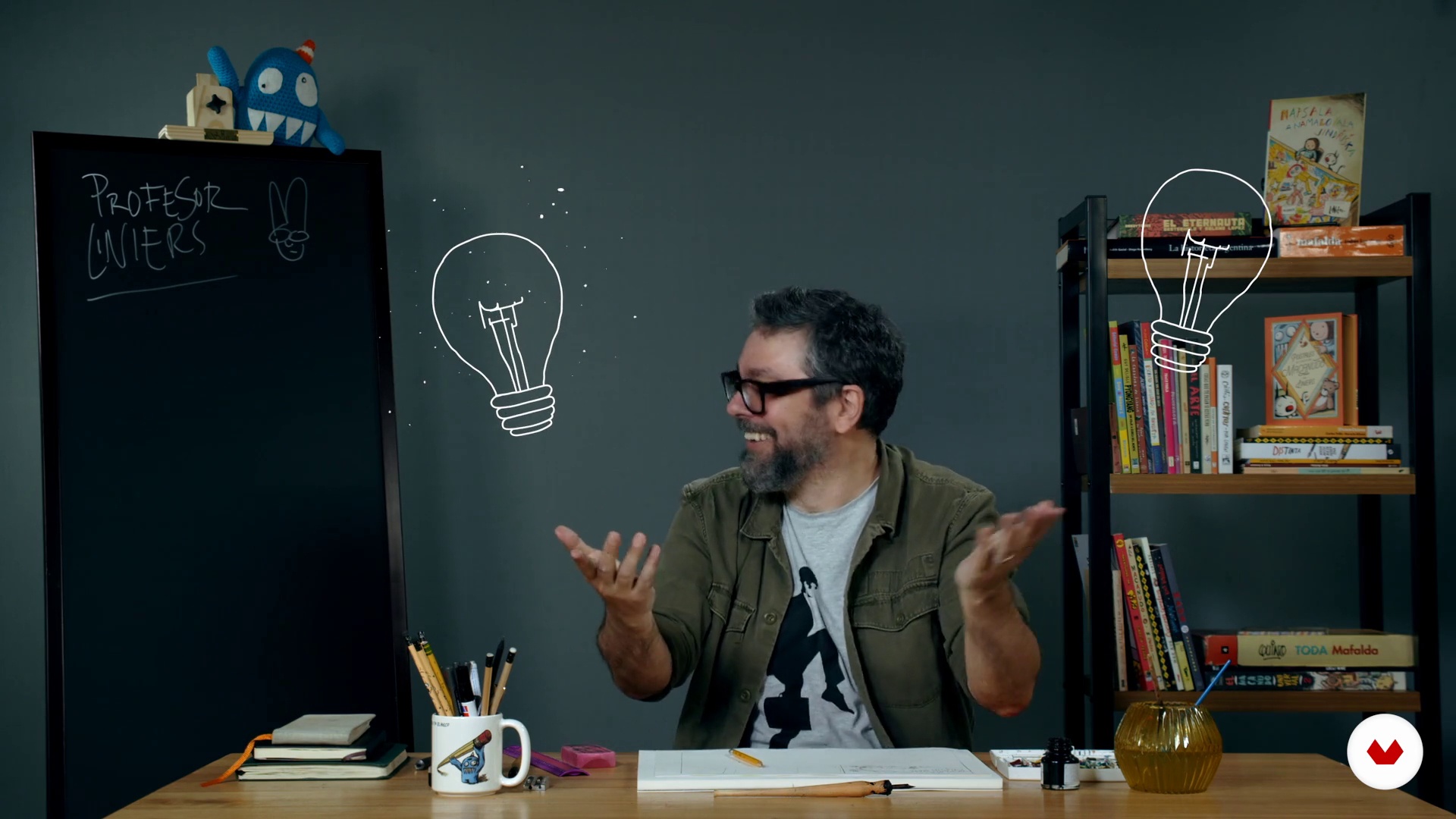
Let's talk about the fundamental aspect of all artistic work, the idea. Now, what do we say is more important than how we say it? And we will analyze the eternal question without answer: How to do so that an idea arises?
10m
 9
9Who? - Character -
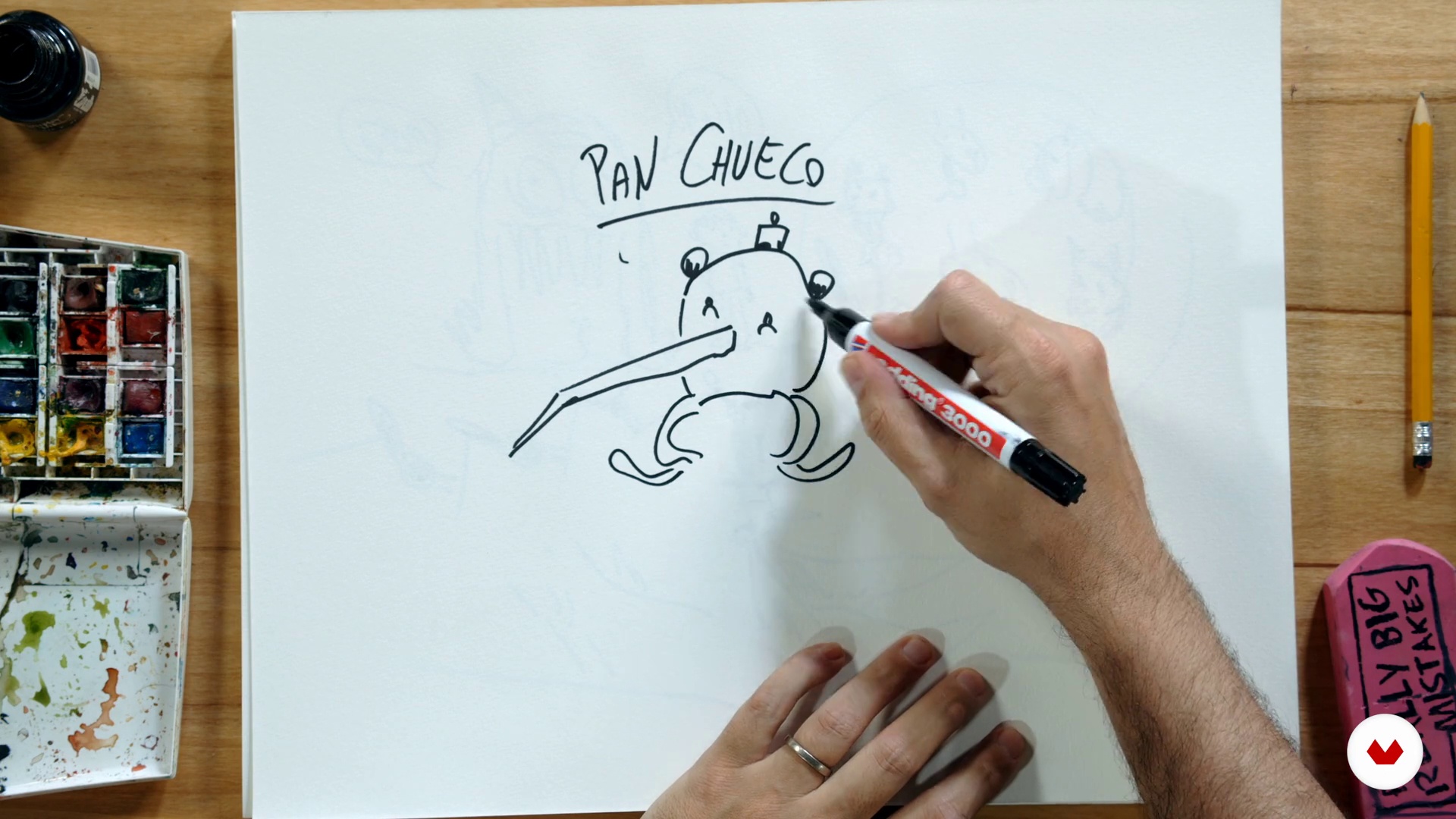
Let's see how you can build a character. You learn to draw by imitating other drawings first, then you find your style, your own poetics and logic and create your own characters from scratch. The secret is a lot of work, nothing more.
11m
 10
10How? - The process -
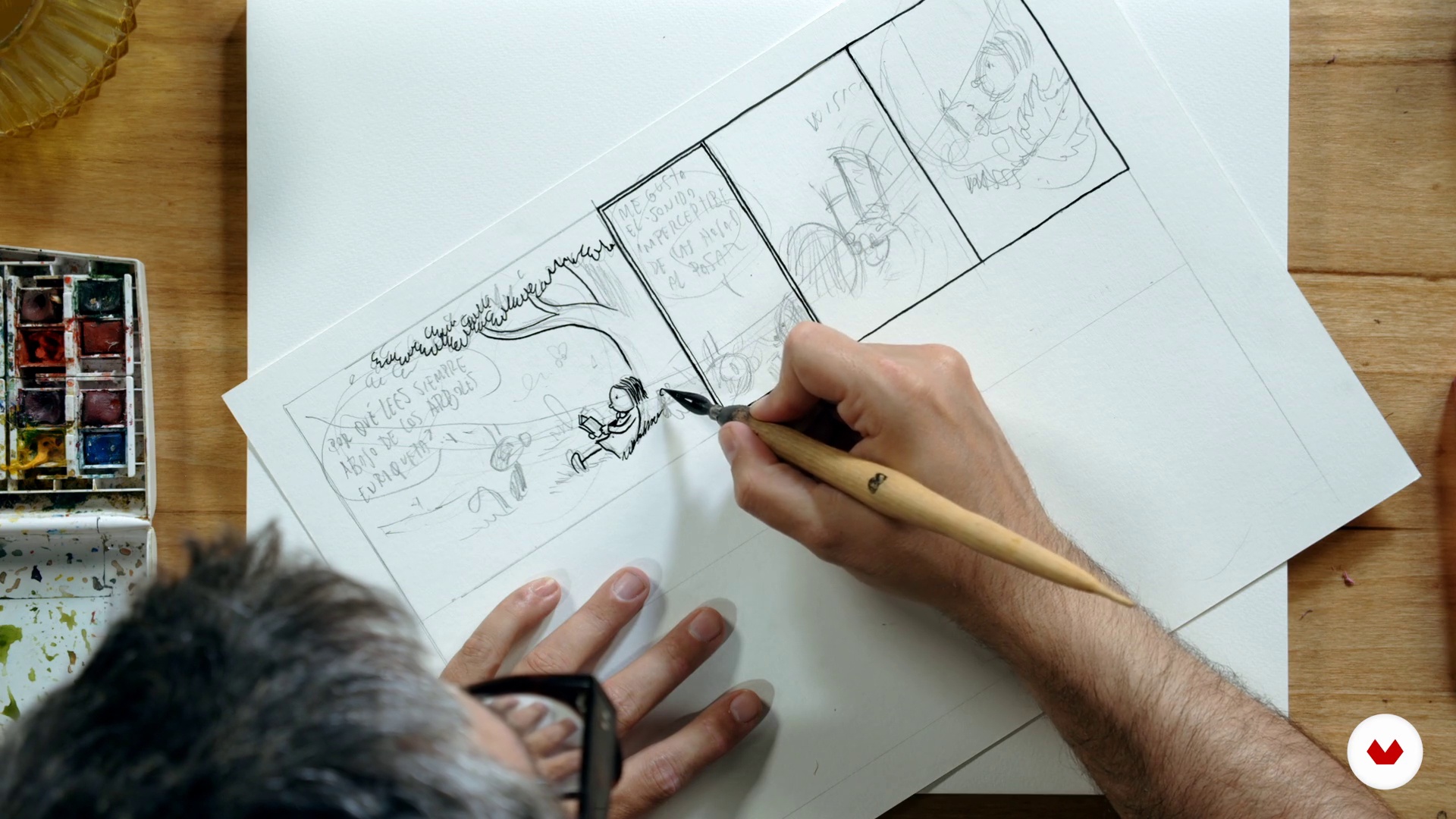
Now we have the idea, the characters, the script. Everything that appears in the painting is a decision, every detail. How we tell the story has to do with what we want to say.
6m
 11
11Decisions and color
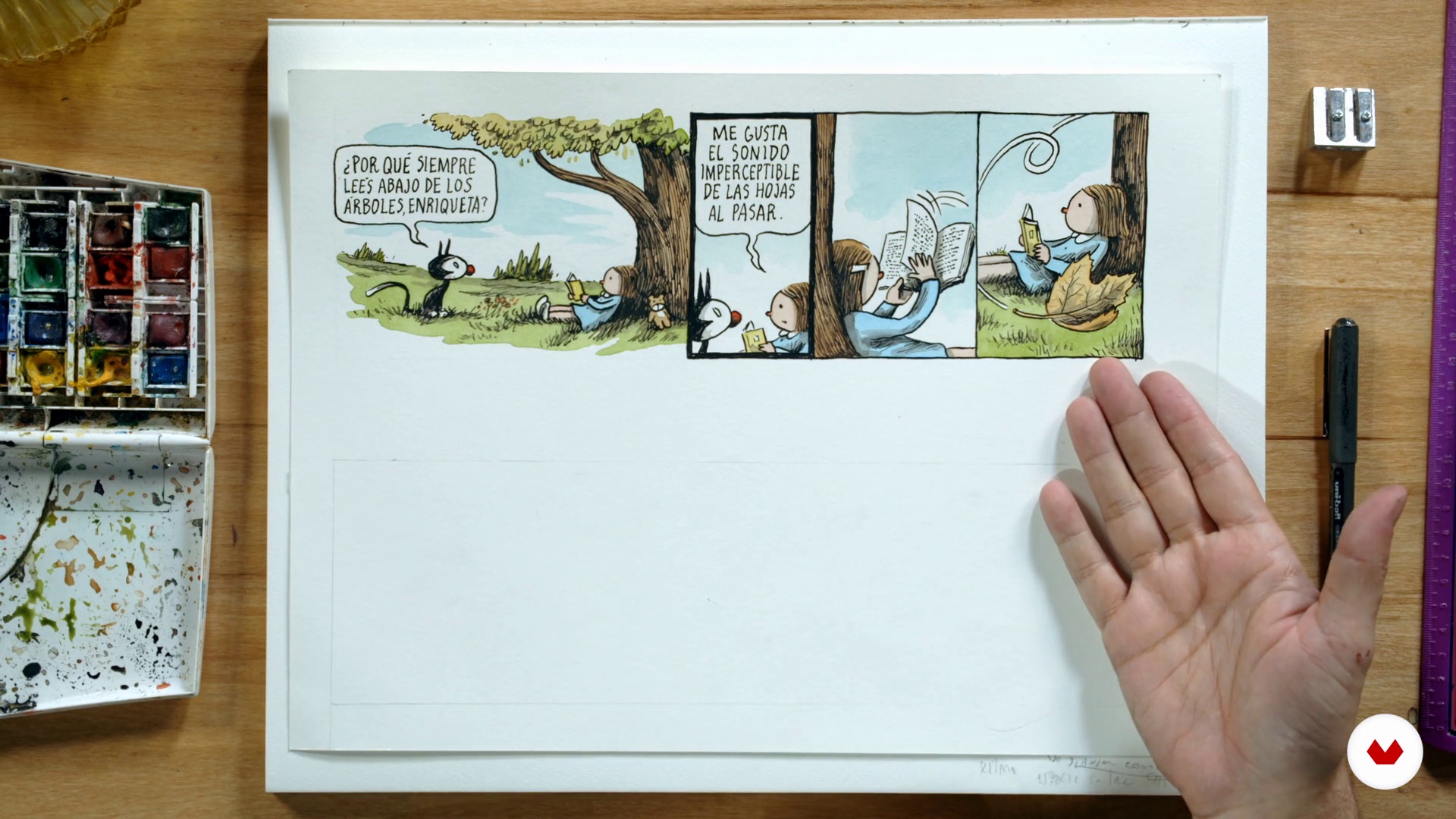
Until before inking, we can modify, delete, add. Now we have our cartoon inked and we are going to paint it.
5m
 12
12Draw well vs draw funny
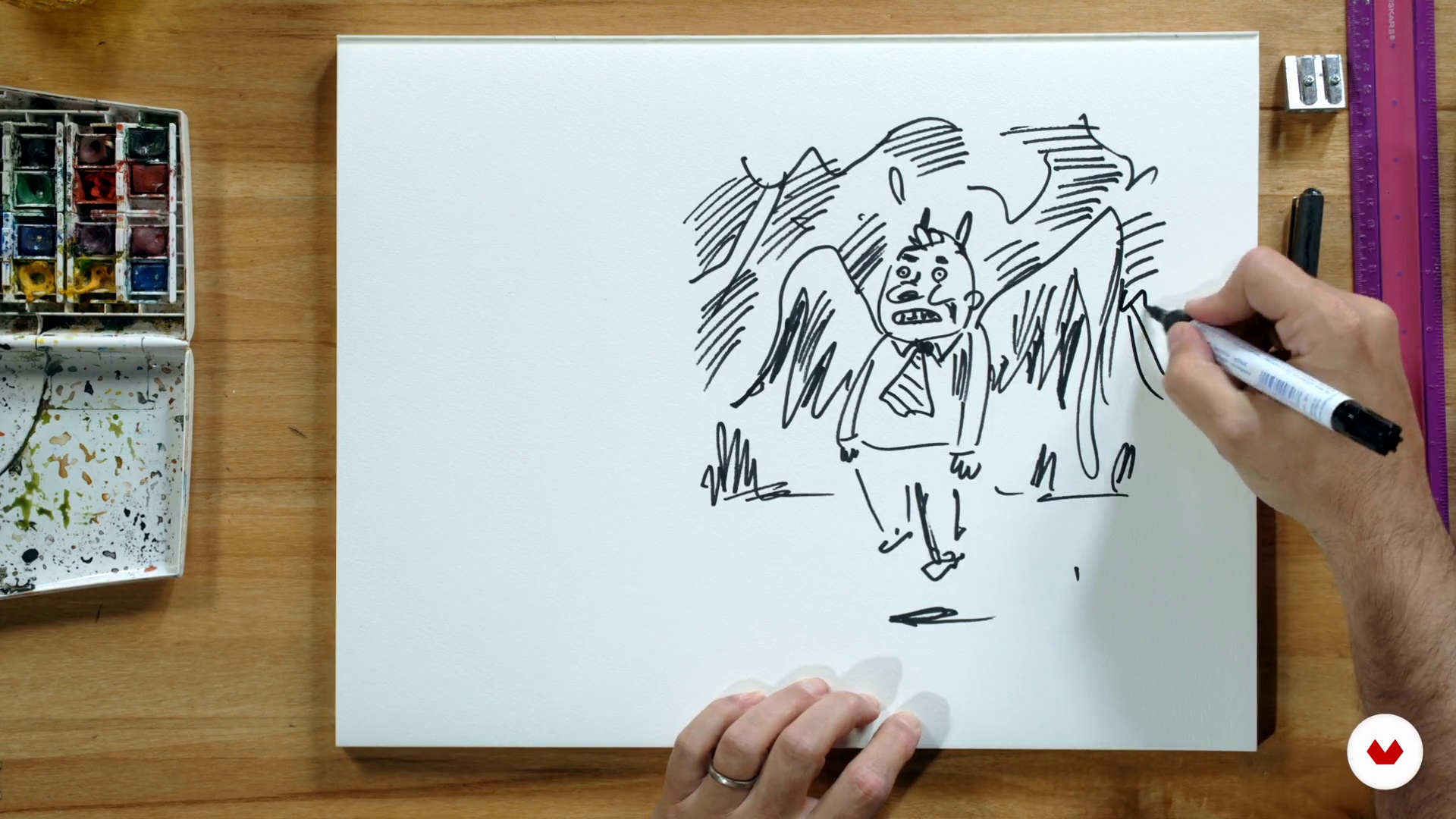
With very little, you can draw funny. One can be a great draftsman, but not be funny. Again, the secret is to continue working and not to dismiss an idea so quickly, but to work with it until we see that it has potential, or not.
7m
 13
13Commercial aspects
I am going to give you tips that can help you to avoid making certain mistakes, or pay more attention to certain aspects. We will also see different ways to give visibility to your strip.
7m
What is this course's project?
You will create a coherent series of personal, narrative, and humorous vignettes, from creative exercises to a final comic strip. You will explore ideas, emotions, everyday observations, visual synthesis, and your own graphic voice, preparing a piece ready for digital publication or inclusion in an editorial portfolio.
Who is this specialization for?
Aimed at illustrators, cartoonists, visual creatives, advanced drawing enthusiasts, those interested in cartoons, graphic humor, short stories, personal expression, illustrated ideas, social media, digital publishing, visual synthesis, and their own voice; basic level of drawing sufficient.
Requirements and materials
No extensive prior experience is required; basic drawing skills, a willingness to observe and experiment, a notebook, pencil, paper, eraser, and simple digital tools for editing and publishing comics are all you need. Curiosity, perseverance, and creative openness are recommended.
Select to get to know your teachers in this specialization course


What to expect from this specialization course
Learn at your own pace
Enjoy learning from home without a set schedule and with an easy-to-follow method. You set your own pace.
Learn from the best professionals
Learn valuable methods and techniques explained by top experts in the creative sector.
Meet expert teachers
Each expert teaches what they do best, with clear guidelines, true passion, and professional insight in every lesson.
Certificates
PLUSIf you're a Plus member, get a custom certificate for every specialization course. Share it on your portfolio, social media, or wherever you like.
Get front-row seats
Videos of the highest quality, so you don't miss a single detail. With unlimited access, you can watch them as many times as you need to perfect your technique.
Share knowledge and ideas
Ask questions, request feedback, or offer solutions. Share your learning experience with other students in the community who are as passionate about creativity as you are.
Connect with a global creative community
The community is home to millions of people from around the world who are curious and passionate about exploring and expressing their creativity.
Watch professionally produced courses
Domestika curates its teacher roster and produces every course in-house to ensure a high-quality online learning experience.